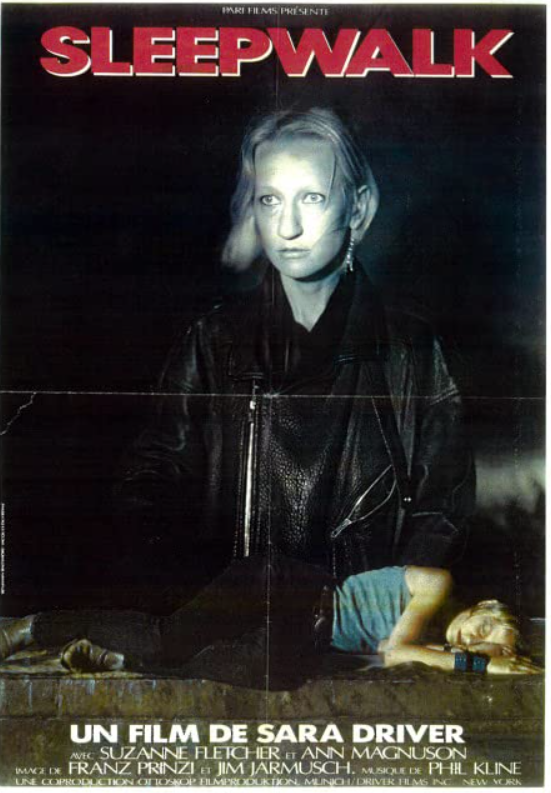
Sleepwalk (1986)

Sleepwalk (1986)

“Everything she had forgotten, everything she had lost sight of, suddenly flowed back into her heart — and the spell was broken.”

Synopsis:
When a stenographer (Suzanne Fletcher) is hired to translate an ancient Chinese manuscript, she finds the world around her subtly shifting in fantastical and sometimes scary ways.

Genres, Themes, Actors, and Directors:

  • Fantasy
  • Living Nightmare
  • New York City

Review:
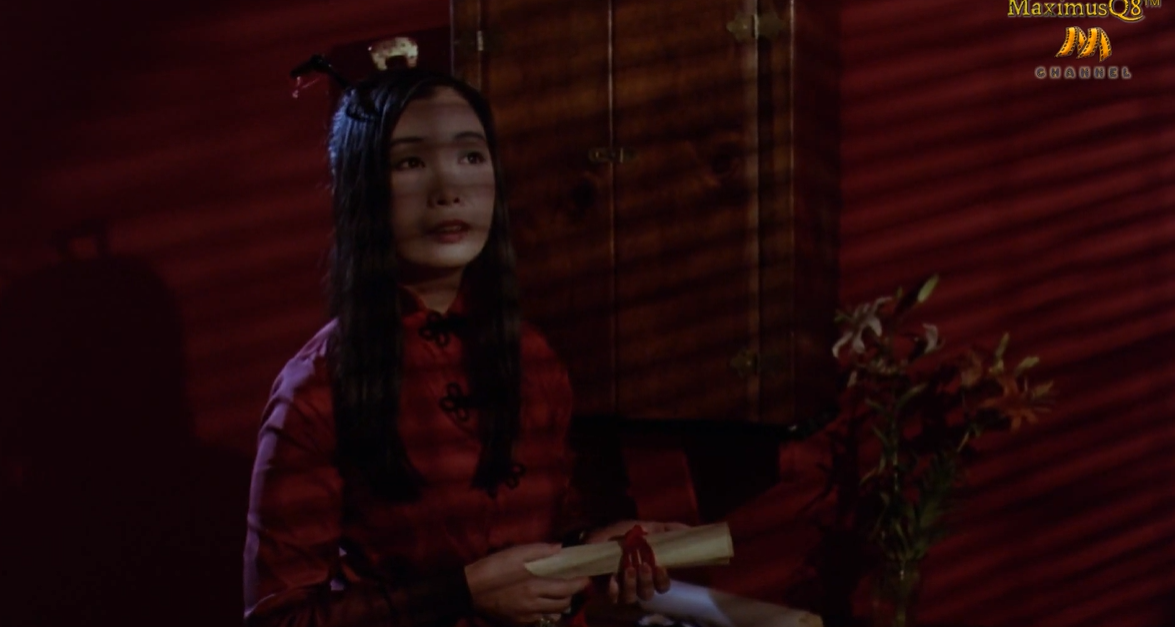
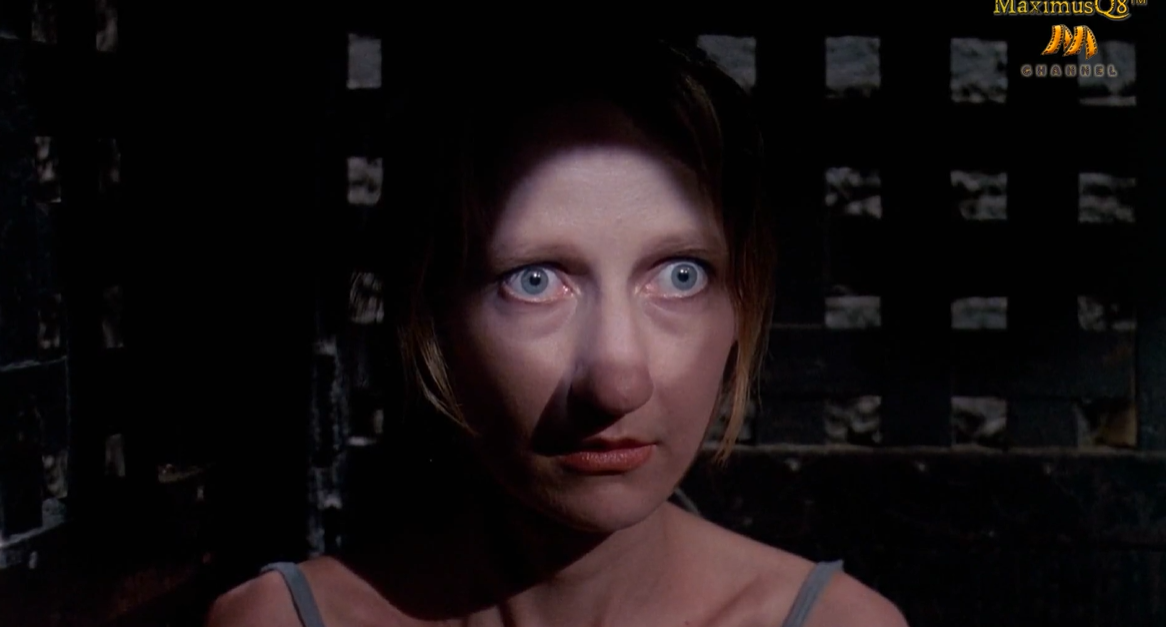
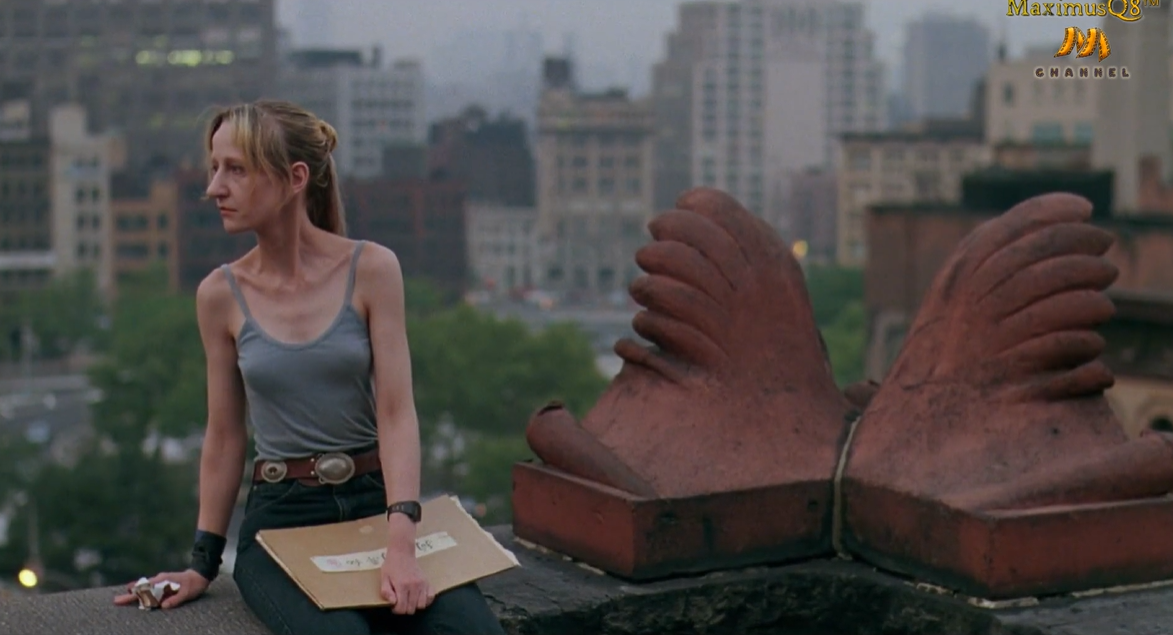
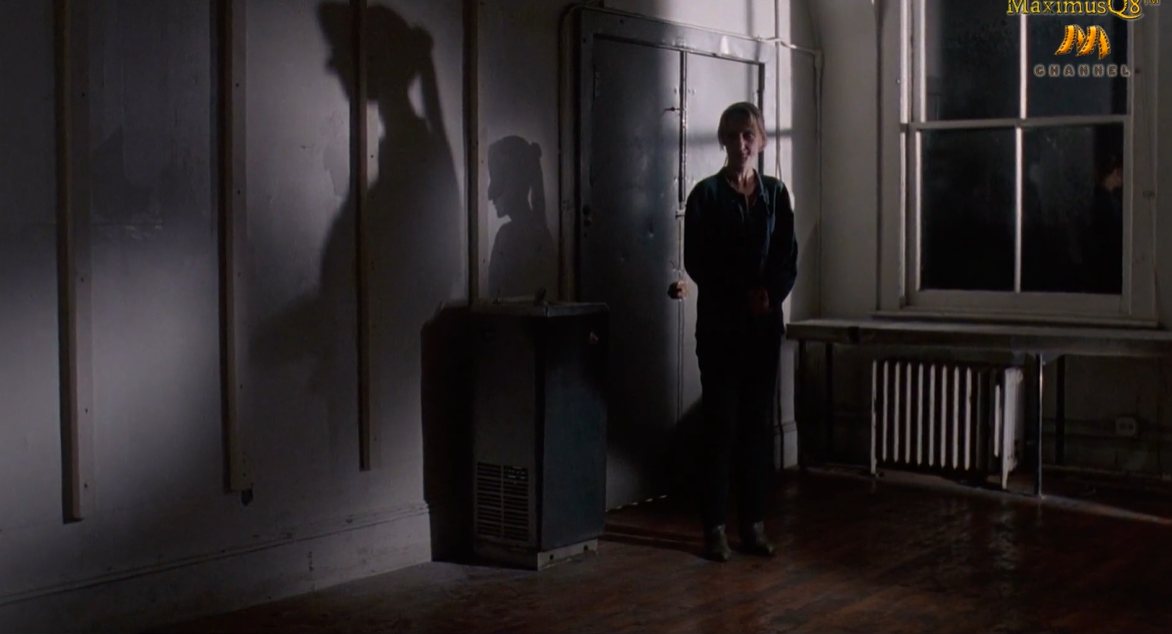
This first feature film by Jim Jarmusch’s partner Sara Driver is a quirky, decidedly experimental mood piece set in a New York City that is both mind-numbingly mundane and inconceivably fantastical. The film opens with a scroll being placed in and recovered from a secure spot:

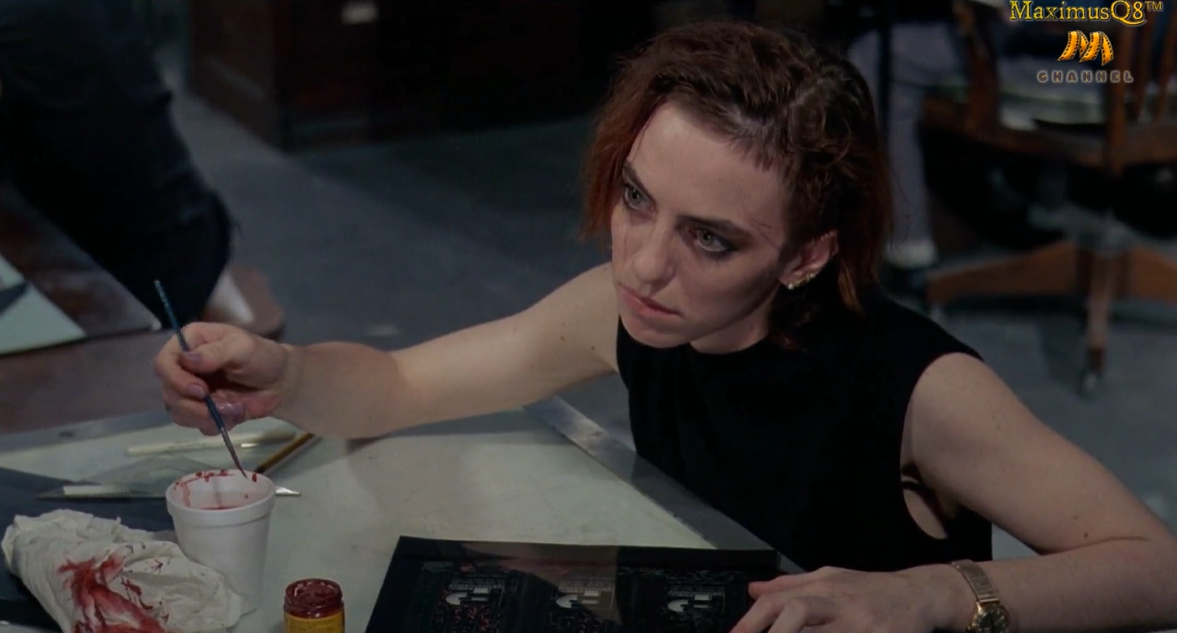
… then shifts to an office, where we see workers trying to pass the time either by zoning out while getting their tasks done:

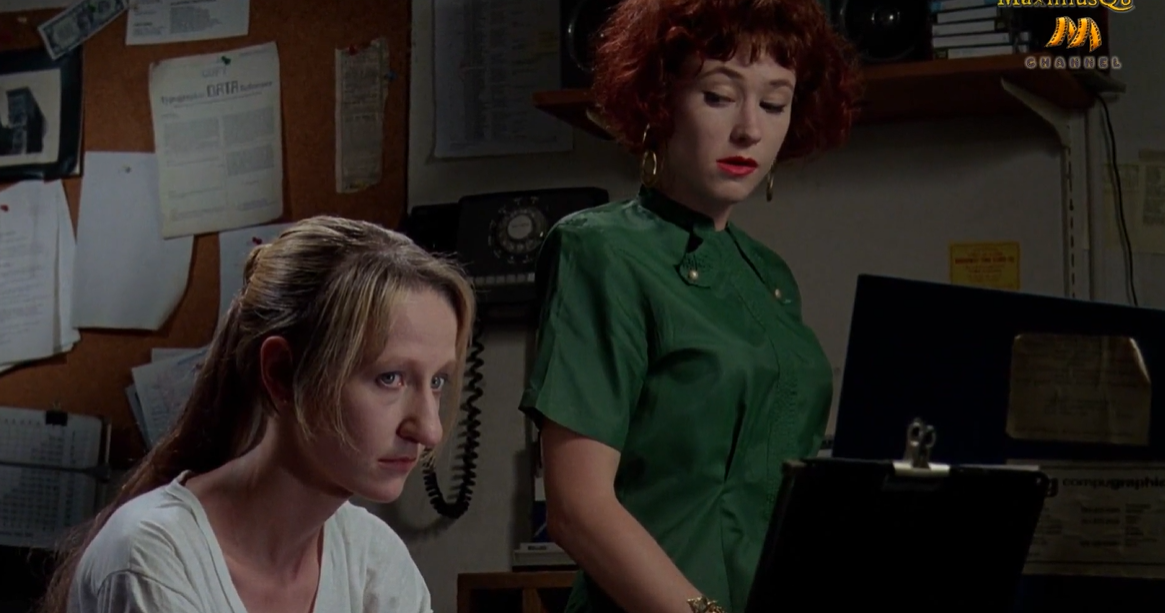
… or acting out, as when Fletcher’s roommate (Ann Magnuson) bugs their boss about his weight and potato chip eating, or tries to bum money off of hard-working Fletcher.

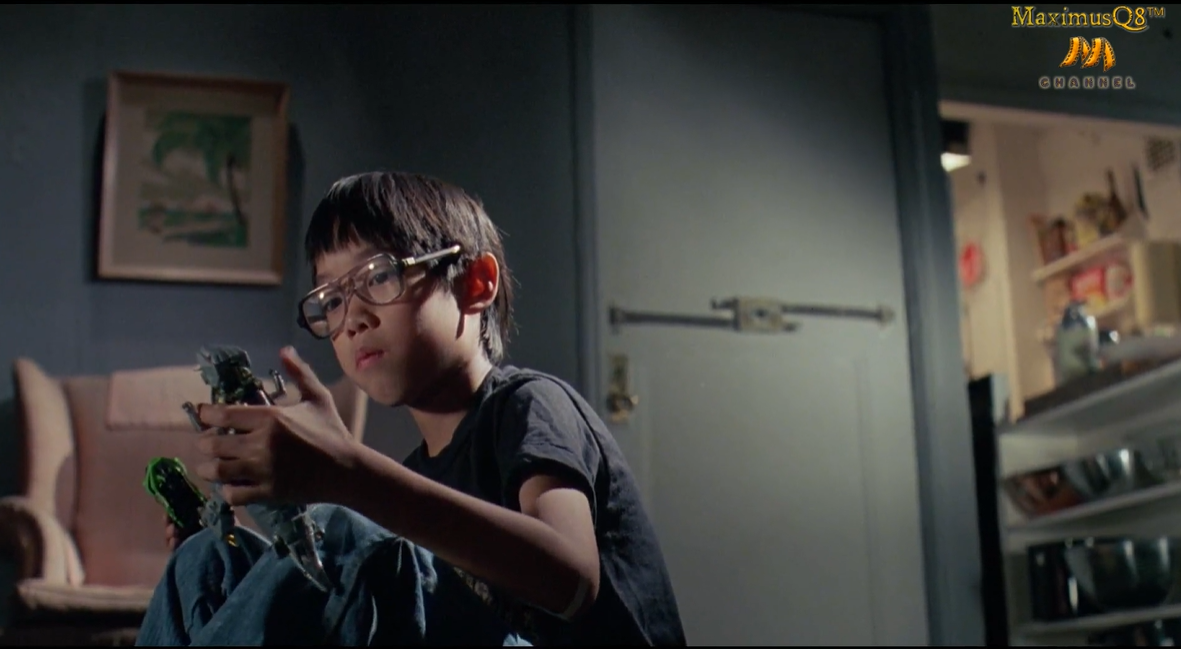
Eventually we see that Fletcher has a son (Dexter Lee):

… who seems to primarily take care of himself. Fletcher, meanwhile, is obsessed with a new job she’s gotten translating the scroll we saw in the opening sequence — and as she writes out the story, we’re meant to understand that it’s somehow impacting (and/or interacting with) her reality as well.

It’s all highly atmospheric and somewhat spooky, yet makes little sense. Watch for Steve Buscemi in one of his earliest roles as an “office worker”, though he doesn’t have much to do or say.

Notable Performances, Qualities, and Moments:

  • Good use of New York locales
  • Jim Jarmusch’s cinematography

Must See?
No; this one is only must-see for fans of this type of experimental cinema. Listed as a film with Historical Importance in the back of Peary’s book.

Links:

Film Fanatic End of 2022 Greetings

Film Fanatic End of 2022 Greetings

Hello, fellow Film Fanatics!

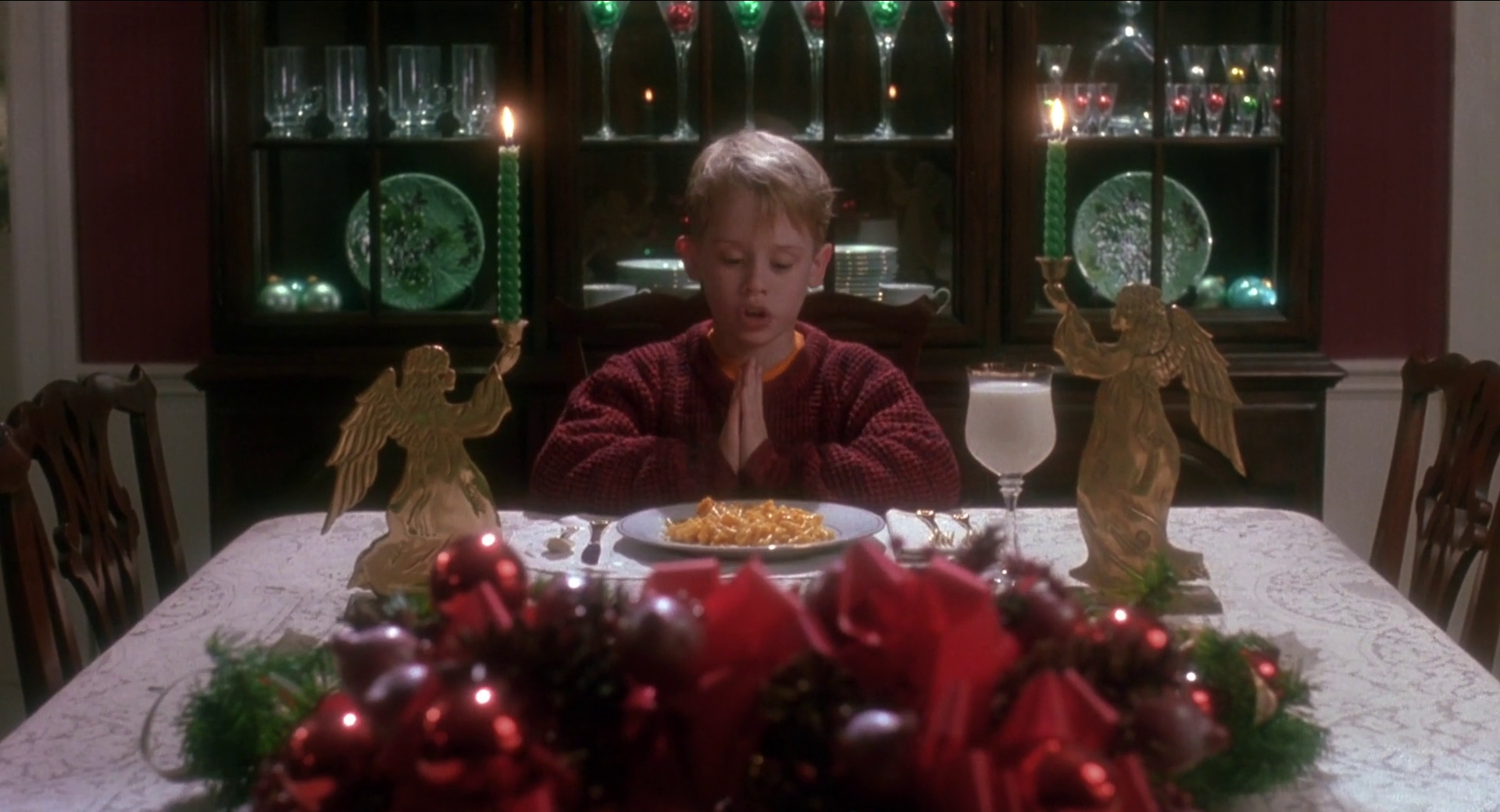
I hope this has been an enjoyable year of movie watching for all of you. My family and I (kids now ages 10, 12, and 14) watched Home Alone (1990) yesterday, and it was a fun harbinger of what’s to come: once I’m done with this project, I’ll be moving on to covering more modern classics.

Unfortunately, 2022 has been a rough year for our family, with loss on numerous levels; with that said, I’m always grateful to movies for providing a safe haven in the midst of personal challenges.

Midway through the year I wrote a reflection on my milestone of having watched all the films in GFTFF up through the 1950s — so, all titles I’ve been reviewing since then were made between 1960-1987. There have been some definite gems, though I’ll admit to missing flicks from earlier decades.

Here are a few of my highlights from this past year of (re)viewing movies:

  • For the number geeks among you, I’ve reviewed an additional 287 films in 2022 (so far!). That brings me up to 3,483 or 81% of the titles in Peary’s Guide for the Film Fanatic — just 817 more to go!
  • I’ve continued to work my way through titles from Peary’s three Cult Movies books (just seven left). I can’t say many are personal favorites, but I was pleasantly surprised by at least a few: The Terminator (1984) has held up remarkably well as a dystopian sci-fi time travel flick (Schwarzenegger’s performance is fun!); Liquid Sky (1982) remains a darkly acerbic cultural commentary with truly far-out visuals; and of course Blade Runner (1982) maintains its status as a haunting masterpiece on so many levels.
  • My favorite auteur viewing this year was catching up with more of Sam Fuller’s unique output. While his Steel Helmet (1950) is a justifiable indie classic, lesser-known but equally worthy Fuller titles to check out include Fixed Bayonets (1951) (also taking place during the Korean War), the colorful House of Bamboo (1955), and the flawed but boldly unique Crimson Kimono (1959).
  • I was pleasantly surprised by how compelling Sidney Lumet’s screen adaptation of Eugene O’Neill’s Long Day’s Journey Into Night (1962) remains: it’s powerfully acted, masterfully filmed, and never drags despite the undeniably challenging subject matter.
  • Francis Ford Coppola’s Apocalypse Now (1979) continues to merit multiple viewings as a “surreal immersion piece.” As I noted in my review, “Coppola and his team set out to tell a tale of the Vietnam War that would highlight its deep absurdity and lasting impact on everyone involved — and in this, he succeeds.”
  • Finally, John Carpenter’s The Thing (1982) is a seriously creepy “remake” that offers an entirely different viewing experience from the 1951 classic; indeed, “Carpenter’s film succeeds on its own terms, presenting a wintery hellscape of justifiable paranoia in which these men… can no longer rely on one another for support and survival.” And the special effects are truly impressive.

Here’s to another year of watching and reviewing classic films!
— Film Fanatic.org

Exposed (1983)

Exposed (1983)

“You have to turn the means around that were used on you: terror creates fear, fear creates violence, and violence creates change.”

Synopsis:
Shortly after moving to New York City, a young woman (Nastassja Kinski) from Wisconsin is discovered by a photographer (Ian McShane) who makes her into a famous model — but when Kinski falls in love with an enigmatic violinist (Rudolf Nureyev), she quickly finds herself in proximity to a ruthless terrorist (Harvey Keitel).

Genres, Themes, Actors, and Directors:

  • Harvey Keitel Films
  • Models
  • Nastassja Kinski Films
  • New York City
  • Terrorists

Review:
Writer/director James Toback’s third feature — after an intriguing debut, Fingers (1978), and a nearly unwatchable follow-up, Love and Money (1982) — was this equally presumptuous romantic adventure featuring terrible dialogue, (mostly) poor acting, and a confused plot about a young woman finding her way in and around the world. It’s not clear why Kinski’s character has a German accent given that she grew up on a Wisconsin farm — but regardless, we can see she has a penchant for picking terrible men, starting with Toback himself in a cameo role as a predatory English teacher she’s rightfully eager to get away from.
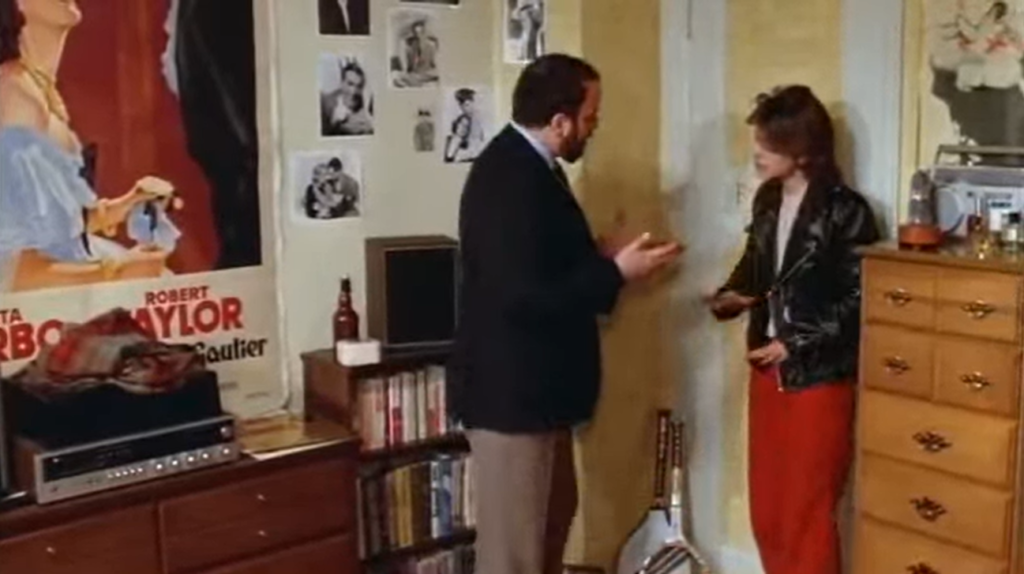
Once in New York, she not only becomes a famous model lickety-split:
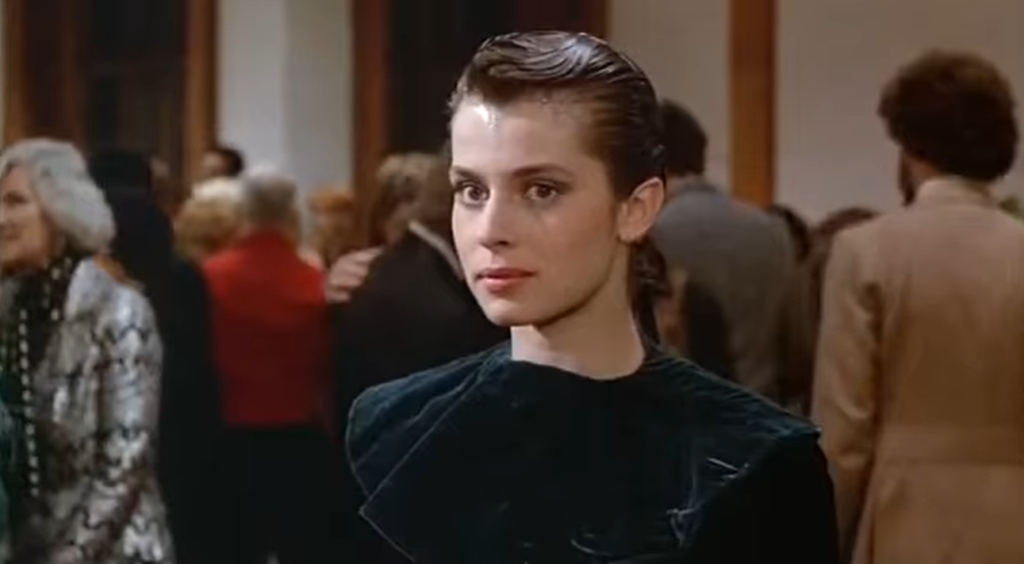
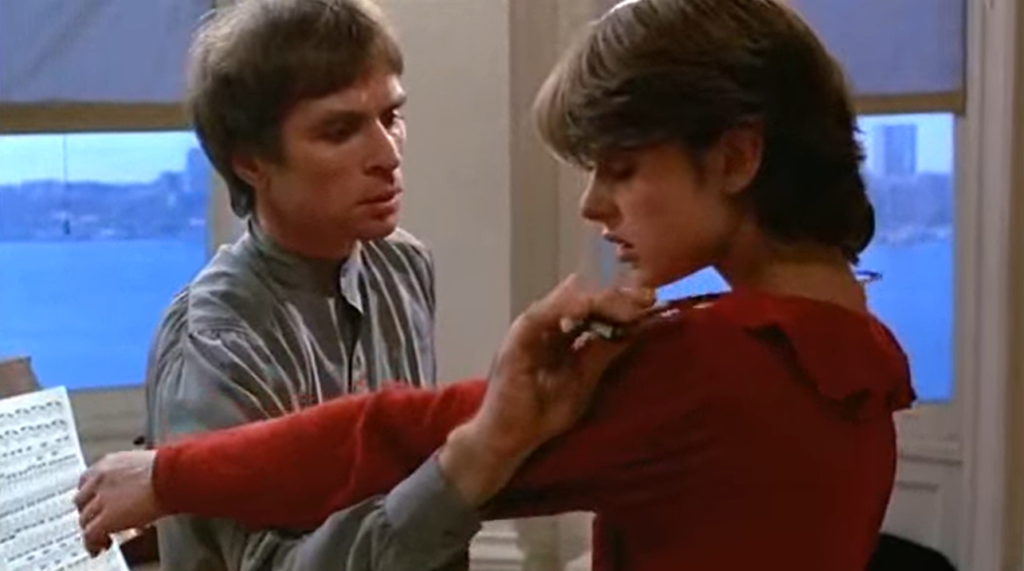
… but falls for a creep-tastic violinist played by ballet dancer Rudolf Nureyev.
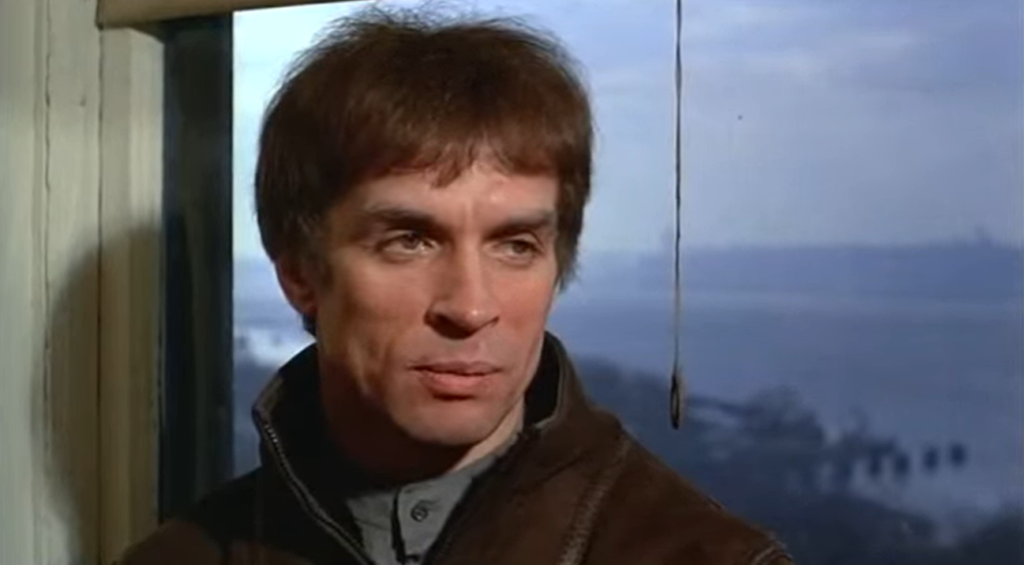
The pair share one of the most laughably contrived foreplay sequences I’ve ever seen: after hearing him play his violin, Kinski asks him, “What else do you play so beautifully?” and then proceeds to have her body “played” by his bow. (Yes, it’s just as weird as it sounds.)
It turns out Nureyev’s character isn’t who he seems — or so he says (though it’s not really clear how or why this is important), but there is at least one more douchebag we have yet to encounter: Keitel’s single-named “Rivas”, a malignant narcissist who seems to have formed a cult-like following of people willing to bomb, murder, and destroy on his behalf:
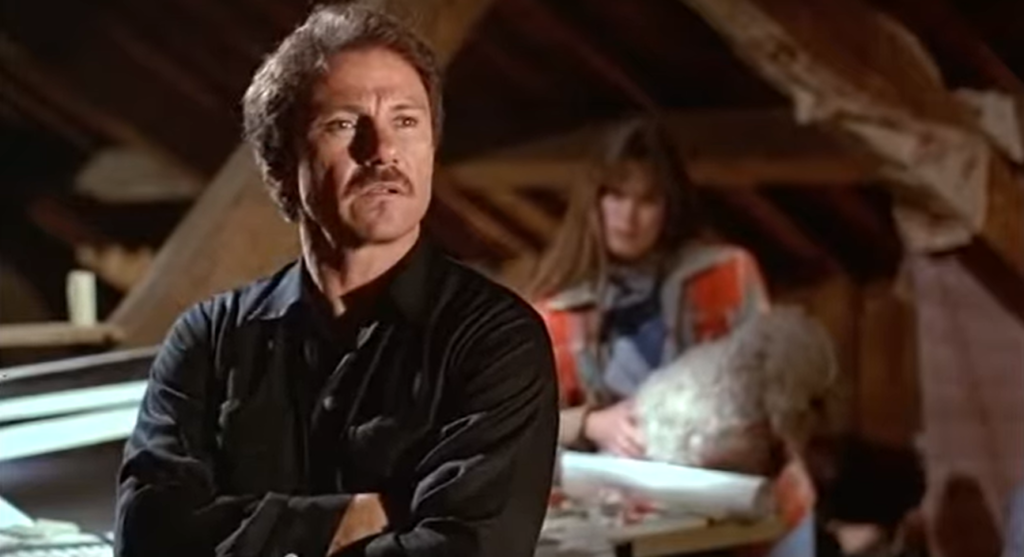
… and who gets to spout some of the film’s most inane lines.

“I’ll tell you what I want: good food, women, good cigars, good beds with fresh sheets, hot showers, and Hilton hotels… New shoes, poker, blackjack, dancing, Clint Eastwood westerns. That’s what I want. And you.”

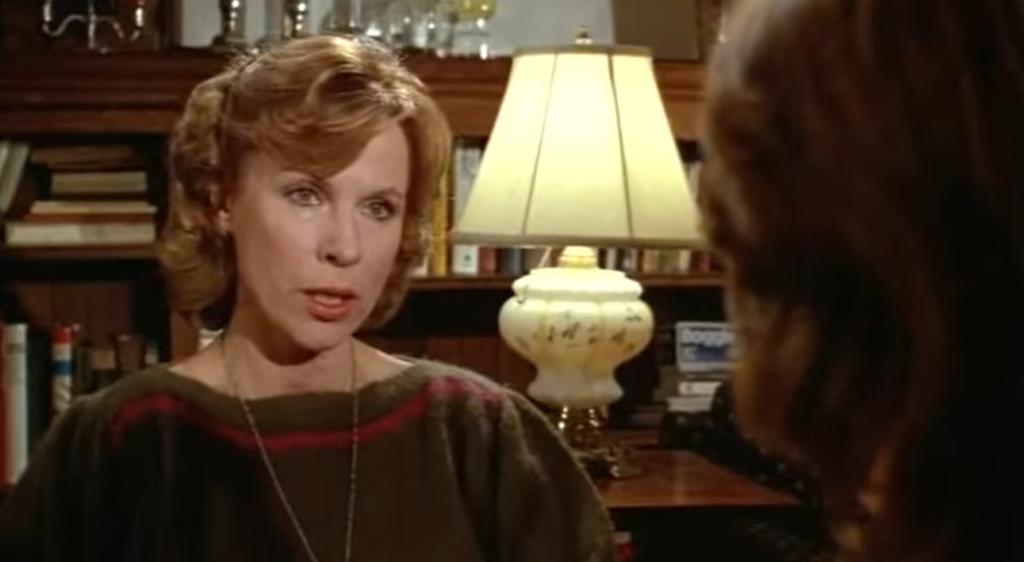
Poor Bibi Andersson, getting herself sucked into this mess for even a few minutes in the opening sequences as Kinski’s mom back on the farm.
Note: Once I got far enough into this film to realize it was by the same director who made one of the worst movies in Peary’s book (and that’s saying something), I was not at all surprised to learn that Toback — who has stated, “The idea is not to have a separation between my life and my movies.” — has been accused by hundreds of women of sexual misconduct; it figures.

Notable Performances, Qualities, and Moments:

  • Henri Decae’s cinematography

Must See?
Nope; you can skip this one unless you’re a diehard Kinski fan. Listed as a Cult Movie in the back of Peary’s book.

Links:

Games (1967)

Games (1967)

“Each of us has a quota to meet, and I must meet my quota!”

Synopsis:
When a New York socialite (James Caan) and his wife (Katharine Ross) allow a middle-aged saleswoman (Simone Signoret) to stay with them, she’s quickly treated to their favorite pastime of elaborate pranks — but when a delivery boy (Don Stroud) is accidentally murdered, the stakes suddenly become deadly serious.

Genres, Themes, Actors, and Directors:

  • James Caan Films
  • Katharine Ross Films
  • Mental Breakdown
  • Simone Signoret Films

Review:
Before her breakthrough role in The Graduate (1967), Katharine Ross starred in this psychological thriller as a wealthy young woman who appears to be driven slowly crazy — but why, and by who? There aren’t too many options, though one is left guessing on certain details until the (twist) ending.

Unfortunately, Ross and Caan are a pretty uninteresting couple to be following; their love of trippy mind games seems like merely a childish way to pass their overly ample free time.

The sets and cinematography add plenty of visual flair to the proceedings, and Signoret is always interesting to watch:

… but the screenplay is ultimately not compelling enough to sustain the conceit here as a feature-length film. Games was helmed and co-written by B-director Curtis Harrington, whose other GFTFF-listed titles include the frustratingly dull Night Tide (1961); the slow but intriguing Queen of Blood (1966); and the disappointing Grand Guignol horror flicks What’s the Matter With Helen? (1971) and Who Slew Auntie Roo? (1972).

Notable Performances, Qualities, and Moments:

  • Colorful and eclectic sets
  • Atmospheric cinematography

Must See?
No, though it’s worth a one-time look if you’re curious.

Links:

Crazy Mama (1975)

Crazy Mama (1975)

“You ladies are lunatics! You’re damn crazy!”

Synopsis:
When a woman (Cloris Leachman) and her widowed mother (Ann Sothern) lose their beauty parlor due to lack of payments, they take Leachman’s pregnant daughter (Linda Purl) and her boyfriend (Donnie Most) on the run with them to begin a life of petty crime in hopes of earning enough money to buy back their family farm in Arkansas. Along the way, they pick up another suitor (Bryan Englund) for Purl, an elderly woman (Merie Earle) eager for action, and a lover (Stuart Whitman) for Leachman, who tries to convince his wealthy wife (Sally Kirkland) that he’s been kidnapped.

Genres, Themes, Actors, and Directors:

  • Ann Sothern Films
  • Cloris Leachman Films
  • Dick Miller Films
  • Jonathan Demme Films
  • Strong Females
  • Thieves and Criminals

Response to Peary’s Review:
As Peary writes, “Jonathan Demme directed this engaging offbeat comedy made under the guise of being a typical New World crime-spree exploitation film (i.e., Bloody Mama, The Great Texas Dynamite Chase)” but that’s actually a “spirited, unpredictable film” that’s “a lot of fun” and filled with “unusual characters played with unusual freedom by a fine ensemble of actors to whom mainstream directors weren’t offering parts” (i.e., classic film star Ann Sothern).

He notes that he “particularly like[s] the odd relationships between the characters and the loyalty and affection they have for each other”:

… and (of course) he makes special note of “the kittenish Purl” who he considers “a particularly exciting find.”

Peary notes that “Demme’s direction is extremely mature” — he “obviously feels warmth for the female characters and admires their guts, intelligence, [and] resourcefulness” — and asserts that “his diners, road signs, clothes, hairdos, [and] cars perfectly capture 1958 — as does the standout rock score from that year.”

I agree with Peary that this remains a “spirited, unpredictable film” filled with plenty of jam-packed action — including a sequence in a Vegas casino (and then a chapel):

… a motorcycle race:

… a bank robbery:

… a stay at a Teepee Village:

… and much more. Watch for Jim Backus as the bank representative who kicks Leachman and Sothern out of their initial business:

… Will Sampson (Chief Bromden in One Flew Over the Cuckoo’s Nest) in a silent cameo as an Indian at a trading post:

… and, of course, Dick Miller (here playing a cop having an affair with Whitman’s wealthy wife).

Note: “Happy Days” fans will surely make note of the strategic casting of Donnie Most as a character from the 1950s.

Notable Performances, Qualities, and Moments:

  • Fine performances by the ensemble cast
  • Creative direction by Demme
  • The rocking ’50s soundtrack

Must See?
No, but I can see its value as a cult favorite, and it’s a must for Leachman fans.

Links:

Twice in a Lifetime (1985)

Twice in a Lifetime (1985)

“I tell ya, marriage isn’t everything it’s cracked up to be.”

Synopsis:
When a steelworker (Gene Hackman) falls for a widowed barmaid (Ann-Margret) and leaves his wife (Ellen Burstyn), his best friend (Brian Dennehy) is befuddled, his married daughter (Amy Madigan) is furious, his son (Stephen Lang) is understanding, and his younger daughter (Ally Sheedy) is unsure what this means for her own future.

Genres, Themes, Actors, and Directors:

  • Ann-Margret Films
  • Ellen Burstyn Films
  • Gene Hackman Films
  • Infidelity
  • Marital Problems
  • Midlife Crisis

Review:
Bud Yorkin directed and Colin Welland wrote the screenplay for this adaptation of his own 1973 British TV play (called “Kisses at 50”), about the impact of a midlife crisis on a blue collar worker’s longtime marriage. (Welland had previously won an Oscar for Best Original Screenplay for Chariots of Fire.) Although Welland moved to Pittsburgh and did research in order to shift the story over to America, Yorkin ended up filming in Seattle and the nearby town of Snohomish, filling the storyline with numerous authentically place-based sequences (and as someone who lives here, I can attest to them doing a good job showcasing the beauty and natural landscapes of the area).

In terms of the storyline, it’s certainly plausible that a couple living the way Hackman and Burstyn are (working different shifts, a little too comfortable with one another, kids grown, not sharing the same preferences for socializing) would grow apart:

… and that Hackman might be flattered and intrigued by someone as openly interested in him as Ann-Margret is.

What’s less convincing is how openly Hackman would begin his new affair, not realizing what an impact it will have within his close-knit community, or the fact that he won’t simply be able to “keep the two relationships separate”.

I’m also not a fan of Oscar-nominated Madigan’s overly abrasive — and frankly intrusive — opinions about her parents’ marital choices; while critics were taken with her no-holds-barred performance, I found her hard to take, especially when she’s openly mistreating her child in a grocery store. (I have a particular issue with parents who take their anger out on innocent kids, who then become collateral damage.)

Sheedy — young, fresh, and beautiful — unfortunately doesn’t have much to do other than show up near the end as a daughter getting married (will Hackman come to her wedding? should he come to her wedding?).

Lang as her brother has even less screentime, and primarily seems to serve the role of the Understanding Male. With those complaints aside, the film possesses many moments of at least attempting to get at something more real than most Hollywood flicks about romance and marriage, and should be commended for that.

Notable Performances, Qualities, and Moments:

  • Nice incorporation of numerous Seattle area locales and authentic blue collar joints

Must See?
No, but it’s worth a one-time look.

Links:

Start the Revolution Without Me (1970)

Start the Revolution Without Me (1970)

“I’m delighted to see you all stuffing yourselves while France has cramps from the tyranny of its own indigestion!”

Synopsis:
In 1789 France, two pairs of identical twins mixed and switched at birth grow up to become apolitical peasant brothers Claude (Gene Wilder) and Charles (Donald Sutherland), and power-hungry Corsican brothers Philippe (Wilder) and Pierre (Sutherland) — and the four accidentally meet up with one another at Versailles during an attempted revolt against King Louis XVI (Hugh Griffith), his nymphomaniac wife Marie Antoinette (Billie Whitelaw), and the devious aristocrat d’Escargot (Victor Spinetti).

Genres, Themes, Actors, and Directors:

  • Class Relations
  • Comedy
  • Donald Sutherland Films
  • French Revolution
  • Gene Wilder Films
  • Historical Drama
  • Hugh Griffith Films
  • Mistaken or Hidden Identities
  • Orson Welles Films
  • Plot to Murder
  • Revolutionaries
  • Royalty and Nobility
  • Twins

Response to Peary’s Review:
Peary argues that while this “absurdist cult comedy” about an “identity mix-up” “has many funny gags and [a] bizarre performance by Wilder as the crazed, sadistic Corsican”:

…it “no longer seems original” and “halfway through… begins to drag, [deteriorating] into a silly bedroom farce in which characters keep zipping into different chambers through doors and passageways and being confused over who is who.” Adding insult to injury, this film makes “the French Revolution [come] across as the work of dumb clucks,” and the “ending is a terrible cop-out.”

I’m in agreement with Peary’s assessment of this earnest film, which tries too hard and far too often belabors each joke until it’s stale — as when King Louis sheepishly professes he thought a masked ball was a costume ball, again and again and again.

Watch for a very random appearance by Orson Welles at the beginning and the end of the film (making note of the fact that he doesn’t appear in it):

… and Ewa Aulin — star of Candy (1968) — as a busty Belgian princess.

Notable Performances, Qualities, and Moments:

  • A few amusing sequences

Must See?
No; you can skip this one.

Links:

Tom Jones (1963)

Tom Jones (1963)

“We are all as God made us — and many of us much worse.”

Synopsis:
In 18th century England, a young bastard raised by the owner (George Devine) of the house where he was born grows into a ribald young man (Albert Finney) who enjoys casual sex with the gamekeeper’s daughter (Diane Cilento) but falls for the gentle daughter (Susannah York) of his neighbor, Squire Western (Hugh Griffith), who tries to get York to marry Devine’s more “proper” nephew (David Warner).

Genres, Themes, Actors, and Directors:

  • Albert Finney Films
  • Comedy
  • David Warner Films
  • Historical Drama
  • Hugh Griffith Films
  • Joan Greenwood Films
  • Susannah York Films
  • Tony Richardson Films
  • Womanizers

Review:
Peary doesn’t review this Oscar-winning historical flick in GFTFF, but he does mention it briefly in his Alternate Oscars, where he argues that while “British director Tony Richardson’s adaptation of Henry Fielding’s bawdy Restoration comedy” was “extremely popular” — and was “certainly more enjoyable than the other sorry films nominated for Best Picture” that year — he believes that “Richardson’s directorial impositions no longer seem fresh, Albert Finney has been much more impressive in other roles, and the tone of the film now comes across as smug rather than cheery.” I agree that this fast-paced adventure comedy doesn’t seem “Best Picture” worthy, though it’s easy to see how audiences at the time would be taken with its cinematic innovations, colorful historical sets, and overall bawdy tone.

Finney’s character is surprisingly likeable: he manages to infuse rascally Jones with a sense of boyish charm and humanity, such that we’re rooting for him as an underdog throughout.

Meanwhile, those who appreciated husky-voiced Joan Greenwood in her earlier film roles will be especially pleased to see her allowed to be an aggressive pursuer here:

… and there are plenty of other strong women to pay attention to as well, including three Oscar-nominated performances — by Diane Cilento as Molly Seagram:

… Dame Edith Evans as Miss Western:

… and Joyce Redman as Jenny Jones.

Oscar-nominated Griffith (perpetually sloshed) steals the show whenever he’s on screen:

… and York is luminous in one of her earliest roles.

The opening sequence (shot like a silent film) and final “big reveal” moments give viewers a whirlwind opening and closing to this unconventional historical drama, which is worth a one-time look.

Notable Performances, Qualities, and Moments:

  • Albert Finney as Tom Jones
  • A fine supporting cast

  • The hunting sequence
  • The “lusty dining” sequence
  • Walter Lassaly’s cinematography

Must See?
Yes, once, for Finney’s performance and its historical relevance. Listed as a film with Historical Importance in the back of Peary’s book.

Categories

  • Noteworthy Performance(s)
  • Oscar Winner or Nominee

Links:

Fiddler on the Roof (1971)

Fiddler on the Roof (1971)

“Even the worst husband, God forbid, is better than no husband — God forbid!”

Synopsis:
A Jewish dairy farmer (Topol) married to a demanding wife (Norma Crane) is shocked to learn that his oldest daughter Tzeitel (Rosalind Harris) won’t marry a local butcher (Paul Mann) given that she’s already made a commitment to a young tailor (Leonard Frey) — but Tevye (Topol) soon learns that his other two older daughters, Hodel (Michele Marsh) and Chava (Neva Small), are also interested in their own suitors, rather than a man provided by the local matchmaker (Molly Picon).

Genres, Themes, Actors, and Directors:

  • Feminism and Women’s Issues
  • Grown Children
  • Historical Drama
  • Jews
  • Musicals
  • Norman Jewison Films
  • Play Adaptations

Review:
Norman Jewison directed this big budget adaptation of the 1964 Broadway hit of the same name, itself based on stories by Sholom Alecheim about Tevye the Dairyman. There was much controversy around Jewison’s decision not to cast the original Broadway star, Zero Mostel, in the lead, instead choosing 35-year-old Israeli actor Topol to bring more of a “natural” feel to the film. While many disagree, I find Topol both well-suited to the role, and highly relatable: he’s someone we connect with and care about during his travails.

Also noteworthy is Leonard Frey as the timid tailor Motel, who eventually comes into his own and stands up to Tevye so he can marry his sweetheart. (Frey’s other well-known role was as Harold in The Boys in the Band [1970].)

There’s fine use of location shooting (in Yugoslavia), and a slew of instantly hummable songs — including “Tradition”:

… “Matchmaker”:

… “If I Were a Rich Man”:

… “Sabbath Prayer”:

… “To Life”:

… “Miracle of Miracles”:

… “Sunrise, Sunset”:

… “Do You Love Me?”

… and “Far From the Home I Love”.

Okay, here is where I should interject my personal history with this play: I was the pianist for a local community theater kids’ production of “Fiddler on the Roof” back in 1999, and thus got to know each and every one of the songs (and most of the dialogue) quite intimately. It’s possible my familiarity with the music is influencing my appreciation for so many of the songs — but they do truly seem memorable to me. Be sure to check out the 2019 documentary Fiddler: A Miracle of Miracles if you’re interested in learning more about the history and reach of this surprisingly boundary-crossing play.

Notable Performances, Qualities, and Moments:

  • Topol as Tevye
  • Leonard Frey as Motel
  • Ossie Morris’s cinematography

Must See?
Yes, as a fine late-genre musical. Listed as a Personal Recommendation in the back of Peary’s book.

Categories

  • Good Show
  • Oscar Winner or Nominee

Links:

Oliver! (1968)

Oliver! (1968)

“This would never have happened if you’d kept him on gruel!”

Synopsis:
After being kicked out by the director (Harry Secombe) of his orphanage and the owner (Leonard Rossiter) of a funeral home, a self-reliant young boy named Oliver Twist (Mark Lester) is invited by a pickpocket nicknamed The Artful Dodger (Jack Wild) to join a gang led by greedy Fagin (Ron Moody) and evil Bill Sykes (Oliver Reed), whose loyal girlfriend Nancy (Shani Wallis) works at a local pub.

Genres, Themes, Actors, and Directors:

  • Carol Reed Films
  • Charles Dickens Adaptations
  • Gangs
  • Historical Drama
  • Hugh Griffith Films
  • Musicals
  • Oliver Reed Films
  • Orphans
  • Thieves and Criminals

Response to Peary’s Review:
Peary writes that while “it’s hard not to resent any film to which Hollywood establishment voted the Best Picture Oscar in the year 2001 was released,” he nonetheless believes “it’s time that the ‘hip’ 2001 fans caught up with the mass audience” given that “this is a marvelous film, and an outstanding addition to the fading musical genre.” He points out that this “freely adapted” flick “from Dickens’s Oliver Twist… overcomes a major obstacle”: even though “the original story is one of constant grief and hardship — certainly not material readily adaptable to a musical,” the “happy score” by Lionel Bart, “sung and danced amidst the menacing atmosphere, creates both a ‘feel-good’ sensation and the dreary feeling of the novel.” He notes that while “the novel’s scoundrels are present,” aside “from the incredibly evil Bill Sikes” (it’s geekily intriguing to me that he’s played by Oliver — as in the title character — Reed — as in the director’s last name):

… “they have been somewhat cleansed.” To that end, as DVD Savant writes, “That a man who criminally exploits children for profit should be sympathetic is a credit to Moody’s appeal.”

Peary argues that “much credit for the film’s success can be attributed to Carol Reed,” given that so much of the second half of the movie “depends a great deal on atmosphere and suspense, which Reed pulls off brilliantly.” Meanwhile, Reed also made “sure that the spectacular production numbers were cinematic rather than stagy” and he “allowed his actors free rein to develop interesting, multidimensional personages.” While Peary asserts that “Mark Lester is a bit wimpy in the title role” (I’m not sure I agree — he stands up for himself, time and again!):

… actors Moody, Wild, and Wallis “are absolutely wonderful” (yes).

I also agree with Peary and others that Oliver! remains a crackerjack overall musical, for numerous reasons, but primarily given how many of the songs knock it out of the park. For the record, they include (but are not limited to) “Food, Glorious Food”:

… “Where is Love?”

… “Pick a Pocket or Two”:

… “Consider Yourself”:

… “I’d Do Anything”:

… and “As Long As He Needs Me”:

Notable Performances, Qualities, and Moments:

  • Ron Moody as Fagin
  • Jack Wild as the Artful Dodger
  • Shani Wallis as Nancy
  • Oliver Reed as Bill Sikes
  • Many toe-tapping musical numbers (choreographed by Onna White)
  • Atmospheric cinematography and sets

Must See?
Yes, as an enjoyable musical, and for its Oscar winning status.

Categories

  • Oscar Winner or Nominee

Links: