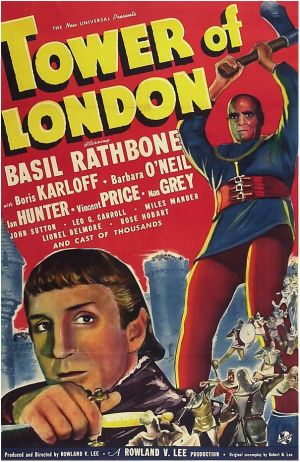
Tower of London (1939)

Tower of London (1939)

“You’re more than a king, more than a man. You’re a god to me!”

Synopsis:
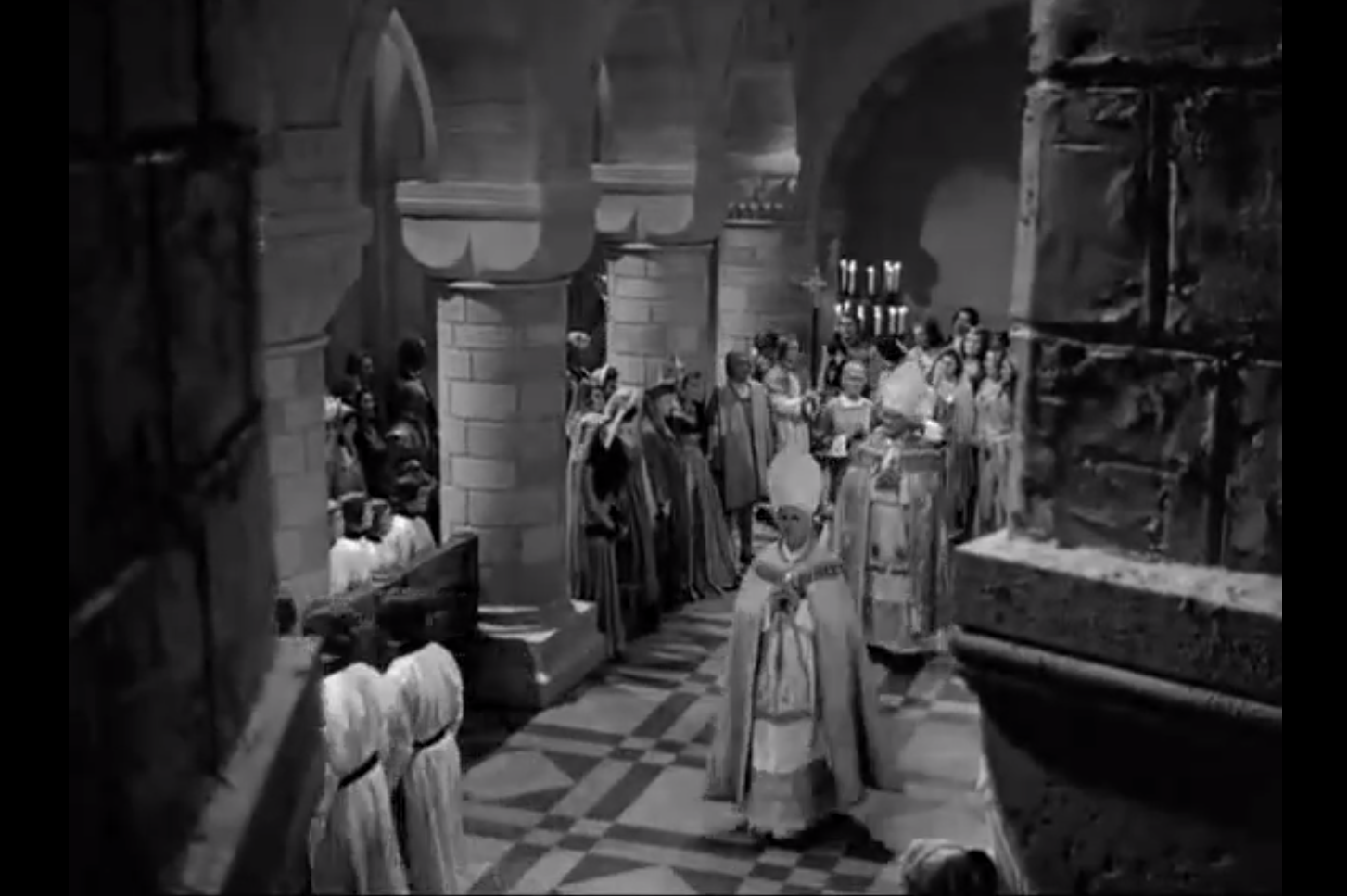
In 15th century England, the power-hungry Duke of Gloucester (Basil Rathbone) — assisted by his loyal club-footed executioner (Boris Karloff) — attempts to murder his way to the throne.

Genres, Themes, Actors, and Directors:

  • Basil Rathbone Films
  • Boris Karloff Films
  • Historical Drama
  • Ian Hunter Films
  • Plot to Murder
  • Royalty and Nobility
  • Vincent Price Films

Review:
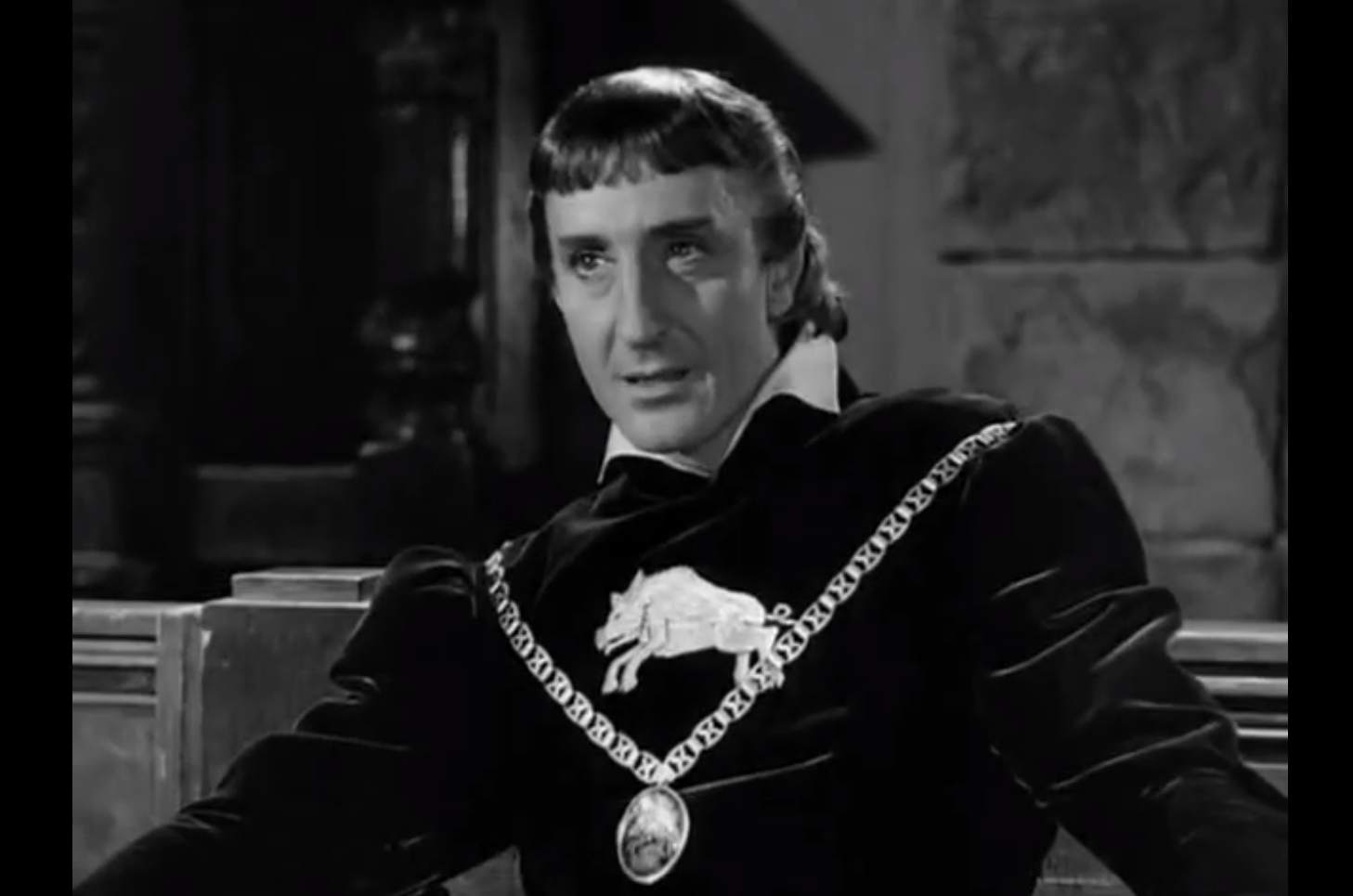
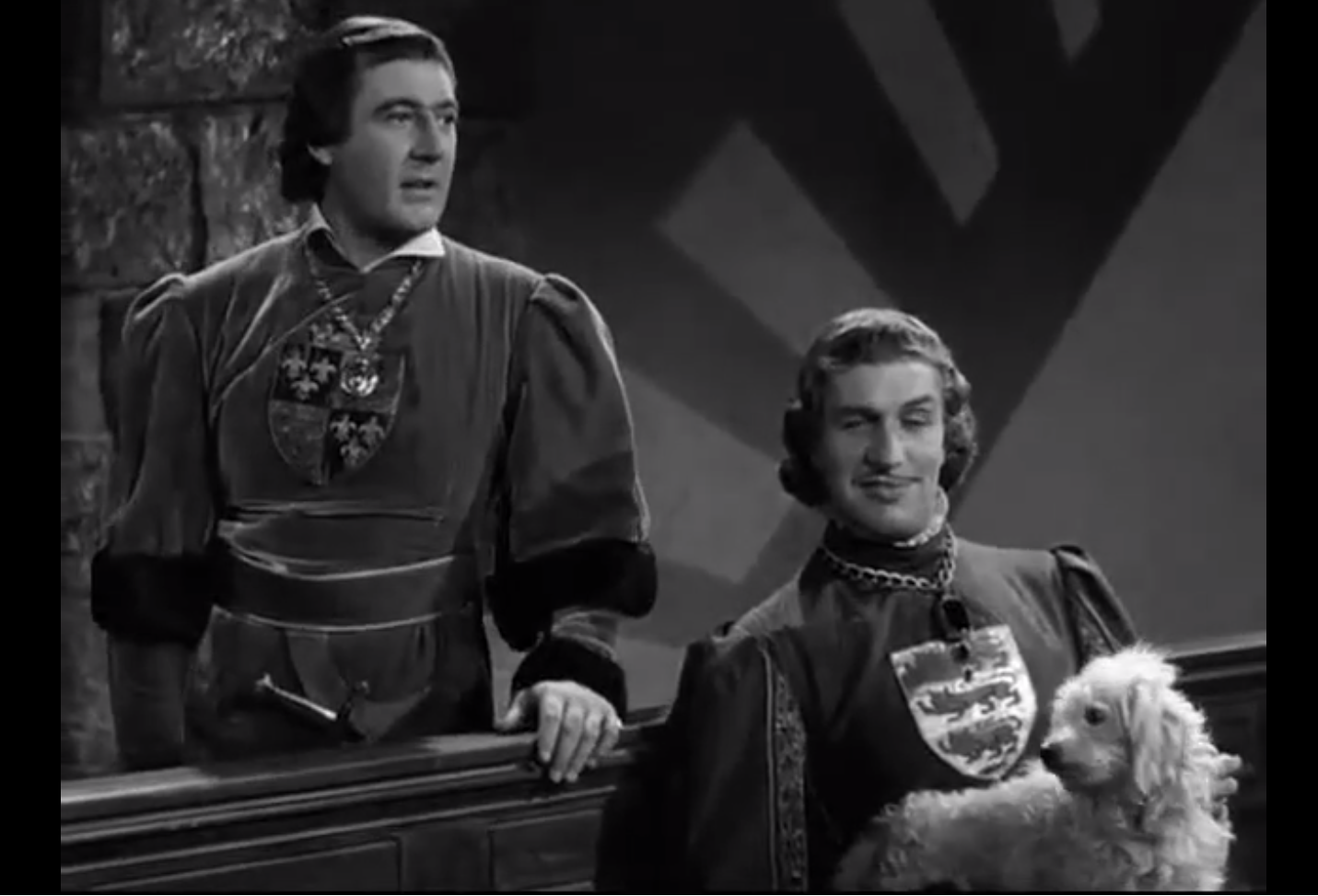
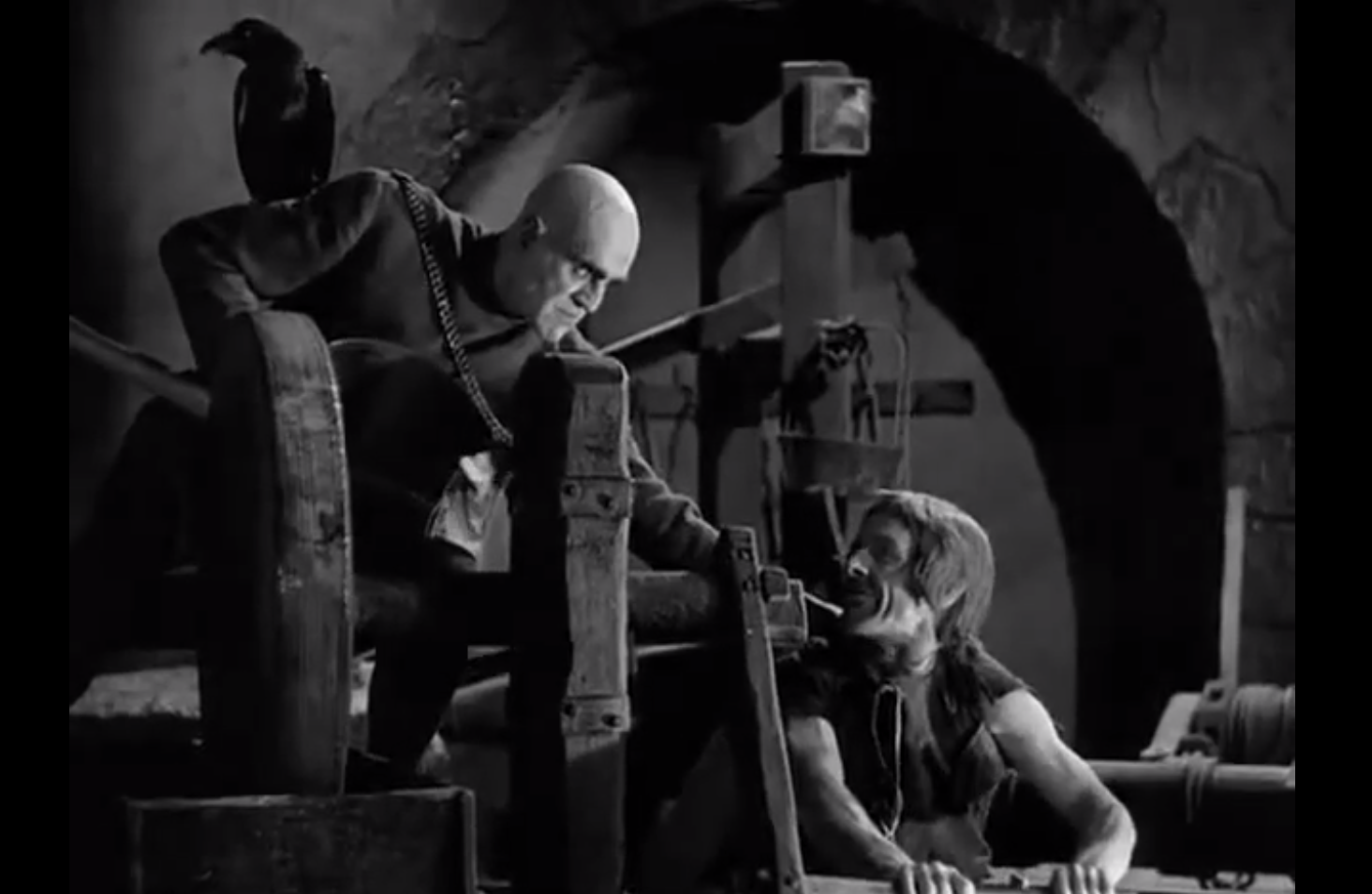
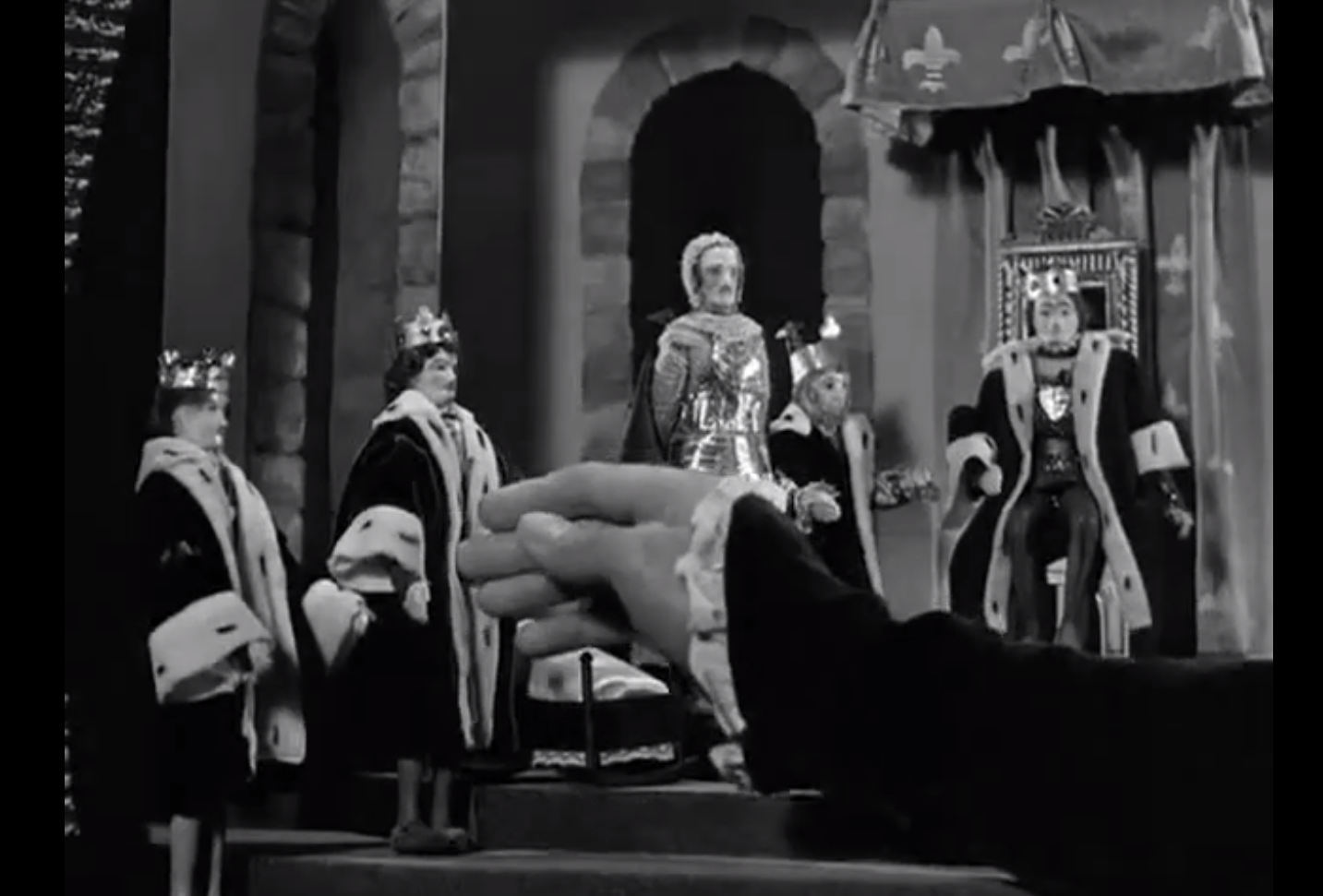
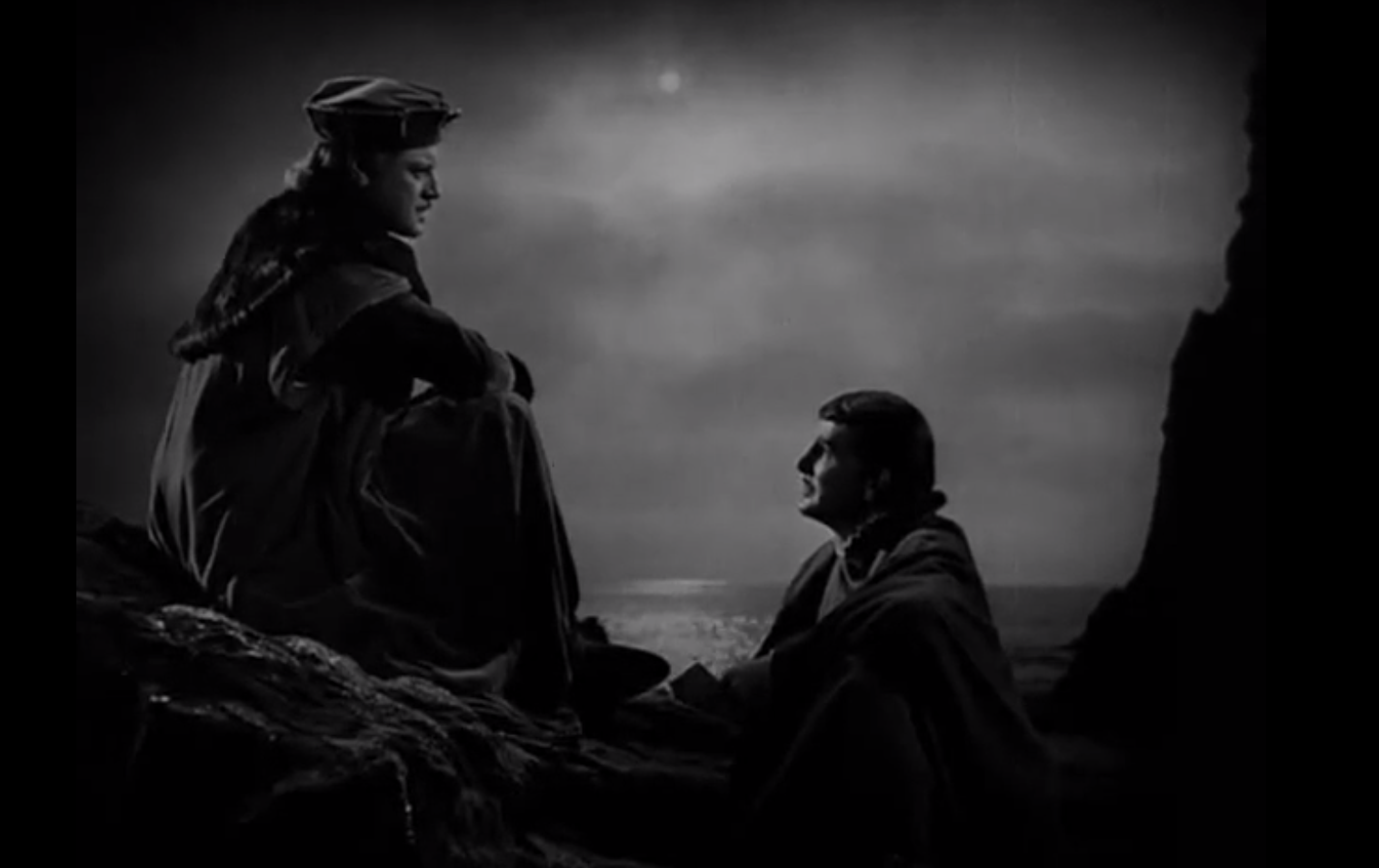
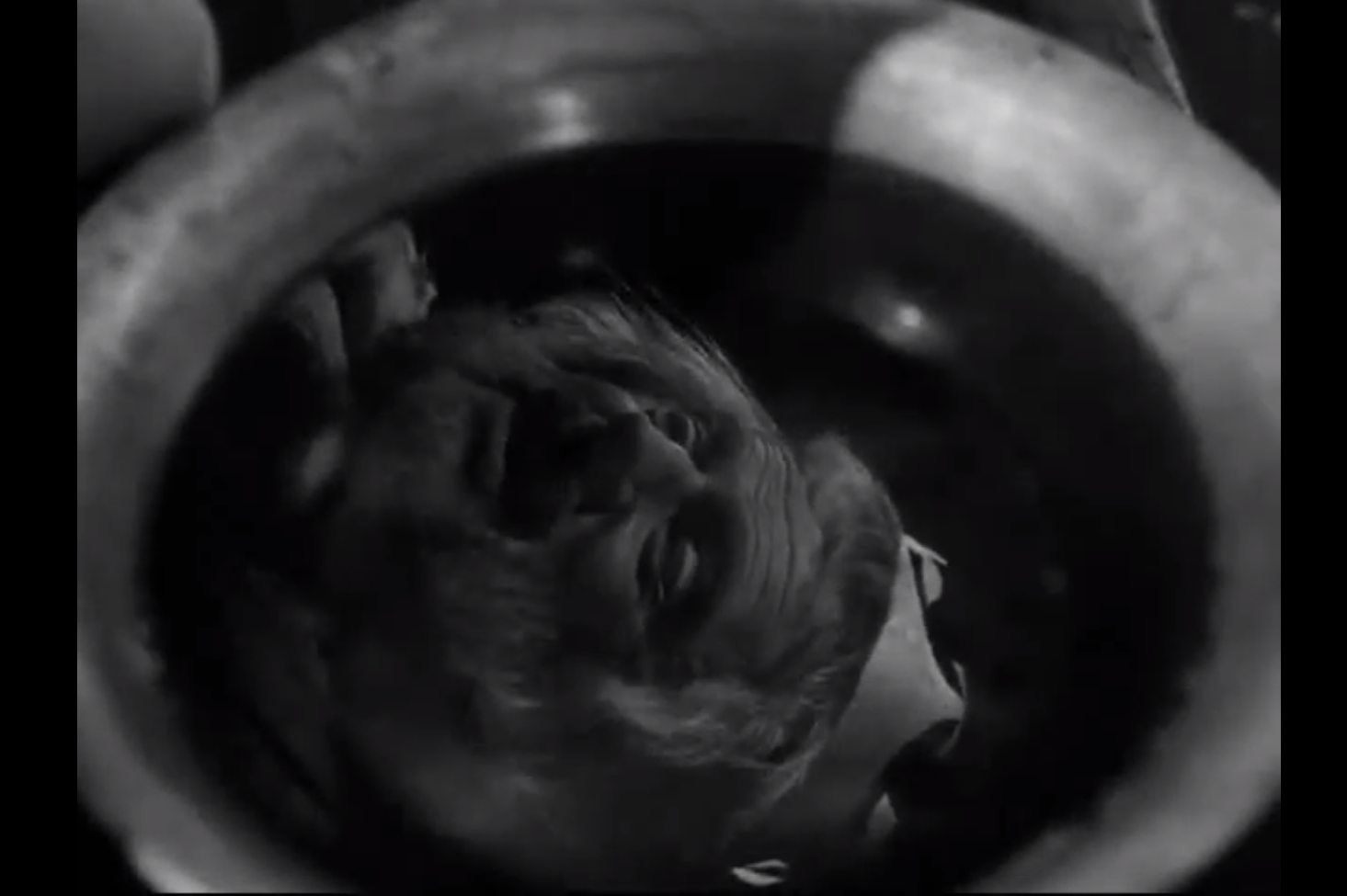
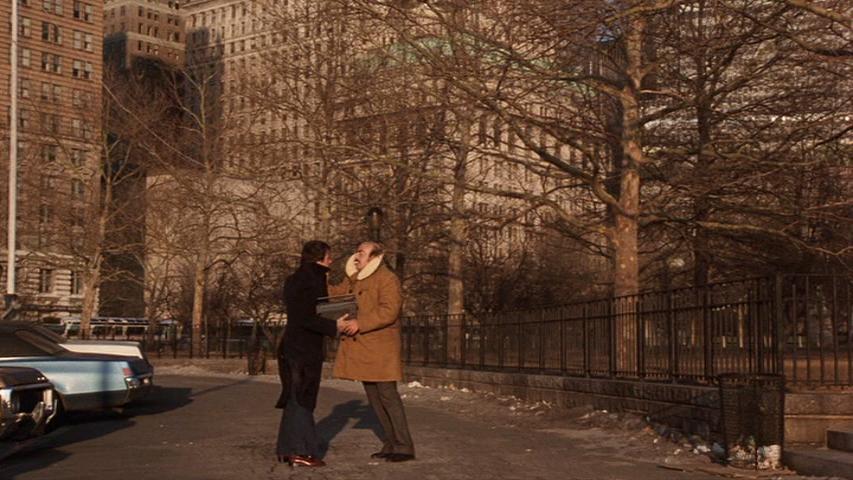
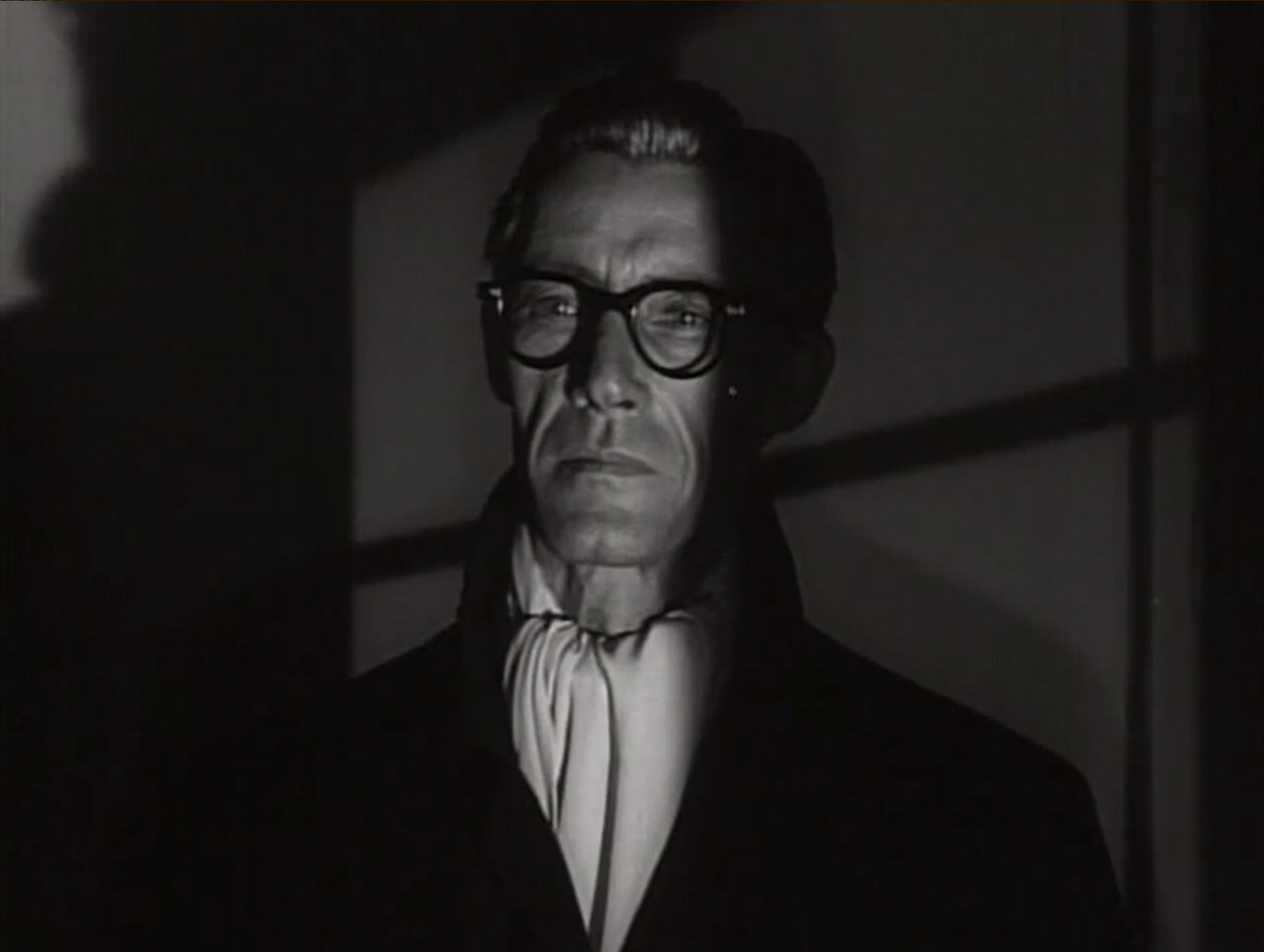
This atmospheric Shakespearean horror-drama — directed by Rowland V. Lee — is primarily notable for its featured performances by three of Universal’s best-known actors: Rathbone, Karloff, and Vincent Price (in one of his earliest roles). Each has at least one memorably creepy scene: Rathbone periodically visiting his “doll house” and reconfiguring the placement of figurines near the throne; Karloff meandering purposefully through “his” dungeon, pausing (for all the world like an artiste) to pile additional weight upon a tortured prisoner; Price laughing maniacally as he wrongly assumes that he can win a drinking bet with Rathbone. While critics at the time were bothered by the film’s cheeky mix of horror and costume drama, there’s something undeniably horrific about the Duke of Gloucester’s ruthless climb to power. As noted in TCM’s article, “The beauty of a film as diabolical as Tower of London is not [in] knowing who is going to die next, but [in] savoring each victim’s unorthodox journey from the castle to the grave”. Despite its obvious perks, being royalty in medieval Europe comes across here as unquestionably risky; after watching this film, it’s not something most viewers would wish upon themselves.

Redeeming Qualities and Moments:

  • Basil Rathbone as “crookback” Richard
  • Ian Hunter as blueblood-obsessed King Edward
  • Vincent Price as the Duke of Clarence
  • Boris Karloff as Richard’s loyal, club-footed executioner
  • Rathbone continually returning to his “doll house” to remove “eliminated” royalty
  • Atmospheric cinematography

  • Fine production values

Must See?
Yes, as an all-around creepy-good show.

Categories

  • Good Show

Links:

Fingers (1978)

Fingers (1978)

“I can’t seem to relax; my hands just don’t work right.”

Synopsis:
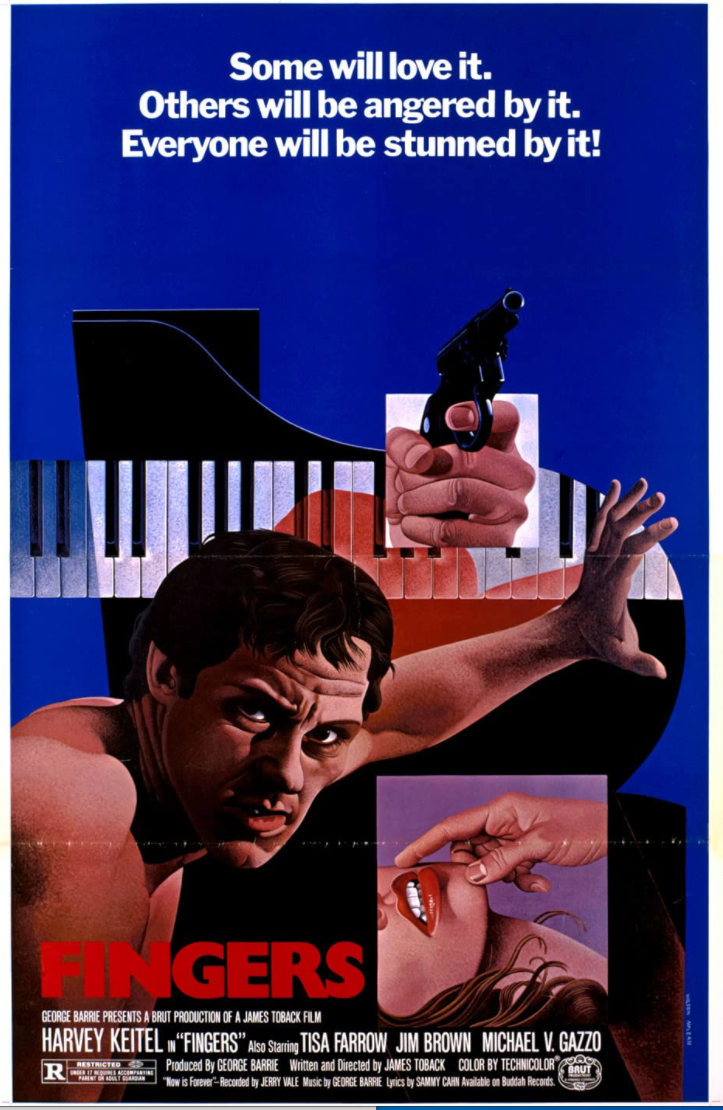
An aspiring classical pianist (Harvey Keitel) in New York City tries to help his loan shark father (Michael V. Gazzo) collect on some outstanding gambling debts; meanwhile, he futilely pursues an aloof, spacey artist (Tisa Farrow).

Genres, Themes, Actors, and Directors:

  • Character Studies
  • Grown Children
  • Harvey Keitel Films
  • Musicians
  • New York

Response to Peary’s Review:
This “brutal, fascinating character piece” — writer/director James Toback’s directorial debut — received mixed reviews upon its release, “impress[ing] some critics” and “antagoniz[ing] others”. Peary falls squarely in the former camp, lauding Fingers as “exhilarating movie-making”, and claiming that it “hits no false notes” — but I’m not quite in agreement. While it’s true that “every character and every scene is unusual”, the film as a whole meanders self-indulgently; Keitel’s pursuit of artist Tisa Farrow — despite being thematically in keeping with the character’s desperate search for love/sex — is particularly annoying and uninteresting.

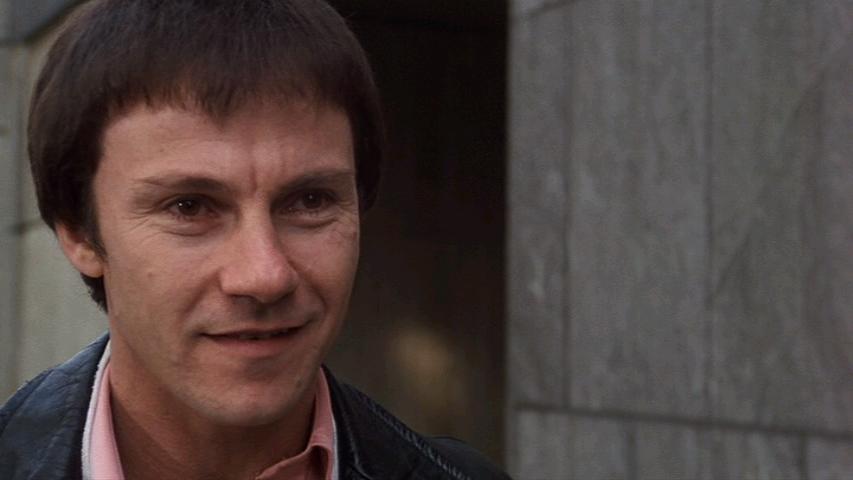
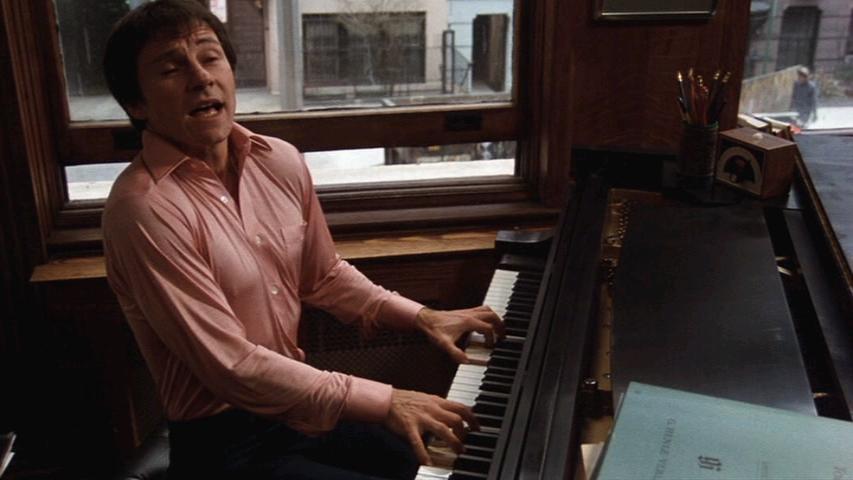
With that said, Fingers is primarily known for featuring a powerhouse early performance by Keitel — and, in this respect, it doesn’t disappoint. Keitel’s Jimmy Fingers is complex and neurotic, yet — despite his “schizophrenic” tendencies (as Peary puts it, he’s a “nice guy who can be insanely violent”) — oddly likeable. His compulsion to carry a tape recorder with him everywhere he goes (before the start of the ’80s boombox craze) is a particularly potent symbol of both his obsessive nature and his lack of social awareness — he’s not trying to annoy the people around him; he simply never considers the fact that they may not want to listen to his favorite tunes. To that end, it should be noted that the music in Fingers is wonderfully effective — I can’t think offhand of another film which so successfully relies on a “natural” soundtrack; after watching this movie, chances are that you will never be able to hear The Jamies’ “Summertime, Summertime” again without picturing Jimmy Fingers and his “music box”.

Redeeming Qualities and Moments:

  • Harvey Keitel as Jimmy Fingers
  • Good use of New York locales
  • A fine “natural” soundtrack (a mix of Jimmy’s beautiful piano playing, and the ’50s pop tunes blaring out of his “music box”)

Must See?
No, but it’s recommended for one-time viewing for Keitel’s performance.

Links:

Jamaica Inn (1939)

Jamaica Inn (1939)

“That place — Jamaica Inn. It’s got a bad name. It’s not healthy, that’s why. There’s queer things goes on there.”

Synopsis:
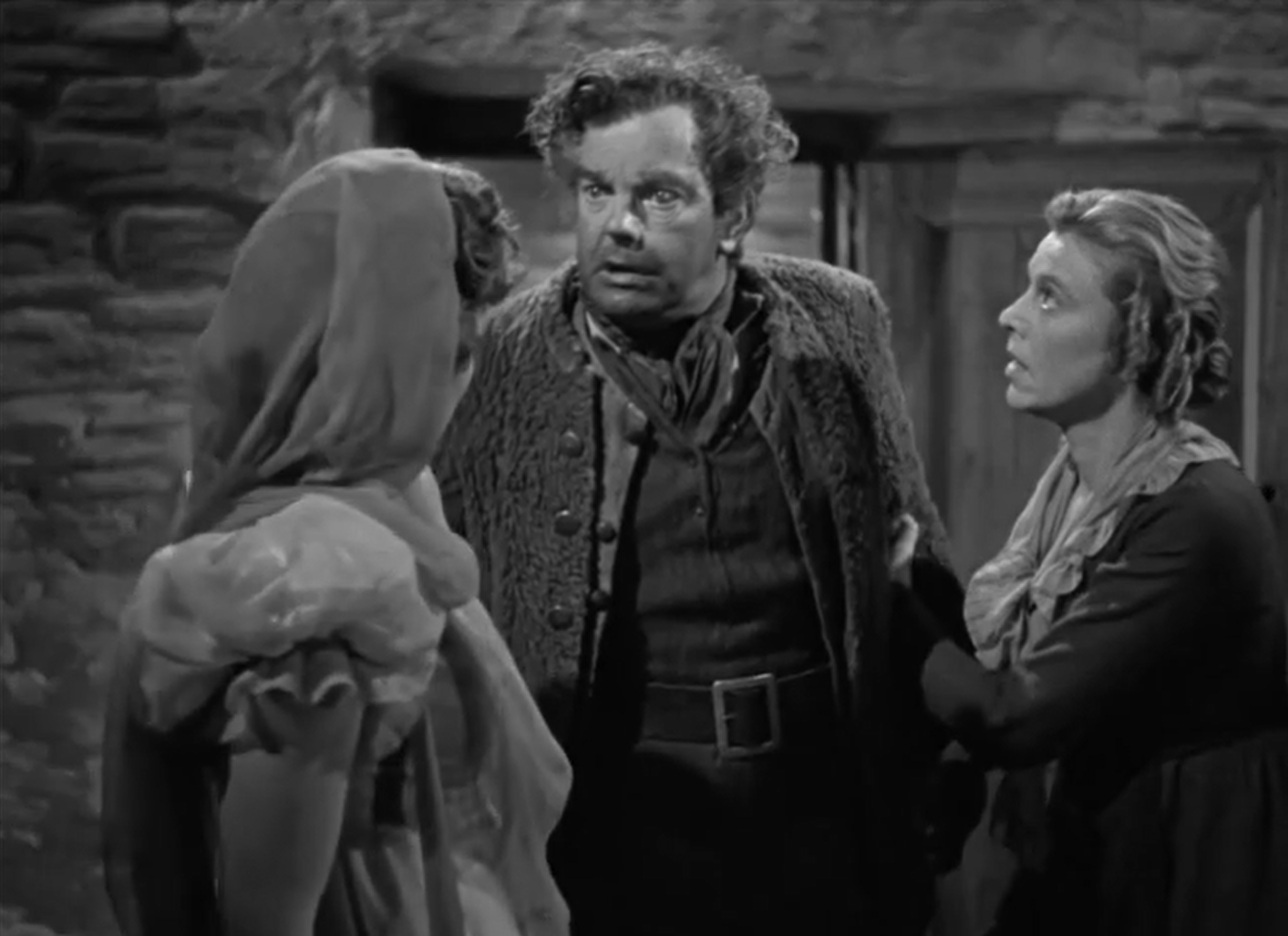
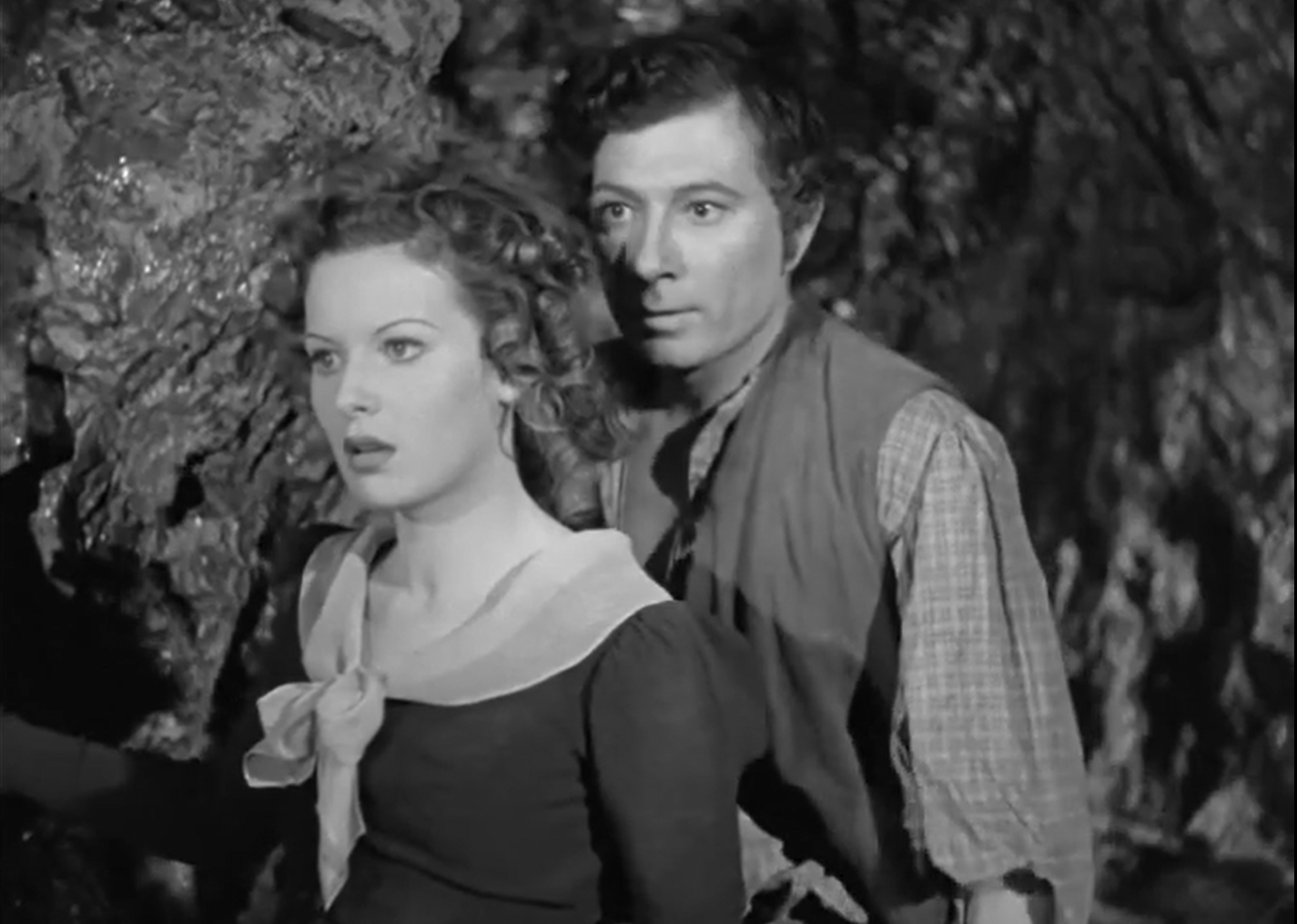
Upon arriving at Jamaica Inn in Cornwall, an orphaned Irish woman (Maureen O’Hara) learns that her Uncle Joss (Leslie Banks) is part of a gang of criminals who loot shipwrecks — secretly orchestrated by mysterious Sir Humphrey Pengallan (Charles Laughton) — for monetary gain. When Mary (O’Hara) helps an undercover gang member (Robert Newton) escape with his life, her own is soon in danger — both from the rest of the criminals, and from nefarious Pengallan, who wants her as his very own “beautiful object”.

Genres, Themes, Actors, and Directors:

  • Charles Laughton Films
  • Historical Drama
  • Hitchcock Films
  • Maureen O’Hara Films
  • Mistaken or Hidden Identities
  • Robert Newton Films
  • Thieves and Criminals
  • Undercover Cops and Agents

Review:
It’s no secret that Alfred Hitchcock was only vaguely invested in this adaptation of Daphne Du Maurier’s gothic novel, his final British venture before moving to Hollywood. Frank Nugent of the New York Times stated the situation succinctly: “Having set his own standards, Alfred Hitchcock must be judged by them; and, by them, his Jamaica Inn… is merely journeyman melodrama.” While reasonably competent, the film shows little of Hitchcock’s trademark directorial style; unlike most of the entries in his distinctive oeuvre, this one could easily be taken as the work of someone (anyone) else.

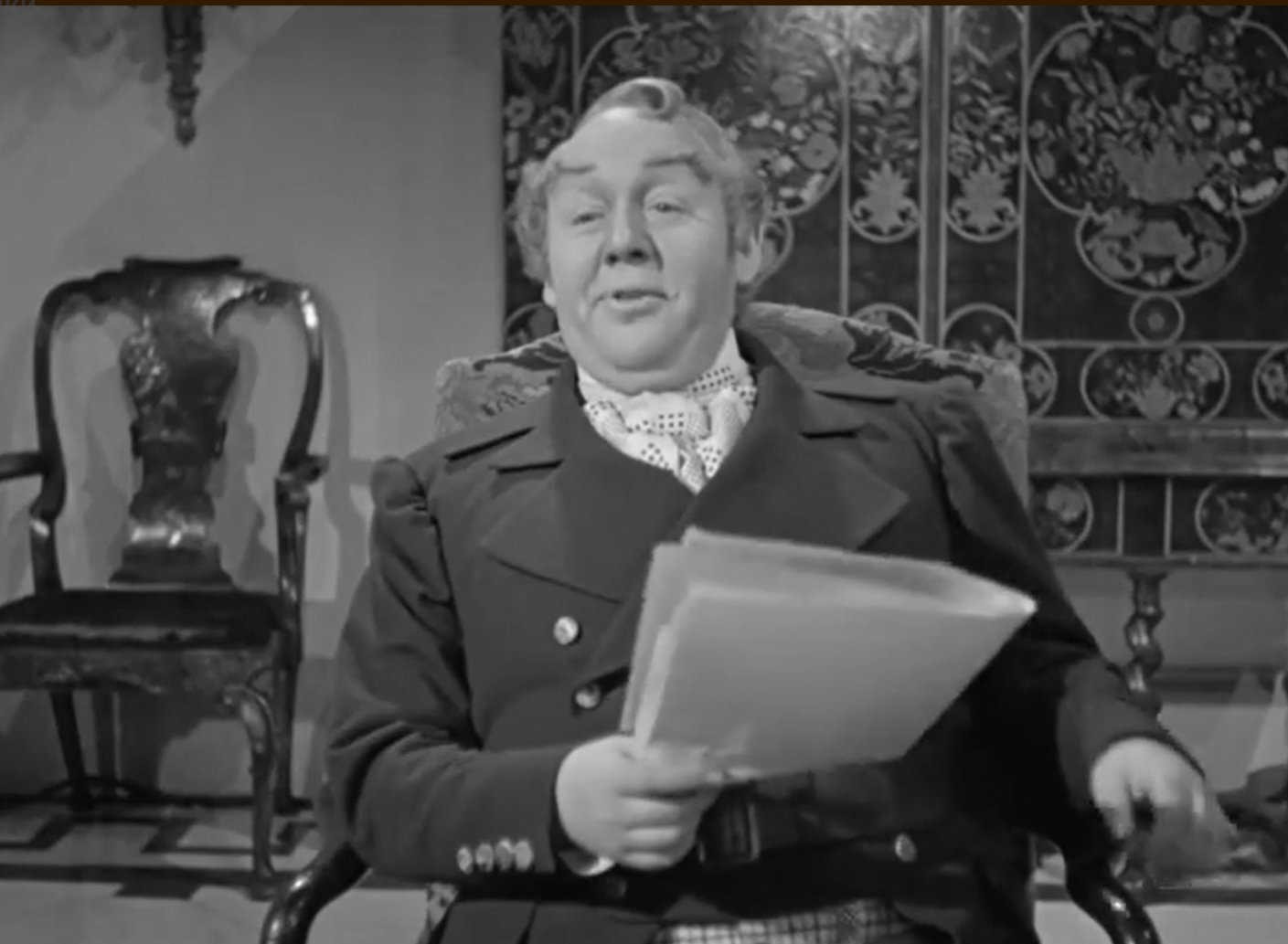
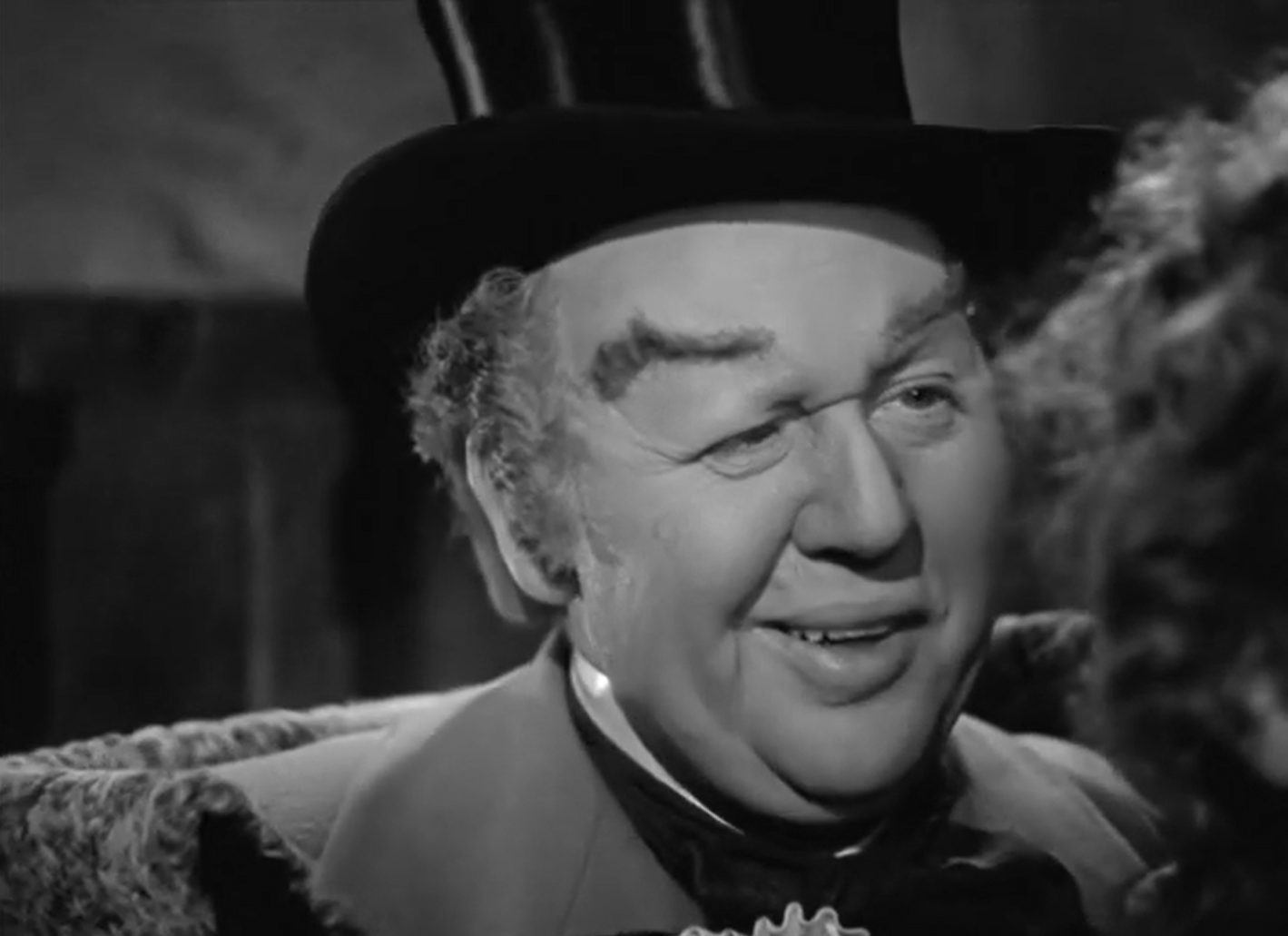
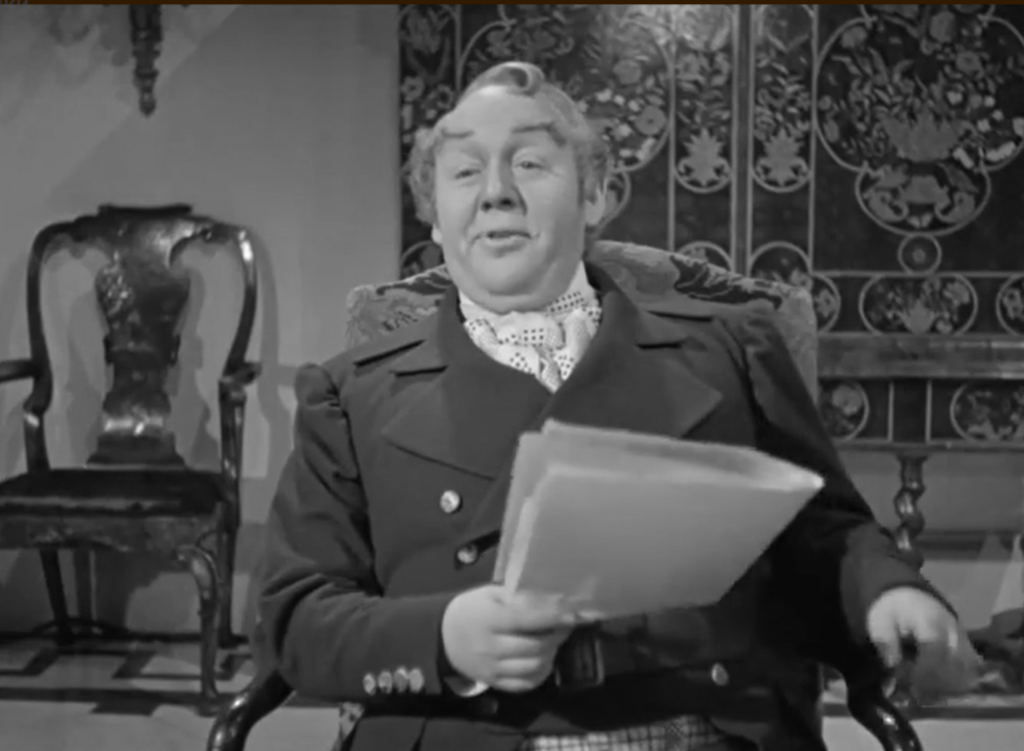
Indeed, as many have noted, Jamaica Inn is actually a “Charles Laughton picture” rather than a “Hitchcock picture”, given Laughton’s role as both producer and lead actor. He has great fun playing the corpulent baddie here, slyly fooling everyone around him, and coming across as simultaneously grotesque and calculating.
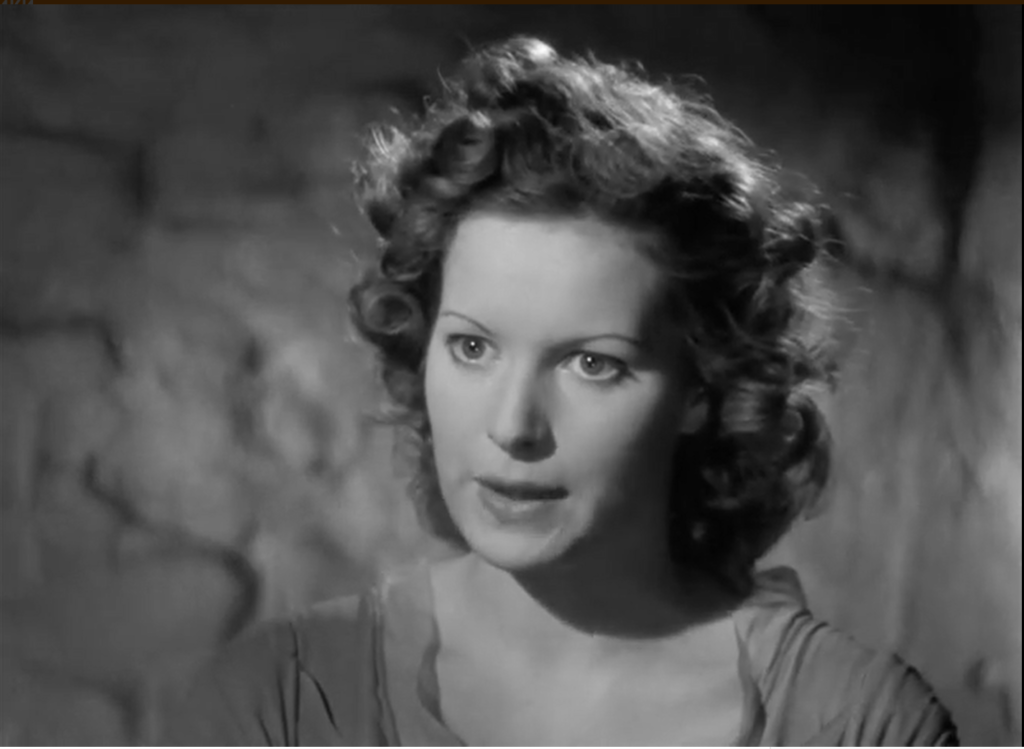
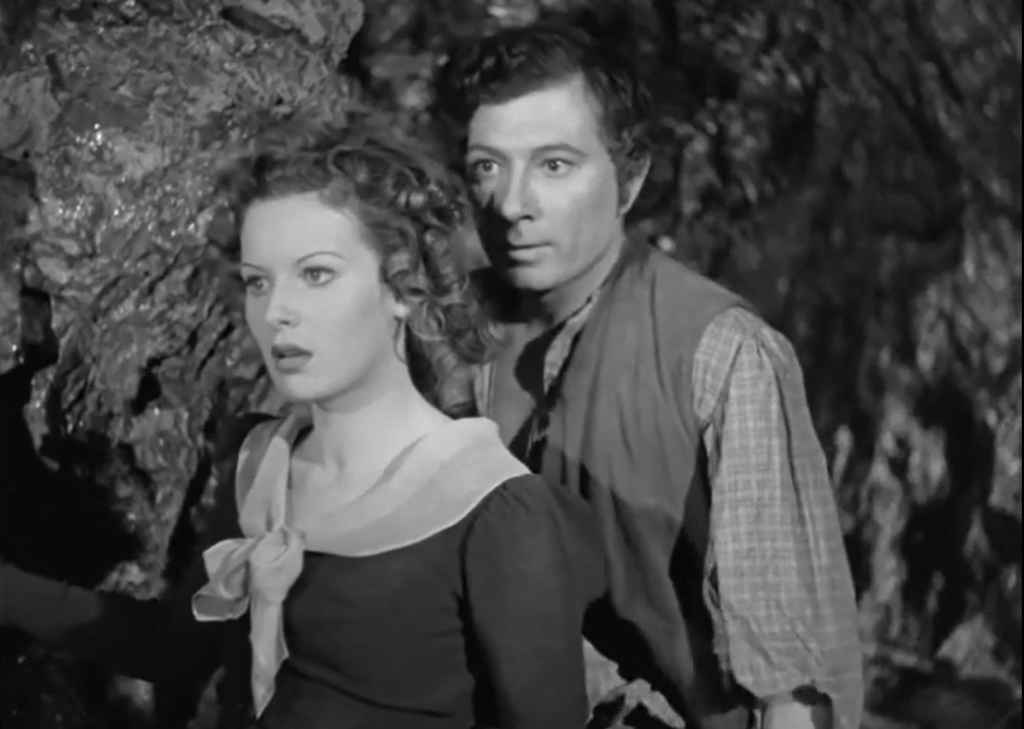
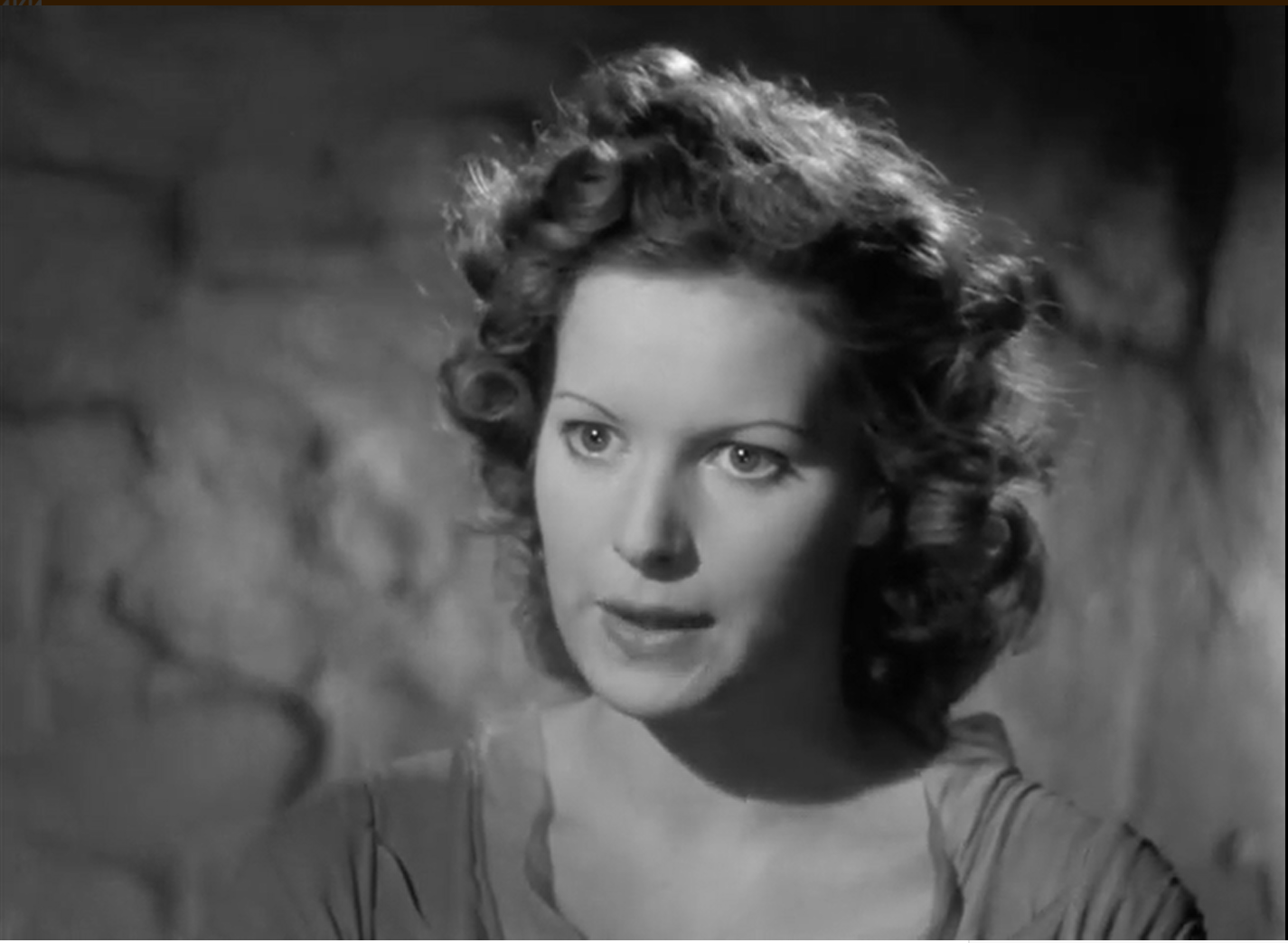
Equally impressive is beautiful Maureen O’Hara (in her first significant film role), who displays every ounce of her Irish spunk — no simpering early-19th-century maiden she! Her Mary is refreshingly fearless, refusing to be cowed.
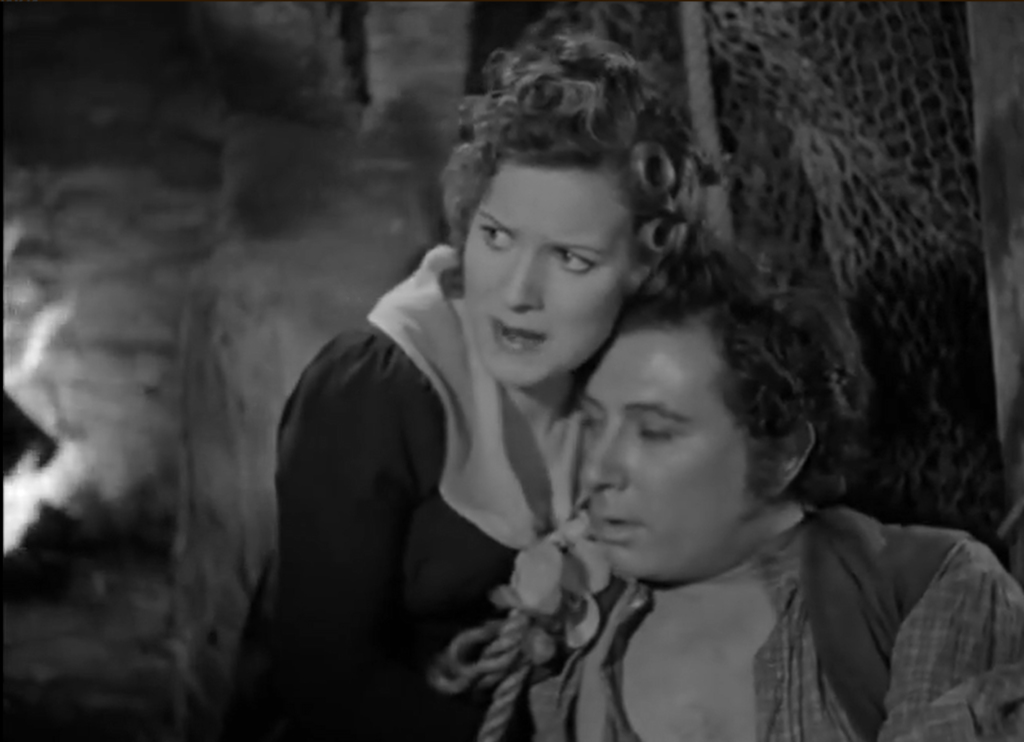
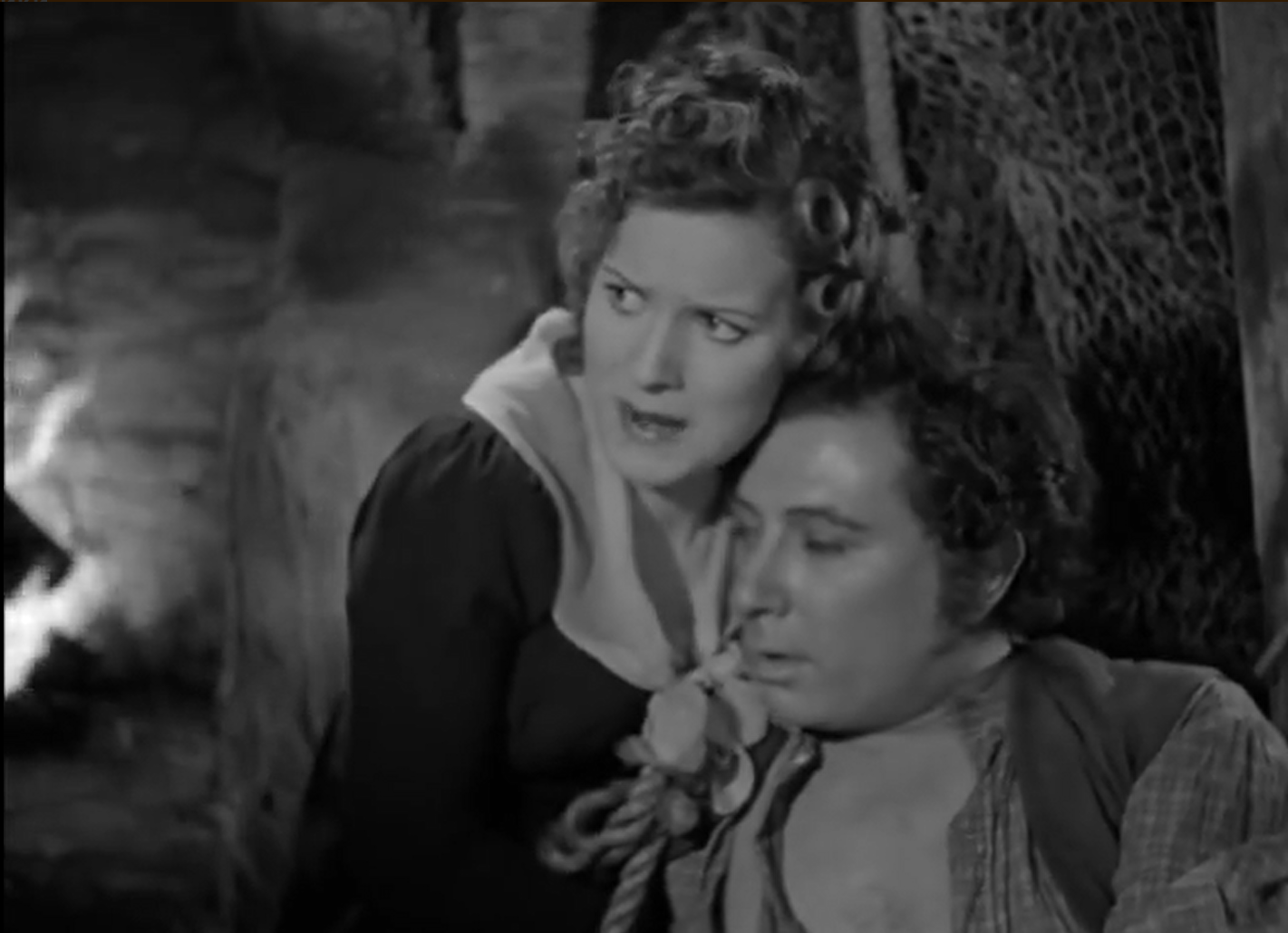
I especially love the scene near the end of the film, when she resolutely ties the top strands of her dress back together after nearly being raped.

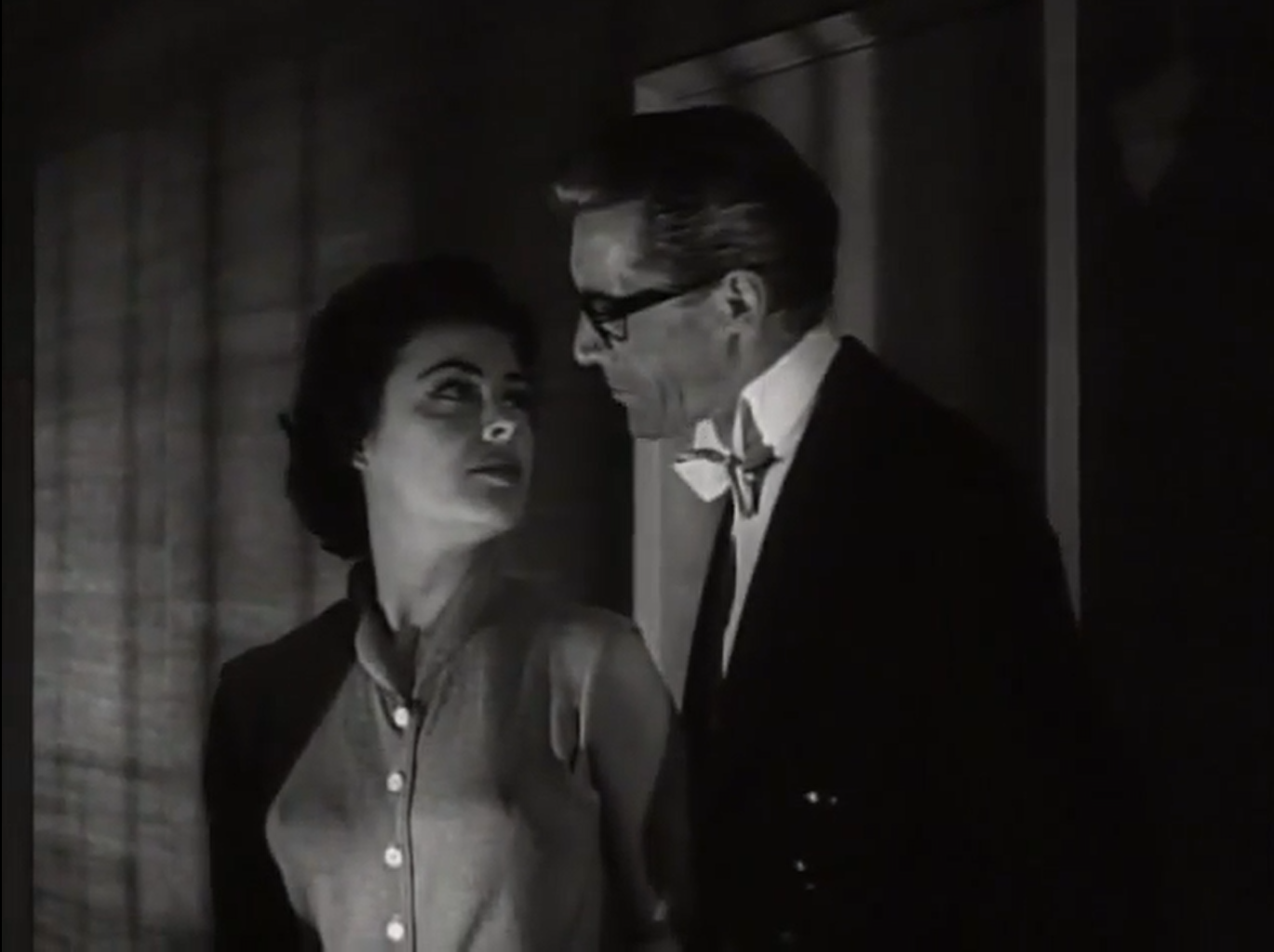
Less successful, however, is the overall arc of the story, which is unevenly paced and lacks narrative punch; we should care much more about what’s going on than we do. Part of the problem is that essential character motivations are left unclear: for instance, while we understand that Mary’s Aunt Patience (Marie Ney) is firmly attached to her no-good husband, we never discover why:
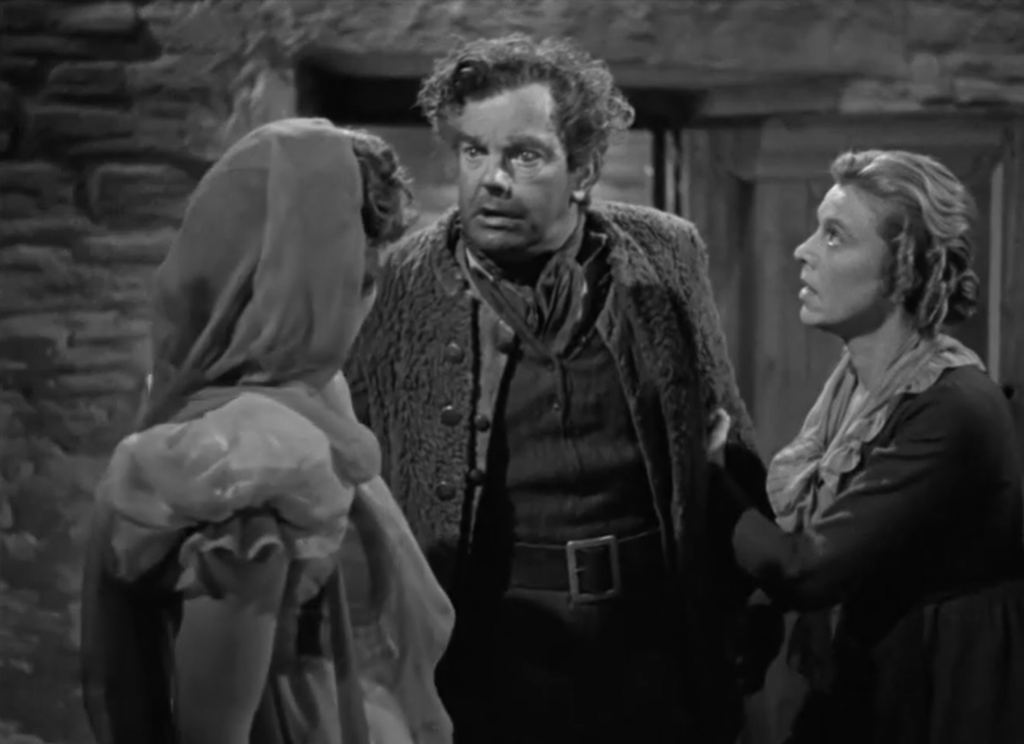
And, unless I missed something, we never learn why Pengallan holds the sway he does over Joss — nor why this must be (conveniently) kept a secret from everyone else in the gang. Overall, Jamaica Inn remains one of Hitchcock’s lesser outings, and is not must-see viewing.

Redeeming Qualities and Moments:

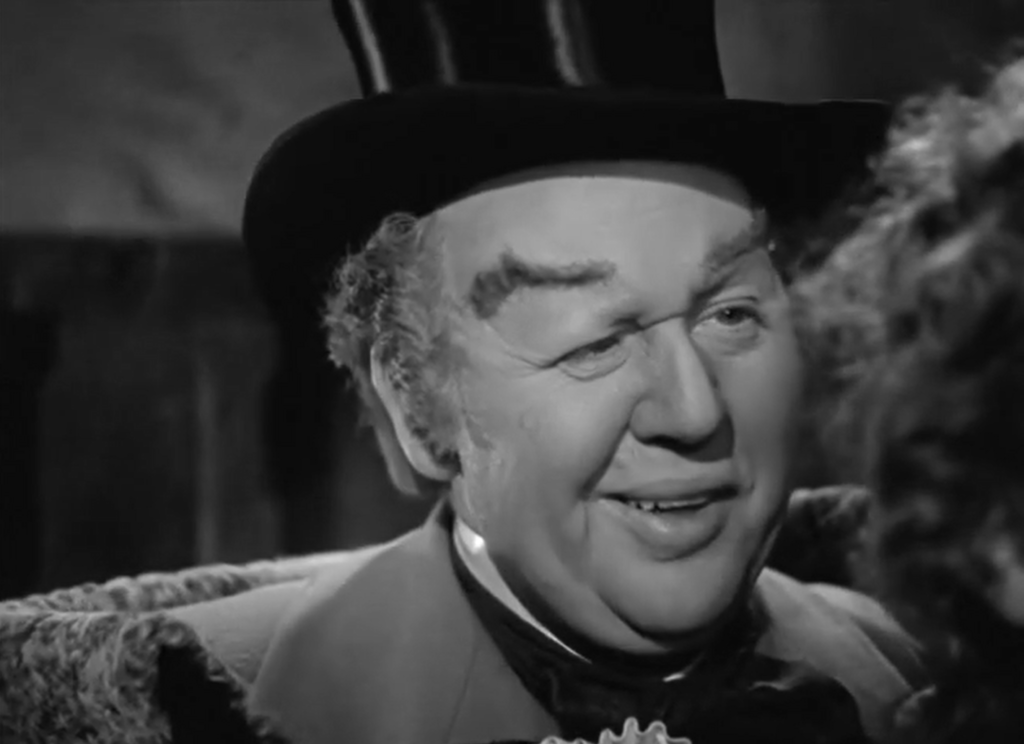
  • Charles Laughton’s hammy performance as Pengallan (those eyebrows!)
  • Beautiful Maureen O’Hara as Mary
  • Atmospheric cinematography

Must See?
No, though fans of Hitchcock or Du Maurier will certainly be curious to check it out.

Links:

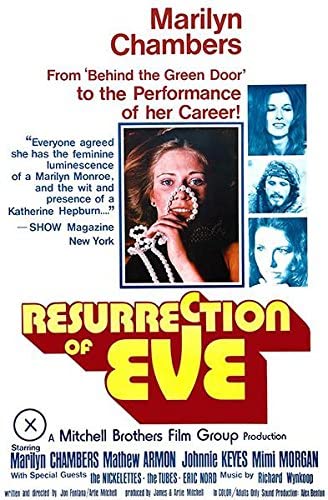
Resurrection of Eve, The (1973)

Resurrection of Eve, The (1973)

Synopsis:
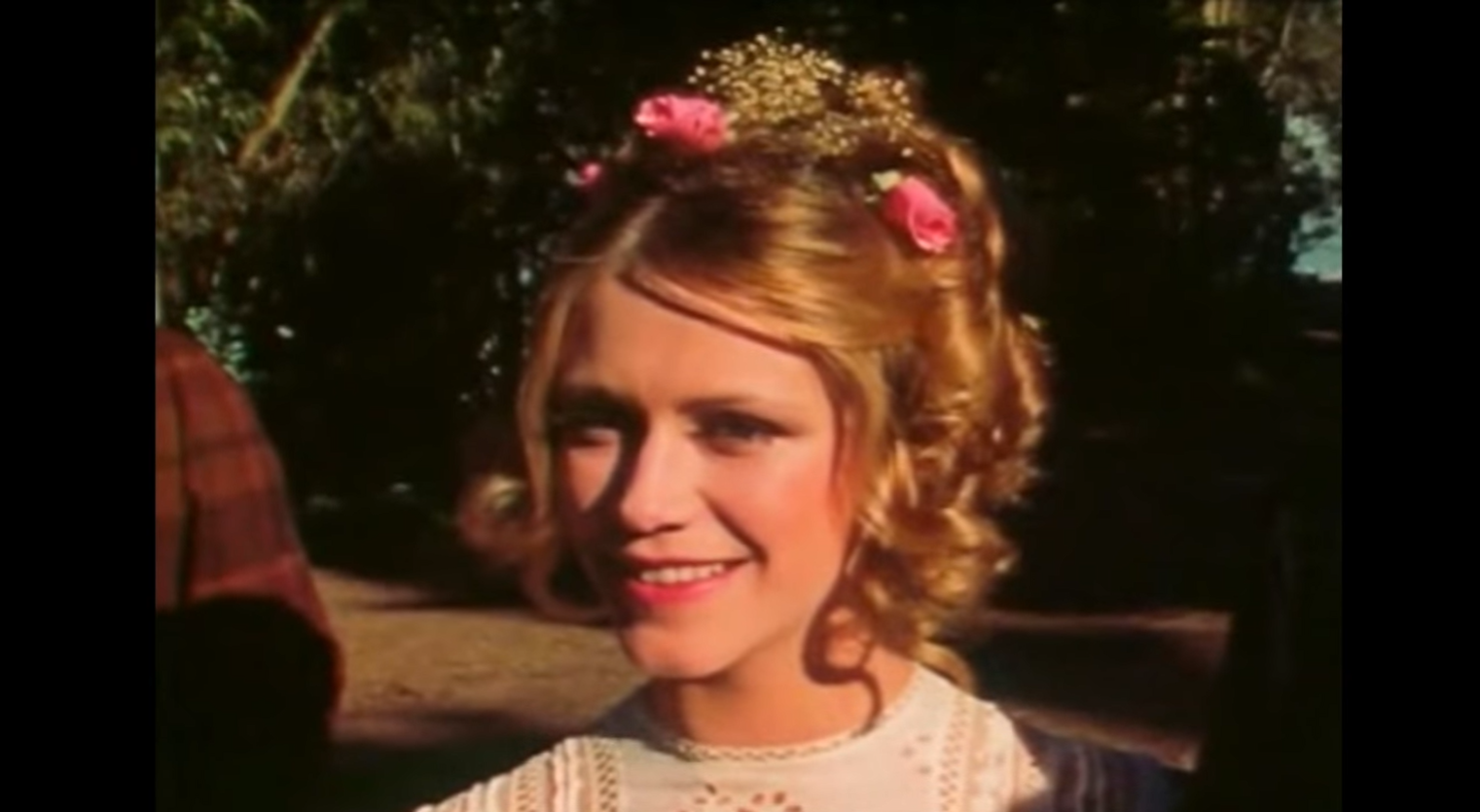
A sexually repressed young woman named Eve (Mimi Morgan) is badly hurt in a car accident, and emerges from plastic surgery as beautiful Marilyn Chambers. With newfound confidence, Eve becomes sexually aggressive for the first time in her life.

Genres, Themes, Actors, and Directors:

  • Adult Films
  • Child Abuse
  • Flashback Films
  • Plastic Surgery
  • Sexual Liberation
  • Sexual Repression

Response to Peary’s Review:
As Peary notes, this follow-up to director Jim and Artie Mitchell’s phenomenally successful adult classic Behind the Green Door is “confusing, then boring”. It’s impossible to tell what’s going on, given the constant chronological shifts and the complete change of actresses playing Eve. While watching the distasteful opening sequence, where “young” Eve is seduced/abused by an older man, I couldn’t help thinking I’d accidentally rented the wrong movie.

Redeeming Qualities and Moments:

  • Marilyn Chambers (always an enjoyable actress)

Must See?
No; this one is certainly not “must see” viewing.

Links:

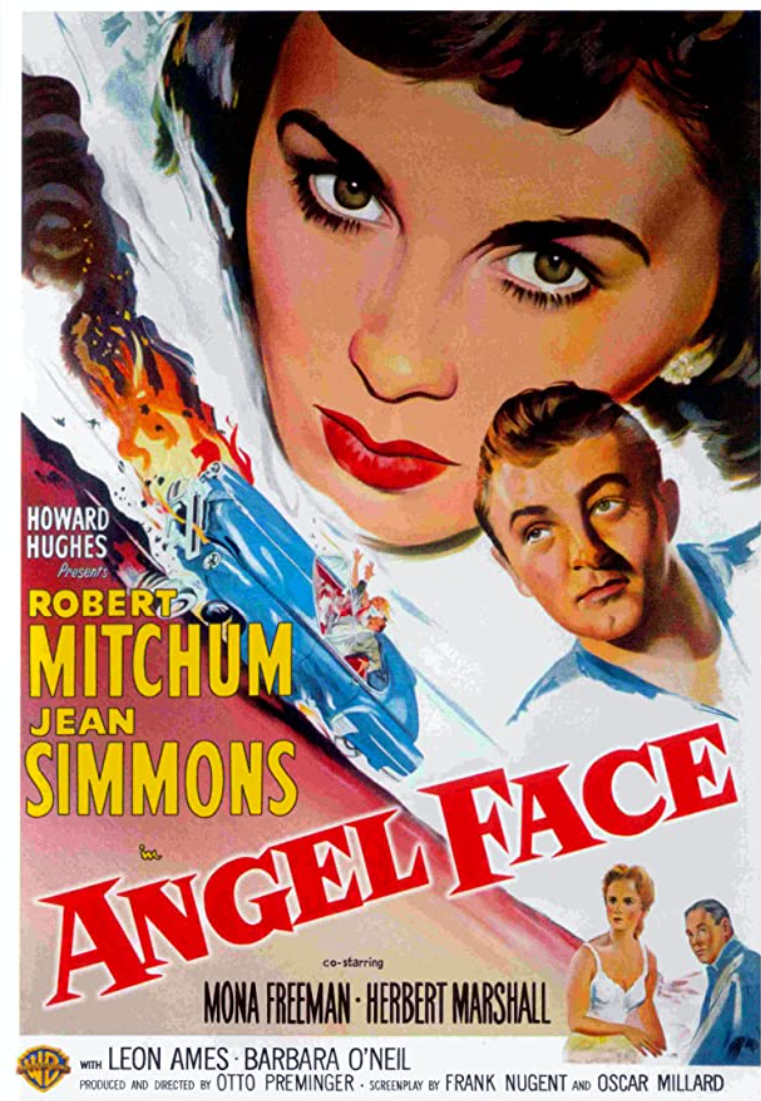
Angel Face (1952)

Angel Face (1952)

“How stupid do you think I am? You hate that woman, and someday you’re gonna hate her enough to kill her. It’s been in the back of your mind all along.”

Synopsis:
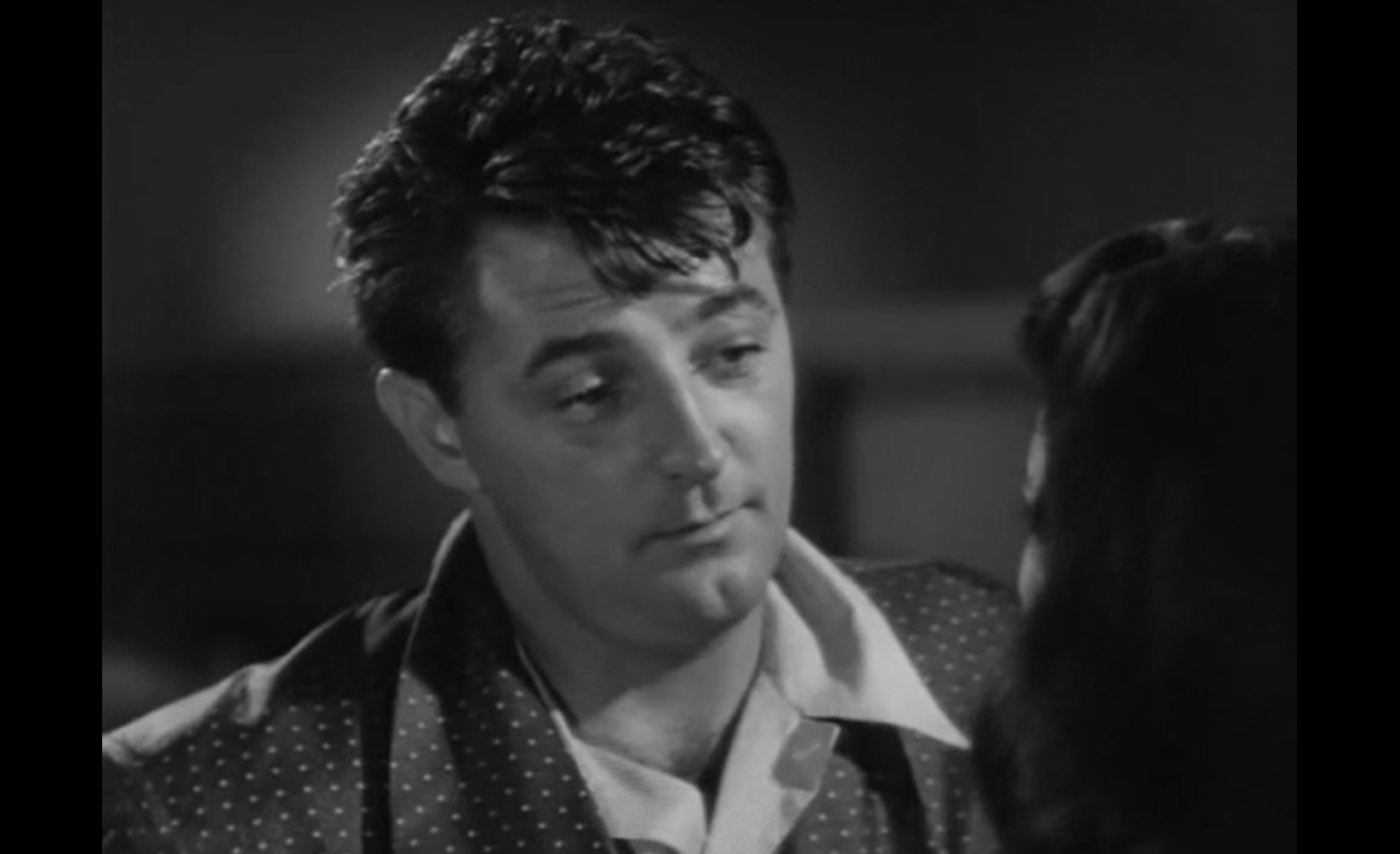
The manipulative daughter (Jean Simmons) of a writer (Herbert Marshall) tries to enlist the help of her new chauffeur (Robert Mitchum) in killing her wealthy stepmother (Barbara O’Neil).

Genres, Themes, Actors, and Directors:

  • Femmes Fatales
  • Herbert Marshall Films
  • Jean Simmons Films
  • Otto Preminger Films
  • Plot to Murder
  • Psychopaths
  • Robert Mitchum Films

Review:
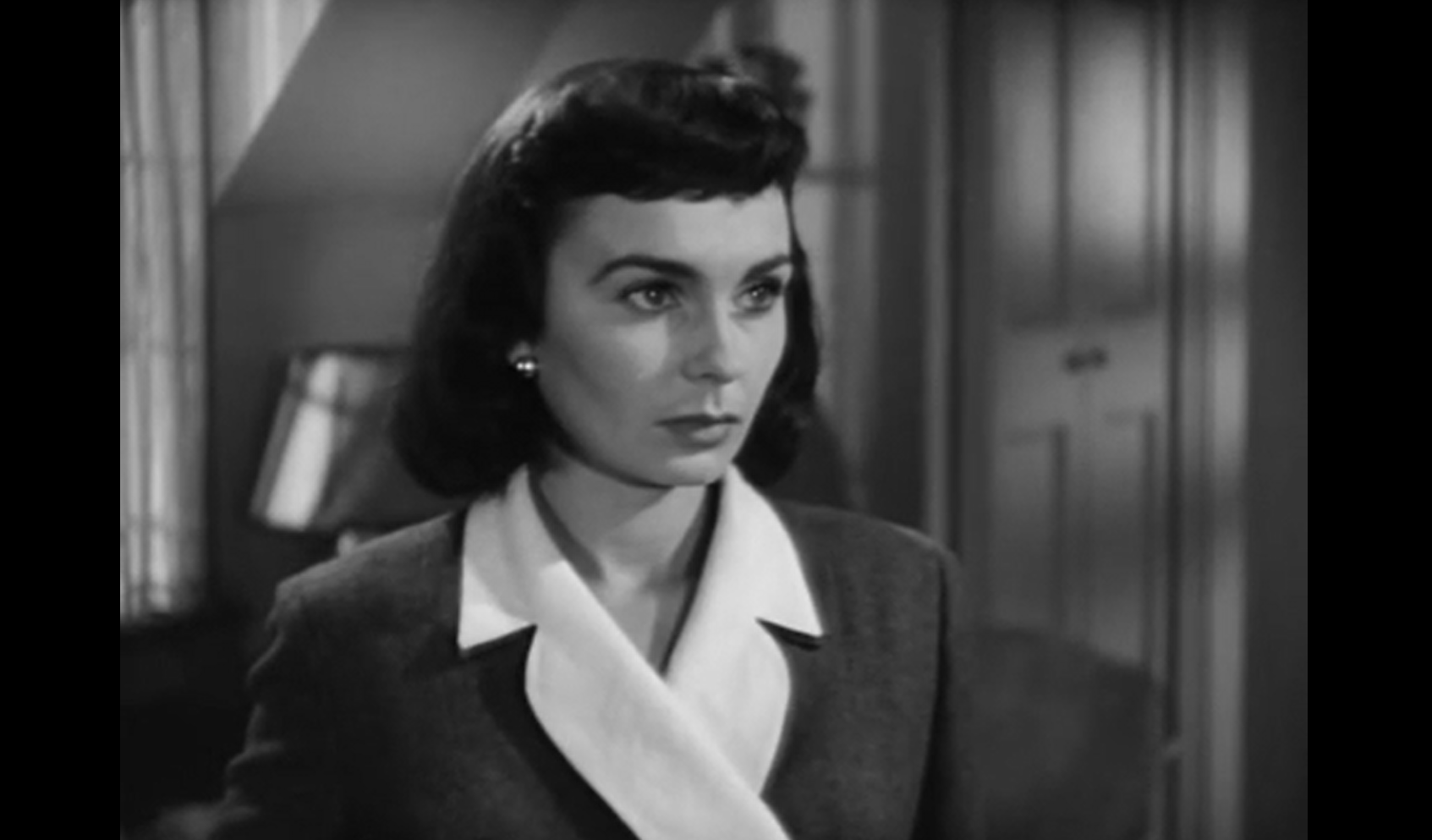
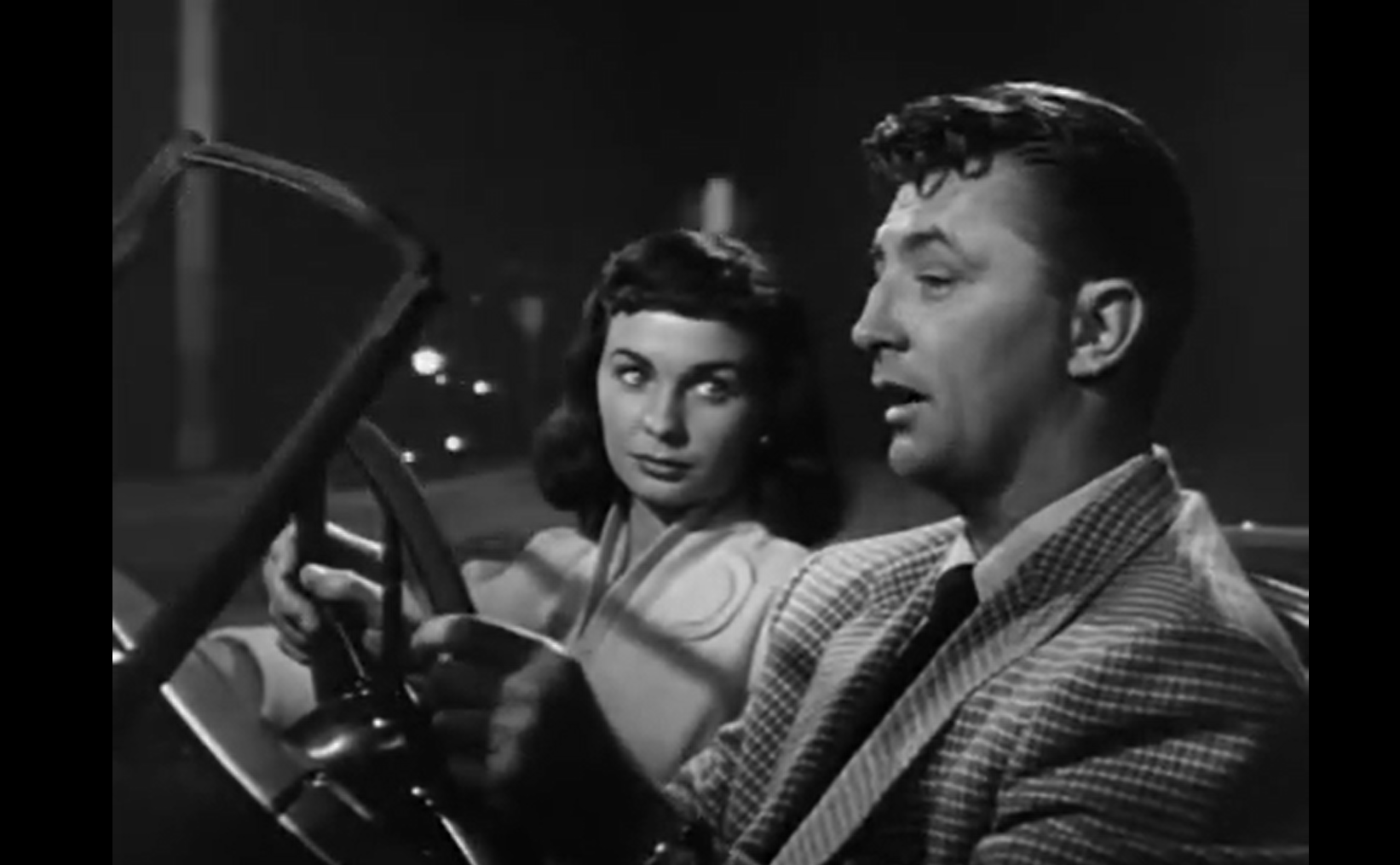
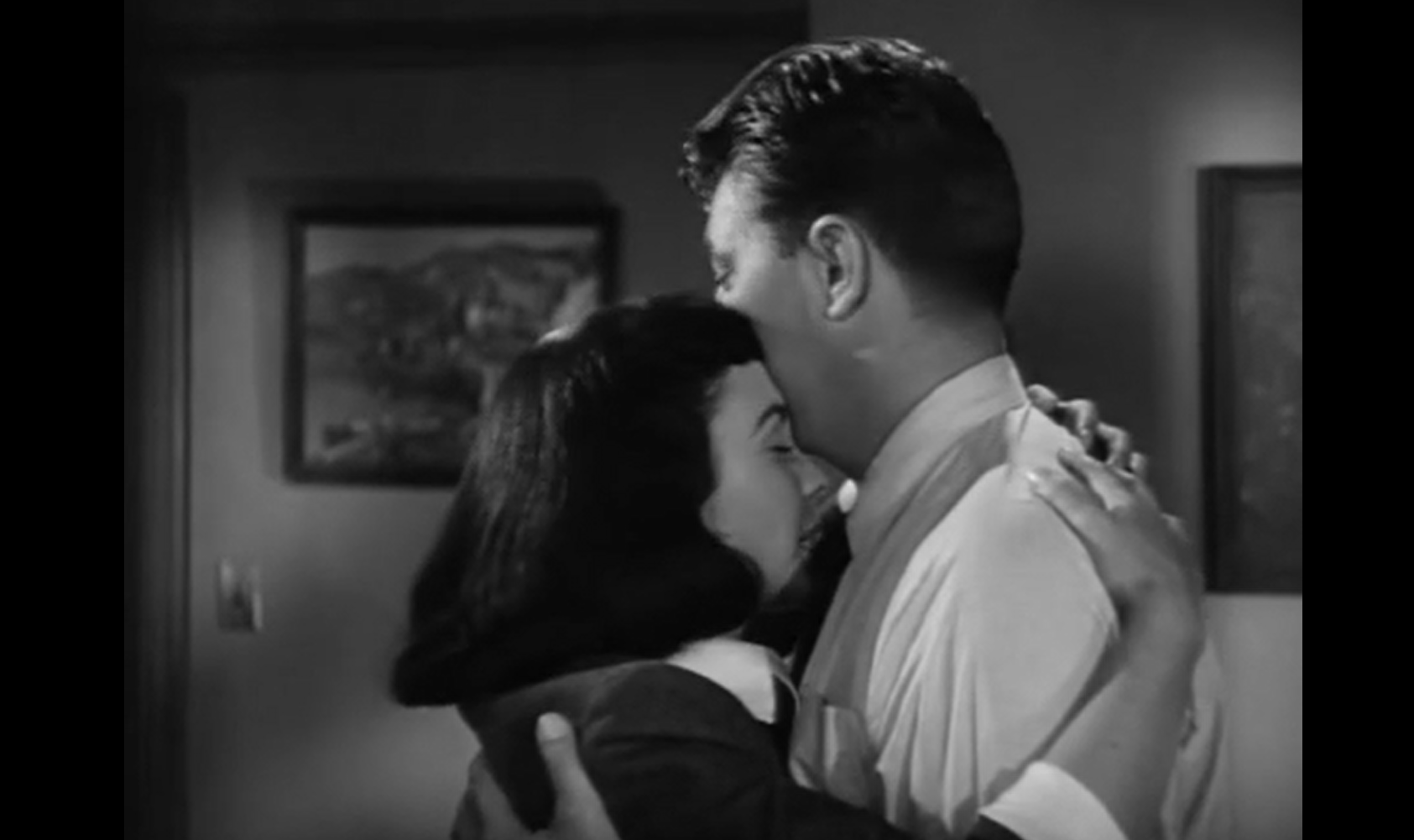
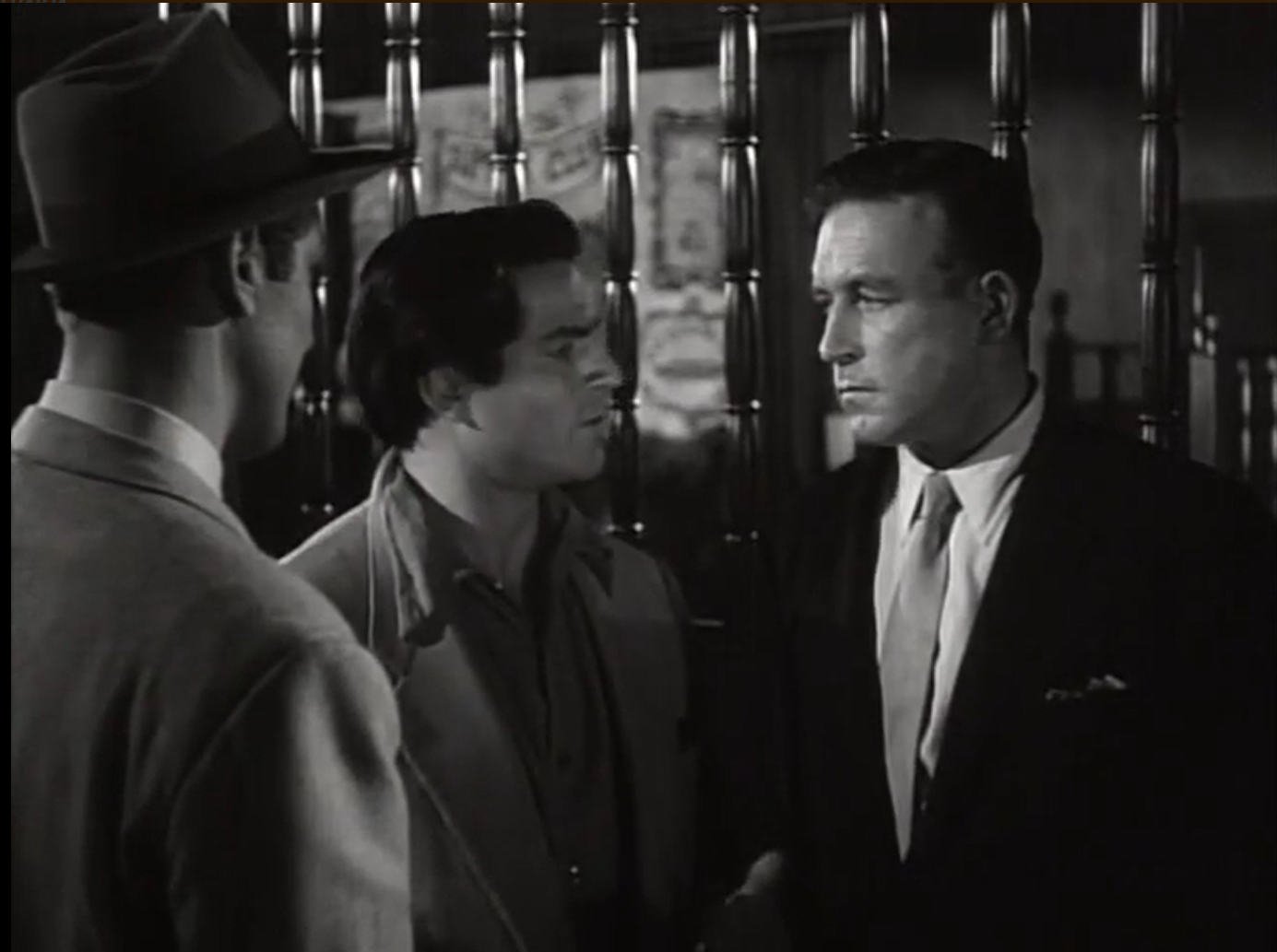
Otto Preminger’s atmospheric thriller features compelling performances, beautiful b&w cinematography, and several unexpected deviations from the traditional noir set-up. Unlike most of the heedless chumps populating this genre, Mitchum’s character (always savvy — he’s a relentlessly intelligent actor) never fully falls for “Angel Face”; and while Simmons’ femme fatale is appropriately manipulative and reckless, her motivations lie deeper than mere exploitation and greed. The narrative’s pacing foils expectations as well: the courtroom scene — which one would expect to be the final climax — isn’t; indeed, if you’ve never seen Angel Face, avoid reading any other online reviews, since most of them give away the ending.

Redeeming Qualities and Moments:

  • Robert Mitchum as Frank
  • Jean Simmons as Diane
  • Crisp b&w cinematography by Harry Stradling

Must See?
Yes. This unusual little noir film is now regarded as one of Preminger’s best.

Categories

(Listed in 1001 Movies You Must See Before You Die)

Links:

Female Jungle / Hangover (1955)

Female Jungle / Hangover (1955)

“There were at least a dozen people at that party who Monica Madison hurt on the way out; each one of them had a good reason to kill her.”

Synopsis:
An off-duty cop (Lawrence Tierney) who has spent the night drinking heavily and can’t remember his actions tries to clear his name by investigating the mysterious murder of an actress (Eve Brent), who was last seen with gossip columnist Claude Almstead (John Carradine). Meanwhile, a caricaturist (Burt Kaiser) who has been cheating on his wife (Kathleen Crowley) with a blonde vamp (Jayne Mansfield) thinks he may have important information about the murder.

Genres, Themes, Actors, and Directors:

  • Jayne Mansfield Films
  • John Carradine Films
  • Lawrence Tierney Films
  • Love Triangle
  • Murder Mystery
  • Police

Review:
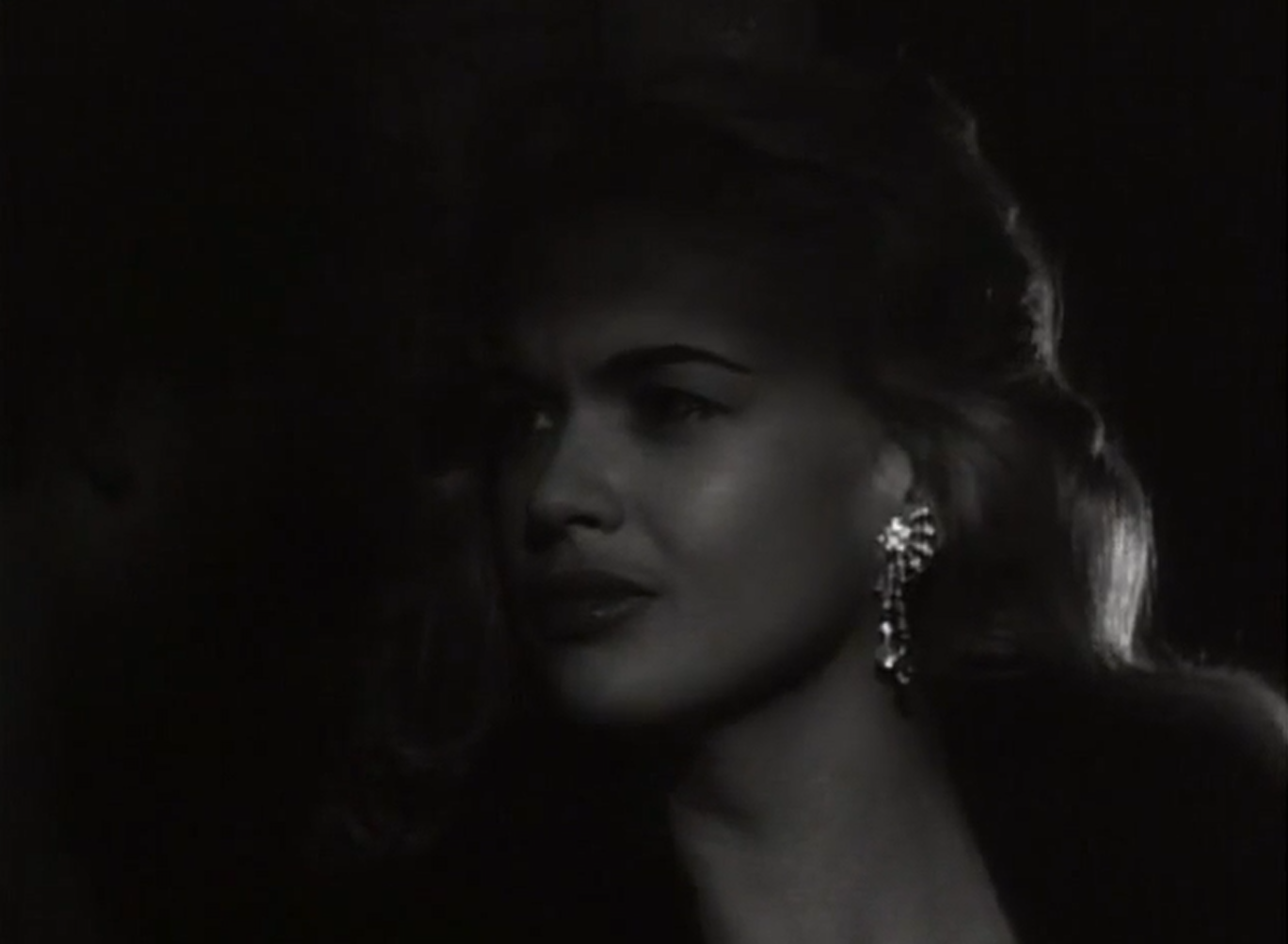
This low-budget noir-thriller was the directorial debut of character actor Bruno VeSota, who starred in several of Roger Corman’s AIP flicks (including Bucket of Blood) — but it’s perhaps even more notable as the first significant screen appearance of Jayne Mansfield (who was paid $150 for her work, and promptly went back to her job selling popcorn). Unfortunately, it’s a flawed film: the screenplay is muddled, with too many characters introduced as potential suspects; the ending is frustratingly vague (just when we think things are resolved, another twist is hinted at); and the acting is uneven (Crowley as the artist’s wife is particularly bad). Yet the entire affair is at least partially redeemed by a couple of noteworthy performances (Tierney and Carradine), and an effectively dark-and-dirty B-level atmosphere; as noted in Graeme Clark’s Spinning Image review, Female Jungle takes place entirely at night, with neither dusk nor dawn to signal the presence of daylight life.

Redeeming Qualities and Moments:

  • Lawrence Tierney as the guilt-ridden cop
  • John Carradine as Almstead
  • Jayne Mansfield as “Candy” — no great actress, but exuding sexual allure
  • Effective noir cinematography

  • Plenty of juicy B-level dialogue between Mansfield and Kaiser:

    “With or without violins, I’d call this a brush-off.”
    “You and I just don’t add up together.”
    “You’re lying — just like the phony paint on yer face!”
    “You’re good for nothing, but I’m crazy for you.”

Must See?
No. While notable as Mansfield’s first significant on-screen appearance, this one is for B-budget noir fans only.

Links:

Great Day in the Morning (1956)

Great Day in the Morning (1956)

“Sure, I’m loyal. I’ve got an undying loyalty to myself and no one else, nothing else.”

Synopsis:
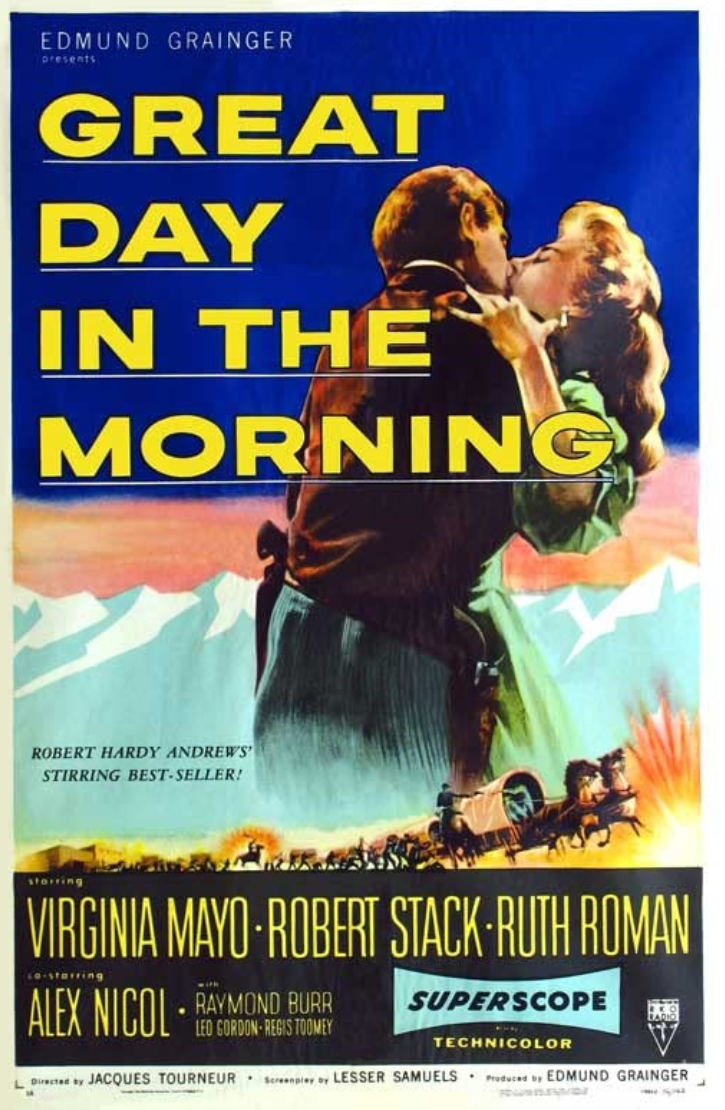
Near the start of the Civil War, an apolitical Southern profiteer (Robert Stack) in Colorado becomes embroiled in a heated stand-off between Unionists and Confederates; meanwhile, he finds himself caught in a love triangle between a feisty saloon hostess named Boston (Ruth Roman) and a prim-and-proper dress-shop owner (Virginia Mayo).

Genres, Themes, Actors, and Directors:

  • Civil War
  • Gold Seekers
  • Jacques Tourneur Films
  • Love Triangle
  • Raymond Burr Films
  • Robert Stack Films
  • Ruth Roman Films
  • Virginia Mayo Films
  • Westerns

Review:
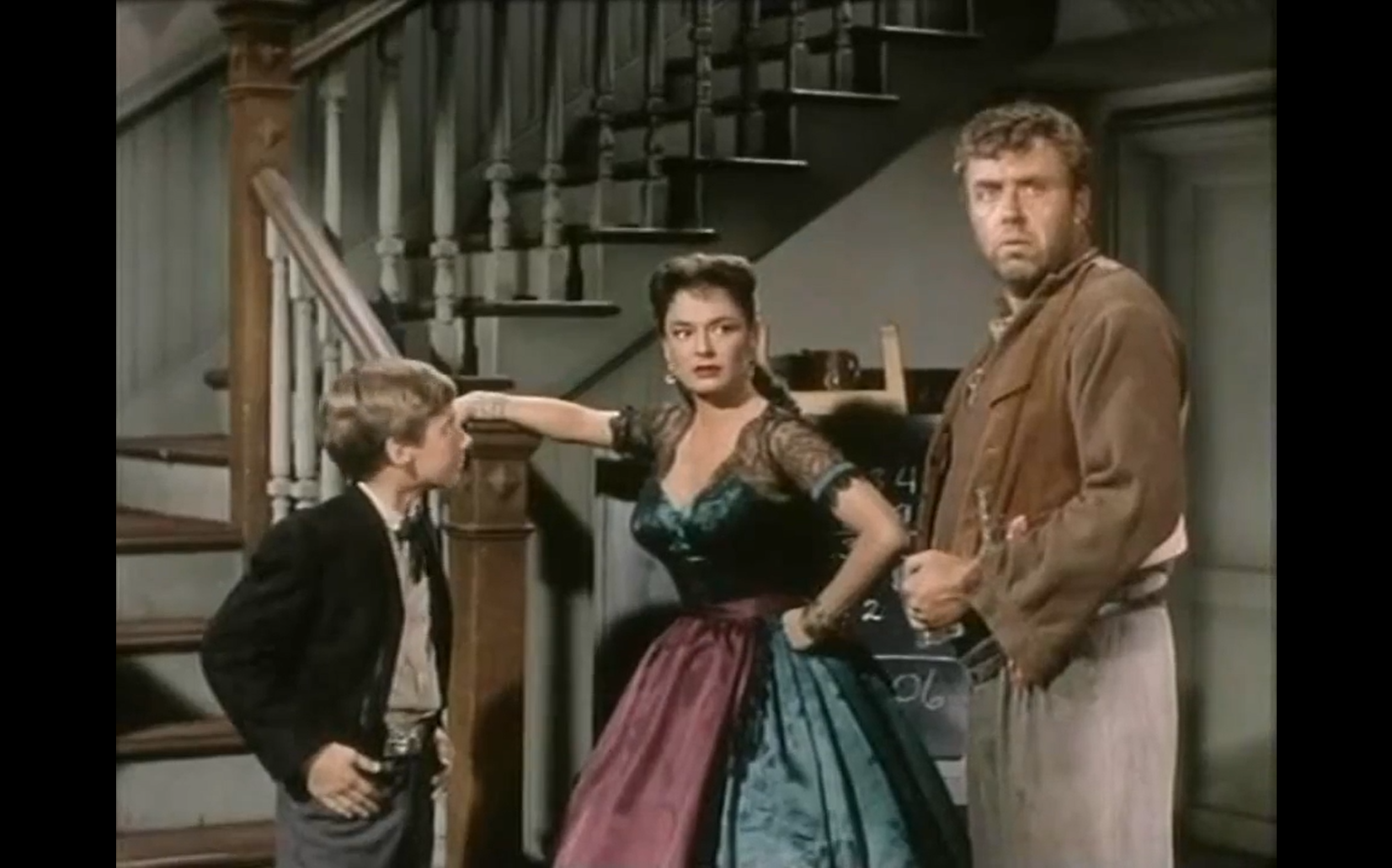
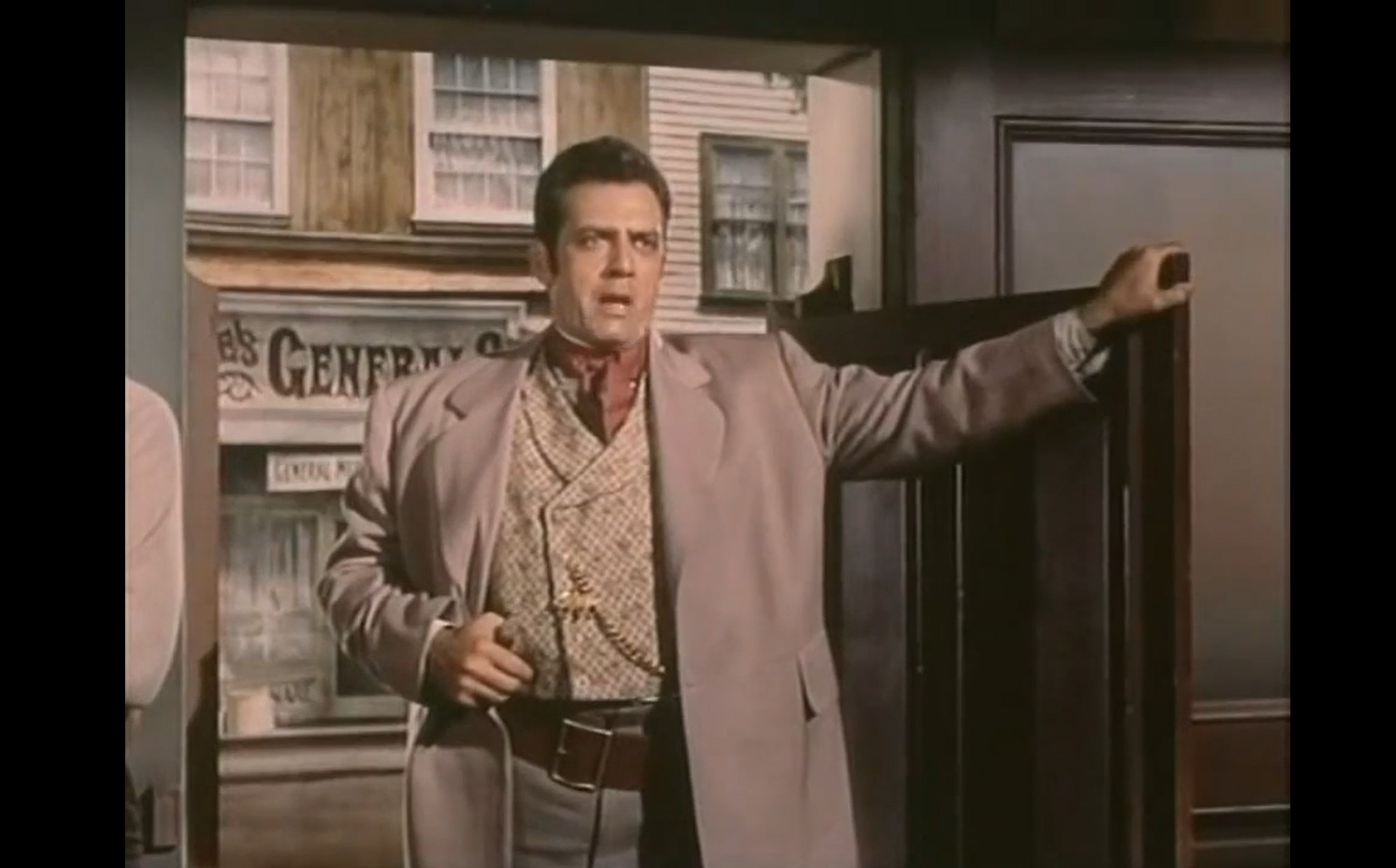
Jacques Tourneur’s Civil War-era western is notable primarily for Lesser Samuels’ intelligent script, which deftly explores the tensions between “Northern” and “Southern” sympathizers in a non-strategic territory of the U.S. The screenplay features many memorable lines, and Robert Stack’s character is drawn as a reasonably compelling anti-hero. The film also benefits from fine supporting performances by both Ruth Roman (appropriately savvy and forward as a woman who immediately falls for Stack):

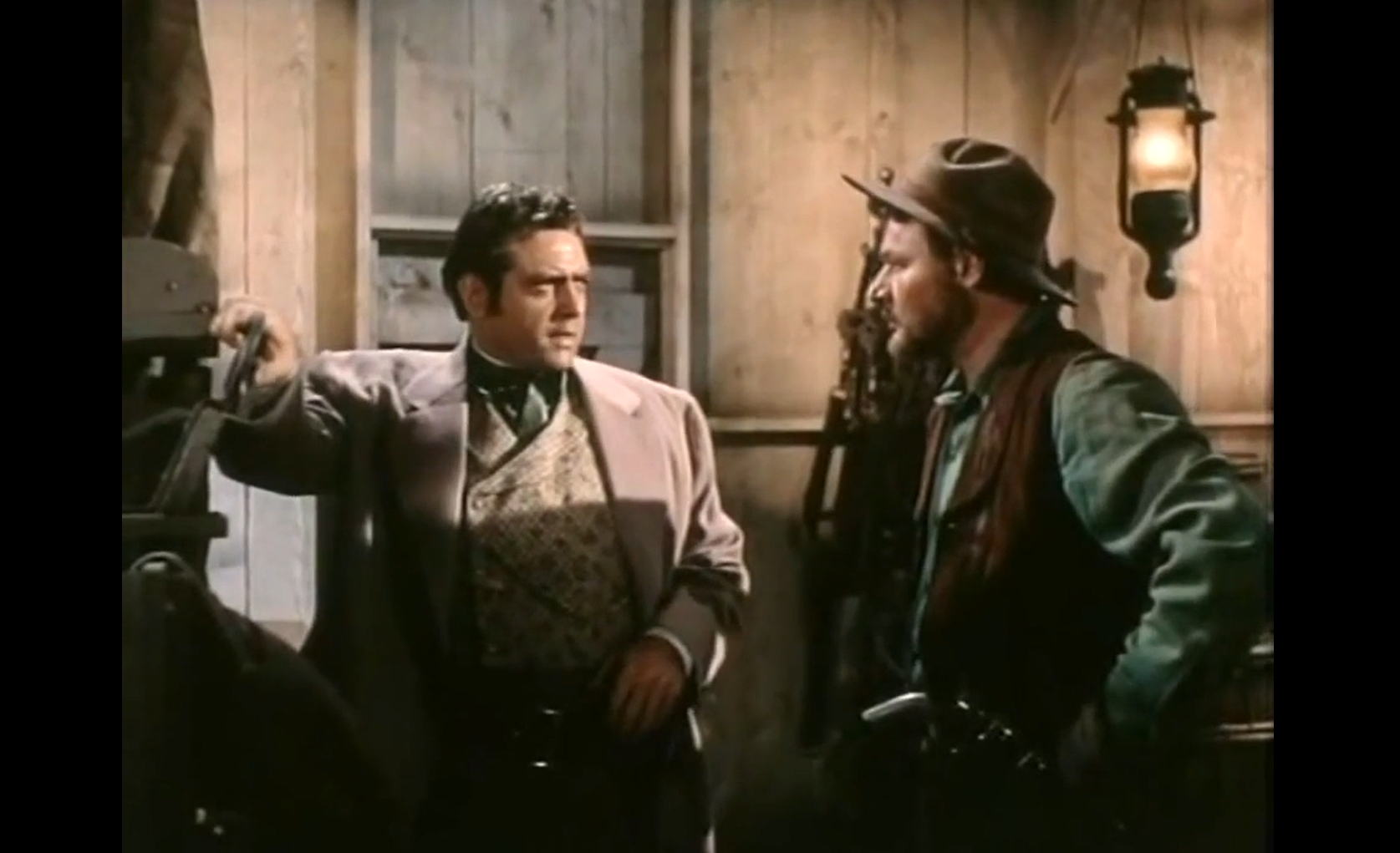
… and Raymond Burr (intensely angry as Roman’s jilted, would-be lover).

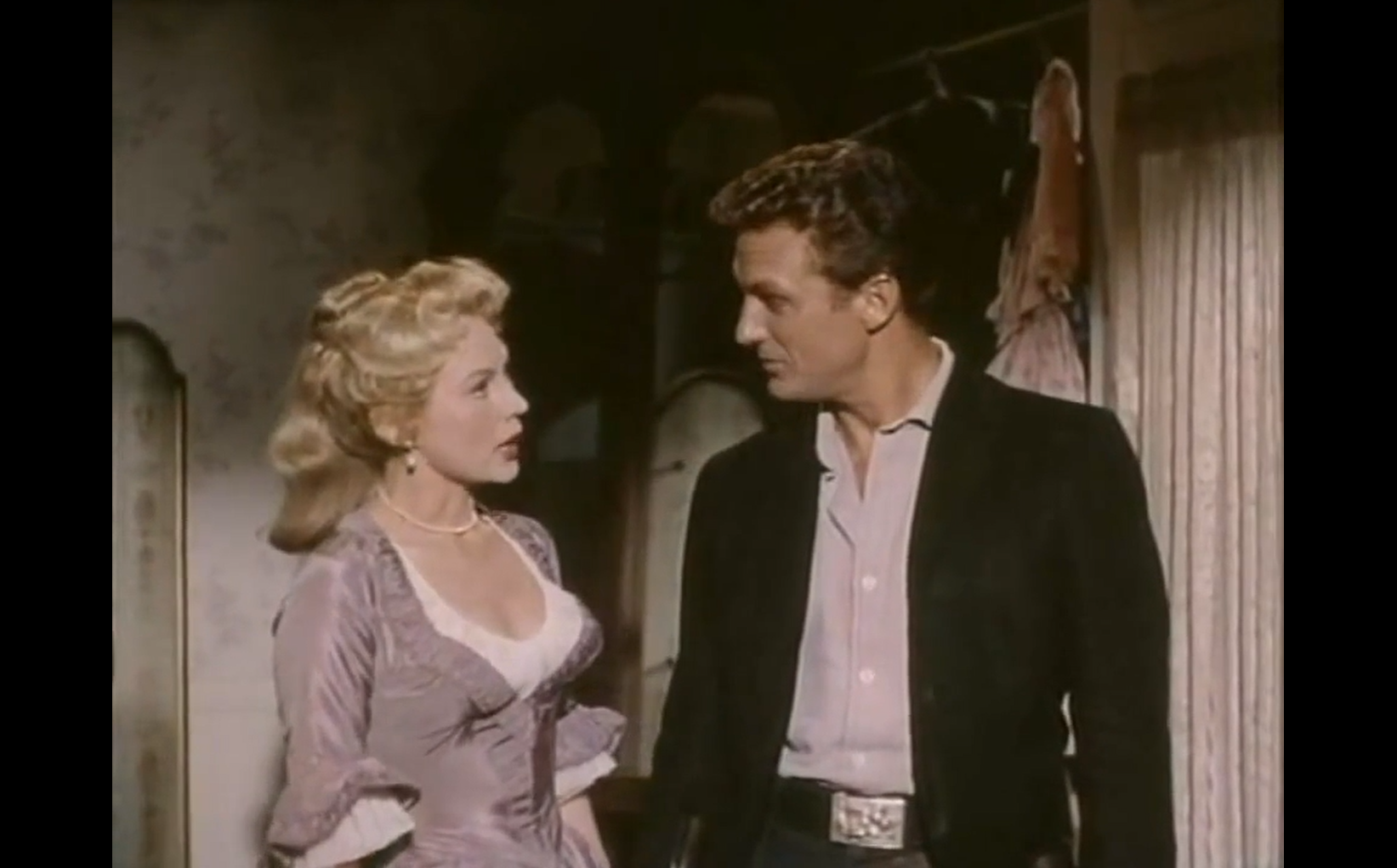
Unfortunately, Virginia Mayo fares much worse (she performs her scenes with melodrama rather than nuance), and Stack should have at least attempted a southern accent.

Surprisingly, little of Tourneur’s signature directorial style is in evidence here, making this a somewhat puzzling — albeit enjoyable — inclusion in Peary’s book.

Redeeming Qualities and Moments:

  • Ruth Roman as Boston
  • Raymond Burr as Jumbo Means
  • An effective look at pre-Civil War loyalties and tensions
  • A clever script with many pithy lines: “The North and South are natural enemies — like husband and wife.”

Must See?
No, but it’s recommended for one-time viewing.

Links:

400 Blows, The (1959)

400 Blows, The (1959)

“I can’t live with my parents now after what’s happened… I have to disappear.”

Synopsis:
A mischievous teen (Jean-Pierre Leaud) in 1950s Paris repeatedly gets in trouble with his strict teacher (Guy Decomble) and his clueless parents (Claire Maurier and Albert Remy), and tries to run away; eventually, he’s sent to an institution for juvenile delinquents.

Genres, Themes, Actors, and Directors:

  • Coming of Age
  • Family Problems
  • Francois Truffaut Films
  • French Films
  • Jean-Pierre LĂ©aud Films
  • Juvenile Delinquents
  • Runaways

Response to Peary’s Review:
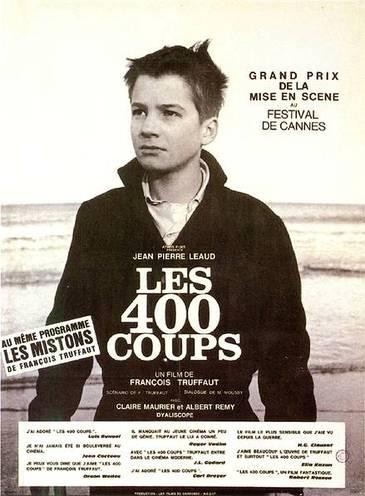
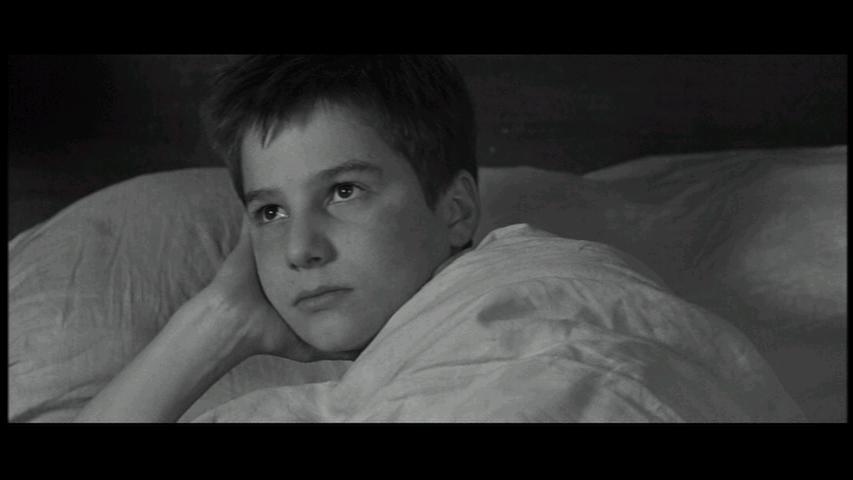
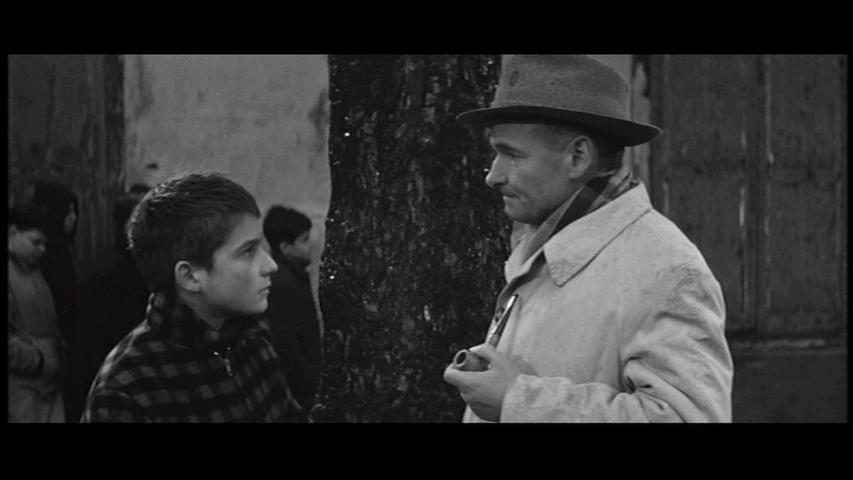
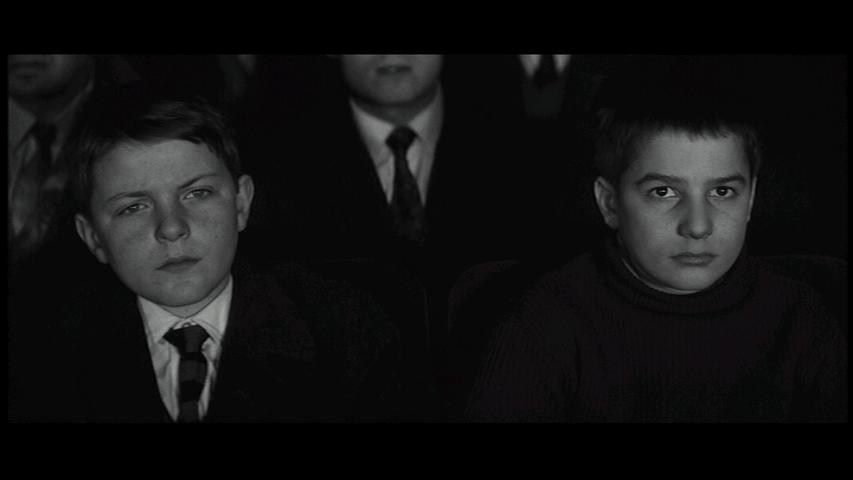
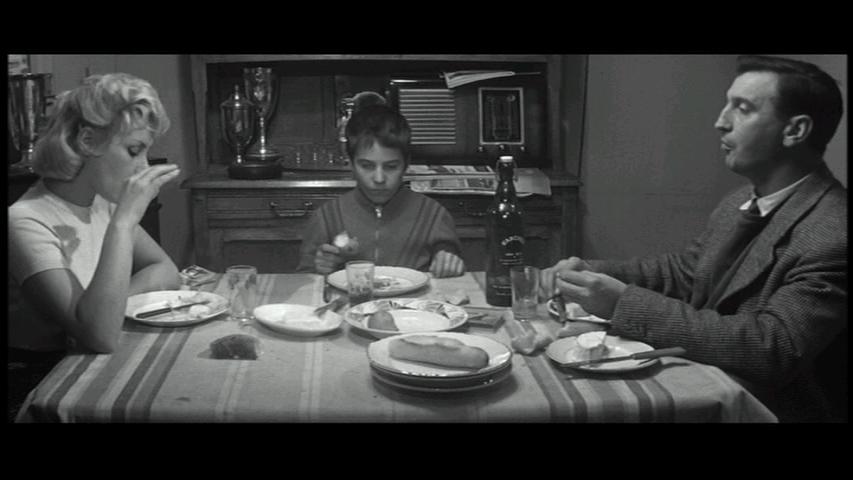
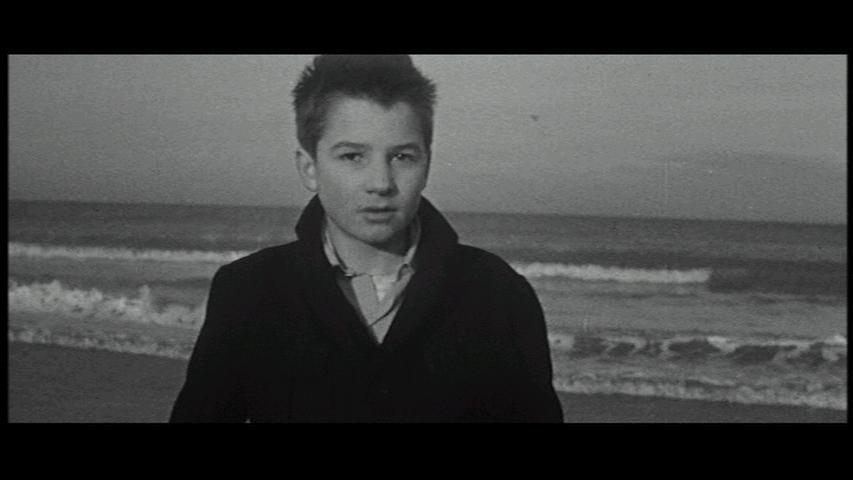
As Peary notes, Francois Truffaut’s extraordinary semi-autobiographical debut film features “beautiful camera work”, countless “classic moments”, and marvelous performances (especially by young Jean-Pierre Leaud as Truffaut’s alter-ego, Antoine Doinel). A favorite of many film fanatics (including me), it’s difficult to describe just how powerful The 400 Blows really is. Scene after scene (see Redeeming Qualities and Moments below) is a bittersweet delight — as Peary writes, the film is a “tender look at children with [a] universal message [and] much wit”, yet Doinel’s plight “is extremely sad”. Doinel tries his best to survive in the world of adults, yet seems destined to fail or be “caught” no matter how noble his intentions (who can’t relate to this sense of powerlessness from their own childhood?).

Truffaut brought Doinel/Leaud back for four sequels: the short film “Antoine and Colette” (part of Love at Twenty, 1962); the delightfully quirky Stolen Kisses (1968); the melancholy Bed and Board (1970); and the disappointing Love on the Run (1979). The first, however, remains the best of them all.

Redeeming Qualities and Moments:

  • Jean-Pierre Leaud as Antoine
  • Claire Maurier as Antoine’s well-meaning but ultimately clueless mother
  • Albert Remy as Antoine’s stepfather
  • Guy Decomble as Antoine’s irritable teacher
  • Patrick Auffay as Antoine’s loyal pal, Rene
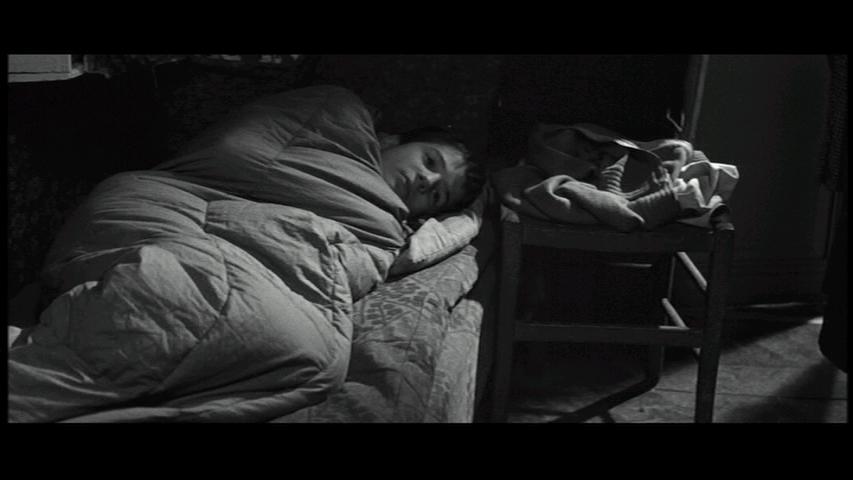
  • A powerful look at the effects of dysfunctional family life on a young boy
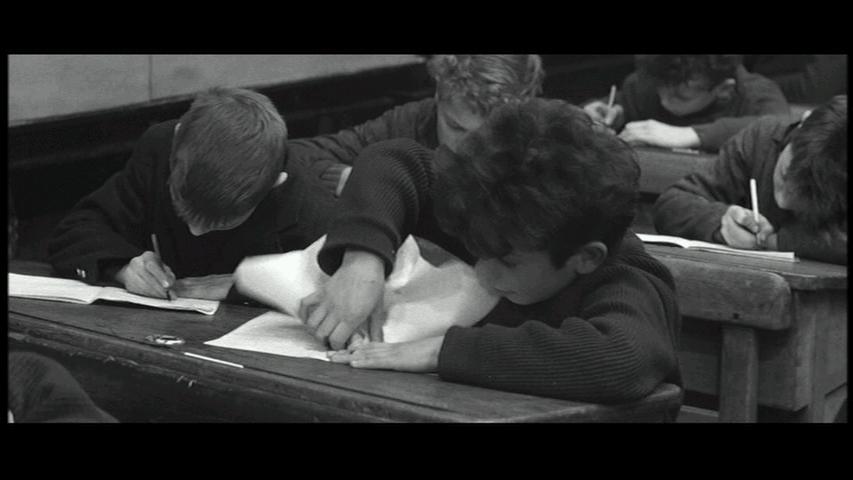
  • Antoine’s classmate struggling with an uncooperative inkwell during a dictation exercise
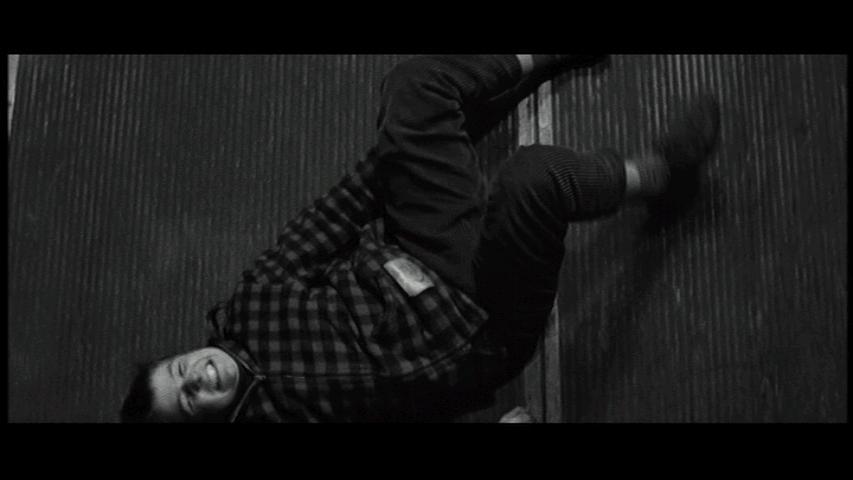
  • Antoine taking a joyful ride on a spinning machine at the fair
  • Antoine’s classmates drifting away from their P.E. teacher’s line, cluster by cluster
  • The faces of young children enjoying a puppet show
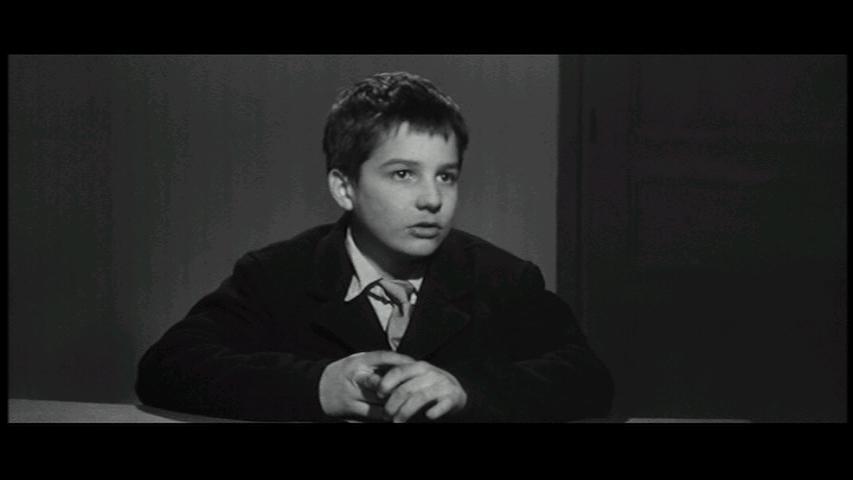
  • Antoine’s candid reform school interview with an off-screen counselor
  • Henri Decae’s luminous b&w cinematography
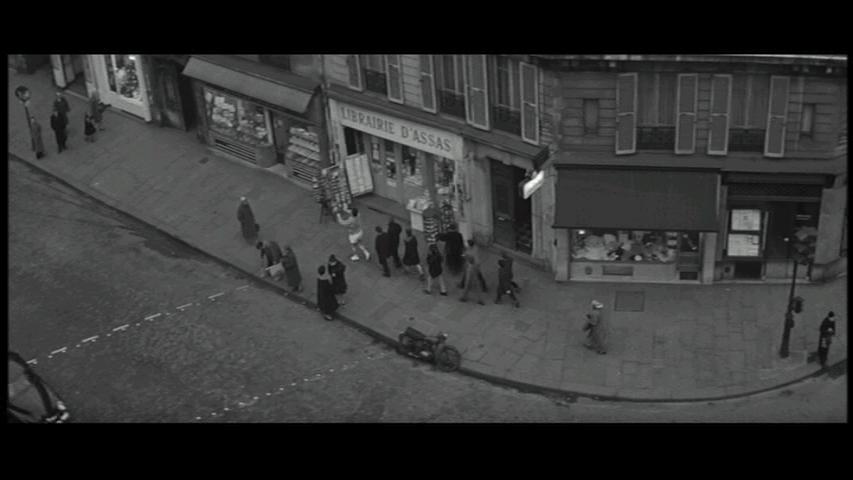
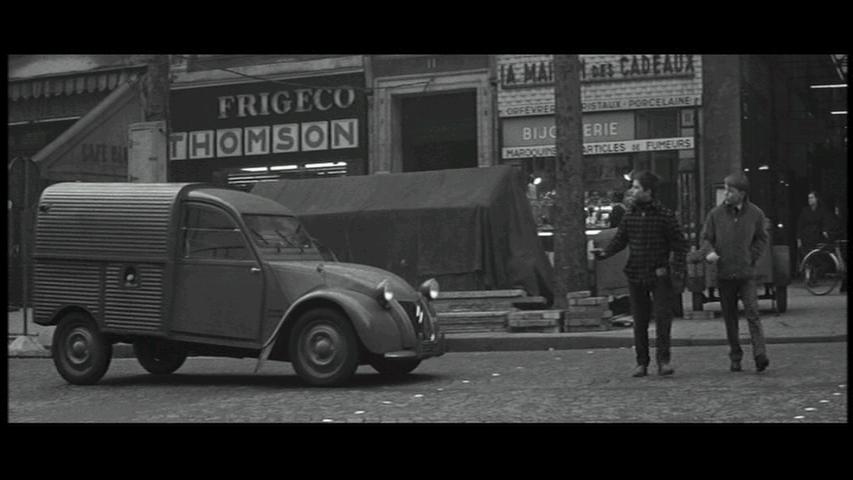
  • Excellent use of real-life settings, particularly Parisian streets
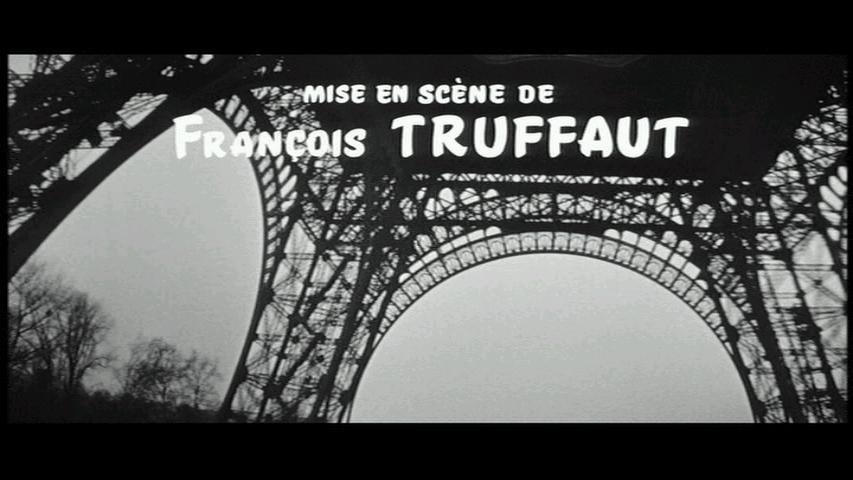
  • The opening tracking shot
  • The final haunting image
  • John Constantin’s lilting score

Must See?
Definitely. This masterpiece of the French New Wave merits multiple viewings, and may well become a personal favorite.

Categories

  • Foreign Gem
  • Genuine Classic
  • Historically Relevant
  • Important Director

(Listed in 1001 Movies You Must See Before You Die)

Links:

Diary of a Mad Housewife (1970)

Diary of a Mad Housewife (1970)

“Your life is really full of crap, isn’t it?”

Synopsis:
A housewife (Carrie Snodgress) married to a demeaning and demanding husband (Richard Benjamin) rebels by having an affair with a self-absorbed writer (Frank Langella).

Genres, Themes, Actors, and Directors:

  • Feminism and Women’s Issues
  • Frank Perry Films
  • Housewives
  • Infidelity
  • Marital Problems
  • Richard Benjamin Films

Review:
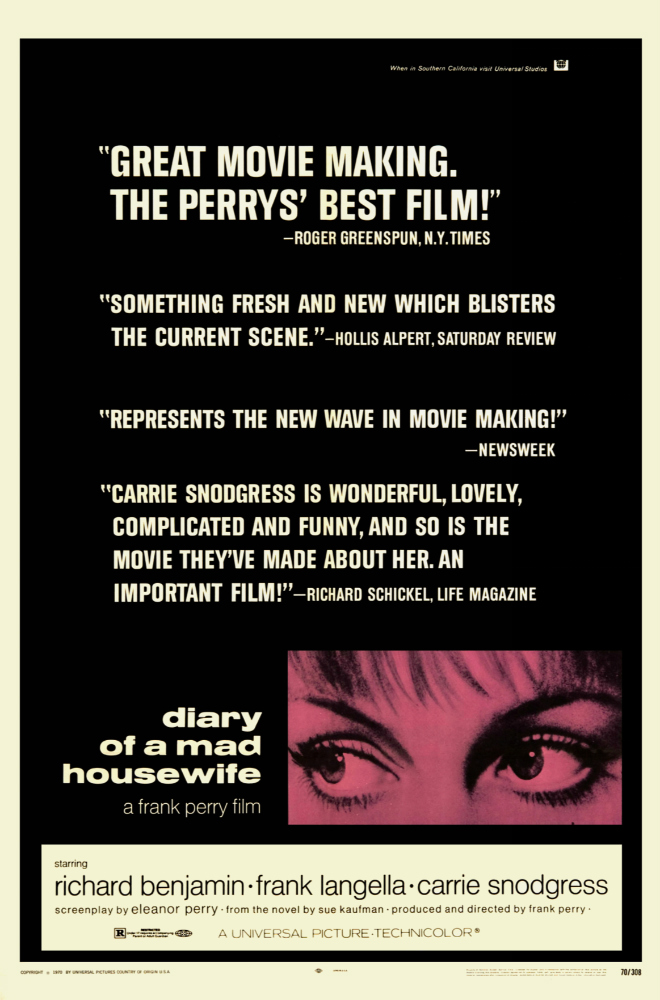
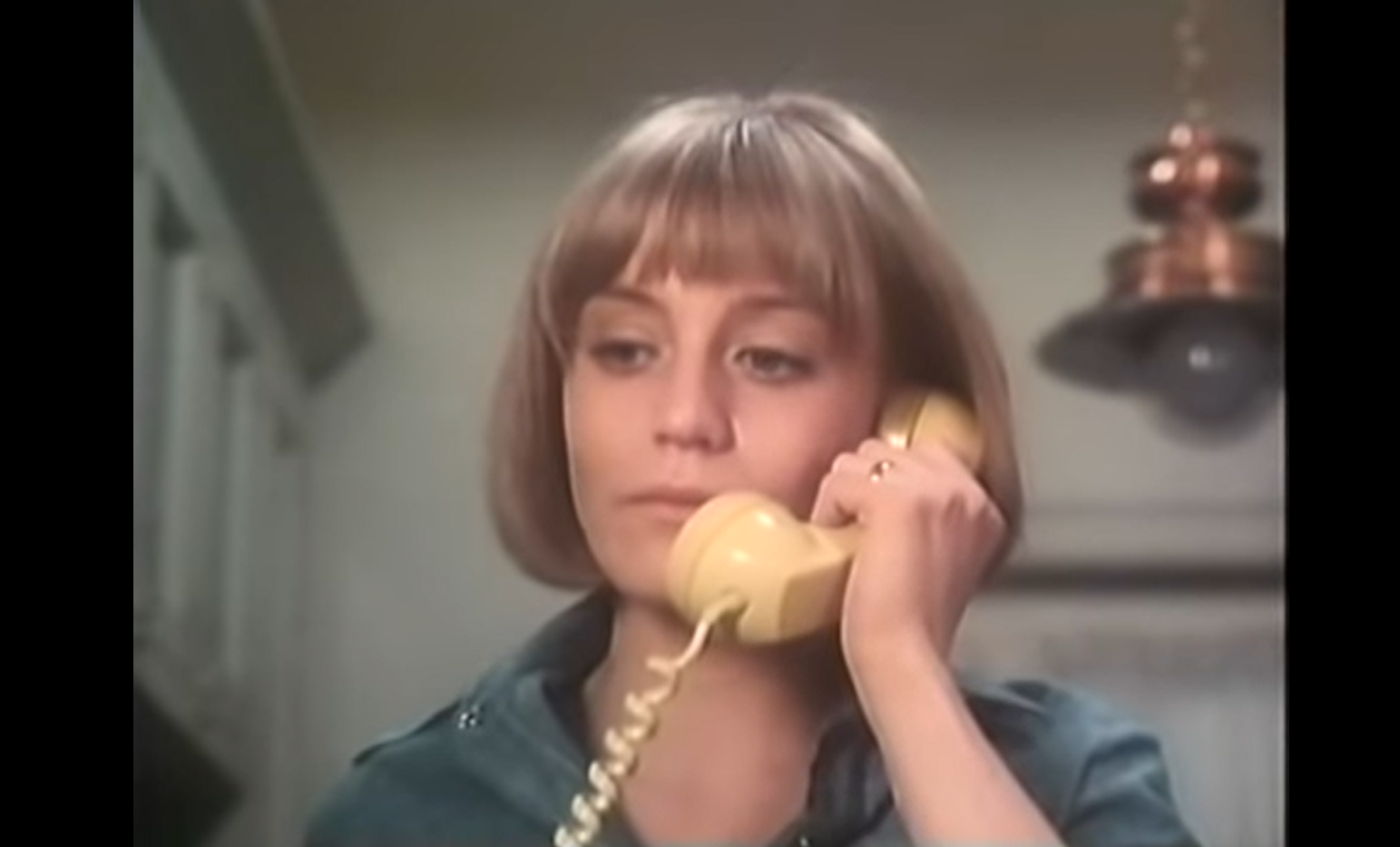
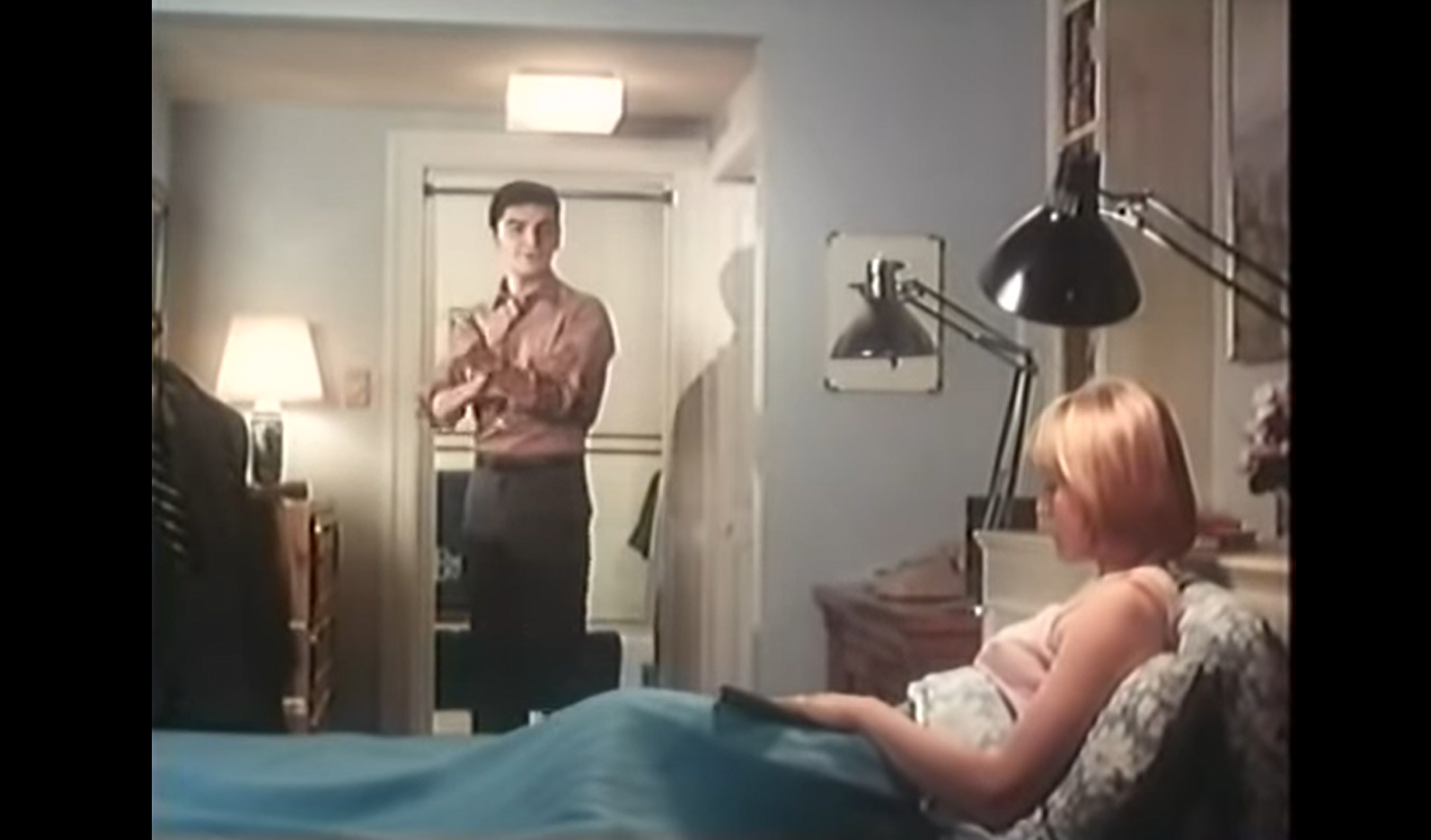
Frank and Eleanor Perry’s adaptation of Sue Kaufman’s novel is a delightfully acerbic glimpse at gender roles in the early 1970s. Keeping in mind the film’s title (the story is distinctly told from Snodgress’s point of view), it’s easy to accept the humorously over-the-top depictions of both Benjamin and Langella as true male chauvinists — this is how she perceives them. Snodgress — who was nominated for an Oscar in her first leading role — is marvelous as Tina, the titular housewife, managing to make us believe not only that Tina would put up with Benjamin’s abuse, but that she would rebel with a man who treats her just as badly. Through incisive editing, we’re shown Tina choosing to visit Langella each time things get too awful at home — it’s her version of a safe haven. The clever ending — which puts the entire story in a slightly different light — is especially well-conceived.

Redeeming Qualities and Moments:

  • Carrie Snodgress’s wonderful performance as Tina
  • Richard Benjamin as Tina’s hideously self-righteous husband
  • Frank Langella as Tina’s equally insufferable lover, George
  • A witty look at oppression and liberation in the early days of women’s lib

Must See?
Yes, for Snodgress’s Oscar-nominated performance. Listed as a Cult Movie in the back of Peary’s book.

Categories

  • Noteworthy Performance(s)
  • Oscar Winner or Nominee

Links:

Chang (1927)

Chang (1927)

“Such is the Law of the Jungle: Death to the weaker, food to the stronger.”

Synopsis:
In the Siamese jungle, Kru and his family struggle to survive while protecting their home from wild animals. When a baby elephant (a “chang”) is caught in a trap, an entirely new challenge arises.

Genres, Themes, Actors, and Directors:

  • Hunting
  • Jungles
  • Native Peoples
  • Silent Films
  • Survival

Review:
Several years before making their phenomenally successful classic King Kong (1933), directors Merian Cooper and Ernest Schoedsack helmed this ethnographic docudrama set in the jungles of “Siam” (now Thailand). Basing their loose narrative on months of exposure to the natives’ daily lives, the story comes across as remarkably authentic, despite its clear staging. The close-up shots Cooper and Schoedsack were able to get of wild animals (including the infamous “tiger shot”, when a tiger’s snout literally swipes the camera’s lens) are remarkable today, and must have been doubly so back to audiences back in 1927. While this film is recommended as must-see viewing for its historical importance, it’s full of memorable images, and chances are you’ll enjoy it more than you expect. If you rent the DVD, be sure to listen to the insightful commentary track.

Note: While Peary doesn’t review this title in his GFTFF, in Alternate Oscars he refers to it rather disparagingly as a “silly, wild-animal-laden semidocumentary” while noting its designation as “the odd third nominee in [the Best Artistic Quality of Production] category]”.

Redeeming Qualities and Moments:

  • A dramatized yet relatively authentic look at native Siamese life
  • Schoedsack’s cinematography
  • Remarkably natural performances from everyone involved (all non-actors)
  • Bimbo running for his life from a leopard (an unexpectedly amusing sequence)
  • Kru’s son playing with various baby animals
  • The infamous “tiger shot”
  • The magnificent elephant herd stampedes

Must See?
Yes, for its historical importance.

Categories

  • Historically Relevant

Links: