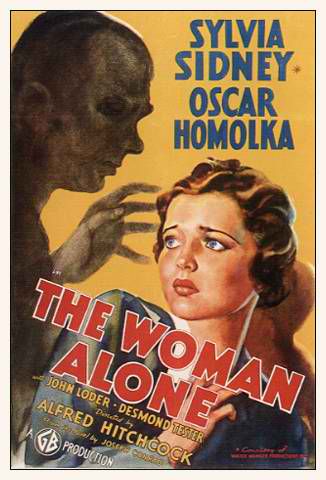
Sabotage (1936)

Sabotage (1936)

“Sand. Sabotage. Wrecking. Deliberate. What’s at the back of it? Who did it?”

Synopsis:
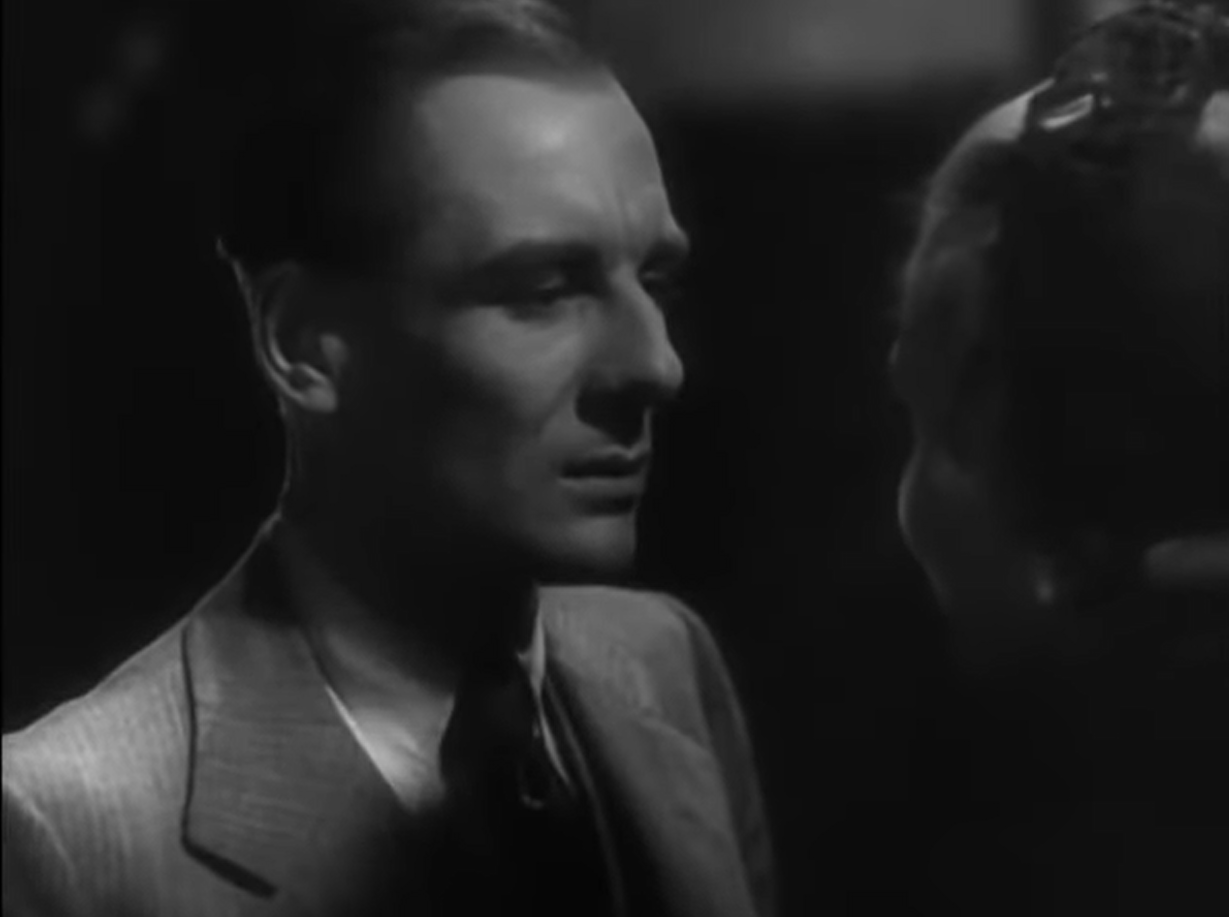
While investigating the subversive activities of a foreign-born cinema owner (Oskar Homolka), an undercover detective (John Loder) in London finds himself falling in love with the cinema owner’s unsuspecting wife (Sylvia Sidney).

Genres, Themes, Actors, and Directors:

  • Hitchcock Films
  • Mistaken or Hidden Identities
  • Sylvia Sidney Films
  • Terrorists
  • Undercover Agents and Cops

Review:
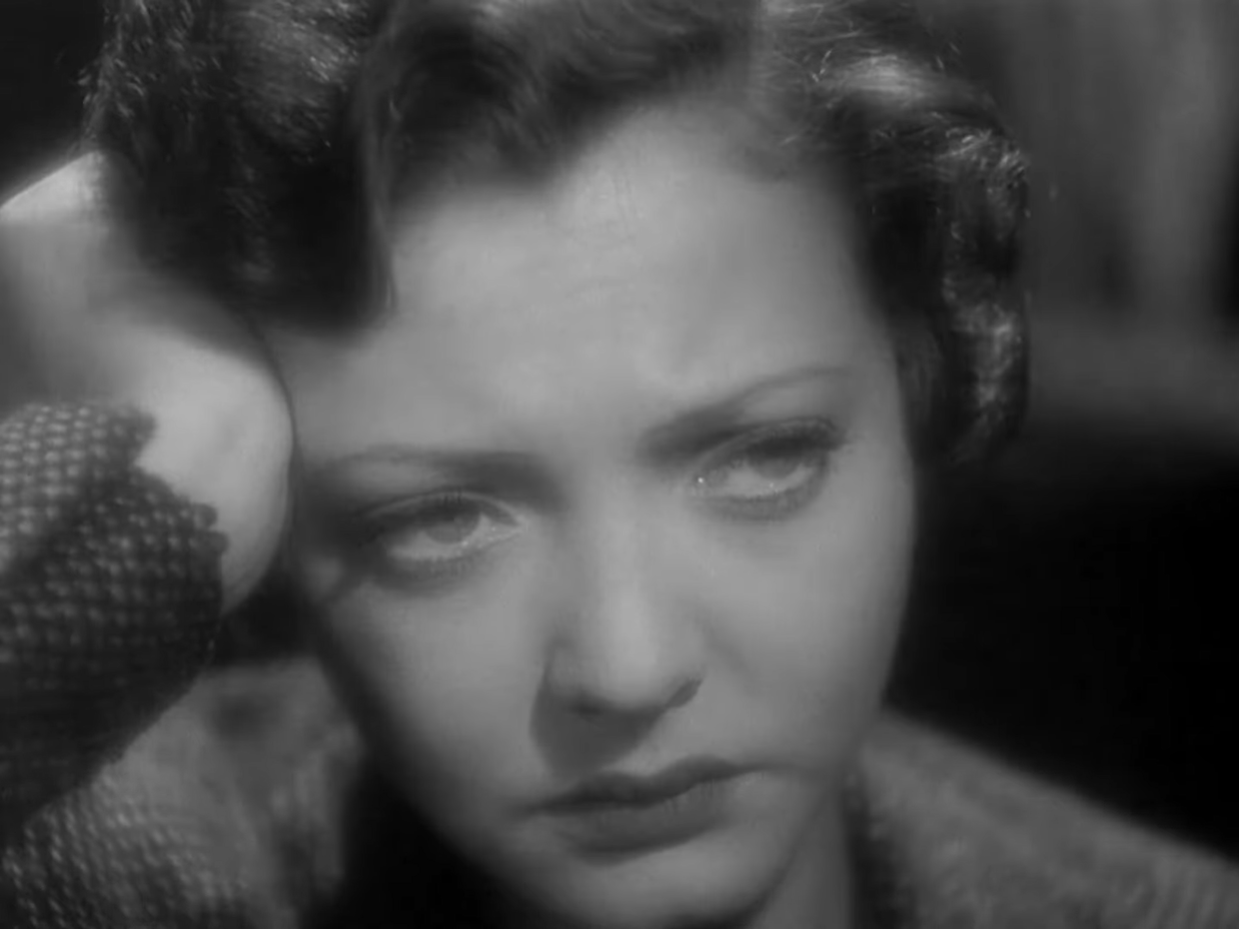
Widely acknowledged as one of Hitchcock’s bleakest films, this adaptation of Joseph Conrad’s novel (originally entitled The Secret Agent) takes place in a pre-WWII London where mass terrorism is being hatched behind closed doors, and it’s impossible to tell who may be The Enemy (sound familiar?). While Hitchcock himself denounced the film’s most infamous sequence (which I won’t reveal here), it’s a powerful cinematic experience, one which mercilessly portrays the unintended ripple effects of sabotage. The perennially child-faced Sylvia Sidney is perfectly cast as the unsuspecting wife, a naive woman who is literally incapable of recognizing anything evil in her husband until it’s too late. Homolka does a fine job playing the guilt-ridden yet committed saboteur (though it’s frustrating that his character’s motivations aren’t sufficiently fleshed out); and both Loder and Desmond Tester (as Sidney’s younger brother) provide some much needed levity. Not for the faint of heart, Sabotage remains a compelling tale of both marital deception (one of Hitchcock’s enduring themes) and widespread terrorism.

Redeeming Qualities and Moments:

  • Sylvia Sidney as the saboteur’s unsuspecting wife
  • Oskar Homolka as the secretive saboteur
  • John Loder as the undercover agent who grows to care more and more for Sidney and her brother
  • Desmond Tester as Sidney’s young brother, Steve
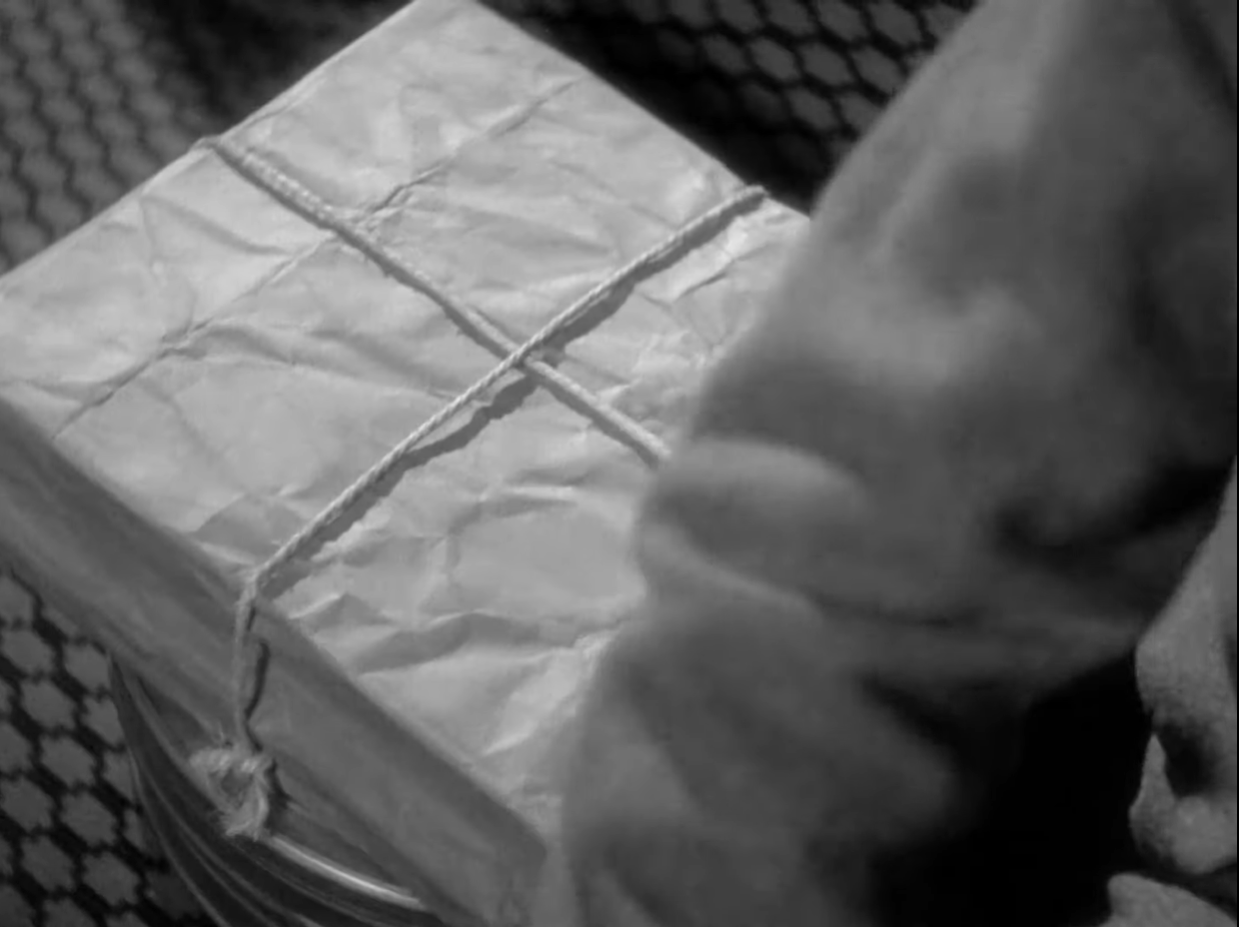
  • The truly suspenseful sequence in which Steve unknowingly takes two bomb-filled film reels across town
  • Steve being selected as the object of a public toothpaste and tonic demonstration
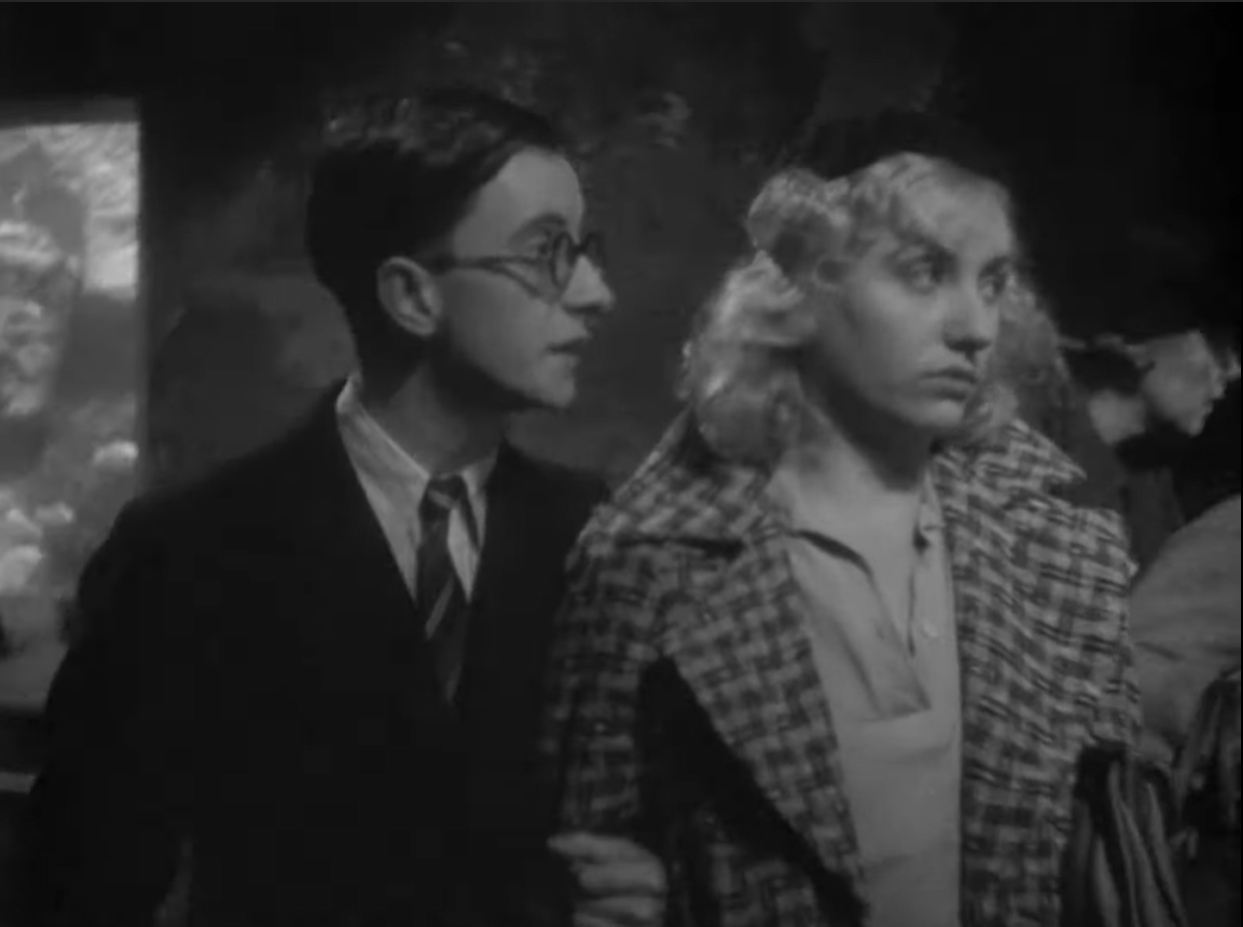
  • Several humorous “throwaway” exchanges, as when a bespectacled youth (Charles Hawtrey) tries to teach his girlfriend a few facts at the aquarium:

    Youth: “After laying a million eggs, the female oyster changes her sex.”
    Girlfriend: “Hmph. I don’t blame ‘er!”

Must See?
Yes. This early Hitchcock film — while terribly dark — shows true evidence of his no-holds-barred approach to storytelling.

Categories

  • Important Director

Links:

Stalker (1979)

Stalker (1979)

“The Zone wants to be respected — otherwise it will punish.”

Synopsis:
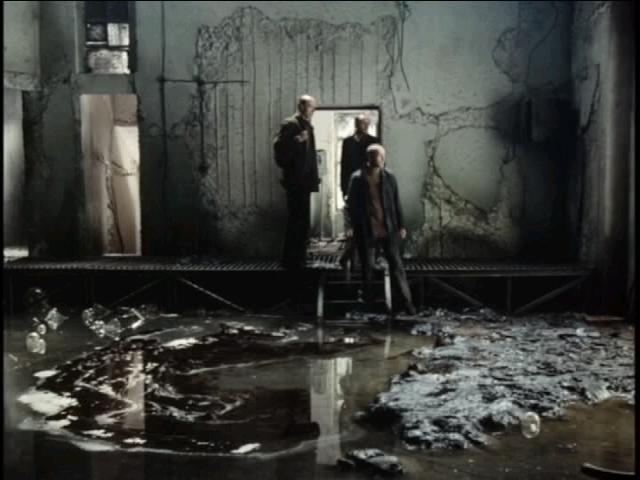
A taciturn guide (Aleksandr Kajdanovsky) known as “Stalker” leads a writer (Anatoli Solonitsyn) and a scientist (Nikolai Grinko) across police barriers into the mysterious, dangerous, forbidden Zone, where it is said one’s deepest wishes can be granted.

Genres, Themes, Actors, and Directors:

  • Andrei Tarkovsky Films
  • Psychic Powers
  • Road Trip
  • Russian Films
  • Science Fiction

Review:
Andrei Tarkvosky’s cerebral, visually evocative films are not for all tastes, but fans embrace them as indispensable cult favorites. In Stalker, Tarvosky tells the enigmatic story of a paid guide who accompanies willing visitors across guarded state lines into a mysterious place known as “the Zone”. Some believe the Zone to be an allegorical representation of Soviet nuclear fallout and government secrecy, but it’s entirely possible to watch Stalker without concerning oneself about political undertones. Like Tarkovsky’s Solaris (1972), Stalker requires patience to sit through, and a willingness to transcend normal narrative pacing; but if you stick with it, chances are you’ll be moved in some way by this thought-provoking film, which is only marred by its confusing and unsatisfying ending.

Redeeming Qualities and Moments:

  • A challenging, highly original premise for a science fiction film
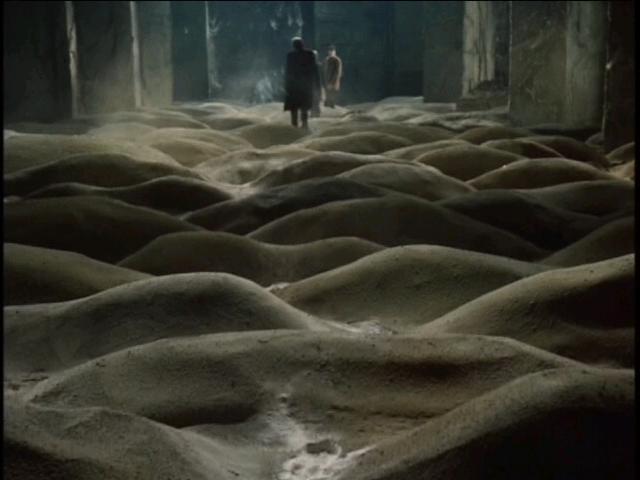
  • Haunting cinematography
  • Many astonishing images
  • Fine performances — particularly by Aleksandr Kajdanovsky as the Stalker
  • Eduard Artemyev’s effective score

Must See?
Yes. This “intellectual” cult favorite is a modern masterpiece of Russian cinema.

Categories

  • Foreign Gem

(Listed in 1001 Movies You Must See Before You Die)

Links:

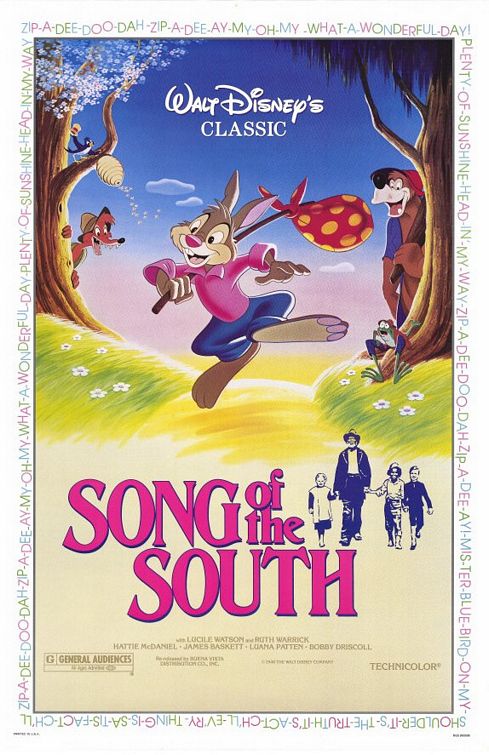
Song of the South (1946)

Song of the South (1946)

“Just because these here tales is about critters like Br’er Rabbit an’ Br’er Fox, that don’t mean it can’t happen to folks!”

Synopsis:
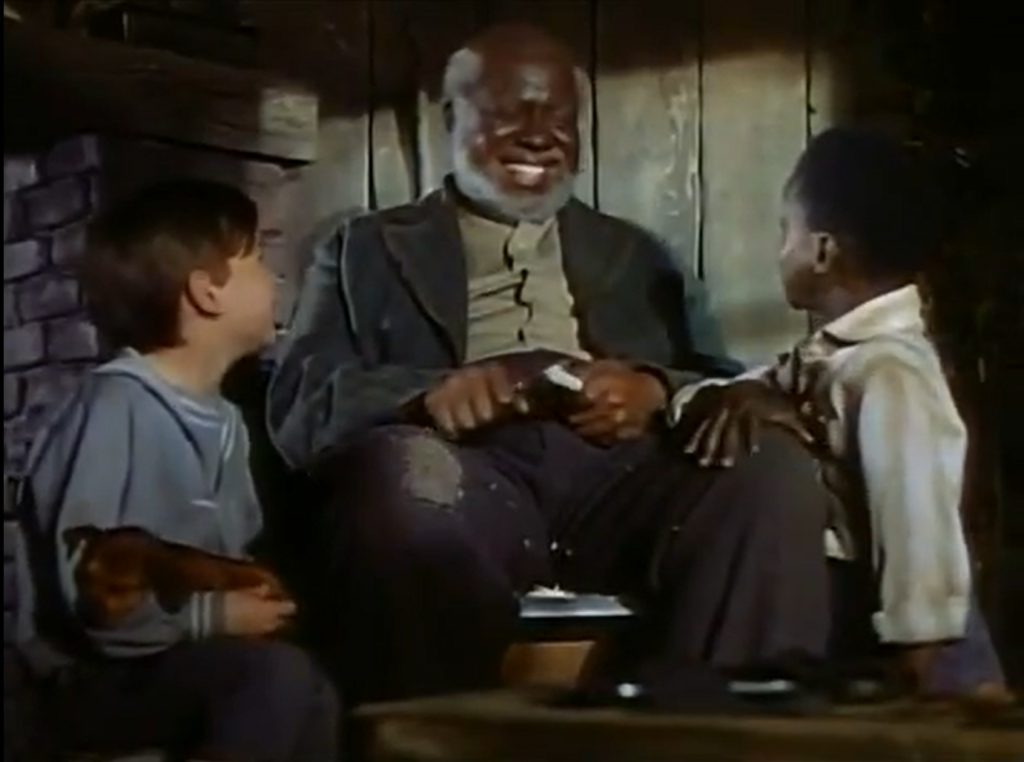
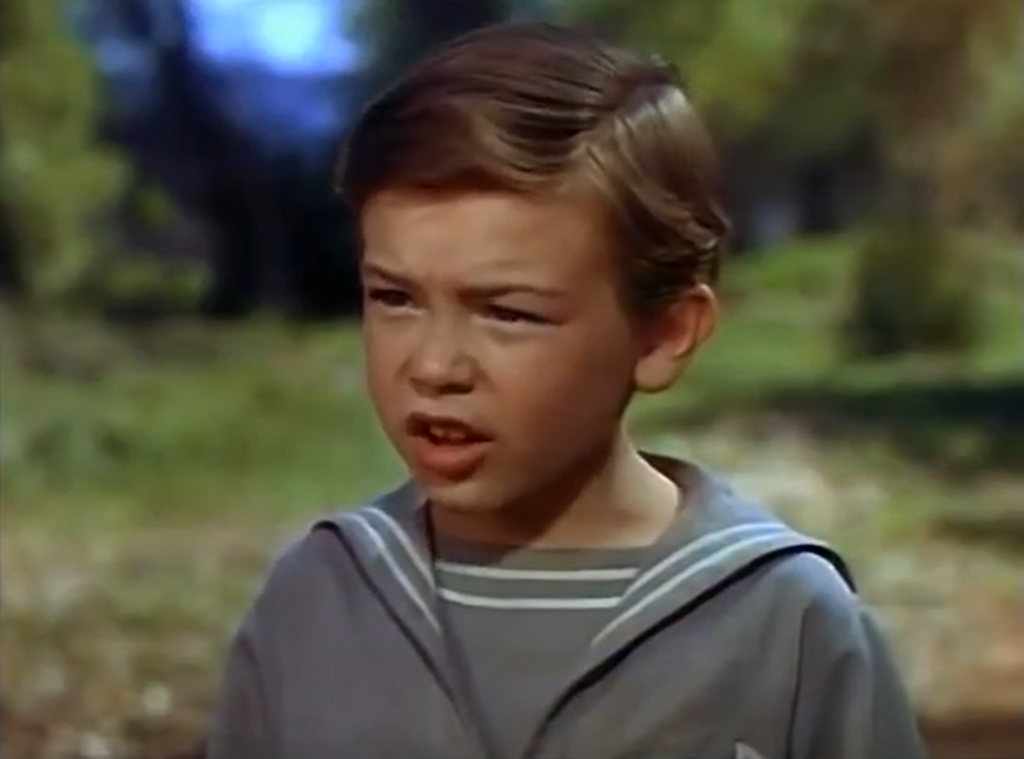
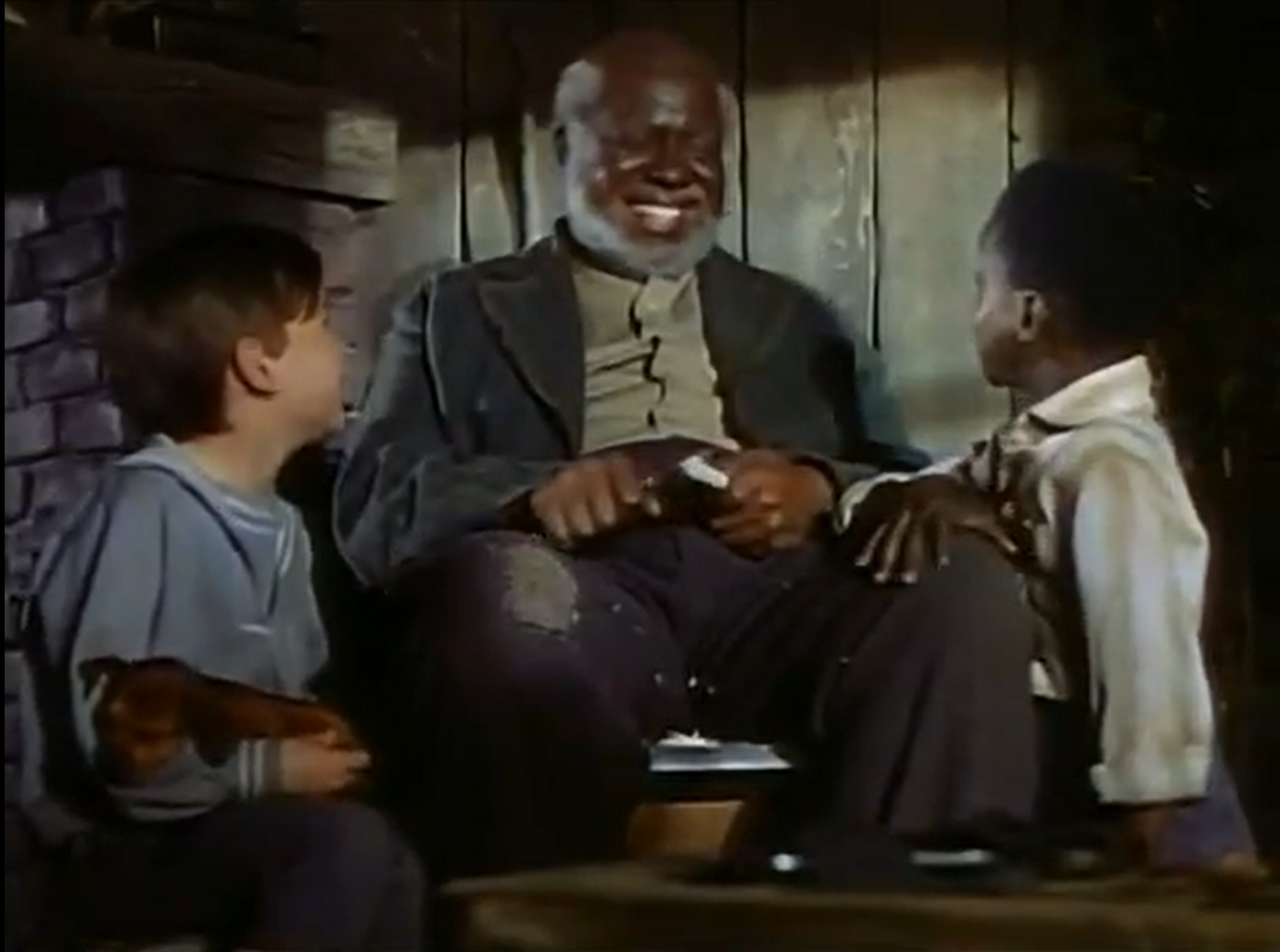
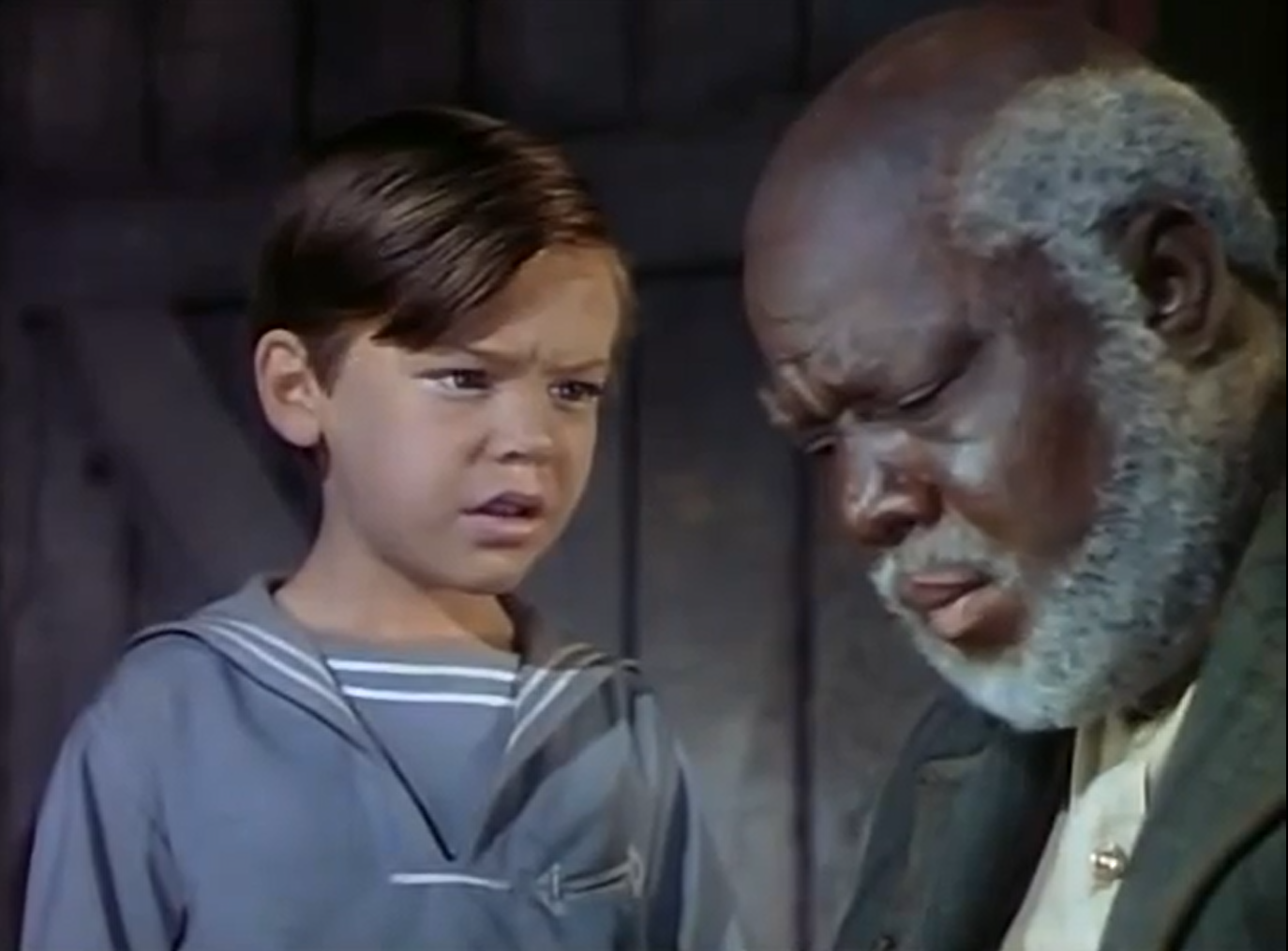
While staying on his grandmother’s plantation, a lonely boy named Johnny (Bobby Driscoll) befriends an older slave named Uncle Remus (James Baskett), who tells him tall tales about Br’er Rabbit, Br’er Fox, and Br’er Bear. Meanwhile, Johnny meets a poor white girl (Luana Patten), who — against her bullying brothers’ wishes — gives him a puppy. Trouble arises when Johnny’s mother (Ruth Warrick) refuses to allow him to keep the puppy, and — thinking Remus’s stories are giving Johnny fanciful notions — asks them not to spend time together.

Genres, Themes, Actors, and Directors:

  • African-Americans
  • Animated Features
  • Deep South
  • Folk Tales, Fairy Tales, and Mythology
  • Friendship
  • Musicals
  • Plantations

Review:
Disney’s Song of the South remains one of the most controversial films ever made, due to its depiction of slaves on a southern plantation as seemingly happy and content. In truth, however, it’s one of the milder portrayals of African-Americans to come out of early Hollywood, and is certainly less offensive than, for instance, the slaves in Gone With the Wind (1939), who are portrayed as either comic, ignorant, bossy, servile, lying, and/or lazy. While Uncle Remus is (on the surface) subservient to his mistress, he’s ultimately shown to be a savvy, independent man with an enormous heart. Most impressive of all, however, is Song of the South’s depiction of interracial friendship as both acceptable and normal; Warrick’s complaints about who Johnny spends his time with have more to do with class than race — and the only reason she doesn’t want him listening to Uncle Remus’s stories is because she believes they’re giving him “fanciful notions”.

Critical opinion on Song of the South these days remains divisive, with Disney purportedly holding back on a DVD release for years due to fear of p.c. repercussions. It’s my belief, however, that parents ought to be allowed to make up their own minds about how (or whether) to show this film to their children: with an age-appropriate disclaimer about the film’s depiction of slaves (which, by the way, would be an excellent starting point for broader discussions on the topic, as well as a critical analysis of the Br’er Rabbit tales), kids will likely enjoy the film, and relate to Johnny’s travails. As a narrative, Song of the Southis ultimately too schmaltzy for its own good, but does feature some enjoyable animated sequences (which no Disney fan will want to miss), and a truly noteworthy performance by Baskett as Uncle Remus. It’s devastating to know that Baskett — despite winning an “honorary” Oscar — couldn’t attend the film’s premiere in Atlanta because no hotel would rent him a room; it appears that adults of the day were unable to take the film’s lessons about racial tolerance to heart.

Note: Believe it or not, an entire website is devoted to news about the film.

Redeeming Qualities and Moments:

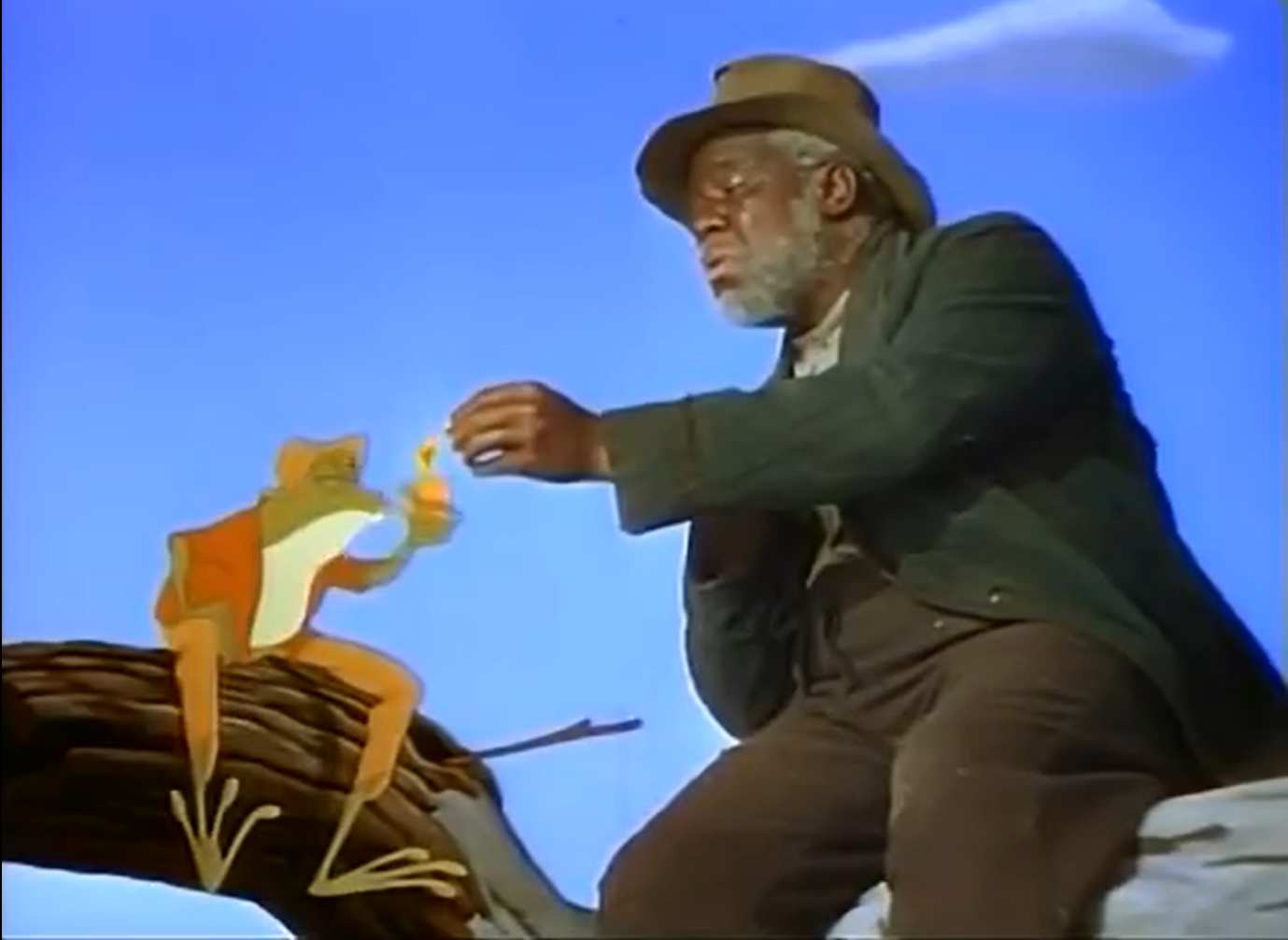
  • James Baskett as Uncle Remus
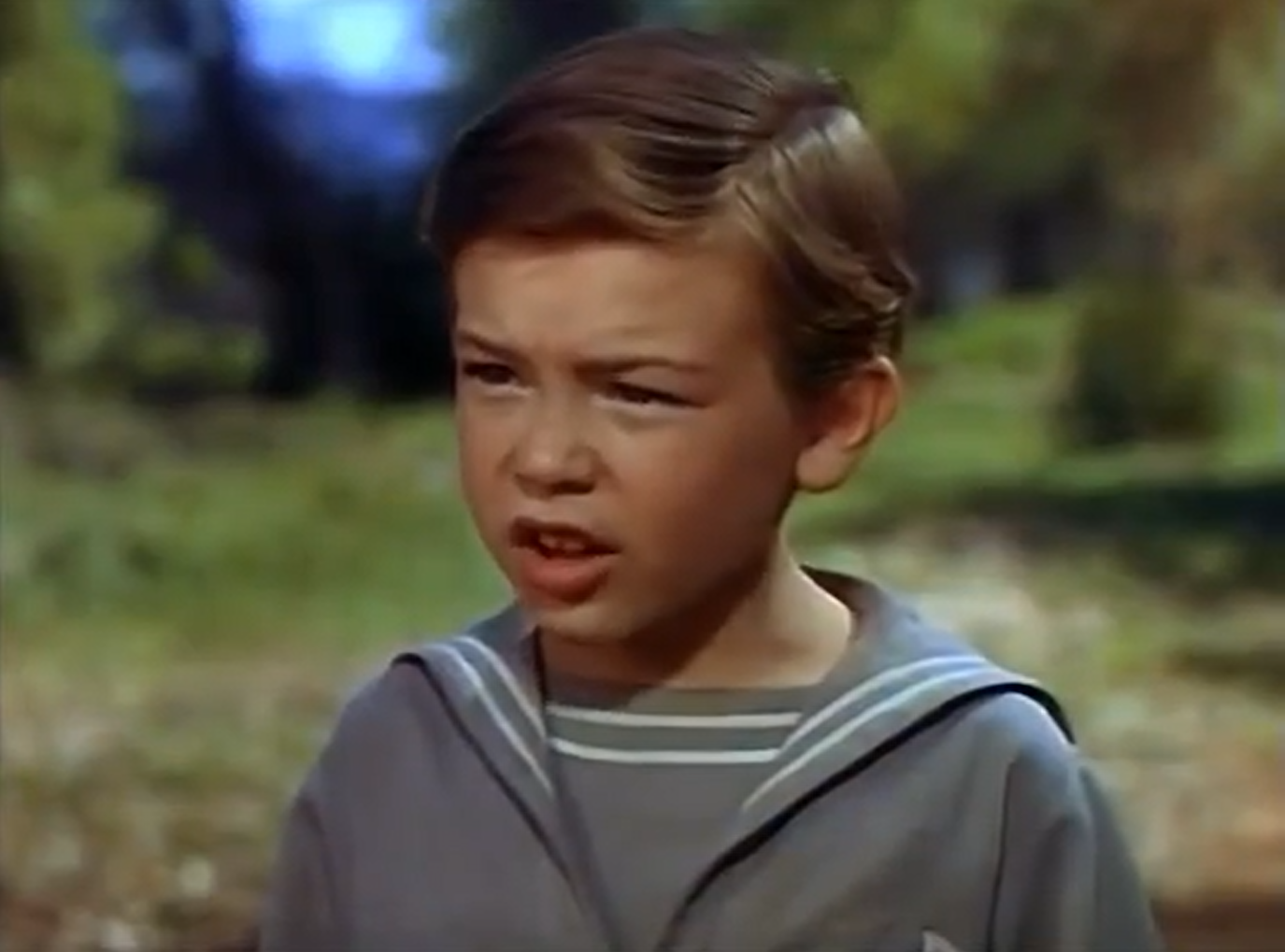
  • Bobby Driscoll as Johnny
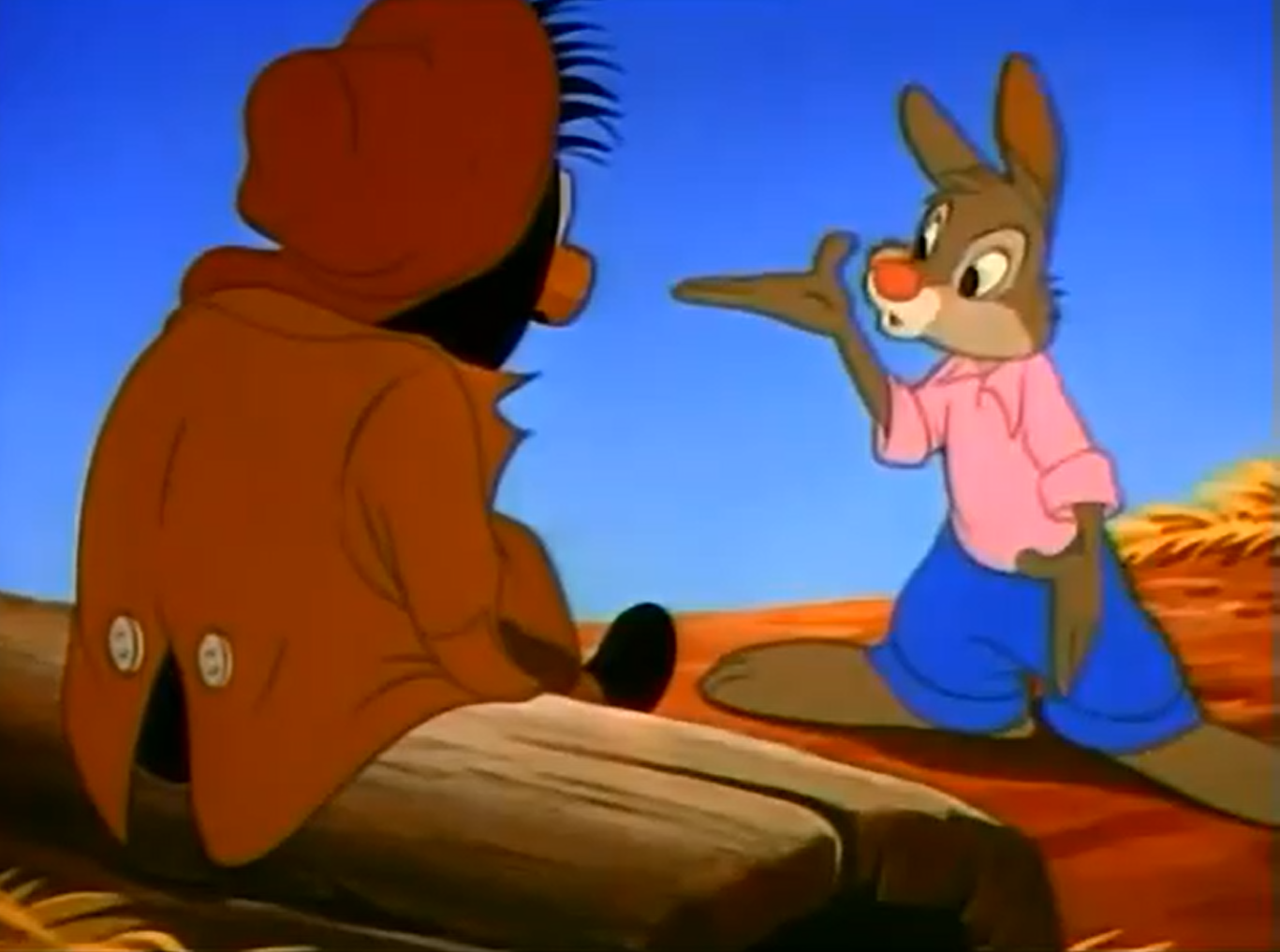
  • Several amusing tales about crafty Br’er Rabbit
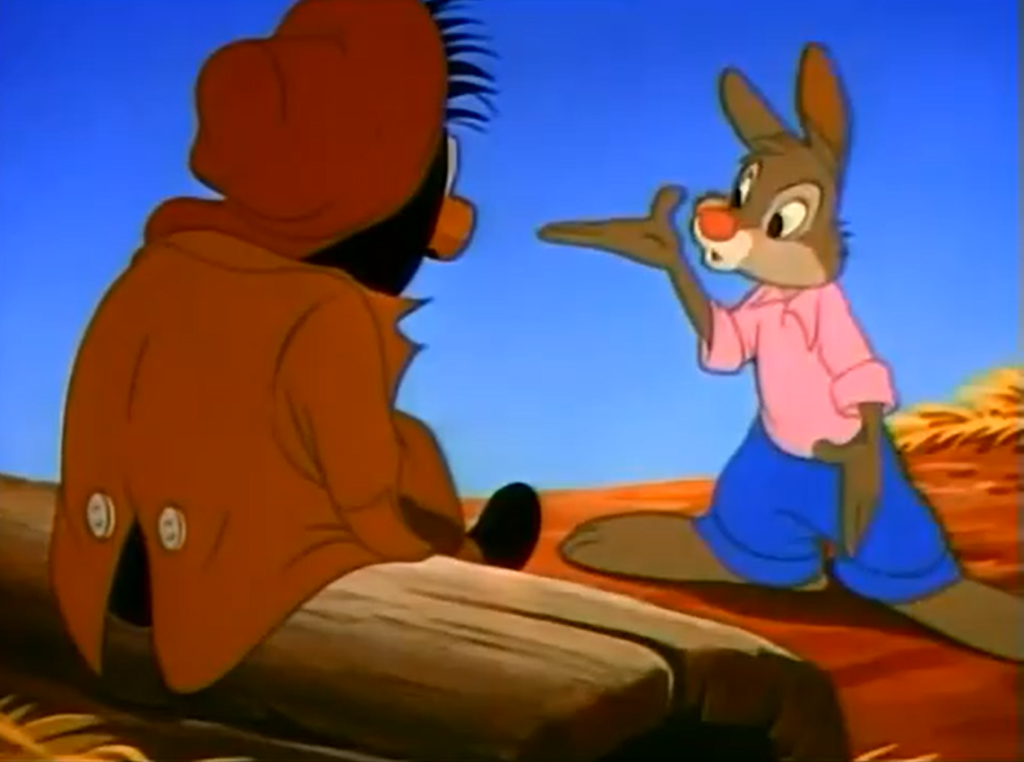
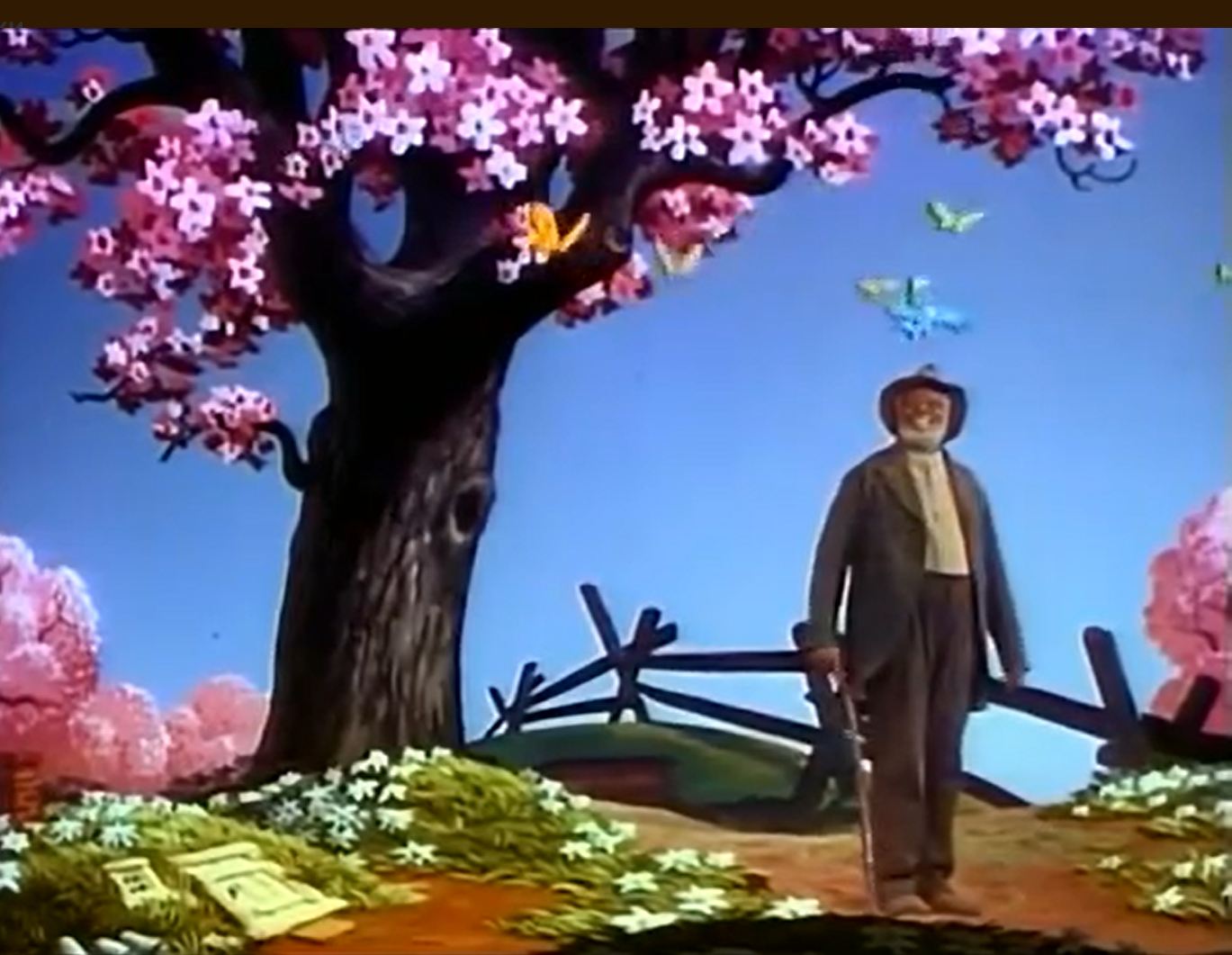
  • Nifty integration of live action and animation
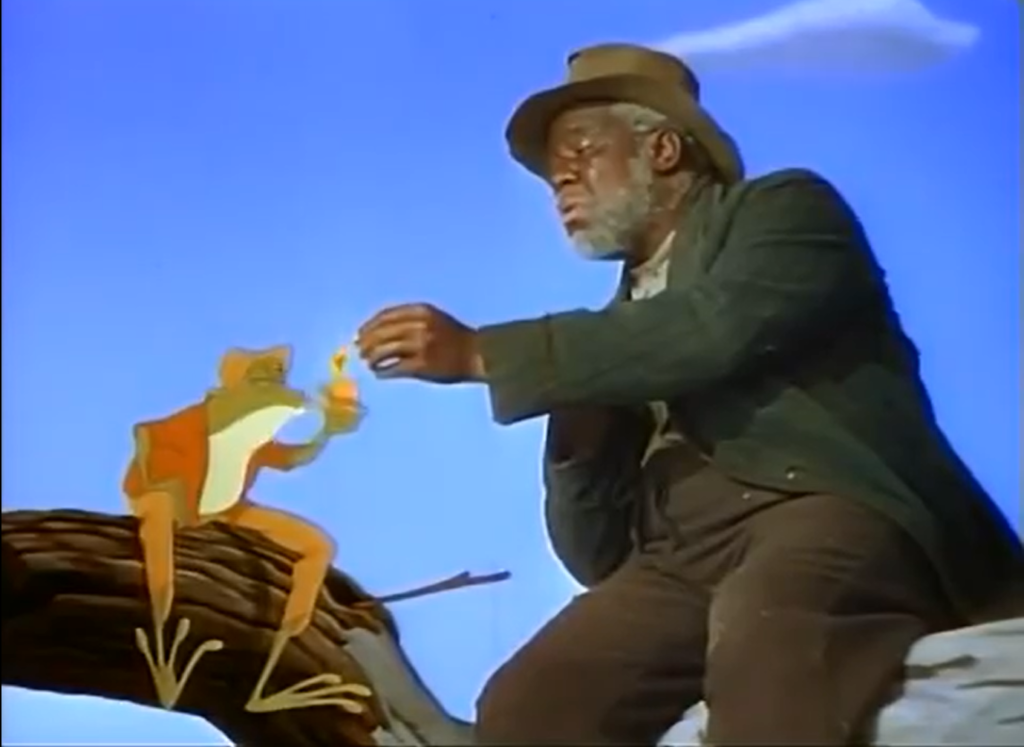
  • Uncle Remus singing “Zip-A-Dee-Doo-Dah”
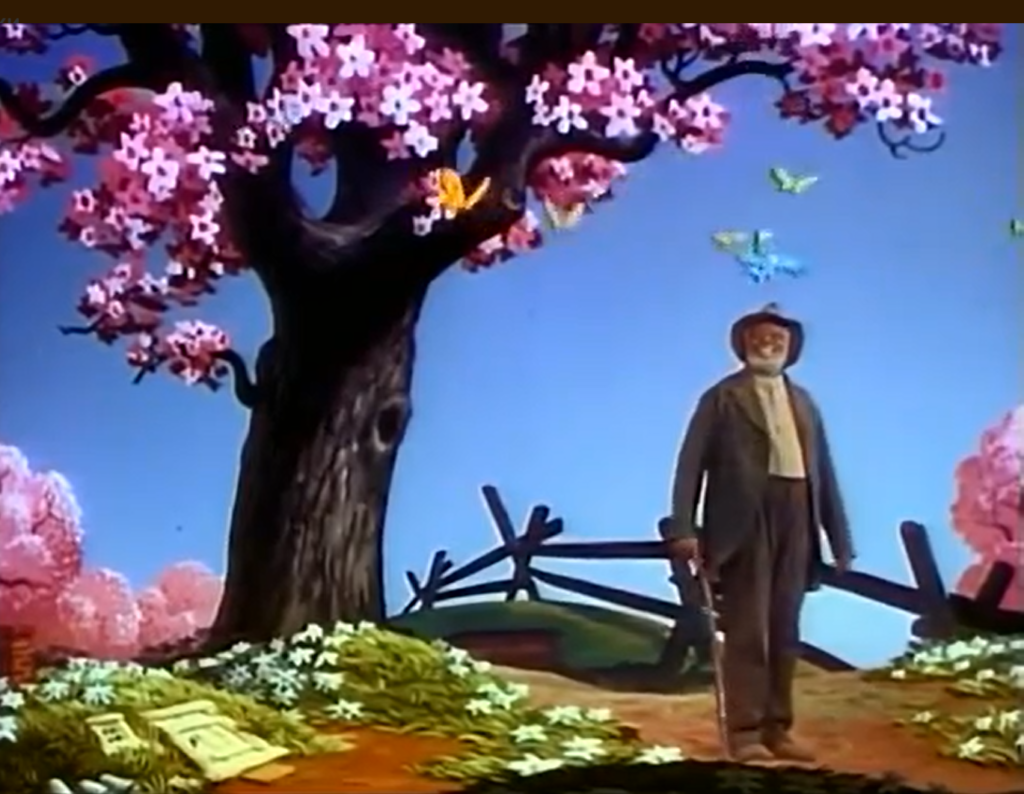
  • A refreshing tale of friendship transcending race, gender, class, and age

Must See?
Yes.

Categories

  • Controversial Film
  • Cult Movie
  • Oscar Winner or Nominee

Links:

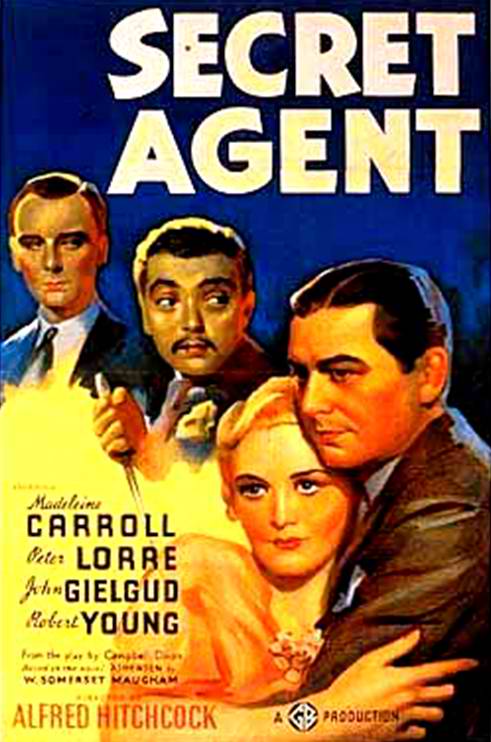
Secret Agent (1936)

Secret Agent (1936)

“Oh, I know it’s war and it’s our job to do it, but that doesn’t prevent it being murder — simple murder!”

Synopsis:
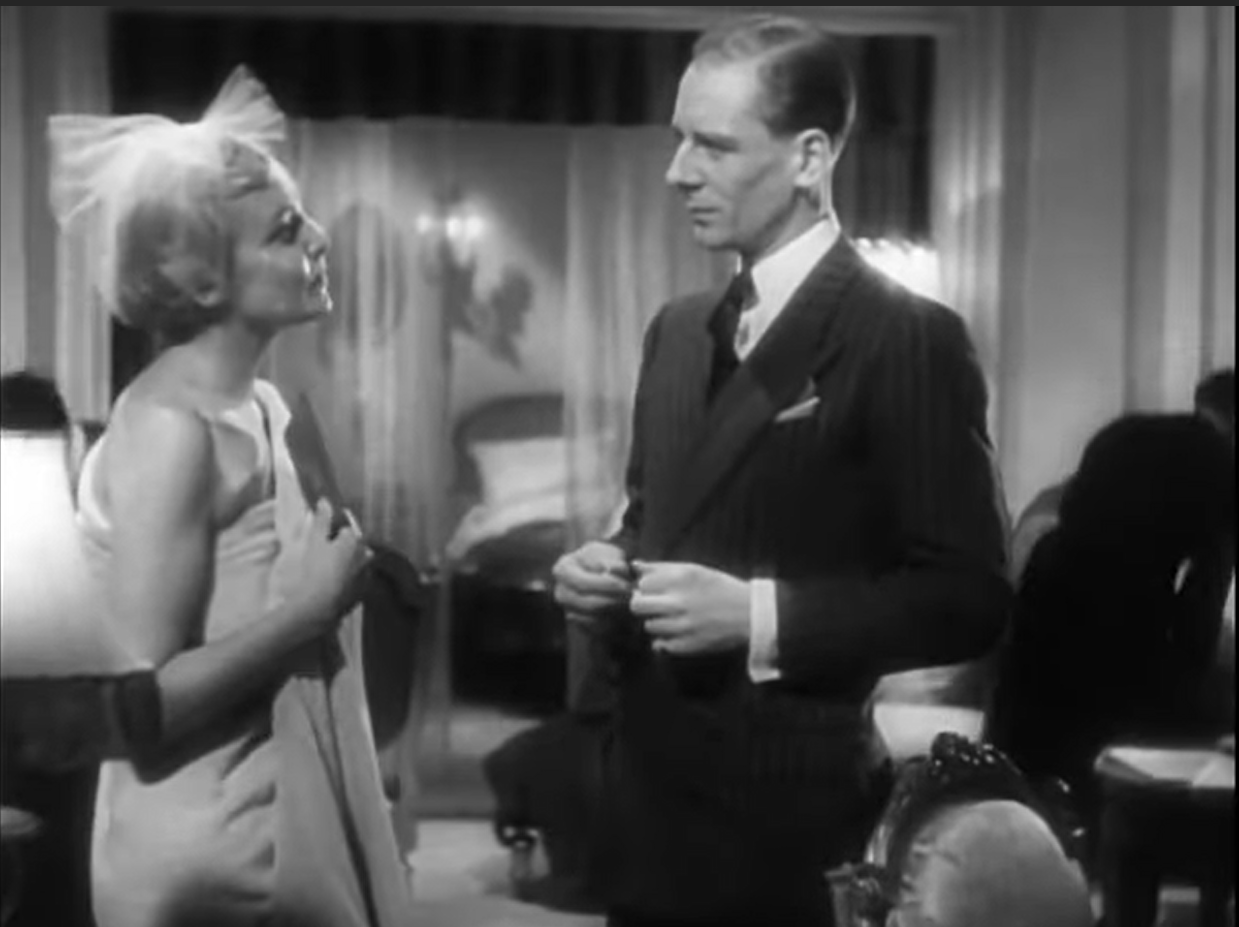
During World War One, three British spies — a couple pretending to be married (John Gielgud and Madeleine Carroll) and their accomplice (Peter Lorre) — are sent to Switzerland to find and kill a double agent. When they mistakenly murder an innocent older gentleman (Percy Marmont), Gielgud and Carroll — who have been slowly falling in love — start to question the job they’ve been asked to carry out.

Genres, Themes, Actors, and Directors:

  • Alfred Hitchcock Films
  • Guilt
  • John Gielgud Films
  • Madeleine Carroll Films
  • Mistaken or Hidden Identities
  • Peter Lorre Films
  • Robert Young Films
  • Spies
  • World War I

Review:
This unusual, oft-maligned thriller can’t compete with Hitchcock’s later espionage masterpieces, but remains a satisfyingly quirky and thoughtful adventure. Underlying the entire narrative is a refreshing moral subtext, in which novice spies Gielgud and Carroll question the ethics of what they’re being asked to do for their country, vacillating between a desire to “do the right thing” and (in a subplot which slightly strains credulity) act upon their growing romantic interest in one another.

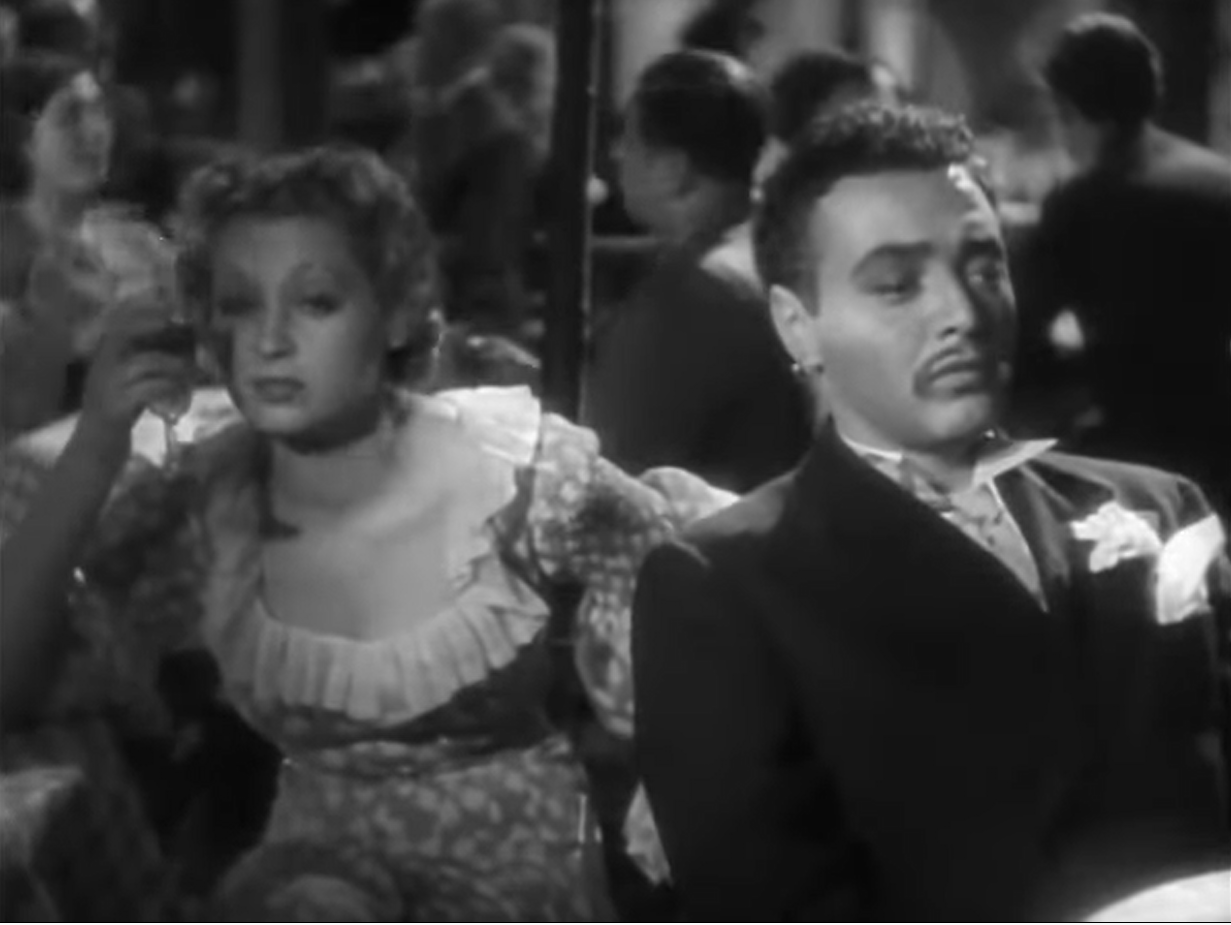
Peter Lorre as “the General” — strategically “othered” through his curly dark hair, prominent hoop earring, heavy accent, laughable self-aggrandizement, and womanizing ways — is posited as the gleefully violent counterpart to their moral uncertainty; while Lorre does the best he can with his role (and is certainly the film’s most unusual characterization), he’s ultimately too offensive to laud as a favorable aspect of the movie.

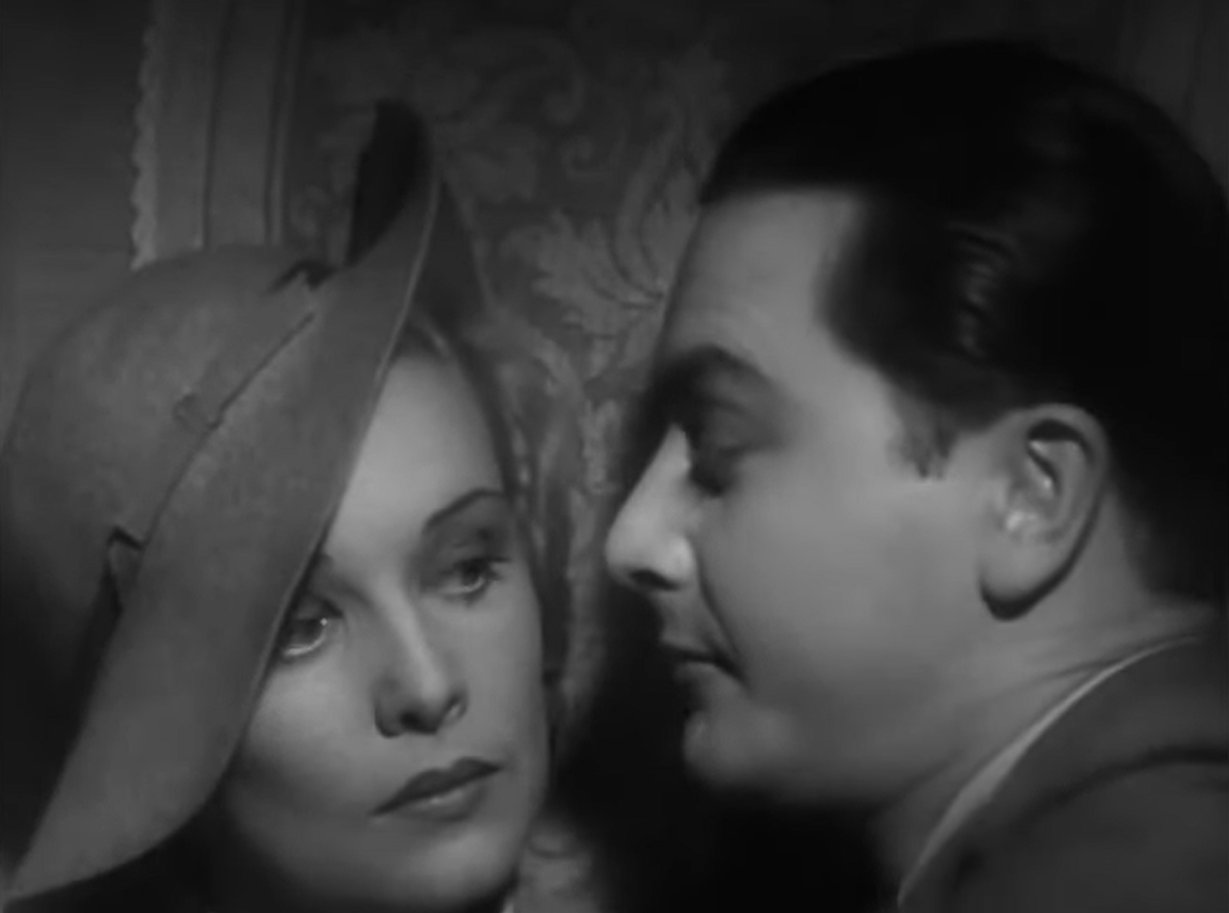
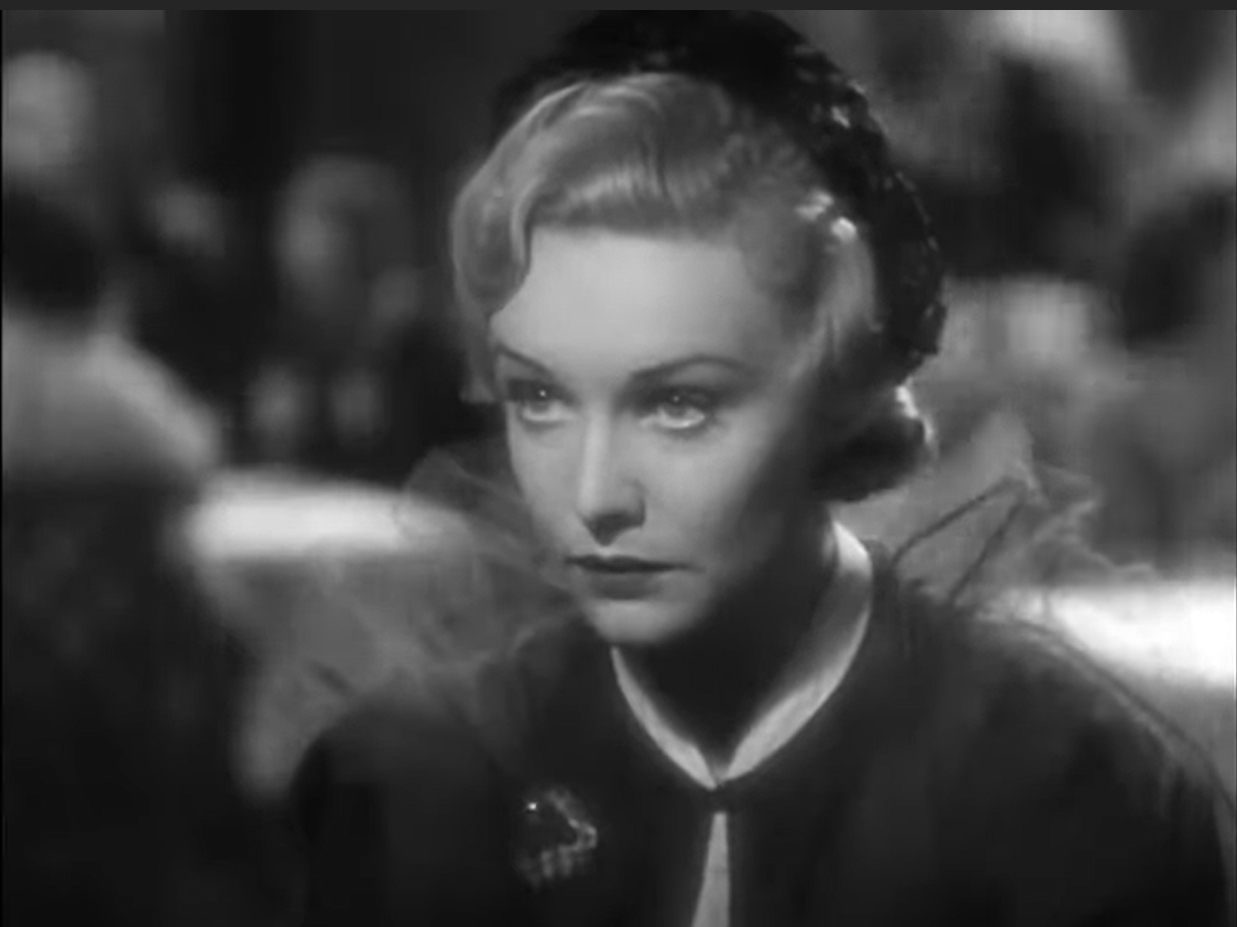
Madeleine Carroll — usually cited as the first of Hitchcock’s “icy blondes” — is well-cast as the spunky female lead; she and Robert Young (as a mysterious tourist pursuing her throughout the film) have an excellent, believable rapport together.

Less charismatic — though certainly competent — is stage-star John Gielgud as Carroll’s compatriot (whose character was criticized by audiences at the time for not being heroic enough).

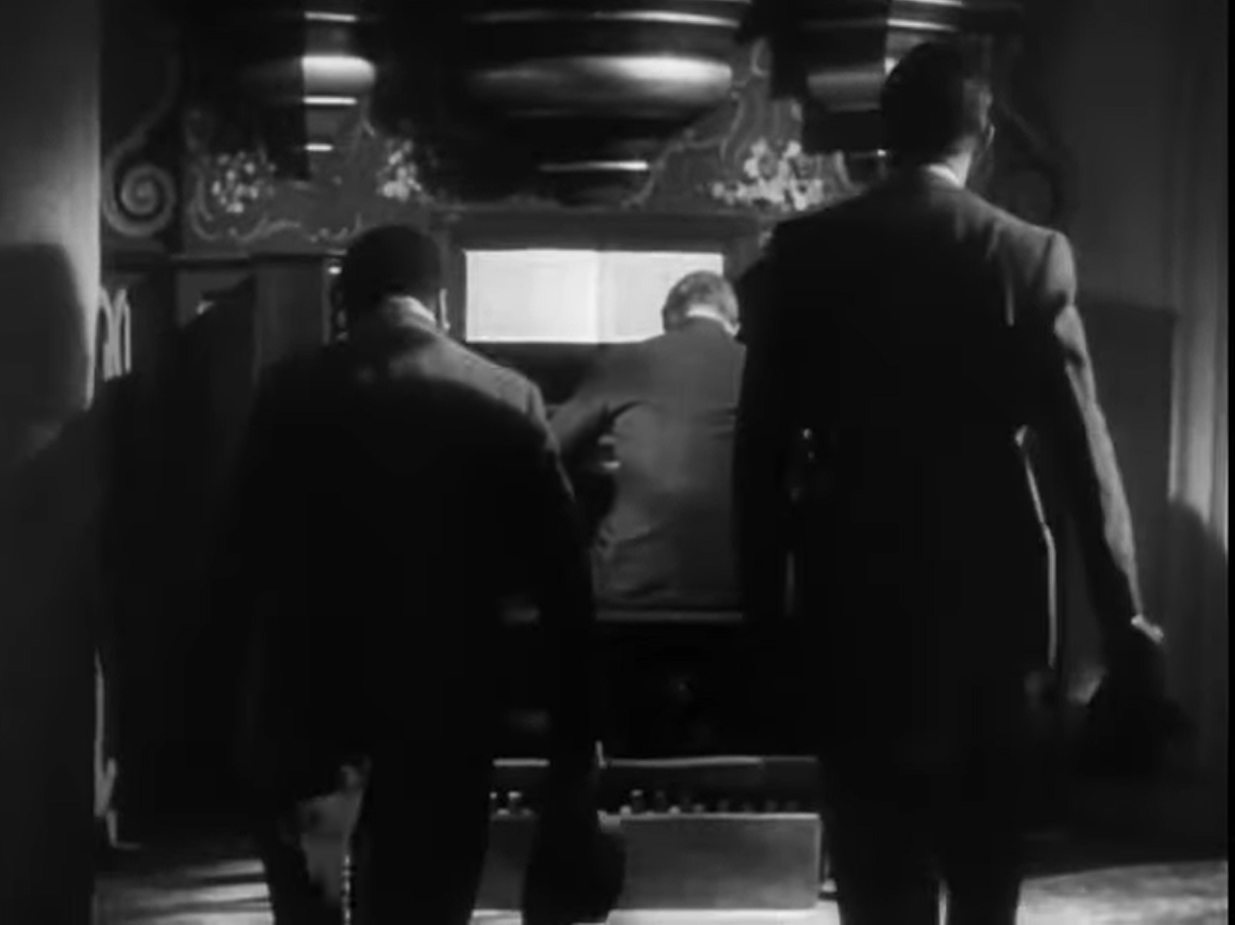
Most satisfying of all, however, are the many memorable moments sprinkled throughout the film — most notably the creepy early scene in a church:

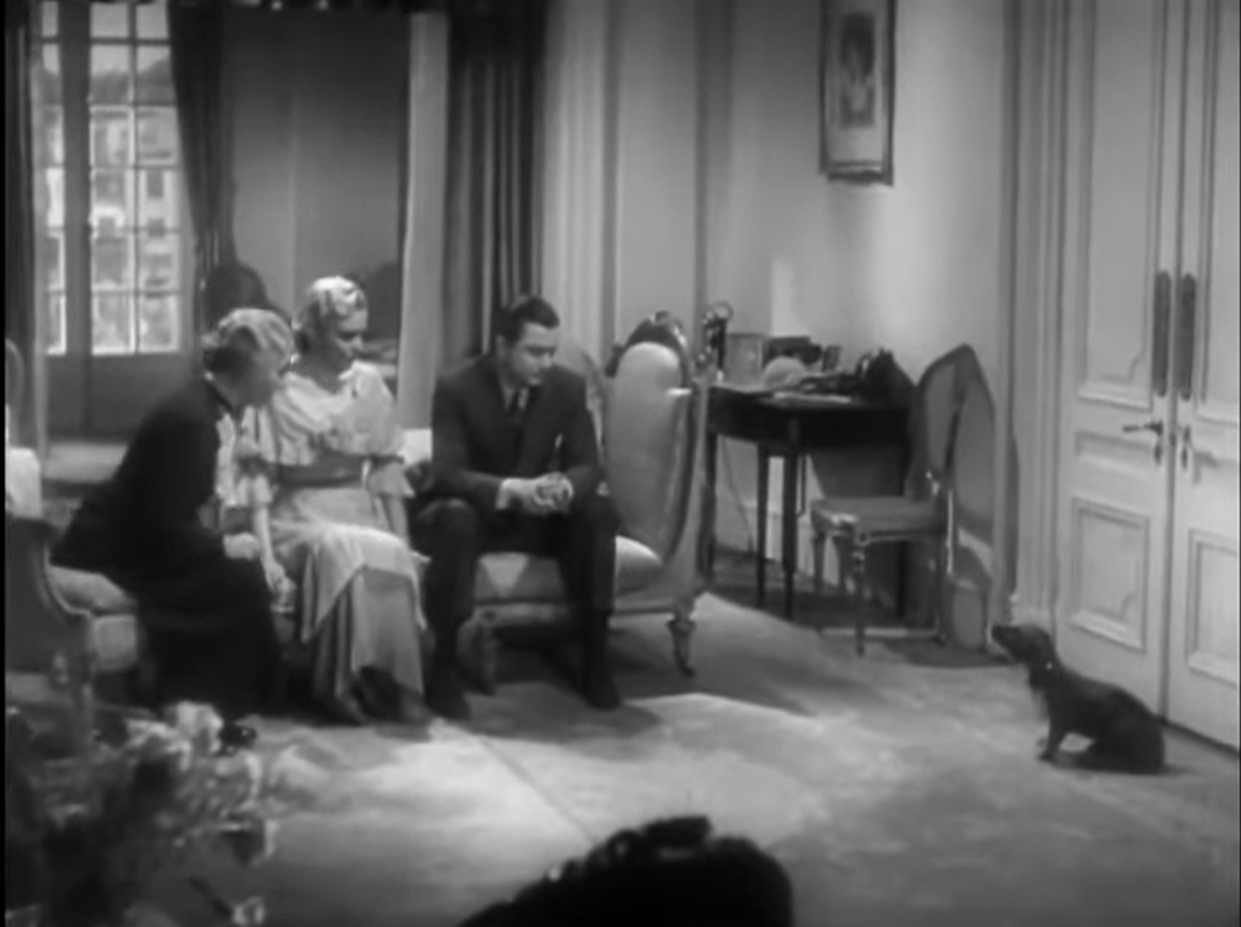
and the almost unbearably heartbreaking “telepathic dog” scene.

While Secret Agent isn’t one of Hitchcock’s masterpieces, it clearly shows evidence of his unique directorial brilliance, and is worth a look.

Redeeming Qualities and Moments:

  • Madeleine Carroll as “Elsa”
  • Plenty of witty, fast-paced banter between Young and Carroll:

    “If you won’t let me kiss me, do you mind if I bite your Adam’s apple?”

Must See?
No, but it’s definitely recommended, and certainly must-see for Hitchcock fans.

Links:

Number Seventeen (1932)

Number Seventeen (1932)

“Ya don’t have to do nothin’ in this ‘ere house — ya stand still and things happen!”

Synopsis:
At a vacant house (“Number 17”), a detective (John Stuart) runs into a Cockney hobo (Leon M. Lion), a plucky girl (Ann Casson), and a gang of thieves searching for a missing diamond necklace.

Genres, Themes, Actors, and Directors:

  • Detectives and Private Eyes
  • Hitchcock Films
  • Mistaken or Hidden Identities
  • Play Adaptations
  • Thieves and Criminals

Review:
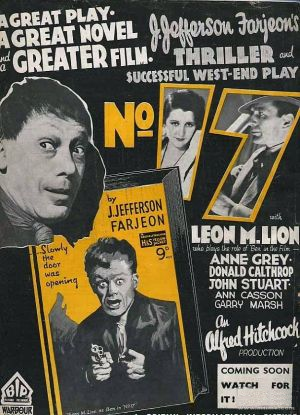
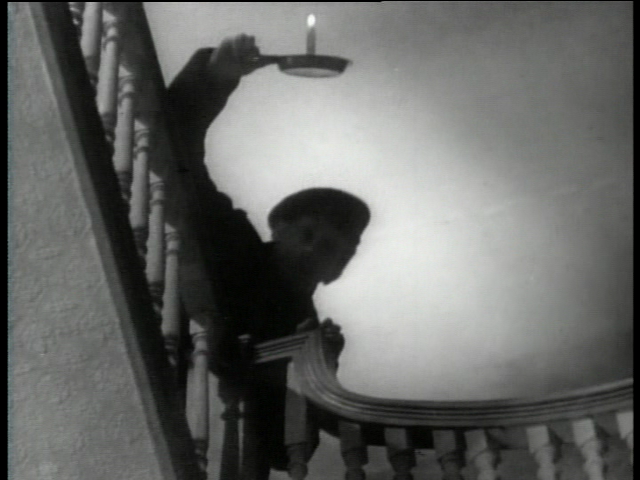
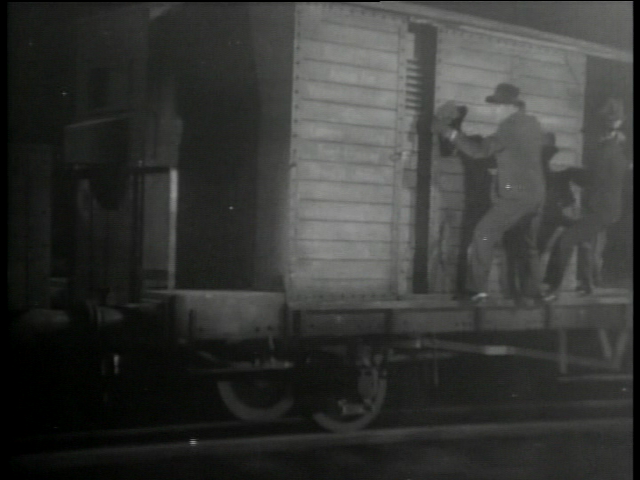
Alfred Hitchcock’s self-described “quota quickie” (his last film made for British International Pictures) has been alternately criticized by reviewers as full of “half-baked plotting”, and lauded as a “magnificent specimen of pure cinema”. Neither assessment is entirely accurate, but together they touch upon both the film’s frustratingly murky script, and Hitchcock’s undeniably brilliant visual style. It’s well-known that Hitchcock was a fan of long sequences without words, and the opening shots in Number Seventeen — an atmospheric introduction to the titular “old dark house” — fit this description, with enormous shadows and unexpected run-ins effectively setting the stage for a plot full of secrets. Unfortunately, the source material (a stagy play, which Hitchcock finally “opens up” during the final train chase) leaves much to be desired. Its primary virtues — multiple mistaken identities and an enormous McGuffin — are also its downfall, as it’s difficult to keep track of the comings and goings of all the disparate characters. Nonetheless, unlike in Hitch’s oddly generic Jamaica Inn (1939), there are enough Hitchcockian elements here — including a decidedly black sense of humor — to satisfy diehard fans. It’s definitely worth a look.

Redeeming Qualities and Moments:

  • Highly expressionistic lighting — particularly in the opening sequences
  • The exciting final train chase
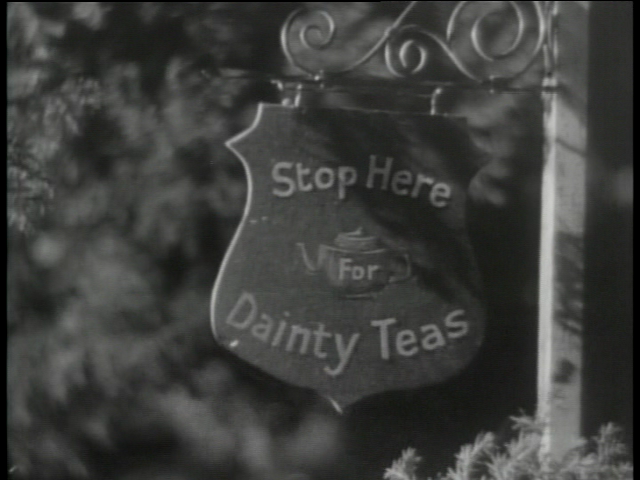
  • Several “Hitchcockian” touches of humor — as when the camera flashes briefly on a roadside sign as a hijacked bus goes roaring by at breakneck speeds
  • A surprise ending

Must See?
No, but Hitchcock fans will certainly be curious to check it out.

Links:

Cold Turkey (1971)

Cold Turkey (1971)

“Stop smoking? You might as well ask me to stop breathing!”

Synopsis:
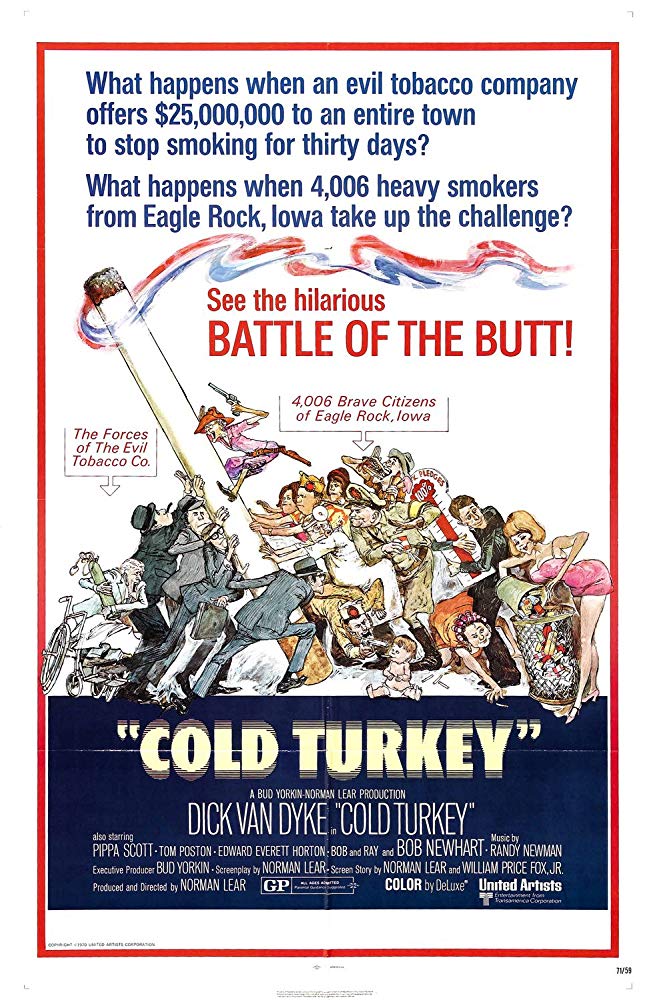
When Valient Tobacco Company offers $25 million to any city willing to stop smoking for 30 days, the economically depressed town of Eagle Rock (pop: 4,006) — led by Reverend Clayton Brooks (Dick van Dyke) — takes on the challenge.

Genres, Themes, Actors, and Directors:

  • Alcoholism and Drug Addiction
  • Comedy
  • Media Spectacle
  • Small Town America

Review:
This all-star comedy — directed and co-written by Norman Lear of “All in the Family” fame — is a rare treat: an unapologetic spoof with more chuckles than groans, and plenty of incisive commentary on subjects as diverse as corporate corruption, nicotine addiction, personal will versus collective imposition, and the mass media. Although the story starts to lose a bit of steam once Eagle Rock turns into a tourist haven, it’s remarkably funny until then, with Lear perfectly capturing the insanity of what might happen if hundreds upon thousands of addicted smokers were asked to quit “cold turkey” overnight.

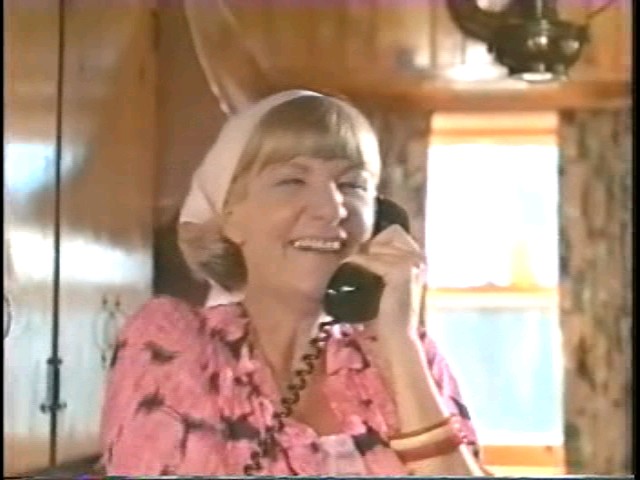
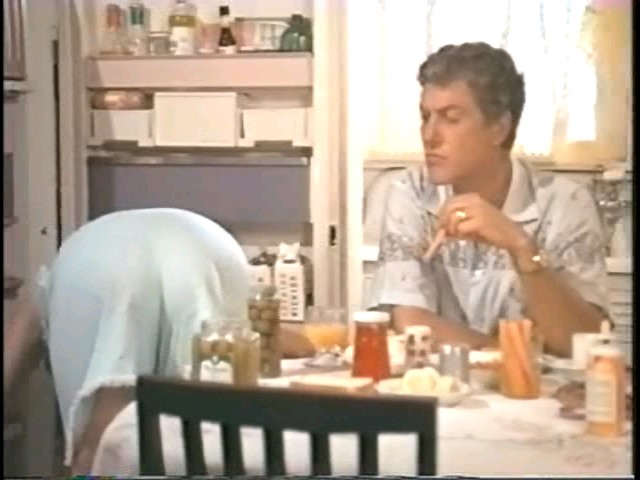
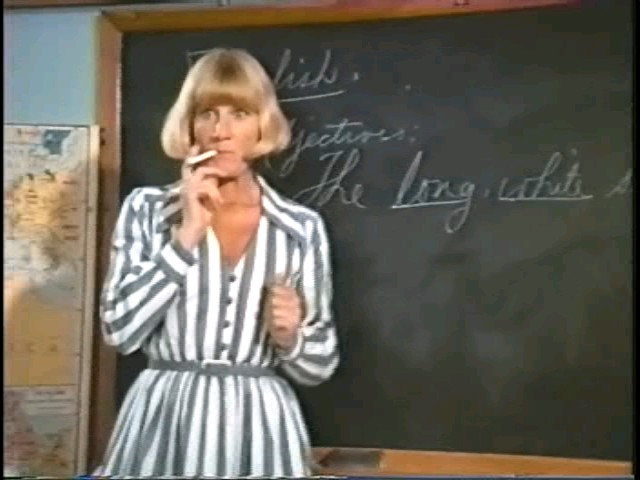
There are many noteworthy performances throughout the film, and it’s fun to see so many familiar T.V. faces together in one flick. Dick van Dyke is perfectly cast as the self-serving pastor who engineers the entire project; I like the way he re-addicts himself to cigarettes in order to bond with his “flock”. In addition, his interactions with his cowed wife (Pippa Scott, reminiscent of Carrie Snodgress in Diary of a Mad Housewife) are quite amusing. My two favorite performances, however, are Barbara Cason as a schoolteacher whose patience towards her students is immediately thinned once she stops smoking, and Tom Poston as a wealthy lush who recognizes that the only option he has is to skip town for the month (his explanatory monologue is priceless). Less enjoyable (surprisingly enough) is Jean Stapleton as the mayor’s wife (her performance is one-note), and, through no fault of his own, beloved character actor Edward Everett Horton (in his final role) as Valiant Tobacco’s aging tycoon — it’s frustrating that he’s never allowed to speak.

Note: This would, naturally, make an excellent double feature with the more recent satire Thank You For Smoking (2005).

Redeeming Qualities and Moments:

  • Dick Van Dyke as Reverend Brooks
  • Pippa Scott as the Reverend’s put-upon wife
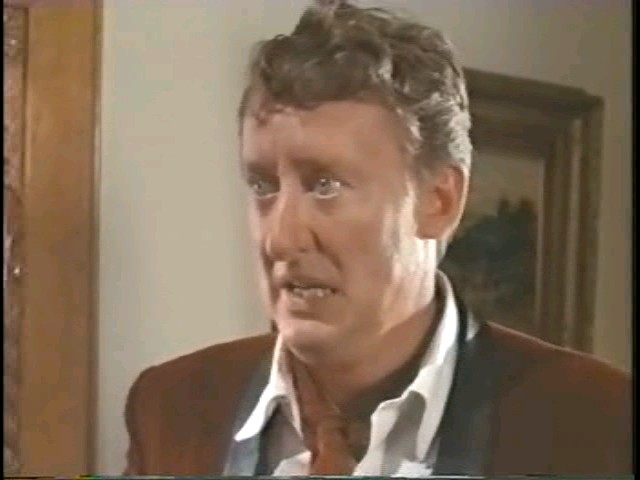
  • Tom Poston as the town’s self-aware lush:

    “The thing is, I can’t stop drinking, see? That’s just the thing about me — I can’t stop drinking.”

  • Barbara Cason insisting that, because she went to bed at 11:30 rather than midnight, she’s “owed” an extra half hour of smoking
  • Graham Jarvis as the stalwart leader of the Christopher Mott (a.k.a. John Birch) Society
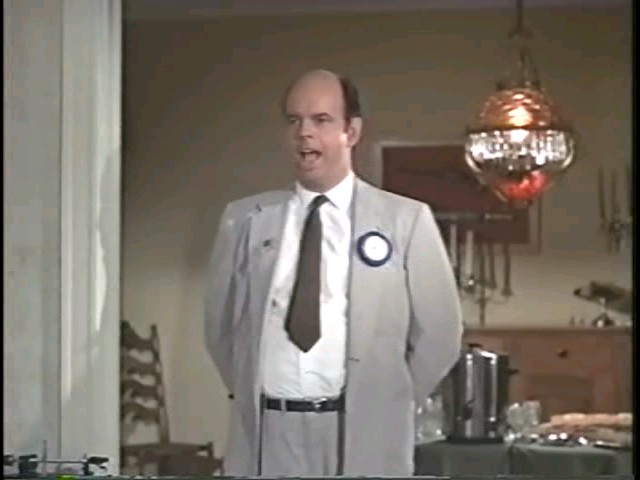
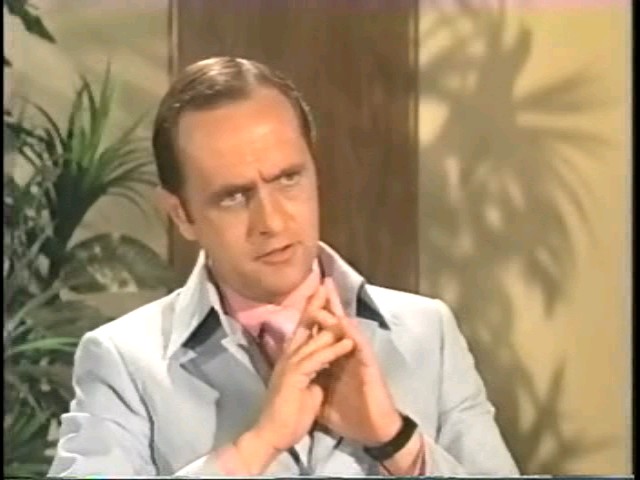
  • Bob Newhart as Valiant Tobacco’s smarmy idea-man
  • Reverend Brooks’ reaction to hearing that sex — “naturally, only for married couples” — is an excellent substitute for smoking
  • A hilarious depiction of collective nicotine withdrawal
  • A consistently clever screenplay

Must See?
Yes. This enjoyable satire is an all around “good show”. Listed as a cult movie in the back of Peary’s book.

Categories

  • Good Show

Links:

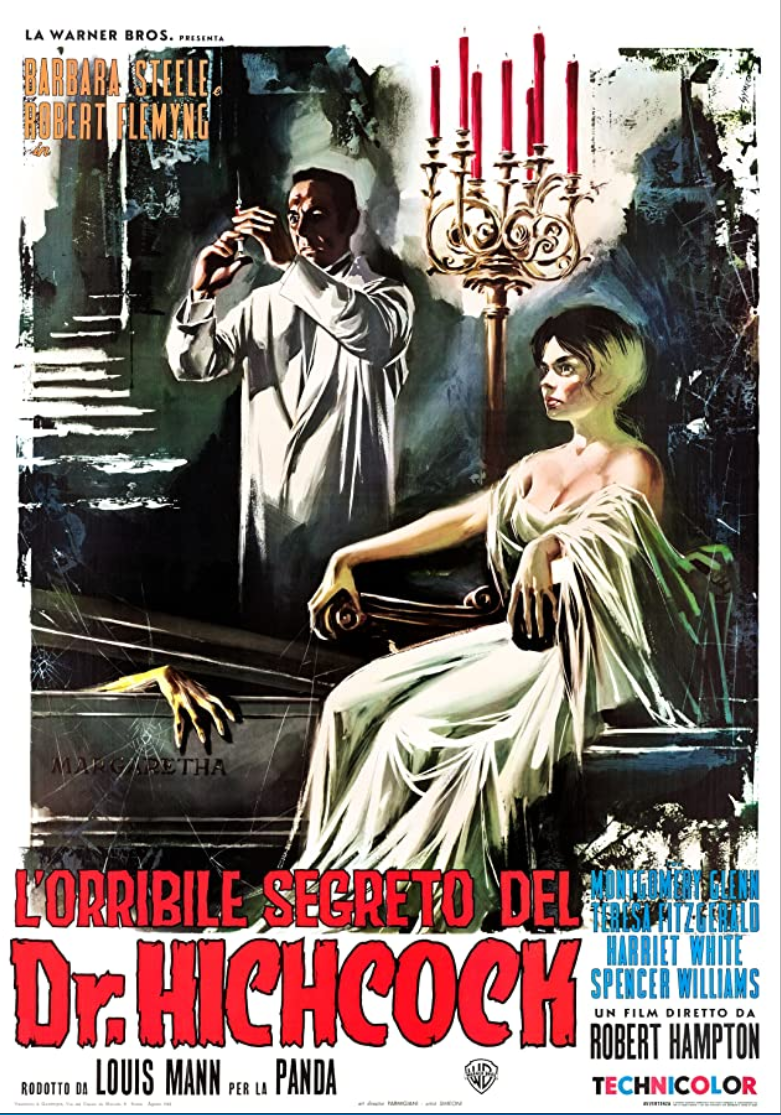
Horrible Dr. Hichcock, The (1962)

Horrible Dr. Hichcock, The (1962)

“Death will take you in your sleep — in your sleep!”

Synopsis:
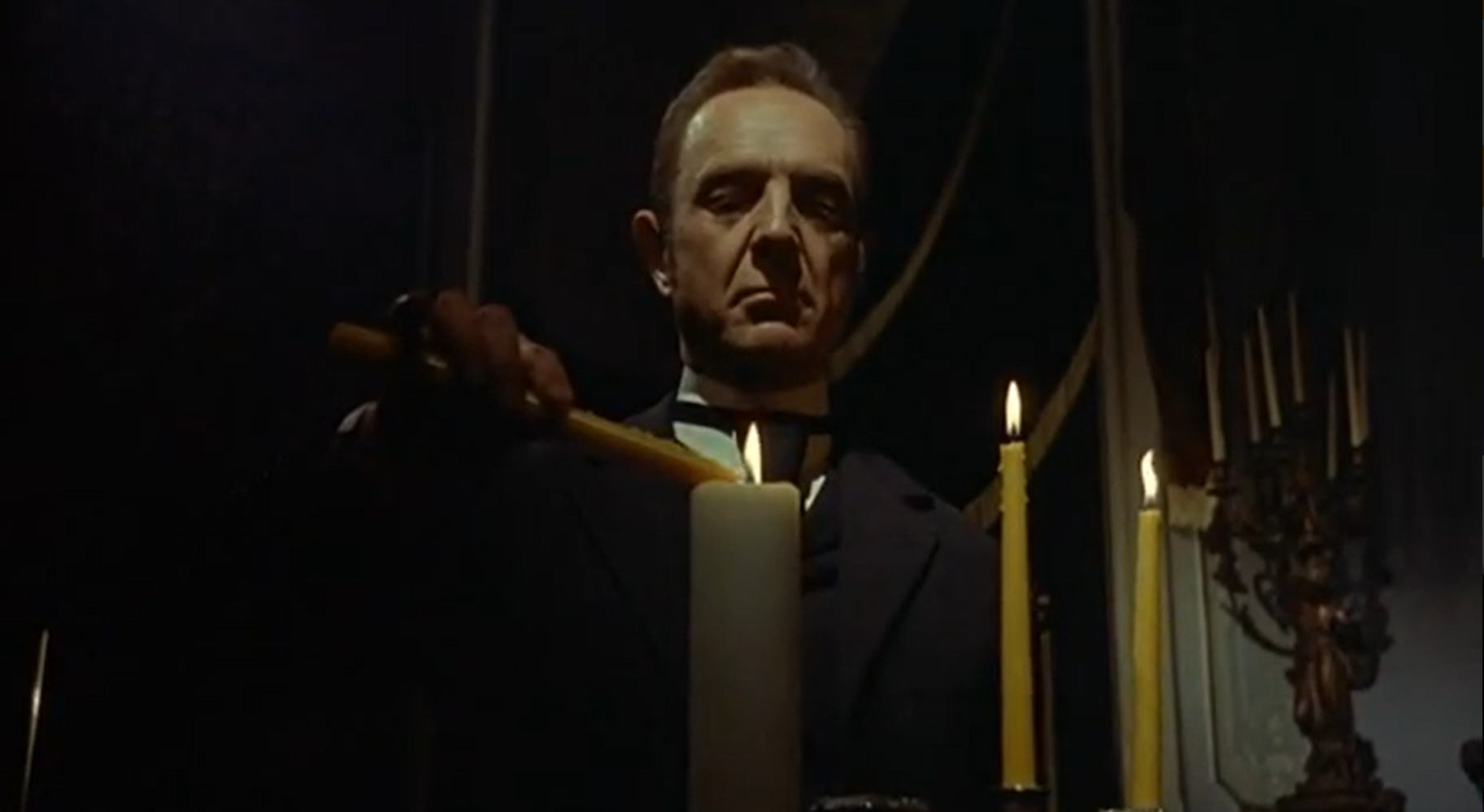
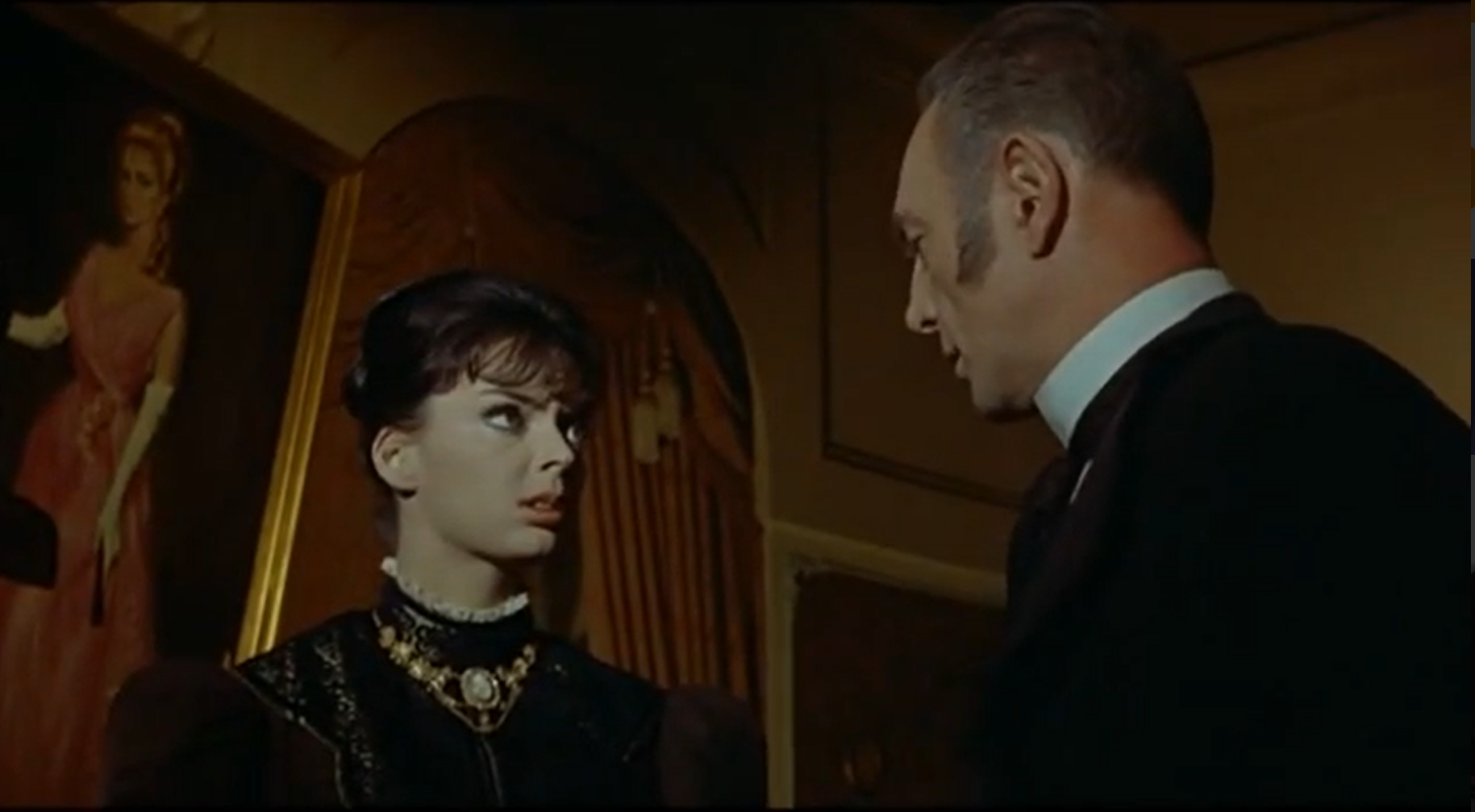
When necrophilic Dr. Hichcock (Robert Fleyming) accidentally kills his first wife (Maria Teresa Vianello) by injecting her with too much anesthesia, he leaves home, returning 12 years later with a new wife, Cynthia (Barbara Steele). Cynthia soon believes that Margherita (Vianello) may be haunting the premises, and intent on killing her — but cannot get her husband to believe her.

Genres, Themes, Actors, and Directors:

  • Barbara Steele Films
  • Ghosts
  • Horror
  • Mad Doctors and Scientists
  • “No One Believes Me!”

Review:
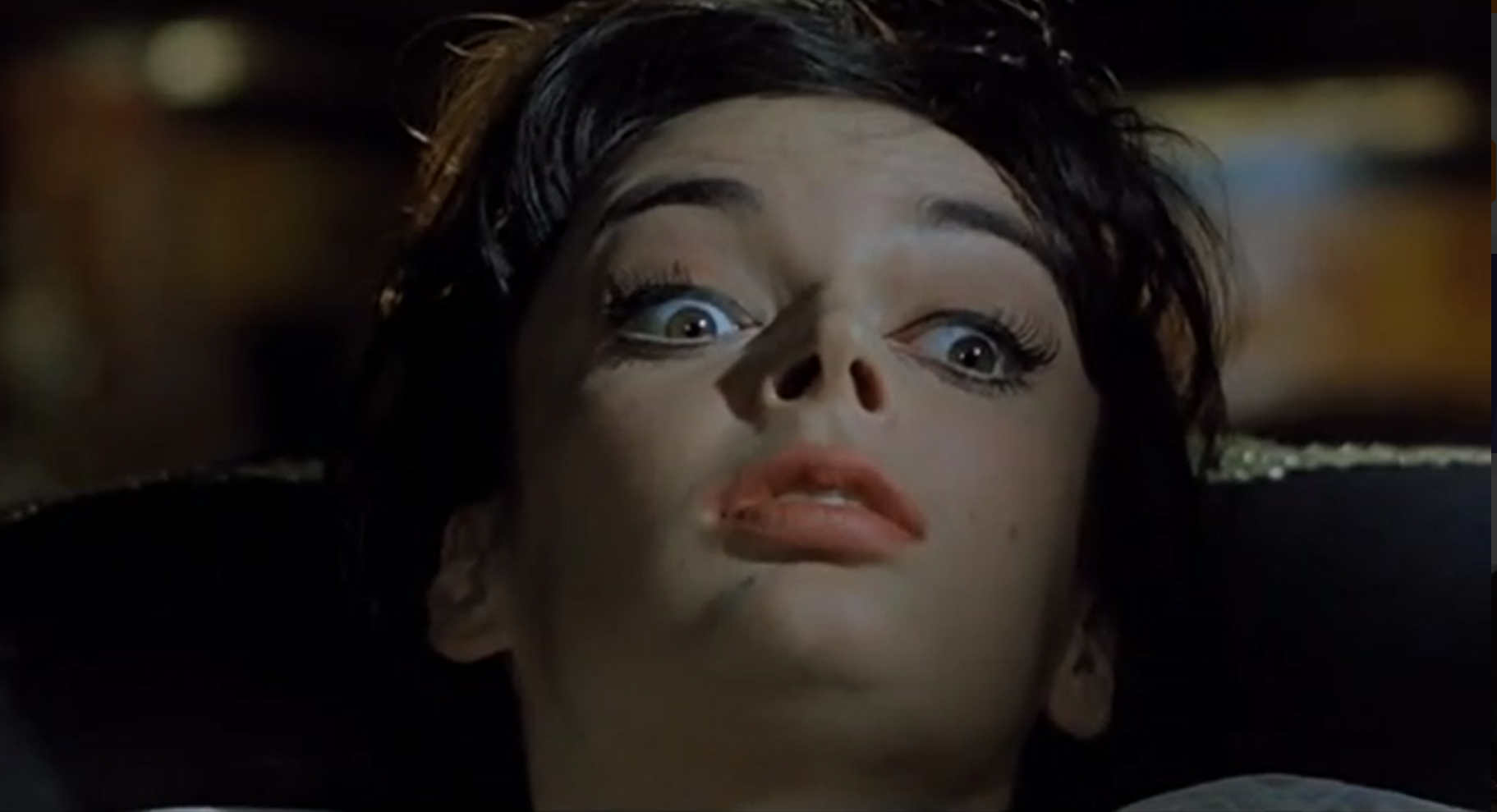
This beloved, controversially-themed thriller — starring wide-eyed Barbara Steele, the lead in Mario Bava’s classic Black Sunday (1960) — is regarded by many as a staple of Italian gothic horror. As noted in Richard Scheib’s Moria review, however, it ultimately relies too heavily on genre cliches and moody atmosphere at the expense of both plot and character development. In particular, Dr. Hichcock’s motivations towards his new wife don’t make much sense, and eventually the story begins to feel like merely an exercise in spousal persecution, with strong echoes of Hitchcock’s Rebecca (1940) — probably an explicit homage, given the lead character’s name.

Redeeming Qualities and Moments:

  • Robert Flemying as Bernard Hichcock
  • Several effectively scary moments — as when Cynthia’s cries for help are muffled through the glass top of her coffin
  • Atmospheric cinematography and production design
  • A majestic musical score by Roman Vlad

Must See?
No, but it’s worth a look for its status as a cult favorite.

Links:

Seven Men From Now (1956)

Seven Men From Now (1956)

“A man put me in jail, I’d get even with him if I could.”

Synopsis:
While hunting down the seven robbers who killed his wife, a former sheriff (Randolph Scott) assists a naive homesteading couple (Walter Reed and Gail Russell) heading west. Meanwhile, Scott discovers that two ex-cons (Lee Marvin and Don Barry) are equally anxious to track down the criminals — and their loot.

Genres, Themes, Actors, and Directors:

  • Budd Boetticher Films
  • Gail Russell Films
  • Lee Marvin Films
  • Love Triangle
  • Machismo
  • Randolph Scott Films
  • Revenge
  • Westerns

Response to Peary’s Review:
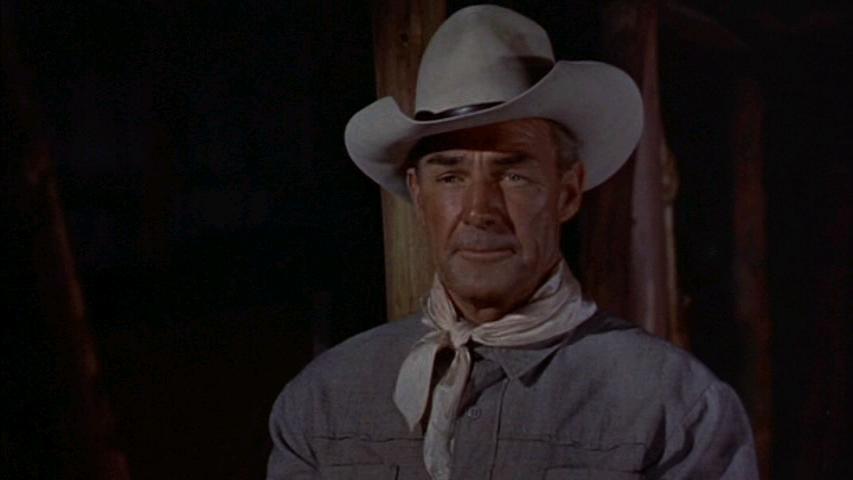
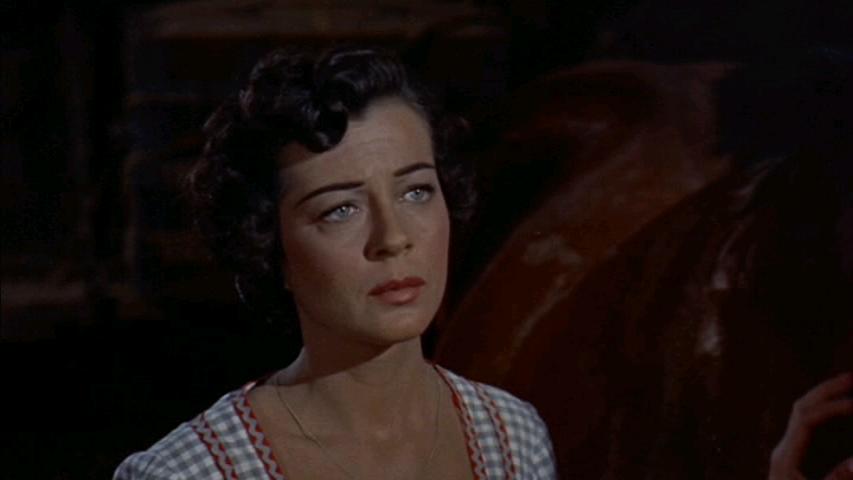
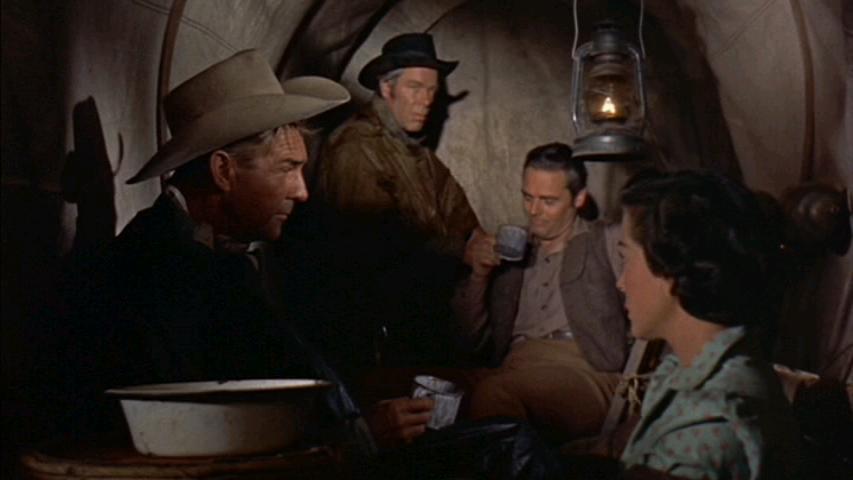
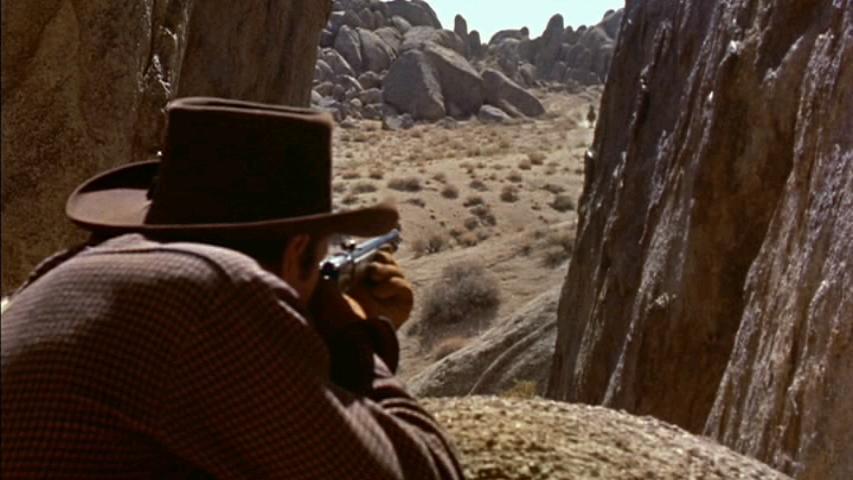
Seven Men From Now was the first of seven westerns director Budd Boetticher made with leading-man Randolph Scott, and one of five scripted by Burt Kennedy. While it’s not quite as compelling as some of their later outings (Decision at Sundown and Buchanan Rides Alone are my personal favorites, while Ride Lonesome is universally lauded as the best of the bunch), it’s a solid, enjoyable flick in its own right, with — as Peary notes — “interesting character conflicts, good action sequences, and a shootout worth waiting for.” Critics (see links below) are nearly universal in their description of the film — and Boetticher’s style in general — as “lean and spare”, “economical”, “modest in tone and intimate in scope”, leaving “no trace of fat”; indeed, Boetticher makes effective use of every moment, many of which (such as the infamous “wagon scene”) are highly memorable. The performances all-around are solid, but Lee Marvin is especially good — this was the perfect follow-up to his role as “Slob” in Shack Out On 101. Also of note is Gail Russell, looking (appropriately enough for a settler) weary beyond her years; knowing that she would die a premature death from alcoholism just five years later makes her performance here even more poignant.

Redeeming Qualities and Moments:

  • Randolph Scott as Ben Stride
  • Lee Marvin as Bill Masters
  • Gail Russell as Annie Greer
  • Walter Reed as John Greer
  • The incredibly tense “wagon scene”
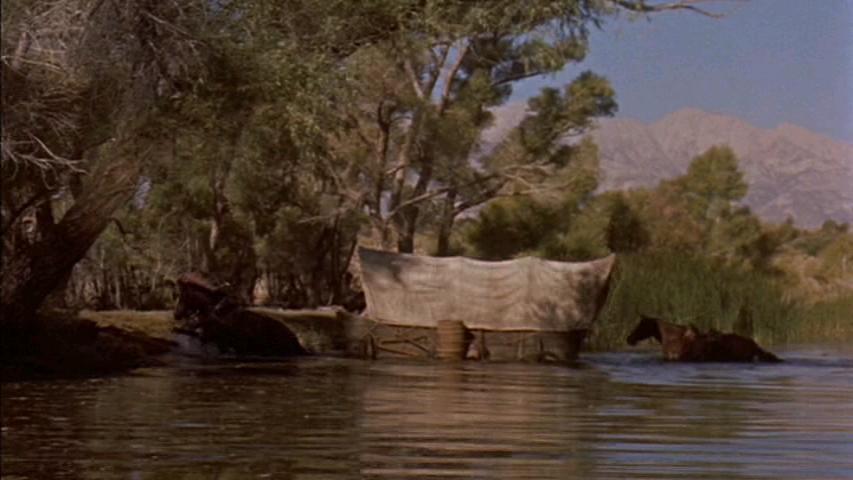
  • Gorgeous natural settings
  • The well-choreographed final shoot-out

Must See?
Yes. As the first collaboration between Boetticher and Scott, this fine western — in addition to being an all around good show — holds a special place in cinematic history.

Categories

  • Historically Relevant
  • Important Director

Links:

Fiend Without a Face (1958)

Fiend Without a Face (1958)

“The brain — it’s gone! Sucked out like an egg through those two holes!”

Synopsis:
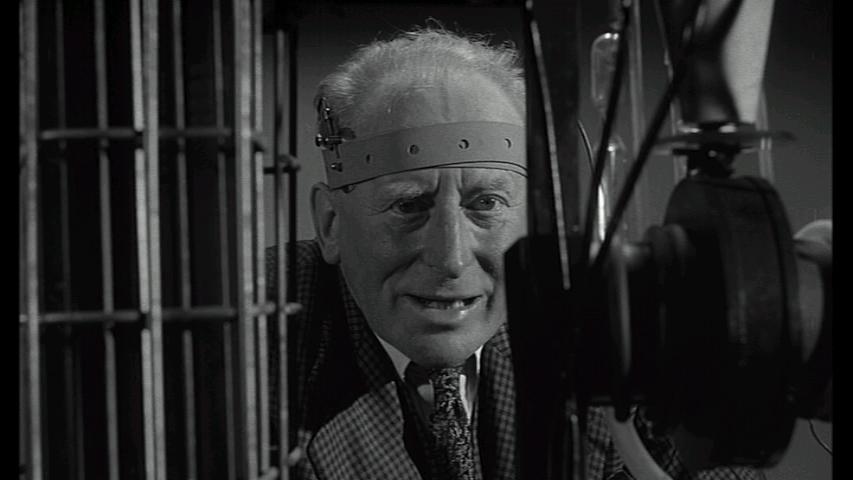
When residents near a Canadian military base blame its nuclear power plant as the cause of several recent murders, Major Jeff Cummings (Marshall Thompson) begins to investigate. Soon he suspects that a local professor (Kynaston Reeves) may know more than he’s letting on, and enlists the help of the professor’s pretty young assistant (Kim Parker) in learning more.

Genres, Themes, Actors, and Directors:

  • Atomic Energy
  • Mad Doctors and Scientists
  • Mutant Monsters
  • Science Fiction

Review:
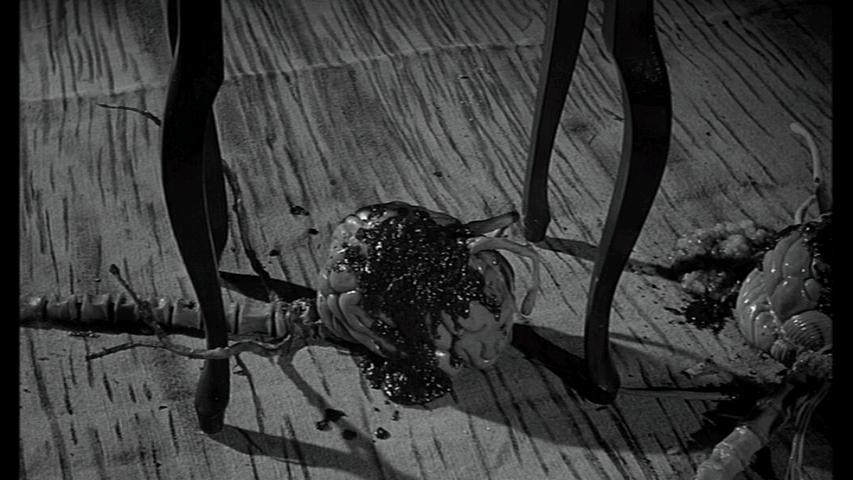
I’ll gladly join the chorus of critics (see links below) who wonder what Criterion was thinking in selecting this rather average B-level sci fi flick for DVD restoration: while it’s not awful, it never comes close to the quality of artistic accomplishment Criterion is generally known for marketing. Fiend Without a Face is essentially yet another iteration on the timely yet overused theme of nuclear paranoia — an iteration which unfortunately suffers from a host of issues, including merely serviceable or sub-par acting by most involved; a cliched romantic subplot; an overly didactic explanation (via flashbacks) of how the “fiends without faces” came into being; a corrupt scientific premise; and rather iffy stop-motion animation (at one point, a brain explodes, but it takes a split-second for the innards to start gushing out — enough to notice the delay). While it may be of interest to ’50s sci fi fans and/or fans of mutant monster flicks, Fiend is certainly not must-see viewing for most film fanatics.

Redeeming Qualities and Moments:

  • Kynaston Reeves as Professor Walgate
  • Some gruesome special effects near the end of the film

Must See?
No. While inexplicably chosen for DVD restoration by Criterion, this only-slightly-above-average B-flick isn’t must-see viewing.

Links:

Three on a Match (1932)

Three on a Match (1932)

“It must be a grand feeling to get everything you want.”

Synopsis:
When three schoolmates — spoiled Vivian (Ann Dvorak), hardworking Ruth (Bette Davis), and fun-loving Mary (Joan Blondell) — meet ten years after graduating, they light three cigarettes on one match, and their lives are changed forever.

Genres, Themes, Actors, and Directors:

  • Ann Dvorak Films
  • Bette Davis Films
  • Character Arc
  • Class Relations
  • Downward Spiral
  • Edward Arnold Films
  • Humphrey Bogart Films
  • Joan Blondell Films
  • Kidnapping
  • Mervyn LeRoy Films
  • Warren William Films

Review:
Panned as “tedious and distasteful” by the New York Times upon its release, this taut Warner Brothers melodrama has gained more respect in recent years, lauded by critics for its “uncompromising script” and “raw direction”, and cited as “one of the best” of Warner’s “factory assembly line films [from] the early thirties”. The truth lies somewhere in between both extremes. While Three on a Match is certainly neither “tedious” nor “distasteful”, it’s also not particularly compelling. The first half hour (which, given its mere hour+ length, is half the movie itself) is rather inconsequential, with too much time spent establishing the stereotypical characters and their backgrounds; fortunately, things heat up once Dvorak’s character “goes bad”, and the narrative takes some unexpected twists and turns.

Three on a Match is most notable these days for clearly showing Dvorak as an unrepentant cocaine addict; she gives up her marriage and young child without compunction, swiping greedily at her nose like it itches — this is classic Pre-Code daring. More impressive than Dvorak, however, is Joan Blondell — it’s easy to see why she was touted (over mellow Davis, whose role is minor at best) as a rising star. Also of interest is charismatic Humphrey Bogart in a tiny yet unforgettable role as a kidnapping gangster; see below for his classic response to Dvorak’s young son.

Redeeming Qualities and Moments:

  • Joan Blondell as Mary
  • Humphrey Bogart in a small role as an utterly ruthless gangster:
  • Junior: Please don’t hurt my mommy!
    Bogart (with a sneer): I’ll bear that in mind.

  • Adorable Buster Phelps as curly-headed Junior (despite his substantial role in the film, he’s uncredited)
  • The shocking finale

Must See?
No, though it’s worth a look simply for its daring Pre-Code content.

Links: