Thundercrack! (1975)

Thundercrack! (1975)

“My name is Mrs. Gert Hammond. Welcome to Prairie Blossom!”

Synopsis:
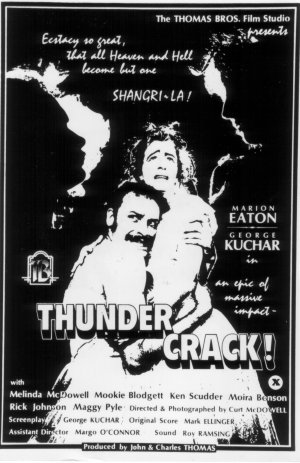
On a dark and stormy night, various strangers gather at the house of a disturbed widow (Marion Eaton), who has decidedly kinky ideas about sex.

Genres, Themes, Actors, and Directors:

  • Black Comedy
  • Peeping Toms
  • Sexuality

Review:
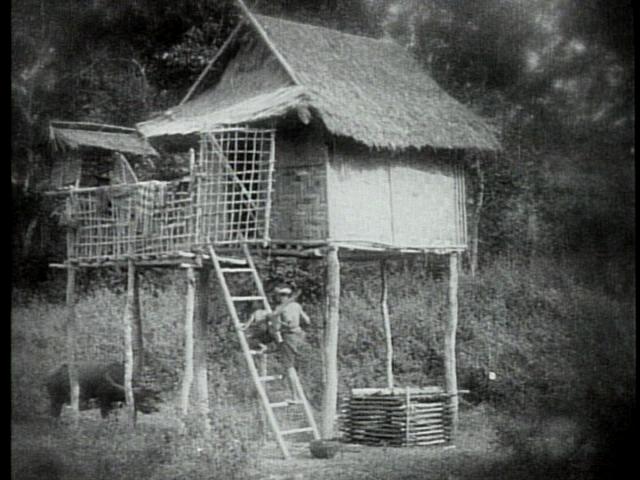
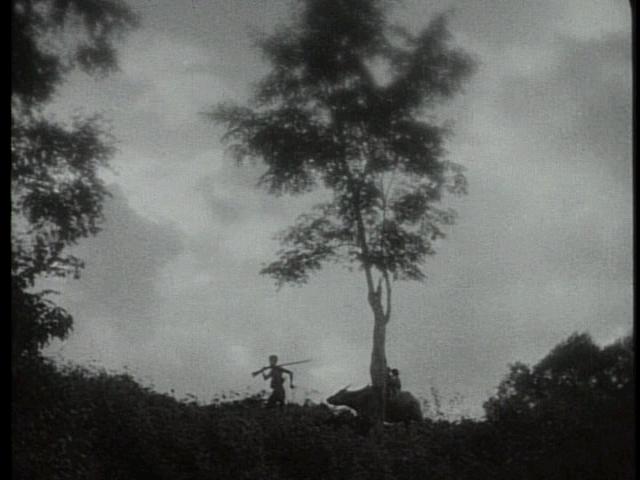
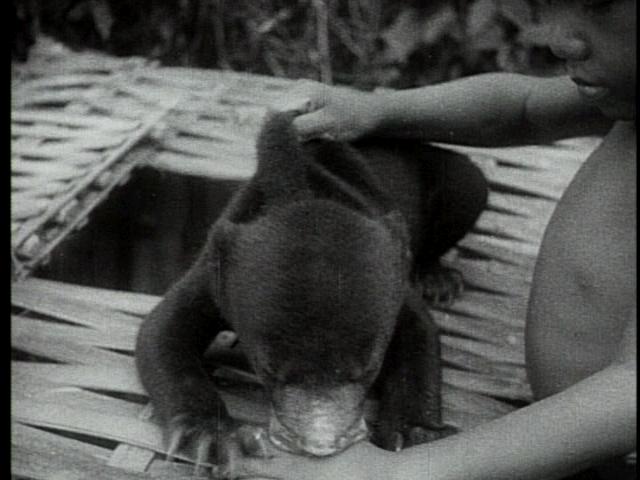
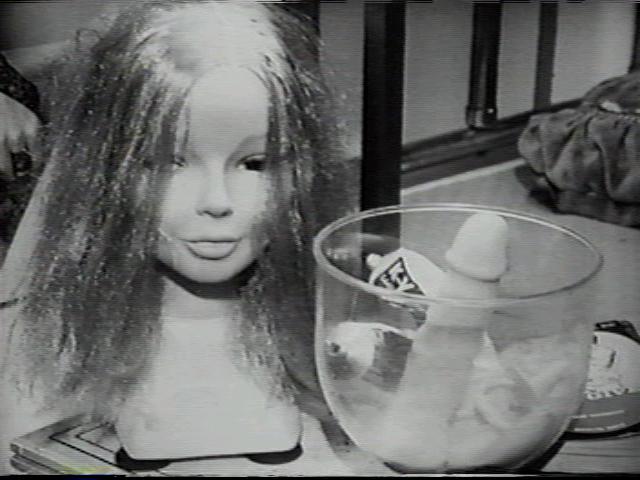
This ultra-bizarre, ultra-low-budget campy porno flick (written by underground maverick George Kuchar) is most definitely not for all tastes. While it starts out as an atmospheric gothic horror tale, it quickly turns into a raunchy, graphic, blackly comedic sex-fest, as polymorphically perverse Gertie (Eaton) gets off (with the help of a cucumber) by watching her houseguests explore a room full of naughty toys. Sexual encounters then continue in full force, as various partners of both genders hook up; there’s even an infamous flashback to a bestial love affair. If none of this sounds appealing (chances are it won’t to most viewers), you’ll find that Eaton, with her hopelessly skewed eyebrows, is by far the best aspect of the film — her performance is so sincerely melodramatic that one almost begins to root for her, despite her clear mental imbalance.

Redeeming Qualities and Moments:

  • Marion Eaton as Gert Hammond
  • A perversely campy sensibility
  • The melodramatic, low-budget flashback scenes
  • Mark Ellinger’s eclectic, often humorous score

Must See?
Yes, for its status as an underground cult favorite. Listed as a Camp Classic in the back of Peary’s book.

Categories

  • Cult Movie

Links:

UFOria (1985)

UFOria (1985)

“It spoke to me — in my dream… There’s a space ship coming, and it’s gonna be like Noah’s ark, and I’m gonna be Noah!”

Synopsis:
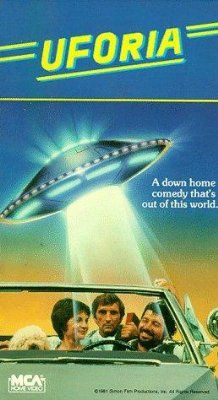
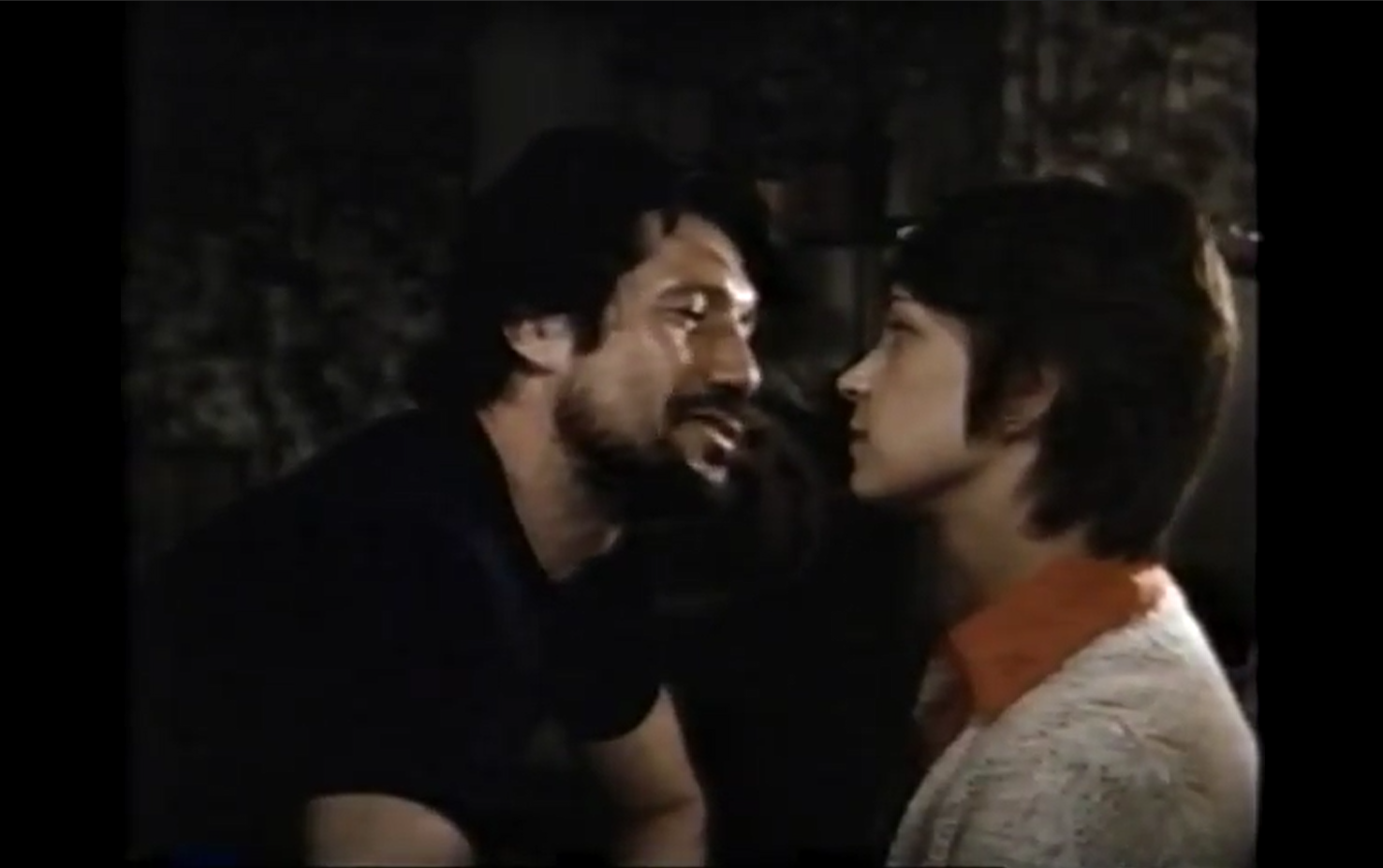
A drifter and small-time con (Fred Ward) hooks up with a quirky, religious check-out girl (Cindy Williams), who believes aliens are coming to earth in a UFO.

Genres, Themes, Actors, and Directors:

  • Aliens
  • Con-Artists
  • Harry Dean Stanton Films
  • Missionaries and Revivalists
  • Religious Faith
  • Romantic Comedy

Review:
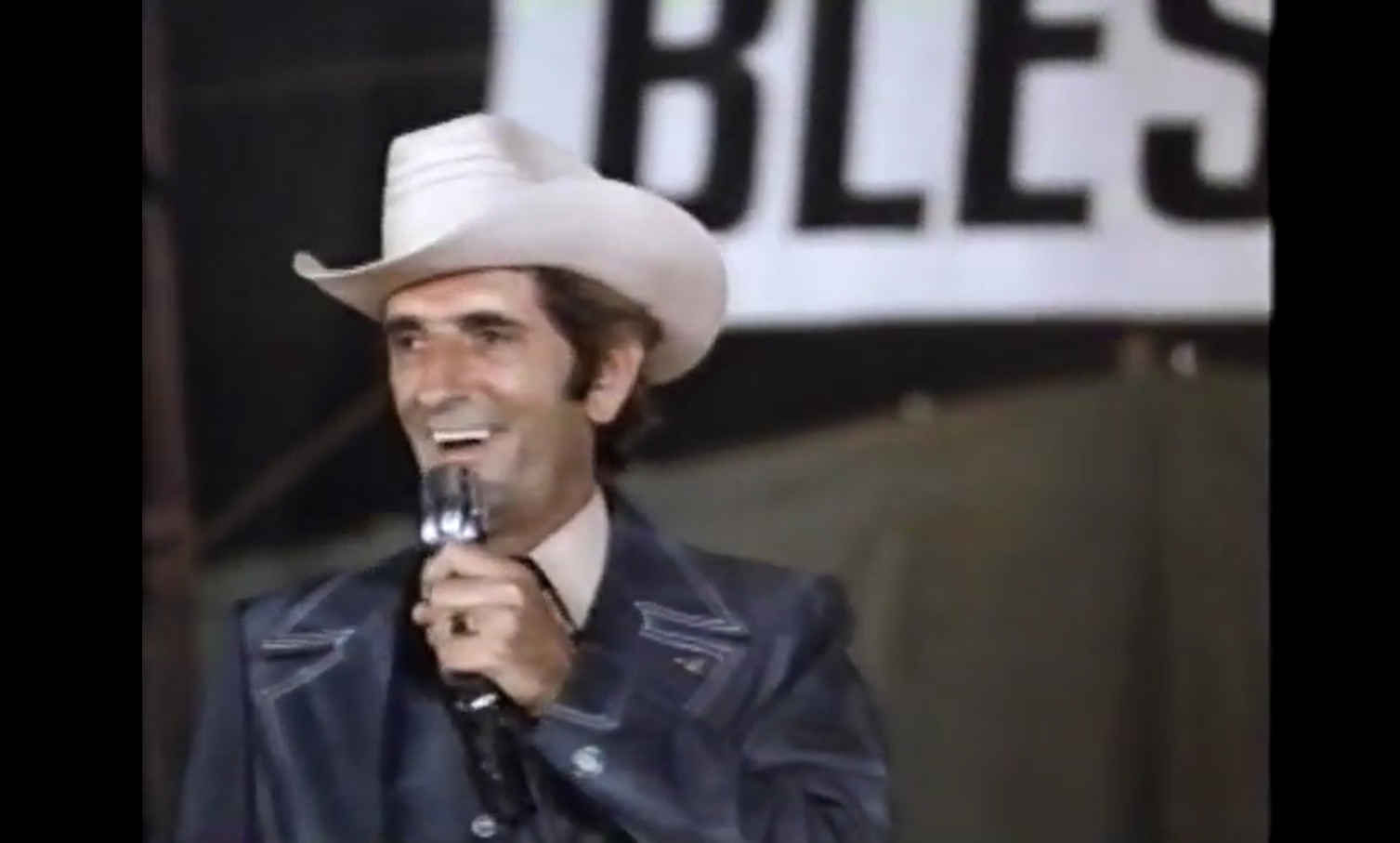
John Binder wrote and directed this small-town comedy about kooky Californians during the tail end of the Me Decade. Deftly satirizing both Christian fundamentalists and those with more far-out approaches to divinity (one local couple names their child “Krishna Jesus”), it’s grounded throughout by a sweet romance between two people who seem, at first glance, highly unsuited for one another. Both Fred Ward and Cindy Williams (perfectly cast) are delightful in the lead roles, and they’re surrounded by a host of fine supporting actors — including Harry Dean Stanton as a shyster revivalist, Robert Gray as Stanton’s faithful sidekick, and Darrell Larson as an all-purpose “believer” (whose naive idea of proselytizing is to implore overweight patrons at the supermarket to “stop eating meat”). It’s too bad UFOria lingered in the cobwebs for several years after its production, because it was truly a timely satire, and deserved a wider contemporary audience.

Redeeming Qualities and Moments:

  • Cindy Williams as Arlene
  • Fred Ward as Sheldon
  • Harry Dean Stanton as Brother Bud
  • A clever, quirky script by Binder
  • Richard Baskin’s pleasing score

Must See?
No, but it’s recommended. Listed as a Sleeper in the back of Peary’s book.

Links:

Master of the World (1961)

Master of the World (1961)

“I am a man unto myself, Mr. Prudent, who has declared war against war — that is my purpose, sir, the purpose for which this ship was built!”

Synopsis:
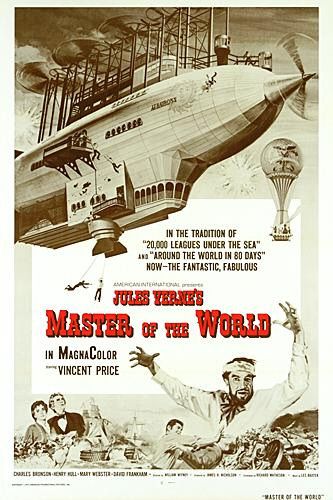
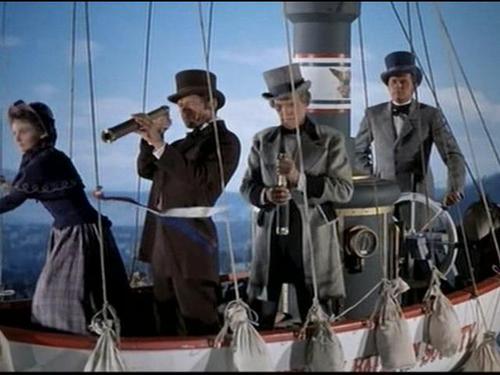
In the mid-1800s, a government official (Charles Bronson), two scientists (Henry Hull and David Frankheim), and Hull’s daughter (Mary Webster) are held captive in the airship of a mad pacifist (Vincent Price) who plans to destroy all the weapons in the world.

Genres, Themes, Actors, and Directors:

  • Airplanes and Pilots
  • Charles Bronson Films
  • Jules Verne Adaptations
  • Mad Doctors and Scientists
  • Peacemakers
  • Science Fiction
  • Vincent Price Films

Review:
This AIP adaptation of two Jules Verne novels (Master of the World and its prequel, Robur the Conqueror) is based on the oxymoronic premise of enforced pacifism through violence. Unfortunately, despite this intriguing basis, the film itself — an erstwhile favorite of young audiences, especially when it appeared in later years on television — hasn’t aged very well. The cliched love triangle (between Bronson, Webster, and Frankheim) is sappy, the low budget is revealing, and the acting isn’t particularly noteworthy: Price is more subdued than usual, while method-actor Bronson (though serviceable) doesn’t impress. With that said, fans of Verne’s work — especially those who enjoy the similarly-themed 20,000 Leagues Under the Sea — will certainly want to check this one out.

Redeeming Qualities and Moments:

  • An intriguing premise (thanks to Jules Verne’s original stories)

Must See?
No. It’s unclear to me why Peary lists this title in the back of his book.

Links:

Bridge, The (1959)

Bridge, The (1959)

“He can’t be a soldier… He’s just a kid!”

Synopsis:
Near the end of World War II, a group of German teens are ordered to defend a useless bridge, not realizing it’s about to be blown up.

Genres, Themes, Actors, and Directors:

  • German Films
  • Soldiers
  • Teenagers
  • World War Two

Review:
This Oscar nominated German film — Austrian director Bernhard Wicki’s feature debut — is a powerful, depressing look at the meaningless destruction of war. In the first half of the movie, we follow seven teenage boys as they interact with their (often fragmented) families; experience first love or unrequited desire; express giddy delight over discovering contraband brandy hidden in the river:

… and, above all, eagerly await their turn for inscription in Hitler’s army. The second half of the film details the grueling escalation of a deadly snafu, in which — despite the best of intentions by the boys’ platoon leader — everything that can go wrong does.

Ultimately, The Bridge demonstrates how miscommunication and stubborn pride can lead to lethal chaos when weapons (and naive teens) are involved. There’s little redemption here; by the end of the film (which was based on a true incident), we’re simply reminded how devastating and relentless the toll of war can be.

Note: According to my resident expert (my husband), there are a number of technical discrepancies in the film; most viewers, however, will not be bothered by this.

Redeeming Qualities and Moments:

  • An insightful look at youthful idealism and naivete during wartime
  • A powerful depiction of war as hell

Must See?
Yes. Listed as a film with Historical Importance in the back of Peary’s book.

Categories

  • Historically Relevant

Links:

Story of Mankind, The (1957)

Story of Mankind, The (1957)

“Whatever our sins, whatever our shortcomings, we believe the good deeds done by man on Earth far outweigh the bad — thereby earning him the right to survive.”

Synopsis:
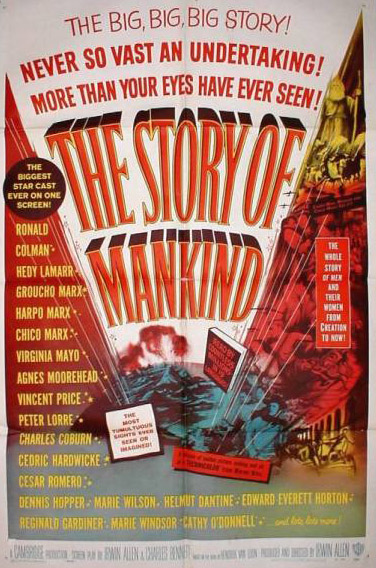
When the Super H-Bomb is developed on Earth, a heavenly tribunal is called to determine whether humanity should be allowed to survive. The devil (Vincent Price) argues that humans are inherently corrupt, while the “spirit of mankind” (Ronald Colman) tries his best to defend them.

Genres, Themes, Actors, and Directors:

  • Agnes Moorehead Films
  • Cesar Romero Films
  • Charles Coburn Films
  • Courtroom Drama
  • Dennis Hopper Films
  • Fantasy
  • Hedy Lamarr Films
  • Historical Drama
  • John Carradine Films
  • Marie Windsor Films
  • Marx Brothers
  • Peter Lorre Films
  • Ronald Colman Films
  • Vincent Price Films
  • Virginia Mayo Films

Review:
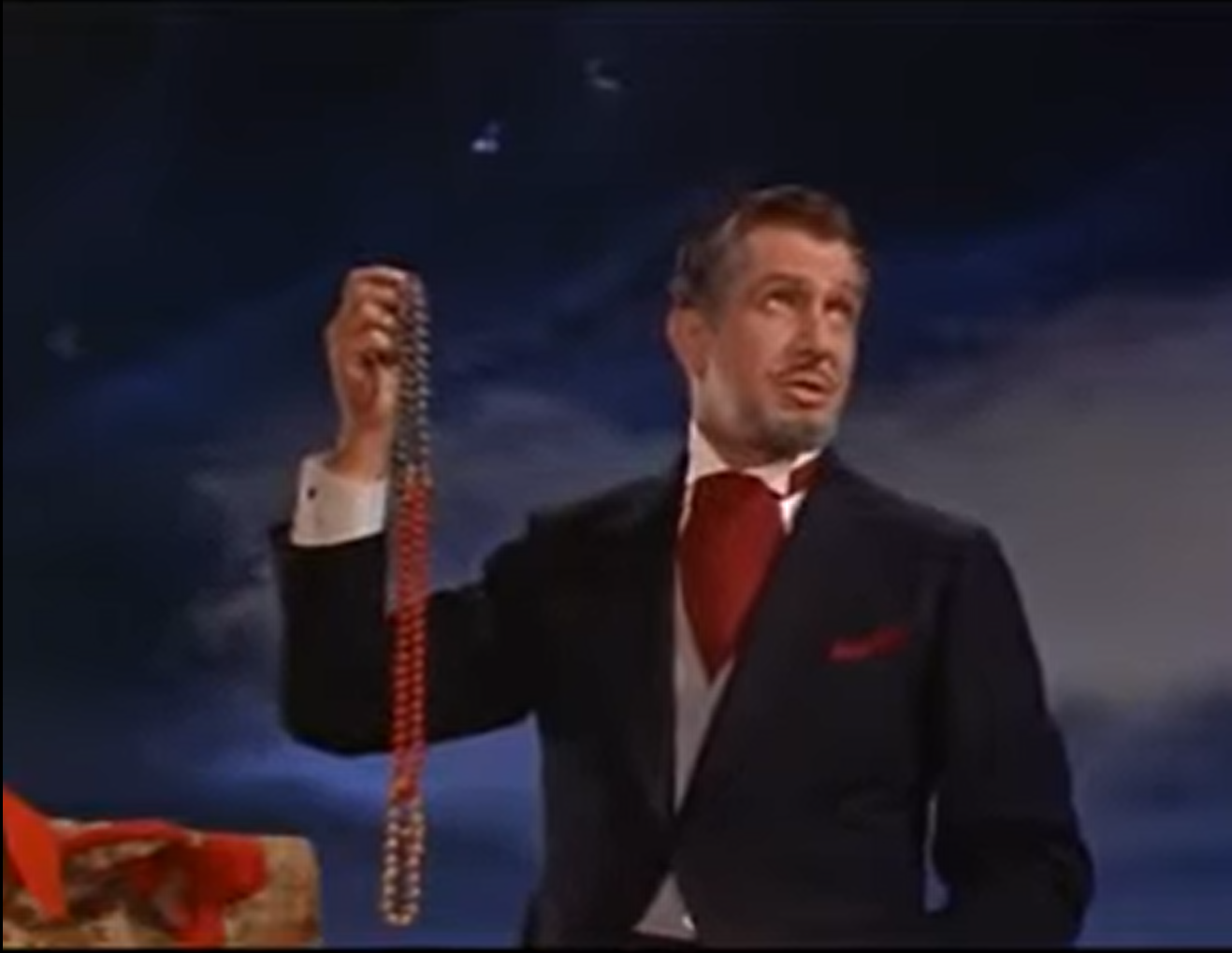
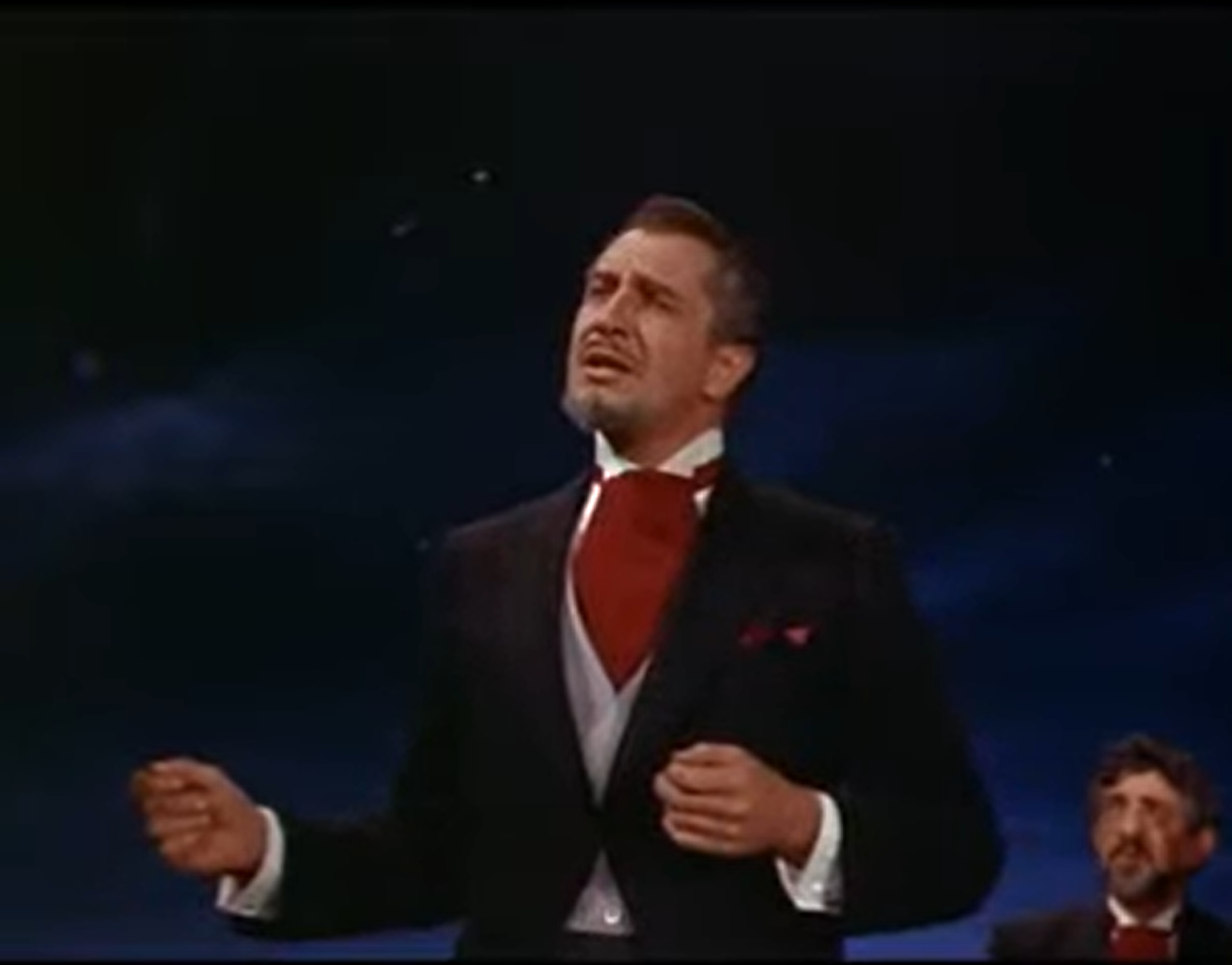
It’s difficult to describe just how awful this infamous historical drama — written and directed by Irwin Allen — really is. Loosely based on Henrik van Loon’s 1921 book (notable for winning the first Newbery Medal for children’s literature), it presents Anglo-centric highlights of humanity from “the dawn of time” to the 20th century — all portrayed by a cast of well-known actors and actresses who should have known better than to sign up for this particular gig. Only Vincent Price (always suitable in campily bad ventures) emerges relatively unscathed:

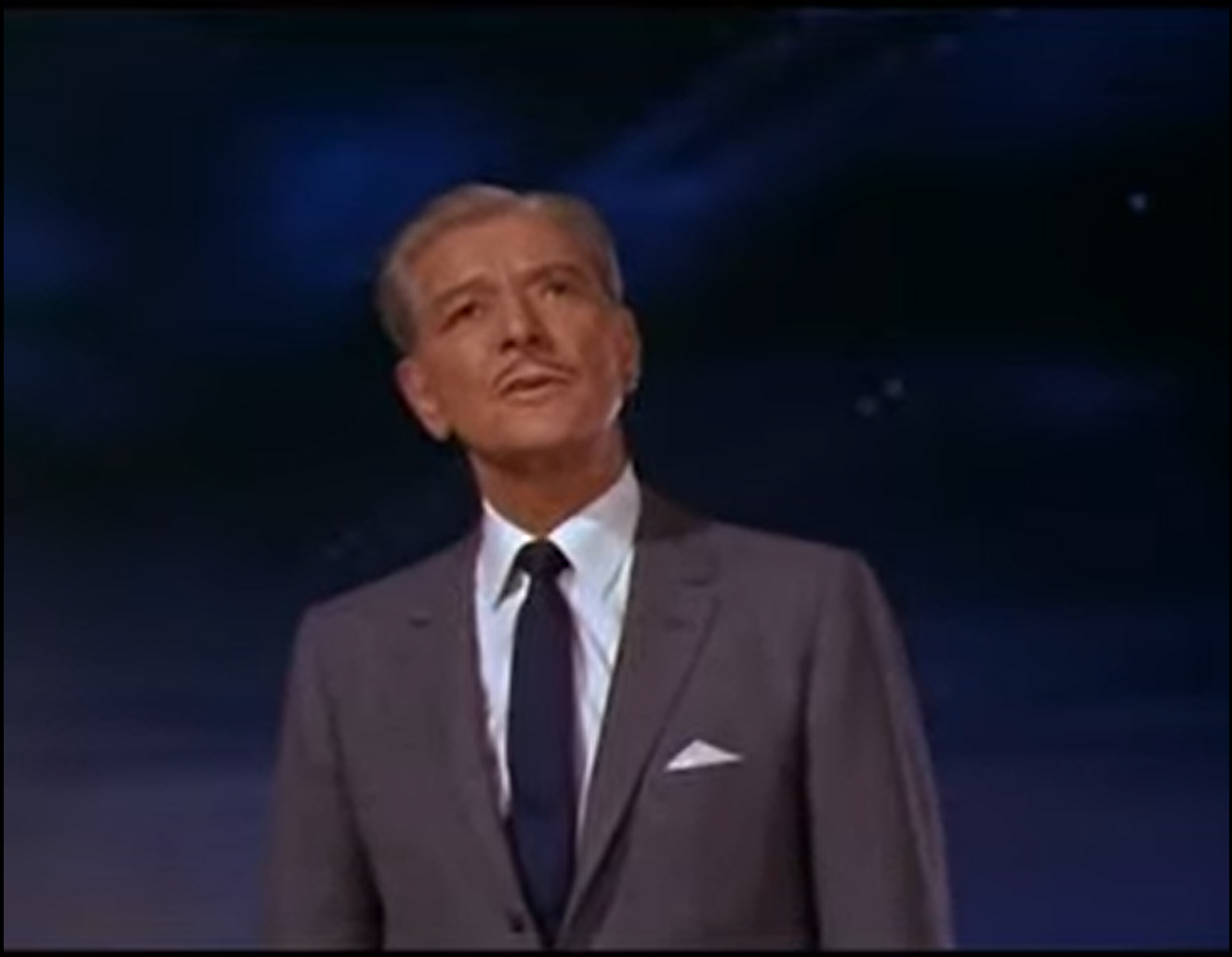
One feels simply awful, however, for Ronald Colman (trying his best in what would be his final performance):

… and Peter Lorre (looking truly verklempt in his brief cameo as Nero).

While it’s well-known that Allen made ample use of discarded stock footage:

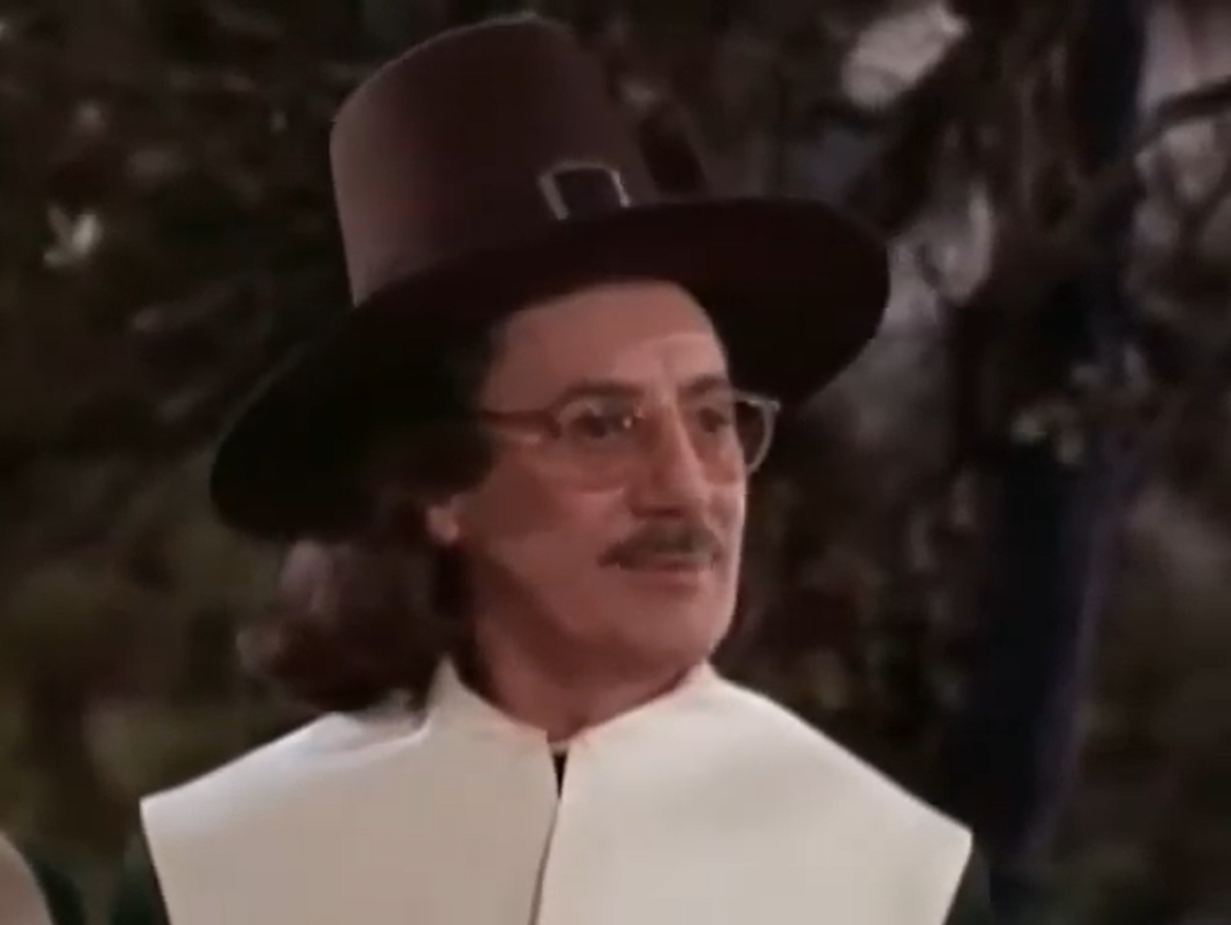
… scads of money were likely still spent on the creation of so many different sets and costumes; nonetheless, everything looks impossibly cheap and cheesy. Indeed, once Groucho Marx (as a Puritan!) appears on the scene:

… any semblance of historical sobriety is blown out the window. It suddenly struck me that The Story of Mankind might be successful as a comedic play (where low-budget, non-realistic sets are the norm); as a film, however — especially one grappling with such a heady issue as mankind’s ultimate fate — it bombs, big time, in every way possible.

Note: This turkey is included — appropriately enough — in Harry Medved’s 1978 book The Fifty Worst Films of All Time (and how they got that way), where he describes Mankind thus: “Fifty-five seconds before the title of the film appears, the names of twenty-five stars are flashed separately on the screen in huge block letters, accompanied by fanfare and drumbeat. The viewer braces himself, expecting the worst — and he will not be disappointed.”

Redeeming Qualities and Moments:

  • Vincent Price as “Mr. Scratch” (the devil)
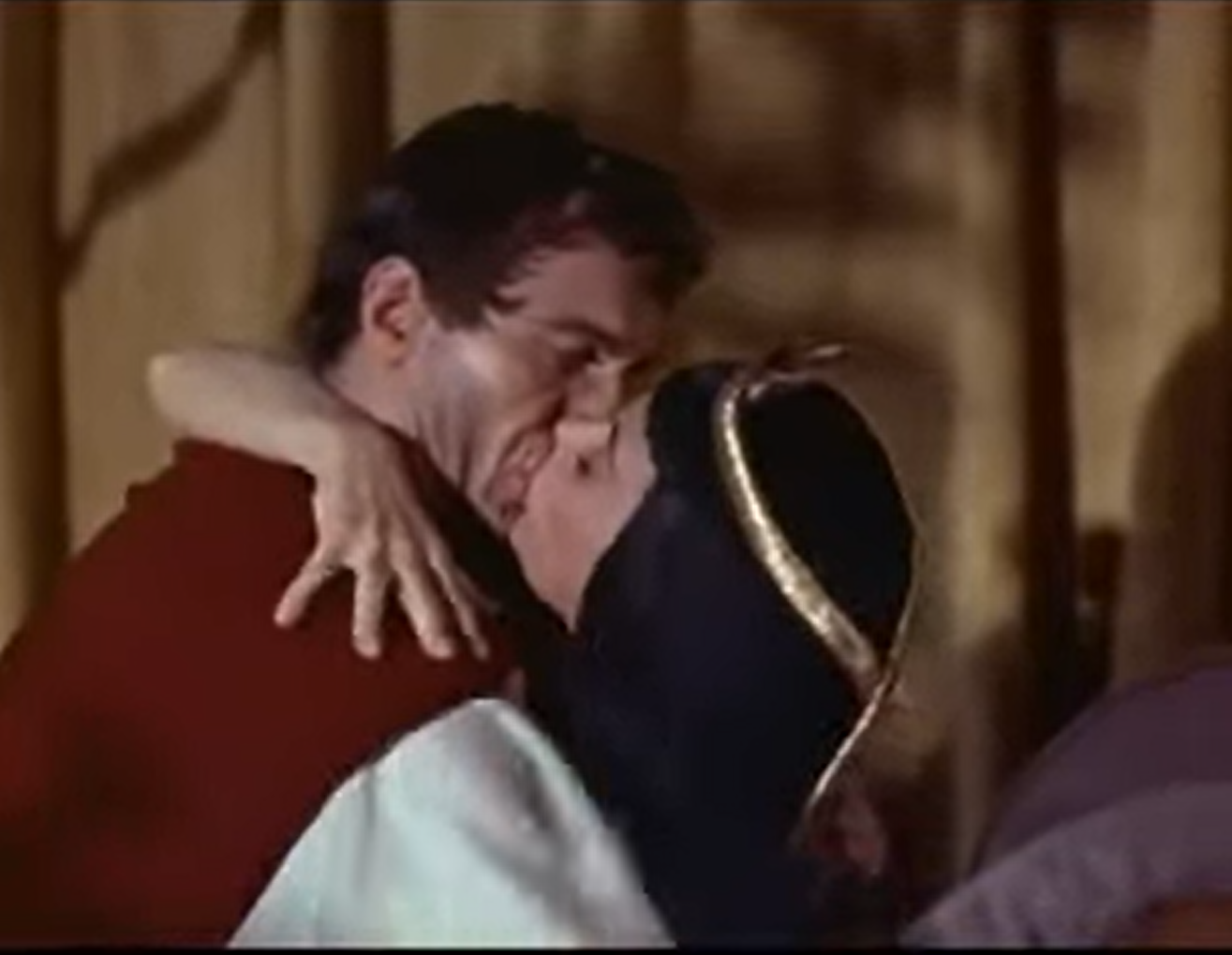
  • A truly bizarre all-star cast — including Virginia Mayo as Cleopatra:

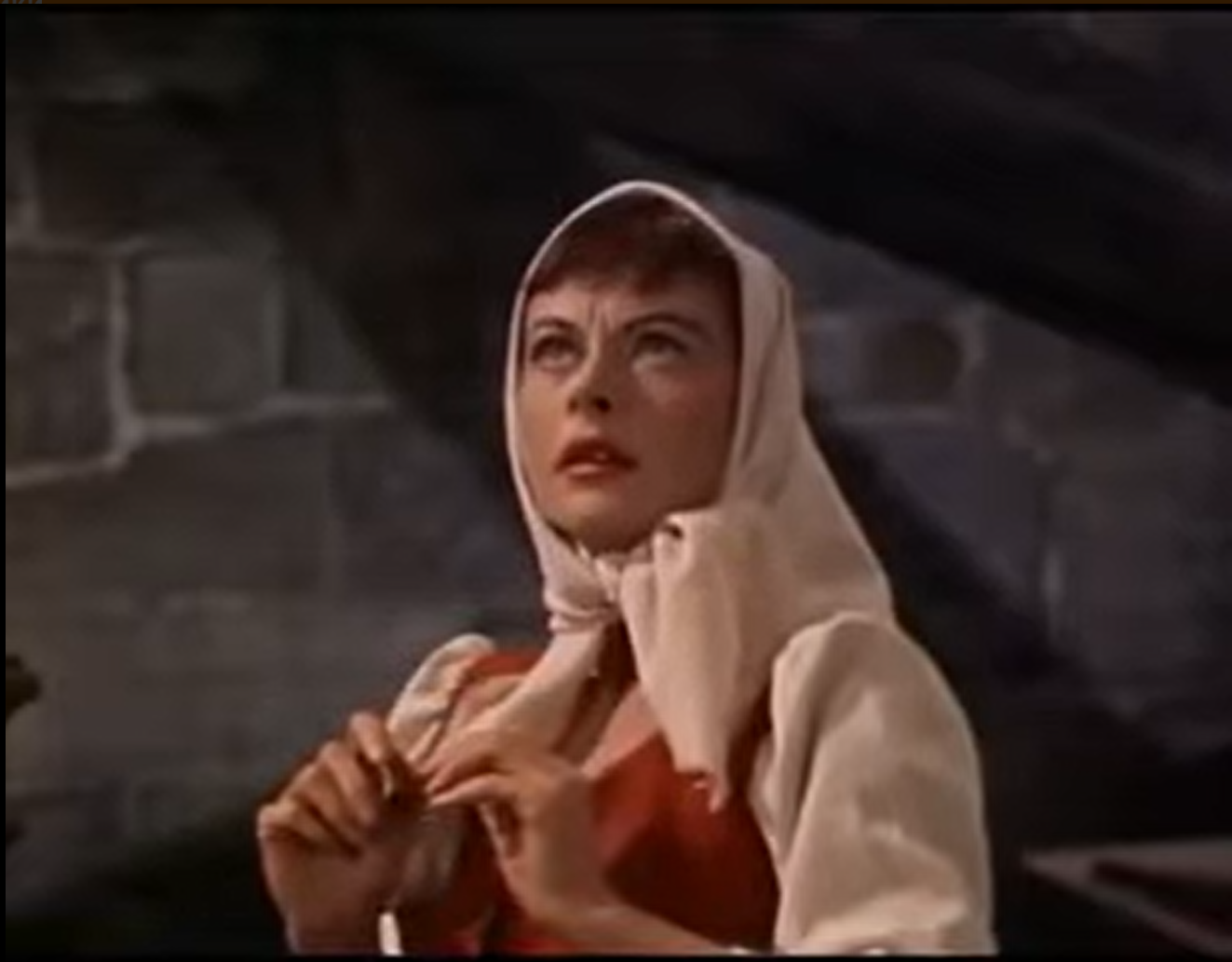
    … Hedy Lamarr as Joan of Arc:

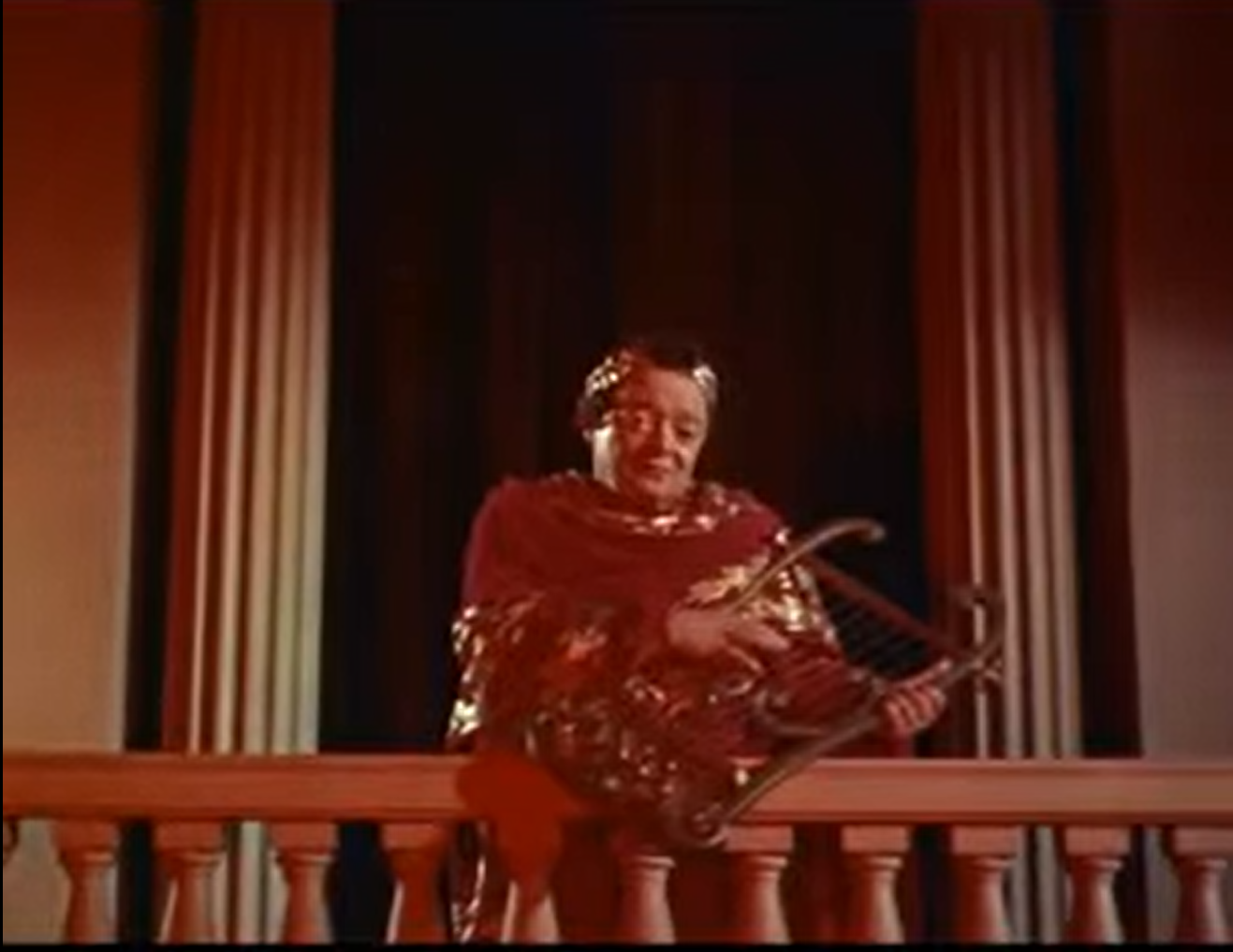
    … Harpo Marx as (the harp playing?) Sir Isaac Newton:

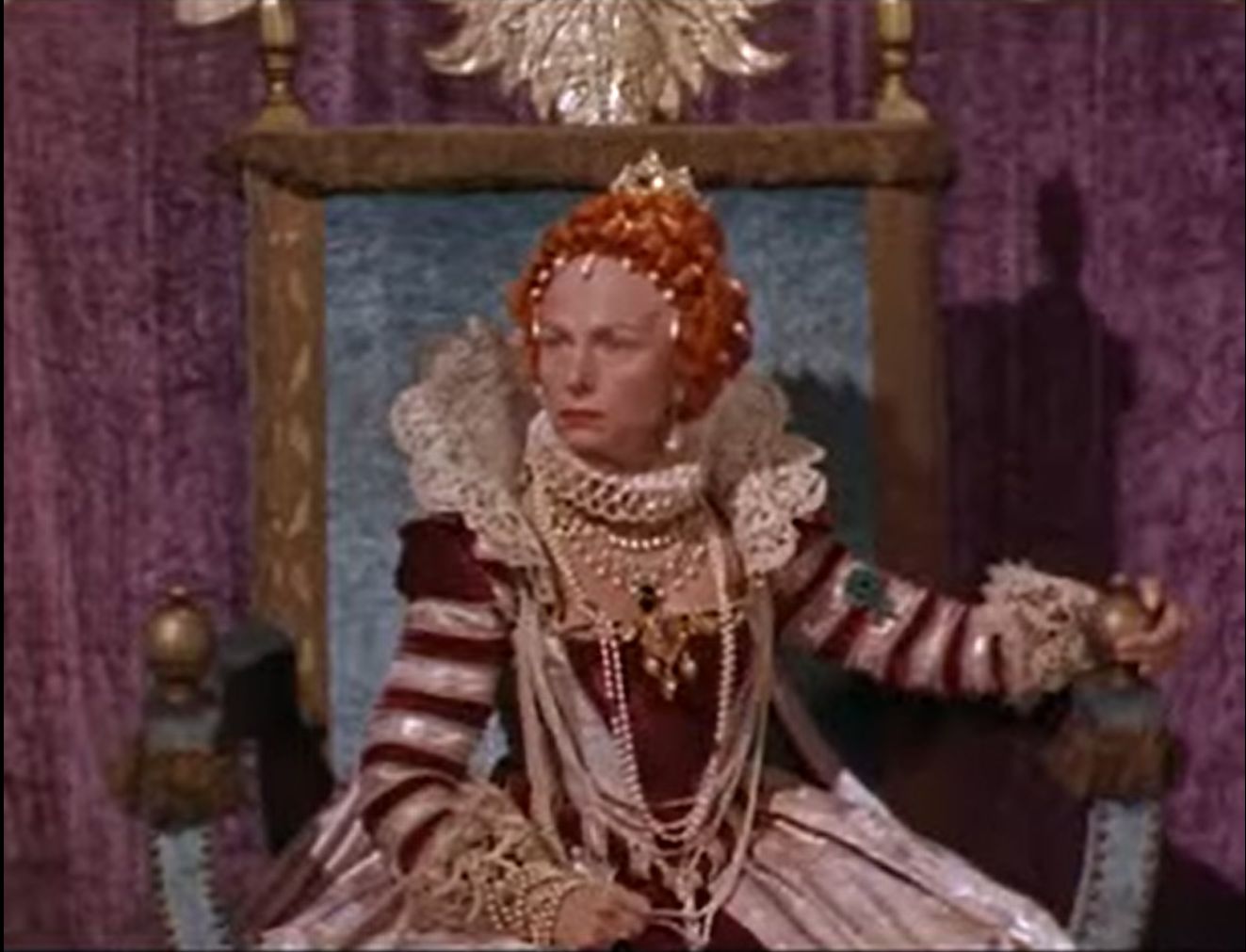
    … Agnes Moorehead as Queen Elizabeth:

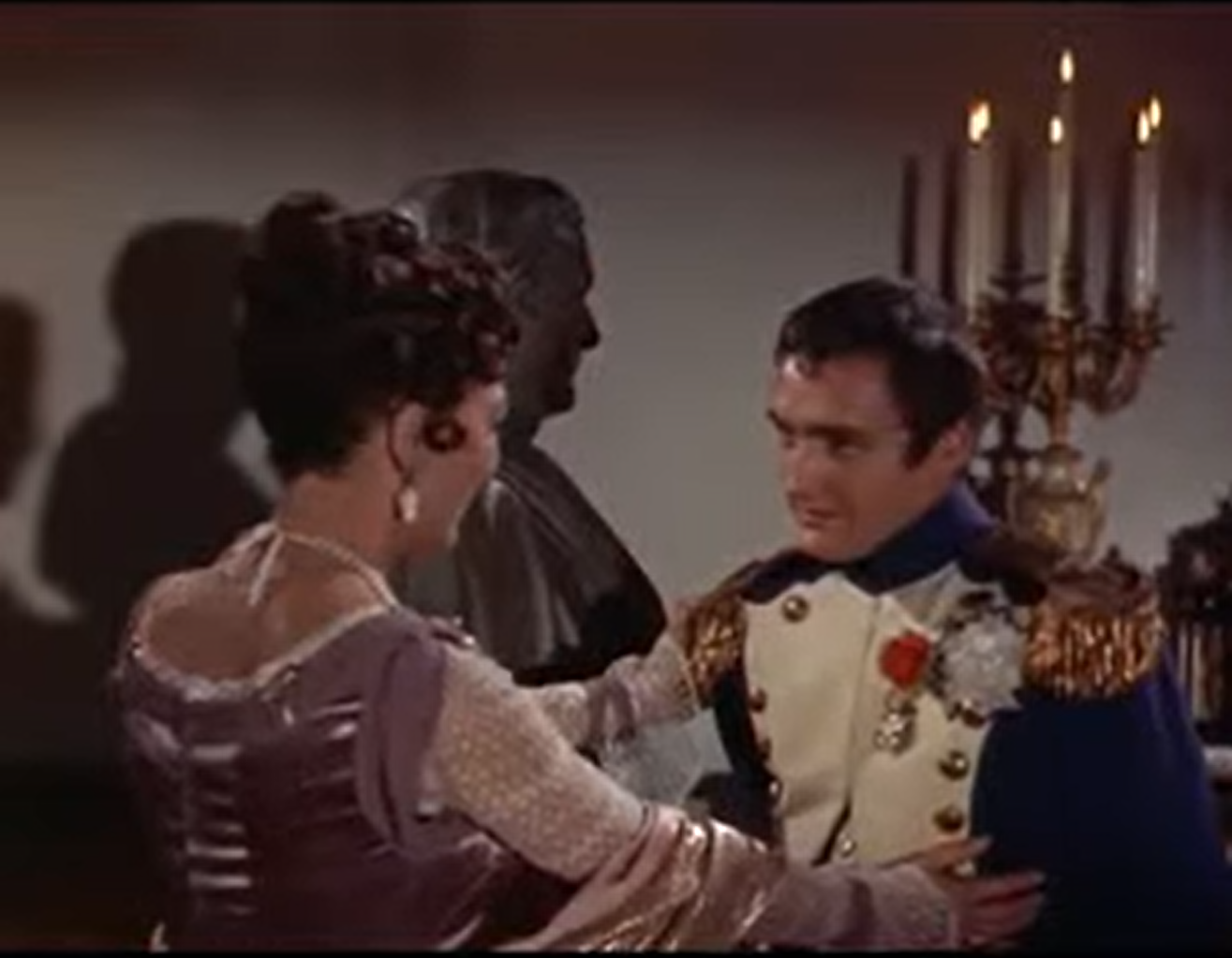
    … and Dennis Hopper as Napoleon (actually giving the best performance of the bunch):

Must See?
Yes, simply for its status as a cult classic, and one of the “50 worst films of all time.” But I hesitate to recommend such a tedious bore.

Categories

  • Cult Movie

Links:

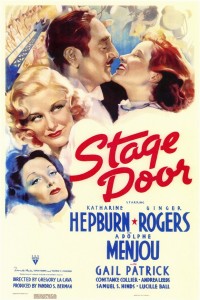
Stage Door (1937)

Stage Door (1937)

“Isn’t there enough heartache in the theater without our hating each other?”

Synopsis:
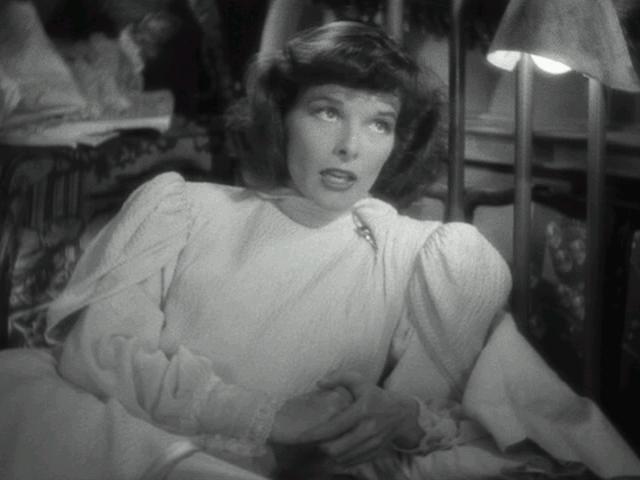
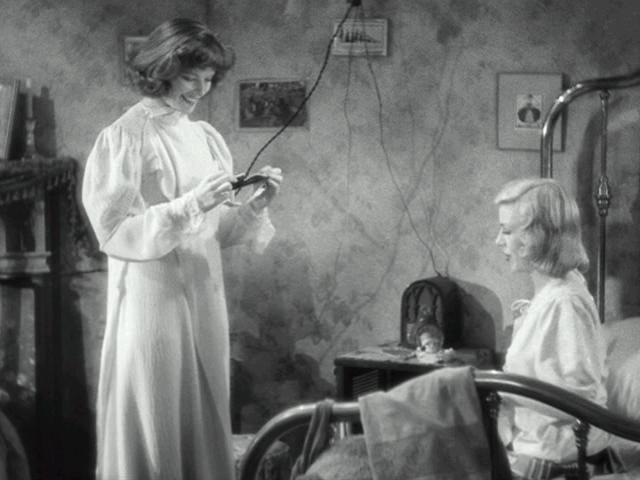
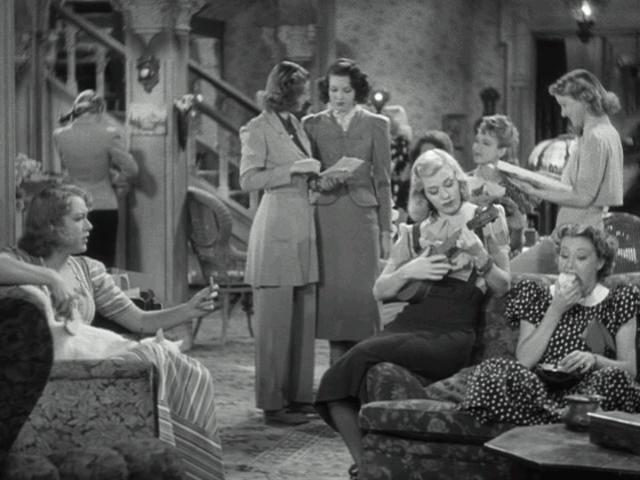
In a theatrical boarding house, a bevy of aspiring stars — including Jean (Ginger Rogers), Eve (Eve Arden), Judy (Lucille Ball), Linda (Gail Patrick), Annie (Ann Miller), and Kay (Andrea Leeds) — hope for their big break. When wealthy heiress Terry Randall (Katharine Hepburn) shows up hoping to try her hand at acting, unexpected consequences ensue.

Genres, Themes, Actors, and Directors:

  • Actors and Actresses
  • Adolph Menjou Films
  • Ann Miller Films
  • Aspiring Stars
  • Eve Arden Films
  • Ginger Rogers Films
  • Heiresses
  • Jack Carson Films
  • Katharine Hepburn Films
  • Lucille Ball Films
  • Play Adaptations
  • Rivalry

Response to Peary’s Review:
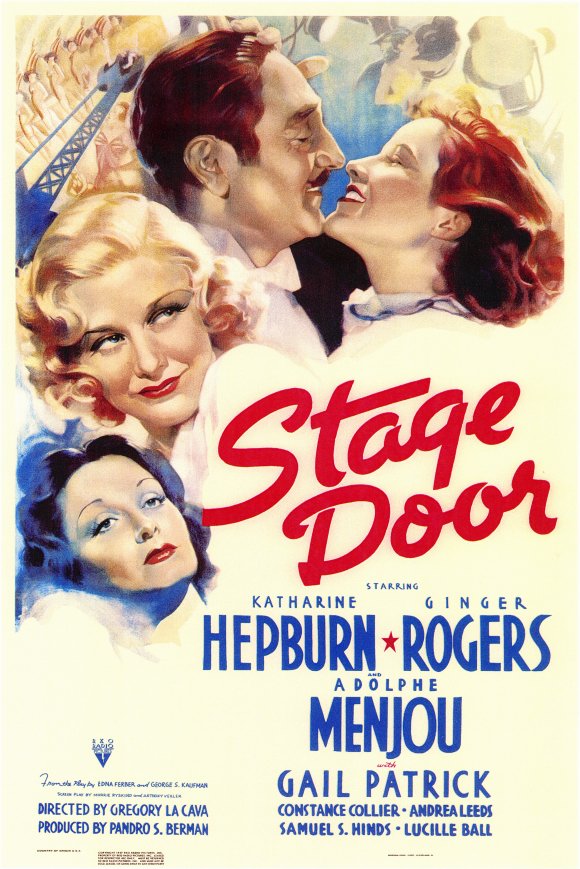
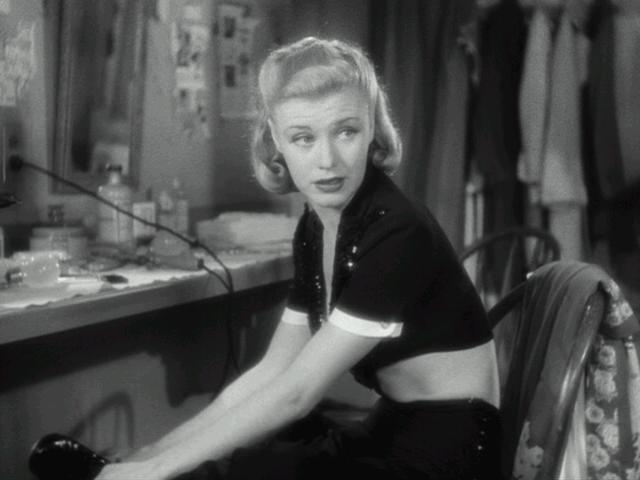
Critical opinion seems to be split on this classic RKO ensemble tale, starring Ginger Rogers in her first major “non-dancing” role, Katharine Hepburn in a performance meant to disrupt her designation as “box office poison”, Lucille Ball in her self-described “breakthrough role”, and many other familiar female faces. Peary is among the film’s fans, calling it “one of the best films of the thirties”, and noting that it contains “some of the snappiest insult-laden dialogue found in thirties movies”. Others, such as DVD Savant, argue that “almost everyone concerned with this movie did better work elsewhere”, that the film “became a classic without being a really great show”, and that the “dialogue isn’t quite as witty as it wants to be”.

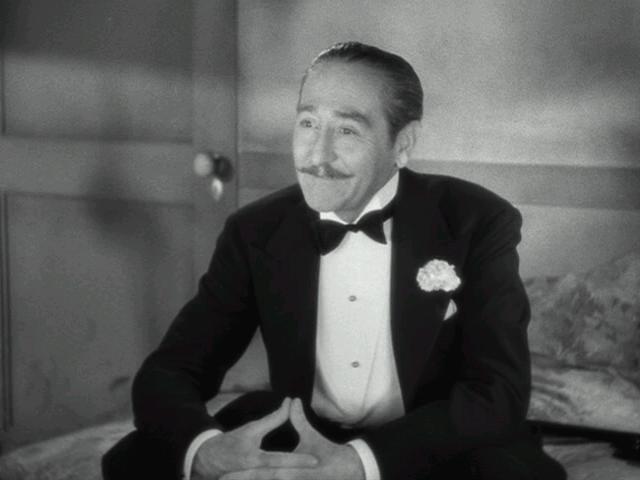
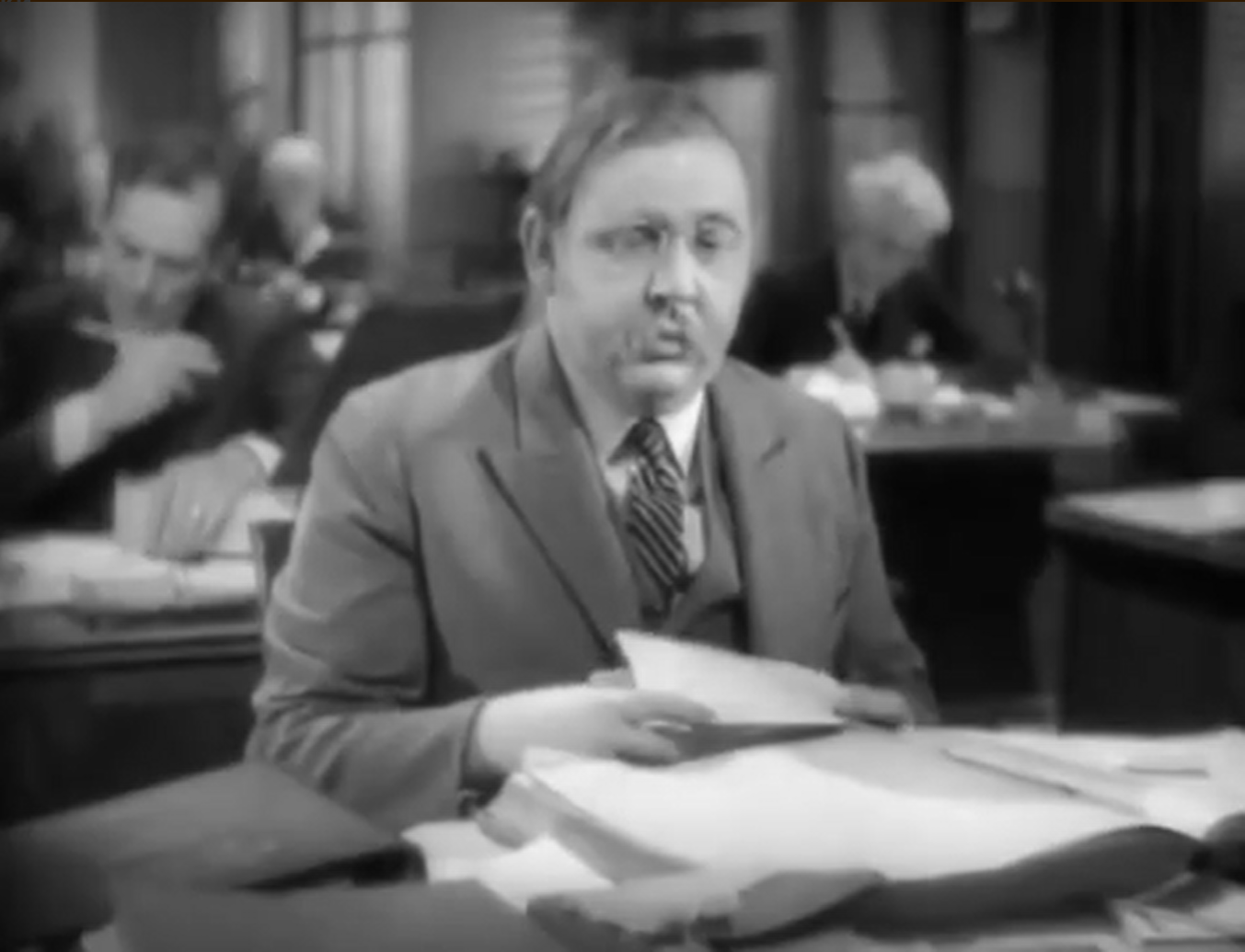
My opinion lies somewhere in between these two extremes. I find the film (noticeably different from the original play) to be a somewhat dated yet mostly enjoyable outing, primarily due to plenty of refreshing rapport between the young women, and the welcome absence of a distracting romantic subplot. The acting is noteworthy as well: Hepburn is strong and compelling as the nominal lead, Menjou is appropriately suave and slimy, and Rogers clearly shows her talent as a sassy comedic actress. On the other hand, several plot elements seriously detract from the film’s authenticity and power: the pivotal character of Kay, for instance (played by an overly maudlin Andrea Leeds, who was inexplicably nominated for an Oscar), is too much of a goody-two-shoes martyr to care about; and Hepburn’s transformation from an AWFUL actress (her rehearsal scene — “The calla lilies are in bloom…” — is literally painful) to a talented Broadway star is truly beyond belief. Nonetheless, film fanatics will certainly want to check out this Oscar-nominated melodrama at least once, and decide for themselves whether it’s an enduring classic, a dated disappointment, or a bit of both.

Redeeming Qualities and Moments:

  • Ginger Rogers’ sassy performance as Jean
  • Katharine Hepburn as Terry
  • Adolph Menjou as slimy manager Powell
  • Terry and Jean’s ongoing sparring
  • Menjou’s reaction to Rogers’ drunken monologue
  • Many fine supporting performances — especially those by Eve Arden, Lucille Ball, and Constance Collier
  • Plenty of witty, caustic one-liners:

    Terry: It would be a terrific innovation if you could get your minds to stretch a little further than the next wisecrack.
    Eve: You know, I tried that once, but it didn’t snap back into place.

Must See?
Yes. While it hasn’t held up as well as one might hope, it remains must-see viewing for its noteworthy ensemble cast. Chosen as the best film of the year in Peary’s Alternate Oscars book.

Categories

  • Noteworthy Performance(s)
  • Oscar Winner or Nominee

Links:

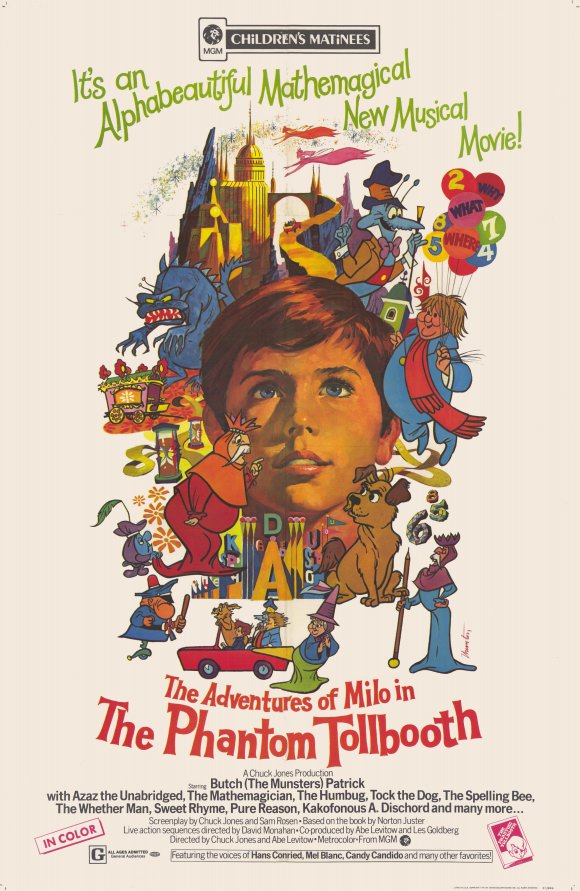
Phantom Tollbooth, The (1970)

Phantom Tollbooth, The (1970)

“Everybody says it’s such a big, wonderful world. How come it seems so small, and kind of empty? There’s no rhyme or reason to any of it!”

Synopsis:
An apathetic boy named Milo (Butch Patrick) travels through a mysterious tollbooth to a magical world, where the kings of Digitopolis and Dictionopolis argue over whether numbers or words are more important. During his journey, Milo finally begins to understand the importance of staying active and engaged in life.

Genres, Themes, Actors, and Directors:

  • Animated Features
  • Character Arc
  • Fantasy
  • Musicals
  • Road Trip

Review:
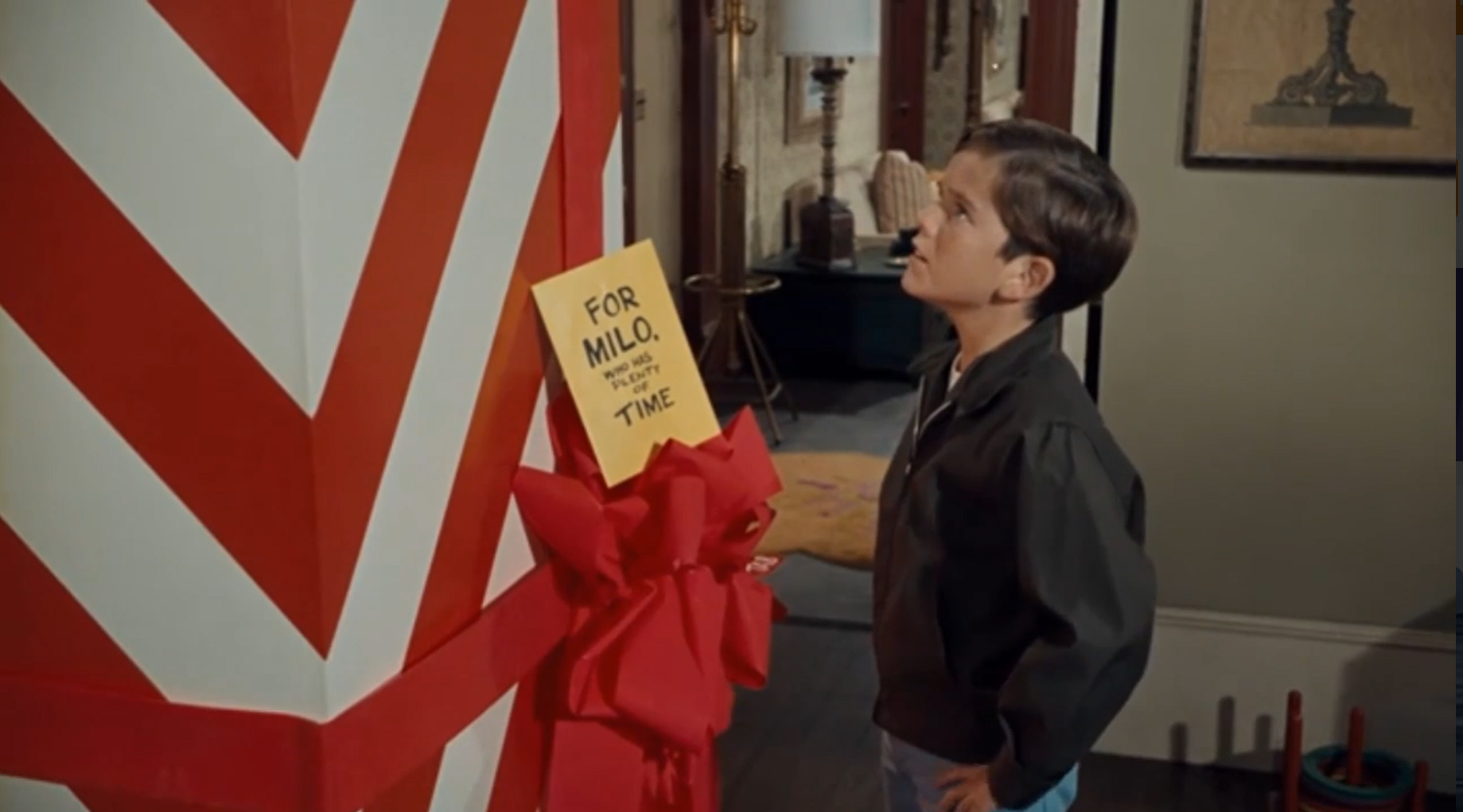
Based on Norton Juster’s classic children’s novel, The Phantom Tollbooth was the first and only feature-length film by famed Warner Brothers animator Chuck Jones (creator of Pepe le Pew and Wile E. Coyote); unfortunately, however, it doesn’t live up to Jones’ immense talents. While Juster’s goal — encouraging kids to take initiative in their own learning, and to explore the fascinating worlds of numbers and words — is a noble one, it comes across as didactic rather than exciting in the film. Unlike (just for instance) Dorothy in The Wizard of Oz, we never feel a true sense of urgency about Milo’s predicament — indeed, he’s never in any real trouble. Not helping matters any are the insipid, instantly forgettable songs sprinkled sporadically throughout the film; they would definitely have been best left out.

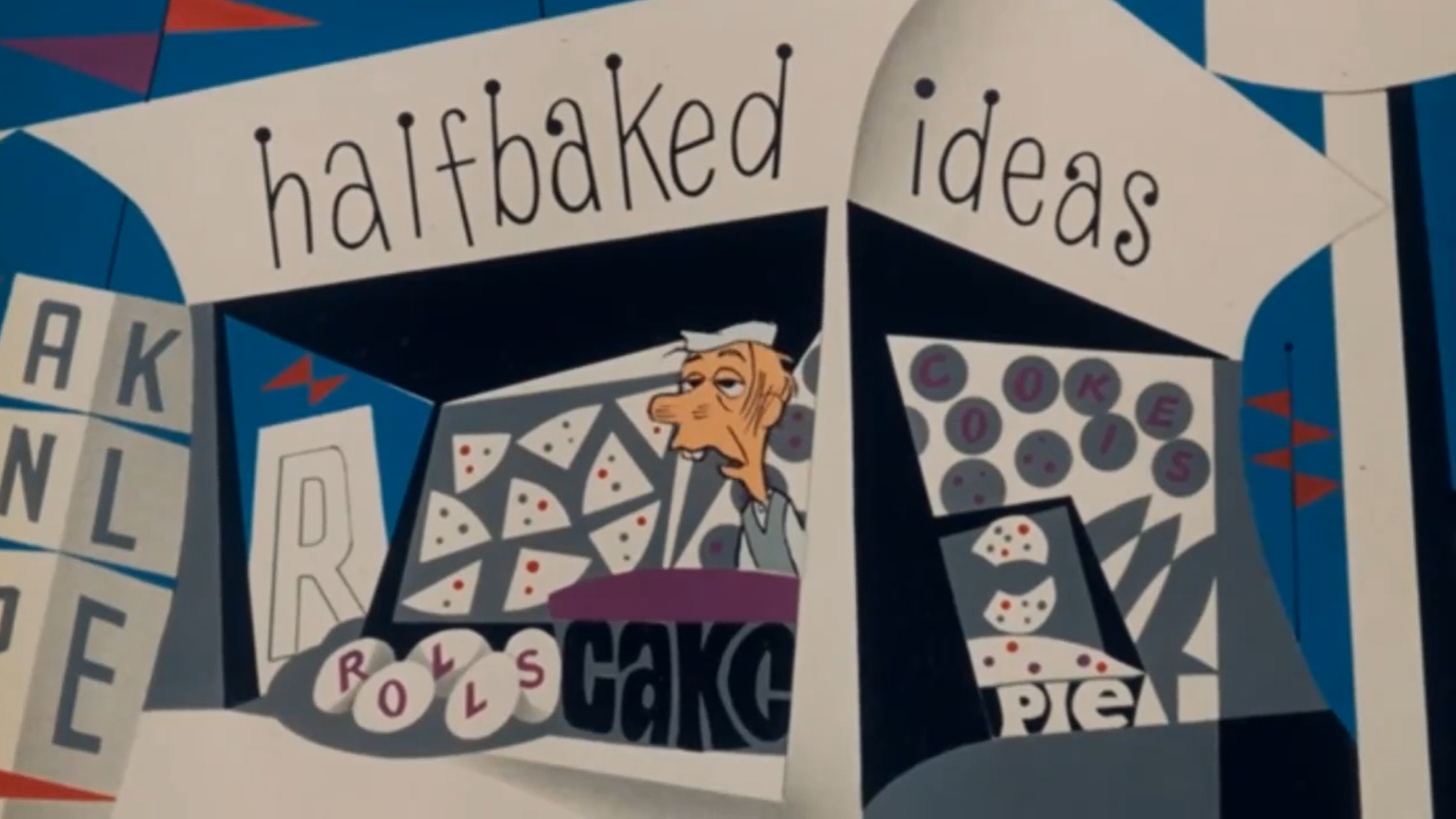
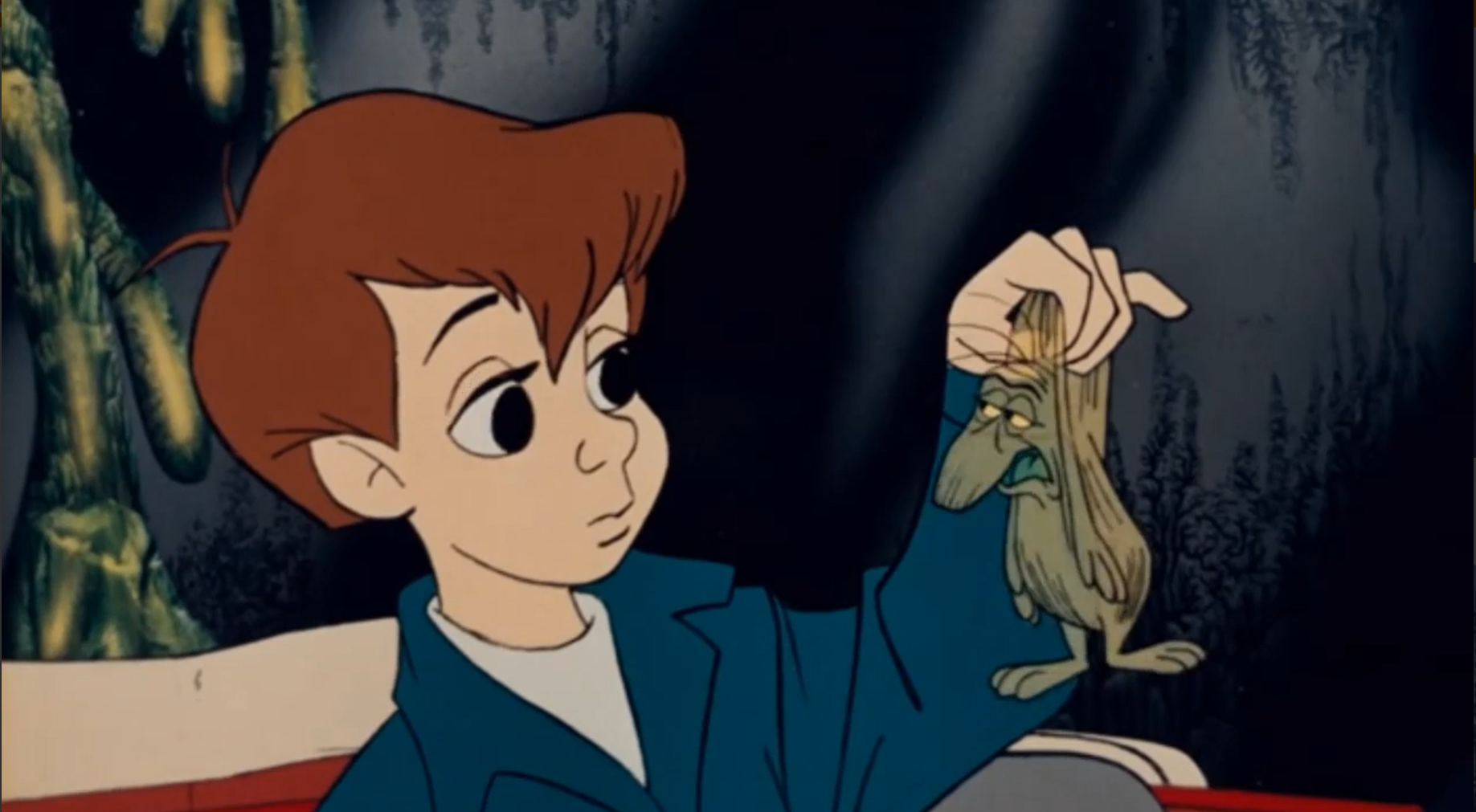
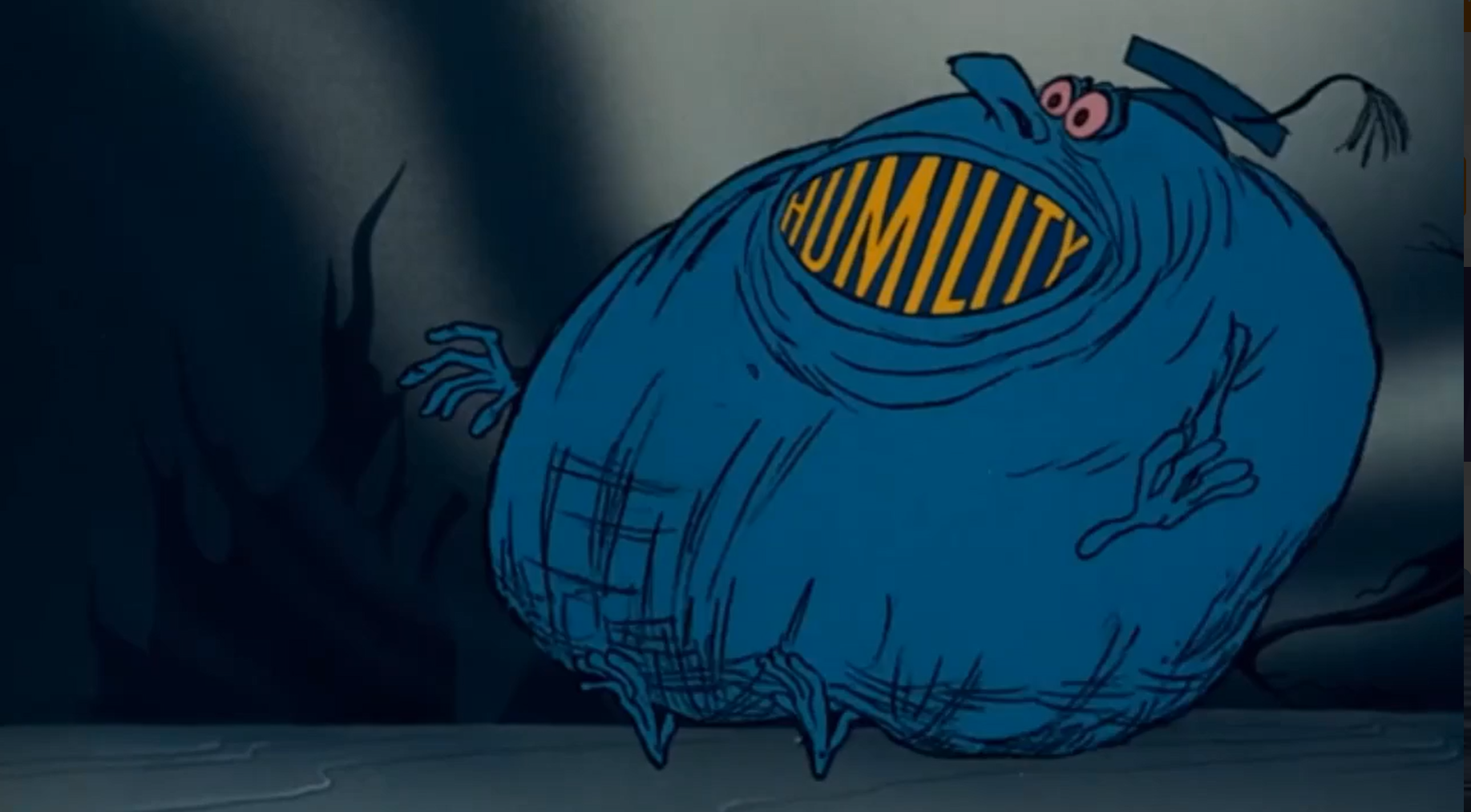
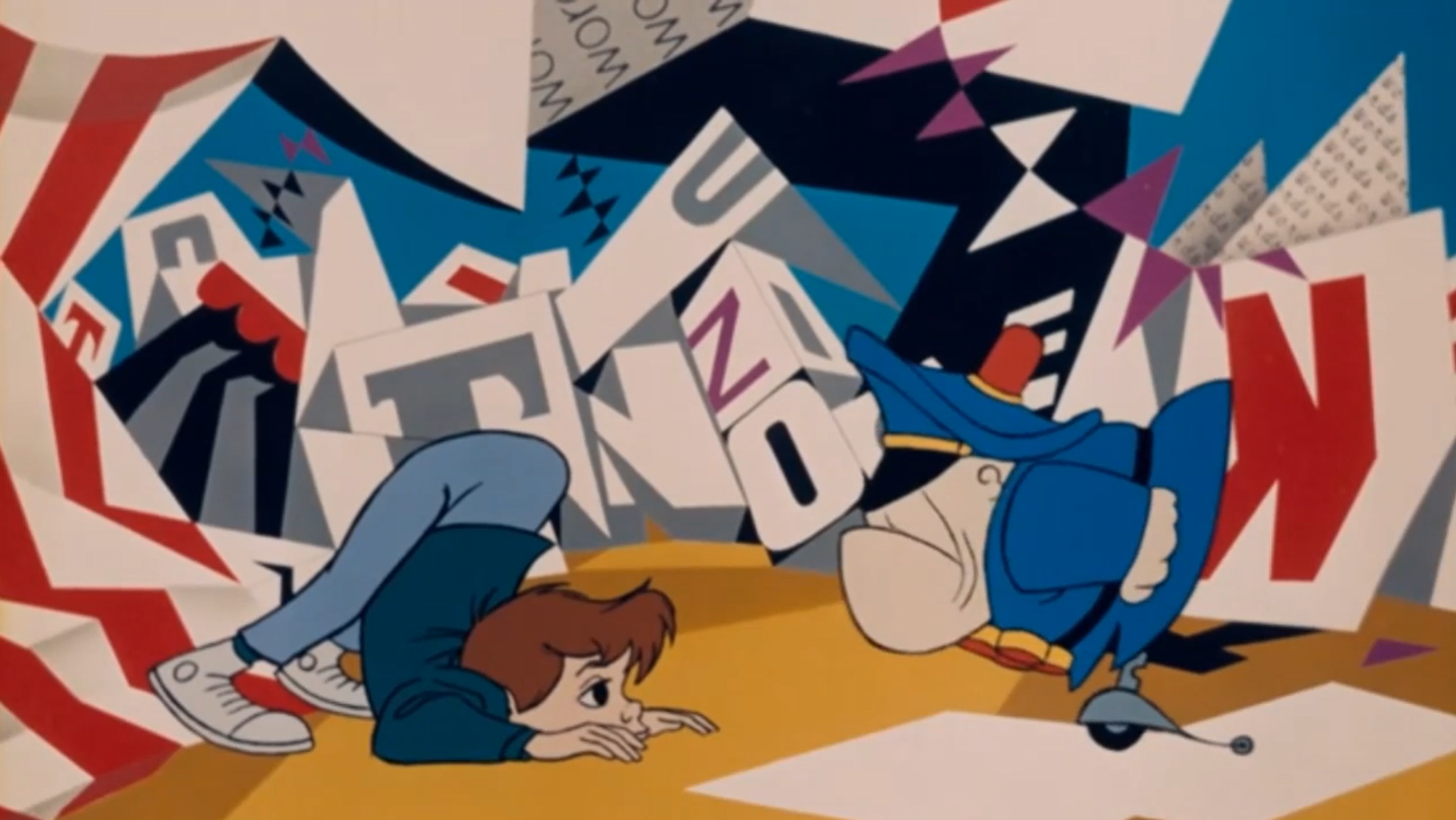
With that said, most adults will watch this film for its animation rather than its story or songs — and, despite some noticeable missteps (Tick Tock the Watch Dog is particularly disappointing), there are many creative sequences. I especially like Jones’ visualization of The Doldrums, and his many amusing wordplays. Also enjoyable are the live action sequences which bookend the film; Butch Patrick is a natural, believable child actor, and his bodily presence is missed once the animation begins. Ultimately, however, The Phantom Tollbooth remains more of a curiosity than a classic, and is noteworthy primarily for its historical importance as Jones’ only feature film.

Redeeming Qualities and Moments:

  • Butch Patrick as the live-action Milo
  • Countless creative visualizations of verbal puns (a “senses taker”, “eating one’s words”, etc.)
  • The animated “doldroms”
  • Endlessly clever and creative imagery


Must See?
Yes. As Chuck Jones’ only animated feature, all film fanatics will certainly want to check this one out.

Categories

  • Important Director

Links:

Lodger, The (1944)

Lodger, The (1944)

“I enjoy the streets at night — when they are empty.”

Synopsis:
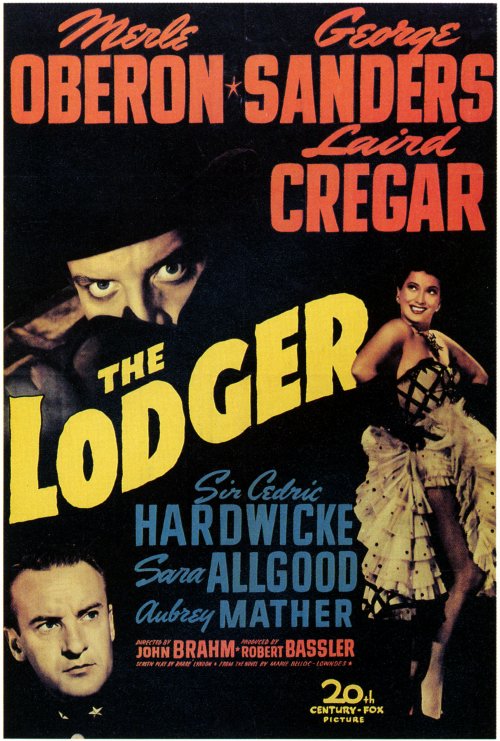
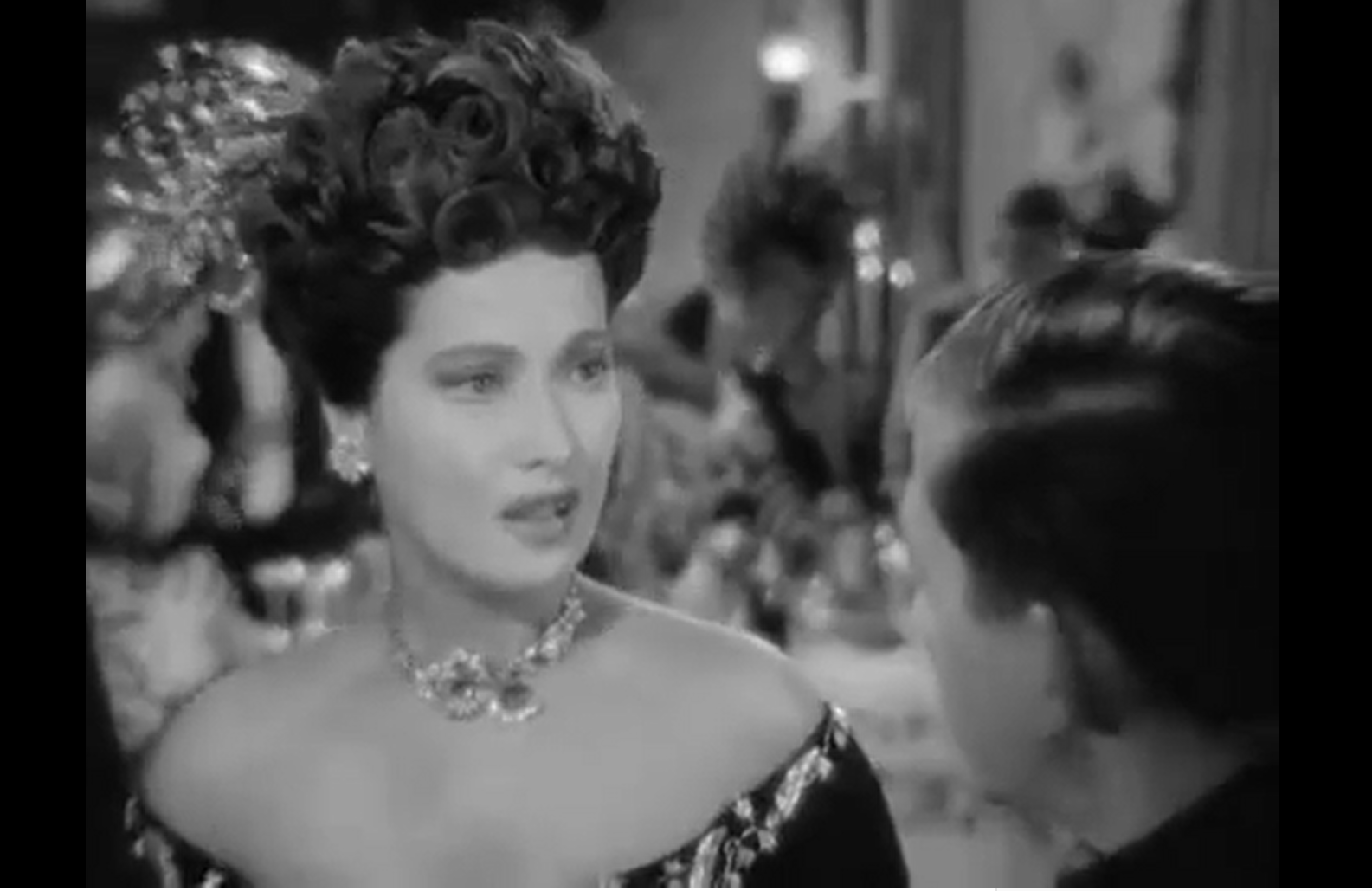
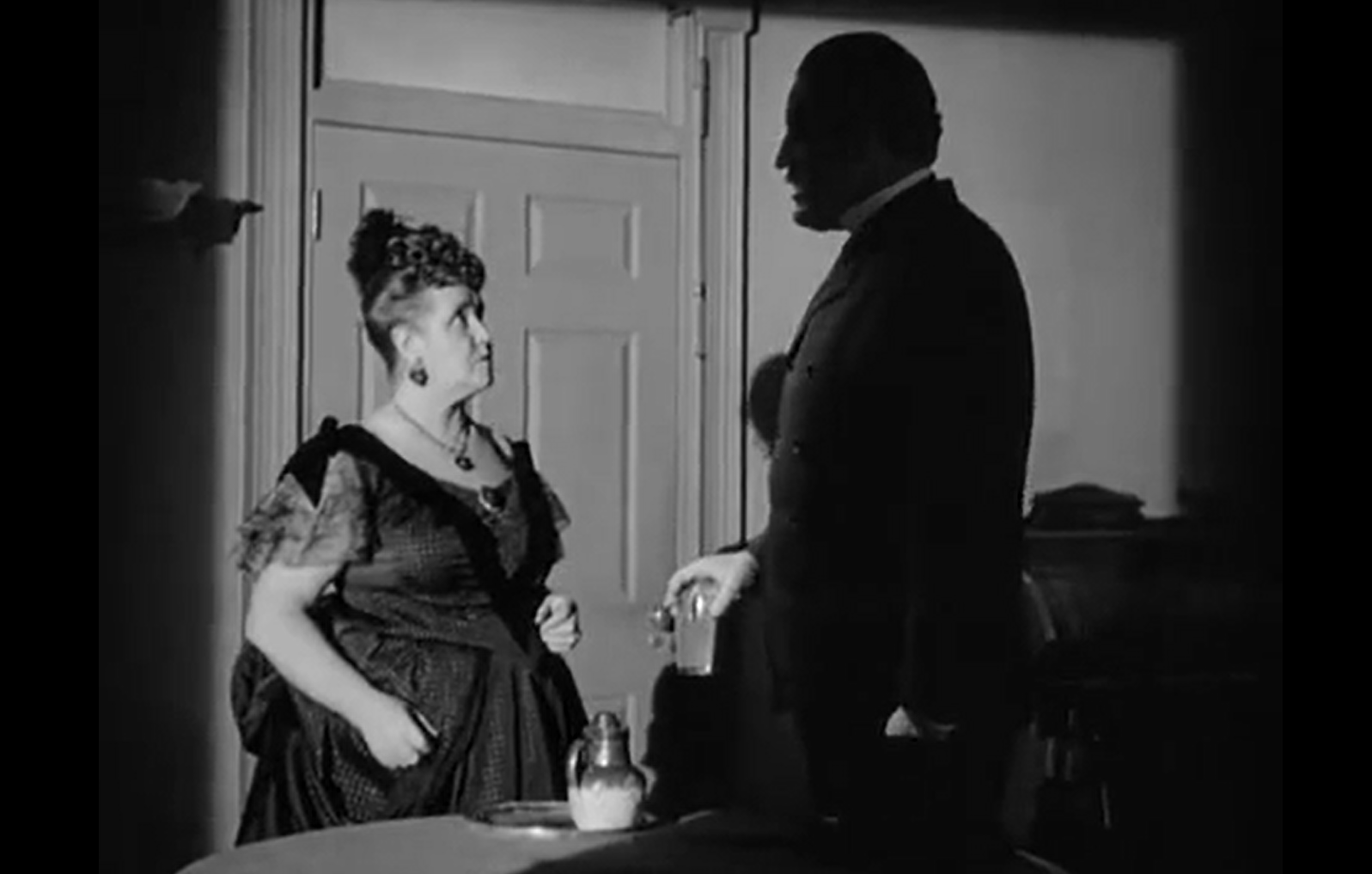
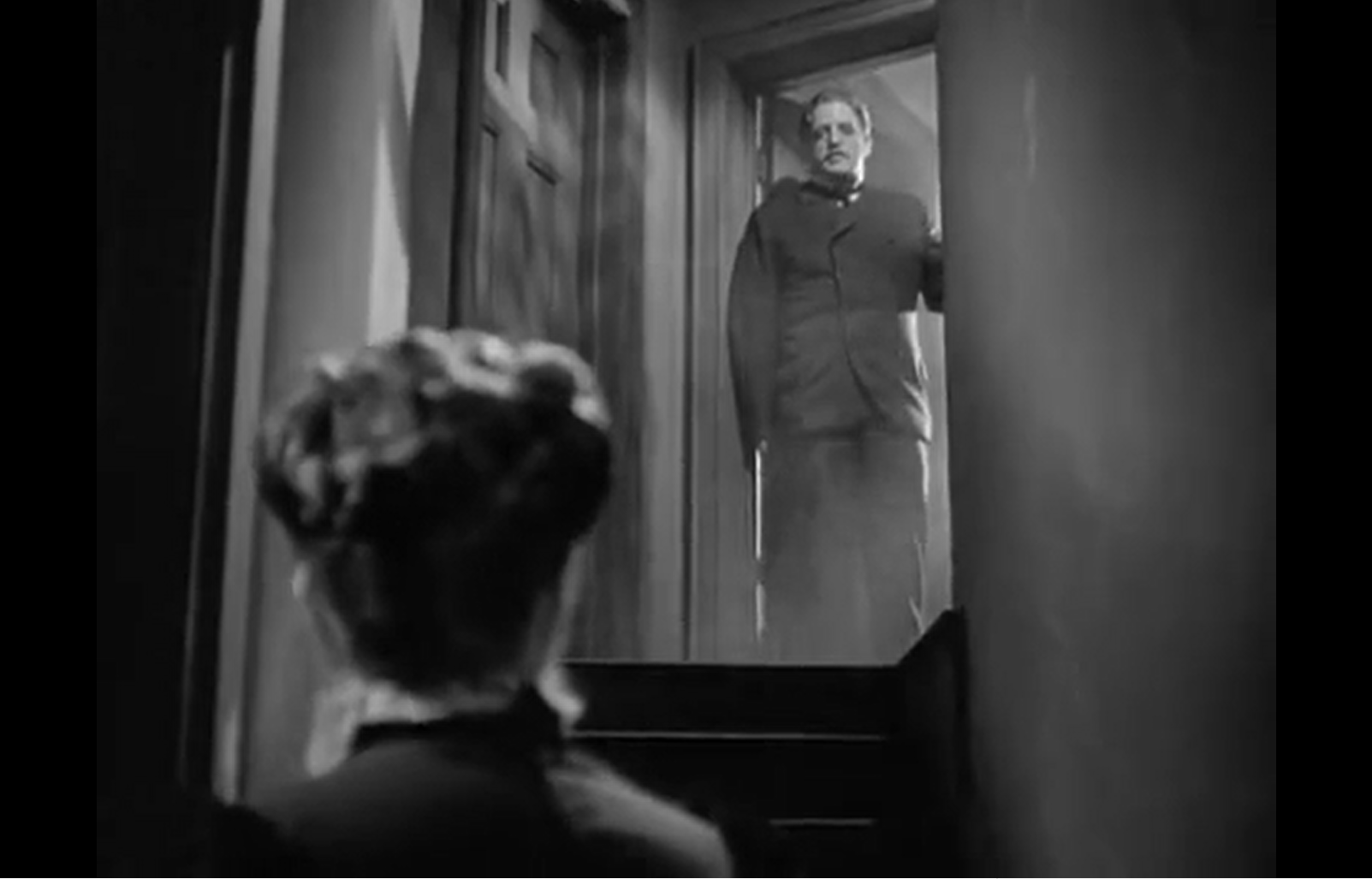
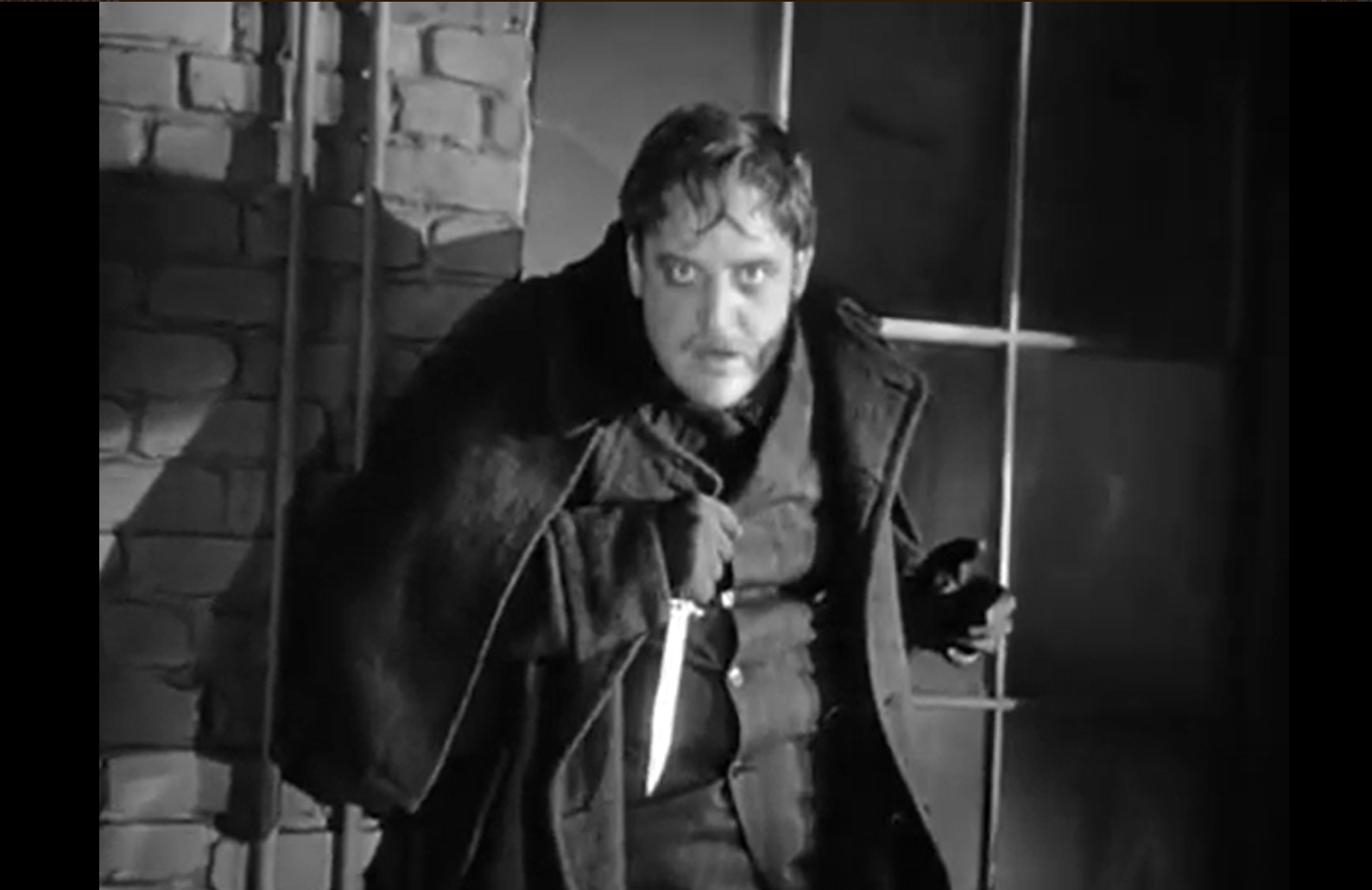
While Jack the Ripper prowls the streets of London, a mysterious lodger named Slade (Laird Cregar) comes to stay in the house of Ellen and Robert Burton (Sara Allgood and Cedric Hardwicke) and their actress-niece, Kitty (Merle Oberon). As Slade’s behavior becomes increasingly suspicious, Ellen begins to fear that Kitty’s life is in danger; meanwhile, a police detective (George Sanders) searches for clues to the killer’s identity.

Genres, Themes, Actors, and Directors:

  • Detectives and Private Eyes
  • George Sanders Films
  • Jack the Ripper
  • Laird Cregar Films
  • Merle Oberon Films
  • Murder Mystery
  • Serial Killers

Response to Peary’s Review:
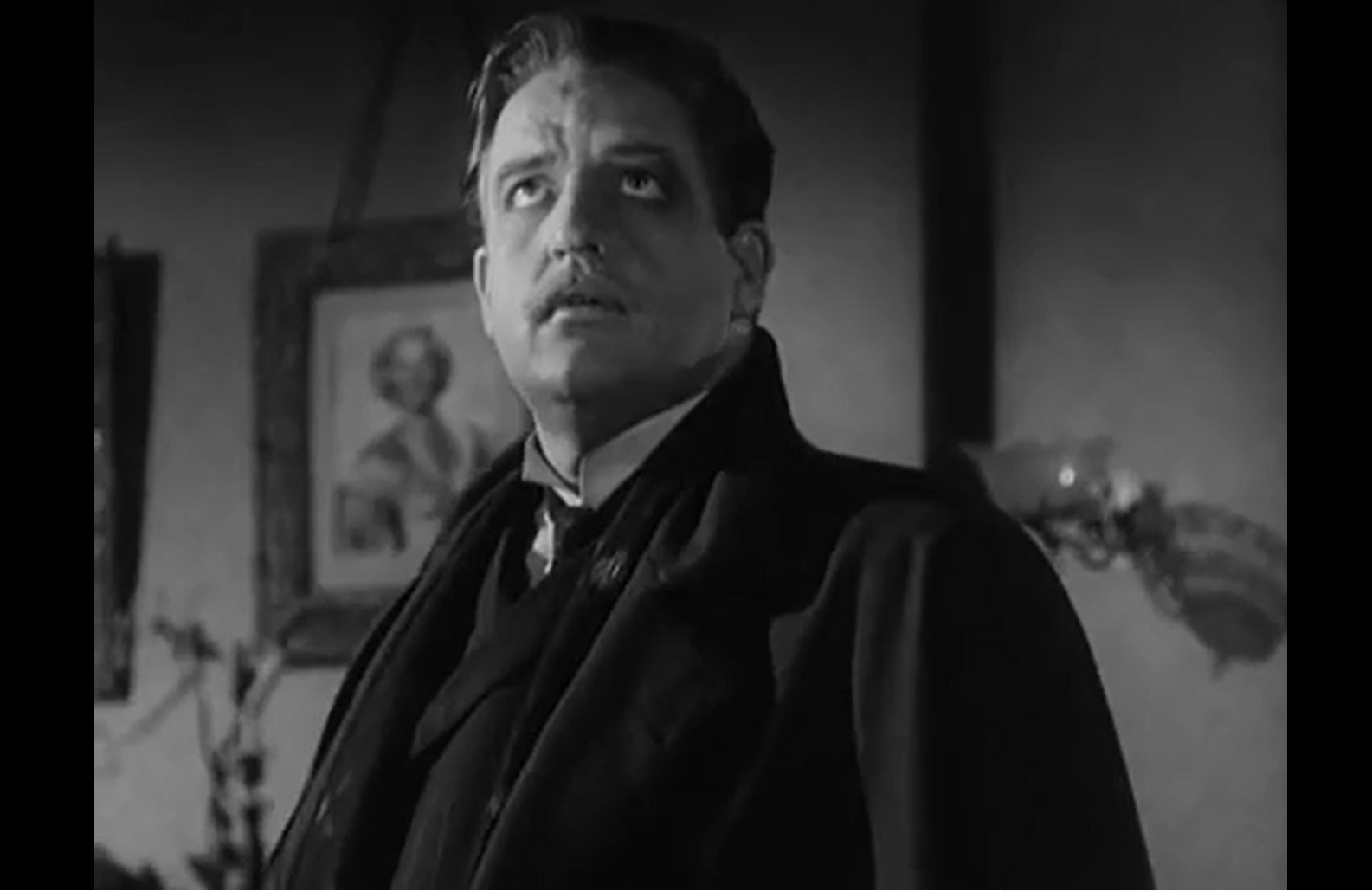
As Peary notes, this remake of Alfred Hitchcock’s silent thriller benefits from “first-rate” acting (especially by Cregar, in his definitive role), “solid dialogue”, “fine bit parts”, “exciting scenes”, and “atmospheric direction” by John Brahm. Although it’s based on the unsolved Jack the Ripper killings which plagued turn-of-the-century London, the Ripper’s actual victims (prostitutes in real life) have been turned into actresses here; indeed, the infamous killings seem more like an atmospheric plot device than anything else, since, as Peary notes, “we’re never given 100% proof that [Cregar] is the one and only Ripper”, thus leaving things open to interpretation. I’ll admit to a preference for Brahm, Cregar, and Sanders’ next outing together — the “even more stylized” Hangover Square (1945) — but The Lodger remains worthy, must-see viewing on its own merits.

Redeeming Qualities and Moments:

  • Laird Cregar as Slade; Peary nominates his performance here for an Alternate Oscar
  • Merle Oberon as Kitty
  • Sara Allgood as Cregar’s suspicious landlady
  • Atmospheric cinematography (by Lucien Ballard) and direction
  • The climactic denouement

Must See?
Yes, to see Laird Cregar in his definitive role.

Categories

  • Noteworthy Performance(s)

Links:

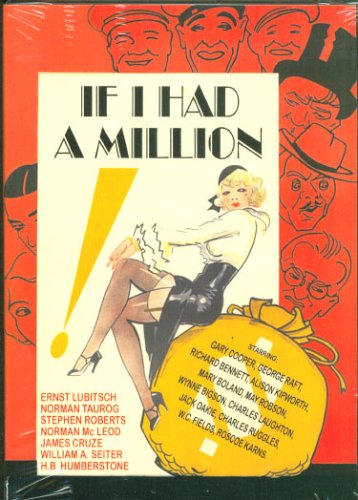
If I Had a Million (1932)

If I Had a Million (1932)

“I want to give somebody a chance at happiness. I don’t care who — I just want somebody to have something worthwhile out of what I spent my life to accumulate.”

Synopsis:
A dying tycoon (Richard Bennett) decides to give his money away — $1,000,000 at a time — to eight randomly selected names in the telephone book.

Genres, Themes, Actors, and Directors:

  • Charles Laughton Films
  • Episodic Films
  • Ernst Lubitsch Films
  • Frances Dee Films
  • Gary Cooper Films
  • George Raft Films
  • Henpecked Husbands
  • Millionaires
  • Revenge
  • W.C. Fields Films

Response to Peary’s Review:
As Peary notes, fans of “The Millionaire” TV series — or anyone fascinated by the lives of lottery winners — will doubtless enjoy this episodic film, directed by seven different men (including Ernst Lubitsch), and starring a host of Paramount’s most famous actors (Gary Cooper, W.C. Fields, George Raft, Charles Laughton, and more). As with any episodic film, some vignettes are more appealing than others; Peary correctly points out that “you’ll like best the three episodes in which [money can buy happiness]”, and be frustrated by those in which it can’t. Indeed, the most satisfying episodes are, as Peary notes, those in which “the money allows previously powerless people to put authoritarian figures in their place.” It’s a sign of the film’s appeal that, by the end, you feel sad that Bennett only selected eight names instead of more.

Redeeming Qualities and Moments:

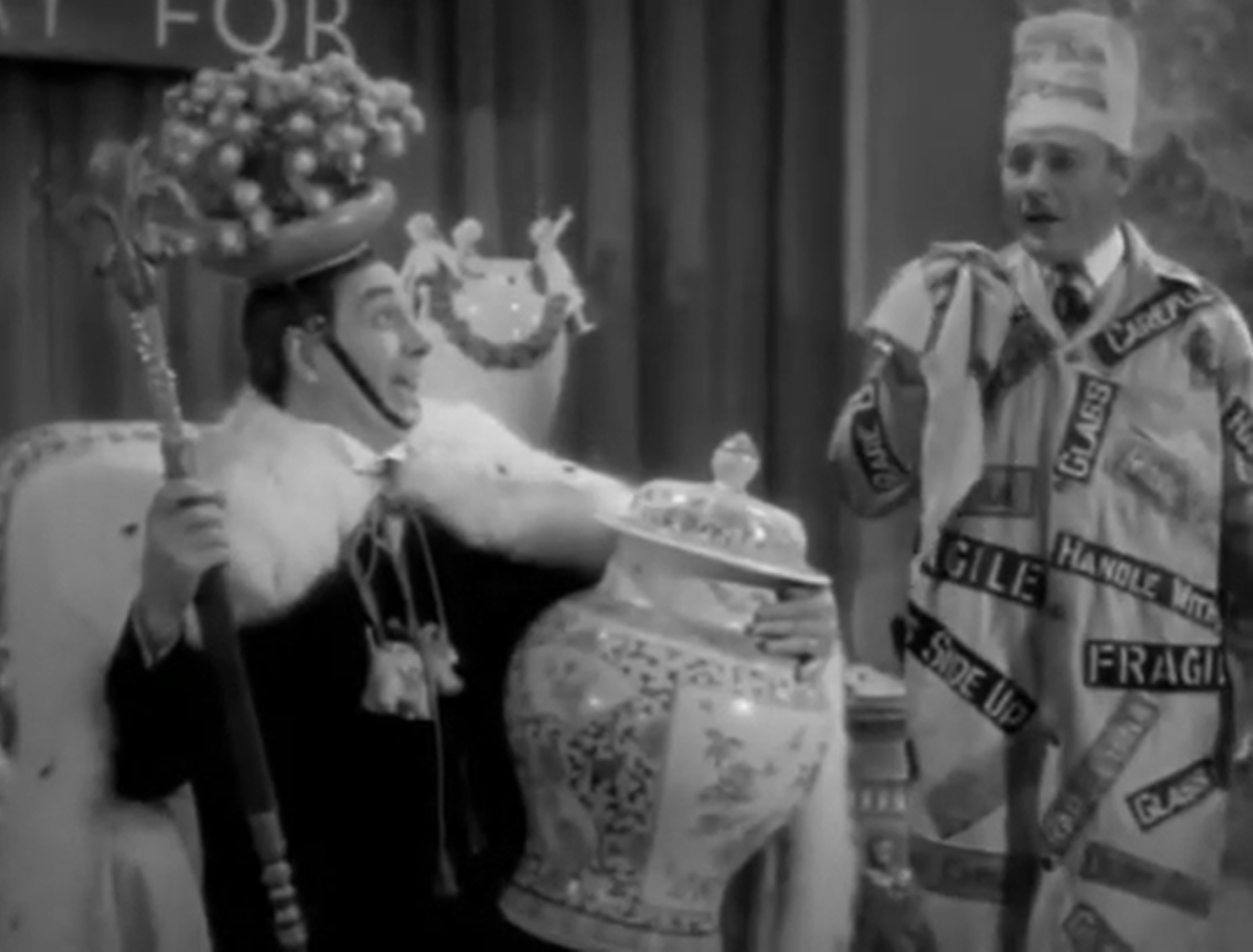
  • Henpecked Charles Ruggles’ nightmarish dreams in the china shop
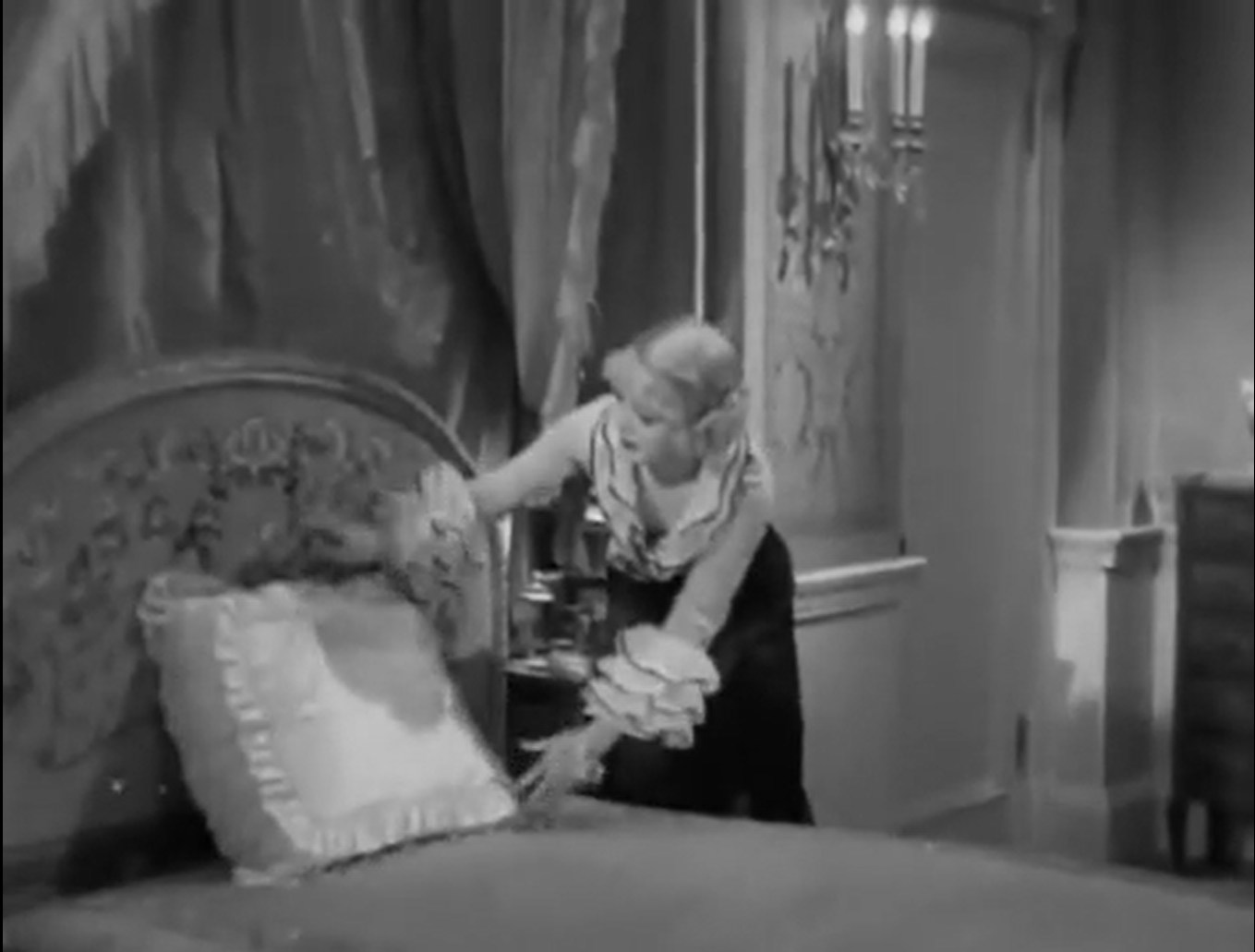
  • Prostitute Wynne Gibson happily settling down for the night with ONE pillow
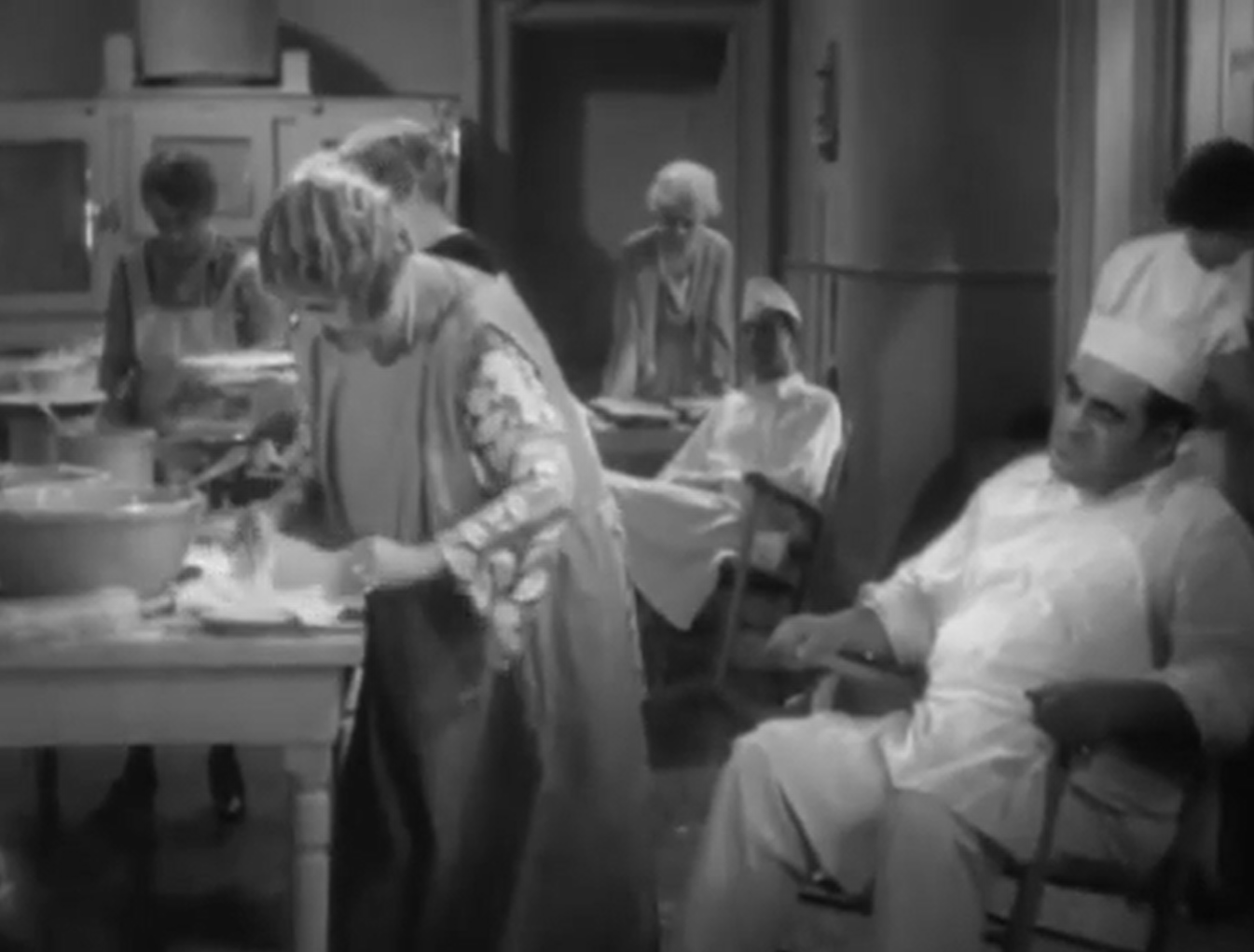
  • An elderly woman (May Robson) changing her oppressive group home into a fun-loving club
  • Charles Laughton in the film’s shortest, but perhaps most satisfying, vignette
  • W.C. Fields and Alison Skipworth taking revenge on “road hogs”

Must See?
No, but it’s recommended, if you can locate a copy.

Links:

How to Marry a Millionaire (1953)

How to Marry a Millionaire (1953)

“Most women use more brains picking a horse in the third at Belmont than they do picking a husband.”

Synopsis:
Three golddigging models (Lauren Bacall, Marilyn Monroe, and Betty Grable) share a chic-chic apartment in New York, in hopes of snaring millionaire husbands.

Genres, Themes, Actors, and Directors:

  • Betty Grable Films
  • Cameron Mitchell Films
  • Dumb Blondes
  • Gold Diggers
  • Jean Negulesco Films
  • Lauren Bacall Films
  • Marilyn Monroe Films
  • Millionaires
  • Mistaken or Hidden Identities
  • Models
  • Romantic Comedy
  • William Powell Films

Response to Peary’s Review:
This remake of 1932’s The Greeks Had a Word for Them was meant to capitalize on Marilyn Monroe’s popular turn as “dumb blonde” Lorelei Lee in Gentlemen Prefer Blondes (released earlier that same year). While Monroe’s performance here as “the hopelessly nearsighted bubblehead who won’t wear glasses around men” remains the most enjoyable in the film, Bacall and Grable do fine as well — and I disagree with Peary that Grable comes across as “annoying” (indeed, she’s responsible for some of the funniest moments in the film). I also disagree with Peary that the movie “chastises golddigging women” while presenting it as “perfectly acceptable for men to chase women because they’re pretty” — this is actually an equal-opportunity critique of the tricky interplay between romance and money; indeed, William Powell as an older man who loves gold-digging Bacall but is hesitant to marry her (he gives a “characteristically classy performance”) is evidence of this. Ultimately, while How to Marry a Millionaire may be, as Peary notes, simply “pleasant fluff”, it remains a worthy, must-see film.

Redeeming Qualities and Moments:

  • Marilyn Monroe’s delightful performance as the nearly-blind Pola: “Men aren’t attentive to girls who wear glasses!”
  • Betty Grable as upbeat “Loco”
  • Lauren Bacall as the uber-rational Schatze
  • Cameron Mitchell as Tom Brookman, a deceptively wealthy man in pursuit of Bacall
  • William Powell as Bacall’s would-be older suitor
  • Grable and her married escort (Fred Clark) discovering their divergent interpretations of the word “lodge”
  • Monroe’s initial encounters with Alexander D’Arcy (the original occupant of their apartment)
  • Fun camarederie between the three golddigging friends

Must See?
Yes. While not entirely successful, this film holds historical importance as one of the first CinemaScope pictures, and should be seen by every film fanatic.

Categories

  • Historically Relevant
  • Noteworthy Performance(s)

Links: