Browsed by
Category: Original Reviews

Responses to Peary’s “must see” movie reviews, as well as my own “must see” movie reviews up to and after 1986 (when Peary’s book was published).

Hired Hand, The (1971)

Hired Hand, The (1971)

“Most people who work for the Widow Collings get paid in more than cash and keep.”

Synopsis:
When three men — Harry (Peter Fonda), Arch (Warren Oates) and Dan (Robert Pratt) — stop in a small town on their way west, unexpected violence occurs with one of its citizens (Severn Darden), leading to ongoing repurcussions once Harry and Arch arrive back at the homestead of Harry’s abandoned wife (Verna Bloom) and daughter (Megan Denver).

Genres, Themes, Actors, and Directors:

  • Friendship
  • Marital Problems
  • Peter Fonda Films
  • Revenge
  • Strong Females
  • Verna Bloom Films
  • Warren Oates Films
  • Westerns

Review:
Peter Fonda’s studio-financed follow-up to Easy Rider (1969) was helming and starring in this highly artsy, slow-paced western with a haunting score and dreamy cinematography by Vilmos Zsigmond. It’s difficult to know where things are going (literally) at first, as the film opens on three men wandering (we don’t know how they met or where they’ve been), and we learn that the youngest (Pratt) is interested in finally seeing the Pacific Ocean (though Fonda wants to head back home to his wife).

On their way, after an ominous experience while fishing (their line snags on something they don’t want to reel in), they have the misfortune of stopping by a small town run by bespectacled Darden, who appears innocuous but most certainly isn’t (looks are deceiving in this West).

From there, the bulk of the story focuses on Fonda’s tentative reuniting with Bloom, who has adapted over her years of solitude and isn’t exactly thrilled to welcome her roaming husband back, but is willing to give both him and Oates a try.

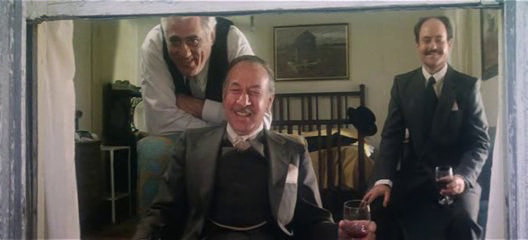
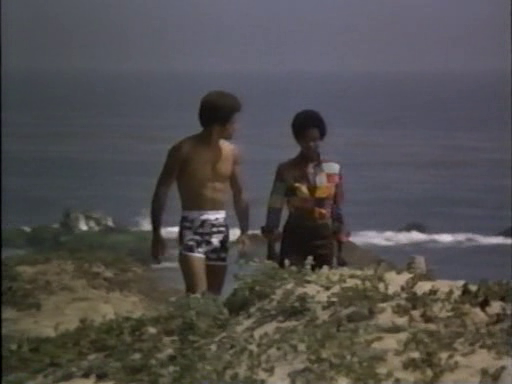
There are a couple of unexpectedly violent and bloody sequences, and revenge definitely plays a huge role in this western tale — but even more notable are the look of the film (plenty of slo-mo and double exposure are used throughout):

… and folk musician Bruce Langhorne’s highly eclectic score (utilizing sitar, fiddle, and banjo), which impresses and intrigues from the opening moments; I liked it enough that I’ll be giving it another listen on its own.

Notable Performances, Qualities, and Moments:

  • Verna Bloom as Hannah Collings
  • Warren Oates as Arch Harris
  • Creative direction by Fonda and editing by Frank Mazzola
  • Vilmos Zsigmond’s cinematography
  • A highly unique (if overly varied) score by Bruce Langhorne

Must See?
No, but it’s recommended. Listed as a Cult Movie in the back of Peary’s book.

(Listed in 1001 Movies You Must See Before You Die)

Links:

Saturday Night Fever (1977)

Saturday Night Fever (1977)

“You make it with some of these chicks, they think you gotta dance with them.”

Synopsis:
When a teen (John Travolta) in Brooklyn falls for a beautiful dancer (Karen Lynn Gorney) he sees in a local discotheque, he begins pursuing her both as a dance partner and a romantic partner.

Genres, Themes, Actors, and Directors:

  • Class Relations
  • Dancers
  • John Travolta Films
  • New York City
  • Social Climbers
  • Womanizers

Response to Peary’s Review:
As Peary writes, “John Travolta danced the disco beat to instant superstardom in this smash hit” in which he “plays 19-year-old Tony, who lives in a lower-middle-class Catholic neighborhood in Brooklyn” and on “Saturday nights” is “top dog at the local disco.”
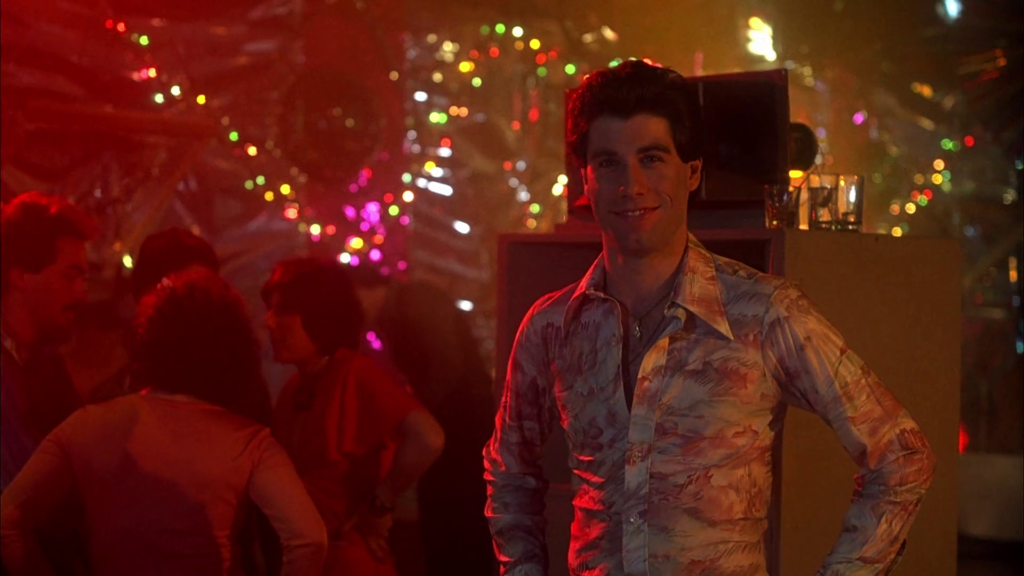
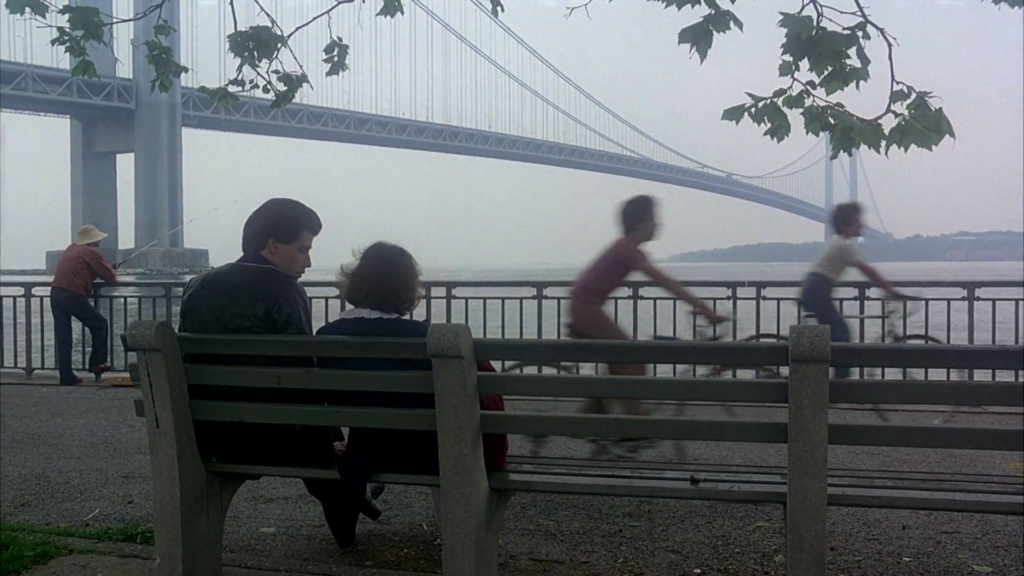
Indeed, “dancing gives him his only fulfillment” — though “he senses that it can’t last forever,” and “across the bridge is Manhattan — the promised land.”

Peary asserts that the movie’s theme “is that every person has the talent to ‘make it,’ to escape the neighborhood where there are no opportunities; all anyone needs is drive and opportunities” — and for “Travolta and Gorney, opposites who get serious about each other,” the “disco’s upcoming dance context [is] their springboard to the big time.”
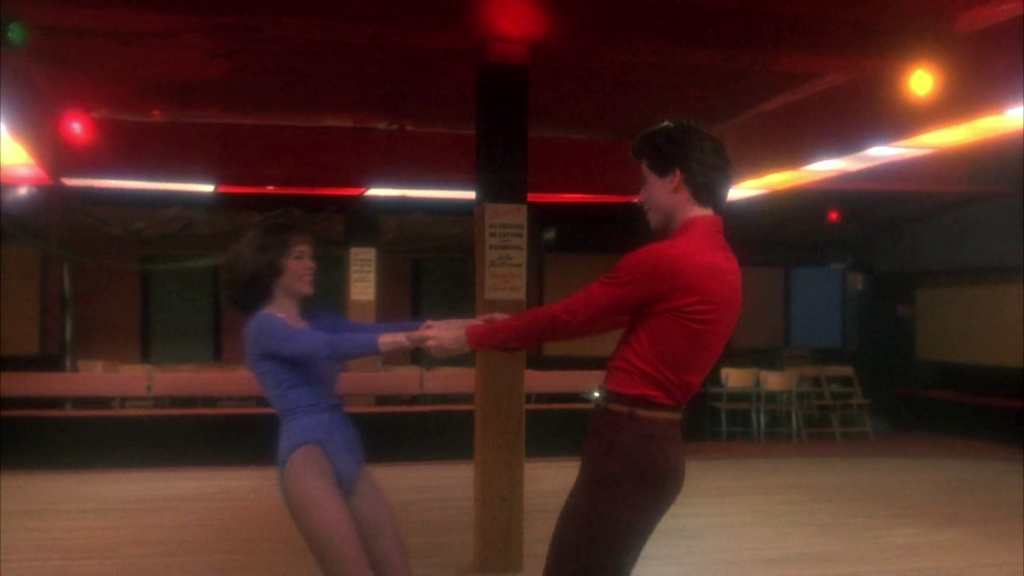
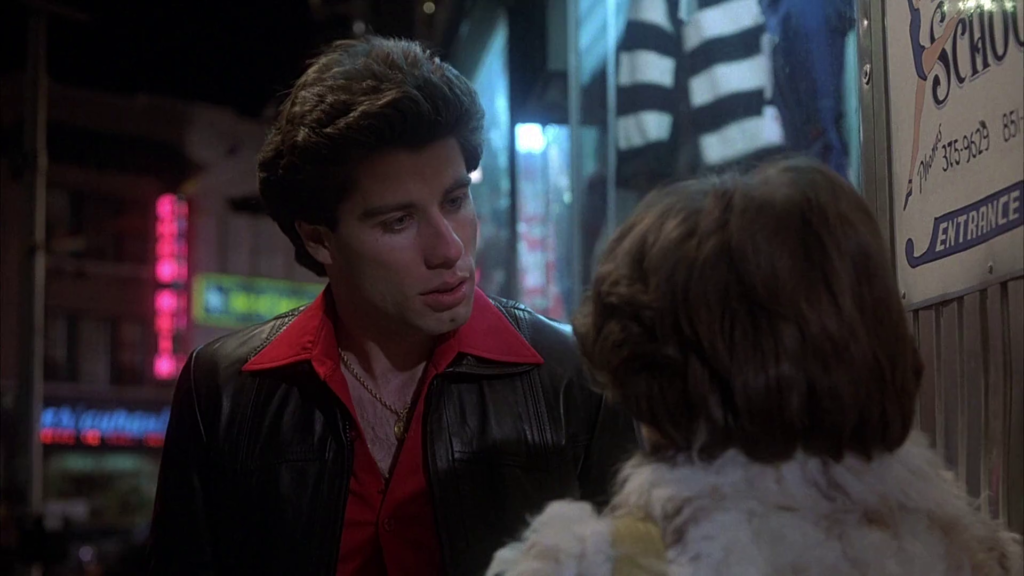
Unfortunately, the “film is shallow,” but Peary argues that “Travolta is electrifying, whether getting dressed in his room, wiggling down the street:
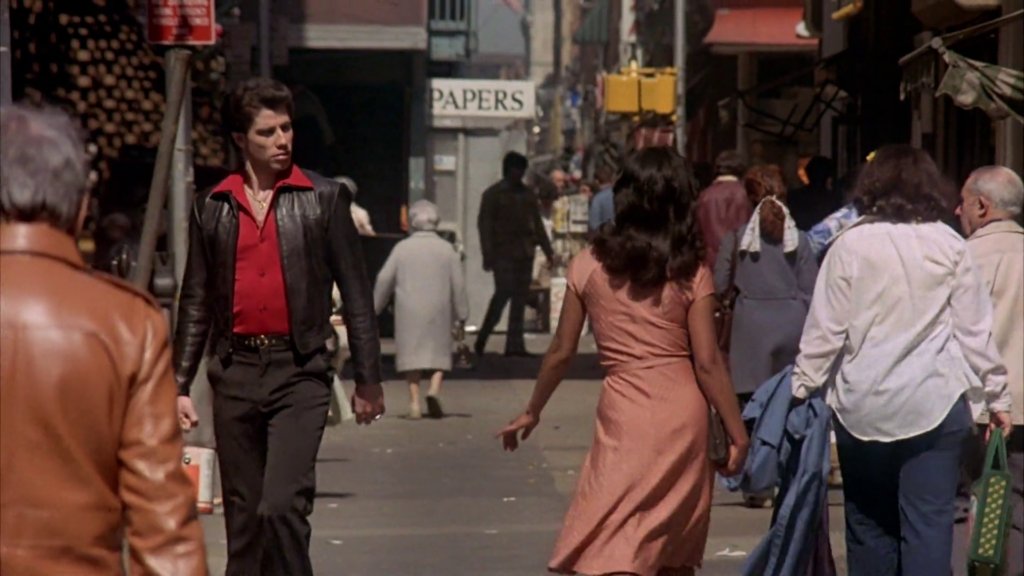
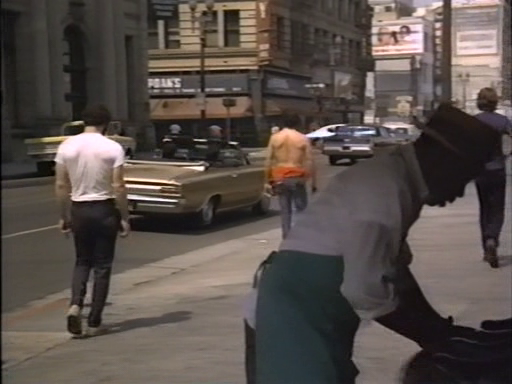
… trying desperately to express himself in conversation, making love, or, of course, putting on an amazing display on the dance floor.” He adds that the “disco score, featuring popular Bee Gees songs, is super,” and points out that the film is “stylishly, feverishly directed by John Badham, who isn’t ashamed to explore Travolta’s sexual appeal.”

Peary elaborates on Travolta’s breakthrough big-screen performance in Alternate Oscars, where he names him Best Actor of the Year and writes: “There was doubt that Travolta could make the transition from television, where he’d built up a following as Vinnie Barbarino in the high school comedy Welcome Back, Kotter.” However, “in his first movie lead (he’d been funny in a secondary role in Carrie) he became the sensation of the year, a magazine cover boy and sex symbol.” He points out that Travolta — who is “captivating” — is “great out on the dance floor, making sexual moves to the Bee Gees that have the females in the 2001 [Club] sighing:
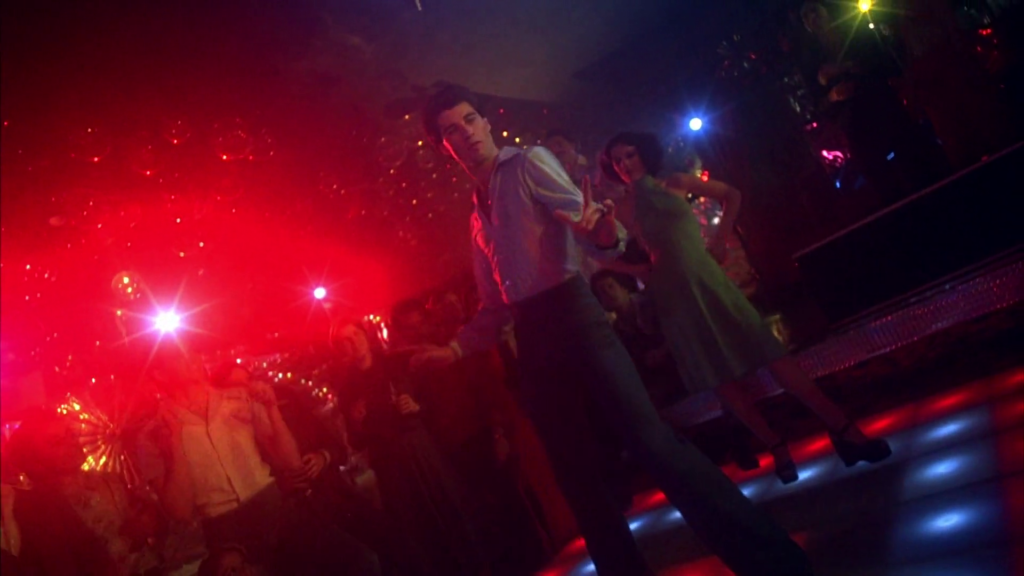
… but he’s just as much fun to watch while strutting down the street as if he knows everyone is watching, or gazing at himself in the mirror — a moment of narcissism for a young boy without much self-esteem.”
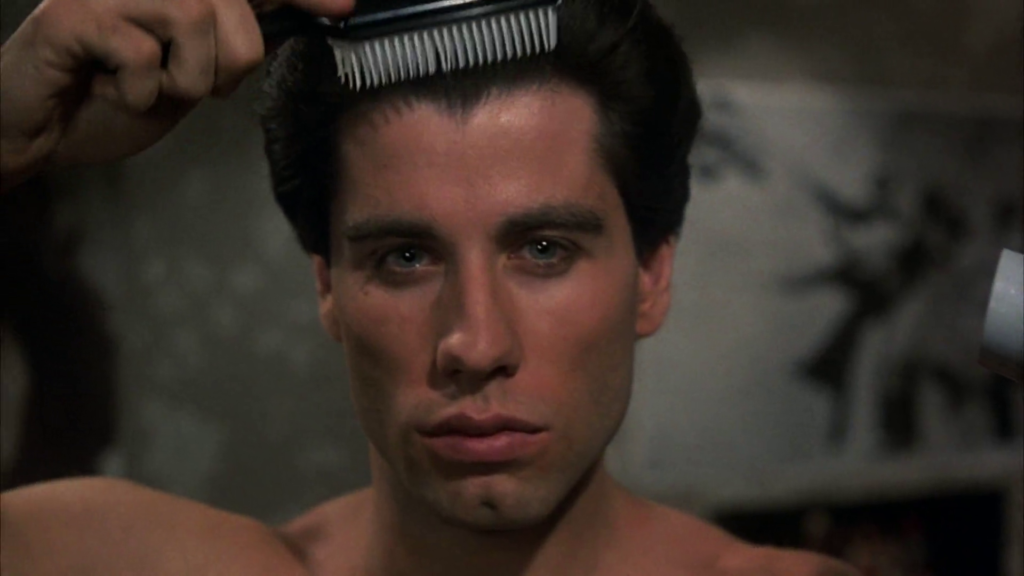
He highlights how Travolta “has sweet, puppy-dog eyes, a sheepish face, and a delivery that starts out aggressive but ends up sounding hurt or defensive, as if he expects to be put down”; and he smiles “appreciatively if he gets a compliment, as when his boss gives him a raise:
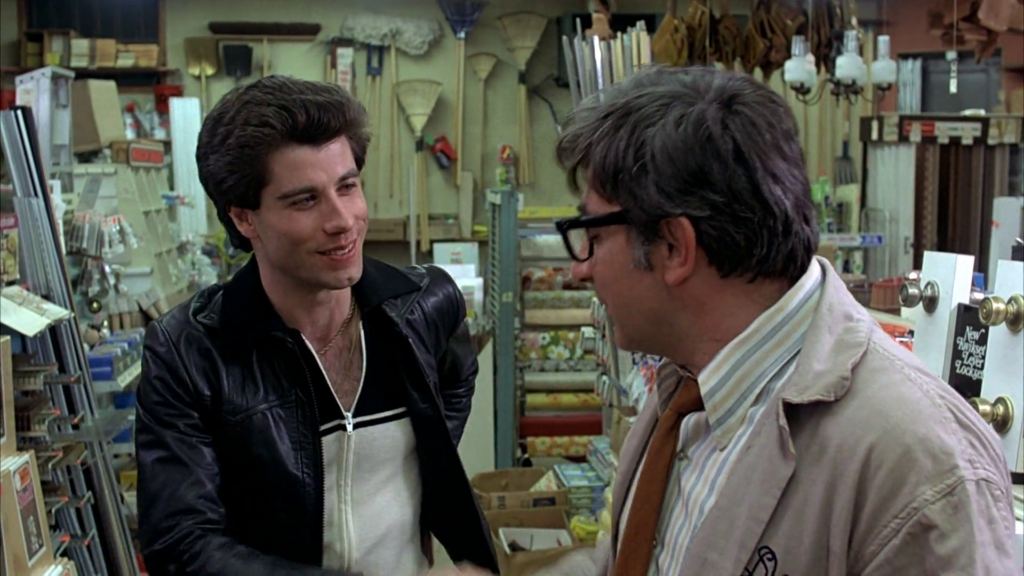
… and when Stephanie [Gorley] admits he’s interesting and even intelligent.”

In his review for DVD Talk, Stuart Galbraith IV argues that:

The movie benefits from an almost classical script rich in characterizations. I was impressed by how in the movie tells us so much about Tony in just the first two minutes. Before the end of the first reel the audience learns Tony: likes to chase women, is a kind and thoughtful brother, is trusting and kind-hearted to strangers, thinks fast on his feet, and is popular in his neighborhood. The posters in his bedroom say it all — on the walls are Bruce Lee, Farrah-Fawcett, Rocky, and Al Pacino (as Serpico).
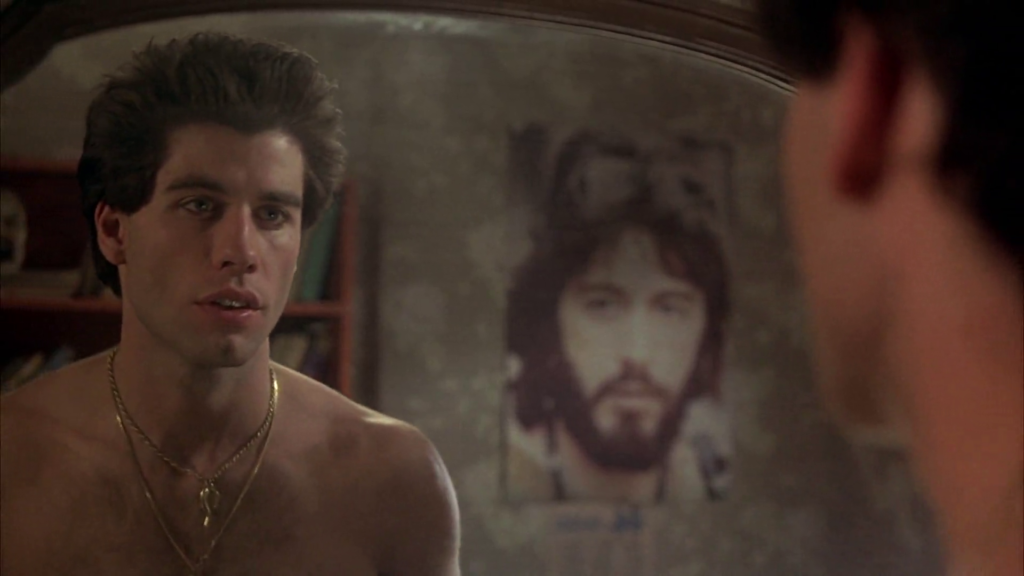
Interestingly, in the original magazine article upon which this script was based — later acknowledged by the author to be made up — the lead character (here named Vincent) daydreams explicitly of disturbing violence.

… Whenever he gazed into the mirror, it was always Pacino who gazed back. A killer, and a star. Heroic in reflection. Then Vincent would take another breath, the deepest he could manage; would make his face, his whole body, go still; would blink three times to free his imagination, and he would start to count.

Silently, as slowly as possible, he would go from one to a hundred. It was now, while he counted, that he thought about death.

Mostly he thought about guns. On certain occasions, if he felt that he was getting stale, he might also dwell on knives, on karate chops and flying kung fu kicks, even on laser beams. But always, in the last resort, he came back to bullets.

Fortunately, this isn’t how Tony is portrayed on-screen — though his buddies’ crude and immature behavior is often challenging to watch, as is Tony’s rejection of his original dance partner (Donna Pescow), who is eventually subjected to highly disturbing treatment.
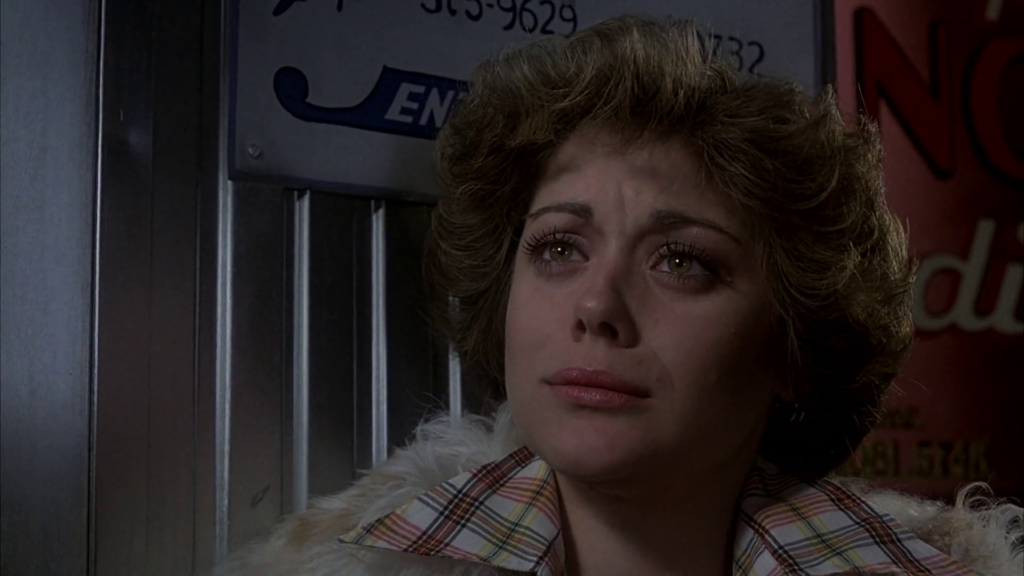
Indeed, women aren’t exactly portrayed in the best light in this film. While Gorney — who Peary claims “can’t act” — refreshingly stands up for herself time and again, she’s referred to repeatedly as “practicing to be a bitch” and is given a hard time for being a “social climber.” Other young women (i.e., Denny Dillon’s “Doreen”) clamor to dance with, sleep with, or simply be nearby Tony:
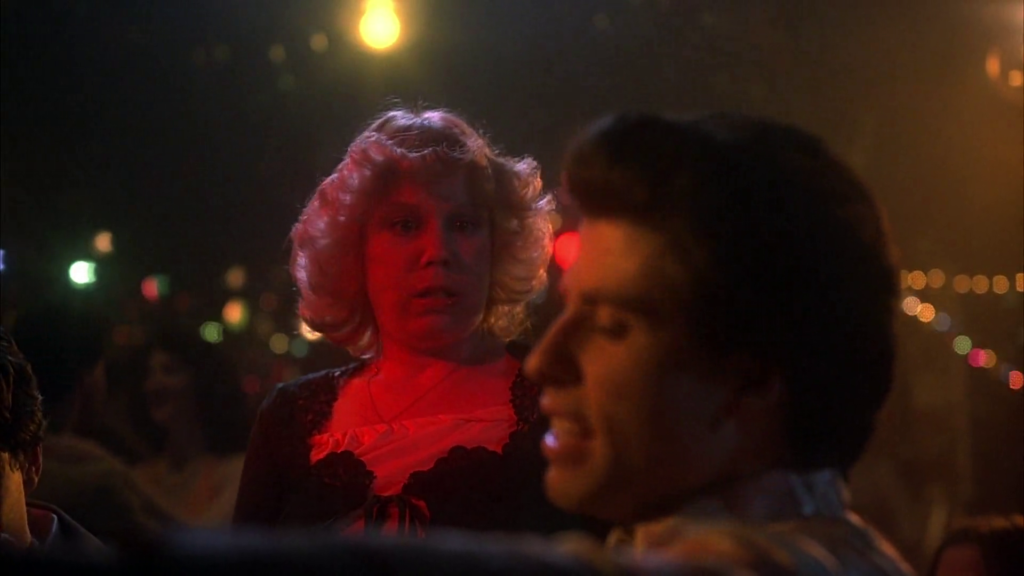
… while the women back at home (Tony’s mother and grandmother) merely fuss over food or show deep distress when Tony’s priestly brother (Martin Shakar) has a career crisis.
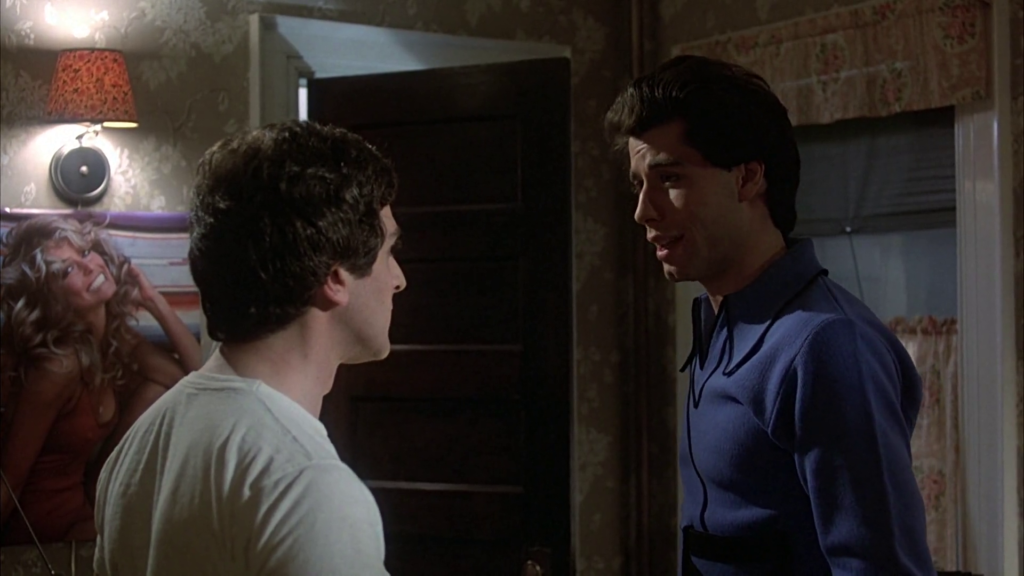
Another subplot — involving neurotic Bobby (Barry Miller), who has gotten his girlfriend pregnant and is seeking advice from everyone around him on what to do — is intentionally meant to mirror James Dean and Sal Mineo’s relationship in Rebel Without a Cause (1955), though in a less nuanced and more distributed way.
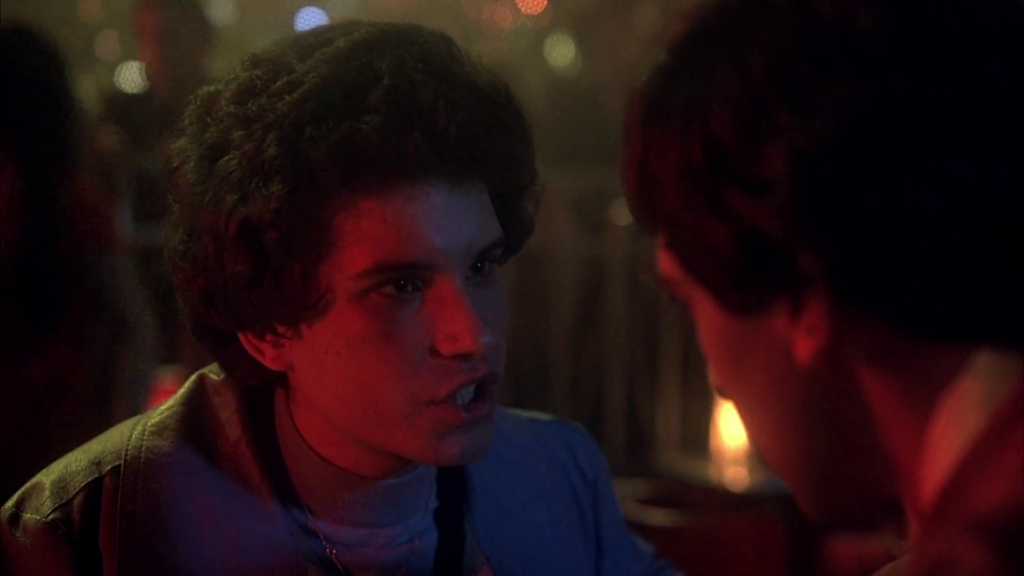
Ultimately, Saturday Night Live is a film to watch for Travolta’s dynamic performance and as a snapshot of a certain era — not because of any particularly profound insights it offers into the human condition. Be forewarned that you will get “Night Fever” stuck in your head for hours (if not days) after watching this flick.

Notable Performances, Qualities, and Moments:

  • John Travolta as Tony
  • Excellent use of location shooting across the city
  • The Bee Gees’ iconic score

Must See?
Yes, for Travolta’s performance and its historical significance.

Categories

  • Historically Relevant
  • Noteworthy Performance(s)

(Listed in 1001 Movies You Must See Before You Die)

Links:

Patton (1970)

Patton (1970)

“They’ll lose their fear of the Germans; I hope to God they’ll never lose their fear of me.”

Synopsis:
During World War II, controversial General George S. Patton (George C. Scott) puts his career in jeopardy by refusing to tone down his strong beliefs and provocative behavior.

Genres, Themes, Actors, and Directors:

  • Biopics
  • George C. Scott Films
  • Karl Malden Films
  • Military
  • Nonconformists
  • Ruthless Leaders
  • World War II

Review:
Peary doesn’t review 1970’s Best Picture Winner in GFTFF, but he does discuss it in Alternate Oscars, where he notes that it “was geared to be, politically speaking, a middle-of-the-road film that wouldn’t offend anyone, and it was rewarded with across-the-board popularity.” Indeed, it became “a favorite movie of the hawkish presidents and military men, who jotted down every quote the aggressive general uttered about the nature of war and the responsibilities of the officers and soldiers who fought it.” He adds that “those who insisted the Vietnam War was being lost because sound military strategy was being compromised by diplomacy, discovered in this film the historical figure they wanted our generals to emulate.”

Peary asserts that “Patton was appealingly presented as a nonconformist within the military, a poet and historian who often speaks his mind against authority figures” — and he points out that “any time Patton says something that might have raised the ire of college-age viewers, [co-screenwriters Francis Ford] Coppola and Edmund H. North wisely have Karl Malden’s Omar Bradley counter with a more reasoned statement, as if he and not Patton represented the thinking of the filmmakers.”

Peary concedes that “Patton contains a great performance by Scott and holds up fairly well as a biography and as a war movie” — but he points out that:

“Under close scrutiny you’ll notice that this film has a flimsy structure with five or six basic scenes that are repeated over and over in different settings, as the war progresses. Repeatedly, Patton startles officers with his idiosyncracies, frightens soldiers with his discipline, shows (when his guard is down) that he really cares about the men who serve under him, gets into trouble for being outspoken, and so on.”

He asserts it’s “also annoying… that every time Coppola and North want us to know what a military genius Patton is, we cut to German headquarters, where we hear their top brass exalting him.”

I’m not as irritated by the structure of the film as Peary is, given that it shows the actual — albeit inevitably fictionalized — arc of this real-life general’s career, which likely did flow somewhat like this; and it feels relevant to highlight how highly German enemies thought of him given his rocky reception back at home.

In terms of Scott, Peary points out that his “tour-de-force performance… overwhelmed everyone in 1970” and “his blunt, imposing opening speech in front of a huge American flag became an instant classic — he could have stopped right then and won the Oscar.”

He adds, “It leads me to believe Scott would have been even more effective in a one-man show about Patton, because the other characters and repetitive scenes and conversations got in the actor’s way. Still, for giving one of the cinema’s most forceful and memorable characterizations of an historical figure, he certainly was worthy of the award the Academy wanted to give him.” However, Peary himself gives the Alternate Oscar to Jack Nicholson in Five Easy Pieces (1970), which he also names as the Best Picture of the Year.

Note: An interesting bit of trivia is that “this was one of the few Oscar-nominated major films without a single female actor listed in the credits. There are only 3 lines of female dialogue in the film (during Patton’s PR appearances in England.)” Ouch.

Notable Performances, Qualities, and Moments:

  • George C. Scott as Patton
  • Fine cinematography

  • Jerry Goldsmith’s score

Must See?
Yes, for Scott’s bravura performance and as an Oscar winner.

Categories

  • Noteworthy Performance(s)
  • Oscar Winner or Nominee

(Listed in 1001 Movies You Must See Before You Die)

Links:

Breaking Away (1979)

Breaking Away (1979)

“He was as normal as pumpkin pie — and now look at him!”

Synopsis:
A small town teenager (Dennis Christopher) obsessed with bicycle racing and Italy hangs out with his buddies — Mike (Dennis Quaid), Cyril (Daniel Stern), and Moocher (Jackie Earle Haley) — while flirting with a beautiful college student (Robyn Douglass) and managing a rocky relationship with his car-salesman dad (Paul Dooley).

Genres, Themes, Actors, and Directors:

  • Class Relations
  • Coming of Age
  • Dennis Christopher Films
  • Dennis Quaid Films
  • Father and Child
  • Noncomformists
  • Peter Yates Films
  • Small Town America
  • Sports

Review:
Peter Yates directed this Oscar-nominated feel-good film (Steve Tesich won for best original screenplay) about class relations, friendship, identity, and father-son dynamics in Bloomington, Indiana. Featuring a memorable lead performance by Christopher as quirky high school grad Dave Stohler:

… whose adventures we get drawn into right away. Dave has huge (if naive) dreams, loyal (if confused) friends, and a frustrated (albeit loving) father who doesn’t hesitate to openly criticize his son.

Although some scenes are played for laughs, everything feels realistic here, from the quarry where the “cutters” (a.k.a. townies) go to swim:

… to the exciting closing bike race at Indiana University.

Barbara Barrie — so memorable many years earlier in One Potato, Two Potato (1964) — earned an Oscar nomination for her performance here as a supportive mother and wife who seems willing to put up with just about anything.

Equally noteworthy are Dennis Quaid, Daniel Stern, and Jackie Earle Haley (each with a highly distinctive personality) as Dave’s close friends; their unwavering support for one another is a refreshing throughline.

Notable Performances, Qualities, and Moments:

  • Dennis Christopher as Dave (nominated by Peary as one of the Best Actors of the Year in Alternate Oscars)
  • Jackie Earle Haley, Dennis Quaid, and Daniel Stern as Dave’s friends
  • Barbara Barrie as Evelyn Stohler
  • Paul Dooley as Ray Stohler
  • Fine location shooting in Bloomington, Indiana

Must See?
Yes, as a unique little film. Listed as a Personal Recommendation in the back of Peary’s book, and nominated as one of the three possible Best Pictures of the Year in Alternate Oscars.

Categories

  • Good Show
  • Oscar Winner or Nominee

(Listed in 1001 Movies You Must See Before You Die)

Links:

Getaway, The (1972)

Getaway, The (1972)

“We’ve come a lot of miles, but we’re not close to anything.”

Synopsis:
After making a deal with a corrupt parole officer (Ben Johnson) to help release her husband (Steve McQueen) from prison, a woman (Ali MacGraw) joins McQueen in conducting a required payback heist involving a double-crossing felon (Al Lettieri) who is nothing but bad news for all involved.

Genres, Themes, Actors, and Directors:

  • Ali MacGraw Films
  • Ben Johnson Films
  • Criminal Couples on the Run
  • Ex-Cons
  • Fugitives
  • Heists
  • Sam Peckinpah Films
  • Steve McQueen Films

Review:
Just after her star-making turn in Love Story (1970), Ali MacGraw was cast for her bankability as the lead in this heist-adventure flick, directed by Sam Peckinpah and based on a 1958 novel of the same name by Jim Thompson. Thankfully, the role suits her well, and she gives one of her best performances (though she didn’t think so). It’s easy to imagine this woman so in love with McQueen that she will do anything for and with him — and while there are significant plot twists related to what exactly this entails, it feels believable enough to stay engaged.

In addition to following the rocky travails of McQueen and MacGraw’s on-the-lam romance, we’re watching to see what will happen with a rogue henchman (Lettieri) who has captured the attention of a bored doctor’s wife he’s holding hostage (Sally Struthers).

Given that this is a Peckinpah film, viewers can expect plenty of stylized action and violence taking place across a range of settings — including (of course) a bank, a veterinarian’s office, a shady hotel, a train station, an electronics store, and a dump. If it’s hard to believe the characters can escape so many close calls with death, you’ll just have to suspend judgment.

Notable Performances, Qualities, and Moments:

  • Ali MacGraw as Carol McCoy
  • Al Lettieri as Rudy
  • Lucien Ballard’s cinematography
  • Quincy Jones’s score

Must See?
No, but it’s worth a look.

Links:

Missouri Breaks, The (1976)

Missouri Breaks, The (1976)

“Why don’t we just take a walk and we’ll just talk about the Wild West and how to get the hell out of it?”

Synopsis:
A rustler (Jack Nicholson) and his men seek revenge against a local rancher (John McLiam) who has hung one of their teammates, but must deal with an eccentric “regulator” (Marlon Brando) sent to take care of them.

Genres, Themes, Actors, and Directors:

  • Arthur Penn Films
  • Frederic Forrest Films
  • Harry Dean Stanton Films
  • Jack Nicholson Films
  • Marlon Brando Films
  • Outlaws
  • Ranchers
  • Randy Quaid Films
  • Westerns

Review:
Titled after “a forlorn and very rugged area of north-central Montana, where over eons, the Missouri River has made countless deep cuts or ‘breaks’ in the land,” this unique western — directed by Arthur Penn — is perhaps best known for Brando’s highly improvised, off-script performance as Robert E. Lee Clayton, a “regulator” (I hadn’t heard that term before) hired to take care of rustlers. Lang Thompson of TCM refers to him as “one of the weirdest characters who ever prowled the Wild West,” noting he “has an Irish brogue, takes baths at the oddest times, recites love poems to his horse, occasionally dresses in drag…, and has a knack for ingenious murders (he commits one with a harpoon in the shape of a crucifix).”


Nicholson is a fine foil for Brando, and is given a lovely, unexpected romance with Braxton’s conflicted daughter (Kathleen Lloyd).

The rest of the supporting cast is excellent as well — including Harry Dean Stanton as Nicholson’s right hand man:

… Katherine Lloyd as Nicholson’s love interest:

… and Frederic Forrest as Cary, who meets an especially undignified death.

While it’s not must-see viewing, it’s well worth a look by western fans or fans of the stars.

Notable Performances, Qualities, and Moments:

  • Strong performances by the cast

  • Many oddly quirky moments
  • Fine period design
  • Michael Butler’s cinematography
  • John Williams’ interesting score

Must See?
No, but it’s definitely worth a look as a unique western. Listed as a Cult Movie in the back of Peary’s book.

Links:

Coffy (1973)

Coffy (1973)

“Her whole life is gone. She can never get it back, and you’re living real good; that ain’t right.”

Synopsis:
A Black nurse (Pam Grier) seeks revenge on all the corrupt men whose actions and greed have led to her little sister’s drug addiction.

Genres, Themes, Actors, and Directors:

  • African-Americans
  • Alcoholism and Drug Addiction
  • Doctors and Nurses
  • Drug Dealers
  • Mistaken or Hidden Identities
  • Pam Grier Films
  • Revenge
  • Strong Females
  • Vigilantes

Review:
Jack Hill directed this hugely successful Blaxploitation film which offered Pam Grier her breakthrough role (to be followed by several other titles which I’ll be reviewing soon). As Coffy opens, we think we may simply be watching a straightforward tale of drugs and vice in the hood, as a drug dealer (Morris Buchanan) takes the presumably dope-sick Coffy (Grier) home:

… expecting sex in exchange for drugs, only to be killed off by Coffy in a furious rage.

From there, we see Coffy attempting to do her official work at a hospital, but being too traumatized to focus:

… given she is deeply concerned about her sister, who is in a rehab center for drug use.

Throughout the remainder of the film, we see Greer inhabiting a variety of clever guises to continue her vengeance. She visits a scarred prostitute (Carol Lawson):

… and uses violence to convince her to share details of where notorious pimp King George (Robert DoQui) hides his drug stash, then easily infiltrates George’s stallion as a new hire:

… though she’s instantly disliked by George’s top girl (Linda Haynes). Coffy is soon kidnapped by a sociopathic john (Allan Arbus) who’s taken a liking to her:

… and the jam-packed plot continues to thicken, including more revealed about the aspiring politician (Booker Bradshaw) Coffy is in love with.

In its low-budget, high-sensation way, Coffy effectively conveys the complexities of corrupt systems in which everyone is out for themselves, and innocent participants will most definitely be sacrificed; in a world like this, it’s obvious that we need dedicated, savvy vigilantes just like Coffy.

Notable Performances, Qualities, and Moments:

  • Pam Grier as Coffy

Must See?
Yes, for Grier’s performance and for the film’s historical relevance.

Categories

  • Cult Movie
  • Historically Relevant
  • Noteworthy Performance

Links:

Big Brawl, The / Battle Creek Brawl (1980)

Big Brawl, The / Battle Creek Brawl (1980)

“That kid don’t fight right. He fights foreign.”

Synopsis:
In 1930 Chicago, the son (Jackie Chan) of a Chinese-American grocer (Chao Li Chi) who is being menaced by thugs promises to fight in a Texas battle on behalf of the local crime lord (Jose Ferrer), in exchange for his family’s lifelong protection from harrassment.

Genres, Themes, Actors, and Directors:

  • Asian-Americans
  • Boxing
  • Historical Drama
  • Jose Ferrer Films
  • Martial Arts

Review:
This film — directed by Robert Crouse, who helmed Enter the Dragon (1973) and Black Belt Jones (1974) — was similarly meant to bring American fame and success to its star, Jackie Chan, who had been acting in his native Hong Kong since the 1960s. Unfortunately, that didn’t happen, and it took 15 more years — when Rumble in the Bronx (1995) was released and became a cult favorite — for American audiences to take to Chan. I haven’t seen Rumble… or any other Jackie Chan movies (yet), but after researching a bit, I discovered that the only movies Peary was likely to have seen for possible inclusion in GFTFF were this and one other title. According to Wikipedia:

By the mid-1990s, [Chan] was the most popular action movie star in Asia and Europe. Up until January 1995, his films had grossed over HK$500 million (US$70 million) in Hong Kong and ¥39 billion (US$415 million) in Japan, while having sold over 33 million box office admissions in France, Germany, Italy and Spain up until then. Despite his international success, he was not very successful in North America, where he had only two wide releases as a leading actor, The Big Brawl and The Protector.

Film fanatics of today — living in the 2020s with access to nearly everything — have so much more to choose from, and clearly, we all should see at least one Jackie Chan movie (though which one, I’m still not positive).

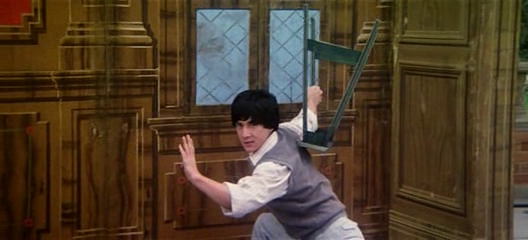
Regarding this earlier film, Chan acquits himself masterfully, and it’s actually a little puzzling as to why it didn’t have more of an impact at the time. The comparisons with Bruce Lee are obvious, but he also possesses a clown-like quality that is quite endearing. It’s also refreshing to see him in an inter-racial relationship with Kristine DeBell, who is his number one fan and supporter:

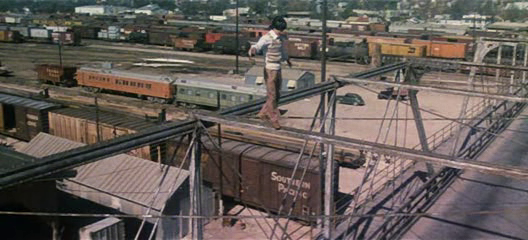
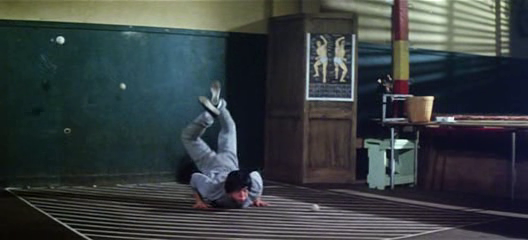
… in addition to his uncle (Mako), who is his trainer. From Chan’s initial acrobatics high up above the city in some scaffolding:

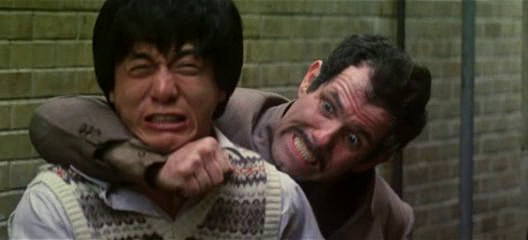
… to his first fight in an alley outside his father’s shop (when he alternates between offensive moves and pretending to be hurt):

… to seeing him training for ultimate dexterity with his uncle:

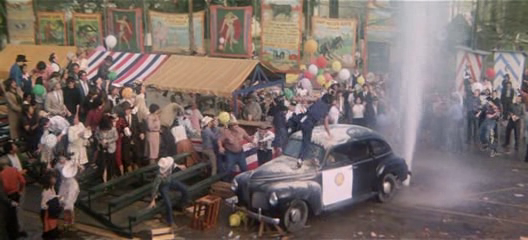
… it’s incredibly clear how much talent and stamina this man has. Meanwhile, his participation in a lengthy roller skate obstacle race (which also involves landing on mattresses and being hosed down by fierce water spigots):

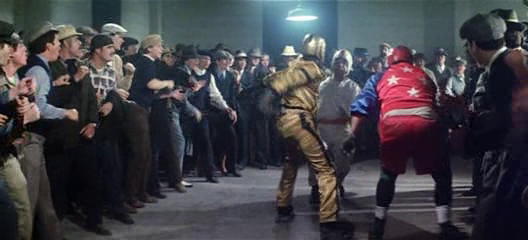
… had me wondering anew about the infinite creativity of competitive money-making ventures during the Depression (though who knows how realistic this is). The culminating fight sequence on the streets of Texas is also noteworthy for its carnival-like atmosphere and some genuine tension between Chan and his much bulkier competitors.

Note: The film is clearly set precisely in 1930, given that we see a movie poster for Morocco (1930) on the theater Chan enters into near the end.

Notable Performances, Qualities, and Moments:

  • Jackie Chan’s incredible moves
  • Jose Ferrer as Dominici
  • Lalo Schifrin’s score

Must See?
No, but it’s worth a look for its historical significance as Chan’s first American leading role.

Links:

Black Belt Jones (1974)

Black Belt Jones (1974)

“Let’s fix his cavities.”

Synopsis:
A Black martial arts expert (Jim Kelly) partners with the daughter (Gloria Hendry) of a slain studio owner (Scatman Crothers) in confronting the Mafia bosses and gangsters who killed him.

Genres, Themes, Actors, and Directors:

  • African-Americans
  • Gangsters
  • Martial Arts

Review:
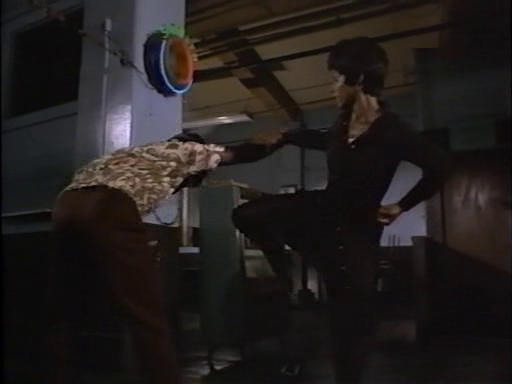
After directing Jim Kelly in a supporting role for Enter the Dragon (1973), Richard Strouse helmed this combination Blaxploitation-kung fu flick specifically designed to bank on both markets. It’s effectively filmed, and offers up exactly what it promises:

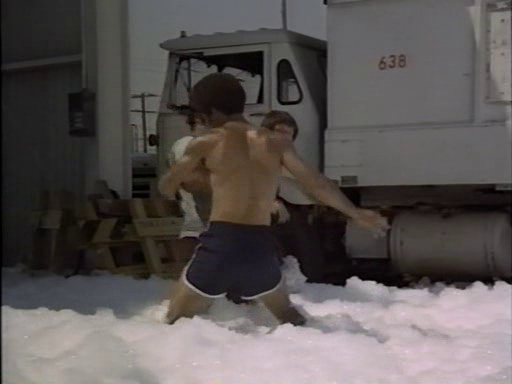
… albeit it with far too many punches to the groin (though I’m guessing audiences were fine with that). The entire affair ends with a massive fight-out in a car wash, leading to very sudsy adversaries.

Gloria Hendry — perhaps best known to film fanatics for her role in Live and Let Die (1973) — is a fine and feisty female companion for Kelly, who doesn’t seem to exude much on-screen charisma other than through his fighting. See below for my favorite scene between the two of them (involving a request to do the dishes).

Notable Performances, Qualities, and Moments:

  • Good use of location shooting in Los Angeles

  • Best response EVER by a woman to a man telling her: “Just do those dishes or something.”

Must See?
No, but it’s worth a one-time look as a solid example of Blaxploitation mixed with “kung fu”.

Links:

Convoy (1978)

Convoy (1978)

“They’ve got a language all their own.”

Synopsis:
A trucker named Rubber Duck (Kris Kristofferson) is accompanied by a photographer (Ali MacGraw) and other sympathetic long-haulers while being pursued by a vengeful sheriff (Ernest Borgnine); meanwhile, an opportunistic politician (Seymour Cassel) tries to bank on the immense popularity of the convoy across state lines.

Genres, Themes, Actors, and Directors:

  • Ali MacGraw Films
  • Car Chase
  • Cat and Mouse
  • Ernest Borgnine Films
  • Kris Kristofferson Films
  • Sam Peckinpah Films
  • Seymour Cassel Films
  • Sheriffs and Marshals
  • Truckers

Review:
Based on C.W. McCall’s country-western novelty song of the same name, Sam Peckinpah’s next-to-last feature film was this over-budget action flick seemingly designed to capitalize on the popularity of Smokey and the Bandit (1977) and all things trucking. Indeed, as DVD Savant points out, “A love of big rig tractor-trailer interstate trucks will be an asset for watching this, because that’s what we see for about 90 minutes of this marathon road picture: trucks cruising, roaring down dusty dirt roads, overturning, running roadblocks.”


Near the beginning of the film — after Kristofferson and MacGraw meet-cute:


— we’re shown a western-style barroom brawl taking place in a cafe:

… and are introduced to Borgnine’s evil sheriff, who doesn’t seem to have a particularly good reason for spending the rest of the movie relentlessly chasing after Rubber Duck.

DVD Savant provides an especially excoriating review of this flick, noting: “Convoy was such a joke when it came out (at least in California) that Savant never saw it. A commercial trifle built around car crashes and a then current Trucker/C.B. Radio craze, it’s a dated eyesore attempting to cash in on various rube fads.” Andrew Sarris of the Village Voice was similarly disappointed, asserting that “Convoy is not merely a bad movie but a terrible movie” given that “anyone can make a bad movie” but “only a misguided talent can manage to be terrible.” While it has its fans, there really isn’t a whole lot here for most film fanatics to hold on to. Be forewarned.

Notable Performances, Qualities, and Moments:

  • Effectively filmed action sequences

Must See?
No; you can skip this one unless you’re a Peckinpah completist.

Links: