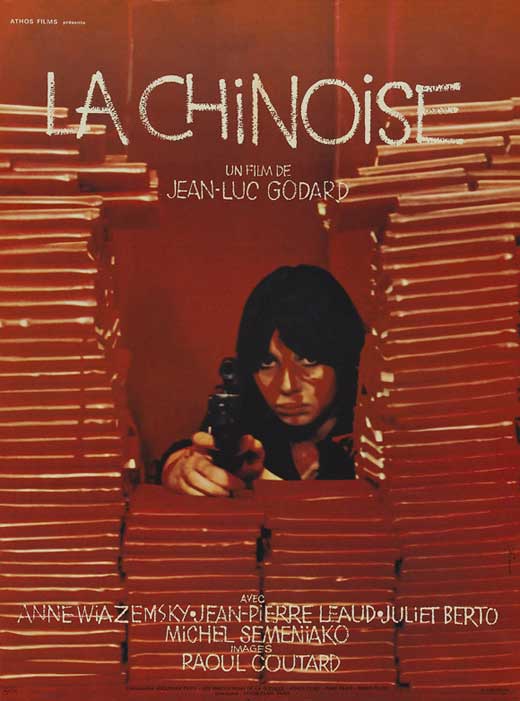
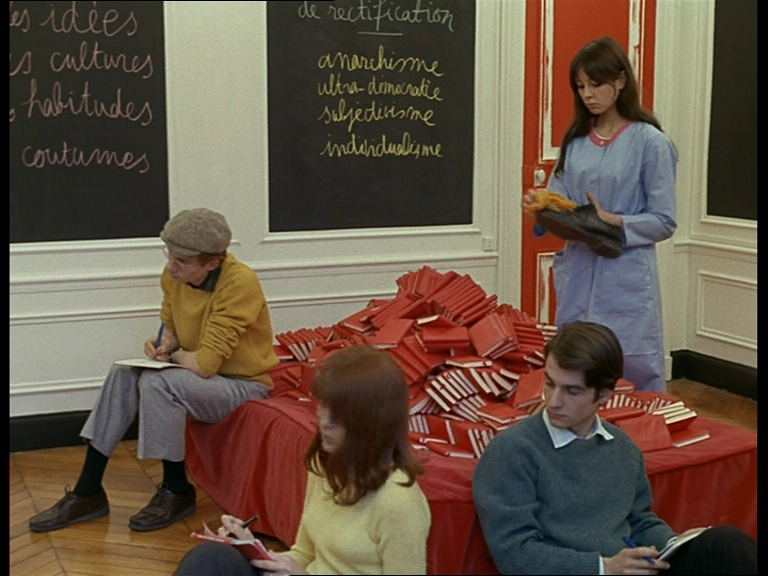
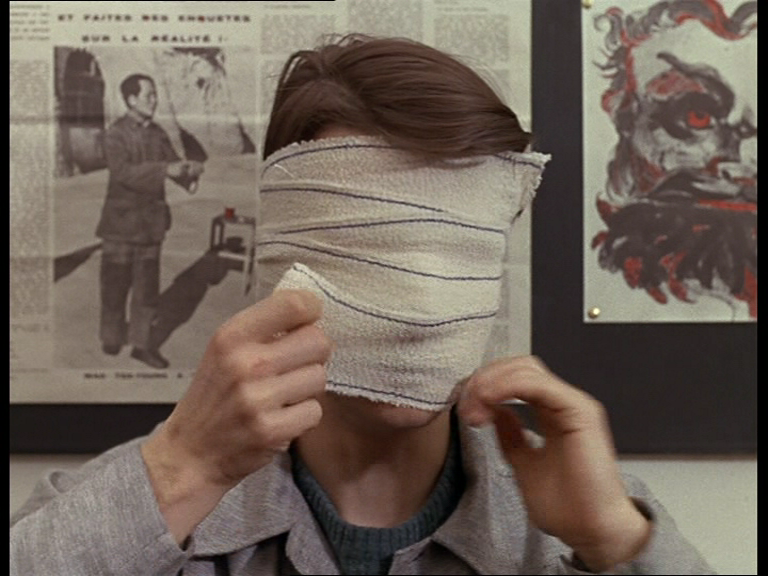
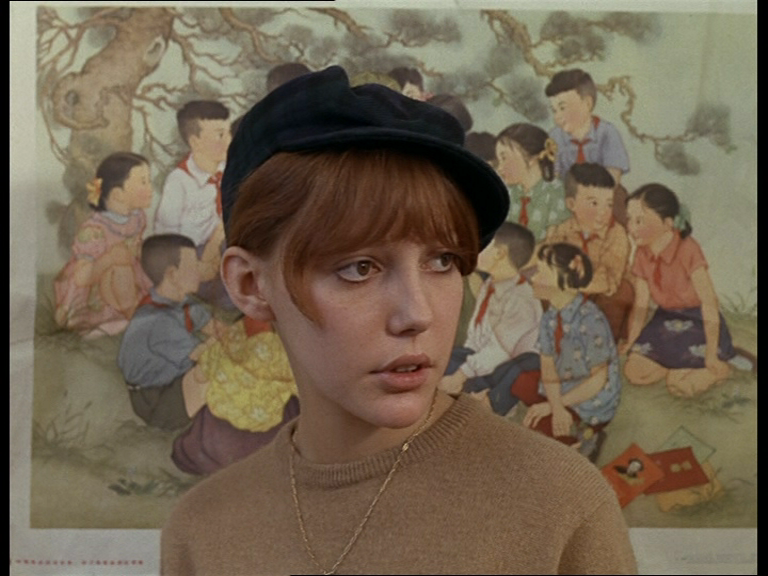
Chinoise, La (1967)
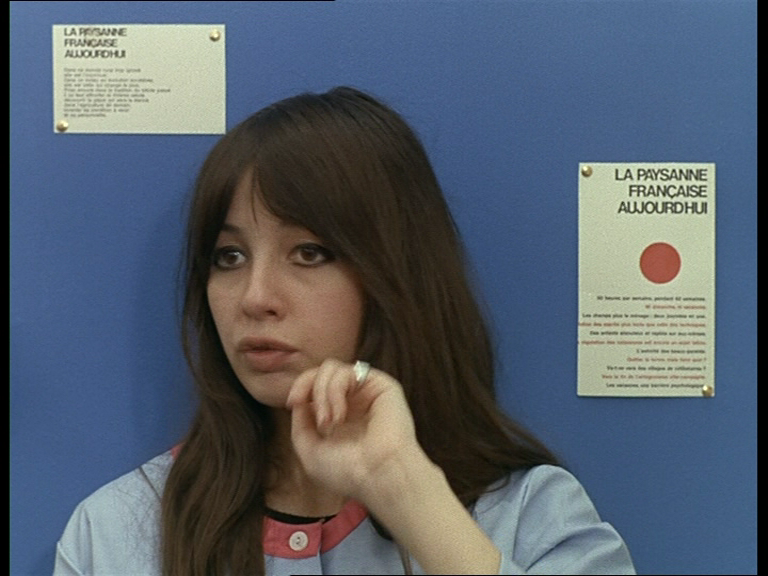
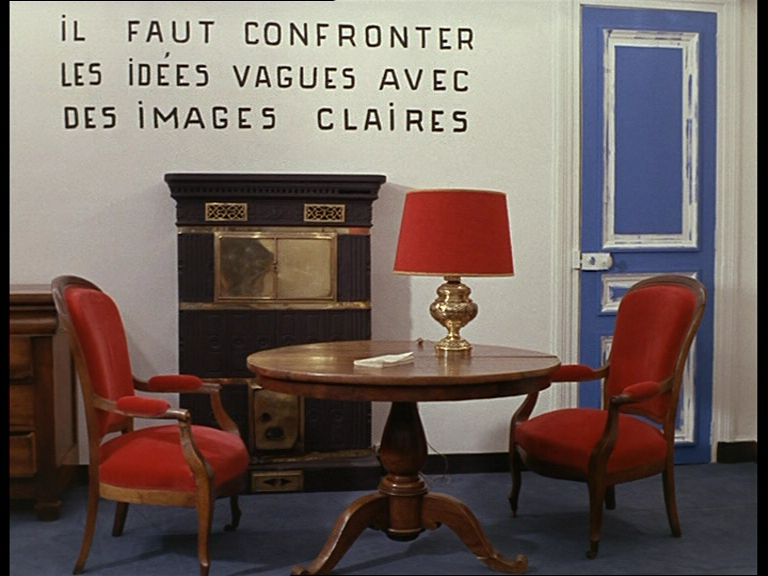
“One must replace vague ideas with clear images.”
|
Synopsis: |
|
Genres, Themes, Actors, and Directors:
Response to Peary’s Review: Redeeming Qualities and Moments:
Must See? Categories
Links: |
“One must replace vague ideas with clear images.”
|
Synopsis: |
|
Genres, Themes, Actors, and Directors:
Response to Peary’s Review: Redeeming Qualities and Moments:
Must See? Categories
Links: |
“All the girls I know are absolutely weird… They don’t want to make love with me. I’ve tried everything! I guess I just don’t understand women.”
|
Synopsis: |
|
Genres, Themes, Actors, and Directors:
Review:
… who discovers that older women — rather than virginal co-eds — are the ticket to sexual bliss; it’s a mildly intriguing premise, but one which never develops into anything more complex. Andras’s first (mutual) “conquest”, Karen Black, is by far the most interesting female character in the film:
… but after Andras cruelly cheats on her, she’s out of the picture. The central problem is that Andras simply isn’t a very likable character — he’s a player, and not ashamed to admit it, but why should we care about him or his life? Redeeming Qualities and Moments:
Must See? Links: |
“Francois, listen to me – you’ve got to do something. Help me!”
|
Synopsis: |
|
Genres, Themes, Actors, and Directors:
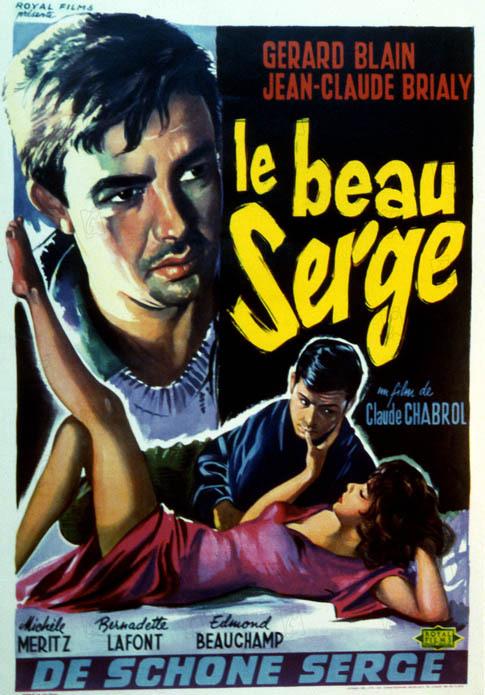
Review: In characteristic New Wave style, the narrative in Le Beau Serge is rather loose, with more of an emphasis on characters, setting, and philosophical contemplation than straightforward action. While it’s never made clear exactly why Francois is so determined to “save” his friend, it’s hinted that he may be driven by a sentiment of “there but for the grace of God…” — indeed, rural life in the film is depicted as narrow and limited, with sexy Marie (Lafont) channeling all her energy into the pursuit of men, and Serge giving up his dream of an architecture career for life as a husband and truck driver. Does Chabrol intend for us to pity the lives of these “simple” characters? It’s hard to tell, but the film’s baroquely allegorical ending — which posits Francois as a sort of Christian martyr — seems to label the townsfolk as somehow needing salvation. Despite its narrative flaws and ambiguities, however, Le Beau Serge remains an oddly compelling character study, one which clearly demonstrates Chabrol’s passion, talent, and dedication to the craft of filmmaking. Note: Chabrol returned to the theme of country-versus-city in his next film, Les Cousins (1959), in which country-boy Blain comes to stay with his more urbane — and infinitely less sympathetic — cousin (Brialy) in Paris. Redeeming Qualities and Moments:
Must See? Categories
Links: |
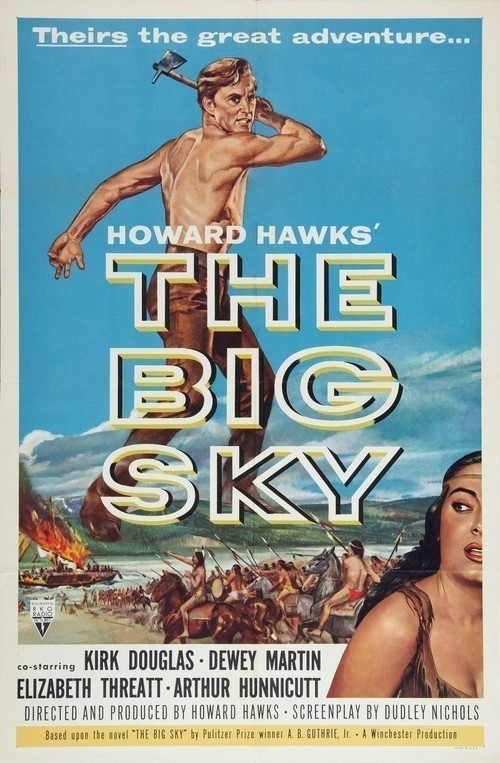
“It sure is big country; the only thing bigger is the sky.”
|
Synopsis: |
|
Genres, Themes, Actors, and Directors:
Review:
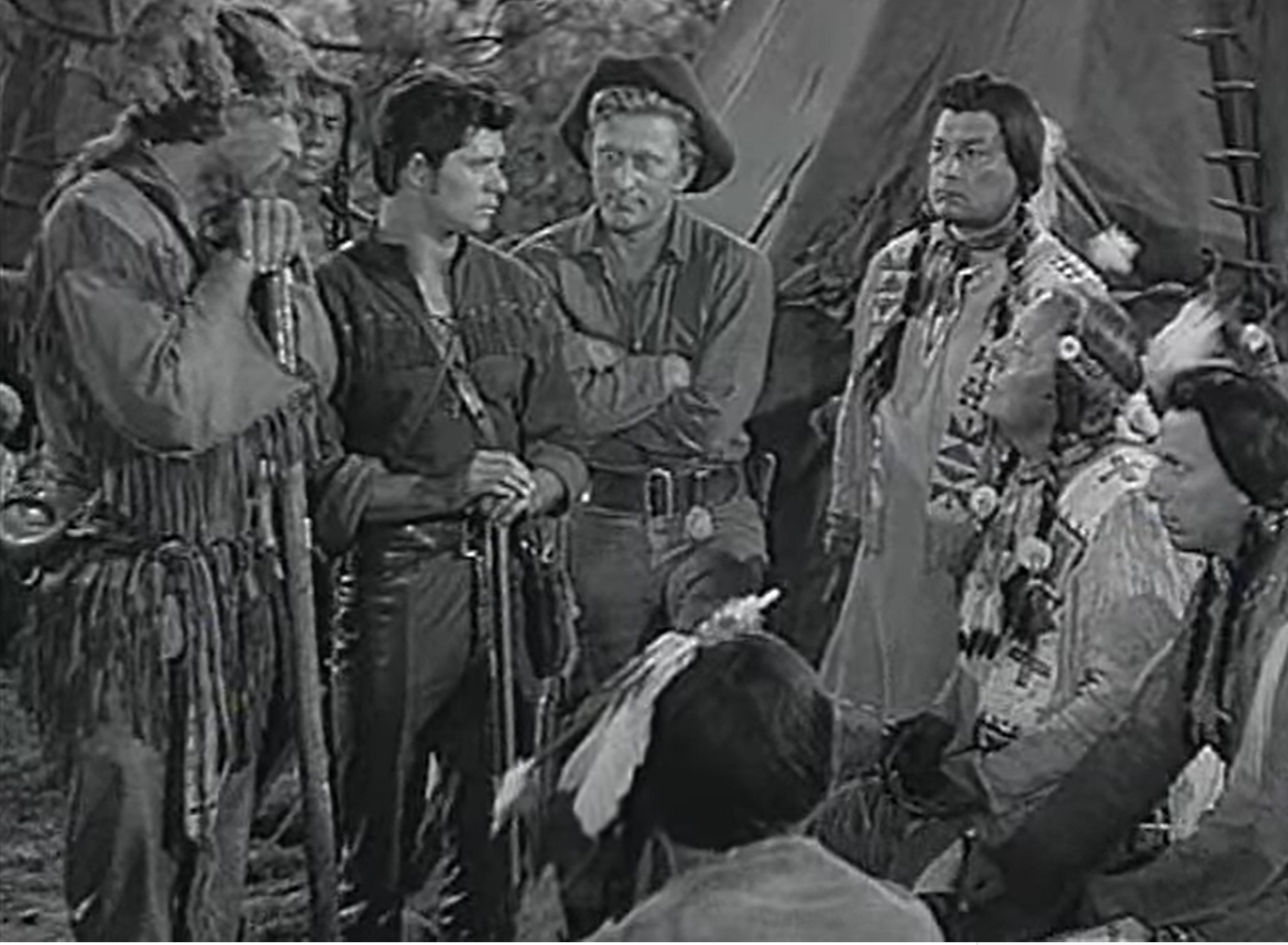
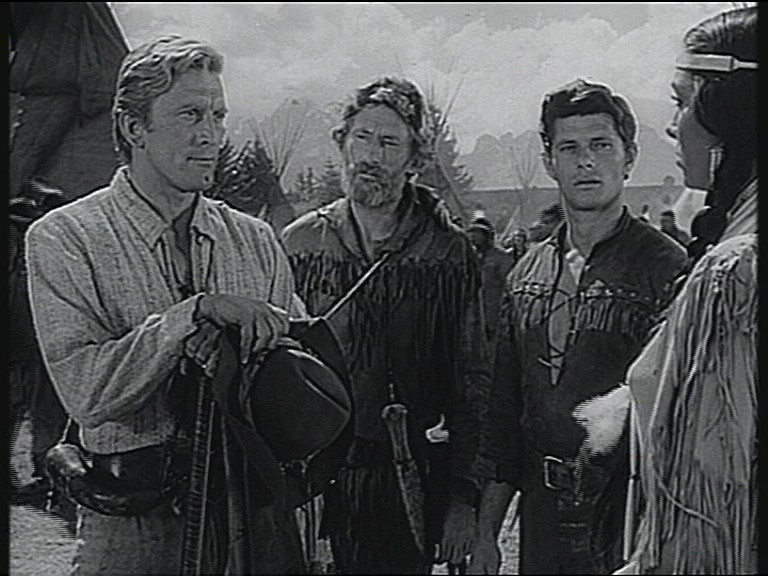
Dewey Martin as Douglas’s younger “partner” is the least impressive of the bunch, and his anachronistically gleaming leather pants — especially in contrast with the film’s overall attention to historical detail — are enormously distracting; one can’t help feeling he was cast simply to provide a hunky heartthrob.
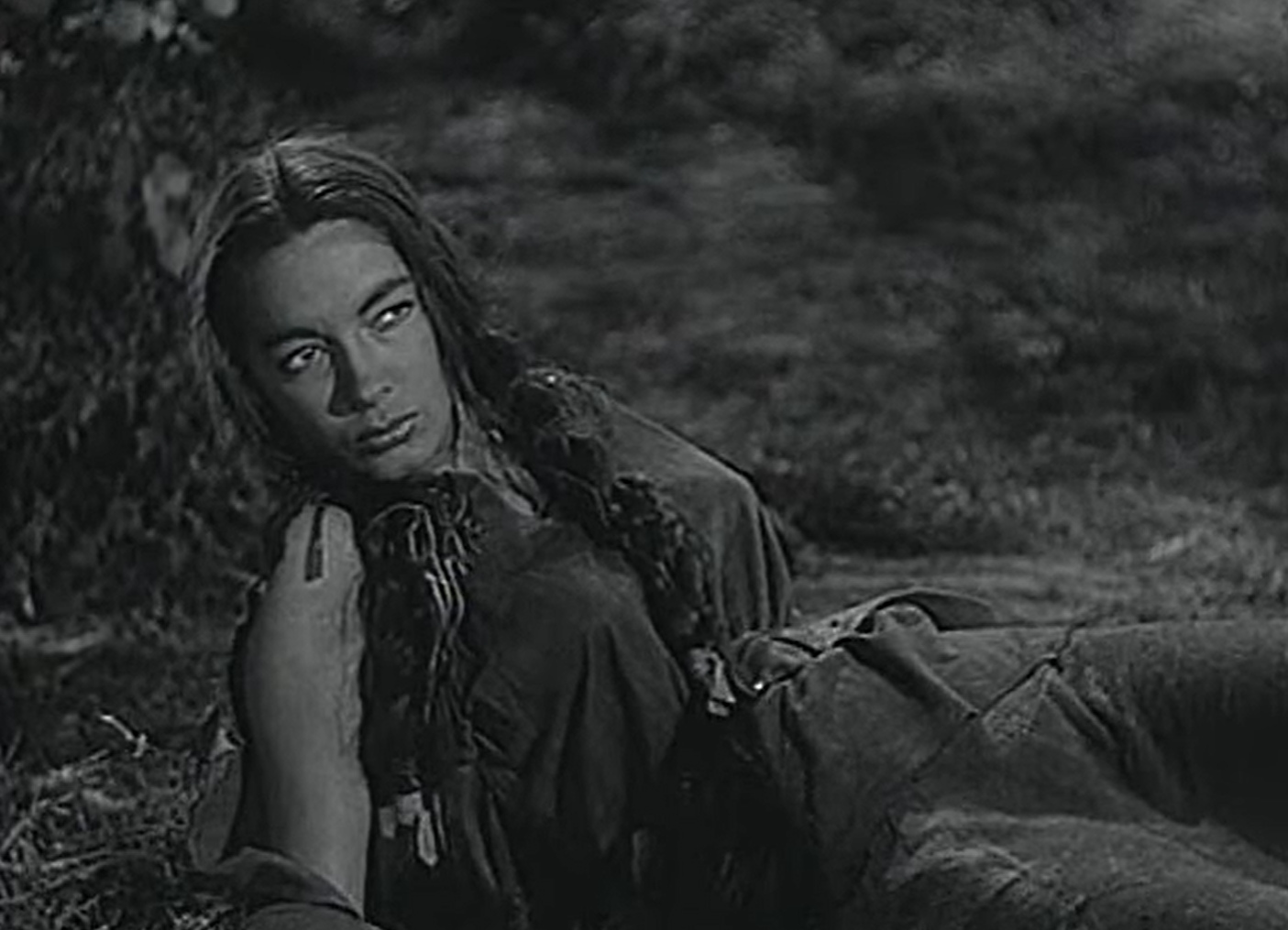
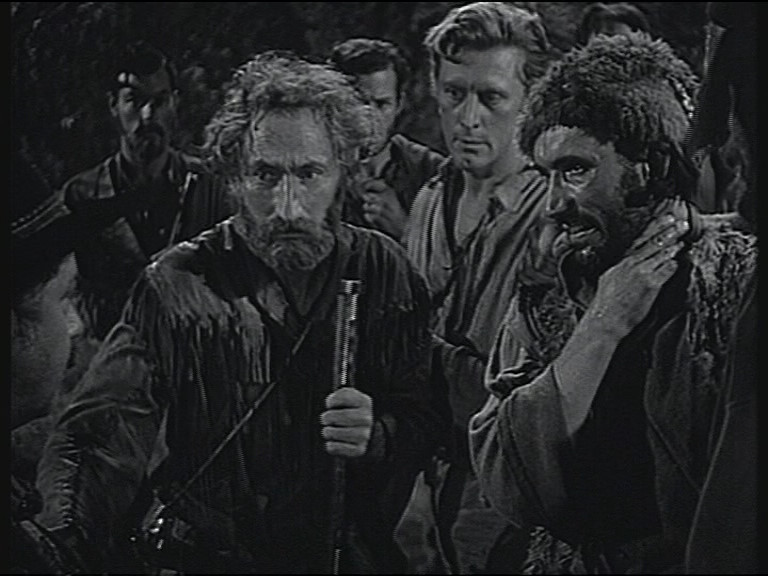
Of primary interest to film buffs, however, will be the presence of director Howard Hawks’ characteristic trademarks: realistically overlapping dialogue, an undercurrent of homoeroticism between Douglas and Martin (those pants!), and his depiction of the male traders as hardworking and loyal. While it’s overlong by at least half an hour, The Big Sky remains a satisfying adventure tale by one of America’s great directors, and should be seen by all film fanatics. Note: Martin’s rolling tussles with beautiful Teal Eyes are unexpectedly racy — as is the surprising tepee scene near the end of the film. Redeeming Qualities and Moments:
Must See? Categories
(Listed in 1001 Movies You Must See Before You Die) Links: |
“If you ask me, they’re a new breed of characters altogether.”