Three Faces of Eve, The (1957)
“Sometimes I don’t know whether you’re crazy or think I am.”
|
Synopsis: |
|
Genres:
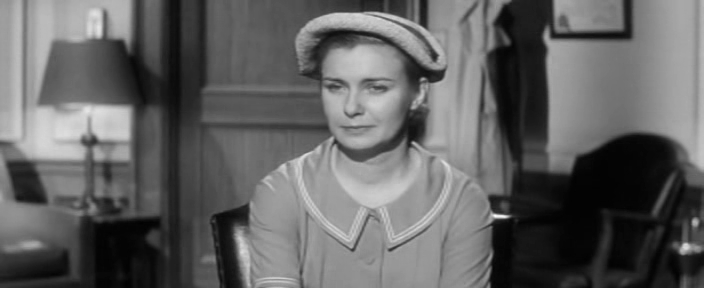
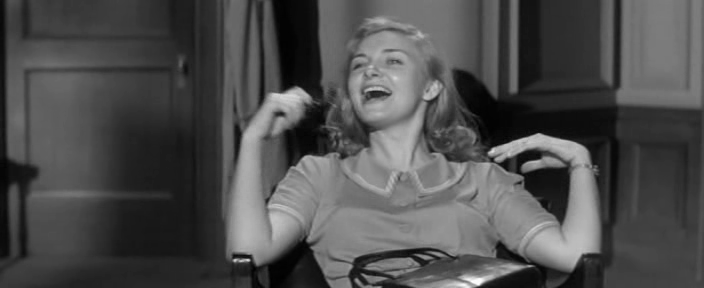
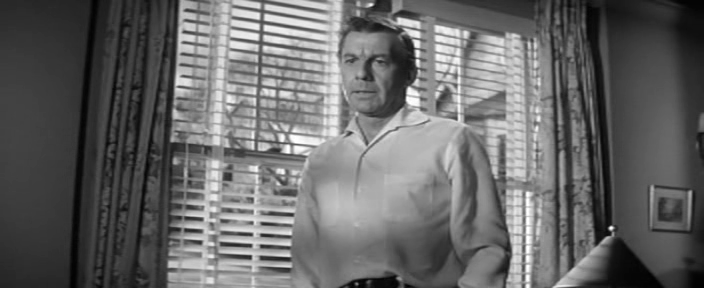
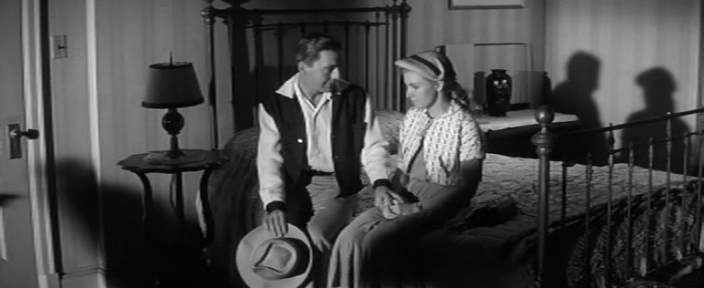
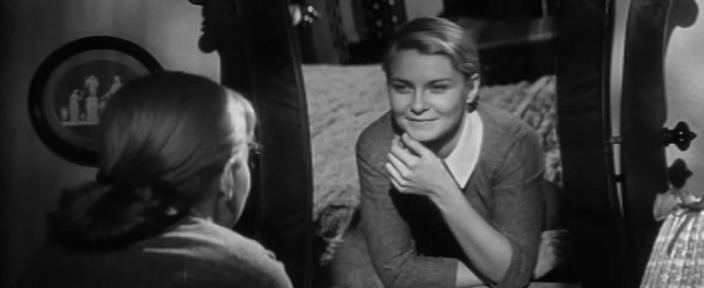
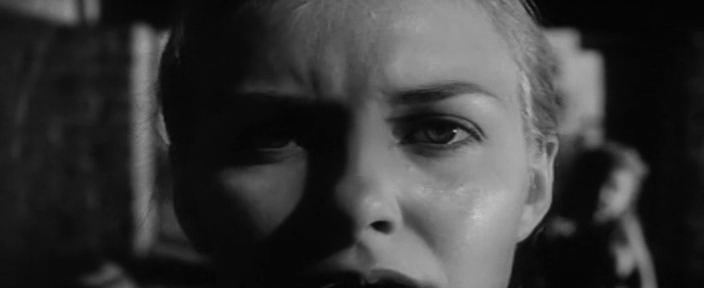
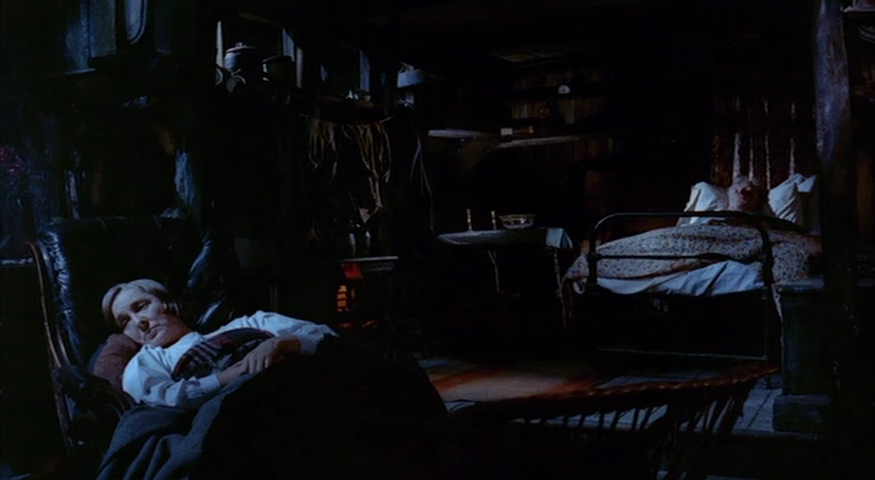
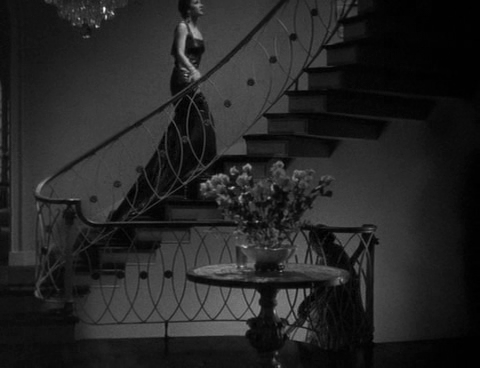
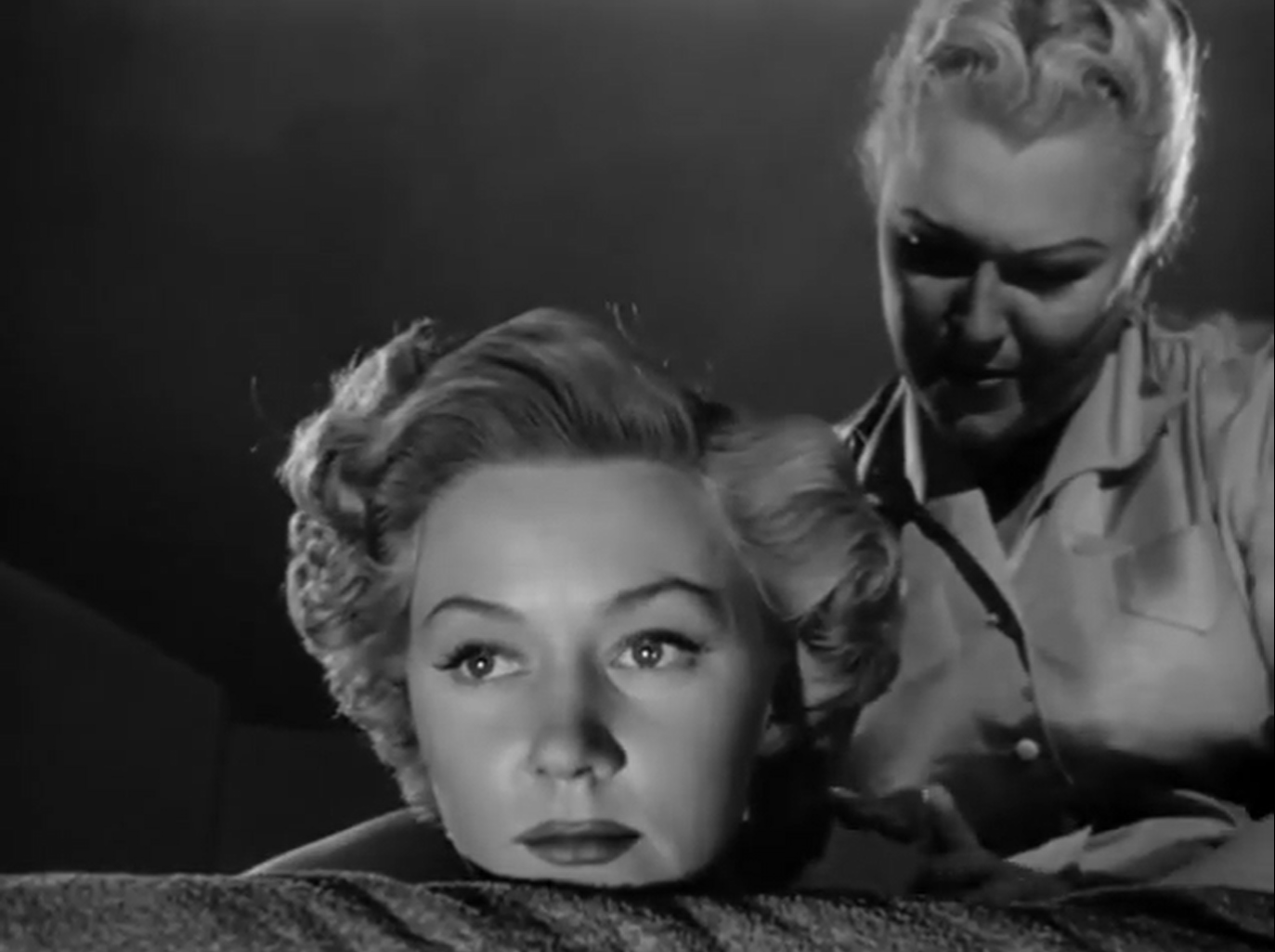
Response to Peary’s Review: In retrospect, TTFOE does come across as both quaint and somewhat silly, with a couple of scenes in particular straining credulity. Early in the film, Eve Black tries to strangle her daughter with a curtain pull (a truly freaky scene to witness, as we see the girl with the cord around her neck), but no consequences emerge other than Eve being taken to the doctor. Then, during her initial meeting with Dr. Luther (Cobb), Eve mentions having lost a second child four months earlier; Dr. Luther pauses for nary a second before launching into another topic, without even a cursory, “I’m so sorry for your loss”, let alone exploration of how this might be contributing to her current state of psychological affairs. Meanwhile, the film’s denouement — when we learn through flashback why Eve is so damaged — is simply laughable in its implausibility (and nowhere close to the truth of what actually happened to Sizemore). With all that said, TTFOE remains worthy viewing for Woodward’s impressive performance. In his Alternate Oscars, Peary agrees with the Academy that Woodward deserved her award as Best Actress of the Year, and writes that regardless of the foolish script, “Woodward is still compelling, whether she is quiet, hysterical, naughty, flirtatious, creepy, sweet, weak, or strong”. Apparently Woodward “wasn’t fond of her own performance because she felt she couldn’t devote enough time to any of Eve’s three personalities”, but the role was nonetheless “an ideal showcase for this versatile actress whose talents [at the time] were still a secret”. As Peary points out, “it’s significant that [Woodward] even makes us feel sorry for Eve Black when she starts to fade away”, given that “whatever her faults, [she] was essentially a real person, with fears and worries of her own” — a woman who, when she “wasn’t destroying Eve White’s life”, was “actually helping her” by rebelling against her “unhealthy marriage” and terrible husband (Wayne). Speaking of Wayne, I’ve never really been a fan of his work, but find his character here entirely plausible; it’s frighteningly easy to imagine a man reacting exactly as he does — with both hostility and confusion — to his wife’s breakdown. Note: It’s interesting and a bit odd that Peary doesn’t mention the other film about multiple personalities released that same year: Hugo Haas’s Lizzie, starring Eleanor Parker and based on a novel by Shirley Jackson. It’s a worthy, must-see film in its own right. Redeeming Qualities and Moments:
Must See? Categories
Links: |