Pajama Game, The (1957)

Pajama Game, The (1957)

“No matter what’s with us, Sid, I’m going to be fighting for my side, and fighting hard.”

Synopsis:
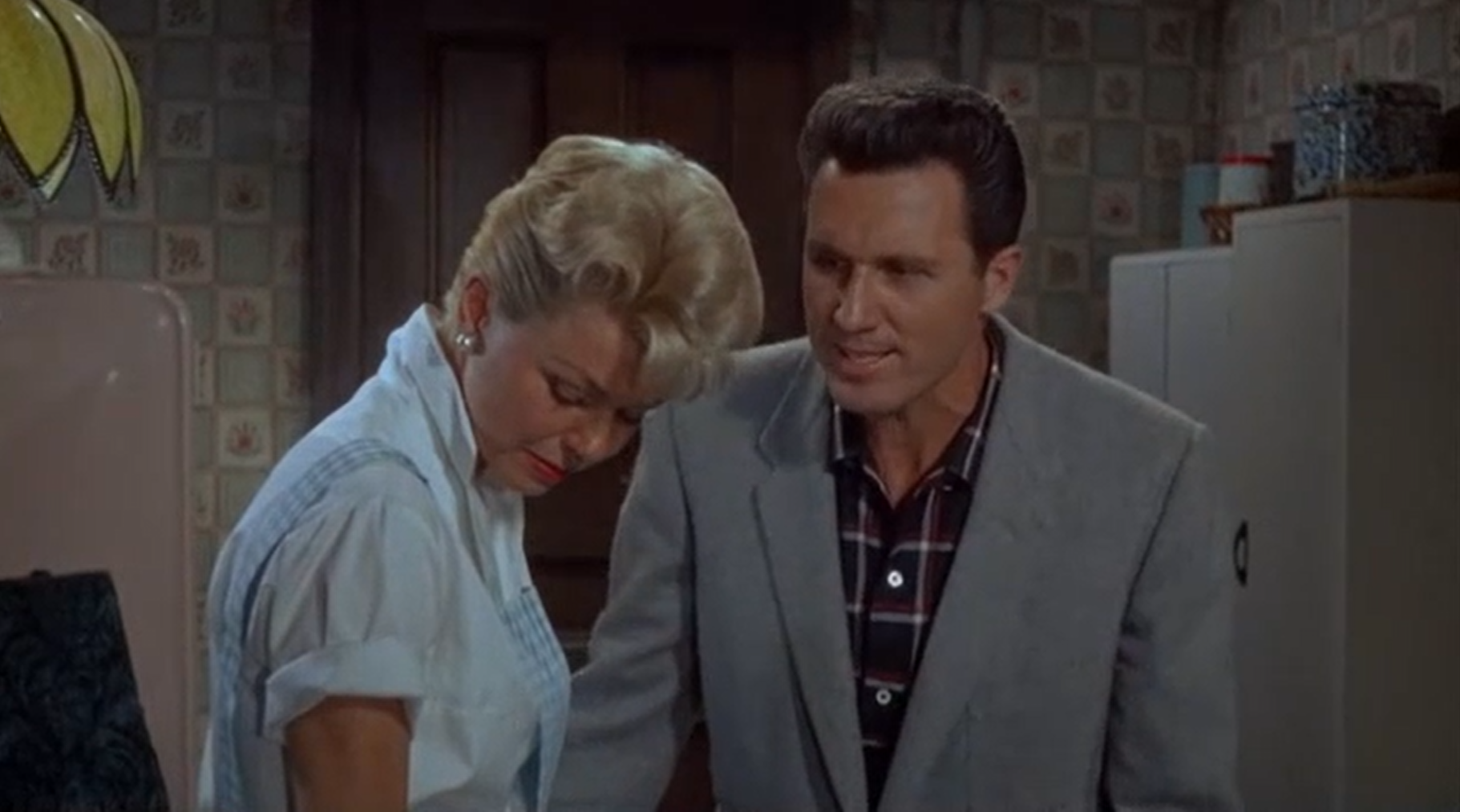
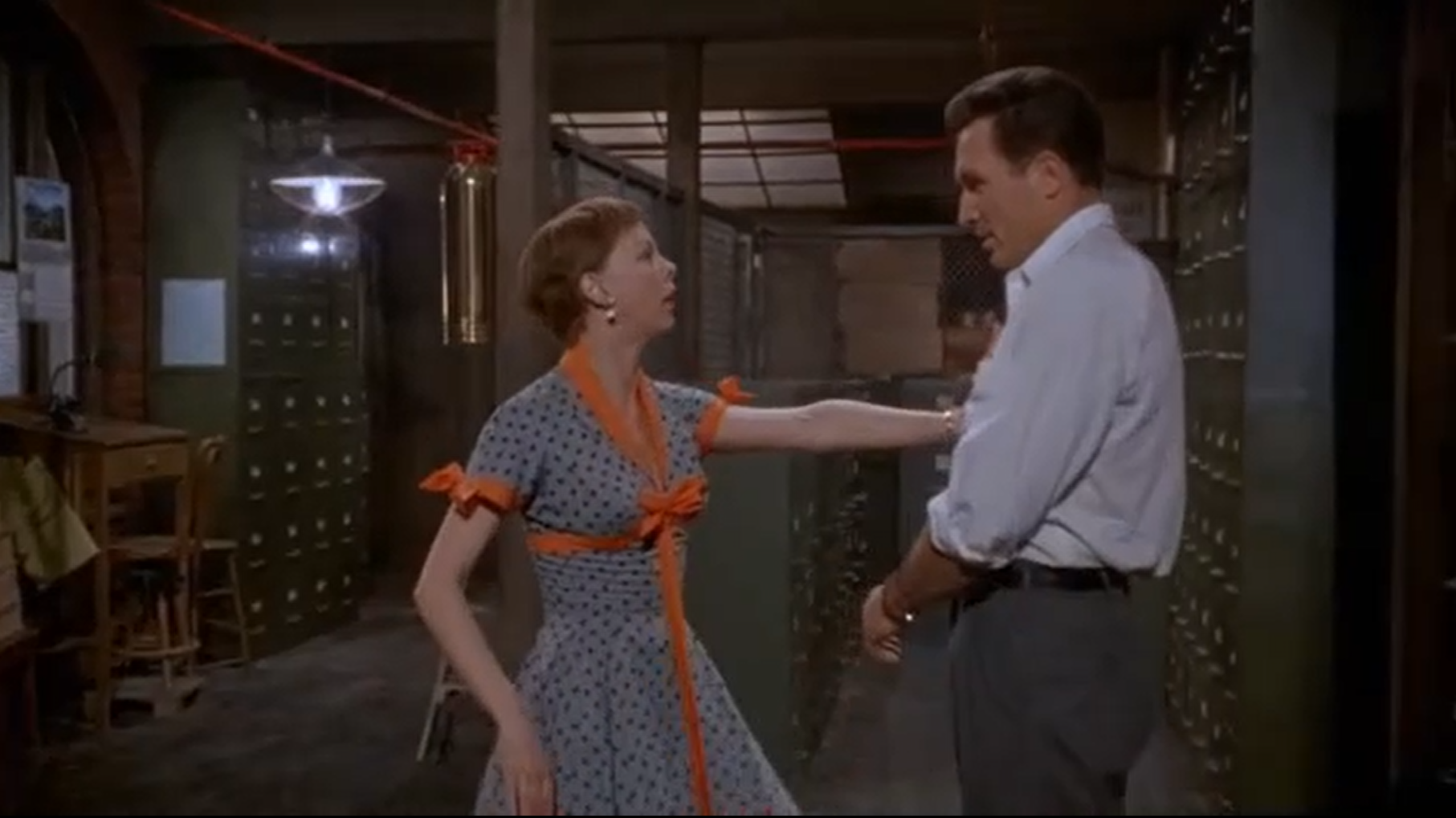
A union representative (Doris Day) at a pajama factory falls in love with its new superintendent (John Raitt), but clashes with him over an imminent strike.

Genres, Themes, Actors, and Directors:

  • Corruption
  • Doris Day Films
  • Labor Movements
  • Musicals
  • Romance
  • Stanley Donen Films
  • Workplace Drama

Review:
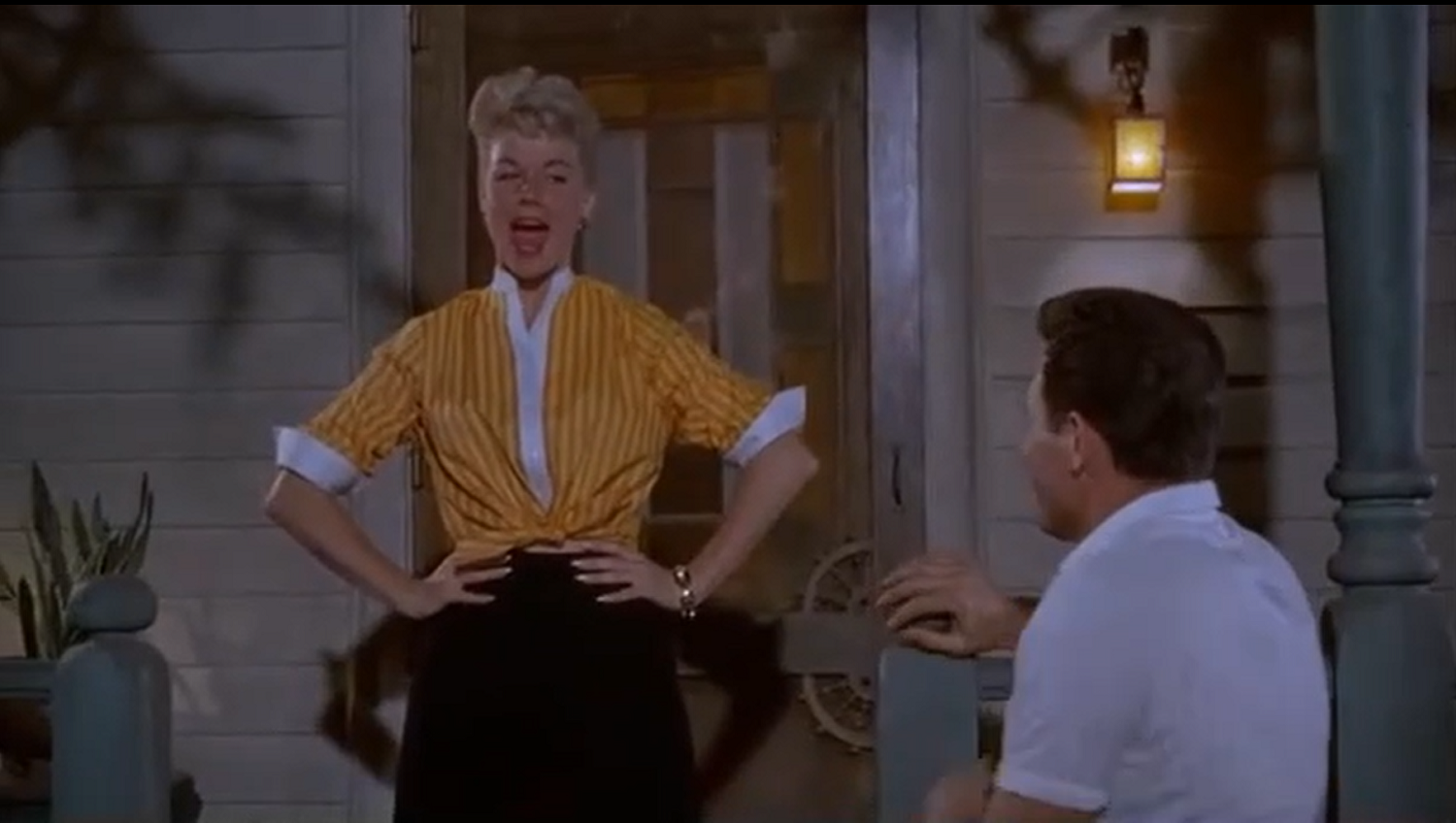
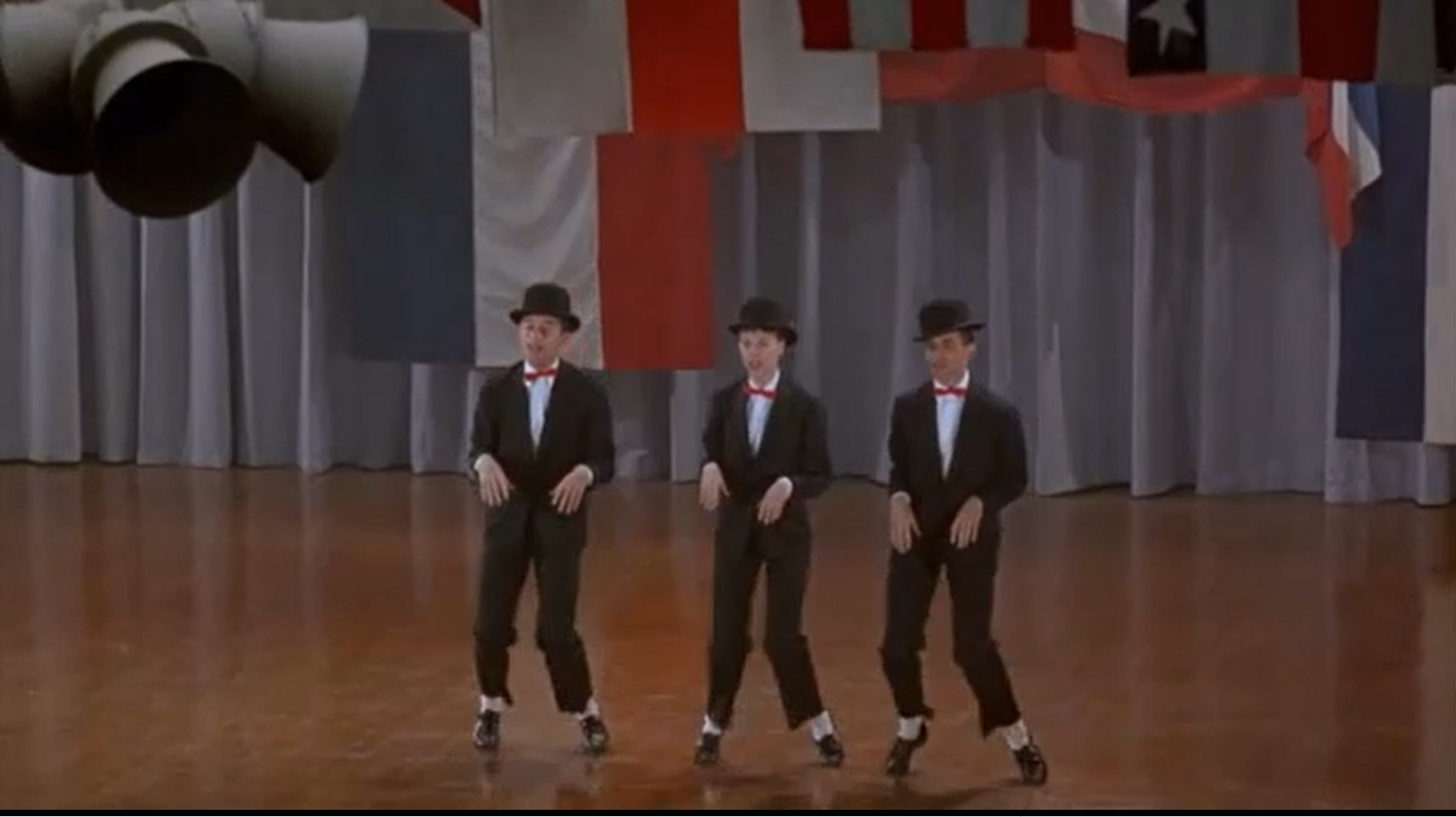
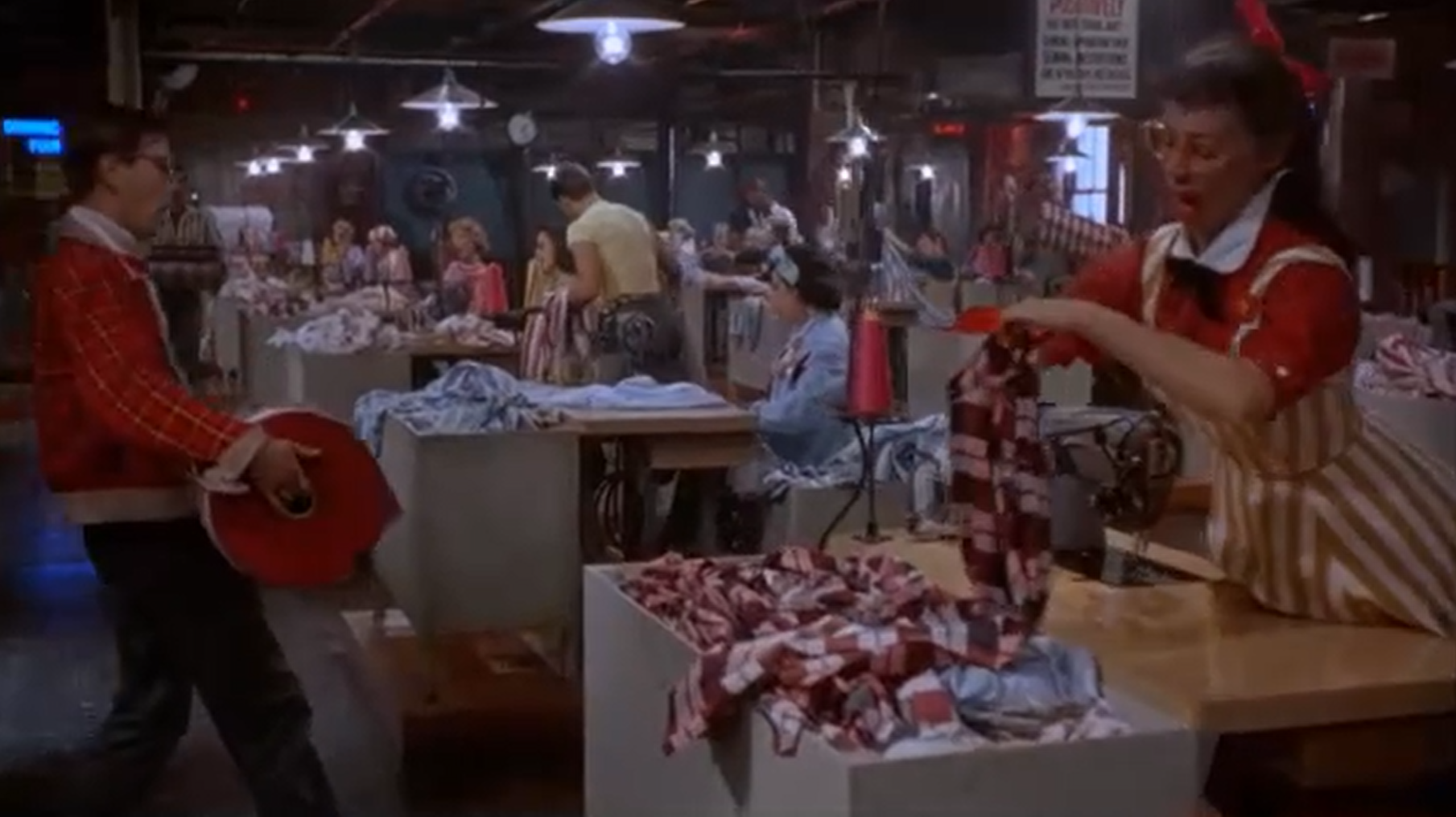
This technicolor Doris Day musical is most notable as one of choreographer Bob Fosse’s earliest cinematic efforts, and the dancing is indeed distinctive. Unfortunately, however, the story itself — about romance amidst labor negotiations at a pajama factory — is a frustratingly glib treatment of a complex issue. Indeed, it’s somewhat disturbing to see downtrodden workers depicted as such a cheery, colorfully dressed clan; they’re reminiscent of characters in Soviet-era propaganda musicals.

In addition, though the songs in The Pajama Game are fun while they last, none of them are particularly memorable; and the performances by romantic leads Day (who, as amusingly noted in Slant Magazine’s review, sports a “fetching [?] bull-dyke pompadour”) and Raitt are serviceable at best.

The Pajama Game will likely remain one-time viewing for most film fanatics.

Redeeming Qualities and Moments:

  • Many cleverly executed musical tunes and choreography (by Bob Fosse)

  • Colorful costumes and sets
  • Carol Haney’s whacked-out performance as Day’s colleague

Must See?
Yes, simply to see Fosse’s early work.

Categories

  • Historically Relevant

Links:

Unman, Wittering, and Zigo (1971)

Unman, Wittering, and Zigo (1971)

“My form — lower 5B — say they murdered Mr. Pelham.”

Synopsis:
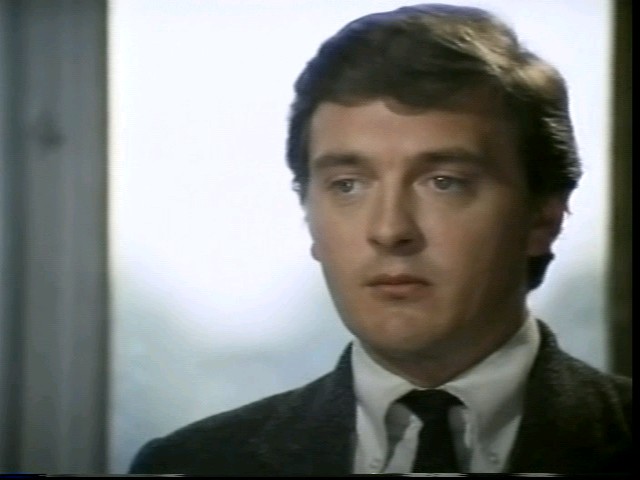
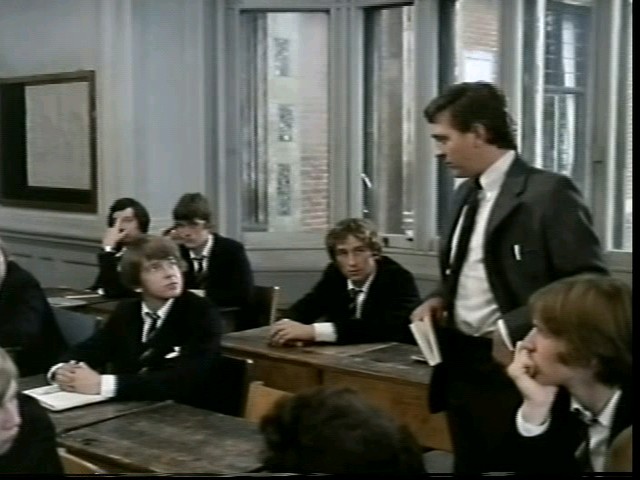
When a new teacher (David Hemmings) at a British public school is told by his students that they killed his predecessor, he cannot get his headmaster (Douglas Wilmer) to take him seriously; soon he is intimidated into letting the boys run his classroom.

Genres, Themes, Actors, and Directors:

  • Boarding School
  • Bullies
  • “No One Believes Me!”
  • Play Adaptation
  • Psychological Horror
  • Teachers

Review:
This quietly frightening tale of mass intimidation represents every instructor’s worst nightmare: although the idealistic Hemmings wants nothing more than to be a teacher, he quickly finds himself bullied by his own students, who possess an eerie sense of entitlement. Perhaps most disturbing is the fact that the boys — who, for the most part, are presented en masse rather than as individuals — remain deferential on the surface (they never neglect to call Hemmings “sir”), yet confidently maintain the upper hand, never doubting that they will get their way. While some have argued that the story — based on Giles Cooper’s radio play-turned-television drama — is unsatisfying due to its lack of definitive resolution, I think it holds interest throughout, and remains intriguing viewing.

Redeeming Qualities and Moments:

  • David Hemmings as the tormented new teacher
  • A creepy tale of psychological intimidation
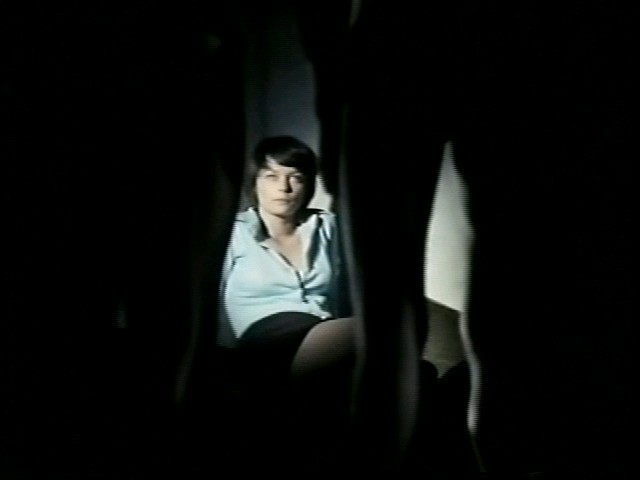
  • The frightening scene in which Hemmings’ wife (nicely played by Carolyn Seymour) is nearly gang-raped by the boys

Must See?
No, but it’s recommended.

Links:

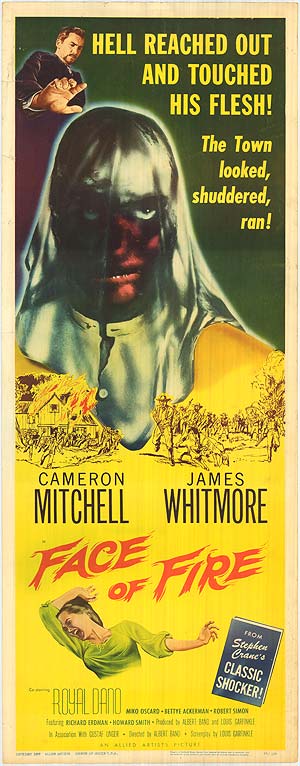
Face of Fire (1959)

Face of Fire (1959)

“It’s Monk, all right — but he looks like a devil!”

Synopsis:
When beloved handyman Monk Johnson (James Whitmore) is hideously scarred in a fire, nearly all the town’s citizens turn against him in fright and disgust.

Genres, Themes, Actors, and Directors:

  • Cameron Mitchell Films
  • Disfigured Faces
  • James Whitmore Films
  • Small Town America

Review:
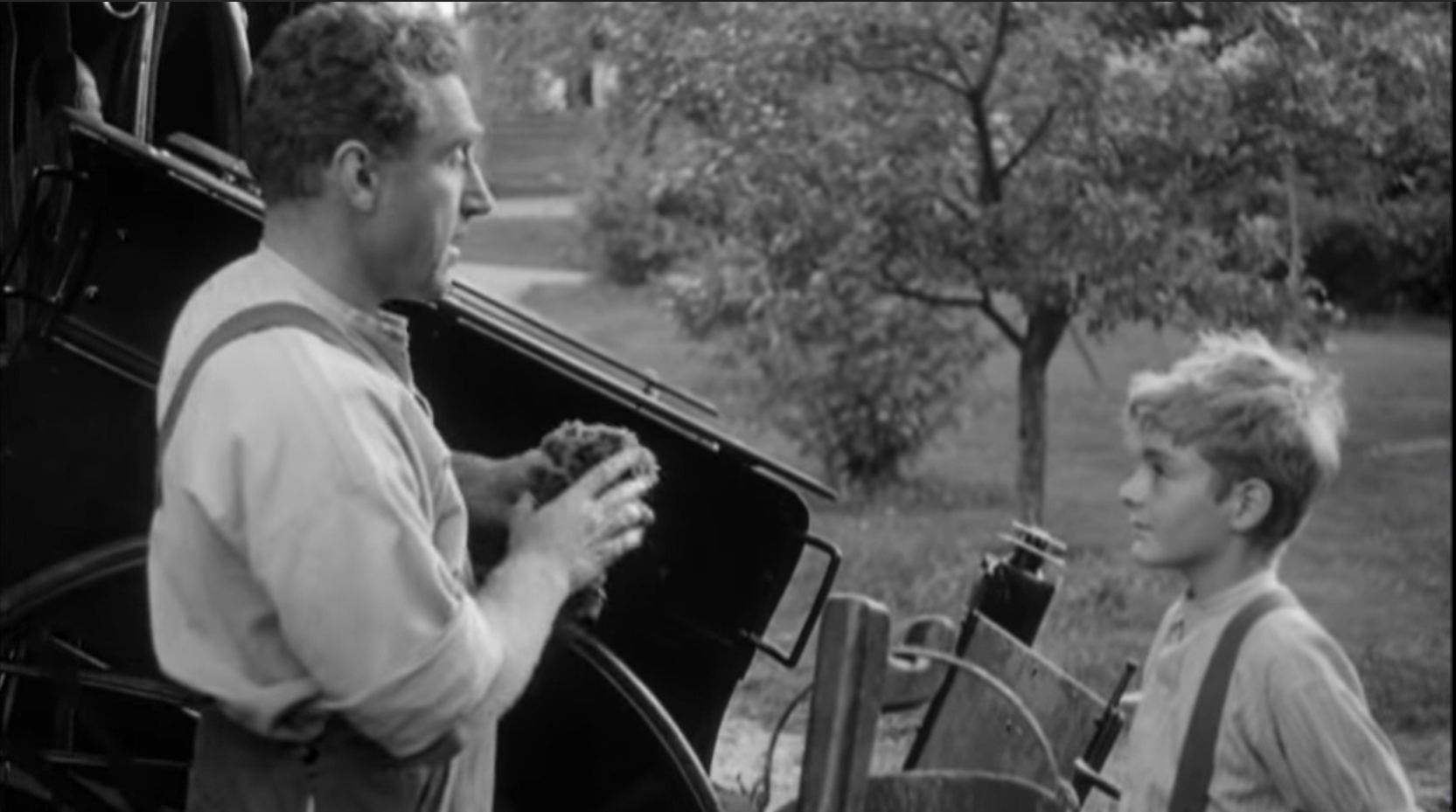
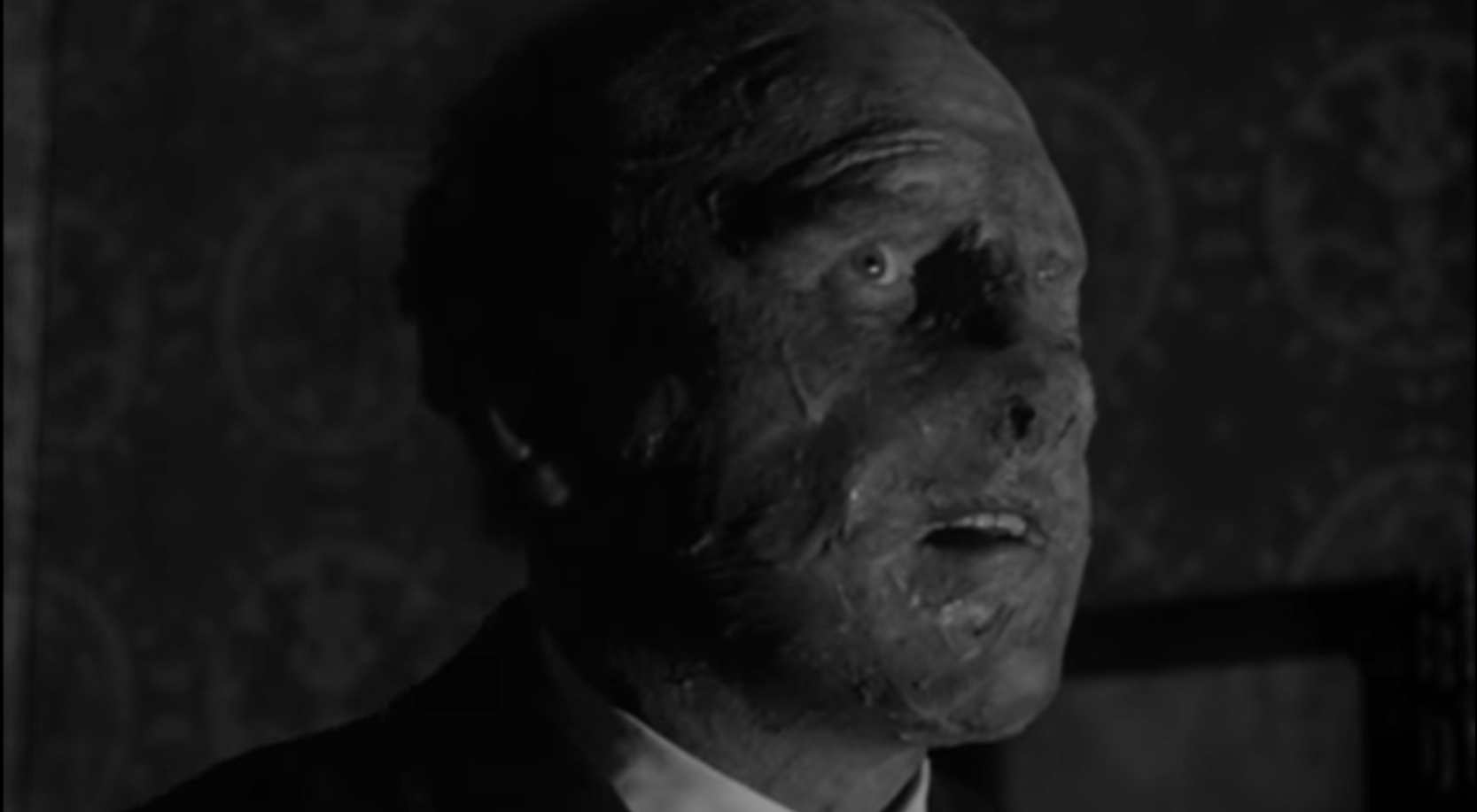
Based on Stephen Crane’s short story “The Monster”, Face of Fire is a reasonably effective fable about human fickleness and small-town mob mentality. B-director Albert Band does a nice job establishing Monk’s status as a handsome, admired citizen who women drool over and children want to spend time with:

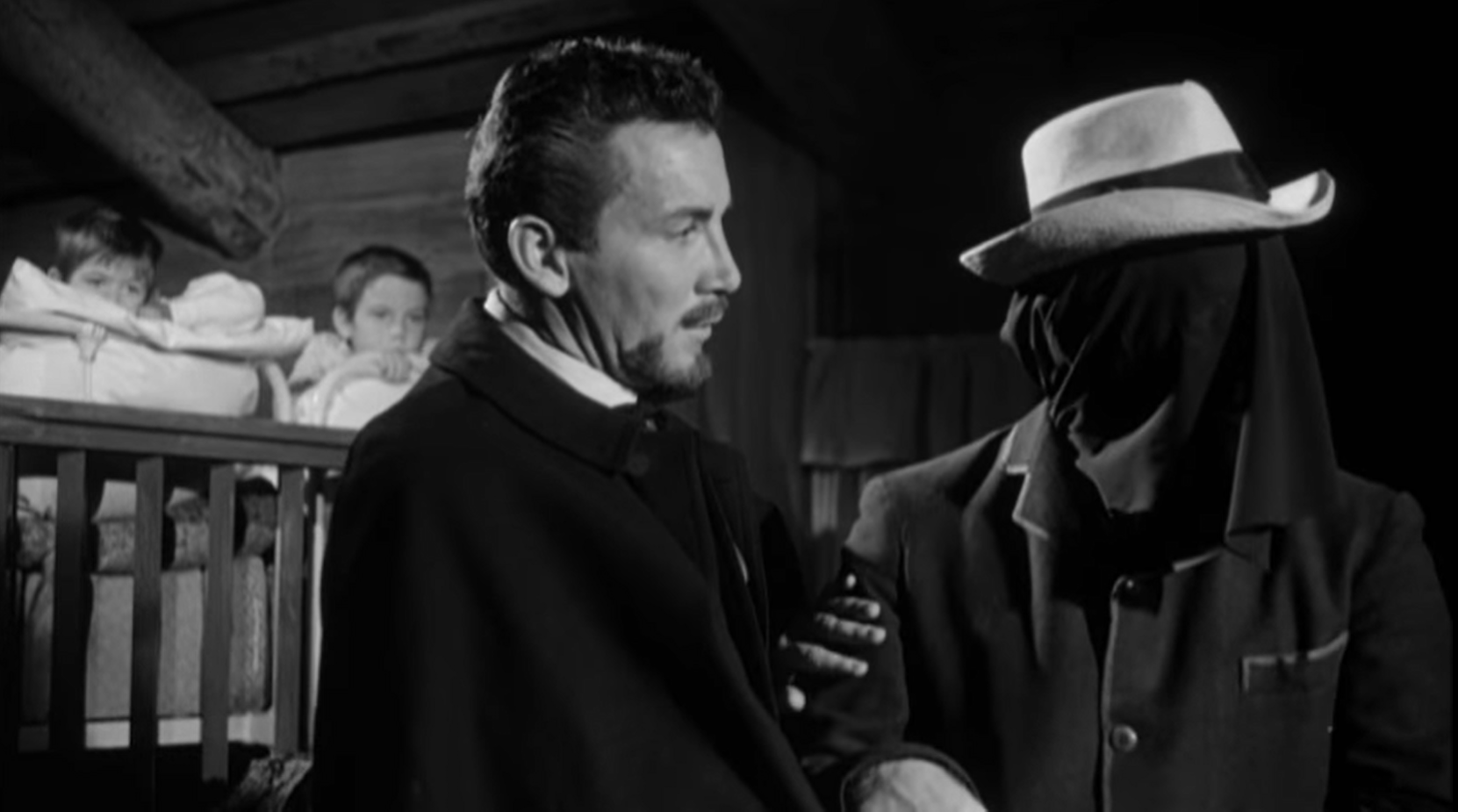
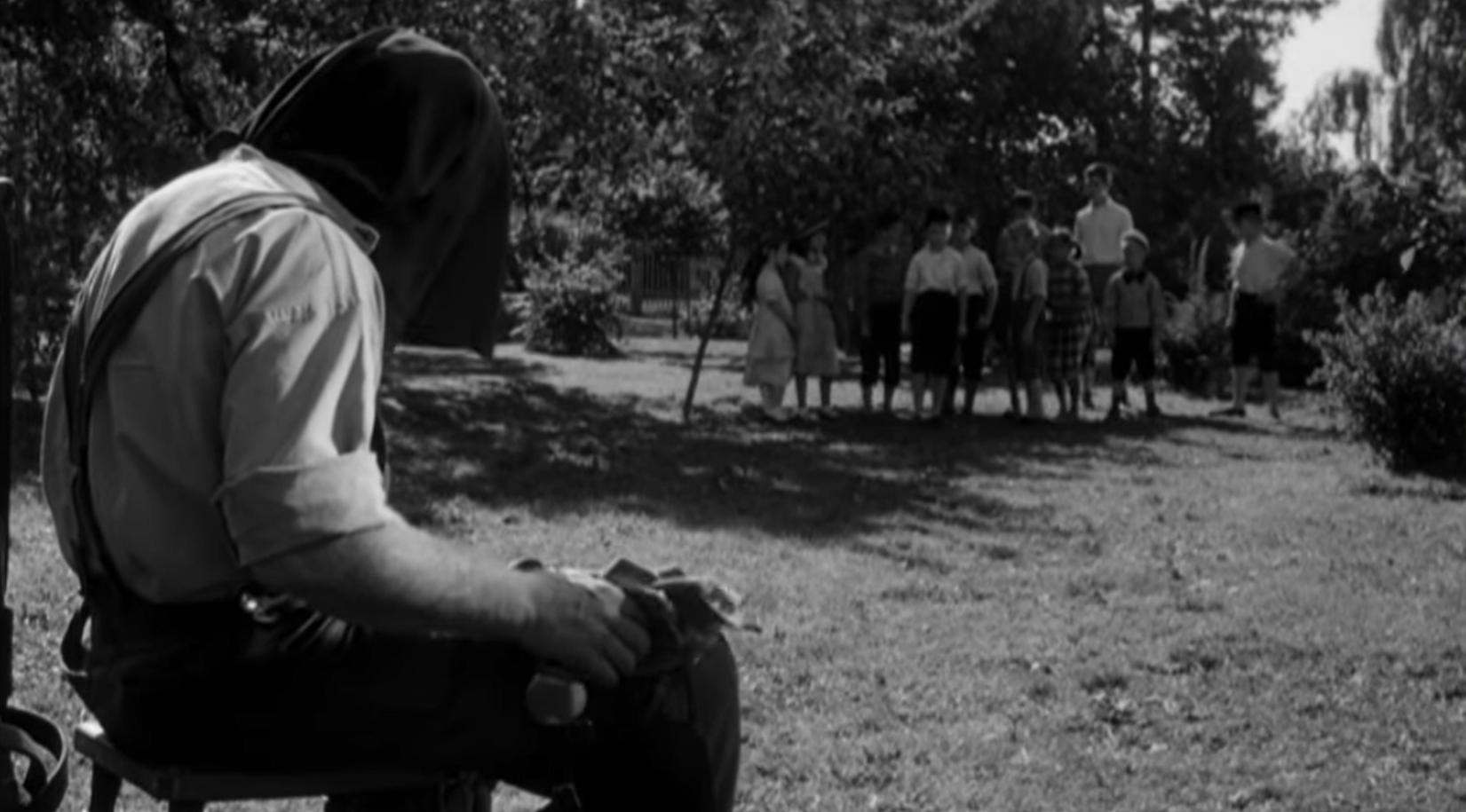
It’s all the more tragic, then, when nearly everyone turns against him after he has heroically rescued the son (Miko Oscard) of a doctor (Cameron Mitchell) from a burning house. Unfortunately, this collective change of heart is much too drastic to seem authentic: while Peter Lorre’s disfigured watchmaker in The Face Behind the Mask (1941) somewhat realistically scares those he meets for the first time, it’s much more difficult to believe that an entire town would suddenly be frightened of — and disgusted by — someone they’ve known for years. Nonetheless, Face of Fire‘s uneven screenplay (perhaps a function of its source material, though I haven’t read the original story) is redeemed by Band’s creative direction, effective cinematography (shot in Sweden!), and a handful of excellent performances.

Redeeming Qualities and Moments:

  • Cameron Mitchell as the guilt-ridden doctor
  • Wiry character actor Royal Dano as a henpecked villager
  • Creative direction
  • Atmospheric cinematography
  • Eric Nordgren’s score — particularly in the opening scenes

Must See?
No, but it’s worth seeking out.

Links:

My Little Chickadee (1940)

My Little Chickadee (1940)

“Flower Belle: what a euphonious appellation. Easy on the ears and a banquet for the eyes.”

Synopsis:
On her way to Greasewood City, Flower Belle Lee (Mae West) meets a lustful traveling salesman (W.C. Fields) and pretends to marry him in order to gain respectability. Meanwhile, she carries on affairs with a shady saloon owner (Joseph Calleia), a newspaper man (Dick Foran), and a mysterious masked bandit, yet refuses to let the frustrated Fields — who has been named sheriff of Greasewood City — near her.

Genres, Themes, Actors, and Directors:

  • Comedy
  • Con-Artists
  • Mae West Films
  • Morality Police
  • Sheriffs
  • W.C. Fields Films
  • Westerns

Response to Peary’s Review:
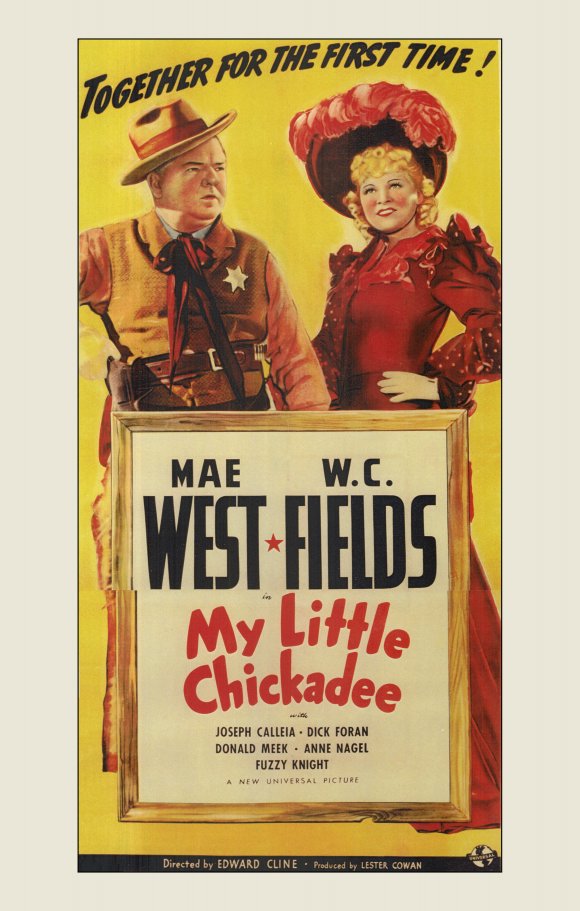
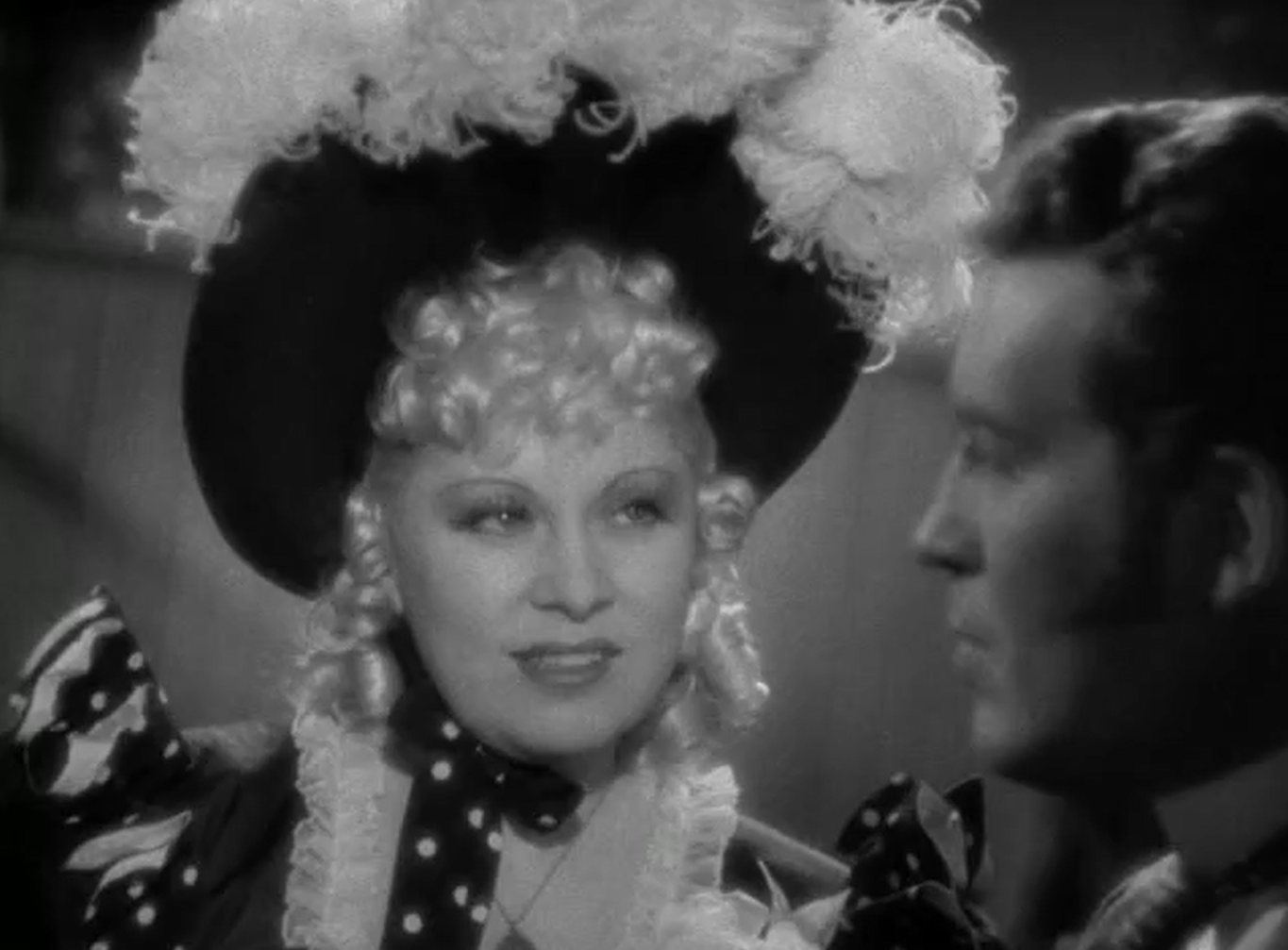
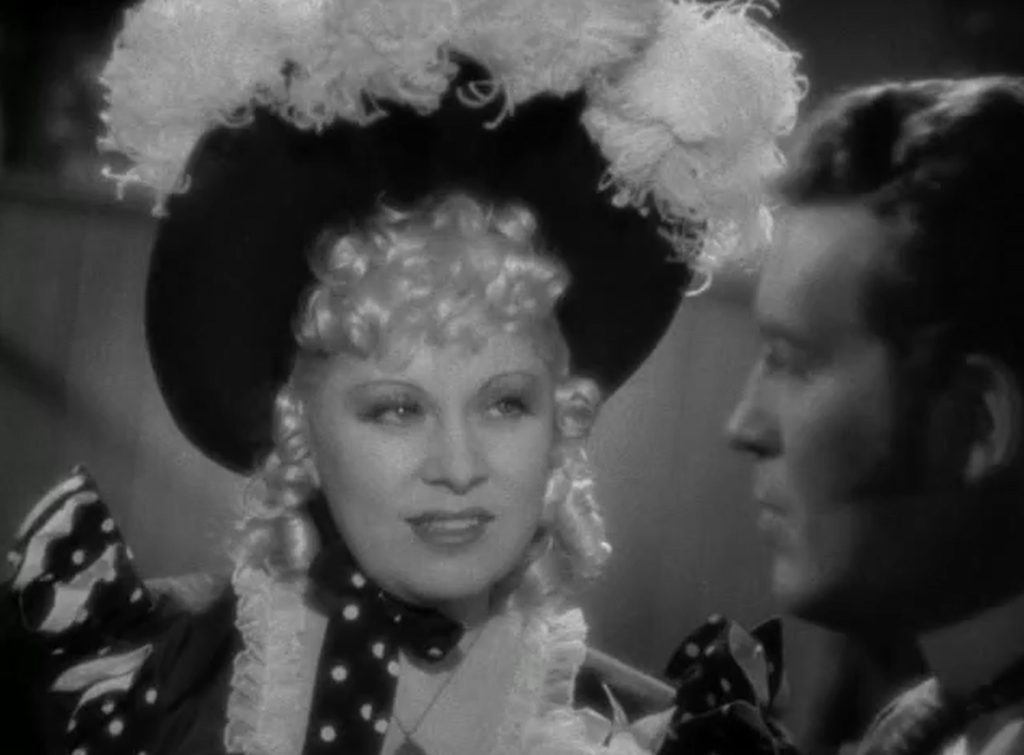
My Little Chickadee is notorious as the only pairing of screen icons W.C. Fields and Mae West. Though it’s considered by many to be a sub-par comedic outing (see the review links below), I have to say I disagree: it’s full of countless hilarious moments, and — as with many Fields vehicles — the rather silly plot matters far less than the constant innuendos and gags. West — delightfully described by Time Out as “the first female female impersonator” — is as self-confident and curvaceous as ever, flirting shamelessly while she rolls her eyes upwards with a smirk.
But as Peary notes, it’s Fields who really shines here, as we see him “chatting incessantly, bragging, lying, telling weird anecdotes, [and] using a weird language all his own.” Also of note is Margaret Hamilton, playing heavily on her Wizard of Oz characterization as a shrewish witch, but given much more comedic range. Best of all, however, are the few scenes in which West and Fields play off of each other — it’s a shame this was their only joint venture.

Redeeming Qualities and Moments:

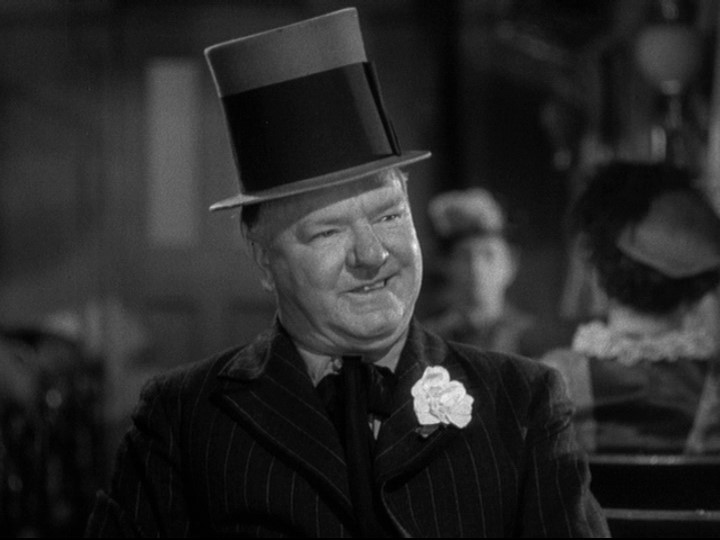
  • W.C. Fields at his lying, conniving, cowardly best
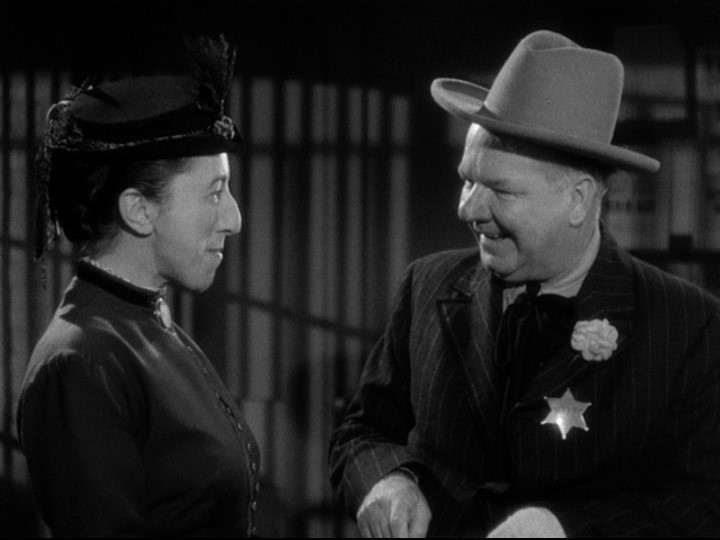
  • Margaret Hamilton as a meddling bluenose
  • Many humorously racy lines:

    “I have some very definite pear-shaped ideas that I’d like to discuss with you.”

    (!!!)

Must See?
Yes. While maligned by many modern critics, My Little Chickadee remains a delightful, historically relevant comedy.

Categories

  • Historically Relevant

Links:

Jack the Giant Killer (1962)

Jack the Giant Killer (1962)

“I’m going to entrust you with the most important mission ever given to a Cornish knight: to protect the life of the princess until she’s safe.”

Synopsis:
When a brave young farmboy (Kerwin Mathews) saves Princess Elaine (Judi Meredith) from the clutches of a giant, he is made a knight and charged with the task of protecting her. Soon he finds himself battling other monsters conjured by the evil wizard Pendragon (Torin Thatcher).

Genres, Themes, Actors, and Directors:

  • Anna Lee Films
  • Fantasy
  • Folk Tales, Fairy Tales, and Mythology
  • Kidnapping
  • Witches, Wizards, and Magicians

Review:
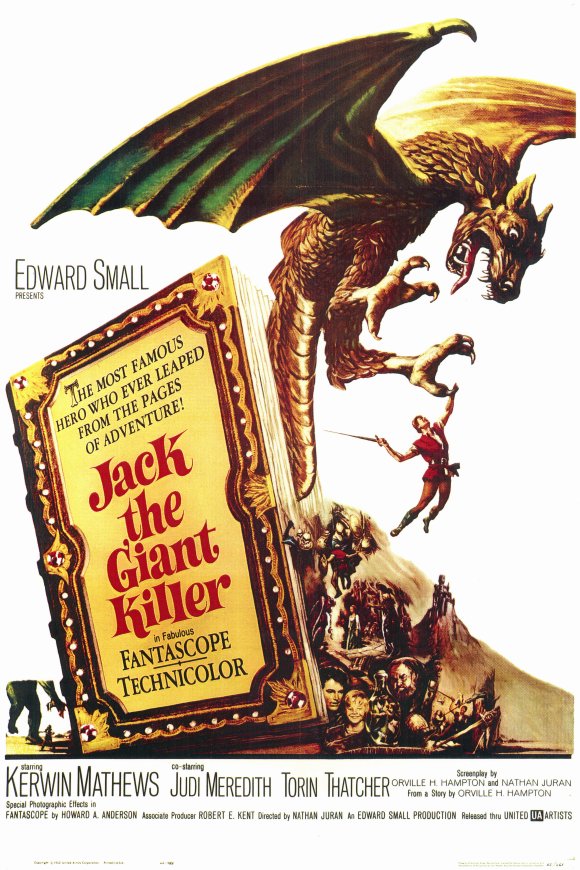
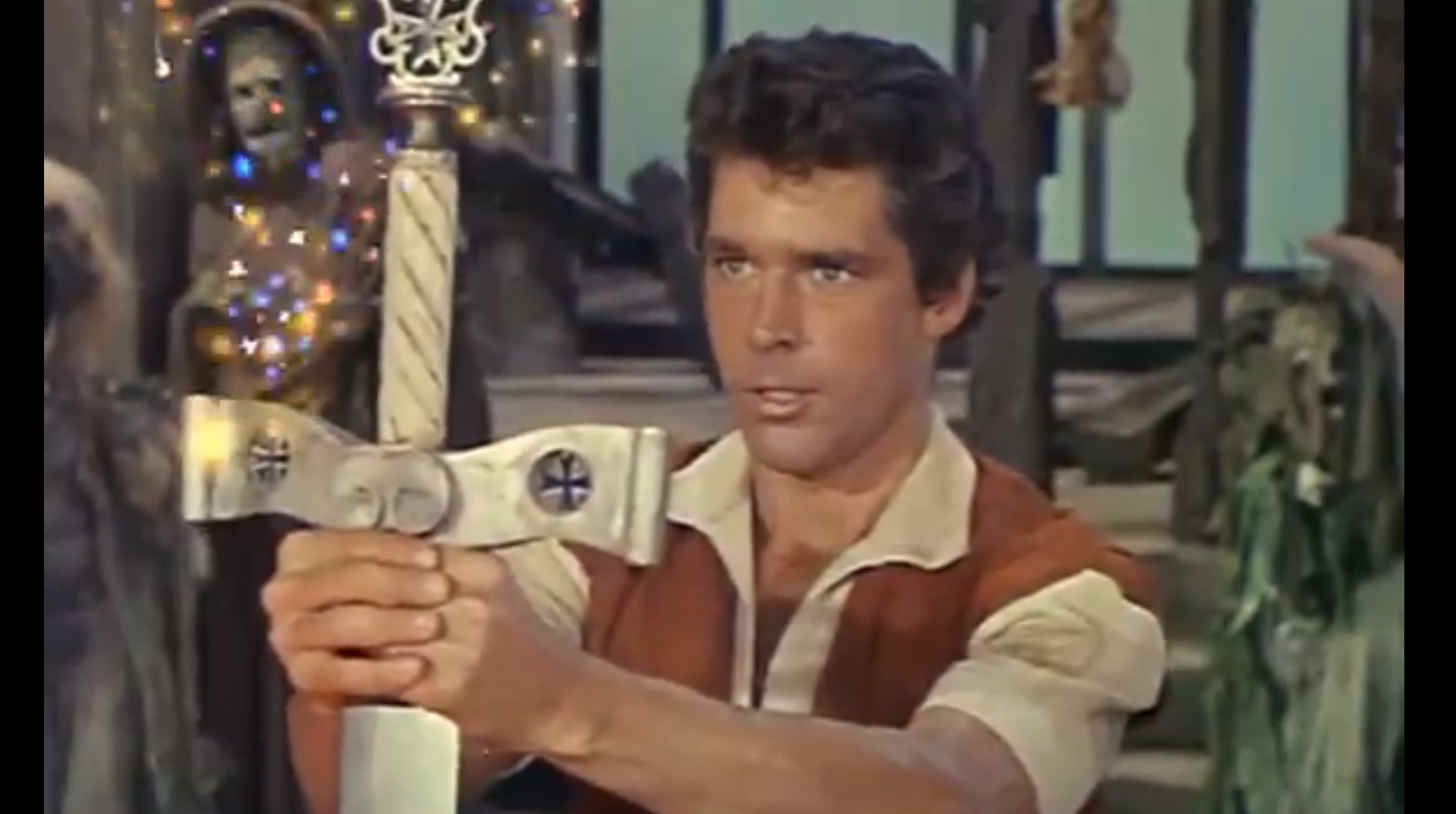
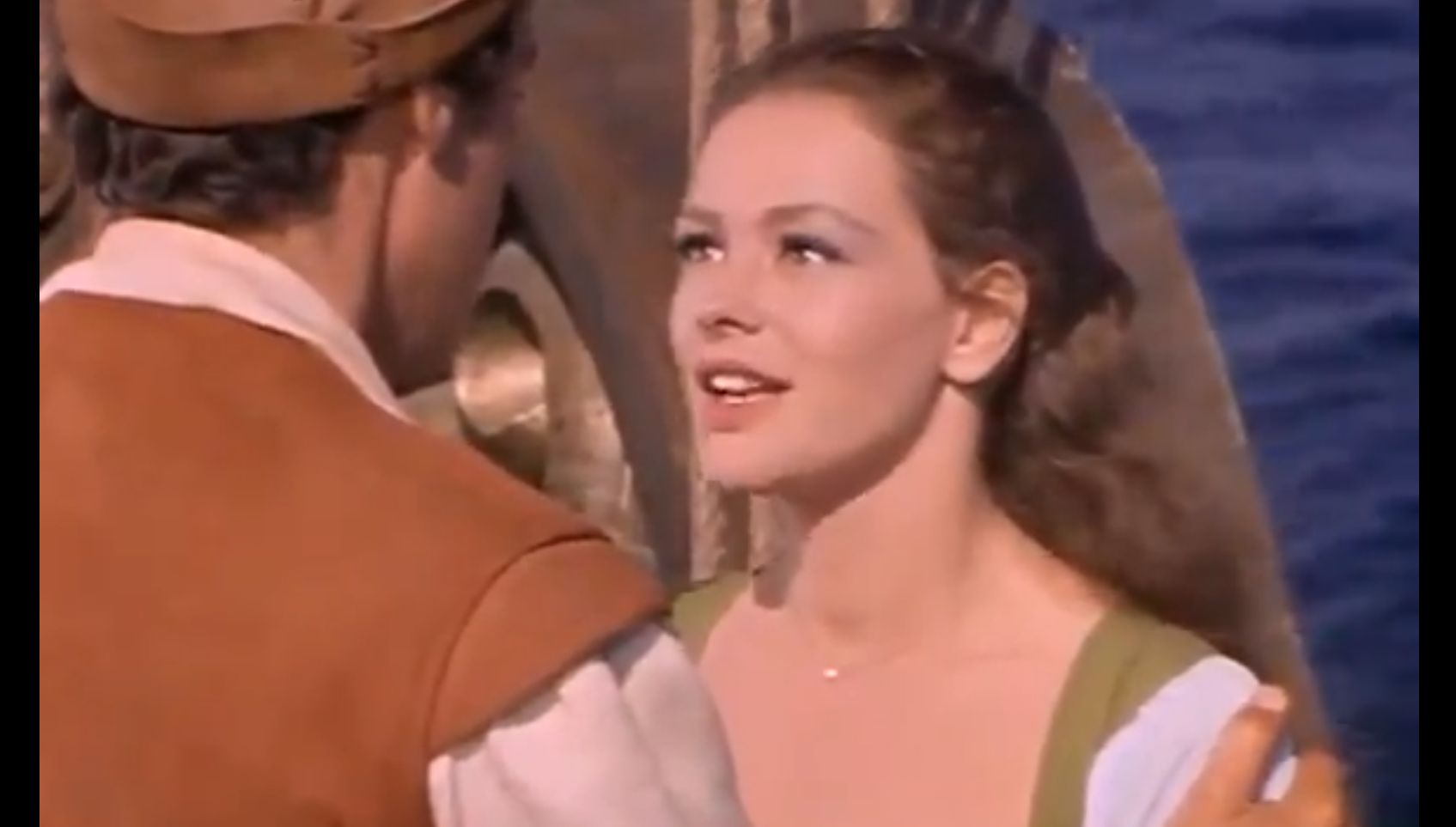
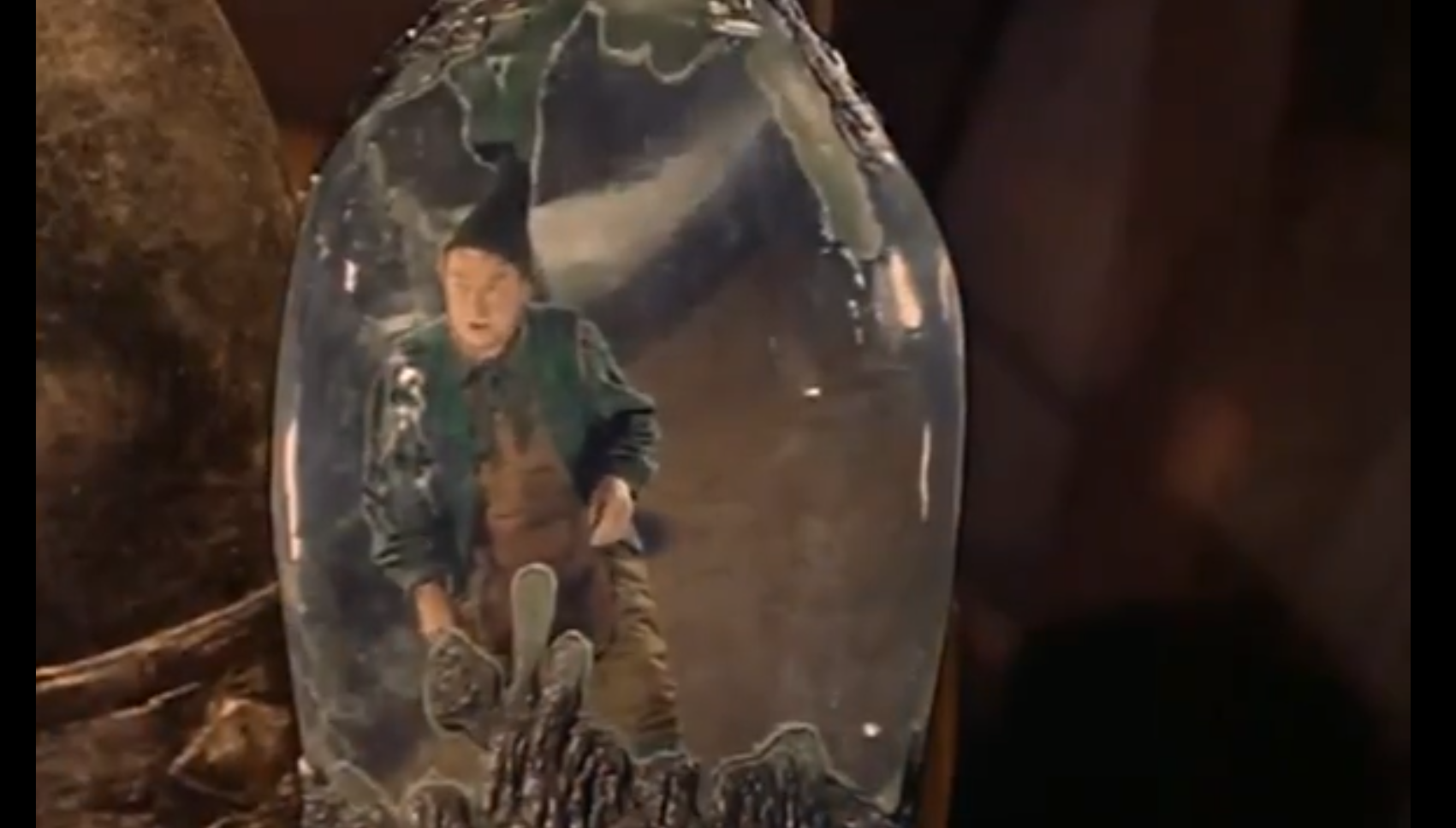
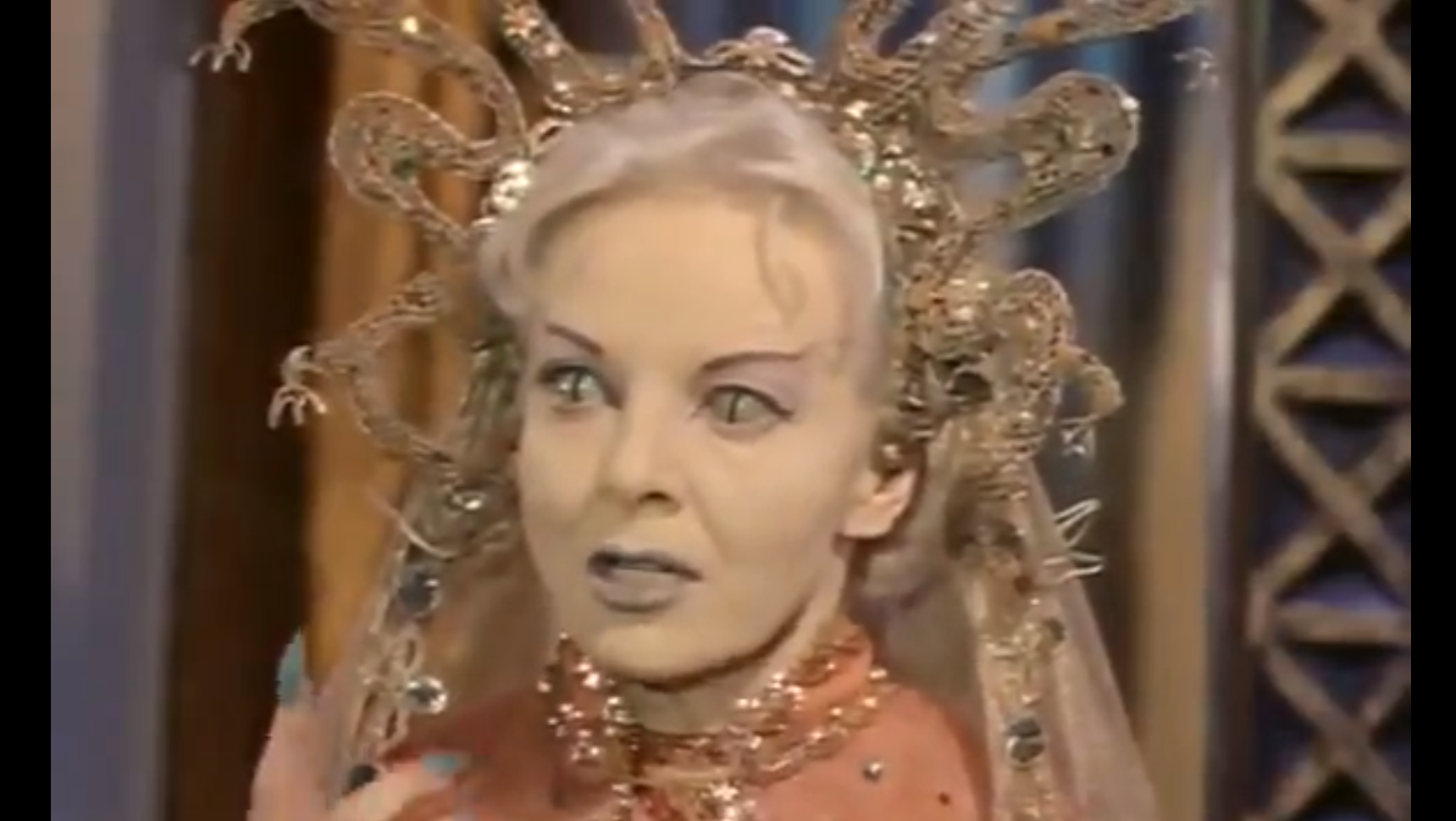
It’s easy to see why Peary lists this much-maligned fantasy flick in the back of his book as a Sleeper — it’s been so roundly dissed as simply an inferior imitation of Ray Harryhausen’s stop-motion adventures that it never stood a chance on its own. While it’s true that the animation can’t hold a candle to Harryhausen’s creations, it’s exciting to see Jack battling various monsters, the story moves along at a fast pace, and the romantic leads are appealing. Jack the Giant Killer may not be must-see viewing, but it’s not awful, either.

Redeeming Qualities and Moments:

  • Kerwin Mathews as the plucky hero
  • Judi Meredith as the bewitched princess
  • Lots of fast-paced action, colorful costumes, and creative make-up


Must See?
No, but it’s recommended for fans of fantasy flicks.

Links:

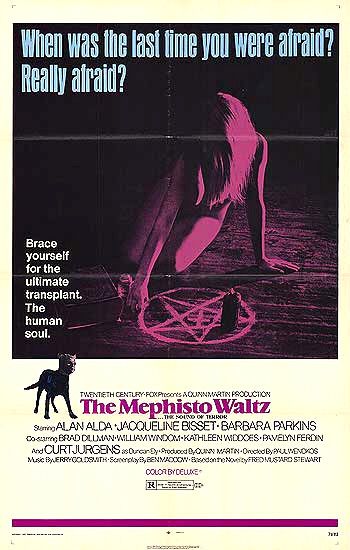
Mephisto Waltz, The (1971)

Mephisto Waltz, The (1971)

“I happen to be the greatest pianist alive, and I’ll tell you this, Mr. Myles Clarkson: hands like yours are one in a hundred thousand.”

Synopsis:
Dying concert pianist Duncan Ely (Curt Jurgens) and his daughter (Barbara Parkins) use satanic powers to transfer Ely’s soul into the body of music journalist Myles Clarkson (Alan Alda). Clarkson’s wife (Jacqueline Bisset) becomes disturbed by her husband’s change of character, and when their daughter Abby (Pamelyn Ferdin) dies suddenly, she begins to suspect witchcraft.

Genres, Themes, Actors, and Directors:

  • Curt Jurgens Films
  • Demonic Possession
  • Horror
  • Jacqueline Bisset Films
  • Musicians
  • Pact With the Devil
  • Satanists

Review:
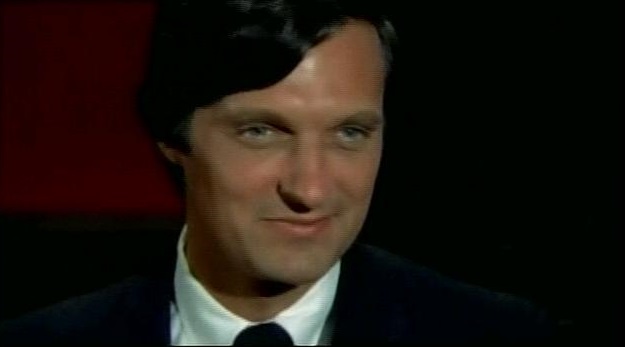
Based on a novel by Fred Mustard Stewart, this demonic thriller is regarded by many as simply a second-rate imitation of Rosemary’s Baby (1968); indeed, many elements of the story — as well as director Paul Wendkos’ choice of cinematic devices — echo its famous precursor. On its own terms, Mephisto Waltz remains a visually sumptuous yet not entirely satisfying tale of demonic possession. I enjoyed seeing Alan Alda with an evil glint in his eye, and Curt Jurgens (who makes a brief appearance in the beginning of the film) is perfectly cast as the egotistical pianist intent on maintaining his talent beyond death. Less noteworthy are the performances by the female leads: while Bisset does a decent job as Alda’s jealous wife, we never really care for her, and Parkins is similarly icy and reserved. The best aspect of the film remains the titular musical piece; Franz Liszt’s meaty, dissonant composition may be the best evocation ever of a pact with the devil.

Redeeming Qualities and Moments:

  • Curt Jurgens as Duncan Ely
  • Alan Alda as Myles Clarkson
  • A haunting, appropriately satanic score
  • The convoluted, yet satisfying, twist ending

Must See?
No. This one is only must-see viewing for fans of films on witchcraft.

Links:

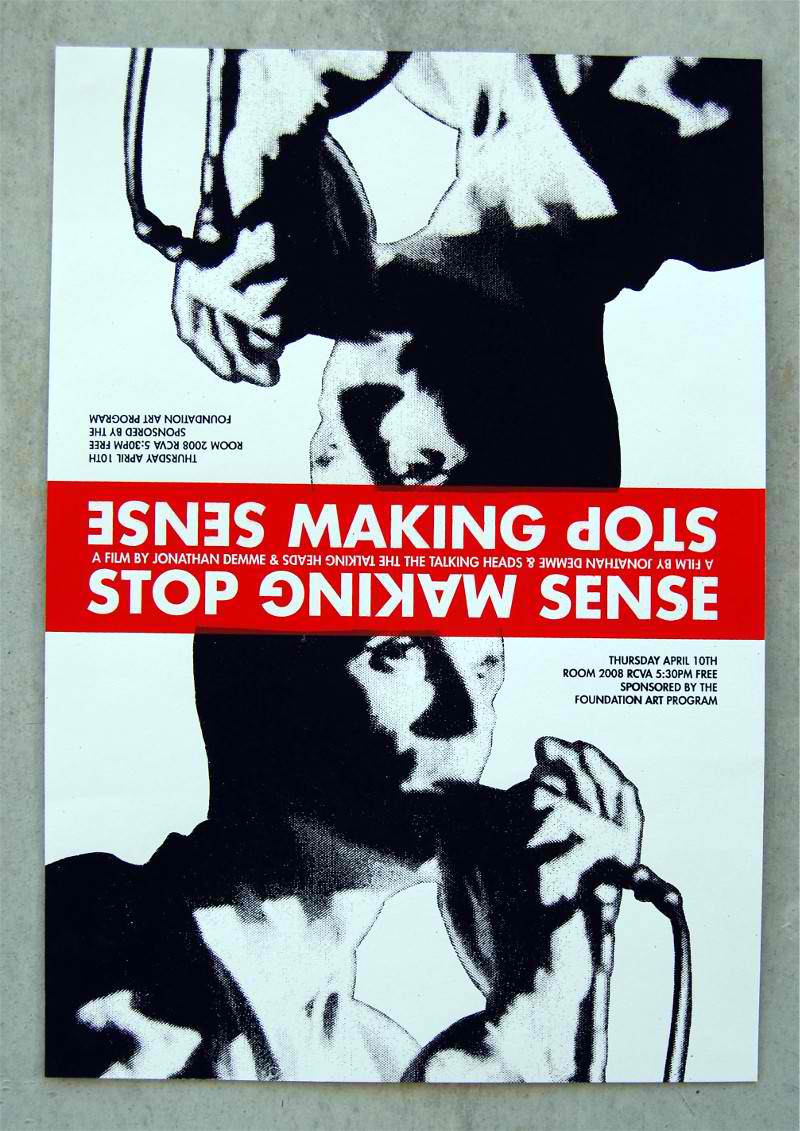
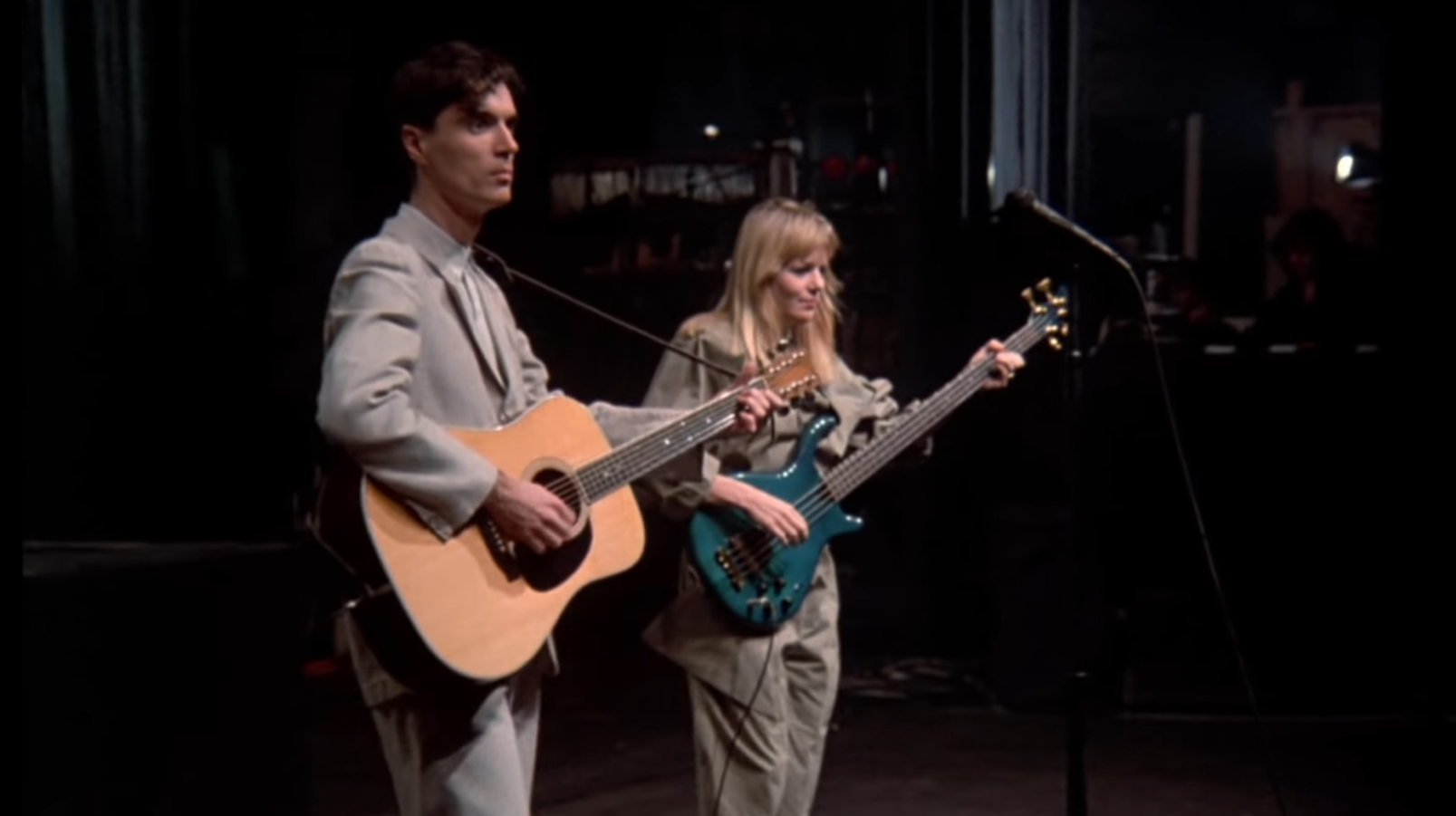
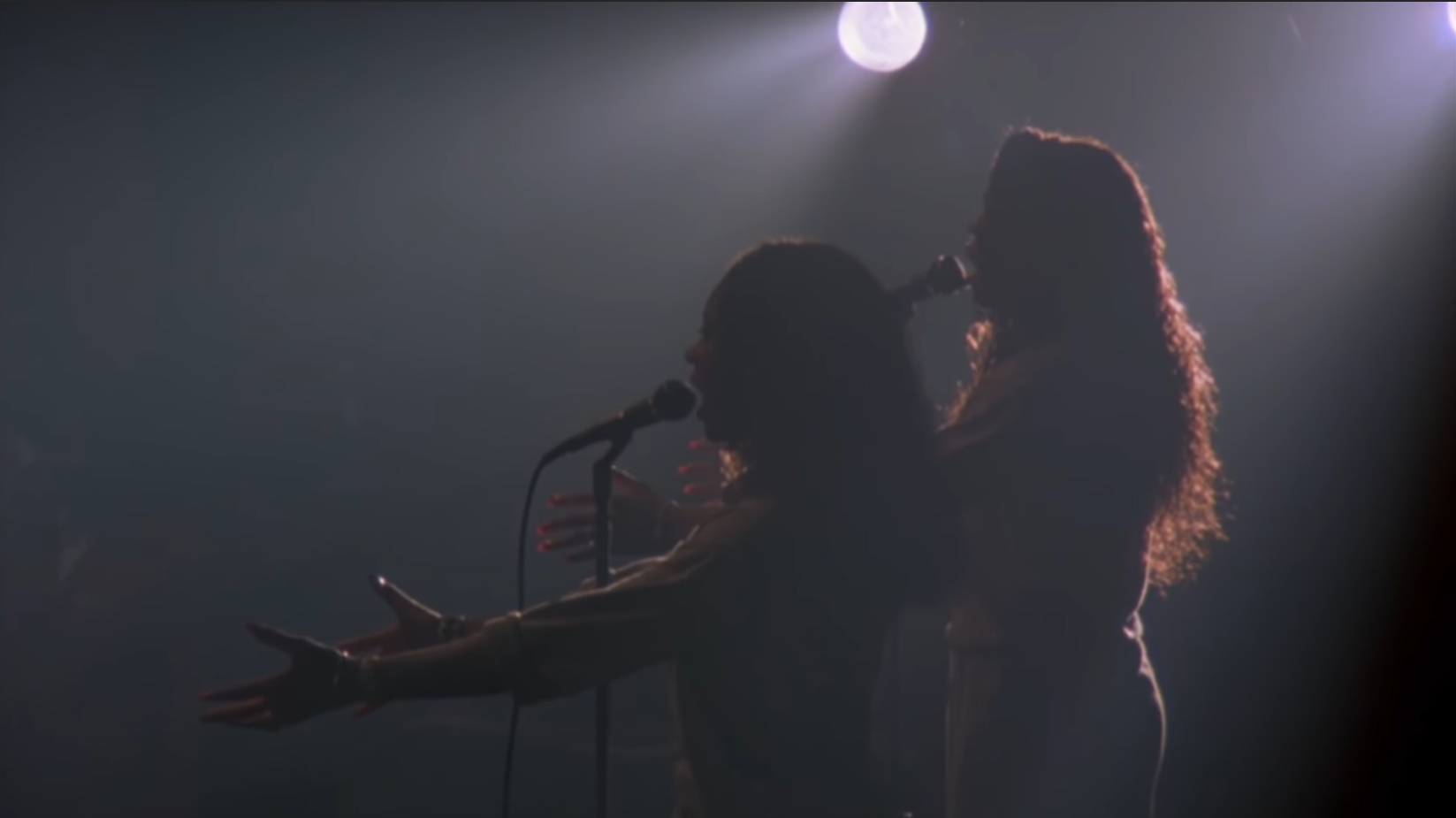
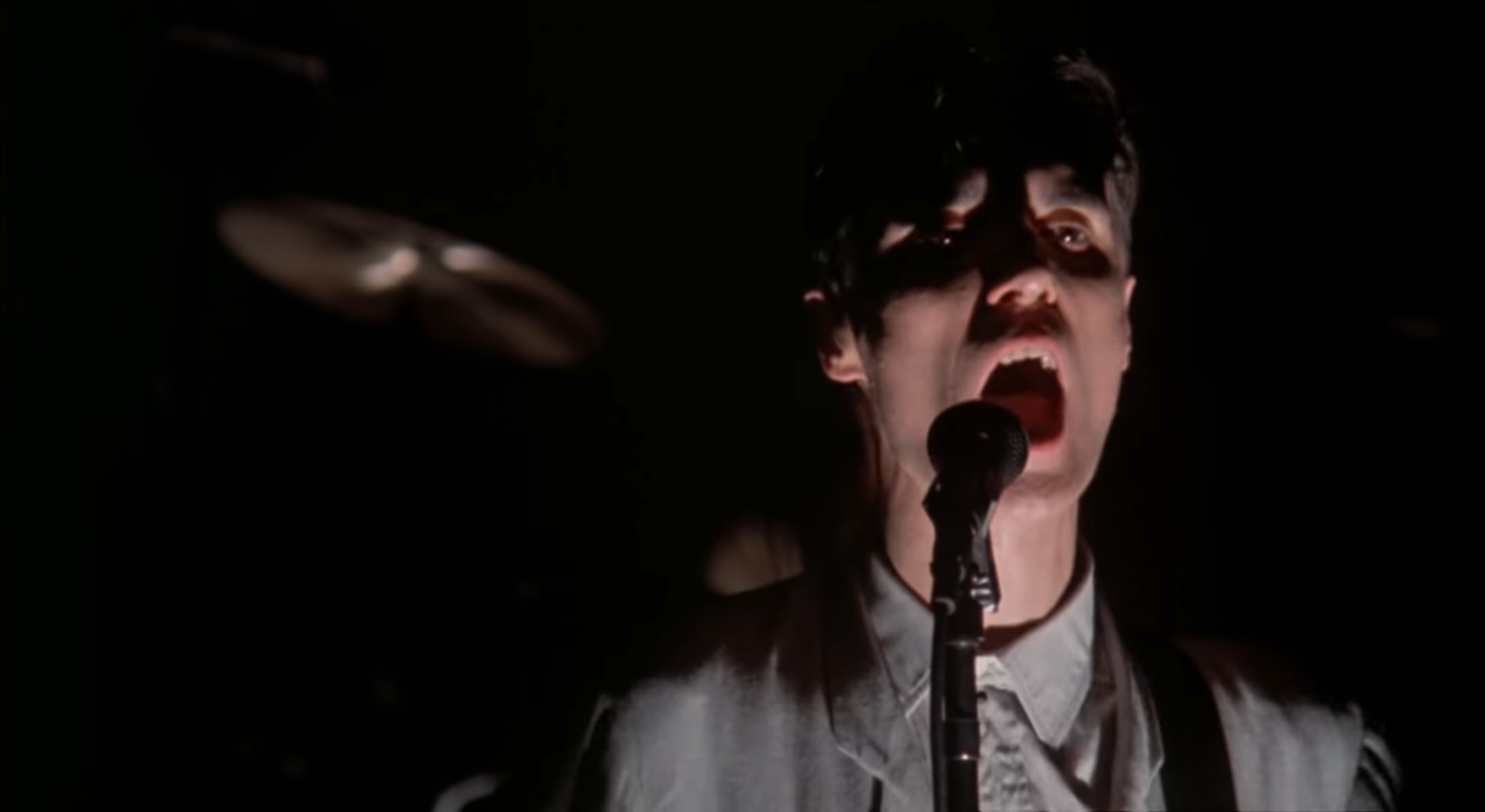
Stop Making Sense (1984)

Stop Making Sense (1984)

“I’ve got a tape I want to play.”

Synopsis:
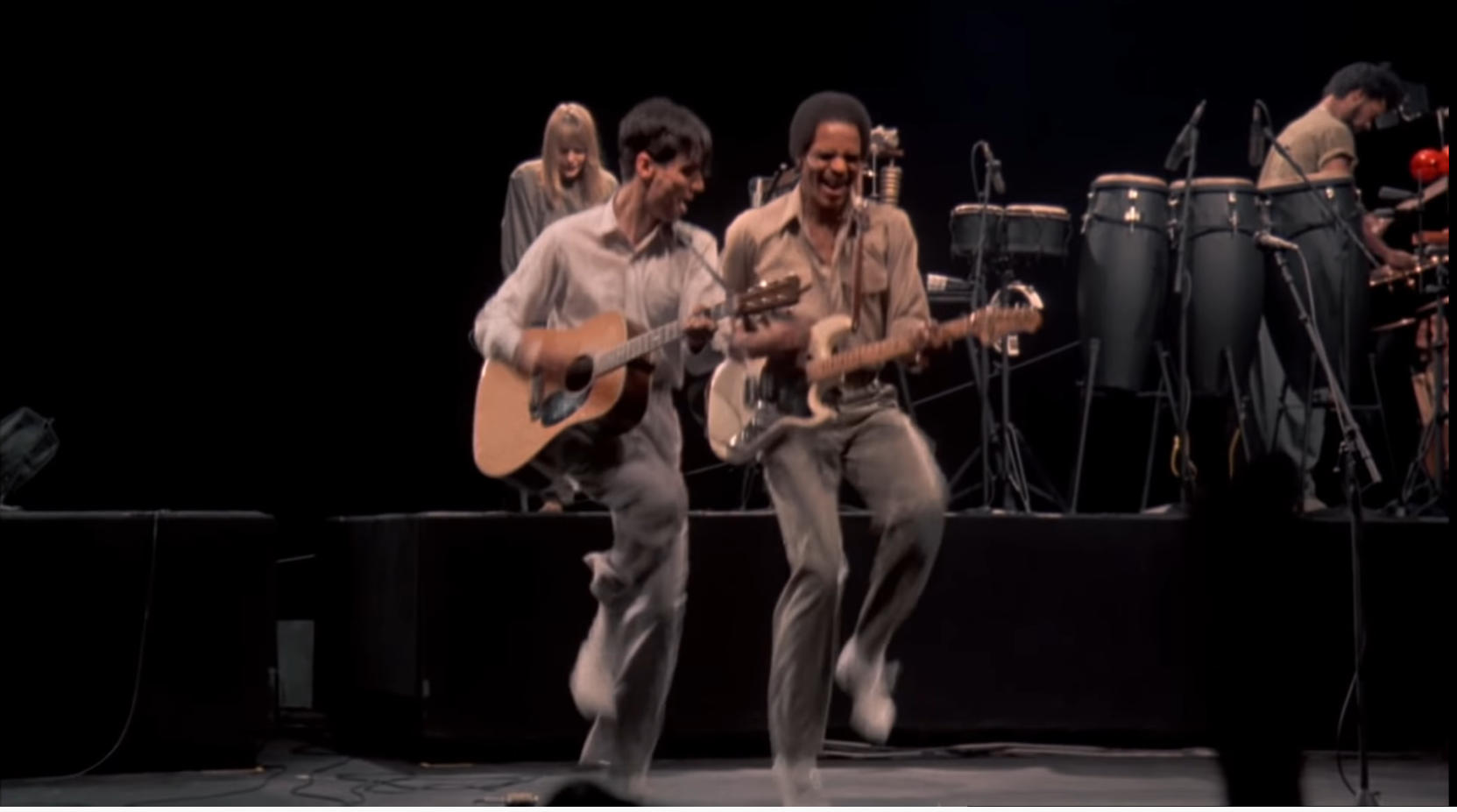
The Talking Heads perform at the Pantages Theater in Hollywood.

Genres, Themes, Actors, and Directors:

  • Concert Film
  • Jonathan Demme Films

Response to Peary’s Review:
Peary is lavish in his praise of this “riveting concert film”, directed by Jonathan Demme and featuring the Talking Heads on their final tour together as a band. He argues that “what takes place on stage will make even [the] most skeptical into Talking Heads converts”, and labels the performances as “invariably exciting”. While I don’t disagree with Peary that this is an enjoyable, masterfully directed concert film — perhaps, as many argue, one of the best ever made — I still question whether film fanatics must see it. As with all concert films, Stop Making Sense will ultimately be of most interest to pre-existing fans of the band, and/or those wishing to get a visual sense of what the Talking Heads were all about.

Redeeming Qualities and Moments:

  • David Byrne’s wildly energetic performance
  • The creative opening sequences, in which band members appear one at a time
  • The Talking Heads performing “Once in a Lifetime”
  • Jordan Cronenweth’s cinematography

Must See?
No, but it’s certainly must-see viewing for any fans of the Talking Heads.

Links:

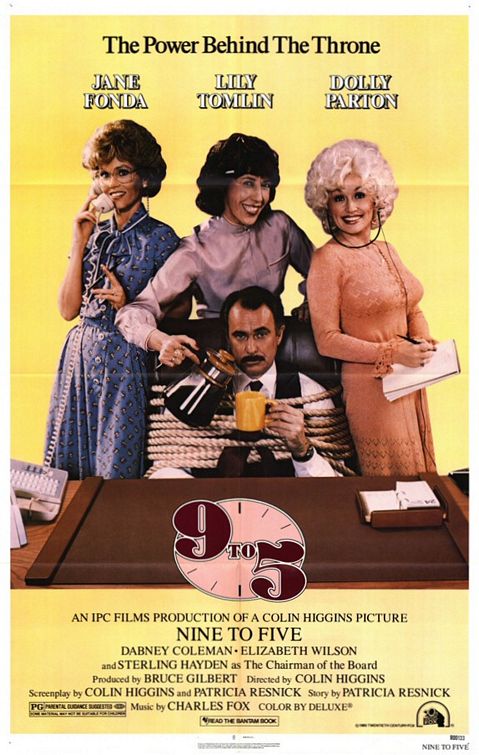
Nine to Five (1980)

Nine to Five (1980)

“Let’s face it — we’re in a pink-collar ghetto!”

Synopsis:
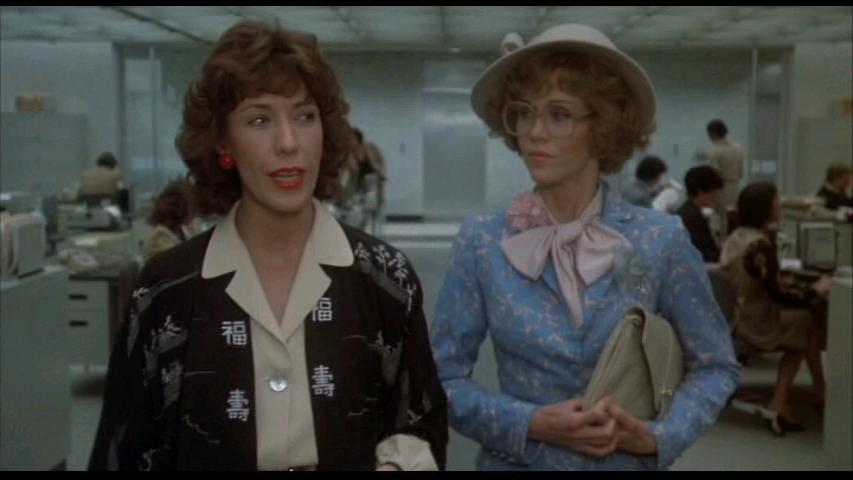
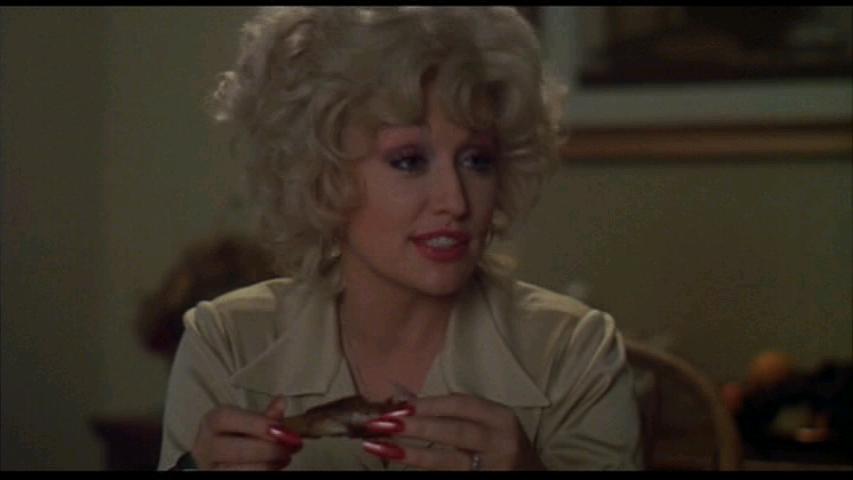
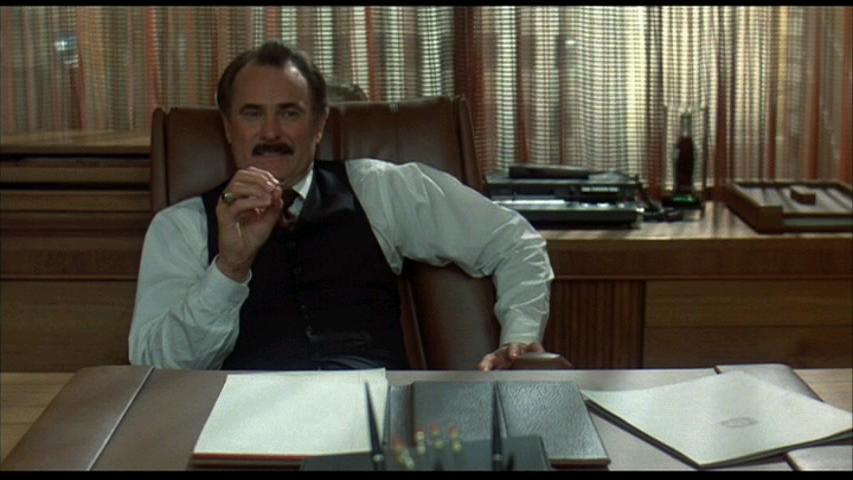
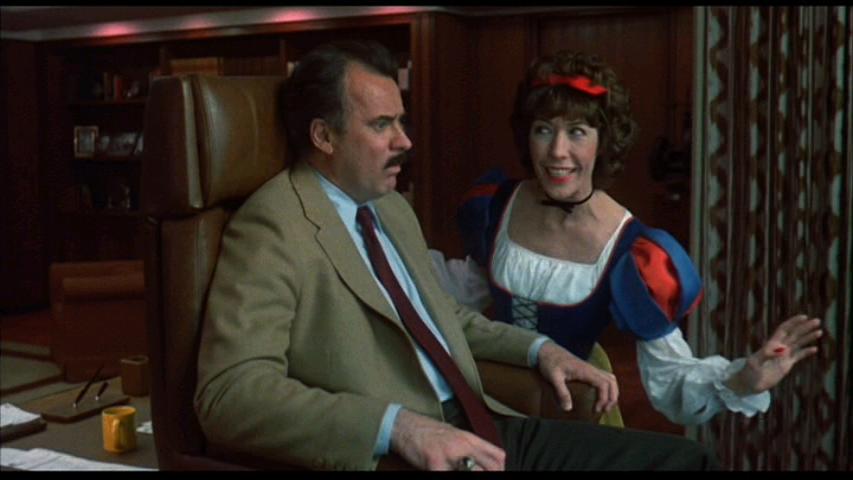
Three female co-workers (Jane Fonda, Lili Tomlin, and Dolly Parton) seek revenge on their sexist male boss (Dabney Coleman).

Genres, Themes, Actors, and Directors:

  • Comedy
  • Feminism and Women’s Issues
  • Hostages
  • Jane Fonda Films
  • Revenge
  • Sterling Hayden Films
  • Workplace Drama

Review:
This groundbreaking comedy about sexual discrimination in the workplace has held up surprisingly well, thanks in no small part to the lead performances: Parton (in her acting debut) sparkles, Tomlin has rarely been funnier, and Dabney Coleman’s turn as a sexist pig is priceless. While the script is unnecessarily clumsy (the entire slapstick hospital sequence seems gratuitous, for instance), there are enough genuinely humorous moments to hold interest. Ultimately, while the focus on Nine to Five may be specifically female, the desire to seek revenge against one’s boss remains universal — one can’t help feeling vicarious satisfaction upon seeing Coleman held hostage for weeks on end while the three women turn things around in the office. Who knew that a film about sexual harassment and gender politics could be such a feel-good experience?

Redeeming Qualities and Moments:

  • Lili Tomlin as Violet
  • Dolly Parton in her film debut as Doralee
  • Dabney Coleman as the “sexist, egotistical, lying, hypocritical bigot”
  • The hilarious revenge fantasy sequences
  • A groundbreaking look at sexual harassment in the workplace
  • Parton’s infectious title song

Must See?
Yes. Though uneven, this classic workplace comedy remains must-see viewing. It would make a great double-bill with the modern cult hit Office Space (1999).

Categories

  • Historically Relevant
  • Noteworthy Performance(s)

Links:

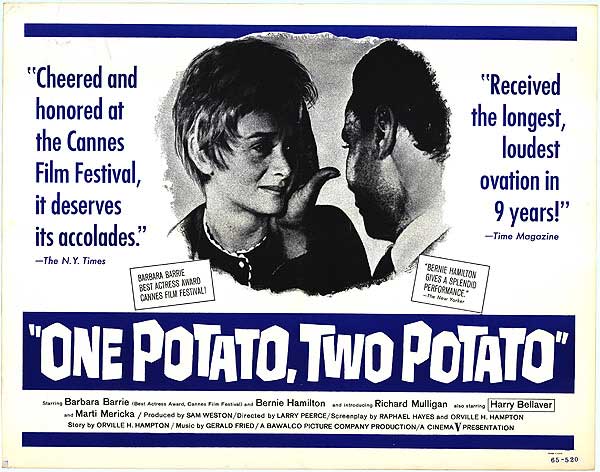
One Potato, Two Potato (1964)

One Potato, Two Potato (1964)

“My husband gave her what you took away: a father, a family, the only home she’s only really ever known.”

Synopsis:
When a white single mother (Barbara Barrie) marries an African-American co-worker (Bernie Hamilton), her bigoted ex-husband (Richard Mulligan) sues for custody of their daughter (Marti Mericka).

Genres, Themes, Actors, and Directors:

  • Courtroom Drama
  • Cross-Cultural Romance
  • Race Relations and Racism

Review:
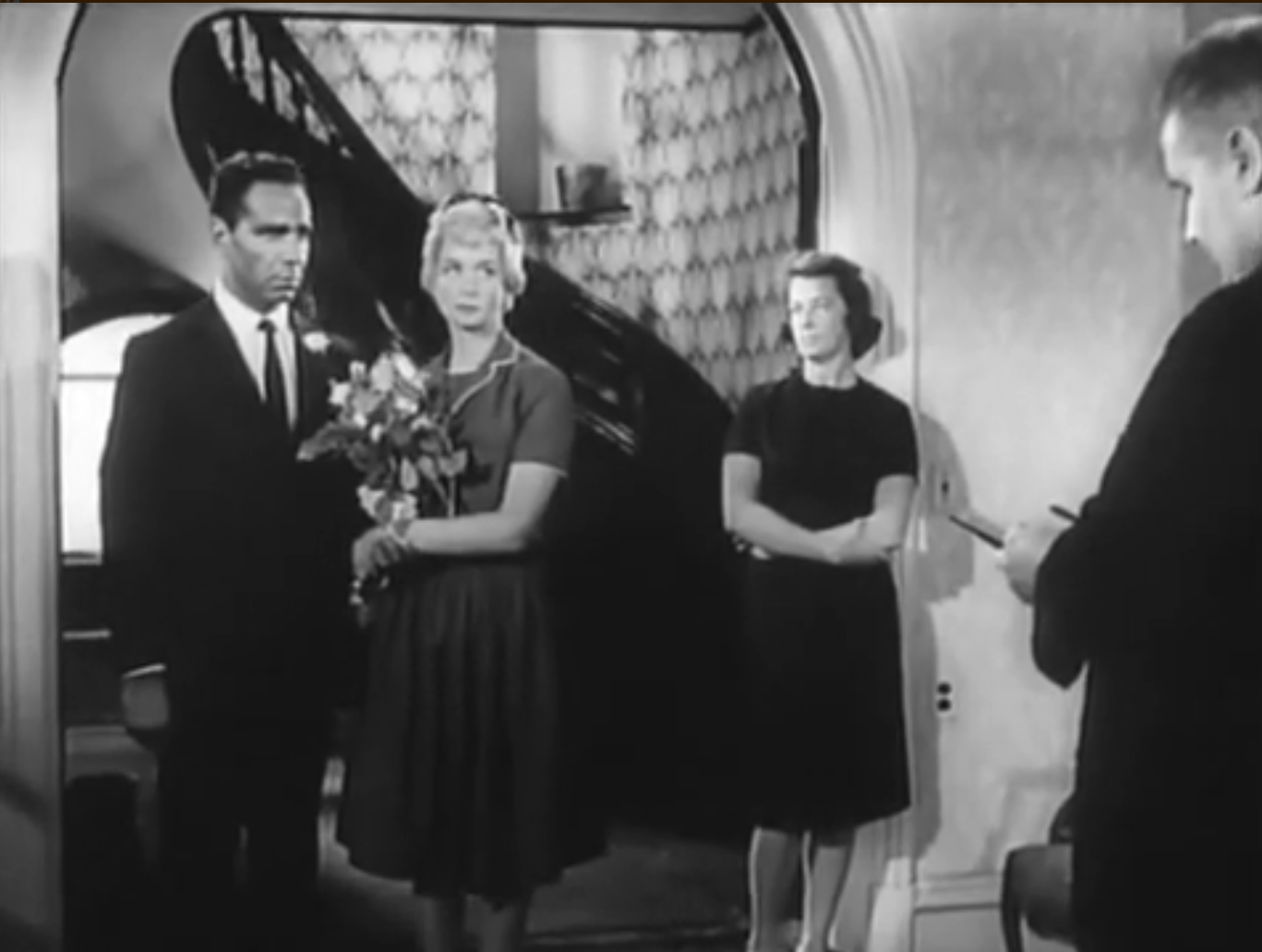
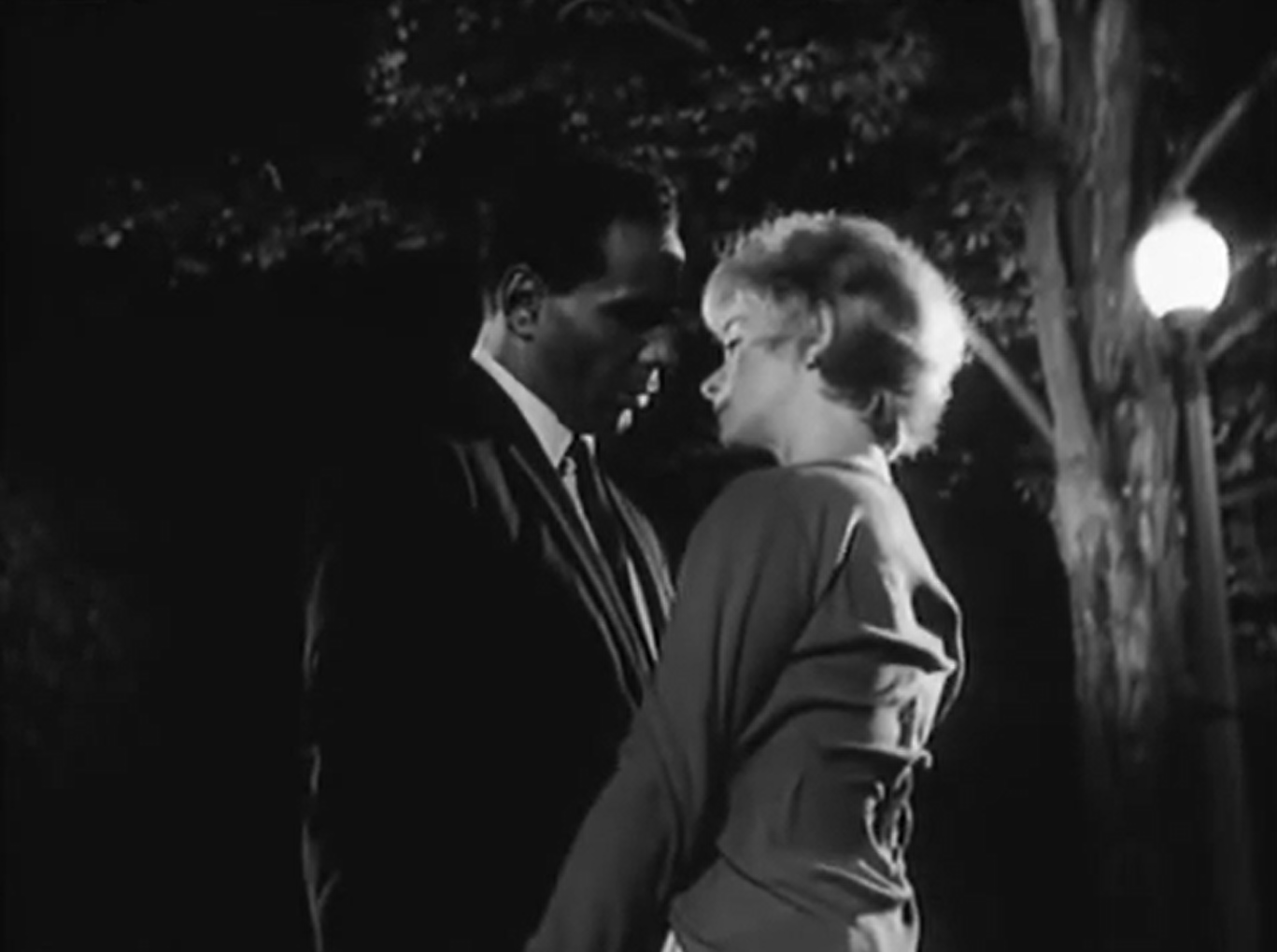
It’s easy to see why this brave film about interracial romance was cheered when it debuted at the Cannes Film Festival. One Potato, Two Potato dares to show a man and a woman whose love for each other is blind to race, yet it never shies away from depicting the bigoted and/or defensive reactions of those around them. Barrie and Hamilton’s romance is an issue not only for prejudiced whites (note the quietly devastating shot during their wedding, when a female attendant stares at them with ice water in her veins):

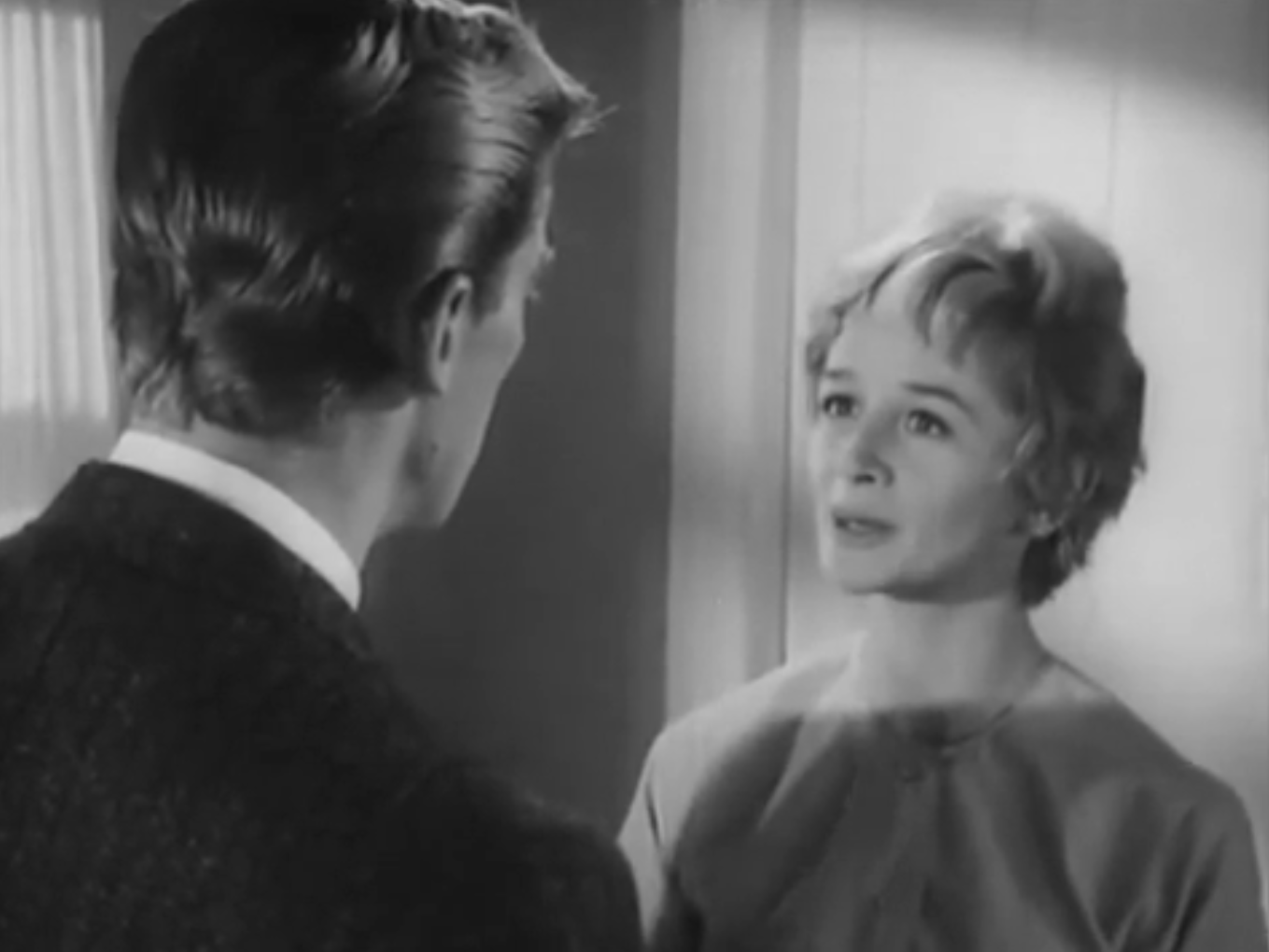
… but for Hamilton’s parents (nicely played by Vinnette Carroll and Robert Earl Jones) as well: Jones in particular resents what he sees as the intrusion of whiteness into his hard-earned independence. While not every scene in One Potato, Two Potato works (some — such as when Mulligan meets his estranged daughter for the first time in years, or when Barrie and Hamilton hopscotch together in the park — smack of preciousness), they’re easy to forgive, given the film’s overall sincerity. This would make a natural double-bill with Guess Who’s Coming to Dinner (1967).

Redeeming Qualities and Moments:

  • Barbara Barrie’s sympathetic performance as Julie
  • A brave portrayal of interracial love in the 1960s
  • The final devastating scene

Must See?
No, but it’s recommended simply for its historical importance.

Links:

Gimme Shelter (1970)

Gimme Shelter (1970)

“Everybody seems to be ready. Are you ready?”

Synopsis:
Four months after Woodstock, the Rolling Stones hire Hell’s Angels to keep the peace during their notorious free concert at the Altamont Speedway in San Francisco. But tragedy ensues when a gun-toting spectator (Meredith Hunter) is stabbed to death.

Genres, Themes, Actors, and Directors:

  • Concert Films
  • Documentary

Response to Peary’s Review:
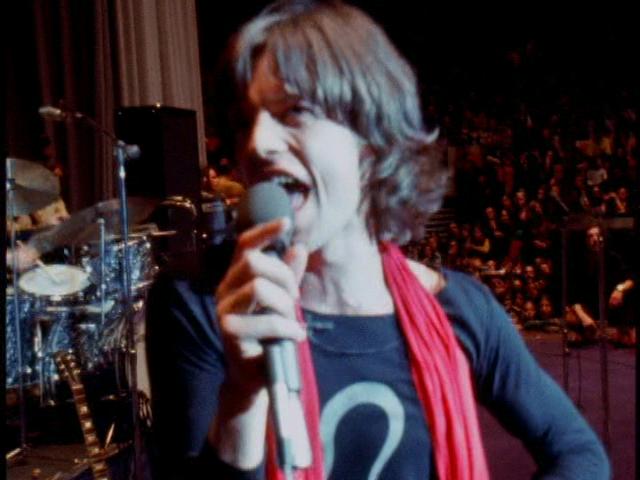
As Peary notes, “the Stones are really in peak form” in this infamous concert film-turned-tragic time capsule. The Maysles brothers — with their “famous cinema verite style” — do indeed “do [the Stones] justice”; it’s easy to see why Jagger, with his remarkably effeminate clothing and performance style, was such a potent symbol of the anything-goes counterculture. Yet even Jagger’s dynamic presence is overshadowed by the pall of what was to come. As Peary notes, Gimme Shelter sadly “squashed the euphoria created by Woodstock”, but I disagree that it “signaled the beginning of an era that would have no place for the love generation” — in reality, Gimme Shelter simply highlights the tensions and dualities that had always existed in America. The clashing of two notorious counterculture groups — Hell’s Angels and hippies — is a harsh yet realistic demonstration of why Free Love will likely never exist on a universal basis, and why attempting to simply “get along” with one another (the ineffectual Jagger sounds for all the world like Rodney King as he pleads for the violence to stop) is a naive pipe dream. Call me a cynic — I guess I am one.

Note: Though Peary (and others) refer to the tragic death of Meredith Hunter as a “murder”, it was likely homicide in self-defense. Regardless of one’s personal views about the Angels, any security guard worth his salt would react defensively and immediately upon seeing a gun drawn at a high-profile concert.

Redeeming Qualities and Moments:

  • Mick Jagger’s energetic, effeminate prancing on stage
  • Tina Turner singing “I’ve Been Loving You Too Long”
  • A time-capsule glimpse — a la Woodstock — of 1969’s hippie counterculture
  • A devastating document of chaos and violence during the era of Free Love

Must See?
Yes. This invaluable documentary should be seen by all film fanatics.

Categories

  • Historically Relevant

(Listed in 1001 Movies You Must See Before You Die)

Links: