Beachcomber, The / Vessel of Wrath (1938)

Beachcomber, The / Vessel of Wrath (1938)

“I suppose I’m jealous of the reckless way he squanders the precious treasure of life.”

Synopsis:
A naive missionary (Elsa Lanchester) tries to reform an inveterate beach bum (Charles Laughton), and soon finds herself smitten.

Genres, Themes, Actors, and Directors:

  • Character Arc
  • Charles Laughton Films
  • Elsa Lanchester Films
  • Missionaries and Revivalists
  • Morality Police
  • Robert Newton Films
  • Romantic Comedy
  • South Sea Islands

Response to Peary’s Review:
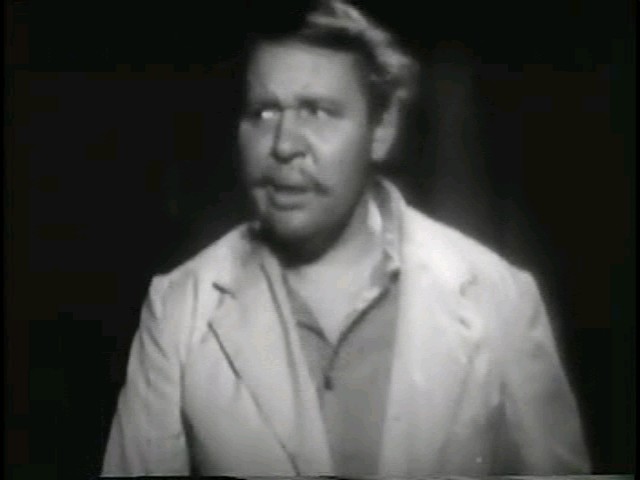
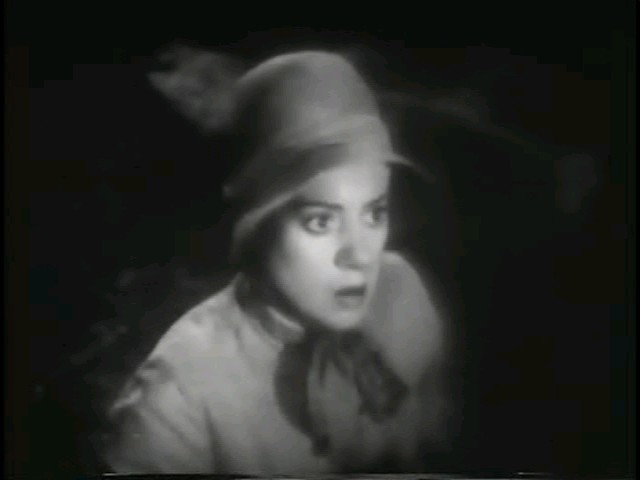
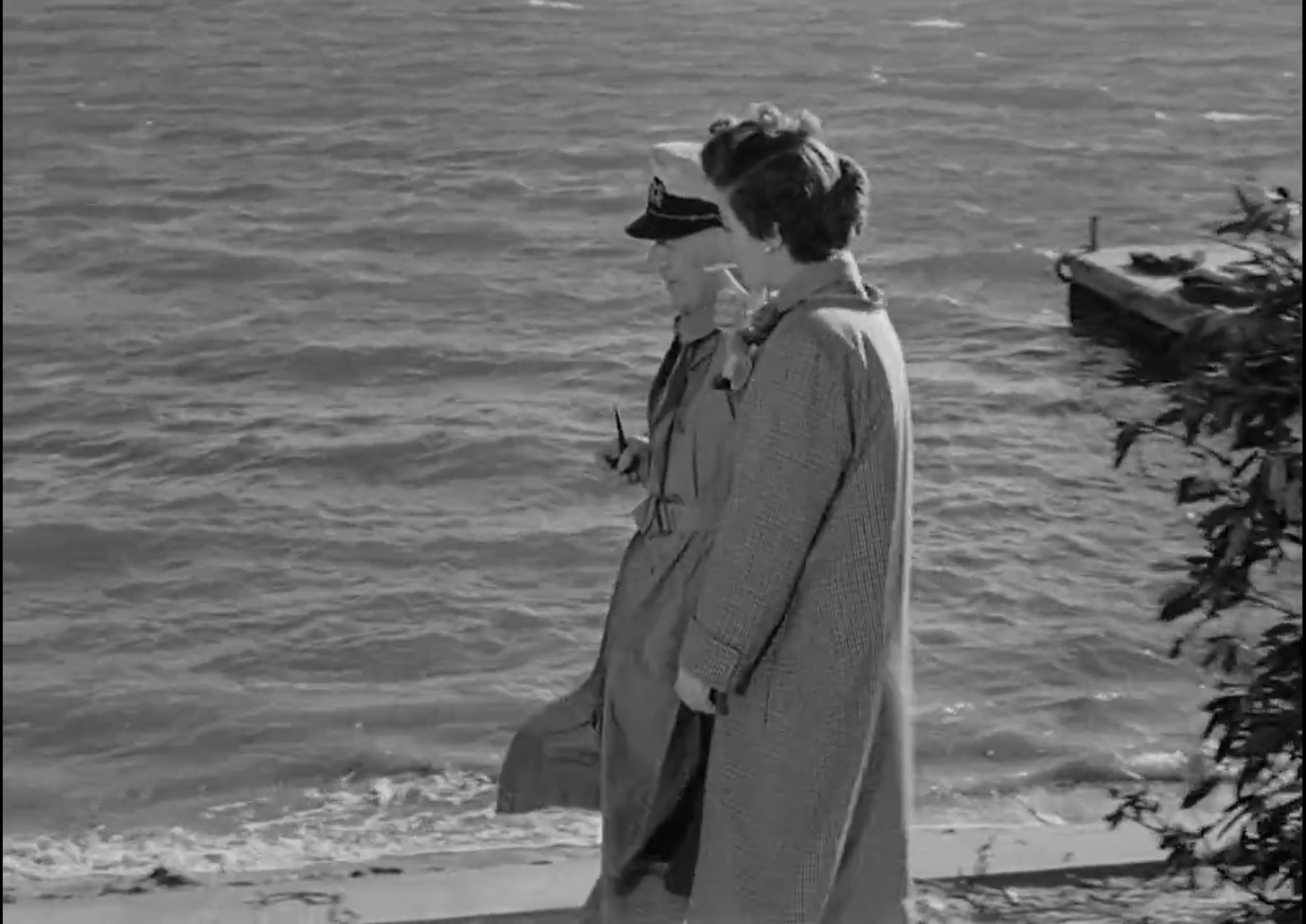
Based on a W. Somerset Maugham short story, this “gently paced” tale of a “slovenly, perpetually drunk woman-chasing beach bum” and a “sheltered, naive missionary” features delightful performances by real-life couple Laughton and Lanchester. The story strains credibility and comfort during the first half, as we watch the less-than-handsome Laughton inexplicably attracting adoring native women like flies, and are forced to watch generically brown-skinned islanders patronized like children. It’s not until about halfway through the film — when Lanchester and Laughton unintentionally spend the night together on a deserted island — that things start to get more interesting; in a particularly delightful sequence, we see Lanchester relaxing as she slowly realizes that her “virtue” is not at risk around Laughton. Indeed, Lanchester’s performance is particularly noteworthy here: she remains consistently sympathetic despite her high-handed morality, and literally glows whenever she’s on the screen; she’s never been more beautiful.

Redeeming Qualities and Moments:

  • Charles Laughton (who Peary nominates for an Alternate Oscar as best actor of the year) as slovenly “Ginger”
  • Beautiful Elsa Lanchester as the determined missionary

Must See?
No, but it’s recommended simply for the lead performances — which, as Peary notes, “retain tremendous charm”.

Links:

Cobra Woman (1944)

Cobra Woman (1944)

“You shall see for yourself the cruel barbarism by which Naja holds our people… Fear has made them religious fanatics!”

Synopsis:
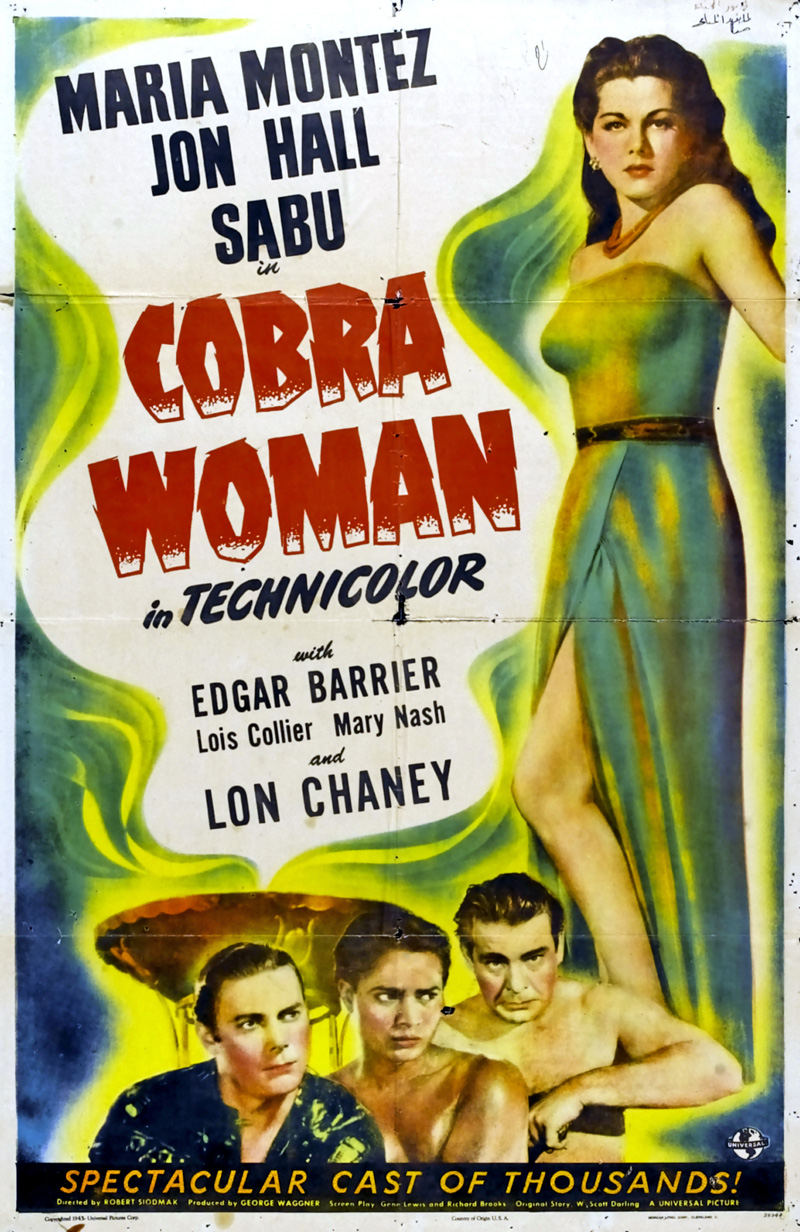
When his fiancee Tollea (Maria Montez) is kidnapped, Ramu (Jon Hall) and his friend Kado (Sabu) follow her to an enchanted island ruled by Tollea’s evil twin, Naja (also Montez).

Genres, Themes, Actors, and Directors:

  • Fantasy
  • Kidnapping
  • Lon Chaney, Jr. Films
  • Robert Siodmak Films
  • Sabu Films
  • South Sea Islands
  • Twins

Response to Peary’s Review:
Peary begins his review of Cobra Woman by labeling it a “Kitsch Klassic”, noting that “the dialogue is enjoyably trite, the decor is ornate, the stars are sexy, the volcano is bubbly, [and] the picture is colorful.” While Dominican actress Maria Montez remains largely unfamiliar to modern audiences, she is, as noted by Peary, “as significant to film history as Carmen Miranda”, and her dual roles here are likely “her definitive performance”. Indeed, it is Montez’s portrayal of both the meek Tollea and the vicious Naja which give this film its delightful air of campiness: Montez takes herself so seriously — and dresses in such outlandishly colorful costumes — that it’s easy to ignore the ridiculous story (which in itself is relatively unimportant). Surprisingly, this camp classic was helmed by noir director Robert Siodmak, who would return to the theme of good-and-evil twins in The Dark Mirror (1946) starring Olivia De Havilland.

Redeeming Qualities and Moments:

  • The outlandish technicolor costumes and over-the-top headdresses

  • Countless campy moments, such as when Naja dances while selecting victims for the island’s angry volcano god

Must See?
Yes, simply for its status as a campy cult classic.

Categories

  • Cult Movie

Links:

Champagne Murders, The (1967)

Champagne Murders, The (1967)

“I thought I was cured… But instead, it’s getting worse!”

Synopsis:
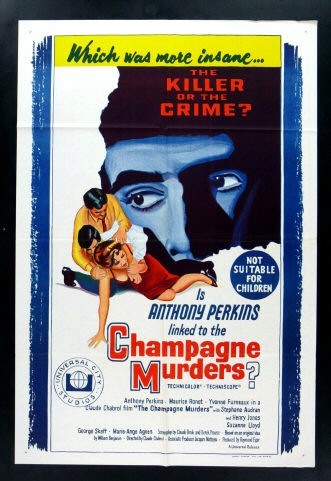
The opportunistic owner (Yvonne Furneaux) of a champagne factory enlists the help of her husband (Anthony Perkins) in convincing her mentally unstable business partner (Maurice Ronet) to sell the rights to his famous last name. Soon a mysterious rash of murders occurs, with Ronet the prime suspect.

Genres, Themes, Actors, and Directors:

  • Anthony Perkins Films
  • Claude Chabrol Films
  • French Films
  • Mental Illness
  • Murder Mystery

Review:
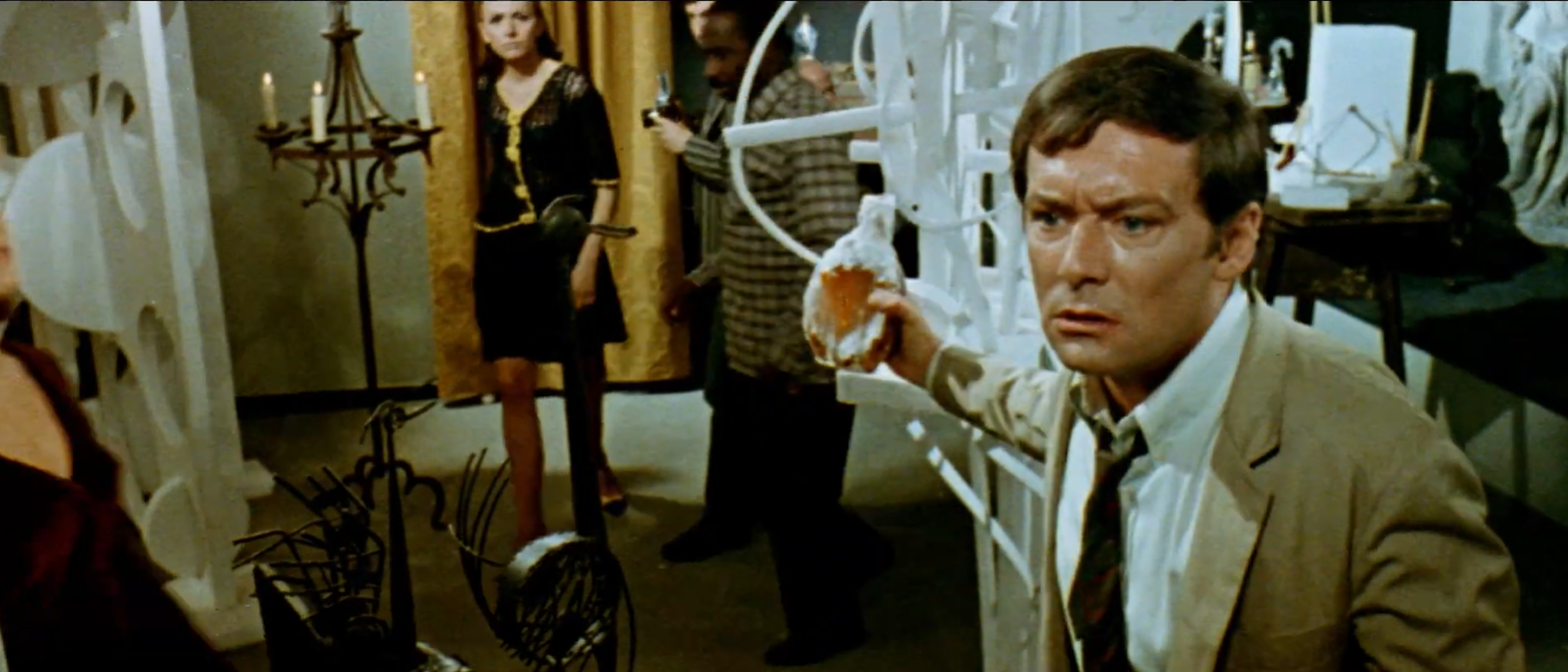
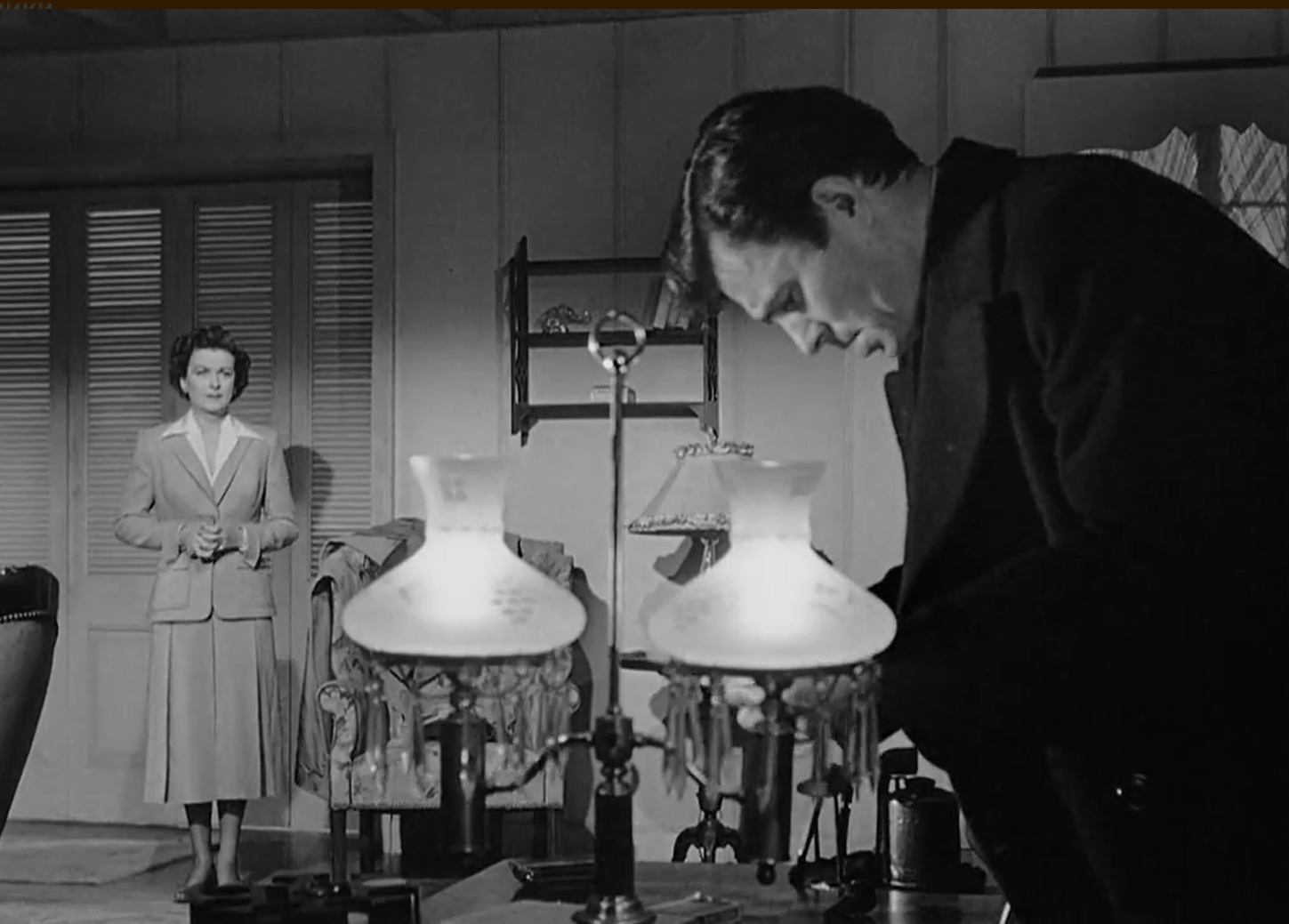
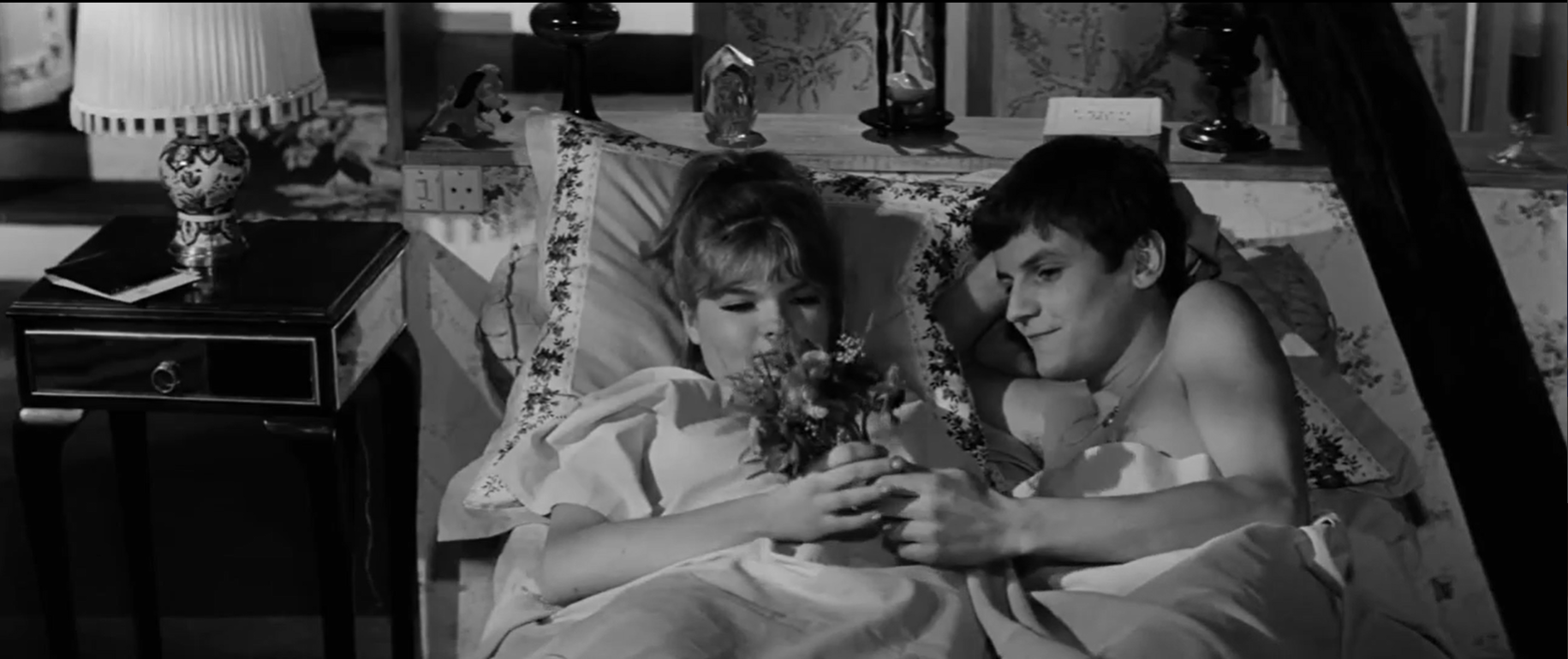
This mess of a murder mystery by French director Claude Chabrol aspires towards Hitchcockian thrills, but comes across as a lame, ineffectual satire instead. The acting by everyone involved is either over-the-top (Furneaux, Ronet):

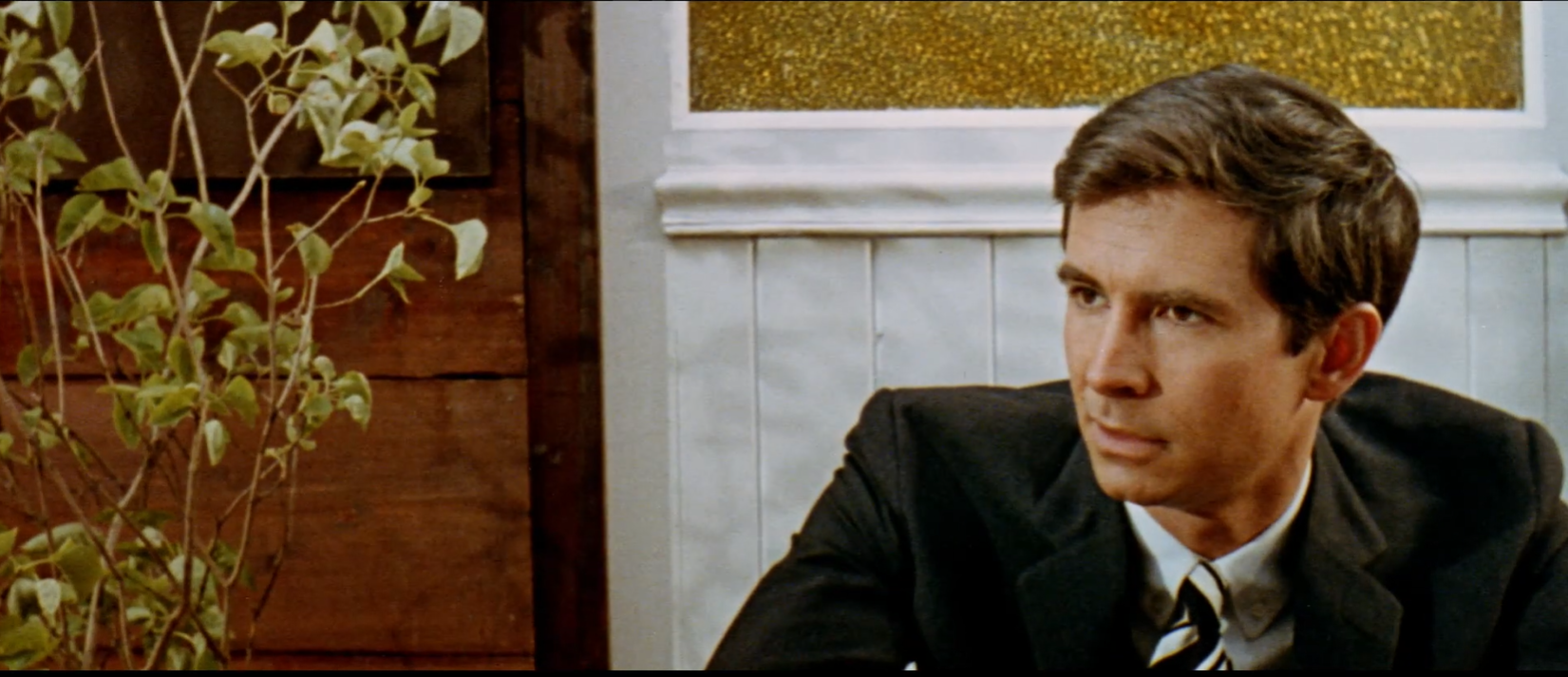
… and/or cliched (Perkins):

None of the characters are likeable; and the script makes no sense from beginning to end. Although the final resolution of “whodunit” comes as a surprise, this can’t make up for the remainder of the insipid story, which is eminently unwatchable. A major disappointment.

Redeeming Qualities and Moments:

  • Fine cinematography and sets

Must See?
No. While it’s inexplicably listed as a Personal Recommendation in the back of Peary’s book, this is a disappointing entry in Chabrol’s oeuvre, and definitely not must-see viewing.

Links:

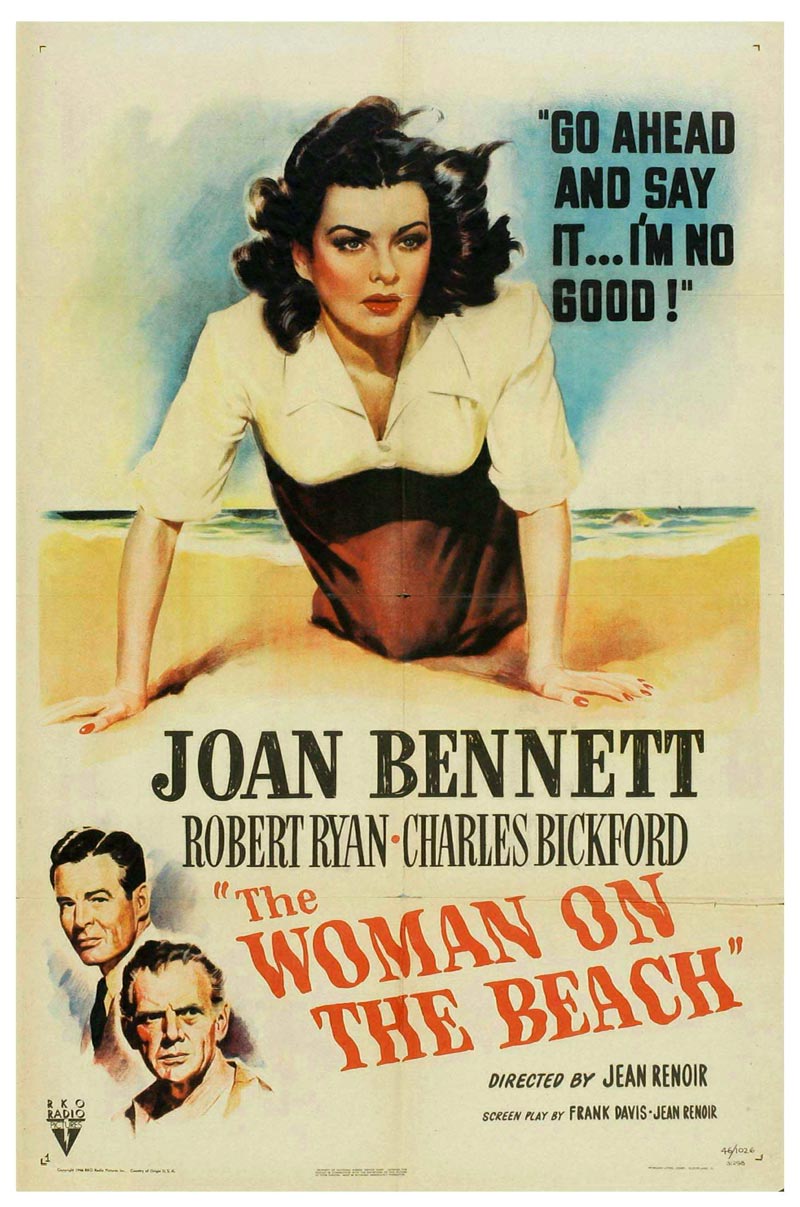
Woman on the Beach, The (1947)

Woman on the Beach, The (1947)

“If I could prove to you that Tod wasn’t really blind, would you leave him?”

Synopsis:
A shell-shocked veteran (Robert Ryan) engaged to a local girl (Nan Leslie) falls for the seductive wife (Joan Bennett) of a recently blinded painter (Charles Bickford). Soon Ryan becomes convinced that Bickford isn’t really blind, and sets out to prove this to Bennett.

Genres, Themes, Actors, and Directors:

  • Blindness
  • Charles Bickford Films
  • Femmes Fatales
  • Jean Renoir Films
  • Joan Bennett Films
  • Love Triangle
  • Robert Ryan Films

Review:
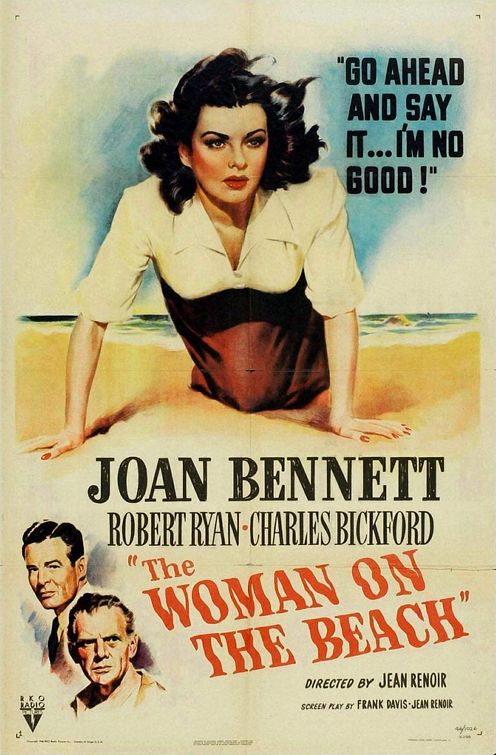
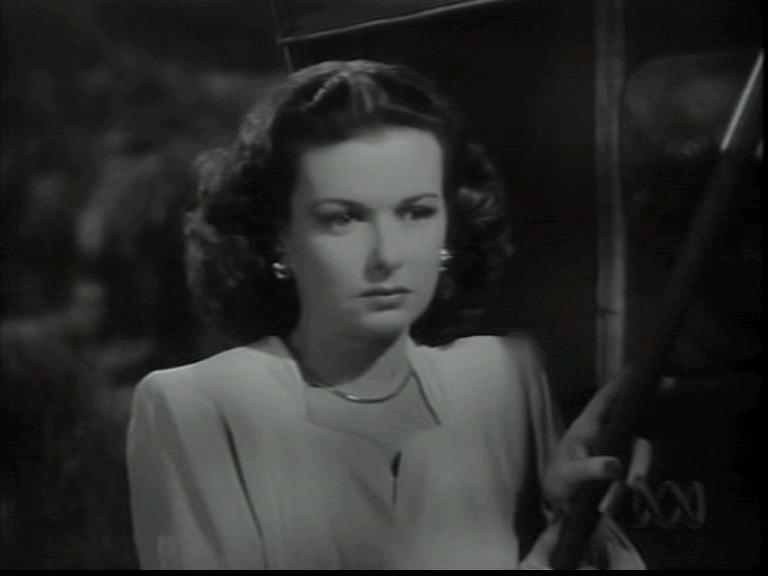
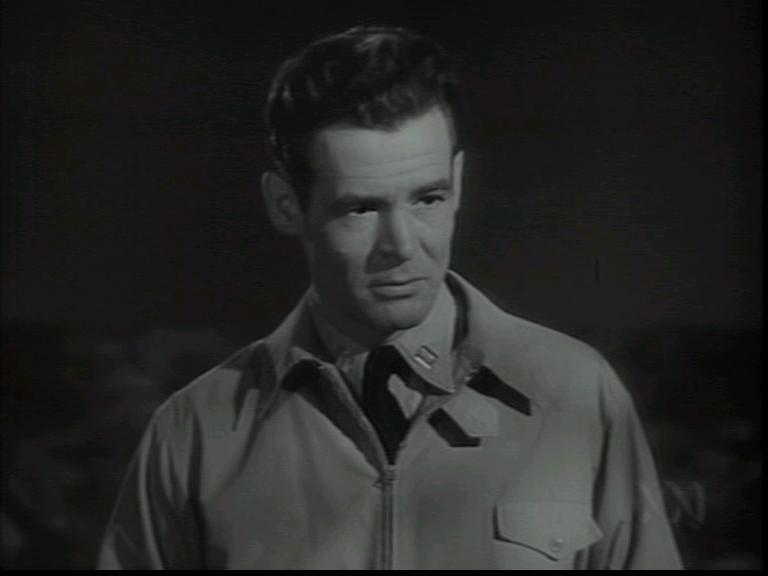
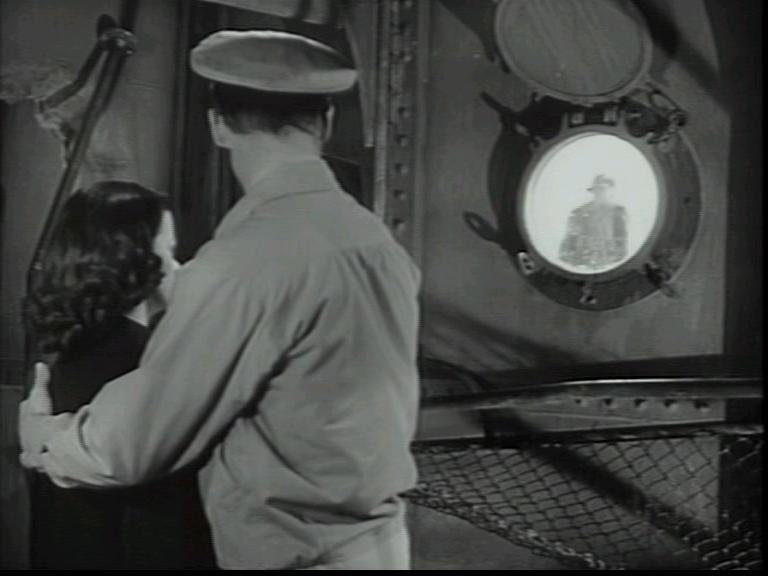
Jean Renoir was forced to drastically edit Woman on the Beach, his final American film; the result is an atmospheric yet narratively flawed noir romance. As many have noted, there’s (sadly) potential here for something much greater, with Bennett and Ryan giving particularly noteworthy performances as the would-be lovers; but the script fails them (and us) by neglecting to elaborate upon either’s motivations. With that said, Renoir’s unique directorial touch remains a pleasure to watch, and there are several powerful moments scattered throughout the film: Ryan leading Bickford along the cliffs in an attempt to prove that he isn’t really blind; Ryan and Bennett viewing Bickford’s approach through the porthole of an abandoned ship; Bickford and Bennett discussing their enduring — if dysfunctional — love for each other. It’s too bad that none of the edited footage from this overly-short 70-minute film remains, because a reconstruction of Renoir’s original vision seems in order.

Redeeming Qualities and Moments:

  • Joan Bennett as the seductive femme fatale
  • Robert Ryan as the smitten veteran
  • Creative direction, heightening the love triangle tensions

Must See?
No, but it’s recommended for noir fans.

Links:

What? (1972)

What? (1972)

“First I lost my bags, then my room, and now my trousers!”

Synopsis:
A naive American hitchhiker (Sydne Rome) is sexually humiliated by the denizens of a warped Italian villa, including an ex-pimp (Marcello Mastroianni) and a dying millionaire (Hugh Griffith).

Genres, Themes, Actors, and Directors:

  • Black Comedy
  • Dumb Blondes
  • Hugh Griffith Films
  • Living Nightmare
  • Marcello Mastroianni Films
  • Roman Polanski Films

Review:
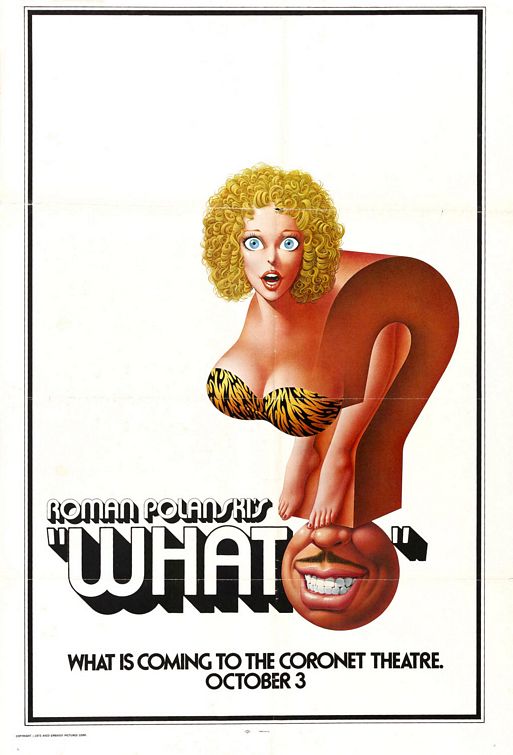
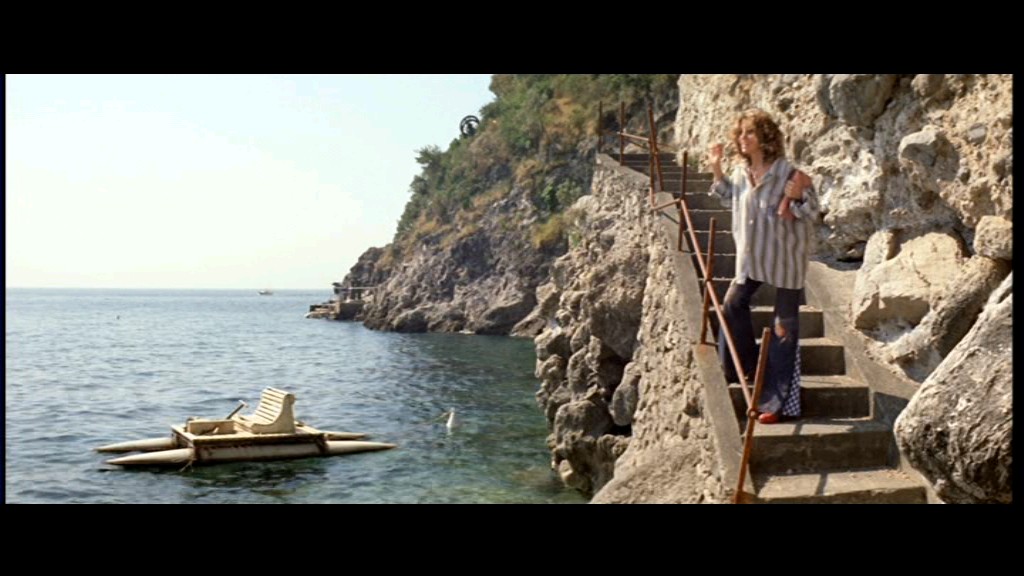
This hideously awful “black comedy” by Roman Polanski possesses almost no redeeming qualities: it’s sexist, dull, offensive, and poorly acted. Although some have described What? as a variant on “Alice in Wonderland”, the comparison is unmerited: while Carroll’s pre-pubescent Alice experiences humorously bizarre encounters with creatures from alternate universes, Rome is simply preyed upon by countless lechers; but, since she’s a prototypical “dumb blonde” hippie, she gives in rather than fighting back, and thus we have almost no sympathy for her. When she inexplicably starts experiencing “deja vu” — and we’re forced to watch some of the same exact scenarios all over again — it’s literally painful. Perhaps most upsetting of all is how gorgeous Polanski’s production values and settings are, as always — what a waste!

Redeeming Qualities and Moments:

  • The beautiful Italian setting

Must See?
No. Film fanatics shouldn’t have to suffer through Polanski’s mistakes.

Links:

Death of a Cyclist / Age of Infidelity (1955)

Death of a Cyclist / Age of Infidelity (1955)

“They left him lying there like a dog.”

Synopsis:
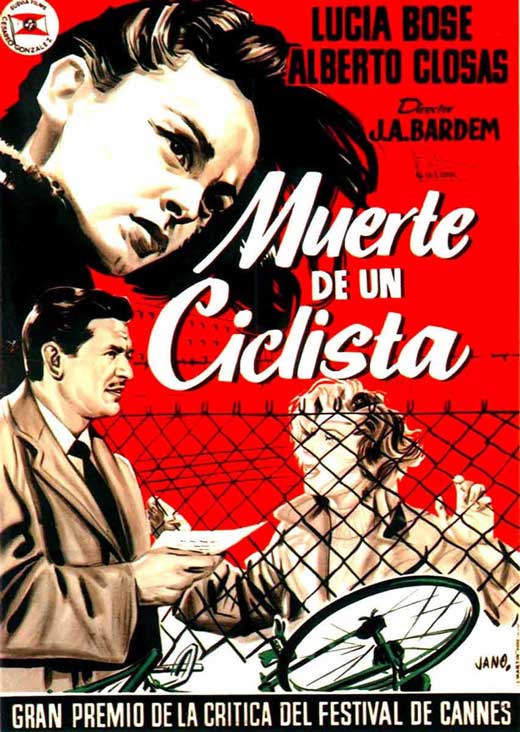
After accidentally hitting a bicyclist with their car, a wealthy married woman (Lucia Bose) and her lover (Alberto Closas) flee the scene of the accident. When a blackmailer named Rafa (Carlos Casaravilla) threatens to tell the woman’s husband (Otello Toso) that he has seen her with Closas, they fear he has witnessed their crime.

Genres, Themes, Actors, and Directors:

  • Blackmail
  • Catalysts
  • Guilt
  • Infidelity
  • Spanish Films

Review:
Death of a Cyclist — the best-known film by Spanish director Juan Antonio Bardem (uncle of actor Javier Bardem) — opens with the tragic titular event, which forces two complacent lovers to question the ultimate survival of their affair. Meanwhile, the weaselly Rafa represents a generalized malevolence towards the bourgeoise; his character — almost a caricature, but an effective one — wants nothing more than to get revenge against what he views as a privileged, careless class. Though a subplot revolving around Closas’ increasingly threatened position as a university professor doesn’t always ring true, it helps moves the plot along to its tragic ending. The final scene is especially poignant — you’ll find yourself muttering “touche” in admiration.

Note: Cyclist won raves at the Cannes International Film Festival, but was inexplicably panned by New York Times reviewer Bosley Crowther upon its American release.

Redeeming Qualities and Moments:

  • Luminous cinematography
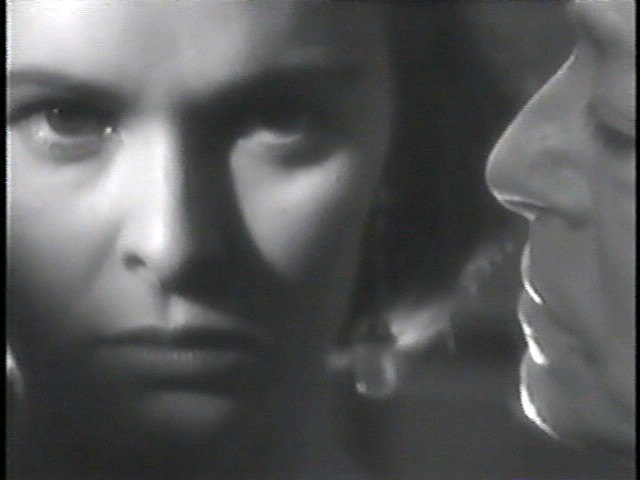
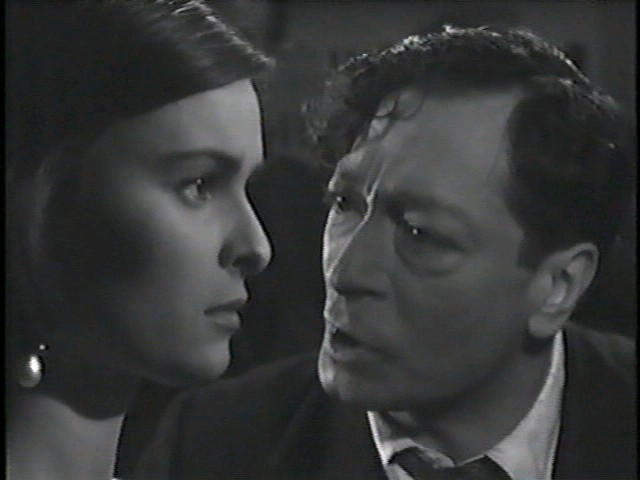
  • Judicious use of editing and close-ups to create emotional tension
  • Carlos Casaravilla — who looks and acts uncannily like Peter Lorre — as the creepy blackmailer

Must See?
Yes. This powerful story of guilt and infidelity should be seen by all film fanatics.

Categories

  • Foreign Gem

Links:

Reckless Moment, The (1949)

Reckless Moment, The (1949)

“These are letters which your daughter wrote to the late Ted Darby.”

Synopsis:
When a mother (Joan Bennett) mistakenly believes that her teenage daughter (Geraldine Brooks) has killed her lover (Shepperd Strudwick), she hides the body in a “reckless moment” of panic. Soon, however, Bennett is approached by a blackmailer (James Mason) who demands $5,000 in exchange for letters connecting her daughter to the dead man .

Genres, Themes, Actors, and Directors:

  • Blackmail
  • Hiding Dead Bodies
  • James Mason Films
  • Joan Bennett Films
  • Max Ophuls Films
  • Suffering Mothers

Review:
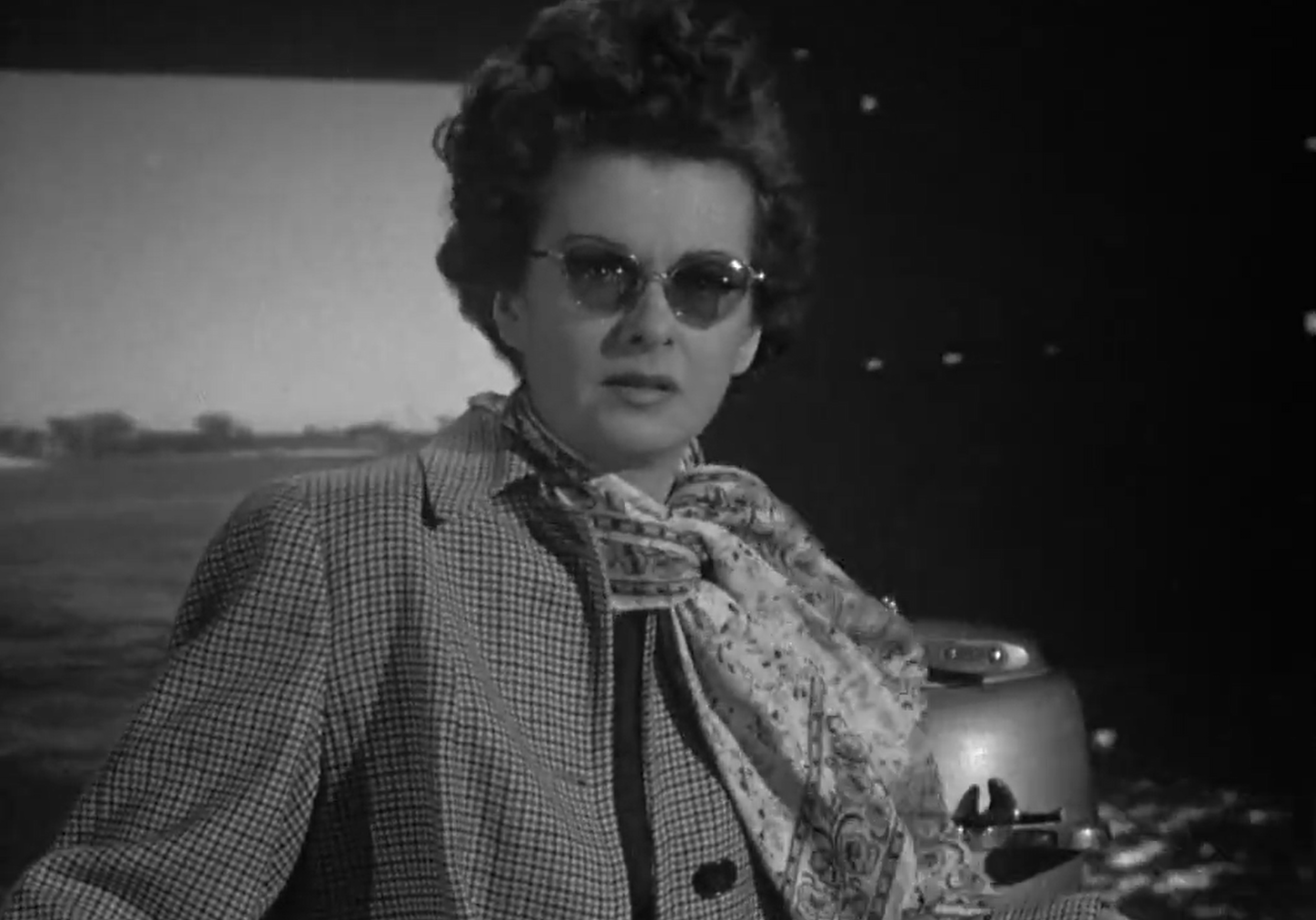
The Reckless Moment was Max Ophuls’ fourth and final American film, and shows clear evidence of his distinctive style (note the classic Ophuls “sweeping shot” as Bennett ascends the staircase in her home). It’s a gritty, fast-moving thriller with effectively stark noir cinematography and good use of outdoor locales. Bennett (who, with her sunglasses on, looks for all the world like Myrna Loy):

… makes a strong lead, and it’s refreshing to see her playing a self-sufficient mother. The film’s primary problem lies in its script, which neglects to adequately explain the motivations behind Mason’s immediate infatuation with Bennett — he’s an intriguing character, and we want to know more about him.

Note: The Reckless Moment gained renewed attention in 2001 when it was updated with Tilda Swinton in Bennett’s role, and renamed The Deep End.

Redeeming Qualities and Moments:

  • Joan Bennett as the determined mother
  • Effectively atmospheric cinematography

  • Good use of outdoor locales

Must See?
No, but it’s recommended.

(Listed in 1001 Movies You Must See Before You Die)

Links:

Crack in the Mirror (1960)

Crack in the Mirror (1960)

“Sure, sure, kill me… Just be quick about it, or I’ll kill you first!”

Synopsis:
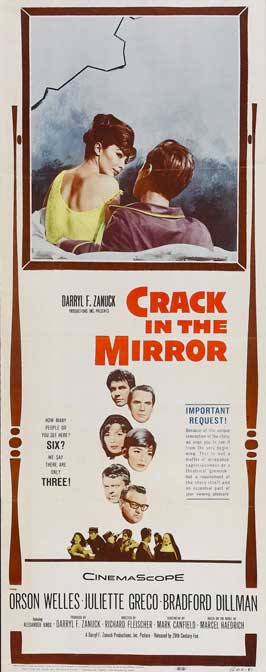
An ambitious young lawyer (Bradford Dillman) in love with the wife (Juliette Greco) of his renowned mentor (Orson Welles) defends a lower-class woman (also Greco) accused of killing the father (also Welles) of her children in order to marry her younger lover (also Dillman).

Genres, Themes, Actors, and Directors:

  • Courtroom Drama
  • Infidelity
  • Lawyers
  • Love Triangle
  • Murder Mystery
  • Richard Fleischer Films

Review:
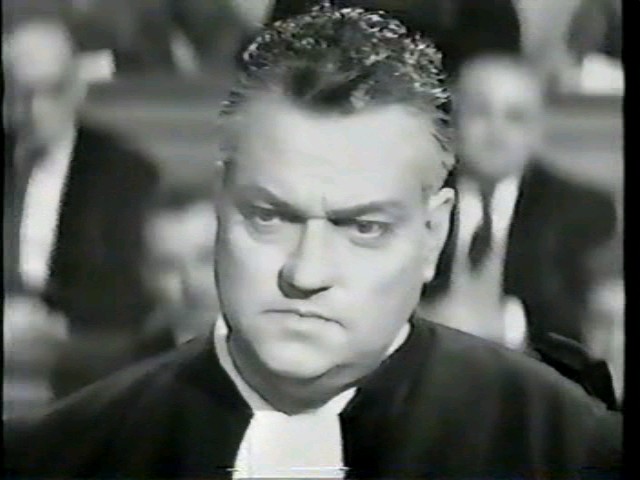
This melodramatic courtroom thriller is primarily notable for its gimmicky use of lead actors in dual roles. Director Richard Fleischer tries hard to make an overt comparison between the two parallel love triangles, ostensibly to demonstrate that class is irrelevant (who knew?!) when it comes to deception and matters of the heart. But ultimately this cinematic device is more distracting than revealing; when listening to Dillman’s lawyer commenting glibly to his lover that her lower-class counterpoint “isn’t pretty”, or upper-class Greco reacting with horror upon hearing that her lower-class doppelganger has carved up Welles’ body, one simply wants to groan. Crack in the Mirror is partially redeemed by its performances — Juliette Greco in particular is a joy to watch, and Welles’ final courtroom speech is stunning — but the clunky script makes it more frustrating than thrilling.

Redeeming Qualities and Moments:

  • Juliette Greco as Eponine
  • Orson Welles as Lamerciere

Must See?
No. This melodramatic murder mystery is a minor disappointment.

Links:

Sleeping Car Murders, The (1965)

Sleeping Car Murders, The (1965)

“We may be fairly sure this job is not the work of a professional.”

Synopsis:
A detective (Yves Montand) in Paris investigates the murder of a beautiful young woman (Pascale Roberts) on a train.

Genres, Themes, Actors, and Directors:

  • Costa-Gavras Films
  • Detectives and Private Eyes
  • Murder Mystery
  • Simone Signoret Films

Review:
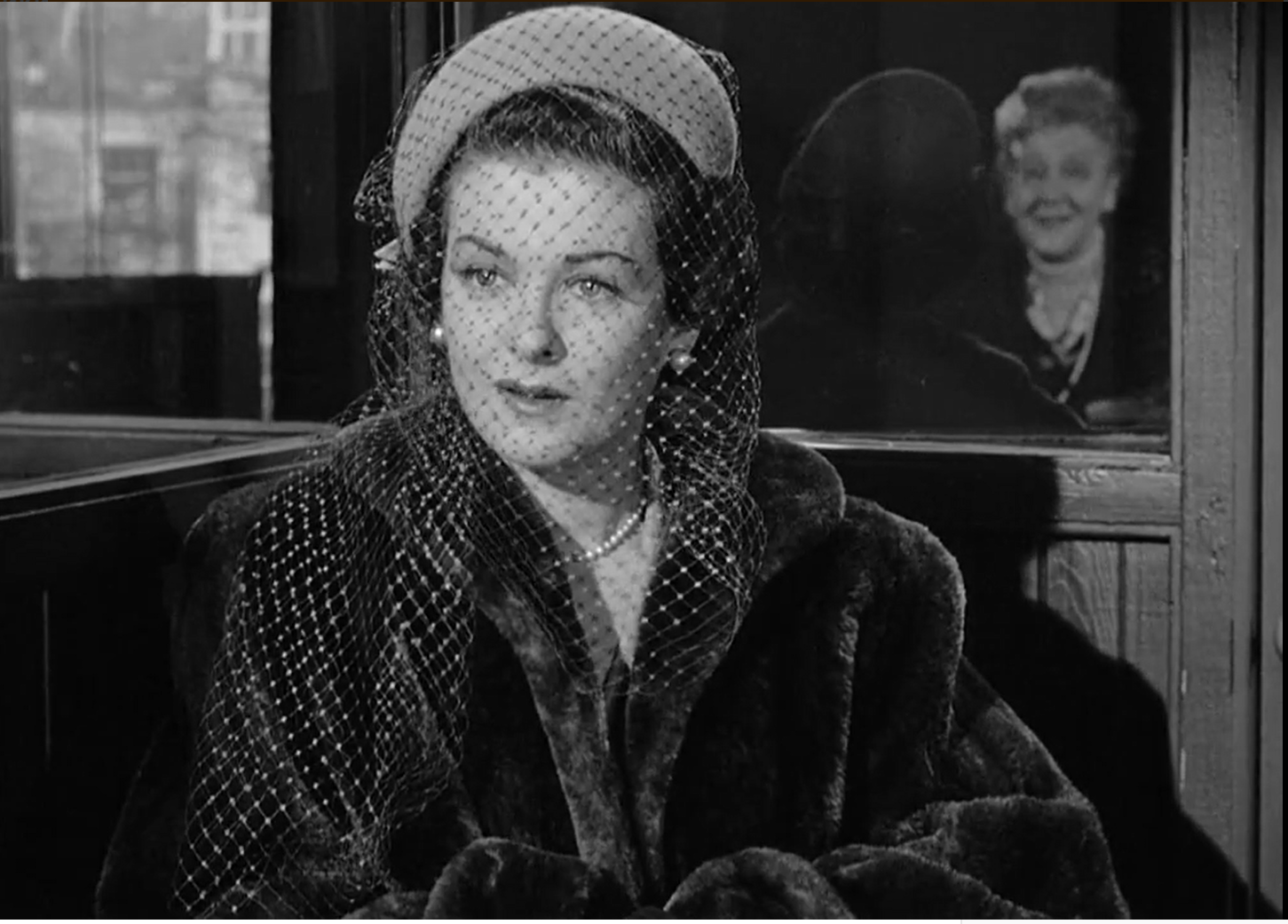
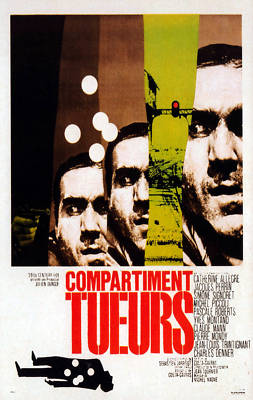
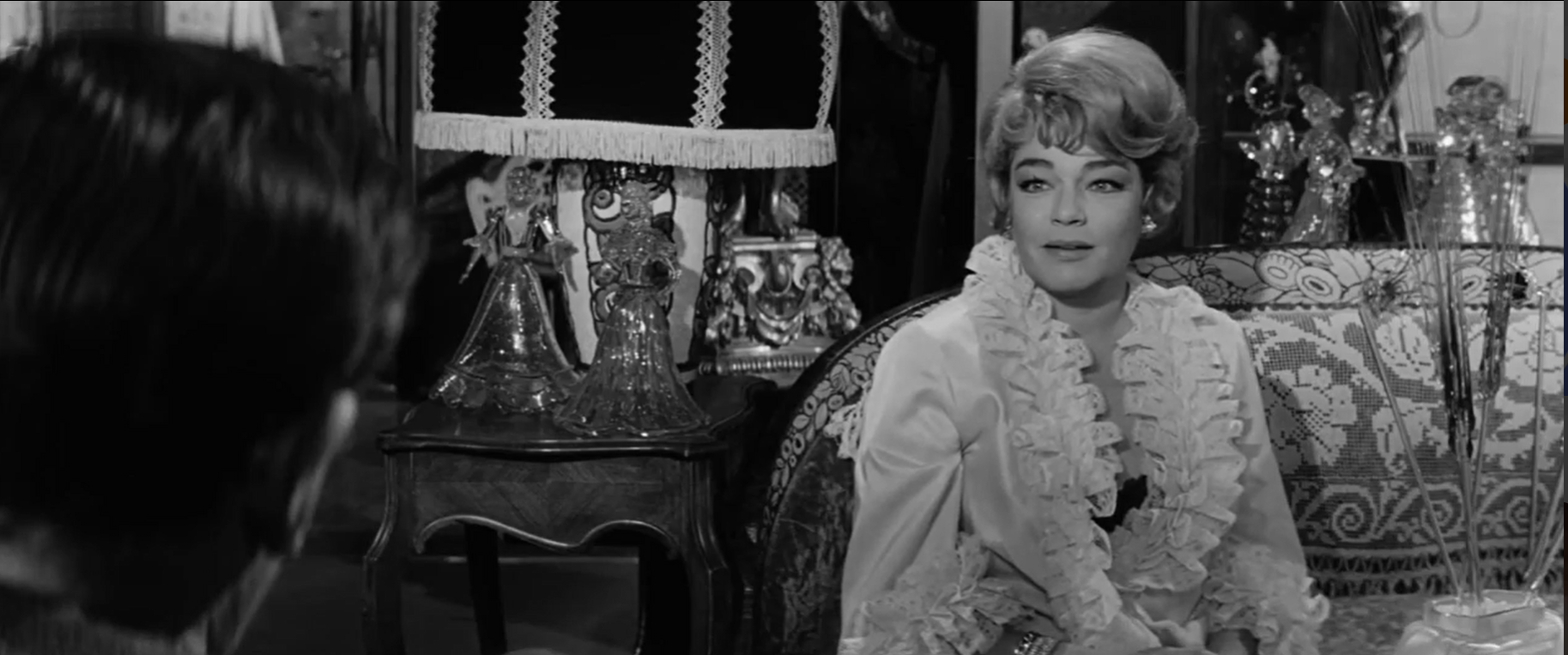
This fast-paced murder mystery was Greek director Costa-Gavras’ only stab at “pure entertainment” films before turning to political thrillers such as Z (1969), State of Siege (1973), and Missing (1982). While Murders garnered raves from critics upon its release, but it hasn’t aged well. The film’s two ostensible leads — Catherine Allegret (Simone Signoret’s real-life daughter) and Jacques Perrin as young lovers who meet on the train — are annoying:

… and while Signoret provides some moments of campy enjoyment as a self-absorbed actress, she (along with nearly everyone else) is too quickly killed off. To its credit, The Sleeping Car Murders does keep one continually guessing as to the identity of the killer — but the ultimate resolution of this mystery is unsatisfactory, and the plot has become so convoluted by this point that it’s hard to care.

Redeeming Qualities and Moments:

  • Simone Signoret as an aging actress

Must See?
No. Though it holds some historical interest as Costa-Gavras’ directorial debut, this is not “must see” viewing.

Links:

Devil’s Playground, The (1976)

Devil’s Playground, The (1976)

“An undisciplined mind is the devil’s playground.”

Synopsis:
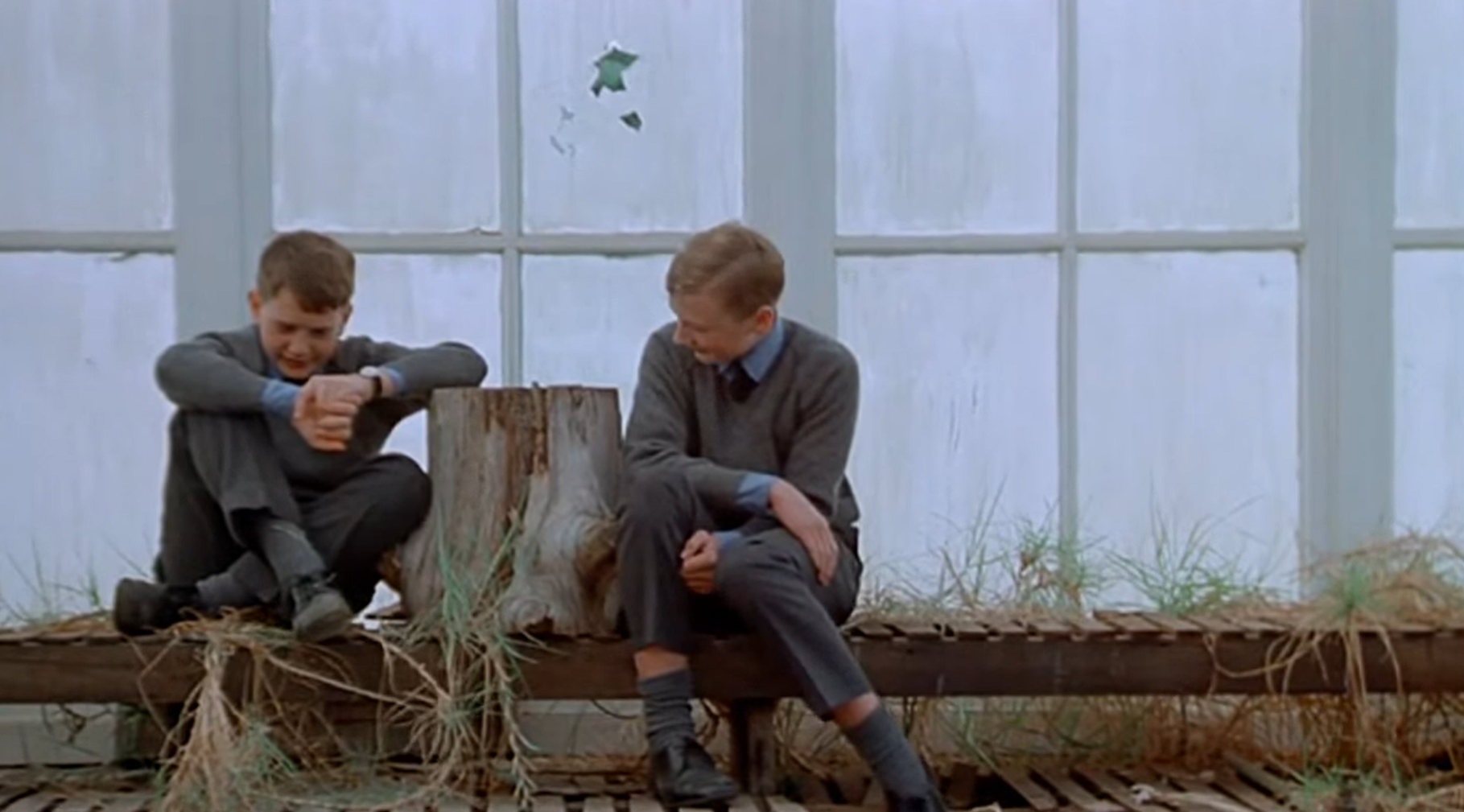
An Australian boy (Simon Burke) comes of age at a Catholic boarding school in the 1950s.

Genres, Themes, Actors, and Directors:

  • Australian Films
  • Boarding School
  • Coming-of-Age
  • Fred Schepisi Films
  • Priests and Ministers
  • Sexuality

Review:
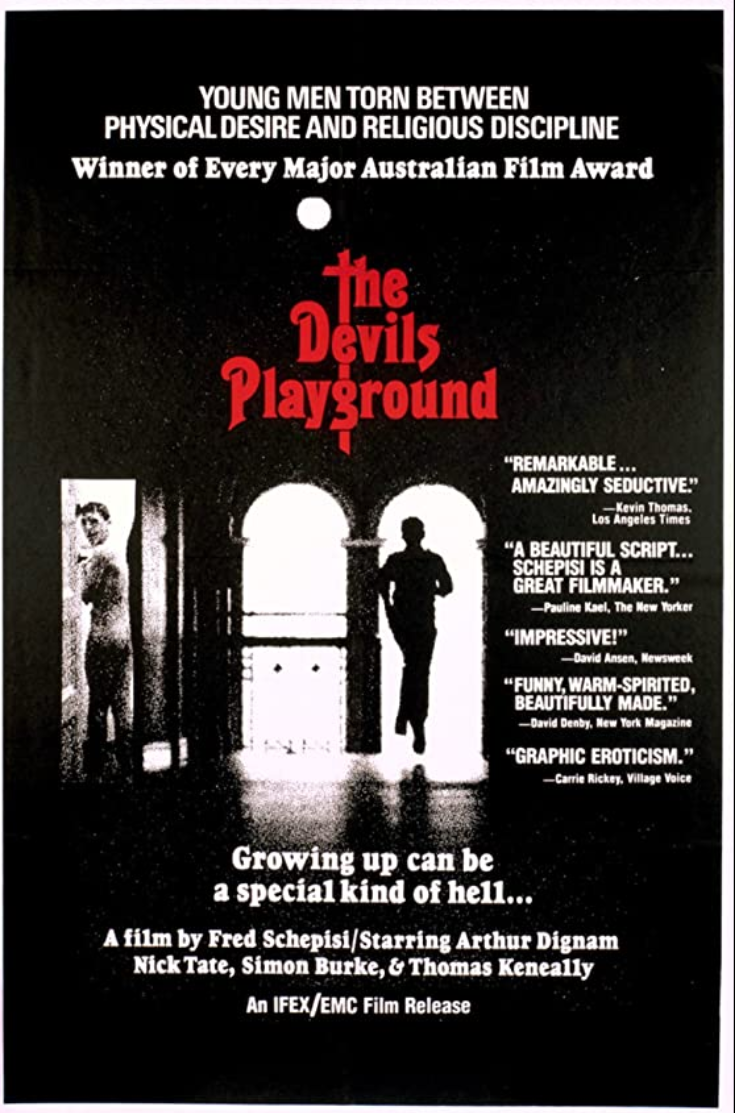
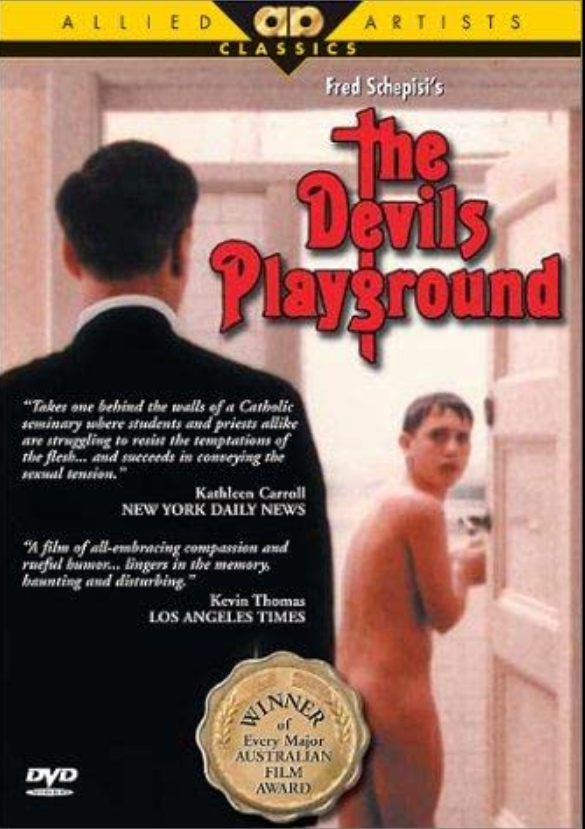
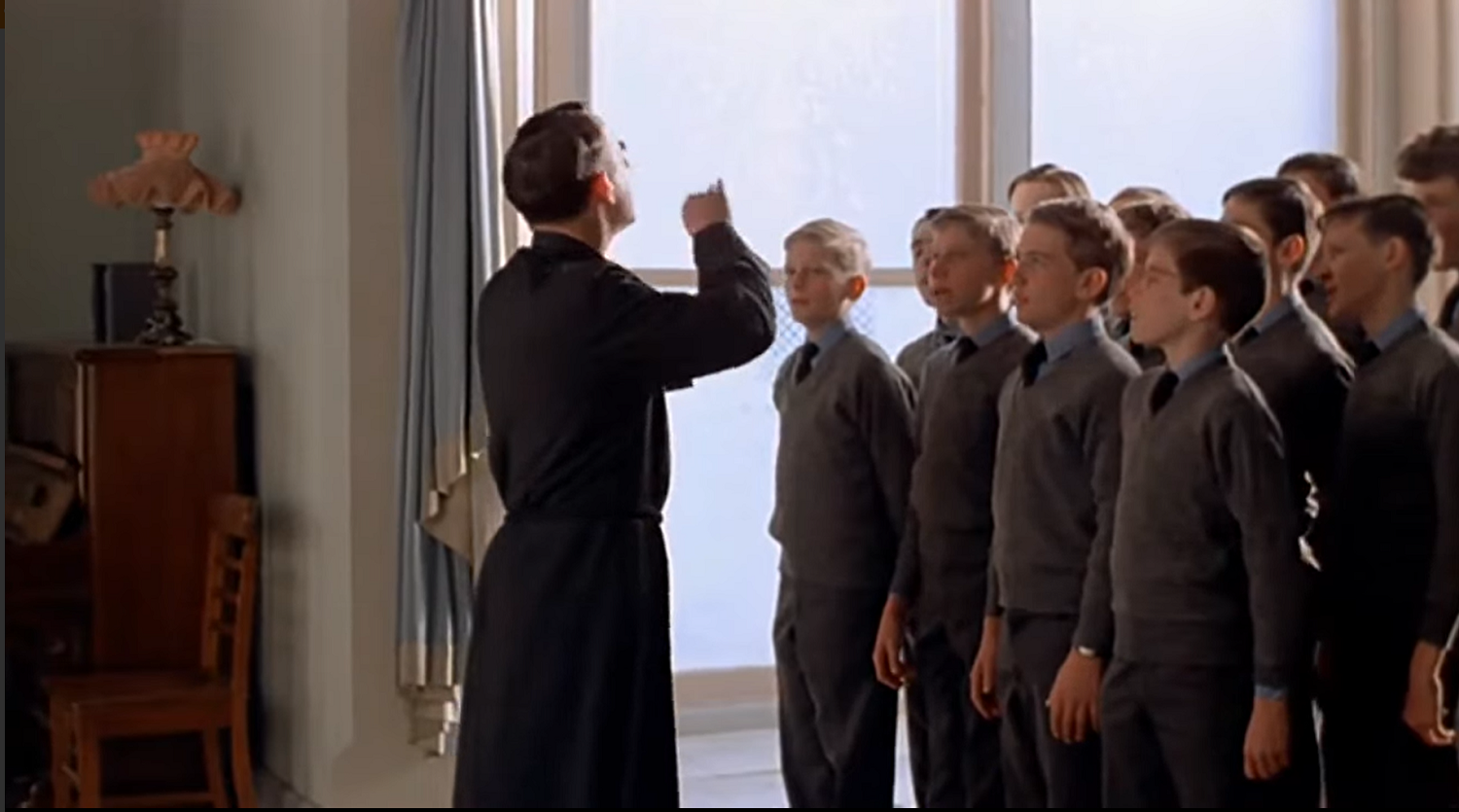
This episodic coming-of-age tale by Australian director Fred Schepisi is inaccurately marketed as a sensationalized tale of sexuality — indeed, one DVD cover features a strategically-chosen, non-representative still which immediately evokes the threat of pedophilia.

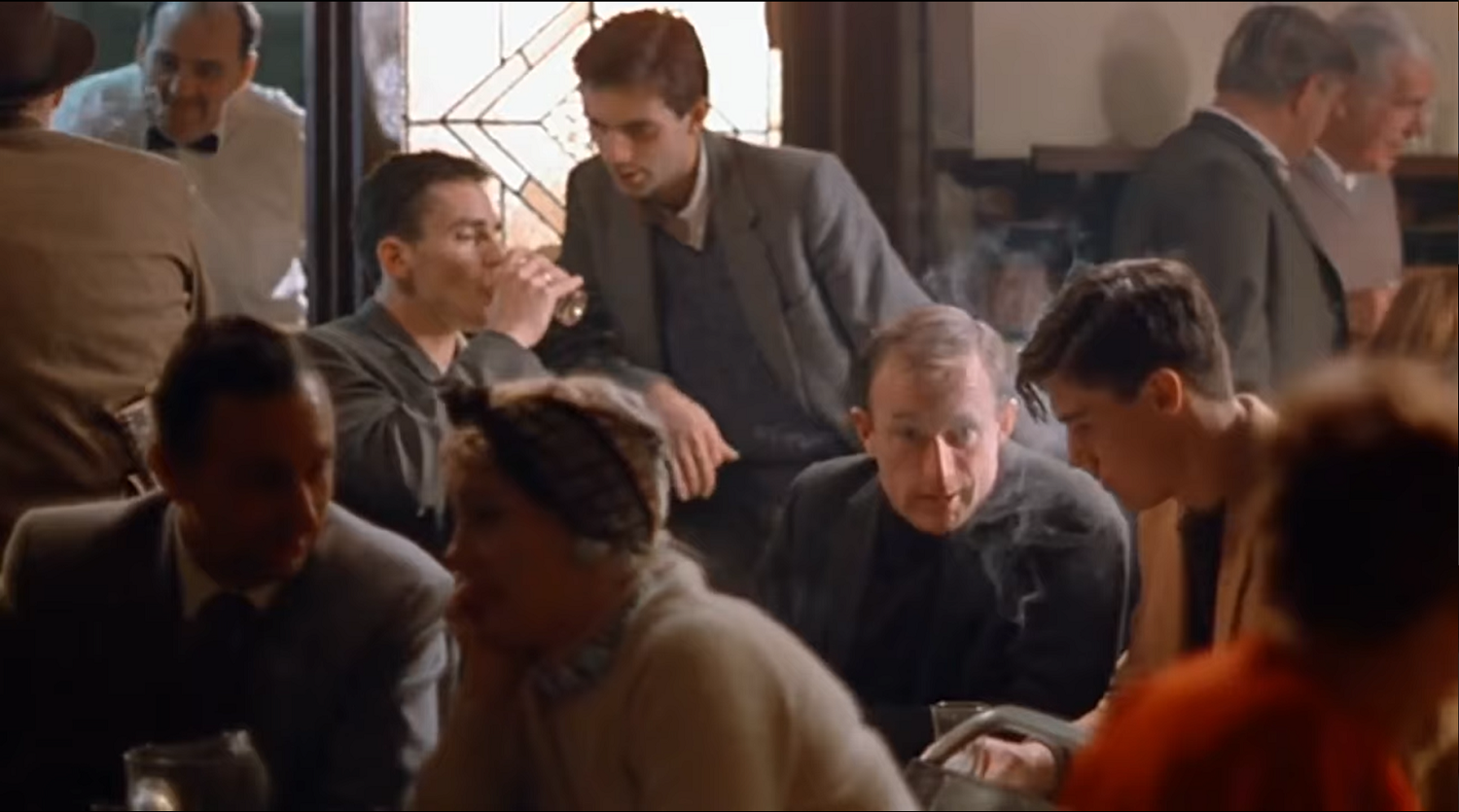
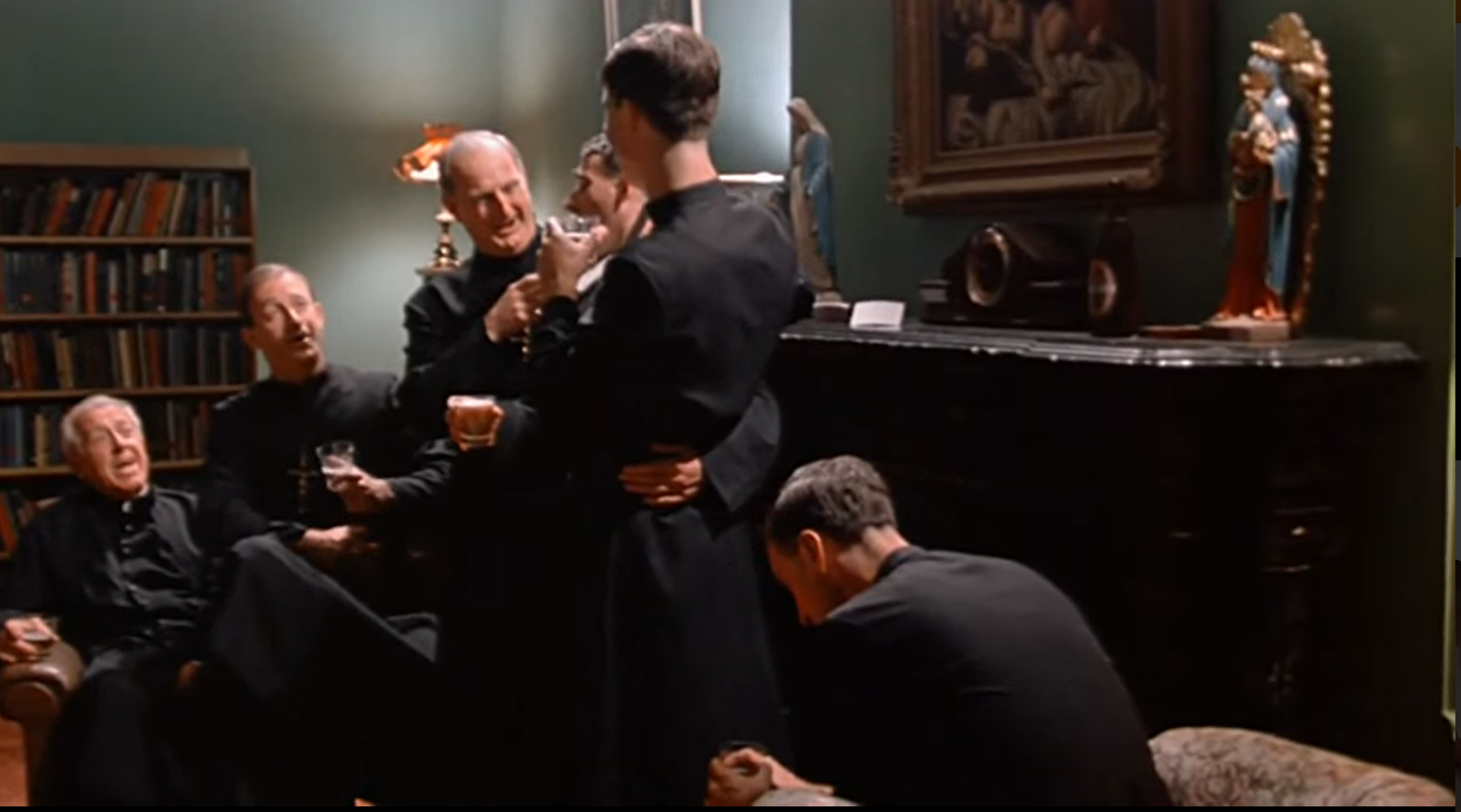
In actuality, this subject is never dealt with; instead, the priests in Devil’s Playground are portrayed as well-meaning, eminently human, and (for the most part) kind. (One particularly surprising scene shows two priests out on the town, tempted to pick up women they meet at a bar).

While the narrative in The Devil’s Playground is concerned with sexuality — as is nearly every movie about adolescence — its portrayal is honest and multi-faceted rather than prurient. This remains a worthy entry in the vast coming-of-age genre.

Redeeming Qualities and Moments:

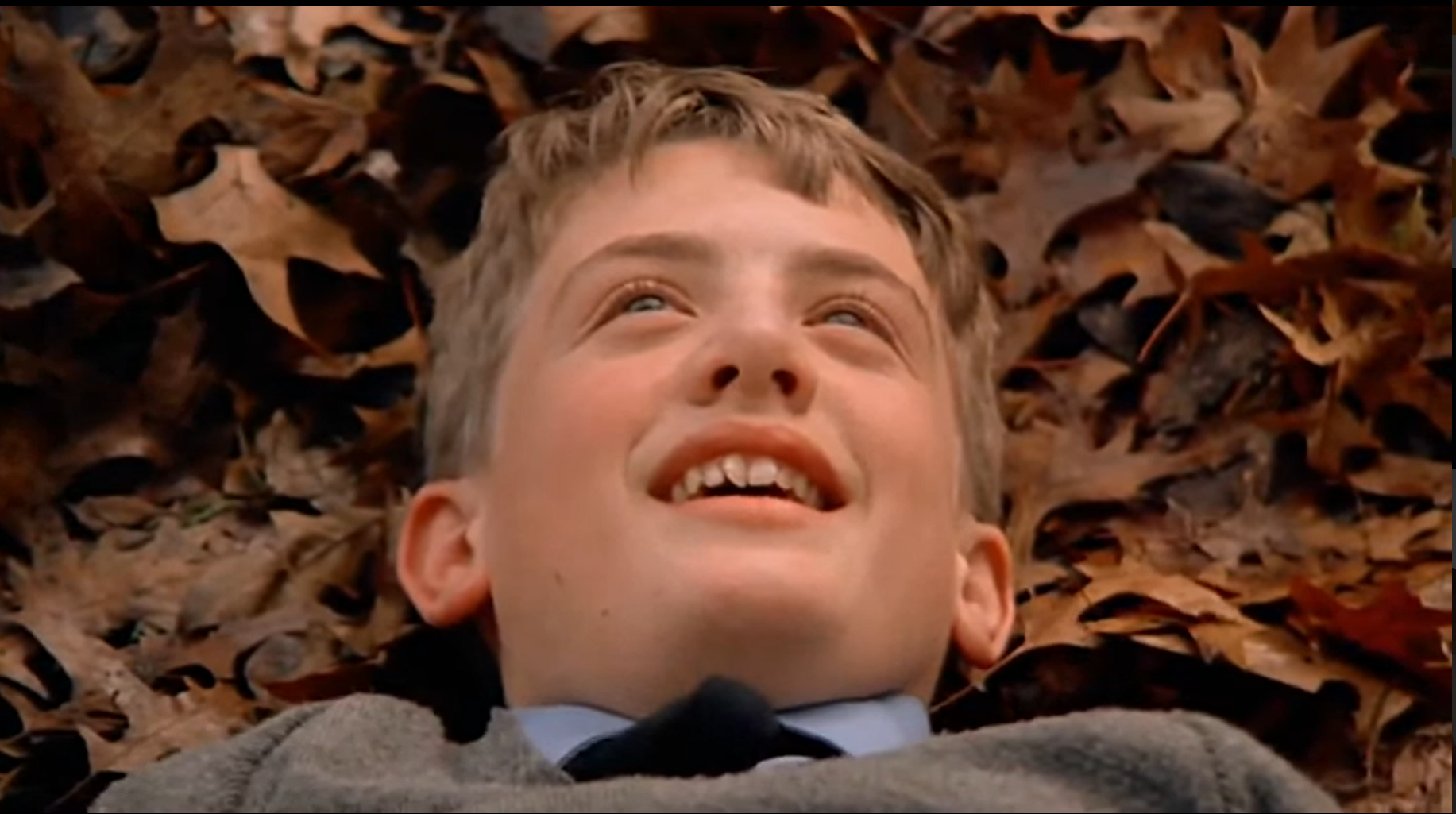
  • Simon Burke’s appealing, natural performance
  • A refreshingly humanizing look at priests
  • A sensitive portrayal of male adolescence and sexuality
  • Fine period detail

Must See?
No, but it’s recommended.

Links: