Red Desert (1964)

Red Desert (1964)

“You wonder what to look at; I wonder how to live. Same thing.”

Synopsis:
The traumatized wife (Monica Vitti) of a petro-chemical industrialist (Carlo Chionetti) begins an affair with a visiting associate (Richard Harris).

Genres, Themes, Actors, and Directors:

  • Infidelity
  • Italian Films
  • Mental Breakdown
  • Michelangelo Antonioni Films
  • Monica Vitti Films
  • Richard Harris Films

Review:
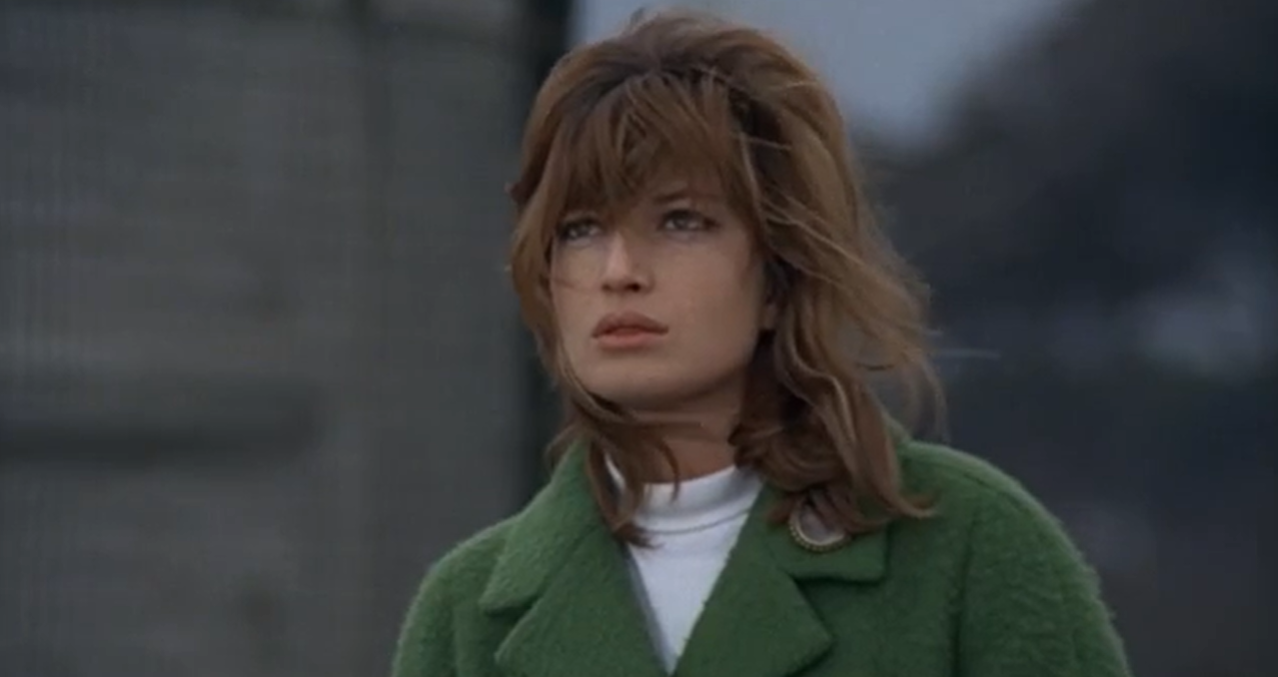
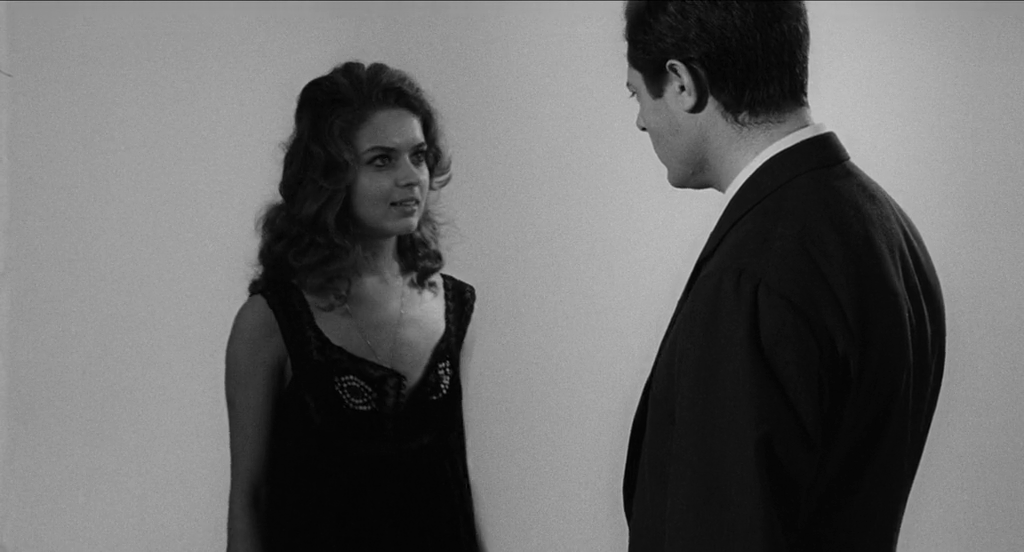
Michelangelo Antonioni’s fourth and final film made with Monica Vitti was his first in color, and in many ways feels like a fourth addition to their original b&w trilogy — L’Avventura (1960), La Notte (1961), and L’Eclisse (1962) — given that once again, Vitti plays a dissatisfied woman who seems to be aimlessly drifting through life. However, in this case she’s simultaneously recovering from and continuing to experience an ongoing mental breakdown much more overtly than what her previous characters went through.

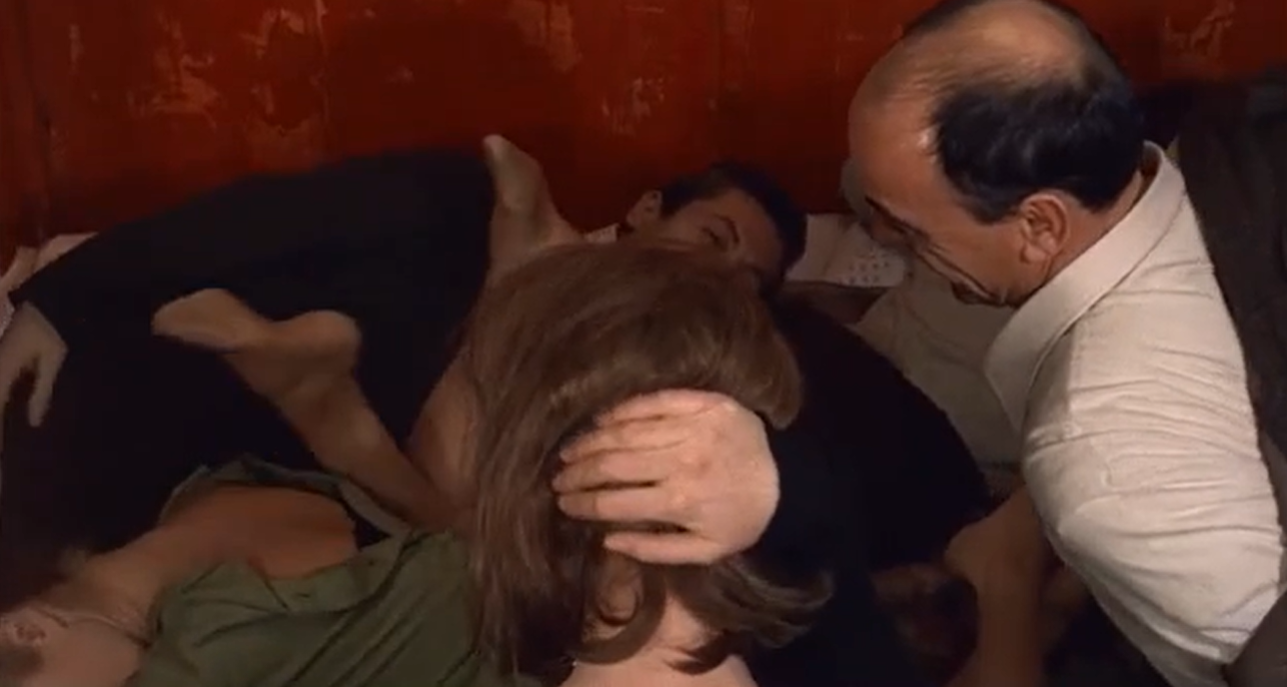
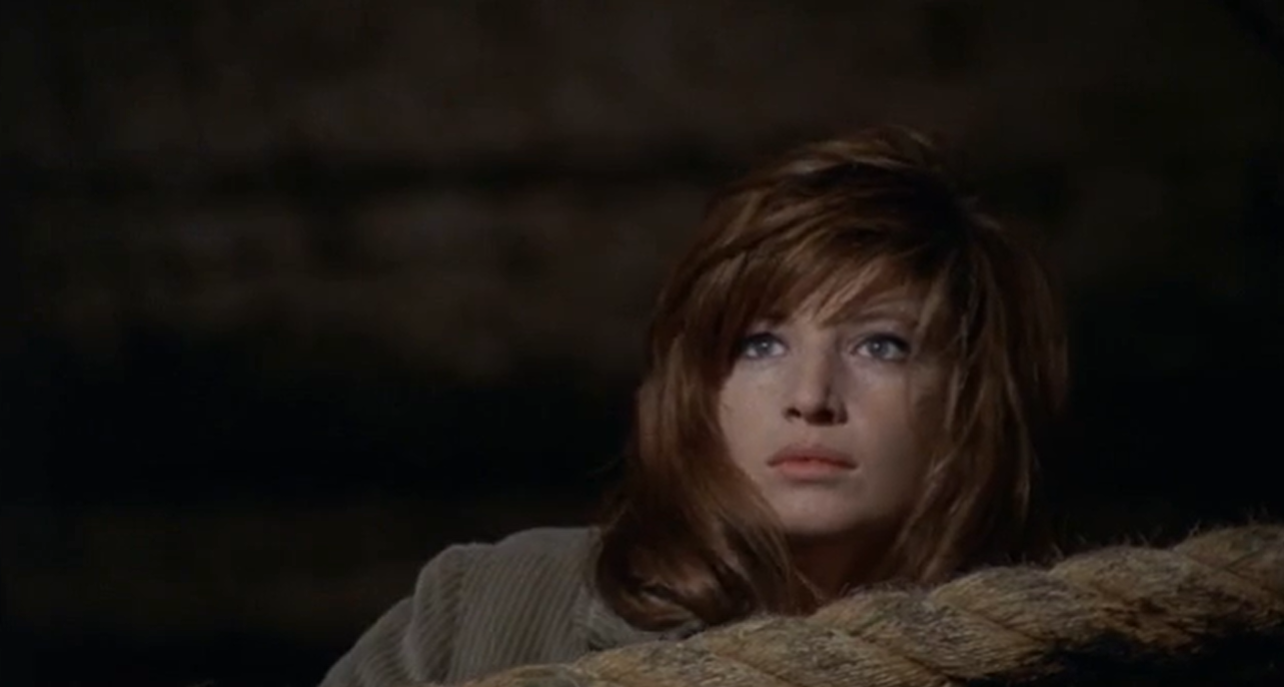
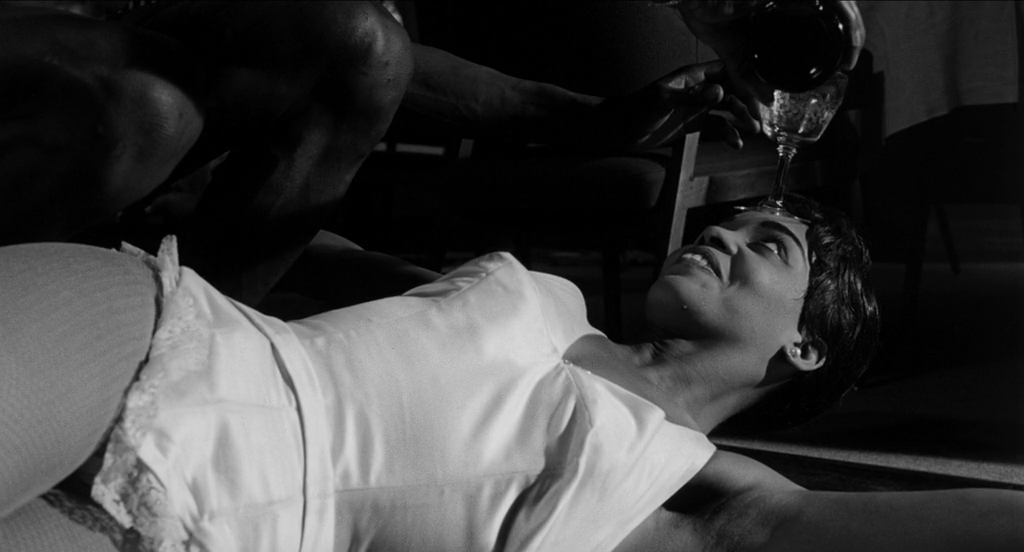
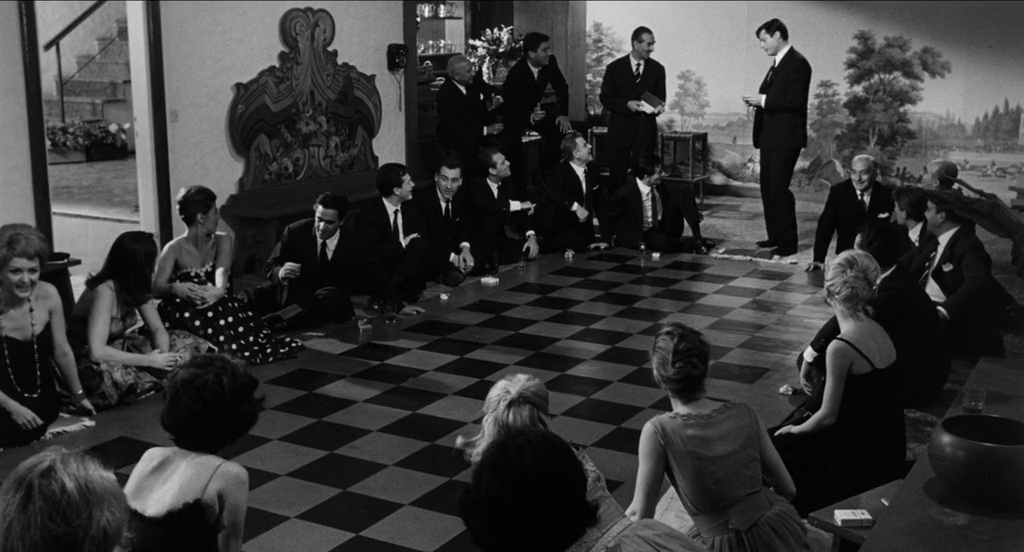
Indeed, Vitti’s Giuliana is visibly disoriented and deeply distressed. At one point she states, “There’s something terrible about reality, and I don’t know what it is. No one will tell me.” Her performance is believable, and especially challenging to watch knowing that she lived so many of her final years suffering from Alzheimer’s. It’s hard not to sympathize with her sense of disorientation given how stupidly and/or mindlessly so many people around her act, as epitomized in the film’s odd party sequence taking place in a crowded riverside shack.

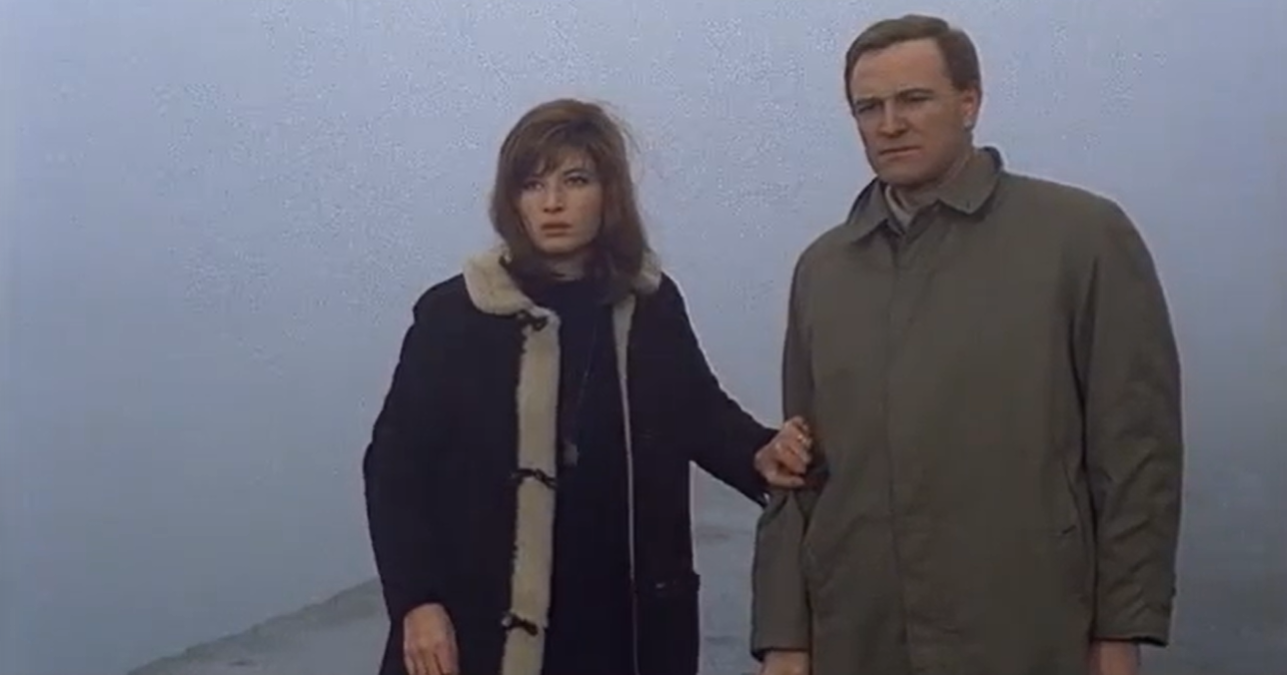
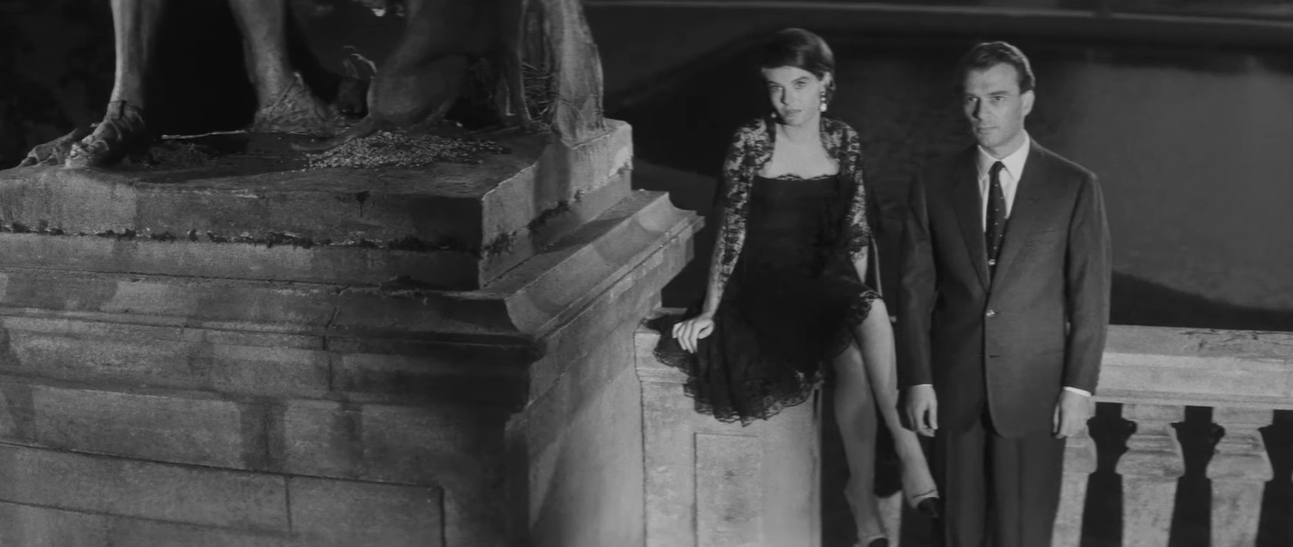
While it’s a little strange seeing red-headed Harris playing a dubbed Italian:

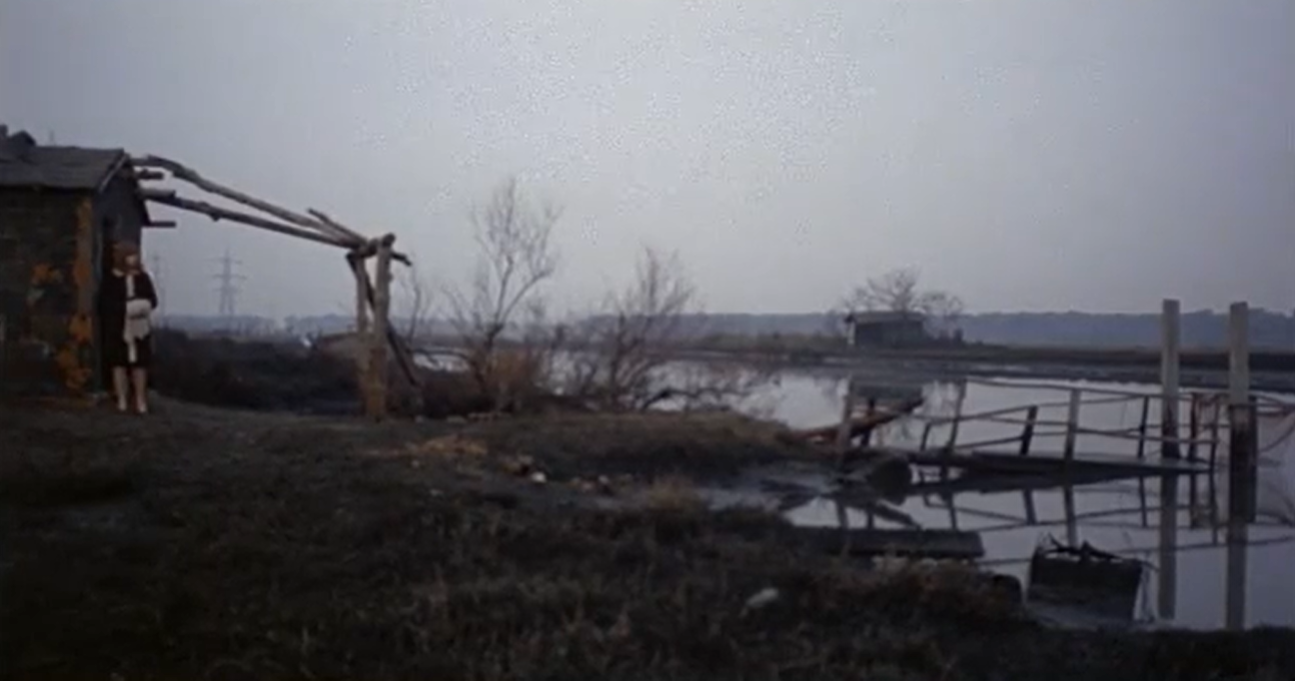
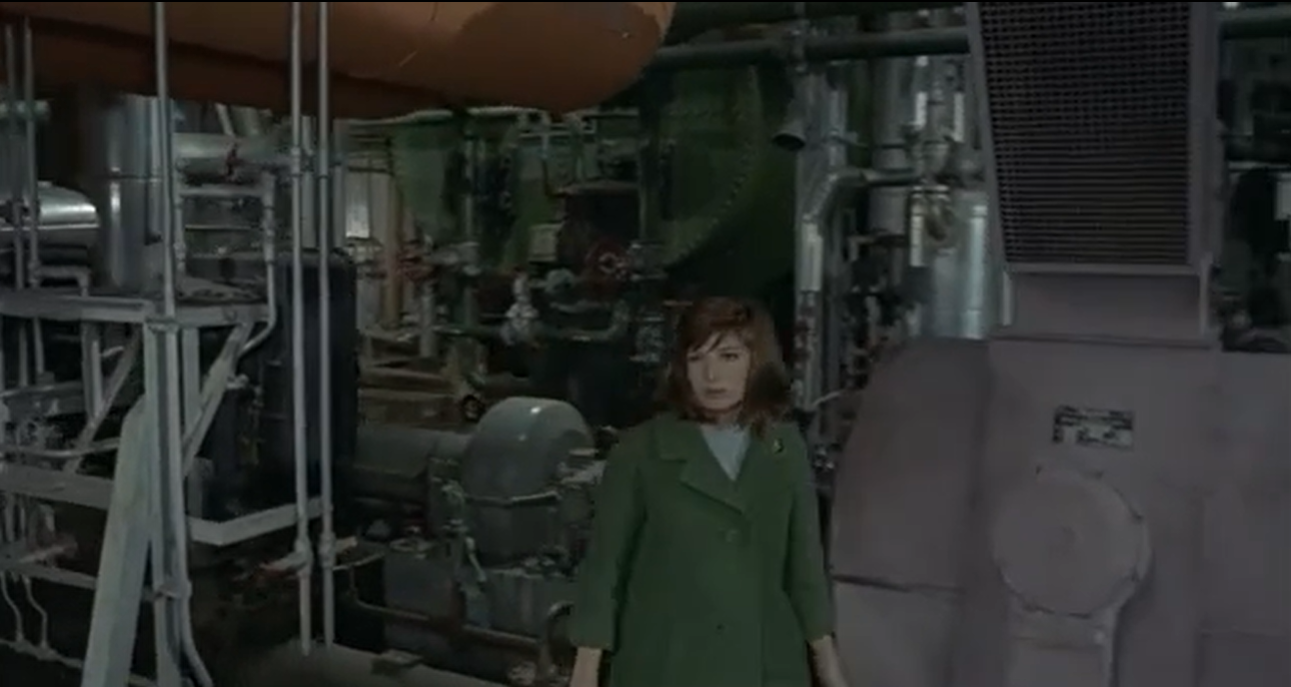
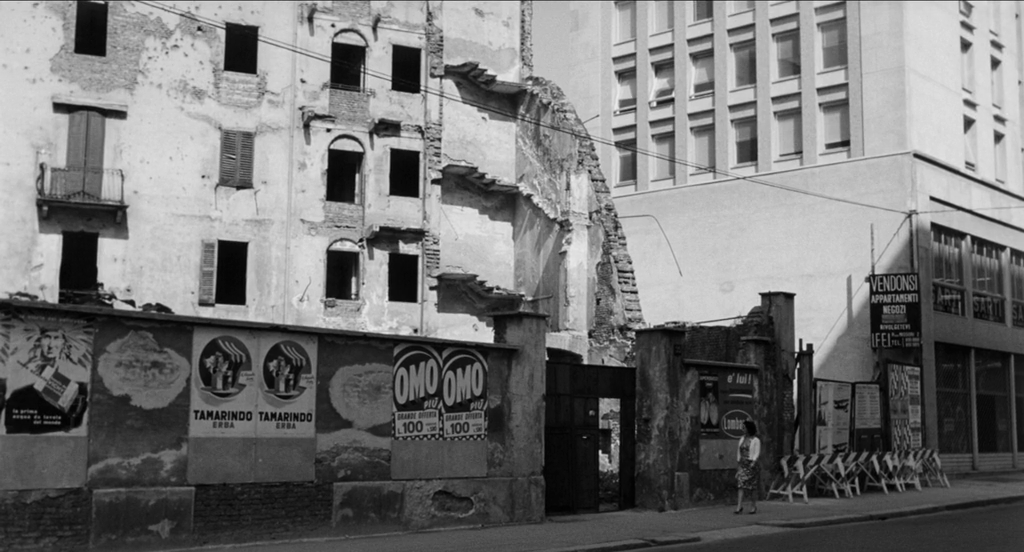
… it works well enough, and his inherent gravitas is welcomed. Story-wise, however, there is as little here to hold onto as in Antonioni’s earlier films. As Andrew Sarris wrote somewhat impatiently in his review for The Village Voice: “Antonioni’s first color film after eight black-and-white features in 15 years… is more a series of paintings unfurled in time than the kind of dramatic spectacle we have been calling a movie for the past half-century.” Indeed, it’s the visuals here — a combination of natural landscapes:

… and harsh mechanical wastelands:

… that most linger in one’s memory, rather than anything about the narrative or characters themselves.

Notable Performances, Qualities, and Moments:

  • Monica Vitti as Giuliana
  • Carlo Di Palma’s cinematography

Must See?
No, though most film fanatics will likely be curious to see it as part of Antonioni’s quartet of Vitti films. Listed as a film with Historical Importance and a Personal Recommendation in the back of Peary’s book.

(Listed in 1001 Movies You Must See Before You Die)

Links:

Eclisse, L’ / Eclipse, The (1962)

Eclisse, L’ / Eclipse, The (1962)

“All those billions, lost — where do they end up?”

Synopsis:
A young woman (Monica Vitti) who has just broken up with her lover (Francisco Rabal) finds new romance with the earnings-focused stock broker (Alain Delon) of her mother (Lilla Brignone).

Genres, Themes, Actors, and Directors:

  • Alain Delon Films
  • Italian Films
  • Michelangelo Antonioni Films
  • Monica Vitti Films

Review:
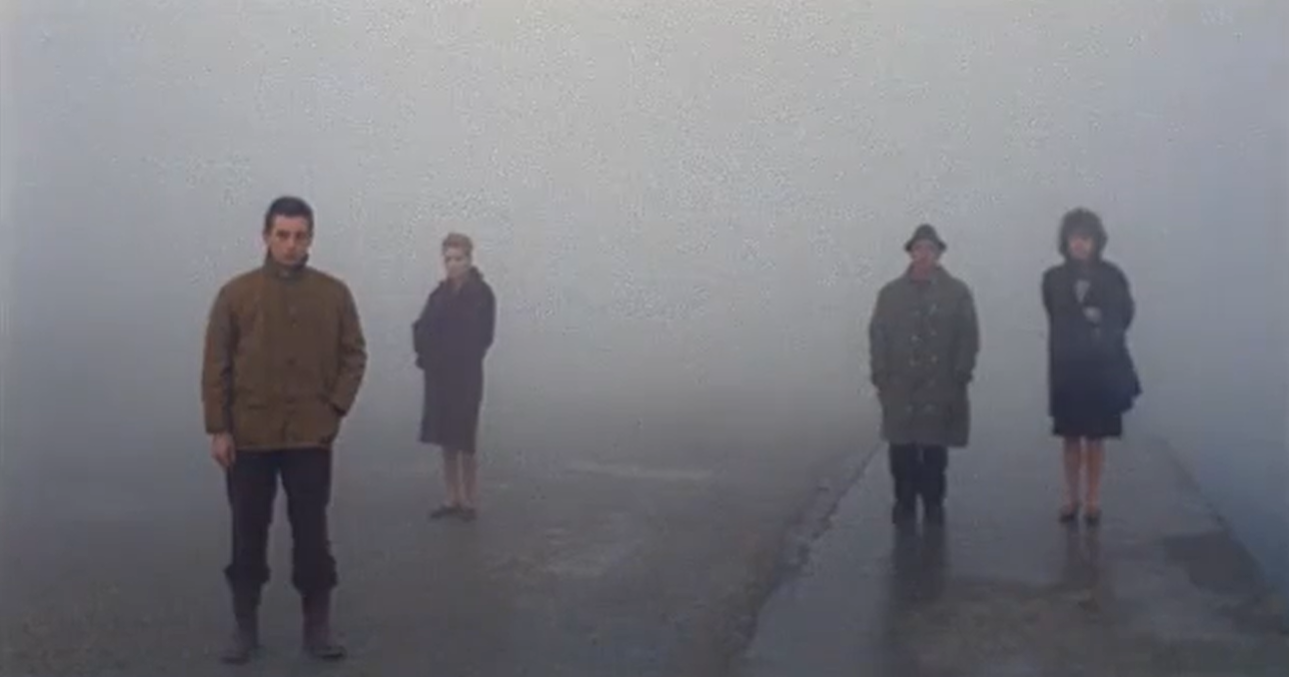
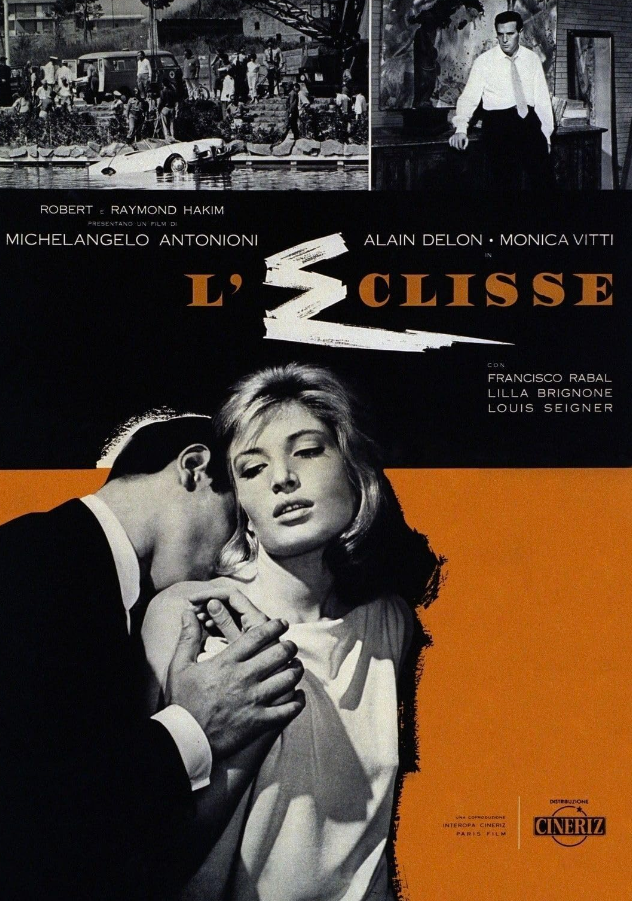
This third entry in Antonioni’s informal “trilogy of alienation” — following L’Avventura (1960) and La Notte (1961) — once again features his muse and lover, Monica Vitti, in a central role; and, similar to the two earlier titles, its storyline — this time taking place in the EUR of Rome — isn’t exactly jam-packed. As DVD Savant writes in his synopsis of the film: “The camera simply observes a series of events in a young woman’s life that show her responses — or more accurately, her difficulty in finding responses — to what seems a random and soul-less existence.”

Indeed. Of course, there is a lot more going on thematically for those interested in digging deeper; as Professor Richard Read notes in his analysis of the film:

“It is widely recognized that Michelangelo Antonioni’s film L’Eclisse is a late Italian Neo-Realist critique of the alienating effects of capitalist reification, mass society, mechanization, dysfunctional gender roles and urban living in Cold War Rome.”

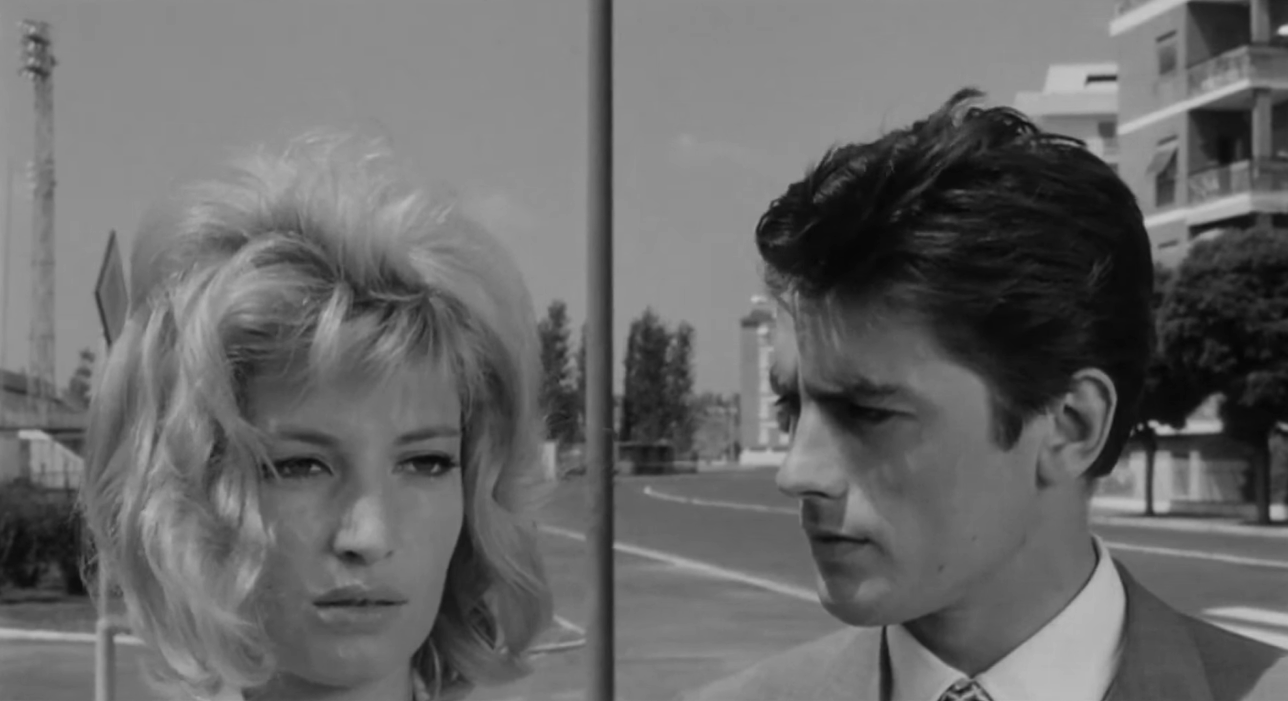
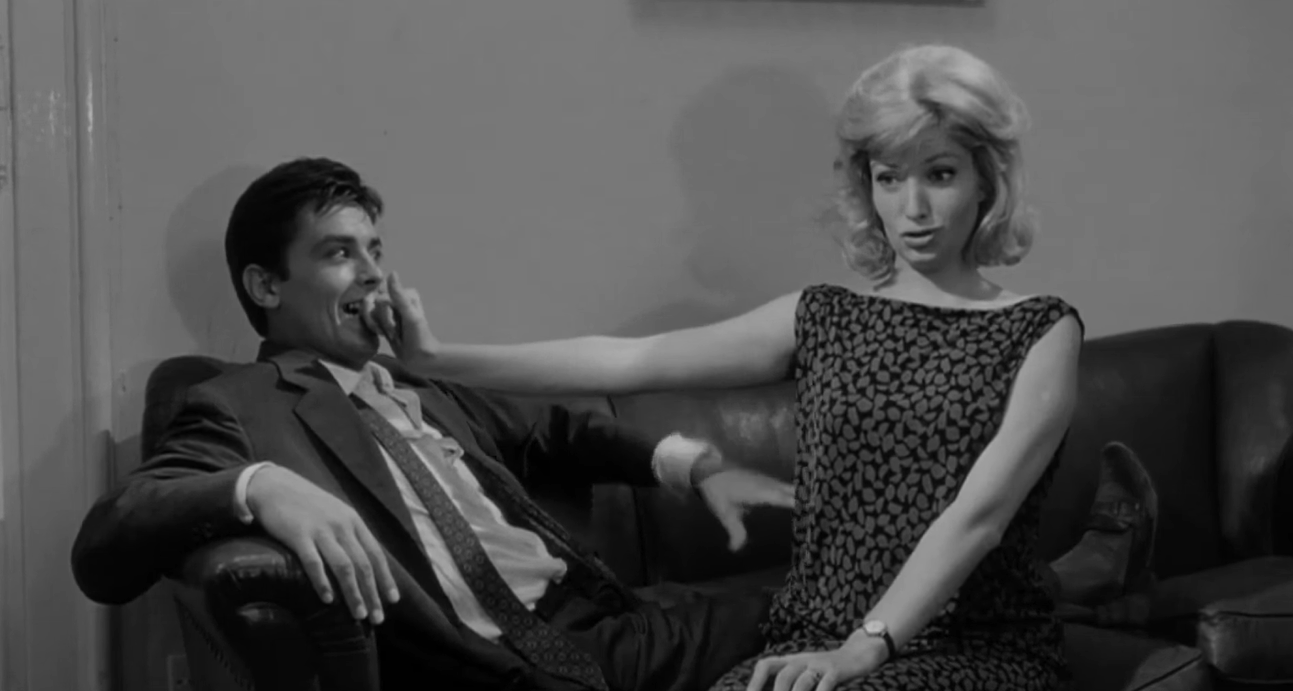
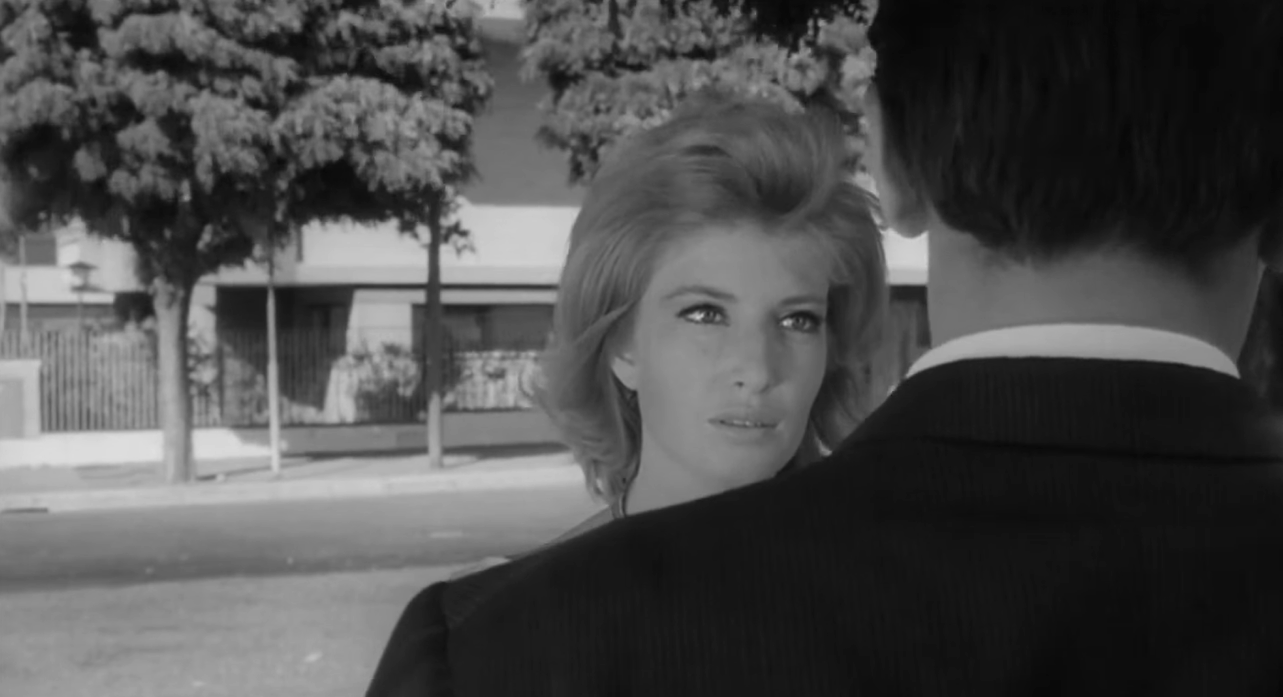
Yep. All that, for sure — though as a straightforward movie-watching experience, the film remains less than compelling. However, Vitti and Delon are a beautiful couple to look at:

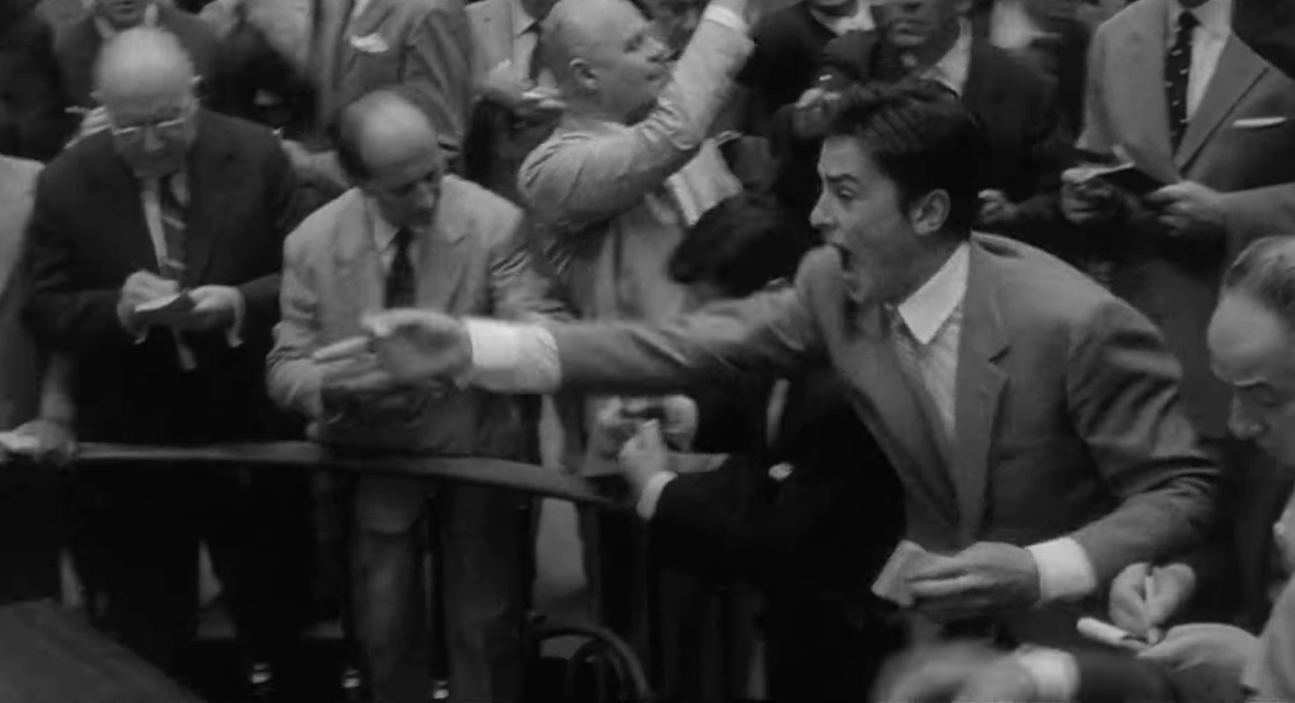
… and Gianni Di Venanzo’s cinematography is top-notch. Especially noteworthy are the energetic stock trading scenes, filmed with real brokers as extras to add to the verisimilitude.

Note: If you’d like to geek out on the role of architecture in this film, be sure to watch James Macgillvray’s talk.

Notable Performances, Qualities, and Moments:

  • Fine cinematography


Must See?
No, though most film fanatics will probably be curious to check it out.

(Listed in 1001 Movies You Must See Before You Die)

Links:

La Notte (1961)

La Notte (1961)

“You two have really worn me out tonight.”

Synopsis:
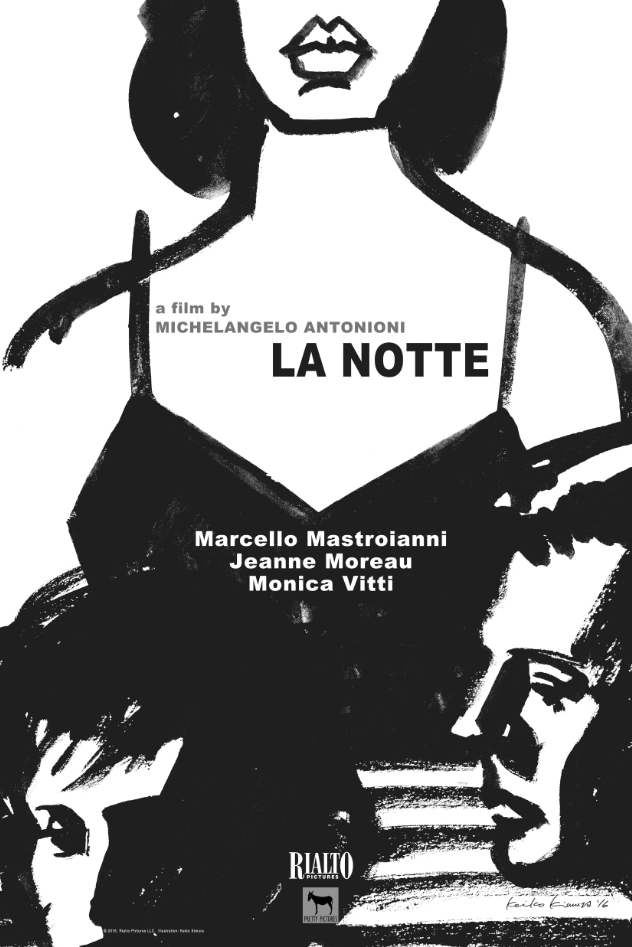
A novelist (Marcello Mastroianni) and his wife (Jeanne Moreau) spend a challenging evening together, including attending a party where Mastroianni flirts with a beautiful young woman (Monica Vitti) and a playboy (Giorgio Negro) pursues Moreau.

Genres, Themes, Actors, and Directors:

  • Italian Films
  • Jeanne Moreau Films
  • Marcello Mastroianni Films
  • Marital Problems
  • Michelangelo Antonioni Films
  • Monica Vitti Films

Review:
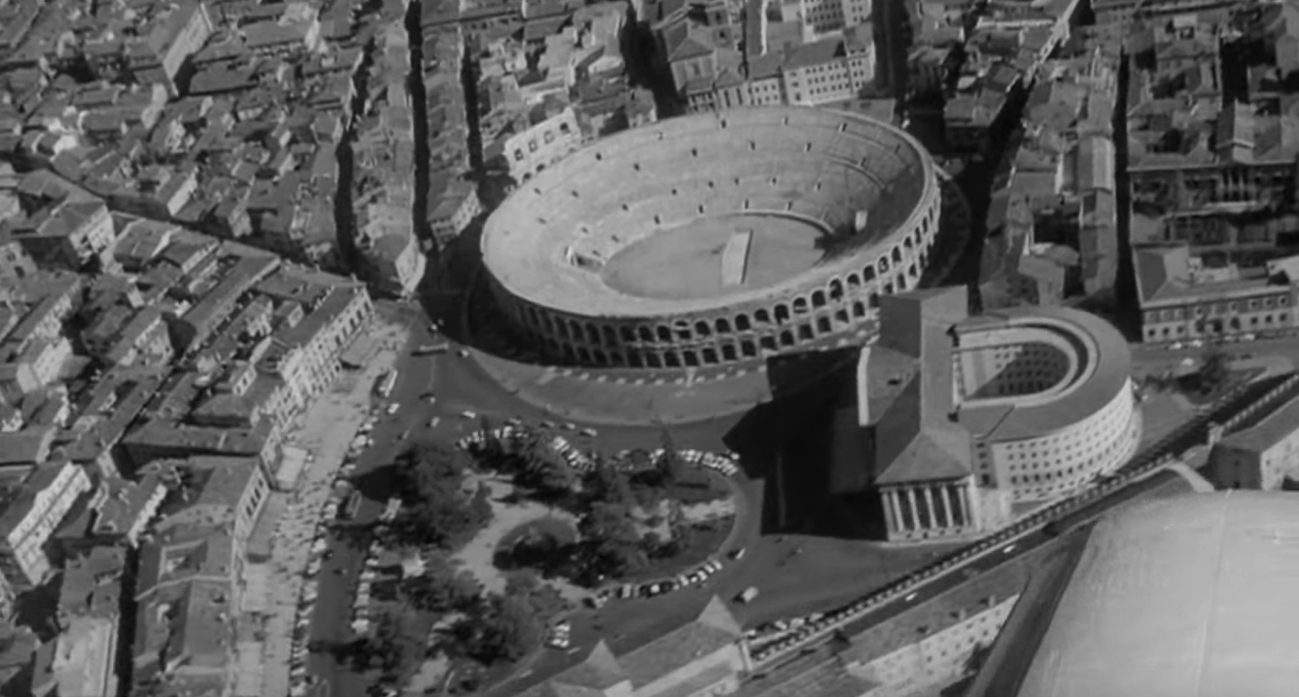
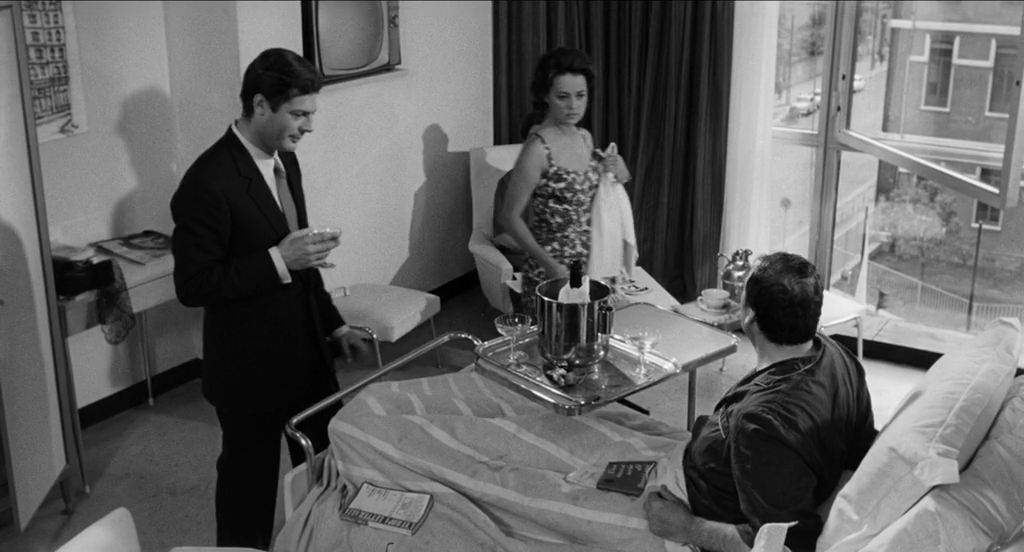
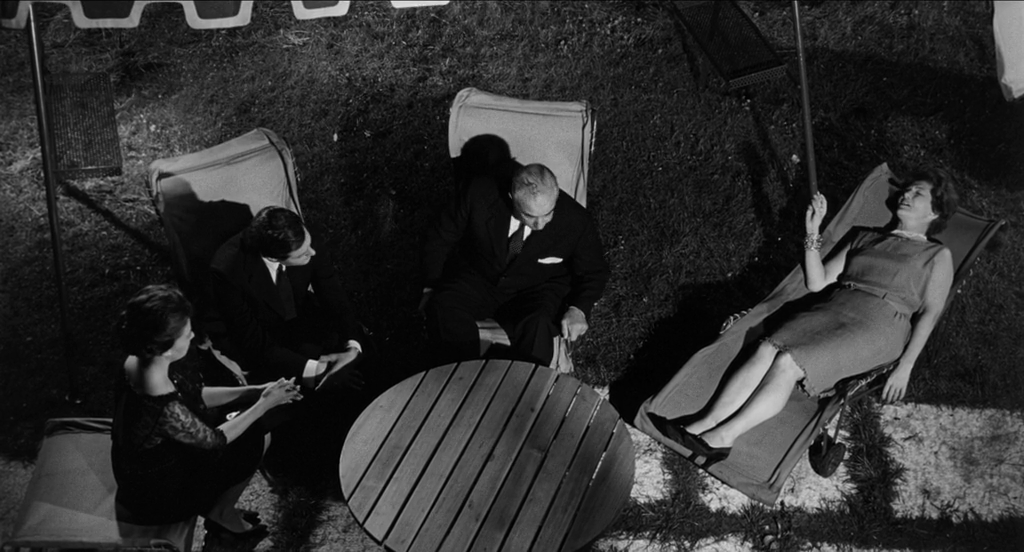
The second of Michelangelo Antonioni’s so-called “alienation trilogy” — after L’Avventura (1960) and before L’Eclisse (1962) — was this similarly (slowly) paced film showing us a day and a night in the lives of a well-to-do couple whose relationship has clearly reached a point of impasse. After visiting their dying friend (Bernard Wicki) in the hospital:

… Mastroianni is briefly seduced by a disturbed young woman (Maria Pia Luzi) down the hall:

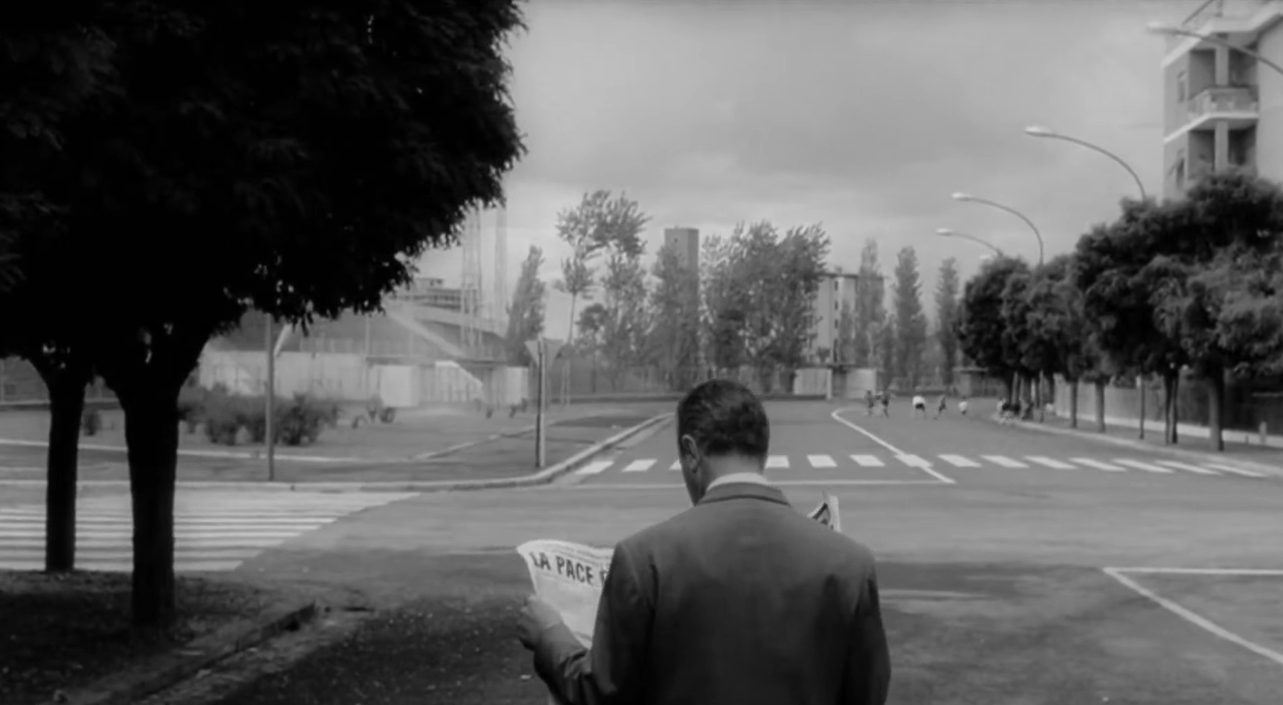
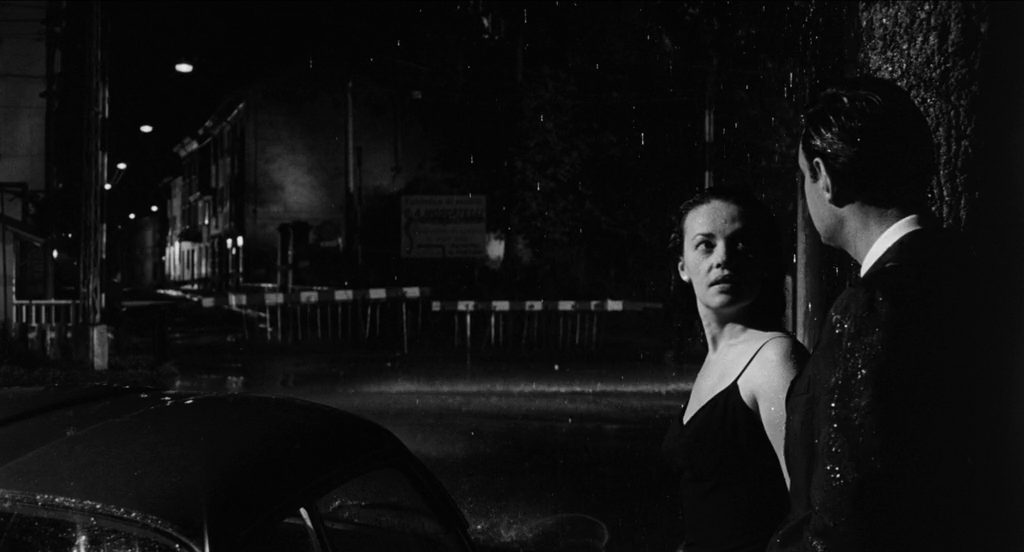
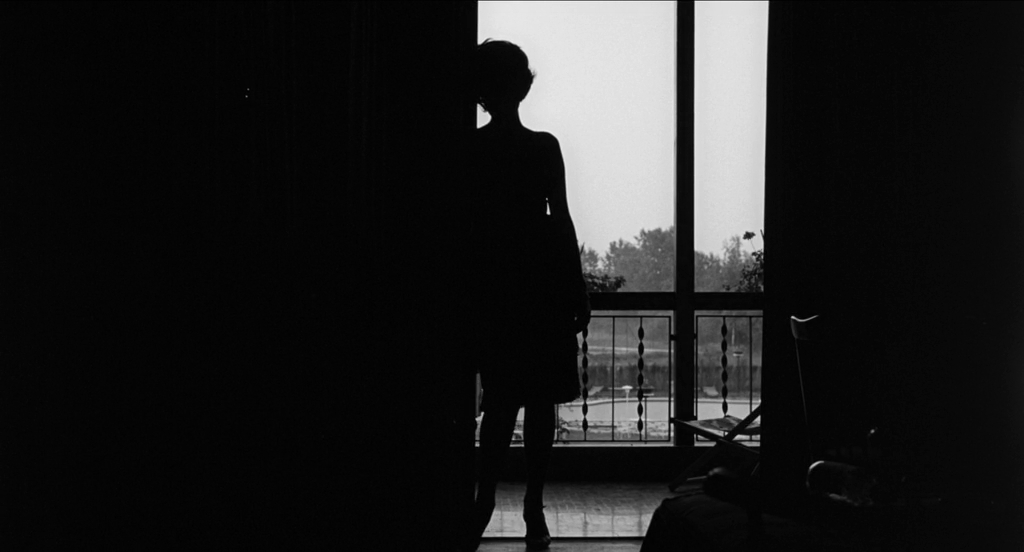
… while nonchalant Moreau wanders the streets of Milan, observing life and landscapes around her.

That night, the couple head first to a nightclub, where they watch an erotic dance:

… and then to a party, which takes up the entire second half of the film.


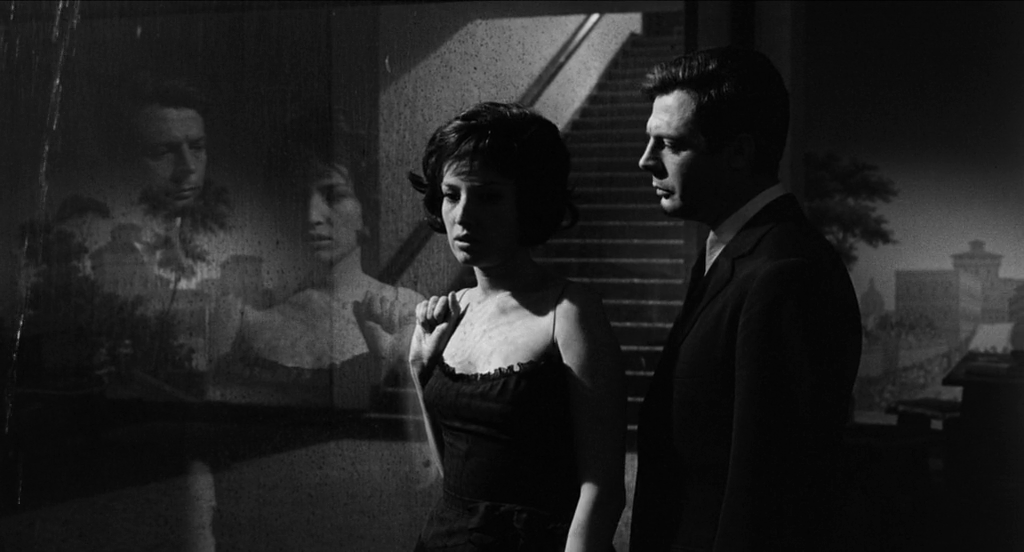
Mastroianni is attracted to the daughter (Vitti) of the party host (Vincenzo Corbella):

… while Moreau allows herself to be distracted by a man (Giorgio Negro) who’s shown interest in her.

As with most other Antonioni films of the period, that just about sums up the narrative. While it’s beautifully shot, this one is only must-see for fans of his work.

Notable Performances, Qualities, and Moments:

  • Gianni Di Venanzo’s cinematography

Must See?
No, though it’s worth a one-time look.

(Listed in 1001 Movies You Must See Before You Die)

Links:

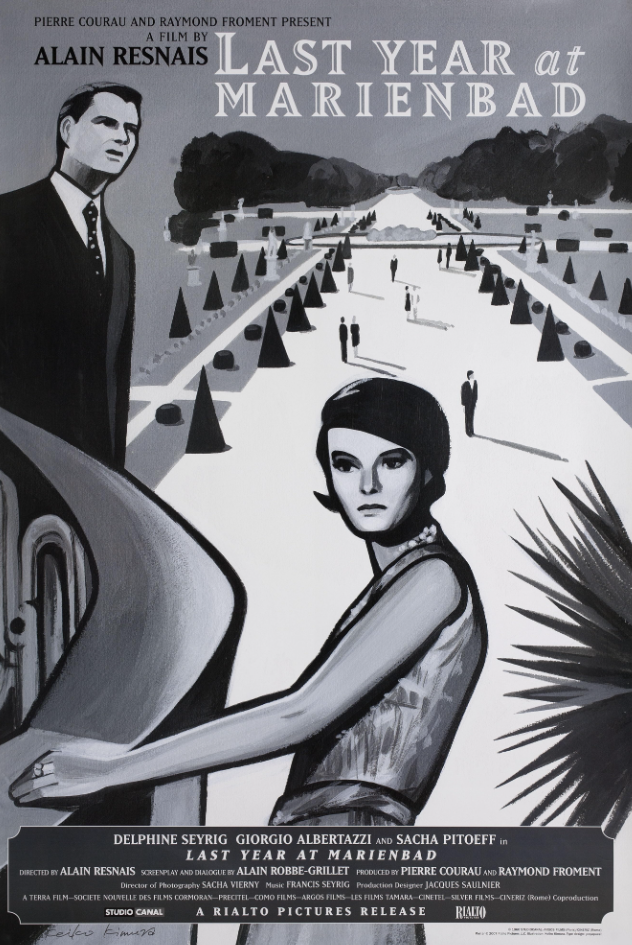
Last Year at Marienbad (1961)

Last Year at Marienbad (1961)

“You know you are ready to leave.”

Synopsis:
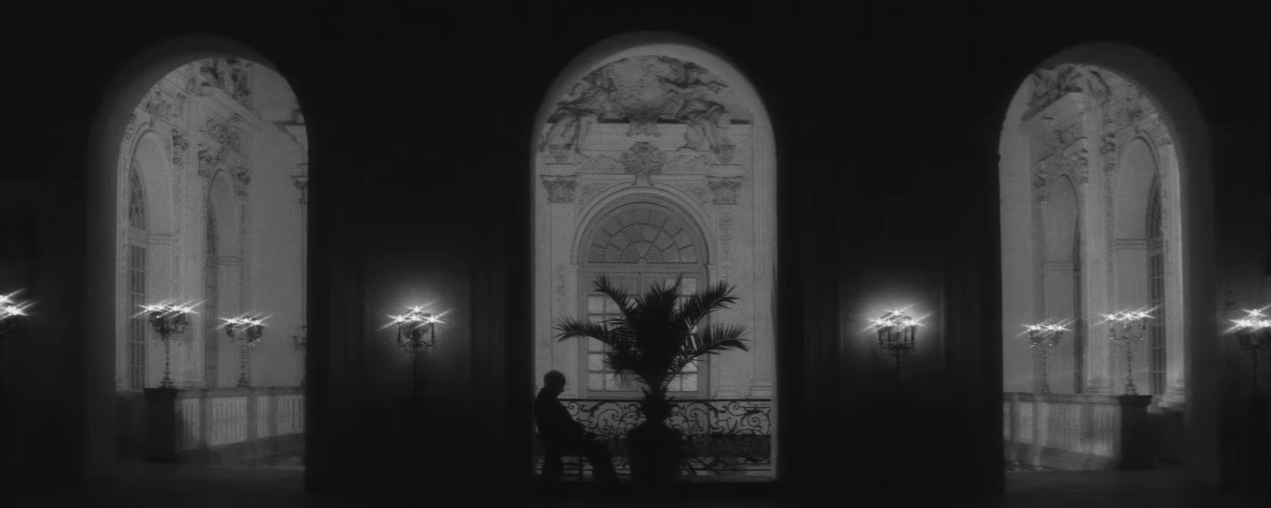
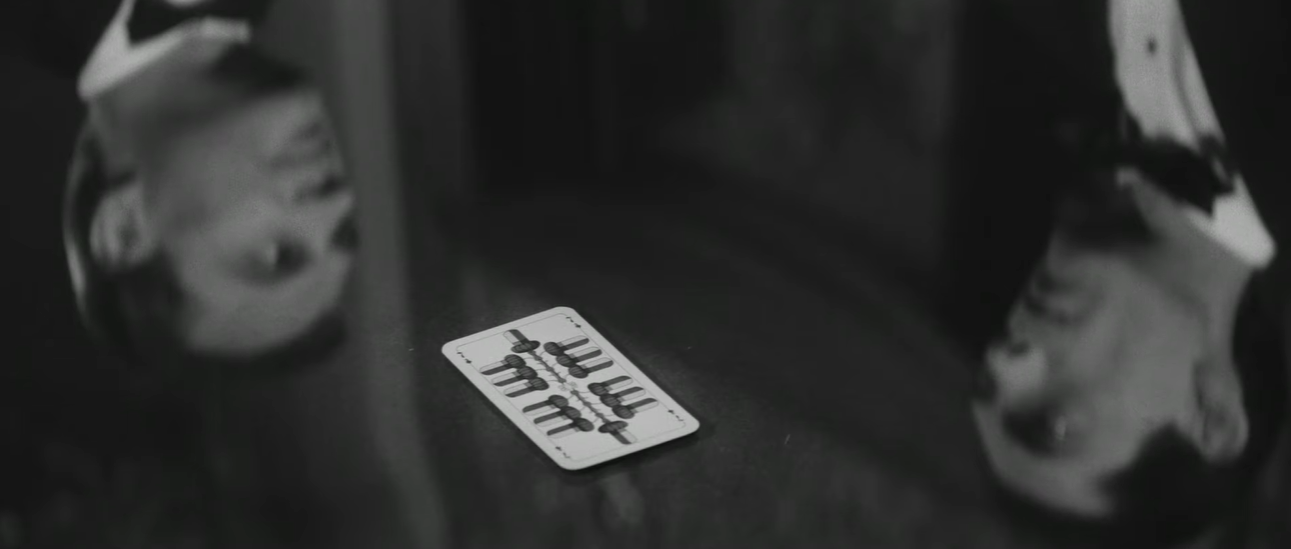
At a baroque European hotel, a tall skinny man (Sacha Pitoëff) challenges inhabitants to the game of Nim while an elegant man (Giorgio Albertazzi) continuously insists to a woman (Delphine Seyrig) — perhaps Pitoëff’s spouse — that they had an affair the prior year.

Genres, Themes, Actors, and Directors:

  • Alain Resnais Films
  • Delphine Seyrig Films
  • French Films

Review:
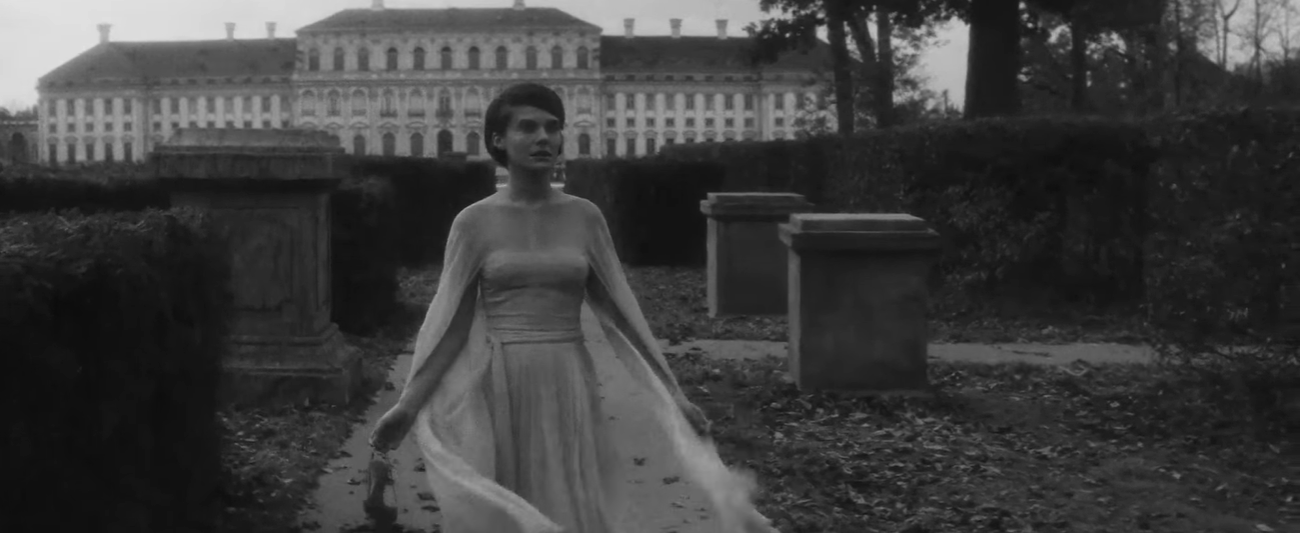
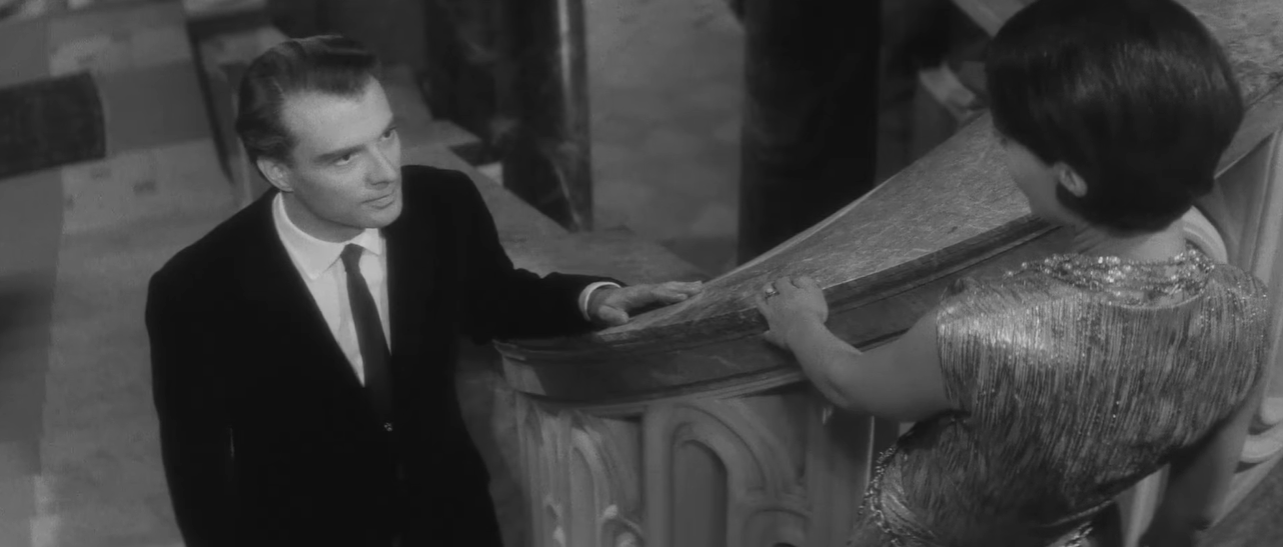
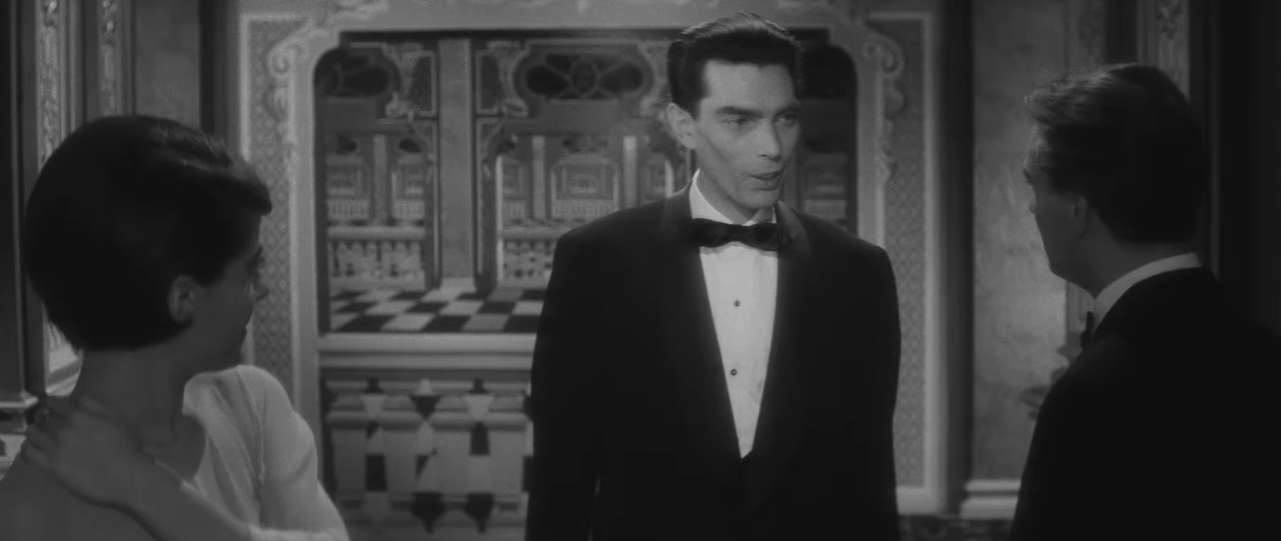
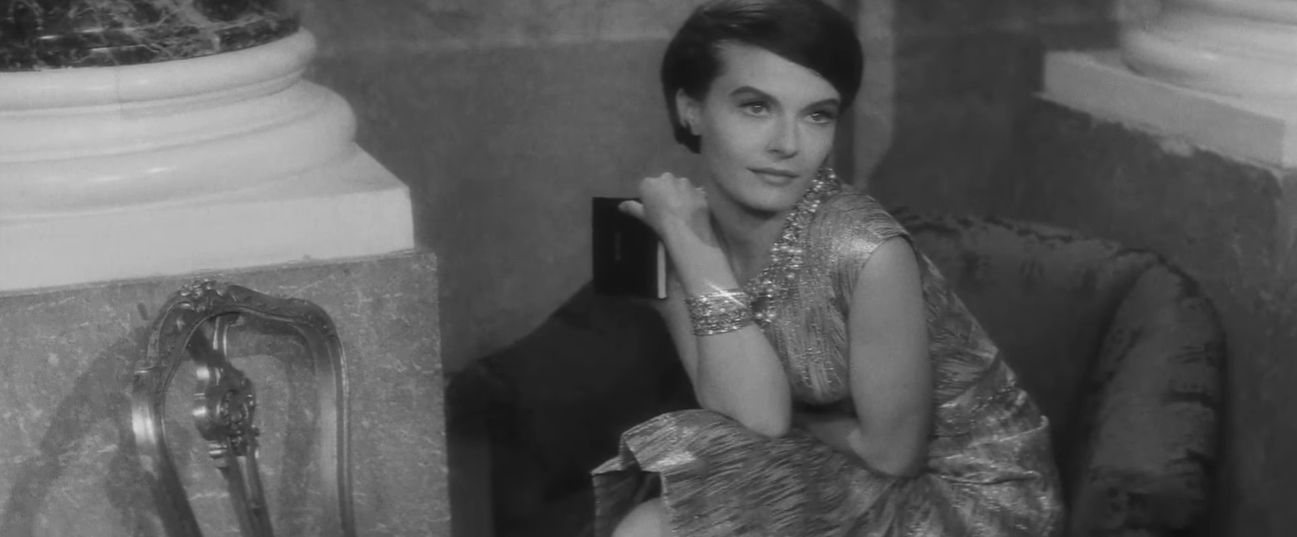
Alain Resnais’s follow-up to Hiroshima Mon Amour (1959) was this collaboration with writer Alain Robbe-Grillet, resulting in one of the most unusual, provocative, and inscrutable entries in the French New Wave. None of the characters have names, and there is no storyline to speak of other than Albertazzi’s repetitive pursuit (gaslighting?) of luminous Seyrig across various spaces in and around the unnamed hotel.

We have no idea — and (SPOILER) never learn — what’s actually going on here. Albertazzi tells Seyrig things like: “You were waiting for me.” “No,” she replies, “why should I be?” His response: “I’ve waited a long time for you.” Later he says: “You’re running away again.” She replies: “What do you mean? I don’t understand a word.” He responds: “If it were a dream, why should you be afraid?” “Tell me,” she says.

And on and on. Later he adds: “You asked me not to see you. But of course we met, the day after or the next, or the day after that. Perhaps it was by accident. I insisted on your leaving with me. You said it was impossible, of course. But now, you know it’s the only thing left for you to do.” And so we hear, relentlessly, why he believes they were once together and should be again.


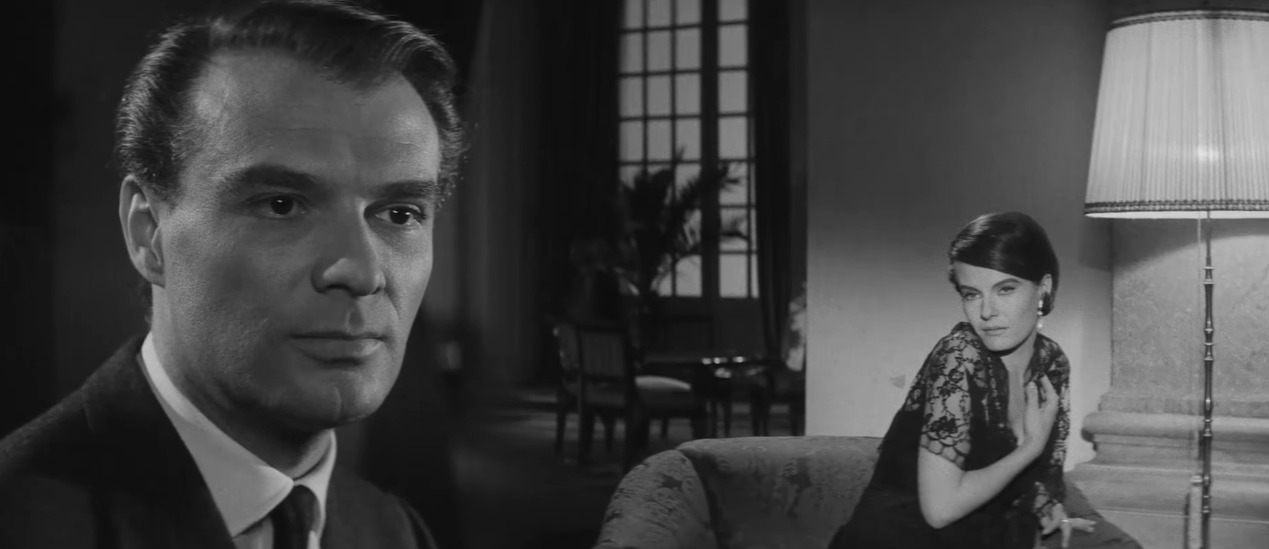
Does Seyrig want to believe this is true? It’s not clear — and perhaps not relevant, given that this is Albertazzi’s dream (or reality, or intention), and Seyrig simply plays a key role-of-desire, with Pitoëff showing up every now and then as a not-so-menacing third wheel presence.

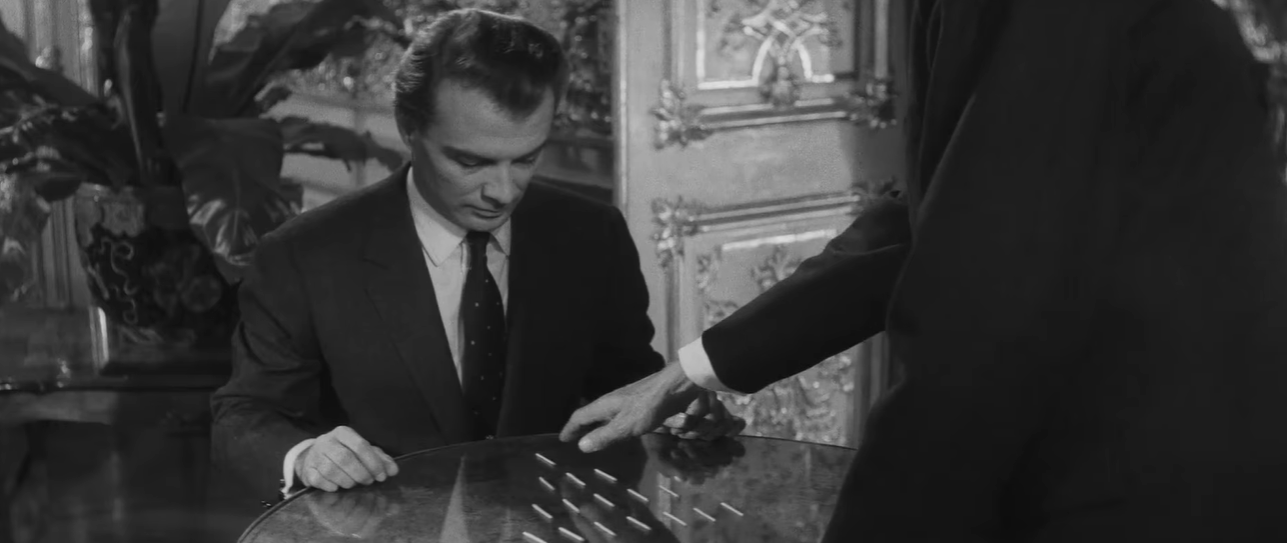
To that end, there are two repetitive games going on throughout the film: Pitoëff’s matches with various players (he always wins):

… and Albertazzi’s insistent pursuit of Seyrig. Does he get her in the end? I will leave that to you to find out, since it’s the sole narrative hook of the entire venture.

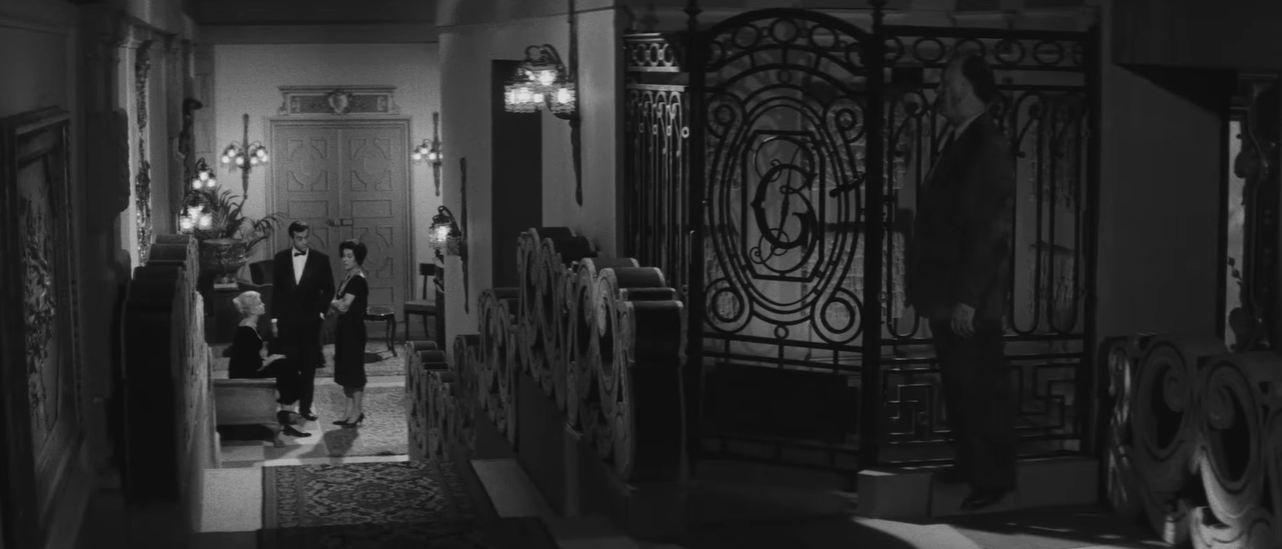
Watch for a subtle image of Hitchcock on the right during an early sequence; I had to go back to look for it once I learned it was there.

Notable Performances, Qualities, and Moments:

  • Elegant costumes and production design

  • Sacha Vierny’s cinematography

Must See?
Yes, for its historical relevance. Listed as a film with Historical Importance in the back of Peary’s book.

Categories

  • Historically Relevant

(Listed in 1001 Movies You Must See Before You Die)

Links:

Tanya’s Island (1980)

Tanya’s Island (1980)

“How much did you miss me? Sometimes I wonder if you need me at all.”

Synopsis:
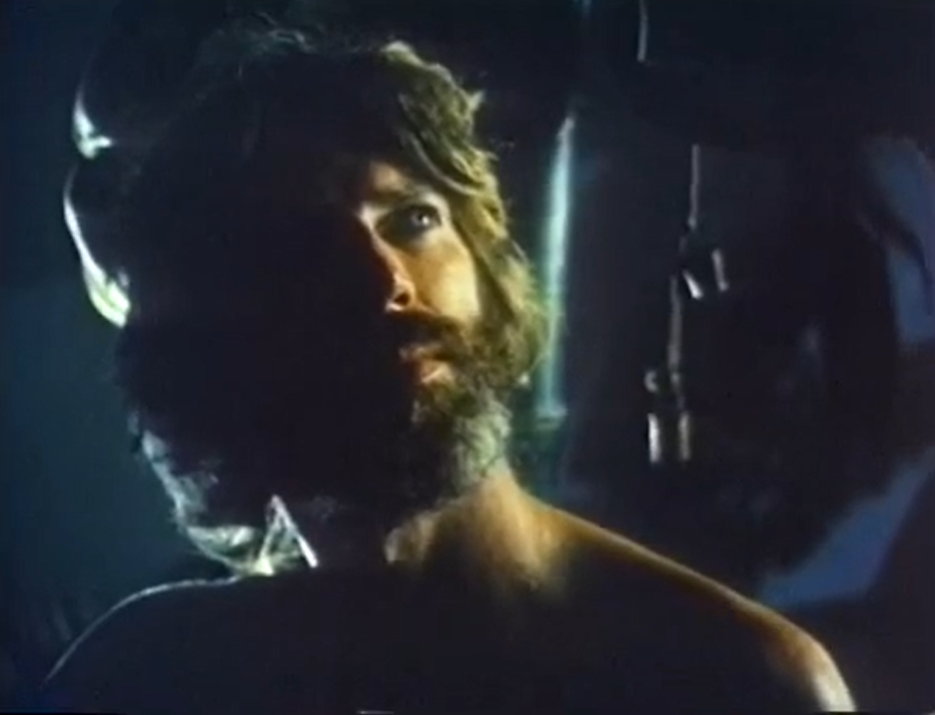
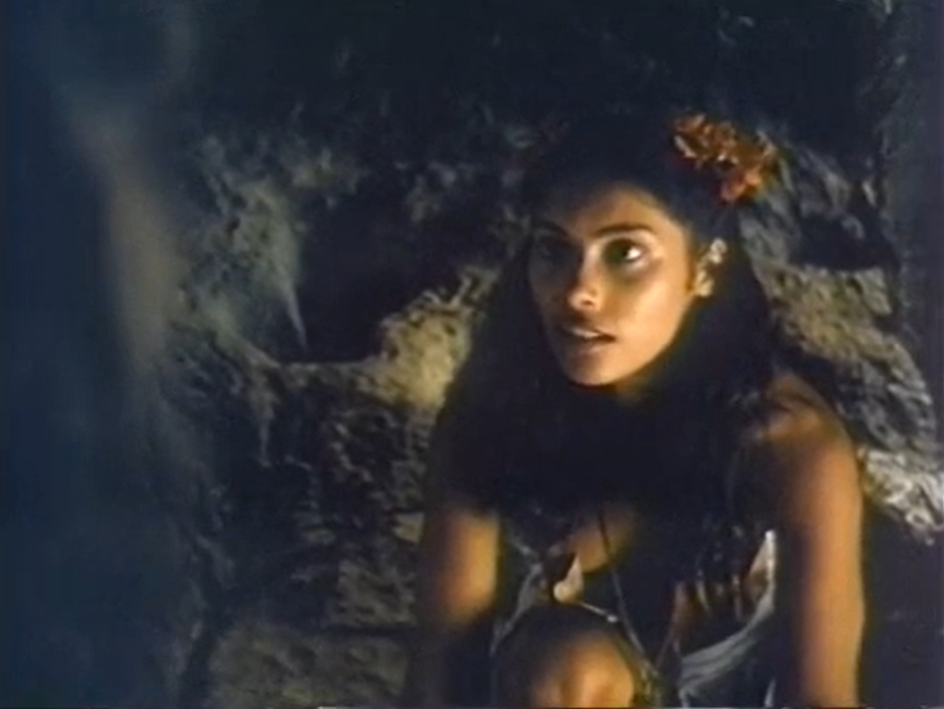
When a model (Vanity) and her partner (Richard Sargent) end up on an island with a gorilla (Don McLeod), an unusual love triangle ensues.

Genres, Themes, Actors, and Directors:

  • Cross Cultural Romance
  • Deserted Island
  • Love Triangle
  • Primates

Review:
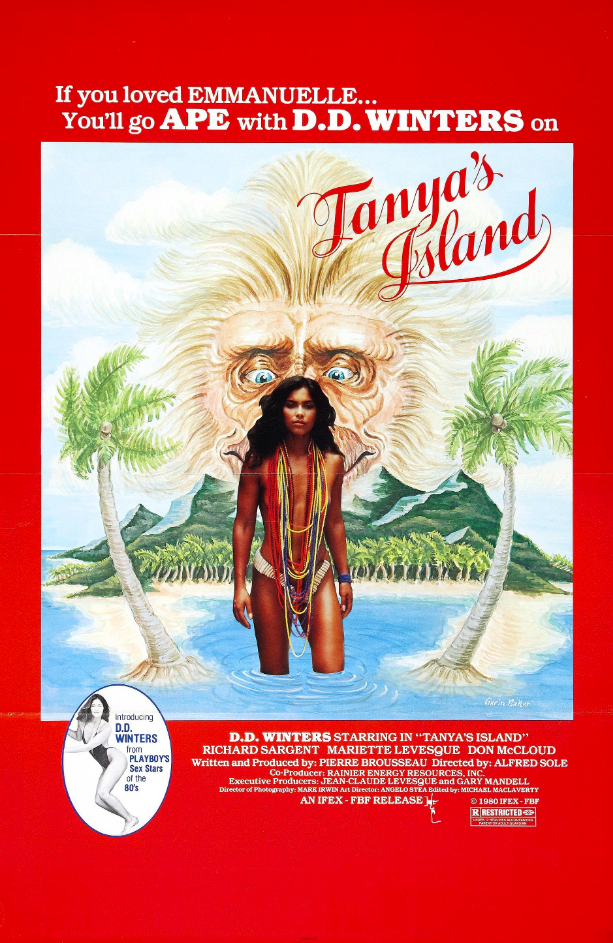
It’s unfortunate that Alfred Sole — director of the horror cult classic Alice, Sweet Alice (1977) — followed up with this nearly unwatchable dreck. Rather than engaging in any attempt at analysis, I’ll simply cite from Graeme Clark’s review for Spinning Image:

This strange item of exoticism was written by its producer Pierre Brousseau and for the male viewers it poses that age old problem. You’re artistic, sensitive but manly, and entirely self-sufficient – so why is your girlfriend interested in a gorilla?

That is the question, indeed. Viewers at the time were likely intrigued and/or excited to see Vanity — best known as lead singer of Nasty 6, which performed Prince’s “Nasty Girl” — in a leading role featuring plenty of nudity:

… and Rick Baker designed the gorilla suit, for what that’s worth.

But the storyline (such as it is — I’ll leave all surprises to you) is sorely lacking.

Notable Performances, Qualities, and Moments:
Really, not much.

Must See?
Nope; skip this one.

Links:

Taking Off (1971)

Taking Off (1971)

“How many times have we found our children, only to lose them again?”

Synopsis:
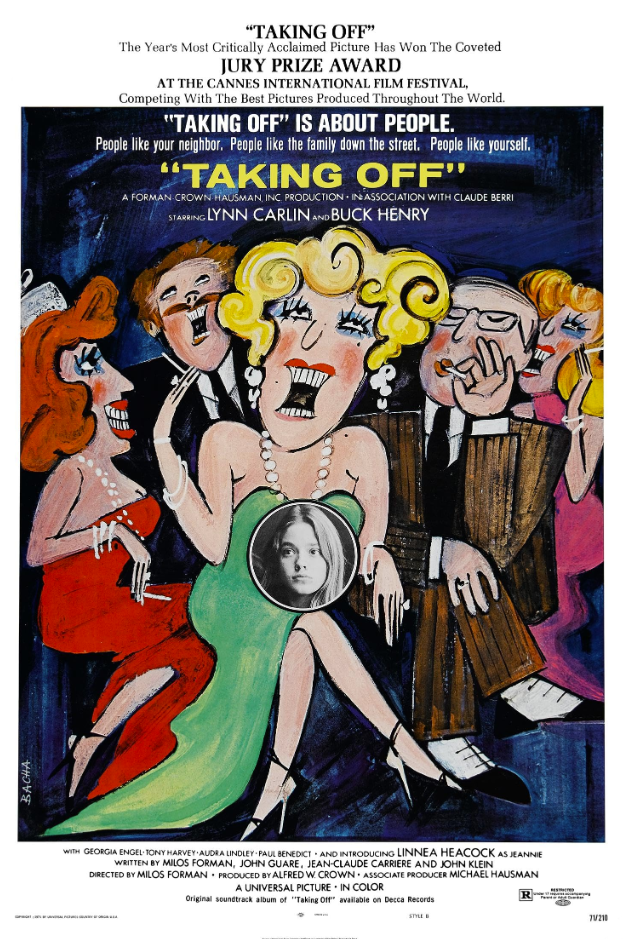
When their teenage daughter (Linnea Heacock) goes missing, Mrs. Tyne (Lynn Carlin) and her husband Larry (Buck Henry) join the Society for Parents of Fugitive Children, where they learn to smoke pot and and mingle with a pair of freewheeling new friends (Audra Lindley and Paul Benedict).

Genres, Themes, Actors, and Directors:

  • Comedy
  • Generation Gap
  • Milos Forman Films
  • Runaways
  • Search

Review:
Milos Forman’s American debut was this time-capsule comedic sketch about generational alienation during the height of the countercultural era. We quickly learn that Mr. and Mrs. Tyne — rather than their missing daughter, who only speaks a few words — are the true protagonists of the film, representing all the well-meaning but utterly clueless parents of teenagers seeking more expressive, less repressive lives for themselves.


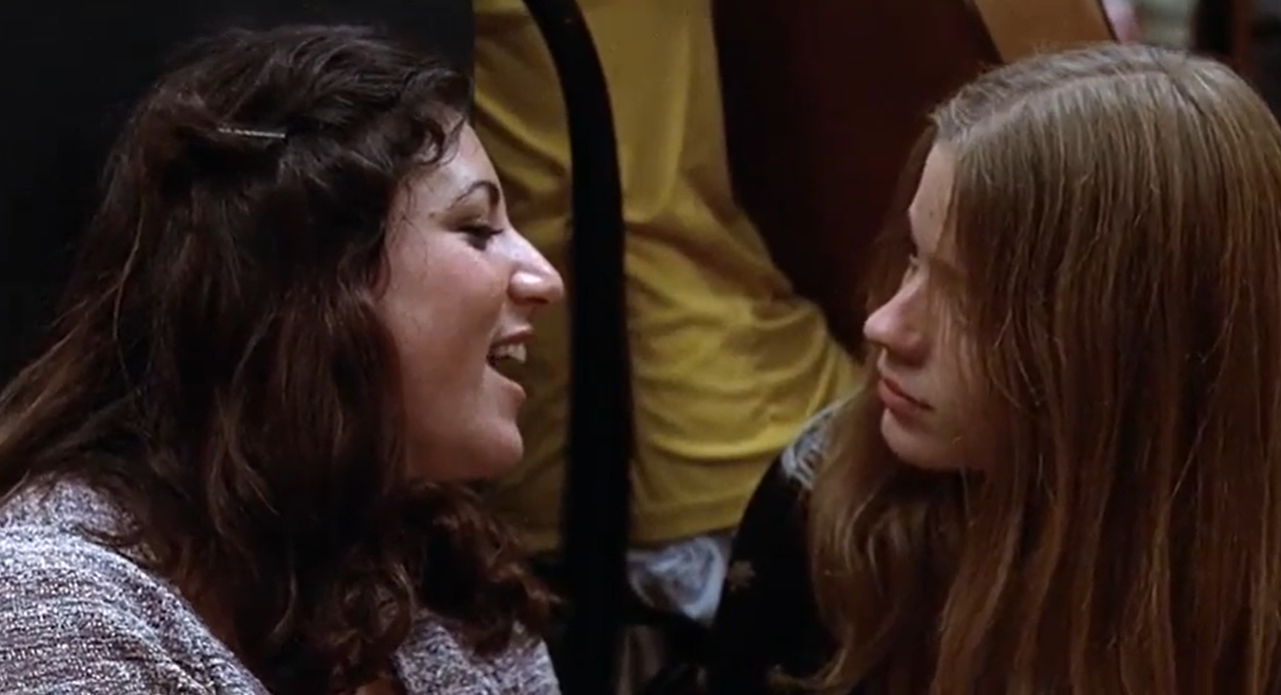
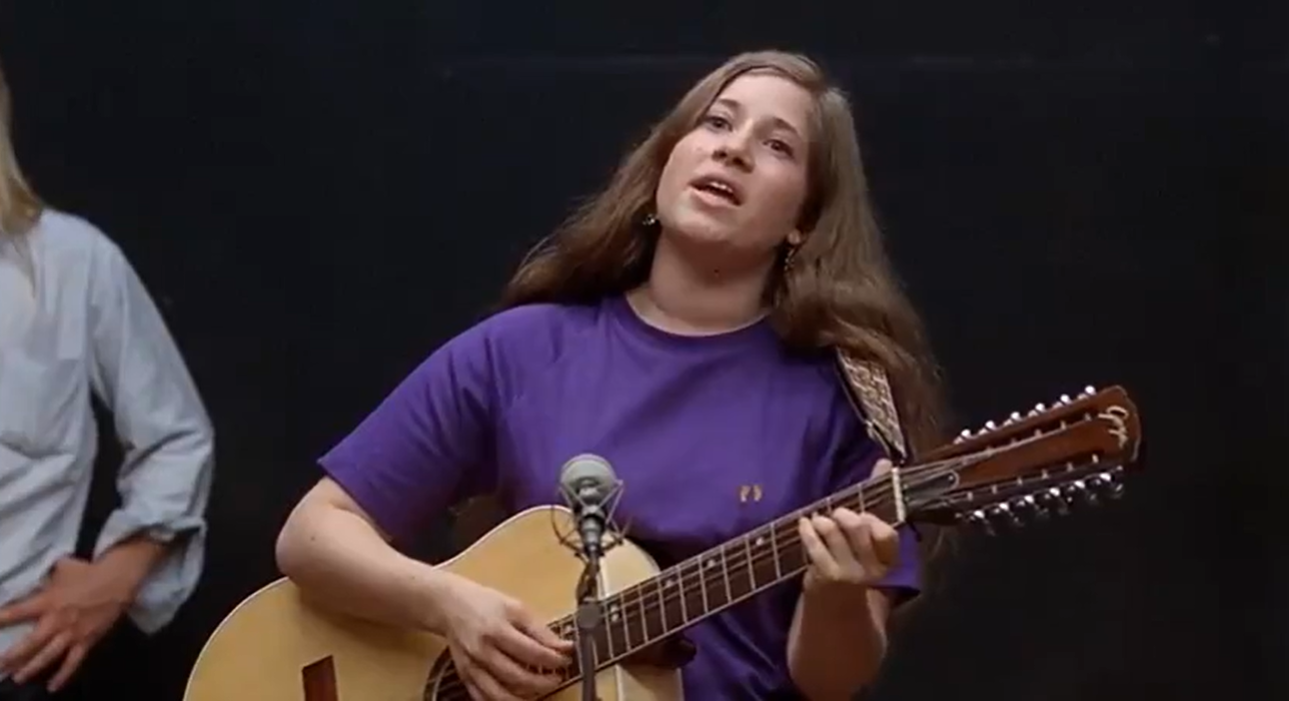
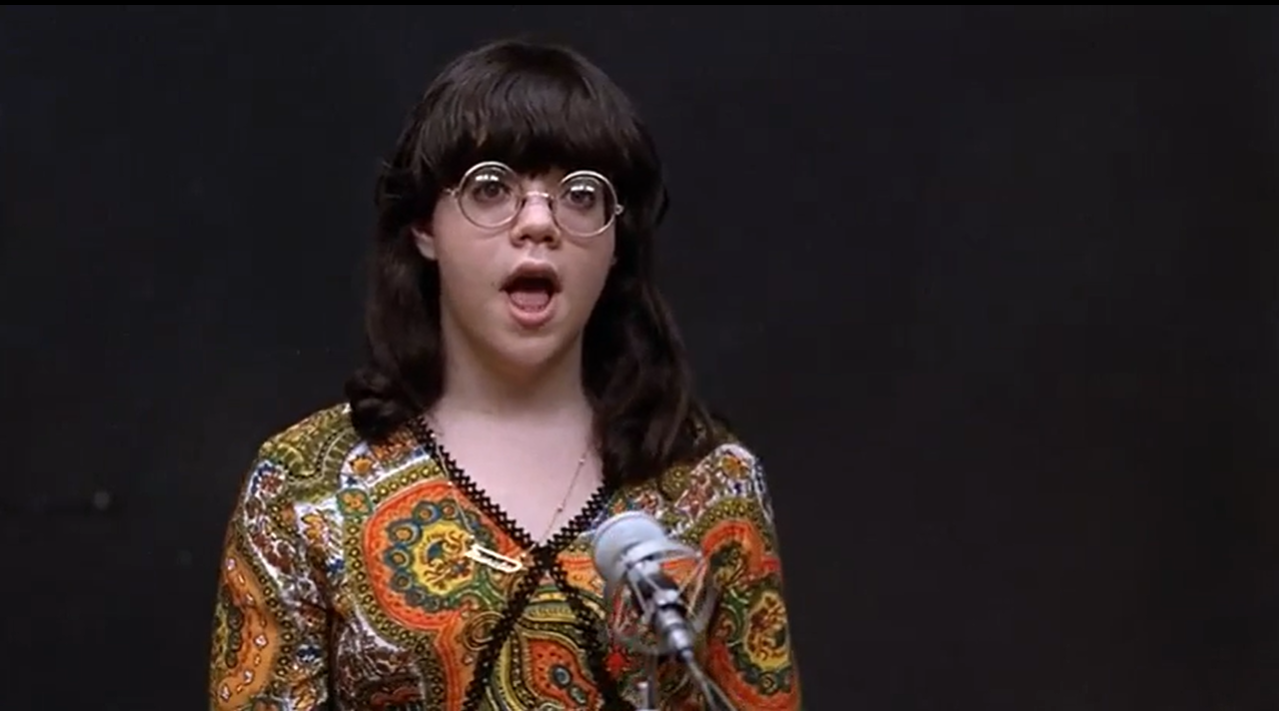
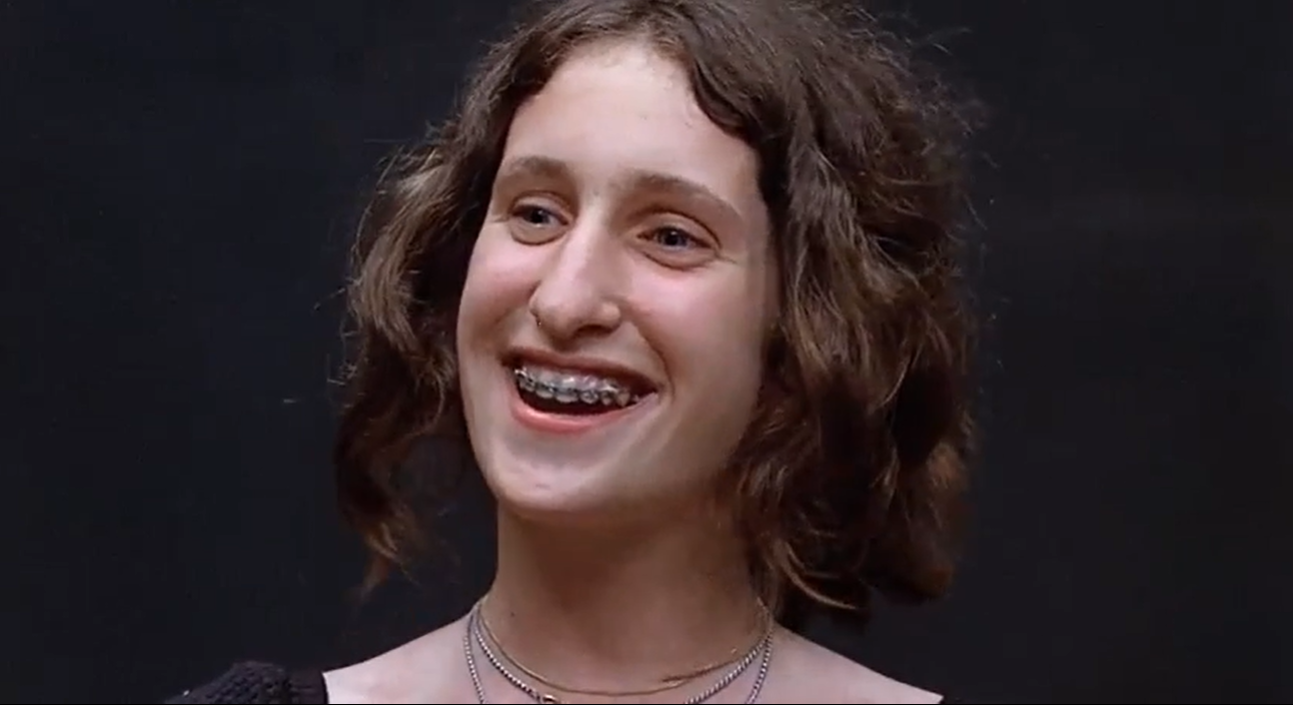
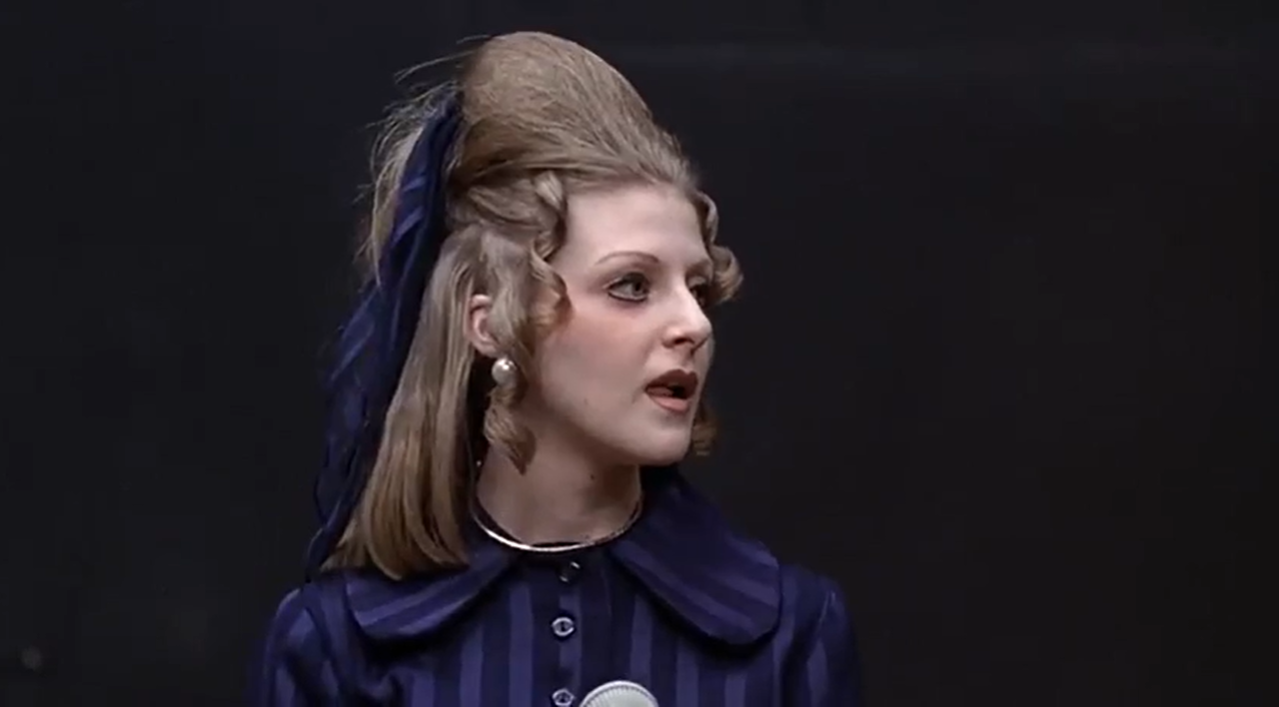
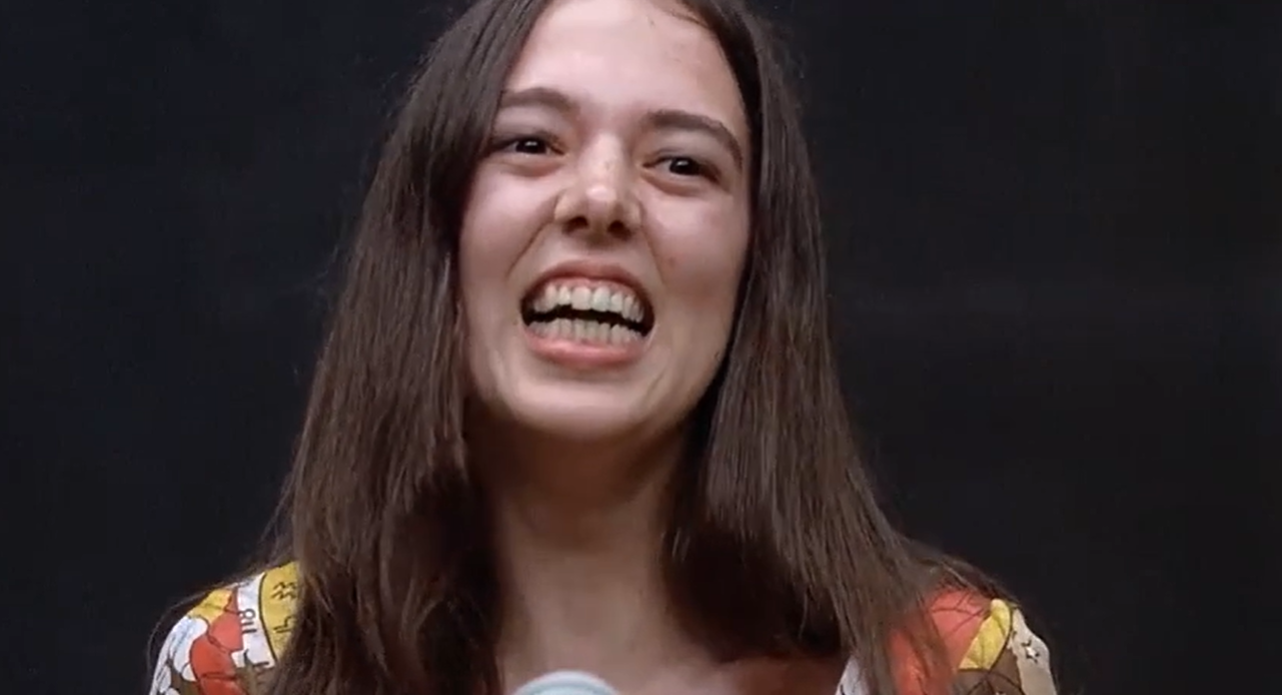
The expansiveness of this desire is well encapsulated by the sprawling opening sequence (actually intercut throughout the entire first half of the screenplay) wherein dozens of teenage girls audition for an unknown show.

As in The Fireman’s Ball (1967), Forman seems to take great delight in showing a wide variety of distinctive young female faces.


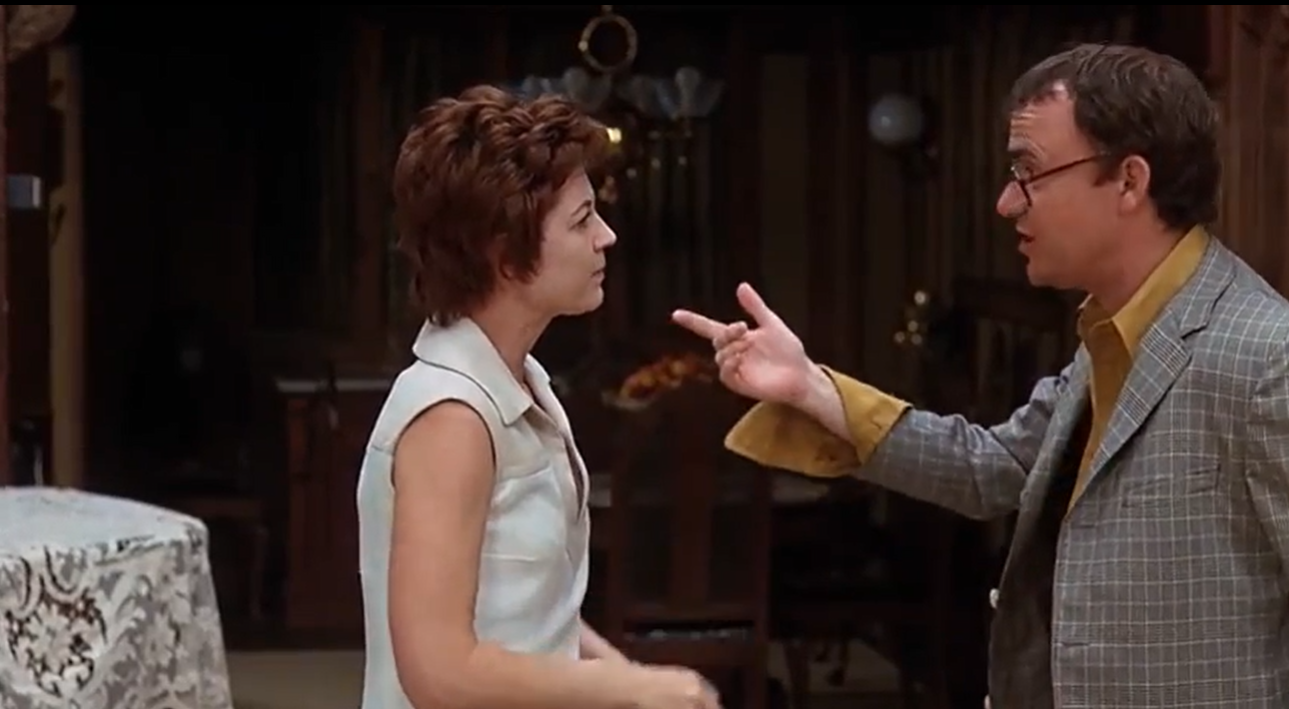
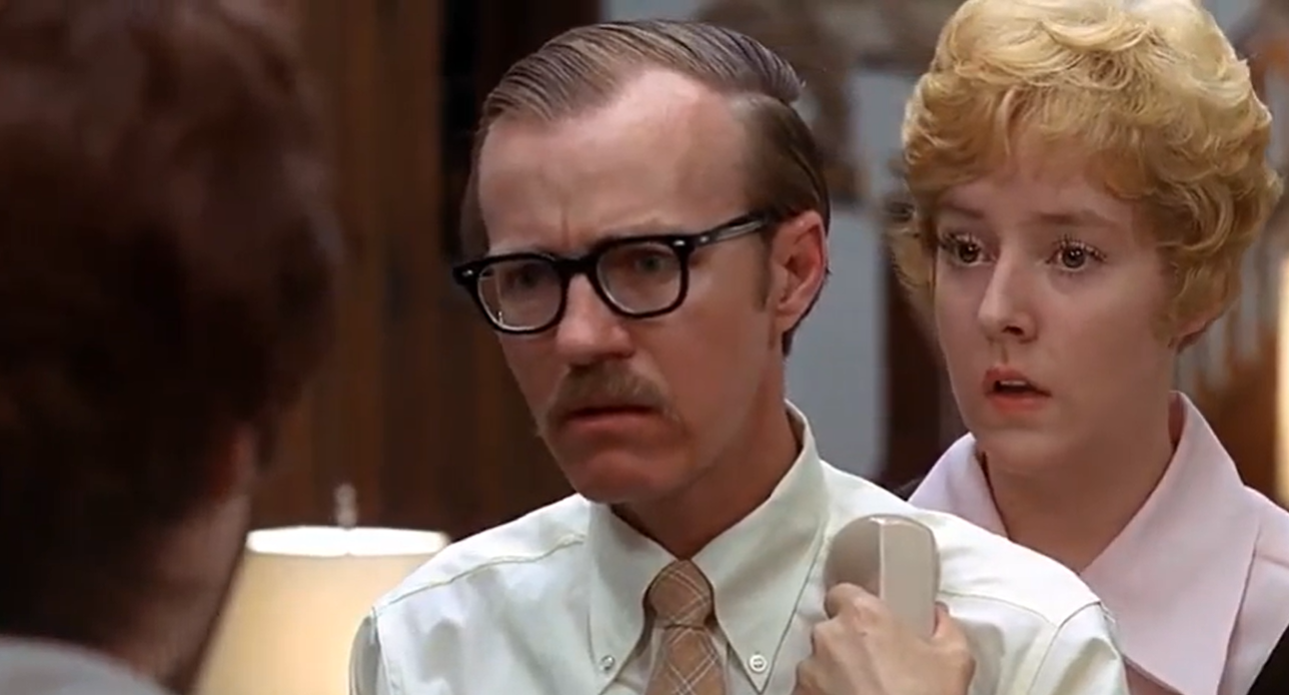
Meanwhile, Carlin and Henry socialize with their seemingly square friends (Georgia Engel and Tony Harvey):

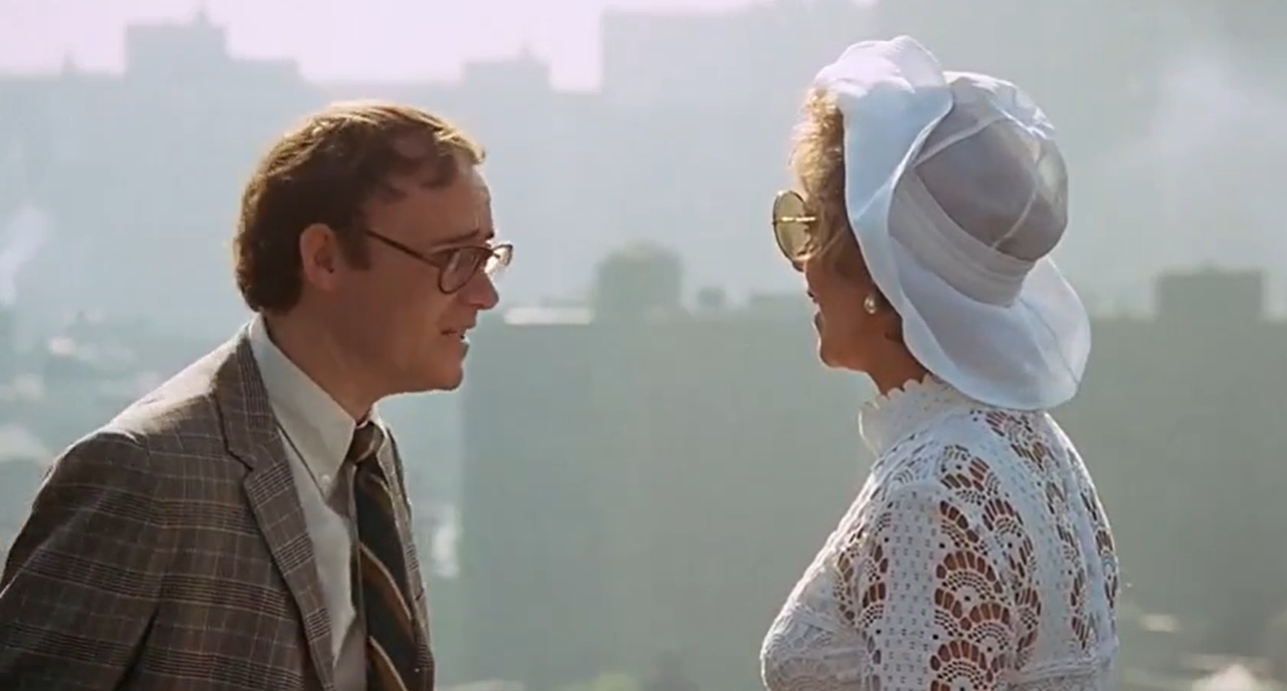
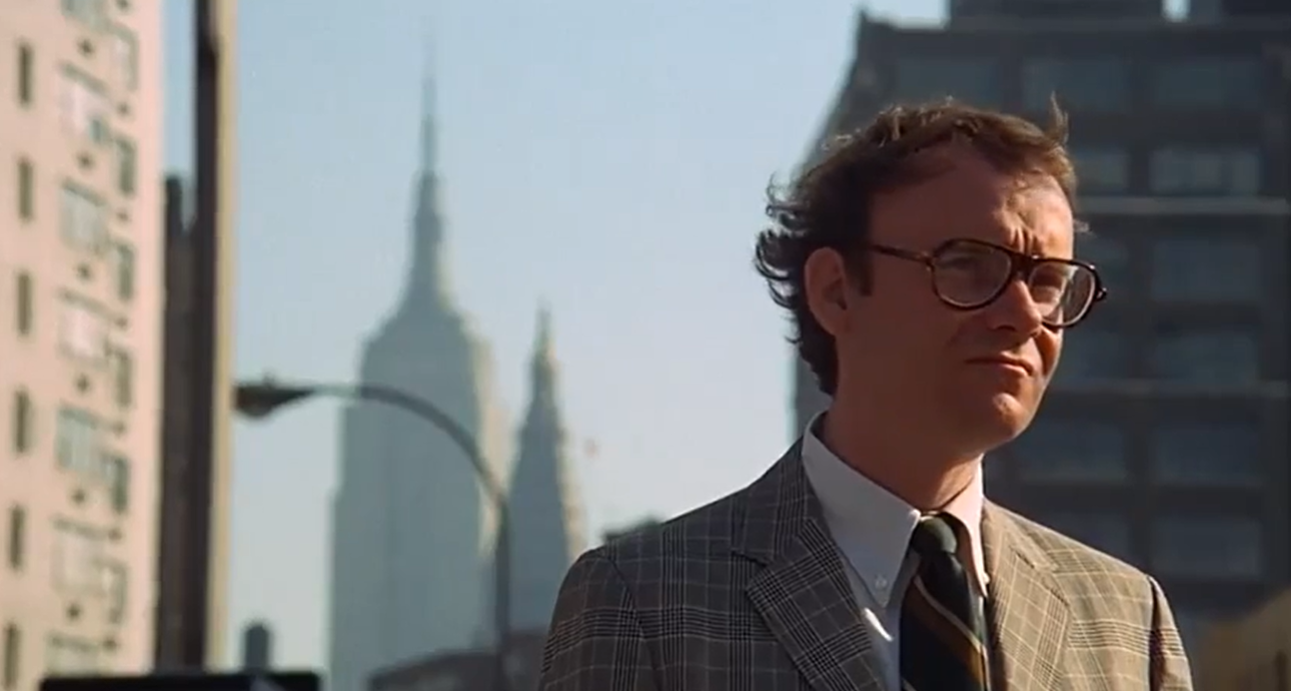
… and after a series of phone calls, nebbishy Henry (giving off serious Woody Allen vibes) is sent out on the town to comb for his daughter, which leads him to meet a married woman (Audra Lindley) he instantly hits it off with.

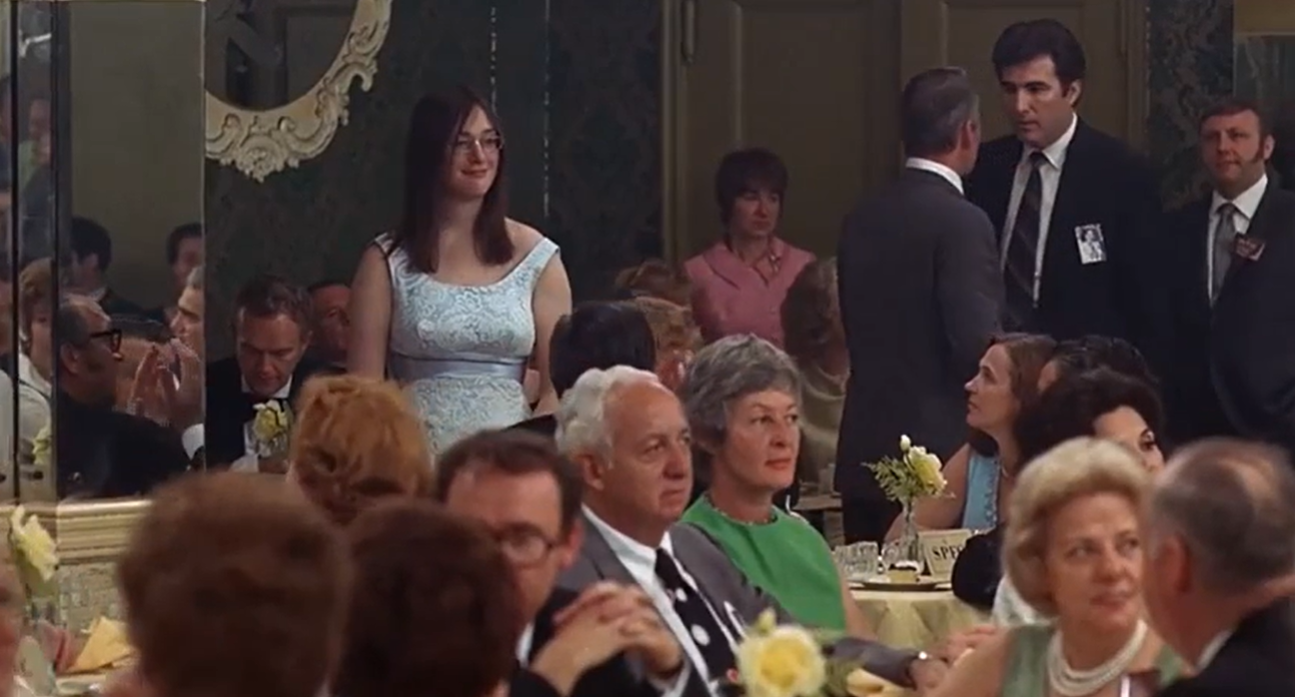
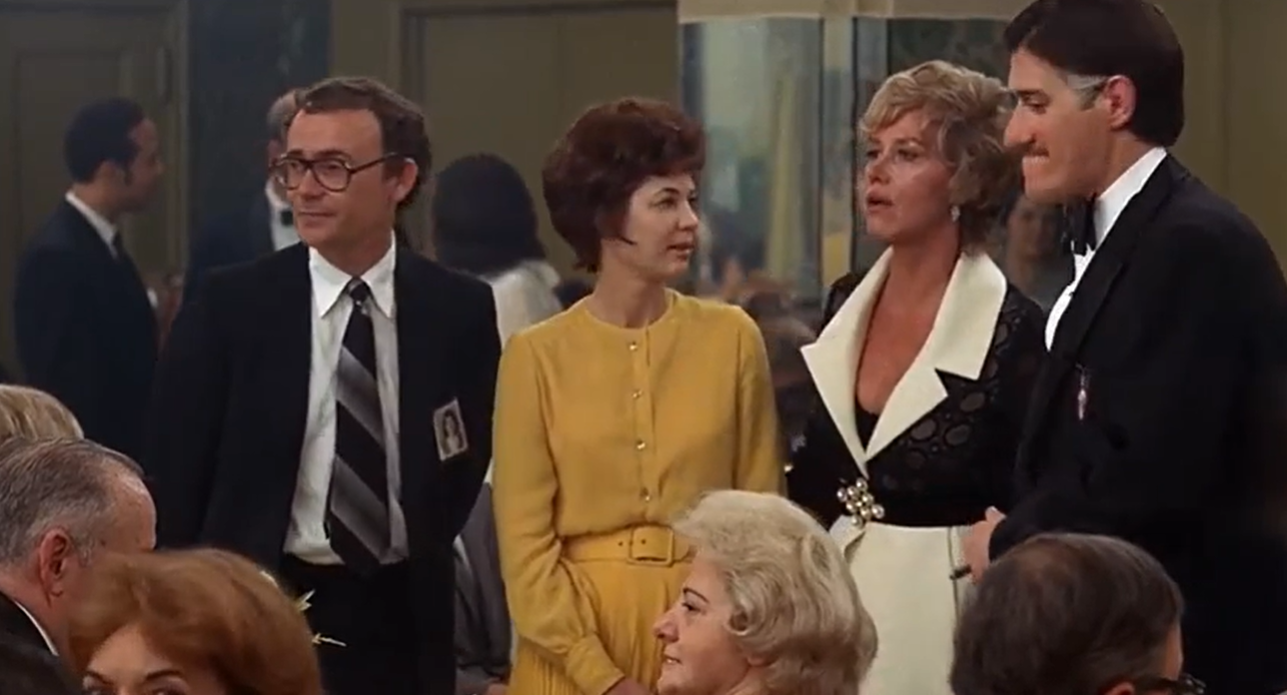
Eventually Carlin, Henry, Lindley, and Benedict all end up at a massive banquet for parents just like themselves, looking for their teenage children who have gone astray.

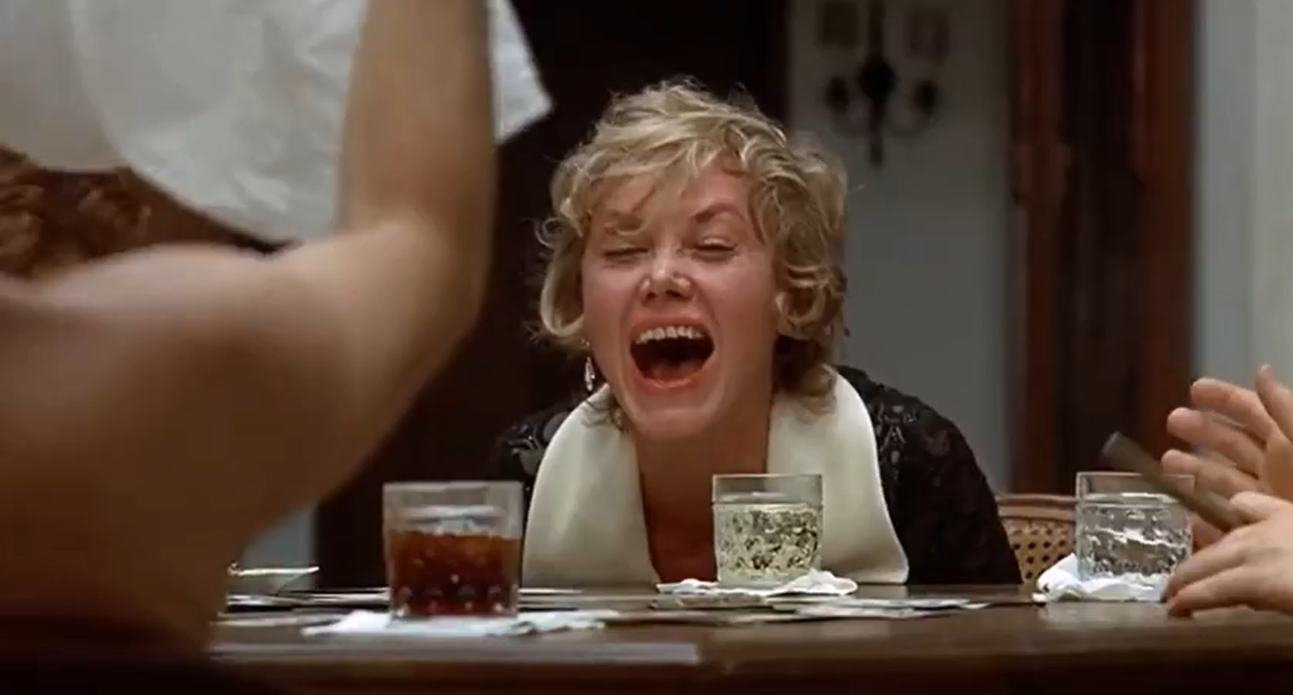
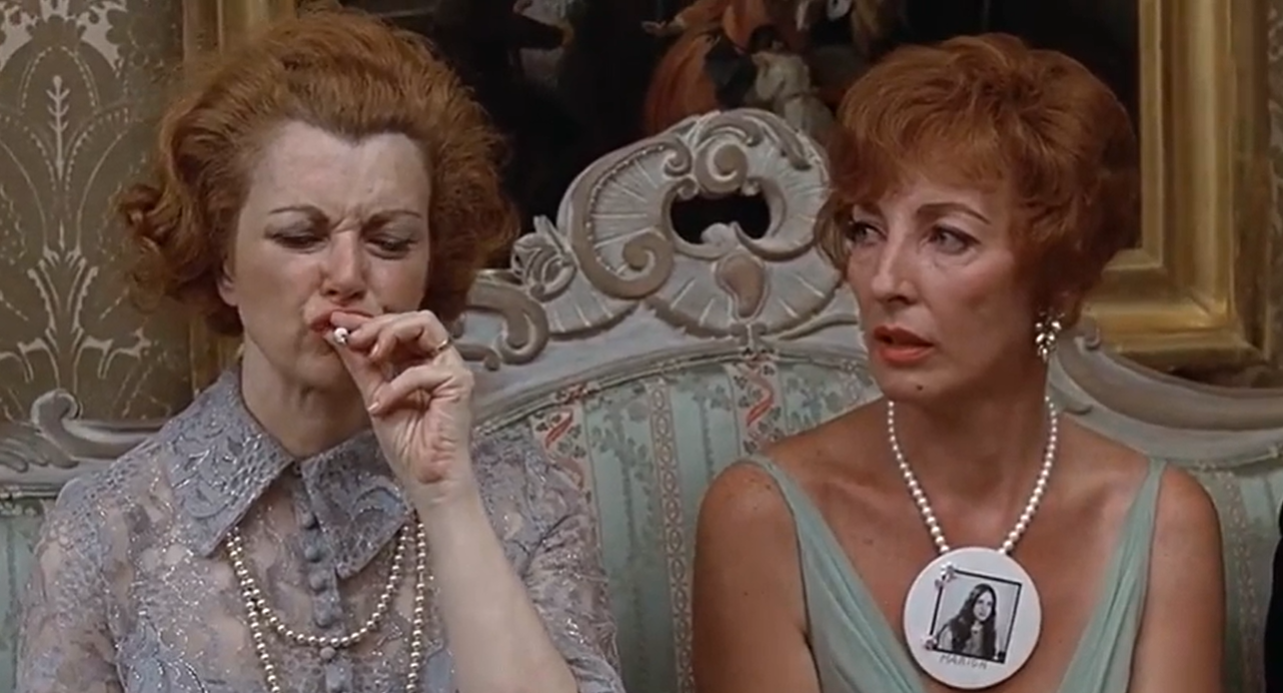
In an extended gag, the banquet-goers engage in an experiential lesson in pot smoking — and after this, we see a hotel-room strip poker game far wilder than anything the parents’ kids are getting into.

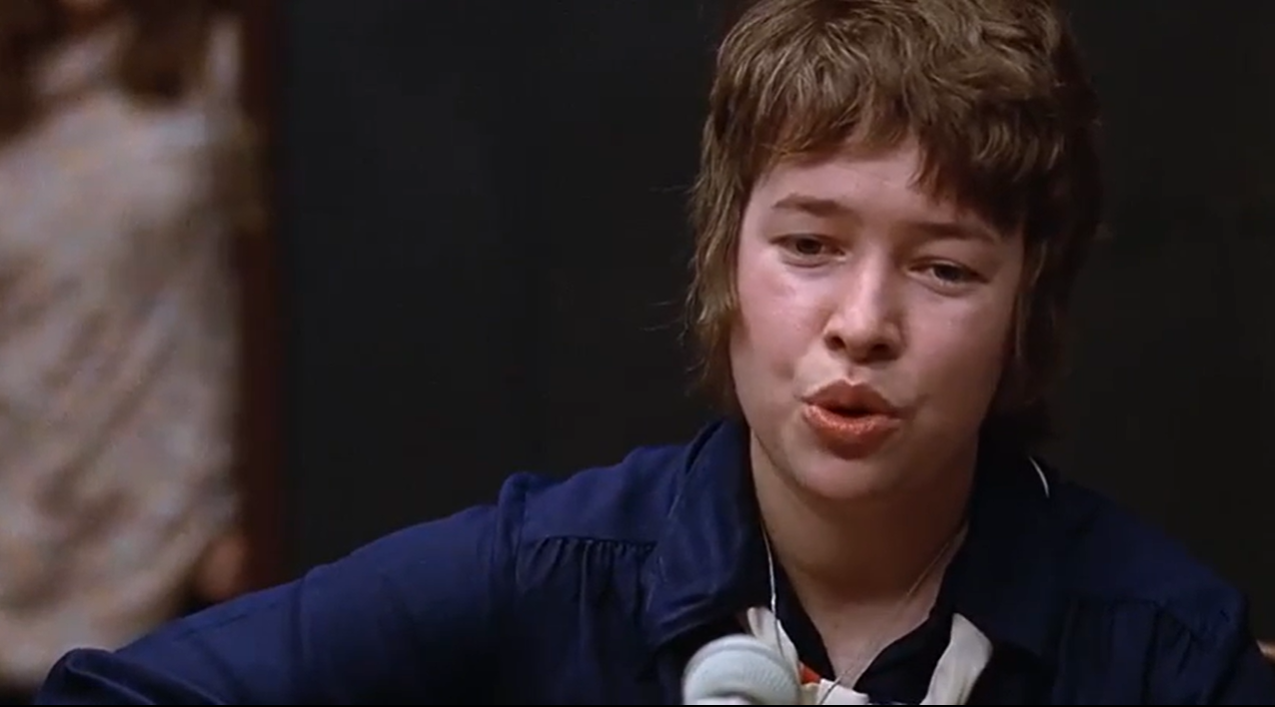
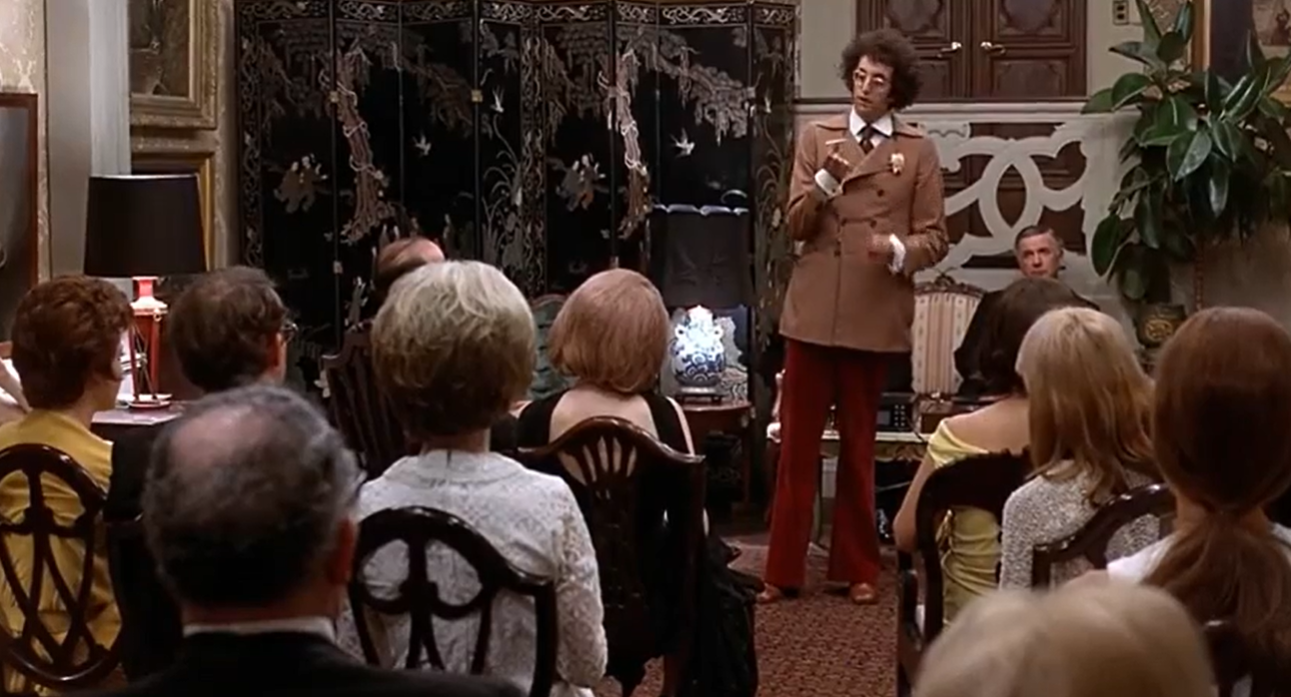
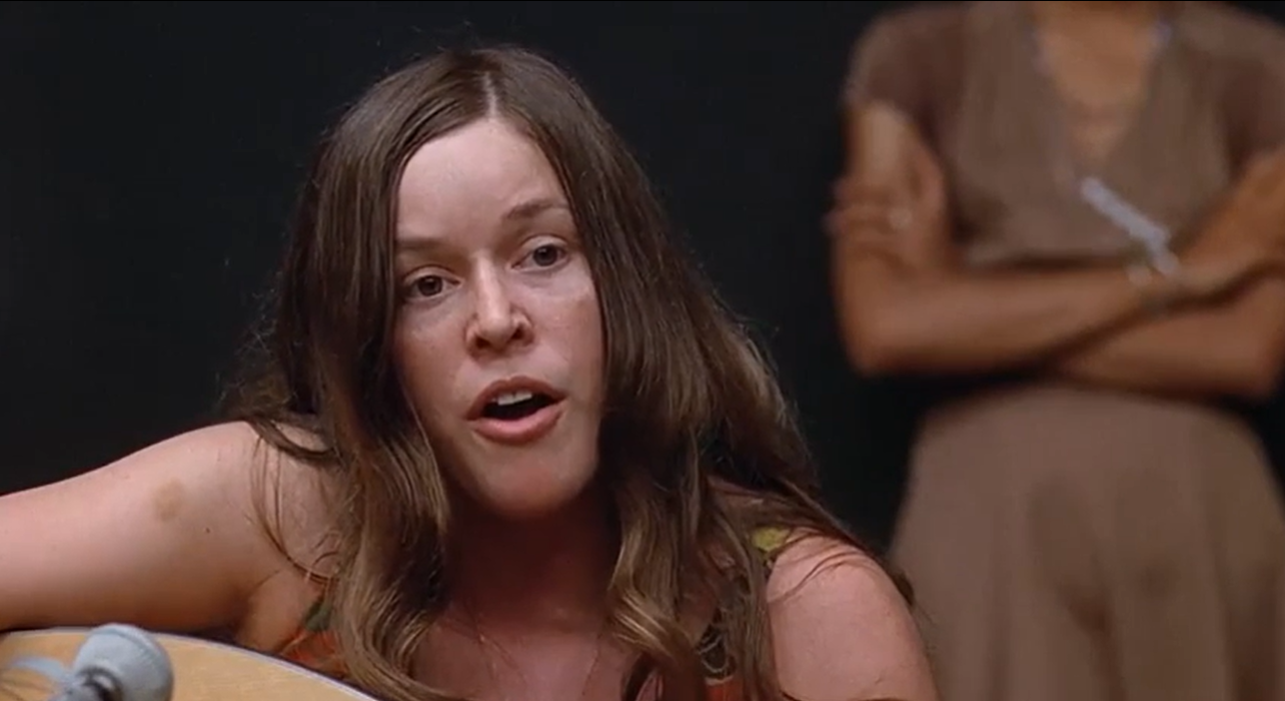
The seemingly improvisational narrative (actually co-scripted by Forman, John Guare, and Jean-Claude Carrière) is all crafted to highlight the absurdity and hypocrisy of parents whose concern for their kids might be much better placed examining their own lives and neuroticisms. Watch for numerous recognizable names and faces as peripheral members of the cast, including Kathy (“Bobo”) Bates, Carly Simon, and Jessica Harper auditioning:

… Vincent Schiavelli (playing himself) as the pot-smoking instructor:

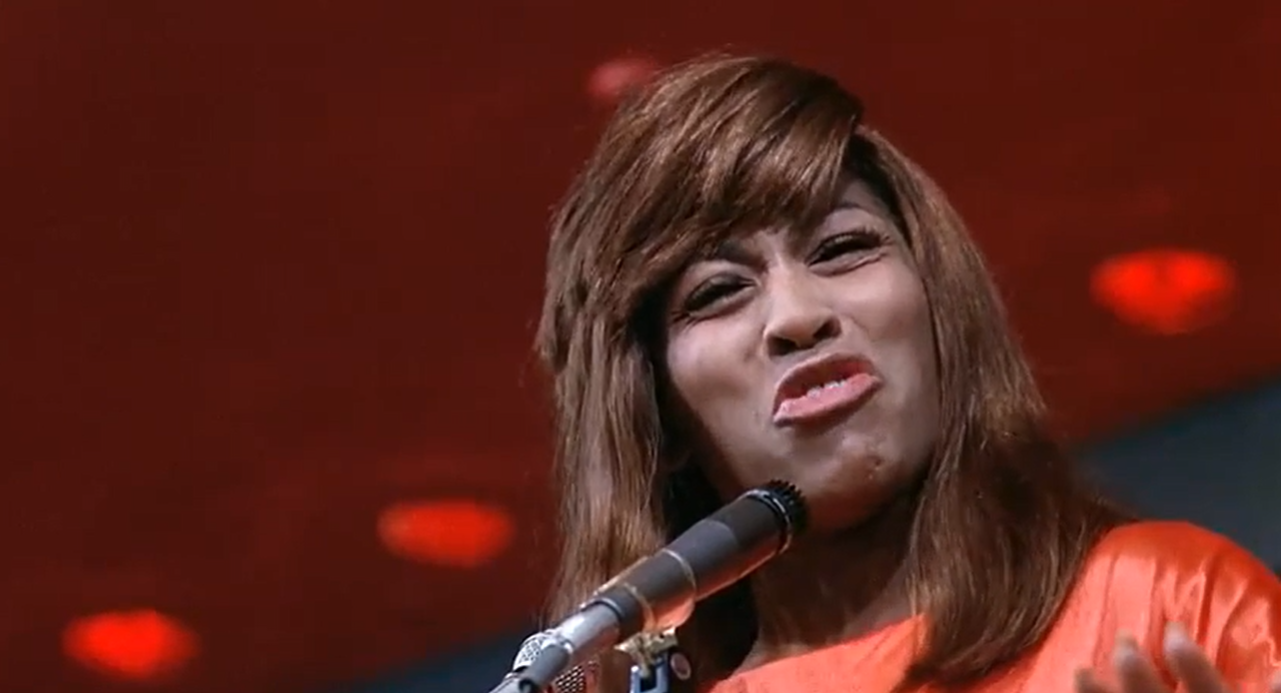
… and Ike and Tina Turner performing.

Most startling random sequence: a nude young female cellist performs in a restaurant.

Notable Performances, Qualities, and Moments:

  • Quirky performances by the leads
  • Effective use of location shooting in New York City
  • Several humorous sequences

Must See?
No, but it’s worth a look for its cultural relevance and as Forman’s American debut. Listed as a Cult Movie in the back of Peary’s book.

Links:

Bronte Sisters, The (1979)

Bronte Sisters, The (1979)

“Literature cannot and should not be a feminine occupation.”

Synopsis:
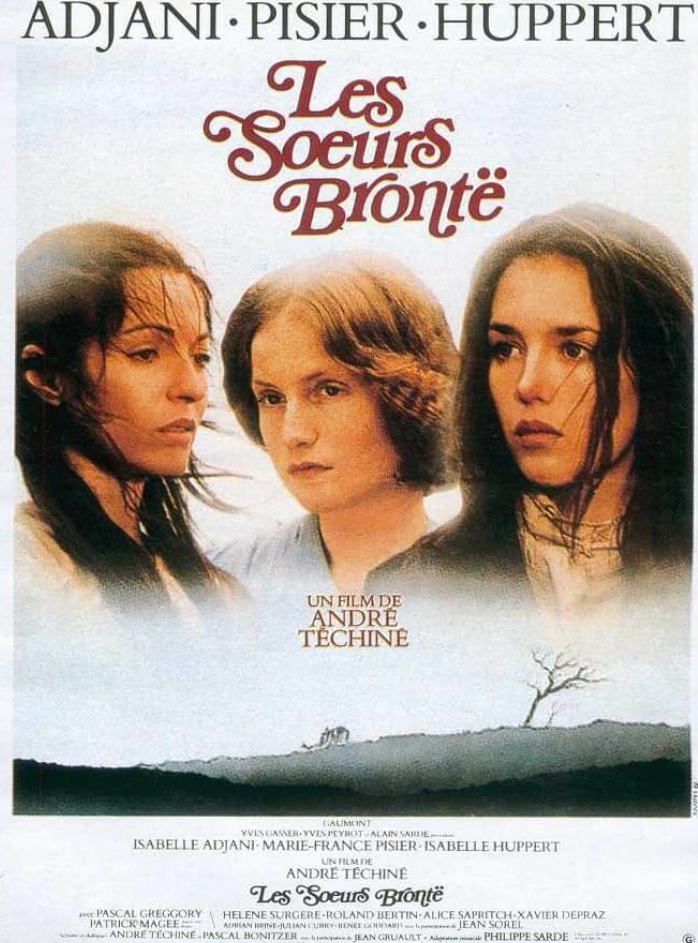
In 19th century Britain, Charlotte (Marie-France Pisier), Emily (Isabelle Adjani), Anne (Isabelle Huppert), and Branwell Bronte (Pascal Greggory) live with their father (Patrick Magee) and aunt (Alice Sapritch) while writing novels (under male pen names) that would soon become famous.

Genres, Themes, Actors, and Directors:

  • Biopics
  • Feminism and Women’s Issues
  • French Films
  • Historical Drama
  • Isabelle Huppert Films
  • Siblings
  • Writers

Review:
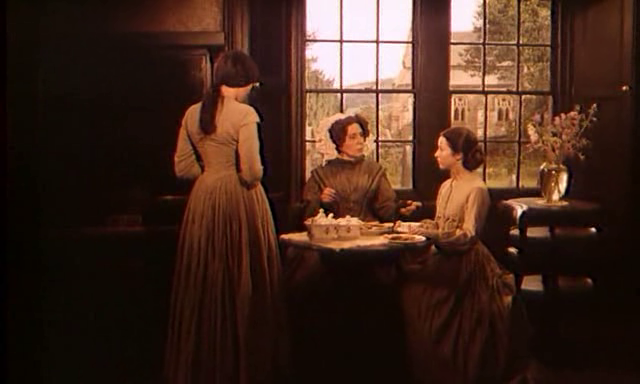
Although I’ve read both Jane Eyre and Wuthering Heights, I went into this French biopic about Charlotte and Emily Bronte — and their two surviving siblings, Anne and Branwell — knowing nothing at all about their circumstances or life trajectories. This allowed me to simply immerse myself in the tale on display, which is atmospherically filmed (by DP Bruno Nuytten) and shows fine attention to period detail.

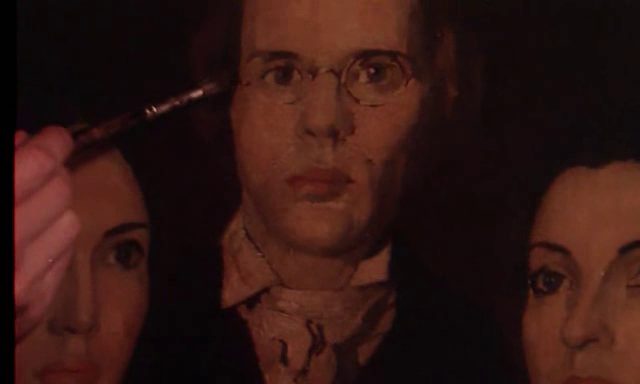
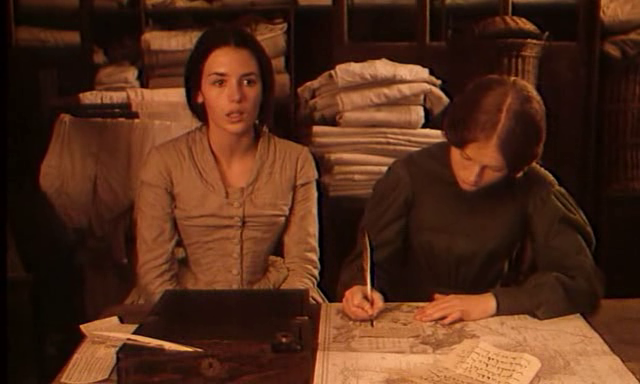
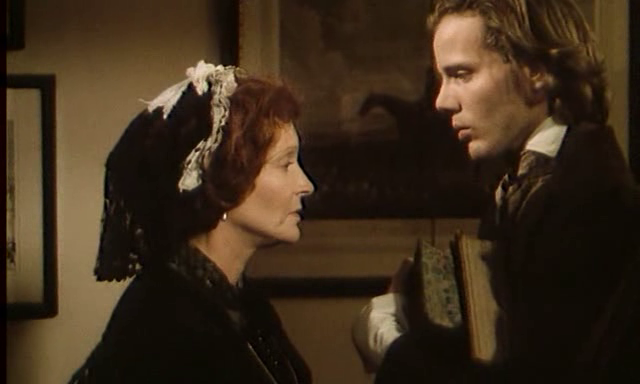
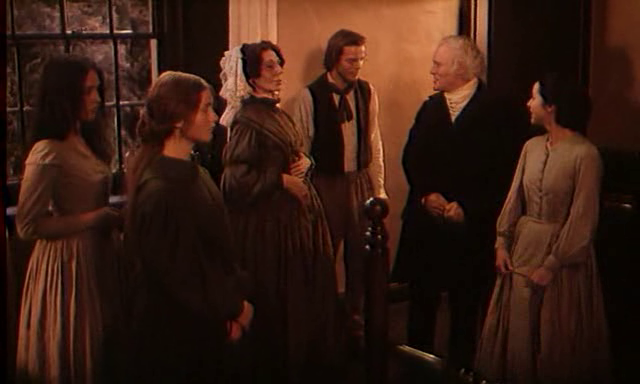
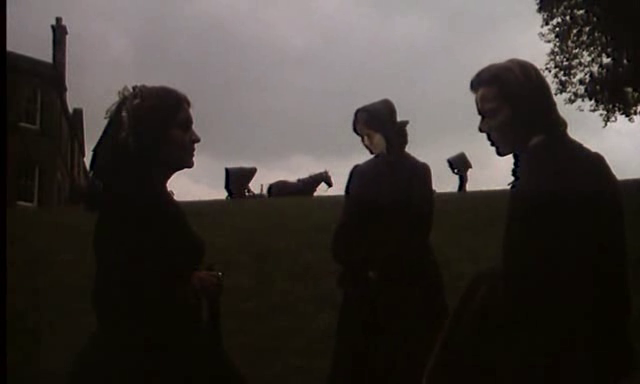
After doing a little reading, I realized that the screenplay actually offers a reasonably accurate overview of how things seemed to play out for them. We see Branwell working on a self-portrait with his family (he later rubbed his own image out):

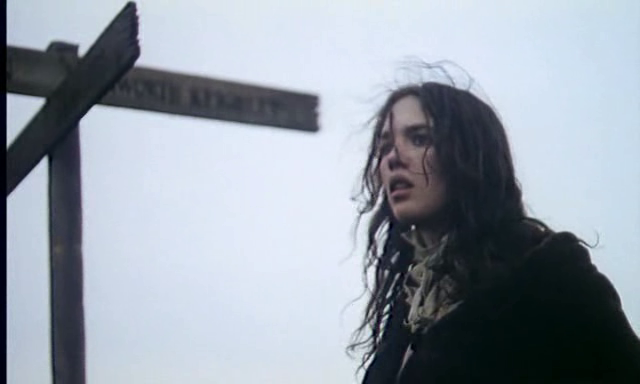
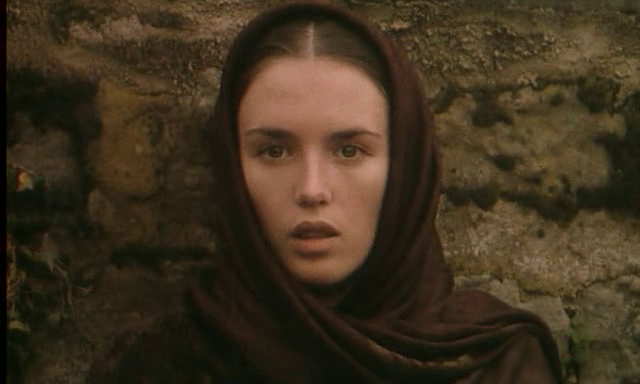
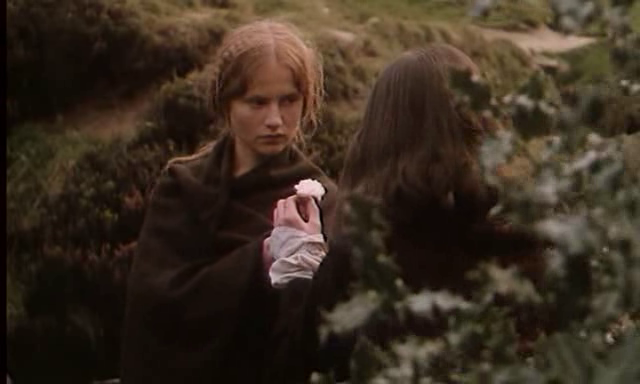
… Emily dressing in men’s clothing and heading out onto the windswept moors:

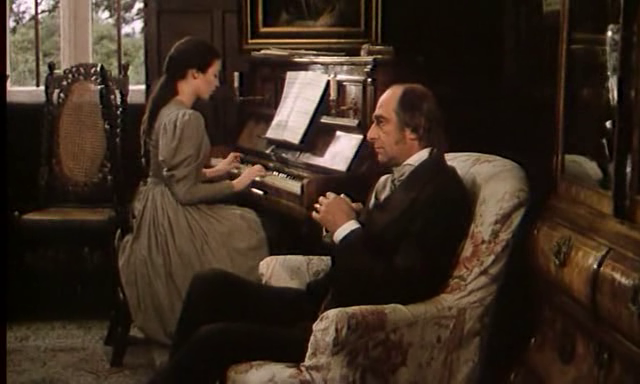
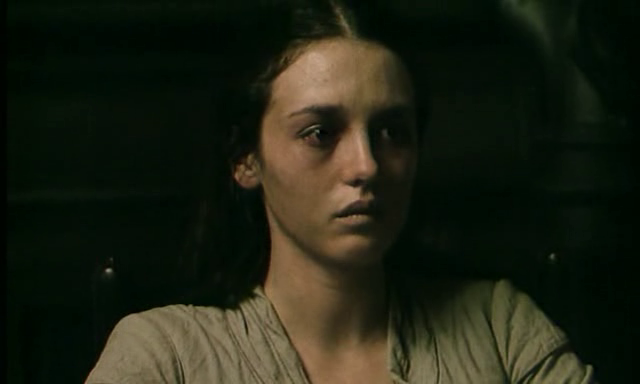
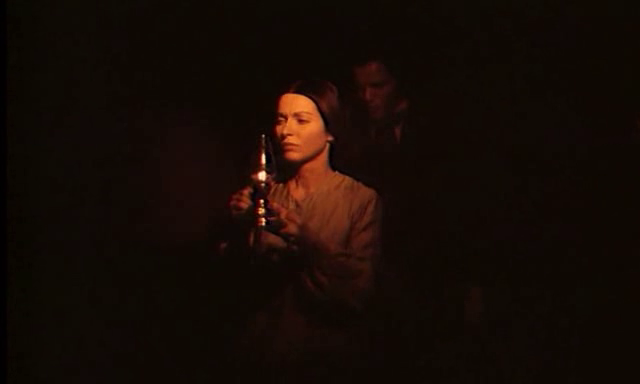
… Anne serving as a faithful companion:

… and Charlotte eventually heading (with Emily) to study French in Brussels, where she falls for her older teacher (Xavier Depraz).

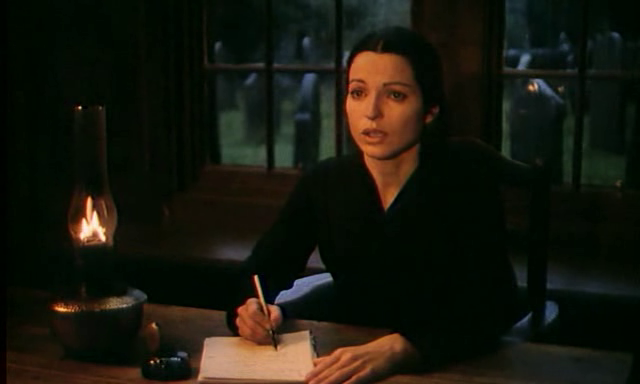
Interestingly, with just a couple of exceptions, we see surprisingly little writing being done — I wonder why? (In the clip below, Charlotte is doing that annoying kind of movie-writing where she’s not actually looking at her paper, instead making doleful faces at the camera — and she’s writing a letter, not one of her novels)

At any rate, we also see Branwell’s ill-fated romance with an older (married) woman (Hélène Surgère):

… and how quickly illness overtakes various members of the family, killing off three siblings within eight months.

Much of this is undeniably bleak, so viewers should be forewarned — though it’s likely that fans of the Brontes will already know this, and simply be grateful for this visual glimpse into what their existence may have looked like.

Note: Patrick Magee as the Reverend Bronte barely registers on screen; I suspect this was due to significant cuts being made to bring the film down from three to two hours.

Notable Performances, Qualities, and Moments:

  • Isabelle Adjani as Emily Bronte
  • Isabelle Huppert as Anne Bronte
  • Bruno Nuytten’s cinematography

Must See?
No, but it’s worth a one time look for its visuals alone. Listed as a Cult Movie in the back of Peary’s book.

Links:

Avanti! (1972)

Avanti! (1972)

“Don’t bother me with details — just do it!”

Synopsis:
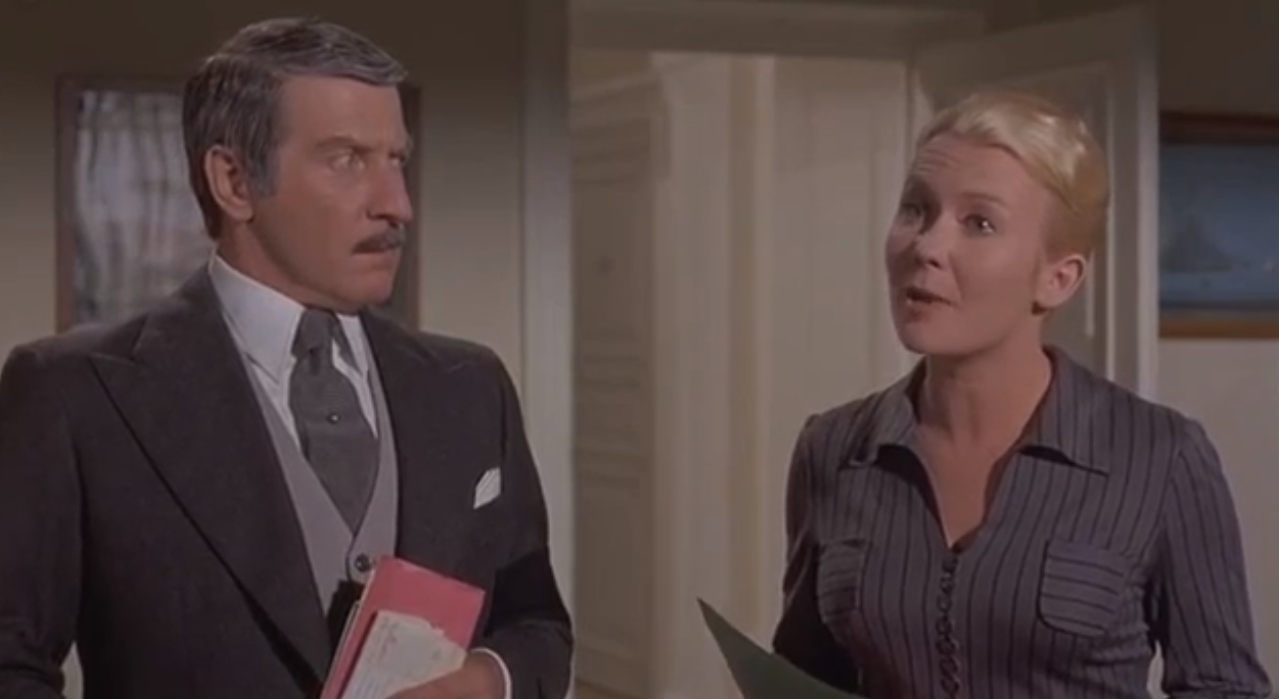
When a boorish business magnate (Jack Lemmon) arrives in Ischia to collect his deceased father’s body, he encounters a young woman (Juliet Mills) also there to collect her mother’s body — at which point he learns that their parents were having annual trysts on the island. Will Lemmon — with help from a solicitous hotel manager (Clive Revill) — be able to get his father’s body back to Baltimore in time for a massive memorial service, or will Mills somehow get in the way?

Genres, Themes, Actors, and Directors:

  • Billy Wilder Films
  • Death and Dying
  • Grown Children
  • Infidelity
  • Jack Lemmon Films
  • Romantic Comedy

Review:
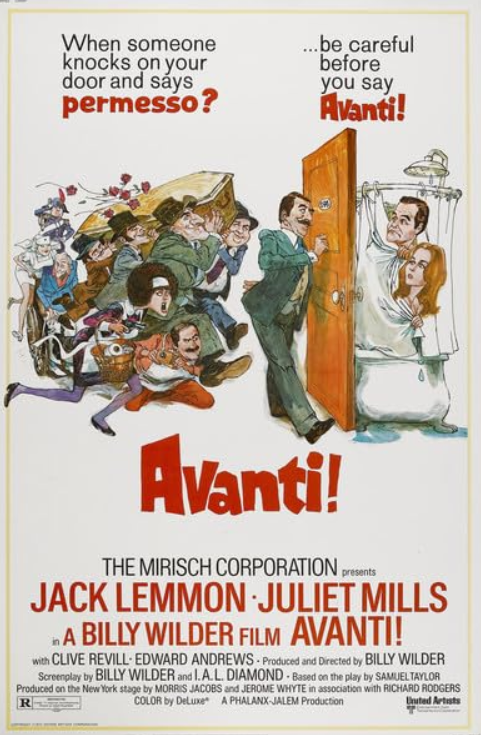
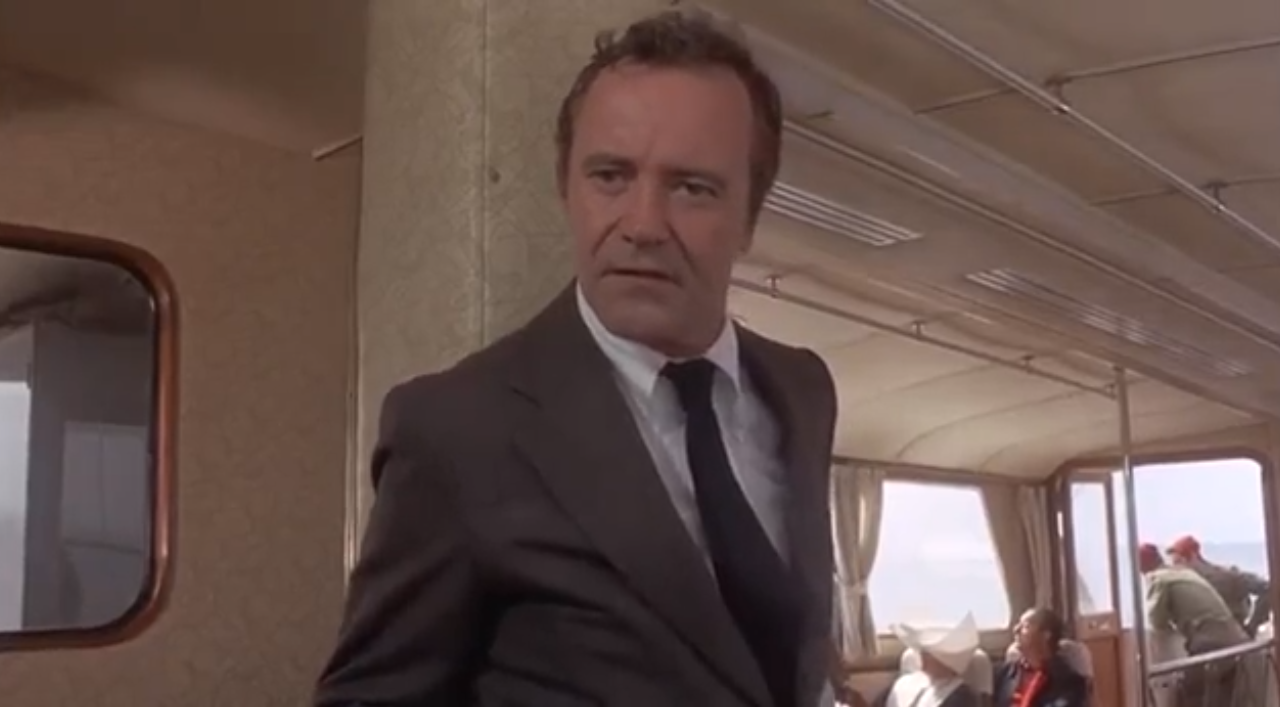
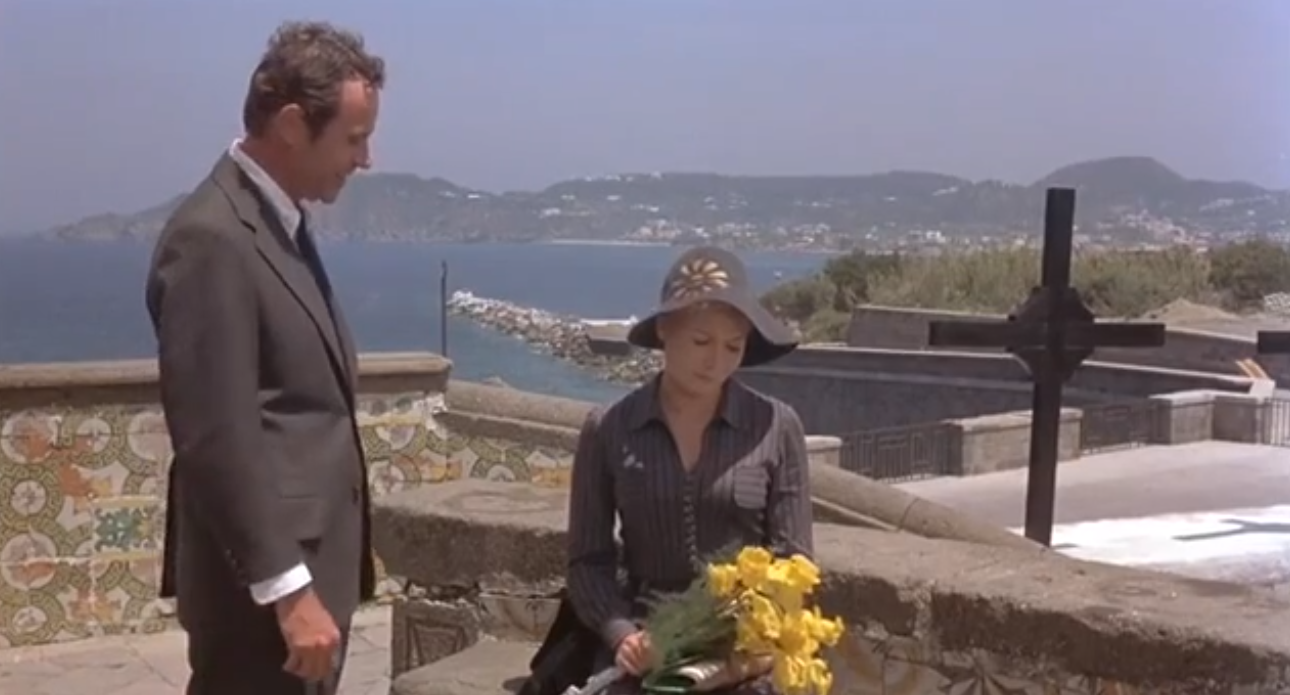
Billy Wilder’s fourth-to-last film — made just after The Private Life of Sherlock Holmes (1970) — was this romantic comedy collaboration with his longtime writing partner I.A.L. Diamond, based on a 1968 play by Samuel L. Taylor. While it’s beloved (or at least appreciated) by all four of the (male) reviewers I cite below, I found this film pretty hard to take, at least at first — especially given what a flaming a**hole Lemmon is when we first meet him (and for quite a while thereafter):

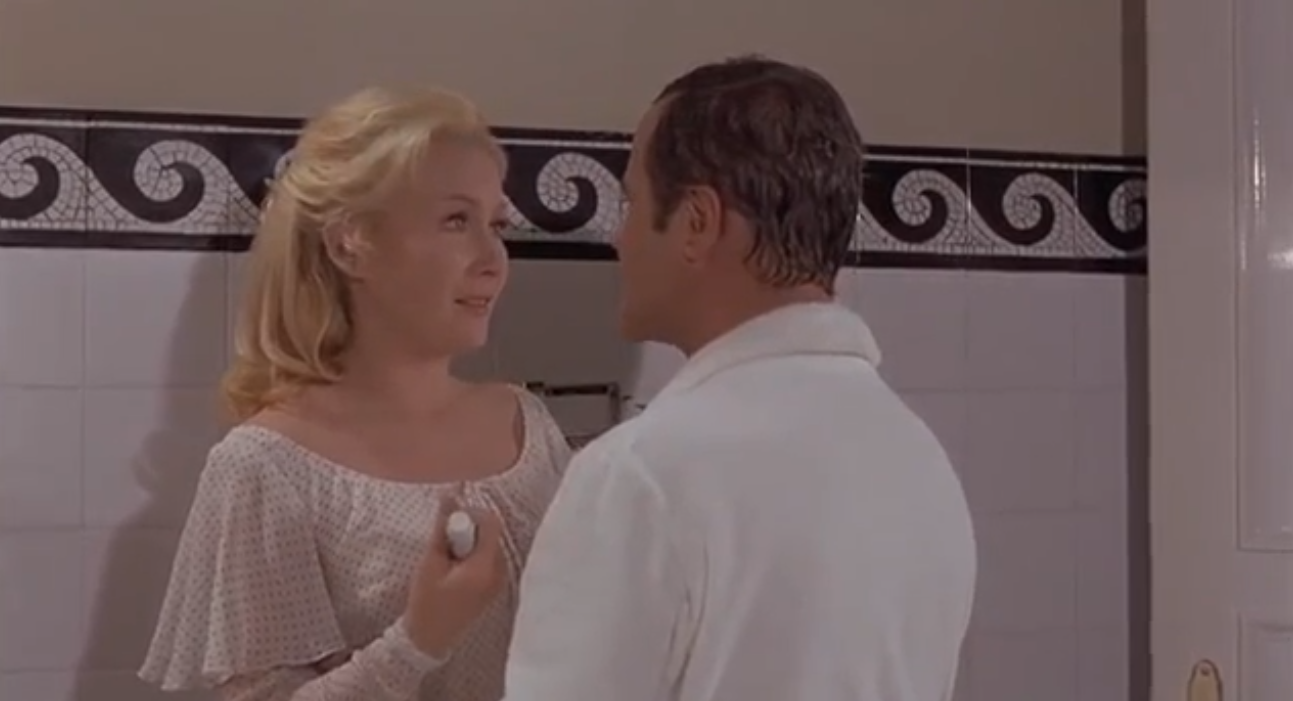
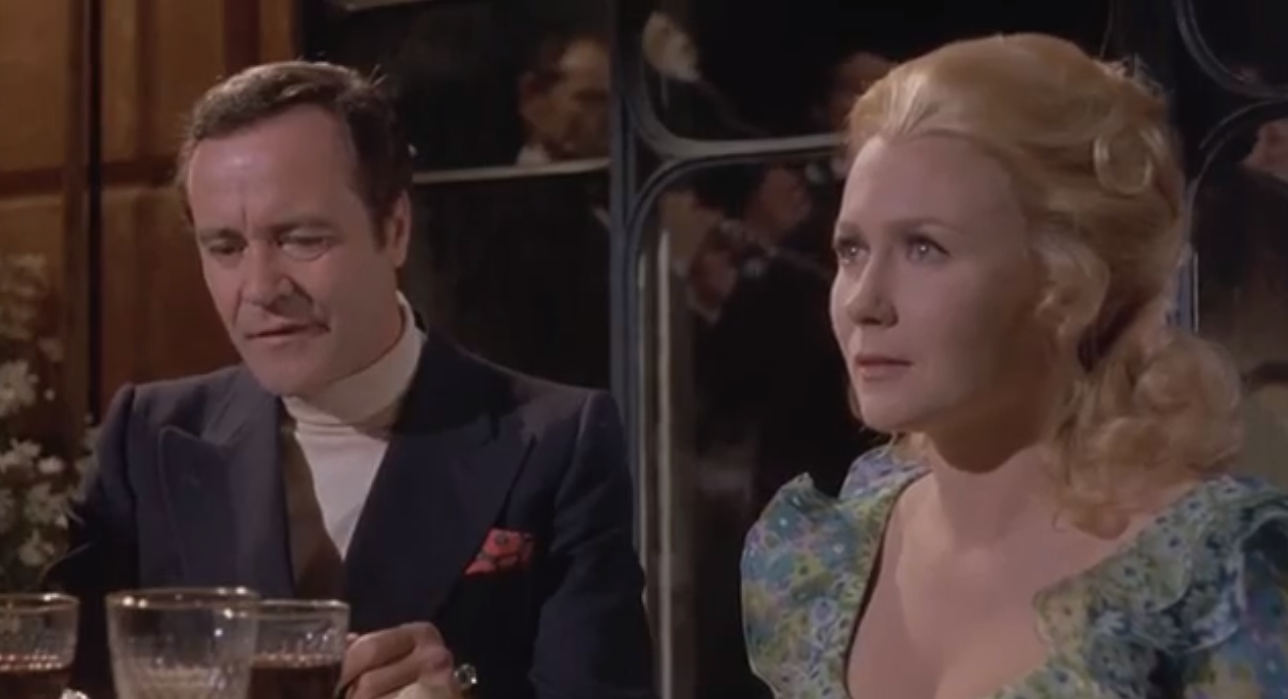
… as well as how frequently the screenplay refers to Mills as some variation of fat (!). (She’s her own worst critic around this topic, but it doesn’t help that Lemmon is quick to agree time and again.) While Mills is quite charming (what does she see in him?):

… and the storyline (and Lemmon) eventually become more tolerable, I was fully soured by this point, and had trouble appreciating either the sporadic humor (some of which works) or the extra-marital romance that eventually blooms (with flagrant disregard, naturally, for Lemmon’s wife and kids back home). The film’s best feature is its fine location shooting, which certainly makes Ischia look like a tremendously appealing get-away.

Notable Performances, Qualities, and Moments:

  • Juliet Mills as Pamela Piggott
  • Clive Revill as Carlo Carlucci
  • Fine location shooting in Italy

Must See?
No; you can skip this one.

Links:

Reflections on Must-See Films From 1960

Reflections on Must-See Films From 1960

Back in April of this year, I wrote a celebratory piece about finally finishing reviews for every title in GFTFF released before 1960. I reflected a bit on the 1950s as a cinematic decade, and enjoyed this process enough that I thought I might keep going — but this time, year by year.

“She just goes – a little mad sometimes. We all go a little mad sometimes. Haven’t you?”

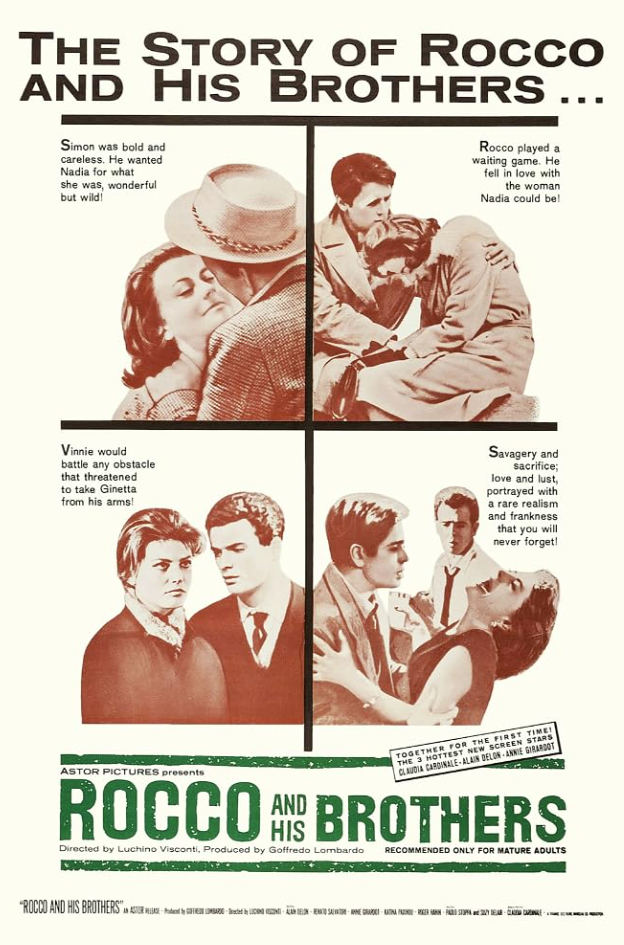
Today, I posted a review on the final film left from 1960: Luchino Visconti’s Rocco and His Brothers (1960). It’s a gorgeously mounted film, well worth the three-hour investment, but Luchino’s films are enough of a — well, shall we say, a commitment that I don’t tend to jump into them willingly. (I still have four of his titles left.)

With that said, as I look over the chronological list of all titles in GFTFF from 1960, here are a few thoughts and highlights:

  • Out of the 67 total titles, I voted Yes on 32, which is nearly half — not a bad ratio! It’s these must-see titles I’ll focus on in this post.
  • Of these 32 titles, 17 (more than half!) are non-Hollywood films, indicating a definite trend in what was becoming worth watching at that time. We see six Italian (one dubbed), six British, two French, one Indian, one Swedish, and one independently made title.
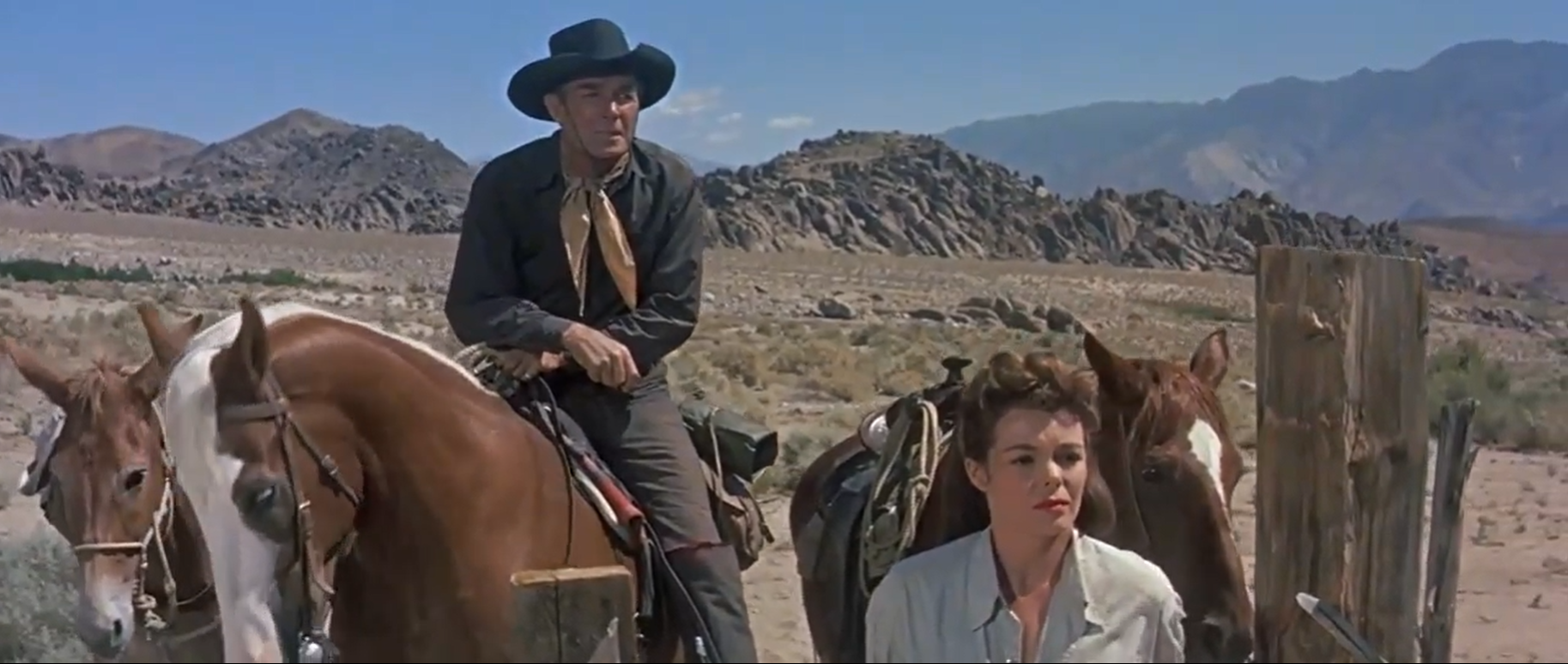
  • Five of the remaining must-sees from 1960 are westerns, and four more are historical dramas set in different times. That leaves just five must-see American films set in contemporary times.
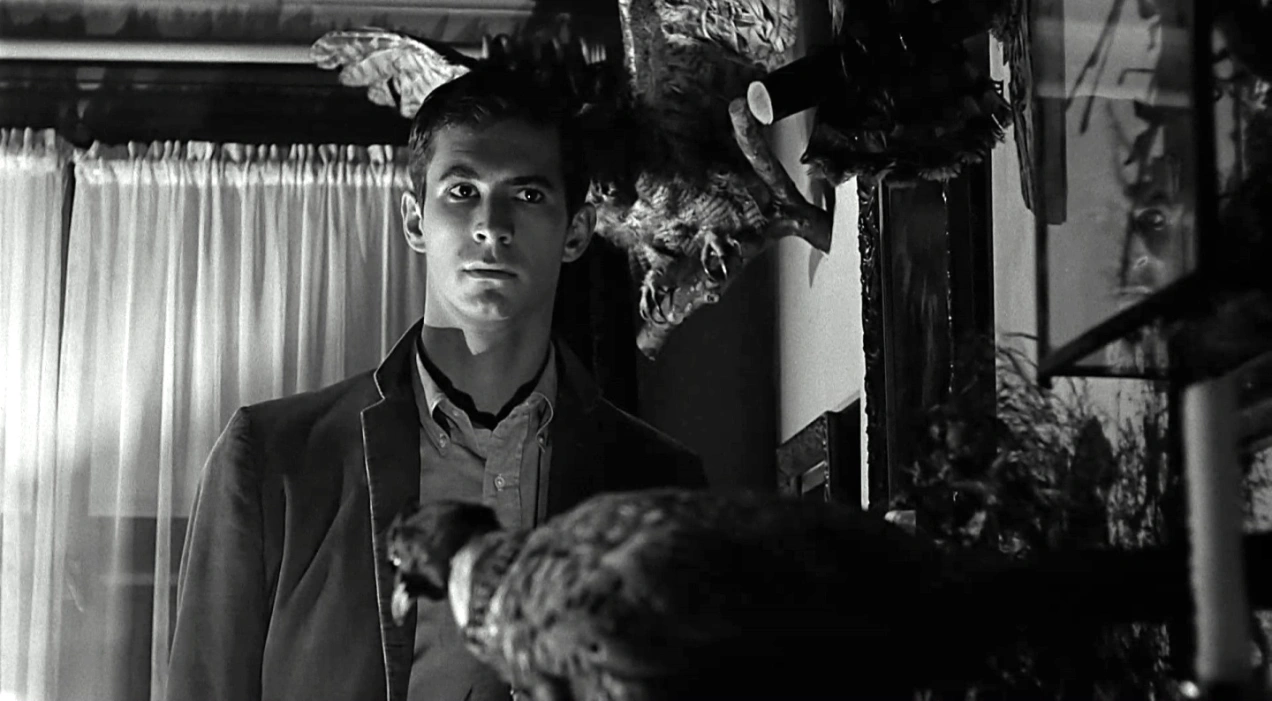
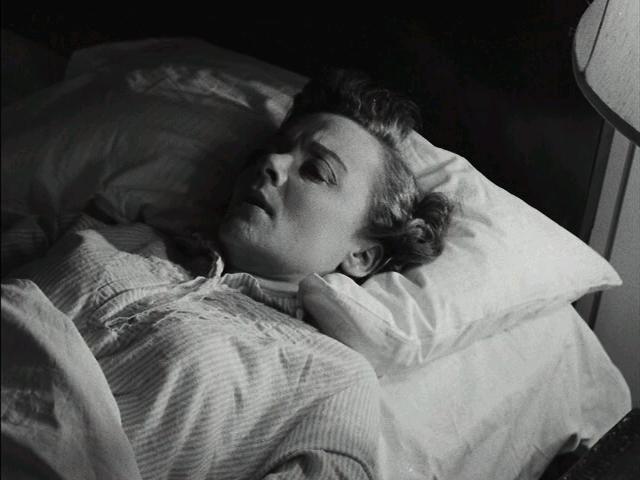
  • Enough with the numbers! What else stands out as notable from this list? Psycho is the clear frontrunner, and wins Peary’s (and my) award as Best Alternate Oscars Film of the Year. It really can’t be topped, and is among my personal five favorite films of all time (if I HAD to narrow all the goodness of cinema down to such a minimalist list).
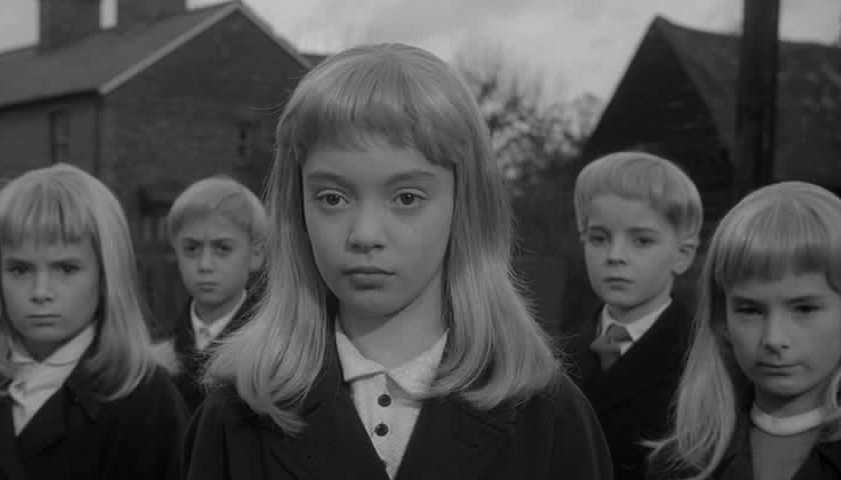
  • Village of the Damned remains a creepy-classic-British-horror-cult-flick (that’s a mouthful) which I wouldn’t mind watching again at any moment. (That hair. Those stares.)
  • Having just watched gorgeous Alain Delon in Rocco and His Brothers, I must point out that he also starred that year in Purple Noon — a dishy, colorful Patricia Highsmith adaptation by Rene Clair, which was a treat to discover.
  • I’m a personal fan of Louis Malle’s delightfully surreal Zazie Dans le Metro, which is probably my favorite of his oeuvre (though Atlantic City is a close second). It’s jam-packed enough that it easily lends itself to multiple viewings.
  • John Huston’s The Unforgiven merits a broader look — especially given how often it’s shunted aside in favor of its more famous near-title-twin (not a remake) from 1992. Lillian Gish had a few significant “wins” in her post-silents career, and this is one of them.
  • Deservedly praised (from all corners) is Billy Wilder’s The Apartment, which has held up well on just about every front. Give it another look if you haven’t in a while.
  • Budd Boetticher gave us many fine, tight little westerns — including Comanche Station, which has a surprisingly lump-inducing (and overall surprising) ending.
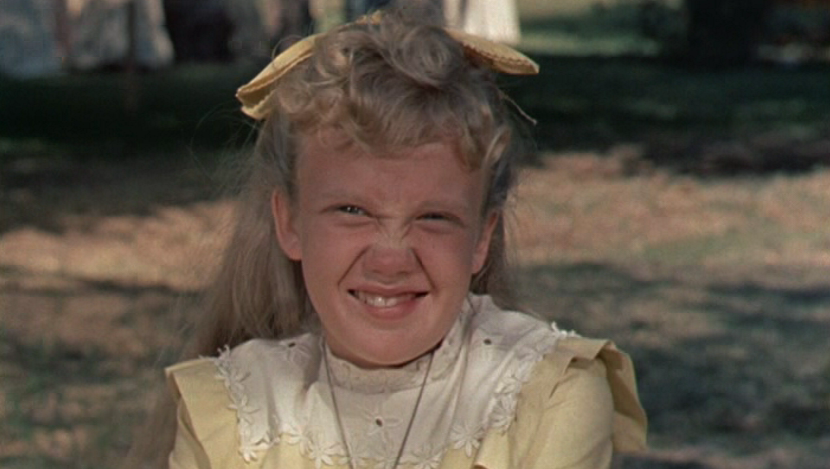
  • Finally, I’ll note that The Savage Eye — a pseudo-documentary “made on weekends over a year’s time by a collective team of directors — Ben Maddow, Sidney Meyers, and Joseph Strick” — is a uniquely hypnotic film about loneliness and despair, and one I plan to revisit at some point (but maybe as a double-header with Pollyanna to round it out!)

I only have two more films left to review from 1961, so I’ll be back soon with my overview of that year in classic cinema!

Rocco and His Brothers (1960)

Rocco and His Brothers (1960)

“The whole world’s like a one-way street.”

Synopsis:
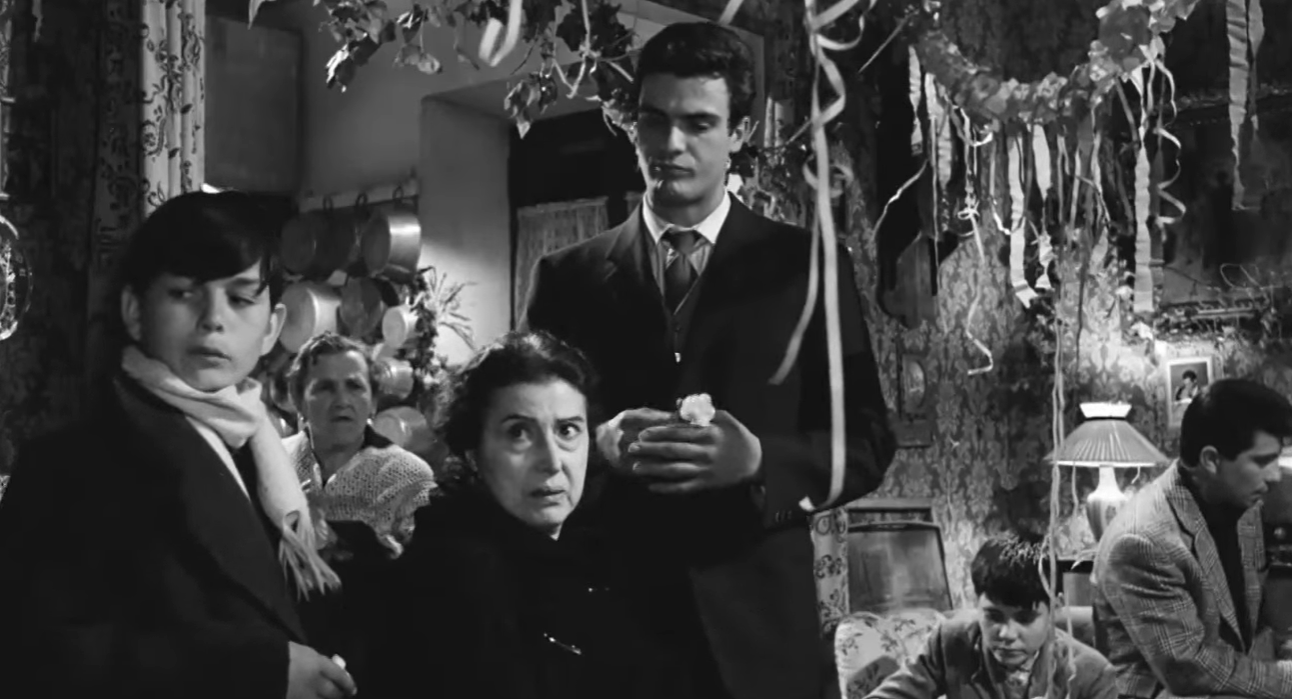
Shortly after a widow (Katina Paxinou) from southern Italy migrates to Milan with her four younger sons — Simone (Renato Salvatori), Rocco (Alain Delon), Ciro (Max Cartier), and Luca (Rocco Vidolazzi) — to be near their older brother Vincenzo (Spiros Focas) and his fiancee (Claudia Cardinale), the siblings find themselves at odds with one another’s choices in life and love, particularly given the presence of an alluring prostitute (Annie Girardot).

Genres, Themes, Actors, and Directors:

  • Alain Delon Films
  • Boxing
  • Claudia Cardinale Films
  • Immigrants and Immigration
  • Italian Films
  • Love Triangle
  • Luchino Visconti Films
  • Prostitutes and Gigolos
  • Siblings

Review:
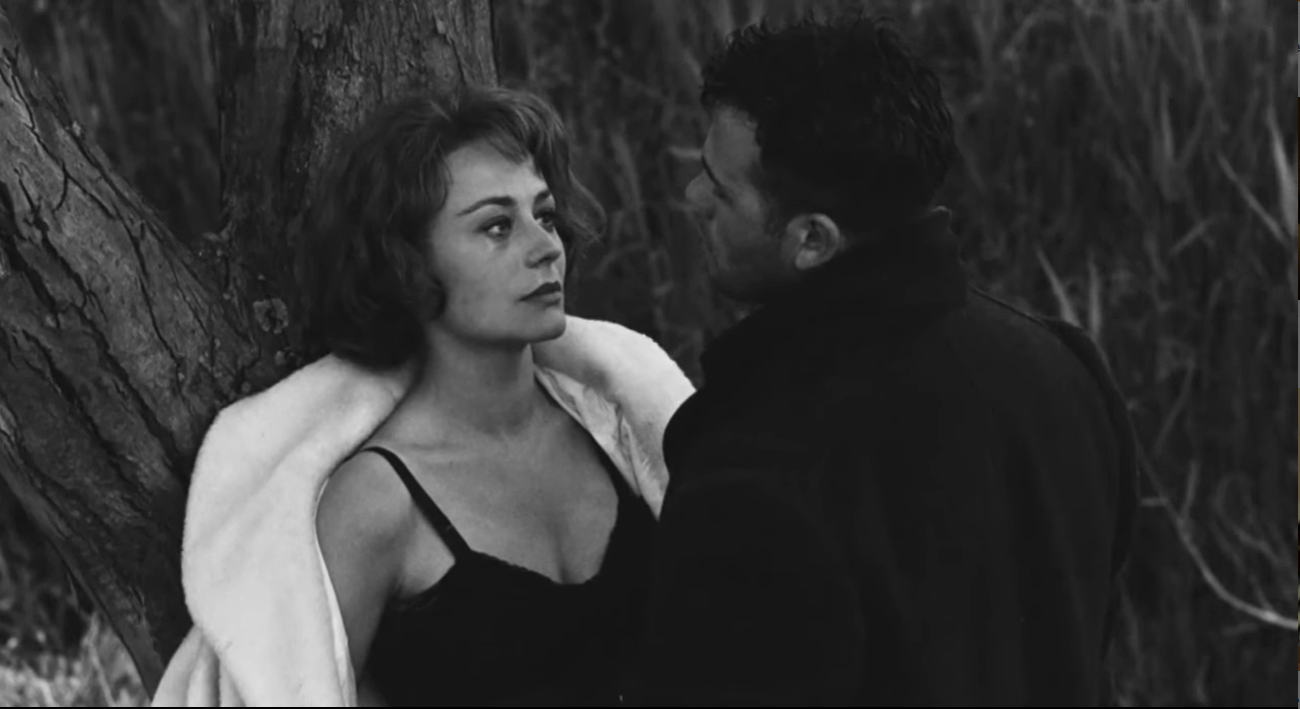
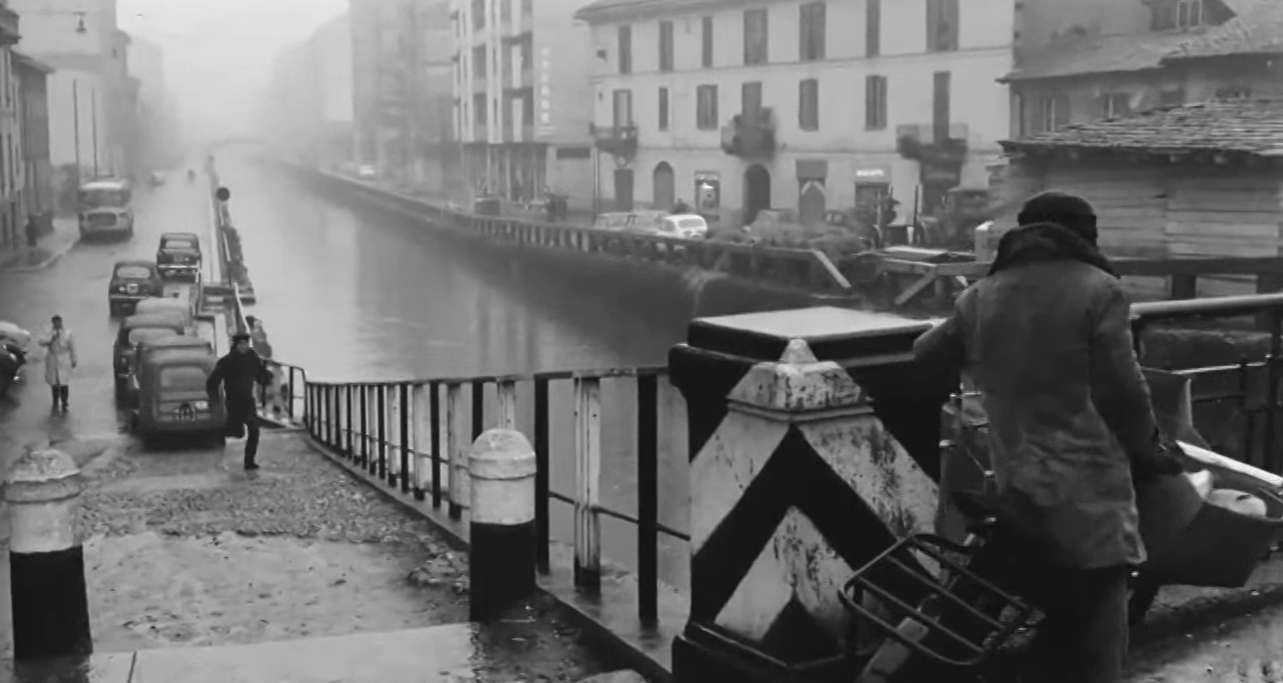
This fourth title by Luchino Visconti listed in Peary’s GFTFF — after Ossessione (1943), La Terra Trema (1948), and Senso (1954) — tells the dramatic, nearly Shakespearian tale of a fatherless family navigating a new life in the big city. Paxinou is feisty, passionate, and opinionated as the matriarch who initially disapproves of her oldest son’s engagement:

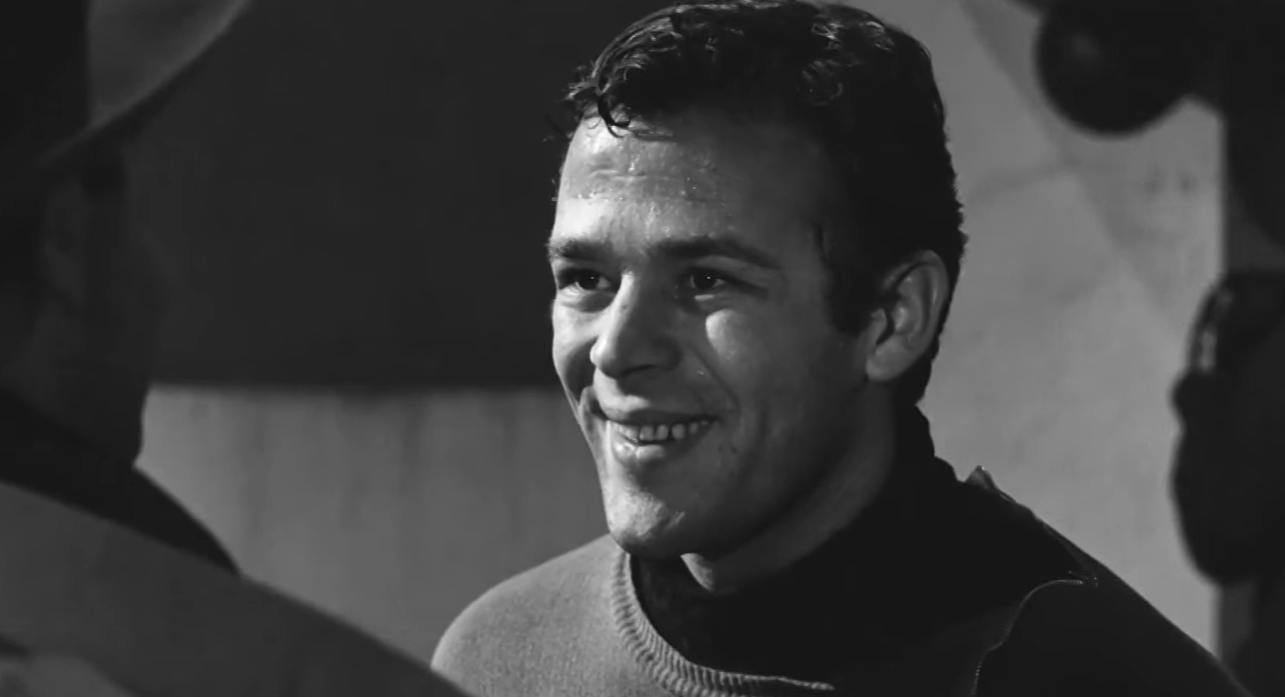
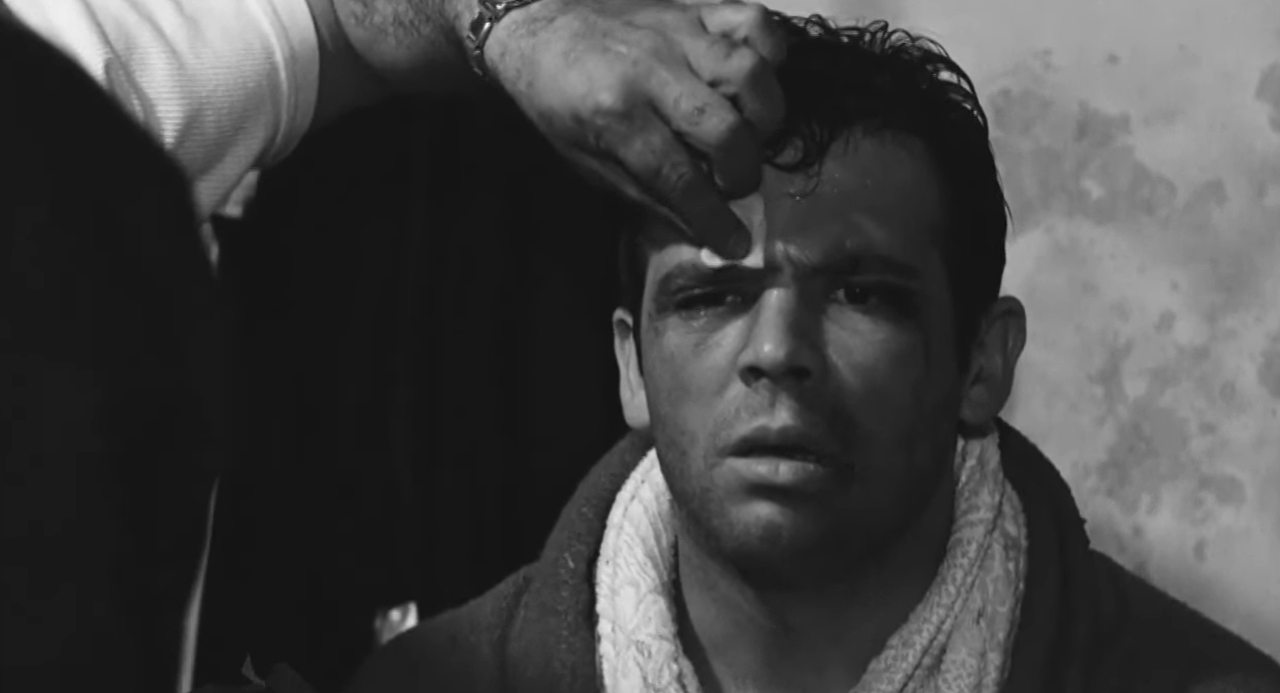
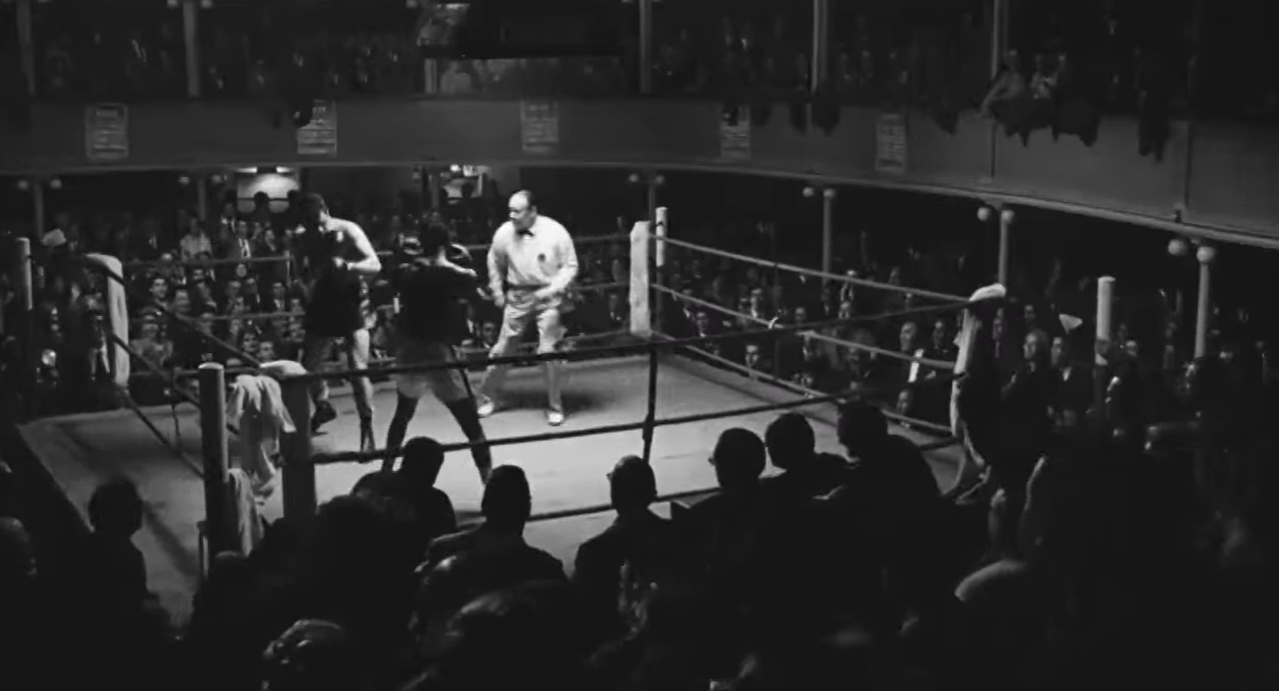
… but our attention quickly turns to Salvatori, who looks the part of the boxer he soon becomes:

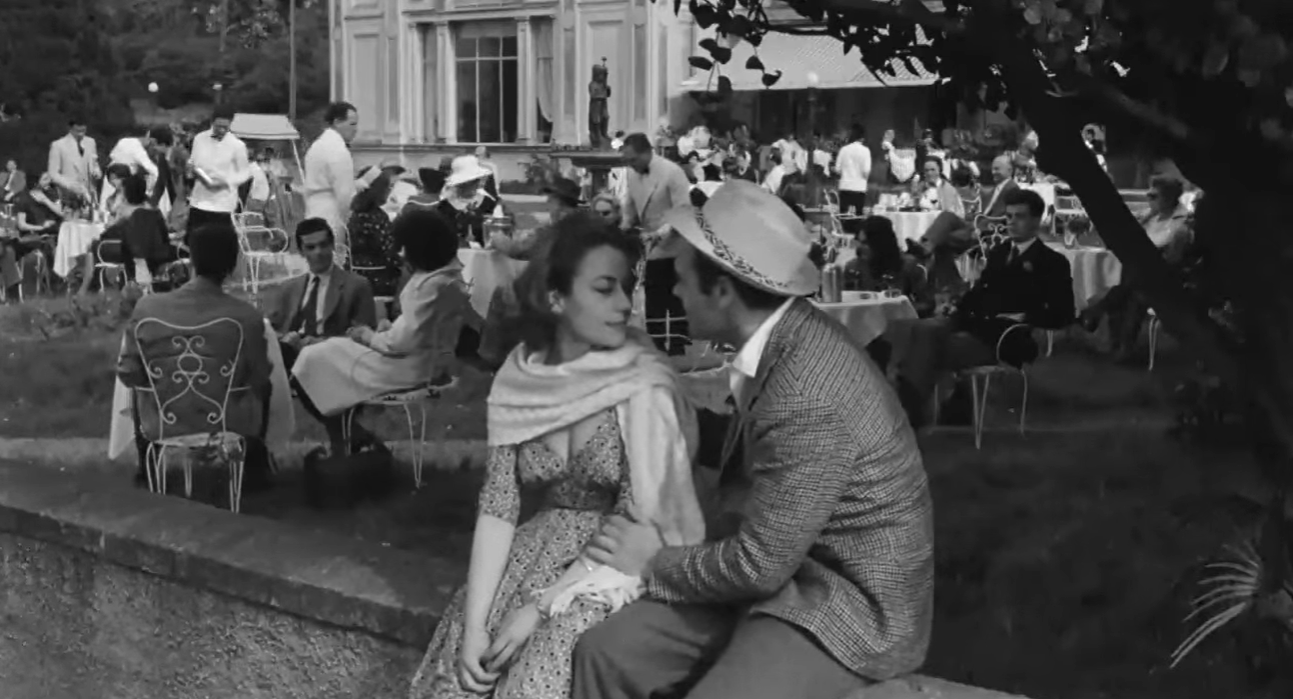
… and whose infatuation with Girardot sparks his downfall.

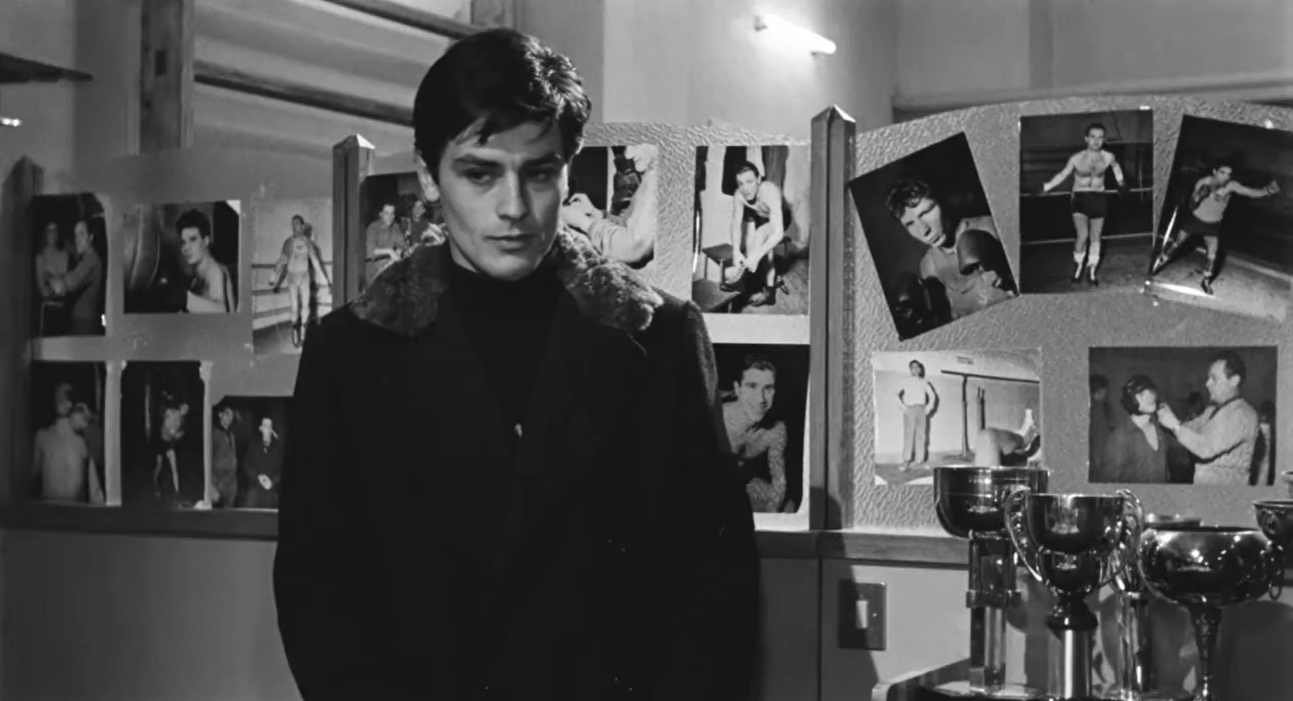
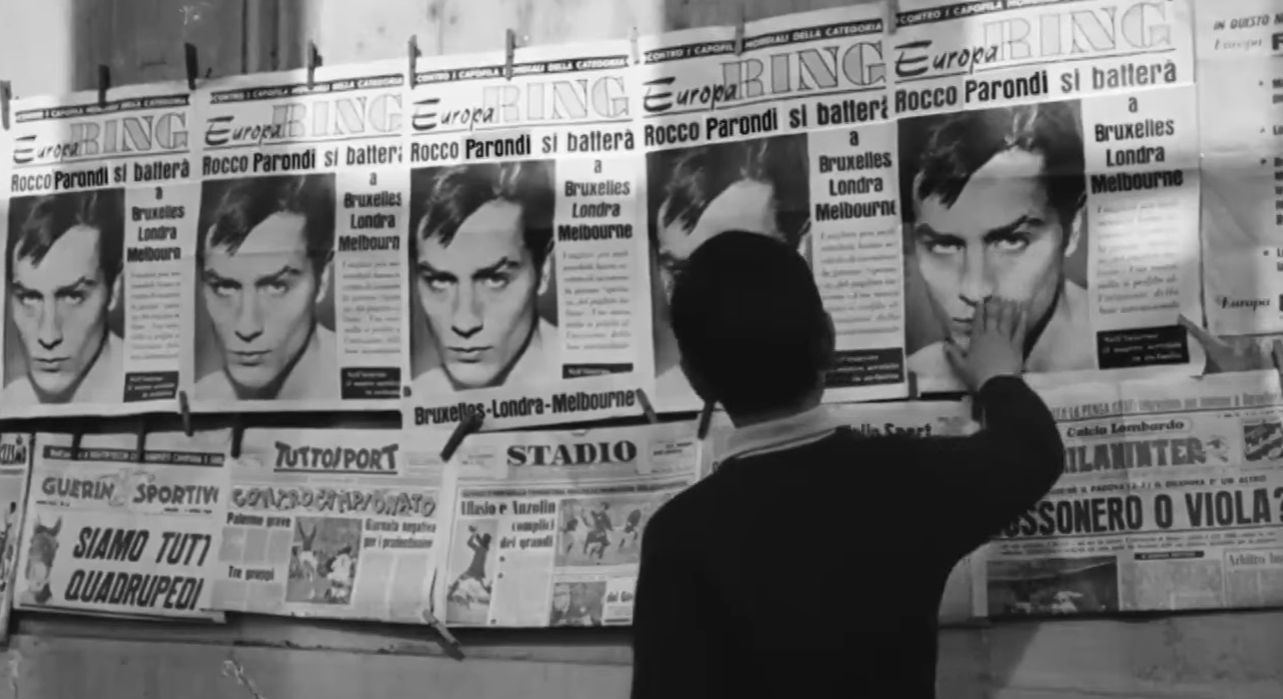
Meanwhile, Delon (“Rocco” of the title) becomes the primary focus of the storyline once he takes up boxing himself — and also falls for Girardot.

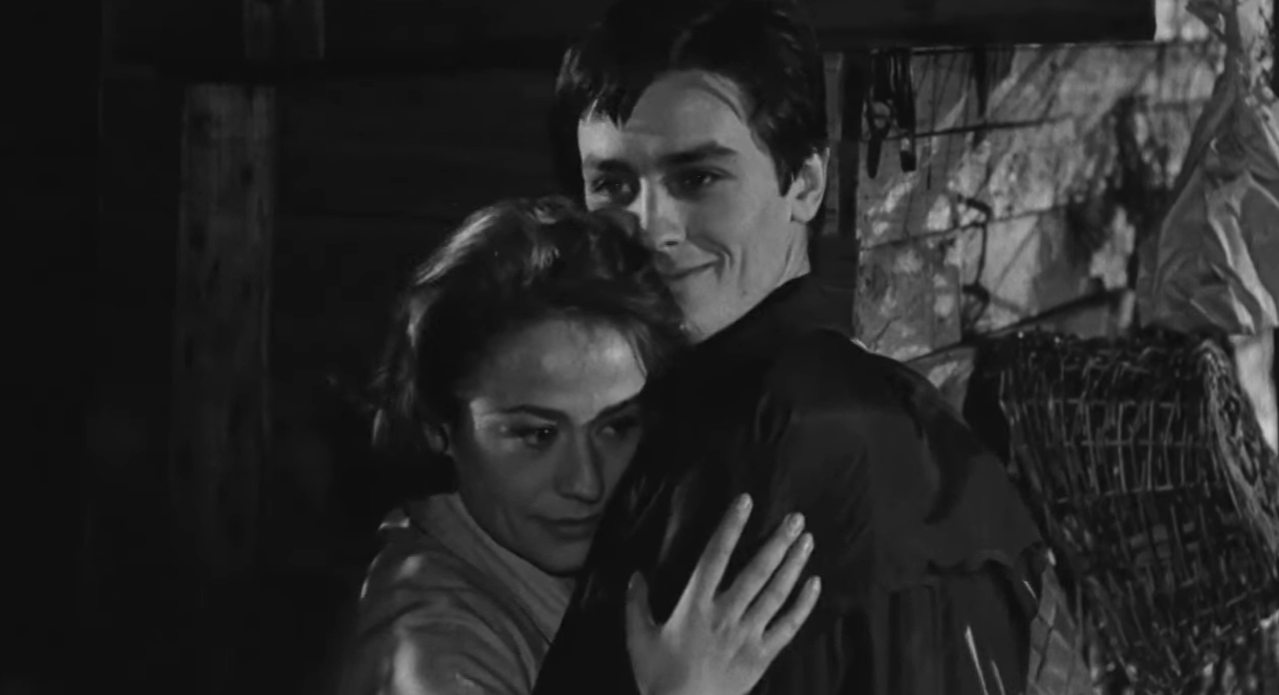
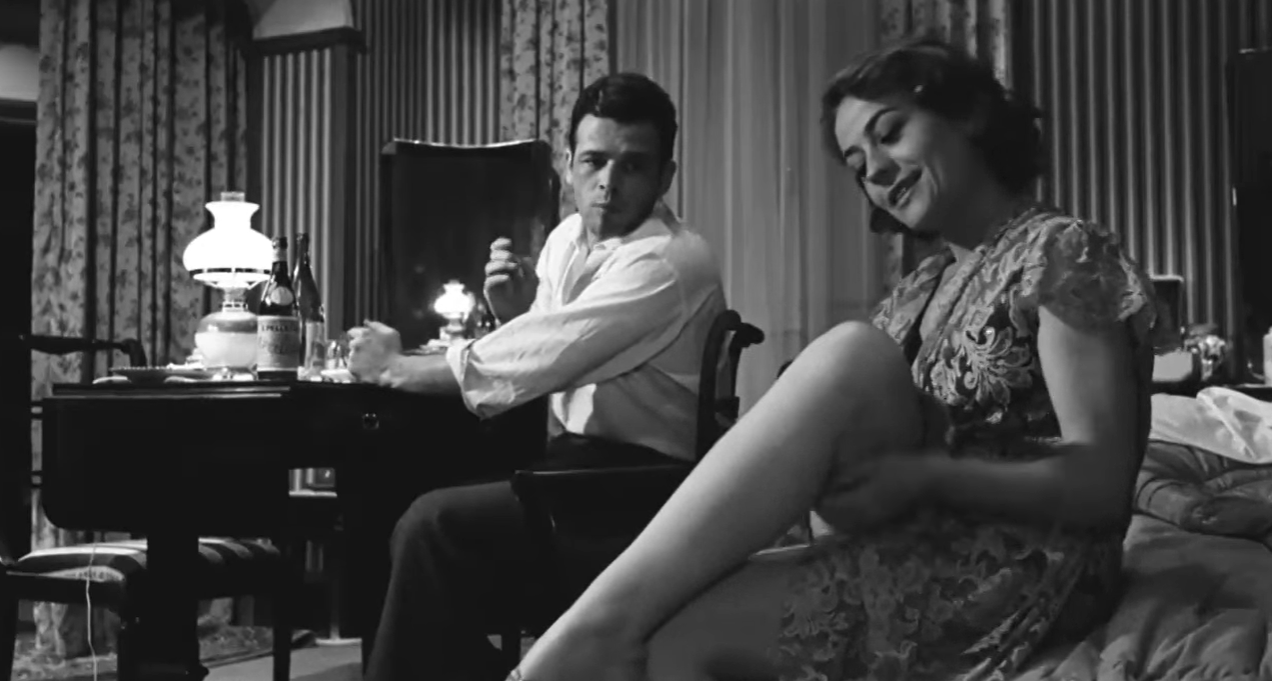
However, it’s Delon’s hardcore family loyalty which ultimately drives his actions to a fault, serving as an unwavering narrative throughline. While we learn a bit about Cartier and Vidolazzi (the youngest two sons), primary tensions continue to circulate around Salvatori, Delon, and Girardot:

… as well as Salvatori’s mounting debts. The film is beautifully photographed (by DP Giuseppe Rotunno) — with effective location shooting throughout Milan — and features fine acting by the leads. Although it’s a bit of a long haul at nearly three hours, it’s worth the investment.

Note: This was the film that introduced Francis Ford Coppola to composer Nino Roti, who scored his Godfather movies (among others).

Notable Performances, Qualities, and Moments:

  • Alain Delon as Rocco
  • Renato Salvatori as Simone
  • Annie Girardot as Nadia
  • Giuseppe Rotunno’s cinematography


  • Nino Rota’s score

Must See?
Yes, as a powerful Italian classic. Listed as a film with Historical Relevance and a Personal Recommendation in the back of Peary’s book.

Categories

  • Important Director

(Listed in 1001 Movies You Must See Before You Die)

Links: