|
Genres, Themes, Actors, and Directors:
- Deborah Kerr Films
- Ghosts
- Governesses and Nannies
- Jack Clayton Films
- Mental Breakdown
- Michael Redgrave Films
- “No One Believes Me!”
- Orphans
- Psychological Horror
Review:
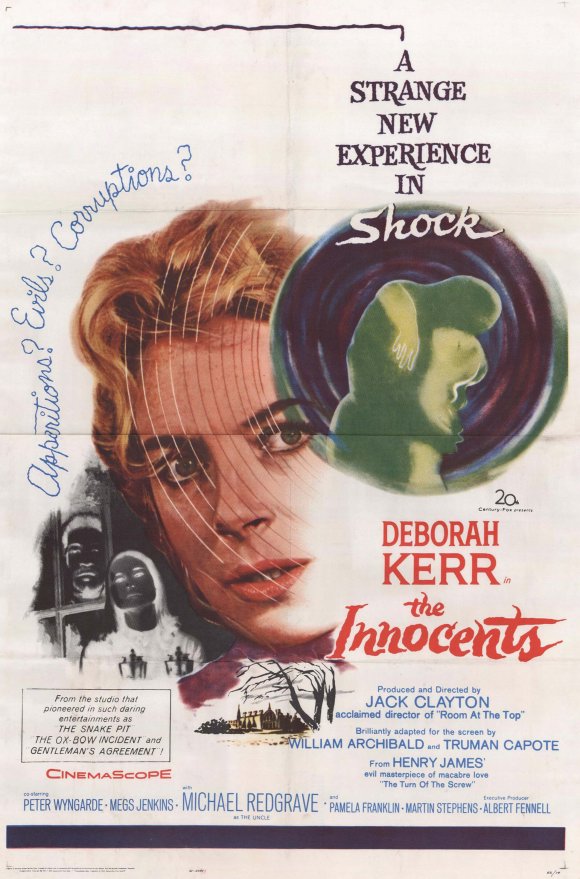
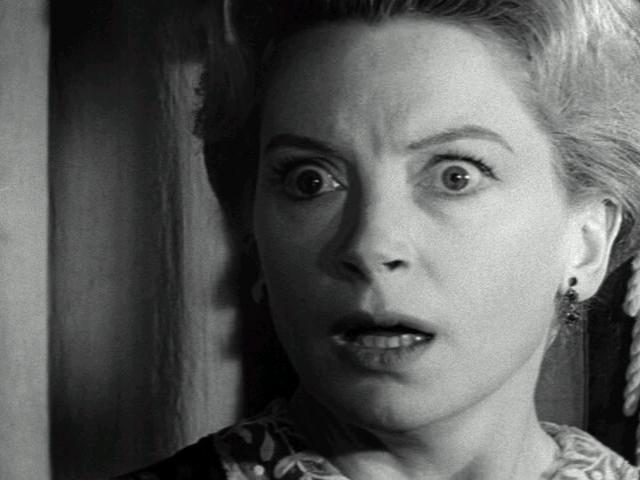
Widely acknowledged as the best cinematic adaptation of Henry James’ novella “The Turn of the Screw”, this atmospheric thriller by director Jack Clayton is a true gem of the horror genre. James’ novella is notoriously ambiguous, with readers left to determine whether the noises and visions experienced by Miss Giddens (Kerr) are real or imagined — but it’s made fairly clear here that Kerr’s increasing paranoia is self-induced, and that the tragic ending is of her own making. Indeed, screenwriters William Archibald and Truman Capote do an admirable job translating James’ difficult psychological story into literal visuals, while simultaneously keeping us in suspense about whether or not Miles and Flora really are “innocent” — and, if so, in what way.
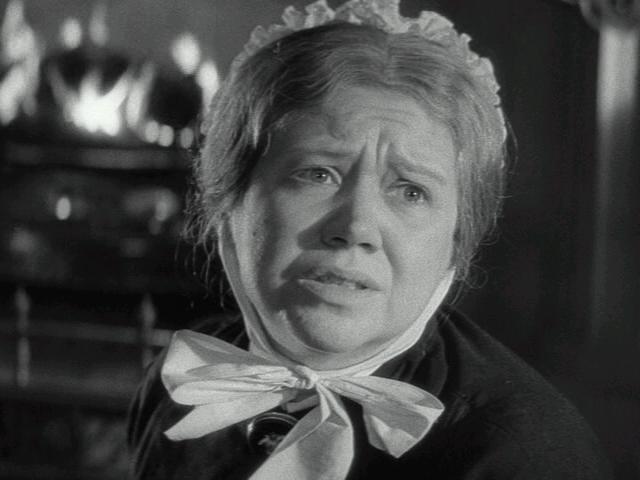
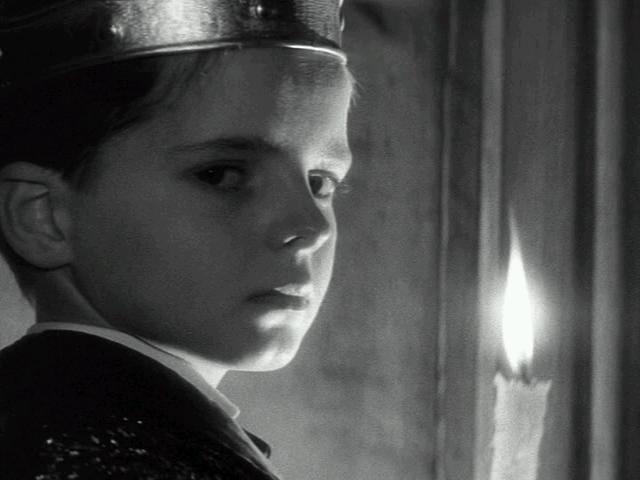
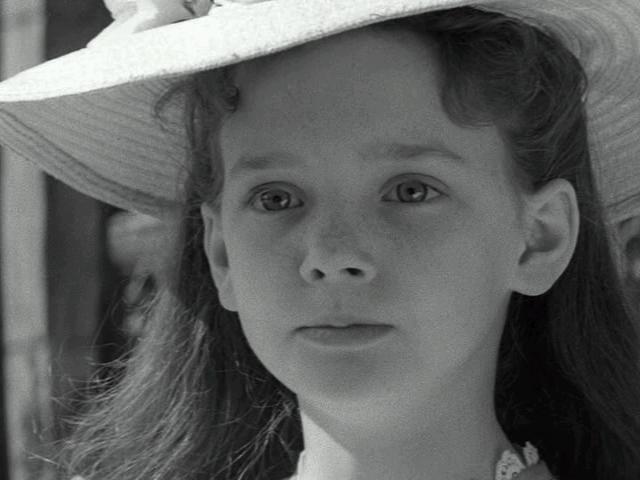
The performances in The Innocents are, across the board, superb. It’s difficult to imagine anyone better than Kerr at playing Miss Giddens, an idealistic, faithful, sexually repressed woman who is mortified to learn that her sweet charges may have been corrupted — and who will stop at nothing to “clear” them of their sins. Both Pamela Franklin (who, six years later, starred in Clayton’s Our Mother’s House) and Martin Stephens (from Village of the Damned) are entirely believable as the inscrutable siblings, and Megs Jenkins rounds out the cast beautifully as the children’s well-meaning, naive maid — her performance never hits a false note, and is essential to the success of the story.
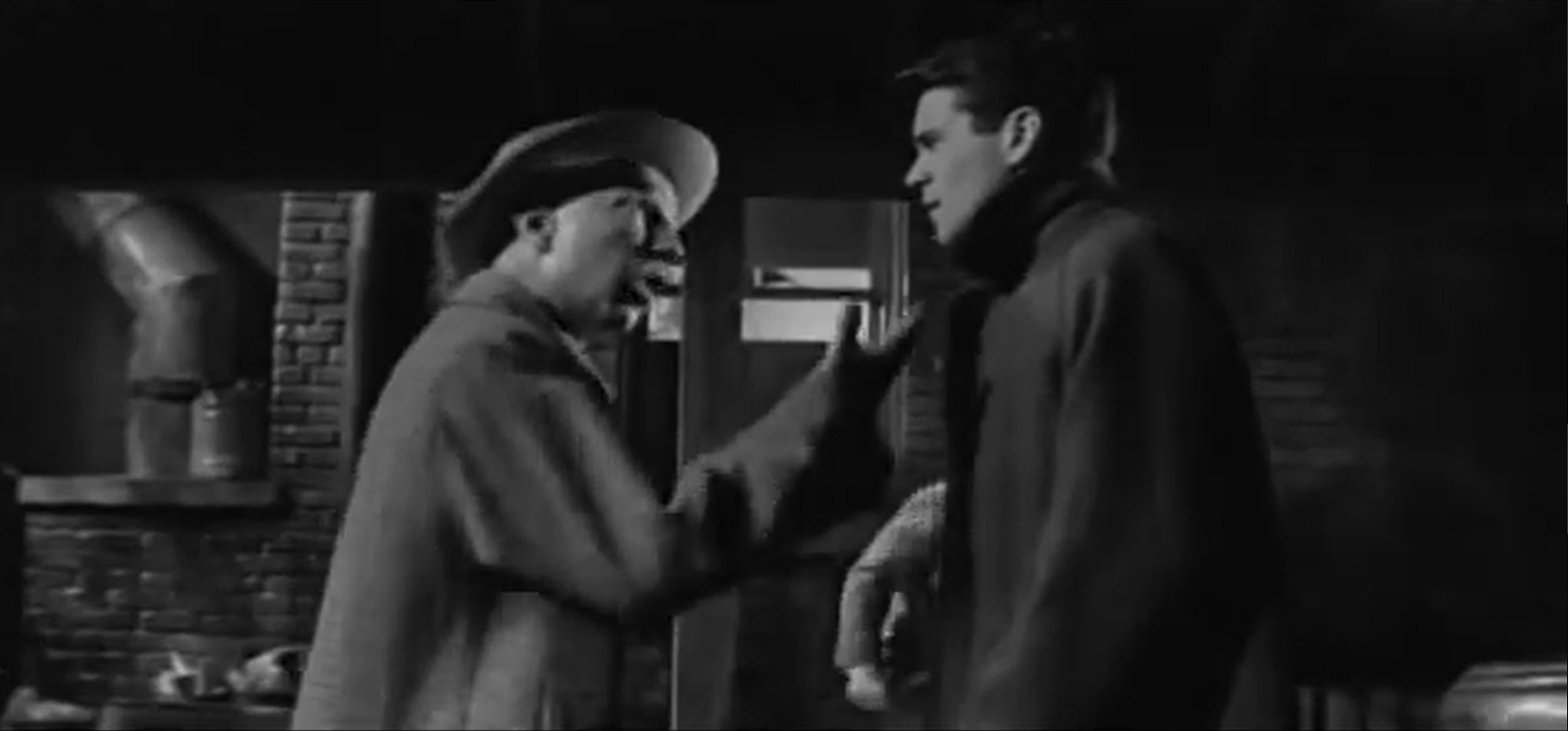
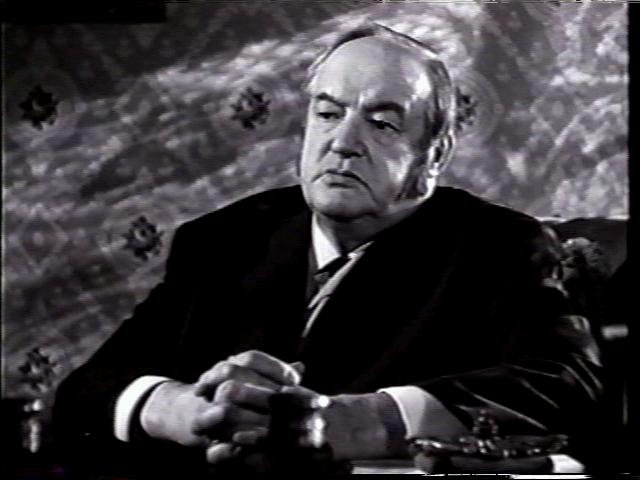
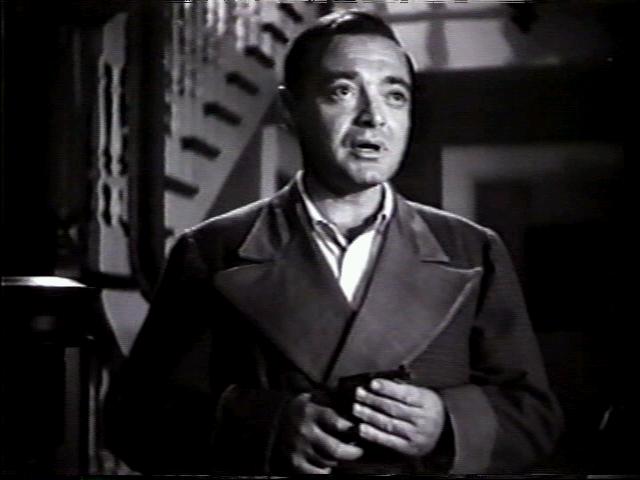
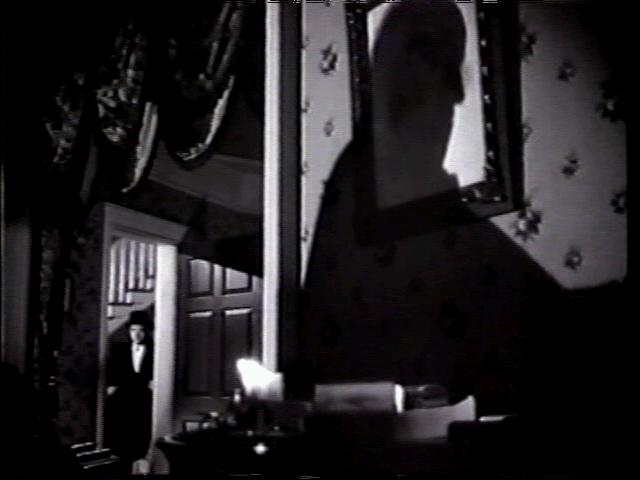
Equally impressive are the film’s visuals, including the stunning black-and-white cinematography, appropriately baroque set designs, and effective use of pastoral outdoor settings. Much like in Robert Wise’s The Haunting (1963) and Val Lewton’s early films for RKO, the frights here are cinematically suggested rather than made explicit, with Clayton using a variety of techniques (including deep focus framing and double exposure) to evoke horror; yet even some straightforward shots — such as a bug crawling out of a statue’s mouth — are enough to cause one to jump. Ultimately, the “horror” here is truly psychological, indicating that the worst monsters are the ones we — like Miss Giddens — conjure up for ourselves.
Redeeming Qualities and Moments:
- Deborah Kerr as Miss Giddens
- Megs Jenkins as naive, well-meaning Mrs. Grose
- Martin Stephens as Miles
- Pamela Franklin as Flora
- Freddie Francis’s atmospheric cinematography
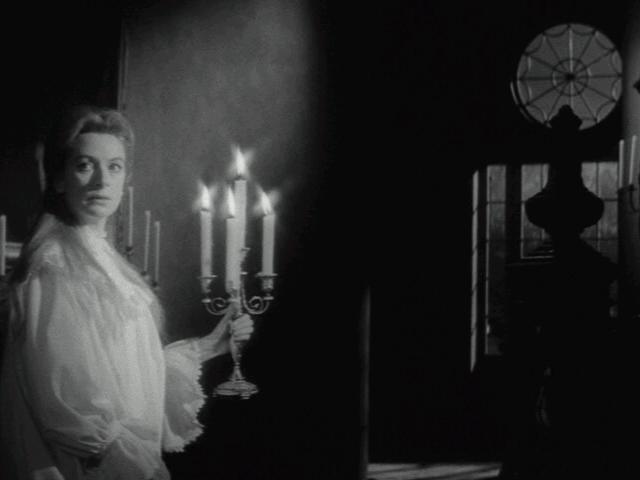
- Haunting set designs

- Good use of selective cinematic techniques to evoke horror
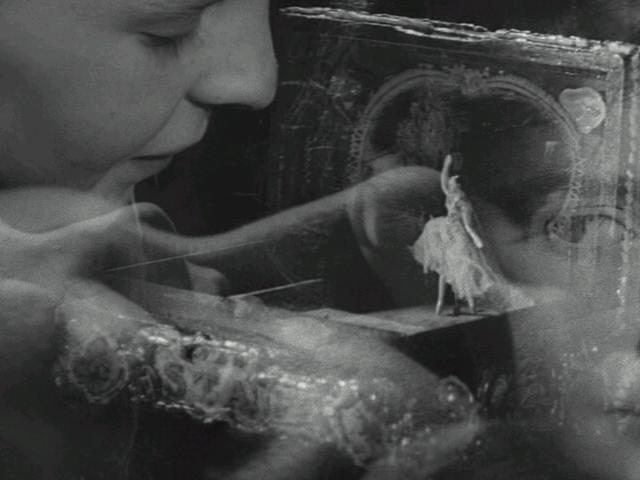
- Effective establishment of a pastoral calm before the storm

- A powerful depiction of mental breakdown
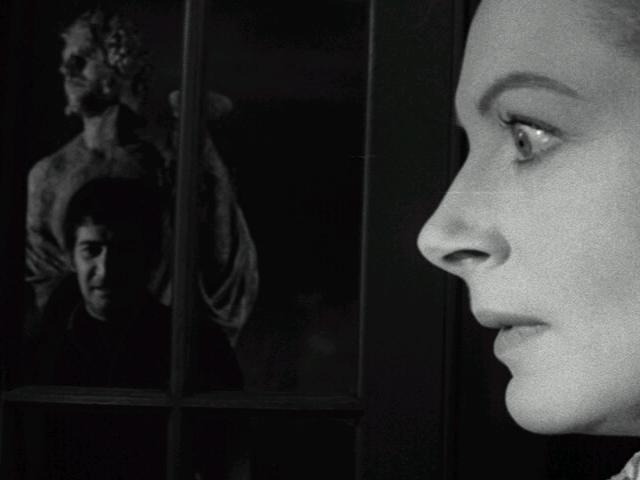
- The creepy opening credits
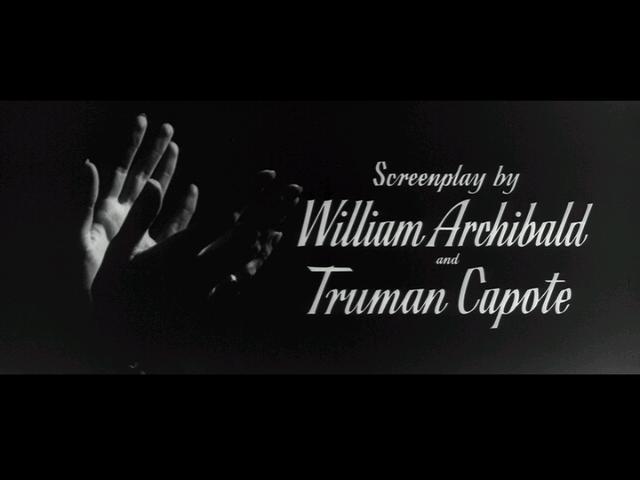
- William Archibald and Truman Capote’s smart screenplay
Must See?
Yes. This excellent psychological thriller is a good show all-around, and a classic of the horror genre. Listed as a Cult Movie in the back of Peary’s book.
Categories
- Good Show
- Noteworthy Performance(s)
Links:
|