Debbie Does Dallas (1978)

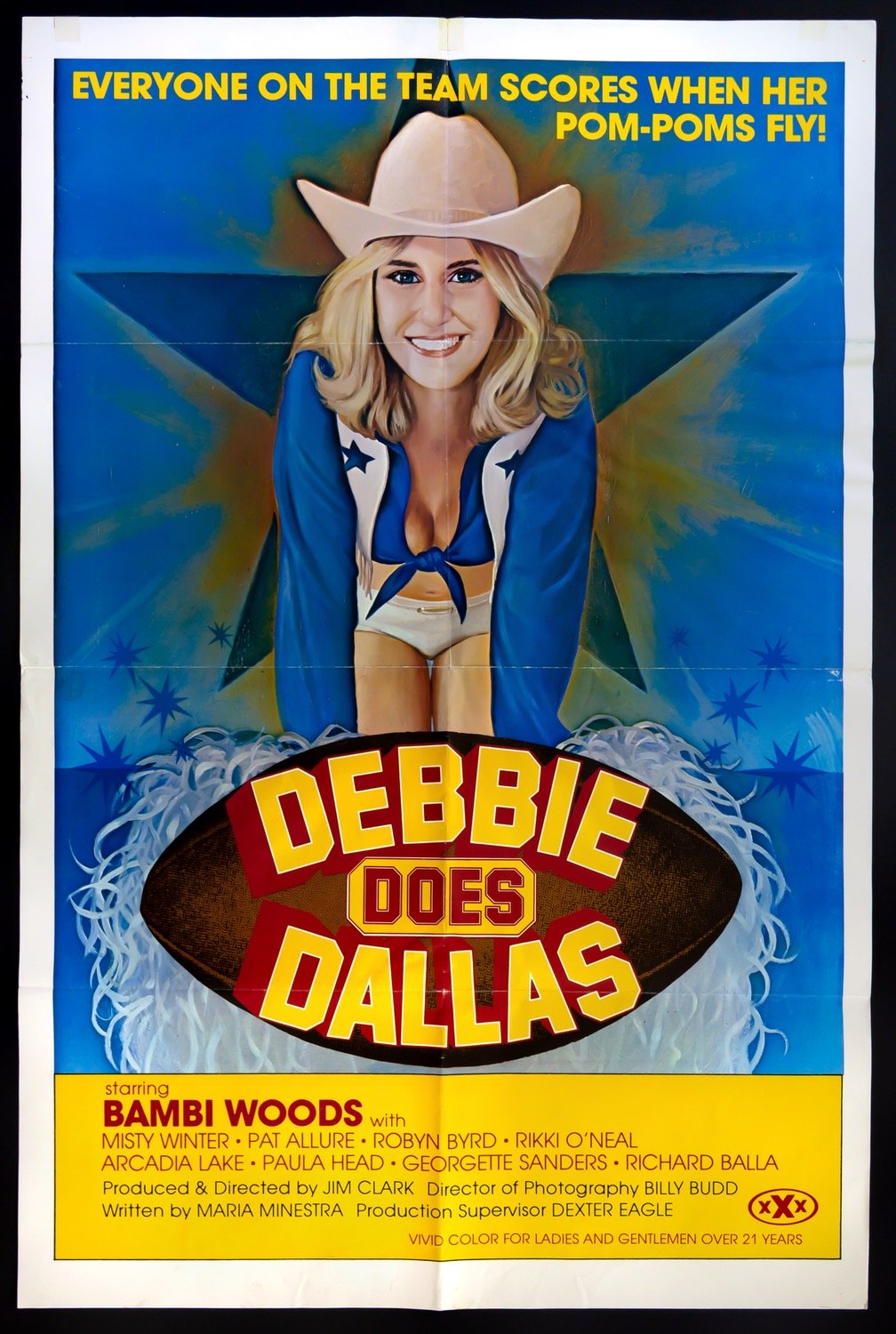
Debbie Does Dallas (1978)

“Debbie, I’m so proud of you!”

Synopsis:
A group of high school cheerleaders, hoping to try out professionally in Dallas, have sex with their employers to raise money for the trip.

Genres:

  • Adult Films
  • Cheerleaders

Response to Peary’s Review:
As Peary notes, this adult film’s alliterative title — “the reason for its great success” — is “the most original thing about it”. The “acting is terrible,” the sex is “run-of-the-mill, repetitive, and mechanical,” and everyone comes across as downright dumb — yet somehow, it still became one of the top five highest-grossing adult films in history. Go figure. A recent documentary about the film — Debbie Does Dallas Uncovered (2005) — is nearly as boring and exploitative as the original; don’t bother renting it.

Redeeming Qualities and Moments:

  • None, other than the clever title

Must See?
Yes, simply for its status in adult film history.

Categories

Links:

Cafe Flesh (1982)

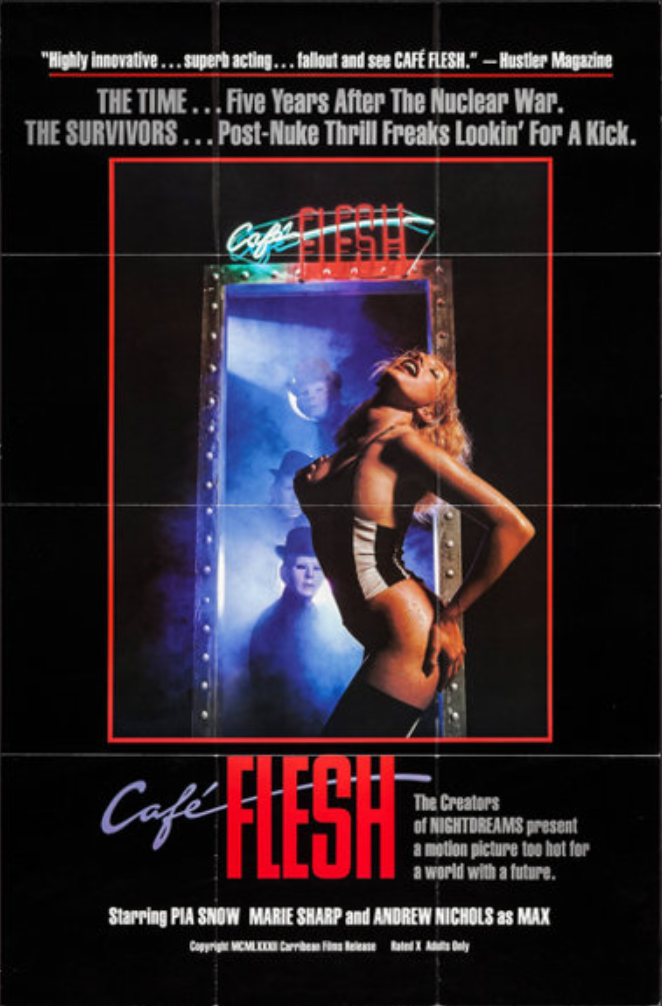
Cafe Flesh (1982)

“You don’t have to be ashamed; there’s nothing wrong with just watching.”

Synopsis:
In a post-nuclear dystopia, the world is divided into “Sex Negatives” (those who become ill from sex) and “Sex Positives” (those are still able to enjoy it). Sex Positives are forced by the government to have sex in nightclubs, where envious, masochistic Sex Negatives flock to watch them.

Genres:

  • Adult Films
  • Dystopia
  • Nightclubs
  • Nuclear Holocaust
  • Science Fiction

Response to Peary’s Review:
As Peary points out, this is truly the “thinking person’s [p.] film”, a rare instance where sexual acts actually makes sense in the context of an adult movie. He writes that while it’s “obviously not for all tastes”, the “acting is very good, the characters are genuinely interesting” and “it is witty, provocative, and erotic”. In addition, the film has a somewhat compelling plot: a Sex Positive pretends to be a Sex Negative in order not to alienate her SN partner or “damage his ego”. As pointed out in Time Out’s Capsule Review, this early-’80s film is remarkably prescient of the AIDS epidemic, which similarly segregated “positive” and “negative” sexual partners from each other.

Redeeming Qualities and Moments:

  • An authentically intriguing premise
  • Visually interesting, “highly stylized” sex scenes

Must See?
Yes. This is on a par with The Devil in Miss Jones (1973) as one of the most creative and thought-provoking adult films ever made. Discussed at length in Peary’s Cult Movies 3 (1988).

Categories

Links:

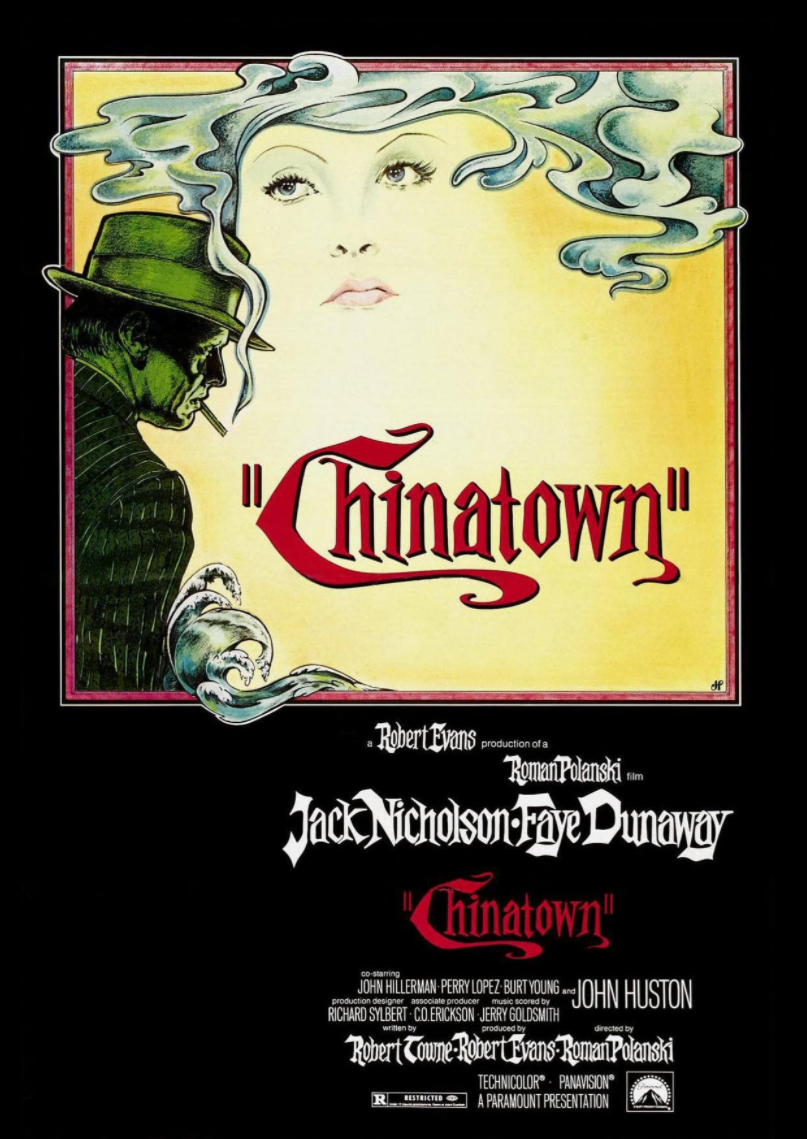
Chinatown (1974)

Chinatown (1974)

“Either you bring the water to L.A., or you bring L.A. to the water.”

Synopsis:
In 1930s Los Angeles, a private detective (Jack Nicholson) finds himself embroiled in a complicated plot of murder, corruption, and twisted sexuality.

Genres, Themes, Actors, and Directors:

  • Corruption
  • Detectives and Private Eyes
  • Diane Ladd Films
  • Faye Dunaway Films
  • Jack Nicholson Films
  • Los Angeles
  • Murder Mystery<
  • Roman Polanski Films

Response to Peary’s Review:
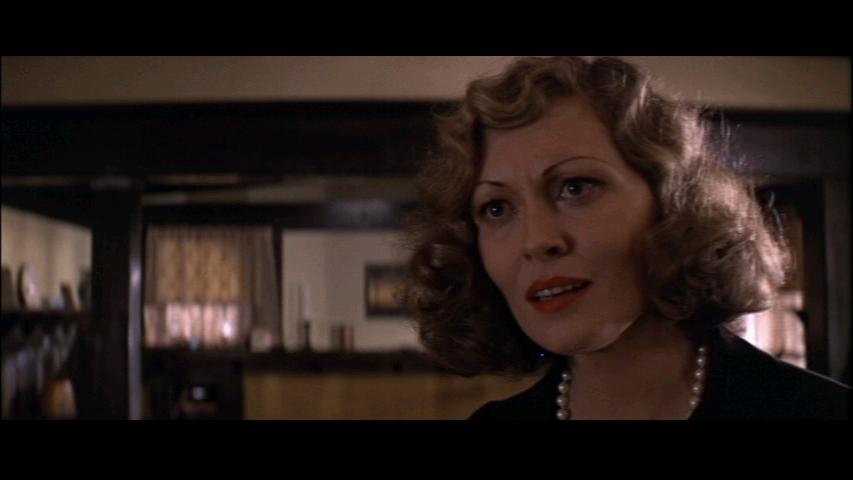
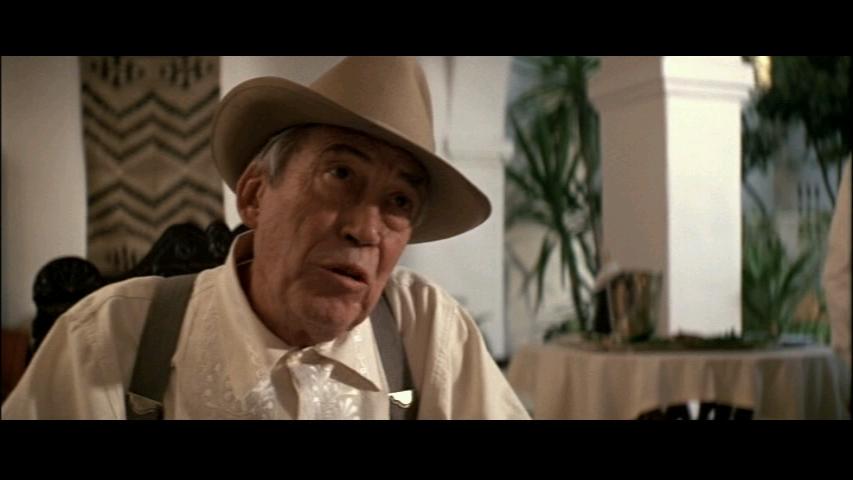
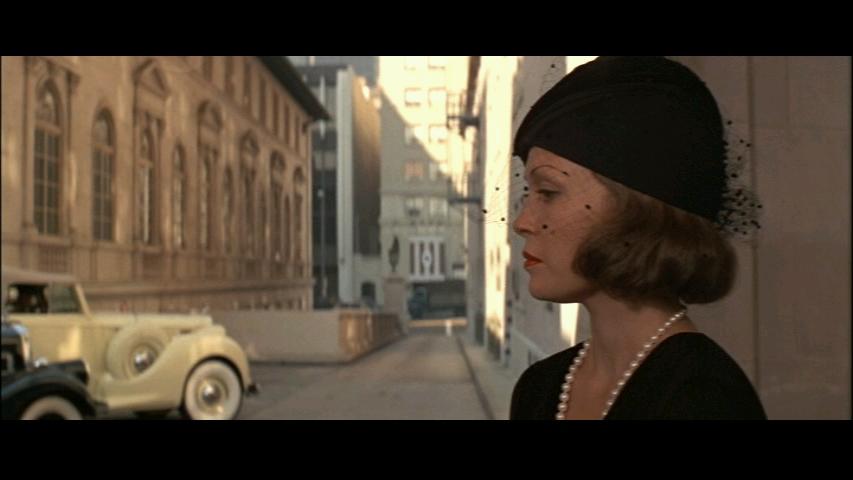
Widely acknowledged as a modern American classic, Roman Polanski’s Chinatown is indispensable viewing for all film fanatics. As Peary notes, it’s a “superlative detective picture” with a “powerful Oscar-winning script”, and a central mystery which “gets more complicated by the minute”; indeed, one must watch carefully and attentively in order to catch all the story’s nuances. The performances across the board are excellent, with Jack Nicholson particularly well-cast as hardboiled Jake Gittes, a savvy P.I. who nonetheless always seems to be one step behind the game. He’s often unable to calculate who’s guilty and who’s not; it’s only through sheer persistence, sly investigative techniques, and a willingness to commit occasional violence that he gets anywhere. Faye Dunaway is fragile and mysterious as a woman with a heavy past (who may or may not be guilty), and John Huston is truly frightening as Dunaway’s wealthy tycoon father.

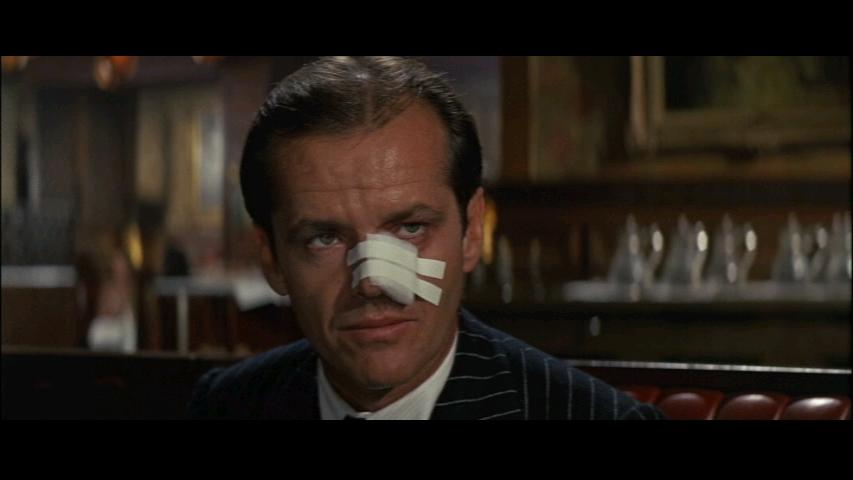
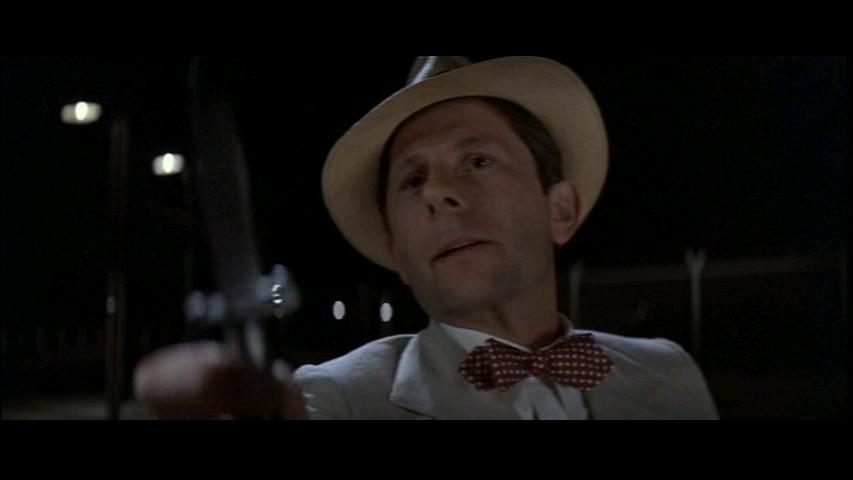
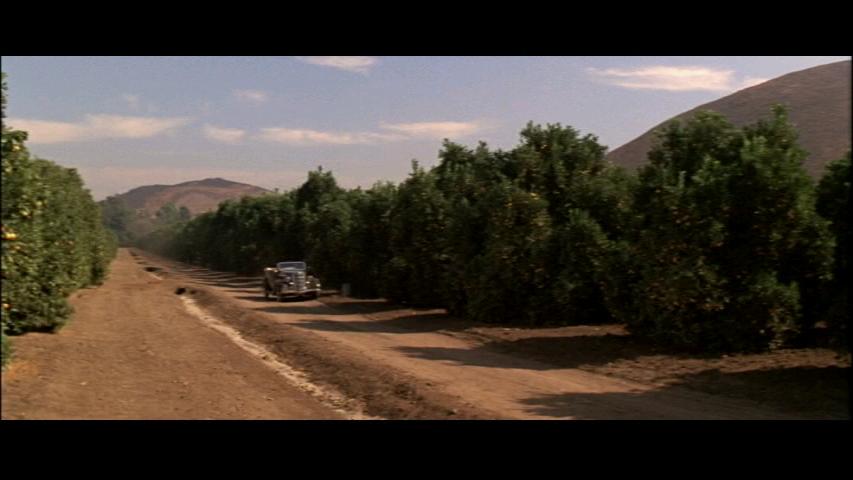
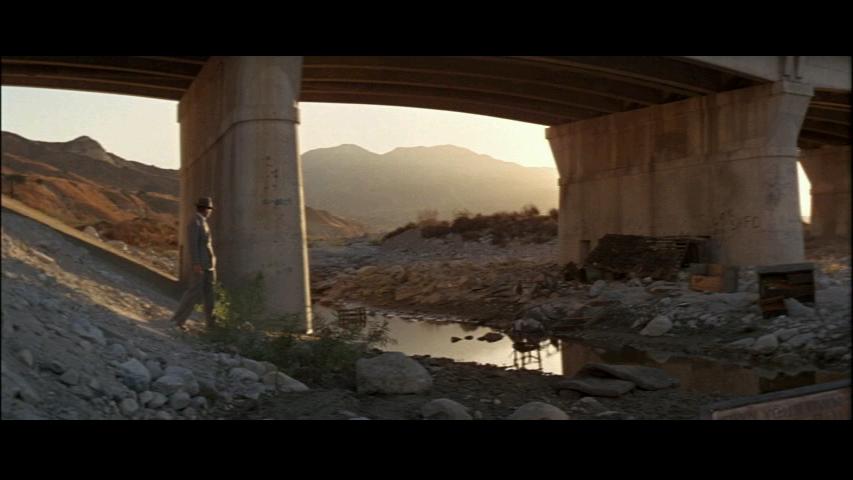
In addition to its wonderful performances, Chinatown is full of many unforgettable scenes: Gittes getting his nose slashed by a thug (Polanski in cameo); Gittes spying on Dunaway and a mysterious young woman through a window (and, later, discovering who the woman is); Gittes driving recklessly through an orange grove while being chased by gun-wielding farmers; Gittes smooth-talking his way into a rest home. Perhaps most memorable, however, is the film’s overall look and feel, including John Alonzo’s luminous cinematography, Richard Sylbert’s meticulous production design, Jerry Goldsmith’s score, and Polanski’s excellent use of outdoor locales in the greater L.A. area (ranging from Catalina Island to concrete sewers to farmland to — famously, in the final scene — Chinatown itself). While Chinatown is too depressing to be a personal favorite, there’s no denying the sheer visceral power of its story, characters, and settings.

Redeeming Qualities and Moments:

  • Jack Nicholson as J.J. “Jake” Gittes
  • Faye Dunaway as Evelyn Mulwray
  • John Huston as Noah Cross
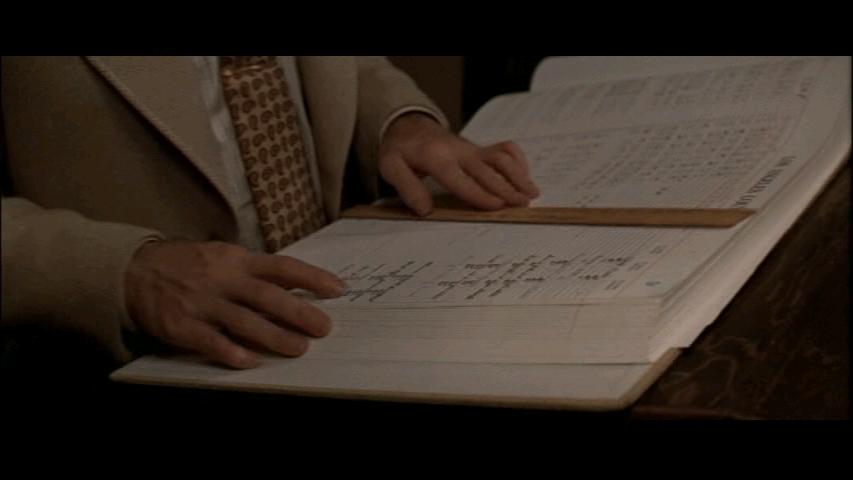
  • Jake’s clever ruse at the public documents office
  • The infamous “nose slashing” scene (with a cameo by Polanski)
  • Evocative period set designs, props, and costumes
  • Good use of diverse L.A. landscapes
  • Gorgeous cinematography
  • Robert Towne’s intelligent script
  • The surprise plot twist near the end

Must See?
Yes. This highly esteemed detective flick is definitely must-see viewing.

Categories

  • Genuine Classic
  • Noteworthy Performance(s)
  • Oscar Winner or Nominee

(Listed in 1001 Movies You Must See Before You Die)

Links:

That Lady in Ermine (1948)

That Lady in Ermine (1948)

“I’m in love with your great-great grandmother — I have been since the moment I entered this castle!”

Synopsis:
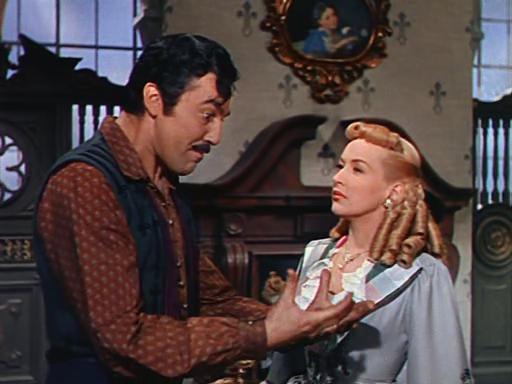
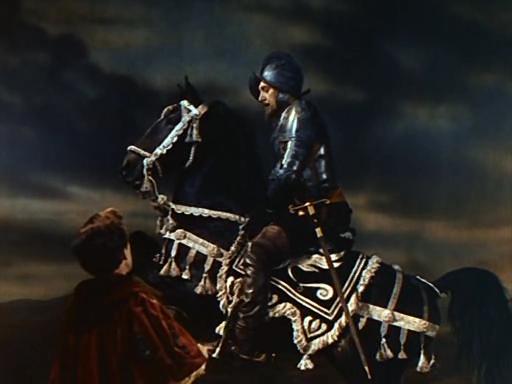
In 1800s Italy, a Hungarian (Douglas Fairbanks, Jr.) invading the castle of newlywed Countess Angelina (Betty Grable) falls for a painting of Countess Francesca, Angelina’s lookalike ancestor. Soon he finds himself enamored with Angelina herself, which makes Angelina’s husband (Cesar Romero) increasingly jealous.

Genres, Themes, Actors, and Directors:

  • Betty Grable Films
  • Cesar Romero Films
  • Douglas Fairbanks, Jr. Films
  • Ernst Lubitsch Films
  • Fantasy
  • Historical Drama
  • Royalty and Nobility
  • Musicals
  • Otto Preminger Films
  • Romantic Comedy

Review:
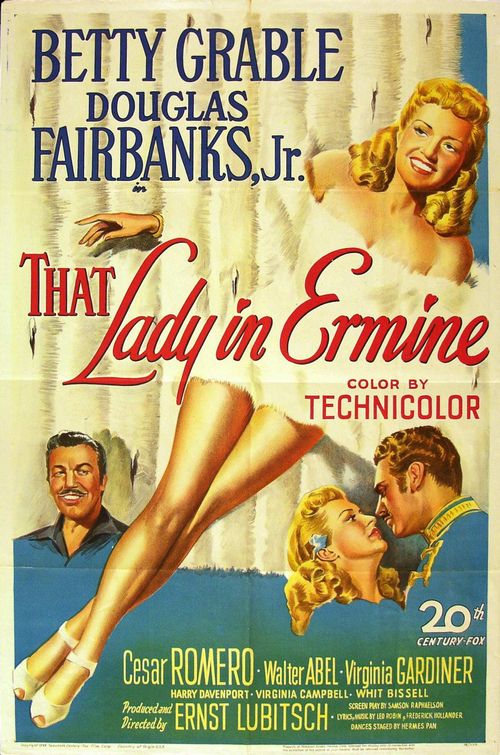
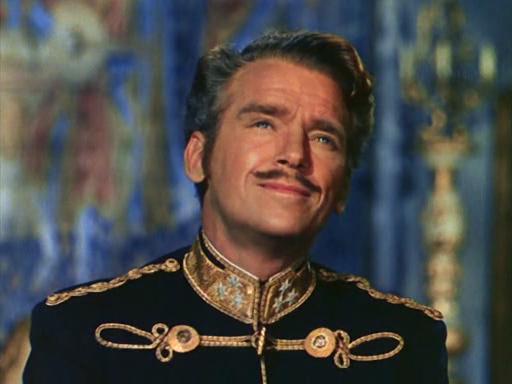
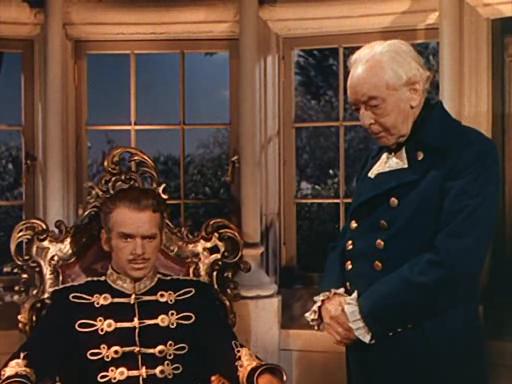
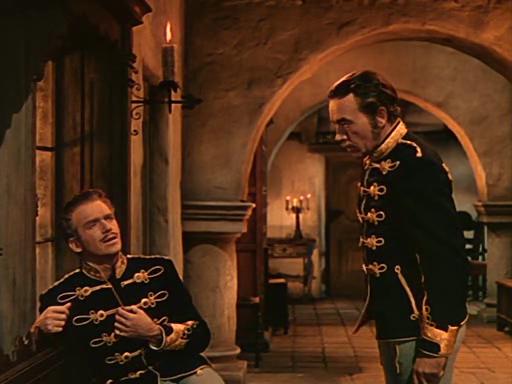
This amusing costume farce — co-starring Betty Grable (the highest-paid Hollywood performer in 1947) and a delightfully tongue-in-cheek Douglas Fairbanks, Jr. — is a heady mixture of fantasy, historical drama, romance, musical interludes, jealousy, and humor, all presented in gorgeous Technicolor. Fairbanks’ performance as the lovestruck Colonel (who knew he was such a natural comedic actor?) is indubitably the highlight of the film (check out his Cheshire Cat grin as he dreams of Francesca/Angelina), while Grable — with her bouncy blonde curls — is appropriately luminous and feisty in the title role, and even manages to show off her million-dollar legs in one fun dance scene (see the poster image). Although there aren’t quite enough songs to classify That Lady as a full-steam musical, the first ditty — “Ooh! What I’ll Do (To That Wild Hungarian)” — is enormously catchy. All in all, this one is great fun.

Note: Otto Preminger took over direction of the film when Ernst Lubitsch died mid-production, but the transition is seamless.

Redeeming Qualities and Moments:

  • Douglas Fairbanks, Jr. as Col. Ladislas and The Duke
  • Betty Grable as Francesca/Angelina
  • Cesar Romero as Mario
  • Harry Davenport as Angelina’s loyal servant
  • Effective set designs and historical costumes
  • A clever, “realistic” portrayal of characters emerging from portraits
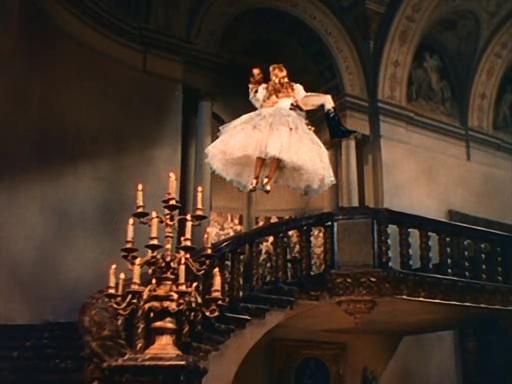
  • Many genuinely amusing, tongue-in-cheek moments — as when Francesca carries — then flies — the Colonel upstairs

Must See?
Yes. This unusual fairy-tale-for-adults is a surprisingly enjoyable flick.

Categories

  • Good Show

Links:

Murders in the Zoo (1933)

Murders in the Zoo (1933)

“I can promise you a really unusual evening.”

Synopsis:
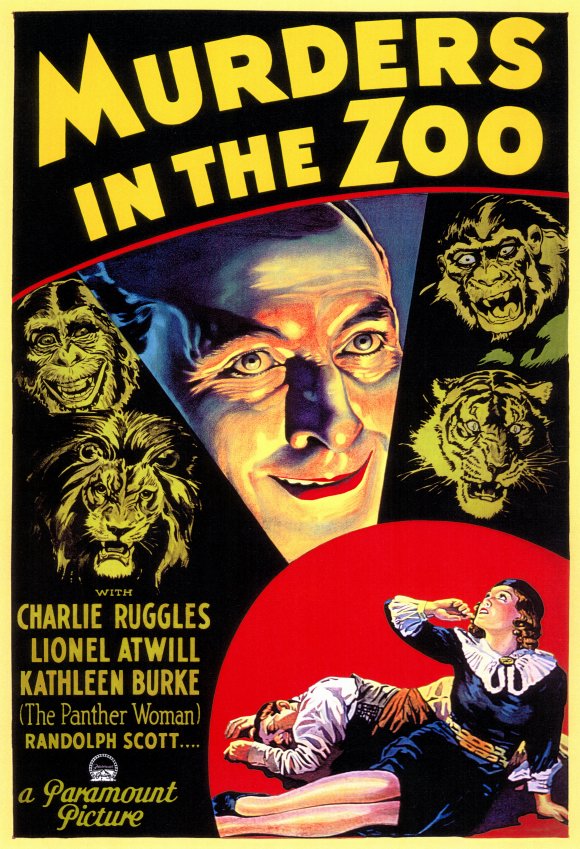
An insanely jealous animal collector (Lionel Atwill) plots to murder his wife’s lover (John Lodge) at a fundraising dinner for the local zoo; meanwhile, the zoo’s new press agent (Charles Ruggles) is on hand for comic relief.

Genres, Themes, Actors, and Directors:

  • Horror
  • Infidelity
  • Jealousy
  • Lionel Atwill Films
  • Randolph Scott Films
  • Revenge

Review:
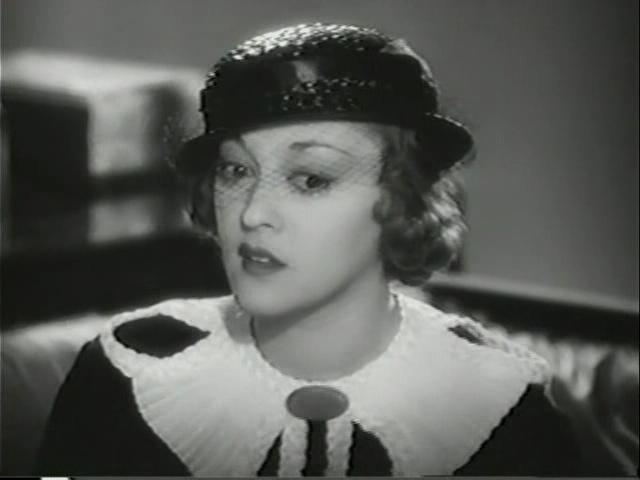
At just over an hour in length, this early Paramount horror film zips by in its depiction of a psychopathic husband who wreaks creative revenge on his unfaithful spouse (Kathleen Burke). Unfortunately, the inclusion of Ruggles as a comedic supporting character is both annoying and unwelcome — whenever things start to look appropriately gloomy and creepy, Ruggles appears and ruins the effect. While it’s enjoyable to see Burke (so memorable as the Panther Woman in Island of Lost Souls) in a non-feline role, Atwill himself overacts, turning what could have been a deliciously creepy portrayal into a ham-fest.

Redeeming Qualities and Moments:

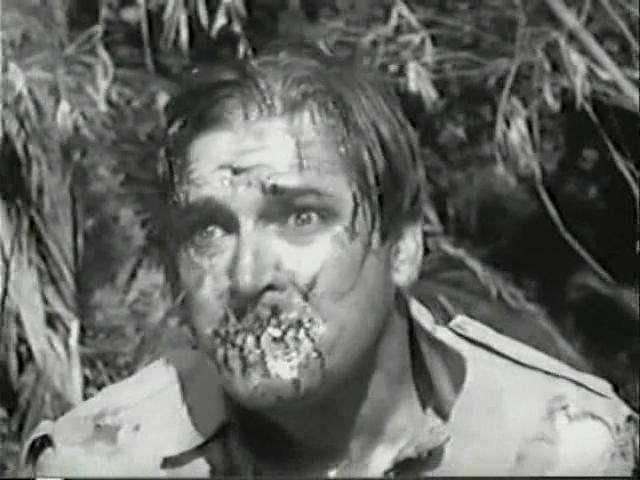
  • The truly gruesome results of Atwill’s first bout of torture
  • Kathleen Burke as Atwill’s perpetually fearful wife

Must See?
No. While Peary lists this as a Sleeper in the back of his book, I don’t think it’s necessarily worth seeking out.

Links:

Bigamist, The (1953)

Bigamist, The (1953)

“How can you call [your wife] and tell her that you must have a divorce? Worse than that, you’ve been unfaithful — you’re going to be a father. How can you hurt someone so much?”

Synopsis:
When Harry Graham (Edmond O’Brien) and his wife (Joan Fontaine) try to adopt a baby, the head of the agency (Edmund Gwenn) senses something is not quite right with Harry. After following him on a business trip to Los Angeles, Gwenn discovers that Harry is married to another woman (Ida Lupino), and has a young child with her.

Genres, Themes, Actors, and Directors:

  • Edmond O’Brien Films
  • Edmund Gwenn Films
  • Flashback Films
  • Ida Lupino Films
  • Infidelity
  • Joan Fontaine Films
  • Love Triangle

Review:
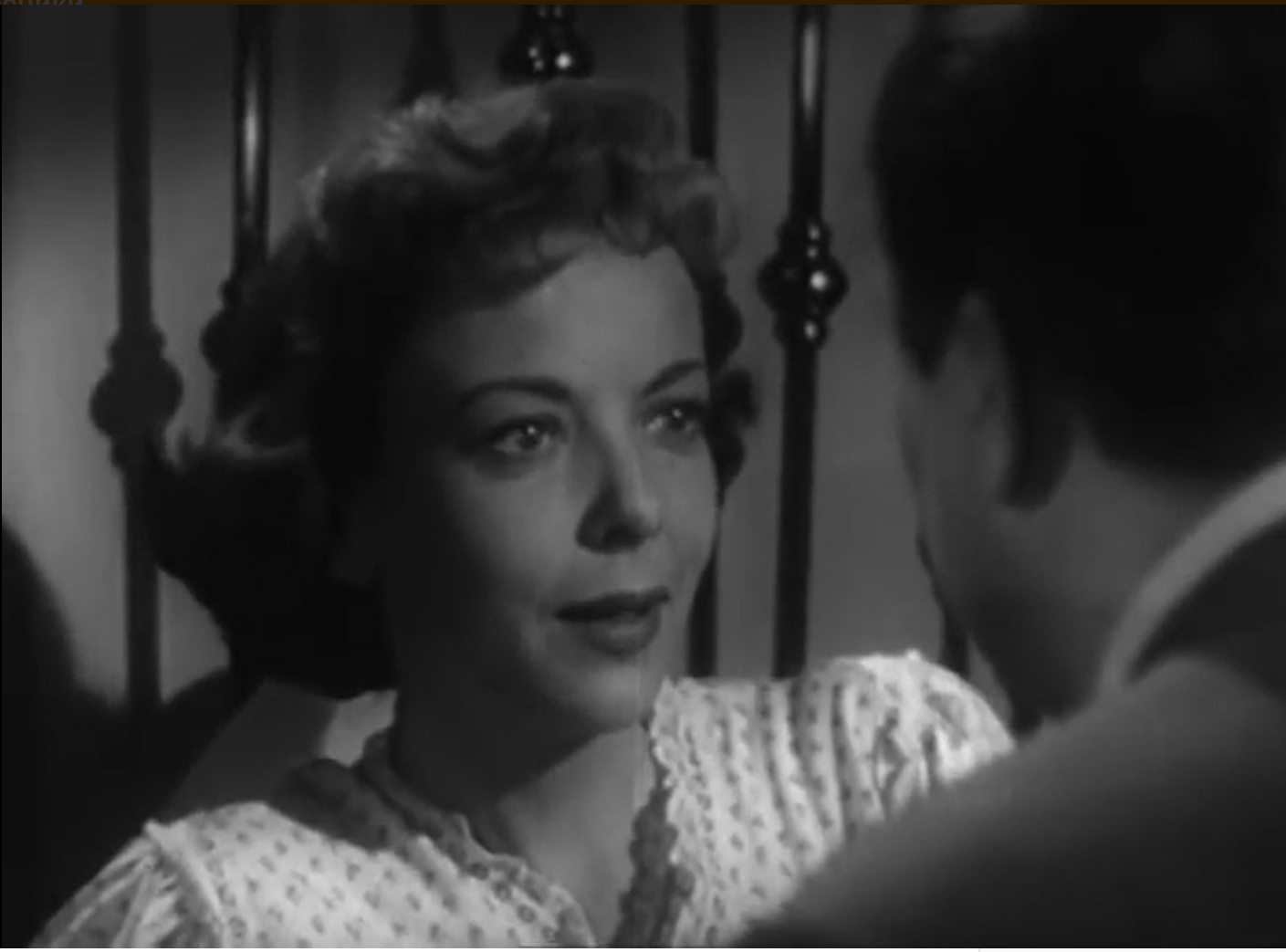
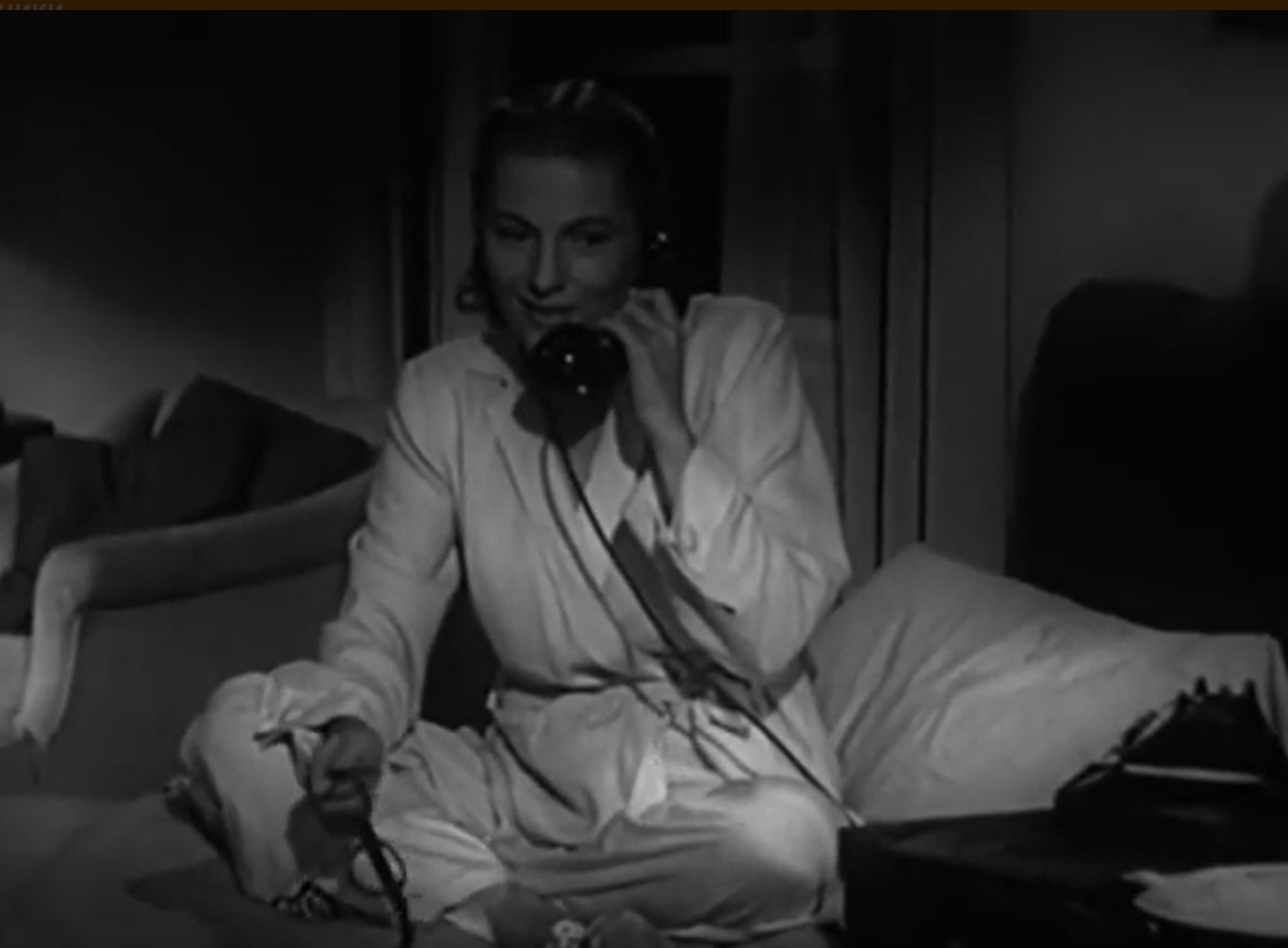
Ida Lupino’s earnest “problem picture” (her second-to-last directorial feature) suffers greatly from Collier Young’s overly cautious and dated script. In order to “justify” O’Brien’s lapse into a second marriage, Fontaine is depicted as both career-obsessed and unwilling to acknowledge blatant hints that her husband might be straying. In one particularly implausible scene, O’Brien calls Fontaine from Los Angeles and openly admits to her that he’s been flirting with a “brown haired mouse” — yet Fontaine acts as though she hasn’t heard him; later, Fontaine is shown flaunting her technical knowledge and social finesse during a business dinner with prospective clients, effectively “emasculating” poor O’Brien. It’s no wonder — in typical ’50s ideology — that O’Brien’s Harry is “forced” to turn to Lupino, a “real” woman able to give him a child from a single night of sex (though this is implied rather than depicted, naturally). Adding to the overall impression of Harry as someone steamrollered into bigamy, it’s made clear that marrying Lupino — while also saving Fontaine from the tragedy of divorce — is the only “right” thing to do. Despite its clumsy script, however, The Bigamist remains oddly watchable, thanks in large part to the truly heartfelt performances by O’Brien (he’s perfectly cast), Lupino, and Fontaine. It’s fascinating to know that in real life, Fontaine had just married Lupino’s ex (Collier Young, the film’s screenwriter), thus eerily echoing the story’s marital love triangle. Much less impressive — in fact, downright annoying — is Edmund Gwenn as the head of the adoption agency; he’s a busybody snoop who may mean well but ultimately comes across as creepy. Fortunately, his presence merely bookends the film.

Redeeming Qualities and Moments:

  • Edmond O’Brien as Harry
  • Ida Lupino as Phyllis
  • Joan Fontaine as Harry’s self-deluding career wife

Must See?
No, but fans of Lupino’s work will likely want to check it out.

(Listed in 1001 Movies You Must See Before You Die)

Links:

Klondike Annie (1936)

Klondike Annie (1936)

“I got a debt to pay — not to this crowd, but to Annie, and I’m gonna do it.”

Synopsis:
After stabbing her possessive Chinese boyfriend (Harold Huber), a dancehall singer known as the Frisco Doll (Mae West) boards a ship to Alaska, where she immediately entrances the ship’s captain (Victor McLaglen). When a missionary (Helen Jerome Eddy) on board the ship falls ill and dies, the Frisco Doll assumes her identity on land.

Genres, Themes, Actors, and Directors:

  • Alaska
  • Character Arc
  • Fugitives
  • Mae West Films
  • Missionaries and Revivalists
  • Mistaken or Hidden Identities
  • Play Adaptation
  • Raoul Walsh Films
  • Victor McLaglen Films

Review:
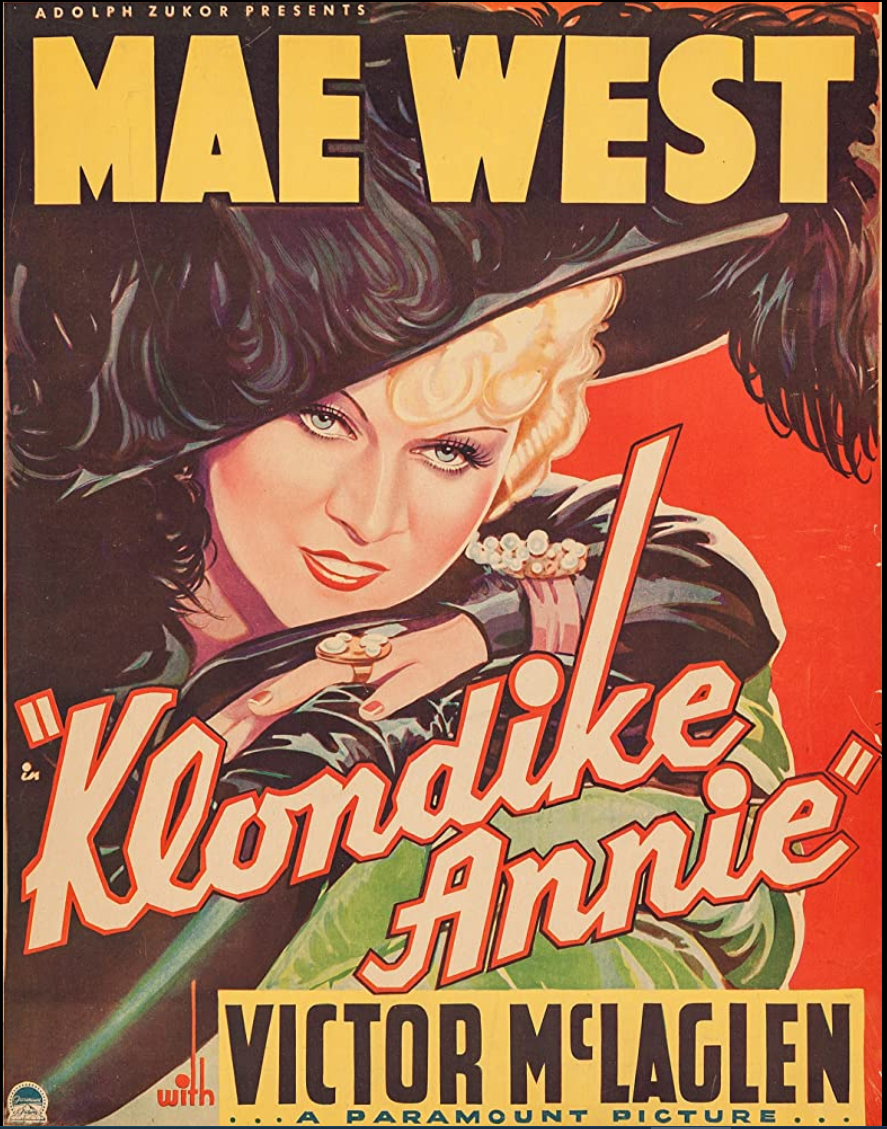
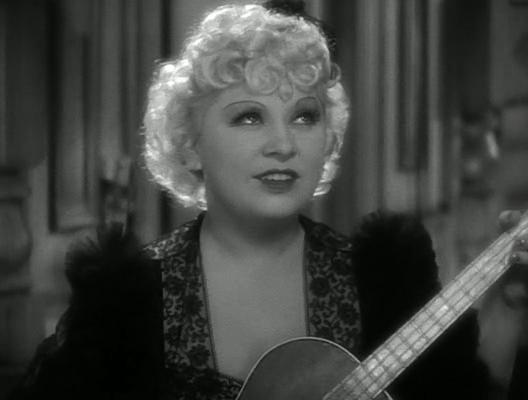
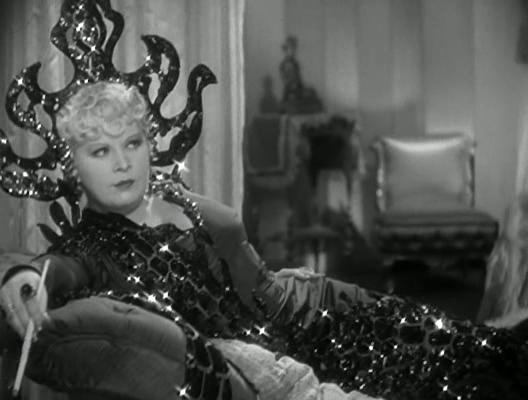
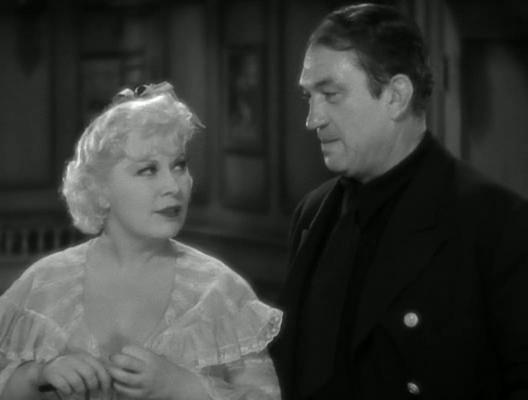
Often cited as Mae West’s definitive film, Klondike Annie is nonetheless an unusual vehicle for the busty blonde, one clearly tempered by the mandates of the Hays Production Code. West’s Frisco Doll undergoes a definite shift throughout the film, morphing from a self-absorbed fugitive to someone who thinks about the needs and desires of others. While this is an admirable character arc, it’s also a bit of a let-down, since “naughty Mae” is the persona we’re accustomed to seeing on-screen. For my money, I’d rather watch West in full saucy form, either in She Done Him Wrong (1932) or My Little Chickadee (1940).

Redeeming Qualities and Moments:

  • Mae West as the Frisco Doll
  • West’s outrageously baroque “Oriental” costume in the opening scenes
  • Victor McLaglen as the lovestruck captain
  • A few witty exchanges:

    McLaglen: I can always tell a lady.
    West: Yeah? Whaddya tell ’em?

Must See?
No, but film fanatics will likely be curious to check it out, and it’s certainly a must for Mae West fans.

Links:

Charlie Chan at Treasure Island (1939)

Charlie Chan at Treasure Island (1939)

“Sometimes black magic very close relative to blackmail.”

Synopsis:
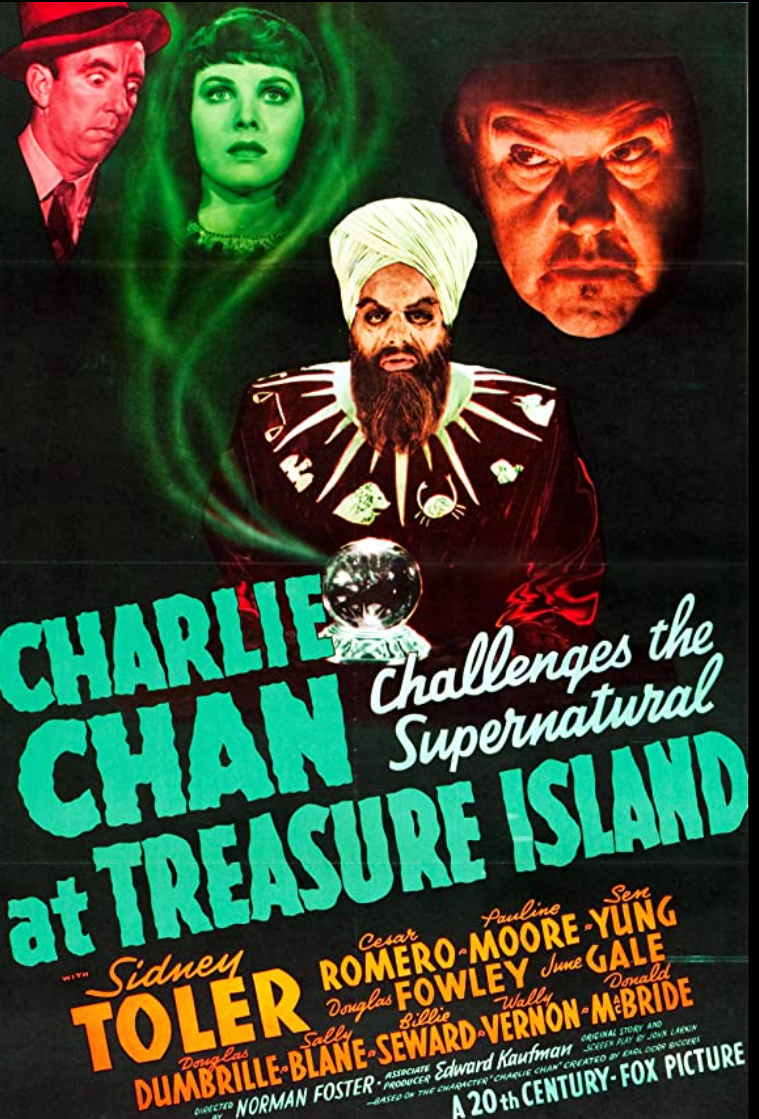
Detective Charlie Chan (Sidney Toler) and his eager son (Sen Yung) investigate the sudden death of a writer (Louis Jean Heydt) who has received a mysterious telegram from the famed hypnotist “Dr. Zodiac”.

Genres, Themes, Actors, and Directors:

  • Asian-Americans
  • Detectives and Private Eyes
  • Magicians
  • Mind Control and Hypnosis
  • Murder Mystery

Review:
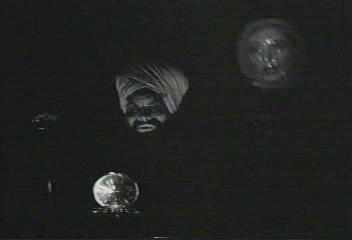
It’s impossible to discuss 20th Century Fox’s popular “Charlie Chan” film series (based on the set of novels by Earl Derr Biggers) without noting the sad truth that in early Hollywood, the famed Chinese detective was never played by a Chinese man. Despite his best efforts, it’s difficult to forget that Sidney Toler (the second non-Asian to play the detective) is simply a white man in pseudo-Asian makeup, speaking in stereotypical pidgin English; this lessens the appeal of the movie enormously. With that said, the story itself is mildly entertaining, with multiple plausible suspects and some enjoyable back-stage glimpses at magic shows; and, since this is widely considered to be the best of the Sidney Toler series, it’s a good one to check out.

Redeeming Qualities and Moments:

  • Some effectively atmospheric imagery and cinematography

  • Sen Yung as Chan’s son — not a great performance, but it’s so refreshing to see an Asian (rather than a white) playing an Asian that he emerges as one of the highlights of the film

Must See?
Yes, but only as a representative example of the Sidney Toler Charlie Chan series; it’s likely that another might suffice.

Categories

  • Representative Film

Links:

One Hour With You (1932)

One Hour With You (1932)

“My wife thinks I am a darling, and my wife’s friend thinks I’m cute. It’s a terrible situation — but I am determined not to weaken. We’ll see!”

Synopsis:
A happily married man (Maurice Chevalier) finds himself seduced by his wife’s flirtatious friend Mitzi (Genevieve Tobin); meanwhile, his unsuspecting wife (Jeanette MacDonald) is pursued by their friend Adolph (Charles Ruggles), and Mitzi’s suspicious husband (Roland Young) has his wife followed.

Genres, Themes, Actors, and Directors:

  • Ernst Lubitsch Films
  • George Cukor Films
  • Infidelity
  • Jeanette MacDonald Films
  • Love Triangle
  • Maurice Chevalier Films
  • Musicals
  • Play Adaptation
  • Roland Young Films

Review:
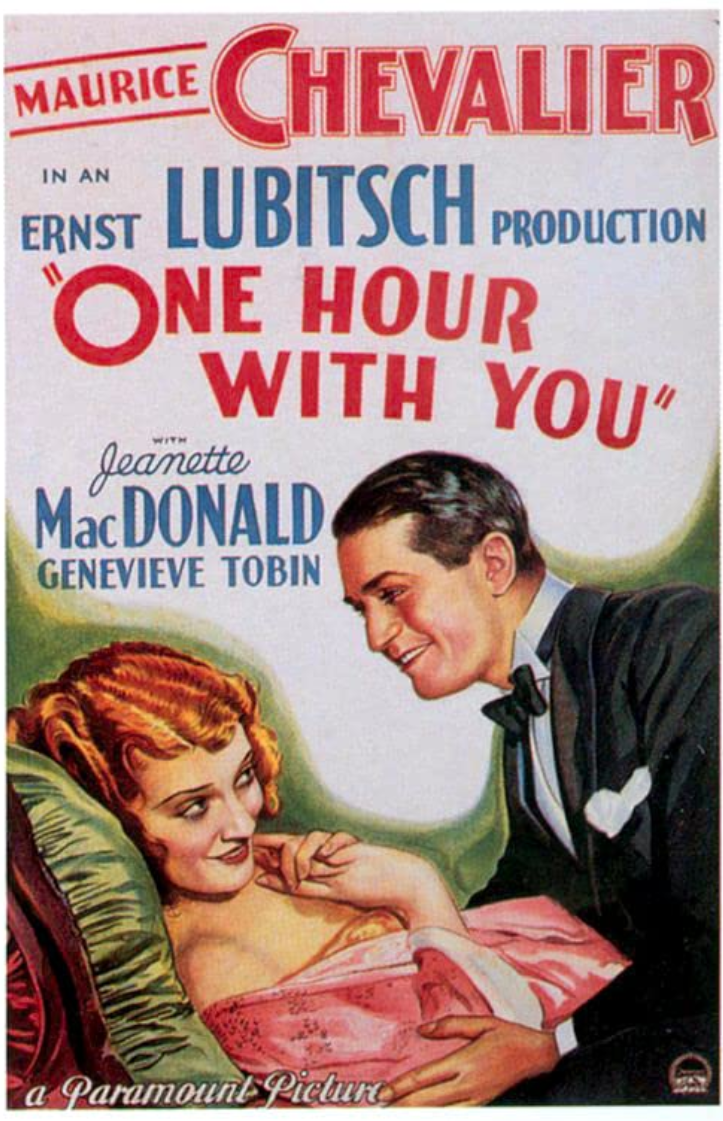
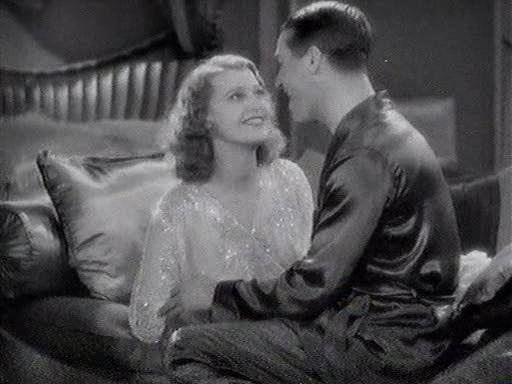
This frothy musical romance — a remake of director Ernst Lubitsch’s The Marriage Circle (1924) (both were based on Lothar Schmidt’s play Only a Dream) — was the third onscreen pairing of Maurice Chevalier and Jeanette MacDonald, who also co-starred together in The Love Parade (1929), Love Me Tonight (1932), and The Merry Widow (1934). One Hour With You is primarily notable for its popular theme song (which today comes across as rather forgettable), intermittent use of rhyming couplets in the dialogue, and several to-the-camera asides by Chevalier (who — being such an eminently likable fellow — is portrayed as merely a gullible pawn in the hands of scheming Mitzi). Indeed, Mitzi — a backstabbing woman who continues to gleefully pursue Chevalier despite learning that he is her best friend’s husband — is the true “villain” of the film; unfortunately, we’re never given the satisfaction of a meaningful confrontation between the two women. Also frustrating is how similar two of the leading actors — Ruggles and Young — look; at times I’ll admit I got them confused. Ultimately, One Hour With You remains little more than a minor romantic souffle, entertaining while it lasts but nothing more.

Note: Though George Cukor was formally hired to direct this film, producer Ernst Lubitsch ordered so many scenes to be reshot that he’s given co-directing credit.

Redeeming Qualities and Moments:

  • Chevalier and MacDonald’s easy, natural banter together

Must See?
No, unless you’re a die-hard Jeanette MacDonald fan (as so many apparently are — click here to read about her international fan club.)

Links:

Girl From Missouri, The (1934)

Girl From Missouri, The (1934)

“You can make me cheap and common like a million others — but gee, I wish you wouldn’t!”

Synopsis:
A chaste chorus girl (Jean Harlow) hoping to marry a millionaire pursues a middle-aged banker (Lionel Barrymore); meanwhile, Barrymore’s playboy son (Franchot Tone) falls for Harlow, but can’t convince her to give up her goal of marriage.

Genres, Themes, Actors, and Directors:

  • Class Relations
  • Cross-Class Romance
  • Franchot Tone Films
  • Gold Diggers
  • Jean Harlow Films
  • Lewis Stone Films
  • Lionel Barrymore Films
  • Romantic Comedy
  • Social Climbers

Review:
Made just as the Hays Production Code was gaining a serious foothold in Hollywood, The Girl From Missouri shows how clever authors — such as screenwriter Anita Loos — could frame an entire film around sex and sexual mores without offending censors. In this precursor to Loos’ more famous Gentlemen Prefer Blondes (1953), the central characters are once again a gold-digging blonde (Harlow) and her best pal, a man-crazy brunette (Patsy Kelly) who cares more about looks than money. More so than in … Blondes, however, … Missouri skewers the duplicity of rags-to-riches men who sneer upon women hoping to make the same social climb; indeed, Barrymore — who utterly refuses to believe Harlow is sincere, no matter what she does or says — is the epitome of such sexist hypocrisy.

Interestingly, The Girl From Missouri doesn’t rely on the old cinematic trope of mistaken identities to propel its narrative of cross-class romance: while there’s some of this at first (Harlow initially mistakes Barrymore for a waiter), truths are quickly revealed, and barriers arise not so much from misunderstandings as from sheer prejudice. While it’s not quite a classic — and its resolution comes far too quickly — … Missouri remains “must see” viewing simply for Loos’ ability to distill the essence of sexual double standards into a fast-moving, enjoyable romantic comedy.

Note:This film bears some resemblance as well to How to Marry a Millionaire (1953), with Harlow a precursor to Bacall’s no-nonsense “Schatze”, and Kelly a close cousin to Grable’s “Loco”.

Redeeming Qualities and Moments:

  • Jean Harlow, perfectly cast as Eadie
  • Franchot Tone as playboy Tom
  • Patsy Kelly as Eadie’s man-loving friend
  • Anita Loos’ clever, incisive screenplay

Must See?
Yes, for its witty screenplay.

Categories

  • Good Show

Links: