Secret of NIMH, The (1982)
“We can no longer live as rats; we know too much.”
|
Synopsis: |
|
Genres, Themes, Actors, and Directors:
Review: Redeeming Qualities and Moments:
Must See? Categories
Links: |
“We can no longer live as rats; we know too much.”
|
Synopsis: |
|
Genres, Themes, Actors, and Directors:
Review: Redeeming Qualities and Moments:
Must See? Categories
Links: |
“He’s meddled in things men should leave alone.”
|
Synopsis: |
|
Genres, Themes, Actors, and Directors:
Response to Peary’s Review: Redeeming Qualities and Moments:
Must See? Categories
Links: |
“I’ve wrestled with reality for 35 years, doctor, and I’m happy to state I finally won out over it.”
|
Synopsis: |
|
Genres:
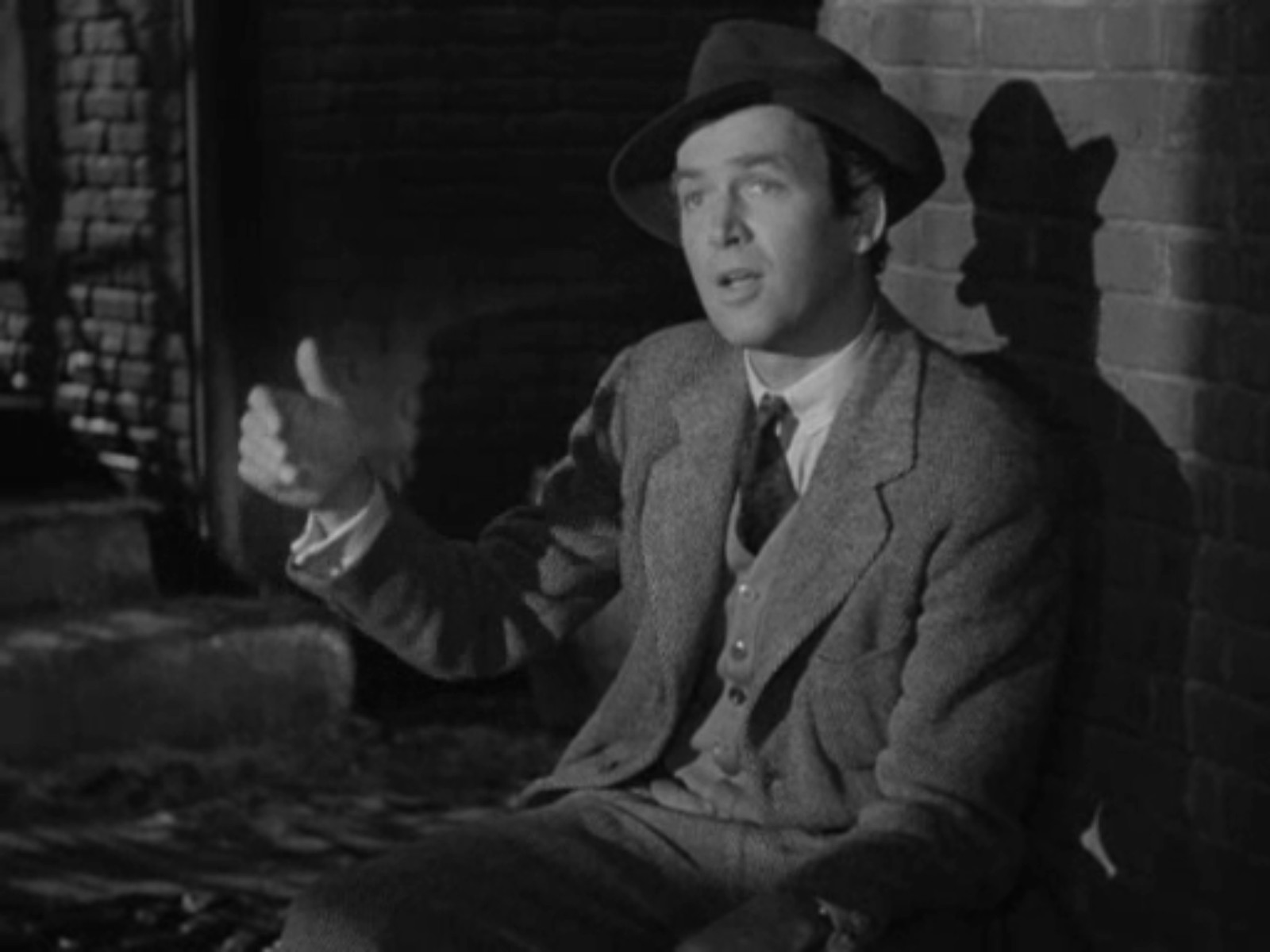
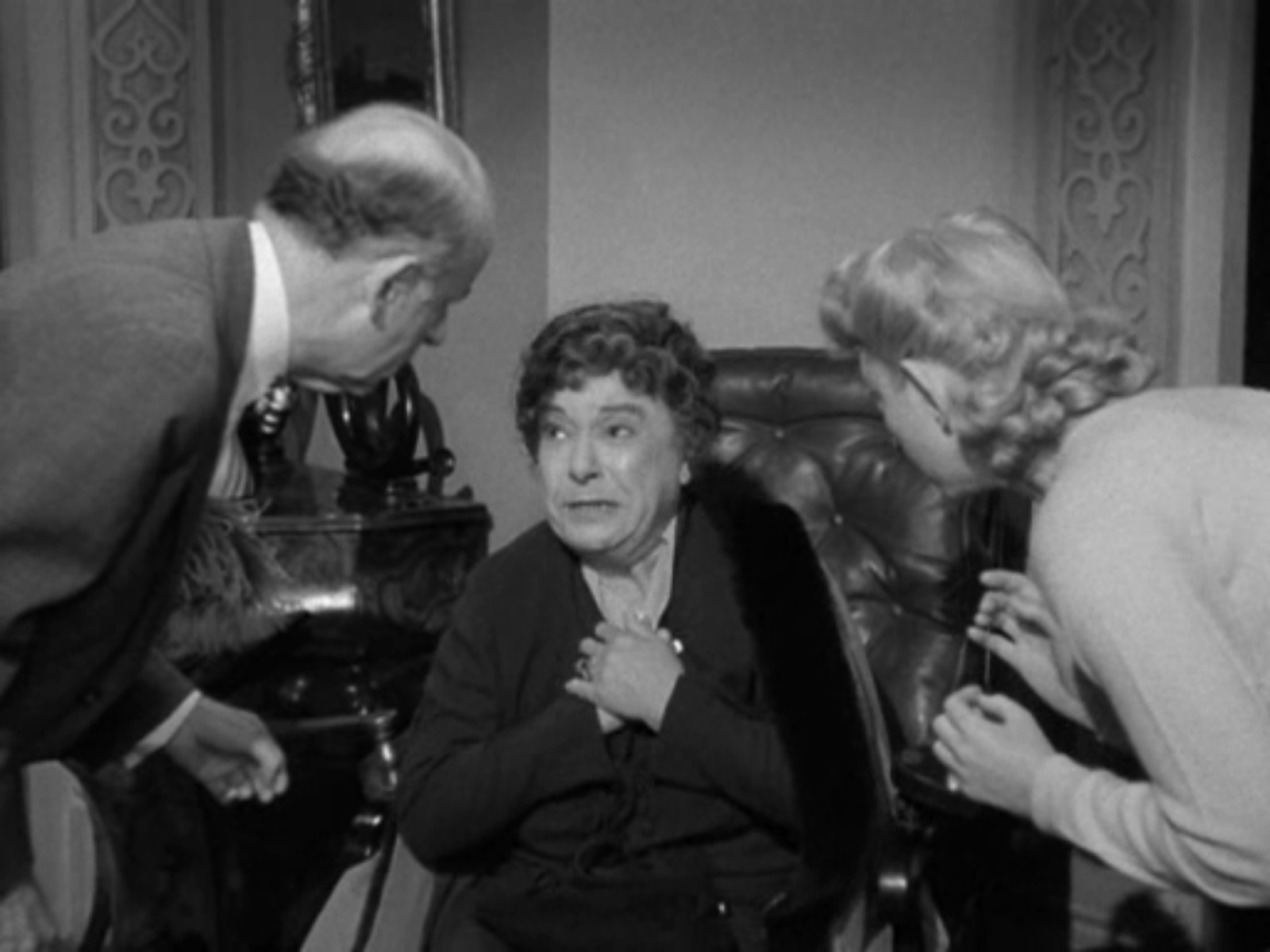
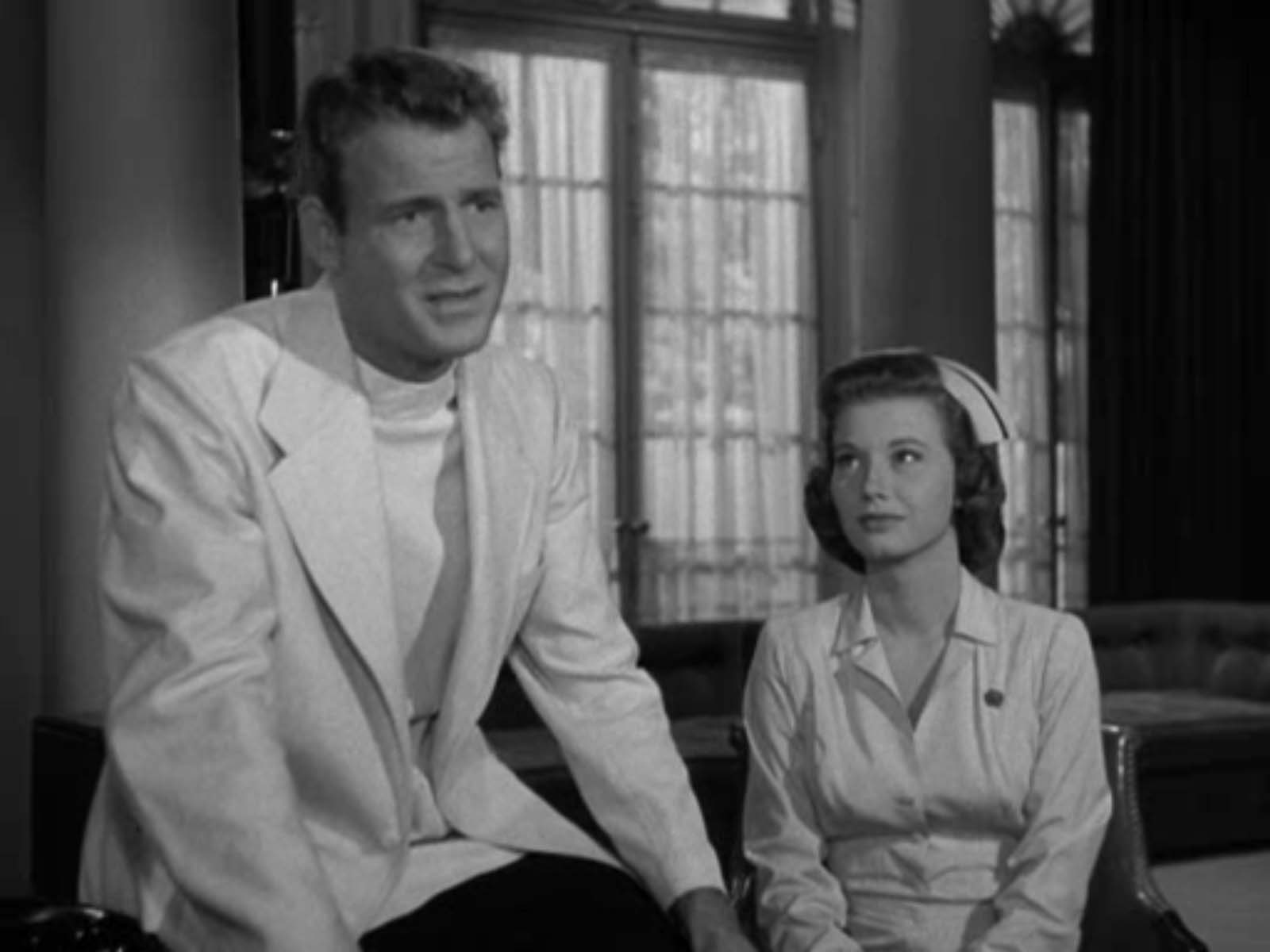
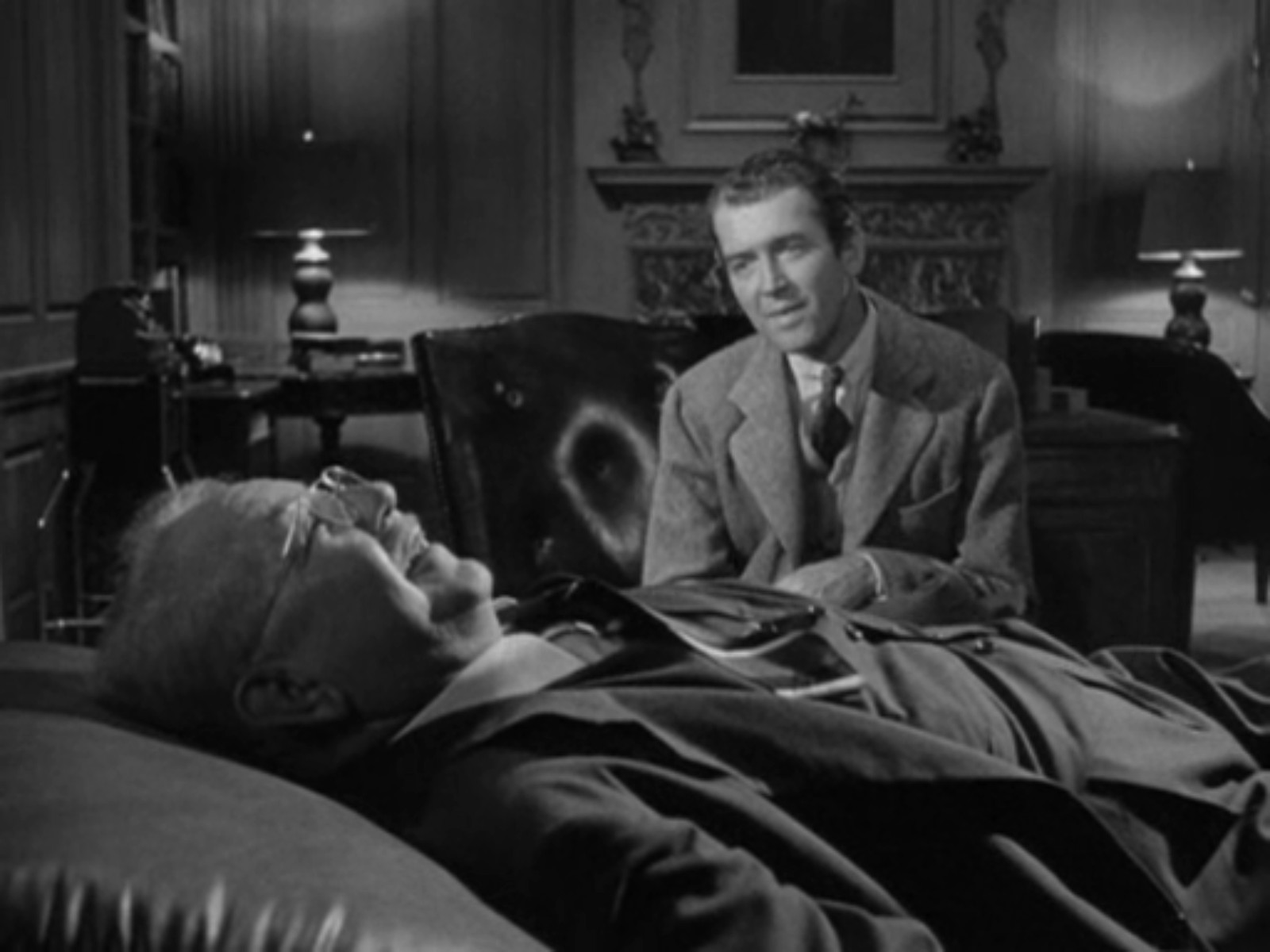
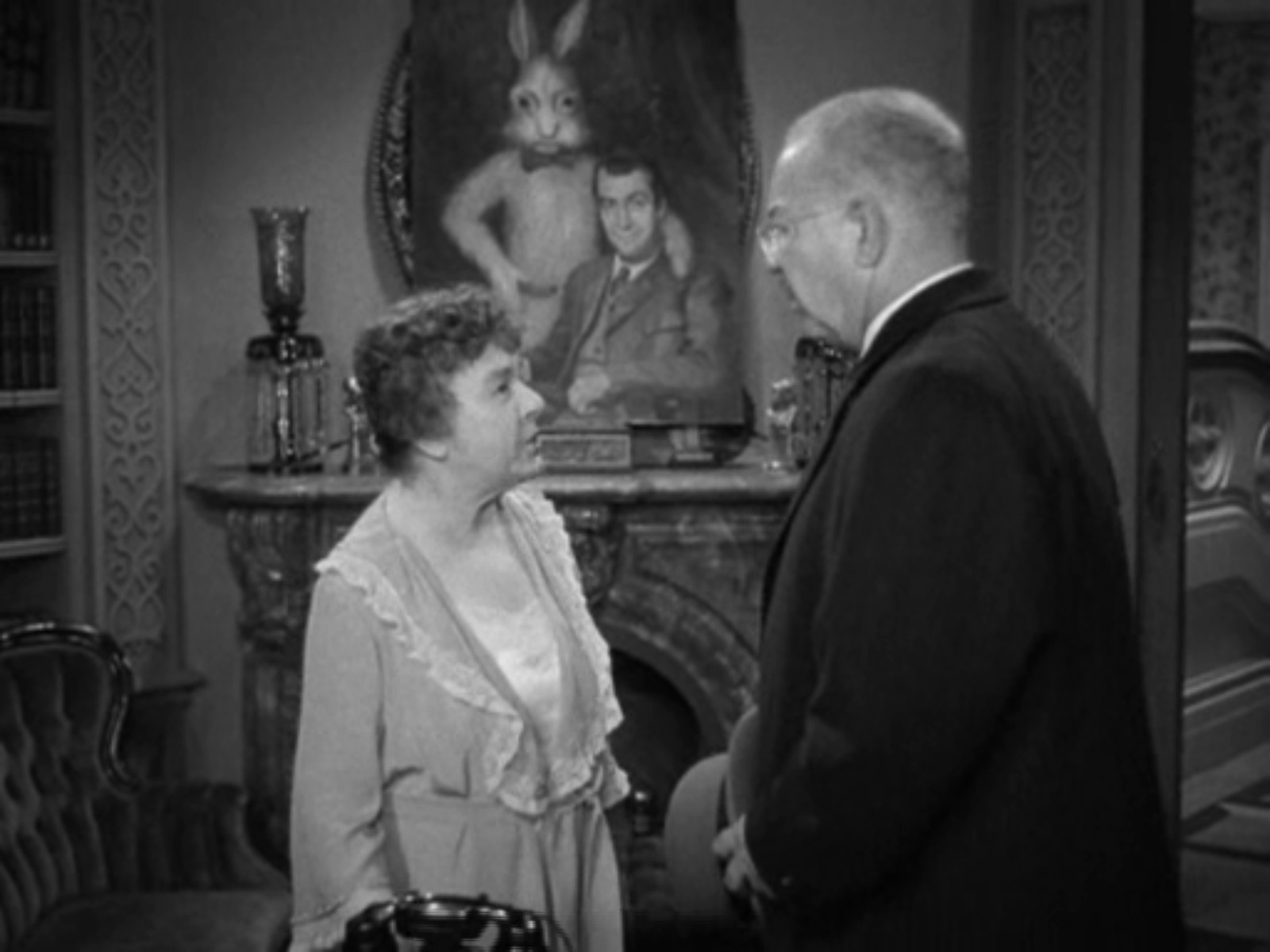
Review: With that said, despite its cult status, I don’t find Harvey all that compelling as a film; considering that it’s a comedy, there aren’t nearly enough laugh-out-loud moments or lines. The central dilemma of whether or not Elwood will get committed to Chumley’s is self-evident (how can we not know the outcome ahead of time?); and the unrequited “love affair” between stodgy Dr. Sanderson (Charles Drake) and loopy Nurse Kelly (Peggy Dow) — which supplements the central story — is amusing but ultimately beside the point. It’s the performers rather than the story who make Harvey worth watching: Jimmy Stewart — who lobbied for the role, and reprised it again years later — is perfectly cast as the nonconforming, good-natured Elwood; Josephine Hull, who won an Oscar playing Elwood’s frantic sister, is appropriately ditzy (though I prefer her more subdued performance in Frank Capra’s Arsenic and Old Lace, where she’s the “crazy” one); and the remaining supporting actors — particularly Dow, Kelloway, and Horne — are all fun to watch. Redeeming Qualities and Moments:
Must See? Categories
Links: |
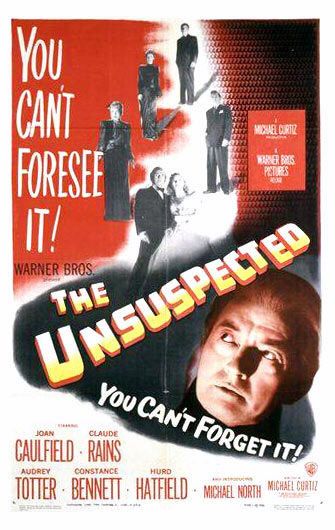
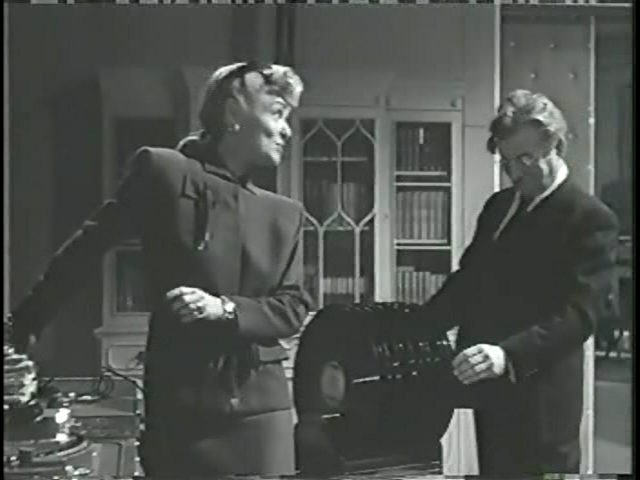
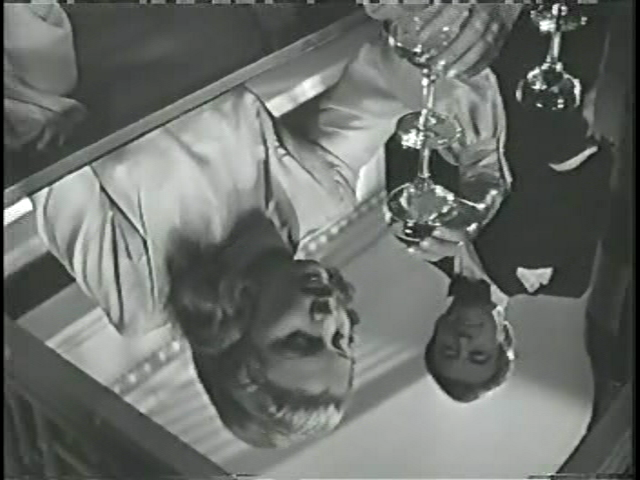
“His day of reckoning must come. He is tormented by fear that someday he will make one false move, one slip that will betray him, and when he does, the lightning of justice will strike… the unsuspected.”
|
Synopsis: |
|
Genres, Themes, Actors, and Directors:
Response to Peary’s Review: Redeeming Qualities and Moments:
Must See? Categories
Links: |
[Note: The following review is of a non-Guide for the Film Fanatic title; click here to read more.]
“Sooner or later you’ll come back to your old teacher. You’ll realize that nothing matters except music; everything passes, except music — and me.”
|
Synopsis: |
Genres, Themes, Actors, and Directors:
Review:
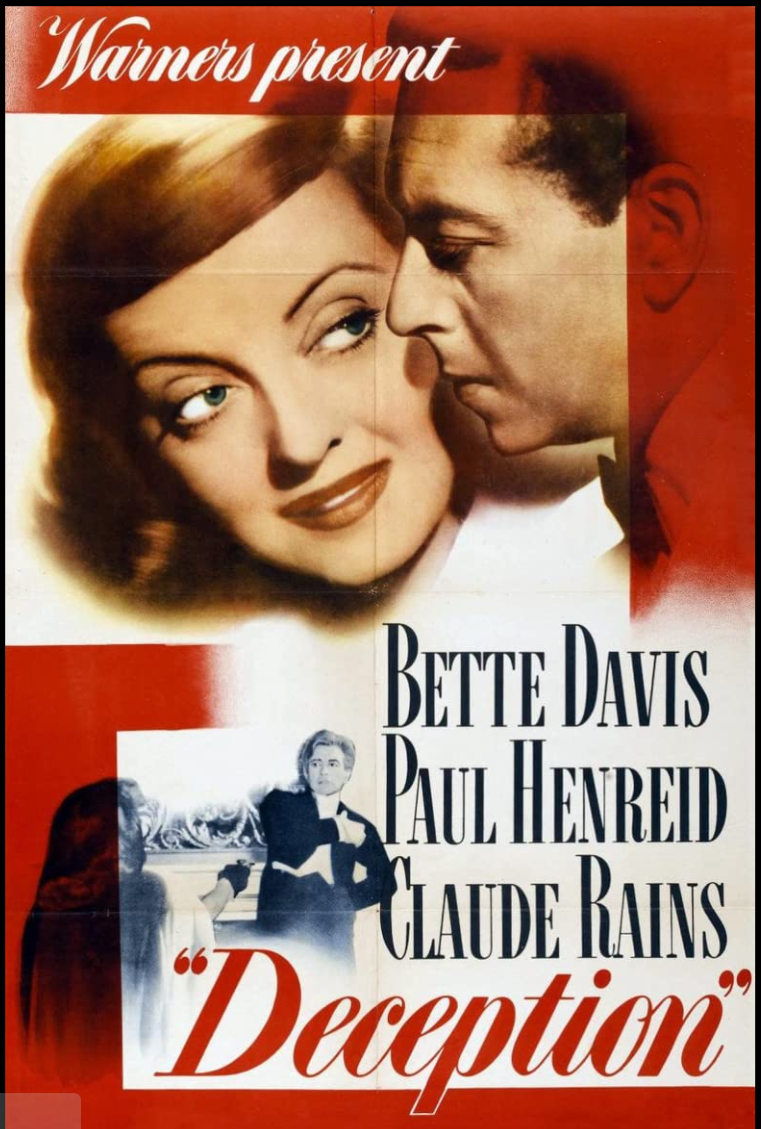
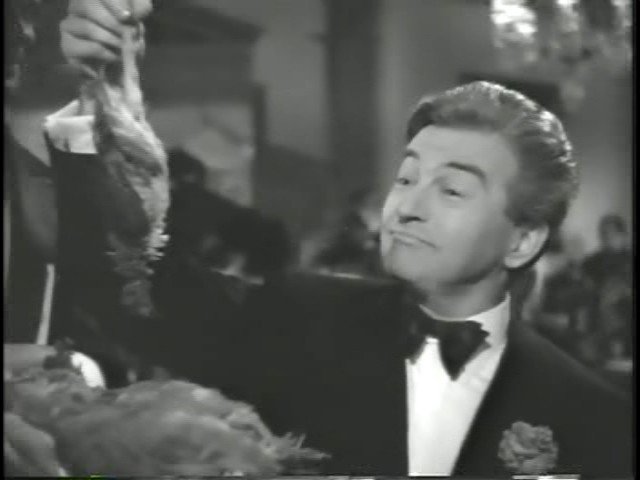
Based on Louis Verneuil’s 1928 play Jealousy, this atmospheric melodrama (directed by Irving Rapper) received negative reviews upon its release, and is generally considered to be merely an “operatic rehash” of its source material — an assessment which doesn’t do this enjoyable film justice. The three leads (who starred together in Rapper’s earlier Now, Voyager) are all wonderful, with Bette Davis perfectly cast as the duplicitous yet well-meaning Christine, and Paul Heinreid appropriately handsome and moody as Karel. Yet it’s third-billed Claude Rains who most impresses: his portrayal of the egomaniacal Hollenius contains intriguing hints of closeted homosexuality, making his obsessive “love” for Christine seem more like a desire for control than a manifestation of lust or romance. Indeed, music itself is the true love interest in this sticky triangle, with murder eventually committed in its name; and while the film’s violent denouement seems to come out of nowhere, it’s fairly easy to forgive this melodramatic plot device considering the clever script that’s come before.
P.S. Interestingly (but perhaps not surprisingly), Christine’s own musical ambitions are dropped as soon as Heinreid appears on the scene; she’s relegated to performing for guests at her own wedding celebration.
Redeeming Qualities and Moments:





Must See?
Yes, simply for Rains’s performance.
Categories
Links:
“If I didn’t think you meant so well, I’d feel like slapping your face.”
|
Synopsis: |
|
Genres, Themes, Actors, and Directors:
Review: Redeeming Qualities and Moments:
Must See? Categories
Links: |
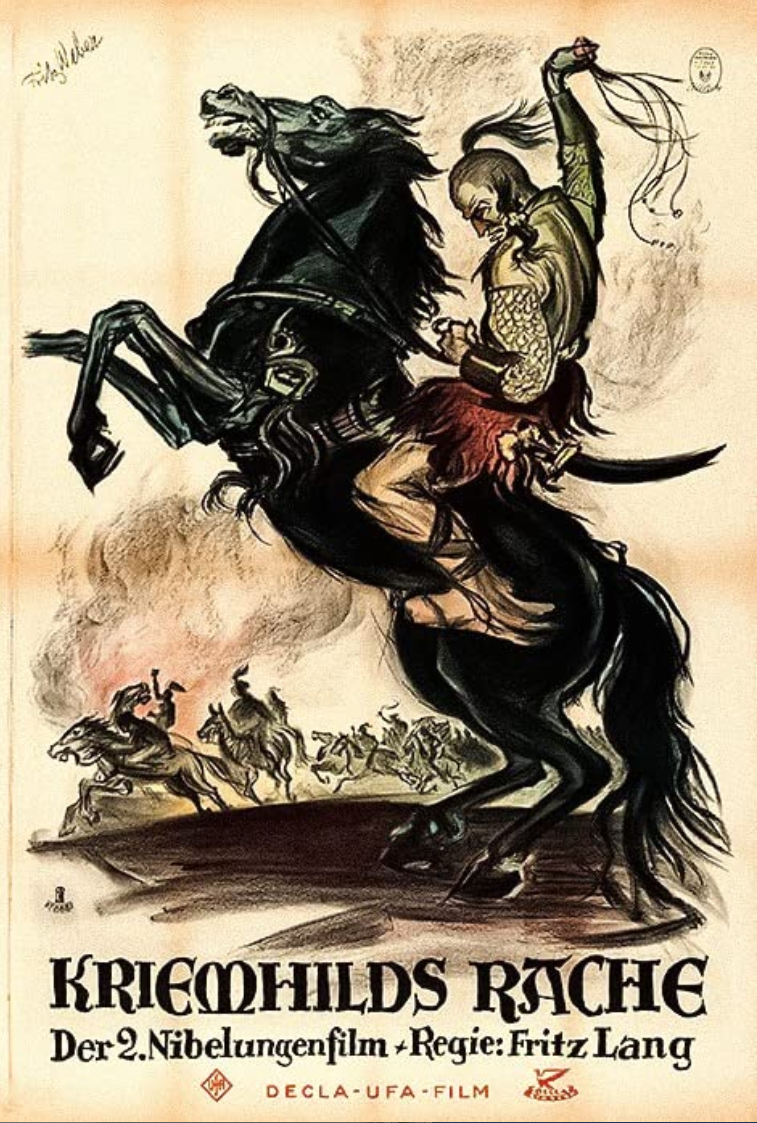
“Earth, you were once soaked in Siegfried’s blood. One day I shall come and drench you with the blood of Hagen Tronje!”
|
Synopsis: |
|
Genres, Themes, Actors, and Directors:
Response to Peary’s Review: Redeeming Qualities and Moments:
Must See? Categories
Links: |
“Young Siegfried understood the bird’s song: If the dragon slayer would bathe in the dragon’s blood, his body would become invincible, forever safe against word and spear.”
|
Synopsis: |
|
Genres, Themes, Actors, and Directors:
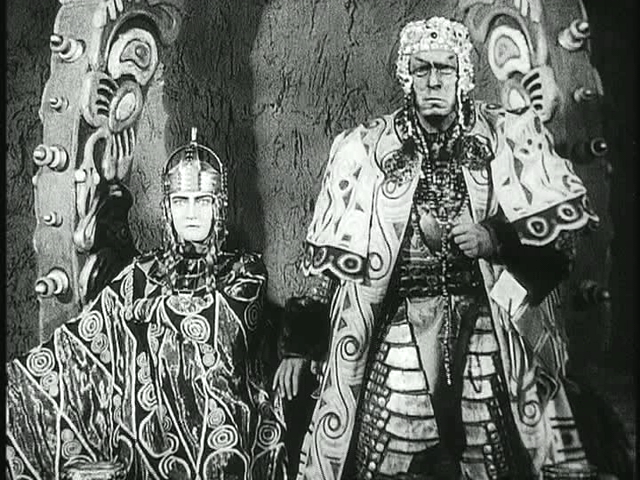
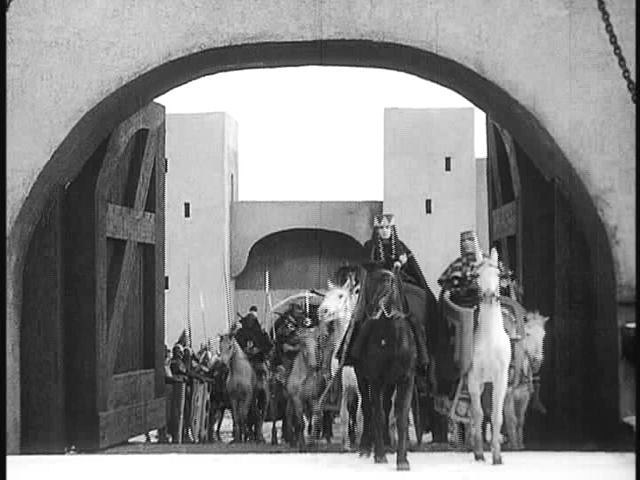
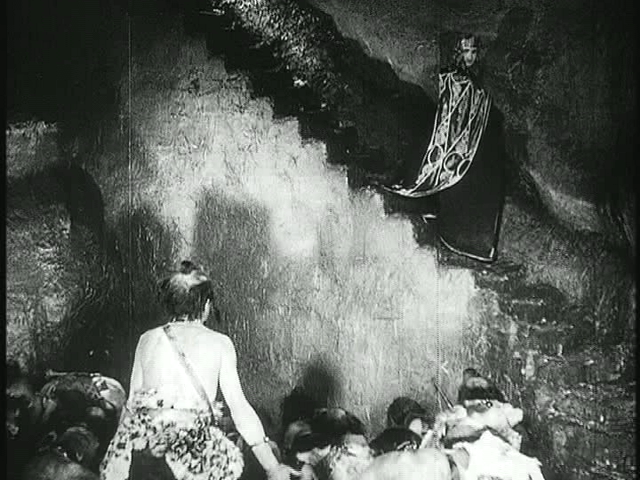
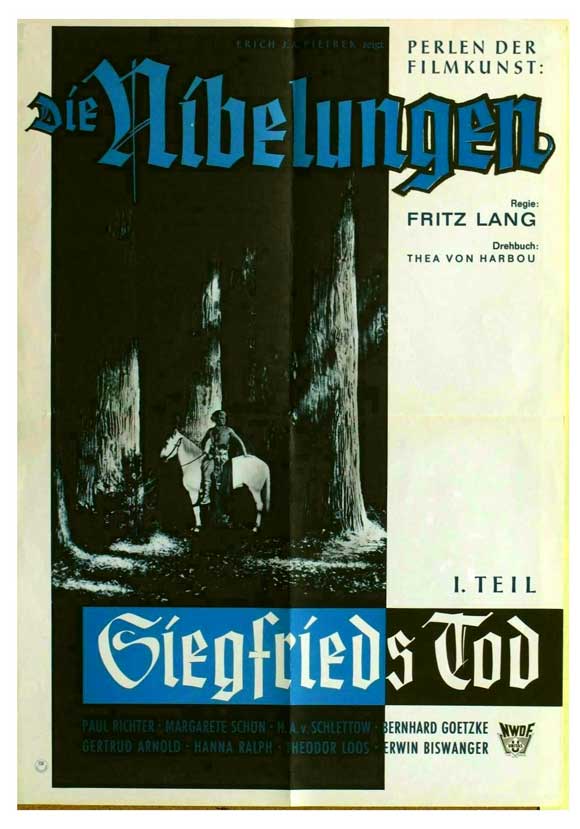
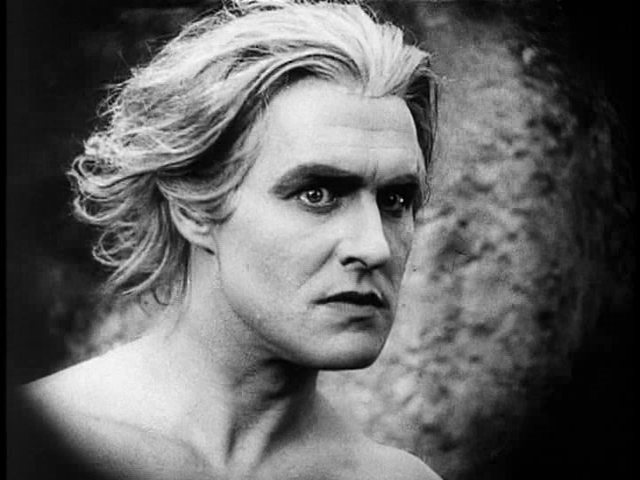
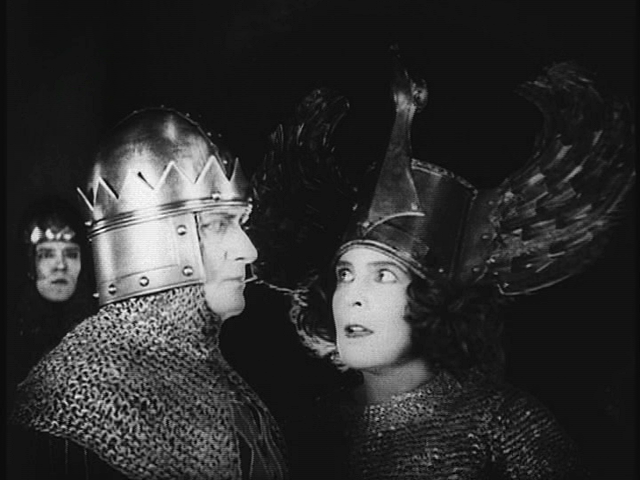
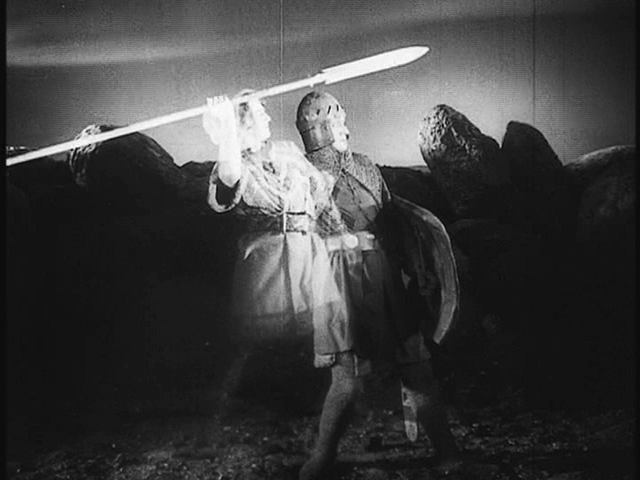
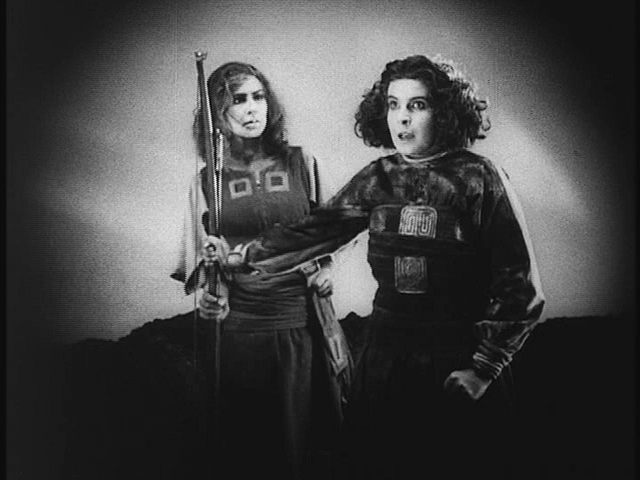
Response to Peary’s Review: Although Siegfried is ostensibly about its titular hero, it’s interesting to note that strong females play an important part in both this film and its sequel (Kriemhild’s Revenge). Brunhild is a no-holds-barred warrior woman who surrounds herself with a bevy of female associates; and while Peary notes that she “harbors a secret love for Siegfried” (a fact which is apparently borne out in the original story), it’s not made explicit here. Instead, Brunhild comes across as simply a powerful female who resents being forced to marry and give up her independence; significantly, it’s her actions and motivations which propel the tragic final half of the film. It should also be noted how androgynous the leads appear: Margarete Schon and Hanna Ralph are positively transgendered, while Siegfried — with his wildly poofed-out hair and dramatic make-up — makes for a somewhat “feminine” counterpart. Ultimately, then, Siegfried remains a mythic tale of larger-than-life beings who transcend traditional gender roles, instead embodying core human emotions and values. Redeeming Qualities and Moments:
Must See? Categories
Links: |
“I wonder just how far I can go… I’m open to anything!”
|
Synopsis: |
|
Genres, Themes, Actors, and Directors:
Review: Redeeming Qualities and Moments:
Must See? Links: |
“We didn’t need dialogue. We had faces!”
|
Synopsis: |
|
Genres, Themes, Actors, and Directors:
Response to Peary’s Review: Redeeming Qualities and Moments:
Must See? Categories
(Listed in 1001 Movies You Must See Before You Die) Links: |