Browsed by
Category: Response Reviews

My comments on Peary’s reviews in Guide for the Film Fanatic (Simon & Schuster, 1986).

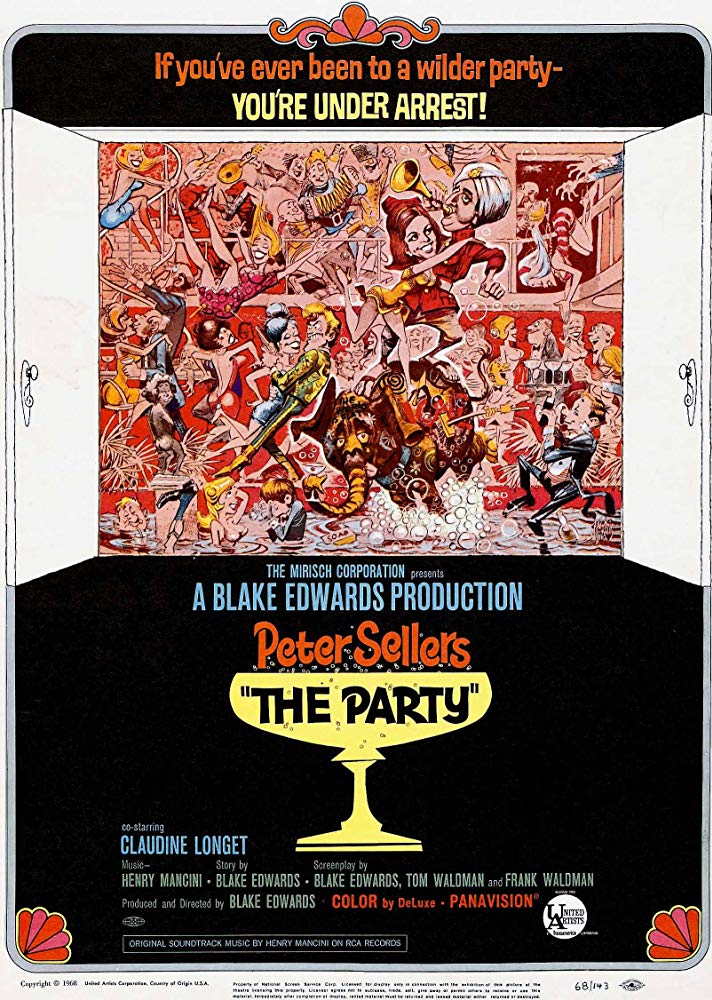
Party, The (1968)

Party, The (1968)

“The picture was going fine until some idiot blew up the set.”

Synopsis:
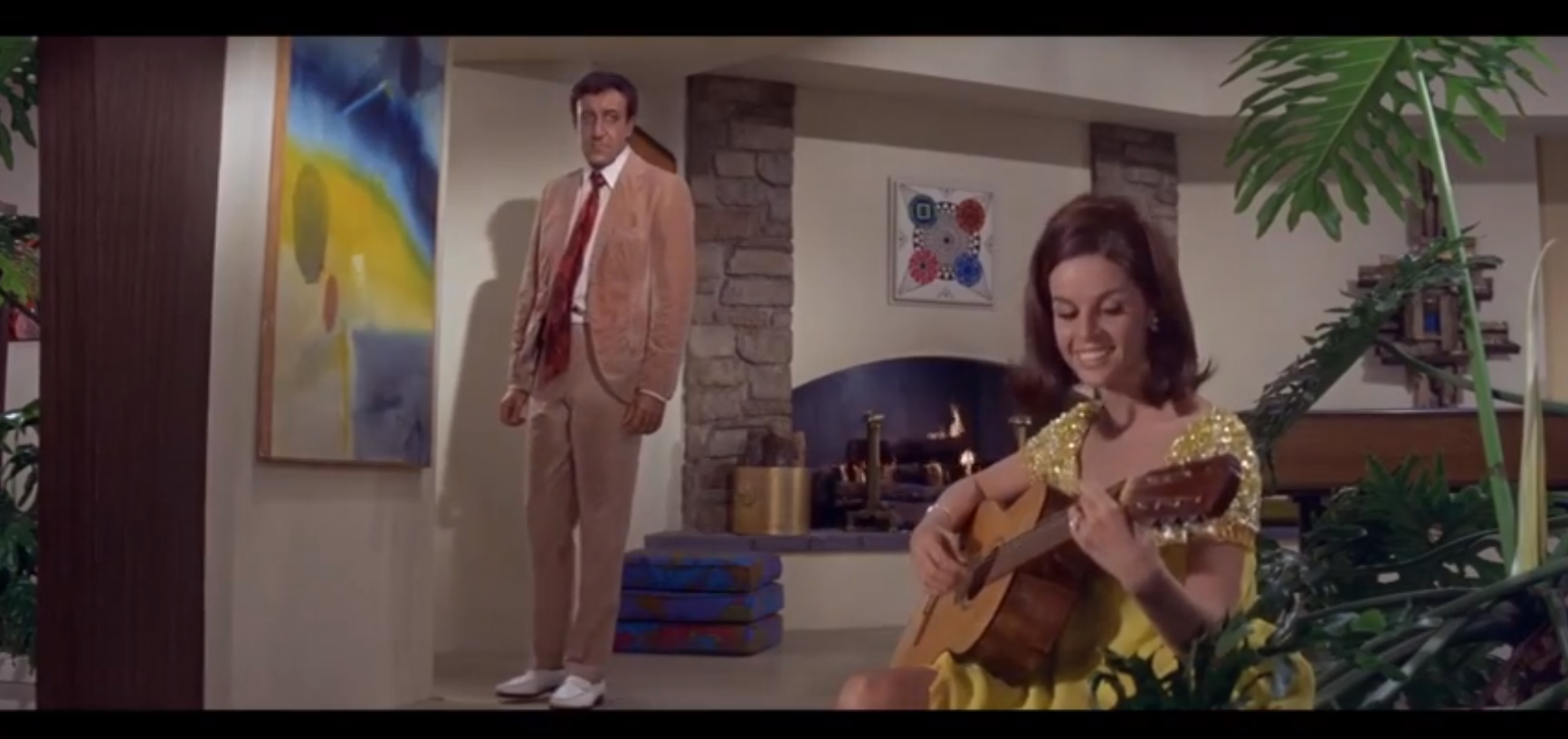
A bumbling, socially awkward Indian actor (Peter Sellers) accidentally invited to a Hollywood party causes increasing havoc — with support from a drunk butler (Steve Franken) — while developing a romantic friendship with an aspiring French musician (Claudine Longet) .

Genres, Themes, Actors, and Directors:

  • Actors and Actresses
  • Blake Edwards Films
  • Comedy
  • Get Togethers and Reunions
  • Peter Sellers Films

Response to Peary’s Review:
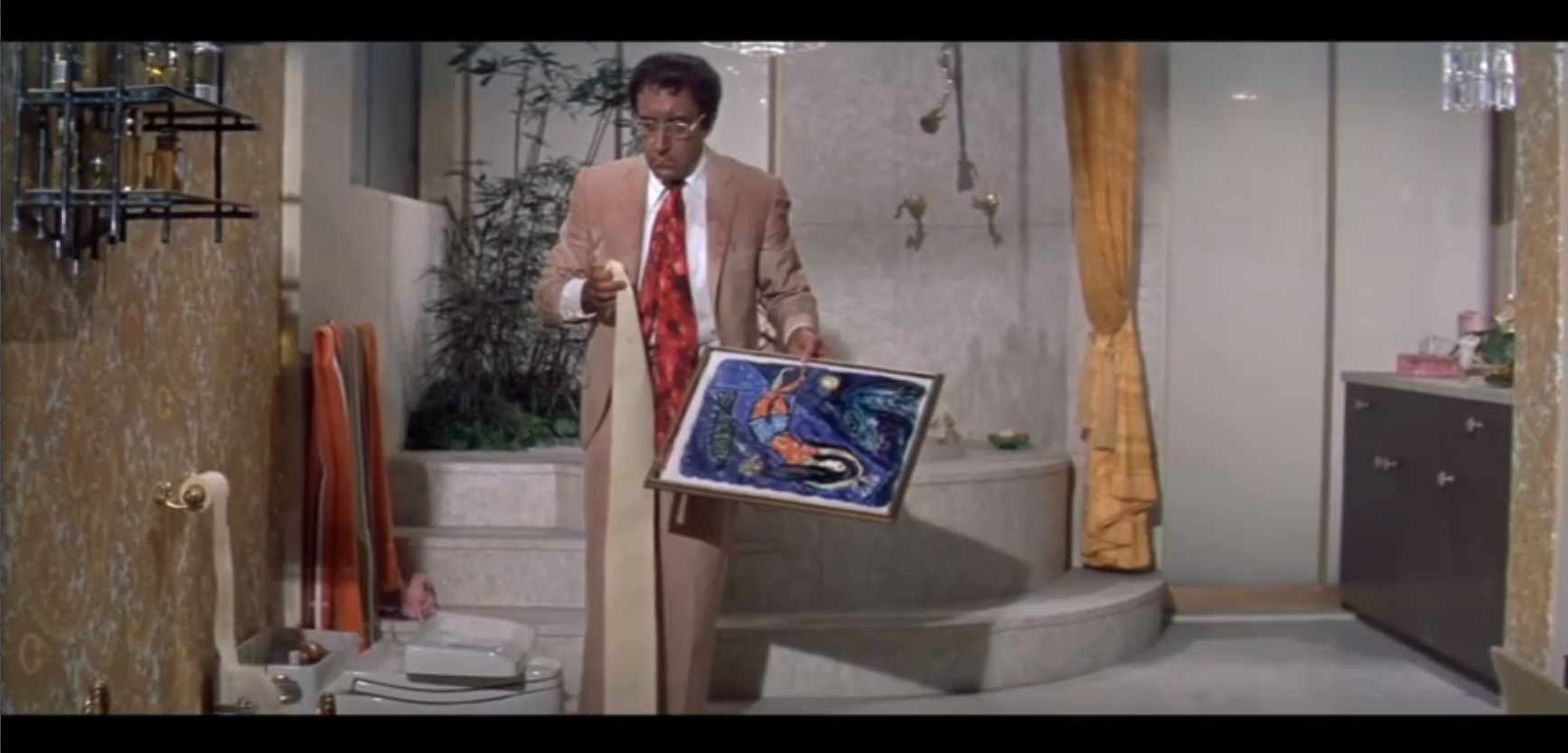
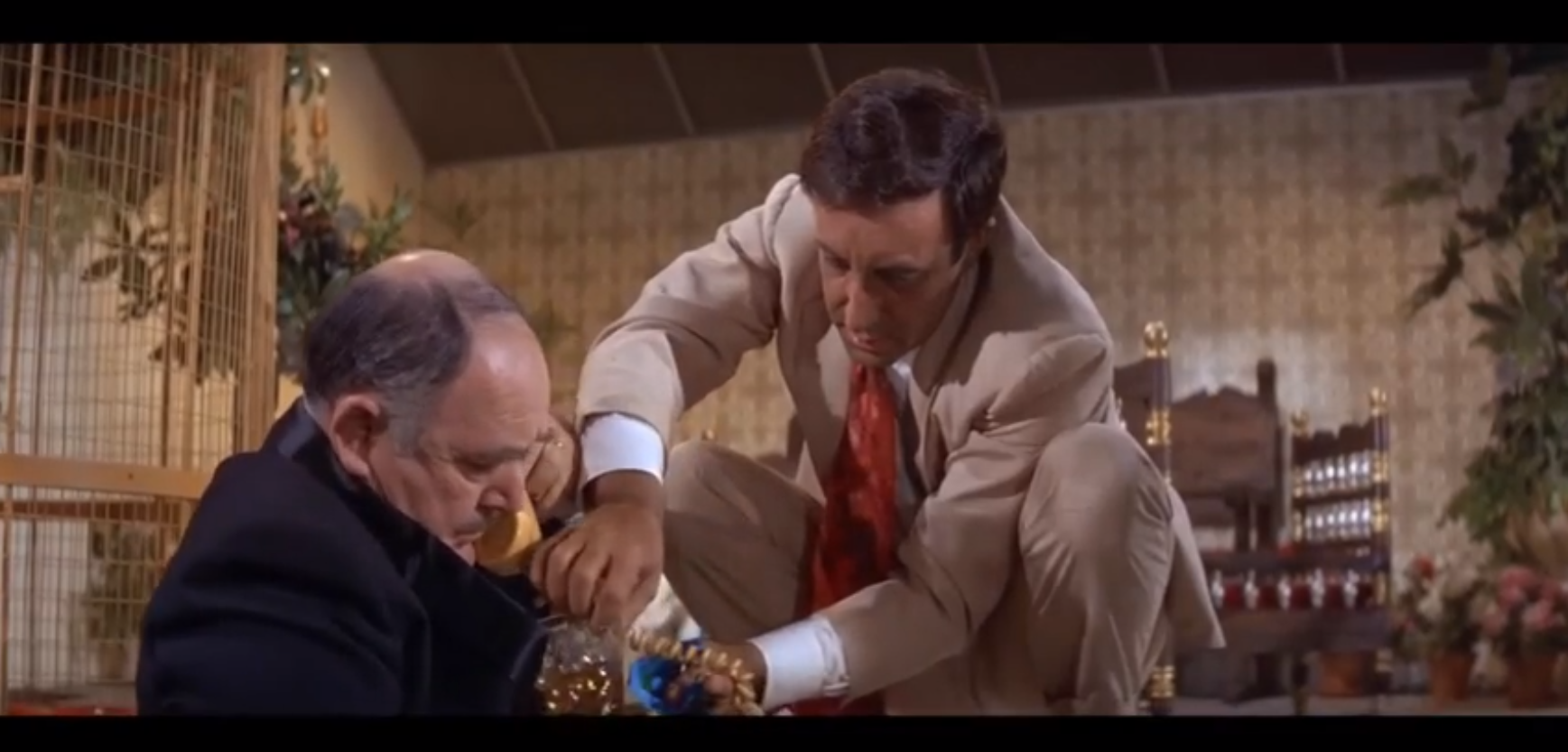
Peary writes that “Blake Edwards and Peter Sellers teamed up for this almost forgotten non-Pink Panther comedy that contains some of the most hilarious sight gags in either’s career.” He adds that “in one of his greatest roles, Sellers is perfectly cast as the well-meaning but destructive Hrundi V. Bakshi”, who “can never take a hint…, is a mix of Hulot and Clouseau, and takes a back seat to neither”. He argues that “this would be a genuine comedy masterpiece if it didn’t fall apart about two thirds of the way through when the subtle humor suddenly becomes stupid and sloppy” — but he urges film fanatics to “by all means give it a look”. I’m mostly in agreement with Peary’s assessment of this film, which I was pleasantly surprised by during my revisit. One should be appropriately wary of white actors embodying people from other cultures and races, but Sellers does so respectfully and respectably, giving us a somewhat naive (though not stupid) man who may cause inadvertent chaos but simultaneously emanates genuine good-will. I agree that the “subtle humor” in the first two-thirds of the film are the best by far, with particular highlights the unexpected outcome of Sellers clinging a bit too closely to his cowboy-idol (Denny Miller), and Sellers having challenges with a toilet.

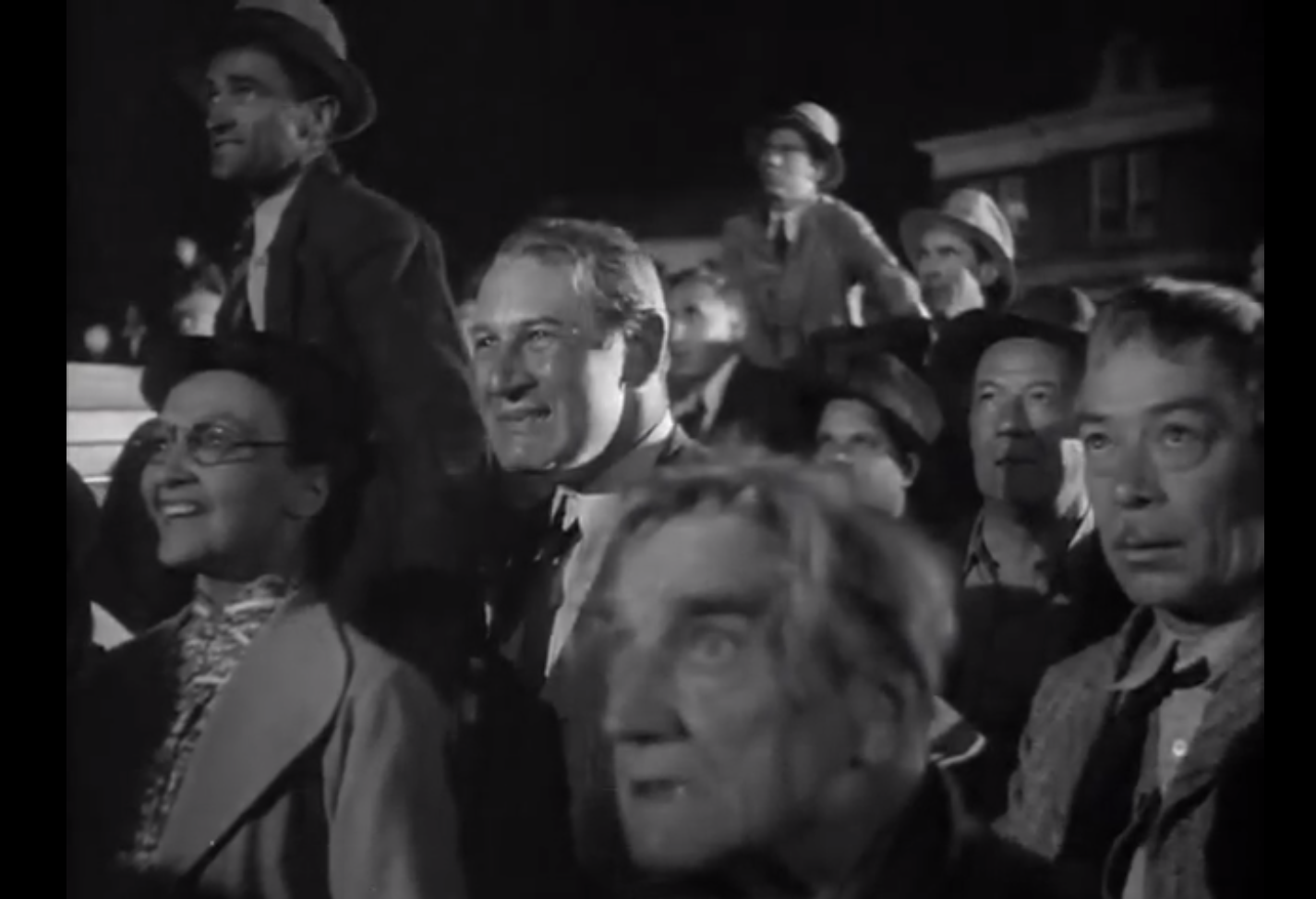
(I’m not a fan of the ongoing scenes involving Franken’s stupidly tippling manservant, which are are simply predictable.) The final act of the film, as things get increasingly wild, is surreal (check out the walking advertisement for a Flat Earth Society!):

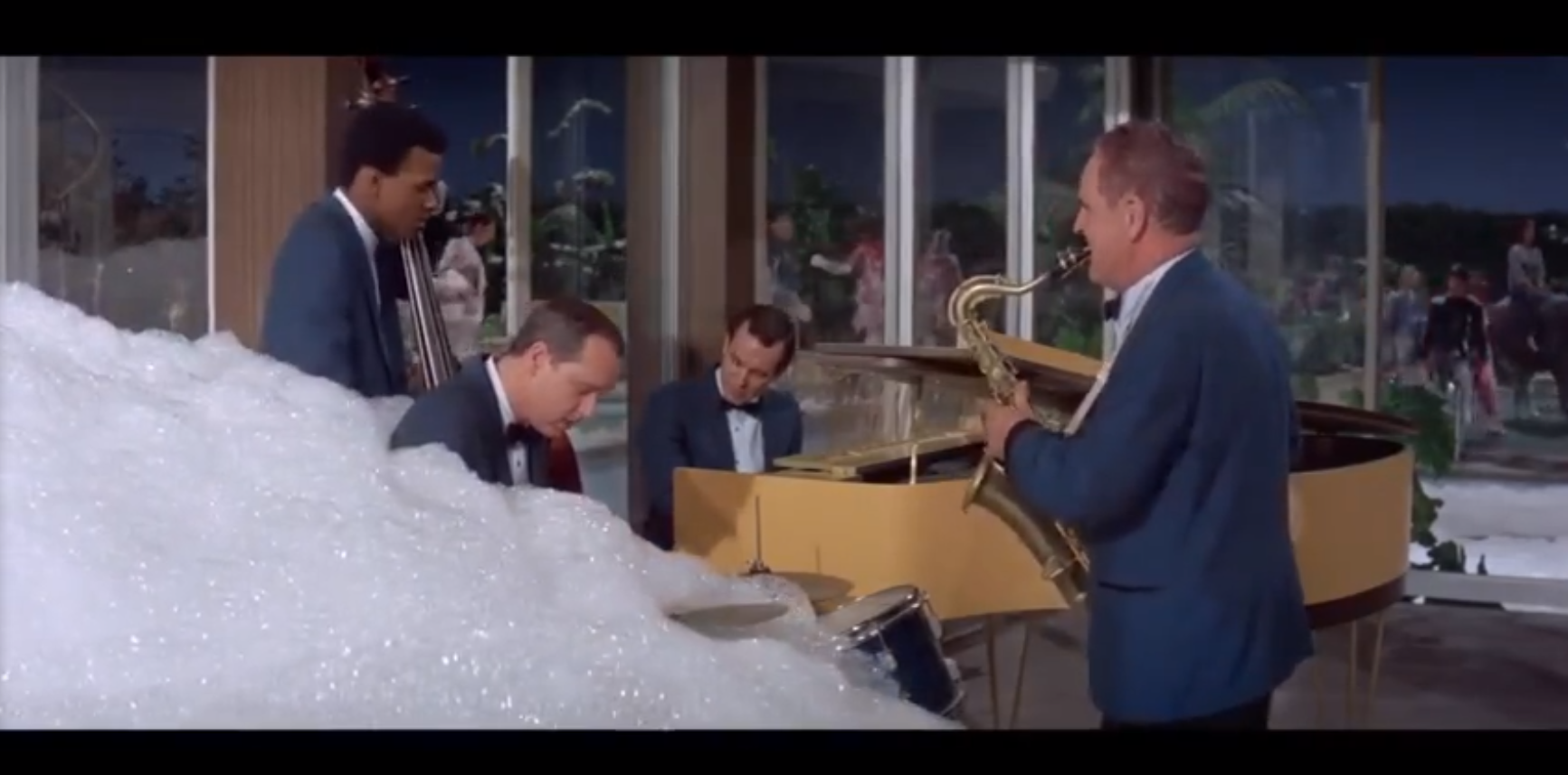
… but an appropriate way to culminate this zany evening — and I love how musicians will keep playing no matter what…


Redeeming Qualities and Moments:

  • Peter Sellers as Hrundi V. Bakshi (nominated by Peary as one of the Best Actors of the Year in his Alternate Oscars)
  • Sellers’ star-struck interactions with a cowboy actor (Denny Miller)
  • Colorful sets
  • Henry Mancini’s score

Must See?
Yes, for Sellers’ performance, and as a mostly enjoyable comedy.

Categories

Links:

Man With the Golden Arm, The (1955)

Man With the Golden Arm, The (1955)

“The monkey is never dead, Dealer. The monkey never dies.”

Synopsis:
A drug-addicted ex-con (Frank Sinatra) returns to his neighborhood hoping to start a new life as a drummer, but is challenged by both his neurotically clingy wheelchair-bound wife (Eleanor Parker) and his former dealer (Darren McGavin), who’s eager to get him hooked again. Will a kind neighbor (Kim Novak) and a loyal friend (Arnold Stang) help him stay clean?

Genres, Themes, Actors, and Directors:

  • Alcoholism and Drug Addiction
  • Eleanor Parker Films
  • Ex-Cons
  • Frank Sinatra Films
  • Kim Novak Films
  • Otto Preminger Films

Response to Peary’s Review:
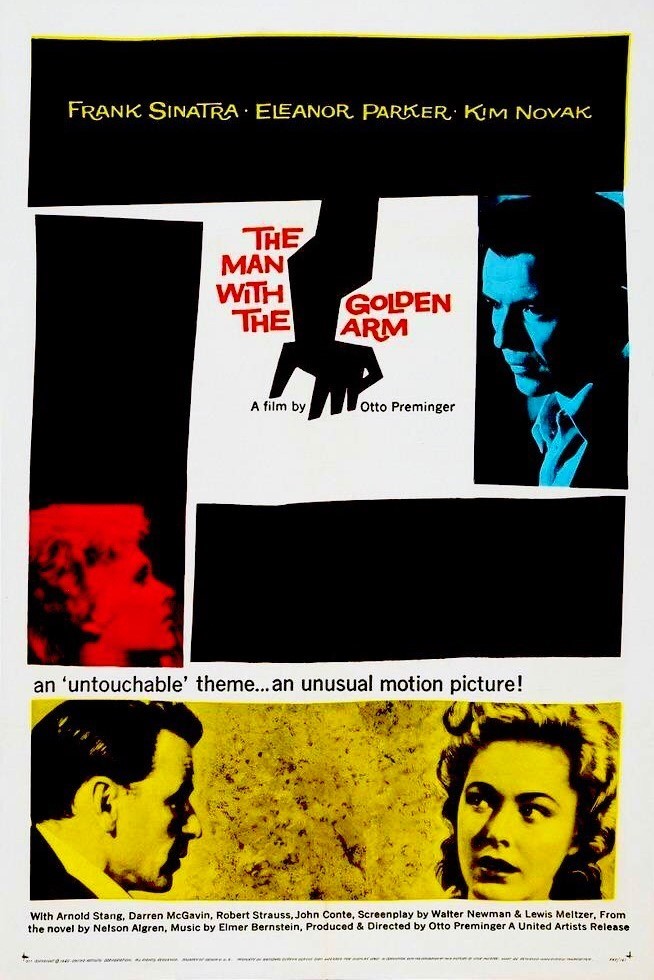
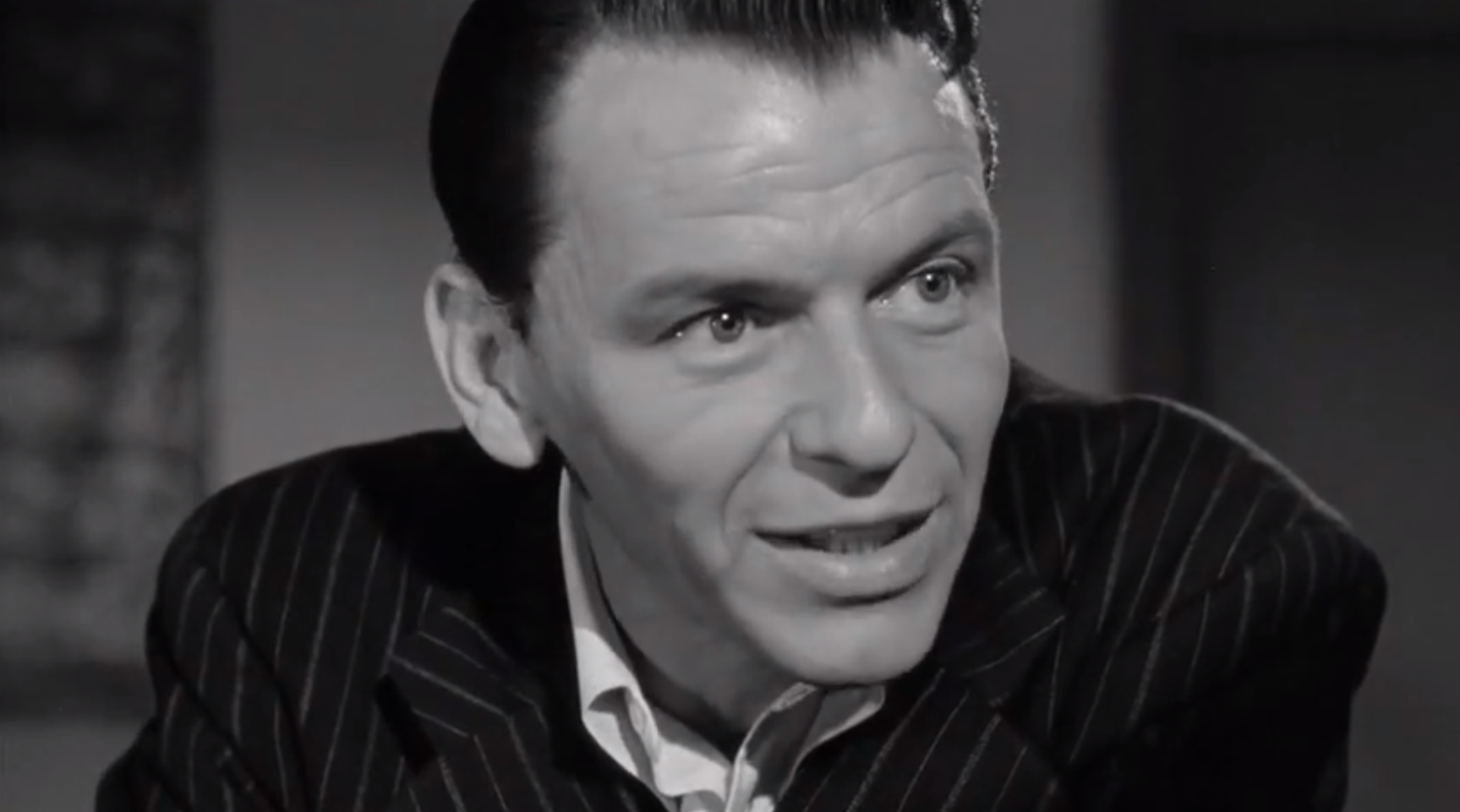
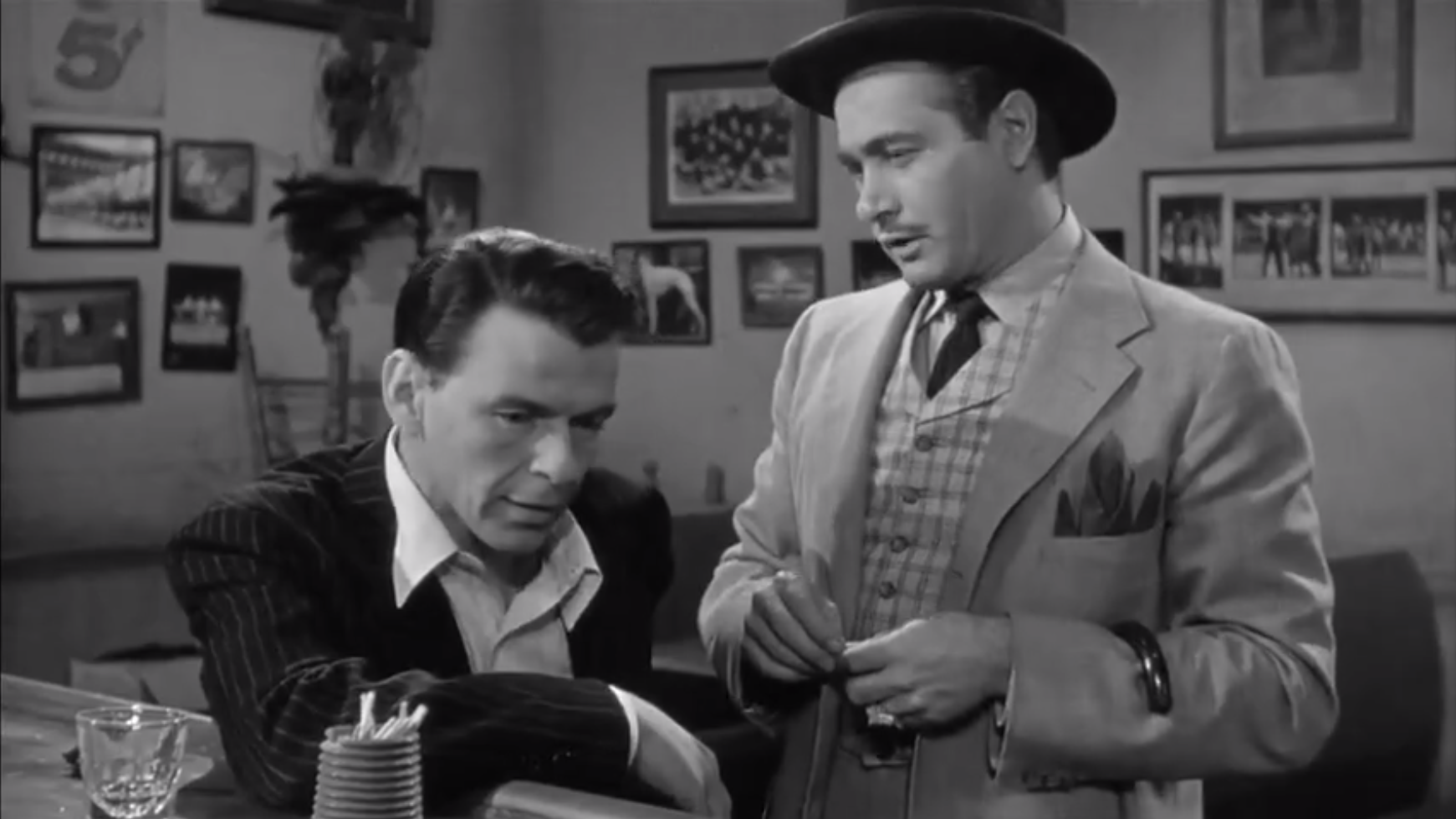
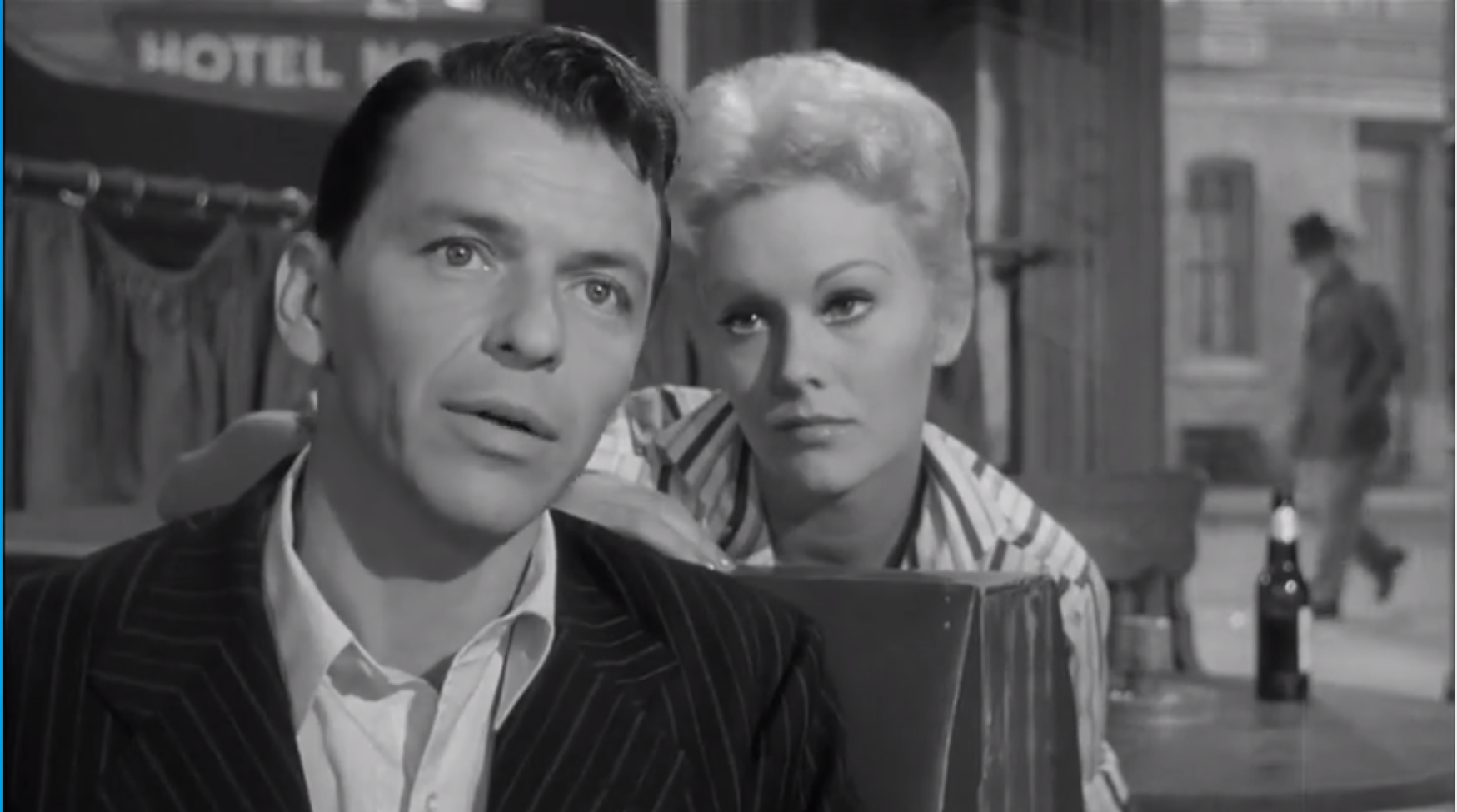
Peary writes that this “effective Otto Preminger drama” — “famous for having defied the MPPA Code by dealing with drug addiction” — features Frank Sinatra giving “one of his best performances as Frank Machine”; Kim Novak “in one of her most relaxed, appealing characterizations”; and “taut and daring” direction by Preminger. However, he expresses frustration at the film being “much different than Nelson Algren’s prize-winning novel“, both in terms of altering “the book’s tragic ending” and in shifting Frank Machine’s “internal struggle and… ability to come to grips with his environment” towards “the struggle between good Novak and bad Parker for his soul”. While I haven’t read Algren’s novel and can’t speak to the motivations driving its protagonist, I was persuaded by Parker’s character symbolizing Sinatra’s “crippling” ties to his past, and Novak representing compassionate stability (the scene in which she holds Sinatra tight while he’s shivering on the ground is particularly moving). McGavin — best known to film fanatics as “Old Man Parker” in A Christmas Story (1983) — is eerily menacing as Sinatra’s dealer (ironically, he refers repeatedly to Sinatra as “Dealer” given Sinatra’s work as a poker game croupier). Elmer Bernstein’s driving score is top notch, and the cinematography is appropriately atmospheric. This one remains worth a look.

Redeeming Qualities and Moments:

  • Frank Sinatra as Frankie Machine
  • Darren McGavin as Louie
  • Kim Novak as Molly
  • Eleanor Parker as Zosh
  • A refreshingly candid look at drug addiction
  • Sam Leavitt’s cinematography
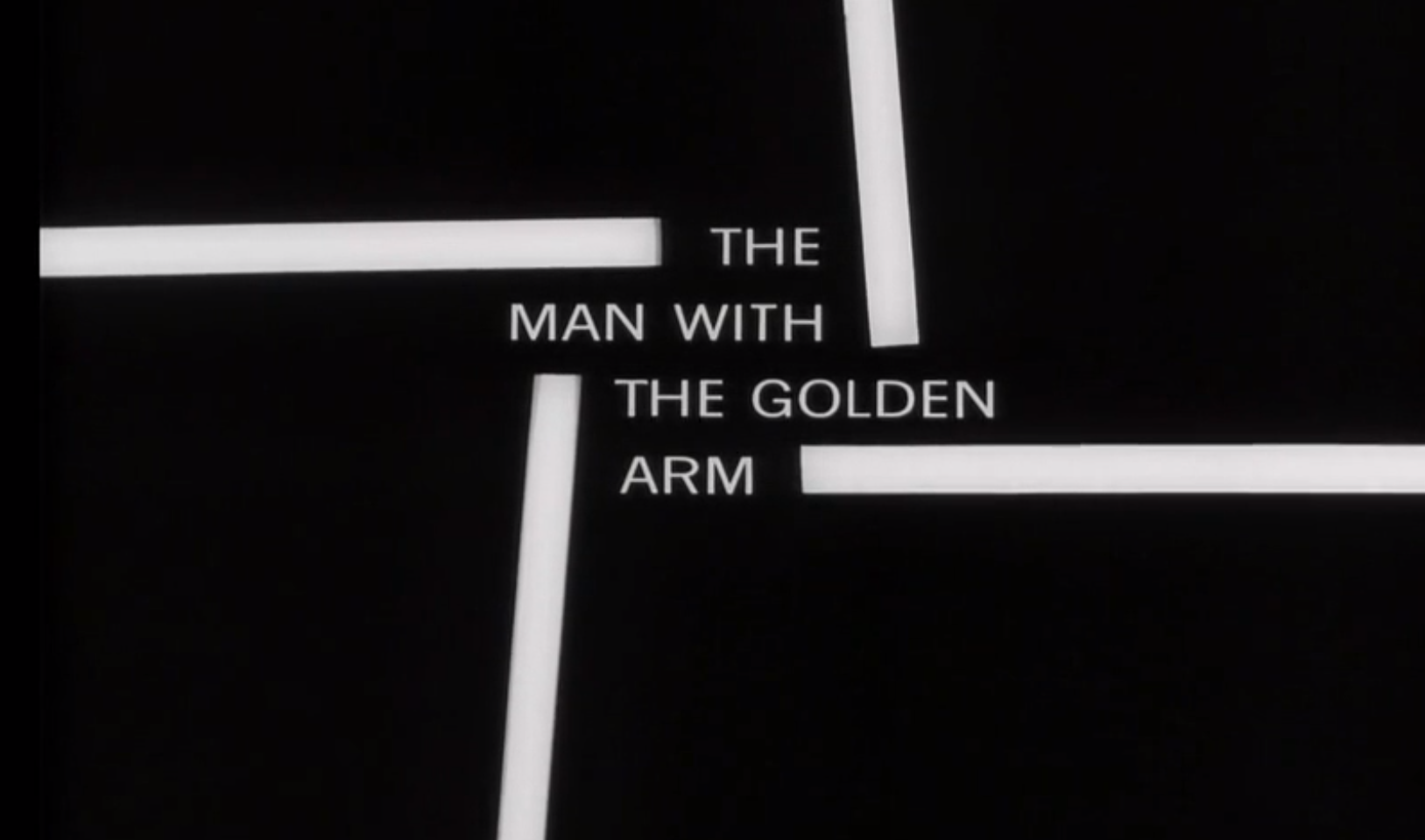
  • Saul Bass’s opening titles
  • Elmer Bernstein’s jazzy score

Must See?
Yes, as a powerful overall drama and for Sinatra’s performance.

Categories

  • Historically Relevant
  • Noteworthy Performance(s)

Links:

Three Comrades (1938)

Three Comrades (1938)

“The war did such different things to people.”

Synopsis:
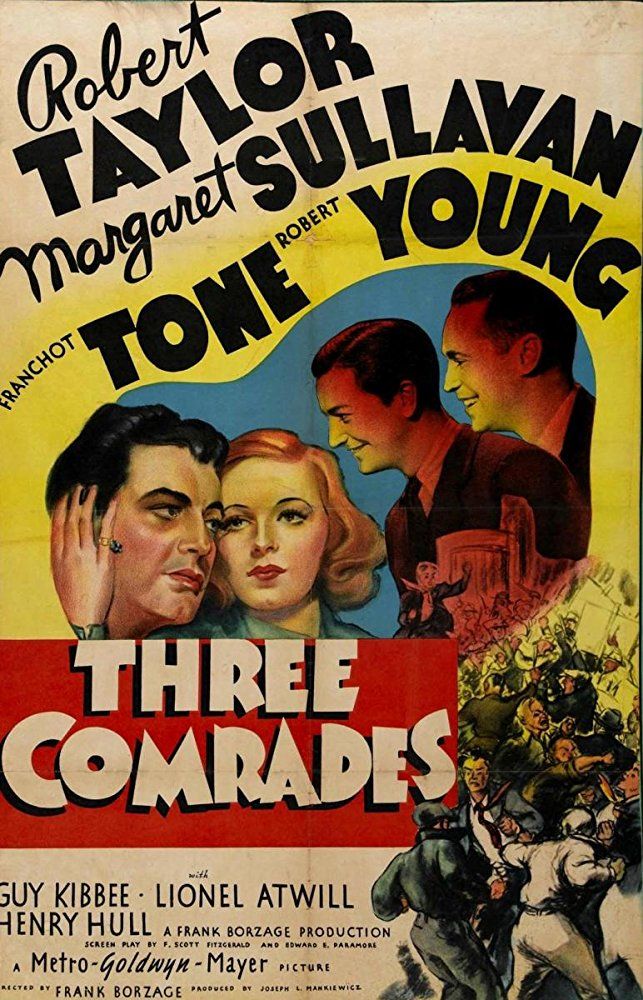
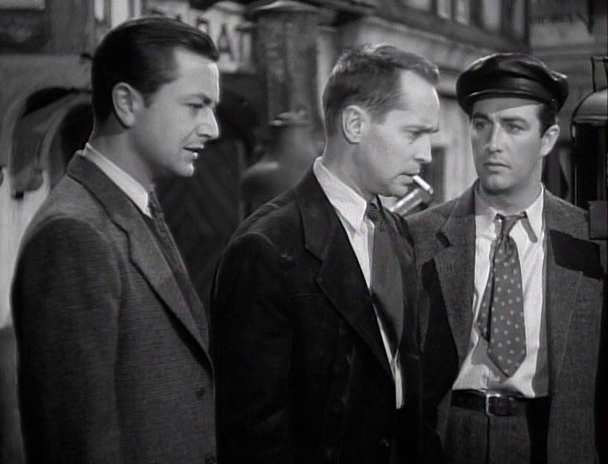
After World War I ends in Germany, three soldiers — Erich (Robert Taylor), Otto (Francot Tone), and Gottfried (Robert Young) — start a taxi and auto repair business and meet a young woman (Margaret Sullavan) in remission from TB. When Erich falls in love with Sullavan, they decide to marry despite her health issues and his lack of money — but how long can their happiness last?

Genres:

  • Franchot Tone Films
  • Frank Borzage Films
  • Friendship
  • Illness
  • Lionel Atwill Films
  • Margarat Sullavan Films
  • Monty Woolley Films
  • Robert Taylor Films
  • Robert Young Films
  • Romance
  • Veterans

Response to Peary’s Review:
Peary writes that this “lovely, much underrated romantic tearjerker” is “sensitively directed by Frank Borzage — one of the few Hollywood directors who sincerely believed in the power of love” — and “adapted from Erich Maria Remarque’s novel by F. Scott Fitzgerald”. He argues that this is a “very moving film, not only because of the love between the three men” but given “how three gallant men and one woman sacrifice all for love and principle”. He writes that “Sullavan is fabulous, reaching our emotions with every expression”; in Alternate Oscars, he names her Best Actress of the Year, adding: “She makes us sigh with her romantic words and glances (her characters always have different perspectives on life than those around her), delights us with her gentle humor, and makes our eyes fill with tears… [She] is wistful [and] haunted: as one listens to her distinct, throaty voice one immediately gets the uneasy feeling that Pat already has one foot in heaven.” He calls out the “wonderful final shot”, noting that in this powerful moment, Sullavan is “as effectively restrained as [in] the rest of [her] performance.”

I’m not as much a fan of this tearjerker as Peary is. Fitzgerald’s script — which was notably altered and cut so that only about a third ended up on the screen — is overly vague at times (particularly regarding Young’s character), and it’s odd to watch a period film taking place in (studio-bound) Germany after World War I when viewers at the time were surely caught up in more recent world developments. It is indeed touching to see how the three men (veterans) stick together through thick and thin, but Taylor’s romance with Sullavan doesn’t hold much dramatic weight: the biggest conflicts are whether she will give up a life of comfort with a wealthy man (Lionel Atwill in a throwaway role) —

… whether she’ll tell Taylor she’s ill before they marry (she arguably should but doesn’t); and when she’ll die. Sullavan’s performance is indeed luminous and other-worldly — she’s a pleasure to watch. But overall, this one doesn’t quite live up to the praise Peary affords it.

Redeeming Qualities and Moments:

  • Margaret Sullavan as Pat
  • Fine (though decidedly non-Germanic) performances by Taylor, Young, and Tone
  • Atmospheric cinematography

Must See?
No, though it’s worth a look for Sullavan’s performance.

Links:

Wild One, The (1953)

Wild One, The (1953)

“What are they tryin’ to prove, anyway?”

Synopsis:
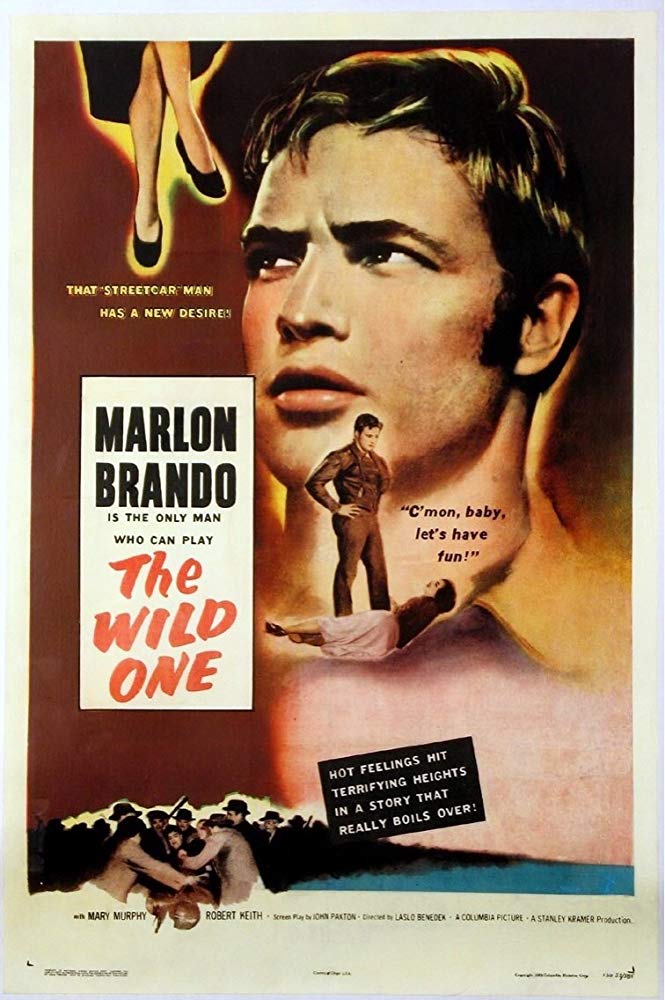
When a motorcycle gang led by a rebel named Johnny (Marlon Brando) wreaks havoc on a small town by disrespecting citizens and engaging in a fight with a drunk rival (Lee Marvin), the meek local police chief (Robert Keith) is quickly overwhelmed. Meanwhile, Brando falls for Keith’s beautiful but “square” daughter (Mary Murphy).

Genres:

  • Counterculture
  • Gangs
  • Lee Marvin Films
  • Marlon Brando Films
  • Motorcyclists
  • Small Town America

Response to Peary’s Review:
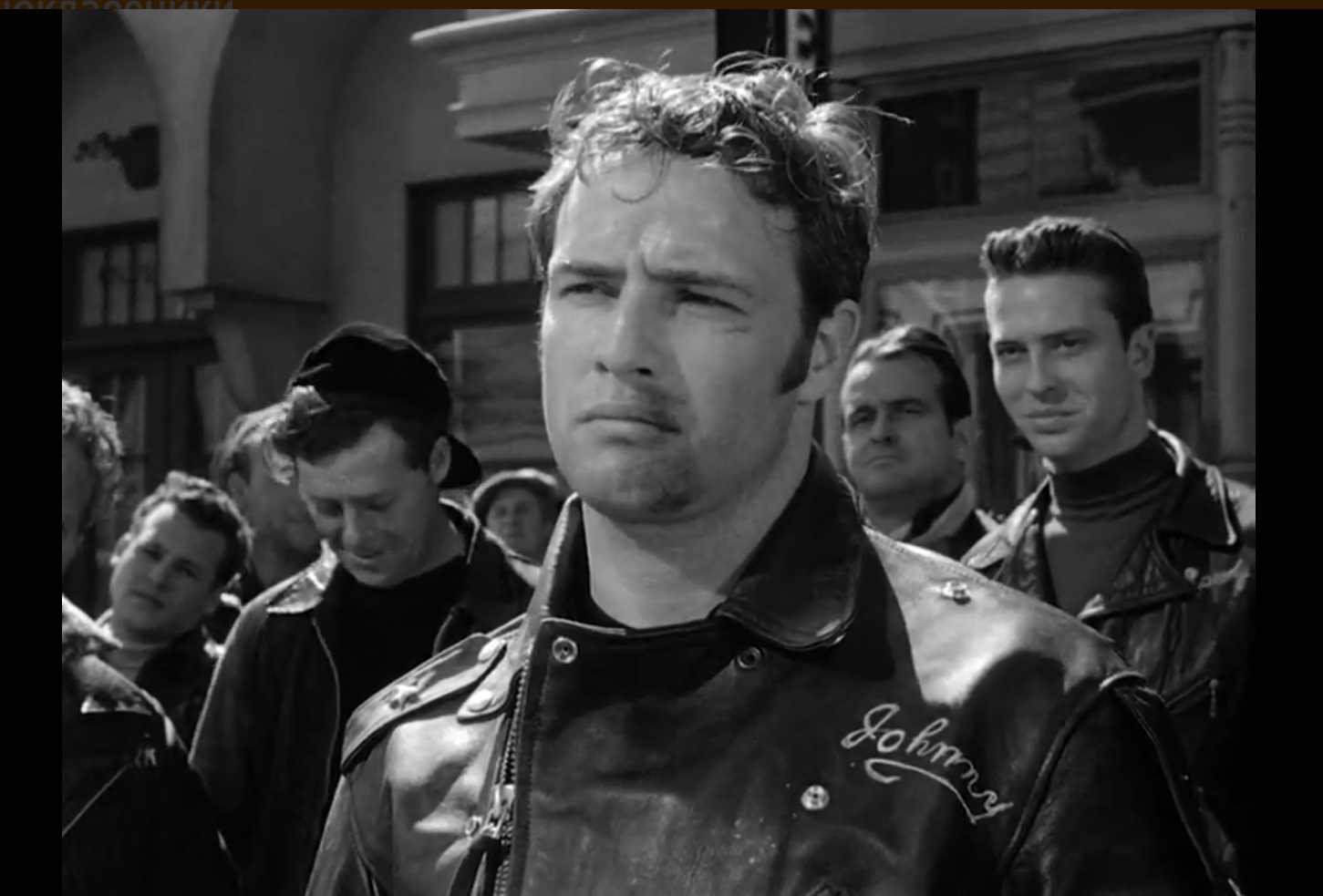
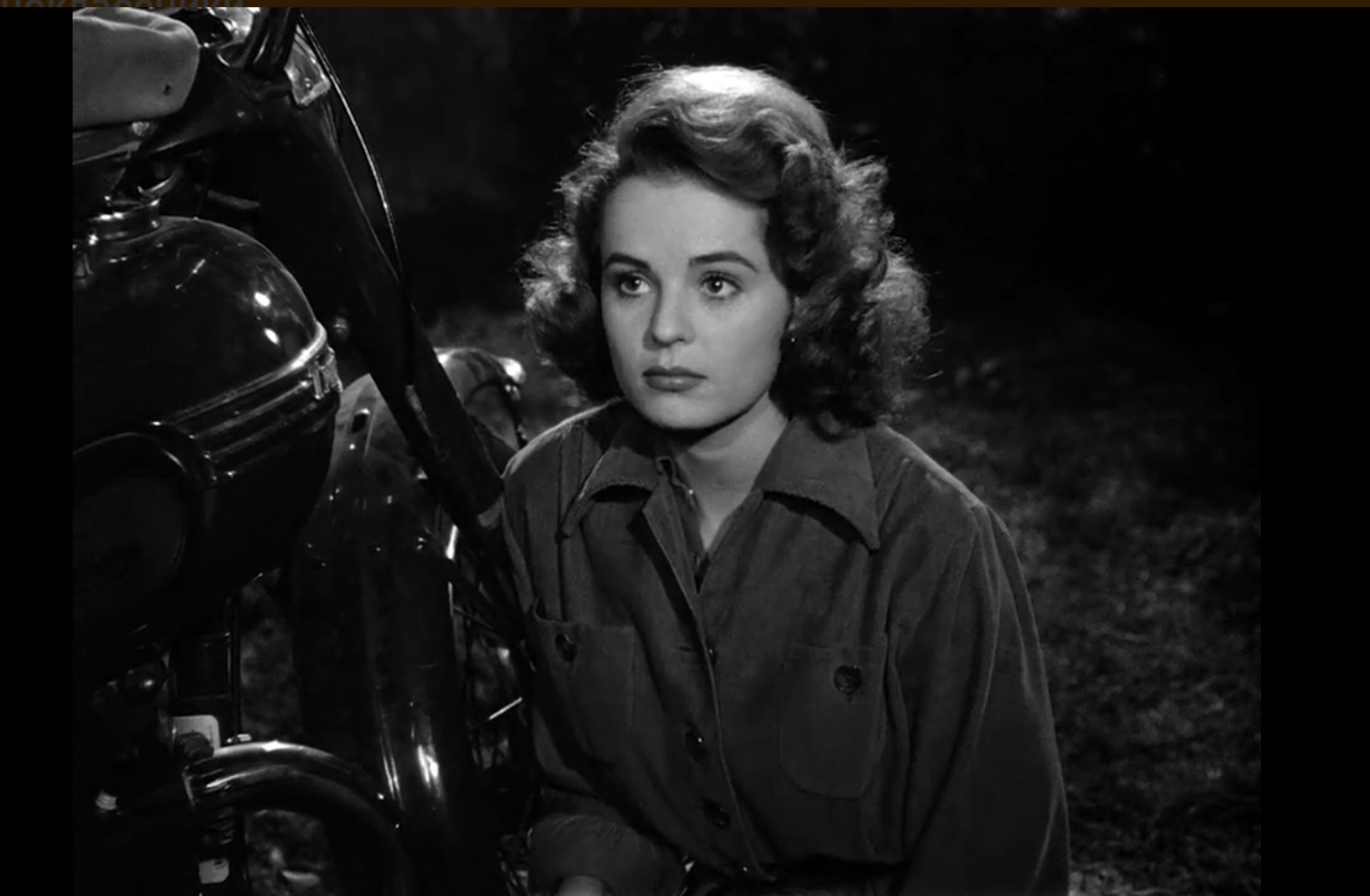
Peary writes that this “first and best of a terrible genre” — the “motorcycle film” — was “based on true events: in 1947, 4,000 members of a motorcycle club gathered for a three-day convention in Hollister, California, and terrorized the town.” He notes that this is the movie that “firmly established Marlon Brando’s alienated antihero/rebel screen image”: here he “plays the moody, mumbling, leather-jacketed leader of the ‘Black Rebels'”, and is clearly a “tough guy” but “smarter and, beneath his detached attitude, more decent than the other punks.” Peary argues that while the “film isn’t particularly impressive”, it “has a few exciting scenes” and was likely appealing to young audience members given that “the townspeople who try to drive away the cyclists come across as being just as bad as the cyclists.” Pretty Murphy is a refreshingly independent romantic protagonist, and Brando certainly fits the bill as an intriguing bad boy — but the storyline offers little other than mayhem and havoc; it’s hard to blame the town for wanting their peace, quiet, and safety back.

Redeeming Qualities and Moments:

  • Marlon Brando as Johnny
  • Mary Murphy as Kathie
  • Atmospheric cinematography

Must See?
No, though it’s worth a look for its historical relevance.

Links:

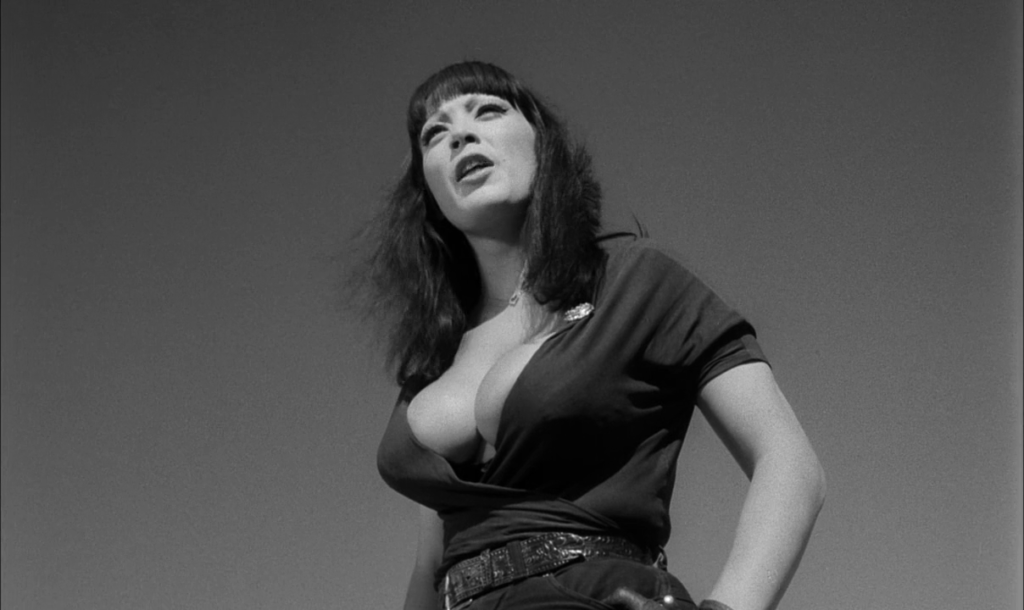
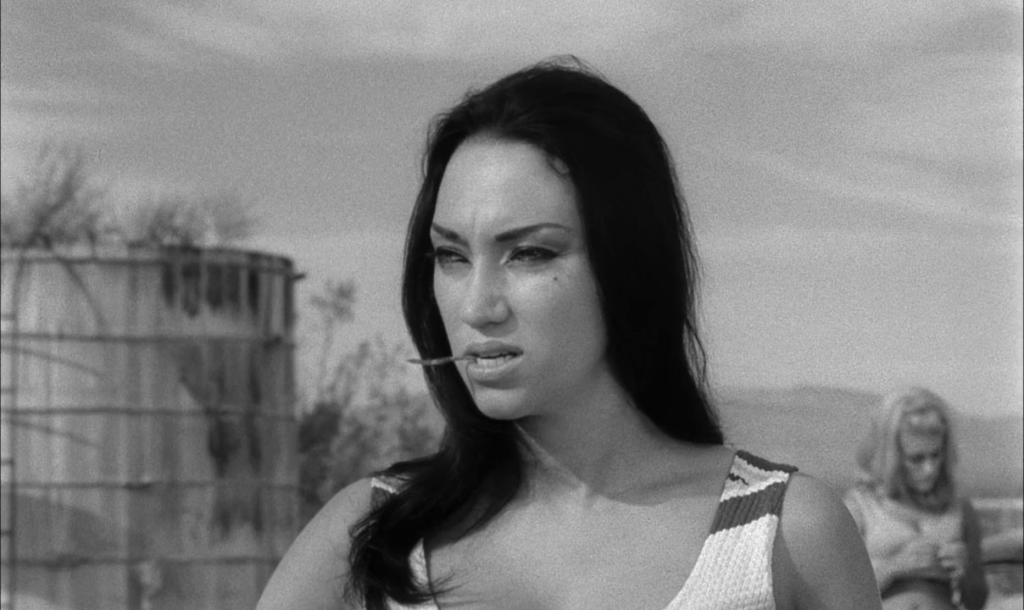
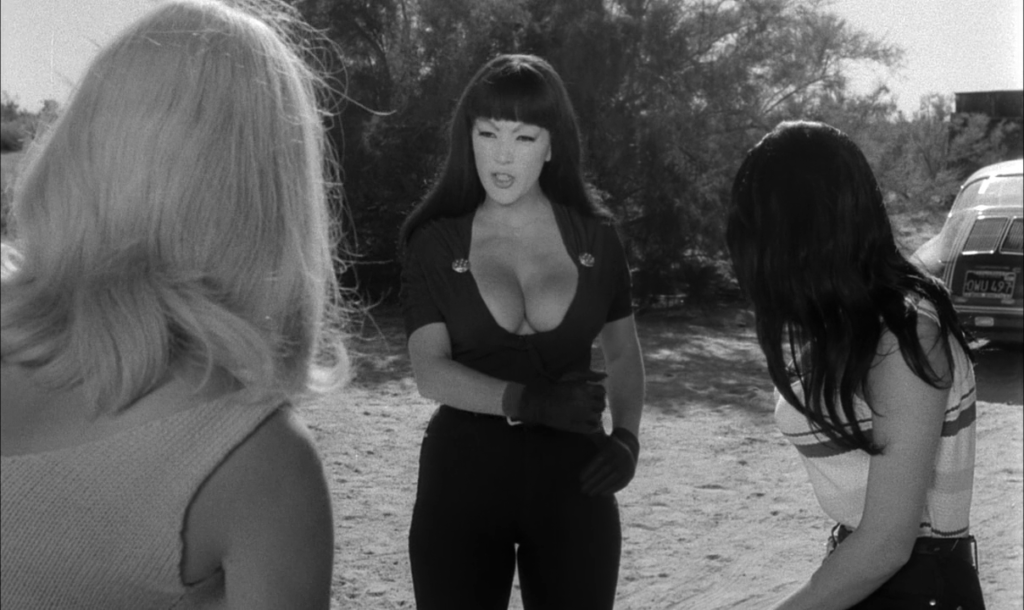
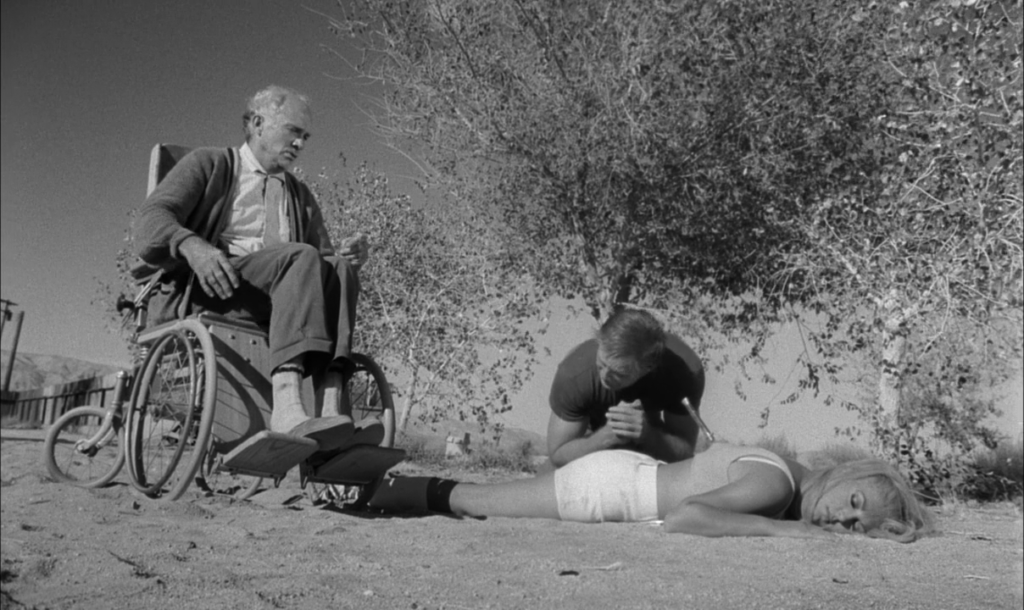
Faster, Pussycat! Kill, Kill! (1965)

Faster, Pussycat! Kill, Kill! (1965)

“You look to me like a gal with a big appetite for everything.”

Synopsis:
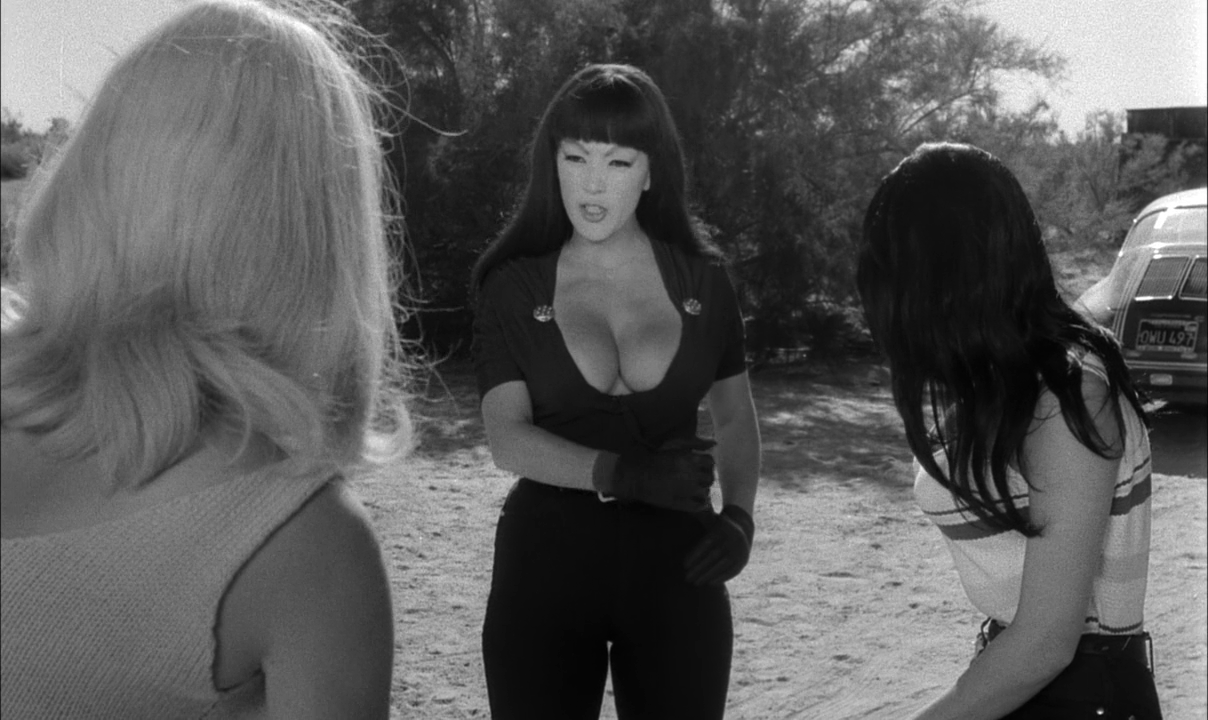
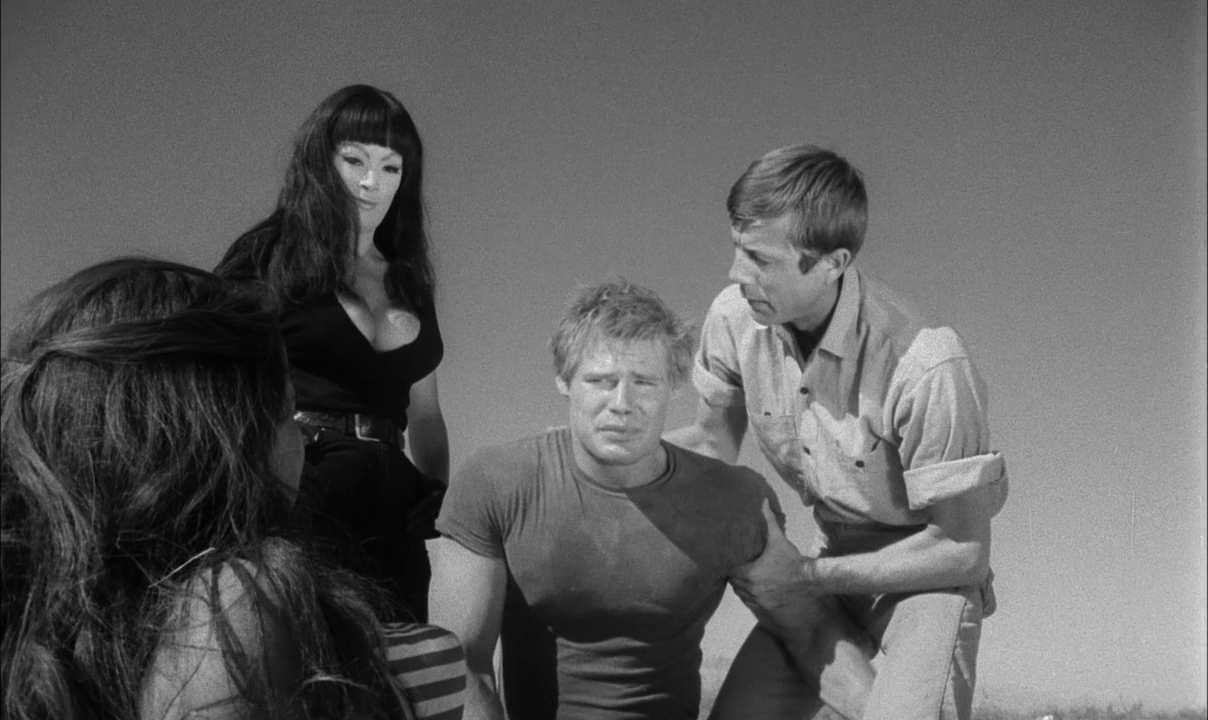
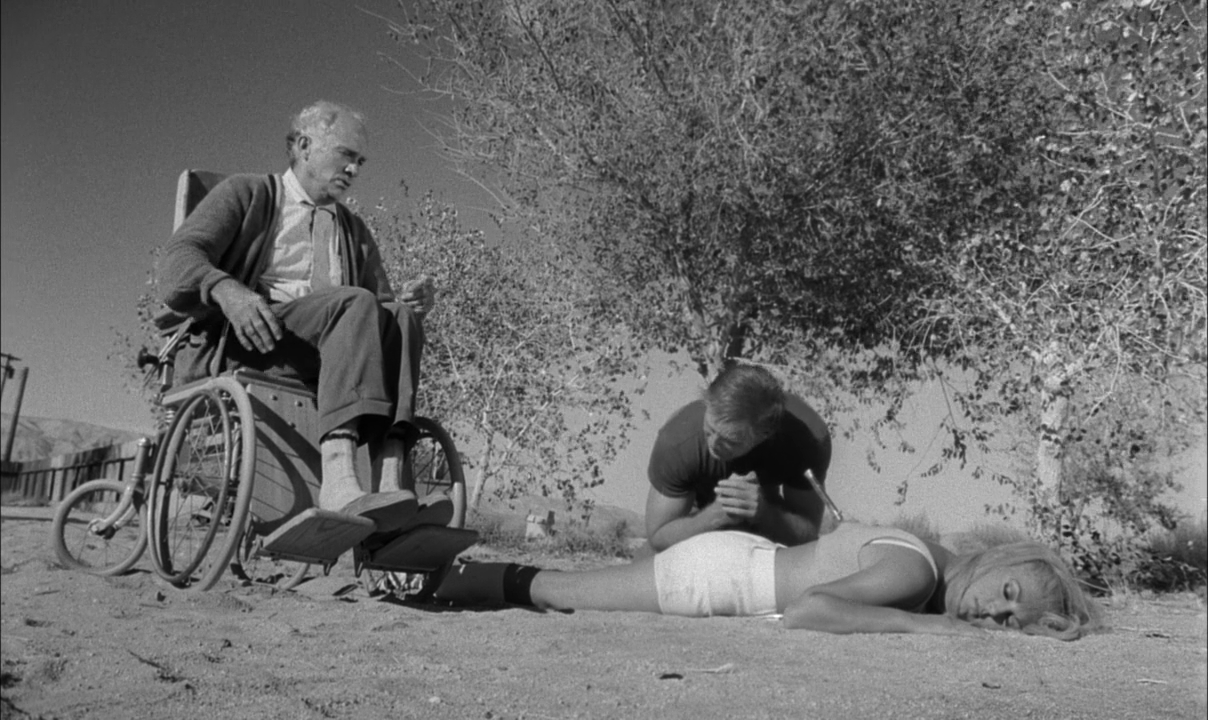
When three go-go dancers — Varla (Tura Satana), Rosie (Haji), and Billie (Lori Williams) — go drag racing in the desert, Varla ends up killing the boyfriend (Ray Barlow) of a bikini-clad girl (Susan Bernard) who the group then kidnaps. They end up at the home of a reclusive, secretly wealthy sociopath in a wheelchair (Stuart Lancaster) who is cared for by his two sons: a mentally slow hunk nicknamed “The Vegetable” (Dennis Busch) and his brainier brother (Paul Trinka). Sex-obsessed Billie pursues Busch, while Varla attempts to bed Trinka in order to learn where Lancaster’s money is hidden, and Bernard tries to escape.

Genres:

  • Kidnapping
  • Millionaires
  • Revenge
  • Russ Meyer Films
  • Strong Females

Response to Peary’s Review:
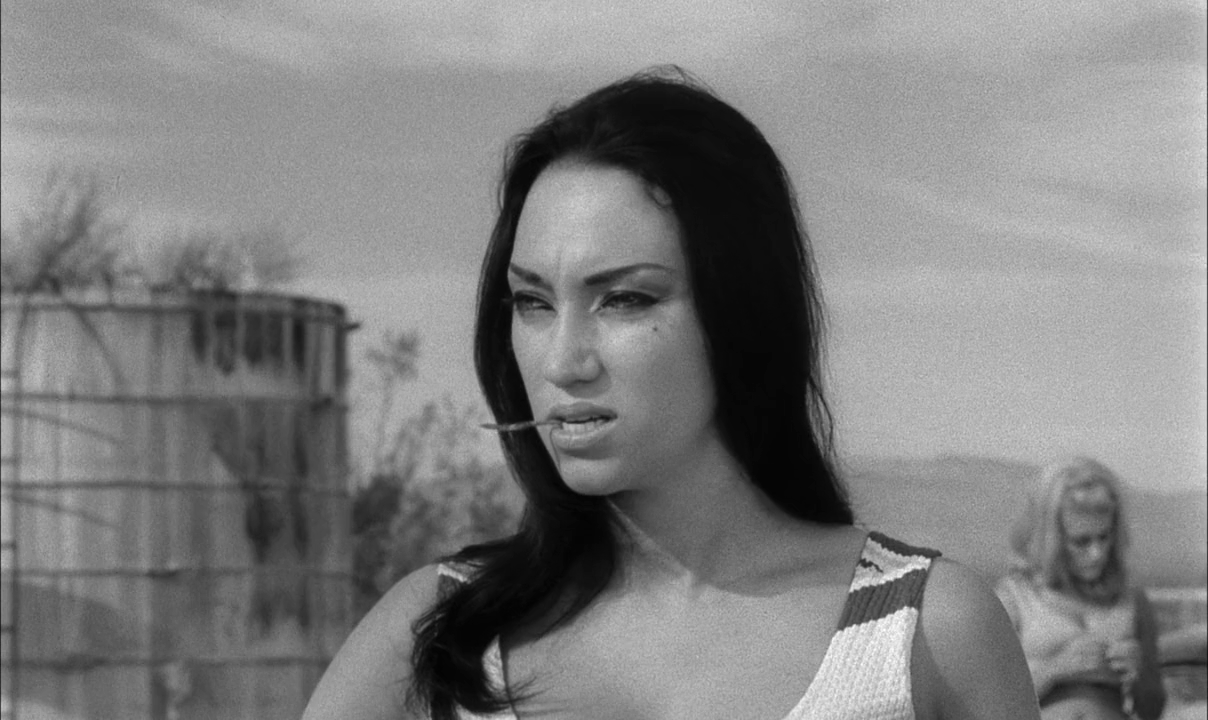
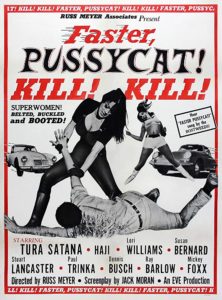
Peary notes that this “impressive early Russ Meyer film” — notable as “John Waters’ favorite film” — features “three independent, aggressive, voluptuous females who do as they please”, though “as role models for recently ‘liberated’ women, they are the pits.” In his synopsis, he writes that “Tura Satana is an eye-poppingly beautiful, large-chested karate expert who bosses around her two companions, sex-crazed, blonde Lori Williams and Italian Haji, who is amenable to following orders because she has strong feelings toward Santana”. He points out that the “well-made picture [is] shot almost exclusively outdoors”, that the “action scenes have zip”, and that “it’s noteworthy that women are actively involved in them” — especially given the presence of “hand-to-hand combat with men”. Peary is more critical of the film in Cult Movies 3 (1988), where he attributes Meyer’s success as a director to his honest admission “that he’s a male chauvinist who’s turned on by big-breasted women and makes exploitation films because he wants to make a lot of money”. Peary asserts that he doesn’t “think Meyer’s films are important enough to get really angry about”, but he finds it annoying that Meyer “dupes” college-aged fans (as he himself once was) into thinking he’s a “maverick filmmaker”.

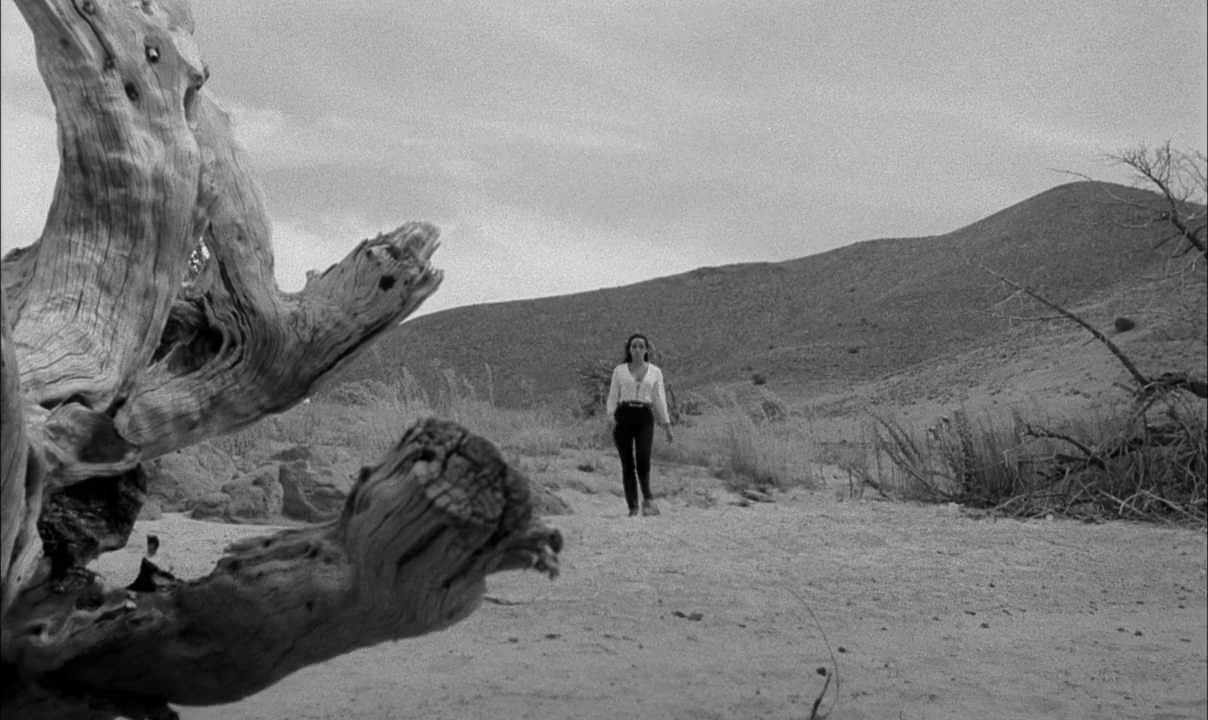
Peary goes on to write that this, Meyer’s tenth film, is his “least objectionable” — “so outrageous that it’s funny”, and only bordering “on being off-putting”. Given that “there are no rapes, just rape attempts” — and no resorting to “having… women’s clothes ripped off” — Peary “can accept Meyer stuffing his four female leads… into skimpy costumes and shooting them at every possible compromising angle so that their enormous chests seem to jump toward our eyes”. He appreciates “some quirky and amusing touches” in the film (including the “swingin’ lingo” employed by the girls), noting that the deaths “are all boldly directed and have strong impact” and that “all the action sequences have pizzazz”. Peary is pretty accurate in his fair but critical assessment of this cult feature, which surely should be seen once by all film fanatics simply given its utterly unique stars (Satana particularly), its unforgettable title, and its striking imagery — but a return visit isn’t necessarily necessary.

Redeeming Qualities and Moments:

  • Tura Satana as Varla

  • Strong direction and editing by Meyer
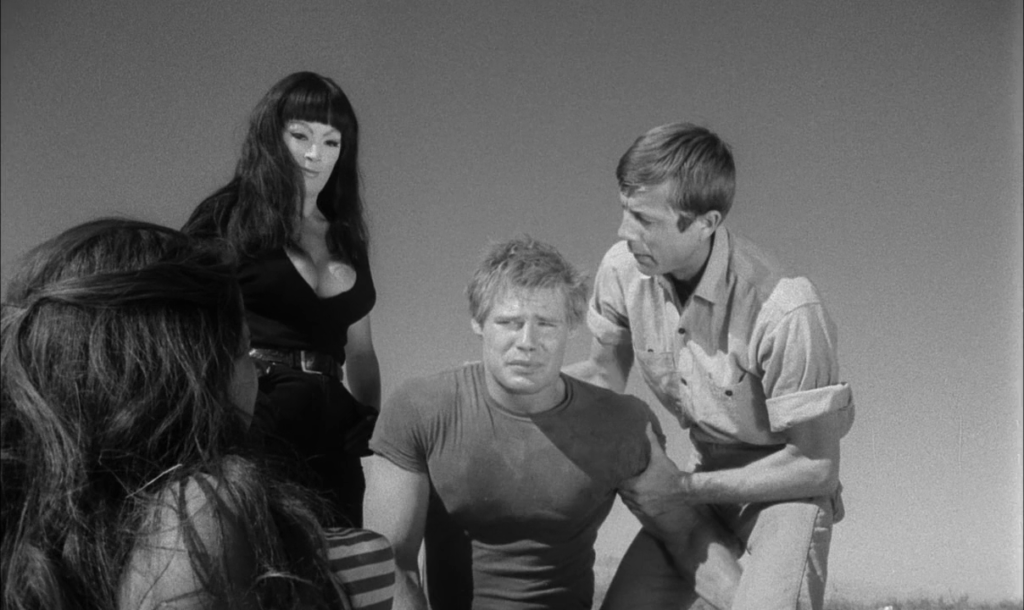

  • Walter Schenk’s b&w cinematography

Must See?
Yes, of course, as a long-time cult favorite.

Categories

(Listed in 1001 Movies You Must See Before You Die)

Links:

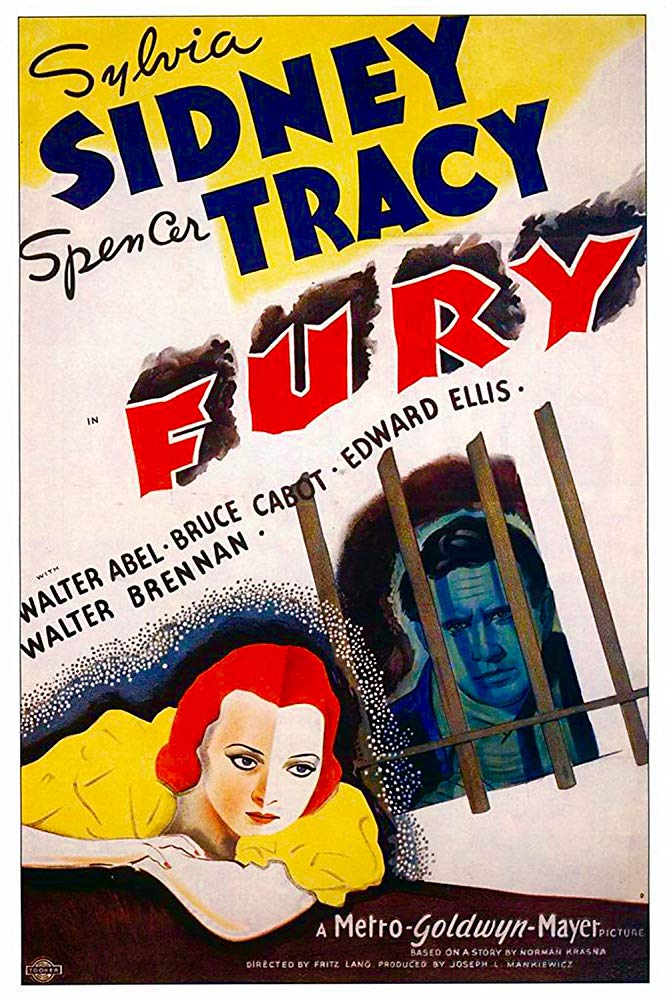
Fury (1936)

Fury (1936)

“An impulse is an impulse. It’s like an itch — you’ve gotta scratch it!”

Synopsis:
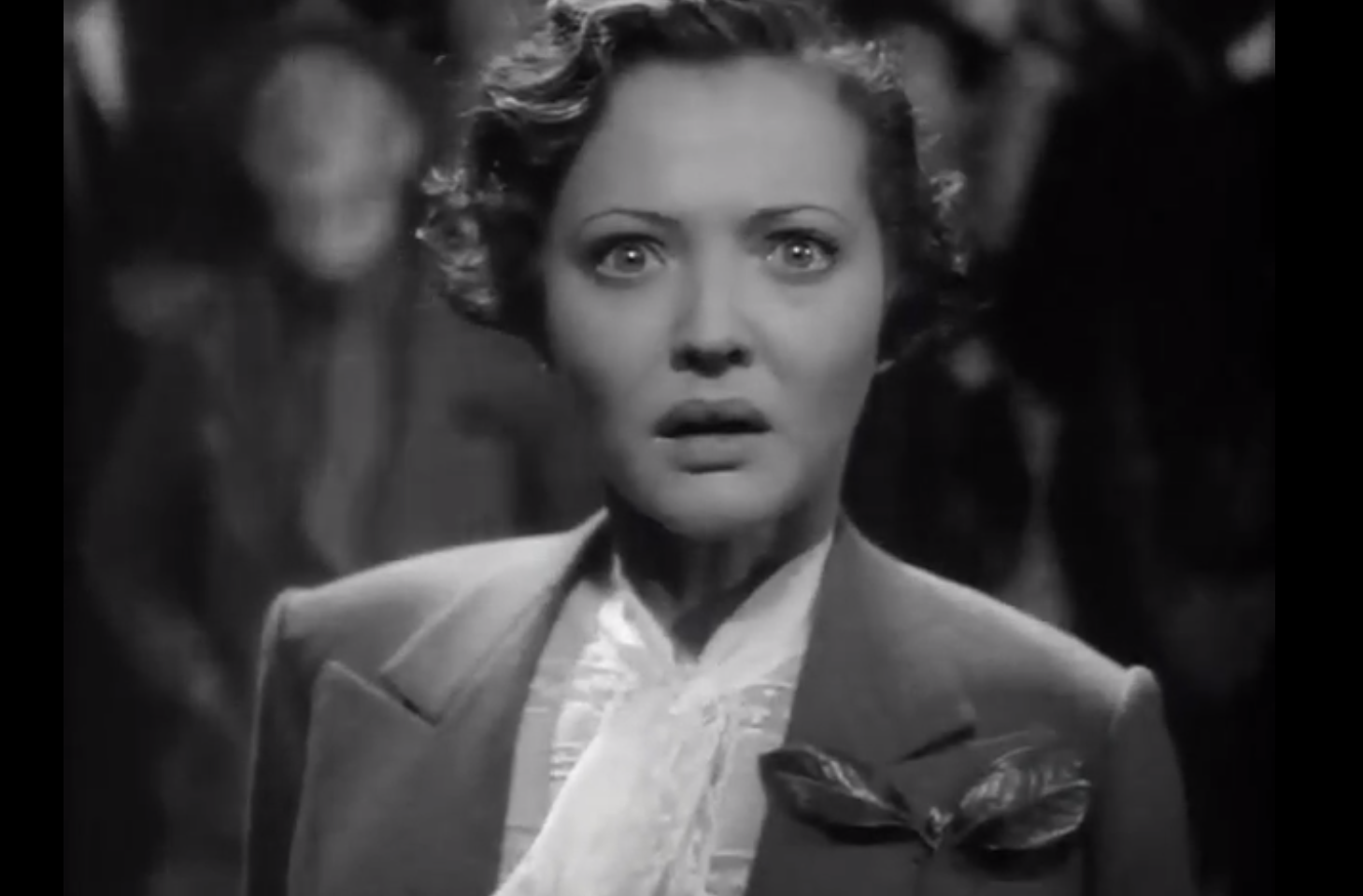
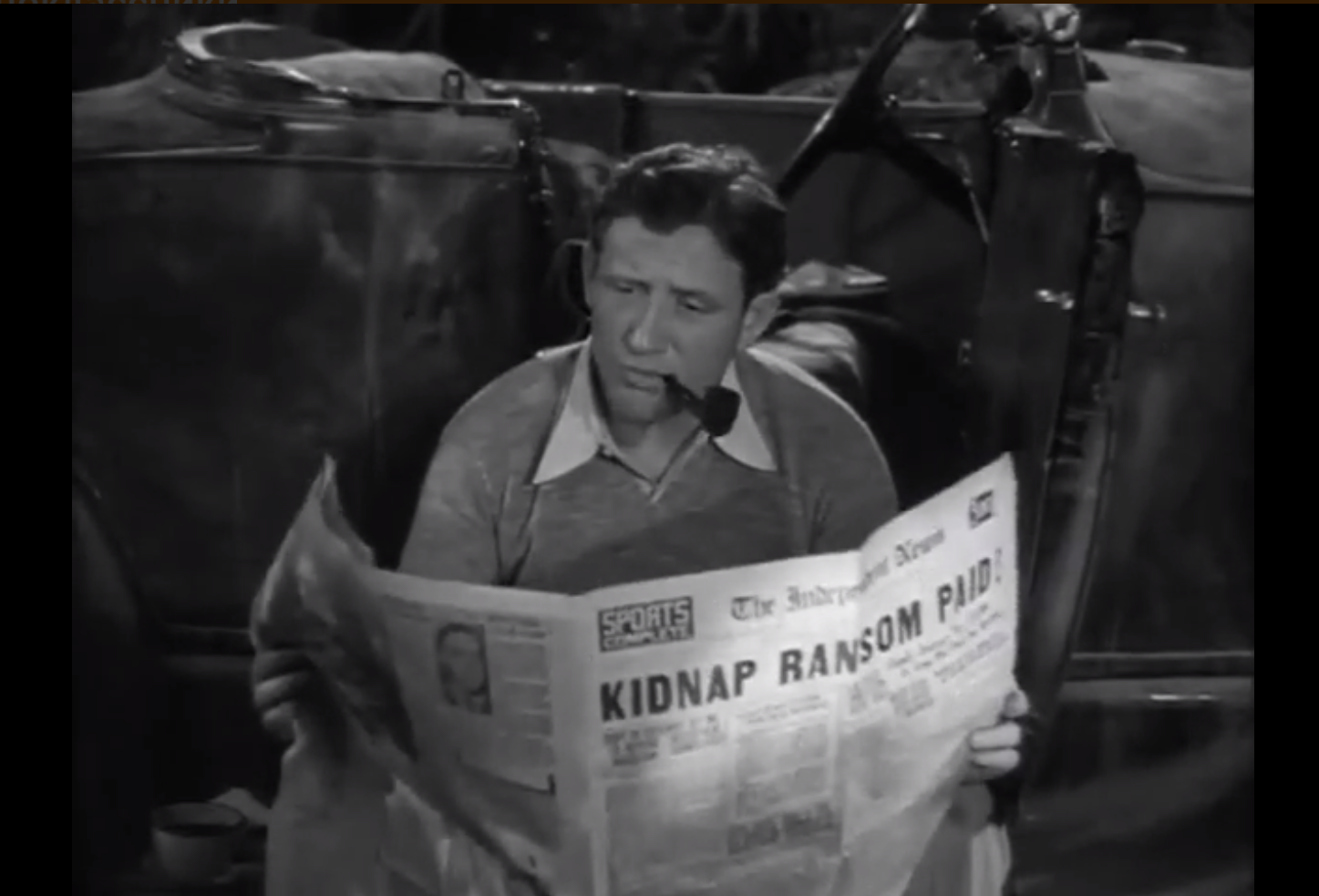
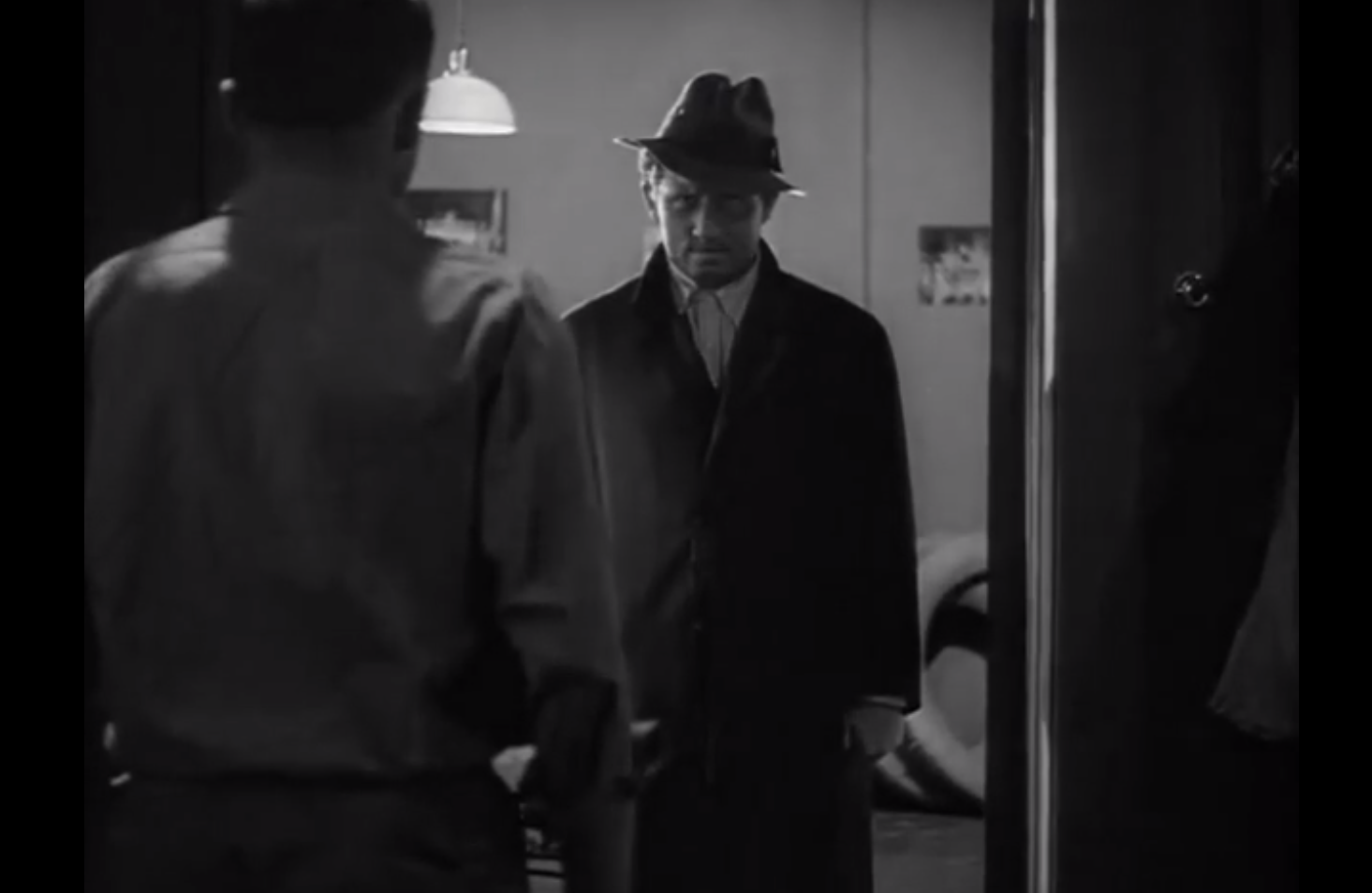
On his way to meet and marry his fiancee (Sylvia Sidney), a hardworking man (Spencer Tracy) is falsely accused of kidnapping and put in jail. When locals hear rumors about Tracy’s imprisonment, they collectively decide to seek vengeance — with devastating consequences.

Genres:

  • Character Arc
  • Courtroom Drama
  • Falsely Accused
  • Fritz Lang Films
  • Living Nightmare
  • Revenge
  • Spencer Tracy Films
  • Sylvia Sidney Films
  • Walter Brennan Films

Response to Peary’s Review:
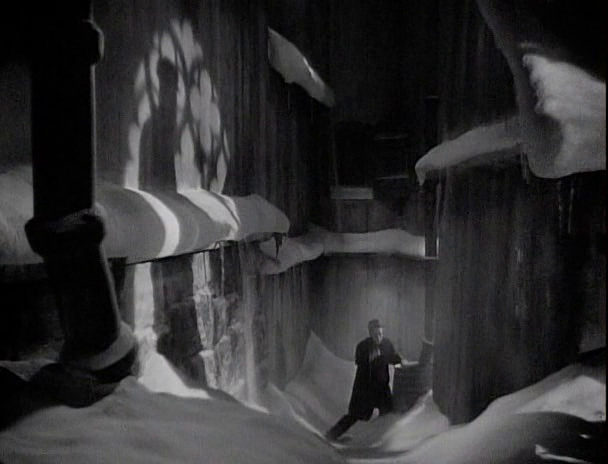
Peary writes that this “frightening social drama” — “Fritz Lang’s first American film” — “gave Lang the opportunity to advance several of his most important themes: it is unsafe to be a stranger in this world”, given that “people are very territorial; when townspeople band together they may turn into a mob; a man’s innocence or guilt is not what determines how a jury or a mob will judge him; [and] there is no such thing as justice” given that “a hero who seeks revenge and continues the violence initiated by the villains becomes as bad as they, because to play on their terms he relinquishes his humanity”. While Peary points out the “ending is disappointing”, this remains “one of the strongest indictments of America’s small-town lynch-mob mentality.” The film is too nightmarishly surreal at times to be considered strictly realistic — Tracy’s flipped-switch character is a precursor to his role in Dr. Jekyll and Mr. Hyde (1941); most of the townspeople are caricatures — but the sentiments and morality behind this living-nightmare flick remain scarily authentic. Mob violence is no joke, and continues to cause untold misery across the globe; surely few knew this better than Lang at the time, who had just fled from Jewish persecution in Nazi-occupied Germany.

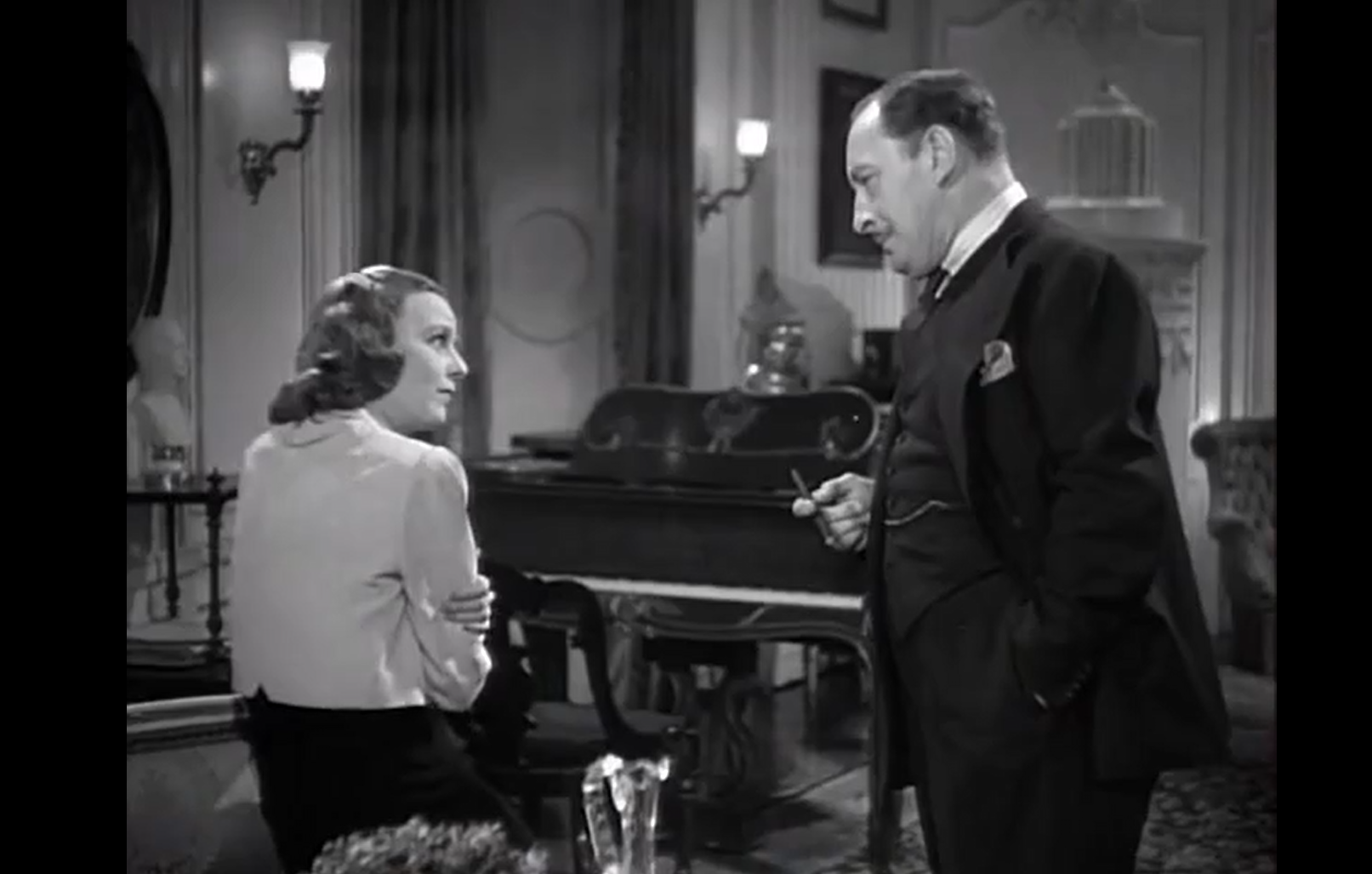
With that said, it’s important to note that this film was thoroughly whitewashed in order to be more palatable to white audiences of the day; according to TCM’s article:

The story was conceived during a shocking time in American history when lynching and mob violence escalated in the early 1930s. The fires of injustice were further stoked when a federal anti-lynching bill drafted by NAACP lawyers was killed by the U.S. Senate. But with his hands tied by the notorious movie censorship of the studio years, Lang was unable to explicitly treat lynching as a crime against black people. Lang was even forbidden to use black actors as minor characters in the film, though he initially shot several scenes featuring peripheral black characters to subtly drive home the idea of lynching as a threat to black Americans. In one deleted scene, a black laundress sings a song of freedom as she hangs out the wash, and in another a crowd of Southern blacks is shown responding to a radio speech by Fury‘s district attorney condemning lynching. Both scenes were cut from the film at the studio’s behest.

Clearly another, more authentic film remains to be made about the true horrors of lynching against black Americans in early 19th century America.

Note: Fury was selected for preservation in the United States National Film Registry by the Library of Congress in 1995 for being “culturally, historically, or aesthetically significant.”

Redeeming Qualities and Moments:

  • Sylvia Sidney as Katherine
  • Spencer Tracy as Joe Wilson
  • Atmospheric cinematography
  • The truly frightening mob scene

Must See?
Yes, as a still-powerful indictment of mob brutality.

Categories

Links:

You Can’t Take it With You (1938)

You Can’t Take it With You (1938)

“To them, I’ll always be just a stenographer.”

Synopsis:
The son (Jimmy Stewart) of a wealthy businessman (Edward Arnold) tries to convince a stenographer (Jean Arthur) to marry him, despite her concerns that her eccentric household — including her grandfather (Lionel Barrymore), her mother (Spring Byington), and various semi-permanent guests — won’t meet his stuffy parents’ approval.

Genres:

  • Ann Miller Films
  • Class Relations
  • Cross-Class Romance
  • Edward Arnold Films
  • Frank Capra Films
  • Jean Arthur Films
  • Jimmy Stewart Films
  • Lionel Barrymore Films
  • Nonconformists
  • Play Adaptations
  • Romantic Comedy

Response to Peary’s Review:
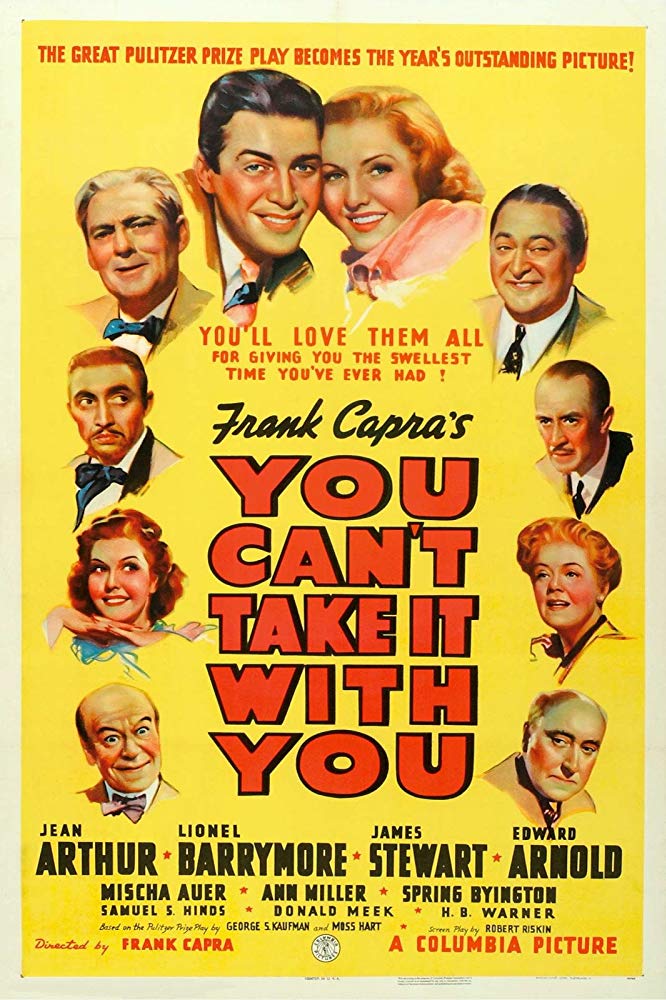
Peary writes that this winner of “Best Picture and Best Director Oscars” — an adaptation by Frank Capra of George S. Kaufman and Moss Hart’s Pulitzer Prize-winning “stage success” — is “not among Capra’s best films.” He points out that while “there are funny moments and the cast is great”, the “film is too preachy and many of the political-social points made — especially about the wonderfully peculiar character of democratic Americans — are too vague or unconvincing.” He further adds that “themes such as ‘the richest man is the one with the most friends’ are better and more honestly conveyed in Capra’s later It’s a Wonderful Life (1946).” Peary’s assessment is spot-on, as is DVD Savant’s lengthier analysis of the film’s many problematic elements — particularly the presentation of non-starring characters as brainless morons, and Capra’s preaching of:

” … a primitive form of Anarchism, one still sold by the pundits. Do your own thing, turn your back on reality. Let somebody else make the sewers work, pay the firemen, and worry about society as a whole. True love always triumphs, and the nastiest villains are really creampuffs. And no problem is bigger than one’s personal emotions. Capra is an Anarchist-know-nothing-fantasist.”

While this movie was a top box office earner in its day, it hasn’t held up nearly as well as many of Capra’s other fine works, and isn’t must-see viewing.

Redeeming Qualities and Moments:

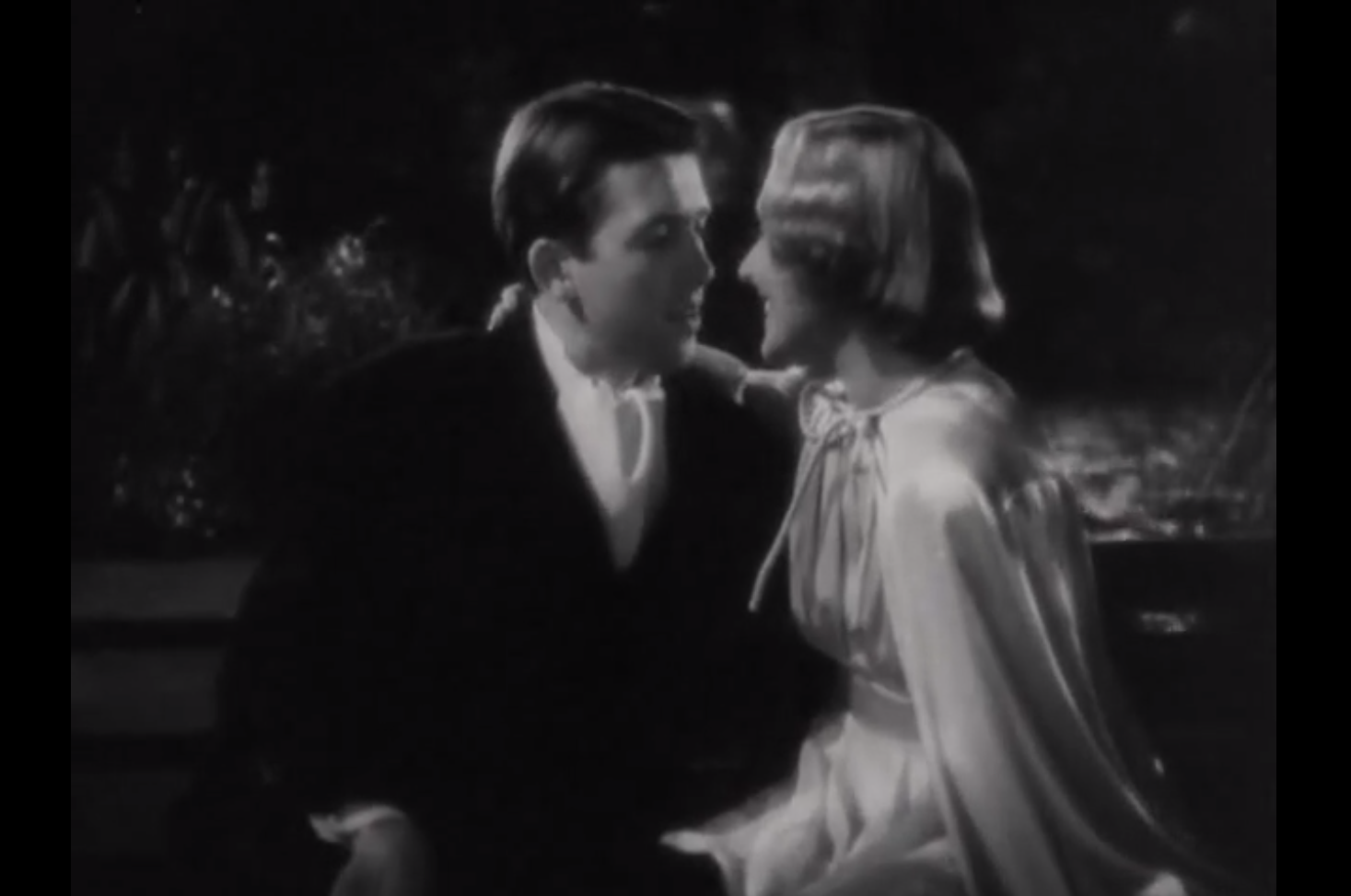
  • Jimmy Stewart and Jean Arthur as the romantic leads

Must See?
No, though of course Capra fans and Oscar-completists will likely want to check it out.

Links:

Killer’s Kiss (1955)

Killer’s Kiss (1955)

“It’s crazy how you can get yourself in a mess sometimes and not even be able to think about it with any sense — and yet not be able to think about anything else.”

Synopsis:
A down-and-out boxer (Jamie Smith) reflects on his affair with a dance hall girl (Irene Kane) whose gangster-boss (Frank Silvera) isn’t happy with her decision to leave him.

Genres, Themes, Actors, and Directors:

  • Boxing
  • Flashback Films
  • Gangsters
  • Stanley Kubrick Films
  • Star-Crossed Lovers

Response to Peary’s Review:
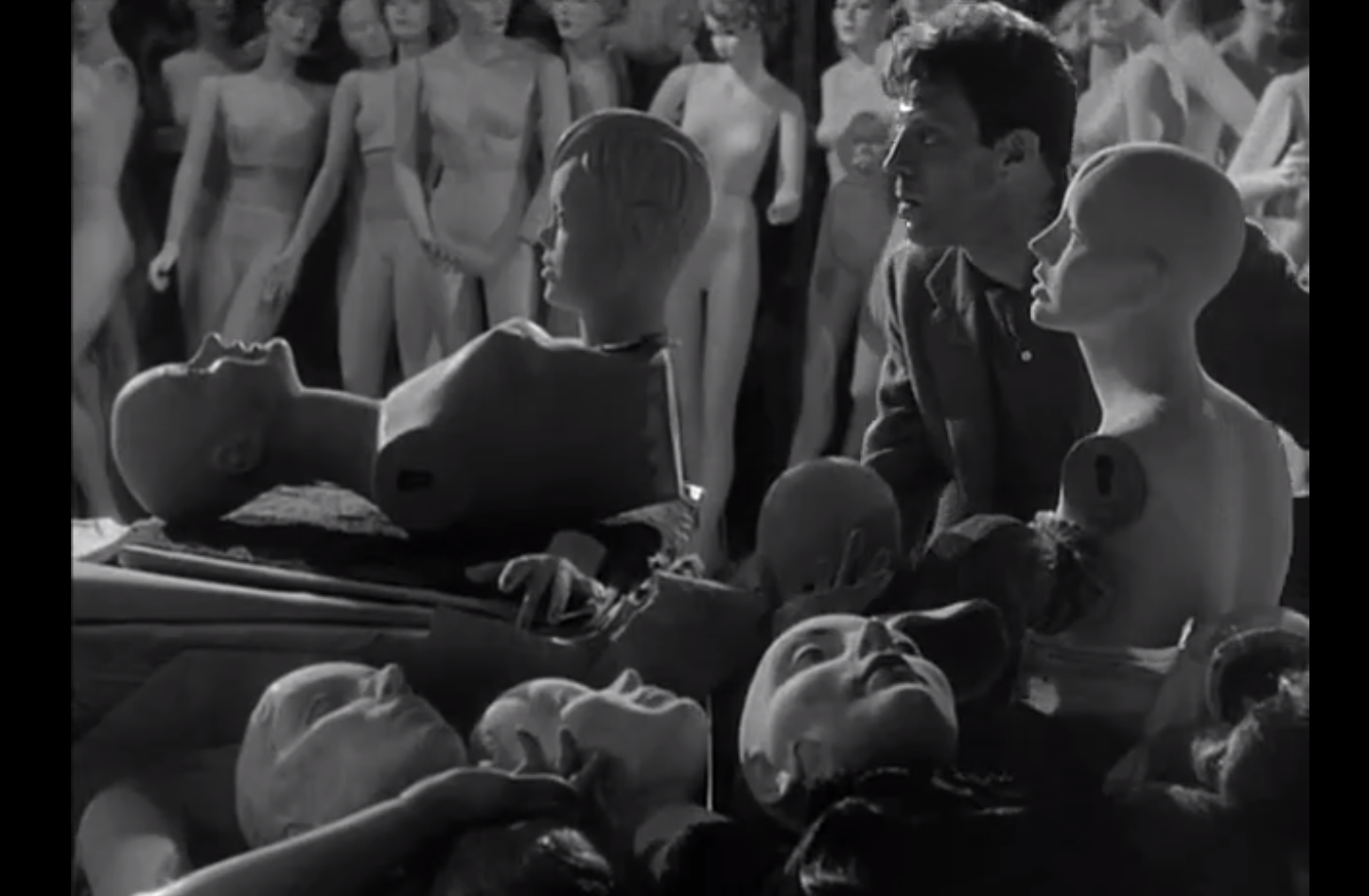
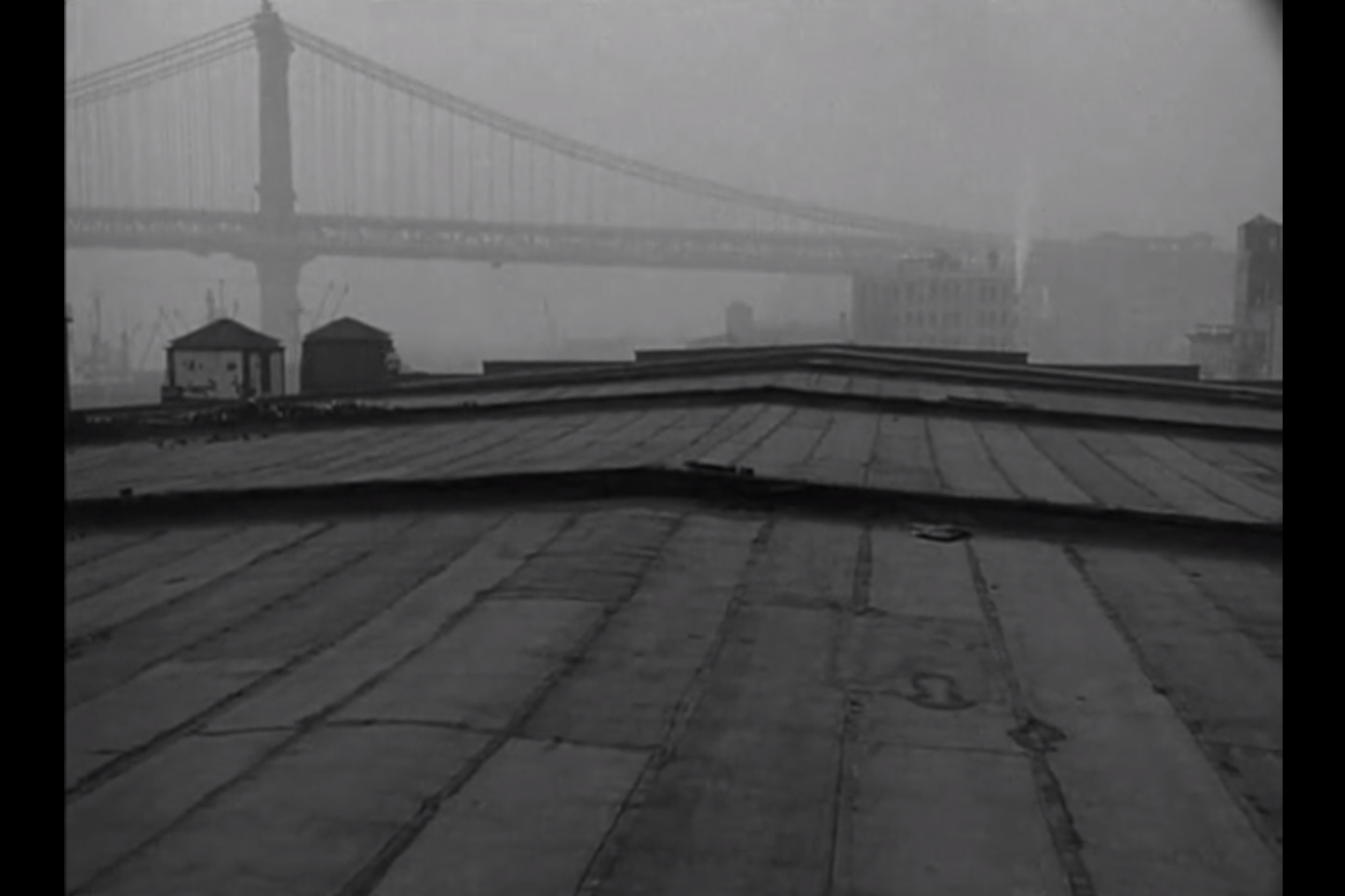
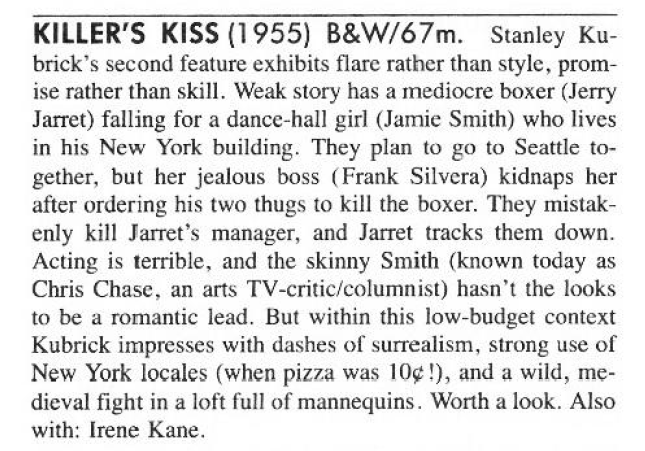
In his brief review (which, in a pre-IMDb era, gets the names of the romantic lead actors wrong — whoops!), Peary writes that “Stanley Kubrick’s second feature exhibits flare rather than style, promise rather than skill”. He calls out the “weak story” and notes that the “acting is terrible” — but he concedes that “within this low-budget context Kubrick impresses with dashes of surrealism, strong use of New York locales (when pizza was 10¢), and a wild, medieval fight in a loft full of mannequins.” Along with most other reviewers, I’m pretty much in agreement with Peary’s assessment — though I would argue that the film actually shows plenty of skill and style, and I’m not sure “surrealism” is how I would describe its at-times quirky sensibility. It’s primarily the hackneyed storyline and dialogue that fail us; visually, this one is a consistent stunner.

Redeeming Qualities and Moments:

  • Powerful cinematography and direction

  • Fine on-location shooting

Must See?
No, though of course all Kubrick aficionados will want to check it out.

Links:

Father Goose (1964)

Father Goose (1964)

“If you’re waiting for the big finale, I’m sorry — this is all I do.”

Synopsis:
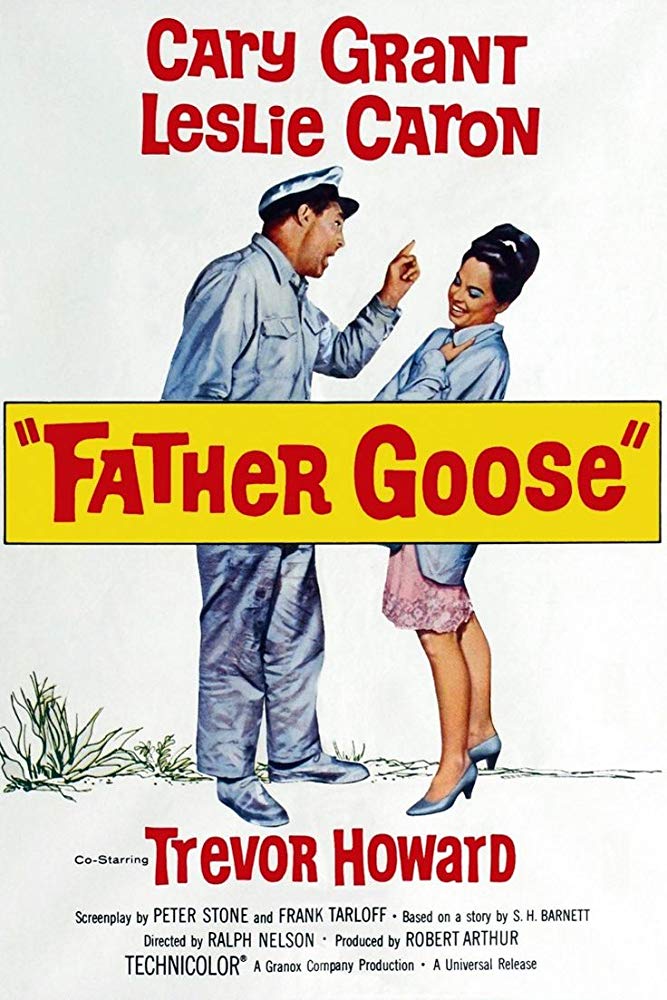
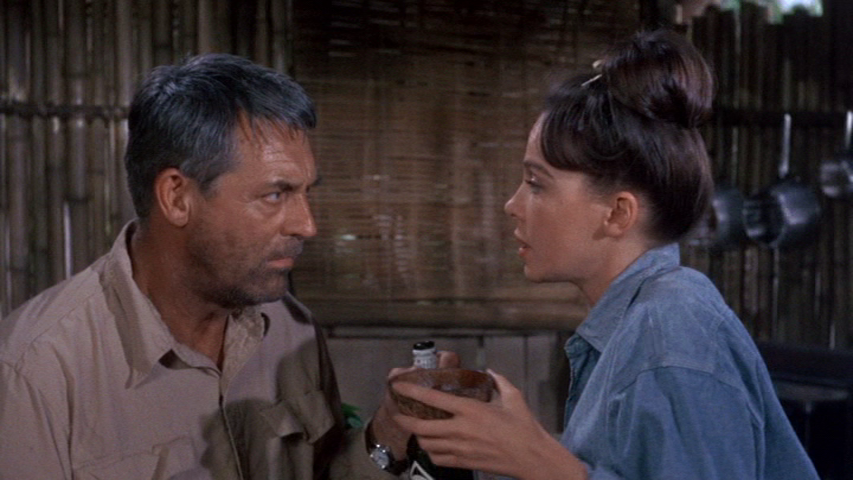
During World War II, an alcoholic non-conformist (Cary Grant) is forced by a Royal Australian Navy commander (Trevor Howard) to watch for Japanese planes off an isolated island in Papua New Guinea — but Grant soon finds his beloved solitude interrupted by the arrival of a French woman (Leslie Caron) caring for seven stranded school girls.

Genres, Themes, Actors, and Directors:

  • Battle-of-the-Sexes
  • Cary Grant Films
  • Character Arc
  • Leslie Caron Films
  • Nonconformists
  • Romantic Comedy
  • Trevor Howard Films
  • World War Two

Response to Peary’s Review:
Peary writes that this “genial comedy” — Cary Grant’s next-to-last film before retiring from the screen — “has none of the typical elements of a ‘cult’ movie”, but he notes that he’s “come across an amazing number of people who are truly devoted to it.” (He’s “told in some places it always plays on television at Easter.”) Peary expresses wonder that the script won an Oscar (he refers to it as “typical”), but adds that it “benefits from inspired teaming of the stars, who work extremely well together”. When contemplating why “this film [is] so popular, especially with women”, Peary conjectures “that many women look at the heavy-drinking, gone-to-seed men sitting next to them in front of the TV and hope that they’ll follow Grant’s example and reform, to display once more those qualities that made them so lovable in the first place.”

Peary’s somewhat dismissive review of this film led me to expect less than what I found when revisiting this enjoyable romantic comedy, which starts off somewhat strained (both Grant and Caron’s characters are pills) but goes in surprisingly delightful and quirky directions. Watching as “Grant reforms and reveals his bravery, resourcefulness, and concern for the trapped females” (Caron and her charges) is heartwarming and humorous, and Caron’s evolution (thanks to being plied with alcohol after a snake bite) plays out well. Thankfully, the gaggle of girls are nicely (under)played by the unknown young actresses, adding to the veracity of the scenario. There are numerous memorable moments, both humorous and frightening; it’s the interplay between these two moods that provides so much authentic tension.

Redeeming Qualities and Moments:

  • Cary Grant as Walter
  • Leslie Caron as Catherine
  • Many memorable moments

  • Peter Stone and Frank Tarloff’s Oscar-winning script

    Caron (while fishing): How do you know it’s a she?
    Grant: Her mouth is open! Now be quiet.

Must See?
Yes, for the delightful script.

Categories

  • Oscar Winner or Nominee

Links:

Boomerang! (1947)

Boomerang! (1947)

“Is one man’s life worth more than the community?”

Synopsis:
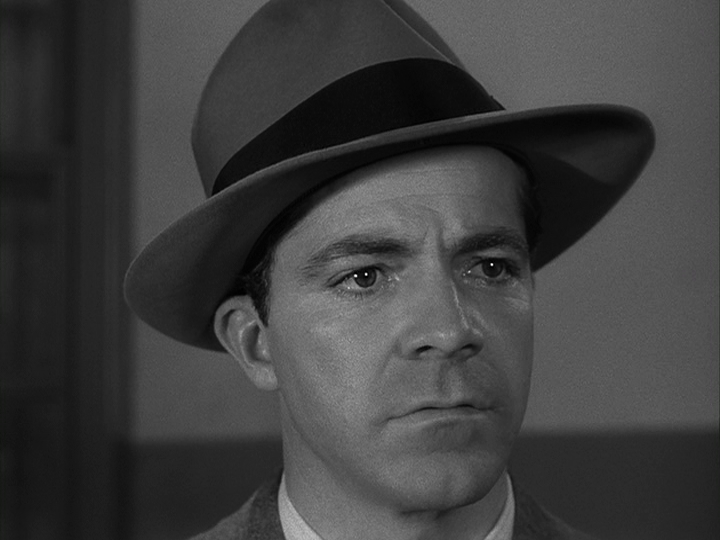
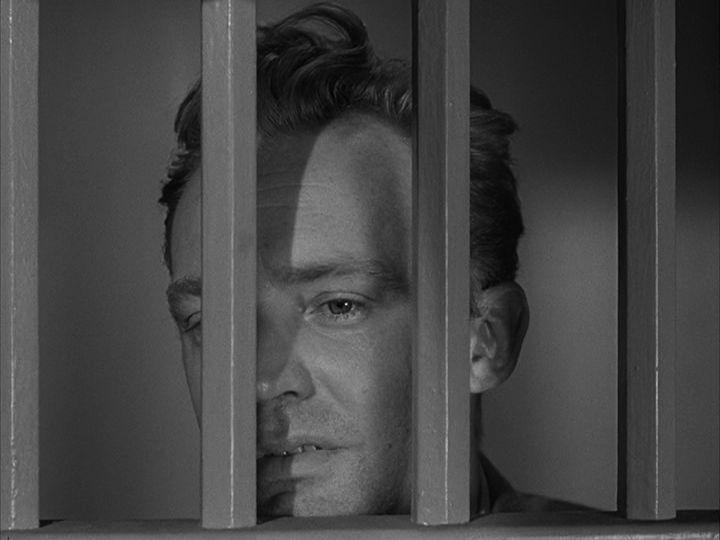
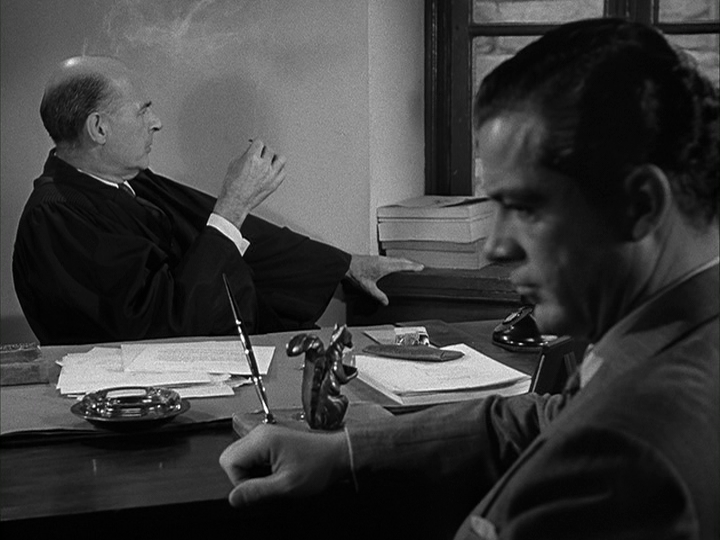
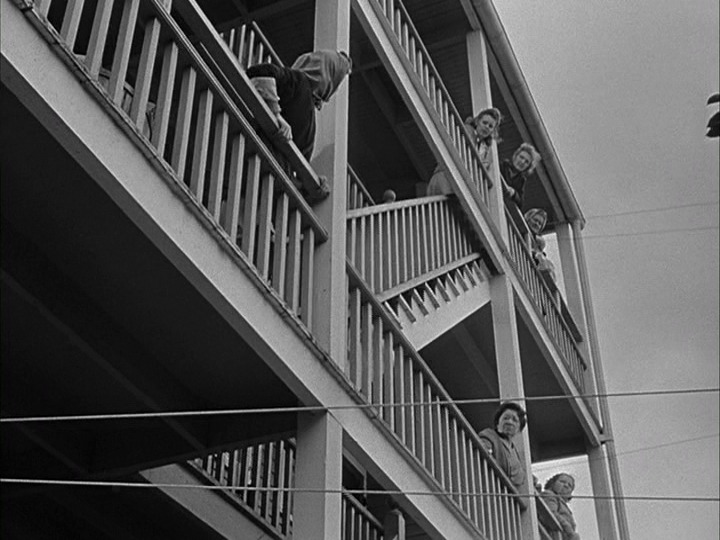
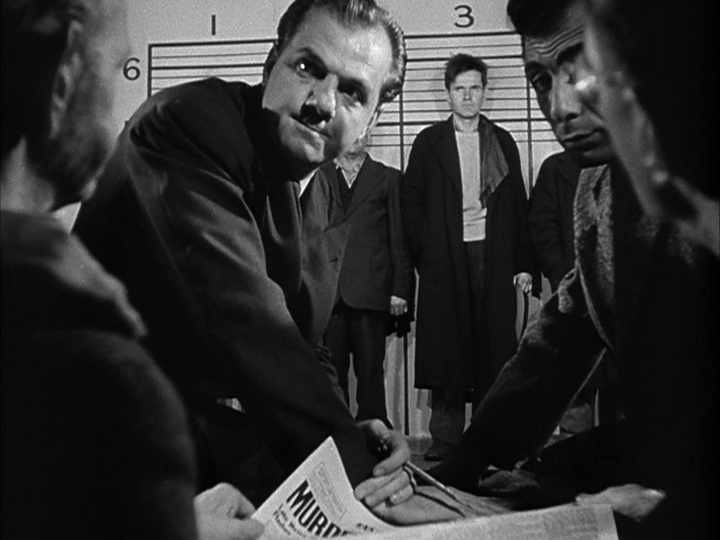
When a priest (Wyrley Birch) is brutally murdered on the streets of a small Connecticut town, the chief detective (Lee J. Cobb) heads an investigation leading to the state’s attorney (Dana Andrews) being called in to prosecute a man (Arthur Kennedy) who has been tortured into confessing. Soon Andrews finds himself caught in an elaborate scheme of corruption involving, among others, the Commissioner of Public Works (Ed Begley) and the head of the political opposition party (Taylor Holmes).

Genres, Themes, Actors, and Directors:

  • Arthur Kennedy
  • Corruption
  • Courtroom Drama
  • Dana Andrews Films
  • Ed Begley Sr. Films
  • Elia Kazan Films
  • Falsely Accused
  • Jane Wyatt Films
  • Karl Malden Films
  • Lawyers
  • Lee J. Cobb Films
  • Murder Mystery

Response to Peary’s Review:
Peary asserts that this “dated, overrated semi-documentary by Elia Kazan” — based on a real-life story involving veteran Harold Israel and U.S. State Attorney Homer Stille Cummings — starts out as “a daring attack on corrupt machine politics, mob violence, press irresponsibility, and fascist police tactics”, but “turns out to be the glorification of an honest man”. He writes that the “trouble is that Andrews is the only character who comes out smelling like a rose”, and complains the screenplay deviates from the facts given that the real “case was never solved”, instead “presenting another suspect (a perverted fellow about whom the priest was about to tell authorities [Philip Coolidge])” in a move Peary refers to as “unfairly manipulative”. He also argues it’s “unfair of Kazan not to let on that Andrews was conducting a serious investigation until the hearing”, given that “we [are] led to believe it is only a hunch that makes him think Kennedy innocent”.

I think Peary holds a grudge against Kazan for being “a friendly witness before H.U.A.C”, and it shows. There’s nothing wrong with the introduction of Coolidge as a player in this fictionalized drama, just as there’s nothing at all misleading about leaving Andrews’ investigation of the case as a series of dramatic flashbacks in the film’s culmination. While the film is perhaps overly bold in its assertion of corruption around every corner, who’s to say that’s not (still and always) the case? Indeed, it’s terrifying to watch the police “drag in anybody wearing a dark coat and white hat” as a suspect; to see a jilted former girlfriend (Cara Williams) willfully lie to get Kennedy persecuted; to witness a confession tortured out of Kennedy through sleep deprivation; and to recognize the overall relief of nearly everybody involved when someone — anyone — is held responsible for the death of their beloved priest. (Not a whole lot has changed in our collective desire for criminal “justice” at the cost of potentially innocent lives.) The film is expertly directed by Kazan, with fine use of on-location shooting in Connecticut, stark angles and cinematography, and strong performances by a roster of familiar supporting faces.

Redeeming Qualities and Moments:

  • Dana Andrews as Henry Harvey
  • Arthur Kennedy as John Waldron
  • Atmospheric cinematography
  • Fine on-location shooting
  • Strong direction by Kazan

Must See?
Yes, once, as a worthy early film by Kazan.

Categories

  • Important Director

Links: