Donkey Skin (1971)
“I love you, my daughter, and wish to marry you.”
|
Synopsis: |
|
Genres, Themes, Actors, and Directors:
Review: Redeeming Qualities and Moments:
Must See? Links: |
“I’m making jokes because I’m scared, but I’ve never been more serious in my life.”
|
Synopsis: |
|
Genres, Themes, Actors, and Directors:
Review:
Regardless of her appearance, Taylor’s overall situation simply doesn’t garner much sympathy, primarily because we barely meet the supposed object of her affections (Braswell) before he’s gone again. Beatty adds a bit of pathos to the role of a gambling addict, and the film come alive during an early sequence when he takes Taylor on the town.
But from there, we’re simply waiting for an inevitable romance between the two gorgeous co-stars to ensue, despite their professed disinterest. Redeeming Qualities and Moments:
Must See? Links: |
“He hears but cannot answer to your call.”
|
Synopsis: |
|
Genres, Themes, Actors, and Directors:
Response to Peary’s Review:
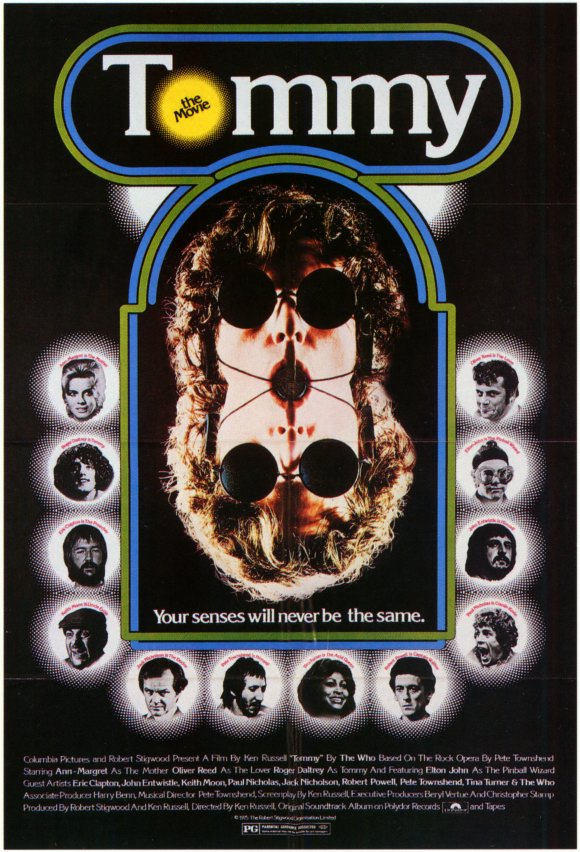
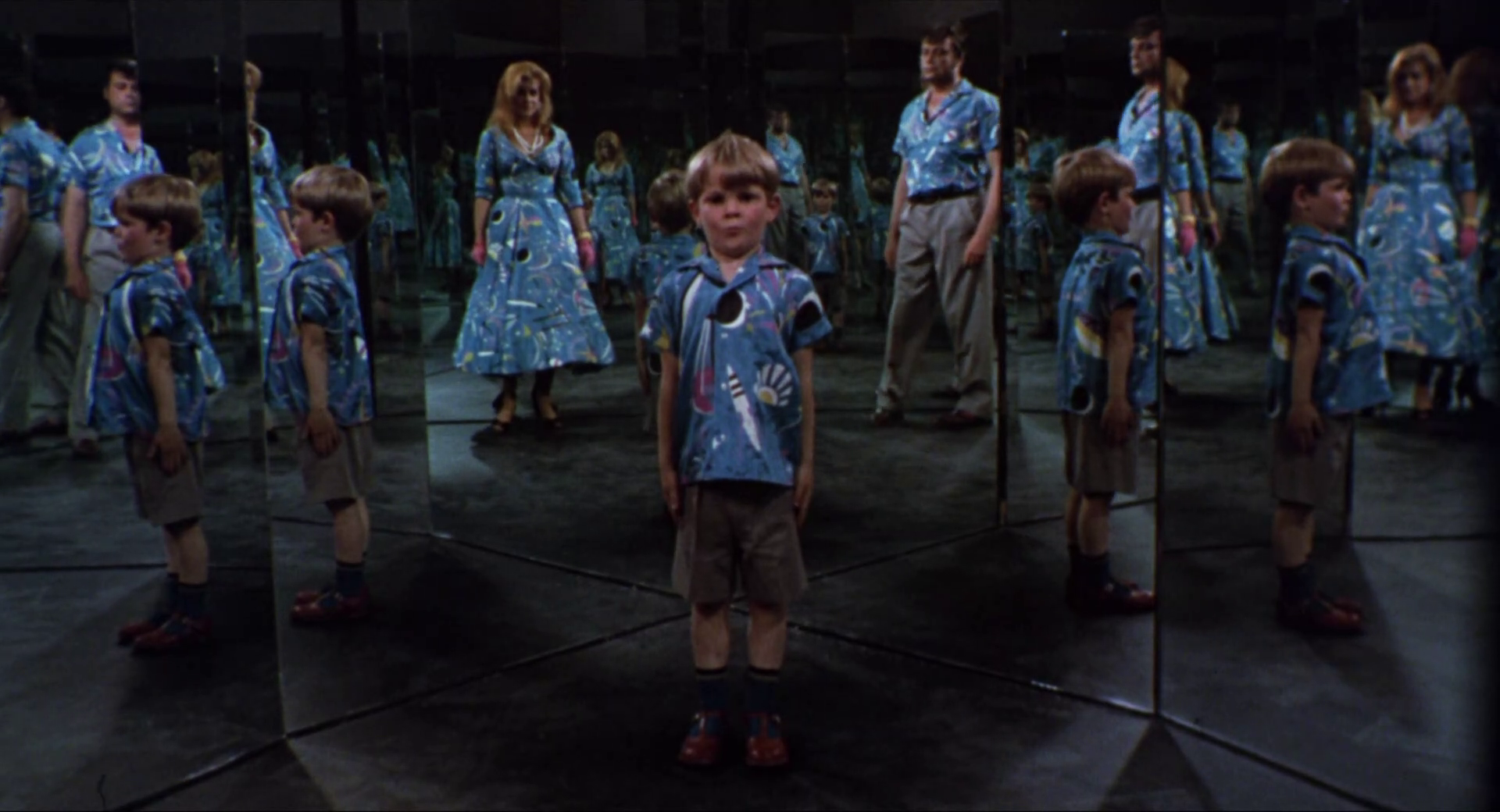
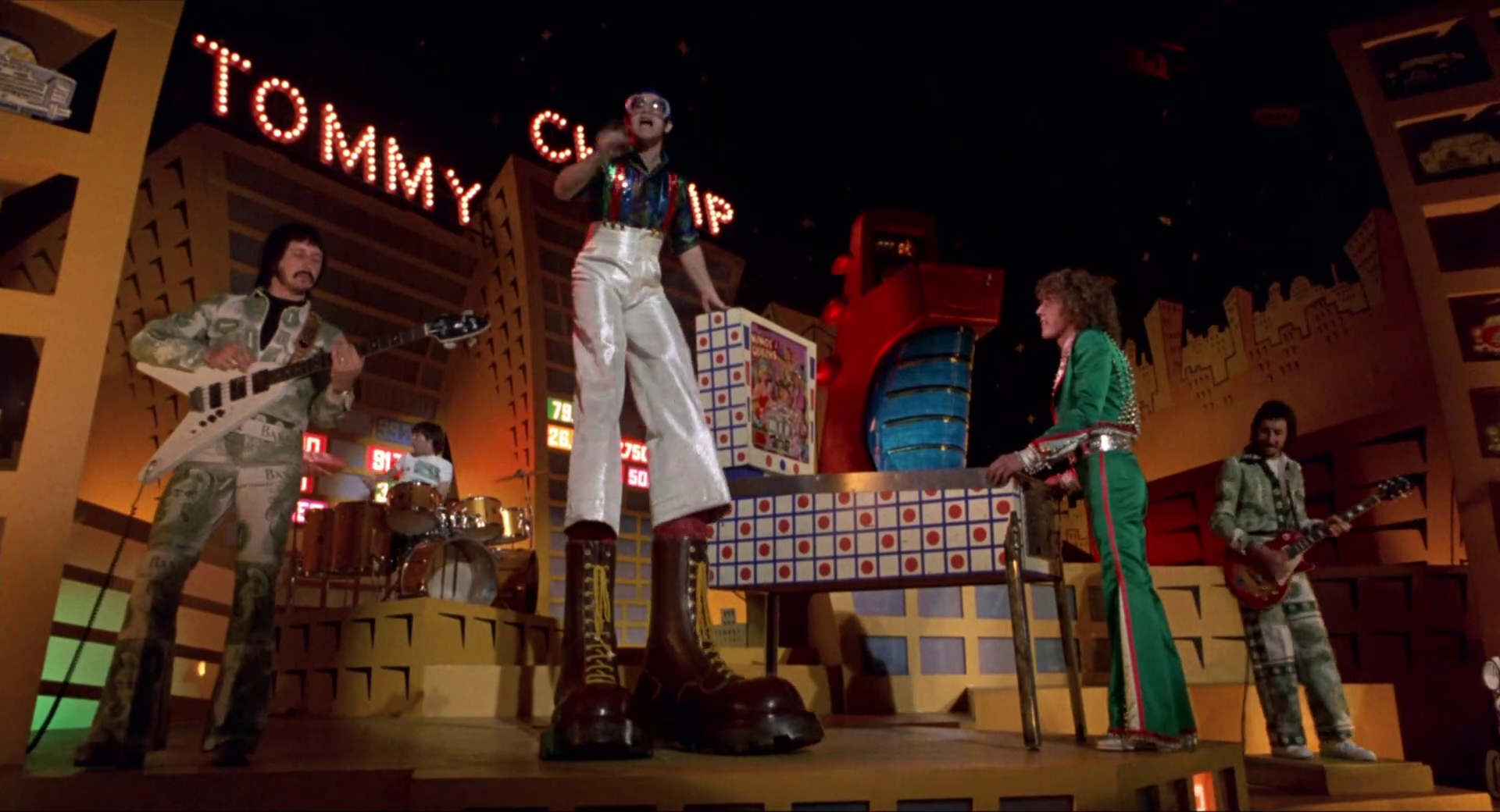
— is “ambitious, flamboyant, and at times imaginative, but eventually the succession of wild, colorful, and sometimes disgusting images wears you down”. He argues that “the picture’s about 40 minutes too long”, and that “another problem is that the score by Pete Townshend (with help from John Entwhistle and Keith Moon) doesn’t compare to the best Who music.” I’m in agreement with Peary’s assessment, and find it surprising that Ann-Margret — playing Tommy’s “tormented, heavy-drinking mother” — was nominated for an Oscar (presumably due to her multiple age-portrayals and impressively high level of dramatic “commitment”).
With all that said, this film is much too creatively staged and shot not to be seen at least once — and fans will likely enjoy repeat visits. Redeeming Qualities and Moments:
Must See? Categories
Links: |
“I’m very happy to say we think the people of this country should be proud of these kids, notwithstanding the way they dress or the way they wear their hair — that’s their own personal business.”
|
Synopsis: |
|
Genres, Themes, Actors, and Directors:
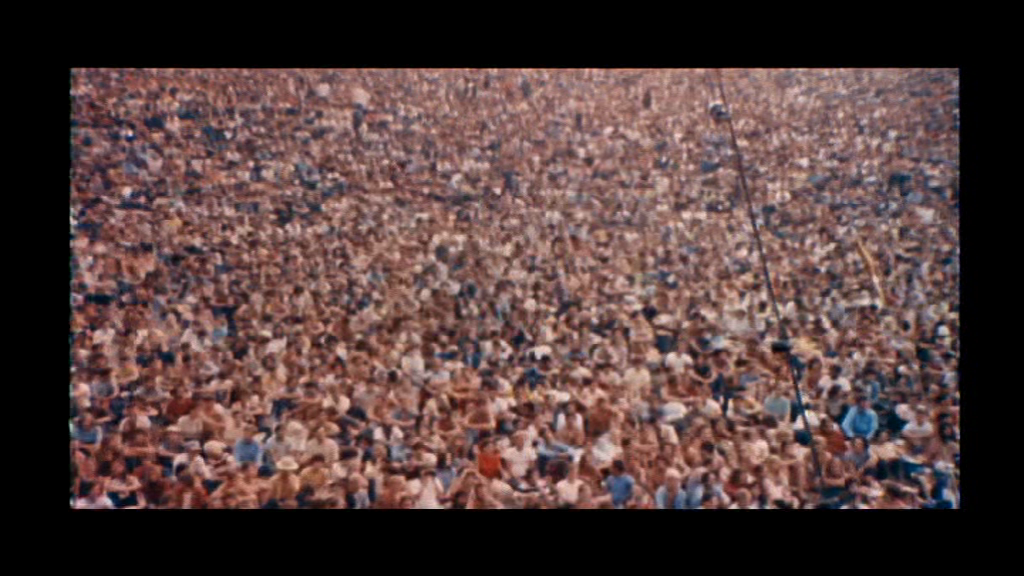
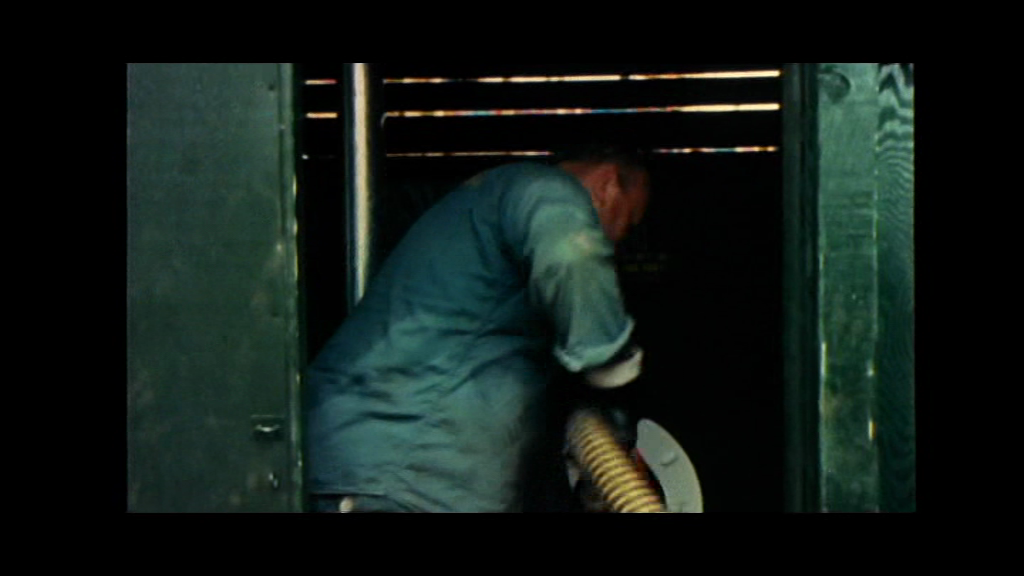
Response to Peary’s Review: There is much to enjoy about this engaging, smartly crafted documentary — but perhaps most impressive is how thoroughly the filmmakers provide as many perspectives on the event as possible. We hear from disgruntled neighbors, but also surprisingly generous and kind locals, such as those who stepped up to help feed the hungry crowds, or the cheery Port-a-San janitor who states he is “glad to do [his work] for these kids”. We see plenty of “turned on” participants having the time of their lives — but also listen to one distressed young woman desperate to escape the crowds. We hear a tireless worker sharing a hilariously rambling anecdote about trippers (“You wouldn’t believe some of the kids that come in here. They’re really spaced out. Last night, this cat, this cat comes in and says, ‘If anger is red and envy is green, what color is jealousy?’ And I mean, he’s really spaced out! And you just don’t go fucking people’s heads up when they’re spaced out! So I said, uh, “Black, right? Because jealousy is poison.'”) — but she then admits to feeling concern about her sister:
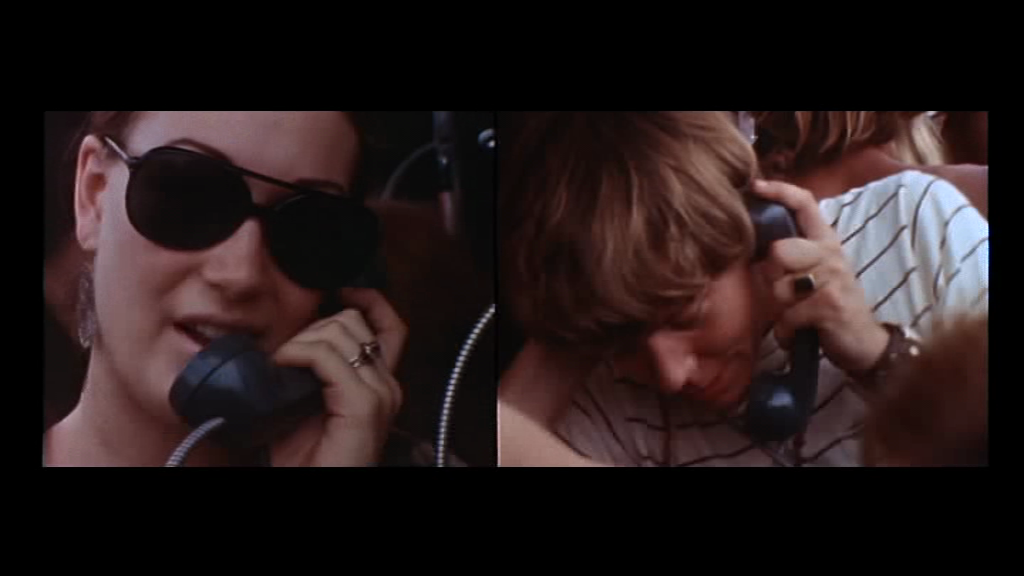
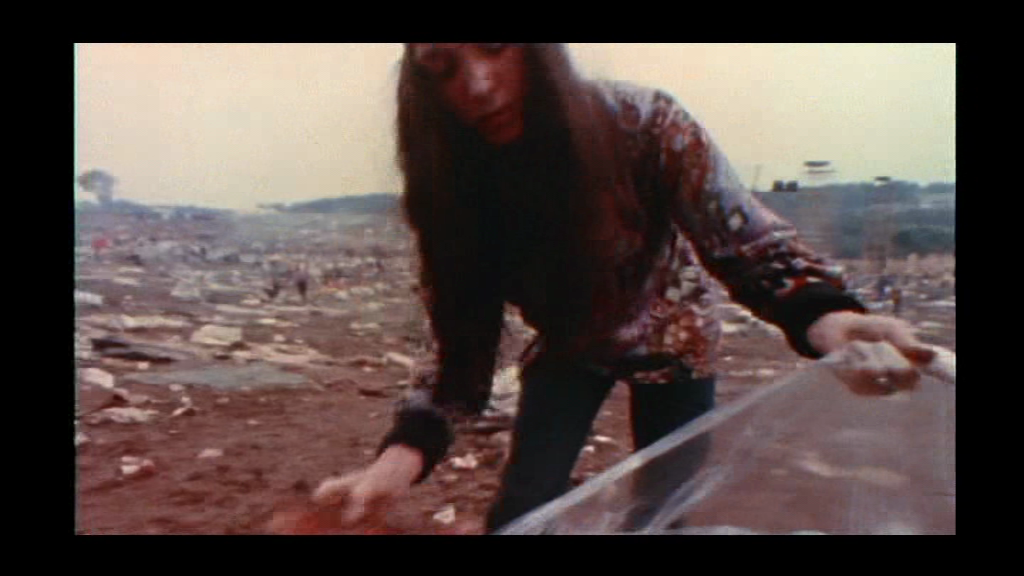
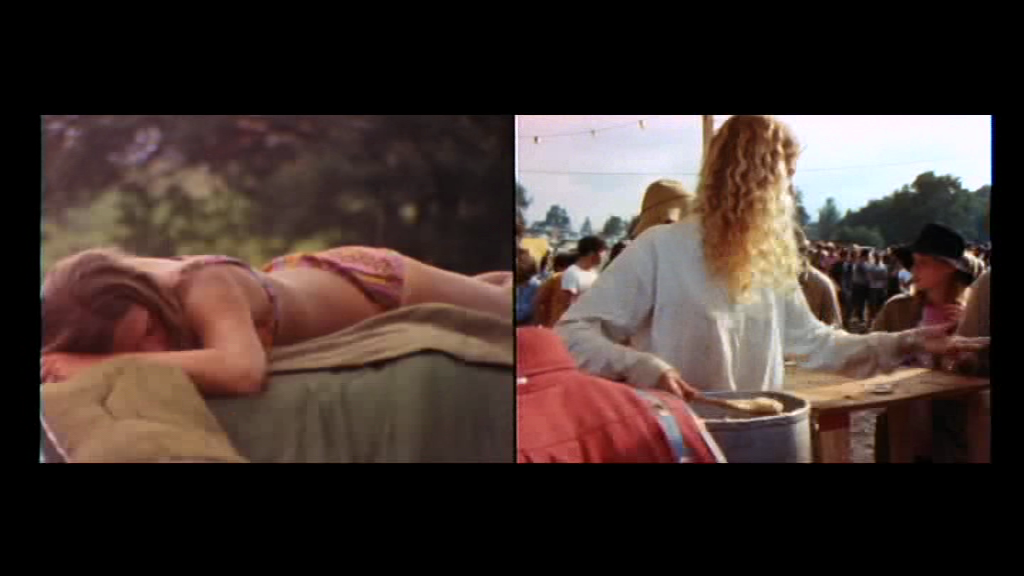
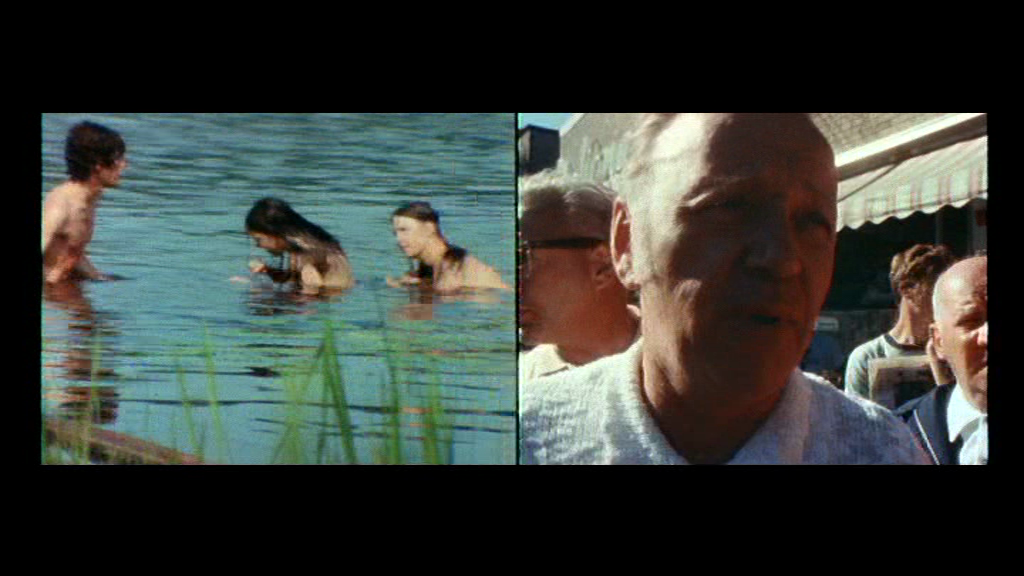
Speaking of home, we see kids lining up to make calls at a crowded telephone booth; sleeping like sardines on top of cars; skinny-dipping; caring for young children. We also see the tremendous amount of trash left behind after the concert (a detail most documentaries would shy away from); I was reminded of Frederick Wiseman’s films, which cover all facets — both important and seemingly insignificant — of what it takes to make an event or place run smoothly. One thing that distinguishes Wadleigh’s film from Wiseman’s, however, is his innovative use of split-screen imagery to show diverse perspectives on either a single moment or different points in time. The juxtaposition of concerned middle-aged neighbors with a shot of teens skinny-dipping is deliberately provocative, while other combinations simply help to convey the vastness of the event. Split-screen and super-imposition is especially extensive during musical sequences — to powerful effect, given that we can see both performers and viewers at once. IMDb notes that this stylistic choice was driven by necessity:
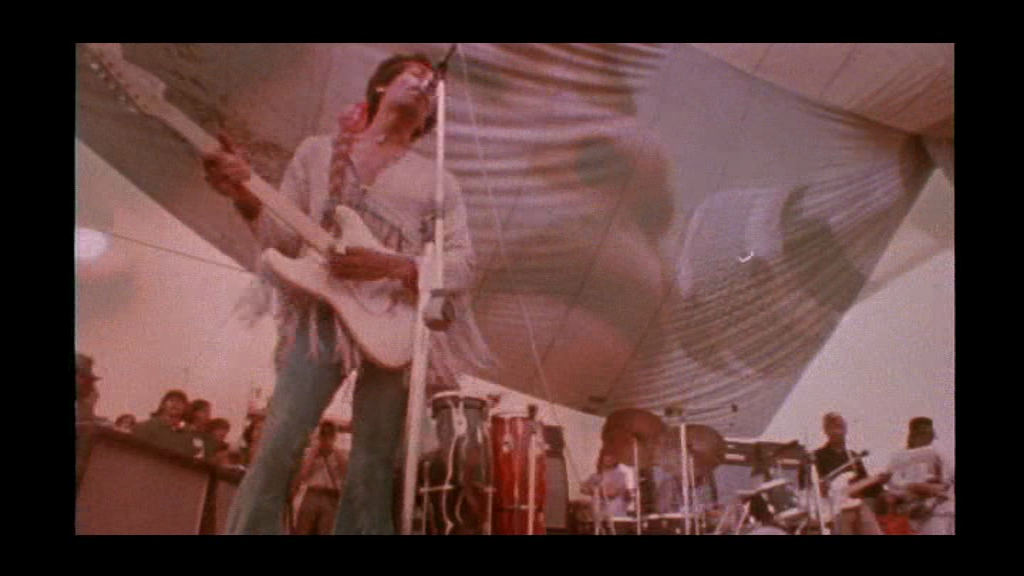
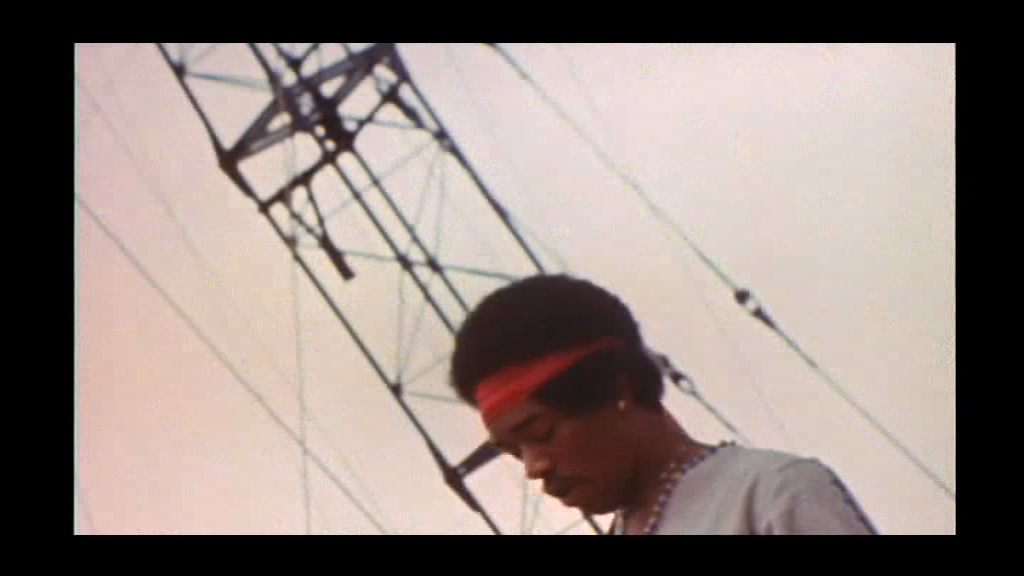
Interestingly, the musical performances ALMOST seem secondary to the ethnographic footage — though there are plenty of powerful songs, most notably Jimi Hendrix’s legendary riff on “Star Spangled Banner”. Interested viewers can read much, much more about this event — and the musical line-up — in numerous books or websites. Click here for a minute-by-minute overview of who performed when. Redeeming Qualities and Moments:
Must See? Categories
Links: |
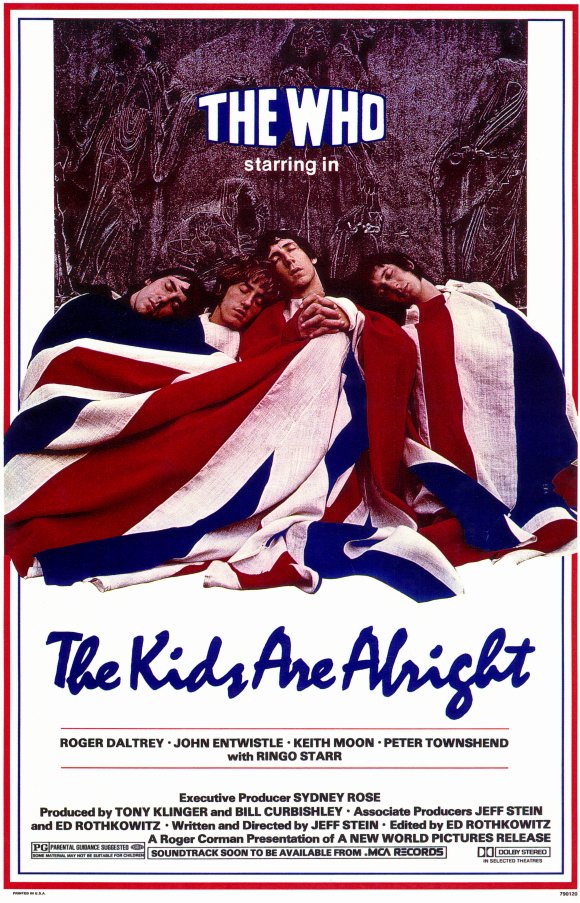
“You can’t stop doing what you’re doing, because you’d let down all these people.”
|
Synopsis: |
|
Genres, Themes, Actors, and Directors:
Response to Peary’s Review: I’m not positive about the veracity of the latter assertion, especially given the following rather cynical quote by young Townshend early in the group’s career:
as well as the film’s closing quote by an older Townshend (see beginning of this review), which continues as follows:
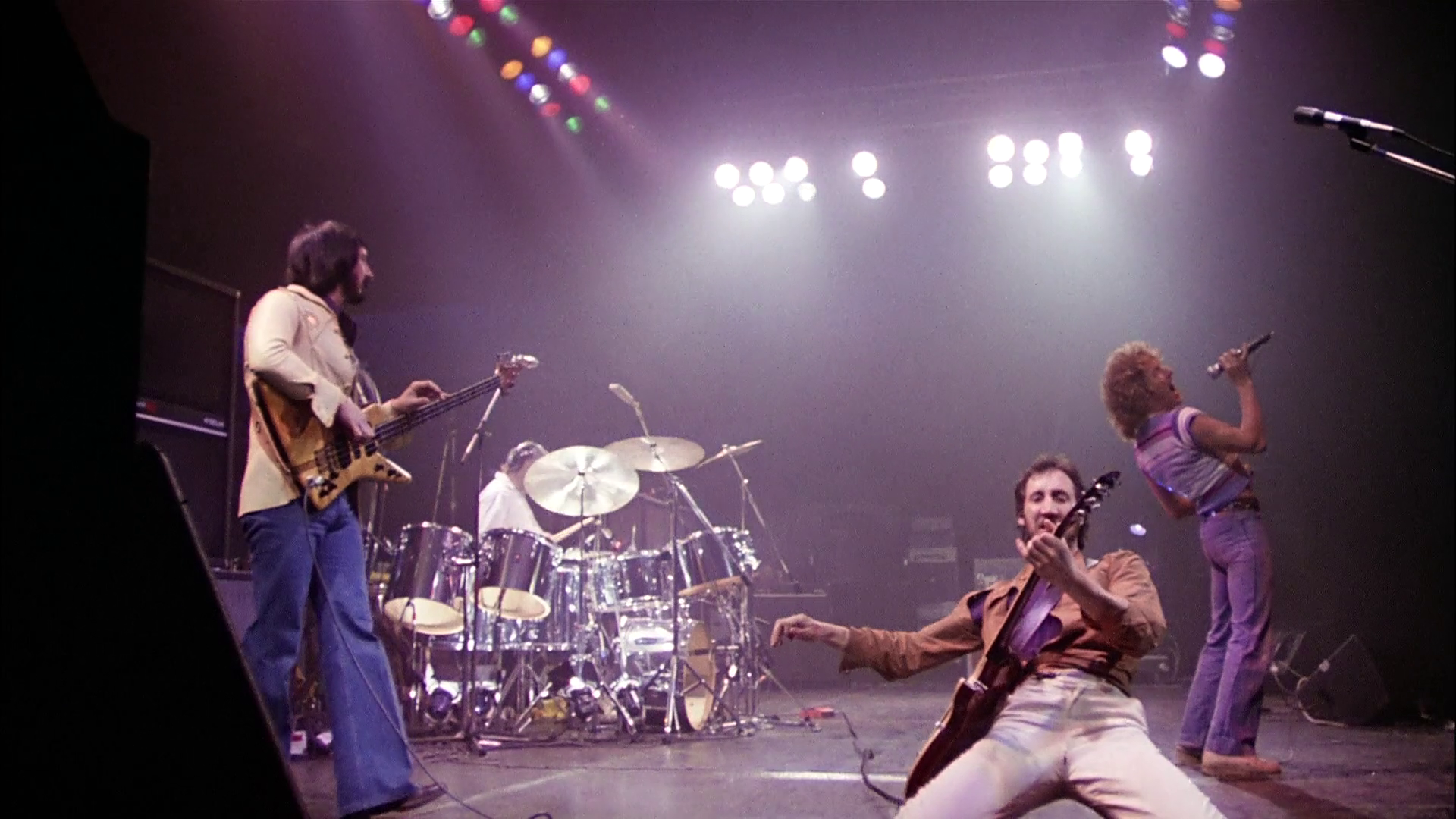
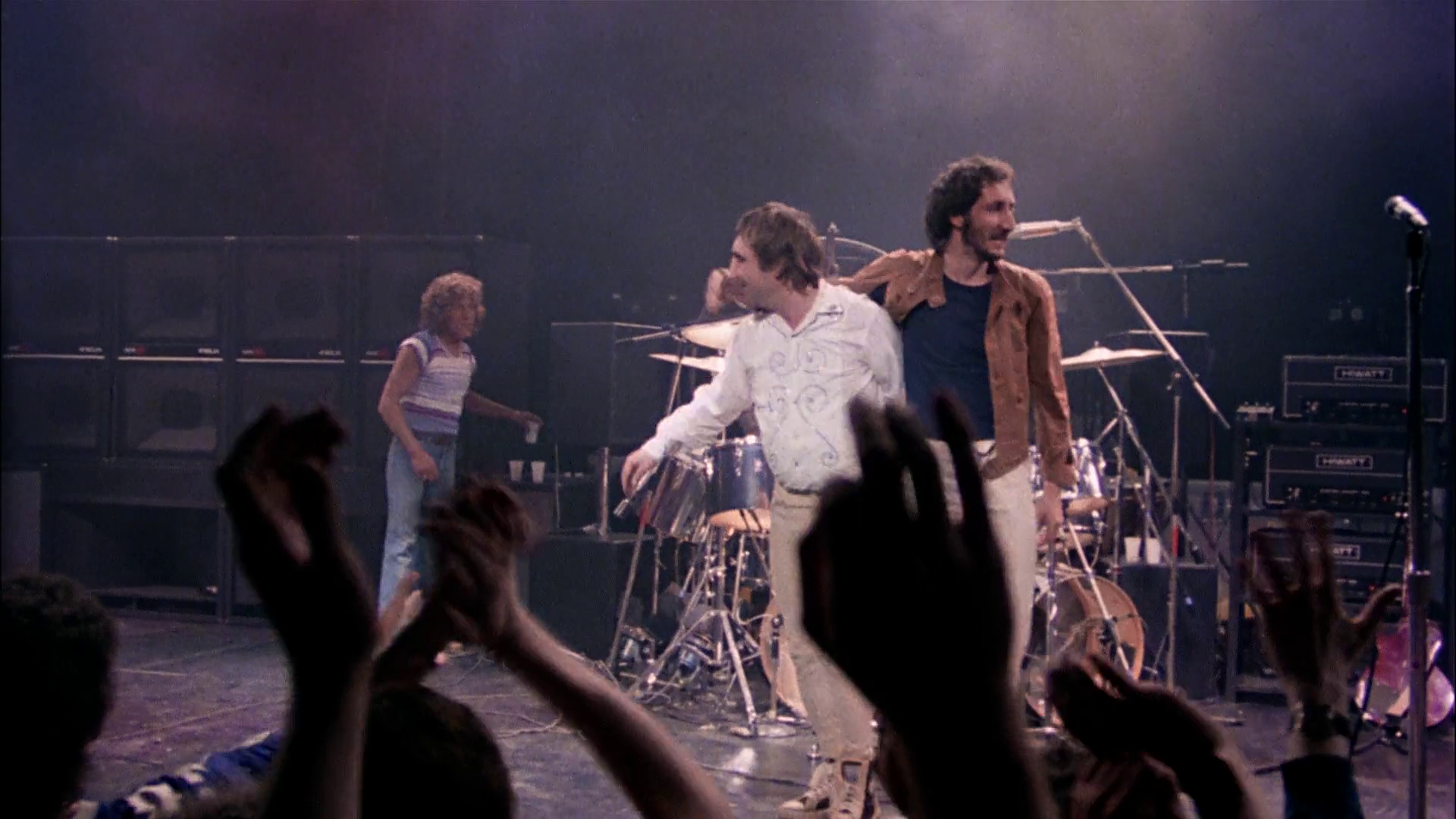
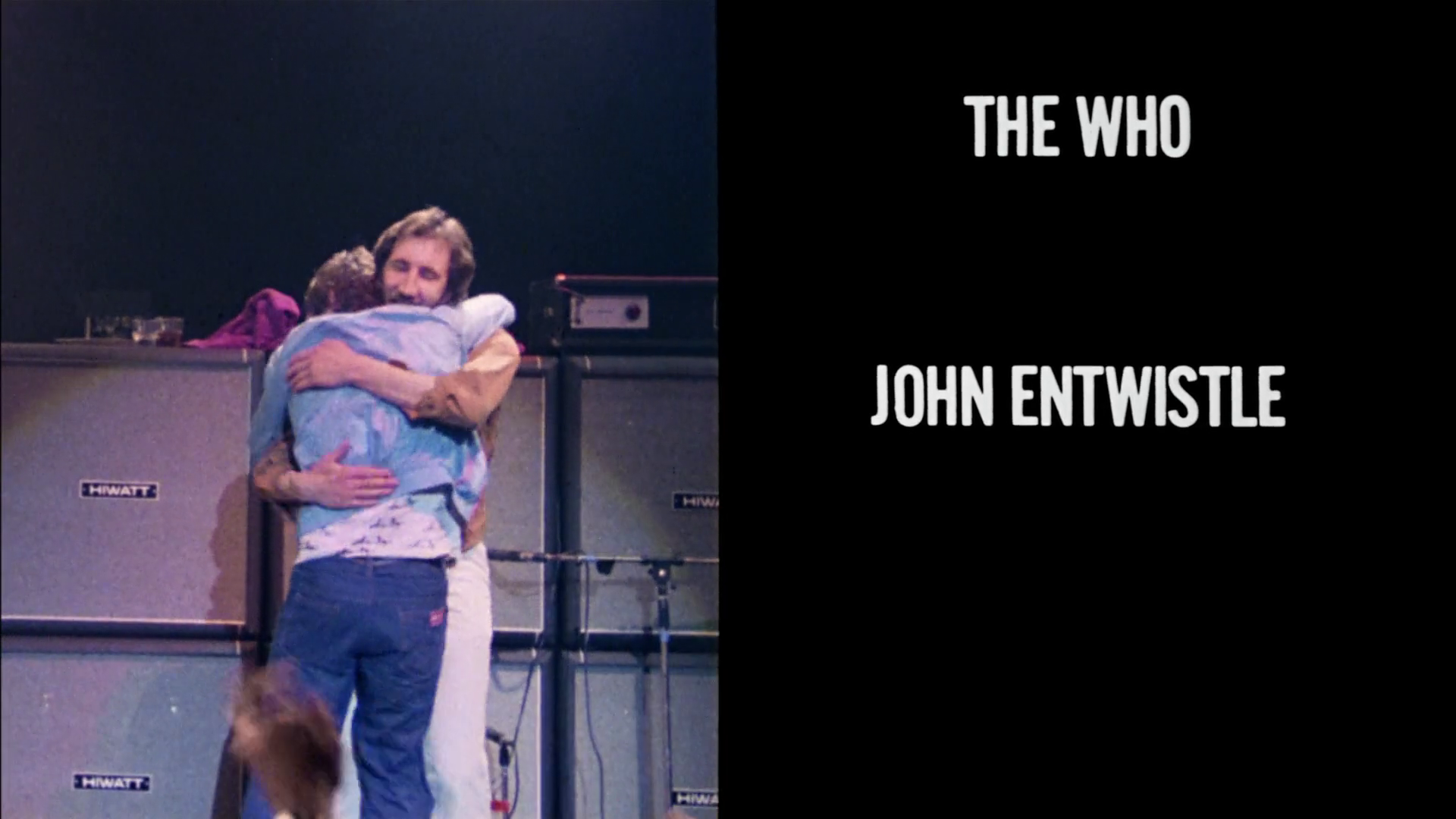
With that said, this final interview clip is followed by an enjoyably energetic and well-staged performance of “Won’t Get Fooled Again”, and surprisingly touching shots of the band embracing their adoring fans on-stage — thus making it seem like these men truly are playing for the enjoyment they bring to their fans (and continue to do so today). Note: According to Wikipedia, the deeply drug-addicted “Moon… died one week after seeing the rough cut [of this documentary] with Daltrey.” Redeeming Qualities and Moments:
Must See? Links: |
“It was almost as if I’d suddenly run into a solid sheet of water.”
|
Synopsis: |
|
Genres, Themes, Actors, and Directors:
Review: Redeeming Qualities and Moments:
Must See? Links: |
“If there’s one thing I have learned from this trip it’s that you play the game, and take what you get.”
|
Synopsis: |
|
Genres, Themes, Actors, and Directors:
Review: Redeeming Qualities and Moments:
Must See? Links: |
“She’s stronger than she looks — I’m working on the image!”
|
Synopsis: |
|
Genres, Themes, Actors, and Directors:
Review:
Redeeming Qualities and Moments:
Must See? Links: |
“Whatever you think I am — or want me to be — I am.”
|
Synopsis: |
|
Genres, Themes, Actors, and Directors:
Review:
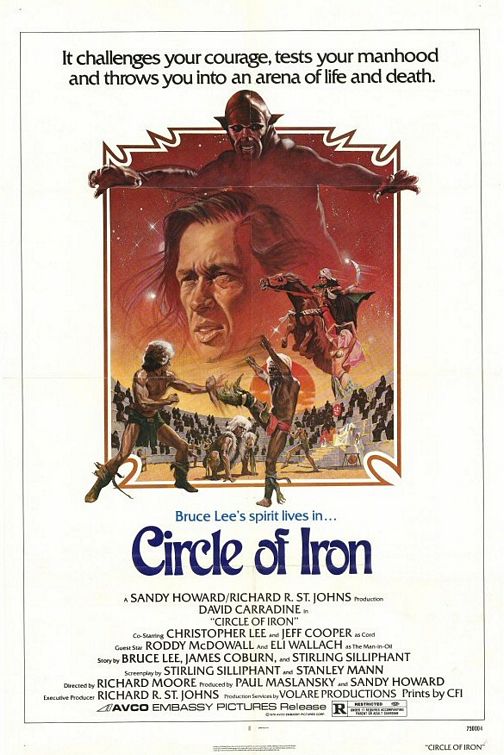
and the fantasy sets are reasonably impressive. This one isn’t must-see for all film fanatics, but fans of the genre will likely want to check it out. Most surreal sequence: Eli Wallach explains his ten-year “tub cure” to Cooper. Redeeming Qualities and Moments:
Must See? Links: |
“Did you ever go to a totally strange place and feel certain you had been there before?”
|
Synopsis: |
|
Genres, Themes, Actors, and Directors:
Response to Peary’s Review:
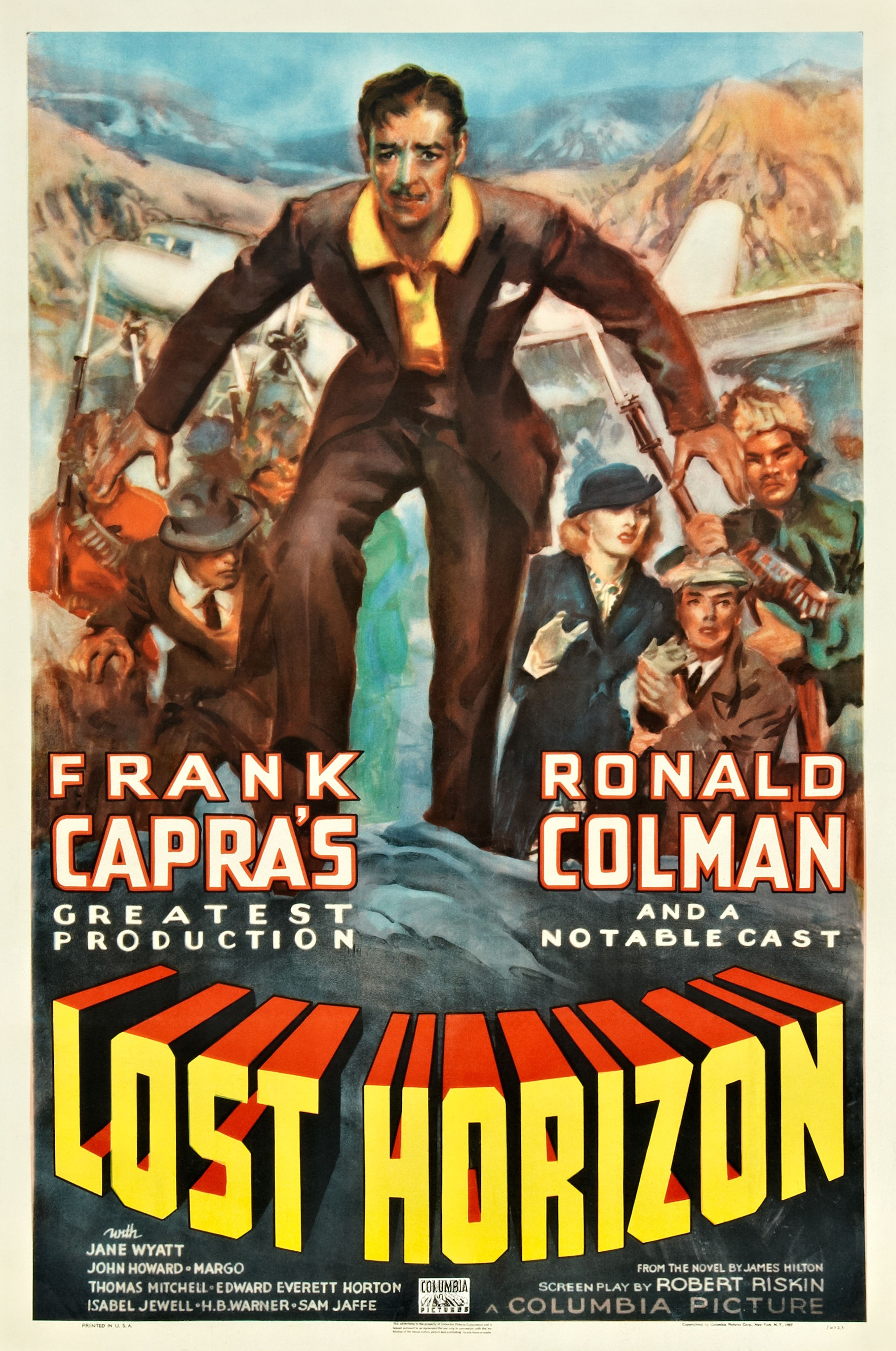
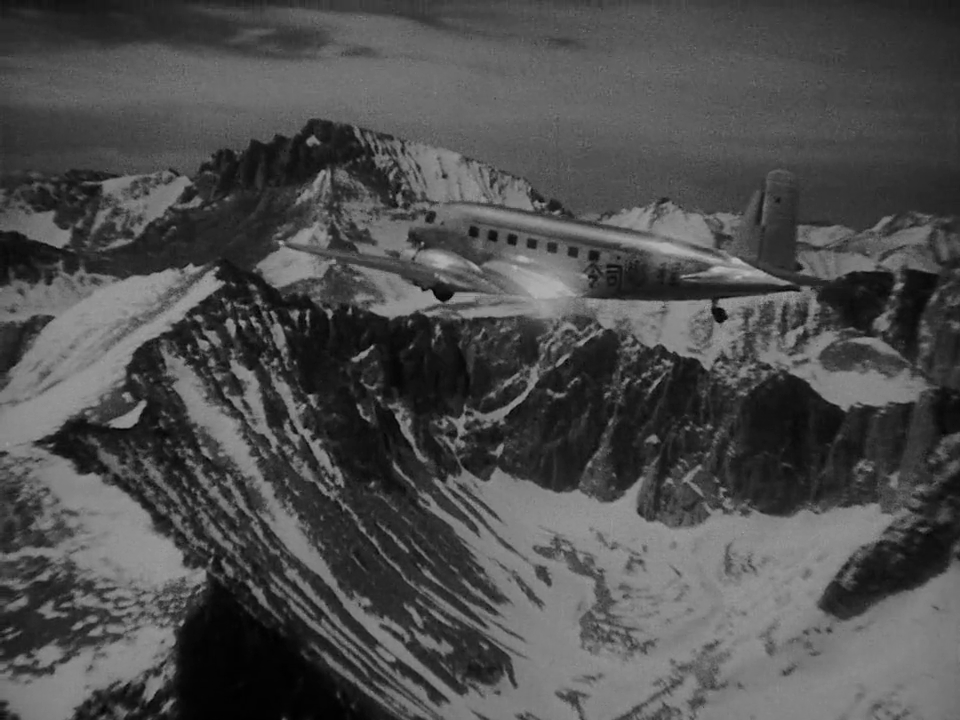
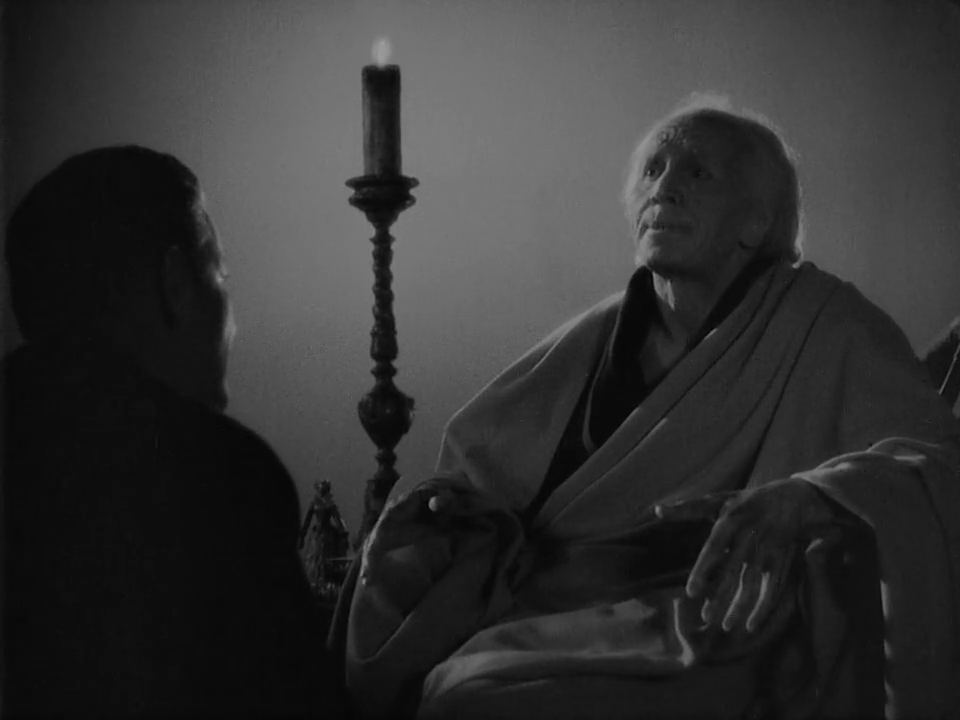
He notes that “the time the characters spend in this land where people are healthy, exist in harmony, and live for 200 years is dull in comparison”. Peary’s review is spot on: the opening scenes during the revolt are thrilling and fast-paced, but Shangri-La itself comes across as little more than a beautiful spa; plus, it’s distressing seeing the “happy natives” all working or in school while the whites live in luxury. I’m also not a fan of Jaffe’s casting as the High Lama, though he does come across as appropriately deluded.
The twist near the end is exciting, and Joseph Walker’s cinematography is gorgeous — but otherwise, this film is primarily of interest as a historical document. Note: According to Wikipedia, the film “exceeded its original budget by more than $776,000, and it took five years for it to earn back its cost.” Redeeming Qualities and Moments:
Must See? Links: |