Greed (1924)

Greed (1924)

“You won’t touch my money, I tell you!”

Synopsis:
When a miner-turned-dentist (Gibson Gowland) is introduced to the cousin and girlfriend (ZaSu Pitts) of his friend Marcus (Jean Hersholt), he falls instantly in love and is granted permission by Marcus to woo her. Shortly before their marriage, Trina (Pitts) wins $5,000 in a lottery ticket purchased from a neighbor (Dale Fuller), and becomes increasingly unhinged about spending money; meanwhile, Marcus regrets his decision to “give away” Trina and harbors deep resentment towards McTeague.

Genres, Themes, Actors, and Directors:

  • Dentists
  • Erich von Stroheim Films
  • Gold Seekers
  • Greed
  • Marital Problems
  • Mental Breakdown
  • Rivalry
  • Silent Films
  • Zasu Pitts Films

Response to Peary’s Review:
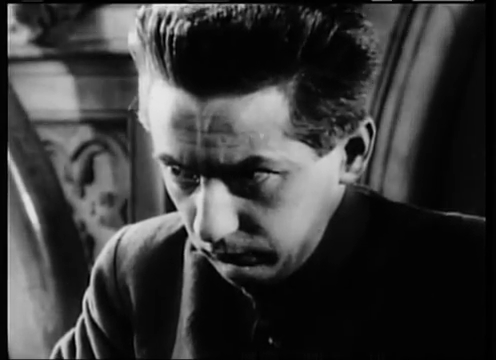
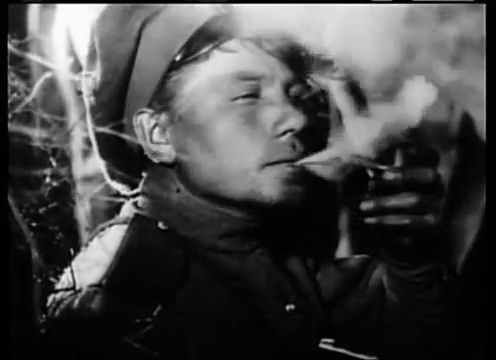
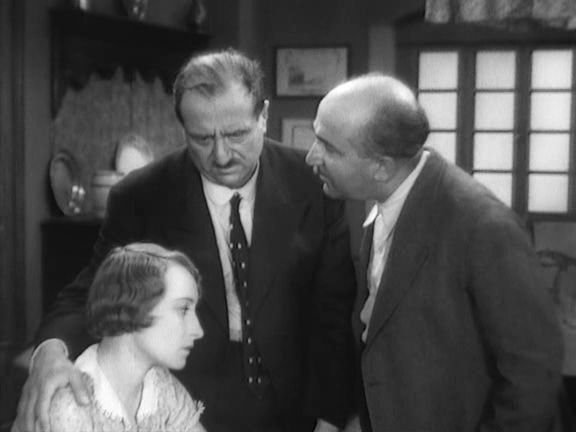
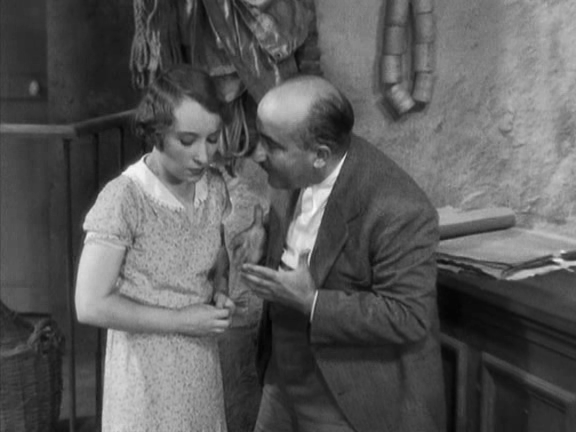
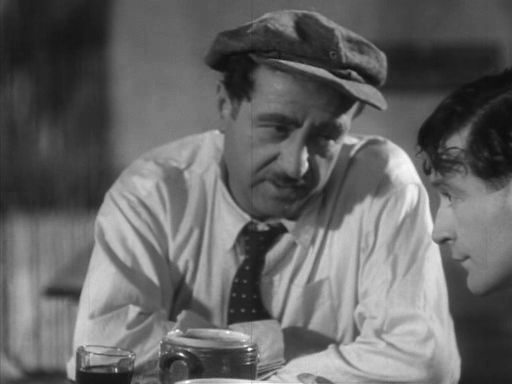
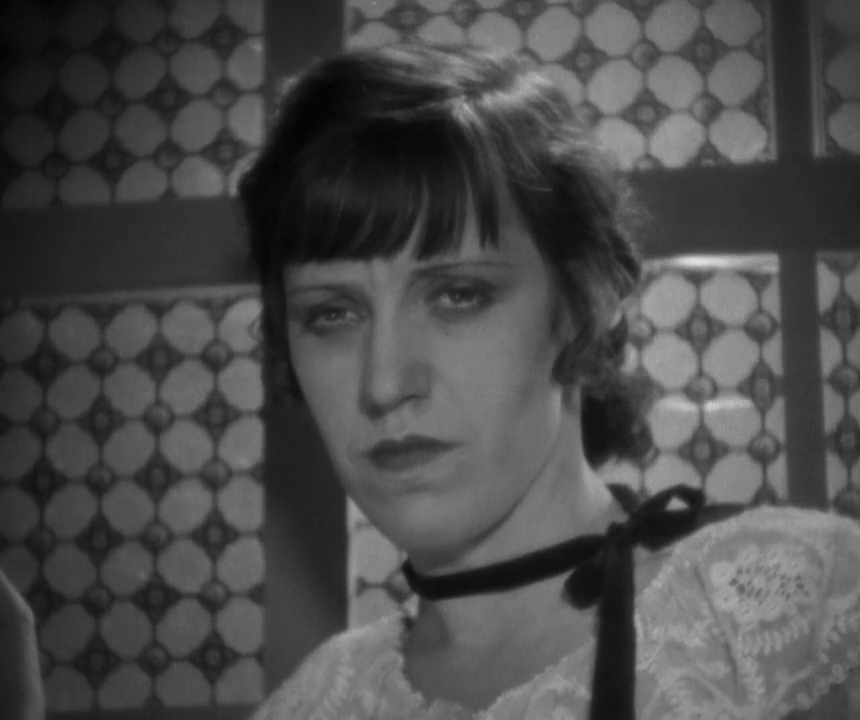
Peary begins his review of “Erich von Stroheim’s original, extremely faithful version of McTeague, Frank Norris’s well-known naturalist novel” by noting that it “was nearly 10 hours long” and then “drastically cut,” with “all excised footage… destroyed.” (Since Peary’s GFTFF was published, a fascinating four-hour restoration was completed by Turner Entertainment, which is the version I watched; you can read a lot more about it here.) Peary writes that in the butchered version, the “three most prominent characters” remain, and “despite being trimmed to about a fourth of it original length” it “is still a masterpiece, one of the greatest of silent films and a picture that still has impact today.” He notes that “surely no character has better displayed avarice than Pitts, whose brow rises automatically and eyes look cunning any time she can even smell money”:

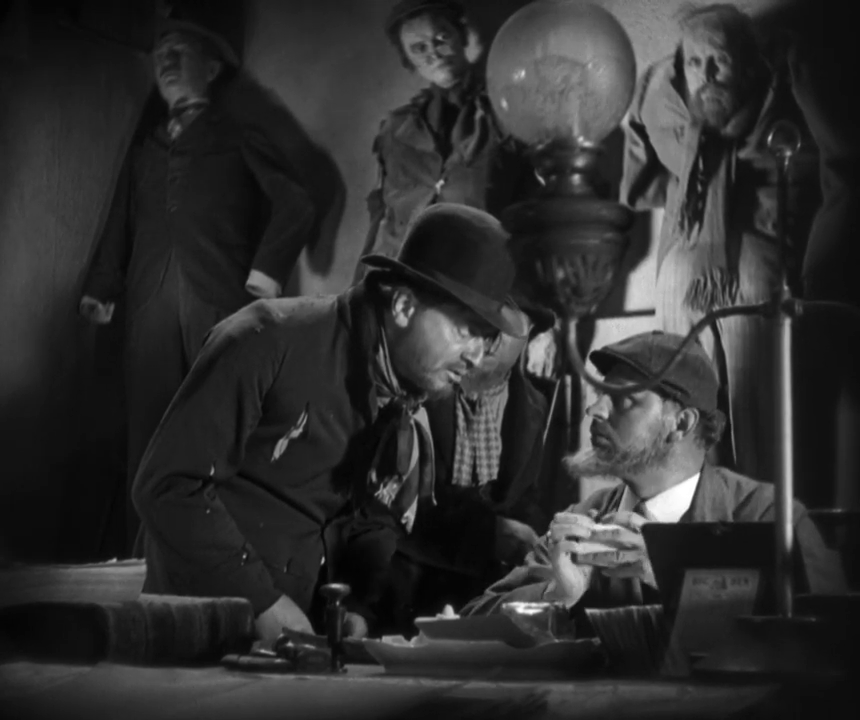
(I’m actually not sure “avarice” is the best word to describe her pitiful character, who seems to suffer from an extreme form of OCD.) Peary adds that “the film also benefits from Von Stroheim’s typical array of unusual supporting characters”:

… “the intensity of his directing and the acting”:

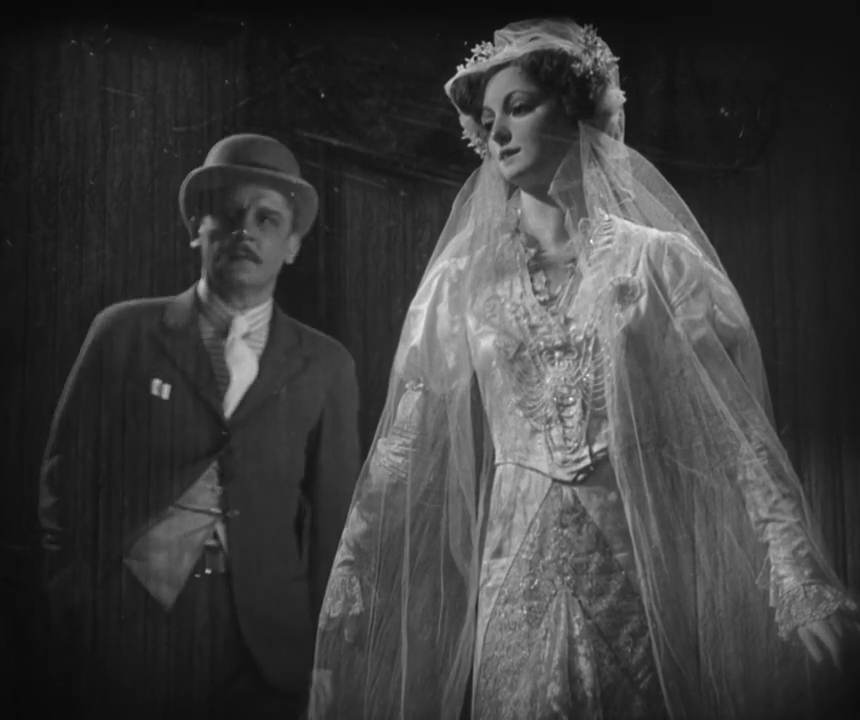
… “his attention to set design”:

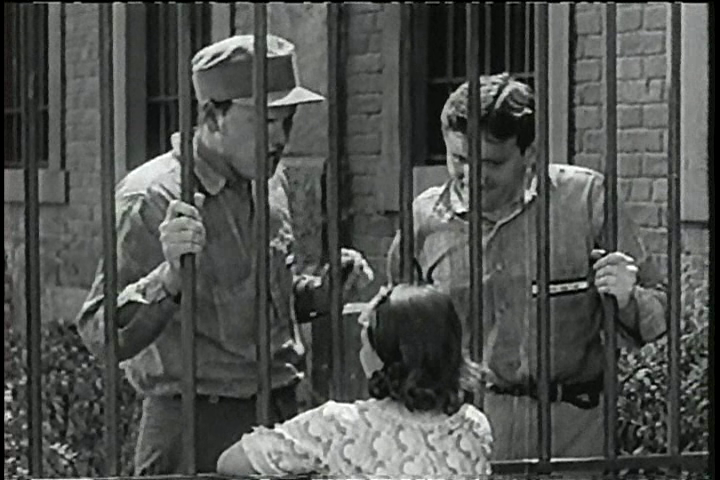
… “and his decision to film on location in San Francisco and even Death Valley for the classic finale.”


Peary writes that “the worst result of the extreme studio-imposed editing is that the changes in the characters’ personalities once money enters their lives are too rushed… For the naturalism of Norris to be conveyed propertly, the deterioration of their marriage and their descent from nice people to ‘animals’ must have a more natural progression.” Thankfully, this concern is addressed and fixed in the restored version, which is recommended. Indeed, the entire storyline remains remarkably compelling and relevant; I’m hard-pressed to think of a better film about the consequences of money-driven psychosis, greed, and envy.

Notable Performances, Qualities, and Moments:

  • William Daniels’ cinematography

Must See?
Yes, as a classic of the silent era.

Categories

  • Genuine Classic
  • Historically Relevant
  • Important Director

(Listed in 1001 Movies You Must See Before You Die)

Links:

October / Ten Days That Shook the World (1927)

October / Ten Days That Shook the World (1927)

“Bread — peace — land — brotherhood!”

Synopsis:
After the February Revolution and the establishment of a Provisional Government helmed by Alexander Kerensky (Nikolay Popov), Lenin (Vasili Nikandrov) leads a group of Bolshevik revolutionaries in storming the Winter Palace during October of 1917.

Genres, Themes, Actors, and Directors:

  • Revolutionaries
  • Russian Films
  • Sergei Eisenstein Films
  • Silent Films

Response to Peary’s Review:
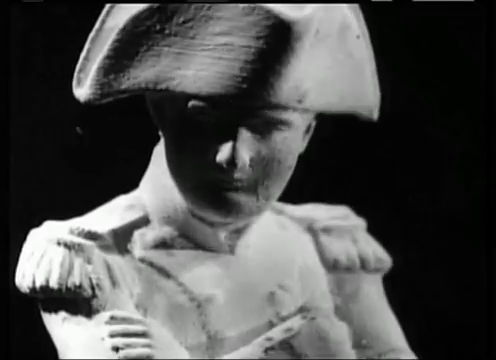
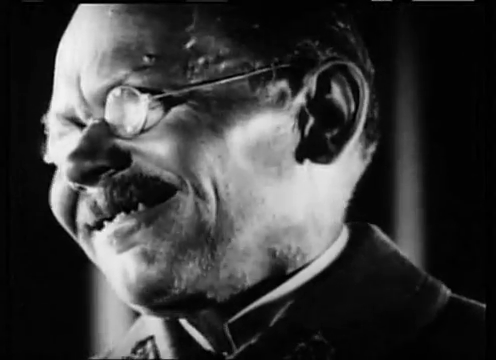
In his review of Sergei Eisenstein’s “visually dynamic version of Russia’s October Revolution of 1917” — the 67 minute cut, about half-an-hour shorter than the restored version now in circulation — Peary refers to the film as “a great propaganda piece,” with interim ruler “Kerensky portrayed as a power-hungry neurotic who is no different from Napoleon or Czar Nicholas”:


… and “the bourgeoisie who thrive under Kerensky [shown as] decadent types… who treat the Bolsheviks contemptuously and… brutally”:

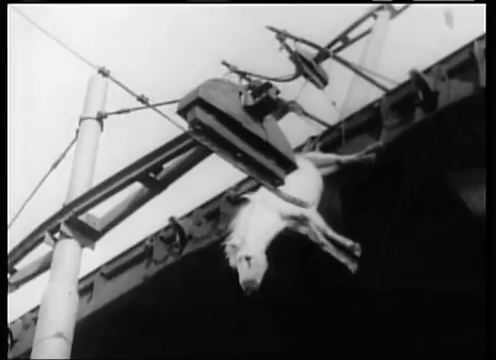
Peary points out that the “film has several amazing sequences,” including “a dead horse (symbol of the Russian laborer)… lifted high into the air by the rising drawbridge it’s roped to”:

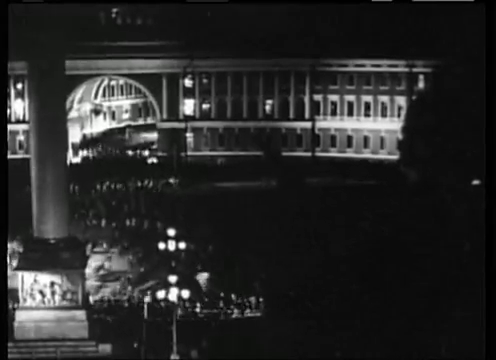
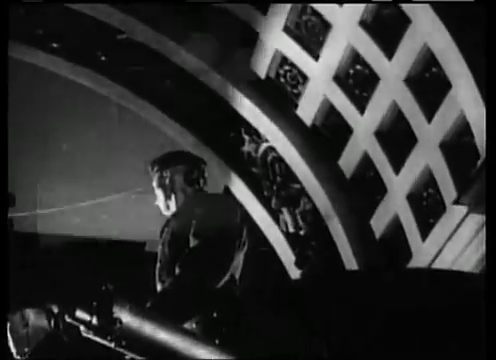
… and “the lengthy, exciting storming of the Winter Palace by the Bolsheviks”:

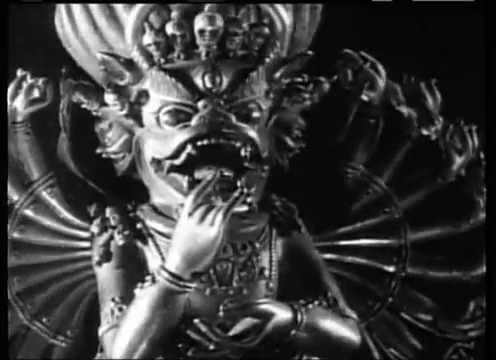
However, he notes that the film is “most known for Eisenstein’s startling use of montage to create rhythm, build tension, and express ideas.”

Indeed, those interested in Soviet-era cinematic montage won’t want to miss this classic outing by a master of the craft — though it’s not must-see viewing for all film fanatics.

Notable Performances, Qualities, and Moments:

  • Powerful imagery, cinematography, and montage

Must See?
No, though it’s certainly worth a look for its historical relevance.

(Listed in 1001 Movies You Must See Before You Die)

Links:

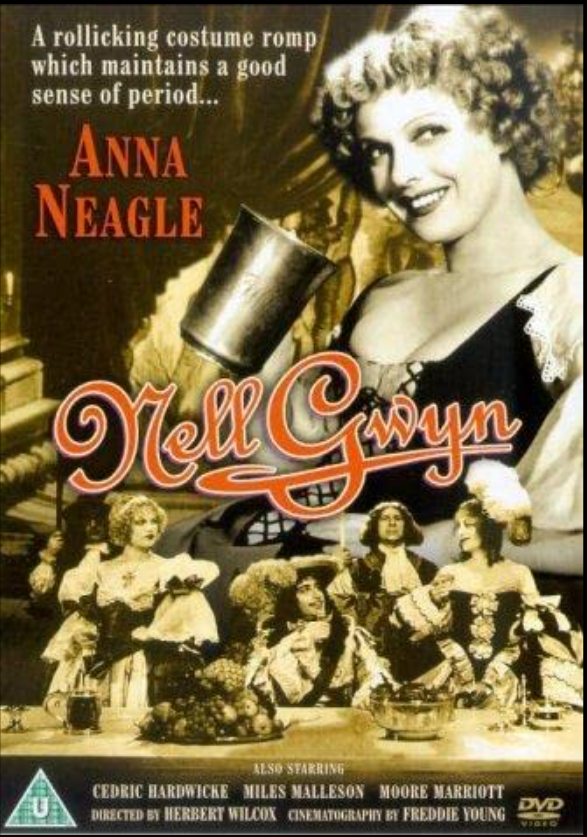
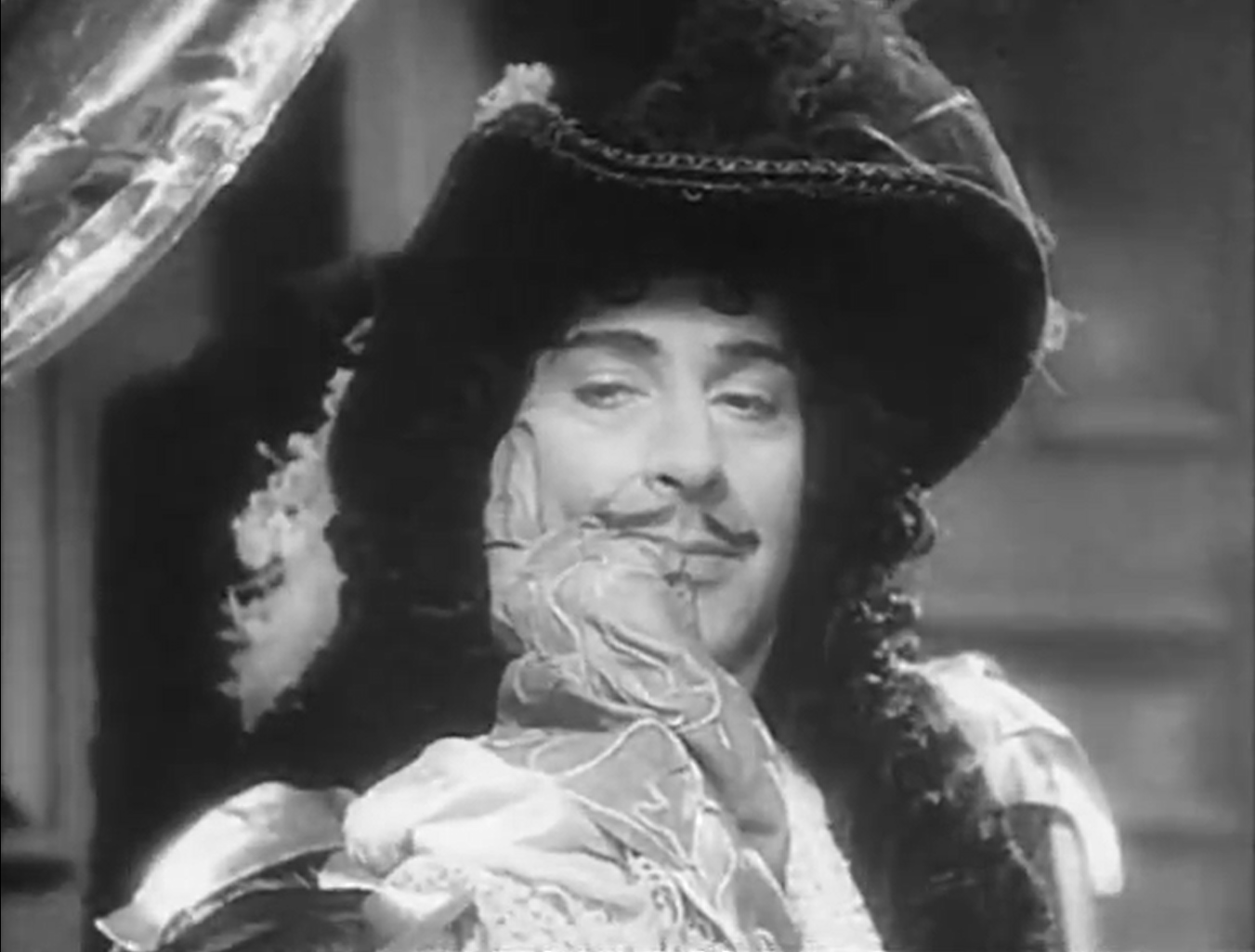
Nell Gwyn (1934)

Nell Gwyn (1934)

“How should I know what… pleases your majesty?”

Synopsis:
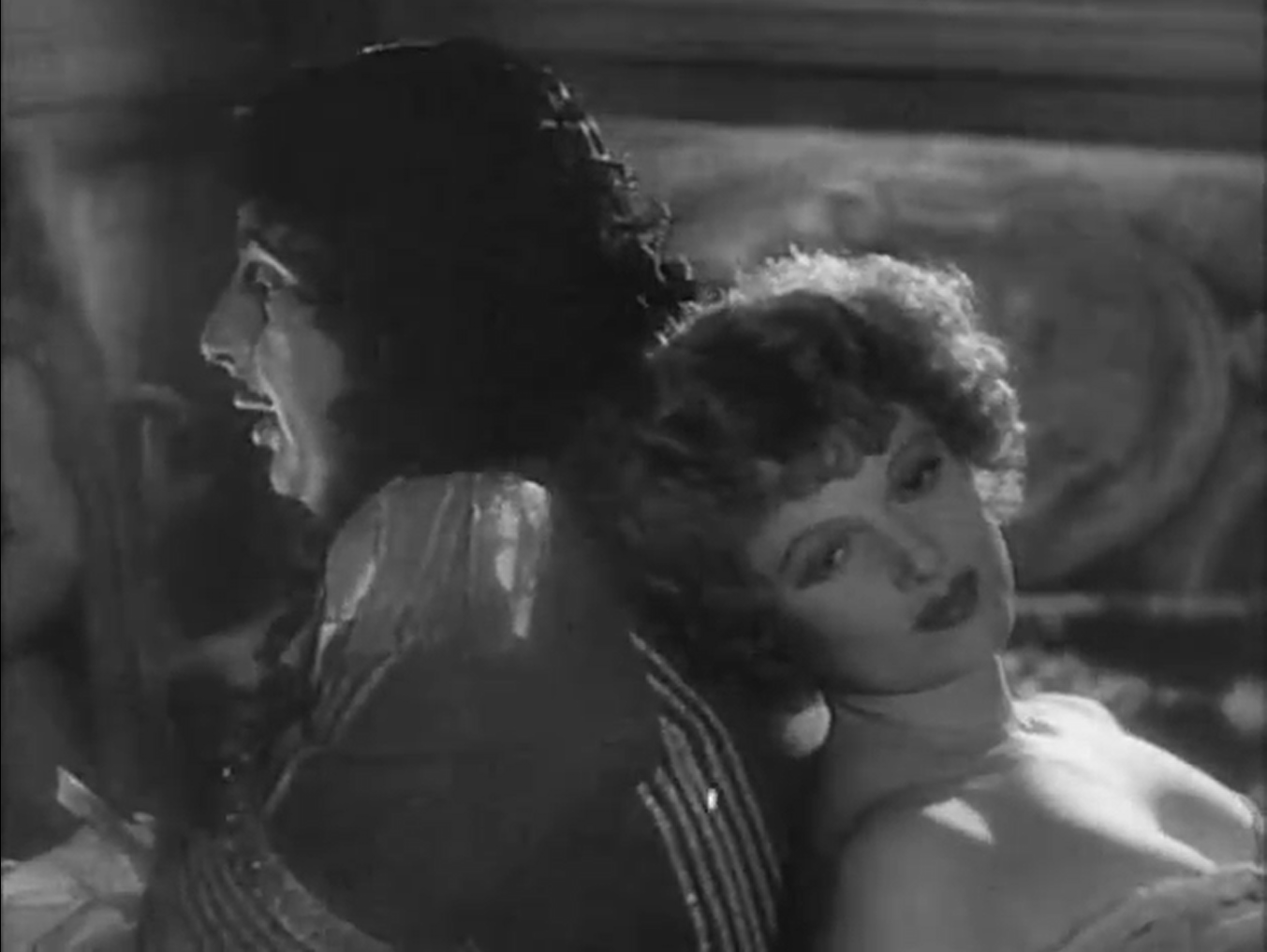
In 17th century England, dance hall performer Nell Gwyn (Anna Neagle) becomes a beloved confidante and lover of King Charles II, quickly butting heads with his arrogant French mistress (Jeanne De Casalis).

Genres, Themes, Actors, and Directors:

  • Actors and Actresses
  • Biopics
  • Cross-Class Romance
  • Historical Drama
  • Royalty and Nobility

Review:
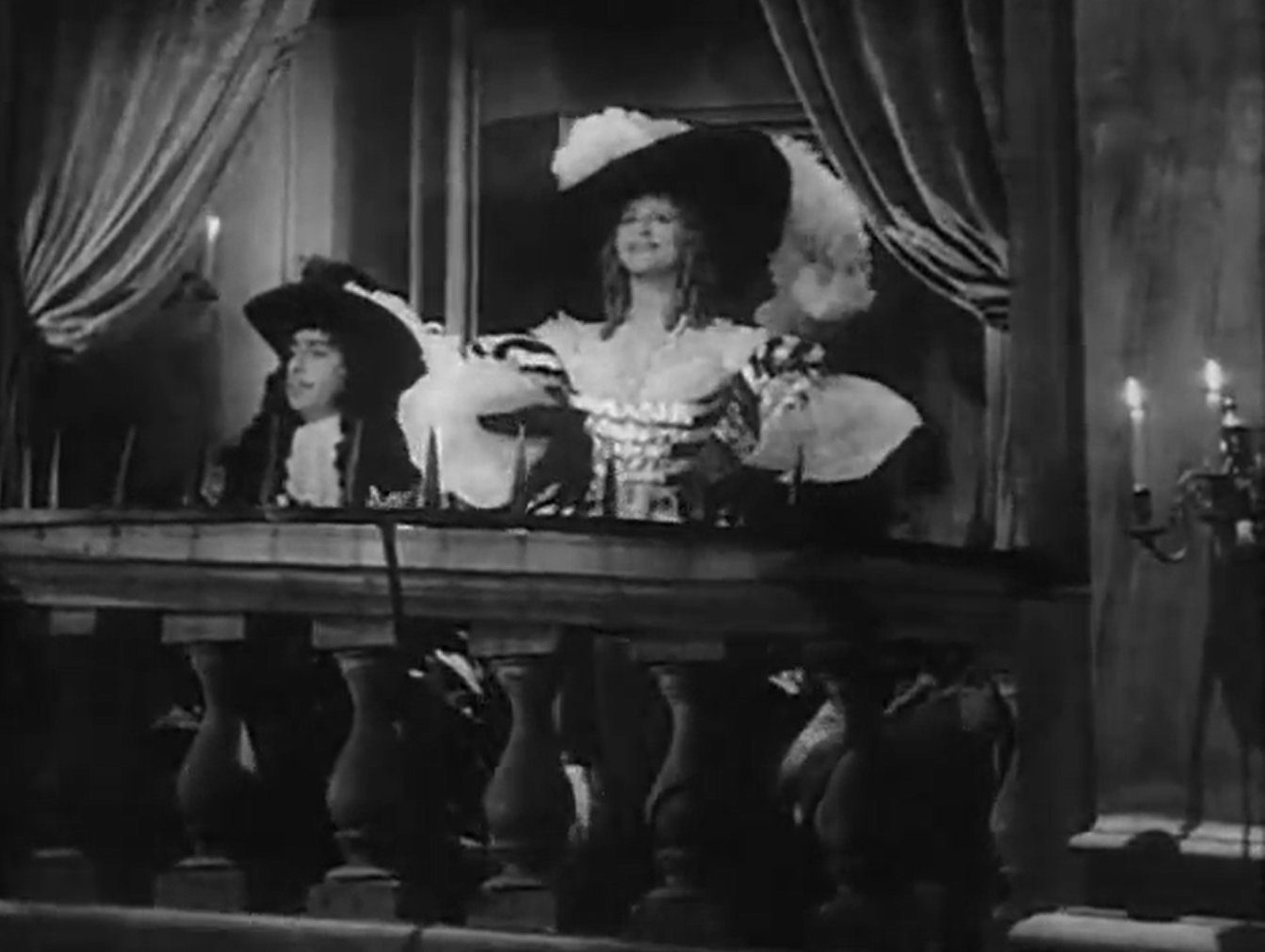
Anna Neagle shines in the title role of this historical biopic-comedy which tells the satisfying (albeit bittersweet) tale of a bawdy performer who authentically won the heart of the king while showing up the shallowness of her snooty formal rival, the Duchess of Portsmouth (De Casalis):

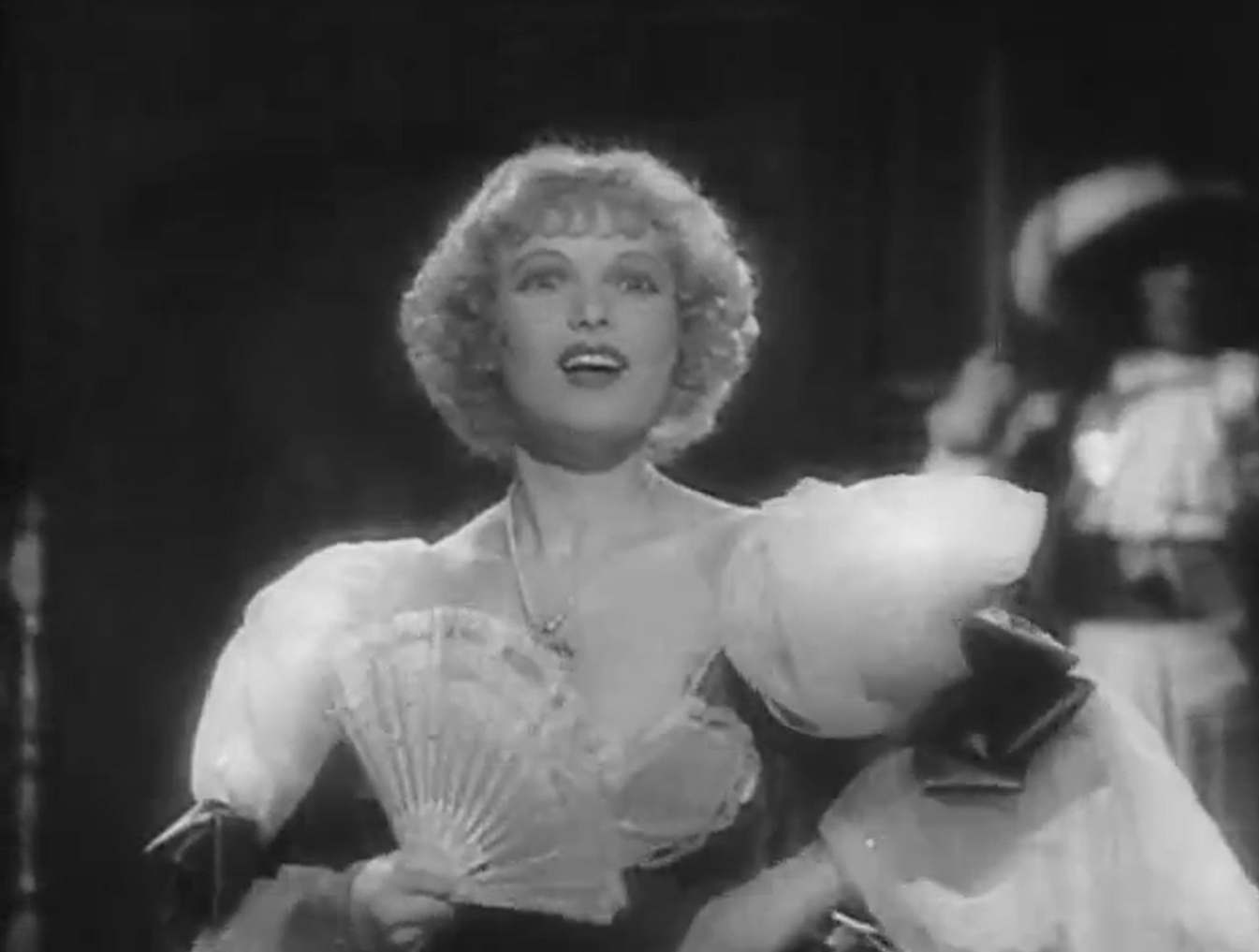
It’s easy to see why the king would fall for Nell, with her infectious laugh:

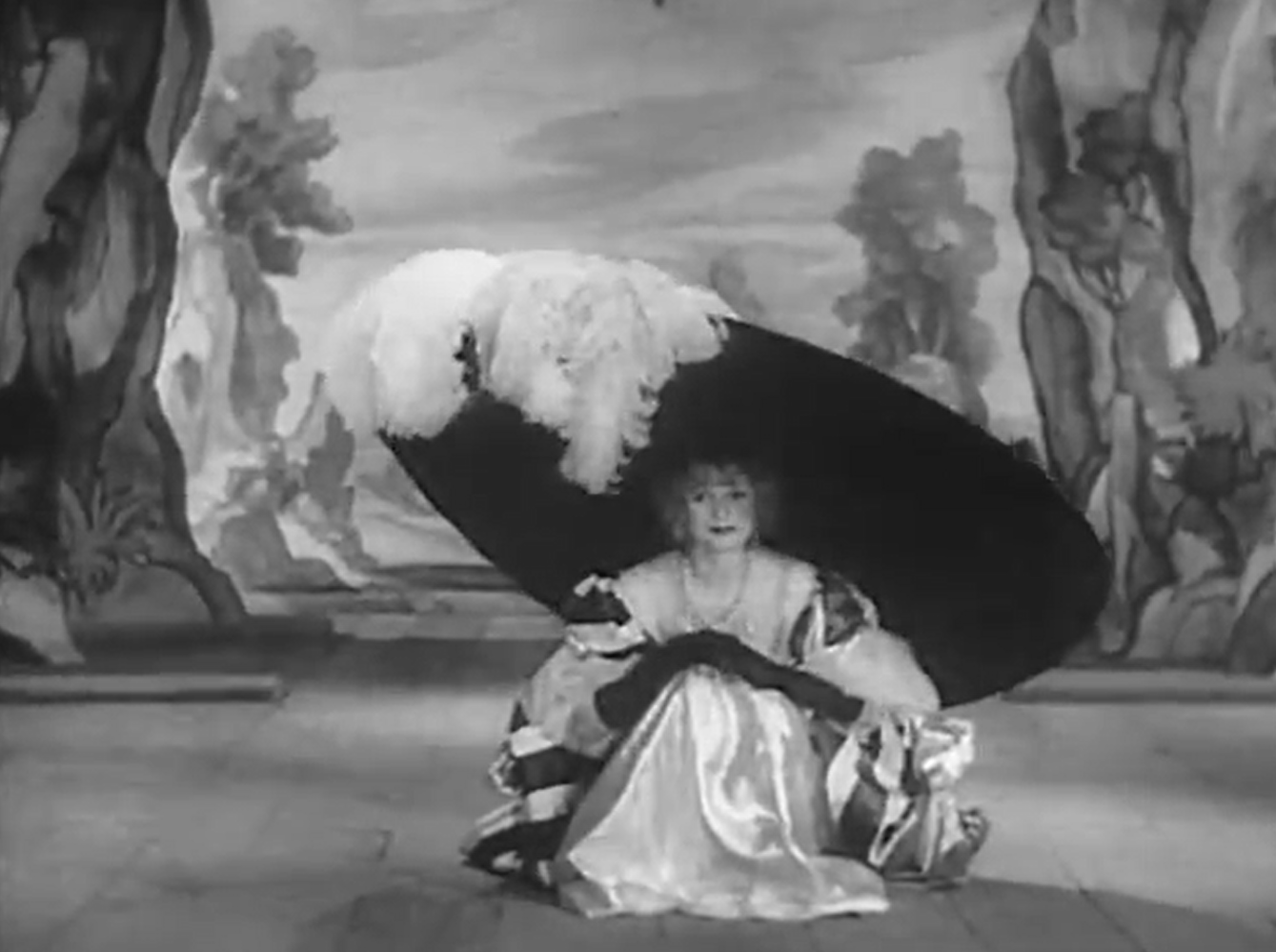
… and ability to effectively skewer all pretentions — as in the amusing scene where she appears on stage dressed in an outlandish version of an outfit the Duchess had been so excited to show off to society:


Freddie Young’s cinematography and fine sets make the entire affair a pleasing one to sit through. While it’s not must-see viewing, it’s recommended.

Note: This film is listed on IMDb and Wikipedia as 85 minutes long, but the version I saw was only 71 minutes; I wonder if I missed some of the censored scenes?

Notable Performances, Qualities, and Moments:

  • Anna Neagle as Nell
  • Cedric Hardwicke as King Charles II
  • Fine cinematography and sets

Must See?
No, though it’s recommended. Listed as a film with Historical Importance in the back of Peary’s book.

Links:

Farewell to Arms, A (1932)

Farewell to Arms, A (1932)

“I’ll come back to Catherine — I’ll always come back.”

Synopsis:
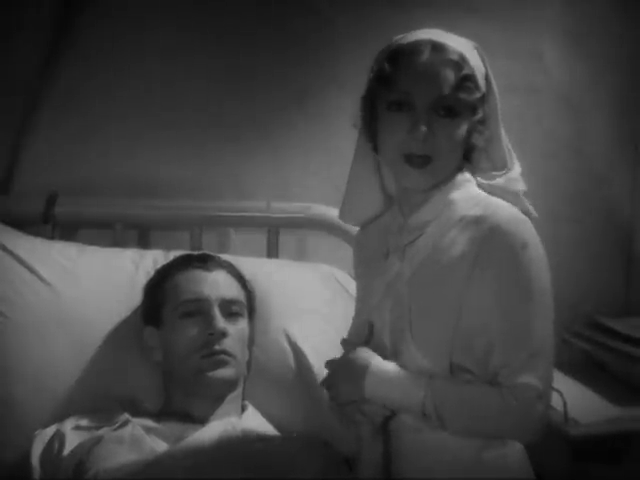
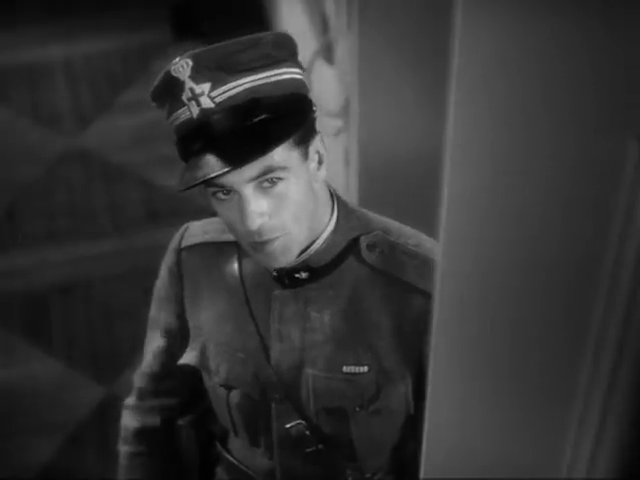
During World War I, an ambulance driver (Gary Cooper) falls in love with a nurse (Helen Hayes) but his jealous friend (Adolphe Menjou) prevents them from staying in touch with one another.

Genres, Themes, Actors, and Directors:

  • Adolphe Menjou Films
  • Doctors and Nurses
  • Frank Borzage Films
  • Gary Cooper Films
  • Helen Hayes Films
  • Romance
  • Star-Crossed Lovers
  • World War I

Review:
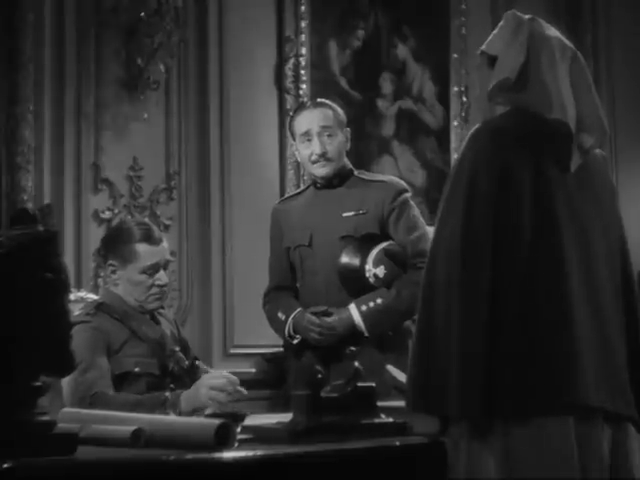
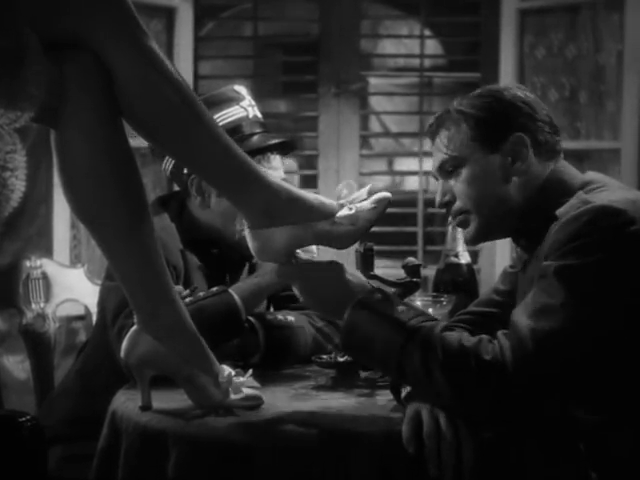
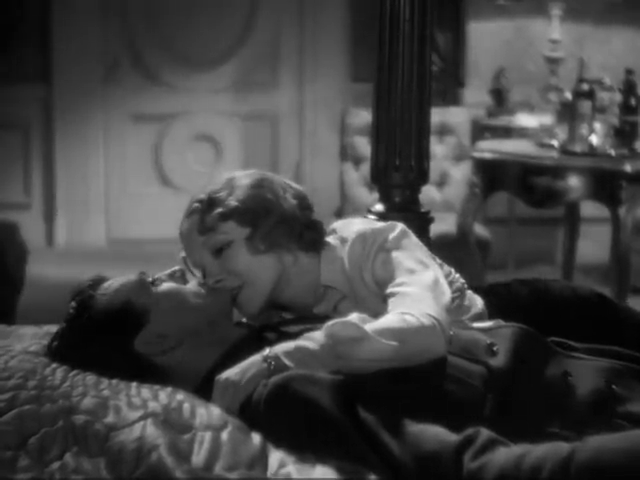
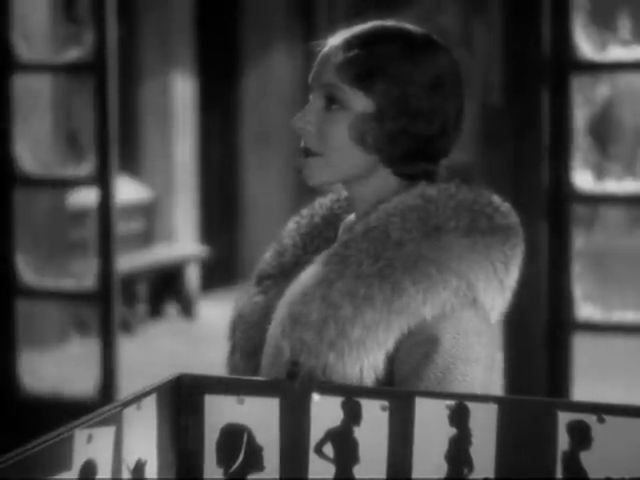
Ernest Hemingway wasn’t happy with this Hollywood-ized rendering of his autobiographically inspired best-selling novel — though he eventually became lifelong friends with Cooper (whose performance he admired). Indeed, Cooper and Hayes are fine as the star-crossed lovers whose happiness is repeatedly doomed by the pesky realities of war:

However, their story is essentially a soaper, so your enjoyment of the tale (directed with atmospheric style by Frank Borzage) will depend entirely on how much you appreciate this type of fare. The film is also notable for being made as a PreCode title, and thus filled with plenty of scenes and insinuations that wouldn’t pass muster just a few years later.

Notable Performances, Qualities, and Moments:

  • Fine central performances


  • Some refreshingly candid pre-Code content

  • Atmospheric cinematography

Must See?
No; you can skip this one unless you’re a fan of the stars or Borzage.

Links:

Blue Light, The (1932)

Blue Light, The (1932)

“Those crystals — they are a danger for you, and the whole village.”

Synopsis:
A semi-feral woman named Junta (Leni Riefenstahl) who lives high up in a mountain with a young goatherd(Franz Maldacea) is menaced by local townspeople, who believe she is a witch given how many young men lose their lives climbing the mountain to reach the beautiful blue crystals at the top. Will a sympathetic man (Mathias Wieman) be able to save Junta from her doomed fate?

Genres, Themes, Actors, and Directors:

  • Fantasy
  • German Films
  • Witches and Wizards

Review:
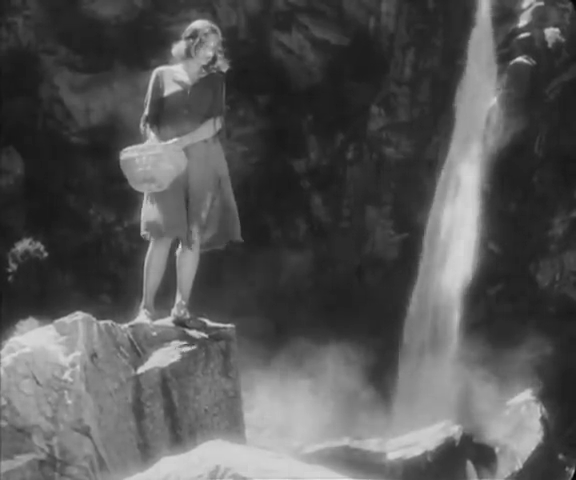
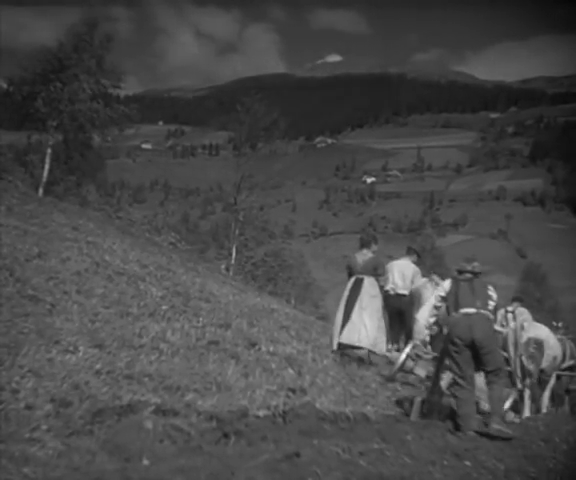
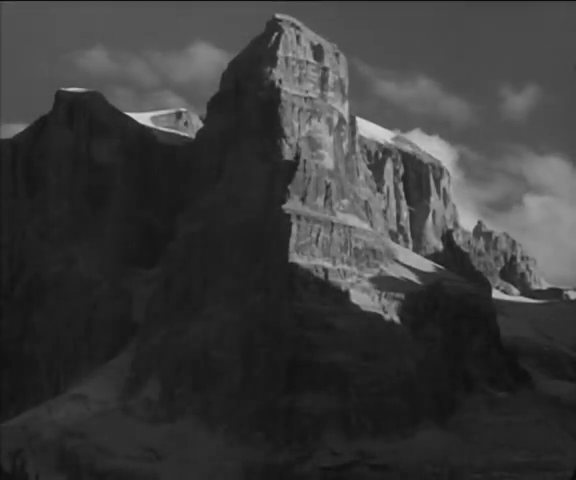
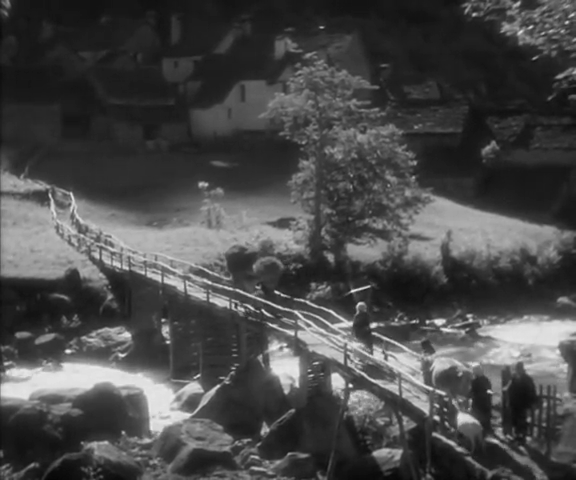
Film fanatics may be familiar with this early “mountain film” — written, directed by, and starring Leni Riefenstahl — given clips interspersed throughout the 1993 documentary The Wonderful, Horrible Life of Leni Riefenstahl, which details the infamous Nazi propaganda films Riefenstahl made under Hitler’s regime. This earlier, fairy tale-like film is notable for its lovely aesthetics, with Riefenstahl crafting an impressively other-worldly yet grounded existence through on-location shooting in the Brenta Dolomites of Ticino, Switzerland, and in Sarntal, South Tirol.


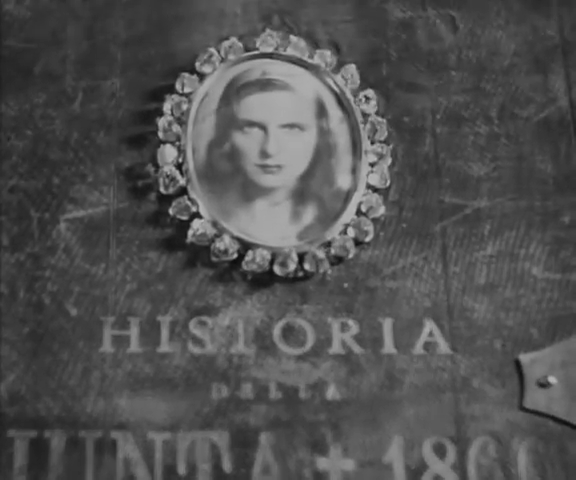
The storyline is quite simple, structured as a “frame story” in which Junta’s tale is told after visitors at a local hotel ask about her portrait:

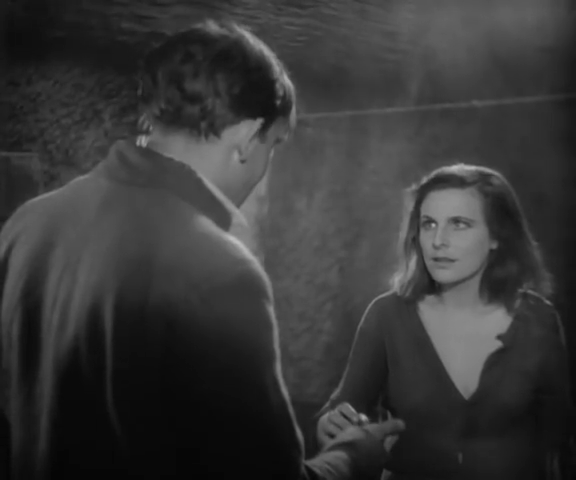
Junta is perceived as a witch given her primitive existence in the mountains — and how many men die trying to reach the treasures she lives nearby — but Junta is actually a sympathetic presence, making the story’s denouement all the more tragic (though perhaps not surprising). This film isn’t must-see, but those who enjoy innovative films by early female directors may be curious to give it a look.

Notable Performances, Qualities, and Moments:

  • Beautiful cinematography and imagery

  • Fine location shooting

Must See?
No; you can skip this one unless you’re curious.

Links:

Cesar (1936)

Cesar (1936)

“Sure, they had devoted fathers — but I don’t think any could compare to mine.”

Synopsis:
When his adoptive father (Fernand Charpin) dies, grown Cesar (Andre Fouche) learns from his mother (Orane Demazis) that his biological father (Pierre Fresnay) — son of his godfather (Raimu) — was a sailor who may still be alive, and sets out to meet him.

Genres, Themes, Actors, and Directors:

  • Death and Dying
  • Father and Child
  • French Films
  • Grown Children
  • Waterfront

Response to Peary’s Review:
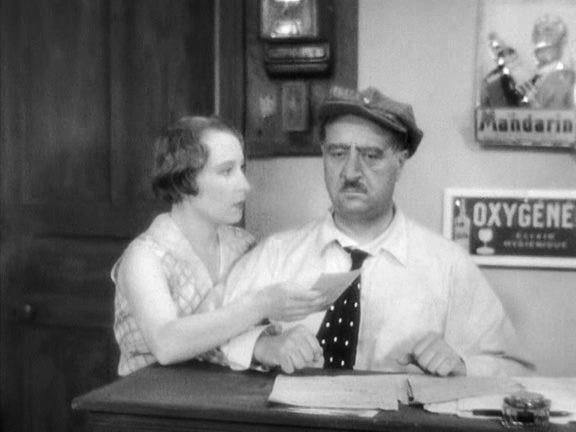
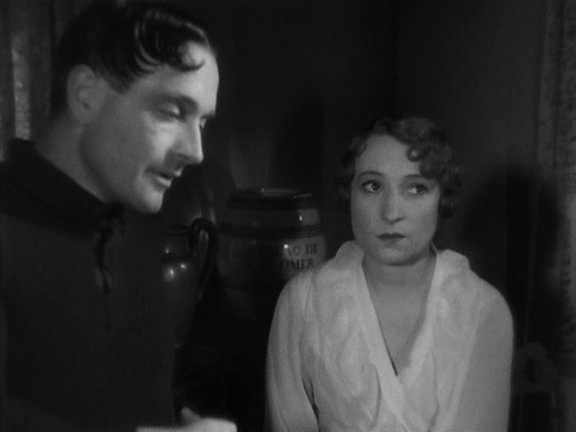
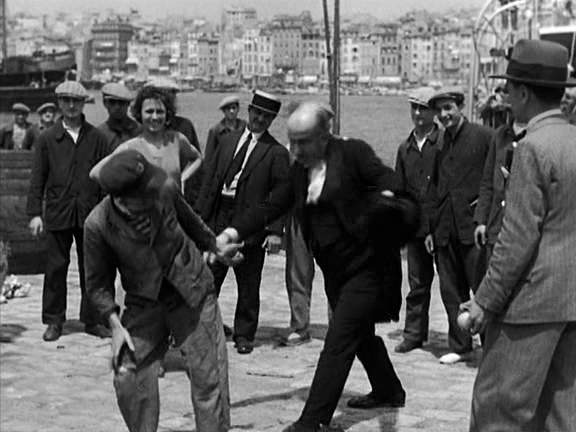
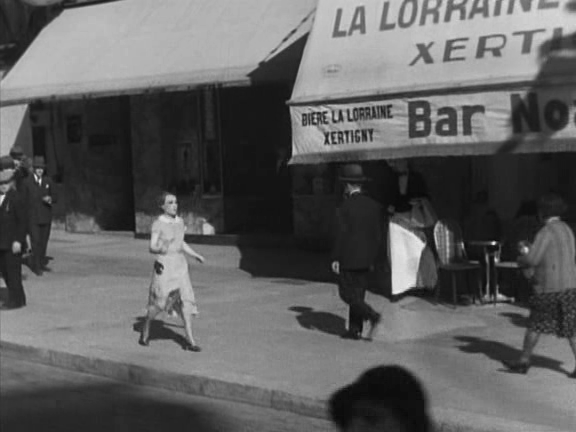
Peary writes that “Marcel Pagnol directed as well as wrote the final chapter of his Marseilles Trilogy,” which takes “place about 17 years after Fanny (1932)” and presents “a lovely, deeply moving film with the usual rich characterizations and passionate performances.”

He notes that “highlights include Cesar’s discourse on Death and God, all scenes in which one character reveals love for another (which happens throughout the trilogy), and when Panisse’s friends gather around his deathbed.”

He concludes his review by writing that this “fine example of Pagnol’s ‘human’ cinema” can “be enjoyed without having seen Marius or Fanny” — though I actually find it to be the least satisfying of the three, primarily given the dull character played by Fouche:

… and the silly miscommunication that ensues when he sets off to find Fresnay. Even the humor among the elderly townsfolk feels less fresh this time around, especially with Charpin gone:

However, fans of the series will of course find this film indispensable, simply in order to learn what happens to the characters.

Notable Performances, Qualities, and Moments:

  • Atmospheric sets and cinematography

Must See?
No, though fans of the trilogy will naturally be eager to check it out.

Links:

Fanny (1932)

Fanny (1932)

“You can’t buy a girl — especially not one like Fanny.”

Synopsis:
After her boyfriend Marius (Pierre Fresnay) goes away to sea, Fanny (Orane Demazis) discovers she’s pregnant. With support from her mother (Alida Rouffe) and Marius’s father, Cesar (Raimu), Fanny agrees to marry her older suitor, Honore (Fernand Charpin), and allow him to be the father of her child — but what will happen when Marius learns about the baby?

Genres, Themes, Actors, and Directors:

  • Father and Child
  • French Films
  • Play Adaptations
  • Pregnancy
  • Waterfront
  • Widows and Widowers

Response to Peary’s Review:
Peary writes that this “second part of Marcel Pagnol’s Marseilles Trilogy” — “falling between Marius (1931) and Cesar (1936)” — “picks up exactly where Marius left off”; indeed, it’s a true sequel without any gap. He notes that once “again the film succeeds because of the believable, lovable characters rather than the direction [by Marc Allegret], which is theatrical,” and points out that “Raimu is splendid, and Charpin, Demazis, and Fresnay make strong impessions.”

Peary also reminds us that “Jacques Demy borrowed the basic plot (eliminating the Cesar character and making the boy a wartime soldier rather than a sailor) for his 1964 musical The Umbrellas of Cherbourg” and that “the 1961 film Fanny” — starring Leslie Caron and Maurice Chevalier — “was derived from the entire trilogy.”

I’m a fan of these gently humorous stories (though I’ll admit to watching them at a slightly sped up pace). This second entry is particularly poignant, given the candid discussions taking place between all parties, and how excited Charpin is to finally be a father after so many years. I appreciate that seafaring Fresnay is gone for most of the movie, allowing this portion of the narrative to focus on Demazis’s decisions on behalf of her child. While there is — of course — heartbreak and compromise to be had, we also see plenty of collaboration and joy, making this film more uplifting than one would expect.

Notable Performances, Qualities, and Moments:

  • Fernand Charpin as Honore Panisse
  • Raimu as Cesar Olivier
  • Orane Demazis as Fanny
  • Atmospheric sets and cinematography

Must See?
Yes, as a compelling second entry in Pagnol’s trilogy.

Categories

  • Foreign Gem

Links:

Marius (1931)

Marius (1931)

“I long for distance places.”

Synopsis:
The son (Pierre Fresnay) of a cafe owner (Raimu) in Marseilles loves a young woman named Fanny (Orane Demazis) whose mother (Alida Rouffe) runs a seafood stall, and who is being pursued by an older widow (Fernand Charpin) — but Marius (Fresnay) can’t stop dreaming about running away to sea…

Genres, Themes, Actors, and Directors:

  • French Films
  • Love Triangle
  • Play Adaptations
  • Romance
  • Waterfront

Response to Peary’s Review:
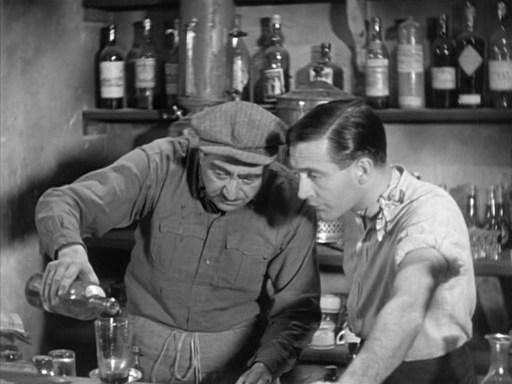
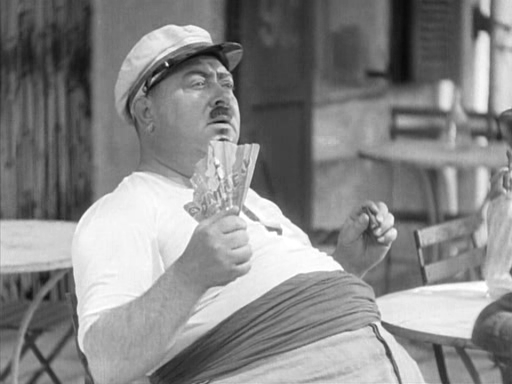
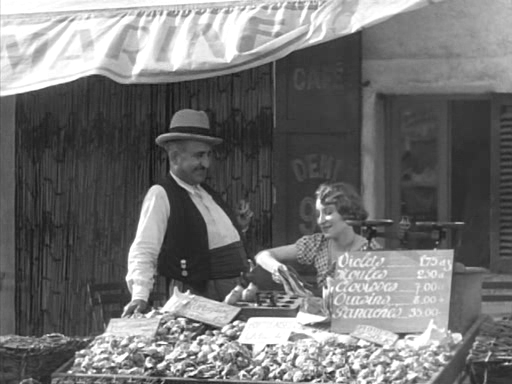
Peary writes that this “first of Marcel Pagnol’s Marseilles Trilogy, to be followed by Fanny (1932) and Cesar (1936),” has “slow pacing due to [the] static, unimaginative direction of Alexander Korda, but Pagnol’s characters are a wonderful lots, particularly bar owner Cesar (Raimu, one of the greatest French actors)”:

… “and his middle-aged friends, with their hats, pot bellies, and funny philosophizing and quibbling.”


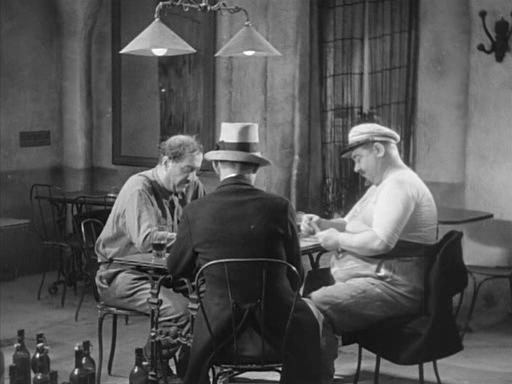
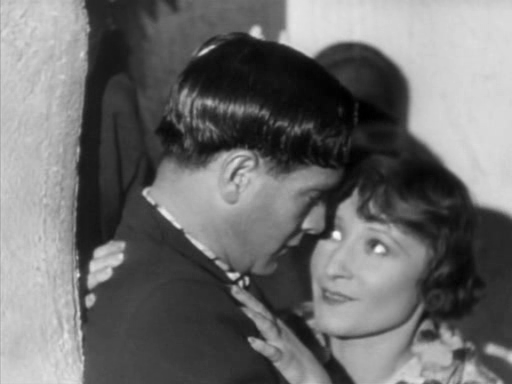
In his review, Peary shares more about the plot, which inevitably leads to spoilers — but he also simply notes that the “picture has warmth, humor, [and] marvelous acting by Raimu” in addition to being “one of the first films not only to deal with premarital sex but to make it seem natural.” He points out that “highlights include an affectionate scene between Cesar and his son (parental love is vital to the trilogy)”:

… “and a card game between Cesar and his pals.”

While it is slowly paced (and arguably needs to be seen with its trilogy counterparts for full appreciation), Marius remains a cornerstone of early French cinema, and should be seen once by all film fanatics.

Notable Performances, Qualities, and Moments:

  • Fine performances

  • Atmospheric sets and cinematography

Must See?
Yes, as a classic of early French cinema.

Categories

  • Foreign Gem

Links:

Threepenny Opera, The (1931)

Threepenny Opera, The (1931)

“This truth you cannot shirk: man lives exclusively by dirty work.”

Synopsis:
In 19th century London, crime boss Mackie Massler (Rudolf Forster) marries the daughter (Carola Neher) of the city’s top begging racketeer (Fritz Rasp), who is unhappy about Polly (Neher) being wed to a rival criminal, and asks the chief of police, Tiger-Brown (Reinhold Schunzel), to help capture Mackie. Meanwhile, Mackie’s former lover Jenny, a prostitute (Lotte Lenya), pines over Mackie and tries to help him escape.

Genres, Themes, Actors, and Directors:

  • Corruption
  • German Films
  • G.W. Pabst Films
  • Musicals
  • Play Adaptations
  • Thieves and Criminals

Review:
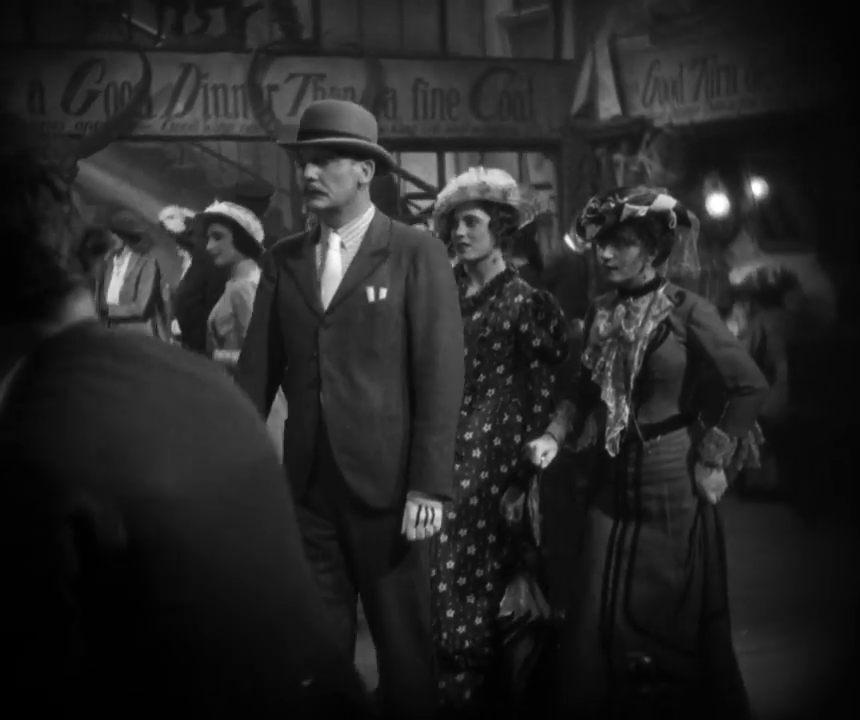
G.W. Pabst’s adaptation of Bertolt Brecht and Kurt Weill’s musical play about widespread societal corruption was fraught with conflict and drama — most specifically Brecht’s frustration with Pabst’s very loose interpretation of his work (Brecht quit midway through production, and Weill was eventually fired). It’s notable for being a film banned by the Nazis, with all prints they could find being destroyed — though thankfully, it was eventually reconstructed and recently restored. It remains a highly atmospheric film, with striking sets and cinematography throughout:

… and a noteworthy film debut by Lotte Lenya (in a supporting role):

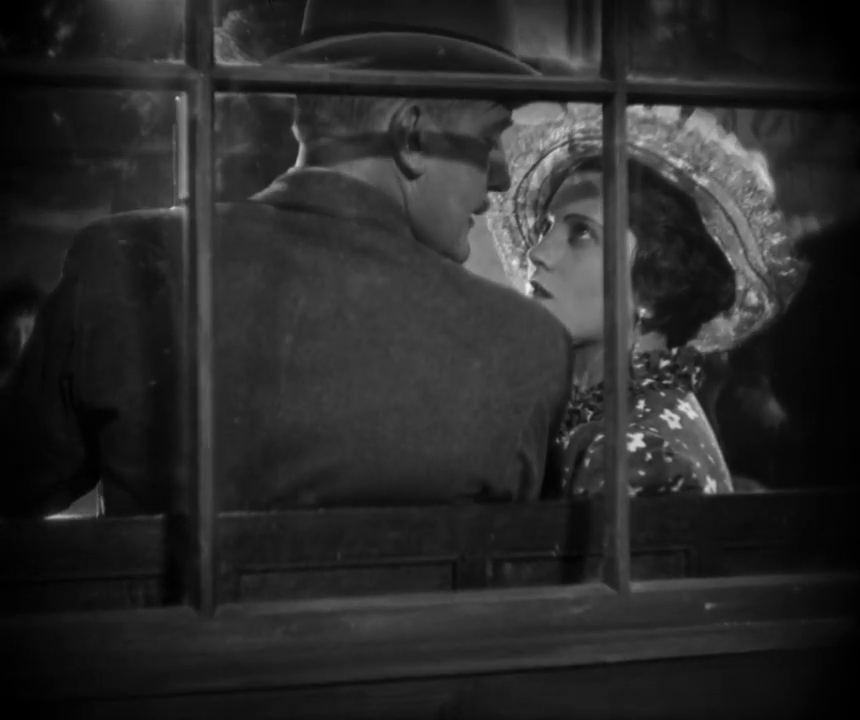
The storyline — a broad satire of capitalism — is one that will probably appeal most to fans of Brecht’s work. I’ll admit I wasn’t overly familiar with the play, and had a hard time following along at first, as we see Forster seducing a couple of women (what exactly are his intentions?):

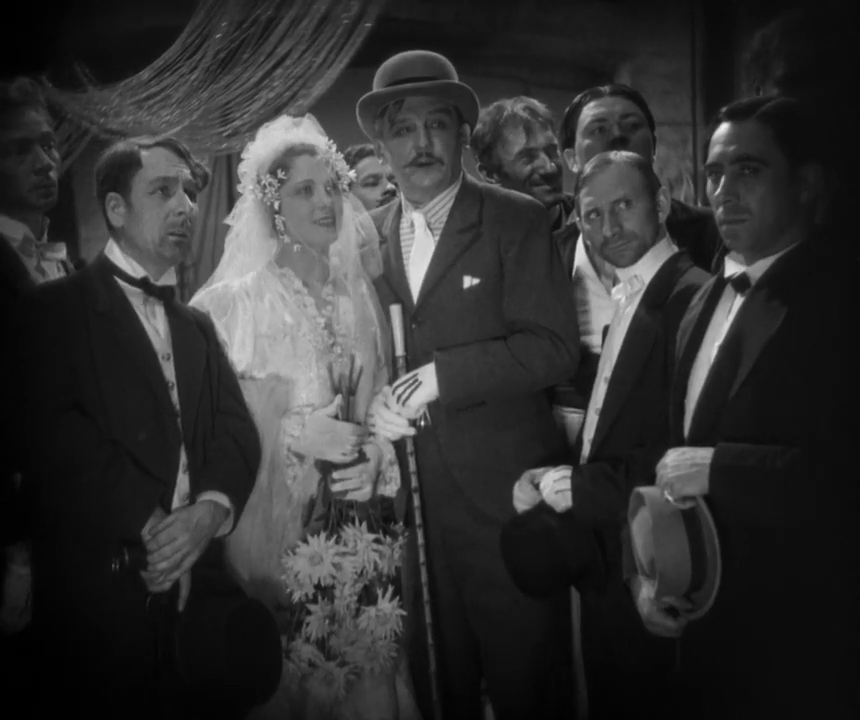
… and eventually marrying one of them in a truly weird, crook-filled ceremony constructed completely from stolen items.

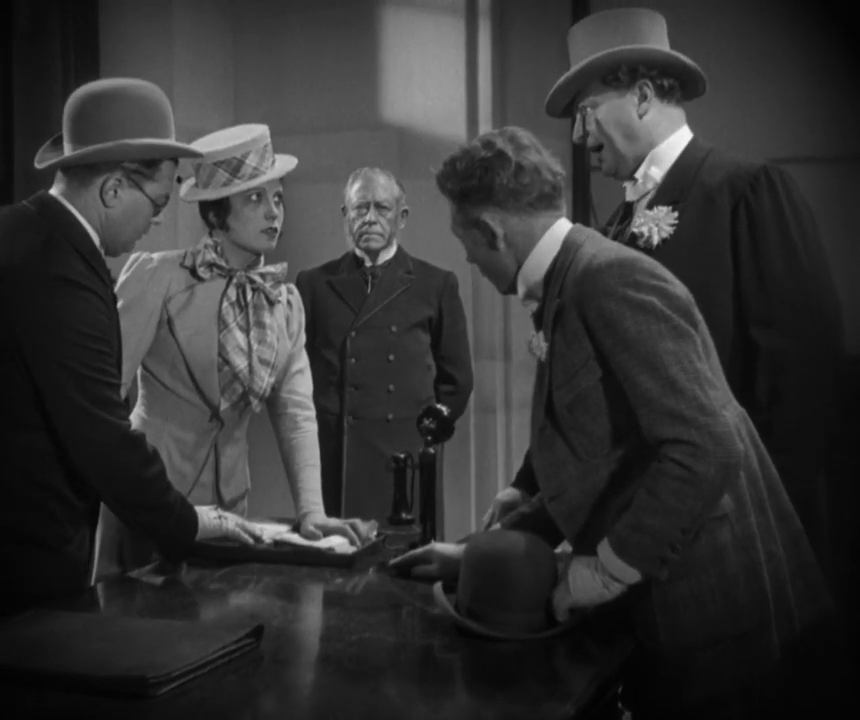
Eventually, however, Neher emerges as an unexpectedly strong female, taking over Forster’s business when he’s captured and successfully converting it into an even more high-toned operation:

While I consider this film to be more of a curio than a masterpiece, it should probably be seen once by film fanatics given its historical significance.

Notable Performances, Qualities, and Moments:

  • Strong performances by the leading cast

  • Andrej Andrejew’s art direction and sets
  • Fritz Arno Wagner’s cinematography
  • Kurt Weill’s score

Must See?
Yes, once, simply for its historical relevance. Listed as a film with Historical Importance and a Personal Recommendation in the back of Peary’s book.

Categories

  • Historically Relevant

Links:

Up the River (1930)

Up the River (1930)

“Ever since I met you, I’ve been in trouble.”

Synopsis:
When a street hustler (Spencer Tracy) and his bumbling compatriot (Warren Hymer) meet a well-to-do con (Humphrey Bogart) in prison, they receive support from Bogart’s incarcerated new girlfriend (Claire Luce) in escaping, and later help prevent newly released Bogart from being blackmailed by a crooked salesman.

Genres, Themes, Actors, and Directors:

  • Ex-Cons
  • Humphrey Bogart Films
  • John Ford Films
  • Prisoners
  • Satires and Spoofs
  • Spencer Tracy Films

Review:
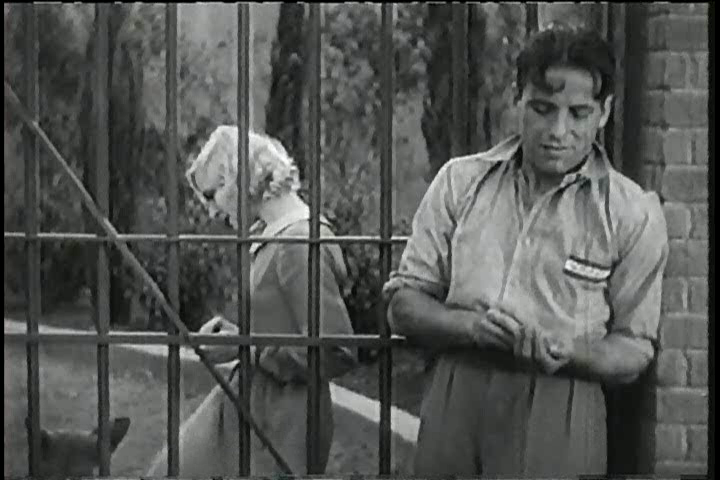
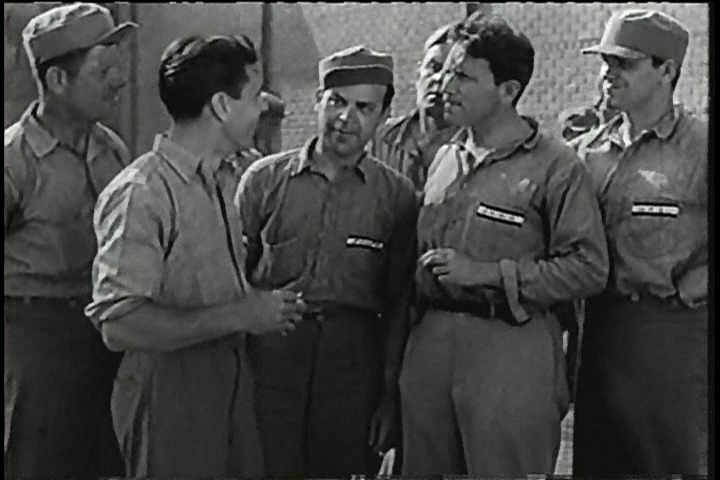
When The Big House (1930) was released, John Ford changed his plans for starring two of his recent stage discoveries (Spencer Tracy and Humphrey Bogart) in a prison drama, instead pivoting to this satire of the new genre. Unfortunately, it’s a mess of a movie, straying so far from realism it too often smacks of fantasy — i.e., the warden’s daughter is allowed to befriend the convicts:

… male inmates have easy access to female inmates:

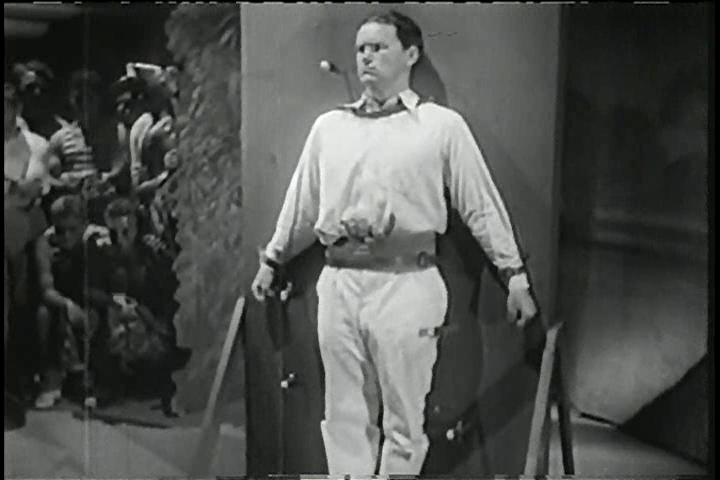
… and inmates perform a variety show involving knife throwing!

Meanwhile, the plot skitters around like crazy, shifting from inside the prison to out and then back again, with a visit to a country manor and a couple of baseball games thrown in for good measure. This one is only worth a look if you’re curious to see Tracy and Bogart in their cinematic debuts.

Redeeming Qualities and Moments:

  • Spencer Tracy and Humphrey Bogart in their screen debuts

Must See?
No; you can skip this one unless you’re a major enthusiast of Ford, Tracy, or Bogart.

Links: