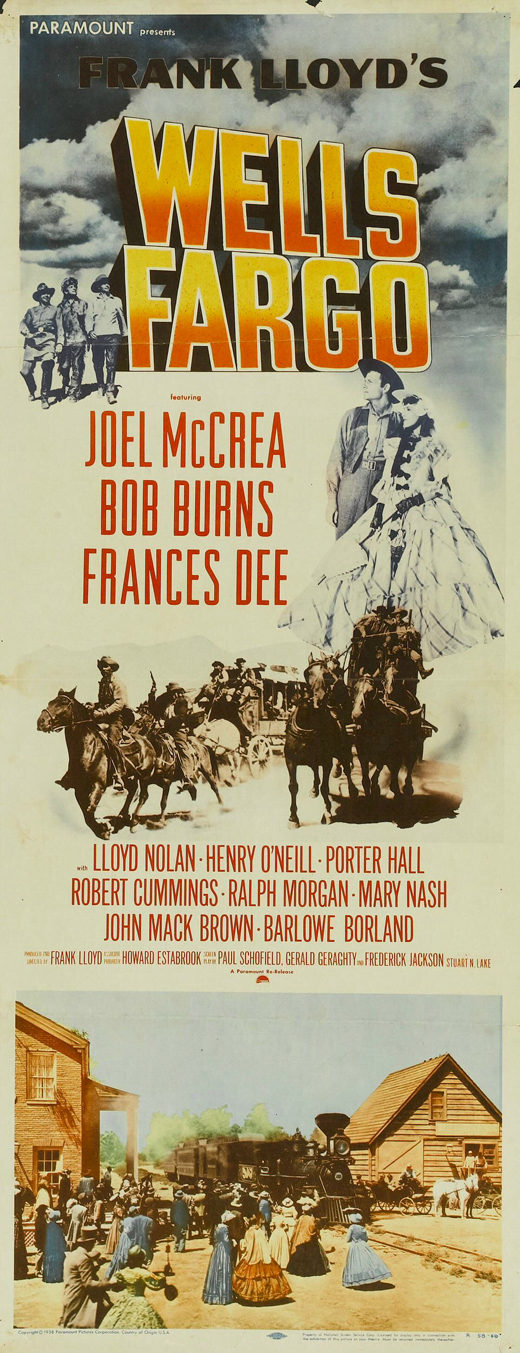
Wells Fargo (1937)
“In the old days, we had one important rule: get there.”
“As far as they’re concerned, I’m hanging by the neck already!”
|
Synopsis: |
|
Genres:
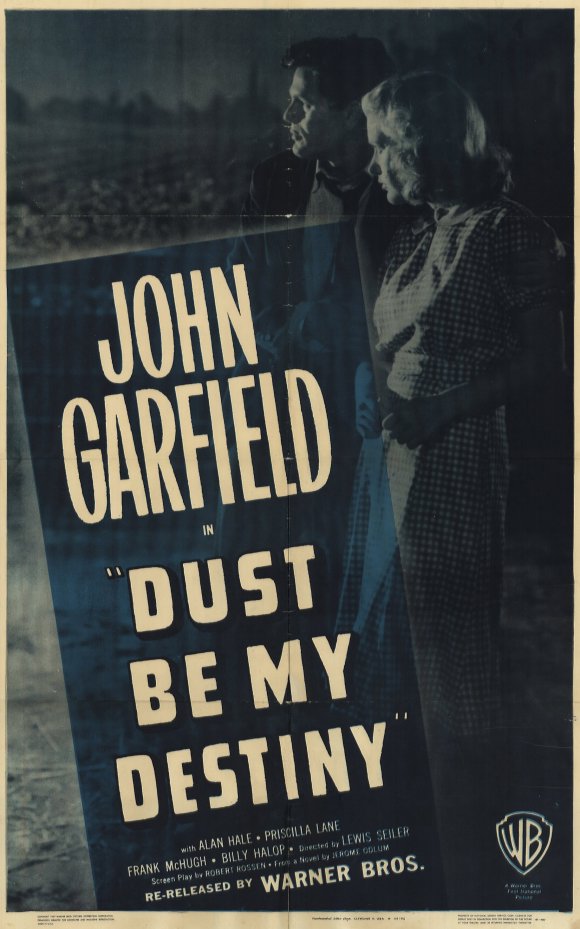
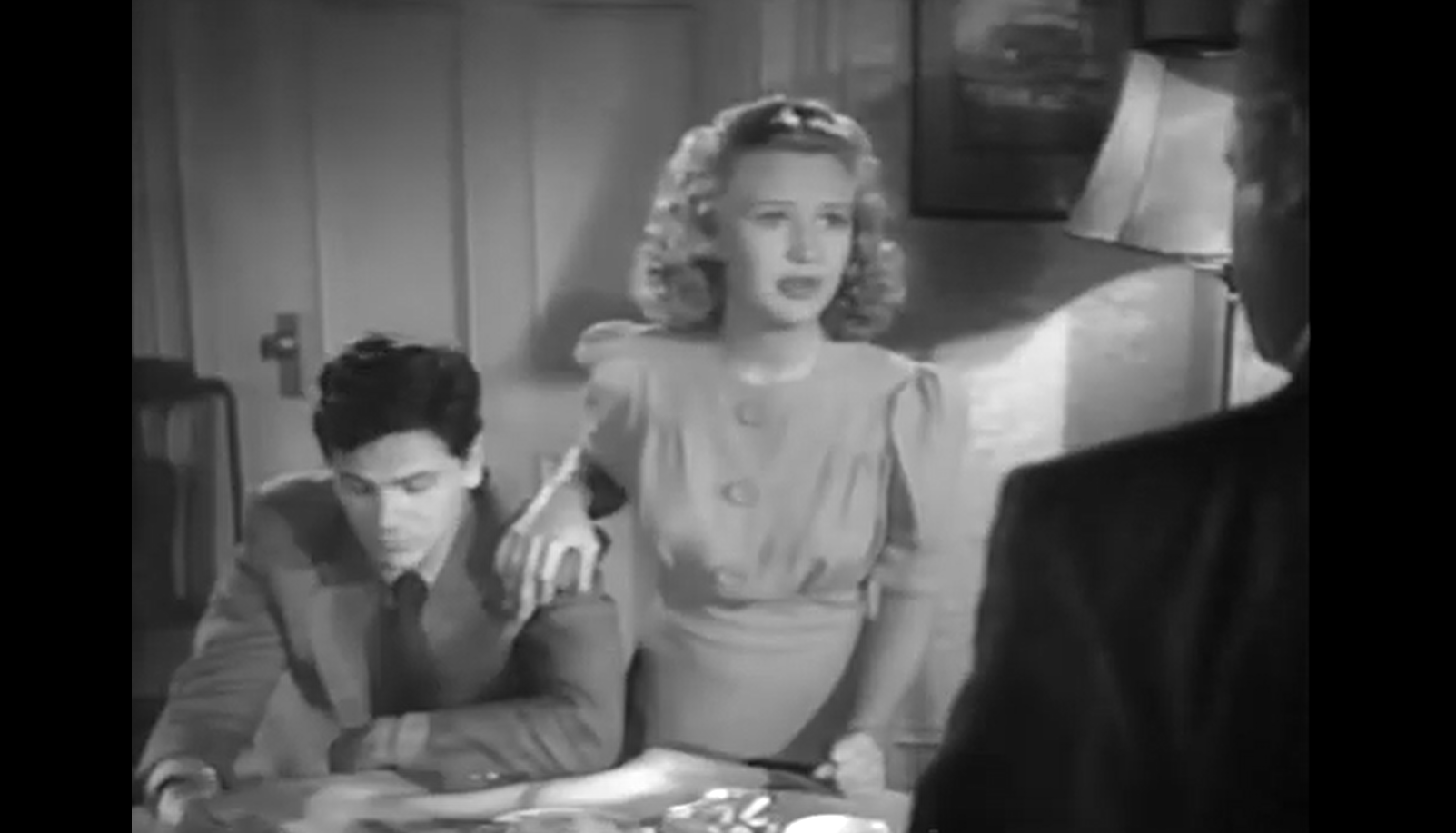
Response to Peary’s Review: Sadly, I disagree on all counts. Lane’s performance comes across as poorly directed: … and the outcome of nearly every scene is predictably telescoped; as noted in the original New York Times review by Frank Nugent, “It’s not even fun anymore, outguessing the script” of a film which lies in “an apparently interminable line of melodramas about the fate-dogged boys from the wrong side of the railroad tracks.” Several key factors play against the film’s success. First, Garfield has a chip on his shoulder from the get-go: we never have a chance to see him as anything but a bitterly doomed protagonist who can’t seem to avoid fighting at the worst times. Meanwhile, the world Garfield and Lane inhabit is too neatly black-and-white, with most primary characters either out to get the couple, or convinced they’re just a plucky pair needing a decent job. Most egregiously, there’s no way Garfield and Lane would or could have a chance at marital bliss once they initially run away from the law; I know this was a different era, but isn’t it inevitable they’ll be found? The most labored scene shows Lane attempting to strike out on her own due to the sheer exhaustion of being on the lam, only to realize within a few minutes that being with Garfield is worth it no matter what (though nothing has changed about their circumstances). Call me a sourpuss, but I wasn’t engaged by this one at all. Redeeming Qualities and Moments: Must See? Links: |
“Ladies and gentlemen, it gives me great pleasure to address you this evening — though I am in Boston, and you are in Salem.”
|
Synopsis: |
|
Genres:
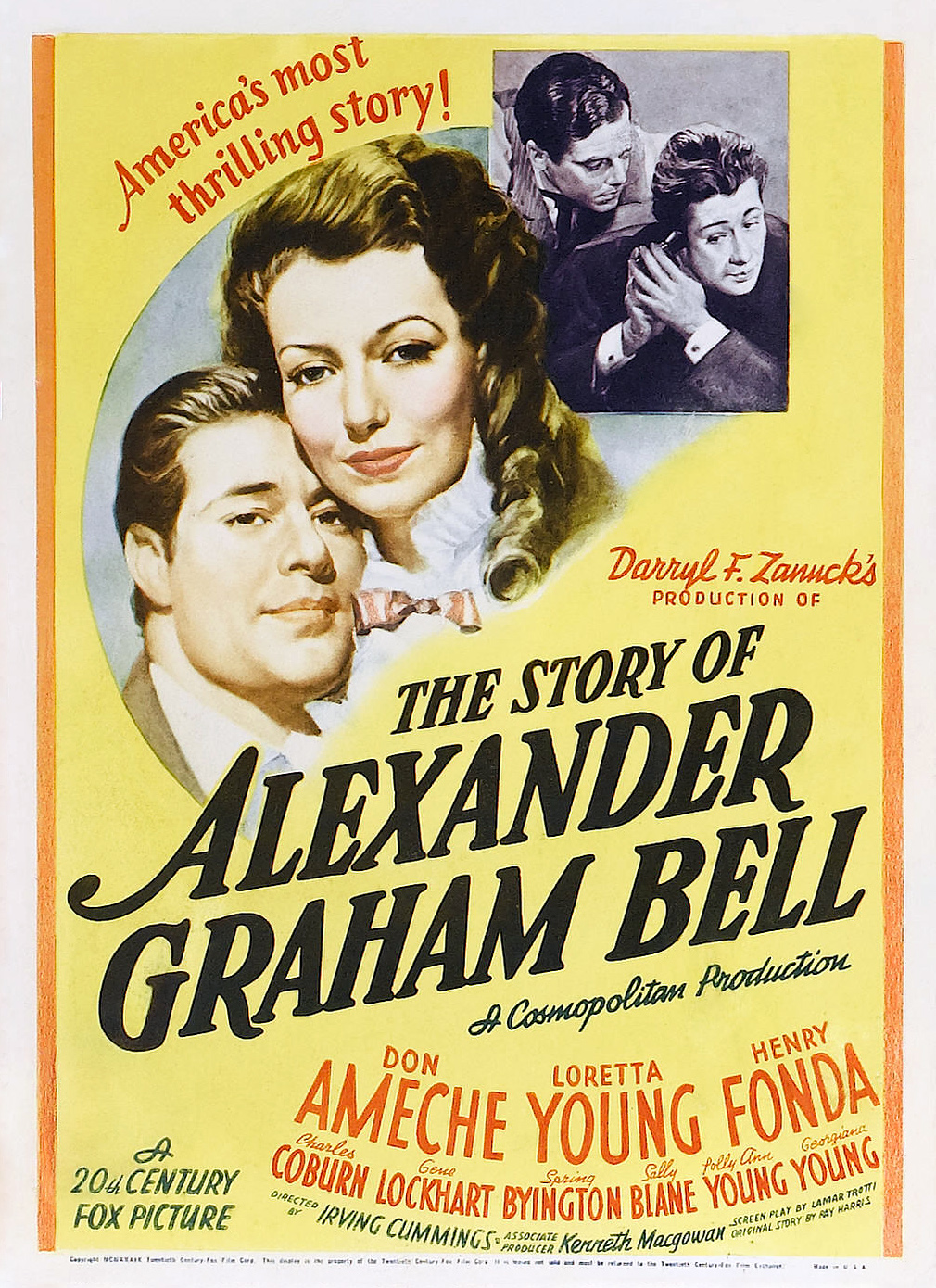
Review: … whose romance with a beautiful lass (Young): … is picture perfect (other than the pesky need for him to actually make some money in order to marry her); touching scenes of children and adults impacted by Bell’s work, including a cherub-cheeked deaf boy (Bobby Watson) who learns to communicate with his father (Gene Lockhart) for the first time, thanks to Bell’s pioneering work with Visible Speech: … droll humor in the form of Bell’s sidekick (Fonda), who repeatedly points out the need to eat every once in a while: … and a final court case: … in which Bell successfully defends the veracity of his patent against a would-be usurper (Western Union) by agreeing to share a deeply personal letter written to his beloved. Unfortunately, the too-neat storyline fails to elicit as much interest in this astonishingly prolific scientist as the subject matter should warrant, and Young is simply sappy as his all-adoring partner. This flick will primarily be of interest to those who enjoy early Hollywood biopics. Note: Hardworking Bell was brilliant beyond what he’s best known for. According to Wikipedia:
Redeeming Qualities and Moments: Must See? Links: |
“Well, they wanted gold — now they got it.”
|
Synopsis: |
|
Genres:
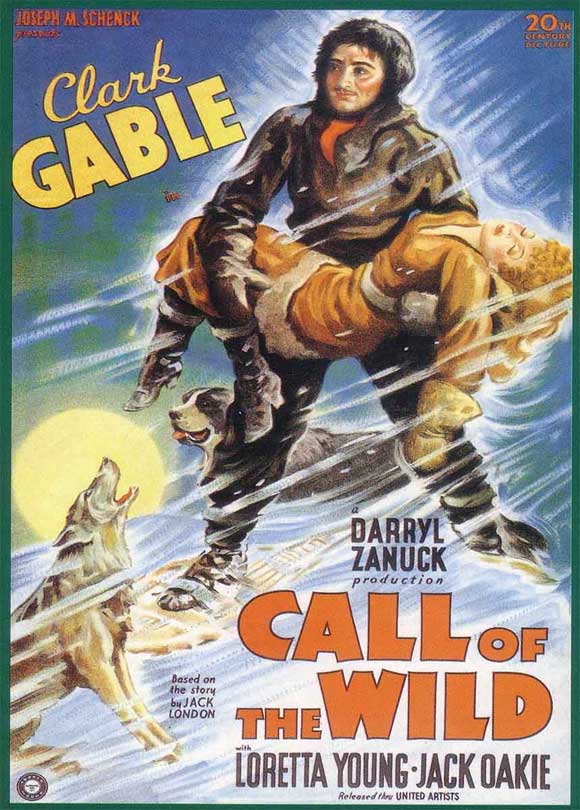
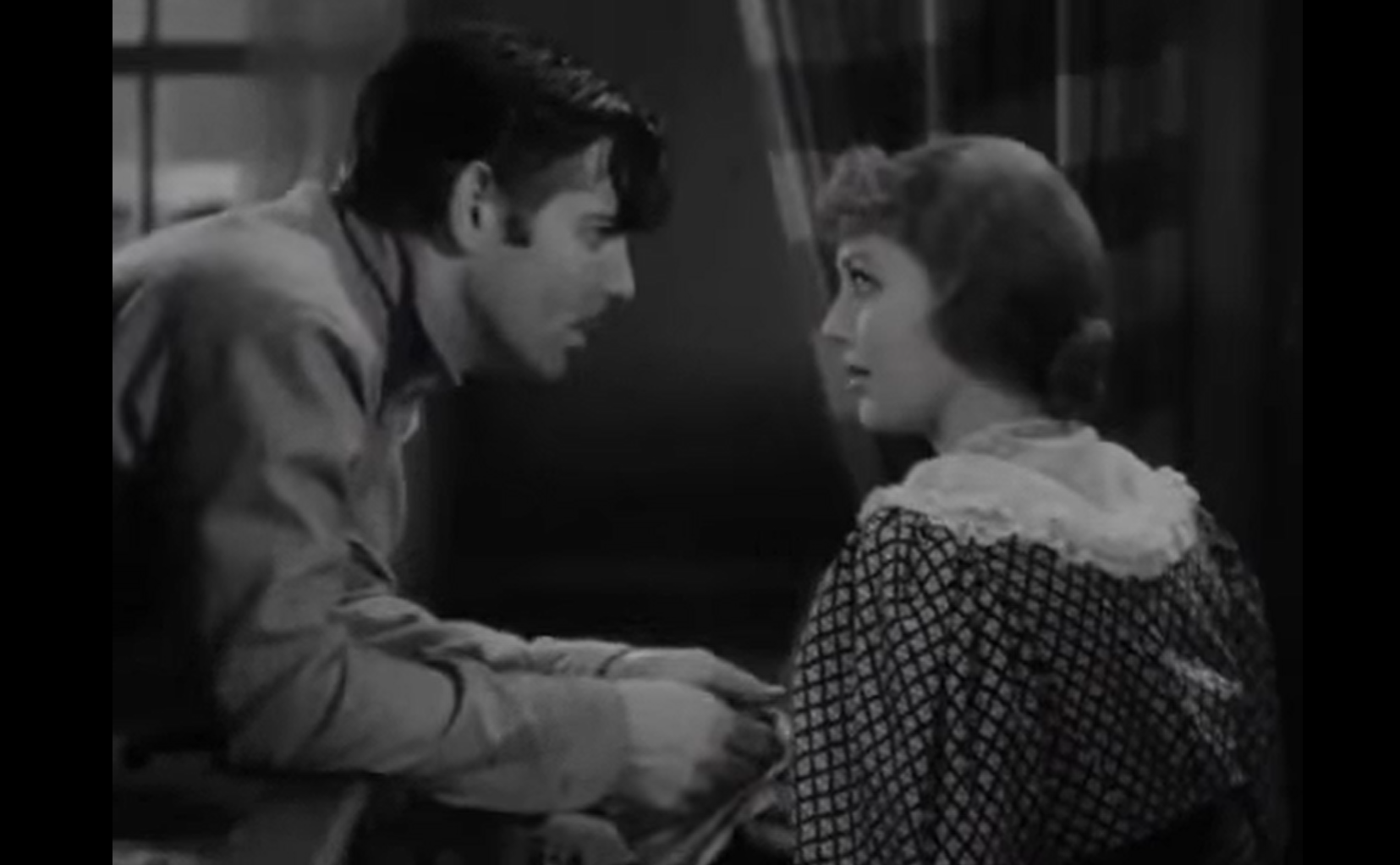
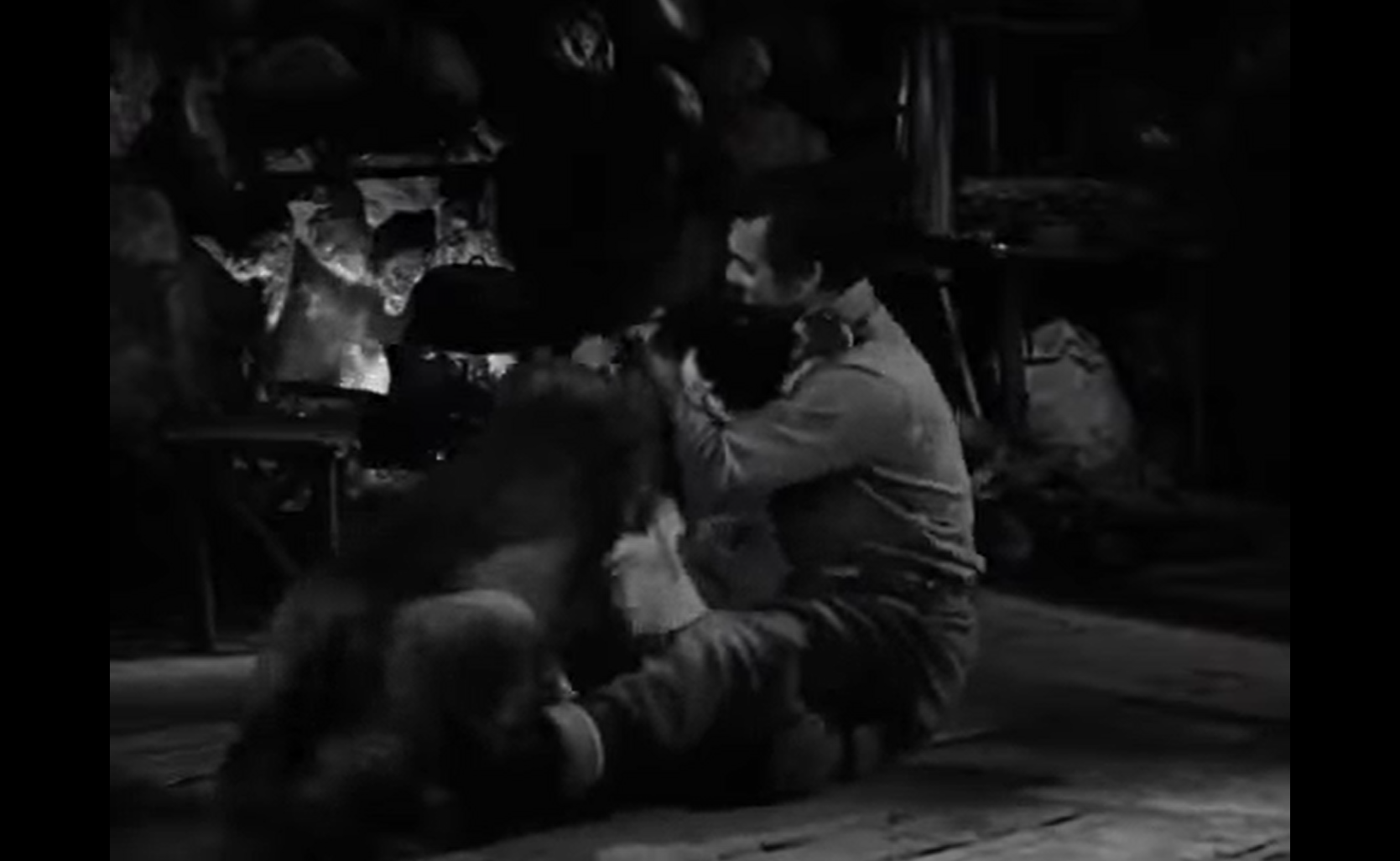
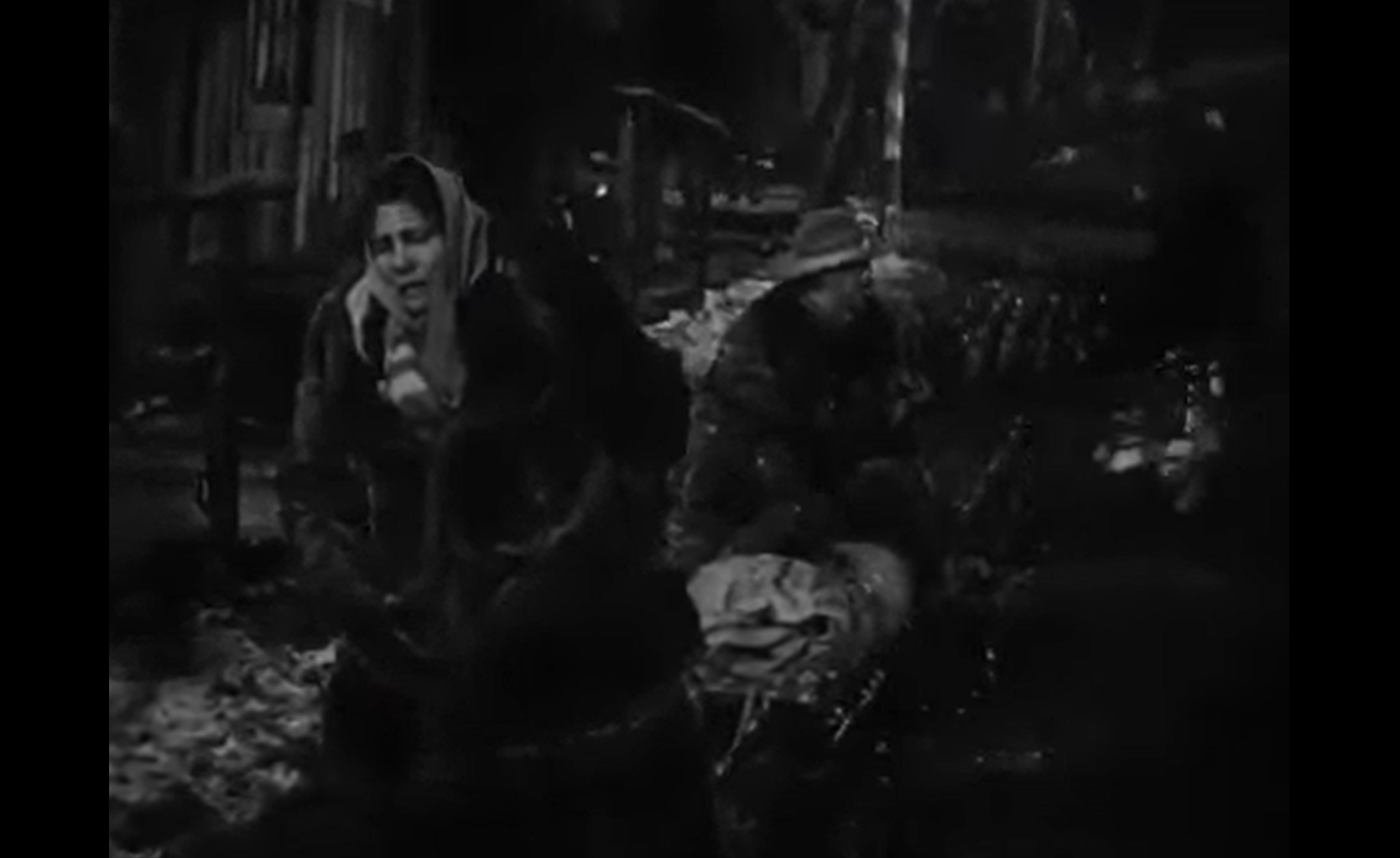
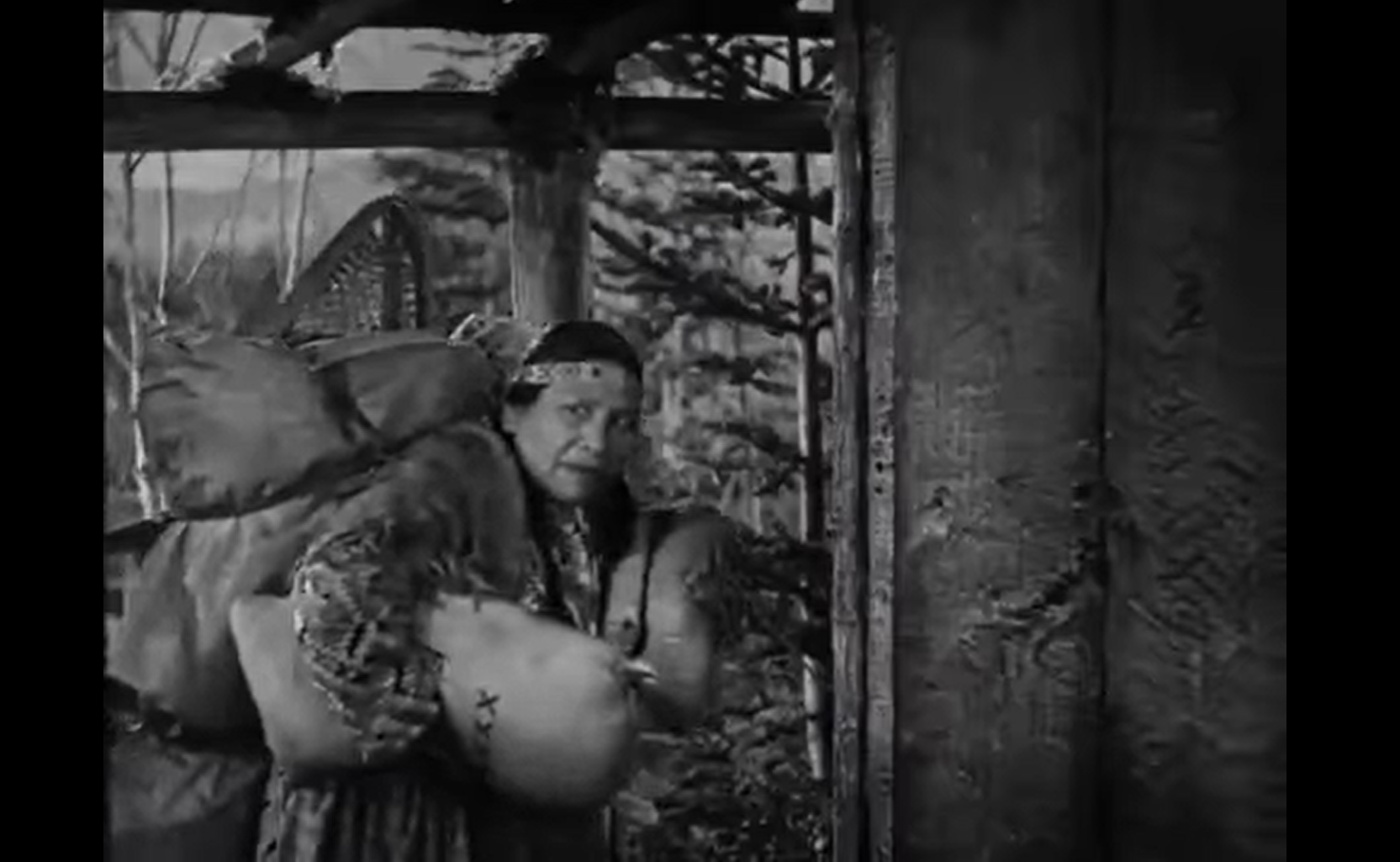
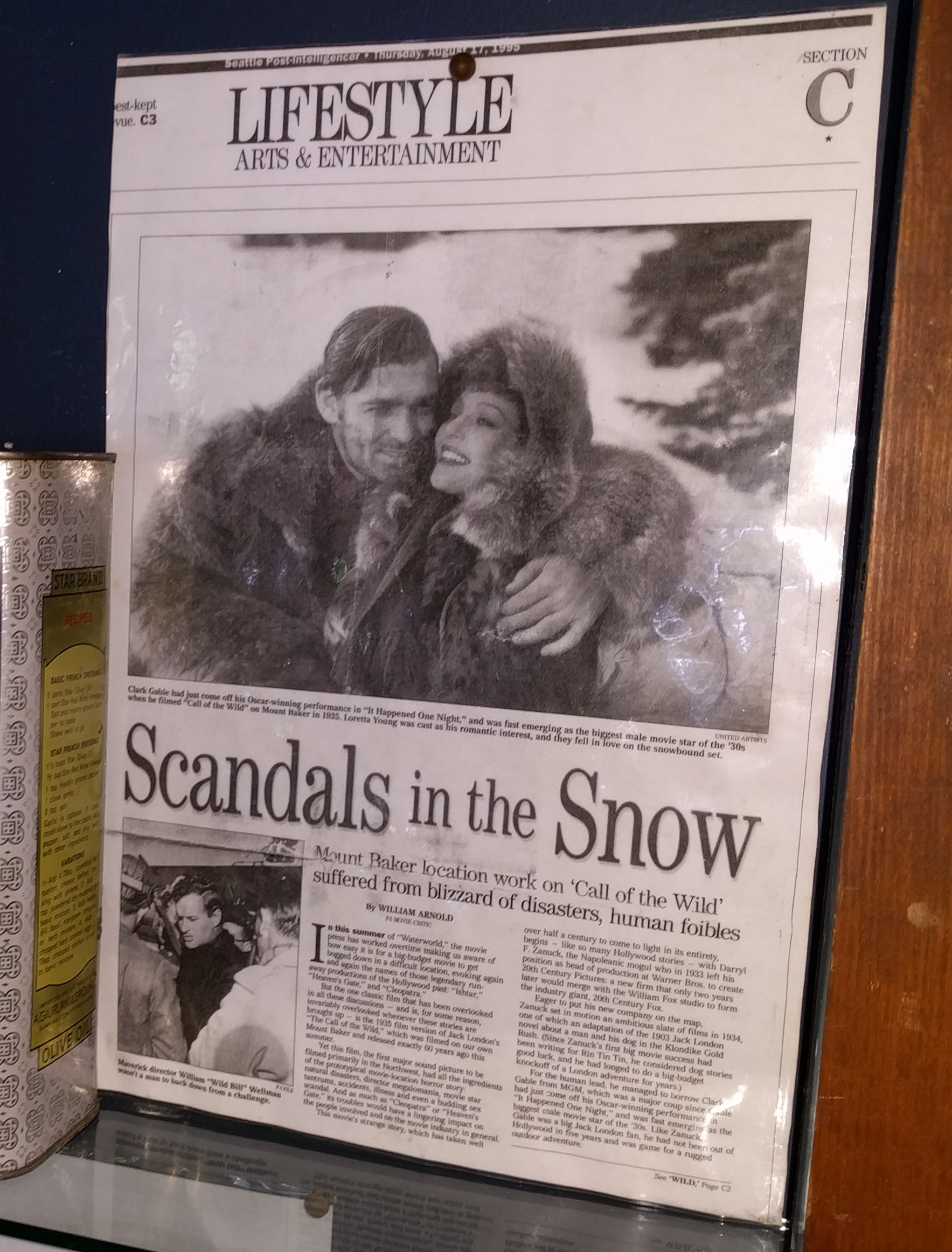
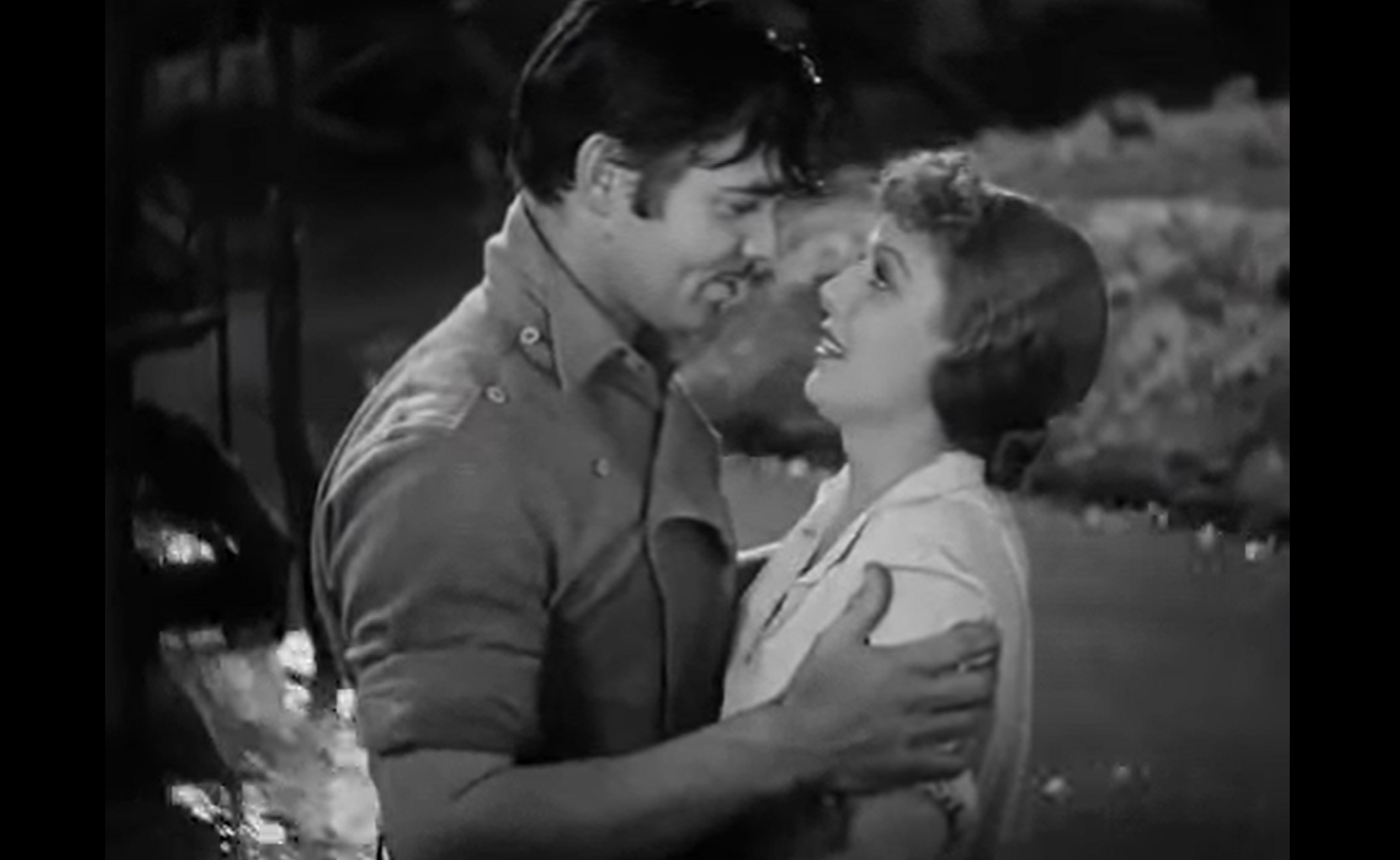
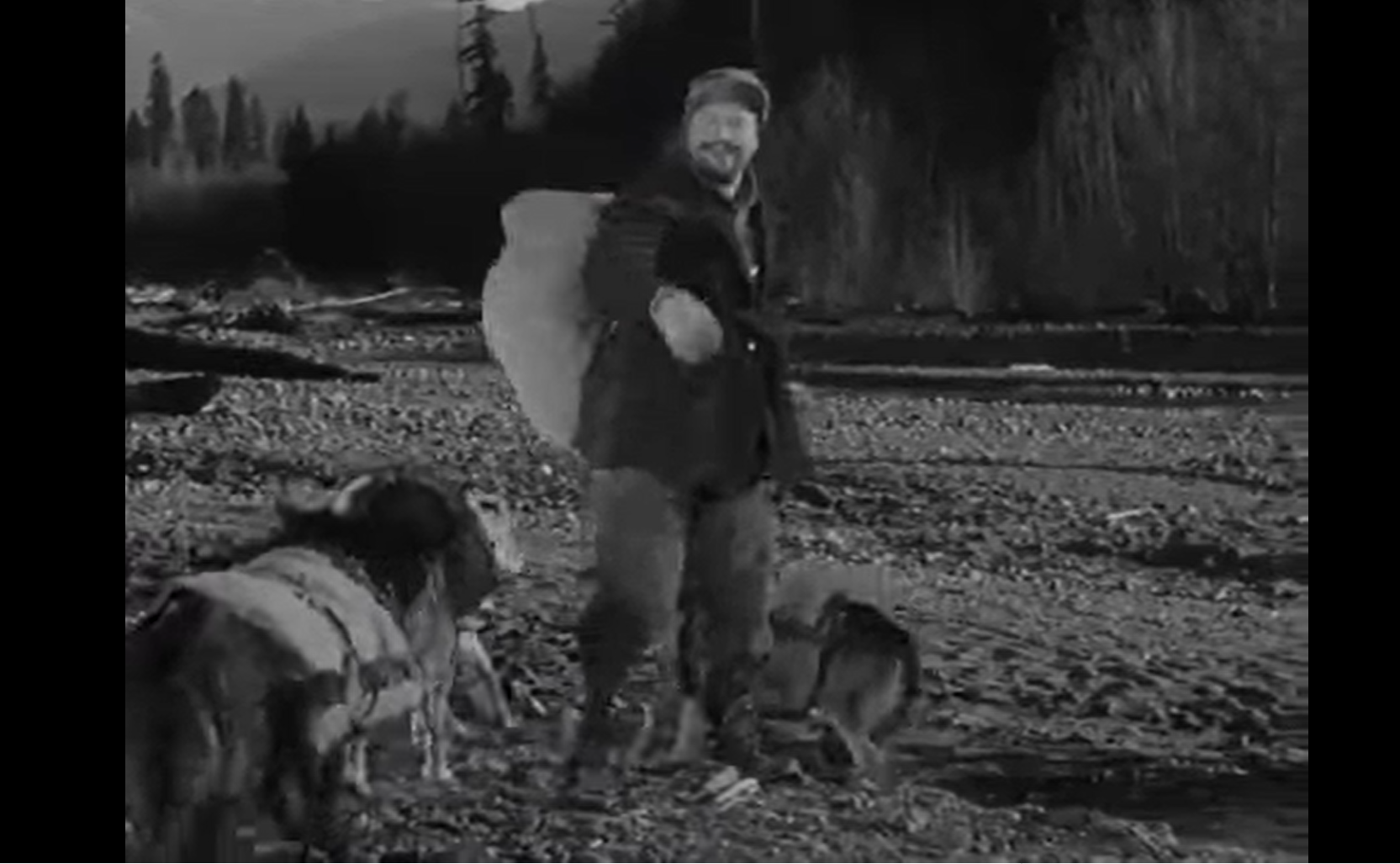
Review: — that, and the convincing rapport between Gable and the lovable St. Bernard playing “Buck”. As an adventure story, Call of the Wild is pretty standard fare, though Owen is as dastardly as they come, and cold-blooded enough to pose a serious threat to the protagonists. It’s unfortunate that dehumanization of Native Americans bookends the film: in an opening scene, a large Native woman is shown pulling a man on a sled, clearly exhausting herself through heavy manual labor on behalf of white men: … and in the final scene, another Native woman is shown toting gear like a sherpa, and is literally referred to by Gable as “it”. Perhaps we should thank Hollywood for preserving evidence of the casual normalcy of racism during this era. Note: We recently visited a restaurant in Mt. Baker, Washington (where much of the film was shot), and I took some photos of memorabilia scattered across the walls: Redeeming Qualities and Moments: Must See? Links: |
“San Francisco is no place for a bad loser — man or woman.”
|
Synopsis: |
|
Genres:
Review: … speaking of which, there are some uncomfortably dated moments early in the film when much is made of Hopkins being an enormously desirable WHITE woman (after the camera has panned past attractive women with darker skin), as well as a scene openly mocking Chinese immigrants’ presumed beliefs about wearing a braided queue to get into heaven (see here for a more accurate history of this hairstyle). With these caveats aside, the cinematography is atmospheric, and the story is reasonably engaging — particularly the critical subplot about Craven’s attempts to start an honest newspaper in a town that would rather keep its law and order tactics secret. (The more things change…) Redeeming Qualities and Moments: Must See? Links: |
“What is the use of trying to save this mad world?”
|
Synopsis: |
|
Genres:
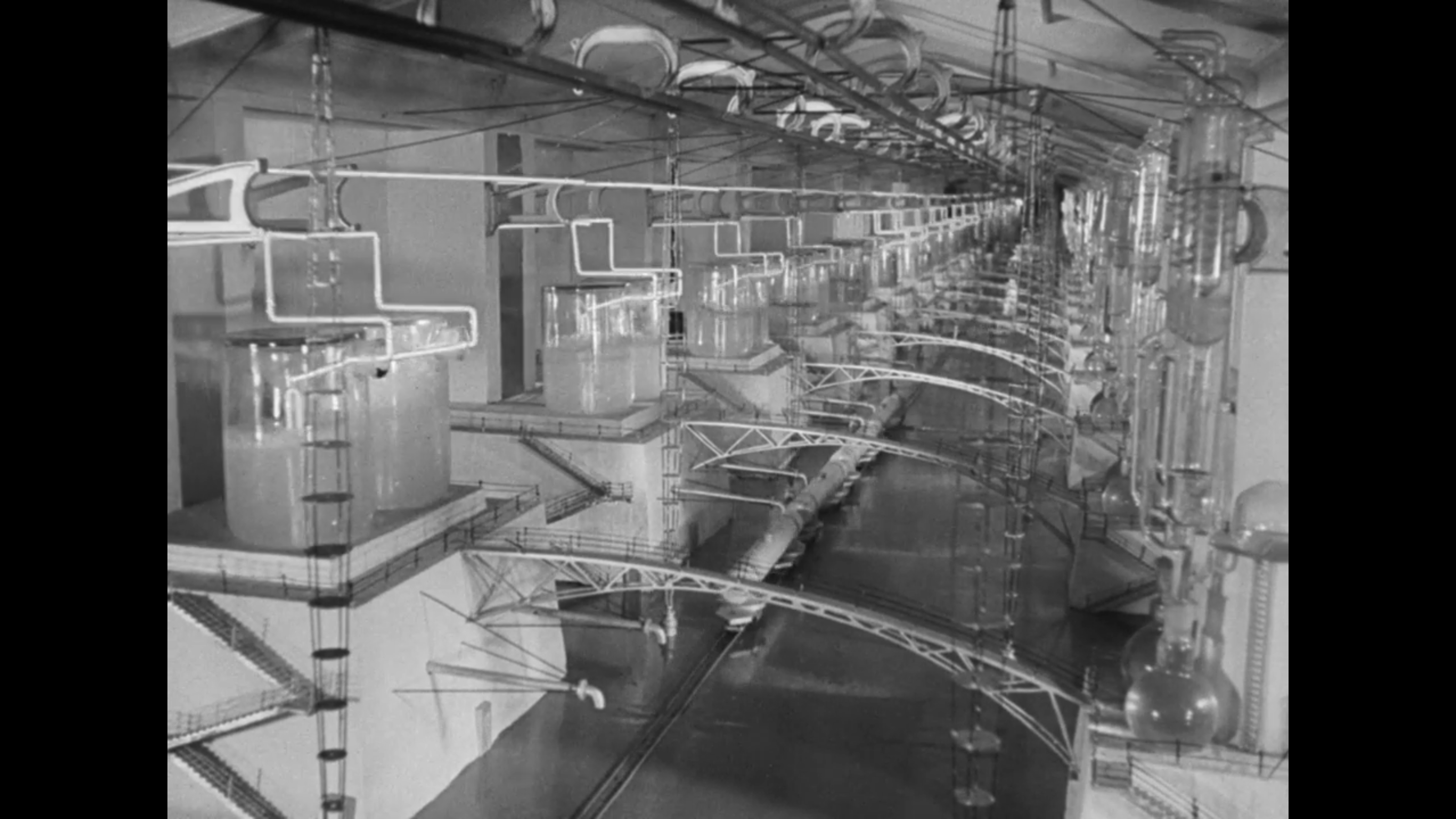
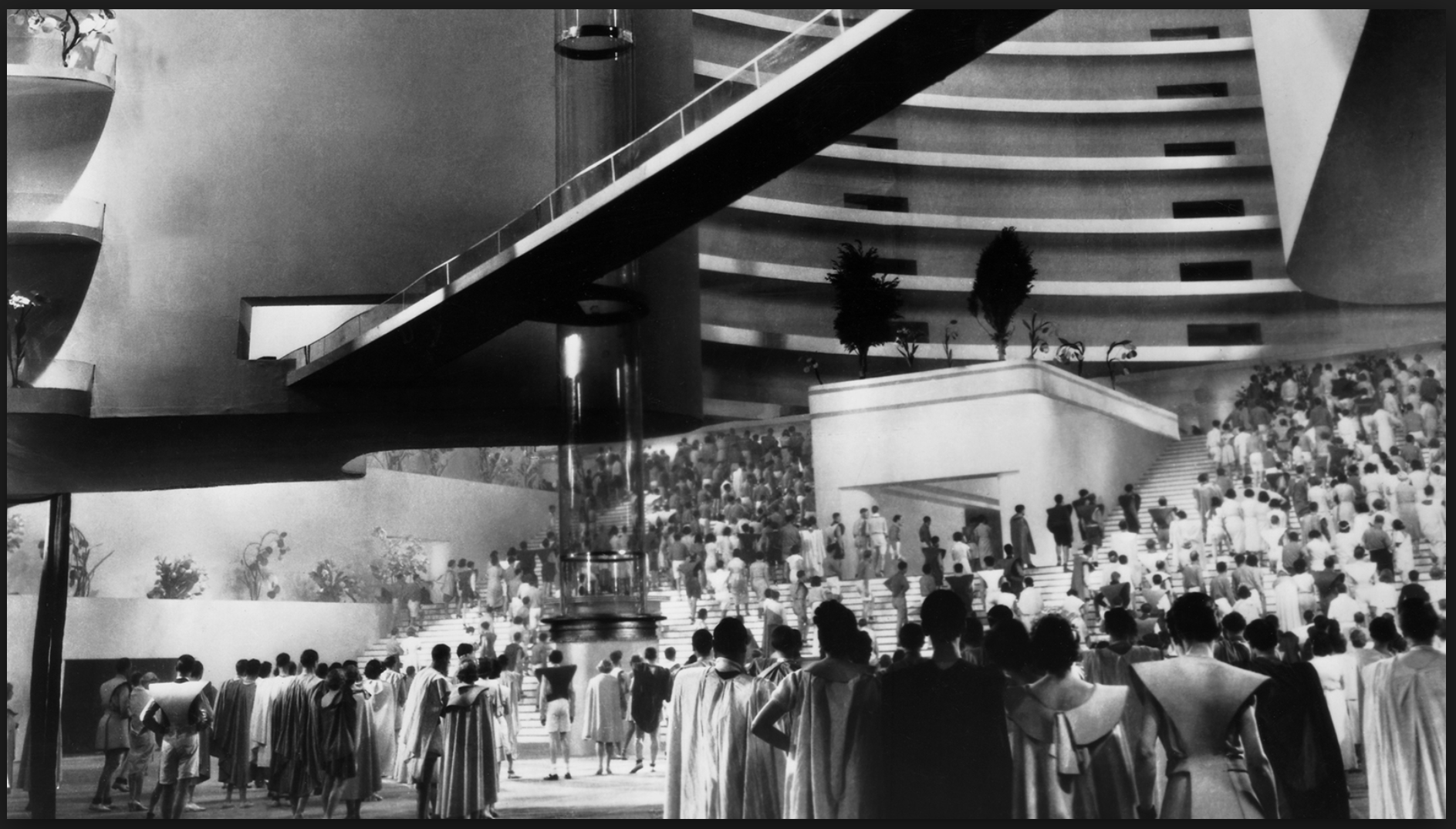
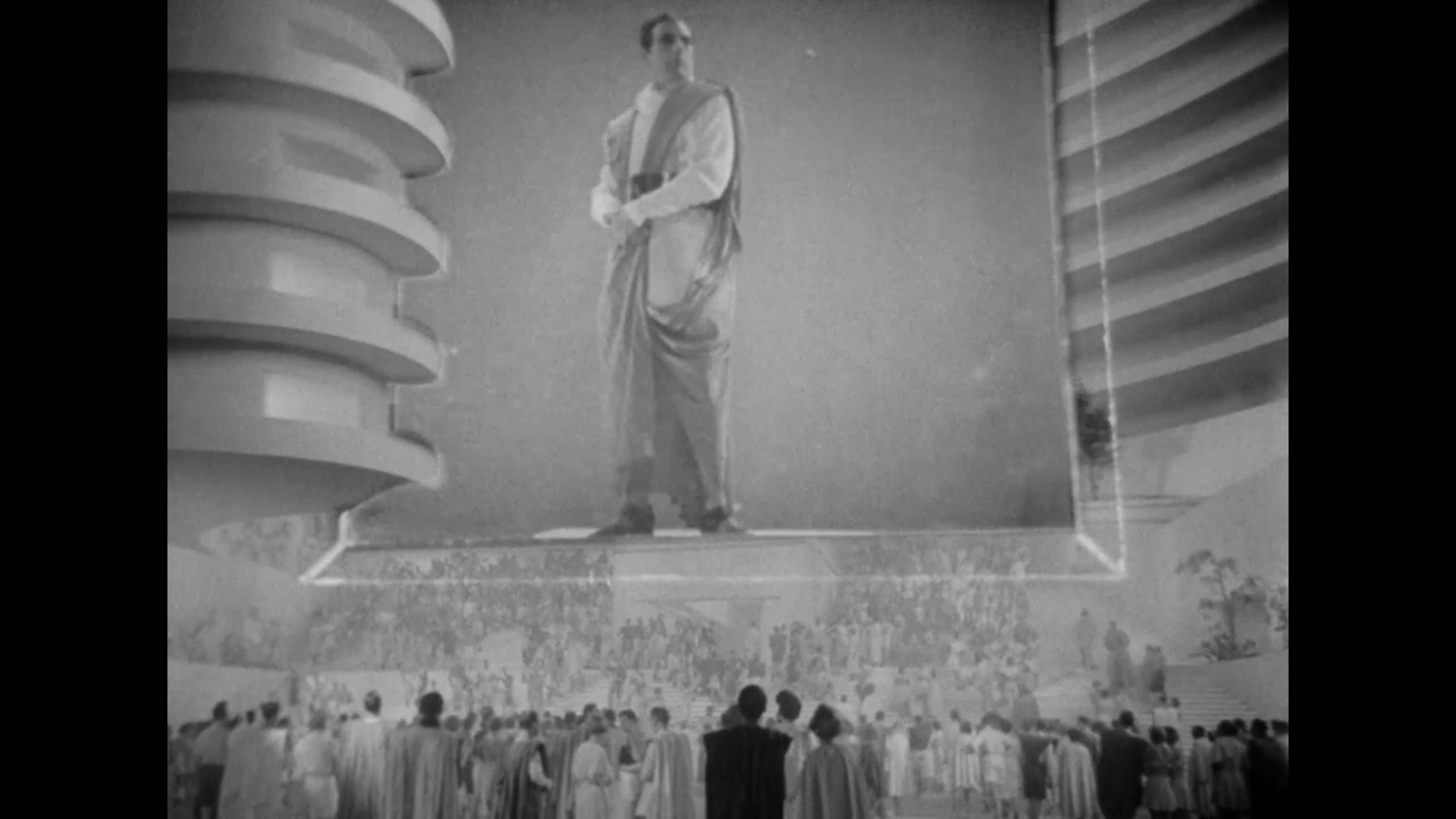
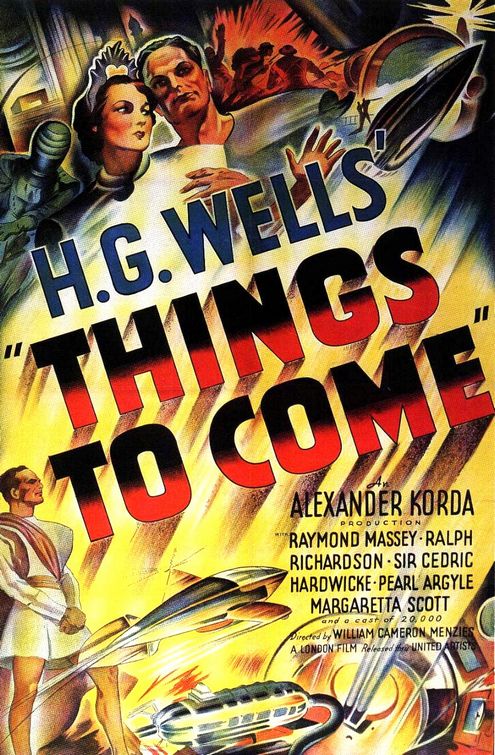
Response to Peary’s Review: Peary’s take on this film remains accurate: it’s impossible not to stare at the “architectural wonders” on display, and wonder if we might one day find some way to live in global peace and harmony through technological advances. However, the hive-like nature of the underground village looks uncomfortably like an antiseptic ant hill — and, as pointed out by DVD Savant, “we of course aren’t told how the population is controlled, or where all the non-Anglo people might be.” Savant further points out that “the imagery is also uncomfortably close to depictions of racial glory in Nazi art: unyielding Nordic faces seeking perfection in the stars.” The characters themselves are noticeably flat: with Wells caring most about the accuracy of his vision, and director William Cameron Menzies primarily concerned about the sets and visuals, nuanced performances and meaningful character arcs are missing. However, that doesn’t seem to matter as much as one would think: this really is a broad-scope tale of a planet in transformation, attempting to move beyond barbarian conflict and literally towards the stars. Note: Interestingly, Peary writes in his review that “Wells’ script was greatly revised by Lajos Biros and [Wells] detested the finished film”, but this isn’t discussed in the extras provided on Criterion’s DVD release. Rather, according to Criterion’s website:
Redeeming Qualities and Moments: Must See? Categories (Listed in 1001 Movies You Must See Before You Die) Links: |
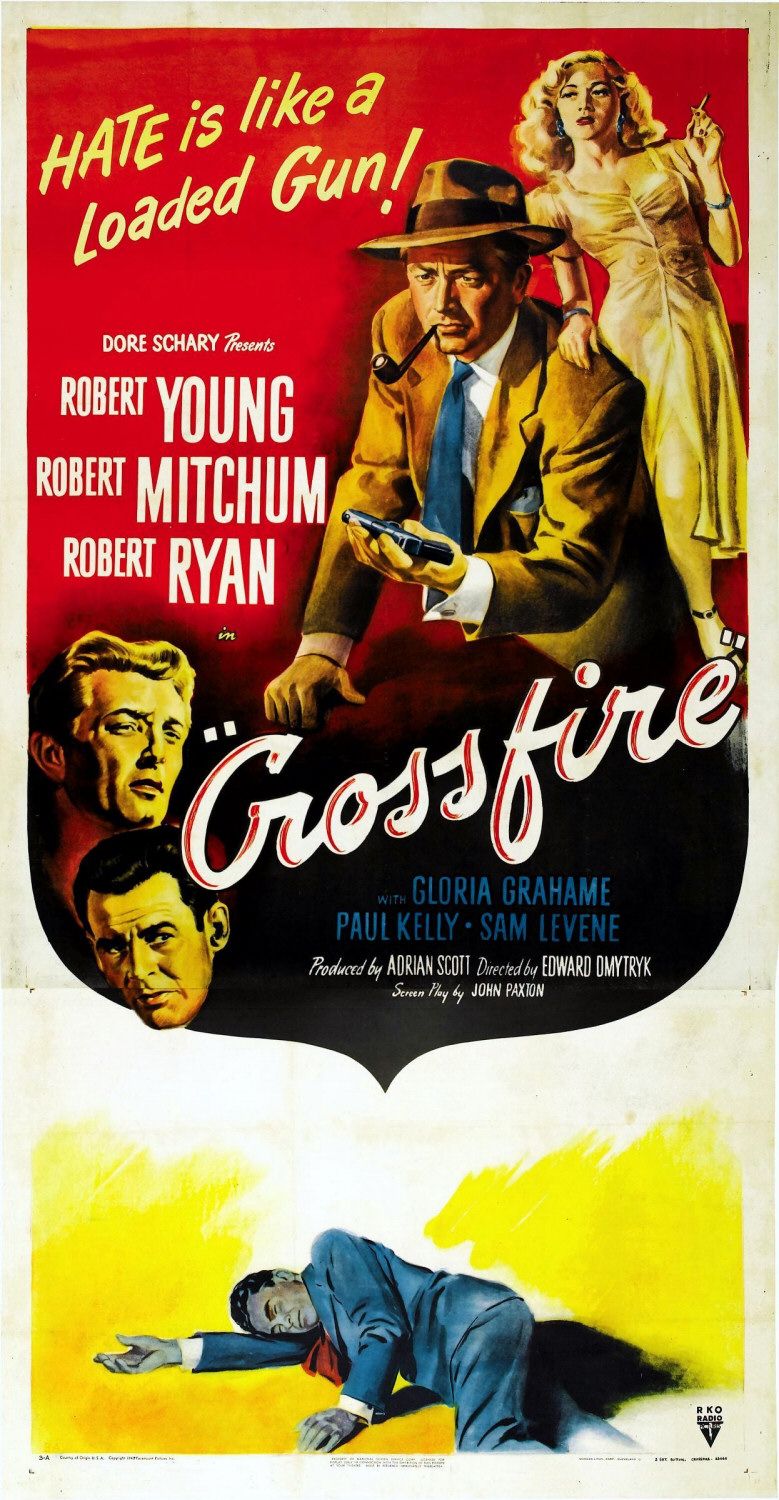
“Some of them are named Samuels; some of them have got funnier names.”
|
Synopsis: |
|
Genres, Themes, Actors, and Directors:
Review:
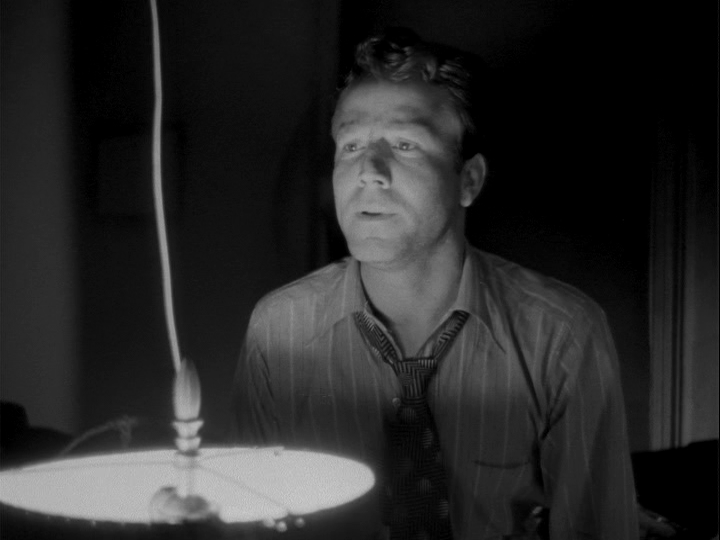
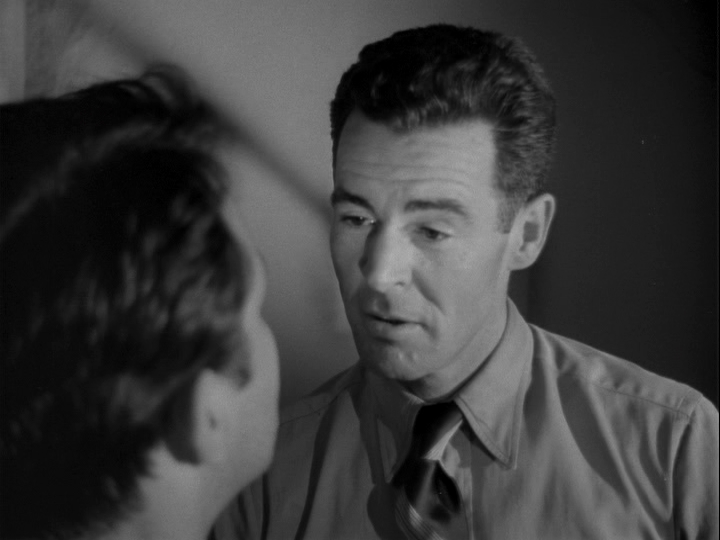
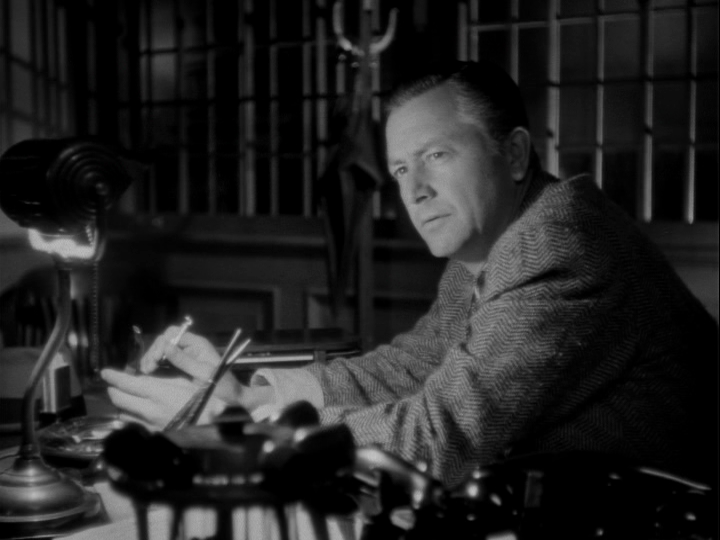
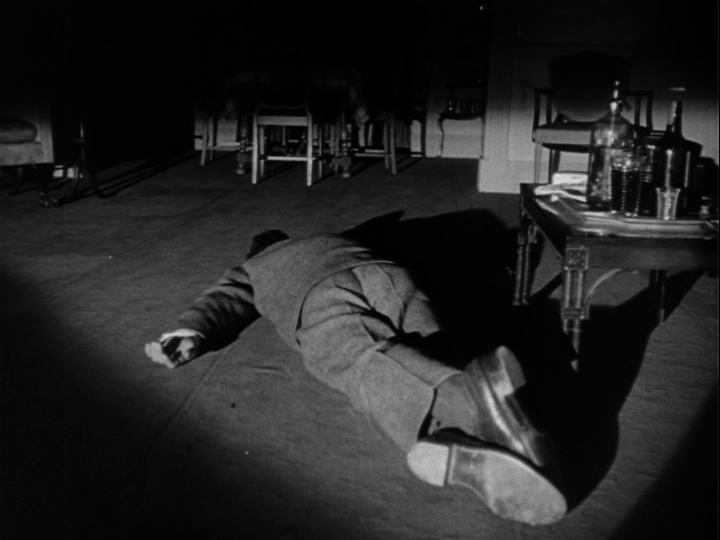
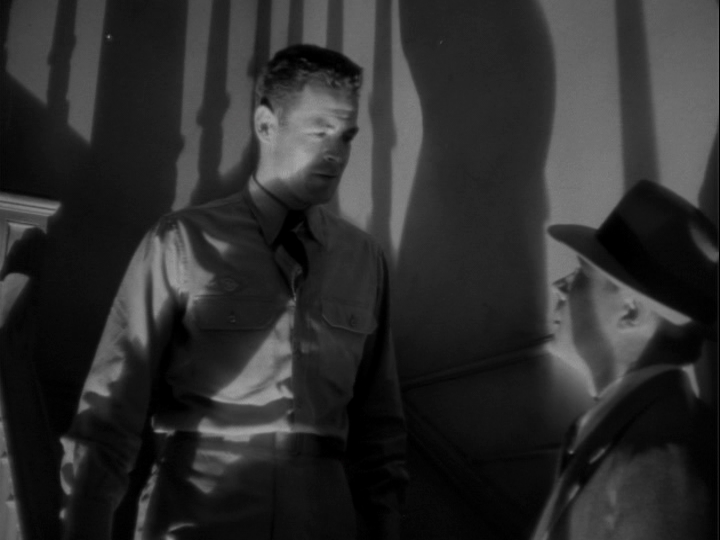
As a noir, Crossfire works exceptionally well, with each frame maximizing use of light and shadow to heighten the drama and suspense; Dmytryk and his crew managed to get the film made with only 150 set-ups (be sure to listen to the commentary soundtrack on the DVD to learn more about the film’s production, as well as Dmytryk’s blacklisting by HUAC). Equally impressive are the stellar performances, most notably by Ryan: check out his soulless eyes as he tells a faux flashback tale to Young, and his chilling scene with terrified Steve Brodie as “Floyd”. Grahame is also a stand-out in her supporting role as a world-weary dance hall girl with a mysterious man (Paul Kelly) living in her apartment. Redeeming Qualities and Moments: Must See? Categories Links: |
Hello, CMBA members! I’m happy to be participating in the Classic Movie Blog Association’s “Banned and Blacklisted” blogathon. If you’re new to my site, please click here to read more. Welcome!
“Only the true Messiah denies his divinity!”
|
Synopsis: |
|
Genres, Themes, Actors, and Directors:
Review:
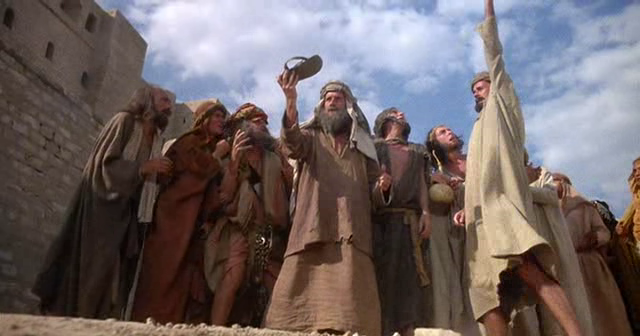
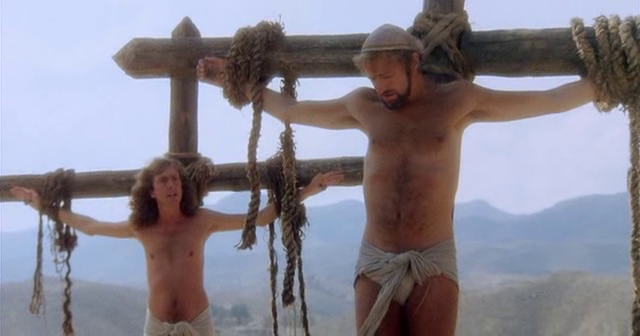
Yes, there is much to be offended by in Life of Brian: it’s a satire which truly leaves nothing sacred, and that’s the point. Its sharpest attacks are made on the mobs of worshipers who insist Brian is their messiah, and who turn his every word and action into a literal sign from God; and on left-leaning revolutionary groups which end up competing against each other for the ability to break free from Rome, while conceding that Roman imperialism actually brought quite a few positive elements to their lives. (“All right, but apart from the sanitation, medicine, education, wine, public order, irrigation, roads, the fresh water system and public health, what have the Romans ever done for us?”) Not all the humor here will work for all viewers, naturally; I’m not a fan of the running gag about Pilate’s lisping, for instance, or amused by the Roman names such as “Biggus Dickus” and “Incontinentia Buttocks”. However, there’s plenty here to enjoy on repeat viewings — including but not limited to the classic closing ditty (“Always Look on the Bright Side of Life”). Note: Be sure to check out IMDb’s Trivia page for plenty of interesting facts about the making of this film, as well as Wikipedia’s in-depth overview and analysis; I’m sure the DVD commentary is worthy, too (though I haven’t listened to it yet myself). Redeeming Qualities and Moments: Must See? Categories
(Listed in 1001 Movies You Must See Before You Die) Links: |
“A drowning man takes down those nearest.”
|
Synopsis: |
|
Genres, Themes, Actors, and Directors:
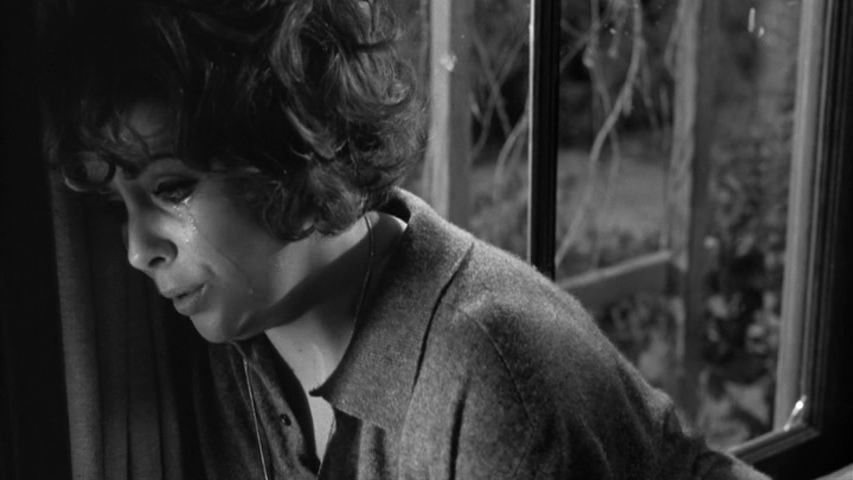
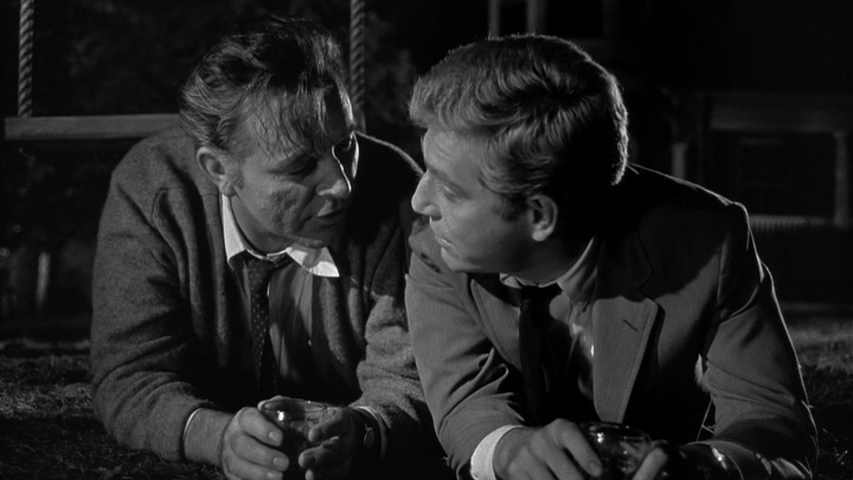
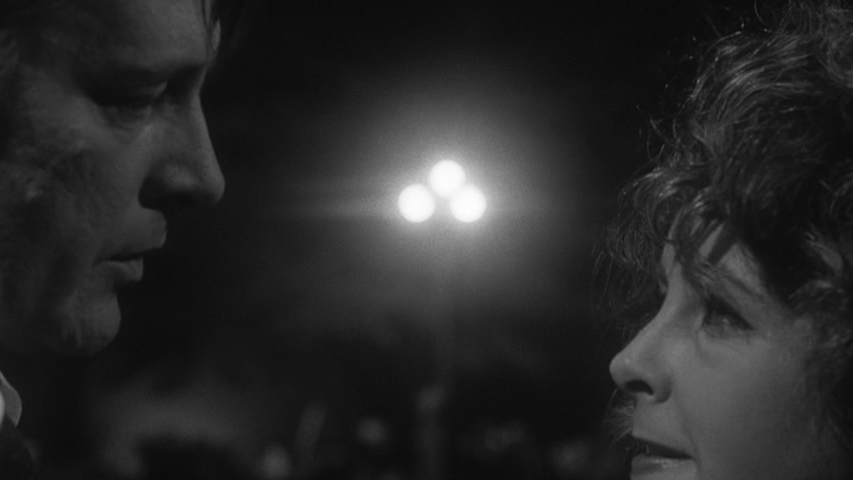
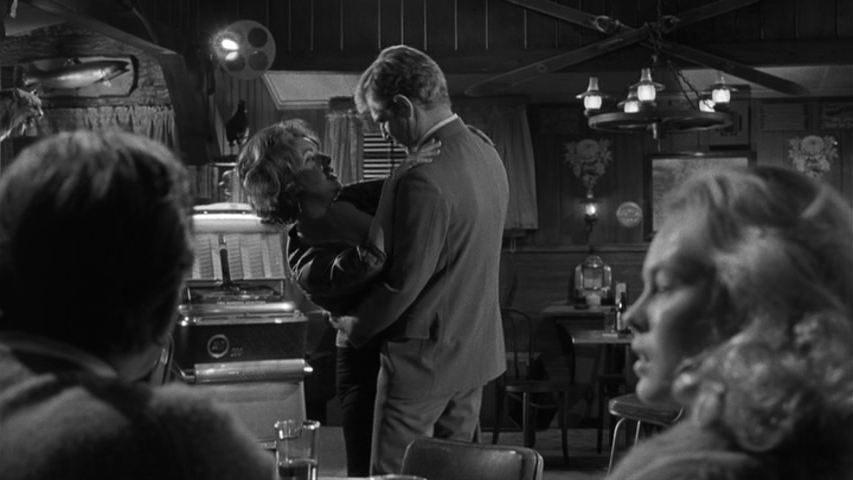
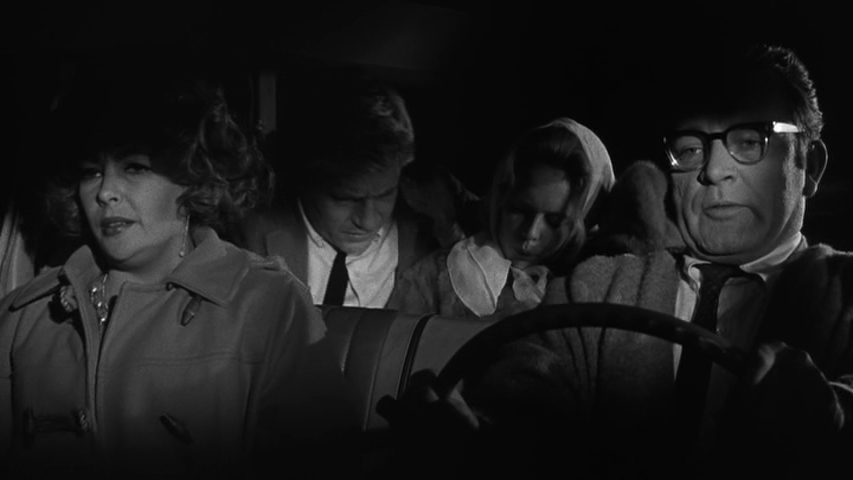
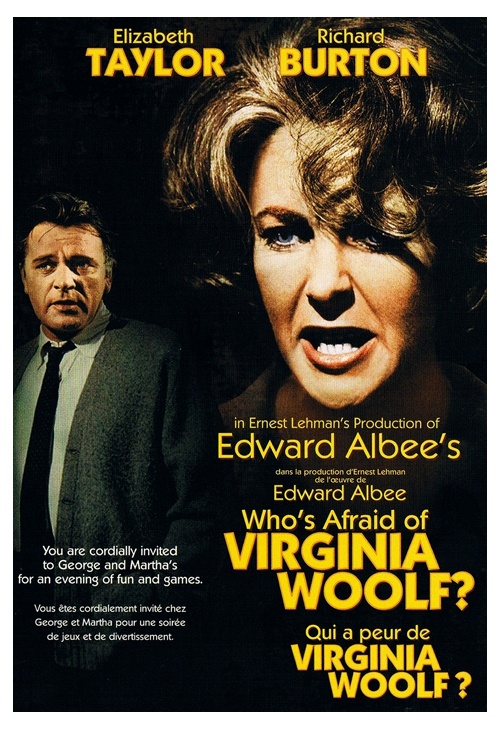
Review: In Peary’s Alternate Oscars — where he reluctantly gives Taylor the award as well — he writes that while “Taylor doesn’t come across as being natural or at ease,” we should “at least give her credit for attempting to act rather than just inhabit a character”. While he complains that her portrayal of Martha is “too shrill” and “should appear to be strong for most of the play/film, rather than just loud and irritating”, he concedes that “when it really counts Taylor makes us understand this troubled woman.” I’m not bothered at all by Taylor’s performance, and find it difficult (though not impossible) to imagine someone else in the role — primarily due to the casting of Taylor’s real-life husband as her spouse. Speaking of Burton, Peary also awards him an Oscar, noting that Taylor’s “performance is so ostentatious… that it takes a while to realize that the comparatively subdued Burton is giving a brilliant characterization”. He adds that “we are transfixed by [Burton’s] every movement, dazed by his wise yet not always logical remarks, kept off balance by his secretive smiles and powerful gazes, knocked backward by his every shout.” He goes on to provide an analysis of George and Martha’s relationship — one which helps put all the shouting and manipulation into context:
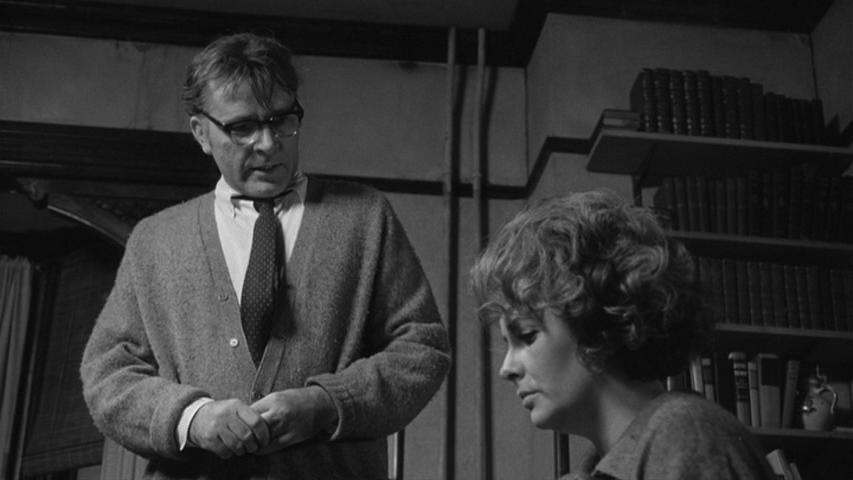
Who’s Afraid of Virginia Woolf? isn’t an easy or pleasant film to watch by any means. However, Nichols’ confident direction, Haskell Wexler’s Oscar-winning b&w cinematography, and the memorable performances (including those by Segal and the oh-so-unique Dennis) make it well worth at least one visit. Be sure to check out the commentary on the DVD in which Nichols chats with Steven Soderbergh about his directorial choices and the film’s production history; it’s quite fascinating and insightful. Redeeming Qualities and Moments:
Must See? Categories (Listed in 1001 Movies You Must See Before You Die) Links: |
“War is the most monstrous of man’s illusions. Any idea worth anything is worth not fighting for.”
|
Synopsis: |
|
Genres:
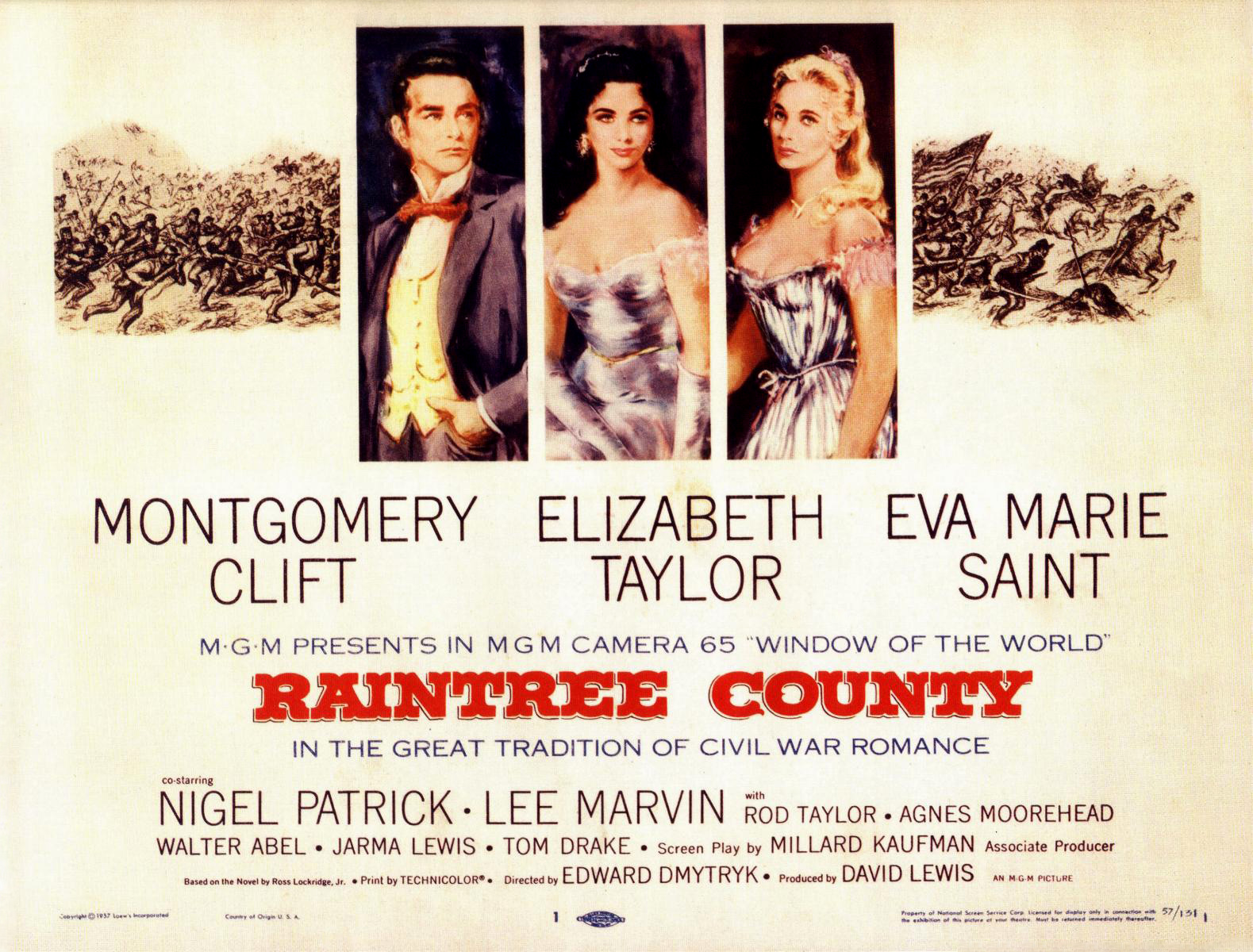
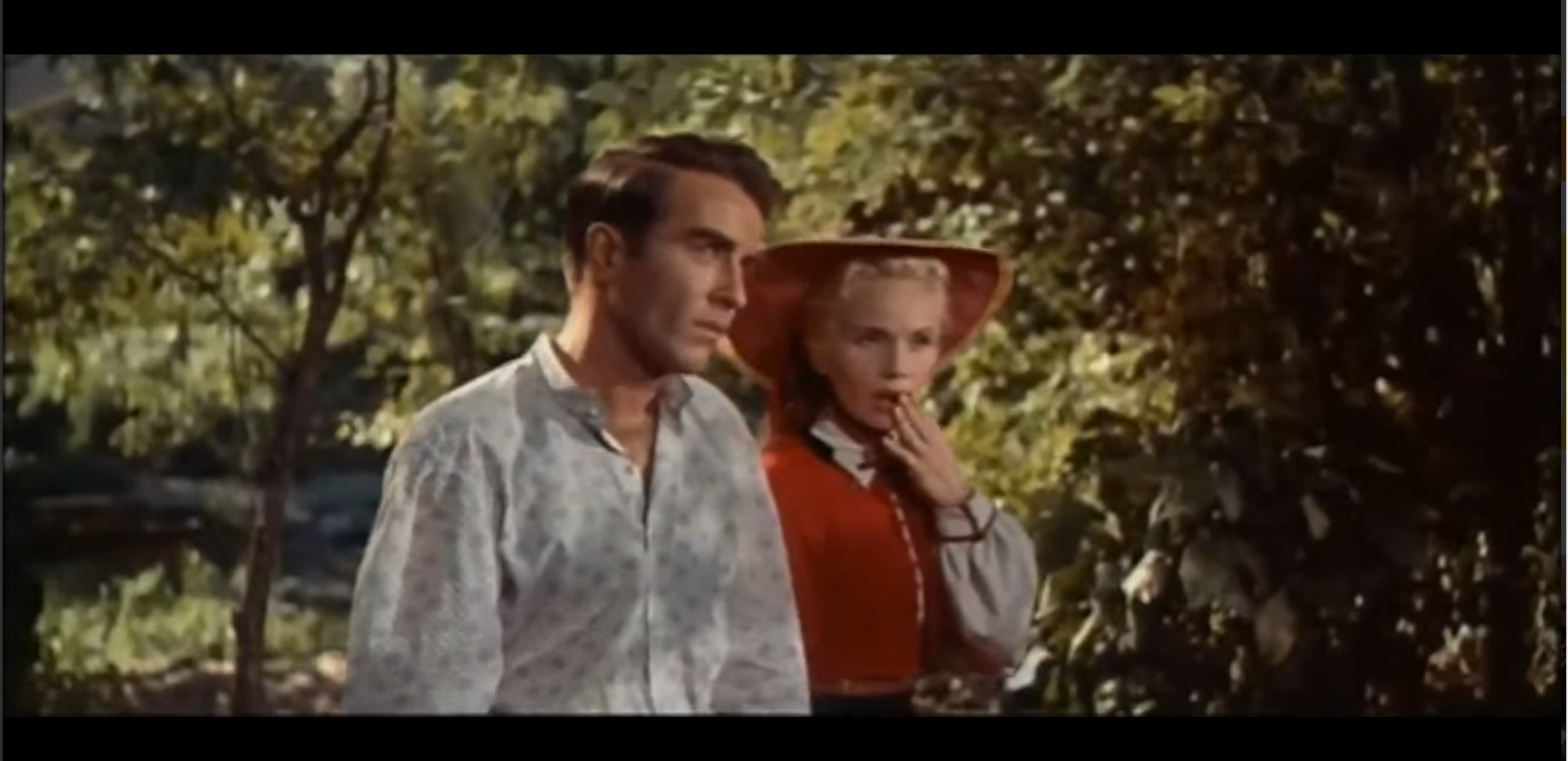
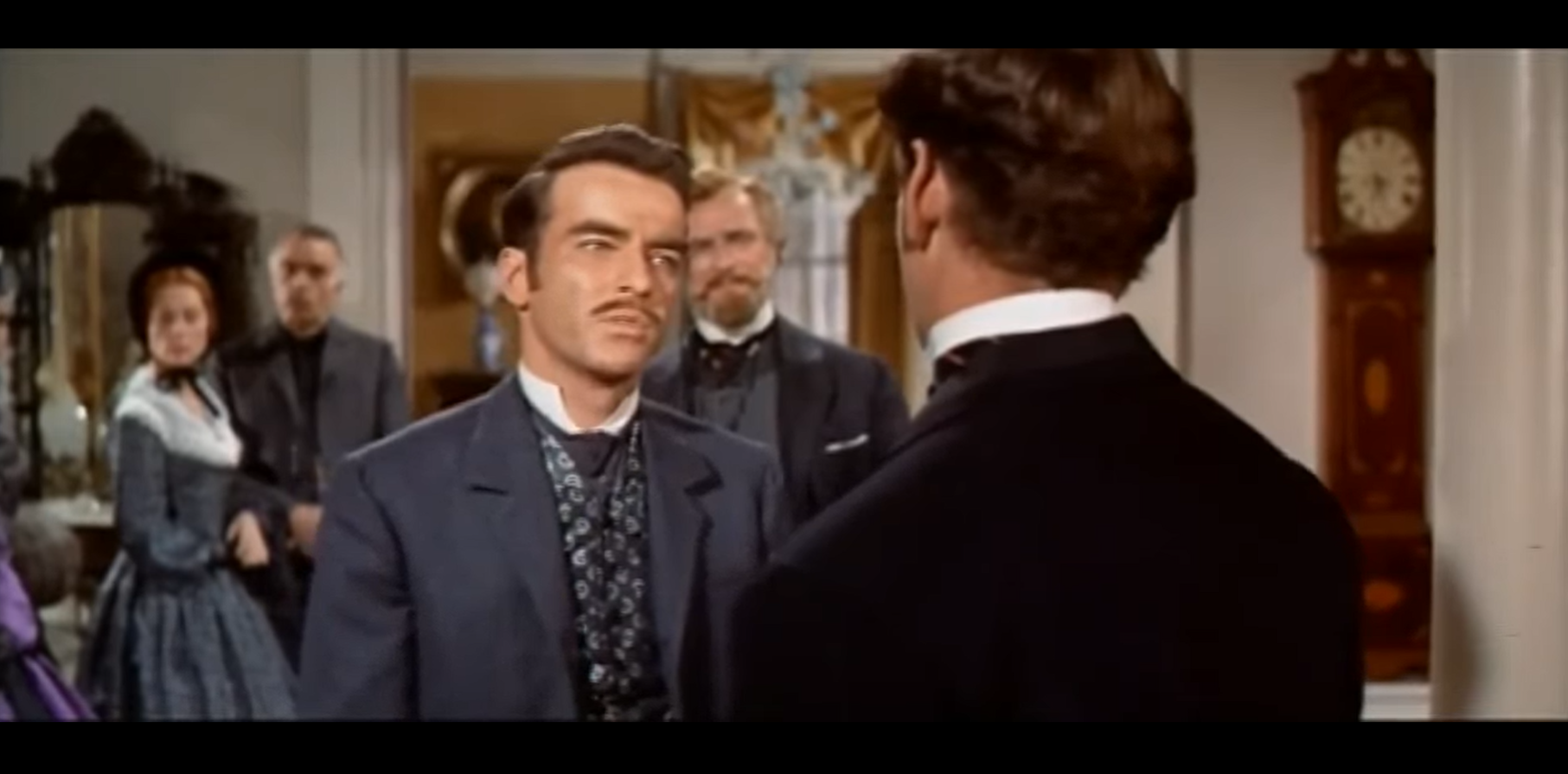
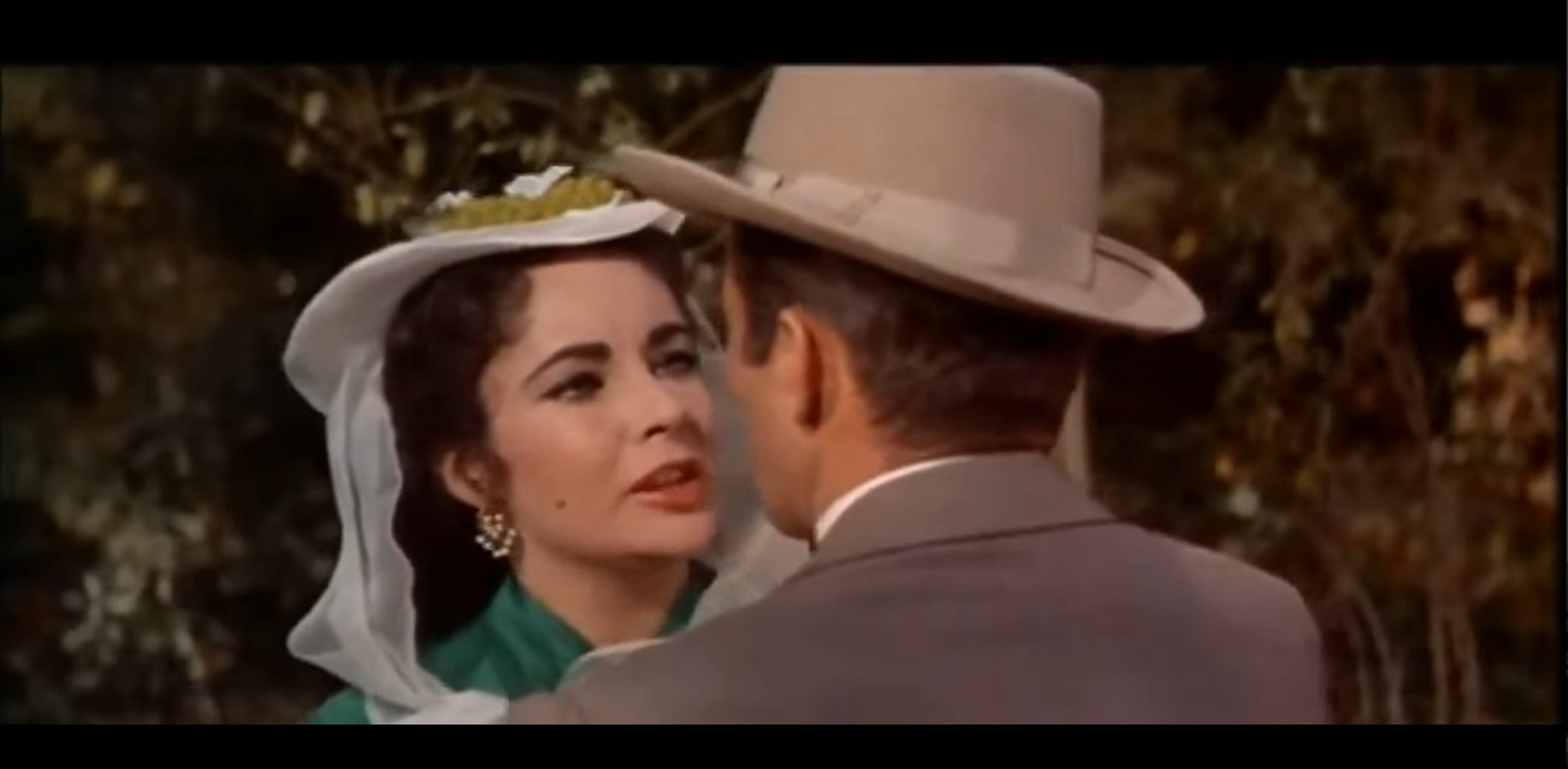
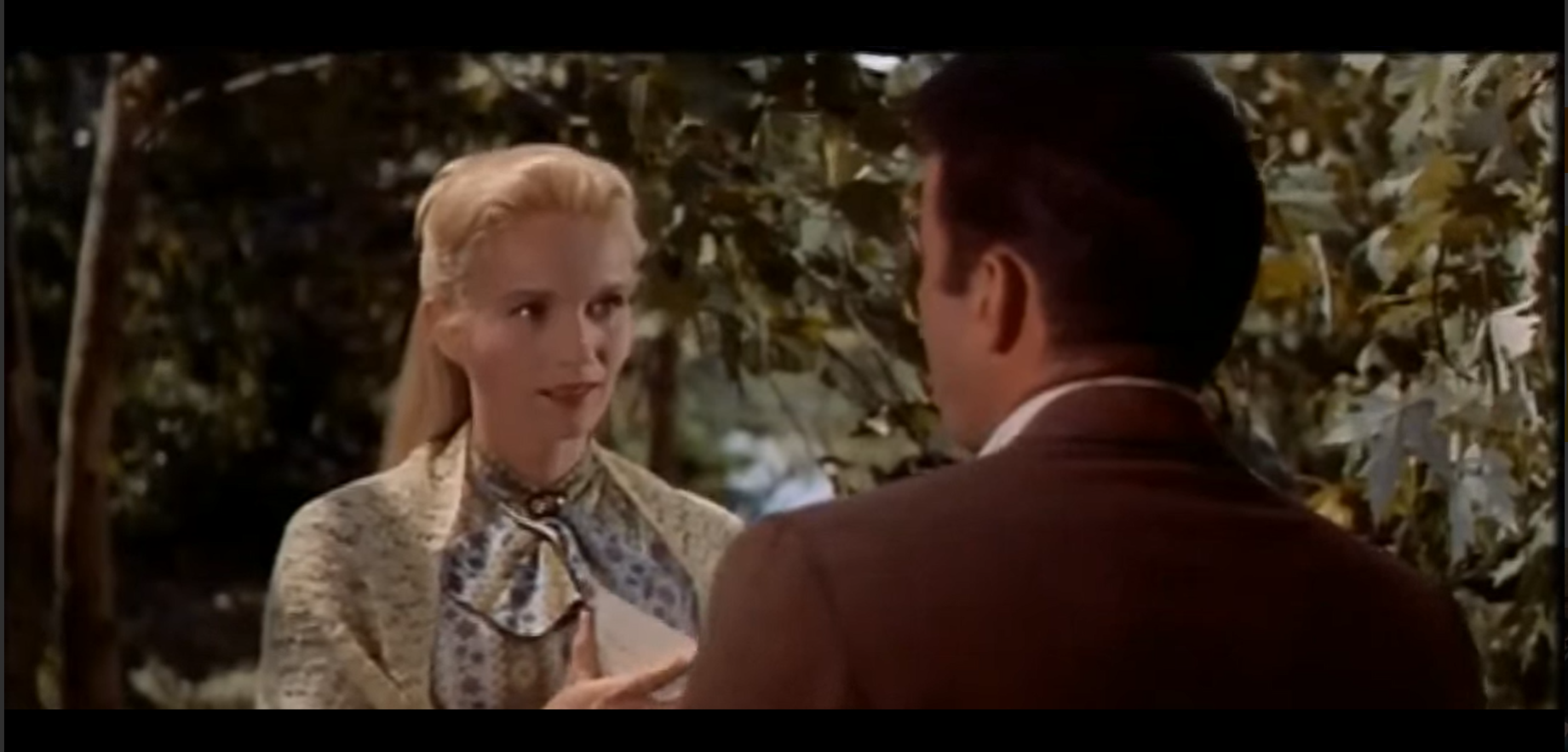
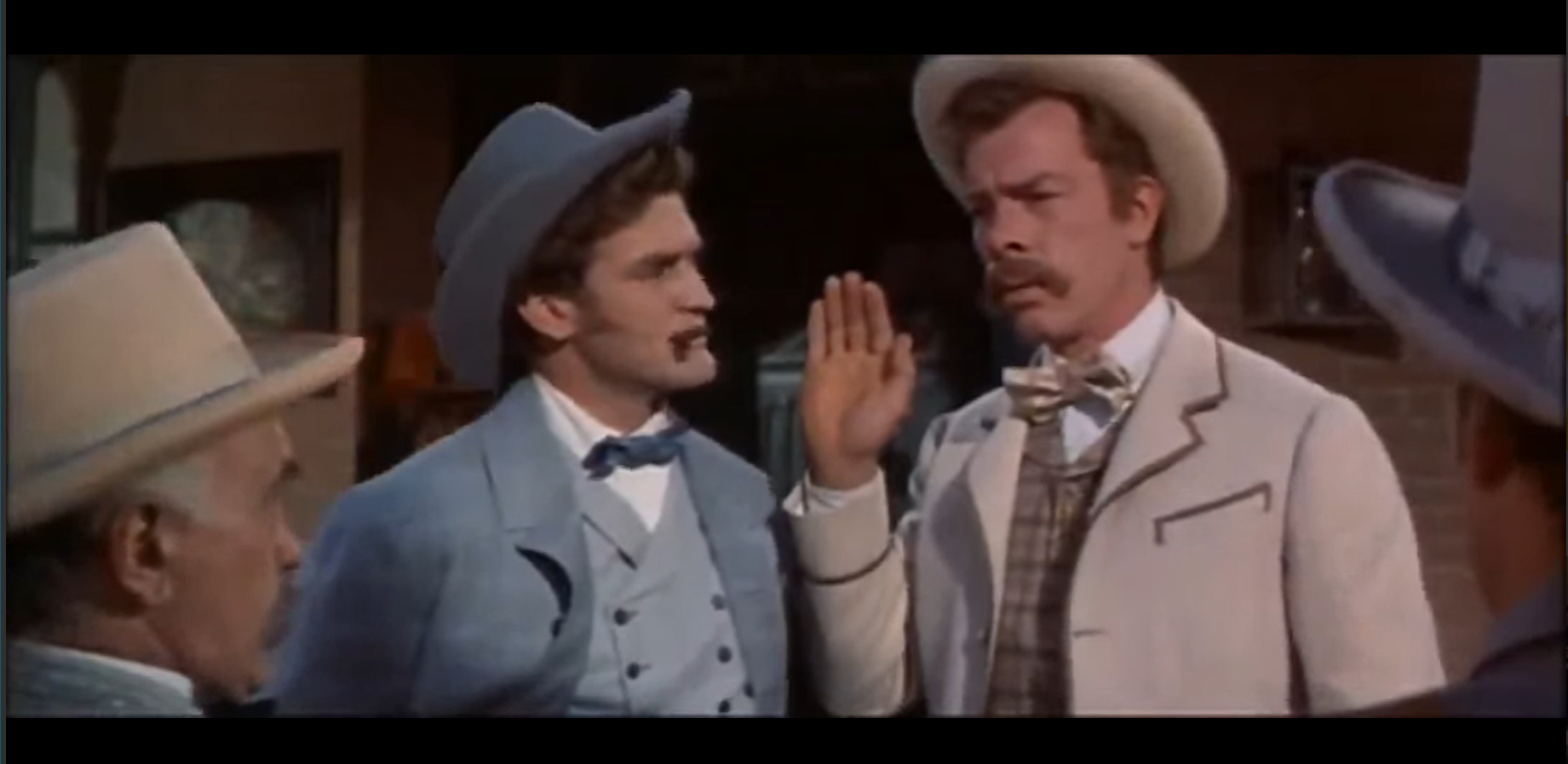
Review: Unfortunately, it’s a rambling, thematically dubious film which never settles on a satisfying story arc and fails to engage. Clift’s performance seems dialed in (small wonder, given what he was going through), and it’s hard to figure out (or care much about) his character. Meanwhile, Taylor over-emotes like she’s in a Tennessee Williams play: … and the narrative threads about her mental instability, her attachment to creepy dolls, and her obsession with racial “purity” make it awfully difficult to sympathize with her. Eva Marie Saint has a thankless part as the beautiful small-town girl who is shoved aside by Taylor’s insistent charm: … and Lee Marvin, Rod Taylor: … and Agnes Moorehead: … are all underutilized as well. There’s little to recommend here other than fine cinematography. Redeeming Qualities and Moments: Must See? Links: |