|
Genres, Themes, Actors, and Directors:
- Black Comedy
- Charlie Chaplin Films
- Depression Era
- Homicidal Spouses
- Serial Killers
Response to Peary’s Review:
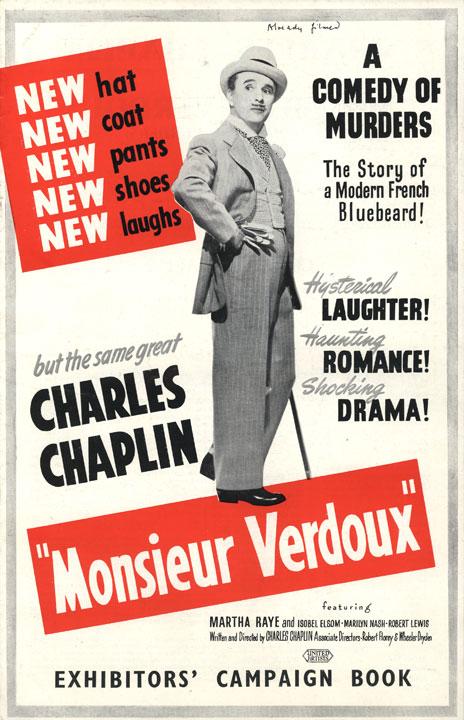
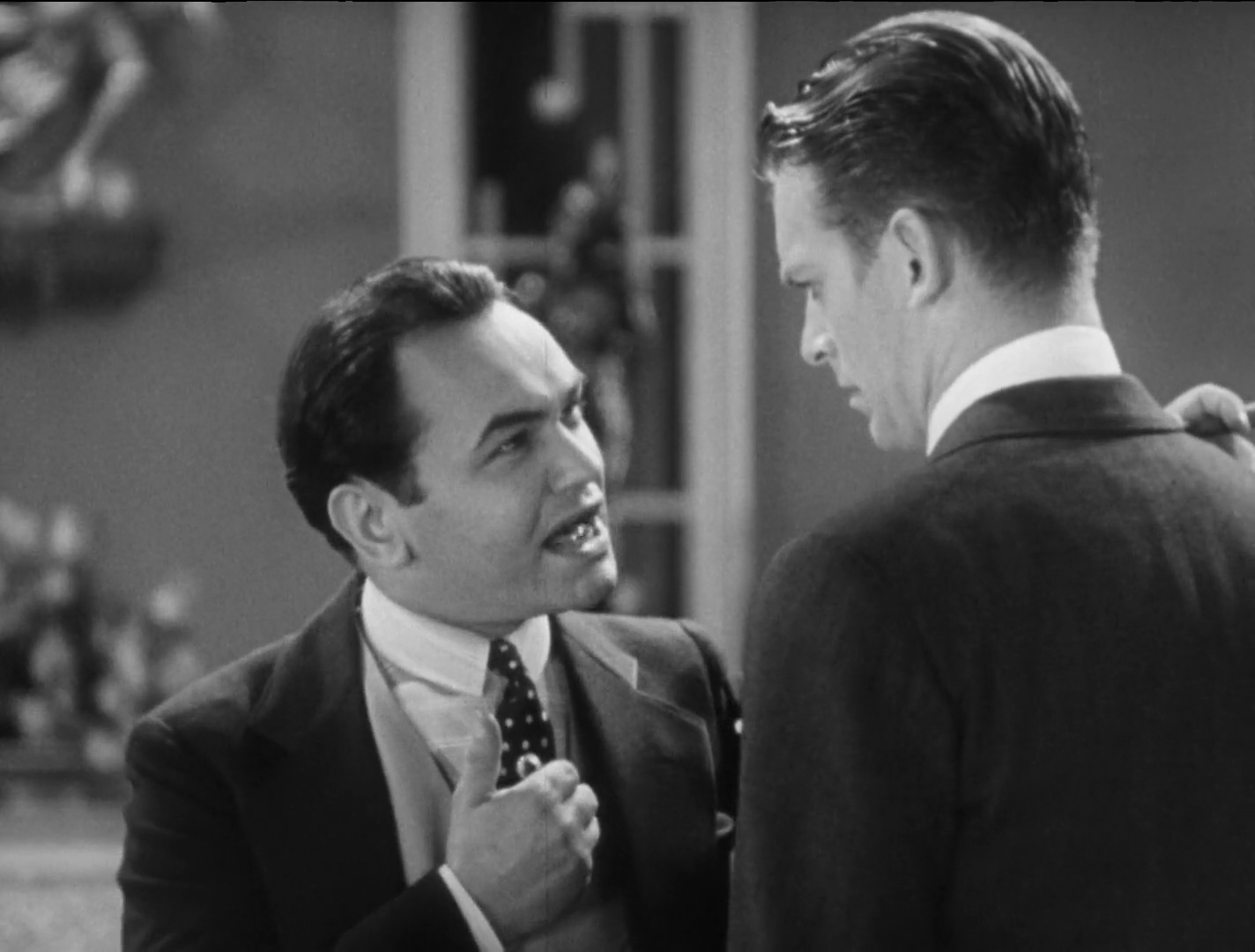
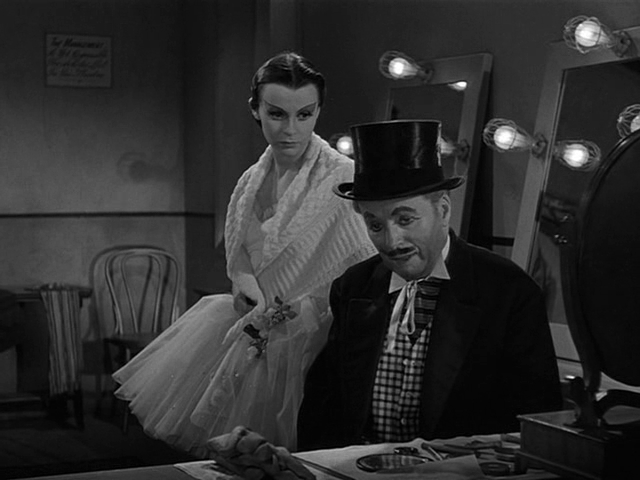
Peary writes that “Charles Chaplin’s last masterpiece was certainly his most controversial film”: “while The Great Dictator had been a comedy about Hitler and the Nazis… this was perhaps even more daring. After all, in this comedy Charlie Chaplin, once the lovable tramp, plays a cold-blooded murderer.” However, “Verdoux, the murderer of 14 women, kills only one person (a woman who has no life to begin with) during the film — therefore we find his character palatable”. While Chaplin “wisely doesn’t try to make Verdoux sympathetic”, we “can see traces of the tender, romantic, life-loving man he once was”, and we “understand his bitterness.” Peary writes that this “most compelling and unusual film” — once “championed by James Agee” — has a “storyline [that] is serious and sometimes morbid, but there is hilarity, especially in Chaplin’s scenes with Raye.”
In Alternate Oscars, Peary names this the Best Film of the Year and once again awards Chaplin the Best Actor award (for the third time!), thus providing plenty of additional written analysis. Peary’s selection of Monsieur Verdoux as the “best film” in a year filled with so many other worthy contenders — including the Peary-nominated Black Narcissus, Great Expectations, Miracle on 34th Street, Nightmare Alley, and Out of the Past — speaks volumes about his adoration for Chaplin’s oeuvre (and for underdog films that were unfairly maligned due to their creator’s politics). He writes that, “Depite its morbid plot line”, this film is “full of wit, ranging from Verdoux’s sardonic lines to wild Chaplinesque slapstick”.
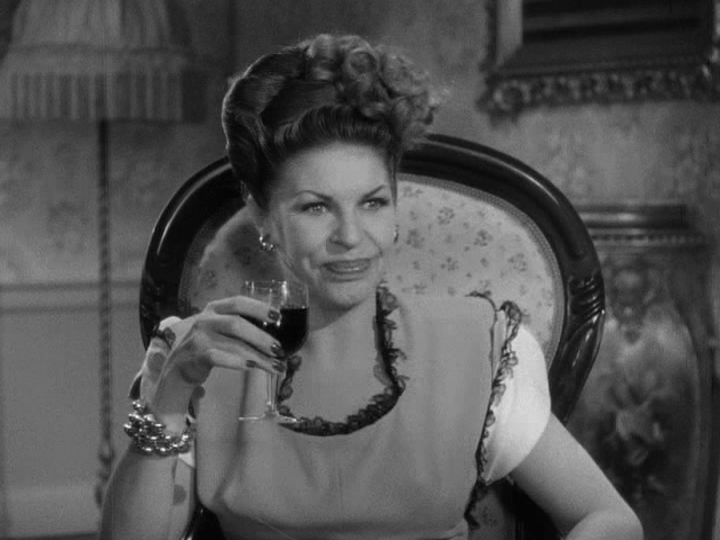
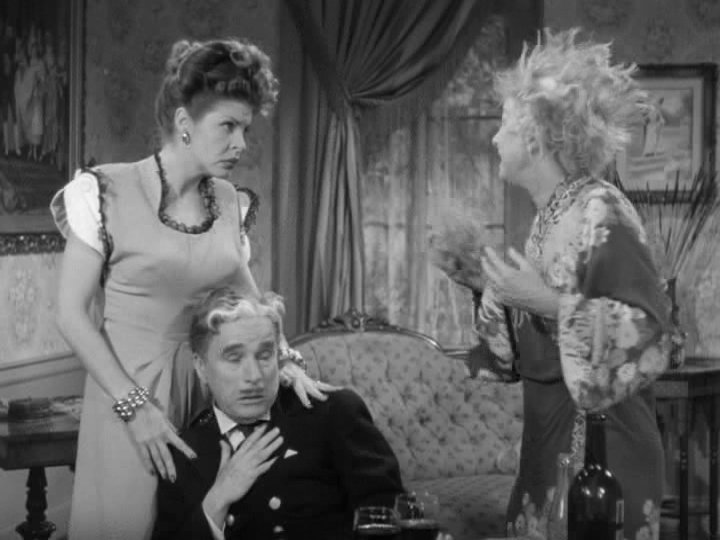
Peary adds that “Verdoux’s scenes with Martha Raye’s loudmouthed, nasty Annabella are some of the funniest in all of Chaplin’s work”, with “the sequence in which he tries to poison her… [a] most complex comedy routine”, and “Verdoux’s discovery of Annabella at his wedding to Madame Grosnay” [Elsom] “hilariously complicated.” He writes that “in addition to the humor, the picture has charm… poignancy… and tenderness”, yet “we never forget that the Chaplin who wrote and directed this film is quite cynical, quite serious”: while “no one would think that Charlie Chaplin could give us the creeps… that’s our reaction just before he kills Lydia [Margaret Hoffman]”. Verdoux is presented as a “wise but insane man”, and “viewers must decide for themselves where Verdoux is bound” (heaven or hell), given that he isn’t “so sympathetic or likable that we automatically forgive his crimes”.
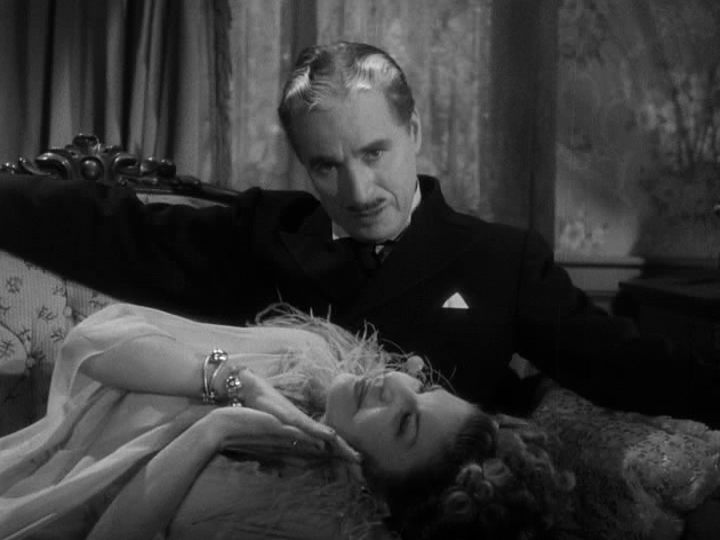
In his review of Chaplin’s acting, Peary writes that his Verdoux was “without question” “the best performance in 1947”. In addition to Chaplin’s ability to present a highly complex character (as discussed above), Peary notes that “at forty-eight he was still a masterful physical comedian, as exhibited when he backflips out of a window and when, without stopping his conversation or spilling his tea, he tumbles off a couch and onto his knees while proposing to Madame Grosnay.” Among Chaplin’s many hilarious scenes with Raye, Peary highlights “Verdoux’s attempt to drown her American Tragedy-style in a lake. When she suspects something is fishy, he quickly sits down, legs crossed, with the hilariously innocent expression of a naughty five-year-old.” Peary further adds that it’s “most interesting watching Chaplin play a dapper, gentlemanly Lothario, capable of seducing any woman he speaks to… In his conquests he’s as aggressive as Groucho Marx… but uses words like Charles Boyer.” Peary writes that he sees “Verdoux as the flip side of Chaplin’s Little Tramp”: while “Verdoux still acts in a gentlemanly manner, he has long given up the dignity and self-respect that is key to the Little Tramp’s resilience and survival.”
Redeeming Qualities and Moments:
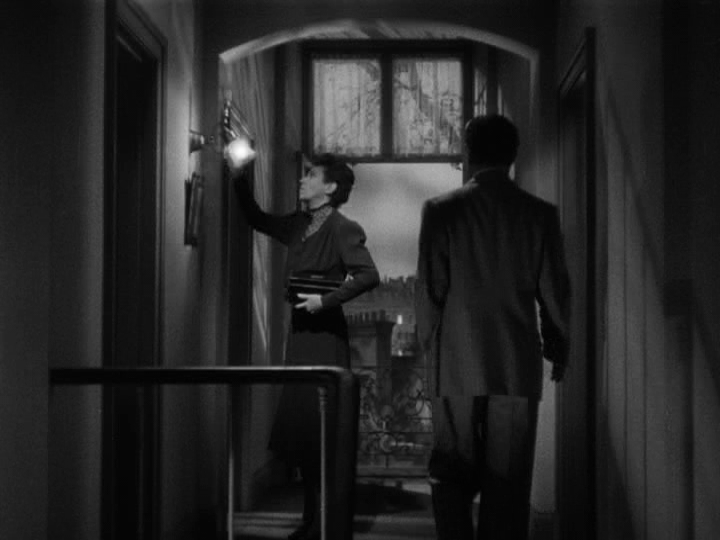
- Charlie Chaplin as Monsieur Verdoux
- Martha Raye as Annabella
- Marilyn Nash as The Girl
- Many memorable scenes and sequences
Must See?
Yes, as a dark classic by a master director. Discussed at length in Peary’s Cult Movies 3 book.
Categories
(Listed in 1001 Movies You Must See Before You Die)
Links:
|