|
Genres, Themes, Actors, and Directors:
- Ann Dvorak Films
- Boris Karloff Films
- Gangsters
- George Raft Films
- Howard Hawks Films
- Karen Morley Films
- Paul Muni Films
Response to Peary’s Review:
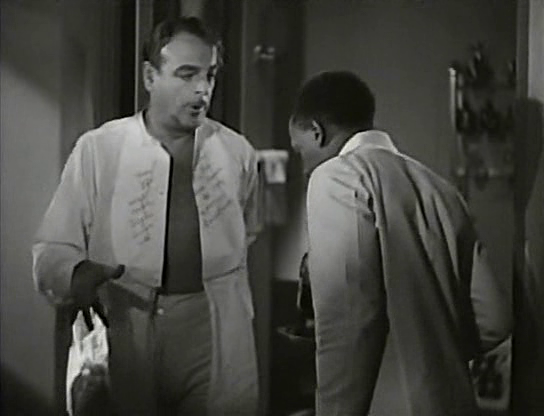
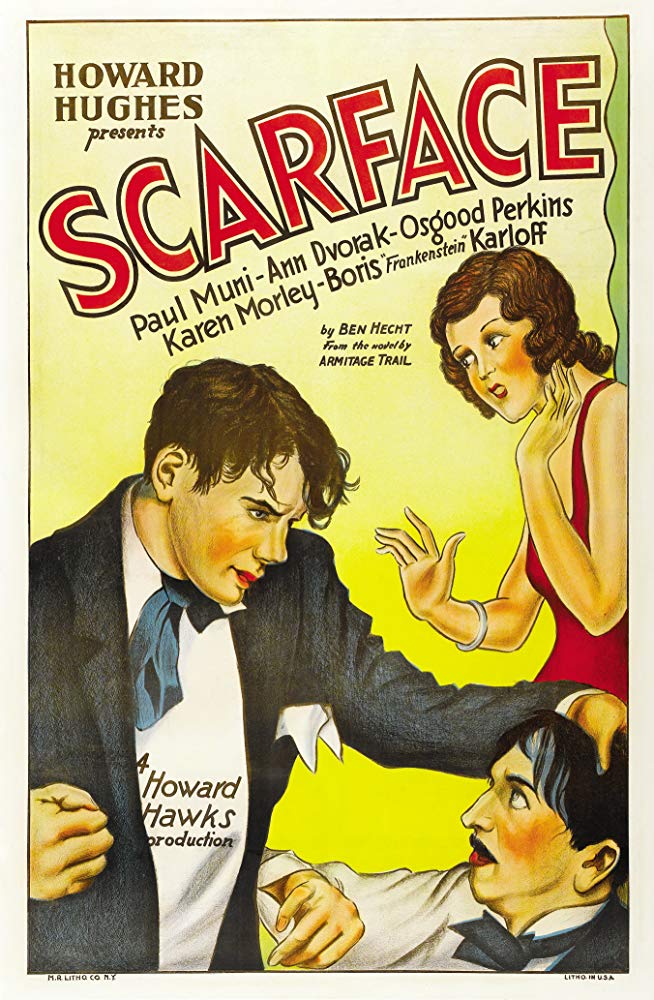
Peary begins his review of Scarface by noting that this “best of the early gangster films was completed by Howard Hawks in 1930 but was held up by censors until several changes were made”, in order for “the public to understand that the motion-picture industry was also infuriated by crime.” However, as Peary points out, this film hardly glamorizes gangster life, given that “Paul Muni’s Tony Camonte, who, like many movie gangsters, was based in part on Al Capone, is a stupid, loutish, ugly brute — his scar is his best facial feature since he’s made up to resemble an apeman (he’s like Fredric March’s Mr. Hyde minus the fangs).”

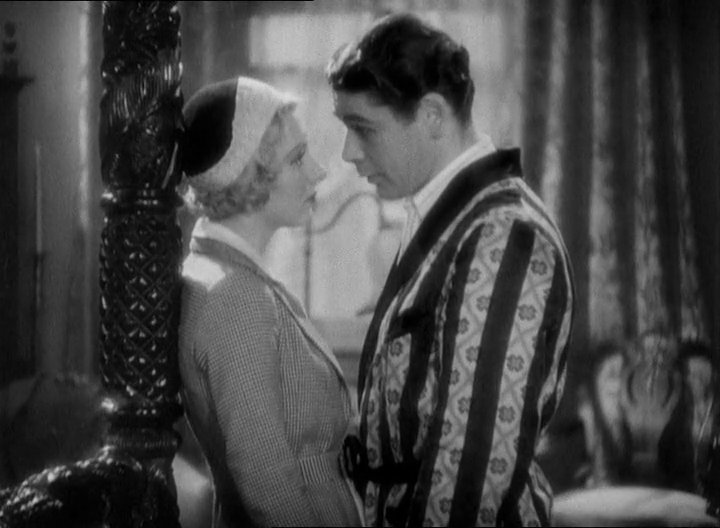
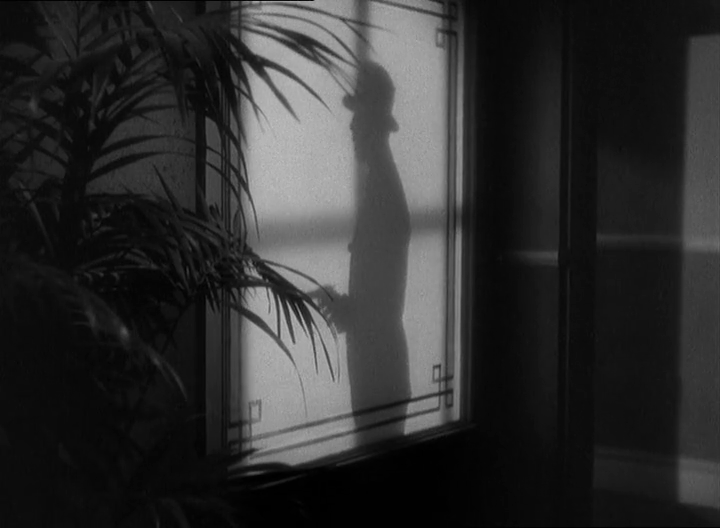
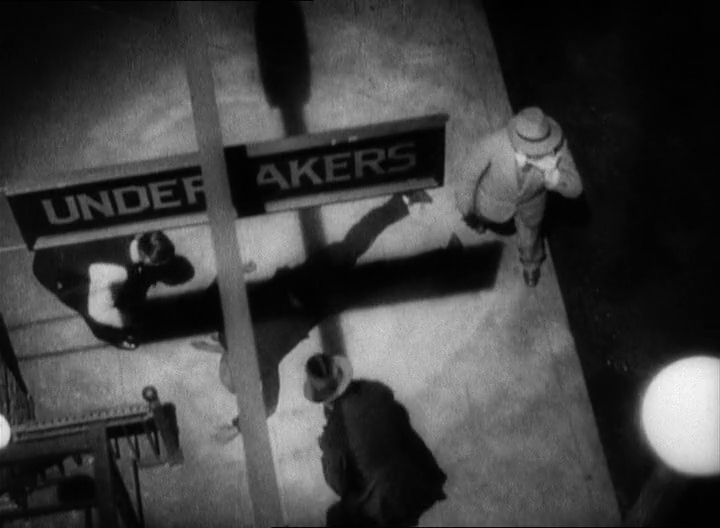
He adds that “screenwriter Ben Hecht based his crime family on the Borgias, so he had a model for the corruption, cruelty, power-lust and decadence that exists” — including “an incest theme” but minus any parental influence; Tony’s father is non-existent and his mother (Inez Palange) is completely ineffectual. Peary correctly notes that “no one who sees this film would want to emulate the lives of these criminals” — but with that said, the “film has exciting, atmospheric cinematography by Lee Garmes; taut, inspired direction by Hawks; and a powerful script by Hecht (with additional dialogue credit going to John Lee Mahin, Seton I. Miller, and W.R. Burnett).”
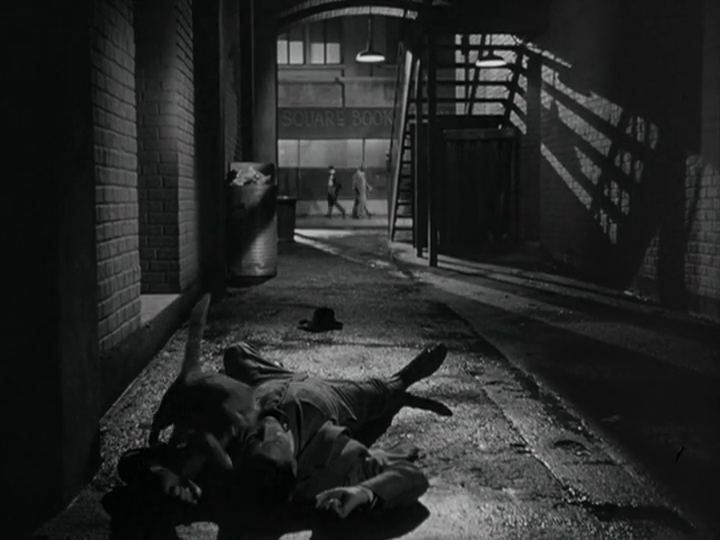
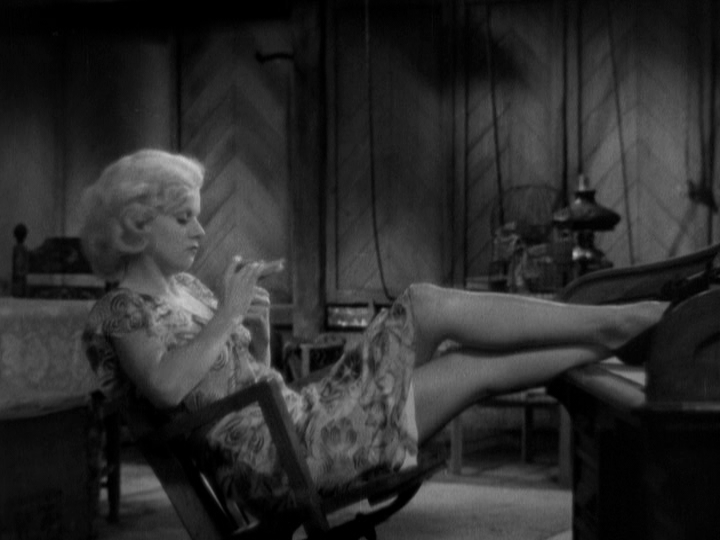
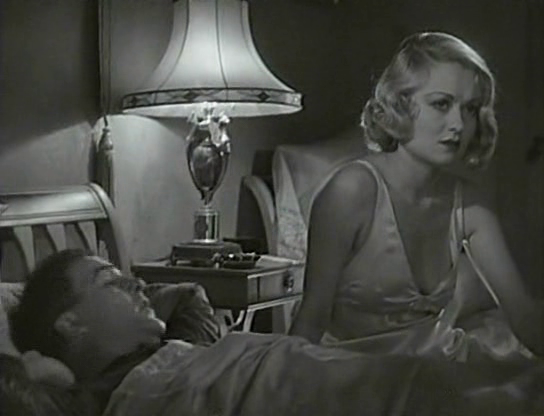
In GFTFF, Peary outlines several of the film’s highlights, including “the opening, in which the camera pans for several minutes across an emptying party room and ends up showing the first victim being murdered”; and “gangster Boris Karloff being shot just as he bowls — the camera follows the ball down the lane, where it knocks over all the pins, including the king pin, which spins for a while and topples over.” In Alternate Oscars — where he names this the Best Film of the Year — Peary writes that “for real, reel-to-reel excitement, no film filled the bill better than” Scarface, “the best and most ferocious of the gangster cycle.” He notes that “the gangster world Hawks presents is unsavory, sordid, and not enticing” — though “males might be drawn to the beautiful, trampy women played by Ann Dvorak and Karen Morley (two of the great unsung actresses of the period).” (Indeed, Dvorak “almost steals the film”.) Peary adds that “the gangsters themselves are childlike, ignorant brutes who could stand no other company but their own and play dangerously stupid games… We don’t want to be like them and we don’t want to walk the streets when they’re around.”
In GFTFF, Peary writes that Muni “gives one of his finest performances — it is his one character for whom you can feel no sympathy”, and he awards Muni Best Actor of the Year in Alternate Oscars, noting that “Muni plays his character as if he were a cocky punk teenager. Unsophisticated and immature (like all other gangsters), he’s self-impressed, overrates his intelligence (he is proud to use the word disillusioned), boasts nonstop, acts tough, doesn’t listen to his mother…, and is always looking for a good time.” He considers machine guns “toys”, women “meat”, and “likes anything that is ‘hot’.” While he “is usually having a good time” — at which moments “we fear his recklessness” — he “suddenly shifts from being carefree to being serious” and is “downright creepy.” As “Muni’s eyes, face, and tone of voice quickly change”, we “realize what a frightening, depraved individual Tony is.” I find Muni’s performance a tad overdone, but would agree he’s fully invested in his role and quite memorable — as is the entire atmospherically filmed narrative, which is well worth a look by all film fanatics.
Redeeming Qualities and Moments:
- Strong performances throughout

- Lee Garmes’ cinematography

- Ben Hecht’s script
Must See?
Yes, as an early gangster classic.
Categories
(Listed in 1001 Movies You Must See Before You Die)
Links:
|