Command, The (1954)
“I’ve got a uniform and a conscience. Right now, the uniform covers the conscience.”
“Well, that’s the price of success, I guess.”
|
Synopsis: |
|
Genres, Themes, Actors, and Directors:
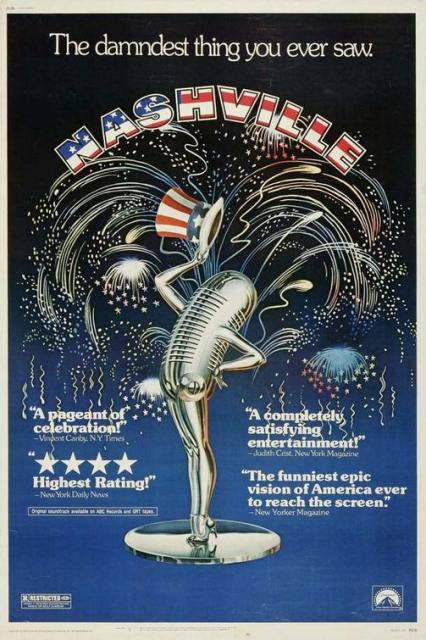
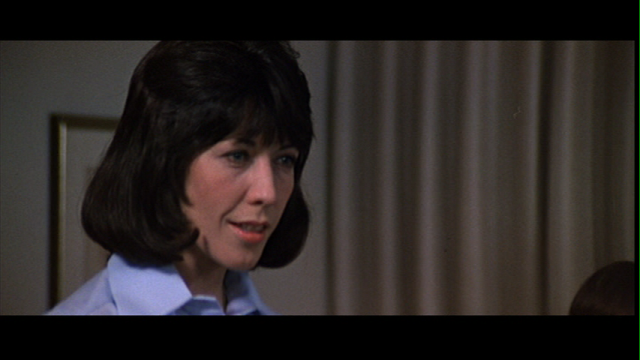
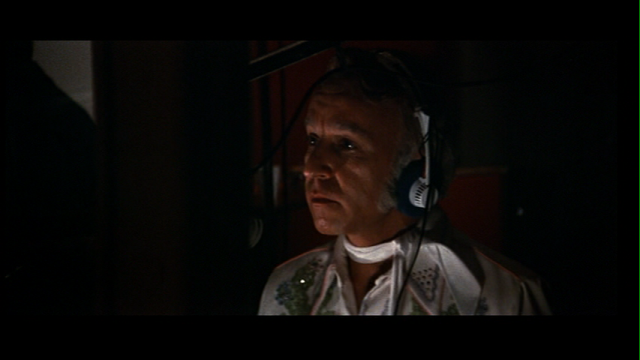
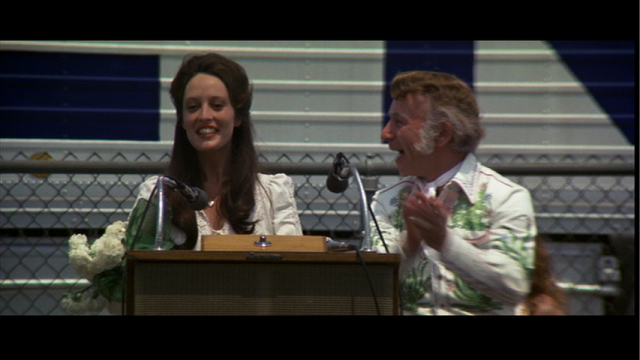
Response to Peary’s Review: Tomlin’s acting, however, is another matter altogether: her role here as the mother of two deaf children, intrigued and bothered by insistent phone calls from an aggressive rock star (Keith Carradine), is quite impressive, and she deserved her Oscar nomination — as did Ronee Blakley in what is arguably the film’s “central” (or at least most pivotal) role. Indeed, the entire ensemble cast is in fine form — and while it may be true, as Peary points out, that none of their characters are “developed sufficiently”, this is simply part of Altman’s unique vision for the story; to give each of them more screentime would require a mini-series (not a bad idea, really!). While I agree with Peary that “this is a cynical film”, I’m not sure I believe that “Altman and [screenwriter Joan] Tewkesbury are condescending toward” the characters, given that they simply represent a cross-section of America, flawed aspirations and all. As Peary notes, “almost all of these people are unhappy or pathetic” — and several subplots hint at the quiet tragedies of their lives: Gwen Welles’ pathetic insistence on trying to “make it” as a singer despite lacking any talent; Blakley’s unhinged attempt at a comeback, which is met with jeers by her suddenly unsupportive fans; and Carradine’s mind-boggling treatment of Tomlin. It’s to Altman’s enormous credit, then, that we remain so invested in these diverse characters’ lives, despite the gloominess that pervades. Redeeming Qualities and Moments:
Must See? Categories
(Listed in 1001 Movies You Must See Before You Die) Links: |

“You don’t see other people; you see colors, filters, little bits of machinery, and that’s the world for you!”
|
Synopsis: |
|
Genres, Themes, Actors, and Directors:
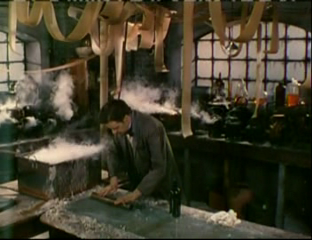
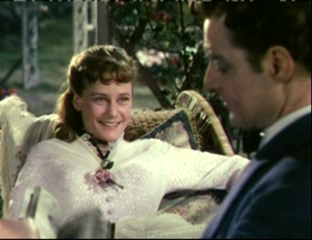
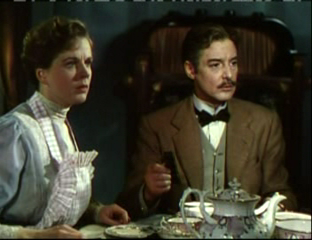
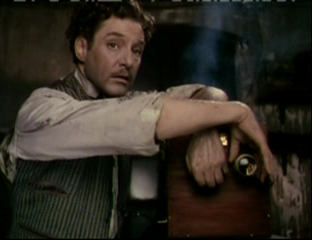
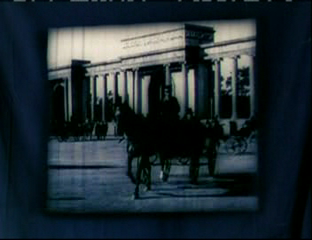
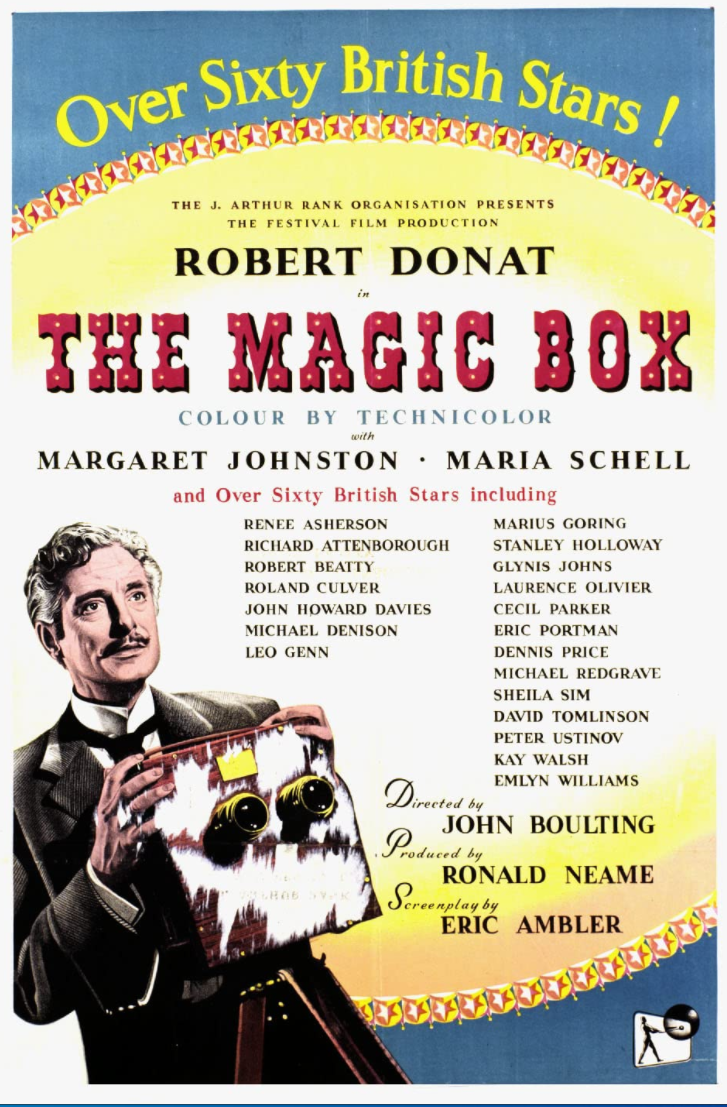
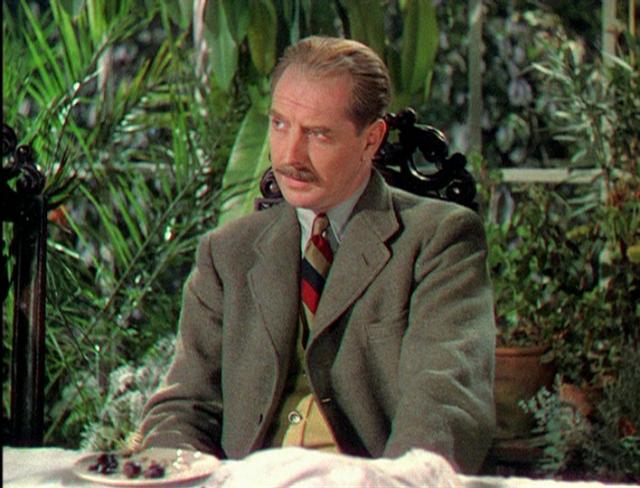
Review: Friese-Greene (at least as portrayed here by Robert Donat) was a most frustrating individual: his single-minded devotion to cinematic invention wreaks havoc on both his marriages, forces his famil(ies) to live in dire poverty, and, tragically, prompts his three eldest sons to enlist in WWI in order to avoid being a financial burden. In a truly heartbreaking scene, Friese-Greene must comfort one of his teenage sons who has come home from school sobbing because a classmate called his father a “liar and a thief” — the former because Friese-Greene’s scientific contributions were unmentioned in the encyclopedias of the day, and the latter because of his lifetime of chronic debt and borrowing. Indeed, examples of Friese-Greene’s economic duress — and his “creative” means of getting around it — abound. In one early scene, he actually scams a woman who has come to sit for a portrait: having pawned the last of his photographic slides to earn money for his pregnant wife’s medications, he nonetheless doesn’t want to pass up the opportunity for a sale, so he asks the gullible woman for a deposit and pretends to take her photo, planning to recoup some of his slides with her money, inform her the next day that an “accident” occurred with her original shots, and then “re-shoot” them. He’s clever, to be sure, but his ploy is also skanky, and the scene is decidedly discomfiting. Friese-Greene’s chronic money troubles are all the more frustrating given that he eventually, through sheer luck and gumption, does make a name for himself, and is clearly capable of bringing in a decent income — only to lose it all by stubbornly refusing to maintain a sane balance between work and experimentation. We’re (perhaps) meant to sympathize with his drive for innovation, given that he openly lambastes his business partner for caring only about money (doesn’t he realize that without inventors like him, there wouldn’t be any products to peddle?!), but in the meantime, his first wife becomes literally ill with worry, and eventually dies, while his second wife finally leaves him in order to support herself and her sons. Screenwriter Eric Ambler — working from a biography by Ray Allister — should probably be commended for not shying away from the uglier truths of Friese-Greene’s life, yet the end result is that we don’t really want to feel much appreciation for this somewhat pathetic and misguided — albeit undeniably hardworking and visionary — dreamer. I’m of two minds about Donat’s performance: while he’s excellent at portraying Friese-Greene’s single-minded devotion to his pursuits, once he’s an older man he seems to be trying a little bit too hard — a la Mr. Chips — for sympathy. Faring better are his two wives, played with gusto by Margaret Johnston (who narrates the first flashback sequence of the film) and Maria Schell, who, for better or for worse, remains loyal to her husband until the day she dies. Most interesting of all, however, is the behind-the-scenes look we get at Friese-Greene hard at work in his laboratory: the sequence in which he finally tries out his new “moving pictures camera” — with Hyde Park coming to life inside his building — is genuinely moving, and reminds one how innovative and exciting this art form we now take for granted once was. Redeeming Qualities and Moments:
Must See? Links: |
“That big ox means more to me than any woman.”
|
Synopsis: |
|
Genres, Themes, Actors, and Directors:
Review: Redeeming Qualities and Moments:
Must See? Categories
Links: |
“Boys get money and scholarships for making a lot of touchdowns, right? Why shouldn’t a girl get one for being cute and charming?”
“Everything in life is an illusion.”
|
Synopsis: |
|
Genres, Themes, Actors, and Directors:
Response to Peary’s Review: Redeeming Qualities and Moments: Must See? Categories
Links: |
“You laugh at my big belly, but you don’t know how I got it! You laugh at my mustache, but you don’t know why I grew it!”
|
Synopsis: |
|
Genres, Themes, Actors, and Directors:
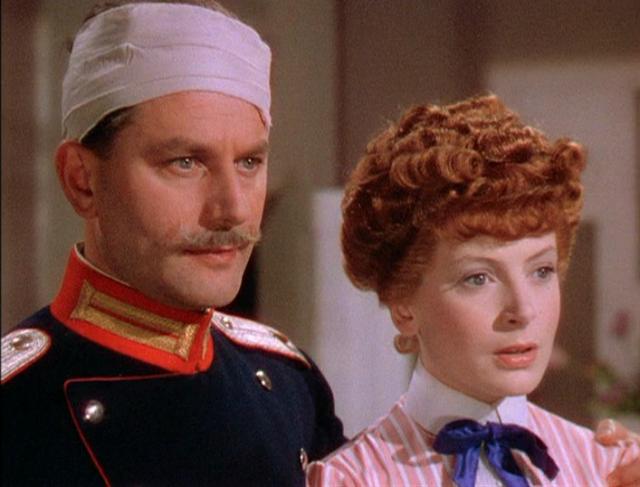
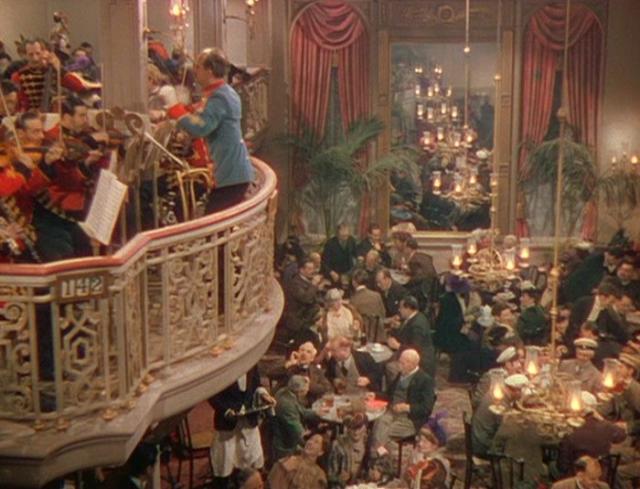
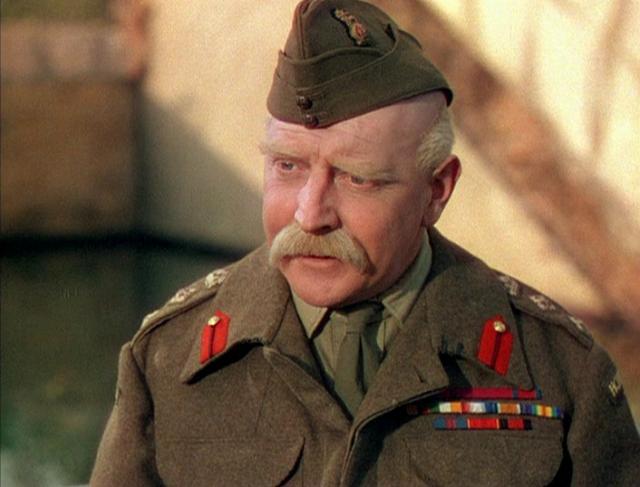
Review: As we soon learn through a series of flashbacks, Candy was once slender, dashing, and so in love with a beautiful young woman (Deborah Kerr) that her very image haunts him for the rest of his life — a fact which Powell and Pressburger creatively “exploit” by having Kerr play his second love interest (and a third character) as well. Equally relevant to the film’s character-driven plot is Candy’s contentious lifelong friendship with a Prussian officer (Walbrook), who effectively humanizes “the enemy”, and reminds viewers that there are complex histories and lives behind every facet of war. The trio of lead performances by Livesey, Kerr, and Walbrook are uniformly excellent, and the film’s visuals are equally impressive, with Georges Perinal’s Technicolor cinematography and Alfred Junge’s sets collectively bringing the various eras and settings to vibrant life. The makeup used to age Colonel Candy over four decades is astonishingly effective as well. As DVD Savant notes, it’s a miracle that a movie like this — a military satire shot in Technicolor, with countless extras and a lengthy running time — could ever have been made during the height of a devastating world war; indeed, it was bound to raise shackles, which is exactly what happened: Winston Churchill was so outraged by its very premise that he refused to contribute any military equipment to the directors, and refused to allow it to be shown in any other country until two years after the war ended (see TCM’s article for further details). For years it was shown in a butchered 90+ minute incarnation, but film fanatics can now, fortunately, see it in all its 163-minute glory. Redeeming Qualities and Moments:
Must See? Categories
(Listed in 1001 Movies You Must See Before You Die) Links: |
“Little Otto there is the only human thing about you.”
|
Synopsis: |
|
Genres, Themes, Actors, and Directors:
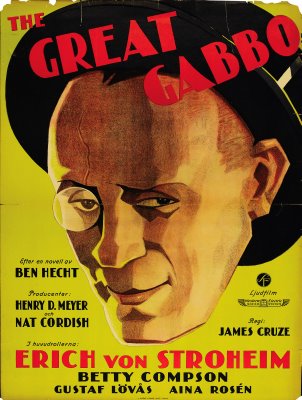
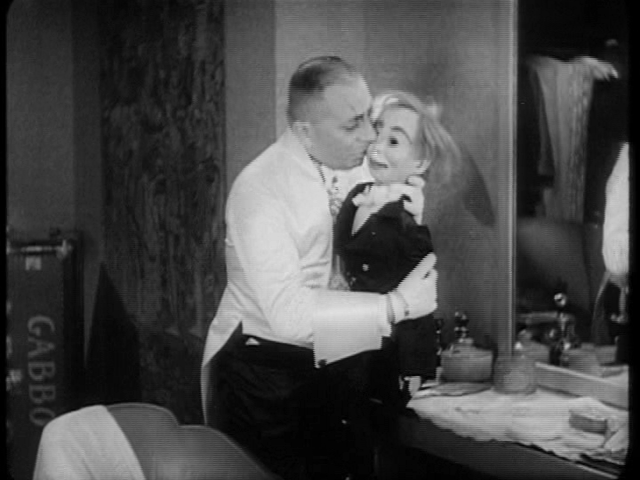
Review: Meanwhile, Von Stroheim — never the most nuanced of actors — is both heavy-handed and insufferably heartless as Gabbo: the insults he hurls at poor Compson in the opening ten minutes of the film are enough to make you want to throttle him, and he never (re)gains our sympathy. In fact, the entire screenplay is premised on Compson’s enduring pity for Gabbo, yet we can’t help thinking she’s nuts to give him the time of day. The creepy promise of Gabbo’s descent into ventriloquial madness isn’t adequately exploited until the very end of the picture, at which point it’s too little, too late. At least there are occasional moments of surreal hilarity scattered throughout the film — as when Otto sings a song about preferring lemon drops to lollipops because the latter get “all over icky”. Indeed. Redeeming Qualities and Moments:
Must See? Links: |
“And when the sun rises in a few hours the world will behold the Four Horsemen — enemies of mankind!”
|
Synopsis: |
|
Genres, Themes, Actors, and Directors:
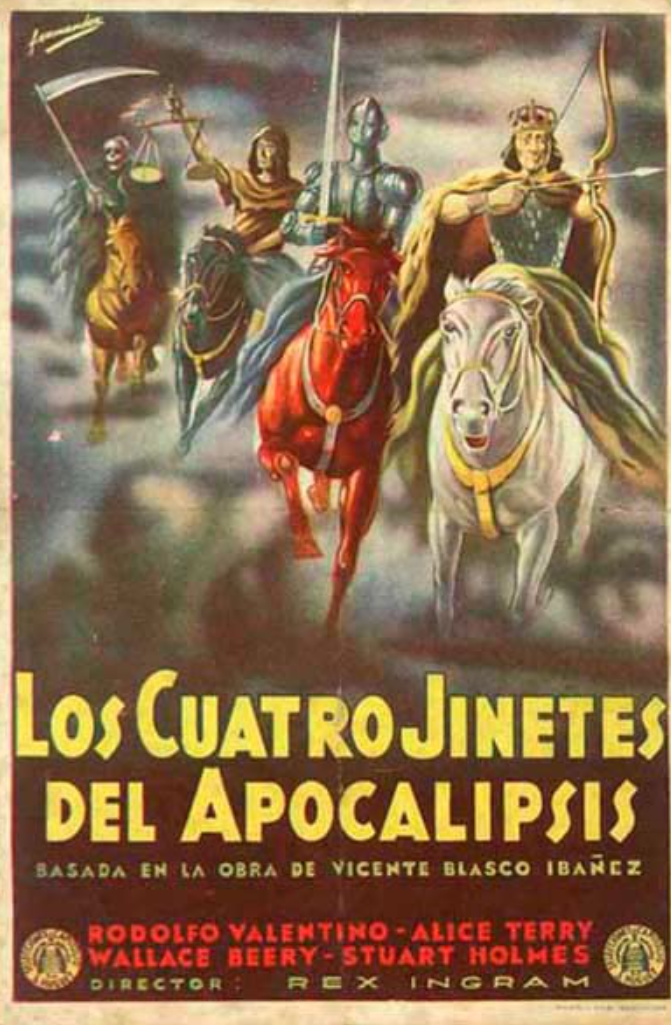
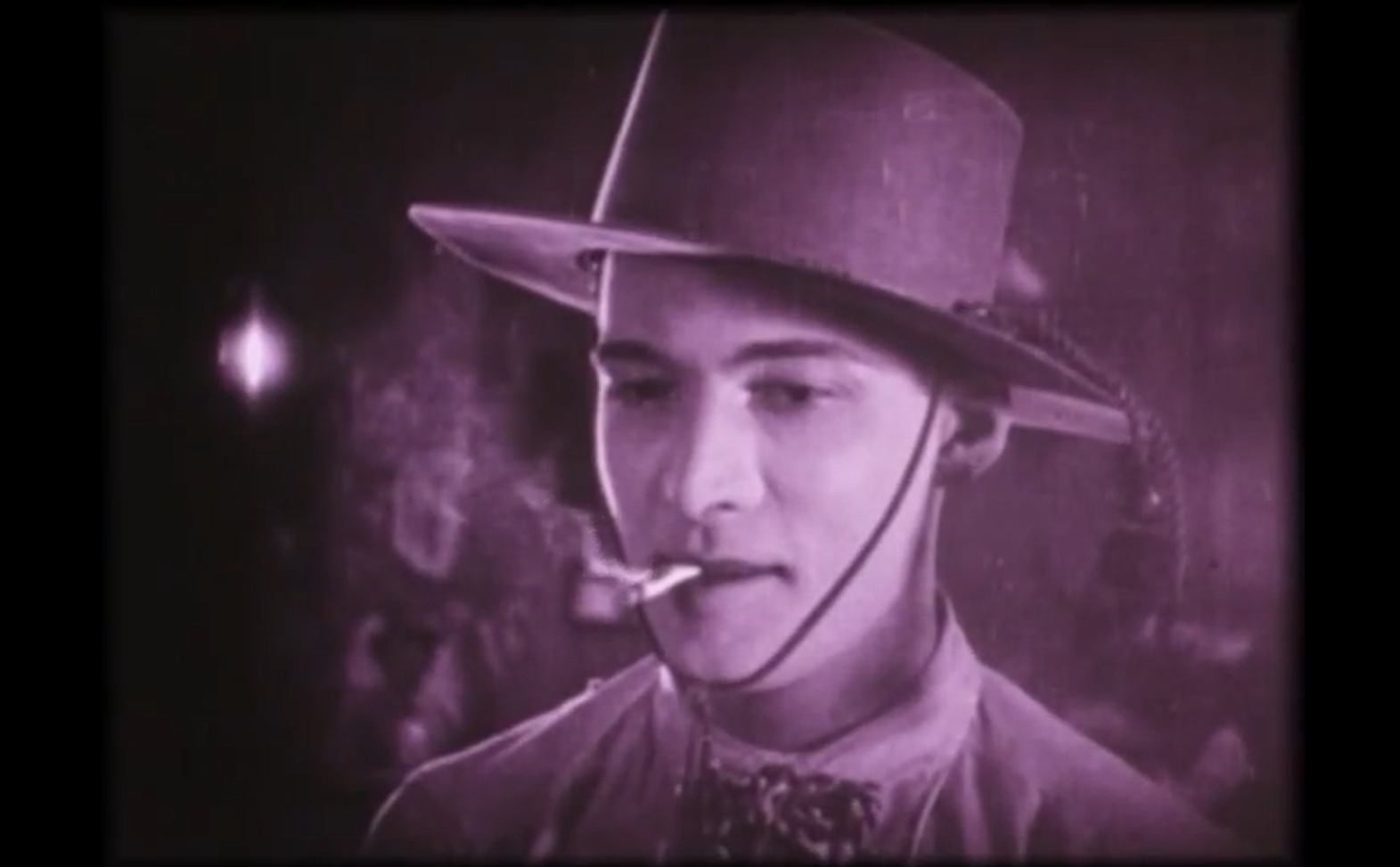
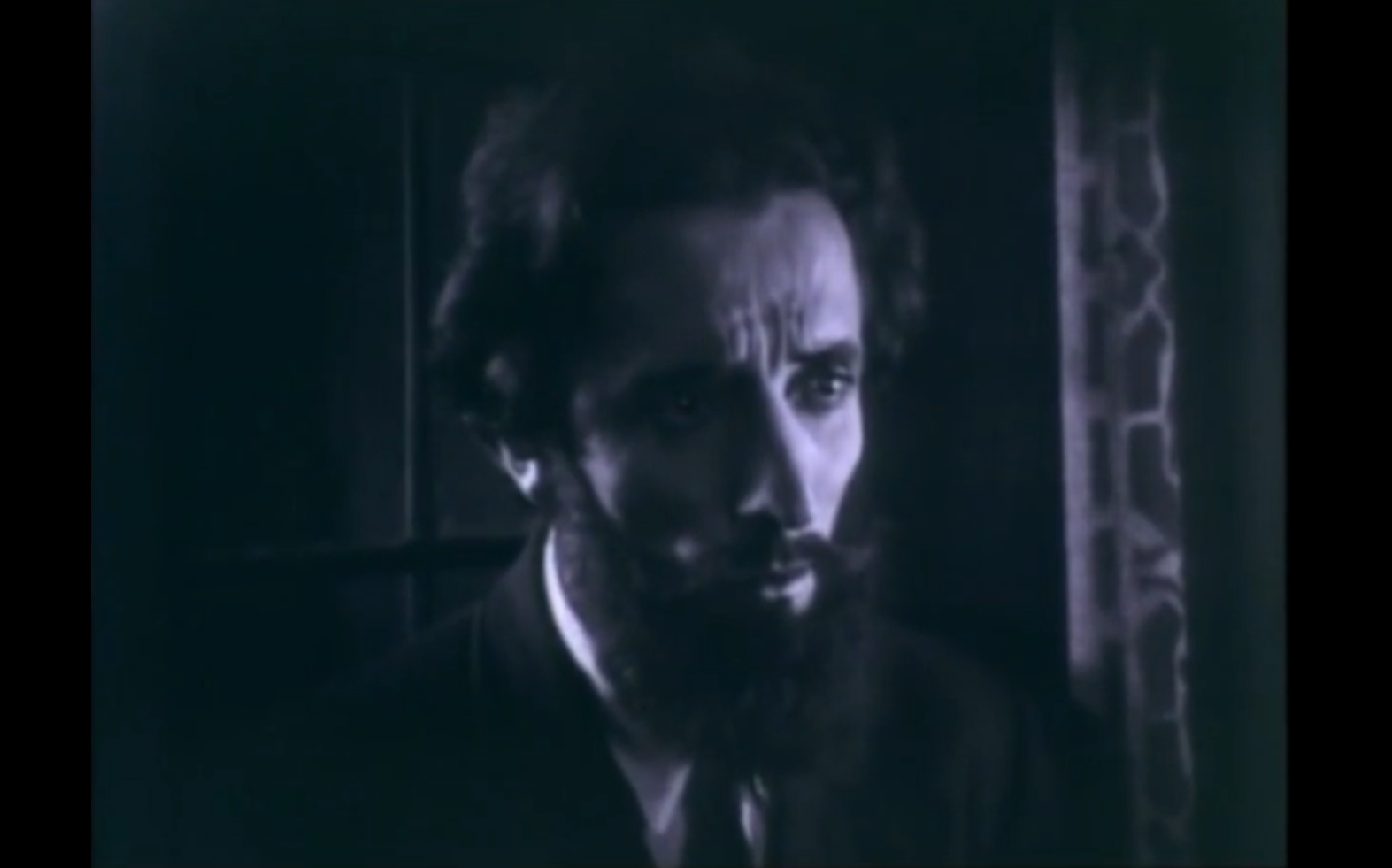
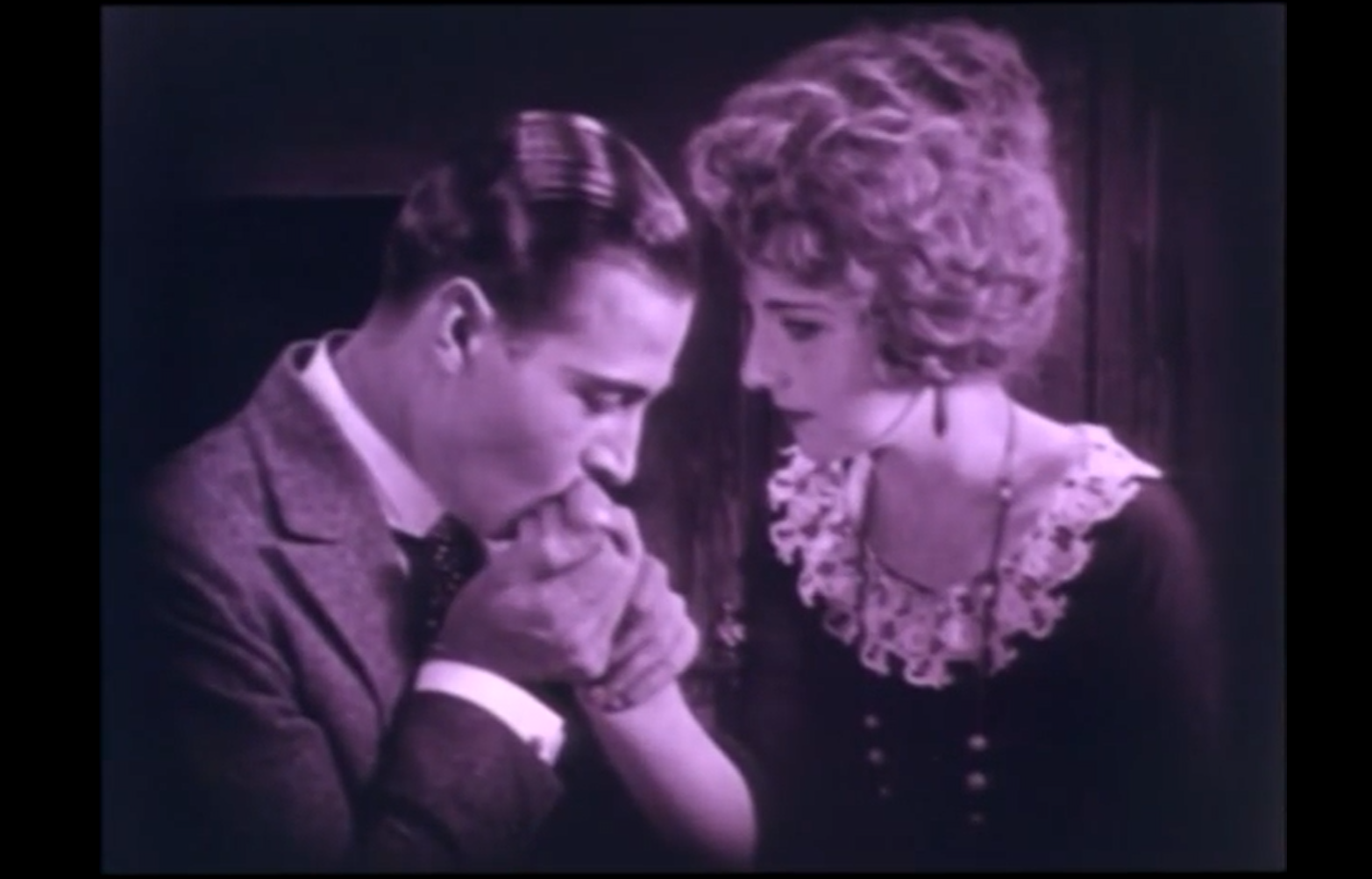
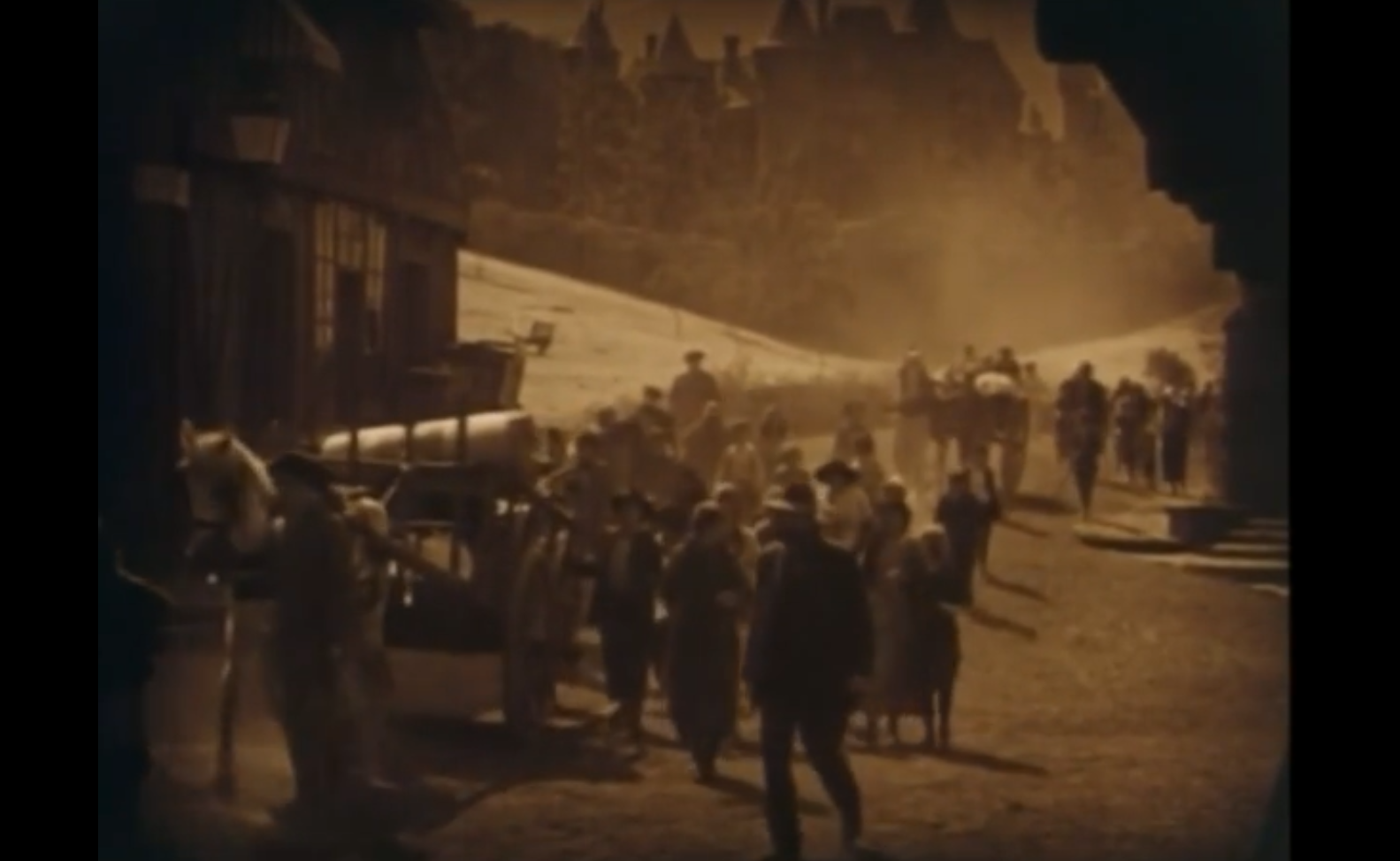
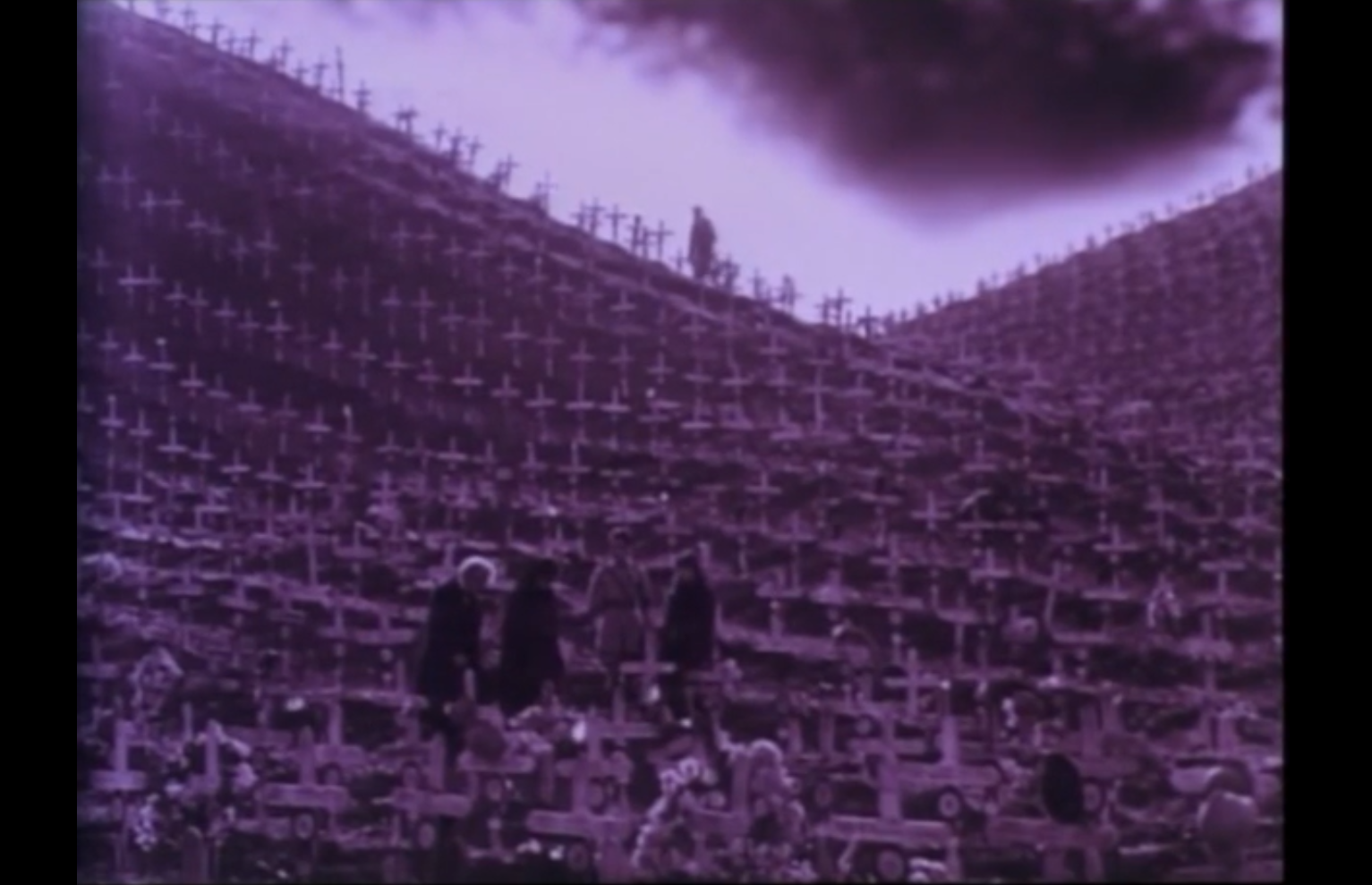
Review: His early, sultry tango scenes — not part of the original novel — are so sensual and evocative that they made the dance a hit craze for a while. As far as the story goes, it’s a fairly standard overblown saga of forbidden romance, family feuds, and the inevitable tragedy of war — with Germans emerging as the definite baddies of the bunch (it was released, after all, just three years after the end of World War I, when sentiments were still raw). Meanwhile, the integration of a “mystical” element into the story — embodied by a wacky neighbor (Nigel De Brulier) who foretells the coming of the “four horsemen of the Apocalypse” (hence the film’s title) — is simply silly and heavy-handed. But Ingram has a fine directorial hand, framing his scenes carefully and adding unique visual touches — many of which are quite memorable (see stills below); and the “DeMille”-ian amounts of money spent on the production seem to have been put to good use, given Ingram’s ability to effectively present the devastation of war. Remade by Vincente Minnelli (!) in 1962, with Glenn Ford (!) starring as Julio. Redeeming Qualities and Moments: Must See? Categories
Links: |
“Somehow insanity seems a lot less sinister to watch in a man than in a woman, doesn’t it?”
|
Synopsis: |
|
Genres, Themes, Actors, and Directors:
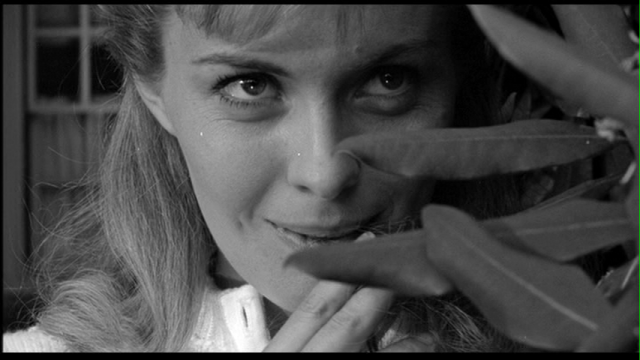
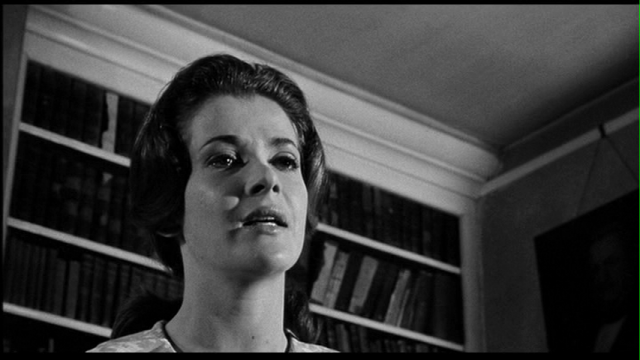
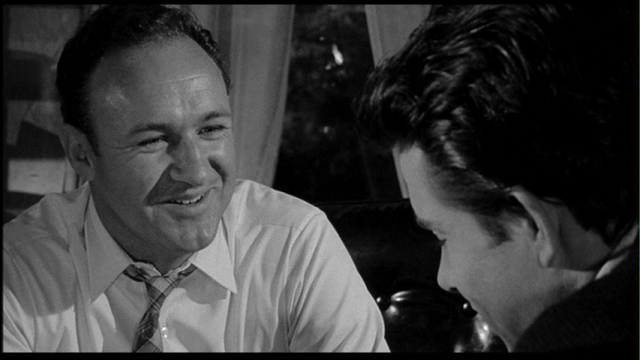
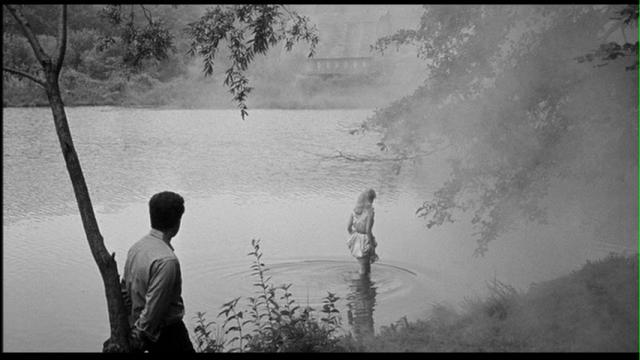
Review: Meanwhile, Beatty’s overreliance on Method-acting mannerisms does him no favors here: his character is all hesitations and sideways glances, and never really comes to life. What redeems Lilith to a certain extent — but only marginally — is Seberg’s performance in the title role. I’m not an enormous fan of her work in general, and find her range limited, but here she really takes the role and runs with it; clearly she was able to relate to Lilith’s seductive insanity in some fundamental way, and channel that back through onto the screen. Equally compelling is Eugen Schufftan’s black-and-white cinematography: the film is truly stunning to look at, with each shot like a work of art, beautifully lit and framed. It’s all the more of a shame, then, that the story itself — which, as DVD Savant notes, “wants to be about the mysteries of the human personality” — is ultimately simply a muddled and tiresome snoozefest. Redeeming Qualities and Moments:
Must See? Links: |