|
Genres, Themes, Actors, and Directors:
- Alec Guinness Films
- Black Comedy
- Burl Ives Films
- Carol Reed Films
- Cuba
- Expatriates
- Maureen O’Hara Films
- Mistaken or Hidden Identities
- Noel Coward Films
- Ralph Richardson Films
- Spies
Review:
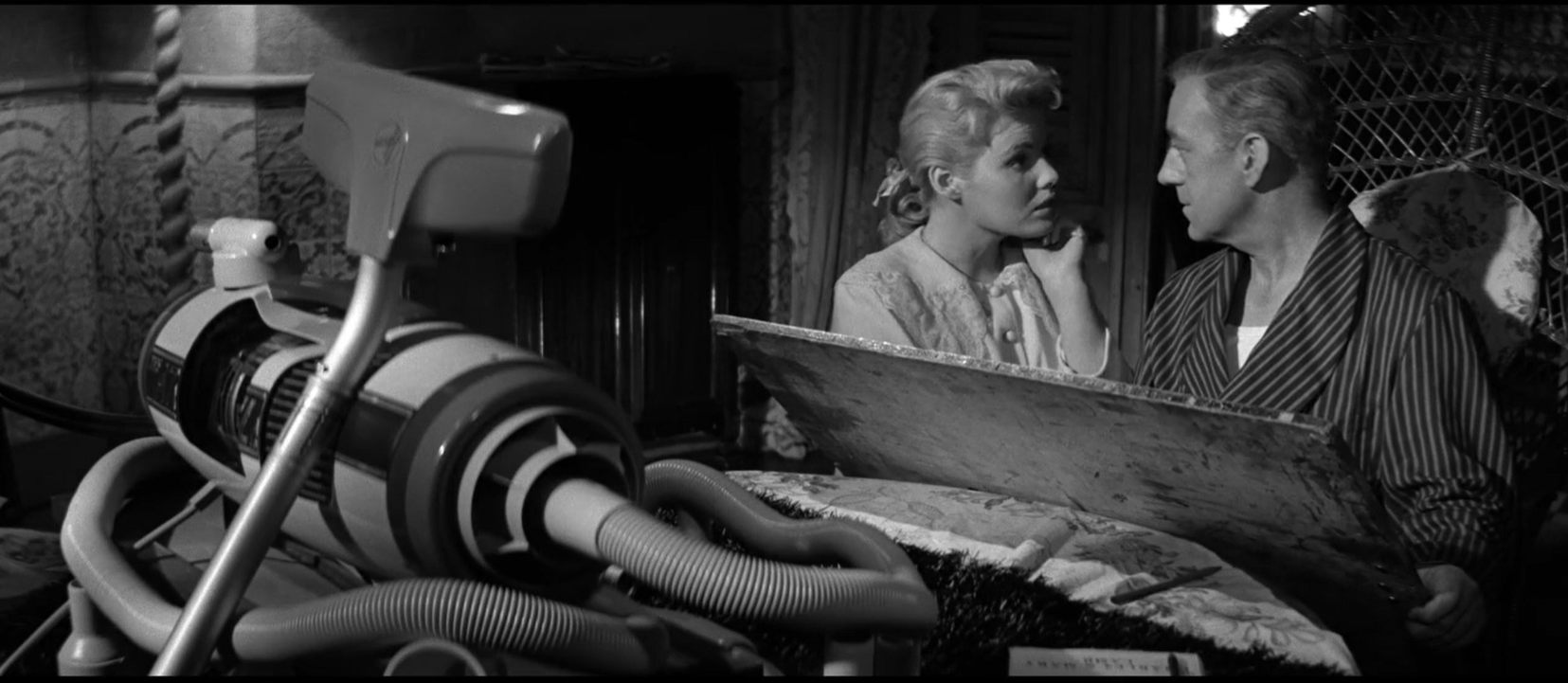
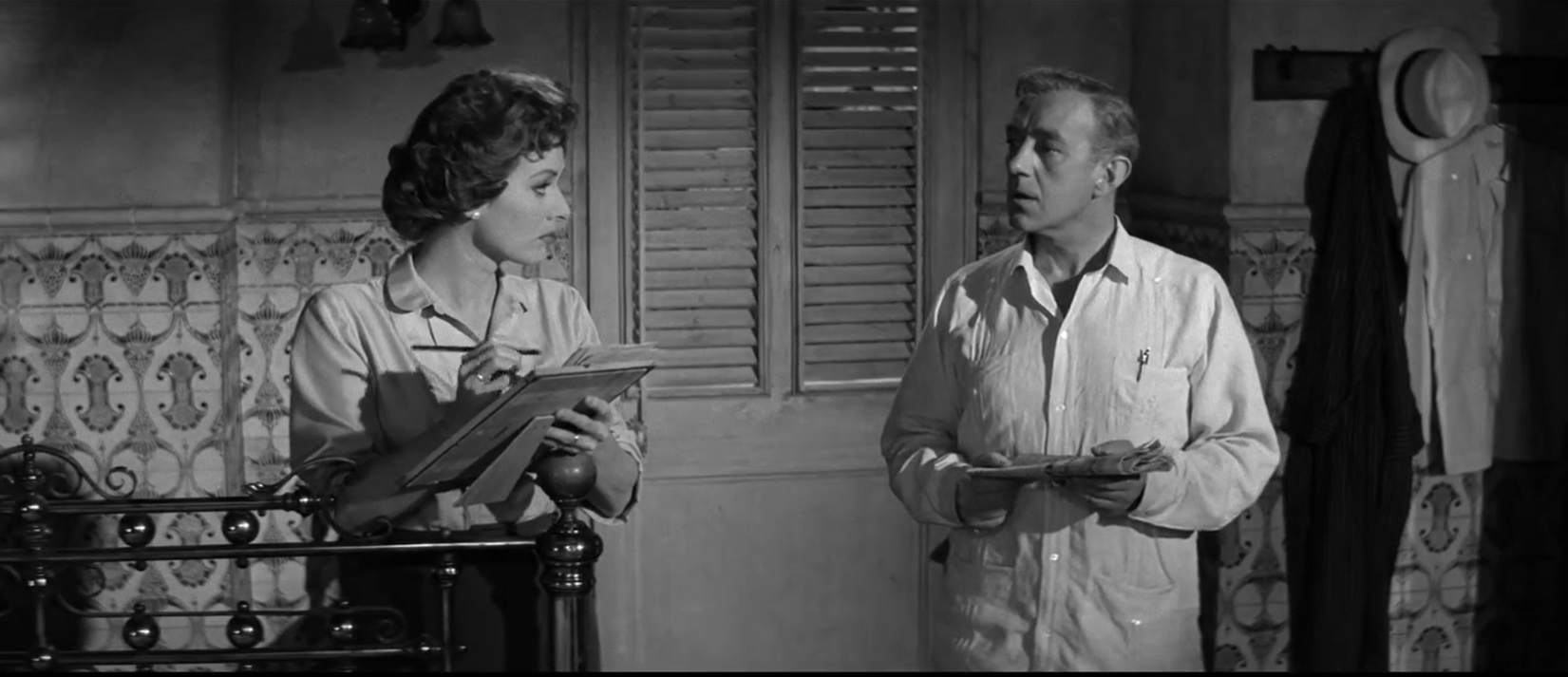
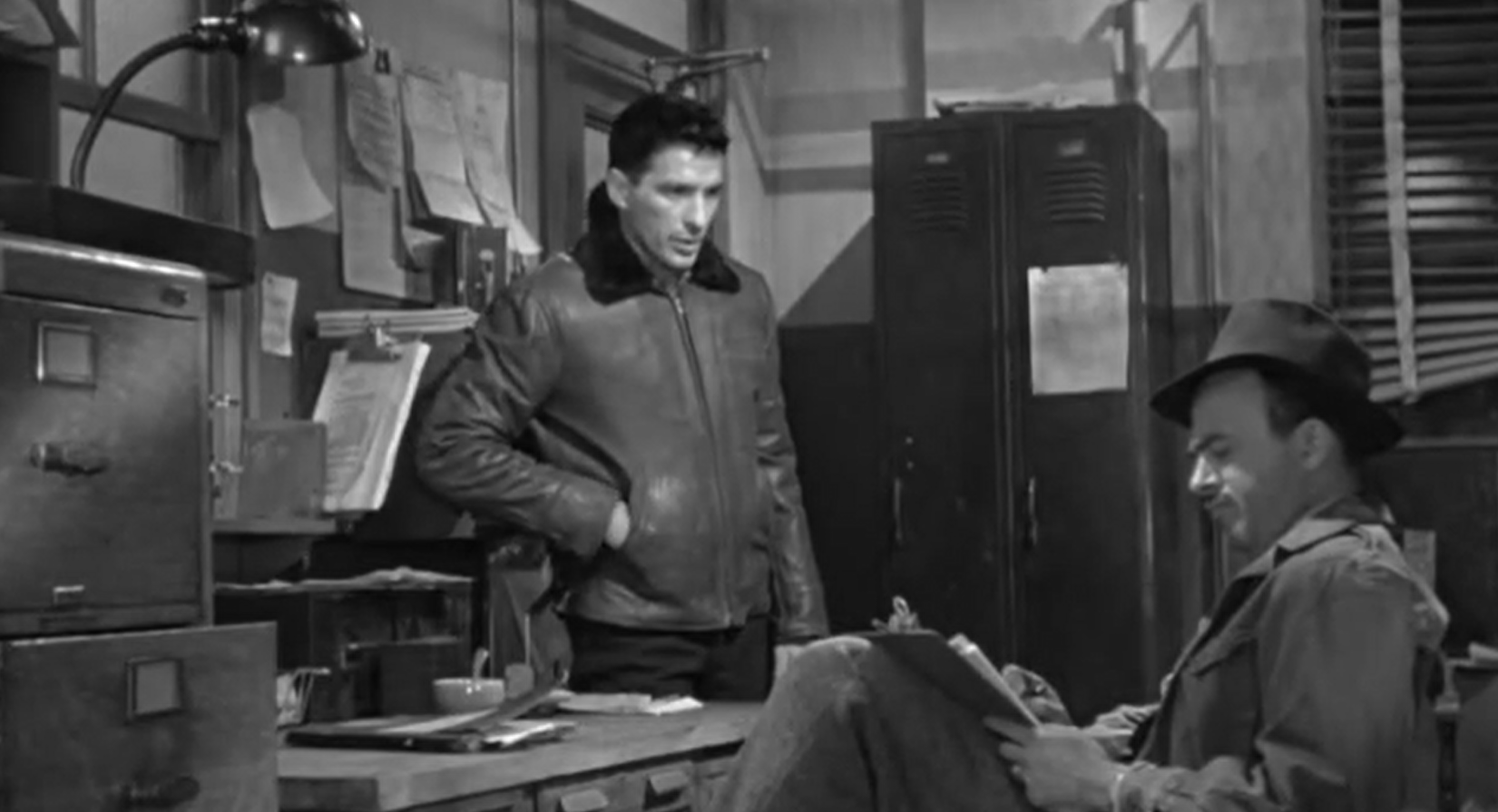
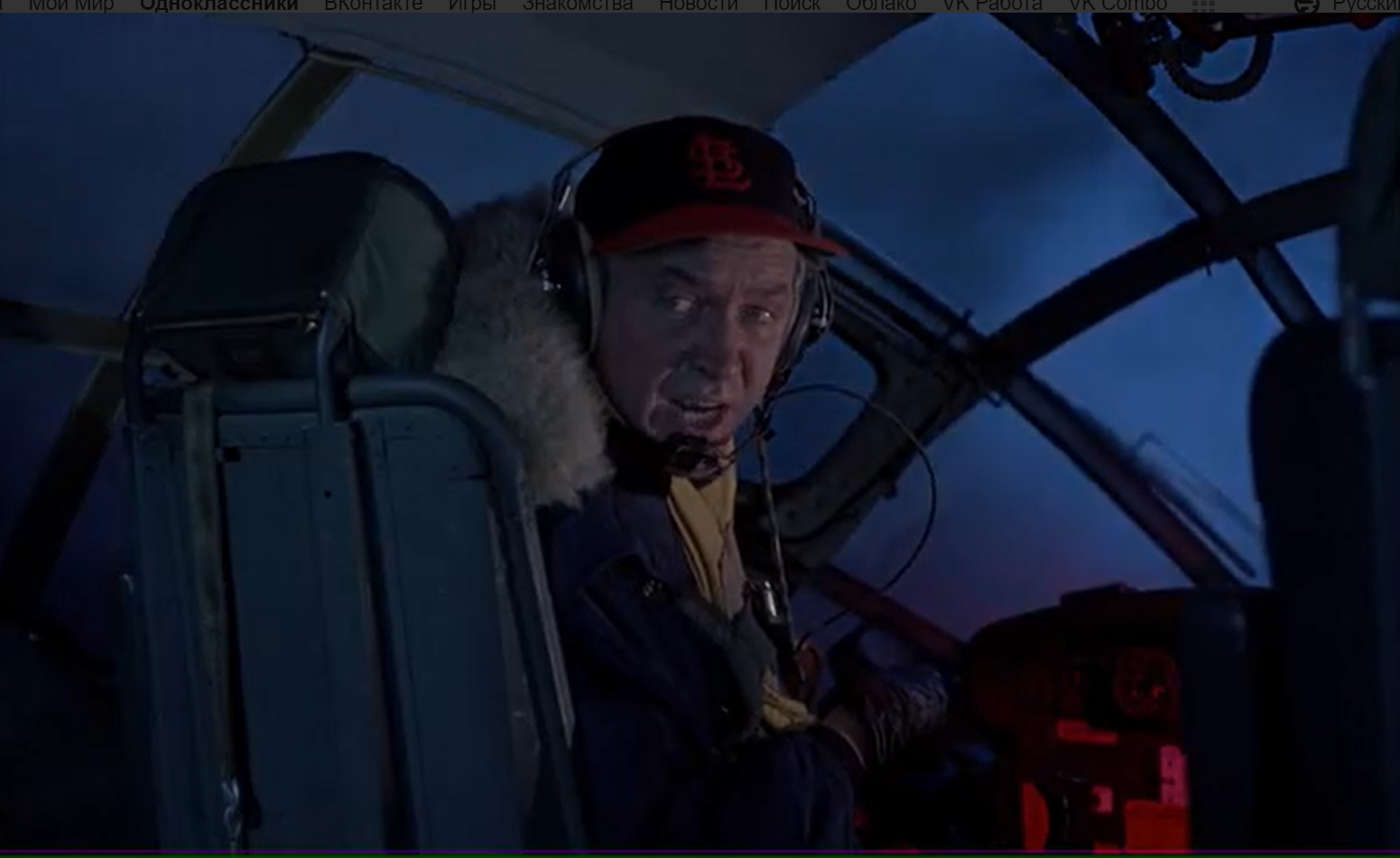
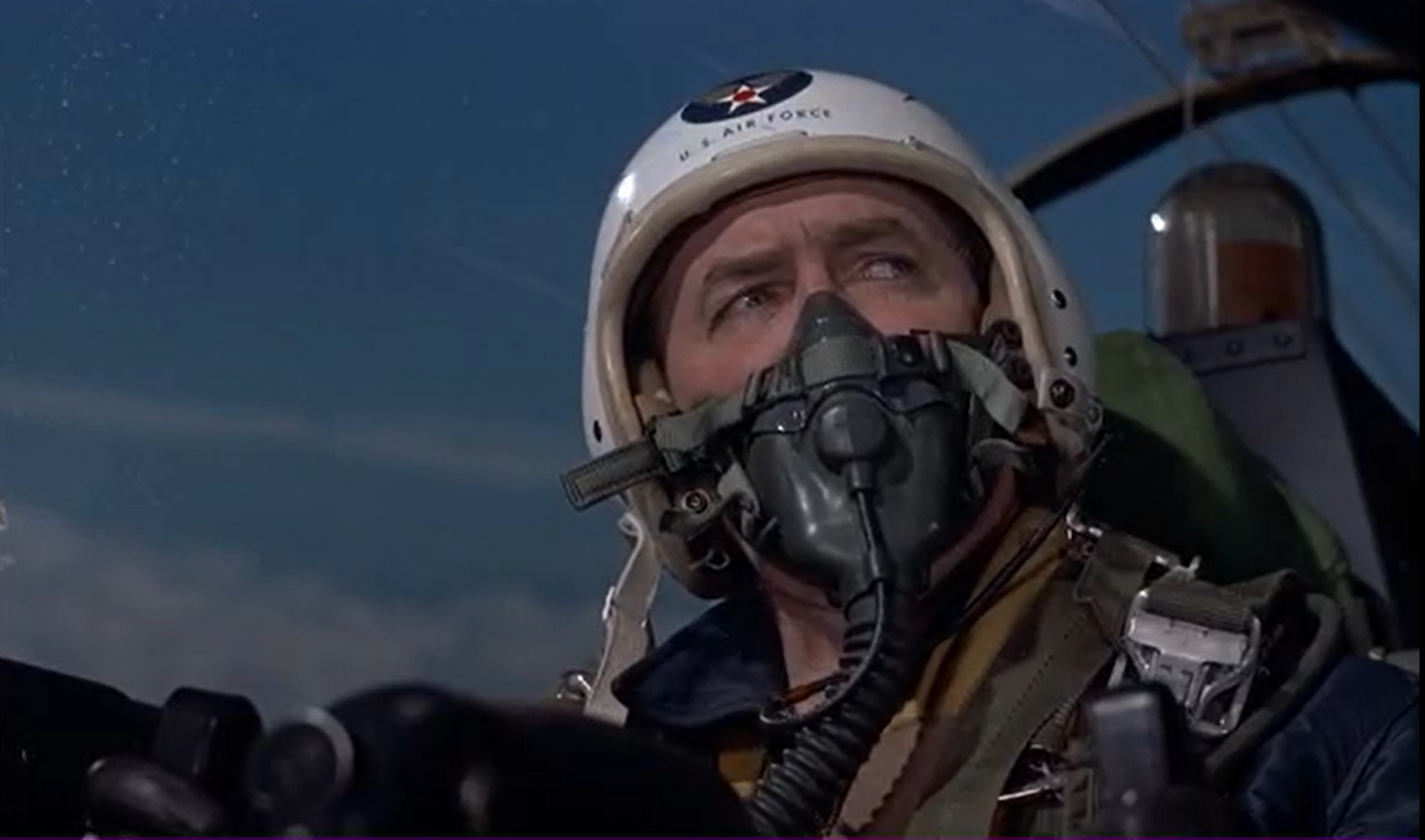
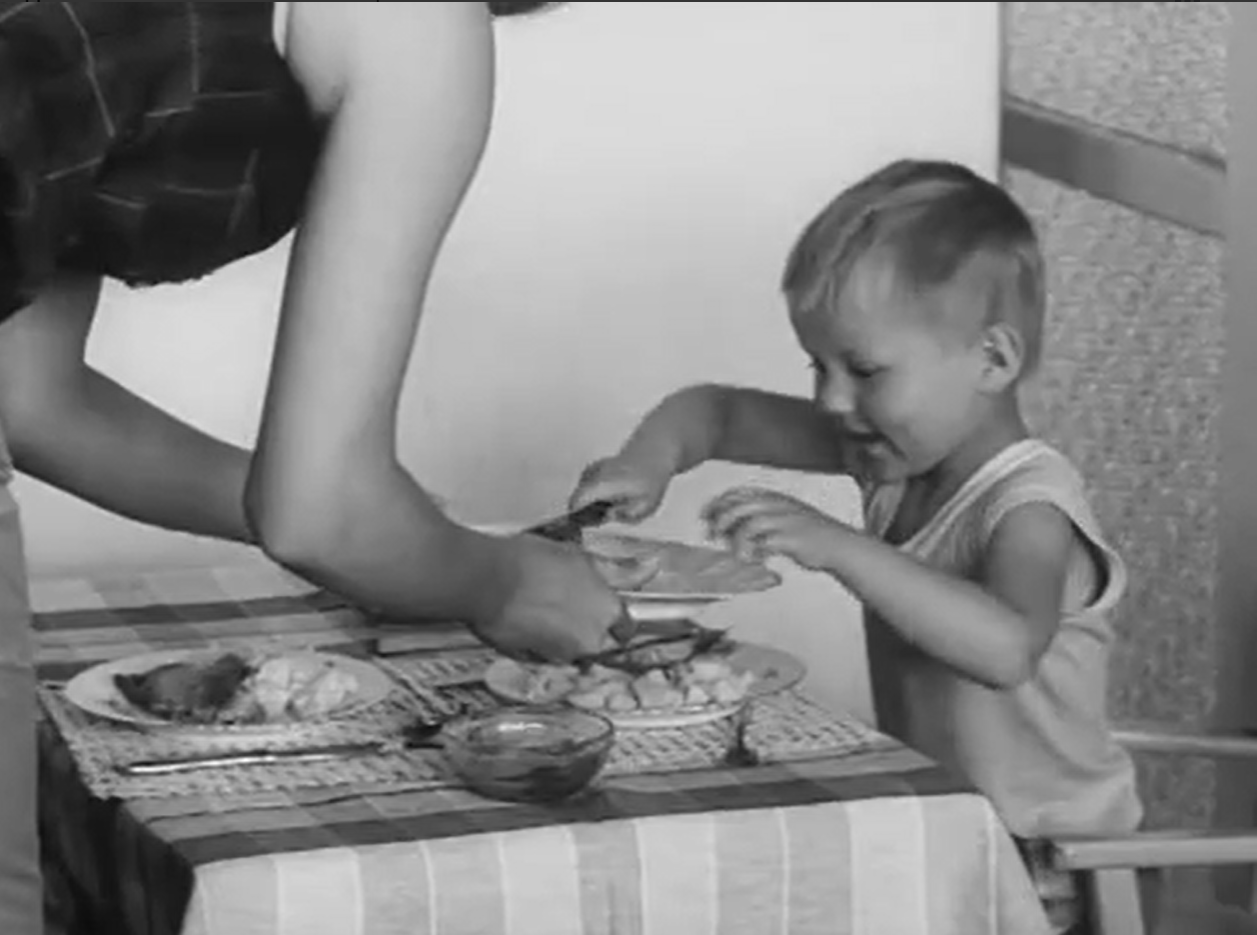
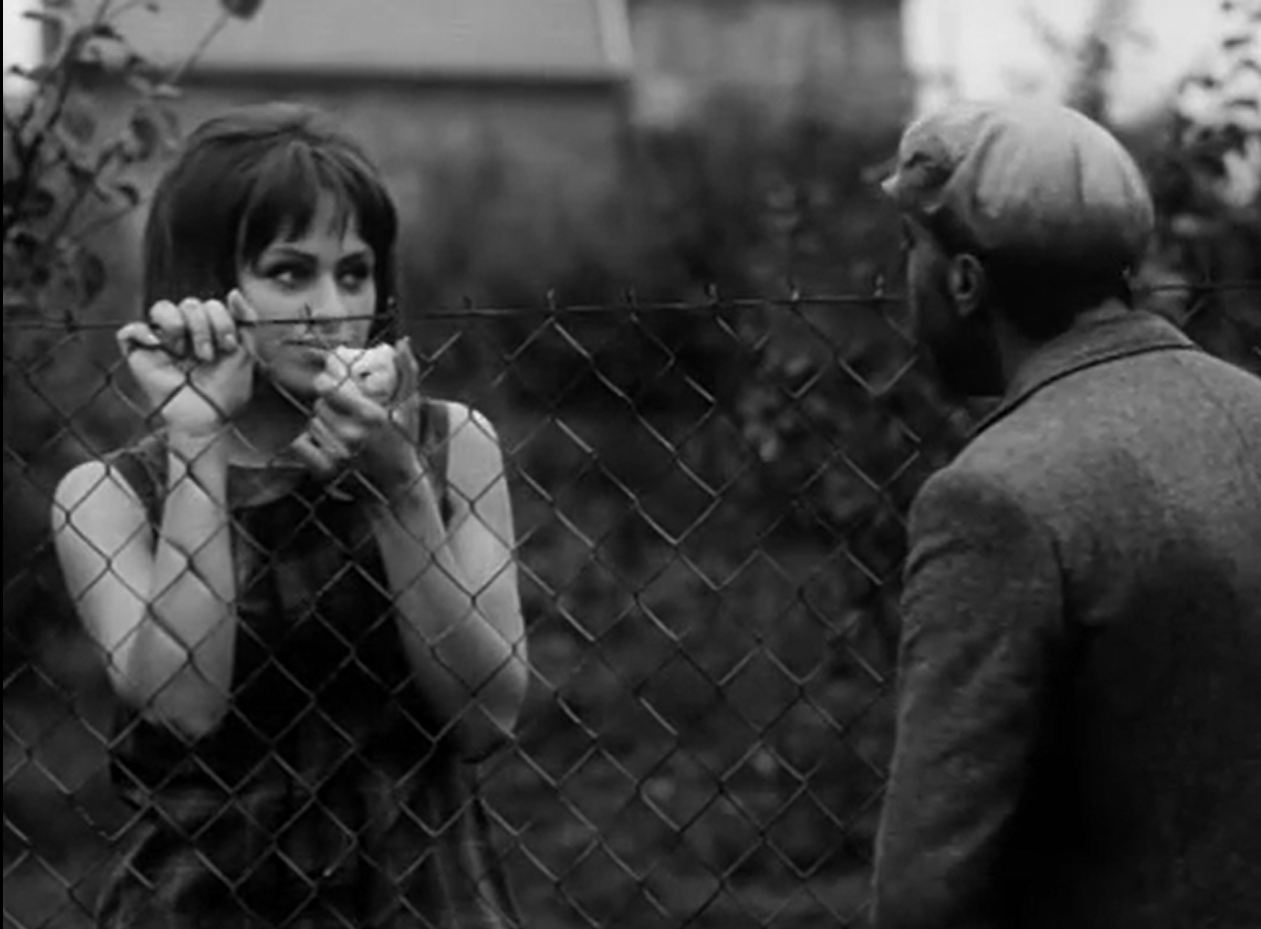
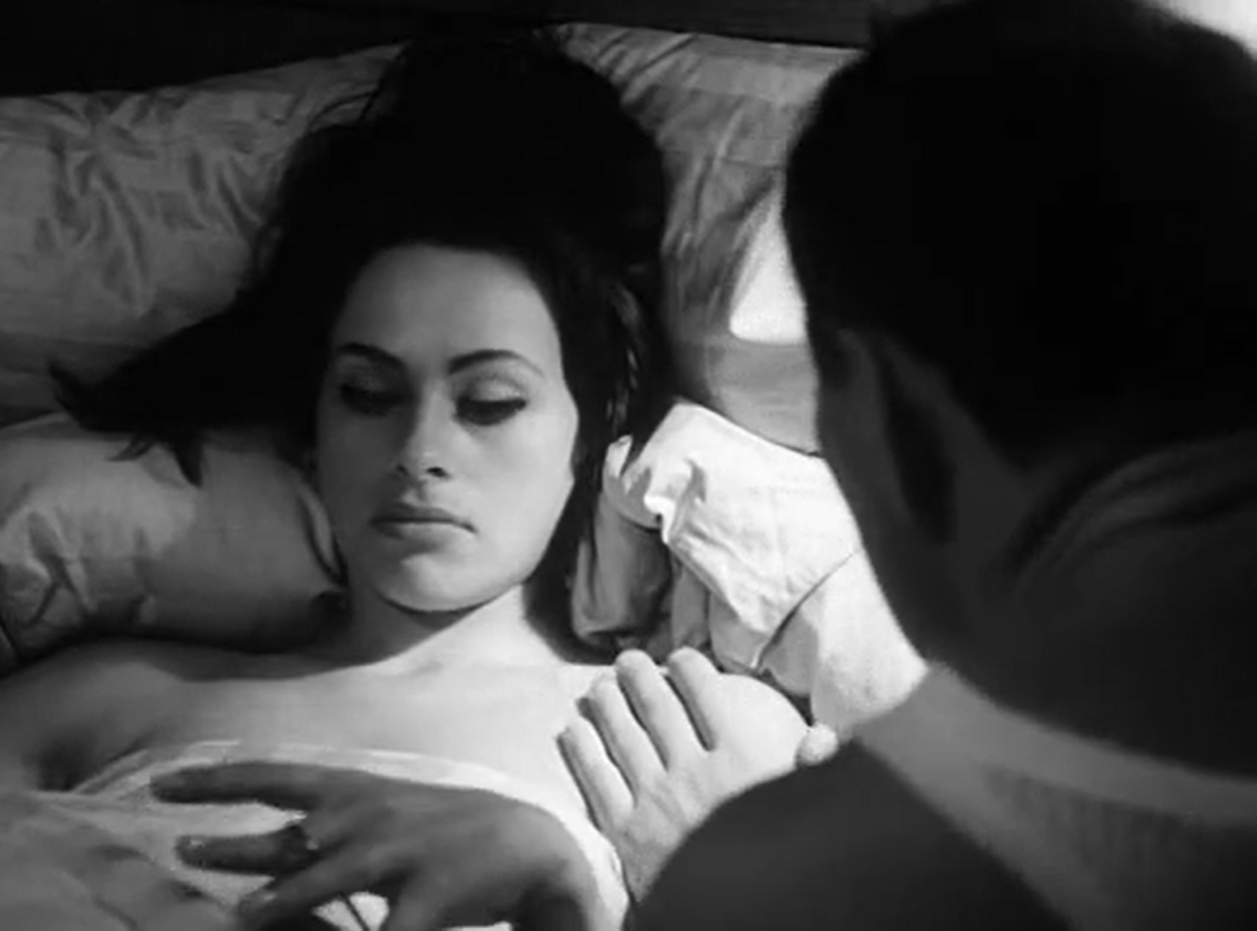
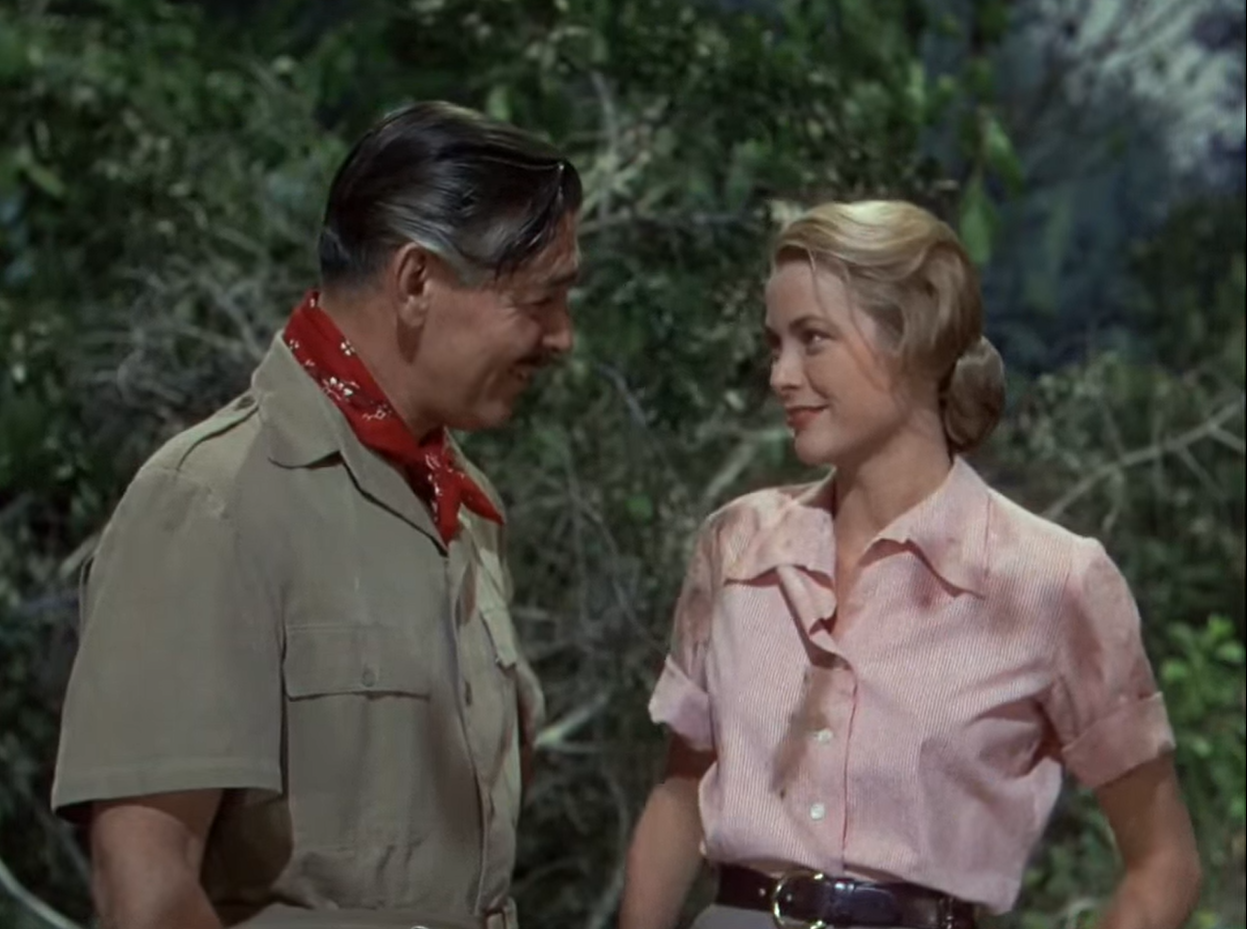
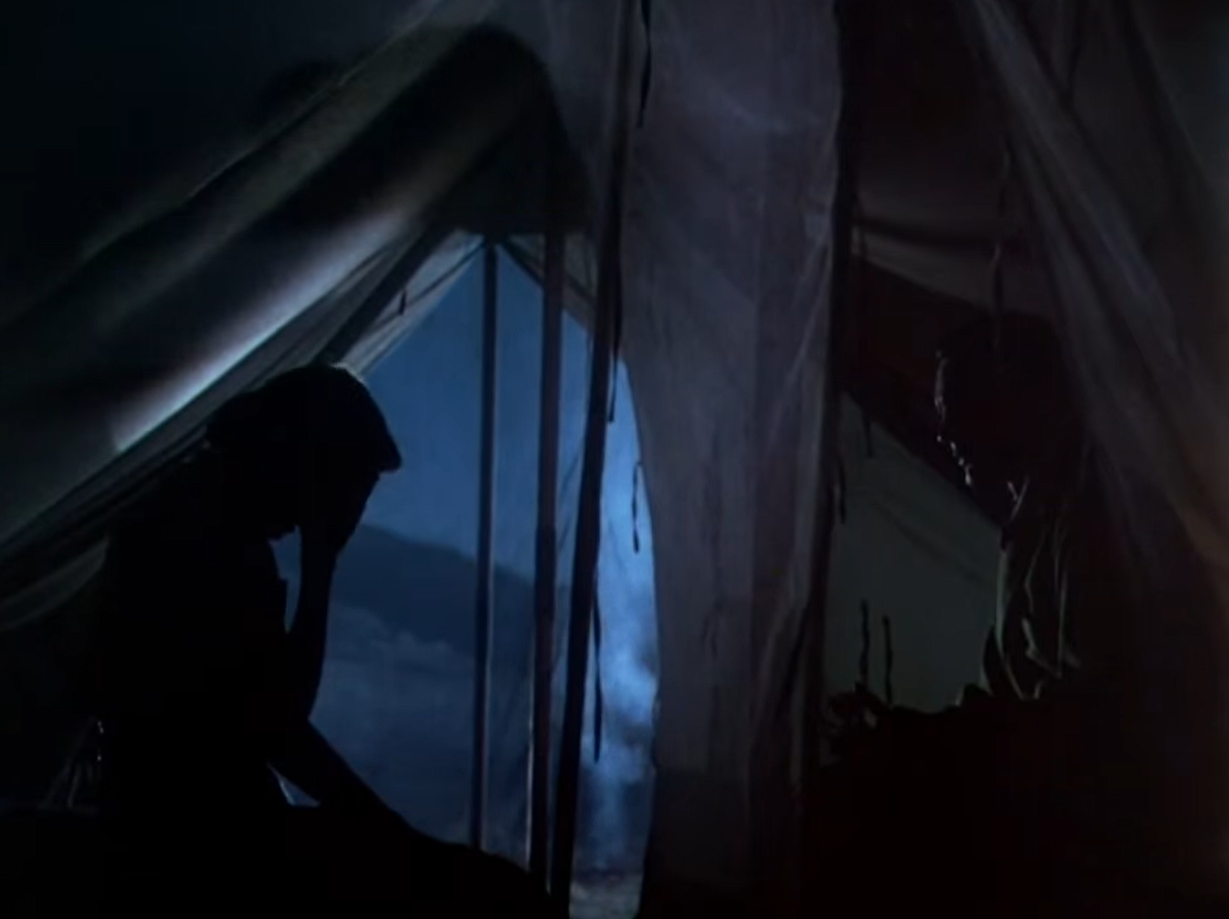
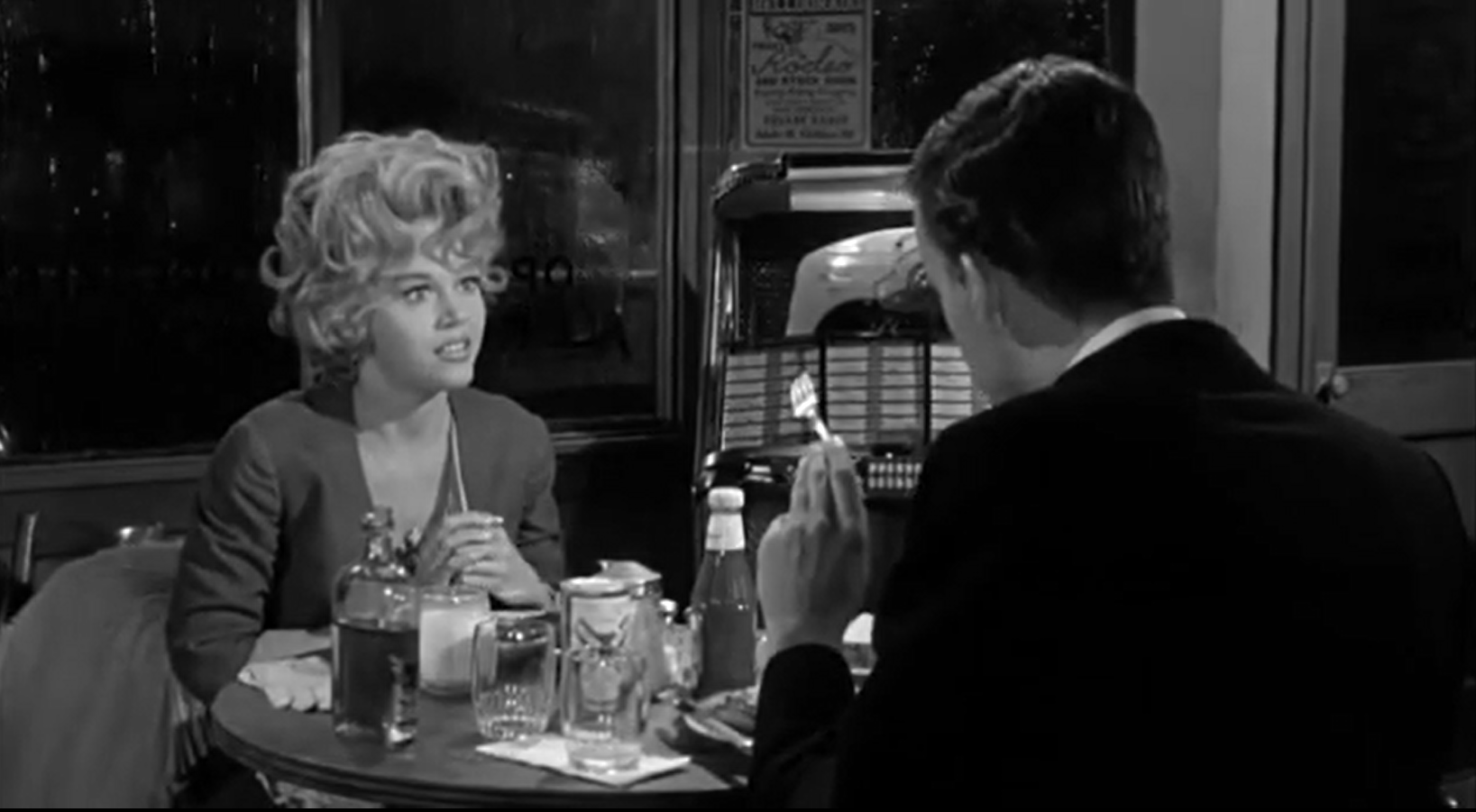
Nearly a decade after the release of The Third Man (1949), Carol Reed collaborated once again with British novelist Grahame Greene for this adaptation of Greene’s 1958 darkly comedic spy thriller about M16’s too-eager willingness to believe fictitious reports. Unfortunately, the overall tone of the film is uneven; despite gorgeous cinematography by Oswald Morris:
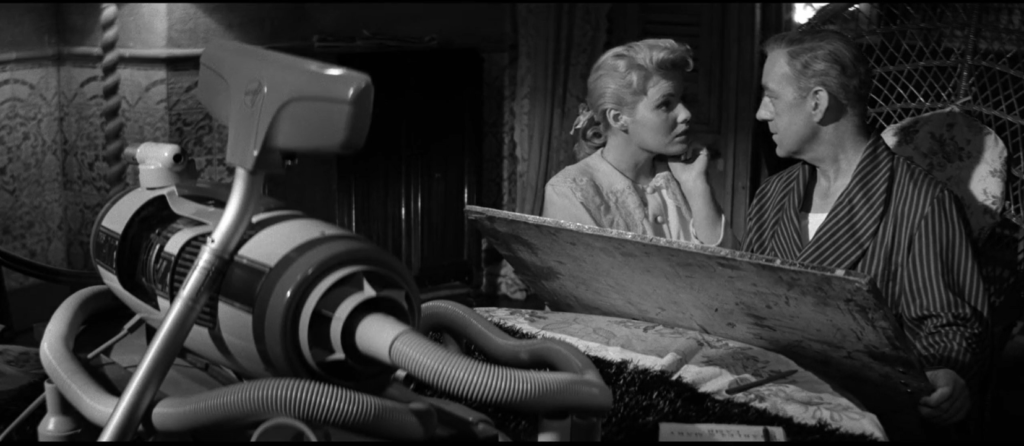
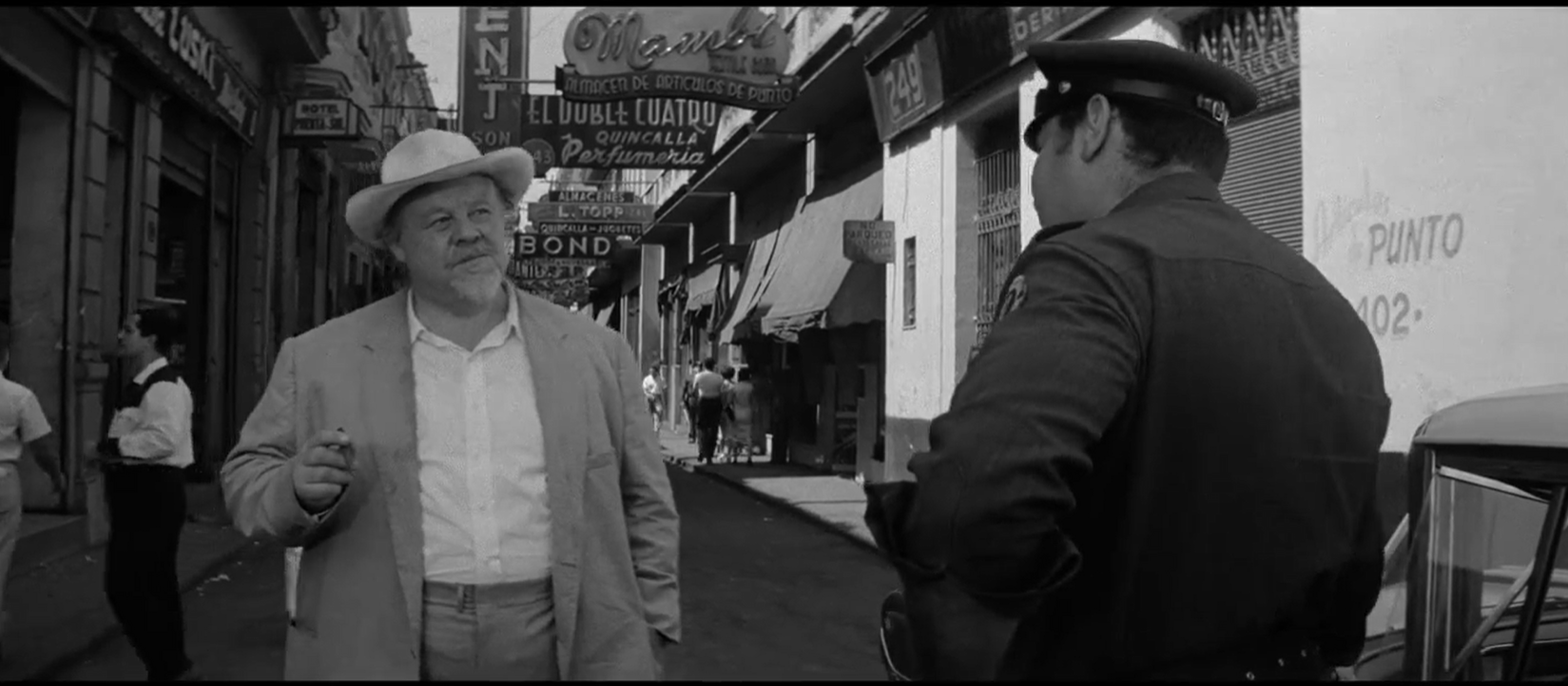
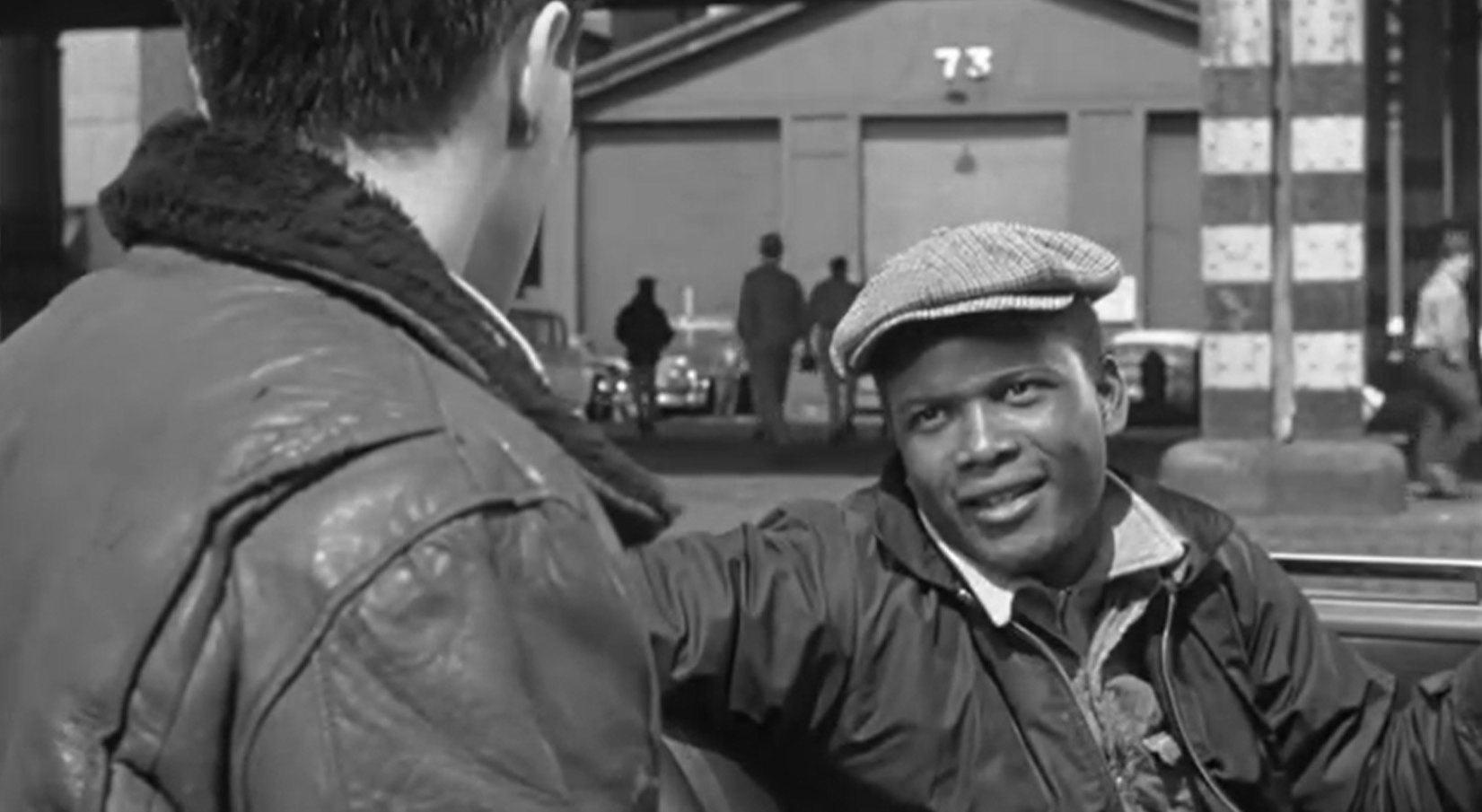
… good use of authentic locations in Cuba:
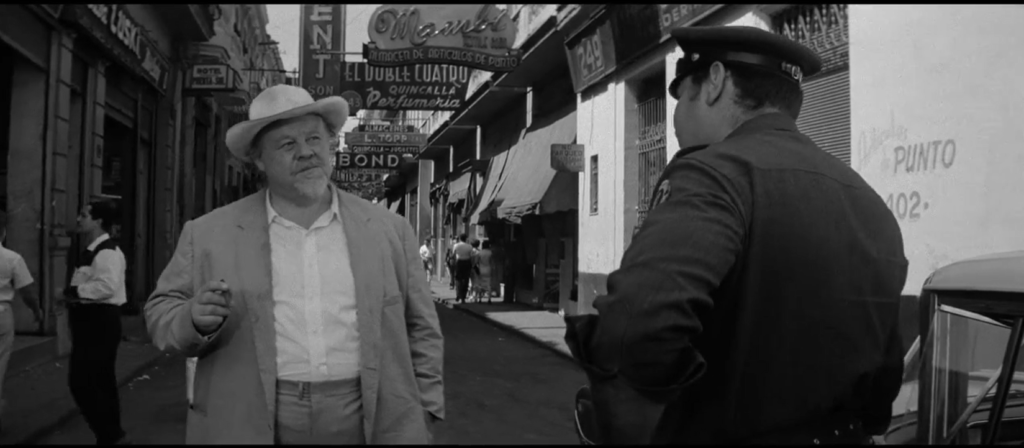
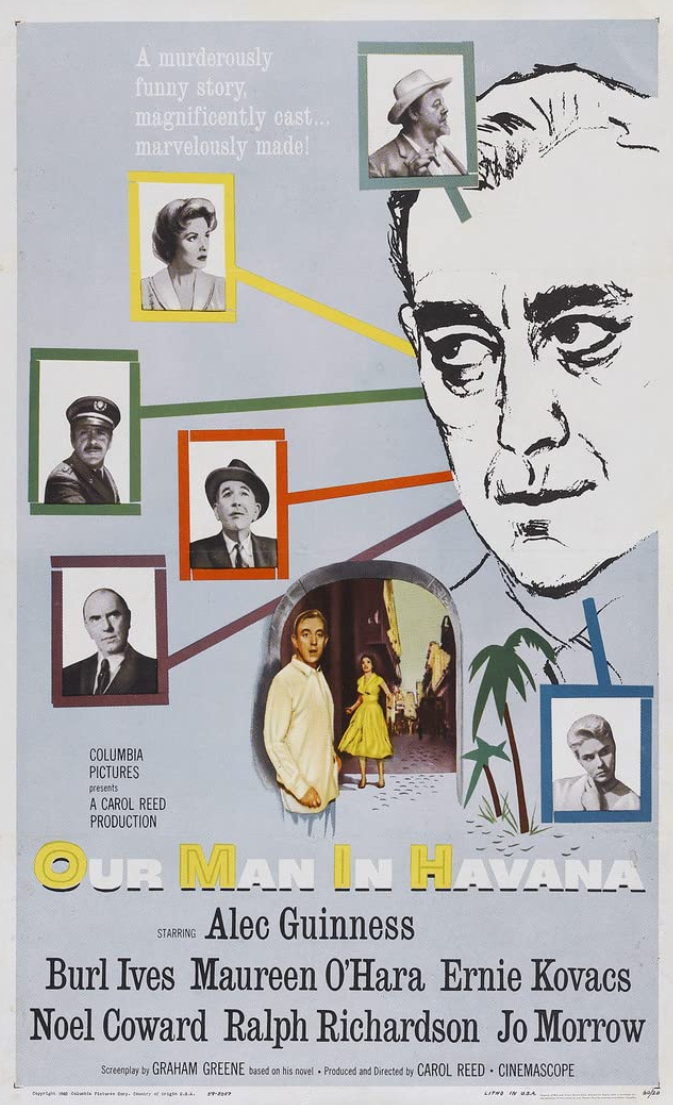
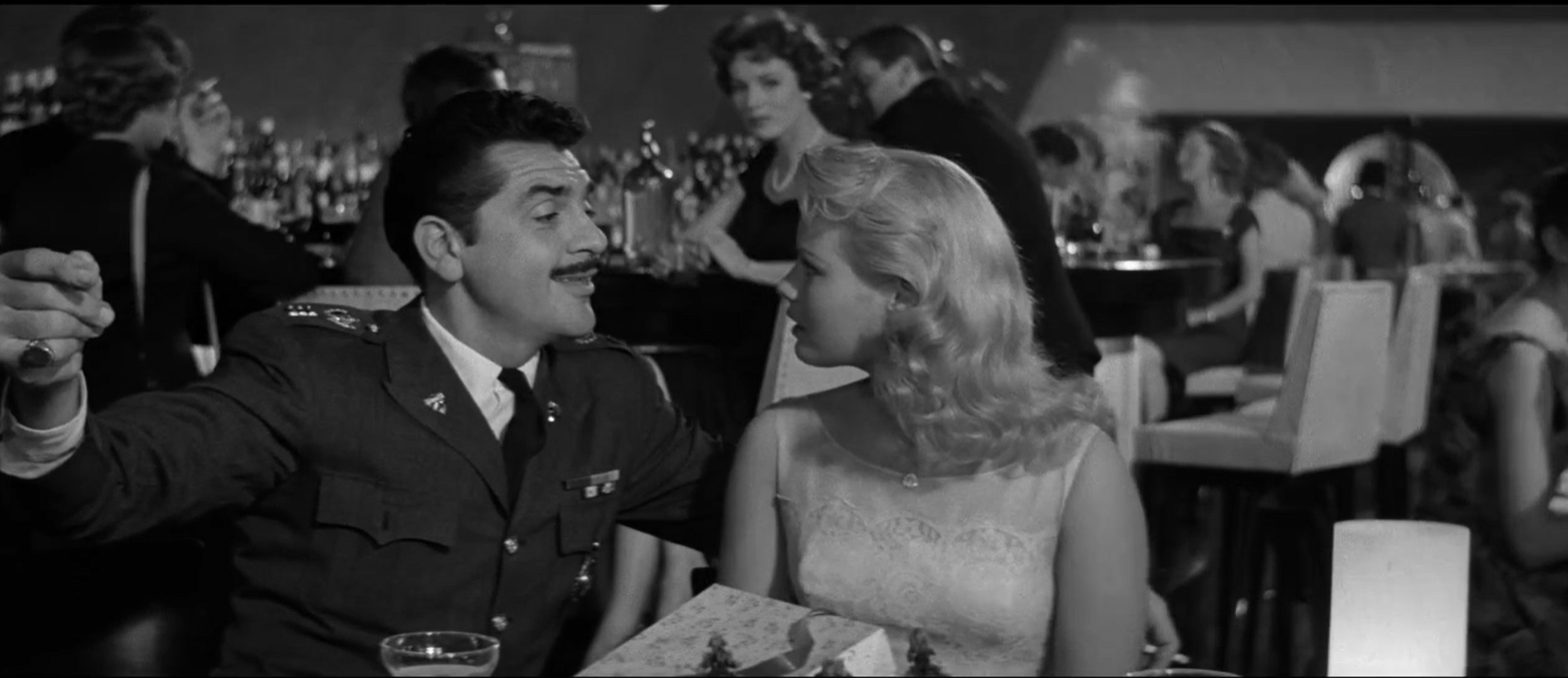
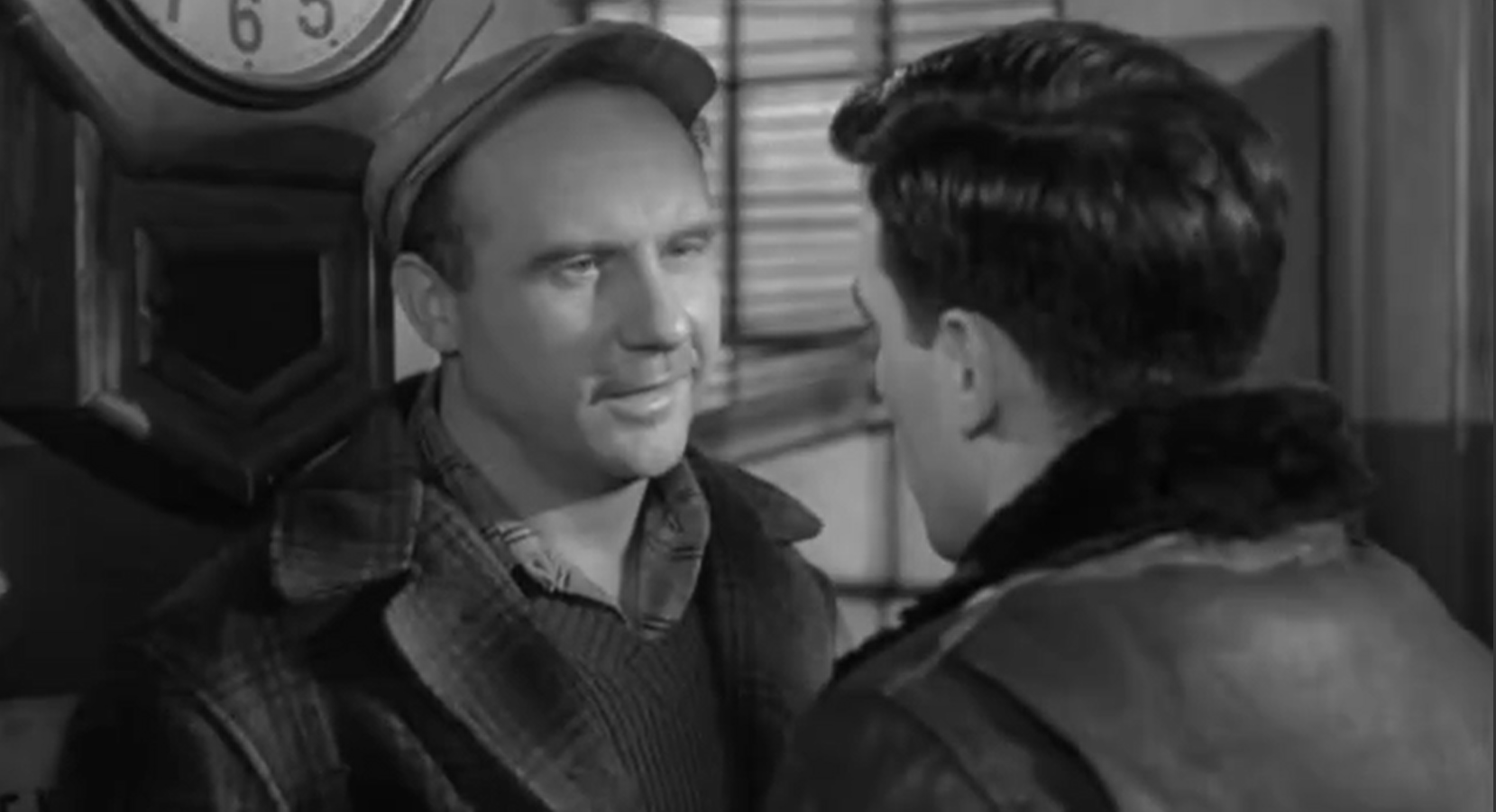
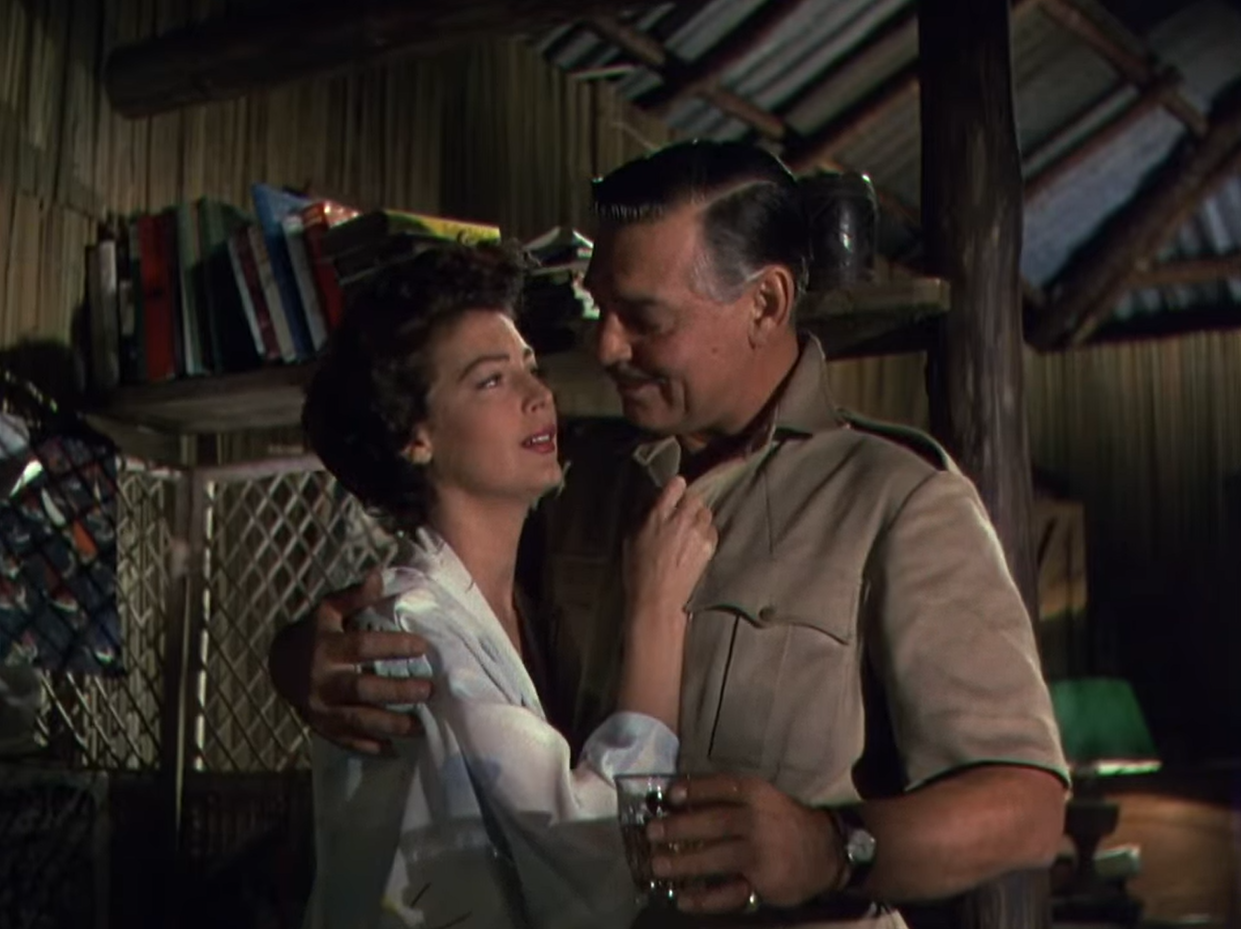
… and an all-star cast:
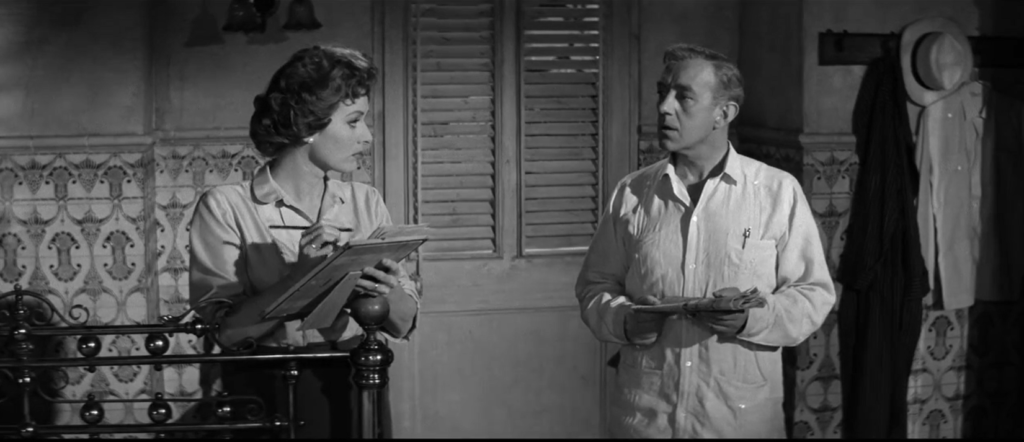
… the story never really coheres. As DVD Savant (actually a fan of the film) describes it:
“It’s an uneven satire about politics and espionage that contrasts a realistic view of conditions in a police state with understated British comedy. The tone veers from deadly intrigue to near slapstick, and Greene’s dialogue tries for too many verbal puns.”
However, Savant later calls out its “authentic background, expressive direction and interesting characters,” and notes that this “politically astute” film “suggests the horrors of Batista’s police state without making any statements about the revolution to come.” Clearly, one either responds to the approach taken here or not — and it didn’t quite work for me. Reading TCM’s article at least helped to explain why Guinness himself comes across in such a bland and uninteresting fashion:
Guinness… had not enjoyed his experience working with Reed. Early on Reed had surprised him by stating that Guinness’ character was really less important than the events happening around him, so there would be few close-ups of the star. When Guinness showed up on the set with ideas for playing the character as an untidy, fussy little man, Reed told him, “We don’t want any of your character acting. Play it straight. Don’t act.” Not knowing what to do with a direction like that, Guinness delivered an undistinguished performance, allowing Coward and Kovacs to steal the film.
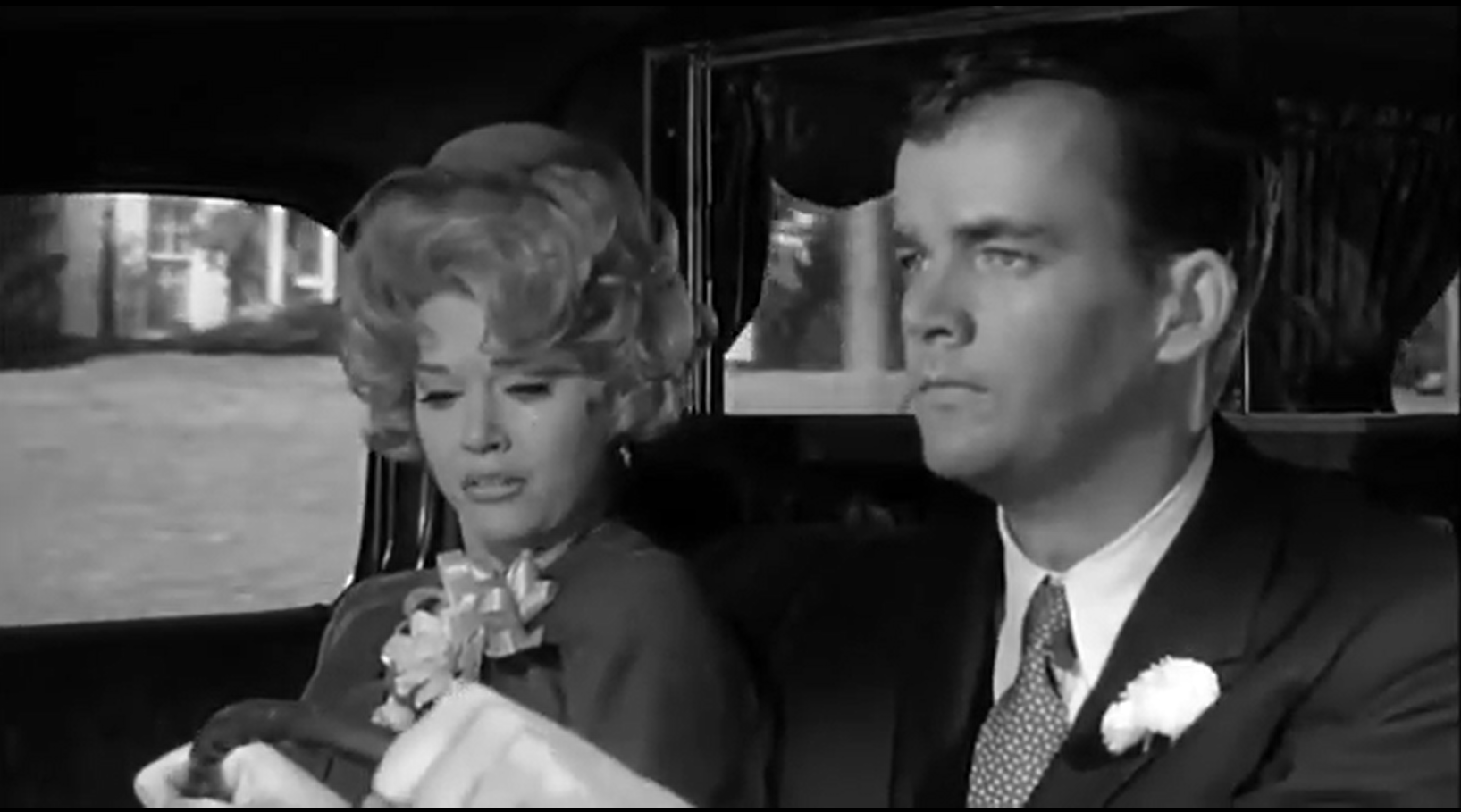
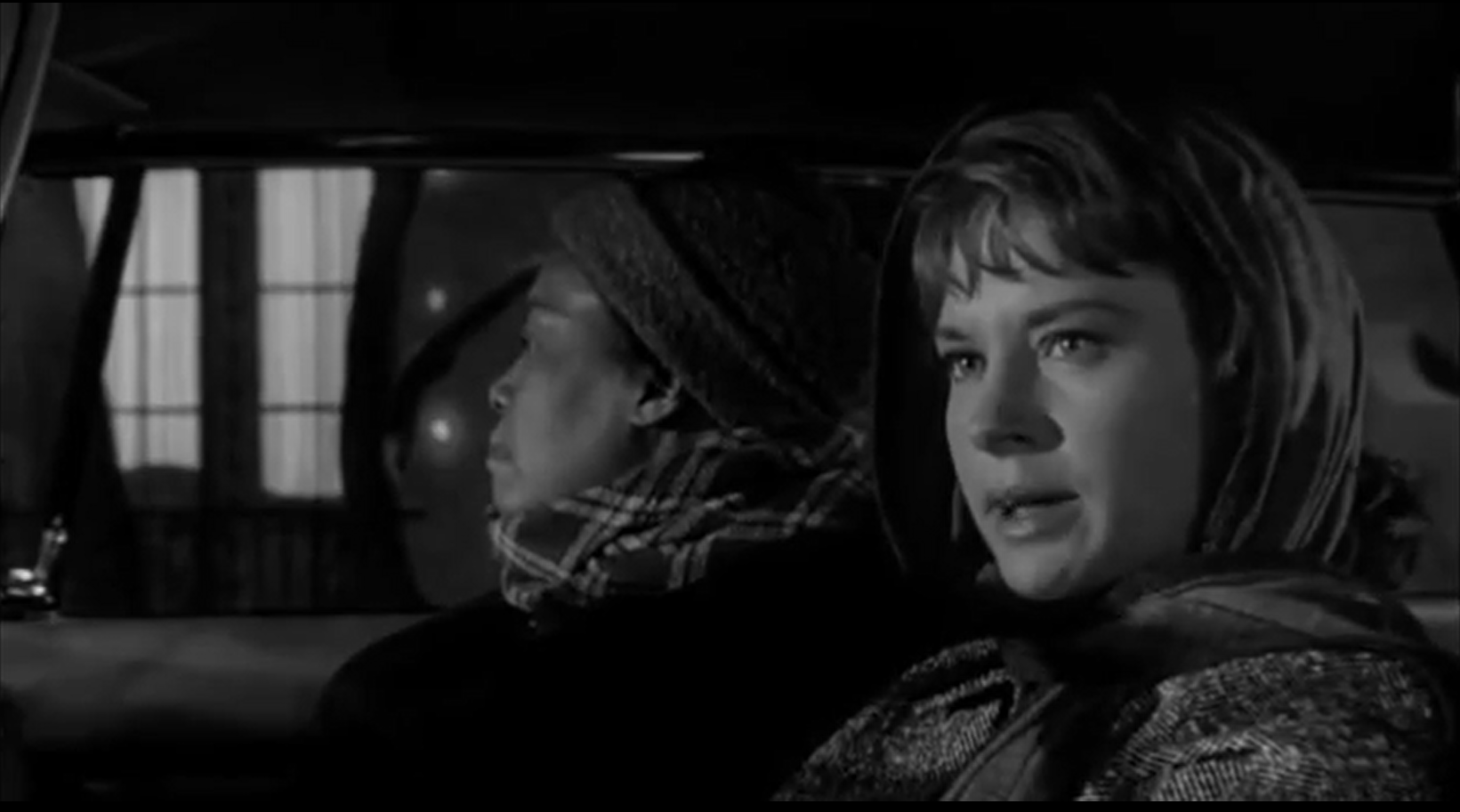
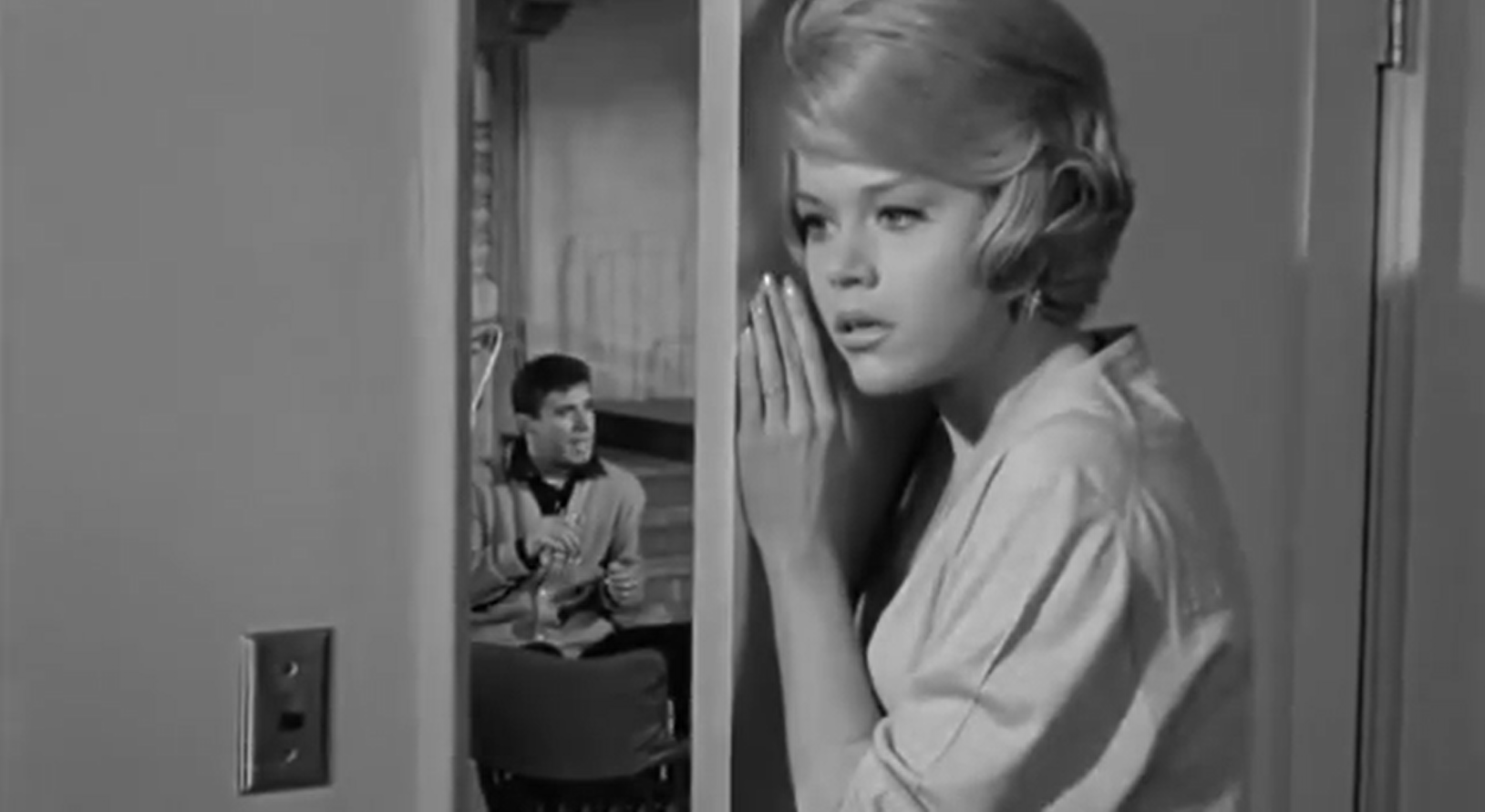
Morrow also seems miscast as Guinness’s daughter (despite only being 20 years old in real life, she looks older), and her casual relationship with creepy Kovacs simply makes her seem like even more of a dimwit.
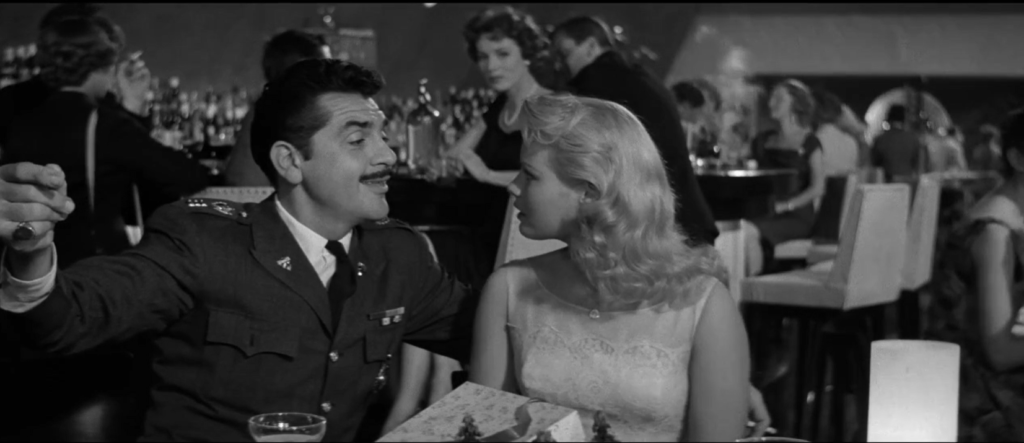
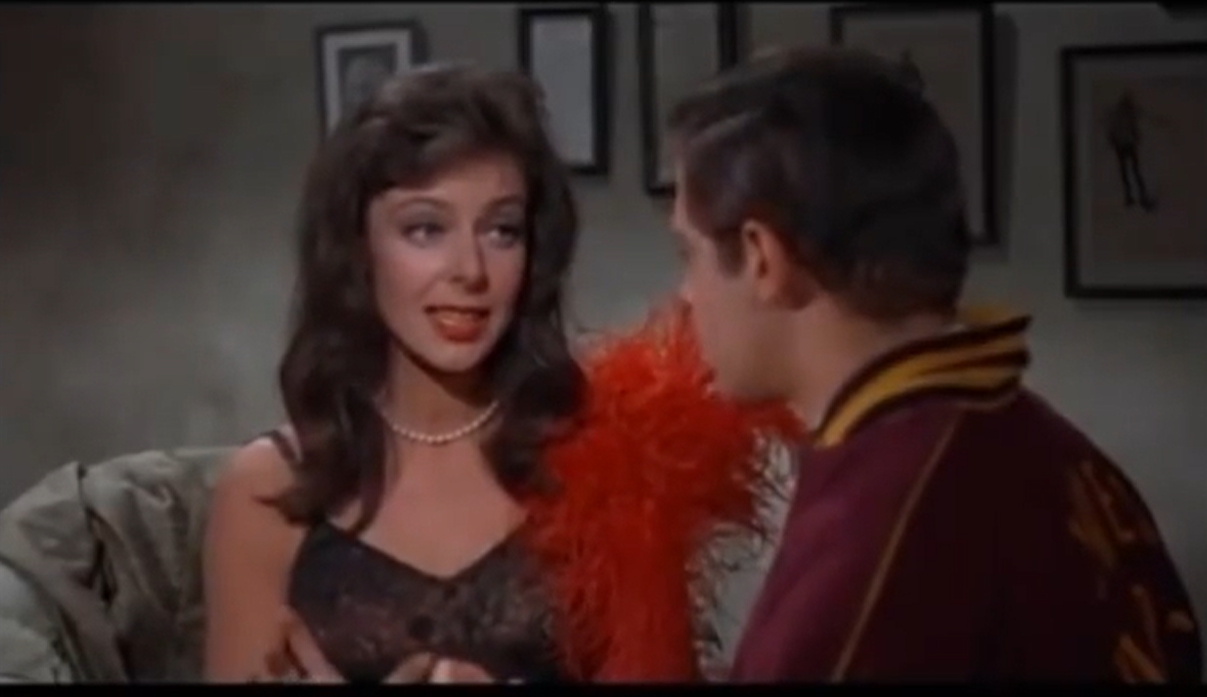
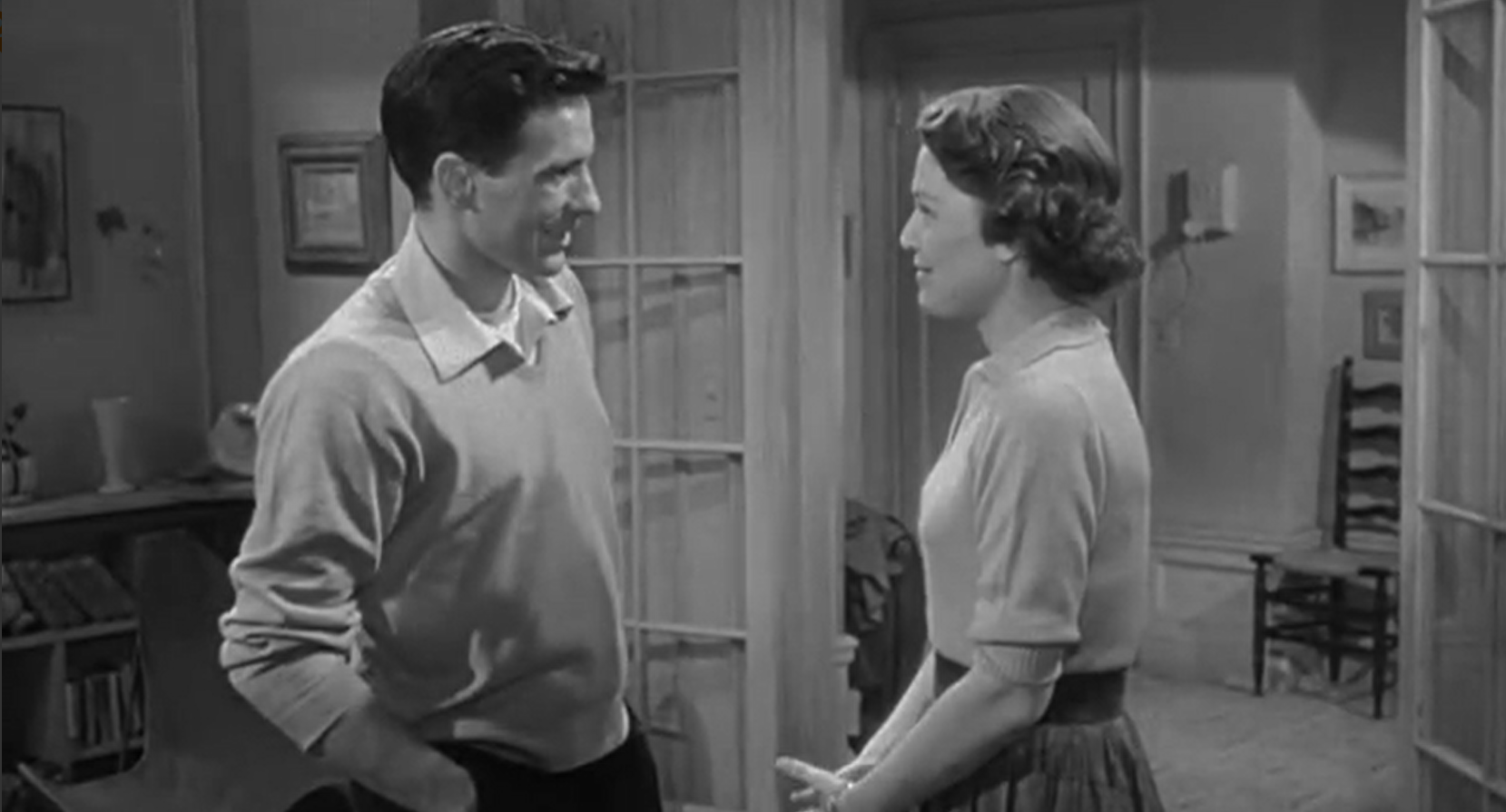
Meanwhile, O’Hara’s character isn’t given nearly enough distinction (she’s truly just a beautiful “Girl Friday”):
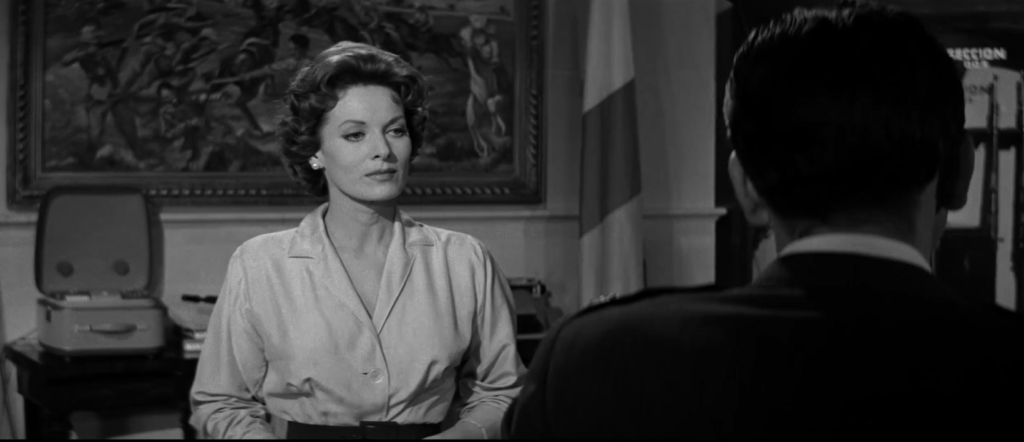
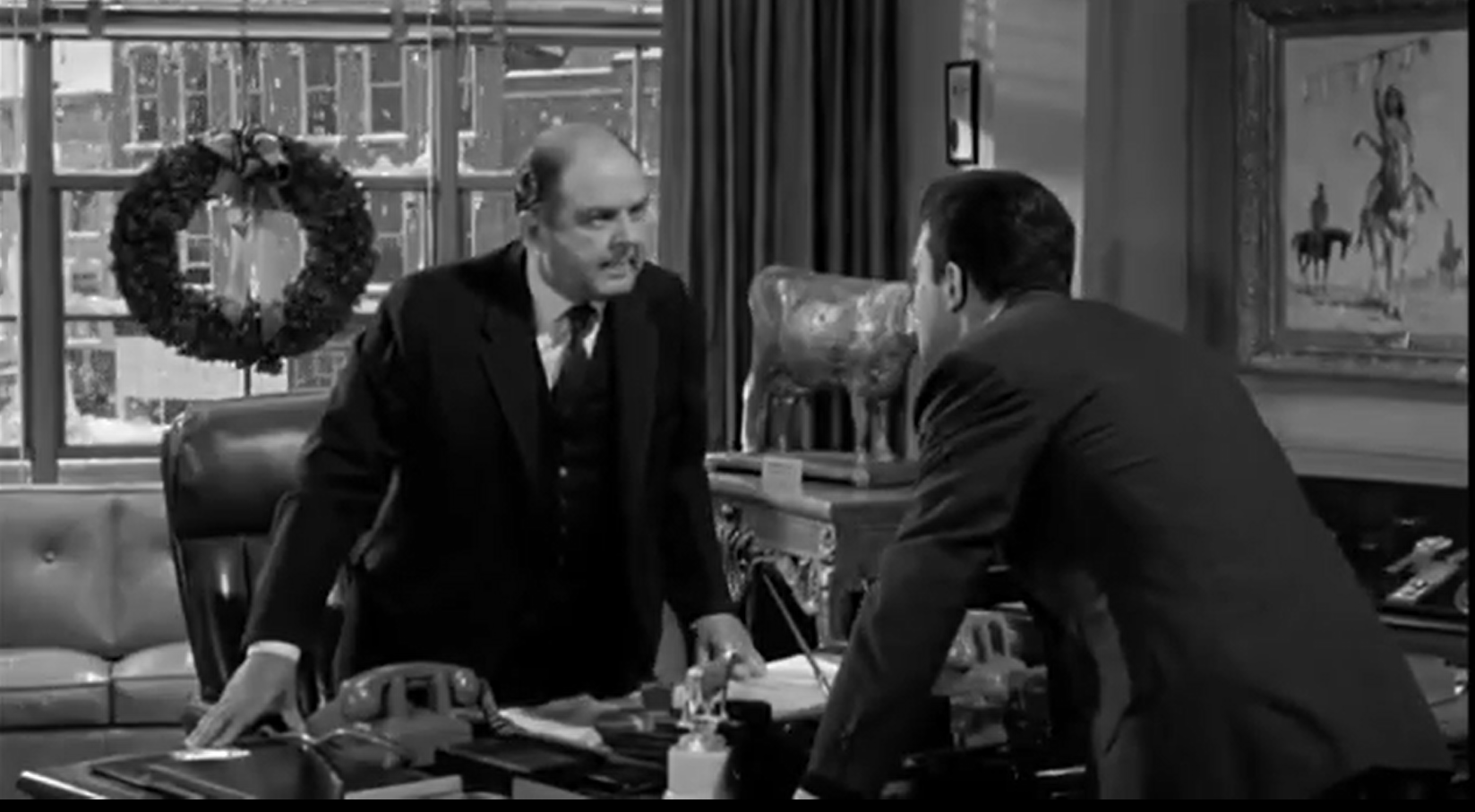
… and other supporting players (Coward, Richardson, Ives) are either vague or underdeveloped. I didn’t mind being confused for most of the beginning of the screenplay, given that spy yarns are inherently complex, and the addition of made-up narratives would necessarily complicate things further — but I wasn’t quite able to follow along as dominos began to fall. Perhaps a rewatch would help, though I’m not especially inclined.
Notable Performances, Qualities, and Moments:
- Oswald Morris’s cinematography
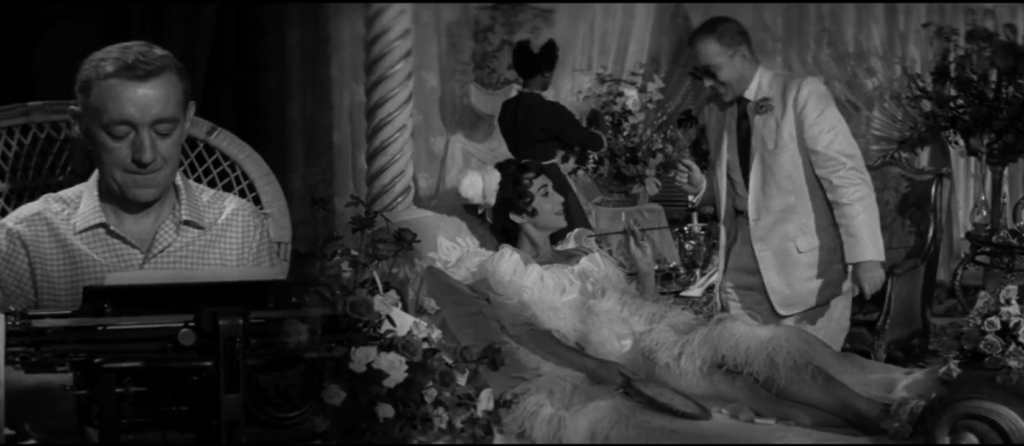
- An unusual score by Frank and Laurence Deniz
Must See?
No, though of course Carol Reed fans will certainly want to check it out.
Links:
|