|
Genres, Themes, Actors, and Directors:
- Flashback Films
- Gloria Grahame Films
- Obsessive Love
- Winning Him/Her Back
Response to Peary’s Review:
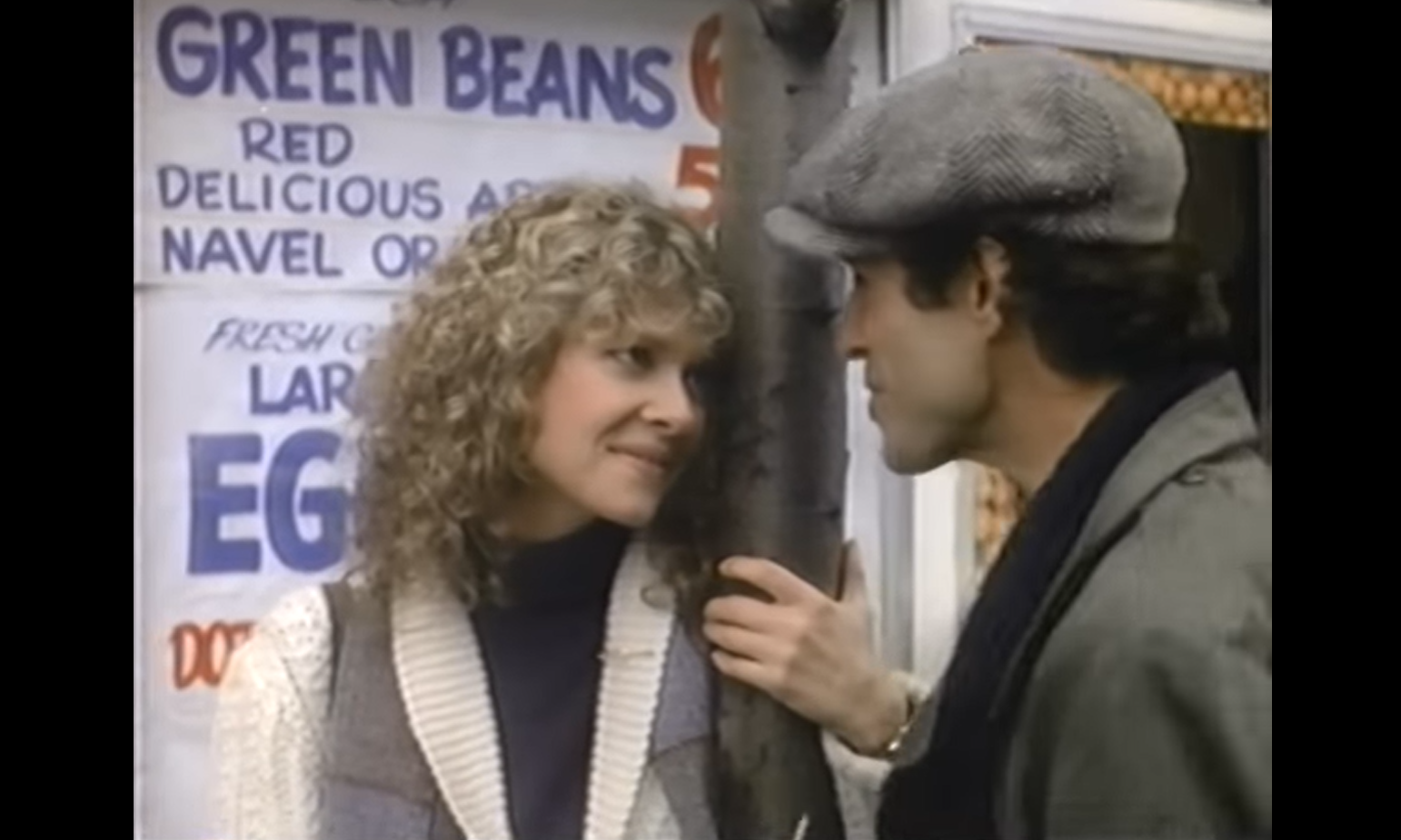
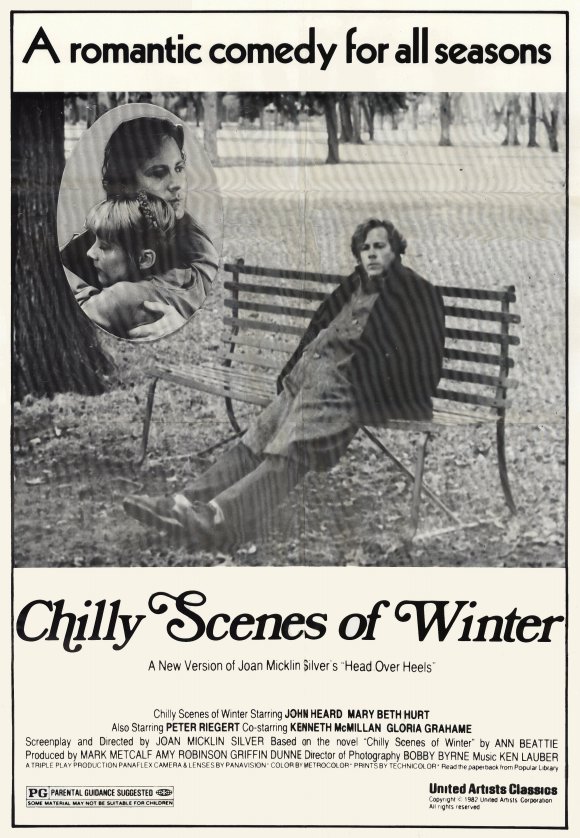
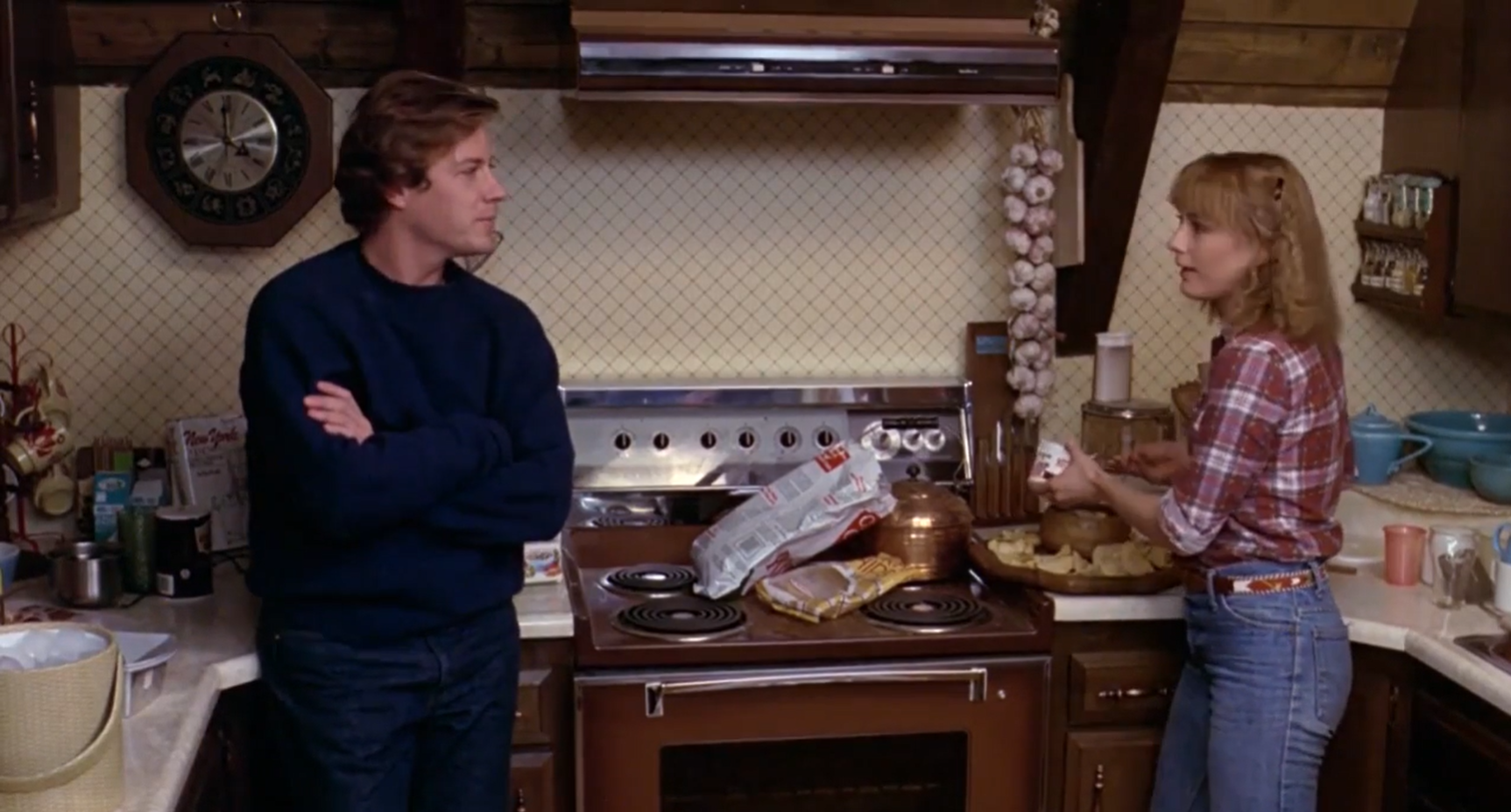
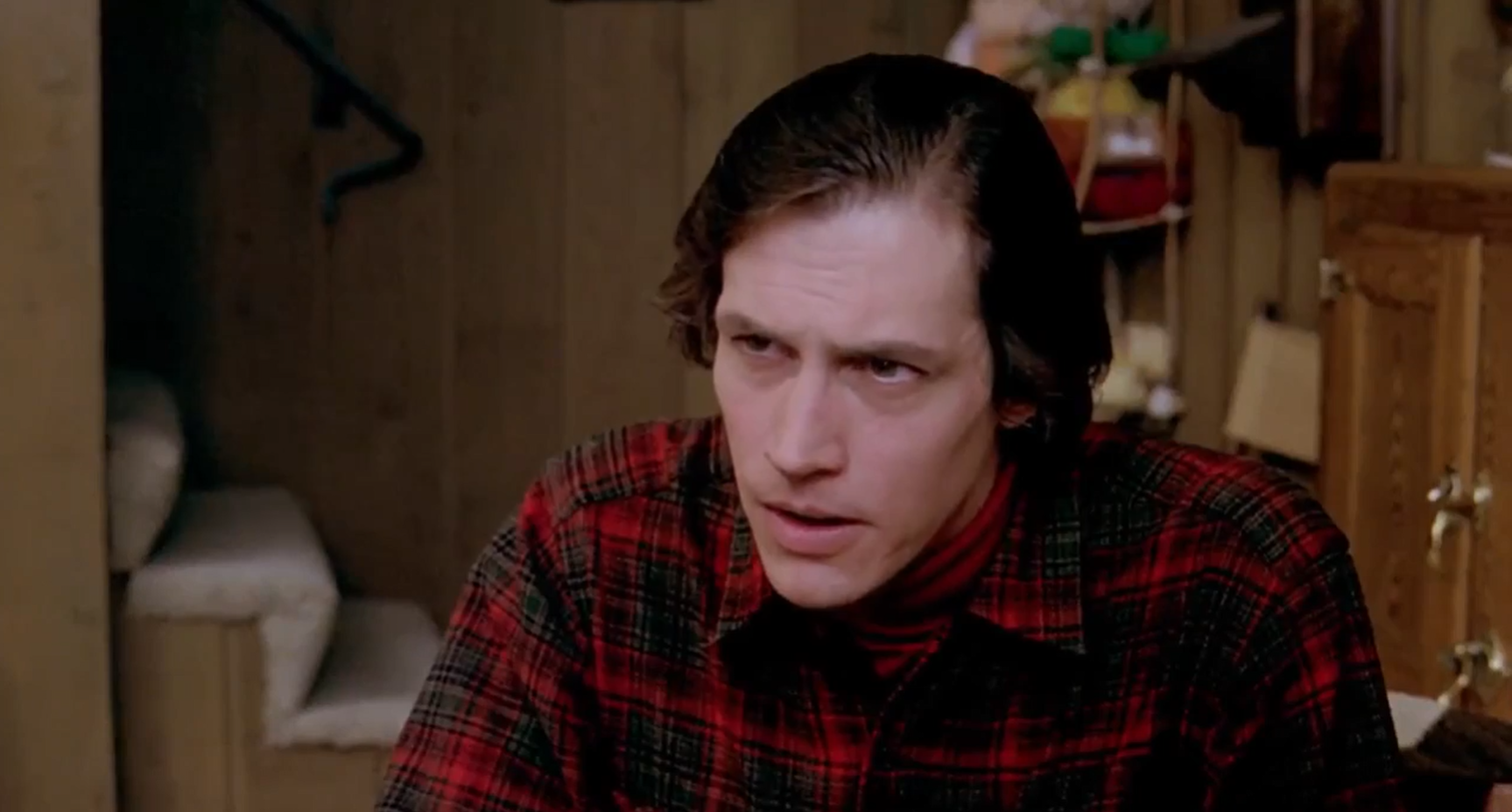
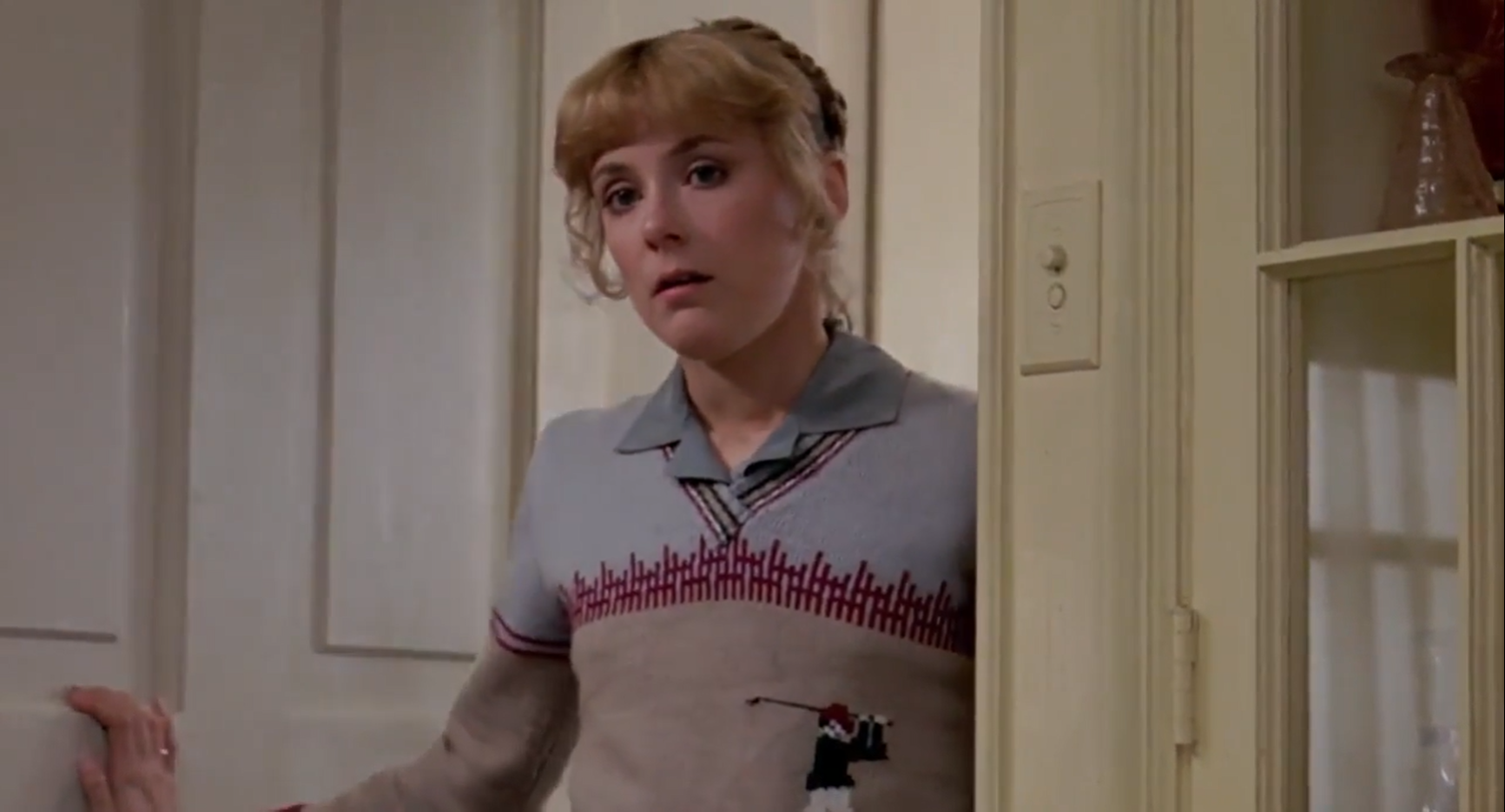
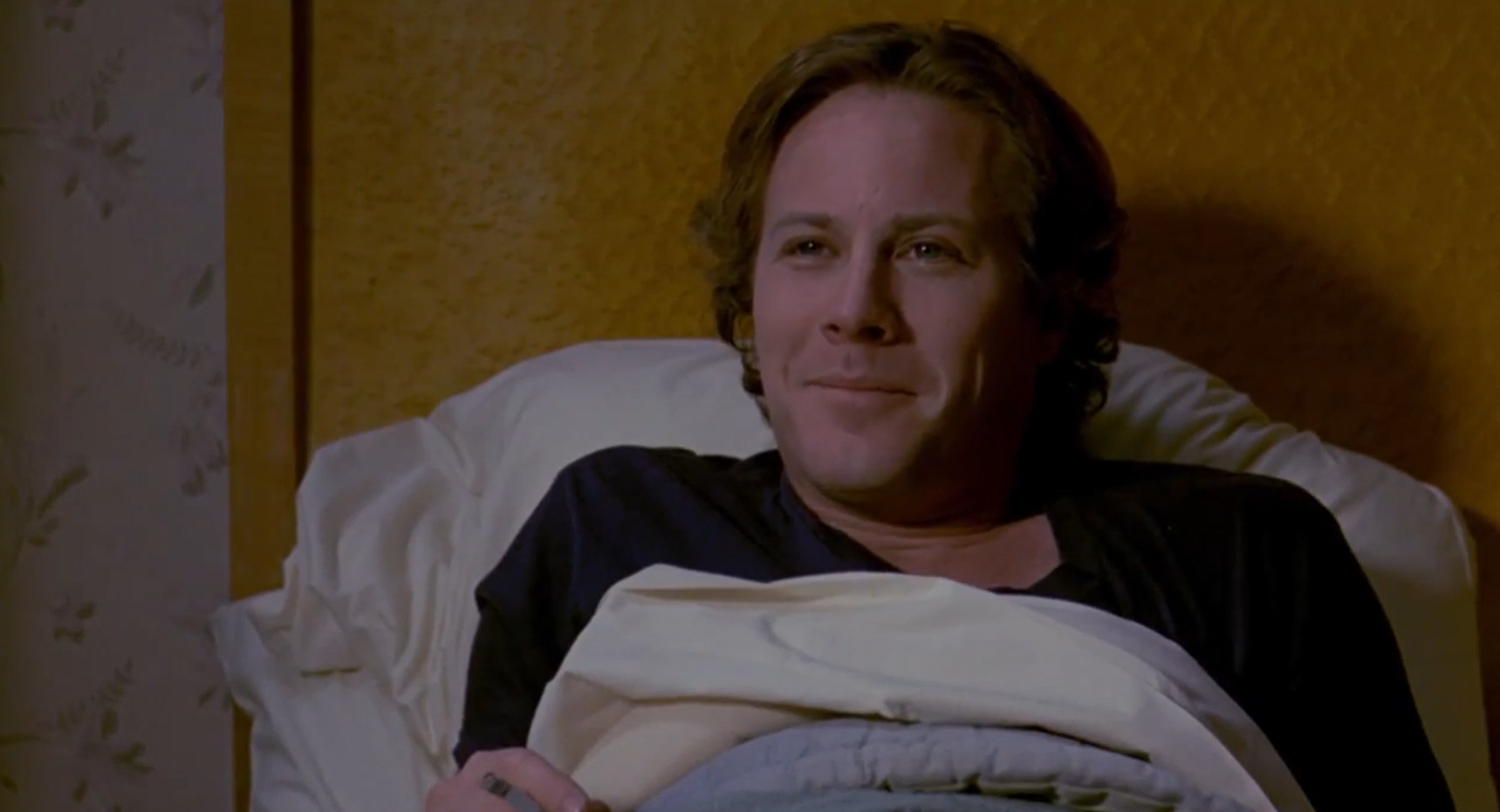
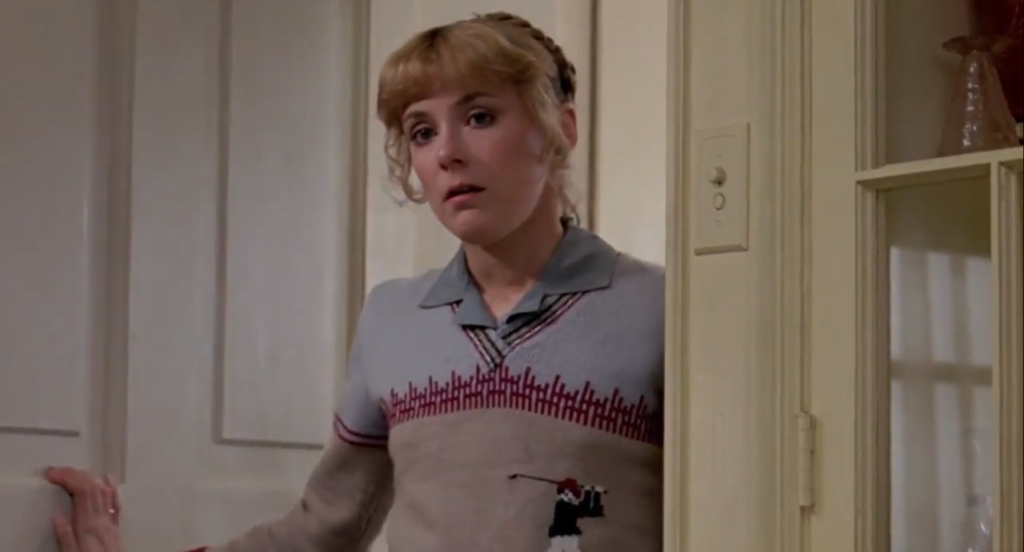
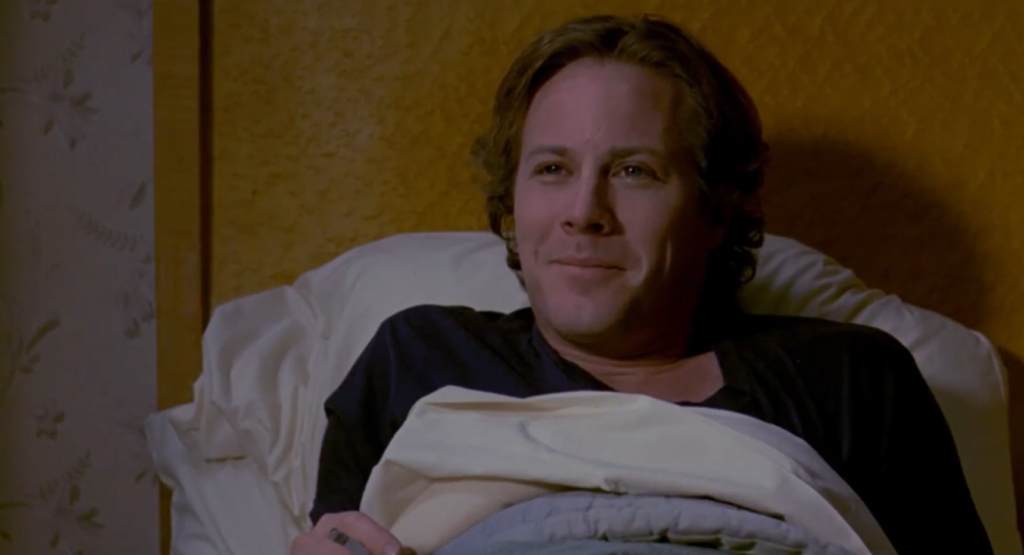
Peary notes that Joan Micklin Silver’s “offbeat” adaptation of Ann Beattie’s novel — about a man whose “obsessiveness, jealousy, and constant flattery drive [the married woman he loves] back to her husband” — has “many special, funny, charming moments”; but he complains that “Heard and Hurt [are] off putting” as “screen characters”. It’s true that Heard’s boring, whiny protagonist isn’t exactly likable (he edges dangerously close to stalker tendencies), while Hurt’s chronic indecisiveness about her romantic life eventually becomes simply tiresome. Then again, these characters — effectively played by Heard and Hurt — are both eminently realistic: who hasn’t known people struggling with similar concerns, if to a less extreme degree?
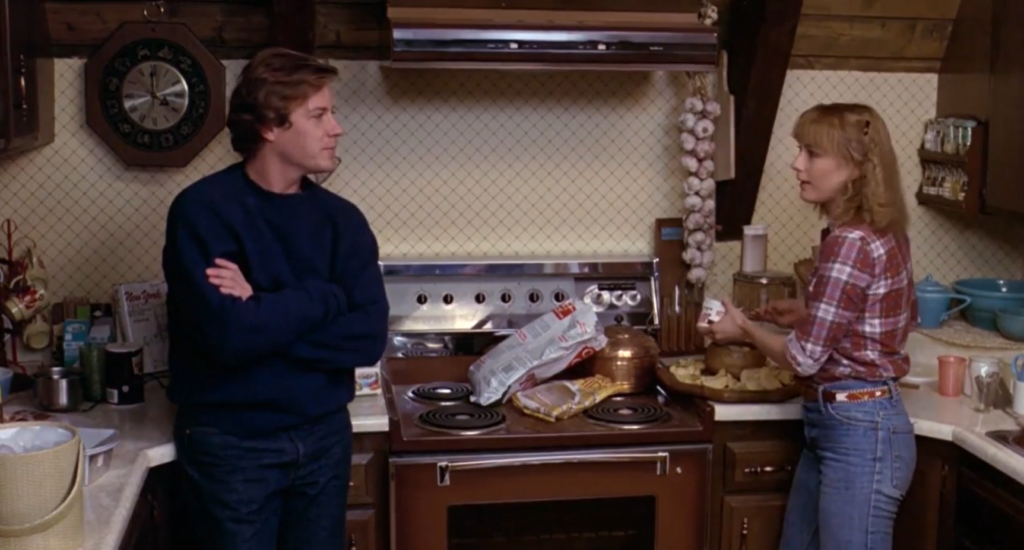
Indeed, it’s exactly such fidelity to real-life relationship woes that likely endears audiences to both the film and the book, which collectively possess a small cult following.
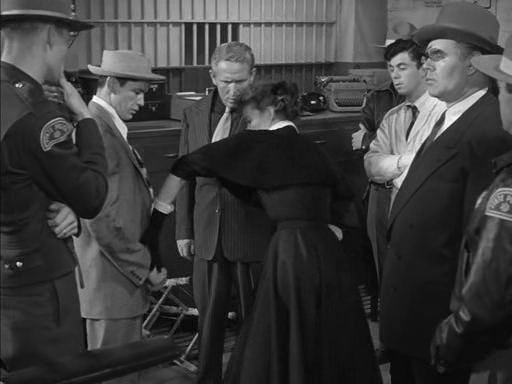
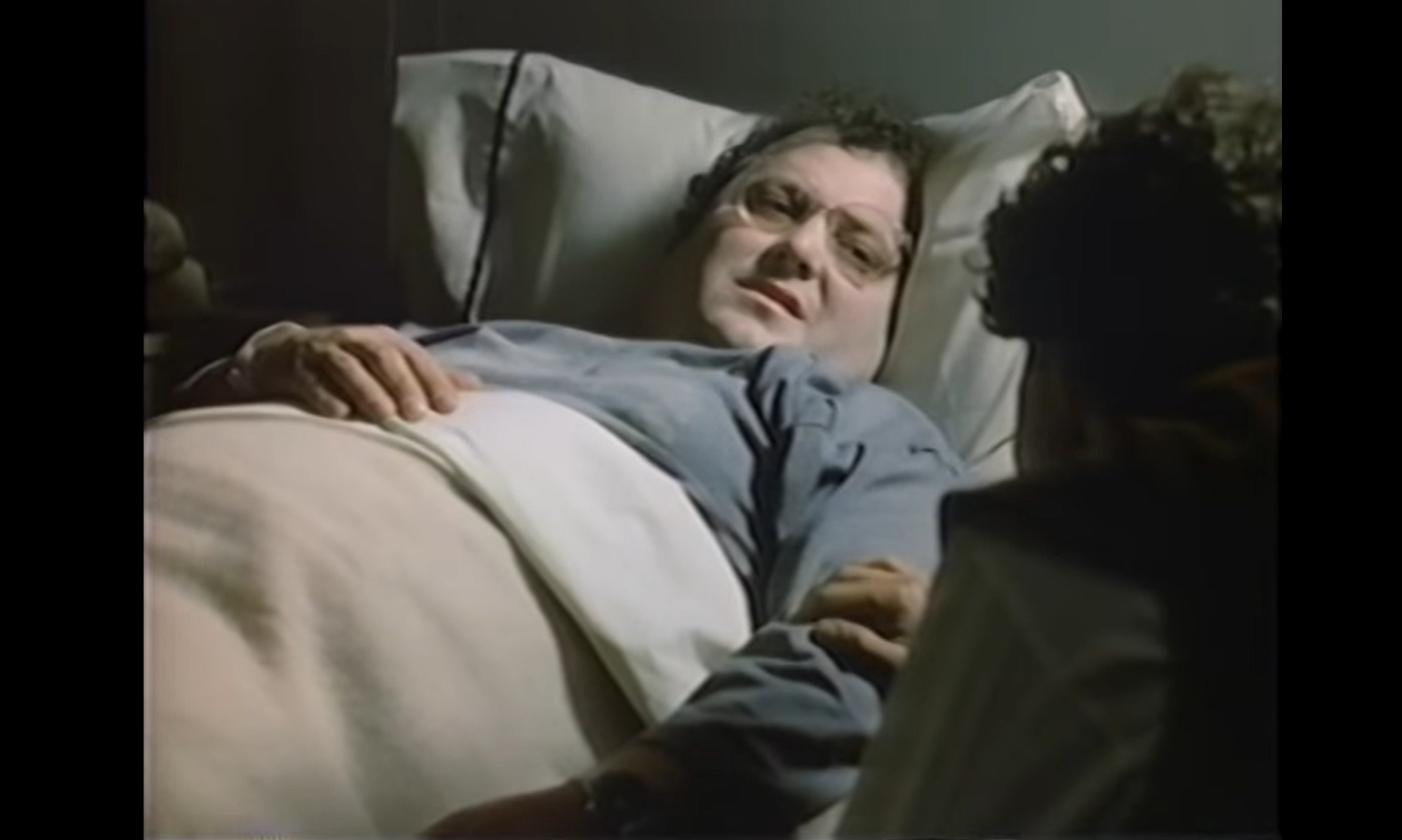
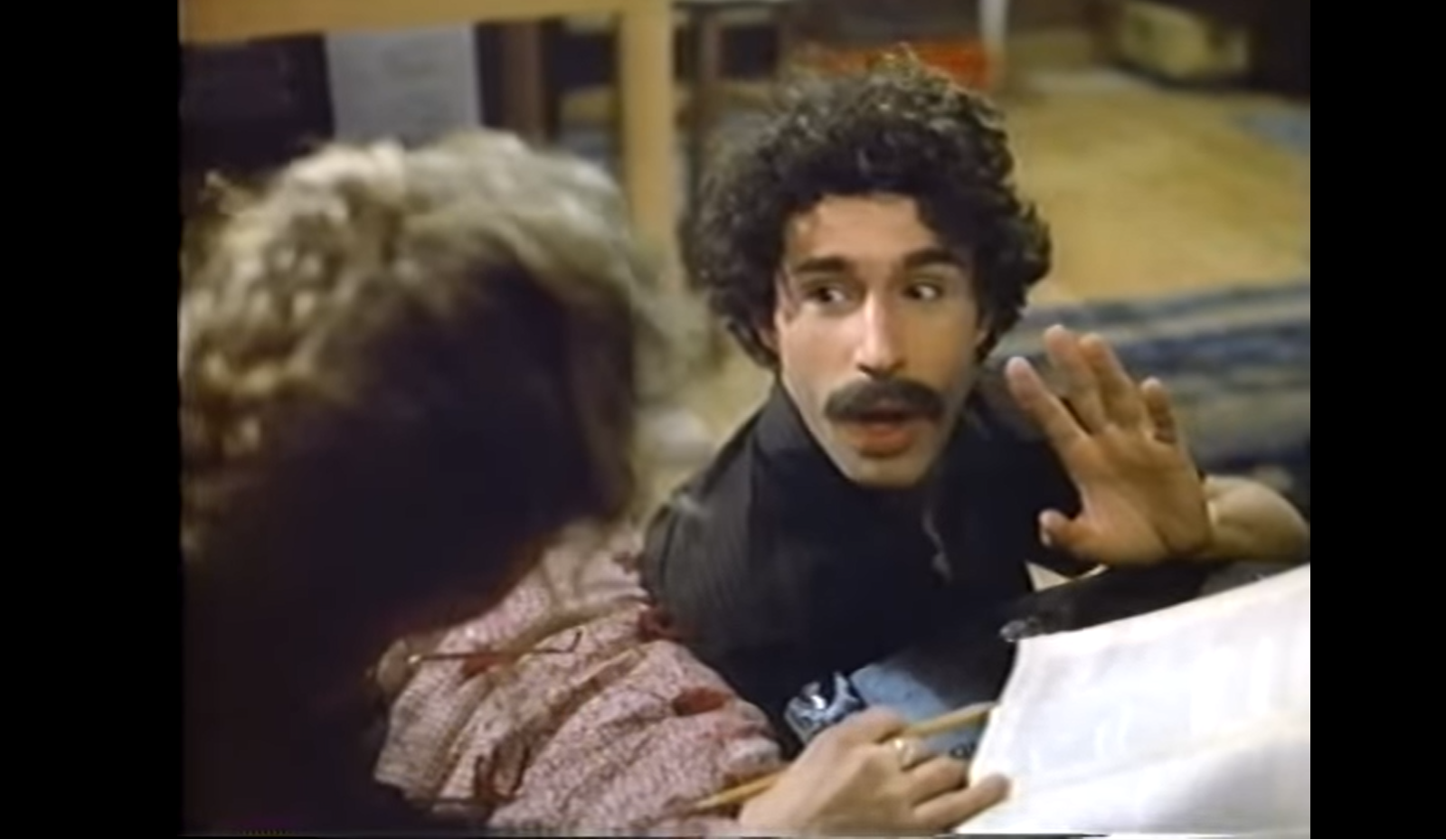
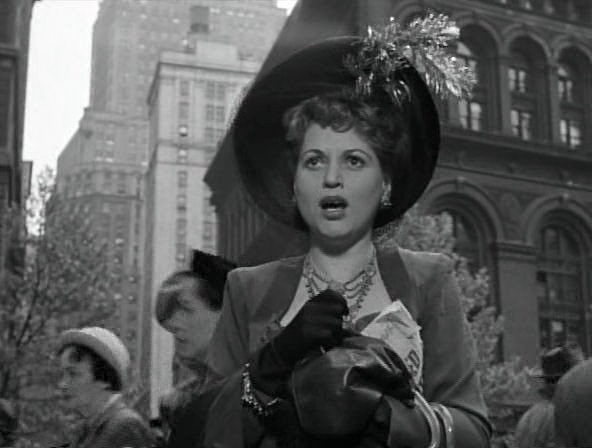
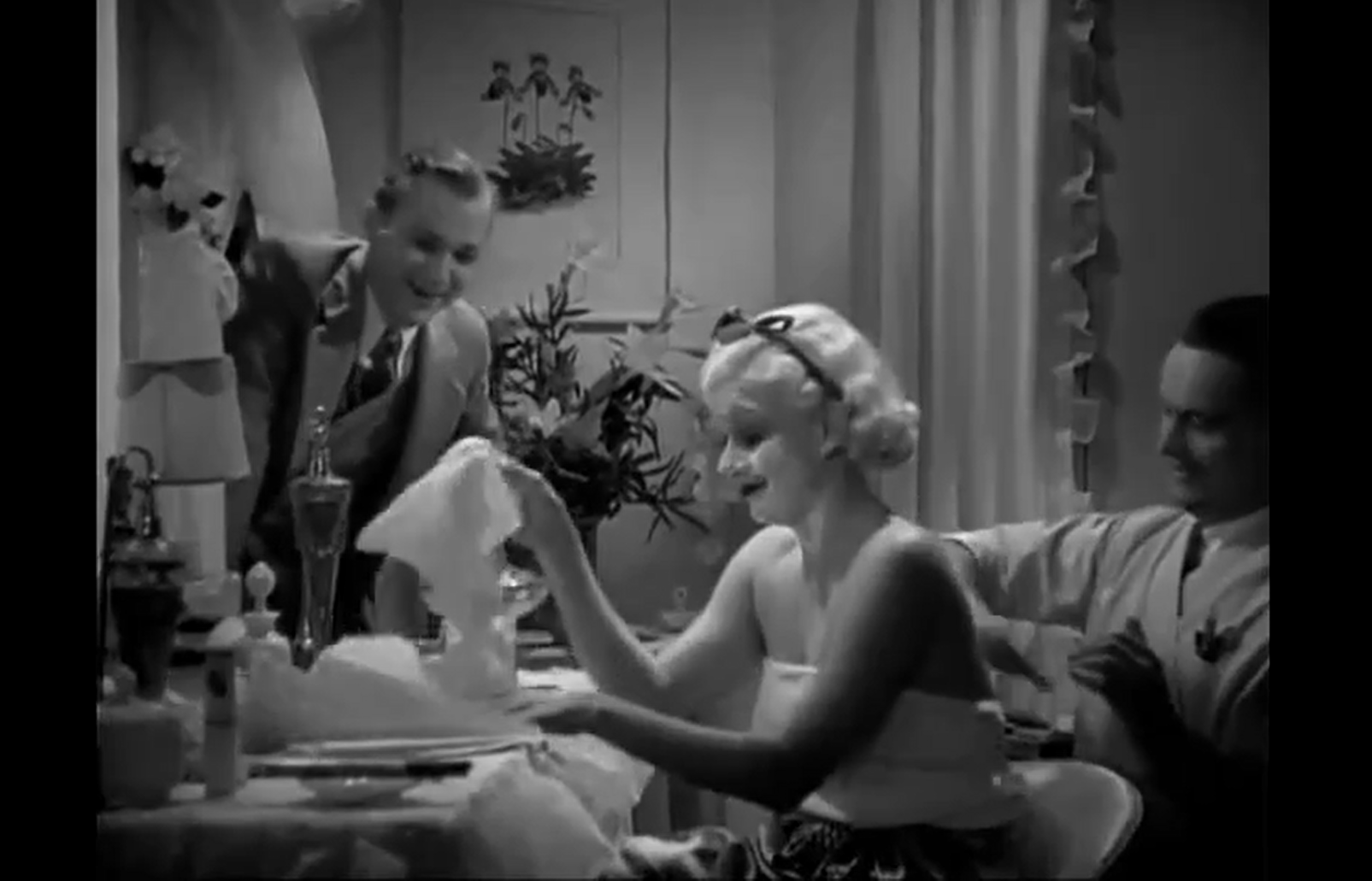
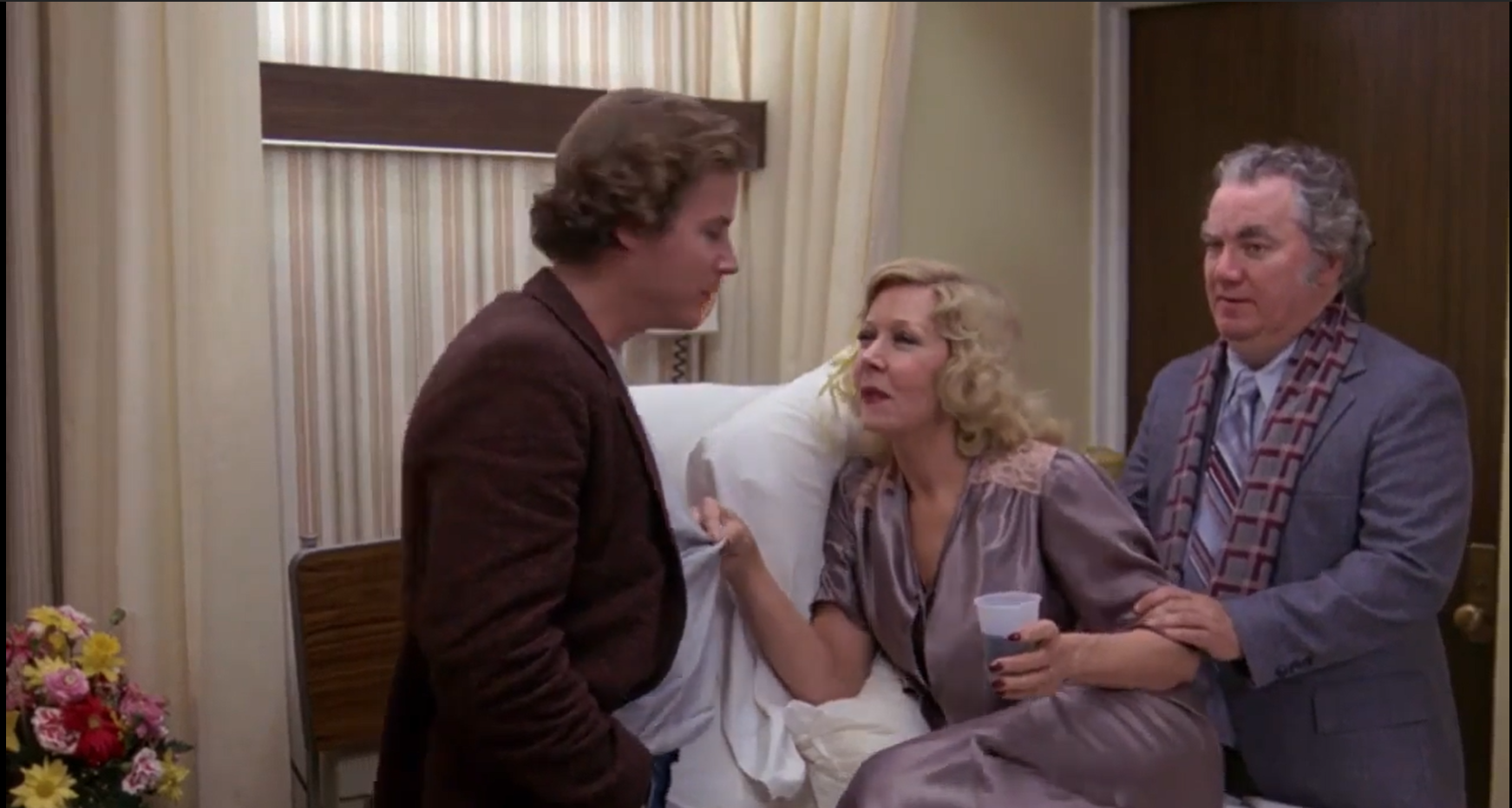
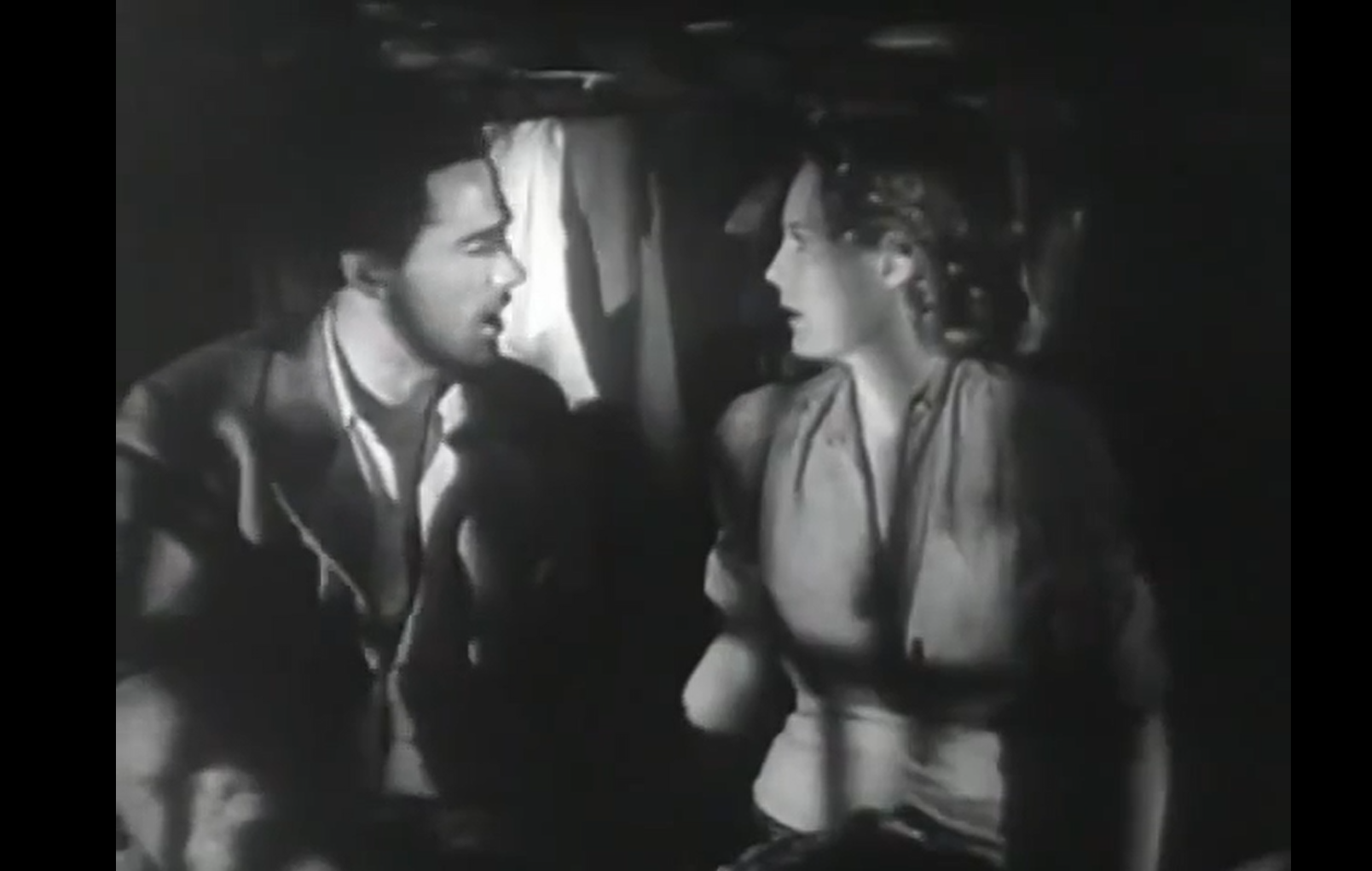
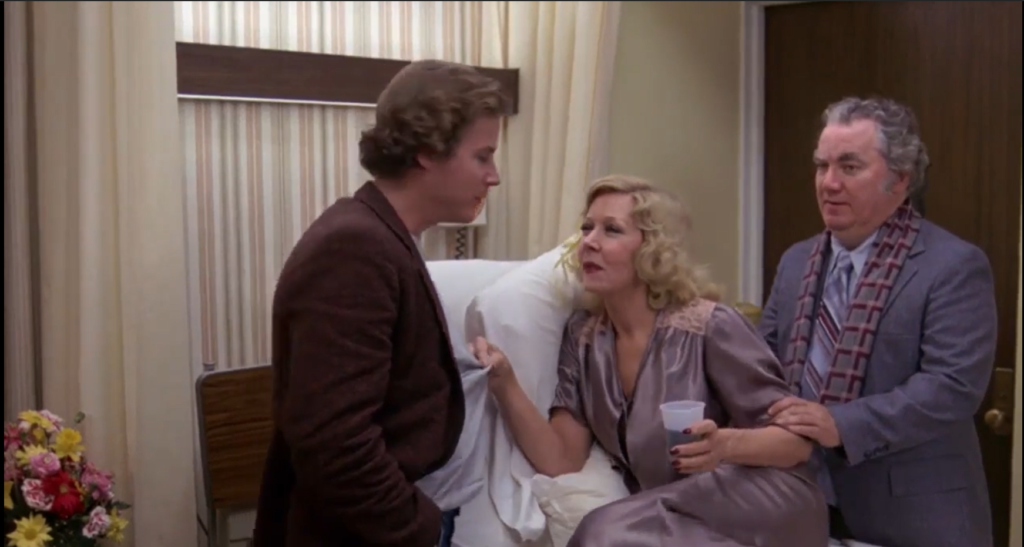
In his review, Peary argues that while Heard and Hurt “may be real characters”, he “never believe[s] their responses to each other” — a complaint which seems to speak to the screenplay’s literary origins. While I don’t personally have any trouble believing in Heard and Hurt’s interactions, other elements of the screenplay — such as Heard’s repeated dealings with a frustrated blind vendor — come across as overly scripted. It’s also frustrating to see so little made of some of the most interesting supporting characters — i.e., Gloria Grahame as Heard’s loony mom (film fanatics will be thrilled to recognize her, and disappointed by how little screentime she’s given):
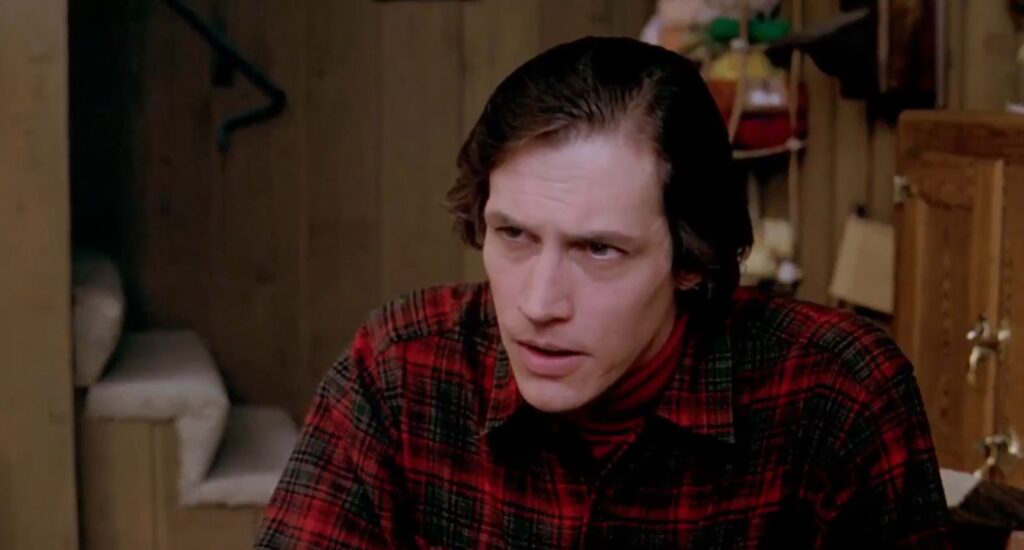
and Hurt’s put-upon husband “Ox” (with a name like that, wouldn’t you like to learn just a bit more about him?).
However, the film itself — expertly directed by Silver — is certainly worth a one-time look, especially given its minor cult status.
Note: Peary concludes his review by noting that he finds “the original [upbeat] ending” from the film’s previous release (in 1979, under the alternate title Head Over Heels) to be “more logical” — but this will be a moot point for modern viewers, who unfortunately won’t have the opportunity to compare versions.
Redeeming Qualities and Moments:
- Mary Beth Hurt as Laura
- John Heard as Charles
- Fine wintertime cinematography (appropriately enough!)

Must See?
Yes, once — as a cult favorite.
Categories
Links:
|