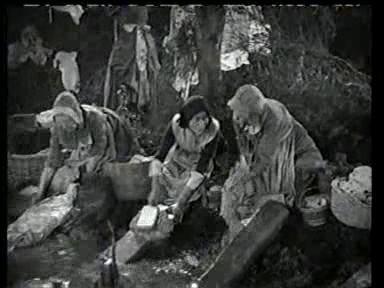
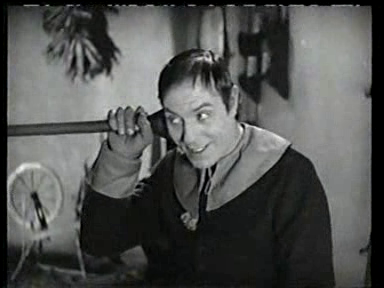
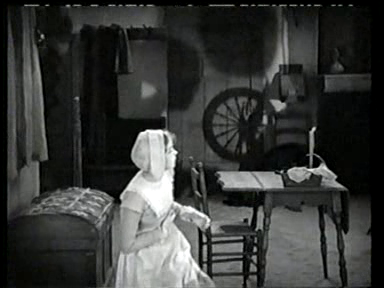
Scarlet Letter, The (1926)
“Take heed, therefore! If ye sin, ye must pay — there is no escape!”
|
Synopsis: |
|
Genres, Themes, Actors, and Directors:
Review: Redeeming Qualities and Moments:
Must See? Categories
Links: |
“Take heed, therefore! If ye sin, ye must pay — there is no escape!”
|
Synopsis: |
|
Genres, Themes, Actors, and Directors:
Review: Redeeming Qualities and Moments:
Must See? Categories
Links: |
“Marriage with Max is not exactly a bed of roses, is it?”
|
Synopsis: |
|
Genres, Themes, Actors, and Directors:
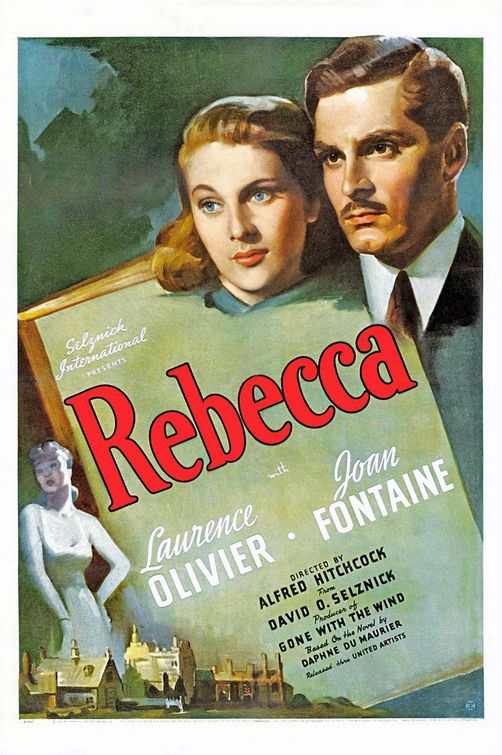
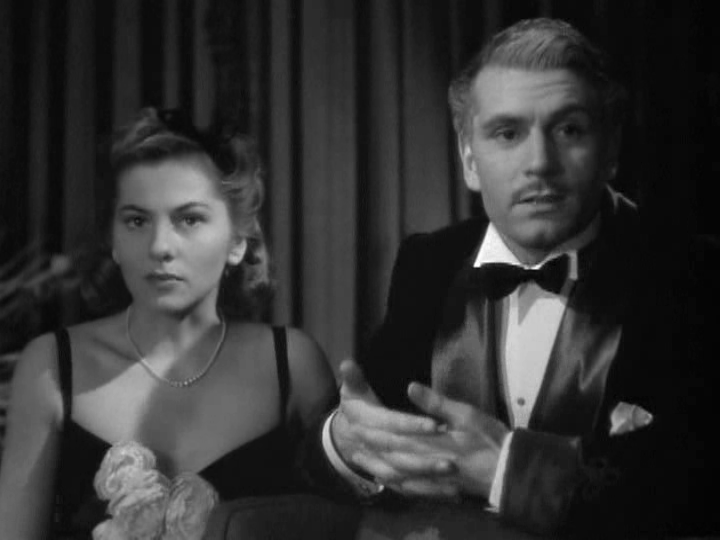
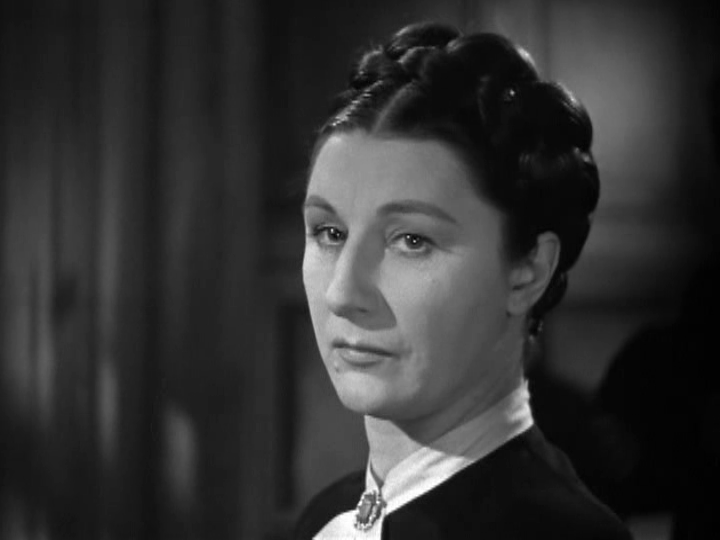
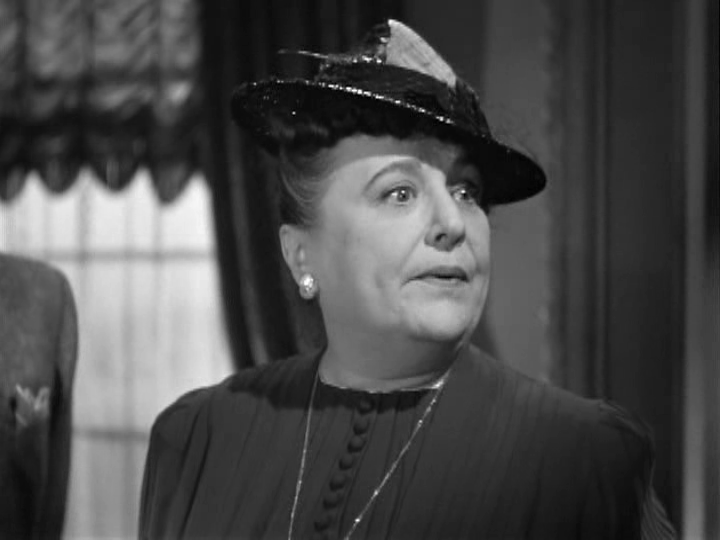
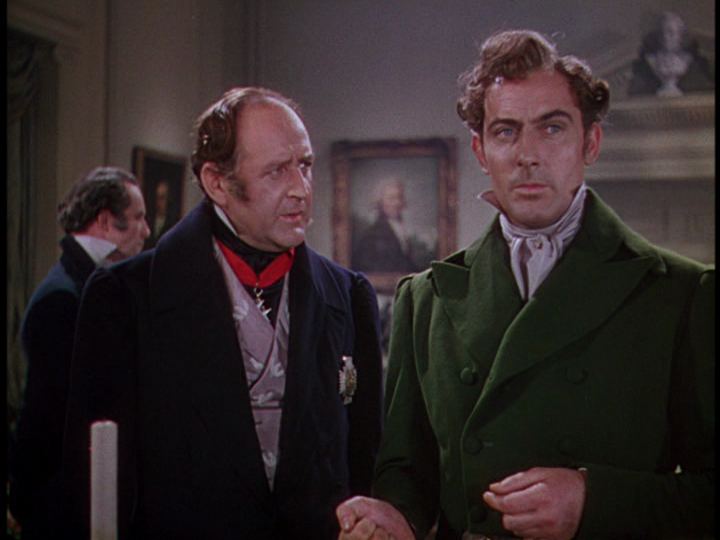
Response to Peary’s Review: If Rebecca isn’t “great Hitchcock” (it doesn’t stand among his very best work), it’s still fine entertainment. The performances throughout are uniformly excellent, with Olivier appropriately haunted and restrained as Fontaine’s brooding husband, and Fontaine perfectly portraying the brew of conflicted emotions felt by her character, who remains both nervously submissive and incredulous about her position until a pivotal shift in the plot later on (a point at which Peary argues the film “loses its power”, but I disagree). The supporting cast is fine as well, with Anderson delivering the performance of her lifetime as disturbed Mrs. Danvers (Peary refers to her portrayal as “chilling” and “soulless”); George Sanders briefly stealing the scenery in a characteristically smarmy role later in the film; and Florence Bates nicely capturing the essence of an overbearing society woman who borders on caricature but just manages to avoid this fate (listen to her conflicted reaction upon hearing about her assistant’s sudden engagement to Mr. DeWinter). A combination of appropriately spooky sets (Manderlay is a truly haunted house), George Barnes’ Oscar-winning “atmospheric cinematography”, “Franz Waxman’s moody score”, and “the clever way Hitchcock uses space so that Fontaine seems dominated by her surroundings” contribute to the film’s “amazing tension”, and turn it into a suspenseful mystery we’re eager to keep watching. Redeeming Qualities and Moments:
Must See? Categories
(Listed in 1001 Movies You Must See Before You Die) Links: |
“Johnnie, I’m just beginning to understand you.”
|
Synopsis: |
|
Genres, Themes, Actors, and Directors:
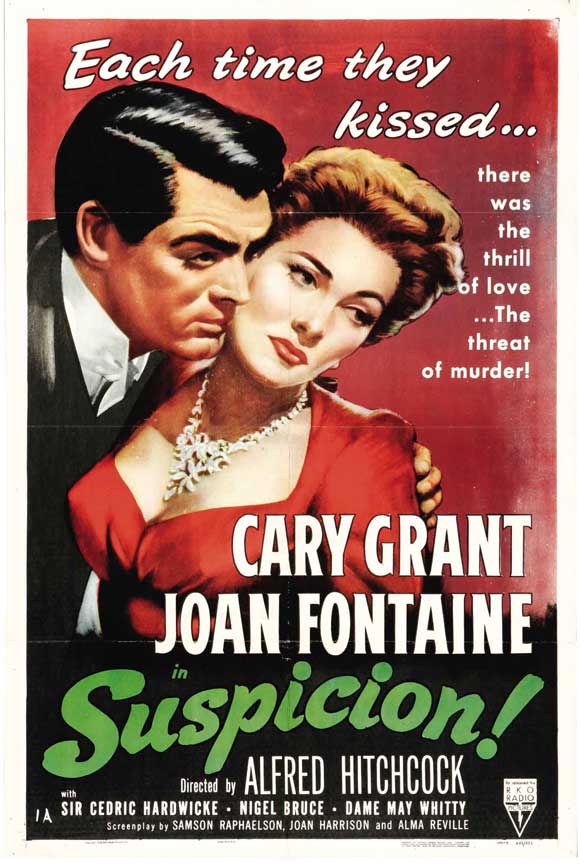
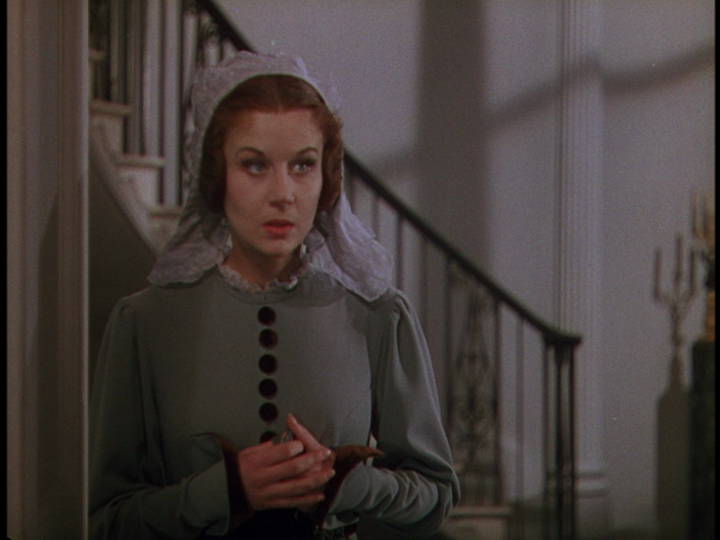
Response to Peary’s Review: It’s relatively easy to accept Fontaine’s whirlwind marriage to Johnnie as the consequence of an overly sheltered young woman fearing spinsterhood (certainly plenty of naive, desperate women in real life have married cads or outright psychopaths out of similar motivations) — but once she learns about his lies and financial indiscretions, there’s no excuse for her hesitation in getting out. We’re meant to believe that she simply can’t help herself (she’s too in love with Johnnie), but I don’t buy it. (Interestingly, she’s never given reason to worry about him cheating on her with another woman — which indicates that perhaps women will put up with a lot of nonsense in a marriage as long as they don’t believe their primacy as “woman number one” is being threatened.) Meanwhile, other elements of the screenplay are clumsy as well: how convenient is it, for instance, that Johnnie and Lina happen to be friends with a mystery novelist (Auriol Lee) who’s exploring various methods for untraceable murder? The origins of this friendship are never explained, so it comes across as simply a plot contrivance. With that said, Fontaine’s Oscar-winning performance — in a decidedly imperfectly written role — is fine, and film fanatics will likely be curious to see the movie for this reason alone. Redeeming Qualities and Moments:
Must See? Categories
Links: |
“I’m afraid I’m not very well.”
|
Synopsis: |
|
Genres, Themes, Actors, and Directors:
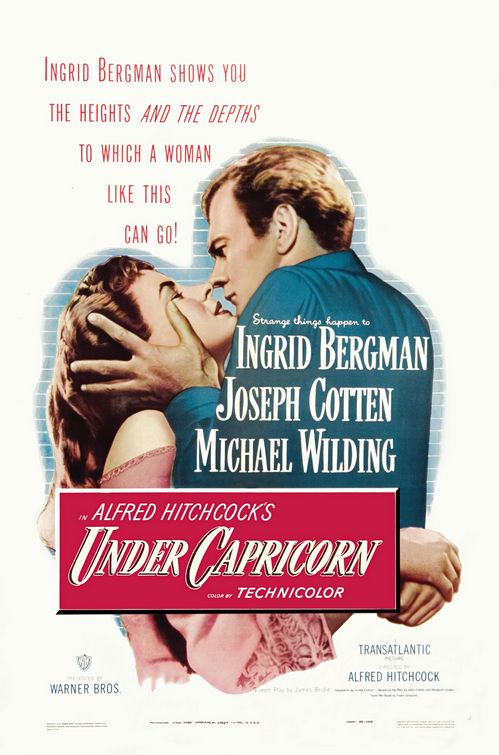
Review: At the film’s heart, however, is Ingrid Bergman, giving a typically mesmerizing performance as a conflicted woman driven to drink and seclusion by both her tragic past and her challenging present circumstances. Also effective is Michael Wilding (best known as Elizabeth Taylor’s second husband — though, interestingly, he later married Leighton), as the do-gooding man determined to help rescue Bergman from her self-imposed exile. Meanwhile, Jack Cardiff’s luminous cinematography bathes the entire film in gorgeous, painterly hues. It’s all the more disappointing, then, that the movie itself ultimately doesn’t move in a very interesting direction: we wouldn’t mind learning a lot more about life during this very specific time in Australia’s history (when it was still largely comprised of ex-convicts), but instead must be content with the melodramatic tensions between Cotten (giving an overly restrained performance), Bergman, Wilding, and Leighton. It’s far from boring, and beautifully shot, but is really only must-see for Hitchcock completists. Redeeming Qualities and Moments:
Must See? Links: |
“The Yellow Man watched Lucy often. The beauty which all Limehouse missed smote him to his heart.”
|
Synopsis: |
|
Genres, Themes, Actors, and Directors:
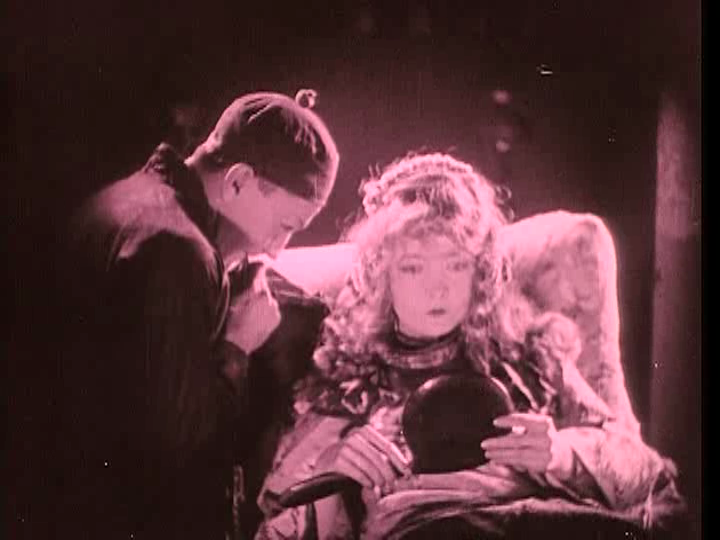
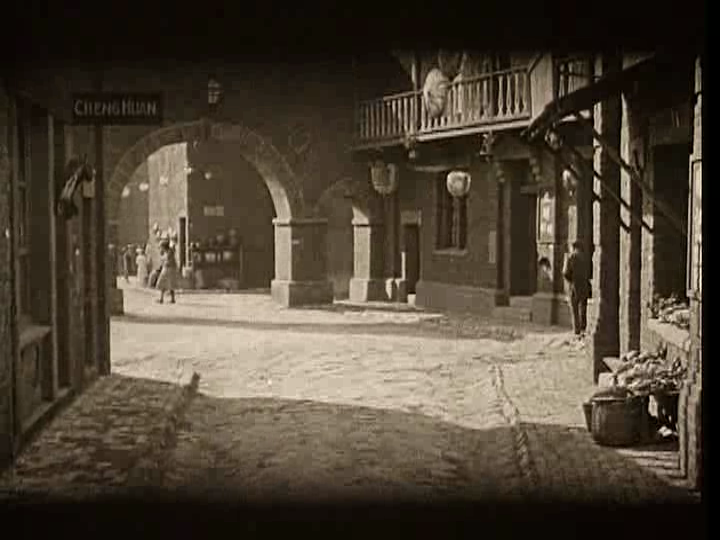
Response to Peary’s Review: The film’s terribly antiquated, casually racist subtitle will likely turn many modern film fanatics off; but once they make tentative peace with both this and the (then standard) casting of white men in both central Asian roles, they’ll likely be pleasantly surprised to find that Griffith — the infamous director of America’s most egregiously racist classic film, Birth of a Nation (1915) — seems to at least be trying to portray the film’s Chinese-American protagonist (Cheng) in a reasonably respectful light. Indeed, it’s gratifying to know that Griffith “considered the main theme of his film to be that Americans wrongly consider themselves superior to foreigners, including the Chinese, who have a noble, peace-loving philosophy”. Cheng is shown at the beginning of the film to be a noble-minded Buddhist missionary hoping to convert European heathens to more peaceful ways — and thus his quick descent into opium addiction after arriving on the sordid shores of London is given a bit of context and justification, rather than simply perpetuating the trope of drug-addled Asians. (Actually, as I think about it, this piece of the narrative could easily have been expanded upon: I’d love to have seen more of Cheng’s travails upon arrival in London.) At any rate, Cheng’s poetically romantic yearnings towards Lucy could be (and are) explained away as merely a platonic desire to love and assist that which is most pure and good in the world — though, again, it would have been much more fulfilling to see this most unusual cinematic couple actually moving towards something “real” together. This would have required a more substantial storyline in general, but at least would have given a shred of credence to the fantastical poster (shown above). In terms of the lead performances, Peary accurately argues that “Crisp overacts”, “Barthelmess under-acts (as if he believed one change of expression would let us know that he isn’t really Oriental after all)” — but Gish “acts up an exciting storm”. He notes that “from her timid talking, stooped, crooked posture, and terrified eyes, Gish immediately gets us to understand that her beatings are a daily thing for her”, and she is “totally convincing” in the role. Her character’s ability to “smile only if she lifts the sides of her mouth her fingers” was apparently thought up by Gish herself, and remains one of the film’s most indelible (recurring) images. * TCM’s article lists Gish as 23-years-old when the film was made, but this doesn’t make mathematical sense, given that IMDb cites 1893 as her birth year. Redeeming Qualities and Moments:
Must See? Categories
(Listed in 1001 Movies You Must See Before You Die) Links: |
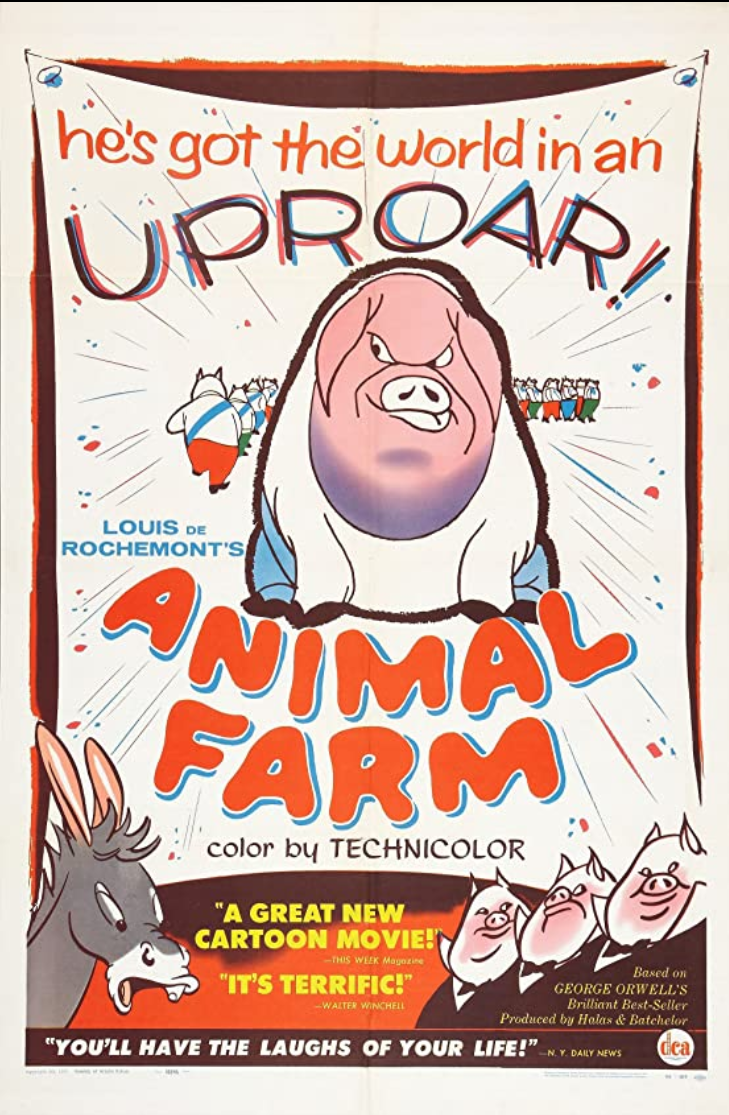
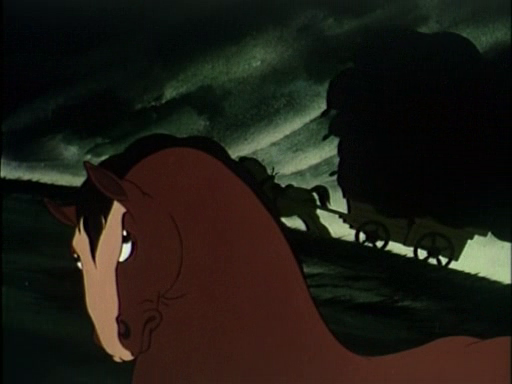
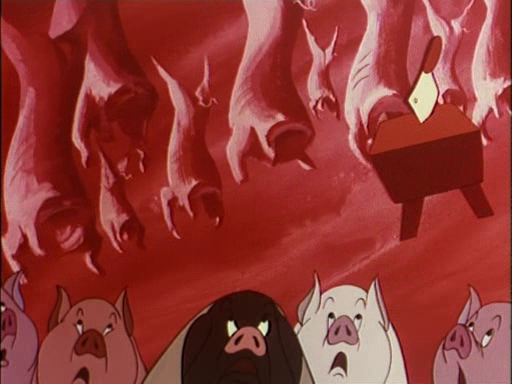
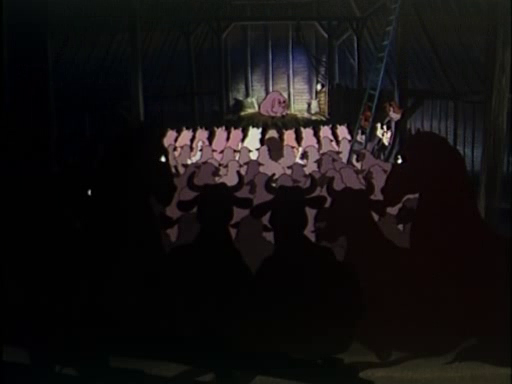
“No animal shall kill another animal. All animals are equal.”
|
Synopsis: |
|
Genres, Themes, Actors, and Directors:
Review: Redeeming Qualities and Moments:
Must See? Categories (Listed in 1001 Movies You Must See Before You Die) Links: |
“What the country needs is money, and it’s up to you to get it for me!”
|
Synopsis: |
|
Genres, Themes, Actors, and Directors:
Review:
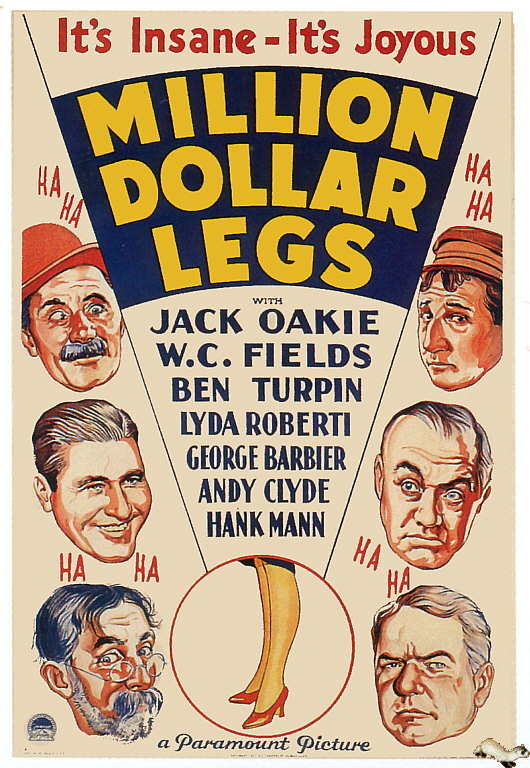
Note: The film’s title most likely refers to the insanely fast running speed of Klopstokia’s Major Domo (Andy Clyde), but is still rather a strange choice. Redeeming Qualities and Moments:
Must See? Links: |
“He didn’t get that nose from playing ping-pong.”
|
Synopsis: |
|
Genres, Themes, Actors, and Directors:
Response to Peary’s Review:
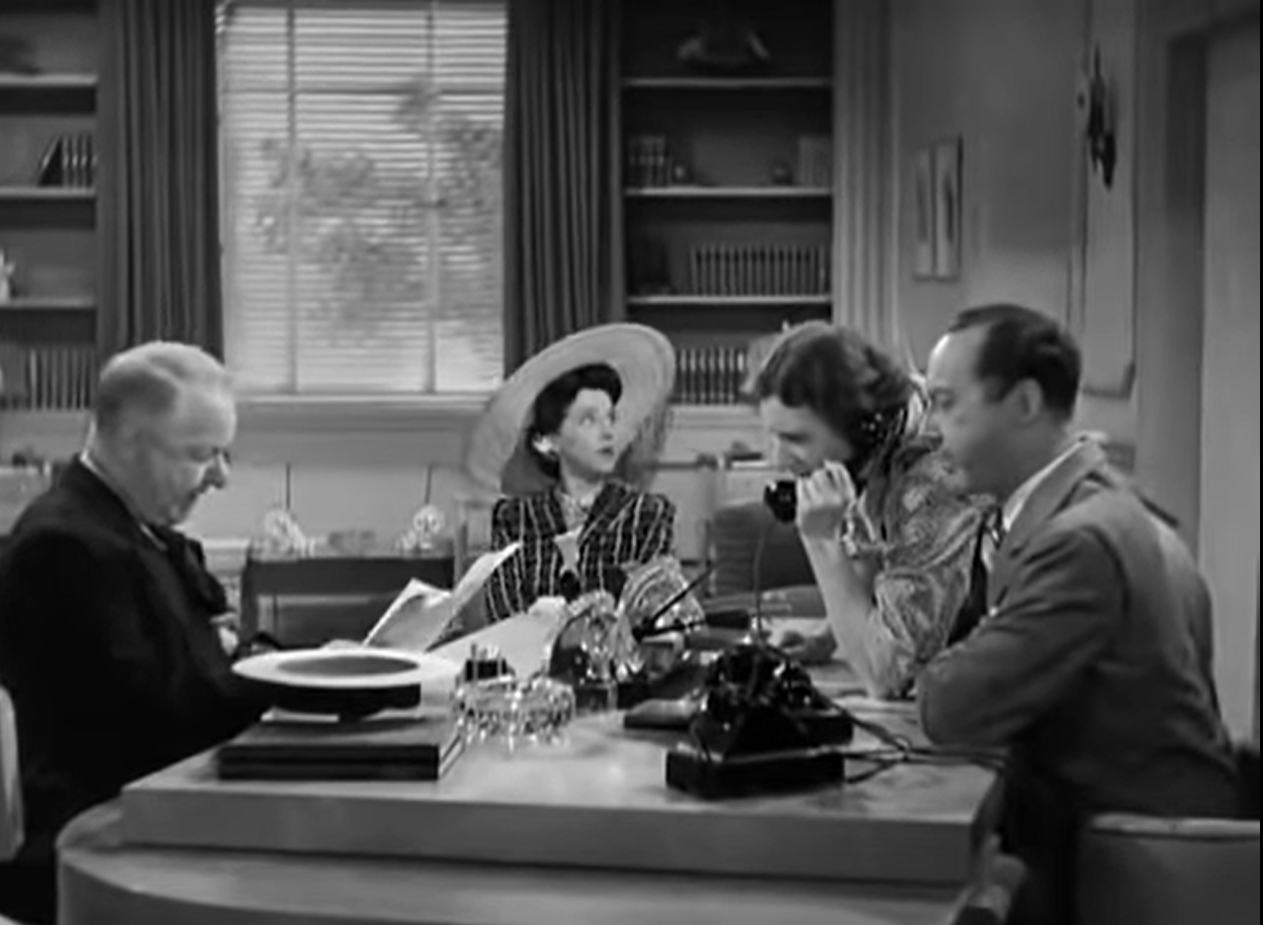
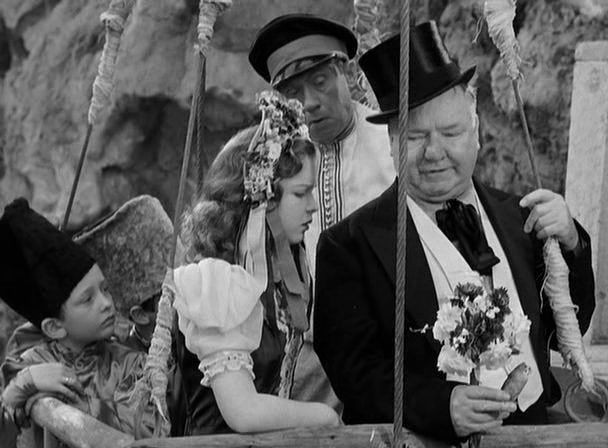
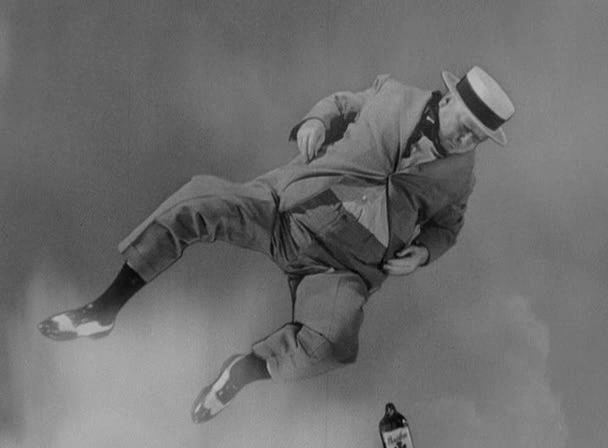
transpires in a fantastical alter-universe: Fields is traveling with his niece, Gloria Jean, on an airplane, when suddenly he “leaps… to retrieve his whiskey bottle and falls thousands of feet before landing safely on Margaret Dumont’s mountaintop estate, where she lives with her pretty young daughter:
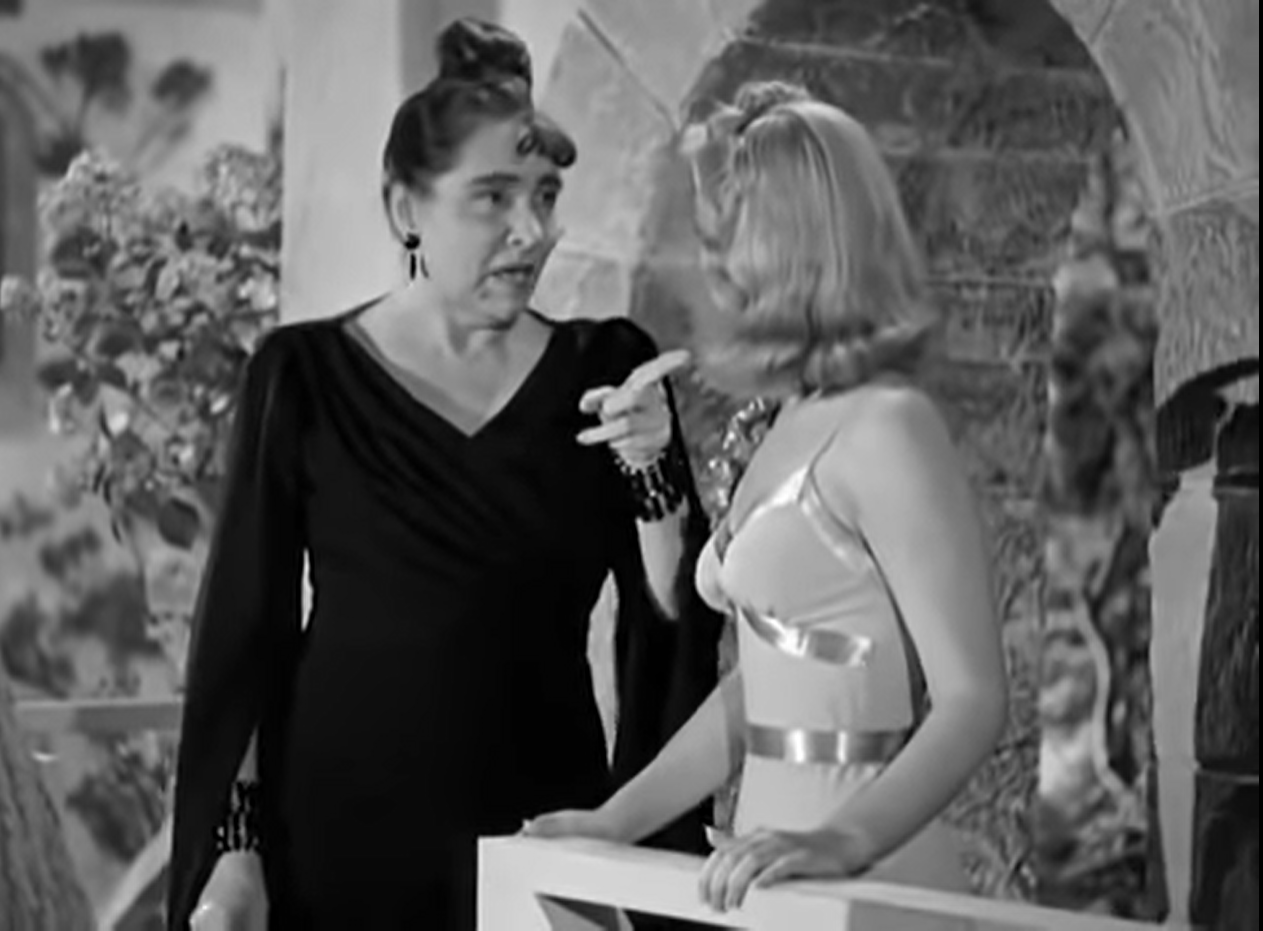
… a gorilla:
… and [a] Great Dane with fangs”:
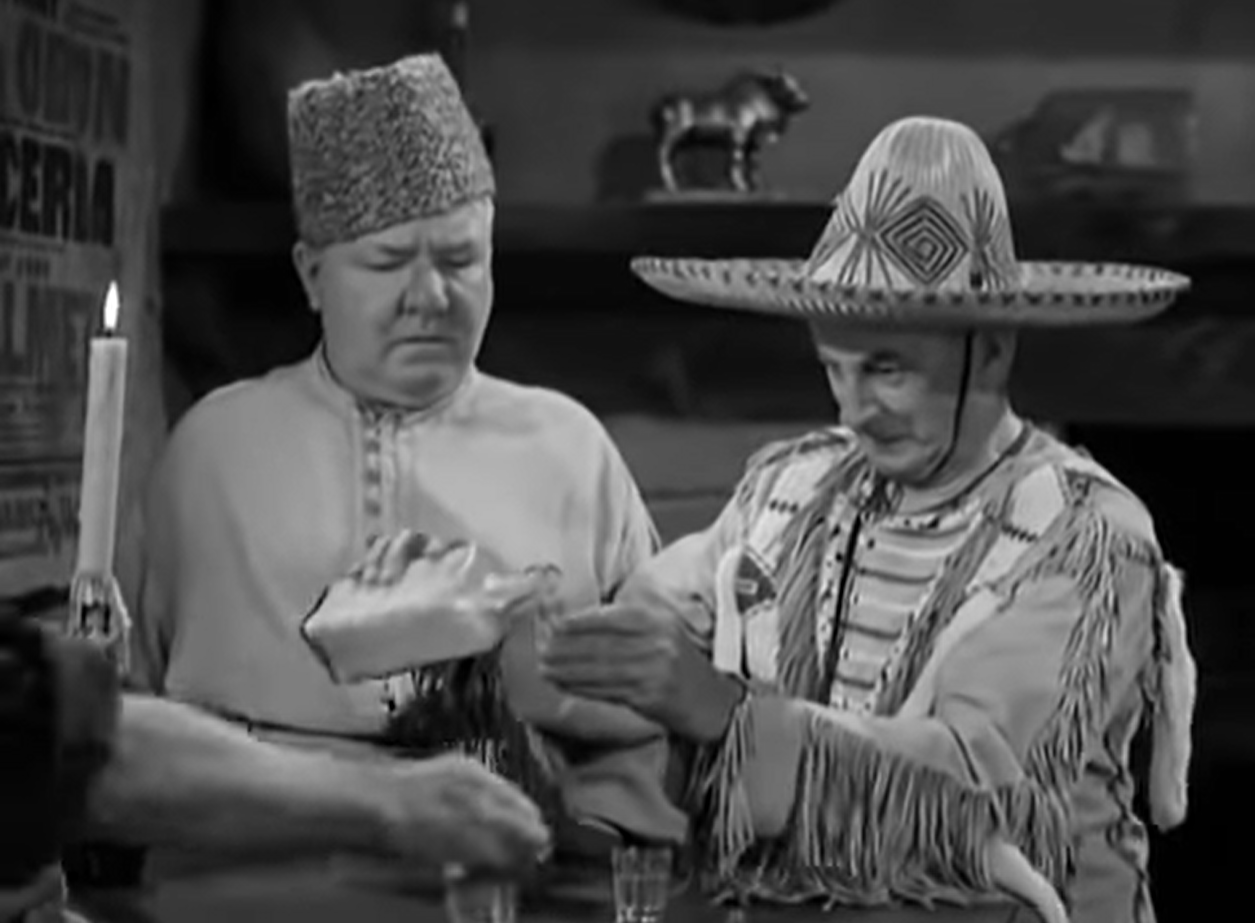
… and later arrives at a Russian village in Mexico (!). Truly, the preposterous scenario proposed by Fields — which Pangborn, naturally, rejects as “impossible, incomprehensible, inconceivable; and besides that, it’s no good” — seems to be the loopy product of both Fields’s accumulated years of experience on wackily hybrid studio sets (viz. the film’s opening sequences), and his constant inebriation, which is referenced continually throughout both the meta-narrative and the fantasy film. In one classic scene, for instance, Fields enters “an ice-cream parlor, where, before blowing the head off his ice-cream soda, he turns to us to reveal that censors wouldn’t let him stage the scene in a saloon”. Within the fantasy film, numerous laughs are milked (sorry) when Fields shares a stiff drink of goat’s milk (!) with an engineer (Emmett Vogan):
Fields would find intoxicating substances under a rock if necessary, it seems. At any rate, your enjoyment of this film will ultimately depend upon how much you’re willing to forgo straightforward narrative in favor of something much more — dare I say, post-modern? Rewatching it again last night, after viewing and posting on numerous “pure” Fields films, I find myself enjoying it perhaps most of all, simply for its perversely illogical and “messy” status. Knowing in hindsight that this was to be Fields’s final starring role, it could be viewed as an especially apt “sayonara” — i.e., Fields’s attempt to throw everything plus the kitchen sink into his grand finale. At the same time, as Dave Kehr notes, the film “has an appealingly inward, mournful quality, as if it were a swan song that only its singer could hear. Unconcerned with reaching the audience, Fields seems to be muttering to himself through much of the movie, his barely audible remarks often achieving a strange poetry: ‘The chickens lay eggs in Kansas. The chickens have pretty legs in Kansas.'” Note: My single favorite moment (over in an instant): Franklin Pangborn, agitatedly trying to help Gloria Jean rehearse, is momentarily caught up in a male chorus line dancing through the studio.
Redeeming Qualities and Moments:
Must See? Categories
Links: |
“I don’t believe that talk, Henry. I believe she is a good girl, no matter what anyone says.”
|
Synopsis: |
|
Genres, Themes, Actors, and Directors:
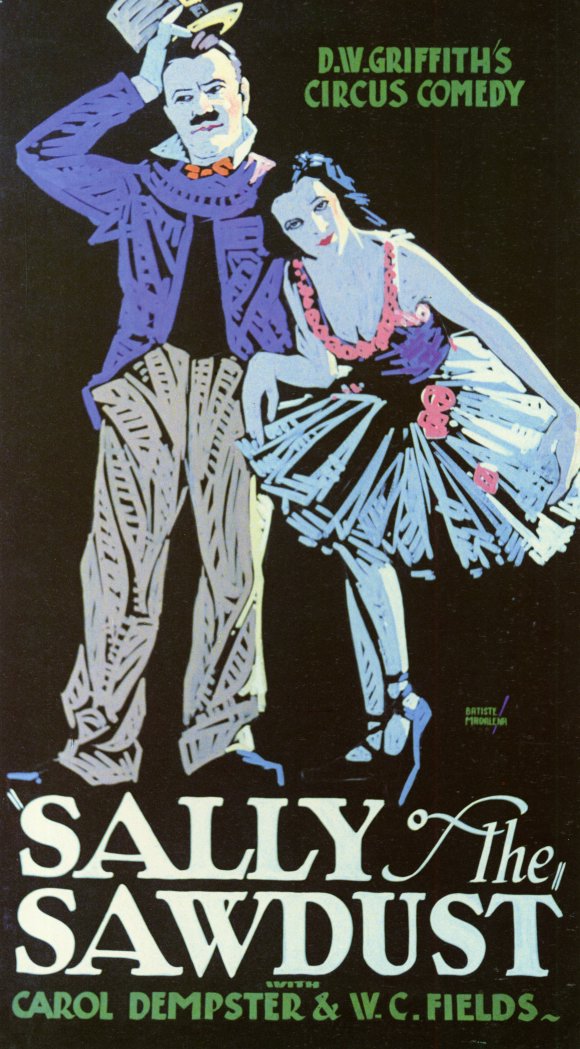
Review: Note: Apparently Dempster’s best role was in Isn’t Life Wonderful? (1924), a highly regarded Griffith film which isn’t listed in Peary’s book, and which I haven’t seen. Redeeming Qualities and Moments:
Must See? Links: |
“Detectives in glass houses shouldn’t wave clues.”
|
Synopsis: |
|
Genres, Themes, Actors, and Directors:
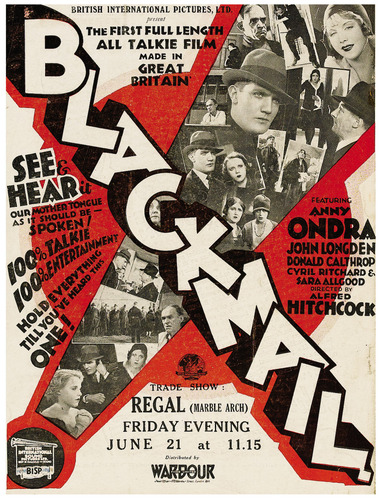
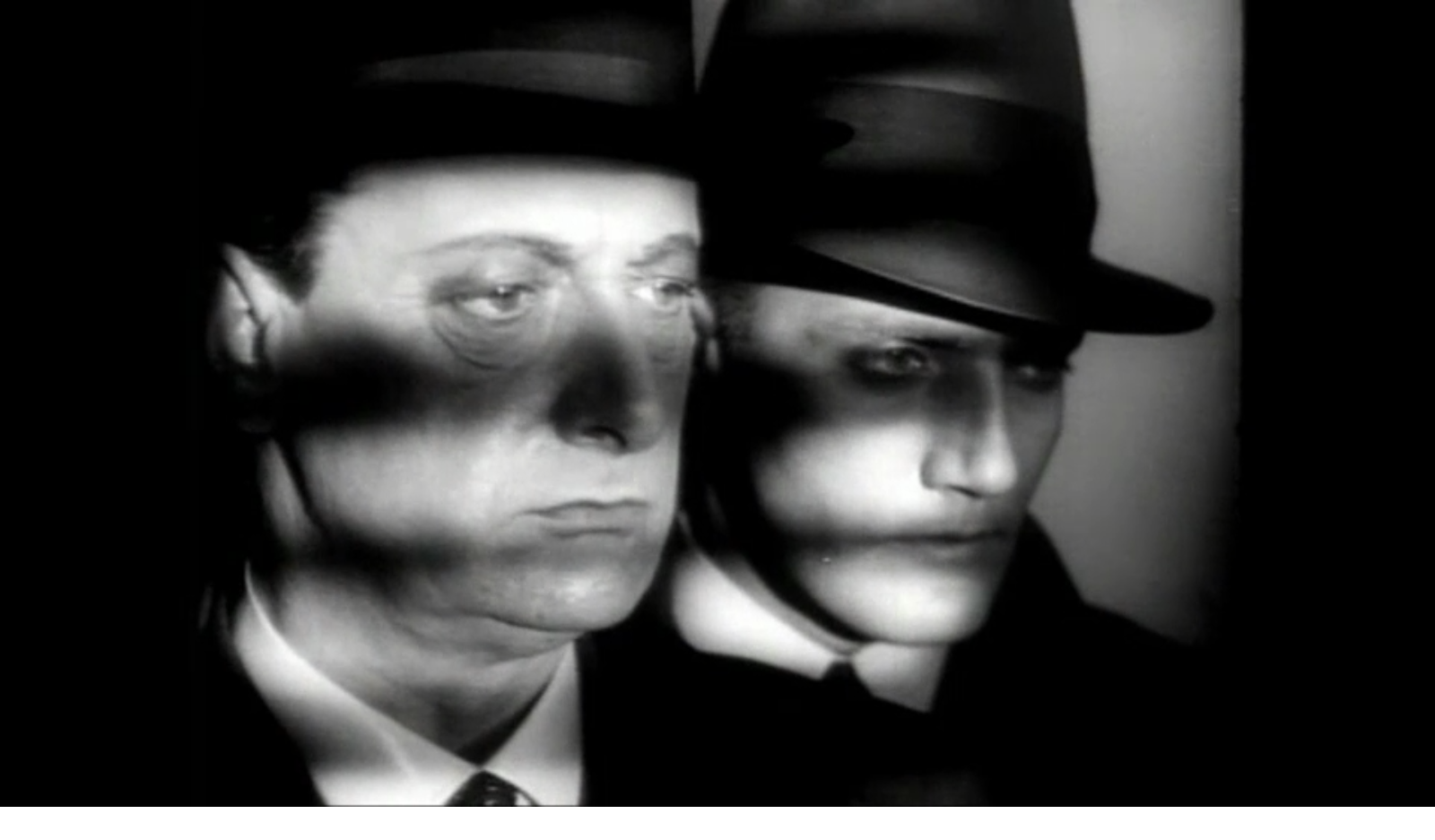
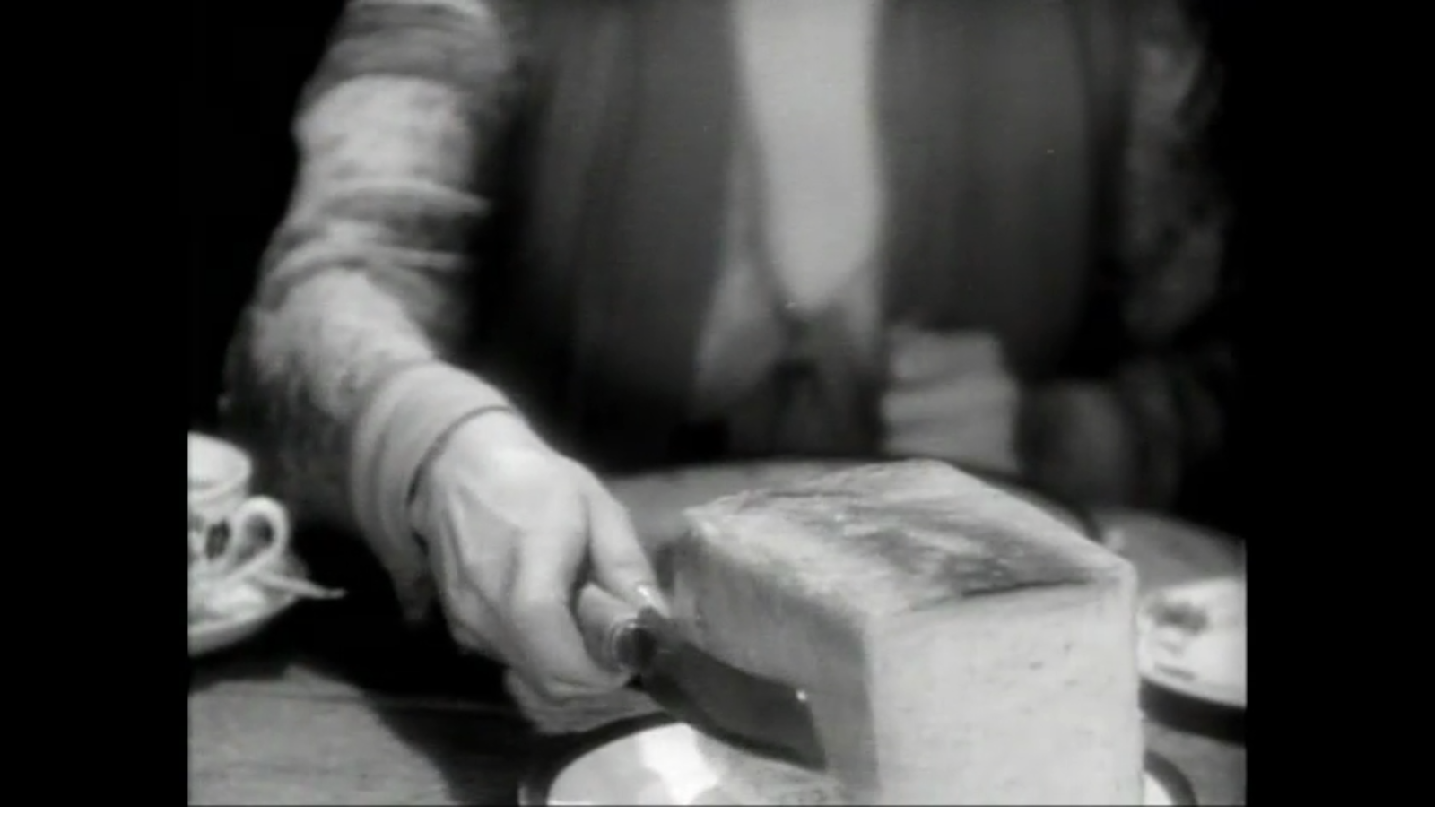
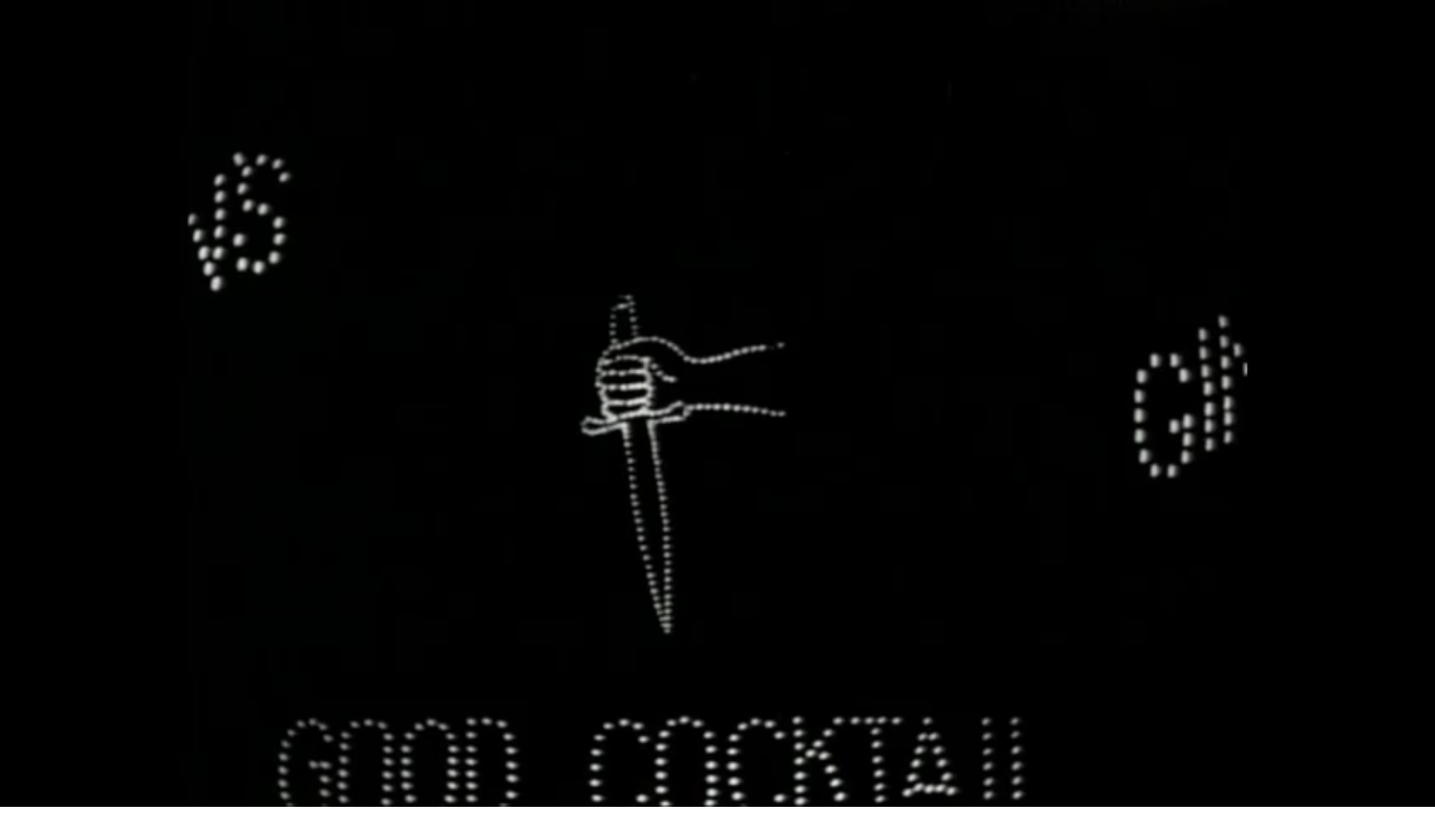
Review: Note: Hitchcock filmed a silent version of this movie as well, which is available on the DVD release. Even the “talkie” edition, however, starts off (for the first 8 minutes) mostly like a silent film, with just a few noise effects added — so be patient. (I mention this because I wondered for a while whether I was watching the “right” version.) Redeeming Qualities and Moments:
Must See? Categories
(Listed in 1001 Movies You Must See Before You Die) Links: |