Bride of Frankenstein (1935)
“Science — like love — has her little surprises.”
|
Synopsis: |
|
Genres, Themes, Actors, and Directors:
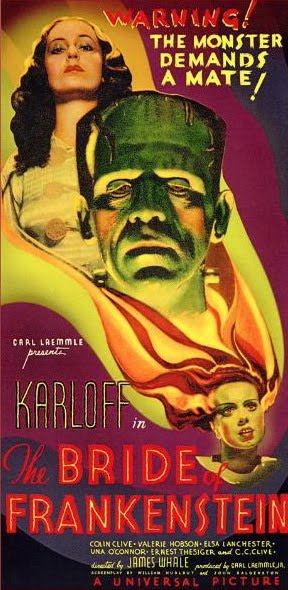
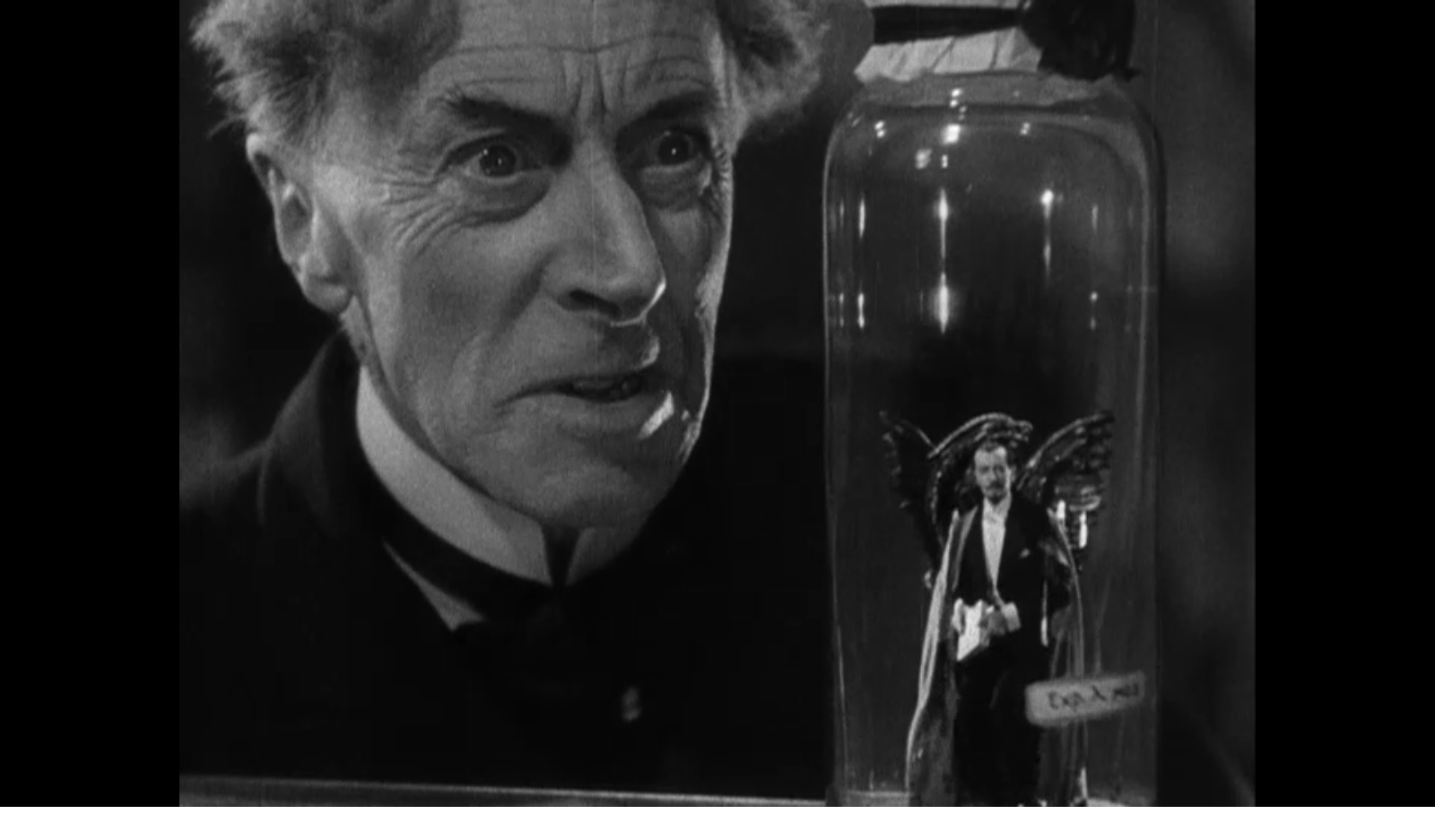
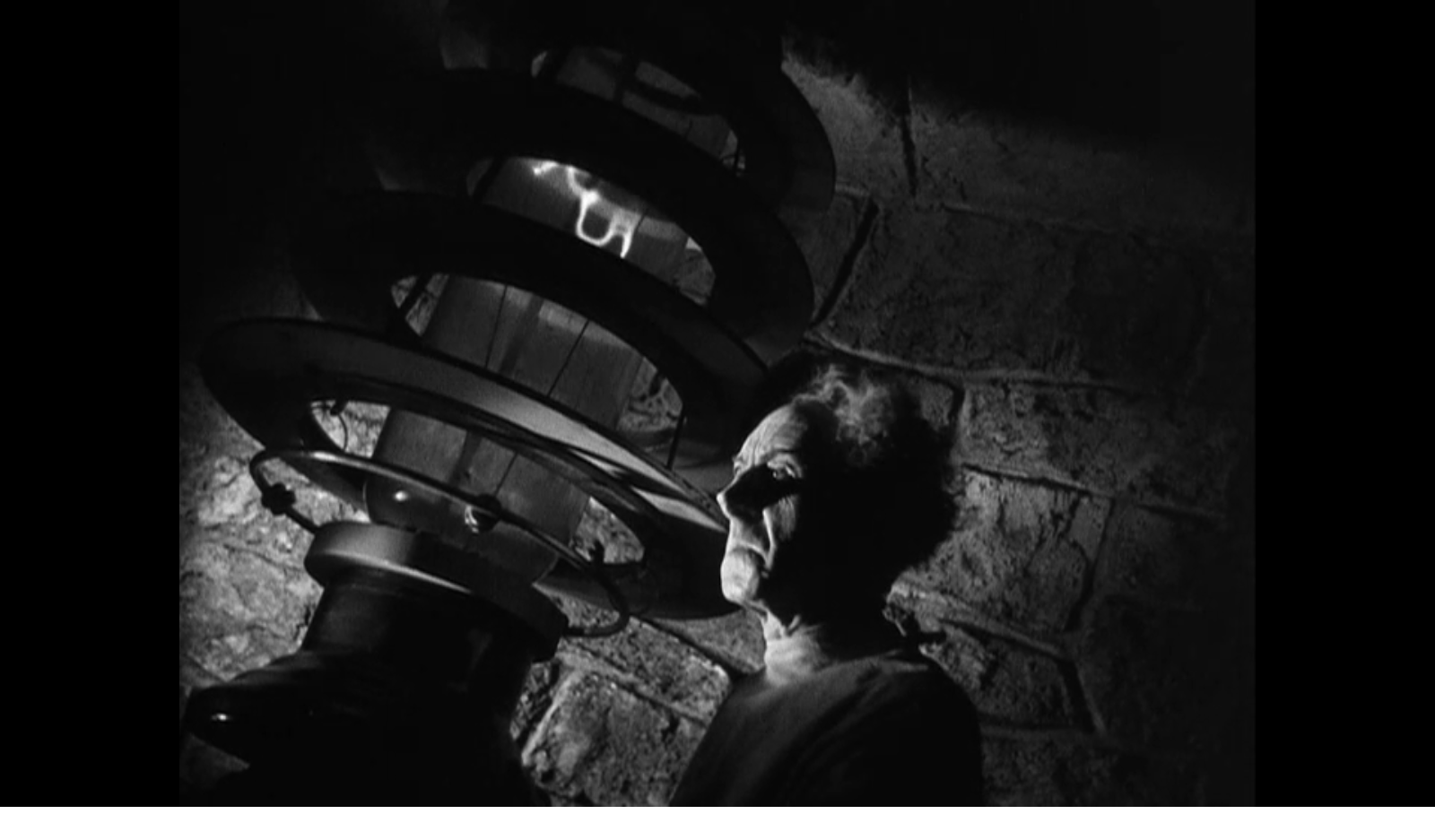
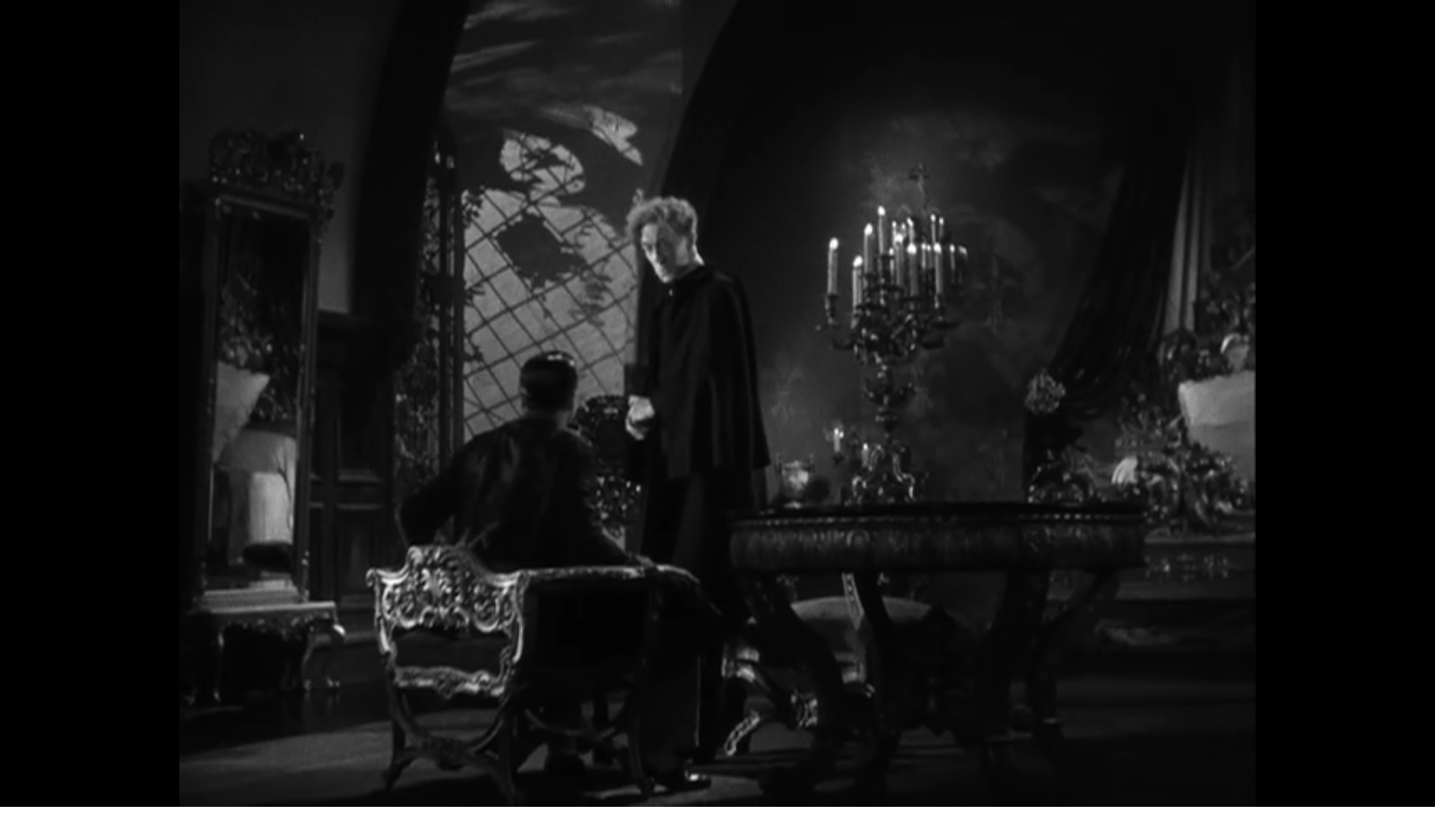
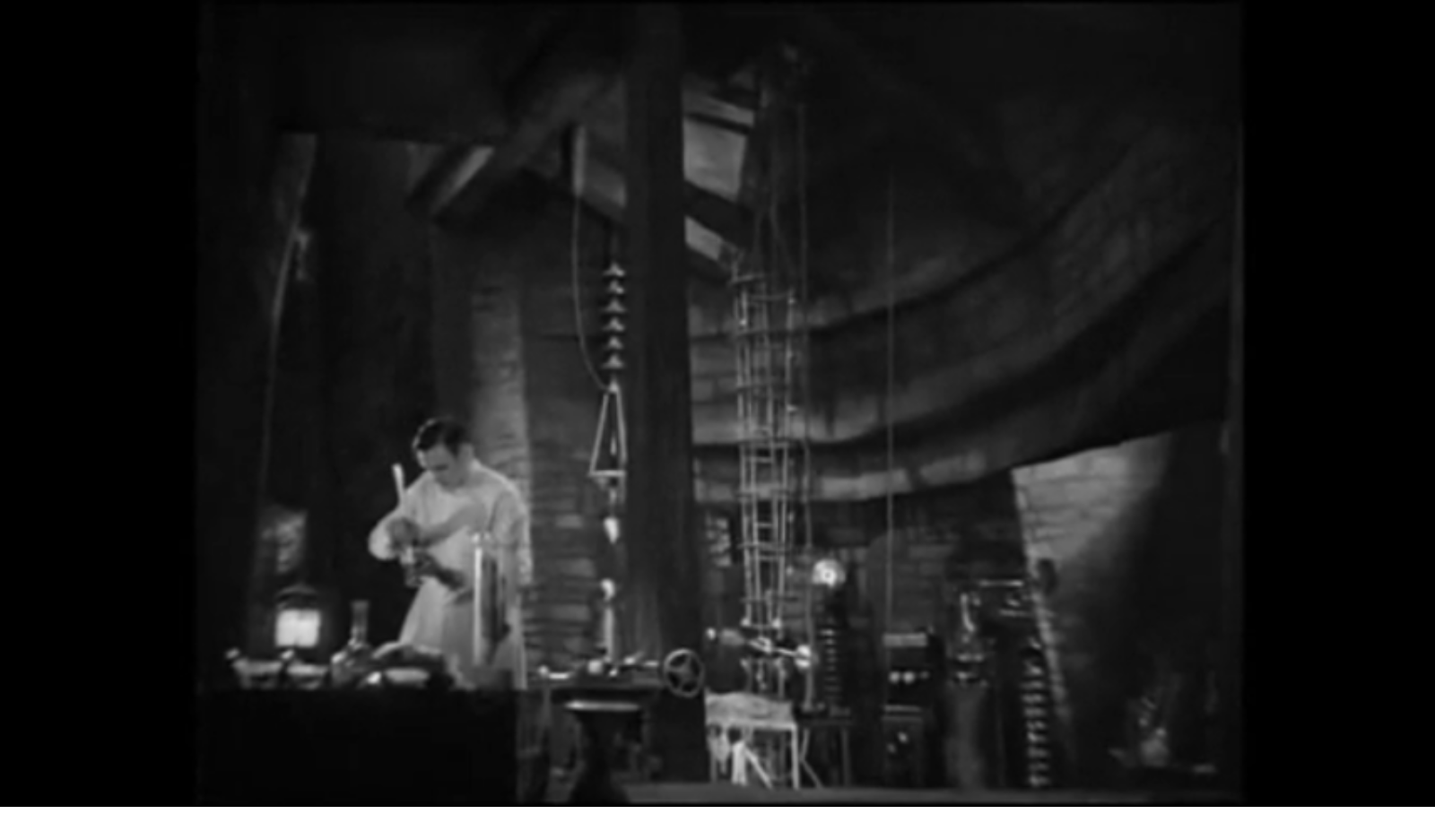
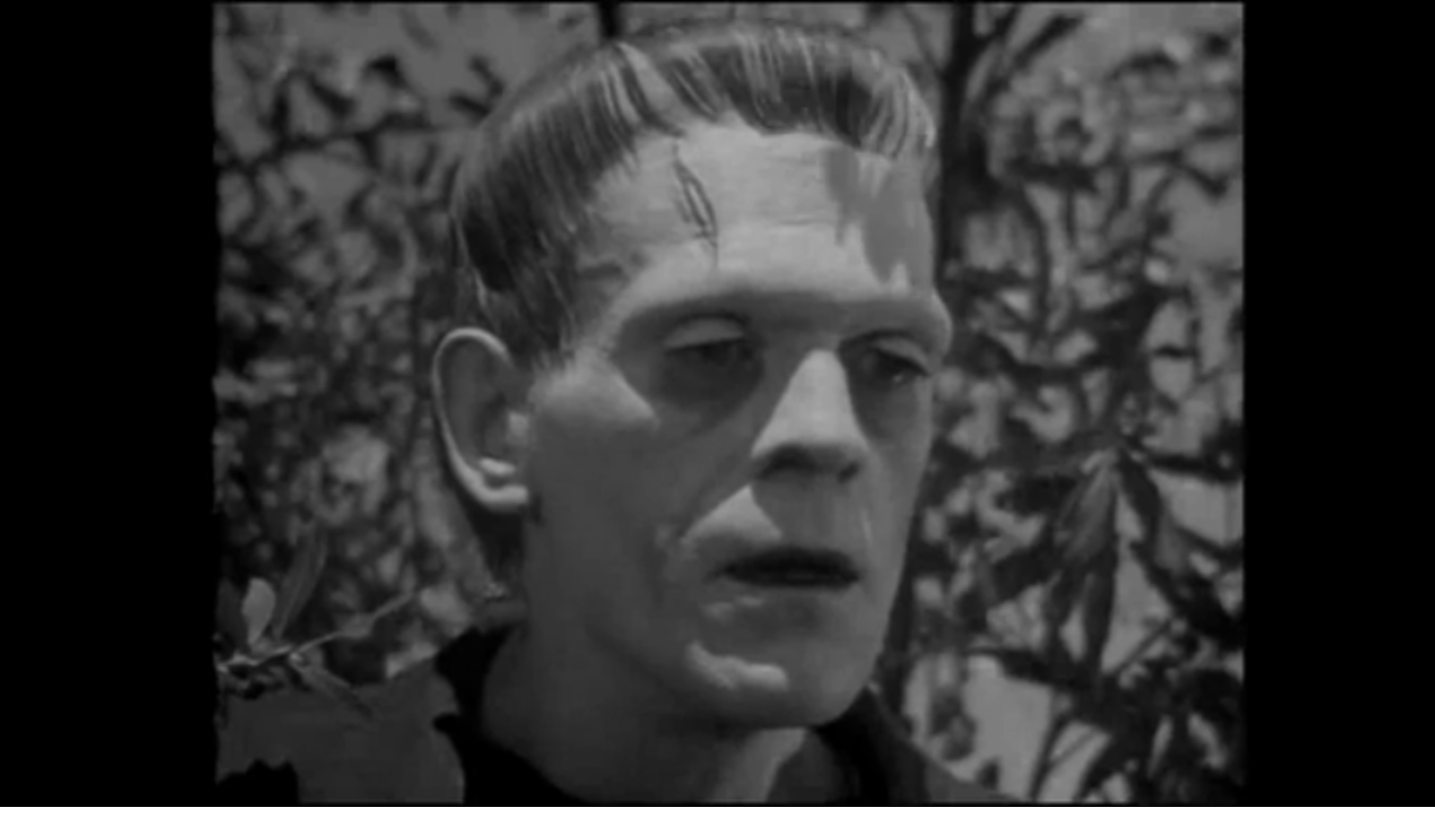
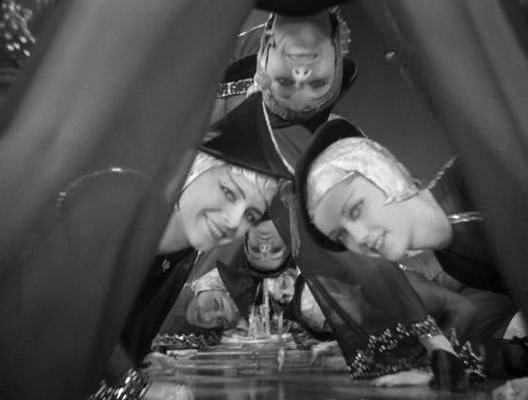
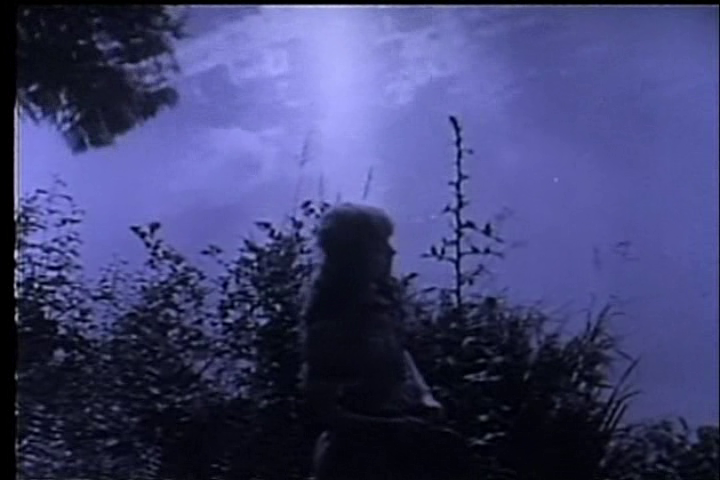
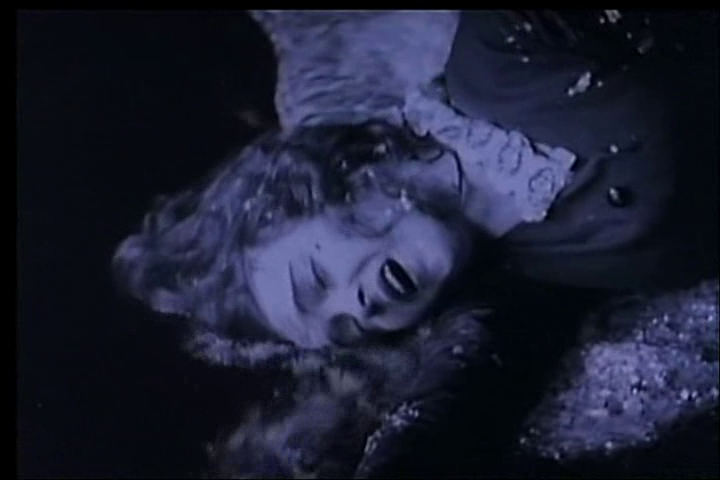
Response to Peary’s Review: At any rate, Peary goes on to argue that this second film “is not cold, bleak, or depressing like the original” (apples and oranges, anybody? I find nothing wrong with the first film having more of this tone), and that it “has a higher budget [so that] the production values breathe life into the story” (though again, I found the production values just fine in the original). He notes that “the claustrophobic castle and laboratory sets are balanced by spacious, candle-lit chambers with shiny floors and columns, all covered with shadows”, and exclaims (rightfully so) over “how wonderful the expressionistic forest [is]!” As Peary points out, “neither Whale nor cameraman John Mescall strove for realism”, given that this “film is meant to be a visualization of a story”. He calls out the way Whale “has fun with the four stars’ angular faces”, shooting them “in tremendous close-ups, often using wild camera angles” — indeed, it’s this particular element of the film that strikes one as most innovative and astonishing. (“Really? He’s filming from THAT perspective?!” you’ll find yourself wondering aloud.) Peary accurately argues that the 5’4″ Lanchester is “marvelous in her brief appearance as the Bride”, walking on “2 1/2-foot stilts that make her movements birdlike” — yet despite her visual dominance in our collective consciousness of this film, she’s really a very minor character, not showing up until the very end, and on-screen for less than five minutes. Thus, Peary’s right to note that “it is Karloff’s touching performance” (as in the original) “that makes this film great.” While he’s “almost hidden beneath Jack Pearce’s remarkable make-up, his sensitive eyes still come through, expressing the Monster’s feelings”. Peary sums it up perfectly: “With Karloff in the part, the Monster is eloquent even when silent”. Just as memorable, however — and arguably an equally essential ingredient in the film’s success — is the bold performance given by Thesiger as “one of the genre’s most eccentric scoundrels”. Whenever this angular villain is on-screen, we simply can’t look away — particularly as he’s showcasing his display of miniaturized humans, each perfectly realized, and reminding one of the expert special effects work done a year later in Tod Browning’s The Devil Doll. Redeeming Qualities and Moments:
Must See? Categories
(Listed in 1001 Movies You Must See Before You Die) Links: |