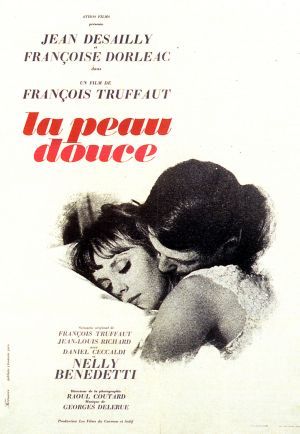
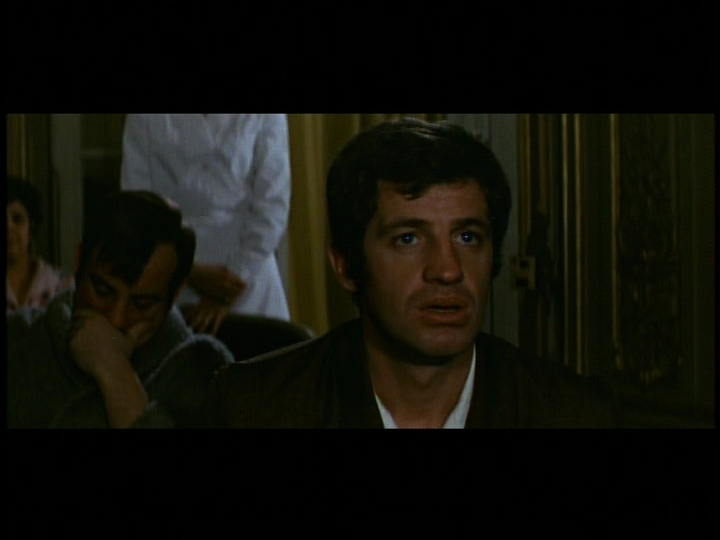
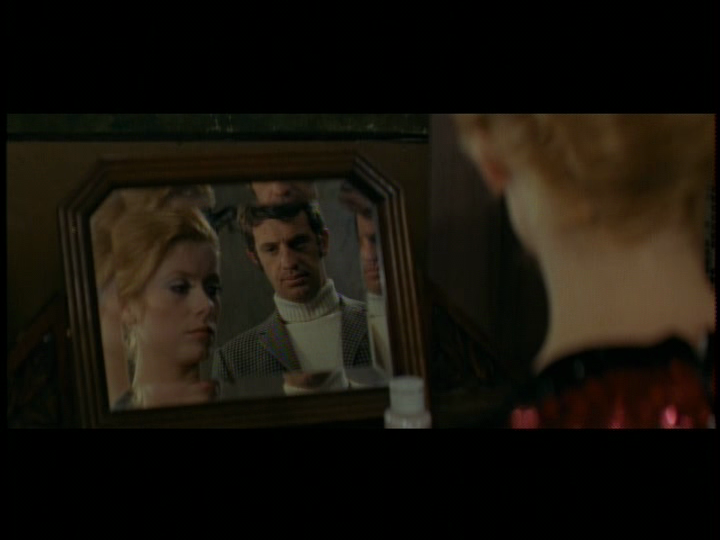
Jules and Jim (1962)
“Jim accepted it. She belonged to Jules.”
|
Synopsis: |
|
Genres, Themes, Actors, and Directors:
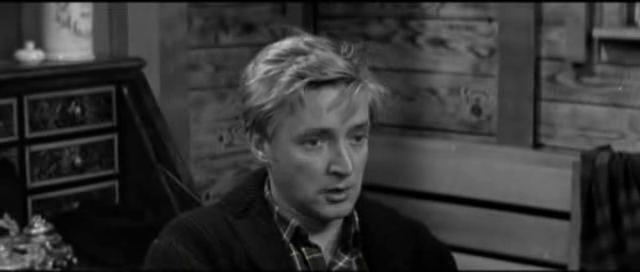
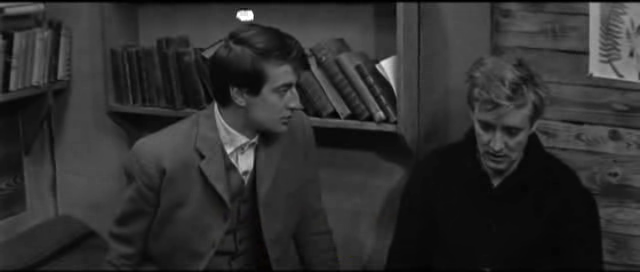
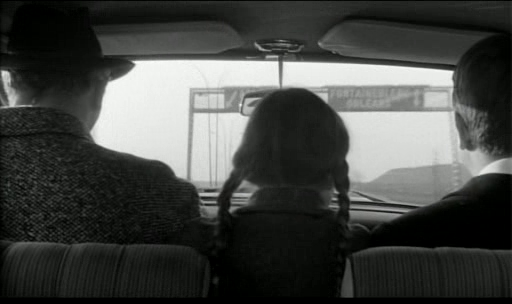
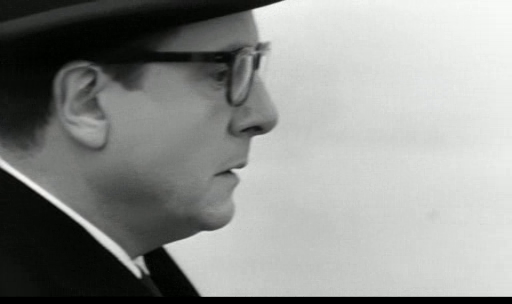
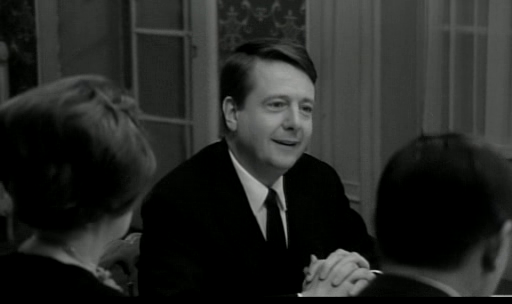
Response to Peary’s Review: Interestingly, while many critics seem to agree that this film is really more about Catherine than about the title characters, I remain most fascinated by the relationship that evolves between Jules and Jim, with Catherine simply serving as a mediating (and binding) influence between them. As the film opens, we’re told the accelerated story of how Jules and Jim “met”, which comes across as awfully close to a romantic infatuation:
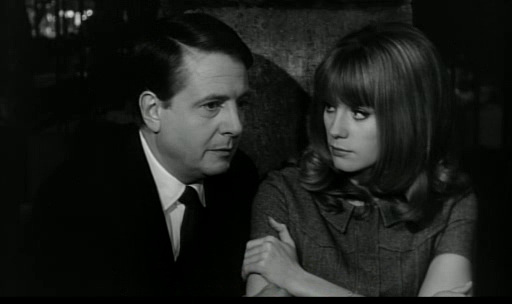
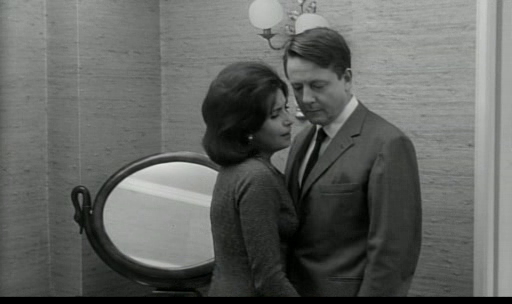
Of course, the story then immediately segues into the film’s decidedly heterosexual central premise — the fact that Jules “had no girls in Paris” but wanted one, and how, because “Jim had several”, he introduced a few to Jules. But the solidity and tenderness of Jules and Jim’s friendship has already been firmly established by this point; they are two of a kind, as evidenced in a charming taxi scene involving Marie Dubois’ delightfully anarchic “Therese”, who gets their names mixed up time and again, and doesn’t really mind which one she ends up spending the night with. Even during the first pivotal turning point in the film — when Jules quietly insists to Jim that Catherine is “hers” and not to be shared — we’re pleasantly surprised to see that Jim accepts this assertion, rather than arguing or pouting. He knows that his friendship with Jules is ultimately what’s most important, and while he can’t help his own feelings for Catherine, he respectfully stays out of their romance. After a “brief” interlude of wartime (Jim admits, “Sometimes, I’m afraid I’ll kill Jules during a battle”), Jules eventually realizes that Catherine is not happy within the idyllic homelife he’s carefully crafted for their little family, and understands that he must allow Jim and Catherine’s infatuation to manifest itself physically. From this point forth, Catherine’s “selfish actions” take center stage, and we sense that we’re watching a hopeless love triangle playing itself out to a bitterly unknown end. Jules in particular remains a haunting, relentlessly intriguing presence, and Werner perfectly embodies his weary resignation. I’ve focused my review here primarily on an analysis of the characters and their storyline, choosing just one of many interesting elements (Jules and Jim’s friendship) to explore. Equally worthy of analysis, however, is the fact that Truffaut — basing his film on an autobiographical novel by Henri-Pierre Roche — so boldly explores the nature of an “open” relationship, at a time when such a topic was rarely hinted at, let alone given center stage in a film. But what ultimately makes Jules and Jim such an enduring classic is the way in which it is told: it truly epitomizes the French New Wave, with its unconventional editing, compressed narrative structure, shifting camera styles, and thematic interest in freedom from societal constraints. While The 400 Blows (1959) remains my personal favorite among Truffaut’s oeuvre, Jules and Jim is equally relevant to any film fanatic’s understanding of this unique period in cinematic history, and is certainly must-see viewing at least once. Redeeming Qualities and Moments:
Must See? Categories
(Listed in 1001 Movies You Must See Before You Die) Links: |