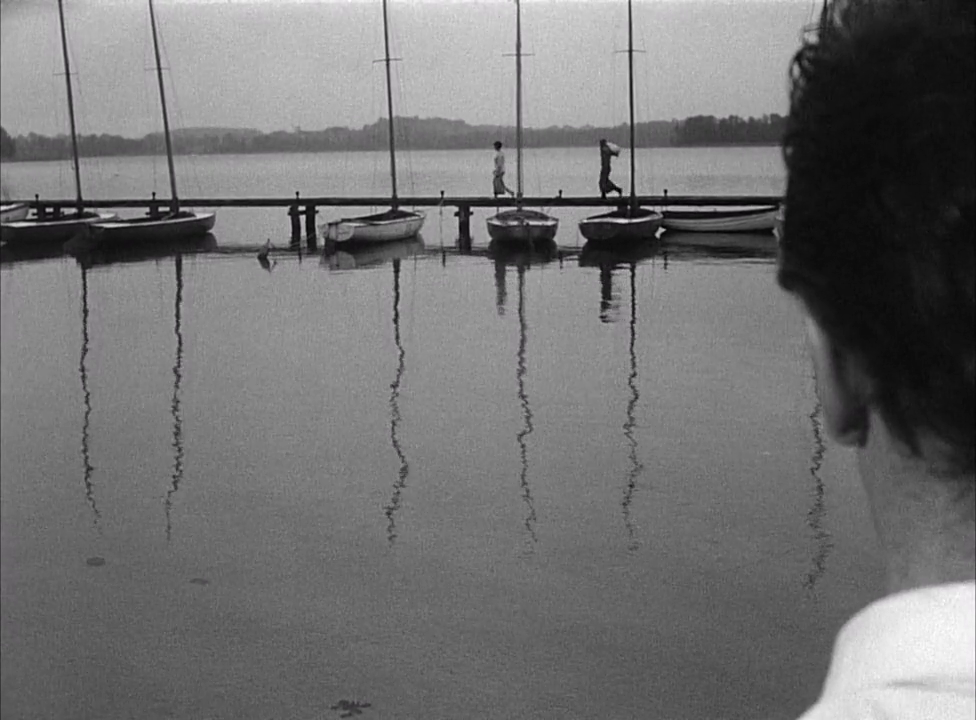
Knife in the Water (1962)
“On the water, you need to have reflexes.”
|
Synopsis: |
|
Genres, Themes, Actors, and Directors:
Review: Redeeming Qualities and Moments:
Must See? Categories
Links: |
“On the water, you need to have reflexes.”
|
Synopsis: |
|
Genres, Themes, Actors, and Directors:
Review: Redeeming Qualities and Moments:
Must See? Categories
Links: |
“Fortune smiles on the brave and spits on the coward.”
|
Synopsis: |
|
Genres, Themes, Actors, and Directors:
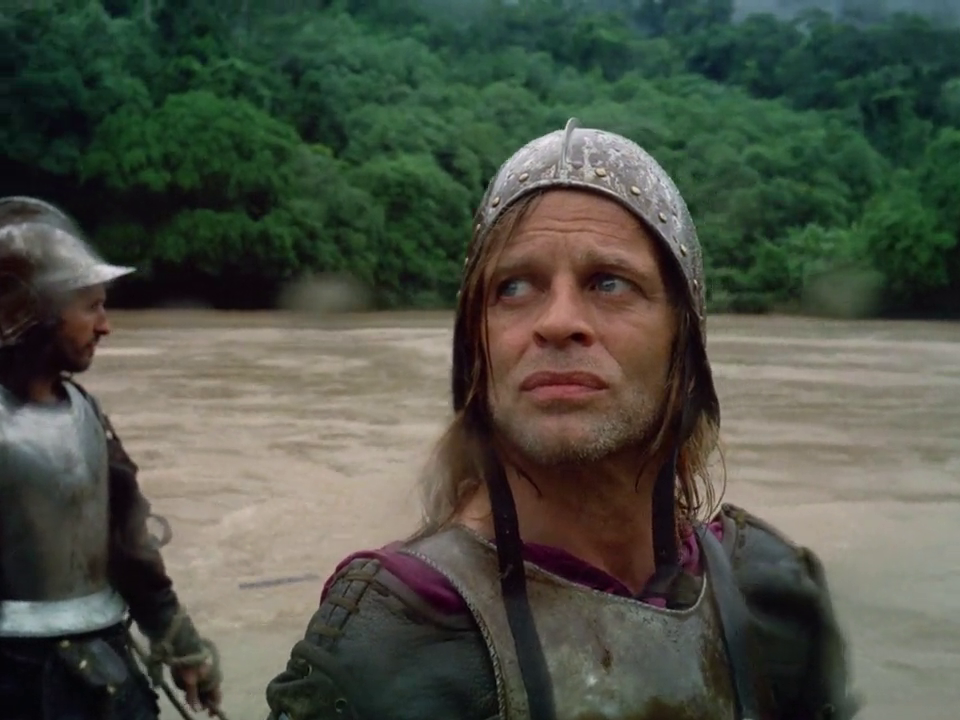
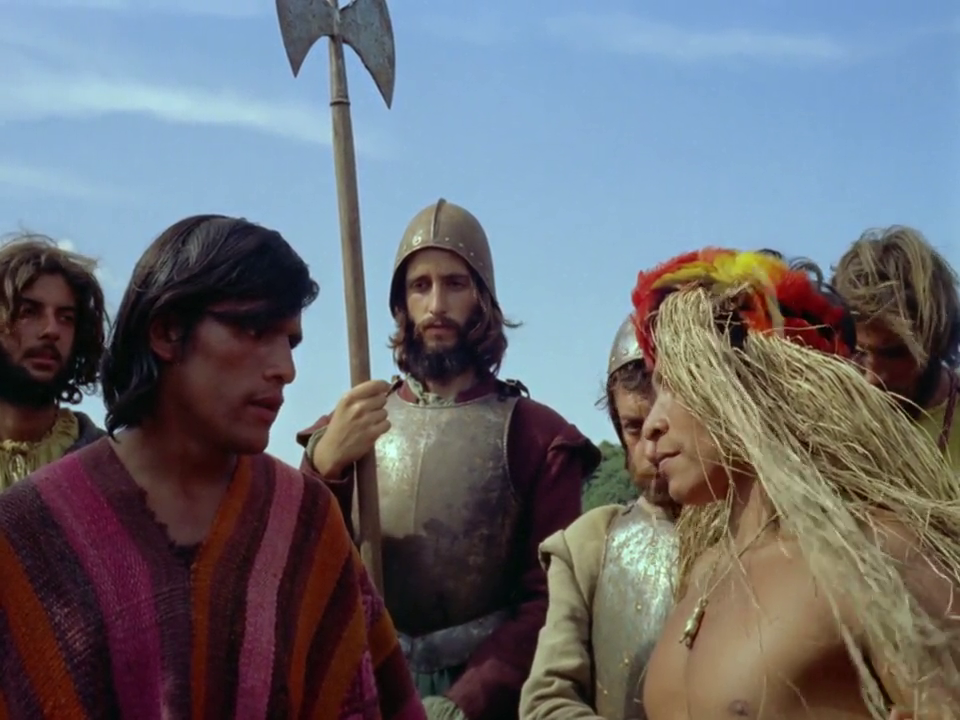
Response to Peary’s Review: Peary points out that “Aguirre himself has little dialogue, and that is delivered without emotions, but seconds after we first see Kinski — sneering and snarling, gnarled like Richard III, standing at an angle as if to signify he’s at odds with the world, twisting his head before moving his body — we recognize that he is contemptuous of the world and tortured by inner demons.” Peary argues that “certainly Aguirre is meant to represent Hitler (though George Armstrong Custer also is appropriate)”, but “his consistently poor leadership and frustration are treated with such mock delight by Herzog that there’s evidence Aguirre is used as a comic villain, and the film itself is, though somberly presented, a comedy about a most embarrassingly unsuccessful expedition, carried out not by heroic figures, but by nefarious Spanish imperialists who deserved the sad end Herzog happily writes for them”. Peary concludes his GFTFF review by noting that “Popol Vuh’s music contributes greatly, making the journey come across as a funeral procession.” Peary’s comprehensive review (elaborated upon in Cult Movies) nicely describes this incomparable film, “whose very production seems too remarkable to comprehend.” It’s well worth viewing, numerous times. Redeeming Qualities and Moments:
Must See? Categories (Listed in 1001 Movies You Must See Before You Die) Links: |
“I want to arise, and push everything up with me as I go.”
|
Synopsis: |
|
Genres, Themes, Actors, and Directors:
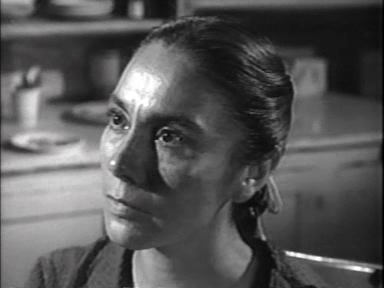
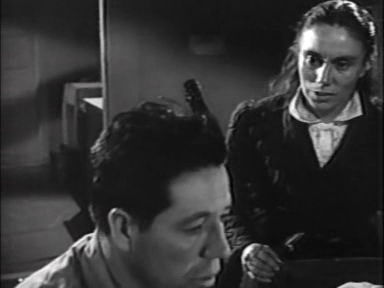
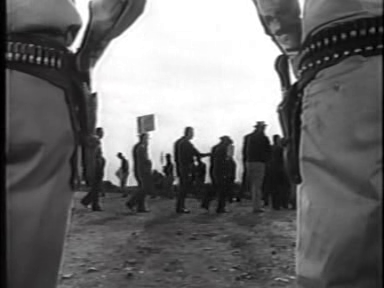
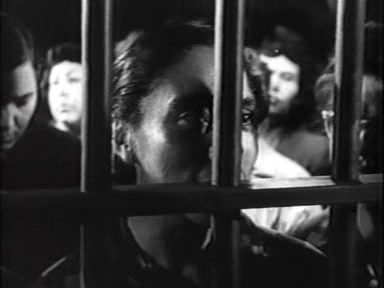
Response to Peary’s Review: Despite being “called a subversive film in Congress and the New York Times before its release”, this is actually a “pro-human rather than anti-American” film, one “which makes no pitch for revolution — just solidarity against the power elite, encompassing racial brotherhood and sexual equality”. Peary notes that the “script was written with cooperation of the participants in the strike, many of whom act in the film”, and that “we are touched by the characters because they are not epic figures — only when they stand together do they take on heroic proportions.” This engaging film (one that “lives up to the legend”) possesses “many scenes [that] will cause smiles, tears, cheers”, and was selected by Peary (over On the Waterfront, which he doesn’t even nominate) as Best Movie of the Year in his Alternate Oscars, where he refers to it as “the greatest political narrative ever made in the United States.” In his Alternate Oscars review, Peary notes his pleasure in giving the award to a film “made by people blacklisted in Hollywood (director [Herbert] Biberman, producer Paul Jarrico, writer Michael Wilson, cinematographers Leonard Stark and Stanley Meredith, composer Sol Kaplan, [and] actor Will Geer, among them), television workers, and blacks not allowed in Roy Brewer’s segregated International Alliance of Theatrical and State Employees; was cast mostly with the working people the film is about; was condemned in the Hollywood Press, The New York Times, and by RKO box Howard Hughes and members of HUAC; was processed surreptitiously because Hollywood labs refused to handle it; was edited secretly; and was booked into only thirteen theaters nationally (and those theaters were picketed) because Brewer’s IATSE projectionists refused to show it.” With such a lengthy list of constraints, one might expect this movie to be both less polished and more pedantic than it is — but it remains surprisingly engaging, and more relevant than ever. It’s a pleasure to know, as Peary writes from taking with producer Jarrico, that it “has been seen, probably, by more people than any film in history.” Redeeming Qualities and Moments:
Must See? Categories
(Listed in 1001 Movies You Must See Before You Die) Links: |
“Sometimes you have to lose yourself before you can find anything.”
|
Synopsis: |
|
Genres, Themes, Actors, and Directors:
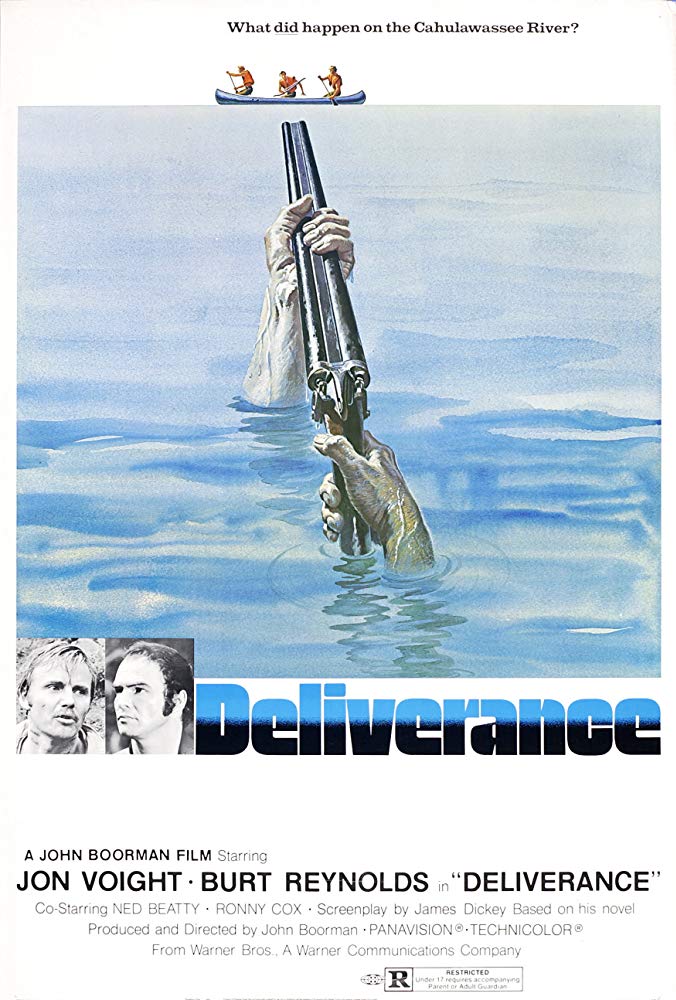
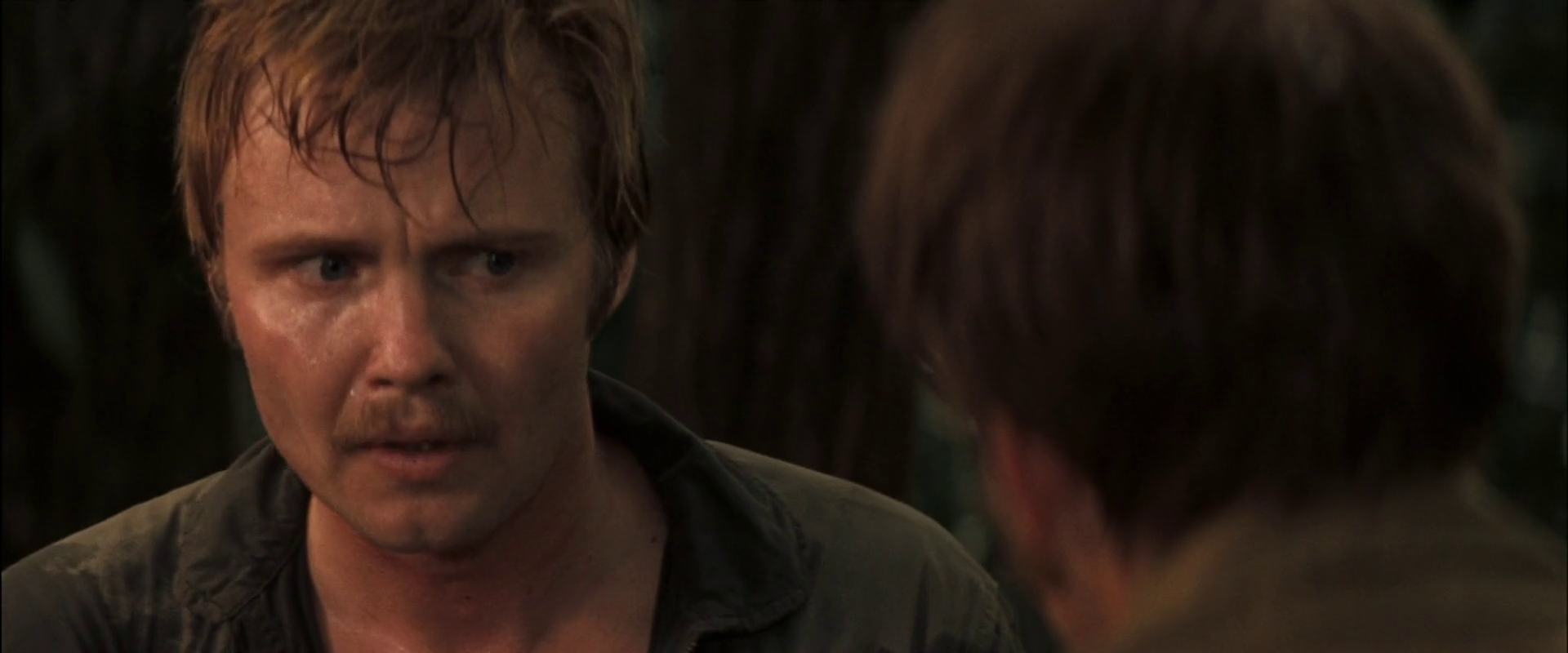
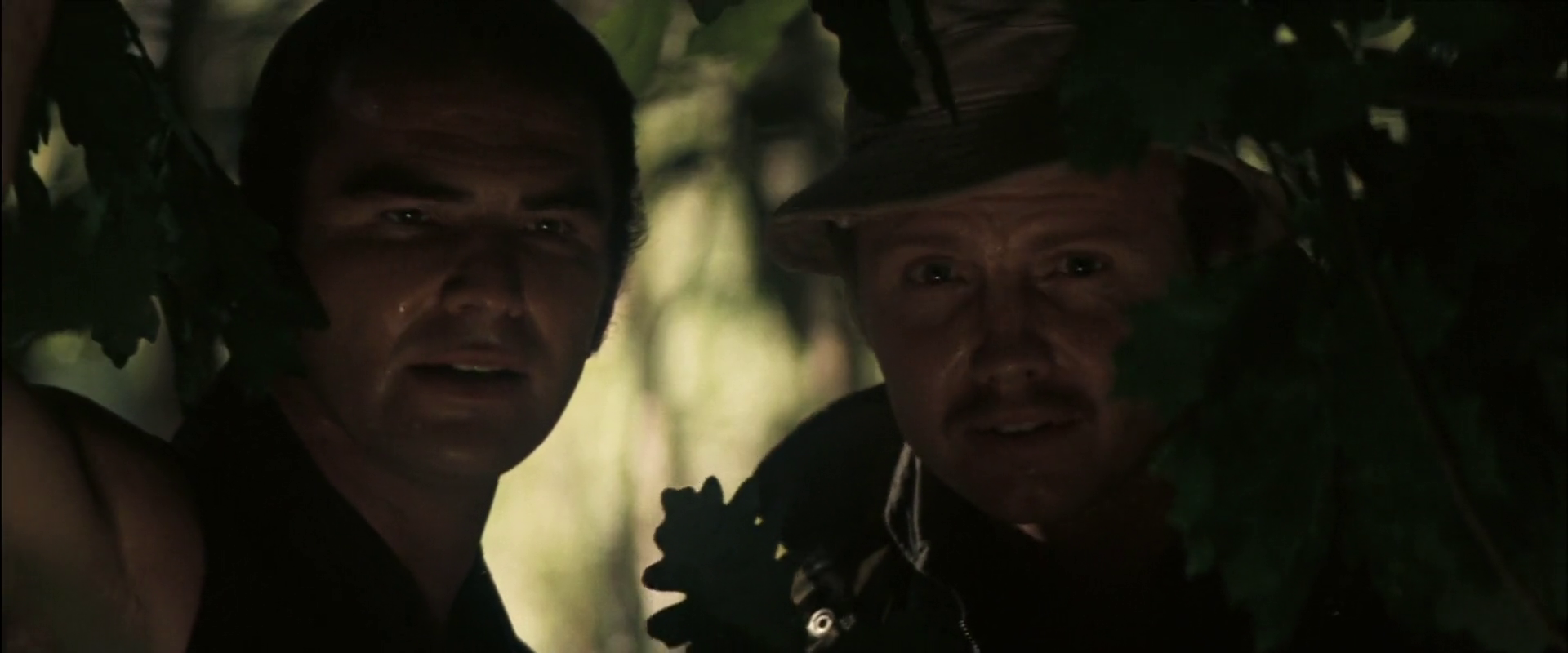
Response to Peary’s Review: Peary argues that the “film is both provocative and an extremely powerful nail-biter”, and adds the weirdly unnecessary caveat that “it’s too intense and violent for kids” (no kidding!!!). Finally, he points out that the movie is “beautifully filmed by Vilmos Szigmond”, and that a “highlight is when Cox plays ‘Dueling Banjos’ with a young hillbilly” (Billie Redden, a local who was cast for his appearance rather than actual ability to play the banjo). I have little to add to Peary’s accurate review, other than stressing that this is a film I fully acknowledge as brilliant, but don’t want to watch again for a really, really long time. With that said, I adore everything about the dueling banjos scene — from the creative camera angles (it’s no coincidence that Redden is placed far above Cox) and close-ups of Redden’s face, to the juxtaposition of the beginning of this scene with Reynolds’ negotiations to find drivers for their trip, to Beatty’s disparagingly throwaway comment about “genetic deficiencies” as Redden deftly strums, to the old man in a hat hopping around in dancing delight (while Beatty openly mocks him), to Cox’s humble admission near the end of the song (“I’m lost”) as Redden’s grin widens and he continues playing. This group does indeed become lost, unaware of the dangerous and impenetrable power dynamics they’re about to enter into. Redeeming Qualities and Moments:
Must See? Categories
(Listed in 1001 Movies You Must See Before You Die) Links: |
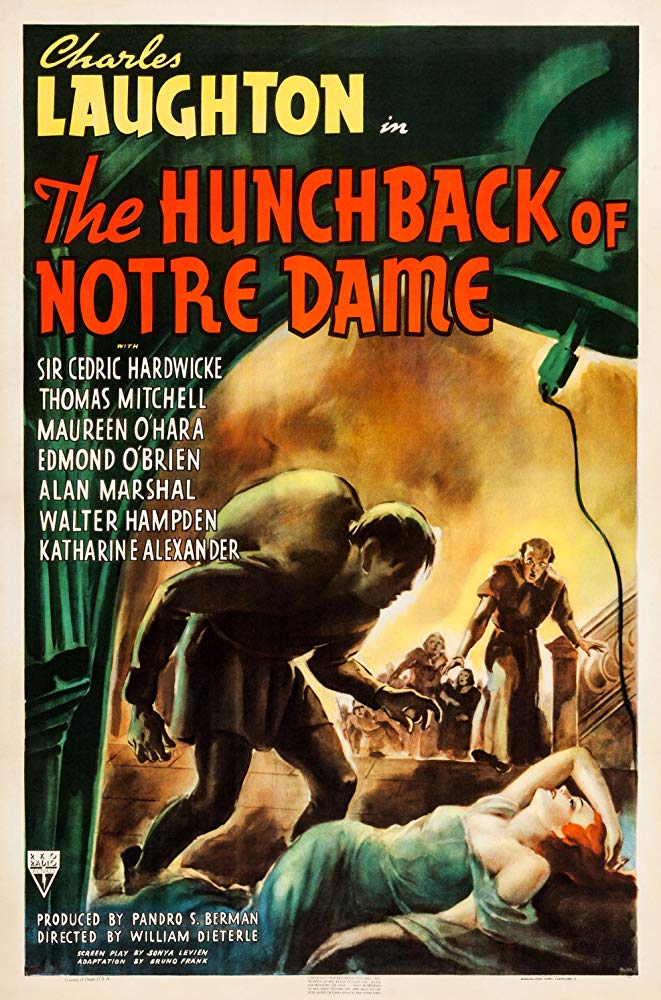
“I’m not a man and I’m not a beast. I’m as shapeless as a man on the moon!”
|
Synopsis: |
|
Genres, Themes, Actors, and Directors:
Response to Peary’s Review:
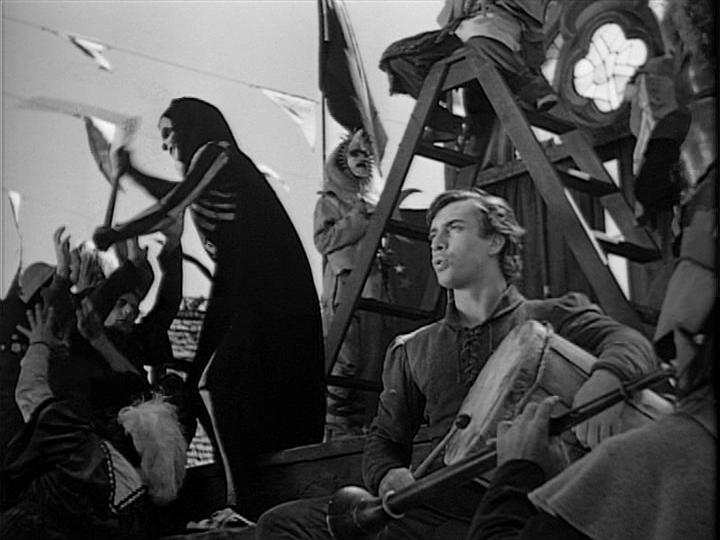
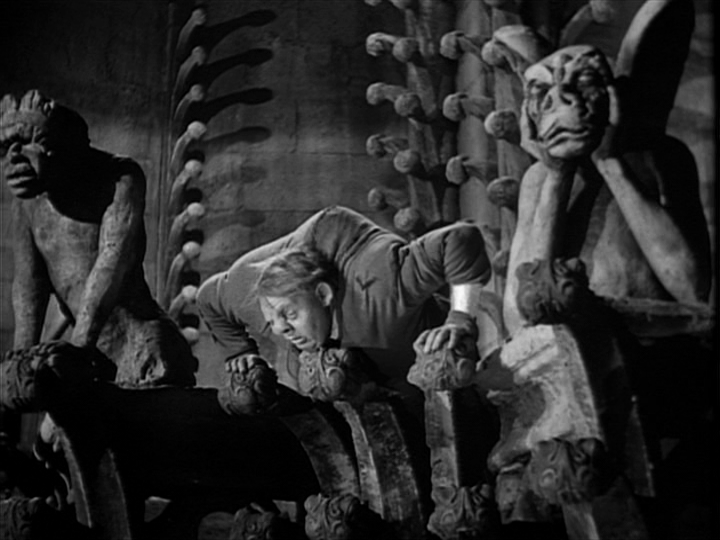
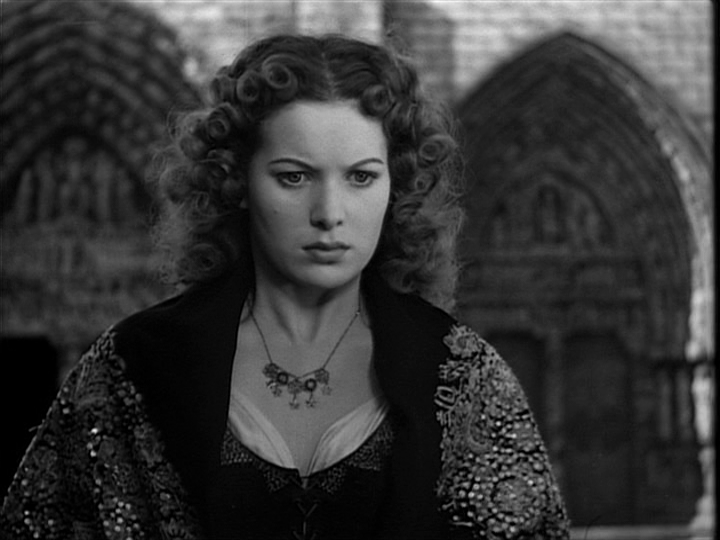
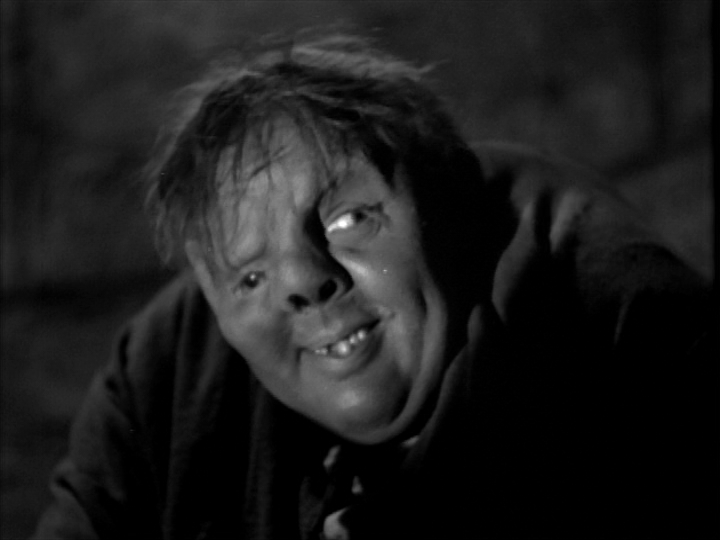
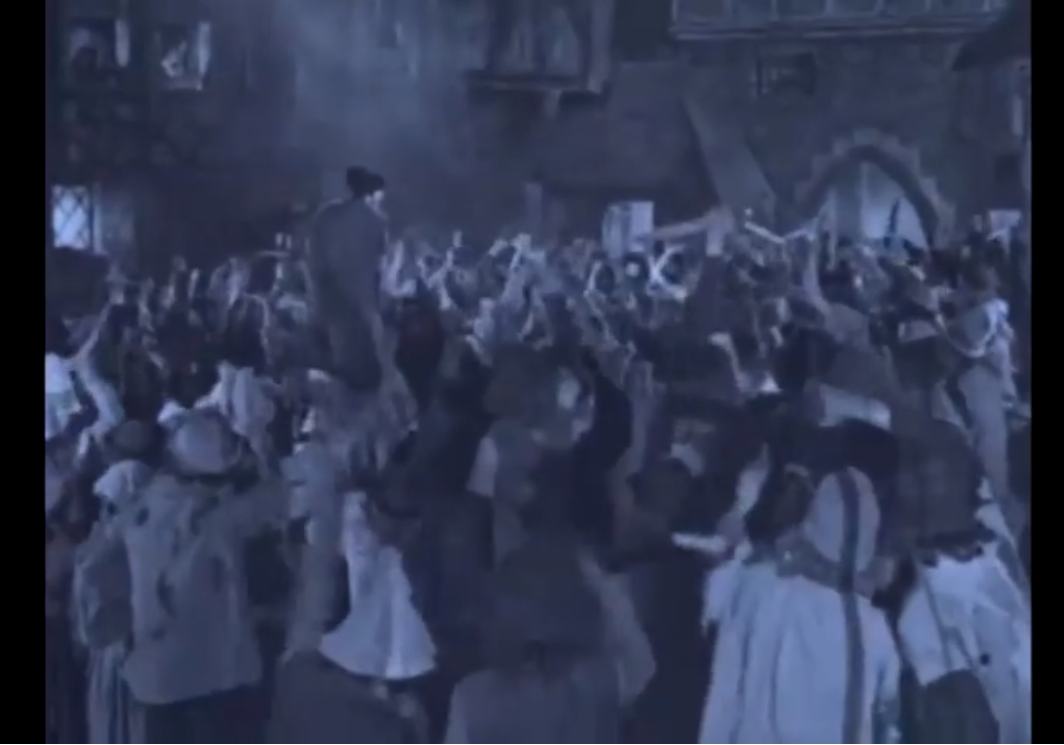
He notes that director William Dieterle handles “the crowd scenes (more than 3000 extras were employed) expertly” and instructed “cameraman Joseph H. August to use some interesting angles.” However, he argues that while “Laughton has received a great deal of praise for his performance”, he “doesn’t really get much opportunity to act” given that “what few lines he has are intended to make us (or Esmeralda, or the Parisians in the streets) feel sorry for him”.
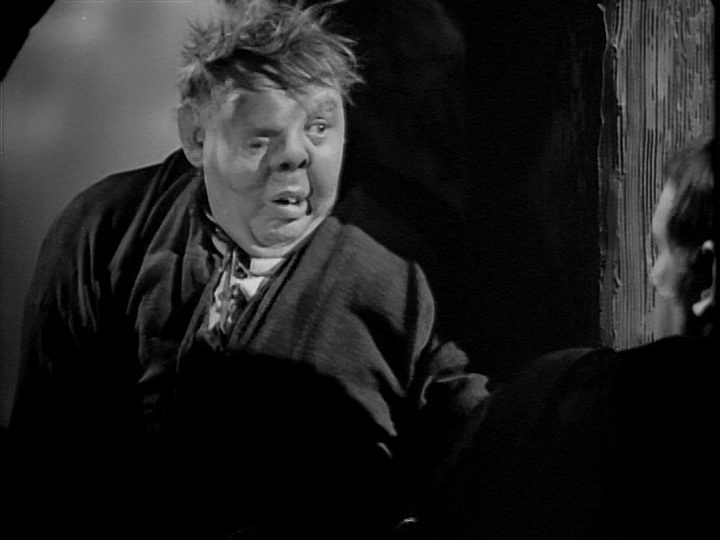
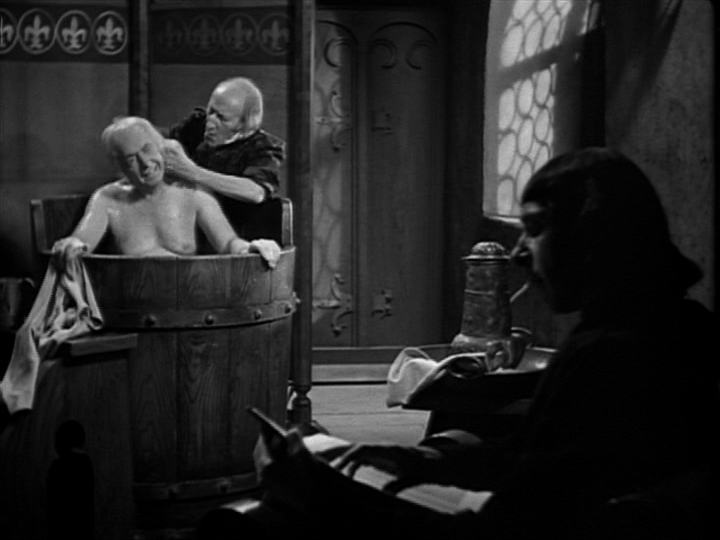
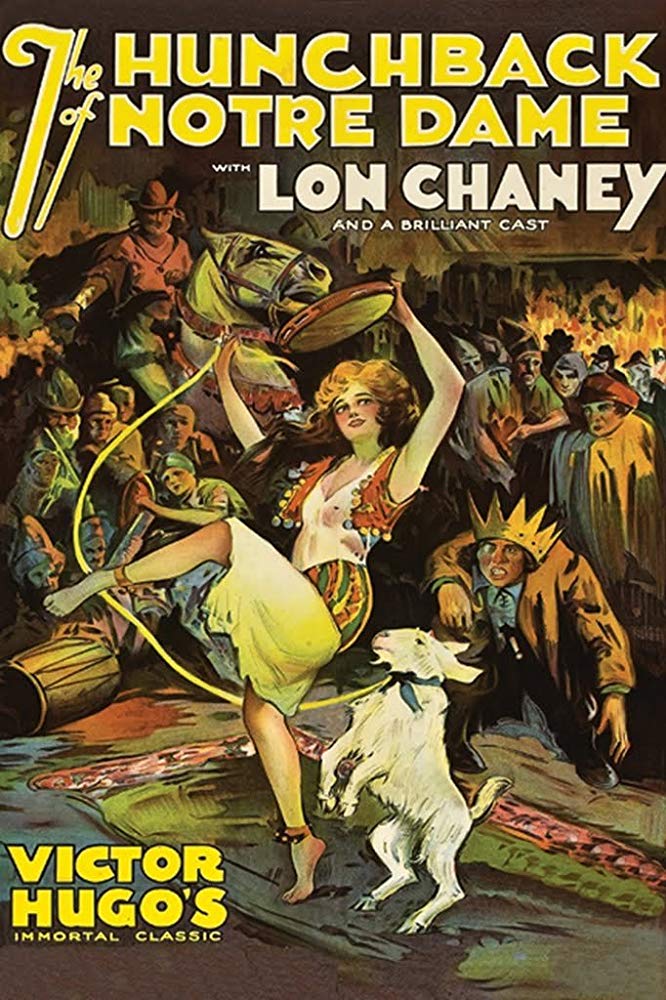
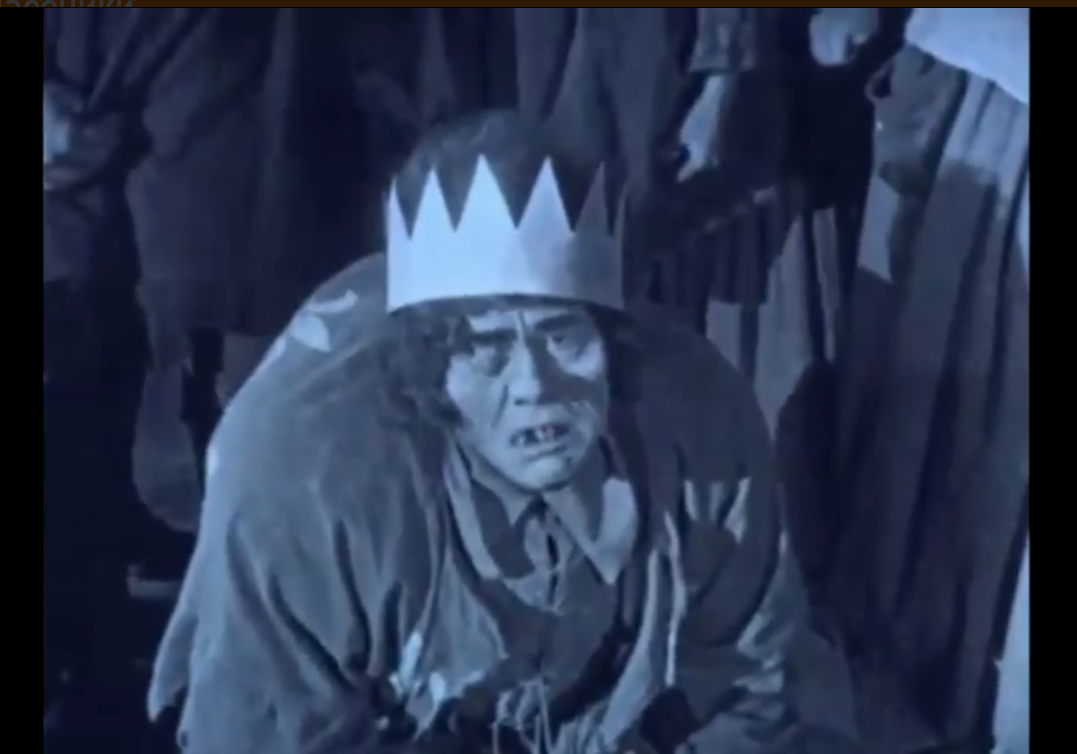
Peary believes “the film surely would have worked better if Laughton’s hunchback didn’t let his physical appearance completely dominate his every thought and word, because he’ll get enough pity as it is just from his hideous looks (the make-up people must have used a deformed walrus as Quasimodo’s model”). He argues that “O’Hara, who is breathtakingly beautiful, comes across better.” I’m less critical of Laughton’s performance and make-up than Peary, though I’ll admit to not being a huge fan of the storyline either in this adaptation or the earlier silent version with Lon Chaney, Sr. — Quasimodo’s personality and background ultimately seem under-developed (is he mentally challenged, and/or simply irreparably traumatized?), as does that of Hardwicke’s character:
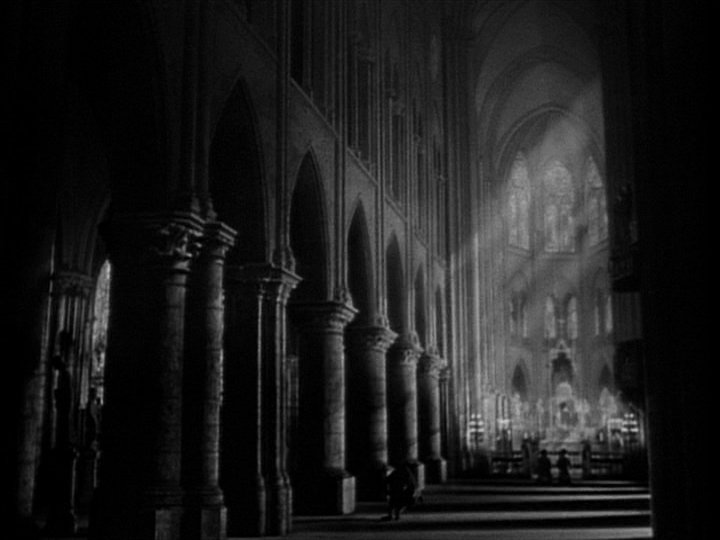
… and the damsel-in-distress, Beauty-and-the-Beast narrative hook doesn’t do much for me. It’s once again the sets and crowds (along with atmospheric cinematography) that most impress in this film. Redeeming Qualities and Moments:
Must See? Links: |
“All Quasimodo knew was that this girl had once been kind to him.”
|
Synopsis: |
|
Genres, Themes, Actors, and Directors:
Response to Peary’s Review: Redeeming Qualities and Moments:
Must See? Links: |
“We’re the public disgrace of America.”
|
Synopsis: |
|
Genres, Themes, Actors, and Directors:
Review: Redeeming Qualities and Moments:
Must See? Links: |
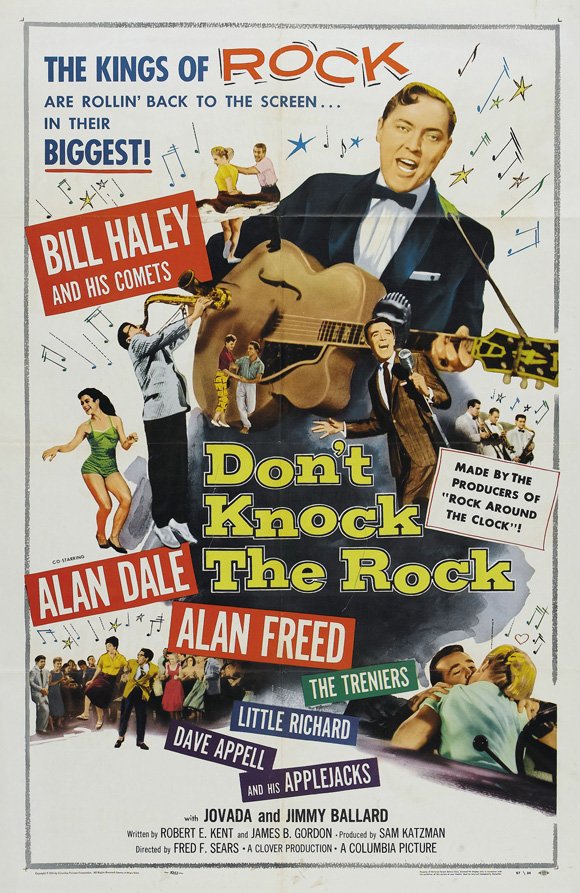
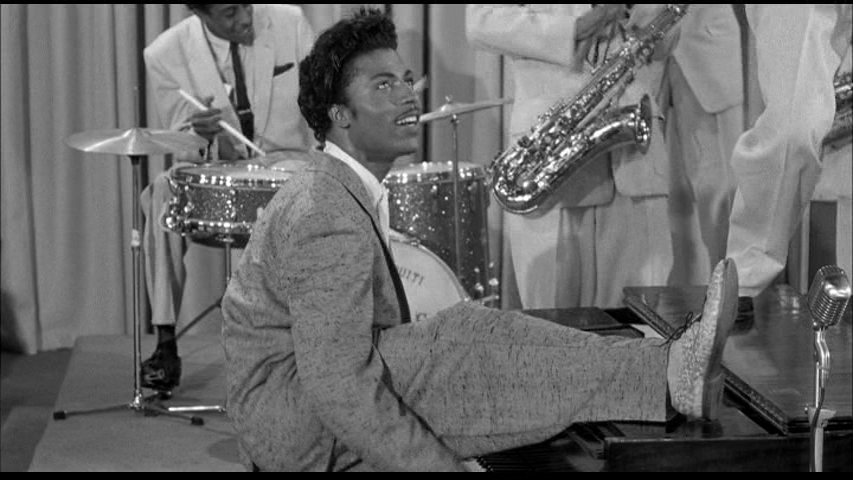
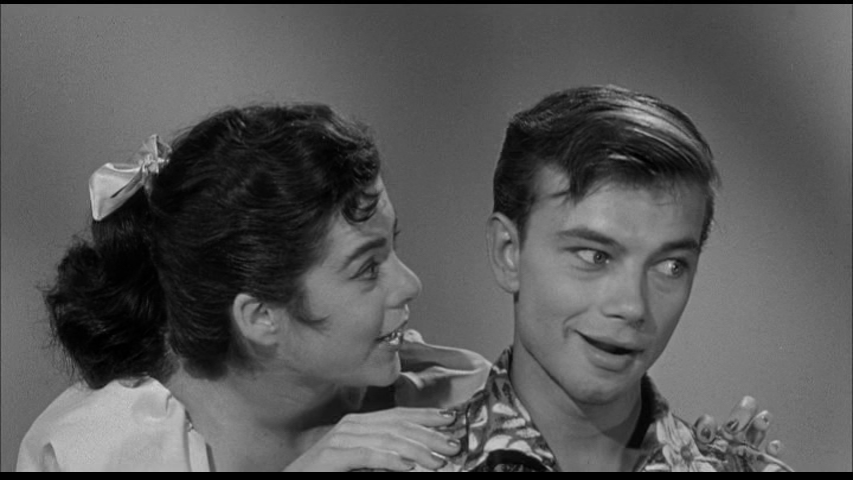
“Rock ‘n roll is for morons!”
|
Synopsis: |
|
Genres:
Response to Peary’s Review: Redeeming Qualities and Moments:
Must See? Links: |
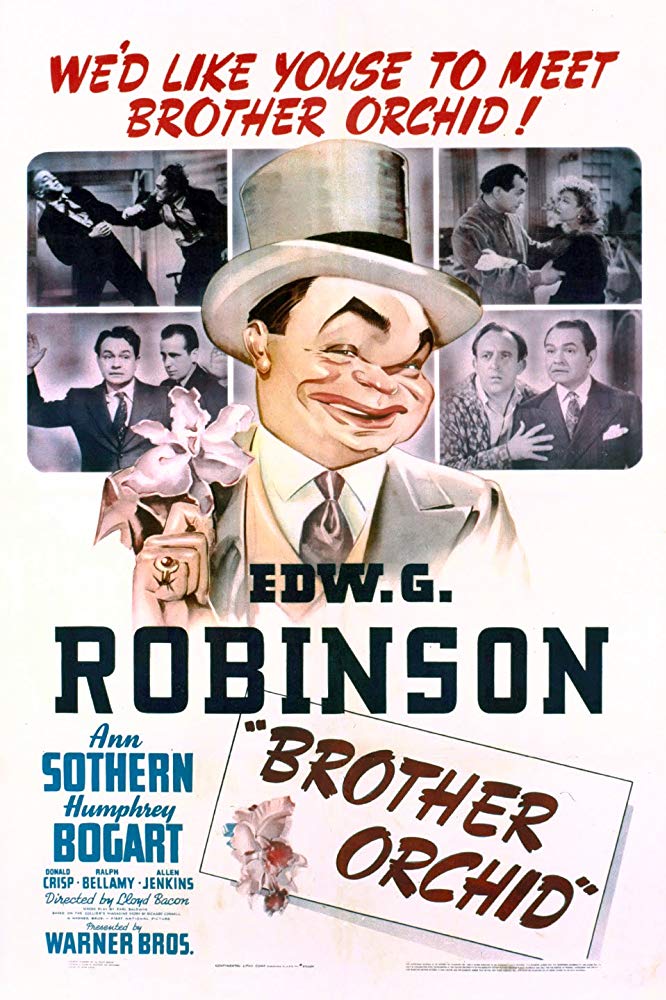
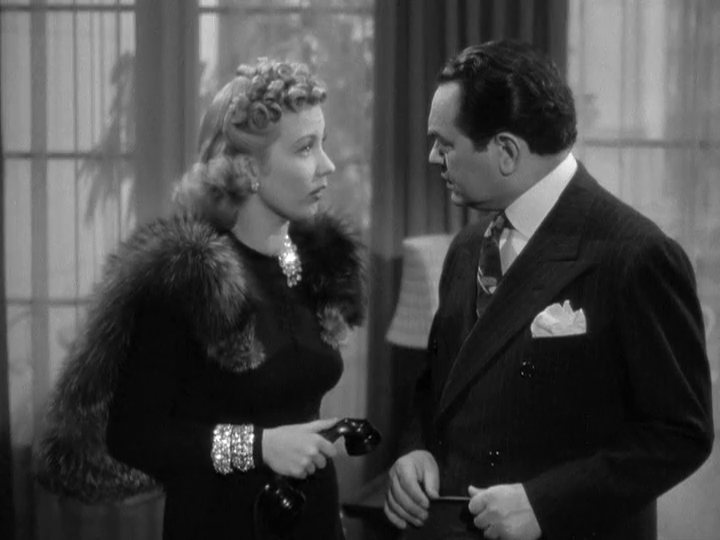
“I always was a great guy for orchids. That’ll be my new tag: Brother Orchid.”
|
Synopsis: |
|
Genres, Themes, Actors, and Directors:
Review: Redeeming Qualities and Moments:
Must See? Links: |
“How could I refuse a man anything with a naked sword in his hand?”
|
Synopsis: |
|
Genres, Themes, Actors, and Directors:
Review: Redeeming Qualities and Moments:
Must See? Links: |