Browsed by
Category: Response Reviews

My comments on Peary’s reviews in Guide for the Film Fanatic (Simon & Schuster, 1986).

Bugsy Malone (1976)

Bugsy Malone (1976)

“Not the sarsaparilla racket!”

Synopsis:
During a rival gang war in Depression-era Chicago, Bugsy Malone (Scott Baio) is recruited by mob boss “Fat Sam” (John Cassisi).

Genres, Themes, Actors, and Directors:

  • Alan Parker Films
  • Depression Era
  • Gangsters
  • Jodie Foster Films
  • Musicals
  • Rivalry
  • Satires and Spoofs

Response to Peary’s Review:
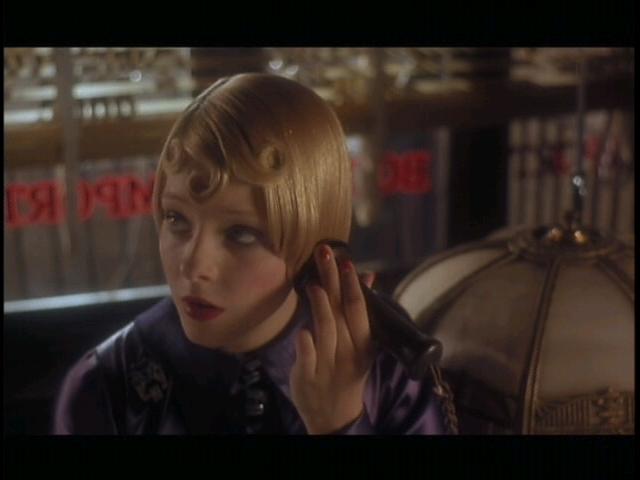
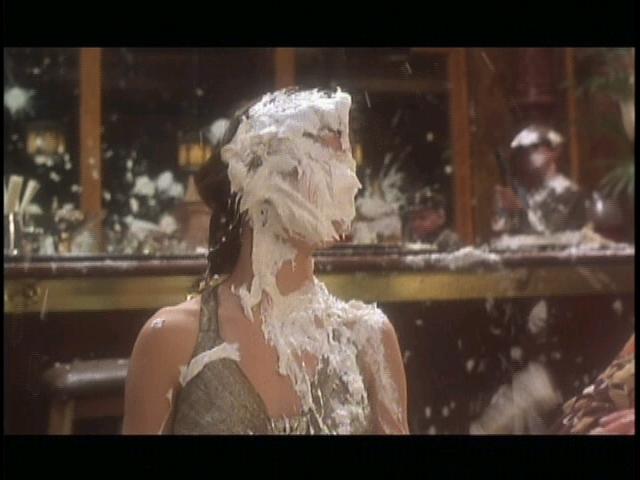
It’s easy to understand why, as noted by Peary, “opinion is sharply divided” on this “comical Depression Era gangster musical”, populated solely by kids — it’s a truly bizarre venture which, unfortunately, I don’t think quite works. Writer/director Alan Parker replaces bullets with cream pies (a clever twist), but is otherwise inconsistent in his use of child actors: if they’re meant to be “just kids”, then why does pre-pubescent crime boss Dandy Dan (Martin Lev) wear a pencil-thin mustache? Although I understand Parker’s satirical point that gangsters often act in a child-like fashion, these kids aren’t childlike — they’re mini-adults! The production values are fine, but most of the performances are unimpressive (Jodie Foster is a notable exception), and the majority of the songs are unmemorable. Nonetheless, this film is beloved by many — primarily those who fondly remember watching it as children themselves; and, as a kids’ film, perhaps it works.

Redeeming Qualities and Moments:

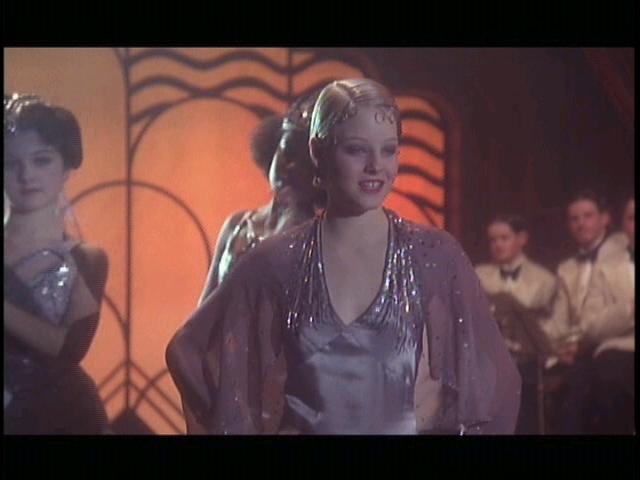
  • Jodie Foster as Tallulah
  • John Cassisi as “Fat Sam”
  • Foster singing “My Name is Tallulah”
  • The silly yet amusing use of cream pies as “deadly” weapons

Must See?
No, but it’s recommended for its historical notoriety, for Foster’s (too brief) performance, and as a cult film for adults who remember watching it as kids.

Links:

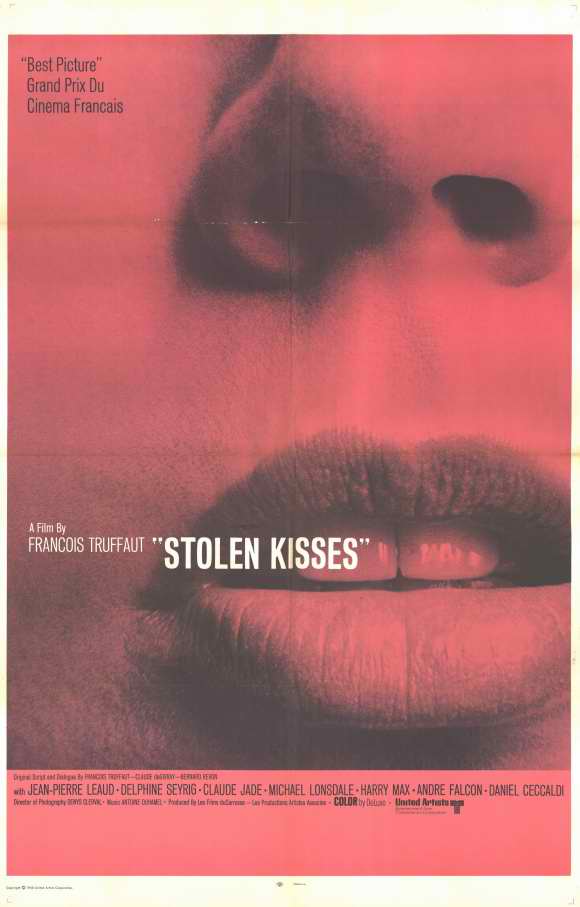
Stolen Kisses (1968)

Stolen Kisses (1968)

“To make love is a way of compensating for death, to prove that you exist.”

Synopsis:
Newly discharged from the army, Antoine Doinel (Jean-Pierre Leaud) heads to the home of his would-be sweetheart (Claude Jade), finds work as a private investigator, and falls for an older woman (Delphine Seyrig).

Genres, Themes, Actors, and Directors:

  • Delphine Seyrig Films
  • Detectives and Private Eyes
  • Francois Truffaut Films
  • French Films
  • Jean-Pierre Léaud Films
  • Obsessive Love
  • Romantic Comedy

Response to Peary’s Review:
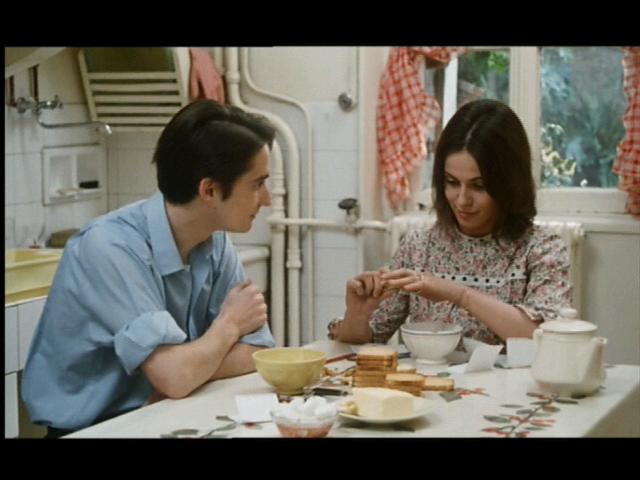
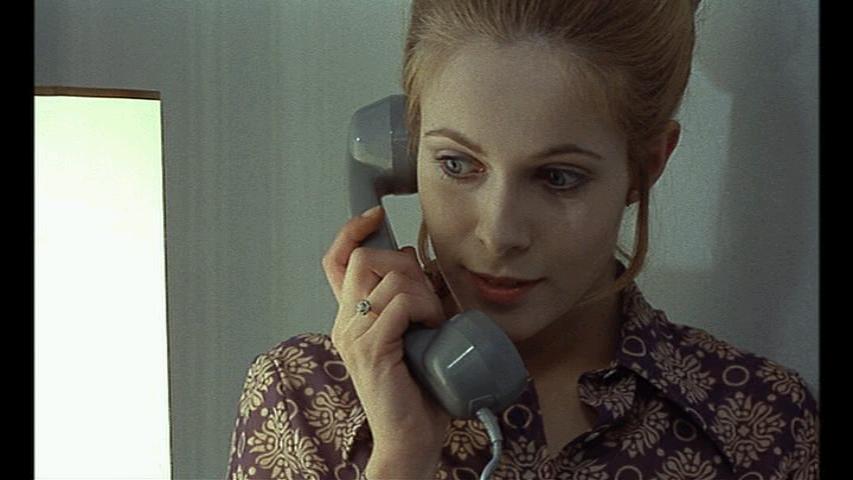
Truffaut’s first full-length sequel to The 400 Blows was this “witty, sad, insightful meditation” on subjects as diverse as “passion, courtship, dishonesty, sex, conquest, and commitment”. As Peary notes, there are “countless wonderful moments” throughout the film, which “[relies] heavily on improvisation”, and showcases the theme (one of Truffaut’s favorites) that when one person is ready for love and commitment, the other usually isn’t. Unlike in the later Antoine Doinel films, Doinel’s youthful flitting from one bizarre job to the next — and one obsessive love to the next — is amusing rather than sad, and seems right-on. His work as an undercover agent (what an ideal job!) fulfills the longing most film fanatics have to slip into someone else’s life unnoticed, and his attraction to an “older woman” (Seyrig) rings true as well. The film ends on a surprisingly satisfying note, making one long to know what happens next; fortunately, one can satisfy this itch immediately by watching Bed and Board (1970).

Redeeming Qualities and Moments:

  • An amusing look at the fickleness of desire
  • Delphine Seyrig as Antoine’s “exceptional” love interest
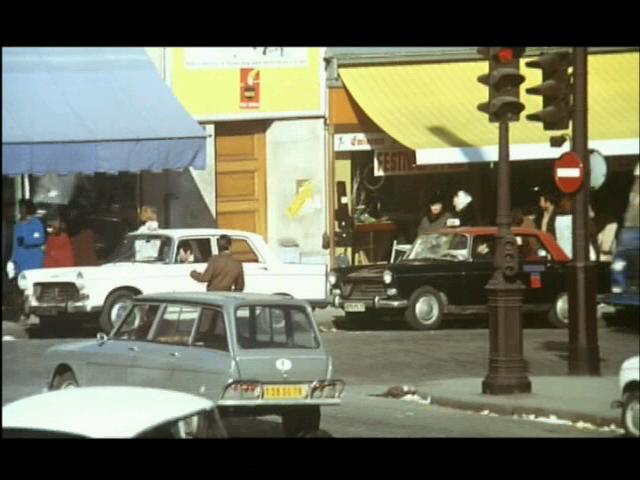
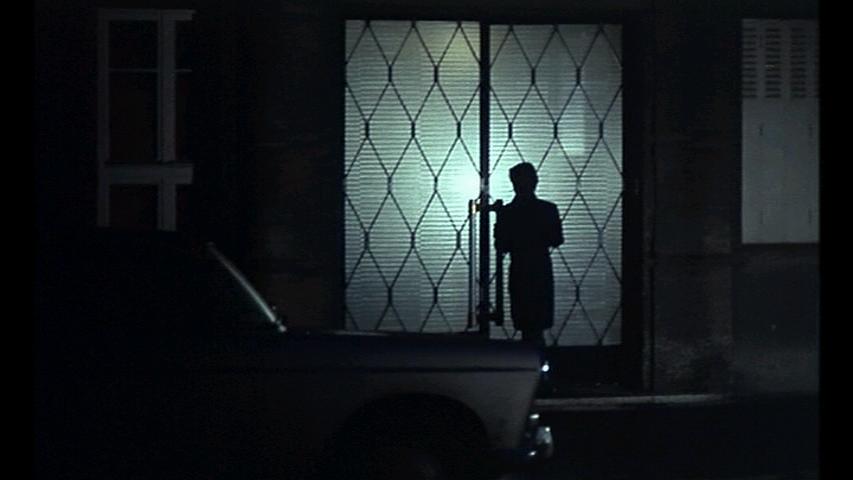
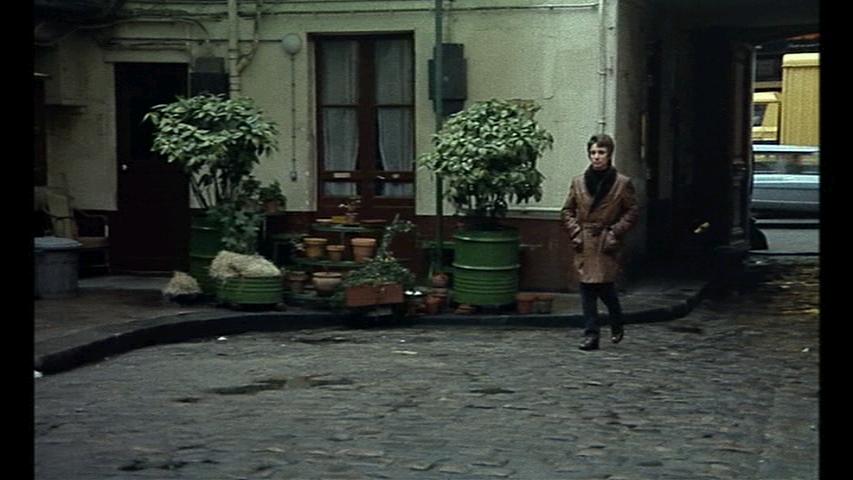
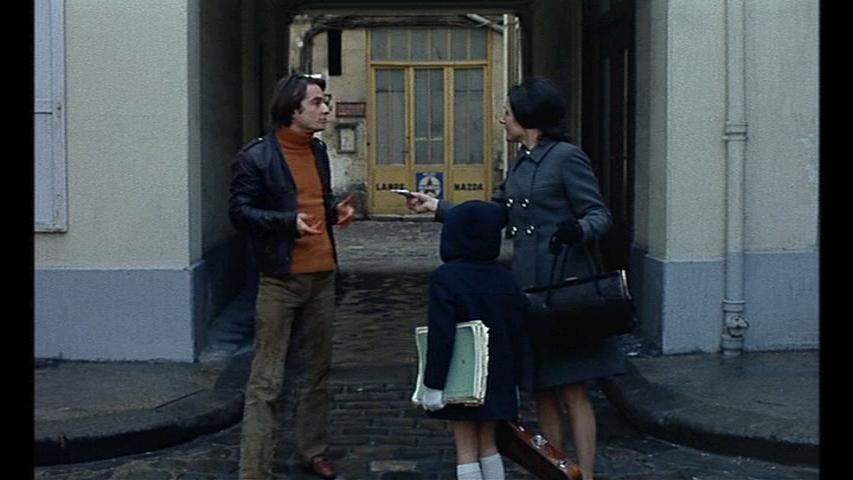
  • Effective use of Paris streets
    Stolen Kisses Paris
  • The clever, seemingly improvised script

Must See?
Yes, as a fine follow-up to The 400 Blows.

Categories

  • Foreign Gem
  • Important Director

Links:

Bed and Board (1970)

Bed and Board (1970)

“You have to be patient! All men are children.”

Synopsis:
Inveterate nonconformist Antoine Doinel (Jean-Pierre Leaud) settles into married life with Christine (Claude Jade), and becomes a father. But when he finds himself attracted to a Japanese woman (Mademoiselle Hiroko) he meets at work, his marriage is in jeopardy.

Genres, Themes, Actors, and Directors:

  • Francois Truffaut Films
  • French Films
  • Infidelity
  • Jean-Pierre Léaud Films
  • Marital Problems

Response to Peary’s Review:
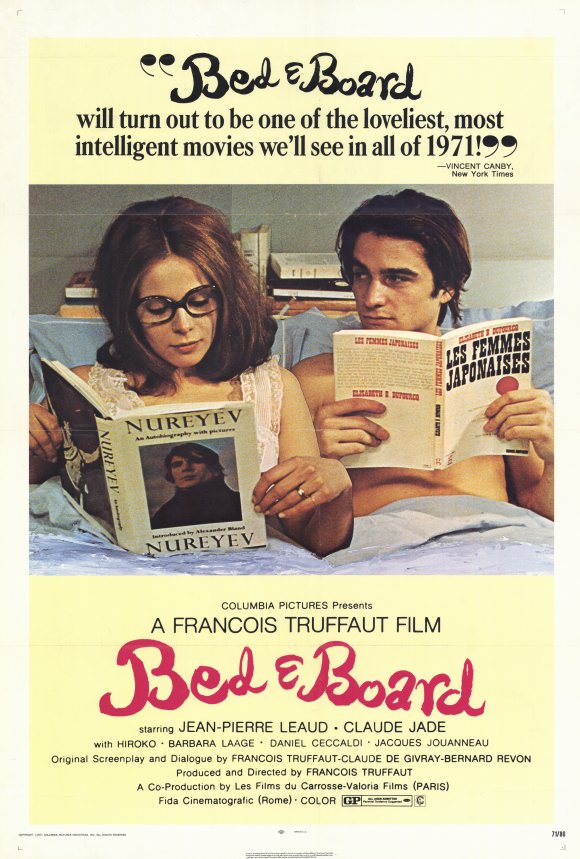
The fourth installment in Truffaut’s Antoine Doinel series is, as Peary notes, “very amusing, with a lot of humor” — but also surprisingly melancholy. Claude Jade (playing Doinel’s wife, Christine) finally emerges as a complex character in this film — we believe in her character’s growth from fun-loving teenager to loyal housewife and mother, and feel for her when Doinel knowingly harms their relationship. Because Truffaut chooses to frame Doinel’s affair in a humorous light, it’s genuinely amusing to watch (there are several hilarious moments involving the inscrutable Mademoiselle Hiroko); but this approach fails to acknowledge the seriousness of Doinel’s lapse in judgment. Bed and Board is a satisfying, enjoyable film in many ways, but frustrating as well, with the ending too neatly a figment of Truffaut’s wishful thinking about women and their tolerance for immature men.

Redeeming Qualities and Moments:

  • Claude Jade’s appealing performance as Christine
  • Nestor Almendros’ cinematography
  • Several amusing ongoing gags — such as the strange man who intrigues his neighbors until they discover his true identity on T.V. one night
  • Antoine’s clever plan to remind Christine’s client to pay for her daughter’s violin lesson
  • A disturbing yet oddly lighthearted look at a new marriage on the rocks
  • Christine’s wordless response when she finds out that Antoine is having an affair
  • Antoine Duhamel’s score

Must See?
Yes, as another enjoyable episode in the “must see” Antoine Doinel series.

Categories

  • Foreign Gem
  • Important Director

Links:

Love on the Run (1979)

Love on the Run (1979)

“Don’t forget, it’s fiction — a bit autobiographical, but fiction.”

Synopsis:
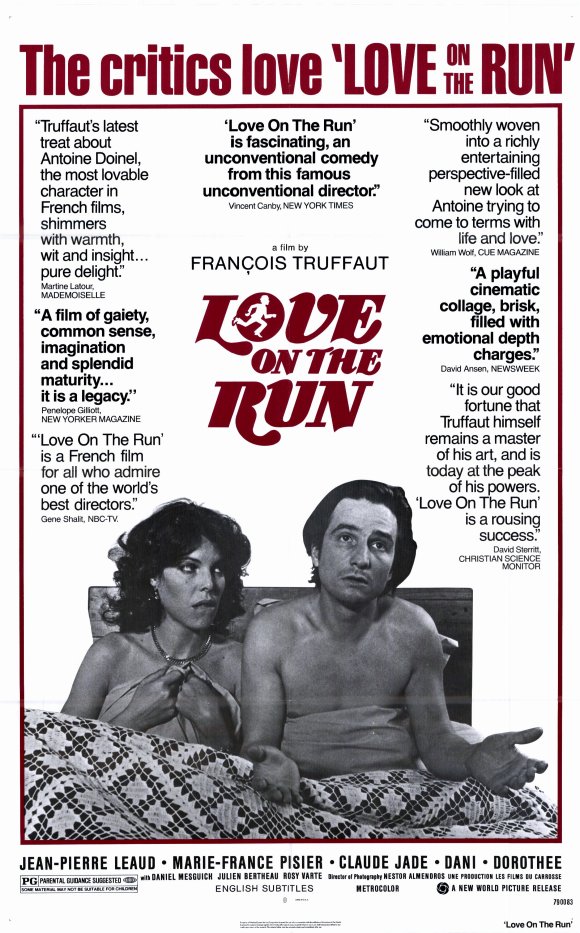
30-year-old Antoine Doinel (Jean-Pierre Leaud) quarrels with his girlfriend (Dorothee), goes through an amicable divorce with his wife (Claude Jade), and reminisces with his first love (Marie-France Pisier).

Genres, Themes, Actors, and Directors:

  • Flashback Films
  • Francois Truffaut Films
  • French Films
  • Jean-Pierre Léaud Films

Response to Peary’s Review:
The final installment in Truffaut’s “Antoine Doinel” saga is an unfortunate disappointment. The majority of the movie consists of flashbacks to the previous four films (The 400 Blows, “Antoine and Colette” in Love at Twenty, Stolen Kisses, and Bed and Board), offering little that’s new or insightful about Doinel, and occasionally misusing footage in a way that’s guaranteed to annoy purists. Given that eight years had passed since the latest installment in the series, it’s easy to imagine that audiences at the time were eager to relive some of their favorite Doinel scenes; but for modern viewers — who will likely watch the films in a row — it’s simply redundant.

Of the original scenes in the movie, none stand out as particularly humorous or insightful; we get the sense that Doinel hasn’t moved far beyond his limitations with both women and work, but at this point it’s difficult to have much patience for his immaturity. It’s also annoying to watch Claude Jade (Doinel’s wife) continue her long-suffering tolerance for her philandering husband; her patience and good will is truly inhuman, and clearly wishful thinking on Truffaut’s part. Ultimately, as Peary notes, Love on the Run “doesn’t do one of cinema’s great characters justice”, and is only “minor Truffaut”.

Redeeming Qualities and Moments:

  • An affectionate — if unsatisfying — homage to Truffaut’s leading character, Antoine Doinel

Must See?
No, but most film fanatics will likely be curious to watch it once, simply to complete the “must see” Antoine Doinel series.

Links:

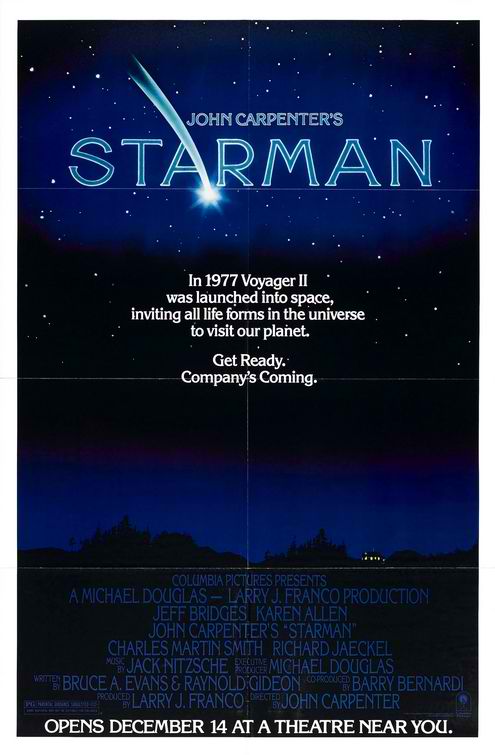
Starman (1984)

Starman (1984)

“You’re not from around here, are you?”

Synopsis:
Responding to an “invitation” by the Voyager II to visit Earth, an alien named Starman (Jeff Bridges) descends and embodies the dead husband of a grieving widow (Karen Allen). Starman enlists Allen’s help in driving towards the spaceship which will take him home, and they find themselves falling in love.

Genres, Themes, Actors, and Directors:

  • Aliens
  • Jeff Bridges Films
  • John Carpenter Films
  • Karen Allen Films
  • Richard Jaeckel Films
  • Road Trip
  • Romance
  • Science Fiction
  • Widows and Widowers

Response to Peary’s Review:
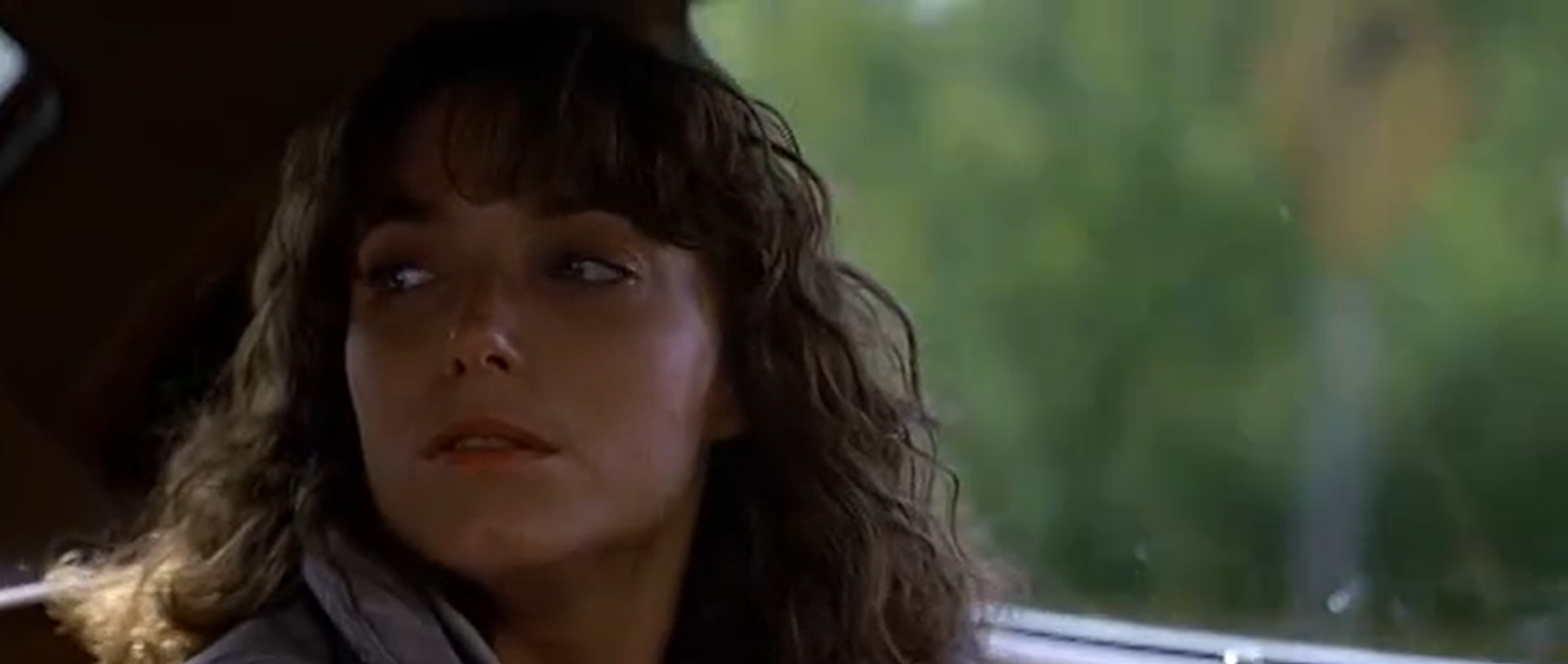
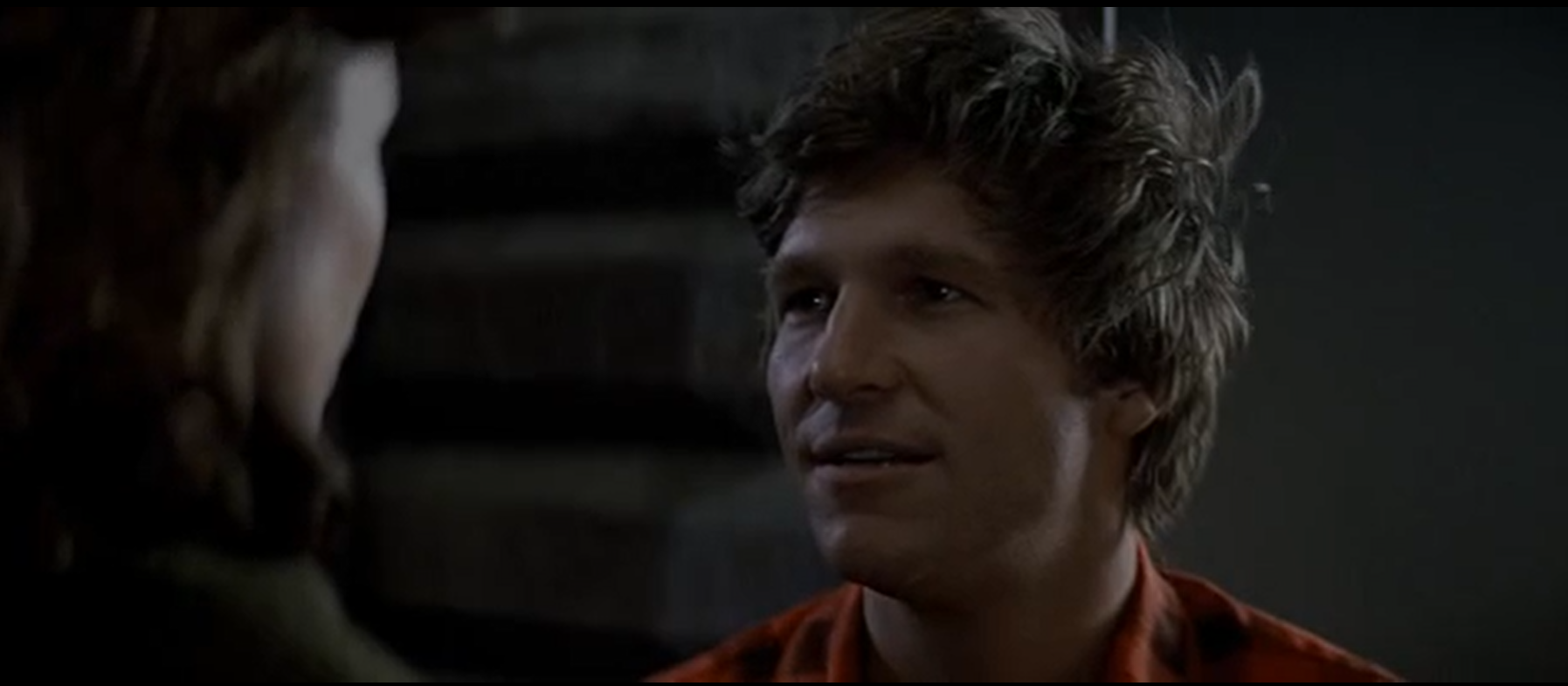
As noted by Peary, John Carpenter’s sci-fi fairy tale — an adult E.T. — possesses “sympathetic characters” and many “sweet scenes”, but suffers from both a “familiar and predictable” storyline, and an illogical, unwarranted conclusion. When Starman notes that “earth men are at their best when things are at their worst”, we wonder how he came to this conclusion, and why it’s presented as the film’s primary theme when it has nothing to do with what’s come before. Jeff Bridges was nominated for an Academy Award for his performance as Starman, but it’s Karen Allen who’s most impressive here — as Peary notes, she shows “that she is more comfortable than any other contemporary actress at playing love scenes”. Recommended for one-time viewing, but ultimately not must-see.

Redeeming Qualities and Moments:

  • Karen Allen as Jenny
  • Jeff Bridges as the Starman
  • Nifty special effects as Starman emerges and ages in a human body
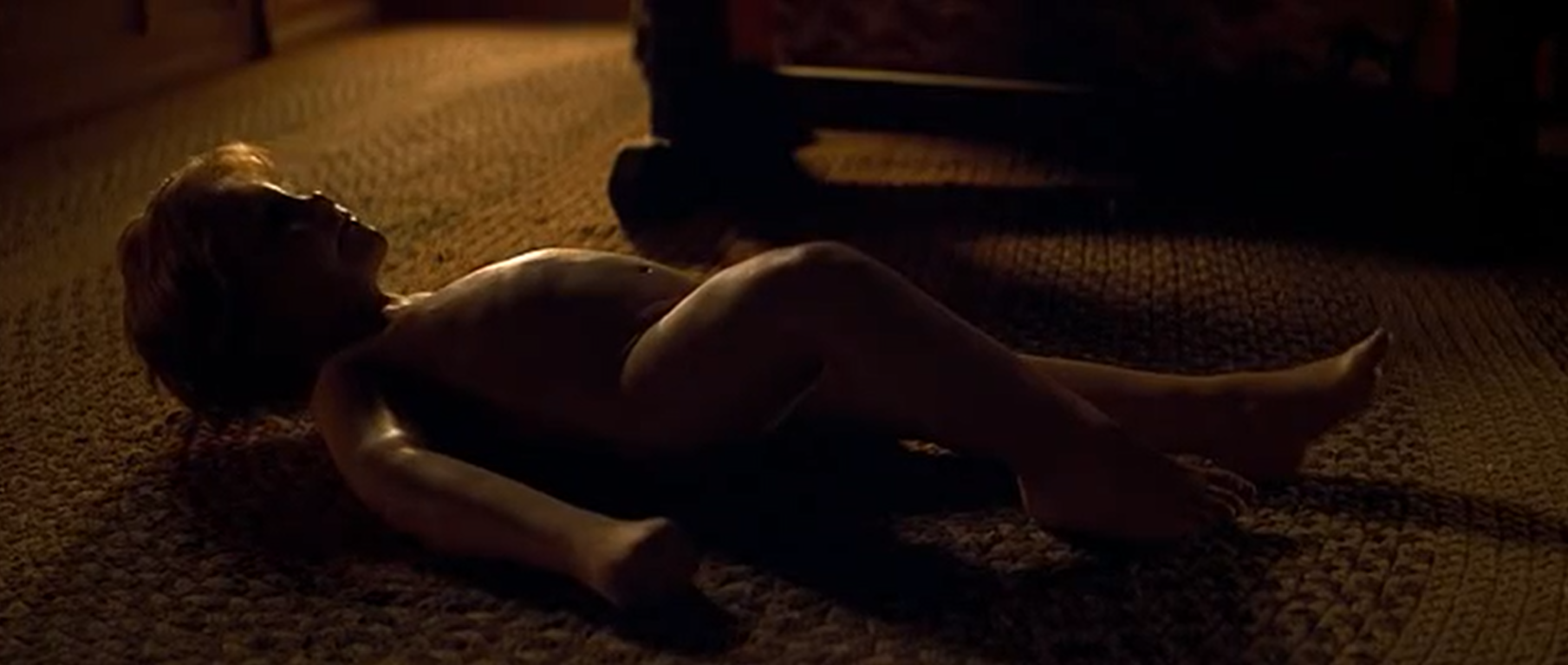
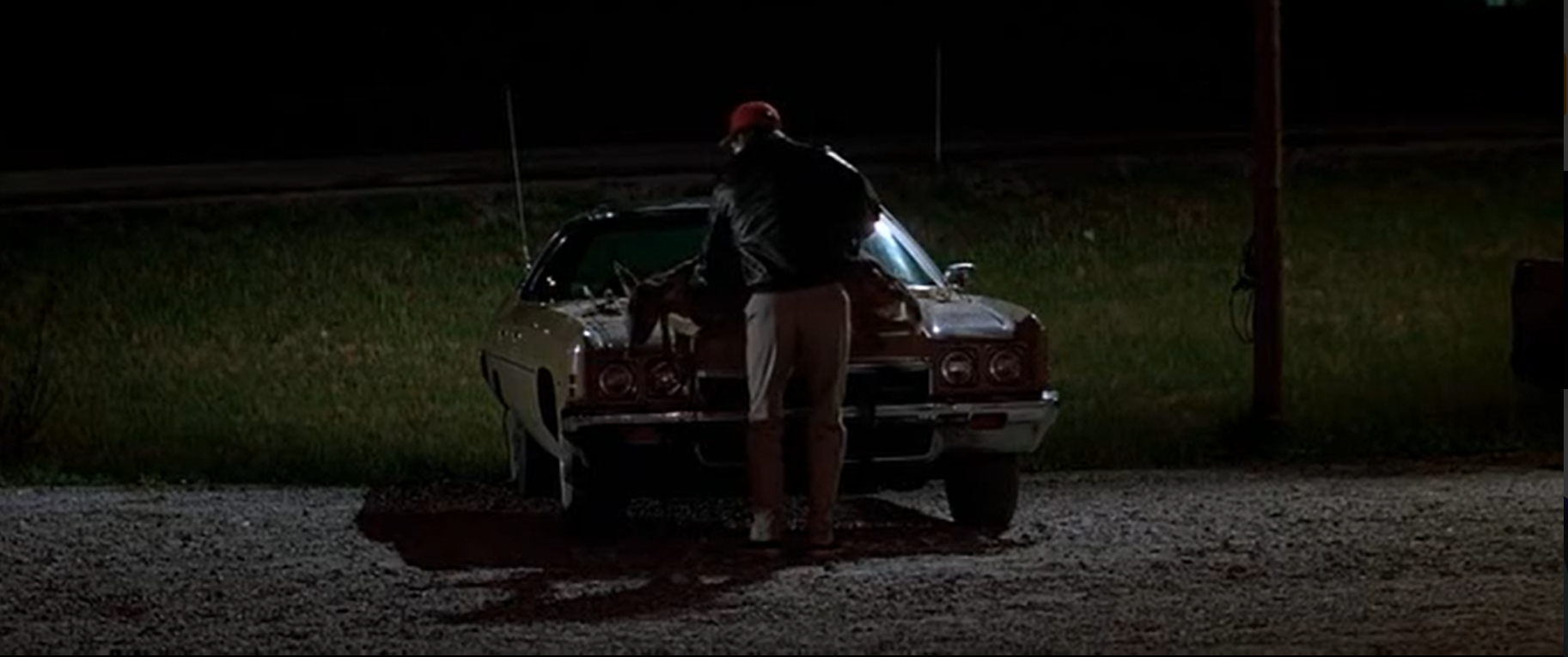
  • Starman healing a dead deer
  • The sweetly evolving romance between Jenny and Starman

Must See?
No, but it’s recommended for one-time viewing.

Links:

Winter Soldier (1972)

Winter Soldier (1972)

“I didn’t like being an animal, and I didn’t like seeing everybody else be an animal.”

Synopsis:
During a truth commission held by Vietnam Veterans Against the War, ex-soldiers testify about the atrocities they (and others) committed.

Genres, Themes, Actors, and Directors:

  • Documentary
  • Veterans
  • Vietnam War

Response to Peary’s Review:
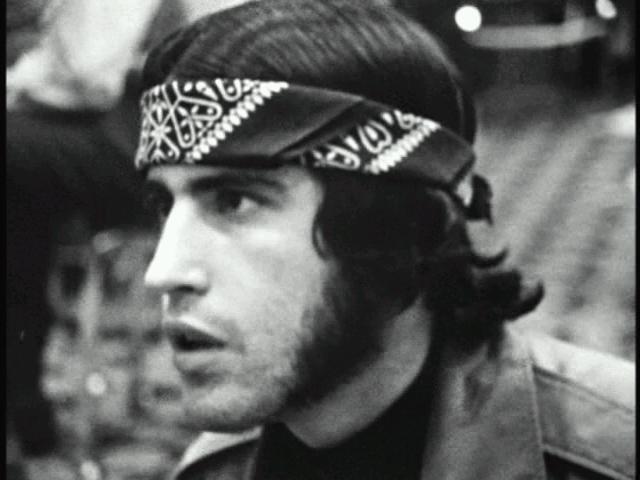
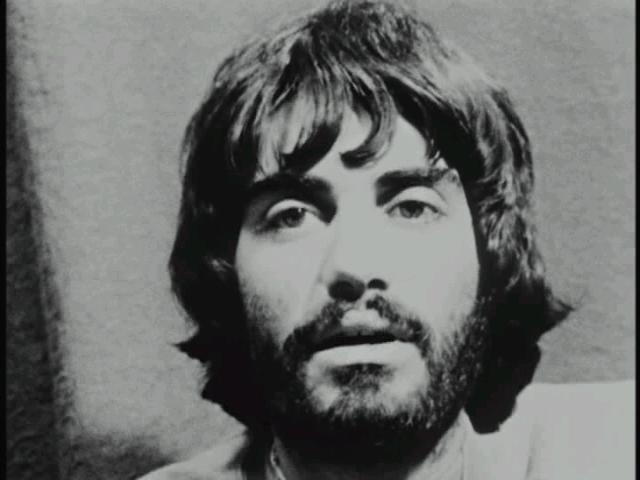
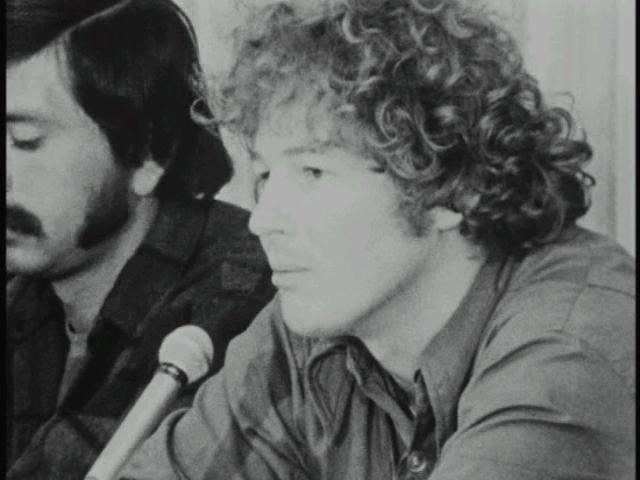
As Peary notes, this “gut-wrenching, myth-shattering” documentary makes for “horrifying, unforgettable, essential viewing”. Filmed by a collective team of directors in Detroit, Winter Soldier is as close to “pure” documenting as one could hope for — all cameras are focused on the veterans as they share their horror stories, and it’s the power of these cumulative narratives which carries the film. Story after story reveals the daily atrocities soldiers were asked (and expected) to commit against the Vietnamese — all of whom were treated as The Enemy. Soldiers were told that “any dead Vietnamese is a V.C.”, and were explicitly encouraged to increase body counts. Though we may have read about such heinous practices in the abstract, hearing about them from the mouths of real men is an entirely different experience. One can’t help feeling grateful that at least these long-haired veterans were given the opportunity to “confess their sins” in public, and hopefully help not only others, but themselves as well.

Redeeming Qualities and Moments:

  • Countless powerful, personal testimonies of crimes against humanity committed in Vietnam


Must See?
Yes. Along with Hearts and Minds (1974) and In the Year of the Pig (1968), this remains one of a handful of must-see documentaries about the Vietnam War.

Categories

  • Controversial Film
  • Historical Relevance

Links:

Opening of Misty Beethoven, The (1976)

Opening of Misty Beethoven, The (1976)

“The Golden Rod Girl is chosen informally and spontaneously.”

Synopsis:
Sexologist Seymour Love (Jamie Gillis) takes on a bet to turn street hooker Misty Beethoven (Constance Money) into a renowned Golden Rod Girl.

Genres, Themes, Actors, and Directors:

  • Adult Films
  • Character Arc
  • Mentors
  • Radley Metzger Films

Response to Peary’s Review:
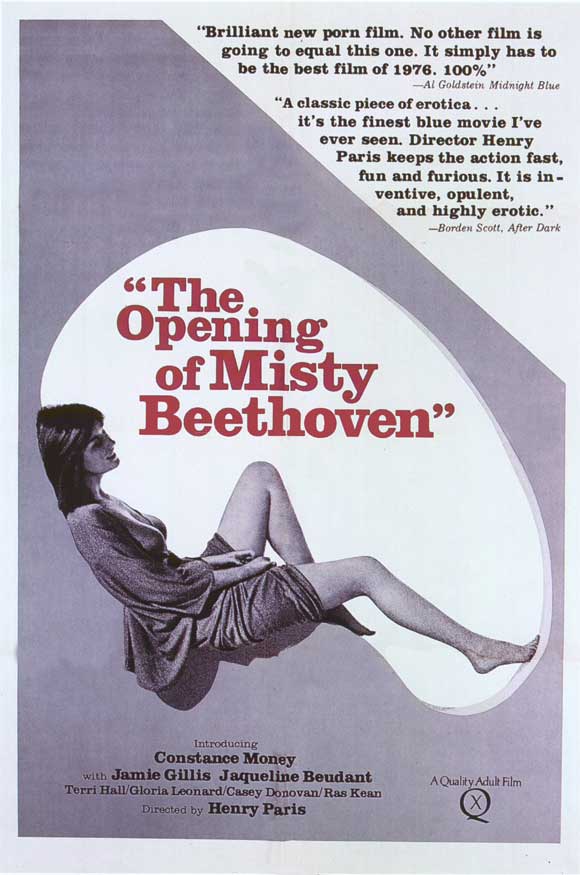
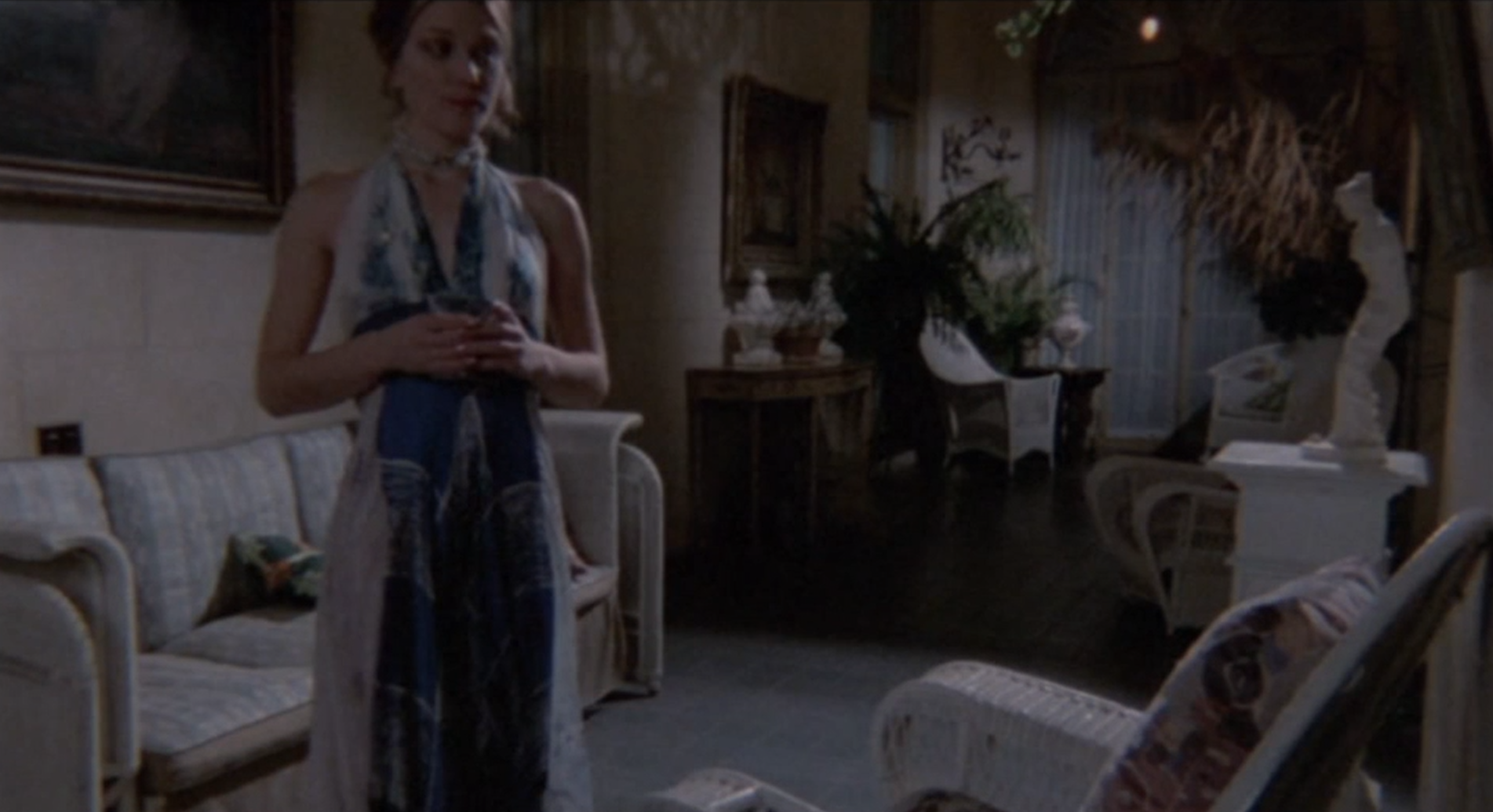
As Peary writes, this “p****graphic Pygmalian” is a rare adult flick which “has decent photography; a consistently light, comical touch; [and] a clever script”, in addition to likable characters, interesting set designs, and decent performances. Indeed, because the acting in adult films is (as a rule) uniformly awful, Jamie Gillis’s humorous performance here — as Misty’s “mentor” — is especially welcome.

Redeeming Qualities and Moments:

  • Jamie Gillis as Seymour Love
  • Stylized sets and glamorous, international locales

Must See?
Yes. This is one of a handful of adult flicks which should be seen by all (age-appropriate) film fanatics.

Categories

  • Historically Relevant

Links:

Doctor of Doom / Luchadoras Contra el Medico Resino, Las (1960)

Doctor of Doom / Luchadoras Contra el Medico Resino, Las (1960)

“Don’t you believe that we’d achieve better results from a superior brain, with a high IQ, from a young and intelligent woman?”

Synopsis:
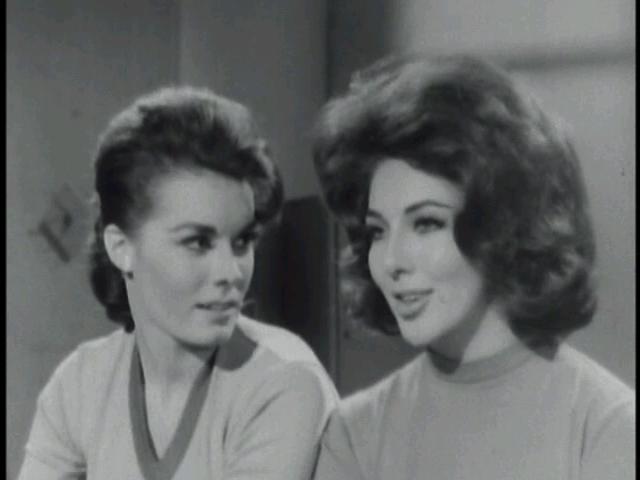
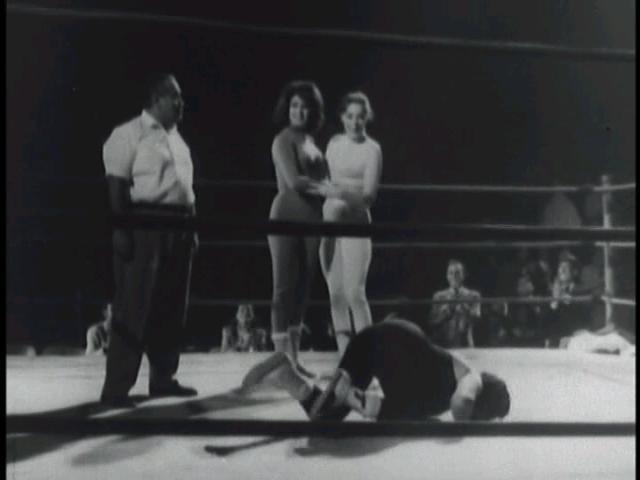
Two female wrestlers (Lorena Velazquez and Elizabeth Campbell) join forces with the police to find a mad, luchadora-mask-wearing doctor who has been terrorizing the city.

Genres, Themes, Actors, and Directors:

  • Amateur Sleuths
  • Mad Doctors and Scientists
  • Serial Killers
  • Strong Females
  • Wrestling

Response to Peary’s Review:
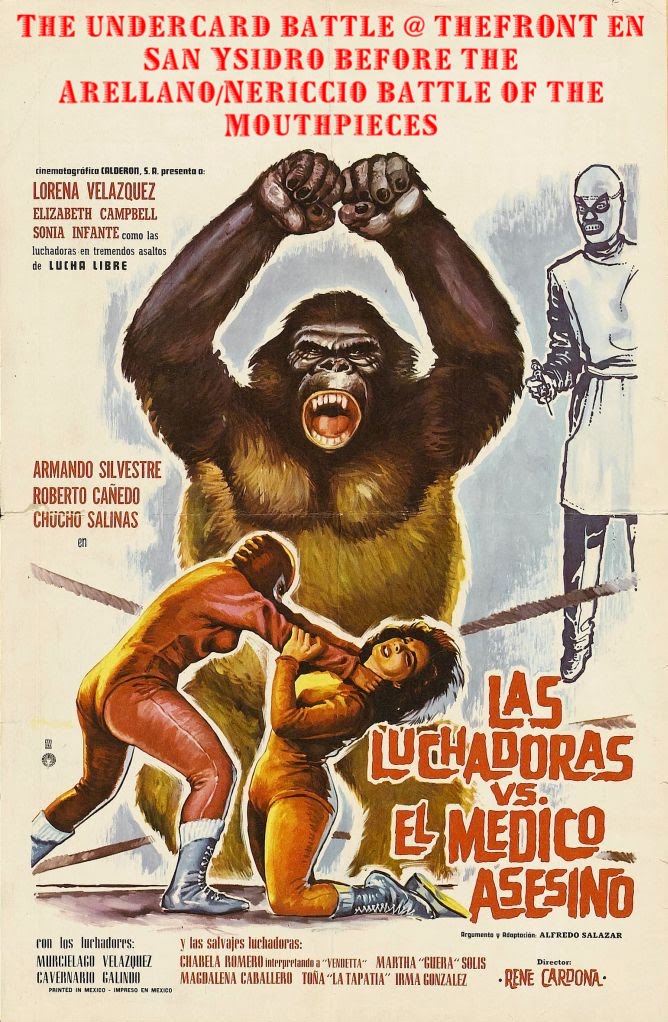
Peary’s an enormous fan of this “poorly dubbed laugh riot”, calling it his “favorite Mexican horror movie”, and providing a humorously droll synopsis: “The ‘Mad Doctor’ is obsessed with performing brain transplants. Unfortunately, they invariably fail.” It’s certainly not for all tastes, and is so bad (in so many ways) that you may groan more than you laugh — but there’s something endearing about the sight of strong women wrestling their way to the top, beating up bad guys when their boyfriends wimp out, and joining forces like a true superhero duo. Many watch this film for the extended female wrestling scenes (which become tedious if you’re not a fan), but its primary enjoyment (such as it is) really comes from the AWFUL dubbing. Dear lord.

Redeeming Qualities and Moments:

  • Gloria Venus inviting Golden Rubi to come live with her: “My new apartment is large, and you must be lonely…”
  • Refreshingly strong female leads
  • Hilariously bad dubbed dialogue

Must See?
Yes, simply as a representative (and occasionally enjoyable) example of badly dubbed Mexican horror/wrestling films.

Categories

  • Historically Relevant

Links:

Fantastic Invasion of Planet Earth, The / Bubble, The (1966)

Fantastic Invasion of Planet Earth, The / Bubble, The (1966)

“It’s a wall made out of glass — it’s the screwiest thing I ever saw!”

Synopsis:
A man (Michael Cole) and his pregnant wife (Deborah Walley) ask their pilot (Johnny Desmond) to make an emergency landing in a strange town, where the inhabitants act like zombies. Soon they realize that they are trapped inside a glass bubble, and must find a way to get out.

Genres:

  • Arch Oboler Films
  • Escape
  • Mind Control and Hypnosis
  • Science Fiction

Response to Peary’s Review:
It’s not clear why Peary includes this tedious film in his GFTFF, given that he acknowledges its “weak acting and lackluster production”, notes (appropriately) that the “characters seem to just wander about… as if they were waiting for someone to finish the script”, points out that it’s “full of bad conversation that’s meant to be profound” (“Are we really here? Or is it some kind of a crazy dream?”):

… laments that it’s “much too long, even in [its] shortened version”, and labels the ending “unsatisfying”. In addition, because the movie was filmed in 3-D, it’s full of contrived, laughable shots of objects floating in the air, and characters pushing items out towards the camera. In short, writer/director Arch Oboler takes a reasonably interesting premise, and somehow fails to generate any drama at all.

Redeeming Qualities and Moments:

  • Not much of anything

Must See?
No. While it holds some historical interest for its gimmicky use of “stereoscopy” (i.e., 3-D cinematography), this film is simply too tedious to recommend.

Links:

Leopard Man, The (1943)

Leopard Man, The (1943)

“Cats are funny, mister — they don’t want to hurt you, but if you scare them, they go crazy!”

Synopsis:
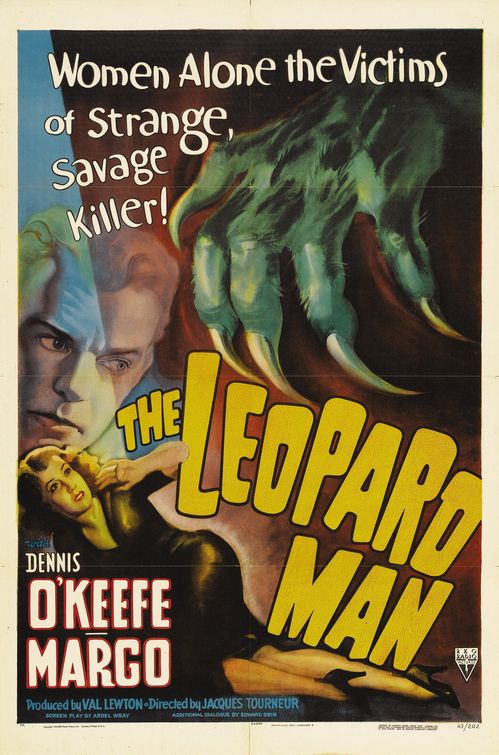
When a traveling showman (Dennis O’Keefe) and his star performer (Jean Brooks) accidentally let a leopard loose in a New Mexico town, innocent young women begin to die, one after the other. Soon O’Keefe starts to believe that a man — not a leopard — is responsible for the killings, and reluctantly tries his best to catch the murderer.

Genres, Themes, Actors, and Directors:

  • Amateur Sleuths
  • Jacques Tourneur Films
  • Murder Mystery
  • Psychological Horror
  • Serial Killers
  • Val Lewton Films

Response to Peary’s Review:
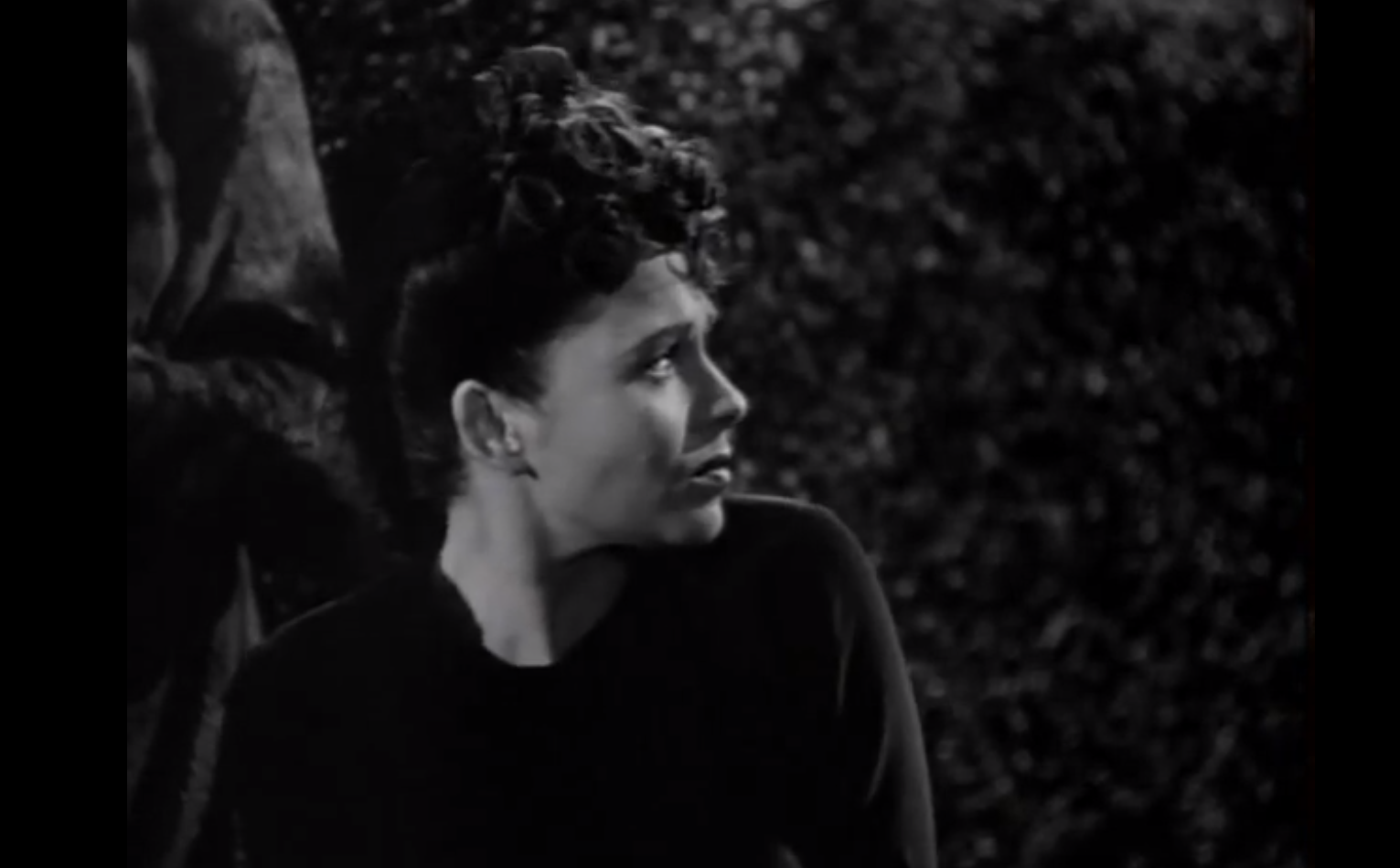
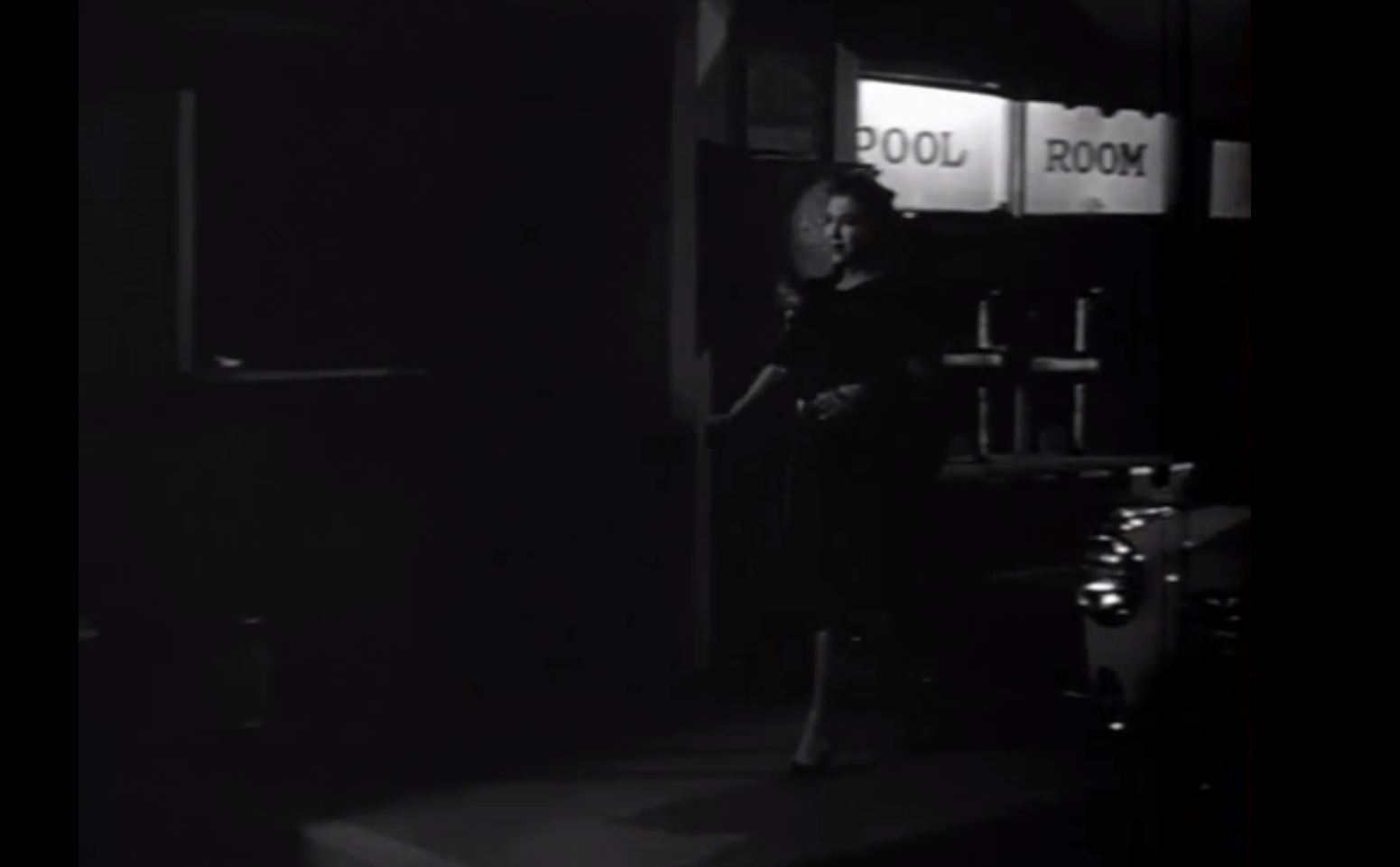
More a “mystery with horror elements” than a straight horror flick, Peary designates The Leopard Man the “creepiest film” ever made by producer Val Lewton and director Jacques Tourneur. Two sequences in particular are, as Peary notes, “among the scariest in film history”: when “a young girl [Margaret Landry] is chased home by the leopard through the dark, deserted streets and winds up outside her locked door, unable to get inside” (note the slow trickle of blood along the lintel of the closed doorway), and when “another young girl [Tula Parnen] is trapped inside a cemetery after dark, and something on the tree limb above her is ready to pounce”. Unfortunately, as Peary points out, “some of the dialogue is a bit clunky, and the finale… seems hurried” (not to mention far-fetched); but the story remains both tense and suspenseful, with plenty of grist for critical analysis (see the two Bright Lights Film Journal articles below).

Redeeming Qualities and Moments:

  • Robert De Grasse’s atmospheric cinematography
  • Many genuinely frightening scenes
  • Clo-Clo (Margo) clicking her castanets as she walks down the street

Must See?
Yes. This collaboration between Val Lewton and Jacques Tourneur remains, according to Peary, “essential Lewton”.

Categories

  • Important Director

Links: