Browsed by
Category: Response Reviews

My comments on Peary’s reviews in Guide for the Film Fanatic (Simon & Schuster, 1986).

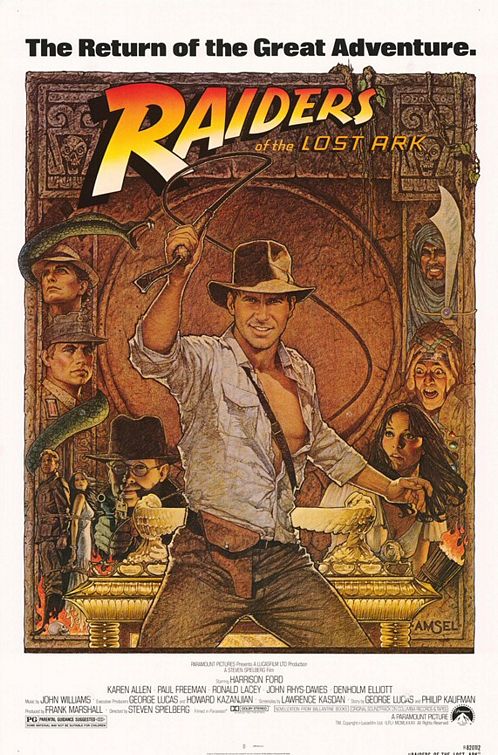
Raiders of the Lost Ark (1981)

Raiders of the Lost Ark (1981)

“Inside the Ark are treasures beyond your wildest aspirations — you want to see it opened as well as I.”

Synopsis:
A bespectacled archaeologist named Indiana Jones (Harrison Ford) is hired by the United States government to locate a priceless religious artifact — the Ark of the Covenant — before the Nazis get their hands on it.

Genres, Themes, Actors, and Directors:

  • Denholm Elliott Films
  • Harrison Ford Films
  • Karen Allen Films
  • Nazis
  • Romance
  • Scientists
  • Steven Spielberg Films

Response to Peary’s Review:
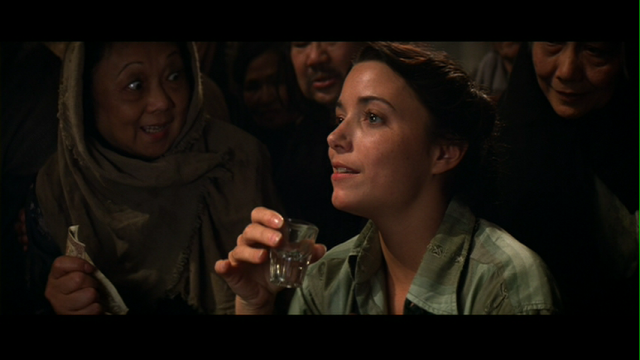
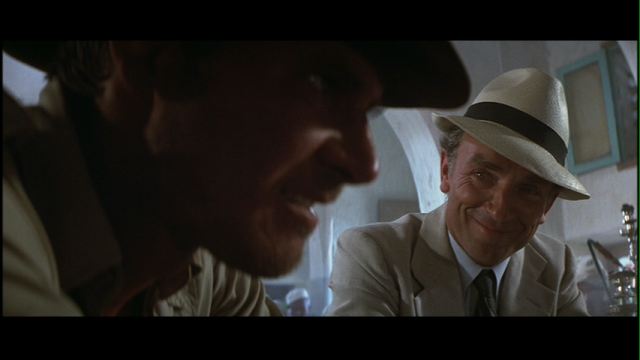
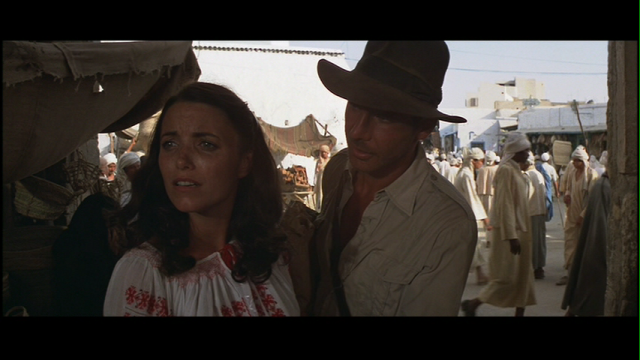
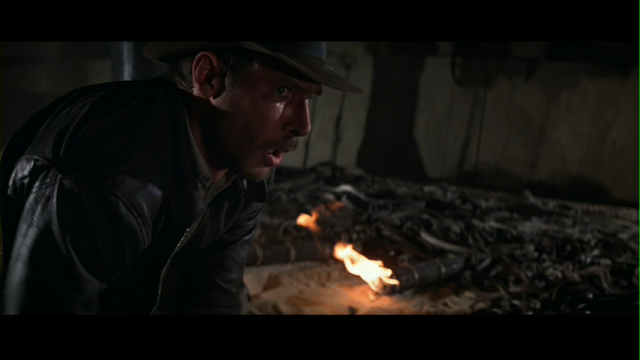
As Peary notes, “this marvelous adventure movie” — directed by Steven Spielberg and produced by George Lucas — is “much better than the old-time Saturday serials it pays tribute to” yet effectively “recaptures the feeling of excitement and awe they originally held for kids.” The first and best of the [original] “Indiana Jones” trilogy, Raiders features “non-stop nail biting action” as well as “tremendous wit, romance that even young boys will enjoy, nasty villains, amazing stunts, a lovely, brave, capable heroine, and an unbeatable action hero.” Ford and Karen Allen (who plays his unwitting sidekick, Marion) are truly believable as a couple, with Allen serving as the perfect female lead for an action movie: she’s both pretty and tough, ready to take on any adventures and/or men that come her way. Meanwhile, Harrison Ford’s dry wit and good looks make him the ideal real-life folk hero — he’s Clark Kent, but without superhero powers, and all the more refreshingly human for it. Excellent use is made of “exotic” locales across the globe, and the supporting characters — both good and bad — are well-played by a host of fine performers; my particular favorite is Paul Freeman as a French archaeologist collaborating with the Nazis who exhibits the tiniest bit of heart (and lust) towards Allen. John Williams’ instantly memorable score (“dum-da DUM DUM… dum-da DUM”) adds the perfect finishing touch to this most enjoyable adventure flick.

Redeeming Qualities and Moments:

  • Harrison Ford as Indiana Jones
  • Karen Allen as Marion Ravenwood
  • Paul Freeman as Dr. Belloq
  • Excellent use of “exotic” locales around the world
  • The exciting opening sequence
  • The infamous “snake pit” scene
  • A satisfying romance between adventurous equals
  • John Williams’ instantly hummable score

Must See?
Yes. This modern-day classic should be seen and enjoyed by all film fanatics.

Categories

  • Cult Movie
  • Oscar Winner or Nominee

(Listed in 1001 Movies You Must See Before You Die)

Links:

Rebel Without a Cause (1955)

Rebel Without a Cause (1955)

“You’re tearing me apart! You say one thing, he says another, and everybody changes back again!”

Synopsis:
Disaffected teen Jim Stark (James Dean) moves to a new town and hopes to befriend his pretty neighbor, Judy (Natalie Wood), who hangs out with a group of toughs (led by Corey Allen). When a “chicky run” contest between Jim and Buzz (Allen) results in Buzz’s tragic death, Dean runs away with Judy and a troubled boy named Plato (Sal Mineo), who looks up to him as a father figure.

Genres, Themes, Actors, and Directors:

  • Dennis Hopper Films
  • Family Problems
  • Generation Gap
  • James Dean Films
  • Juvenile Deliquents
  • Natalie Wood Films
  • Nicholas Ray Films
  • Sal Mineo Films
  • Teenagers

Response to Peary’s Review:
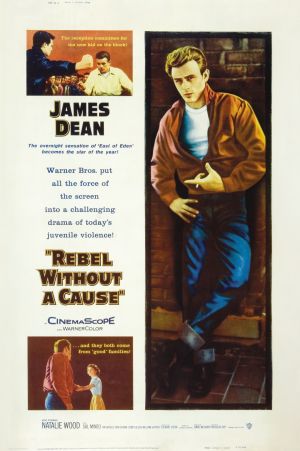
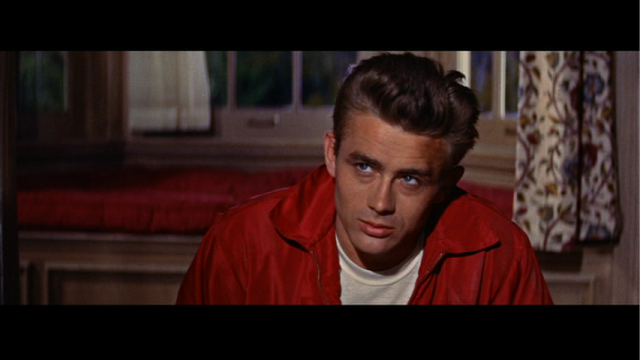
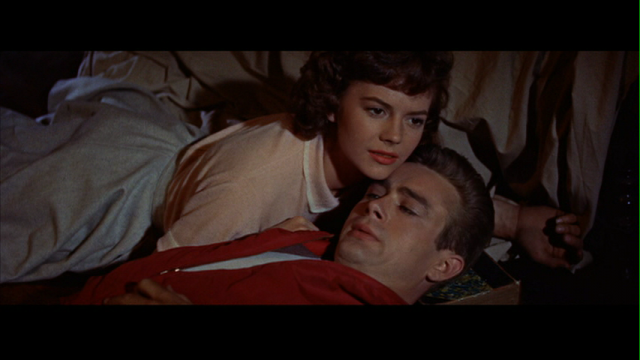
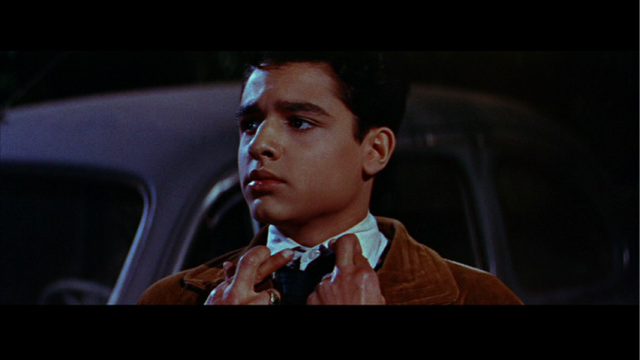
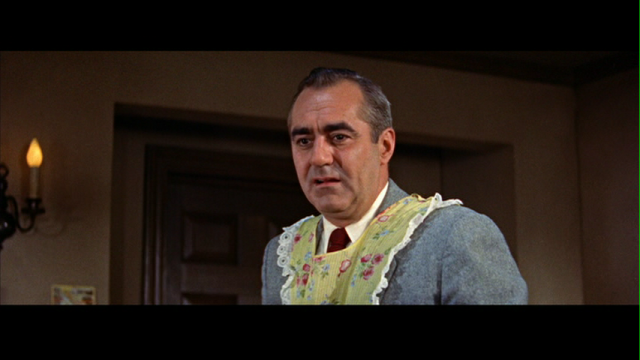
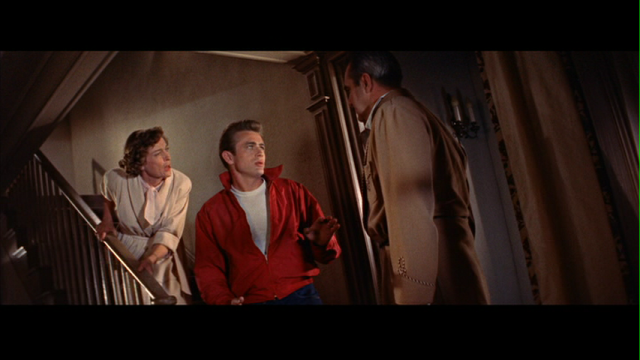
As Peary notes, this “great, emotionally charged youth film” (directed by Nicholas Ray) remains an enduring cult favorite, in large part because “generations of young men [and women] have identified with the misunderstood Jim Stark.” Method actor James Dean — who made only three films before his tragic death in a car accident at the age of 24 — plays a “vulnerable, self-destructive character [who] fits his off-screen image”; indeed, he perfectly captures the edginess of alienated teens everywhere who long for acceptance and love. Equally impressive are both Natalie Wood (a former child star who “aged” beautifully into teenagehood) as a guarded young “hood” who gradually reveals her vulnerability to Dean, and Sal Mineo as Jim’s tragic young protege “Plato”, whose intense desire for a father figure (and latent homosexual longings) cause him to latch onto Jim with unwise desperation. Other supporting actors throughout the film are fine as well; I’m particularly fond of Jim Backus (Thurston Howell on “Gilligan’s Island”) as Dean’s “emasculated” father, who clearly wants the best for his son but simply doesn’t understand what Jim needs (surely many parents of teens can relate to this dilemma!).

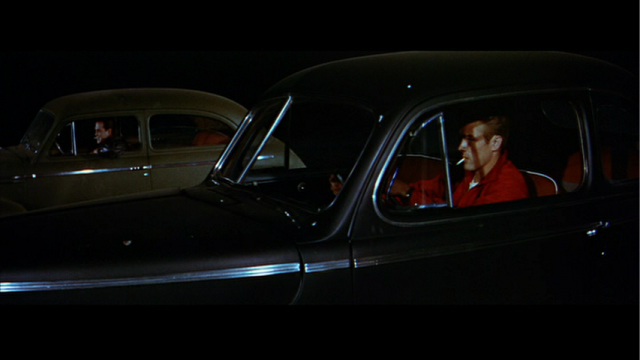
Several critics (see DVD Savant’s review, for instance) have pointed out that Rebel‘s screenplay is undeniably dated, with its abundant Freudian overtones — all troubles ultimately rest on the follies of inadequate parental figures — coming across as terribly heavy-handed. With that said, I believe the film’s melodramatic structure and tone ultimately work in its favor: the spiraling series of events depicted in the film (Jim’s “arrest”, his first day at a new high school, the fatal chicky run, and the climactic shoot-out) all take place within one 24-hour period, and are meant to demonstrate the fact that teenage angst not only feels all-consuming, but can quickly lead to unexpectedly grave consequences. While Rebel Without a Cause is undeniably a downer (those final scenes are tough to watch), its status as a culturally iconic movie makes it must-see viewing for all film fanatics; and — thanks to Dean’s charismatic presence — it will likely continue to endure as a cult favorite.

Redeeming Qualities and Moments:

  • James Dean as Jim Stark
  • Natalie Wood as Judy
  • Sal Mineo as Plato
  • Jim Backus as Jim’s well-meaning but “emasculated” father
  • The infamous “chicky run” scene
  • Good use of Los Angeles locales, such as the Griffith Observatory
  • Effective use of symbolic colors (particularly red)

Must See?
Yes. This undisputed classic of ’50s cinema should be seen at least once by every film fanatic. Discussed at length in Peary’s Cult Movies (1981).

Categories

  • Cult Movie
  • Genuine Classic
  • Important Director
  • Noteworthy Performance(s)

(Listed in 1001 Movies You Must See Before You Die)

Links:

Taboo (1980)

Taboo (1980)

“I’ve got the best looking mommy on the block.”

Synopsis:
A sexually unsatisfied single mom (Kay Parker) seduces her college-age son (Mike Ranger), who is more than willing to reciprocate.

Genres:

  • Adult Films
  • Incest and Incestuous Undertones
  • Sexual Liberation
  • Single Mothers

Response to Peary’s Review:
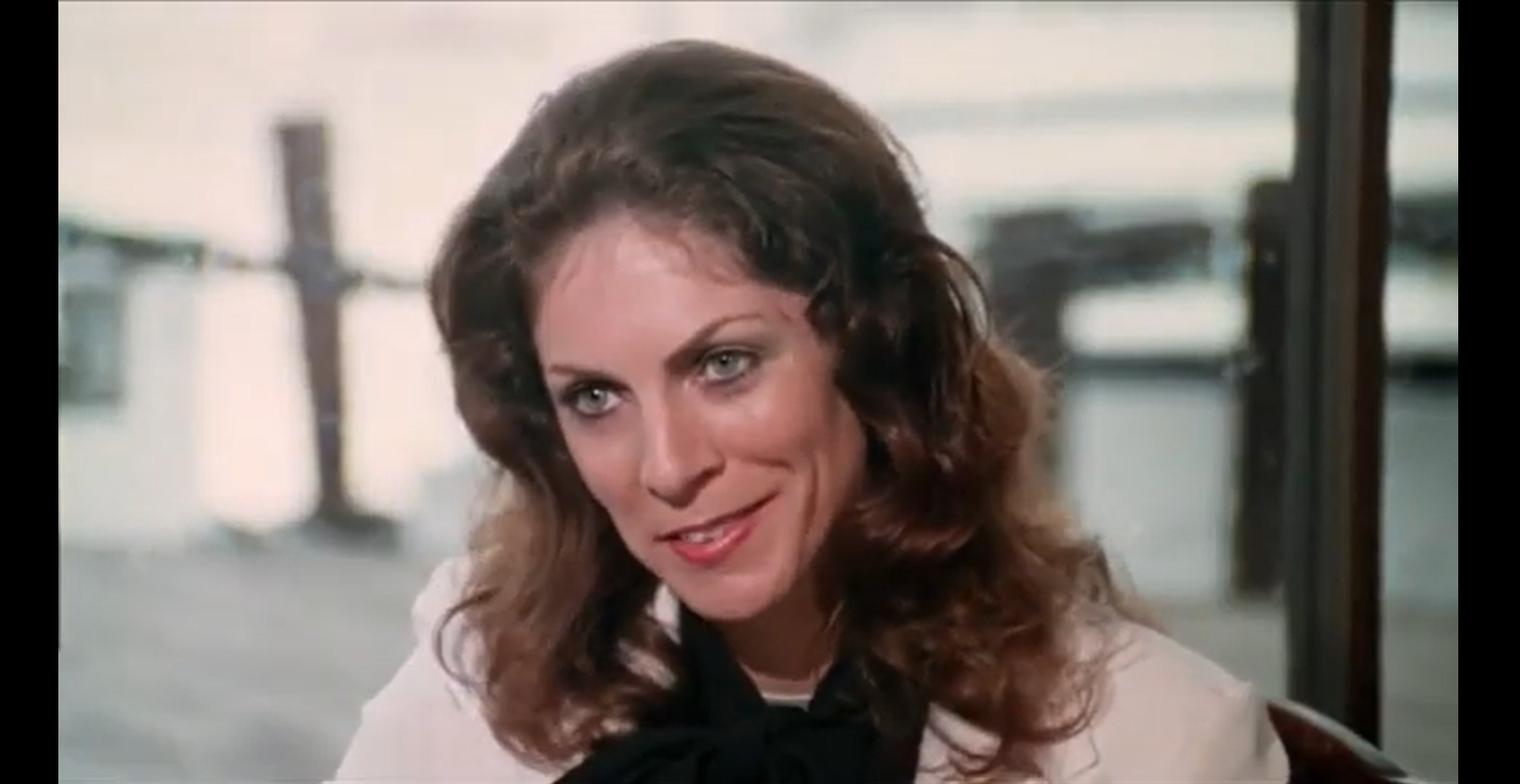
As Peary notes, it’s hard to get too upset over the “taboo” broken in this notorious adult film, given that the two lead actors (one brunette, one blond) look nothing alike. Indeed, Taboo is ultimately more interesting as the story of a divorced woman’s sexual liberation than as a titillating exploitation film. Most distressing is watching Parker suffer through a series of unsatisfying dates and obnoxious come-ons by men her own age.

Redeeming Qualities and Moments:

  • A refreshingly realistic-looking female lead

Must See?
No. While it’s notorious in adult film lore, film fanatics don’t necessarily need to see it.

Links:

Dance, Fools, Dance (1931)

Dance, Fools, Dance (1931)

“Society: what is it but a lot of people who are for you when you’re on the up and up — and what would one of ’em do for you if it came to a showdown?”

Synopsis:
After the untimely death of their businessman father (William Holden), two formerly wealthy siblings — Bonnie (Joan Crawford) and Bob (William Bakewell) — go to work: Bonnie as a cub reporter, and Bob as a bootleg salesman for a local gangster (Clark Gable). Things get sticky, however, when Bonnie’s co-worker (Cliff Edwards) is killed while investigating some gangland murders, and Bonnie discovers that her brother played a part.

Genres, Themes, Actors, and Directors:

  • Bootlegging
  • Clark Gable Films
  • Depression Era
  • Gangsters
  • Joan Crawford Films
  • Journalists
  • Siblings

Response to Peary’s Review:
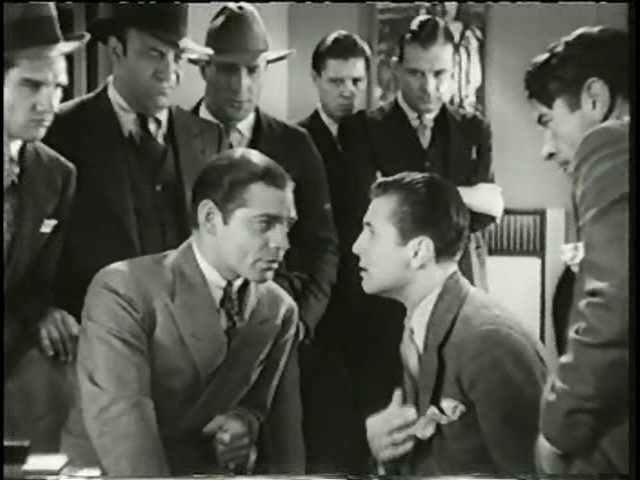
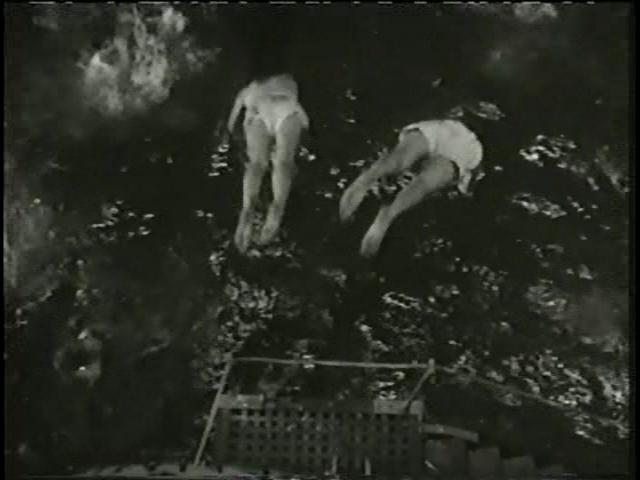
As Peary notes, this enjoyable “early Joan Crawford talkie” is particularly notable for merging “her then-popular hedonistic flapper/dancing girl” — see, for instance, Our Dancing Daughters (1928) — “with the noble working girl she’d play in the following years.” Crawford is indeed “impressive” here, coming across as both “likable and extremely glamorous” — her character is sexy, savvy, and (unlike her spoiled alcoholic brother) easily able to dismiss her former life of comfort once she realizes how shallow her society “friends” really are; as Peary notes, both she and Gable (whose role is minimal) clearly exhibit the “star quality” that would rocket them to future success. While the storyline itself features a few too many coincidences to be entirely believable, it’s nonetheless an enjoyable snapshot of the Depression era, when countless Americans found themselves scrounging for work, and bootlegging dominated the criminal underworld. Watch for risque Pre-Code moments sprinkled throughout the film: in addition to the infamous early “underwear swim” (see photo still below), Crawford offers herself sexually to her boyfriend (Lester Vail) by stating unequivocally that she believes in trying out love “on probation”.

Redeeming Qualities and Moments:

  • Joan Crawford as Bonnie Jordan (Peary nominates her for an Alternate Oscar as best actress of the year)
  • Clark Gable as Jake Luva
  • Crawford and Gable’s genuine chemistry together
  • Several deliciously naughty pre-code moments — including the infamous “underwear swim” off the yacht

Must See?
Yes, as one of Joan’s best early flicks.

Categories

  • Noteworthy Performance(s)

Links:

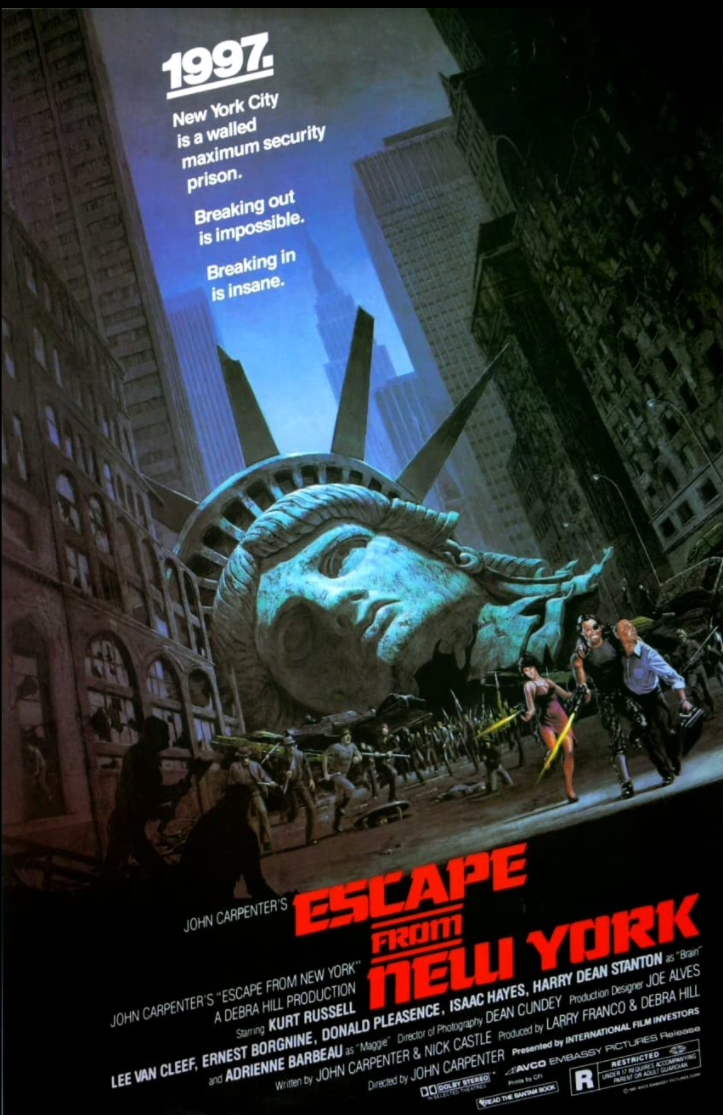
Escape From New York (1981)

Escape From New York (1981)

“You go in, find the president in less than 24 hours, and you’re a free man.”

Synopsis:
In the near future, a group of rebels kidnap the president (Donald Pleasence) and hold him hostage on the island of Manhattan, which has been turned into a maximum security prison. A convict named Snake (Kurt Russell) is promised immunity in exchange for bringing the president back safely to the mainland, but must fight against the island’s ruthless leader, the Duke (Isaac Hayes).

Genres, Themes, Actors, and Directors:

  • Donald Pleasence Films
  • Ernest Borgnine Films
  • Harry Dean Stanton Films
  • Hostages
  • John Carpenter Films
  • Lee Van Cleef Films
  • New York City
  • Prisoners
  • Race-Against-Time
  • Science Fiction

Response to Peary’s Review:
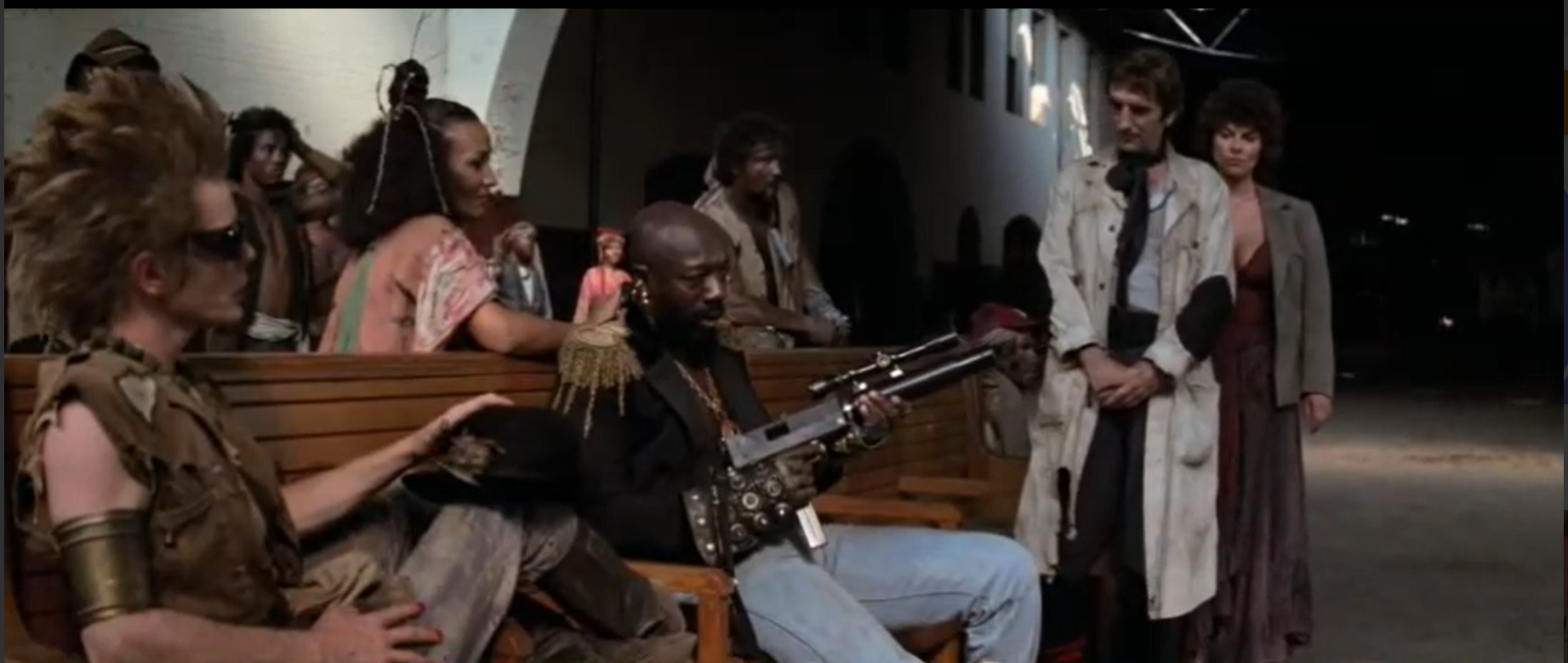
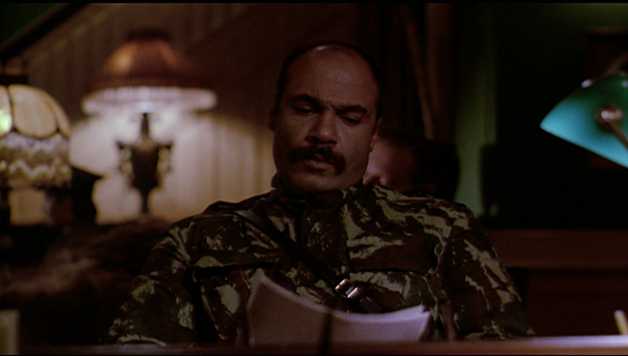
As Peary notes, this “mindless ‘escapism’ by John Carpenter” features “an intriguing premise and [a] good cast”, but fails to capitalize on its “political possibilities”, instead simply opting for “trite story points… and unreal, cliché characters.” Ken Russell’s blatant imitation of Clint Eastwood will indeed “get on your nerves”:

and none of the supporting actors are particularly impressive or memorable.

While Carpenter and his team make good use of a low budget to convincingly portray a decaying, blight-filled Manhattan, the city is ultimately more of a backdrop than a true “character” in the story. Plus, as Peary points out, “surely the bridges would have been destroyed by the government if Carpenter didn’t want to utilize one… in his escape plot” — it’s impossible to believe that a maximum security prison island would maintain such overt links to the outside world, albeit heavily mined ones. As a longtime cult favorite, Escape From New York deserves at least a look, but ultimately it’s a disappointment; most of its entertainment value these days stems from its over-the-top scenarios and dialogue (“I heard you were dead!”).

Redeeming Qualities and Moments:

  • Impressive sets and props on a low budget

Must See?
No, but it’s worth a one-time look for its status as a cult favorite.

Links:

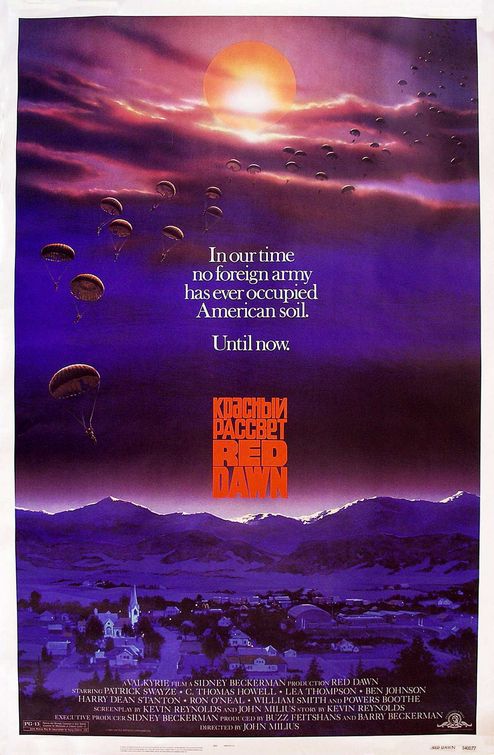
Red Dawn (1984)

Red Dawn (1984)

“The Russians need to take us in one piece, and that’s why they’re here.”

Synopsis:
When Communists invade America, a group of teenagers in Colorado — led by Jed (Patrick Swayze) and his brother Matt (Charlie Sheen) — defend themselves in the hills, eventually forming a resistance group known as the Wolverines.

Genres, Themes, Actors, and Directors:

  • Ben Johnson Films
  • Cold War
  • Harry Dean Stanton Films
  • Resistance Fighters
  • Small Town America

Response to Peary’s Review:
In his review of this ’80s cult favorite (which he labels “anti-Communist paranoia gone mad”), Peary focuses primarily on the “right-wing politics” of its creator, director/screenwriter John Milius — who, Peary argues, “makes warfare seem fun”, and who seems to envy “the film’s teenagers and underground fighters as they attempt to recapture their homeland.” In truth, if you’re able to ignore the film’s controversial political stance (as well as some of the more glaring plot holes — the scenario is more fantasy than reality), Red Dawn remains a surprisingly enjoyable action flick, one which is guaranteed to appeal to anyone who’s ever dreamed of surviving off the land and/or becoming a guerrilla fighter. The lead actors, as Peary notes, are all “solid action heroes”, and convincingly portray the youthful rebels, though it’s frustrating that we never get to know any of them in great detail (character development is secondary to action here). Indeed, Milius infuses his script with so much fighting that at a certain point “it becomes hard to tell what specifically the insurgents are trying to accomplish during each of their sneak attacks on the invaders” — but action fans surely won’t be disappointed.

Redeeming Qualities and Moments:

  • Fine performances by the cast of (mostly) unknown young actors
  • The frightening opening “landing” sequence
  • A sobering view of what American occupation might look like
  • Refreshing humanization of at least one of the invaders
  • Beautiful cinematography of deceptively “peaceful” landscapes

Must See?
Yes, for its status as a cult favorite.

Categories

  • Cult Movie

Links:

War of the Worlds (1953)

War of the Worlds (1953)

“They seem to murder everything that moves.”

Synopsis:
A scientist (Gene Barry) accompanied by a beautiful library science instructor (Ann Robinson) works with the military to stop Martian invaders from taking over the Earth.

Genres, Themes, Actors, and Directors:

  • Aliens
  • George Pal Films
  • H.G. Wells Films
  • Science Fiction
  • World Domination

Response to Peary’s Review:
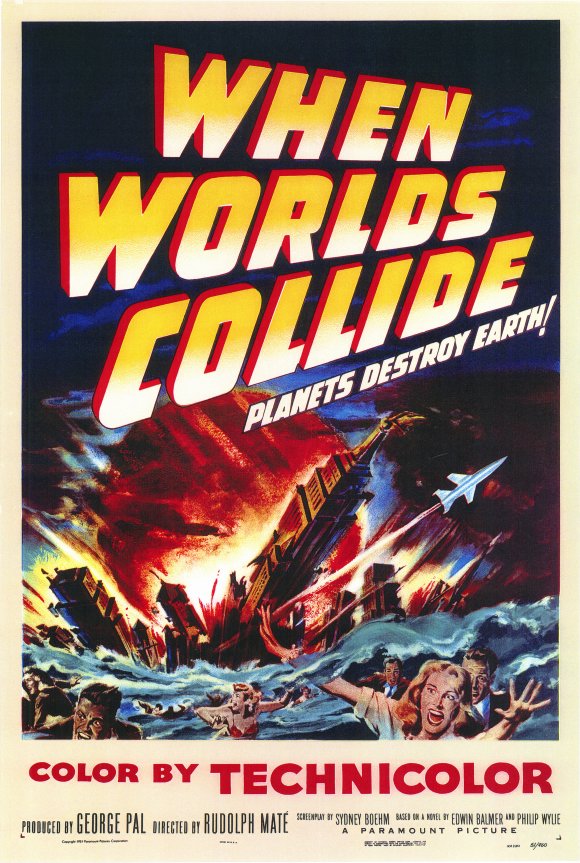
Unlike other reviewers who have fond memories of being both scared and thrilled by War of the Worlds when it was finally released in 1953 (Paramount Studios had owned the movie rights to the title for nearly twenty years), Peary seems less than enamored by producer George Pal’s updated version of H.G. Wells’ classic sci-fi novel. He cites the many changes to Wells’ original story as “annoying” (particularly Pal’s notion that “God is directly responsible for the aliens’ demise”), and argues that the “brutal, selfish” humans in the mob scene near the end of the film barely seem worth rescuing. “In fact,” he notes, the film “doesn’t [convincingly] show why earth’s people or their way of life should be preserved.” In terms of the lead performances, he notes somewhat harshly that “Barry is a sturdy if dull hero” while Robinson — who, in typical ’50s gender relegation, “merely looks on [and] serves coffee” — is “an embarrassment” (personally, I find it hard to fault Robinson for the way her role was written).
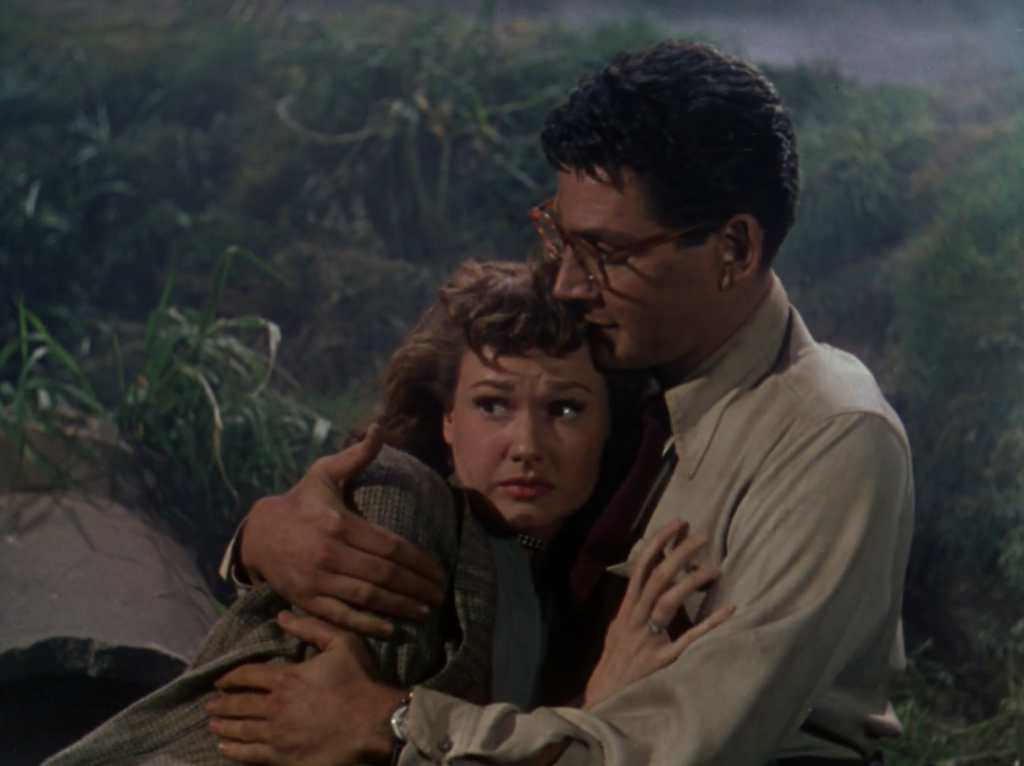
These days, particularly in the wake of Steven Spielberg’s tepid remake, Pal’s War of the Worlds — which Peary claims has an “enormous cult following” — is seen by most modern viewers as dated but of historic interest, thanks in large part to Gordon Jennings’ “tremendous special effects”, which were enormously impressive at the time.

It’s also important to remember, as Peary notes, that this was “the first film in which America itself is turned into a war zone because of an invasion”; indeed, it must have been tremendously frightening for audiences at the time to vicariously witness an A-bomb being dropped near a populated area. With that said, however, I’m largely in agreement with Peary’s assessment of the film as “colorful but overrated”, and only consider it to be must-see for its historical relevance.

Redeeming Qualities and Moments:

  • Gordon Jennings’ Oscar-winning special effects

Must See?
Yes, simply for its historical status as the first major alien invasion flick.

Categories

  • Historically Relevant

Links:

Hardcore (1979)

Hardcore (1979)

“A lot of strange things happen in this world — things you don’t know about in Grand Rapids, things you don’t want to know about, doors that shouldn’t be opened.”

Synopsis:
When his teenage daughter (Ilah Davis) runs away during a church trip to Los Angeles, a devoutly religious midwestern businessman (George C. Scott) learns from a private detective (Peter Boyle) that she has joined the porn industry, and hunts her down with the help of a young prostitute (Season Hubley).

Genres, Themes, Actors, and Directors:

  • Father and Child
  • George C. Scott Films
  • Paul Schrader Films
  • Peter Boyle Films
  • Runaways
  • Search

Response to Peary’s Review:
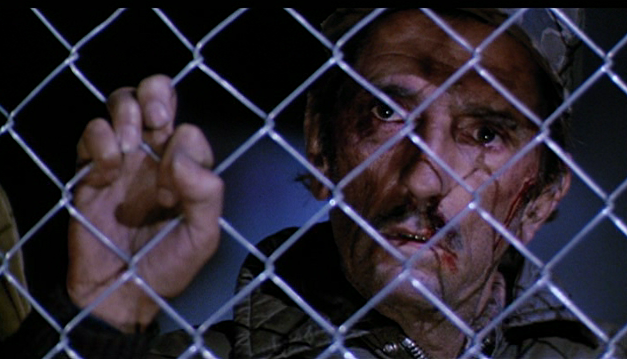
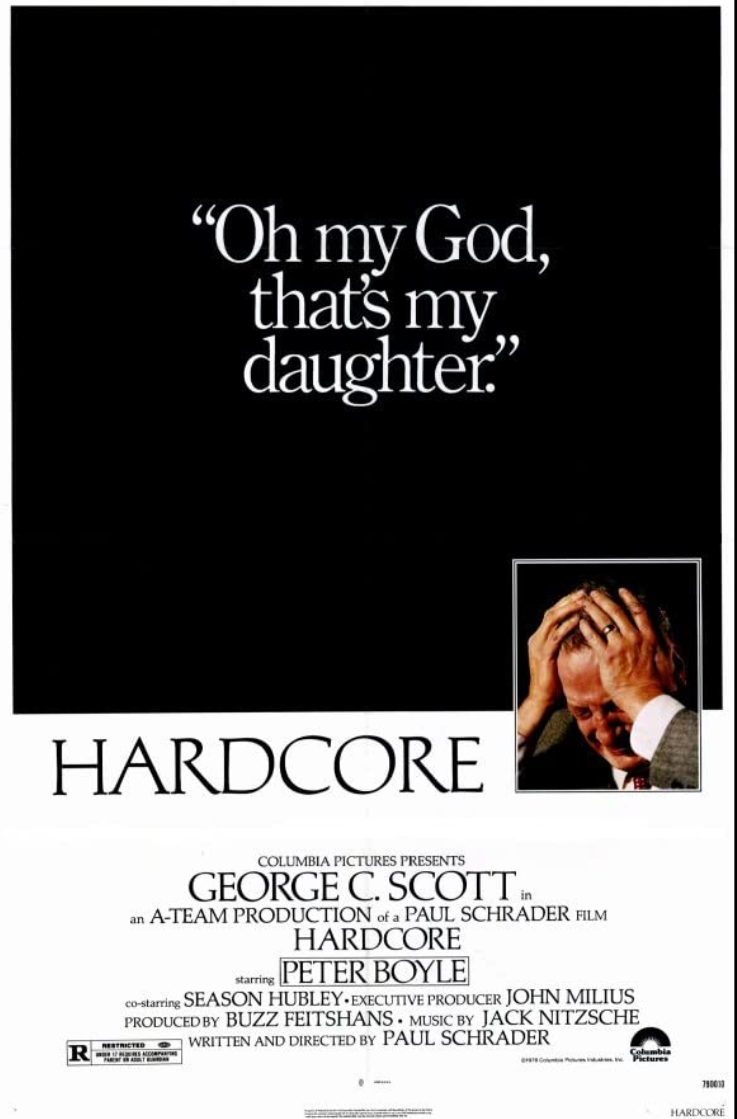
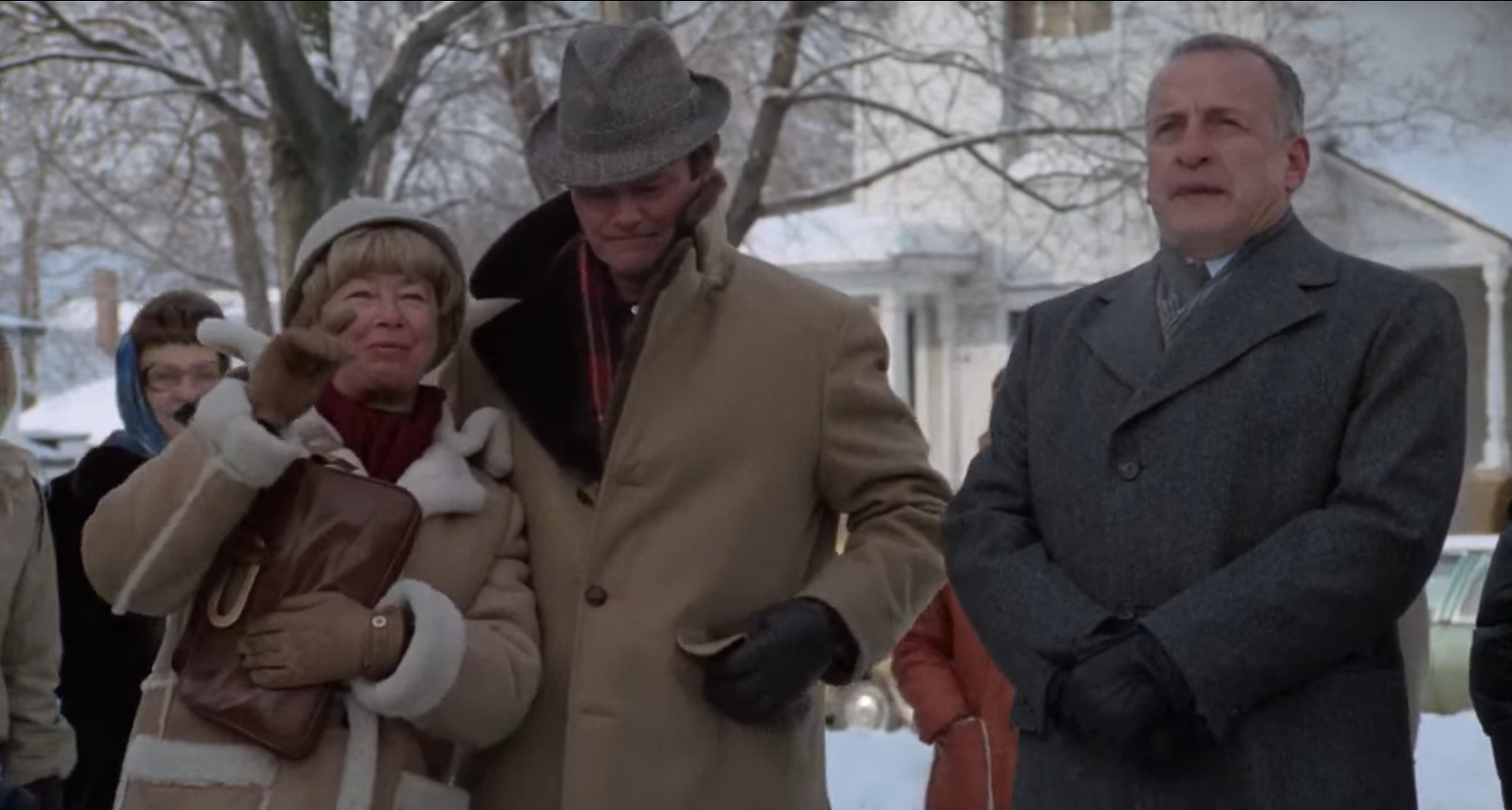
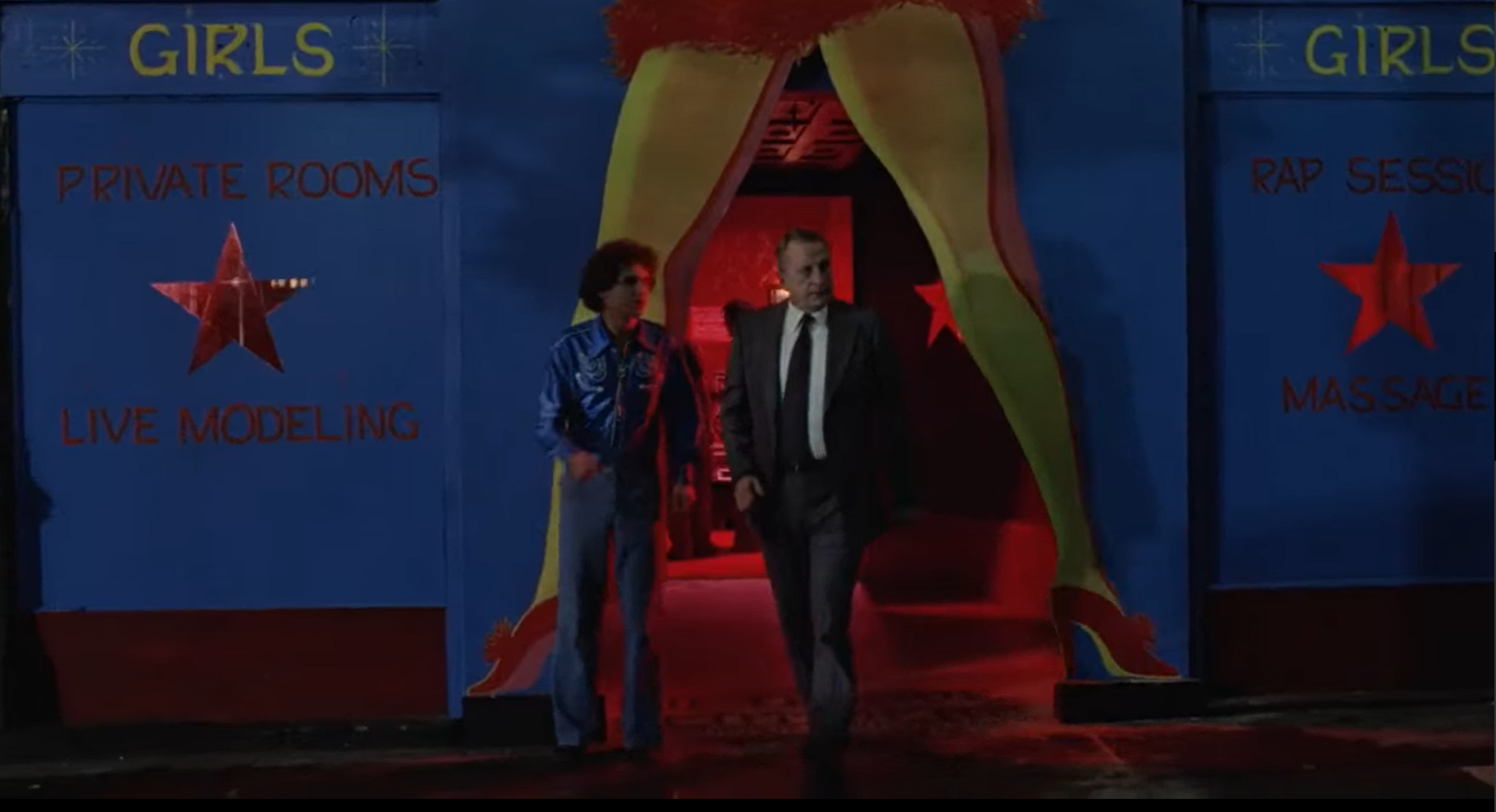
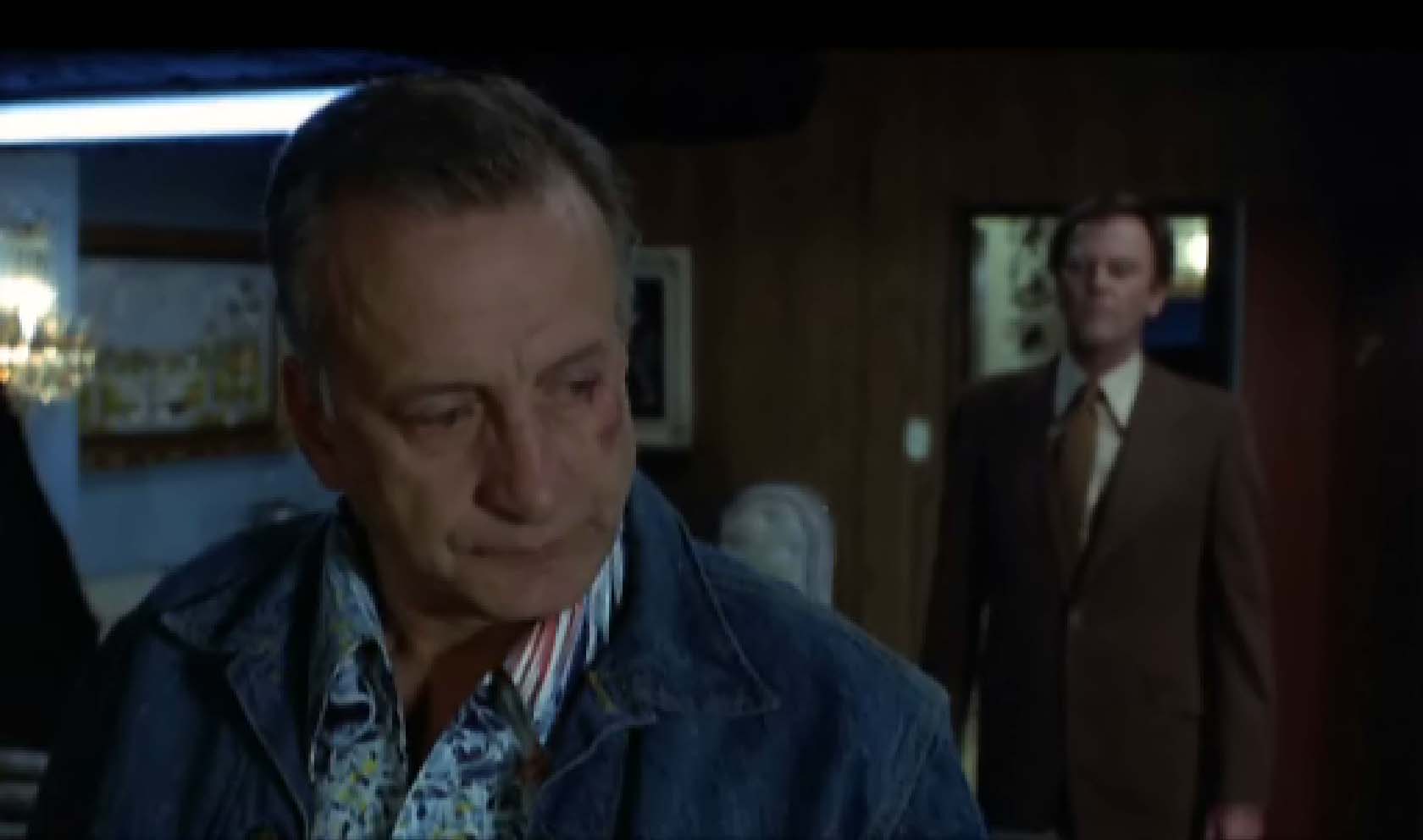
Peary and several other reviewers have noted that this tale of a moralistic man’s “descent into purgatory” while searching for his missing daughter is highly reminiscent of John Ford’s The Searchers (1956); as Peary points out, however, it’s not nearly as successful, given that director Paul Schrader seems to be using his premise as an “excuse… to show the sordid sexual world that has seduced him in real life and always finds its way into his films.” Indeed, after a strong, authentic opening — (we truly believe in this man’s orderly Calvinist world):

— things slowly go downhill, as Scott’s months-long undertaking (why don’t we ever see him checking in on his business back home?) turns into simply a convenient pretext for “exposing” the underground porn and prostitution industry — an expose which these days no longer seems all that shocking.

Scott’s performance is as fine and true as always, but his character as written doesn’t possess much of an arc — even once he begins opening up to a fresh-faced young prostitute (very nicely played by Season Hubley), we see little evidence of any real character transformation. The film’s deeply unsatisfying ending involves a sudden slo-mo action sequence (what happened to Schrader’s eye for naturalism?), an inexplicable shooting, and a cursory reunion between father and daughter. Given its intriguing premise and fine performances, Hardcore should ultimately have been much better than it is.

Redeeming Qualities and Moments:

  • George C. Scott as Jake VanDorn
  • Season Hubley as Niki

Must See?
No, but it’s worth a look simply for its premise and performances.

Links:

President’s Analyst, The (1967)

President’s Analyst, The (1967)

“If I were an analyst — which I am — I would say I was rapidly turning into a paranoid personality — which I am.”

Synopsis:
A psychoanalyst (James Coburn) hired to work for the president of the United States becomes paranoid that spies are out to get him; soon he finds himself on the lam from multiple agents and hit-men, including Soviet agent Kropotkin (Severn Darden) and “CEA” agent Masters (Godfrey Cambridge).

Genres, Themes, Actors, and Directors:

  • Cat-and-Mouse
  • Cold War
  • James Coburn Films
  • Psychotherapy
  • Satires and Spoofs
  • Spies

Response to Peary’s Review:
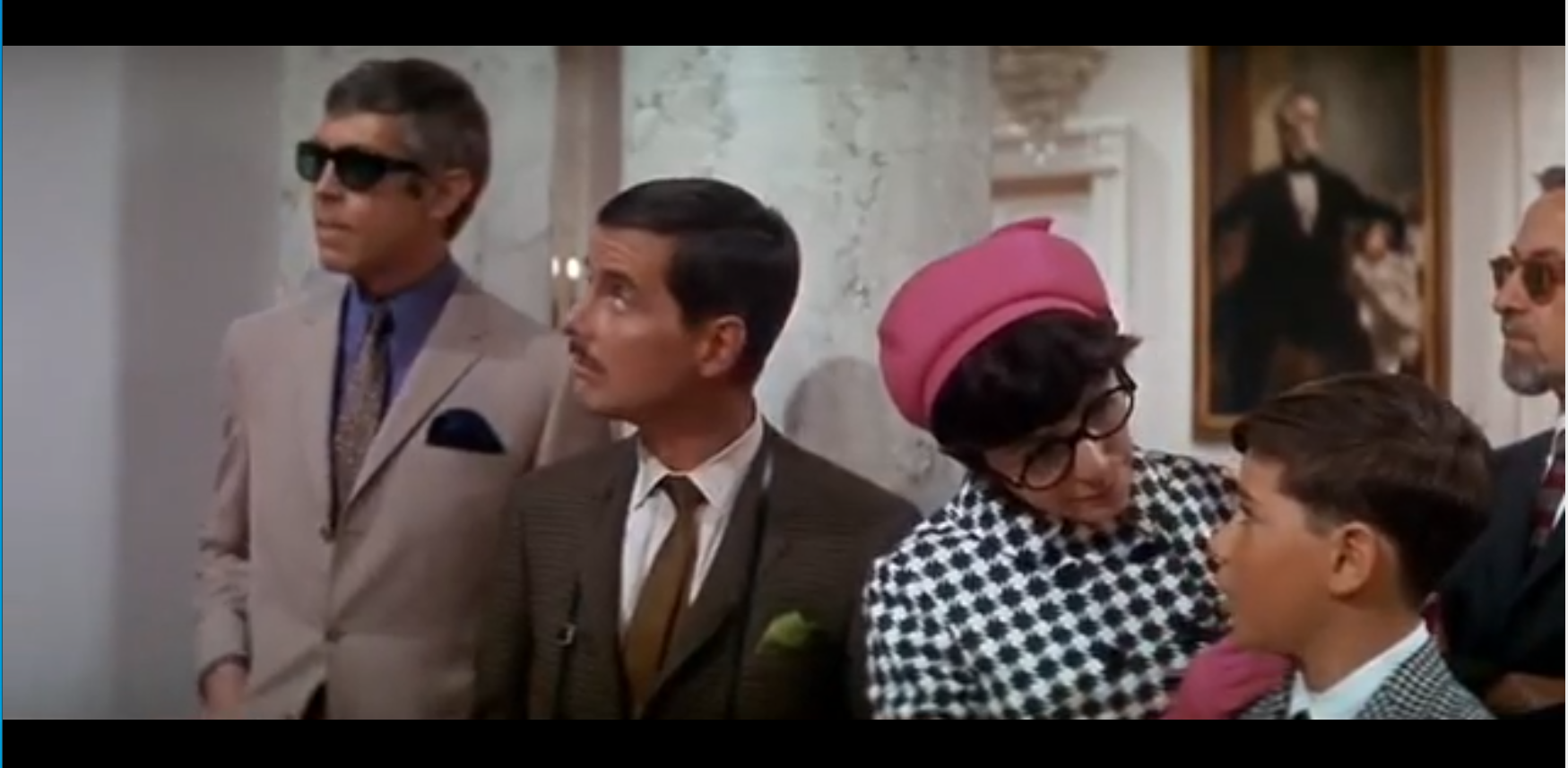
In his review of this “zany paranoia satire” (a minor cult favorite), Peary seems half-hearted at best, noting that while “everything seems to be filmed from the wrong angles, at least the story never gets totally out of hand” — but I don’t think his review does this enjoyable film justice. In addition to Coburn’s fine performance in the lead role, The President’s Analyst is notable for its prescient, no-holds-barred exploration of secrecy and paranoia at every level of government — there’s literally nowhere to hide in this agent-ridden universe, where (as Peary notes) “no one is to be trusted”. The outrageous story moves quickly enough to hold our attention throughout; just when Coburn thinks he’s (momentarily) safe, he finds himself on the run once again, so we never get bored of any particular scenario. The best sequences involve Coburn hiding out at the home of an “all-American” family, where the couple’s young son taps Coburn’s telephone call using his Junior Spy Kit, and a hilarious scene in which multiple agents kill each other off in an “idyllic” meadow while Coburn obliviously canoodles a hippie chick nearby. The supporting performances throughout are commendable, and — to his credit — writer/director Theodore Flicker takes his over-the-top premise to a suitably freaky conclusion. This one’s definitely worth a look.

Redeeming Qualities and Moments:

  • James Coburn as Dr. Schaefer
  • Coburn’s visit to a seemingly “all-American” family in New Jersey
  • Countless spies killing each other off in their fruitless attempt to capture Coburn

Must See?
Yes, for its status as a zany cult favorite.

Categories

  • Cult Movie

Links:

Cleopatra Jones and the Casino of Gold (1975)

Cleopatra Jones and the Casino of Gold (1975)

“I never claim to be God… Only close to him.”

Synopsis:
With the help of a local detective (Tanny) in Hong Kong, female operative Cleopatra Jones (Tamara Dobson) tries to rescue her co-workers (Albert Popwell and Caro Kenyatta) from the clutches of a vicious drug dealer known as the Dragon Lady (Stella Stevens).

Genres, Themes, Actors, and Directors:

  • African-Americans
  • Detectives and Private Eyes
  • Drug Dealers
  • Shelley Winters Films
  • Stella Stevens Films
  • Strong Females

Response to Peary’s Review:
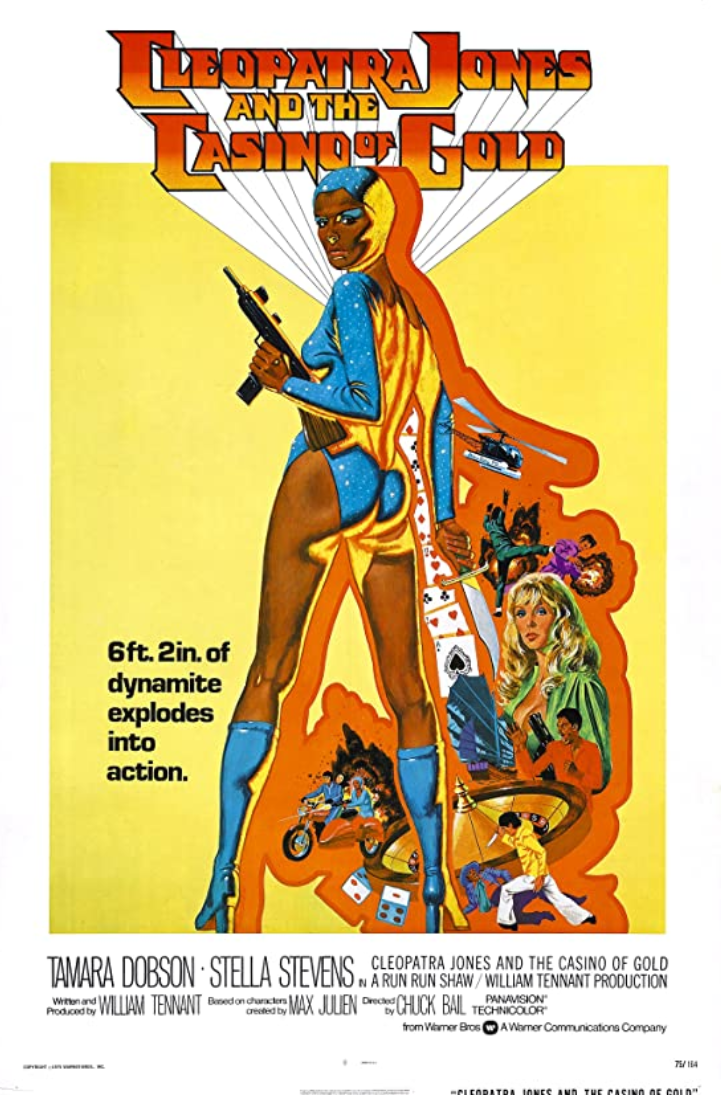
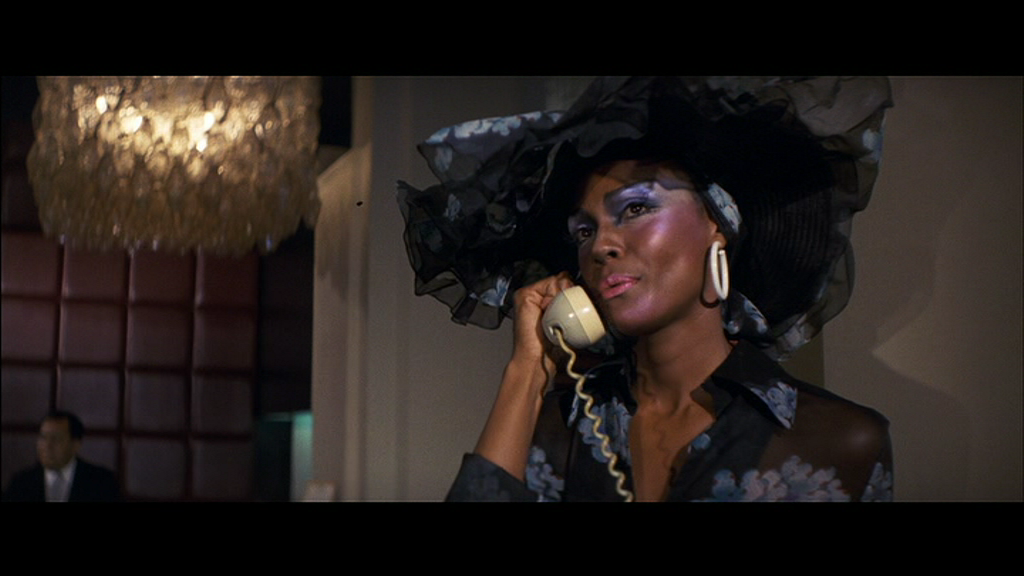
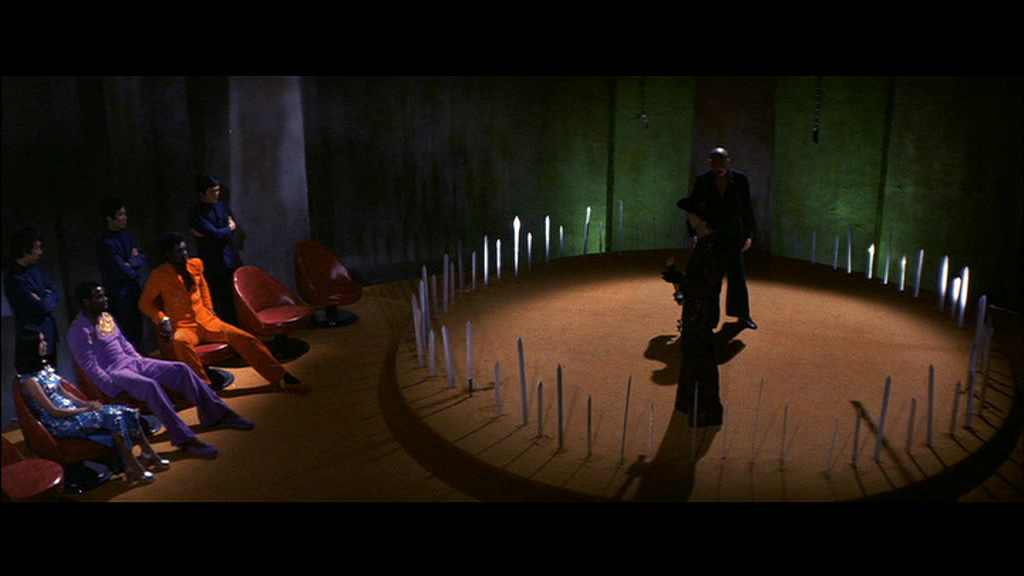
Although I haven’t yet seen 1973’s Cleopatra Jones (not listed in Peary’s book), I believe Peary when he states that this sequel — a “sexy, funny, fast-moving exploitation film” — is “better than the original.” As Peary notes, “Amazonian” Tamara Dobson (“one of the main assets of [the] blaxpoitation generation”) is “no Pam Grier”, but she fits the bill here as a larger-than-life female agent; in her outrageously colorful outfits and over-the-top make-up, she’s consistently stunning to look at. Even better, however, is her “pretty and lethal” sidekick (played by “Tanny”, a.k.a. Ni Tien), who kicks some serious butt in a couple of well-choreographed fight scenes; meanwhile, cult film star Stella Stevens seems to be having fun in her role as the Dragon Lady, a drug “queenpin” who you don’t want to mess with. The film as a whole moves quickly, and director Chuck Bail makes good use of authentic Hong Kong locales; the final extended fight sequence — taking place inside the Dragon Lady’s baroque “Casino of Gold” — is especially exciting.

Redeeming Qualities and Moments:

  • “Tanny” as Mi Ling
  • Stella Stevens as the Dragon Lady
  • Cleopatra’s seemingly endless array of outrageous outfits
  • Enjoyably stylized set designs
  • Effective use of Hong Kong street locales

Must See?
No, but it’s worth a look as a representative blaxploitation / “strong female” film of the ’70s.

Links: