Big Combo, The (1955)
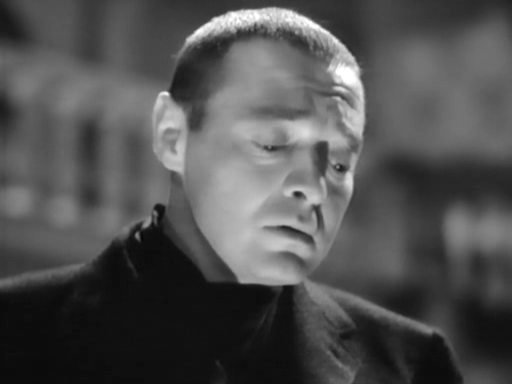
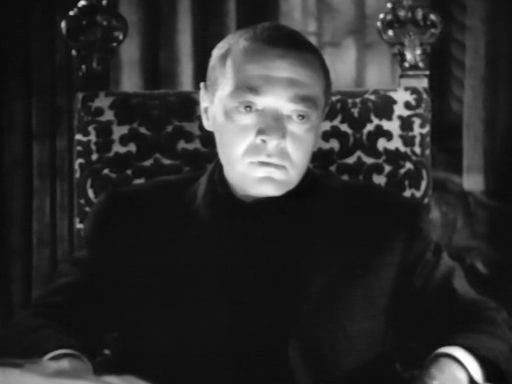
“Brown’s not a man; he’s an organization.”
|
Synopsis: |
|
Genres, Themes, Actors, and Directors:
Review: Redeeming Qualities and Moments:
Must See? Categories
Links: |
“Brown’s not a man; he’s an organization.”
|
Synopsis: |
|
Genres, Themes, Actors, and Directors:
Review: Redeeming Qualities and Moments:
Must See? Categories
Links: |
“That’s marriage for you.”
|
Synopsis: |
|
Genres, Themes, Actors, and Directors:
Response to Peary’s Review: Unfortunately, I’m not nearly as enamored with this nouvelle vague-inspired cult classic as Peary (and many others) are. I’ve seen it twice now — once many years ago, and again just recently — and still find myself unable to engage with either the characters or their travails. While Raphael’s screenplay was indeed innovative for the time, it now seems like merely an excuse for cinematic trickery, with form trumping content; we focus so much on watching Hepburn’s Joanna and Finney’s Mark shifting between various eras of their relationship (coded primarily by Hepburn’s haircuts and outfits) that we lose all sense of why we should care about these individuals to begin with. Indeed, I disagree with Peary’s assertion that “we come to like these two people”, given that we never learn who, exactly, they are, other than partners in an endlessly contentious marriage; meanwhile, the specifics of their livelihoods — including an unlikely encounter with a wealthy European couple who just happen to be looking for a sharp young architect like Finney — further strain the film’s credibility. Ultimately, at risk of sounding like a philistine, I find myself agreeing most with Bosley Crowther’s review for the NY Times, where he argues that the film “doesn’t tell us very much about marriage and life, other than the old romantic axiom that lovers are likelier to be happy when poor than when rich.” Yet clearly Two for the Road resonates on a deeply personal level for Peary — and a quick glance at IMDb’s message boards and user reviews reveals that quite a few others feel the same way. In his first Cult Movies book, Peary relates an anecdote of going to see this film while on a road trip heading towards college for the first time, and how it “was a revelation to a college freshmen who hadn’t known there was life after high school”. In this essay, he offers an in-depth analysis of sections from Raphael’s script, arguing that “no contribution [to the film] is more significant than the screenplay”, and that it’s “a writer’s movie”. He points out how the script is rare in paying “as much attention… to gestures as… to dialogue”, and, given that it was written specifically for the screen, in specifying “every effect, movement and motivation” in cinematic terms. Indeed, reading Peary’s analysis provides me with better insight as to why it’s so critically lauded; yet while it may be true, as Peary writes, that “Joanna and Mark are emotional mosaics of the problems and roadblocks we each may bring to a relationship: the selfishness, the intolerance, the egotism, the misguided values, the impulsiveness, the thoughtlessness, the infidelity”, my inability to care about these particular characters makes it difficult for me to glean as much from the film as others apparently can. Redeeming Qualities and Moments:
Must See? Links: |
“I’ve got all the faith in the world in Johnny.”
|
Synopsis: |
|
Genres, Themes, Actors, and Directors:
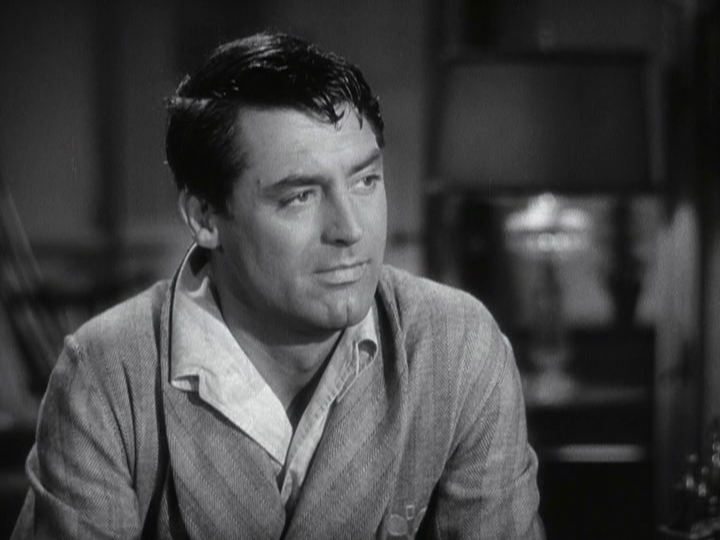
Response to Peary’s Review: While Holiday can certainly be enjoyed on a surface level as simply a smart romantic comedy, it possesses nuanced social and psychodynamic subtexts. As noted in Stephanie Zacharek’s touching homage-review (she considers it a personal favorite), “a mantle of sadness hangs over this most stylish of comedies”, which in its “ruthlessness” not only “makes a case for building a life in which you’re surrounded by people you love” but is “also unflinching about steeling yourself against people who can only hurt you, no matter who they are”. With that said, as DVD Savant points out, the play/screenplay, for better or for worse, “pussyfoots around its central issue without ever really addressing it”, given that we never really learn “what the blazes [Grant’s character is] babbling about, and how… a kid who supported himself from age ten and rose to become a Wall Street genius fit[s] into [the nebulous] philosophy” of “big, exciting new ideas coming into the world” (will he join the war in Spain?). Regardless, we’re clearly meant to see that nonconformist Grant and zany Hepburn (who, in Zacharek’s words, “is not just stifled by her upper-crust lifestyle but almost destroyed by it”) are a couple simply meant to be — and we take immense pleasure in watching how they will finally come to this realization themselves. Redeeming Qualities and Moments:
Must See? Categories
Links: |
“A lot of people are going to think we are a shocking pair.”
|
Synopsis: |
|
Genres, Themes, Actors, and Directors:
Review:
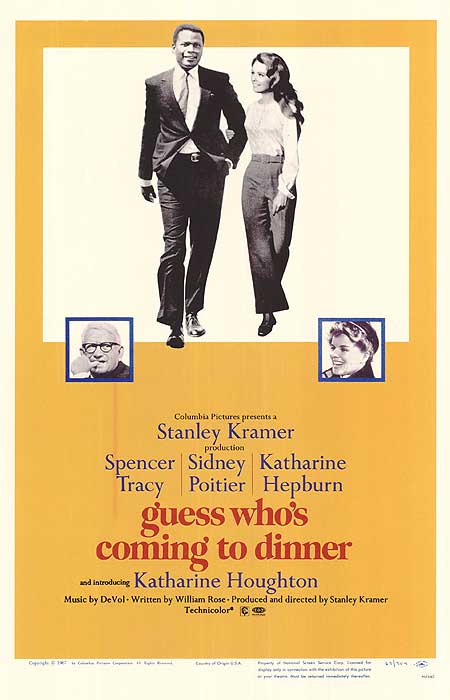
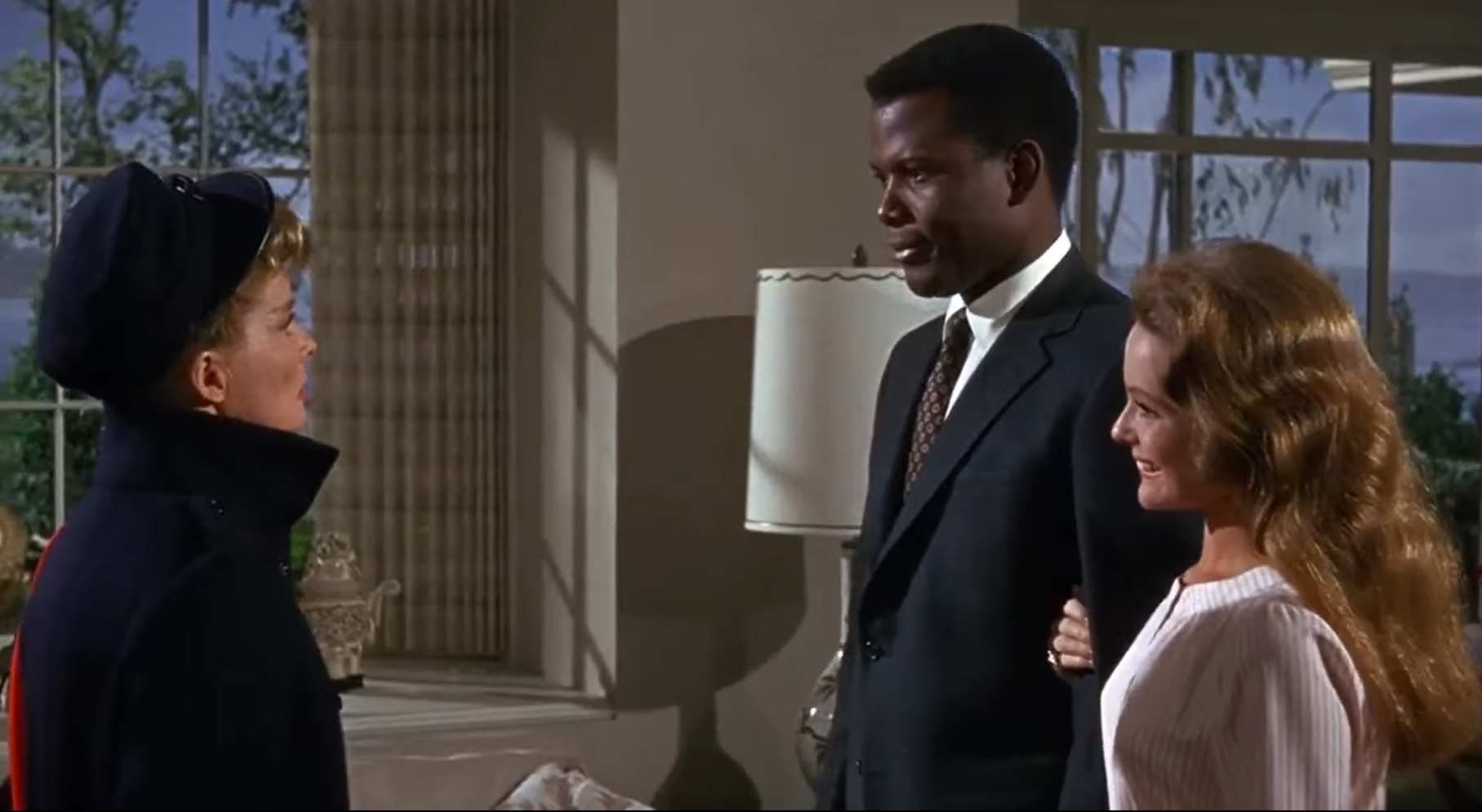
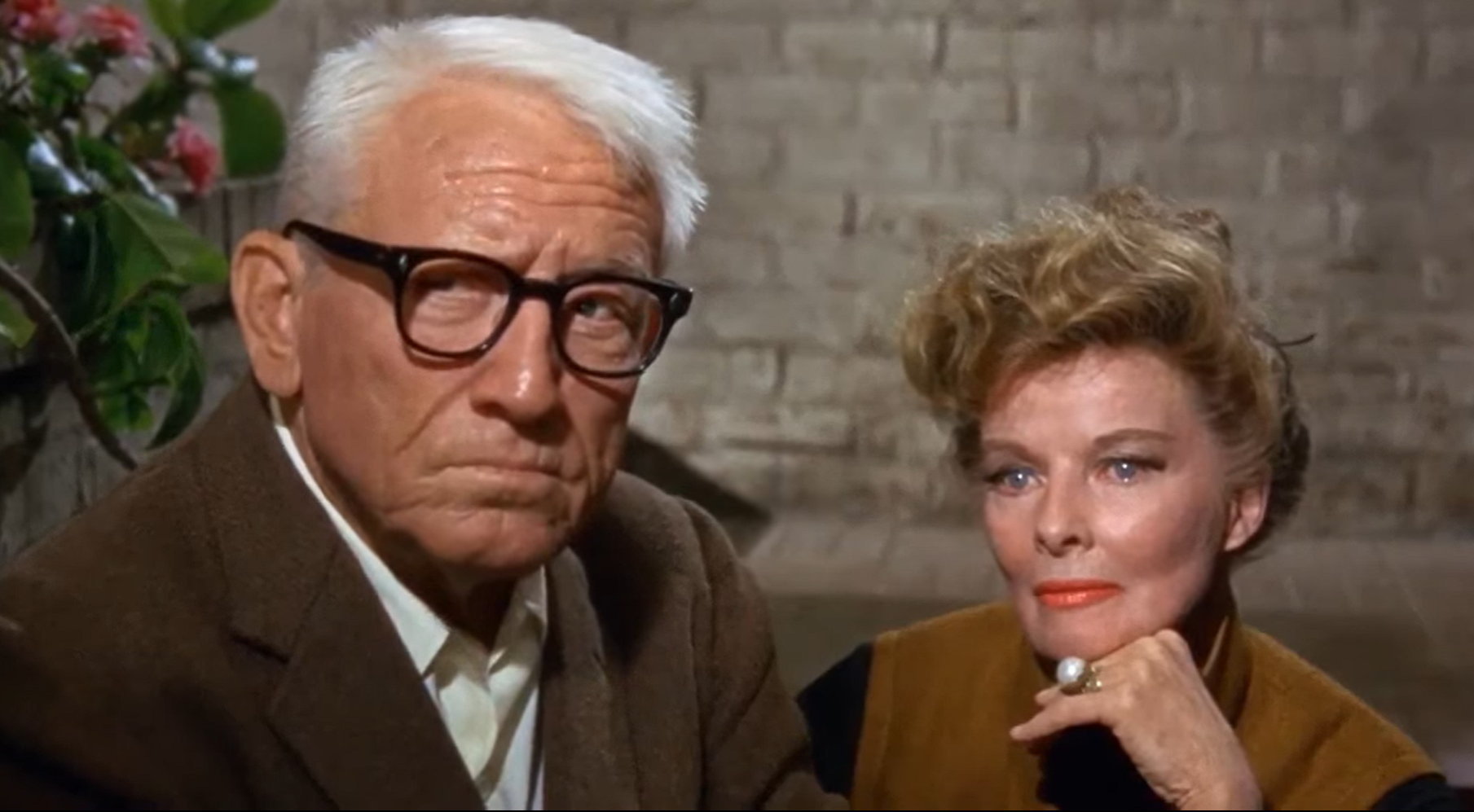
He writes that “you keep expecting her to have a tremendous scene all to herself, but it never happens”; indeed, her performance is really more of a supporting one, with nearly all the characters given equal air time (though Tracy’s white male opinion, perhaps predictably for the times, ultimately emerges as the definitive one). Speaking of Tracy, it’s hard not to be moved when watching what turned out to be his final performance (he died 17 days after production ended).
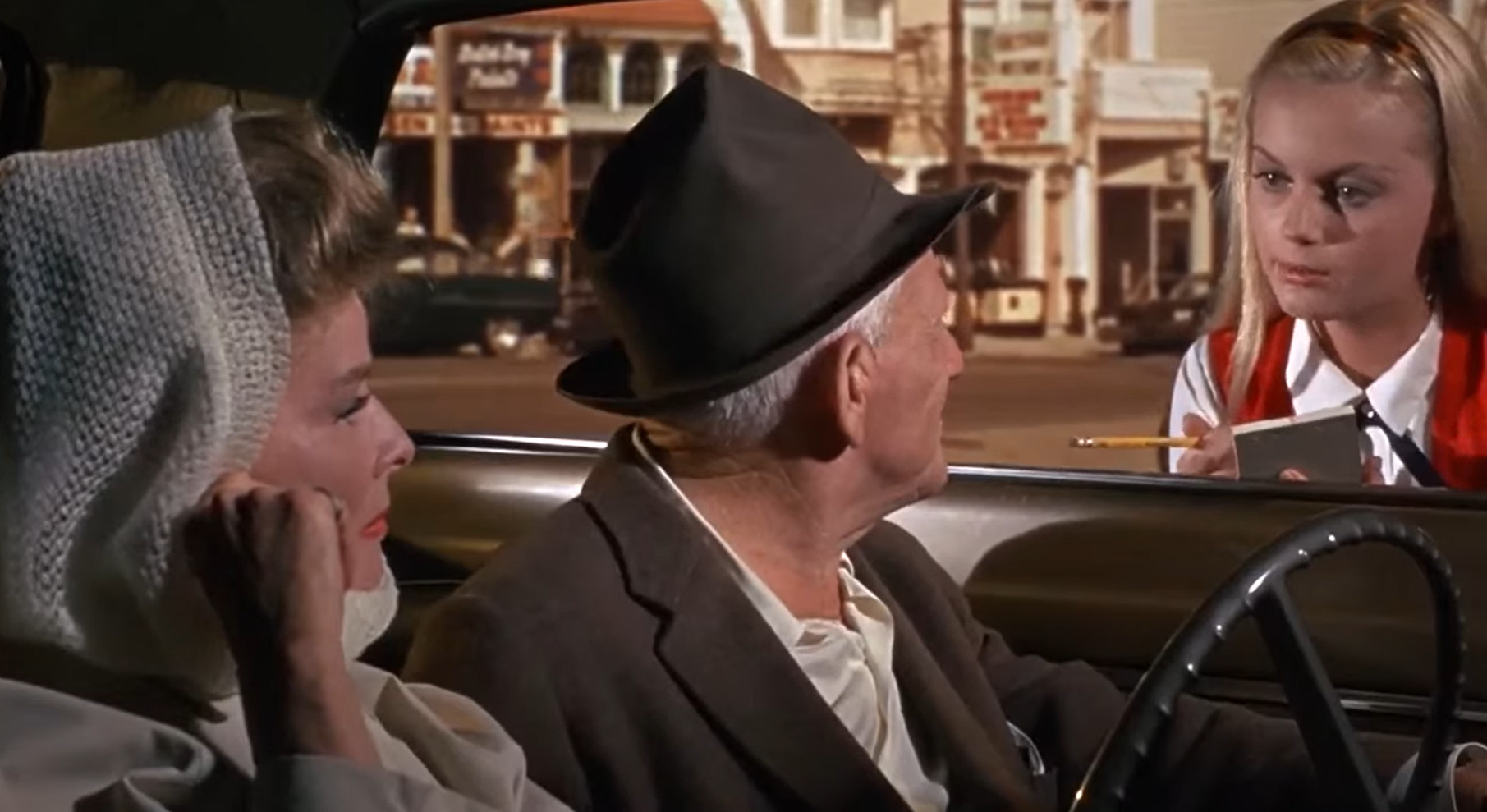
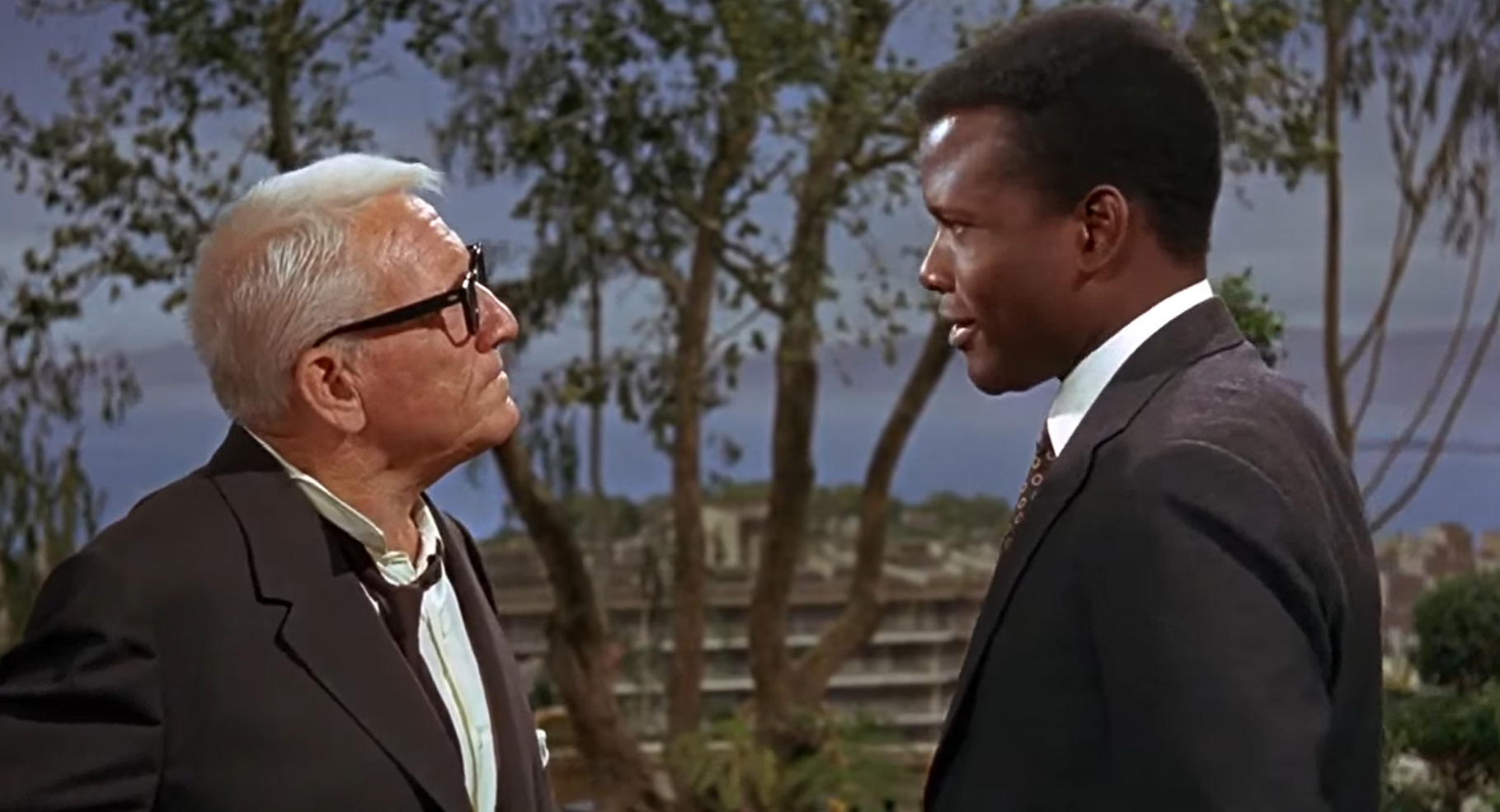
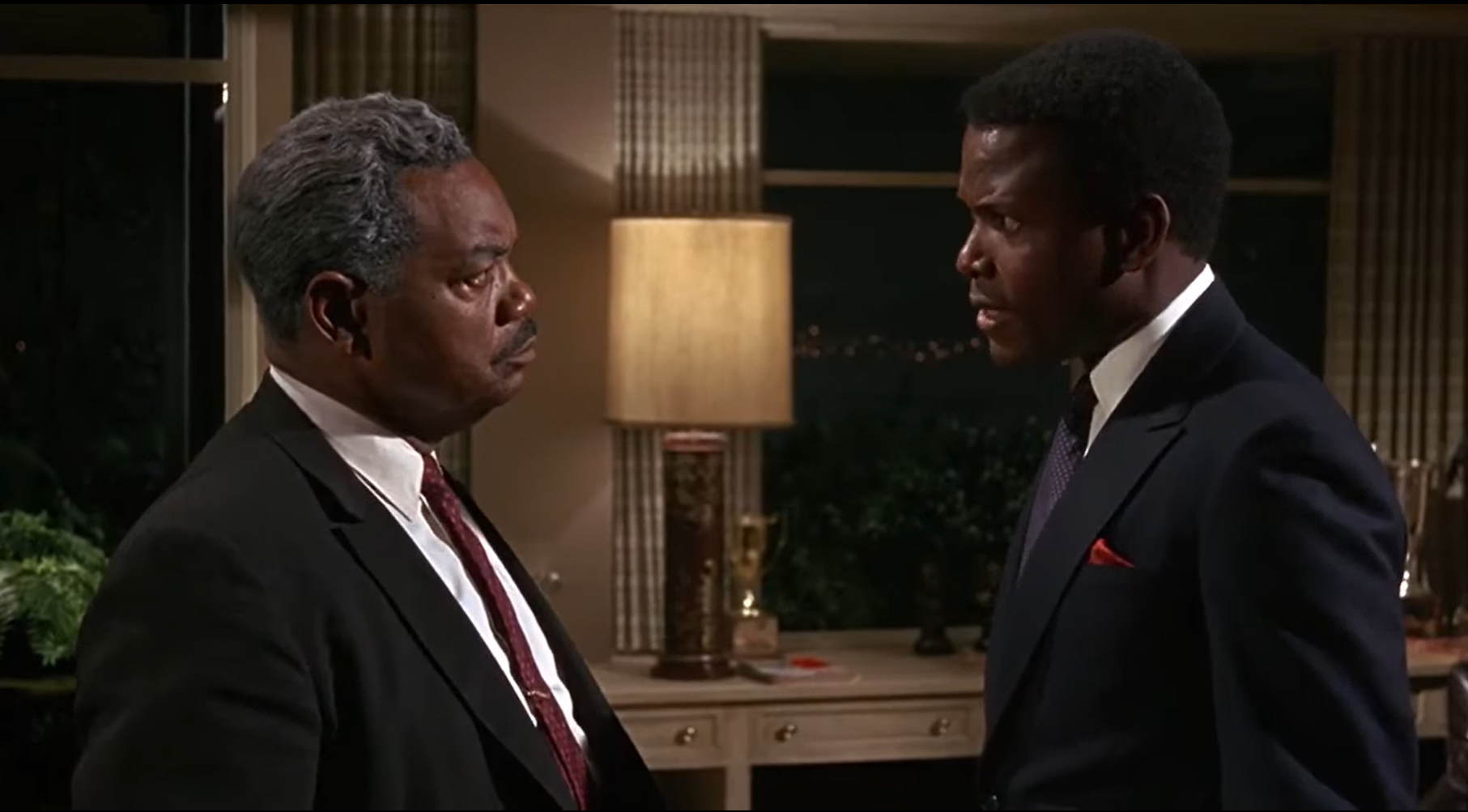
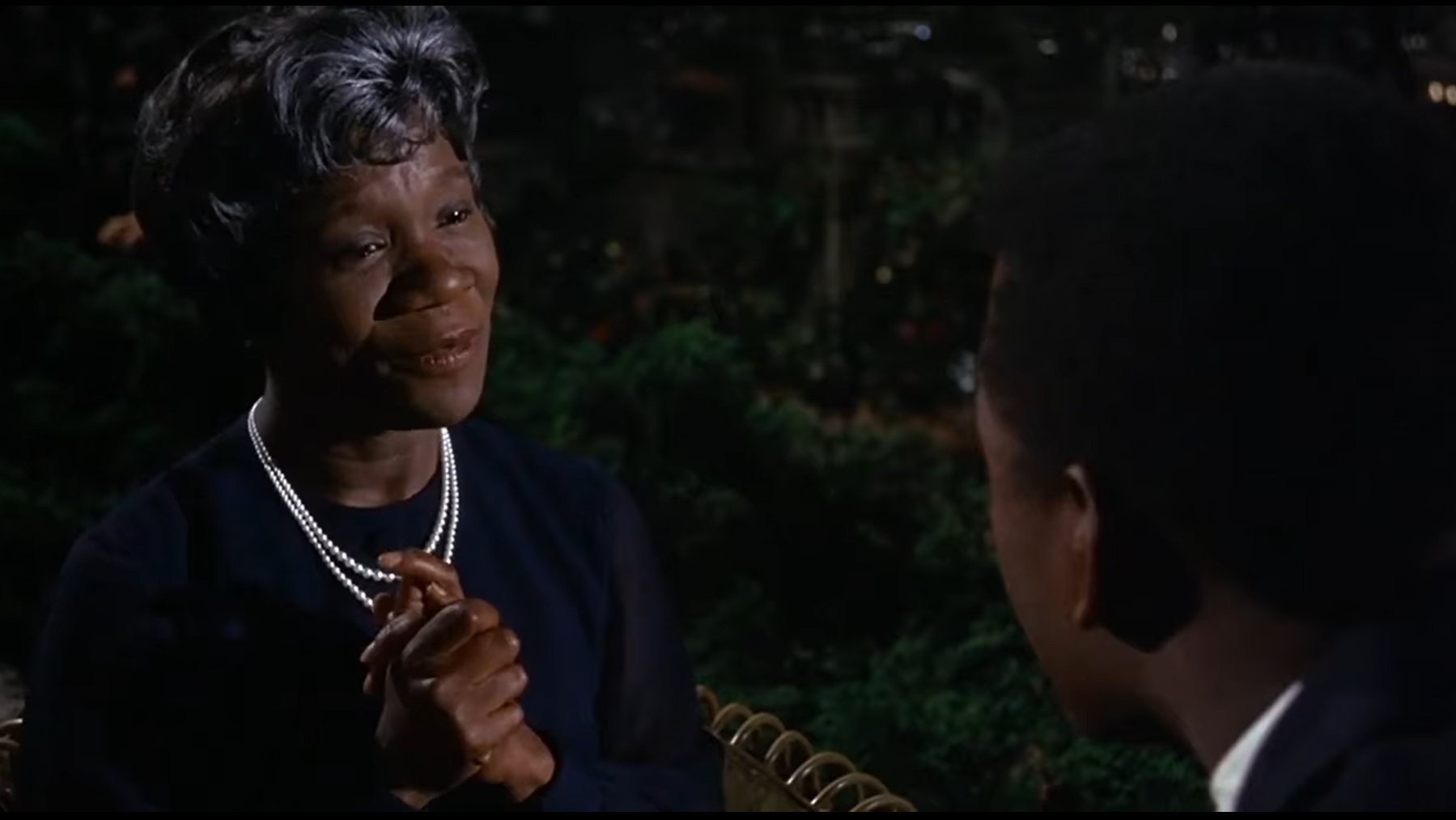
Meanwhile, the actors playing Poitier’s parents (Roy E. Glenn, Sr. and Beah Richards) are touching and believable in their scenes, and Poitier gives a solid if undistinguished performance in a role which he could surely relate to on a personal level. The primary problem with William Rose’s well-meaning, occasionally incisive script is that — despite being written specifically for this production — it comes across as little more than a filmed play, with one intense, two-person dialogue scene coming right after the other; the only minor relief we’re given from this basic set-up is when Tracy and Hepburn stop to get some ice cream while out on a drive (but even this scenario — in which Tracy can’t remember the type of ice cream he once loved so much, takes a chance on a flavor he thinks might have “been the one”, is disappointed to find it isn’t the one he originally had, then concedes that it’s not too bad in its own right — devolves into a cliched metaphor).
The other enormous problem — one apparently lamented by Houghton herself — is how poorly written her central character is; we never once feel that her one-dimensional “Joey” will actually make a good partner for Poitier, given how little we learn about her own passions and interests.
While I’m recommending this film as a one-time “must see” film simply for its historical significance, it’s ultimately both too dated and too “safe” to be considered a classic. Redeeming Qualities and Moments:
Must See? Categories
Links: |
“What good is it just to be pretty?”
|
Synopsis: |
|
Genres, Themes, Actors, and Directors:
Response to Peary’s Review:
and that the “film would have worked better with Douglas Sirk directing Rock Hudson” — an interesting proposition, given that so much of the film (helped not at all by George Duning’s overbearing score) comes across as almost laughably melodramatic, as in the following exchange:
Meanwhile, Russell is, as Peary points out, “pretty intolerable”:
and Strasberg’s character — “an intellectual [who] isn’t supposed to need a man” — comes across as simply whiny and obnoxious.
Peary argues that the film’s “highlight is the hot ‘mating’ dance (to ‘Moonglow’) of Holden and Novak” — and this scene is handled nicely by both Logan and DP James Wong Howe (who infuses the entire film with a soft glow).
But my favorite section of the film is when Logan opens up Inge’s play to highlight various vignettes from the Labor Day picnic (only discussed in the play, rather than shown). In truth, I’m simply not a fan of this story at all — and Novak’s vacuous central performance doesn’t help matters any. Despite its status as one of the top moneymakers of its time, modern film fanatics needn’t bother checking this one out. Redeeming Qualities and Moments:
Must See? Links: |
“Are you a girl dressed as a boy? Or are you a boy dressed as a girl?”
|
Synopsis: |
|
Genres, Themes, Actors, and Directors:
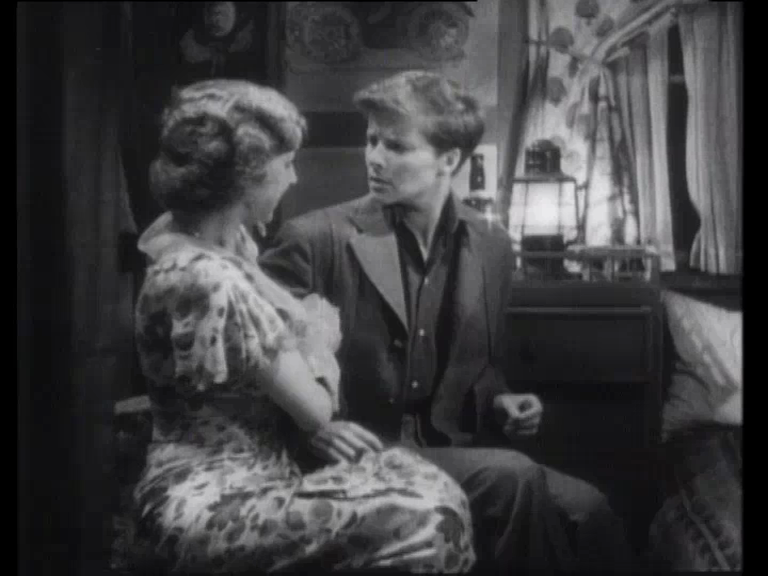
Response to Peary’s Review: While Sylvia Scarlett‘s transgressive sexual politics surely make it a favorite with the LGBTQ crowd, it’s also notable for its transgressive gender politics — i.e., the way in which Sylvia “gains [both] stature… in [her father’s] eyes [as well as] independence” once she cuts off her hair and pretends to be a boy, and how “by dressing in men’s clothes, she is able to free that latent part of herself” — i.e., “being athletic” and “speak[ing] her mind for the first time” — that was “previously kept hidden by convention”. Indeed, “only by pretending to be a male can Sylvia open up the world for herself and bring out her real self”; and “only as a male can Sylvia control her own destiny and make her own rules”. Along those lines, Peary points out that “few pictures are so rooted in theater”, and that “no film is more concerned with ‘acting’ as a method (rather than a profession) for living one’s life”, given that “it’s populated by characters whose lives revolve around disguise and deception”. In Cult Movies, Peary ends his review by conceding that “Sylvia Scarlett is far from a great film”. He points out that Cukor couldn’t “decide whether he was filming a comedy or a drama”, that it’s “dull at times”, and that there are “too many moments when characters display cruelty that is sadistic and hard to watch”. I would also add that Dennie Moore’s performance as Maudie the maid very quickly gets on one’s nerves, and that the character played by Paley is sorely underdeveloped. Yet Sylvia Scarlett remains “one of the most interesting films of the thirties” despite its flaws and faults, and is certainly must-see viewing for all film fanatics simply for its enduring cult status. Redeeming Qualities and Moments:
Must See? Categories
Links: |
“You have everything it takes to make a lovely woman except the one essential: an understanding heart. And without that, you might just as well be made of bronze.”
|
Synopsis: |
|
Genres, Themes, Actors, and Directors:
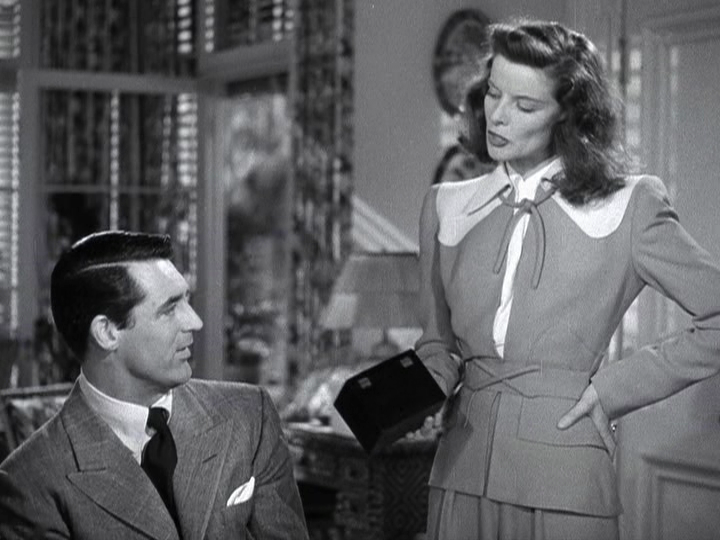
Response to Peary’s Review: Peary further writes that “two other problems are that Grant is too passive a character and that Hussey really gets mistreated by Stewart without telling him off” — but he notes that “despite all, this is a scintillating comedy, because the acting by the wonderful cast transcends the material”. In addition, “as directed by George Cukor, the comic dialogues have a marvelous rhythm… The characters could be speaking Japanese, but so snappy are their comebacks and so sly are their expressions that we’d laugh anyway”. I’m in full agreement with Peary’s overall assessment: it’s the stellar performances and witty dialogue that ultimately “sell” me on The Philadelphia Story, which I’ll admit to finding a tad too romantically convoluted for my tastes (though at least we’re kept in genuine suspense until the very end about who will end up with whom, and why). However, while not a personal favorite, this classic “comedy of remarriage” — remade with Grace Kelly and Bing Crosby in 1956 as the musical High Society — is most definitely must-see viewing for all film fanatics at least once. Redeeming Qualities and Moments:
Must See? Categories
(Listed in 1001 Movies You Must See Before You Die) Links: |
“Who cares about regulations at a time like this?”
|
Synopsis: |
|
Genres, Themes, Actors, and Directors:
Review:
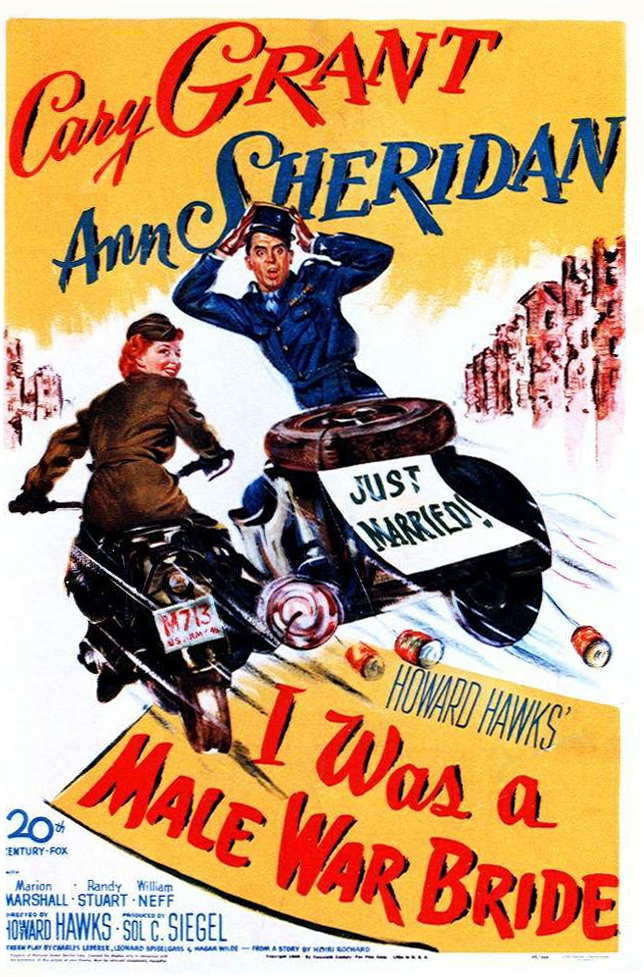
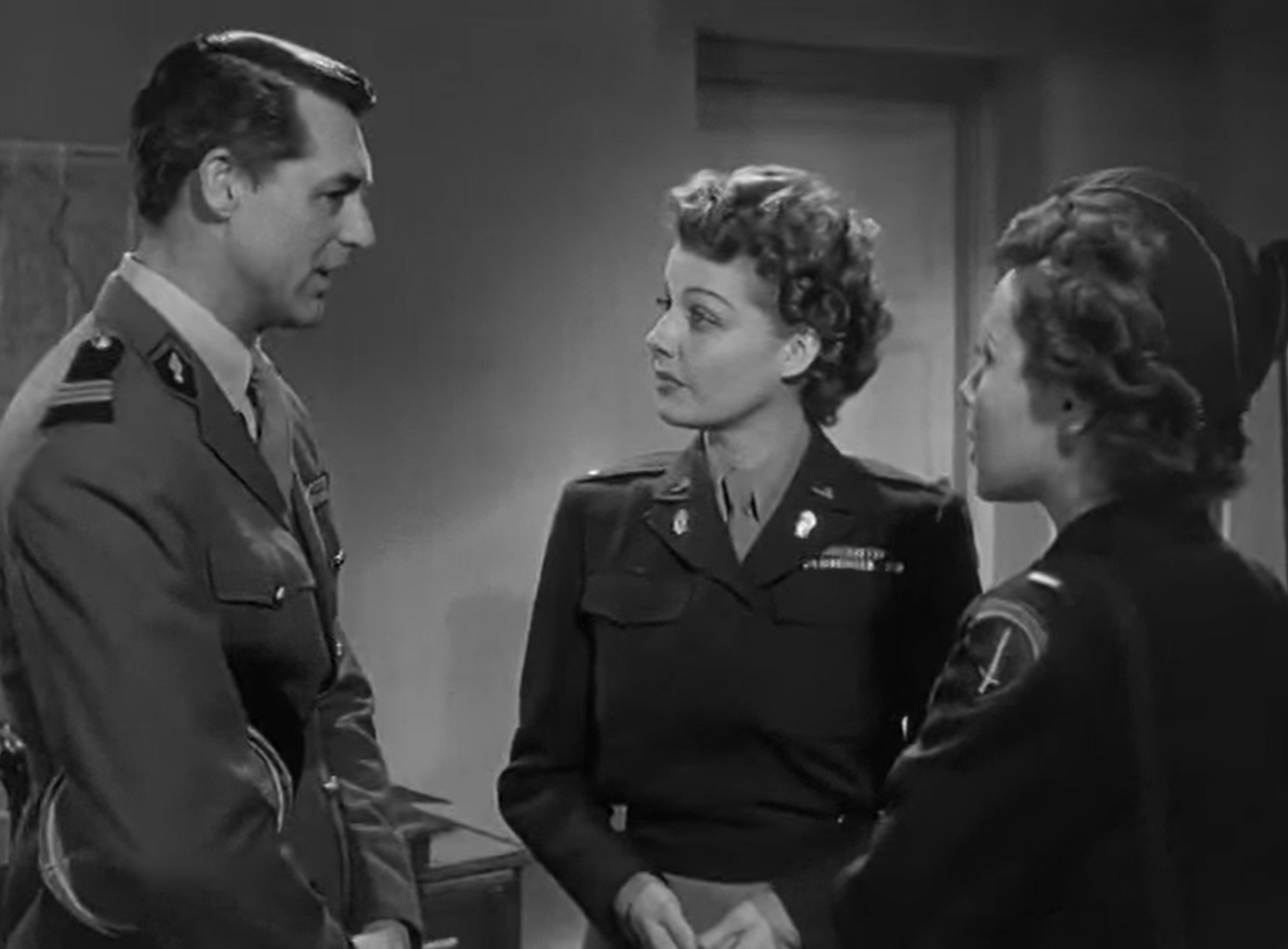
The bulk of the storyline (once quibbling Grant and Sheridan realize they’re a perfect romantic fit for one another) revolves around Sheridan’s attempts to get her new husband back to the United States with her, coupled with an ongoing “gag” about their inability to consummate their marriage. Fortunately, the script (by Charles Lederer, Hagar Wilde, and Leonard Spigelgass) keeps one engaged even when the premise itself starts to feel somewhat tiresome — and Sheridan’s feisty performance reminds one that she was an underutilized presence in Hollywood.
But this one will primarily be of interest to Hawksian completists. Note: Interestingly, Peary nominates Grant as one of the Best Actors of the Year in his Alternate Oscars — though Grant never even bothers to attempt the requisite French accent for his Belgian character (!), and his performance is really nothing special. Redeeming Qualities and Moments:
Must See? Links: |
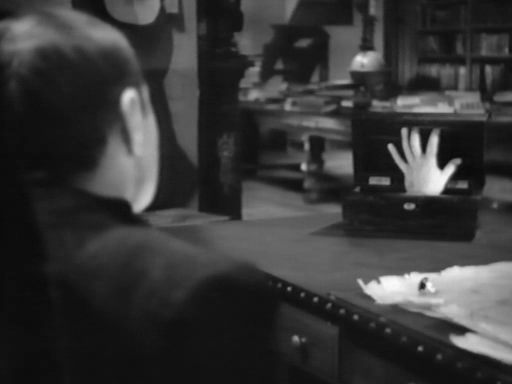
“In my mind, there is no doubt the hand is walking around.”
|
Synopsis: |
|
Genres, Themes, Actors, and Directors:
Review:
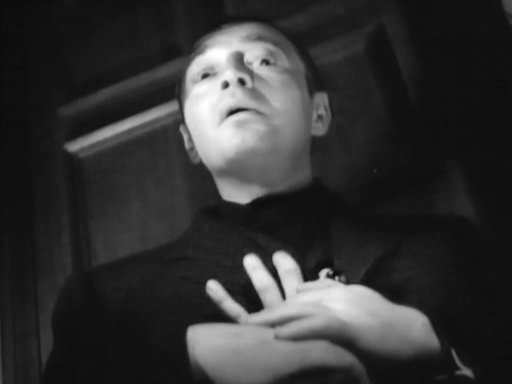
As noted in Time Out’s capsule review, “The fudged ending imposed by the studio deflates much of the mystery” — but the half-hour or so that comes before makes The Beast With Five Fingers a once-must classic of the genre. Redeeming Qualities and Moments:
Must See? Categories
Links: |
“You know, somewhere in the world there’s a right girl for every boy.”
|
Synopsis: |
|
Genres, Themes, Actors, and Directors:
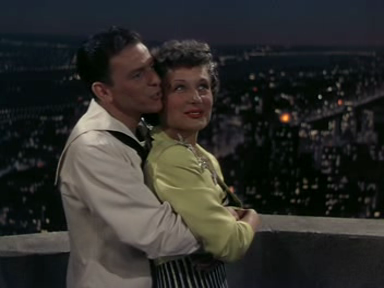
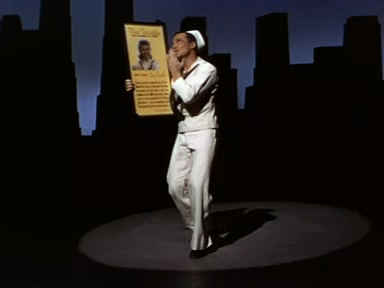
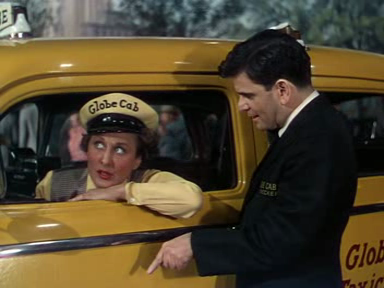
Response to Peary’s Review: Peary complains that the wonderful “Bernstein-Edens score could use a couple of more standards to go with ‘New York, New York'”, but I heartily disagree; there are enough clever, memorable songs strewn throughout this one (“Come Up To My Place”, “You’re Awful”, and “Count On Me”, to name just a few) to satisfy most musical lovers, and the accompanying choreography is consistently enjoyable. Meanwhile, the film’s fabled location shooting — particularly during the opening sequence — is deservedly noteworthy; one wishes for even more. Although the storyline is incredibly simple and straightforward — the biggest conflict revolves around Miss Turnstiles’ hidden identity, which we know won’t be a problem for amiable Kelly — this allows us to simply sit back and enjoy the show, which remains enormously entertaining up until the tiresome final chase sequence (but who’s quibbling). Redeeming Qualities and Moments:
Must See? Categories
(Listed in 1001 Movies You Must See Before You Die) Links: |