Strike Me Pink (1936)
“When confronted with danger, be prompt — be rash — be bold; dominate the situation!”
|
Synopsis: |
|
Genres, Themes, Actors, and Directors:
Review: Redeeming Qualities and Moments:
Must See? Links: |
“When confronted with danger, be prompt — be rash — be bold; dominate the situation!”
|
Synopsis: |
|
Genres, Themes, Actors, and Directors:
Review: Redeeming Qualities and Moments:
Must See? Links: |
“They can’t build a machine to do our job.”
|
Synopsis: |
|
Genres, Themes, Actors, and Directors:
Review: Redeeming Qualities and Moments:
Must See? Links: |
“I don’t think you’ve ever been properly handled.”
|
Synopsis: |
|
Genres, Themes, Actors, and Directors:
Review:
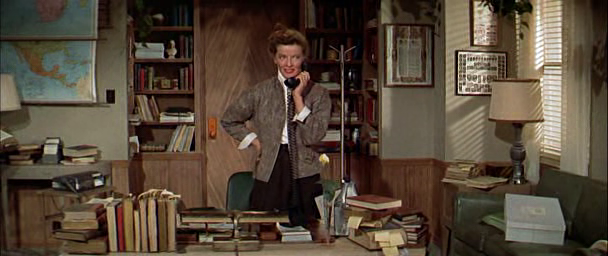
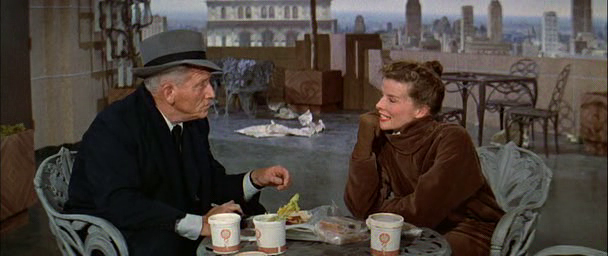
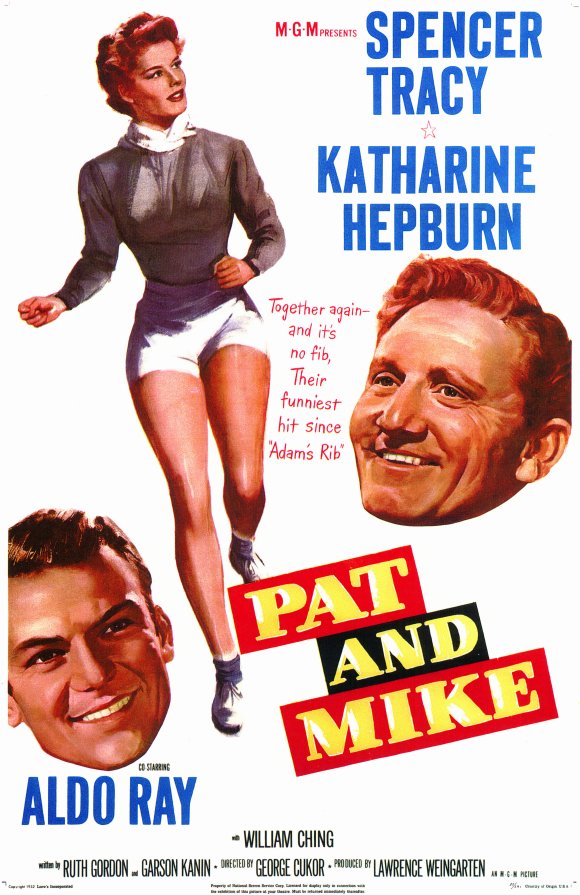
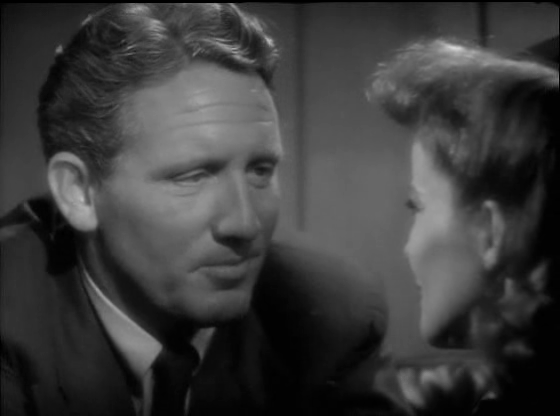
The storyline itself, while slight, is drolly witty, and nicely handled by director George Cukor; I’m especially fond of scenes involving Tracy’s hoodish “colleagues”, who are disappointed by his decision to go straight with Hepburn — watch how Hepburn defends “her man” against them…
Note: Hepburn reportedly named this as her favorite film made with Tracy. Redeeming Qualities and Moments:
Must See? Categories
Links: |
“To my family, I’d become a doll — and to our dog, a chew-stick.”
|
Synopsis: |
|
Genres, Themes, Actors, and Directors:
Review:
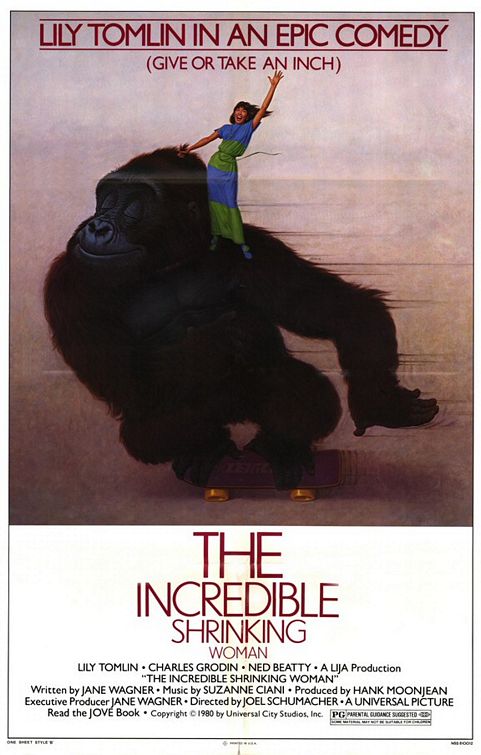
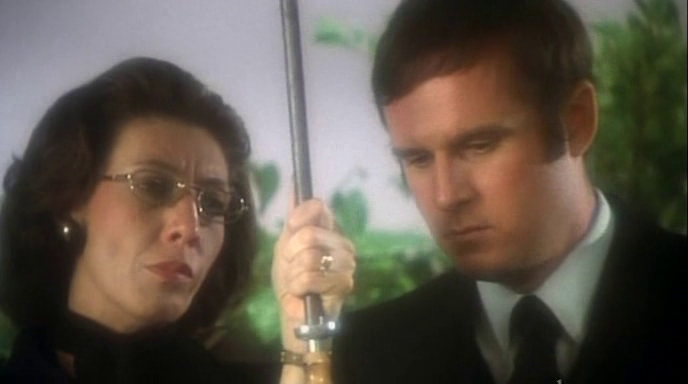
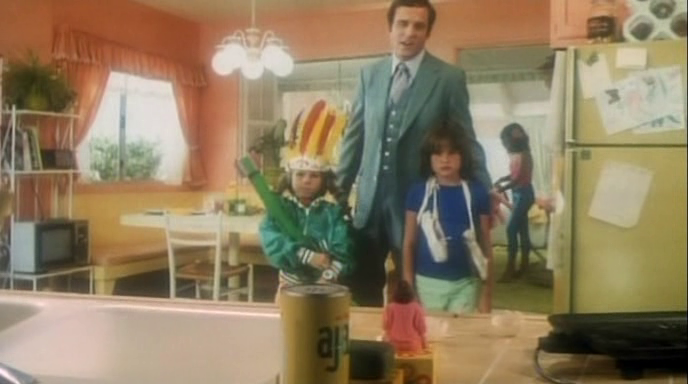
— plays upon newfound societal fears about environmental contaminants. Unfortunately, Tomlin is a bit too bland in the title role as a happily married housewife faced with the ultimate nightmare:
(though she has fun in a secondary role playing a helpful neighbor named Judith Beasley), and the screenplay misses out on ripe opportunities for more incisive social commentary — either about the contested role of housewives in a male-dominated society, or the escalating presence of unknown chemicals in our everyday lives. Sadly, the film eventually devolves into a silly world-domination subplot involving — sigh — a captive humanoid gorilla (famed makeup artist Rick Baker in a suit), rather than allowing Tomlin’s character to sink ever further into the horrors of increasing diminution (as is handled so effectively in the original film). However, while The Incredible Shrinking Woman is certainly no classic, the special effects are nicely handled, and it’s enjoyably loopy enough to merit a look by curious film fanatics. Redeeming Qualities and Moments:
Must See? Links: |
“I have nothing to say. I am not a writer.”
|
Synopsis: |
|
Genres, Themes, Actors, and Directors:
Review:
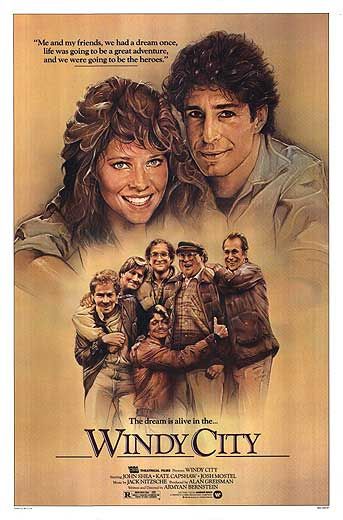
— but this is swallowed up by the shallow central narrative about Shea’s longing for his now-engaged former girlfriend (Capshaw).
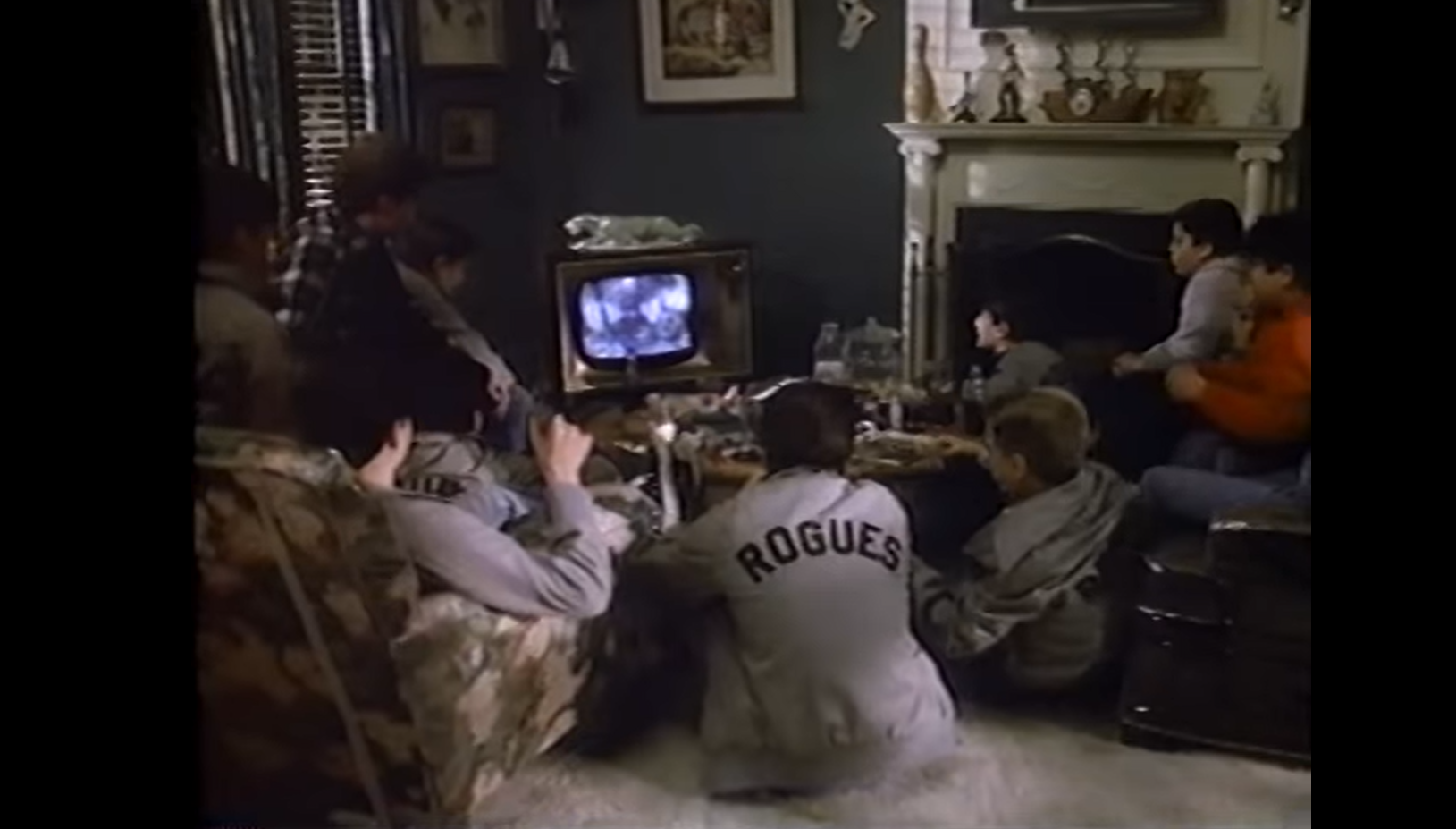
Bernstein is clearly a film buff, given how many cinematic allusions he incorporates throughout his movie — i.e., the film opens on a scene of the boyhood friends watching an Errol Flynn swashbuckler on television:
and at one point the camera pans strategically past a revival theater marquee advertising A Guy Named Joe. However, these allusions simply highlight how shallow Bernstein’s own picture is. Ironically, Shea’s character (an aspiring writer, ostensibly based on Bernstein himself) breaks up with his girlfriend after they argue about his failure to work on his craft; she insists that he “has stories to tell”, while he yells back, “I have nothing to say” — a point we (sadly) can’t help immediately agreeing with.
Redeeming Qualities and Moments: Must See? Links: |
“You don’t think I can do all the ordinary little things that any idiot can do, do you?”
|
Synopsis: |
|
Genres, Themes, Actors, and Directors:
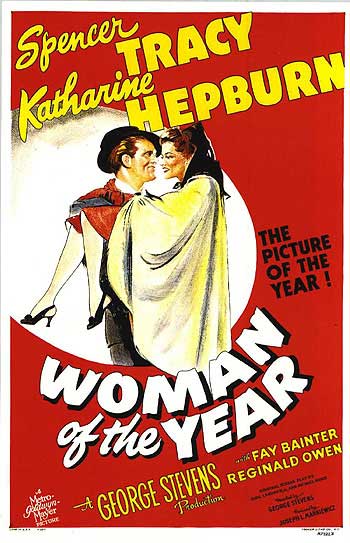
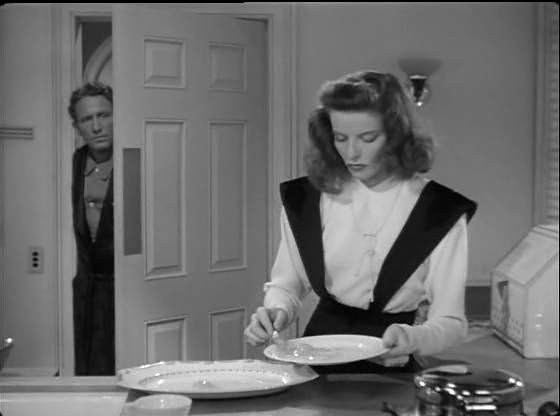
Response to Peary’s Review: I’m actually more a fan of Ring Lardner, Jr. and Michael Kanin’s Oscar-winning script than Peary is. While there are certainly some “silly… plot contrivances” — as when Hepburn “adopts a Greek orphan without consulting Tracy and then hasn’t the time to be a mother” — this is par for the course in a screwball romantic comedy like WOTY, which is never anything less than delightfully zany in its portrayal of Hepburn’s over-the-topness (after all, her “Tess” is shown speaking no less than half a dozen languages fluently!). Meanwhile, as Peary argues, “what’s most fascinating about the film is Hepburn’s uninhibitedly sexual performance”, with her “sexiness com[ing] from how she uses her eyes, voice, body, and, more significantly, her mind prior to lovemaking”. Indeed, Hepburn’s intelligence is a major turn-on — not just for Tracy (who secretly seems to love his wife’s genius), but for audience members, who can easily embrace Hepburn’s Tess Harding as a feminist icon for the ages. (Now this is the pioneering female journalist we wanted to see more of in A Woman Rebels!) The enduring question about Woman of the Year is whether its views on gender roles and marital responsibilities have dated terribly (as Peary argues is the case with all the Tracy-and-Hepburn films). It’s true that the final scene — showcasing Hepburn’s disastrous attempts to make breakfast for her husband, a la Buster Keaton in The Navigator (1924) — would seem to hint that the characters have finally caved to sexist mid-century mores; but listen carefully, and you’ll find that this really isn’t the case. Indeed, while Hepburn is clearly made out to be the “villain” throughout the film — with poor, put-upon Tracy simply enduring her hectic lifestyle until he finally puts his foot down — the moral of the story isn’t that Hepburn should give up her phenomenal success for the sake of being a housewife. Rather, the lesson being taught is a remarkably modern one: the need for compromise and balance in any relationship. Redeeming Qualities and Moments:
Must See? Categories
Links: |
“Lawyers should never marry other lawyers; this is called in-breeding.”
|
Synopsis: |
|
Genres, Themes, Actors, and Directors:
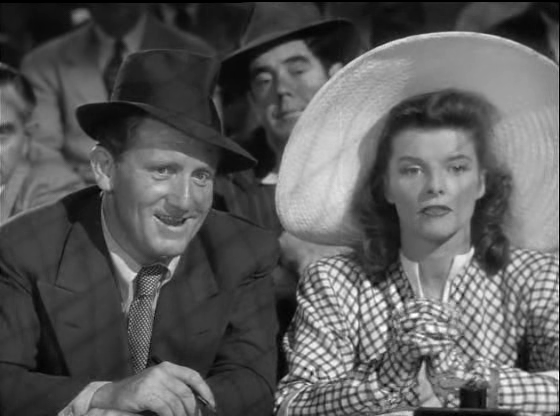
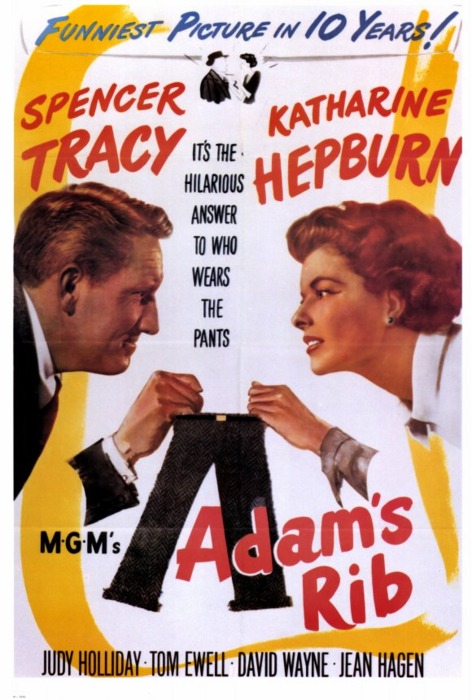
Response to Peary’s Review: Peary argues that Adam’s Rib is “probably Hepburn and Tracy’s best film” (I disagree; I think Woman of the Year merits that slot), but that “it has dated as badly as the others”. He accurately notes that “like the others, it must be seen in the light of its era to appreciate that it was ahead of its time in its treatment of sexual politics” (though isn’t that advice true when viewing most early-20th-century Hollywood films?). He further notes that “the characters do so much grandstanding that the issues get blurred”, which doesn’t really bother me; what I find much more irritating (though unmentioned in Peary’s review) is David Wayne’s performance as Amanda’s would-be suitor, playing an annoying songwriter whose interest in Amanda is poorly conceived through and through. Fortunately, he’s mostly overshadowed by his co-stars — not just Tracy and Hepburn (both in fine if somewhat predictable form), but a memorable Judy Holliday in her breakthrough film role. Meanwhile, Kanin and Gordon’s script is generally smart enough to overcome its occasional narrative flaws, particularly in its honest depiction of marital tensions experienced by an older-than-Hollywood-average couple (in their 40s!). Redeeming Qualities and Moments:
Must See? Categories
(Listed in 1001 Movies You Must See Before You Die) Links: |
“Deep down in every girl’s heart there’s the desire for the rite of real womanhood.”
|
Synopsis: |
|
Genres, Themes, Actors, and Directors:
Review:
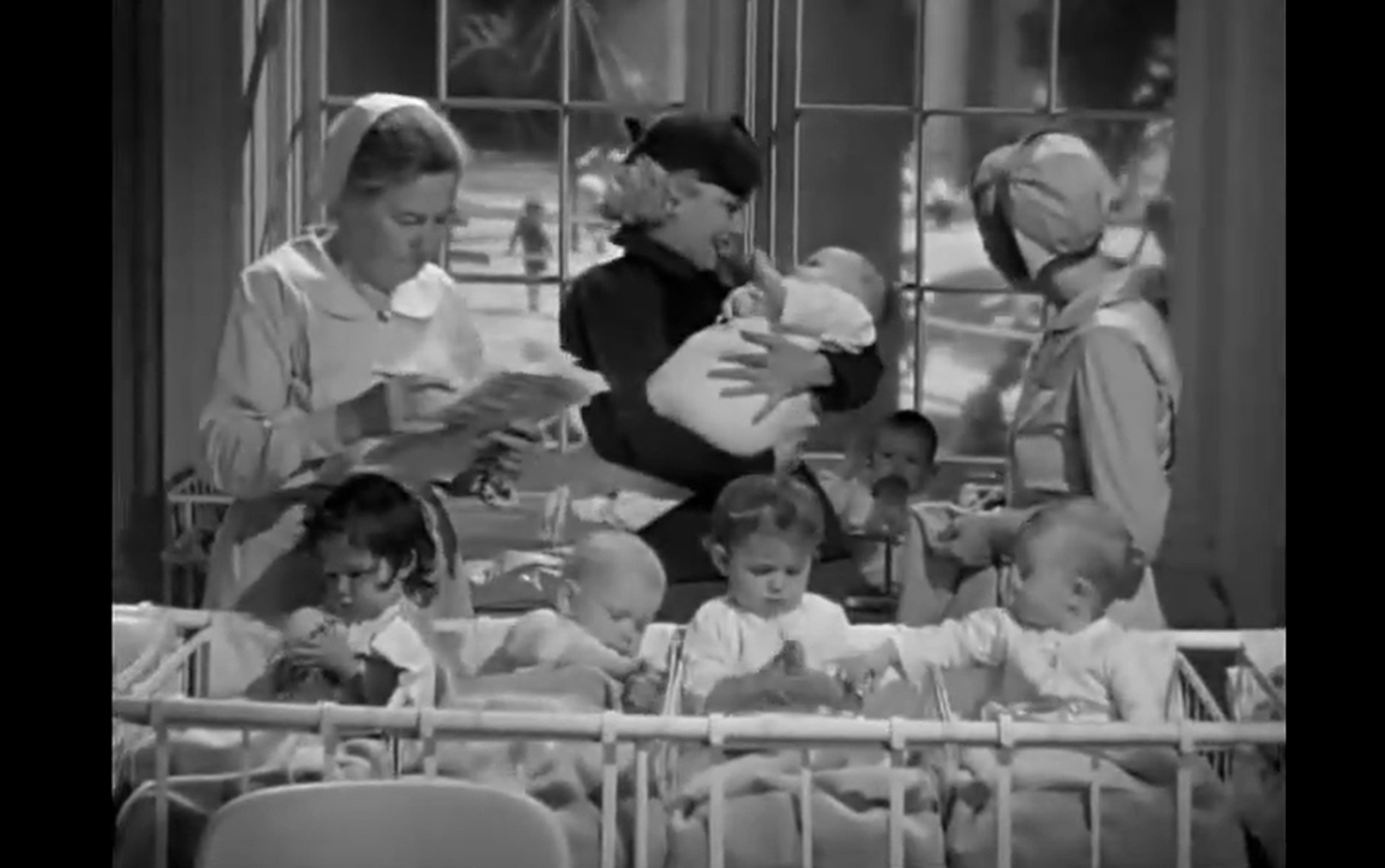
then by trying to adopt a baby:
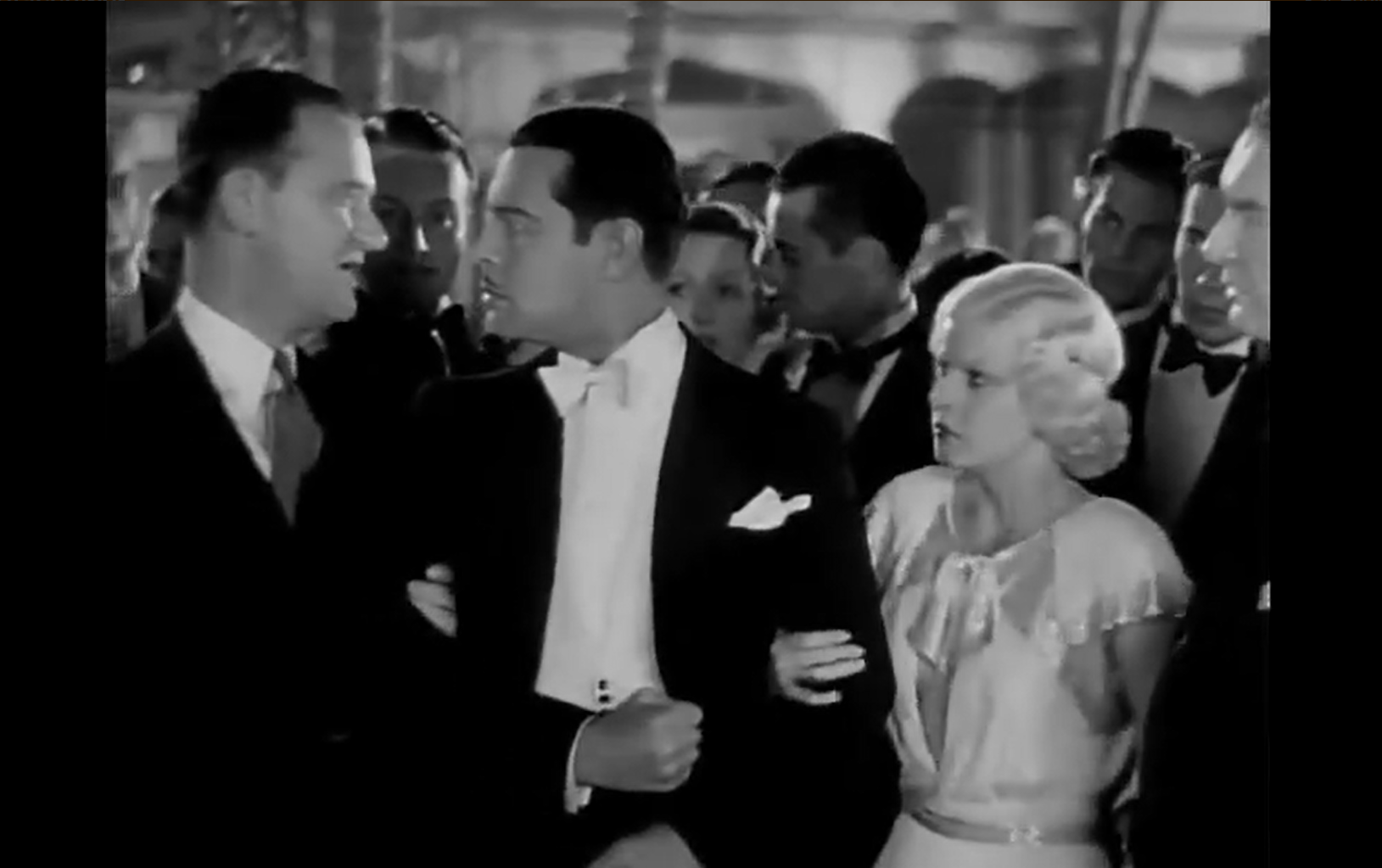
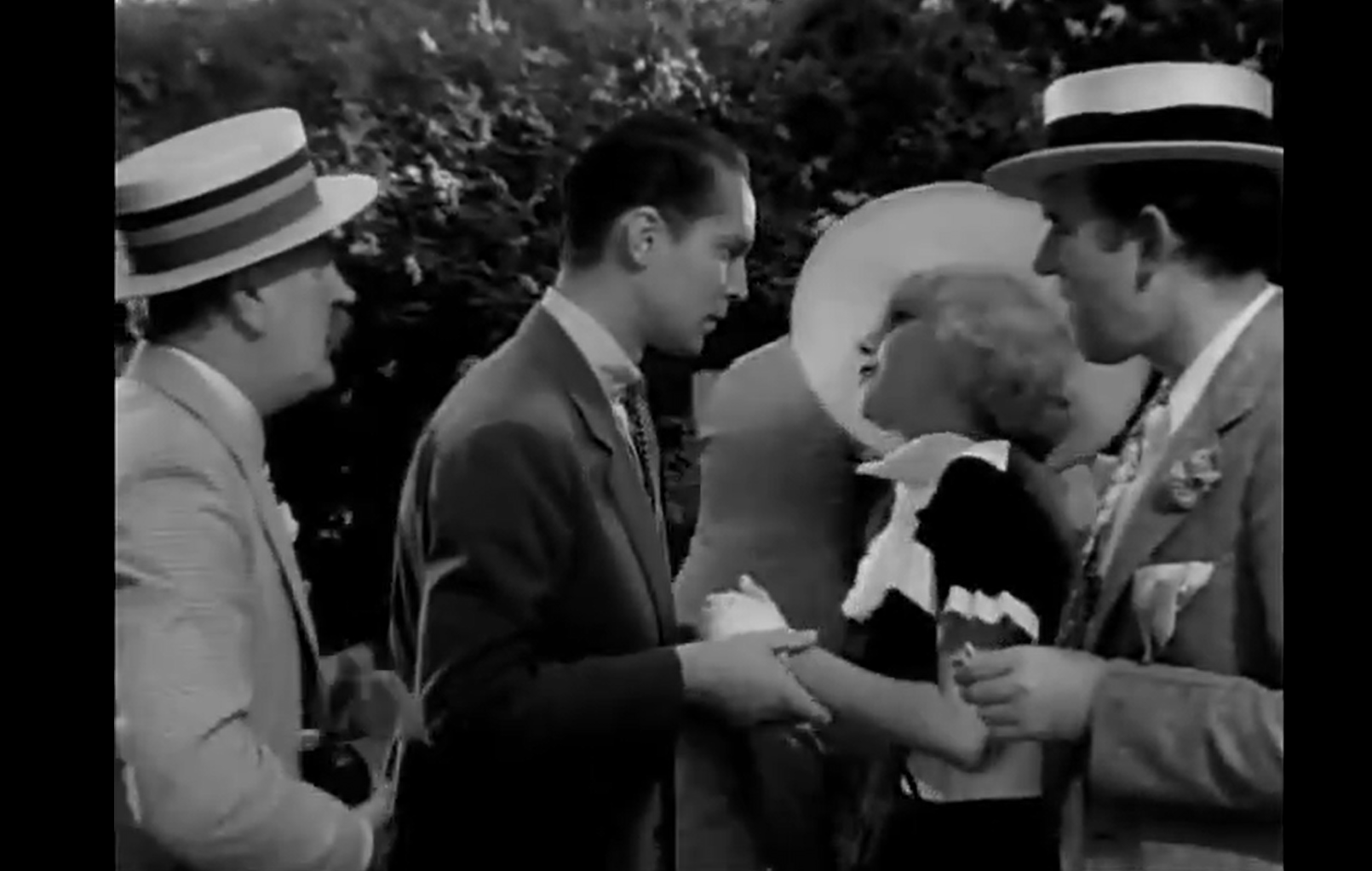
and finally by becoming engaged to a wealthy American (Franchot Tone) whose snooty parents (C. Aubrey Smith and Mary Forbes) are distinctly wary of their son’s new love interest.
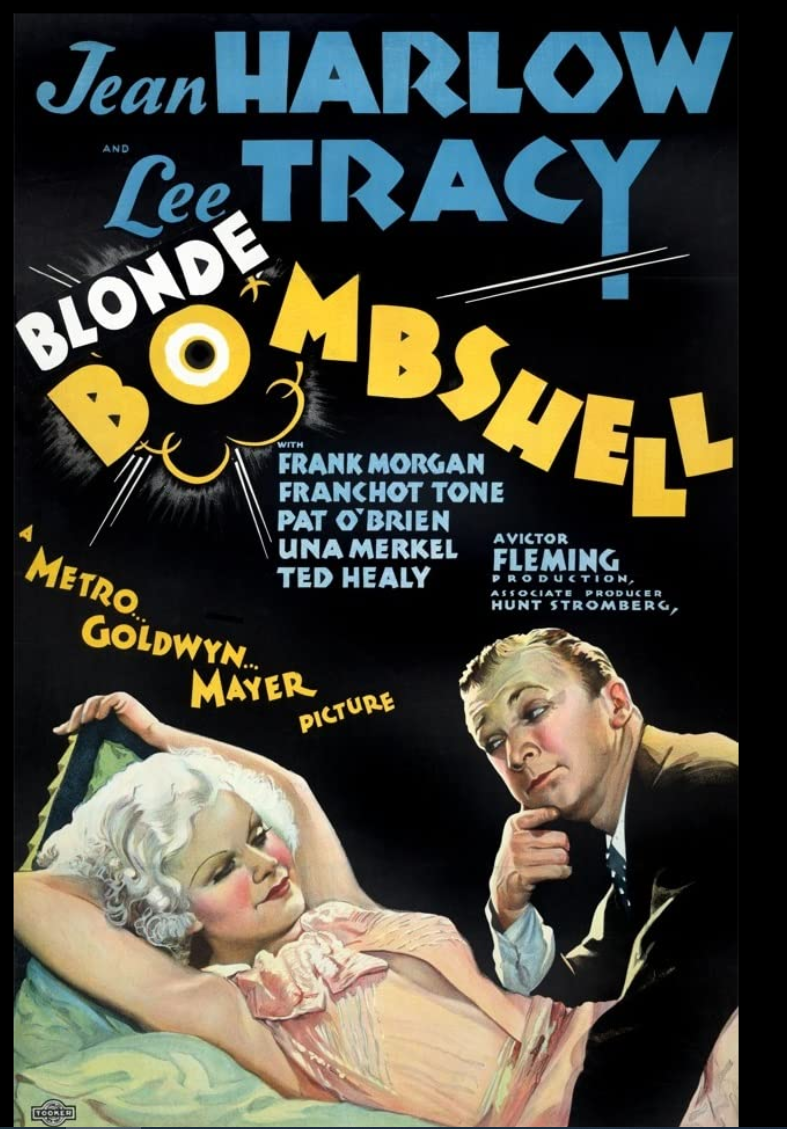
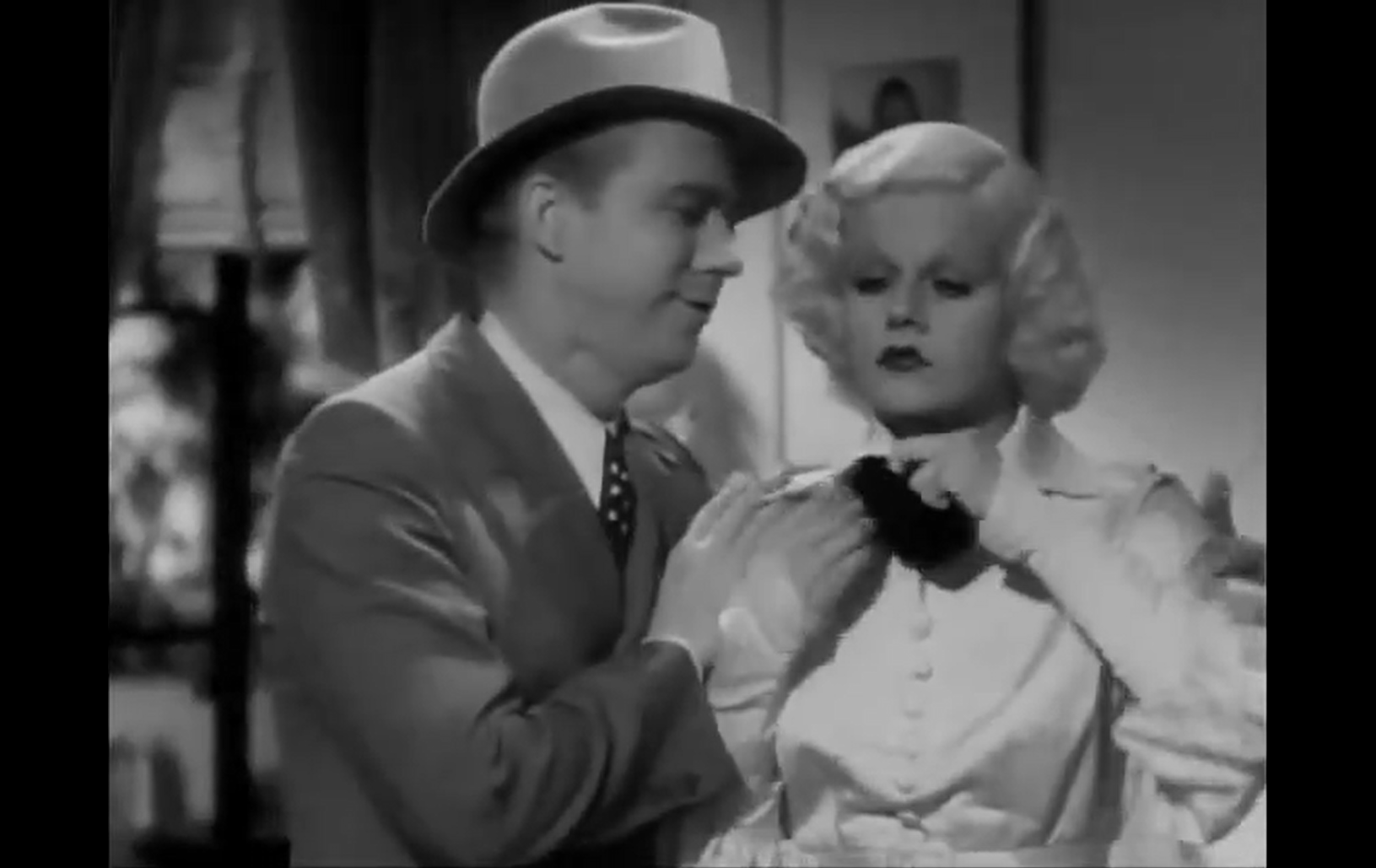
Meanwhile, her meddling publicist — played by heavy-drinking pre-Code actor Lee Tracy, probably best known for his role the same year in Dinner at Eight (1933) — tries to earn Harlow’s romantic affections while strategically foiling each of her ventures.
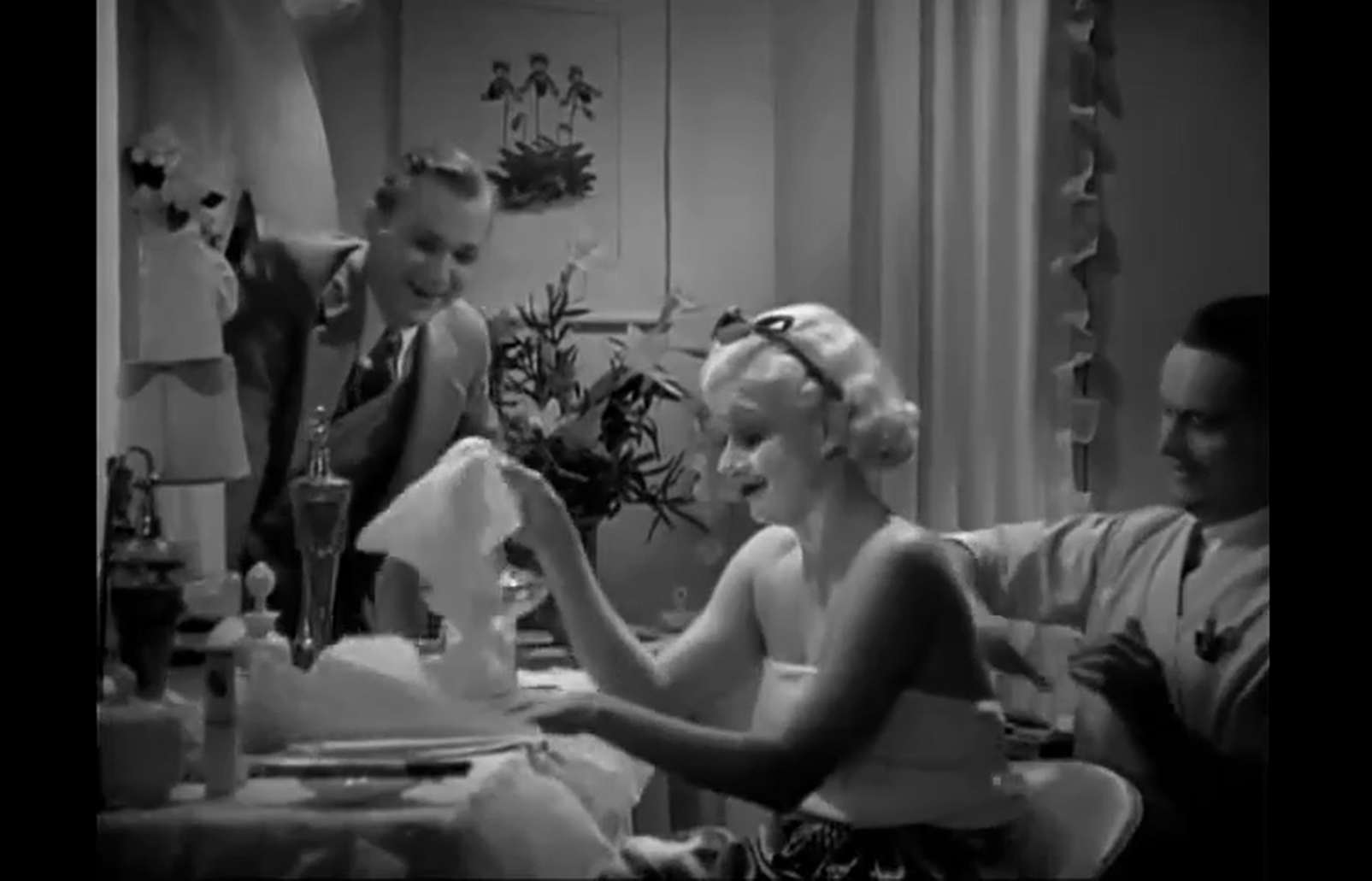
There’s plenty here for fans of pre-Code comedies to enjoy, from racy dialogue to impressively frantic pacing to Harlow’s spot-on screechy performance; it’s definitely worth a look. Redeeming Qualities and Moments:
Must See? Categories
Links: |
“Even though I’m a woman, I have brains — I intend to use them.”
|
Synopsis: |
|
Genres, Themes, Actors, and Directors:
Review:
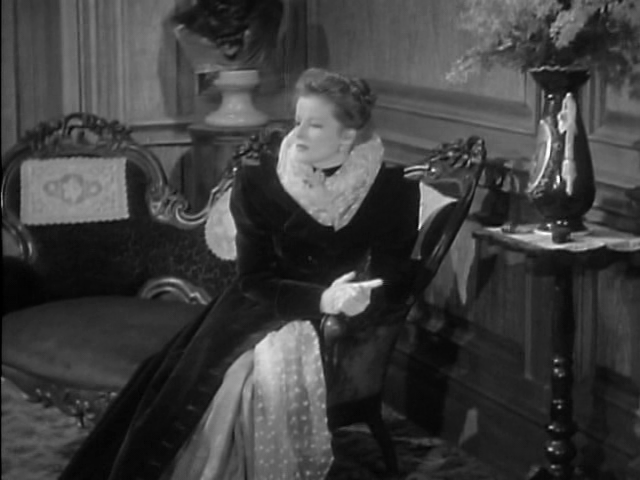
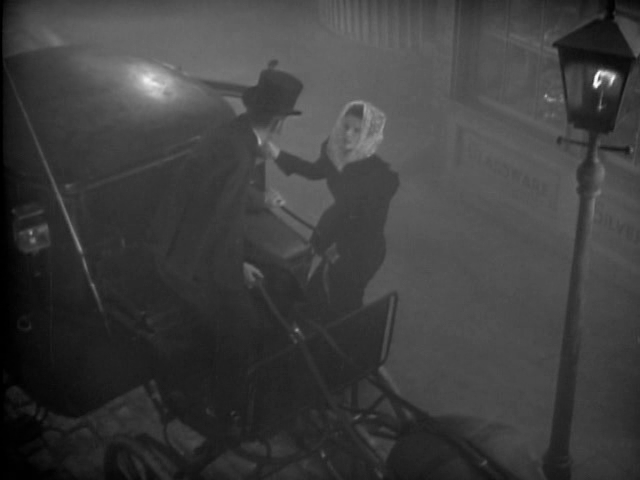
Her character does eventually find success as an agitating feminist journalist, but unfortunately, little to no time is spent dwelling on this aspect of her life. Instead, the bulk of the narrative focuses on issues of dubious morality, as Hepburn’s “sins” of the past come back to haunt both her and her grown daughter. With that said, Hepburn is as luminous and charismatic as always, fully embodying a role tailor-made for her sensibilities; and the Oscar-nominated period costumes she wears over the decades are a delight.
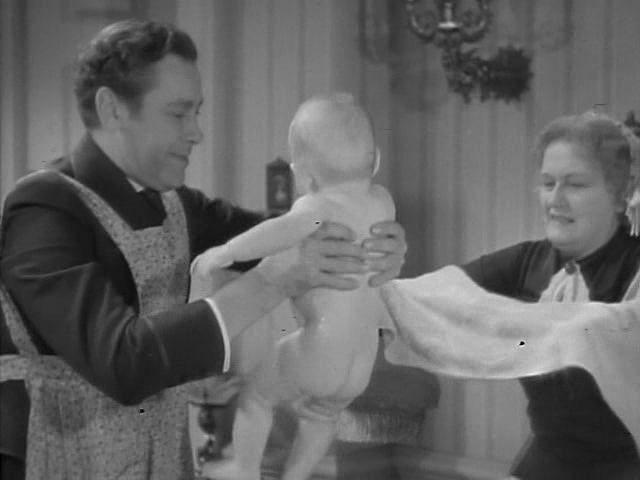
However, this one remains must-see only for Hepburn enthusiasts (and those curious to see Herbert Marshall bathing a baby while wearing an apron!).
Redeeming Qualities and Moments:
Must See? Links: |
“You have this exalted view of me, and I hate it.”
|
Synopsis: |
|
Genres, Themes, Actors, and Directors:
Response to Peary’s Review:
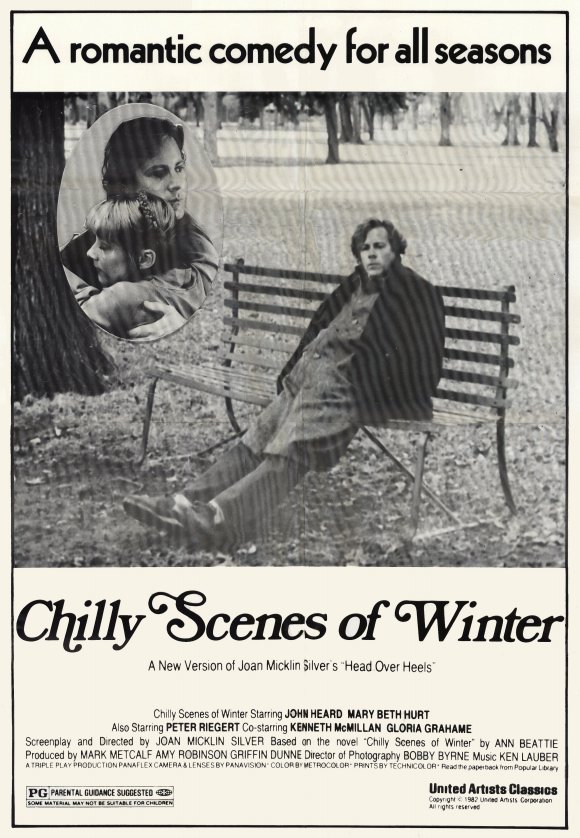
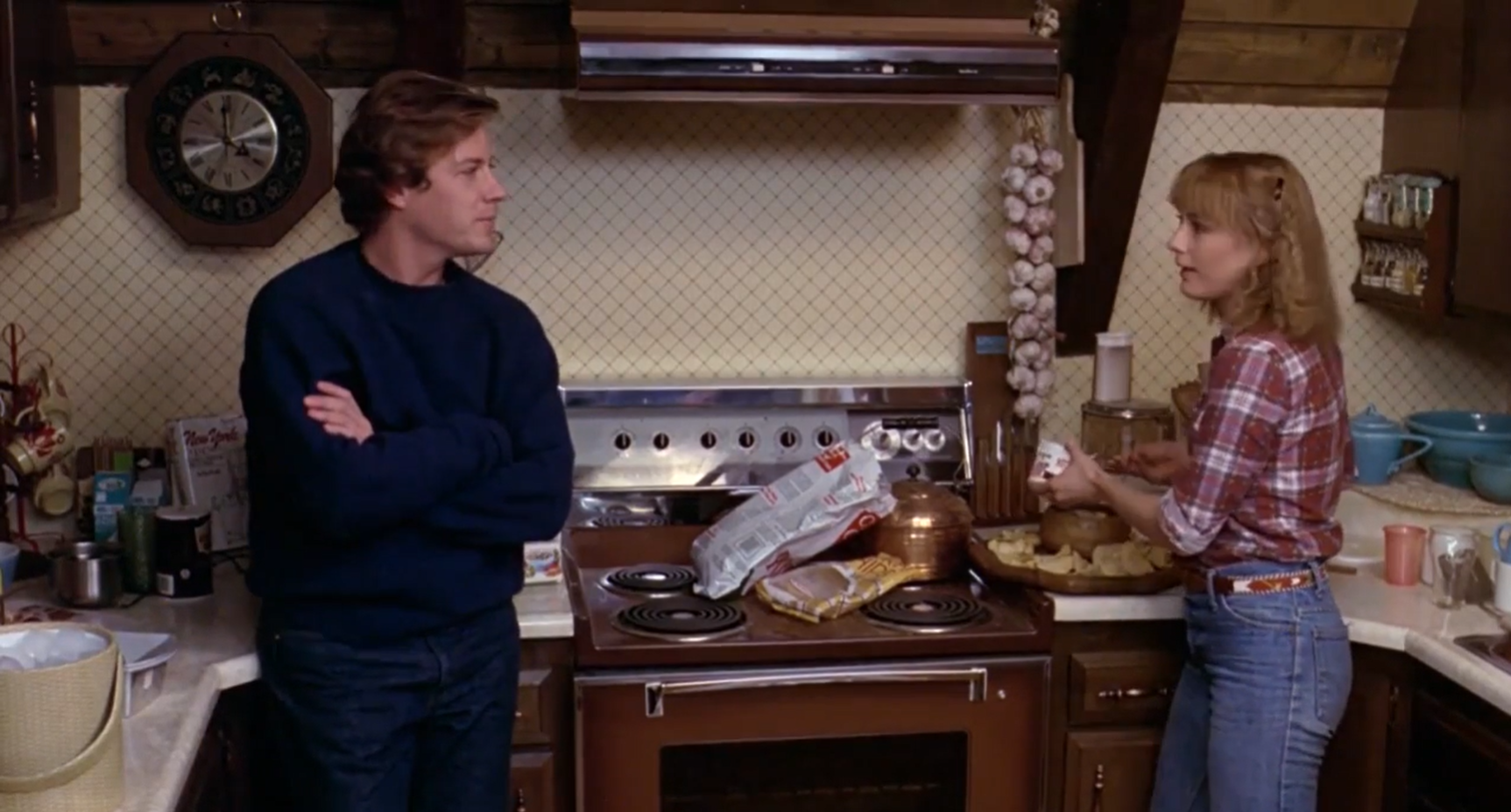
Indeed, it’s exactly such fidelity to real-life relationship woes that likely endears audiences to both the film and the book, which collectively possess a small cult following. In his review, Peary argues that while Heard and Hurt “may be real characters”, he “never believe[s] their responses to each other” — a complaint which seems to speak to the screenplay’s literary origins. While I don’t personally have any trouble believing in Heard and Hurt’s interactions, other elements of the screenplay — such as Heard’s repeated dealings with a frustrated blind vendor — come across as overly scripted. It’s also frustrating to see so little made of some of the most interesting supporting characters — i.e., Gloria Grahame as Heard’s loony mom (film fanatics will be thrilled to recognize her, and disappointed by how little screentime she’s given):
and Hurt’s put-upon husband “Ox” (with a name like that, wouldn’t you like to learn just a bit more about him?).
However, the film itself — expertly directed by Silver — is certainly worth a one-time look, especially given its minor cult status. Note: Peary concludes his review by noting that he finds “the original [upbeat] ending” from the film’s previous release (in 1979, under the alternate title Head Over Heels) to be “more logical” — but this will be a moot point for modern viewers, who unfortunately won’t have the opportunity to compare versions. Redeeming Qualities and Moments:
Must See? Categories
Links: |