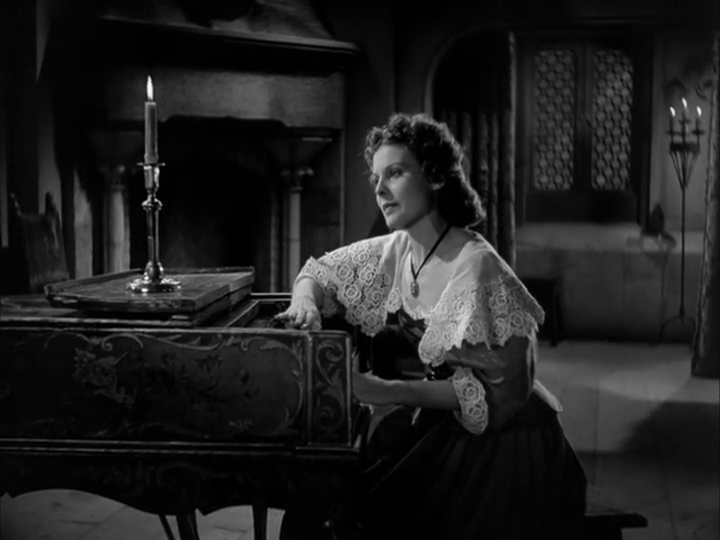
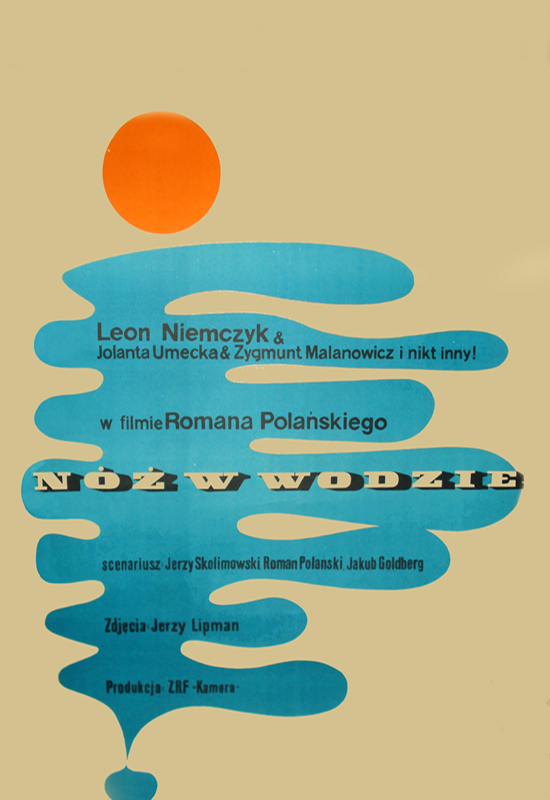
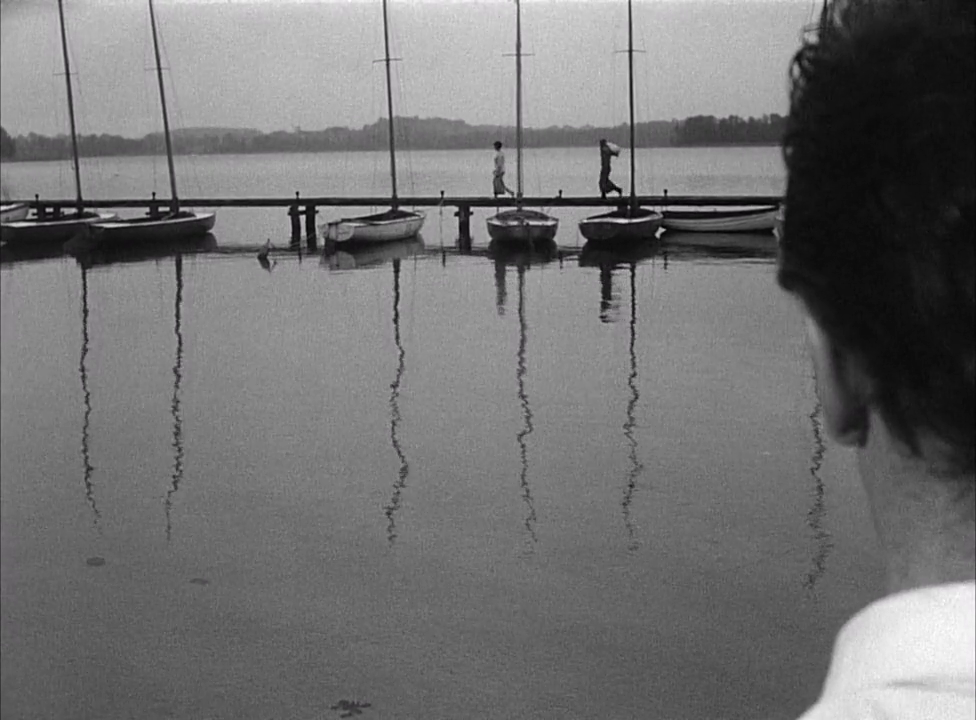
Adventures of Robin Hood, The (1938)

Adventures of Robin Hood, The (1938)

“It’s injustice I hate, not the Normans.”

Synopsis:
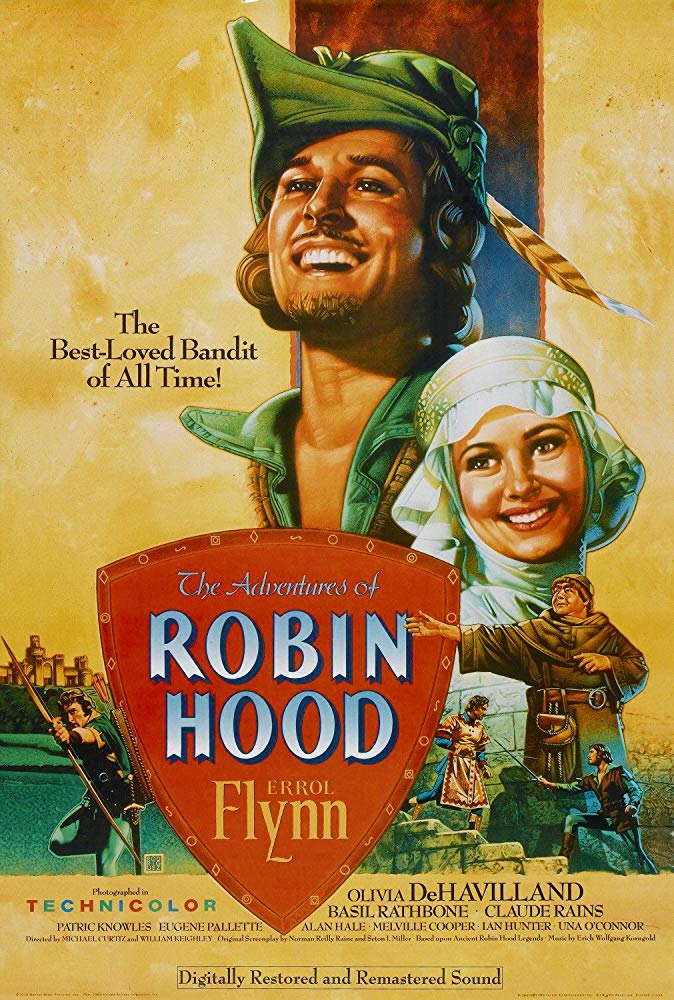
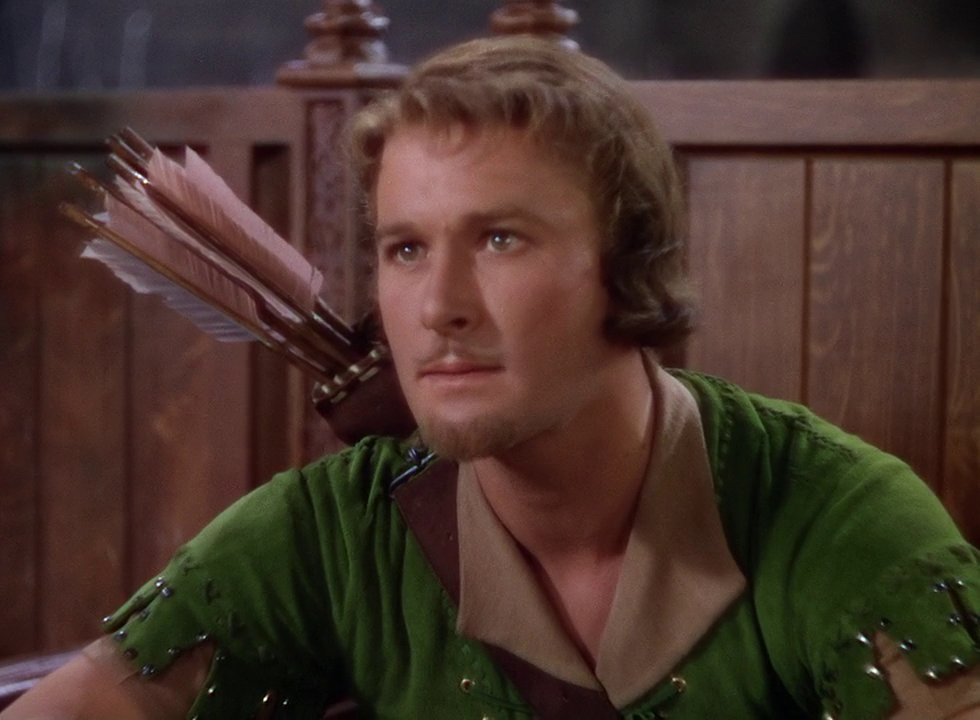
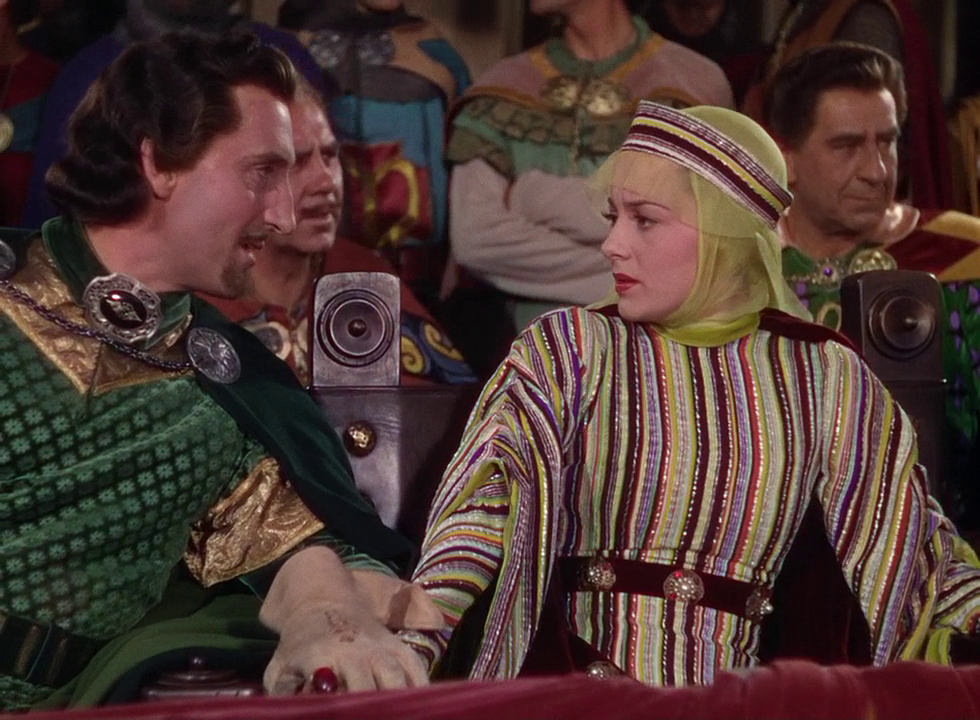
In 12th century England, a knight (Errol Flynn) who has remained loyal to kidnapped King Richard the Lion Hearted (Ian Hunter) receives help from his merry men and his new sweetheart (Olivia de Havilland) in subverting plans by Prince John (Claude Rains) and his evil henchmen — including the Sheriff of Nottingham (Melville Cooper) and Sir Guy of Gisbourne (Basil Rathbone) — to take over the throne.

Genres, Themes, Actors, and Directors:

  • Alan Hale Films
  • Basil Rathbone Films
  • Claude Rains Films
  • Do-Gooders
  • Errol Flynn Films
  • Historical Drama
  • Ian Hunter Films
  • Michael Curtiz Films
  • Olivia de Havilland Films
  • Outlaws
  • Revolutionaries
  • Romance
  • Royalty and Nobility

Response to Peary’s Review:
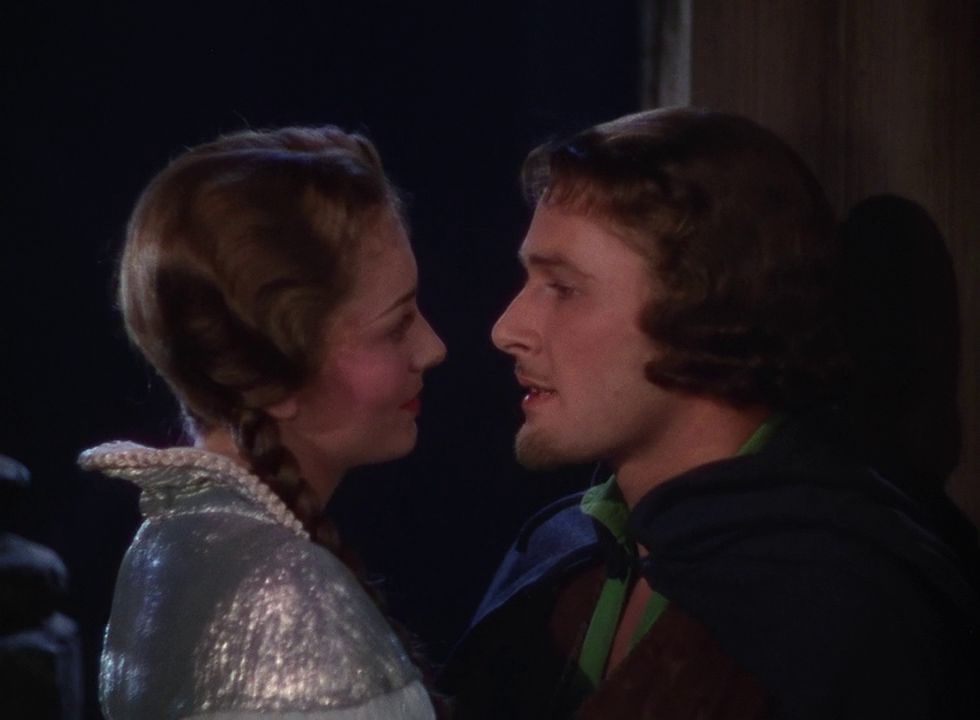
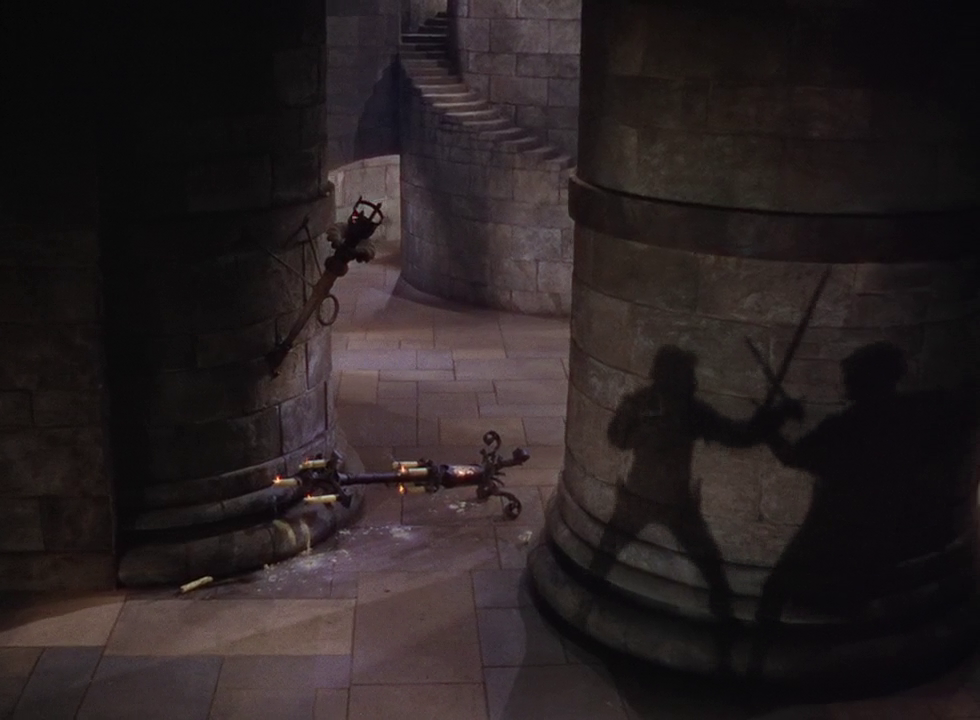
Peary writes that this (possible) “greatest costume adventure of all time” features “dashing Flynn and his loveliest screen partner, Olivia de Havilland (gallant as Maid Marian)” playing “as romantic a couple as Romeo and Juliet”, and he notes that the “final swordfight between Flynn and Rathbone (who, off screen, was the superior swordsman) is a classic”:

… “complete with gigantic shadows on castle walls”. He points out that the “splendid color photography, sets, costumes, and rousing Oscar-winning score by Erich Wolfgang Korngold” are “all first-rate, effectively transporting us back to an enchanting world” filled with “such wonderful character actors as Alan Hale (Little John), Eugene Pallette (Friar Truck), Una O’Connor, Montagu Love, and Melville Cooper.”

He informs us that “the casting of Flynn as Robin Hood was pivotal to his career, for it reinforced his Captain Blood image as the sensitive champion of the downtrodden and one of the few freedom fighter (anti-authoritarian) heroes whom conservative Hollywood has ever accepted.”

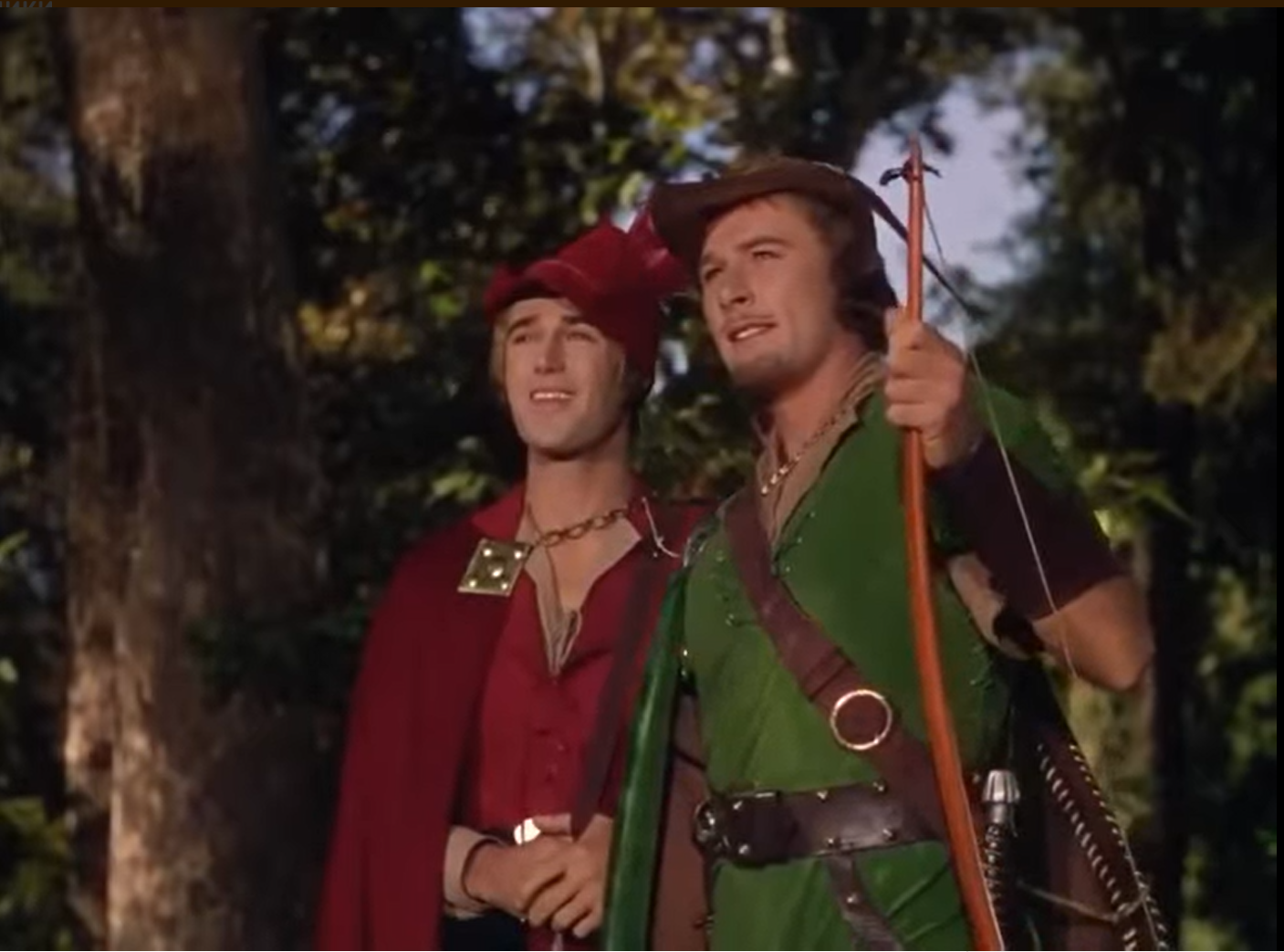
Peary elaborates upon his appreciation for this film in Alternate Oscars, where he names it Best Picture of the Year. After mentioning seeing this film numerous times on b&w television as a child in the ’50s, he writes, “What always surprises me is that adults can appreciate the film more than children, for this is a classy, literate, inspiringly directed and acted picture” with “much care [going] into every aspect of the production”. He notes that “shot after beautifully composed shot, the visuals are dazzling, even magical” — and while “Sol Polito and Tony Gaudio weren’t among the eleven Cinematography Oscar nominees”, they “deserved to win”. He notes that the “picture has terrific action sequences,” including the “climactic sword fight”, “Robin’s two escapes”, and “a scene in which Robin and his men swing from vines and drop from trees to ambush Prince John’s soldiers”. He adds that “the action never slows down for humor — Robin in battle (like Douglas Fairbanks) keeps smiling and joking”, and while “the action does stop”, the “tension doesn’t dissipate” for romance.

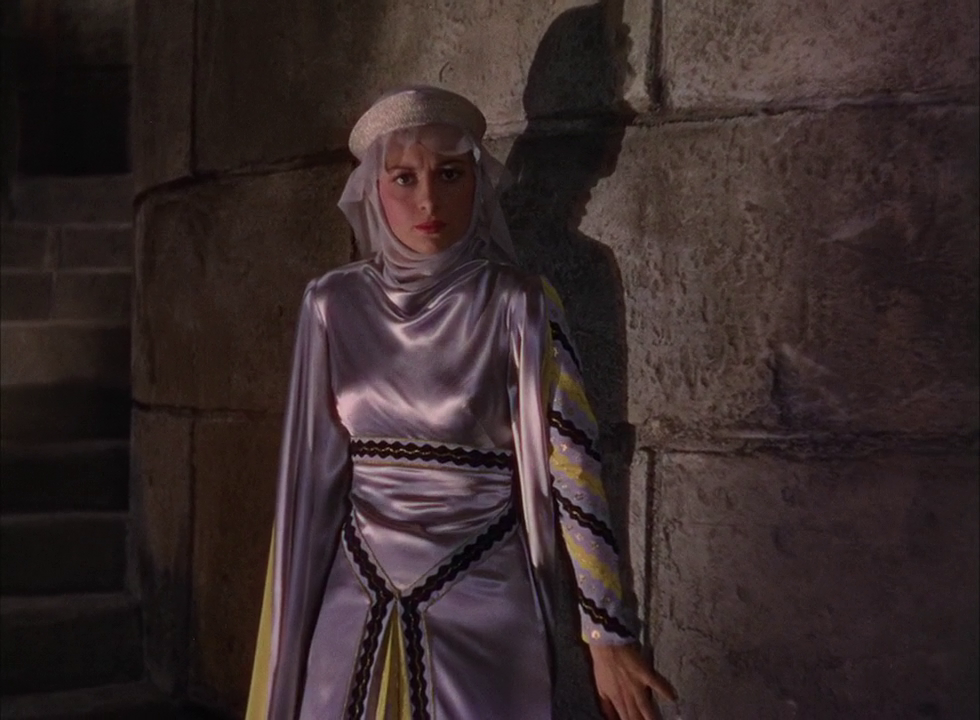
Speaking of romance, Peary writes that “De Havilland’s Marian isn’t the typical heroine of old-time adventure films”: “She is central to the action, devising the plan that frees Robin from the gallows, and defiantly speaking out against Prince John’s Court of Execution after being charged with treason.” De Havilland is both charming and beautiful, and the entire production (from the vibrant Technicolor cinematography to unusual costumes) does her justice. Flynn, meanwhile, has really never been better: as Peary writes, “You’d follow [him] anywhere, sure that his cause is just.” The fine supporting cast is energetic, memorable, and colorful, and the action scenes are indeed consistently stirring. This one can and should be seen (and enjoyed) multiple times.

Redeeming Qualities and Moments:

  • Errol Flynn as Robin Hood
  • Olivia de Havilland as Maid Marian
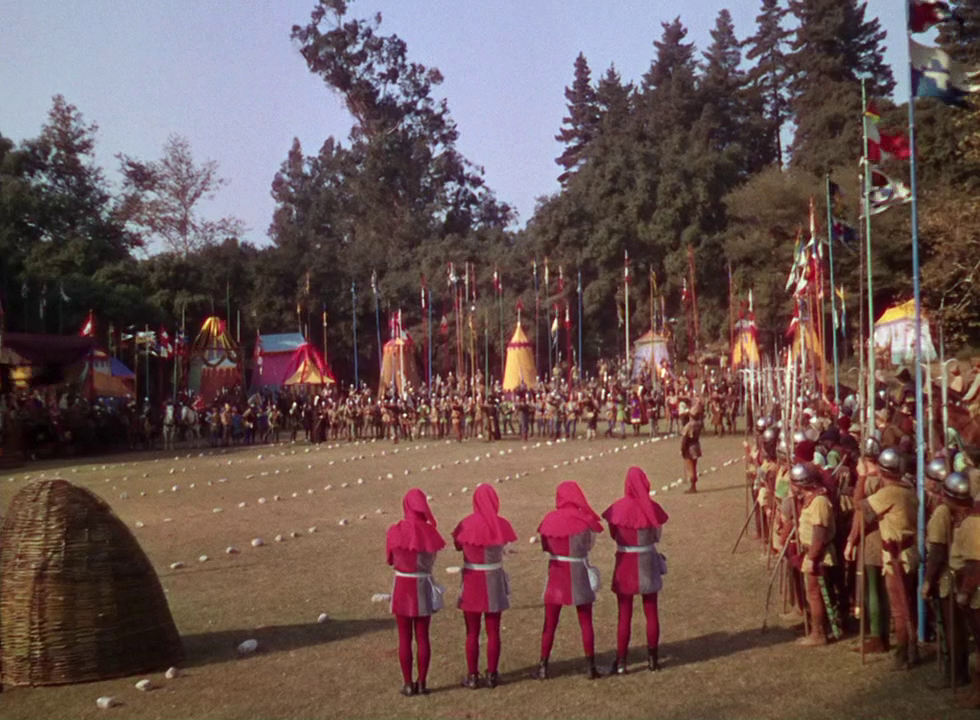
  • Lush, colorful costumes and sets

  • Tony Gaudio and Sol Polito’s cinematography
  • Erich Wolfgang Korngold’s score

Must See?
Yes, as an enjoyable and rousing classic.

Categories

  • Genuine Classic

(Listed in 1001 Movies You Must See Before You Die)

Links:

San Francisco (1936)

San Francisco (1936)

“How does it feel to feel like a woman and be afraid of it?”

Synopsis:
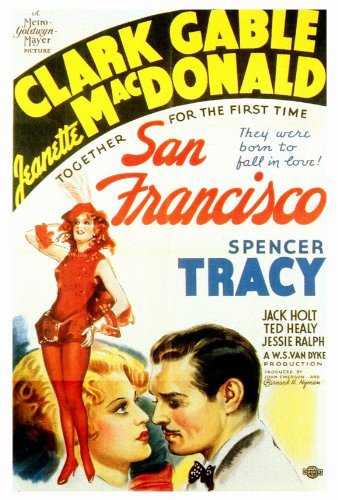
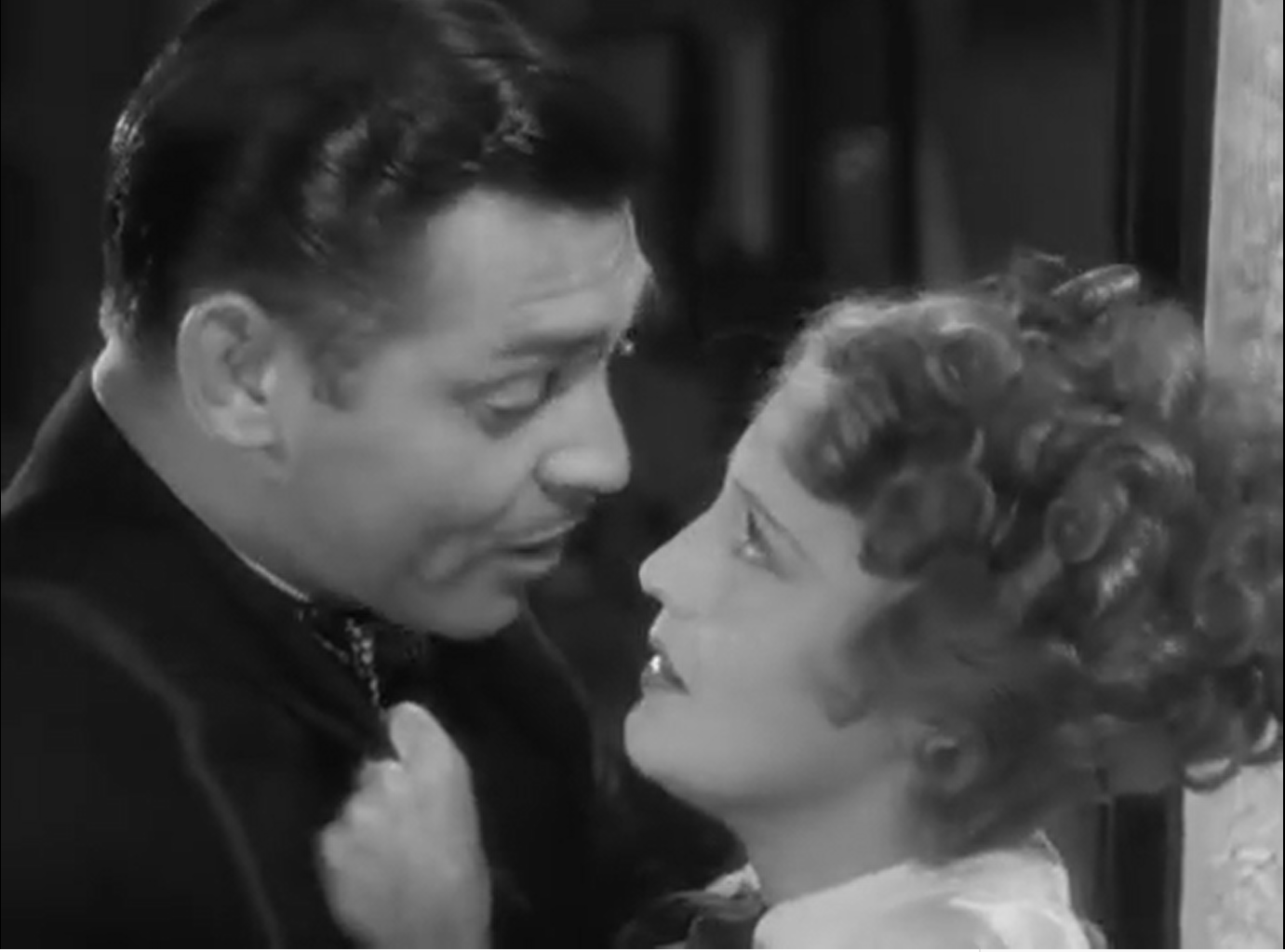
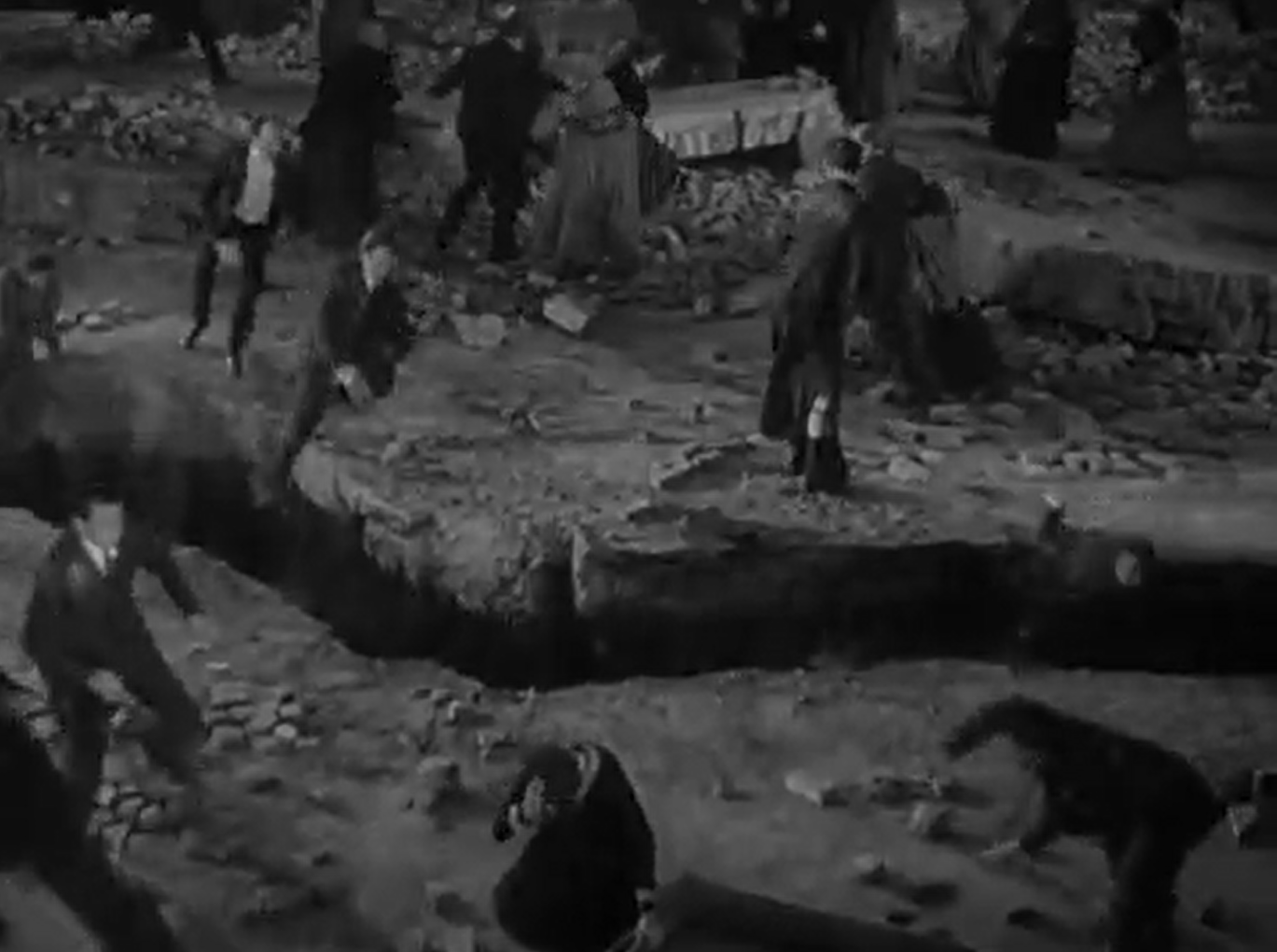
Shortly before the 1906 earthquake in San Francisco, a tough saloon owner (Clark Gable) falls in love with a talented singer (Jeanette MacDonald) who is simultaneously wooed by an opera impresario (Jack Holt).

Genres, Themes, Actors, and Directors:

  • Career-Versus-Marriage
  • Clark Gable Films
  • Disaster Flicks
  • Historical Drama
  • Jeanette MacDonald Films
  • Musicals
  • Opera
  • Romance
  • Singers
  • Spencer Tracy Films

Response to Peary’s Review:
Peary writes that this “old-fashioned Hollywood hokum” — “an amazingly elaborate M-G-M production” nominated for a Best Picture Academy Award — employs “numerous theater and saloon sets and hundreds of extras”, leading to director W.S. Van Dyke presenting “a properly rowdy San Francisco of 1906 (does that year worry you?).” He notes that MacDonald “is the moral daughter of a country parson” who would “like to sing opera, but settles for a job singing popular tunes in the dance hall” owned by Gable’s “well-meaning but roguish character”, who she “falls in love with… despite his being an atheist and allowing gambling in his joint.”

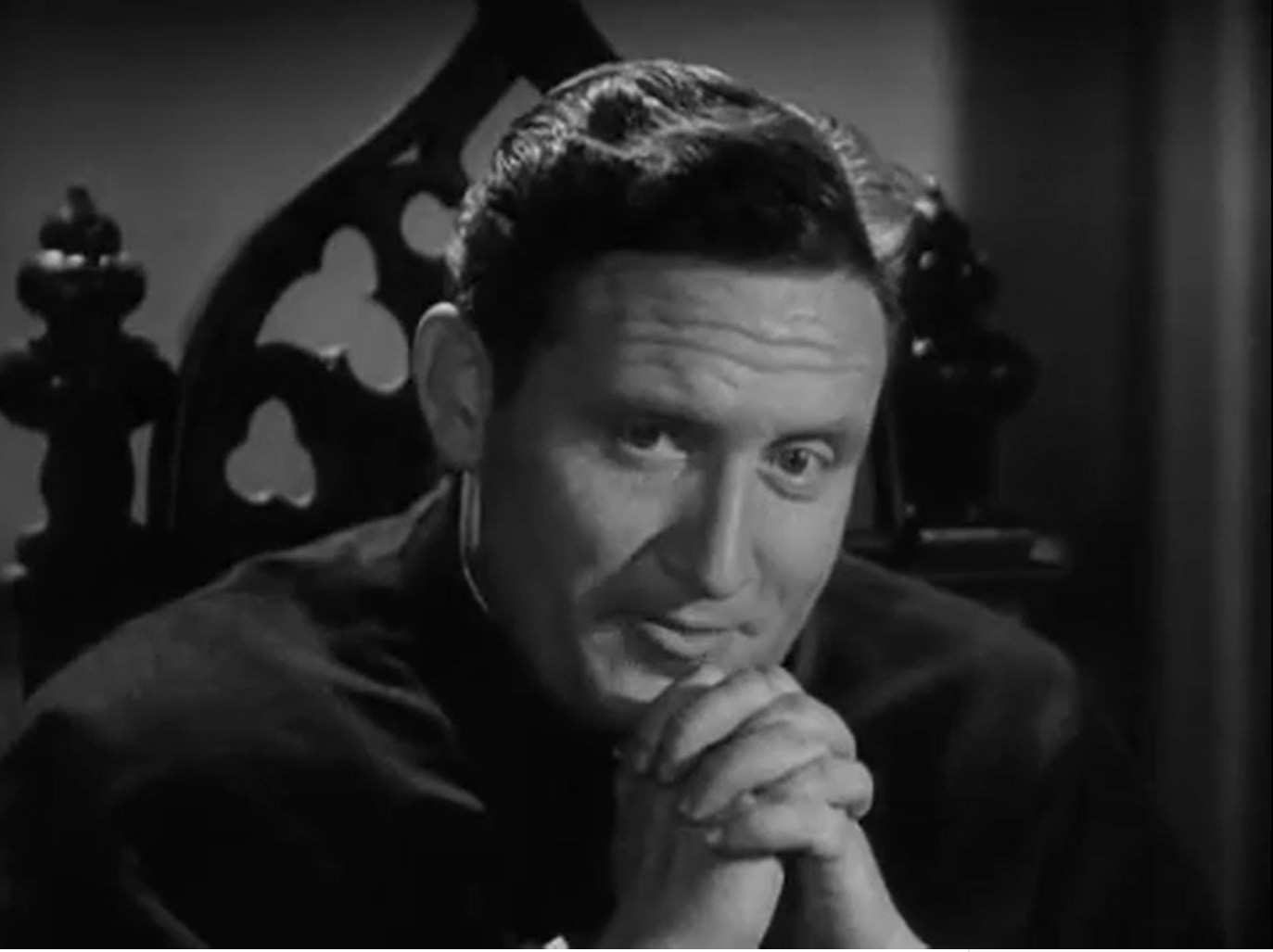
He points out that the script by Anita Loos “is one of the first… to deal with a woman experiencing a man-vs.-profession conflict”, and argues that MacDonald “makes a lovely lead” but Gable is just “okay playing his typical tough guy” and Oscar-nominated Spencer Tracy — playing “a priest and Gable’s boyhood chum” — “doesn’t have enough to do.”

He correctly argues that the film’s highlight is its “stunning earthquake sequence, which is famous for its impressive special effects and great montage work” — though he asserts that this “enjoyable film is almost spoiled by a silly finale, in which earthquake victims get carried away with religious fervor.” I’m essentially in agreement with Peary’s review, though I find it more tolerable than “enjoyable” over all, and would simply add that film fanatics should simply be sure to seek out the remarkable earthquake sequence on its own.

Redeeming Qualities and Moments:

  • The impressive final earthquake sequence

Must See?
No, though the final scene is certainly worth a look.

Links:

Suddenly (1954)

Suddenly (1954)

“There’s cruelty and hatred and tyranny in the world. You can’t make believe they aren’t there.”

Synopsis:
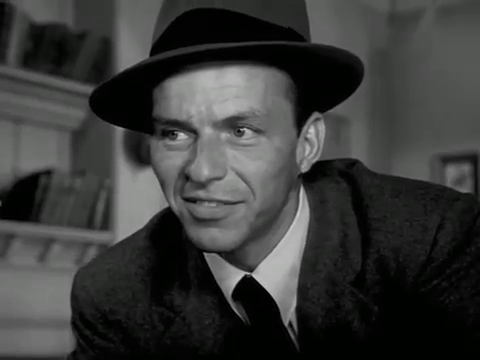
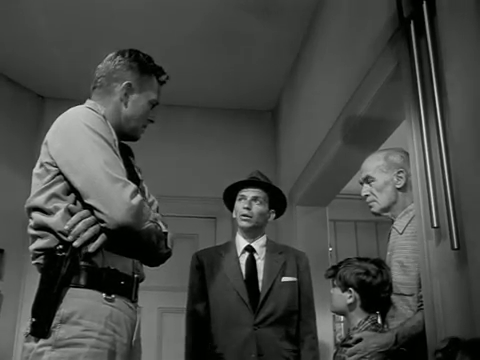
A widowed mother (Nancy Gates) and her young son (Kim Charney) become trapped in their house along with Gates’ father-in-law (James Gleason), the local sheriff (Sterling Hayden), and a television repairman (James O’Hara) when a crazed assassin (Frank Sinatra) and his henchmen (Paul Frees and Christopher Dark) invade their home during a presidential motorcade.

Genres, Themes, Actors, and Directors:

  • Assassination
  • Frank Sinatra Films
  • Hostages
  • Single Mothers
  • Small Town America
  • Sterling Hayden Films

Review:
Frank Sinatra’s first role after his Academy Award-winning performance in From Here to Eternity (1953) was this effectively chilling portrayal of a sociopathic veteran hired to kill the president. According to TCM’s article, when Sinatra heard Lee Harvey Oswald watched this movie the day before shooting Kennedy, he requested that it — and The Manchurian Candidate (1962), also about an attempted presidential assassination — be taken out of circulation. Interestingly, Suddenly — the eponymous title refers to the sleepy little town where all this action “suddenly” takes place — is a pro-gun movie, starting with young Charney’s frustration that he isn’t allowed to have one, and culminating in a situation where having guns lying around the house is very much a life-saving choice for this group of unwitting hostages (then again, when are hostages ever not unwitting?). Overall, this tense story is told in a compact and highly effective style, showing a small American town disrupted by pure malevolence, but saved by collective ingenuity and bravery.

Redeeming Qualities and Moments:

  • Frank Sinatra as John Baron
  • Nancy Gates as Ellen
  • A tense screenplay, well-directed by Lewis Allen

Must See?
Yes, as a fine and well-told thriller. Listed as a Sleeper in the back of Peary’s book.

Categories

  • Good Show

Links:

Pink Floyd: The Wall (1982)

Pink Floyd: The Wall (1982)

“Is there anybody out there?”

Synopsis:
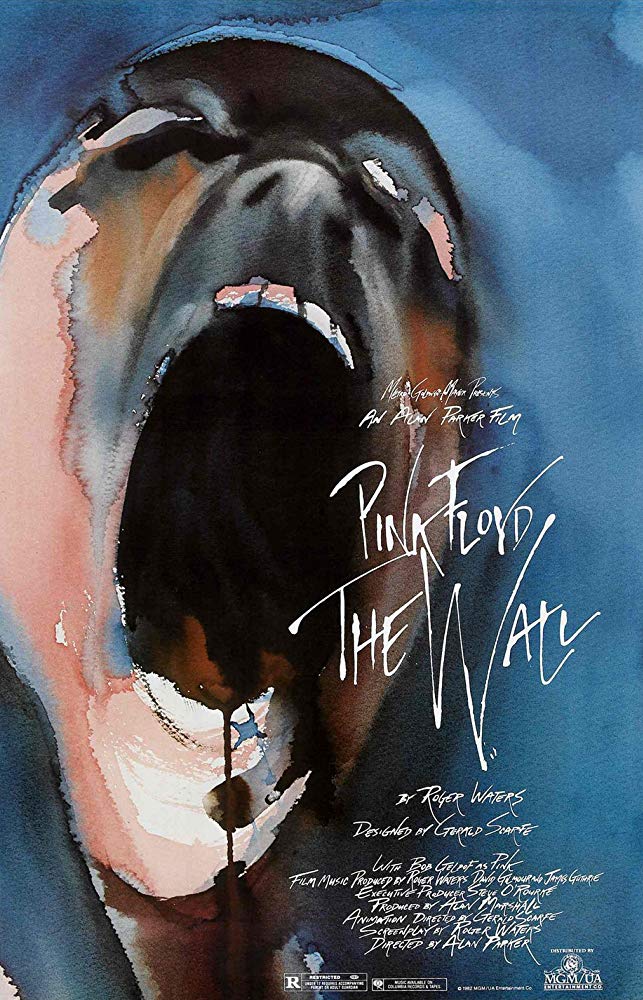
An alienated rock star (Bob Geldof) descends into madness and toxic grandiosity while reflecting on his fatherless childhood and faithless marriage.

Genres, Themes, Actors, and Directors:

  • Alan Parker Films
  • Bob Hoskins Films
  • Mental Breakdown
  • Musicals
  • Rock ‘n Roll

Review:
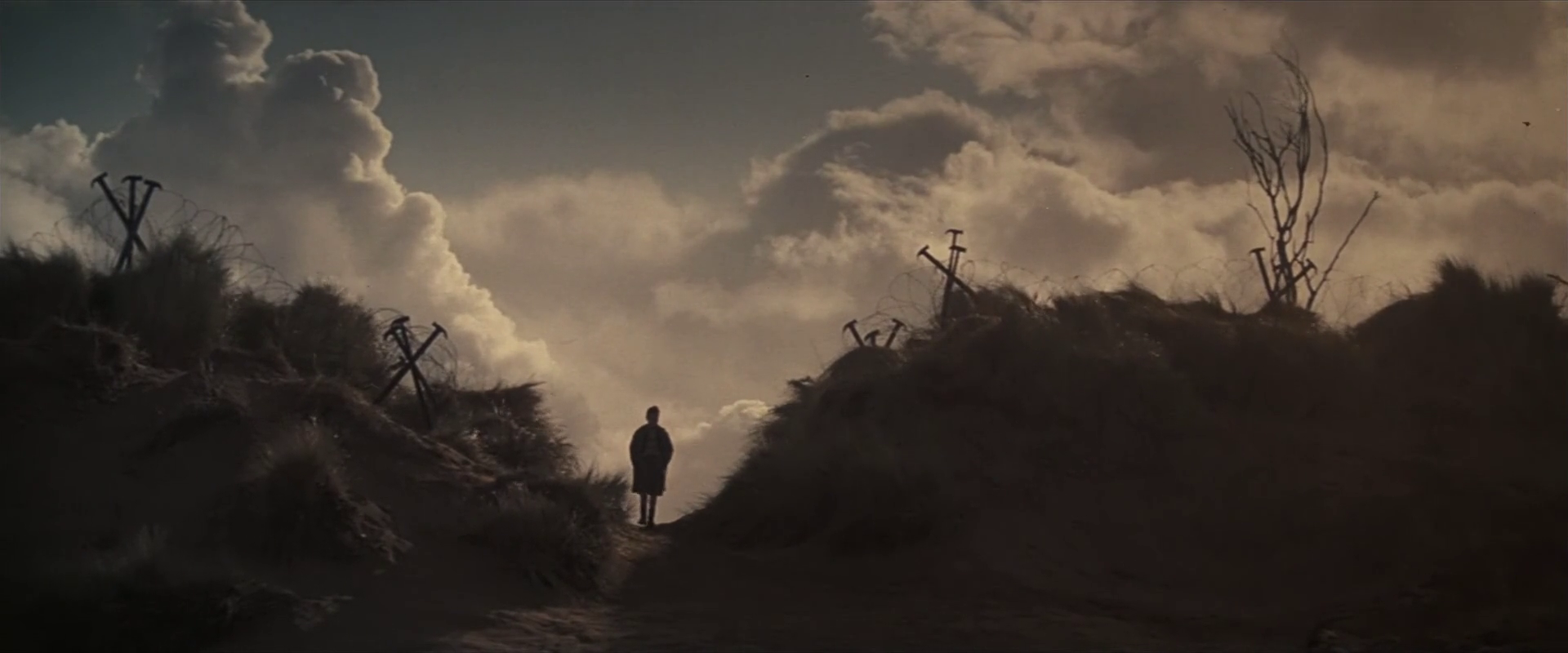
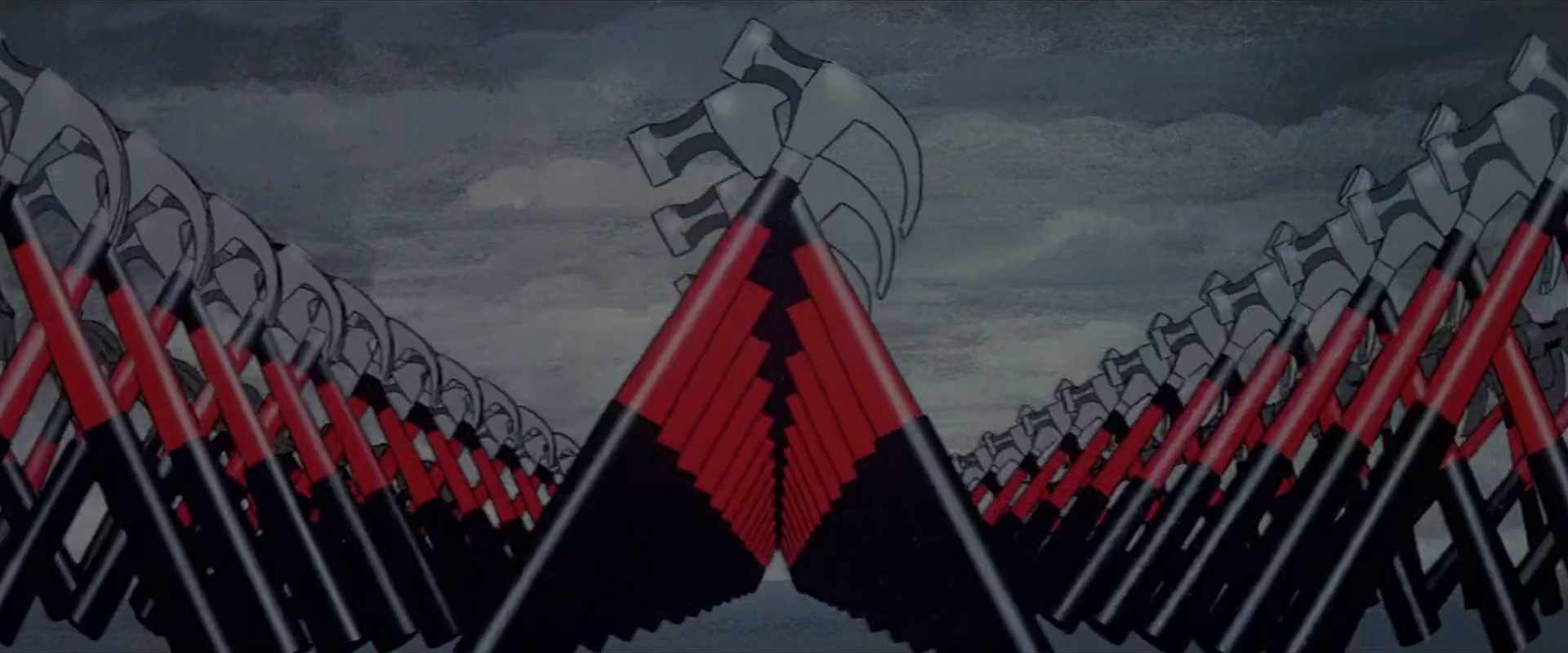
Peary argues that this “midnight cult hit” — “director Alan Parker’s visual interpretation of the rock opera by Pink Floyd” — is “unrelentingly downbeat and at times repulsive”, but he doesn’t “find it unwatchable — which is more than [he] could say if Ken Russell had directed this”. He notes that the film “cuts back and forth between present, past… and future”, allowing us to “witness the development of a fascist”, and adds that the “cinematography by Peter Bizou is extremely impressive and a few of the individual scenes have undeniable power” — though he simply points out (rather than praising) the “animation sequences” by “political cartoonist Gerald Scarfe.” Peary’s review is a fair one, though I’ll add that the narrative — while seemingly disjointed and surrealistic — is surprisingly coherent, and maps well onto the album. This one is definitely worth a one-time look.

Redeeming Qualities and Moments:

  • Powerful imagery, cinematography, and animation

  • The still-classic soundtrack/album

Must See?
Yes, as a cult favorite.

Categories

  • Cult Movie

Links:

Incredible Journey, The (1963)

Incredible Journey, The (1963)

“From the very start, the travelers had adopted a certain marching order.”

Synopsis:
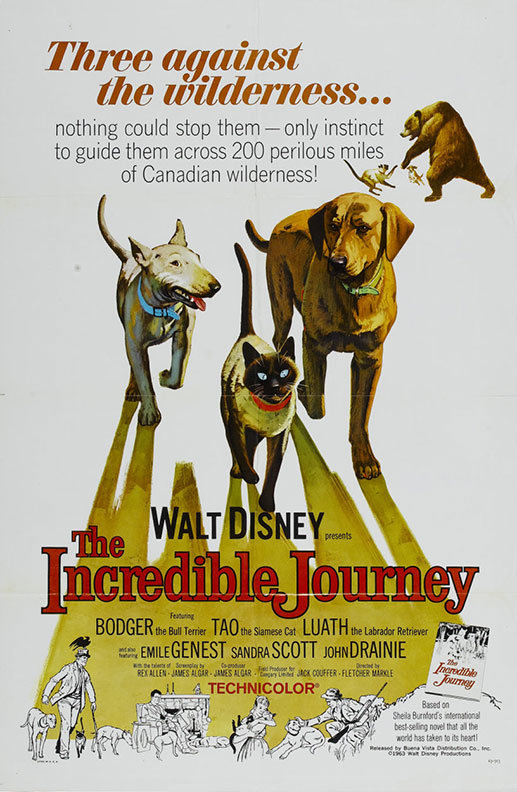
Two dogs and a cat leave their temporary caretaker (Emile Genest) in search of their owners, and soon find themselves on a truly incredible adventure across the Canadian wilderness.

Genres, Themes, Actors, and Directors:

  • Friendship
  • Pets
  • Road Trip
  • Survival

Review:
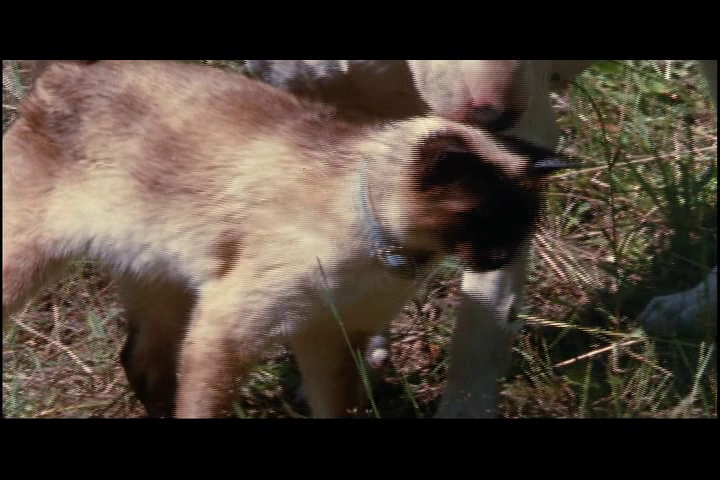
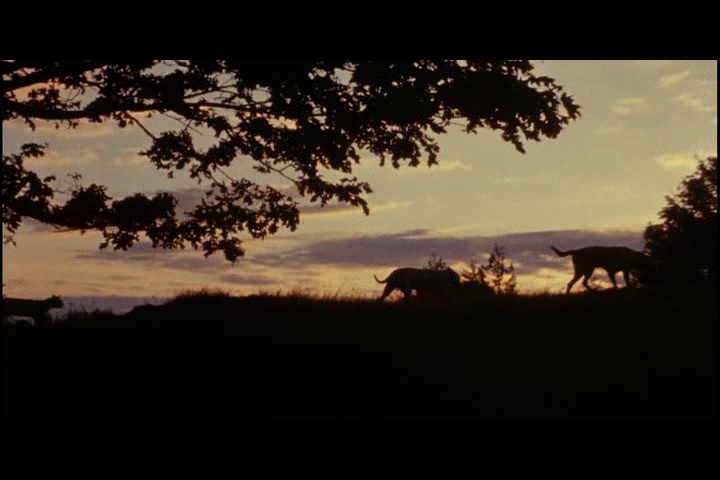
Disney’s first live action adaptation of Sheila Burnford’s classic children’s novel features a voice-over narration chronicling the tale of three plucky pets sticking with each other through thick and thin as they battle obstacles such as a raging river, a prickly porcupine, and a lynx. They receive ample support from well-meaning humans along the way, but their ultimate destination (getting back home to their owners) is never far from their minds. Thank goodness the animals don’t talk; we’re allowed to believe in them as actual creatures who happen to be incredibly hardy, loyal, and smart. The sections with human actors are poorly acted and a bit stilted, leaving one even more impressed by what the well-trained animals here manage to pull off. This film is infinitely better than Benji (1974), and holds a certain charm, but it isn’t must-see viewing for all film fanatics.

Redeeming Qualities and Moments:

  • Assured performances by the animal cast
  • Fine cinematography

Must See?
No. Listed as a Personal Recommendation in the back of Peary’s book.

Links:

Beauty and the Beast (1946)

Beauty and the Beast (1946)

“I disgust you. You find me repulsive.”

Synopsis:
When a man (Marcel Andre) is sentenced to death by a beast (Jean Marais) after plucking a rose in his garden, his loyal daughter (Josette Day) — who has refused to marry a local suitor (also Jean Marais) — agrees to go and live with the beast in exchange for her father’s life.

Genres, Themes, Actors, and Directors:

  • Folk Tales, Fairy Tales, and Mythology
  • French Films
  • Jean Cocteau Films
  • Mistaken or Hidden Identities
  • Romance

Response to Peary’s Review:
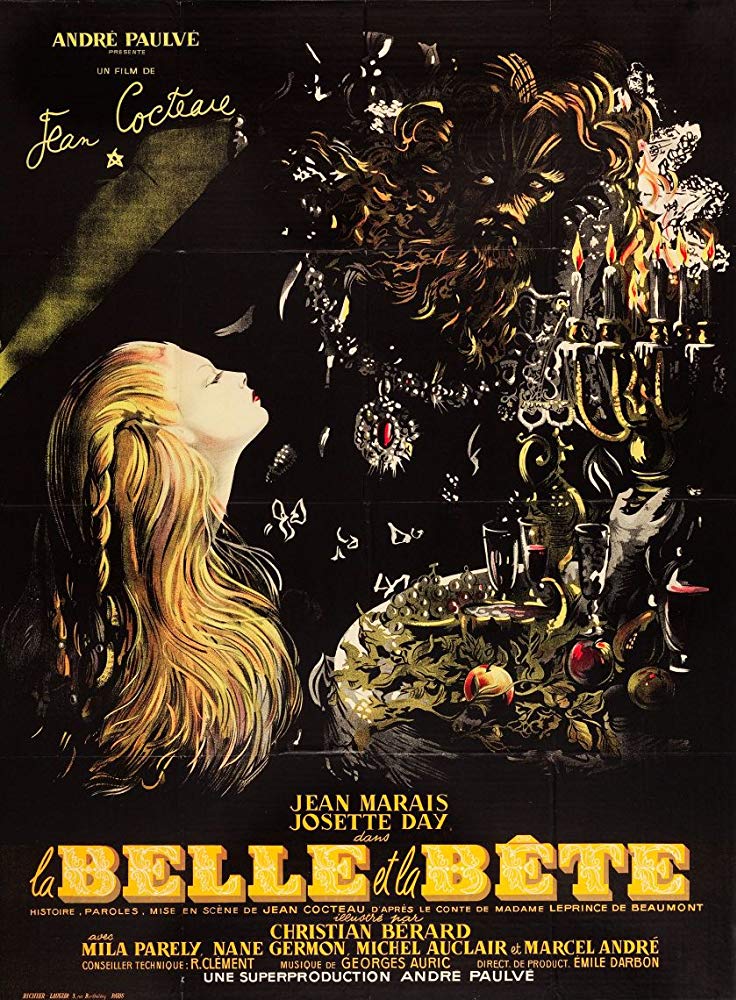
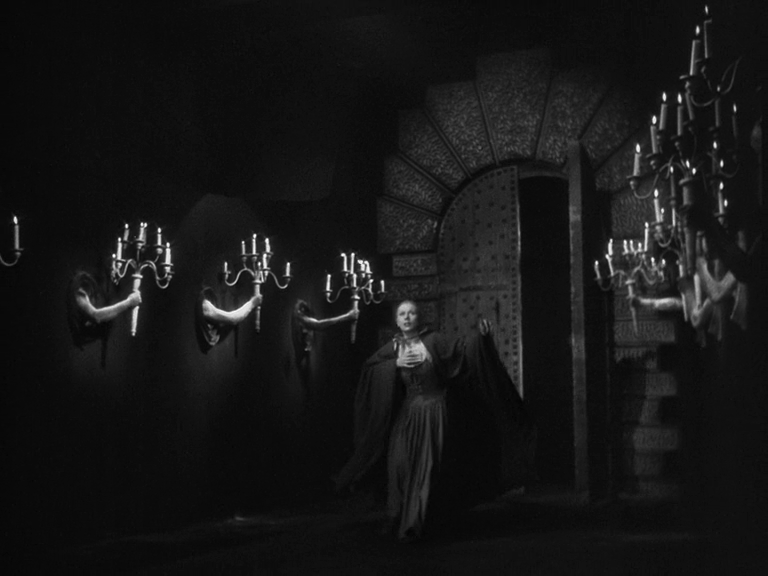
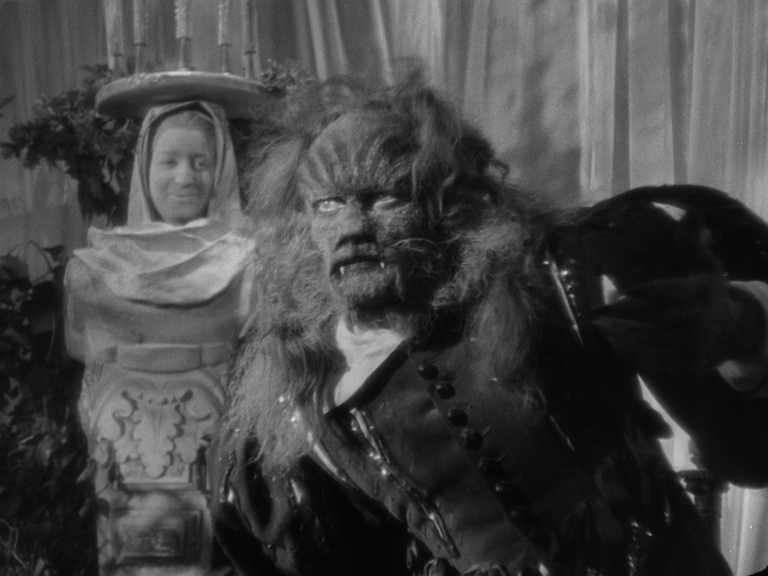
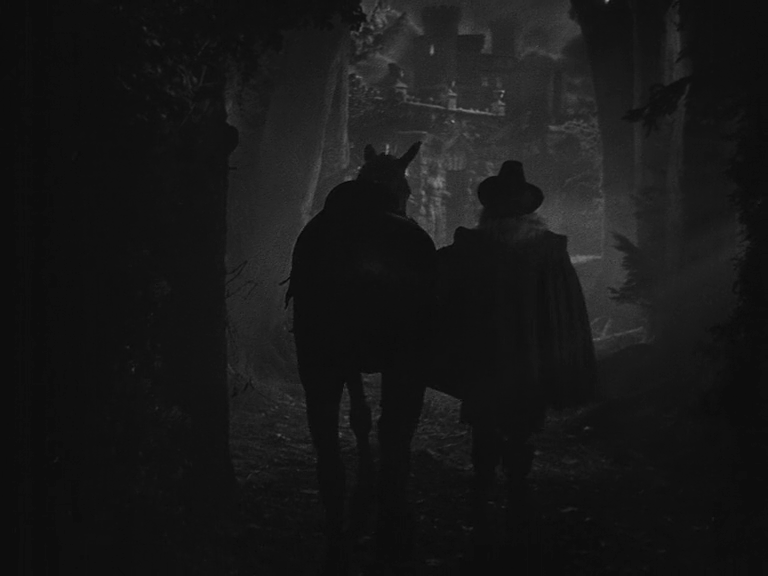
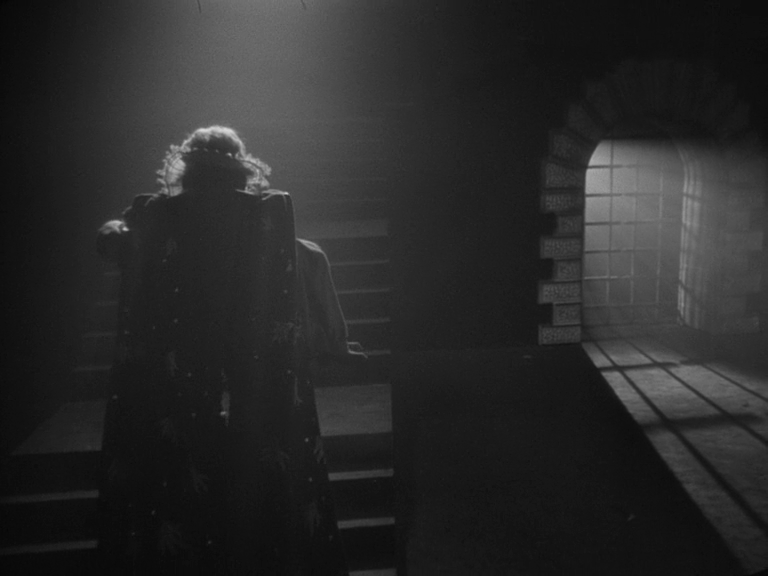
Peary writes that “Jean Cocteau’s legendary, increasingly popular adult adaptation of Madame Le Prince de Beaumont’s classic fairytale” is “the cinema’s most ‘poetic’ work, with much of its charm coming from the fact that it is presented so simply, without self-indulgence or pretense.” He points out it’s full of “hauntingly beautiful, dreamlike imagery” — including “the merchant’s terrifying visit to the Beast’s dark, forbidding castle, in which statues move and unattached arms extend from the wall to hold candelabra; and Beauty’s arrival at the castle, in which she floats/walks trancelike through the various rooms and hallways”. He notes that Cocteau “was exploring ‘the reality of the unreal’, and only through his surreal imagery did he believe he could convey the precise emotions, feelings, and atmosphere that he believed represented absolute truth”. He argues that while “Josette Day is perfectly cast as one of literature’s great heroines: innocent, strong of character, honest, loyal, exquisite, and virtuous”, “less impressive is Jean Marais” who “plays the obnoxious, foolish rapscallion Avenant, whom Beauty loves; the wimpish, self-pitying, though elegant-looking Beast; and the worst of all, the effeminate Prince into whom the Beast turns at the end”.

Peary elaborates on this and other aspects of the film in his Cult Movies book, where he writes that “first time viewers are invariably impressed and surprised that such an unusual film exists; that Cocteau dared to make a fairy tale without drastically changing the content of the original story; that he dared make a film with ‘art’ and not box office success as the ultimate goal; and that he dared approach his film as a poet rather than as a typical movie director.” All of this rings true: it remains a genuine pleasure to revisit this film, despite its shortfalls — which include (for me) a storyline that seems to lag at times, perhaps due to Cocteau’s emphasis on lingering for atmospheric effects. On that note, Peary points out that cinematographer Henri Alekan’s “camera rarely moves, yet within his fixed frame comes a mesmerizing panorama of movements…, shadows, darkness, the clear white sky, and characters who, set against that sky, are filmed as if they were moving statues.”

Regarding Peary’s frustration with the Beast’s transformation into “a human being who looks like Avenant with a permanent”, I can’t say I share it. Peary’s assertion that “Beauty suddenly becomes flirtatious, as if all along she had only pretended to be an innocent” is an unfair assessment of her piqued romantic interest; why does Peary begrudge her happiness at seeing a beloved companion transformed into a human who she can more easily envision as a viable life partner? Meanwhile, Peary’s fixation on the prince’s “effeminate” nature and hair perm are uncharitable at best (his hairdo is certainly no better or worse than that of Avenant). Peary’s ending statement in his Cult Movies review — “We aren’t pleased by any means. This transformation, the worst scene in the picture, almost ruins what went before it: a true king has been demoted to a prissy prince.” — is simply not true. For shame, Peary! (especially given that Marais was Cocteau’s real-life lover). Allow this fairy tale to end the way one might imagine it to in its original form, as intended by Cocteau.

Redeeming Qualities and Moments:

  • Visually stunning sets and costumes
  • Creative special effects

  • Henri Alekan’s “splendid photography”

  • Georges Auric’s score

Must See?
Yes, as an unusual and visually mesmerizing cult classic.

Categories

  • Foreign Gem
  • Genuine Classic

(Listed in 1001 Movies You Must See Before You Die)

Links:

Saratoga (1937)

Saratoga (1937)

“You don’t belong at the track. What do you know about handicapping horses?”

Synopsis:
The daughter (Jean Harlow) of a recently deceased gambler (Jonathan Hale) tries to earn back her family home through gambling rather than relying on her wealthy fiance (Walter Pidgeon), but finds her efforts complicated when she falls for her father’s bookkeeper-friend (Clark Gable).

Genres, Themes, Actors, and Directors:

  • Clark Gable Films
  • Gambling
  • Jean Harlow Films
  • Lionel Barrymore Films
  • Love Triangle
  • Romantic Comedy
  • Walter Pidgeon Films

Review:
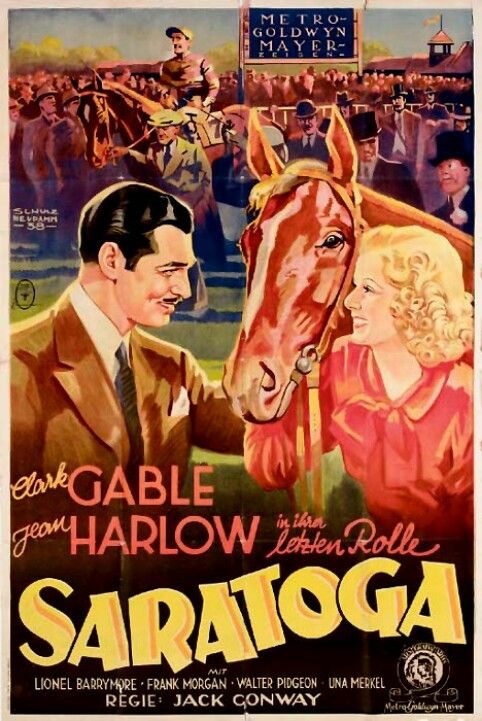
Peary almost certainly lists this lackluster MGM romantic comedy in his GFTFF given its infamy as Jean Harlow’s final film (which could only be completed through creative use of doubles, dubbing, and editing).

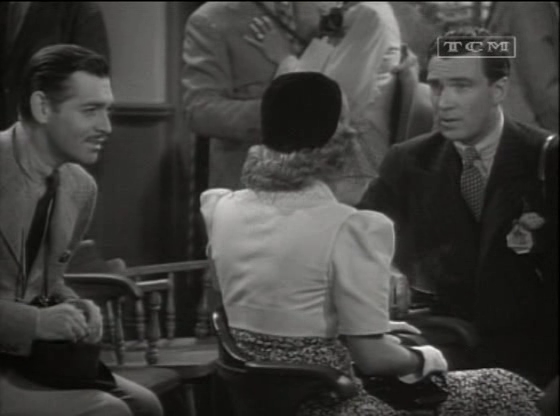
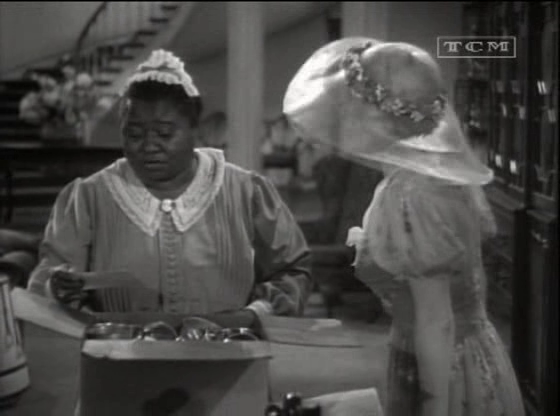
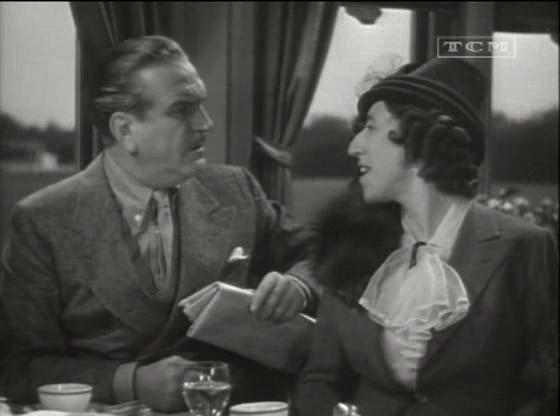
The storyline is innocuous and/or silly, and the performances are hit-or-miss: Harlow isn’t at her best (perhaps because of the ailments which led to her premature death from kidney failure at the age of just 26); Gable and Pidgeon are fine but not all that memorable; and the large cast of supporting actors (including Lionel Barrymore, Una Merkel, Margaret Hamilton, Frank Morgan, and Hattie McDaniel) simply reprise familiar archetypes. Saratoga isn’t a terrible film but limited to something audiences of the day likely enjoyed escaping into. The most interesting (albeit morbid and sad) aspect of this movie comes from observing how the crew managed to craft final scenes without Harlow: by filming her double from behind:

… wearing a wide-brimmed hat:

… and looking through binoculars.

Redeeming Qualities and Moments:

Must See?
No; this one is only must see for Harlow fans.

Links:

Force of Evil (1948)

Force of Evil (1948)

“All that Cain did to Abel was murder him.”

Synopsis:
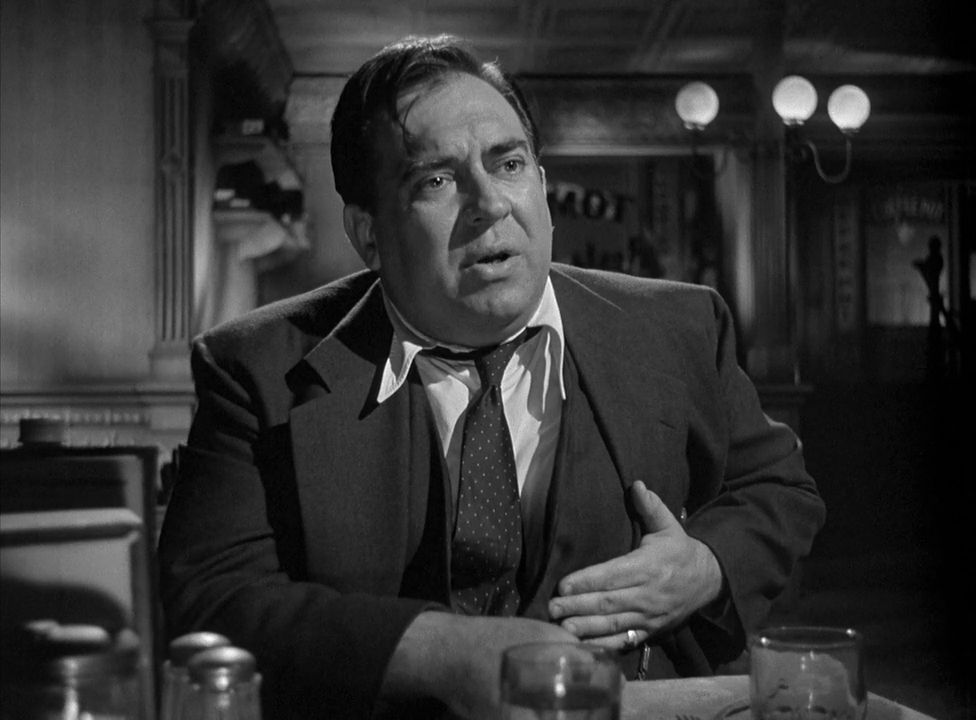
A lawyer (John Garfield) working for a high-level racketeer (Roy Roberts) tries unsuccessfully to convince his brother (Thomas Gomez) to merge his small-time numbers operation with others before he’s wiped out by corruption on the fourth of July. Meanwhile, Garfield falls for Gomez’s secretary (Beatrice Pearson), who attempts to be a good influence on Garfield.

Genres, Themes, Actors, and Directors:

  • Corruption
  • Gambling
  • Gangsters
  • John Garfield Films
  • Lawyers
  • Marie Windsor Films

Response to Peary’s Review:
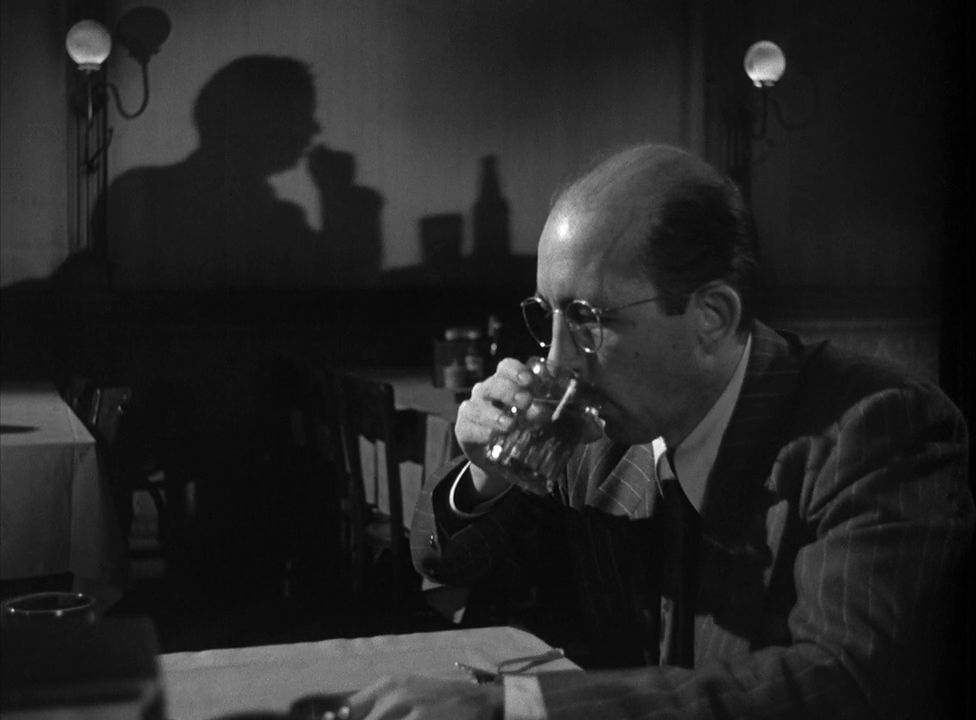
Peary writes that in this “underground classic” — the “only film directed by Marxist screenwriter-director Abraham Polonsky prior to his blacklisting in Hollywood for being an ‘uncooperative’ witness in front of HUAC in 1951” — Polonsky “presents an ugly, cynical view… of our capitalistic, money-and-power-oriented society, where even ‘decent’ people… are so trapped and poisoned by the system that they resign themselves to making a living in crime; [and] where there is little, if any, distinction between crime and business, law enforcers and gangsters, and what is legal and illegal.” He notes that this ‘autopsy on capitalism’ “merely touches on some basic Marxist thought: characters are products of their environment; conflict results from the interaction of different classes; capitalism breeds decadence”. He writes that while the film “makes one aware of the economic shame of the cities — the rich get richer by exploiting the poor, the only jobs for the poor are in crime and involve further exploitation of their class — Polonsky shies away from making a real plea for social change or suggesting how group (class) action could change the capitalist power structure”, instead “conventionally concentrat[ing] on the individual and advanc[ing] the common Hollywood theme ‘Don’t sell out'”; he argues that “worst of all is that he would have Garfield become an informer.” He further points out the “moody” score by David Raksin and how the film is “strikingly photographed by George Barnes so that the characters seem dominated by their surroundings”, thus making this “the darkest, seediest, most claustrophobic entry in films noir.” Finally, he argues it “has the most rhythmic, believable ‘city street’ dialogue found in any Hollywood film, and a great performance by Garfield as one of his few educated characters.”

Peary discusses this film at greater length in Cult Movies book, where he notes that “just as Garfield’s boxer did at the end of the Polonsky-scripted Body and Soul (1947) when he refused to throw his fight despite what the mob might do to him”, his character here is shown as “taking a (progressive) step forward” in terms of giving “his allegiance to the law”. However, Peary refers to this as “Hogwash!” given that “throughout the film Polonsky has shown us a law that is unfeeling, a pawn of the rackets (whenever a lawbreaker wants another lawbreaker thrown in jail he simply calls the cops) and oppressive: the rackets investigation is run by a man we never see (Big Brother?) called Hall (as in City Hall), who bugs phones, raids policy banks, and throws anyone on the premises in jail whether they work there or not, and makes arrests and convictions by using a network of informers and creating an atmosphere of paranoia.” Peary expresses puzzlement about why Polonsky “disregard[s] all this in his climax”, which isn’t “horrible, but… is disappointing in that it is too pat by Hollywood standards”. Ultimately, the film shows that the longer the brothers are “part of the pervading corruption”, “constantly moving up the wobbly ladder of ‘success’, the closer they come to self-destruction.” The smartest (though not necessarily successful) individuals in the movie are those who sincerely want to get out of the corruption game altogether; and while this is shown as nearly impossible — a bespectacled informer (Howland Chamberlain) hoping to escape meets a grimly inevitable fate instead — the ending scene in which “Joe has walked back up the stairs from… purgatory to join Doris, and has been regenerated” is at least meant to provide a form of hope for the future.

Redeeming Qualities and Moments:

  • John Garfield as Joe Morse (nominated as one of the Best Actors of the Year in Alternate Oscars)
  • Thomas Gomez as Leo
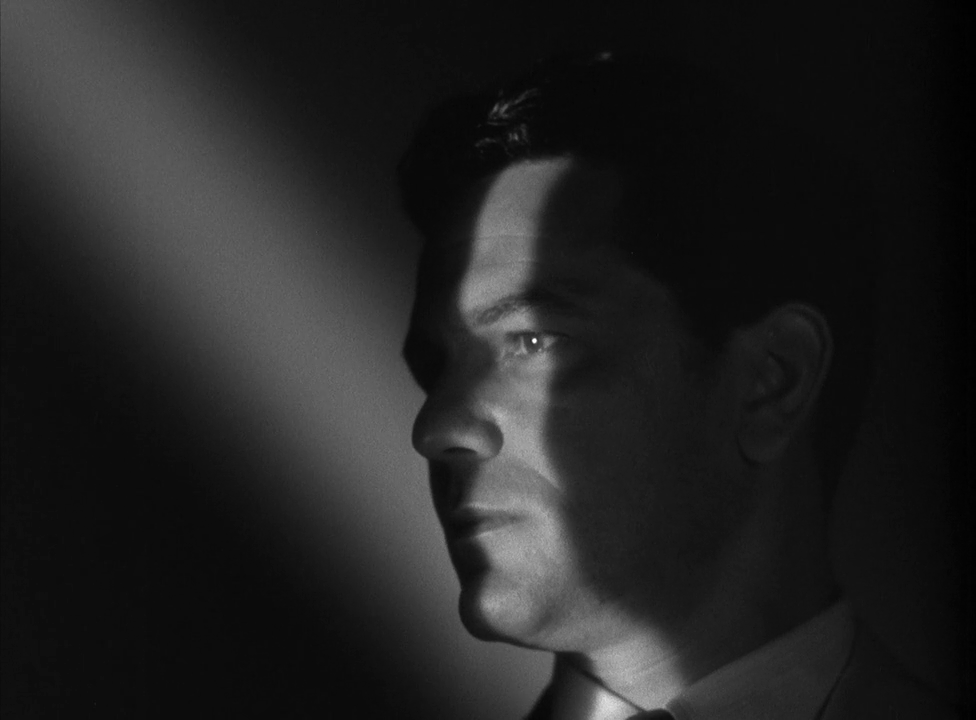
  • Noir-ish cinematography

Must See?
Yes, as a still-powerful anti-corruption flick.

Categories

  • Good Show

Links:

Three Musketeers, The (1939)

Three Musketeers, The (1939)

“Don’t worry: no noose is good noose.”

Synopsis:
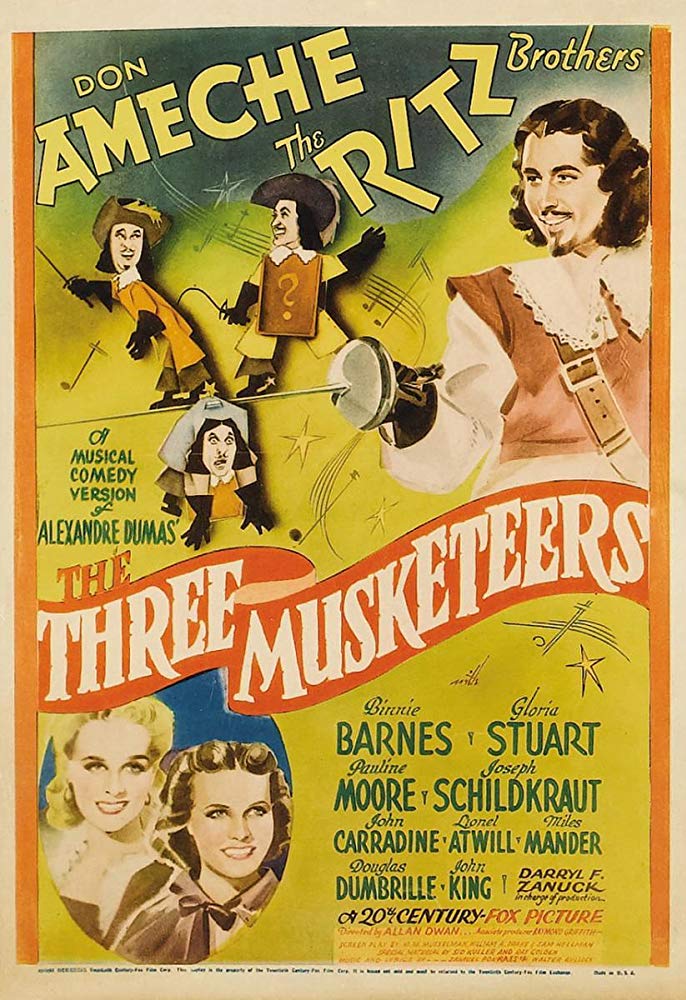
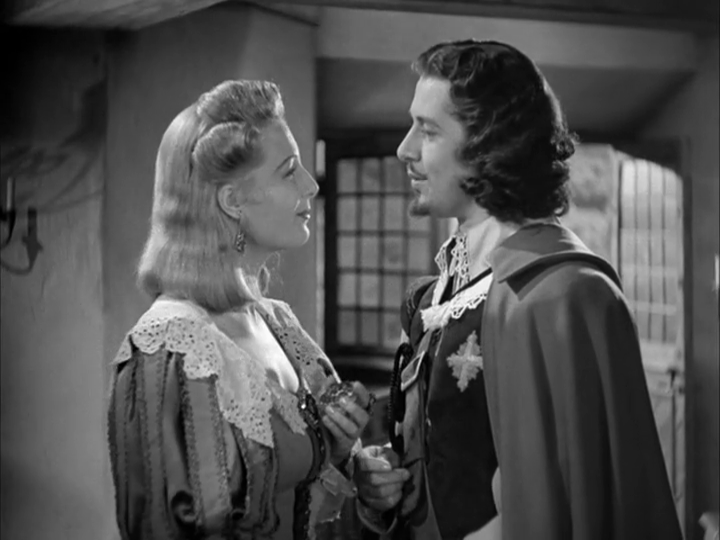
In 17th century France, D’Artagnan (Don Ameche) falls in love with a lady (Pauline Moore) in the court of King Louis XIII (Joseph Schildkraut), whose chief cardinal (Miles Mander) enlists the help of evil Milady De Winter (Binnie Barnes) and De Rochefort (Lionel Atwill) in disgracing the queen (Gloria Stuart) by stealing her emerald brooch. Will D’Artagnan’s three new musketeers (Harry Ritz, Al Ritz, and Jimmy Ritz) come to the rescue?

Genres, Themes, Actors, and Directors:

  • Allan Dwan Films
  • Comedy
  • Don Ameche Films
  • John Carradine Films
  • Mistaken or Hidden Identities
  • Musicals
  • Royalty and Nobility

Review:
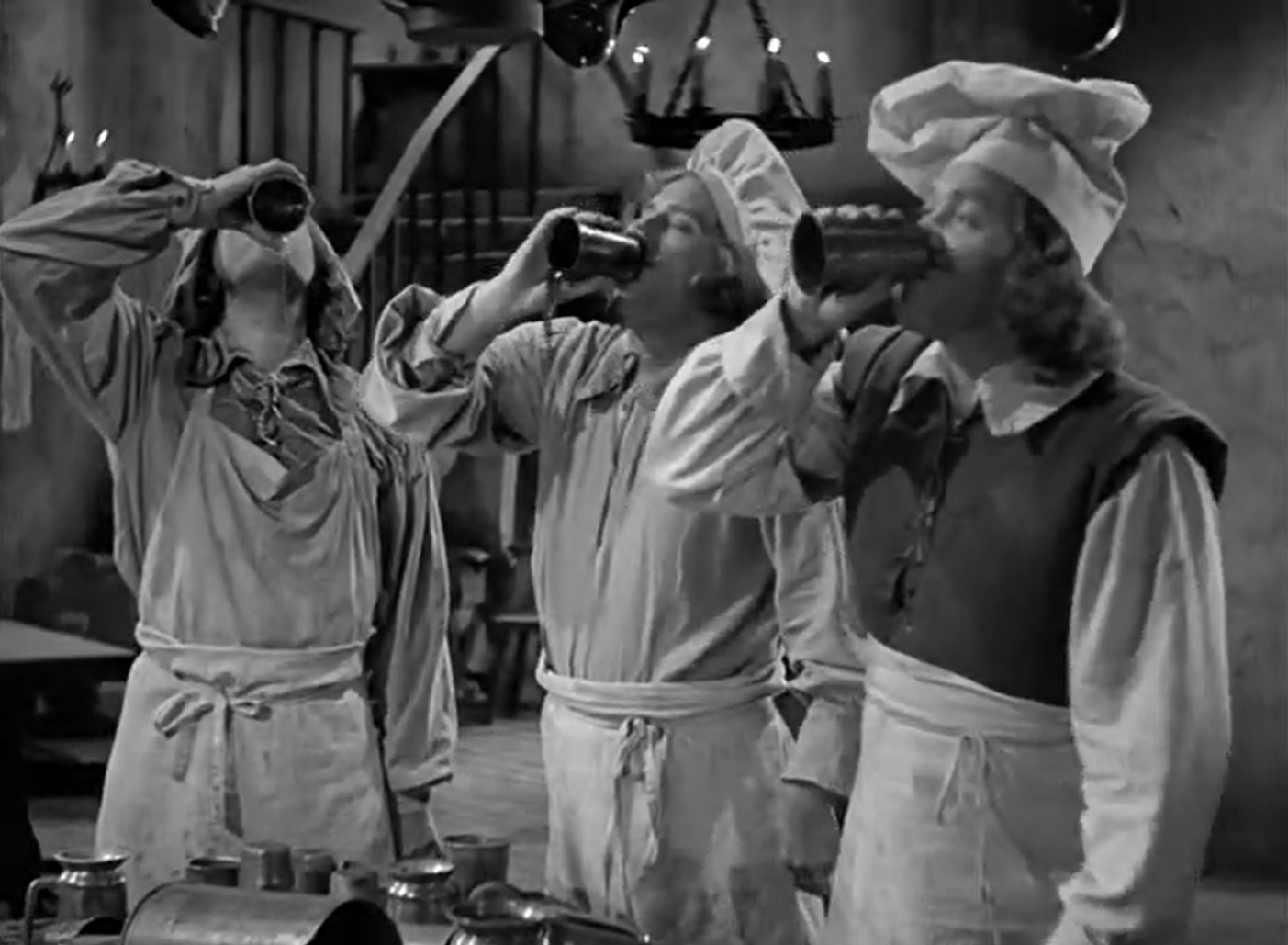
Peary almost certainly lists this adaptation of Alexandre Dumas’ classic novel in GFTFF given the presence of the Ritz Brothers, a comedic group described by Stuart Galbraith of DVD Talk as follows:

As for The Ritz Brothers (Al, Harry, and Jimmy), well, they’re as much an acquired taste now as they were 70 years ago. Completely forgotten today except by film buffs and old-time comics (their fans include Mel Brooks and, believe it not, Pauline Kael), the team was undeniably popular in the late-1930s and inarguably bridged the styles of film comedy that dominated the early- and mid-1930s (adapted from the stage and hangers-on from the silent era) with the slicker, faster, and streamlined comedians (Bob Hope, Abbott & Costello, etc.) that would dominate the forties, but their rubber-faced mugging generally plays more silly than funny.

Frank Nugent, in his review for the New York Times, was among the group’s current-day detractors, noting, “They leave me as cold as a marinated herring and twice as limp.” With that said, Ameche is game as D’Artagnan, and nicely matched by Barnes as a sly villainess — and the entire production is well-mounted. At just over 70 minutes long, it’s tolerable but innocuous. Feel free to skip this one unless you’re curious to see the Ritz Brothers in action.

Redeeming Qualities and Moments:

  • Don Ameche as D’Artagnan
  • Binnie Barnes as Milady De Winter
  • Atmospheric cinematography and sets

Must See?
No; you can skip this one.

Links:

Knife in the Water (1962)

Knife in the Water (1962)

“On the water, you need to have reflexes.”

Synopsis:
An aggressive sports writer (Leon Niemczyk) and his wife (Jolanta Umecka) pick up a young hitchhiker (Zygmunt Malanoqwicz) on their way to a weekly boating trip, and invite him to accompany them — but tensions and rivalries continue to mount as the two men show off their prowess in front of bikini-clad Umecka.

Genres, Themes, Actors, and Directors:

  • At Sea
  • Marital Problems
  • Masculinity
  • Rivalry
  • Roman Polanski Films

Review:
Peary writes that “Roman Polanski’s first film, his only Polish film, is an enigmatic three-character piece he wrote with Jerzy Skolimowski and Jakub Goldberg”, which “concentrates on the stiff competition between the two men [Niemczyk and Malanoqwicz] at sailing, at pickup sticks, at knife playing”. He points out the “sense of claustrophobia (heightened when they go below) that dramatically builds tension; just as the wind determines the boat’s movements, fate seems to control the characters” — and while “we expect that in this natural setting the characters will lay bare their deepest emotions”, they “never really strip off their defenses and totally reveal themselves”. Peary further notes that “Niemczyk desires to show off for his wife and to himself by humiliating the younger man; but while he wins his small victories, he seems increasingly infantile” — and ultimately, the “immense problems in the relationship between Niemcyzk and Umecka… come to [the] surface” and must be confronted. Other than pointing out Jerzy Lipman’s “excellent hand-held photography”, however, Peary’s review neglects to highlight the visual strengths of this unusual and surprisingly potent chamber piece — including and perhaps primarily its camera angles, strategic blocking of characters, and highly effective editing. While this isn’t a film I would choose to return to repeatedly, it should be seen at least once for its technical brilliance.

Redeeming Qualities and Moments:

  • Solid direction, cinematography, and editing throughout


Must See?
Yes, as Polanski’s worthy debut feature.

Categories

  • Important Director

Links: