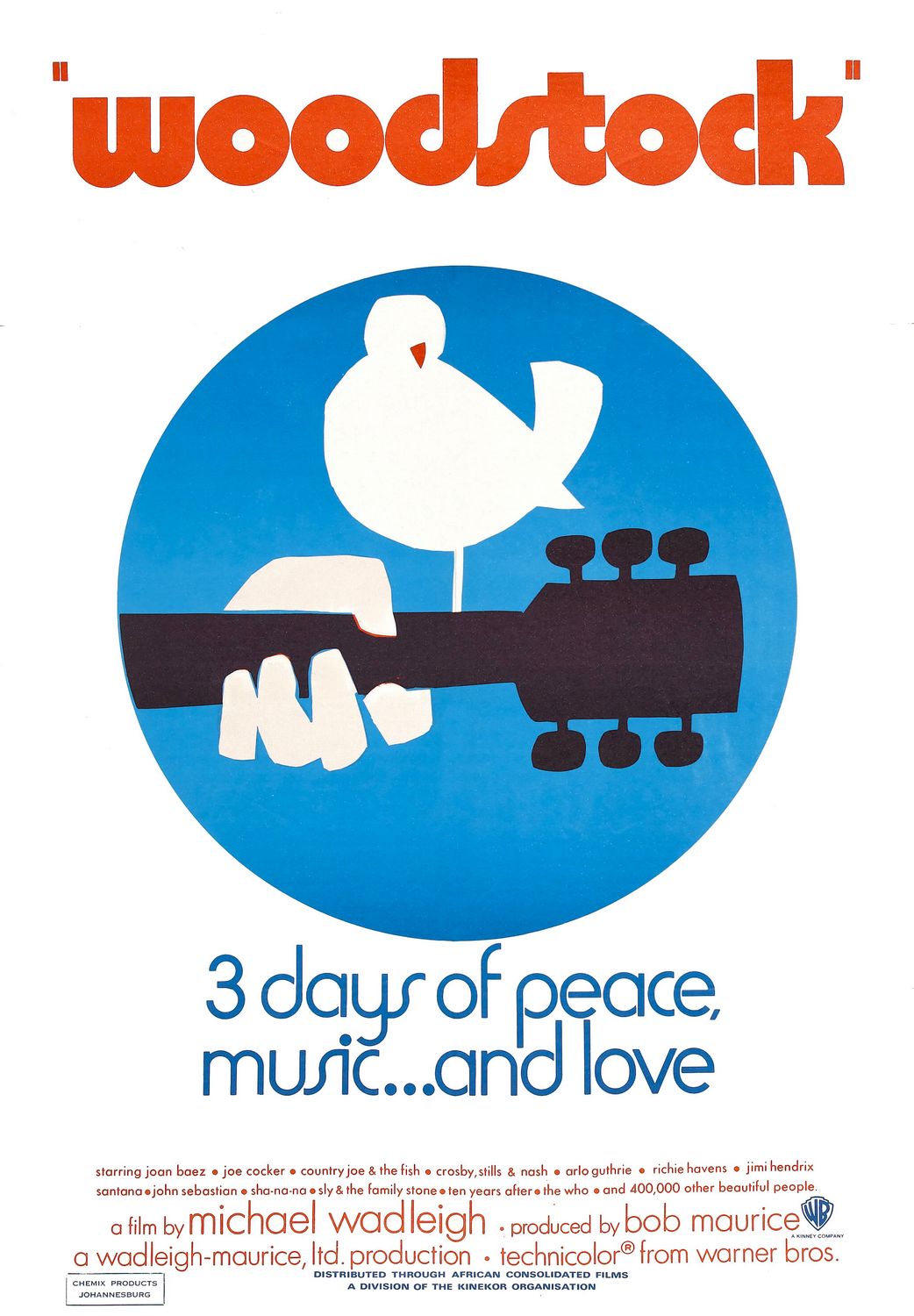
Woodstock (1970)
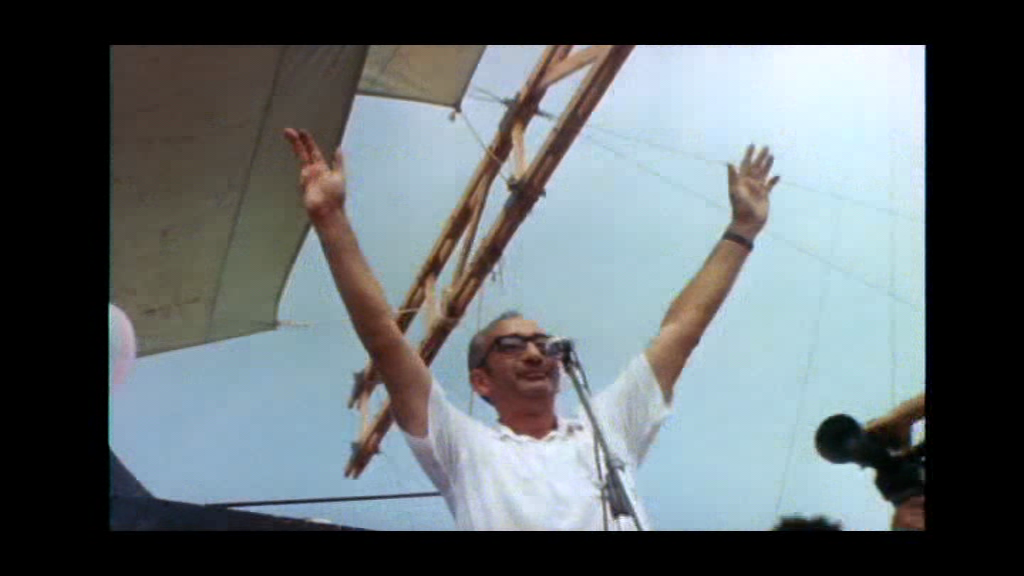
“I’m very happy to say we think the people of this country should be proud of these kids, notwithstanding the way they dress or the way they wear their hair — that’s their own personal business.”
|
Synopsis: |
|
Genres, Themes, Actors, and Directors:
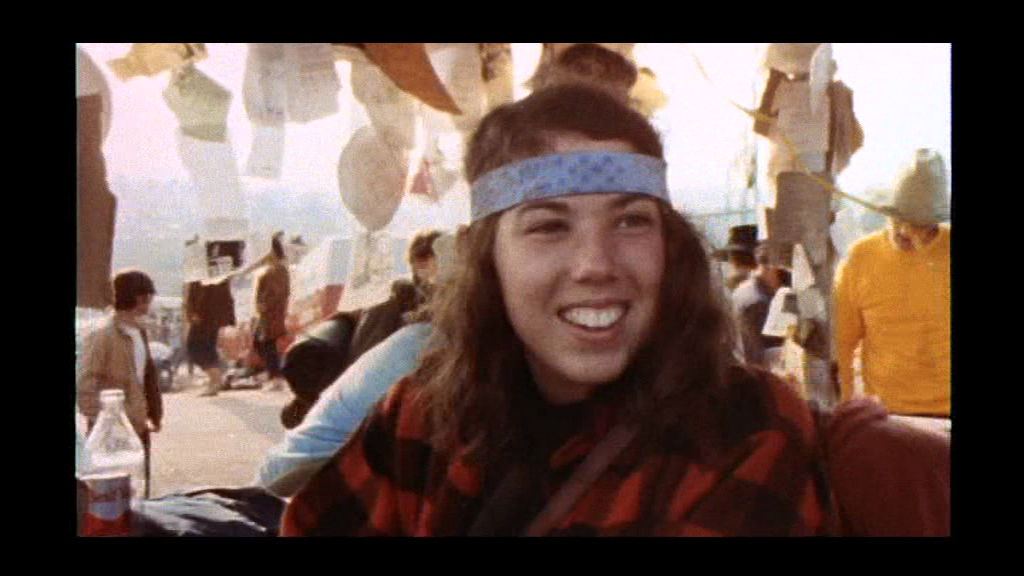
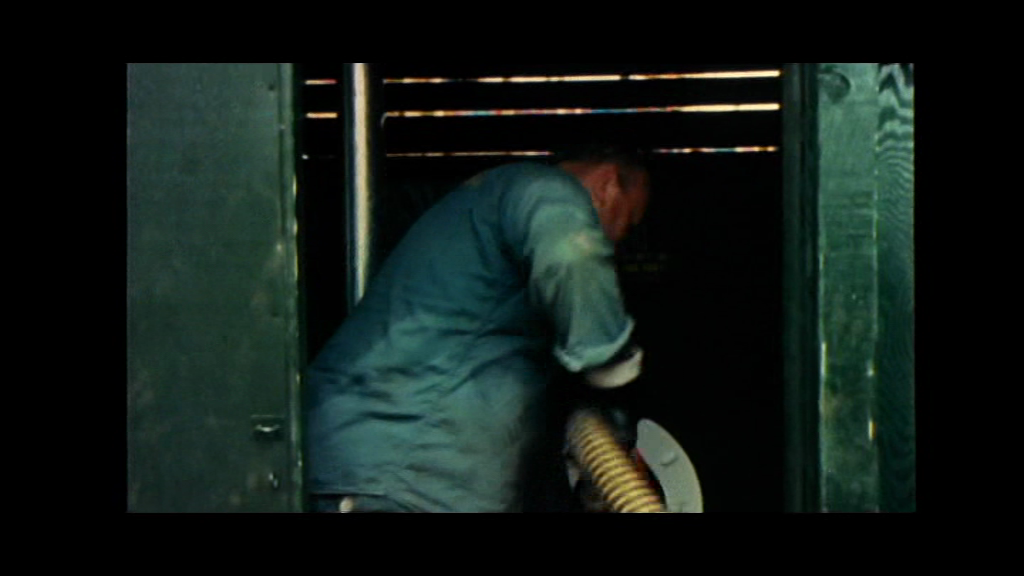
Response to Peary’s Review: There is much to enjoy about this engaging, smartly crafted documentary — but perhaps most impressive is how thoroughly the filmmakers provide as many perspectives on the event as possible. We hear from disgruntled neighbors, but also surprisingly generous and kind locals, such as those who stepped up to help feed the hungry crowds, or the cheery Port-a-San janitor who states he is “glad to do [his work] for these kids”. We see plenty of “turned on” participants having the time of their lives — but also listen to one distressed young woman desperate to escape the crowds. We hear a tireless worker sharing a hilariously rambling anecdote about trippers (“You wouldn’t believe some of the kids that come in here. They’re really spaced out. Last night, this cat, this cat comes in and says, ‘If anger is red and envy is green, what color is jealousy?’ And I mean, he’s really spaced out! And you just don’t go fucking people’s heads up when they’re spaced out! So I said, uh, “Black, right? Because jealousy is poison.'”) — but she then admits to feeling concern about her sister:
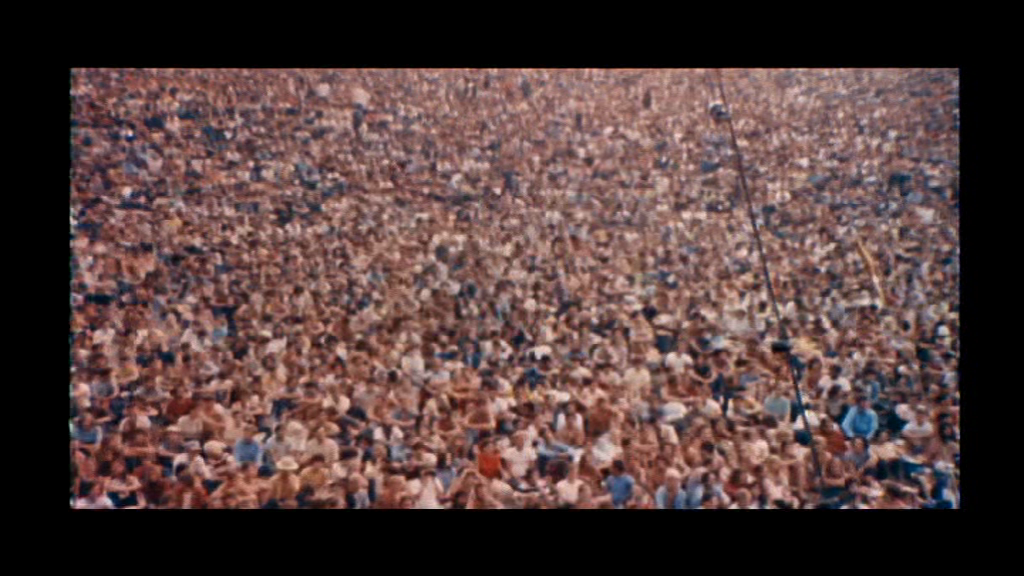
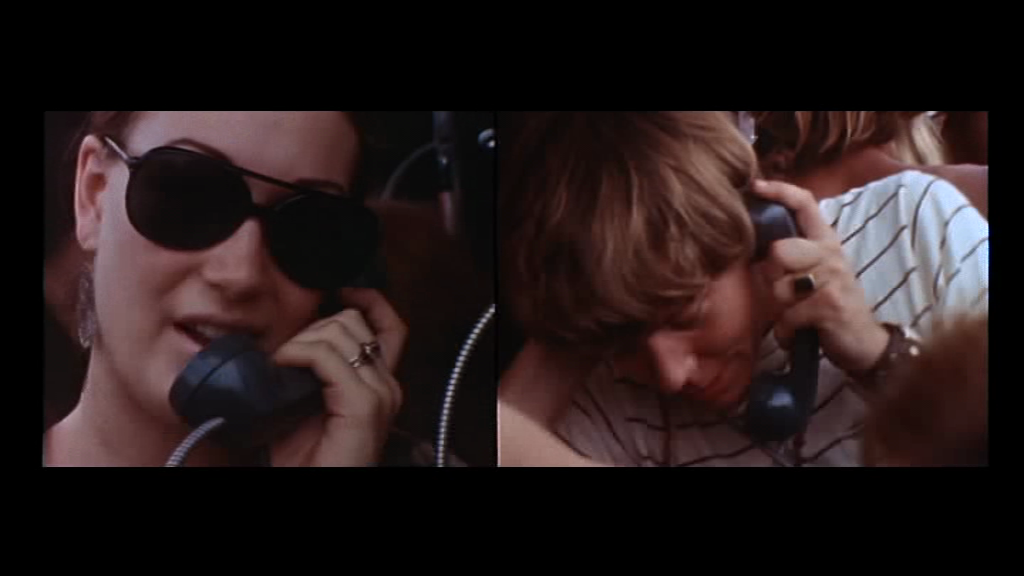
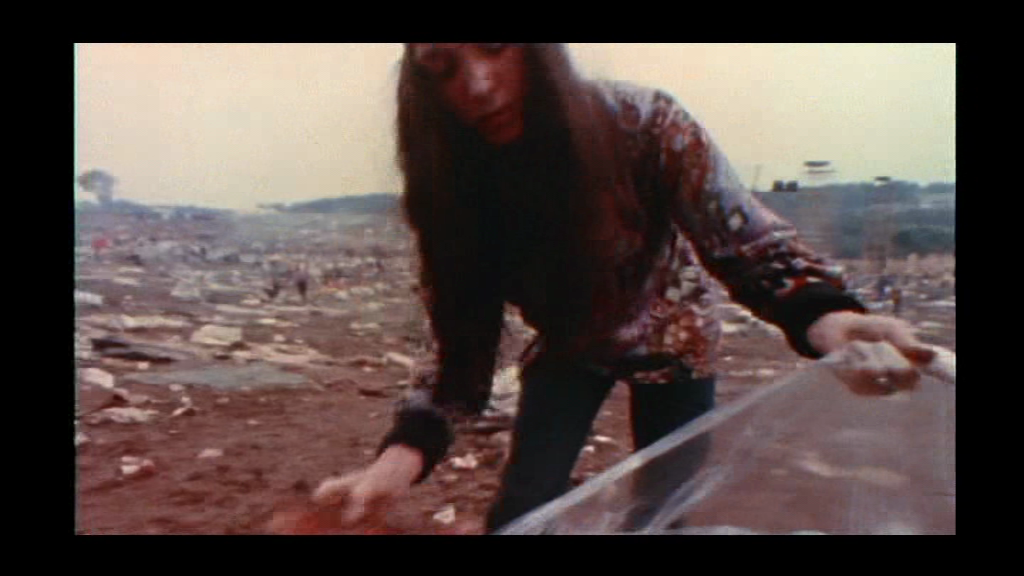
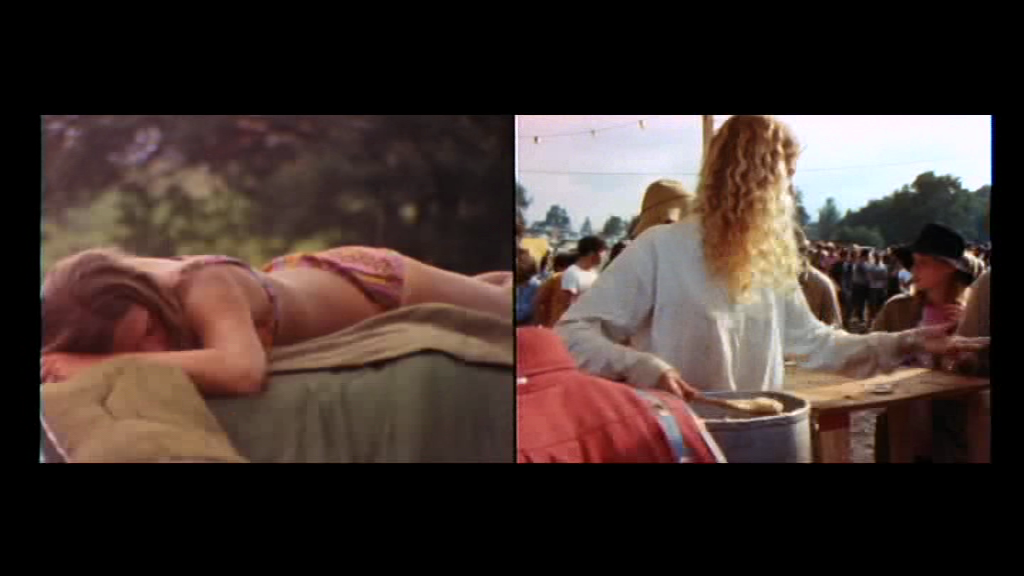
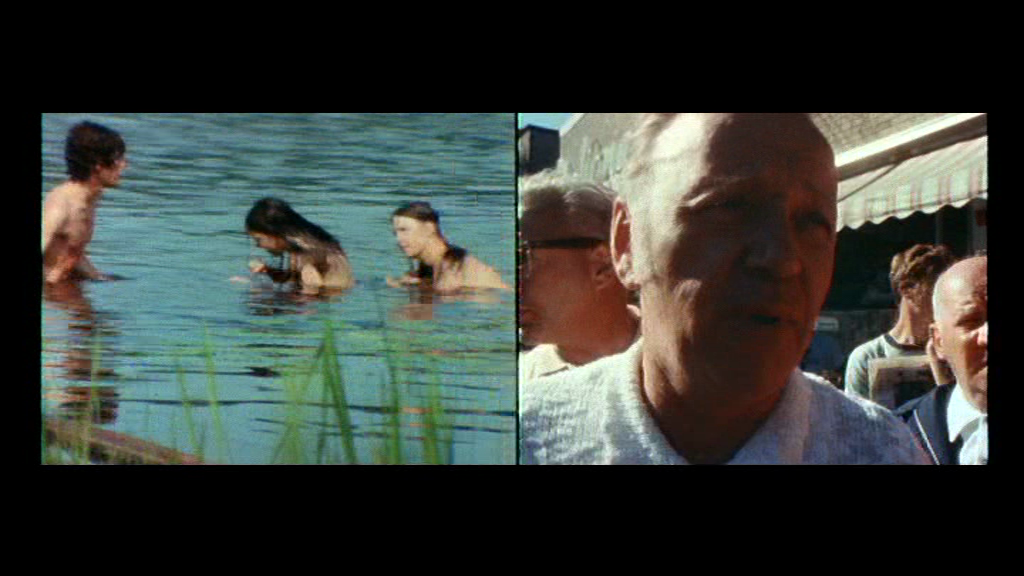
Speaking of home, we see kids lining up to make calls at a crowded telephone booth; sleeping like sardines on top of cars; skinny-dipping; caring for young children. We also see the tremendous amount of trash left behind after the concert (a detail most documentaries would shy away from); I was reminded of Frederick Wiseman’s films, which cover all facets — both important and seemingly insignificant — of what it takes to make an event or place run smoothly. One thing that distinguishes Wadleigh’s film from Wiseman’s, however, is his innovative use of split-screen imagery to show diverse perspectives on either a single moment or different points in time. The juxtaposition of concerned middle-aged neighbors with a shot of teens skinny-dipping is deliberately provocative, while other combinations simply help to convey the vastness of the event. Split-screen and super-imposition is especially extensive during musical sequences — to powerful effect, given that we can see both performers and viewers at once. IMDb notes that this stylistic choice was driven by necessity:
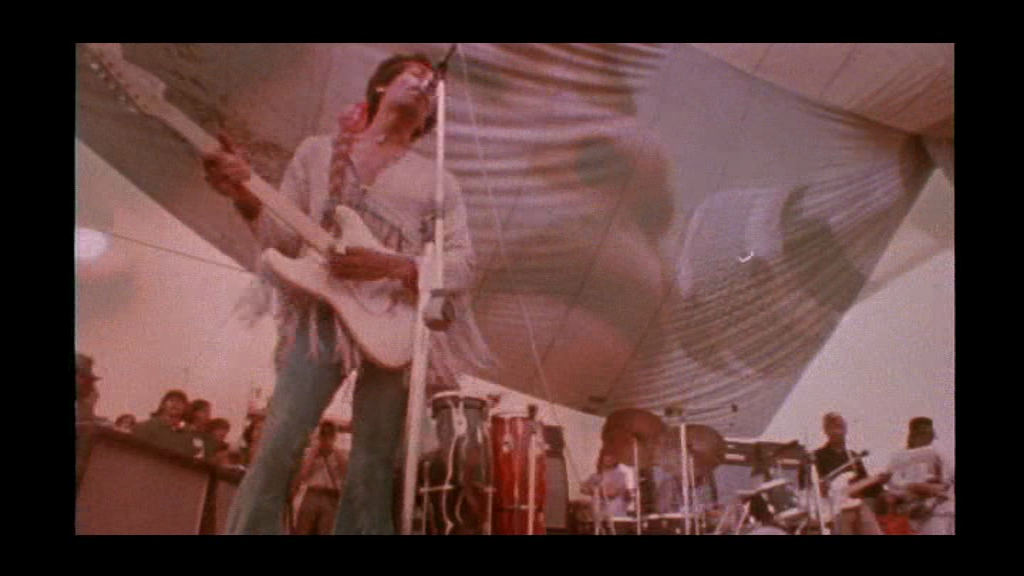
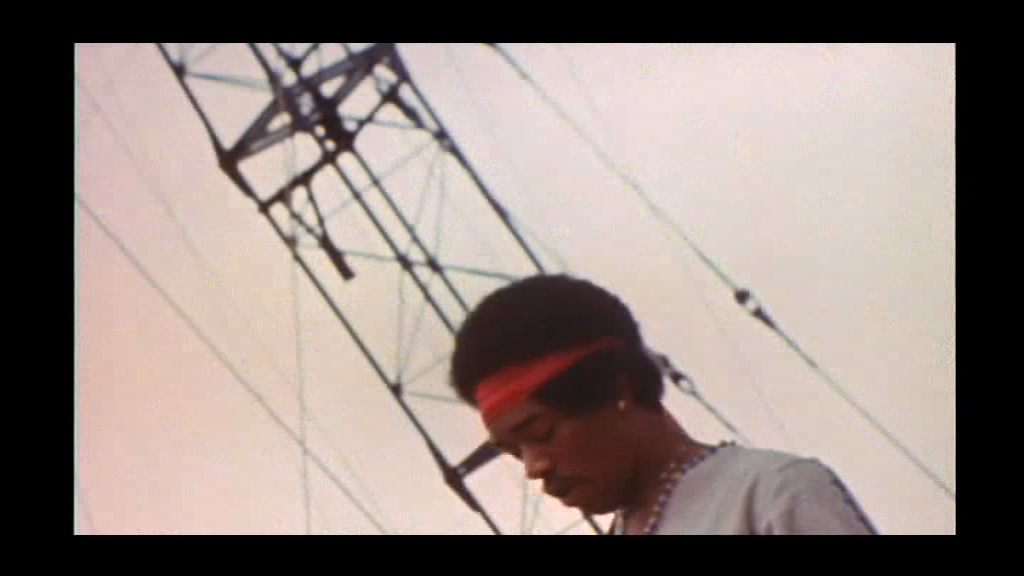
Interestingly, the musical performances ALMOST seem secondary to the ethnographic footage — though there are plenty of powerful songs, most notably Jimi Hendrix’s legendary riff on “Star Spangled Banner”. Interested viewers can read much, much more about this event — and the musical line-up — in numerous books or websites. Click here for a minute-by-minute overview of who performed when. Redeeming Qualities and Moments:
Must See? Categories
Links: |