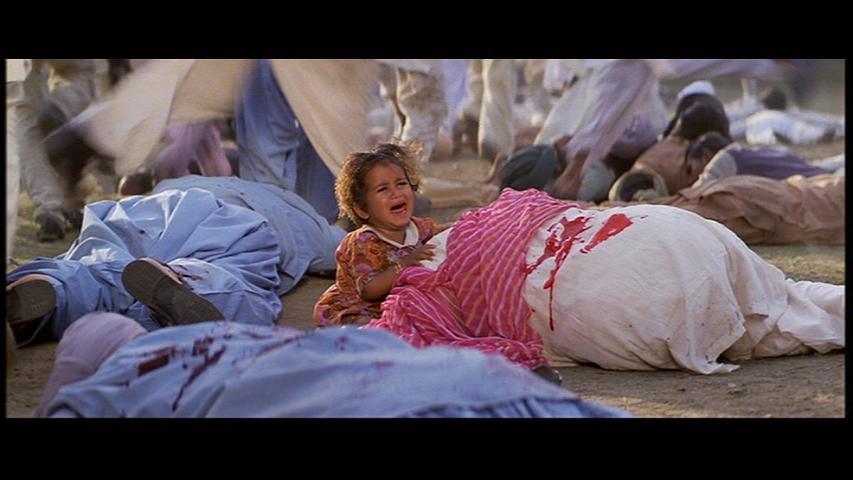
Yol (1982)

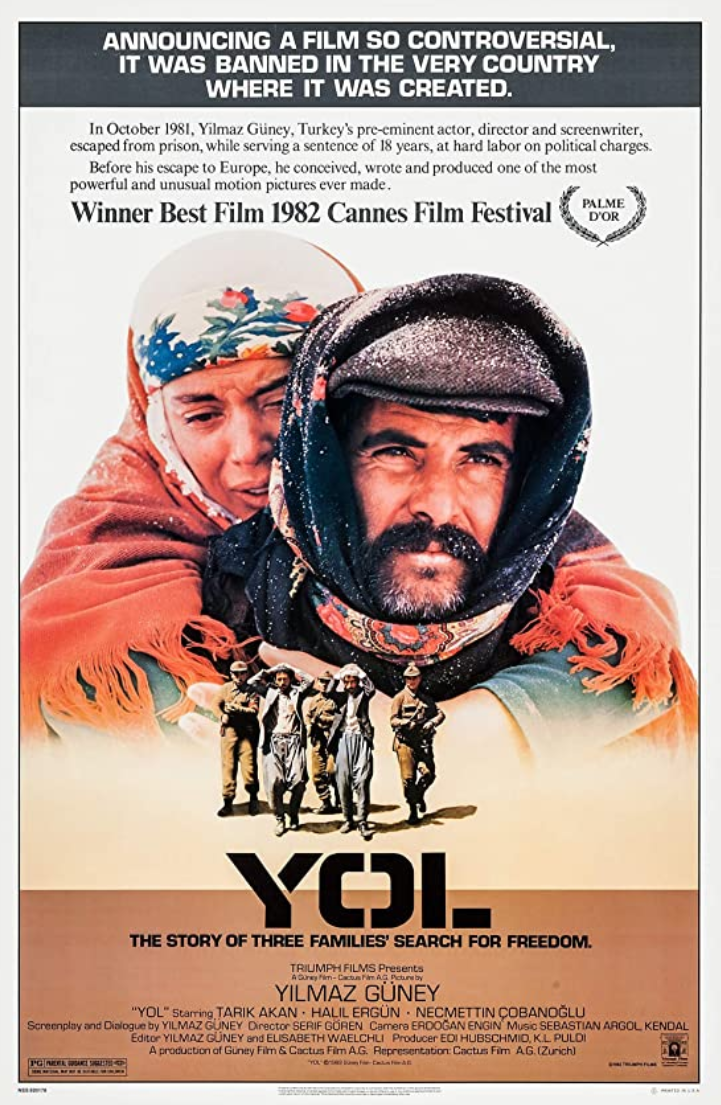
Yol (1982)

“My life’s nothing but a nightmare.”

Synopsis:
Several Turkish prisoners return home to their families for a week’s leave, and must deal with the consequences of their long absence.

Genres, Themes, Actors, and Directors:

  • Homecoming
  • Infidelity
  • Middle East
  • Prisoners

Response to Peary’s Review:
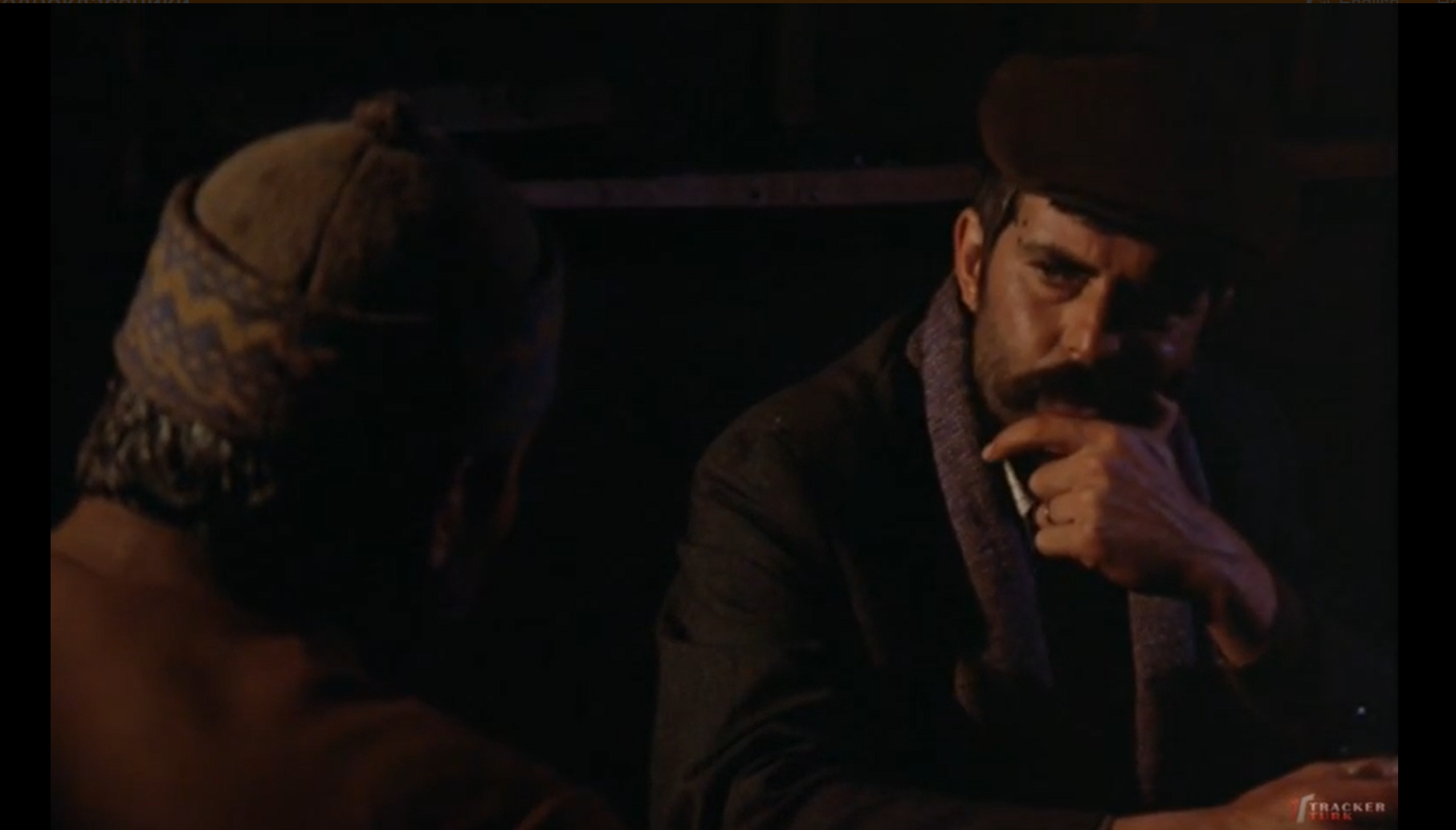
As Peary notes, this award-winning Turkish film is “fascinating, brutal, [and] depressing” — a truly provocative and disturbing viewing experience. He writes that the “main story is about a man who finds that his family has banished him because he was responsible for his brother-in-law’s death,” and “now he suffers guilt, humiliation, and fear of reprisal from his in-laws.” Another story involves a “prisoner [who] discovers that his unfaithful wife has been chained in a cell for eight months; forbidden to speak, even to her young son, or to be touched; given only bread and water for sustenance; denied an opportunity to bathe; [and] left to wallow in her own filth;” his goal is to attempt “to take her home to her brother, but they must cross five miles of frozen terrain.”


The central premise of the film — that prisoners “on leave” must eventually return to captivity — is unusual, and infuses the film with a sense of bitter fatality. Ironically, life is not a whole lot better on the outside than in prison, and the line between the two is shakily drawn. Indeed, Peary posits that director Yilmaz Guney (a former prisoner himself) is attempting to show how “in Turkey, hostility and repression exist on every level of society: guards over prisoners, men over women, the heads of families over their relatives, the people themselves over those they consider ‘sinners’.”

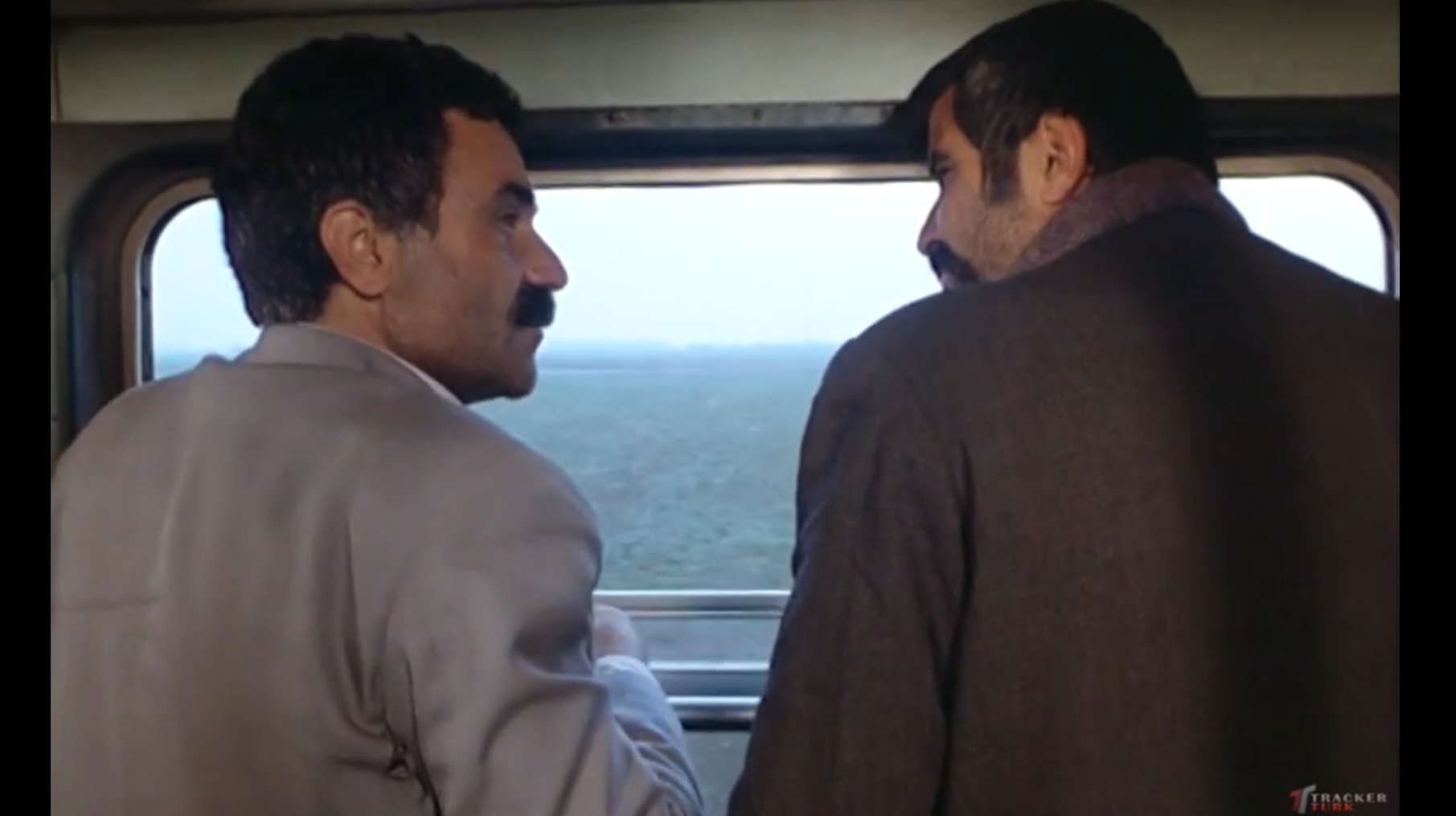
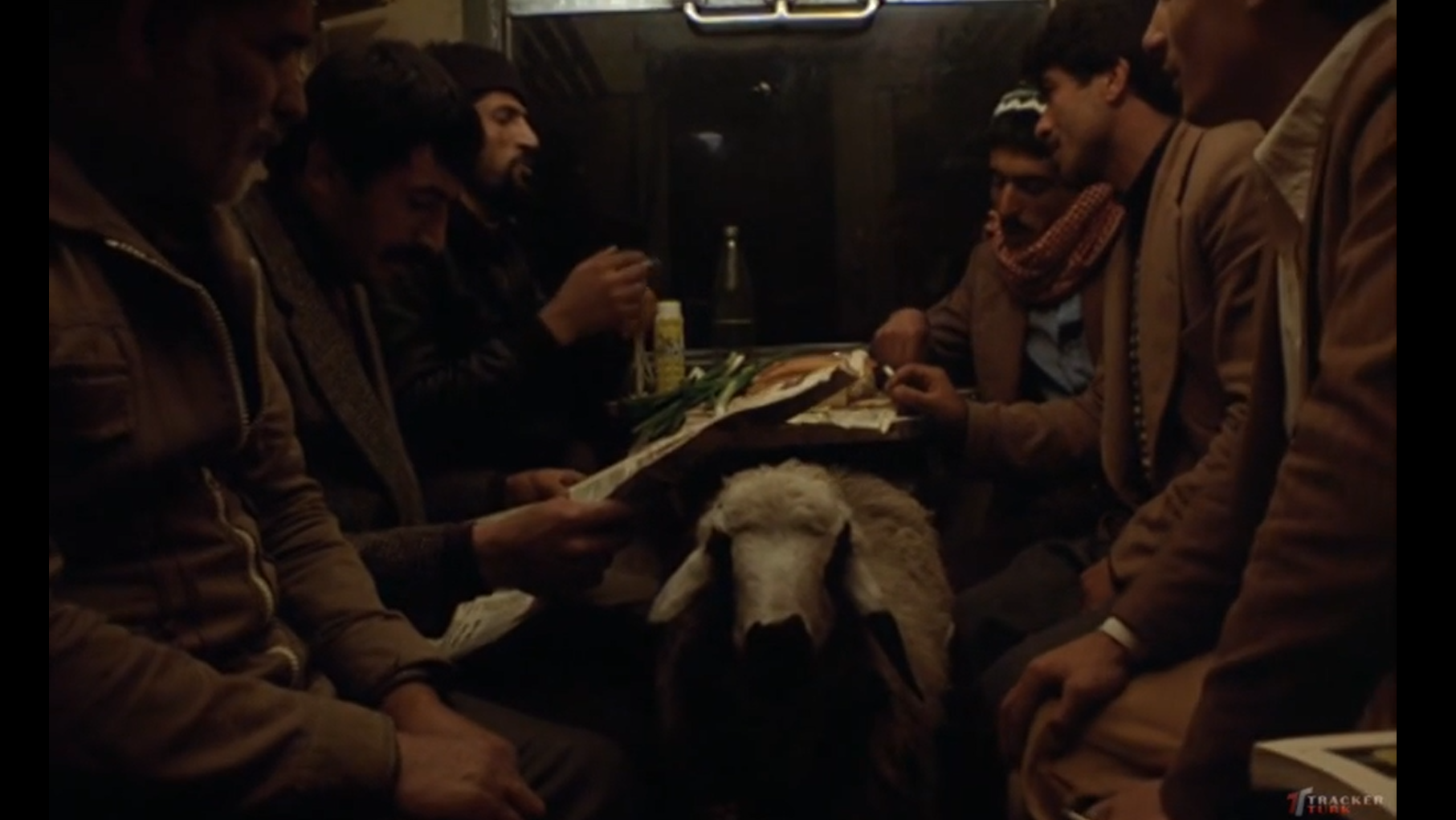
This realistic film is hard to watch — not least “because it jumps back and forth in time and between the various stories and because all the men have mustaches and resemble each other” (!):

.. but it’s not easily forgotten.

Redeeming Qualities and Moments:

  • An uncompromising look at the brutality of life in Turkey

  • Fine cinematography

Must See?
Yes. This is harsh but must-see viewing.

Categories

  • Foreign Gem

(Listed in 1001 Movies You Must See Before You Die)

Links:

Zardoz (1974)

Zardoz (1974)

“The gun is good, the penis is evil!”

Synopsis:
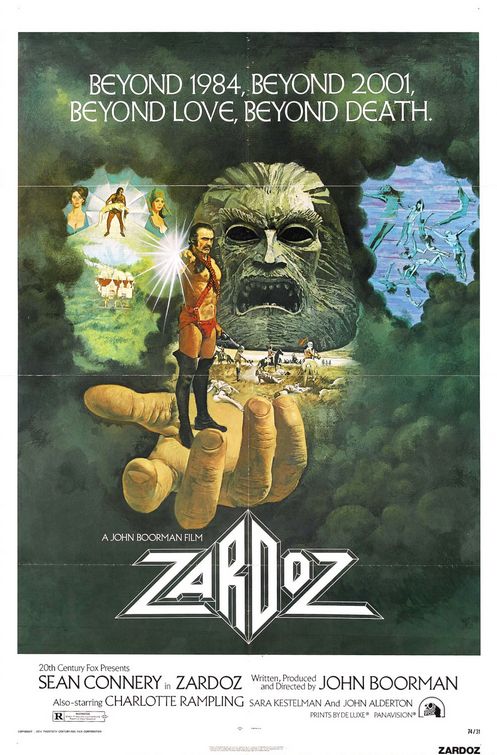
In the year 2293, Zed (Sean Connery), an Exterminator in the class of Primitive Brutals, sneaks past the mouth of the stone god Zardoz into the Vortex, where Eternals live forever but cannot reproduce.

Genres, Themes, Actors, and Directors:

  • Charlotte Rampling Films
  • Class Relations
  • Dystopia
  • John Boorman Films
  • Revolutionaries
  • Science Fiction
  • Sean Connery Films
  • Slavery

Response to Peary’s Review:
It’s hard not to laugh out loud when reading Peary’s review of this notoriously “dizzy, big-budget sci-fi film, poorly conceived and directed by John Boorman”, given that he begins by likening Sean Connery’s Zed to “Pancho Villa in a red diaper”.

He refers to director Boorman’s presentation as “laughable”, deplores the “embarrassingly pretentious and trite scenes and dialogue”, and notes that audience members will become “hopelessly bewildered” by the muddled themes. (See SciFilm’s review for a detailed outline of various “messages” found in the film). With all that said, I can see its cult appeal: any film brave enough to state “The gun is good, the penis is evil!” must be viewed as pure camp all the way. My advice is to enjoy the special effects, laugh at the outrageous costumes, and forget that Boorman ever meant this film as a serious cautionary tale.

Redeeming Qualities and Moments:

  • Fine special effects — especially the floating head of Zardoz
  • Colorful and unusual sets and costumes
  • Creative cinematography
  • Some genuinely intriguing (if unsatisfactorily explored) sci-fi themes

Must See?
Yes, once, simply for its status as a cult hit. Discussed at length in Peary’s Cult Movies 2 (1983).

Categories

  • Cult Movie

Links:

Woman of Paris, A (1923)

Woman of Paris, A (1923)

“Get that woman out of this house!”

Synopsis:
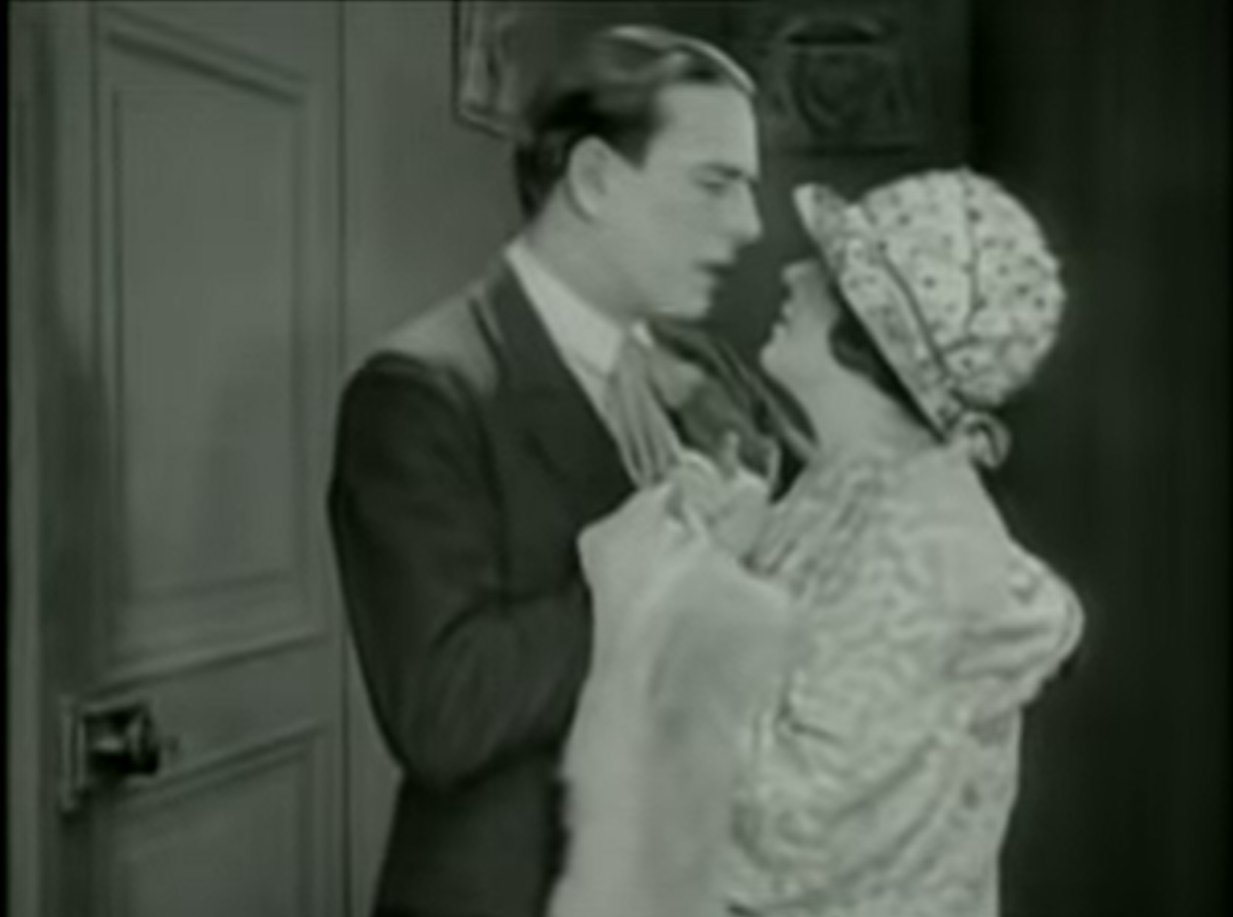
Believing she has been jilted by her fiance (Carl Miller), a young woman (Edna Purviance) moves to Paris and becomes the mistress of wealthy playboy Pierre Revel (Adolph Menjou). When she runs into her fiance a year later, she must decide whether to leave her life of comfort with Revel for a chance at marital bliss — if she can overcome her reputation as a “kept woman”.

Genres, Themes, Actors, and Directors:

  • Adolph Menjou Films
  • Charlie Chaplin Films
  • Morality Police
  • Silent Films
  • Star-Crossed Lovers

Response to Peary’s Review:
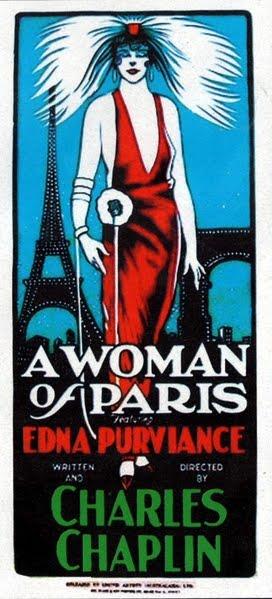
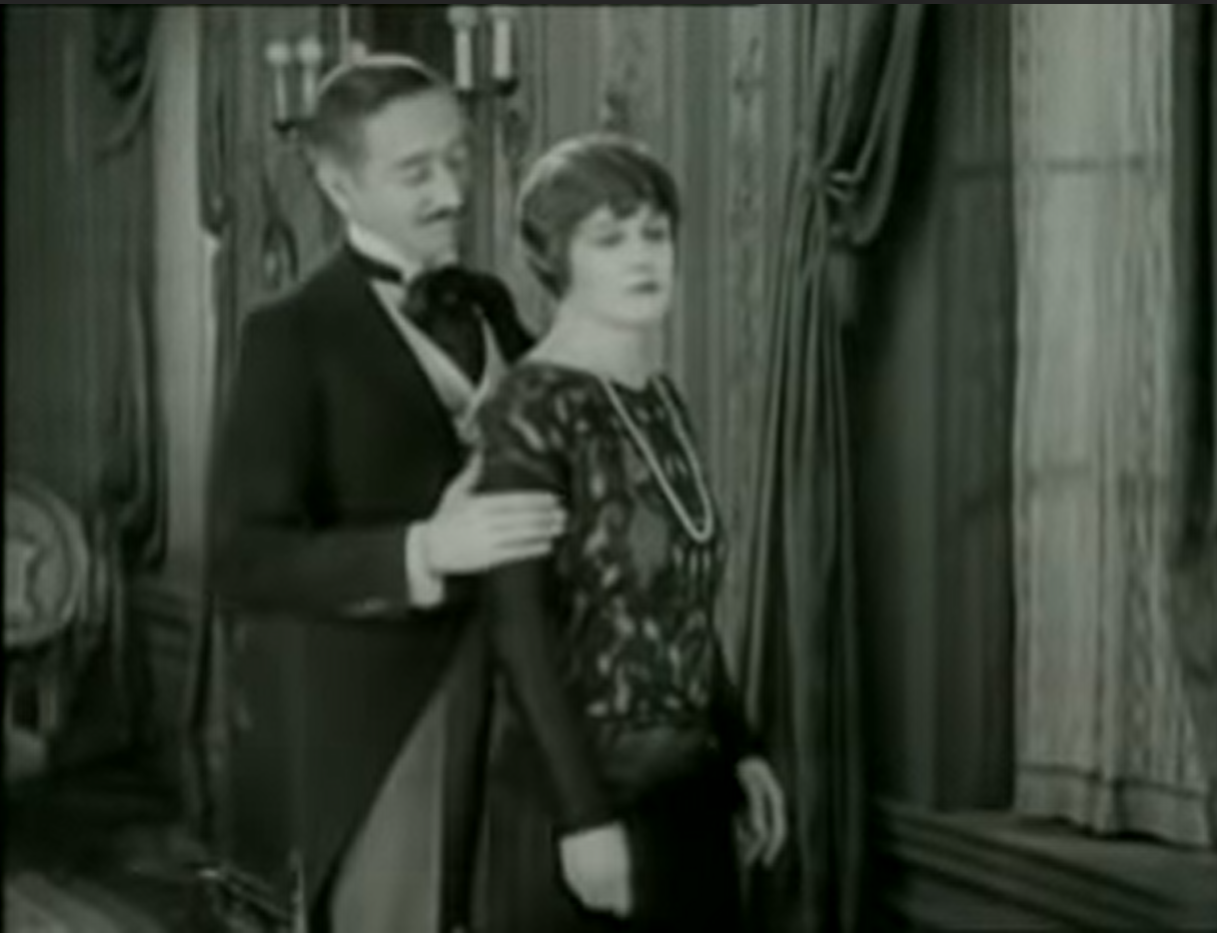
This silent melodrama is primarily of interest for its status as Charlie Chaplin’s first directorial effort without his presence as the Little Tramp. It was panned by audiences at the time, shelved for fifty years, and finally restored in the 1970s, to critical acclaim. Peary is among the movie’s admirers, noting that it is “the rare silent film to explore the psychological reasons characters act as they do” and the “rare Chaplin film in which the lead female character is treated with sympathy rather than idealized.”

Despite these important breakthroughs, however, the story in A Woman of Paris remains overly melodramatic, and, quite simply, not all that engaging. I couldn’t muster much interest in what happens to the lovers, and found the ending both abrupt and sappy. The best aspect of the film by far is Adolph Menjou, who steals nearly every scene he’s in, and shows genuine screen charisma.

Note: Click here to read a 1977 interview with director Michael Powell, in which he reminisces about watching A Woman of Paris as an impressionable young 18-year-old: “Nobody had ever really done any realistic films at all before, it was all make-believe, you know, and emotions were make-believe, as well as the people… Suddenly, here was a grown-up film, with people behaving as they do in life, and scenes treated with an enormous sophistication.”

Redeeming Qualities and Moments:

  • Adolphe Menjou’s sparkling performance as Pierre Revel, a “charming cad”
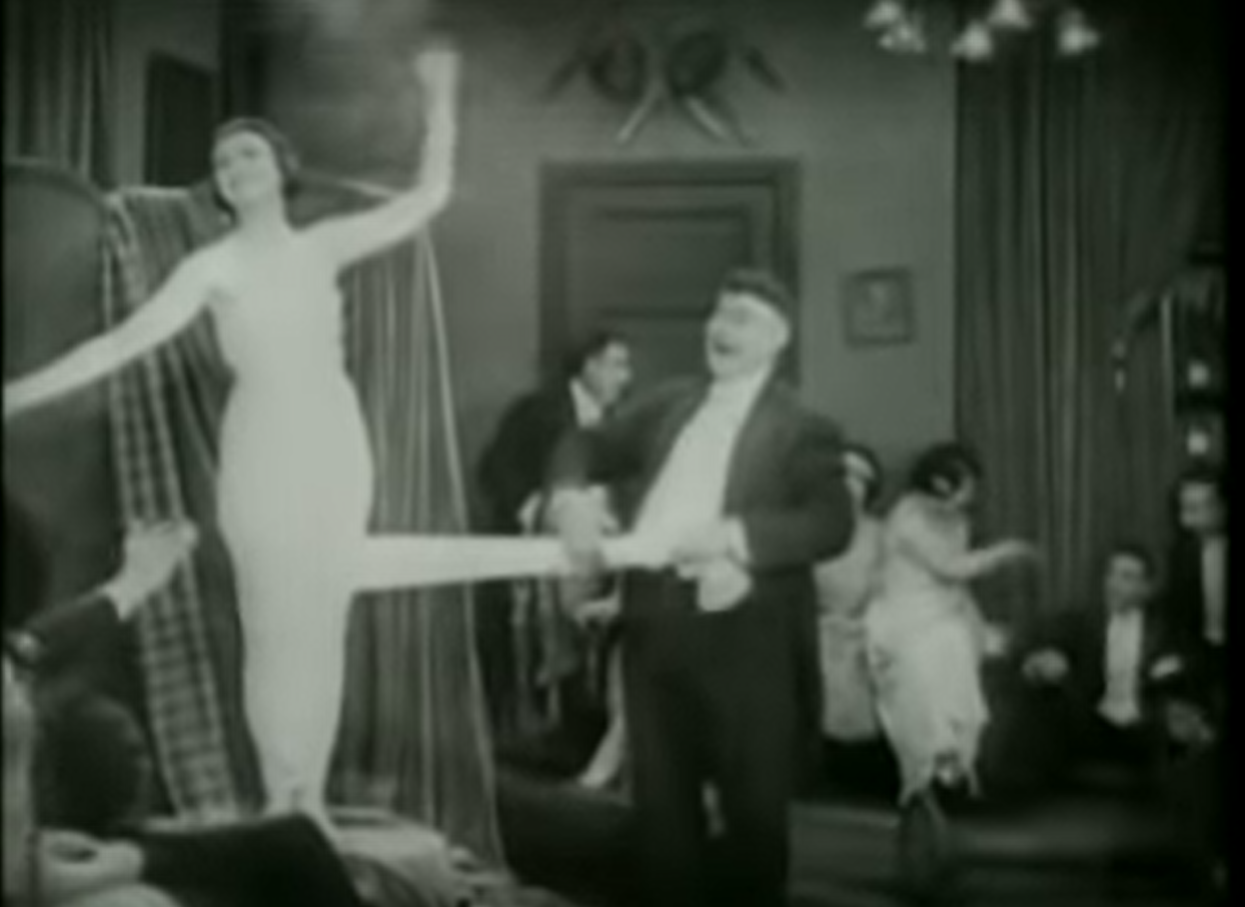
  • Some outrageous Parisian party scenes — including one where a “mummified” woman unspools her wrapping onto a fellow partier, and ends up naked (!)

Must See?
Yes. It holds a special place in cinematic history, and should be of interest to film fanatics.

Categories

  • Important Director

Links:

Reuben, Reuben (1983)

Reuben, Reuben (1983)

“You have reduced me to that most contemptible of creatures — the love-sick swain!”

Synopsis:
Gowan McGland (Tom Conti), a well-known but penniless Scottish poet, ekes by on the remnants of his fame, drinks excessively, beds middle-aged housewives, and falls in love with a woman (Kelly McGillis) much younger than himself.

Genres, Themes, Actors, and Directors:

  • Character Studies
  • Comedy
  • Lois Smith Films
  • May-December Romance
  • Nonconformists
  • Writers
  • Womanizers

Response to Peary’s Review:
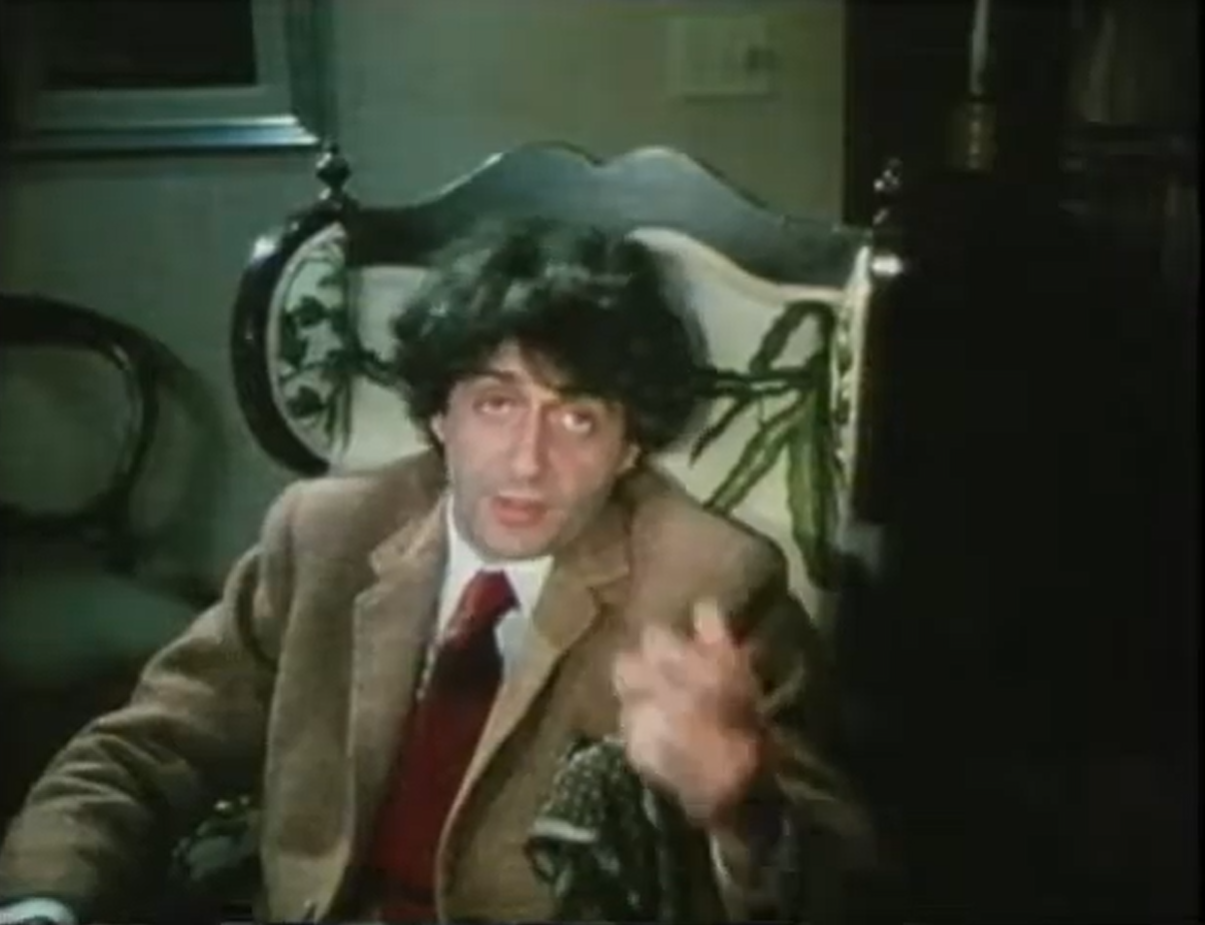
As Peary points out, “many people will not like this film” — indeed, a reviewer for the Chicago Reader called it “the worst kind of screenwriters’ cinema.” But those who enjoy character studies should appreciate Reuben, Reuben on some level, no matter how annoyed they eventually become by Conti’s constant drinking, stealing, womanizing, and self-pitying. According to Vincent Canby of the NY Times, McGland (what a name!) “looks like the human manifestation of a hangover,” someone “who’s great fun to watch but who’d be impossible to share even a county with.” Indeed, despite McGland’s constant dire straits, there’s plenty of humor in the film: McGland’s estranged wife happily exploiting his foibles in a tell-all biography; two middle-aged women making a play for McGland under the table at a fancy restaurant… Though the film’s ending is abrupt, I found it oddly fitting — and we finally find out why Reuben (a local sheepdog absent from most of the story) gets “top billing” in the film’s title.

Redeeming Qualities and Moments:

  • Tom Conti’s fully realized (if not overly sympathetic) performance as Gowan McGland
  • Kelly McGillis, “radiant” in her screen debut as McGland’s lover

Must See?
No, but it’s recommended.

Links:

Who’s Minding the Mint? (1967)

Who’s Minding the Mint? (1967)

“Do you understand? This is serious business!”

Synopsis:
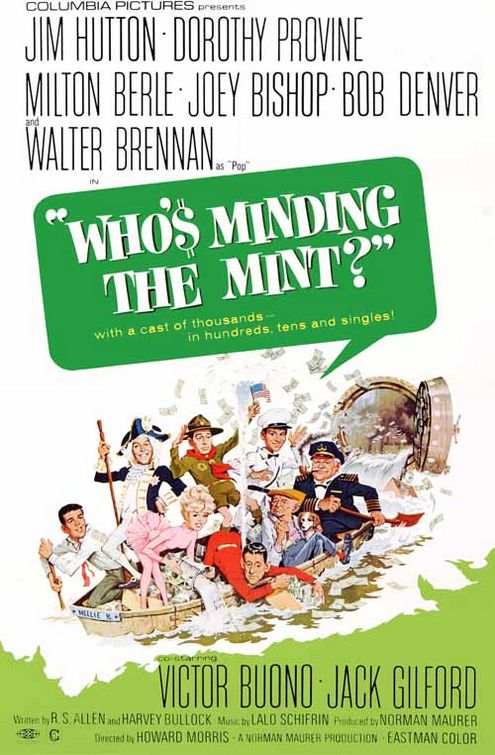
When a U.S. mint worker (Jim Hutton) accidentally destroys $50,000 in new bills, he enlists the help of his buddy (Walter Brennan), his co-worker (Dorothy Provine), and others to reprint the cash.

Genres, Themes, Actors, and Directors:

  • Comedy
  • Counterfeiting
  • Ensemble Cast
  • Jim Hutton Films
  • Thieves and Criminals
  • Walter Brennan Films

Response to Peary’s Review:
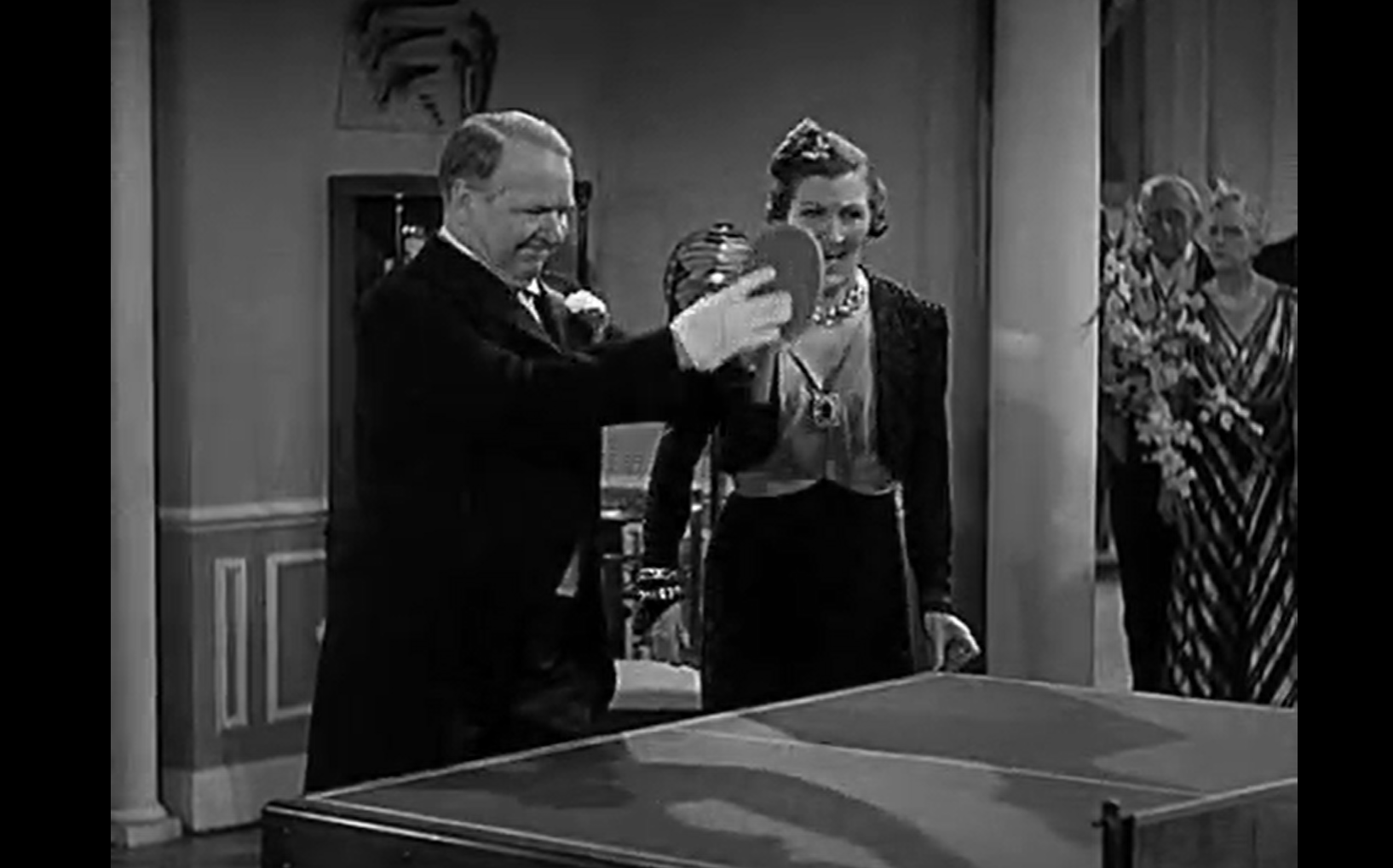
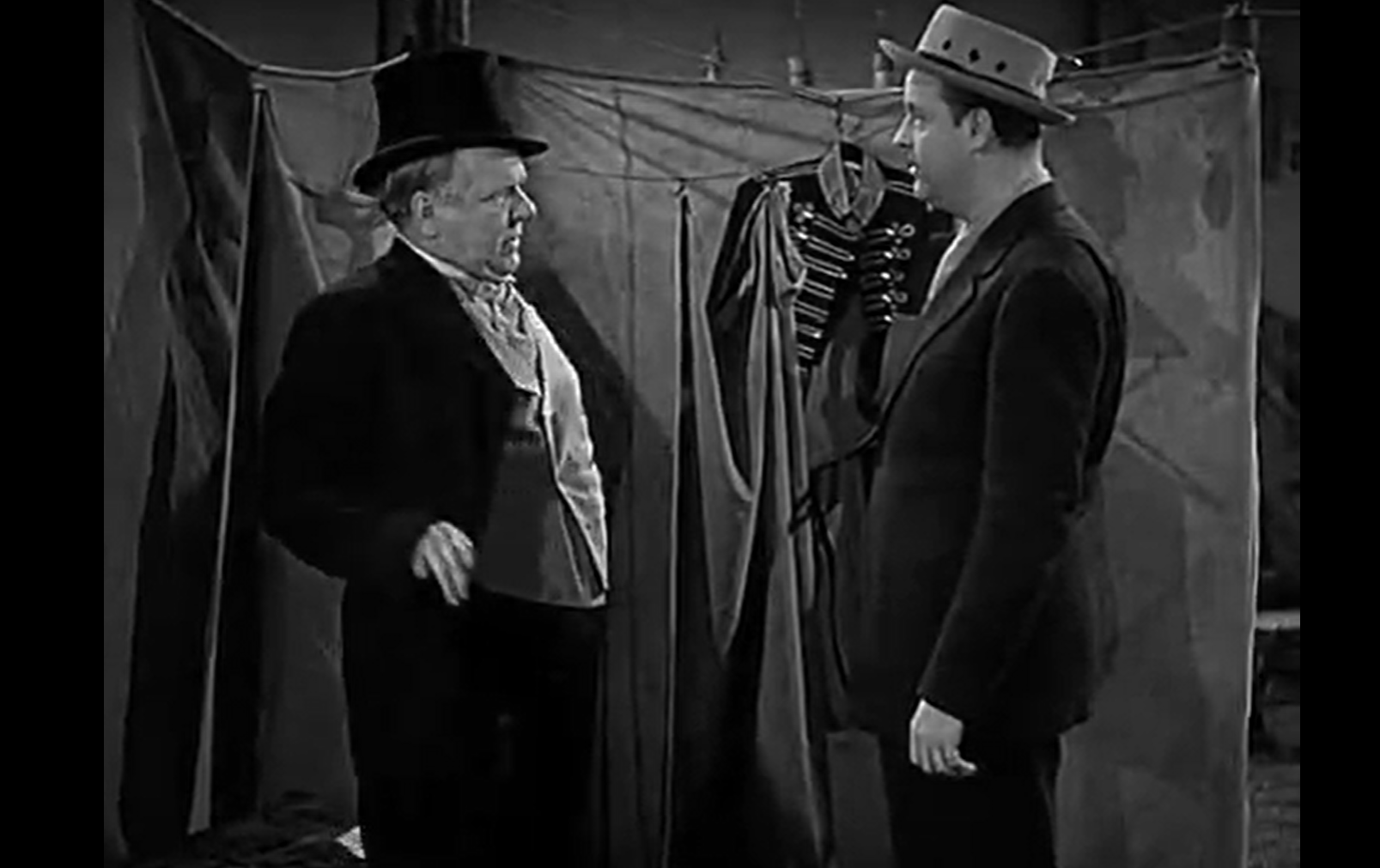
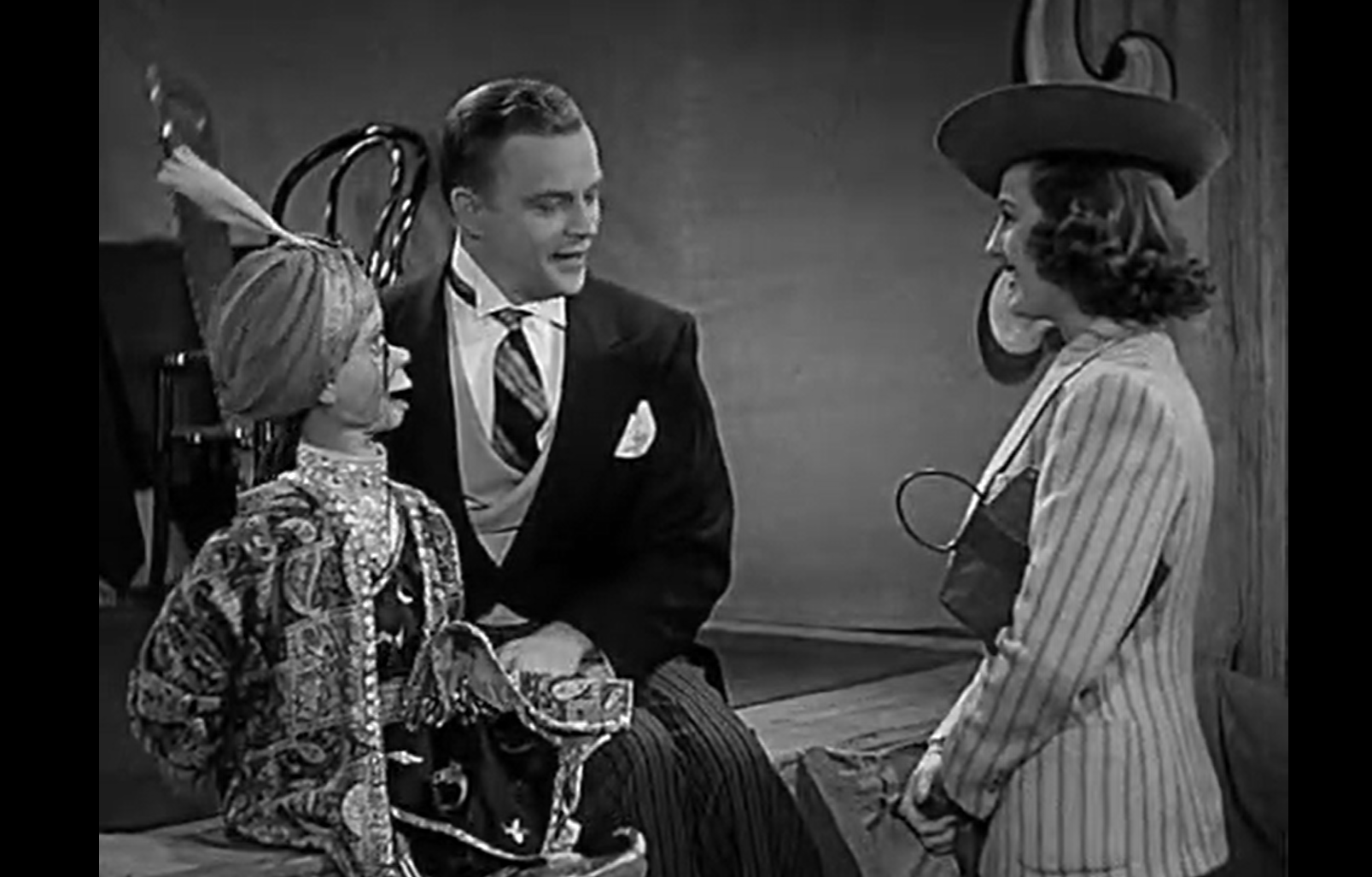
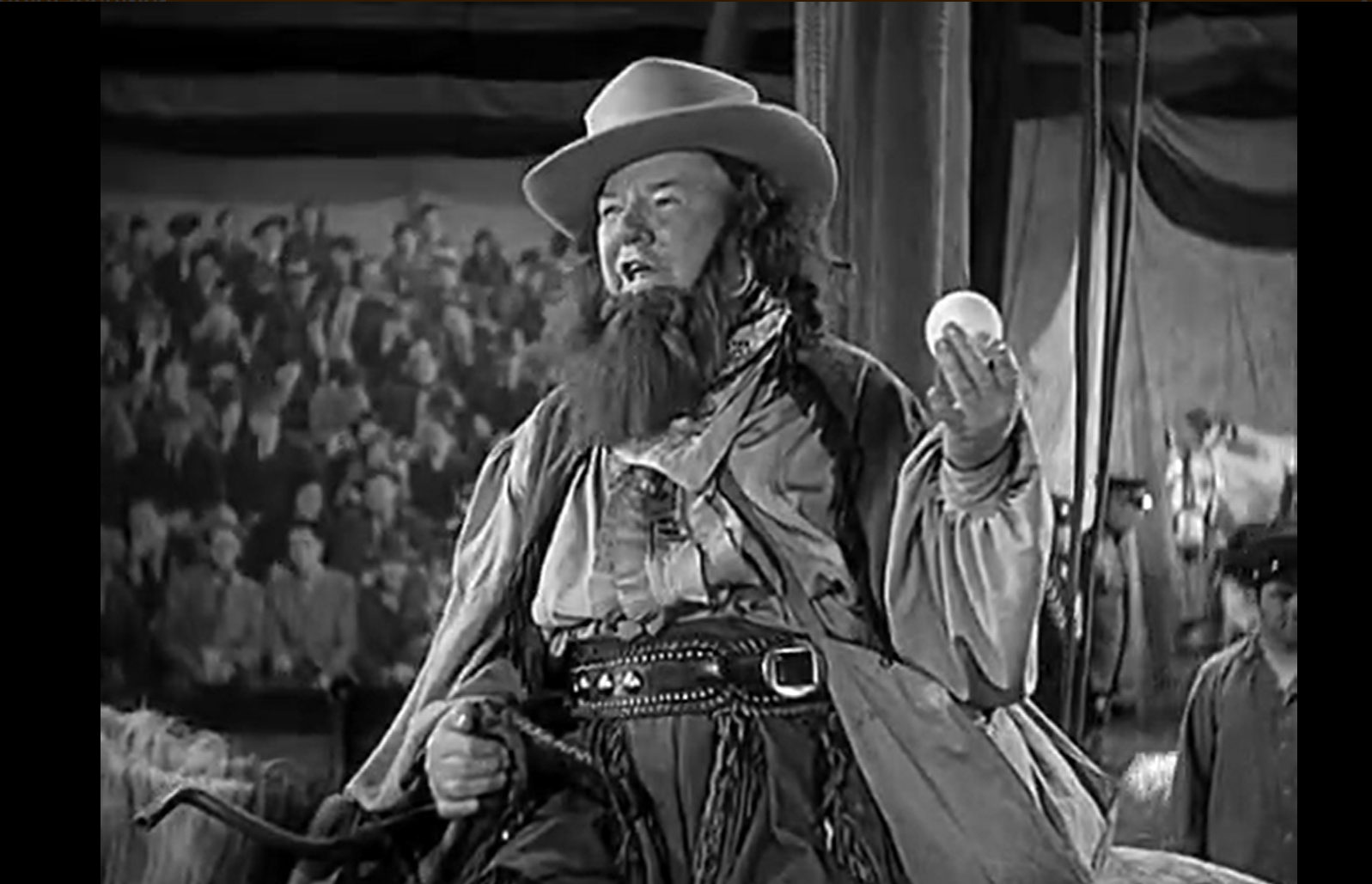
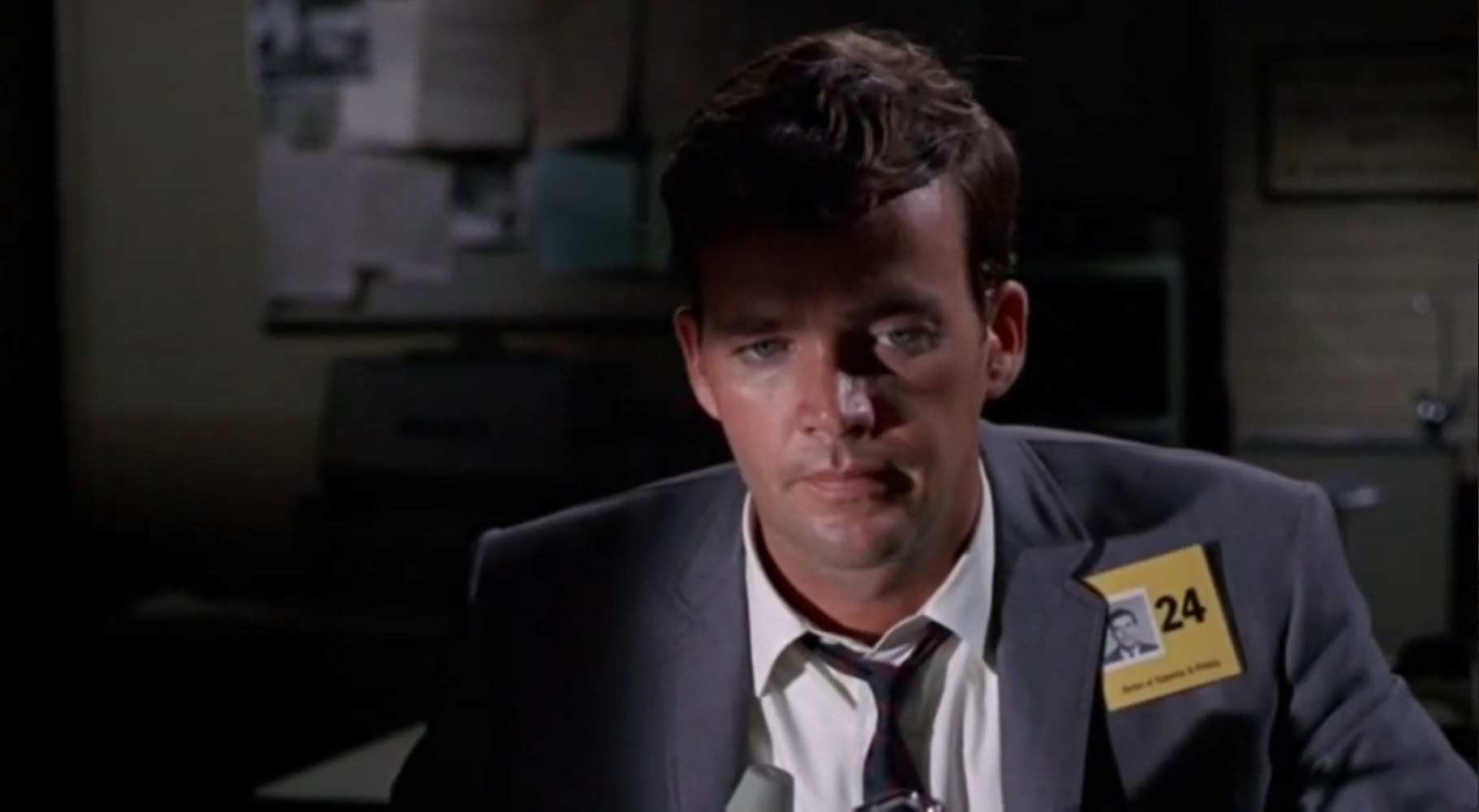
Be prepared to suspend all disbelief while watching this outrageous and “hilarious” slapstick comedy, which Peary claims in his very brief review is “deservedly a cult hit”. If you get too caught up in logistics, you’ll drive yourself crazy; instead, relax and enjoy the spectacularly inept maneuverings of these greedy thieves, who can’t resist the temptation to print “just one more sheet”. Jim Hutton is rather bland in the lead role:

but he’s surrounded by a wealth of comedic geniuses, including Milton Berle:

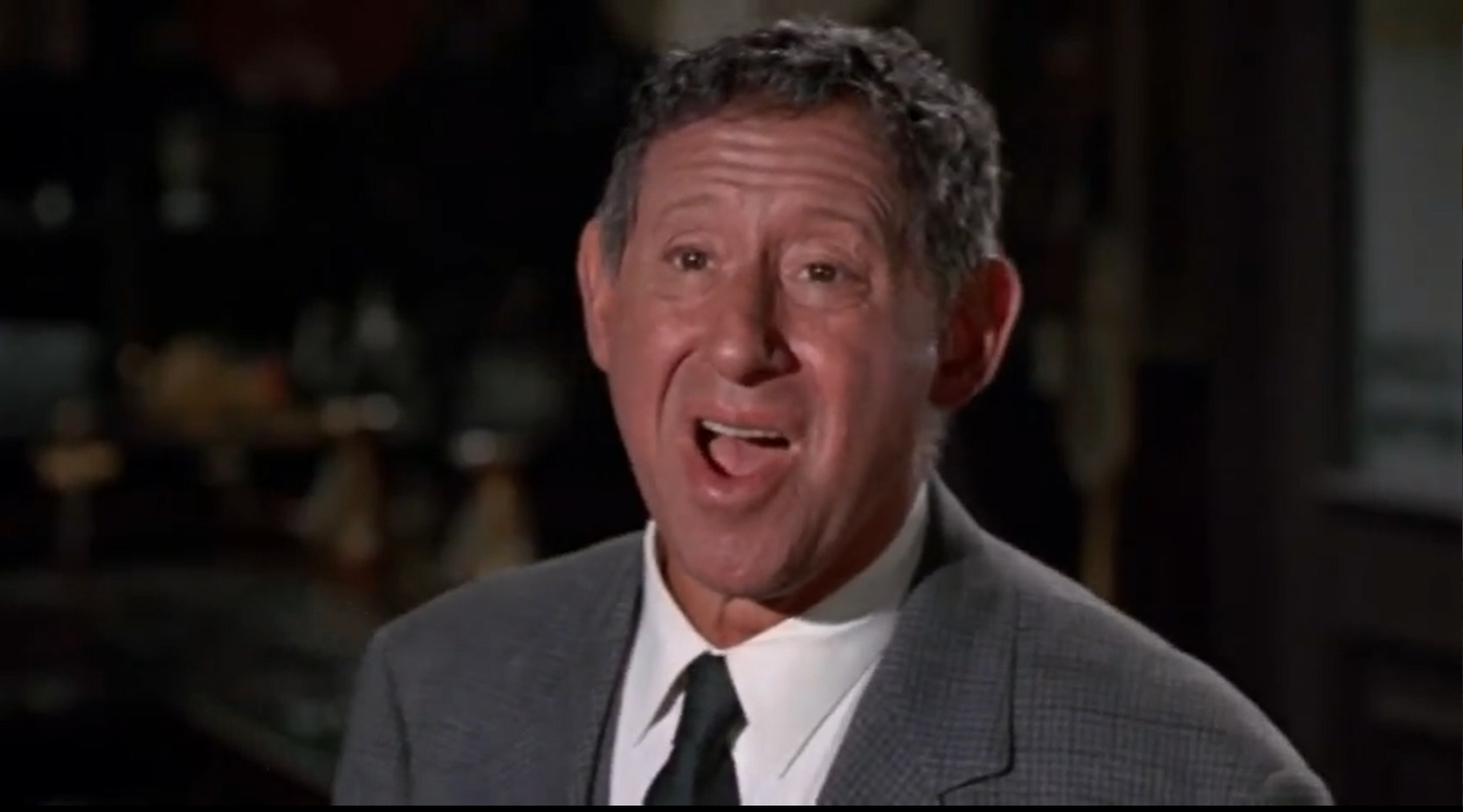
… Jack Gilford:

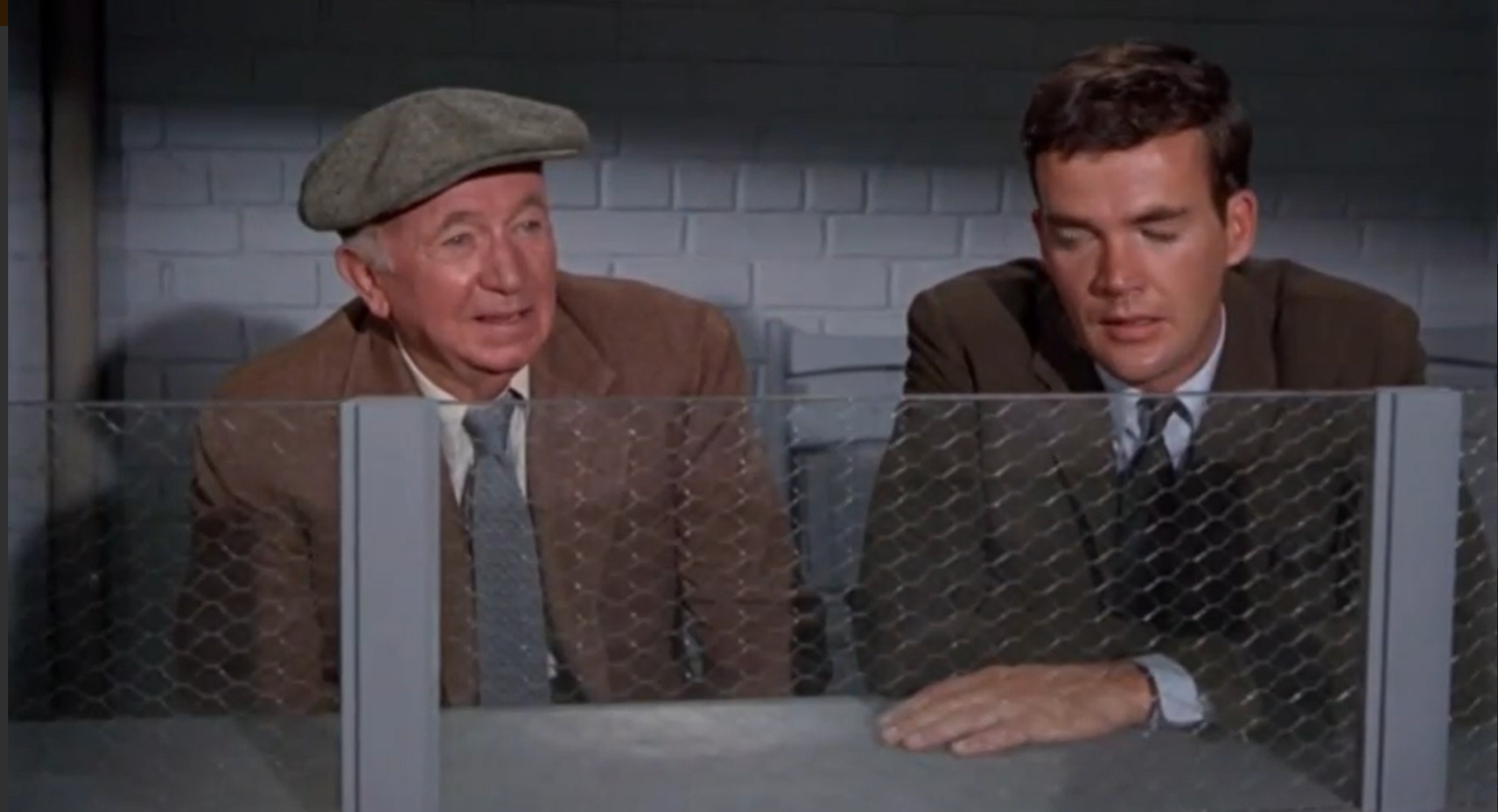
… and Walter Brennan:

Bob Denver (“Gilligan”) has a small role as well, playing a meek ice cream truck driver whose task is to distract a beautiful yet nosy onlooker during the heist.

Redeeming Qualities and Moments:

  • Walter Brennan as “Pop”
  • A hilarious “crossing hallways” slapstick sequence
  • A fascinating look at how machines in the Mint used to operate

Must See?
No, but it’s an enjoyable slapstick comedy.

Links:

Ruggles of Red Gap (1935)

Ruggles of Red Gap (1935)

“This is a land of great opportunity, where all are created equal!”

Synopsis:
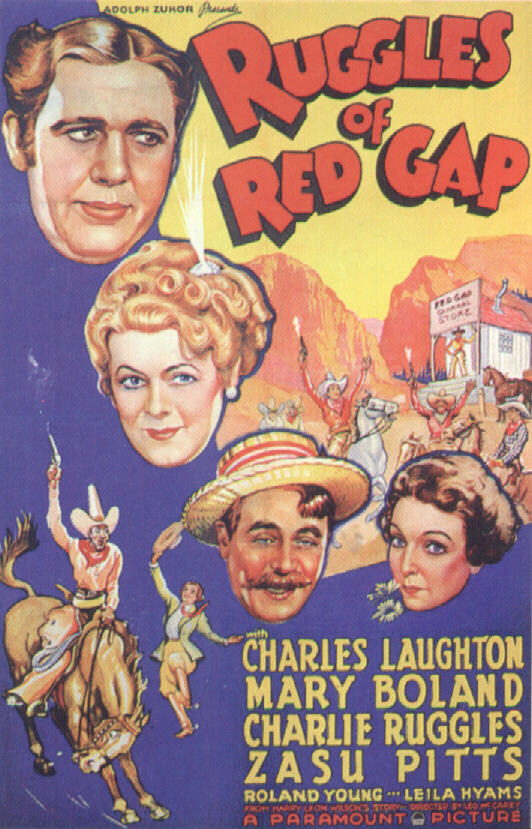
Marmaduke Ruggles (Charles Laughton), valet to the Earl of Burnstead (Roland Young), is gambled off to an American couple (Charles Ruggles and Mary Boland) in Paris, who bring him back to their hometown of Red Gap, Washington. Once there, Ruggles is mistaken for a British colonel, and able to create a new life for himself.

Genres, Themes, Actors, and Directors:

  • Character Arc
  • Charles Laughton Films
  • Class Relations
  • Comedy
  • Leo McCarey Films
  • Mistaken or Hidden Identities
  • Roland Young Films
  • Zasu Pitts Films

Response to Peary’s Review:
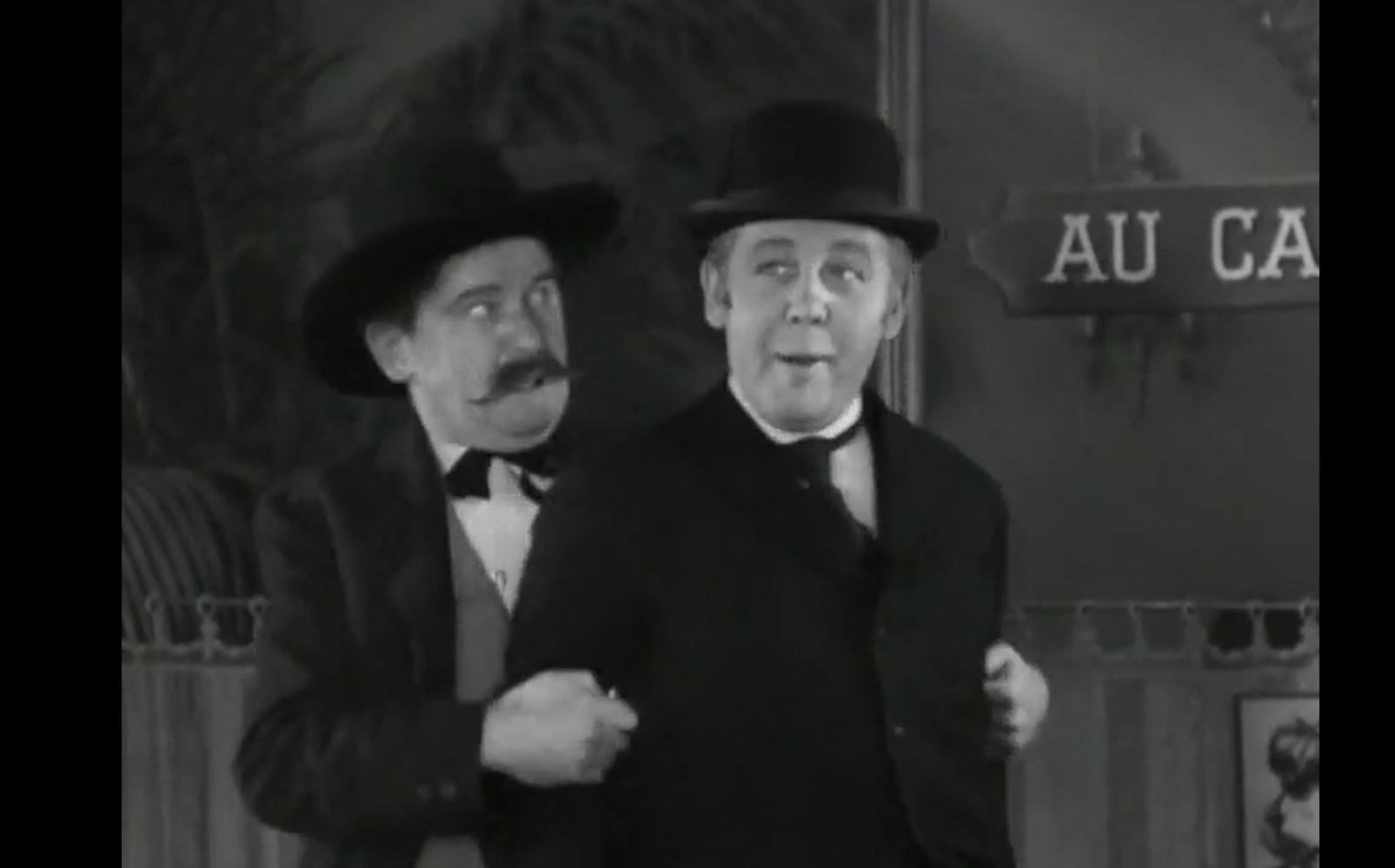
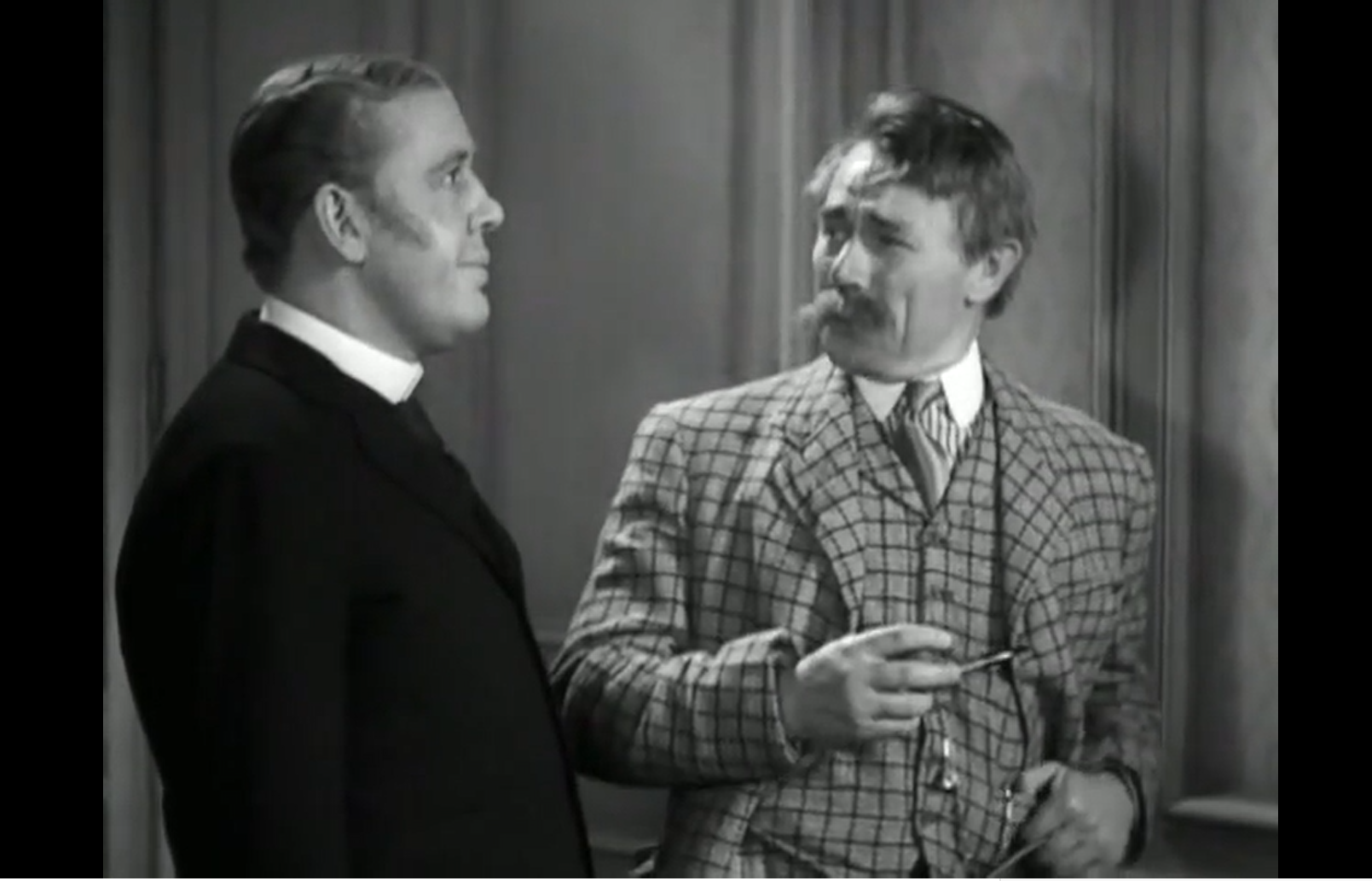
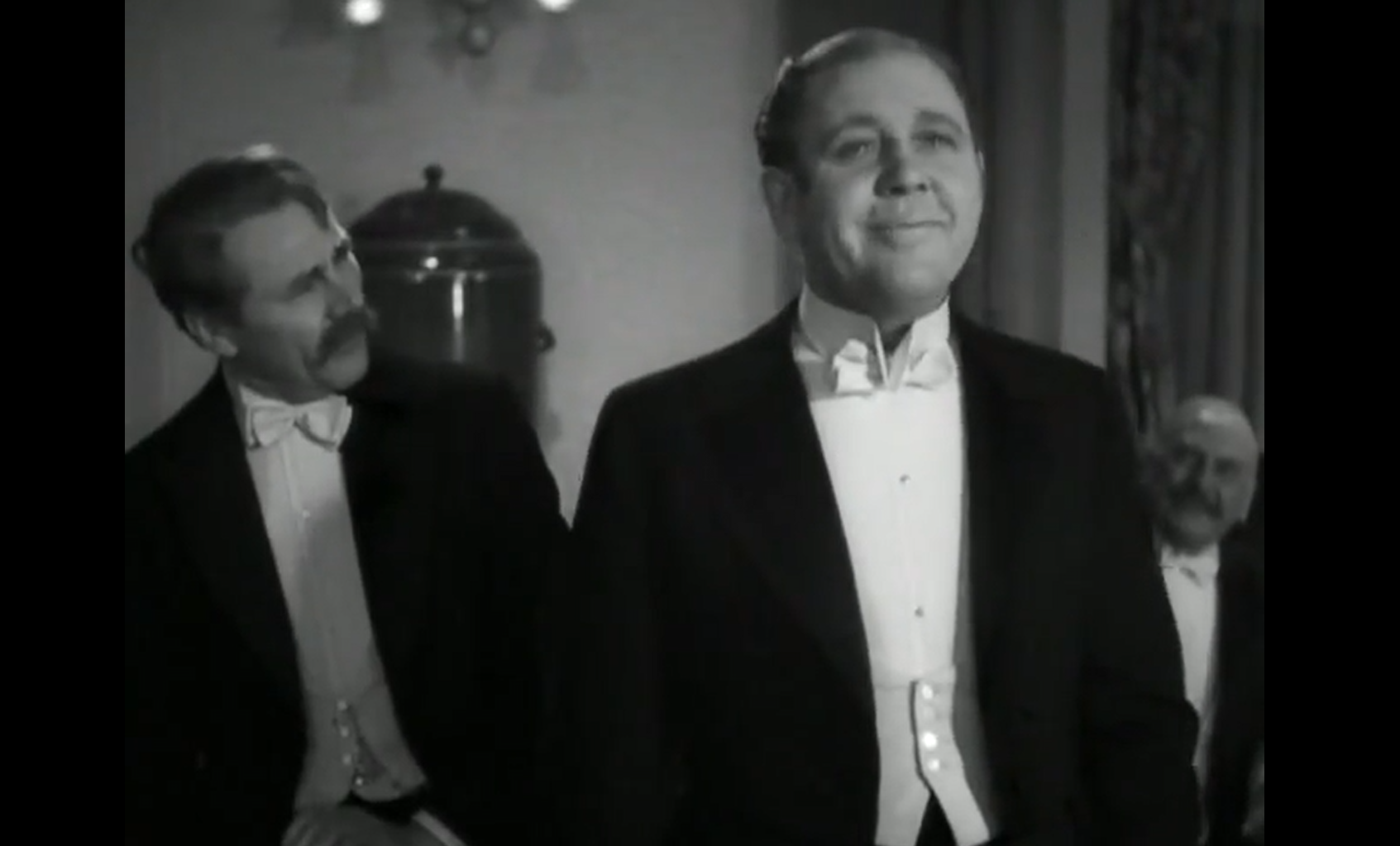
As Peary notes, this “Leo McCarey comedy” — about “a British valet who has always done his job loyally and impeccably, at the cost of his spirit, self-esteem, and personality” — is “still pleasing”. It’s touching to see how accepted Ruggles is by most of the Americans he encounters, including his down-to-earth, mustachioed employer Egbert (played by Charles Ruggles, oddly enough); Egbert’s saucy mother, “Ma’ Pettingill (Maude Eburne); and countless others. While “the film isn’t consistently funny, there are many special moments”, including Laughtong getting drunk in Paris and burping out “Yippee!”:

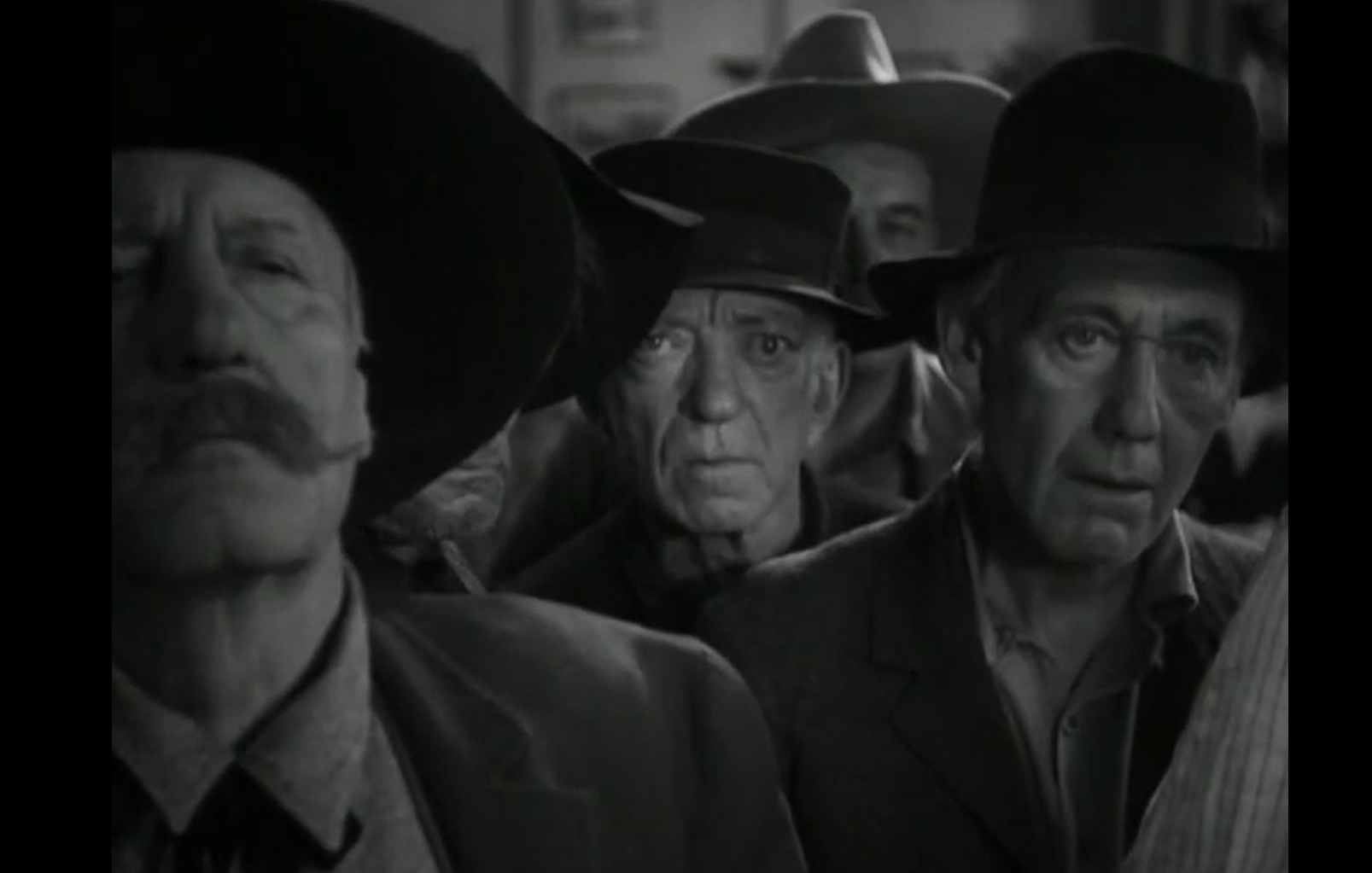
… Laughton solemnly reciting the Gettysburg Address in a saloon while the townspeople of Red Gap look on in amazement:


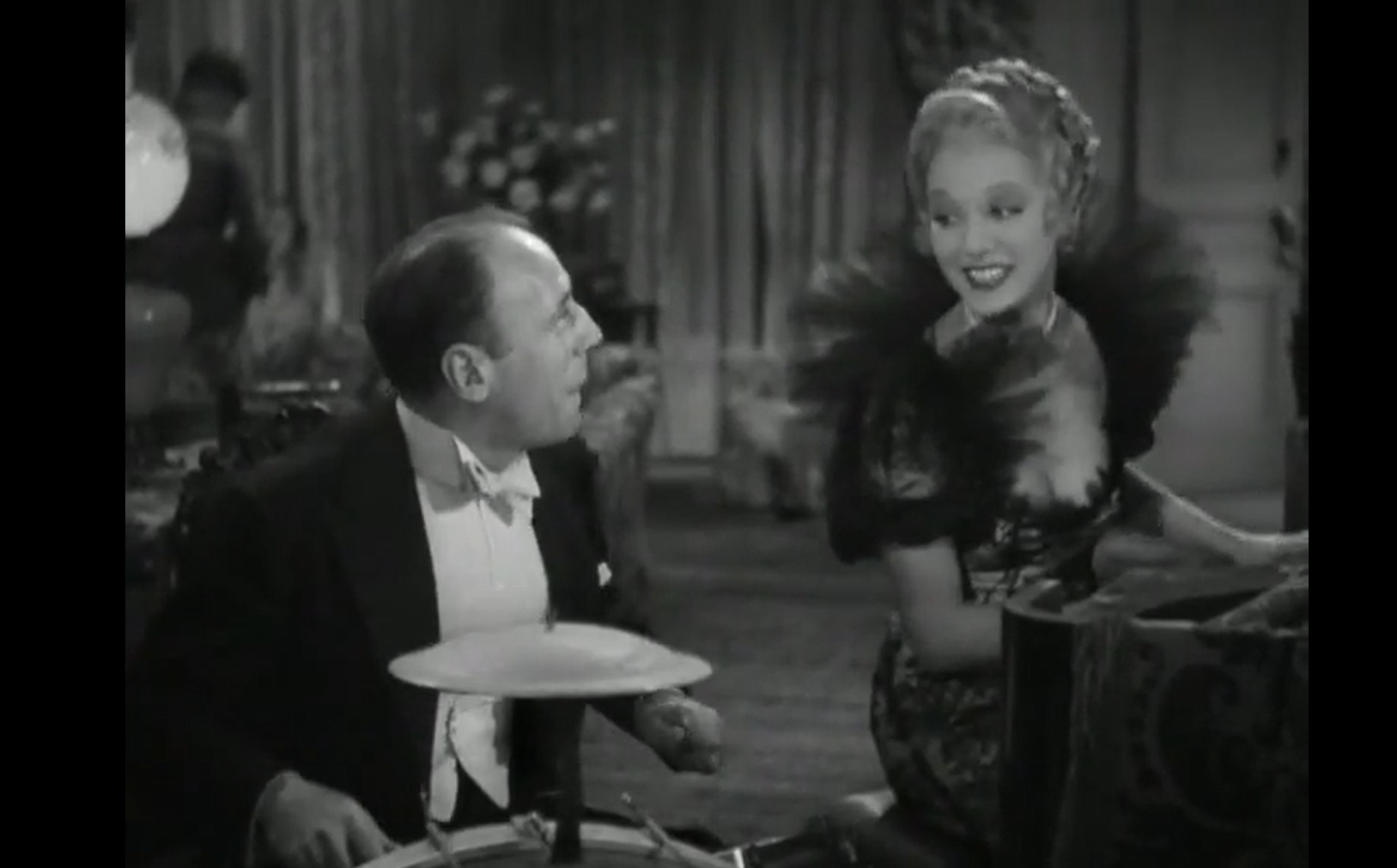
… and the Earl of Burnstead (Roland Young) accompanying a beautiful singer (Leila Hyams) on the drums.

As Peary notes, “You’ve got to appreciate the every-man-is-equal theme [of this film] — it may be a trite message, but few films have delivered it.”

Redeeming Qualities and Moments:

  • Charles Laughton as Marmaduke Ruggles
  • Charles Ruggles as Laughton’s new employer, Egbert
  • Mary Boland as Egbert’s nagging, social-climbing wife
  • Many touching moments

Must See?
Yes; this is an unsung comedy of the 1930s.

Categories

  • Genuine Classic
  • Noteworthy Performance(s)

Links:

Murder! (1930)

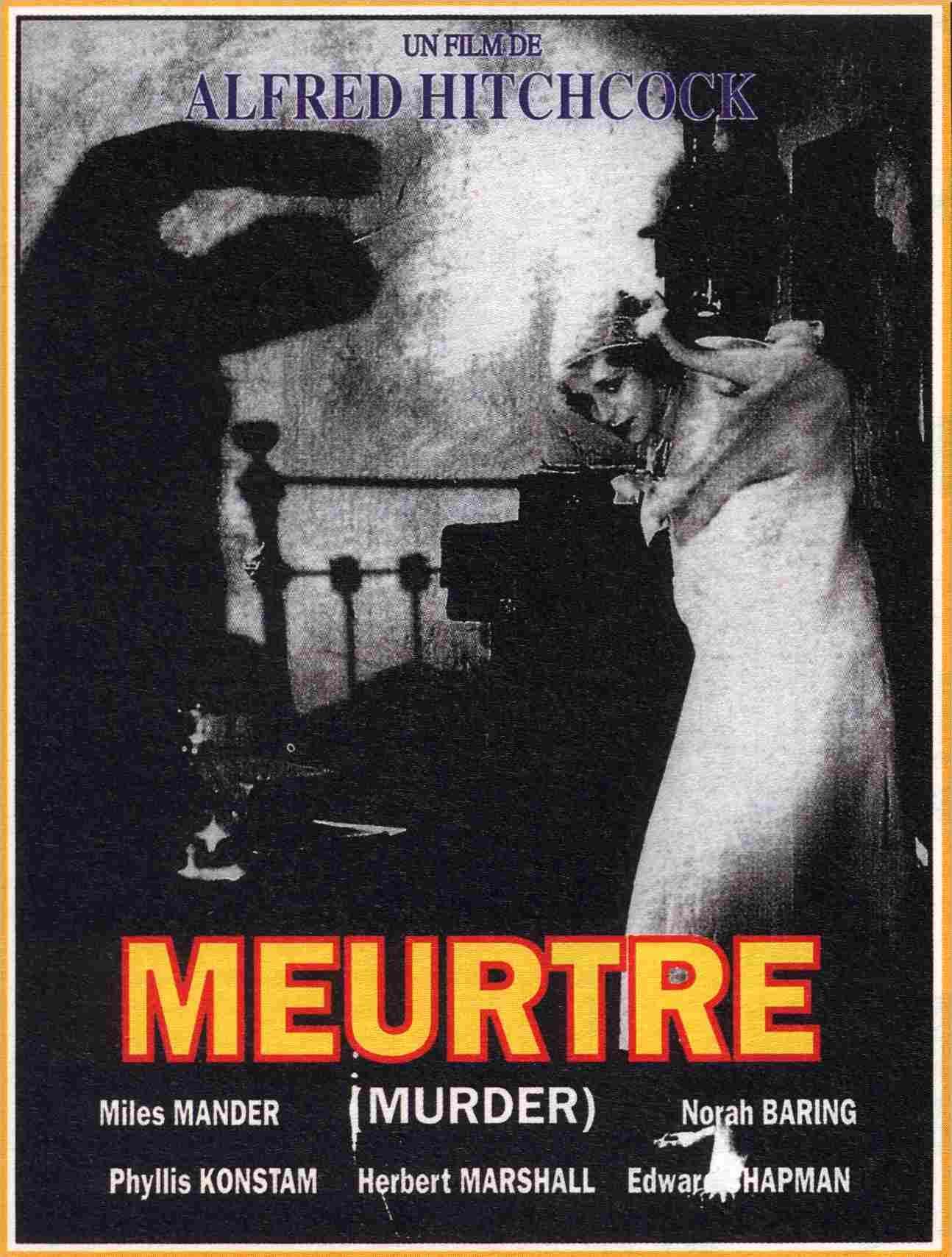
Murder! (1930)

“Life permits a beautiful and unfortunate girl to go to the gallows– Unless art, for once, can bring its technique to bear!”

Synopsis:
After helping to convict an aspiring actress (Norah Baring) of murder, well-known actor Sir John Menier (Herbert Marshall) becomes convinced of her innocence, and tries to hunt down the true culprit.

Genres, Themes, Actors, and Directors:

  • Actors and Actresses
  • Amateur Sleuths
  • Courtroom Drama
  • Falsely Accused
  • Herbert Marshall Films
  • Hitchcock Films
  • Murder Mystery

Response to Peary’s Review:
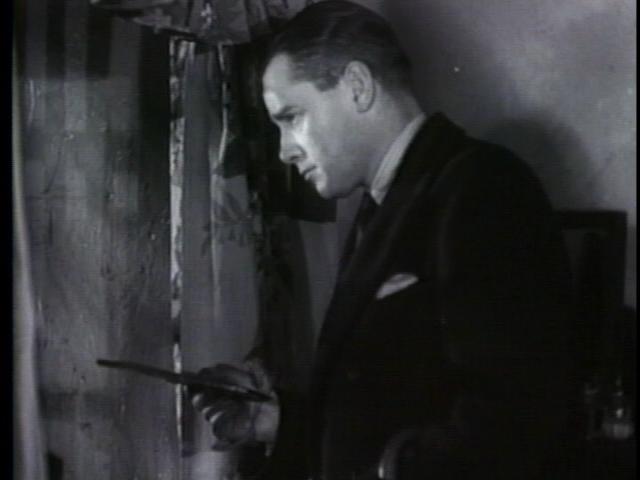
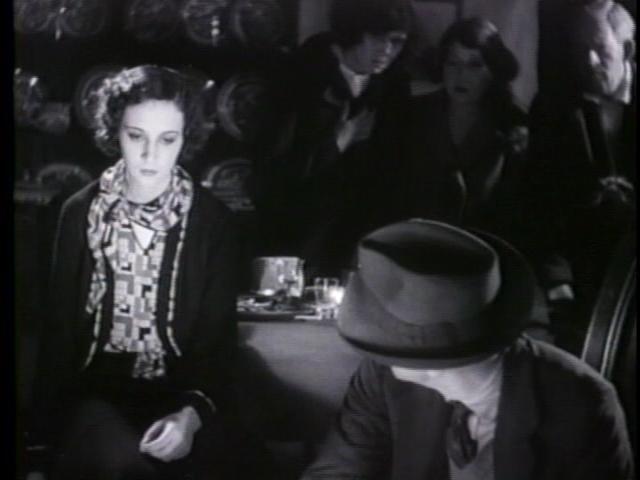
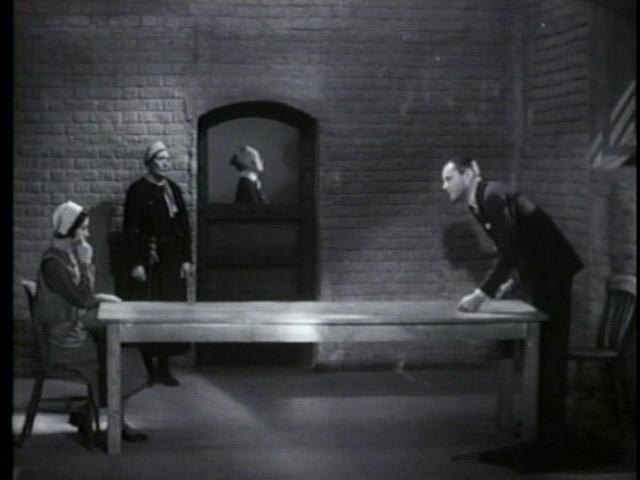
It’s difficult to gauge Peary’s response to this film: according to his review, he likes many of the scenes in the beginning and end, but insists that the “middle section” is “terribly slow”, and that the entire film — which is “about the theater” — is, “not surprisingly,” “too theatrical.” I disagree. Hitchcock is able to turn even the stagiest of interactions into interesting cinematic moments, and his use of sound, editing, lighting, and camera movement all provide early evidence of his brilliance. While this isn’t one of Hitchcock’s true masterpieces, it’s definitely an indication of what’s to come.

Redeeming Qualities and Moments:

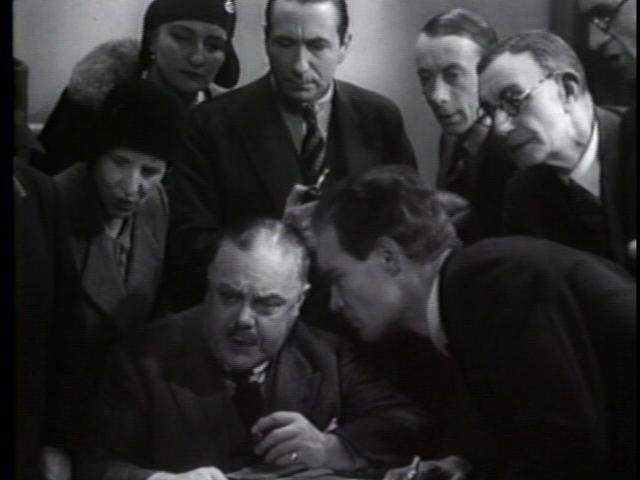
  • Marshall being pressured by his fellow jury members (a literal chorus of voices) into convicting Baring
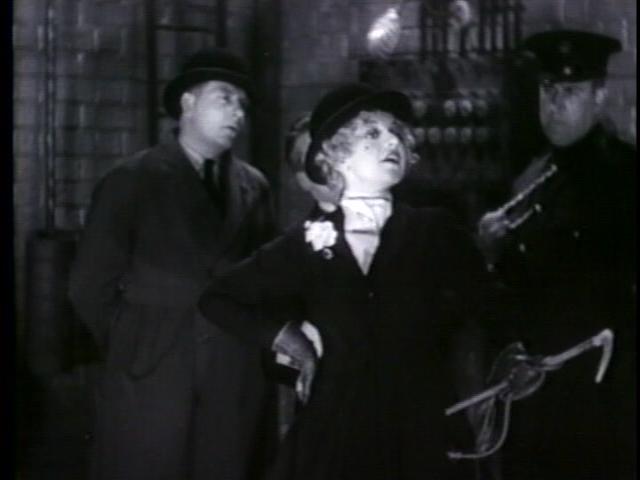
  • Detectives interrogating a troupe of actors as they enter and exit the stage
  • Creative use of sound — for instance, in the scene where Baring’s conviction is being read by the judge, but the camera remains in the (nearly) empty jury room
  • Effective use of humor in a murder mystery
  • A handsome young Herbert Marshall
  • Dramatic use of light and shadows
  • Some truly haunting visuals

Must See?
Yes. As one of Hitchcock’s first “talkies”, all film fanatics should be familiar with this movie.

Categories

  • Historically Relevant
  • Important Director

Links:

Young and Innocent / The Girl Was Young (1937)

Young and Innocent / The Girl Was Young (1937)

“If it’s any consolation to you, I want you to know that I’m innocent.”

Synopsis:
When a young writer (Derrick De Marney) is falsely accused of murder, the local constable’s daughter (Nova Pilbeam) helps him track down the true culprit.

Genres, Themes, Actors, and Directors:

  • Amateur Sleuths
  • Falsely Accused
  • Fugitives
  • Hitchcock Films
  • Murder Mystery

Response to Peary’s Review:
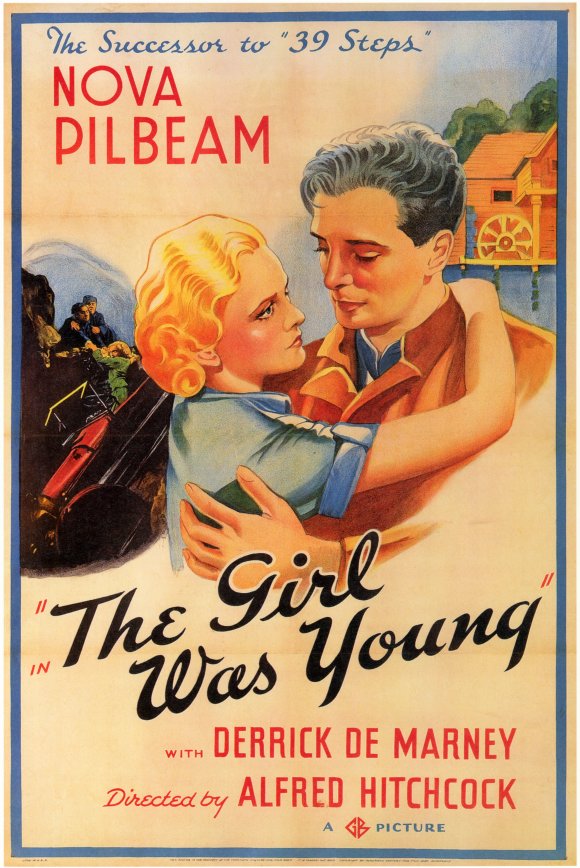
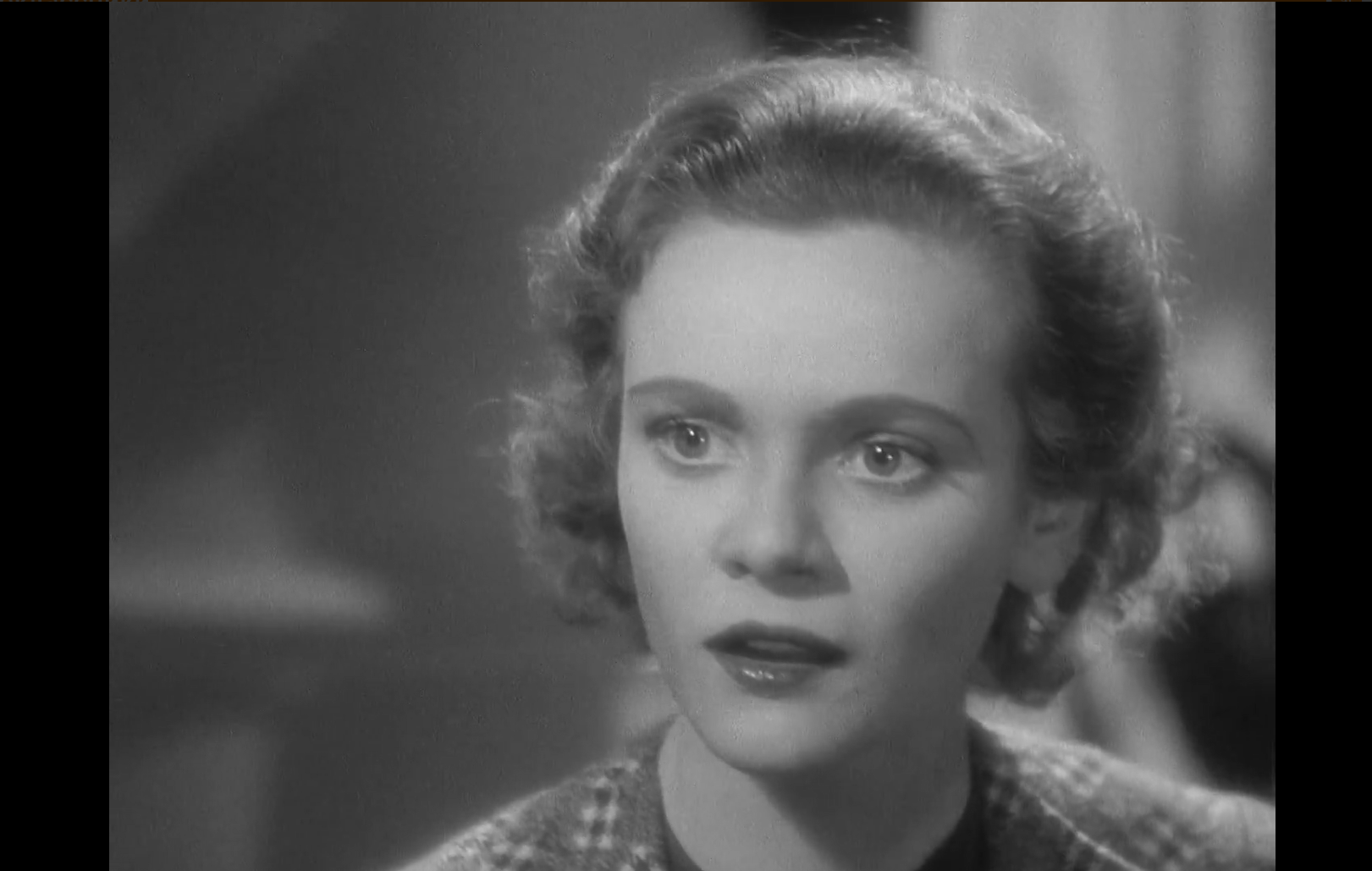
Peary writes that if this “very entertaining, sadly overlooked Alfred Hitchcock thriller” doesn’t “reach the heights of The 39 Steps — which it “greatly resembles” — that’s “because the earlier film (also co-written by Charles Bennett) has more mature characters…, more glamorous stars…, and a couple-on-the-run story in which more is at stake than just our hero proving his innocence.” He adds that “Pilbeam (the teenage kidnap victim in Hitchcock’s 1934 version of The Man Who Knew Too Much)” is “a brave and resourceful young woman” who “voluntarily (unlike Carroll) helps the hero [De Marney] elude the police and track down the real killer” — which means she “must go against her father (Percy Marmont) for the first time.”

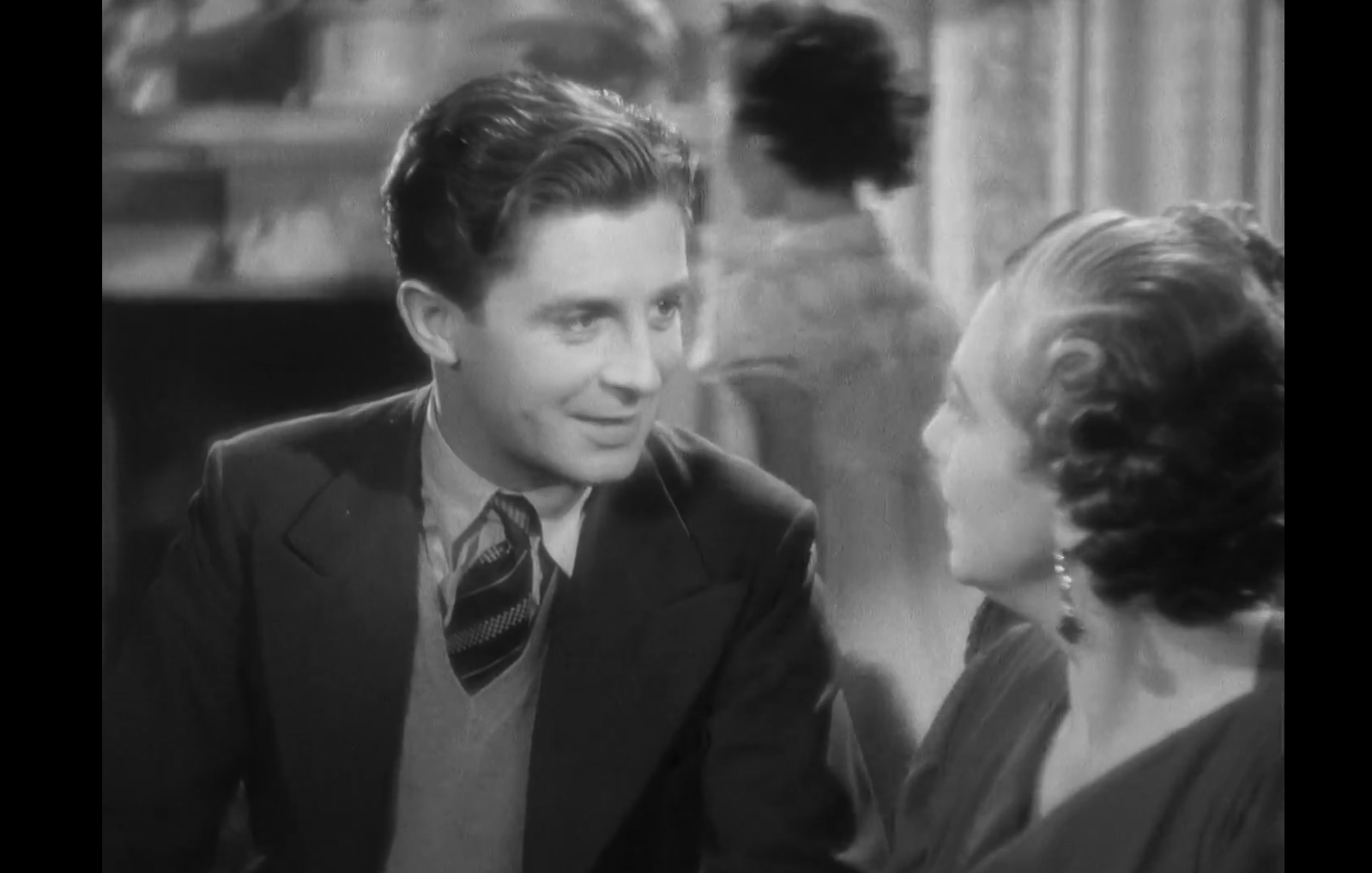
Peary argues that while “surely the film would have been a bit more exciting if De Marney and Pilbeam (a likable screen couple) were ever in more serious danger than just being arrested,” “their search for the murderer is most entertaining.” Indeed, De Marney and Pilbeam — relatively unknown actors — are hugely appealing in the lead roles:

It’s difficult not to root for them as they doggedly track down the evidence they need while simultaneously falling in love. As indicated in the alternate title (The Girl Was Young), the film goes beyond Hitchcock’s standard tropes of false accusations and amateur sleuthing to focus on Pilbeam’s transformation from an independent yet sheltered girl to someone who brazenly follows her heart rather than her head.

Redeeming Qualities and Moments:

  • Nora Pilbeam as the (initially) unwilling accomplice
  • Handsome Derrick De Marney as the falsely accused yet ever-hopeful young suspect
  • J.H. Roberts as the “veddy British” solicitor assigned to De Marney’s case
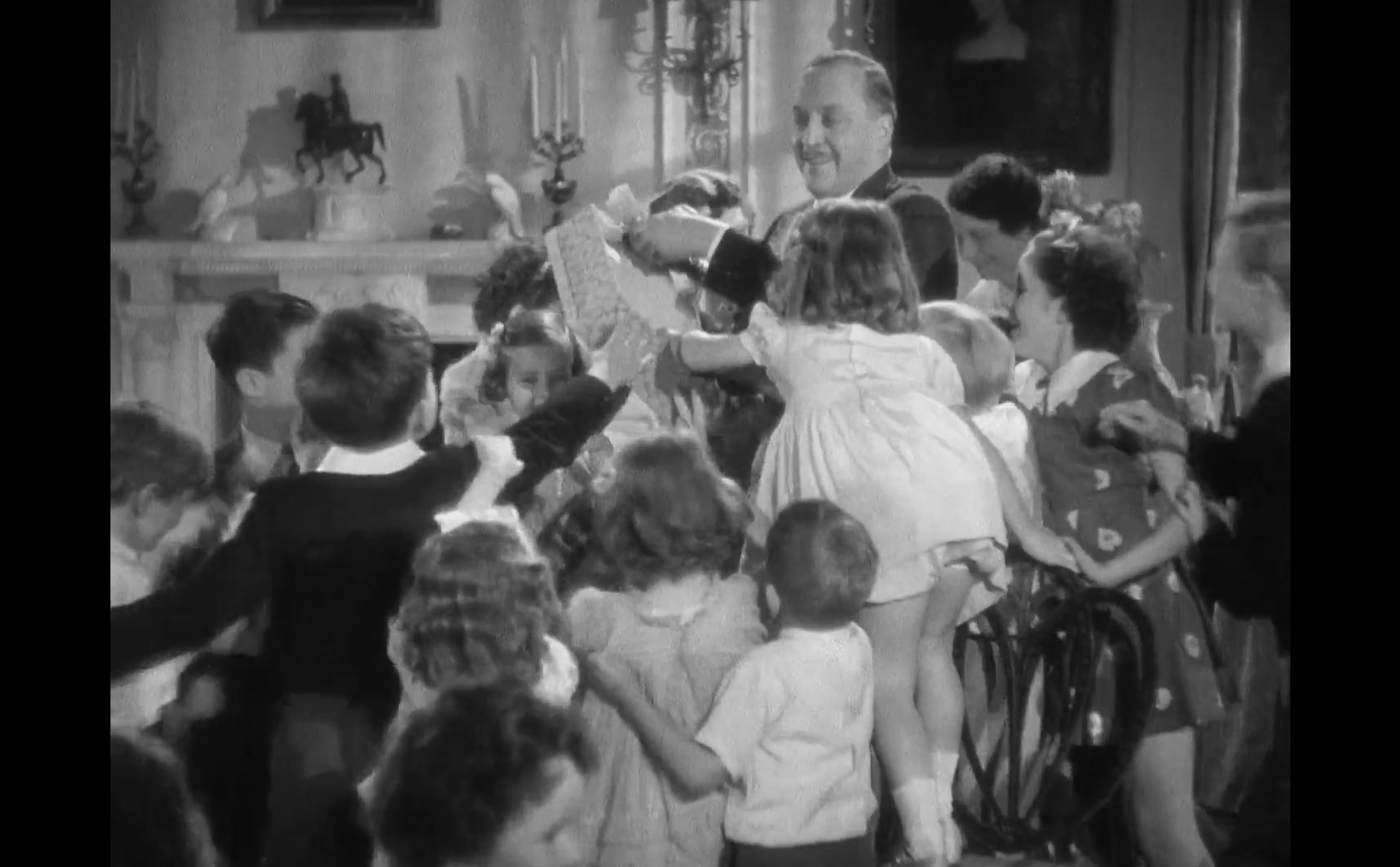
  • Creative settings, such as the birthday party where Pilbeam’s aunt begins to suspect something is wrong
  • Atmospheric cinematography

Must See?
No, but it’s recommended, and must-see viewing for Hitchcock fans.

Links:

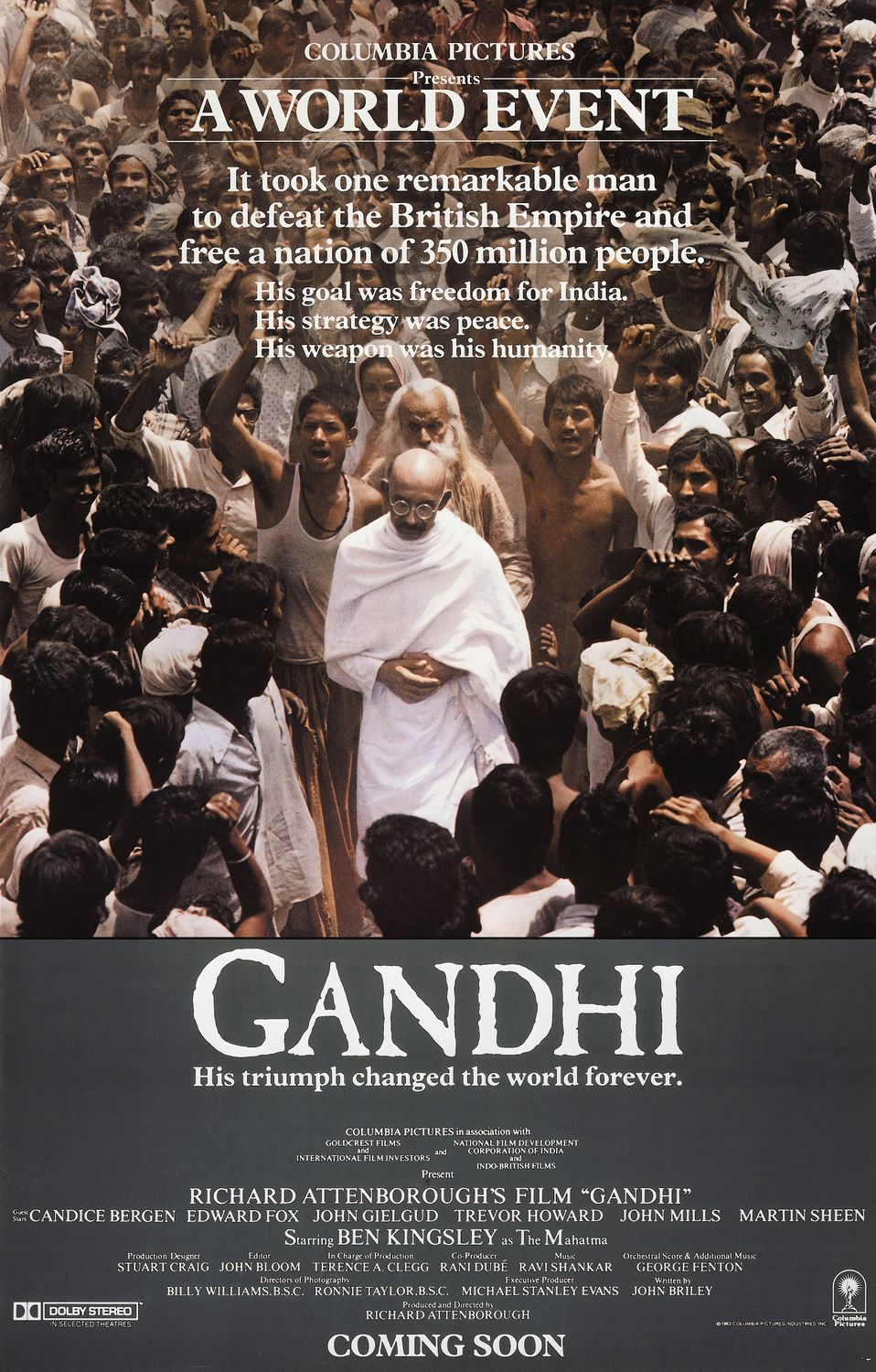
Gandhi (1982)

Gandhi (1982)

“Whenever I despair, I remember that the way of truth and love has always won.”

Synopsis:
Mahatma Gandhi (Ben Kingsley) leads his fellow Indians in non-violent protest against British rule.

Genres, Themes, Actors, and Directors:

  • Biopic
  • Candice Bergen Films
  • Character Arc
  • Folk Heroes
  • Historical Drama
  • India
  • John Gielgud Films
  • John Mills Films
  • Martin Sheen Films
  • Peacemakers
  • Richard Attenborough Films
  • Trevor Howard Films

Response to Peary’s Review:
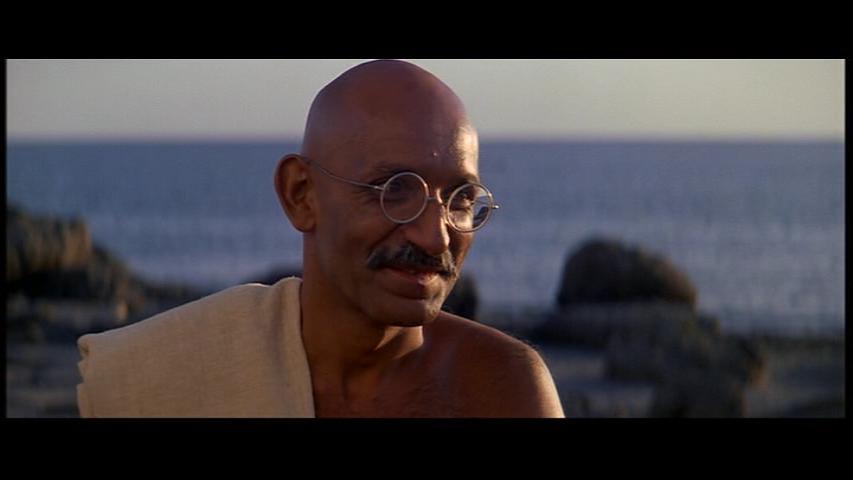
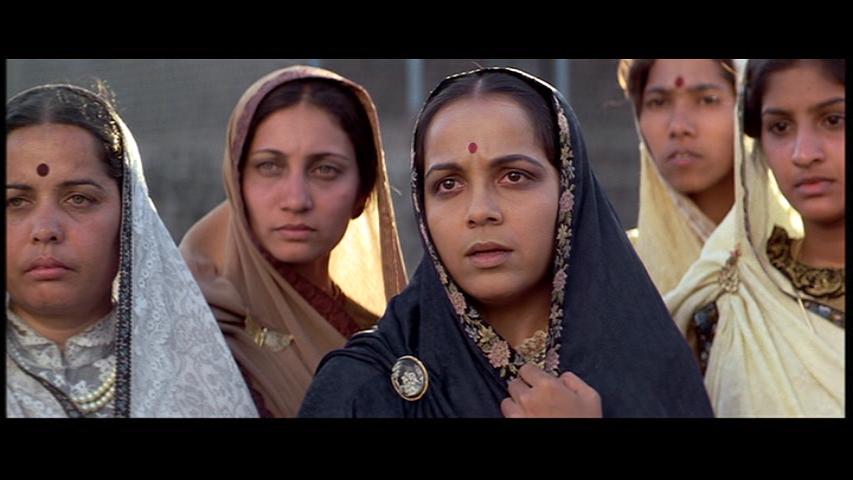
As Peary notes in the beginning of his review, “the man in the loincloth would have been humbled by this epic treatment.” Director Richard Attenborough impressively manages to combine the sweeping magnitude of India’s history, landscapes, and people with a highly personal story — not an easy feat. Gandhi boasts stellar cinematography, a stirring film score by Ravi Shankar, and uniformly excellent acting. Ben Kingsley — portraying Gandhi as “thoughtful, dignified, [and] resolute, [with a] remarkable presence” — deservedly won an Oscar in his first major screen role, and is surrounded on all sides by highly competent co-stars (particularly Rohini Hattangadi as his long-suffering wife).

With that said, however, the film is not perfect. It paints an overly “saintly” picture of Gandhi, and neglects to discuss some of his more controversial stances. In addition, as with any historical film, countless details in Gandhi are inaccurate; viewers would be well-advised to do additional research before taking everything in the movie at face value. Nonetheless, Gandhi remains a truly powerful biopic, one of the finest ever made. Historical inaccuracies aside, it’s difficult not to be moved by the film’s sincerity, and by witnessing the premature, violent death of someone so committed to peaceful resolution.

Redeeming Qualities and Moments:

  • Ben Kingsley’s truly remarkable performance — after watching him for three hours, it’s difficult to remember what the real Gandhi looked like
  • Rohini Hattangadi as Gandhi’s devoted wife, who undergoes a similar shift in social awareness
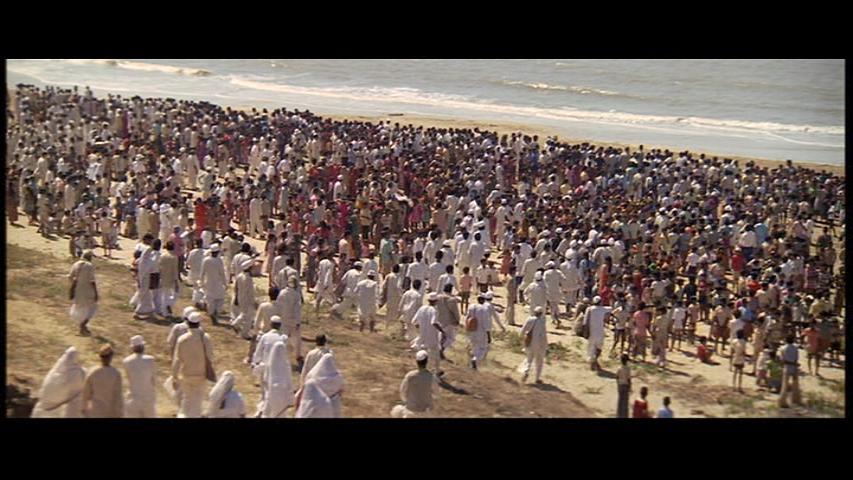
  • Highly realistic crowd scenes with thousands of Indian extras
  • A shockingly memorable scene showing protestors in South Africa (including women and children) being massacred by fellow Indians
  • Beautiful cinematography of Indian countryside

Must See?
Absolutely. This epic biopic should be required viewing for everyone, not just film fanatics.

Categories

  • Historically Relevant
  • Noteworthy Performance(s)
  • Oscar Winner

(Listed in 1001 Movies You Must See Before You Die)

Links:

Gunn (1967)

Gunn (1967)

“Maybe Nick Fusco didn’t pull the trigger — but it’s a lead pipe cinch he gave the order. Get him for me, Pete. I’m a hustler, but I don’t like being hustled.”

Synopsis:
Los Angeles detective Peter Gunn (Craig Stevens) investigates a murder while trying to escape those who want him dead.

Genres, Themes, Actors, and Directors:

  • Blake Edwards Films
  • Detectives and Private Eyes
  • Los Angeles
  • Murder Mystery

Response to Peary’s Review:
Peary’s entire review for this little-seen “disappointment” seems predicated on comparisons with its predecessor, the 1950s TV series “Peter Gunn”. He notes that Stevens “looks tired and old as Gunn”:

… and argues “it’s upsetting that Ed Asner replaced Herschel Bernardi as Lieutenant Jacoby:

and Laura Devon took over Lola Albright’s Edie role.”

He adds that the “murder-mystery script by [director Blake] Edwards and William Peter Blatty is extremely confusing,” and complains that “the picture hasn’t the icy, smoky atmosphere of the TV series”. Since I’d never seen the show, I had no such preconceptions when viewing it, and actually found it most enjoyable. It’s full of unusual characters, interesting locales, snappy dialogue, and sexy humor, and is worth a one-time look if you’re curious.

Redeeming Qualities and Moments:

  • Sherry Jackson as a mysterious girl who shows up in Gunn’s bedroom unannounced
  • Fine use of unusual locales — such as a nightclub named “The Ark”, with sets of twins roaming around
  • A surprising plot-twist in the final moments
  • Henry Mancini’s score

Must See?
No, but it’s good private eye flick, and sure to be of interest to fans of the T.V. series.

Links: