Looking for Mr. Goodbar (1977)

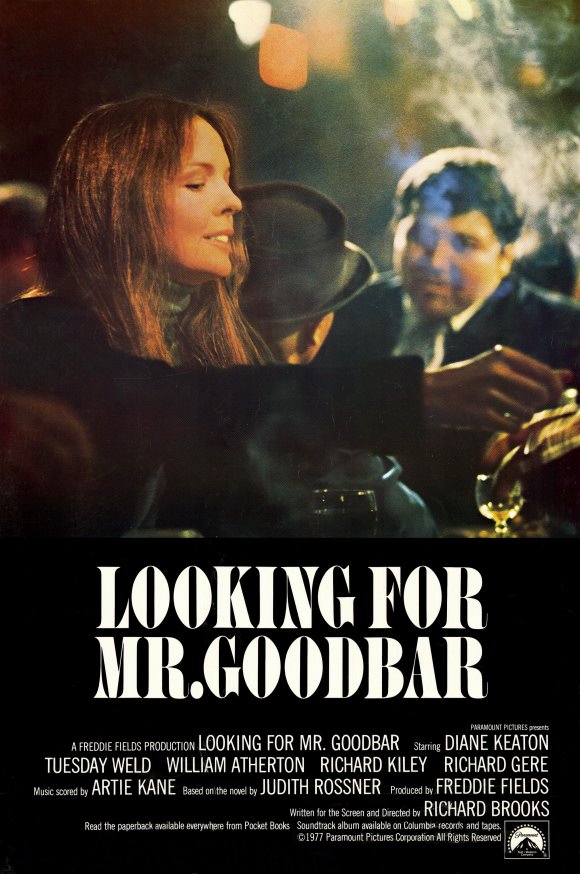
Looking for Mr. Goodbar (1977)

“Everybody’s taking something, or they’d never make it ’til morning.”

Synopsis:
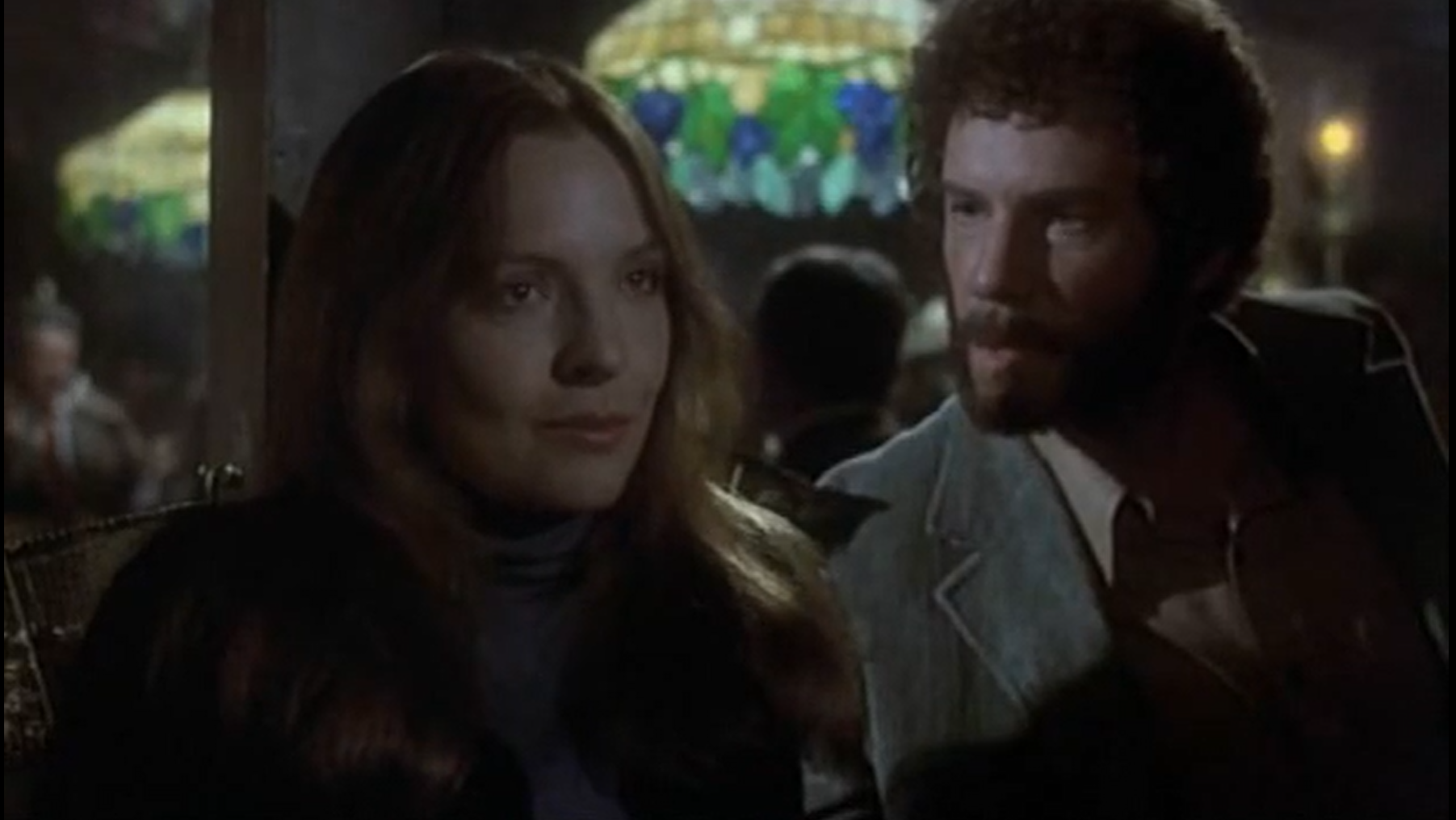
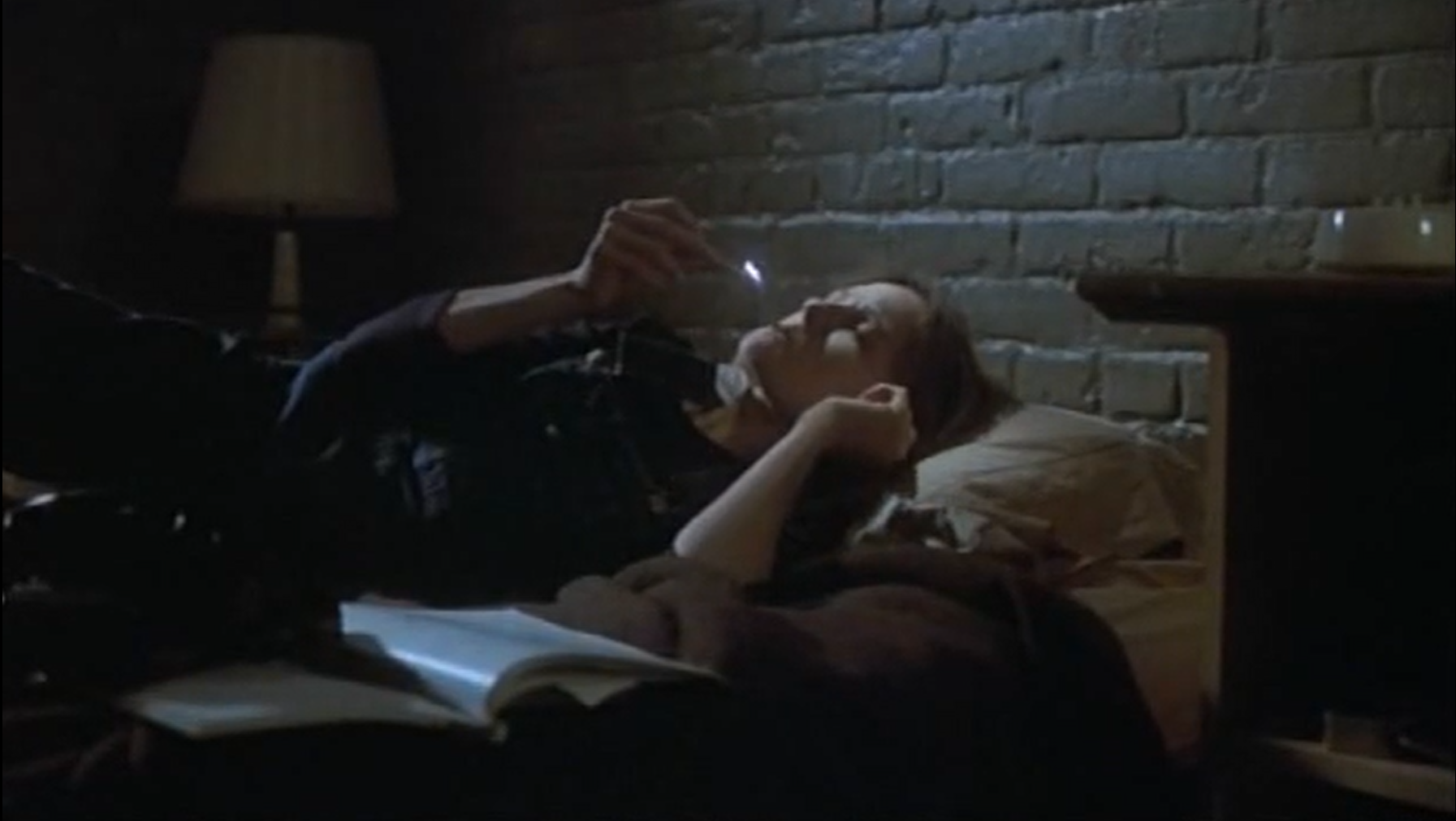
Schoolteacher Theresa Dunn (Diane Keaton) cruises New York bars at night looking for sex and excitement, and finds herself in increasingly dangerous situations.

Genres, Themes, Actors, and Directors:

  • Character Studies
  • Diane Keaton Films
  • Richard Brooks Films
  • Richard Gere Films
  • Sexuality
  • Teachers
  • Tuesday Weld Films

Review:
Based on the real-life murder of 27-year-old schoolteacher Rosanne Quinn, this cinematic adaptation of Judith Rossner’s bestselling novel was released the same year as Woody Allen’s comedic paean to life and love in New York — Annie Hall (1977) — and features its Oscar-winning eponymous heroine (Diane Keaton) in a radically different role. As in Annie Hall and many other films of the time (i.e., Paul Mazursky’s An Unmarried Woman), Looking for Mr. Goodbar deals with single females exploring their sexuality during the heyday of women’s lib. Indeed, once she gives herself the opportunity to sleep with any and every man she sees, Theresa takes advantage of this to the nth degree — but ultimately it’s more painful than liberating to watch her encounters with a series of unbearably chauvinistic men, including her married professor (Alan Feinstein) and a jealous player (Richard Gere).


As several reviewers have pointed out (see links below), many elements of Looking for Mr. Goodbar‘s otherwise provocative screenplay are unnecessarily heavy-handed: Theresa’s conflicts with her Catholic parents come across as overbearingly Freudian, and the flashback scenes to Theresa’s traumatic childhood experiences with scoliosis are derivative. Plus, it’s distressing to watch a film in which you already know the gory outcome — the cumulative effect is one of watching a morality tale-cum-train wreck about the dangers of wanton sexual exploration. This is too bad, because Keaton’s daring performance as a woman unafraid of her own sexual cravings deserves a much more respectful treatment.

Redeeming Qualities and Moments:

  • Diane Keaton as a rebellious schoolteacher living a double life
  • A realistic, albeit cautionary, look at hedonism in the 1970s

Must See?
Yes. While it’s not an entirely successful film, Diane Keaton’s performance makes it must-see viewing at least once.

Categories

  • Noteworthy Performance(s)

Links:

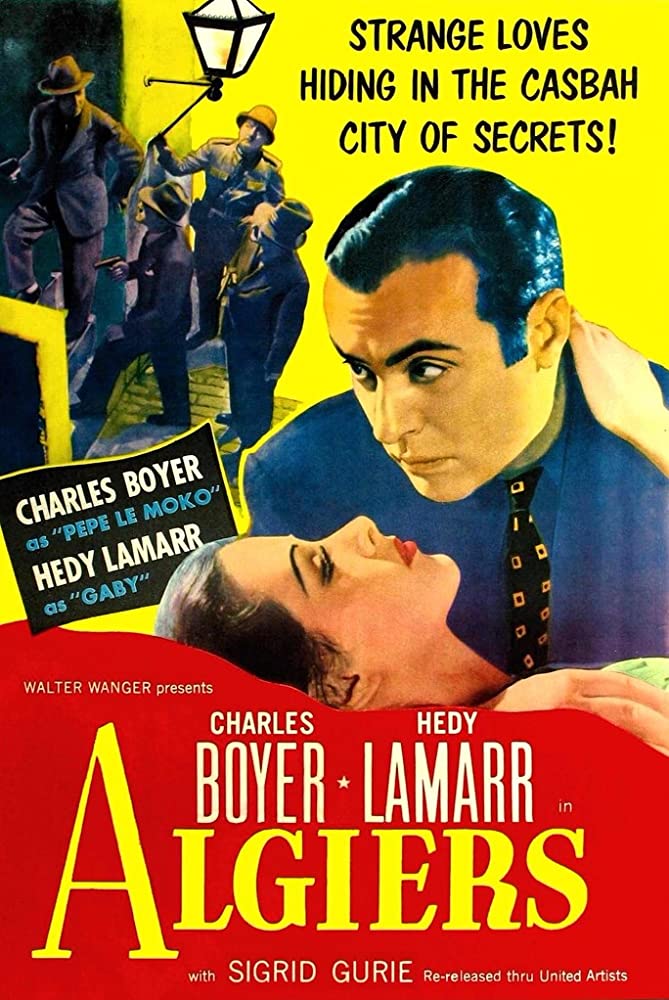
Algiers (1938)

Algiers (1938)

“The Casbah rises like a fortress from the sea: colorful, sordid, dangerous.”

Synopsis:
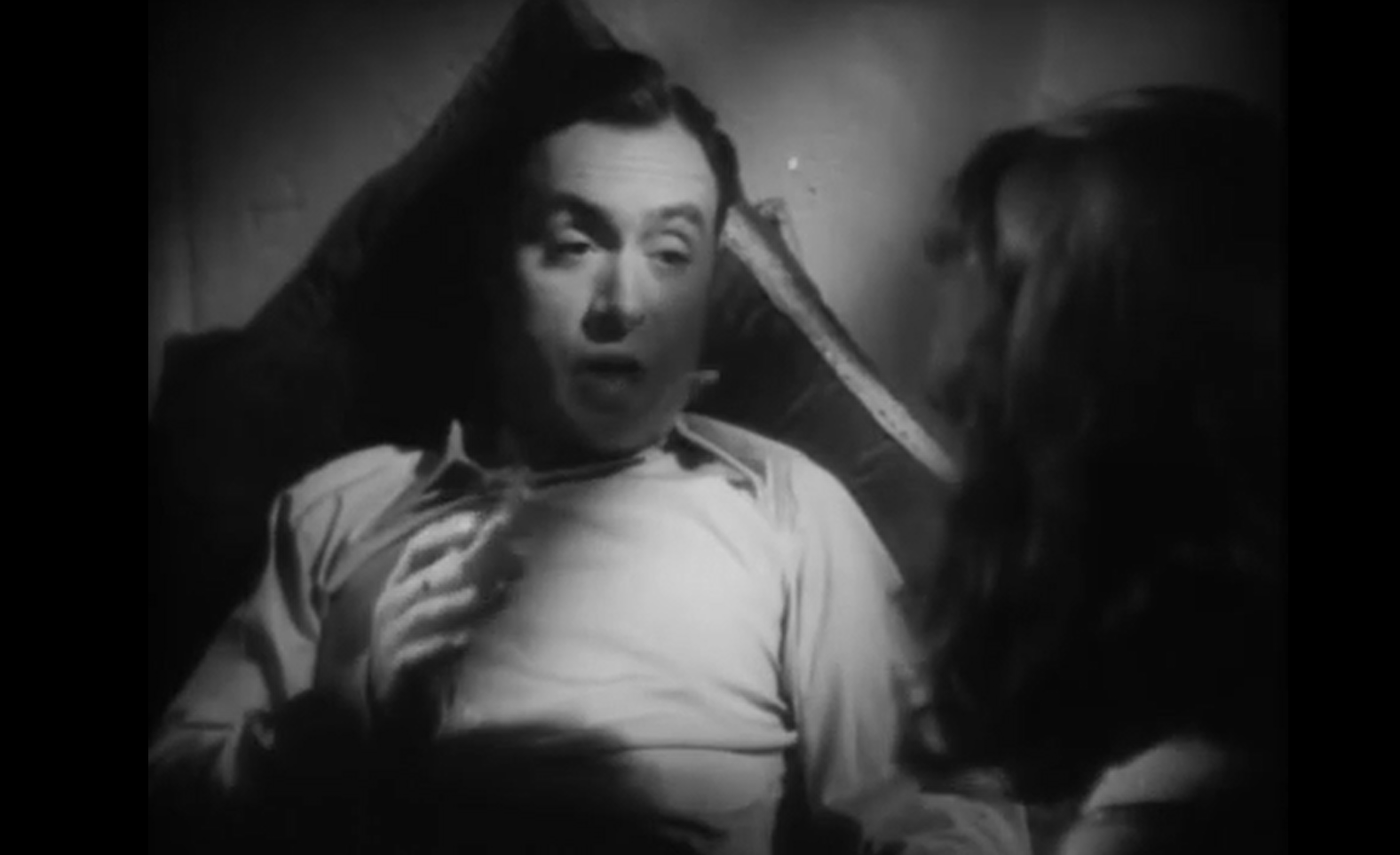
While hiding from police in the Casbah, renowned jewel thief Pepe le Moko (Charles Boyer) falls in love with a beautiful Parisian woman (Hedy Lamarr) who reminds him of home.

Genres, Themes, Actors, and Directors:

  • Cat-and-Mouse
  • Charles Boyer Films
  • Detectives and Private Eyes
  • Hedy Lamarr Films
  • John Cromwell Films
  • Star-Crossed Lovers
  • Thieves and Criminals

Response to Peary’s Review:
Unlike most reviewers, Peary doesn’t dismiss this “irresistible, hot-blooded romance” as simply a scene-for-scene remake of 1937’s Pepe le Moko — which it is. In fact, if you watch the films too closely together (as I did), it’s actually somewhat disconcerting to recognize the same exact dialogue and settings being played out all over again; and you’ll wonder why director John Cromwell went to all the bother. Nonetheless, as Peary notes, Algiers remains a “dark, exotic, highly atmospheric film” with “memorable screen lovers” in a “faraway world” — and if you can forget its predecessor ever existed, chances are you’ll find yourself caught up in the romance and excitement of this classic adventure.

Redeeming Qualities and Moments:

  • Hedy Lamarr in her American film debut
  • Genuine screen chemistry between Boyer and Lamarr
  • Joseph Calleia as Inspector Slimane — cool and confident as he hatches a plot to capture Pepe
  • Beautiful black-and-white cinematography by James Wong Howe

Must See?
No, but it’s worth a look as the movie which inspired cartoon character Pepe le Pew’s infamous non-quote (it was never in the film): “Come with me to the Casbah!”

Links:

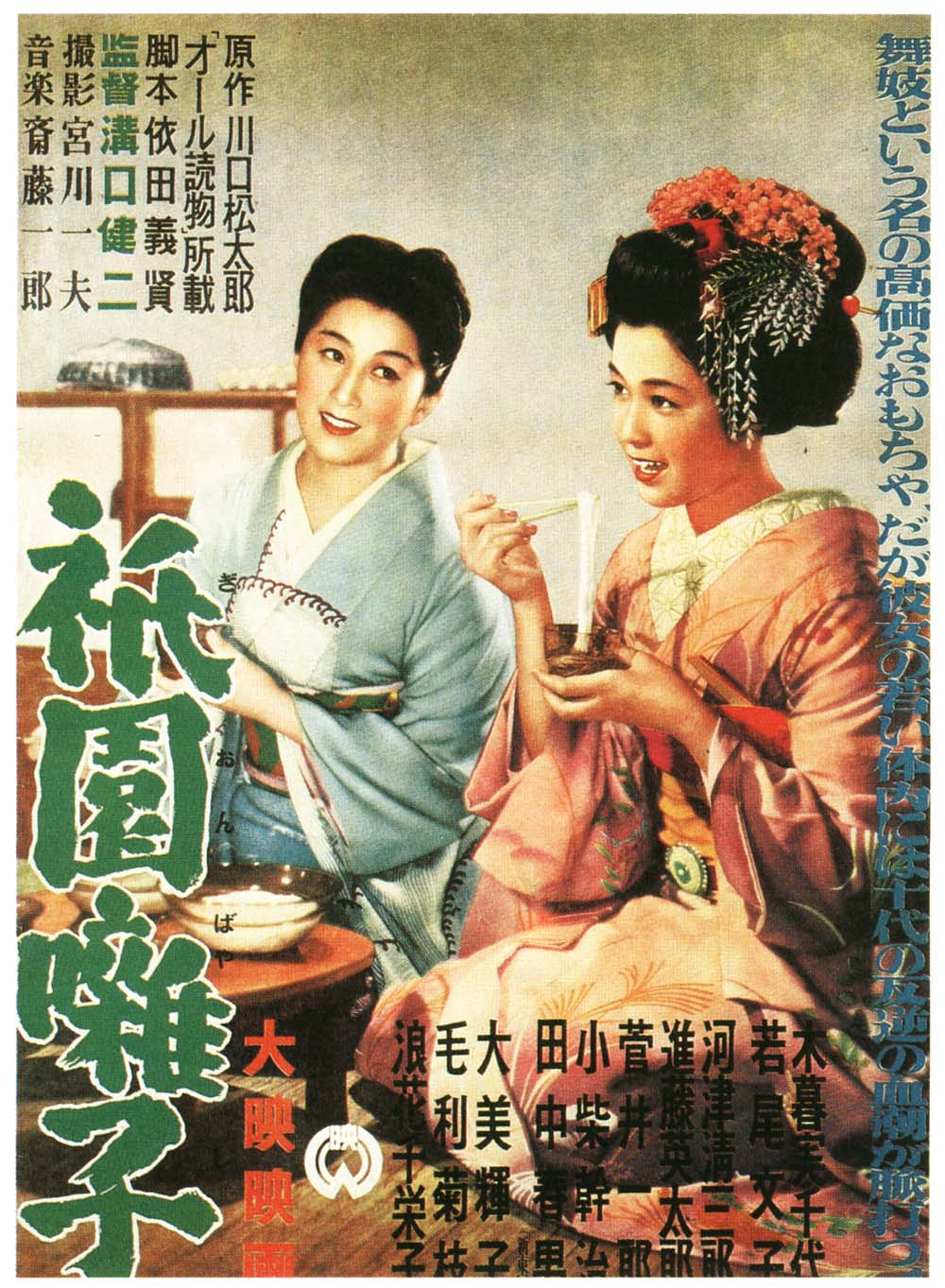
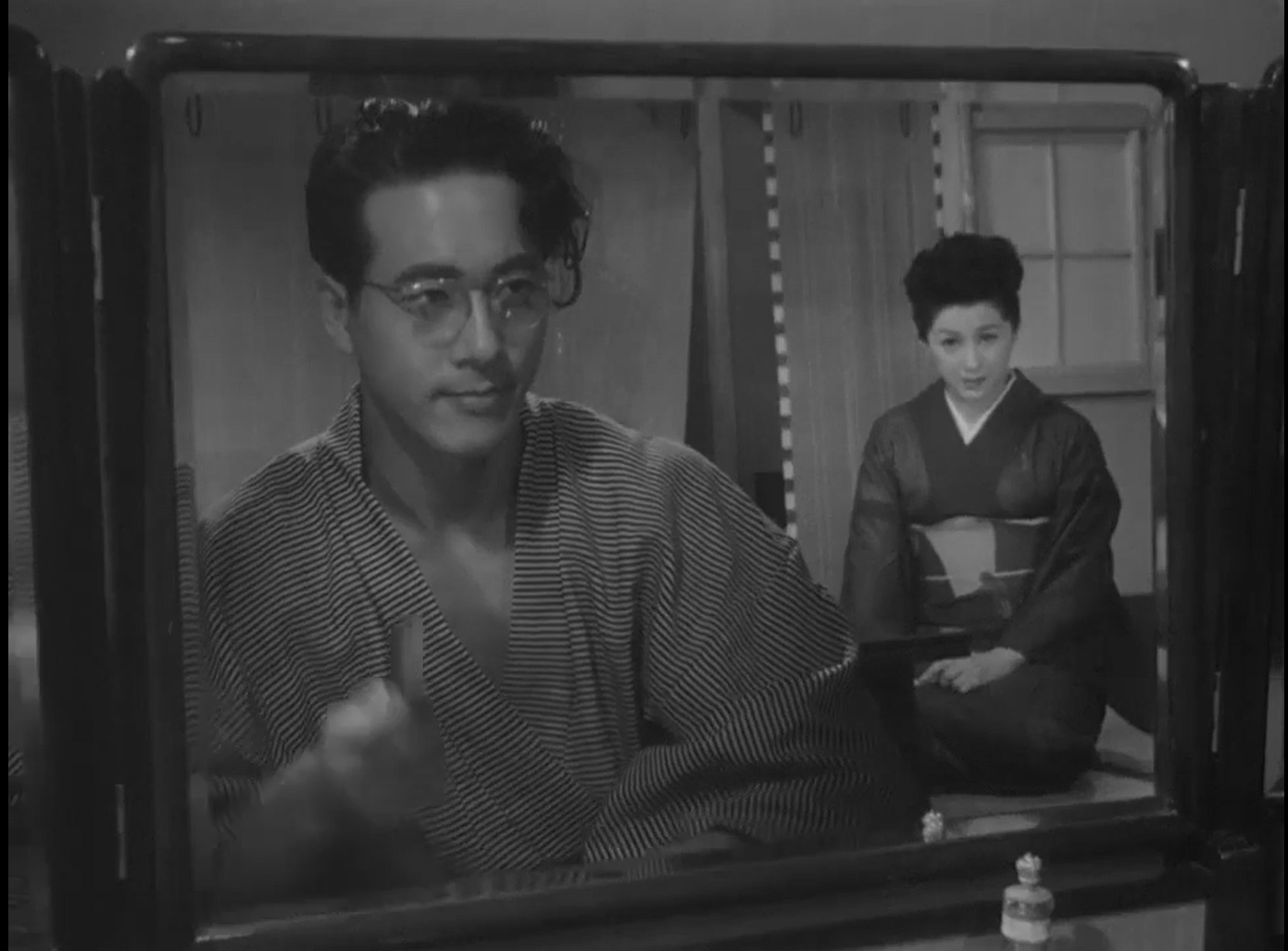
Geisha, A / Gion Bayashi (1953)

Geisha, A / Gion Bayashi (1953)

“Geisha don’t lie — they talk business.”

Synopsis:
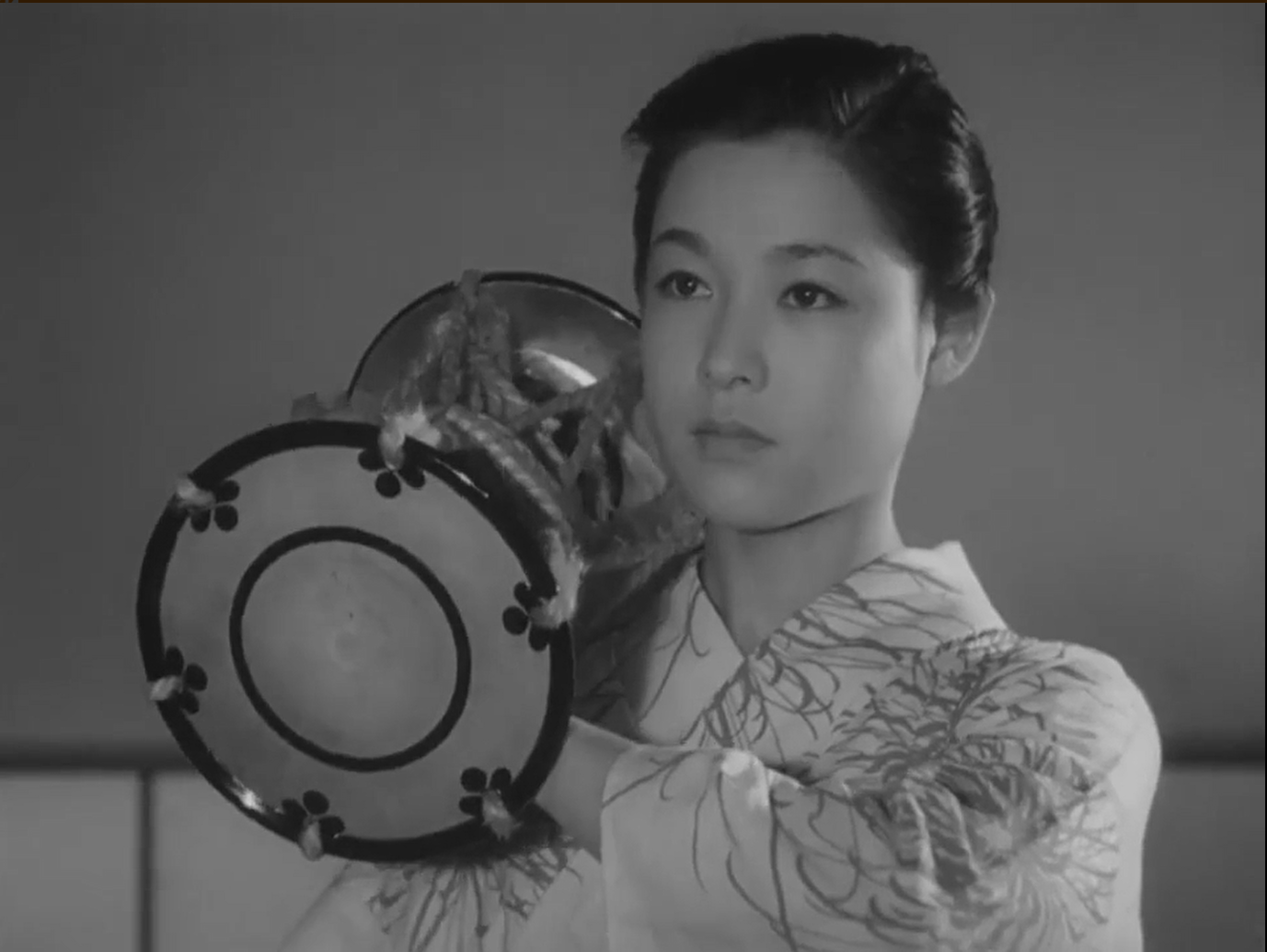
After taking on 16-year-old Eiko (Ayako Wakao) as an apprentice, geisha Miyoharu (Michiyo Kogure) and her new protege find their positions compromised by men (Seizaburo Kawazu and Kanji Koshiba) who demand more than geisha traditionally provide.

Genres, Themes, Actors, and Directors:

  • Feminism and Women’s Issues
  • Japanese Films
  • Kenzi Mizoguchi Films
  • Mentors

Review:
Throughout his career, director Kenzi Mizoguchi exhibited an uncanny sympathy for the plight of women in male-dominated Japanese society. While his most famous works (The Life of Oharu, Ugetsu Monogatari, and Sansho the Bailiff) were historical dramas set in the distant past, Gion Bayashi — a staunchly realistic depiction of life for geisha in post-WWII Japan — is a notable exception; yet it fits clearly into his ongoing depiction of noble females who must cope with debasing situations. Most Americans became familiarized with the life of Japanese geisha — a term which translates roughly into “artisans” (not prostitutes) — either through Arthur Golden’s 1997 novel Memoirs of a Geisha or its disappointing 2005 cinematic adaptation by Rob Marshall. Marshall’s film is lush and beautiful yet ultimately empty, replacing Golden’s detailed evocation of life in a geisha house with an insipidly melodramatic story of unrequited love, and a romanticized view of female subjugation.

Fortunately, Mizoguchi makes no such mistake in his film. Time and again in Gion Bayashi, men (without a single exception) are shown exploiting geisha for any of numerous reasons: their personal sexual gratification (Kawazu nearly rapes the adolescent Eiko, while Koshiba calls Miyoharu “cold” for refusing his advances); to advance their business (“renting” the right geisha for one’s clients can help grease transactions); or for cold, hard cash (Eiko’s deadbeat dad refuses to help sponsor her training as a geisha, but comes begging for handouts once she’s successful). In addition, unlike in Memoirs, the geisha “sisters” in this film don’t develop cut-throat rivalries with one another; instead, they understand that camaraderie and empathy is what will help them survive. In perhaps the most interesting scene of the film, Miyoharu sits with Eiko after she has severely compromised their reputations by fighting back during an attempted rape by Kawazu (she bit his mouth so badly he was hospitalized for a month). Rather than chastising Eiko, however, Miyoharu admits that she would have done the same thing. Eventually, Miyoharu becomes a mother-figure of sorts to Eiko, attempting to protect her at all costs from the debasement geisha face in a modern world which no longer respects their work — and it is hard, difficult work — as a noble craft.

Redeeming Qualities and Moments:

  • Michiyo Kogure’s sensitive performance as the noble Miyoharu
  • Ayako Wakao as the willful young Eiko (a.k.a. “Miyue”)
  • A fascinating, detailed look at life for geisha in post-WWII Japan

Must See?
Yes. Listed in the back of Peary’s book as a Personal Recommendation.

Categories

  • Historically Relevant
  • Important Director

Links:

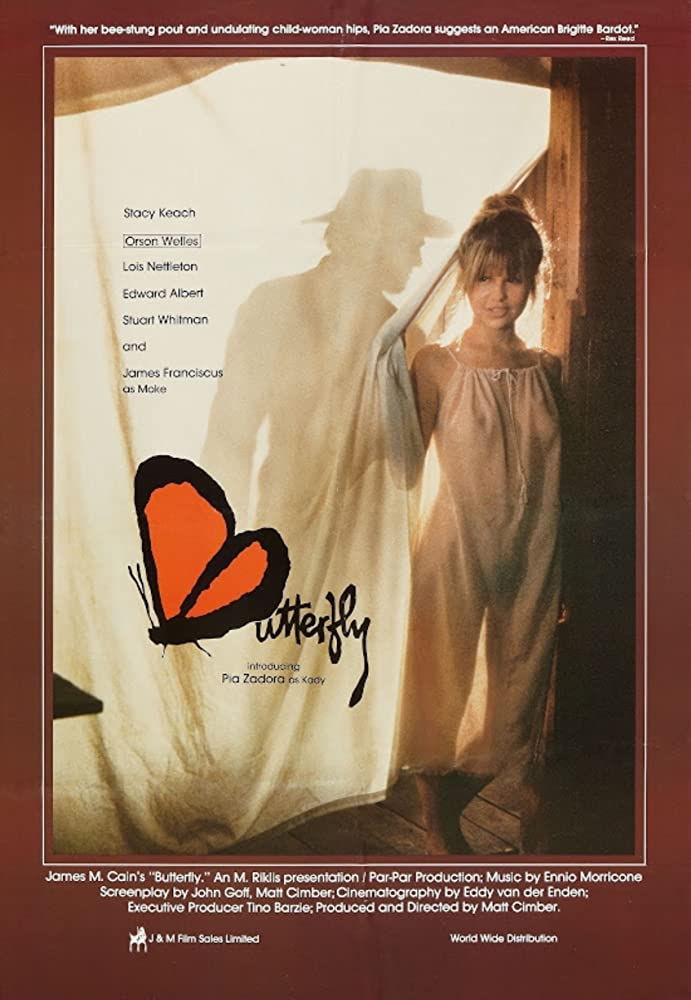
Butterfly (1981)

Butterfly (1981)

“It’s right if it feels good.”

Synopsis:
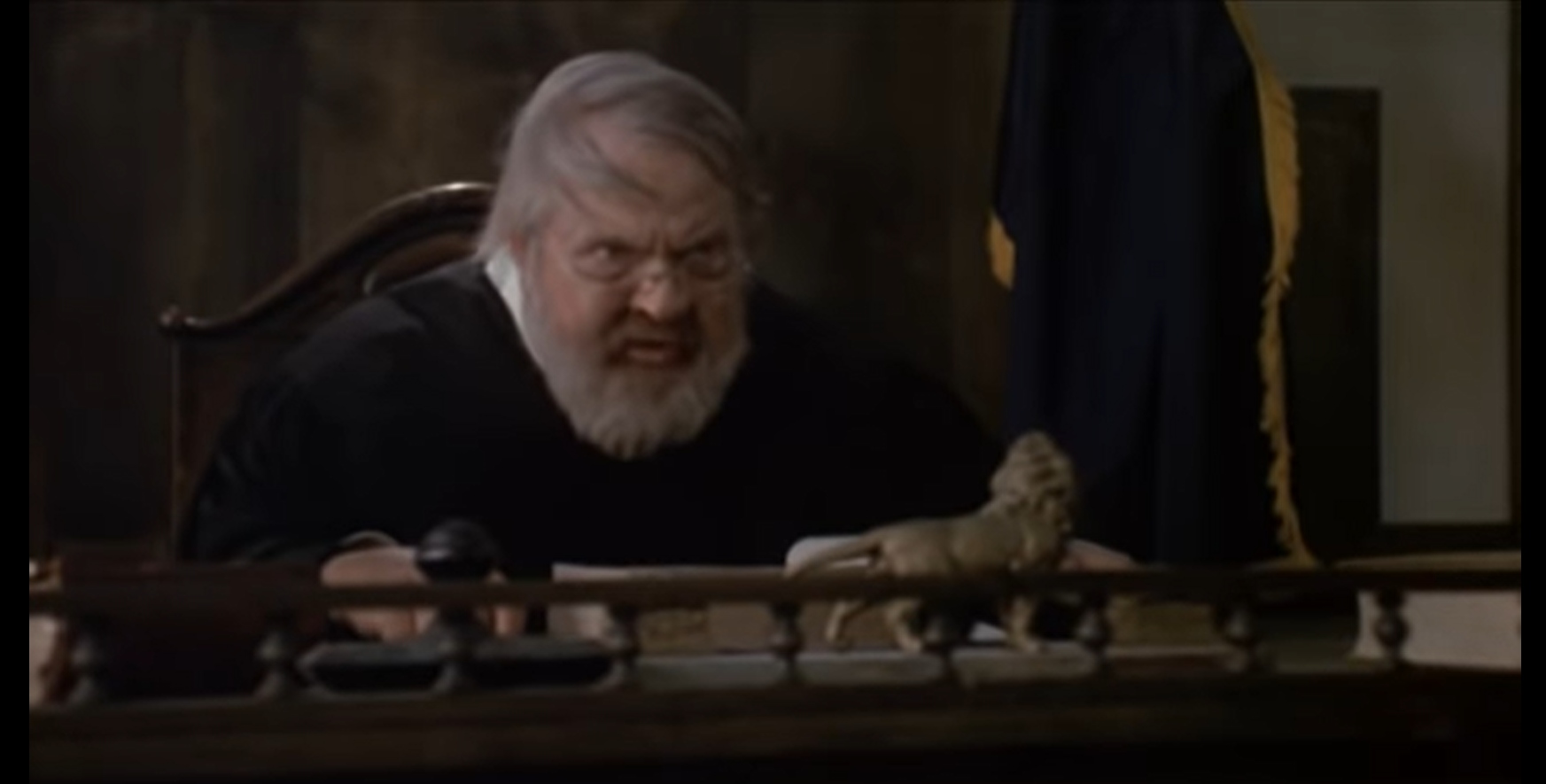
Mine caretaker Jess Tyler (Stacy Keach) is tried by Judge Rauch (Orson Welles) for “improper relations” with his illegitimate grown daughter, Kady (Pia Zadora).

Genres, Themes, Actors, and Directors:

  • Con-Artists
  • Courtroom Drama
  • Incest and Incestuous Undertones
  • Mining Towns
  • Stacy Keach Films

Response to Peary’s Review:
As Peary notes, this infamous backwoods melodrama, starring one-time child actress Pia Zadora — best known for Santa Claus Conquers the Martians (1964) — is “trashy” and “some scenes are impossibly bad and embarrassing,” but it’s “not quite as terrible as its reputation.” Indeed, Pia Zadora is a natural at portraying a scheming, manipulative young sexpot, and the story (based on James M. Cain’s novel) contains a surprising number of interesting plot twists. The notorious “bathtub scene” (in which Zadora successfully seduces Keach) may shock some — but given that these are two consenting adults who’ve never met before (and given later plot developments), it’s not really all that titillating.

Redeeming Qualities and Moments:

  • “Baby-faced” Pia Zadora, all grown up
  • Orson Welles in a surprising bit role as the local judge

Must See?
No, but it’s worth a look simply for the notoriety surrounding Zadora’s simultaneous reception of the Golden Globe award for “Best New Star of the Year” and the “Worst Actress Razzie.” I suspect you’ll agree that neither was truly warranted.

Links:

Alligator (1980)

Alligator (1980)

“Well, if I couldn’t get myself killed chasing it, what fun would it be?”

Synopsis:
While investigating a series of mysterious disappearances, a Chicago police detective (Robert Forster) discovers the presence of an enormous mutant alligator (“Ramon”) living in the city’s sewers.

Genres, Themes, Actors, and Directors:

  • Corruption
  • Detectives and Private Eyes
  • Horror
  • Mutant Monsters

Response to Peary’s Review:
This low-budget sci-fi thriller effectively plays upon the fears generated by “rumors of alligators roaming around urban sewer systems” after tourists return from Florida with live gator babies they no longer want. Screenwriter John Sayles cleverly exploits the unexpected dangers of illicit scientific experimentation (Ramon has grown to astronomical proportions from eating the hormone-riddled corpses of dumped lab animals) while addressing the age-old suspicion about what may happen if you flush live animals down the toilet. The movie’s limited budget shows through occasionally (particularly, as Peary notes, when Ramon emerges onto the city streets), and Sayles’s script is unduly formulaic at times — but for the most part Alligator remains consistently amusing, and just freaky enough to keep you on your toes.

Redeeming Qualities and Moments:

  • Plenty of enjoyable humor

  • John Sayles’s clever script

Must See?
No, but it’s a fun, surprisingly literate “mutant monster” flick.

Links:

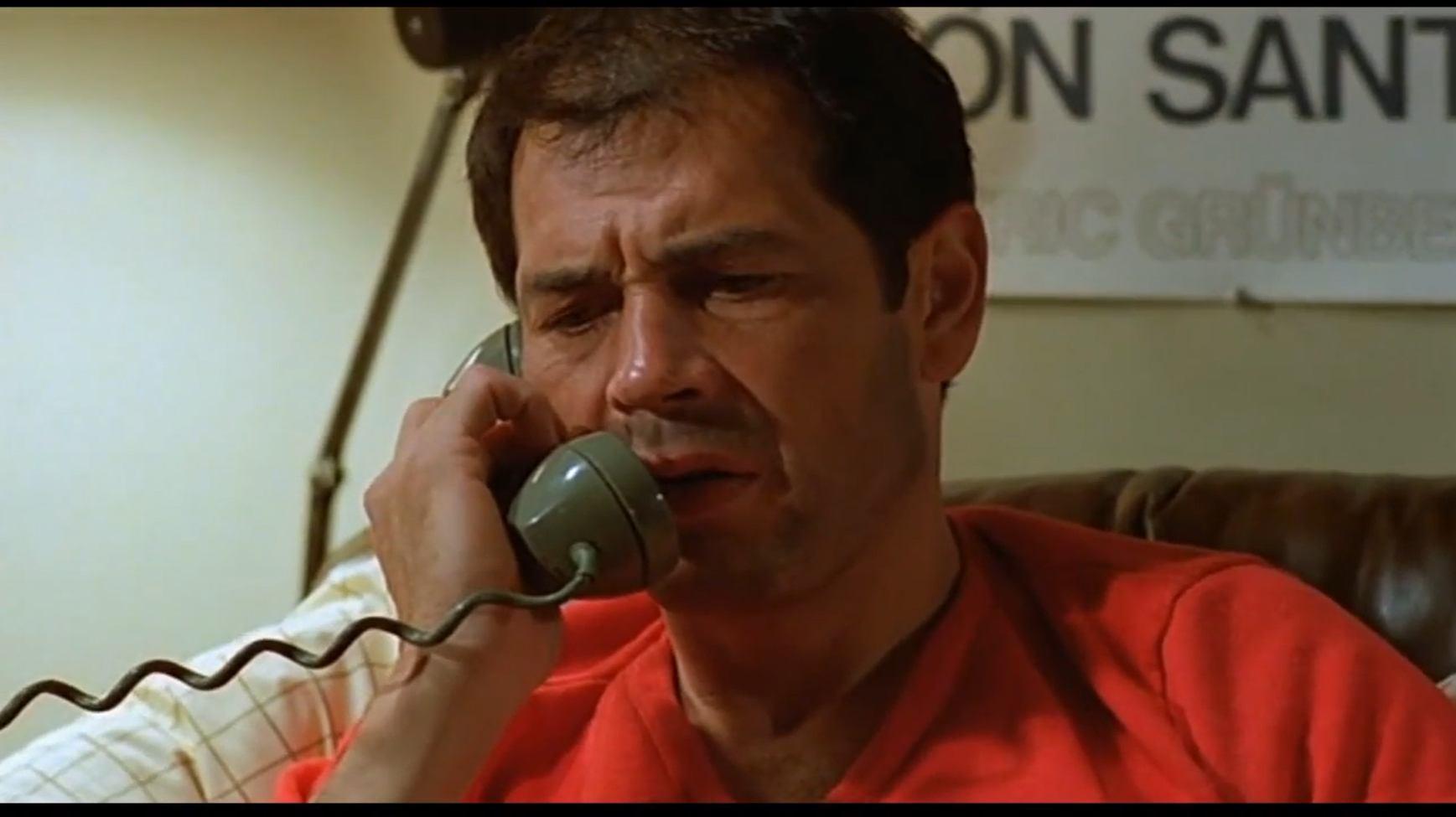
American Gigolo (1980)

American Gigolo (1980)

“I made you! I taught you everything you know — how to dress, table manners, how to move, how to make love.”

Synopsis:
A high-paid gigolo (Richard Gere) is framed in the murder of a wealthy client, but is reluctant to expose his alibi (Lauren Hutton).

Genres, Themes, Actors, and Directors:

  • Amateur Sleuths
  • Framed
  • Murder Mystery
  • Paul Schrader Films
  • Prostitutes and Gigolos
  • Richard Gere Films

Response to Peary’s Review:
Peary loathes this flashy thriller, calling it a “thoroughly unconvincing, terribly made movie,” and arguing that it was made “solely to arouse viewers unaccustomed to seeing big stars like Gere taking such embarrassing roles.” I disagree. While I don’t think this film is up to the gritty standards of director Paul Schrader’s earlier outings — such as Blue Collar (1978) — he nonetheless manages to convincingly portray the loneliness experienced by a man like Gere, someone who commands top dollars for his services and lives a life of luxury, but ultimately (like all prostitutes) can’t buy his own fulfillment. In addition, the film contains many moments of genuine tension, especially during the final scenes as Gere is trying desperately to find the evidence that will exonerate him. While this isn’t a great movie — ultimately it’s too slick, and the romance between Gere and Hutton is underdeveloped — it’s certainly not the “ugly and dirty” piece of “trash” Peary makes it out to be.

Redeeming Qualities and Moments:

  • Handsome young Richard Gere in an early role
  • Atmospheric cinematography

Must See?
No, but it’s worth a look.

Links:

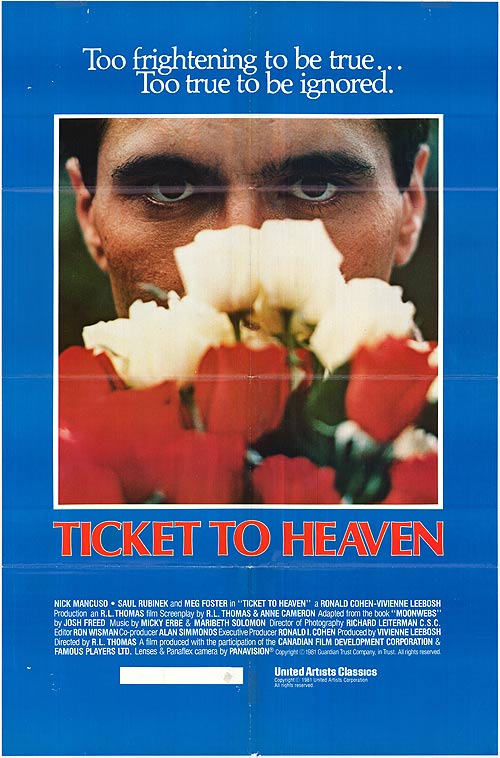
Ticket to Heaven (1981)

Ticket to Heaven (1981)

“Bring in the money! Stay awake! Smash out Satan!”

Synopsis:
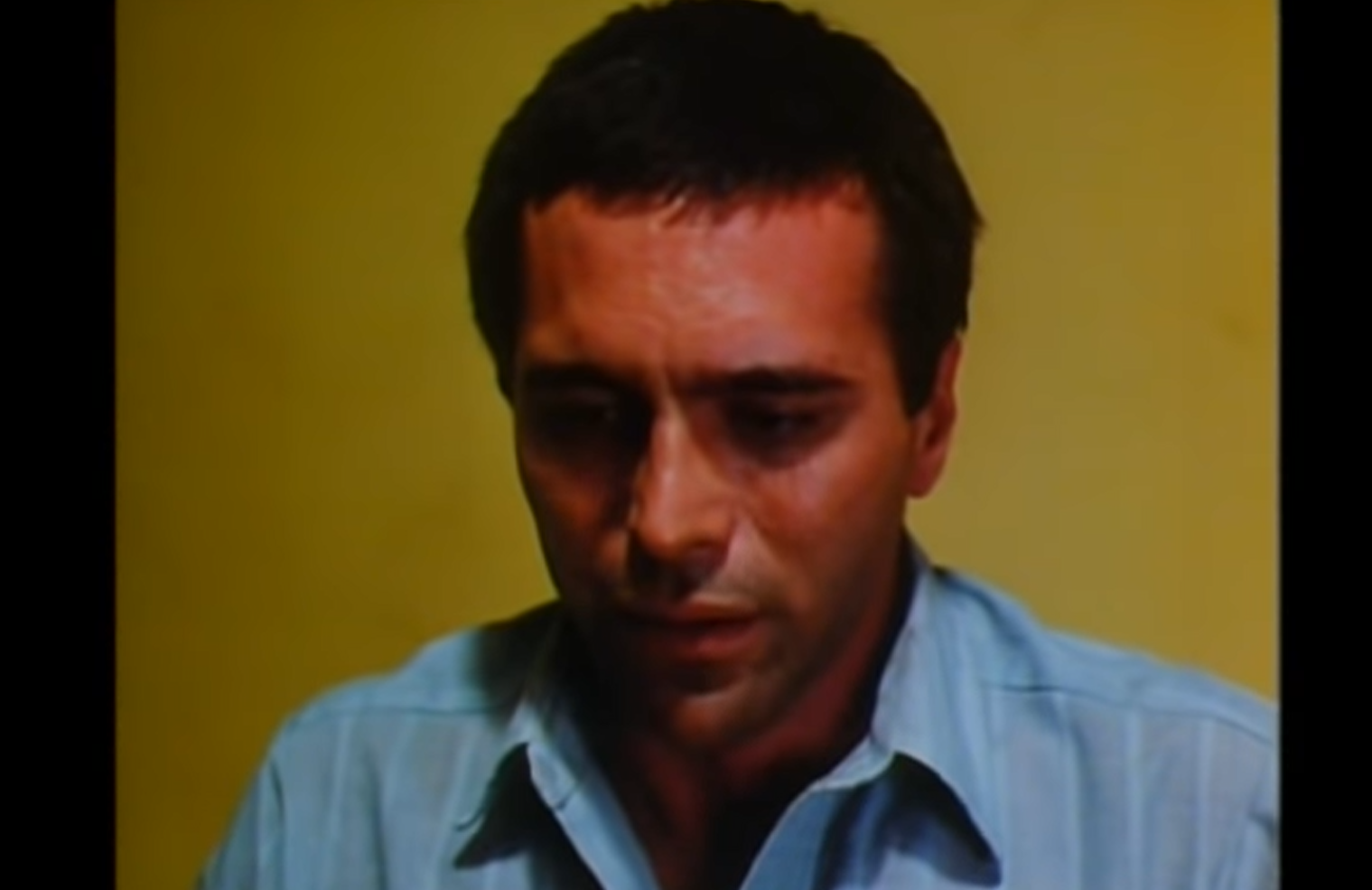
When a lonely, depressed young man (Nick Mancuso) is inducted into a Moonie-like cult, his friends (including Saul Rubinek as a struggling comic) and family members hatch a plot to rescue and deprogram him.

Genres, Themes, Actors, and Directors:

  • Cults
  • Escape
  • Psychological Horror

Response to Peary’s Review:
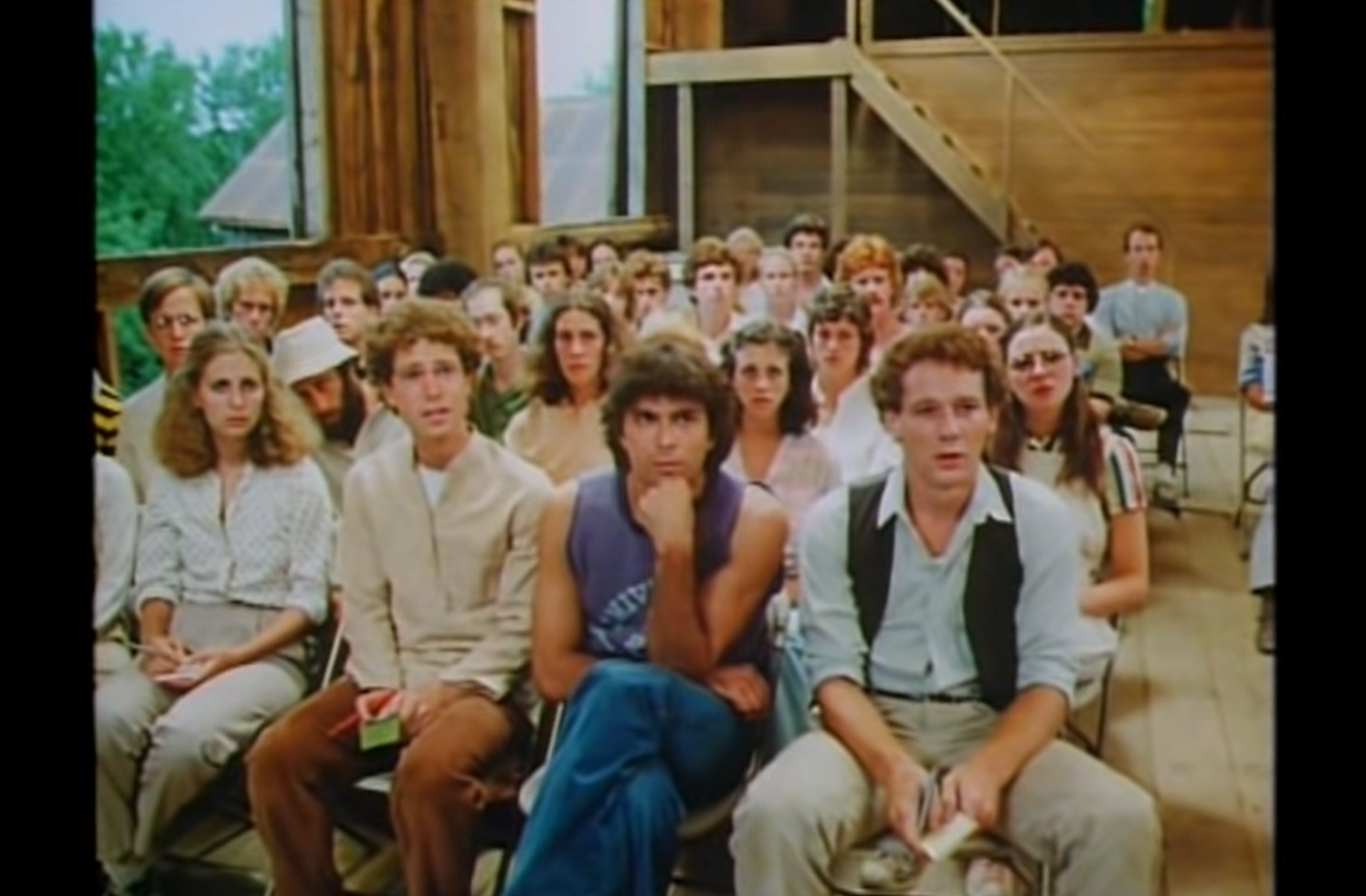
This “real life horror film” earns my vote as the single best movie ever made about cults. Full of many “convincing, terrifying” scenes, the film effectively shows how new recruits are brainwashed — through deprivation of adequate sleep, nutritious food, and privacy — and end up devoting their lives to collecting money for a messianic leader. Fortunately, director Ralph Thomas injects this undeniably freaky material with plenty of levity — primarily in the form of Rubinek’s character, whose humorous presence assures us that things will (hopefully) turn out okay in the end.

Redeeming Qualities and Moments:

  • Saul Rubinek as David’s heroic friend-to-the-rescue
  • Some truly freaky scenes — i.e., when David tries to take a walk by himself but is followed by a posse of “friendly” cult members
  • Meg Foster — with her “creepy green eyes” — as “Sister Ingrid”, a local cult leader
  • A powerfully realistic depiction of cult indoctrination and deprogramming

Must See?
Yes. This excellent Canadian sleeper deserves wider viewing.

Categories

  • Good Show

Links:

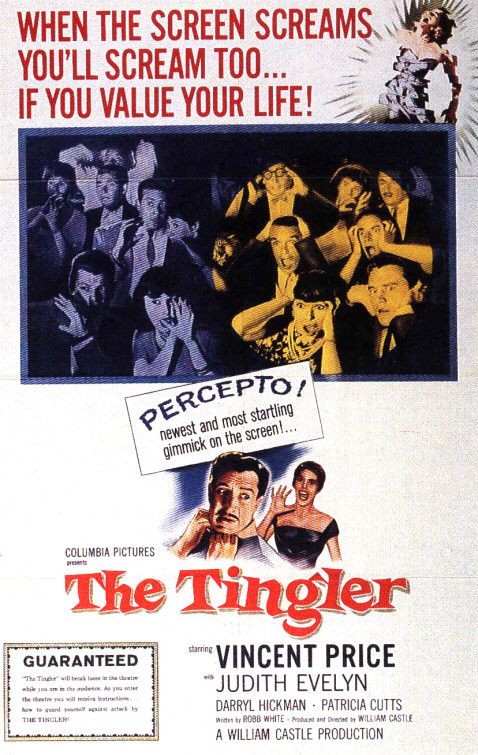
The Tingler (1959)

The Tingler (1959)

“Remember: if you scream at just the right time, it might just save your life”

Synopsis:
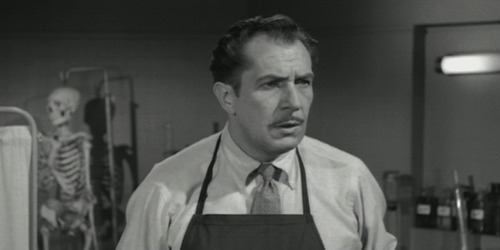
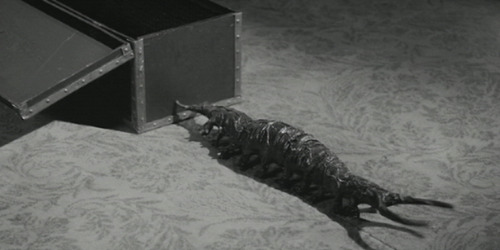
When researching the effects of fear on the human body, Dr. Warren Chapin (Vincent Price) discovers the presence of a creature he names “the Tingler”, which lives in our vertebrae and is rendered harmless by screaming.

Genres, Themes, Actors, and Directors:

  • Deafness
  • Horror
  • Mad Doctors and Scientists
  • Mutant Monsters
  • Science Fiction
  • Vincent Price Films
  • William Castle Films

Response to Peary’s Review:
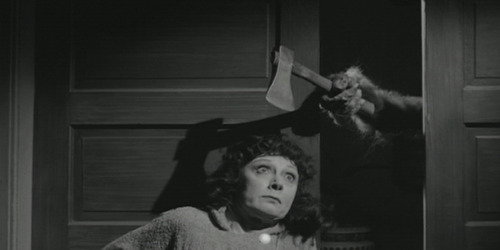
As Peary notes, this “pretty good William Castle chiller” features “one of the weirdest (though not one of the best) monsters in horror-film history,” and Vincent Price in yet another deliciously “hammy” Mad Scientist role. The scenes involving a deaf-mute woman (Judith Evelyn) who is “incapable of screaming away her deadly fears” are, as Peary notes, “genuinely creepy”; and while much of the film belongs squarely in campy B-movie heaven, you’ll nonetheless find yourself surprisingly freaked out by the story’s premise. Indeed, many of David Cronenberg’s later films (i.e., The Brood and Shivers) — which base their horror on the notion of unwelcome creatures nesting in our bodies — owe a debt to this earlier movie.

Redeeming Qualities and Moments:

  • Vincent Price as the cuckolded “mad doctor” who gets his revenge in the end
  • A truly strange-looking “mutant monster”
  • Clever use of a deaf-mute woman as a plausible plot device
  • Some moments of genuine terror
  • An amusing theatrical gimmick — “Percepto” — “whereby, at scary moments, motors would make theater seats “tingle’.”

Must See?
Yes, simply for the notoriety of its corny “theater gimmick” — but chances are you’ll enjoy the film on its own merits, as a uniquely campy B-thriller.

Categories

  • Cult Movie
  • Historically Relevant
  • Important Director

Links:

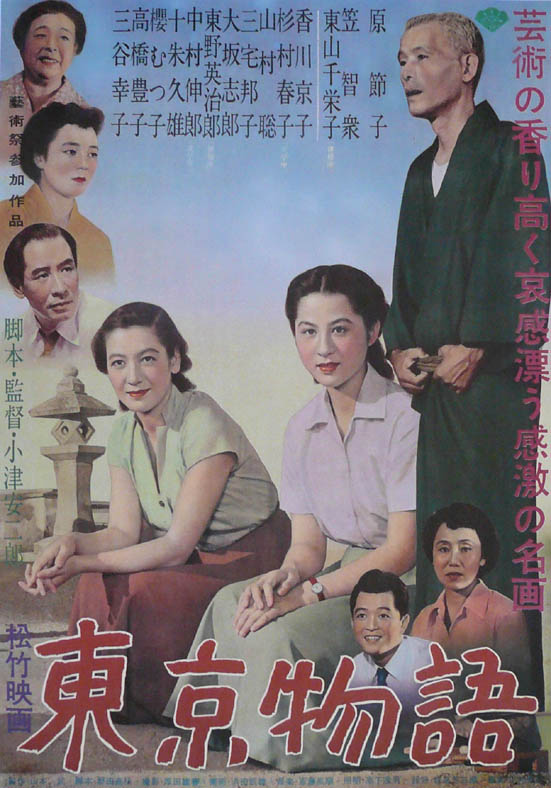
Tokyo Story (1953)

Tokyo Story (1953)

“We can’t expect too much from our children. Times have changed. We have to face it.”

Synopsis:
An elderly couple (Chushu Ryu and Chieko Higashiyama) visiting their grown children (So Yamamura and Haruko Sugimura) and grandchildren in Tokyo find that only their widowed daughter-in-law (Setsuko Hara) has interest in spending time with them.

Genres, Themes, Actors, and Directors:

  • Death and Dying
  • Generation Gap
  • Grown Children
  • Japanese Films
  • Ozu Films

Response to Peary’s Review:
As Peary notes, this classic Yasujiro Ozu film — perhaps his most beloved in America — deals once again with his favorite theme, “the instability of the postwar Japanese family.” Through a relatively simple narrative of parents visiting their grown children and being shuffled from one house to the other, Ozu manages to poignantly portray both the disappointment parents inevitably experience with their kids (as Ryu says to a friend whose only son died in the war, “To lose your children is hard, but living with them isn’t always easy, either”), as well as “the city’s corrosive influence on human qualities.” Indeed, Ozu’s choice of title for the film indicates his desire to emphasize the role that urbanization has played on the dissolution of Japanese families, which have become distanced not only geographically but culturally as well.

Despite its prototypically Japanese setting, the themes in Tokyo Story are highly universal, and those who have seen Leo McCarey’s Make Way for Tomorrow (1937) will recognize many parallels. Just as the elderly couple in that film (Victor Moore and Beulah Bondi) are viewed as a burden by their married children, Ozu pulls no punches in portraying the impatience Ryu and Higashiyama’s children feel about their parents’ temporary presence. The couple’s beautician daughter (played with wonderfully snippy self-righteousness by Haruko Sugimura) comes across as especially shallow and uncaring, but she is not alone in her desire to be able to resume the rhythms of her regular life once her parents are gone; indeed, the son (Shiro Osaka) living closest to Ryu and Higashiyama in Onomichi has even less interest in caring for them, and must be reminded by his co-worker about the importance of filial concern.

Interestingly, it is Ryu and Higashiyama’s non-blood-relative — their daughter-in-law, Noriko (Hara) — who becomes the most sympathetic character in the film. This lovely young widow is genuinely pleased to spend time with the parents of her husband, who died eight years earlier in the war; as Peary points out, the scene where she sees Ryu and Higashiyama looking at a photo of their dead son and “quickly runs to a neighbor to borrow fine cups for the occasion” is truly touching. Only someone like Noriko — who has already experienced the loss of a loved one early in life — can understand “the transiency of life, [and] the need to care about people when they are still alive.”

Redeeming Qualities and Moments:

  • Setsuko Hara (star of Ozu’s Late Spring and Early Summer) in yet another moving portrayal
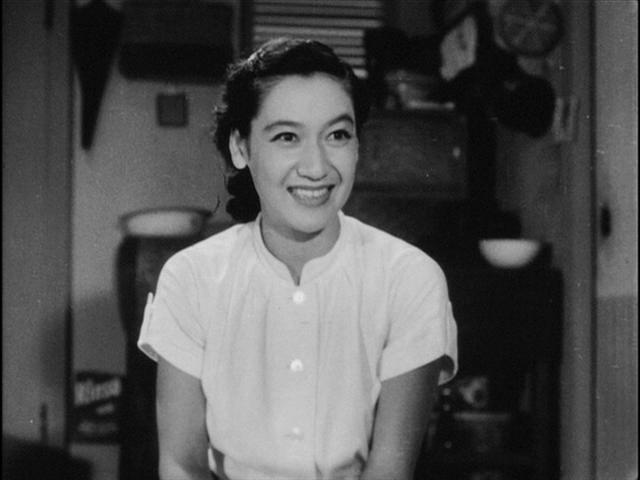
  • Hara lovingly massaging her mother-in-law’s back
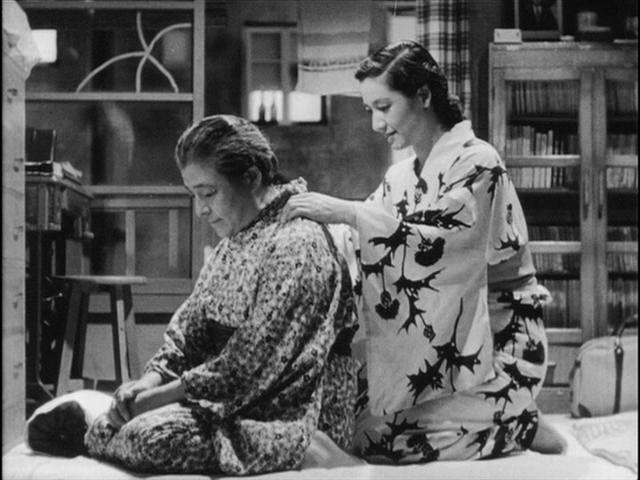
  • Ryu and Higashiyama’s comfortable presence with one another
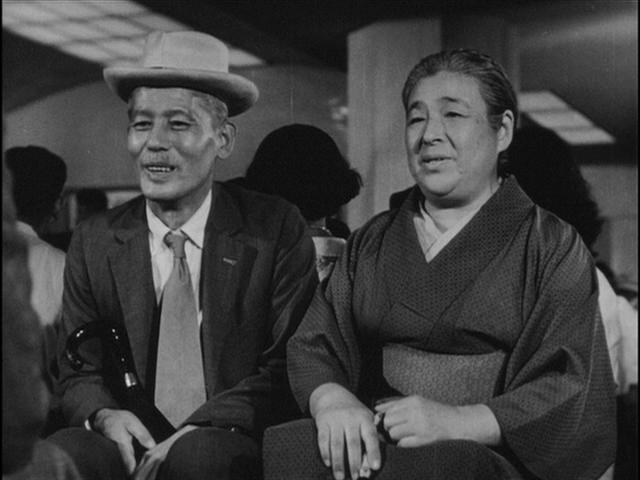
  • A depressing, no-holds-barred account of grown children who find they have little time for, or interest in, their elderly parents
  • Gorgeous black-and-white cinematography by Ozu’s regular cinematographer, Yuuharu Atsuta

Must See?
Yes. This remains a masterpiece of Japanese postwar cinema.

Categories

  • Foreign Gem
  • Important Director

(Listed in 1001 Movies You Must See Before You Die)

Links:

Bigger Than Life (1956)

Bigger Than Life (1956)

“One pill, and he thought he could handle anything. One pill, and he thought he was bigger than life!”

Synopsis:
Overworked husband and father Ed Avery (James Mason) is prescribed cortisone as a pain-reliever for his rare arterial disease, and soon becomes addicted to the feelings this “wonder drug” produces in him — but his increasingly psychotic behavior puts his loyal wife (Barbara Rush) and son (Christopher Olsen) at grave risk.

Genres:

  • Alcoholism and Drug Addiction
  • Barbara Rush Films
  • Family Problems
  • James Mason Films
  • Mental Breakdown
  • Nicholas Ray Films
  • Psychological Horror
  • Walter Matthau Films

Review:
Nicholas Ray’s little-seen “social drama” about the ills of cortisone abuse has been voted by critics as one of the top-twenty best films unavailable on video in the United States. Much like Ray’s classic teen-angst drama Rebel Without a Cause (1955), Bigger Than Life provides a scathing, thinly veiled commentary on middle-class mores in 1950s America while ostensibly dealing with a different subject altogether. James Mason (who also produced) plays a man torn between familial duties and a desire for less pedestrian pursuits. As the film opens, we watch him leaving his day-job as a teacher to work surreptitiously as an operator for a taxi company. His wife has no idea that he’s moonlighting to supplement their comfortable middle-class lifestyle, instead suspecting him of an affair. But when he doubles over in acute pain, blacks out, and must be rushed to the hospital, she learns (with ironic relief) the truth about his stressful situation. Ed’s prognosis isn’t good, but with the help of a steady dose of cortisone — the new “wonder drug” of the day — he’s able to manage his pain and quickly return back to his regular life.

Unfortunately, this seeming “happy ending” merely signals the onset of an increasingly nightmarish existence for the Averys, as Ed discovers that cortisone provides him with a new kind of strength and virility which he had been sorely lacking before. He can’t seem to help himself from taking more than the prescribed dosage of his medication, and soon becomes a frightening figure of irrational authority in his household, demanding more and more control over his wife and son’s every move. The story quickly goes beyond the audience’s comfort zone, showing us the “hidden” impulses and thoughts which emerge when Ed is no longer constrained by petty concerns such as earning an income and maintaining a modicum of social propriety.

Ultimately, then, Bigger Than Life shows us a prototypical 1950s family man who secretly longs to transcend his cloistered existence (posters and maps of far-away countries — places he can’t afford to visit — line the walls of his house), but who is torn by a sense of guilty responsibility to his family. His wife (played with firm resolve by Barbara Rush) is similarly stuck in a vision of 1950s propriety: she’s afraid to send Ed to a psychiatrist because of what this would imply about his sanity, and unable to stand up to her husband even in the face of extreme danger to herself and her son. While the film ends on an unrealistically upbeat, pro-family note (perhaps demanded by audiences of the day), fortunately this doesn’t erase the impact of the gripping psychological horror that has come before.

Redeeming Qualities and Moments:

  • James Mason’s frightening portrayal as a real-life “Jekyll and Hyde”

  • Barbara Rush as Mason’s loyal wife
  • Vibrant Technicolor cinematography
  • A shattering indictment of 1950s middle-class materialism and gender roles
  • A powerful portrayal of a family torn apart by prescription drugs

Must See?
Yes. Listed in the back of Peary’s book at as a Personal Recommendation and a film with historical importance.

Categories

  • Controversial Film
  • Important Director
  • Noteworthy Performance(s)

(Listed in 1001 Movies You Must See Before You Die)

Links: