Late Spring (1949)
“If I left home, Father would be lost.”
“[It’s] Jesus — He’s in our barn. He’s come back.”
|
Synopsis: |
Genres, Themes, Actors, and Directors:
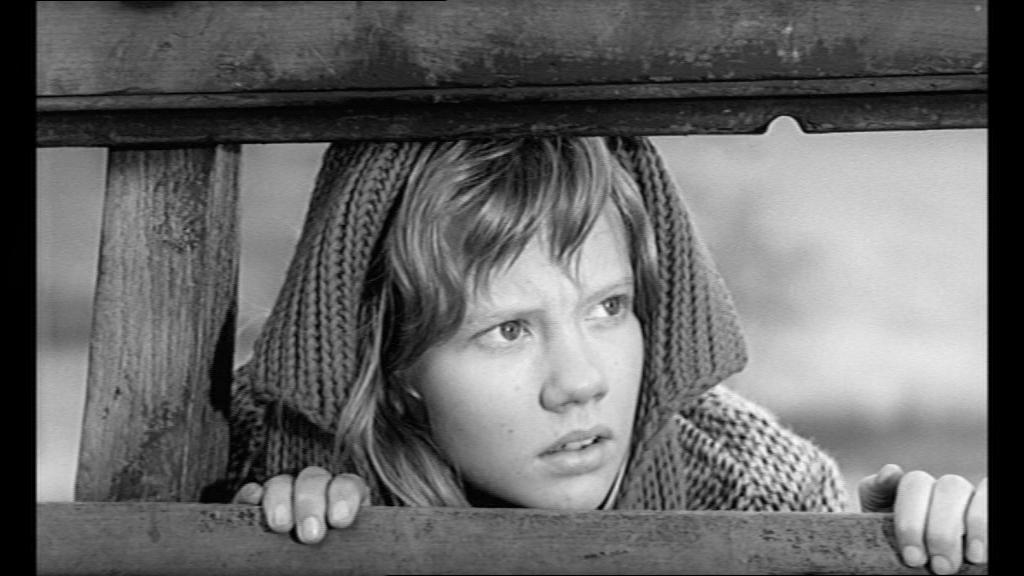
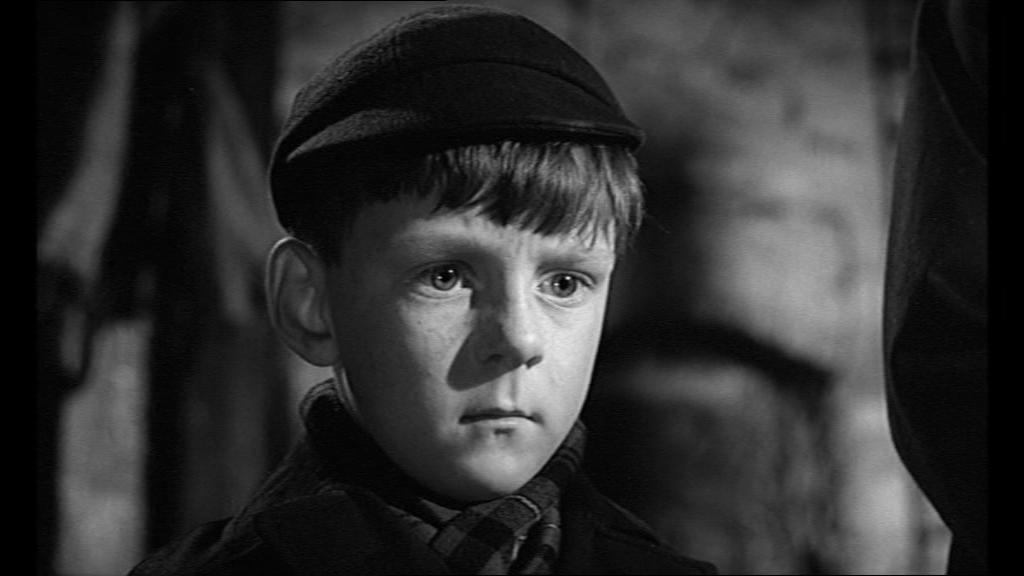
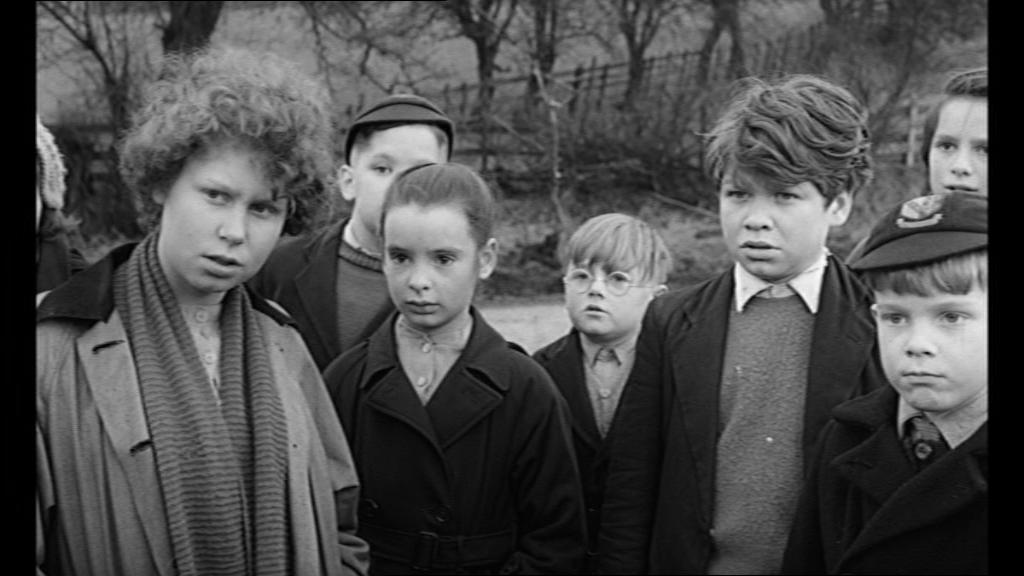
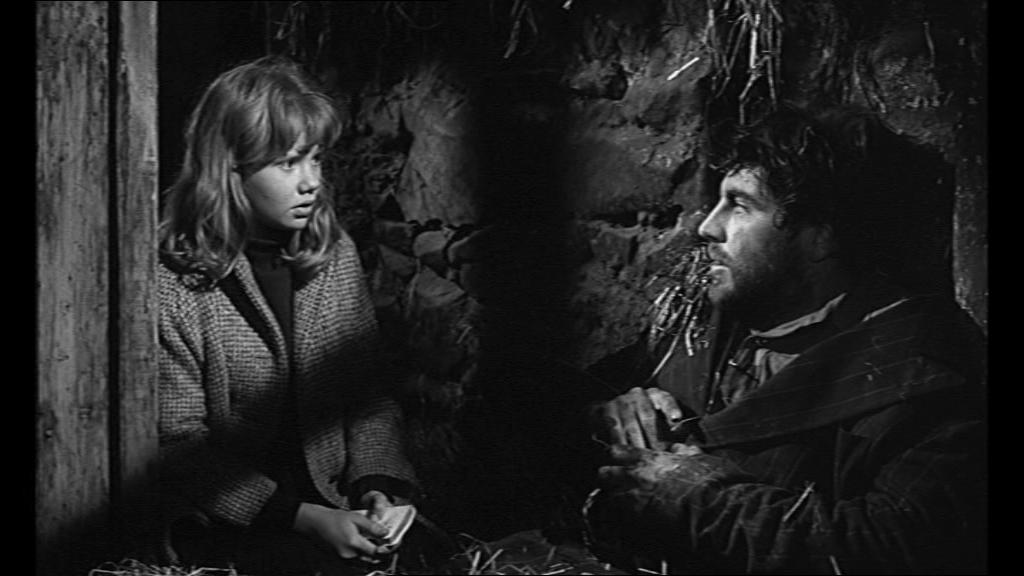
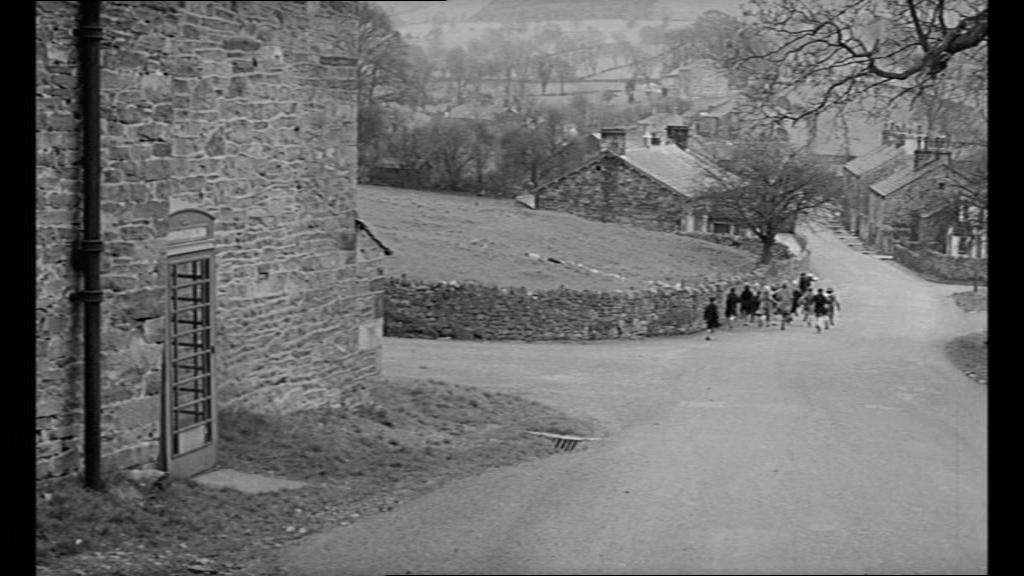
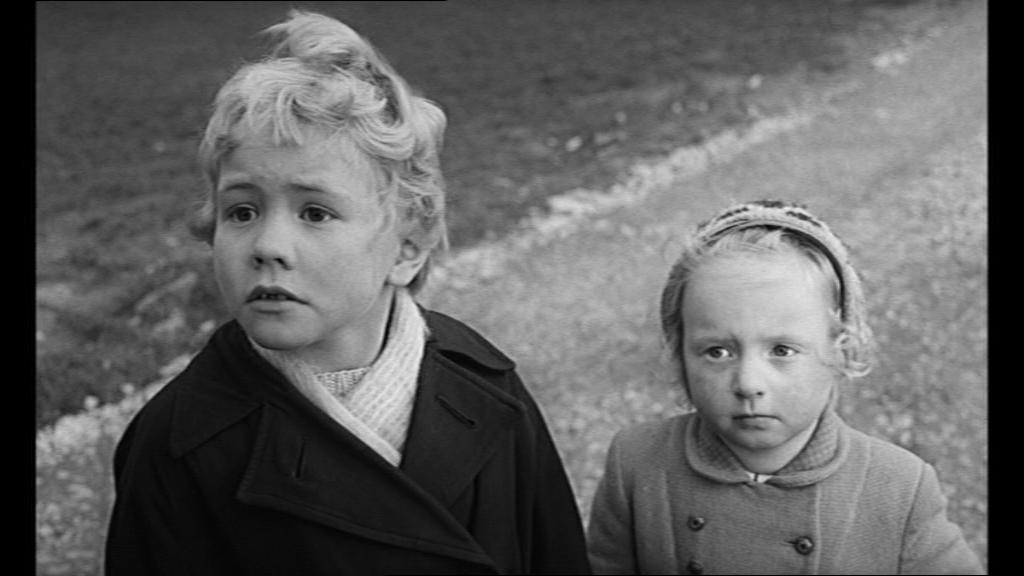
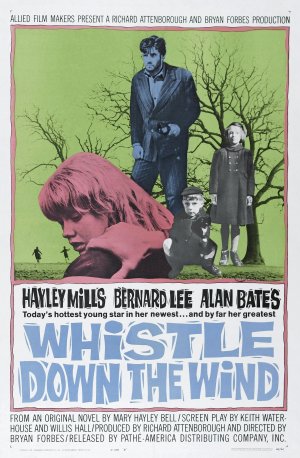
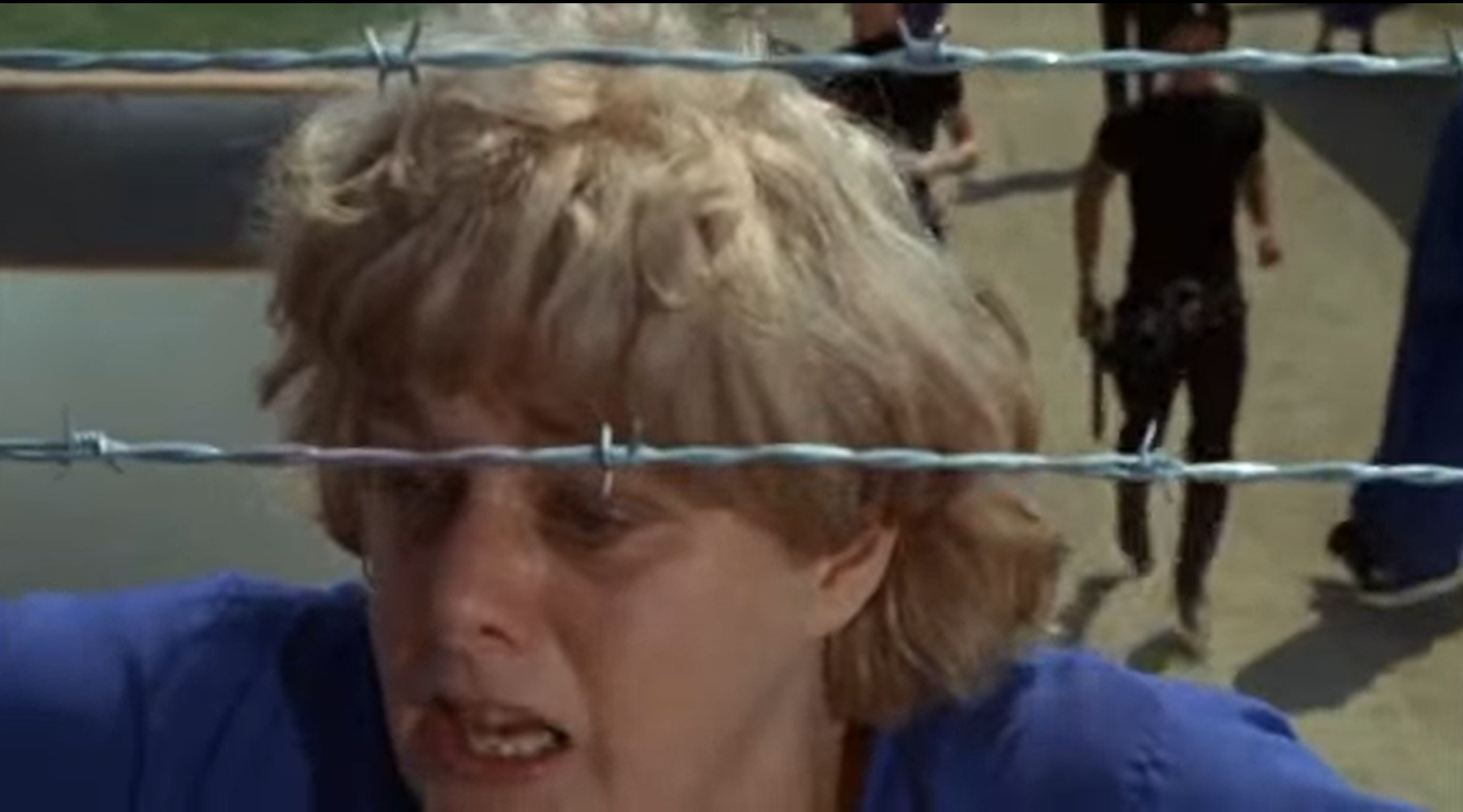
Review: This powerful opening sequence — quiet and grim, yet hopeful at the same time — effectively establishes a tense dialectic between childhood idealism and adult pragmatism, a theme which continues through the entire film. The notion of these village children mistaking a scruffy, bearded stranger for Christ is highly credible, as is their quest to keep him safe from the evil hands of Adults Who Want Him Gone — after all, if adults will kill innocent kittens, what aren’t they capable of? Fortunately, though grown-ups may be the ones in power most of the time, children easily trump them in terms of their cleverness, imagination, and sheer trust in goodness, as this film ably shows. In addition to its provocative, unusual storyline, Whistle Down the Wind benefits from marvelous acting. Mills is once again natural and vibrant in a role which required her to ditch her perfect Queen’s English for a Northern dialect, and Alan Bates (in his film debut) wisely plays The Man (a.k.a. “Jesus”) as someone reticent and careful rather than vicious and bold, thus allowing the children’s impressions of him to form the bulk of his characterization. The cast of local children (labeled “The Disciples” in the film’s closing credits) are appropriately diverse in both appearance and demeanor, and the town’s adults (including Diane Clare as the children’s well-meaning Sunday School teacher, Bernard Lee as the siblings’ harried yet concerned single father, and Hamilton Dyce as the local vicar) are realistic as well. But the film’s stand-out performance undeniably belongs to the youngest Bostock sibling (Charles), played by Alan Barnes — who, as Bosley Crowther of the New York Times put it, “is absolutely the most terrific little fellow we’ve ever seen in a film.” Charles is the type of precocious kid who suddenly announces out loud at the breakfast table: “198”, then explains — as though the relevance and importance of this numerical fact should be obvious — that this is how many eggs he’s eaten since Easter. Charles is a boy who requires concrete proof of anything in order to be persuaded, and when “Jesus” allows the kitten Charles has placed in his care to die, Charles’s faith is suddenly and irreparably damaged: “It isn’t Jesus. It’s just a fella,” he takes to announcing with cynical disdain. Ultimately, however, Whistle Down the Wind is most concerned with Mills’s character (Kathy), and how she negotiates the tricky terrain of childhood conviction in the face of adult authority. Fortunately, the film builds to a credible denouement, with the movie’s final scene arriving as a satisfying solution to what seemed (to me at least) like an impossible task — bringing about justice for the fugitive’s crimes without shattering Mills’s faith completely. It is a testament to this fine, original film that it manages to achieve both. Redeeming Qualities and Moments:
Must See? Categories
Links: |
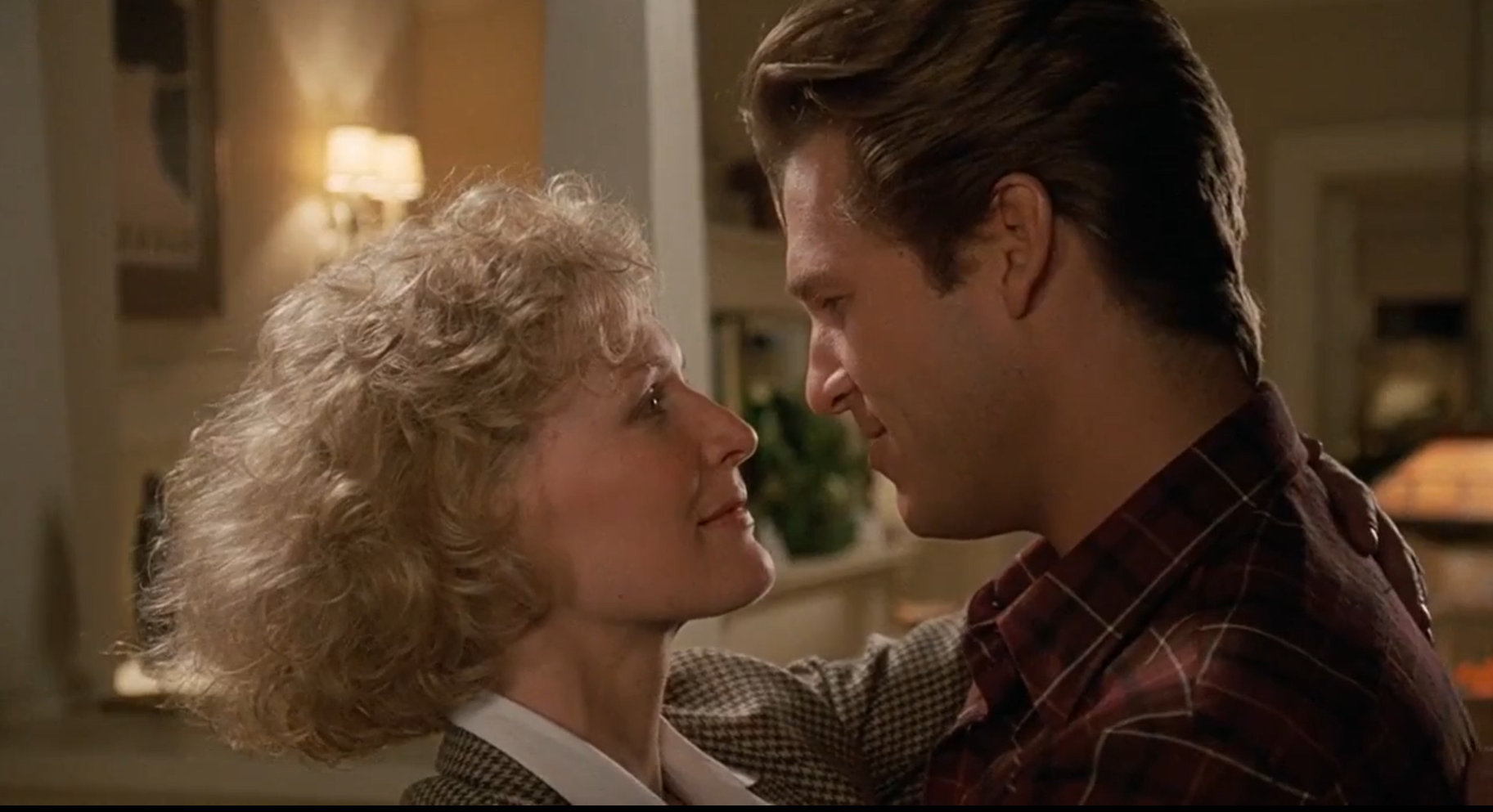
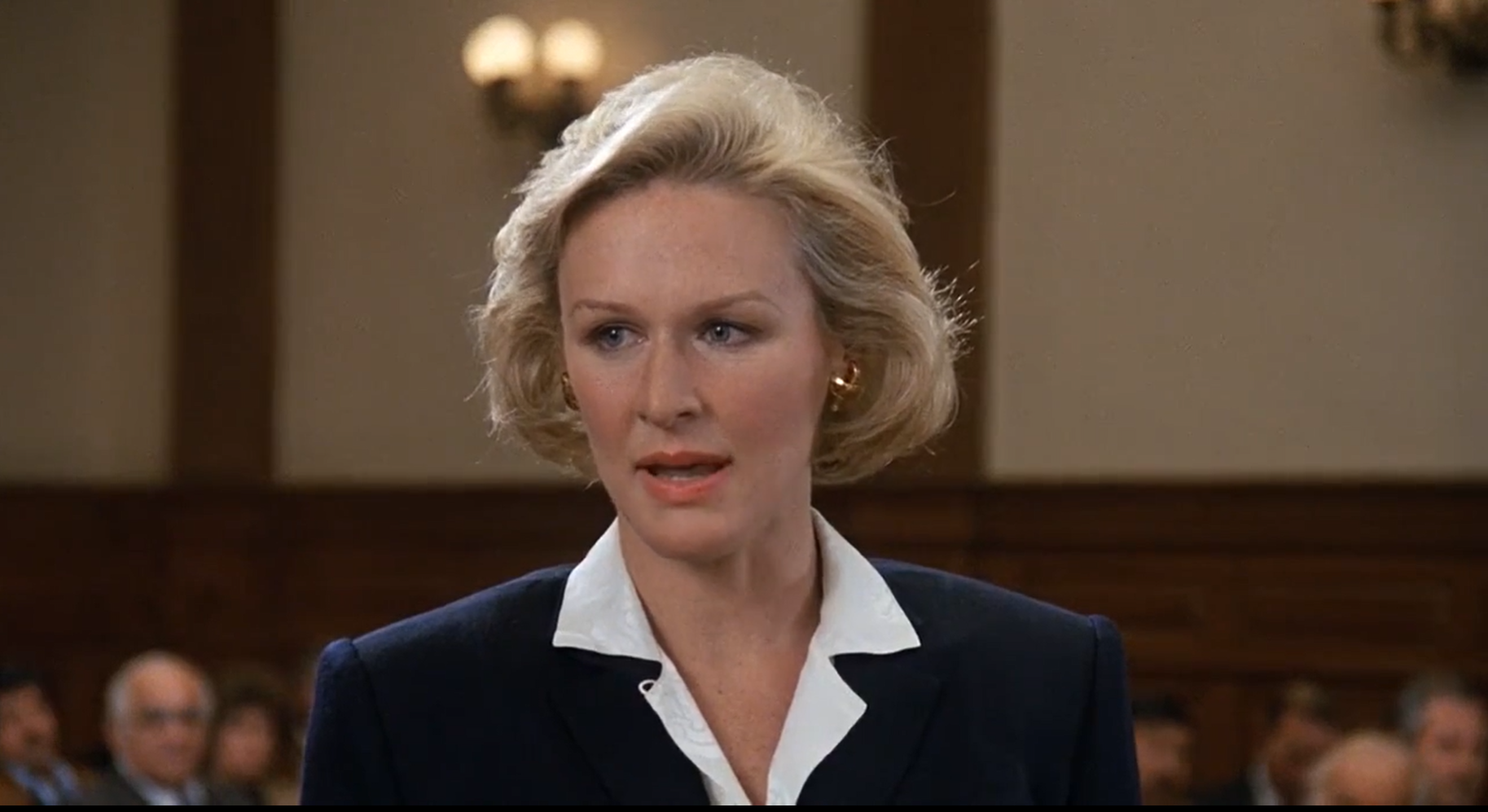
“If he didn’t do it, I’ll get him off.”
|
Synopsis: |
|
Genres, Themes, Actors, and Directors:
Response to Peary’s Review: Redeeming Qualities and Moments: Must See? Links: |
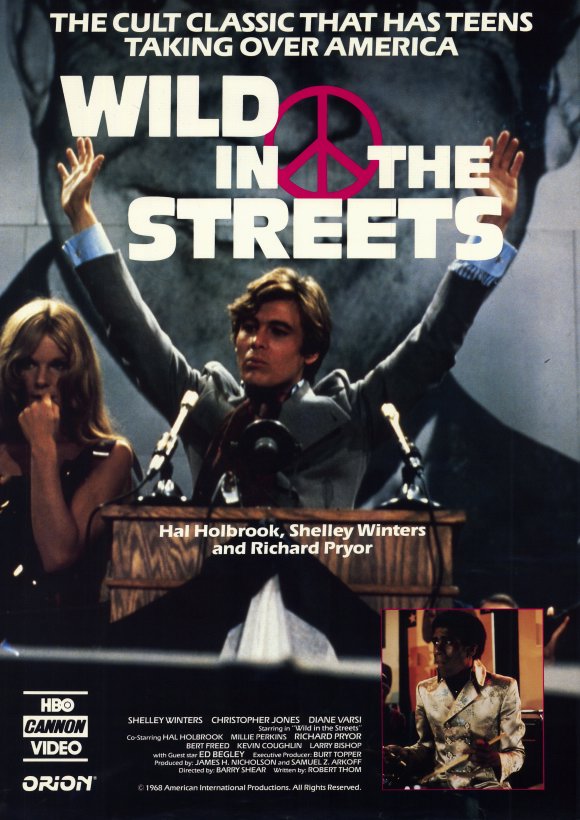
“Our young people are citizens. They’re concerned, committed, original, vital — they are citizens; we must give them the rights of citizens.”
|
Synopsis: |
|
Genres, Themes, Actors, and Directors:
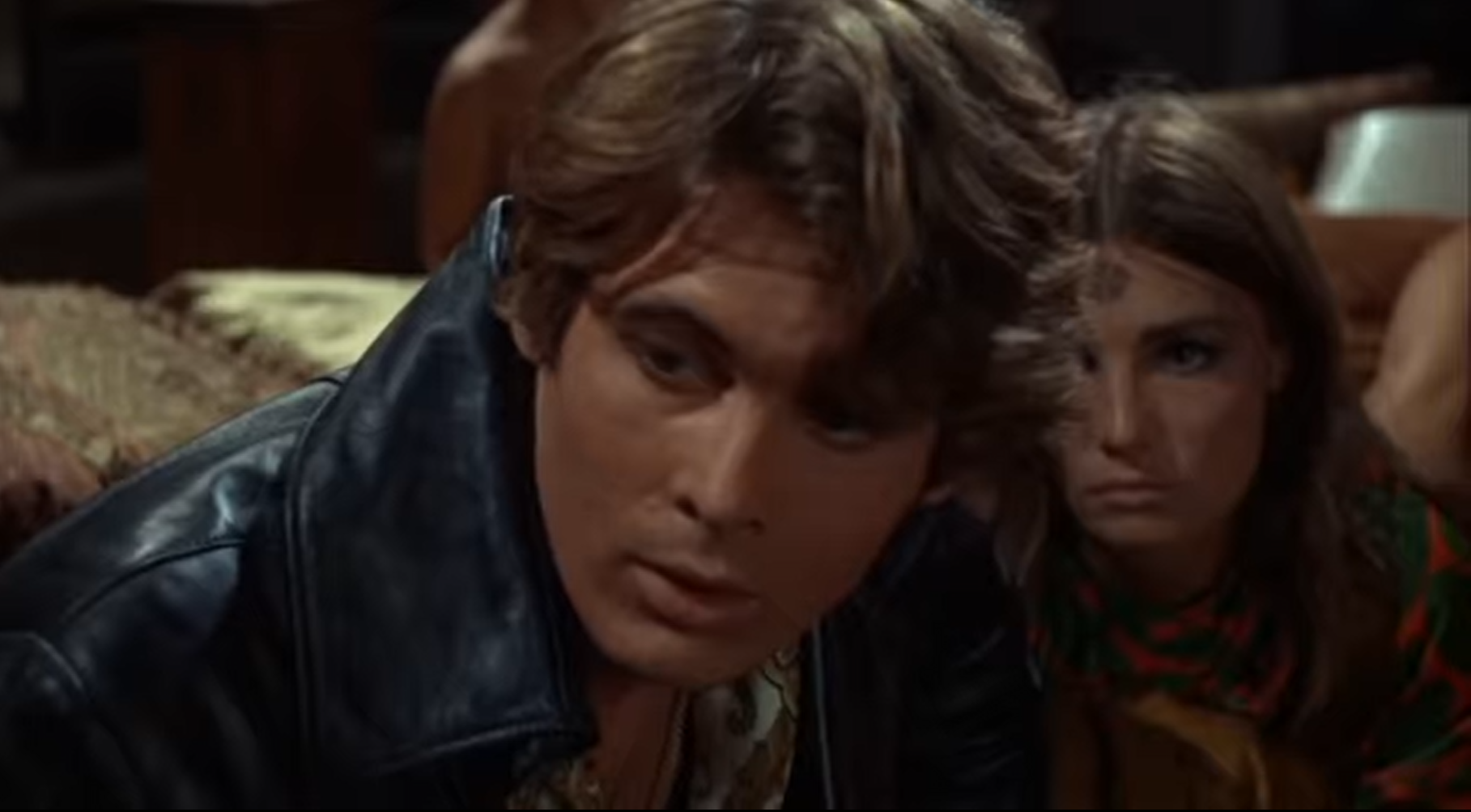
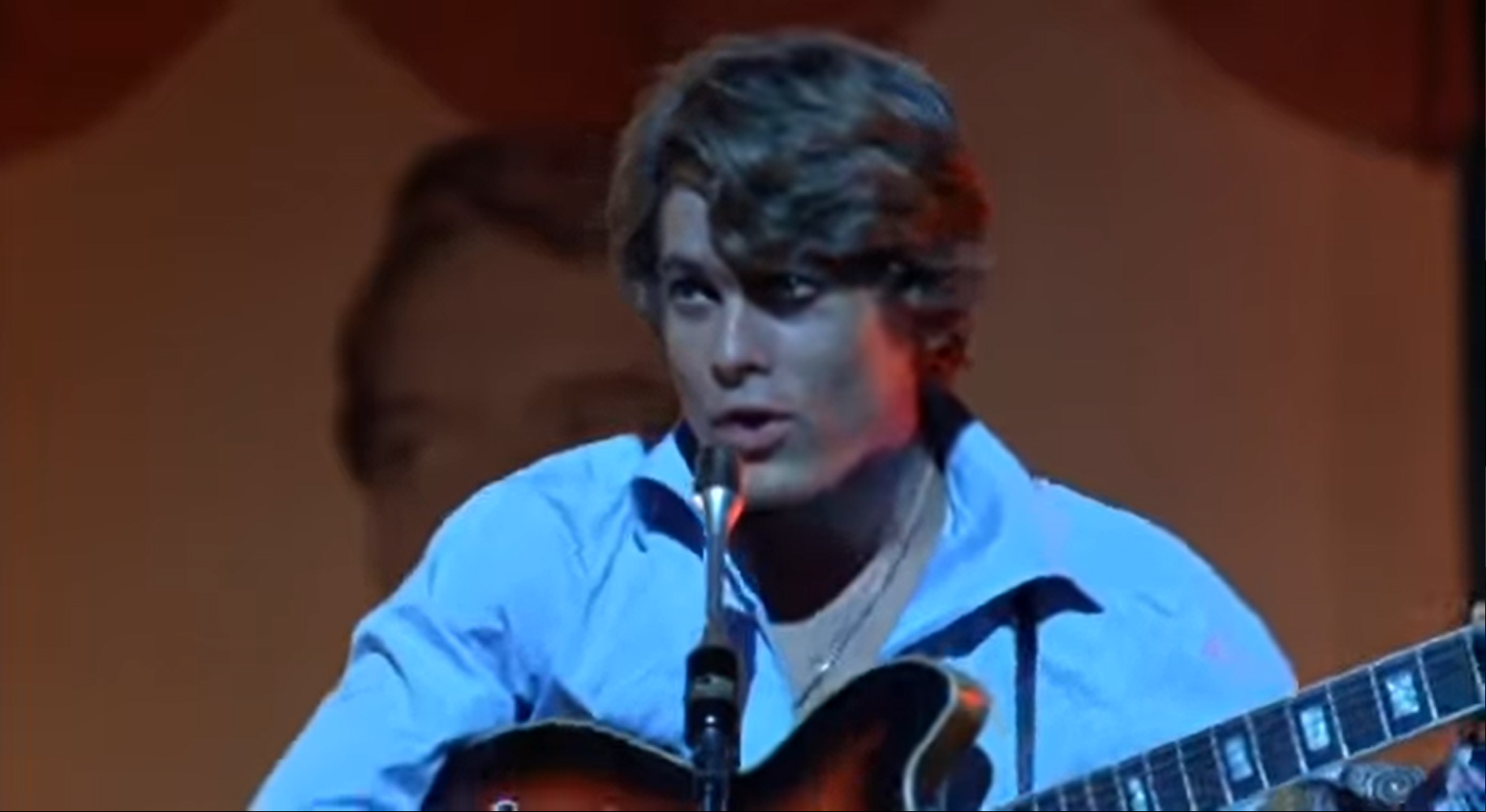
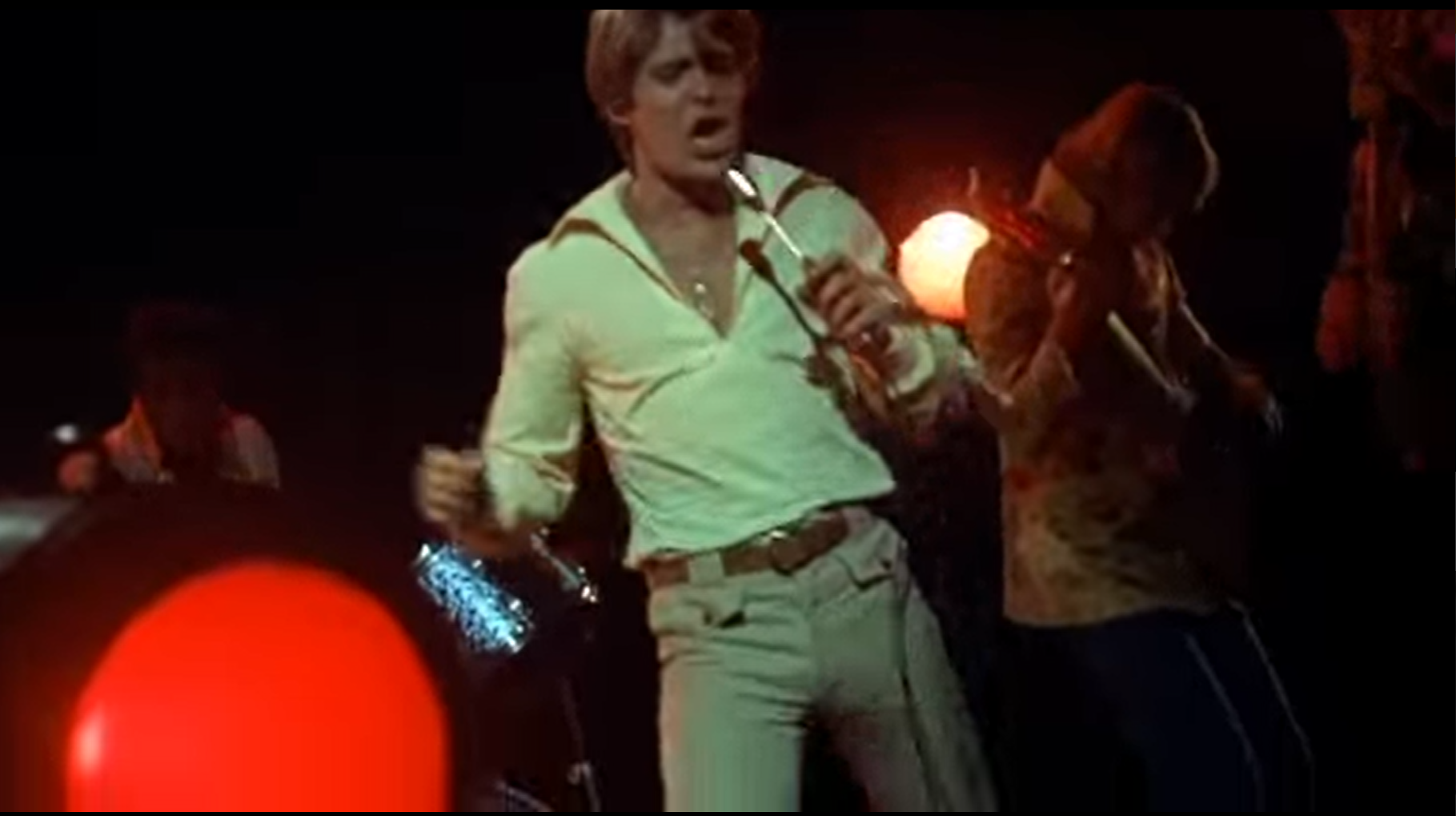
Response to Peary’s Review: Once they’ve managed to take over the White House and imprison anyone over 35 in LSD “concentration camps”, director Barry Shear doesn’t allow Frost and his cronies to rest on the laurels of their successful coup. Instead, the film continues inexorably along its dystopic path: when Frost informs Fergus’s young daughter, Mary, that he’s 24, she responds with youthful disdain, “That’s old!” The fear on Frost’s face at this moment shows that he’s beginning to realize (perhaps too late) the folly of his logic. Inevitable comparisons have been made between this film and 1968’s Privilege — an equally provocative satire about a popular musician used for nefarious political purposes. But ultimately the films take radically different approaches to their subject matter. Privilege revolves around a patsy rock star who gradually comes to realize that his very identity is being manipulated by the government. Frost, however, is politically savvy from the get-go, and never lets up on his bitter thirst to eliminate the equation of age and experience with wisdom and ability. Redeeming Qualities and Moments:
Must See? Categories
Links: |
“It’s my party and I’ll cry if I want to.”
|
Synopsis: |
|
Genres, Themes, Actors, and Directors:
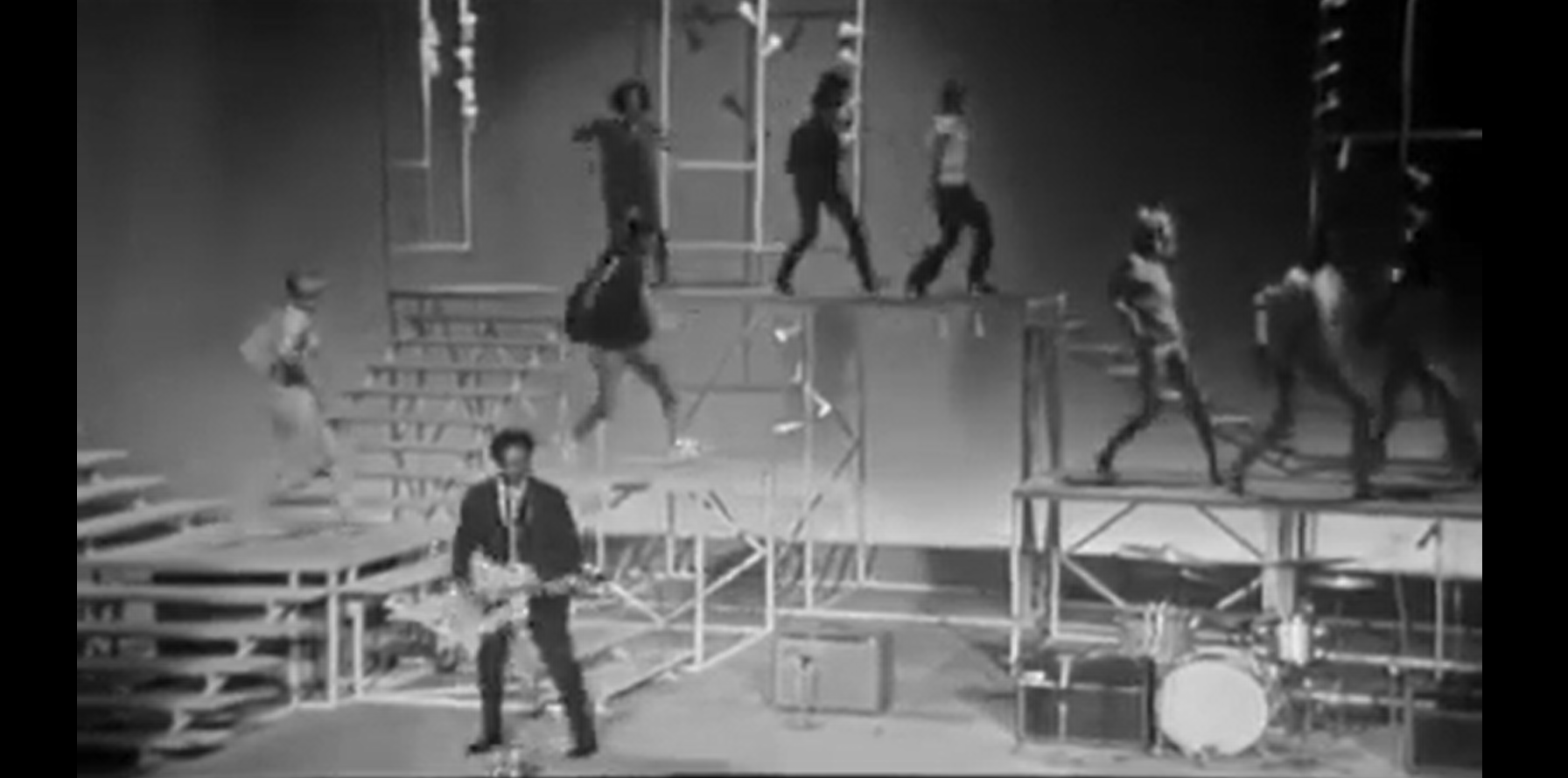
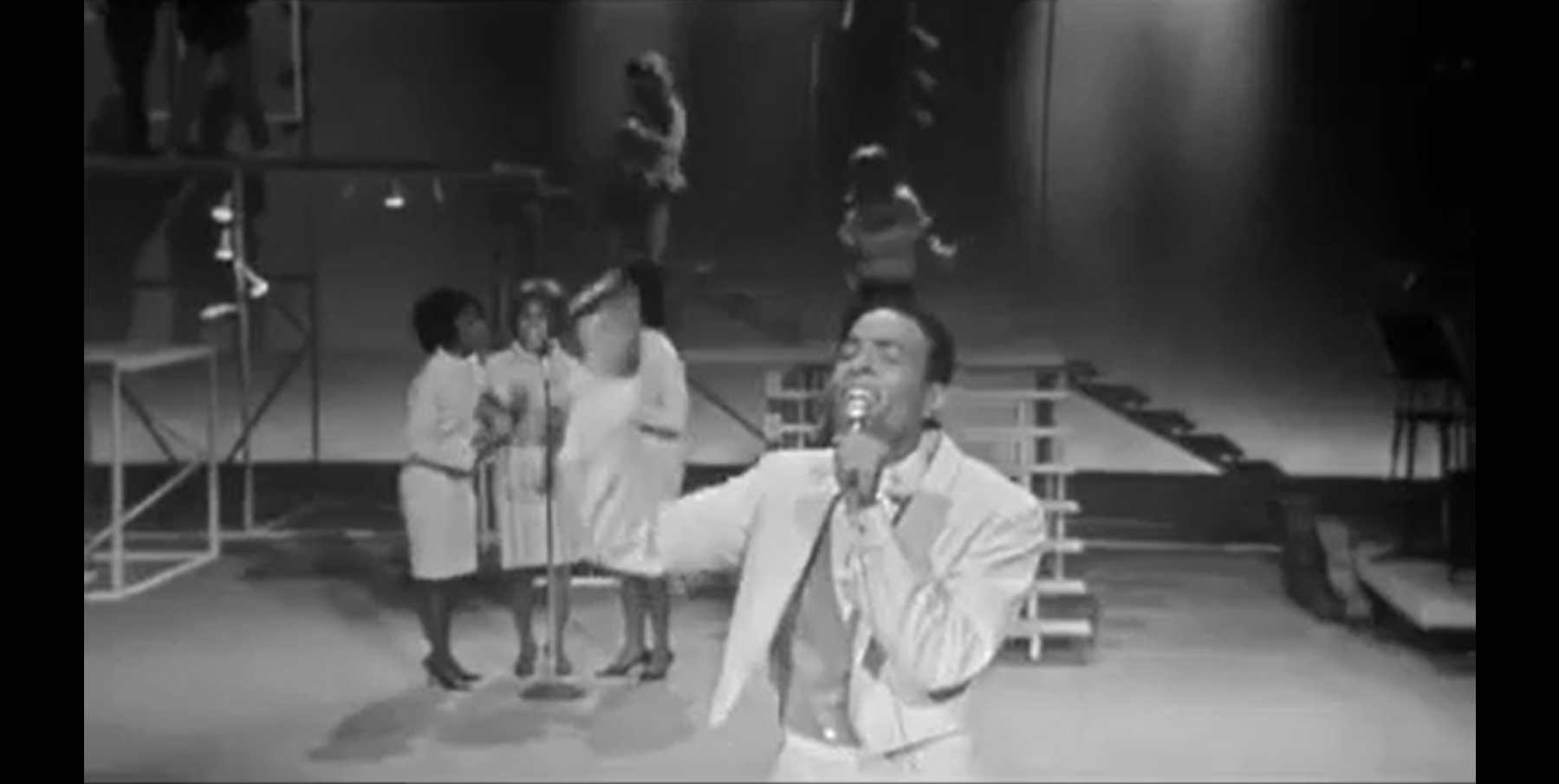
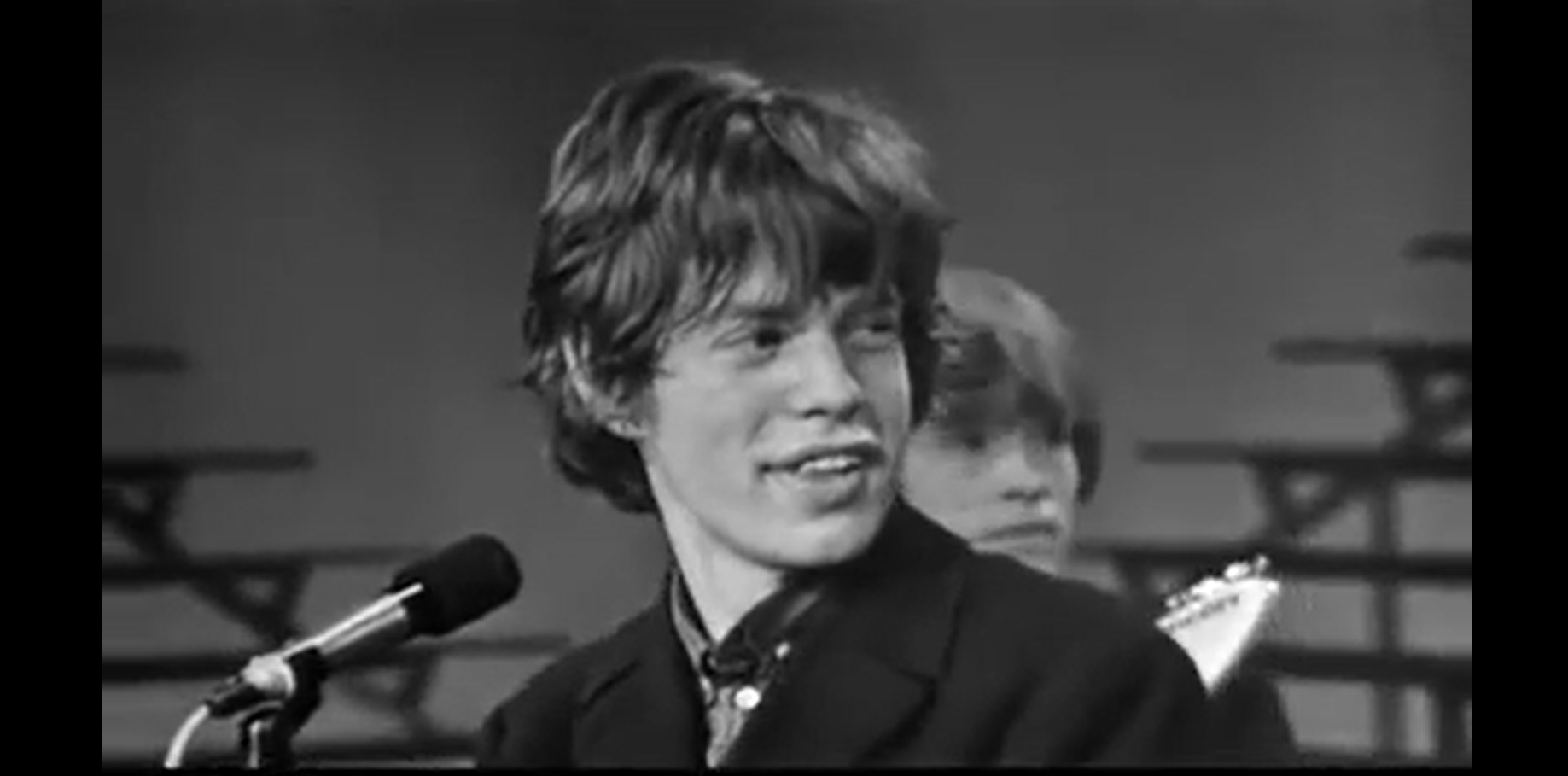
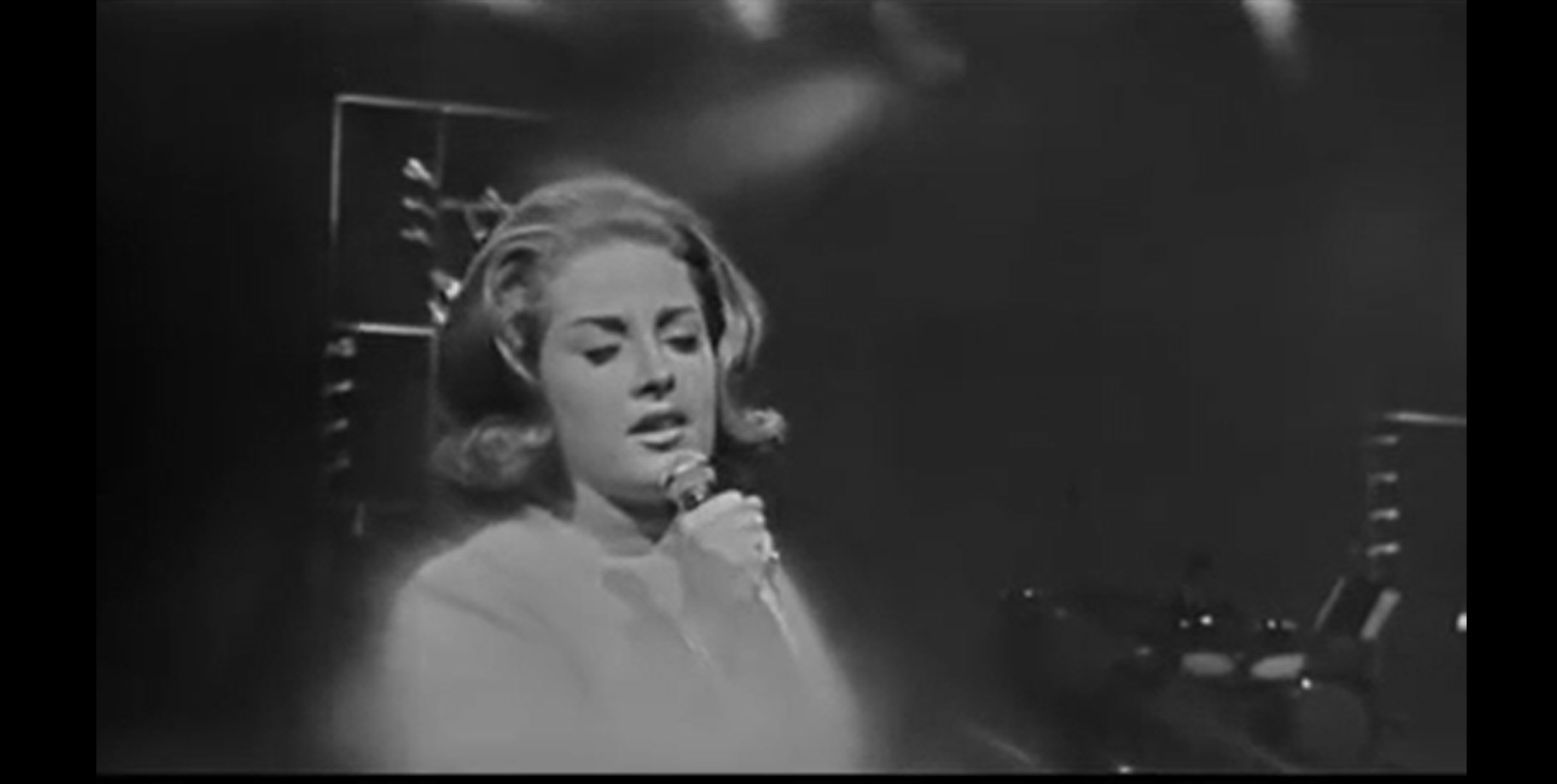
Response to Peary’s Review: My favorite acts (though naturally everyone will have their own) include Lesley Gore singing “You Don’t Own Me” (featuring the film’s most creative camerawork): … a handsome young Marvin Gaye singing several ballads: James Brown sashaying across the stage on one foot: and, naturally, the Rolling Stones (I especially love the way the camera captures Mick Jagger’s happy exhaustion at the end of each song). Redeeming Qualities and Moments: Must See? Categories
Links: |
|
Synopsis: |
|
Genres, Themes, Actors, and Directors:
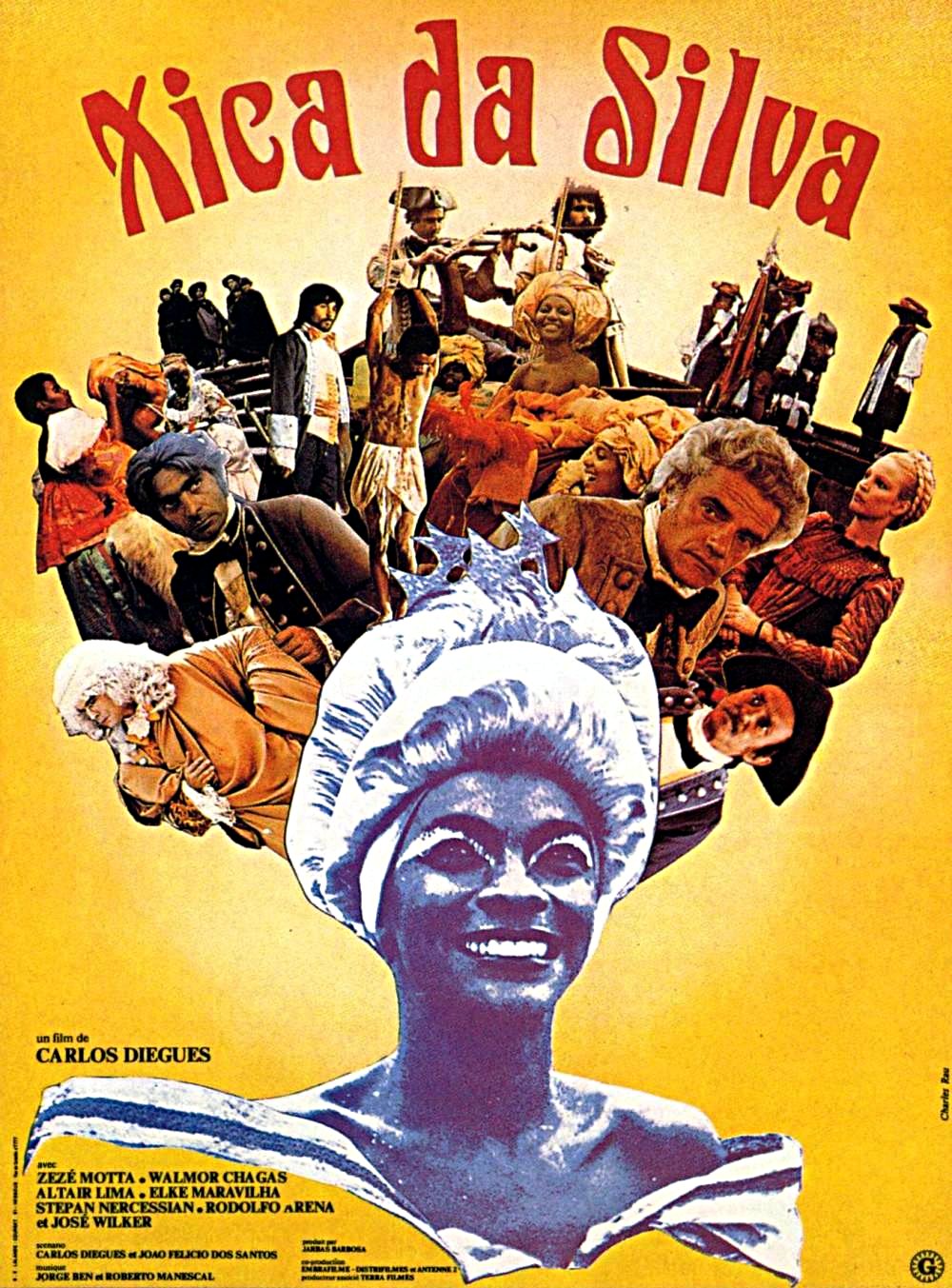
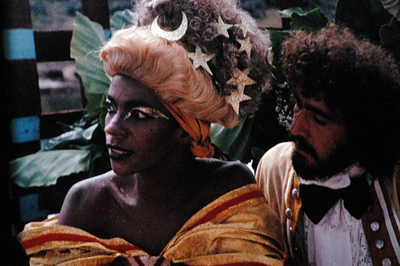
Response to Peary’s Review: Finally, while Xica experiences a drastic downfall at the end of the film (thus hinting at a “Rise and Fall” theme), she picks herself right back up and, oddly, seems undefeated — thus belying the traditional heavy-handed morality of most such movies. Ultimately, then, Xica is more of a character-driven comedy than any kind of a serious statement about political, historical, racial, or gender-based issues. If you don’t expect such an agenda, chances are you’ll have a good time enjoying this film’s broad humor, colorful costumes, and unusual historical setting. It’s truly a unique movie-watching experience. Redeeming Qualities and Moments: Must See? Categories
Links: |
“I was much too far out all my life / And not waving, but drowning.”
|
Synopsis: |
|
Genres, Themes, Actors, and Directors:
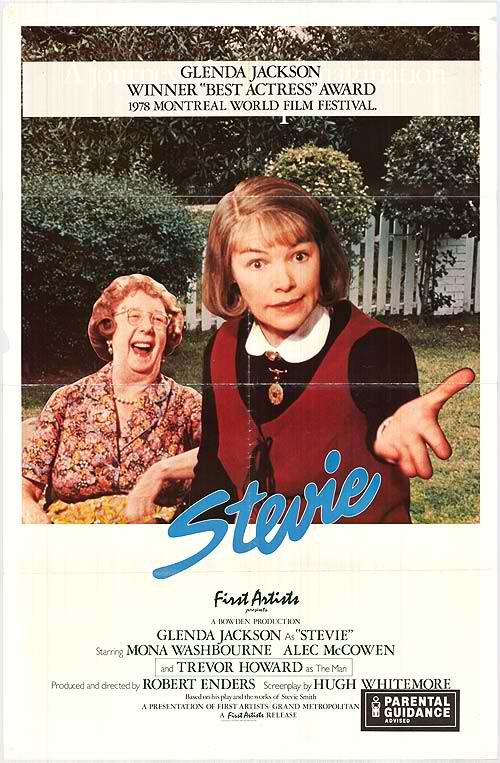
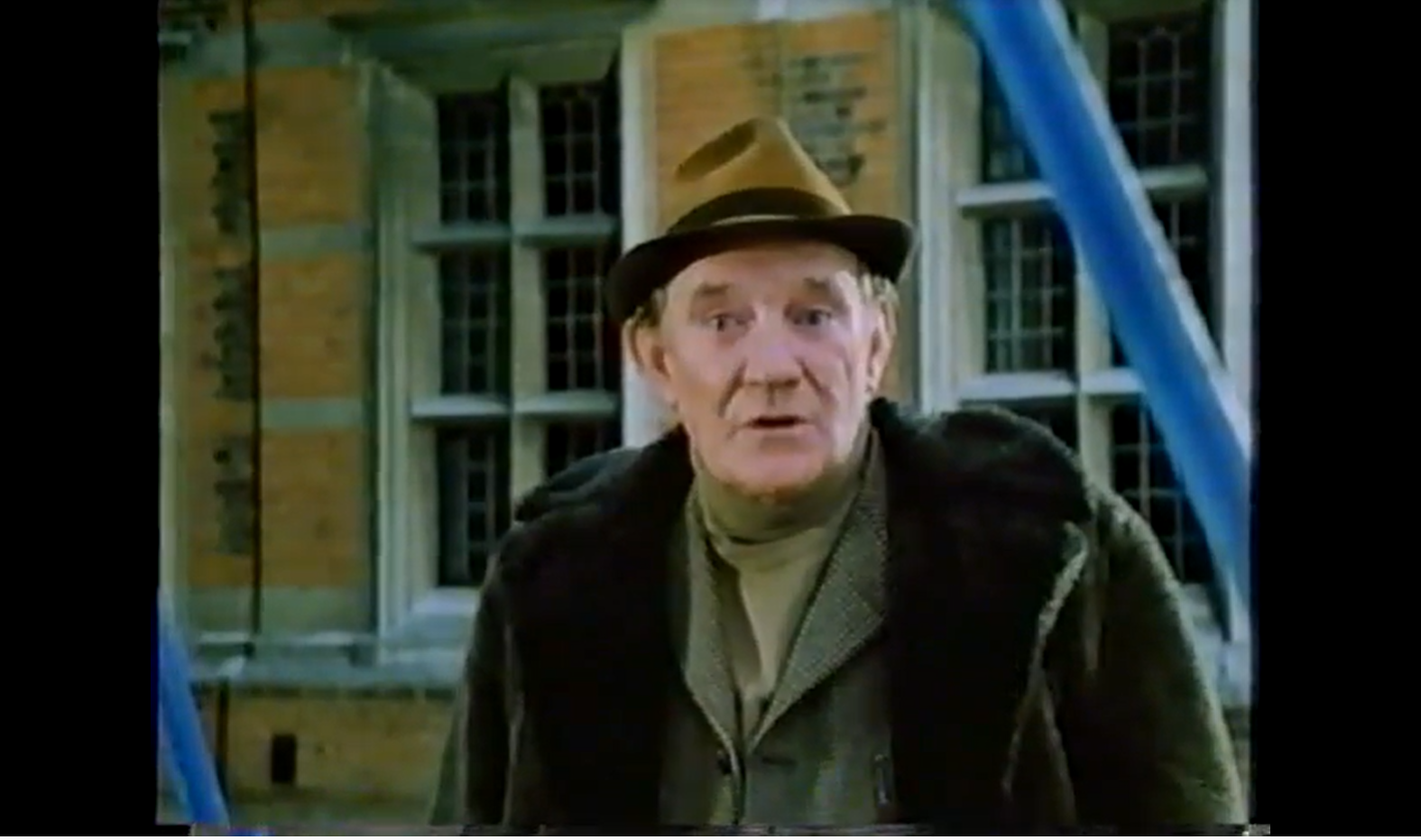
Response to Peary’s Review: She utilizes a series of self-conscious vocal modulations and subtle facial gestures (such as nose sniffs and tongue-against-teeth movements) to portray Stevie’s unique mixture of humility, melancholy, and quietly adventurous spirit — and while she talks far too much, her performance never falters. Unfortunately, not every aspect of the film works: the flashbacks to Stevie’s childhood seem out of place; the script is far too stagy; and the strange role of Smith’s friend “The Man” (played by Trevor Howard) should have been cut altogether. Monologic plays ultimately work better on the small screen — I was reminded, for instance, of Eileen Atkins one-woman portrait of Virginia Woolf in A Room of One’s Own (1990). With that said, however, fans of this type of movie will doubtless enjoy it, and should seek it out. Redeeming Qualities and Moments:
Must See? Links: |
“Something’s happened lately — these moods are getting deeper and longer.”
|
Synopsis: |
|
Genres, Themes, Actors, and Directors:
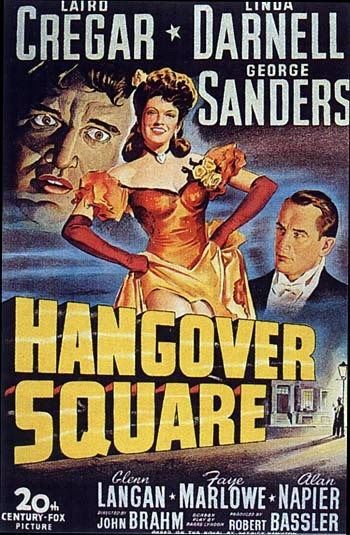
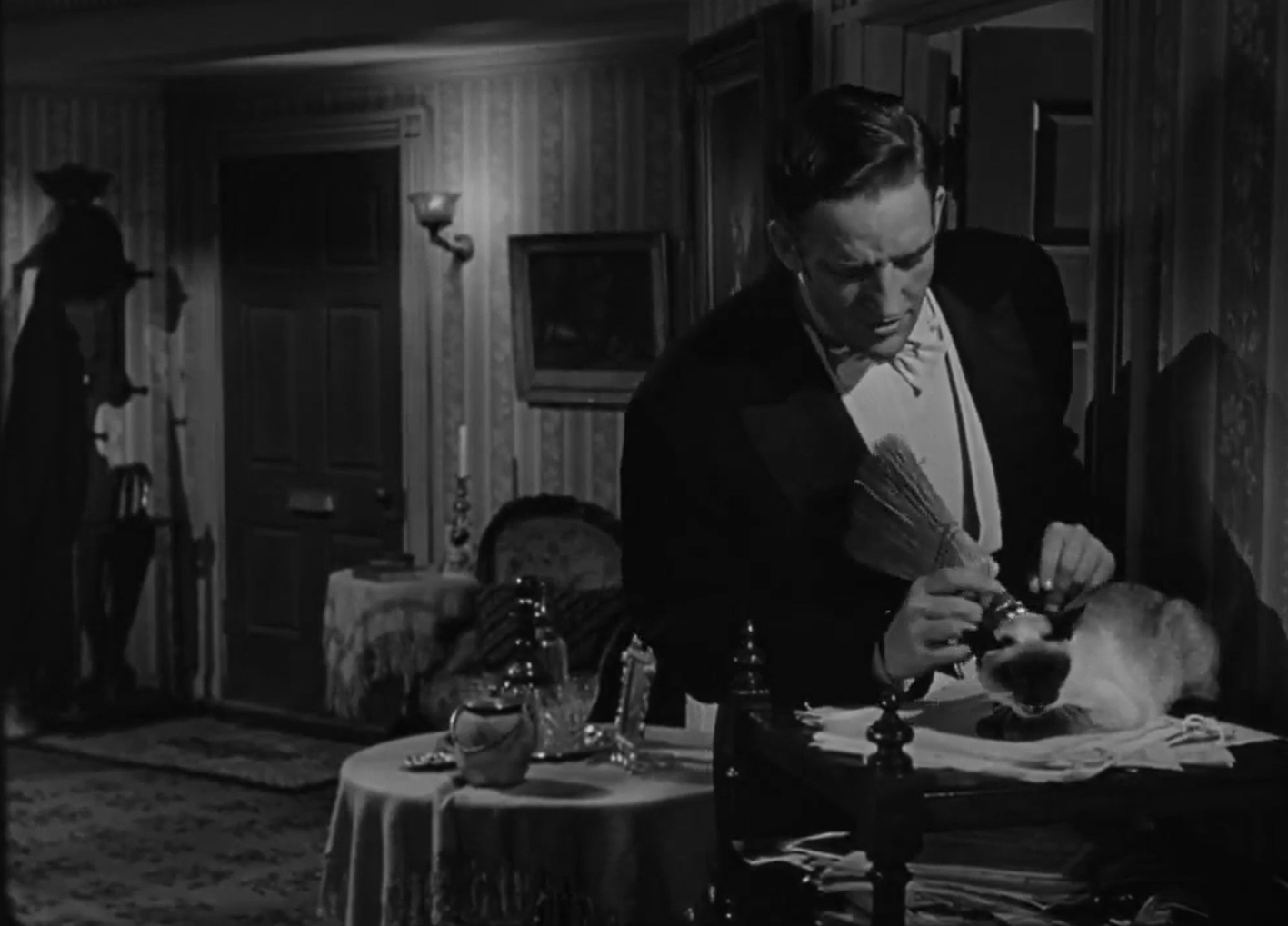
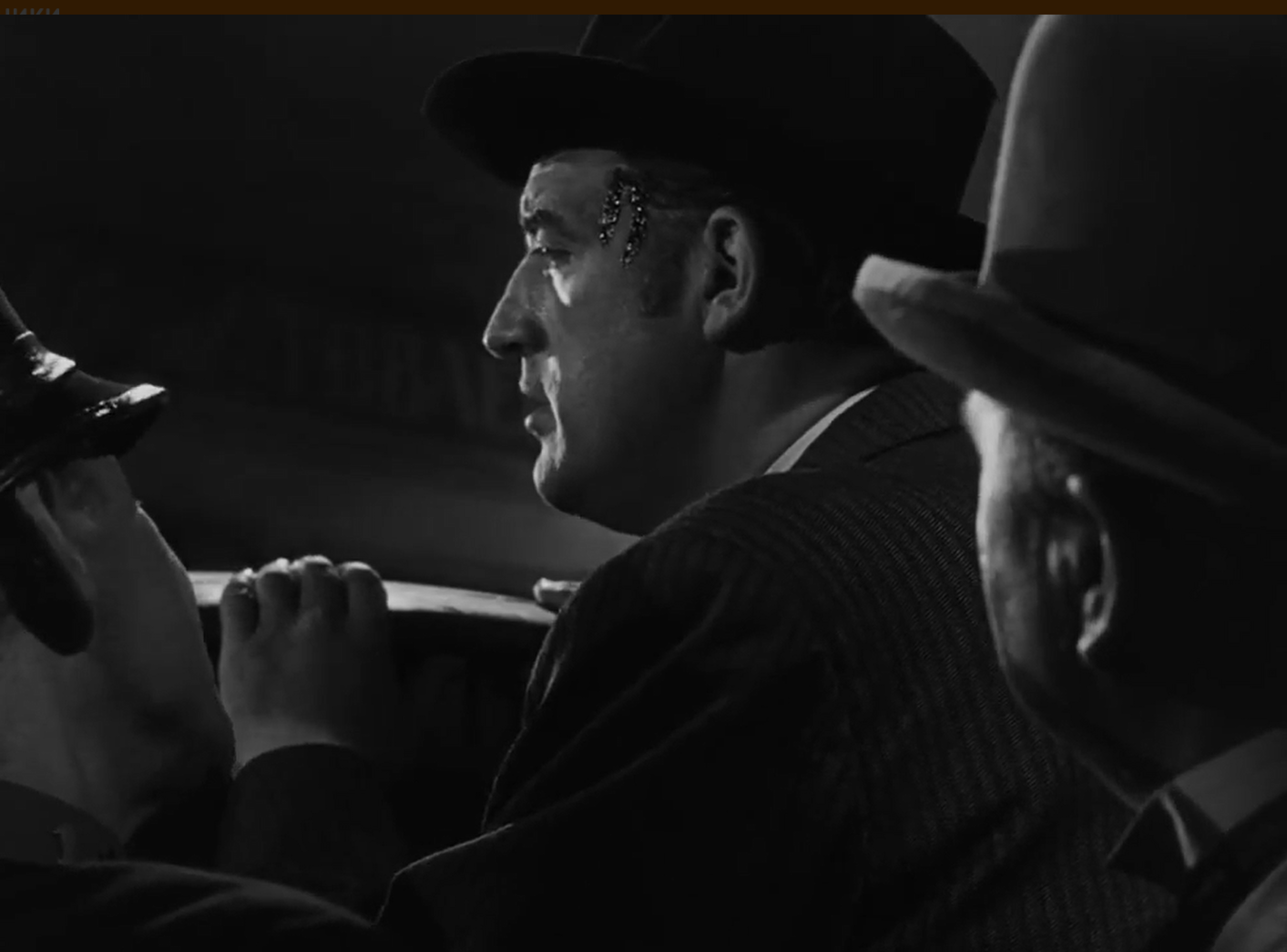
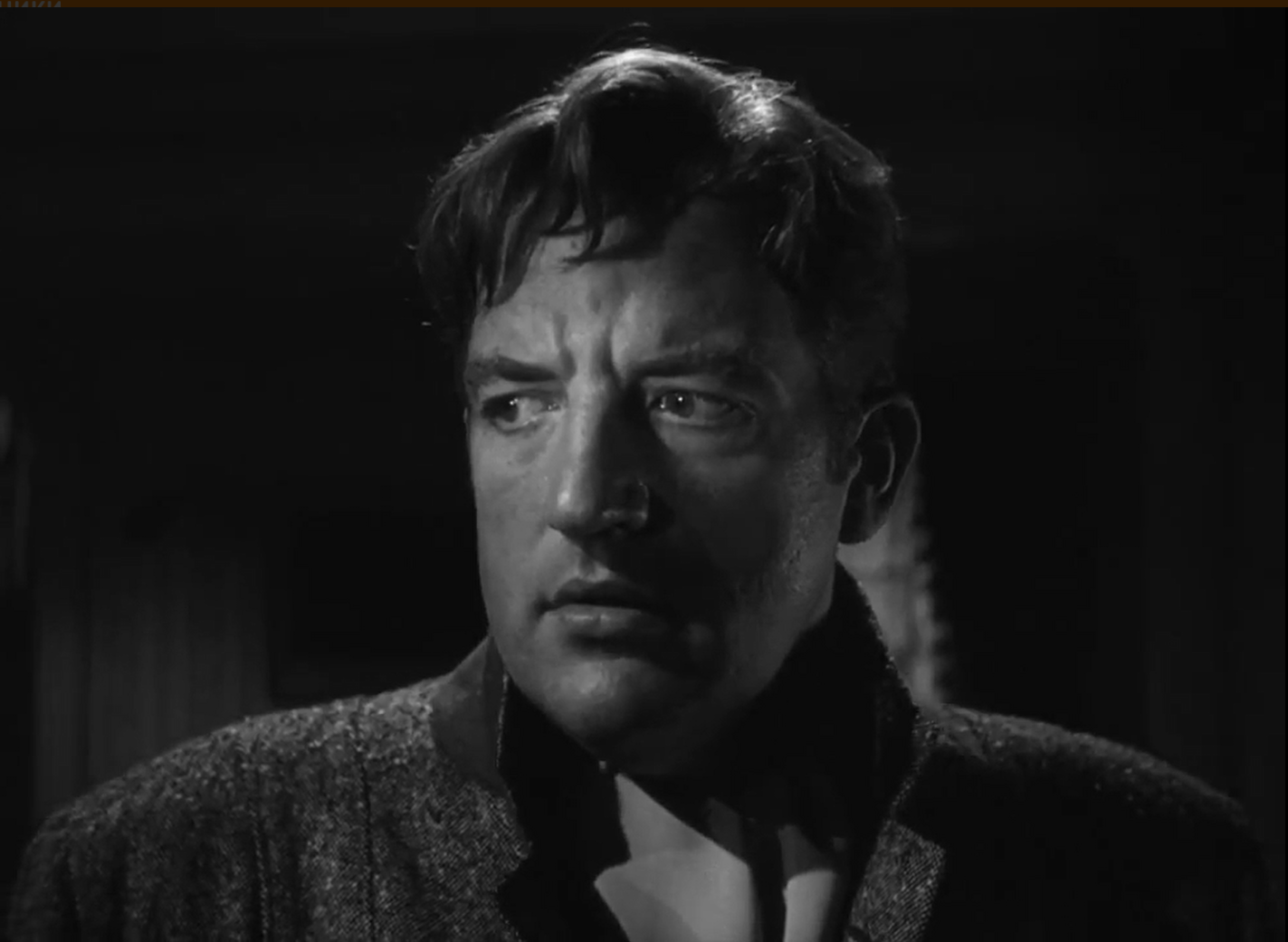
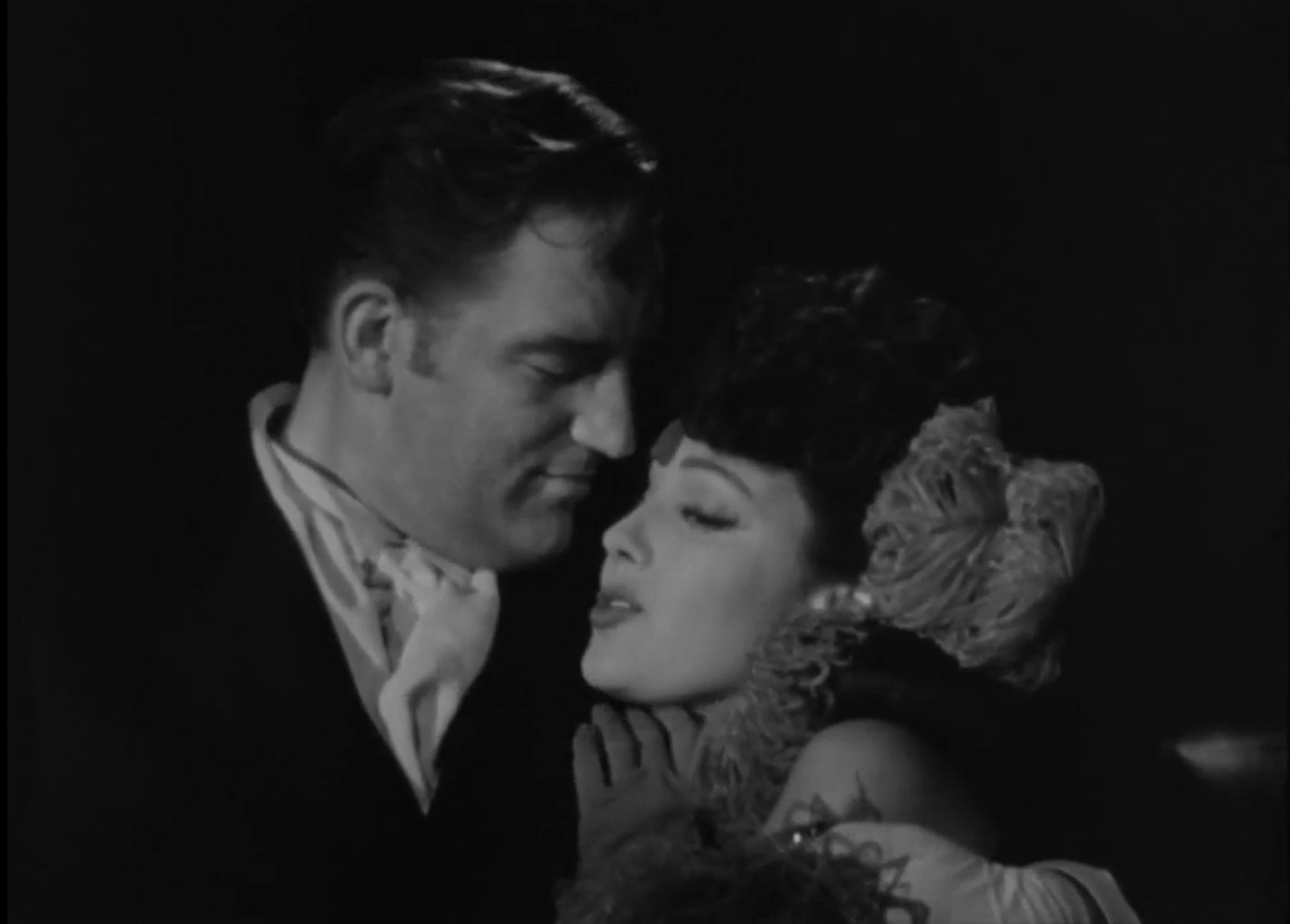
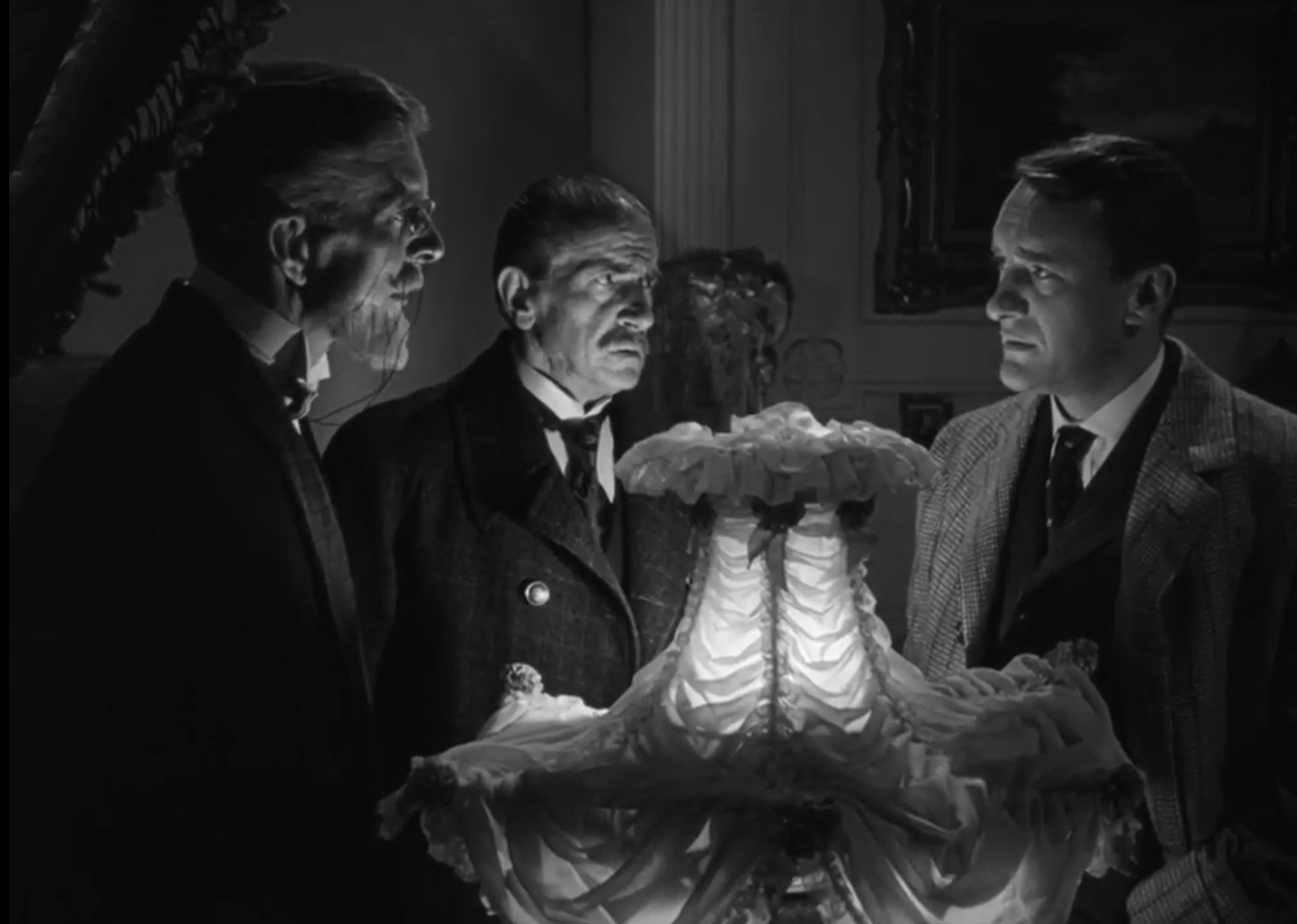
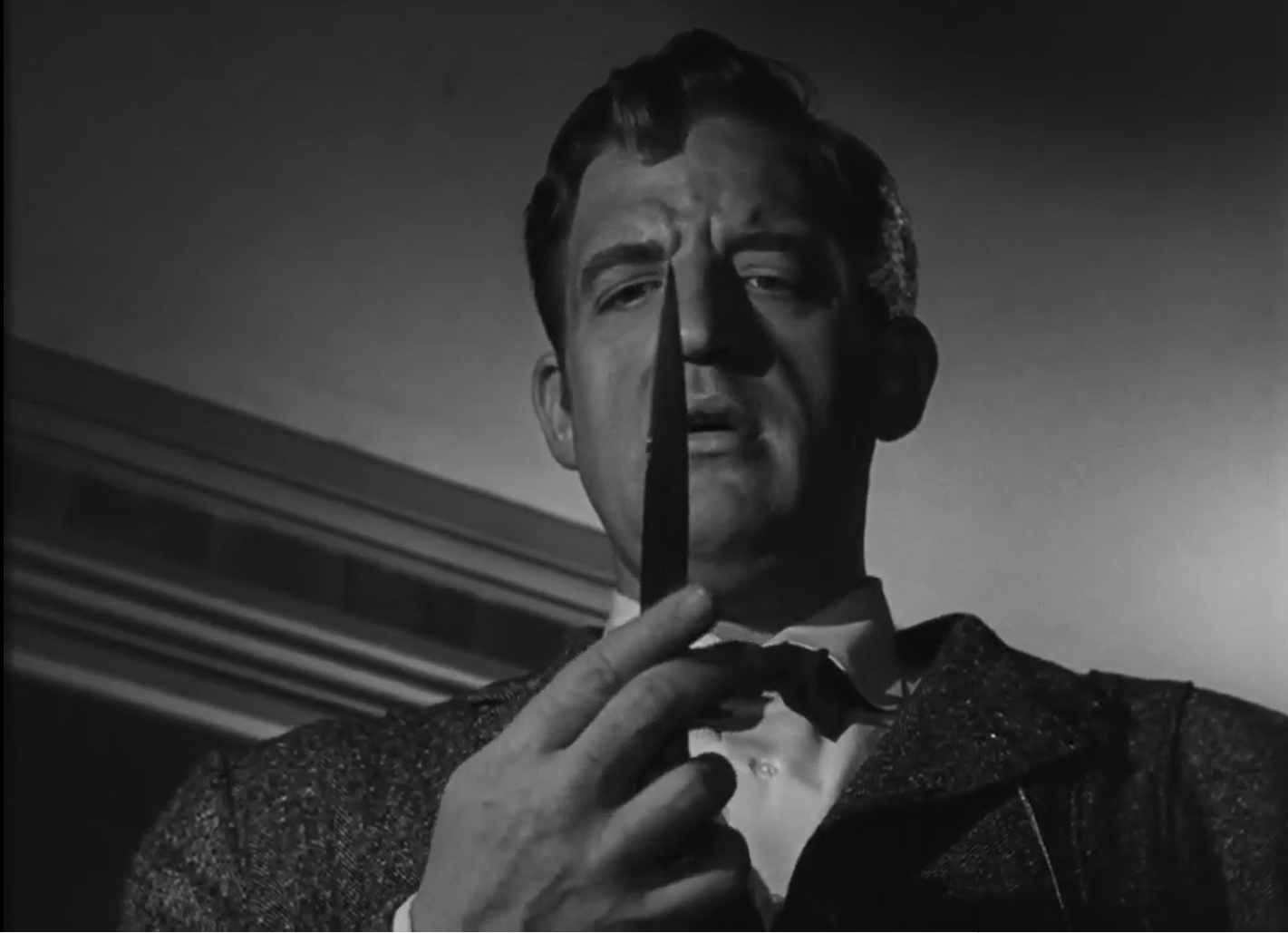
Response to Peary’s Review: Cregar’s performance here shows ample evidence of his burgeoning talent; he masterfully combines broadly psychotic behavior with a range of subtle gestures a la Brando in On the Waterfront. Watch the way he idly scratches a Siamese cat on its head with the tip of a fan, for instance: or quietly adjusts his jacket collar when walking into the room where he recently — albeit unknowingly — tried to strangle his friend. In addition to Cregar’s nuanced performance, Hangover Square benefits from both “wonderful period detail” and “bizarre direction” by John Brahm. The opening scene of the movie — in which Bone murders an antiques dealer, then flees in confusion — is filmed with “wild angles, camera distortion, [and] swooping crane shots”, thus immediately evoking the protagonist’s crazed frame of mind. This stylized camera work is repeated each time Bone gets knocked into an alternate state of consciousness, and ultimately builds towards the film’s baroquely melodramatic ending — one which effectively conveys the misfortune of a genius betrayed by his own mind. Redeeming Qualities and Moments:
Must See? Categories
Links: |
“No excitement can ever equal the elemental force of the orgasm!”
|
Synopsis: |
|
Genres, Themes, Actors, and Directors:
Response to Peary’s Review: Redeeming Qualities and Moments: Must See? Categories
(Listed in 1001 Movies You Must See Before You Die) Links: |
“Every man should be the king in his own castle!”
|
Synopsis: |
|
Genres, Themes, Actors, and Directors:
Response to Peary’s Review: … Stan and Ollie naively trying to convince their knowing wives that they’ve been in Honolulu: … Stan and Ollie attempting to sneak into their own houses: As noted in the New York Times’ original review, Laurel and Hardy are “a Quixote and Panza in a nightmare world, where even the act of opening a door is filled with hideous perils.” This harmless pair of stooges can’t seem to help landing in a heap of trouble — and it’s great fun watching them struggle to climb back out. Redeeming Qualities and Moments:
Must See? Categories
(Listed in 1001 Movies You Must See Before You Die) Links: |