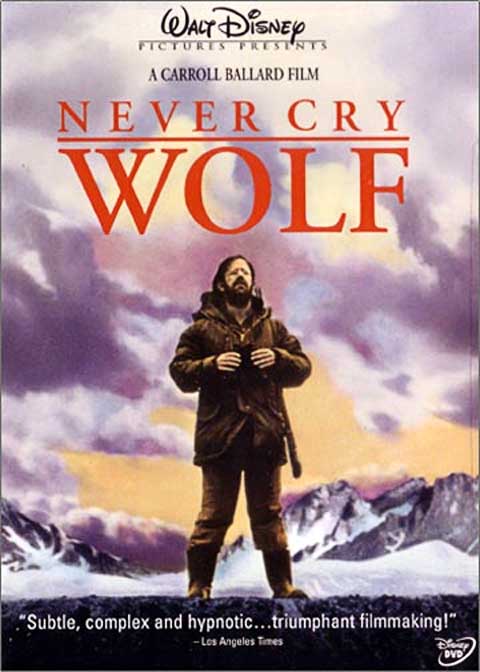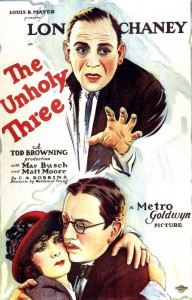
Never Cry Wolf (1983)

Never Cry Wolf (1983)

“In the end there were no simple answers, no heroes or villains; only silence.”

Synopsis:
A government researcher (Charles Martin Smith) is sent into the Arctic wilderness to investigate the effect of wolves on the caribou population.

Genres, Themes, Actors, and Directors:

  • Antarctica and the Arctic
  • Character Arc
  • Native Americans
  • Scientists

Response to Peary’s Review:
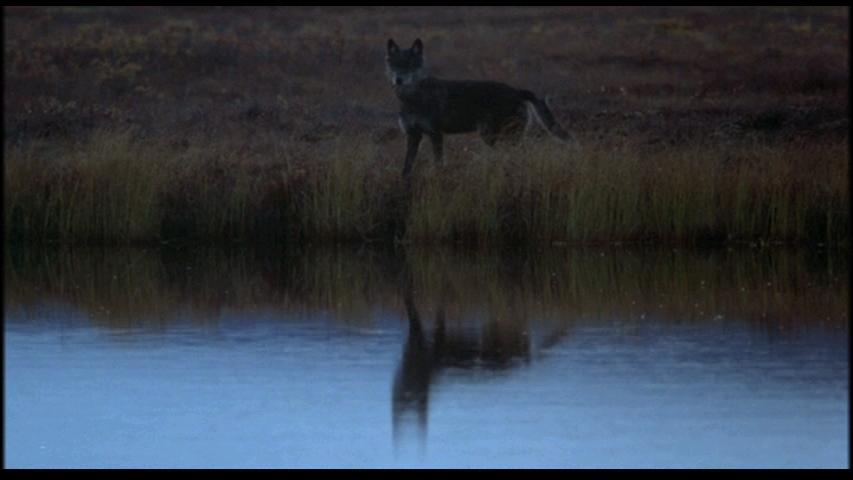
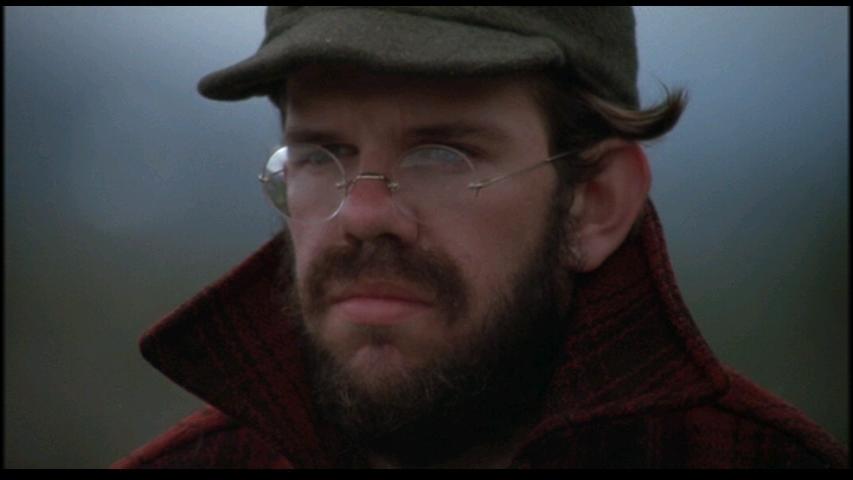
Carroll Ballard’s cinematic adaptation of Farley Mowat’s bestselling semi-fictional memoir features stunning cinematography, a slow yet compelling narrative, plenty of unexpected humor, and “the rare opportunity to witness scientific methodology in practice.” As Peary notes, Smith was “an inspired choice” to play Mowat’s character (here named Tyler); his natural pluck and good cheer make Tyler’s survival in the seemingly barren environment plausible. It’s incredibly exciting to watch Tyler interacting with the wolves, gradually understanding more about their way of life; and his naked run with the caribou pack — while perhaps a bit cliched — nonetheless effectively shows the transformation he’s undergone during his months in the Arctic.

Redeeming Qualities and Moments:

  • Beautiful cinematography
  • A fascinating look at the little-understood culture of wolves
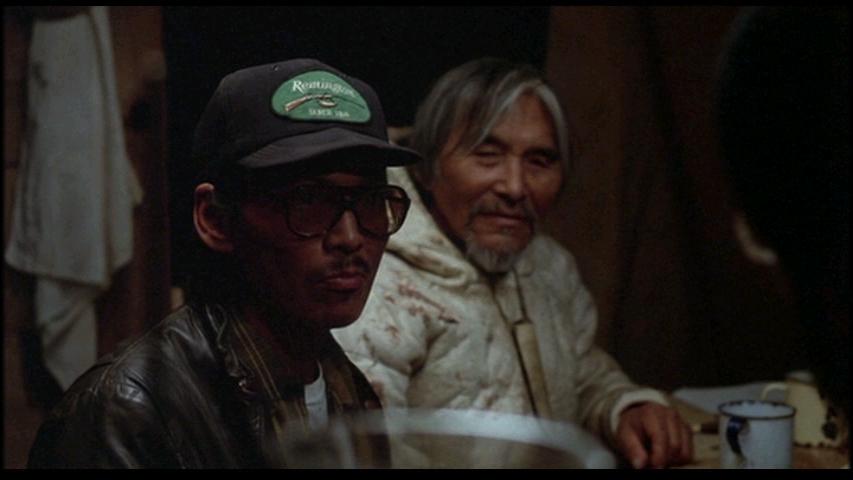
  • A respectfully authentic treatment of Arctic natives
  • Charles Martin Smith as the tenacious biologist who learns to survive and thrive in the wilderness
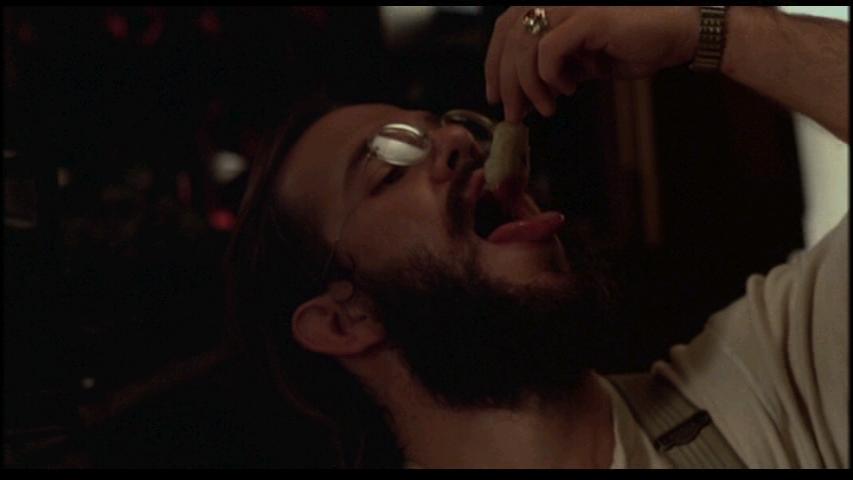
  • Smith learning to eat mice as nonchalantly as popcorn
  • Smith’s hair-raising airplane ride with pilot Brian Dennehy

Must See?
Yes. This enjoyable film merits at least one viewing, and may become a repeat favorite.

Categories

  • Good Show
  • Historically Relevant

Links:

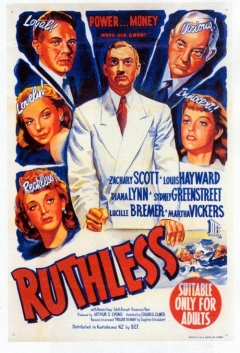
Ruthless (1948)

Ruthless (1948)

“He spoils everything he touches. He takes the life out of it and leaves it to rot– He’s made like that!”

Synopsis:
An ambitious man (Zachary Scott) from a lower-class home alienates and betrays everyone around him during his rise to power — including his best friend Vic (Louis Hayward) and childhood sweetheart (Diana Lynn).

Genres, Themes, Actors, and Directors:

  • Class Relations
  • Edgar G. Ulmer Films
  • Flashback Films
  • Greed
  • Louis Hayward Films
  • Raymond Burr Films
  • Rise-and-Fall
  • Sydney Greenstreet Films
  • Tycoons
  • Zachary Scott Films

Review:
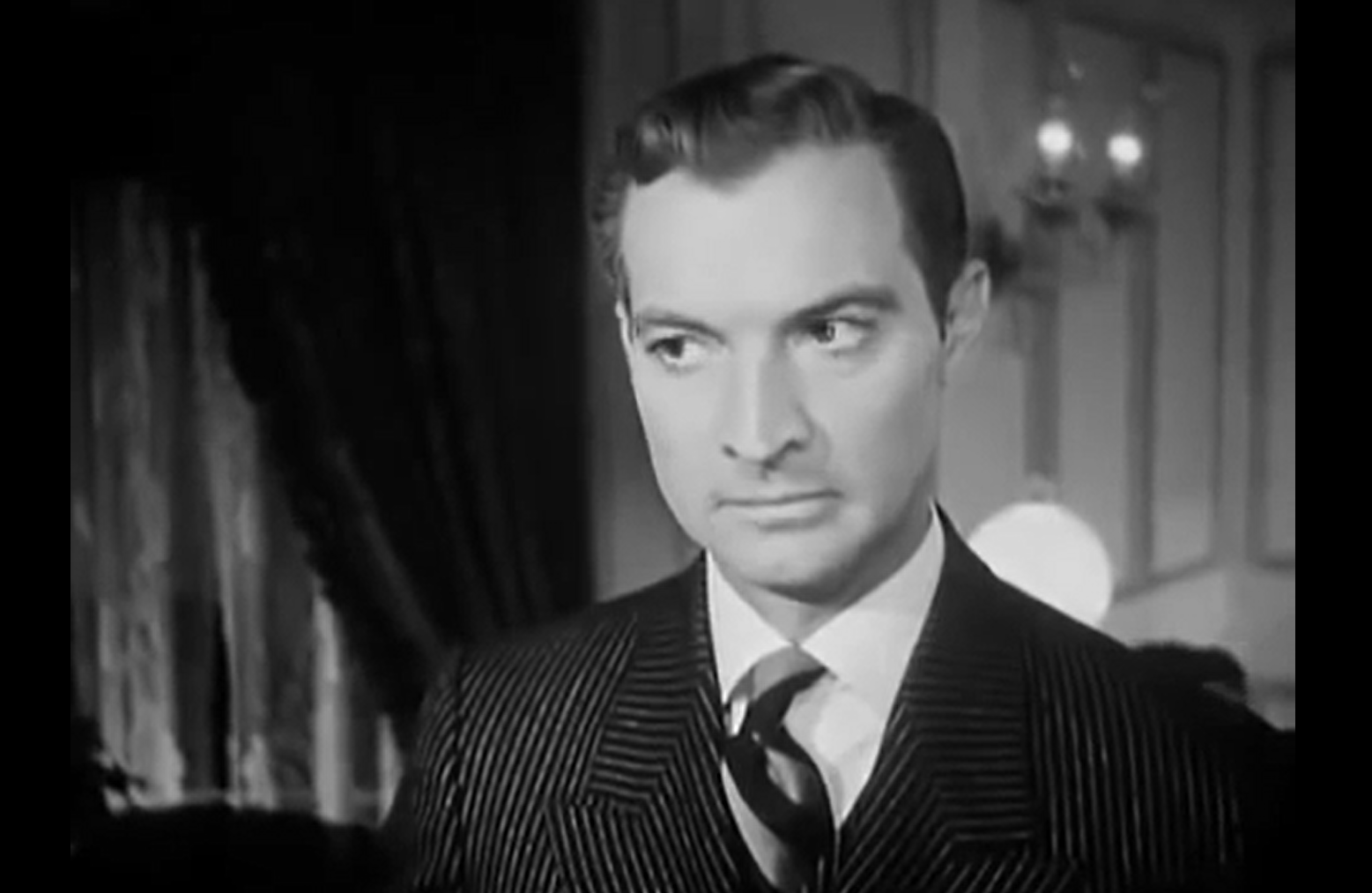
Edgar G. Ulmer’s B-level variation on Citizen Kane (one of his few higher-budget films) suffers from both a predictable plot and the surprisingly lackluster performance of its lead character (Scott), whose expression never varies and whose cold affect keeps the audience at arm’s length rather than allowing us to see what makes him tick.

Diana Lynn (sweet and effective) gets it just right when describing Vendig (Scott) in the final line of the movie: “He wasn’t a man; he was a way of life”; ultimately, then, Vendig is meant to represent an archetype rather than a flesh-and-blood character, and the film’s overall emotional charge suffers for it. Interestingly, recent critics seem to find something of greater worth in this “pulp poetry” than I did.

Redeeming Qualities and Moments:

  • Diana Lynn as Martha/Mallory
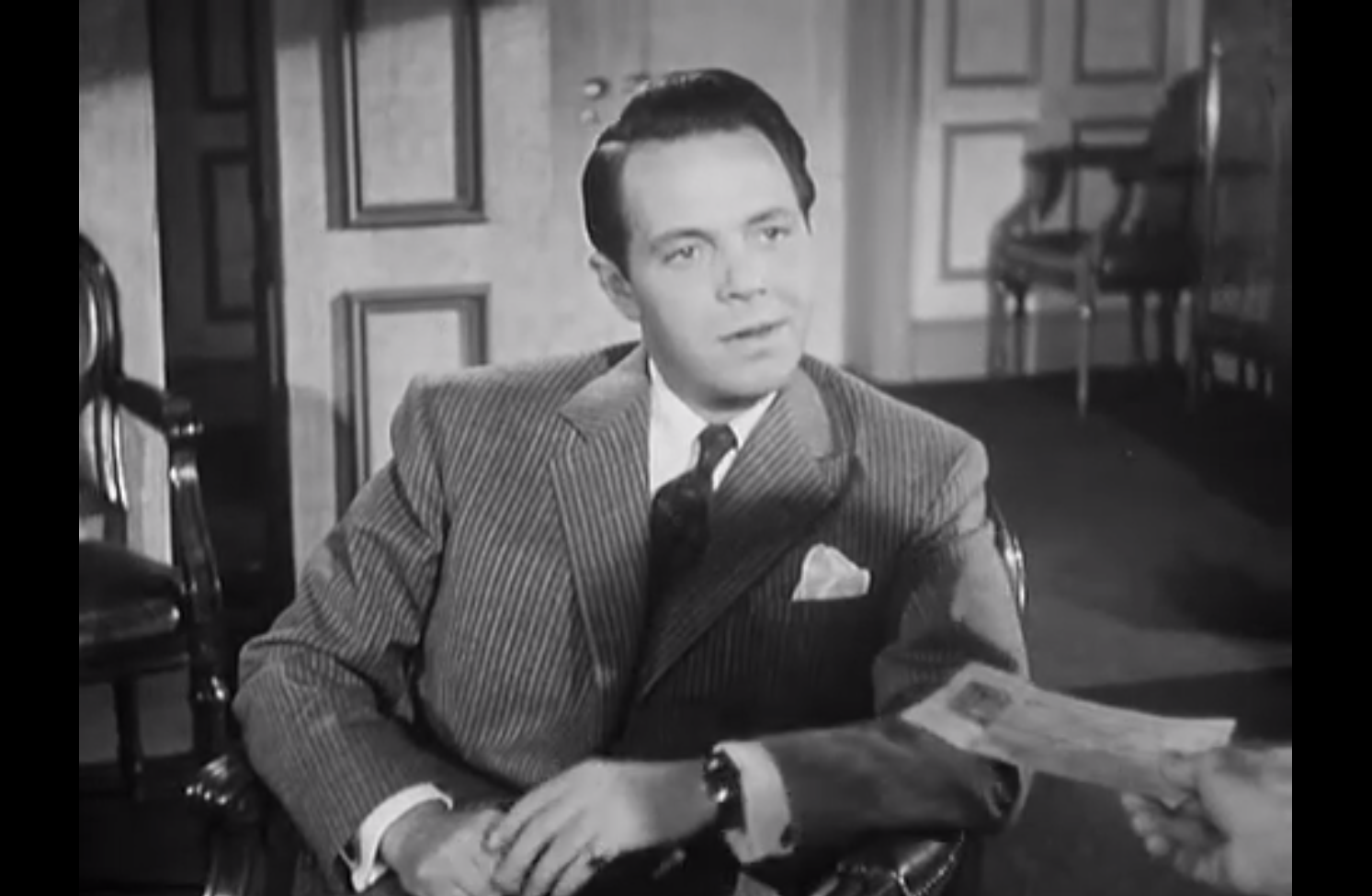
  • Louis Hayward as Vic

Must See?
No, though film fanatics may be interested in seeing Ulmer’s variation on Citizen Kane.

Links:

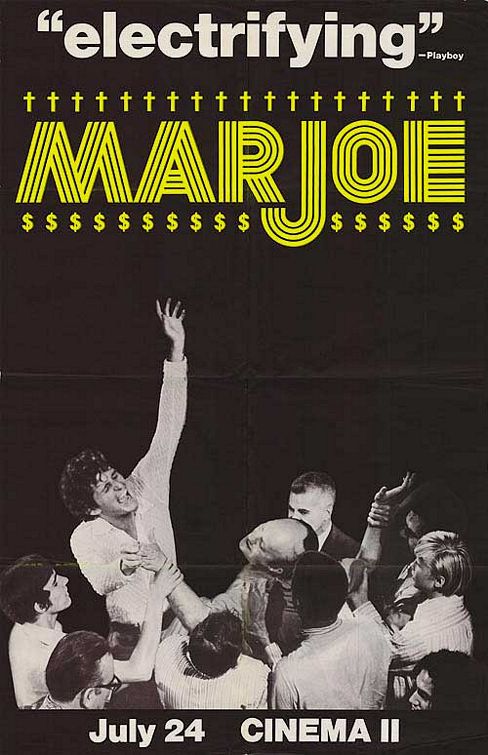
Marjoe (1972)

Marjoe (1972)

“You go into it like a business and you treat it like a business.”

Synopsis:
A former child preacher (Marjoe Gortner) returns to the Revivalist circuit in order to expose the hypocrisy of money-grubbing evangelists.

Genres, Themes, Actors, and Directors:

  • Christianity
  • Con Artists
  • Documentary
  • Missionaries and Revivalists
  • Religious Faith

Review:
This award-winning documentary-expose will inevitably cause you to cringe, for more reasons than one. While the blatant manipulation of Christians’ faith for profit is undeniably disturbing, we’re by now overly familiar with, for instance, Jim and Tammy Faye Bakker’s corrupt Praise the Lord ministry, among other notorious religious scams. Even more upsetting is watching the attention-seeking Marjoe blithely conning the entire religious community into thinking he still believes what he preaches; while this smooth-talking young man eerily lacks any kind of an overt grudge against his parents for what they put him through (he laughs good-naturedly when discussing his hellish childhood), he ultimately shows himself to be a not much better specimen of humanity, perpetuating the lies he once believed himself.

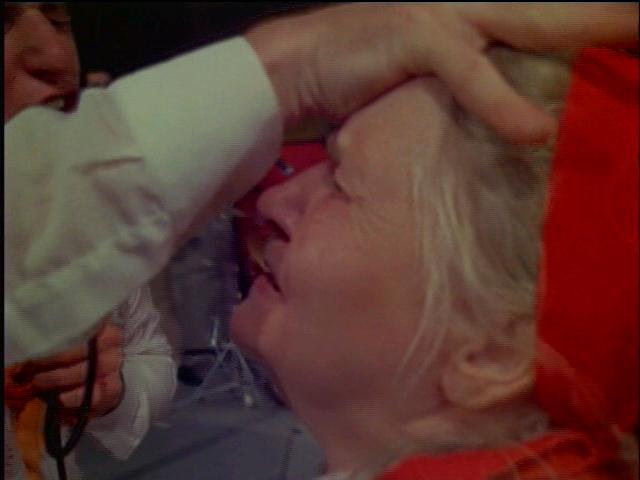
Filmmakers Sarah Kernochan and Howard Smith do an admirable job capturing the fervent zeal of the Revival congregationalists: their cameras are so close-up at times — circling and whirling with the heaven-sent parishioners — that it’s easy to believe you’re right there with them. Yet I shudder to think about the resentment these naive folks must have felt when seeing themselves up on the big screen, clearly being manipulated from every side. It’s this element which makes Marjoe so much more disturbing to watch than, for instance, either The Miracle Woman (1931) or Elmer Gantry (1960), two fictional films about the Revival racket; at least the extras in those movies were paid for their time, rather than being jilted out of both their money and their pride.

Redeeming Qualities and Moments:

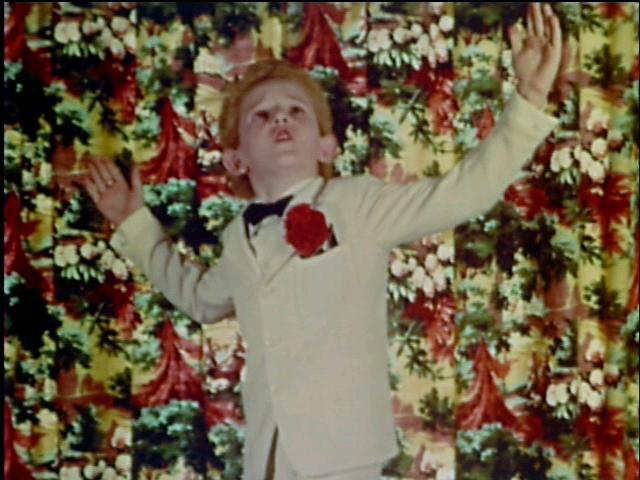
  • A fascinating glimpse — through historical footage — of three-year-old Marjoe’s proselytizing power
  • A groundbreaking expose of the hypocrisy of Revivalism

Must See?
Yes. While disturbing and over-long, this Oscar-winning film remains must-see viewing.

Categories

  • Historically Relevant
  • Oscar Winner or Nominee

Links:

Search for Bridey Murphy, The (1956)

Search for Bridey Murphy, The (1956)

“Hypnotism is a powerful force that can’t be kidded around with as though it was a harmless little parlor game.”

Synopsis:
While being hypnotized by Dr. Morey Bernstein (Louis Hayward), housewife Ruth Simmons (Teresa Wright) experiences a past life as Irishwoman Bridey Murphy.

Genres, Themes, Actors, and Directors:

  • Louis Hayward Films
  • Mind Control and Hypnosis
  • Past Lives
  • Teresa Wright Films

Review:
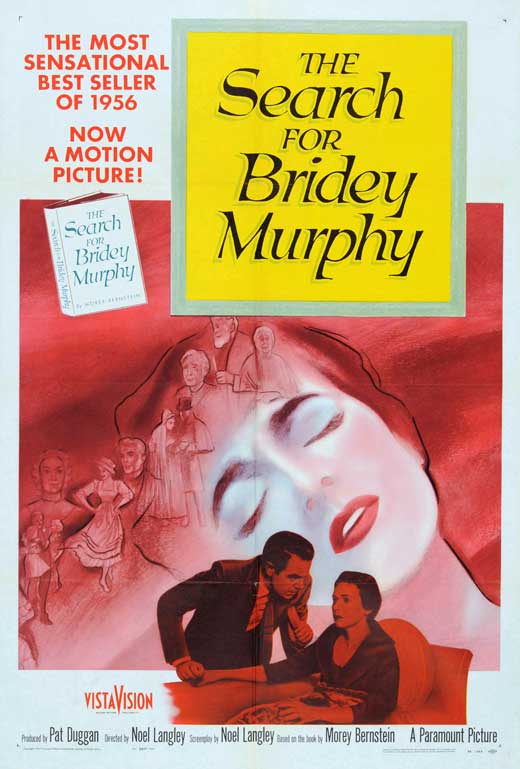
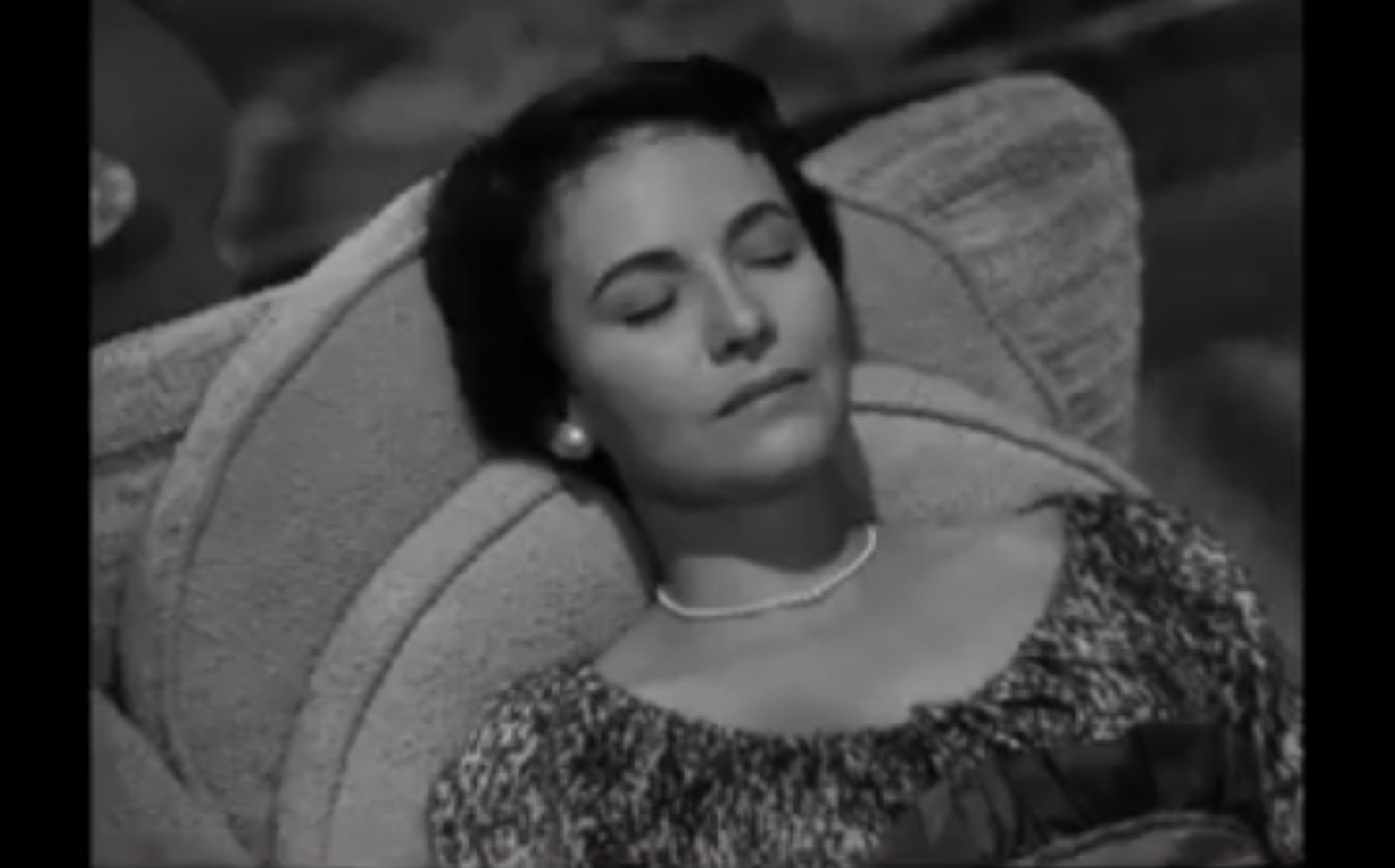
In 1956, Dr. Morey Bernstein published a best-selling book about his experiences with the medical use of hypnosis, as well as his unintentional past-life regression of housewife Ruth Simmons into a 19th century Irishwoman named “Bridey Murphy”. This film adaptation of Bernstein’s book comes across as overly talky and hopelessly dated (when Simmons asks her husband for “permission” to be regressed, for instance, nobody bats an eye), yet surprisingly entertaining in its own limited way. Regardless of your beliefs concerning the possibility of past lives, it’s fascinating to watch the supine Simmons — well-played by a short-haired Teresa Wright — conjuring up the mundane details of “her” existence 150 years earlier. Simmons’ words are taken directly from the original transcripts of her sessions with Bernstein (published in the book), and are all the more convincing for their lack of overt drama — Simmons-as-Murphy “remembers” dancing a jig, being punished for peeling paint off her bed as a child, and wandering the heavens after her death.

Unfortunately, despite its title, very little time in the film is spent actually searching for “Bridey Murphy”; given the wealth of details Bernstein pries out of Simmons, I expected a lengthy detective hunt in Ireland, and some kind of a resolution (however dissatisfying) to the mystery of this young woman’s existence. Instead, the film’s denouement centers on the melodramatic issue of whether or not Simmons will be able to snap out of her final regression — thus emphasizing once again the film’s moral that hypnosis is a “powerful force”, and not to be taken lightly.

Redeeming Qualities and Moments:

  • Teresa Wright’s compelling performance as Ruth Simmons and “Bridey Murphy”
  • The surprisingly effective “flashback” scenes of Bridey’s life in Ireland

Must See?
No. This curiosity is very much a product of its time, and will only be of interest either to fans of Teresa Wright or believers in past life regression.

Links:

Unholy Three, The (1925)

Unholy Three, The (1925)

“There was an old woman who was a man, and two others — the Unholy Three.”

Synopsis:
Three sideshow performers — Echo the ventriloquist (Lon Chaney, Sr.), Hercules the strongman (Victor McLaglen), and midget Tweedledee (Harry Earles) — team up as con artists, calling themselves “The Unholy Three”.

Genres, Themes, Actors, and Directors:

  • Con Artists
  • Falsely Accused
  • Lon Chaney, Sr. Films
  • Silent Films
  • Thieves
  • Tod Browning Films
  • Ventriloquism
  • Victor McLaglen Films

Review:
This silent thriller — remade as a talkie in 1930, starring Lon Chaney, Sr. in his final role — is primarily known today as Tod Browning’s thematic precursor to Freaks (1932). Both star midget Harry Earles; both feature a strongman named Hercules; and both deal with sideshow performers who decide to take revenge on “normal” society. Beyond these surface similarities, however, the films differ quite a bit: while Freaks celebrated its circus misfits as a collective group who were content as long as they were respected, The Unholy Three presents the performers as exploited and dissatisfied, eager to use their skills or differences for criminal gain.

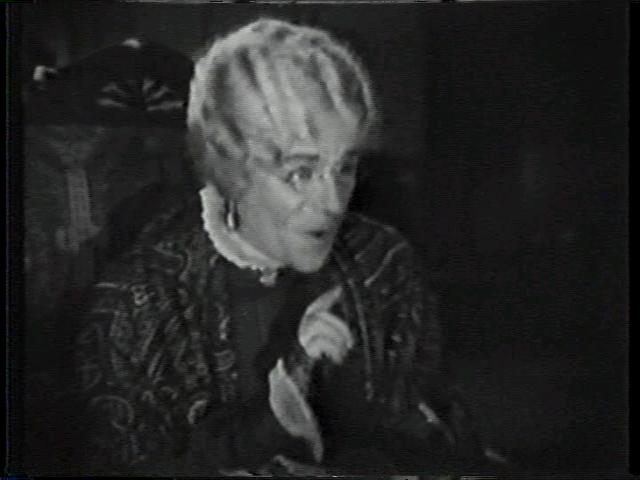
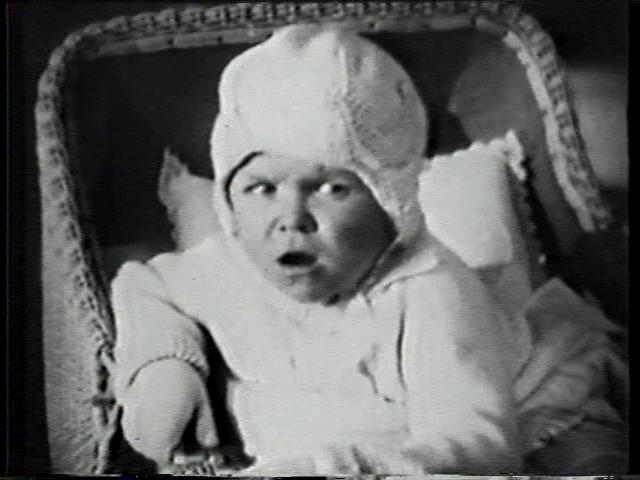
While it’s not an entirely successful film, there is much to recommend about The Unholy Three: Earles is particularly creepy here (and more effective than in Freaks) as a twenty-year-old man who can easily pass as a squalling baby; and Lon Chaney turns in yet another stellar performance as both Echo and the stoop-backed, bespectacled “Granny O’Grady”. Unfortunately, however, some major flaws detract from the film’s overall impact. While the trio’s decision to open a parrot shop is a clever play on Echo’s ventriloquism skills, it’s ultimately a silly and contrived way to go about scamming money. In addition, meek shop assistant Hector (Matt Moore) plays an essential part in the film’s plot, yet his presence in the parrot shop doesn’t make logical sense. Finally, a giant chimpanzee emerges for no good reason at the end of the film, other than to kill a key character. Despite its problems, however, this remains an eminently watchable, well-acted thriller, one which showcases Browning’s unique vision, and is thus worth viewing at least once.

Redeeming Qualities and Moments:

  • Lon Chaney, remarkably convincing as both Echo and “Granny O’Grady”
  • Harry Earles, effectively creepy as a twenty-year-old “baby”
  • A brief glimpse at Browning’s fascination with circus sideshow performers

Must See?
Yes. Though it’s not nearly as compelling as Browning’s later masterpiece, this movie holds a special place in film history.

Categories

  • Historically Relevant

Links:

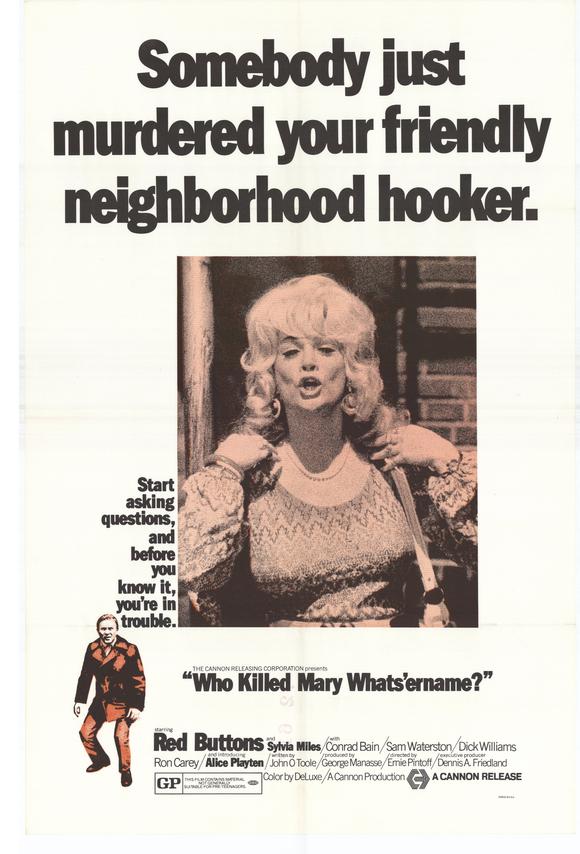
Who Killed Mary What’s ‘Er Name? (1971)

Who Killed Mary What’s ‘Er Name? (1971)

“Who cares about a whore?”

Synopsis:
A diabetic ex-boxer (Red Buttons) and his grown daughter Della (Alice Playten) investigate the mysterious murder of a hooker named Mary.

Genres, Themes, Actors, and Directors:

  • Amateur Sleuths
  • Murder Mystery
  • Prostitutes and Gigolos
  • Red Buttons Films
  • Sam Waterston Films
  • Sylvia Miles Films

Review:
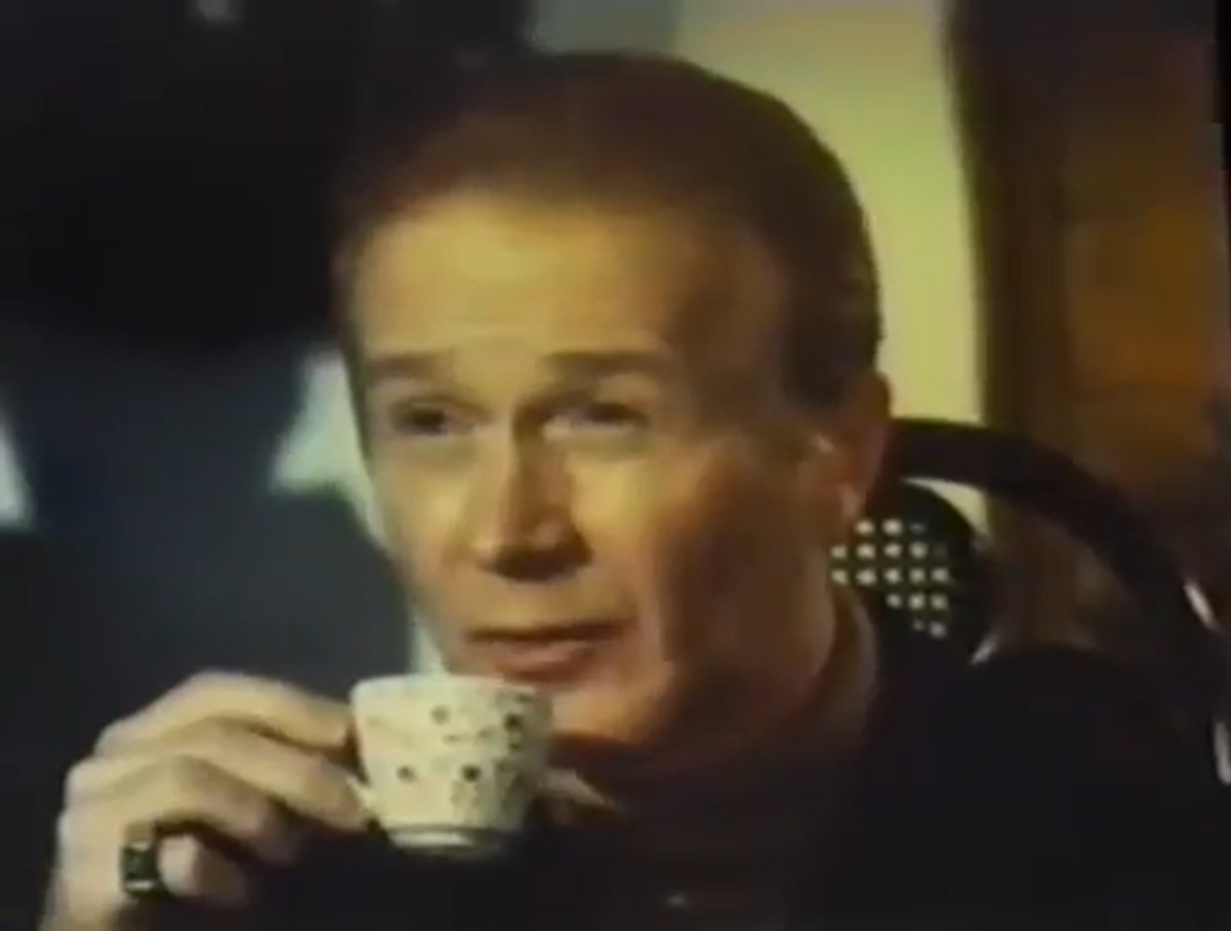
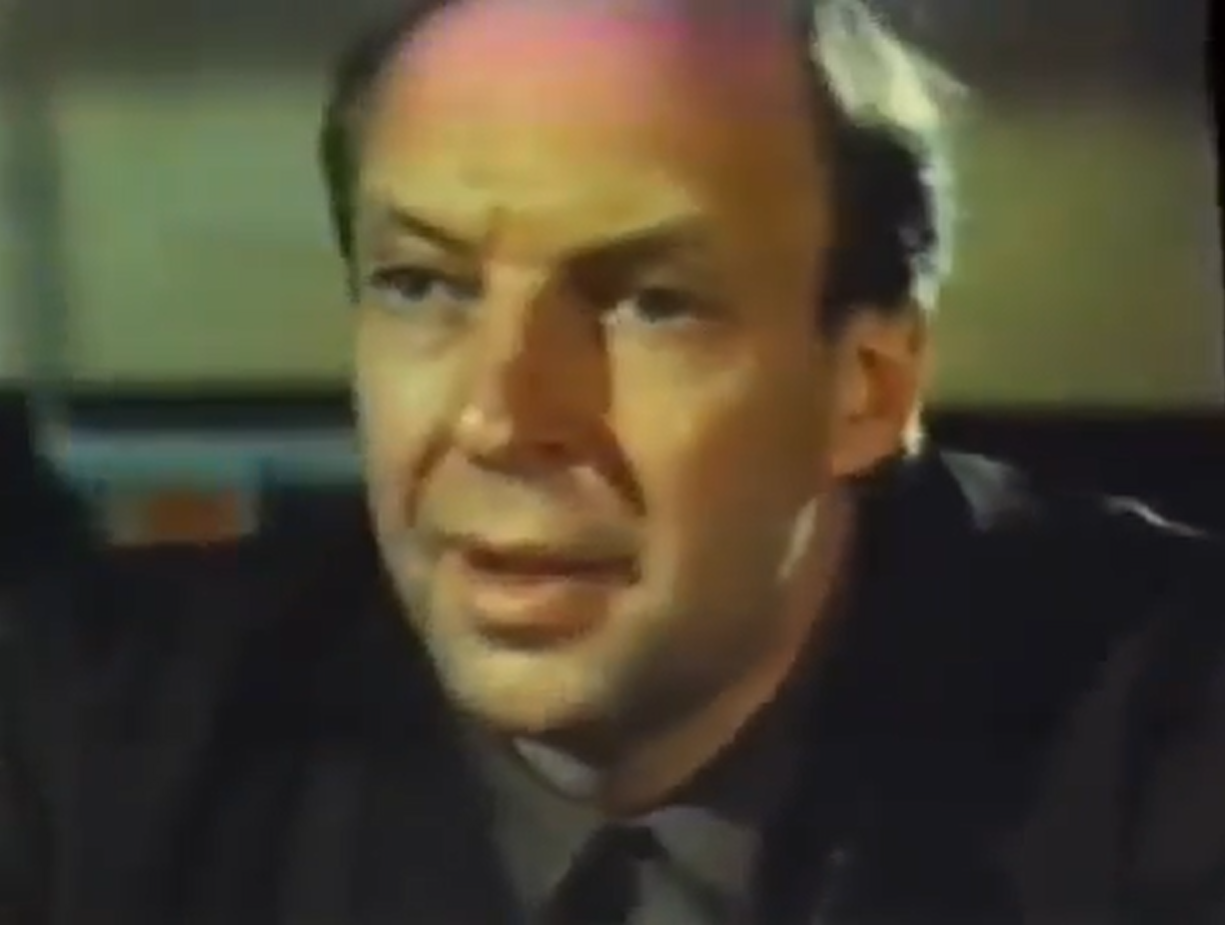
Who Killed Mary What’s “Er Name? passed under the radar of most movie-goers during its theatrical release, but gained a small following when it aired on late night television — the perfect venue for this stylish whodunit starring likeable comedian Red Buttons:

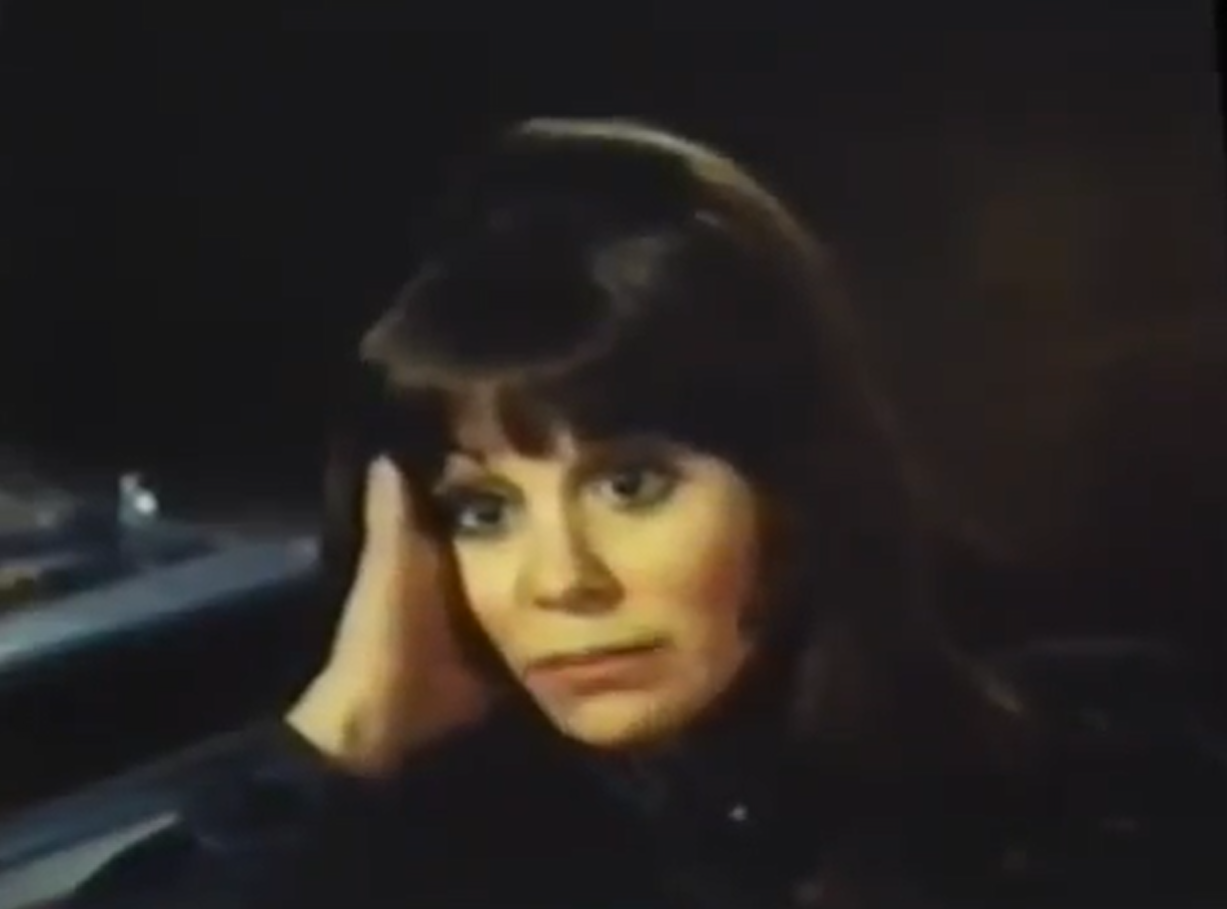
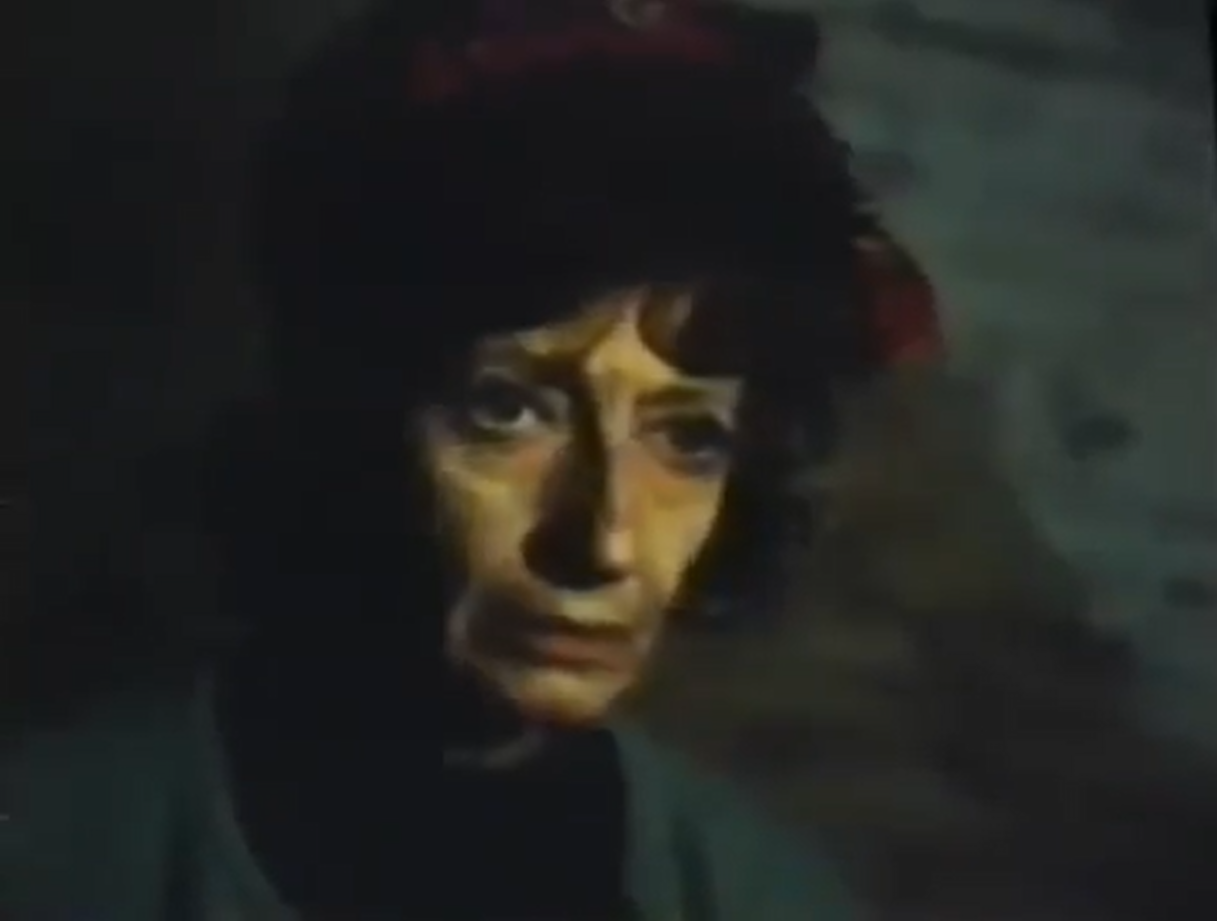
… baby-faced Alice Playten (whose arched eyebrows make her look perpetually astonished):

… and “Diff’rent Strokes”‘ Philip Drummond (Conrad Bain) in an early role.

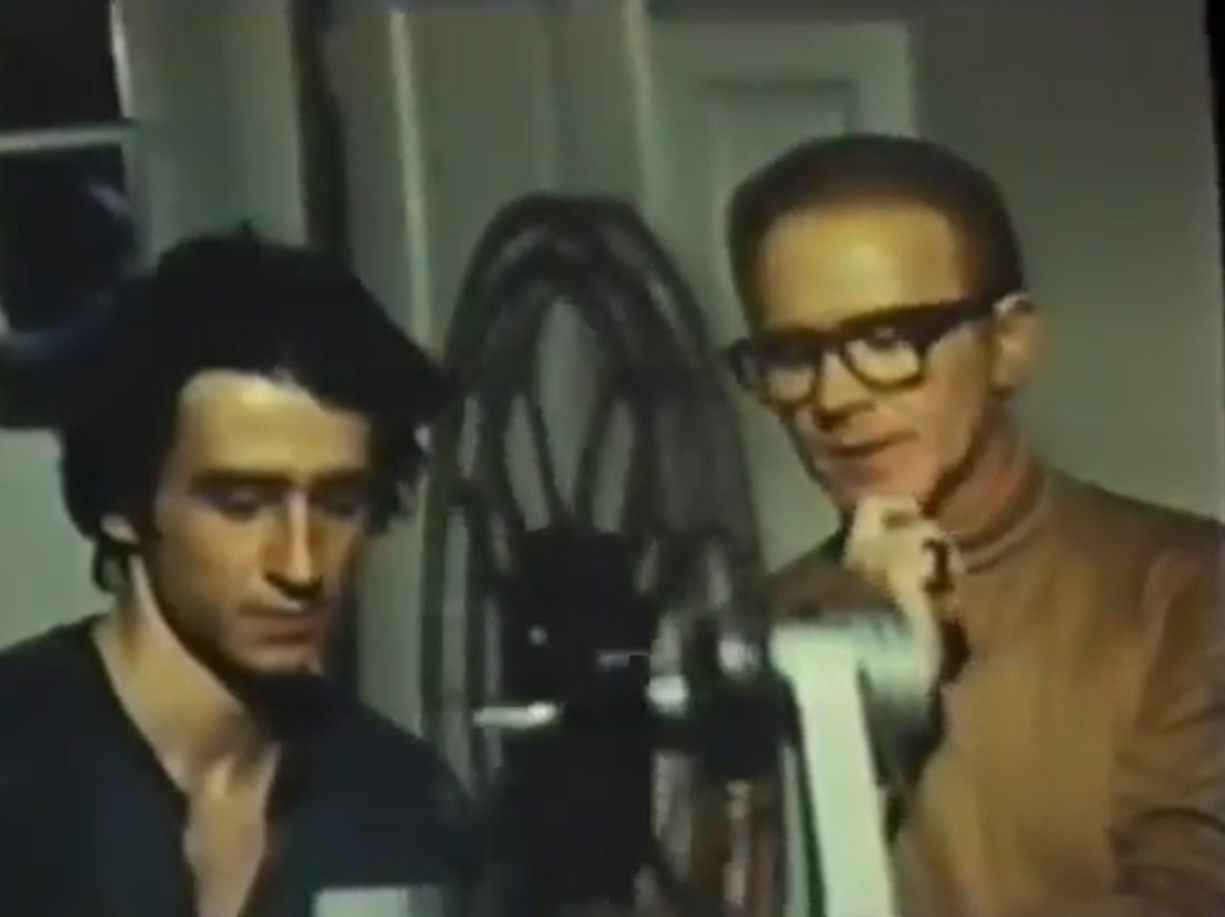
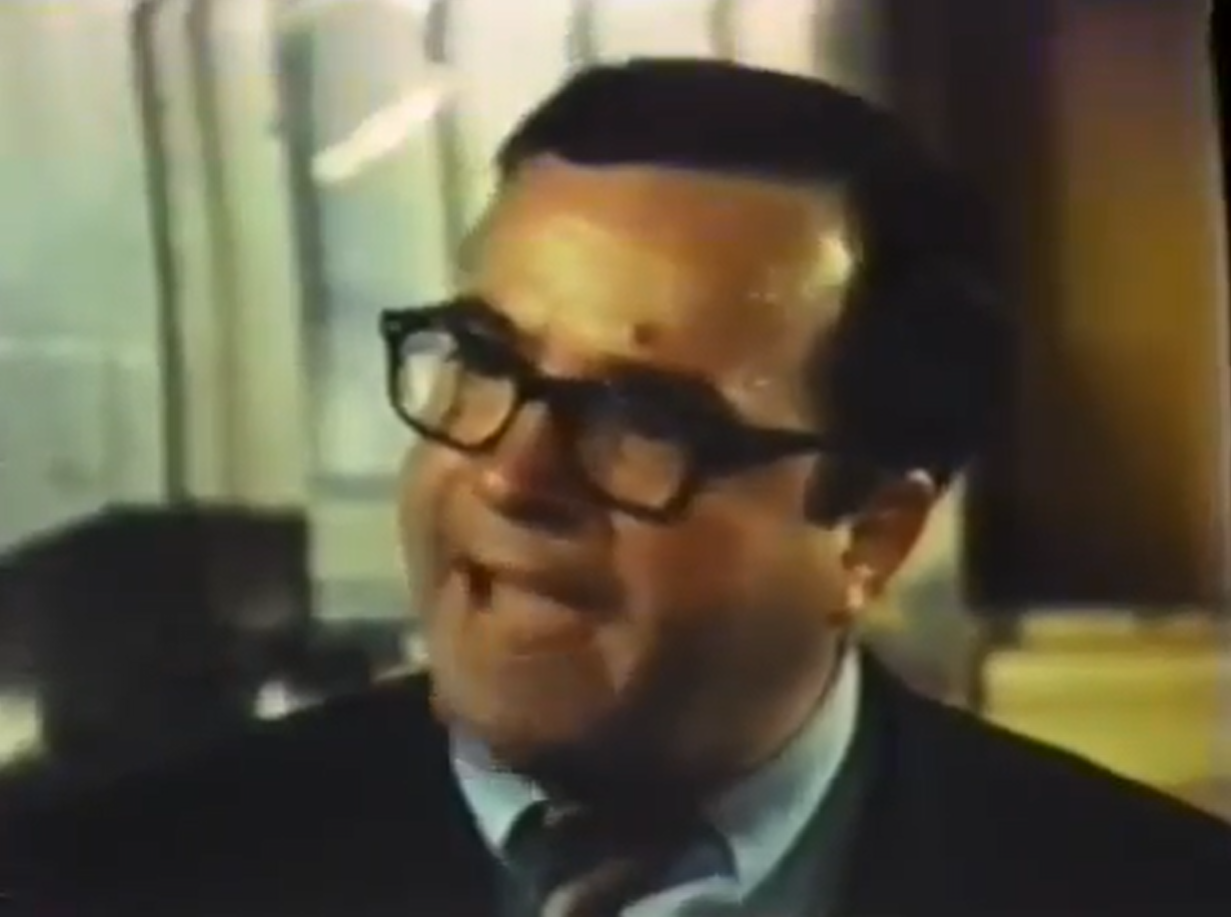
While it isn’t particularly ground-breaking or unique, this film does possess a surprising amount of suspense, charm, and atmosphere. Director Ernest Pintoff (who seems to enjoy tricky camera work) pays tribute to Antonioni’s Blowup (1966) in a subplot about an aspiring filmmaker (Sam Waterston), whose footage of Mary right before her death may provide clues to her murder. He also makes effective use of seamy New York locales and characters (check out his close-ups of odd-looking old ladies):

to evoke a world where anyone may be a suspect, for any number of reasons.

Redeeming Qualities and Moments:

  • Red Buttons as the do-gooding amateur sleuth
  • Sylvia Miles, perfectly cast as Buttons’ whore-with-a-heart-of-gold neighbor
  • An impressive array of potential suspects — including an obsessive young filmmaker (Sam Waterston), a religiously fanatic African-American landlord (Dick Anthony Williams), and a priggish John (David Doyle)

  • Effective use of seamy New York locales
  • Clever camera work

Must See?
No, but it’s a good little thriller which deserves a remastered release onto DVD.

Links:

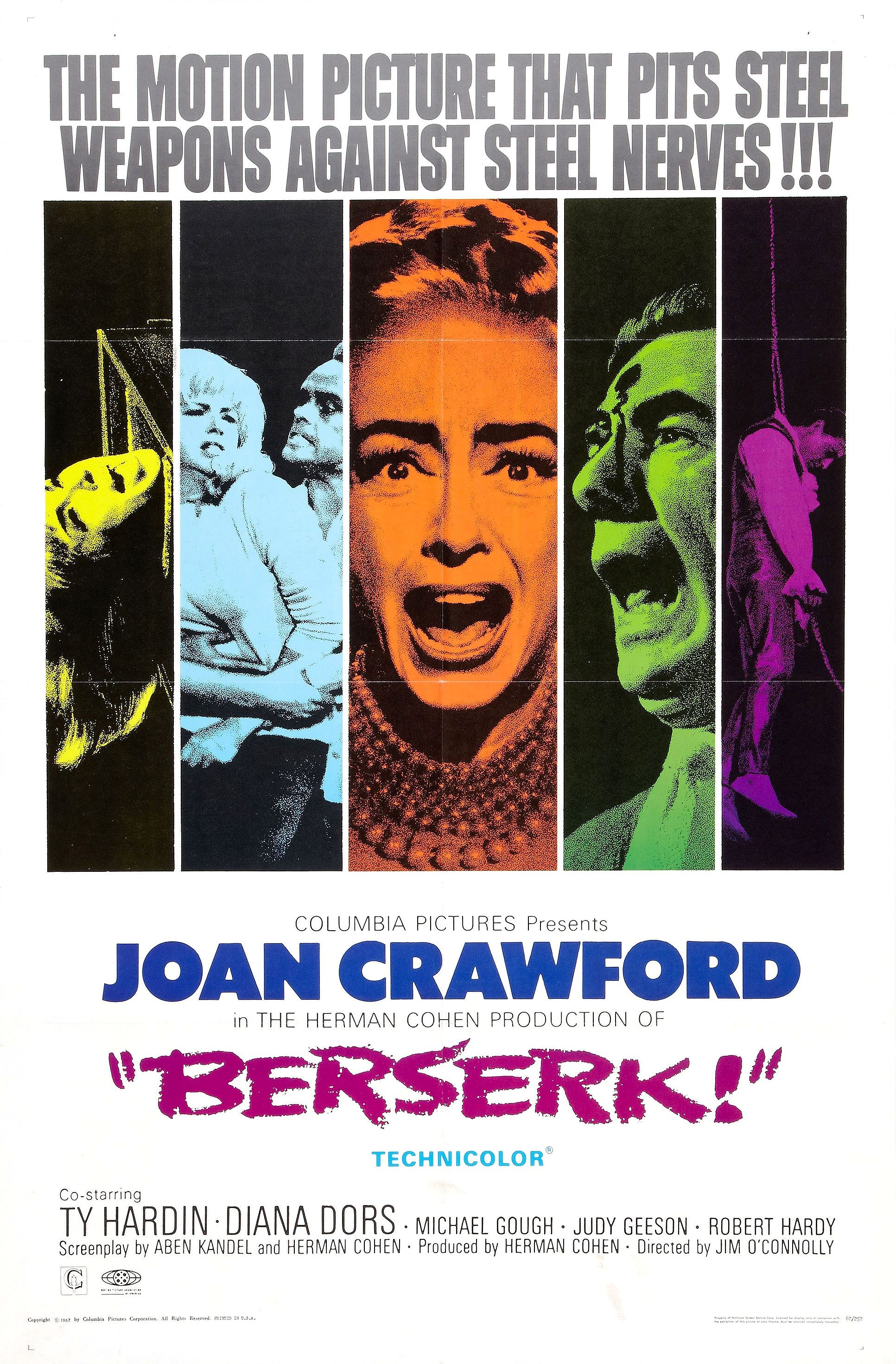
Berserk! (1967)

Berserk! (1967)

“This circus is jinxed! It’s becoming a nightmare — I keep wondering and thinking, who’s next?”

Synopsis:
A rash of gruesome murders at a circus owned by ringleader Monica Rivers (Joan Crawford) brings a Scotland Yard detective (Robert Hardy) onto the scene to investigate.

Genres, Themes, Actors, and Directors:

  • Carnivals and Circuses
  • Joan Crawford Movies
  • Murder Mystery
  • Serial Killers
  • Strong Females

Review:
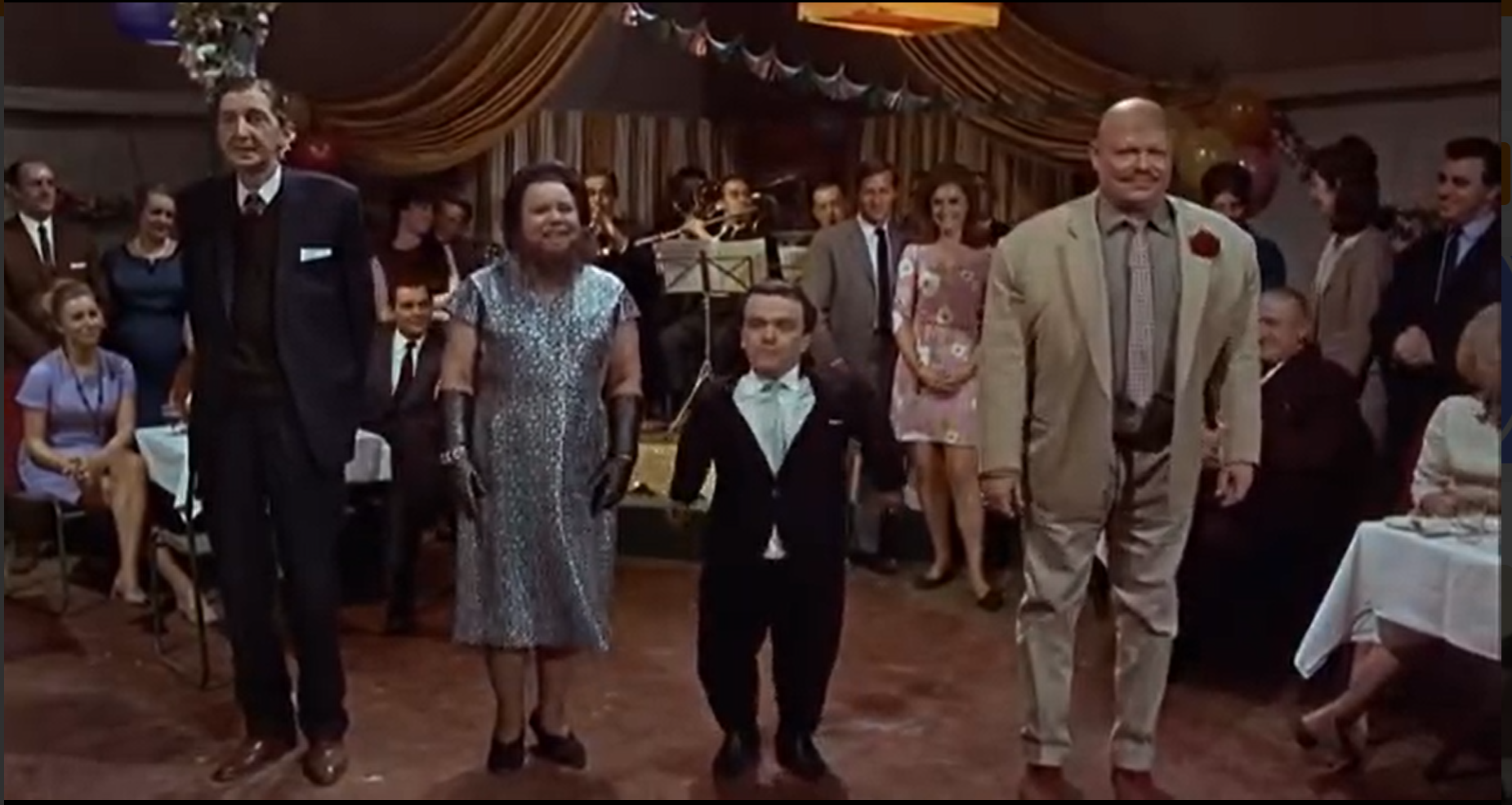
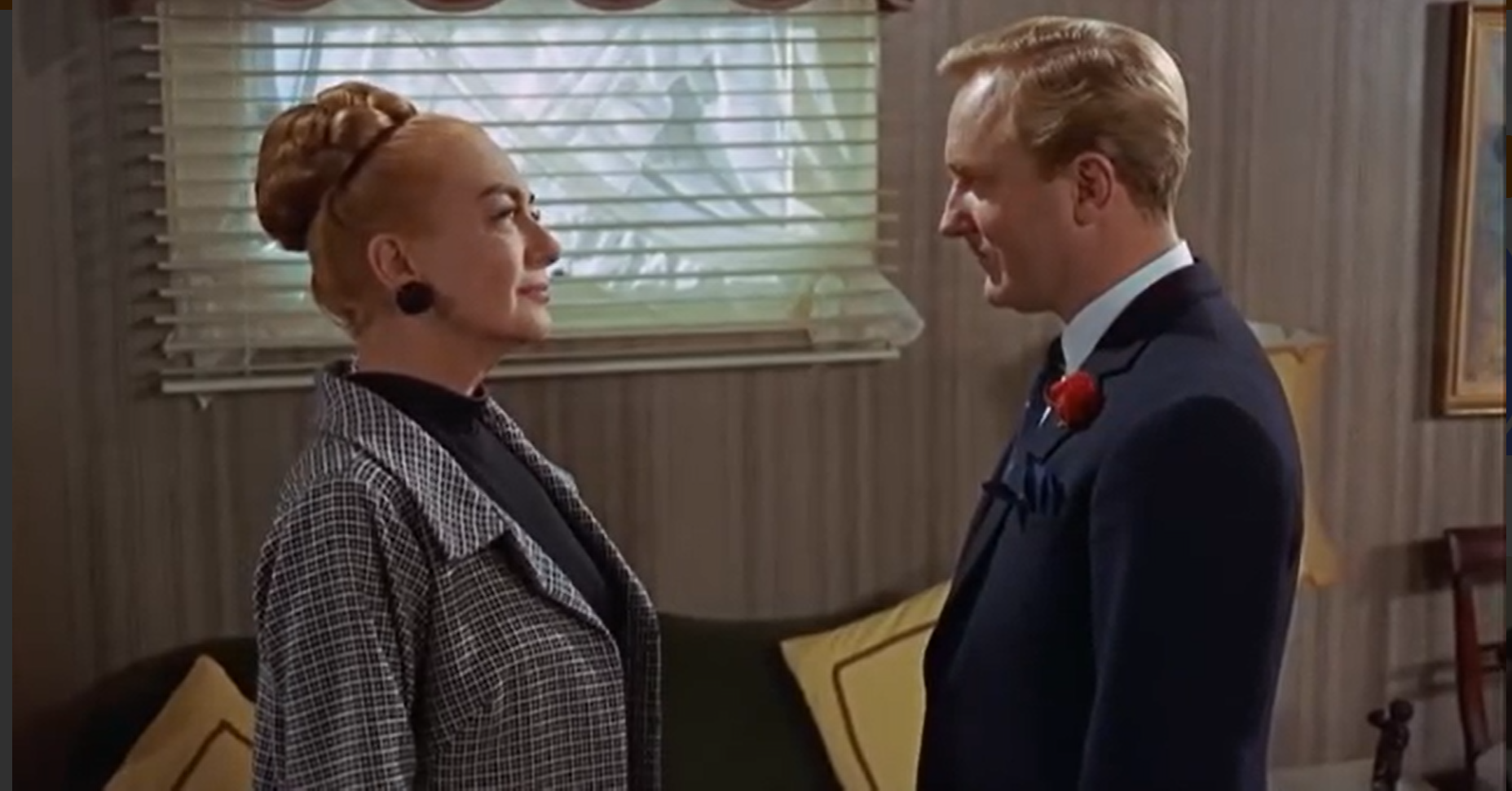
This disappointing murder mystery — best known for starring a well-preserved 63-year-old Joan Crawford — ultimately provides few genuine thrills, and fails to live up to its campy potential. While Crawford is clearly enjoying playing yet another “strong female” — an independent woman who easily attracts and beds men of all ages — the script simply doesn’t do her character justice. And though the identity of the serial killer is nearly impossible to guess, this is less a function of cleverly written suspense than of outright improbability; revelations are tossed out in the final scenes of the movie which make little sense given what’s come before. Unlike in Tod Browning’s masterful Freaks (1932), the scenes in this film involving circus “misfits” — including a bearded lady, a “skeletal man” (whose body is never shown!), and a midget — are exploitative and badly written.

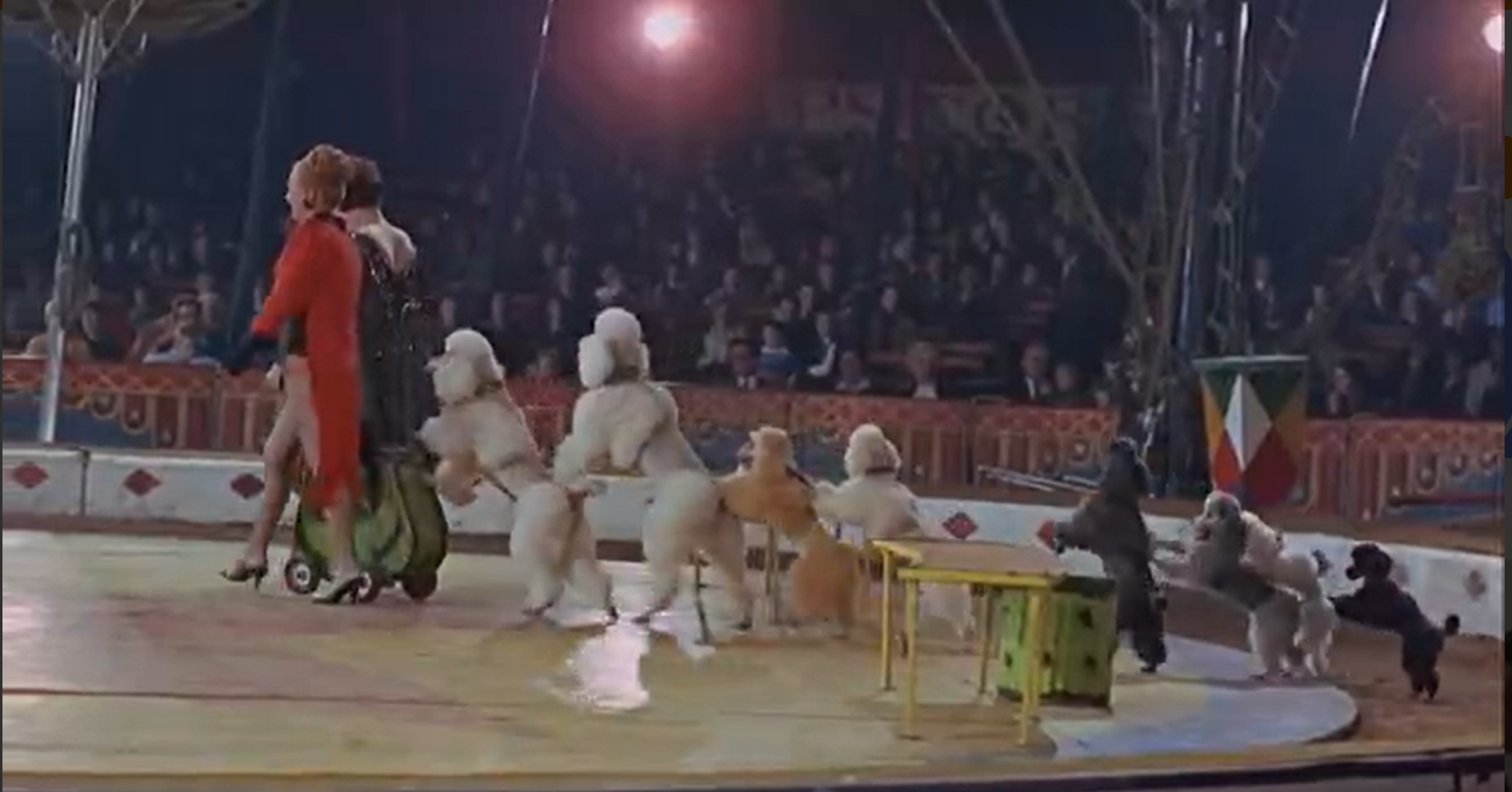
In addition, the occasional scenes showing various circus animal acts go on too long, and don’t fit in with the thrust of the narrative; given that this is a story about backstage machinations, we really don’t need to see so much of the circus itself — though I’ll guiltily admit that the poodle act was my favorite scene in the entire film.

Redeeming Qualities and Moments:

  • Still-sexy Joan Crawford, doing her best in a sub-par movie
  • The circus poodle act — ultimately more interesting than the rest of the film!

Must See?
No. I’m not sure why Peary lists this as a “must see” in the back of his book — I’m assuming it’s because of Crawford’s late-life performance, but you’re better off watching her in true camp classics such as What Ever Happened to Baby Jane? (1962) or Strait-Jacket (1964).

Links:

Killer Shrews, The (1959)

Killer Shrews, The (1959)

“If we were half as big as we are now, we could live twice as long on our natural resources!”

Synopsis:
A group of people on a hurricane-ridden island try to escape before they are attacked by voracious mutant shrews.

Genres, Themes, Actors, and Directors:

  • Horror
  • Mutant Monsters
  • Scientists

Review:
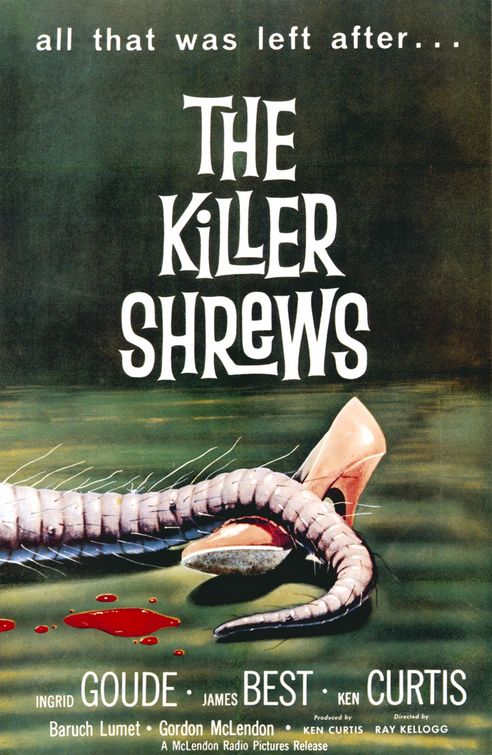
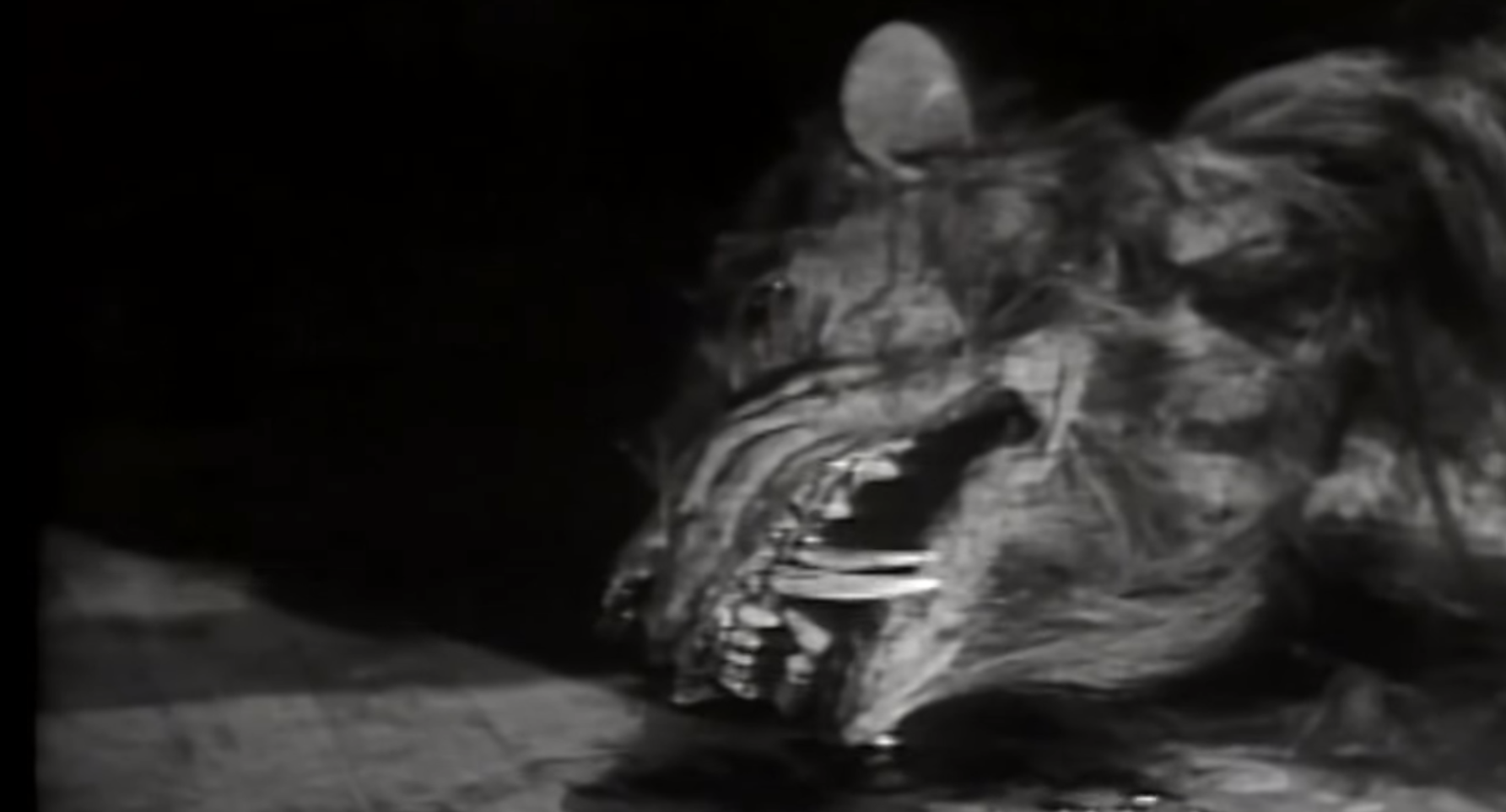
This campy, super-low-budget Mutant Monster flick (the directorial debut of special effects guru Ray Kellogg) possesses a relatively clever sci-fi premise and a few moments of atmospheric tension, but ultimately doesn’t offer quite enough laughs or thrills to mark it as a true “bad movie” classic. The ridiculously amateur-looking giant shrews (puppets in close-up, rug-covered dogs in action scenes) prevent one from feeling any credible sense of horror, instead simply provoking sniggers, rolled eyes, and yawns. In the back of his book, Peary lists Killer Shrews as a Camp Classic, which makes sense — it’s been lampooned fairly effectively by the MST3K crew — but also as a Sleeper, which mystified me until I read Shane Burridge’s review (no longer available online), in which he defends it as a “decent, economical piece of film-making” which “overcomes its limitations by confining its events to one set, using sound effects (the constant wind), lighting, and editing to create atmosphere.” Unfortunately, these elements weren’t enough to win me over; I enjoyed reading creative lampoons of this flick (see, for instance, the Stomp Tokyo review) much more than actually watching it.

Redeeming Qualities and Moments:

  • Occasional camp value from spectacularly ridiculous dialogue, costumes, special effects, acting, and overall situations

Must See?
Yes, for its status as a campy cult favorite.

Categories

  • Cult Movie

Links:

He Ran All the Way (1951)

He Ran All the Way (1951)

“Carve the turkey.”

Synopsis:
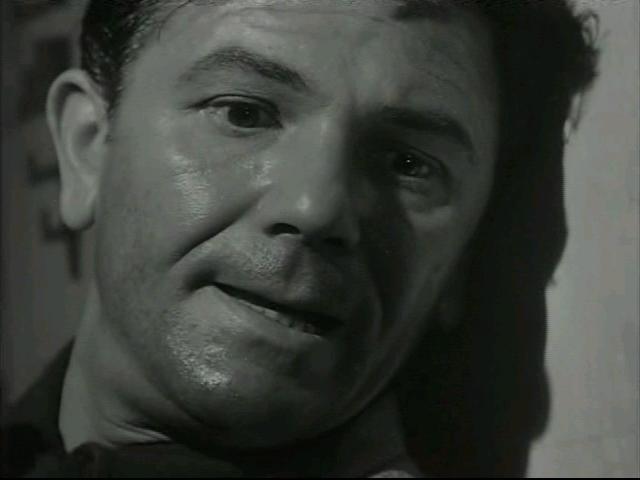
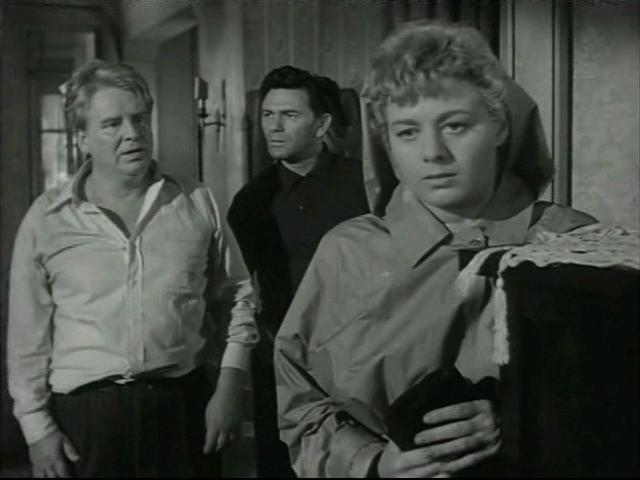
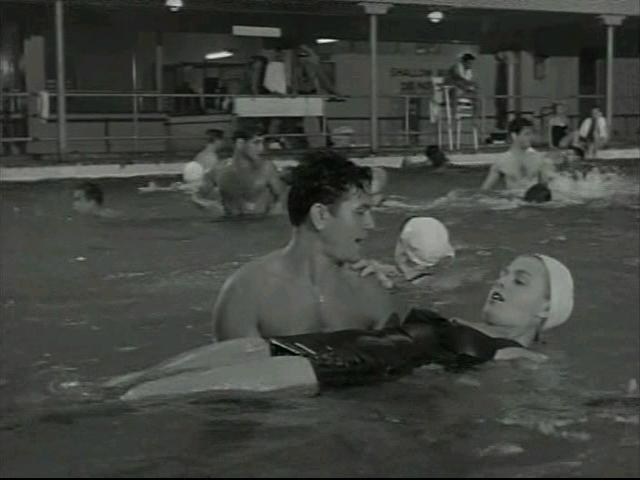
A thief on the lam (John Garfield) seeks refuge with the family of a woman (Shelley Winters) he meets at the pool.

Genres, Themes, Actors, and Directors:

  • Fugitives
  • Hostages
  • John Garfield Films
  • Shelley Winters Films

Review
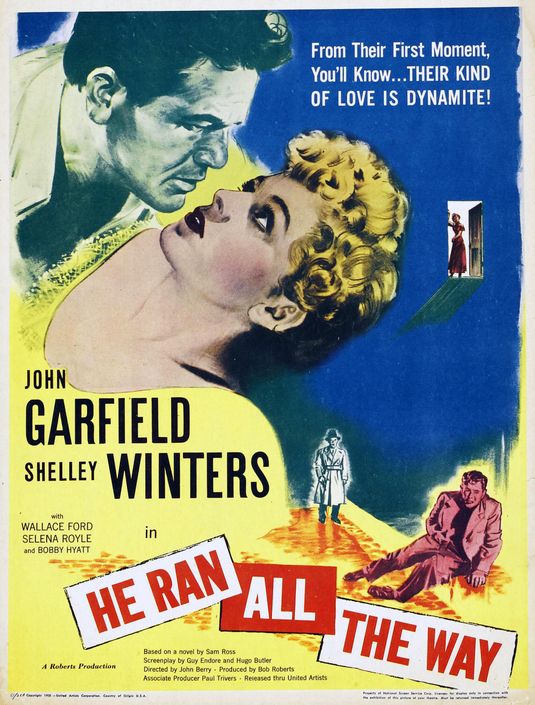
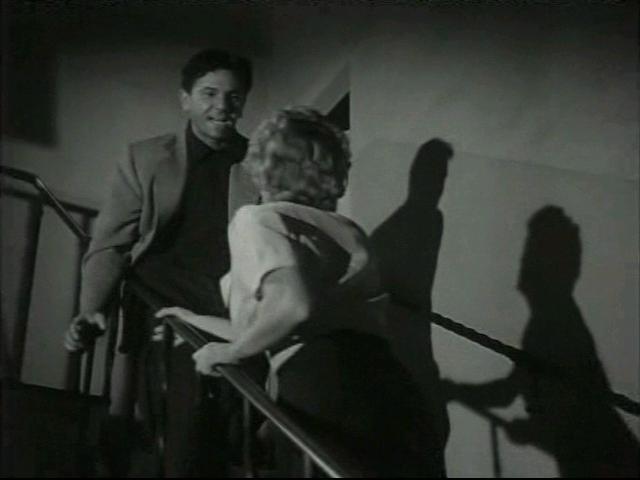
While not particularly unique in terms of narrative or characterization, this little thriller nonetheless holds a special place in HUAC-era film history: Garfield — who admitted to membership in the Community Party but refused to “name names” — died of coronory thrombosis at the age of 39, after this film’s release; many believe the stress he was under contributed to his premature death. In addition, notorious blacklisted screenwriter Dalton Trumbo co-wrote the script, which includes some zingy lines of dialogue (“Get the dandruff out of your blood!”) and a fair amount of tension. Perhaps most effective, however, is James Wong Howe’s stunning cinematography: his use of dramatic lighting and depth-of-field add visual interest to the story at all times, even when the narrative falters.

Redeeming Qualities and Moments:

  • John Garfield’s effectively paranoid portrayal as a fugitive who’s not quite sure who he can trust, but who longs to belong somewhere
  • Shelley Winters as Garfield’s apprehensive love interest
  • Atmospheric cinematography by James Wong Howe
  • Good use of unusual New York locales

Must See?
Yes, for its significance in film history.

Categories

  • Historically Relevant

Links:

Santa Claus Conquers the Martians (1964)

Santa Claus Conquers the Martians (1964)

“All this trouble for a fat man in a red suit.”

Synopsis:
When the ruler of Mars (Leonard Hicks) discovers that Martian children are depressed because they’d like to experience Christmas, he kidnaps Santa Claus (John Call) and two Earthling children, Billy (Victor Stiles) and Betty (Donna Conforti).

Genres, Themes, Actors, and Directors:

  • Aliens
  • Christmas
  • Kidnapping
  • Science Fiction

Review:
Frequently voted as one of the worst “bad” movies ever made, this corny holiday flick boasts laughably cliched alien costumes, unimaginative set design, wooden acting, and Pia Zadora in her screen debut as a Martian child:

— in other words, just about everything necessary to merit its status as a campy cult classic. With that said, I didn’t enjoy Santa Claus… nearly as much as I wanted to; despite its clever premise, the film’s execution lacks bite. Bad movies are a dime a dozen, and the best thing about this one is its promising title. Surprisingly, it got a decent review in the New York Times upon its release.

Redeeming Qualities and Moments:

  • Occasionally amusing low-budget costumes and sets

Must See?
No, though it’s worth a look for its value as a camp classic.

Links: