Mean Streets (1973)

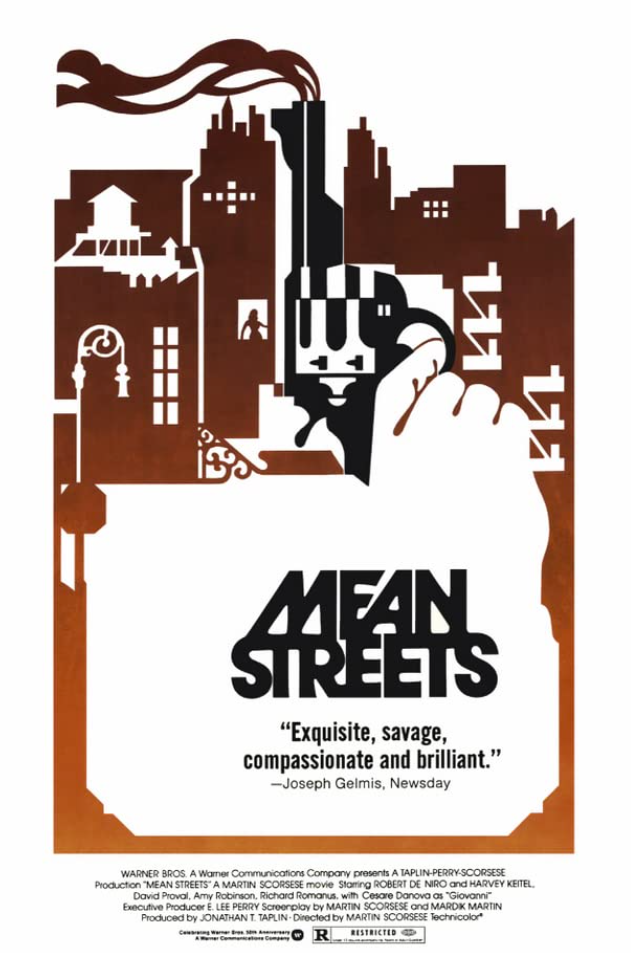
Mean Streets (1973)

“Honorable men go with honorable men.”

Synopsis:
An aspiring restauranteur (Harvey Keitel) in New York’s Little Italy works overtime to keep his buddy (Robert De Niro) out of trouble and to hide his relationship with De Niro’s cousin (Amy Robinson).

Genres, Themes, Actors, and Directors:

  • David Carradine Films
  • Friendship
  • Harvey Keitel Films
  • Mafia
  • Martin Scorsese Films
  • New York City
  • Robert De Niro Films

Response to Peary’s Review:
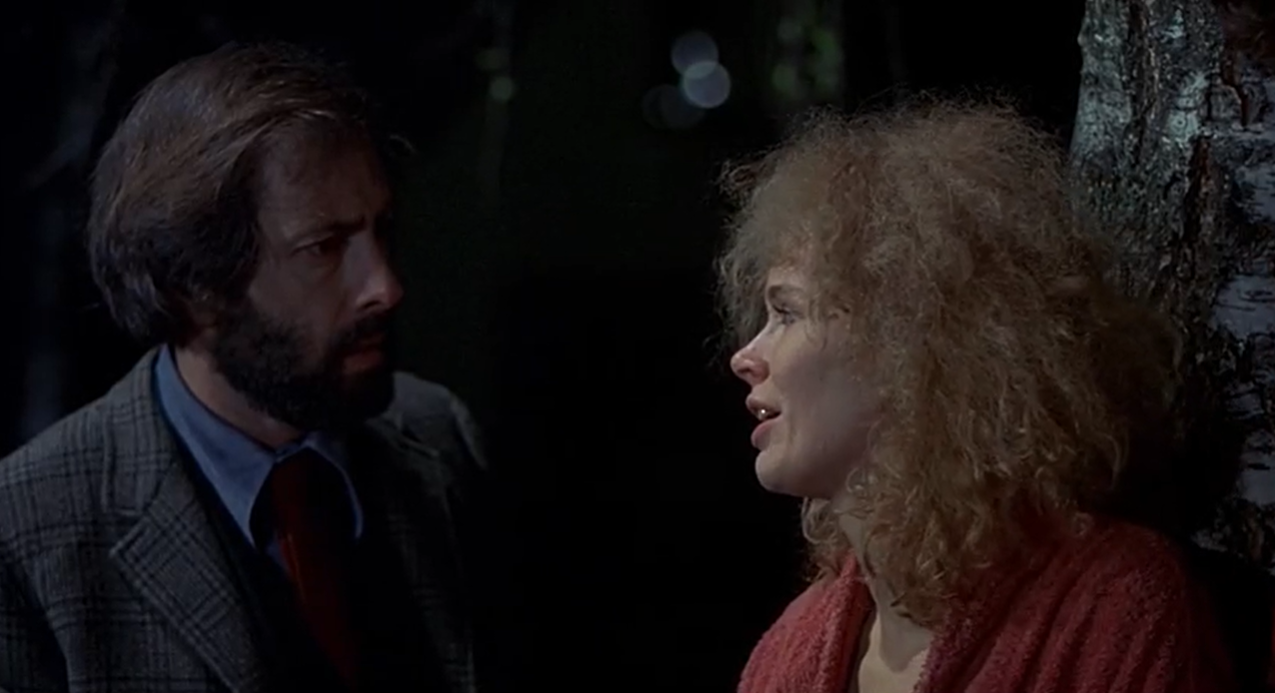
Peary writes that “Martin Scorsese emerged from obscurity with this violent, visually dazzling love-hate remembrance of life in New York’s Little Italy,” an “independent film deal[ing] with young low-level criminals — second-rank loan sharks, numbers men, street hustlers, collectors — whose goal is to move up in the Mafia hierarchy.”

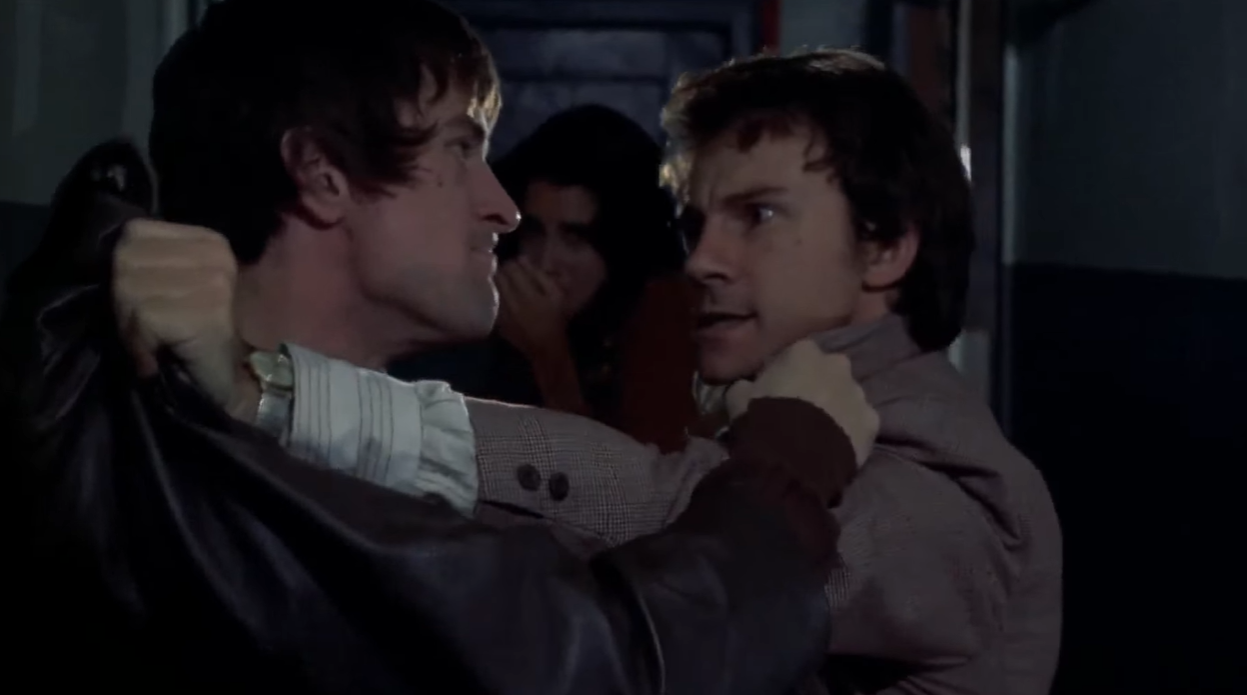
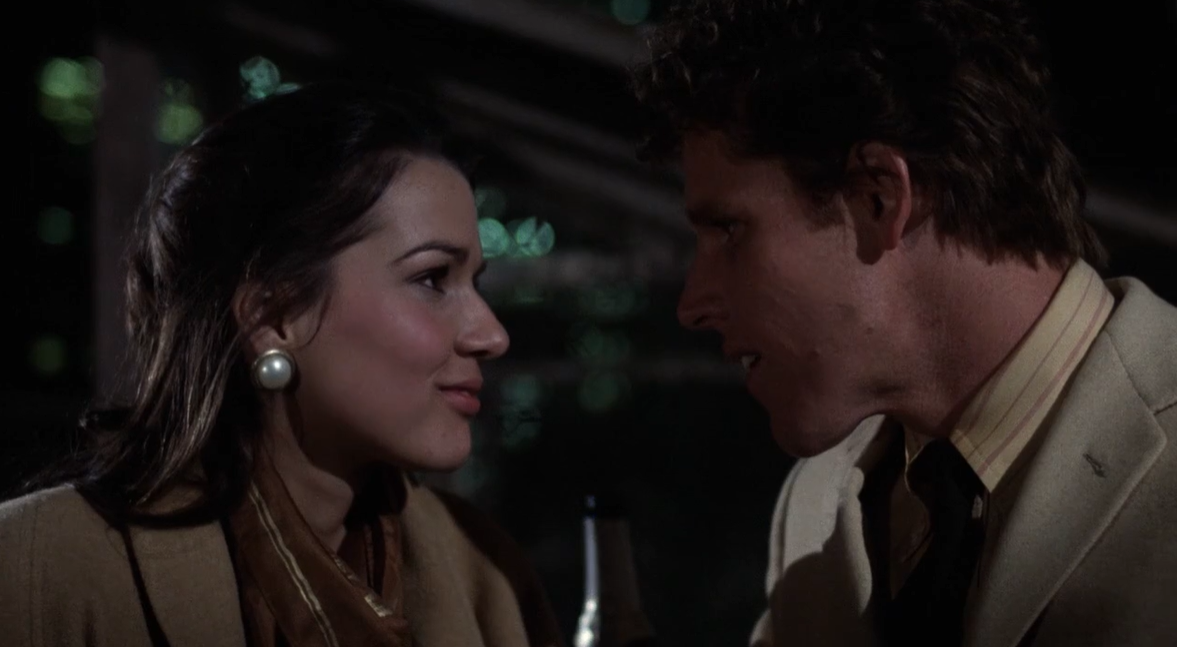
Specifically, the storyline centers on Harvey Keitel’s Charlie, who “wants his Mafia uncle [Cesare Danova] to give him a restaurant that was taken from its rightful owner” — but in order to achieve this goal “must keep secret his friendship with stupid, irresponsible, reckless Robert De Niro (who became a star as Johnny Boy)”:

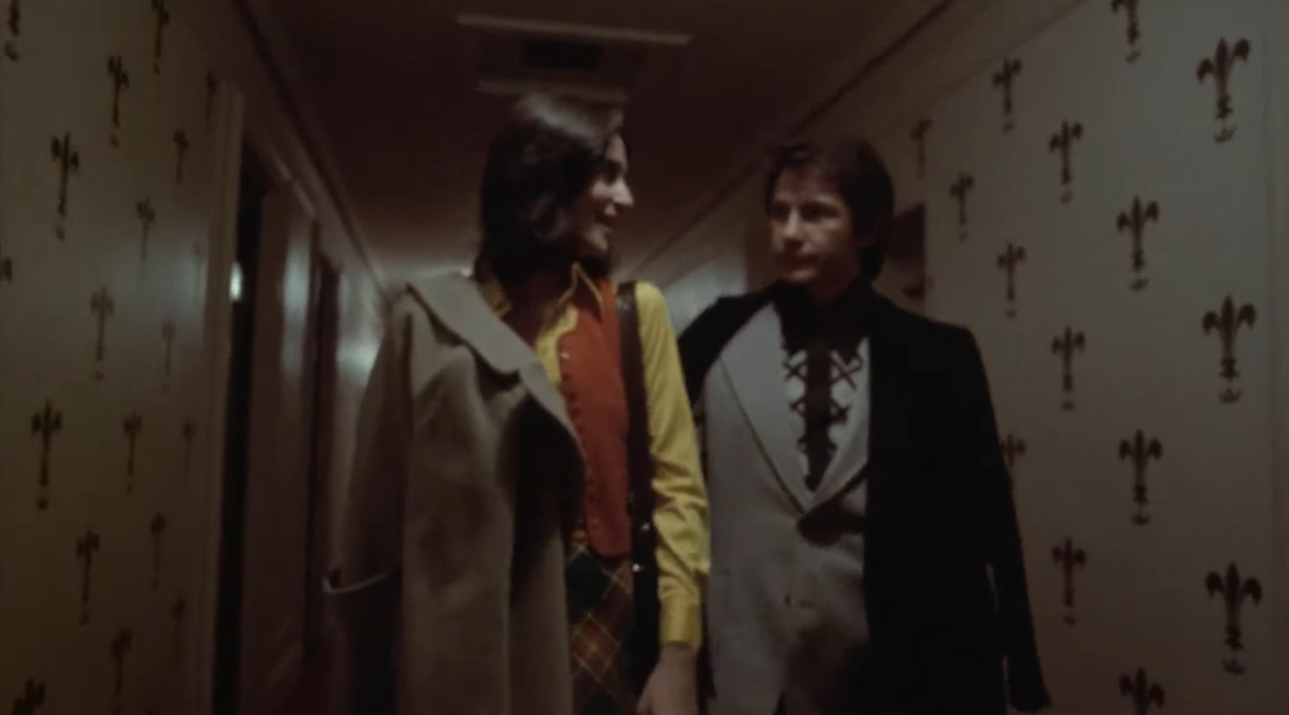
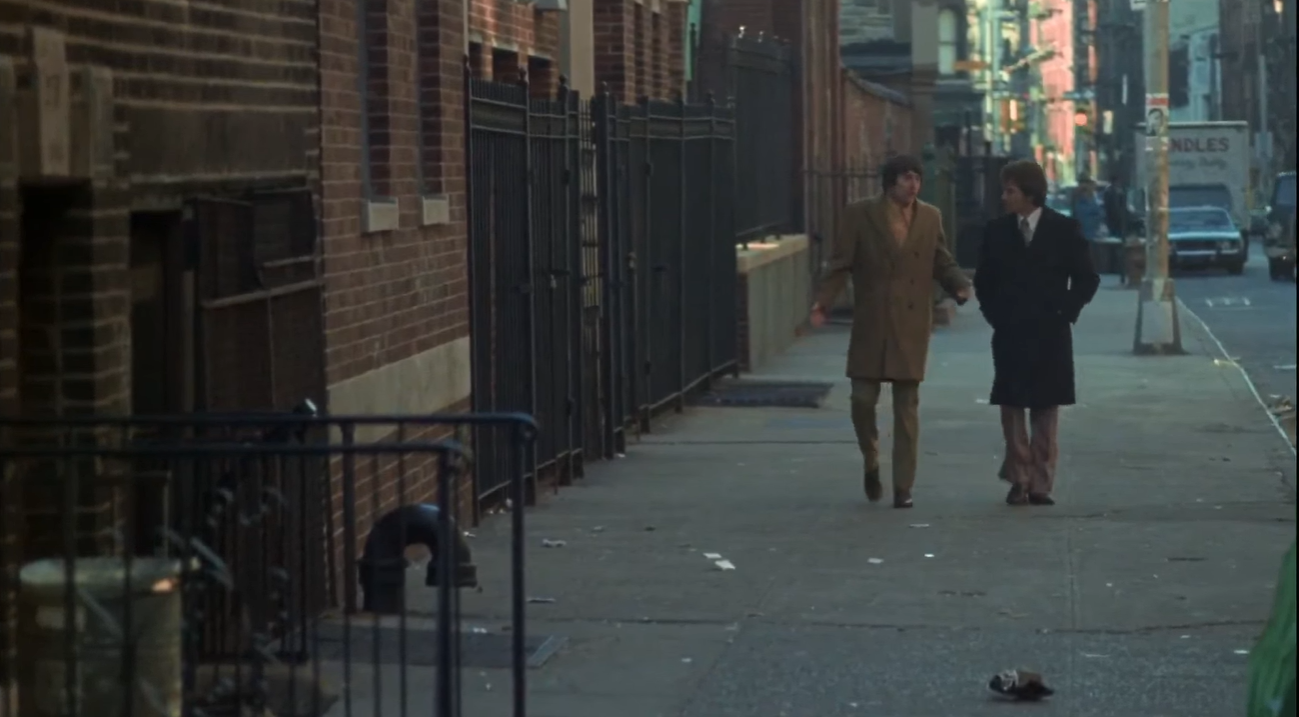
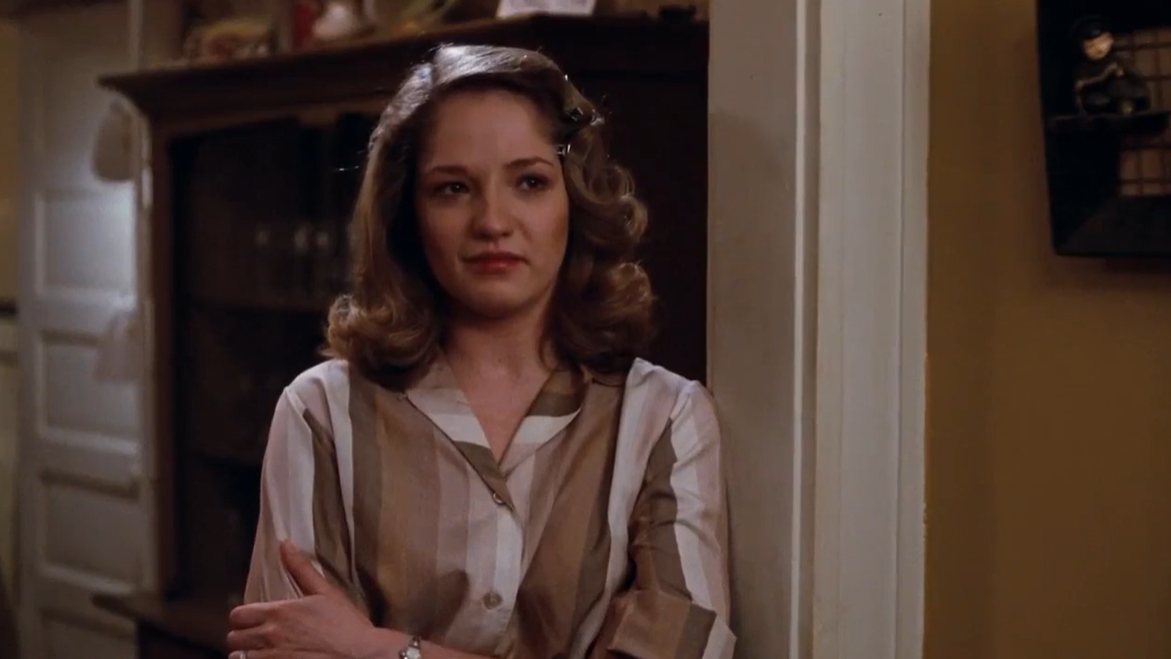
… and his “love for De Niro’s epileptic cousin, Amy Robinson.”

The bulk of Charlie’s time is spent “getting De Niro out of trouble… and eventually tr[ying] to get him out of town to avoid a loan shark (Richard Romanus) … to whom he’s deeply in debt.”

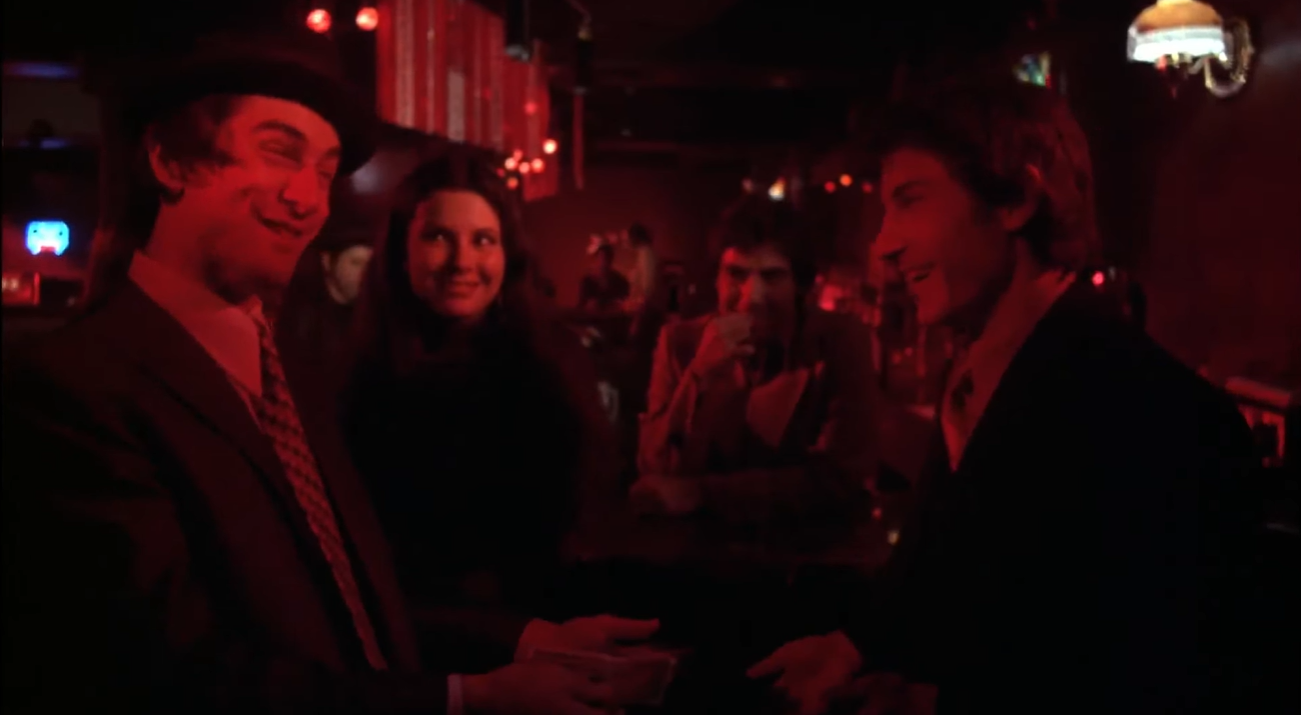
Peary describes this film as “an alternative to Diner,” showing “young Italian buddies hanging out” in a bar, “carrying on conversations (heavily improvised) that have more slaps and shoves than words, holding two-minute grudges against each other, losing their tempers”:

… “discussing what’s happening on the streets, making a play for women, scheming to get cash to see a movie up on 42nd Street, figuring out how to smooth things over between De Niro and Romanus, [and] watching strangers engage in violence.”

Peary notes that while “Scorsese calls attention to his characters’ foul racism and [their] foolish male posturing” he “sees these young men sympathetically, as victims of their crowded, brutal, corrupt hell-town.” He points out that the “film has [a] distinct rhythm created by [a] rock-band score, camera movement, [and a] special brand of patter between characters”; meanwhile, “the strong use of city locales indicates Scorsese was an expert on post-WWII Italian neo-realist films.”

Ultimately, he argues that “this remains one of Scorsese’s most exciting efforts.”

While I appreciate all of Peary’s points — and can see how Scorsese fans would view this film as a powerful harbinger of what was to come — I differ from most critics in that I don’t see it as necessary viewing in its own right. There is little satisfaction in watching these young men hanging out and wreaking havoc; while Scorsese’s camerawork is consistently creative and Kent Wakeford’s cinematography is highly atmospheric, the storyline they’re working in service of doesn’t quite pay off.

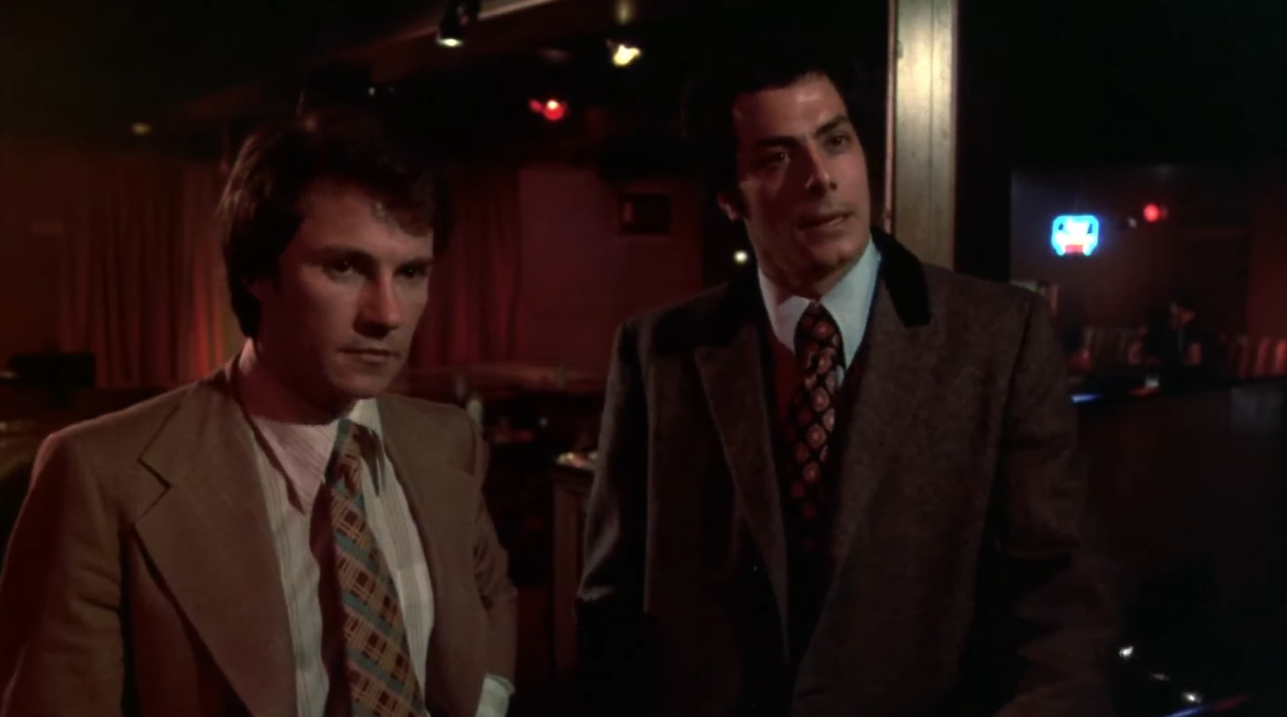
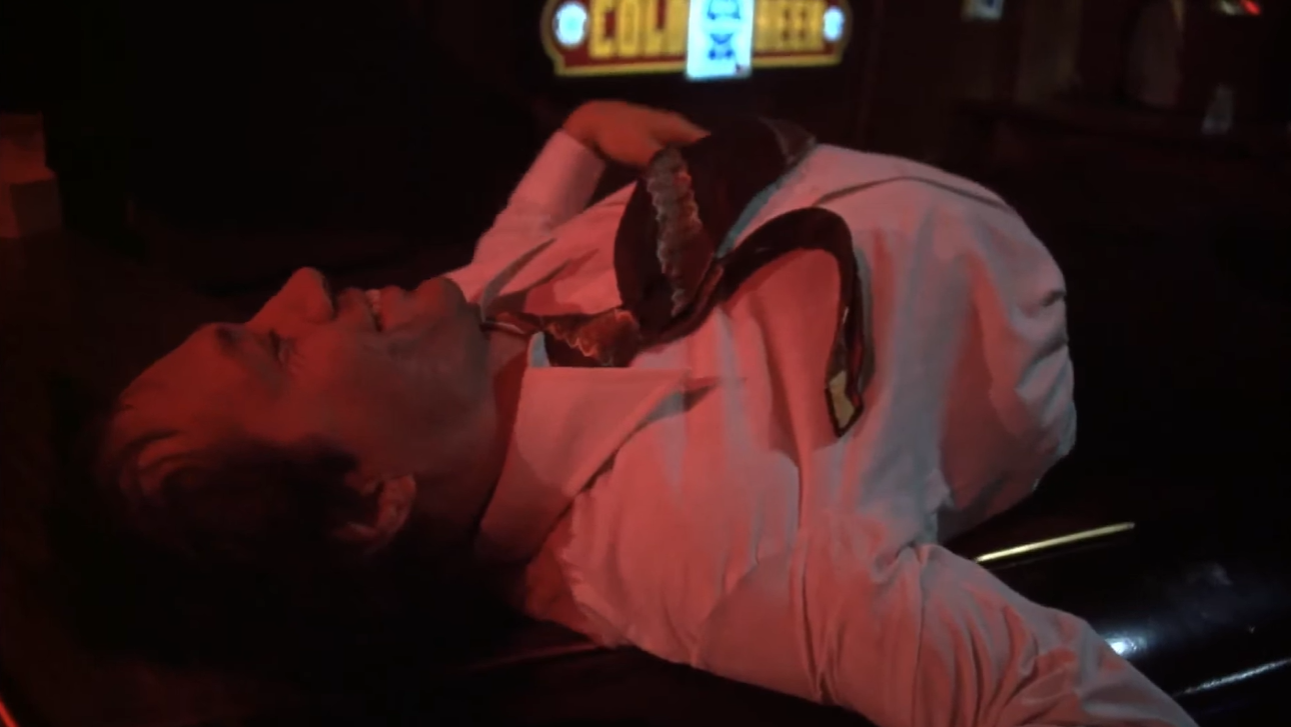
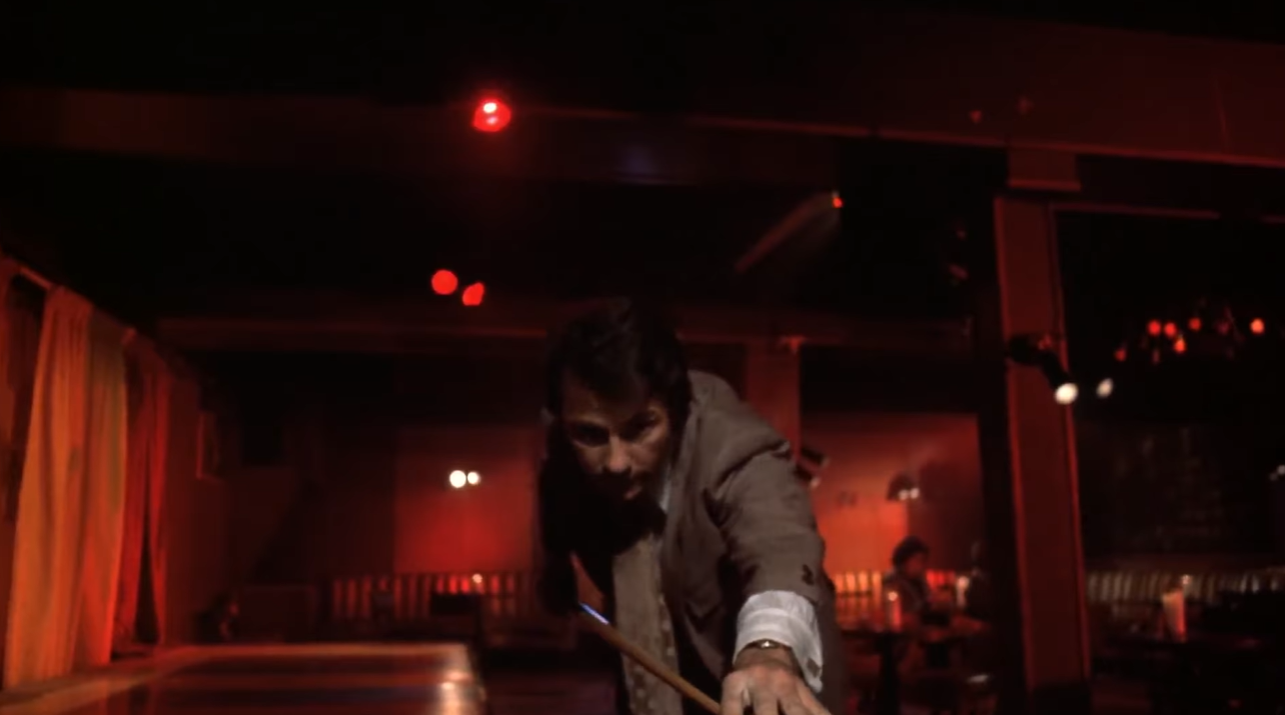
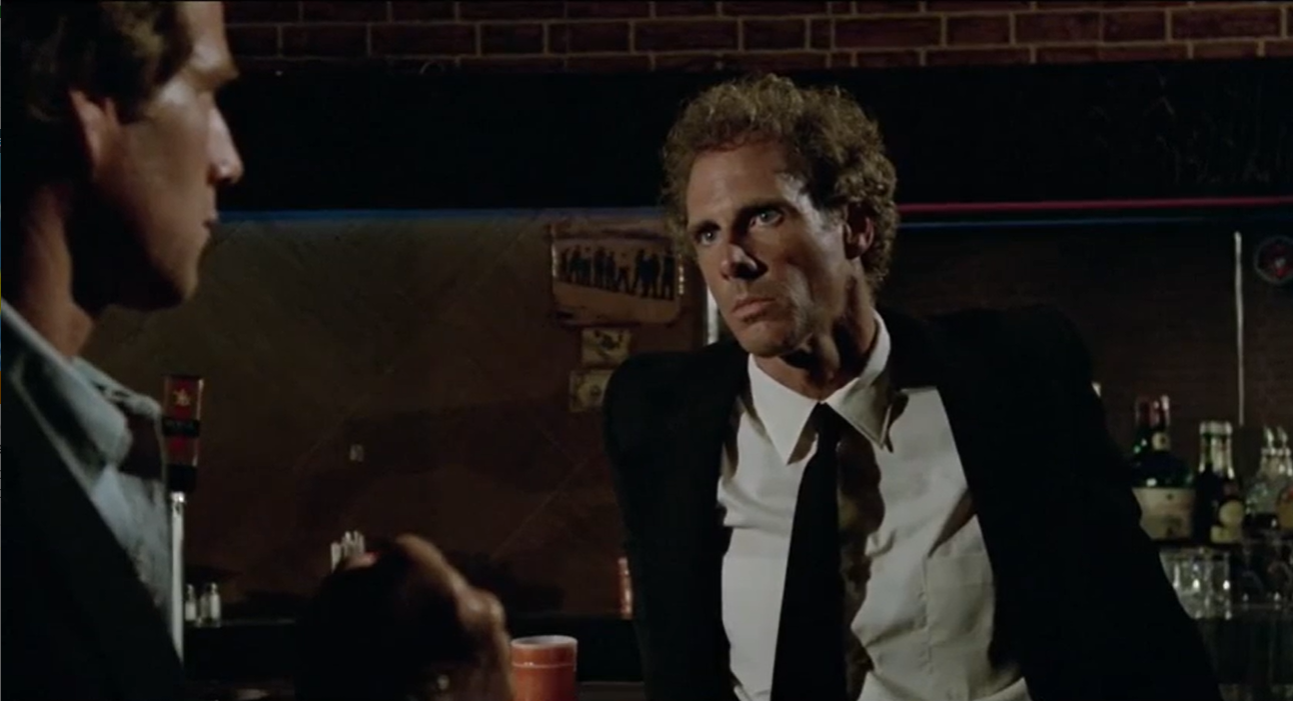
Watch for David Carradine as a drunk in the bar who meets a violent (what else?) end:

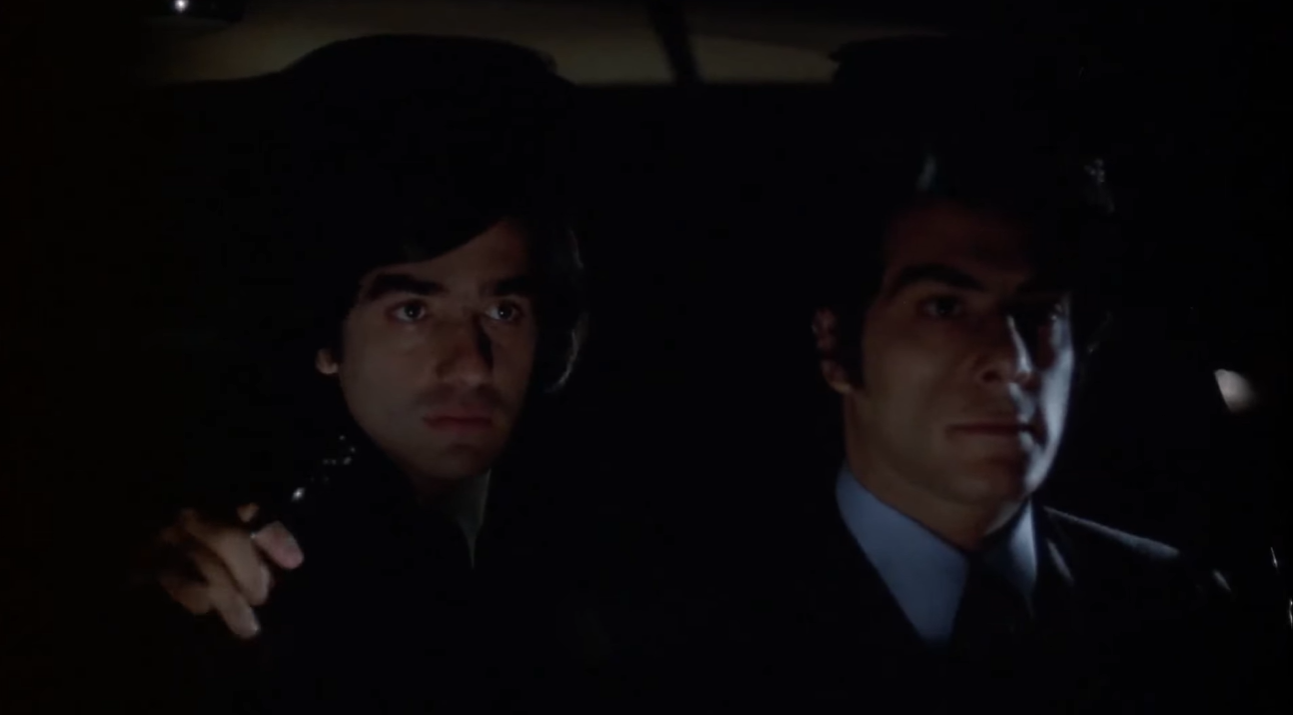
… and Scorsese himself in a small but crucial (and violent; what else?) cameo near the end.

Notable Performances, Qualities, and Moments:

  • Harvey Keitel as Charlie
  • Robert De Niro as Johnny Boy
  • Atmospheric cinematography

Must See?
No, but it’s certainly worth a look for its historical relevance.

(Listed in 1001 Movies You Must See Before You Die)

Links:

Lightning Swords of Death / Sword of Vengeance: Part III / Lone Wolf and Cub: Baby Cart to Hades (1972)

Lightning Swords of Death / Sword of Vengeance: Part III / Lone Wolf and Cub: Baby Cart to Hades (1972)

“Why has a man of your stature become a mercenary?”

Synopsis:
A mercenary swordsman (Tomisaburô Wakayama) travelling across the countryside with his young son (Masahiro Tomikana) in medieval Japan helps a poor young woman (Yuko Hama) escape from being sold into prostitution, but must deal with the wrath of the madam (Yuko Hamada) who expects payment in exchange.

Genres, Themes, Actors, and Directors:

  • Father and Child
  • Japanese Films
  • Samurai

Response to Peary’s Review:
Peary’s review of this third entry in the “Lone Wolf and Cub” cinematic franchise — based on the popular manga series of the same name — refers to it as “an edited entry” that “arrived in the U.S. with the first of the Kung Fu imports,” and notes that the “worst thing about the film is the dubbing”; however, the version I watched for this review is in the original language, and is a discrete film in its own right (albeit part of a longer multi-episode narrative).

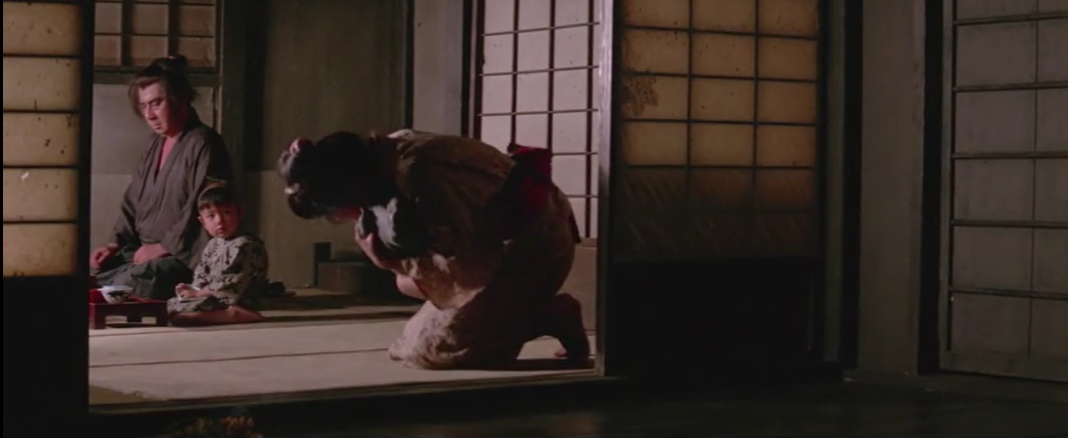
With that caveat out of the way, I’ll note that Peary refers to Wakayama as “the most honorable of men” (yet someone who is “willing to use his boy as a decoy”) — a man who “comes to the rescue of a woman sold into prostitution”:

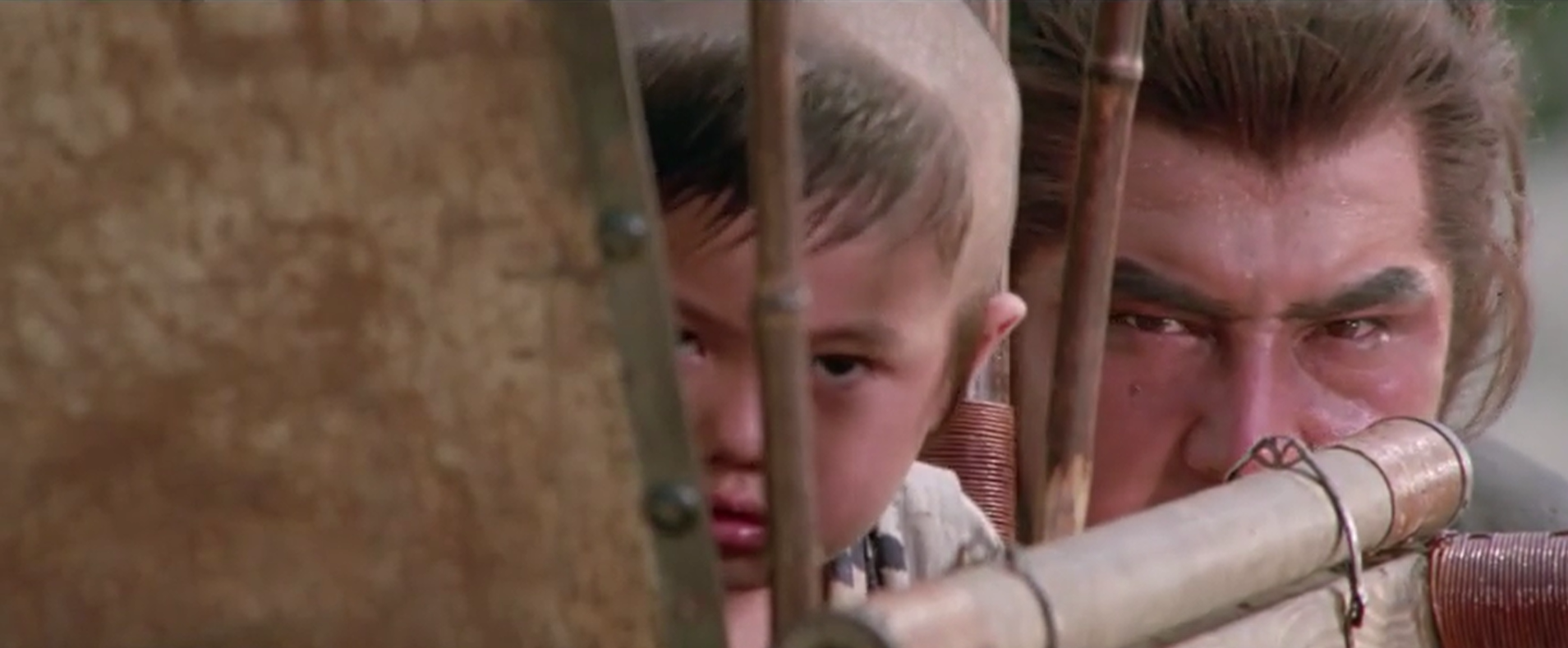
… and then “finds himself in the middle” of this woman and “the cruel female who heads a powerful family”:

… ultimately agreeing “to kill an evil governor” and “fighting a one-man war against both sides.” Through all this, “the boy watches the bloodshed without changing expressions.”

Peary argues that while the “film moves along like a turtle with a broken leg,” there “are many interruptions for violent swordplay,” and “the action scenes are extremely imaginative, well filmed and choreographed.” A notable “highlight has him single-handedly shooting, blowing up, and slicing-and-dicing an entire army” — but “more violent [still] are his one-on-one confrontations,” such as when “he kills one skilled swordsman by flying over him and pushing his sword directly down through the top of his skull.”

Peary concludes by noting that the film “could do without a rape sequence that has nothing to do with the plot” (I completely agree) and “a tasteless bit in which the would-be prostitute bites the tongue from the guy trying to force himself on her” (I’m okay with this scene!). While this flick clearly isn’t for all tastes, it’s easy to see how and why it would appeal to its cult followers, so I recommend it for one-time viewing just to check it out.

Note: I had never heard of ohaguro before this film (a married woman painting her teeth black).

Notable Performances, Qualities, and Moments:

  • Exciting action sequences
  • Fine cinematography

Must See?
Yes, for its cult value.

Categories

  • Cult Movie

Links:

Driver, The (1978)

Driver, The (1978)

“I really like chasing you.”

Synopsis:
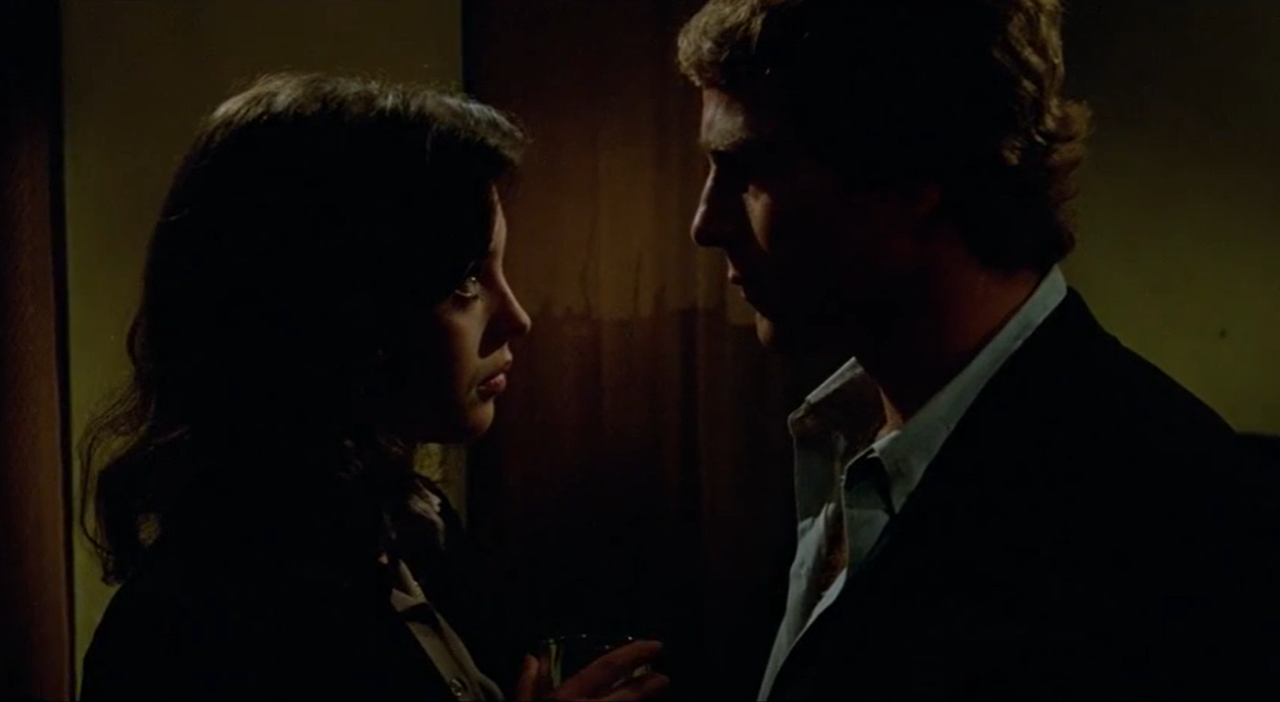
A stoic getaway driver (Ryan O’Neal) receives help from a beautiful casino worker (Isabelle Adjani) in eluding a detective (Bruce Dern) determined to capture him.

Genres, Themes, Actors, and Directors:

  • Bruce Dern Films
  • Car Chase
  • Cat-and-Mouse
  • Ryan O’Neal Films
  • Walter Hill Films

Response to Peary’s Review:
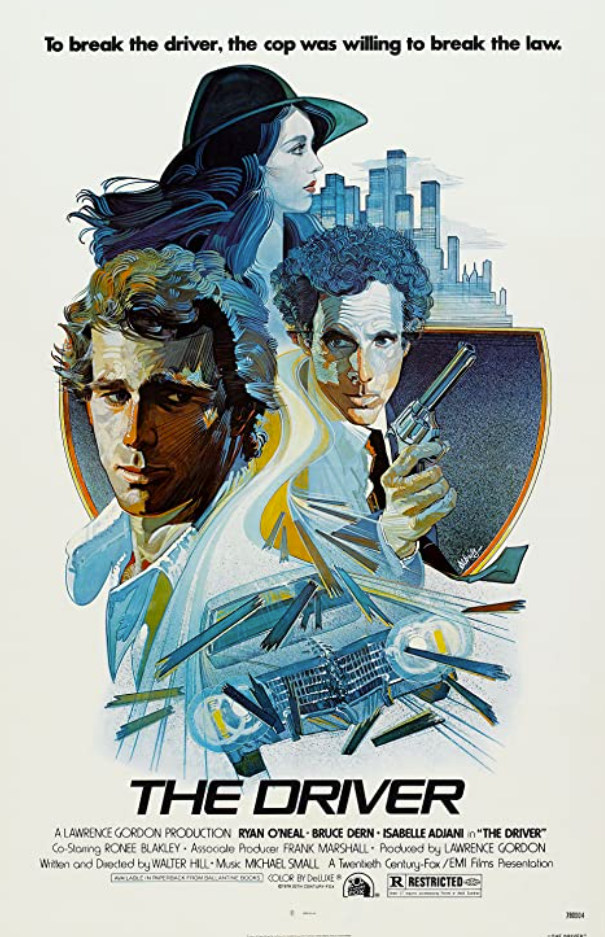
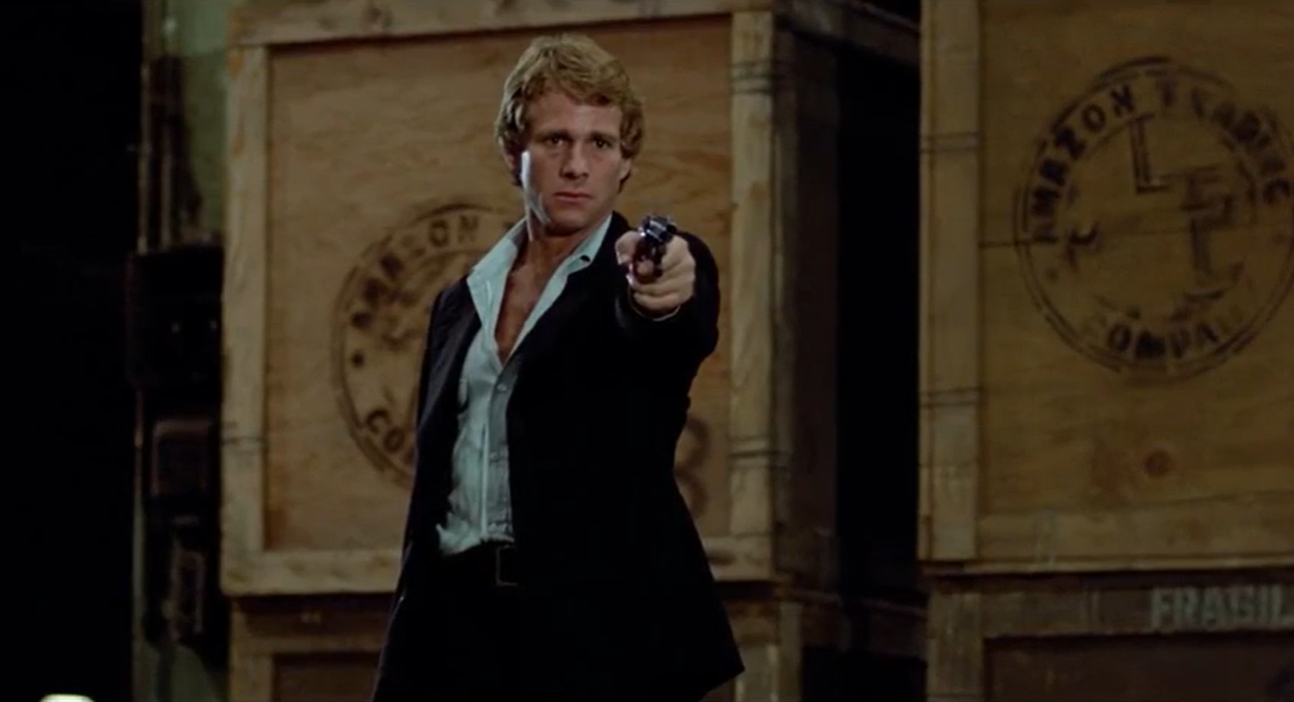
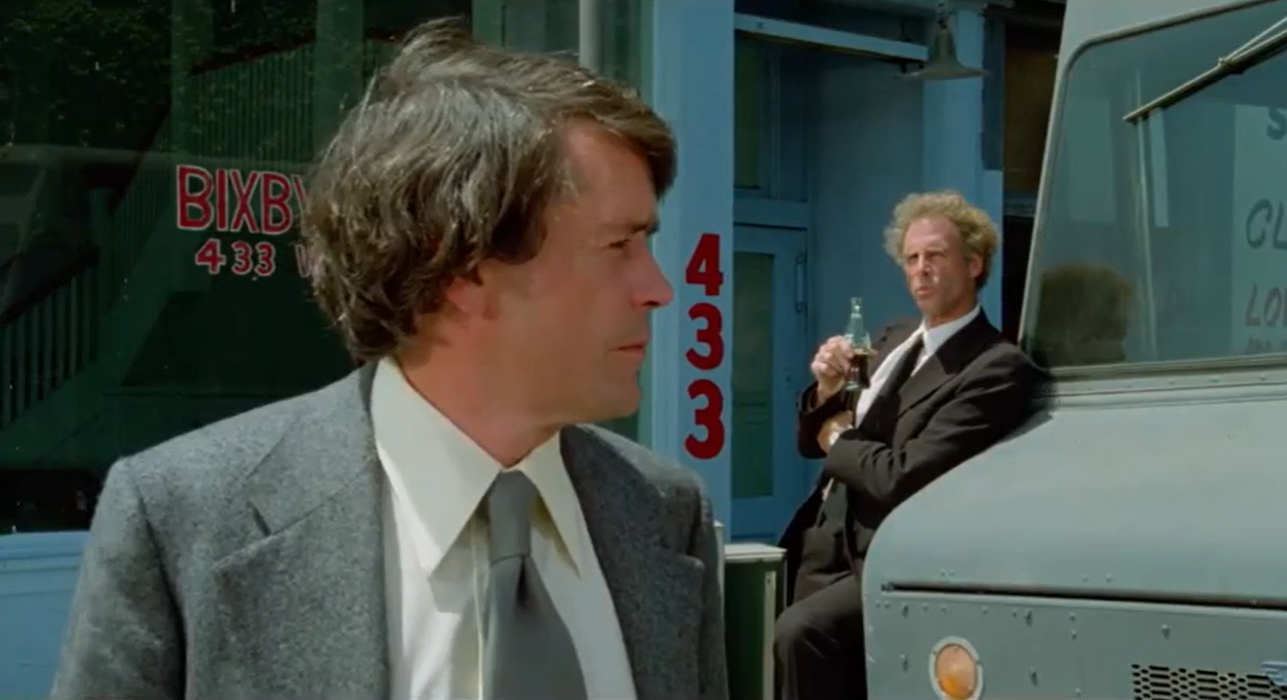
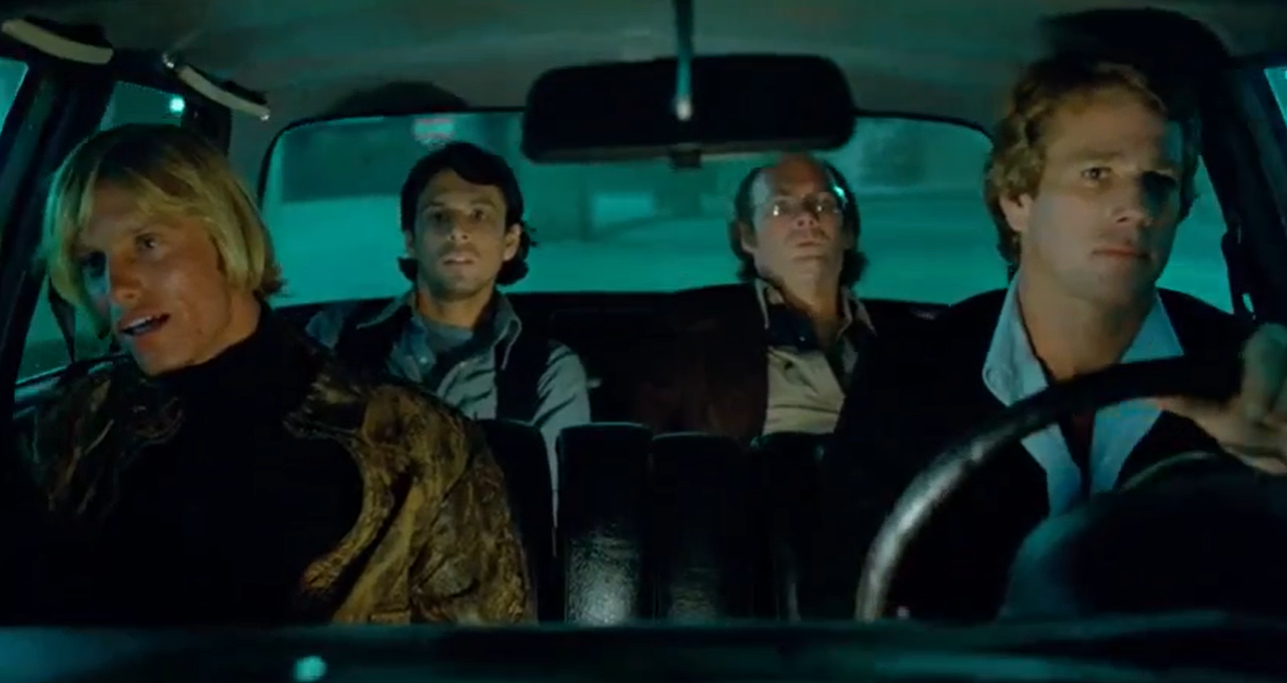
As Peary writes, this “cult film was directed by Walter Hill, who mixed film noir with existential European gangster pictures.” He notes that while “it has an interesting style,” “the actors (but for Dern, of course):

… seem to be on their own and lost.” He adds that “it’s okay that Hill had O’Neal drive at high speeds as if he has ice water in his veins, but since he’s just as expressionless outside his car, there are no sparks when he interacts with other characters.” Indeed, O’Neal has exactly one slightly modulated expression throughout this film.

DVD Savant as amusingly forthright in his take on O’Neal’s performance, noting that:

[Unlike Steve McQueen], Ryan O’Neal [is] a featherweight whose presence doesn’t dominate scenes. There’s no particular reason for tough gangsters to be intimidated by The Driver, for the cops to respect him, or the girl to be moved by just standing near him. For this gambit to work, the soul-sick look on the actor’s face must be fulfilling in itself, as it is in the case of Jean Gabin, Robert Ryan or even Charles Bronson.

Peary adds that “the most disappointing scenes are those in which [O’Neal] gets together with the equally reserved Isabelle Adjani and both are as cool and exciting as cucumbers.”

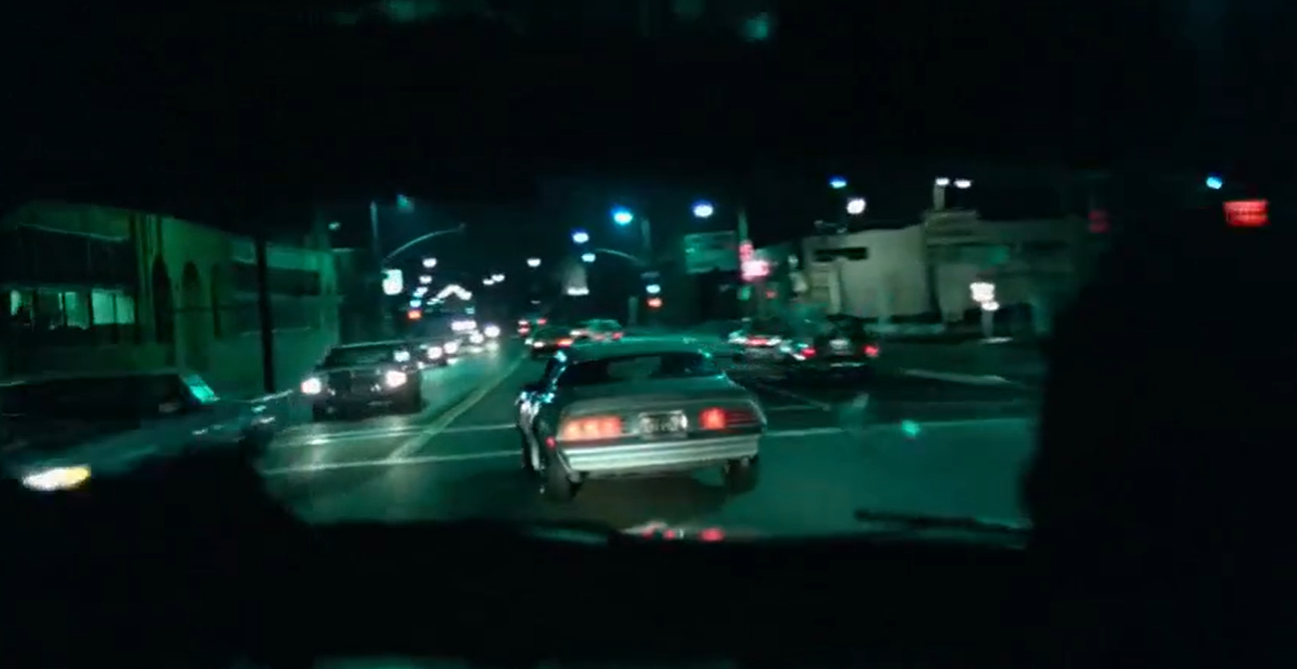
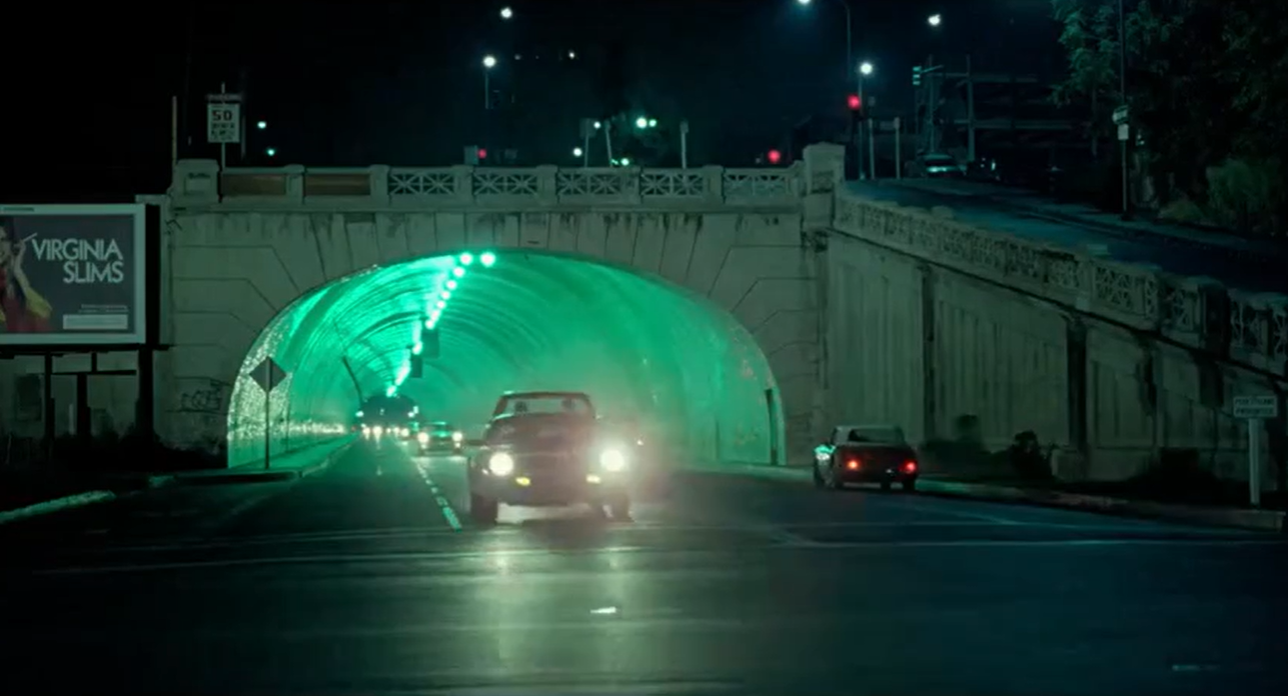
Peary points out that “Hill’s at his best directing action scenes”; however, while the film’s car chases are “excitingly filmed”, they’re also “too long and repetitive.”

I’m in agreement with Peary’s review: there’s plenty of action here, but O’Neal’s dull protagonist gives us nothing to hold onto. While we’d love to root for “brutal, slightly unhinged Las Vegas cop Bruce Dern,” he’s a bit of a d**k so that doesn’t feel quite right, either. I’m a much bigger fan of Hill’s follow-up cult film, The Warriors (1979).

Notable Performances, Qualities, and Moments:

  • Philip Lathrop’s cinematography
  • Impressively filmed and edited car chase sequences
  • Excellent use of location shooting in downtown Los Angeles

Must See?
No, though it’s certainly worth a one-time look for its cult status.

Links:

Drive, He Said (1971)

Drive, He Said (1971)

“I feel so disconnected.”

Synopsis:
A college basketball player (William Tepper) in love with the wife (Karen Black) of a professor (Robert Towne) navigates pressure from his demanding coach (Bruce Dern) and an increasing level of paranoia from his draft-avoiding roommate (Michael Margotta).

Genres, Themes, Actors, and Directors:

  • Basketball
  • Bruce Dern Films
  • Counterculture
  • Jack Nicholson Films
  • Karen Black Films

Response to Peary’s Review:
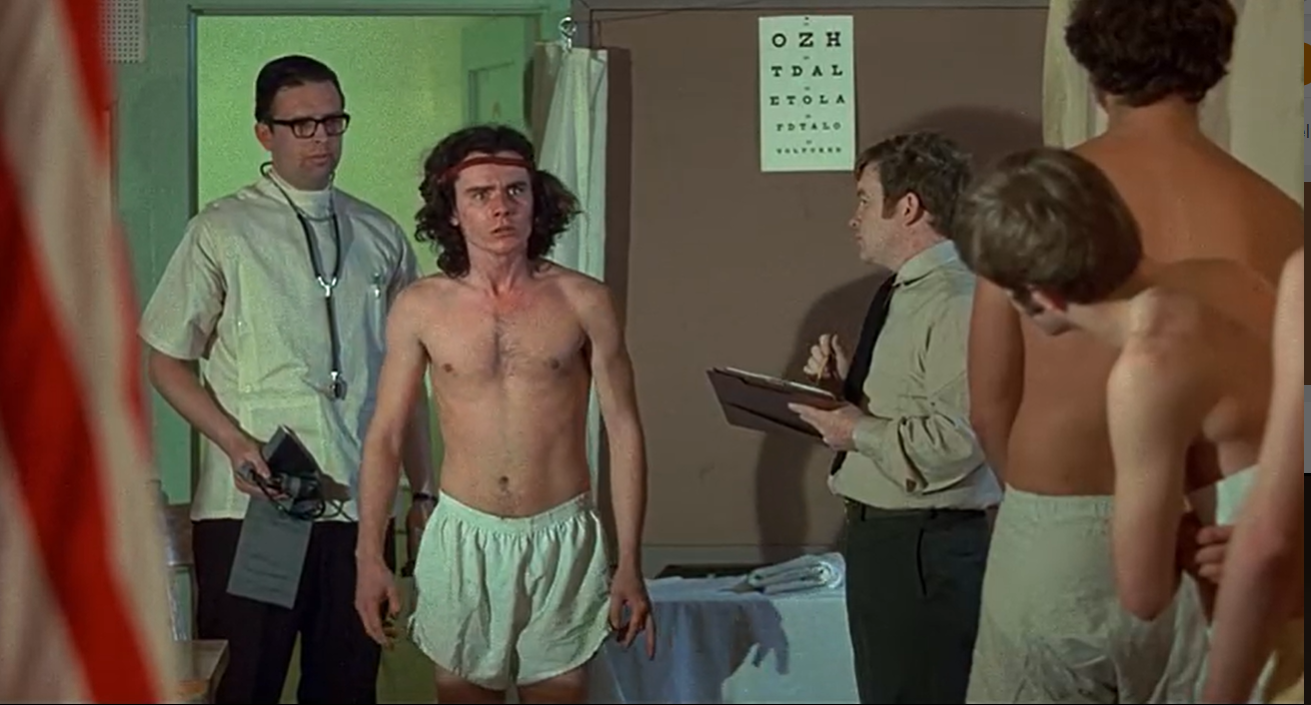
Peary writes that while “Jack Nicholson’s directorial debut” — “adapted by Nicholson and Jeremy Larner (Eugene McCarthy’s chief speechwriter in ’68) from Larner’s novel” — “was booed at Cannes and received mostly negative reviews in the U.S.,” he believes “it’s an impressive, highly original work, probably the best at expressing the alienation and confusion of college kids of the era.” He notes that the “film deals with rebellion on three fronts: Margotta from society/authority/sanity:

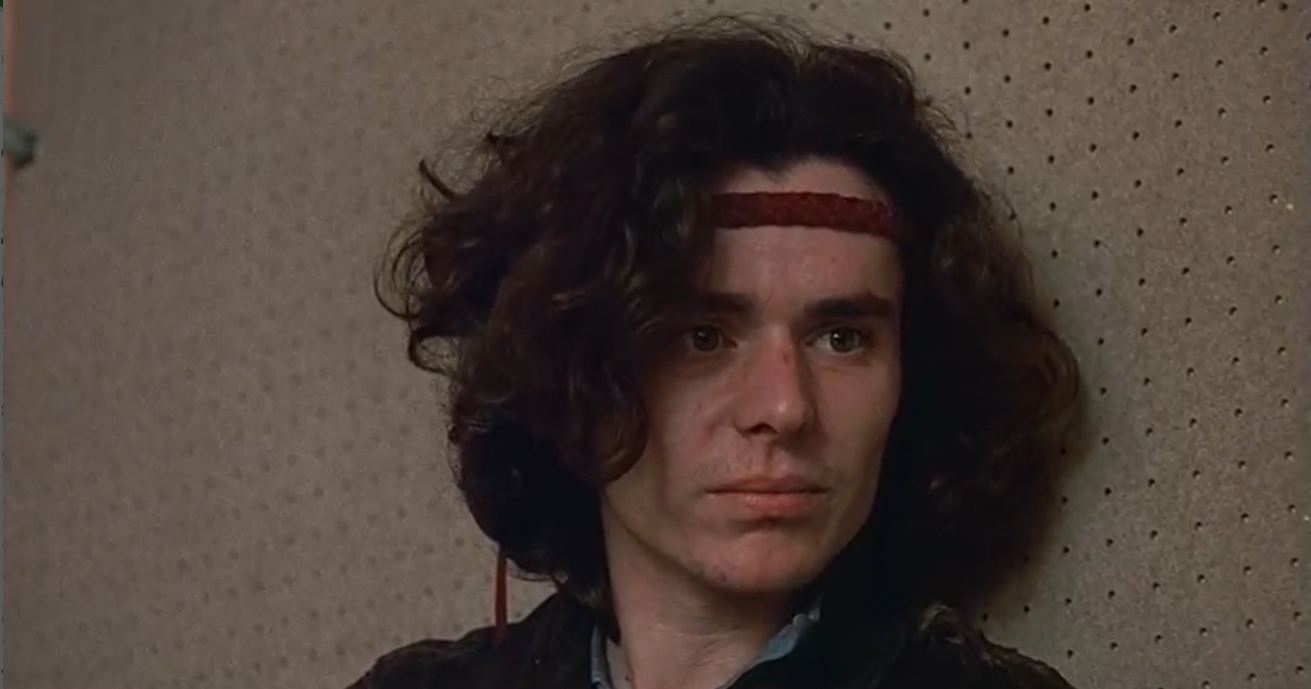
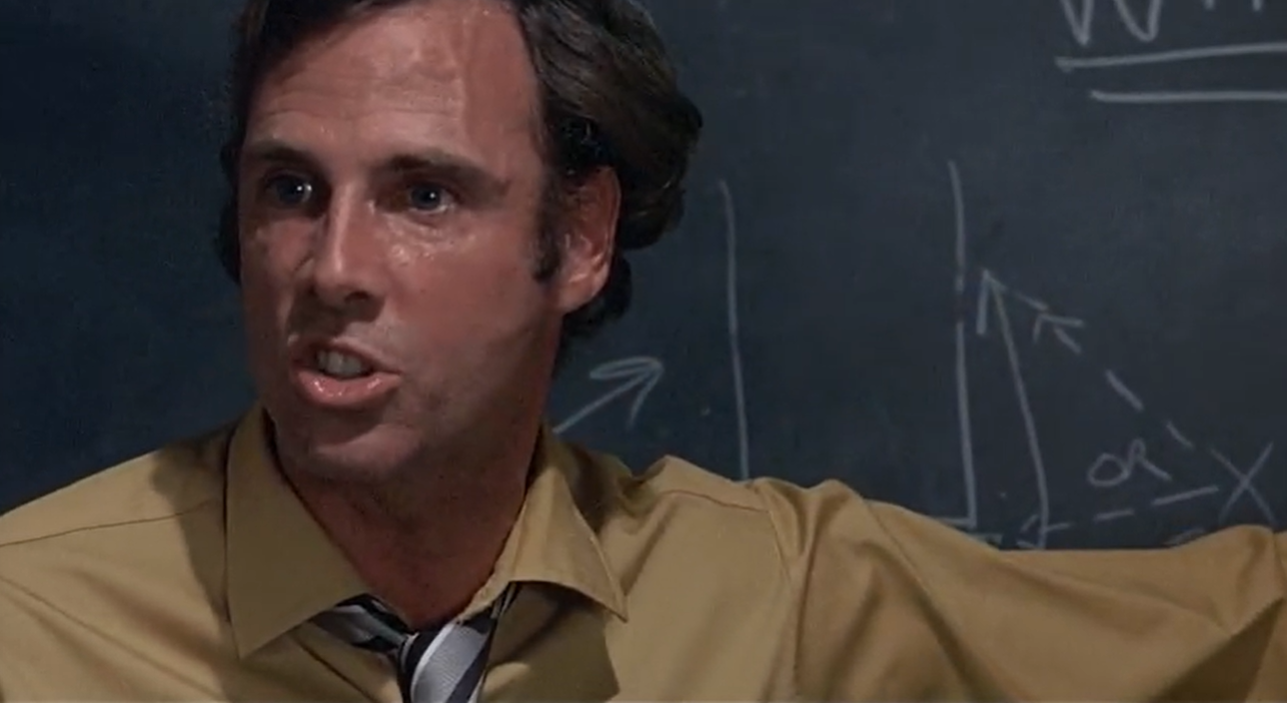
… Tepper from his baskeball-is-everything coach (Bruce Dern is fabulous):

… and Black from all the men who keep her from breathing.”

Indeed, while Tepper’s performance is merely serviceable (he didn’t go on to much of an acting career after this), he’s surrounded by a powerhouse group of supporting actors who bring the story and the era to life. Despite being “flawed and defeatist,” Nicholson’s debut film is consistently unique and intriguing, and remains worth a look.

Notable Performances, Qualities, and Moments:

  • Michael Margotta as Gabriel
  • Bruce Dern as Coach Bullion
  • Karen Black as Olive
  • Confident direction and editing

Must See?
No, but it’s worth a look.

Links:

Diner (1982)

Diner (1982)

“We all know most marriages depend on a firm grasp of football trivia.”

Synopsis:
While a young man (Steve Guttenberg) in Baltimore prepares to marry his wife if she passes a football trivia quiz, his friend Shrevie (Daniel Stern) muses over newly married life with his wife (Ellen Barkin), and they hang out with their other friends — Boogie (Mickey Rourke), Fenwick (Kevin Bacon), Billy (Tim Daly), and Modell (Paul Reiser) — in a local diner.

Genres, Themes, Actors, and Directors:

  • Barry Levinson Films
  • Coming of Age
  • Ensemble Cast
  • Friendship
  • Marital Problems
  • Mickey Rourke Films

Response to Peary’s Review:
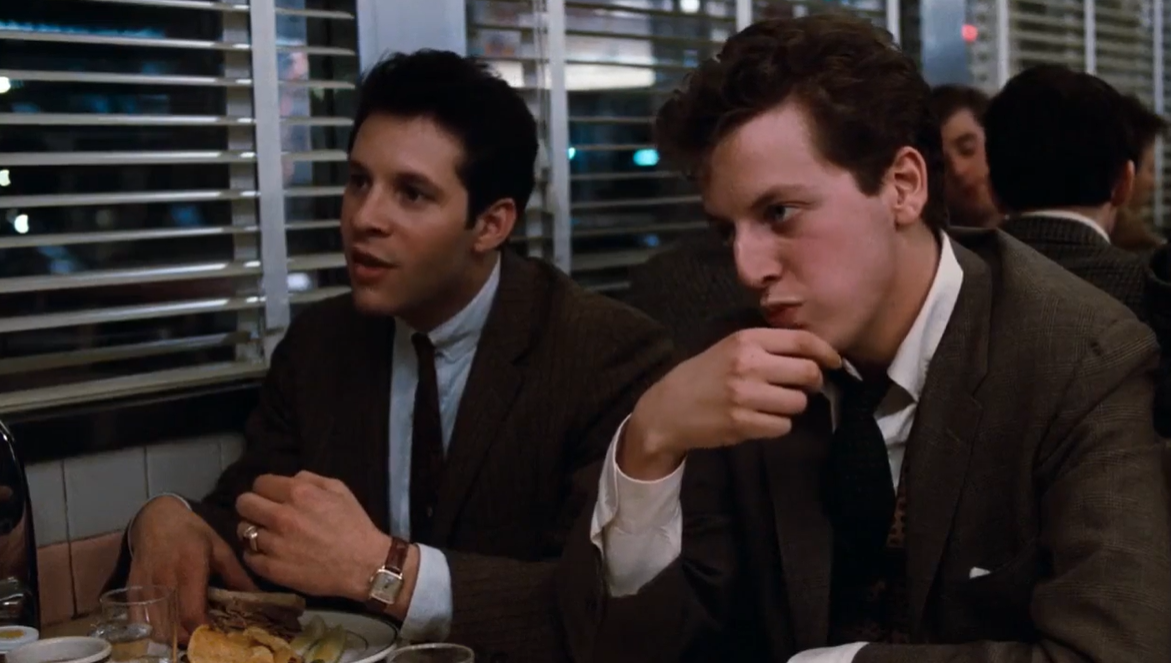
Peary argues that this “low-budget nostalgia comedy by writer-director Barry Levinson” — about “a group of young male buddies who hang out at a diner in Baltimore in 1959 at a time they have to make decisions about work, women, [and] their futures” — is responded to more by “female viewers” who perhaps “dated similar flawed, funny characters,” while men may wisely not “wish to identify with guys who have jerk streaks a mile long.” I’m not sure how many women did or still do enjoy this film, but I’m not among them — for exactly the reason Peary provides. While “the diner dialogue has rhythm and is well delivered by the talented cast”:

… it’s not interesting; meanwhile, “the characters [are] dull and unsympathetic until they start tripping over words around females” (at which point I still… find them dull and unsympathetic). Peary notes that “the most original scenes have Daniel Stern hysterically telling off Ellen Barkin for mixing up his precious rock-‘n’-roll collection”:

and “Steve Guttenberg giving his fiancee” (whose face we never see) “a football trivia test to determine if the wedding is still on” — but all these scenes do is reinforce what immature jerks these guys are. Why do we want to spend time around them, again?

Notable Performances, Qualities, and Moments:

  • Good use of authentic Baltimore locales

Must See?
No, though it’s worth a one time look for its historical relevance as a breakthrough film for many of these young actors (and Levinson as a director).

(Listed in 1001 Movies You Must See Before You Die)

Links:

Buddy Holly Story, The (1978)

Buddy Holly Story, The (1978)

“I have a sound in my head — and so far it’s not like anything we’ve done here.”

Synopsis:
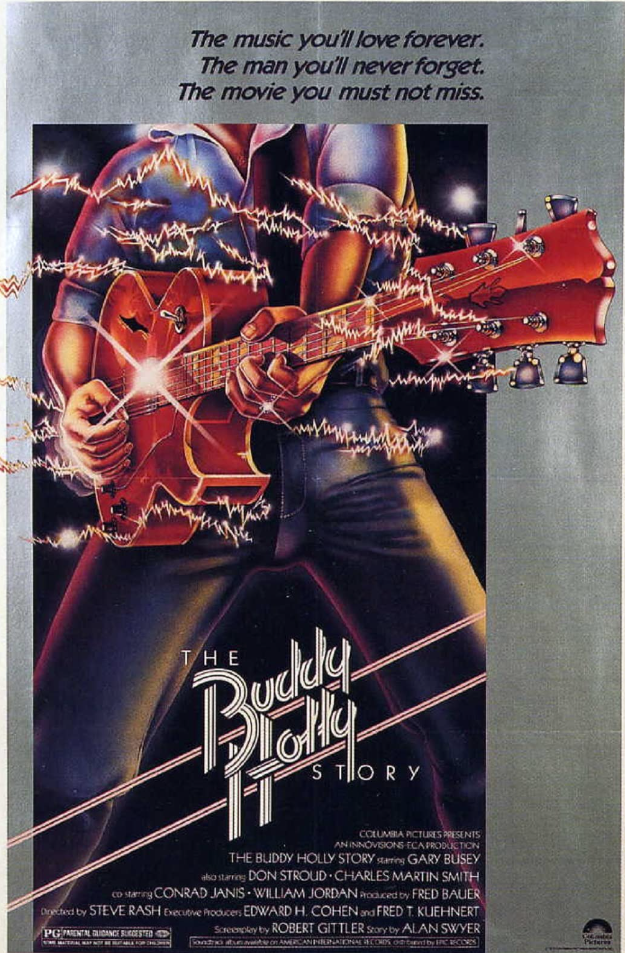
Rock ‘n roll musician Buddy Holly (Gary Busey) gains fame with his fellow bandmates (Charles Martin Smith and Don Stroud) and marries his sweetheart (Maria Richwine), but has a tragically short time to make his mark on the world.

Genres, Themes, Actors, and Directors:

  • Biopics
  • Gary Busey Films
  • Musicians
  • Rock ‘n Roll
  • Untimely Death

Response to Peary’s Review:
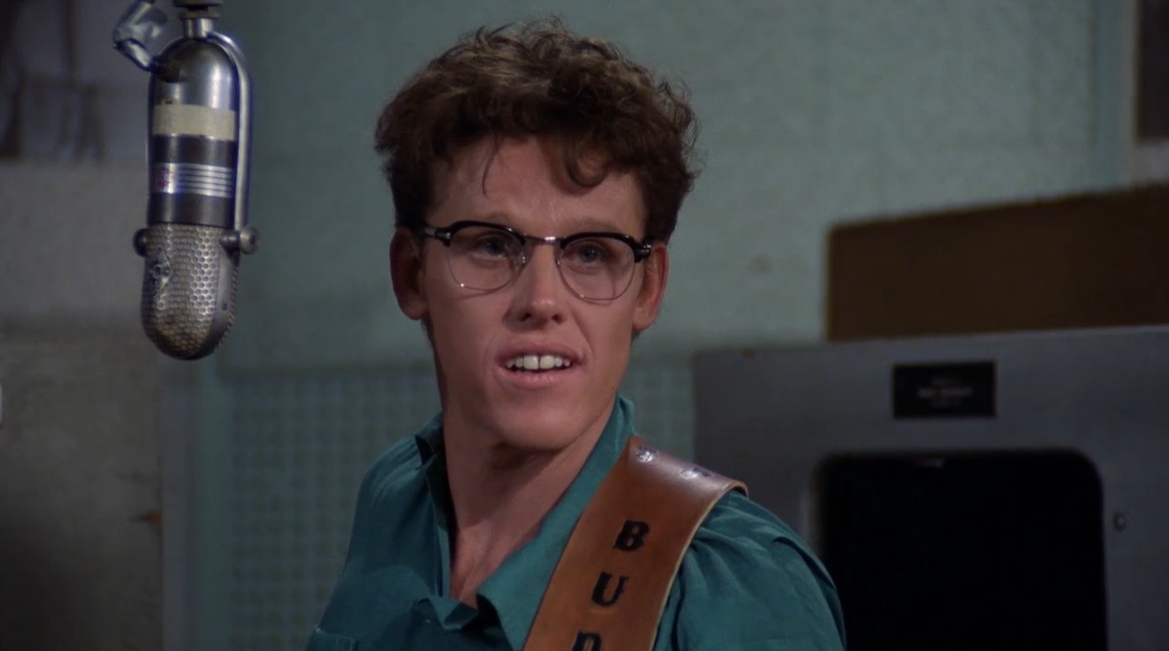
Peary writes that “Gary Busey gives an exciting, natural performance as the legendary and influential country-tinged rock singer from Lubbock, Texas, who had scores of hits by the time he died in a plane crash (with Ritchie Valens and the Big Bopper) in 1959 (he was 21).” He describes Busey’s Holly as “basically a polite, nice guy” who “won’t be pushed around, has a mordant wit, stubbornness about his music, and unbridled drive.”

Indeed, the film nicely highlights Holly’s musical talents above all else; we understand why and how he managed to be such an influence on so many big-name stars despite his tragically early death. Peary points out that “Busey’s portrayal has an added dimension in that he actually sings Holly’s famous songs, rather than lip-synching Holly recordings.”

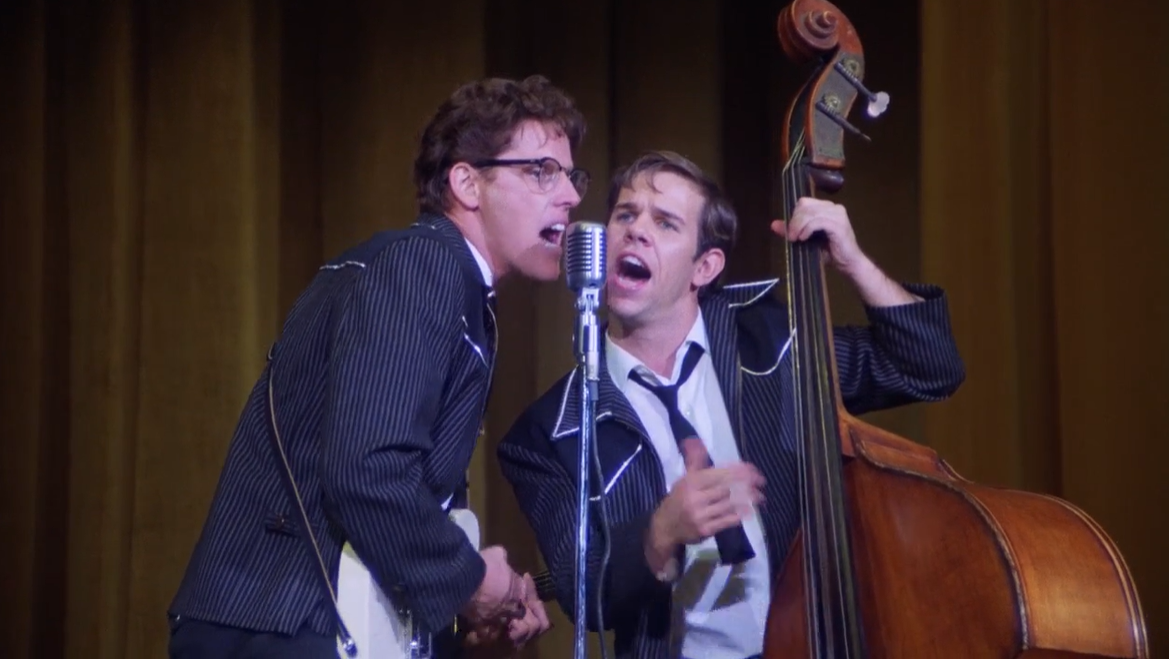
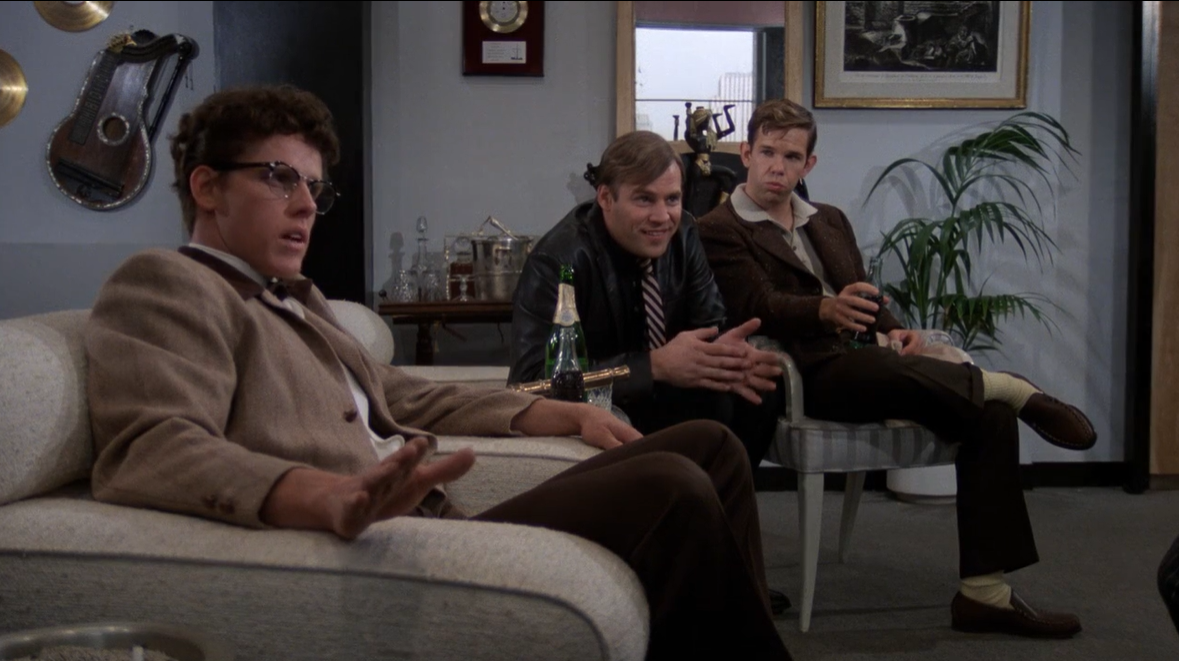
With that said, the story infamously “plays so much with facts that former Cricket Sonny Curtis felt inclined to write the song ‘The Real Buddy Holly Story’“, and should be closely fact-checked for those interested in the specific details of Holly’s career. Peary further argues that the “script’s conflicts are too minor: Buddy and [the] Crickets… mildly arguing about touring”:

… “the group having to prove themselves to an all-black audience at the Apollo (thought to be black, they were the first white singers to perform there)”:

… “Holly courting a young Puerto Rican woman (Maria Richwine)”:

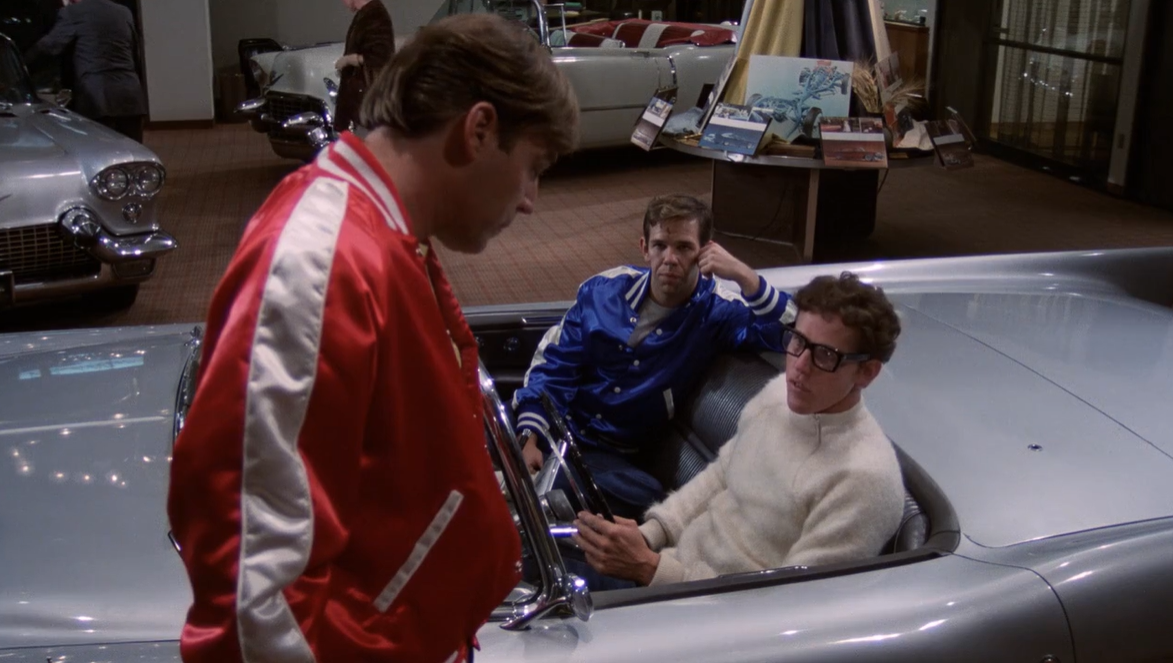
… and “Holly trying to persuade the studio boss (Conrad Janis) to let him produce the group’s songs.”

However, he notes that the “film keeps interest, thanks to Busey” and is “consistently entertaining.” I would agree. While I immediately watched a documentary and read more about Holly’s life to correct my understanding, this is a nice introduction to his persona and music, and Busey’s engaged performance remains noteworthy.

Notable Performances, Qualities, and Moments:

  • Gary Busey as Buddy Holly

Must See?
Yes, for Busey’s performance.

Categories

  • Noteworthy Performance(s)

Links:

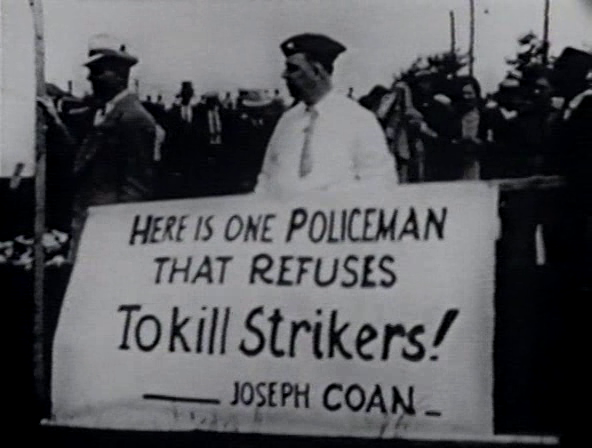
Union Maids (1976)

Union Maids (1976)

“I learned that you can’t go anyplace unless you go together.”

Synopsis:
Three women active in the American labor movement reflect back on their lives and the legacy of their activism.

Genres, Themes, Actors, and Directors:

  • Documentary
  • Feminism and Women’s Issues
  • Labor Movements

Review:
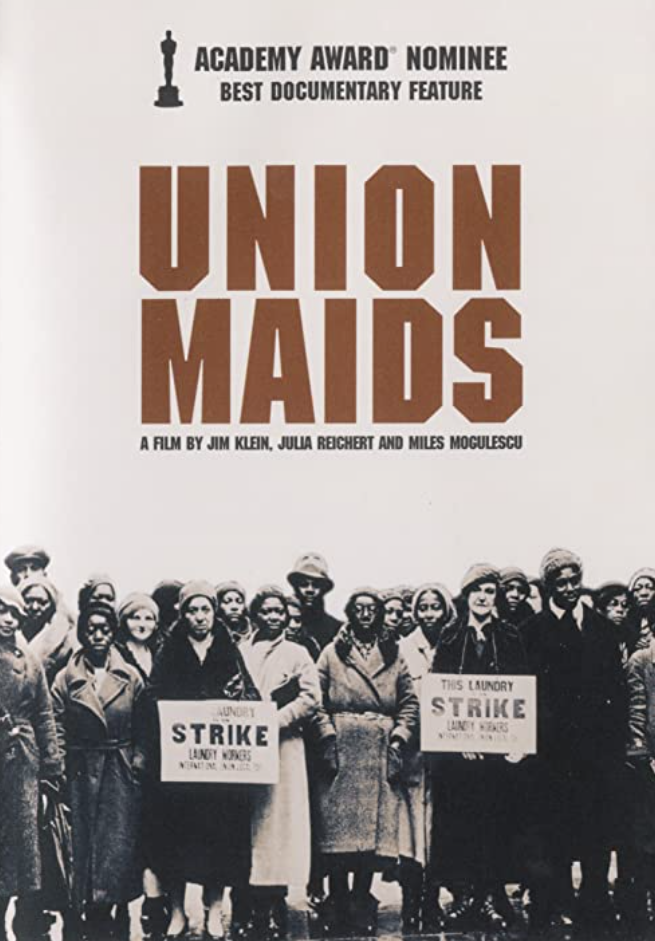
This Academy Award-nominated documentary by Julia Reichert, Jim Klein, and Miles Mogulescu — selected for preservation in the U.S. National Film Registry by the Library of Congress in 2022 — features interviews with three women (Kate Hyndman, Stella Nowicki, and Sylvia Woods):

… who were profiled in the labor history book Rank and File by Staughton and Alice Lynd. At under an hour long, the film doesn’t overstay its welcome, instead remaining an engaging archive of reflections from key players-on-the-ground interspersed with archival footage. Because all three interviewees are women — one black, two white — we get to hear about what the labor movement was like for (at least a few) women, and some of the ways in which racial tensions were at least temporarily overcome. This documentary remains worth a one-time look, though it’s not must-see viewing for all film fanatics.

Notable Performances, Qualities, and Moments:

  • A powerful set of oral history remembrances

Must See?
No, but it’s strongly recommended.

Links:

Sympathy for the Devil / One Plus One (1968)

Sympathy for the Devil / One Plus One (1968)

“Maybe the devil is God in exile.”

Synopsis:
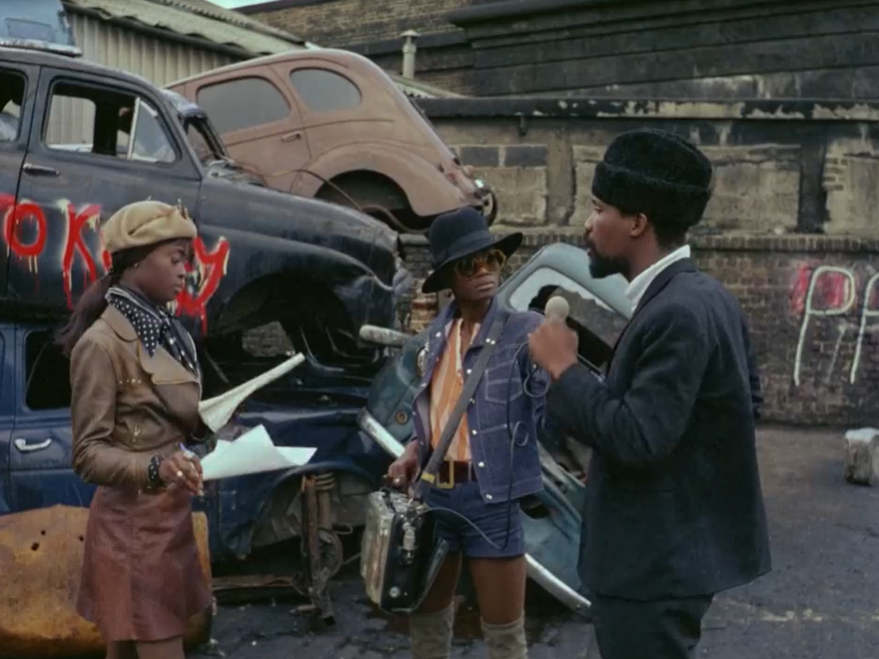
Clips of the Rolling Stones recording “Sympathy for the Devil” in London’s Olympic Studios are interspersed with scenes of Black Power activists in a junkyard, an adult bookstore with Maoist hostages, and a young peasant woman (Anne Wiazemsky) being interviewed in a meadow.

Genres, Themes, Actors, and Directors:

  • African Americans
  • Documentary
  • Jean-Luc Godard Films
  • Rock ‘n Roll

Review:
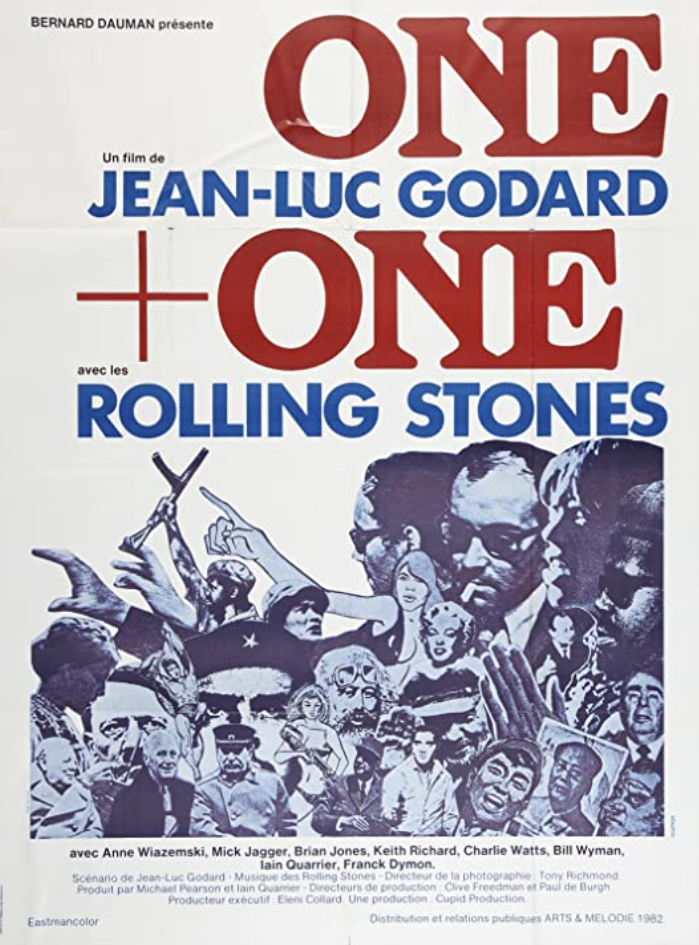
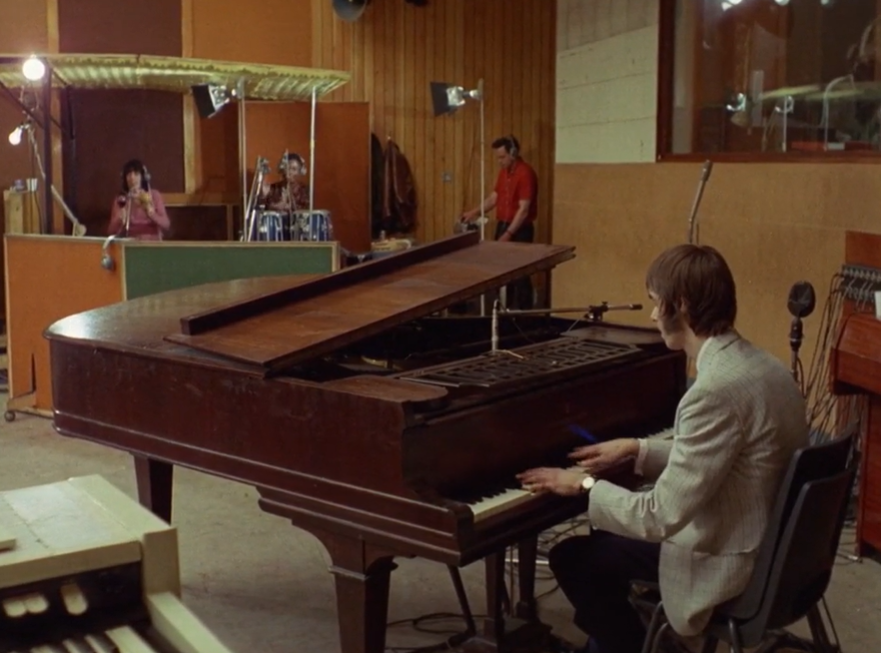
The origin story of this avant garde pastiche film by Jean-Luc Godard (part fiction, part documentary, part staged readings of political texts) is that he went to England to make a documentary about abortion, only to have the Abortion Act of 1967 make this no longer such a hot topic — so he stayed there with the intention of filming either the Beatles or the Rolling Stones (and only the latter accepted). The result is hard to make any narrative sense of at all — though it’s not necessarily supposed to. Music lovers will likely enjoy all the scenes in which “Sympathy for the Devil” slowly emerges through plenty of creative trial and error:


… (though we never do hear the final song, at least not in Godard’s version of the film). Meanwhile, Godard fans will likely view all the weird interstitial material as simply part of his broader cinematic commentary on Marxism and revolution.

The prize for oddest sequence is a tie between a scene in a bookstore where Mein Kampf is being read out loud and patrons give a heil salute after making their purchase:

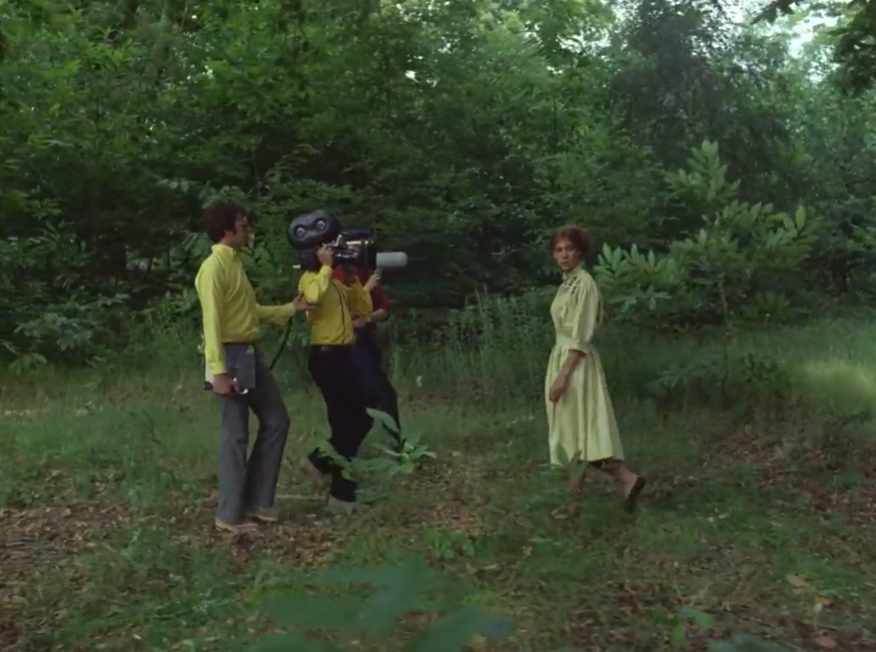
… and Wiazemsky wandering around a field followed by a film crew, answering either “yes” or “no” to a serious of questions designed for exactly such binary responses (“Do you think drugs are a spiritual form of gambling?”).

Is it worth spending more time analyzing this flick? Yes. No. I’m really not sure — though of course Godard fans will have a field day.

Note: Peary lists a total of 24 films by Godard (RIP) in GFTFF; I have 11 left to watch and review.

Notable Performances, Qualities, and Moments:

  • An awesome title track song
  • Colorful cinematography

Must See?
No; this one is only must-see for Godard completists.

Links:

Sleepwalk (1986)

Sleepwalk (1986)

“Everything she had forgotten, everything she had lost sight of, suddenly flowed back into her heart — and the spell was broken.”

Synopsis:
When a stenographer (Suzanne Fletcher) is hired to translate an ancient Chinese manuscript, she finds the world around her subtly shifting in fantastical and sometimes scary ways.

Genres, Themes, Actors, and Directors:

  • Fantasy
  • Living Nightmare
  • New York City

Review:
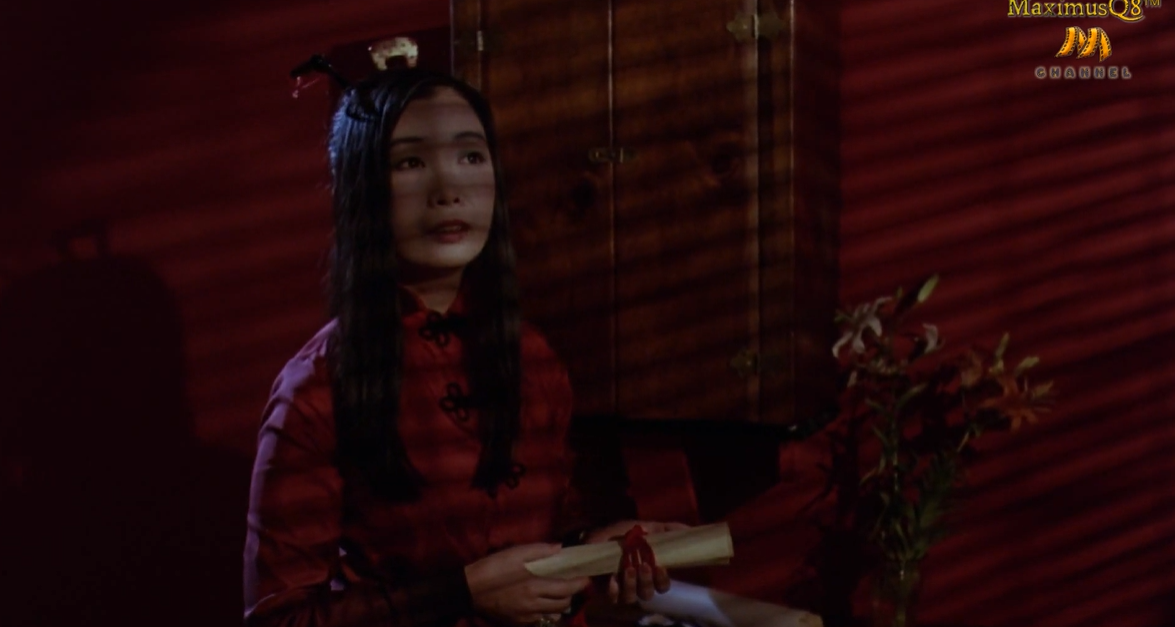
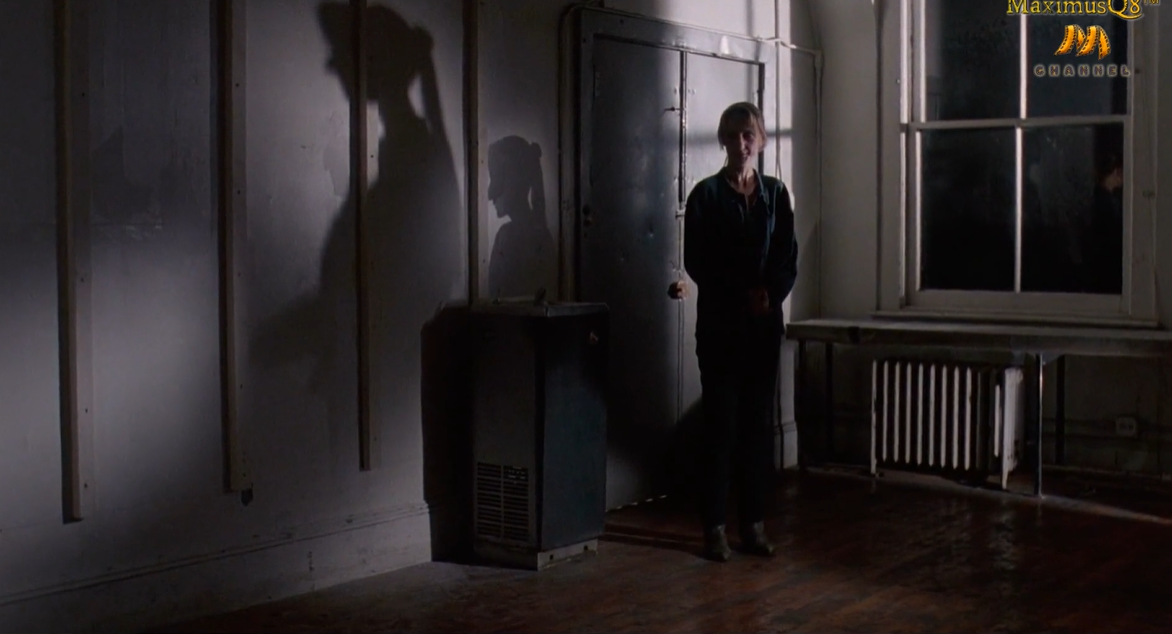
This first feature film by Jim Jarmusch’s partner Sara Driver is a quirky, decidedly experimental mood piece set in a New York City that is both mind-numbingly mundane and inconceivably fantastical. The film opens with a scroll being placed in and recovered from a secure spot:

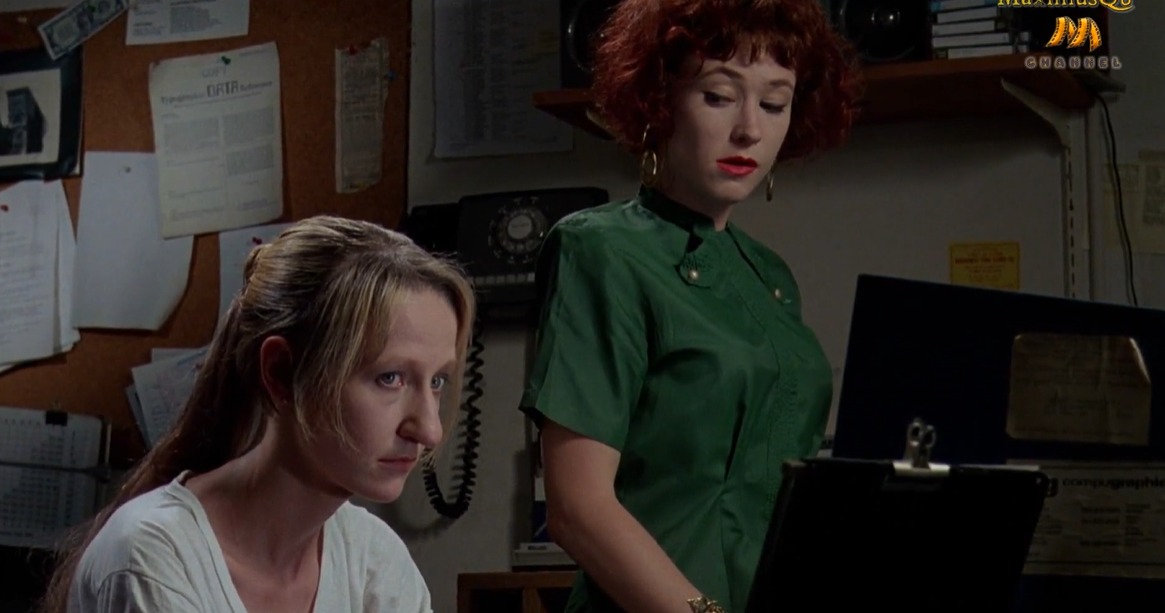
… then shifts to an office, where we see workers trying to pass the time either by zoning out while getting their tasks done:

… or acting out, as when Fletcher’s roommate (Ann Magnuson) bugs their boss about his weight and potato chip eating, or tries to bum money off of hard-working Fletcher.

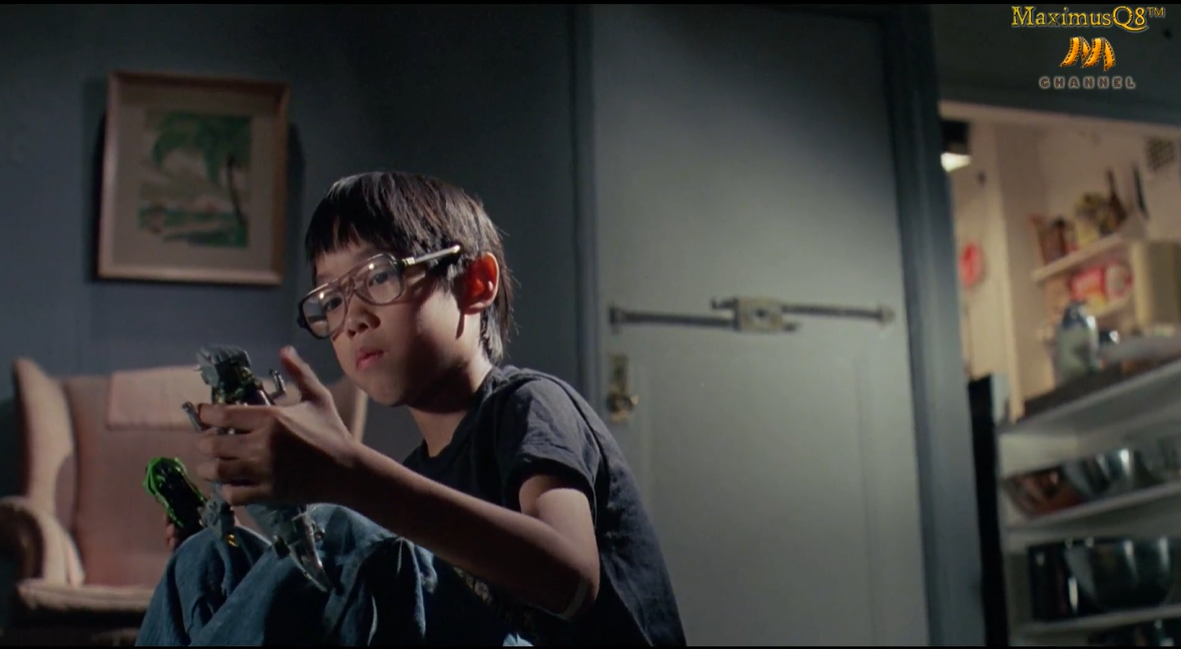
Eventually we see that Fletcher has a son (Dexter Lee):

… who seems to primarily take care of himself. Fletcher, meanwhile, is obsessed with a new job she’s gotten translating the scroll we saw in the opening sequence — and as she writes out the story, we’re meant to understand that it’s somehow impacting (and/or interacting with) her reality as well.

It’s all highly atmospheric and somewhat spooky, yet makes little sense. Watch for Steve Buscemi in one of his earliest roles as an “office worker”, though he doesn’t have much to do or say.

Notable Performances, Qualities, and Moments:

  • Good use of New York locales
  • Jim Jarmusch’s cinematography

Must See?
No; this one is only must-see for fans of this type of experimental cinema. Listed as a film with Historical Importance in the back of Peary’s book.

Links:

Film Fanatic End of 2022 Greetings

Film Fanatic End of 2022 Greetings

Hello, fellow Film Fanatics!

I hope this has been an enjoyable year of movie watching for all of you. My family and I (kids now ages 10, 12, and 14) watched Home Alone (1990) yesterday, and it was a fun harbinger of what’s to come: once I’m done with this project, I’ll be moving on to covering more modern classics.

Unfortunately, 2022 has been a rough year for our family, with loss on numerous levels; with that said, I’m always grateful to movies for providing a safe haven in the midst of personal challenges.

Midway through the year I wrote a reflection on my milestone of having watched all the films in GFTFF up through the 1950s — so, all titles I’ve been reviewing since then were made between 1960-1987. There have been some definite gems, though I’ll admit to missing flicks from earlier decades.

Here are a few of my highlights from this past year of (re)viewing movies:

  • For the number geeks among you, I’ve reviewed an additional 287 films in 2022 (so far!). That brings me up to 3,483 or 81% of the titles in Peary’s Guide for the Film Fanatic — just 817 more to go!
  • I’ve continued to work my way through titles from Peary’s three Cult Movies books (just seven left). I can’t say many are personal favorites, but I was pleasantly surprised by at least a few: The Terminator (1984) has held up remarkably well as a dystopian sci-fi time travel flick (Schwarzenegger’s performance is fun!); Liquid Sky (1982) remains a darkly acerbic cultural commentary with truly far-out visuals; and of course Blade Runner (1982) maintains its status as a haunting masterpiece on so many levels.
  • My favorite auteur viewing this year was catching up with more of Sam Fuller’s unique output. While his Steel Helmet (1950) is a justifiable indie classic, lesser-known but equally worthy Fuller titles to check out include Fixed Bayonets (1951) (also taking place during the Korean War), the colorful House of Bamboo (1955), and the flawed but boldly unique Crimson Kimono (1959).
  • I was pleasantly surprised by how compelling Sidney Lumet’s screen adaptation of Eugene O’Neill’s Long Day’s Journey Into Night (1962) remains: it’s powerfully acted, masterfully filmed, and never drags despite the undeniably challenging subject matter.
  • Francis Ford Coppola’s Apocalypse Now (1979) continues to merit multiple viewings as a “surreal immersion piece.” As I noted in my review, “Coppola and his team set out to tell a tale of the Vietnam War that would highlight its deep absurdity and lasting impact on everyone involved — and in this, he succeeds.”
  • Finally, John Carpenter’s The Thing (1982) is a seriously creepy “remake” that offers an entirely different viewing experience from the 1951 classic; indeed, “Carpenter’s film succeeds on its own terms, presenting a wintery hellscape of justifiable paranoia in which these men… can no longer rely on one another for support and survival.” And the special effects are truly impressive.

Here’s to another year of watching and reviewing classic films!
— Film Fanatic.org