Inside Moves (1980)
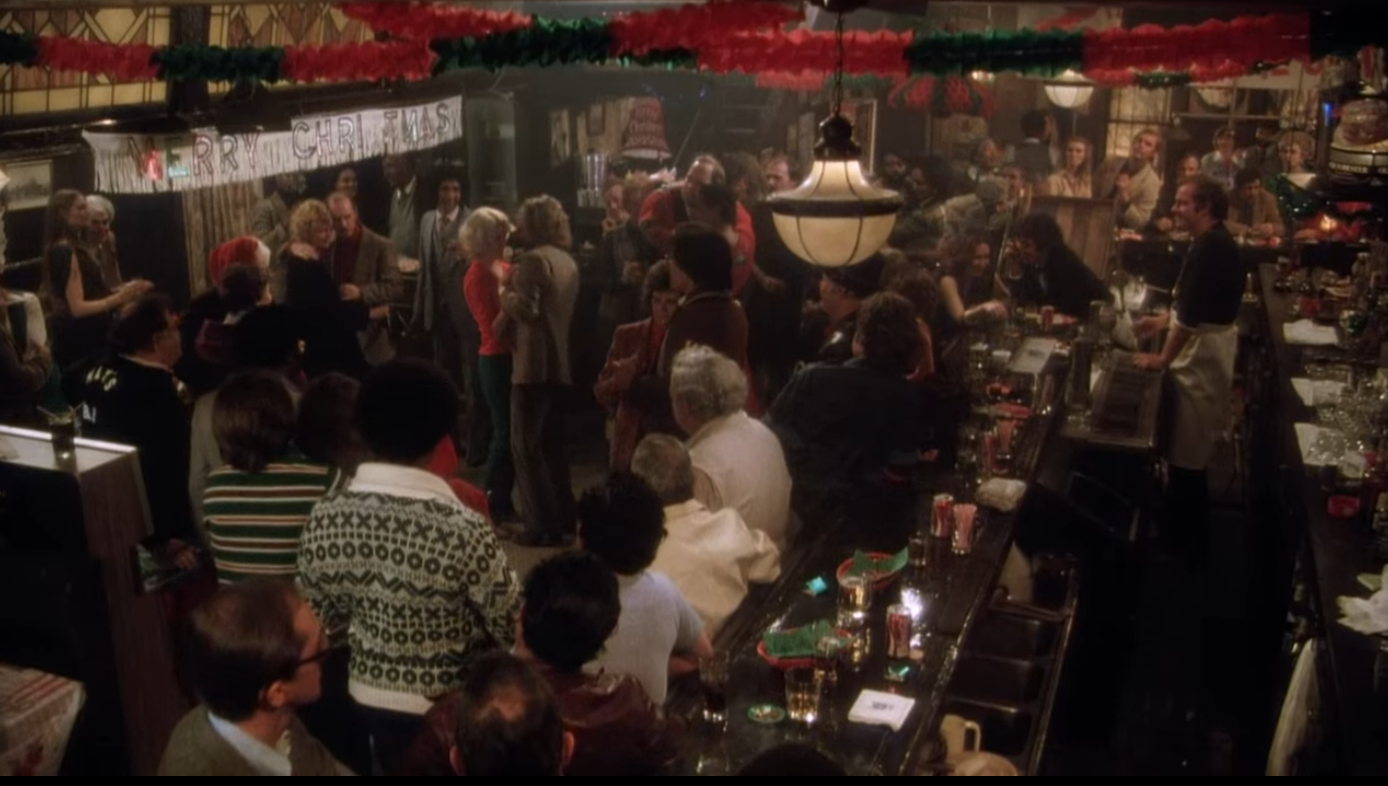
“It’s not just a bar. Jerry — it’s family.”
|
Synopsis: |
|
Genres, Themes, Actors, and Directors:
Review:
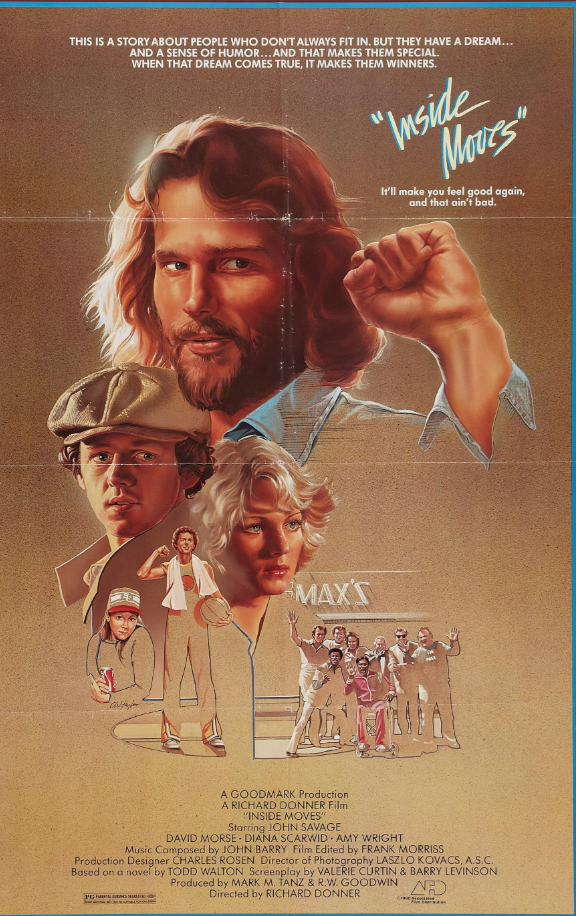
Unfortunately, nearly everything else about this film — released strategically close to the International Year of Disabled Persons — botches its mission through Valerie Curtin and Barry Levinson’s sappy screenplay, described on the poster’s over-lengthy blurb.
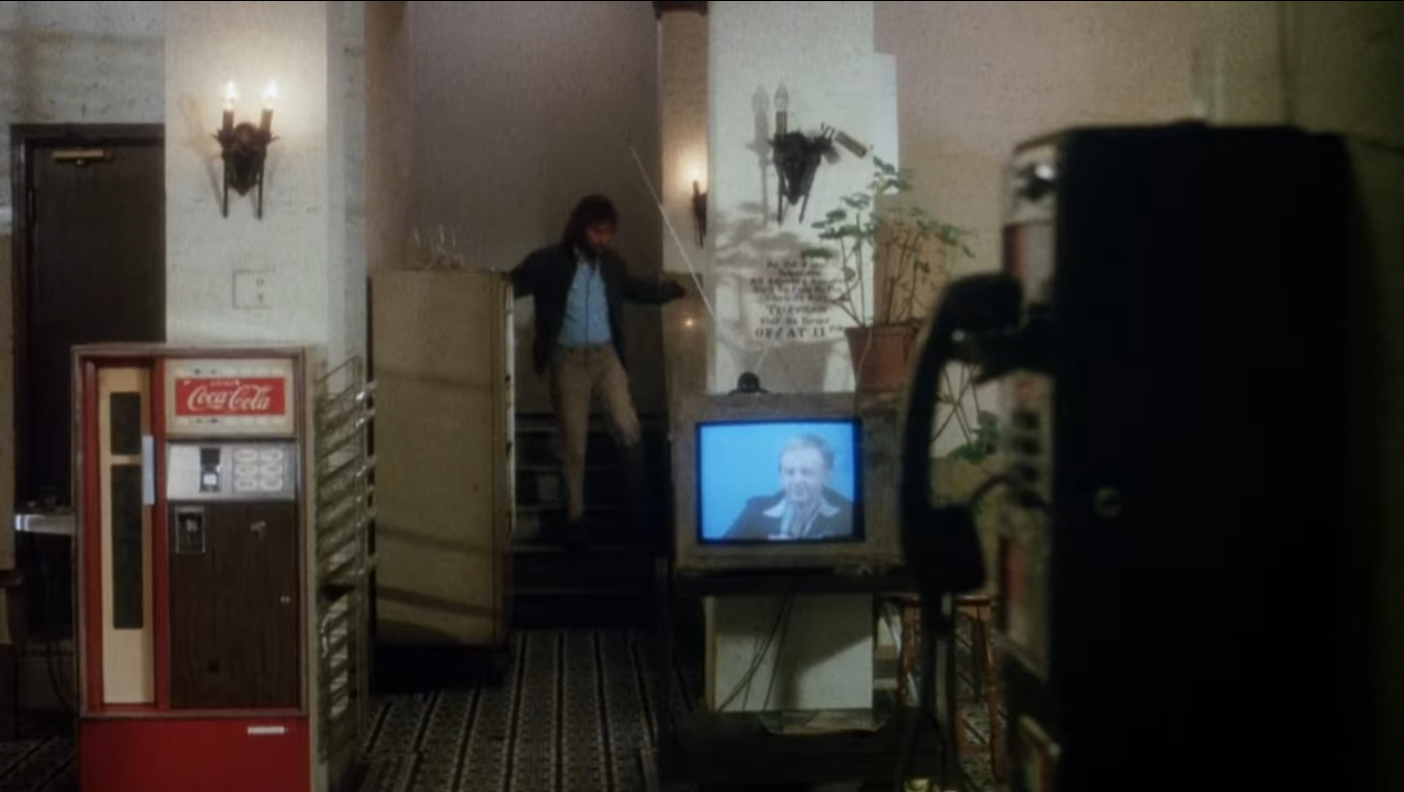
As the film opens, Savage (who we know literally nothing about) walks through the halls of a high-rise building with jerky movements, looking for all the world like a serial killer.
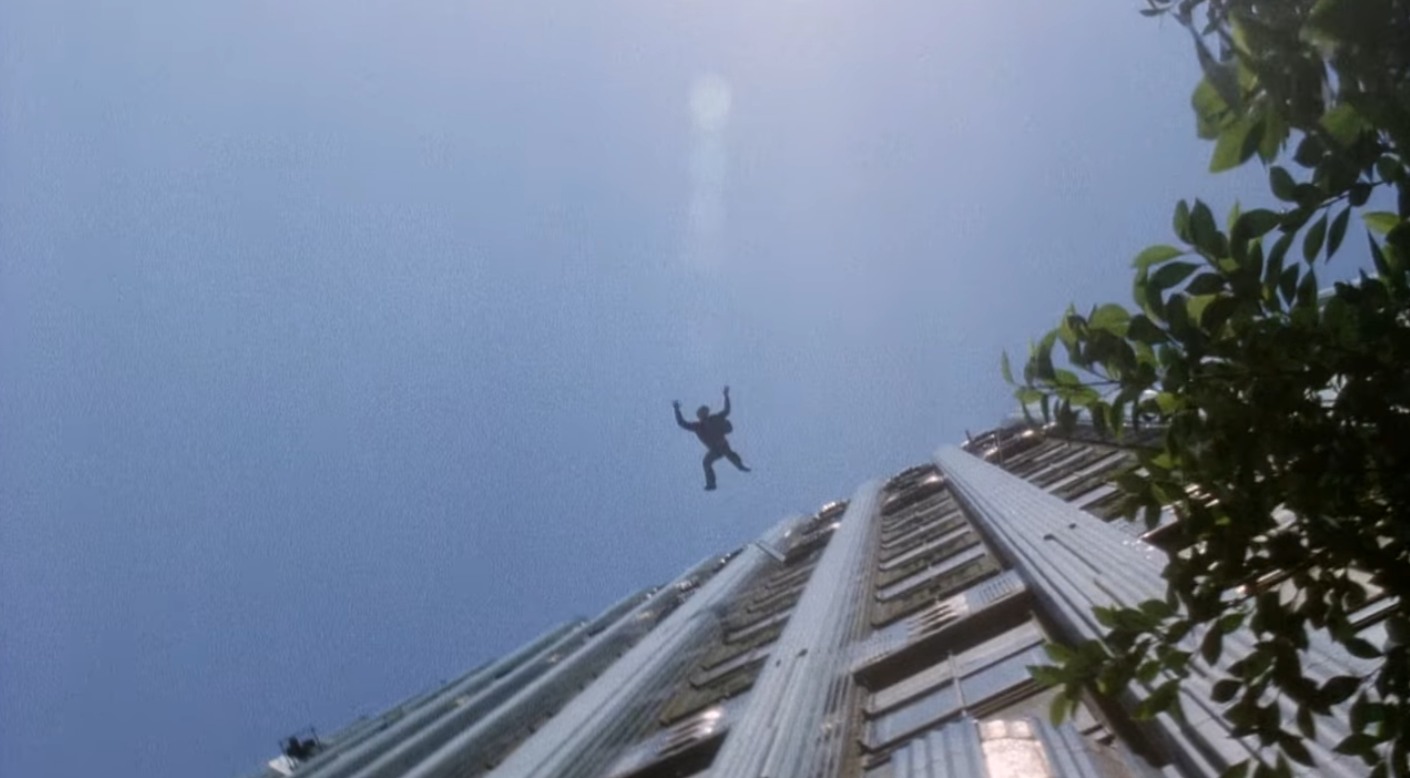
Suddenly, within three minutes, he’s thrown himself out of a window, which doesn’t end well.
The next time we see him, he has long hair and walks with an extreme limp. (I don’t mean to comment on what one might or might not move like after such an accident; my point here is that Savage comes across as ACTING.)
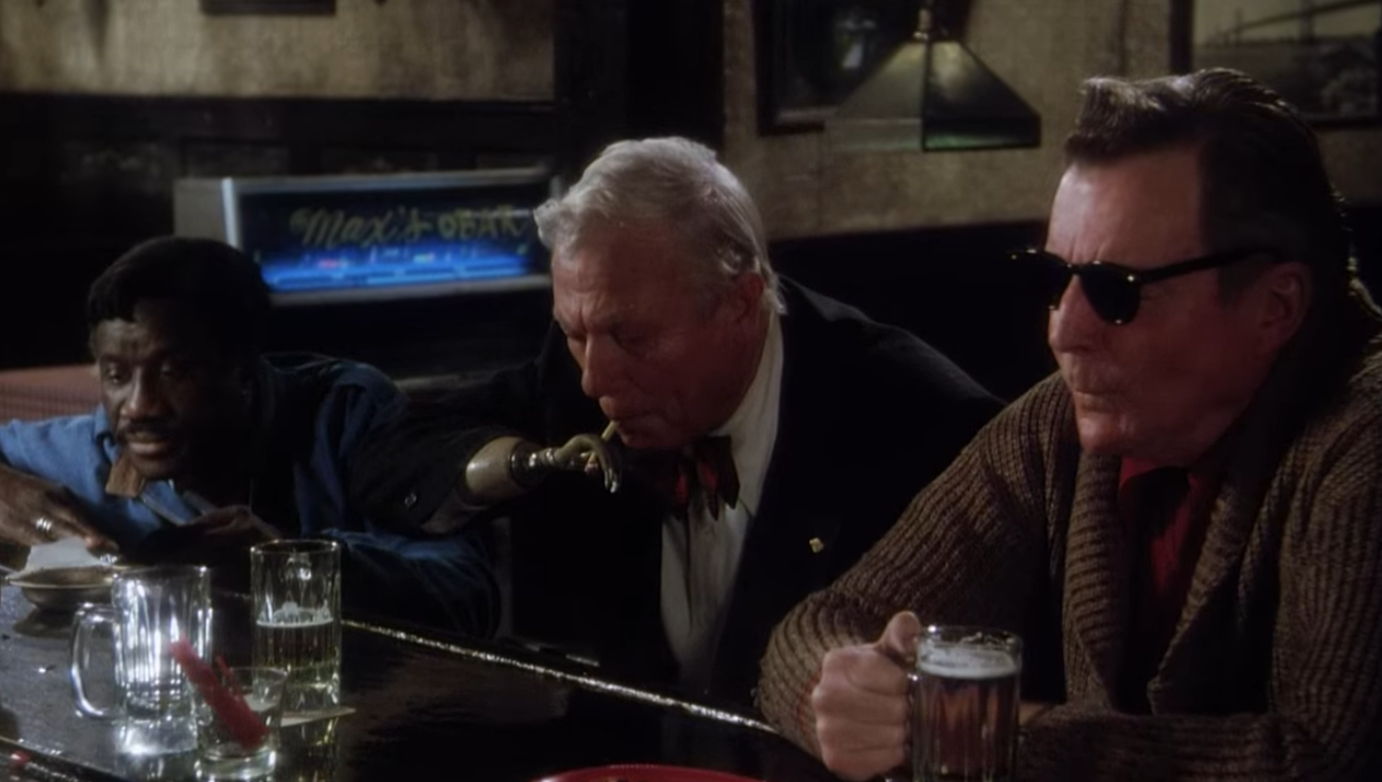
As soon as he walks down the street and enters Max’s Bar, he’s met by the nicest group of misfits you could ever hope to encounter, including injured basketball-player-turned-bartender Jerry (Morse), double-amputee “Wings” (played by Oscar-winning veteran Harold Russell of 1946’s The Best Years of Our Lives), blind Stinky (Burt Remsen), and wheelchair-bound Blue Lewis (real-life jazz musician Bill Henderson).
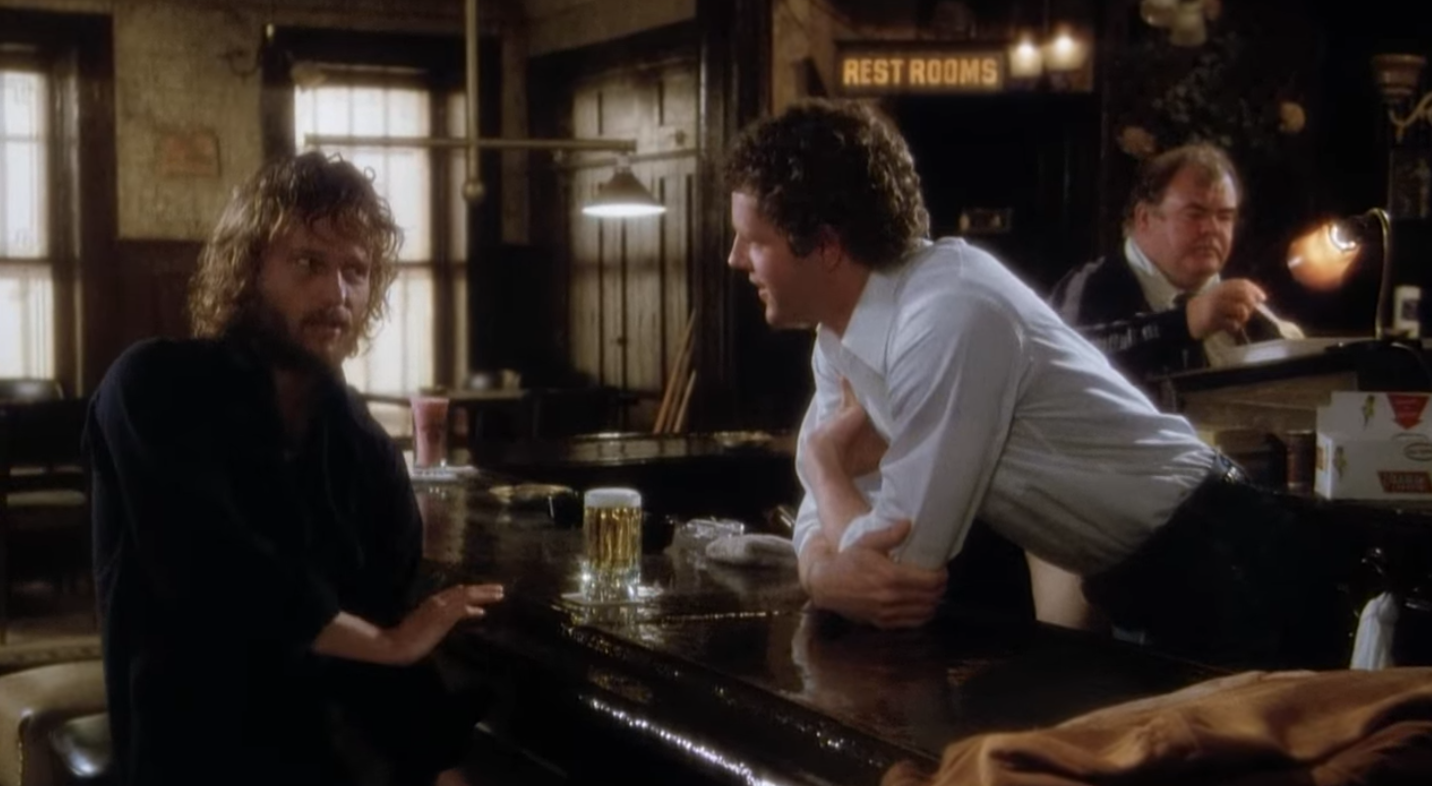
Their earliest encounter leads to one of the film’s best dark exchanges:
But we’re also subjected to lines like this:
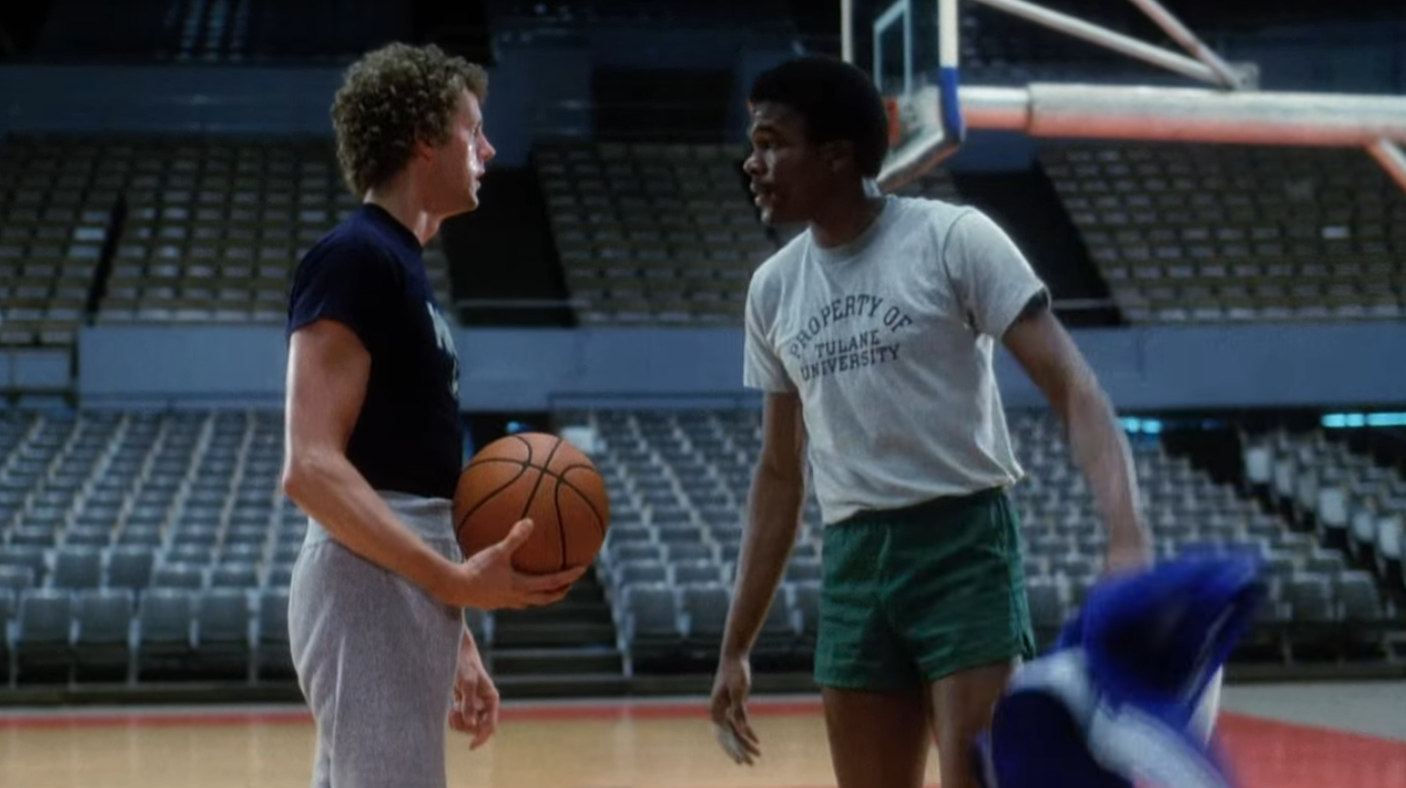
Ba-dum-tss. Morse takes Savage to a local basketball game and, conveniently enough, is invited by one of its star players (Harold Sylvester) to a one-on-one play-off when nobody else is around.
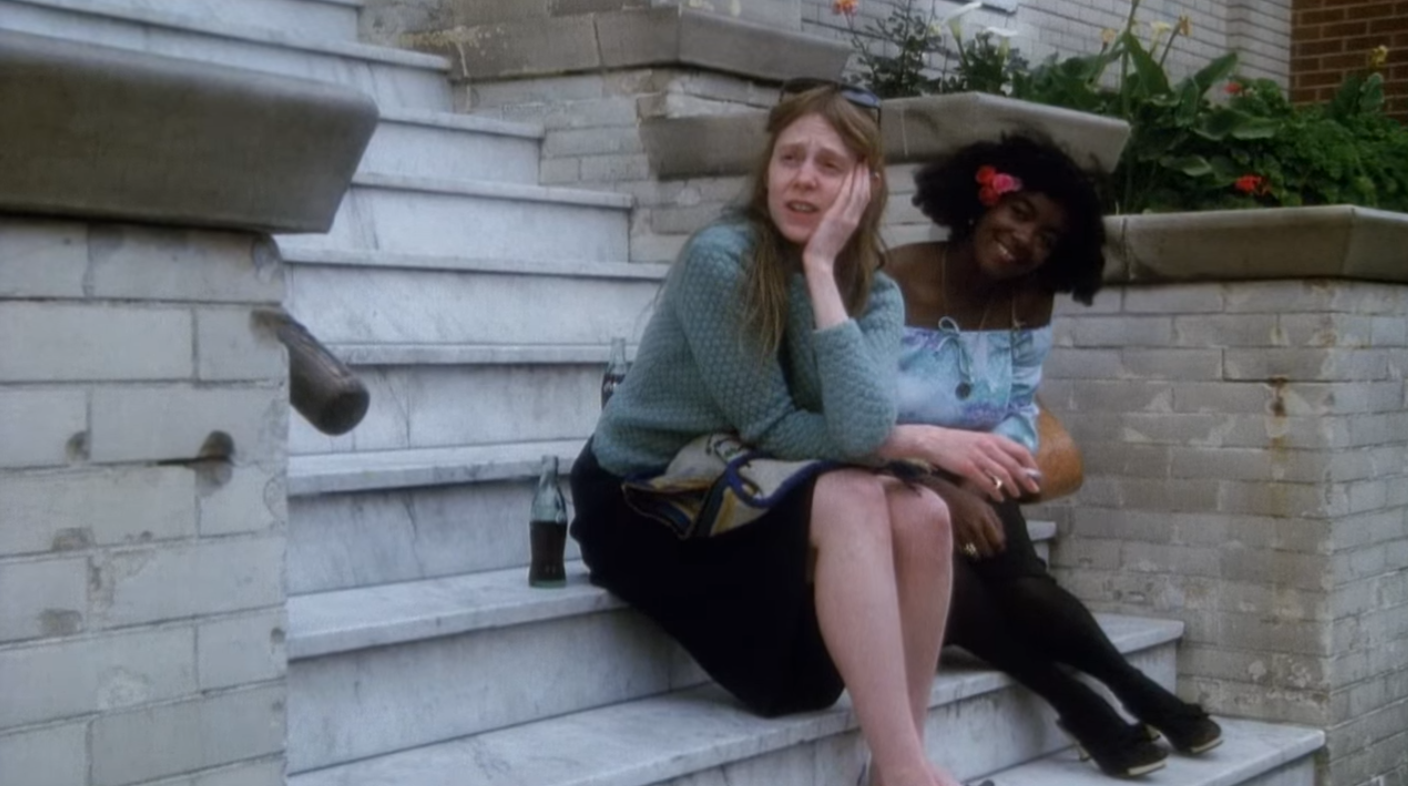
Meanwhile, we see Morse’s drug-addicted girlfriend (Amy Wright):
… heading off with her cruel pimp Lucius (Tony Burton) when Jerry won’t put up with her anymore, and suddenly learn that Savage has $10,000 in inheritance. Should he give it away to the bar he’s so quickly come to love and depend on (which will otherwise be shut down):
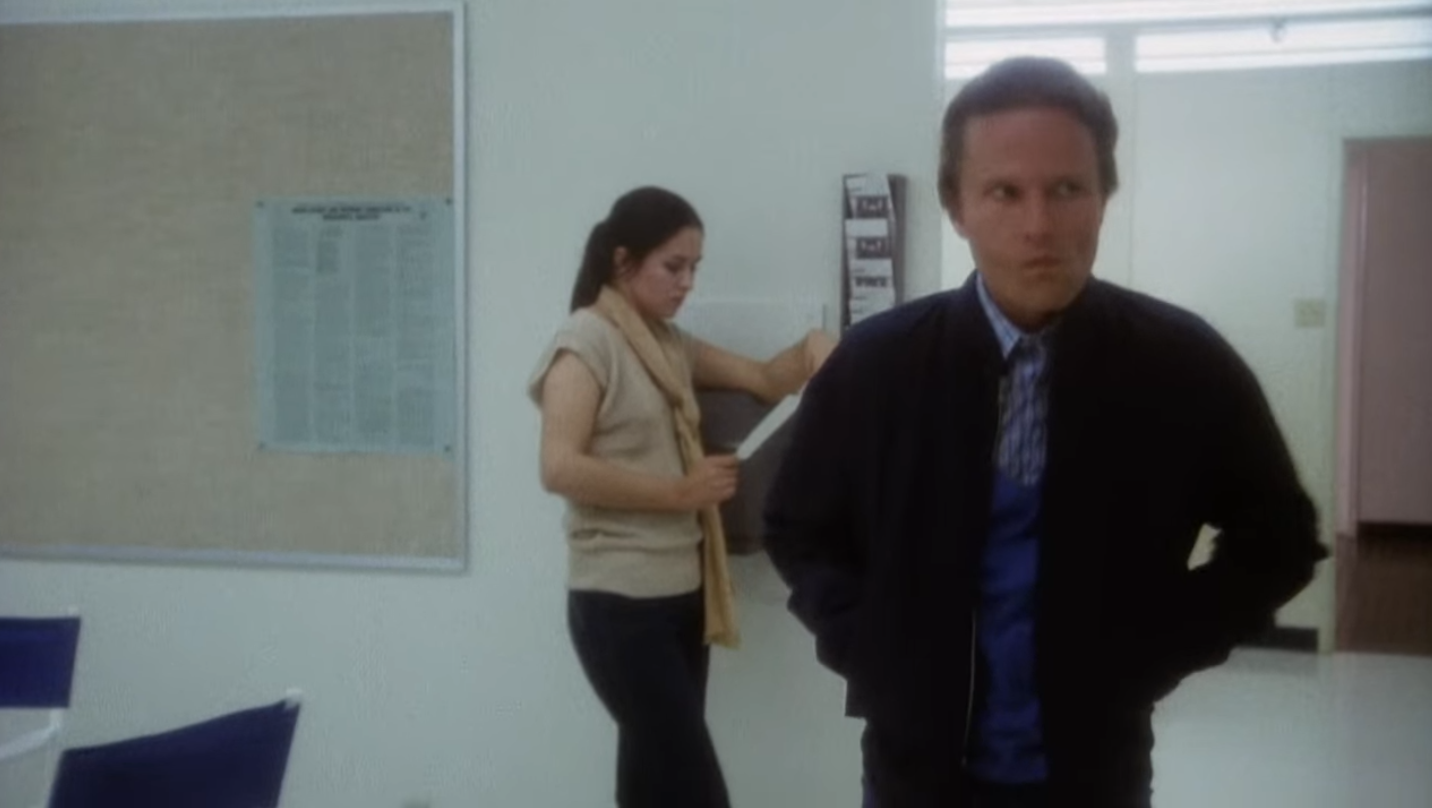
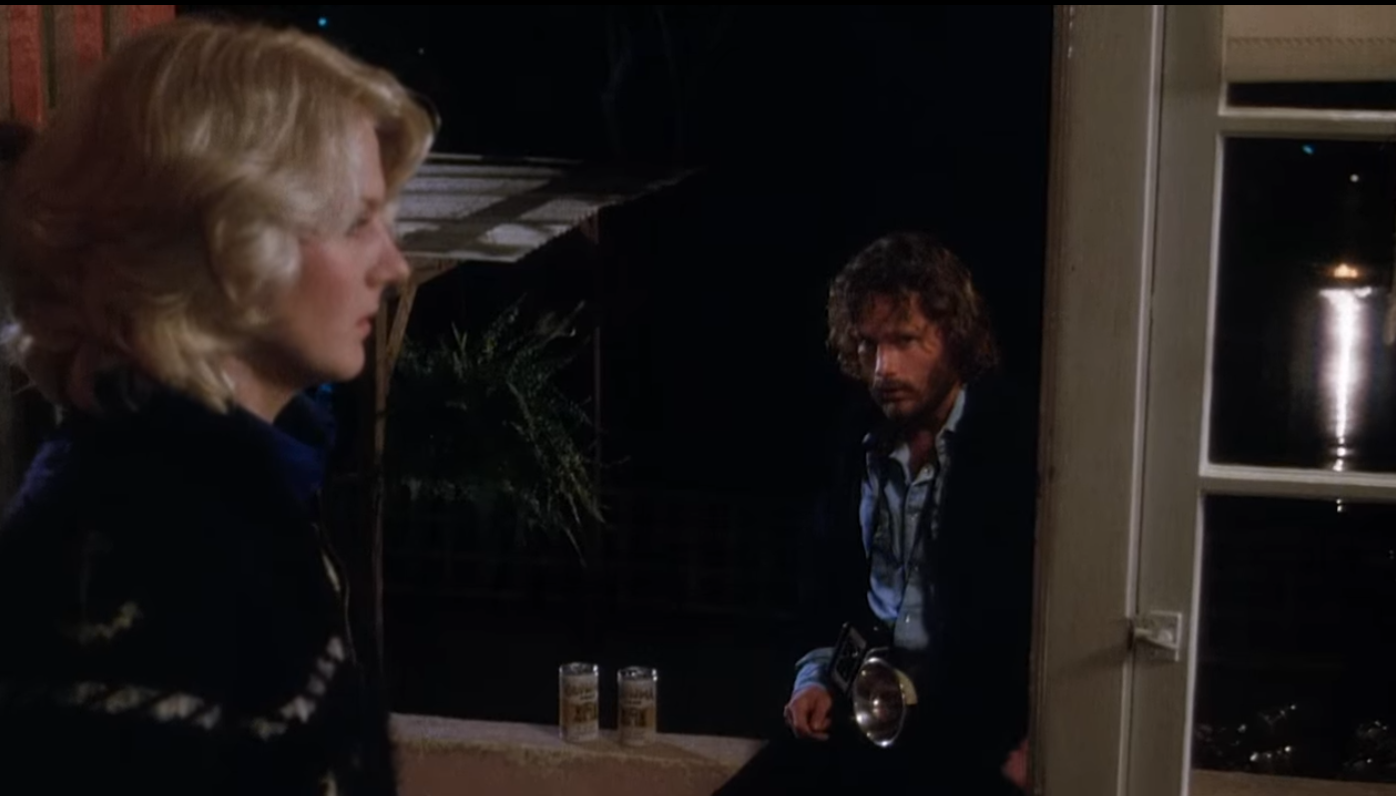
… or to Morse for life-altering leg surgery? And will Lucius seek revenge on Jerry for standing up to him? (You can’t really make this stuff up — except, apparently you can.) SPOILER ALERT: Morse turns out to be a royal jerk on numerous fronts, including disrupting Savage’s friendship with a sweet waitress (Oscar-nominated Diana Scarwid) — though Scarwid’s tearful explanation to Savage of how she can’t be his lover because of her fear “of what it would be like with a cripple” (!!!) makes her pretty irredeemable as well.
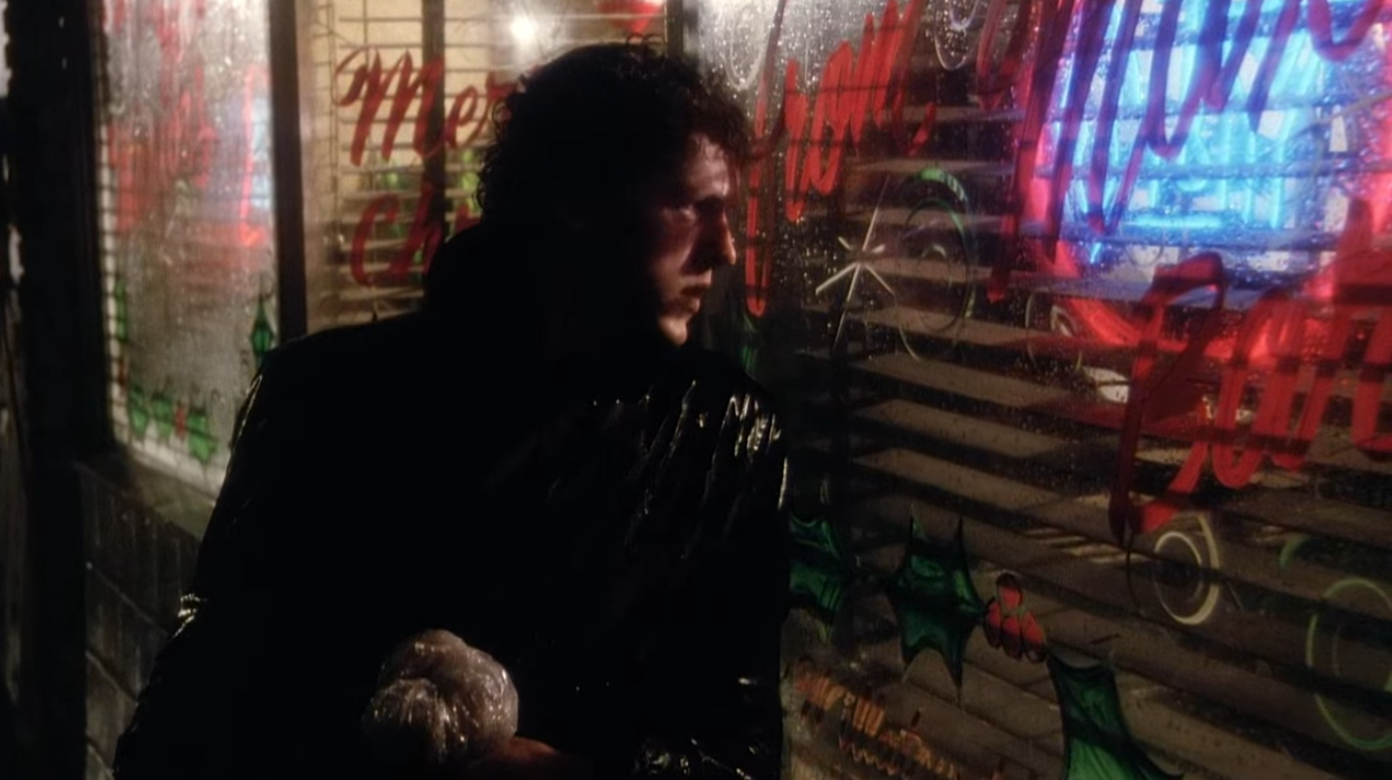
Will the day be saved for all of them somehow? Well, yes — just watch and see. Interwoven among this mess are a few highlights, including László Kovács’s cinematography:
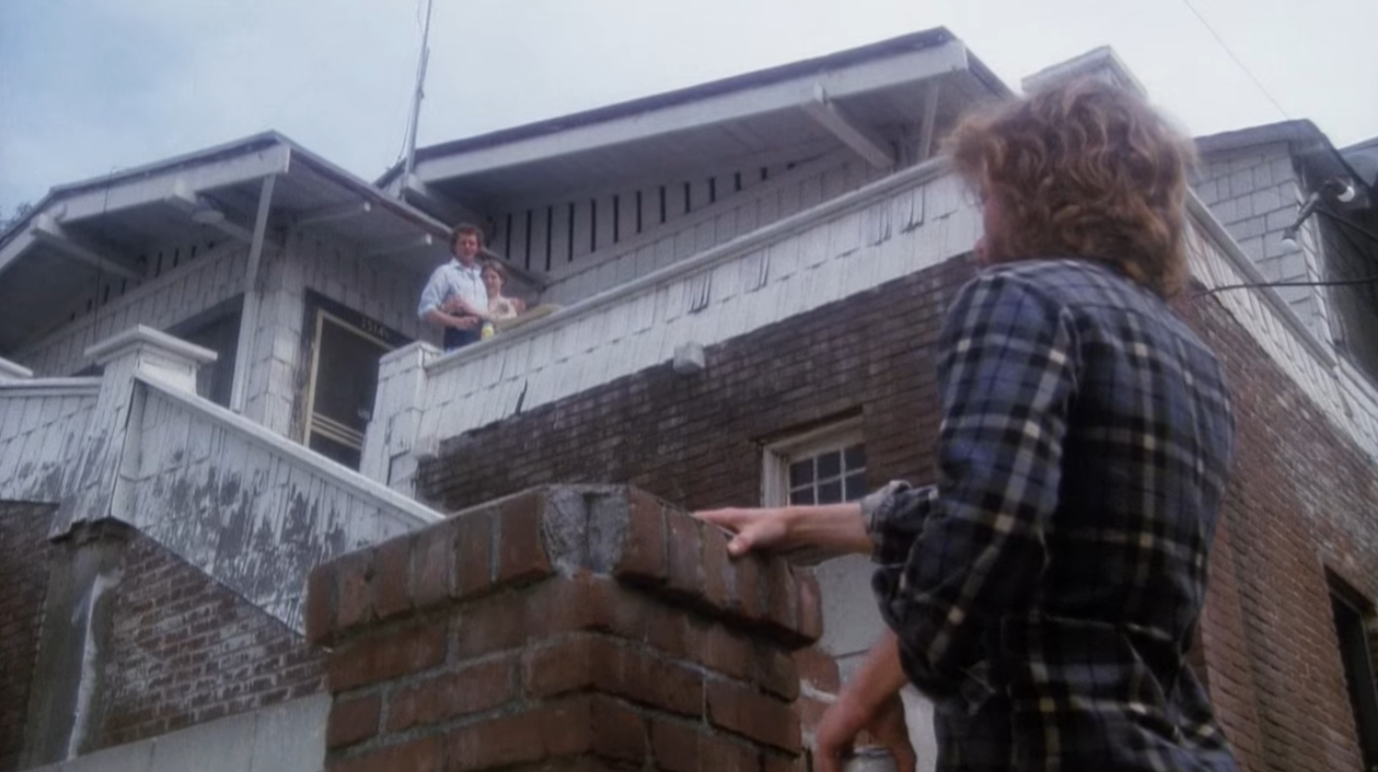
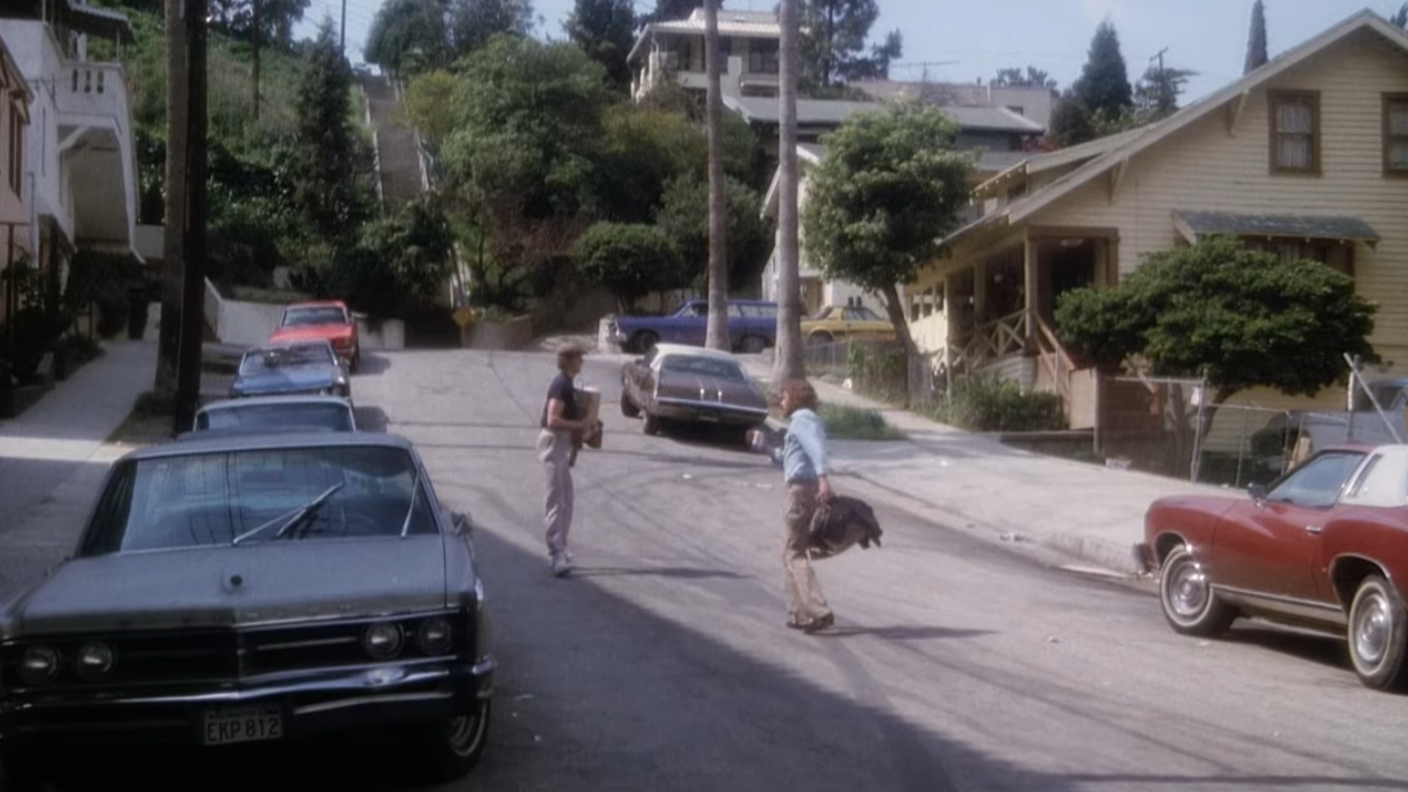
… and good overall use of location shooting throughout Los Angeles and Oakland.
But otherwise, this one is a slog to get through. Note: This film was surely an inspiration for the long-running TV show “Cheers” (1982-1993). Notable Performances, Qualities, and Moments:
Must See? Links: |