|
Genres, Themes, Actors, and Directors:
- David Bowie Films
- James Fox Films
- Love Triangle
- Musicals
- Photographers
- Racism and Race Relations
Review:
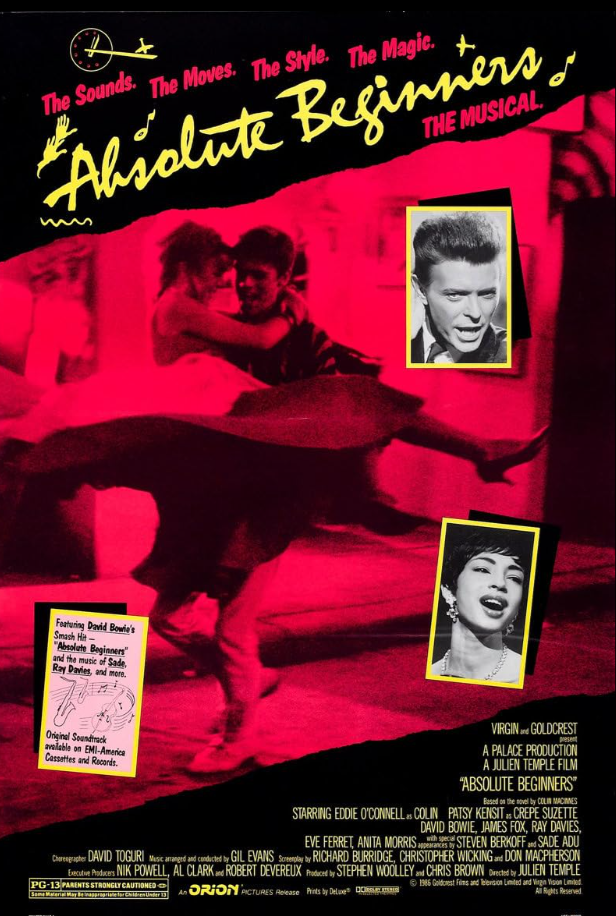
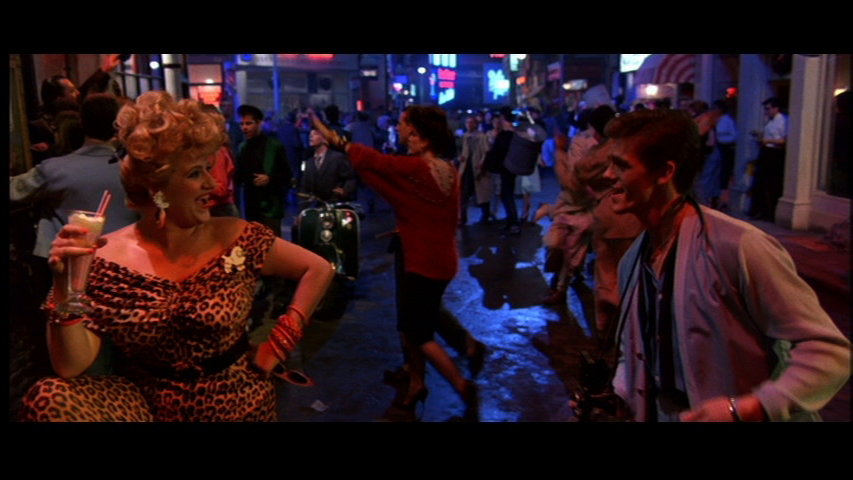
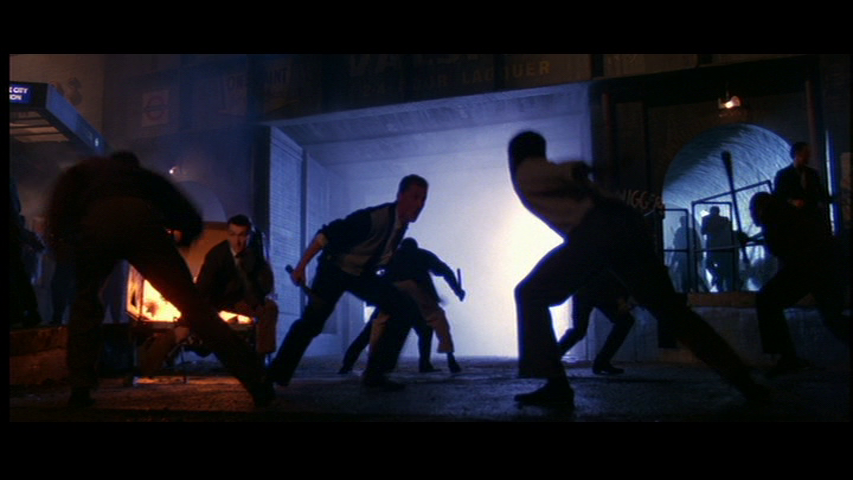
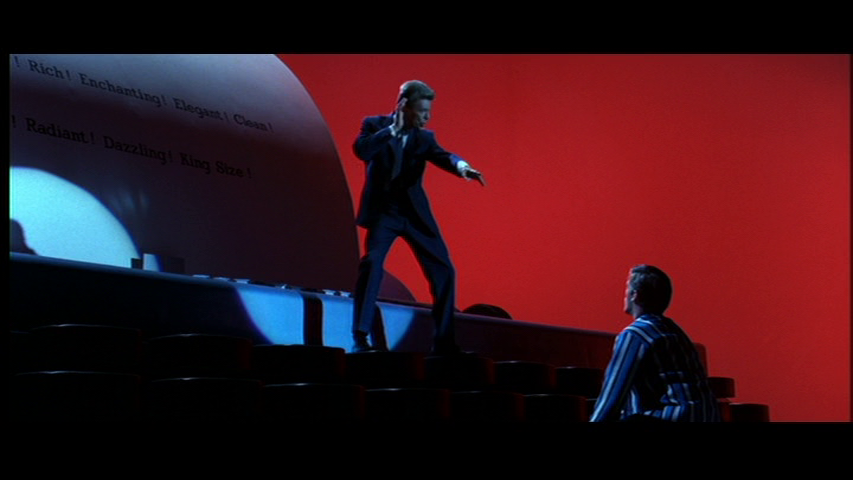
Based on a novel by Colin MacInnes, this wildly expressive musical — directed by Julian Temple, whose other GFTFF title is The Great Rock and Roll Swindle (1980) — was notorious for contributing towards the bankruptcy of Goldcrest film company. Indeed, it never quite took off with audiences, but it’s an unusual enough production to merit viewing — especially given its creative sets and staging (including an impressive single-take opening shot):
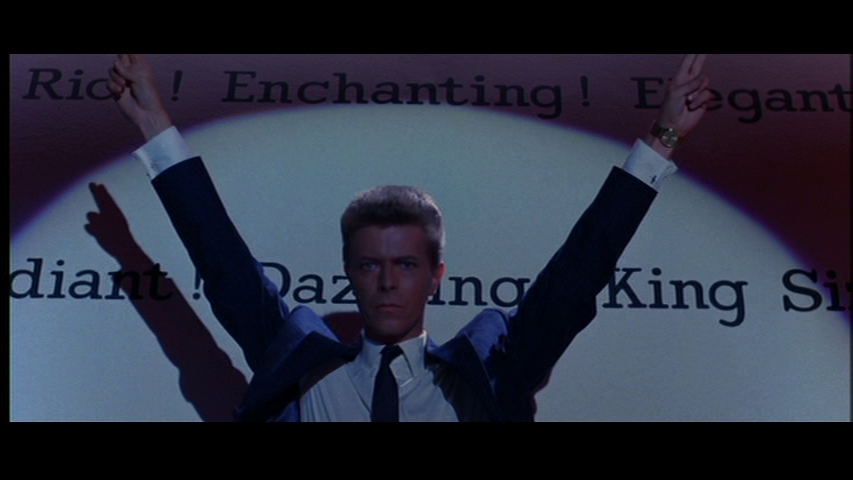
… and the casting of David Bowie. (According to IMDb’s Trivia page, “Julien Temple asked David Bowie to write music for the film. After reading the book and then the script, Bowie agreed to Temple’s offer if he could also play the part of Vendice Partners.”)
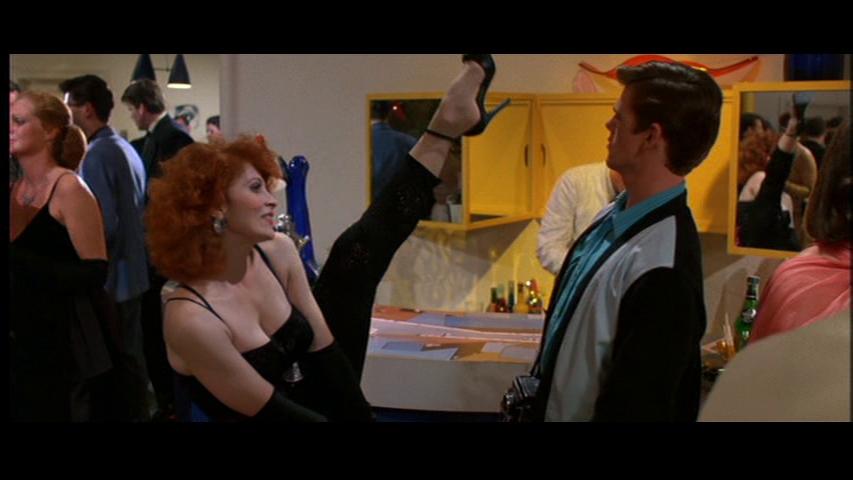
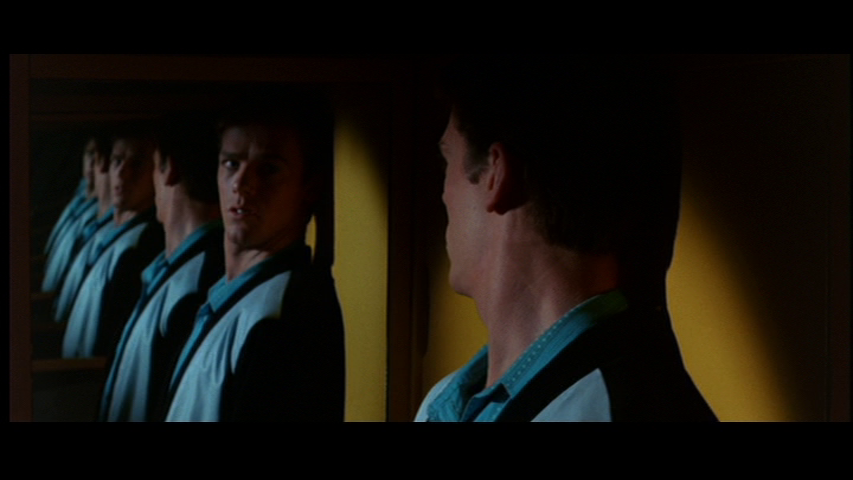
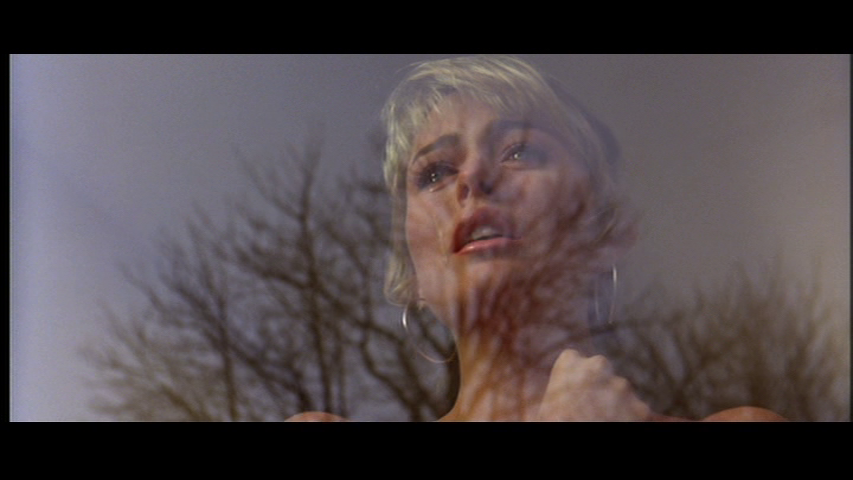
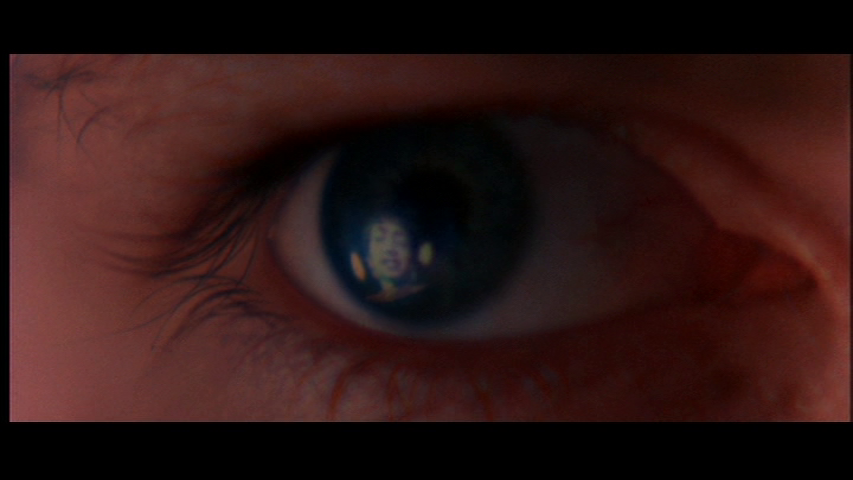
In his review, DVD Savant questions whether the film is actually “good,” noting regardless that “the movie is eye candy from one end to the other, a parade of color and costume creativity, flashy but not exaggerated editing, and the occasional snappy choreographic scene.” Indeed, it’s literally hard to pull your eyes away from this flick, given that “there are no calm scenes. To express the vitality and urgency of his characters, Temple keeps the camera moving at all times through crowds of eccentric supporting and bit players.”
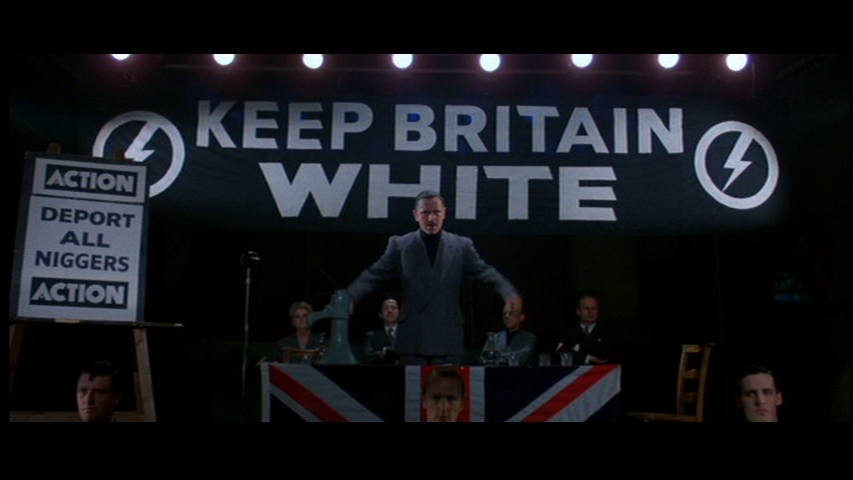
While there is far too much going on narratively, one can’t accuse Temple or his team of shying away from appropriately controversial topics, ranging from the toxic allure of fame and capitalism to violent systemic racism. To that end, one more trivia item on IMDb offers a useful comparison:
Elements of this film seemingly share a similar genre with West Side Story (1961), most obviously a 1950s period musical set against a background of gangs and knife crime. But, where West Side Story is well-known as a version of Romeo and Juliet, there’s a major element in this film that clearly continues to affect its box office takings, lack of home video releases, and lack of television showings, decades later, is primarily the volume of racist material, unavoidable due to the underlying story, and the “fascists” portrayal, even though its set in the 1950s, which can be taken out of context. Shot as a straight drama, the film may have had a completely different success.
Notable Performances, Qualities, and Moments:
- Olive Stapleton’s creative cinematography
- Vibrant production design, sets, and costumes
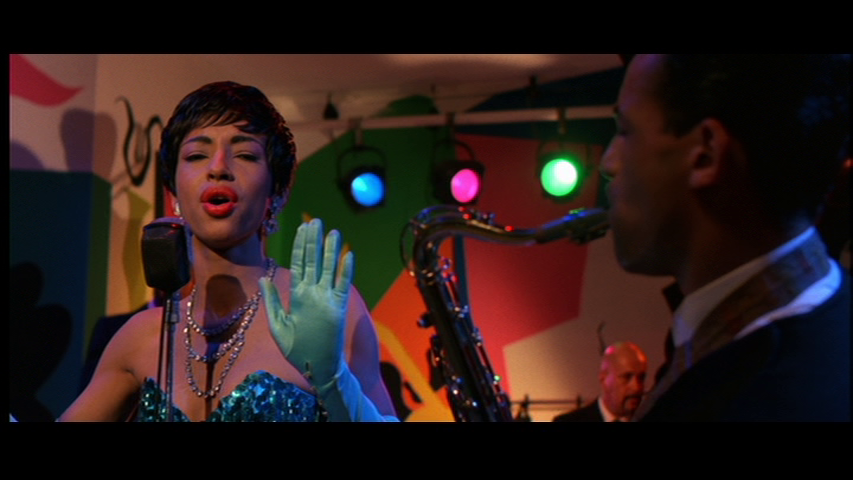
- Many creatively staged sequences
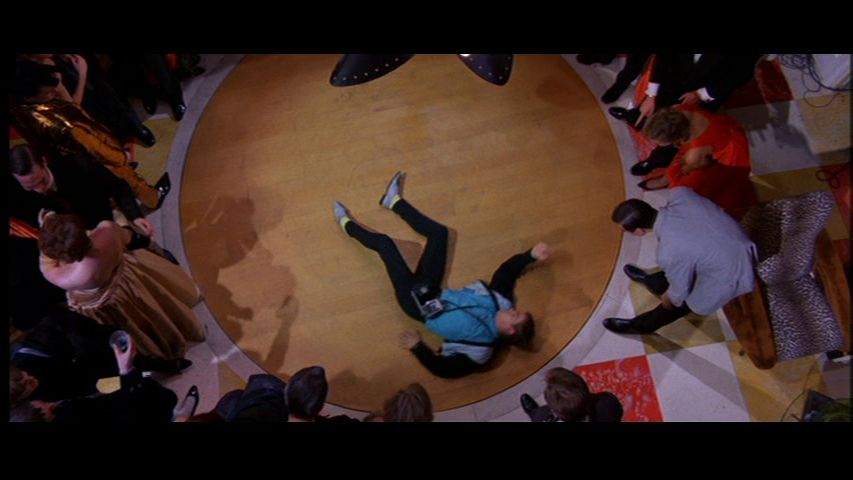
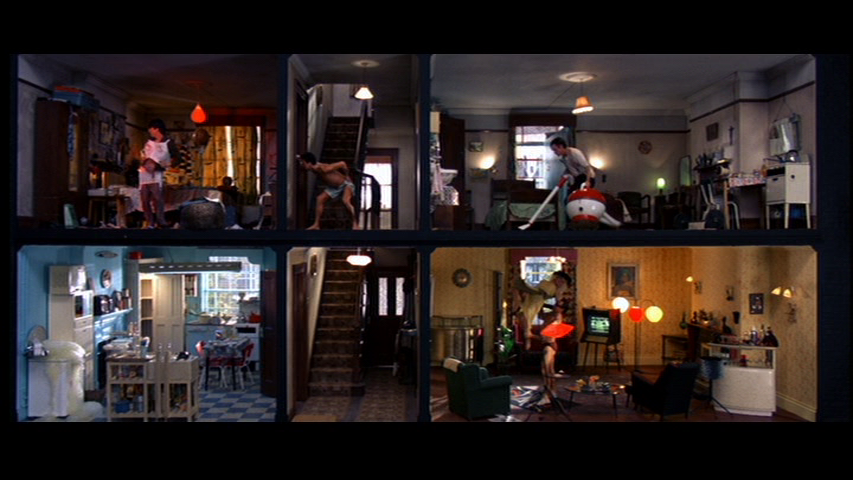
- A daringly forthright expose of xenophobia and racism in Britain
Content warning: overt use of the N word
- David Bowie as Vendice Partners
Must See?
Yes, once, as a most unique film of its era, and for its historical relevance. Listed as a Cult Movie in the back of Peary’s book.
Categories
Links:
|