Browsed by
Category: Original Reviews

Responses to Peary’s “must see” movie reviews, as well as my own “must see” movie reviews up to and after 1986 (when Peary’s book was published).

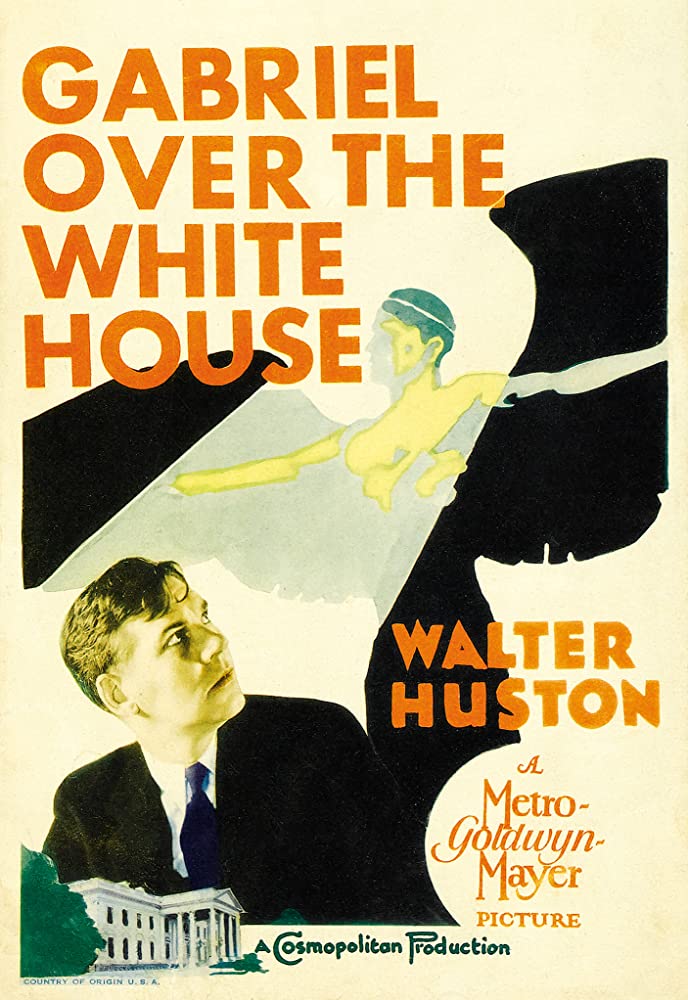
Gabriel Over the White House (1933)

Gabriel Over the White House (1933)

“We felt from the beginning that the president is really two men — but I became aware tonight, somehow, of a third being.”

Synopsis:
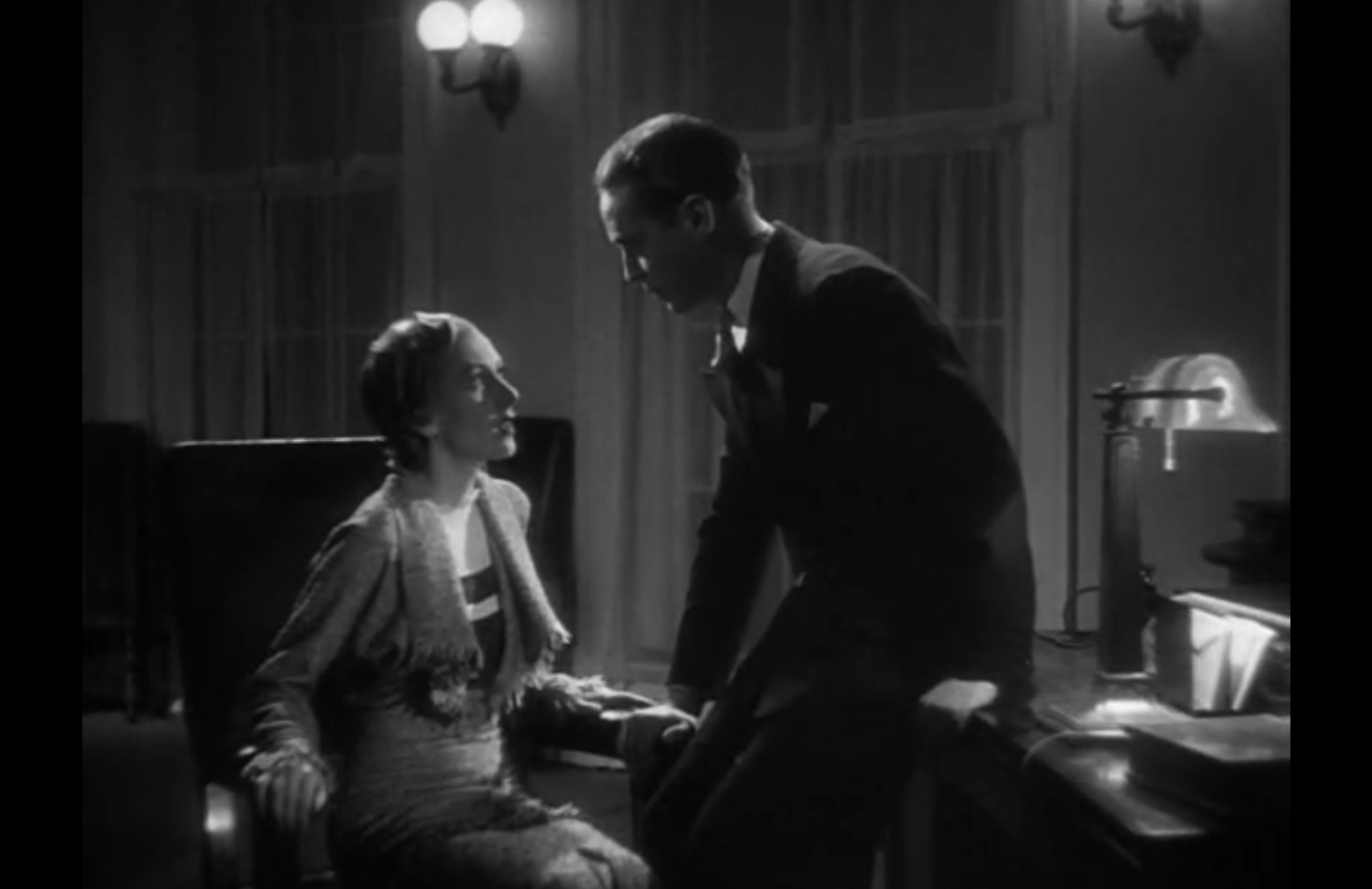
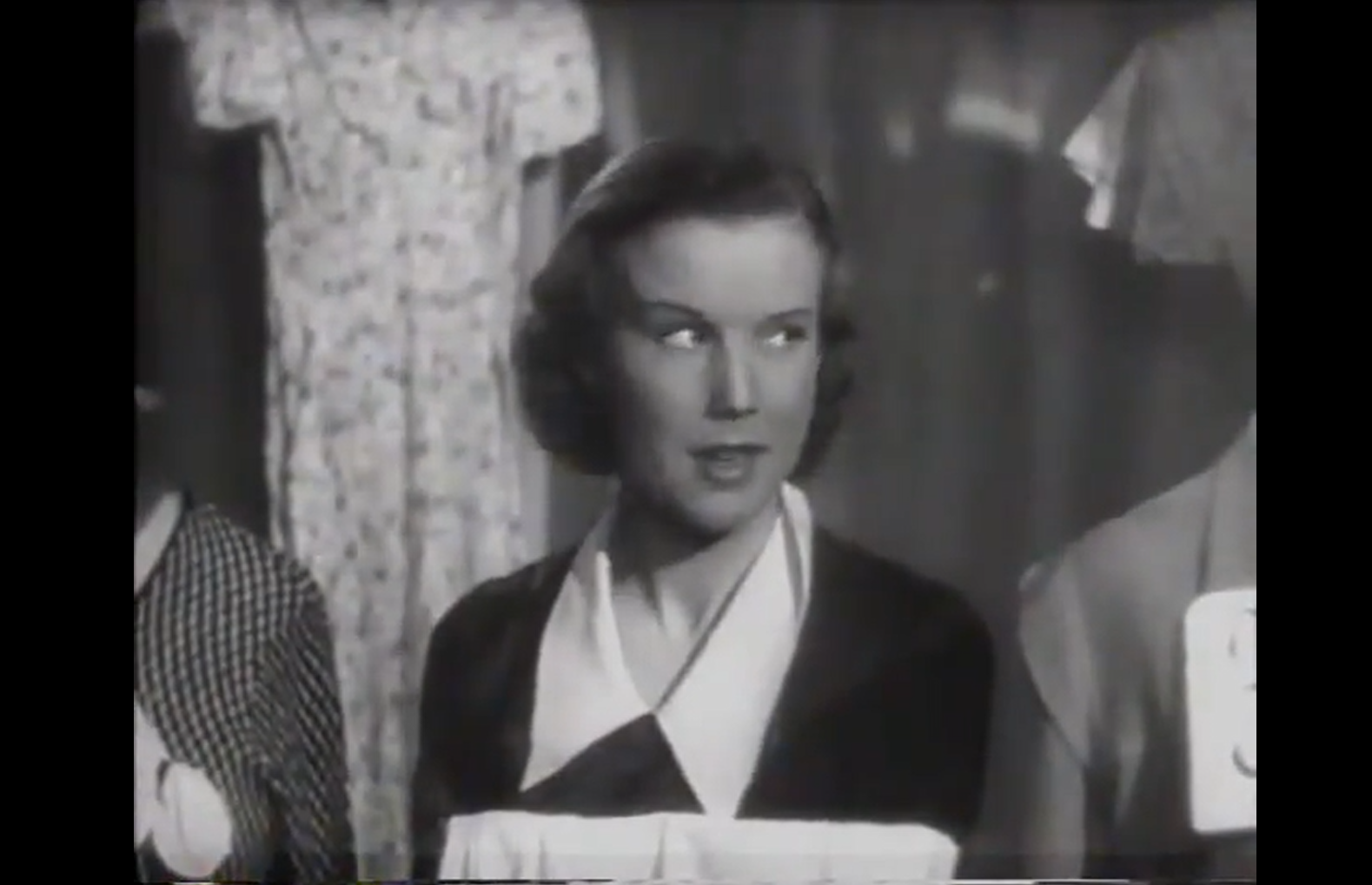
When the newly elected president of the United States (Walter Huston) is injured in a car accident, he awakens a completely different man, surprising his top aide (Franchot Tone) and his personal secretary (Karen Morley) with a sudden passion for the people.

Genres:

  • Character Arc
  • Depression Era
  • Fantasy
  • Franchot Tone Films
  • Karen Morley Films
  • Walter Huston Films

Review:
Made during the height of the Great Depression (just before the start of the New Deal), this fantasy film starts with a far-out premise: what if our president was suddenly invested with a supernatural version of a TBI-induced extreme personality change, shifting from a typically grandstanding but ineffectual politician to one who scolds his colleagues (“You’ve been traitors to the concept of democracy upon which this government was founded!”) to a dictator-like leader (“I can repudiate anything!”) before ordering notorious bootlegging criminals to be murdered by firing squad and world leaders to destroy their weapons? Such is the wild tale on display in this cinematic curio, a political morality tale which showcases an eerie form of fascism emerging in a figure who initially presents as an inspiring hero of the people. As DVD Savant writes in his interesting and fact-filled review, “This well made fantasy will perplex ordinary viewers while leaving political thinkers with their mouths hanging open.” It would make a fascinating double-bill with The Man Who Could Work Miracles (1936), also about the inception and outcome of supernaturally-driven “omnipotence”.

Note: I was unaware of Karen Morley’s HUAC-incited career decline; given her life-long interest in labor activism, it’s fitting that she co-starred in this film, Our Daily Bread (1934), and Black Fury (1935).

Redeeming Qualities and Moments:

  • Luminous cinematography

Must See?
Yes, once, for its unique storyline and historical relevance. Listed as a Cult Movie and a Personal Recommendation in the back of Peary’s book.

Categories

Links:

Lives of a Bengal Lancer, The (1935)

Lives of a Bengal Lancer, The (1935)

“What’s a son to him, compared to his blasted regiment?”

Synopsis:
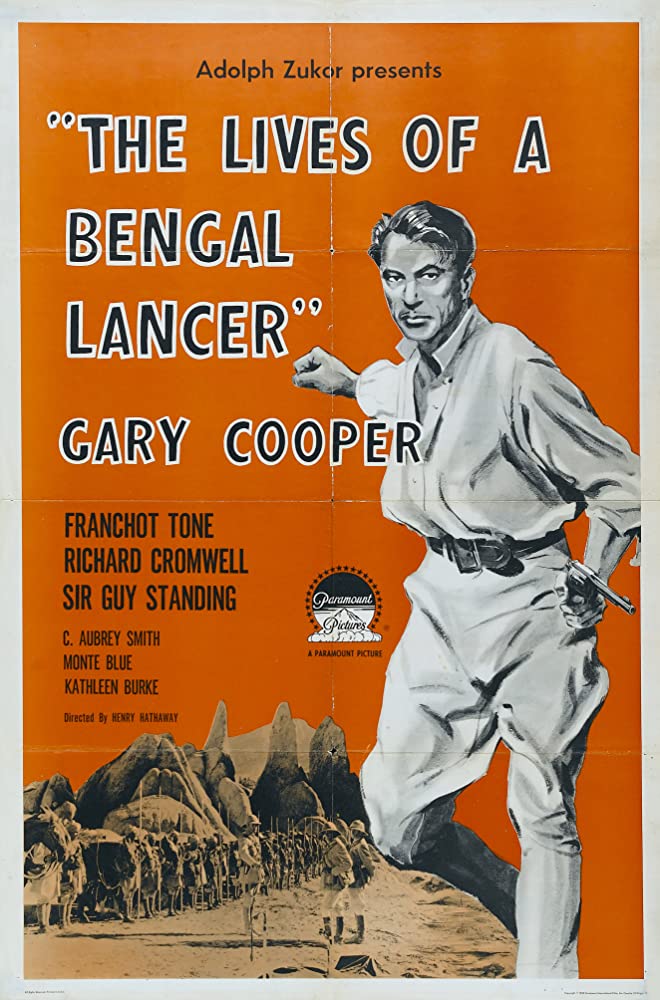
When the young son (Richard Cromwell) of a crusty British colonel (Guy Standing) joins his regiment in India, both his mentor (Gary Cooper) and another new recruit (Franchot Tone) are skeptical of his competence and motives — especially when he falls under the sway of a beautiful, mysterious woman (Kathleen Burke) introduced to him by a local rebel leader (Douglass Dumbrille).

Genres:

  • Akim Tamiroff Films
  • Cavalry
  • Father and Child
  • Franchot Tone Films
  • Gary Cooper Films
  • Henry Hathaway Films
  • Historical Drama
  • Soldiers

Review:
Having just reviewed The Charge of the Light Brigade (1936), I thought I would revisit its better known predecessor — this historical adventure (directed by Henry Hathaway, and based in name only on an autobiography by a British cavalry officer) which is likely responsible for bringing the military term “lancer” to modern viewers’ awareness.

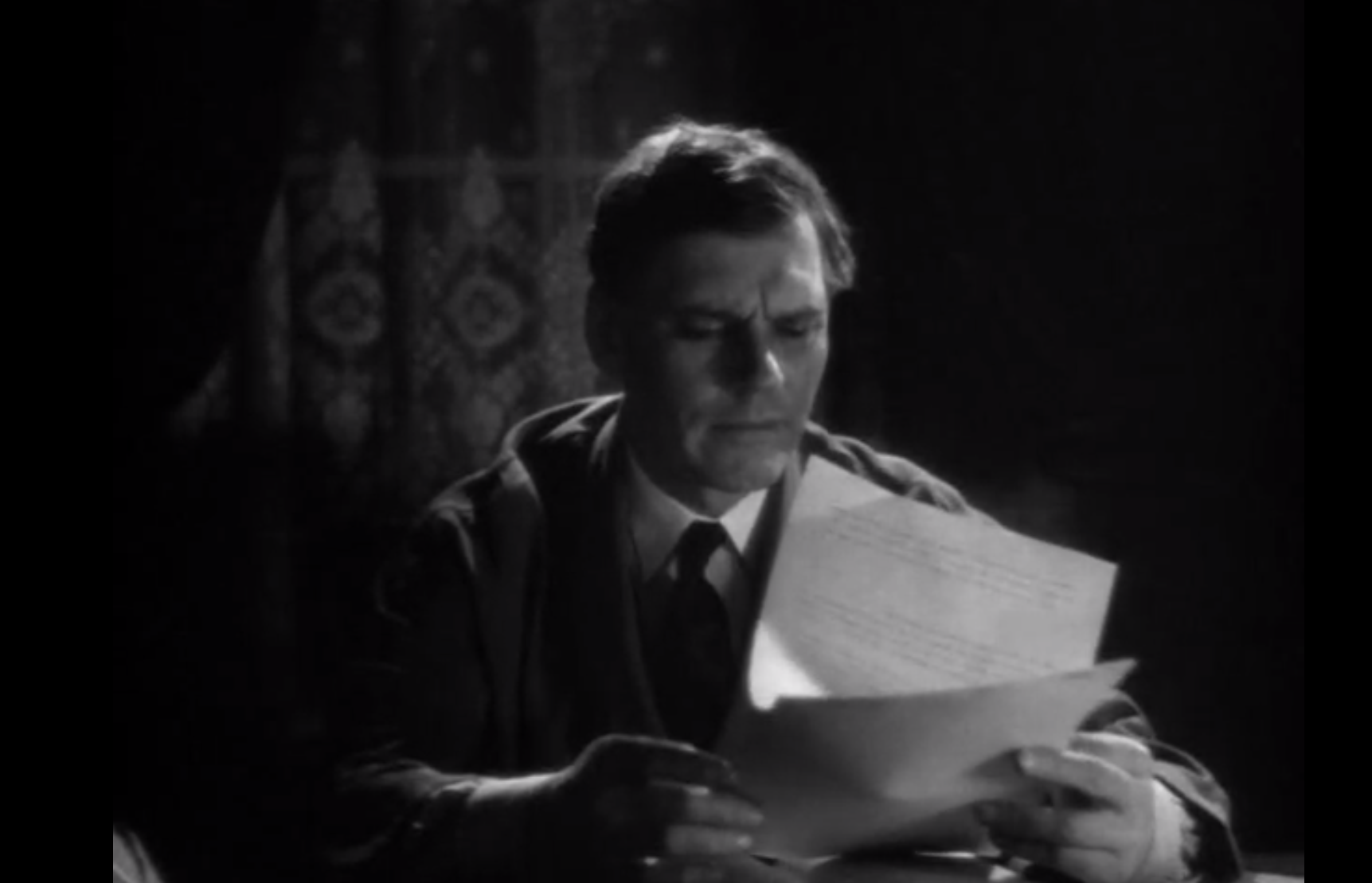
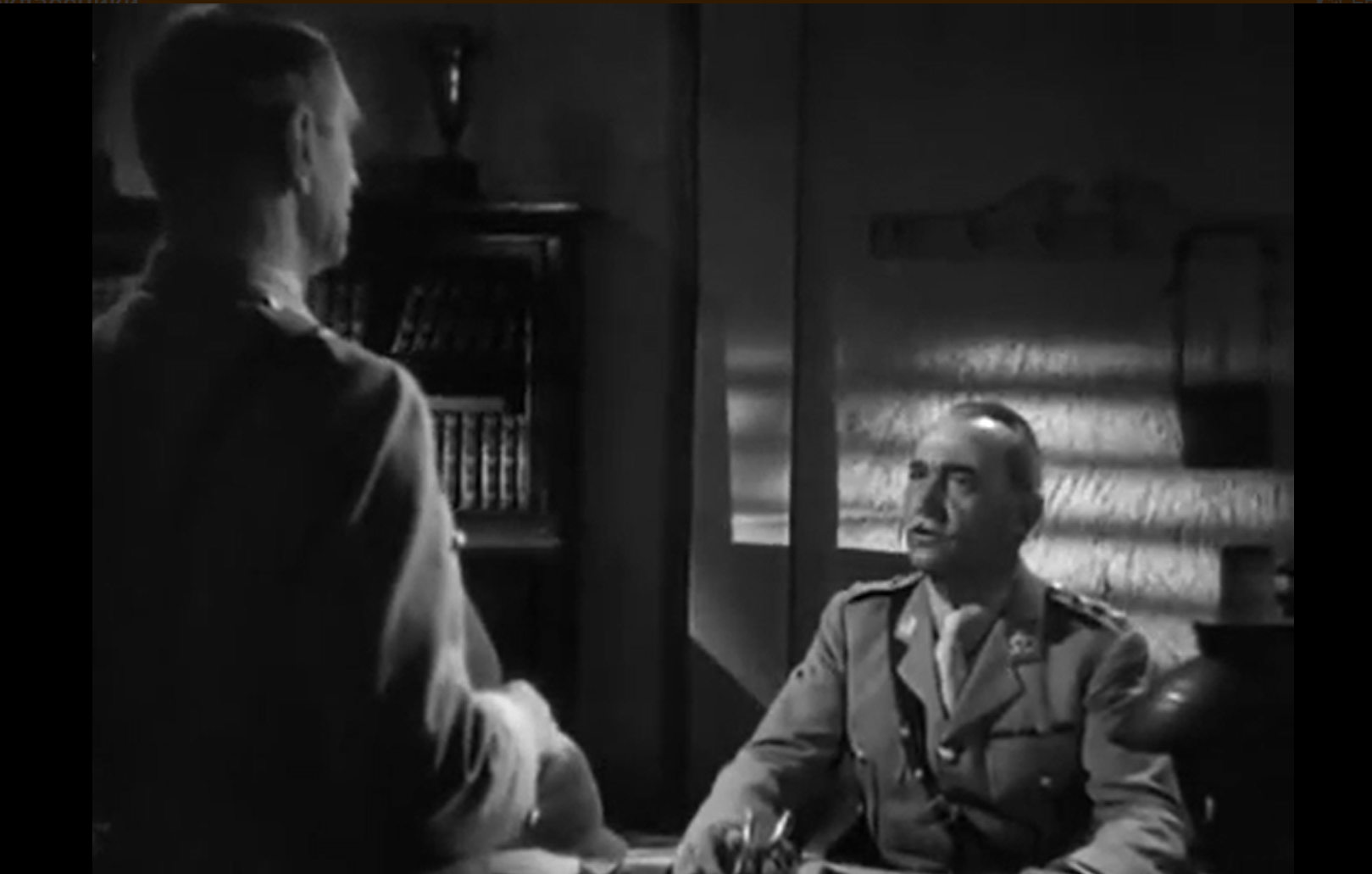
The story revolves around ongoing tensions between a career-obsessed colonel (Standing):

who can’t fathom leaving his work behind when he dies, and his quietly ambivalent son (Cromwell).

As with Gunga Din (1939) — also taking place in colonial India — it’s hard to watch a film which so blatantly elevates imperialism; but this is ultimately a relic of its time. As pointed out in TCM’s article:

“It seems unlikely… that we’ll ever see the return of British Imperialist action adventures. During the 1930s, tons of movies were made in which handsome British officers lightheartedly slaughtered whatever group of extras was thrown at them, with the enemy sporting decidedly darker skin tones than the nominal heroes.”

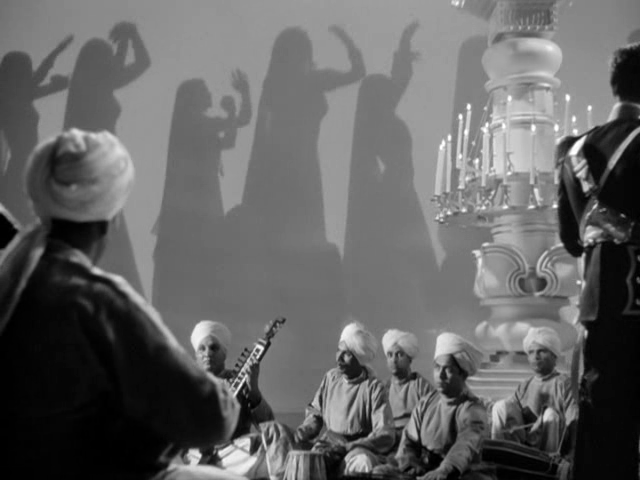
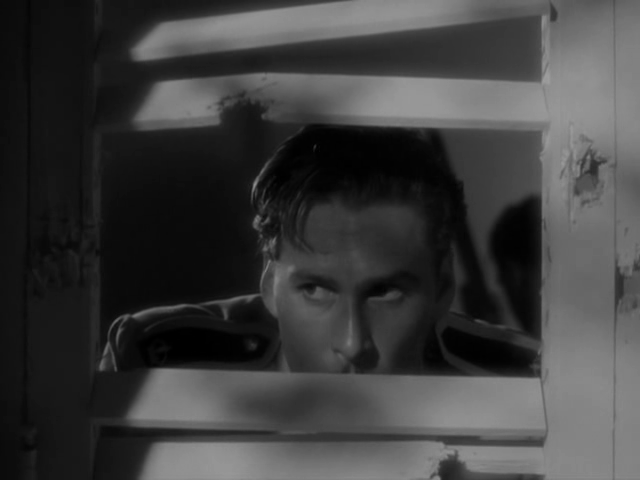
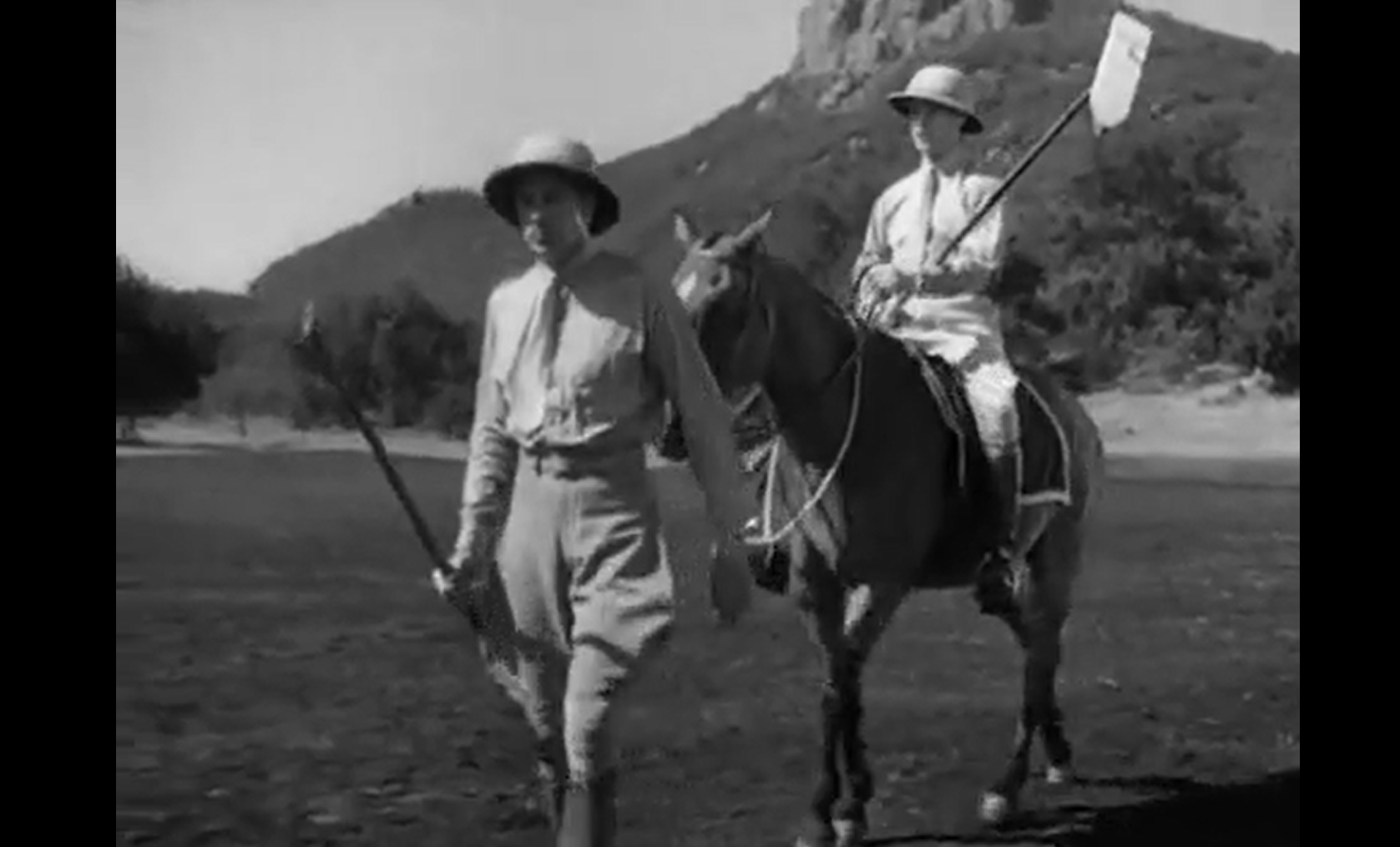
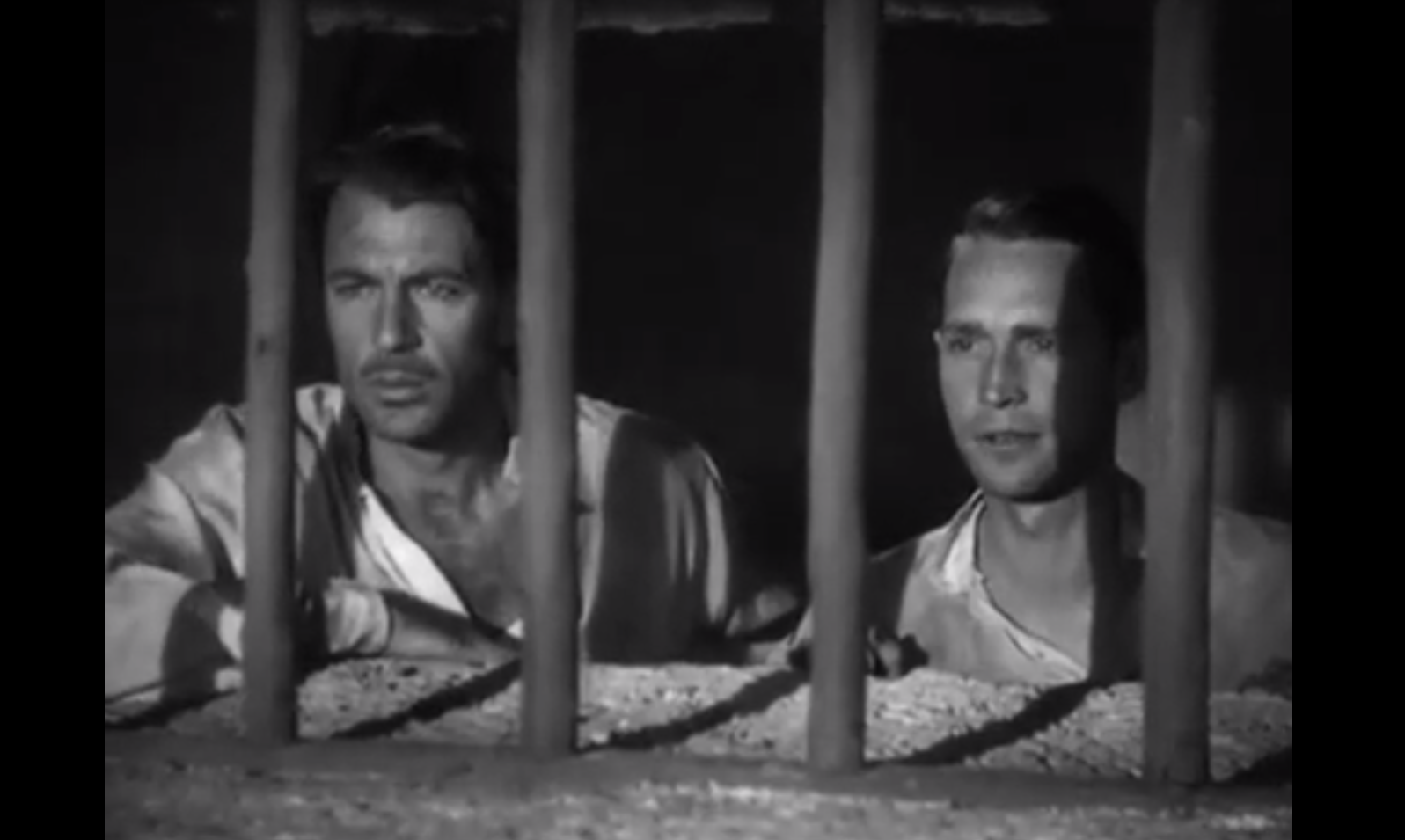
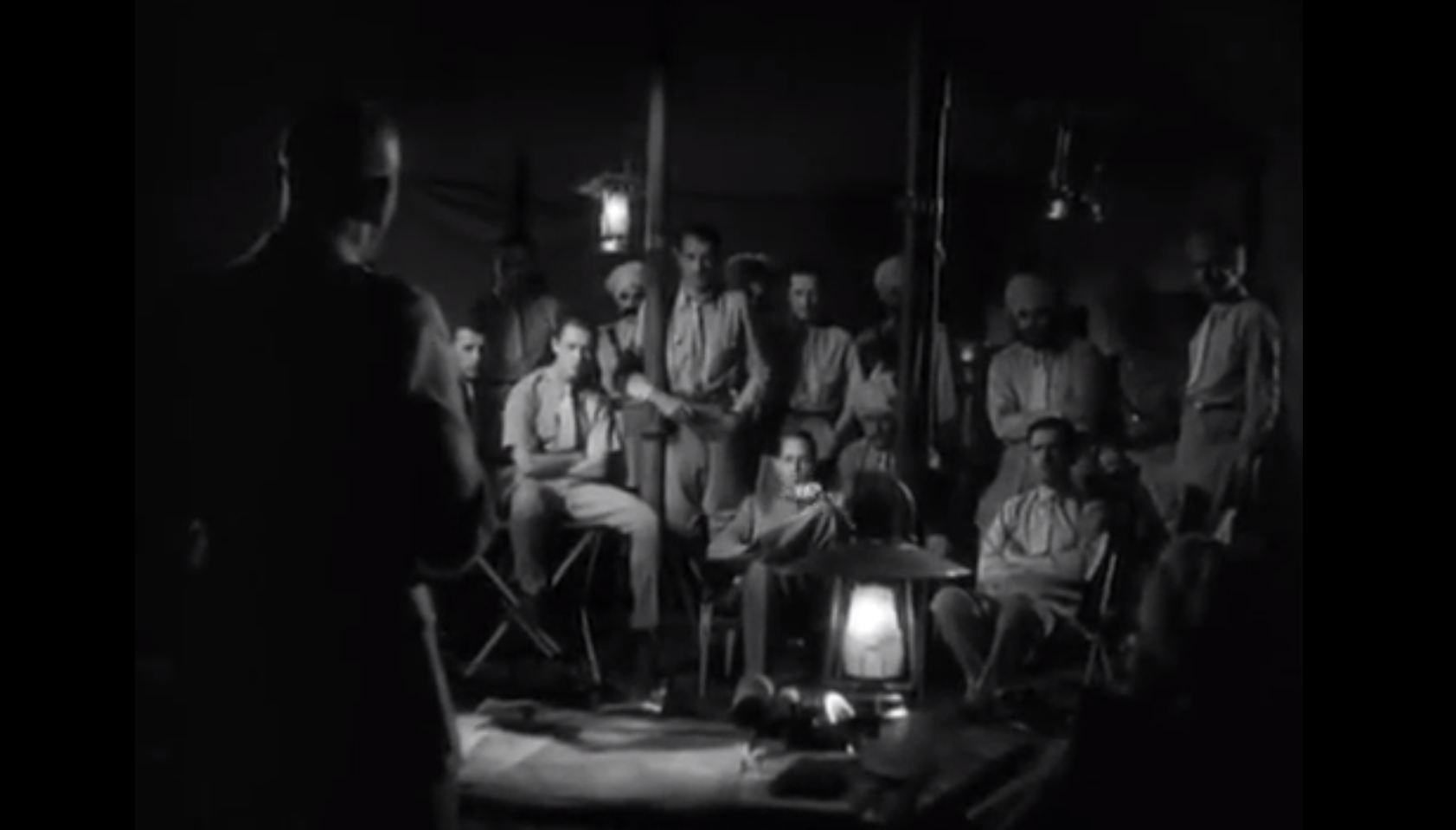
With that said, the entire affair is atmospherically filmed; Cooper and Tone are charismatic compatriots-in-arms (check out the freaky snake-“charming” scene):

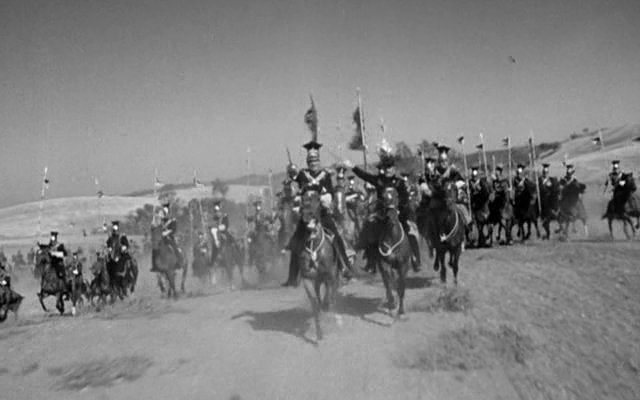
… and the finale is excitingly staged.

Note: This film is also distinctive as “one of only two pictures in which Cooper wears a mustache” (!).

Redeeming Qualities and Moments:

  • Gary Cooper and Franchot Tone as Lts. McGregor and Forsythe
  • Atmospheric cinematography

Must See?
No, but it’s worth a one-time look for its historical relevance.

Links:

Charge of the Light Brigade, The (1936)

Charge of the Light Brigade, The (1936)

“In this treacherous life, it’s difficult to know which is friend, and which is foe.”

Synopsis:
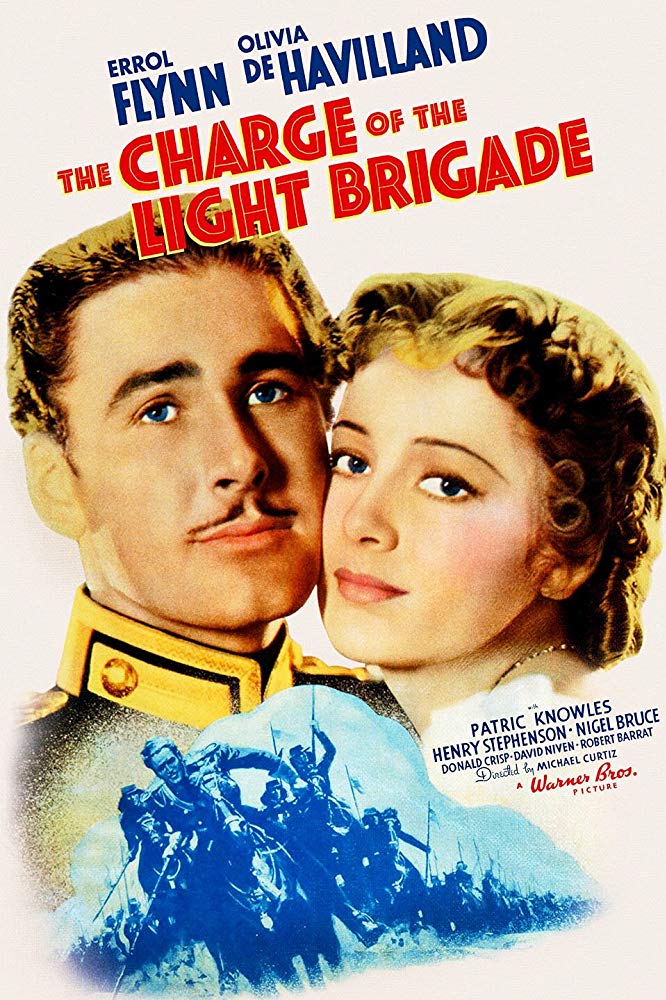
In 19th century colonial India, a cavalry major (Errol Flynn) and his brother (Patric Knowles) vie for the love of the daughter (Olivia de Havilland) of their commander (Donald Crisp). Meanwhile, after a devastating massacre of women and children at a garrison, Flynn vows revenge on a duplicitous rajah (C. Henry Gordon), ultimately leading to “the charge of the light brigade”.

Genres:

  • Cavalry
  • David Niven Films
  • Donald Crisp Films
  • Errol Flynn Films
  • Historical Drama
  • India
  • Love Triangle
  • Michael Curtiz Films
  • Olivia de Havilland Films
  • Revenge
  • Siblings

Review:
After achieving success with Errol Flynn and Olivia de Havilland in Captain Blood (1935), director Michael Curtiz teamed up with the gorgeous duo once again for this “loosely inspired by” adaptation of Sir Alfred Tennyson’s classic poem. Unfortunately, it comes across these days as little but an over-long ode to British colonial powers, and is dominated by an entirely unnecessarily romantic subplot that simply confuses viewers about who to root for. (Aren’t Flynn and de Havilland supposed to be cinematic lovers? And if so, why has she authentically fallen for his brother instead?) The battles scenes are all impressively filmed and edited, and Sol Polito’s cinematography is impeccable; however, this one is only must-see for Flynn completists.

And now for a little bit of the original poem, which it was a true treat to revisit:

. . .
Half a league, half a league,
Half a league onward,
All in the valley of Death
Rode the six hundred…

Theirs not to make reply,
Theirs not to reason why,
Theirs but to do and die.
. . .

Note: This film is historically significant for sad reasons; as noted in TCM’s article:

Curtiz so abused the use of trip-wires in pulling supposedly wounded horses to the ground during the sequence, animals were regularly breaking their necks and legs. Many of them had to be shot. Flynn, to his endless credit, was so appalled by what he was seeing he secretly contacted the ASPCA and implored them to come to the location. Curtiz’s cruel methods (which, it should be noted, he didn’t invent) would forever change the handling of animals on movie sets.

Redeeming Qualities and Moments:

  • Sol Polito’s cinematography

  • The appropriately rousing finale

Must See?
No; this one is only must-see for Flynn fans or Curtiz completists.

Links:

Beau Geste (1939)

Beau Geste (1939)

“The men must be led, not driven.”

Synopsis:
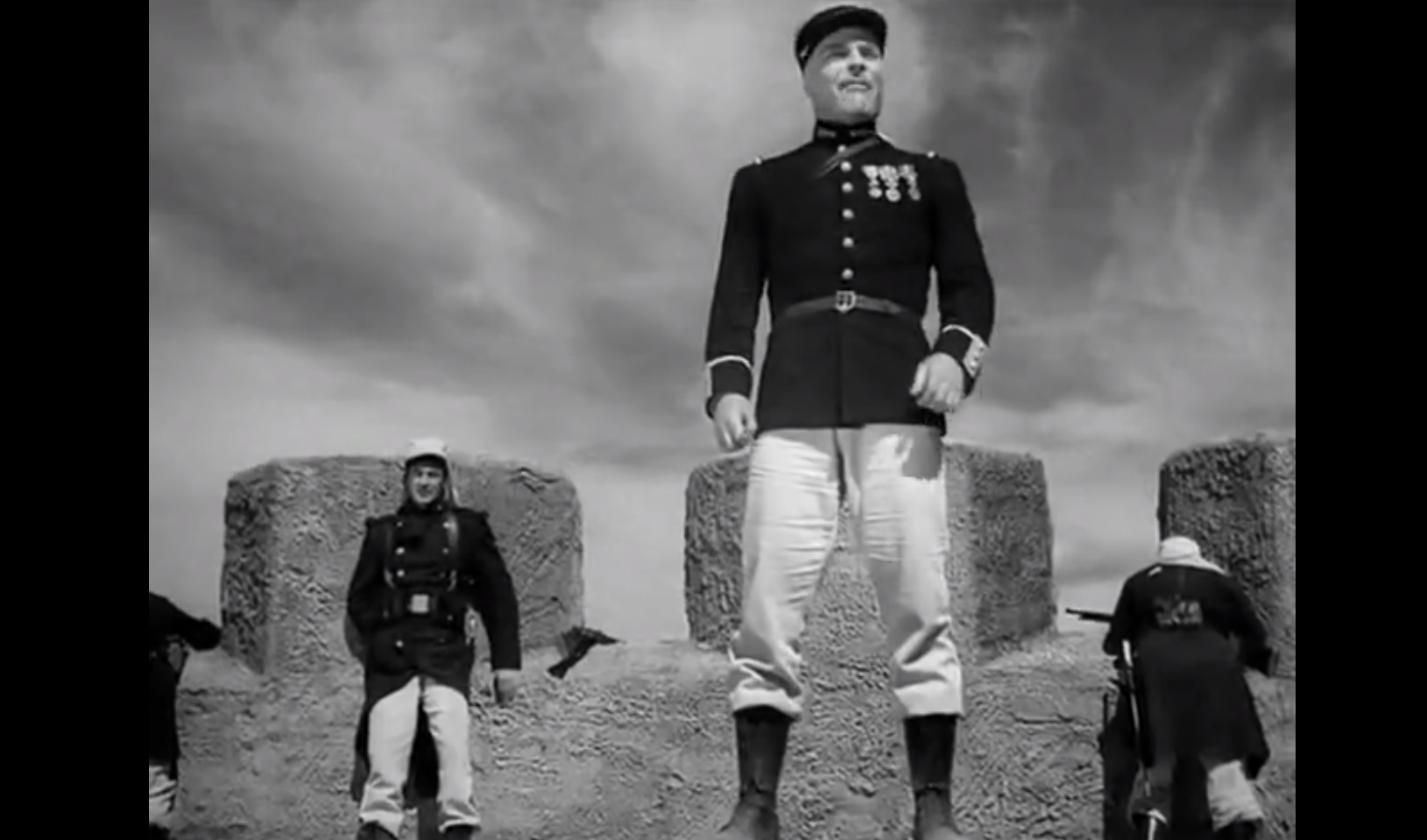
Three adopted brothers — Ray Milland, Gary Cooper, and Robert Preston — who join the Foreign Legion in Algeria after one of them confesses to stealing an heirloom jewel from their guardian (Heather Thatcher) soon find themselves living under the sadistic rule of a ruthless sergeant (Brian Donlevy).

Genres:

  • Brian Donlevy Films
  • Broderick Crawford Films
  • Flashback Films
  • Gary Cooper Films
  • Orphans
  • Ray Milland Films
  • Robert Preston Films
  • Ruthless Leaders
  • Siblings
  • Soldiers
  • Susan Hayward Films
  • William Wellman Films

Review:
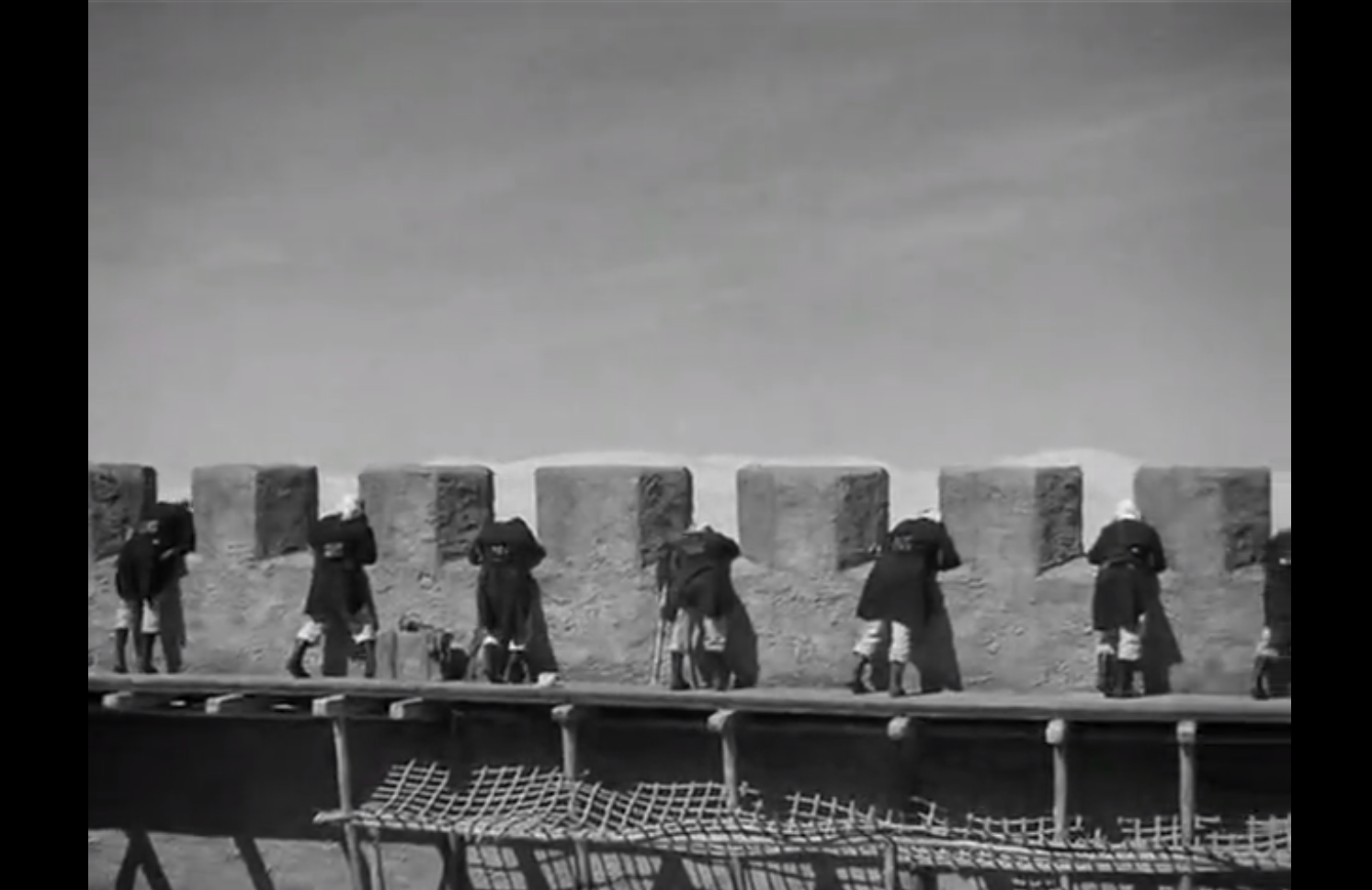
William Wellman directed this adaptation of a popular 1924 novel by P.C. Wren, previously filmed in 1926 and remade in 1966 and 1982. The storyline is straightforward but baffling in terms of why such a narrative would be of interest to so many. The strange confession of jewelry thievery in an upper-crust household isn’t resolved until the end (and even then, poorly); it seems the primary goal here is to show the lifelong bond of siblings, as well as how men react under sadistic rule — but this has been portrayed with more nuance and interest in other movies, such as Mutiny on the Bounty (1935).

Note: Diehard Susan Hayward fans may enjoy seeing her in one of her earliest roles, as Milland’s love interest back at home.

Redeeming Qualities and Moments:

  • Brian Donlevy as Sergeant Markoff
  • Some stark imagery
  • Fine location shooting (albeit in Arizona)

Must See?
No, though Wellman completists or fans of desert warfare flicks will want to check it out.

Links:

Man Who Could Work Miracles, The (1936)

Man Who Could Work Miracles, The (1936)

“If only one could work miracles… Just think of what you could do.”

Synopsis:
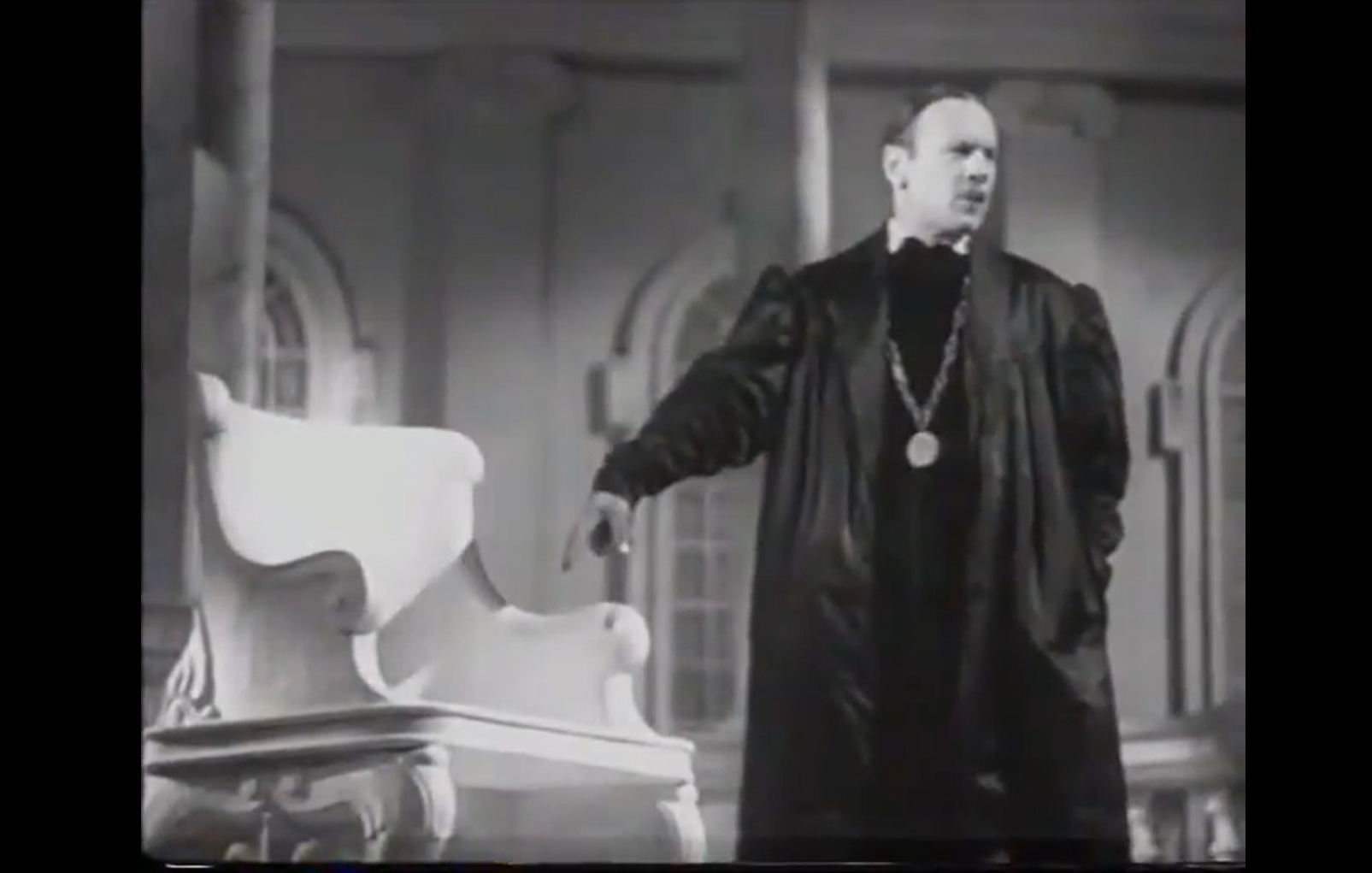
When a British draper’s clerk (Roland Young) is suddenly able to work miracles, he seeks help from a colonel (Ralph Richardson) and a pacifist vicar (Ernest Thesiger) in making the world a better place.

Genres:

  • Fantasy
  • George Sanders Films
  • H.G. Wells Films
  • Ralph Richardson Films
  • Roland Young Films
  • Supernatural Powers

Review:
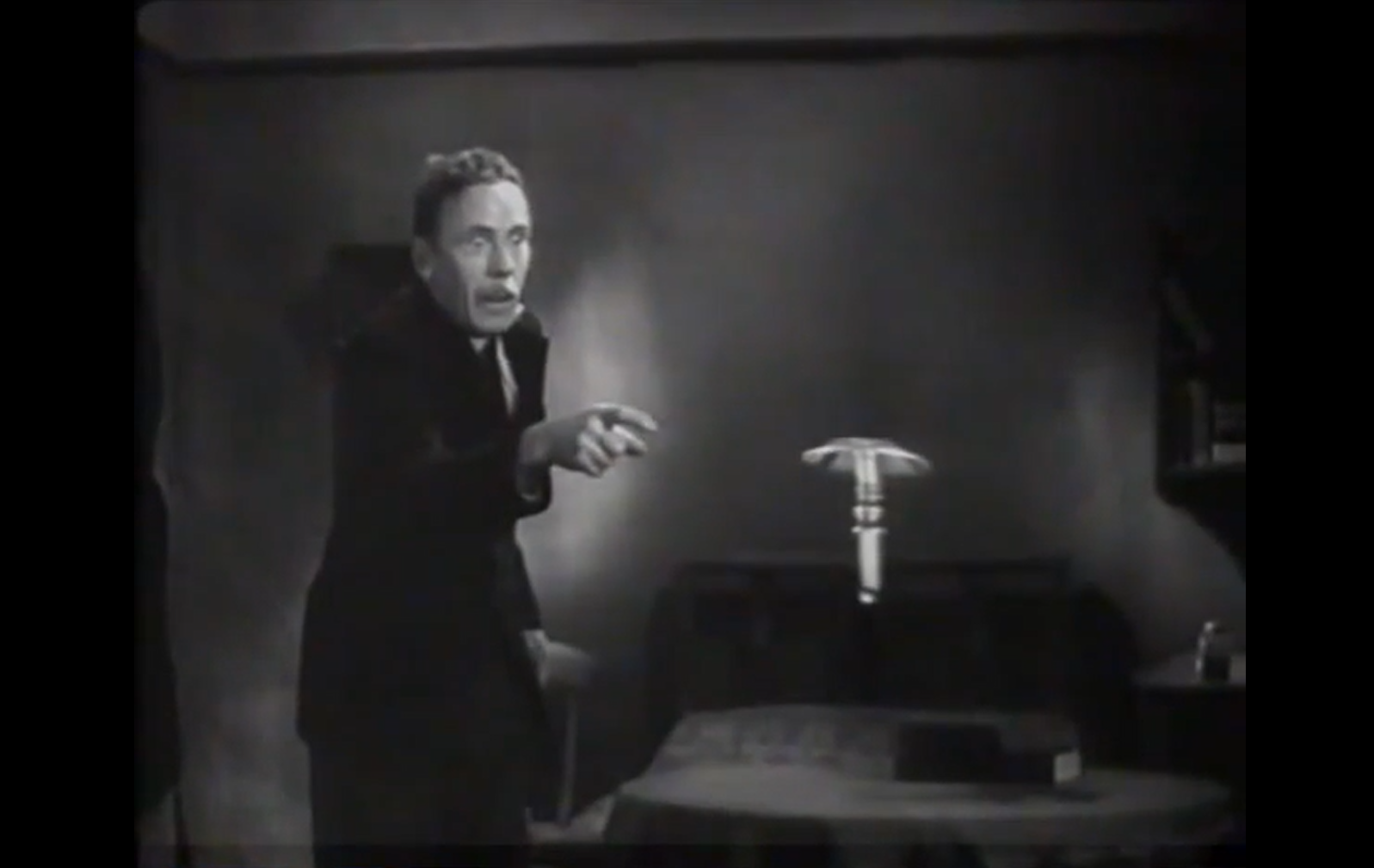
H.G. Wells scripted this fantastical morality tale (based on his own 1898 short story) about the possibilities inherent in miracle-making — which inevitably run a certain course to doom. Wells carefully takes us through Young’s initial incredulity and enthusiasm:

towards a muddled mess of decision-making and accidental outcomes, showing how easily people with power can be swayed both by others’ advice, and their own sense of faux-grandiosity.

Young’s character is deliberately an “every man” — indeed, one with lust in his heart (for coworker Joan Gardner):

despite the presence of a “good woman” (Sophie Stewart) waiting by his side:

It’s no surprise to see him struggling so mightily with his newfound ability. The entire tale is framed as the machinations of a trio of gods — Indifference (George Sanders — perfect casting), Player (Ivan Brandt), and Observer (Torin Thatcher) — overlooking the Earth and trying this exercise on for size:

… which brings to mind the structure of Jason and the Argonauts (1963).

Redeeming Qualities and Moments:

  • An intriguing glimpse at what miraculous powers might wreak upon humanity

Must See?
Yes, once, as a surprisingly thought-provoking fantasy. Listed in the back of Peary’s book as a film with Historical Importance and a Personal Recommendation.

Categories

Links:

Angels Over Broadway (1940)

Angels Over Broadway (1940)

“That’s New York for you: put you on a Christmas tree, and then in the alley.”

Synopsis:
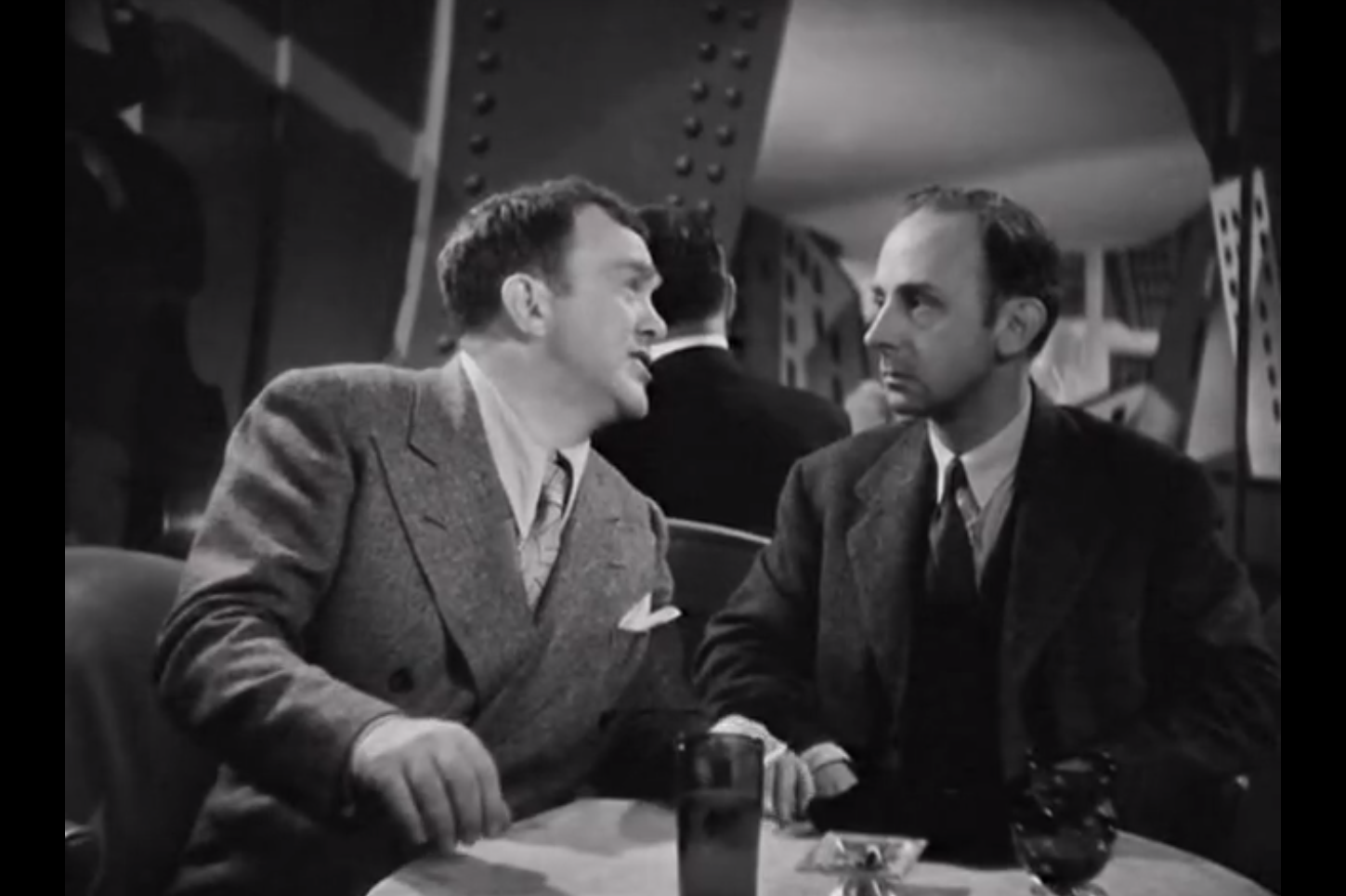
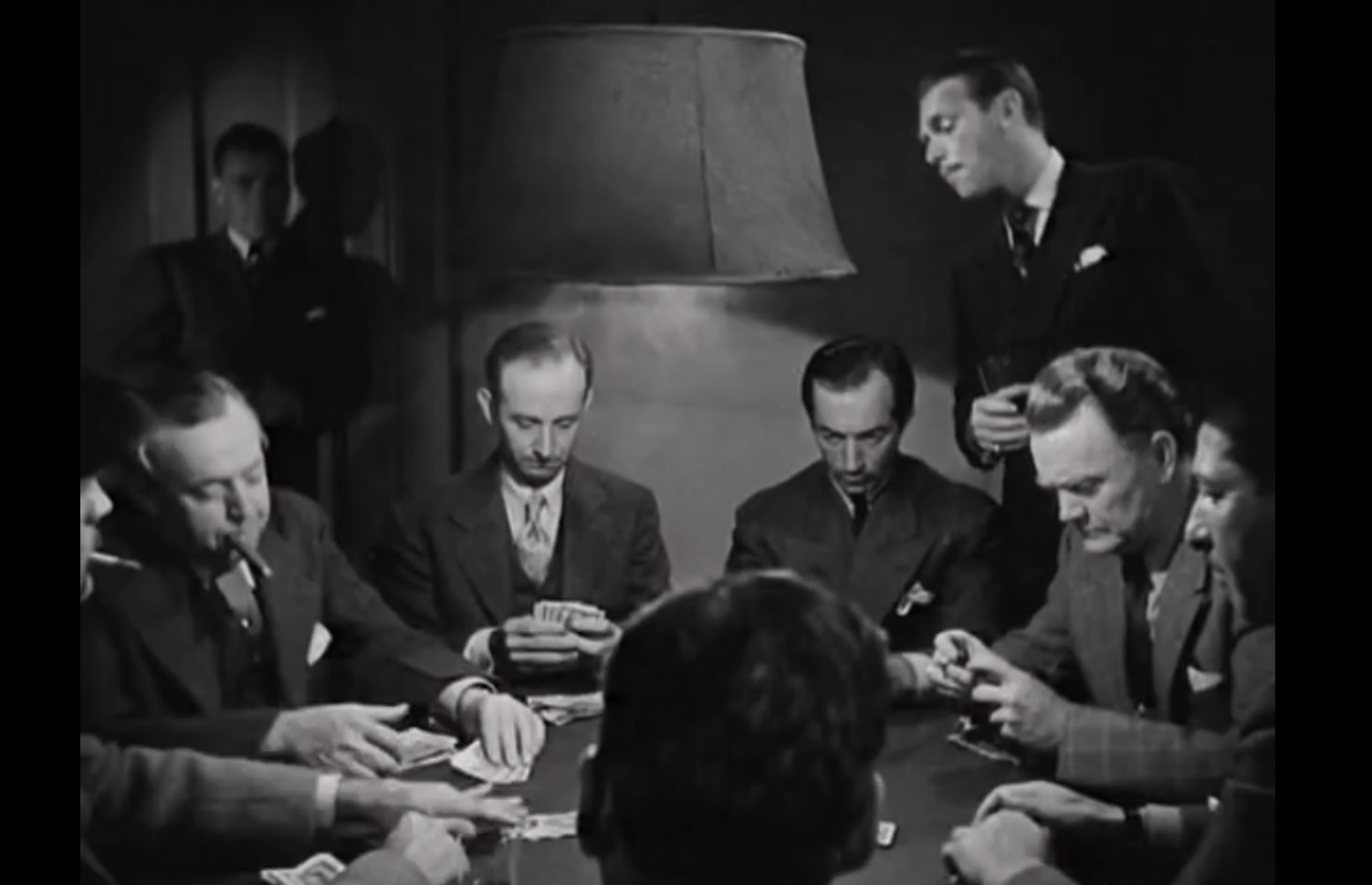
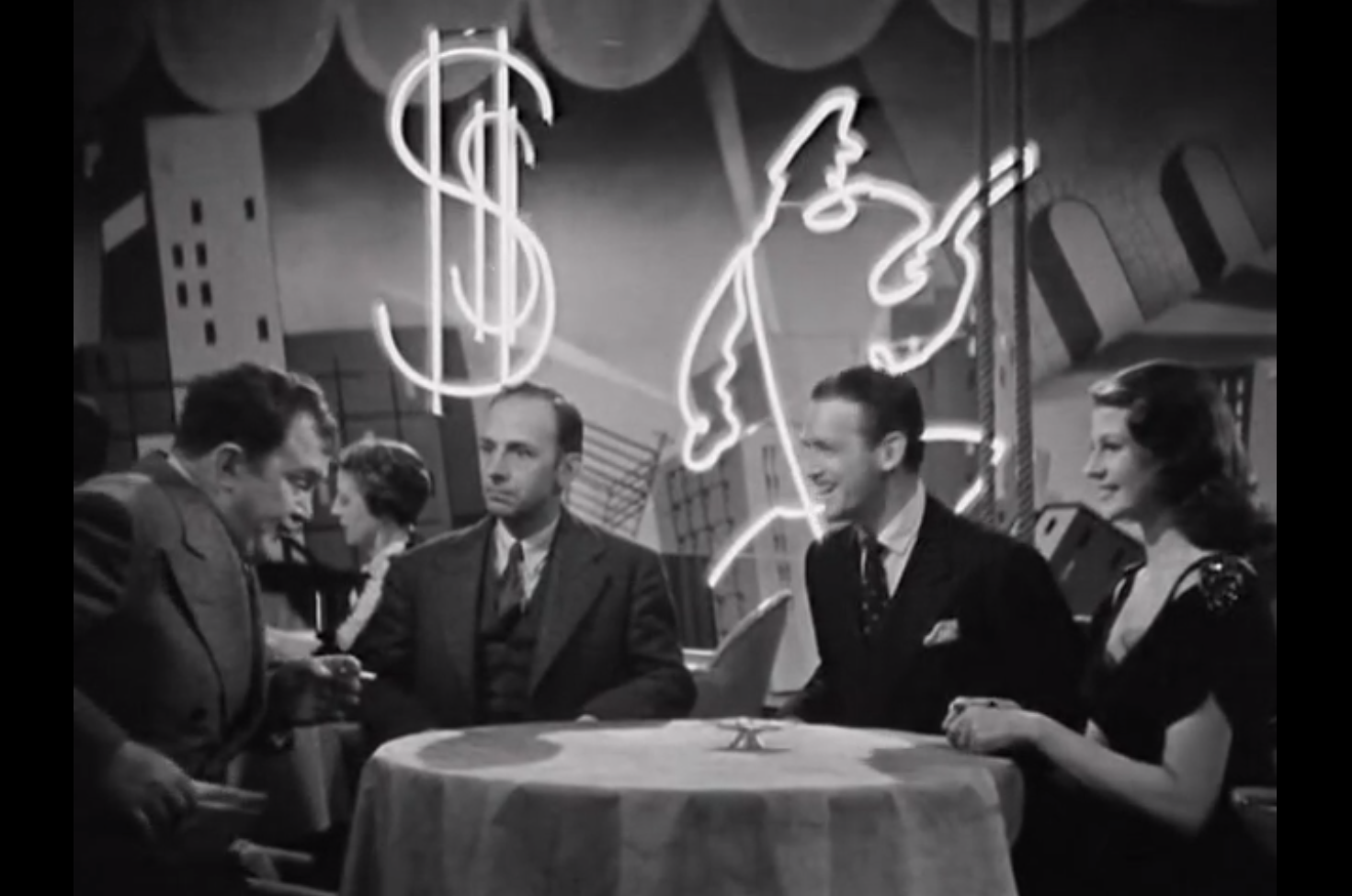
An alcoholic, has-been playwright (Thomas Mitchell) offers valuable jewelry to a suicidal embezzler (John Qualen) who has joined forces with a con-artist (Douglas Fairbanks, Jr.) and an aspiring performer (Rita Hayworth) in pulling off a gambling grift — but will their elaborate ploy work out or cost them their lives?

Genres:

  • Con-Artists
  • Douglas Fairbanks, Jr. Films
  • John Qualen Films
  • Rita Hayworth Films
  • Suicide
  • Thomas Mitchell Films

Review:
Ben Hecht wrote and directed this compact, humanistic thriller about a quartet of down-and-out individuals finding each other one evening and conspiring to pull a fast one on fate. Memorable character actor John Qualen (a long-time fixture in John Ford films):

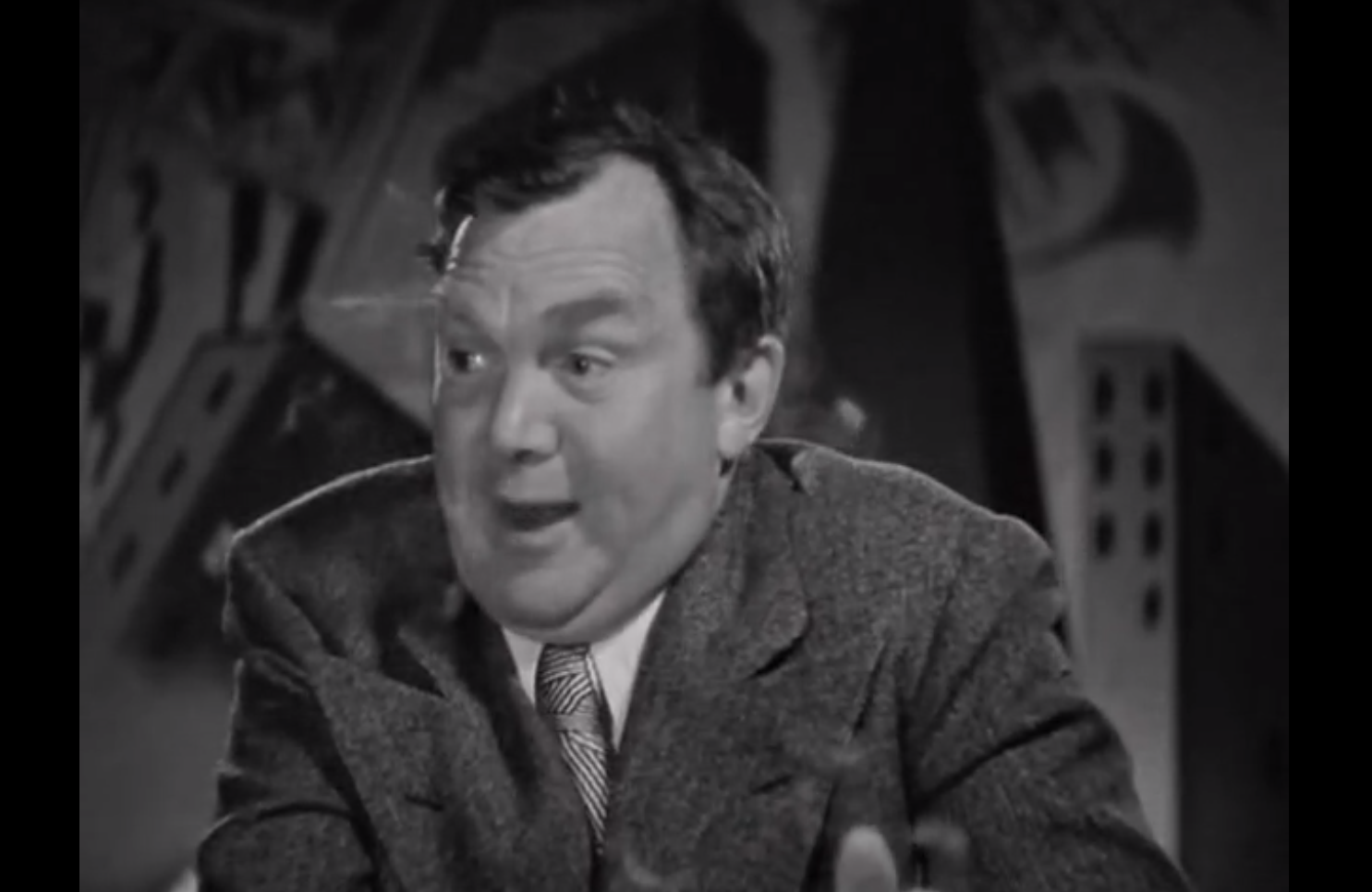
is given a meaningful leading role, albeit one which is quickly rivaled by Mitchell’s likeably boozy wordsmith.

The series of events that unfold move quickly, and, as Bosley Crowther wrote in his glowing review for The New York Times: “… it is beautifully compact. Between dark and dawn [Hecht] has set a spare and enormously suspensive story that is as neatly fitted as an O. Henry fable.”

Lee Garmes’ cinematography is appropriately atmospheric, highlighting the unique sets and claustrophobic setting within which this tale plays out.

Note: Hayworth sounds eerily like Marilyn Monroe at times — though perhaps the comparison is an apt one.

Redeeming Qualities and Moments:

  • Fine performances by the small ensemble cast
  • Lee Garmes’ cinematography
  • Atmospheric sets
  • Ben Hecht’s screenplay

Must See?
Yes, as a nifty little flick.

Categories

  • Good Show

Links:

Planet of Blood / Queen of Blood (1966)

Planet of Blood / Queen of Blood (1966)

“She seems so human, yet obviously not human at all!”

Synopsis:
Shortly after his girlfriend (Judi Meredith) and friend (Dennis Hopper) are sent to Mars to meet with a recently landed spaceship, an astronaut (John Saxon) follows them to provide much-needed support — especially when the lone alien they rescue (Florence Marly) turns out to be challenging to manage.

Genres:

  • Aliens
  • Astronauts
  • Basil Rathbone Films
  • Dennis Hopper Films
  • Horror
  • John Saxon Films
  • Science Fiction

Review:
Like Mario Bava’s Planet of the Vampires (1965), this low-budget AIP sci-fi-horror flick (directed by Curtis Harrington) was re-purposed from existing Soviet footage to stylish effect. While the first half-hour moves glacially, and the pacing overall is too slow, the screenplay takes a surprising enough turn (once Marly emerges from her slumber) to shake things up significantly, and make one take serious notice. Green-faced Marly’s wordless performance is a marvel to behold, as she hypnotizes the men around her and clearly has malevolence up her sleeve (or perhaps up in her beehive-do):

Naturally, inquiry-driven scientists — most particularly Dr. Farraday (Basil Rathbone) back on Earth — demand she be brought back safely at any cost, despite the clear risk she poses. It’s been noted that both this and Bava’s flick bear a remarkably strong resemblance to Alien (1979), which is part of what makes them each worth a look despite their flaws. The final scene is genuinely chilling and icky.

Note: I’m leaving out a spoiler genre that would give away too much. Stay away from any online reviews if you want to be surprised.

Redeeming Qualities and Moments:

  • Florence Marly as the alien
  • Atmospheric cinematography and sets

  • Artistic opening titles

Must See?
Yes, once, for its unusual storyline and bold visuals, and as a clear inspiration for Alien. Listed as a Cult Movie in the back of Peary’s book.

Categories

Links:

Goodbye, New York (1985)

Goodbye, New York (1985)

“I thought I’d change my life.”

Synopsis:
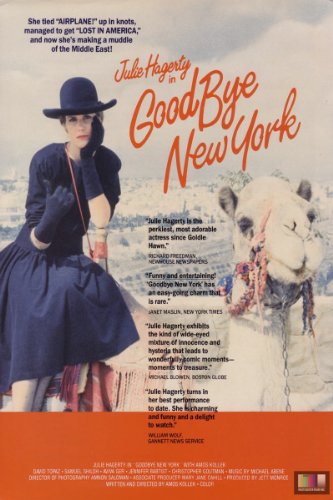
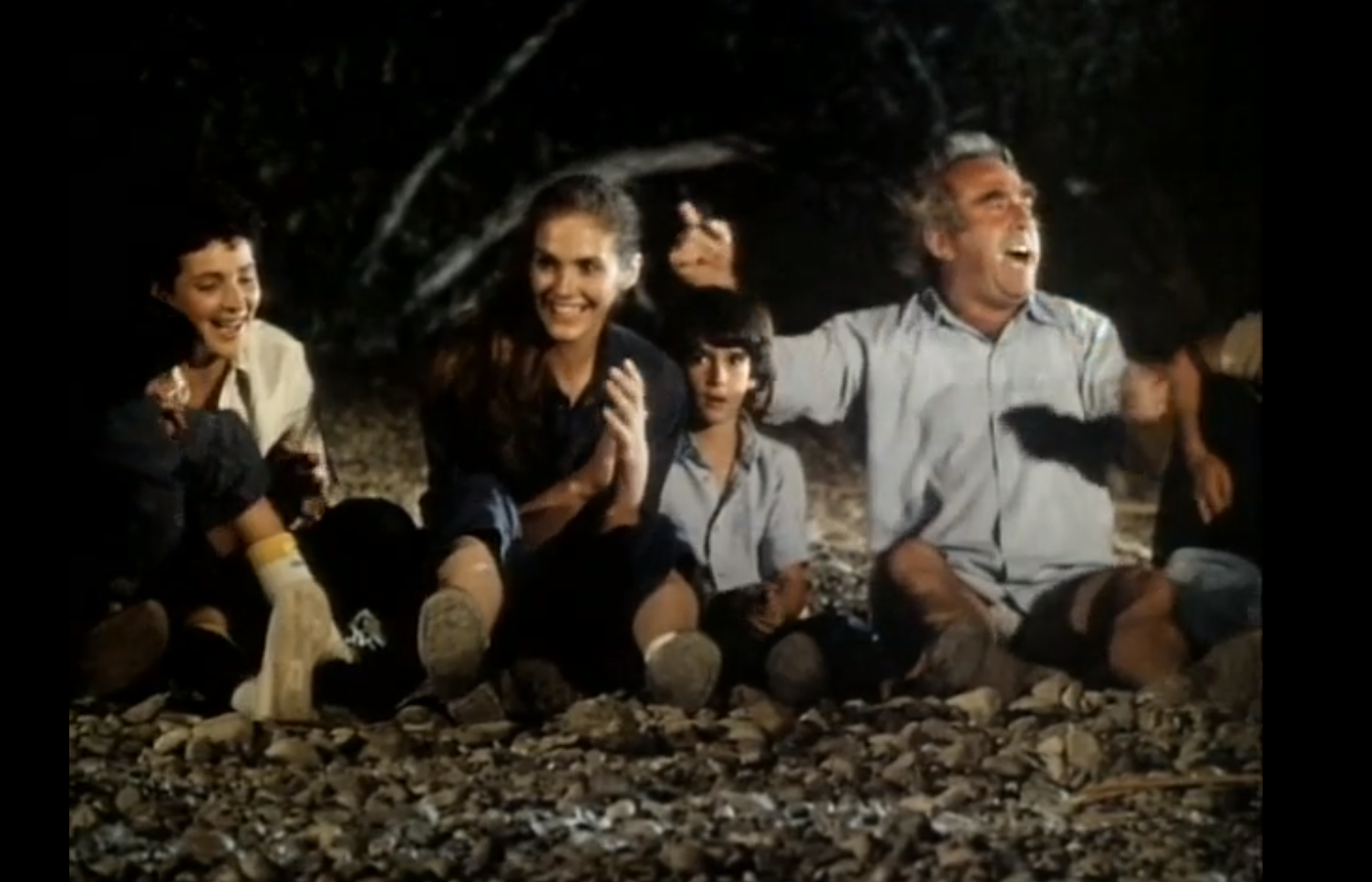
When a woman (Julie Hagerty) finds her husband (Christopher Goutman) cheating on her, she leaves New York and heads to Paris, only to find herself in Israel without luggage or money when she sleeps through her landing. Once there, she befriends her new roommate (Aviva Ger) on a kibbutz as well as a lonely soldier (Amos Kollek) hoping for romance.

Genres:

  • Middle East
  • Strong Females

Review:
There’s little to recommend about this well-meaning but dull, contrived, and poorly acted Israeli flick about a suddenly-single woman determined to have the adventure of her life abroad. As Kevin Thomas wrote in his review of the film for the L.A. Times: “Writer-producer-director (and co-star) Amos Kollek… fails to develop Hagerty’s predicament with either wit or credibility, only a plentitude of tedious complications. Hagerty, though game, comes off as a tiresome dimwit.” The primary novelty of the film is its Israeli setting, though there have since been many other worthier titles to check out.

Redeeming Qualities and Moments:

  • An interesting glimpse of an Israeli kibbutz in the 1980s

Must See?
No; feel free to skip this one. Listed as a Sleeper and Personal Recommendation in the back of Peary’s book.

Links:

Victor / Victoria (1982)

Victor / Victoria (1982)

“You two-timing son-of-a-bitch — he’s a woman!”

Synopsis:
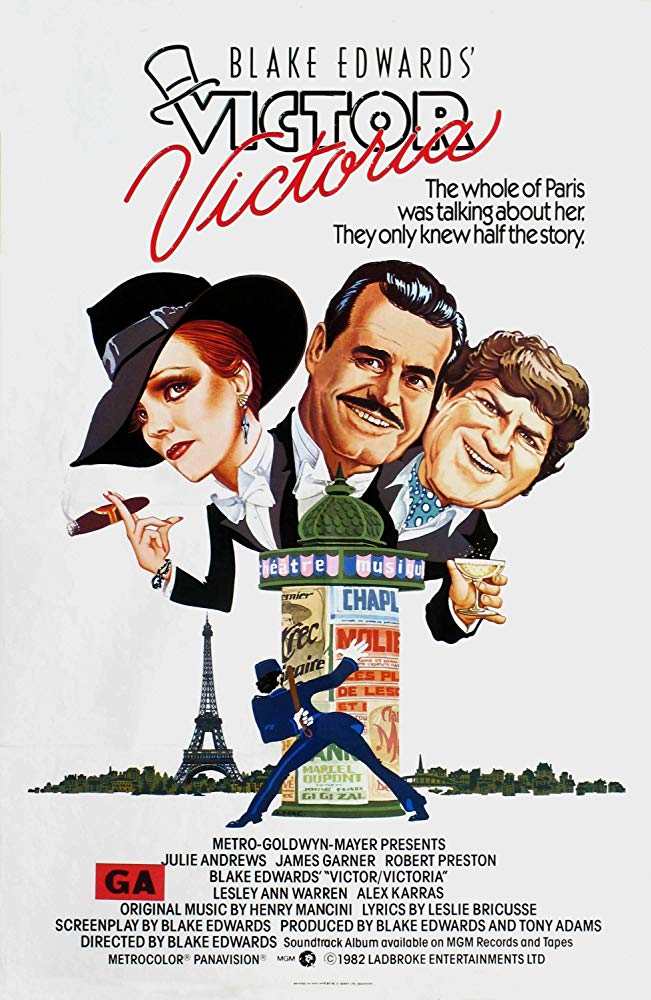
A destitute singer (Julie Andrews) in 1930s Paris befriends a gay man (Robert Preston) who convinces her to pose as a female impersonator. “Victor” (Andrews) quickly finds success, as well as admiration from a gangster (James Garner) who has trouble reconciling his attraction to a “man”.

Genres:

  • Aspiring Stars
  • Blake Edwards Films
  • Gender Bending
  • Historical Drama
  • James Garner Films
  • Julie Andrews Films
  • Mistaken or Hidden Identities
  • Musicals
  • Robert Preston Films
  • Singers

Review:
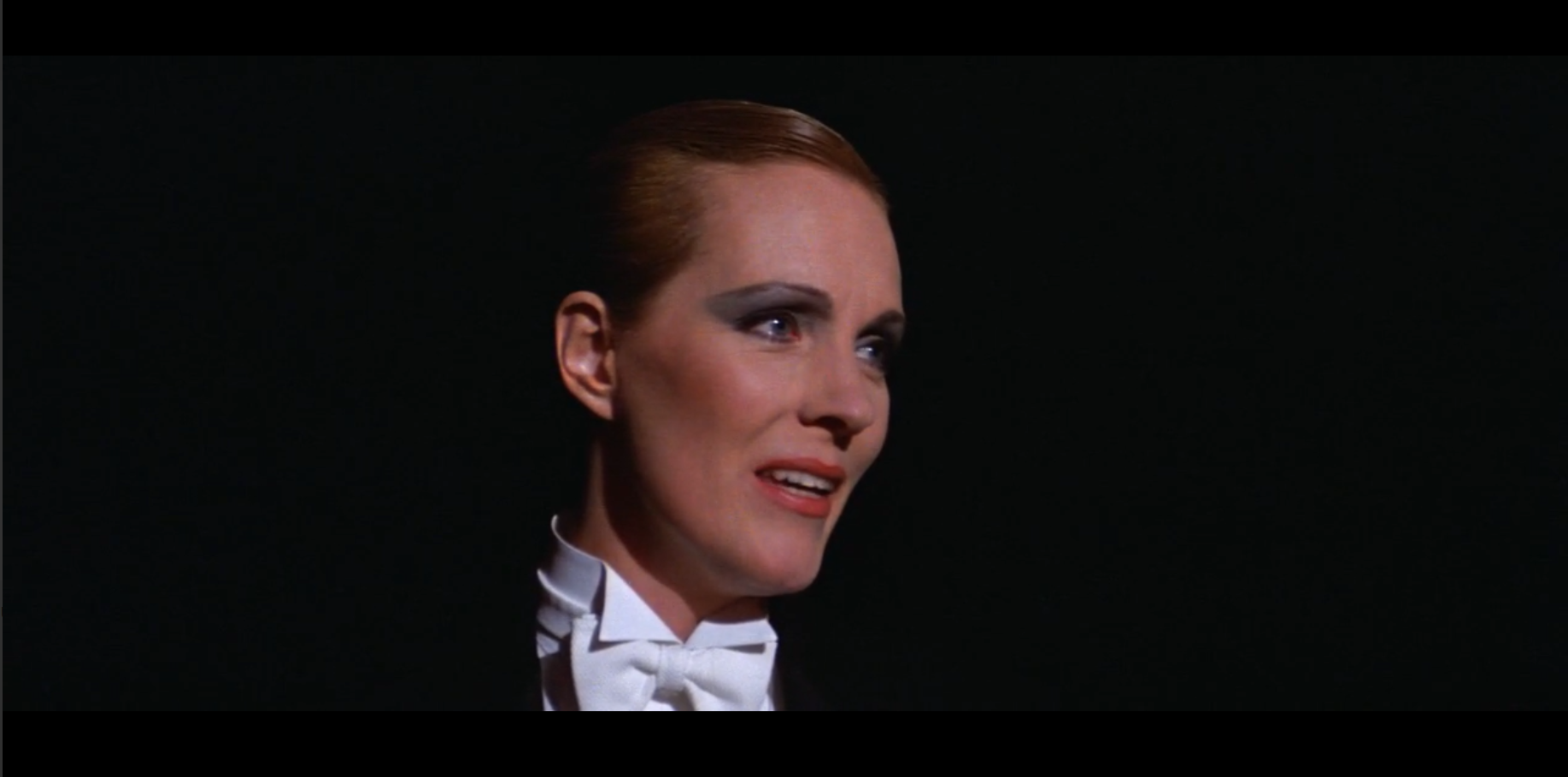
Husband-and-wife team Blake Edwards and Julie Andrews reached an artistic plateau in this culmination of their cinematic interest in mistaken identities, gender-bending, and the performing life. Andrews plays a likable, plucky heroine we can’t help rooting for; thankfully, sufficient time is provided for us to get to know her and sympathize with her plight.


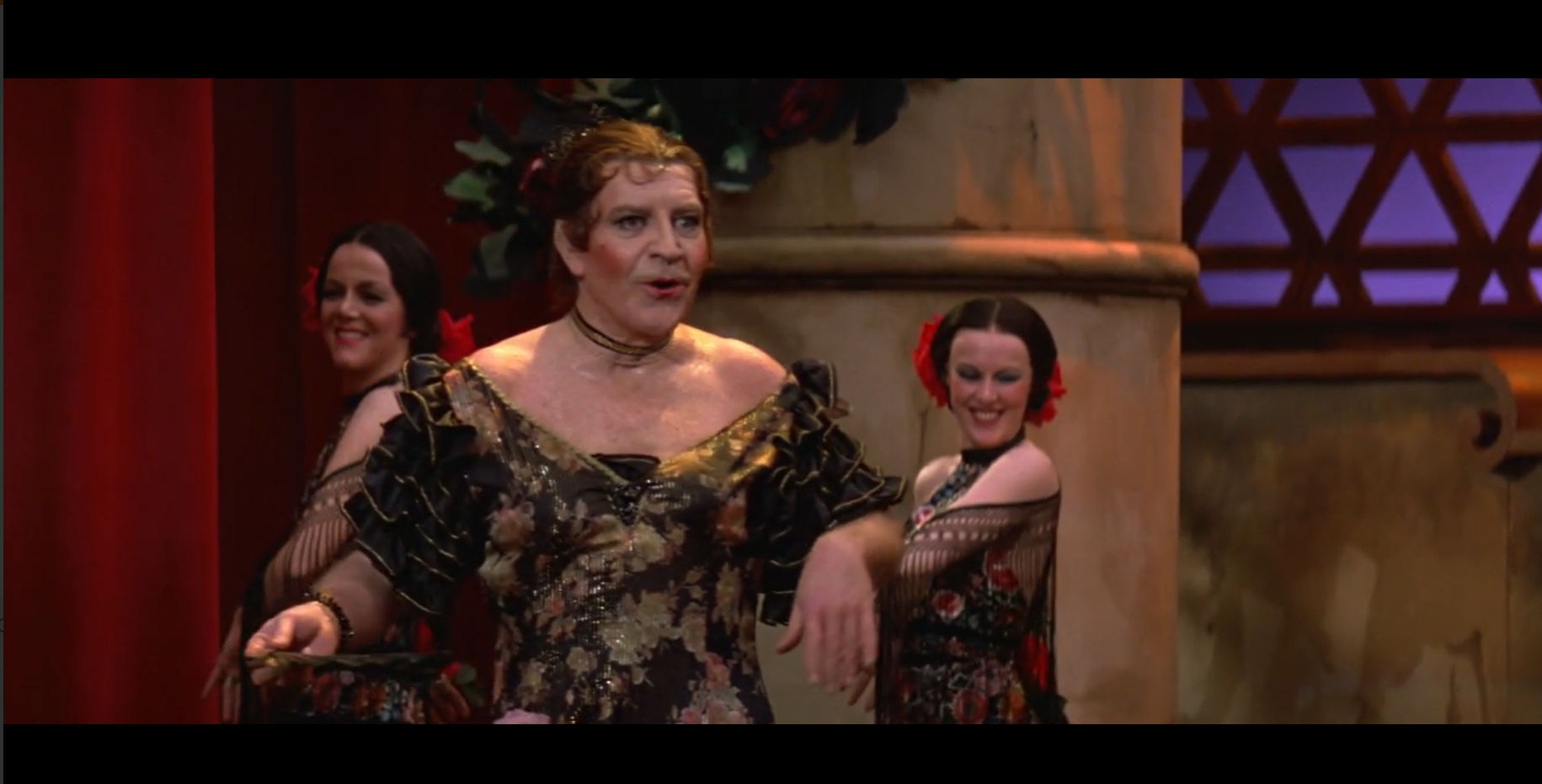
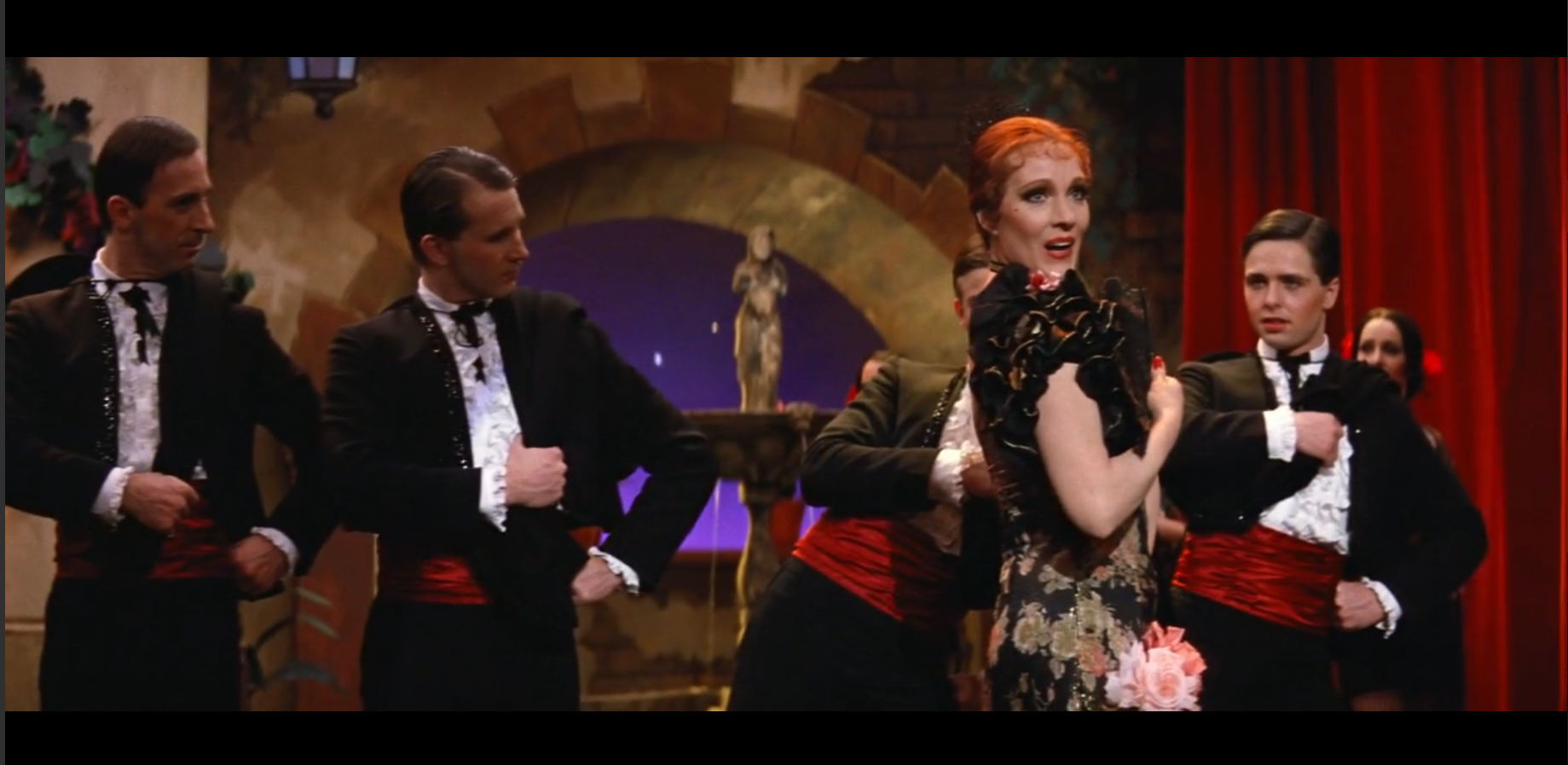
Preston is delightful as her supportive new roommate, and convincing as a gay man; his final dance performance (completed in a single take) is a hoot.

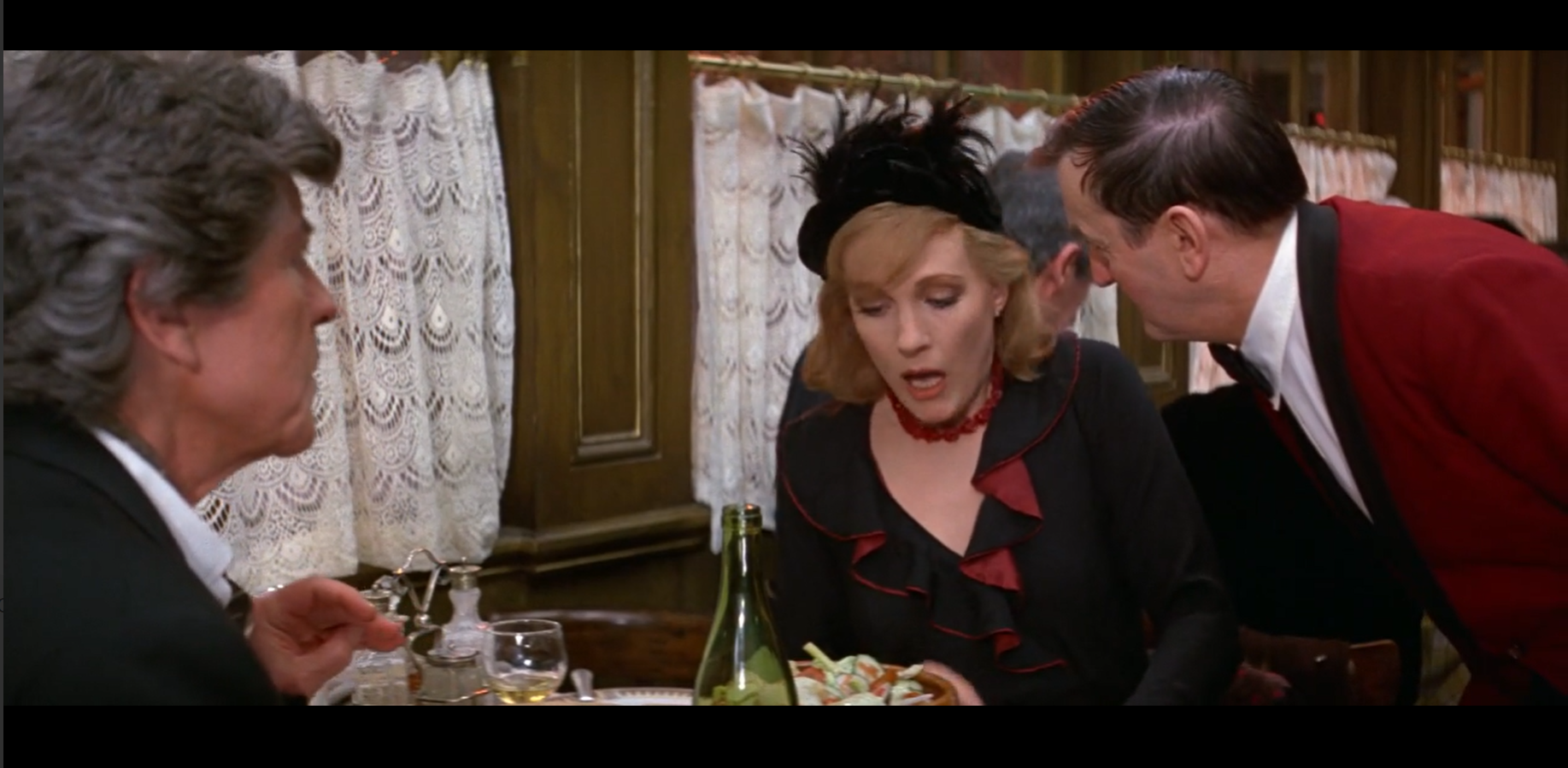
The humor — including plenty of Edwards’ signature slapstick — is broad but suitable, and mostly works, with a highlight including the extended “cockroach in my salad” restaurant sequence.

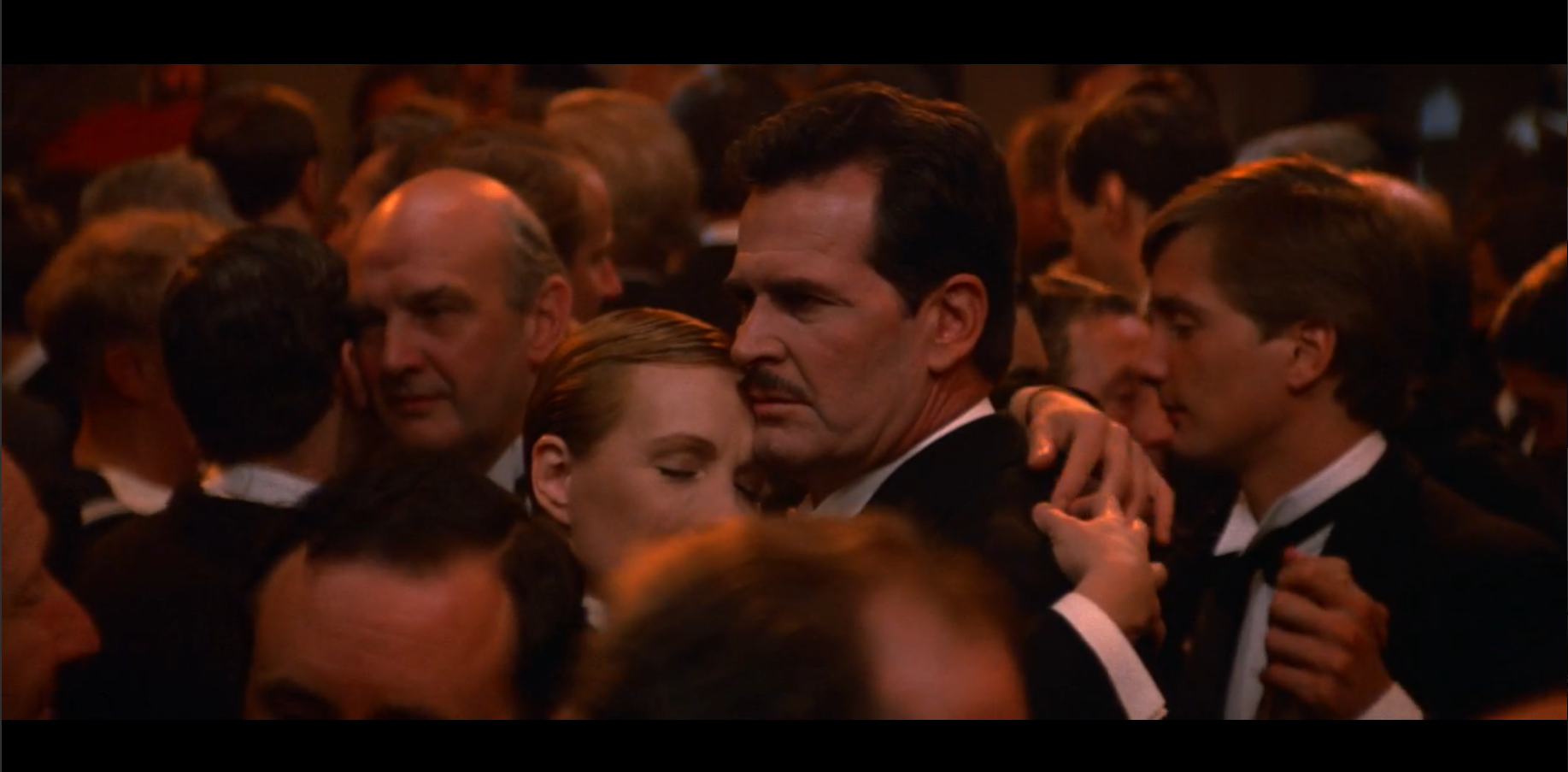
A minor quibble is that we’re shown a few too many shots of Garner looking at Andrews with skepticism before learning the truth about her gender (we get it, already):

… but their subsequent complicated romance plays out authentically, as Garner must continue to confront his own homophobia while Andrews stands up for her professional needs.

Redeeming Qualities and Moments:

  • Julie Andrews as Victor(ia) (nominated by Peary as one of the Best Actresses of the Year in Alternate Oscars)
  • Robert Preston as Toddy
  • Fine period sets and costumes
  • Luminous cinematography
  • Henry Mancini’s score

Must See?
Yes, for Andrews’ performance and as an overall enjoyable show. Listed as a Cult Movie in the back of Peary’s book.

Categories

Links:

Hangmen Also Die! (1943)

Hangmen Also Die! (1943)

“This is war, and you’re in it!”

Synopsis:
In Nazi-occupied Czechoslovakia, a doctor (Brian Donlevy) working for the underground secretly assassinates the corrupt deputy governor (Hans Heinrich von Twardowski), then seeks refuge in the home of a young woman (Anna Lee) who helped him flee the police. When Lee’s father (Walter Brennan) is sent to prison awaiting execution, and a double agent (Gene Lockhart) works to turn in informers, Lee — whose fiance (Dennis O’Keefe) is understandably distressed by her life-saving pretense of being Donlevy’s lover — must decide whether to protect her own family or the greater cause of her nation.

Genres:

  • Anna Lee Films
  • Assassination
  • Brian Donlevy Films
  • Fritz Lang Films
  • Nazis
  • Resistance
  • Walter Brennan Films
  • World War II

Review:
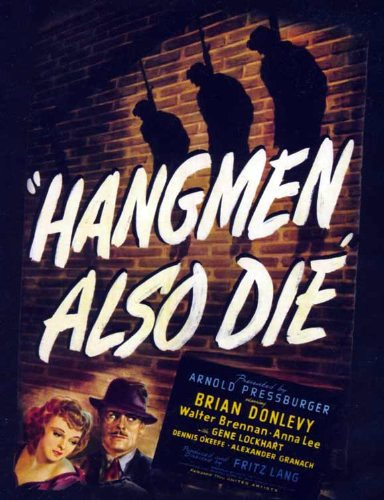
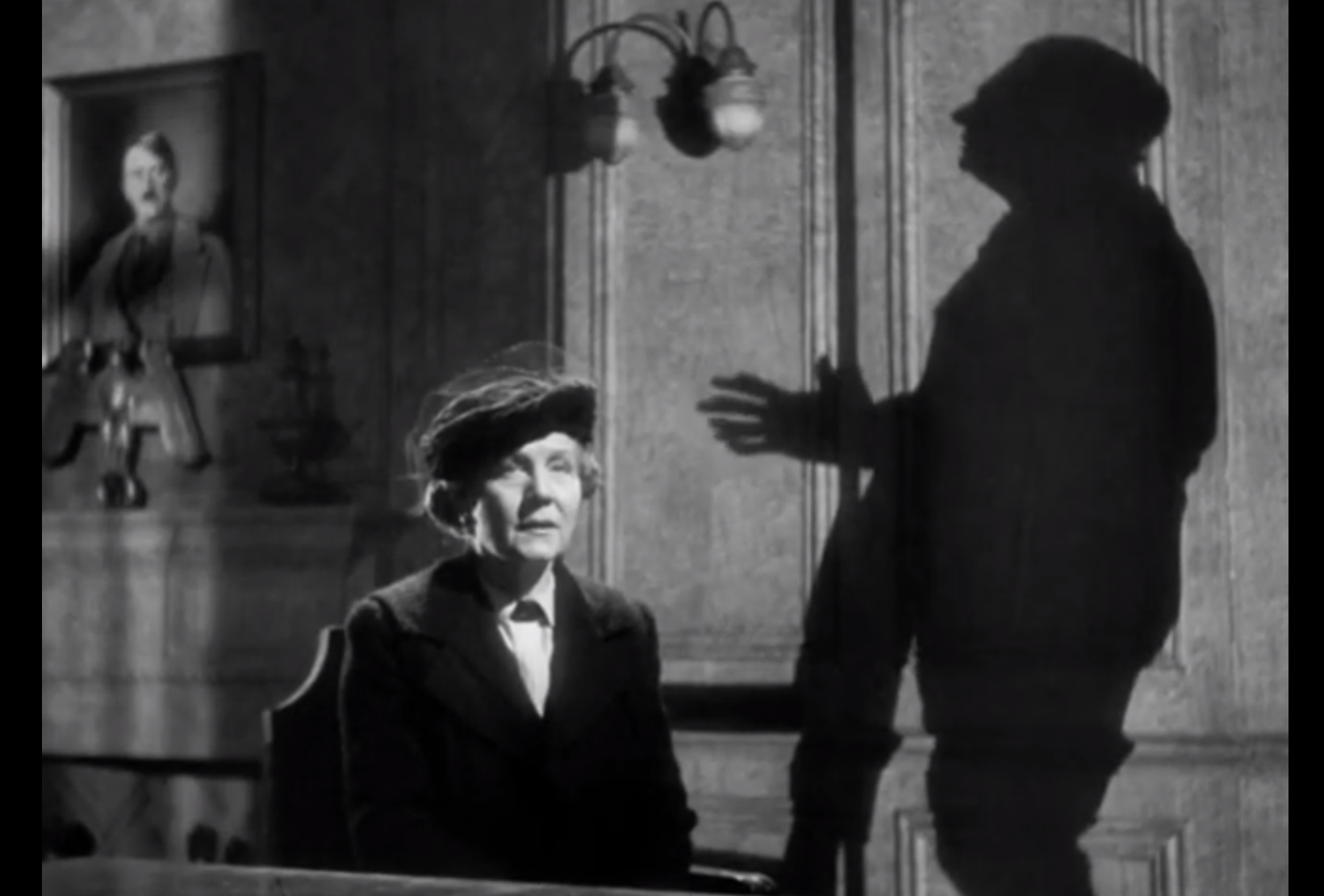
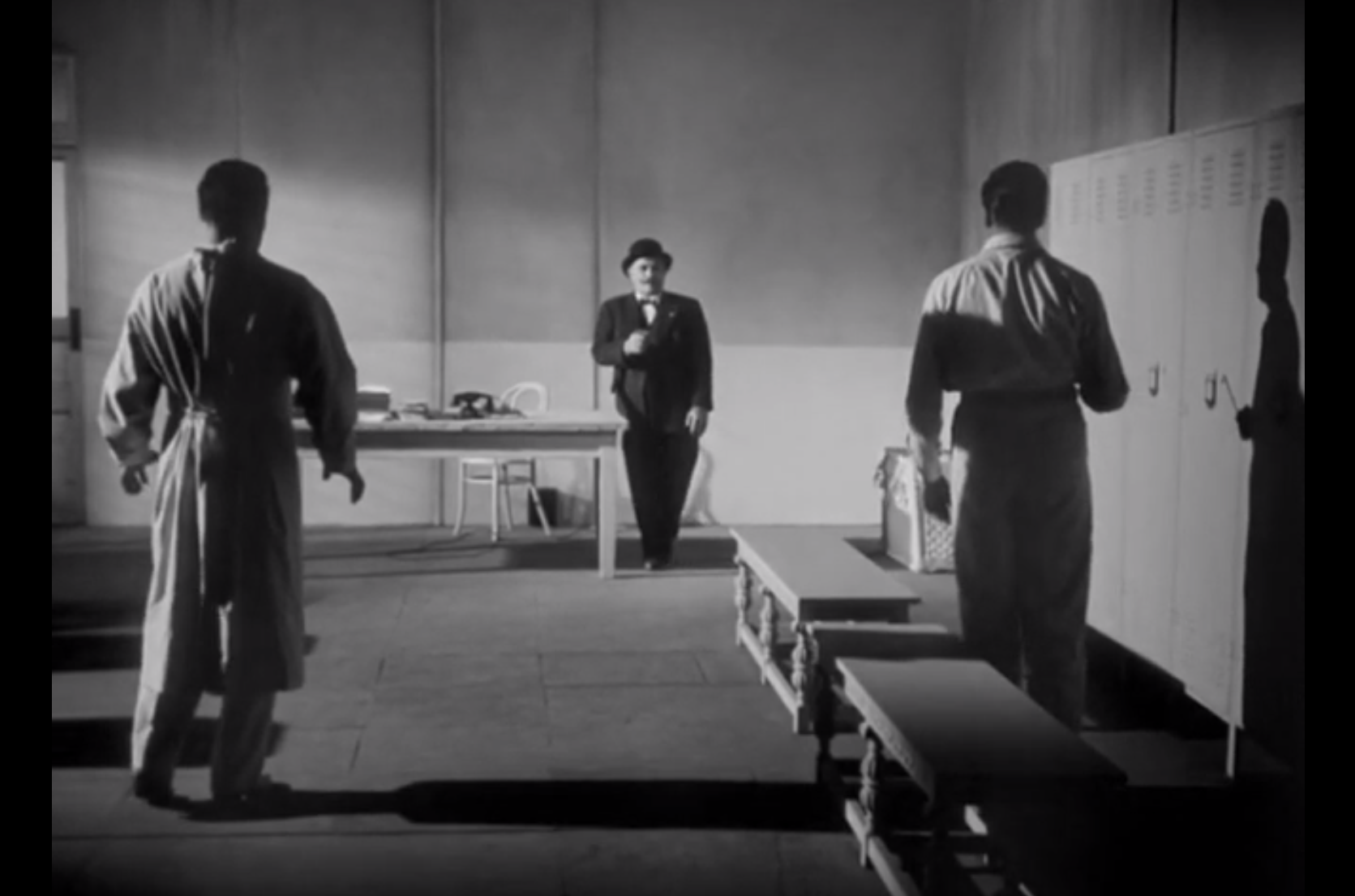
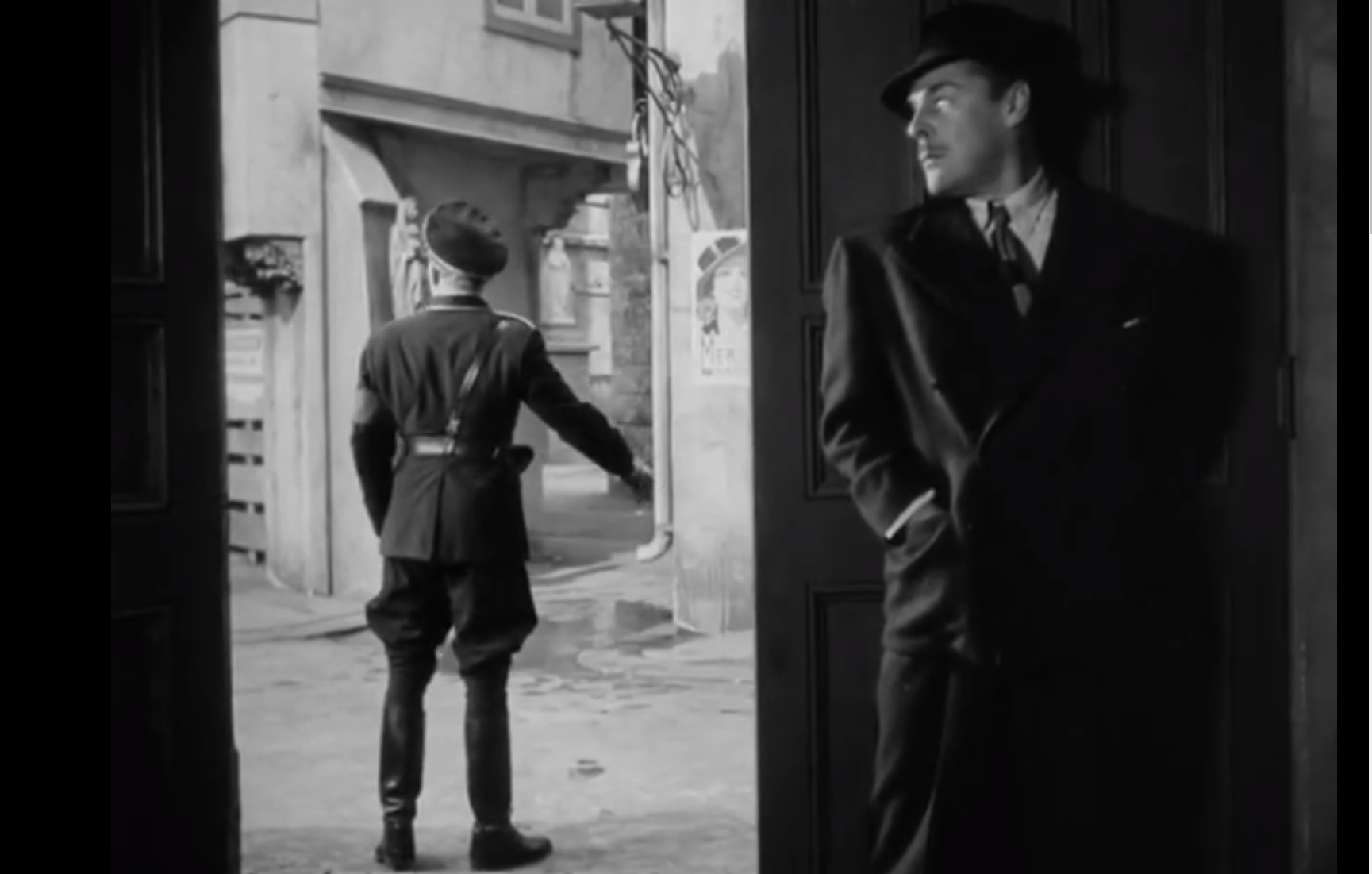
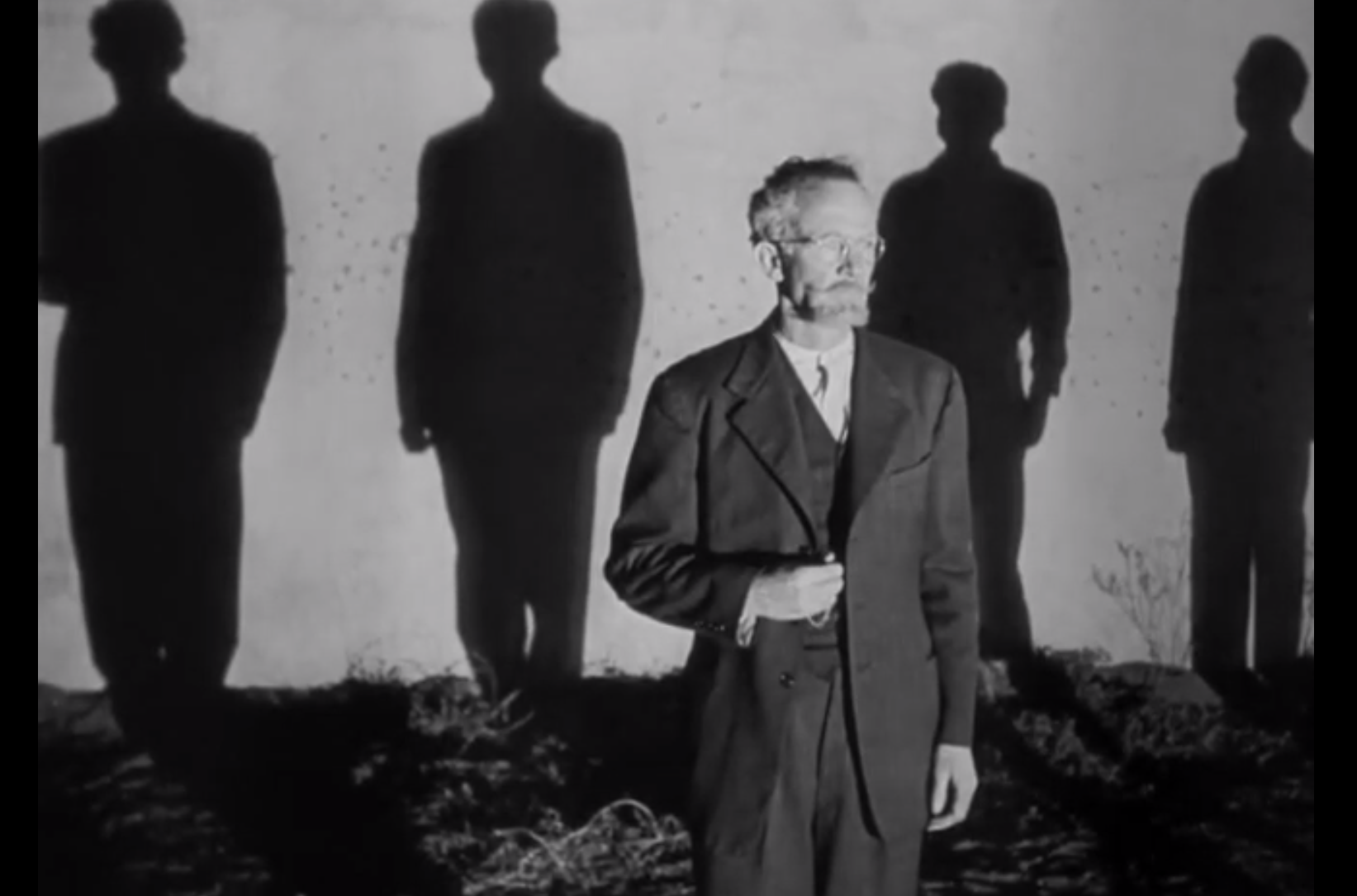
Very loosely based upon the real-life assassination of Reinhard Heydrich, this Fritz Lang propaganda film — co-scripted by Bertolt Brecht, and clocking in at 134 minutes — is (as noted in TCM’s article) “one of Lang’s quartet of war-inspired productions including Man Hunt (1941), Ministry of Fear (1944) and Cloak and Dagger (1946).” TCM informs us that “though these films have never been considered Lang’s best work, their release amidst wartime fervor made them successful contributions to the Hollywood propaganda effort.” As with Fred Zinneman’s The Seventh Cross (1944), we’re most intrigued by the complexity of this story — that is, how many people are (indeed, must be) involved in efforts to resist fascism. Lee’s character arc is perhaps most notable: she shifts from justifiably furious with Donlevy for placing her family’s previously untouched lives in danger, to gradual recognition of the collective situation:

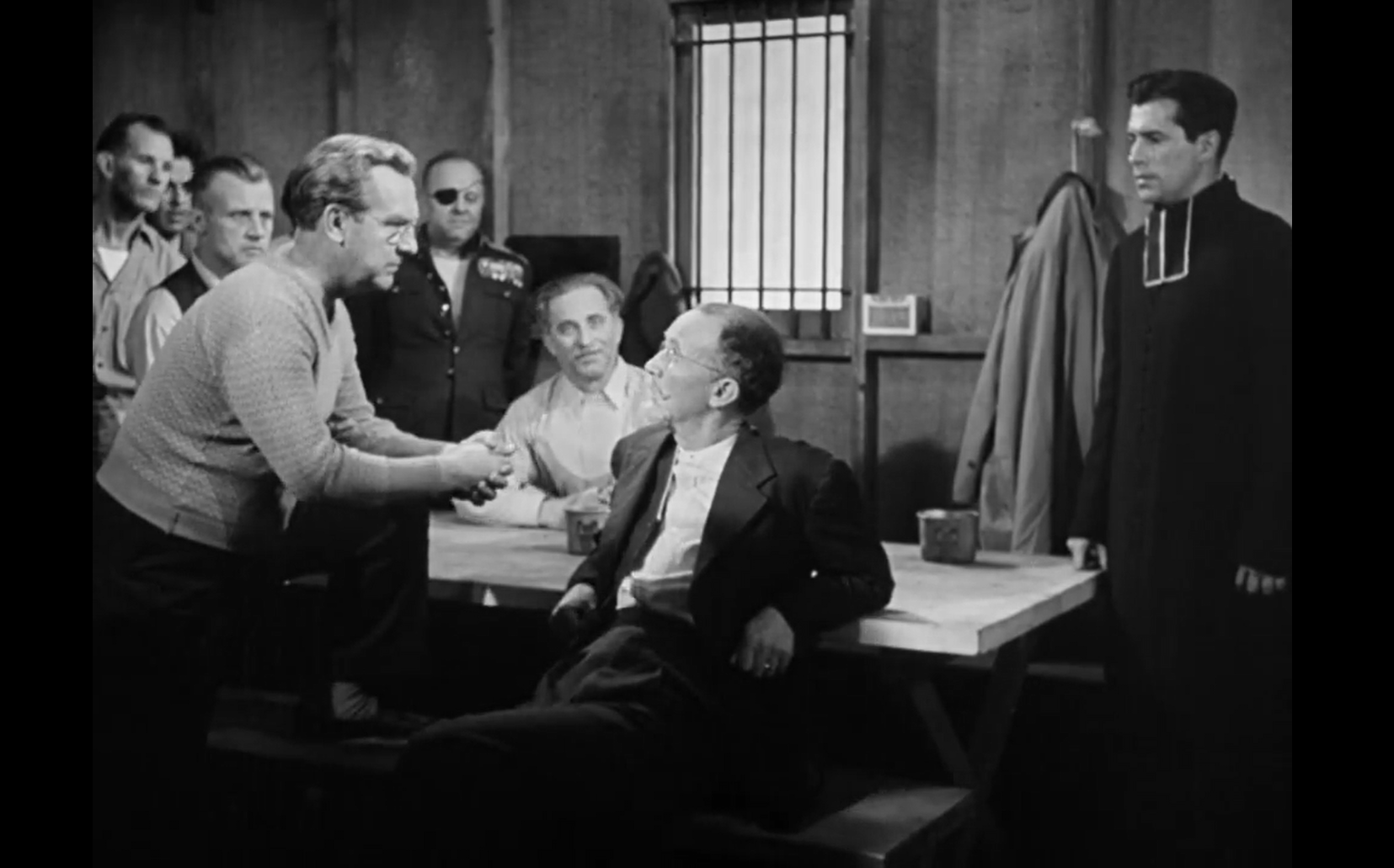
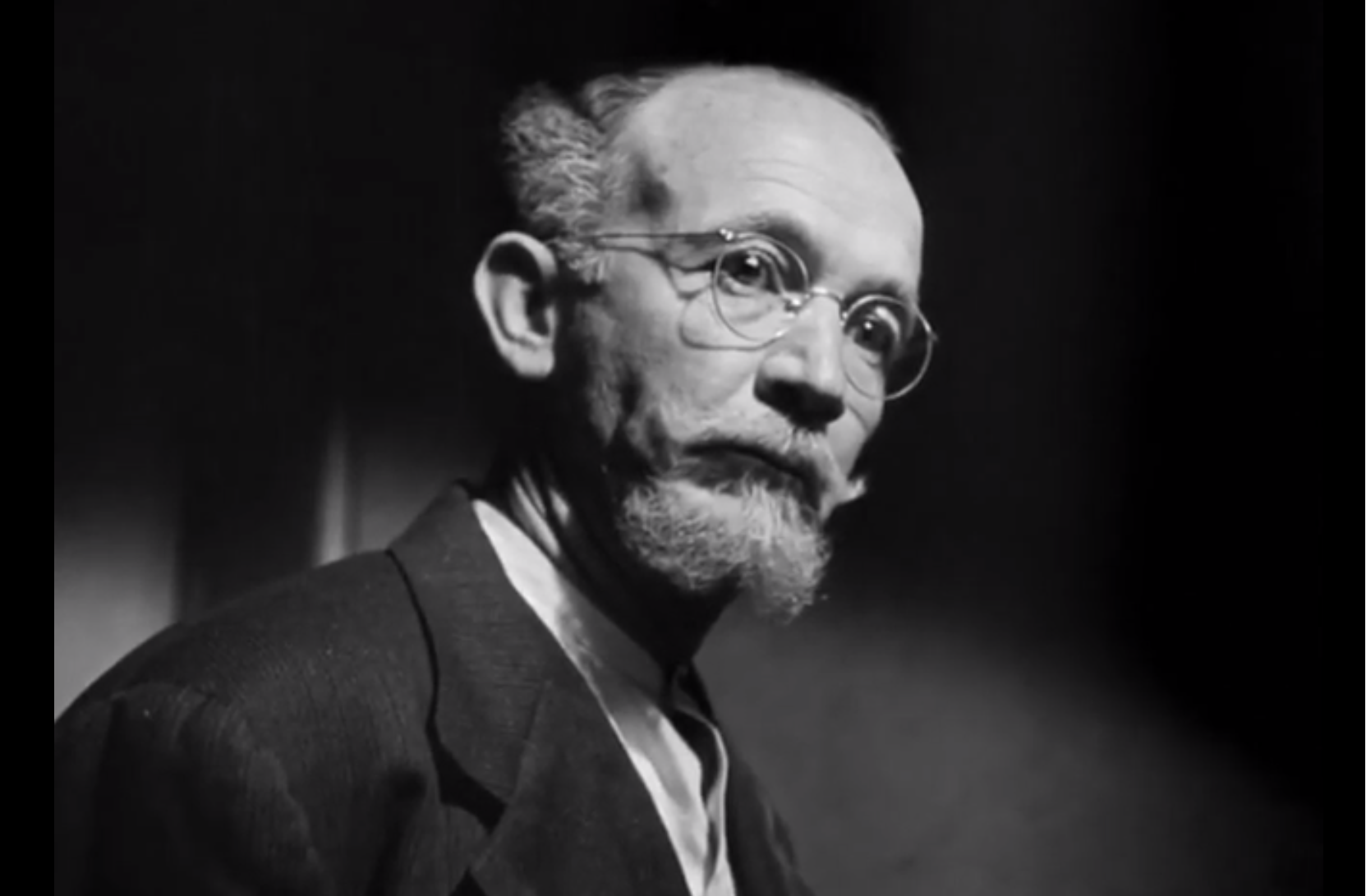
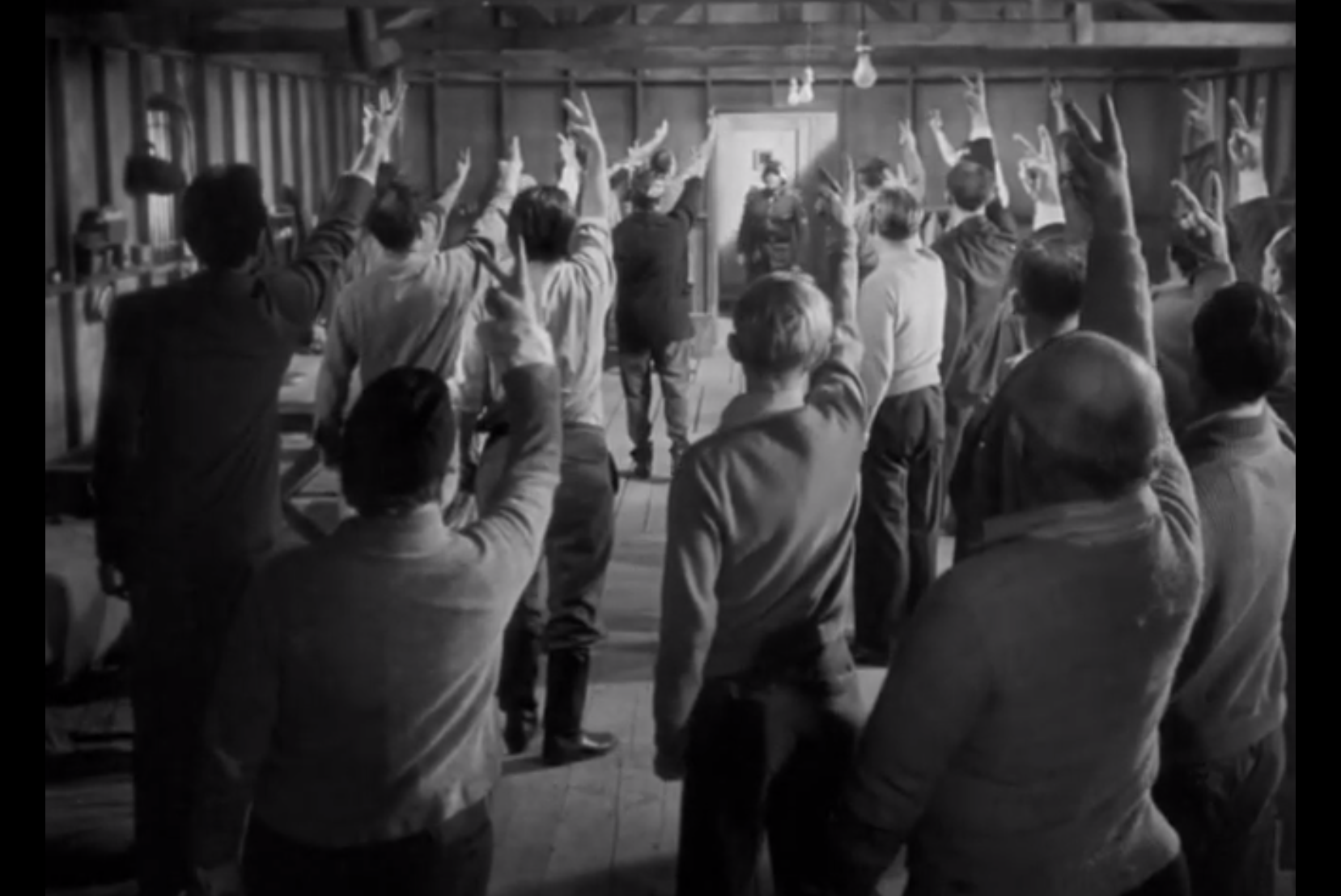
but we also see Brennan (fine in an unusually subdued supporting role) bonding with fellow captives as he faces near-certain death:

… and other minor characters refusing (even under torture) to betray their countrymen.

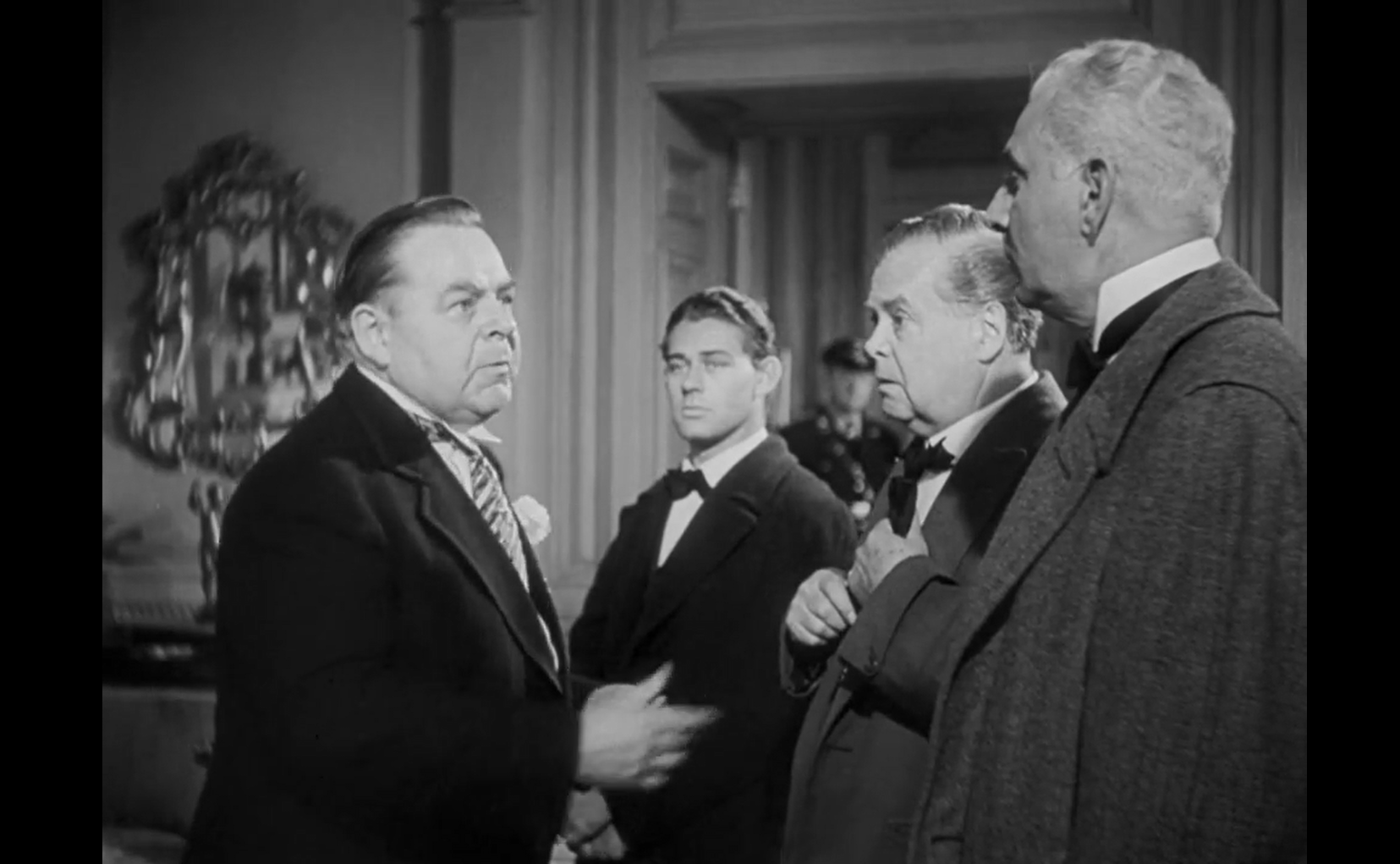
The narrative through line of a double agent (Lockhart) who finds himself gradually hemmed in by his own deceit is enormously satisfying:

… and if the Nazis here are portrayed in a somewhat caricatured fashion, this can easily be forgiven given the era in which this film was made and released.

Redeeming Qualities and Moments:

  • Walter Brennan as Professor Novotny
  • A powerful tale of the need for collective resistance in the face of fascism

  • James Wong Howe’s cinematography


Must See?
Yes, as a powerful WWII-era drama. Listed as a film with Historical Importance in the back of Peary’s book.

Categories

Links: