Browsed by
Category: Original Reviews

Responses to Peary’s “must see” movie reviews, as well as my own “must see” movie reviews up to and after 1986 (when Peary’s book was published).

5 Fingers (1952)

5 Fingers (1952)

“There’s nothing as real as money.”

Synopsis:
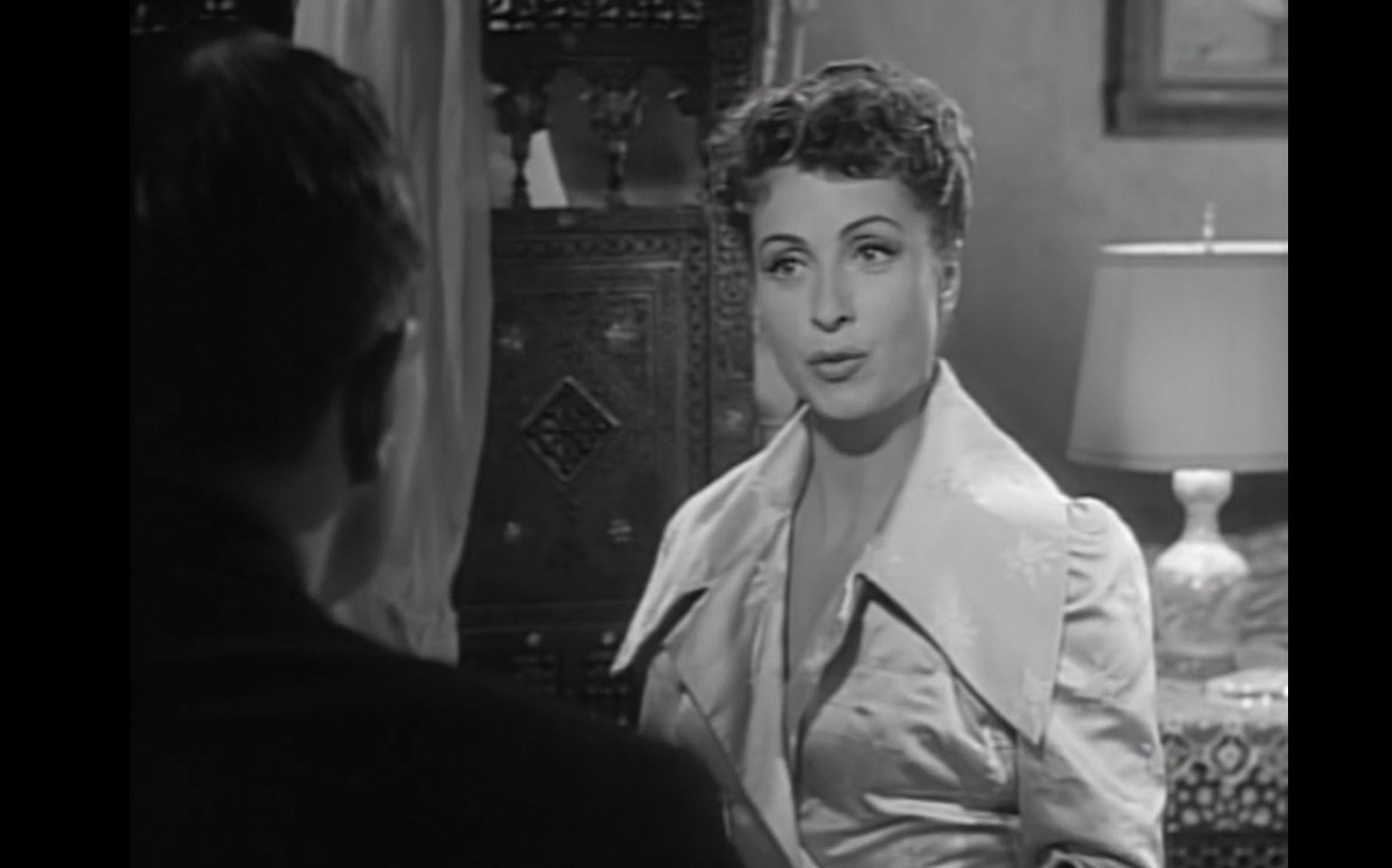
A valet (James Mason) working in Turkey for a British ambassador (Walter Hampden) to Germany enlists the help of an impoverished French countess (Danielle Darrieux) in carrying out espionage, planning to retire to South America with his gains — but will an investigator (Michael Rennie) discover his identity and foil his plans?

Genres:

  • Danielle Darrieux Films
  • Joseph L. Mankiewicz Films
  • Michael Rennie Films
  • Royalty and Nobility
  • Servants, Maids, and Housekeepers
  • Spies
  • Widows and Widowers
  • World War II

Review:
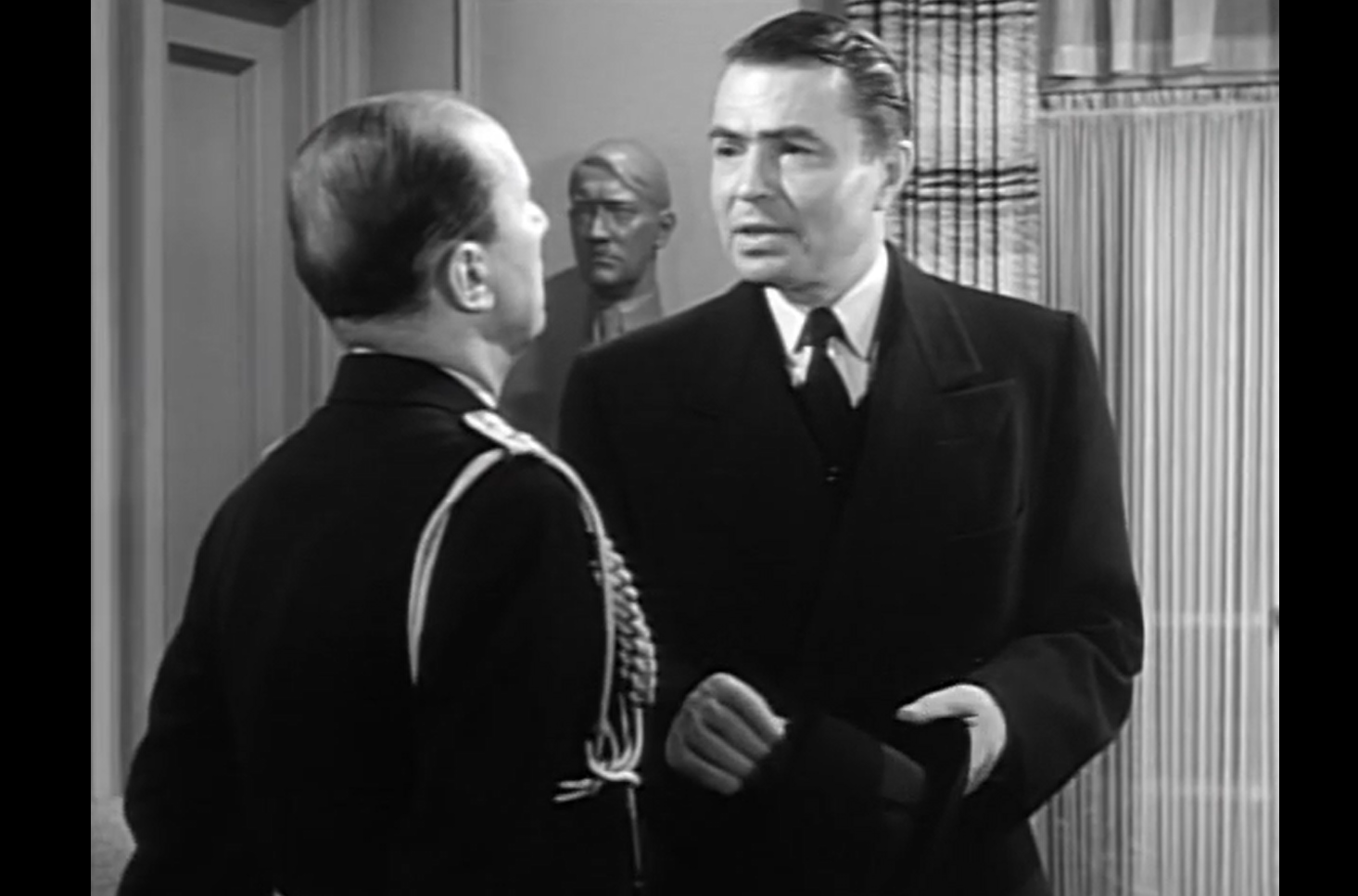
Based on the real-life exploits of Albanian-born spy Elyesa Bazna, this smart thriller — directed by Joseph L. Mankiewicz and scripted by blacklisted writer Michael Wilson — features Mason giving one of his best performances (not an easy call to make), and remains suspenseful from beginning to end. Mason coolly takes calculated risks to achieve his goal of financial security, collaborating with an equally pragmatic and savvy woman (Darrieux) he believes he can rely on.

The cinematography and sets are appropriately atmospheric, and Bernard Herrmann’s score gives clear indications of what was to come with his best-known work in Psycho (1960).

Note: According to TCM’s article, Mason referred to this as “one of the few films he made in Hollywood that he could still watch with pleasure”.

Redeeming Qualities and Moments:

  • James Mason as Ulysses Diello
  • Fine use of location shooting in Turkey
  • Atmospheric cinematography
  • Bernard Herrmann’s score
  • Michael Wilson’s screenplay:

    “Herr von Papen, I hope your country appreciates you. You’re the only unpredictable German I have ever met.”
    “So many more people go into German embassies than come out. I’ve often wondered what attraction could keep them there so long.”

Must See?
Yes, as an overall good show.

Categories

  • Good Show

Links:

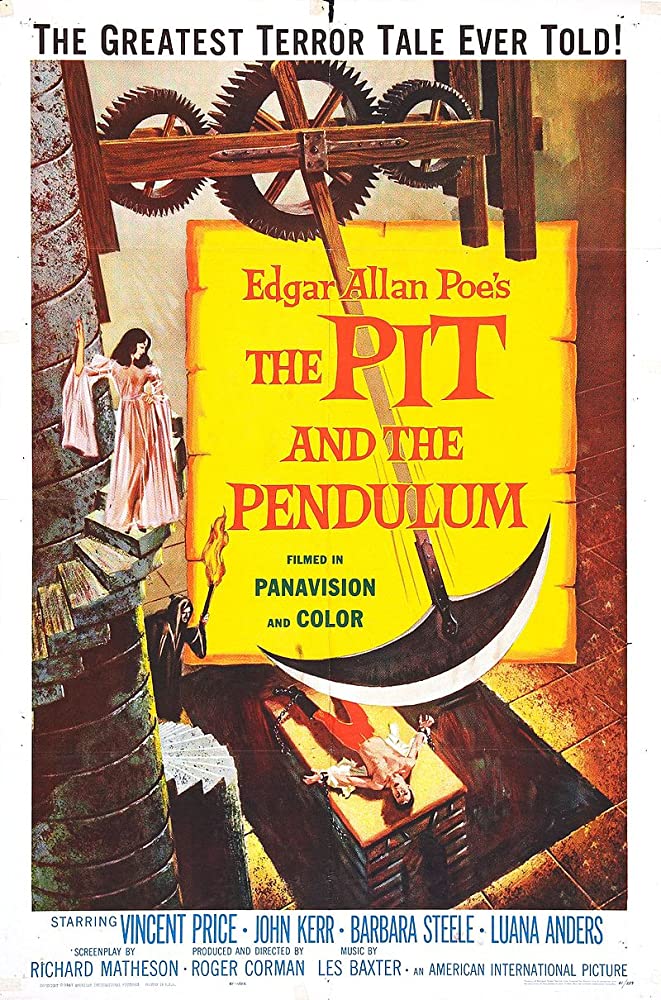
Pit and the Pendulum, The (1961)

Pit and the Pendulum, The (1961)

“I am responsible; if it were not so, she would not want to haunt me.”

Synopsis:
In 16th century Spain, a man (John Kerr) visits the grieving husband (Vincent Price) of his recently deceased sister (Barbara Steele), demanding more details about her mysterious death — but he quickly learns that supernatural forces may be at work in this house with a morbid past.

Genres:

  • Barbara Steele Films
  • Edgar Allan Poe Films
  • Horror Films
  • Roger Corman Films
  • Vincent Price Films
  • Widows and Widowers

Review:
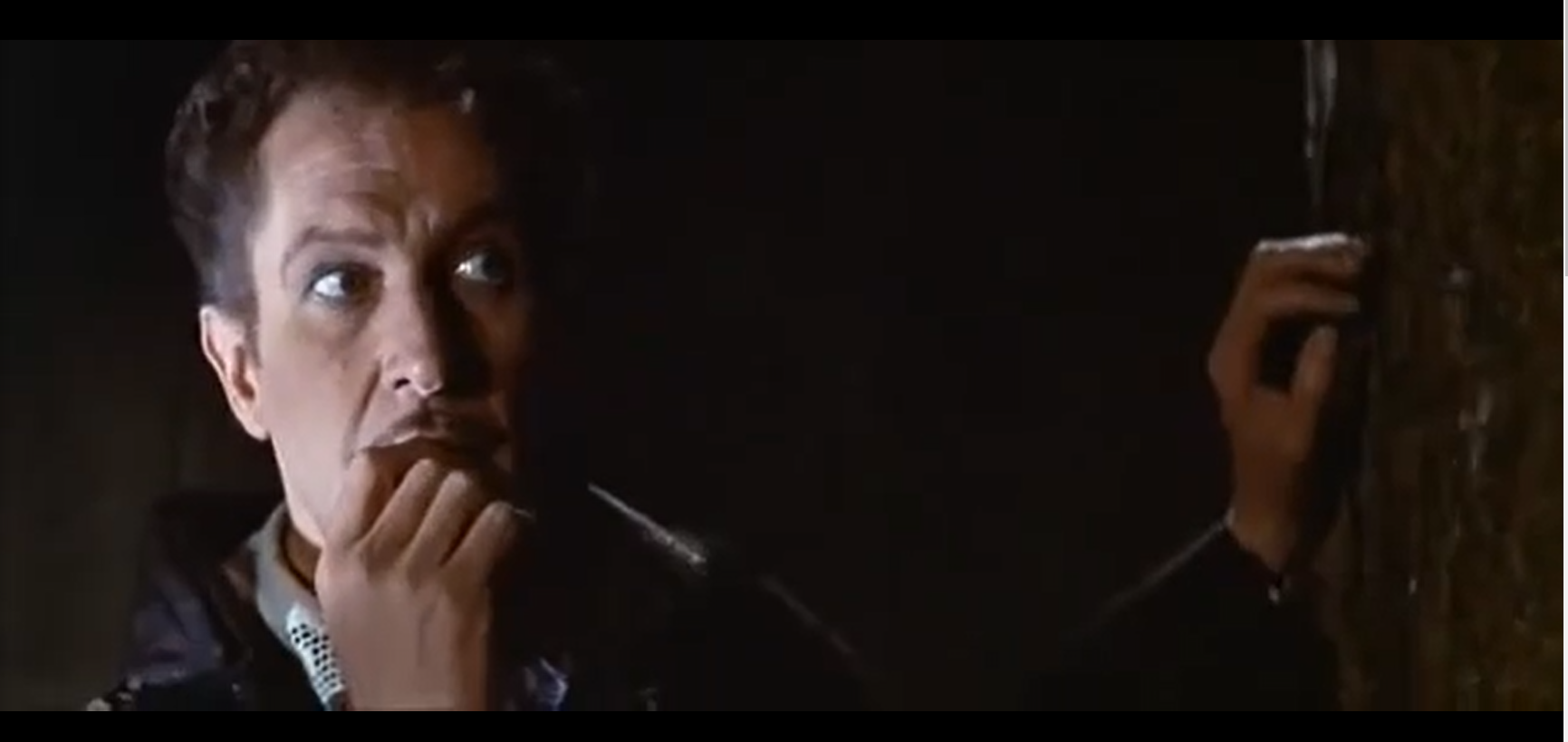
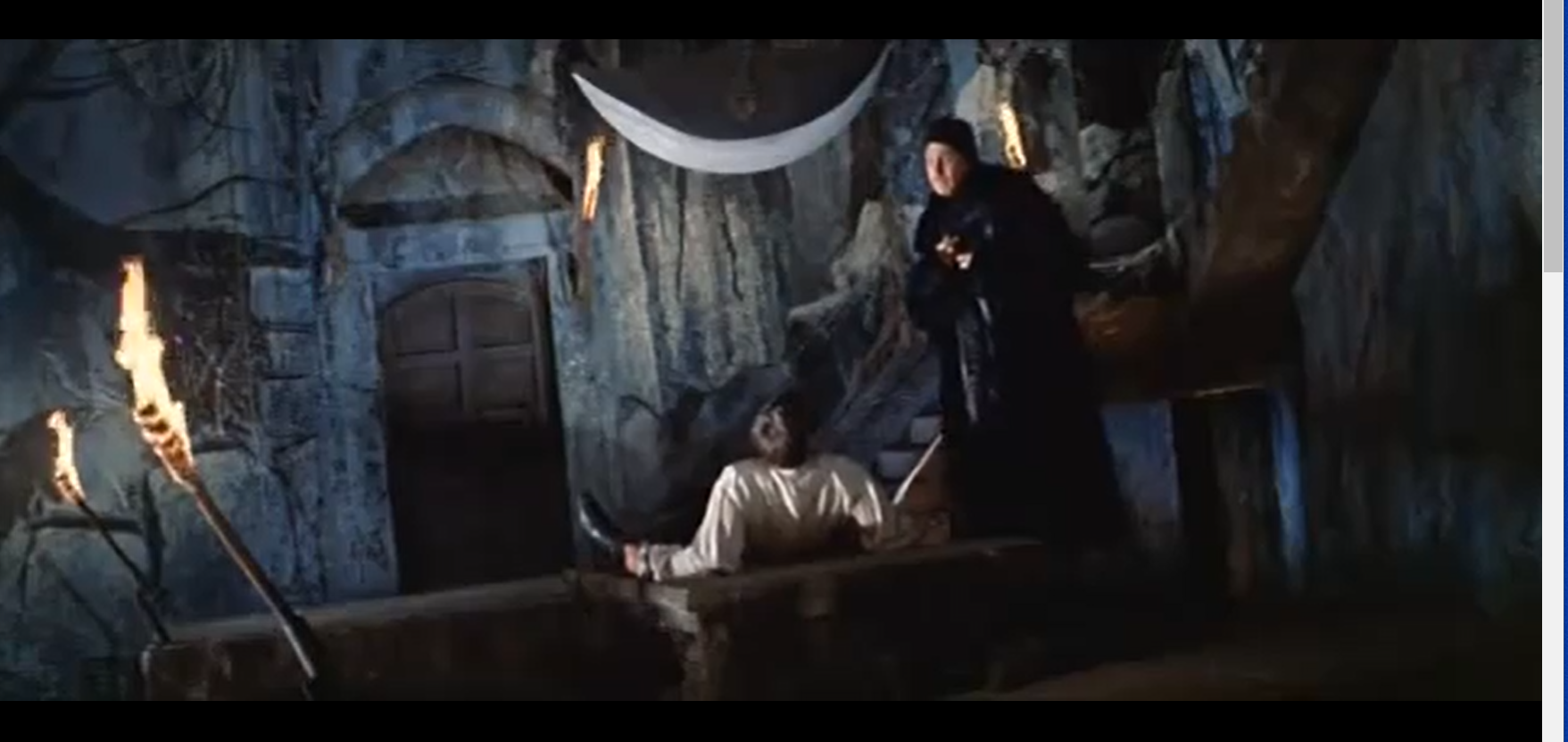
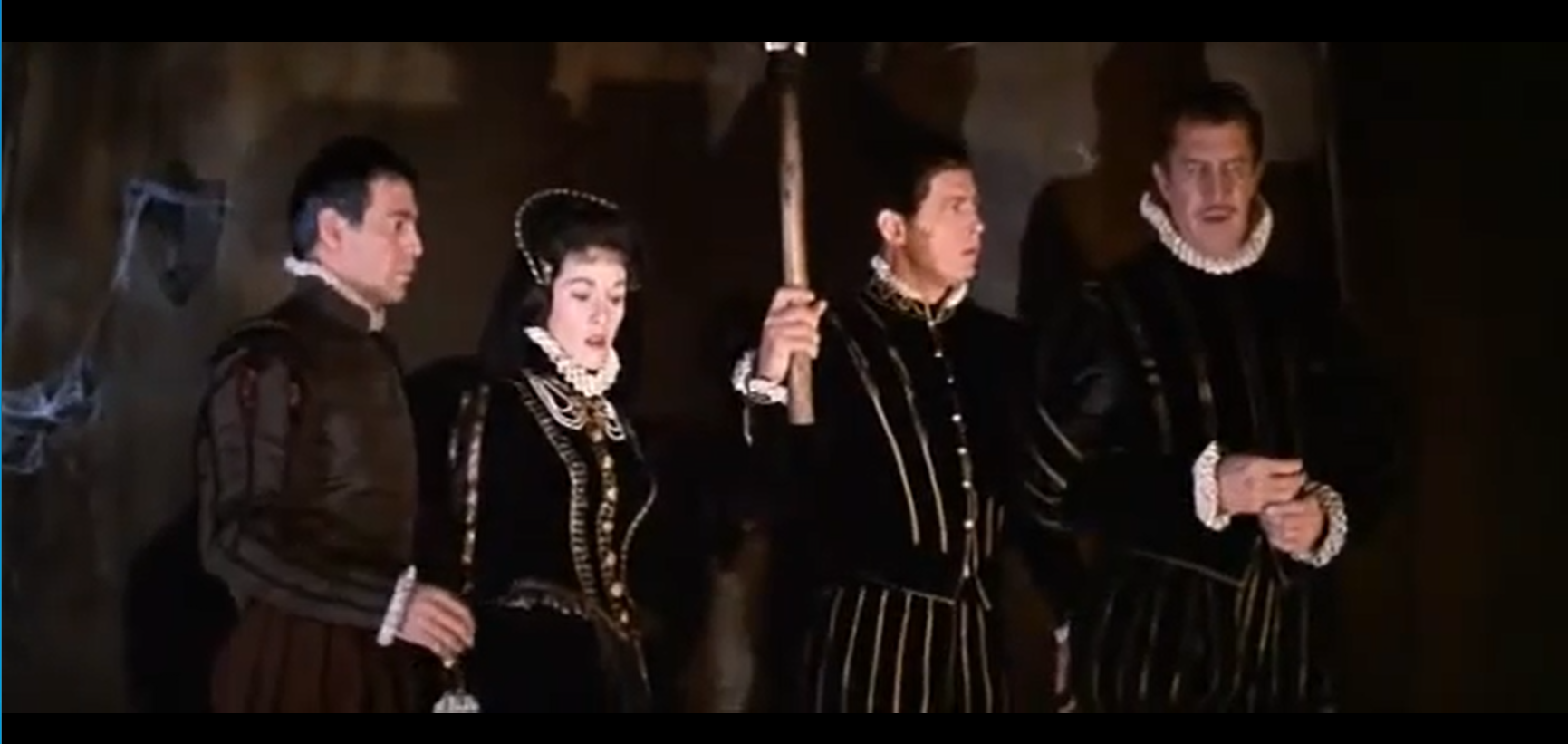
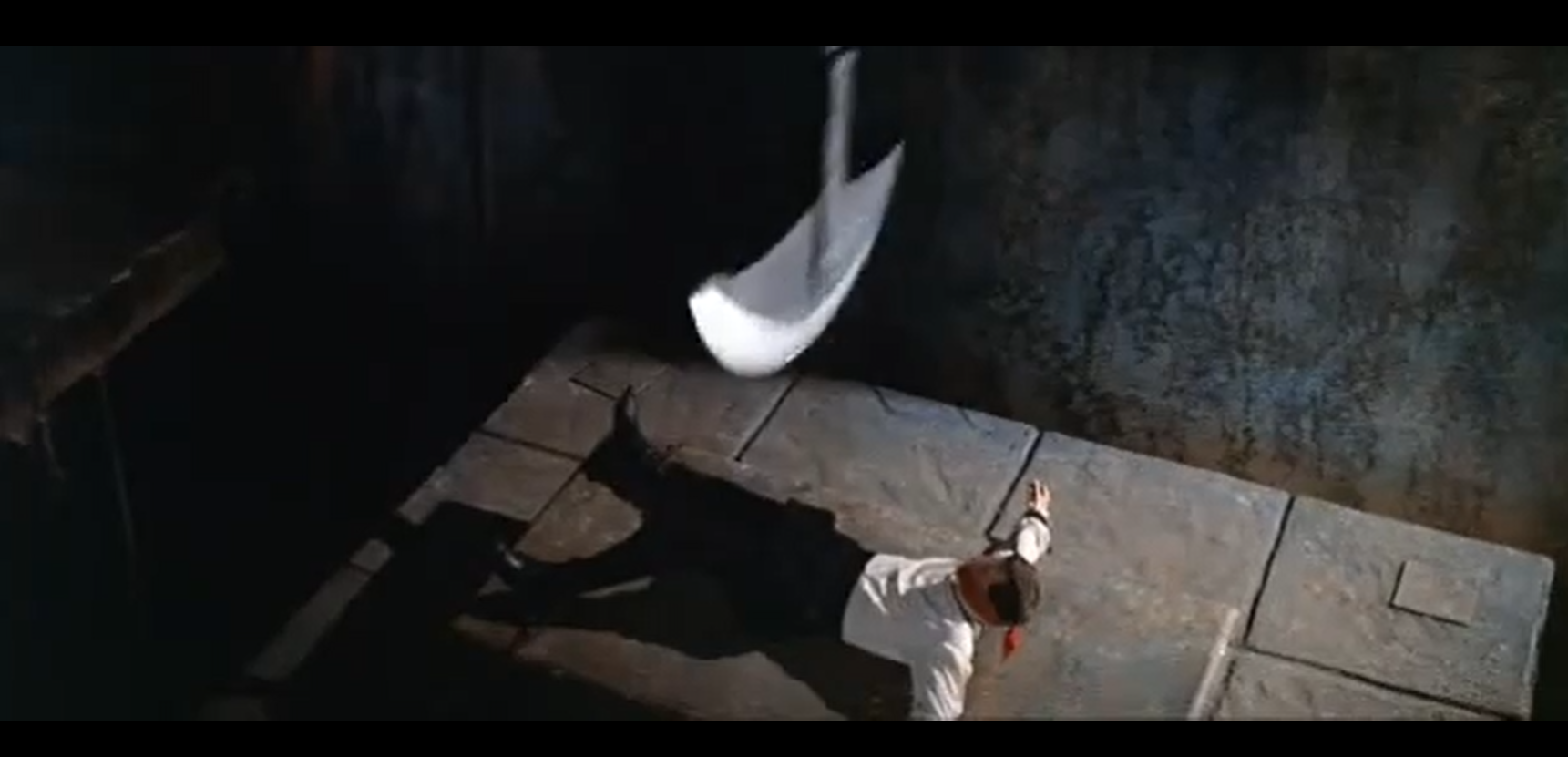
After The Fall of the House of Usher (1960), producer/director Roger Corman’s second adaptation of an Edgar Allen Poe tale was this atmospheric horror flick which, as usual, uses Poe’s story as merely the vaguest inspiration. The sets and cinematography are lush, but the storyline takes a while to get going, and the acting (other than Price’s ham-fest) is fairly wooden. However, once various plot twists occur, things suddenly get quite exciting, and the finale is (literally) gripping.

Redeeming Qualities and Moments:

  • Price’s hammy performance as Nicholas Medina
  • Atmospheric sets
  • Fine cinematography
  • An exciting finale

Must See?
No, though it’s certainly worth a one-time look.

Links:

Dillinger (1945)

Dillinger (1945)

“Watch for the woman in red.”

Synopsis:
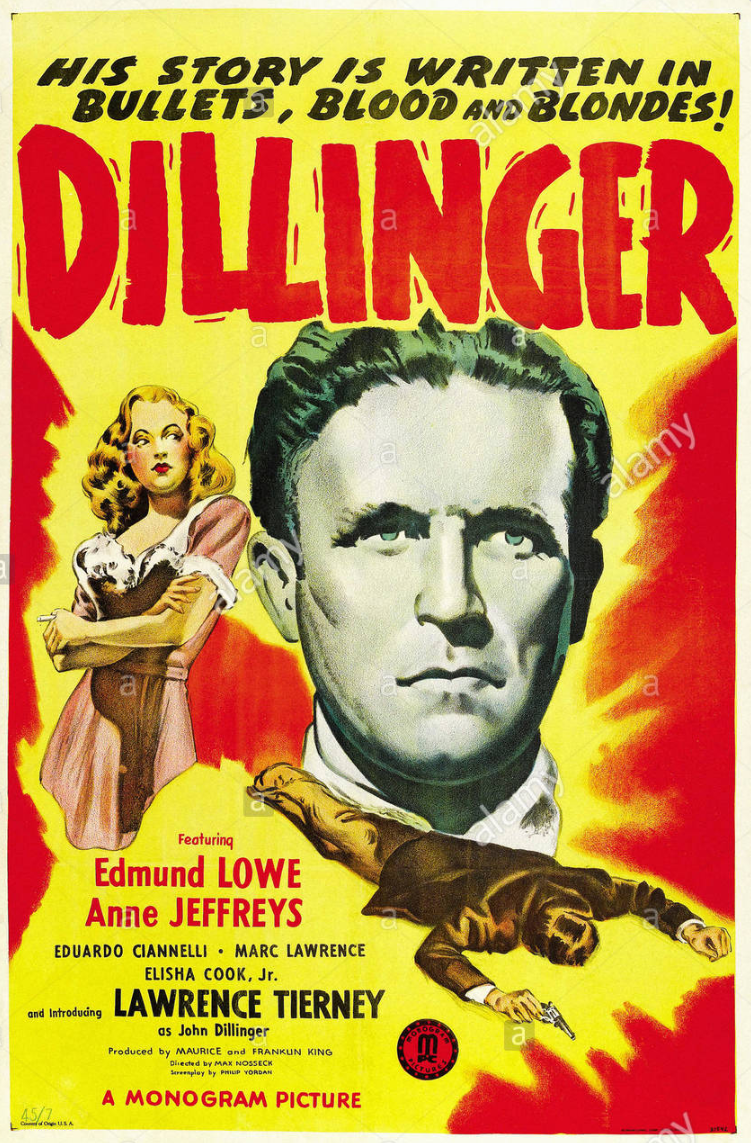
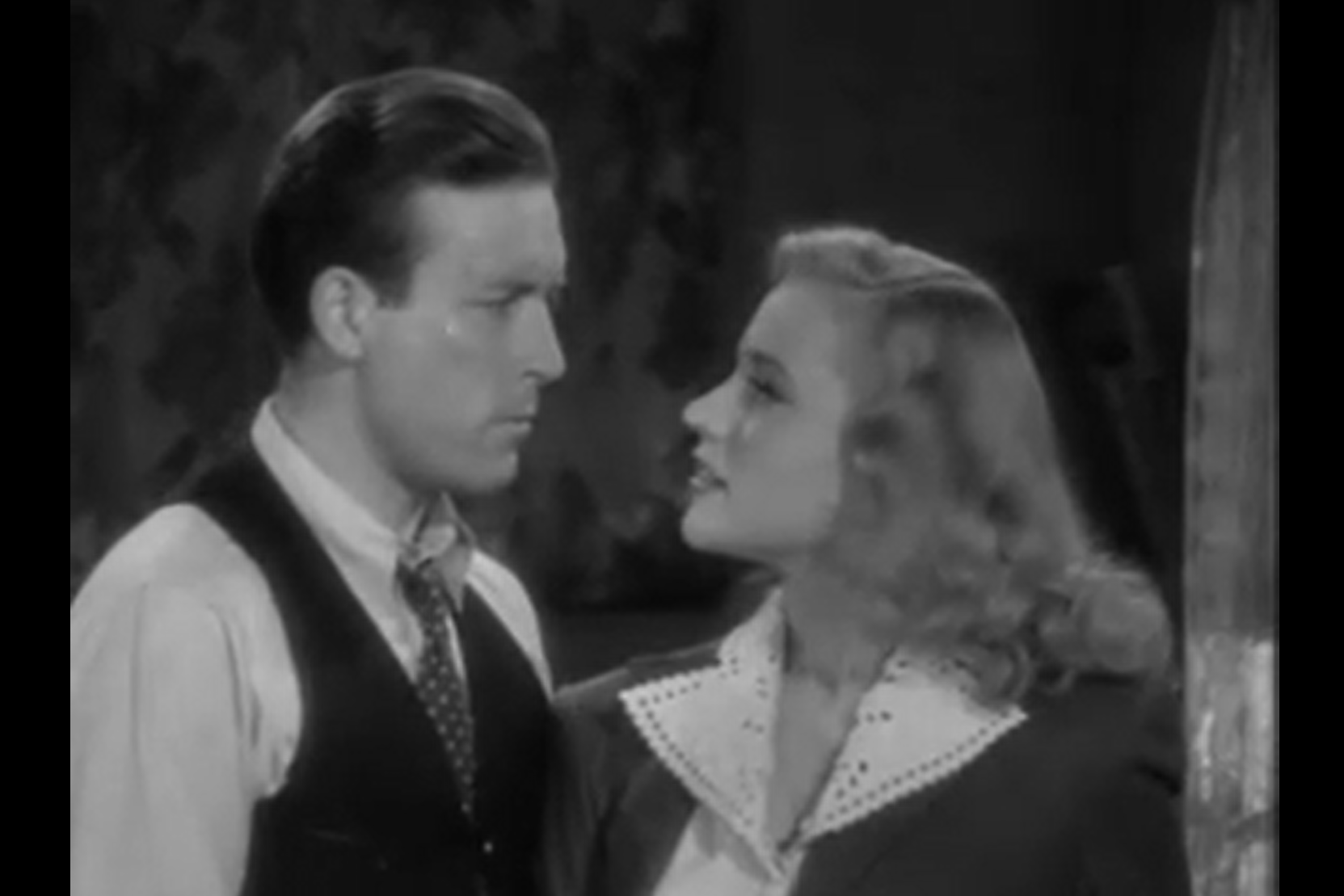
When a petty thief (Lawrence Tierney) meets a high-level criminal (Edmund Lowe) in prison, he soon graduates to bank heists, becoming America’s Public Enemy Number One. Along the way, he meets and starts dating a beautiful box office girl (Anne Jeffreys) who will one day play a pivotal role in his downfall

Genres:

  • Biopics
  • Elisha Cook, Jr. Films
  • Gangsters
  • Lawrence Tierney Films
  • Rise-and-Fall

Review:
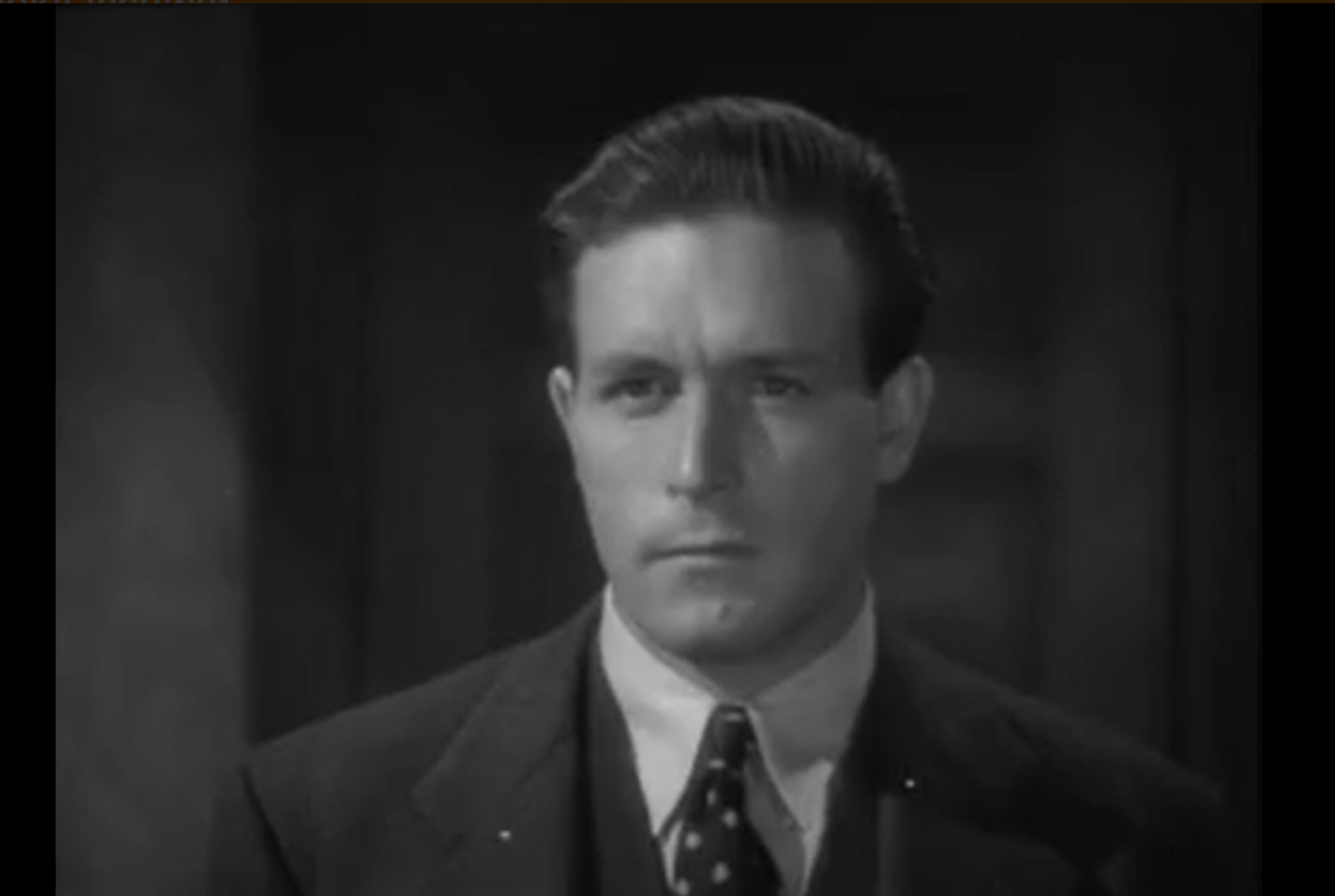
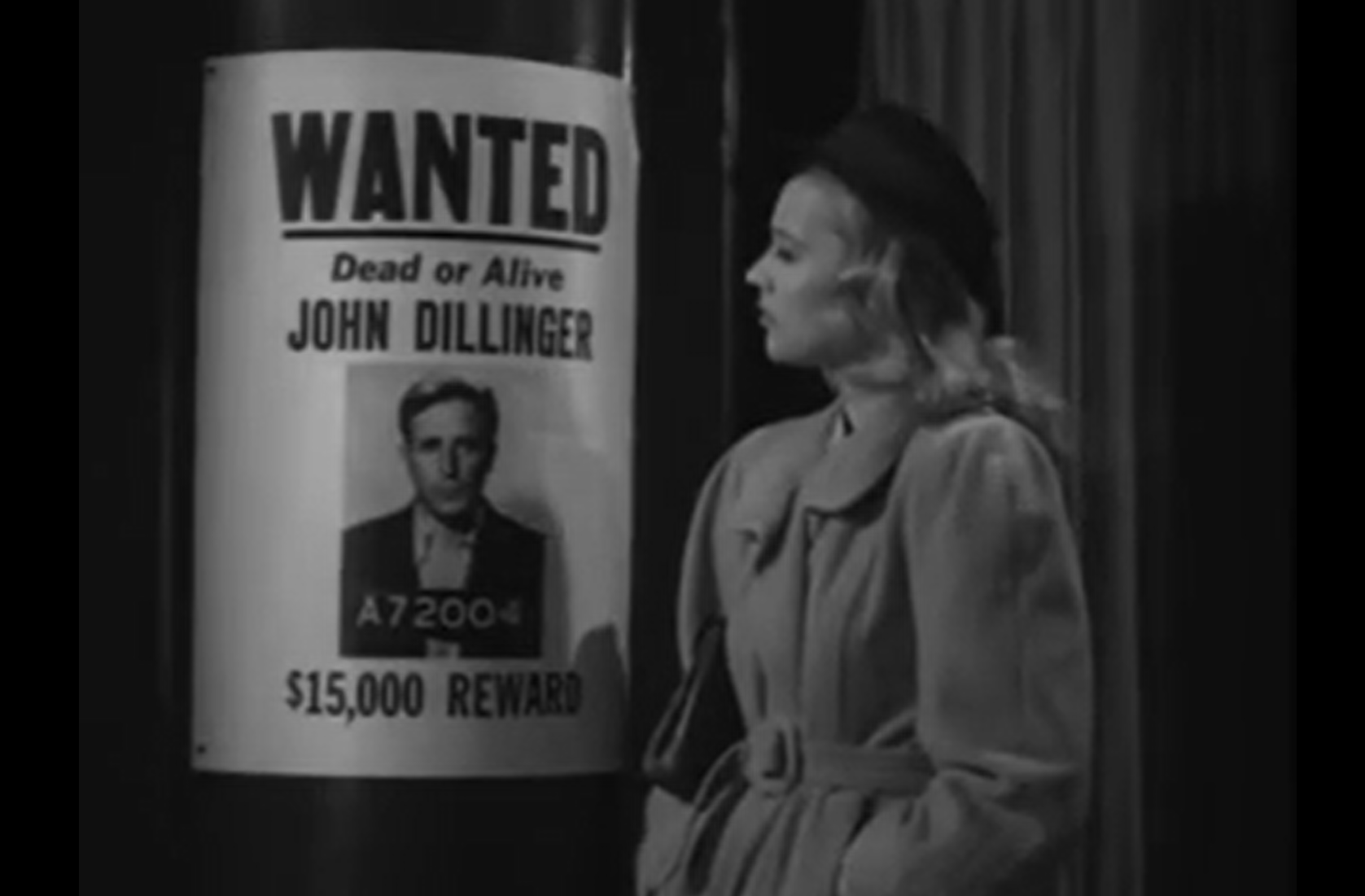
Lawrence Tierney’s breakthrough role was playing the title character in this low-budget Monogram Pictures flick about notorious gangster John Dillinger. It remains a surprisingly taut and effective film about Dillinger’s rise-and-fall — including an interesting meet-cute with “the lady in red” (he holds her up in her ticket booth, she refuses to identify him in a line-up, and the rest is “I was meant to be a moll” history).

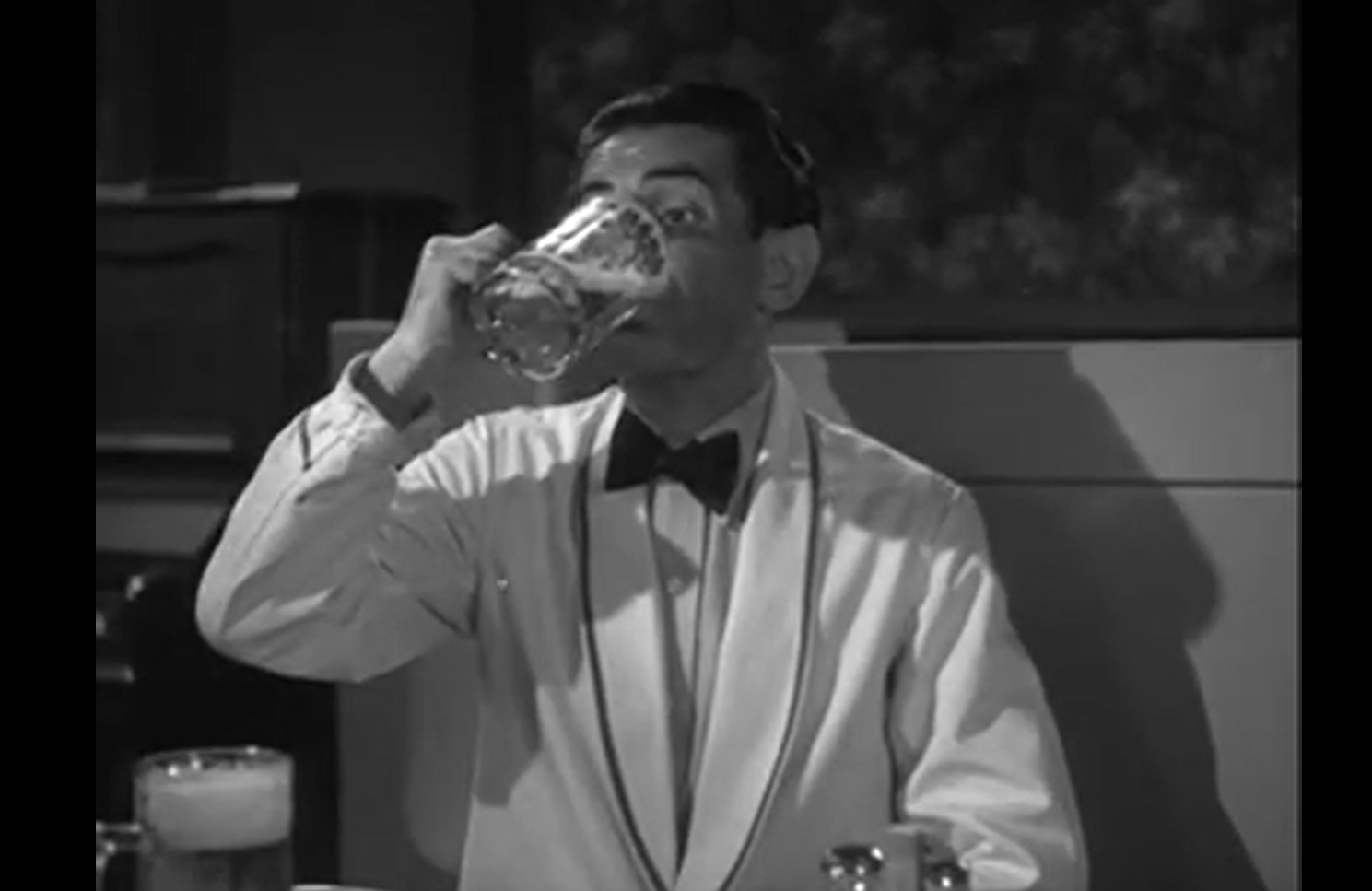
The supporting performances are all fine — particularly Lowe (who looks eerily like a serious Lionel Barrymore) as “Specs” — and Tierney instantly proved his ability to embody psychopathic impulses without a blink. Especially tense and well-played scenes are those focused on Dillinger seeking revenge: Dillinger revisiting a bar (“You don’t remember me, do you?”) where a waiter once made the mistake of referring to then-penniless-Dillinger as a “two-bit chiseler”; Dillinger confronting Specs with the hyper-realistic wooden gun he made while in prison. This 70-minute flick is well worth a look.

Redeeming Qualities and Moments:

  • Fine performances by Tierney, Lowe, and Jeffreys


  • Numerous tension-filled scenes
  • Effective cinematography

Must See?
Yes, as an effective low-budget gangster film. Listed as a Sleeper in the back of Peary’s book.

Categories

Links:

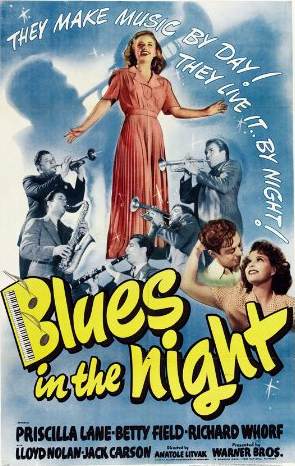
Blues in the Night (1941)

Blues in the Night (1941)

“That ain’t a band — it’s a unit! It’s one guy multiplied five times.”

Synopsis:
A jazz pianist (Richard Whorf) and a clarinetist (Elia Kazan) form a blues band with a trumpeter (Jack Carson) and his singer-wife (Priscilla Lane), but find their aspirations complicated when an ex-con (Lloyd Nolan) first holds them up in a train car, then invites them to come work for him at a roadhouse where a manipulative singer (Betty Field) attempts to seduce nearly every man around her.

Genres:

  • Anatole Litvak Films
  • Betty Field Films
  • Ex-Cons
  • Femmes Fatales
  • Jack Carson Films
  • Musicians
  • Priscilla Lane Films

Review:
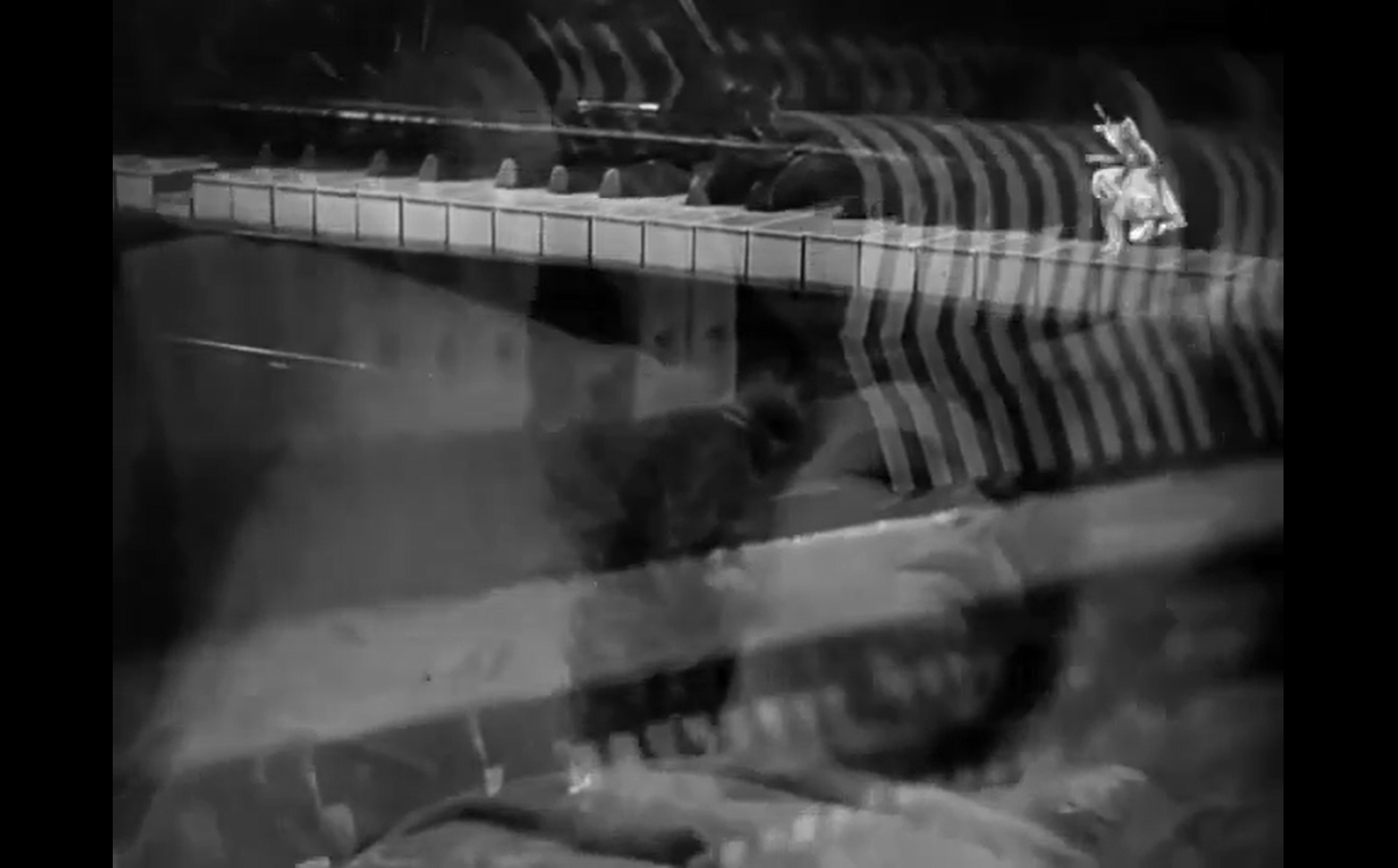
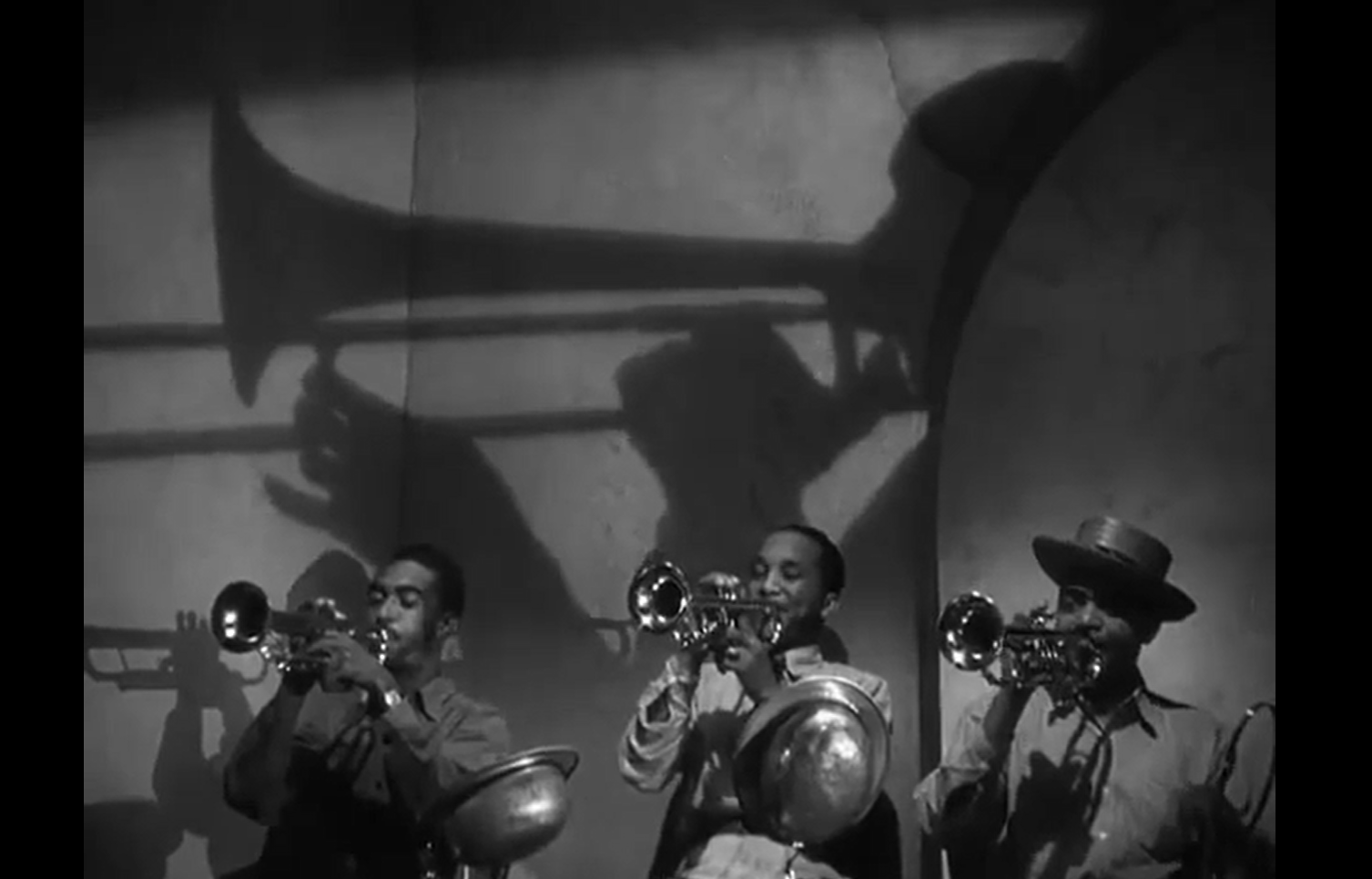
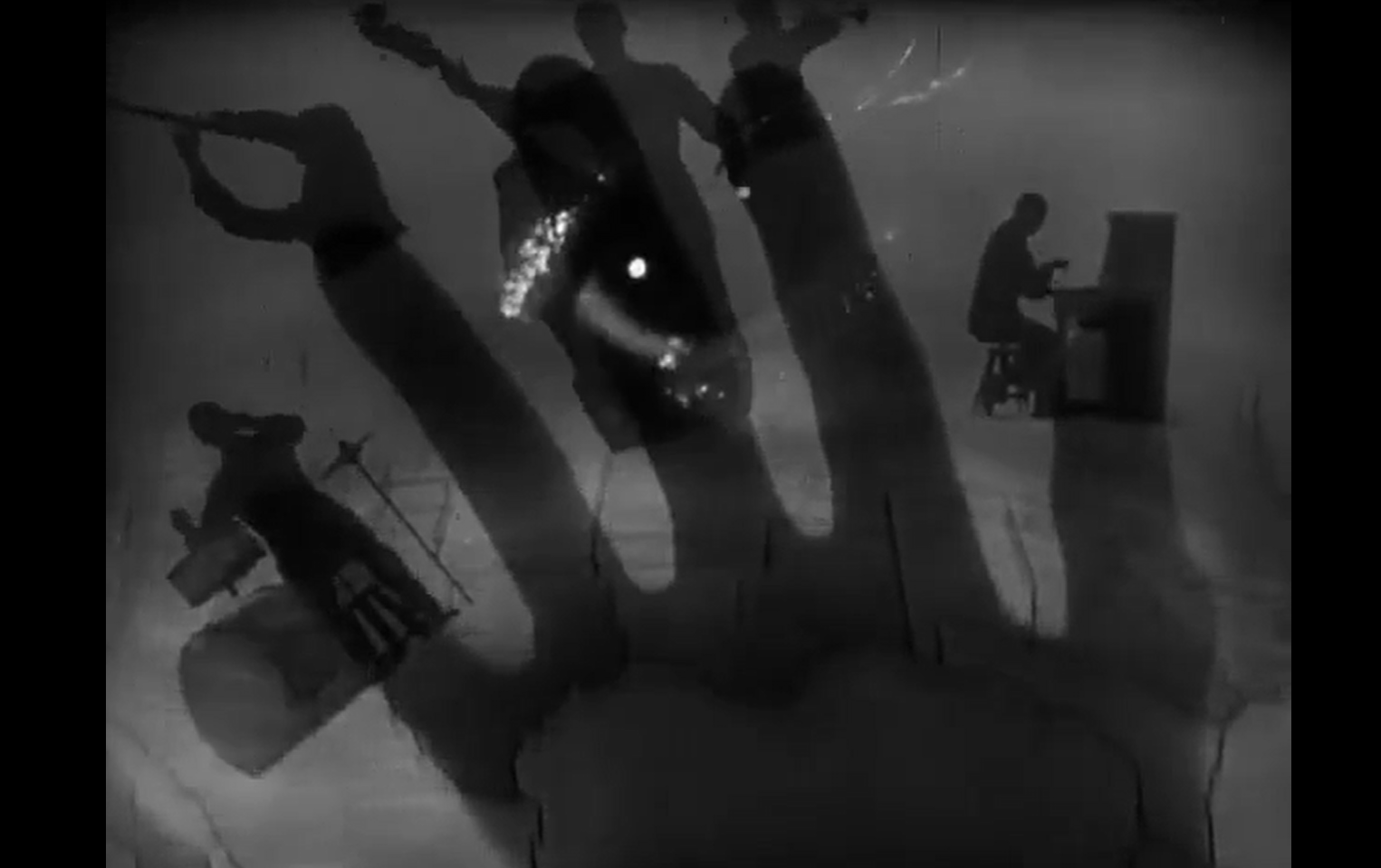
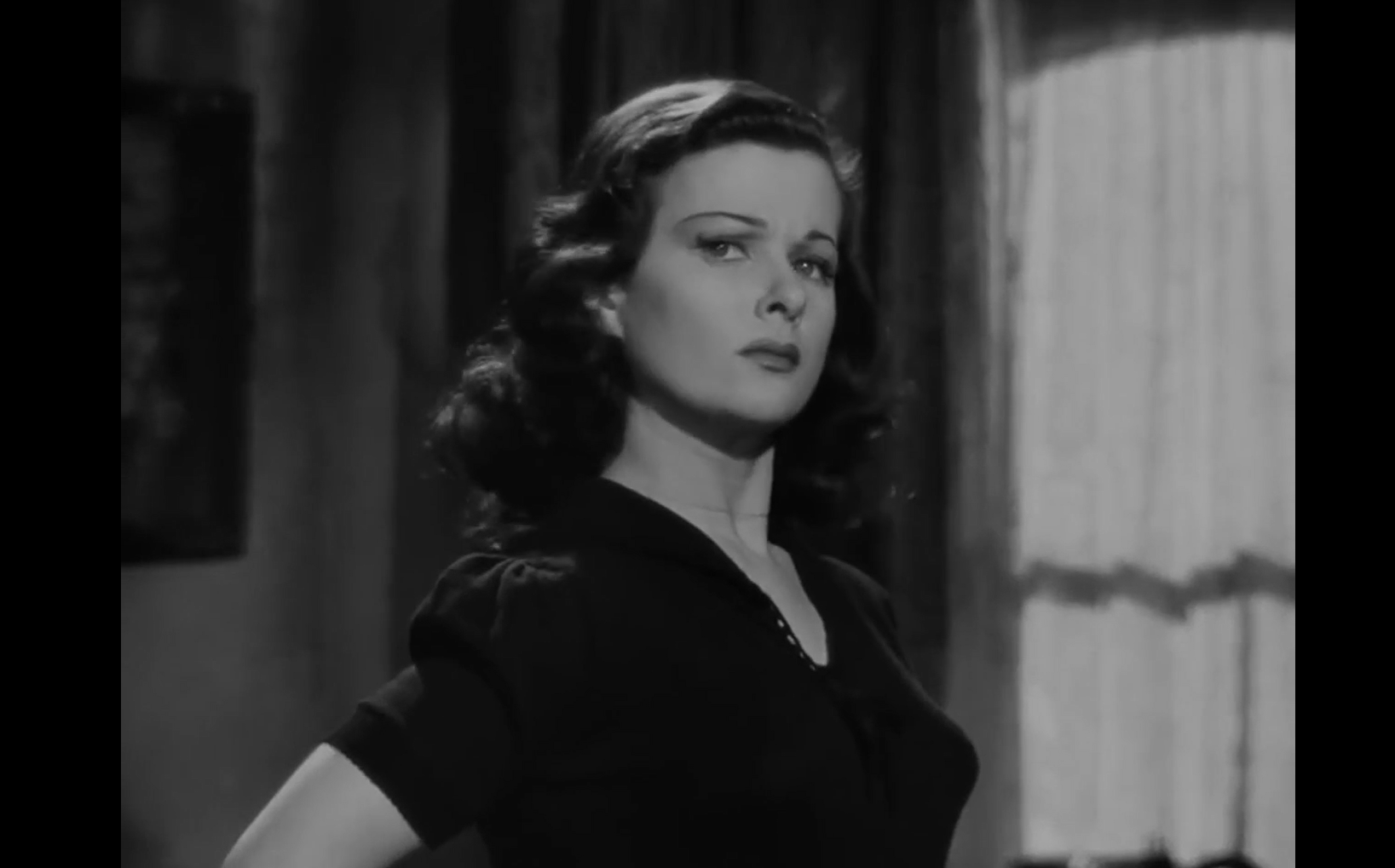
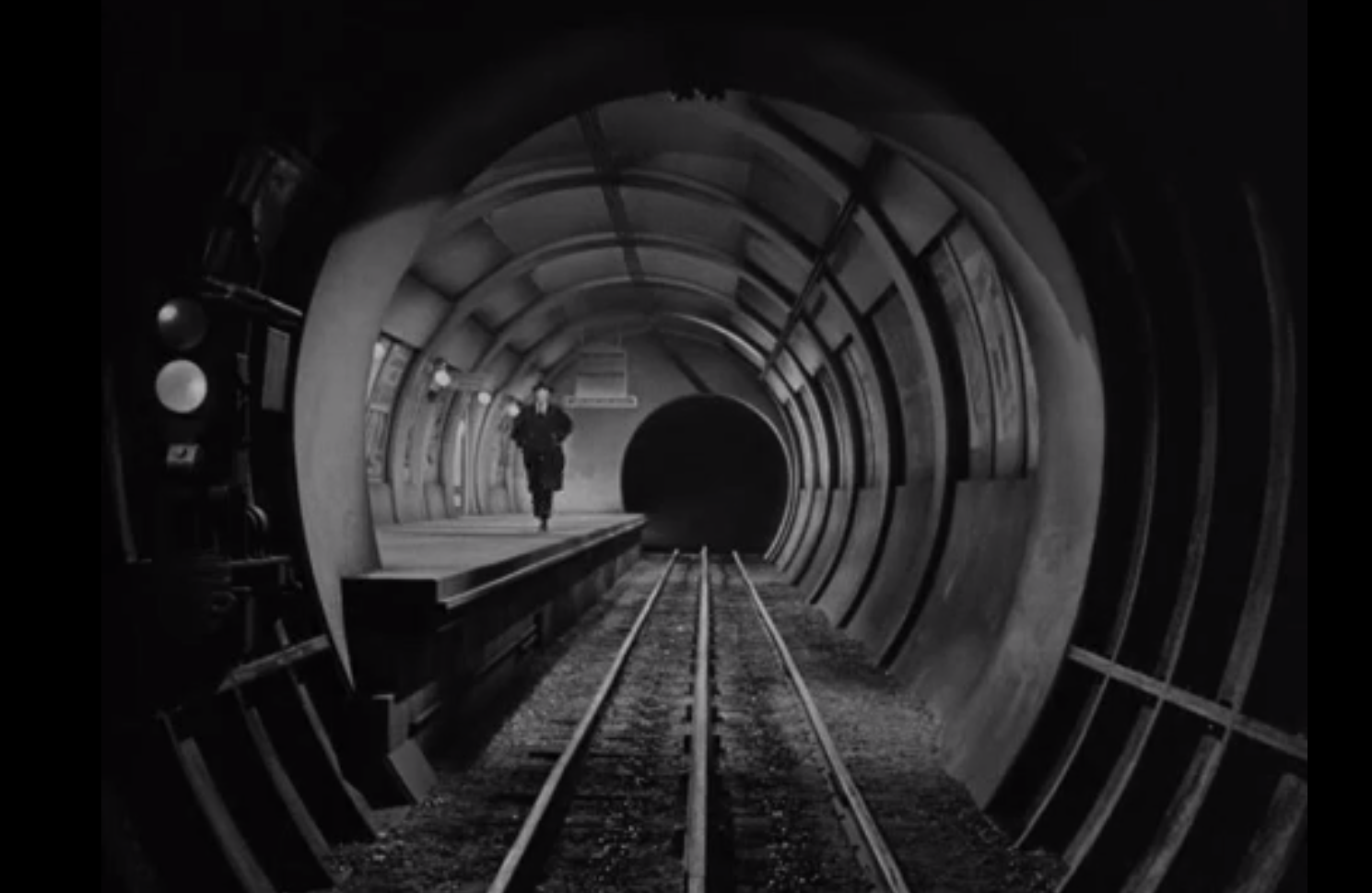
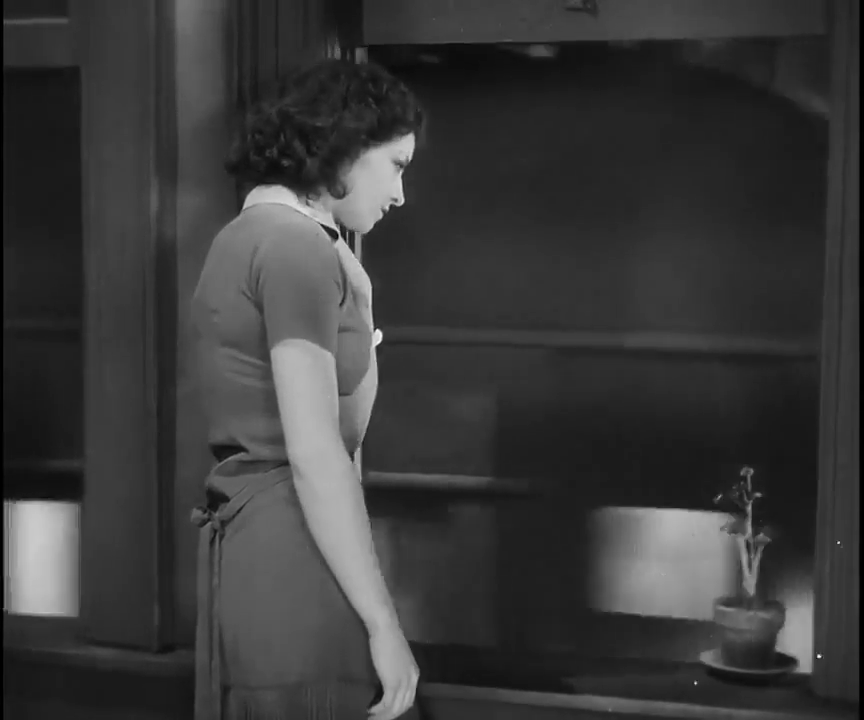
Wikipedia describes this interesting, fast-paced enigma (mess?) of a movie as an “American musical in the film noir style”. Indeed, reading Wikipedia’s plot synopsis gives a good sense of how this bizarre film shifts from a “let’s put together a band!” feel-good musical to a tale where we’re no longer certain what role music plays other than as the life-passion being sucked out of Whorf by a ruthless femme fatale. Ernest Haller’s cinematography makes the entire affair gorgeous to look at, and there are some mind-bending surrealistic images:

that shift the film into yet another category of cinema altogether. Field gives a red-hot performance, future-director Kazan hops around on screen like he’s on speed, and there’s no guarantee at all of where or how things will end. Is this really what the blues look like at night?

Redeeming Qualities and Moments:

  • Betty Field as Kay
  • Ernest Haller’s atmospheric cinematography

  • The Oscar-nominated title song

Must See?
No, though it’s worth a one-time look.

Links:

Tarzan the Fearless (1933)

Tarzan the Fearless (1933)

“Just one of a thousand jungle legends: something about a wild white man raised by apes.”

Synopsis:
The daughter (Julie Bishop) of a missing doctor (E. Alyn Warren) who has been captured by a cult led by a high priest (Mischa Auer) goes on a jungle safari with a friend (Edward Woods) and two guides (Philo McCullough and Matthew Betz). Soon she learns her father has been rescued by Tarzan the Ape Man (Buster Crabbe).

Genres:

  • Africa
  • Hidden Treasure
  • Jungles
  • Search
  • Tarzan Films

Review:
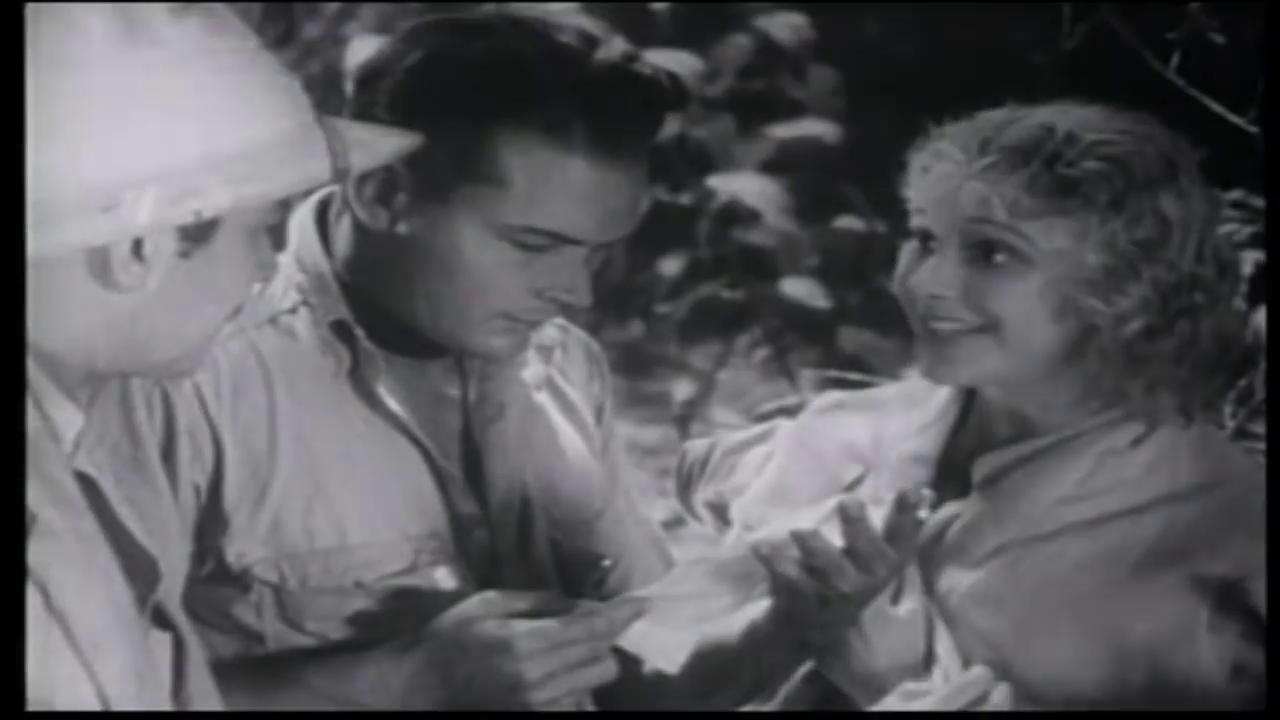
This early competitor to MGM’s Tarzan, the Ape Man (1932) was originally shown as a serial, then pulled together into this crude feature length film. It will be of interest only to fans of early cinema curious to make a comparison — though at least Olympic swimmer Crabbe (who portrayed Tarzan, Flash Gordon, and Buck Rogers in serials) is a hunky on-screen presence (that loincloth!), and the other lead young actors are pleasant to look at, too. The storyline is pure hokum, probably enjoyable escapist fare for kids at the time but not at all of interest to modern-day film fanatics.

Redeeming Qualities and Moments:

  • Beautiful actors

Must See?
No, unless you’re curious to check it out.

Links:

Of Mice and Men (1939)

Of Mice and Men (1939)

“I don’t say he’s bright — he ain’t; but I say he’s a good worker.”

Synopsis:
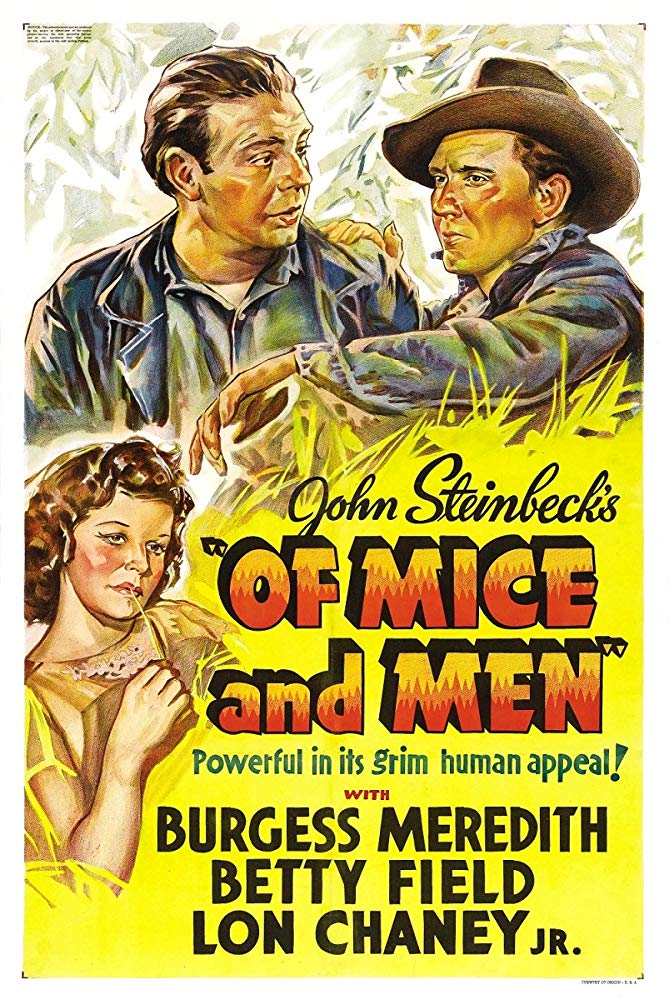
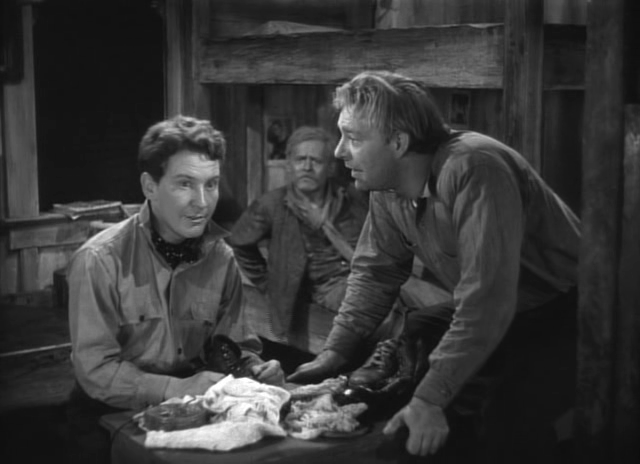
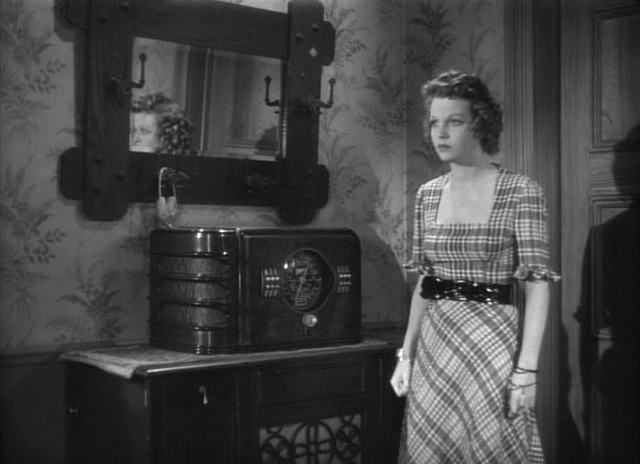
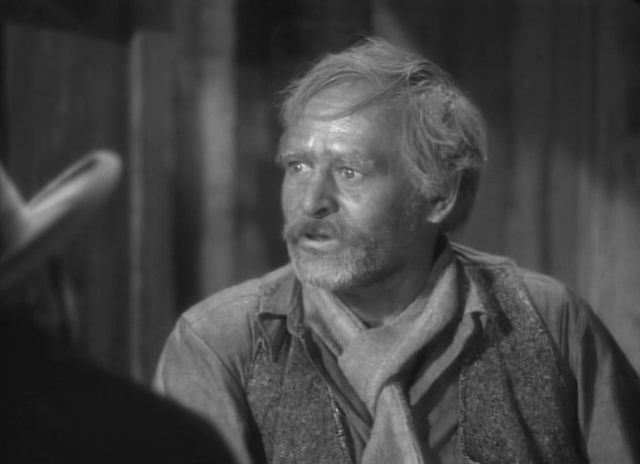
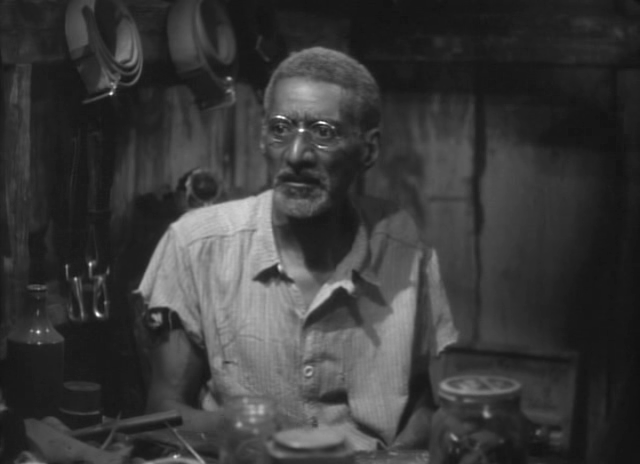
An itinerant worker (Burgess Meredith) and his mentally disabled friend (Lon Chaney, Jr.) arrive at a ranch where the surly son (Bob Steele) of the owner is unhappy about his wife’s (Betty Field) interest in a farmhand named Slim (Charles Bickford). When George (Meredith) reassures Lennie (Chaney, Jr.) that they will one day purchase a farm of their own, they pique the interest of both an elderly white (Roman Bohnen) and a marginalized black (Leigh Whipper) co-worker interested in joining them.

Genres:

  • Betty Field Films
  • Burgess Meredith Films
  • Charles Bickford Films
  • Friendship
  • Lewis Milestone Films
  • Lon Chaney, Jr. Films

Review:
Lewis Milestone directed this adaptation of John Steinbeck’s heart-wrenching novella and play, depicting a tale of friendship that truly tests the limits of our willingness to “do the right thing” under challenging circumstances. Meredith reprised his Broadway role, while Chaney Jr. was brought on board to play Lennie; both hit each note of their characters perfectly, and the rest of the supporting cast is excellent as well. (It’s particularly refreshing to see an African-American [Whipper] given a meaningful and nuanced role.) Aaron Copland’s score is almost a character in its own right, at times intrusive but never uninteresting. I find it hard to say much more about this film other than that everyone should see it — but be forewarned: while I rarely cry at movies, this one is an exception.

Redeeming Qualities and Moments:

  • Burgess Meredith as George
  • Lon Chaney, Jr. as Lennie
  • Fine supporting performances by the entire cast


  • A heartbreaking screenplay, faithfully adapted

Must See?
Yes, as a still-powerful adaptation. Listed as a film with Historical Importance in the back of Peary’s book.

Categories

Links:

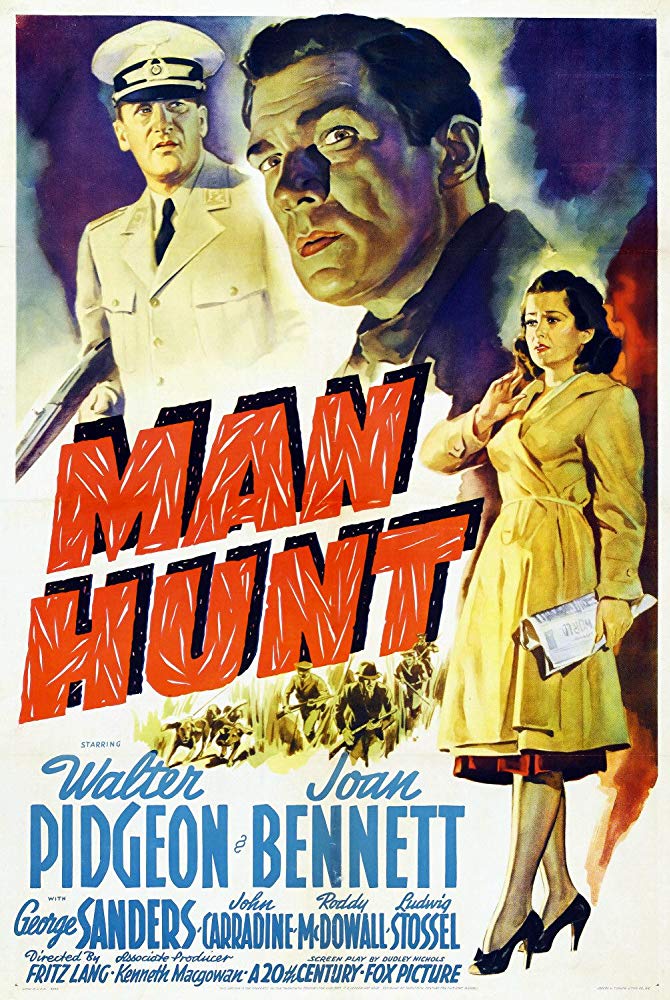
Man Hunt (1941)

Man Hunt (1941)

“Men of your character have accidents.”

Synopsis:
When a Gestapo leader (George Sanders) captures an aristocratic hunter (Walter Pidgeon) training his sights on Hitler, Pidgeon is relentlessly pursued by both Sanders and a Reich agent (John Carradine) out of Germany and into England, where he befriends a Cockney seamstress (Joan Bennett) who falls in love with him.

Genres:

  • Cat-and-Mouse
  • Cross-Class Romance
  • Fritz Lang Films
  • Fugitives
  • George Sanders Films
  • Hunting
  • Joan Bennett Films
  • John Carradine Films
  • Nazis
  • Roddy McDowall Films
  • Walter Pidgeon Films
  • World War II

Review:
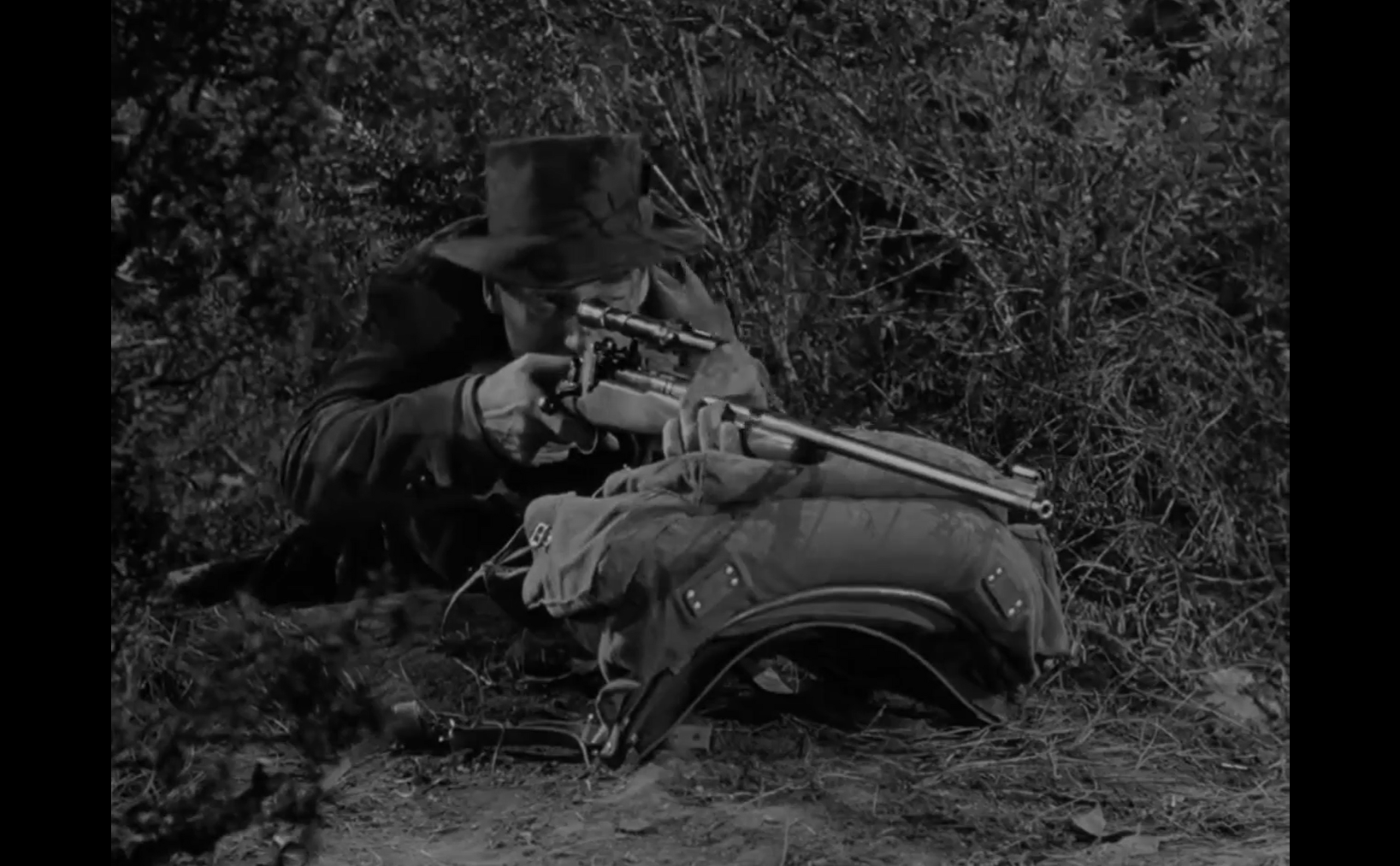
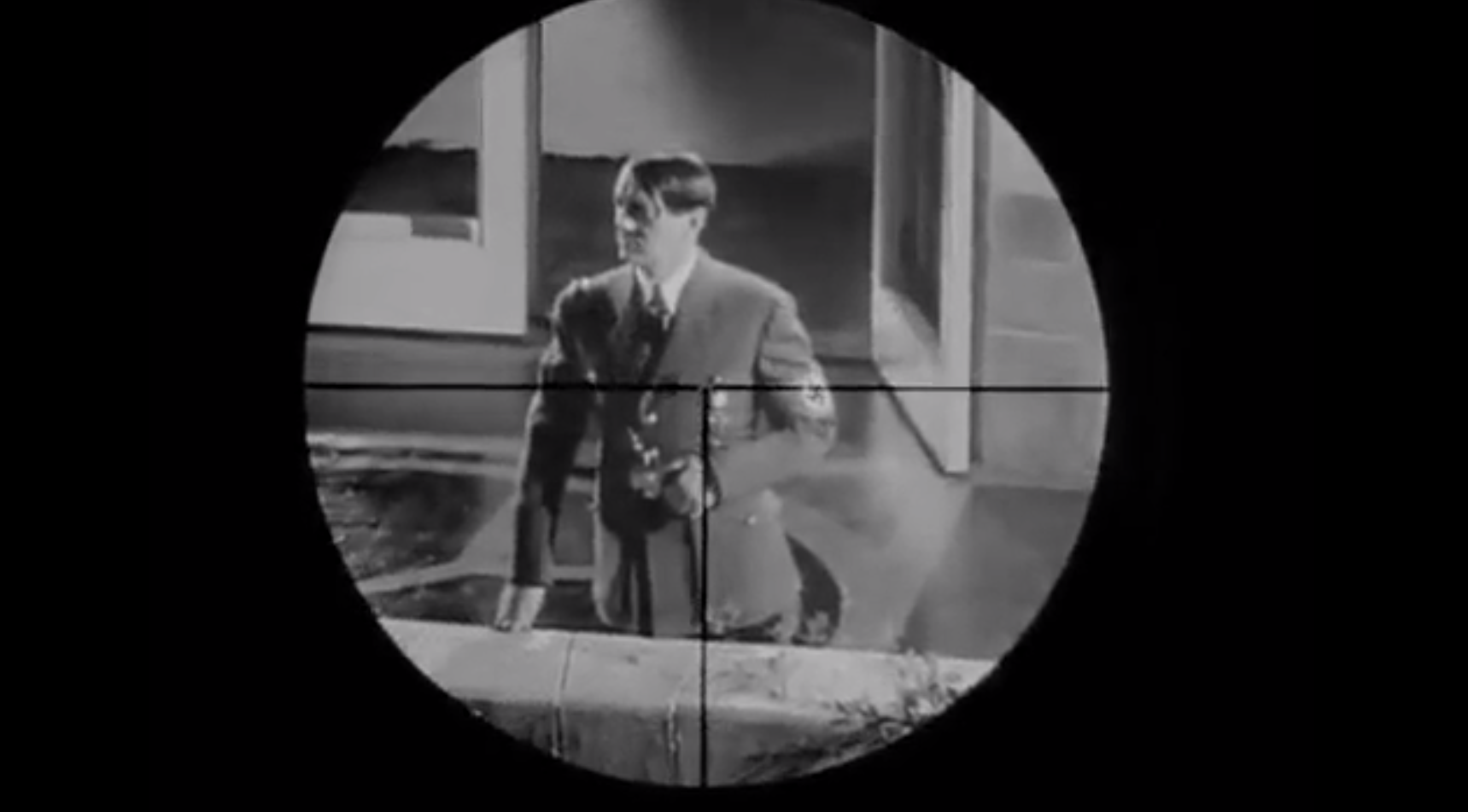
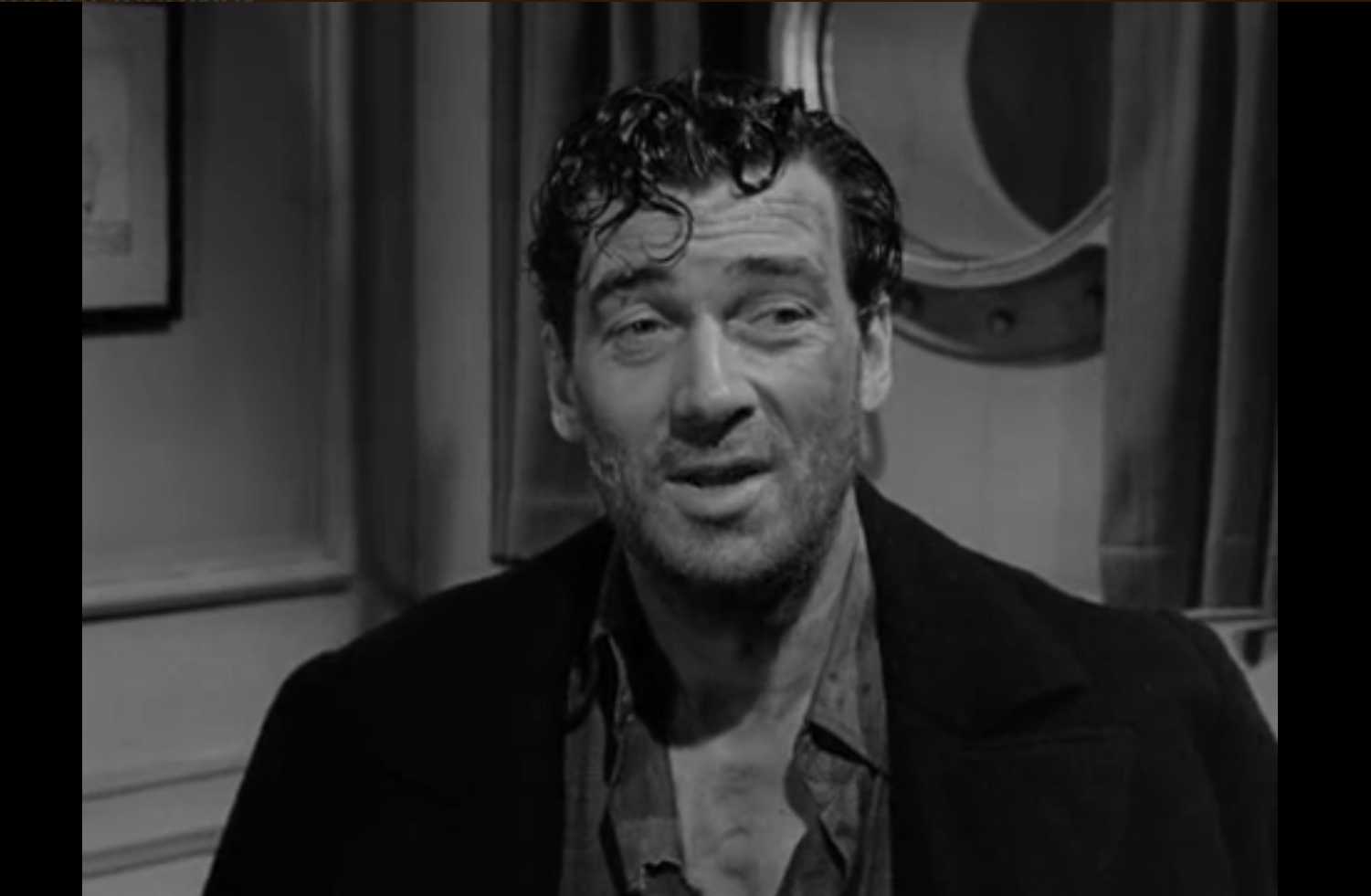
Man Hunt was the first of a quartet of ant-Nazi films Fritz Lang made after he emigrated to the United States, followed by Hangmen Also Die! (1943), Ministry of Fear (1944), and Cloak and Dagger (1946). It opens with a decidedly provocative and startling scene, as sportsman Pidgeon points his rifle directly at Hitler:


before being captured and sent on the run back to his home country. Man Hunt remains a reasonably exciting and atmospherically filmed (by Arthur Miller) action-thriller, with a screenplay hampered by Pidgeon’s romance with Bennett (I guess I’m really not a fan of besotted Cockney lasses).

However, it’s worth a look, especially as “the first war film to attract the attention of the then-neutral America’s Hays Office” (Joseph Breen was “alarmed by the script” and referred to it as a “hate film”).

Redeeming Qualities and Moments:

  • Walter Pidgeon as Alan Thorndike
  • Arthur Miller’s cinematography
  • A clever, unexpected ending

Must See?
Yes, once, for its historical relevance.

Categories

Links:

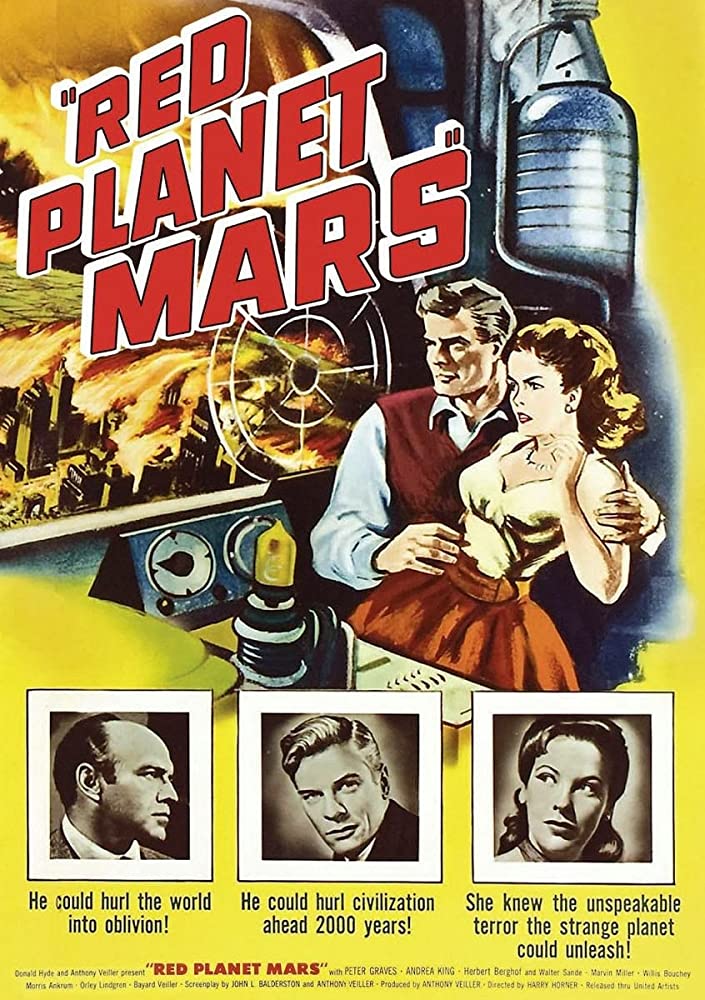
Red Planet Mars (1952)

Red Planet Mars (1952)

“Our economic system is a shambles — industrial production shot to blazes — our entire civilization collapsing about our heads like a house of cards, and the whole western world going down with us.”

Synopsis:
When a radio broadcaster (Peter Graves) and his wife (Andrea King) make contact with Martians, they begin to spread the planet’s messages of hope to humanity — but could an embittered ex-Nazi (Franz Calder) working for the Communists be interfering with the signals in some way?

Genres:

  • Aliens
  • Cold War
  • Media Spectacle
  • Religious Faith
  • Science Fiction

Review:
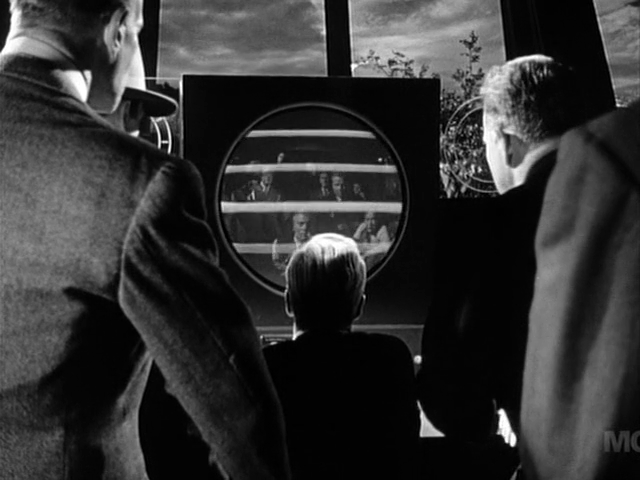
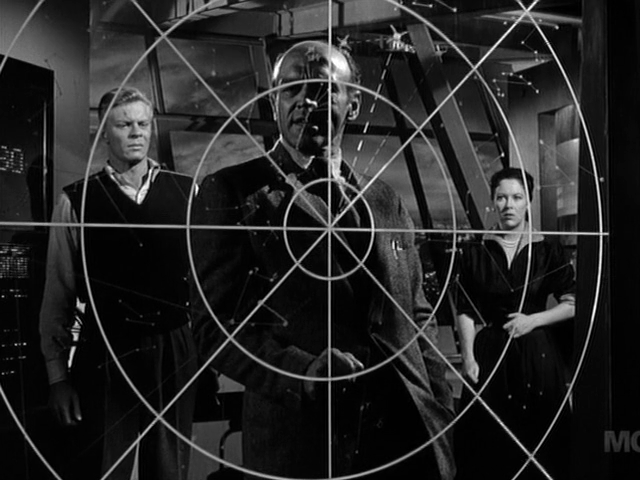
This Cold War morality tale about intergalactic communication in the midst of earthly ideological conflicts is amusingly earnest, filled with plenty of laughably ripe dialogue played straight:

Graves: “Are you saying you think those polar formation are ice? And that in a week, these Martians have melted ice caps thousand of feet high and used the water to irrigate the planet?
Scientist: “Isn’t that what the picture says?!!?”

King: “Every woman in the world — we all live in fear. It’s become our natural state.”

Unfortunately, while its title promises vibrant color, the only “red” in this black-and-white flick is Communism, personified as villainous bad guys with an unwilling hostage (Calder) in their hands.
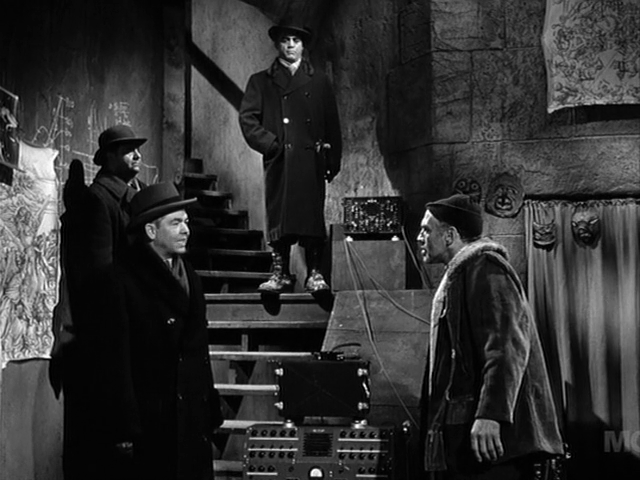
When the primary theme of the film is revealed:
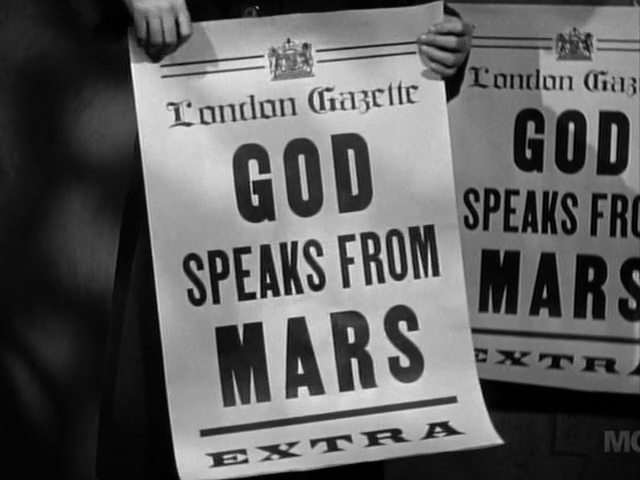
… we’re meant to believe that if only all humans were free to practice Christianity, we would be lovingly at peace with one another. Naturally, nothing is ever this simple, though it’s fascinating to see what audiences once-upon-a-time may have been wishing for.

Redeeming Qualities and Moments:

  • Effective cinematography and sets


Must See?
No, but it’s recommended for one-time viewing as an unusual relic of its time.

Links:

Our Daily Bread / City Girl (1930)

Our Daily Bread / City Girl (1930)

“I’d like to know what you expected to get out of marryin’ Lem.”

Synopsis:
When the son (Charles Farrell) of an overbearing farmer (David Torrence) meets a waitress (Mary Duncan) while in Chicago to sell his family’s wheat, the two fall in love and he brings her back to his farm — but can Torrence’s new “city girl” wife handle life in the country?

Genres:

  • City vs. Country
  • Farming
  • F.W. Murnau Films
  • Romance
  • Silent Films
  • Womanizers

Review:
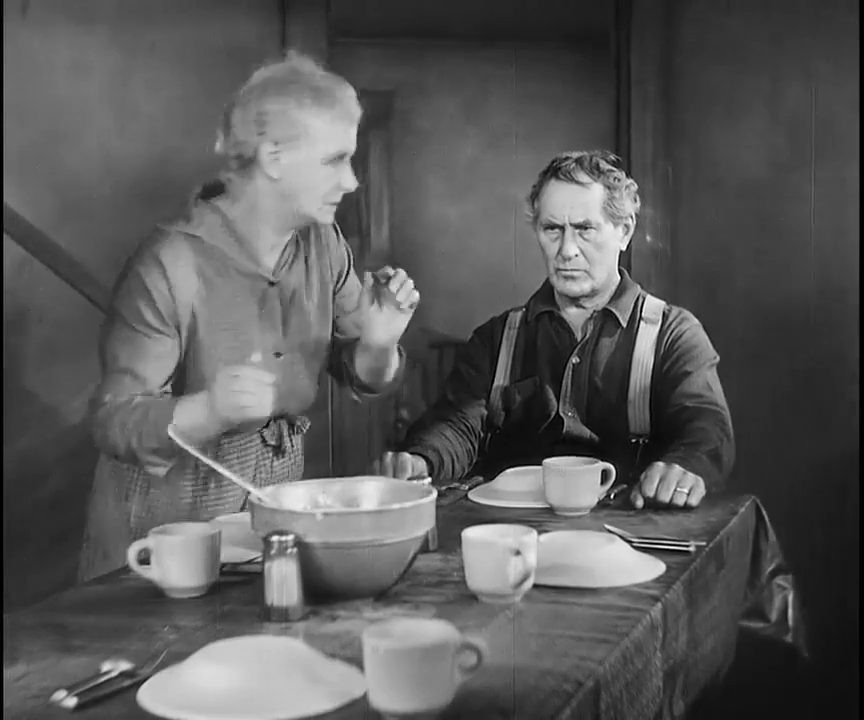
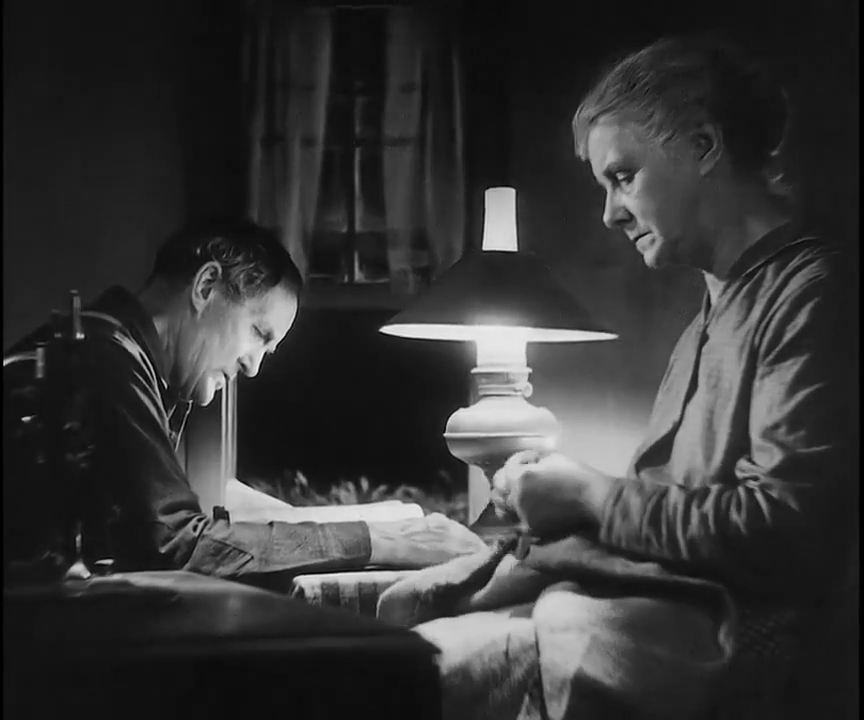
F.W. Murnau’s next-to-final film before Tabu (1931) was this overwrought romantic tale of love between a “country boy” and a “city girl”. While the visuals and settings are beautiful (as to be expected in any film by Murnau), the storyline leaves a lot to be desired. Torrence is a caricature of a disciplinarian father-figure, heavy-handed in everything he says and does:

He chastises his young daughter (Anne Shirley) not once, but twice, for daring to play with a few stalks of precious wheat (!). While Duncan is a refreshingly spunky female lead, her entire existence revolves around swatting off obnoxious men making a play for her (other than Torrence, who simply hates her for no good reason). Supporting characters — i.e., all the leering men — aren’t given much depth, and the romance between Farrell (who comes across as somewhat dim-witted) and Duncan doesn’t really have anywhere to go. Feel free to skip this one unless you’re a Murnau completist.

Redeeming Qualities and Moments:

  • Fine cinematography


Must See?
No, though of course Murnau fans will want to check it out. Listed as a film with Historical Importance and a Personal Recommendation in the back of Peary’s book.

Links:

Little Giant, The (1933)

Little Giant, The (1933)

“I came from the gutter, and I guess you can still smell it on me.”

Synopsis:
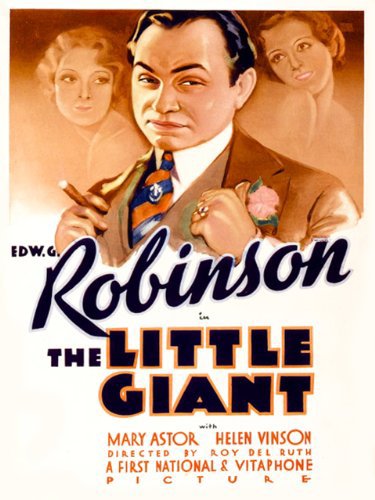
A reformed Chicago gangster (Edward G. Robinson) heads to Santa Barbara, where he falls for a society dame (Helen Vinson) from a corrupt family while renting a house from a poor but kind young woman (Mary Astor). Will ‘Bugs’ (Robinson) achieve his dreams of “legitimate” social success, or will his sordid past come back to haunt him?

Genres:

  • Cross-Class Romance
  • Edward G. Robinson Films
  • Gangsters
  • Mary Astor Films
  • Roy Del Ruth Films
  • Social Climbers

Review:
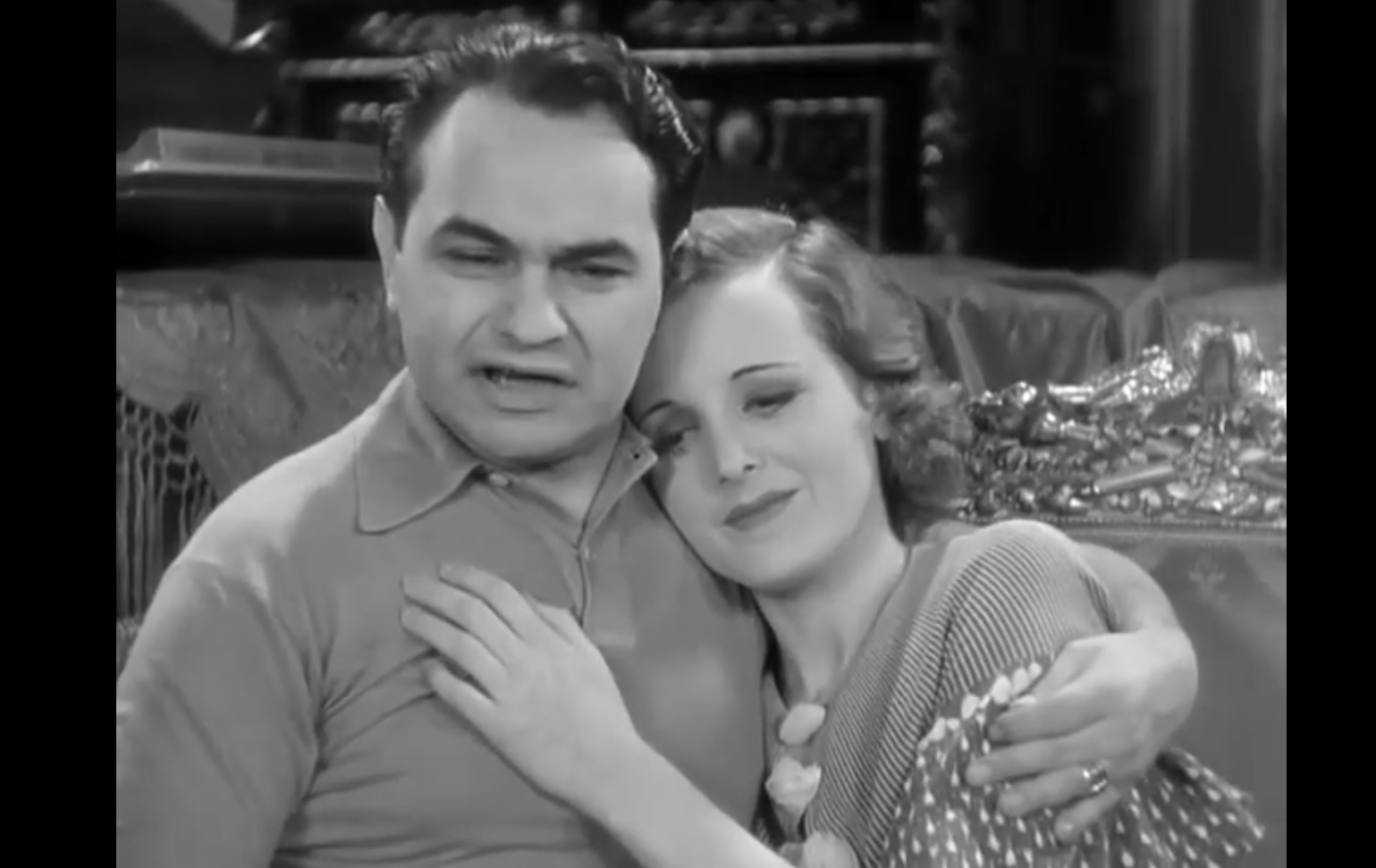
Roy Del Ruth directed this gangster-comedy which starts off somewhat predictably but builds to an enormously satisfying conclusion. Robinson’s ‘Bugs’ is established right away as such a genuinely good guy (he says goodbye to his moll by giving her $25K in appreciation, without a hint of condescension), it’s hard to watch him being so instantly duped and taken advantage of by “high society”. With loyal Astor by his side, we know it’s only a matter of time before he recognizes who’s really right for him — and thankfully, that all plays out nicely. I’m sure Depression-era audiences were thrilled to see corrupt socialites and money-men get their due. Meanwhile, there are numerous zingy pre-Code moments and lines to enjoy:

“Three days, and we don’t even get a tumble.”
“Polly — she’s been a sister-in-law to the world.”

As DVD Savant writes, “You’ll be throwing the remote into reverse to make sure you heard some of these lines correctly.”

Note: Robinson would spoof his gangster-persona again in A Slight Case of Murder (1938) and Brother Orchid (1940).

Redeeming Qualities and Moments:

  • Edward G. Robinson as ‘Bugs’
  • Mary Astor as Ruth
  • Many racy Pre-Code moments

  • A satisfying finale

Must See?
Yes, as an unexpectedly enjoyable “good show”.

Categories

Links: