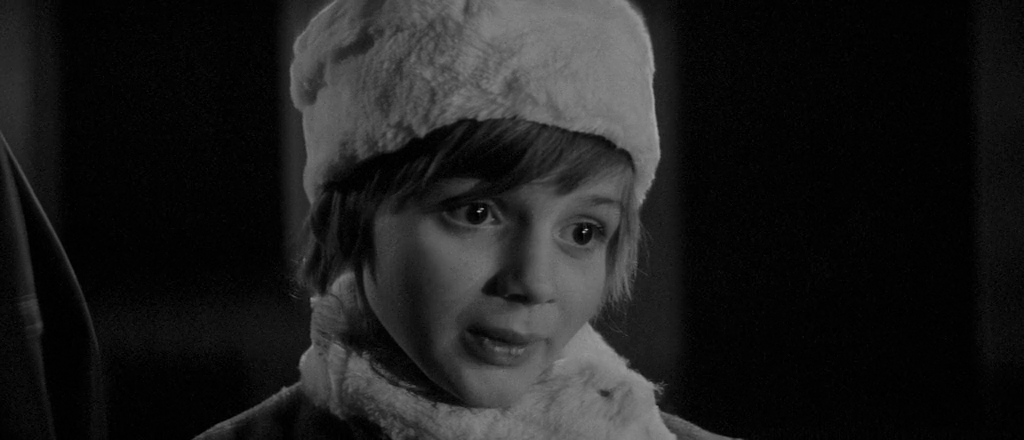
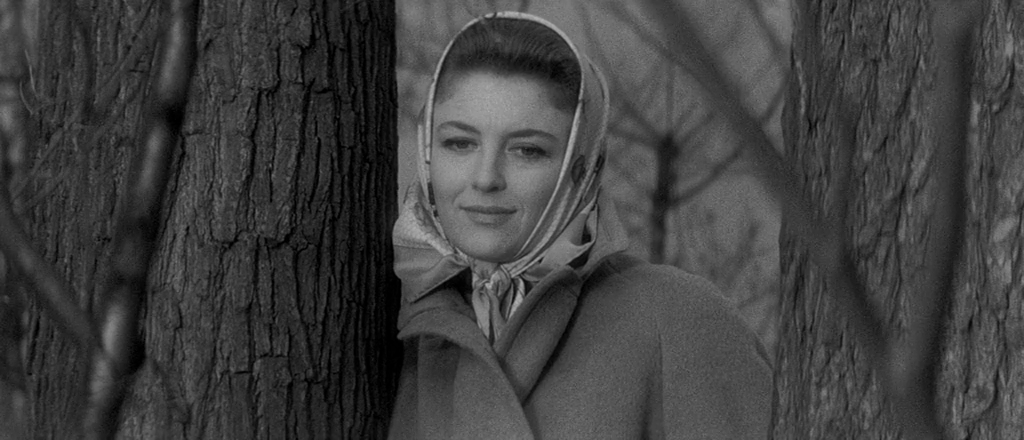
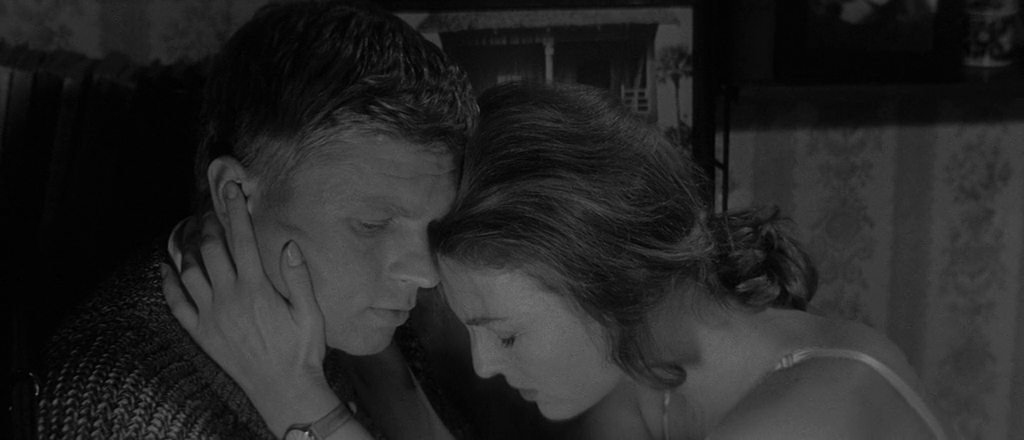
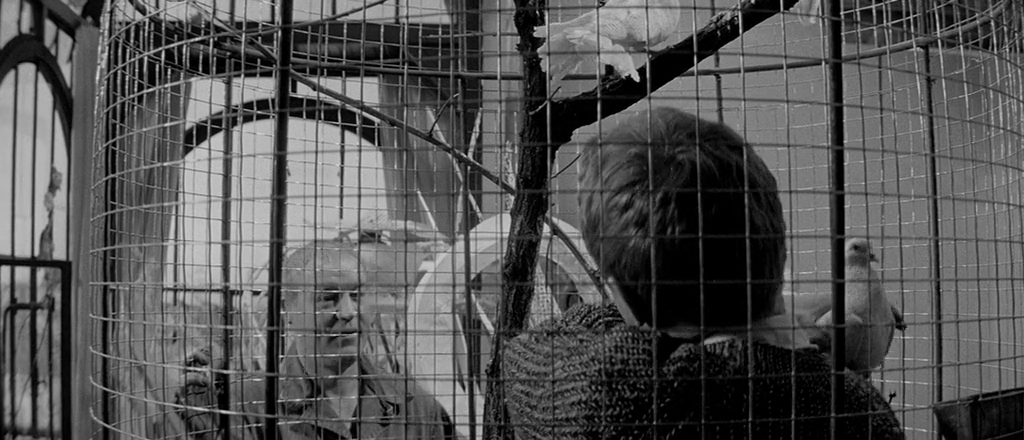
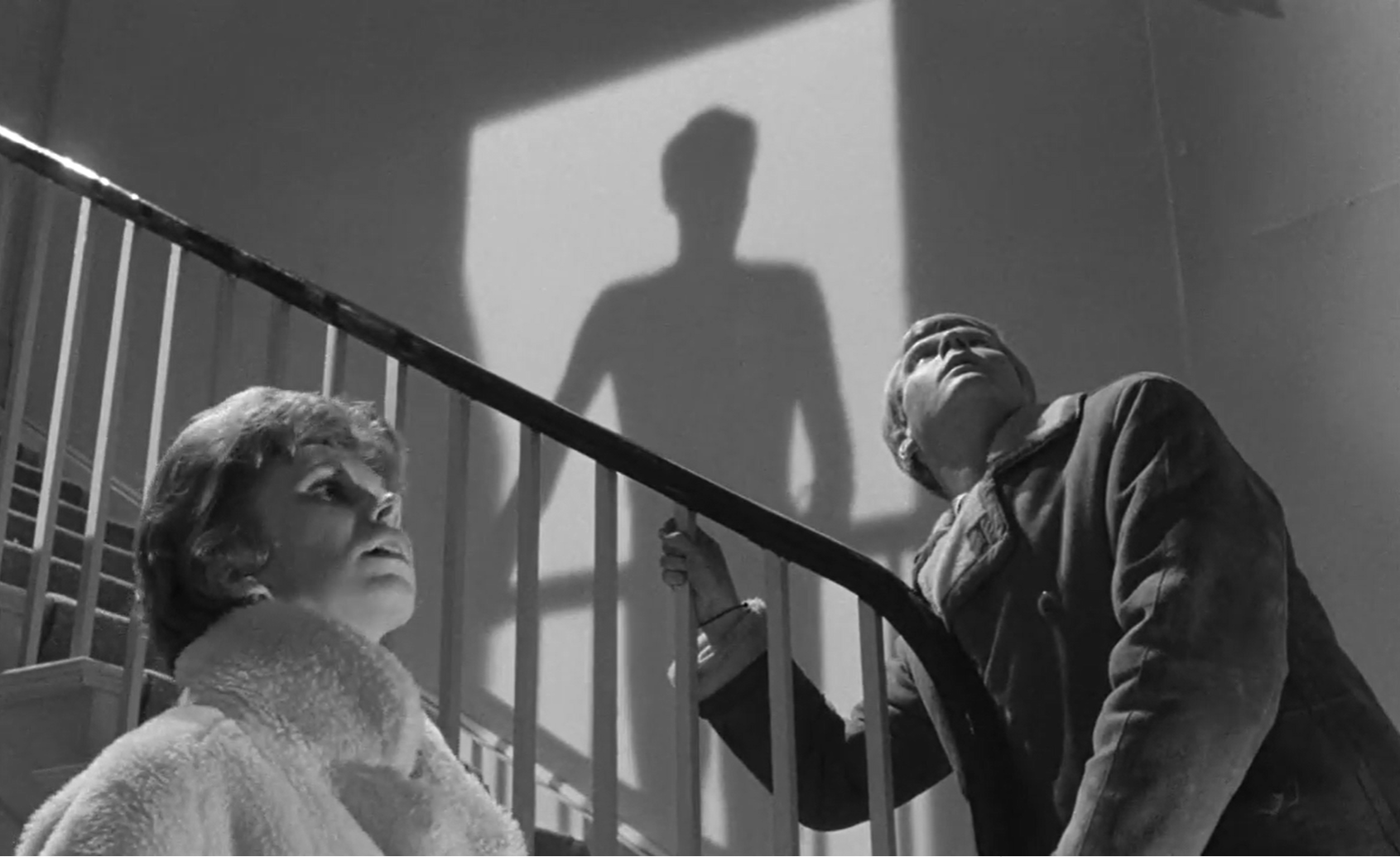
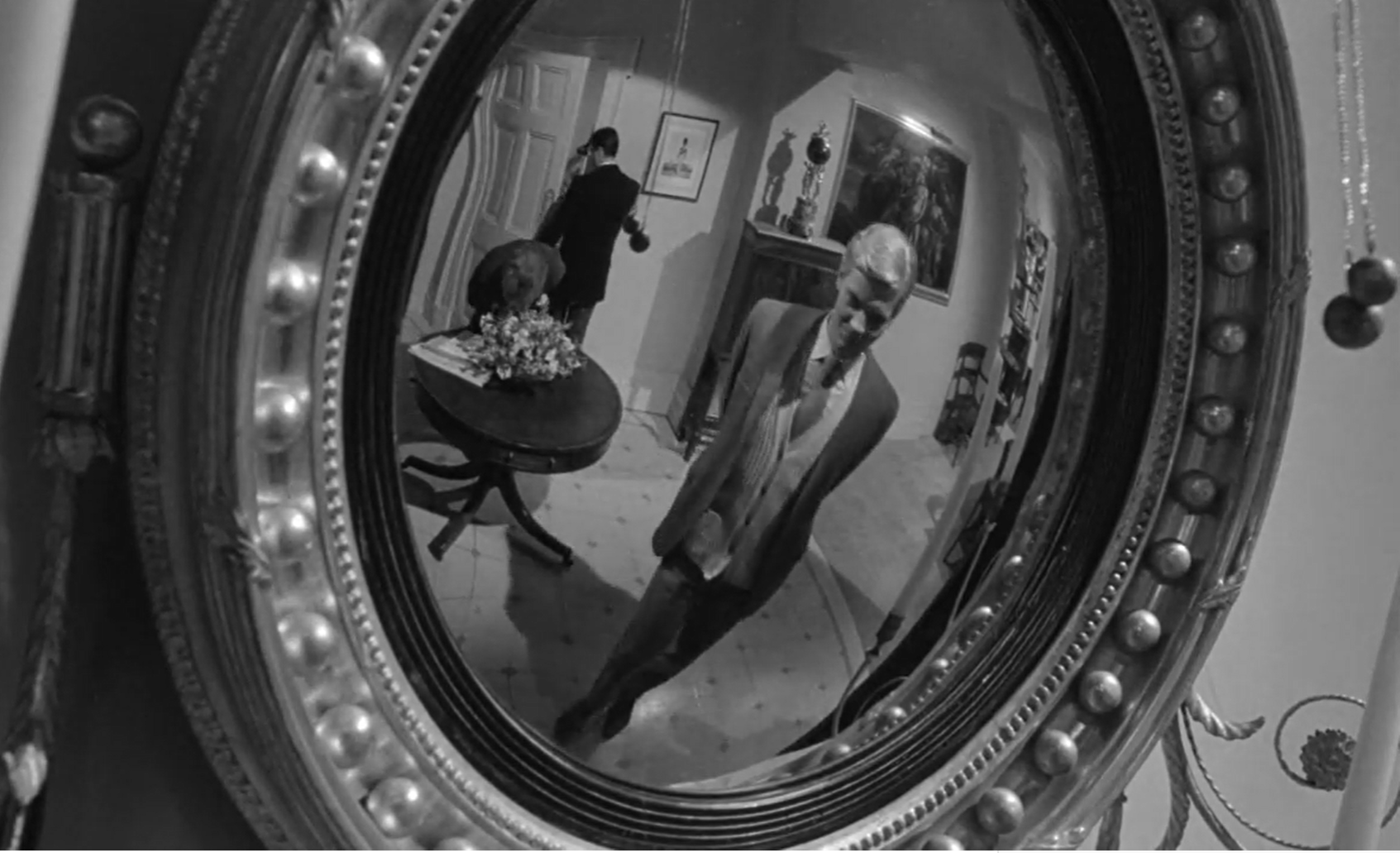
Sundays and Cybele (1962)
“I’m nothing. I’m nothing anymore.”
Responses to Peary’s “must see” movie reviews, as well as my own “must see” movie reviews up to and after 1986 (when Peary’s book was published).
“I’m nothing. I’m nothing anymore.”
“I don’t think evil grows out of madness; I think madness grows out of evil.”
|
Synopsis: |
|
Genres, Themes, Actors, and Directors:
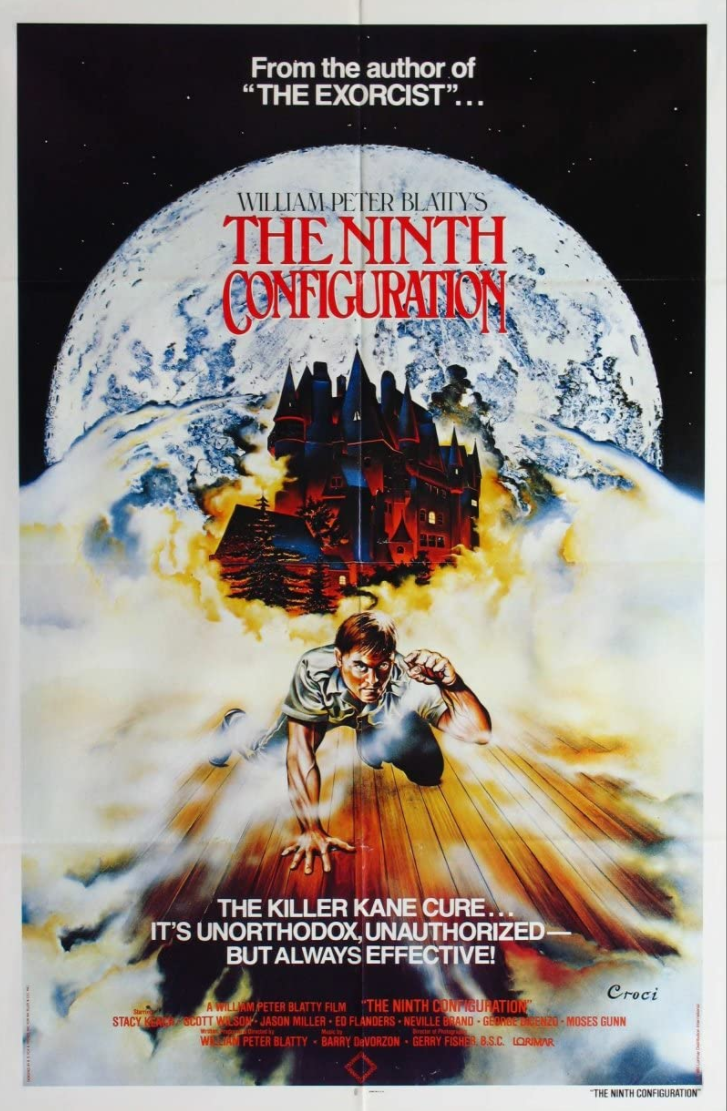
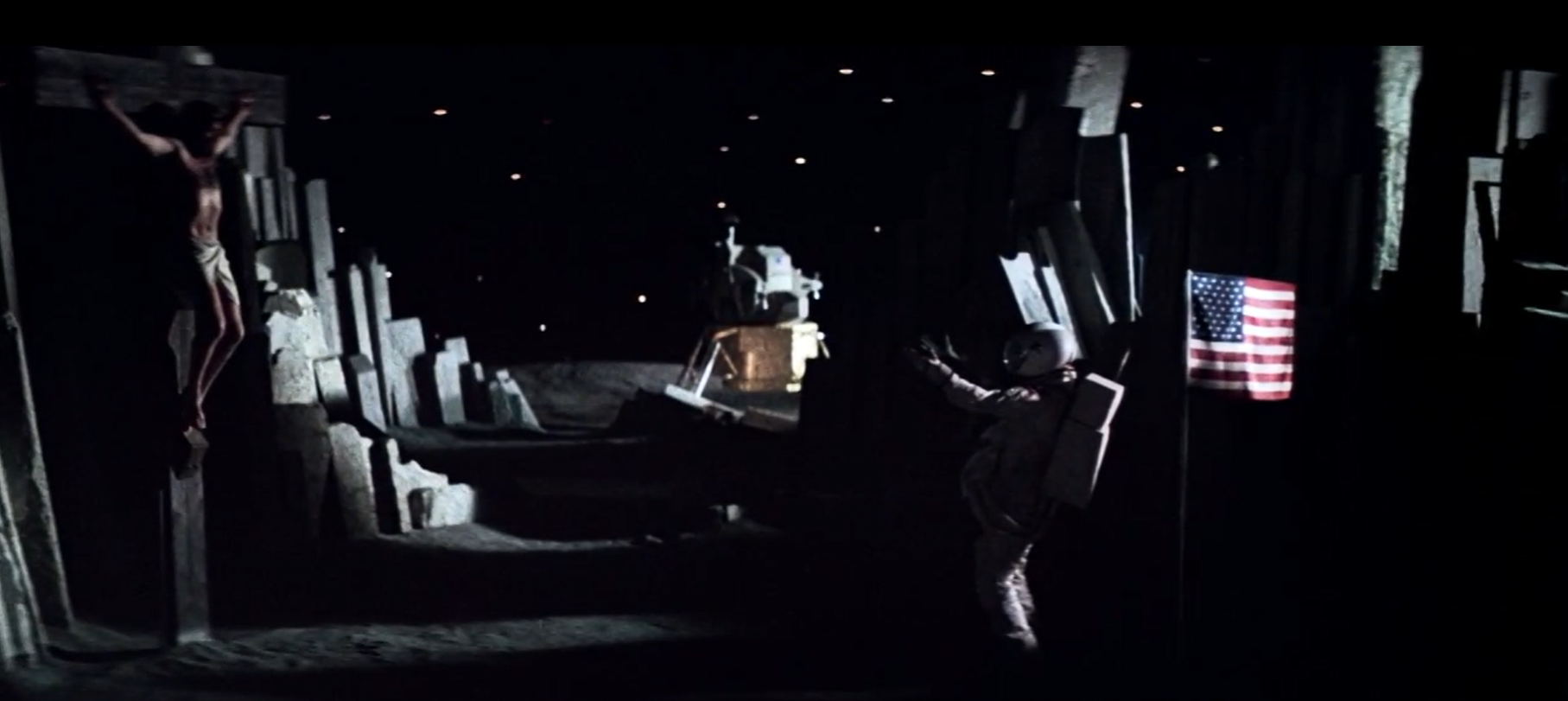
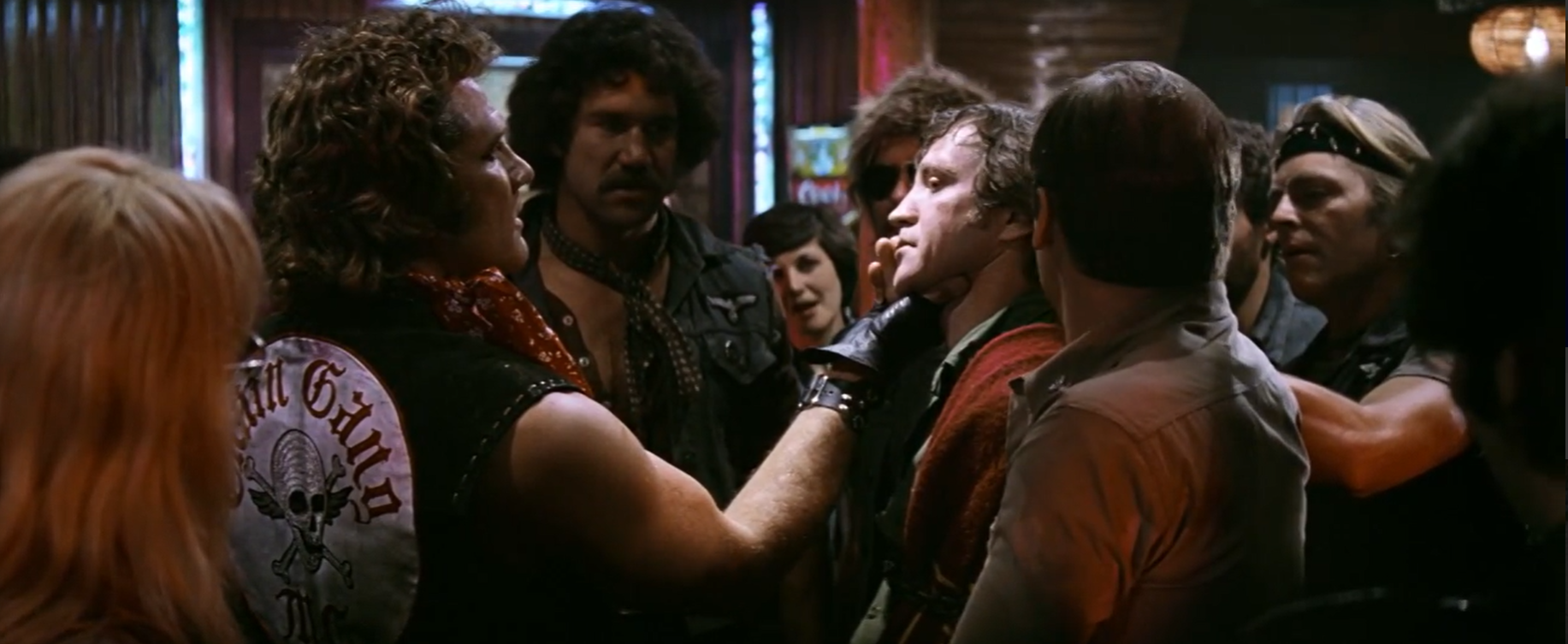
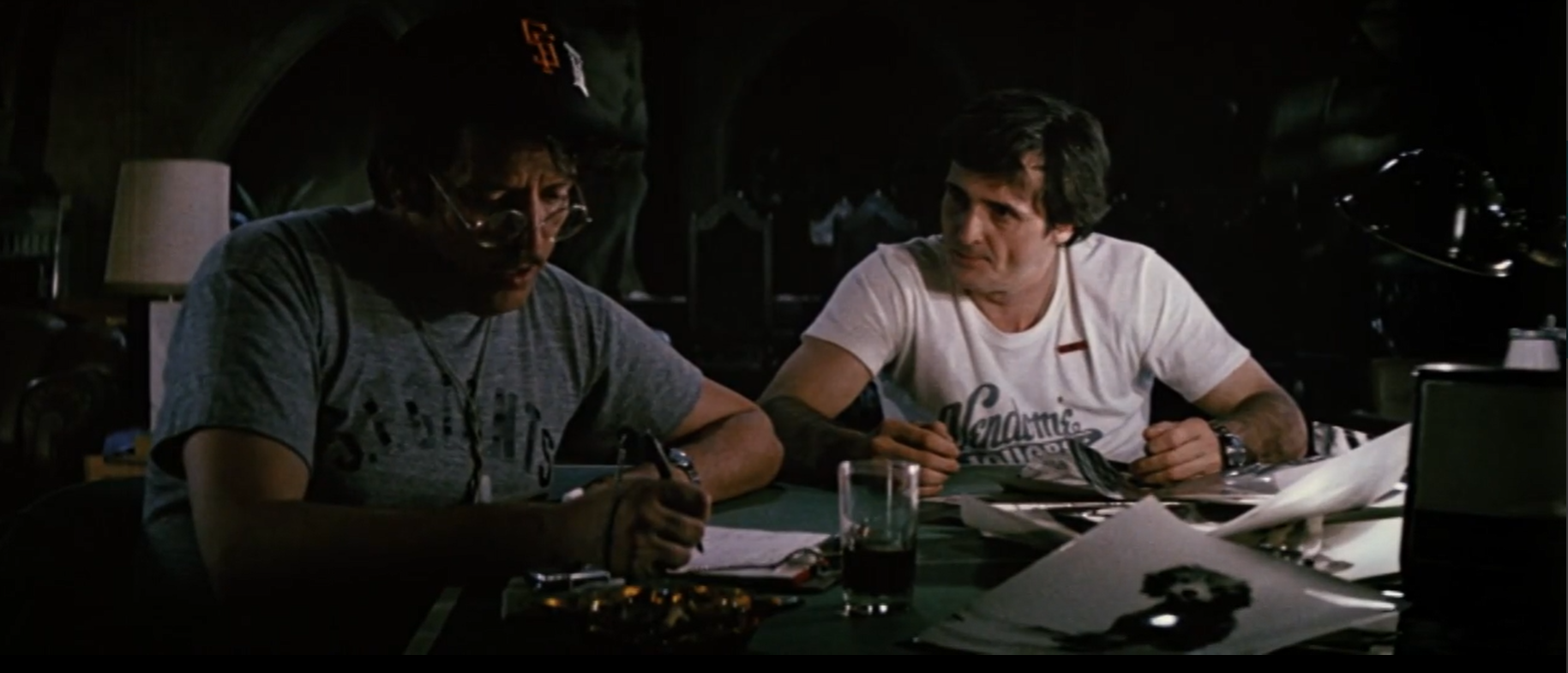
Review: Kermode goes on to describe the film as “a breathtaking cocktail of philosophy, eye-popping visuals, jaw-dropping pretentiousness, rib-tickling humour and heart-stopping action.” With that said, he concedes it’s “a work of matchless madness which [nonetheless] divides audiences as spectacularly as the waves of the Red Sea, a cult classic that continues to provoke either apostolic devotion or baffled dismissal 20 years on.” Unfortunately, I happen to fall in the latter camp. I’m not a personal fan of movies exploring “who’s really insane” — i.e., King of Hearts (1966), One Flew Over the Cuckoo’s Nest (1975), etc. — and this outing is no exception. It’s filled with countless lines of dialogue intended to highlight the patients’ wacky yet cultured personas:
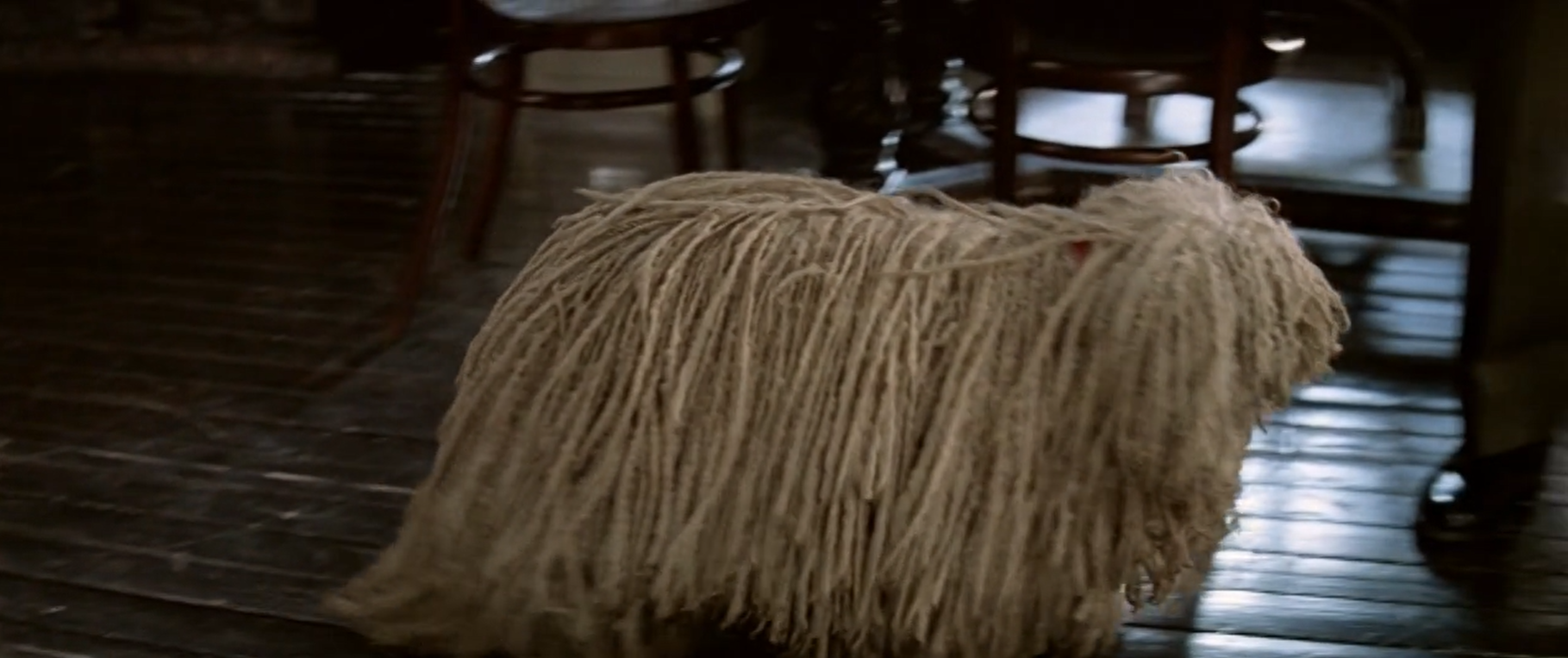
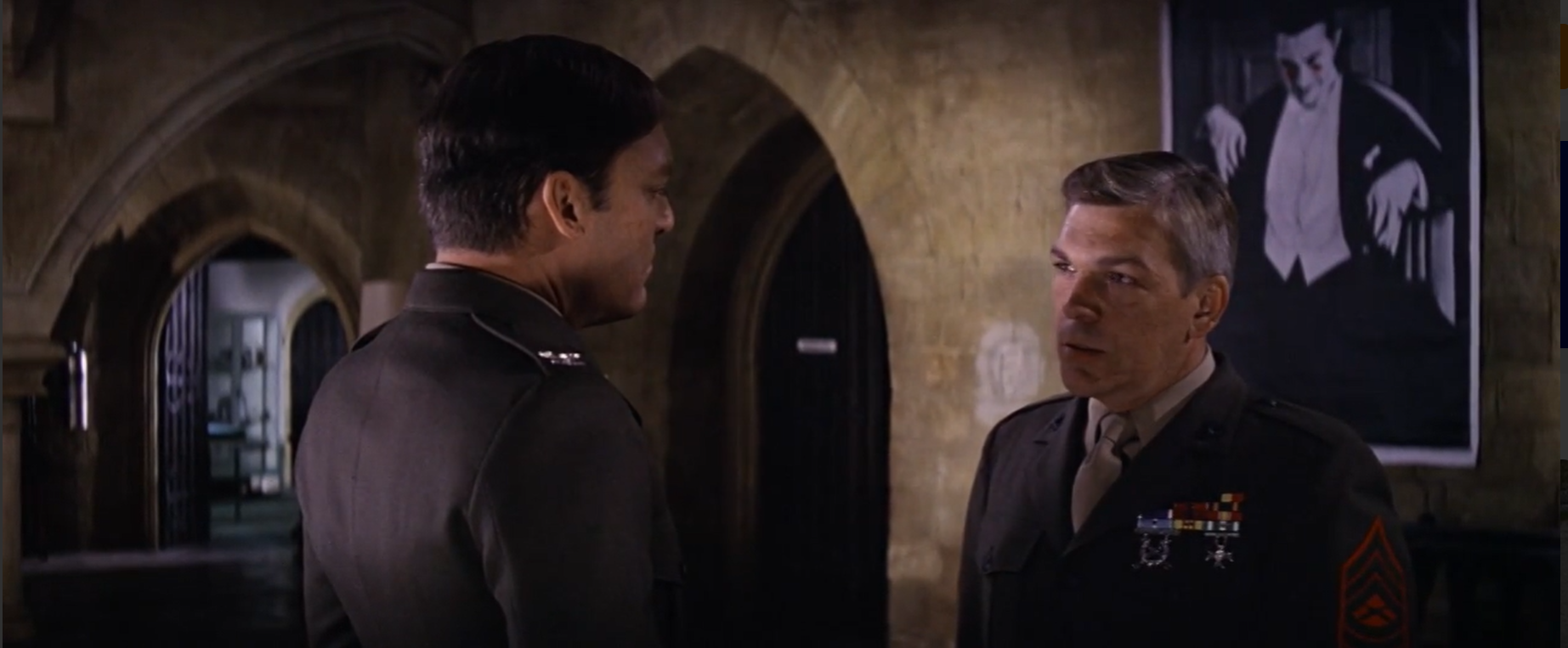
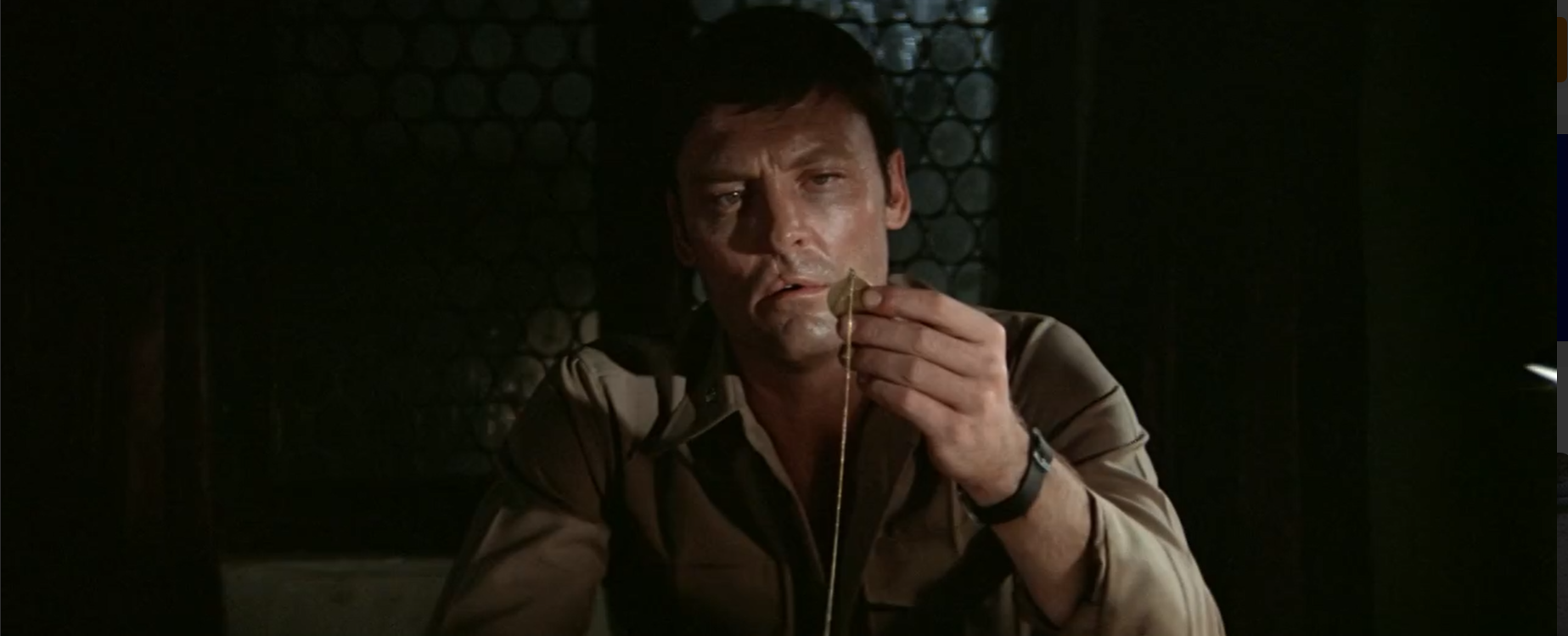
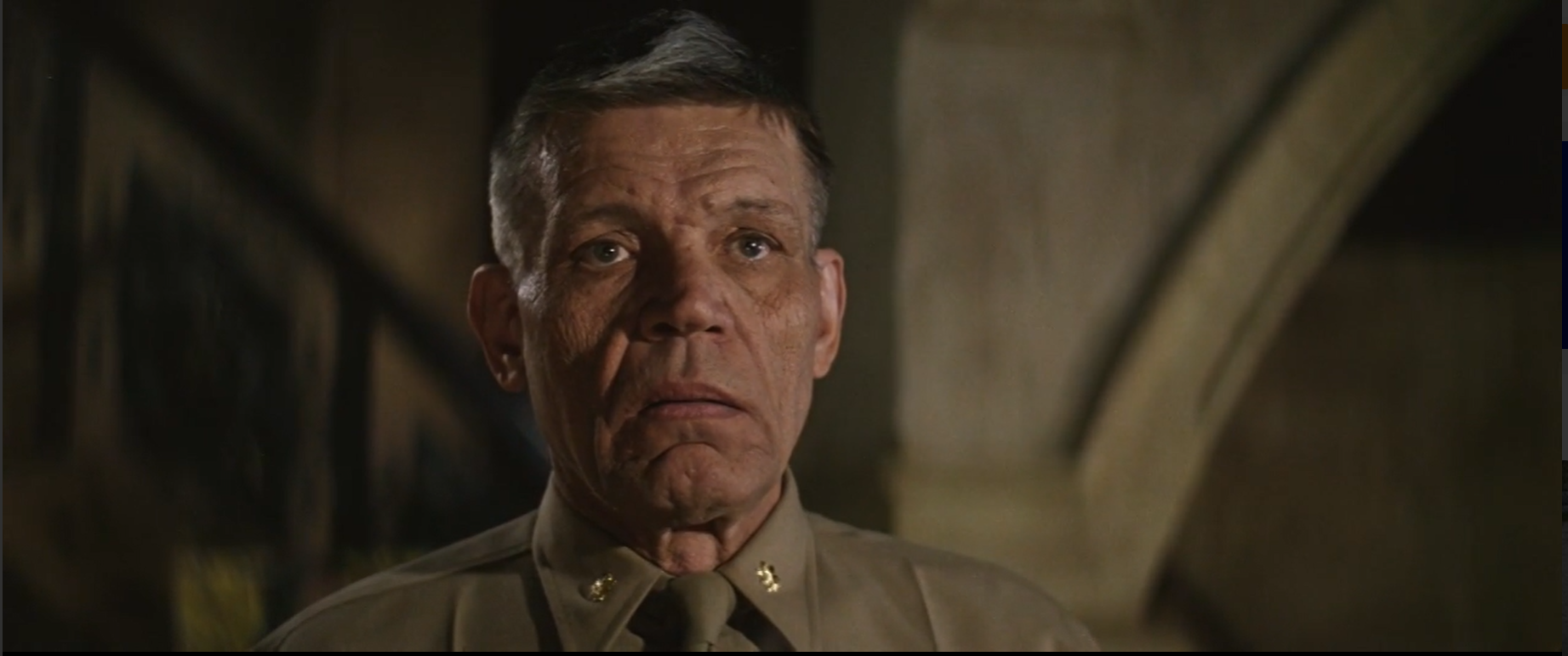
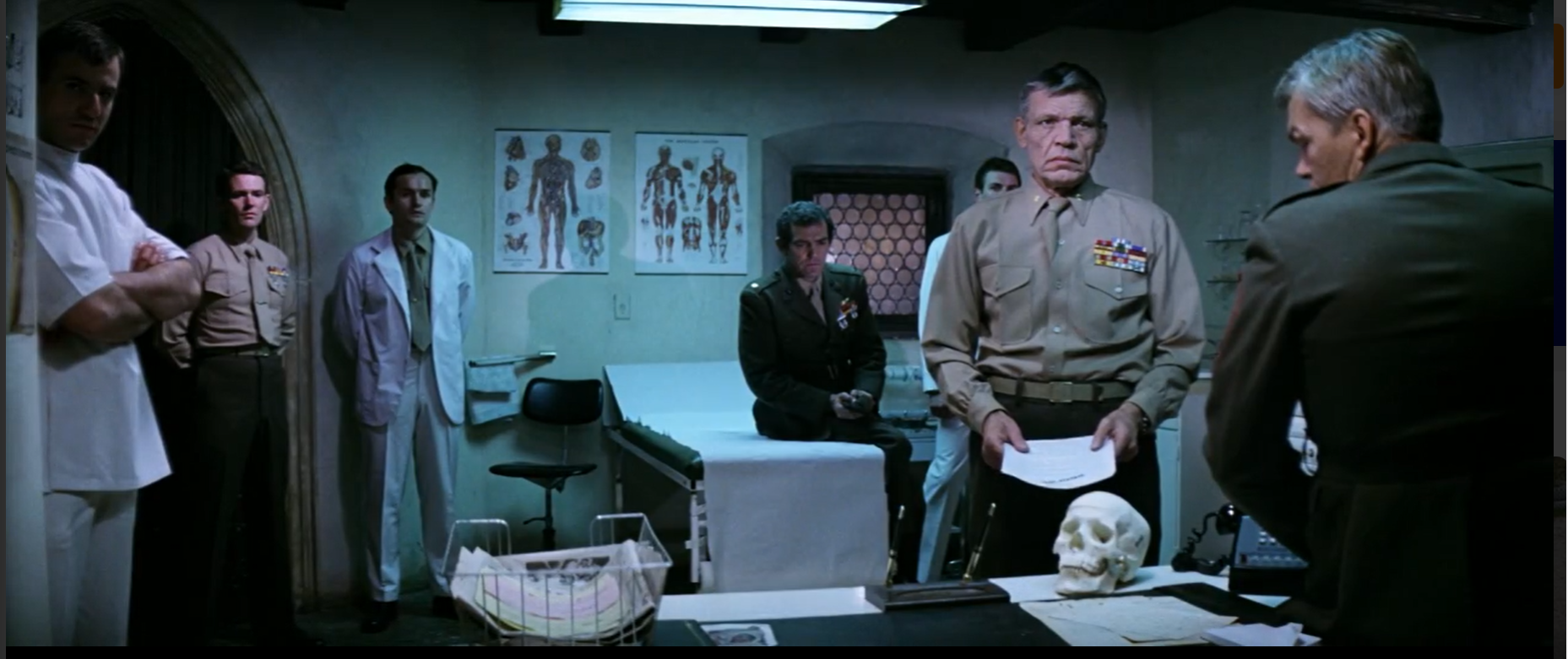
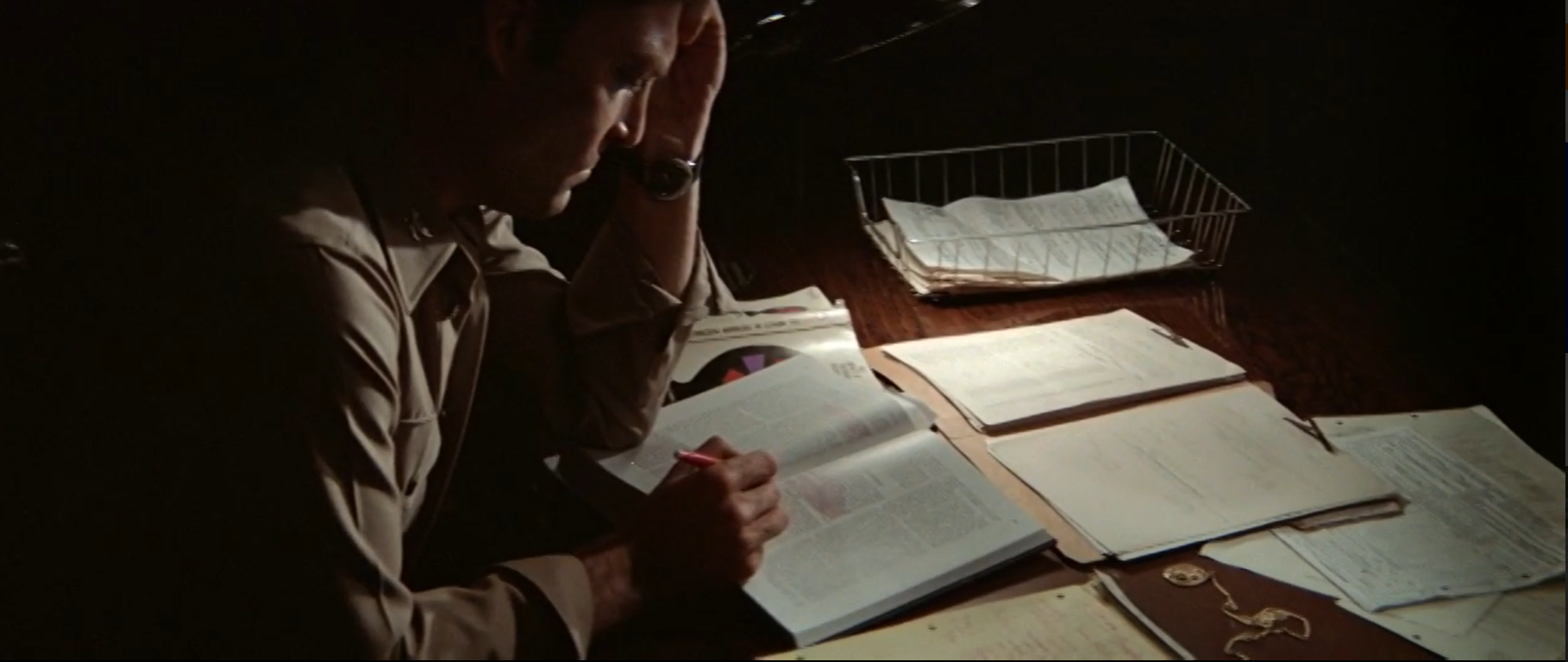
Meanwhile, I don’t understand the humor in — or purpose behind — Miller attempting to stage Shakespearean works with dogs (and why does his own dog look like it’s covered in shaggy carpet?): I’m equally uncertain why the film intentionally includes cinematic references (such as an inexplicable poster of Bela Lugosi’s Dracula on the wall). The film’s “big reveal” about Keach midway through didn’t come as much of a surprise to me: … and while I can imagine audiences at the time being appreciative of such a frank look at the life-altering PTSD experienced by so many Vietnam vets, I find it all overly calculated and heavy-handed. Watch for Neville Brand in an underdeveloped role as a military assistant: … and other recognizable names and faces (Moses Gunn, Robert Loggia, Joe Spinell) in bit parts throughout. Note: I fact-checked a distressing claim made by one character about the high suicide rates of psychiatrists, and sadly, it turns out to be true. Notable Performances, Qualities, and Moments: Must See? Links: |
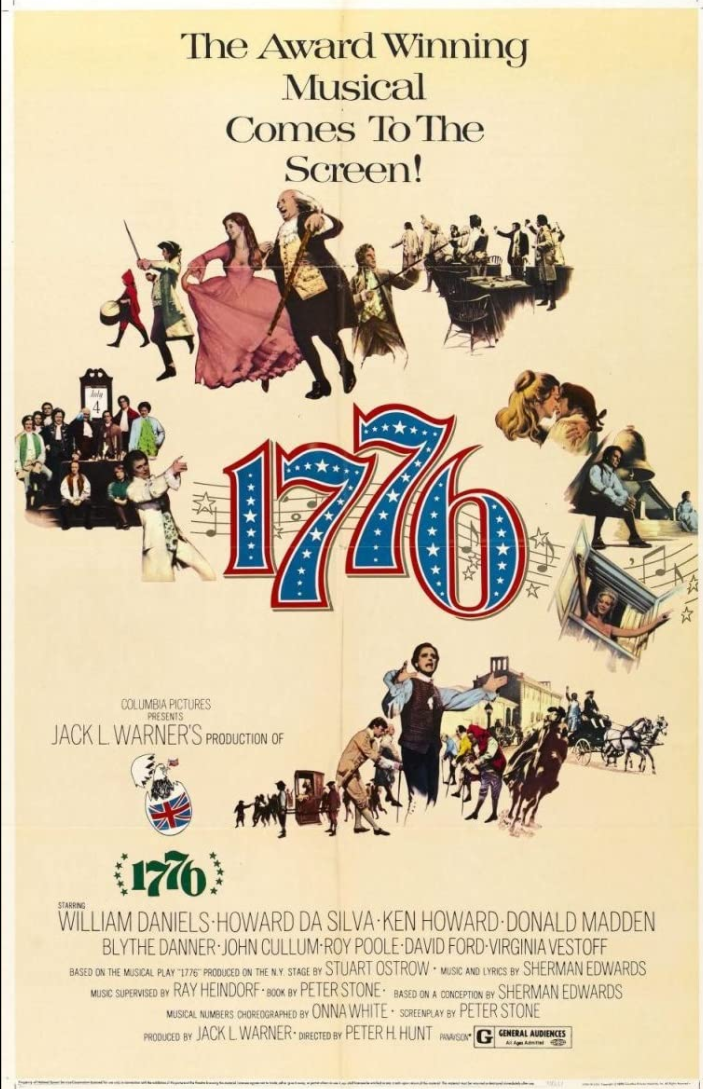
“I have come to the conclusion that one useless man is called a disgrace; that two are called a law firm; and that three or more become a Congress!”
|
Synopsis: |
|
Genres, Themes, Actors, and Directors:
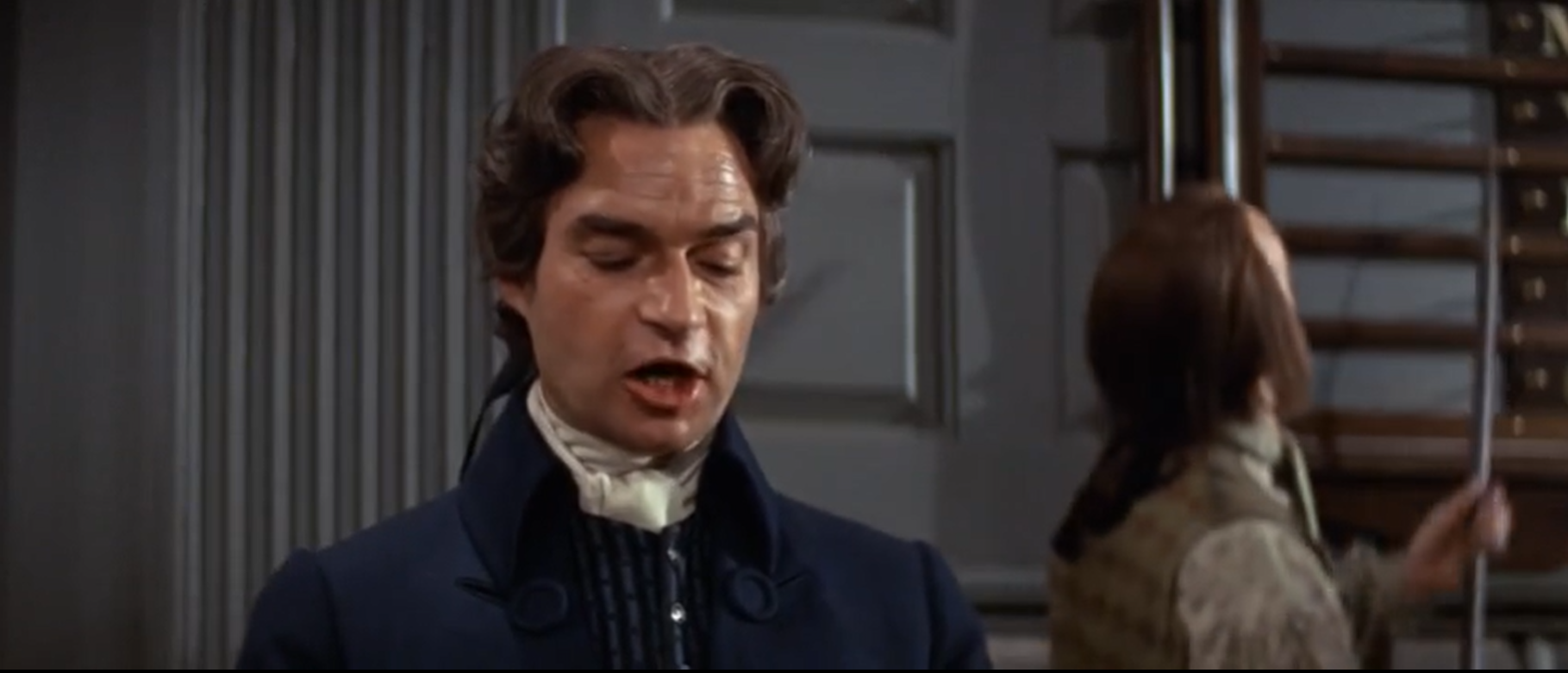
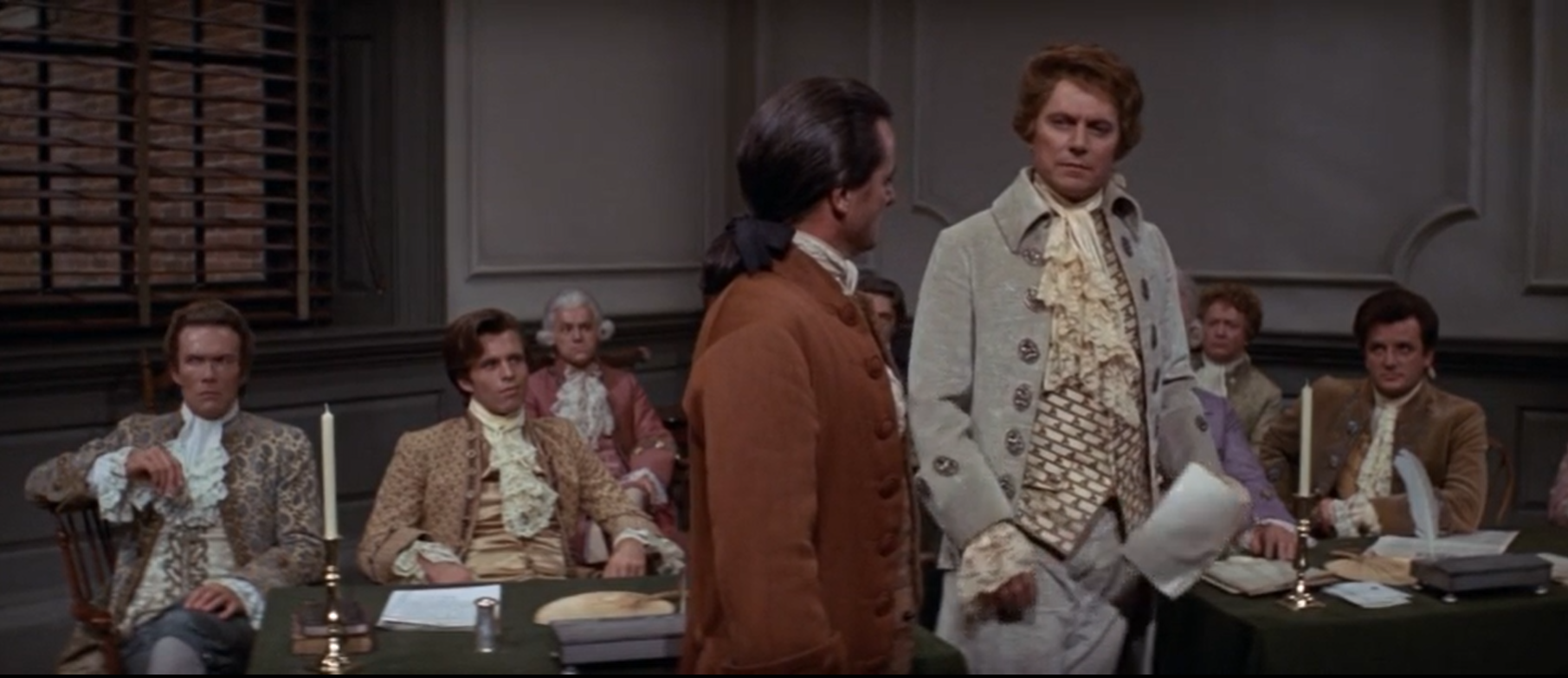
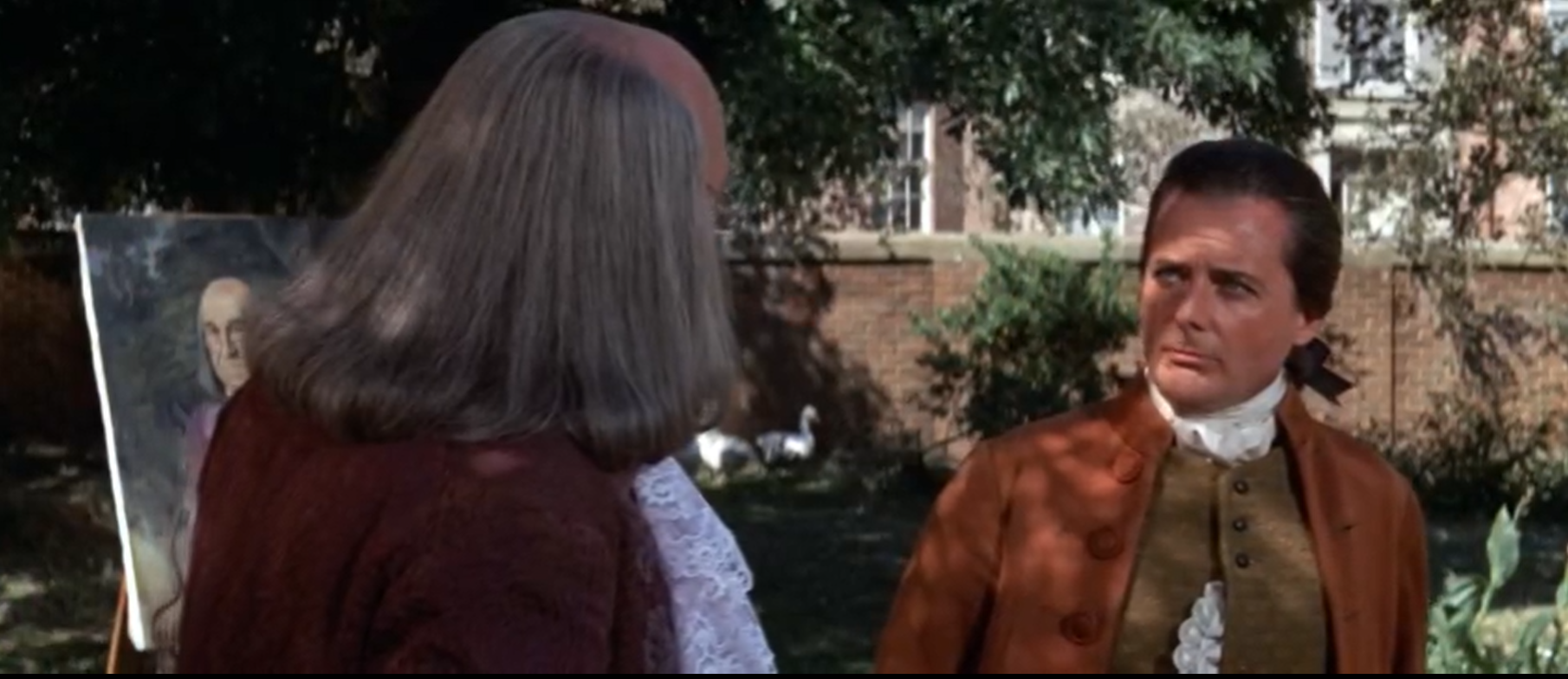
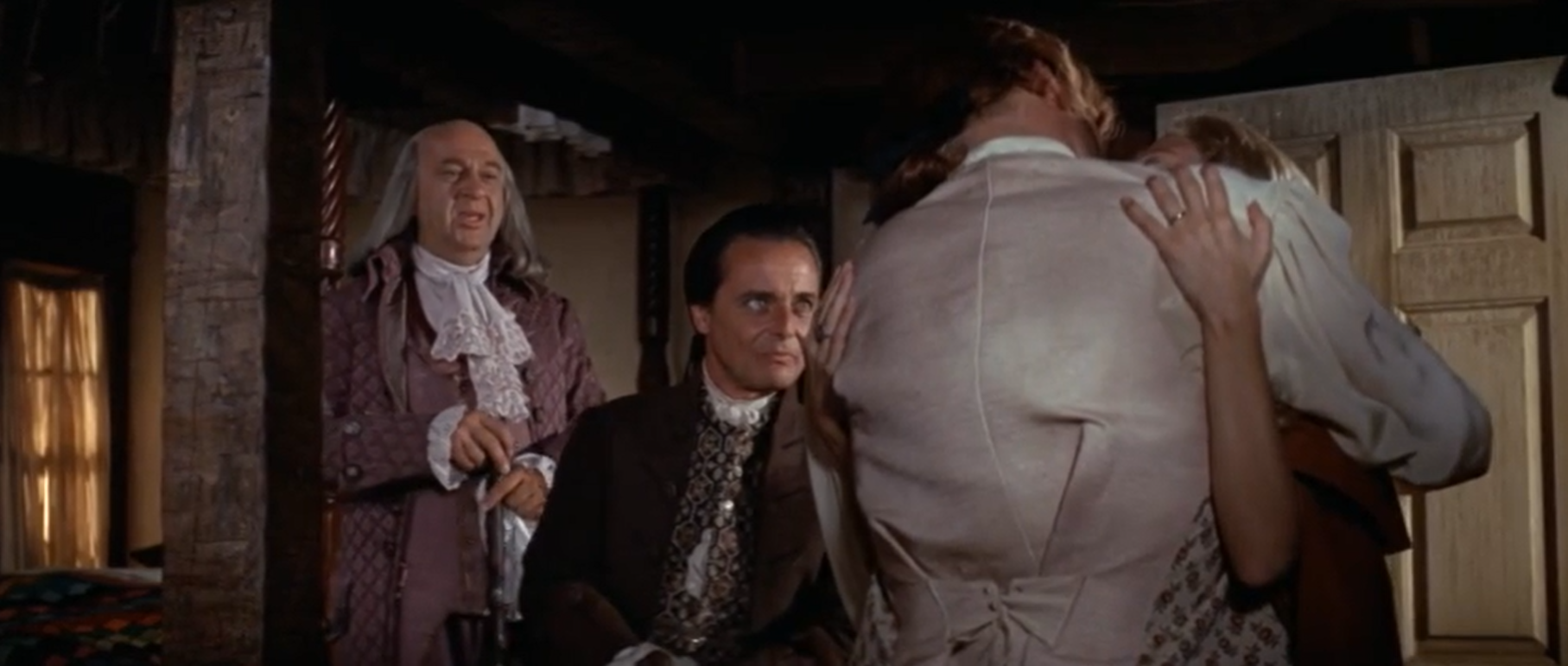
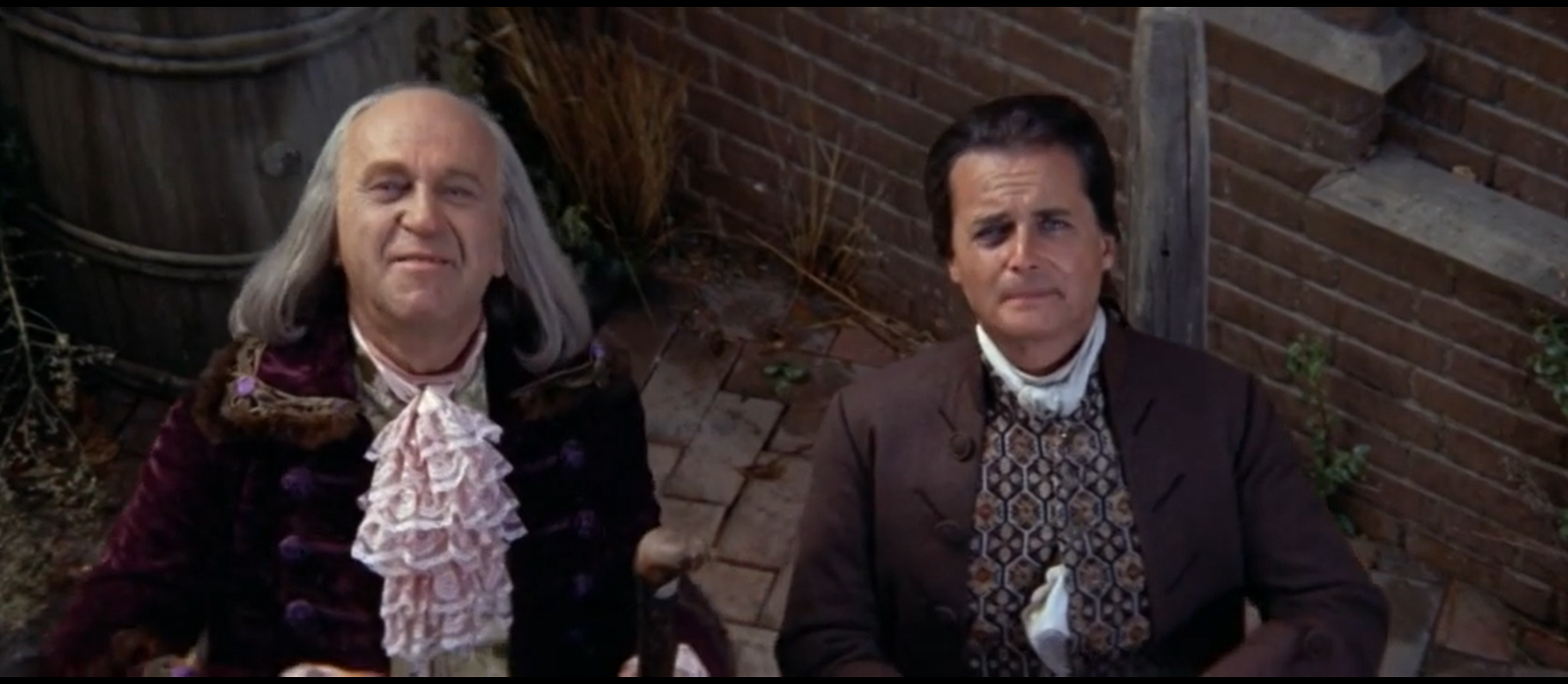
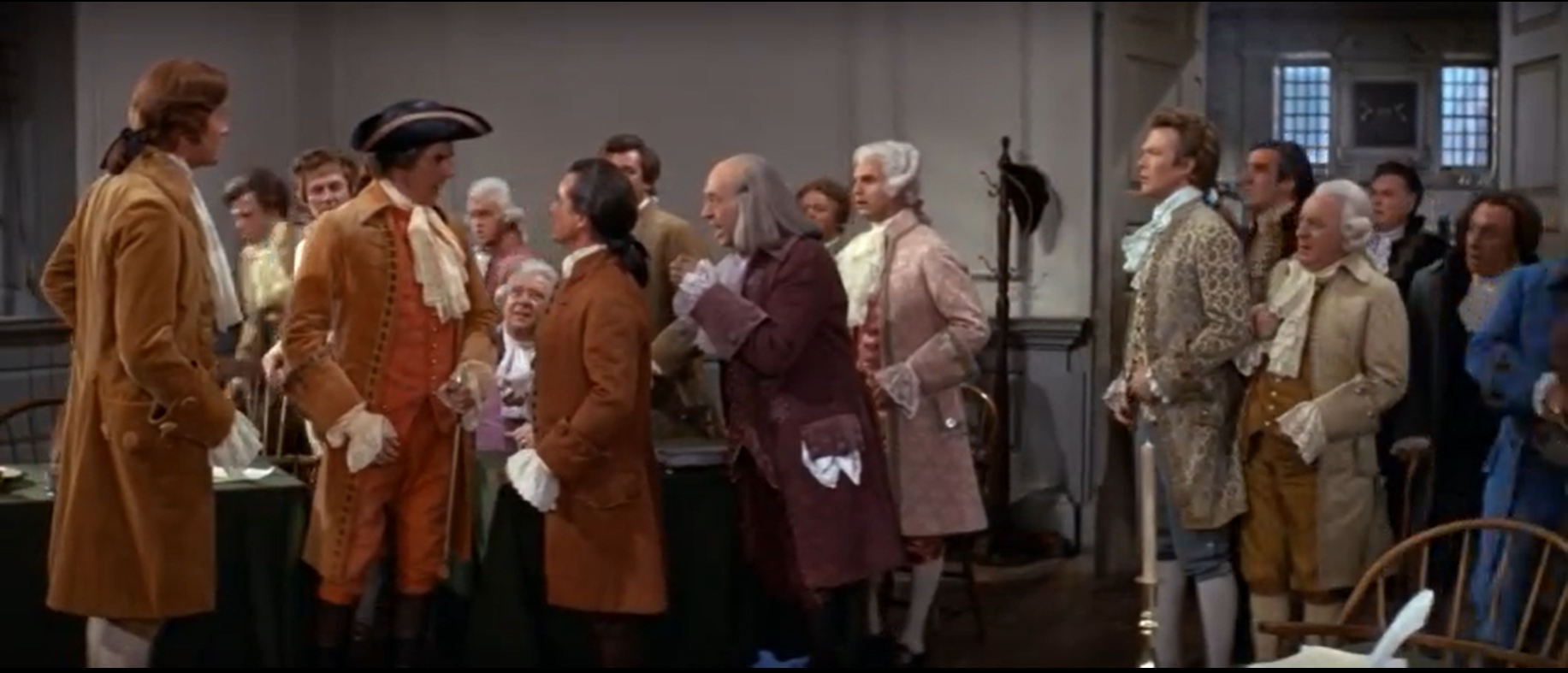
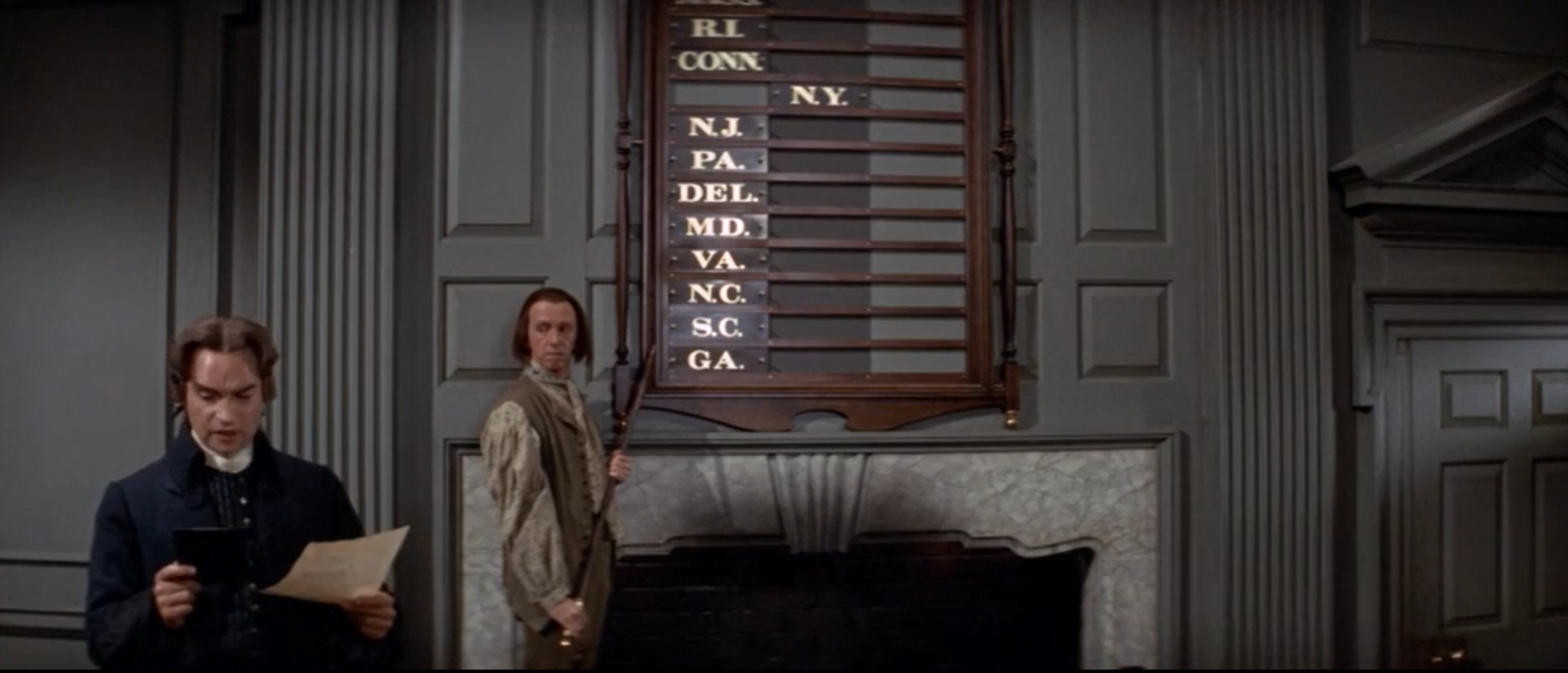
Review: … how dull and trite most of the Congress’s work generally felt: … and how contentious key issues (i.e., slavery) were to moving forward as a collective: Because we already know the eventual outcome of this momentous event, the storyline necessarily focuses on the personalities behind the scenes, highlighting (indeed, over-emphasizing) their key qualities for dramatic impact — so, we see Adams berating himself time and again for being so “obnoxious and disliked” (not actually true in real life): … Jefferson’s driving lust for his wife (Blythe Danner): … and Ben Franklin’s irrepressibly scampish nature (Da Silva is a highlight of the movie): Unfortunately, the songs aren’t all that thrilling, though a few will stick in your head (for better or for worse) long after they’re done. Notable Performances, Qualities, and Moments: Must See? Links: |
“I’ve been most divinely chaste!”
|
Synopsis: |
|
Genres, Themes, Actors, and Directors:
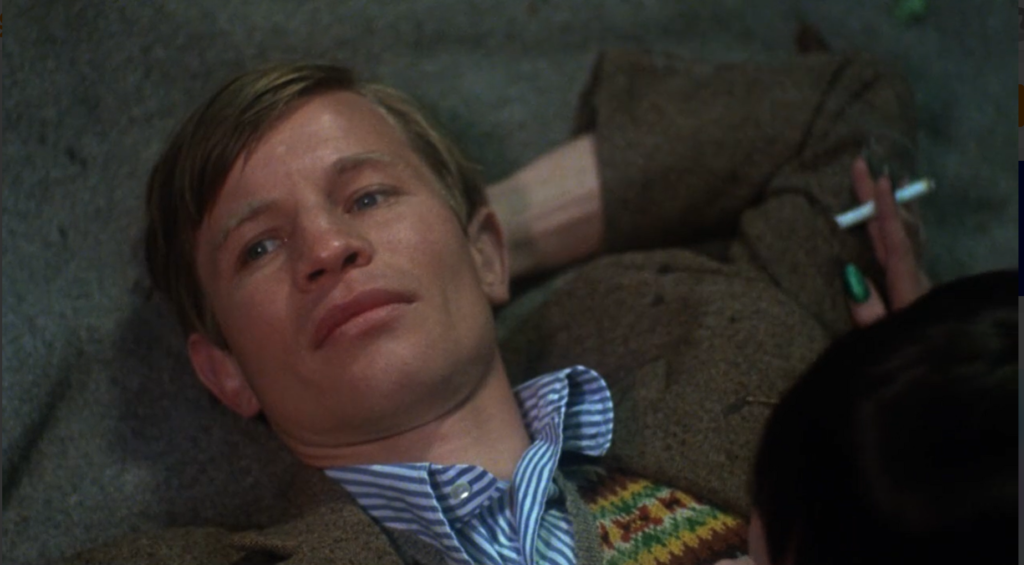
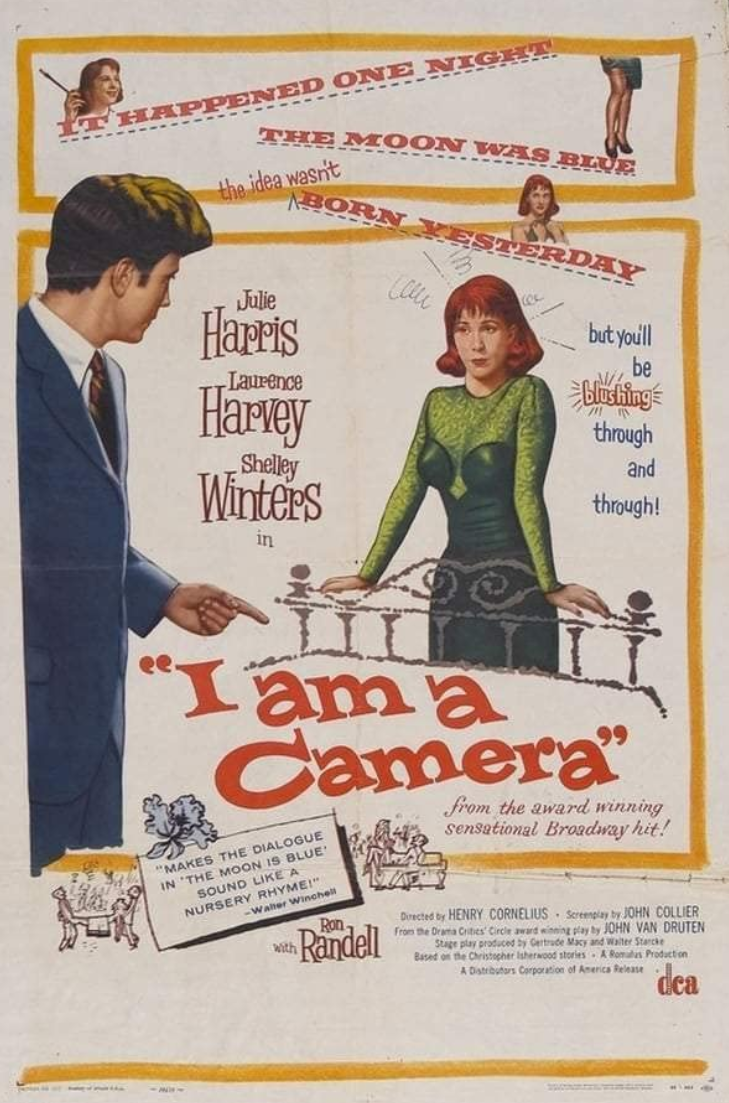
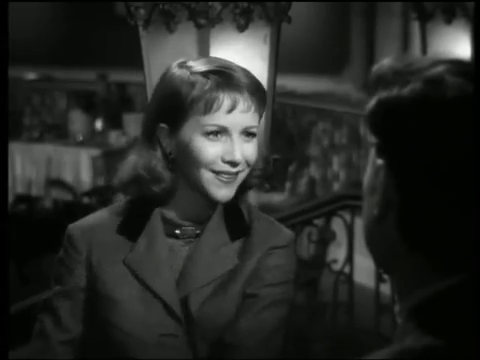
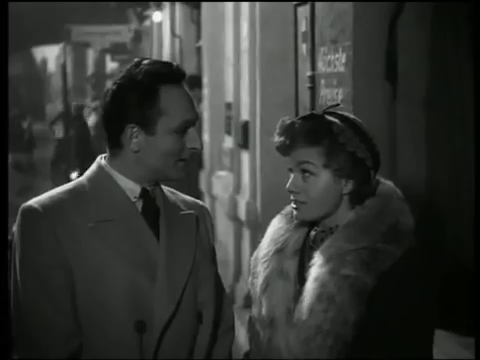
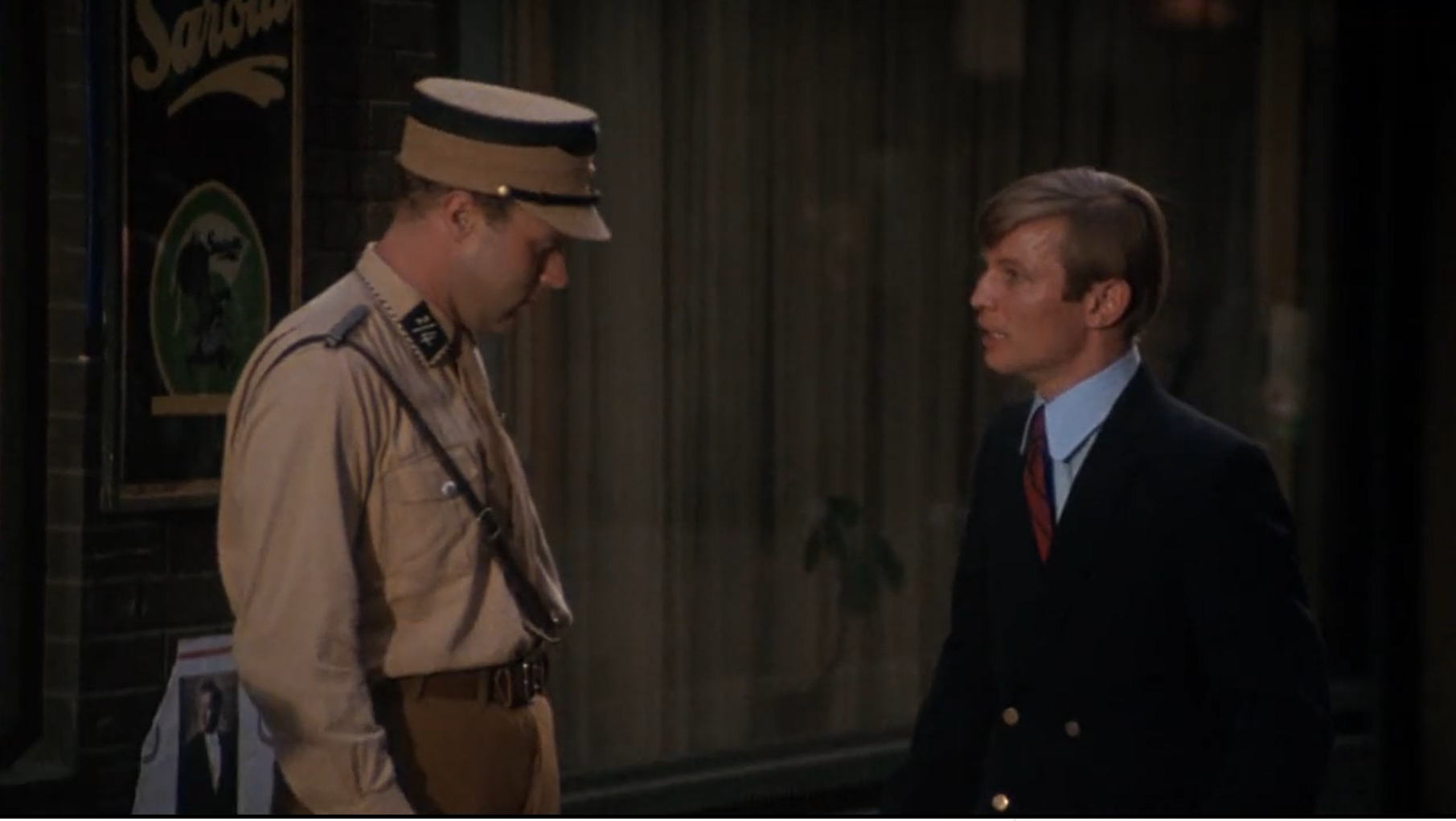
Review: Indeed, the entire affair has an air of comedy to it that underplays (while not entirely ignoring) the risk of rising Nazism: What’s primarily missing from this iteration of the story is any hint of Isherwood’s sexuality or intimate involvement with either Sally or the character played by Randell. Meanwhile, Diffring and Winters’ romance is simply glossed over quickly, and not given much weight or significance. While this film remains notable for taking risks most others at the time wouldn’t dare consider, it’s only must-see viewing for those interested in Isherwood’s stories. Notable Performances, Qualities, and Moments: Must See? Links: |
“That’s me, darling: unusual places, unusual love affairs. I am a most strange and extraordinary person.”
|
Synopsis: |
|
Genres, Themes, Actors, and Directors:
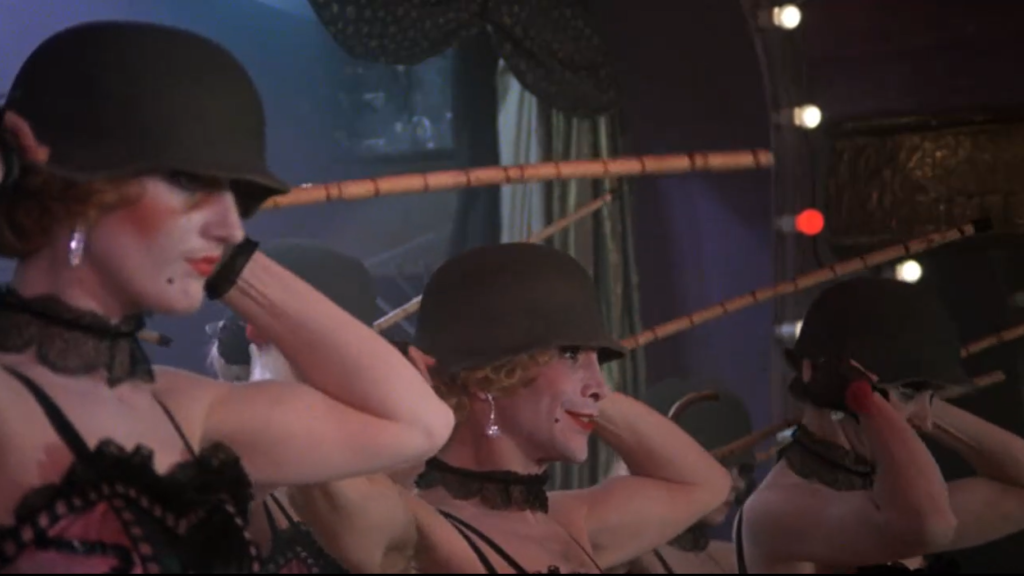
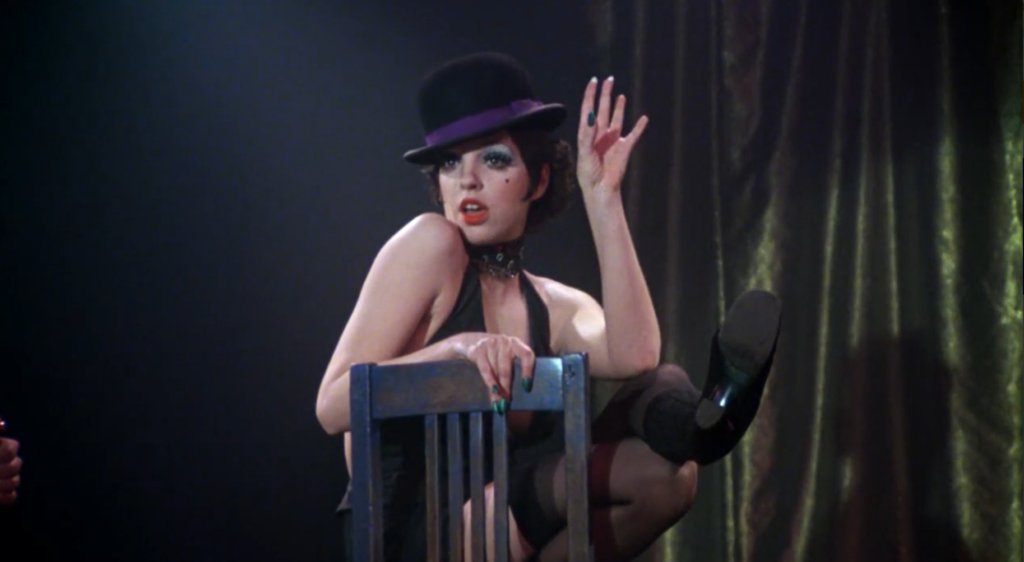
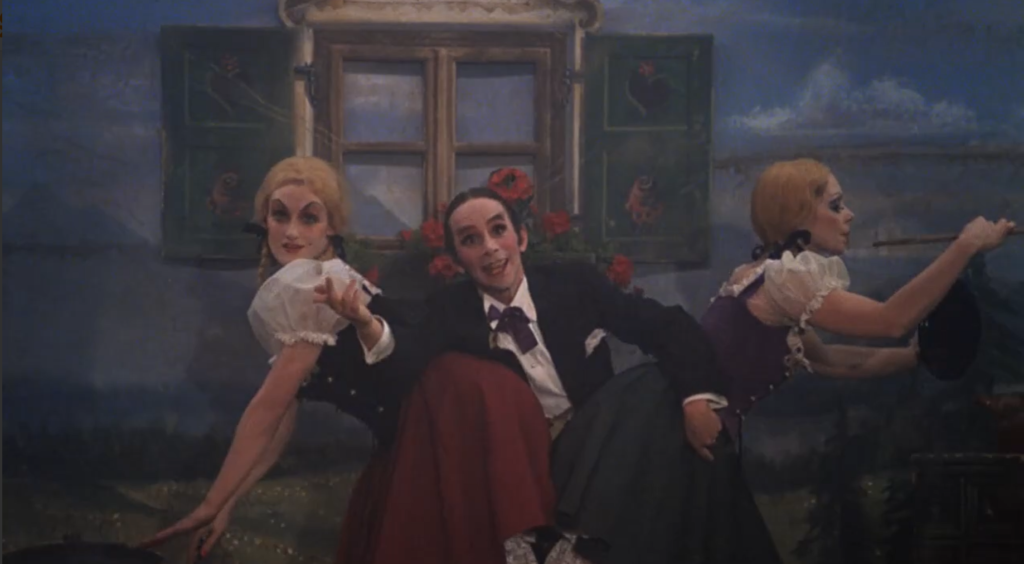
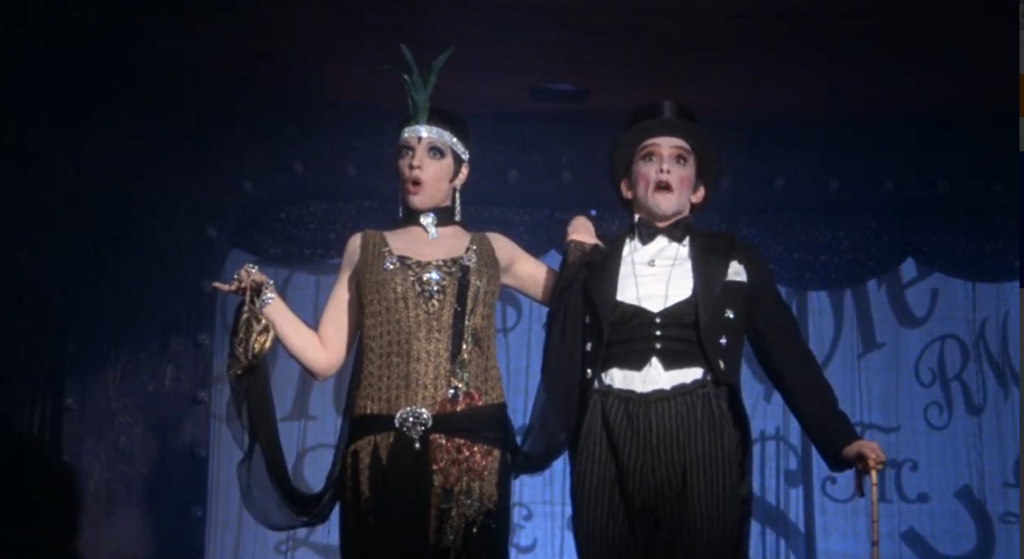
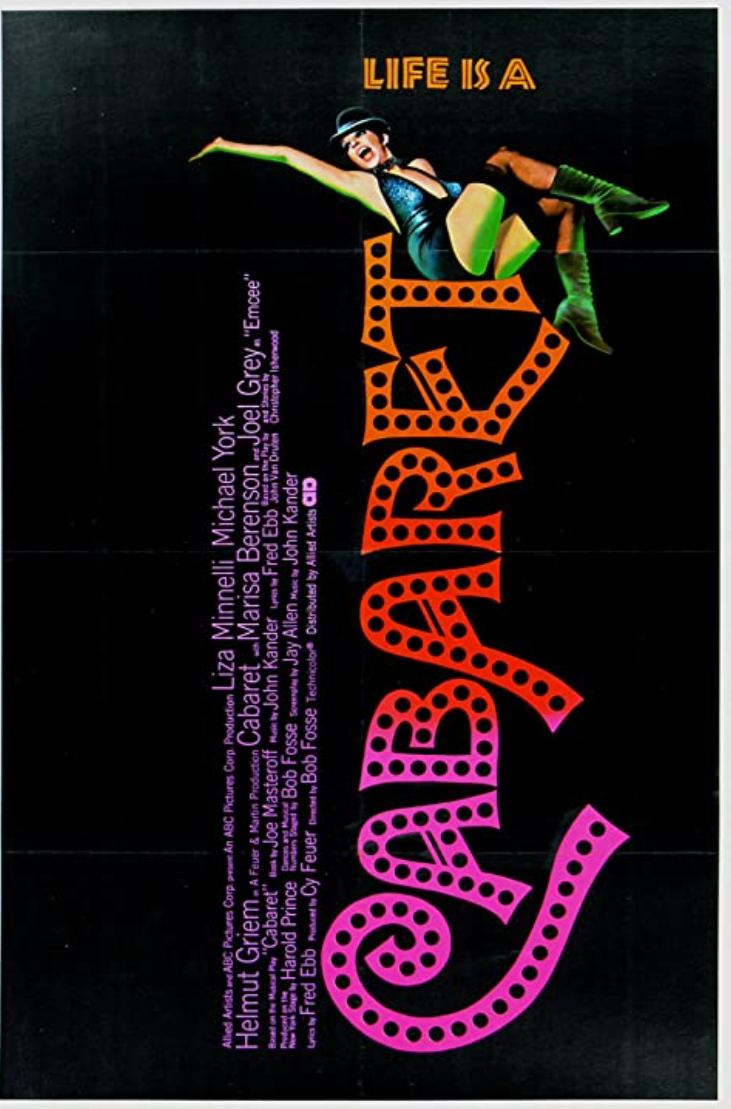
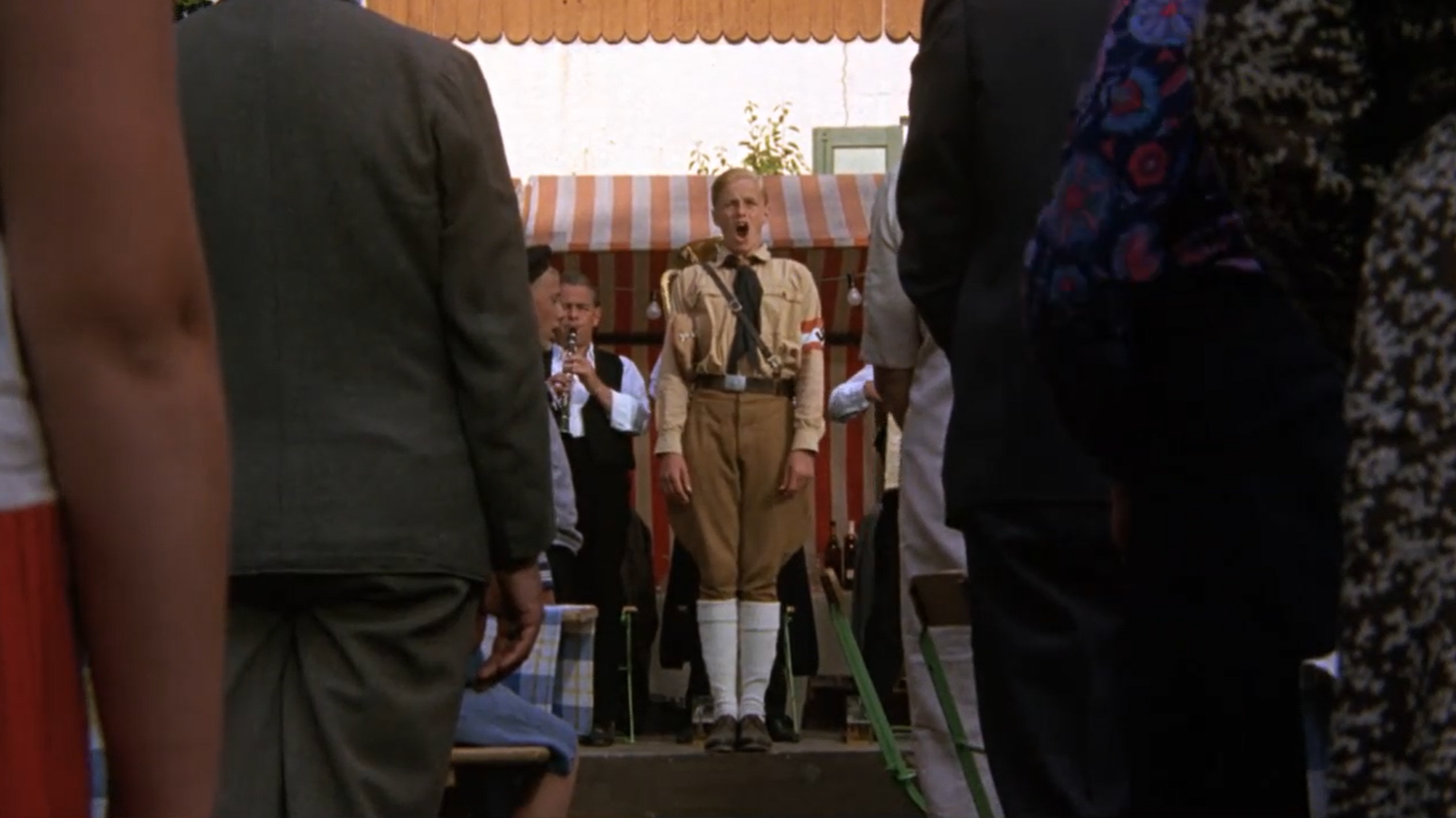
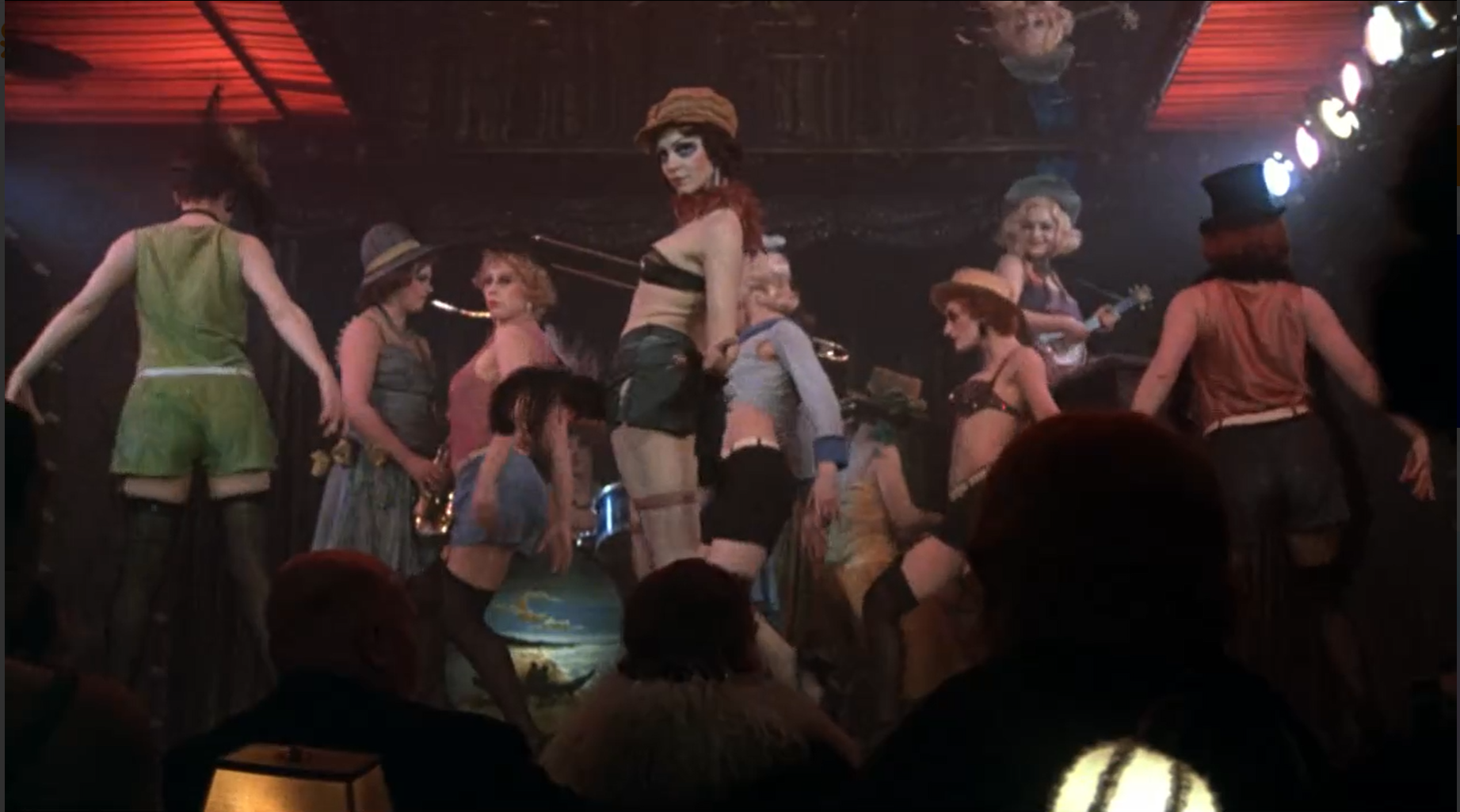
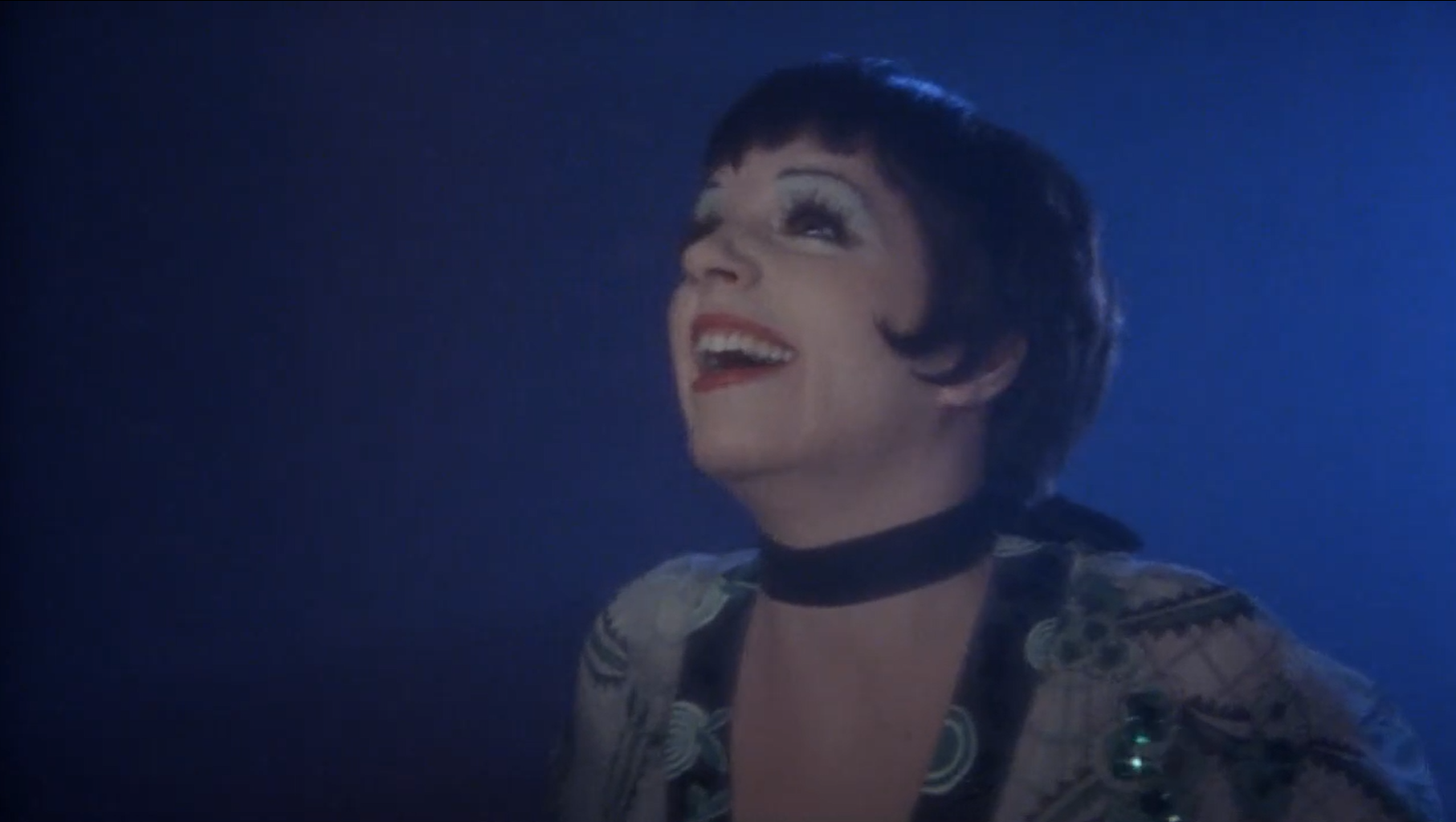
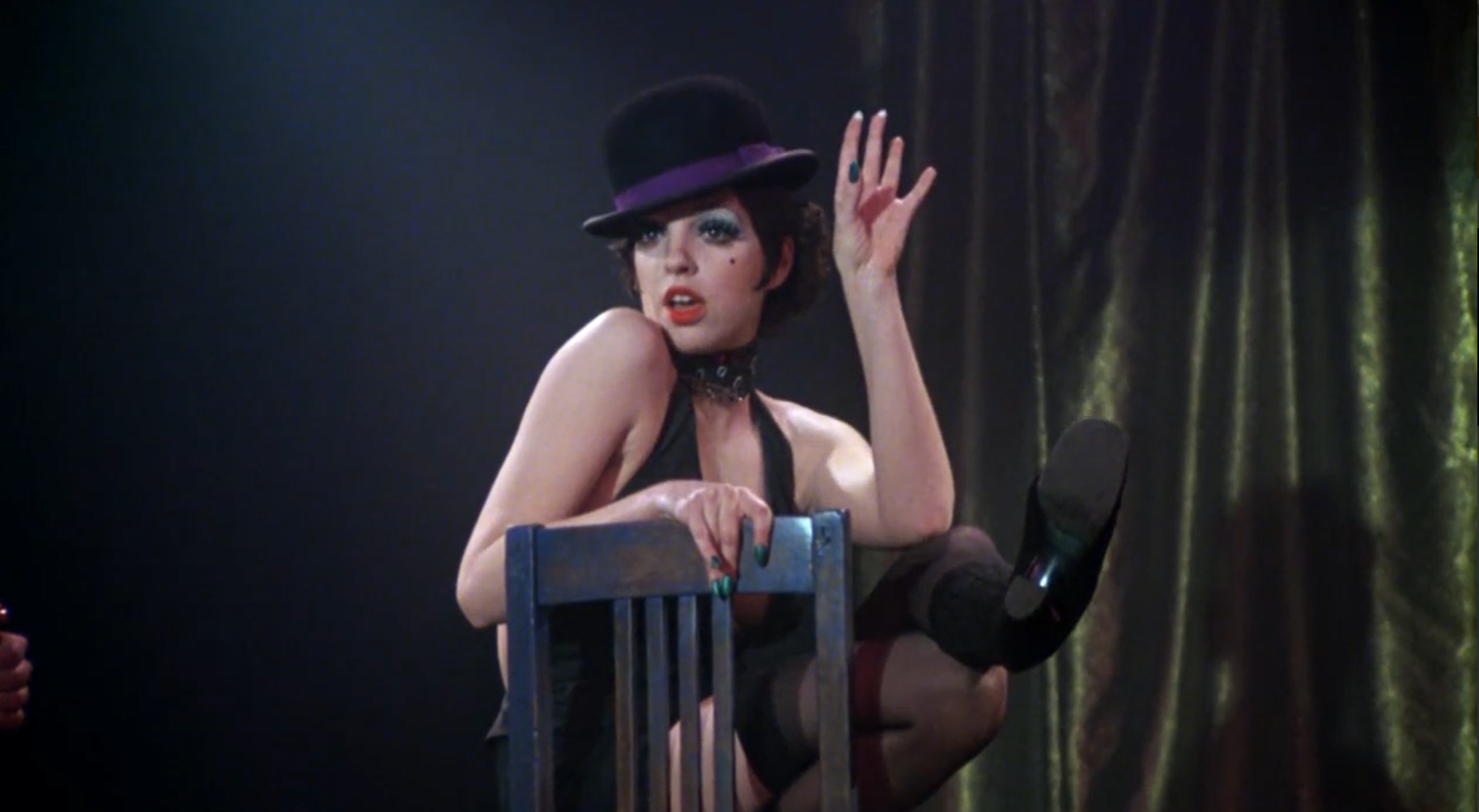
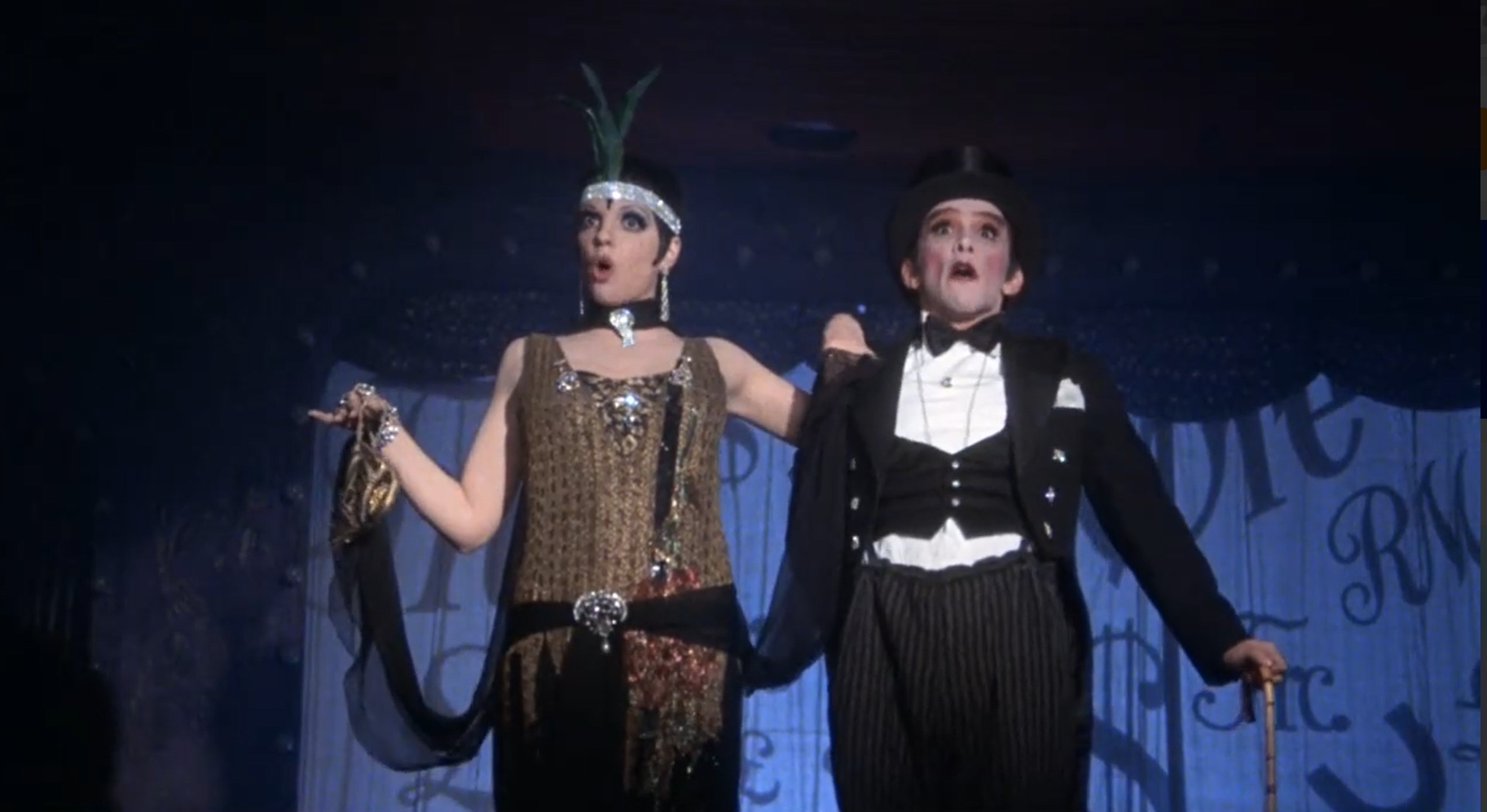
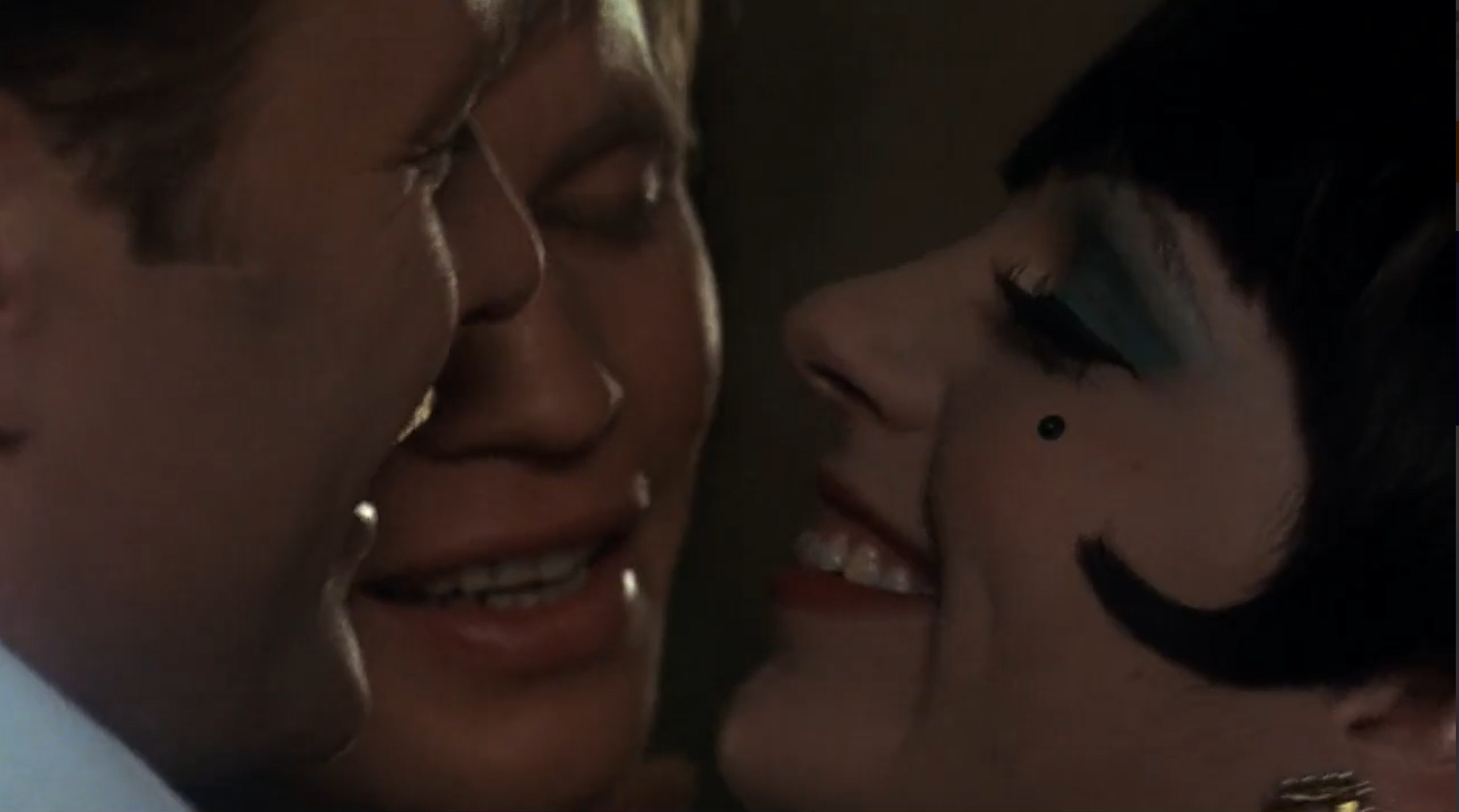
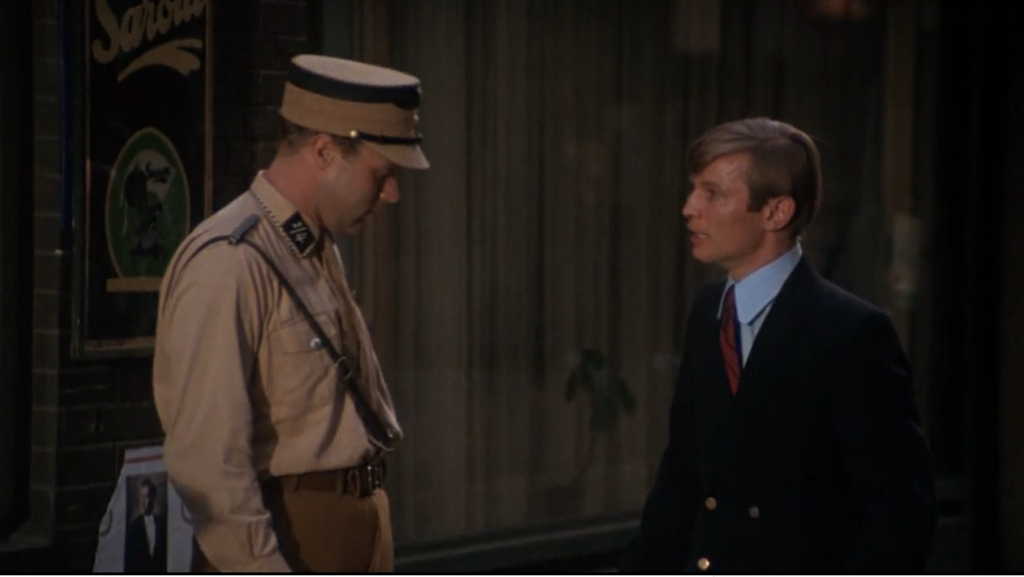
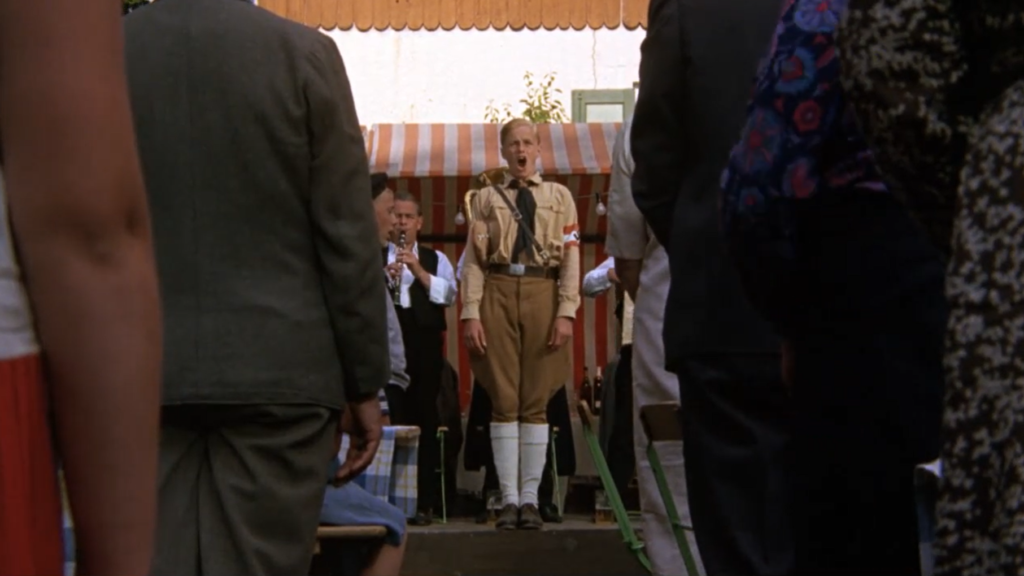
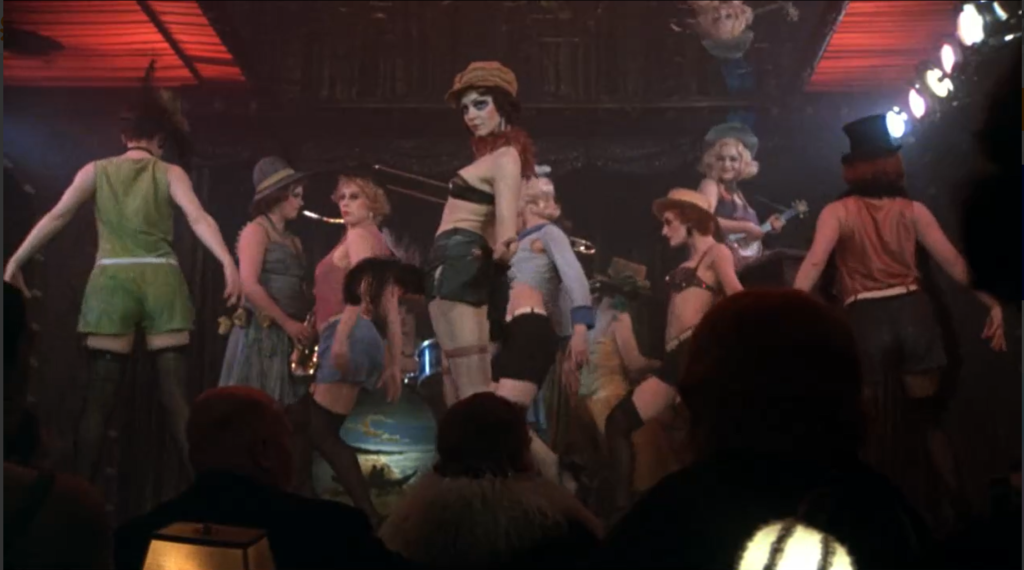
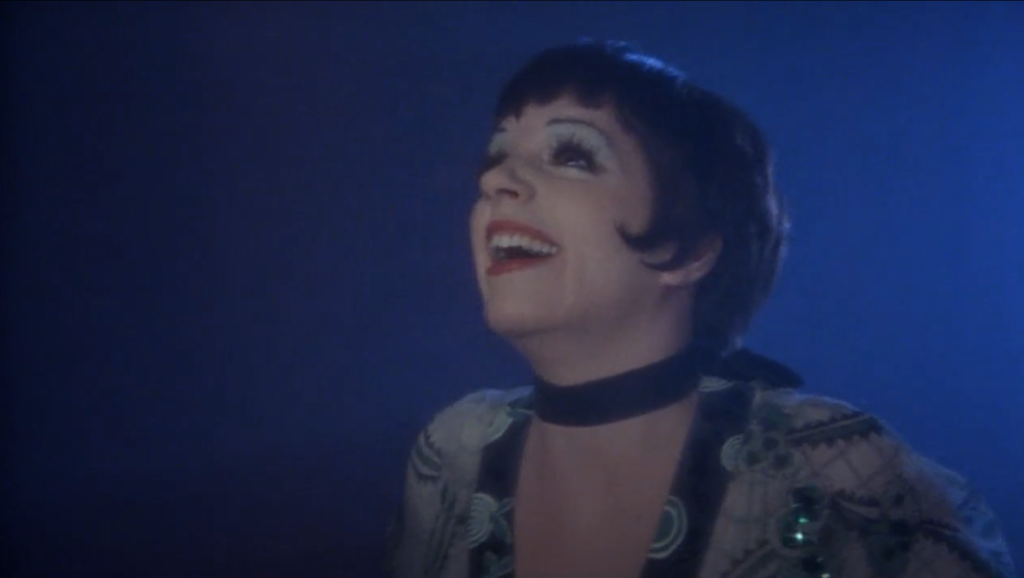
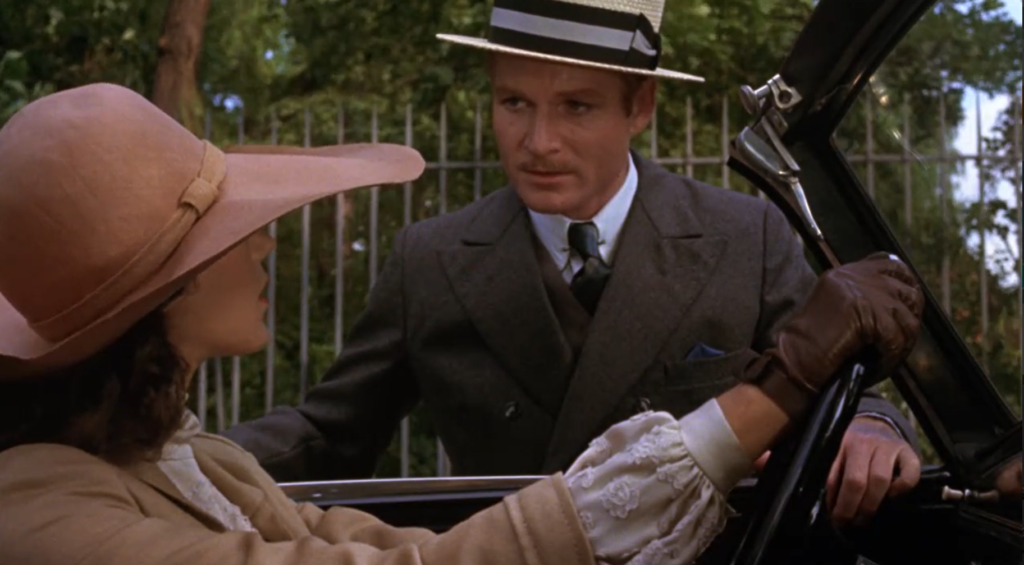
Response to Peary’s Review: … “has a seductive power, that violence is a natural [?] outgrowth of perversion:” [?!?!?!?!] … and “that Nazism was nurtured by moral decay.” (Perhaps so, given society’s broader reactionary response to it; but he neglects to add the important caveat that this supposed ‘moral decay’ — actually LGBTQ+ sex-positivity — was far from innately harmful.) He adds that the “film went back to old-style musicals in that all the songs (Fred Ebb and John Kander won an Oscar) are performed on the cabaret stage, except ‘Tomorrow Belongs to Me,’ which is eerily sung in an open-air cafe by young Nazis and exuberant Germans who join in.” Peary points out that the songs — including “Cabaret,” “Money,” and “Two Ladies” — are “unforgettably performed by Minnelli and cabaret emcee Joel Grey (who won a Best Supporting Actor Oscar) and a group of gyrating chorus girls,” with “these stunningly choreographed numbers… photographed (by Geoffrey Unsworth, who won an Oscar) in a stylized manner that emphasizes the performers’ sexuality and lewdness.” In Alternate Oscars, Peary agrees with the actual Academy in awarding Minnelli the Best Actress of the Year award, noting that while “it’s possible she would have won with just a mediocre performance because the Academy wanted to make up for its slight of her mother [Judy Garland],” “Minnelli gave such a dynamic performance that no one questioned her victory over a weak field of nominees.” He writes that “with those big, soulful eyes that flood her face with tears without need of a cue, a stunned, open-mouthed, little-girl pout, and a tries-too-hard-and-makes-a-fool-of-herself manner, Liza Minnelli was peerless at seducing audience pity for her characters,” as she had in The Sterile Cuckoo and would again in New York, New York. He adds that “it is during Fosse’s stylized musical numbers that Minnelli completely amazes us, whether singing marvelous solos, or duets with Joel Grey… We are jolted by these performances, suddenly remembering that her acting, as fine as it is, is only her second-best talent.” While I’m not particularly enamored by the sub-plots involving more peripheral players (i.e., Berenson and Wepper’s romance): … the songs and visuals keep one consistently engaged, and better able to stomach the film’s sobering historical context. Notable Performances, Qualities, and Moments:
Must See? Categories
(Listed in 1001 Movies You Must See Before You Die) Links: |
“We’ve no alternative; we must have Modesty Blaise.”
|
Synopsis: |
|
Genres, Themes, Actors, and Directors:
Review:
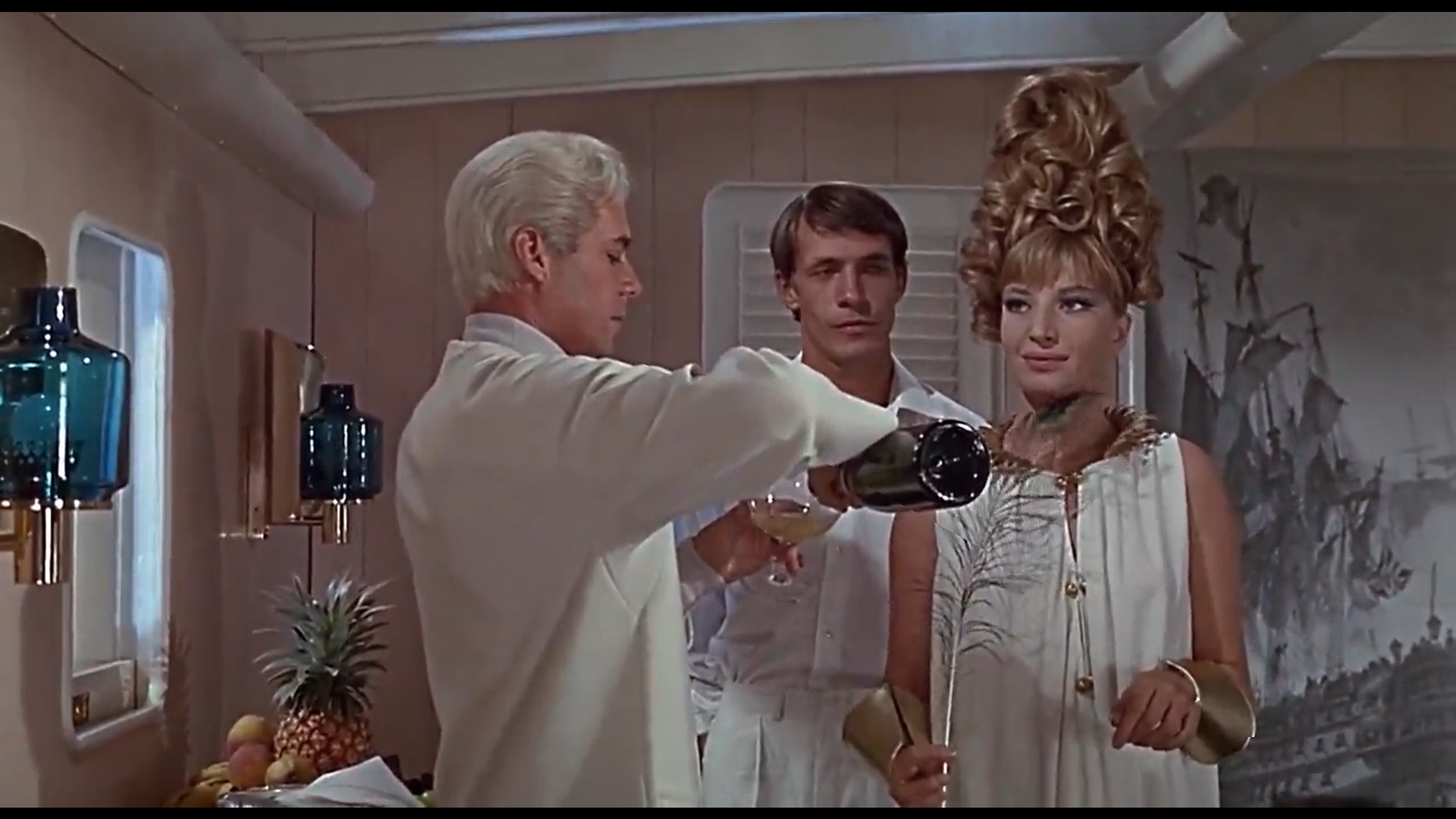
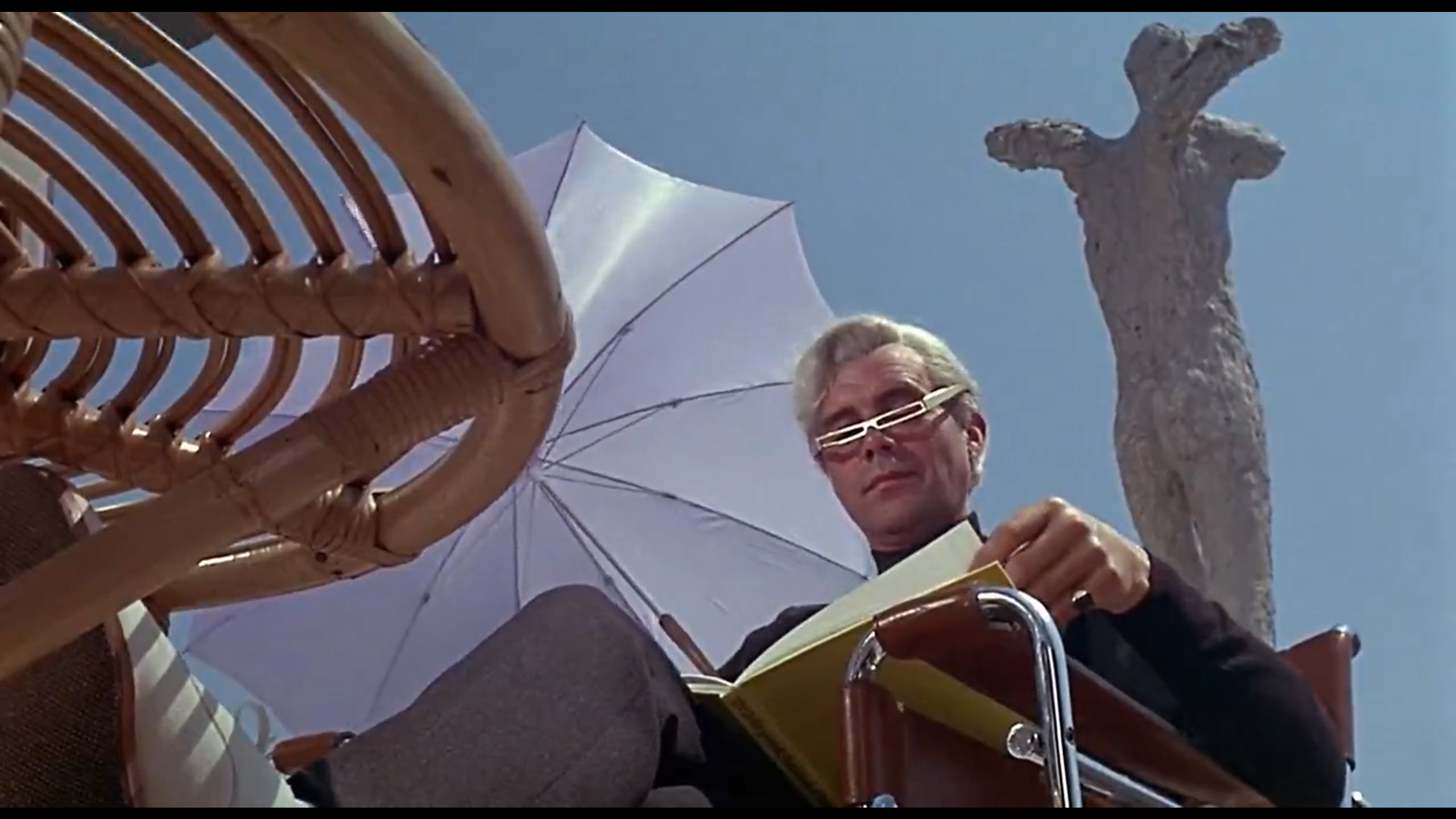
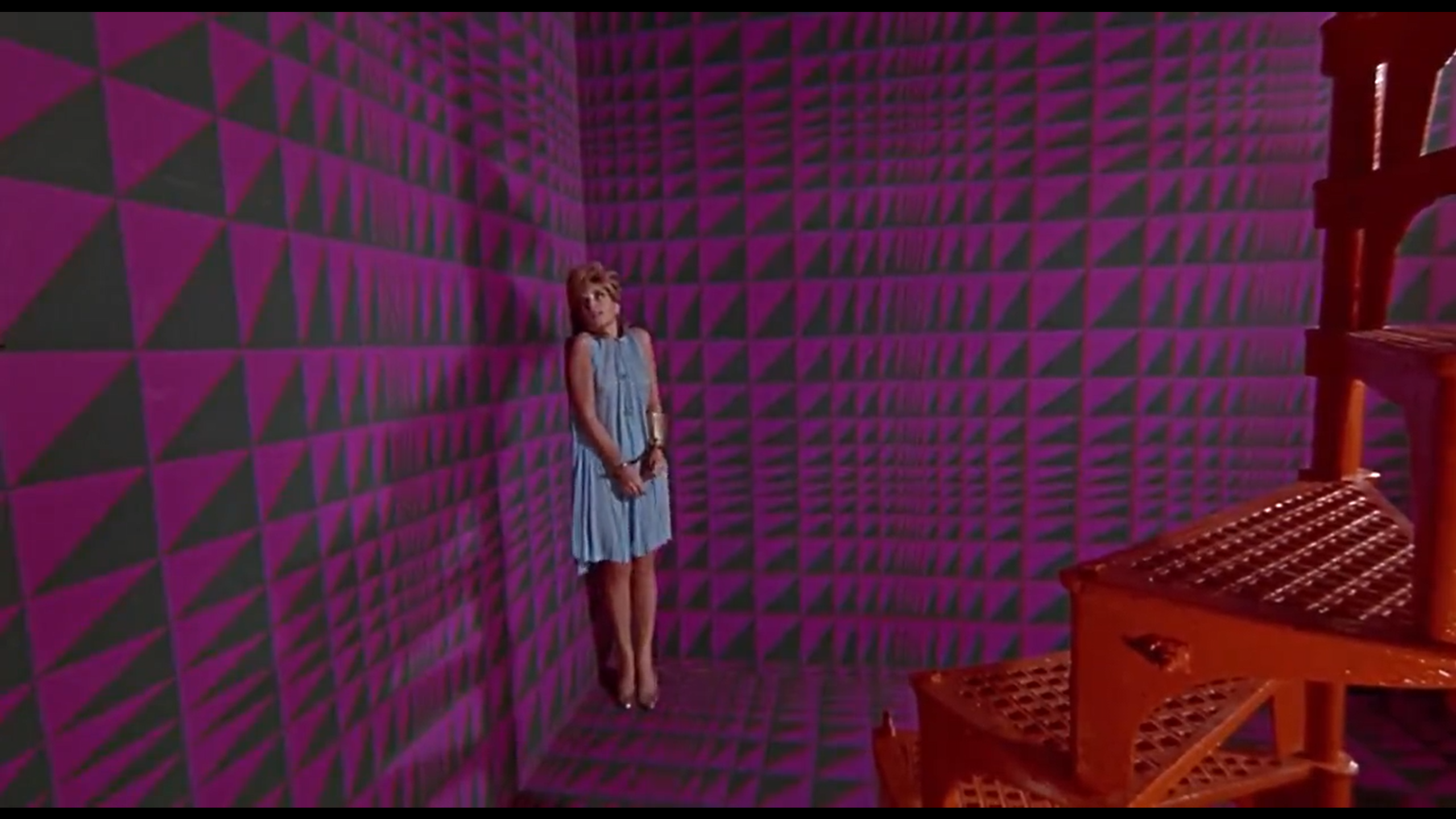
Later, DVD Savant describes it as “a comedy without laughs, that has no control over its tone” — a movie that “starts like a James Bond film and crumbles into rather boring scenes punctuated by pitiful jokes and impenetrable in-jokes.” Italian actress Vitti — best known for her starring roles in Michelangelo Antonioni’s L’Avventura (1960), La Notte (1961), L’Eclisse (1962), and Red Desert (1964) — is appropriately quirky and beautiful yet somehow not quite believable as an agile super-spy: Much more intriguing (though under-developed) is Bogarde’s fussy super-criminal Gabriel, wearing dapper clothes and a silver wig and caring far too much about details of the food he eats: … while allowing torture and killings to occur around him. This movie has color and style to spare, but it’s frustrating to be tossed from set to set — with Vitti rapidly changing outfits and hair colors as well: — for no real purpose other than whimsy. Given its budget, Modesty Blaise had the potential to be a clever, female-centric send-up of James Bond flicks, but it falls far short of this goal. Notable Performances, Qualities, and Moments: Must See? Links: |
“All aristocrats were made to be… killed.”
|
Synopsis: |
|
Genres, Themes, Actors, and Directors:
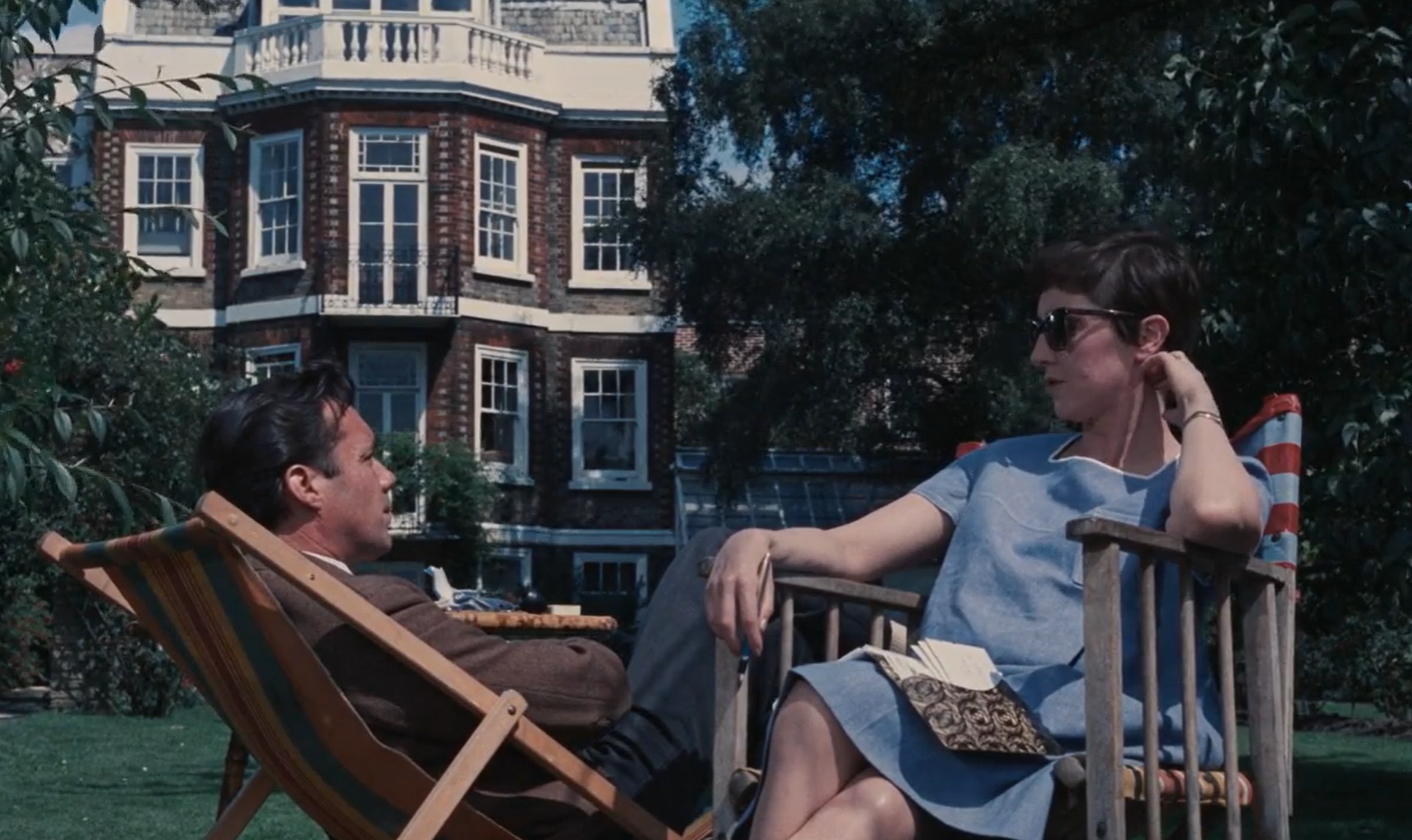
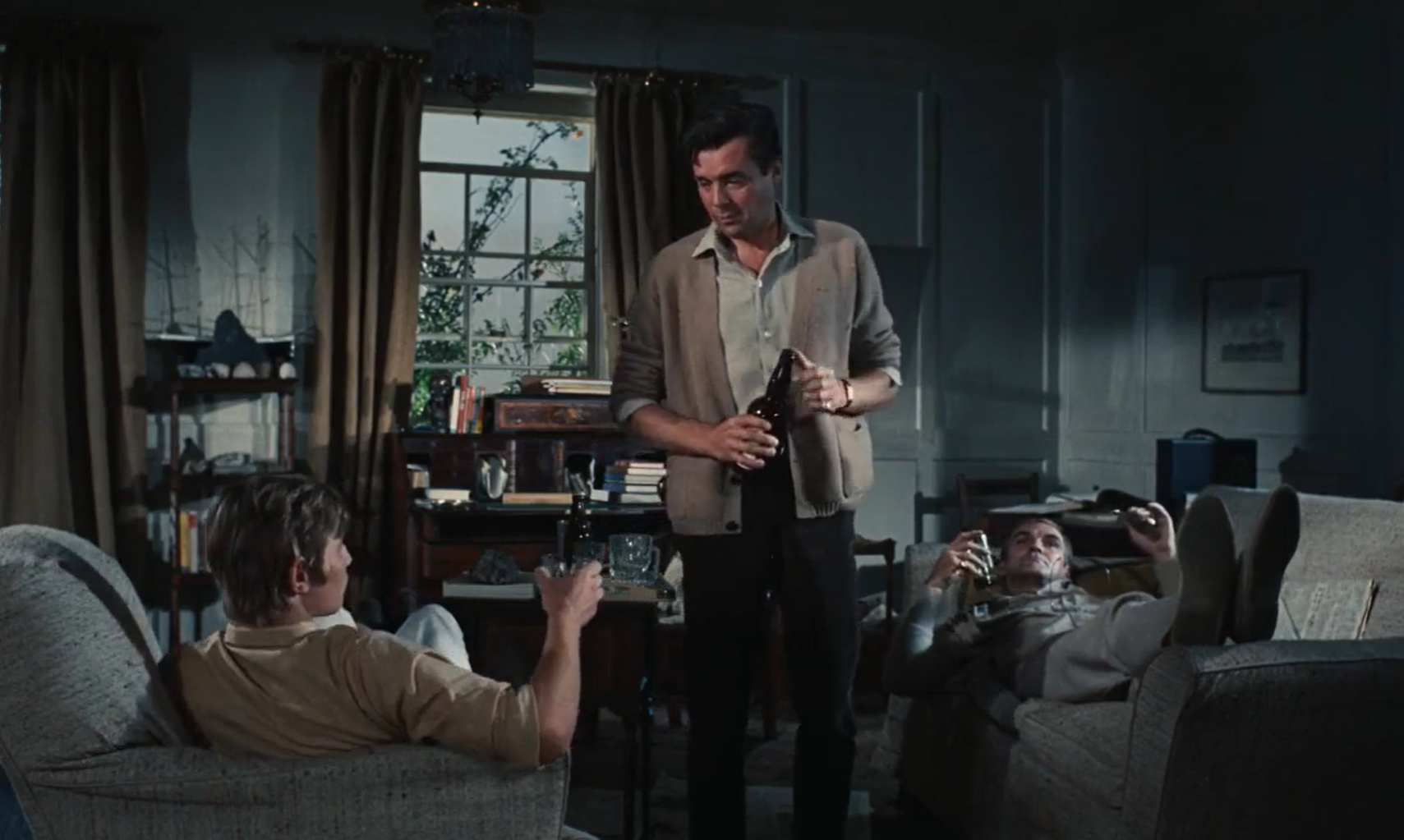
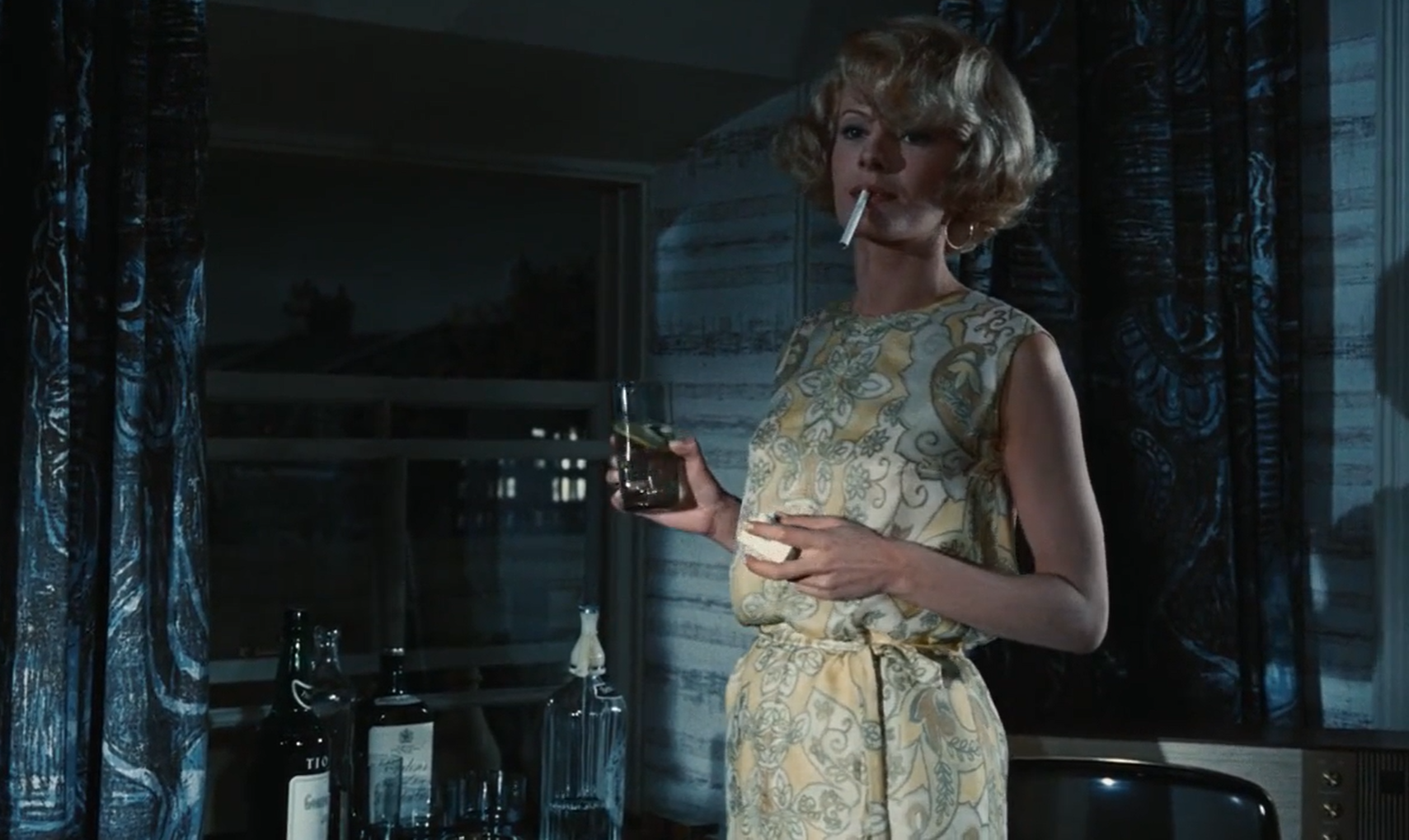
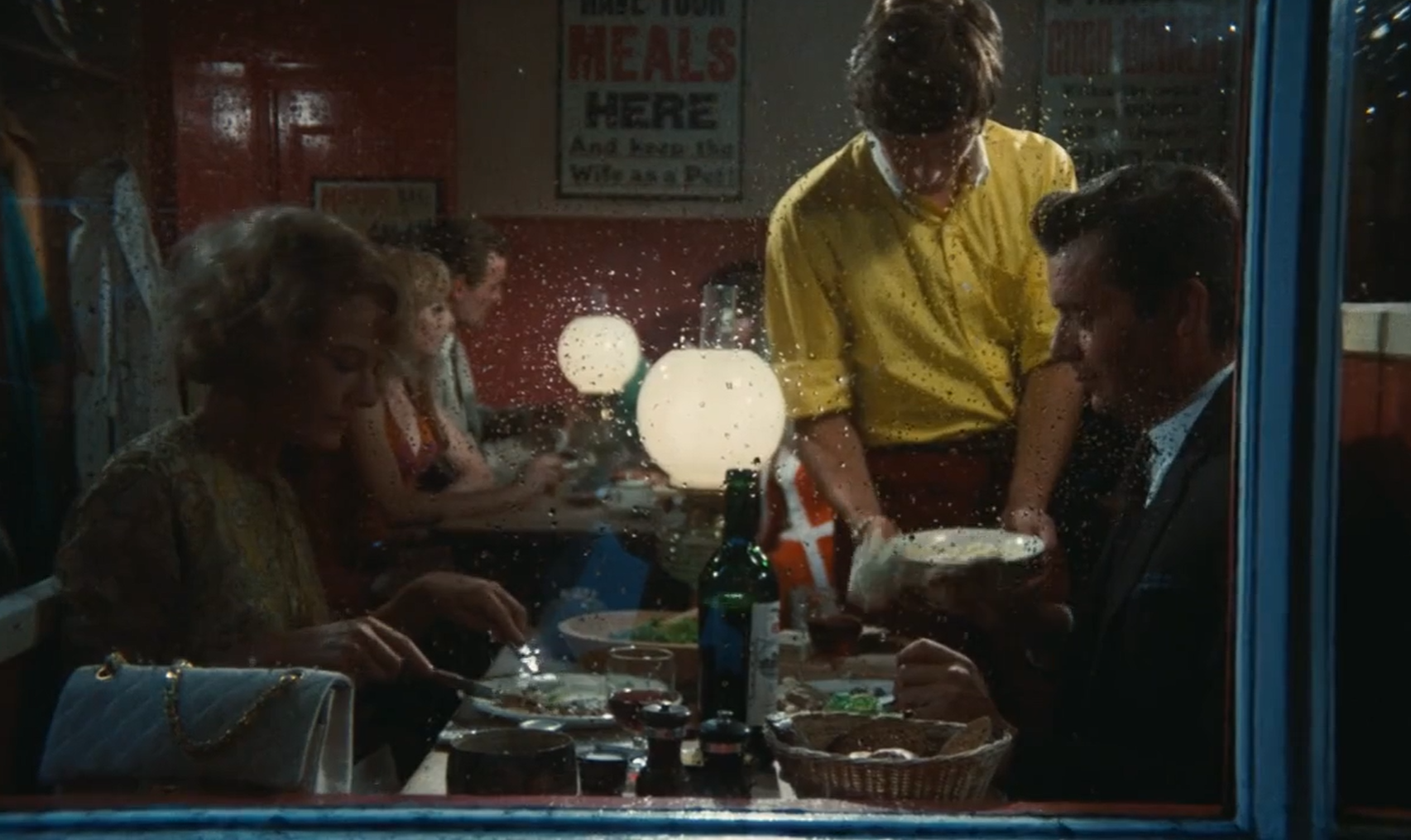
Review: … though her role is peripheral and she has little agency over matters given her advanced pregnancy. Mostly we’re forced to watch insecure middle-aged men lounging around, drinking too much, and treating infidelity as casually as stopping to fill up a tank of gas: Sassard, meanwhile, is merely a vapid beauty with no defining characteristics — or interests! or thoughts! — at all. Delphine Seyrig shows up at one point for a small role, but we don’t like her character either, so… At least the sets and cinematography are beautiful to look at. Notable Performances, Qualities, and Moments: Must See? Links: |
“What do you want from this house?”
|
Synopsis: |
|
Genres, Themes, Actors, and Directors:
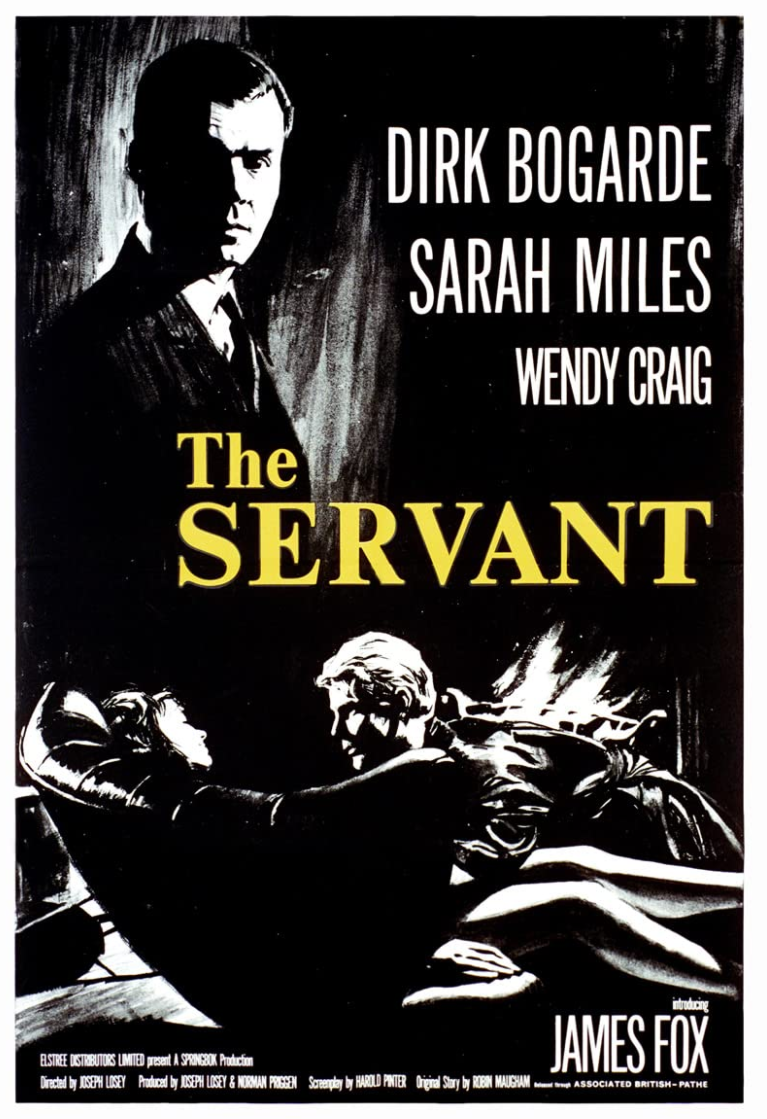
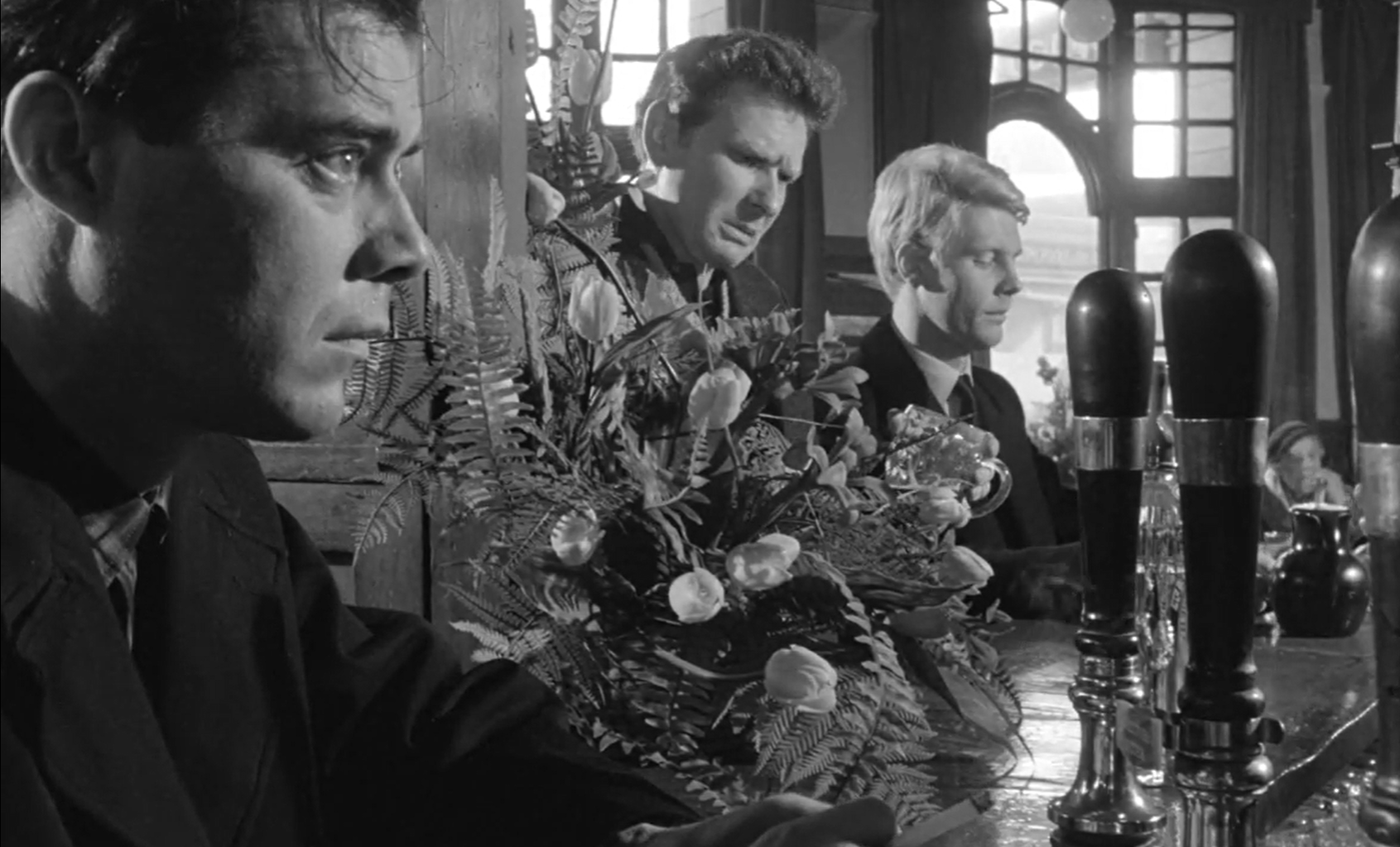
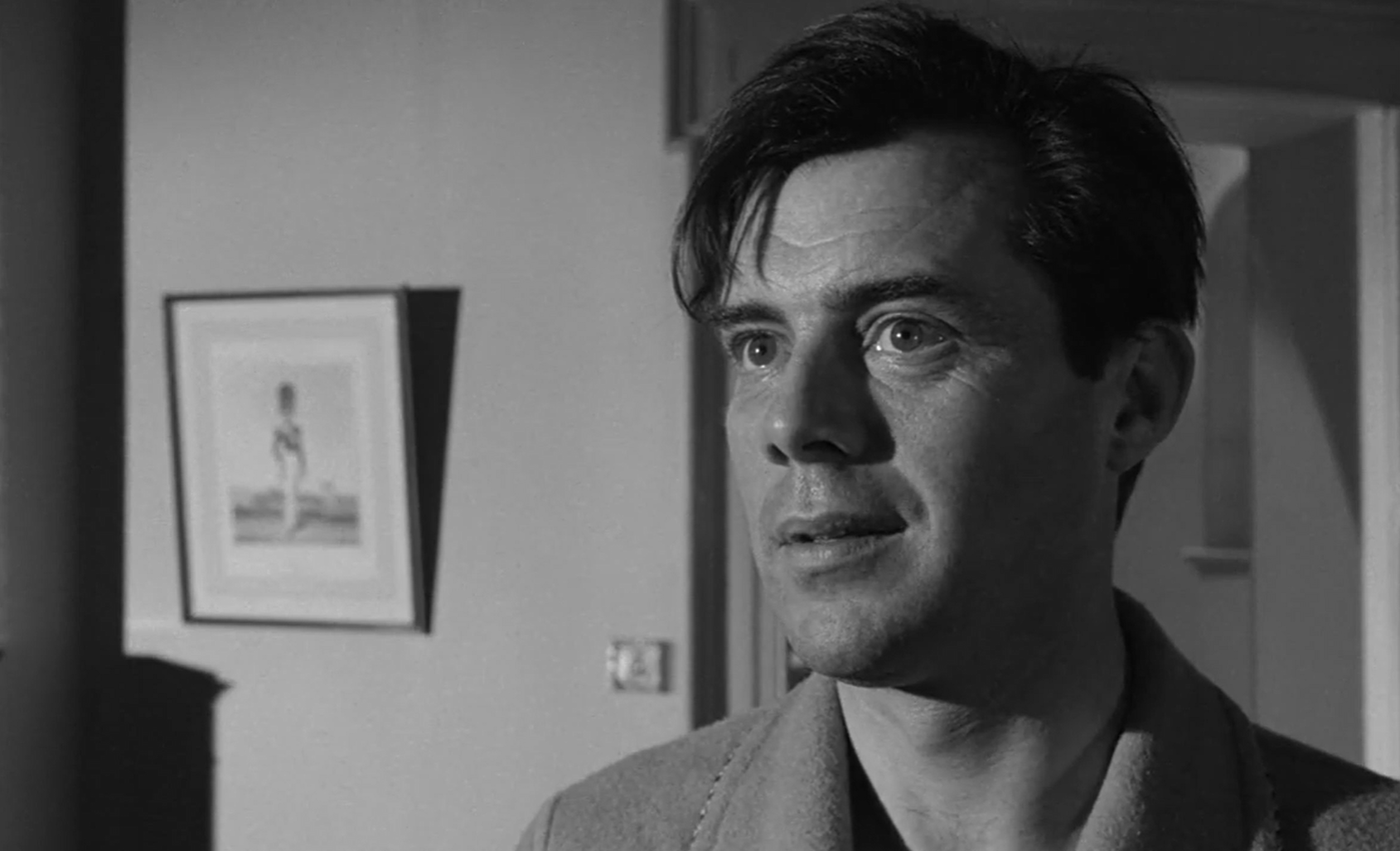
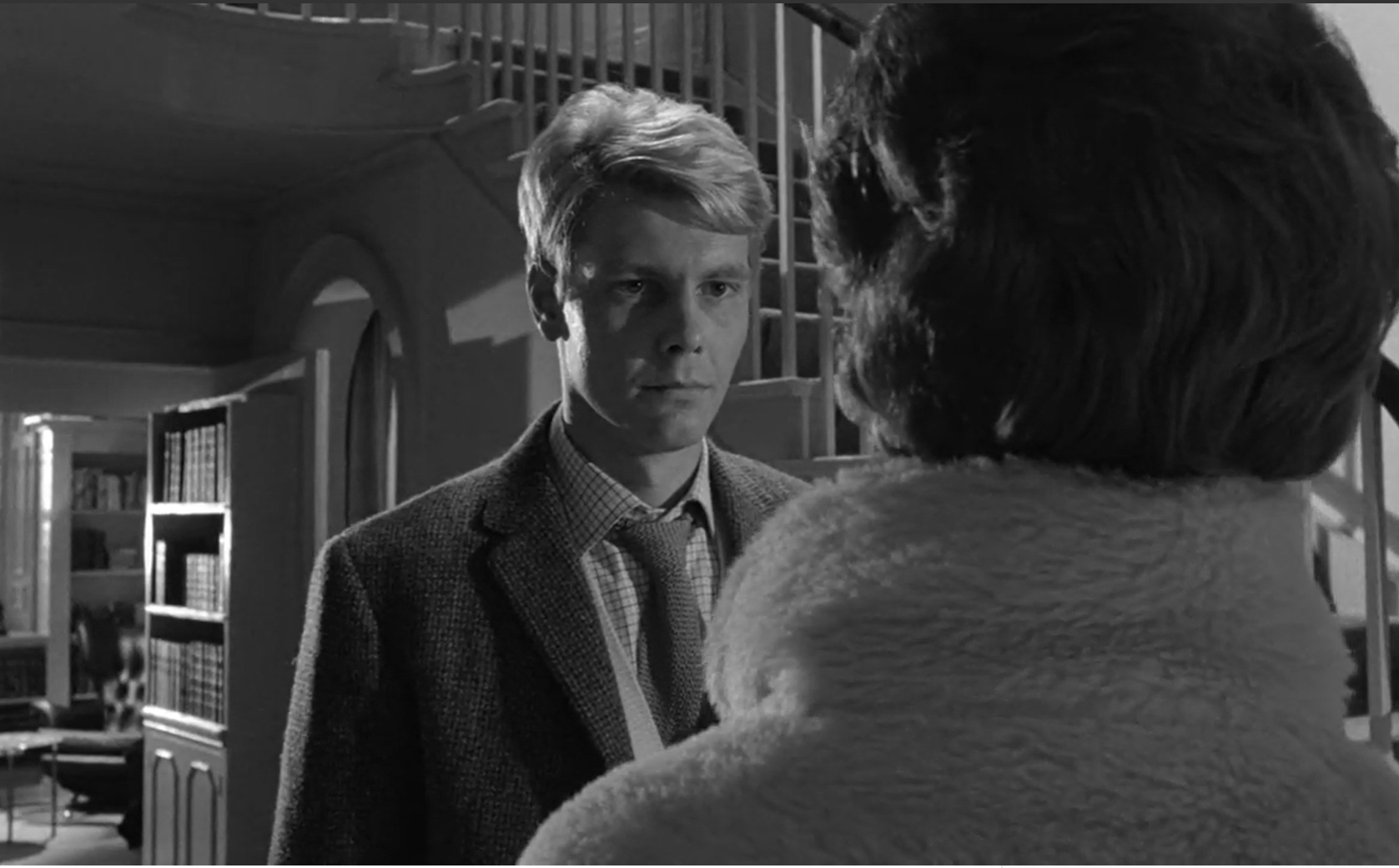
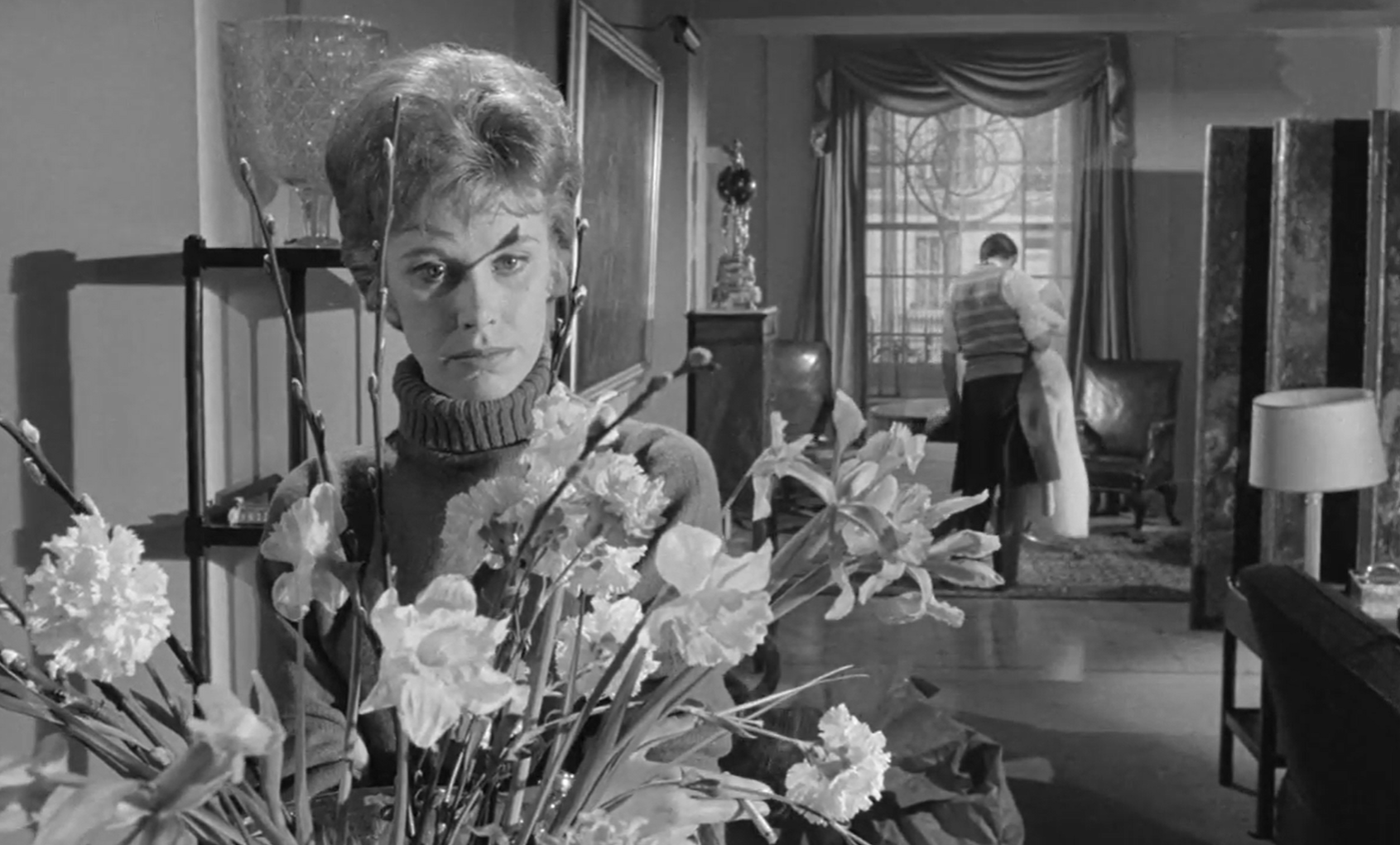
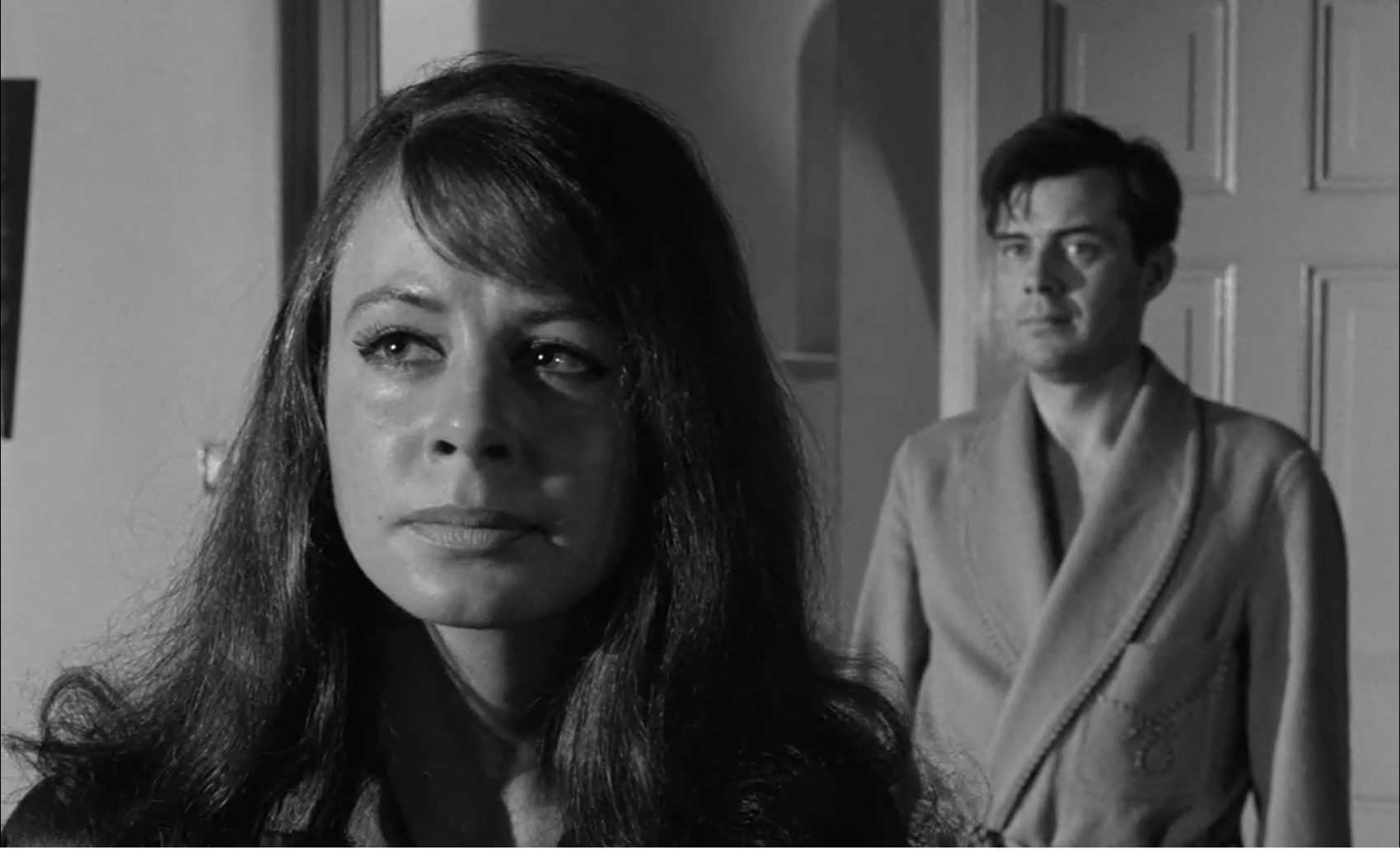
Review: Equally compelling is Craig in a role which could easily be tossed off as peripheral or shrewish, but instead posits her as an uneasy bridge between Fox’s two worlds. Fox, meanwhile, brings just the right blend of arrogance and insecurity required by his role, wherein we easily vaccilate between generalized contempt and authentic pity for his situation. Viewers should be prepared for an unlikely turn of events midway through, and then another — until one finally realizes this film has become a dark and surreal nightmare. Douglas Slocombe’s shadowy cinematography heightens this sensation: … and Losey’s direction emphasizes power relations and domination at every turn: While some have complained that the very odd ending — specifically the unexpected behavior of a particular character — throws one off, I would argue that it’s all of a piece with the film’s vision of Tony’s existence (and by extension, all of upper-class Britain) having become topsy-turvy and unnerved. Notable Performances, Qualities, and Moments:
Must See? Categories
(Listed in 1001 Movies You Must See Before You Die) Links: |
“Mothra doesn’t understand right and wrong. She has only the instinct to take us back to the island.”
|
Synopsis: |
|
Genres, Themes, Actors, and Directors:
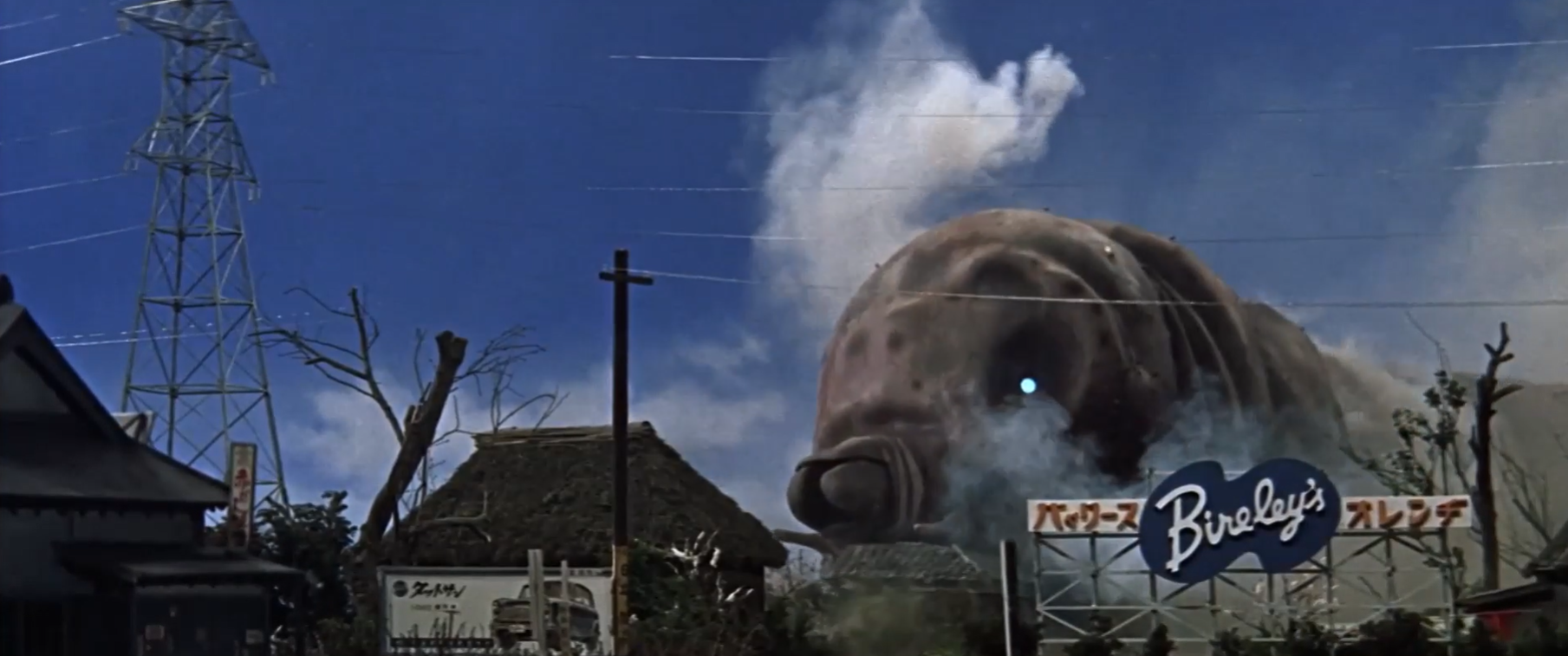
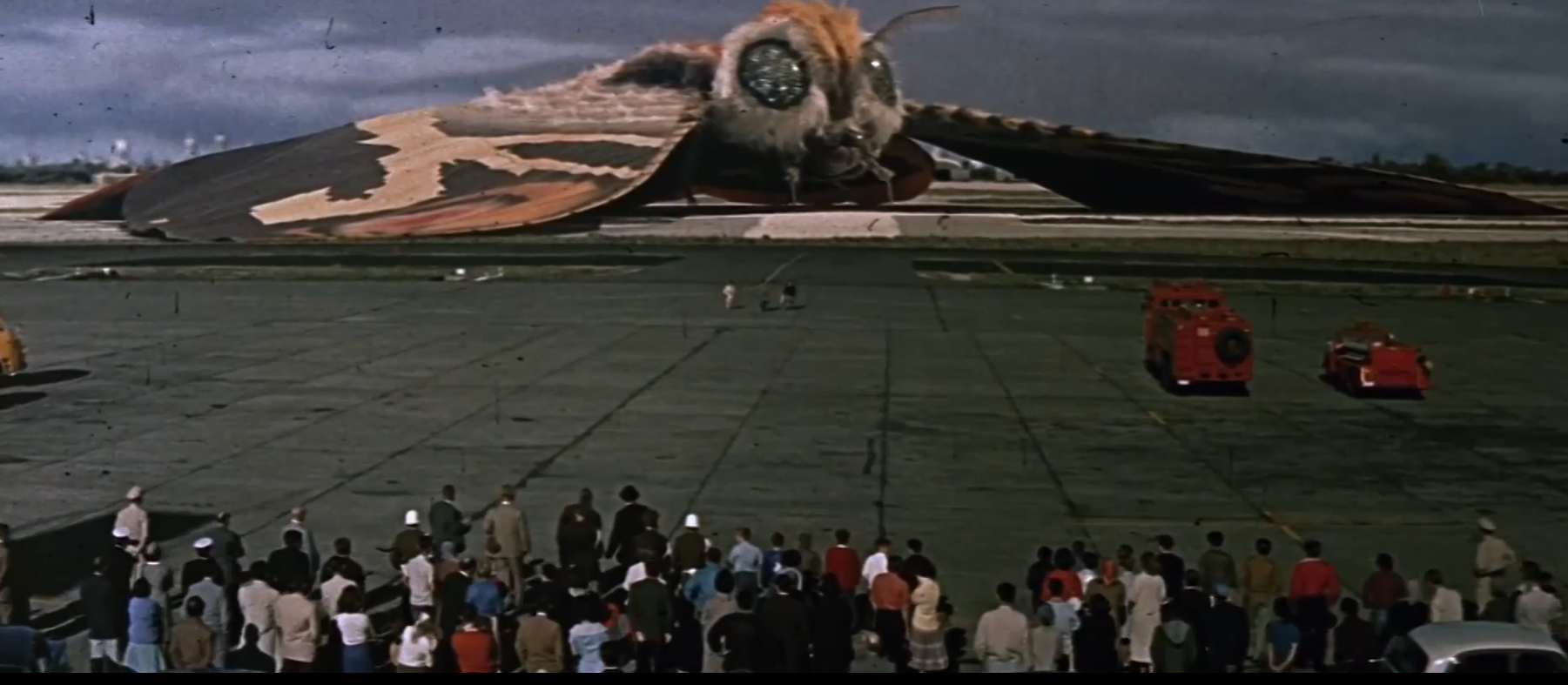
Review: Mothra — so named, one presumes, because she eventually emerges as a moth-like creature from a cocoon: — was featured in quite a few other films in the franchise (including a trilogy focused specifically on her rebirth), and is beloved by fans — though it’s a hard not to chuckle at the obvious models and puppets being used throughout. Kaiju fans obviously won’t want to miss this flick, but other film fanatics should consider it optional. Notable Performances, Qualities, and Moments: Must See? Links: |
“How should I know what… pleases your majesty?”
|
Synopsis: |
|
Genres, Themes, Actors, and Directors:
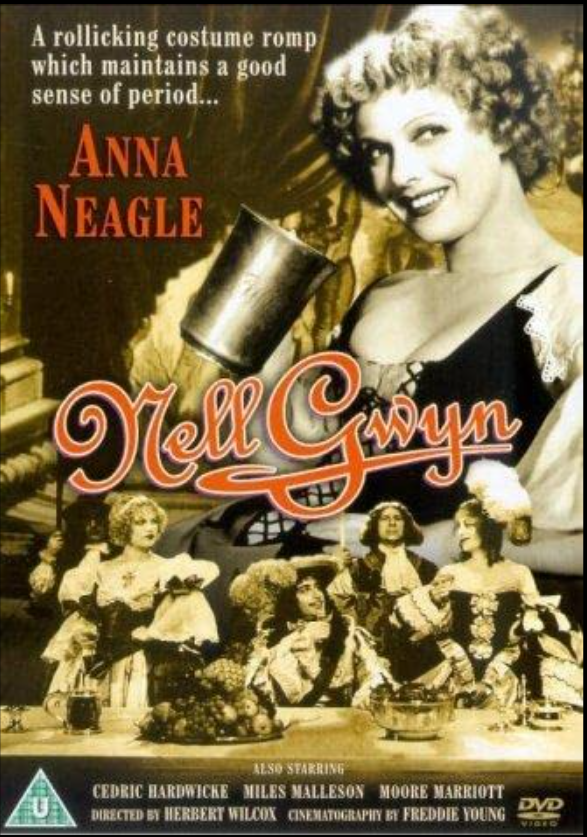
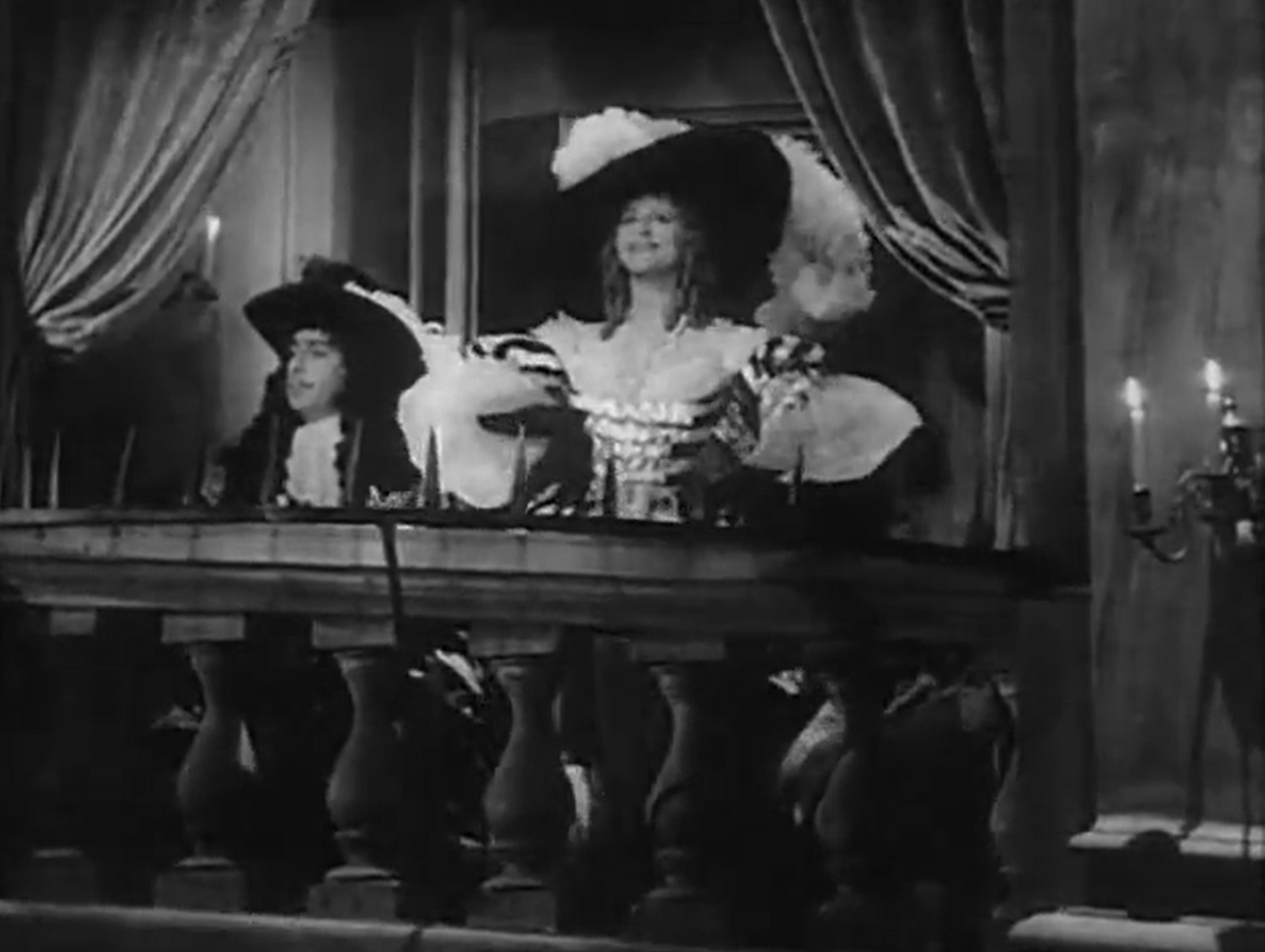
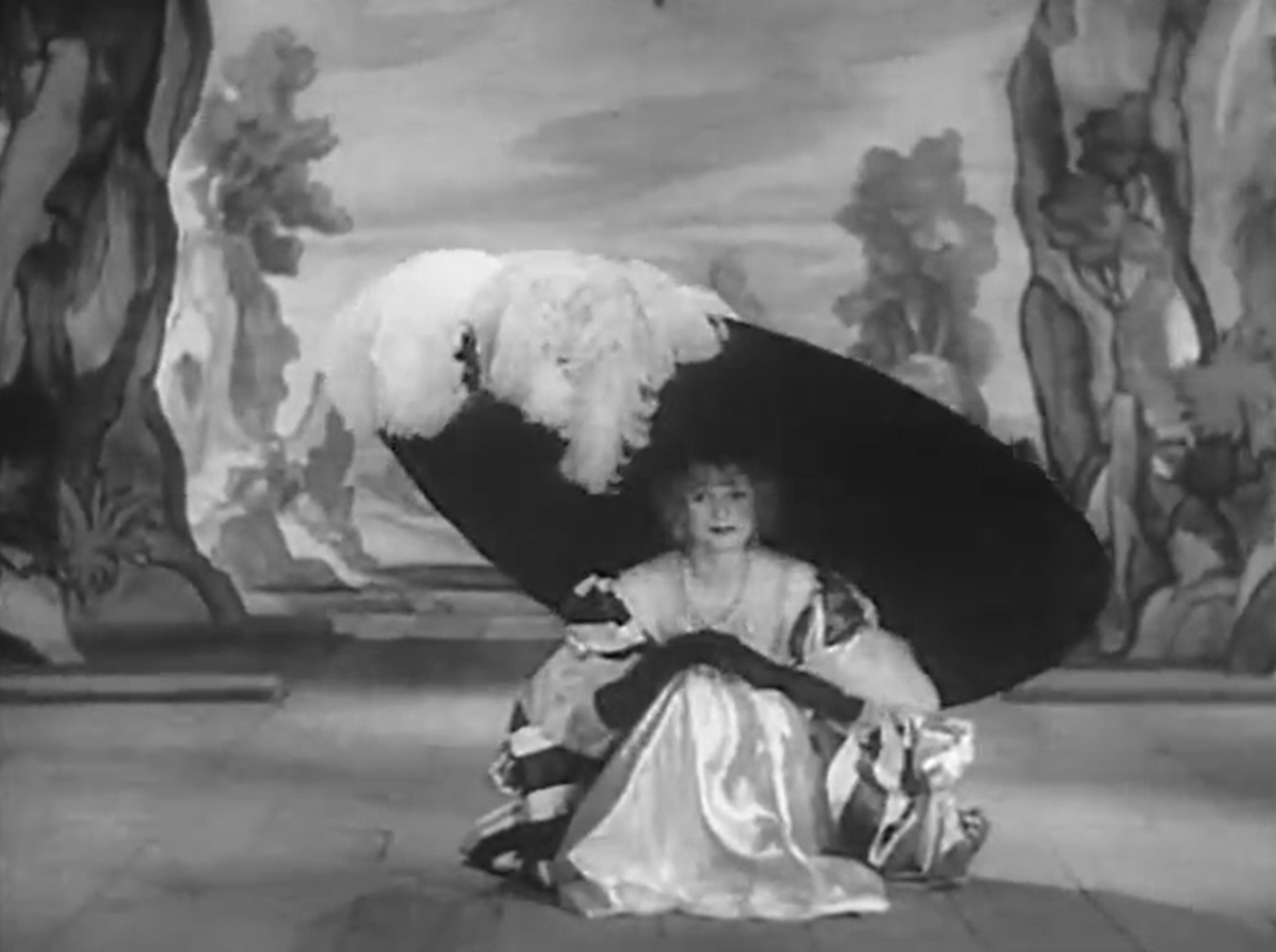
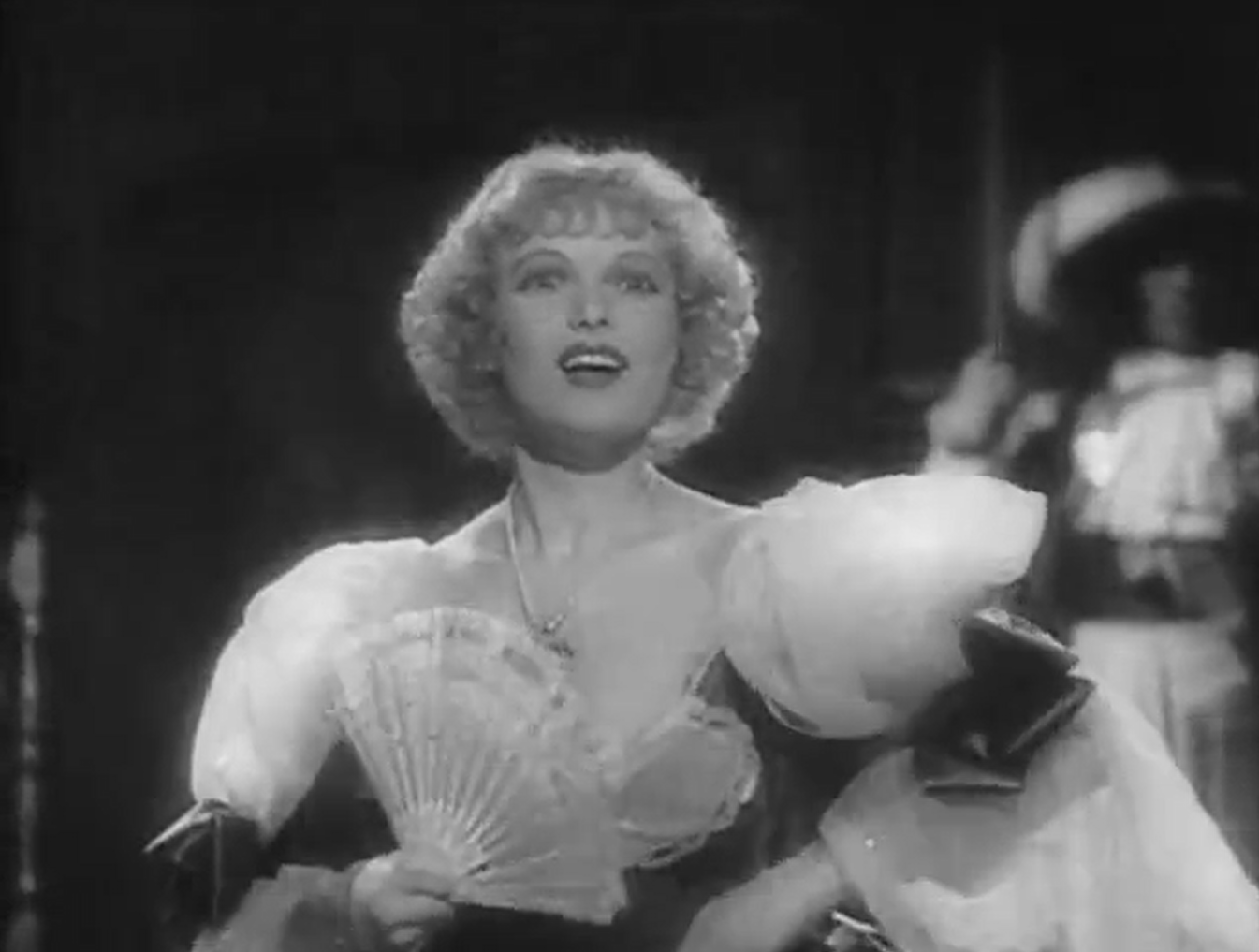
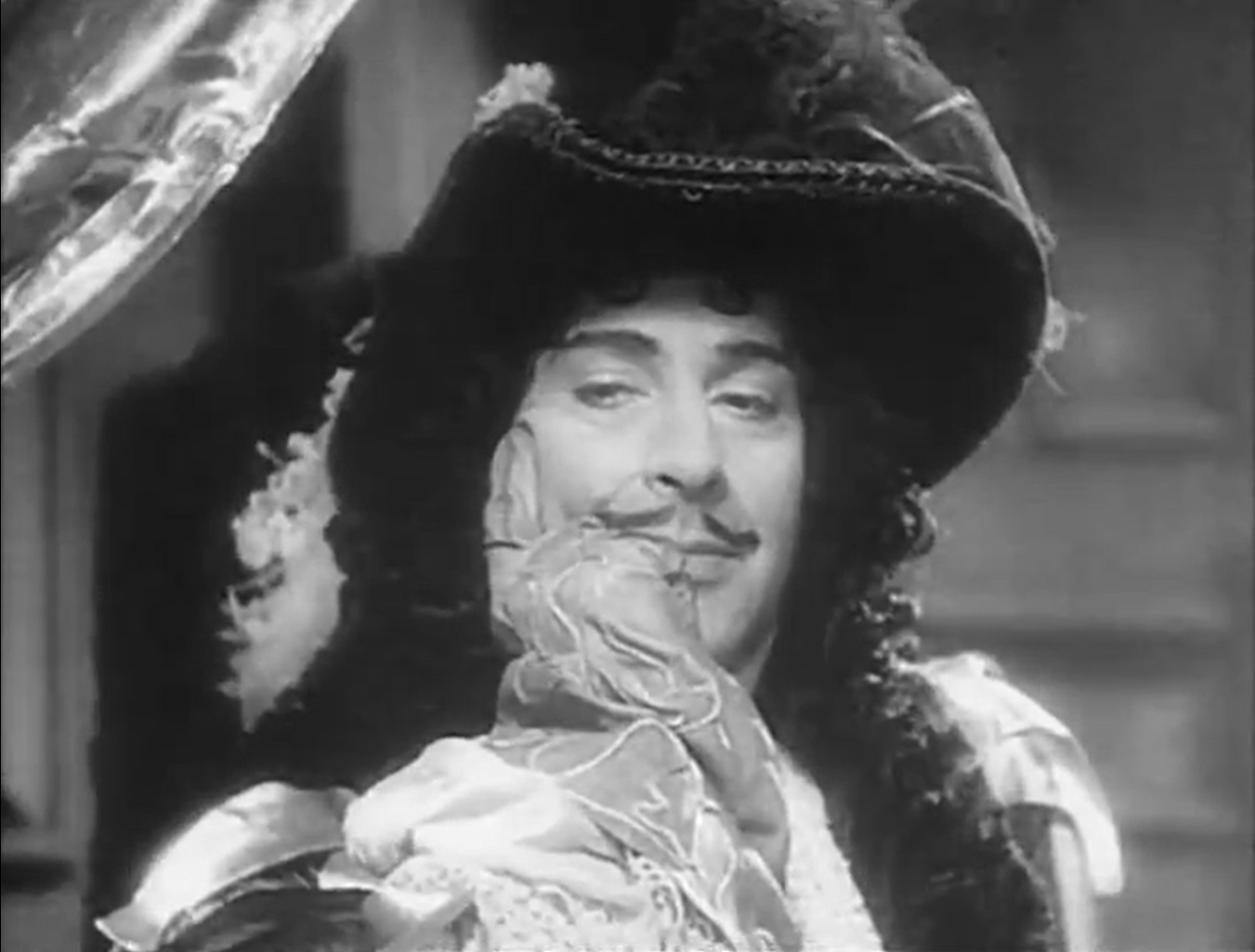
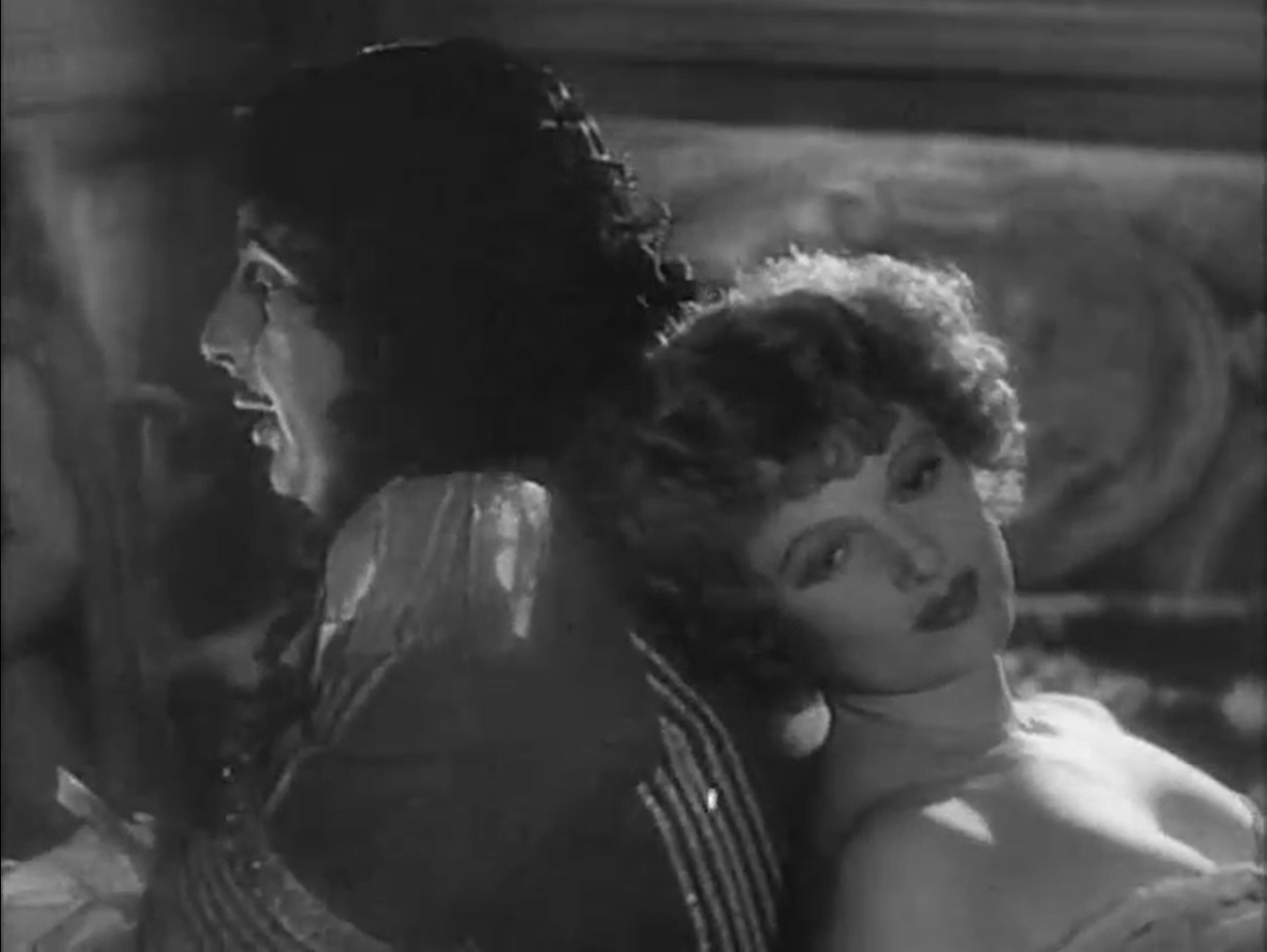
Review: It’s easy to see why the king would fall for Nell, with her infectious laugh: … and ability to effectively skewer all pretentions — as in the amusing scene where she appears on stage dressed in an outlandish version of an outfit the Duchess had been so excited to show off to society: Freddie Young’s cinematography and fine sets make the entire affair a pleasing one to sit through. While it’s not must-see viewing, it’s recommended. Note: This film is listed on IMDb and Wikipedia as 85 minutes long, but the version I saw was only 71 minutes; I wonder if I missed some of the censored scenes? Notable Performances, Qualities, and Moments: Must See? Links: |