Browsed by
Category: Original Reviews

Responses to Peary’s “must see” movie reviews, as well as my own “must see” movie reviews up to and after 1986 (when Peary’s book was published).

Cul-de-sac (1966)

Cul-de-sac (1966)

“Well, here we are — in the shit.”

Synopsis:
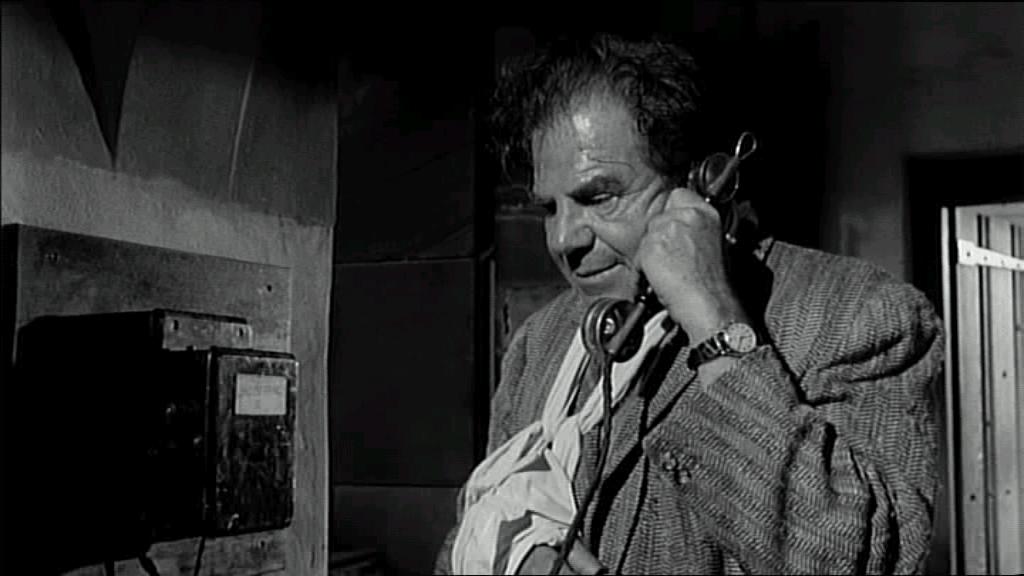
Two wounded gangsters (Lionel Stander and Jack MacGowan) seek refuge at the remote castle of a newly married couple (Donald Pleasence and Francoise Dorleac).

Genres, Themes, Actors, and Directors:

  • Black Comedy
  • Catalysts
  • Donald Pleasence Films
  • Gangsters
  • Hostages
  • Jacqueline Bisset Films
  • Marital Problems
  • Masculinity
  • Roman Polanski Films

Review:
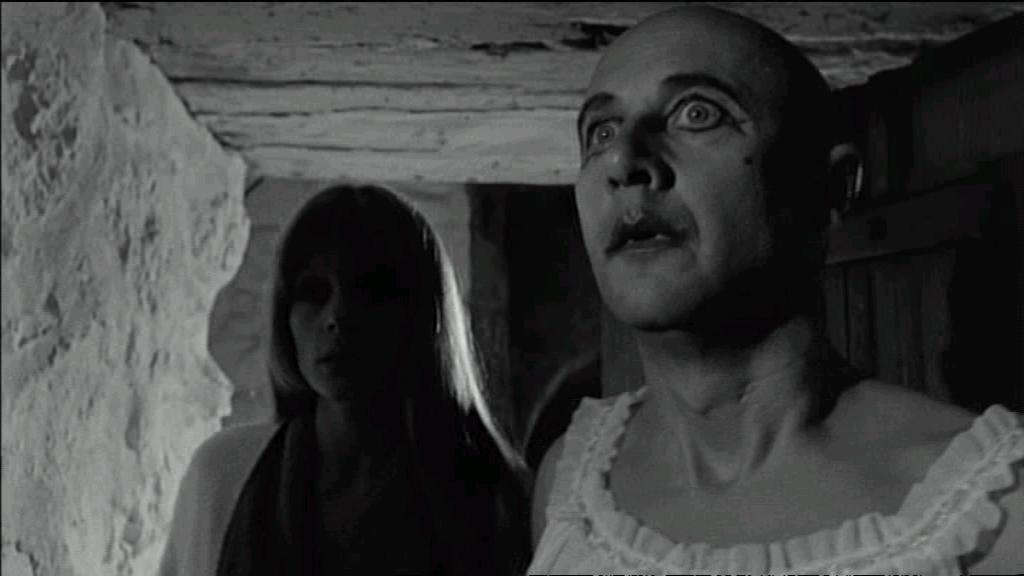
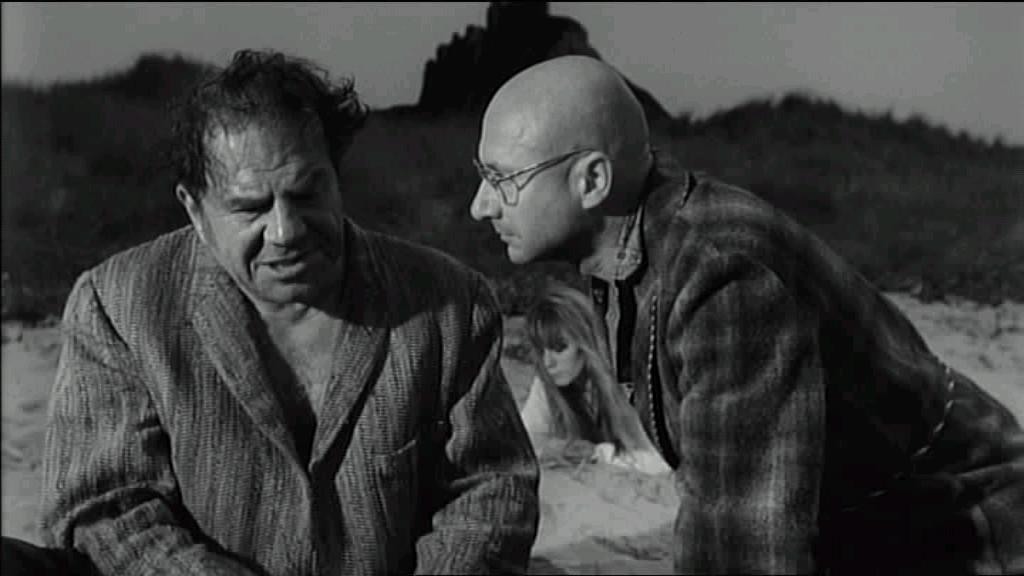
This unusual black comedy — Roman Polanski’s follow-up to Repulsion (1965) — stars American character actor Lionel Stander, a young Donald Pleasence, and Catherine Deneuve’s ill-fated sister, Francoise Dorleac (who died in an automobile accident the following year). Like Repulsion, Cul-de-sac clearly shows Polanski’s genius for hitting hard where we’re most vulnerable — he spares nothing in his depiction of a weak-willed man (Pleasence) who is literally emasculated at every turn, from his wife’s insistence that he dress up in her nightgown, to his inability to protect his own home (his “castle”) from invading gangsters.

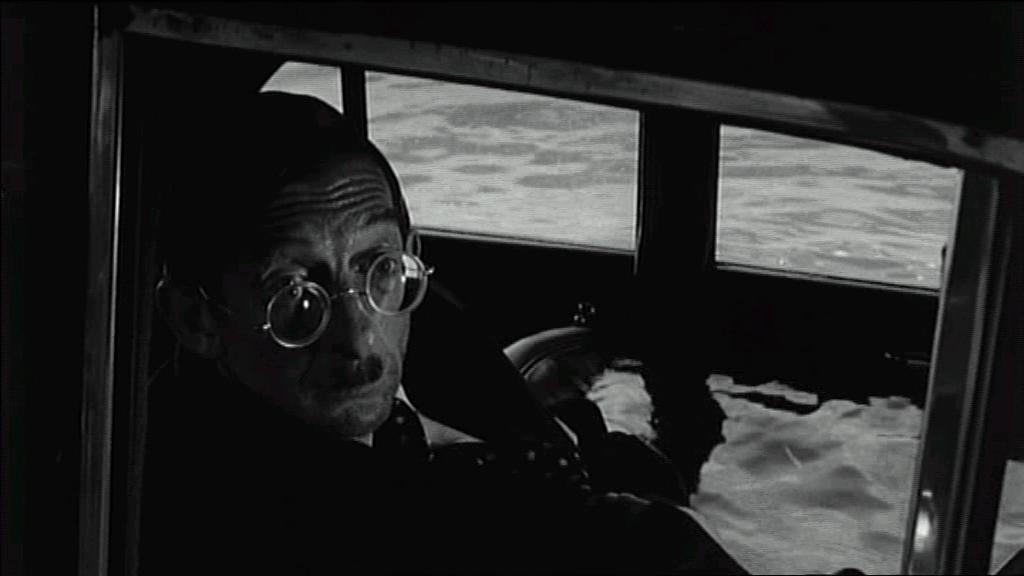
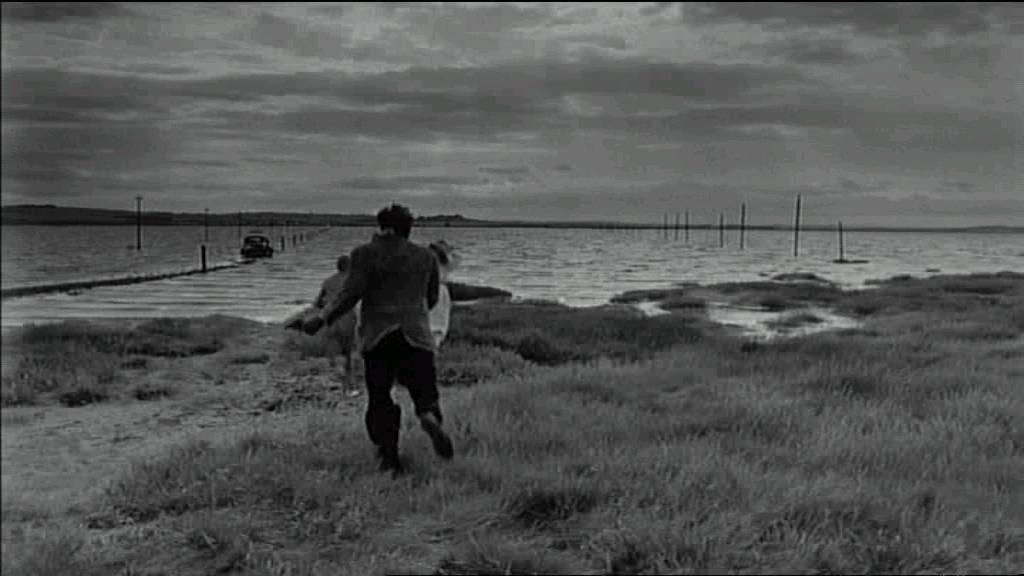
For the first 15 minutes of the movie, we don’t know who any of these characters are, or how they’ve ended up at such a remote location. Yet this simply makes the bizarre imagery (bug-eyed MacGowan stuck in a car surrounded by high tide; Pleasence opening his refrigerator door to find nothing but cartons upon cartons of eggs) that much more intriguing. Eventually we succumb to the movie’s odd logic, and recognize that Stander’s gravelly gangster is a catalyst who will force Pleasence to confront his own insecurities, and disrupt the couple’s tenuous status quo. Cul-de-sac ultimately isn’t for every taste, and will be most satisfying for those who enjoy their cup of humor bitterly dark. Yet it’s finely photographed, well-acted, and possesses countless memorable scenes. Regardless of how much you actually enjoy it, this unique film is guaranteed to stick in your mind long after it’s over.

Redeeming Qualities and Moments:

  • Donald Pleasence as the cuckolded male hostage
  • Gruff-voiced Lionel Stander as the no-nonsense gangster
  • Countless memorable, truly bizarre images
  • A darkly comedic look at machismo, emasculation, and marital insecurity
  • Effective use of an isolated, windswept locale
  • Gilbert Taylor’s cinematography
  • Krzysztof Komeda’s jazzy score

Must See?
Yes, as one of Polanski’s quirkiest films. Peary votes for it as the best movie of 1966 in his Alternate Oscars book (with no runners-up), and lists it as both a Cult Movie and a Personal Recommendation in his GFTFF.

Categories

  • Important Director

Links:

Girls Town/The Innocent and the Damned (1959)

Girls Town/The Innocent and the Damned (1959)

“There’s no such thing as a bad girl — not really bad. But sometimes when a group of you get together, you act just like the lemming: reckless and suicidal for no reason!”

Synopsis:
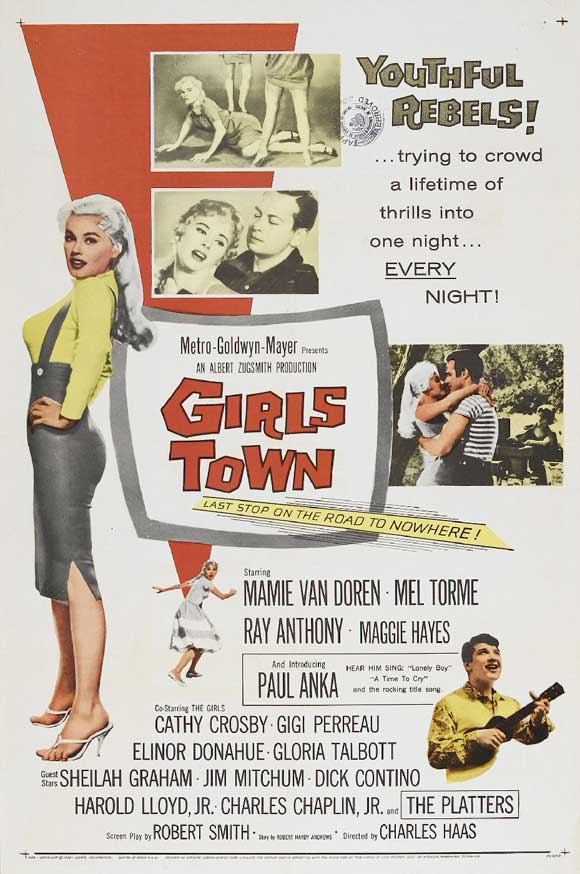
After being falsely implicated in the death of a classmate she was dating, 16-year-old Silver (Mamie Van Doren) is sent to a boarding school — Girls Town — run by sanctimonious nuns. When Silver finds out her younger sister (Elinor Donahue) is in trouble, she enlists the help of teen heartthrob Jimmy Parlow (Paul Anka).

Genres, Themes, Actors, and Directors:

  • Falsely Accused
  • Juvenile Delinquents
  • Mamie Van Doren Films
  • Nuns

Review:
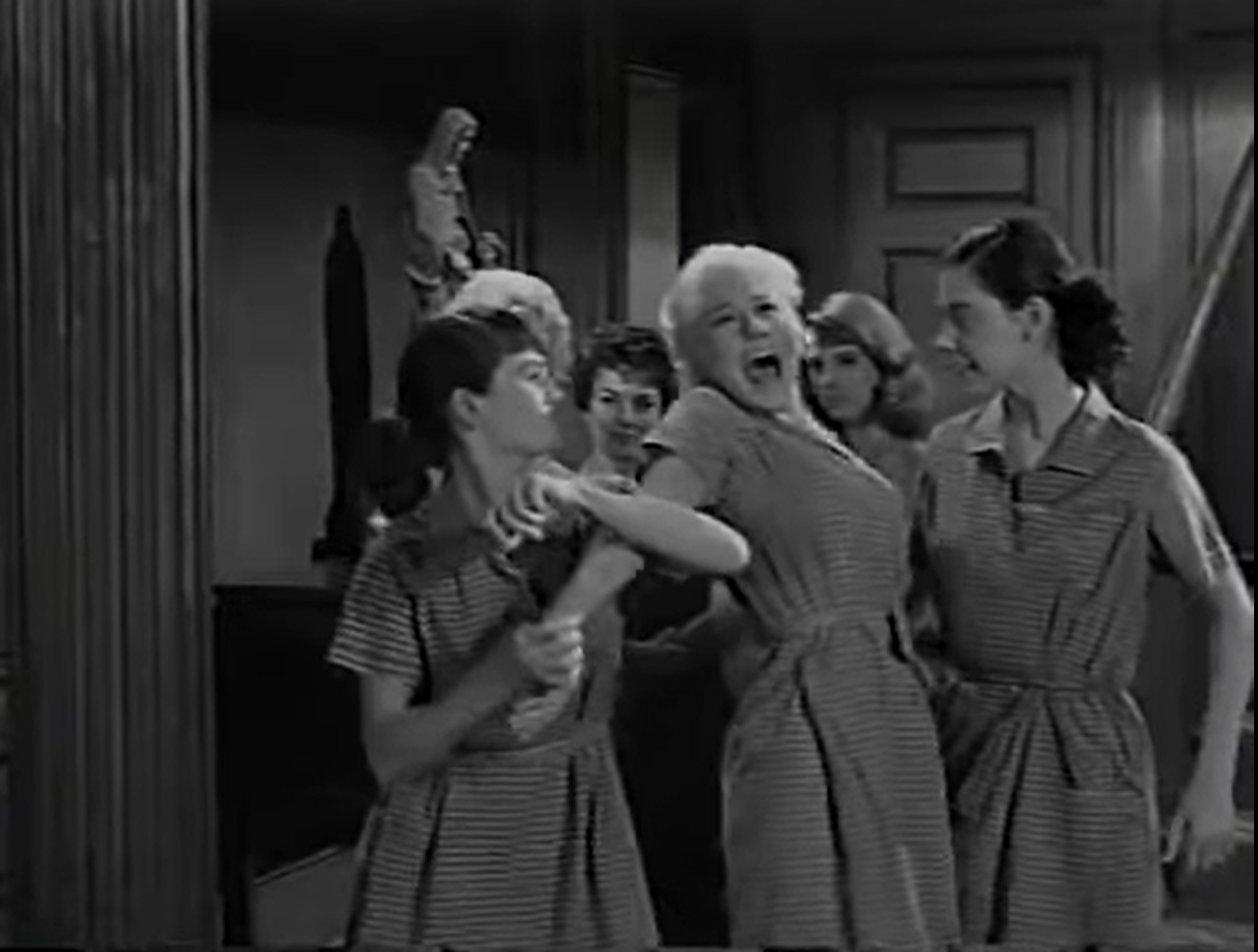
This infamously bad exploitation flick by producer Albert Zugsmith is a veritable showcase of 1950s cliches: horny teens make out, cat fights erupt between territorial girls:

and foolhardy punks play “chicken” in their cars. 27-year-old Van Doren — who nearly busts the seams of her tight clothing:

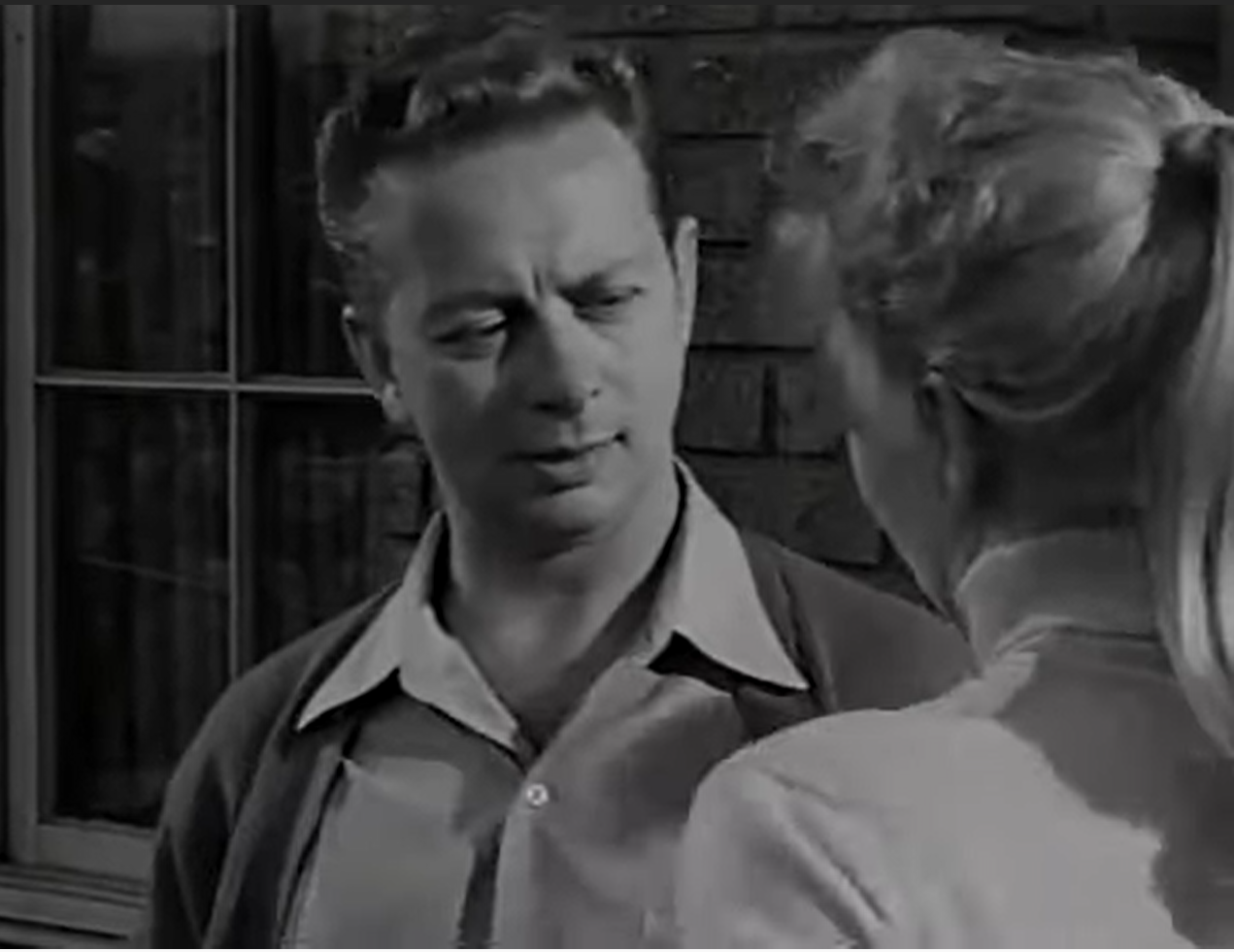
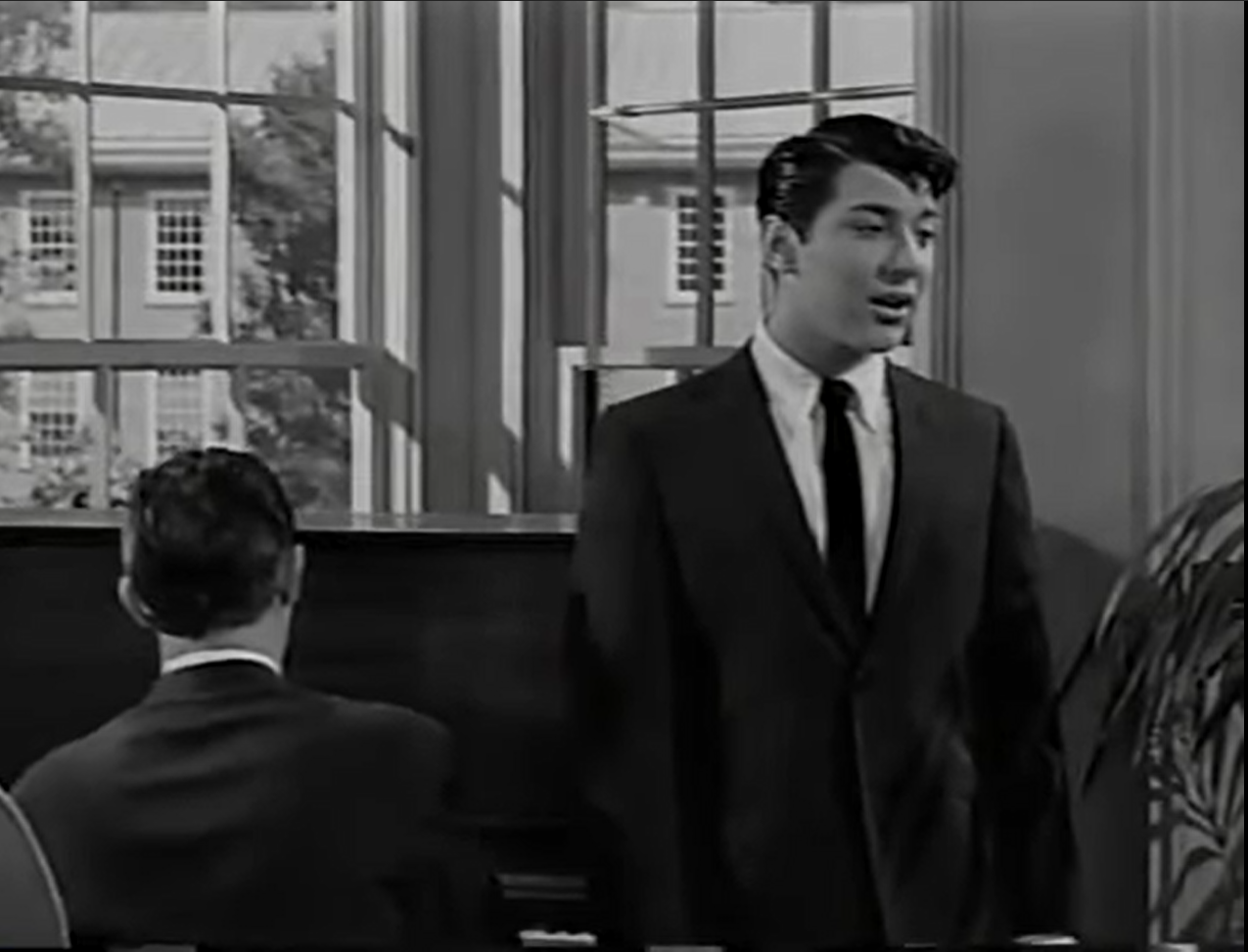
— fared much better playing someone closer to her age in Sex Kittens Go to College (1960); here, she’s stuck mouthing rebellious jargon as though reading from a 1950s dictionary of slang. Strategic appearances by musical favorites Mel Torme and Paul Anka are worthless: weak-chinned Torme is utterly miscast as a tough guy:

and Anka (whose singing is lame) is insipid.

Only recommended for diehard Mamie Van Doren devotees, or fans of truly bad juvenile delinquent flicks.

Redeeming Qualities and Moments:

  • An abundance of campy ’50s slang:

    “Can I use your Alexander Graham?”

Must See?
Yes, simply for its status as a cult favorite. Peary lists it in the back of his book as a Camp Classic, and it was lampooned by MST3K in 1994.

Categories

  • Cult Movie

Links:

Quick Millions (1931)

Quick Millions (1931)

“Racketeering is just getting what the other guy’s got — in a nice way.”

Synopsis:
An ambitious trucker (Spencer Tracy) rises to power and becomes notorious racketeer “Bugs Raymond”.

Genres, Themes, Actors, and Directors:

  • Gangsters
  • George Raft Films
  • Rise-and-Fall
  • Social Climbers
  • Spencer Tracy Films

Review:
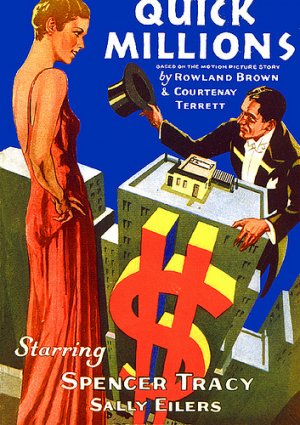
Long out of circulation (though it shows up occasionally on television), Quick Millions is primarily known today as the feature debut of Rowland Brown, notorious director of Blood Money (1933). Unlike its more famous counterpart, however, Quick Millions is a disappointment: it possesses only a few moments of inspired direction, and suffers from a cliched, instantly forgettable plot. Ultimately, Quick Millions is only recommended for diehard fans of early gangsters flicks, and/or those curious to see Spencer Tracy in his first “legitimate” leading role.

Redeeming Qualities and Moments:

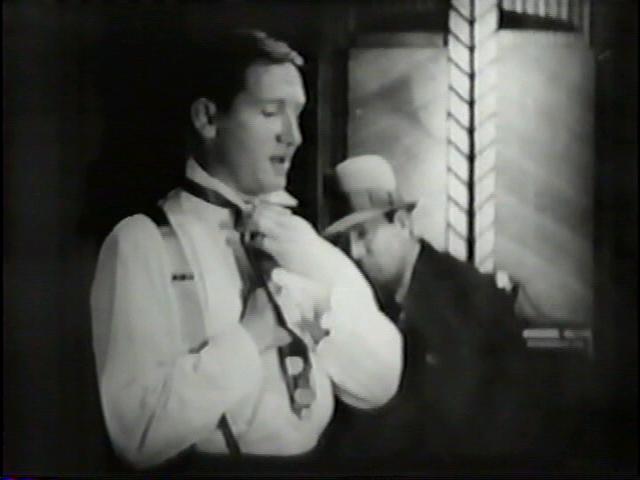
  • Spencer Tracy as the “guy with a one-ton brain who’s too nervous to steal and too lazy to work”
  • George Raft soft-shoeing to “Frankie and Johnny” at a party

Must See?
No, though it’s a must for Spencer Tracy fans.

Links:

Lineup, The (1958)

Lineup, The (1958)

“Sounds like the usual M.O.: tourists — reputable travelers — being used as innocent smugglers.”

Synopsis:
Police detectives investigate a heroin-smuggling scheme in San Francisco.

Genres, Themes, Actors, and Directors:

  • Car Chase
  • Criminal Investigation
  • Don Siegel Films
  • Drug Dealers
  • Eli Wallach Films
  • Police
  • Richard Jaeckel Films

Review:
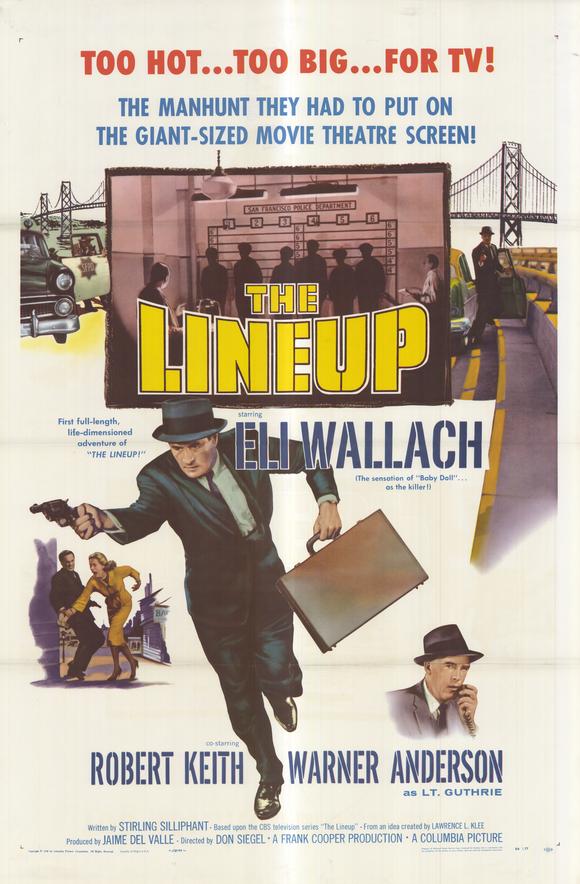
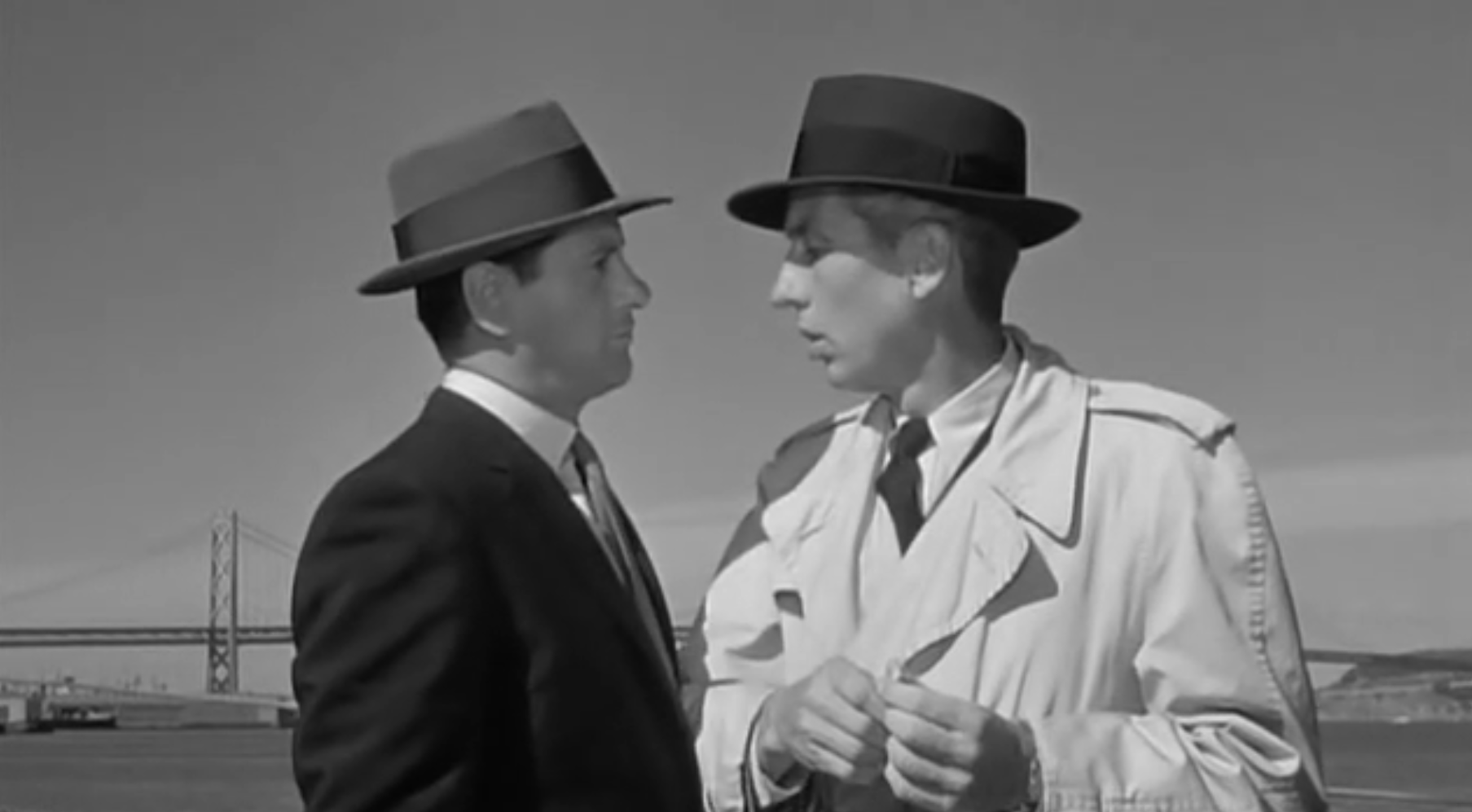
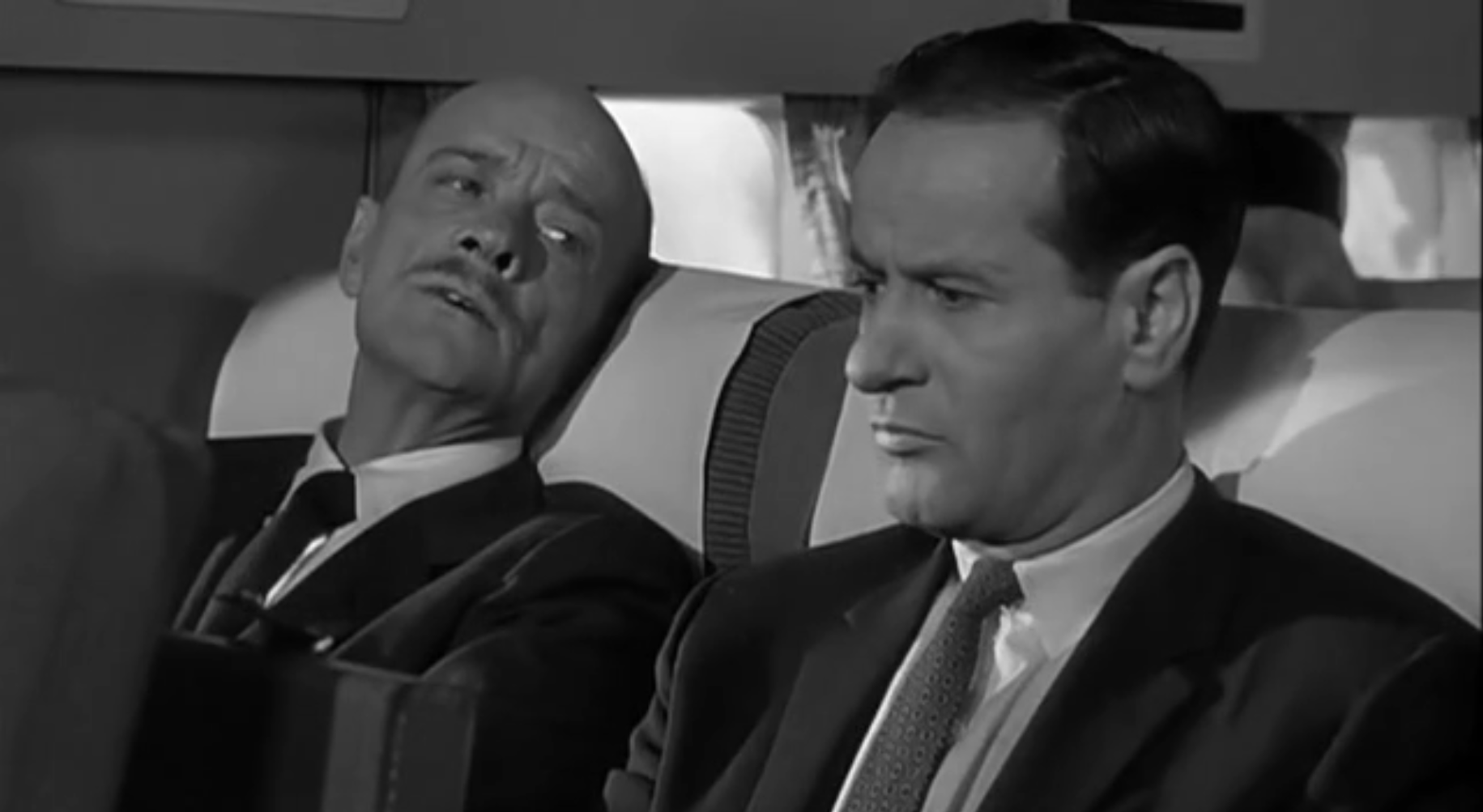
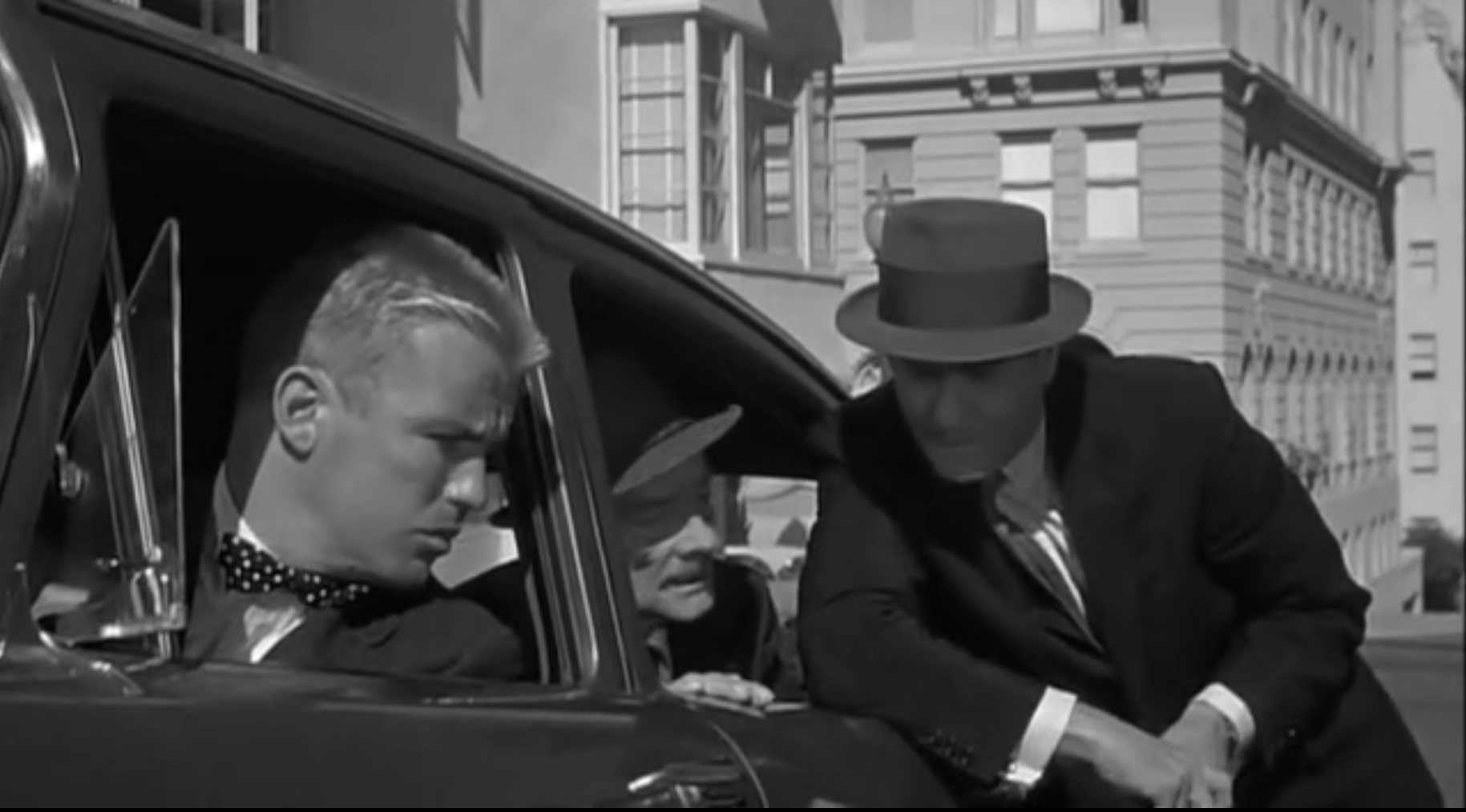
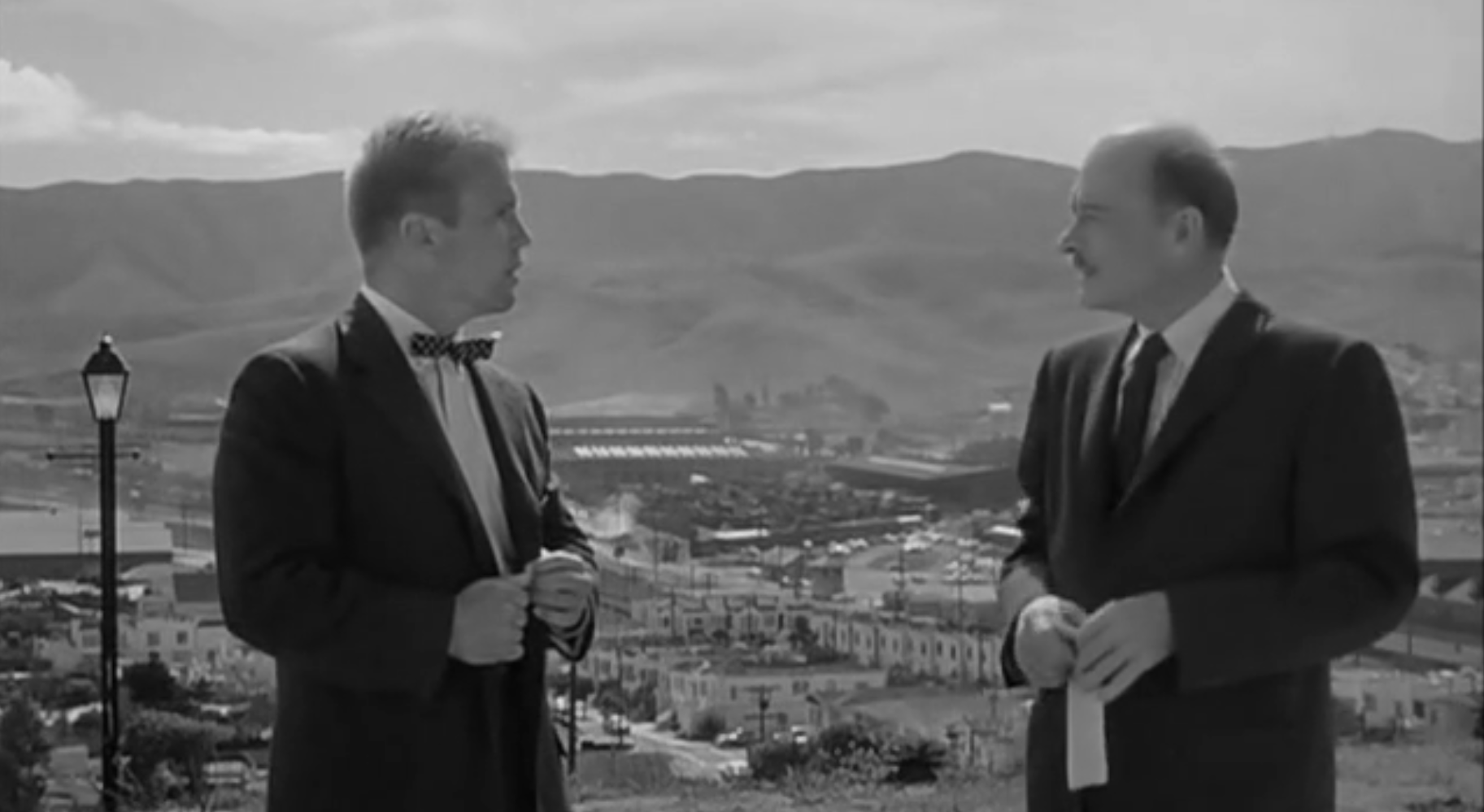
Don Siegel’s little-seen crime drama remains a taut, gritty thriller which deserves wider viewing. After a rather creaky beginning (in which the nature of the crime — surreptitious smuggling of heroin in unsuspecting passengers’ luggage — is established), things quickly become exciting, as we watch two psychopathic “middlemen” (Eli Wallach and Robert Keith) slyly rounding up their bounty at any cost. More often than not, this involves killing the passenger, if or when he discovers that something is awry — a task done with cold-hearted smoothness by Wallach, while creepy Keith waits nearby ready to document the poor sucker’s “final words” in his notebook. Siegel handles his multiple action scenes with finesse, and makes good use of on-location shooting in San Francisco; indeed, many locales no longer exist, thus making this an invaluable time-capsule glimpse of The City in the late 1950s.

Redeeming Qualities and Moments:

  • Eli Wallach as “Dancer”, the psychopathic middleman
  • Robert Keith as Dancer’s less violent — but equally tenacious — partner
  • Richard Jaeckel as the duo’s cocky young getaway driver
  • Creatively shot murder sequences
  • Excellent use of San Francisco locales
  • A truly exciting final car chase

Must See?
No, but fans of Siegel’s work will undoubtedly want to seek it out.

Links:

Non-Stop New York (1937)

Non-Stop New York (1937)

“She’s the only person alive who knows that we were in that apartment last night.”

Synopsis:
A British actress (Anna Lee) tries to get back to New York in time to save an innocent man from being put to death.

Genres, Themes, Actors, and Directors:

  • Actors and Actresses
  • Airplanes and Pilots
  • Anna Lee Films
  • Falsely Accused
  • Mistaken Identities

Review:
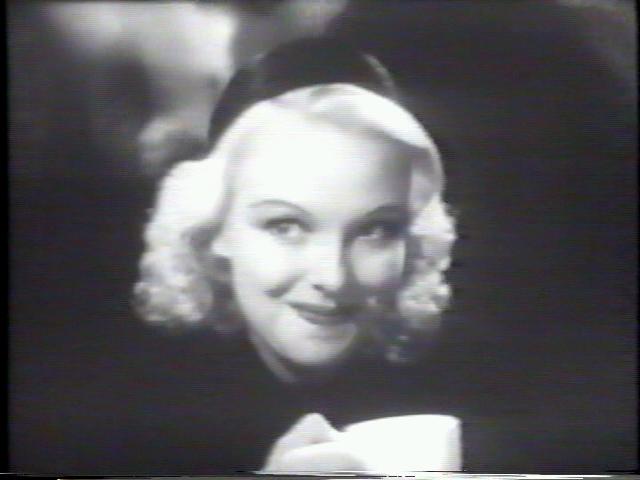
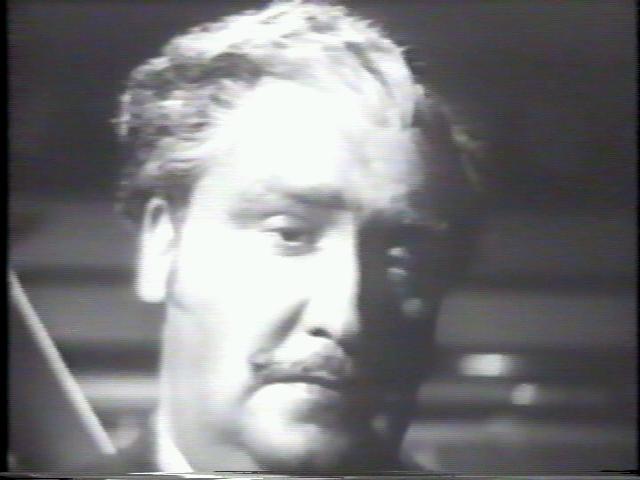
At only 69 minutes, Robert Stevenson’s Hitchcockian thriller zips along at a fast pace, allowing us just enough time to ogle the fantastic set designs in the film’s luxury “non-stop” aircraft. Viewing this airplane-cum-cruise ship, it’s impossible not to salivate — if only cross-country flying was actually this plush! (Especially enviable is the heroine’s ability to step outside the plane and feel the wind blowing across her face…) The story itself is slight yet enjoyable, with Anna Lee’s radiant smile lighting up the screen, and hulking Francis Sullivan a suitably menacing mobster.

Redeeming Qualities and Moments:

  • Anna Lee as the plucky actress determined to save a falsely accused man from dying
  • Francis Sullivan as the sinister mobster
  • A fascinating glimpse of an early (likely science-fictional) luxury aircraft

Must See?
No, but it’s recommended. Listed as a Sleeper in the back of Peary’s book.

Links:

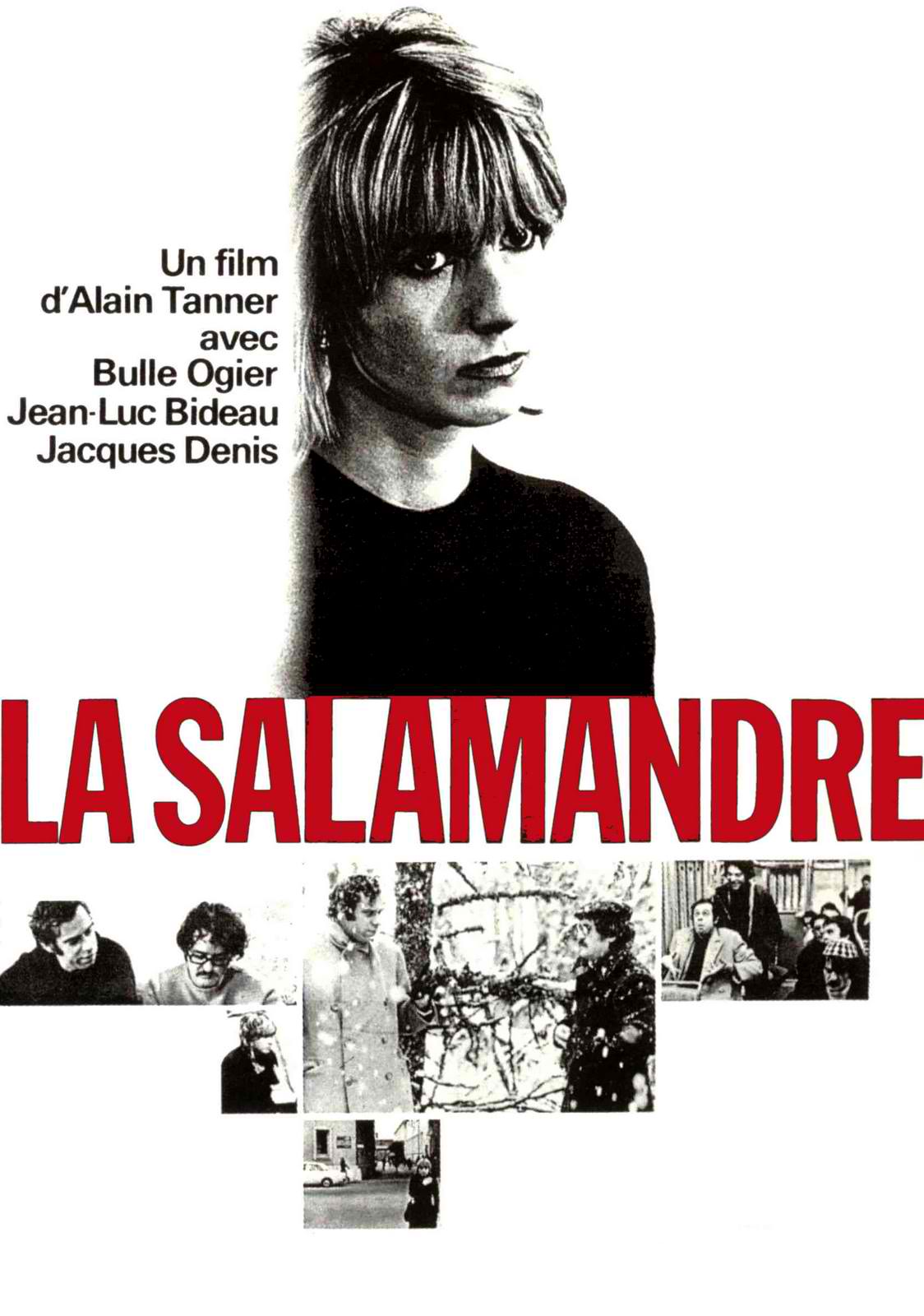
Salamandre, La (1971)

Salamandre, La (1971)

“The girl’s name is Rosemonde.”

Synopsis:
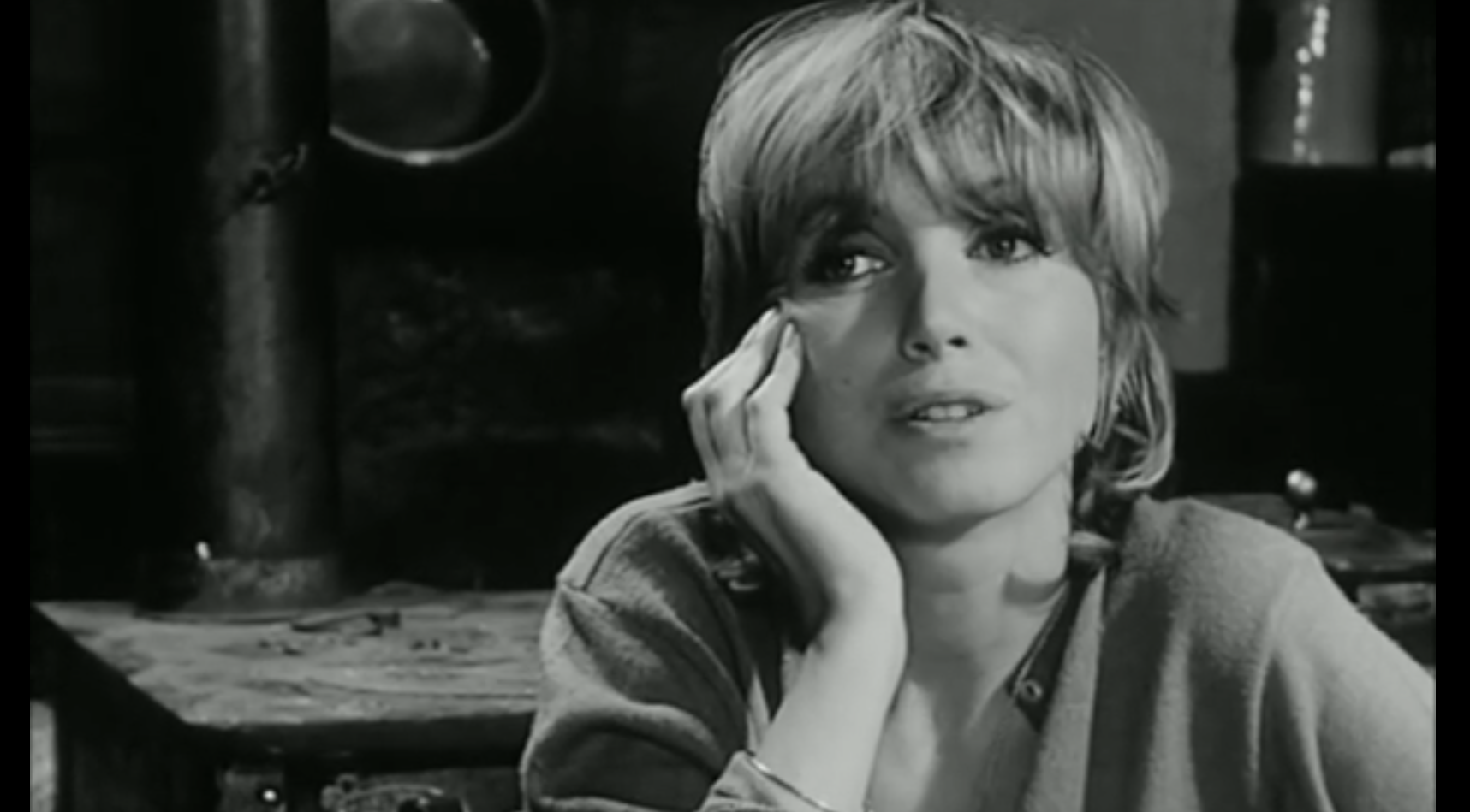
Two writer friends (Jean-Luc Bideau and Jacques Denis) research a contested news story concerning an enigmatic young woman (Bulle Ogier) who may have deliberately shot her uncle.

Genres, Themes, Actors, and Directors:

  • Character Studies
  • Love Triangle
  • Swiss Films
  • Working Class
  • Writers

Review:
Alain Tanner’s second feature film — a clever satire on the writing process and ‘truth’ in reporting — provocatively explores the nature of veracity in storytelling, and the ways in which personal involvement inevitably skews our perception. While not as pointed as his debut film — Charles, Dead or Alive (1969) — or as openly humorous as his later, more accessible ensemble film Jonah, Who Will Be 25 in the Year 2000 (1976), La Salamandre remains a classic entry in Tanner’s oeuvre.

Redeeming Qualities and Moments:

  • Bulle Ogier as the seductive, sullen Rosemonde
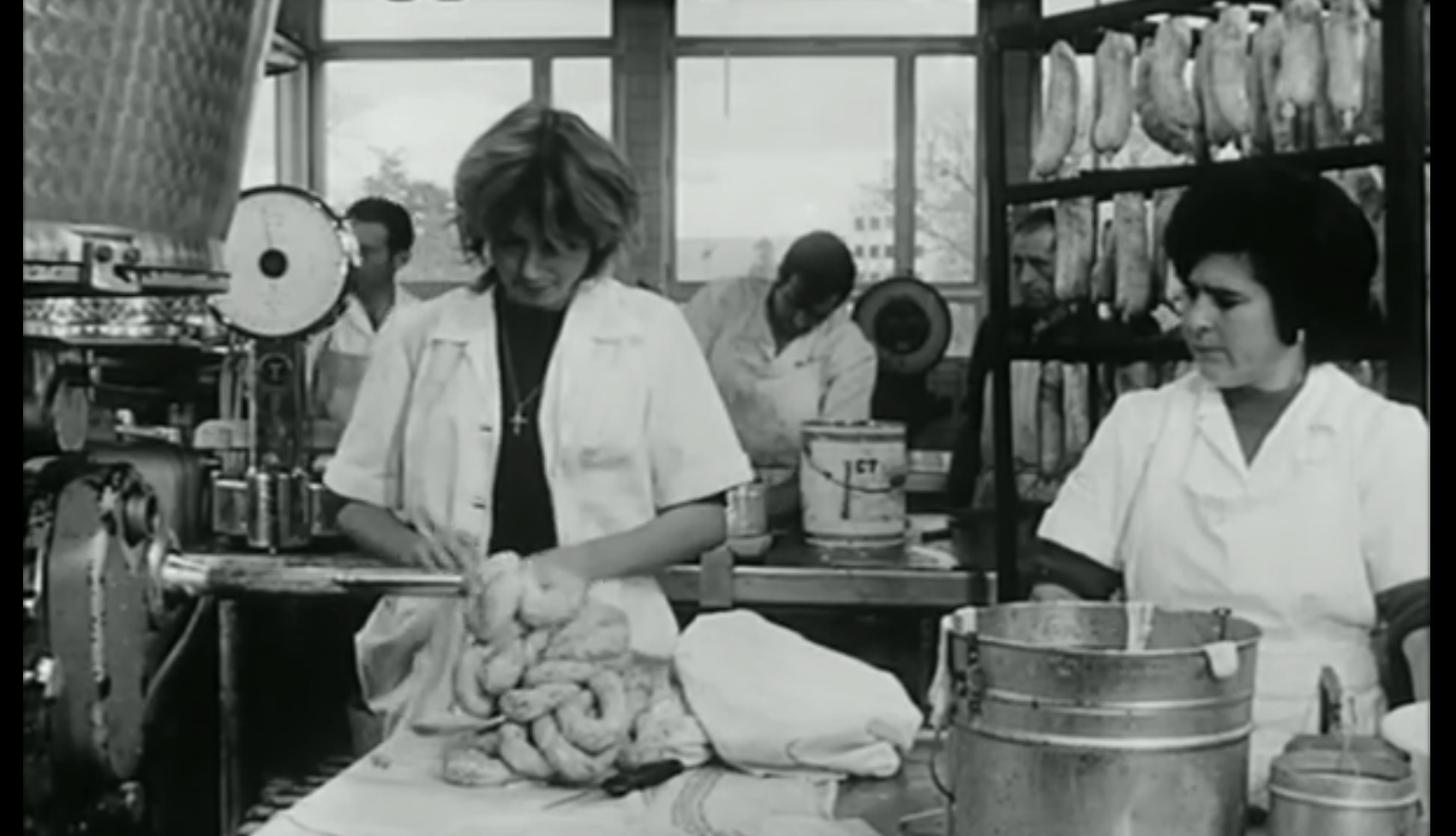
  • An unromanticized look at the boredom and limited prospects of working-class life

Must See?
No, but it’s recommended.

Links:

Sterile Cuckoo, The (1969)

Sterile Cuckoo, The (1969)

“It’s gonna be nice to get away from all these weirdos.”

Synopsis:
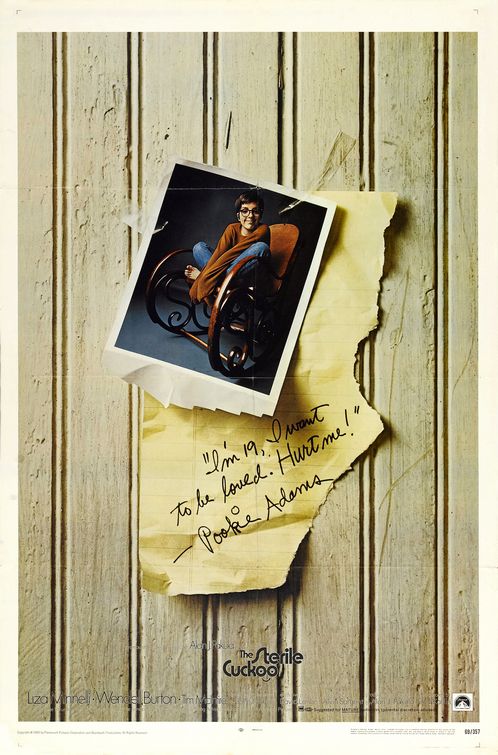
Eccentric Pookie Adams (Liza Minnelli) pursues a quiet entymology student named Jerry (Wendell Burton), who she meets on the bus while travelling to college.

Genres, Themes, Actors, and Directors:

  • Alan J. Pakula Films
  • Character Studies
  • First Love
  • Liza Minnelli Films
  • Nonconformists
  • Romance

Review:
Alan J. Pakula’s debut film offers an insightful exploration into the exhilaration, complications, and devastation of “first love”. Many scenes — such as when Pookie and Jerry are about to make love for the first time — ring remarkably true, and are handled with sensitivity and gentle humor; and Minnelli’s Pookie — while unbelievably irritating at first — quickly becomes sympathetic, as we recognize a little bit of ourselves in her desperation to have a romantic relationship at any cost. Unfortunately, as pointed out by numerous reviewers (see links below), Pakula occasionally turns his non-conformist love story into a “traditional romance”, complete with montages of the lovers running across fields and holding hands while sappy music plays in the background. These scenes detract from the authenticity of the story, since we prefer to see these characters up close in all their awkward realism, rather than from a fuzzy distance. Fortunately, for every generic montage, Pakula provides a well-written, sensitive scene which brings us back to the truth of Pookie and Jerry’s relationship.

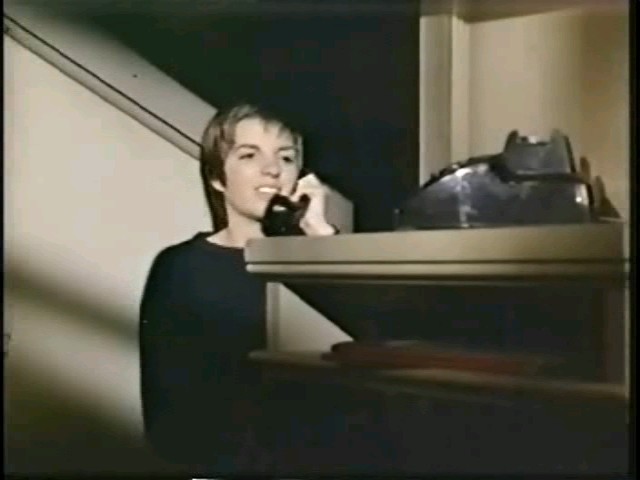
Perhaps inevitably, things slowly begin to crumble between the misfit couple, as Jerry (well played by an appropriately bland Wendell Burton) realizes he wants to spend time with the other “weirdos” around him in college, and actually focus on his studies. Ironically, as we watch Pookie become increasingly desperate to hold on to Jerry (she fabricates a pregnancy, and guilts him into spending time with her), we start to care for her more and more, as we recognize the true depth of her neuroses. Our compassion is due in no small part to Minnelli’s powerhouse performance; a couple of particularly poignant scenes late in the movie — in which she pleads on the telephone with Jerry, and cracks up at a frat party — especially showcase her acting chops, and give credence to her worthy Oscar nomination. Ultimately, while The Sterile Cuckoo is an uneven film, Minnelli makes it worth seeking out at least once.

Redeeming Qualities and Moments:

  • Liza Minnelli’s inimitable performance as Pookie
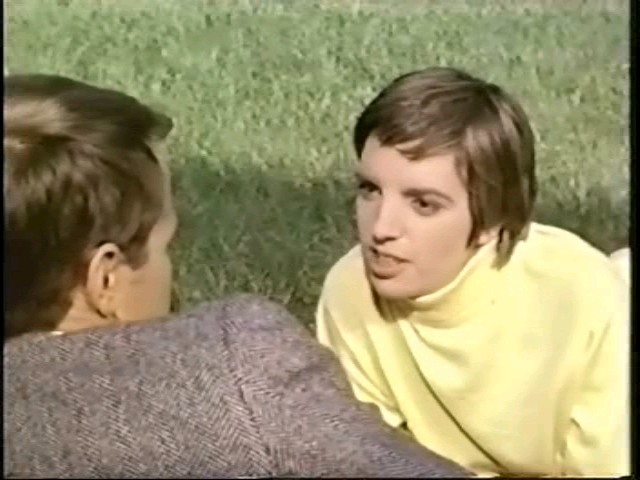
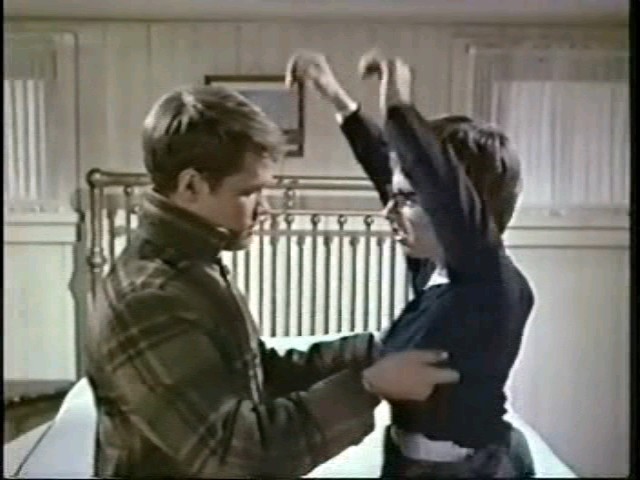
  • Jerry nervously taking Pookie’s clothes off before they make love for the first time
  • Pookie’s desperate call to Jerry
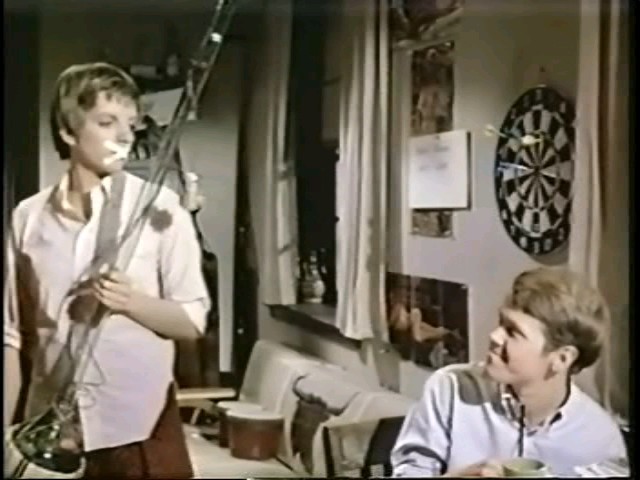
  • Pookie trying her best not to disturb Jerry as he spends his entire spring break studying
Must See?
Yes, simply to see Minnelli’s Oscar-nominated performance.

Categories

  • Noteworthy Performance(s)
  • Oscar Winner or Nominee

Links:

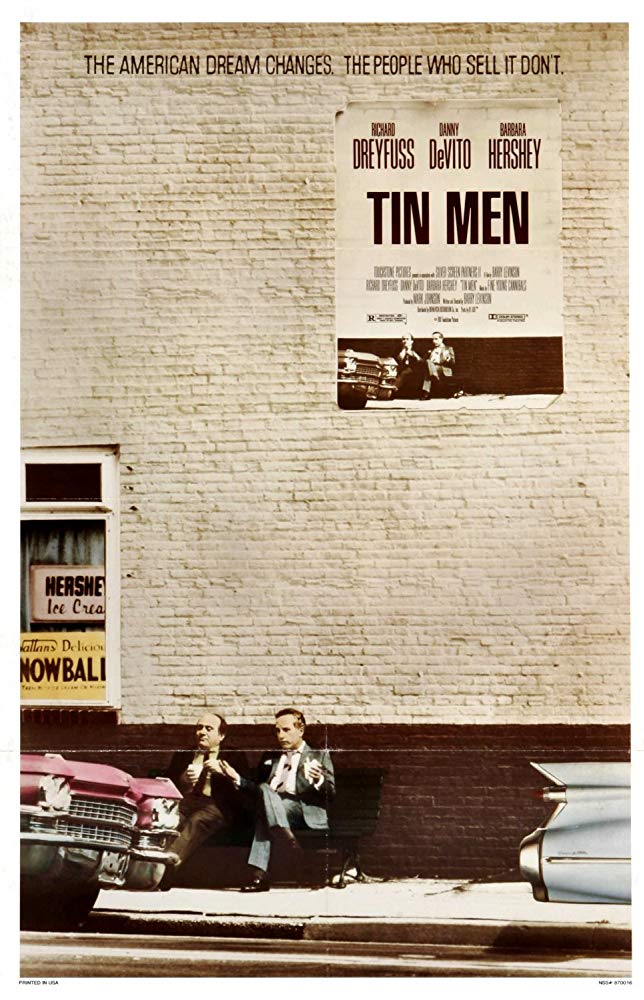
Tin Men (1987)

Tin Men (1987)

“I’m going to find out everything about this son of a bitch, and then I’m going to find the one thing that cuts him right to the quick.”

Synopsis:
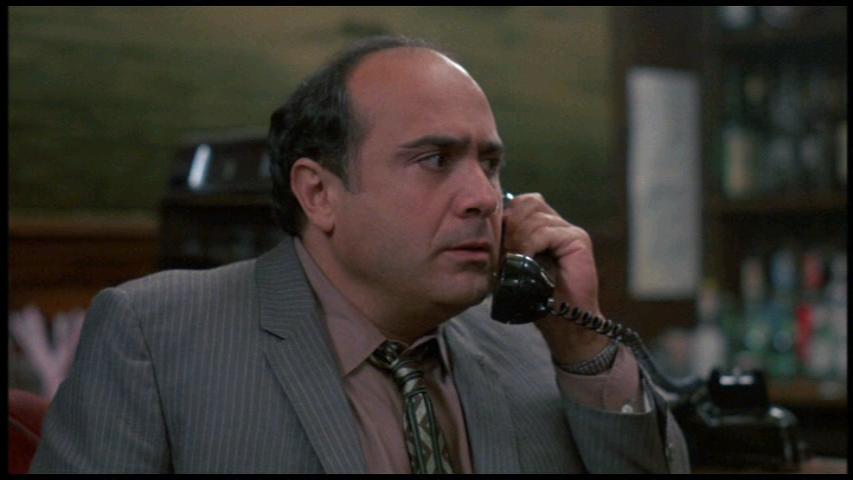
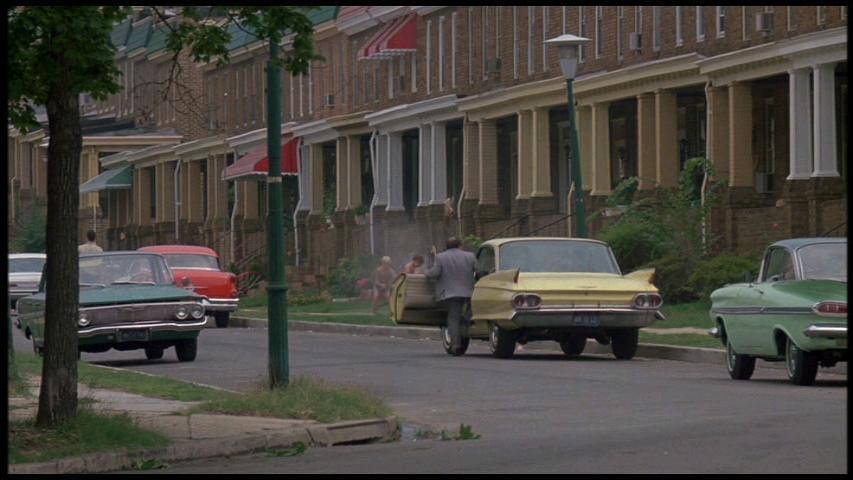
When two rival aluminum siding salesmen (Danny DeVito and Richard Dreyfuss) in 1963 Baltimore accidentally hit each other’s cars, they seek continued revenge.

Genres, Themes, Actors, and Directors:

  • Barbara Hershey Films
  • Barry Levinson Films
  • Black Comedy
  • Con-Artists
  • Masculinity
  • Revenge
  • Richard Dreyfuss Films
  • Salesmen

Review:
Barry Levinson’s fourth feature film — taking place, once again, in his hometown of Baltimore — suffers from an incurable dilemma: its two lead characters (as well as their “tin men” colleagues) are utterly unsympathetic. In fact, it’s downright uncomfortable watching these hucksters con gullible homeowners into paying for aluminum siding when they haven’t been given anything close to a fair sell. Of course, this is part of Levinson’s point, given that a major subplot of the film revolves around the Home Improvement Commission’s investigation of the tin men’s practices; yet the commissioners are clearly posited as the “bad guys”, and thus, we’re left without a clear side to root for.

Similarly, when Dreyfuss shamelessly cuckolds DeVito by seducing his unhappy wife (Barbara Hershey), we’re not sure how to react — especially when the two fall genuinely in love. Are we supposed to root for the happiness of a man as devious and conniving as Dreyfuss? Since he undergoes a sort of character transformation (shifting from self-avowed bachelor to pseudo-family man), he’s supposedly more sympathetic than DeVito, who remains selfish and clueless about his dire straits until the very end — yet DeVito is, ironically, the more compelling of the two con-men. It’s his performance — as well as Levinson’s impressive set designs, and some occasional moments of genuine humor — which keep us watching, even as we cringe at the story itself.

Redeeming Qualities and Moments:

  • Danny DeVito as the eternally optimistic “tin man” whose life goes slowly downhill
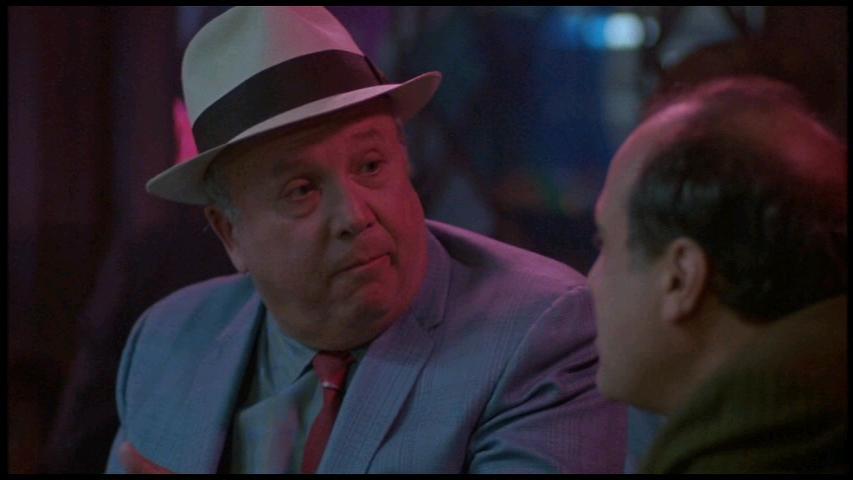
  • Jackie Gayle as Tilley’s Bonanza-bashing partner, Sam
  • A detail-perfect evocation of 1960s Baltimore

Must See?
No, but it’s probably worth watching simply for DeVito’s performance (which Peary nominates for an “Alternate Oscar” as one of the best of the year).

Links:

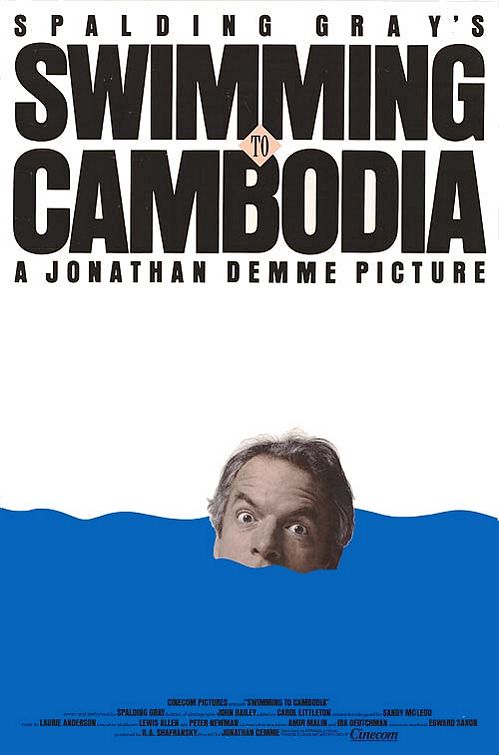
Swimming to Cambodia (1987)

Swimming to Cambodia (1987)

“Who needs metaphors for hell or poetry about hell? This really happened, here on this earth.”

Synopsis:
Spalding Gray discusses his experiences while filming a small role in The Killing Fields (1984).

Genres, Themes, Actors, and Directors:

  • Actors and Actresses
  • Character Studies
  • Jonathan Demme Films

Review:
Spalding Gray is one of the best-known monologists of the late 20th century, and Jonathan Demme’s Swimming to Cambodia — an edited combination of two live performances, accompanied by Laurie Anderson’s evocative sound effects — provides a fascinating glimpse at his prowess. In this unusual storytelling event, Gray intersperses humorous vignettes from his experiences filming in Thailand with a concise history of the brutal Khmer Rouge regime in Cambodia — an unexpected, yet surprisingly effective, marriage of ideas. Gray’s monologue is poignant rather than hilarious; he’s not a stand-up comedian, but rather an astute commentator on the intersection of personal travails and public tragedies.

Redeeming Qualities and Moments:

  • Spalding Gray’s charismatic storytelling presence
  • Laurie Anderson’s memorable sound effects

Must See?
Yes. All film fanatics should see at least one of the late Spalding Gray’s filmed monologues, and this is probably his best.

Categories

  • Historically Relevant

Links:

Muppets Take Manhattan, The (1984)

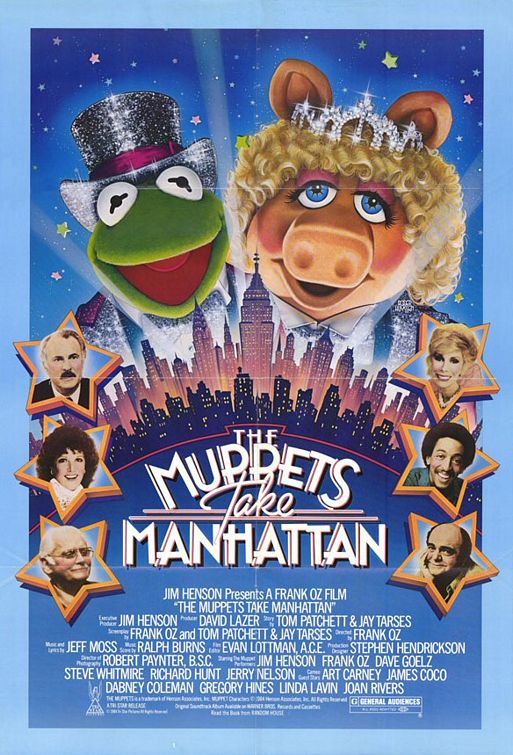
Muppets Take Manhattan, The (1984)

“I’m staying! You hear that, New York? THE FROG IS STAYING!”

Synopsis:
Kermit and his Muppet friends head to Broadway, where they struggle to get their musical — “Manhattan Melodies” — produced.

Genres, Themes, Actors, and Directors:

  • Amnesia
  • Let’s-Put-On-a-Show
  • Musicals
  • New York City
  • Puppets and Ventriloquism

Review:
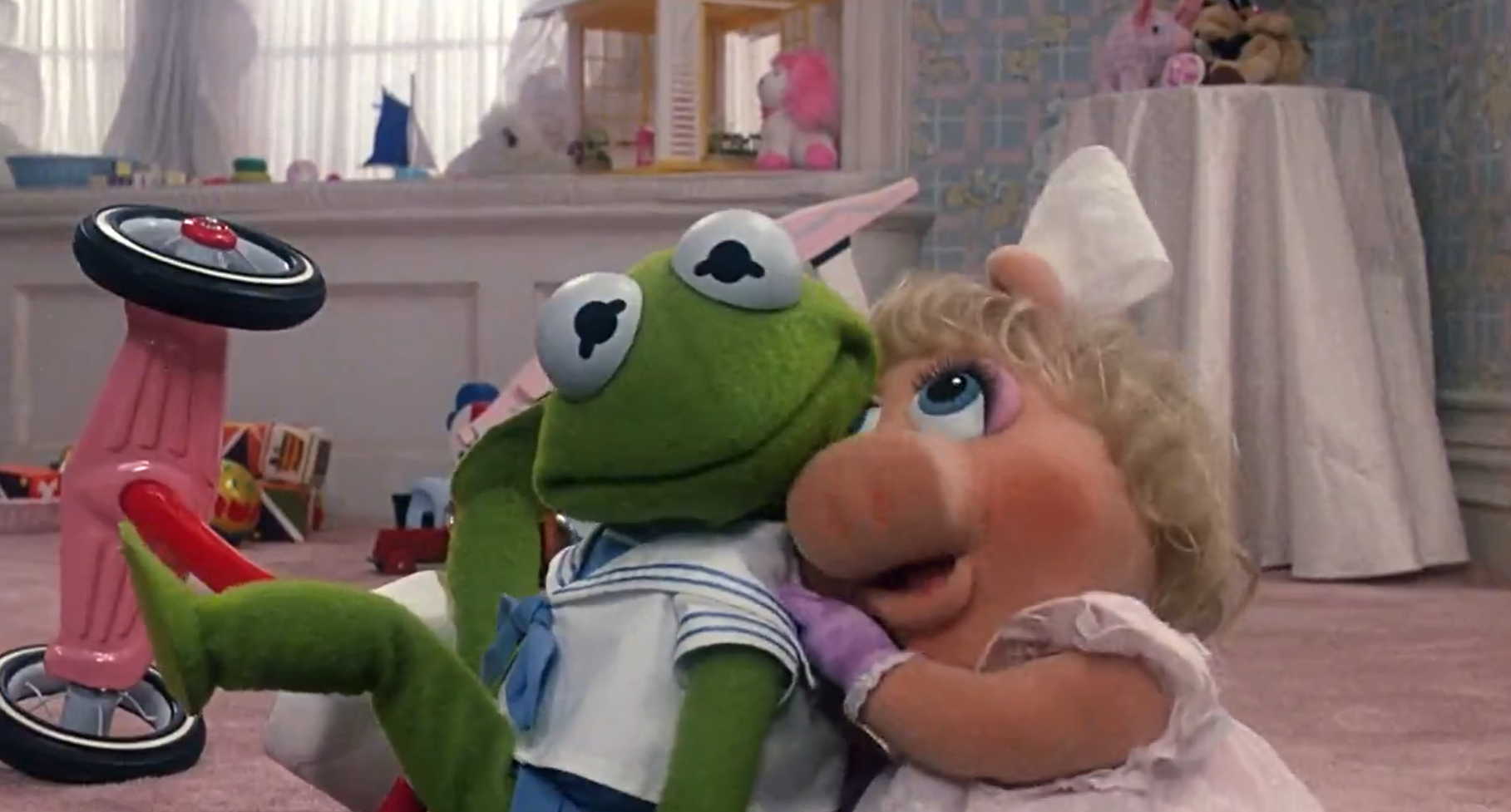
The Muppets’ third big-screen adventure (directed by Frank Oz) will primarily appeal either to those who fondly remember watching it as a child, or, naturally, to hardcore Muppet fans. While it contains a few humorous moments, there are an equal number of embarrassments — including the insufferable “Muppet Babies” doo-wop number.

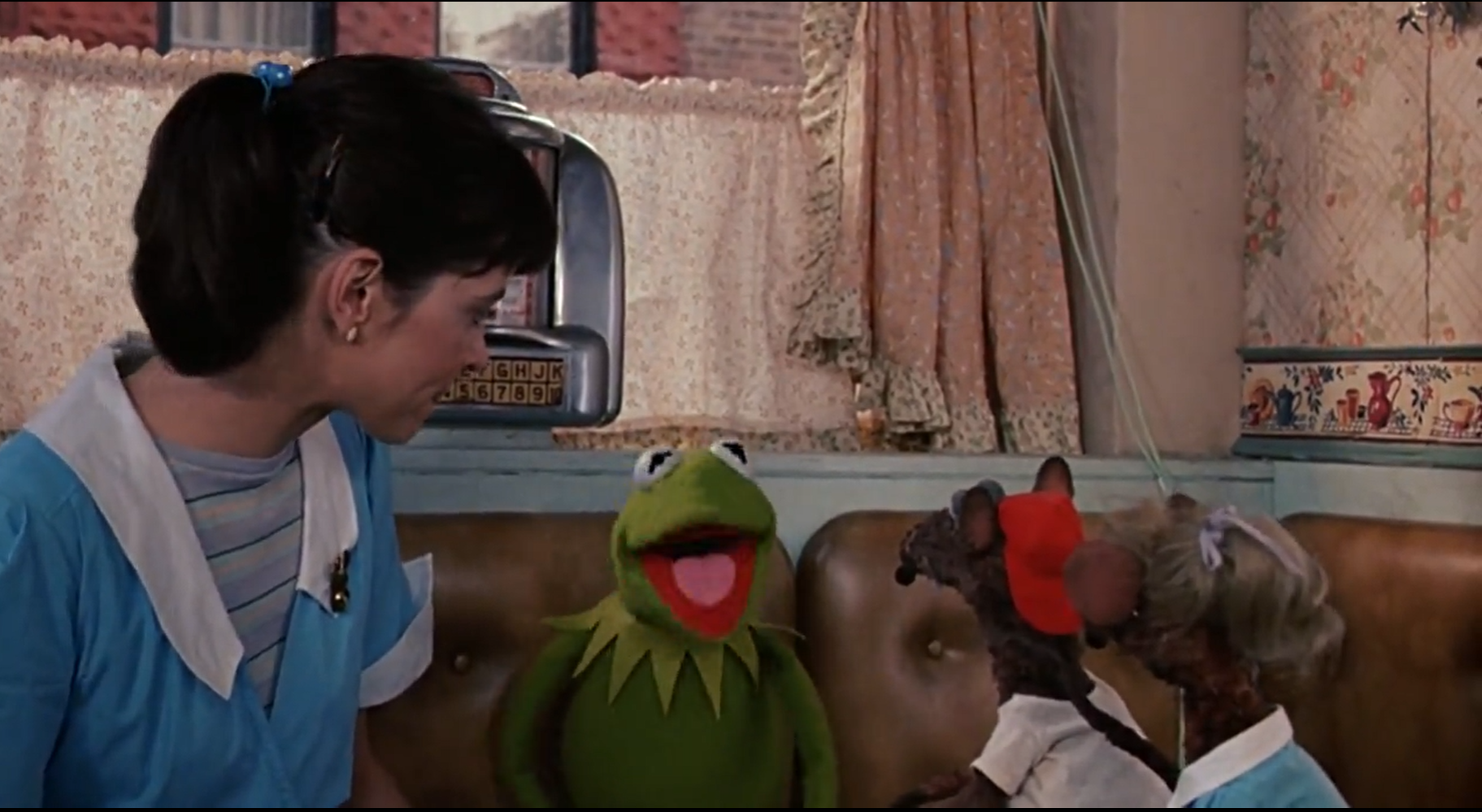
Juliana Donald as Kermit’s sympathetic new friend is instantly forgettable:

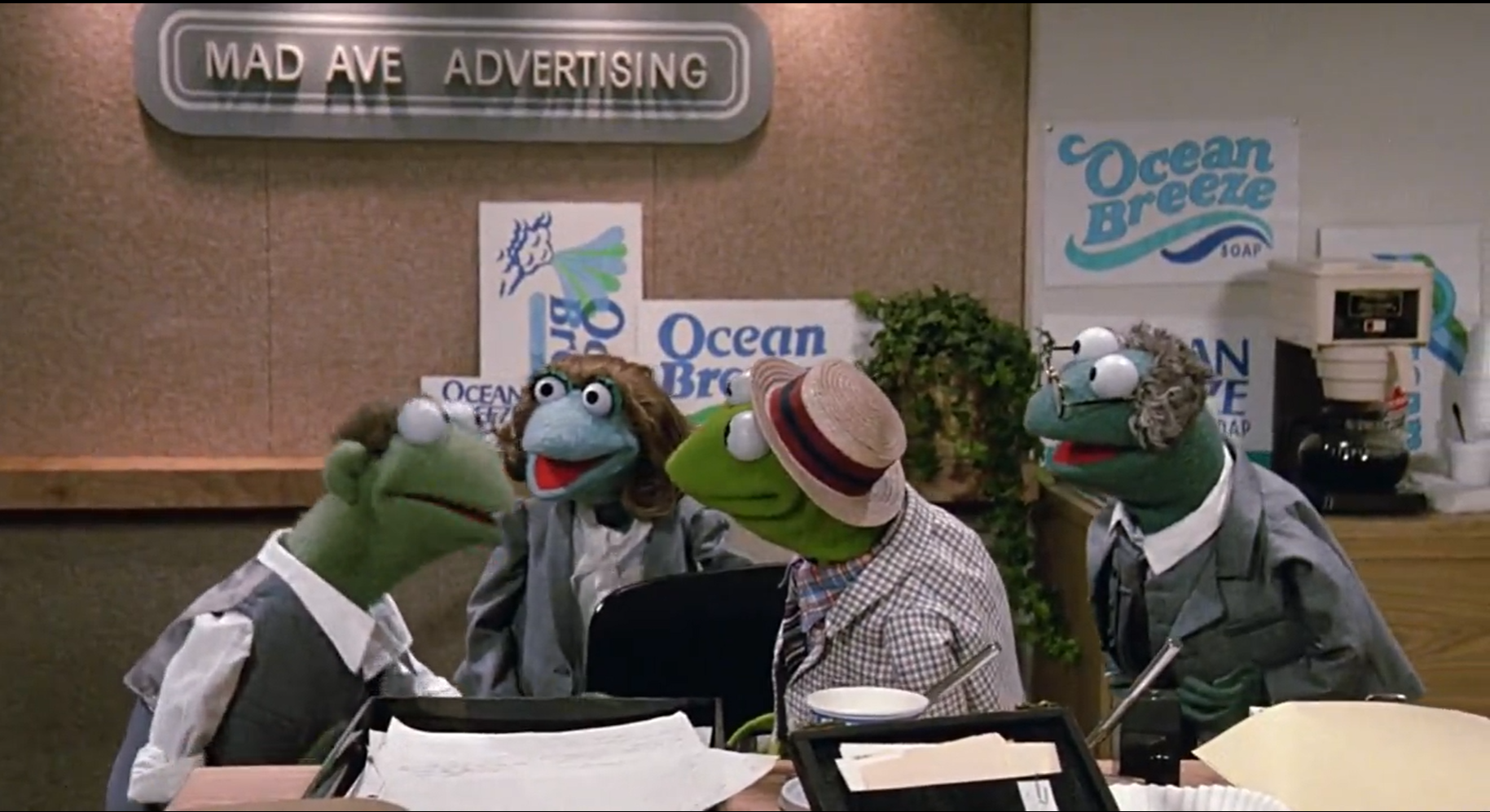
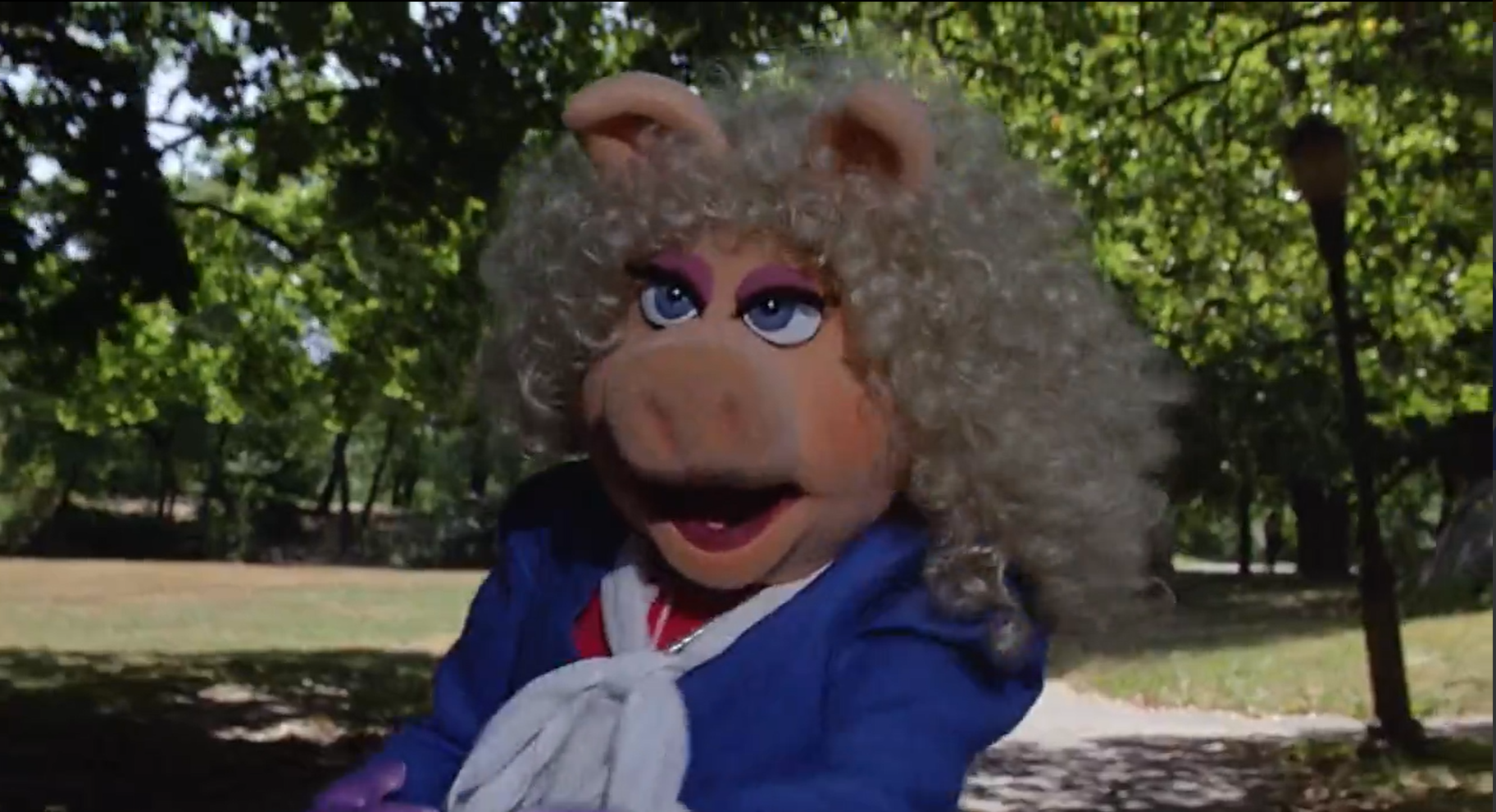
though it’s mildly amusing to watch Miss Piggy (with an ’80s perm!) fuming at her with jealous rage. Most entertaining are the scenes in which an amnesia-ridden Kermit — the indisputable star of the show — hangs out with his well-meaning, yet hopelessly square, new frog buddies: Bill, Gil, and Jill.

Redeeming Qualities and Moments:

  • Amnesiac Kermit — a.k.a. “Phil” — interacting with his new colleagues
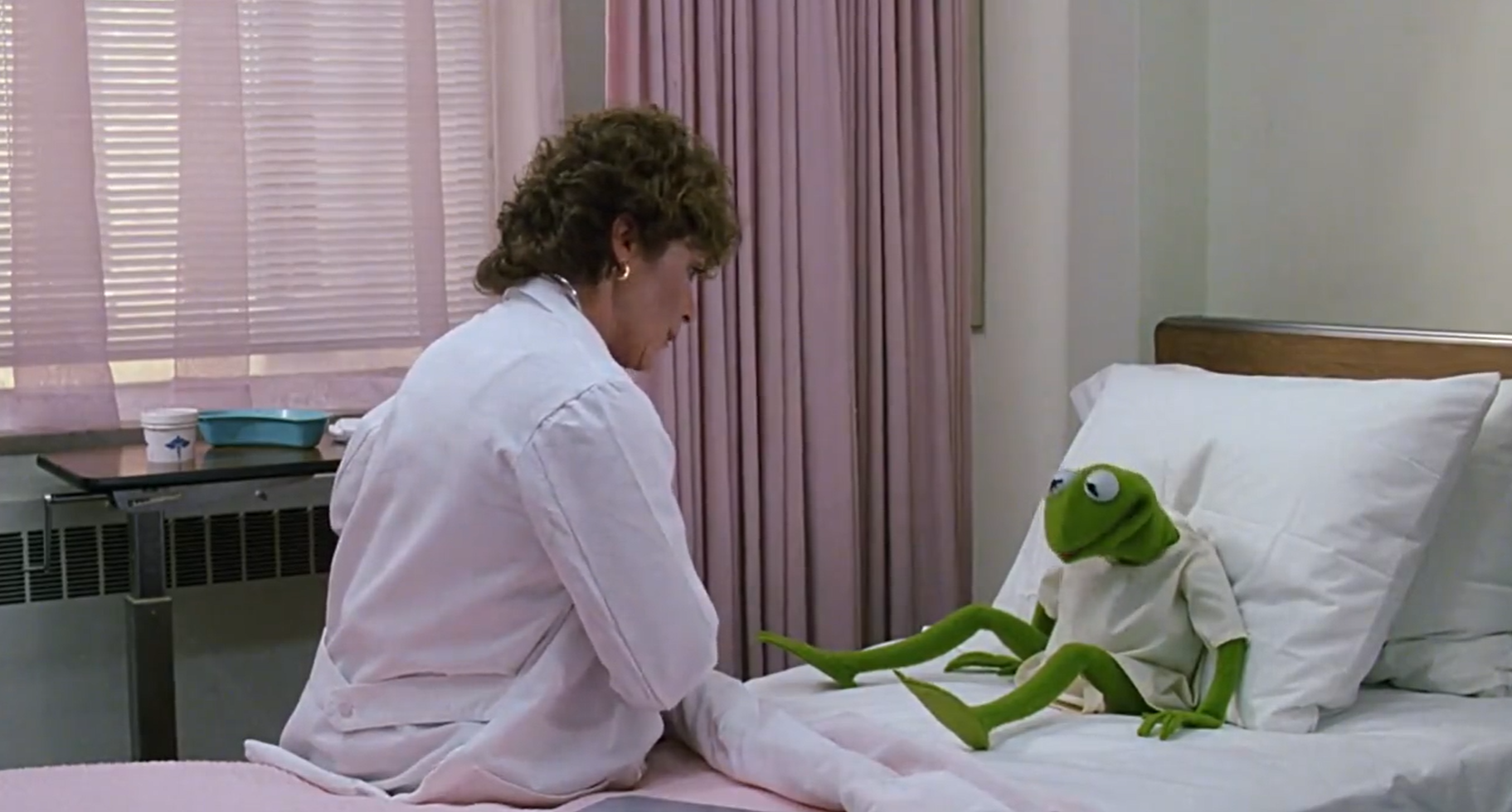
  • Linda Lavin (as a doctor) testing Kermit’s “reflexes” after his accident
  • A truly campy moment as Miss Piggy roller skates through Central Park while trying to catch a purse snatcher

Must See?
No. This one is for Muppet fans only; it’s not clear why Peary listed it in the back of his book, other than perhaps its Oscar-nominated score by Jeff Moss.

Links: