Browsed by
Category: Original Reviews

Responses to Peary’s “must see” movie reviews, as well as my own “must see” movie reviews up to and after 1986 (when Peary’s book was published).

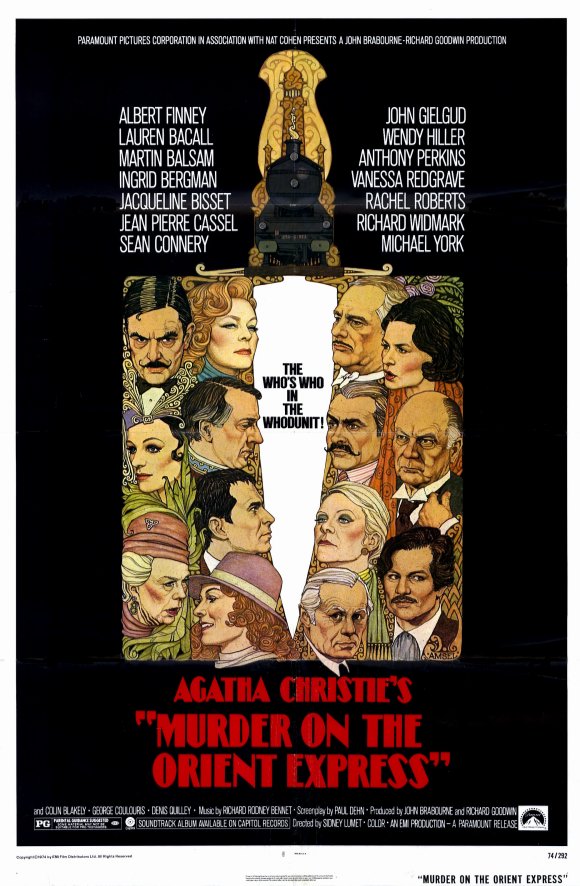
Murder on the Orient Express (1974)

Murder on the Orient Express (1974)

“Only by interrogating the other passengers could I hope to see the light.”

Synopsis:
Belgian detective Hercules Poirot (Albert Finney) investigates the murder of a businessman (Richard Widmark) on the Orient Express.

Genres, Themes, Actors, and Directors:

  • Albert Finney Films
  • Anthony Perkins Films
  • Detectives and Private Eyes
  • Ensemble Cast
  • Ingrid Bergman Films
  • Jacqueline Bisset Films
  • John Gielgud Films
  • Lauren Bacall Films
  • Martin Balsam Films
  • Michael York Films
  • Murder Mystery
  • Richard Widmark Films
  • Sean Connery Films
  • Sidney Lumet Films
  • Trains
  • Vanessa Redgrave Films
  • Wendy Hiller Films

Review:
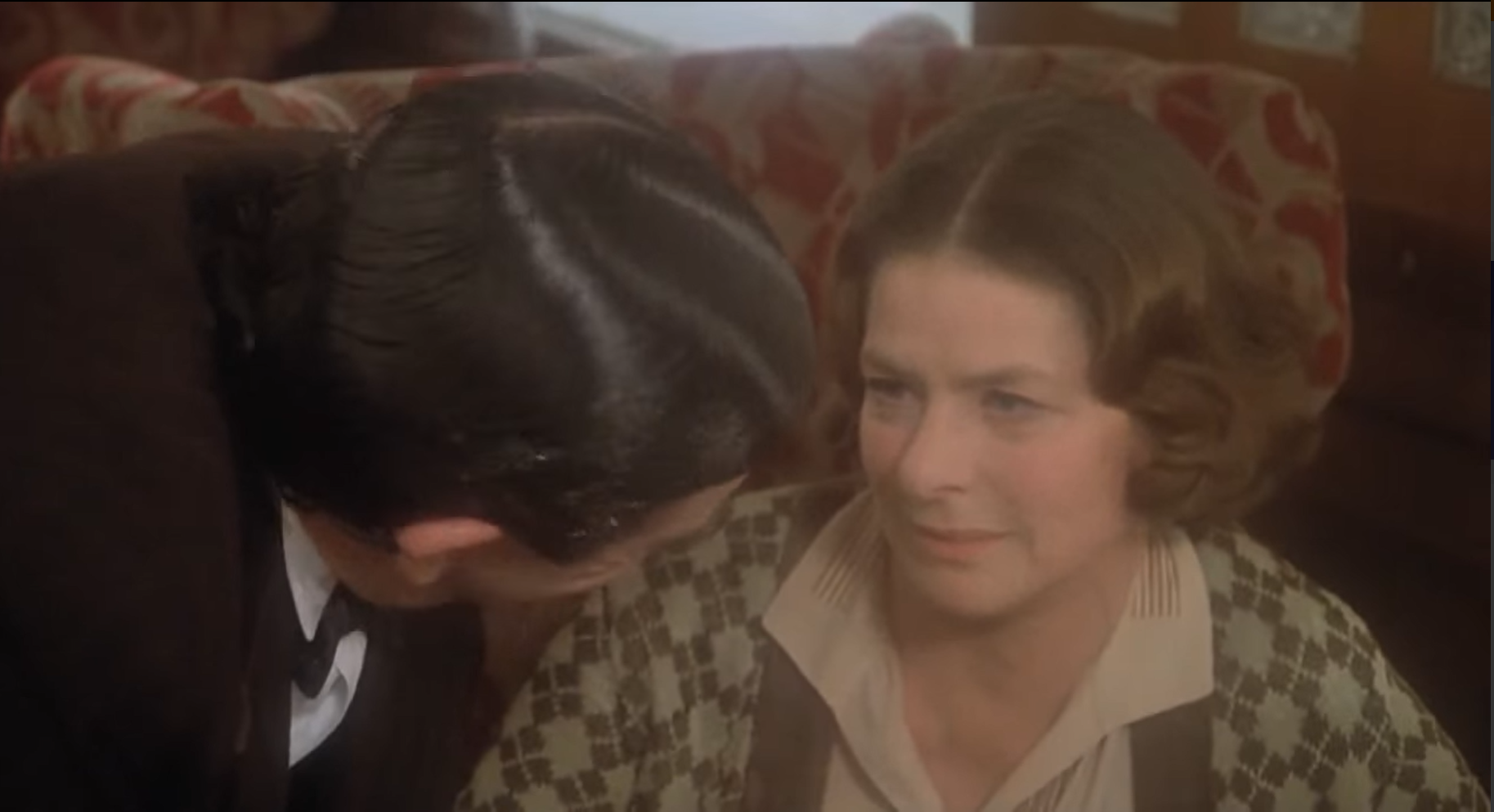
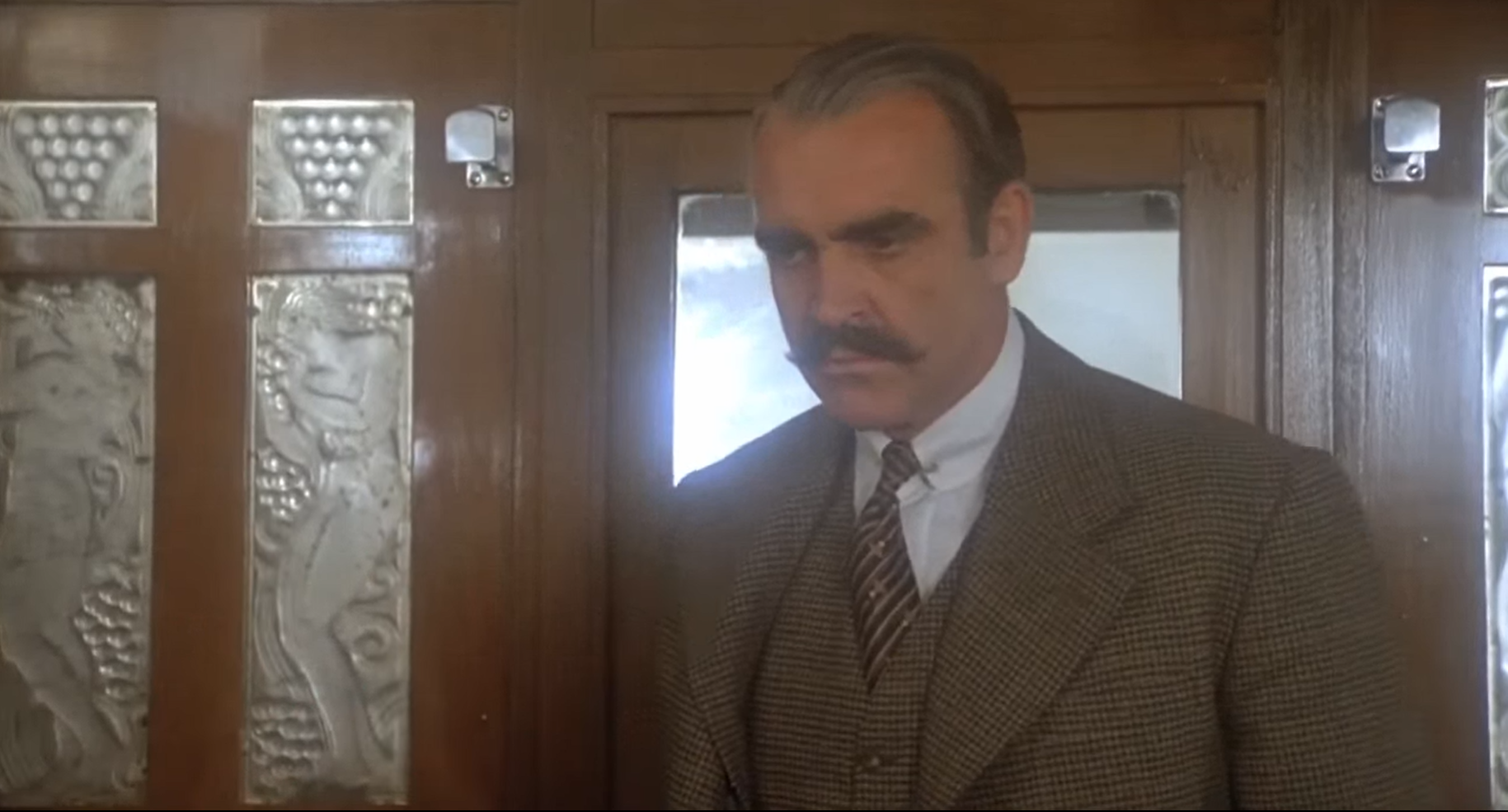
Sidney Lumet’s adaptation of Agatha Christie’s celebrated mystery is a nostalgic throw-back to the early days of Hollywood, when all-star casts routinely graced the screen together in ensemble films such as Grand Hotel (1932) and Dinner at Eight (1933). Indeed, film buffs will have a field day watching some of their favorite actors (including Lauren Bacall, Wendy Hiller, Sean Connery, Ingrid Bergman, Anthony Perkins, and others) in supporting roles. However, it’s Albert Finney who truly runs the show here: as the determined (and occasionally obnoxious) Hercules Poirot, Finney is literally unrecognizable. Unfortunately, Lumet indulges his screenplay a bit: it takes quite a while for all the characters to be introduced, and the final scenes linger far longer than necessary. Nonetheless, Murder on the Orient Express, which inspired two future Christie adaptations — Death on the Nile (1978) and Evil Under the Sun (1982) — remains a well-made detective flick, and should be seen by all film fanatics.

Redeeming Qualities and Moments:

  • Albert Finney — nearly unrecognizable as Belgian detective Hercules Poirot
  • Fine performances by a supporting cast of stars


  • Lush, colorful 1930s set designs and costumes
  • A satisfying and unexpected solution to the mystery

Must See?
Yes. While over-long, this Academy Award-nominated murder mystery is a rare return to the all-star format of earlier Hollywood dramas.

Categories

  • Oscar Winner or Nominee

Links:

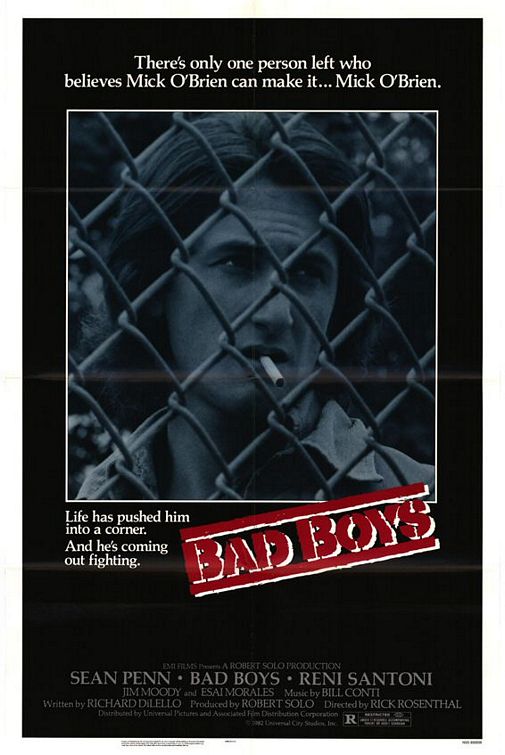
Bad Boys (1983)

Bad Boys (1983)

“I ain’t afraid of anything.”

Synopsis:
A juvenile delinquent (Sean Penn) is sent to prison after accidentally killing the brother of a rival gang member (Esai Morales). Meanwhile, Morales gets revenge by raping Penn’s girlfriend (Sheedy), and appears in prison ready for a showdown.

Genres, Themes, Actors, and Directors:

  • Character Arc
  • Gangs
  • Juvenile Delinquents
  • Prisoners
  • Revenge

Review:
Bad Boys edges dangerously close to a juvie exploitation flick in its familiar tale of a teen from a broken home who find himself battling both personal demons — and literal enemies — in a detention center. Fortunately, the film’s predictable storyline is redeemed by several notable performances, including a young Esai Morales as Penn’s nemesis (four years before his breakthrough role as Ritchie Valens’ brother in La Bamba), and Sean Penn in one of his earliest powerhouse performances. While we can predict the final narrative arc of the movie long before it arrives, we care enough about both Penn and Morales (a rare feat in a film where one character is clearly the protagonist) to hope things end well for them.

Redeeming Qualities and Moments:

  • Sean Penn in an early star-making role
  • Esai Morales as Penn’s nemesis
  • Ally Sheedy as Penn’s girlfriend

Must See?
No, but it’s recommended simply for the performances by Penn and Morales.

Links:

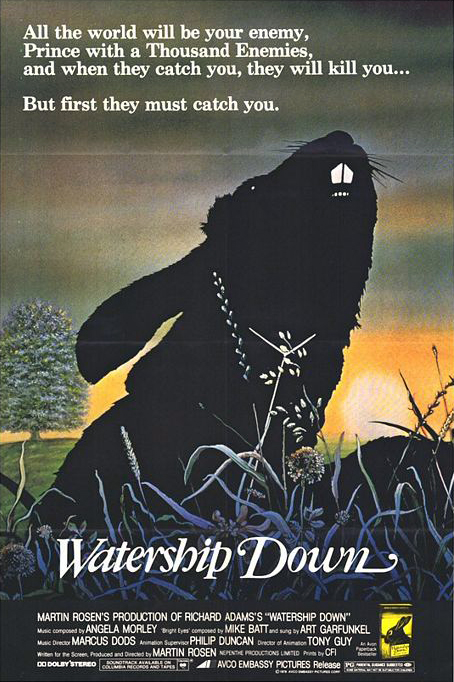
Watership Down (1978)

Watership Down (1978)

“All the world will be your enemy, Prince with a Thousand Enemies.”

Synopsis:
A group of rabbits leave their warren and search for a new home, dealing with dangers and predators along the way.

Genres, Themes, Actors, and Directors:

  • Animated Features
  • Denholm Elliott Films
  • Harry Andrews Films
  • John Hurt Films
  • Ralph Richardson Films
  • Search
  • Talking Animals

Review:
It’s rare to find a pre-CGI animated feature which deviates substantially from standard Disney form. There are some exceptions (such as the incomparable Yellow Submarine, or Ralph Bakshi’s X-rated films), but not many — which is why Martin Rosen’s Watership Down remains such a delight. This intelligent adaptation of Richard Adams’ allegorical novel respects our intelligence, and dares to assume that animated films can appeal to adults without including pornographic material. The low-budget animation is surprisingly effective, using a creative mix of watercolor backdrops and more detailed foreground action; voices by John Hurt and other esteemed British actors provide automatic gravitas to the proceedings.

Redeeming Qualities and Moments:

  • Expressive animation
  • Beautiful watercolor backgrounds
  • A surprisingly “adult” plot which doesn’t shy away from violence and difficult themes
  • The opening “origin tale” sequence

Must See?
Yes. This unique animated feature — listed as a Sleeper and a Personal Recommendation by Peary in the back of his book — should be seen by all film fanatics.

Categories

  • Good Show

Links:

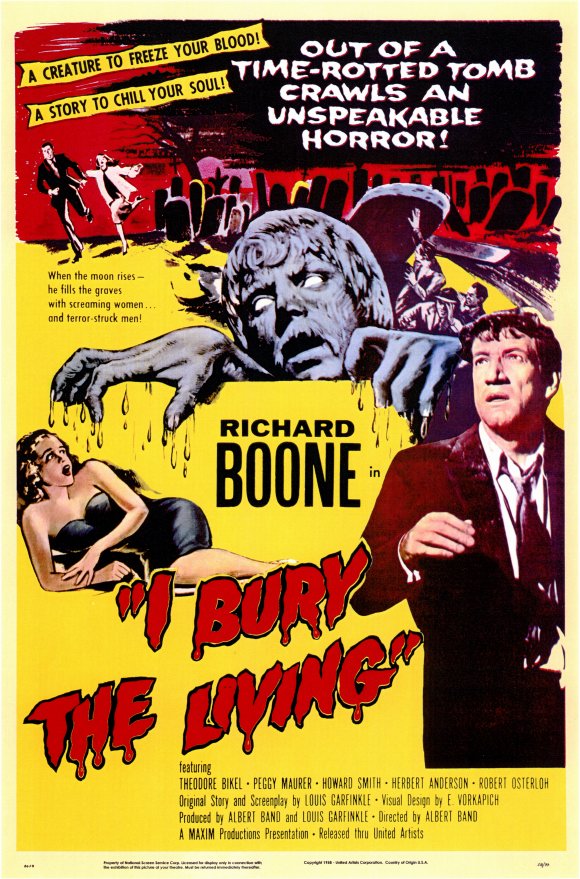
I Bury the Living (1958)

I Bury the Living (1958)

“Maps and pins can’t kill alone — the power of a human brain has to be behind it.”

Synopsis:
The newly appointed chairman (Richard Boone) of a cemetery soon discovers that by pushing a black pin onto a plot on a map, he will cause the death of the plot’s owner — yet nobody believes him, and deaths continue to mount.

Genres, Themes, Actors, and Directors:

  • Horror
  • “No One Believes Me!”
  • Richard Boone Films
  • Supernatural Powers

Review:
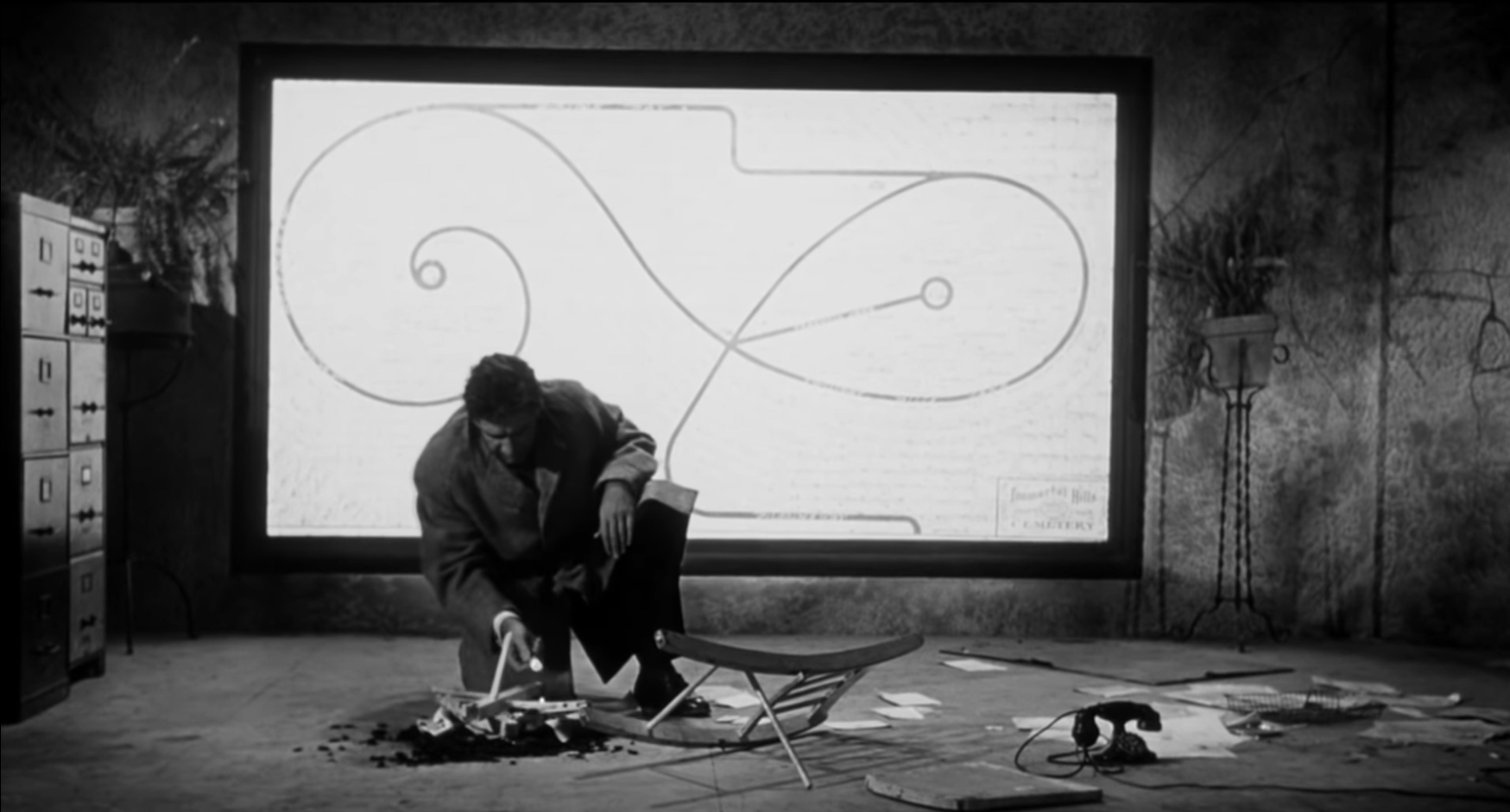
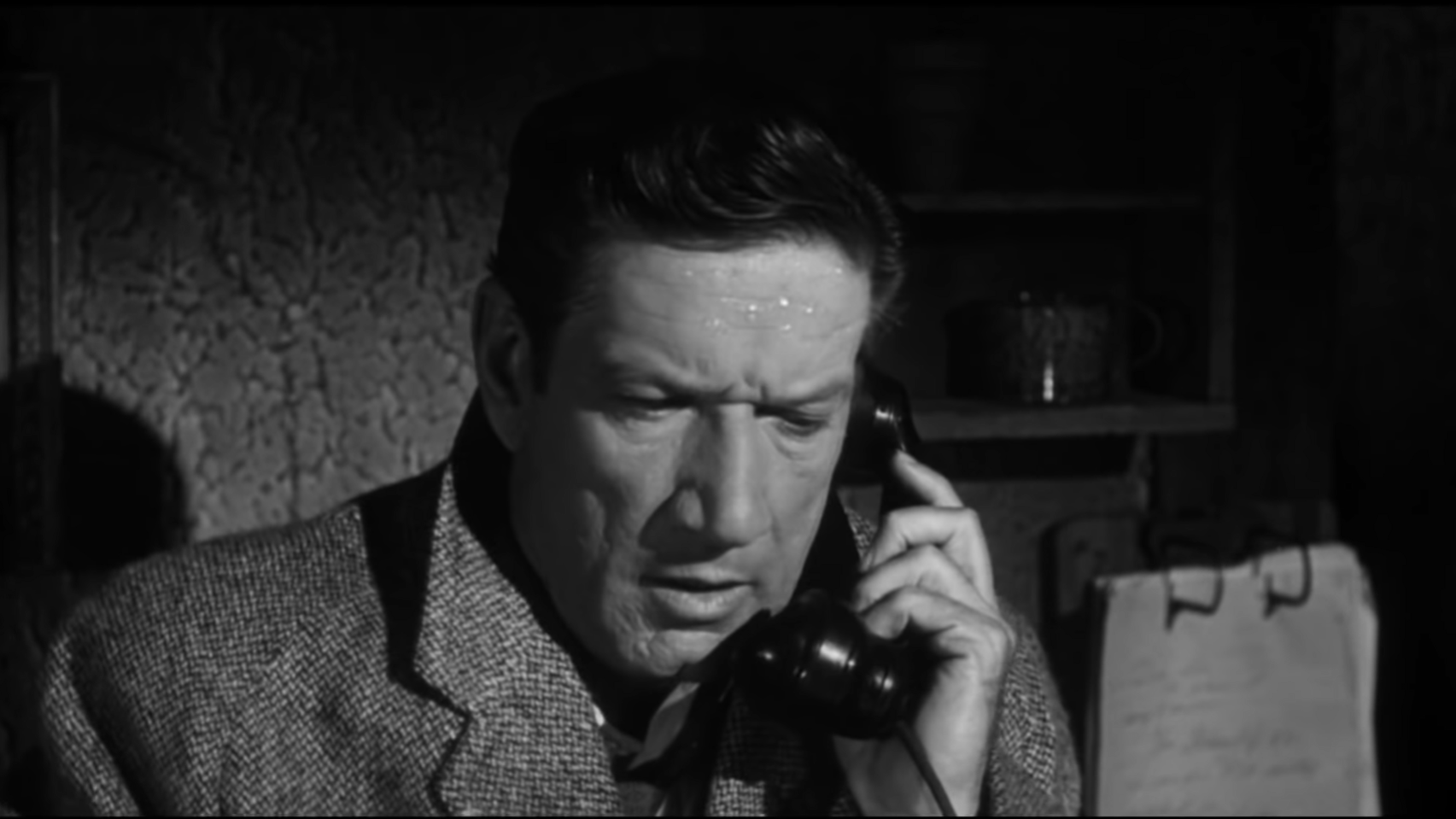
This low-budget horror flick — more akin to a Twilight Zone episode than a feature film — holds interest throughout its 75 minutes. Based on a remarkably simple premise, I Bury the Living remains unique because of its decision to show Boone as a tortured soul who no one will believe, rather than a gleeful madman who revels in his newfound power. Director Albert Band makes good, restrained use of camera tricks and extreme lighting to show Boone’s state of mind, and turns the cemetery map itself into a virtual piece of psychedelic art.

While critics are divided in their opinions of the film’s denouement (most hate it), these final five minutes fortunately do little to take away from the enjoyment of what’s come before.

Redeeming Qualities and Moments:

  • Richard Boone as the troubled chairman
  • Effective cinematography and camera tricks to reflect Boone’s degenerating state of mind
  • The surprisingly creepy cemetery map

Must See?
Yes, as a good show.

Categories

  • Good Show

Links:

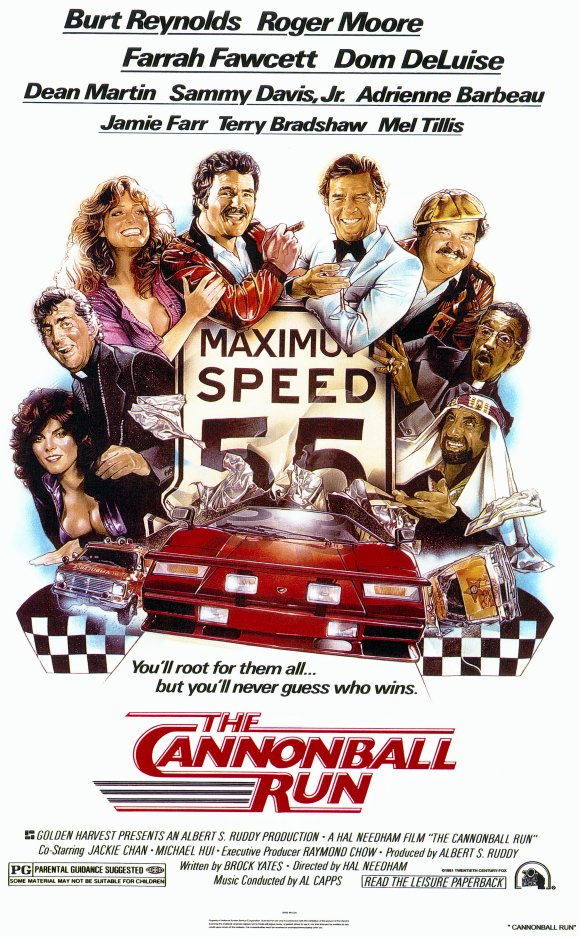
Cannonball Run, The (1981)

Cannonball Run, The (1981)

“You are certainly the most distinguished group of highway scofflaws and degenerates ever gathered together in one place.”

Synopsis:
An eccentric group of competitors — played by Burt Reynolds, Dom DeLuise, Roger Moore, Jackie Chan, Adrienne Barbeau, Farrah Fawcett, Jamie Farr, Dean Martin, Sammy Davis, Jr., and others — participate in an illegal cross-country car race known as the Cannonball Run.

Genres, Themes, Actors, and Directors:

  • Burt Reynolds Films
  • Car Racing
  • Comedy
  • Dean Martin Films
  • Ensemble Cast
  • Peter Fonda Films
  • Rivalry

Review:
The Cannonball Run was the fifth highest grossing film of 1981, and remains a nostalgic favorite for those who remember watching it upon its release (either in theaters or on cable). The characterizations by an all-star cast are amusingly irreverent, and there’s some fun to be had in seeing the depths to which these fanatical competitors will go in order to win the race. This isn’t great filmmaking by any means (see Roger Ebert’s panning review, for instance), but The Cannonball Run remains an iconic piece of pop culture, and will probably be of passing interest to film fanatics for this reason alone.

Redeeming Qualities and Moments:

  • An all-star cast having innocent screwball fun together

Must See?
No, though it’s worth a look simply for its status as a nostalgic favorite.

Links:

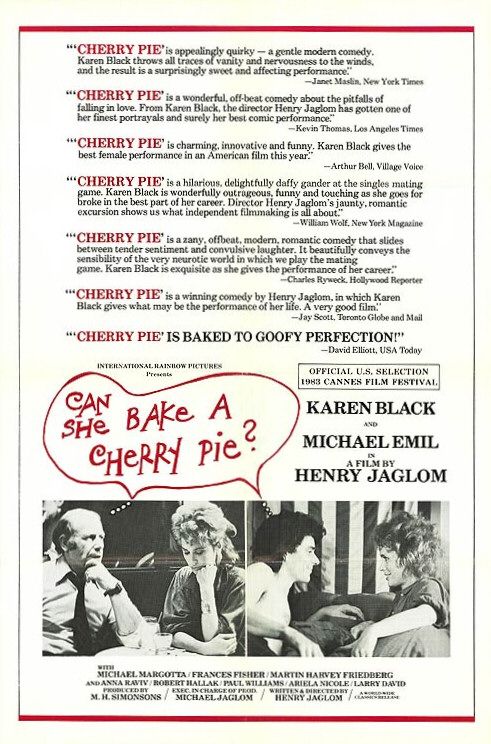
Can She Bake a Cherry Pie? (1983)

Can She Bake a Cherry Pie? (1983)

“You seem to have a lot of energy — and it gets stuck in your forehead.”

Synopsis:
Two misfits (Karen Black and Michael Emil) find love in New York City.

Genres, Themes, Actors, and Directors:

  • Character Studies
  • Misfits
  • New York City
  • Romantic Comedy

Review:
Not a whole lot happens in Can She Bake a Cherry Pie?, an unusual, character-driven love story by independent filmmaker Henry Jaglom. Yet we can’t help getting caught up in the lives of Zee (Black) and Eli (Emil), who personify every misfit we’ve ever known — indeed, there’s something immensely satisfying about watching even these strangest of folks finding someone to love. Jaglom makes good use of New York City locales, and there are several unexpectedly fine moments — including one with a pigeon, and one in which Black (who has a lovely voice) sings the blues.

Redeeming Qualities and Moments:

  • Karen Black as the abandoned wife who finds love unexpectedly
  • Michael Emil as Black’s love interest
  • Black singing the blues

Must See?
Yes. This quirky Henry Jaglom film — while not for every taste — is an excellent introduction to his early work. Listed as a Cult Movie in the back of Peary’s book.

Categories

  • Important Director

Links:

Competition, The (1980)

Competition, The (1980)

“That is your first husband — that! You marry it, the way a nun marries Jesus — you cleave to it because it gives your life a center that no man — that very few men — can possibly give you.”

Synopsis:
Two rival pianists (Richard Dreyfuss and Amy Irving) fall in love while rehearsing for a competition in San Francisco.

Genres, Themes, Actors, and Directors:

  • Amy Irving Films
  • Aspiring Stars
  • Lee Remick Films
  • Mentors
  • Musicians
  • Richard Dreyfuss Films<
  • Rivalry
  • Romance

Review:
The Competition tackles an interesting and provocative question: is it possible for rivals to carry out a successful romance? As someone who studied classical music for several years, I can vouch for the authenticity of the dilemma facing these two young musical hopefuls, who find themselves torn between mutual admiration, genuine attraction, and intense rivalry. Director Joel Oliansky doesn’t try to provide pat answers to this dilemma; and while Dreyfuss’s petulant behavior towards Irving may be difficult to watch, it’s realistic. Unfortunately, however, the film is marred by constant forays into the lives of the other competitors — most notably a Russian student who must deal with her teacher defecting to the West (surely included for its political timeliness rather than any other reason). These subplots distract us from the film’s primary characters, who should have remained the sole focus.

Redeeming Qualities and Moments:

  • Richard Dreyfuss as Paul
  • Amy Irving as Heidi
  • Lee Remick as Irving’s piano teacher
  • Plenty of beautiful piano music, well “performed” by Dreyfuss and Irving (who trained for four months for their roles)

Must See?
No, but it’s recommended for classical music fans.

Links:

Endless Summer, The (1966)

Endless Summer, The (1966)

“I couldn’t help but think of all the waves which had gone to waste.”

Synopsis:
Two American surfers (Michael Hynson and Robert August) travel the world in search of the “perfect wave”.

Genres, Themes, Actors, and Directors:

  • Documentary
  • Sports
  • Surfers

Review:
Bruce Brown’s 16 mm documentary about surfing the world’s waves is, as noted in TCM’s article, little more than a glorified home video. Nonetheless, it received reasonable reviews upon its release, and, despite the hokey narration by Brown, has developed a nostalgic cult following over the years. Naturally, there’s lots of footage of the surfers out on the waves, which can get tedious if you’re not a fan — but if you’re going to see one documentary about this hugely popular sport, this should be it.

Redeeming Qualities and Moments:

  • An often amusing time-capsule glimpse at one of the world’s most popular water sports
  • Brown’s unintentionally campy narration

Must See?
Yes. This cult documentary should be seen by all film fanatics.

Categories

  • Cult Movie
  • Historically Relevant

Links:

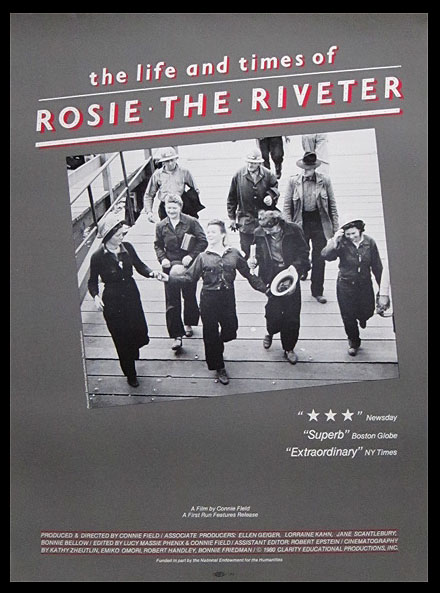
Life and Times of Rosie the Riveter, The (1980)

Life and Times of Rosie the Riveter, The (1980)

“We’d never had any opportunity to do that kind of work.”

Synopsis:
When soldiers return home after World War II, women doing vital work in factories are asked to leave.

Genres, Themes, Actors, and Directors:

  • Documentary
  • Feminism and Women’s Issues
  • Propaganda
  • World War II

Review:
Countless documentaries have been made about World War II — especially since the debut of the History Channel on cable — but Connie Field’s The Life and Times of Rosie the Riveter remains unique. Filmed at a time when many former “Rosies” were still alive and able to remember their experiences during the war, Riveter showcases first-hand interviews with women who experienced both a unique opportunity to learn “men’s work”, and a devastating loss of empowerment soon thereafter. Field is especially adept at showing how the American propaganda machine churned out rhetoric meant to make women feel guilty during the war if they didn’t contribute to the workforce, and guilty afterwards if they hoped to keep the jobs they’d grown to enjoy.

Redeeming Qualities and Moments:

  • Judicious use of both archival footage and contemporary interviews


Must See?
Yes, simply for its importance as a valuable cultural document.

Categories

  • Historically Relevant

Links:

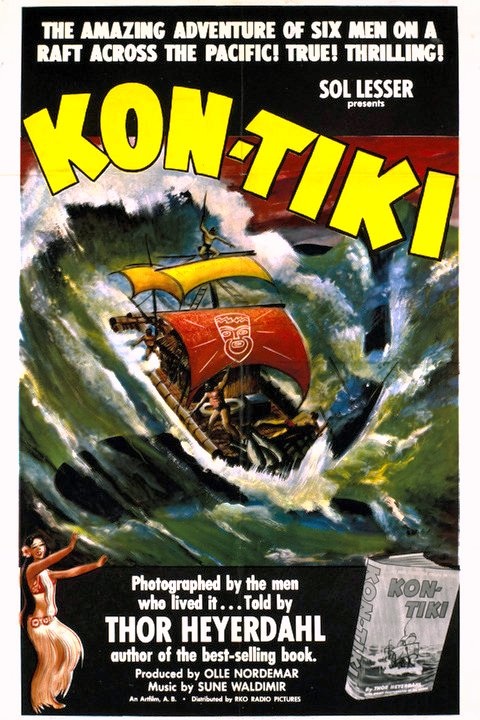
Kon-Tiki (1950)

Kon-Tiki (1950)

“What is shown is what actually took place.”

Synopsis:
Thor Heyerdahl and his crew sail across the Pacific Ocean on a wooden raft, hoping to prove that Peruvian Indians may once have settled in the Polynesian Islands.

Genres, Themes, Actors, and Directors:

  • At Sea
  • Documentary
  • Scientists

Review:
This Oscar-winning documentary — constructed primarily from 16 mm footage shot during Heyerdahl’s historic trans-Pacific voyage — remains surprisingly powerful viewing. Other than its “voice of God” narration and an opening sequence showing maps of the trip, this film tells it like it is: we feel like we’re right there on the boat with these brave men as they carry out one of the most audacious “experiments” in the history of the social sciences. Click here to read more about the expedition.

Redeeming Qualities and Moments:

  • A fascinating glimpse at the Kon-Tiki crew’s trials and triumphs
  • The climactic final moments of the crew’s journey
  • Flying fish landing on the deck of the raft each morning, providing convenient “fast food” for the sailors

Must See?
Yes. This documentary remains a fascinating look at one of the most famous sea voyages ever made. Listed in the back of Peary’s book as a film with Historical Importance and a Personal Recommendation.

Categories

  • Historically Relevant
  • Oscar Winner or Nominee

Links: