Browsed by
Category: Original Reviews

Responses to Peary’s “must see” movie reviews, as well as my own “must see” movie reviews up to and after 1986 (when Peary’s book was published).

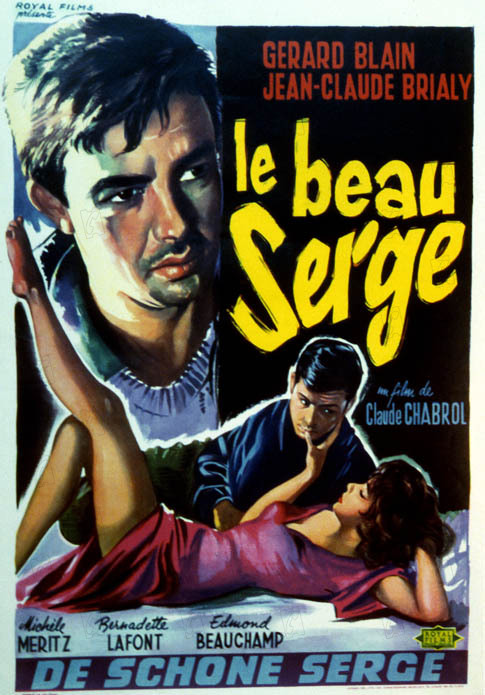
Beau Serge, Le (1958)

Beau Serge, Le (1958)

“Francois, listen to me – you’ve got to do something. Help me!”

Synopsis:
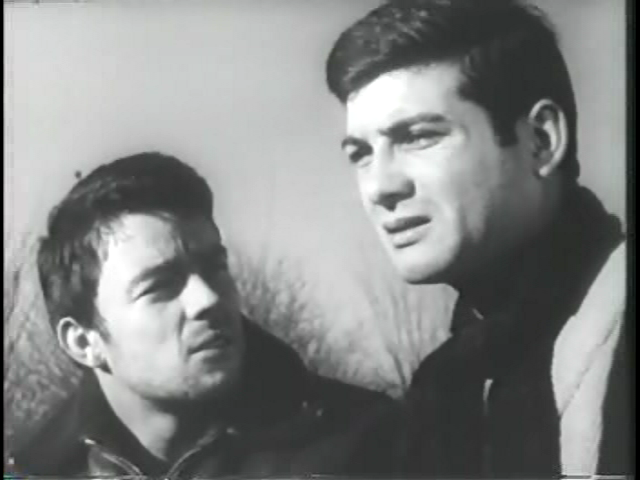
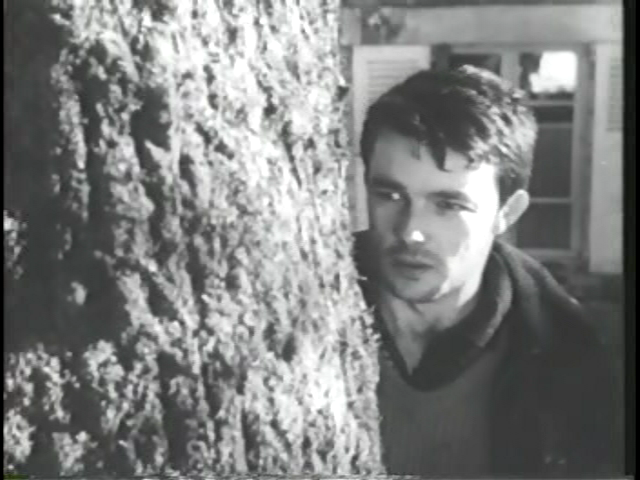
A college student with tuberculosis (Jean-Claude Brialy) returns to his hometown to get some rest, and discovers that his childhood friend, Serge (Gerard Blain), has become an alcoholic.

Genres, Themes, Actors, and Directors:

  • Claude Chabrol Films
  • French Films
  • Friendship

Review:
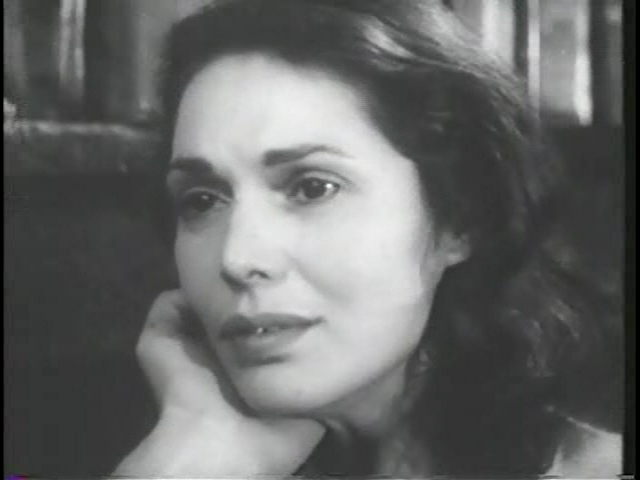
Le Beau Serge (“Handsome Serge”) was arguably the first film to emerge from the French New Wave movement. Directed by former Cahiers du Cinema critic Claude Chabrol, it’s a deeply personal, character-driven portrait of the tensions inherent in “returning home” after spending years away. The story centers on Francois’s concern for his childhood friend, Serge, who has descended into drink after the stillborn death of his retarded son; despite the imminent arrival of another child by his loyal wife (Michele Meritz), Serge refuses to sober up and live responsibly. Francois is determined to help his friend “see the light”, and eventually sacrifices his own health for the sake of Serge’s happiness; meanwhile, a local sexpot (Bernadette Lafont) is raped by her stepfather, yet Francois’s noble attempt to intervene once again falls flat.

In characteristic New Wave style, the narrative in Le Beau Serge is rather loose, with more of an emphasis on characters, setting, and philosophical contemplation than straightforward action. While it’s never made clear exactly why Francois is so determined to “save” his friend, it’s hinted that he may be driven by a sentiment of “there but for the grace of God…” — indeed, rural life in the film is depicted as narrow and limited, with sexy Marie (Lafont) channeling all her energy into the pursuit of men, and Serge giving up his dream of an architecture career for life as a husband and truck driver. Does Chabrol intend for us to pity the lives of these “simple” characters? It’s hard to tell, but the film’s baroquely allegorical ending — which posits Francois as a sort of Christian martyr — seems to label the townsfolk as somehow needing salvation. Despite its narrative flaws and ambiguities, however, Le Beau Serge remains an oddly compelling character study, one which clearly demonstrates Chabrol’s passion, talent, and dedication to the craft of filmmaking.

Note: Chabrol returned to the theme of country-versus-city in his next film, Les Cousins (1959), in which country-boy Blain comes to stay with his more urbane — and infinitely less sympathetic — cousin (Brialy) in Paris.

Redeeming Qualities and Moments:

  • Jean-Claude Brialy as Francois
  • Gerard Blain as Serge
  • Michele Meritz as Serge’s pregnant wife, Yvonne
  • Bernadette Lafont as Marie
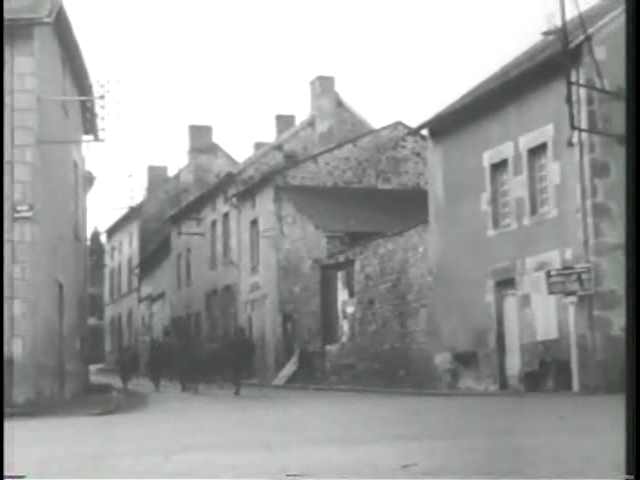
  • Effective use of Chabrol’s hometown (Sardent) as a setting

Must See?
Yes, for its cinematic importance. Listed as a film with historical importance and a Personal Recommendation in the back of Peary’s book.

Categories

  • Historically Relevant
  • Important Director

Links:

Big Sky, The (1952)

Big Sky, The (1952)

“It sure is big country; the only thing bigger is the sky.”

Synopsis:
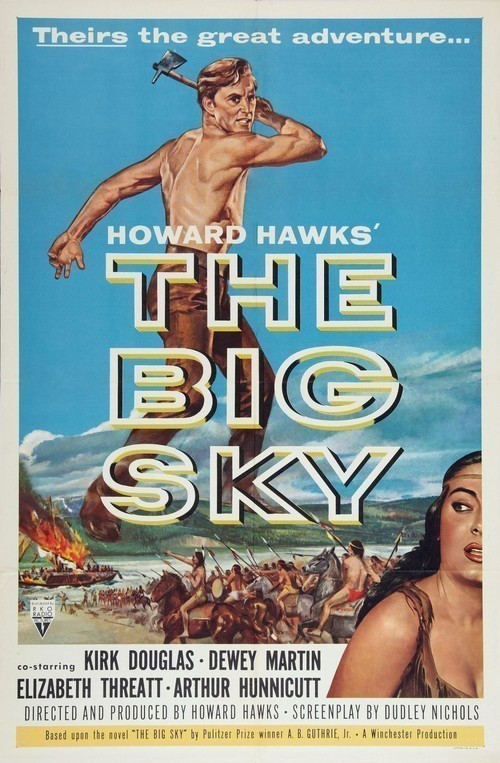
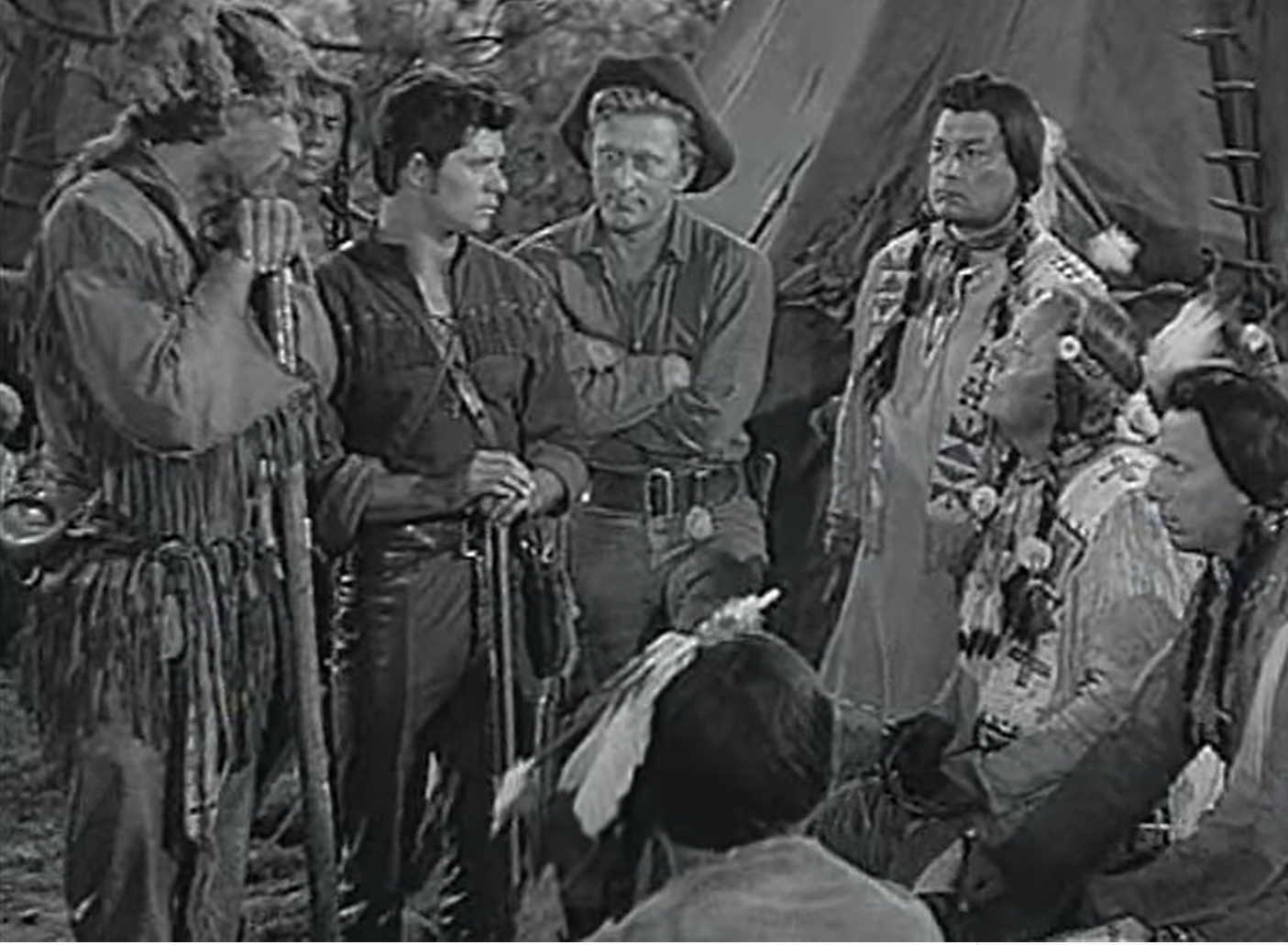
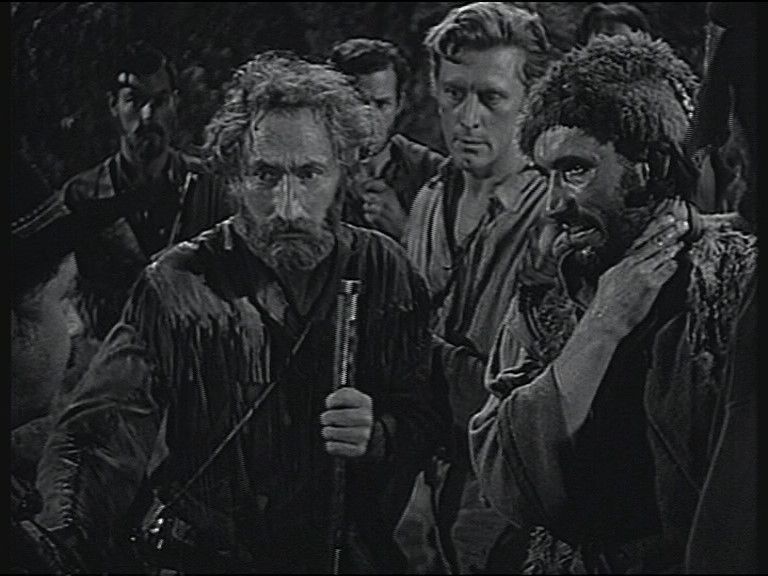
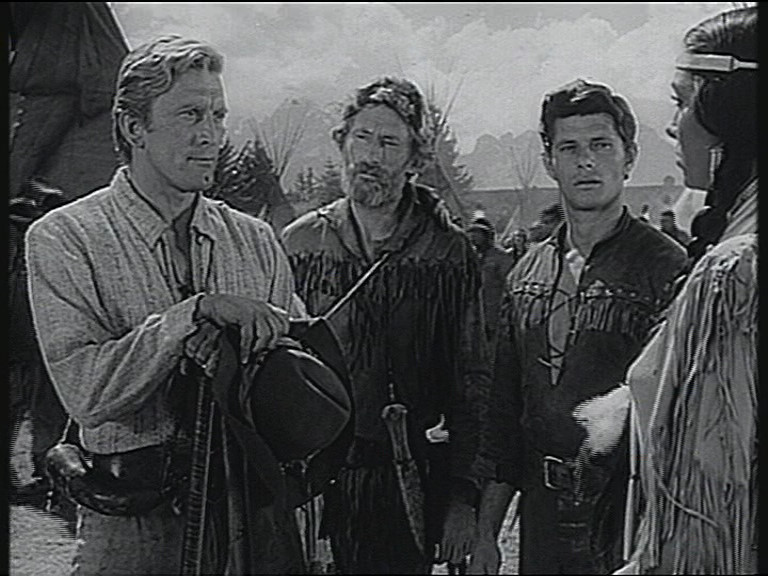
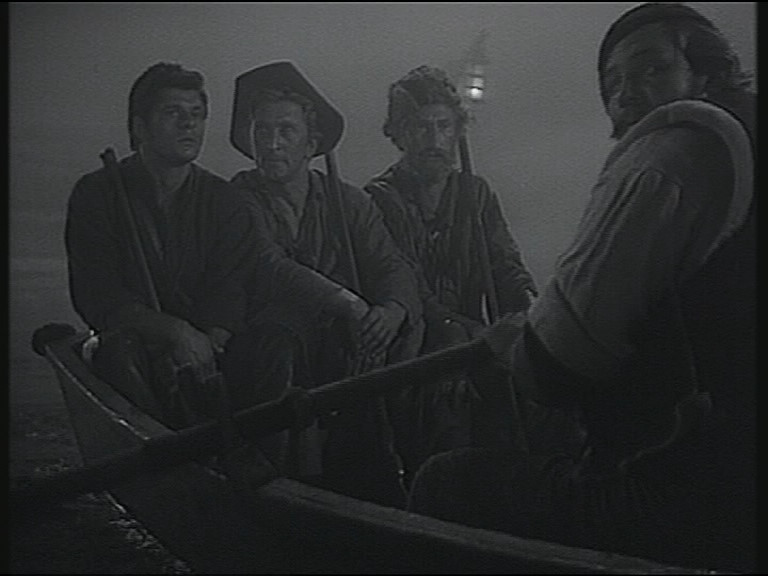
In the 1830s, frontiersmen Jim Deakins (Kirk Douglas) and Boone Caudill (Dewey Martin) meet up with Boone’s Uncle Zeb (Arthur Hunnicutt) in St. Louis, and join a group of mountain men led by “Frenchy” Jourdonnais (Steven Geray). Hoping to trade with Blackfoot Indians by safely delivering their kidnapped princess Teal Eye (Elizabeth Threatt) to them, the trappers head west along the Missouri River; their plans are complicated, however, by the presence of hostile Crow Indians, and by members of a rival fur trading company who hope to capture and use Teal Eye for their own purposes.

Genres, Themes, Actors, and Directors:

  • Howard Hawks Films
  • Kirk Douglas Films
  • Native Americans
  • Westerns

Review:
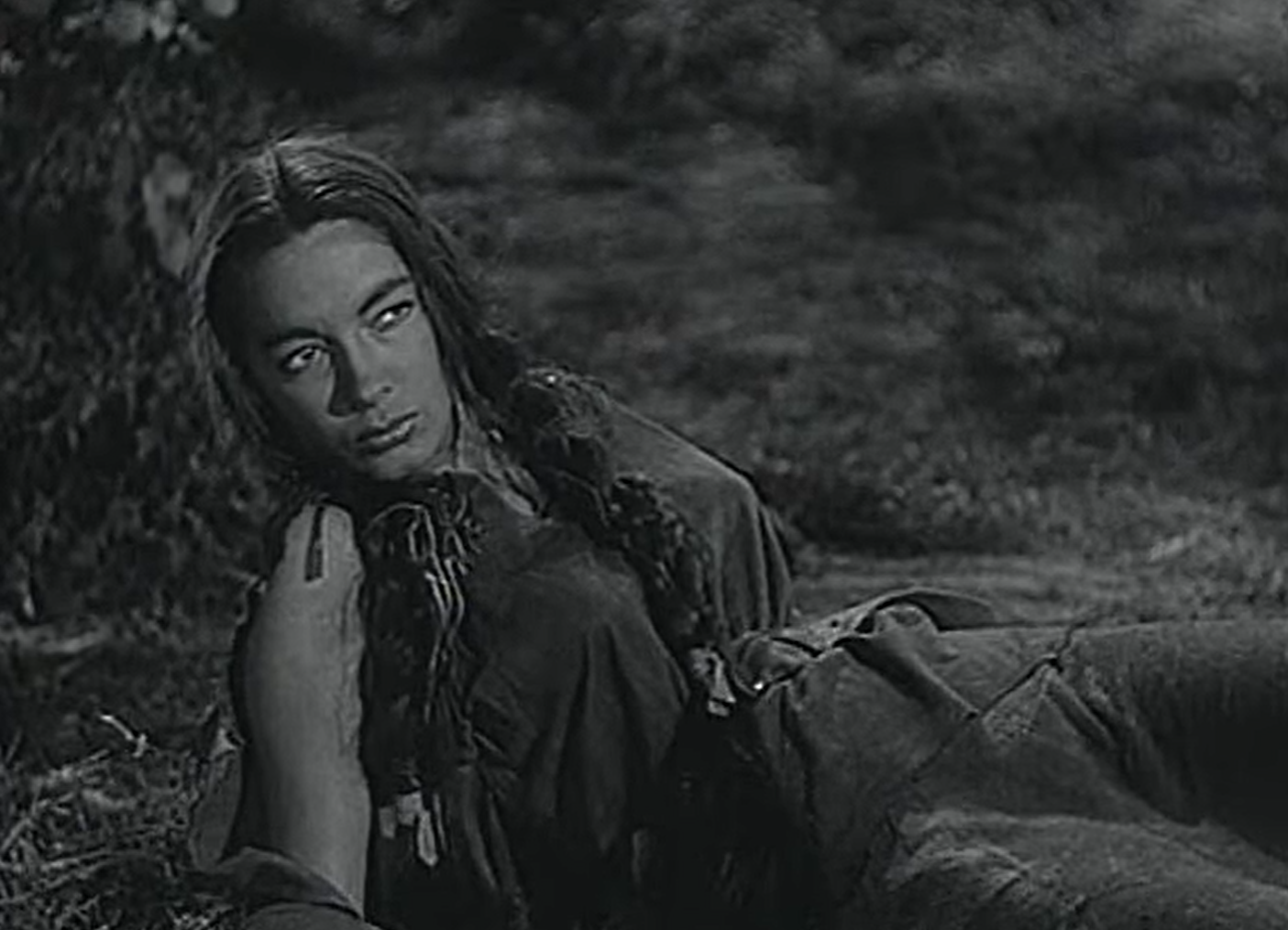
Based on a bestselling novel by A.B. Guthrie, Jr., this unusual western effectively evokes both the danger and the excitement of life for fur trading “mountain men” — pioneers of early American history not often portrayed in films (1972’s Jeremiah Johnson — also listed by Peary — is a notable exception). Grizzly Arthur Hunnicut (who deserved his nomination as Best Supporting Actor) narrates the film, and, despite Kirk Douglas’s top billing, emerges as its central figure; but Douglas’s performance is equally impressive, and beautiful Elizabeth Threatt (half-Cherokee in real life) is surprisingly dignified and effective as Teal Eyes — it’s too bad this was her only film.

Dewey Martin as Douglas’s younger “partner” is the least impressive of the bunch, and his anachronistically gleaming leather pants — especially in contrast with the film’s overall attention to historical detail — are enormously distracting; one can’t help feeling he was cast simply to provide a hunky heartthrob.

Of primary interest to film buffs, however, will be the presence of director Howard Hawks’ characteristic trademarks: realistically overlapping dialogue, an undercurrent of homoeroticism between Douglas and Martin (those pants!), and his depiction of the male traders as hardworking and loyal. While it’s overlong by at least half an hour, The Big Sky remains a satisfying adventure tale by one of America’s great directors, and should be seen by all film fanatics.

Note: Martin’s rolling tussles with beautiful Teal Eyes are unexpectedly racy — as is the surprising tepee scene near the end of the film.

Redeeming Qualities and Moments:

  • Arthur Hunnicutt’s Oscar-nominated performance as Uncle Zeb
  • Kirk Douglas as Jim Deakins
  • Russell Harlan’s cinematography

Must See?
Yes, for Hunnicutt’s Oscar-nominated performance.

Categories

  • Important Director
  • Oscar Winner or Nominee

(Listed in 1001 Movies You Must See Before You Die)

Links:

Knack… and How to Get It, The (1965)

Knack… and How to Get It, The (1965)

“If you ask me, they’re a new breed of characters altogether.”

Synopsis:
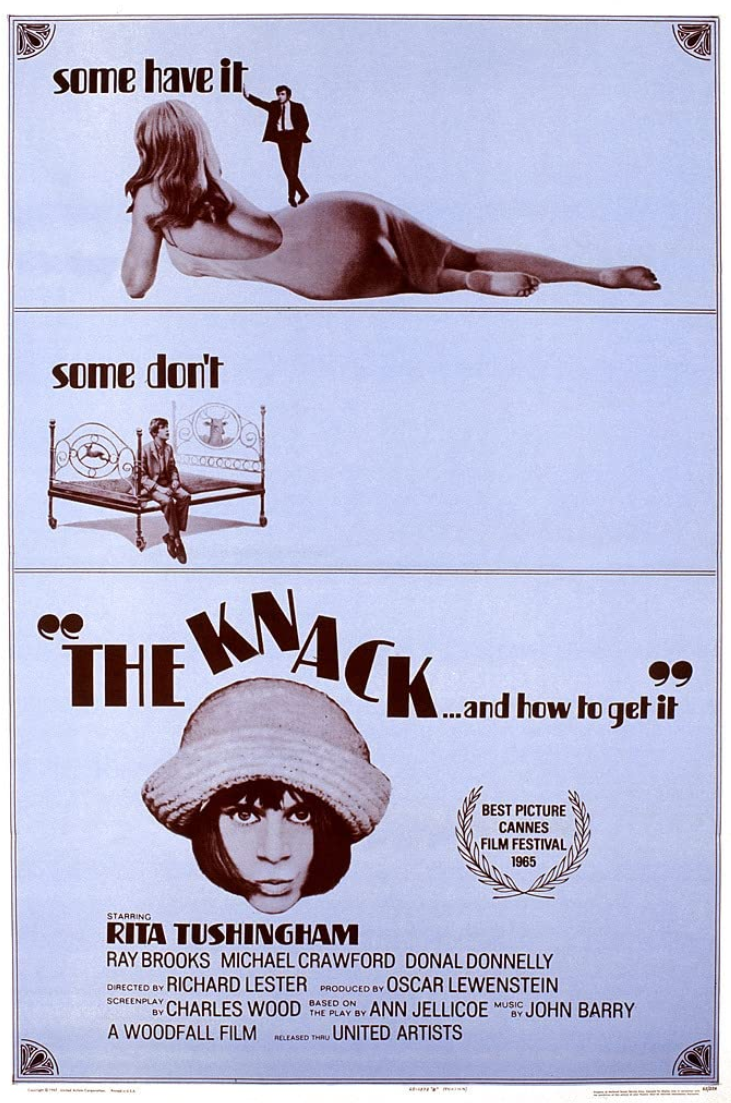
An insecure teacher (Michael Crawford) who desires his womanizing tenant’s (Ray Brooks) “knack” with women thinks getting a bigger bed might help his luck; while at the dump with his new housemate (Donal Donnelly), he meets a naive young girl from the country (Rita Tushingham), who Brooks immediately puts the moves on — with unexpected consequences.

Genres, Themes, Actors, and Directors:

  • Charlotte Rampling Films
  • Comedy
  • Play Adaptation
  • Richard Lester Films
  • Rita Tushingham Films
  • Sexuality
  • Womanizers

Review:
In between his two feature hits with The Beatles — A Hard Day’s Night (1964) and Help! (1965) — Richard Lester helmed this dated, irritating sex farce, based on a 1962 play by Ann Jellicoe. Michael Crawford (future star of “Phantom of the Opera”) is annoyingly high-strung as the film’s simpering protagonist, and the script isn’t any better: the sexual double-entendres (Crawford is convinced his “bed” is too small) are juvenile at best, while Lester’s humorous treatment of imagined rape in the final section of the film is extremely discomfiting. Only the appealing Tushingham:

— with her thickly-lined eyes and gapped teeth — and zany non-conformist Donnelly (a refreshingly non-sexualized counterpoint to Crawford and Brooks):

make the story bearable. The Knack… is primarily known today for showcasing Lester’s unique cinematic style — including faux fantasy sequences, over-dubbing, jump-cut editing, and zany slapstick — but these innovations ultimately come across as tedious rather than energizing; you’re better off (re)watching A Hard Day’s Night instead.

Redeeming Qualities and Moments:

  • Rita Tushingham as Nancy
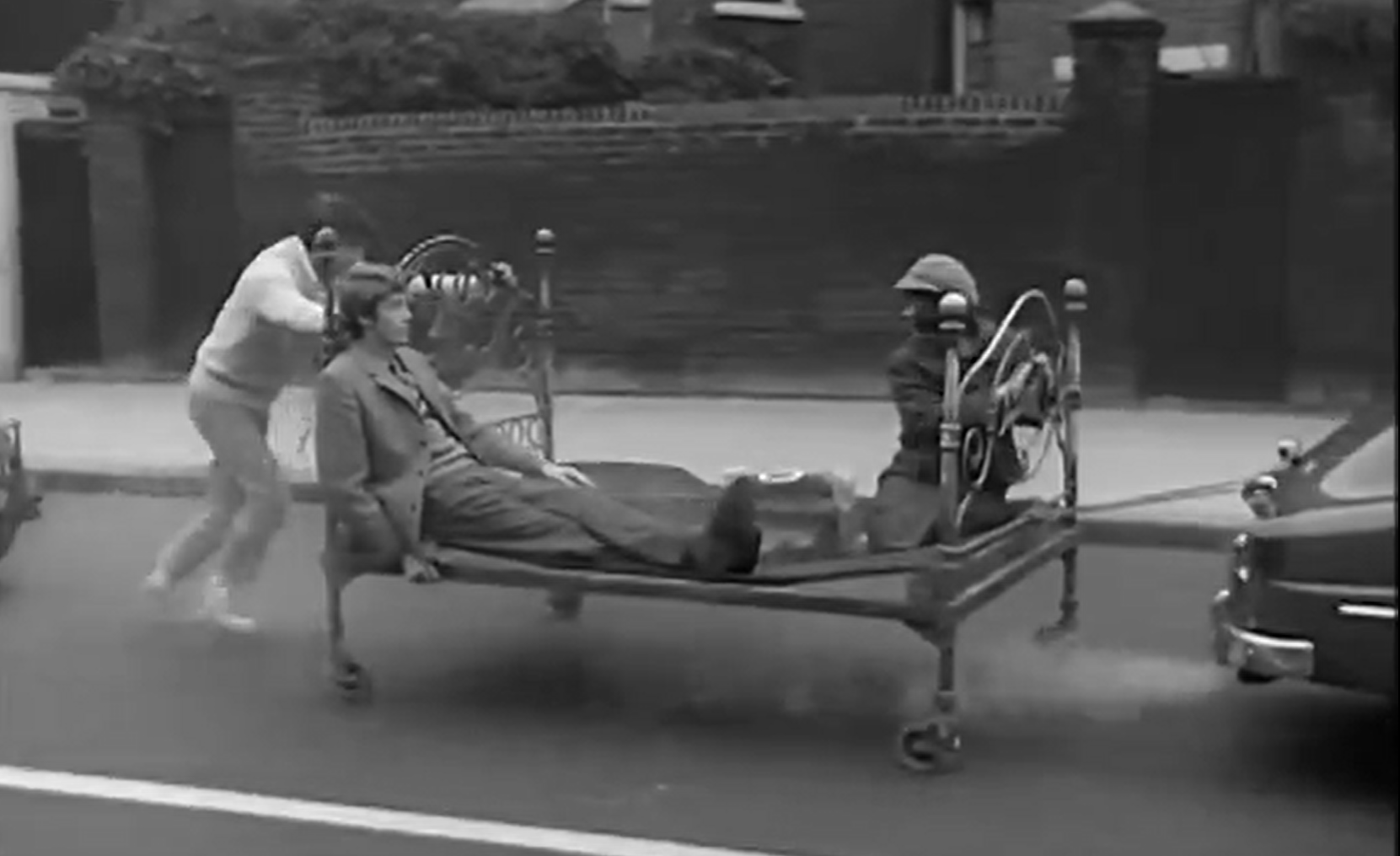
  • Tushingham, Crawford, and Donnelly shamelessly rolling a bed across the streets of London

Must See?
No. While it holds historical importance as winner of the Golden Palm at Cannes, this tedious comedy is best avoided altogether.

Links:

  • IMDb entry
  • NY Times Original Review
  • DVD Savant Review
  • Chloe in the Afternoon (1972)

    Chloe in the Afternoon (1972)

    “Your real problems free me from my imaginary anxieties.”

    Synopsis:
    A happily married Parisian lawyer (Bernard Verley) sparks a friendship with his friend’s former lover, Chloe (Zouzou), and soon finds himself questioning his commitment to marital fidelity.

    Genres:

    • Eric Rohmer Films
    • French Films
    • Infidelity
    • Midlife Crisis

    Review:
    Between 1962 and 1972, French director Eric Rohmer made a series of films — known as Six Moral Tales — about temptation and self-deception in human relationships. Chloe in the Afternoon is the final entry in the series, and serves as an effective, albeit discomfiting, conclusion to the collective narrative. While the two central protagonists in this film are authentically limned (chances are you’ve known people just like them), they’re also highly unsympathetic: Frederic (Verley) is self-absorbed and chauvinistic, ogling every pretty woman on the street, and unable to fully appreciate his beautiful, intelligent wife (Francoise Verley) back at home; and Chloe (who got on my nerves immediately — she’s every married woman’s nightmare) is devious and cunning, playing carefully off of Frederic’s weaknesses like a female Lothario. Yet Rohmer’s skill at showing how easily even a “happily married” man can be drawn down a dangerous path towards infidelity is impressive, making this and others in his “Moral Tales” series recommended one-time viewing for film fanatics.

    Redeeming Qualities and Moments:

    • A scathingly honest depiction of moral uncertainty in the face of temptation
    • The touching final scene

    Must See?
    No, though it’s worth a one-time look as the final film in Rohmer’s Moral Tales sextet. Listed as a film with historical importance and a Personal Recommendation in the back of Peary’s book.

    Links:

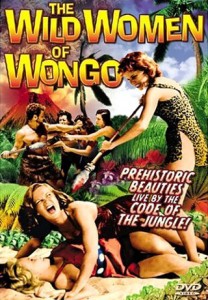
    Wild Women of Wongo, The (1958)

    Wild Women of Wongo, The (1958)

    “They are very unusual women, oh my father — and very brave.”

    Synopsis:
    The beautiful women of prehistoric Wongo (where all men are brutes) lust after hunky men on the neighboring island of Goona (where all women are ugly).

    Genres, Themes, Actors, and Directors:

    • Looking for Ms./Mr. Right
    • Prehistoric Times
    • Strong Females

    Review:
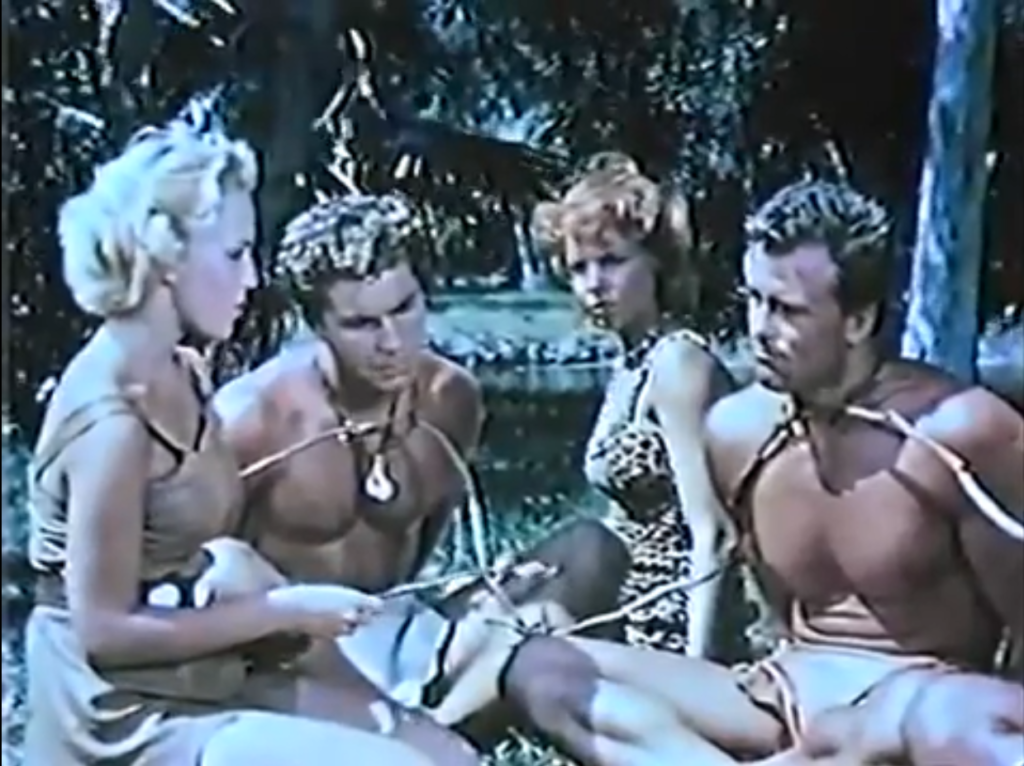
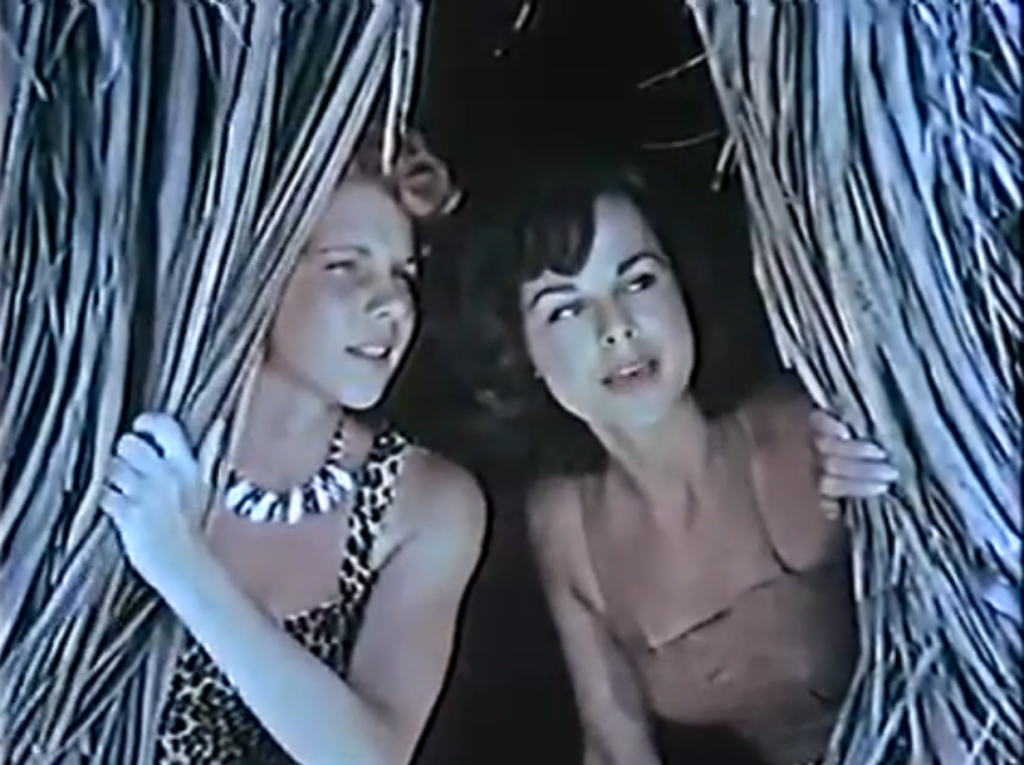
    As is sadly the case with so many “bad movies”, The Wild Women of Wongo‘s alliterative title is by far its most creative asset. The actors couldn’t do a worse job if they tried (only seven of the 34 cast members were in any other films but this one), the script and dialogue are inane (“The tribe of many men come in big canoes, bringing war to the coast”), and there are countless laughably incompetent moments. While it has potential as camp, I was only amused once, briefly (when an overweight Goona woman suddenly screams and scampers away). As noted in Time Out’s review, “Only the most dedicated follower of camp, the most ardent devotee of ’50s hair lacquer and leopard-skin kitsch, will be kept genuinely amused”; others should stay away.

    Redeeming Qualities and Moments:

    • Truly awful dialogue, acting, costumes, and sets

    Must See?
    No. While it’s listed as a Cult Movie and a Camp Classic in the back of Peary’s book, this isn’t must-see viewing unless you’re a true fan of irredeemably bad movies. /; /

    Links:

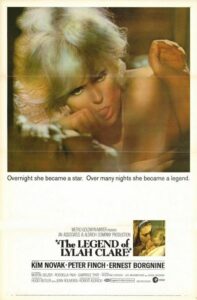
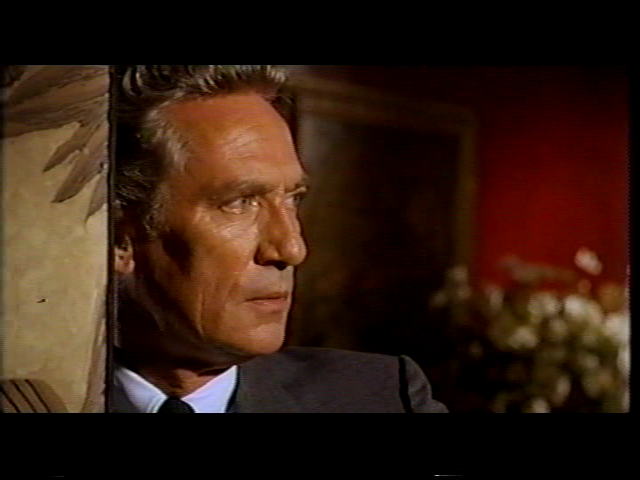
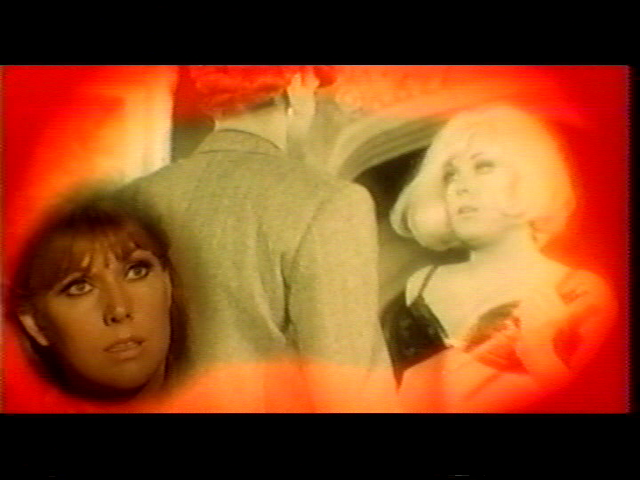
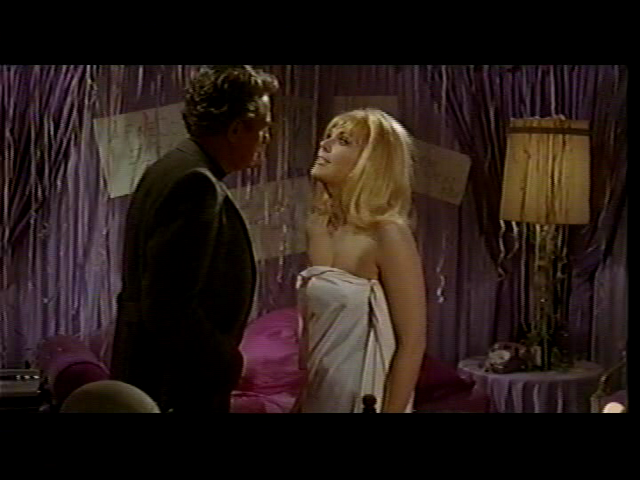
    Legend of Lylah Clare, The (1968)

    Legend of Lylah Clare, The (1968)

    “She was the most remarkable woman I’ve ever known. So what do you do? You spend the rest of your life trying to find her again.”

    Synopsis:
    A shy actress (Kim Novak) named Elsa is recruited by a reclusive director (Peter Finch) to play the lead role in a biopic about his ex-wife, Bavarian movie star “Lylah Clare”, who died mysteriously some 20 years earlier. Soon Elsa begins acting more and more like Lylah, even imitating her deep, gravelly voice — but is she doomed to repeat Lylah’s fate?

    Genres, Themes, Actors, and Directors:

    • Actors and Actresses
    • Dick Miller Films
    • Ernest Borgnine Films
    • Hollywood
    • Kim Novak Films
    • Michael Murphy Films
    • Peter Finch Films
    • Possession
    • Robert Aldrich Films
    • Untimely Death

    Review:
    Robert Aldrich made a number of classic films — including Kiss Me Deadly (1955) and What Ever Happened to Baby Jane? (1962) — during his 32-year career as a director, but this ill-conceived, horribly executed fiasco — his first film outside the studio system — exists squarely in the realm of “what was he thinking?” mishaps. While Peter Finch and Ernest Borgnine try their best with the insipid material (and fans of Coral Browne will undoubtedly enjoy her brief turn as a Louella Parsons-esque gossip columnist), the rest is an incomprehensible mess. The film’s one (potentially) redeeming quality is the level of camp it achieves through sheer ineptitude: whenever Elsa starts acting like a bitchy diva, for instance, her voice is inexplicably dubbed with a deep, gravelly, almost mannish German accent; unfortunately, while it’s hinted that Lylah may somehow be inhabiting Elsa’s body (conveniently enough, they look identical), it’s never made clear whether Elsa really is possessed, or is just doing a darn good imitation of her deceased doppelganger. By the time the utterly confusing denouement — involving a trapeze act and a dogfood commercial — rolls around, most viewers will no longer care enough to try to figure out what it all means.

    Redeeming Qualities and Moments:

    • Peter Finch as Lewis Zarkin
    • Ernest Borgnine as a self-important Hollywood bigwig
    • The campily constructed “flashback” scenes
    • The truly awful, deep-voiced dubbing when Elsa is “possessed” by Lylah
    • Some amusing dialogue: “You’re moving like a deeply offended Tibetan yak!”

    Must See?
    No. Although it has a small cult following, I can’t in good conscience recommend this mess as a “must see” for film fanatics.

    Links:

    Fox, The (1967)

    Fox, The (1967)

    “I saw the fox today: he was as close to me as you are, and I had my gun. I didn’t shoot.”

    Synopsis:
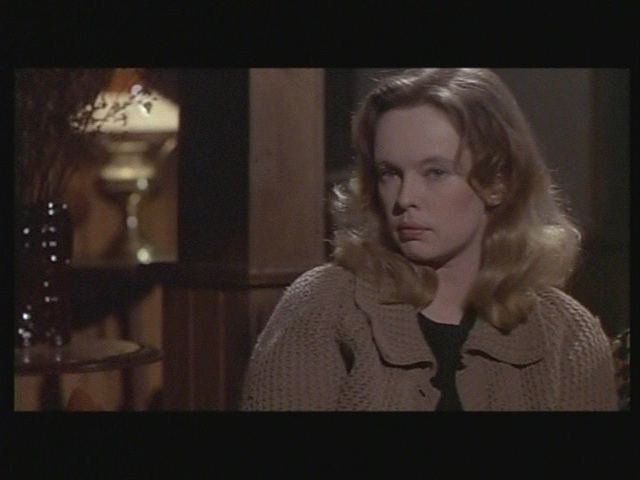
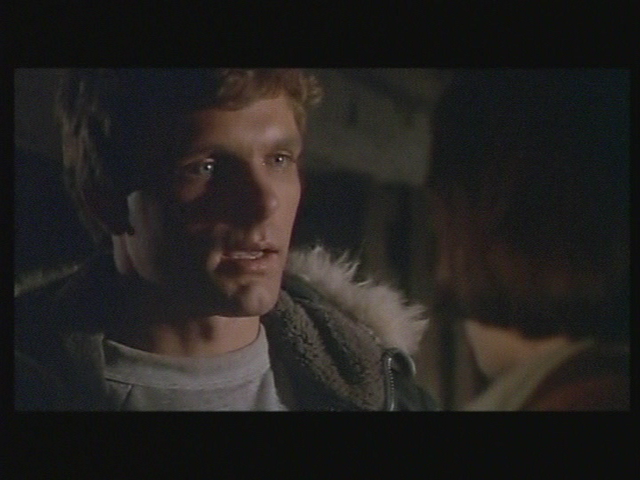
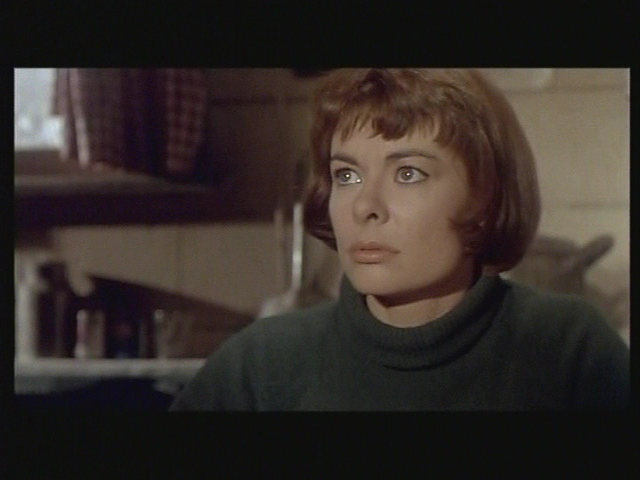
    Two female friends (Sandy Dennis and Anne Heywood) living on a farm find their idyllic existence interrupted by the arrival of a young man (Keir Dullea), who immediately falls for Heywood and wants to marry her.

    Genres, Themes, Actors, and Directors:

    • Keir Dullea Films
    • Lesbianism
    • Love Triangle
    • Sandy Dennis Films

    Review:
    Mark Rydell’s gorgeously rendered adaptation of D.H. Lawrence’s 1923 novella posits an intriguing love triangle: two females (well played by Anne Heywood and the inimitable Sandy Dennis) who live and work together on a self-sustaining chicken farm, and a headstrong man (the “fox in the henhouse”) who shatters their seemingly idyllic partnership. While it’s widely regarded as a “lesbian film”, lesbianism is actually not addressed in The Fox until the end of the movie, and even then it’s tame; although the two women share the same bed — and it’s clear that Dennis is unhealthily dependent upon Heywood — we never see any overt sexual activity between them. Instead, the story is about more generalized sexual longing; we’re shown almost right away (in a racy bathroom masturbation scene) just how sexually unsatisfied Heywood is, and how much she may be willing to sacrifice for a chance at fulfillment.

    Yet gratification in the form of male sexuality is posited as disruptive (and ultimately catastrophic) to their female existence; once Dullea’s character arrives on the farm (which belonged to his grandfather before the women took it over), tensions immediately develop, with Dennis viewing him simply as a brother-figure, but Heywood immediately recognizing her deep attraction to him. Interestingly, Dullea doesn’t merely hope to sleep with Heywood; in the story’s one anachronistic “flaw”, he demands her as his wife — a plot device which would make much more sense in the 1920s than in the 1960s.

    While The Fox is a smart, well-acted character study for most of its running time, it’s marred by its notoriously melodramatic ending, when one of the women is made to pay dearly for her lesbian longings. This ending unfortunately frames the movie (for some) as simply another “homosexuals must pay for their sins” entry in 1960s cinema. Yet it’s worth watching on its own merits, and is certainly a must-see film for anyone devoted to D.H. Lawrence’s work — as well as those interested in how homosexuality was addressed on-screen during the 1960s.

    Redeeming Qualities and Moments:

    • Sandy Dennis as Jill
    • Keir Dullea as Paul
    • Anne Heywood as Ellen
    • An effective portrayal of a sticky love triangle
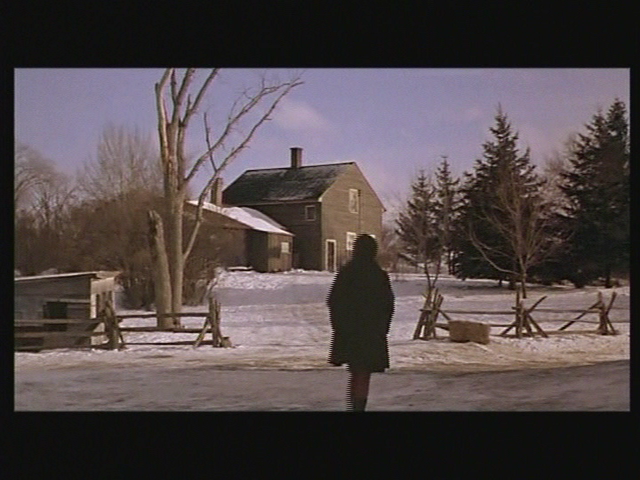
    • Beautiful cinematography of snowy landscapes

    Must See?
    Yes, for Dennis’s performance and for its historical notoriety.

    Categories

    • Historically Relevant
    • Noteworthy Performance(s)

    Links:

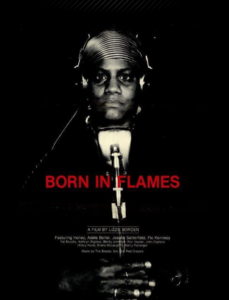
    Born in Flames (1983)

    Born in Flames (1983)

    “How do you get it together unless you come together?”

    Synopsis:
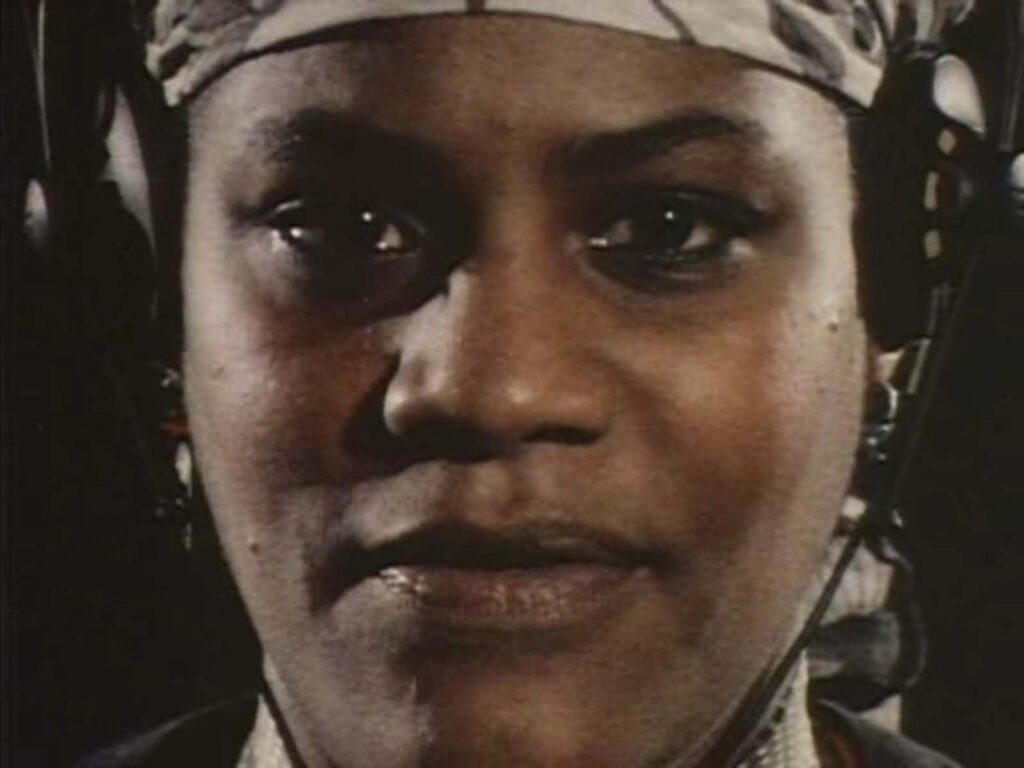
    Ten years after a peaceful socialist revolution has taken place in the United States, women have still not achieved true equality. When a young black lesbian (Jean Satterfield) who has been agitating on behalf of the revolutionary Women’s Army dies in a prison cell, her female comrades take up arms.

    Genres, Themes, Actors, and Directors:

    • Feminism and Women’s Issues
    • Revolutionaries
    • Science Fiction
    • Terrorists

    Review:
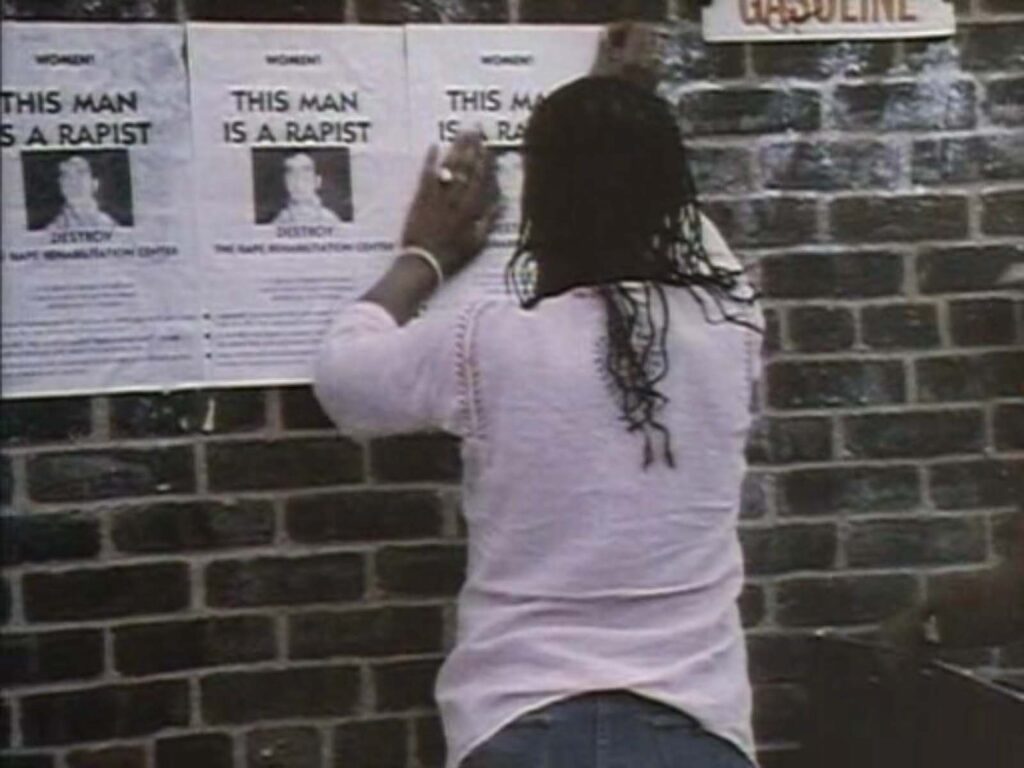
    Independent filmmaker Lizzie Borden’s directorial debut — which took five years to shoot, on almost no budget — remains a thoughtful, controversial, decidedly unique sci-fi cautionary tale. Borden radically posits that not even a socialist revolution would eradicate gender inequalities; in her imagined future, it would still fall upon women (rather than the government) to protect one another and fight for equal rights. As a narrative, Born in Flames leaves much to be desired, but this is relatively easy to forgive given the remarkable imagery Borden dares to present: several strong, black, lesbian protagonists; butch females on the subway moving in immediately to protect a woman as she’s openly harassed by a man; a group of women riding up on bicycles to scare away a rapist; women taking collective action to fight for the right to keep their jobs. Like the best incendiary films, Born in Flames makes one think differently about life itself, and remains a powerful reminder of independent film’s potential to “subvert the dominant paradigm”.

    Redeeming Qualities and Moments:

    • Several strong black female protagonists
    • A refreshing look at a society in which women pro-actively protect one other against harm

    Must See?
    Yes, as a one-of-a-kind, much-debated indie flick. Listed as a cult film in the back of Peary’s book.

    Categories

    • Historically Relevant

    Links:

    Promises! Promises! (1963)

    Promises! Promises! (1963)

    “I’ve never seen a woman so determined to have a baby.”

    Synopsis:
    While on board a cruise ship, a woman (Jayne Mansfield) desperate to have a baby mistakenly believes that her secretly sterile husband (Tommy Noonan) has finally made her pregnant; after a drunken night of revelry with their married cabinmates (Mickey Hargitay and Marie McDonald), Noonan learns that his wife IS pregnant — but not by him!

    Genres, Themes, Actors, and Directors:

    • Infidelity
    • Jayne Mansfield Films
    • Play Adaptation
    • Pregnancy

    Review:
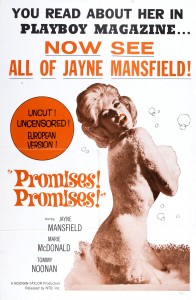
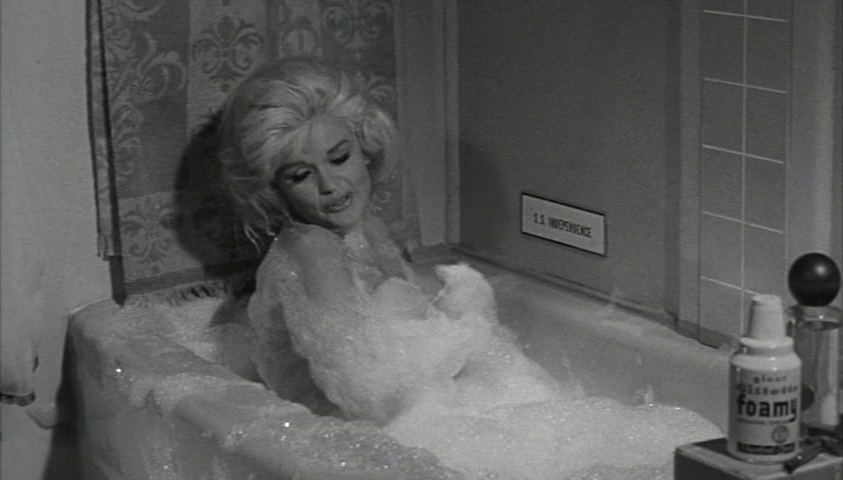
    This infamous Jayne Mansfield vehicle holds a “special” place in cinematic history for its groundbreaking display of Mansfield’s “two best assets” in all their naked glory; unfortunately, the film itself — purportedly a light-hearted sex comedy — is a tedious, unfunny bore. As noted in Stuart Galbraith’s DVD Talk review, Promises! Promises! is “fascinating as film history and from a pop culture perspective but downright grueling as entertainment”. Surprisingly, Mansfield’s bosom is bared within the first few minutes of the film, leaving nothing for male admirers to wait anxiously for; director King Donovan (this was his only movie — thank goodness!) then flashes the same shots over and over again during “flashbacks”, but the effect is clearly strained.

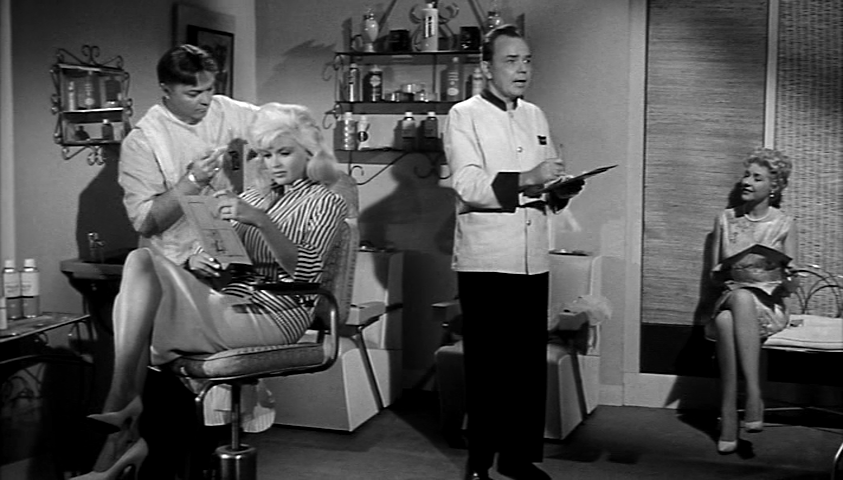
    For what it’s worth, the central premise of the film — Mansfield’s desperate desire to get pregnant, and the mix-up that ensues post-drunken hijinks — makes no sense either logically (Noonan’s character contracted the mumps while in the military, which would lead to sterility, NOT impotence — yet the entire film revolves around a doctor [Fritz Feld] trying to treat Noonan’s psychological insecurity) or scientifically (there is a certain cycle a woman’s body undergoes throughout the month, with only a small window of time available for conception — not that movies ever bother with this insignificant detail when it comes to on-screen pregnancies…). The only mildly amusing — and somewhat astonishing — aspect of the film is the inclusion of drag star T.C. Jones as an obviously gay male hairdresser aboard the cruise ship; he seems to be having fun with it all, particularly during a strange baby shower sequence when he dons a series of wigs and imitates, among others, Jayne Mansfield herself.

    Redeeming Qualities and Moments:

    • T.C. Jones as “Babette”, the ship’s indubitably gay hairdresser

    Must See?
    No, but it’s worth a look simply for its historical notoriety.

    Links:

    Superfly (1972)

    Superfly (1972)

    “I know it’s a rotten game; it’s the only one the Man left us to play.”

    Synopsis:
    A successful coke dealer (Ron O’Neal) in Harlem decides to quit the business by making one final deal worth a million dollars — but his partner (Carl Lee) isn’t sure he’s ready to stop dealing.

    Genres, Themes, Actors, and Directors:

    • African Americans
    • Drug Dealers
    • New York City

    Review:
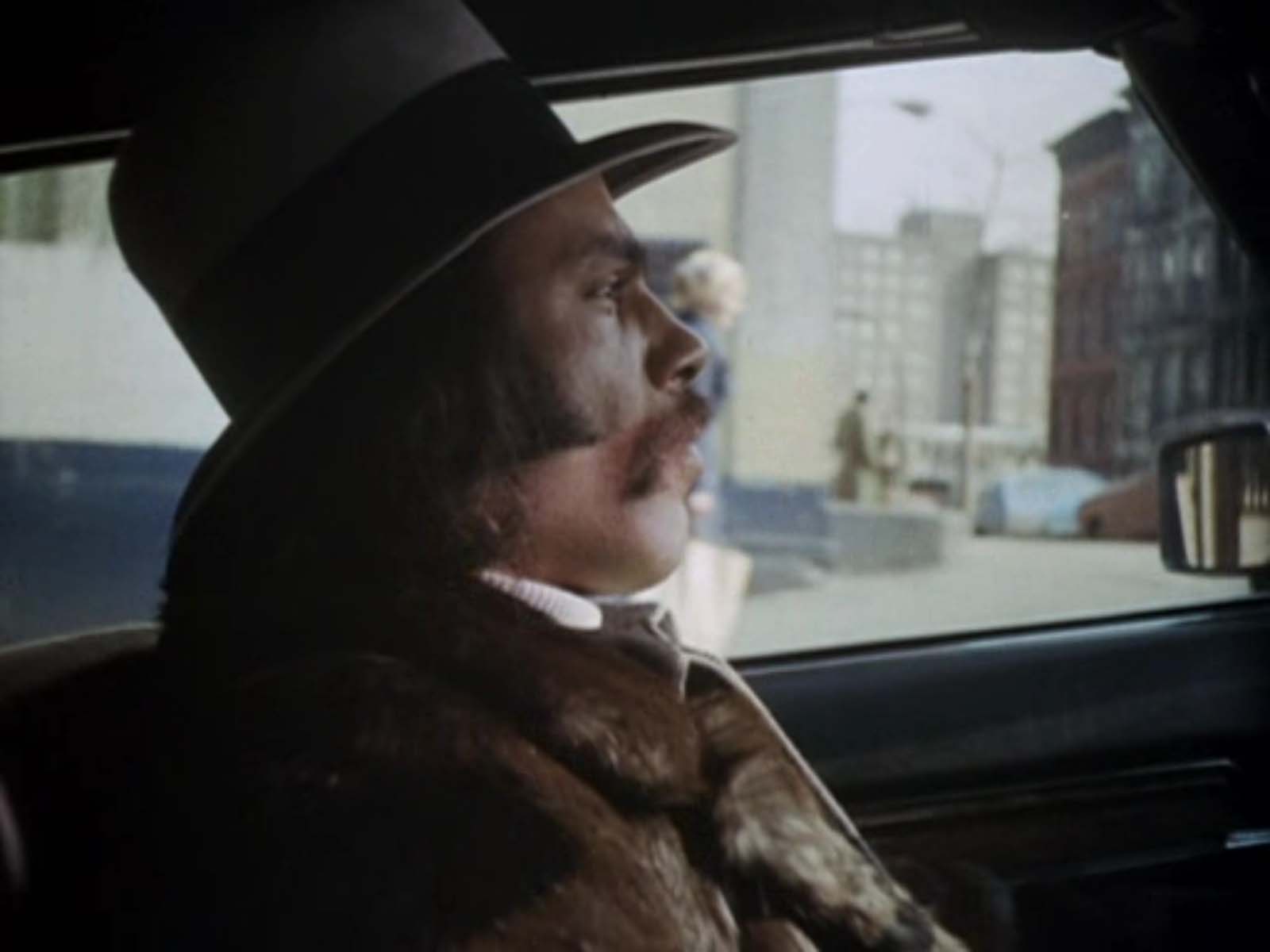
    Drenched in the sounds of a groovy Curtis Mayfield soundtrack, this enjoyable Blaxploitation flick (helmed by first-time director Gordon Parks, Jr.) received positive reviews upon its release, and has held up surprisingly well. These days, given Quentin Tarantino’s glorification of dealers and gangsters as hopelessly hip, it’s easy to accept Priest as a viable protagonist, someone we want to root for despite his questionable lifestyle. O’Neal — a stage-trained actor — has much to do with the film’s overall success; his performance is spot-on. While the story starts to lag about 2/3rds of the way through, the remainder of the scenes are shot with skill and energy, making this an exciting journey back to 1970s Harlem.

    Redeeming Qualities and Moments:

    • Ron O’Neal as Priest
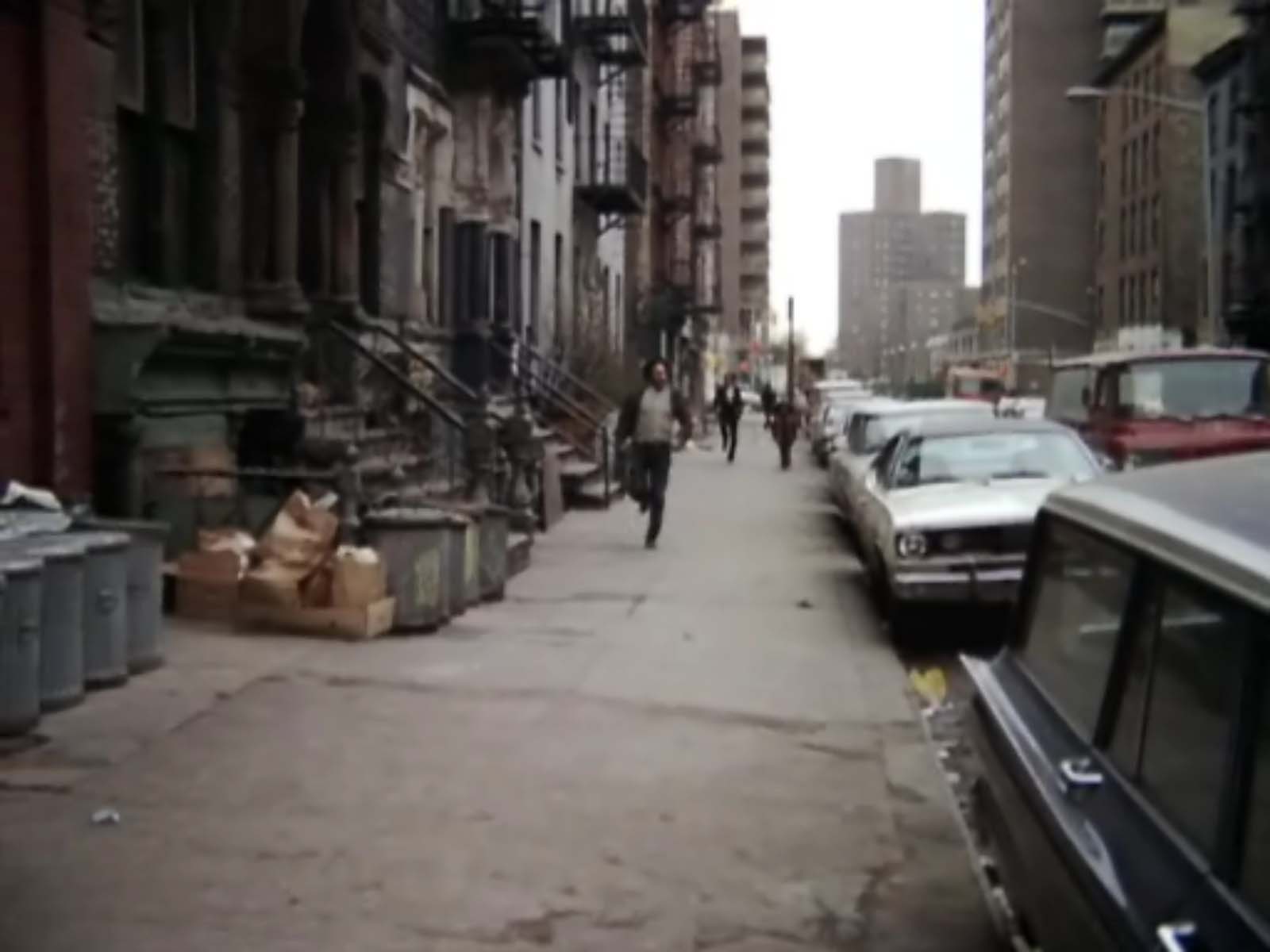
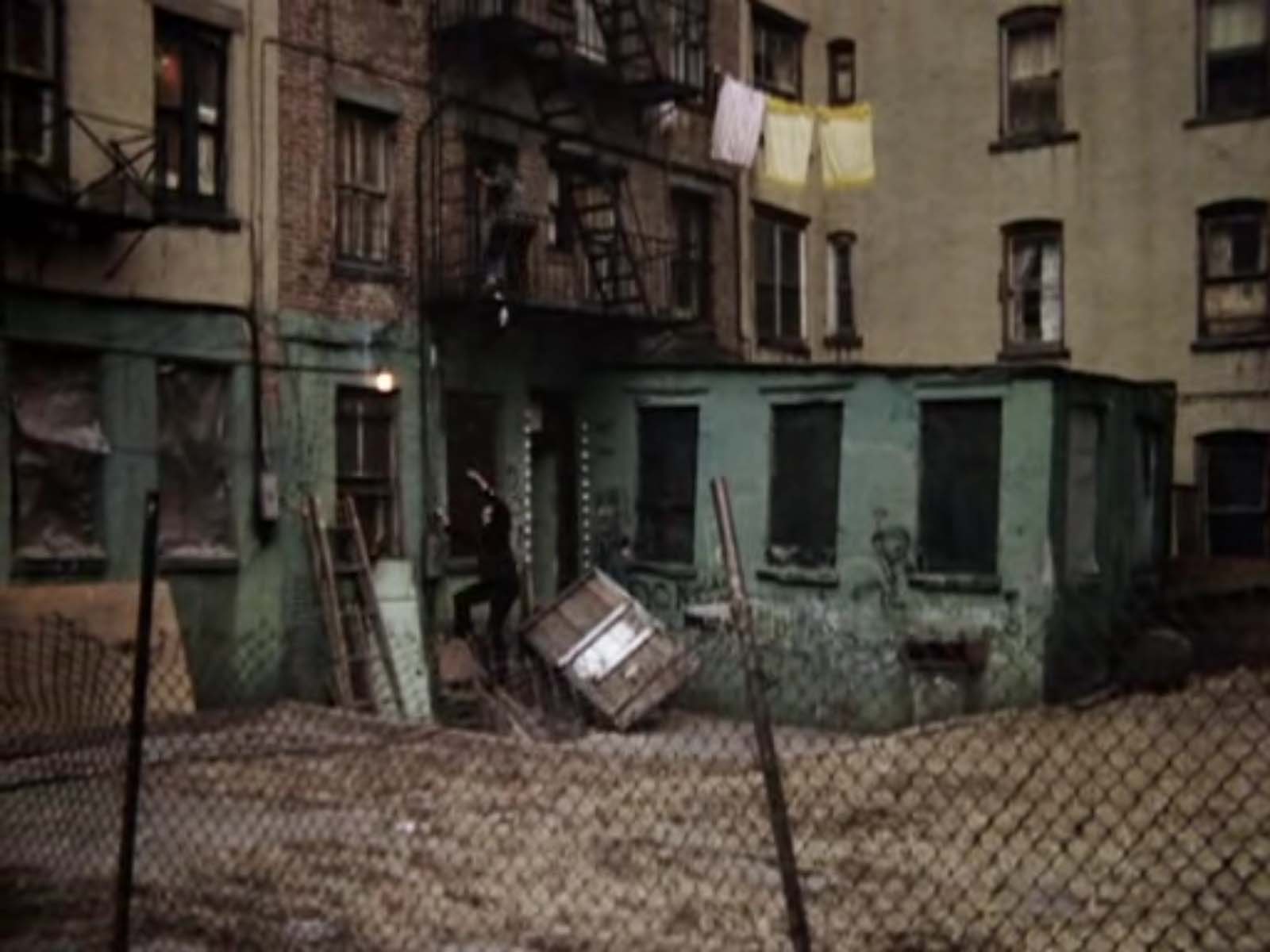
    • Effective use of gritty Harlem streets
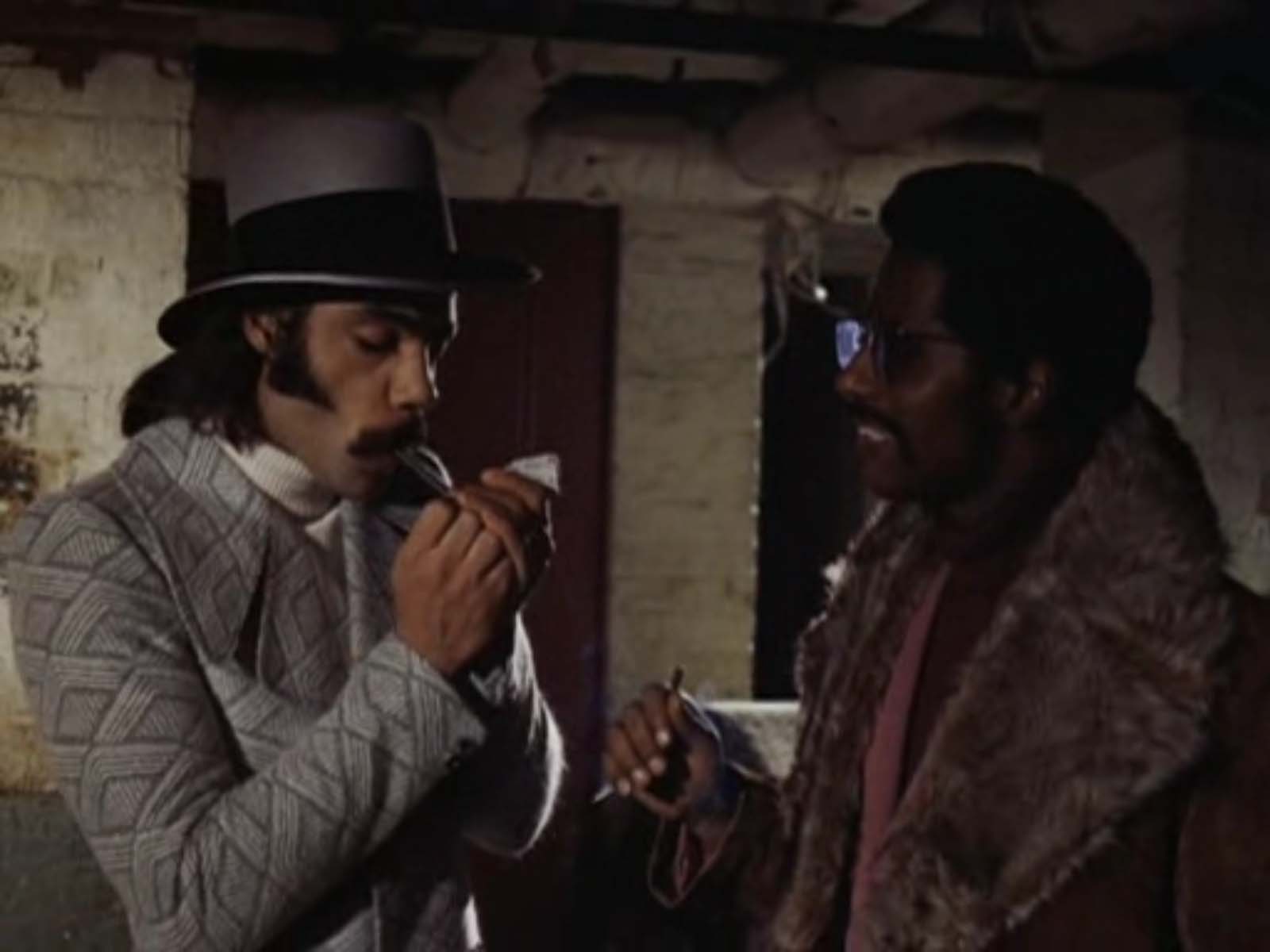
    • Nate Adams’ flamboyant ’70s outfits
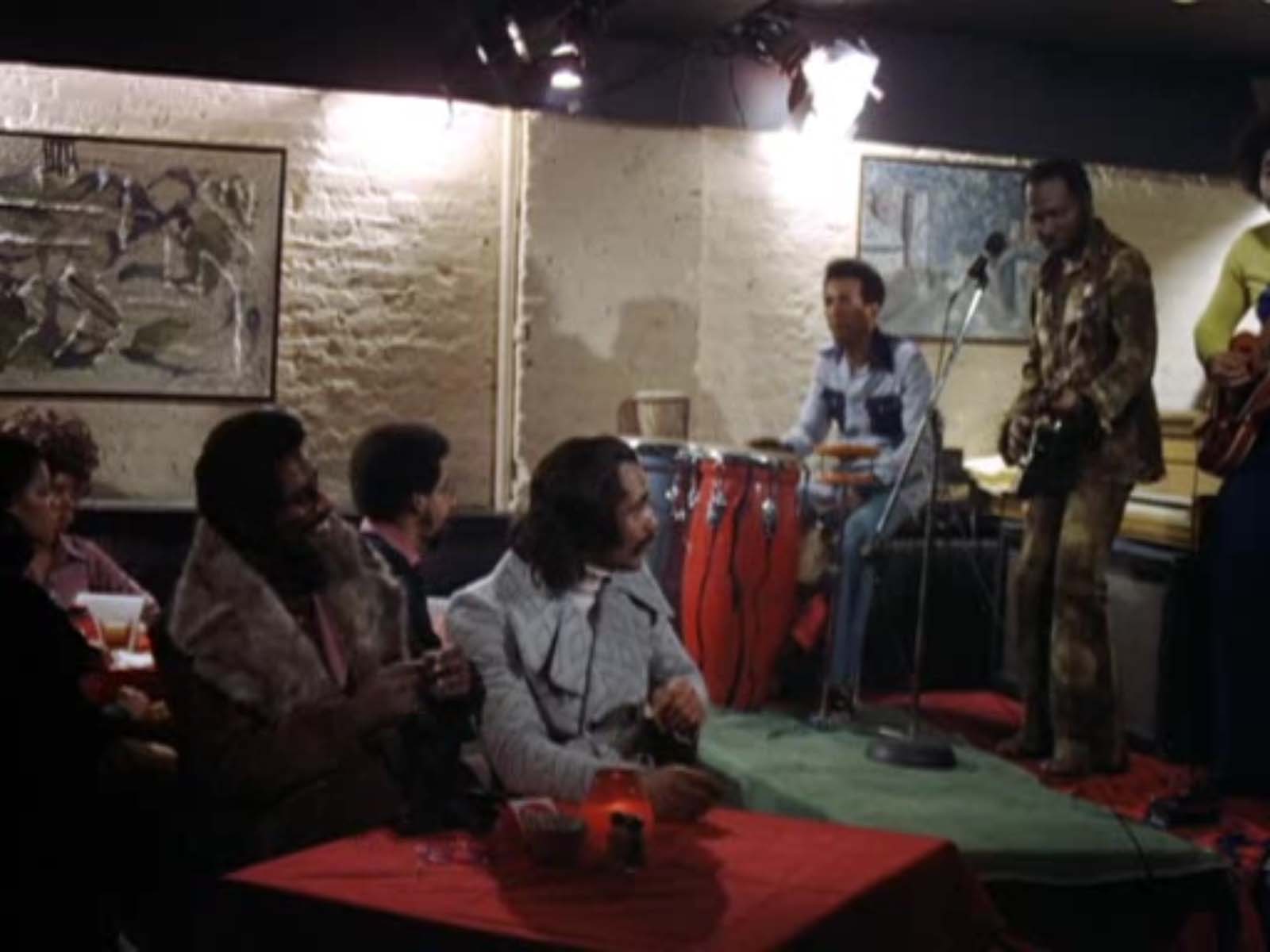
    • The Curtis Mayfield Experience performing “Pusherman”
    • Several exciting action sequences
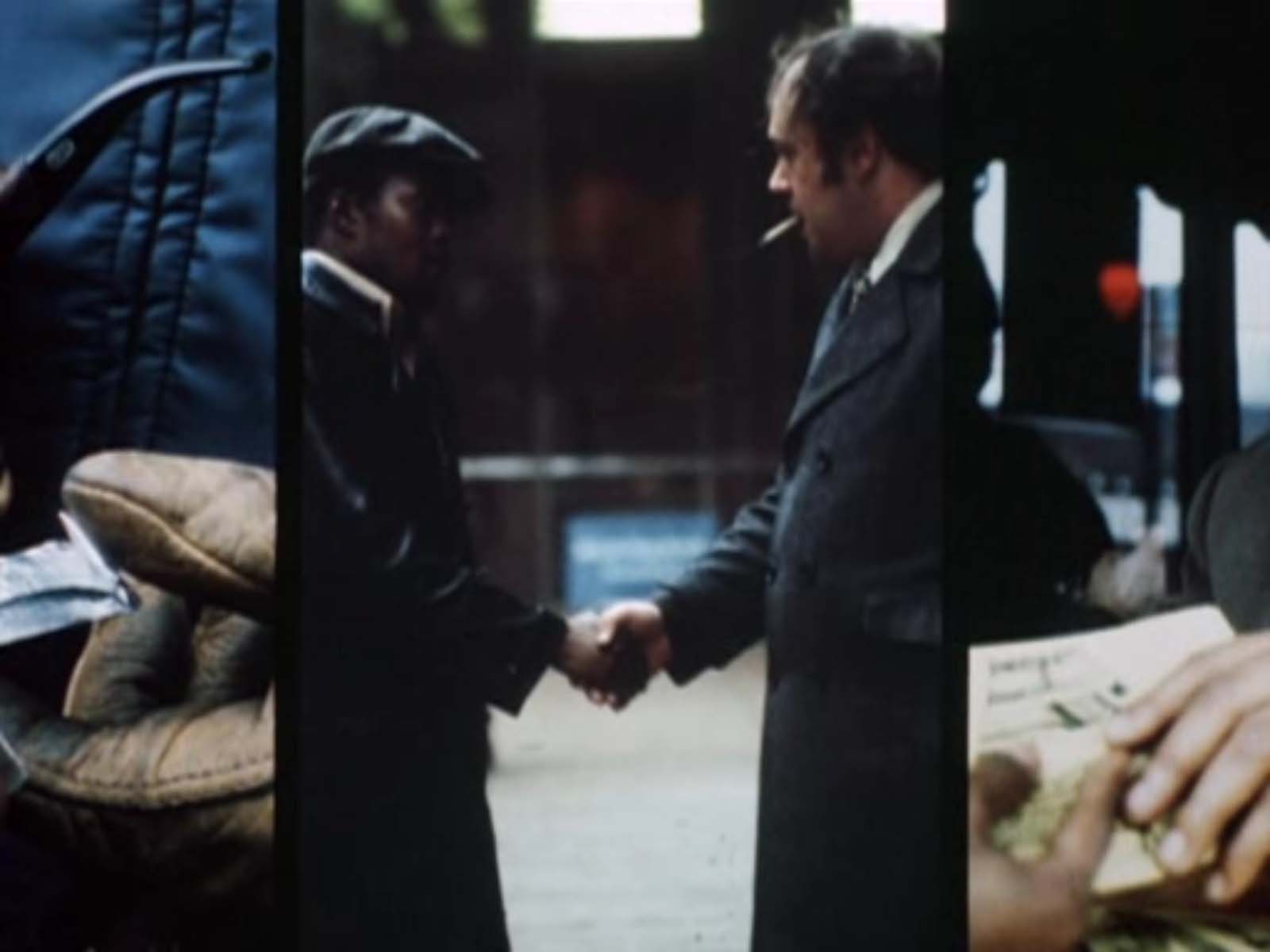
    • The controversial “coke montage” (photographed by Gordon Parks, Sr.)
    • The surprisingly satisfying ending
    • Curtis Mayfield’s funky score

    Must See?
    Yes, for its status as a seminal Blaxploitation flick. Listed as a cult movie in the back of Peary’s book.

    Categories

    • Historically Relevant

    (Listed in 1001 Movies You Must See Before You Die)

    Links: