Browsed by
Category: Original Reviews

Responses to Peary’s “must see” movie reviews, as well as my own “must see” movie reviews up to and after 1986 (when Peary’s book was published).

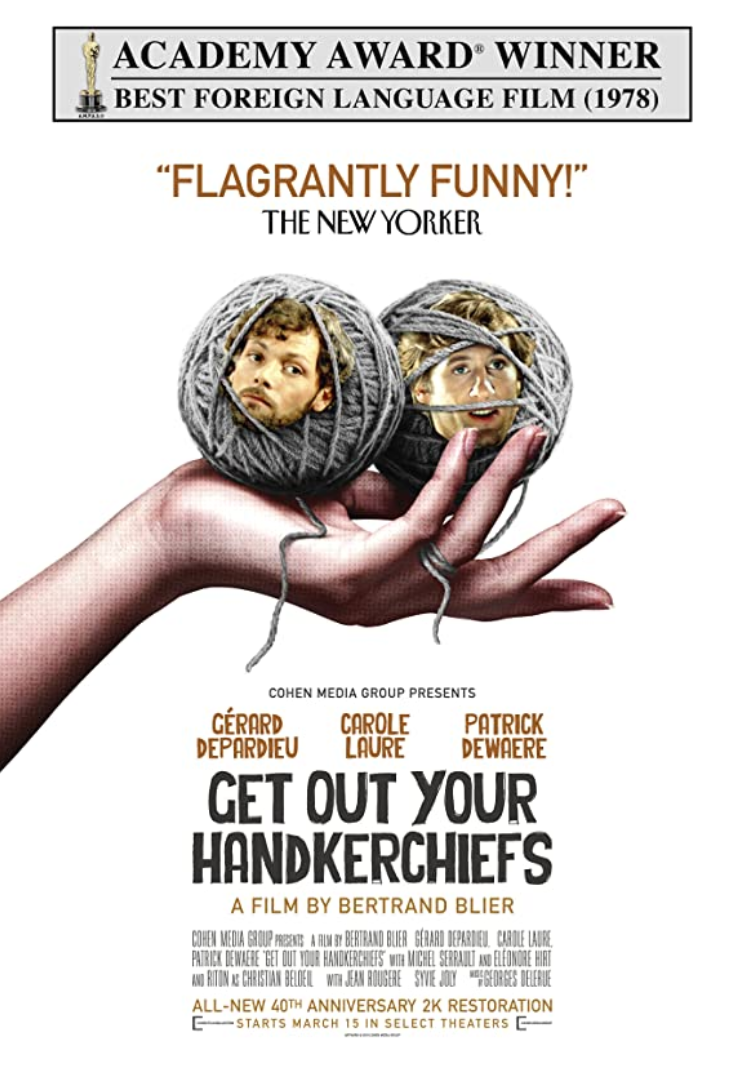
Get Out Your Handkerchiefs (1978)

Get Out Your Handkerchiefs (1978)

“Why don’t you just give up on me? I’ve jinxed every guy I’ve known.”

Synopsis:
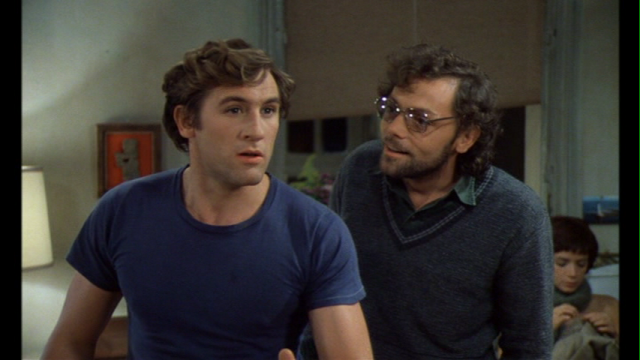
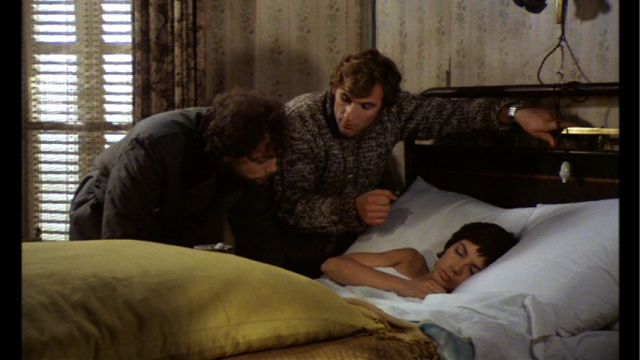
The husband (Gerard Depardieu) of a depressed woman (Carole Laure) finds her another lover (Patrick Dewaere) in an attempt to make her happy, but it’s not until 13-year-old Christian (Riton Liebman) arrives in their lives that Laure finds her emotions stirred for the first time in years.

Genres, Themes, Actors, and Directors:

  • Bertrand Blier Films
  • French Films
  • Gerard Depardieu Films
  • Love Triangle
  • Marital Problems
  • May-December Romance
  • Obsessive Love

Review:
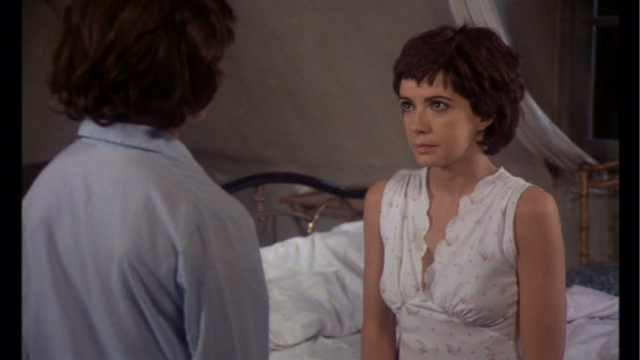
One expects nothing less than sheer romantic anarchy when watching a Bertrand Blier film, and Get Out Your Handkerchiefs — a dark satire which won an Oscar as Best Foreign Film of the year — is no exception. Blier fearlessly posits that the attainment of true love and happiness is seldom (if ever) possible through “traditional” arrangements, then explores what the ramifications of following one’s heart rather than social conventions might look like. His characters rarely act the way we expect them to — as demonstrated here by Depardieu’s Raoul, who genuinely loves his melancholic wife so much that he will gladly give up sole “ownership” of her if bringing a new lover into the mix will make her happy. As it turns out, however, rather than sparking any kind of renewed emotions in Solange (Laure), Stephane (Dewaere) ultimately brings more joy as a companion to Raoul (indeed, the potency and fulfillment of male friendship is another theme Blier seems intent on exploring in his films — though he wouldn’t take this to its logical homoerotic conclusion until later on, in films like 1986’s Menage).

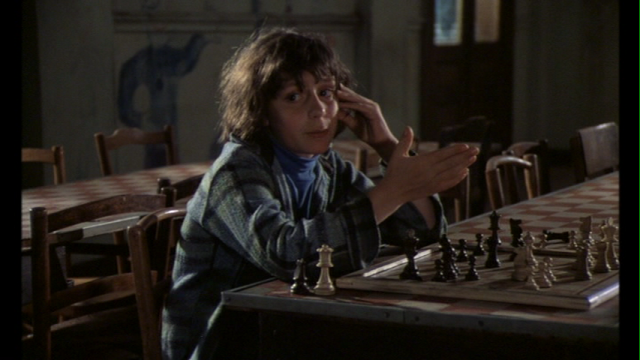
More so than any other director, Blier seems utterly unafraid to demonstrate his incomprehensibility of women. Here, Solange is a literal archetype of feminine mystique — a beautiful woman so low in affect, and so single-mindedly focused on getting pregnant and knitting, that Dewaere openly questions at one point whether she might actually just be dumb. As noted above, she ultimately becomes merely a passive foil for Raoul and Stephane’s friendship — she’s a project they work on together feverishly, collaborating like giddy schoolboys. Once Liebman’s 13-year-old Christian enters the story, however, things take on a decidedly discomfiting tinge, and viewers applauding themselves for accepting the unconventional love triangle established thus far may find their sense of propriety tweaked, as it eventually becomes apparent that Liebman will function as a weirdly Freudian child-love interest for Solange. Liebman is fabulous in an undeniably tricky role: he projects otherworldly maturity in spades, and is clearly meant to come across as the “oldest” (emotionally-speaking) of the three central males in the film. The story’s denouement, naturally, takes on all sorts of wild and unexpected turns, and may or may not feel satisfying — but at the very least, Blier lives up to his reputation as an auteur who’s unafraid to go where few others will dare.

Redeeming Qualities and Moments:

  • Depardieu and Dewaere as Raoul and Stephane
  • Carole Laure as Solange
  • Riton Liebman as Christian
  • Blier’s utterly unique (naturally!) screenplay

Must See?
Yes, as an Oscar-winning film by a maverick filmmaker. Listed as a film with historical importance and a cult movie in the back of Peary’s book.

Categories

  • Important Director
  • Oscar Winner or Nominee

Links:

Supergirl (1984)

Supergirl (1984)

“Such a pretty world; I can’t wait until it’s all mine.”

Synopsis:
Superman’s cousin (Helen Slater) is sent to Earth to retrieve a missing talisman known as an Omegahedron, and finds herself confronting a power-hungry witch named Selena (Faye Dunaway).

Genres, Themes, Actors, and Directors:

  • Faye Dunaway Films
  • Mia Farrow Films
  • Peter O’Toole Films
  • Strong Females
  • Superheroes
  • Witches, Wizards, and Magicians
  • World Domination

Review:
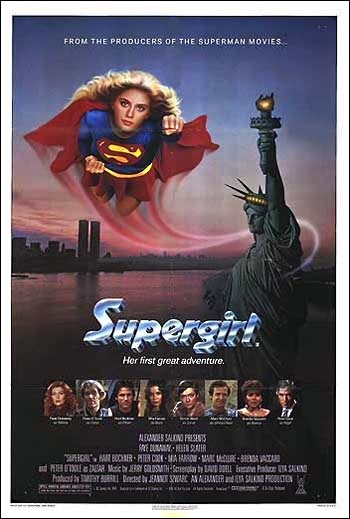
This fourth installment in Ilya and Alexander Sarkind’s Superman franchise is a tedious disappointment. Beautiful, feisty Helen Slater is perfectly cast as Superman’s cousin (known as “Linda Lee” on Earth), but she’s saddled with such an inane, uninteresting storyline that she never really has a chance to shine. None of the plot developments in the movie make much sense or are even remotely plausible: for instance, while we somehow believe that Superman’s crash landing in Smallville and adoption by the kindly Kents was “meant to be” (and part of the scope of his larger legacy), Supergirl’s descent onto a girls’ boarding school (where Lois Lane’s younger sister happens to attend — how convenient) is simply sloppy screenwriting. Meanwhile, Dunaway’s obsession with getting a hunky gardener (Hart Bochner) to fall in love with her rather than Supergirl merely perpetuates the stereotype that what all women really want is a “good [sexy] man” (and Bochner himself is such an uninteresting clod that we never really think he’s good enough for Supergirl, anyway). Dunaway’s over-the-top performance is unintentionally campy, but there’s little humor to be had at her expense — and Brenda Vaccaro as her sidekick fares even worse. Unfortunately, Supergirl is a disappointment all the way around.

Redeeming Qualities and Moments:

  • Helen Slater as Supergirl
  • The impressive sets of Argo City (Supergirl’s home planet)

Must See?
No; this one is only must-see viewing for diehard Superman fans.

Links:

4D Man (1959)

4D Man (1959)

“Nothing can stop him… A man in the fourth dimension is indestructible!”

Synopsis:
A scientist (James Congdon) experiments with an amplifier that would allow objects to pass through solid matter into the “fourth dimension”; but when his scientist brother (Robert Lansing) discovers that he possesses this “lifeforce” power himself, dire consequences ensue.

Genres, Themes, Actors, and Directors:

  • Horror
  • Science Fiction
  • Scientists
  • Siblings
  • Supernatural Powers

Review:
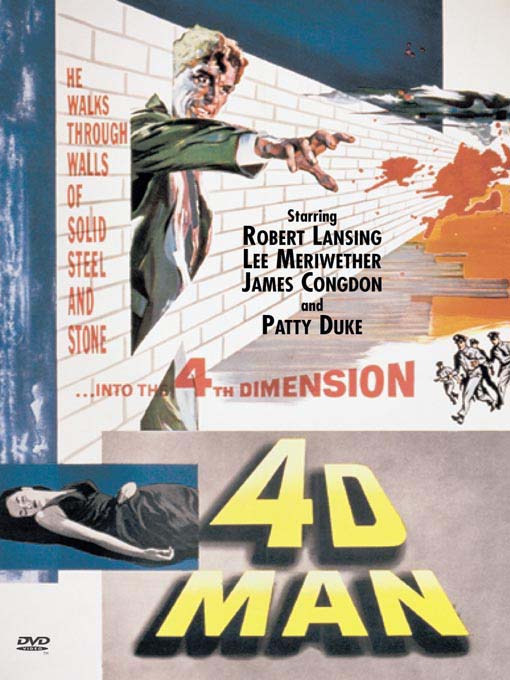
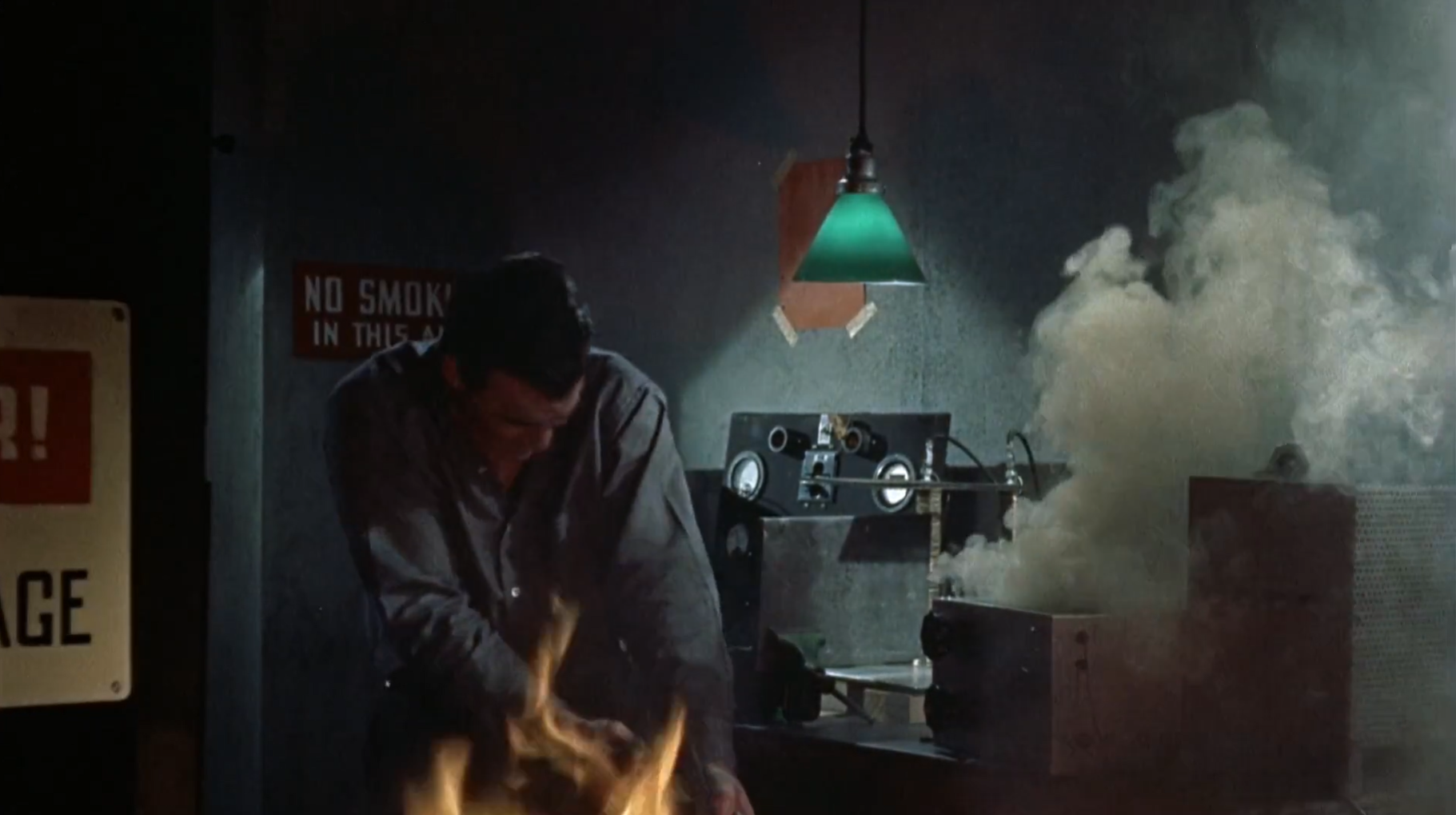
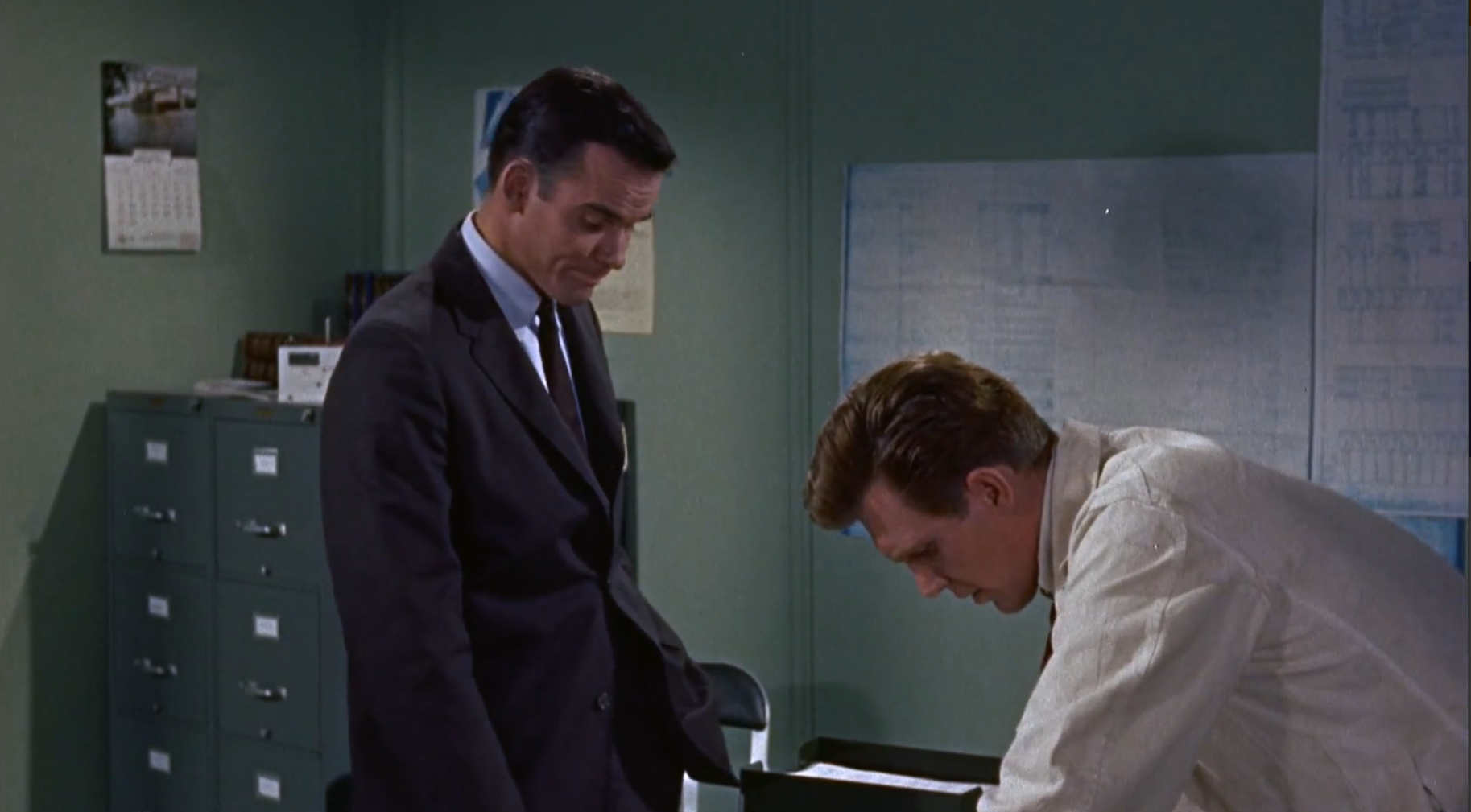
Irvin Yeaworth is best known for directing The Blob (1958), a low-budget surprise hit which gave Steve McQueen his first leading role. Yeaworth’s next film was this equally engaging sci-fi horror flick, which — in its treatment of mad scientists, megalomania, and dual personalities — evokes numerous other classic genre films, most notably The Invisible Man and Dr. Jekyll and Mr. Hyde. The storyline, while occasionally cliched and overwrought, is mostly compelling, primarily thanks to the fact that the screenwriters take their time establishing the film’s central characters: first we’re introduced to “wild child” James Congdon’s relentless pursuit of his scientific passion:

which brings him to his more “established” older brother’s laboratories.

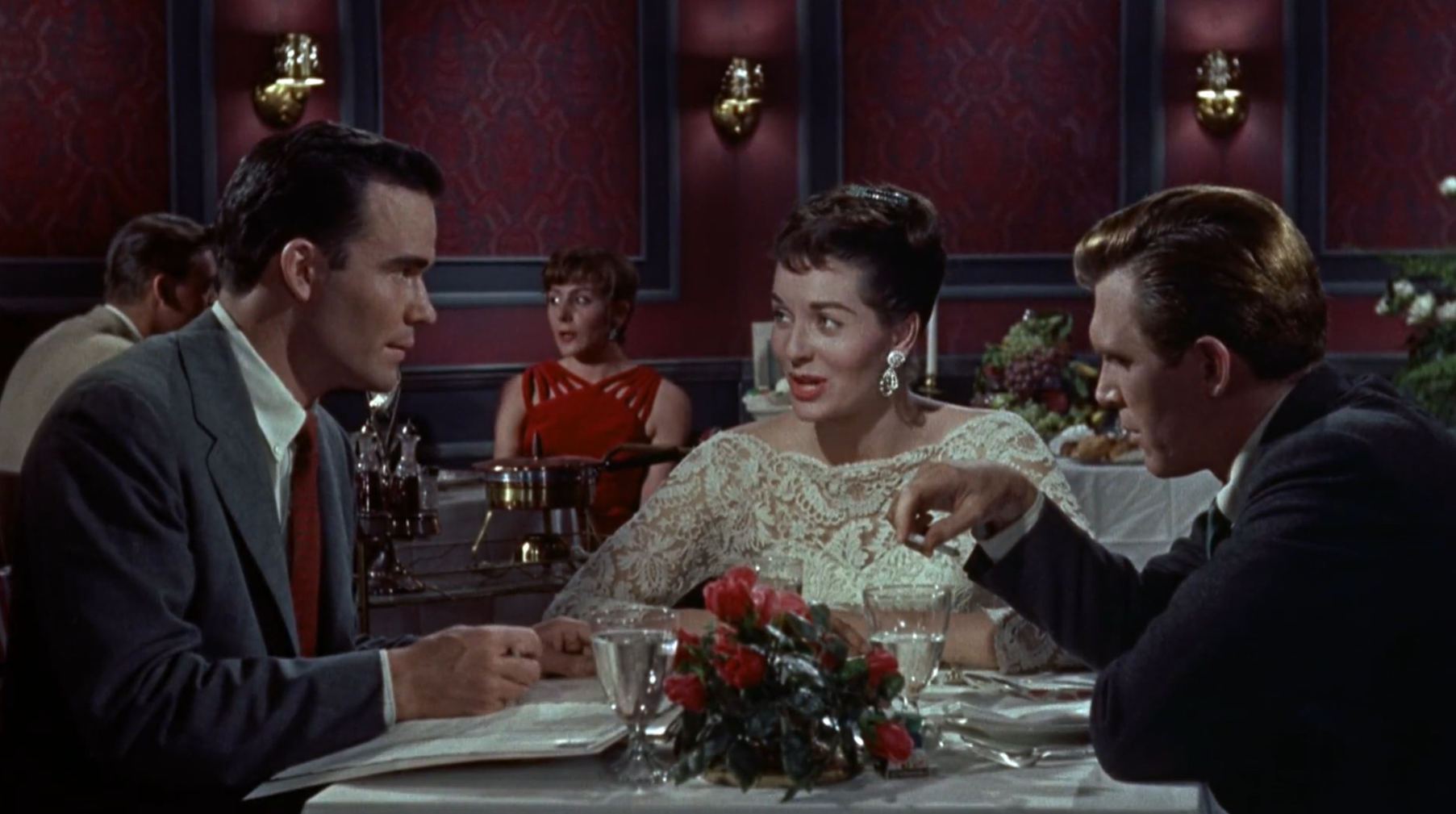
Next, a potentially rocky love triangle emerges between Congdon and feisty Lee Meriwether (Lansing’s assistant, who he’s about to propose to).

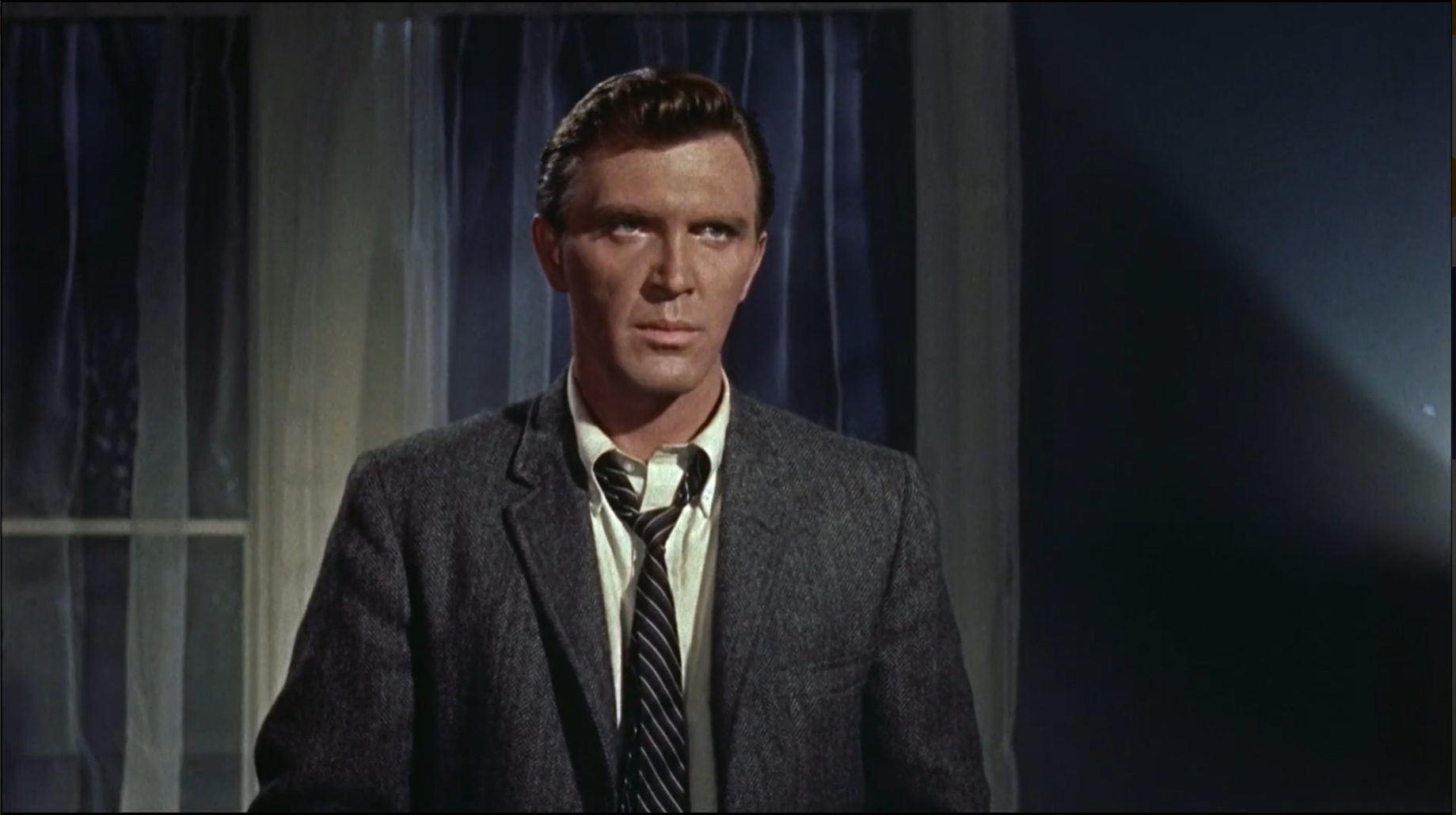
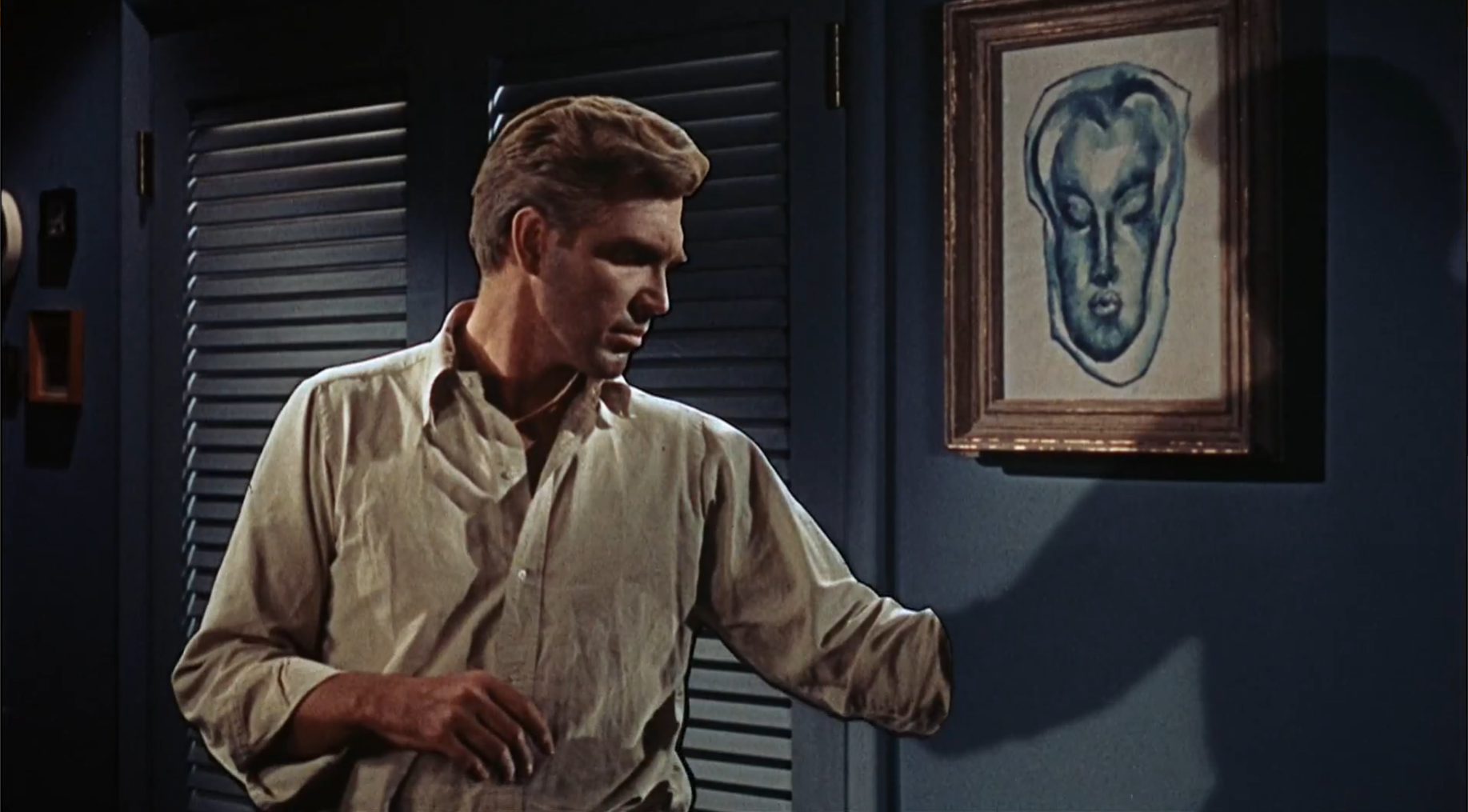
Finally, the story shifts to its central premise — the surprise powers possessed by Lansing, who becomes the film’s conflicted protagonist. By the time Lansing begins to experiment with his “4D” abilities (the film’s special effects are low-budget but effective):

and discovers the hideous truth that he is sapping his own “lifeforce” at an astonishing rate, we care about him as an individual, and feel sorry for the inevitable mess he’s gotten himself into.

For a much more detailed analysis of the film (giving away additional plot spoilers), see DVD Savant’s thorough review.

Redeeming Qualities and Moments:

  • Robert Lansing as Scott Nelson
  • Fun visual effects

Must See?
No, but it’s recommended, and definitely must-see for sci-fi fans.

Links:

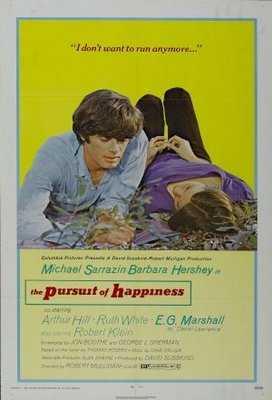
Pursuit of Happiness, The (1971)

Pursuit of Happiness, The (1971)

“I have to go into court and play a part in a stupid charade to convince some judge that I’m not really me in order to receive some justice!”

Synopsis:
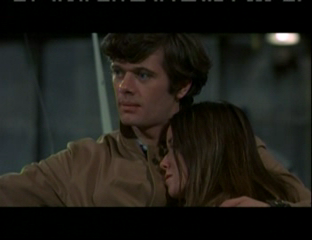
When a college student (Michael Sarrazin) accidentally runs over and kills an old lady (Maya Kenin), he finds his liberal lifestyle rather than his crime put on trial; eventually he and his girlfriend (Barbara Hershey) decide to take matters into their own hands.

Genres, Themes, Actors, and Directors:

  • Barbara Hershey Films
  • Counterculture
  • E.G. Marshall Films
  • Fugitives
  • Living Nightmare
  • Robert Mulligan Films

Review:
This oddly provocative counterculture flick posits a Kafka-esque “living nightmare” any one of us could find ourselves in — involuntary vehicular manslaughter — and takes this scenario to its farthest limits, ultimately arguing that expatriation may be the only option when the legal strictures of one’s country have become too outlandish to obey. Made during the height of the Vietnam protest era, it’s an interesting non-political variation on the theme of private resistance; one can’t help siding with Sarrazin’s sympathetic protagonist, who tries to play by the rules but ultimately finds himself damned no matter what he does. It’s all a bit stagy and forced at times, but there are several fine supporting performances to watch for (most notably by Arthur Hill, E.G. Marshall, and William Devane), and the central premise is compelling enough to hold interest throughout.

Redeeming Qualities and Moments:

  • Arthur Hill as William’s father
  • E.G. Marshall as William’s no-nonsense lawyer-uncle
  • William Devane’s tiny but memorable performance
  • A provocative thematic basis

Must See?
No, but it’s worth a look if you stumble upon a copy. Listed as a Sleeper in the back of Peary’s book.

Links:

Canary Murder Case, The (1929)

Canary Murder Case, The (1929)

“I have a strange premonition that the Canary is headed for disaster.”

Synopsis:
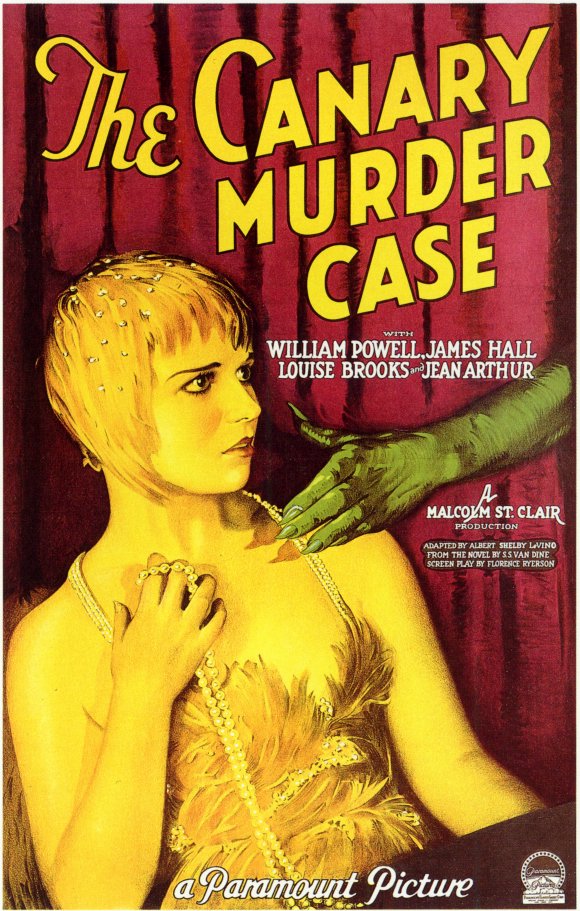
Detective Philo Vance (William Powell) investigates the mysterious murder of a blackmailing showgirl known as the Canary (Louise Brooks), who accumulated countless enemies and/or jealous lovers just before her death.

Genres, Themes, Actors, and Directors:

  • Detectives and Private Eyes
  • Louise Brooks Films
  • Murder Mystery
  • Showgirls
  • William Powell Films

Review:
The Canary Murder Case was the first cinematic translation of an S.S. Van Dine Philo Vance detective novel, but is even more notable today as the film that destroyed Louise Brooks’ career in Hollywood. A so-called “transitional talkie”, it was originally shot as a silent film, then later dubbed; but Brooks, who was in Europe at the time making Diary of a Lost Girl with G.W. Pabst, refused to return to America, and her character was dubbed by Margaret Livingston instead. While it’s jarringly obvious that Brooks herself isn’t speaking, she nonetheless manages to project a memorable hussy within her brief period on-screen, and we miss her striking presence once she’s gone. Indeed, the remainder of the film falls mostly flat, thanks largely to its awkward “silent film” pacing, in which characters speak, then pause briefly before responding; not even William Powell emerges unscathed. The murder mystery is mildly interesting, but far too talky — and it takes so long for Vance to figure out the identity of the murderer (which most audience members will have guessed long before) that impatience finally sets in.

Redeeming Qualities and Moments:

  • Louise Brooks in a too-small role as “the Canary”

Must See?
No, unless you’re a die-hard Louise Brooks fan; for a much more engaging and creatively filmed Philo Vance flick, see The Kennel Murder Case (1933). Listed as a film with Historical Importance in the back of Peary’s book.

Links:

Vivacious Lady (1938)

Vivacious Lady (1938)

“And dad, I might add that she’s the finest wife any man could hope to have!”

Synopsis:
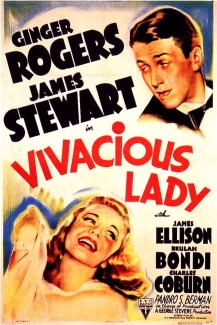
A young professor (Jimmy Stewart) falls for and marries a nightclub singer (Ginger Rogers), then must get up the nerve to tell his strict father (Charles Coburn) and nervous mother (Beulah Bondi).

Genres:

  • Beulah Bondi Films
  • Charles Coburn Films
  • Cross-Class Romance
  • George Stevens Films
  • Ginger Rogers Films
  • Jack Carson Films
  • Jimmy Stewart Films
  • Newlyweds
  • Professors
  • Romantic Comedy
  • Singers
  • Star-Crossed Lovers

Review:
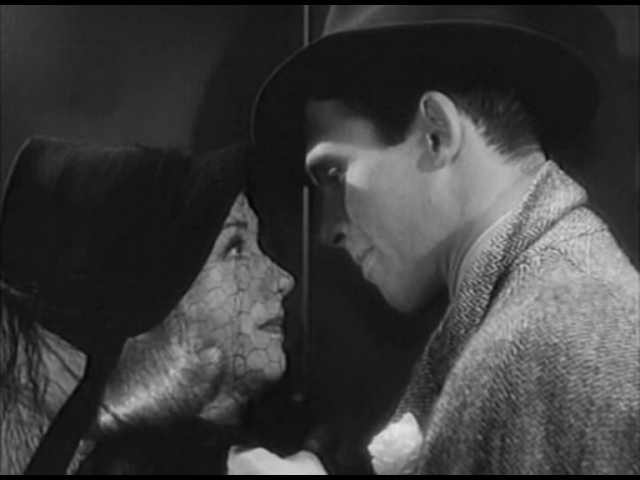
Two years after eliciting a nuanced performance from Ginger Rogers in Swing Time (1936), George Stevens directed her once again in this frothy romantic comedy about a mismatched couple who fall in love at first sight, marry immediately, and (only in Hollywood) struggle through a series of misunderstandings before finally being able to “legitimate” their relationship. Several scenes are genuinely amusing: I get a kick out of Rogers’ all-out catfight with Stewart’s presumed-fiancee (Frances Mercer), for instance, and Stewart and Rogers’ visual tussle with “Walter” the pull-down bed is fun. But many of the broader plot devices — including Rogers posing “incognito” as one of Stewart’s biology students, and Coburn’s fear that Stewart’s marriage to a nightclub singer will irreparably damage the reputation of their college — simply strain credulity, and ultimately fall flat. Fortunately, the genuine chemistry between Rogers and Stewart (former lovers in real life) bolsters the film; they make a sweet, if unconventional, screen couple. Film fanatics take note: RKO-regular Franklin Pangborn plays an amusing but too-small role as a fastidious hotel clerk determined to keep Stewart away from his new wife.

Redeeming Qualities and Moments:

  • Genuine chemistry between Rogers and Stewart
  • Franklin Pangborn in a bit role as a hotel clerk
  • Robert DeGrasse’s luminous b&w cinematography
  • Several amusing sequences — such as Rogers’ catfight with Frances Mercer (hidden here)

Must See?
No, but it’s certainly recommended for one-time viewing.

Links:

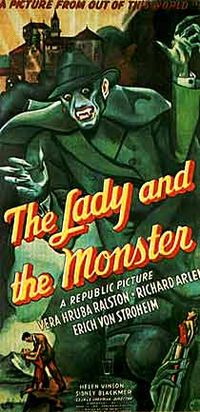
Lady and the Monster, The (1944)

Lady and the Monster, The (1944)

“Would it not be the achievement of all time to keep the brains of great thinkers, scientists, authors, statesmen, alive? To derive benefit from their wisdom and thinking power, even after their death — to make them literally immortal?”

Synopsis:
A mad scientist (Erich von Stroheim) and his assistant (Richard Arlen) preserve the brain of a dead millionaire named Donovan; soon Donovan’s brain begins to take control of Arlen, and Arlen’s girlfriend (Vera Hruba Ralston) fears for his safety.

Genres, Themes, Actors, and Directors:

  • Disembodied Parts
  • Erich von Stroheim Films
  • Mad Doctors and Scientists
  • Mind Control and Hypnosis
  • Science Fiction

Review:
Screenwriter Curt Siodmak’s science fiction novel Donovan’s Brain was adapted for the screen no less than three times; The Lady and the Monster is the earliest of the three versions, and — though it’s not as well-known as its 1952 original-title remake — it’s the only one included in Peary’s book. The trope of a disembodied brain is one that has been exploited numerous times in both literature and film: Roald Dahl had morbid fun with it in his short story “William and Mary”, while the Medved Brothers devoted an entire category to it in their Golden Turkey Awards book (justifiably awarding a Turkey prize to the atrocious They Saved Hitler’s Brain). Here, the subject is handled with relative taste, with “the brain” itself never making much of a gruesomely graphic appearance — instead, we become caught up in a surprisingly compelling mystery story, as Arlen (giving a solid performance) becomes more and more obsessed by Donovan’s brain, and increasingly compelled to follow the dead man’s telepathic dictates.

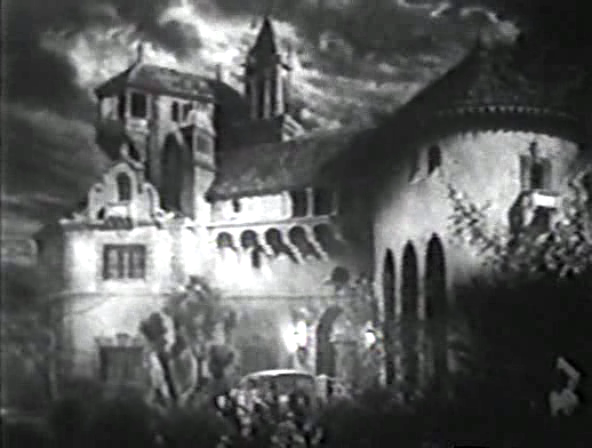
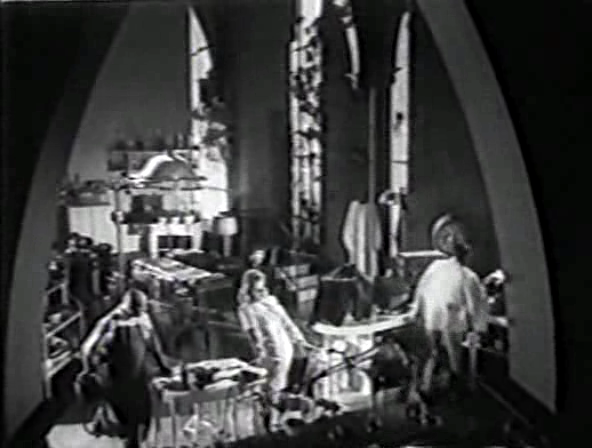
Part of the success of the screenplay (which eventually becomes too confusing for its own good) is in the way we’re never quite sure who’s “good” or “bad”: we know that Donovan was a fraudulent financier and an overall not-nice person, but is his motivation in getting a convicted murderer out of jail completely self-serving or not? And how far will Professor Mueller (von Stroheim) go with his project, even if it means placing Arlen’s life at increased risk? Meanwhile, the film is surprisingly hypnotic to look at (see stills below), with creepy, shadow-filled gothic sets and stunning noir cinematography by Oscar-winning D.P. John Alton. Film fanatics will likely enjoy seeing von Stroheim in a semi-leading role as mad (but-not-too-mad) Prof. Mueller, while Czech figure-skater-turned-actress Vera Hruba Ralston delivers a notoriously awful performance — fun for laughs if nothing else. The Lady and the Monster isn’t must-see viewing, but it’s certainly worth a look if you can find a copy.

Redeeming Qualities and Moments:

  • Atmospheric sets


  • John Alton’s remarkably effective noir cinematography

  • Vera Hruba Ralston’s laughably awful acting

Must See?
No, but it’s worth a look simply for Alton’s impressive cinematography. Listed as a film with historical relevance in Peary’s book, but I’m not exactly sure why.

Links:

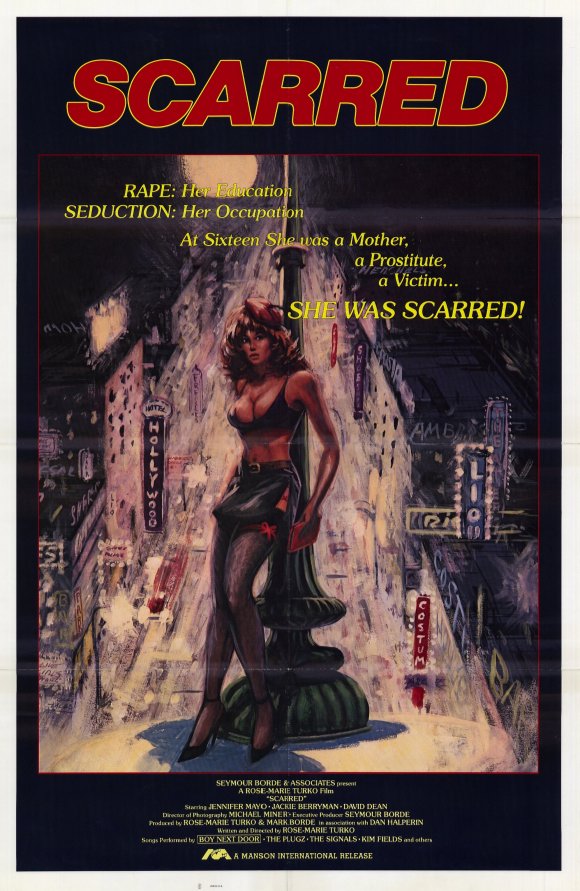
Street Love / Scarred (1984)

Street Love / Scarred (1984)

“My mother thinks I’m the devil and that God is a UFO.”

Synopsis:
An abandoned teenage mother (Jennifer Mayo) turns to the streets, where she befriends an experienced hooker (Jackie Berryman) and resists advances made by an insistent pimp named Easy (David Dean).

Genres, Themes, Actors, and Directors:

  • Prostitutes
  • Single Mothers

Review:
In her debut film, writer-director Rosemarie Turko (who co-directed just one more movie after this, then disappeared from sight) was clearly hoping to shed some light on the harsh reality of teen motherhood and prostitution in L.A.; the result, however, is a trashy exploitation film which will only appeal to hebephilic males eager to see young Jennifer Mayo simulating sex and tarting herself up in tight clothing. At first, Street Love appears to be a slightly more serious variation on the same year’s Angel (1984) — another film in which a teenage girl fends for herself by turning to prostitution. Unfortunately, however, not a single scene thereafter rings true, as the amateur actors struggle to breathe life into their cliched roles, and the clunky script quickly reveals itself to be more of a didactic exercise than an authentic narrative.

Early on, for instance, we see poor “Ruby” (Mayo) being told that she’ll have to pay $55 for the privilege of interviewing for a job; to emphasize the point that there’s no way Ruby can afford this exorbitant and inexplicable fee, Turko offers a close-up of a few pennies (!) in Ruby’s hand. Later, Ruby agrees to participate in a cheesy porn film (a satire of Star Wars called, naturally, Sex Wars) to earn some quick money — but when things go comically haywire through no fault of her own, she’s assigned all the blame and thrown off the set. Most frustrating of all is the way Ruby’s half-black baby (his mixed race is merely exploited as one more strike against Ruby) disappears from the majority of the film altogether; as a result, we never believe that she’s really desperate to create a life with him. A truly authentic film about the perils of solitary teen motherhood clearly has yet to be made.

Redeeming Qualities and Moments:
Not much at all.

Must See?
No. Listed as a Cult Movie in the back of Peary’s book.

Links:

Anatahan (1953)

Anatahan (1953)

“Nothing that happens to another human being is alien to us: there, but for the grace of God, go I.”

Synopsis:
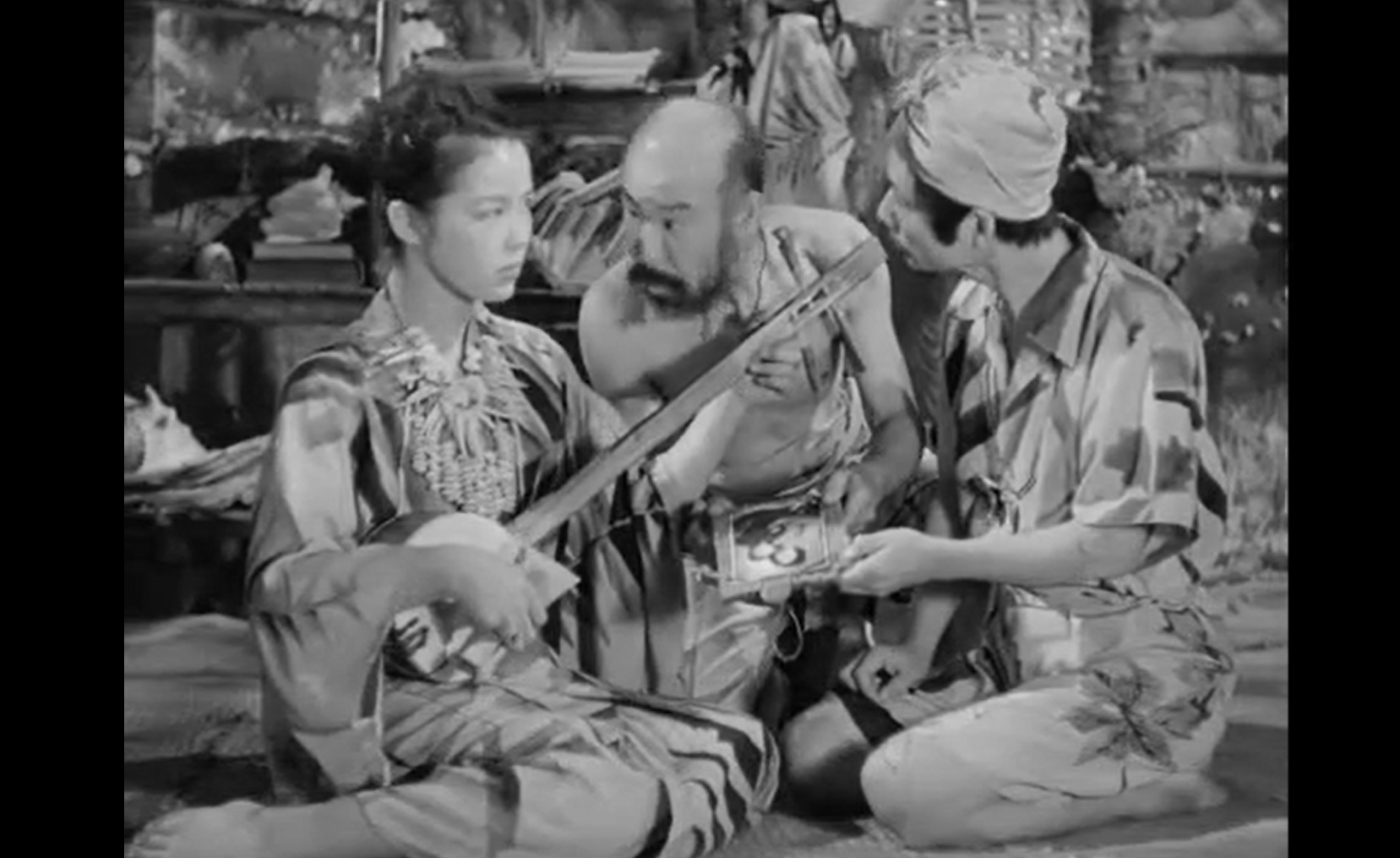
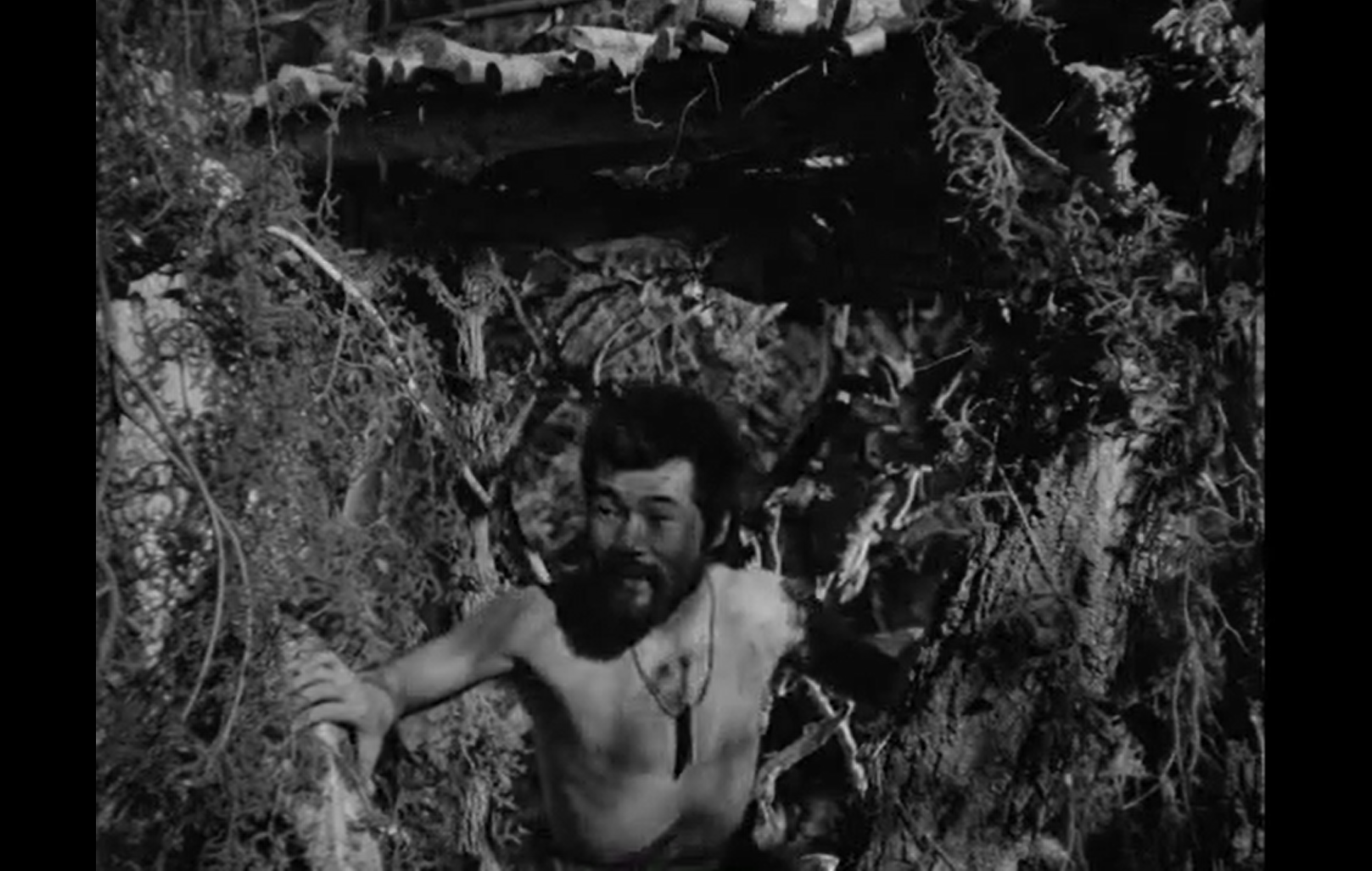
During WWII, a group of shipwrecked Japanese sailors land on the rocky island of Anatahan, where they encounter a man (Tadashi Suganuma) and his common-law wife (Akemi Negishi) living in a shack. Over the next seven years, the men compete for Negishi’s attentions while hoping to hear news of Japan’s victory in the war.

Genres, Themes, Actors, and Directors:

  • Deserted Island
  • Femmes Fatales
  • Japanese Films
  • Josef von Sternberg Films
  • Rivalry

Review:
When Howard Hughes forced him off the set of his final two films in Hollywood, Josef von Sternberg accepted an invitation to direct a film in Japan; the result is this “curio”, a commercially unsuccessful hybrid movie which has since been recognized as a most unusual and provocative cinematic experiment, and was certainly a personal triumph for von Sternberg at the end of his illustrious career. As noted in Kathy Fennessey’s Siffblog review, Anatahan “plays like a cross between Woman in the Dunes, Underground, Letters From Iwo Jima, and ABC’s Lost” (and, I would add, a dose of Laurel and Hardy’s Block-Heads as well) — a potent mix to be sure.

With Anatahan, von Sternberg very intentionally broke all the “rules” one might expect from a wartime film based on a real-life historical event: he utilized a Kyoto sound stage rather than an actual island, cast Kabuki actors rather than cinematic stars, and implemented a voice-of-God narration over unsubtitled Japanese — all in an effort to create a highly stylized allegory of rivalry and desire. Trapped on an island with only one woman, and patriotically bound to stay put rather than allow themselves to be captured by the enemy, the deluded soldiers’ most basic impulses come into play; they ultimately represent a microcosm of society at its most primitive. Meanwhile, we’re seduced by the beauty of von Sternberg’s unearthly imagery; although he famously said, “I care nothing about the story, only how it is photographed and presented”, Anatahan proves that von Sternberg was entirely capable of marrying the two.

Redeeming Qualities and Moments:

  • Akemi Negishi as the Queen Bee
  • Effective use of stylized, claustrophobic sets
  • A fascinating tale of rivalry and survival
  • Von Sternberg’s striking cinematography
  • Akira Ifukube’s haunting score

Must See?
Yes, as an undeniably unique entry in von Sternberg’s late-life career.

Categories

Links:

Pumpkin Eater, The (1964)

Pumpkin Eater, The (1964)

“There’s life beyond birth.”

Synopsis:
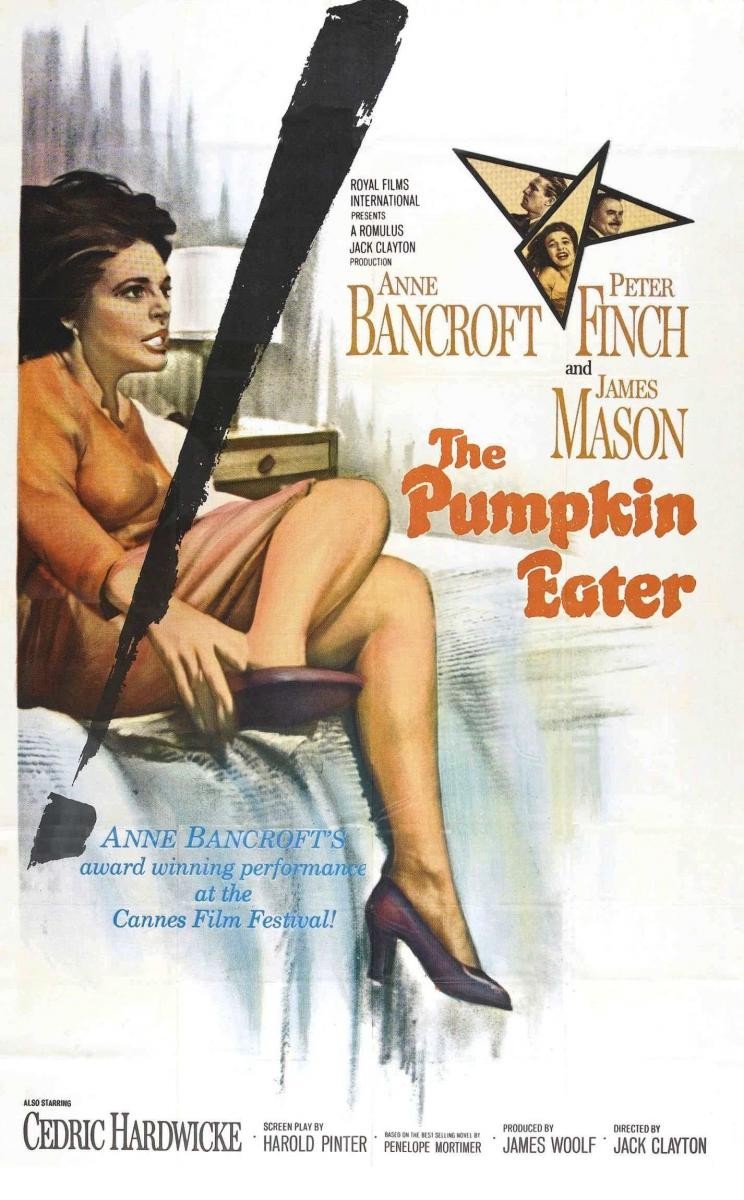
A twice-married woman (Anne Bancroft) with many children marries a screenwriter (Peter Finch), but their happiness is short-lived due to his chronic infidelity.

Genres, Themes, Actors, and Directors:

  • Anne Bancroft Films
  • Flashback Films
  • Infidelity
  • Jack Clayton Films
  • James Mason Films
  • Maggie Smith Films
  • Marital Problems
  • Mental Breakdown
  • Peter Finch Films
  • Pregnancy

Review:
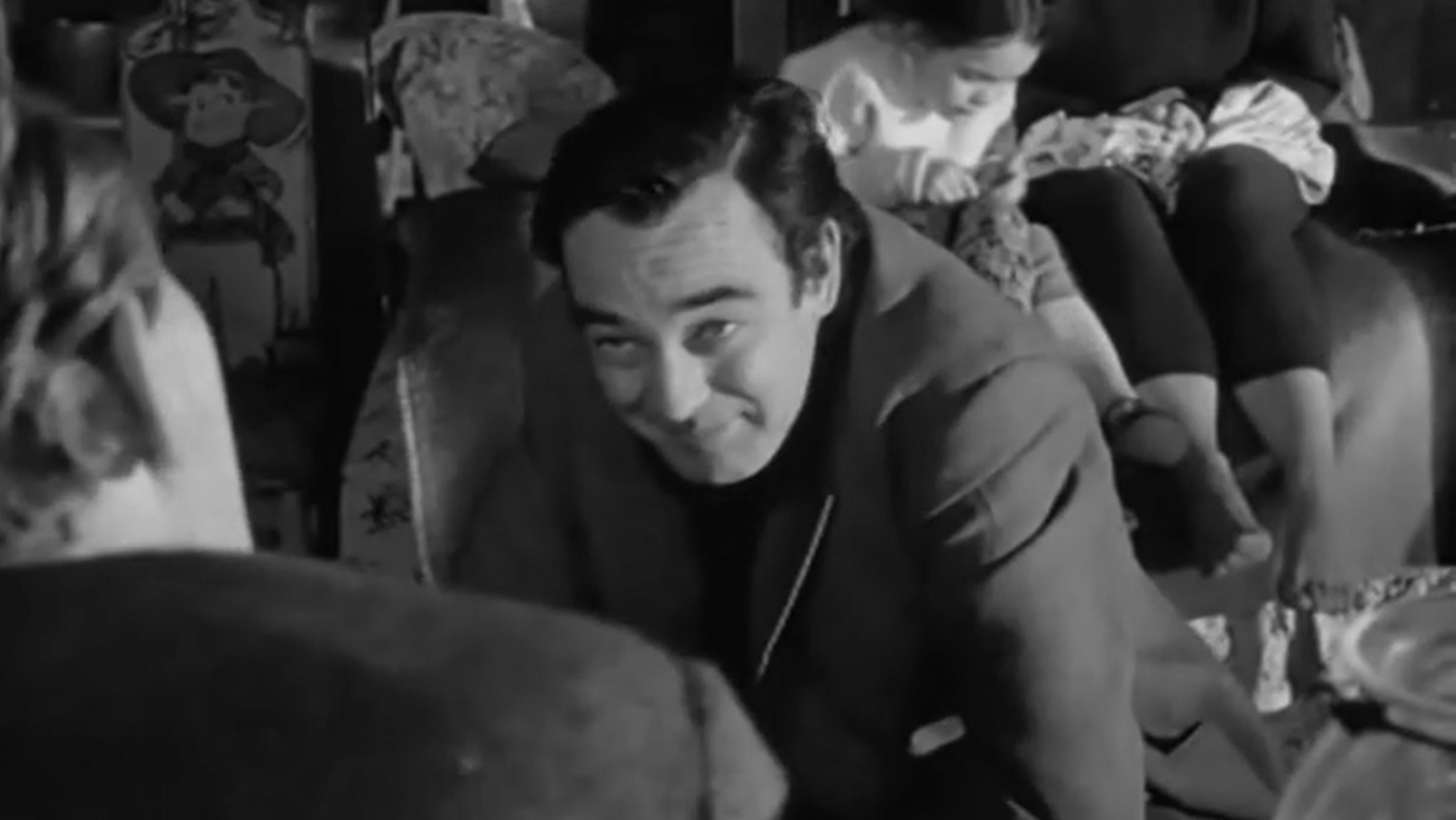
Harold Pinter’s adaptation of Penelope Mortimer‘s semi-autobiographical novel about infidelity and childbearing is relentlessly bleak but oddly mesmerizing despite its gloomy trajectory. Pinter’s lean screenplay — it’s been called “fastidious” in its faithfulness to Mortimer’s text — wastes no time in taking us from one phase of Bancroft’s pregnancy-filled, marriage-hopping existence to the next: when we first meet Bancroft’s Jo Armitage, she’s (seemingly) happily married to a violinist (Richard Johnson), with rambunctious kids all around:

Her decision to leave Johnson and marry Finch is never explained (is it love at first sight?), but the downward spiral that quickly ensues — as Finch’s career takes off and their marriage hits the rocks — makes it clear that her desire for an idyllic family existence will become more and more remote.

While we can’t help wanting to understand more about Jo’s addiction to having children (which plays a pivotal role in the dissolution of her marriage to Finch), Bancroft’s performance is nonetheless impressive, and she deservedly earned an Oscar nomination for her work; she embodies her depressive London housewife so fully that it’s easy to forget she’s Brooklyn-born rather than British.

Peter Finch as her philandering husband is appropriately duplicitous, while both James Mason and Maggie Smith are deliciously unforgettable in supporting roles. While it’s rarely enjoyable to watch chronic infidelity played out on-screen — and The Pumpkin Eater is no exception to this rule — the film remains must-see viewing simply for Bancroft’s memorable central performance.

Note: Interestingly, while director Jack Clayton helmed several provocative films about the complex lives of children (The Innocents, Our Mother’s House), Bancroft’s kids aren’t given much of a role here; it’s all about the dysfunctional adults instead.

Redeeming Qualities and Moments:

  • Anne Bancroft as Jo Armitage
  • Peter Finch as Jake Armitage
  • James Mason as Bob Conway
  • Maggie Smith as “Philpot”

Must See?
Yes, for Bancroft’s Oscar-nominated performance.

Categories

  • Oscar Winner or Nominee

Links: