Browsed by
Category: Original Reviews

Responses to Peary’s “must see” movie reviews, as well as my own “must see” movie reviews up to and after 1986 (when Peary’s book was published).

Aliens (1986)

Aliens (1986)

“We’d better get back, ’cause it’ll be dark soon, and they mostly come at night… mostly.”

Synopsis:
The sole survivor (Sigourney Weaver) of an alien attack travels back to the planet where it took place, in hopes of warning its new residents.

Genres, Themes, Actors, and Directors:

  • Aliens
  • Horror
  • Science Fiction
  • Sigourney Weaver Films
  • Strong Females

Review:
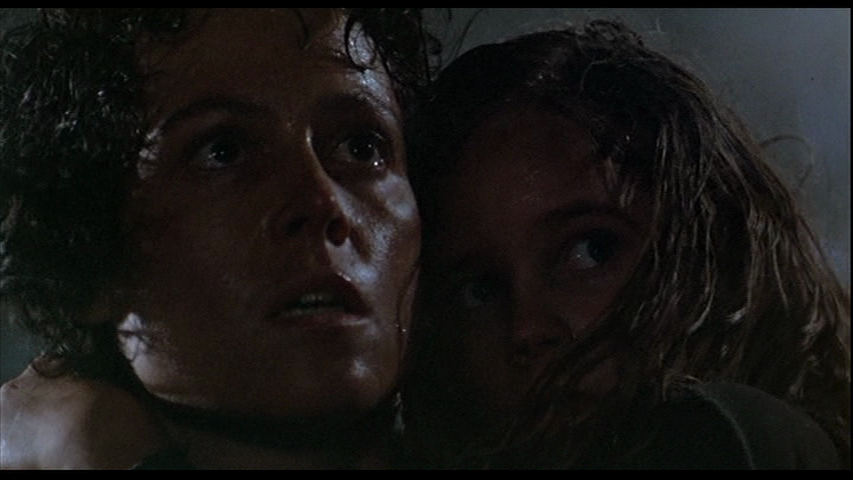
James Cameron’s follow-up to Ridley Scott’s Alien (1979) is, as many have noted, a rare instance in which a sequel matches its predecessor in both quality and entertainment value. In a cleverly conceived scenario, Ripley (Sigourney Weaver) — who has been in a “sleep coma” for over fifty years — is accidentally discovered by a salvage crew (whose first reaction, notably, is one of disappointment for losing its potential commission; this is a future universe in which greed rules all). Against her better judgment, she’s bullied into returning to the planet where aliens annihilated her crew, and where a settlement of humans is now (supposedly) thriving. We’re also given a bit of a back-story, learning that Ripley was the mother of a young girl who has since aged and died — thus nicely setting the stage for Ripley’s fierce protection of a young girl (Carrie Henn as “Newt”) she finds hiding on the planet. Finally, the nameless corporation which put the entire crew of the Nostromo in harm’s way in Alien is given a face (Paul Reiser) this time around, allowing audiences to palpably hiss at a known (human) enemy.

The sets and special effects in Aliens are just as effective as before, though everything feels (appropriately) amped up a notch. While Alien was essentially a slow-moving thriller punctuated by bursts of seat-jumping violence, Aliens possesses many more non-stop action sequences — and yes, there are more aliens this time. Surrounded by a crew of ultra-macho Marines (including a couple of remarkably buff women), Ripley is no longer alone in her battle against the beasts — though she does (infamously) face off alone against “Mother” (the mother alien) at one point. Henn (who left movie-making to become a teacher and a mother) does a fine job as Newt, and is given the film’s most memorably campy line (quoted above, and infamously spoofed on “South Park”). This kid is placed in some seriously dangerous situations, yet remains refreshingly realistic about it all — she’s got both excellent luck and plucky determination on her side.

Redeeming Qualities and Moments:

  • Sigourney Weaver as Ripley (nominated by the actual Academy as Best Actress of the Year, but not by Peary in his Alternate Oscars)
  • Gruesome special effects
  • Many genuinely heart-thumping action sequences

Must See?
Yes. This sequel is a worthy follow-up to Alien, and should be seen by all film fanatics.

(Listed in 1001 Movies You Must See Before You Die)

Links:

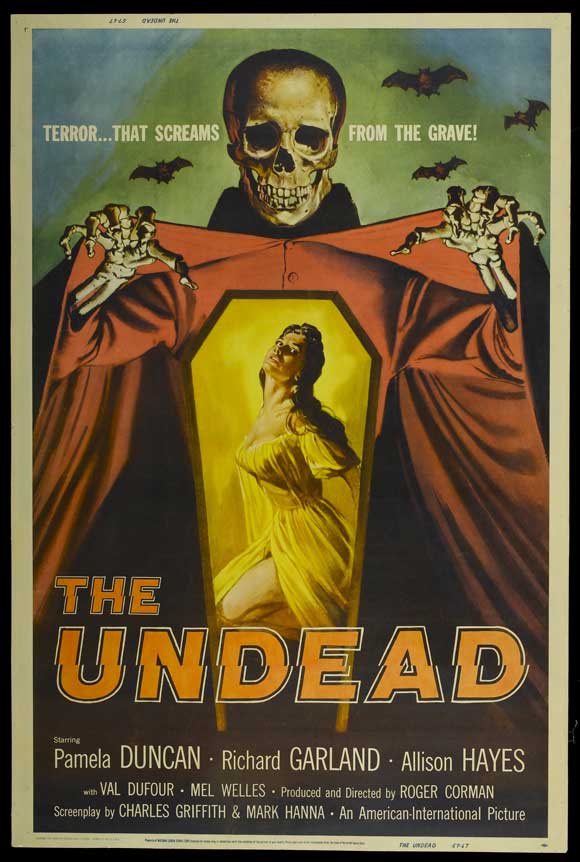
Undead, The (1957)

Undead, The (1957)

“I mean to invade the depths of the mind; that is not nonsense.”

Synopsis:
A hypnotist (Val Dufour) with questionable ethics sends a call girl (Pamela Duncan) back in time to a previous life, in which she was a wrongly condemned to die as a witch — but soon he realizes that she may be altering the outcome of history, and thus her own future existence.

Genres, Themes, Actors, and Directors:

  • Dick Miller Films
  • Falsely Accused
  • Fantasy
  • Mind Control and Hypnosis
  • Past Lives
  • Roger Corman Films
  • Time Travel
  • Witches and Wizards

Review:
Clearly an attempt to cash in on the “past lives craze” engendered by the release of The Search for Bridey Murphy (1956):

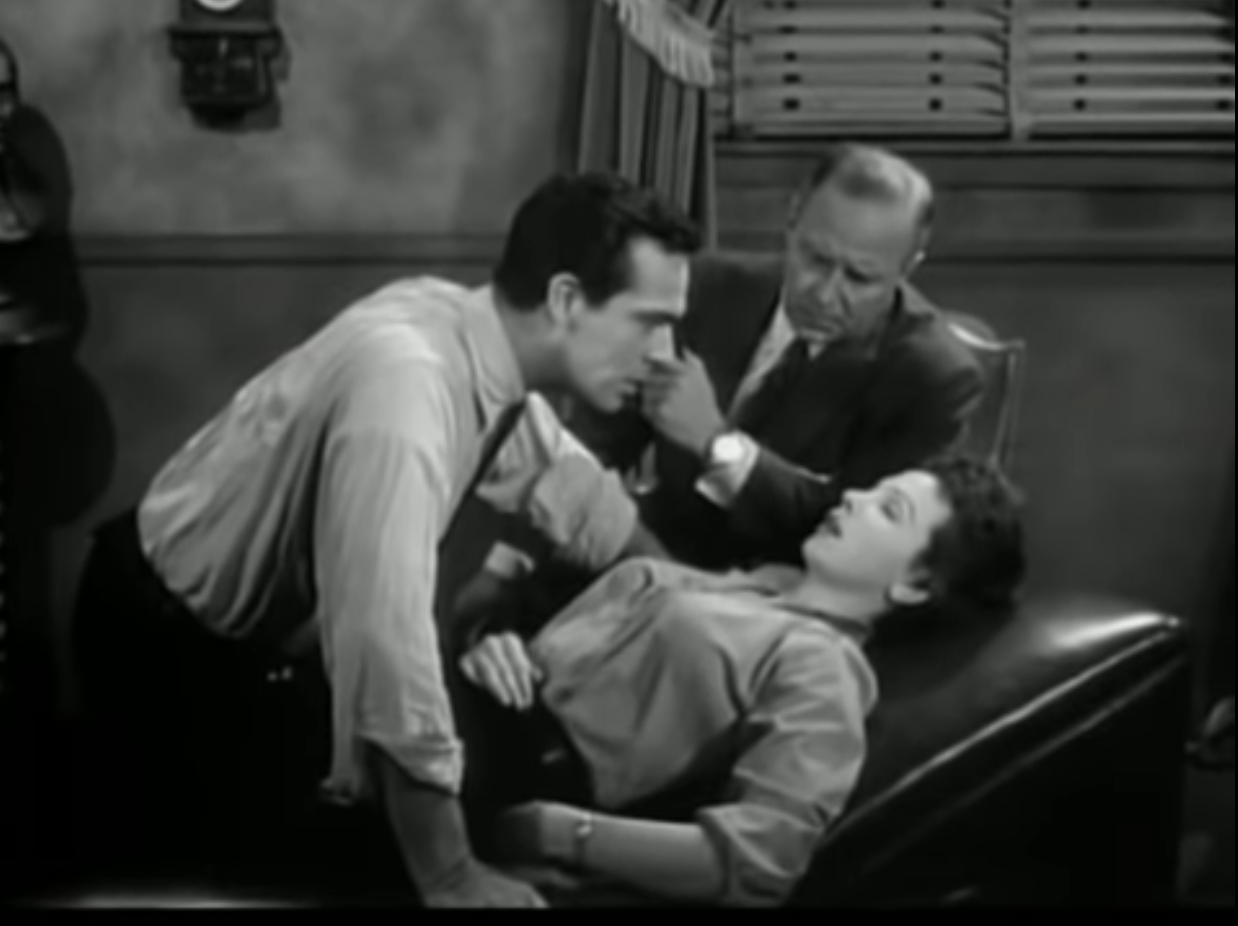
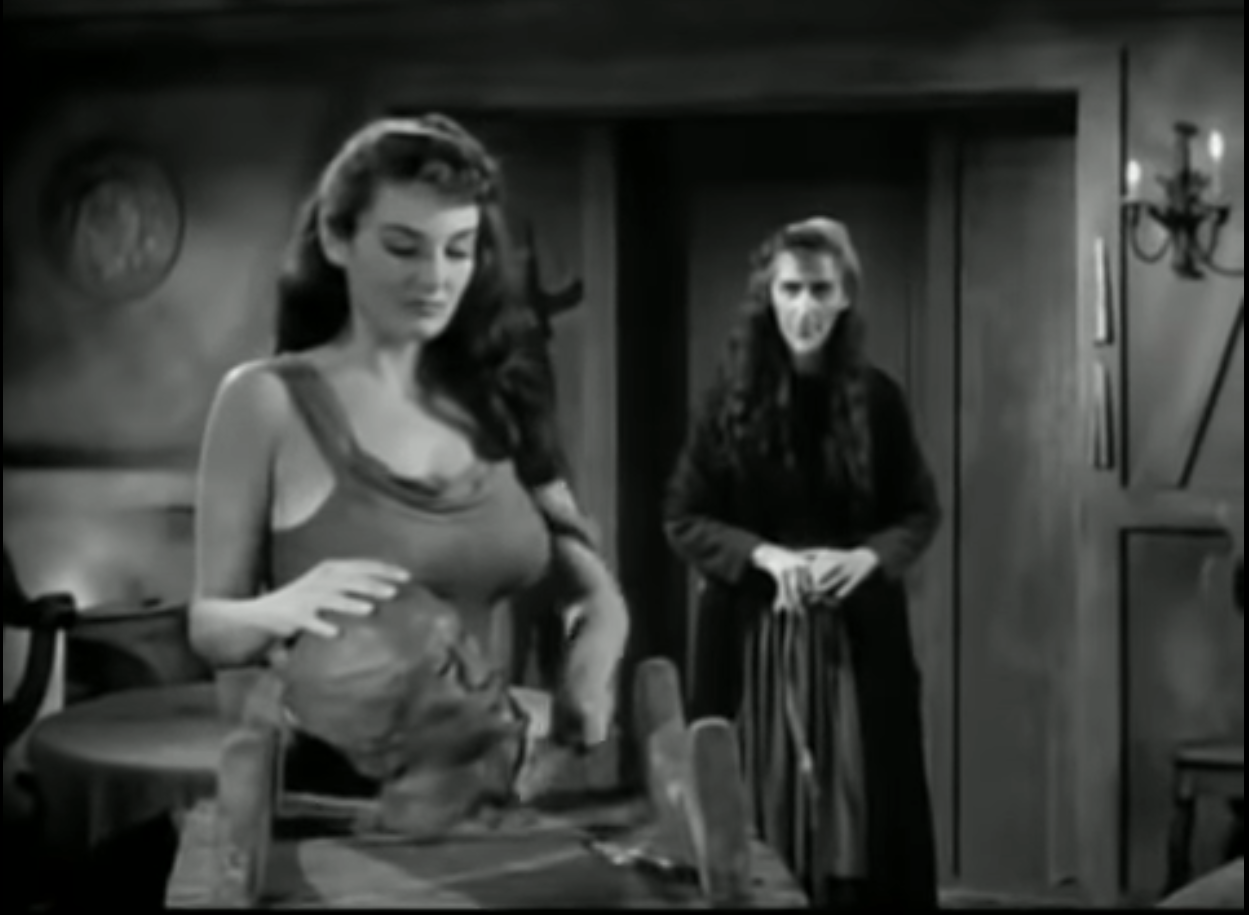
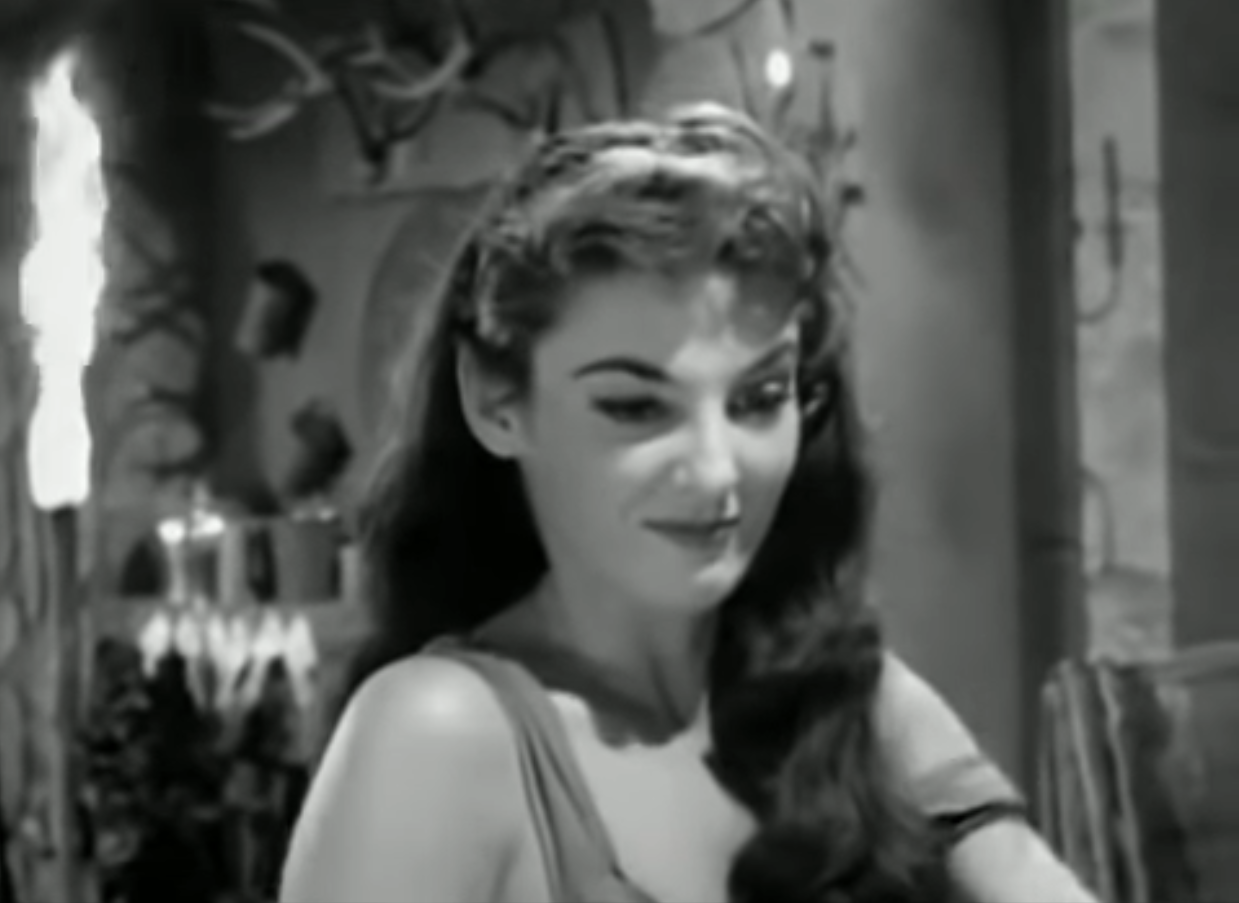
this fantasy-horror film was just one of nine low-budget flicks helmed by Roger Corman in 1957. For the first half-hour or so, it’s unclear why Corman’s screenwriters (Charles B. Griffith and Mark Hanna) even bothered with the past-lives angle, since their primary focus seems to be on the fate of Duncan-as-Helene:

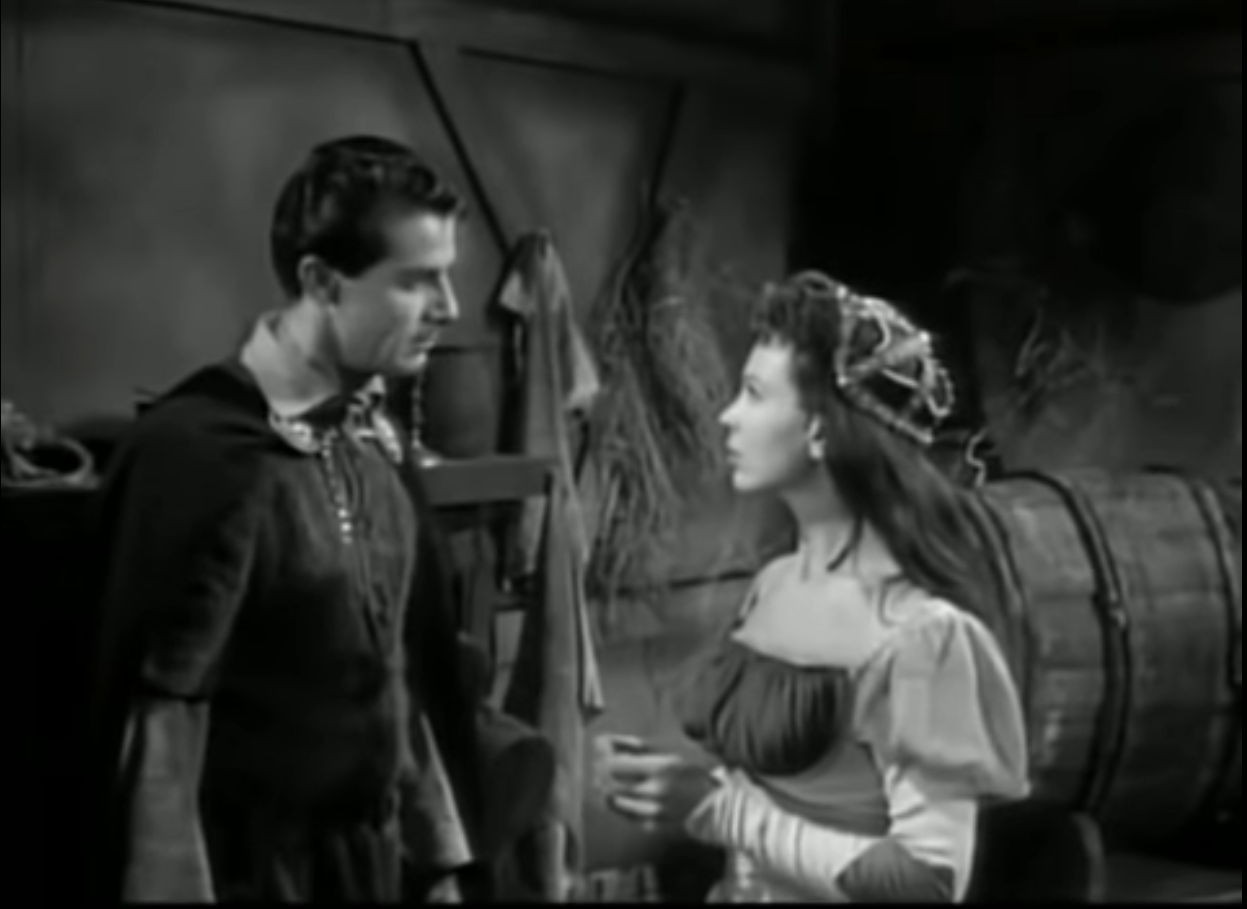
a medieval damsel falsely accused of witchcraft by jealous Allison Hayes (who covets her lover, Richard Garland). Eventually, however, the two storylines merge, as it becomes clear that Dufour’s questionable dabblings may have unexpectedly dire ramifications for his unwitting subject.

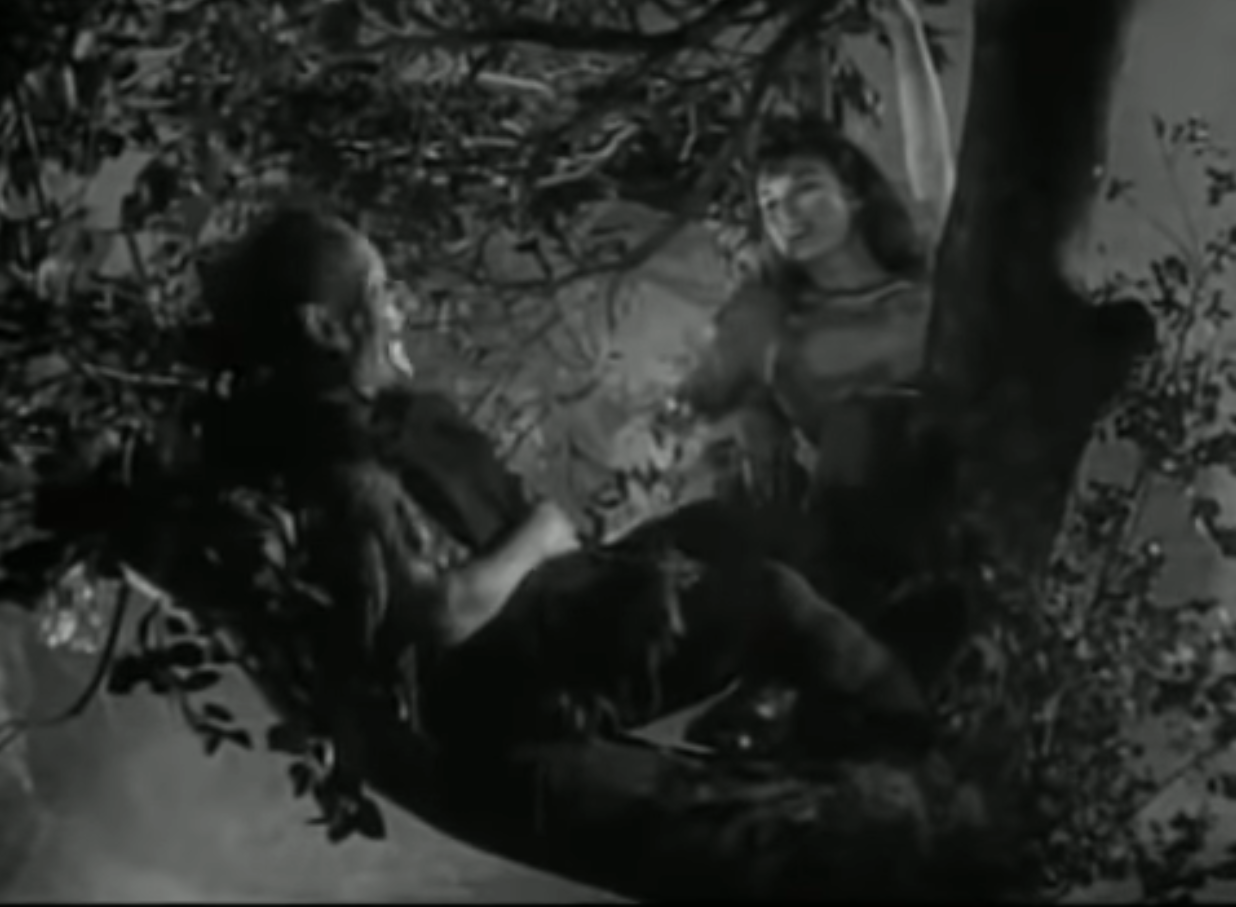
As with nearly all of Corman’s outings, The Undead is often laughably low-budget (viz. the way Hayes and her impish consort, played by Billy Barty:

magically transform into rubber creatures on strings), and the storyline frequently defies all credibility (don’t even try to analyze it logically) — but, amazingly, it’s never boring. Corman’s gift was with taking any given scenario, stuffing it as full as possible from every exploitative angle, and moving quickly ahead, never leaving audience members with enough time to worry or wonder about what they’re seeing. In this particular case, he’s helped by a number of clever touches sprinkled throughout the screenplay — such as the little ditties sung by Mel Welles (as Smolkin the Gravedigger), in which he takes traditional nursery rhymes and turns them into macabre meditations on death:

Sing a song of graveyards, an acre full of germs /
Four and twenty landlords, dinner for the worms.
When the box was planted, the worms began to sing:
“Isn’t that a dainty dish to set before a thing?”

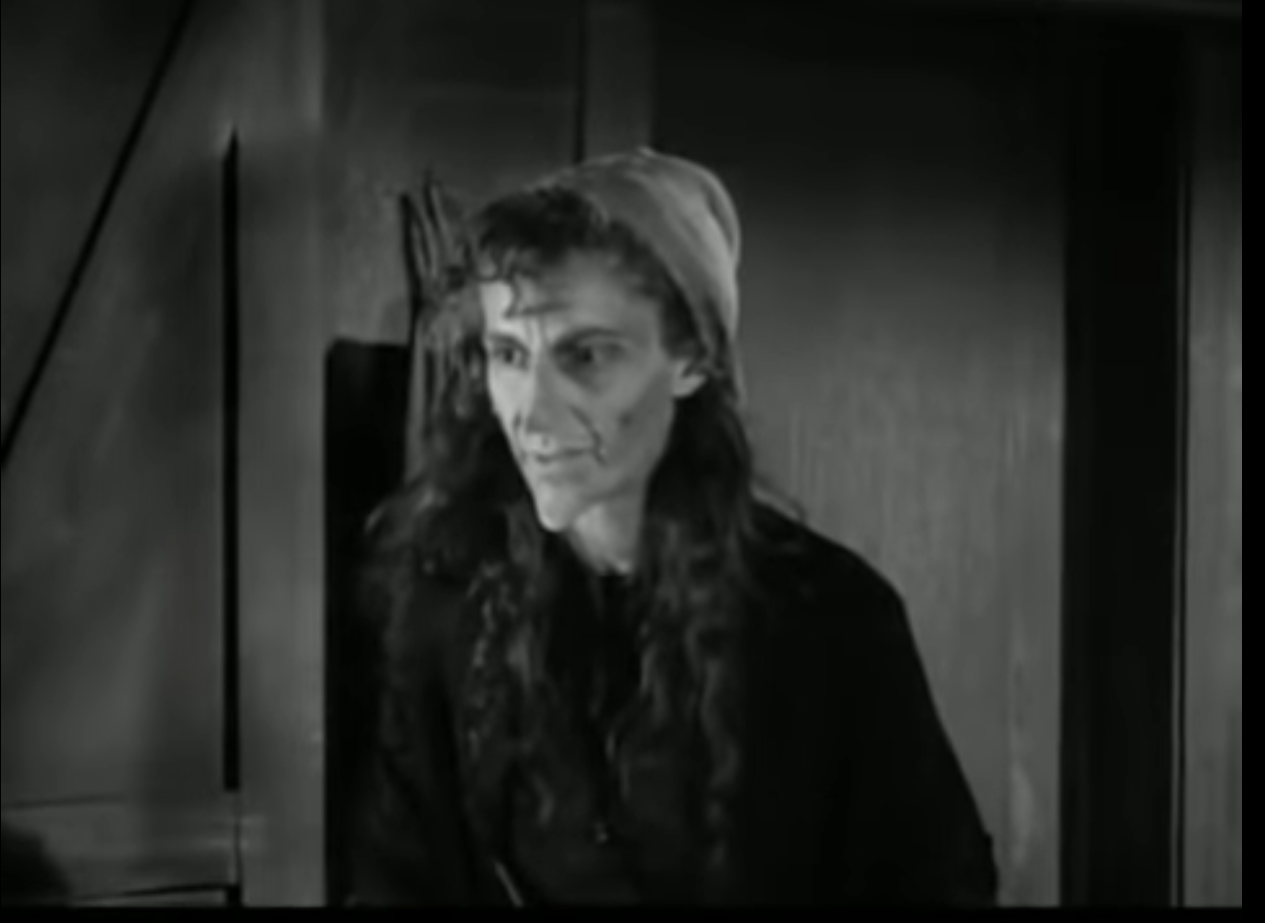
Meanwhile, Hayes gives a deliciously vampy performance as “bad witch” Livia:

while Dorothy Neumann (in surprisingly effective low-budget make-up) is fine as her ugly but ultimately good-natured counterpart.

None of this is to defend The Undead as anything other than the low-budget exploitation flick it is, and it’s not must-see viewing — but there’s enough here to keep you reasonably entertained, if you’re in the right mood (especially if you check out the MST3K version, available on YouTube).

Redeeming Qualities and Moments:

  • Mel Welles as Smolkin the Gravedigger
  • Allison Hayes as Livia

Must See?
No, though it’s worth a look for its campy cult value.

Links:

Bostonians, The (1984)

Bostonians, The (1984)

“You always want to please someone — Miss Chancellor, your parents, whoever else is dear to you. But it’s not really you.”

Synopsis:
A suffragette (Vanessa Redgrave) and her chauvinist southern cousin (Christopher Reeve) vie for the affections of a charismatic young orator (Madeleine Potter).

Genres, Themes, Actors, and Directors:

  • Christopher Reeve Films
  • Feminism and Women’s Issues
  • Jessica Tandy Films
  • Literature Adaptation
  • Merchant Ivory Films
  • Love Triangle
  • Vanessa Redgrave Films

Review:
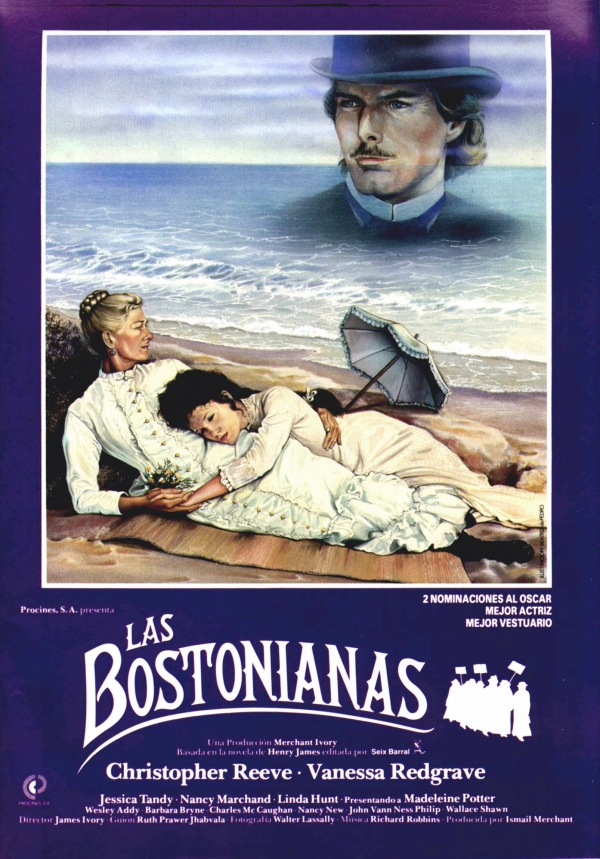
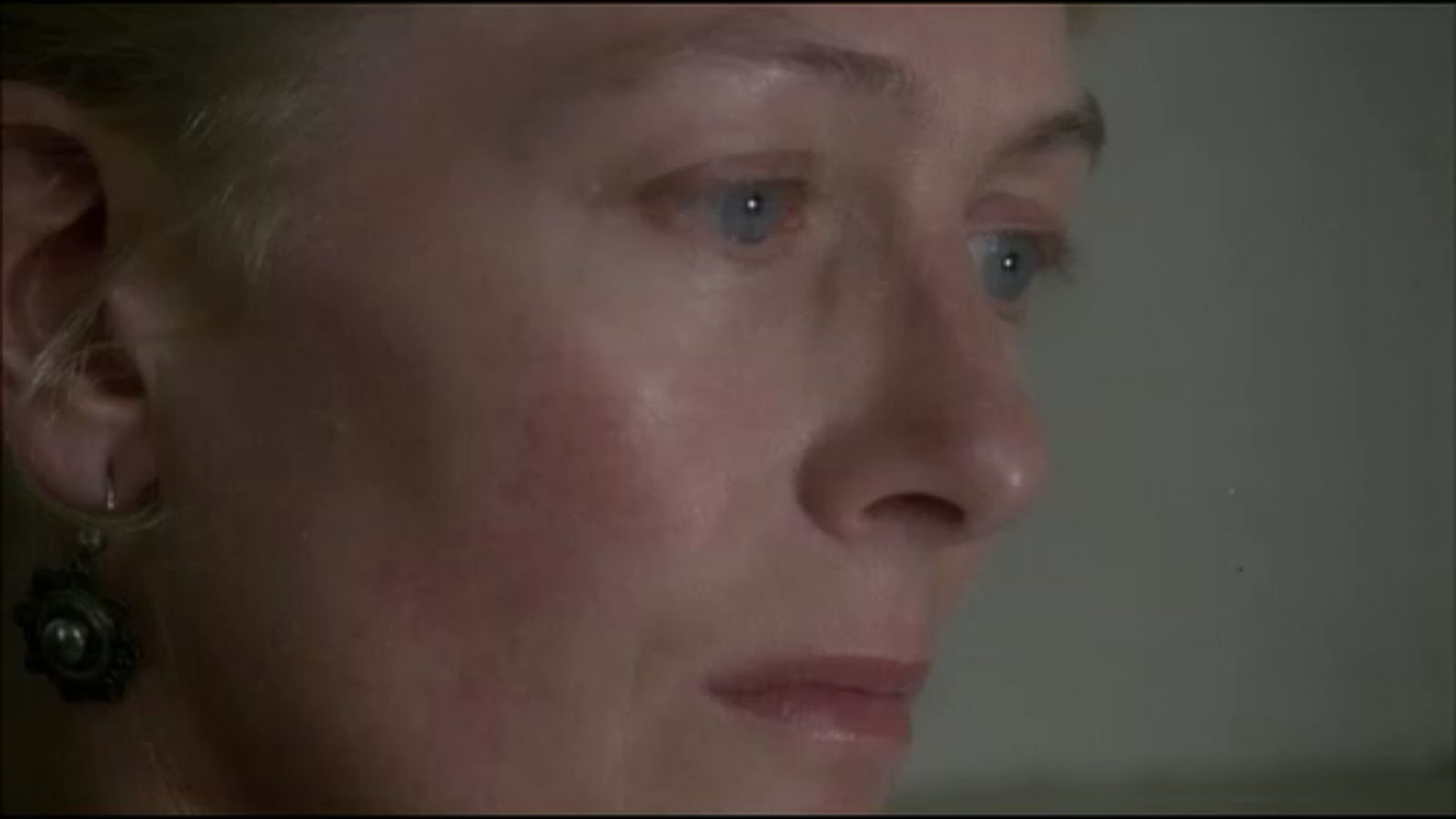
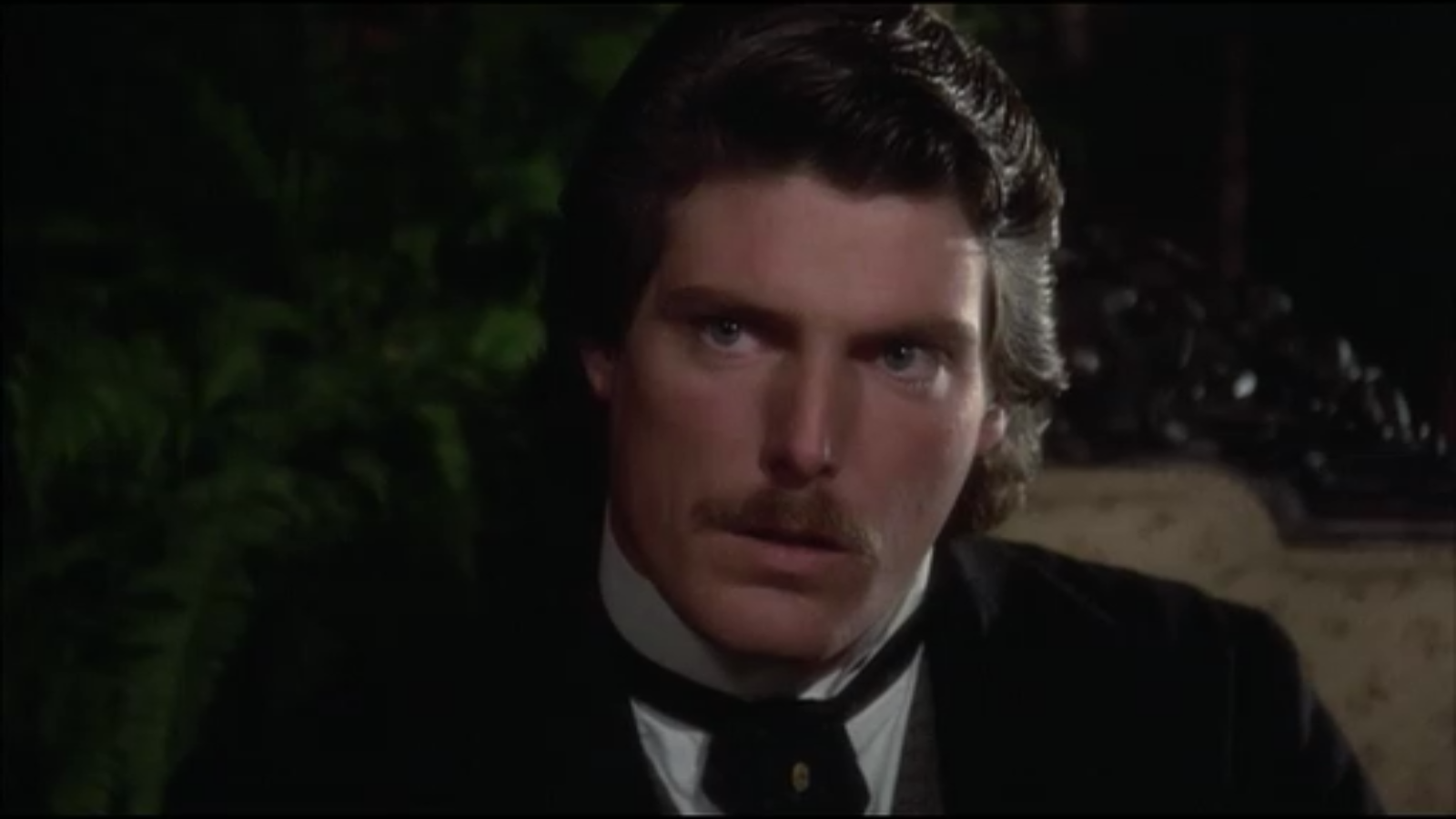
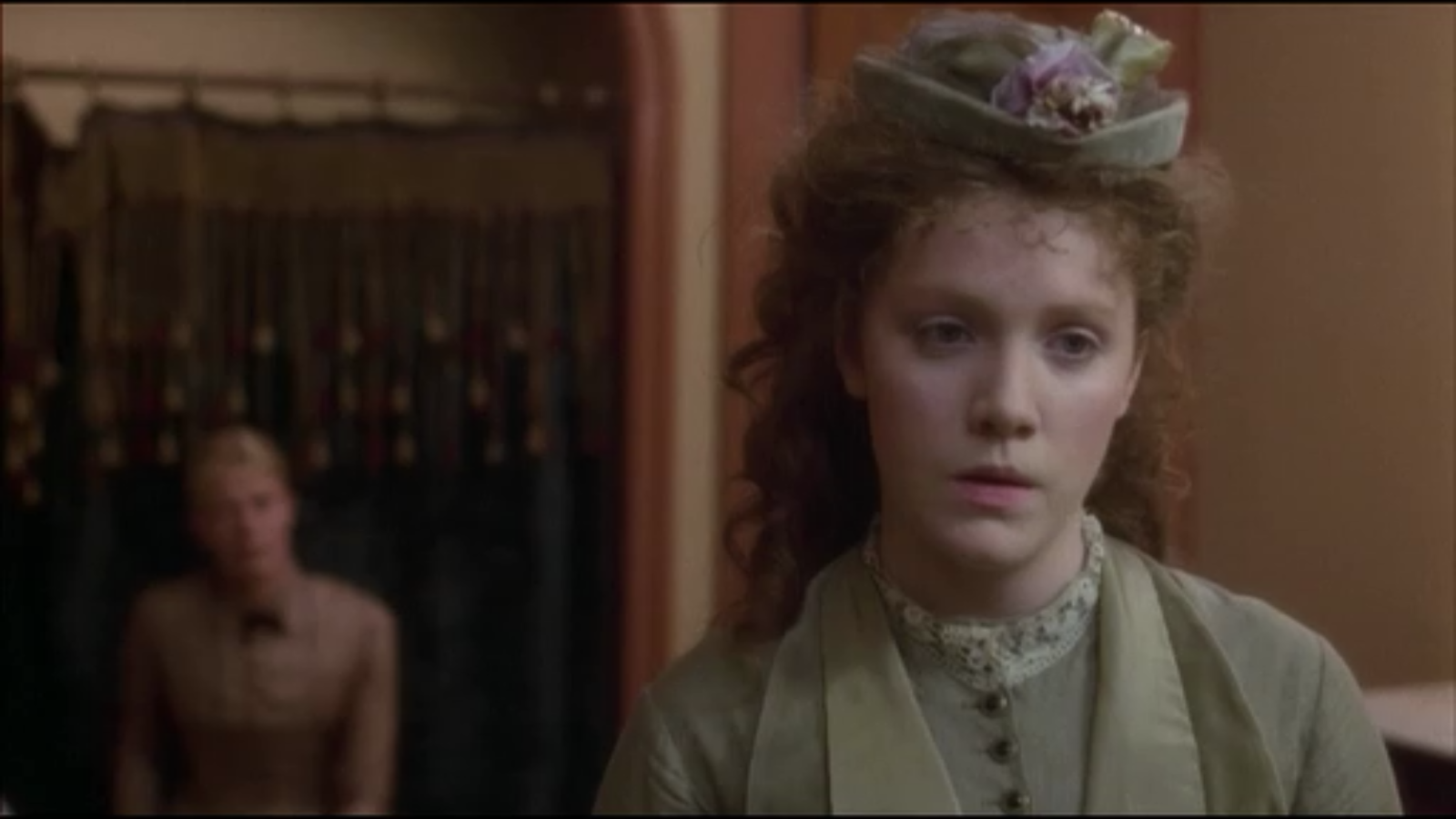
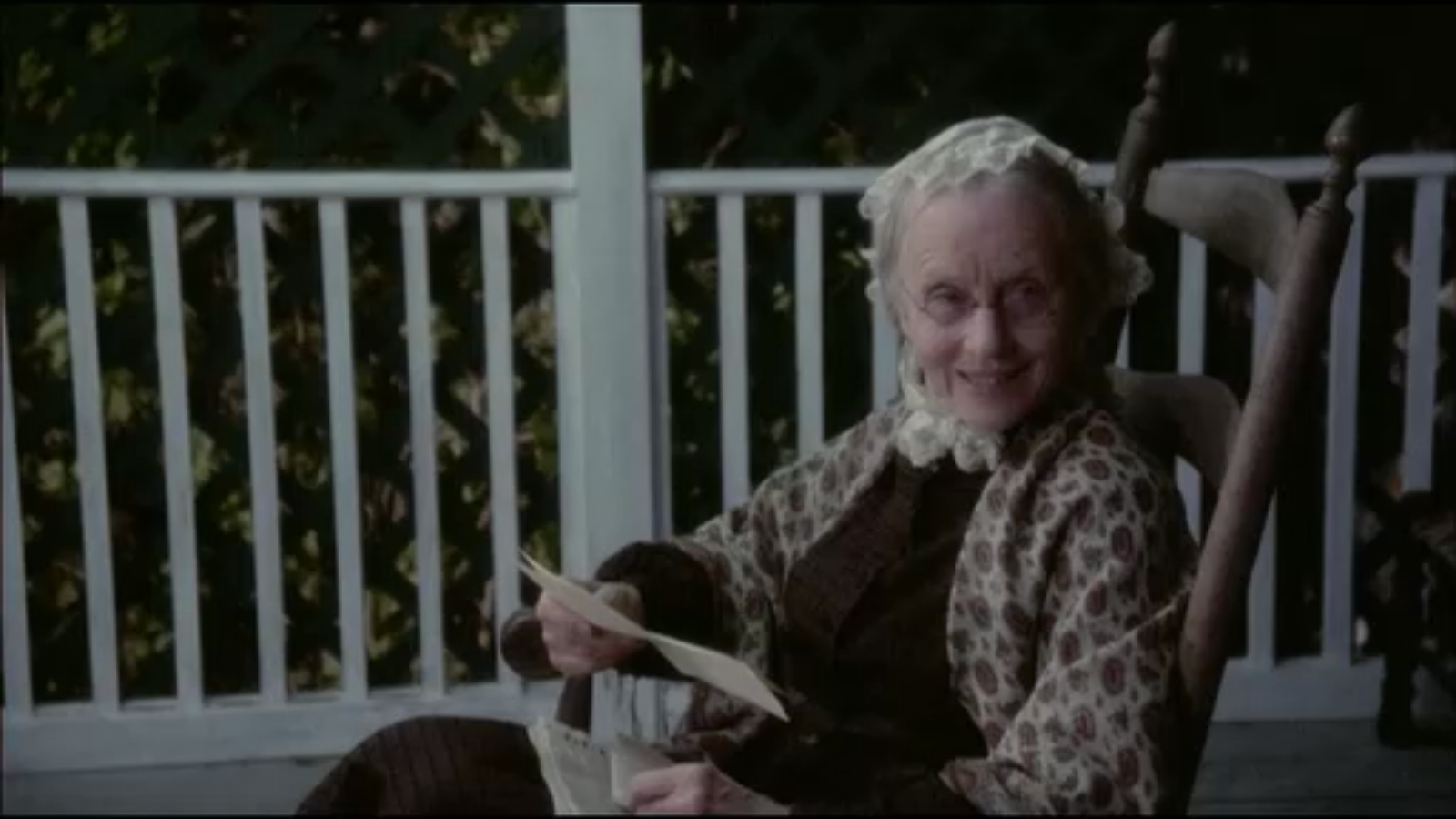
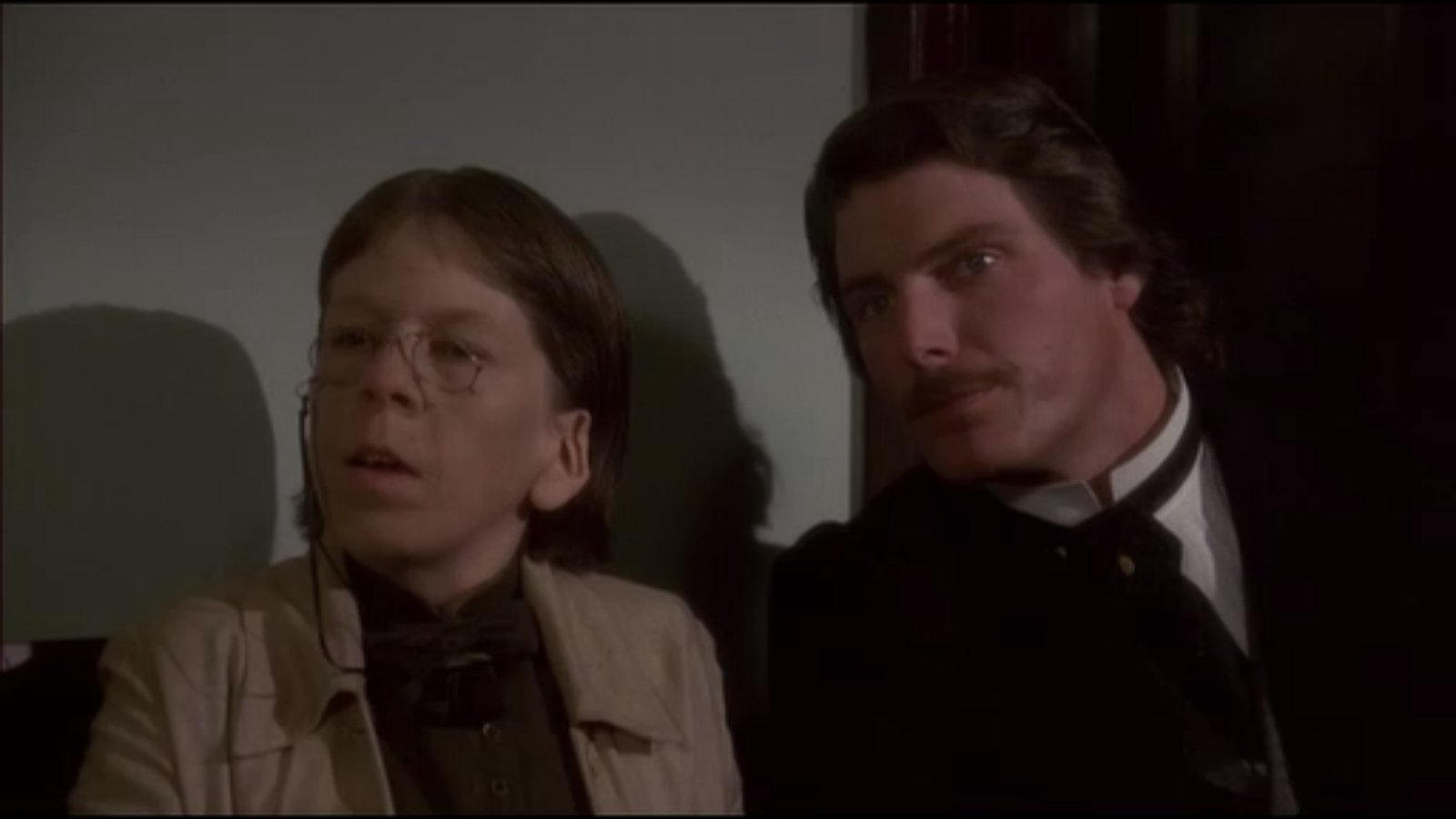
Merchant-Ivory’s adaptation* of Henry James’ tragicomic novel (which prompted the coining of the phrase “Boston marriage”) is apparently quite faithful to its source material (which I’ve never read) — up until its infamously modified final scene. Vanessa Redgrave deservedly won an Oscar nomination for her portrayal of a very thinly-veiled lesbian suffragette in post-Civil War Boston who falls head-over-heels in love with Potter from the moment she first hears her speak; meanwhile, Christopher Reeve gives one of his best non-Superman performances as the unapologetically prick-ish southern lawyer vying for Potter’s attentions. As the center of the battle between Redgrave and Reeve, Potter — an unconventionally cherubic beauty — is a controversial casting choice, but ultimately (I believe) suits the role: she exudes enough gentle charisma to convince one of her viability as a magnet for both suitors. This most unusual “love triangle” plays out against Merchant-Ivory’s typically lush period sets, and — despite a frustratingly melodramatic ending, and insufficiently explored characterizations — offers some subtly provocative statements about the nature of repression, longing, obsession, and rivalry.

* Ruth Prawer Jhabvala, long-time Merchant-Ivory collaborator, wrote the screenplay.

Redeeming Qualities and Moments:

  • Vanessa Redgrave as Olive Chancellor (oddly excluded from Peary’s list of nominees in Alternate Oscars)
  • Christopher Reeve as Basil Ransome
  • Madeleine Potter as Verena Tarrant
  • Fine supporting performances (in small roles) by Jessica Tandy, Linda Hunt, and Nancy Marchand


  • Lovely sets and production values

Must See?
No, though it’s strongly recommended just to see Redgrave’s performance.

Links:

Your Past is Showing (a.k.a. The Naked Truth) (1957)

Your Past is Showing (a.k.a. The Naked Truth) (1957)

“Getting rid of people seems to be a hobby of yours!”

Synopsis:
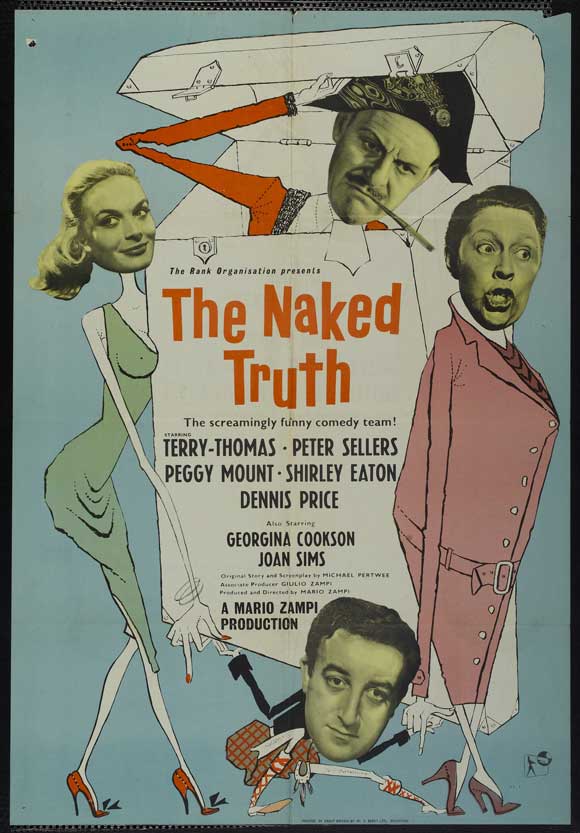
A game show host (Peter Sellers), a mystery writer (Peggy Mount), a model (Shirley Eaton), and a womanizing lord (Terry-Thomas) unsuccessfully try to murder the journalist (Dennis Price) who is blackmailing them.

Genres, Themes, Actors, and Directors:

  • Black Comedy
  • Blackmail
  • Mistaken Identities
  • Peter Sellers Films
  • Plot to Murder

Review:
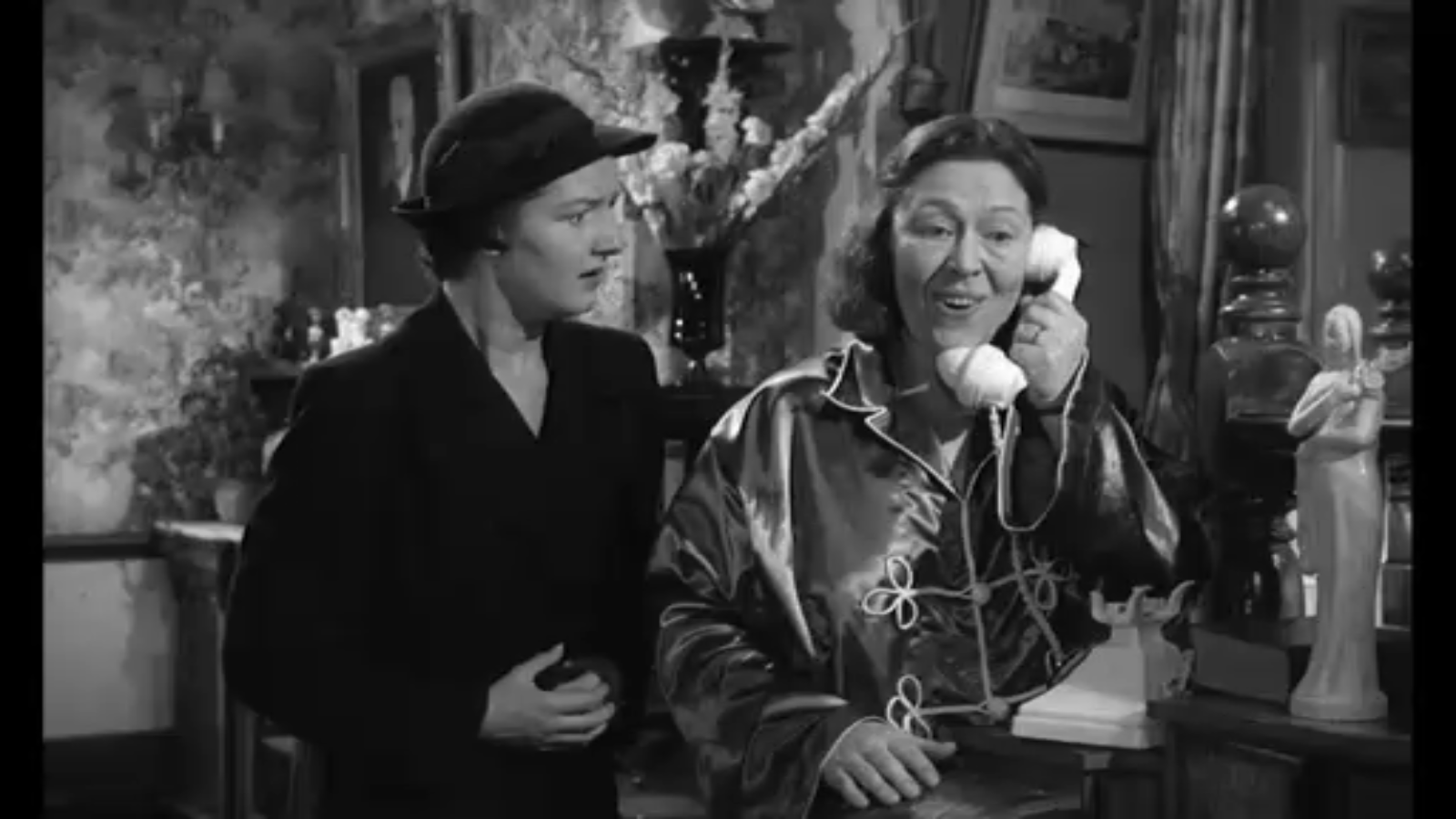
The premise of this amiable British black comedy starts off with a bang, as Price’s unapologetically sleazy gossipmonger provokes consternation (or worse) in a bevy of celebrities with smear-worthy skeletons in their closets — until a small handful of his victims suddenly decide that enough is enough. The rest of the film is taken up with their various attempts (solo or collaborative) to “off” him, with Sellers having plenty of fun dressing up in various disguises, gap-toothed Terry-Thomas playing essentially a variation on his usual self, and gravelly-voiced Peggy Mount exhibiting fine comedic rapport with Joan Sims as her nervous-nellie daughter. Unfortunately, the one-note situation eventually wears out its welcome: it drags on for a bit too long, and (ironically) Price is gone too long off-screen. While it’s not must-see viewing for all film fanatics, however, fans of Sellers will surely want to see this early pivotal film in his career — one which afforded him his first leading role, and catapulted him to even greater fame.

Redeeming Qualities and Moments:

  • Peter Sellers as Sonny MacGregor
  • Peggy Mount and Joan Sims as as Flora and Ethel Ransom

Must See?
No, though it’s worth seeking out for one-time viewing.

Links:

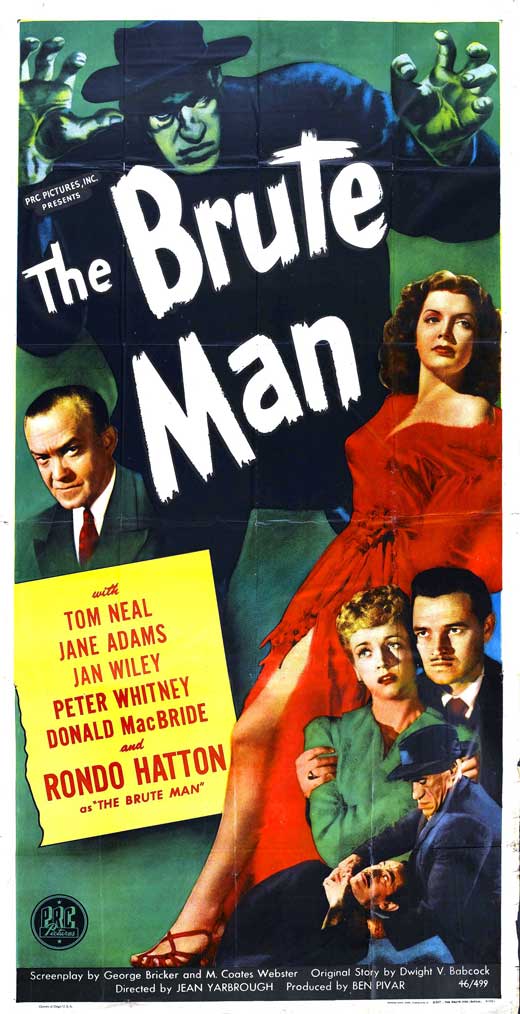
Brute Man, The (1946)

Brute Man, The (1946)

“You never can tell what a man will do when his mind’s affected.”

Synopsis:
A former college football hero (Rondo Hatton) disfigured in a chemistry accident seeks revenge on those he feels wronged by, and befriends a sympathetic blind pianist (Jane Adams).

Genres, Themes, Actors, and Directors:

  • Blindness
  • Detectives and Private Eyes
  • Disfigured Faces
  • Serial Killers

Review:
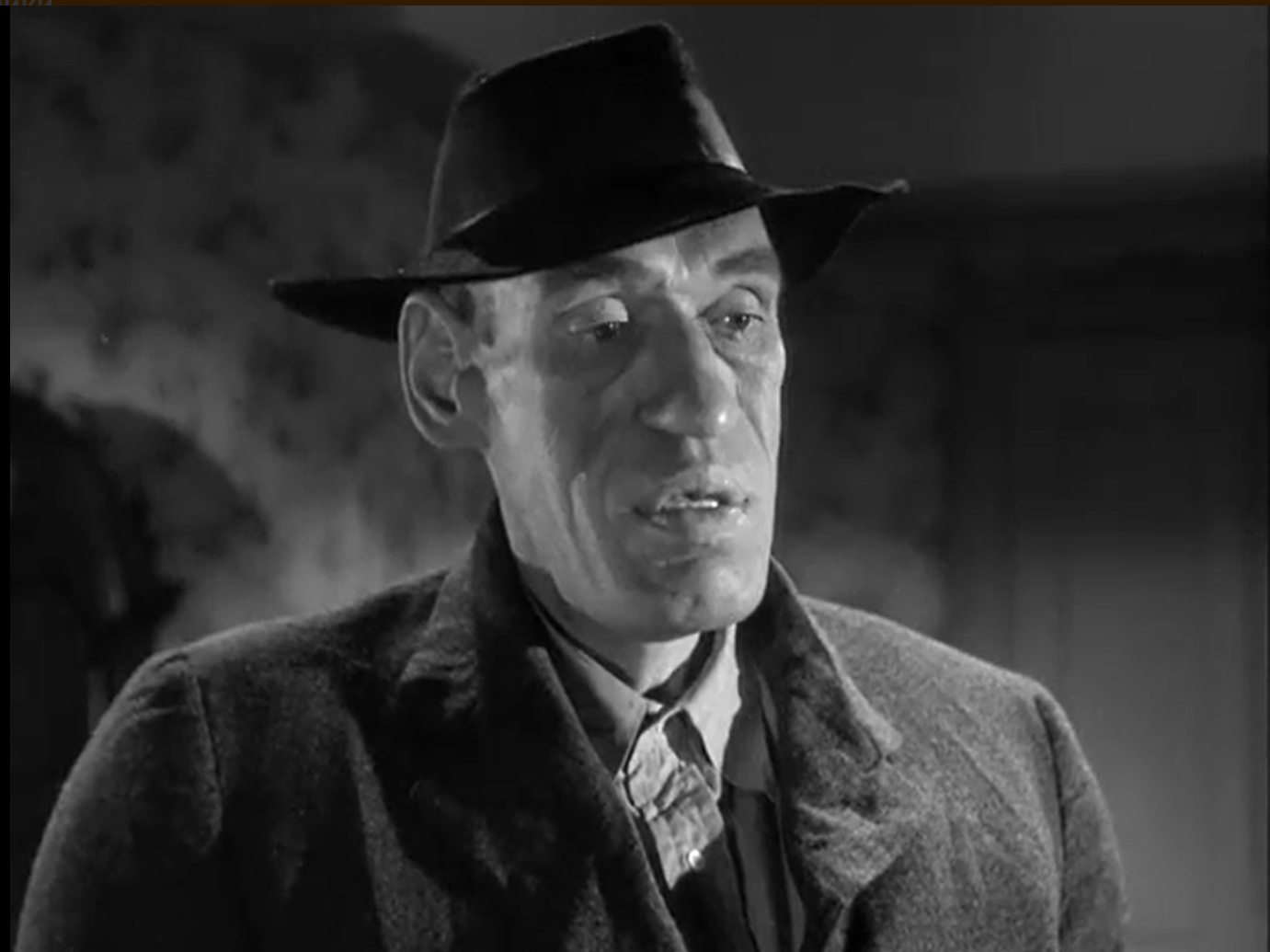
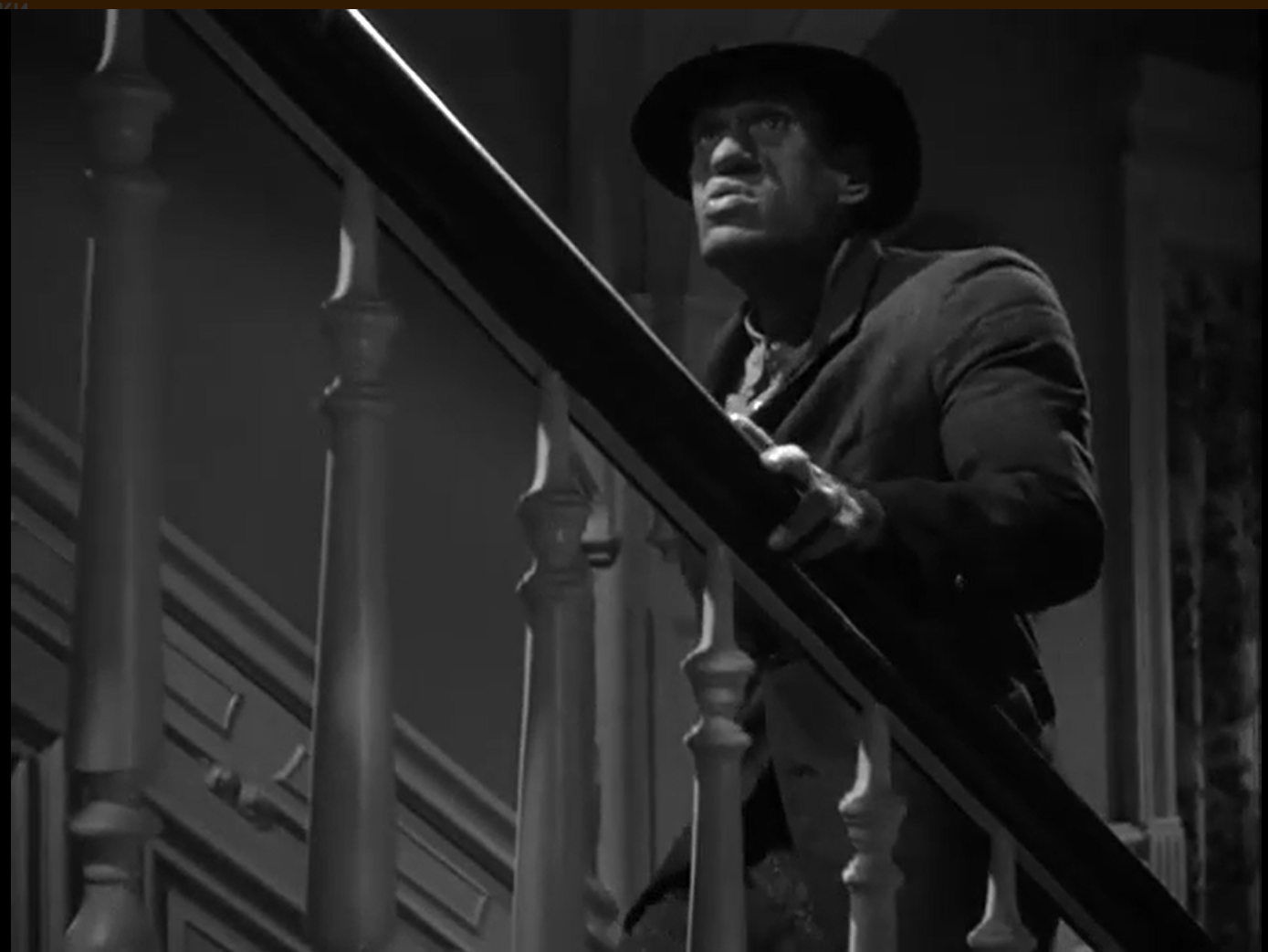
Best known for providing disfigured actor Rondo Hatton with his one and only leading role, The Brute Man is viewed by many as a campy B-movie pleasure, and has been spoofed by the MST3K crew (it’s available to watch in this format on YouTube). Running for less than an hour, it’s an economically made, competently filmed police procedural with atmospheric cinematography (by Maury Gertsman) and an inherent sense of pathos, given what we know about Hatton’s tragic existence (he developed acromegaly as an adult, and gradually became more and more disfigured, which afforded him a career as a “natural” monster in Hollywood).

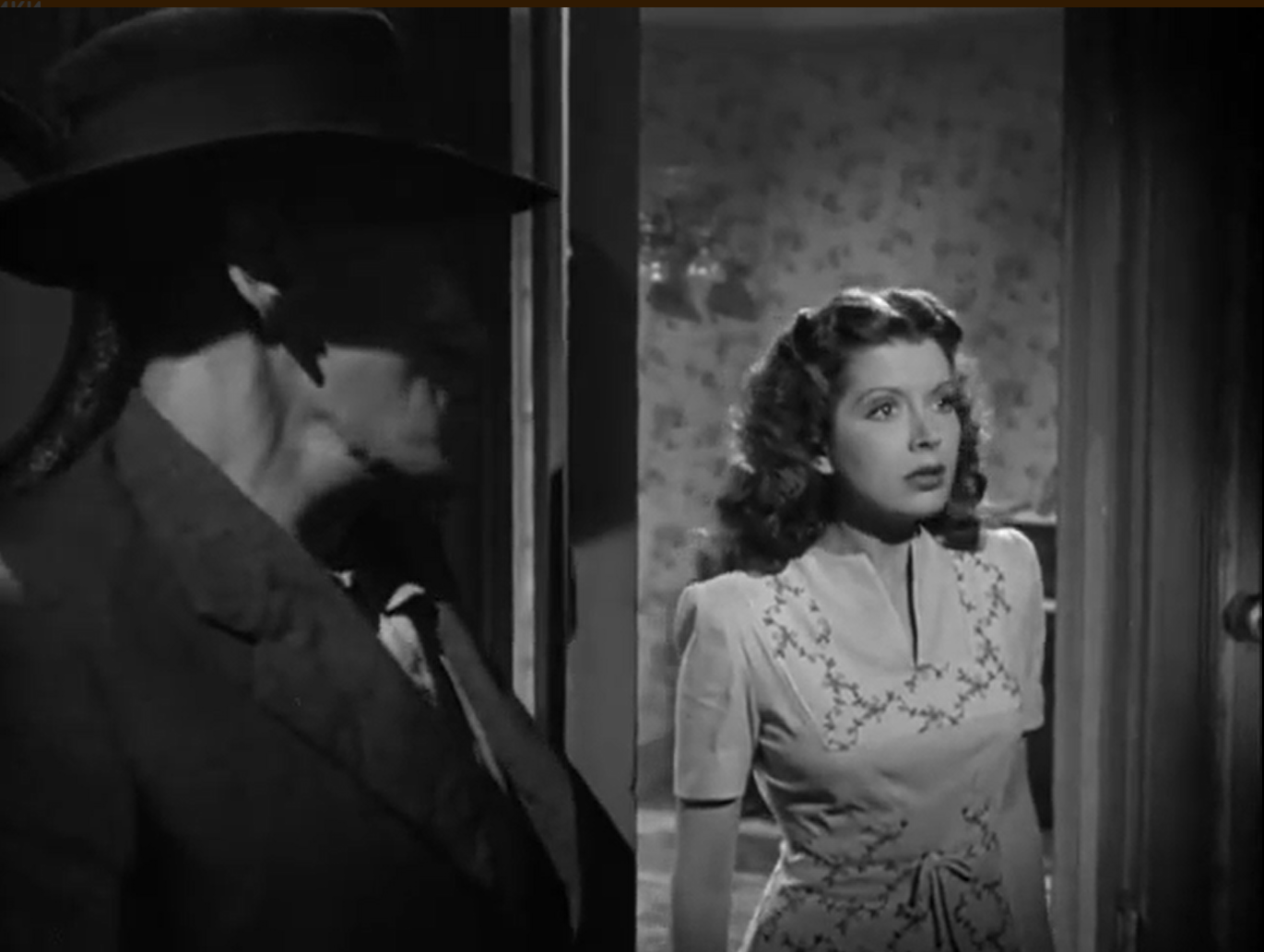
Unfortunately — or fortunately, depending on how you look at it — certain elements of the screenplay are handled in such a ludicrously unbelievable fashion that the film never really “works” as a realistic thriller: the Brute Man’s first encounter with an impossibly kind blind pianist (Adams), for instance, defies belief on all levels (there’s no way any woman would automatically trust a gravelly voiced stranger entering her apartment, to the point that two minutes later, she covers for him in a lie with the police).

Nonetheless, film fanatics may be curious to check this film out simply to see Hatton — who does a serviceable job in the role.

Note: Click here to read more about an award named in honor of Hatton.

Redeeming Qualities and Moments:

  • Fine noir-ish cinematography by Maury Gertsma

Must See?
No, though you may want to check it out simply for its historical interest. Listed as a Camp Classic in the back of Peary’s book.

Links:

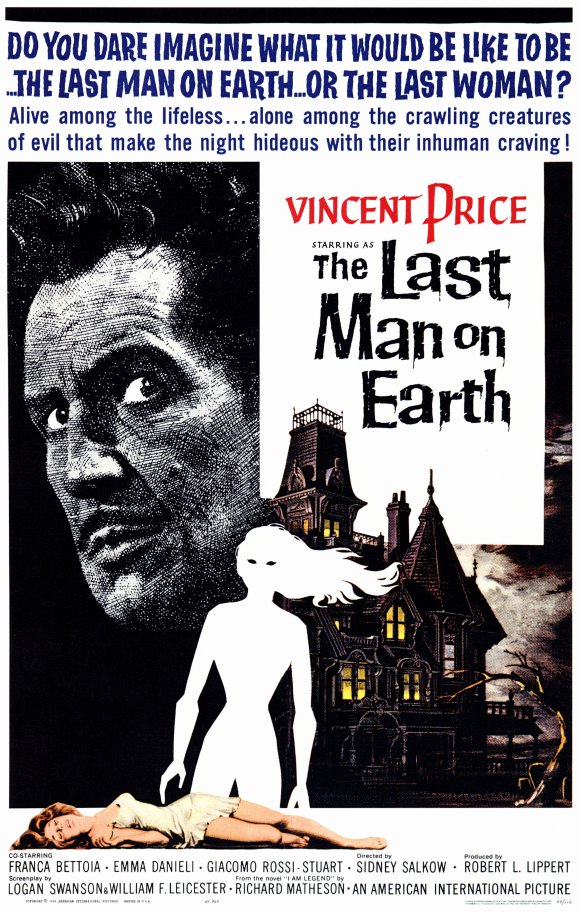
Last Man on Earth, The (1964)

Last Man on Earth, The (1964)

“Someone else is alive in this world — but where are they? Where are they hiding?”

Synopsis:
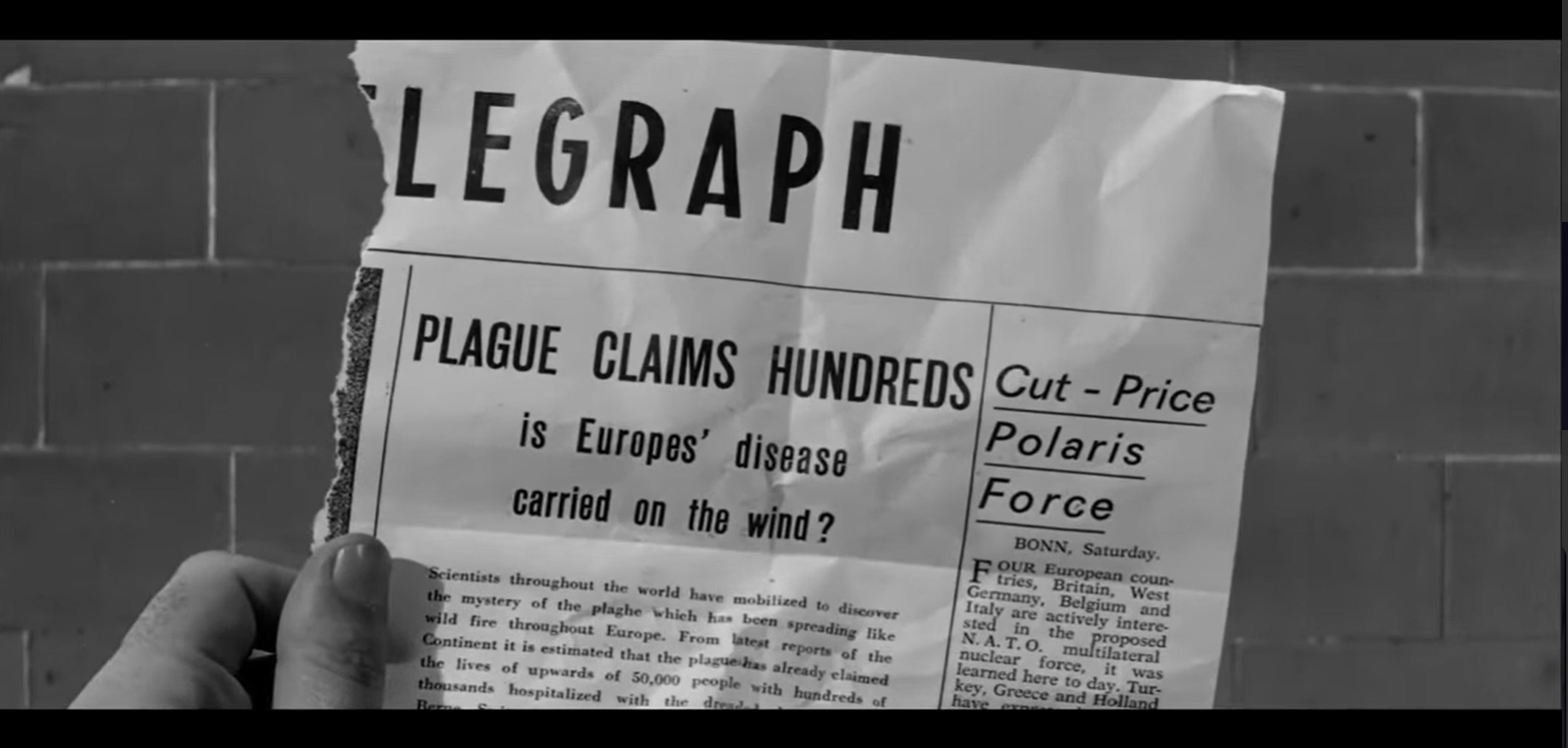
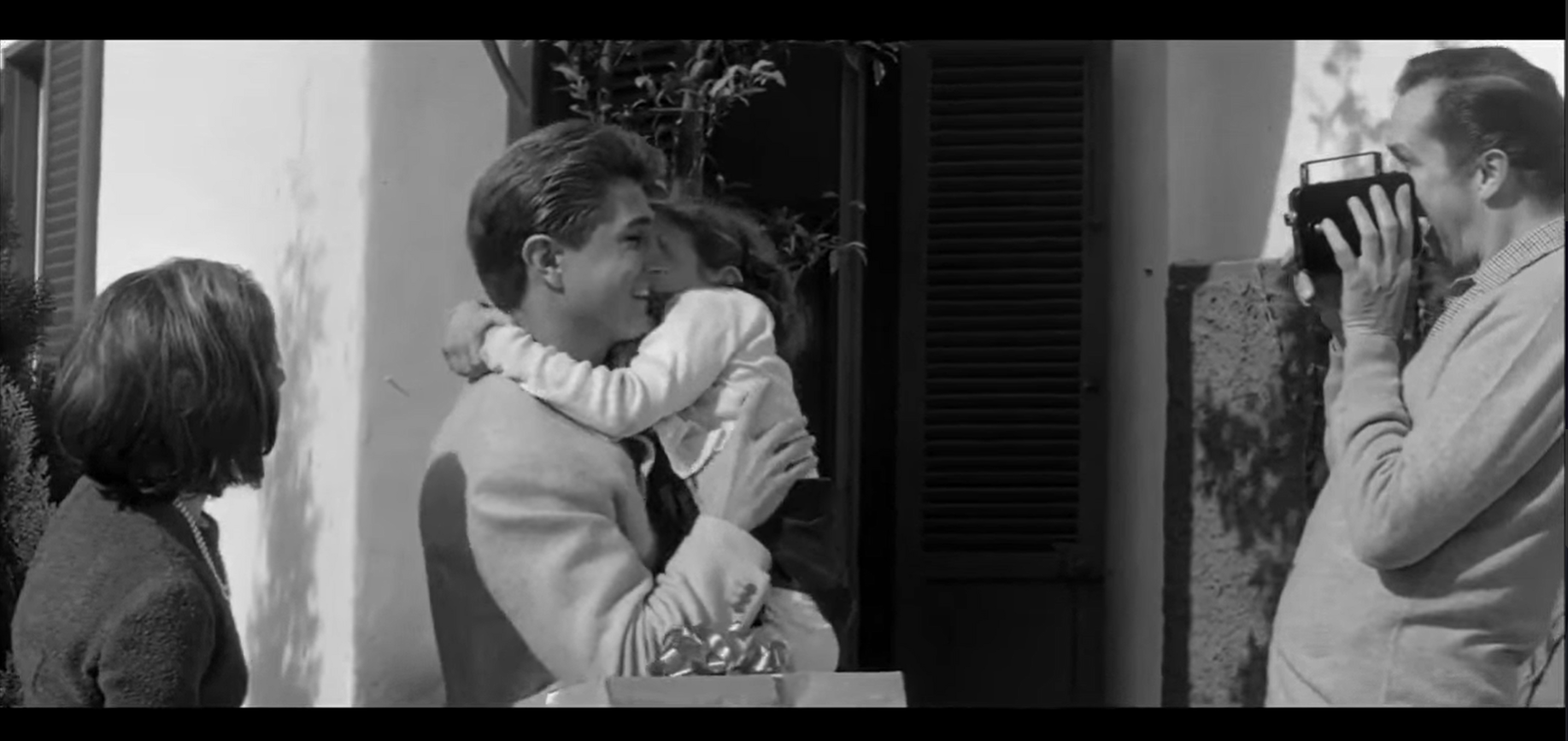
The sole survivor (Vincent Price) of a devastating plague battles vampiric zombies while searching for a cure and reminiscing about the wife (Emma Danieli) and child (Christi Courtland) he has lost.

Genres, Themes, Actors, and Directors:

  • Post-Apocalypse
  • Science Fiction
  • Survival
  • Vampires
  • Vincent Price Films
  • Zombies

Review:
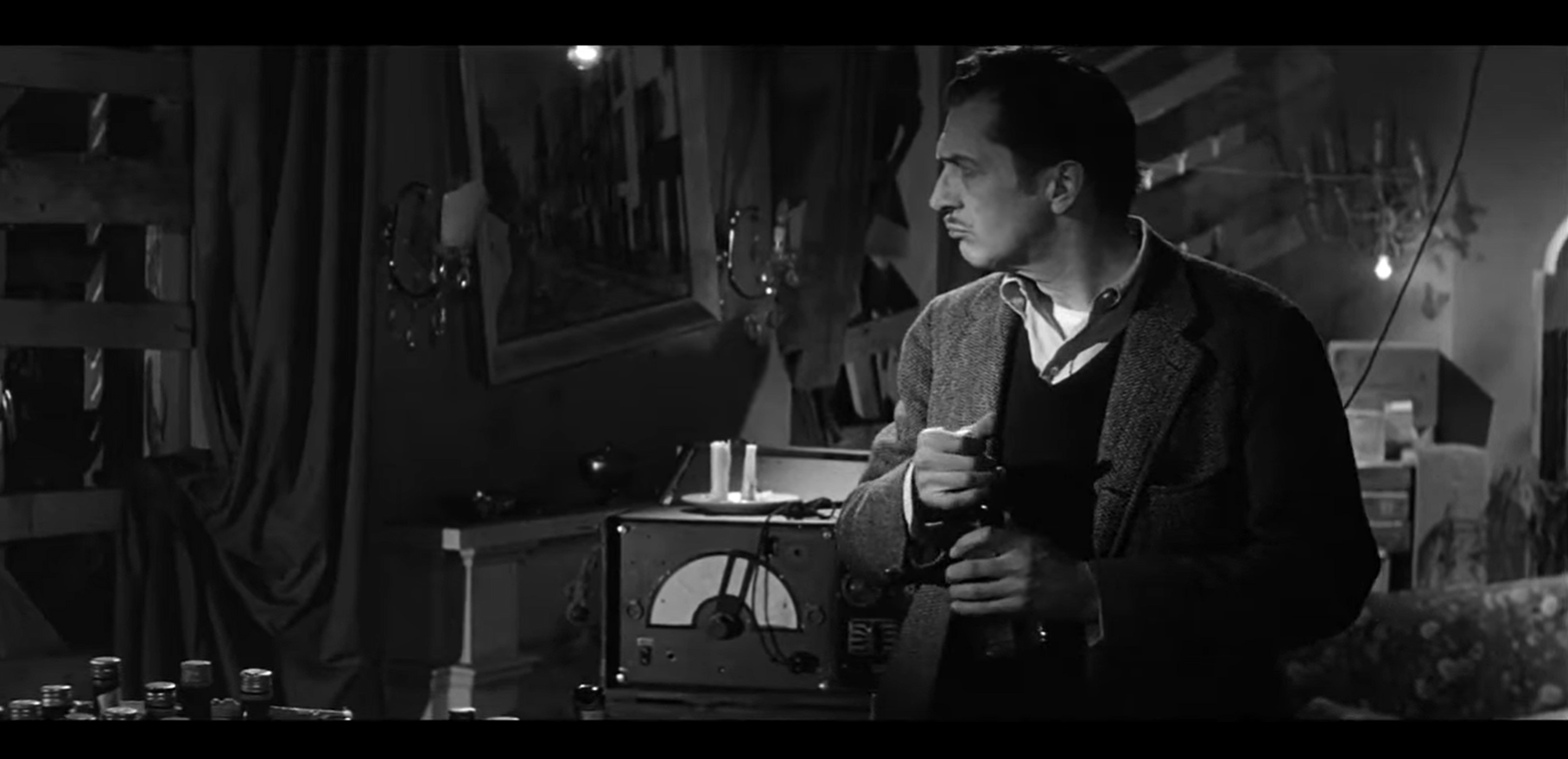
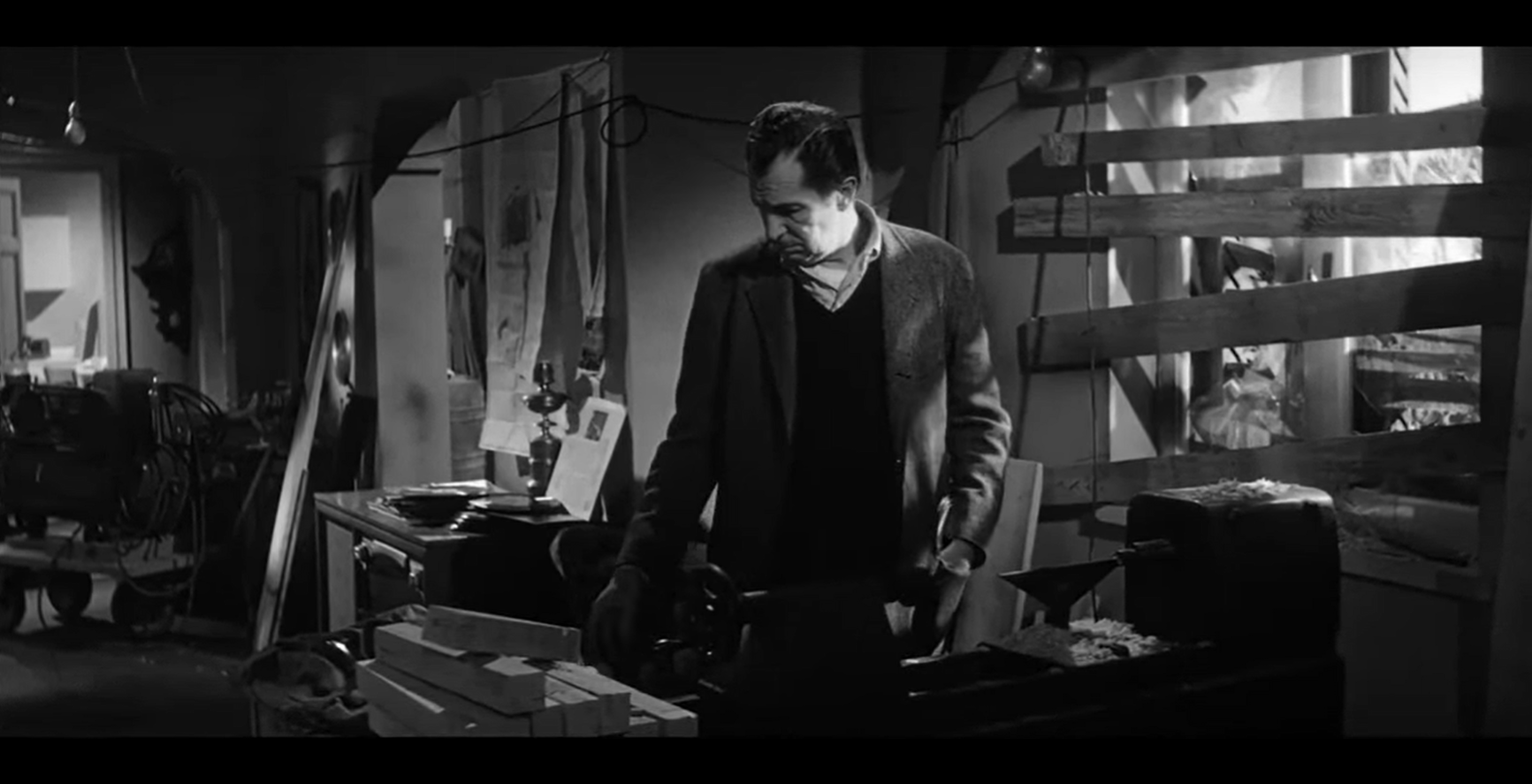
Although this first adaptation of Richard Matheson’s horror-sci-fi novel I Am Legend (published in 1954) is more faithful to his original premise than the 1971 remake The Omega Man (not listed in Peary’s book), he was nonetheless disgruntled enough with the results to change his name on the screenplay credits to a pseudonym. His most vocal complaint was with the casting of Vincent Price in the title role:
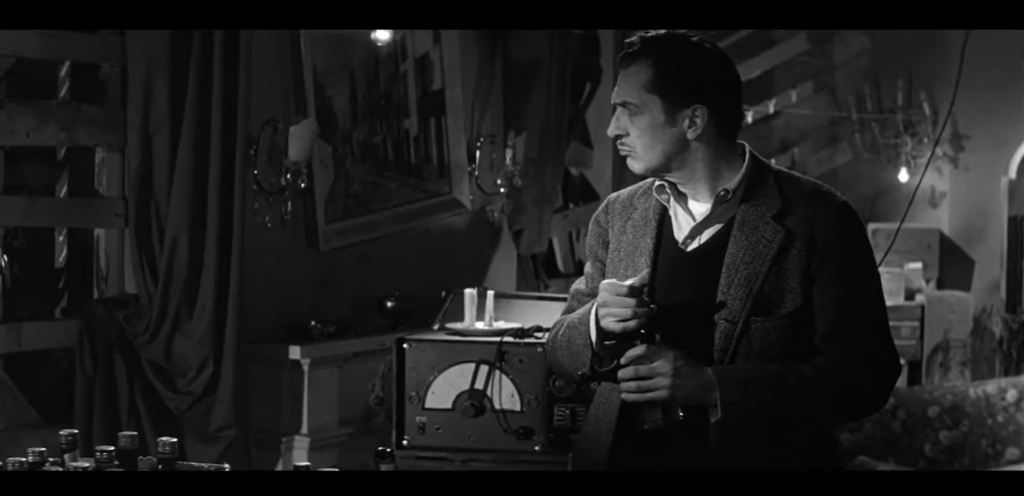
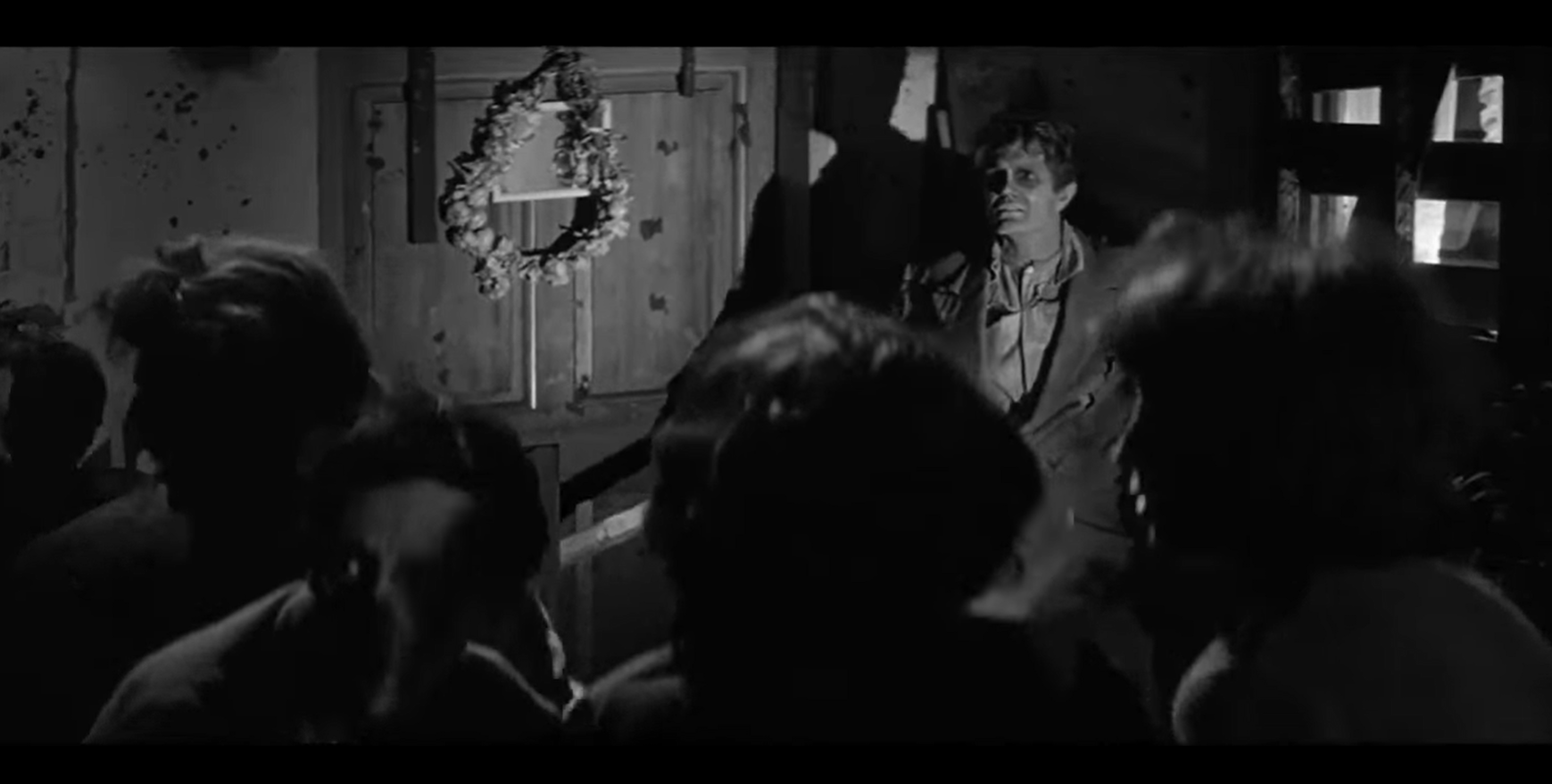
— clearly a critical decision, given that the majority of the film centers on this character’s solitary existence in a desolate, zombie-ridden, post-apocalyptic city (which is supposed to be San Francisco, but clearly takes place in Italy, where the film was shot).
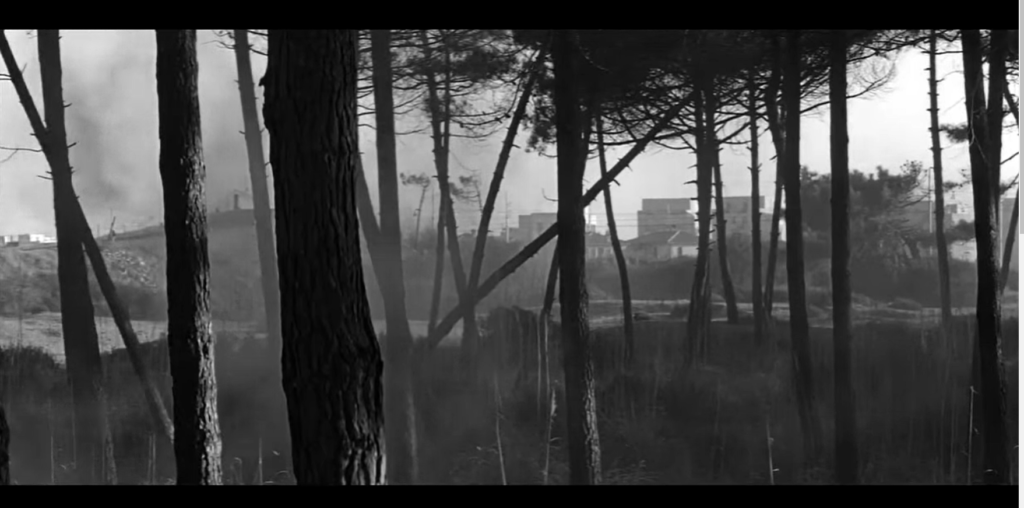
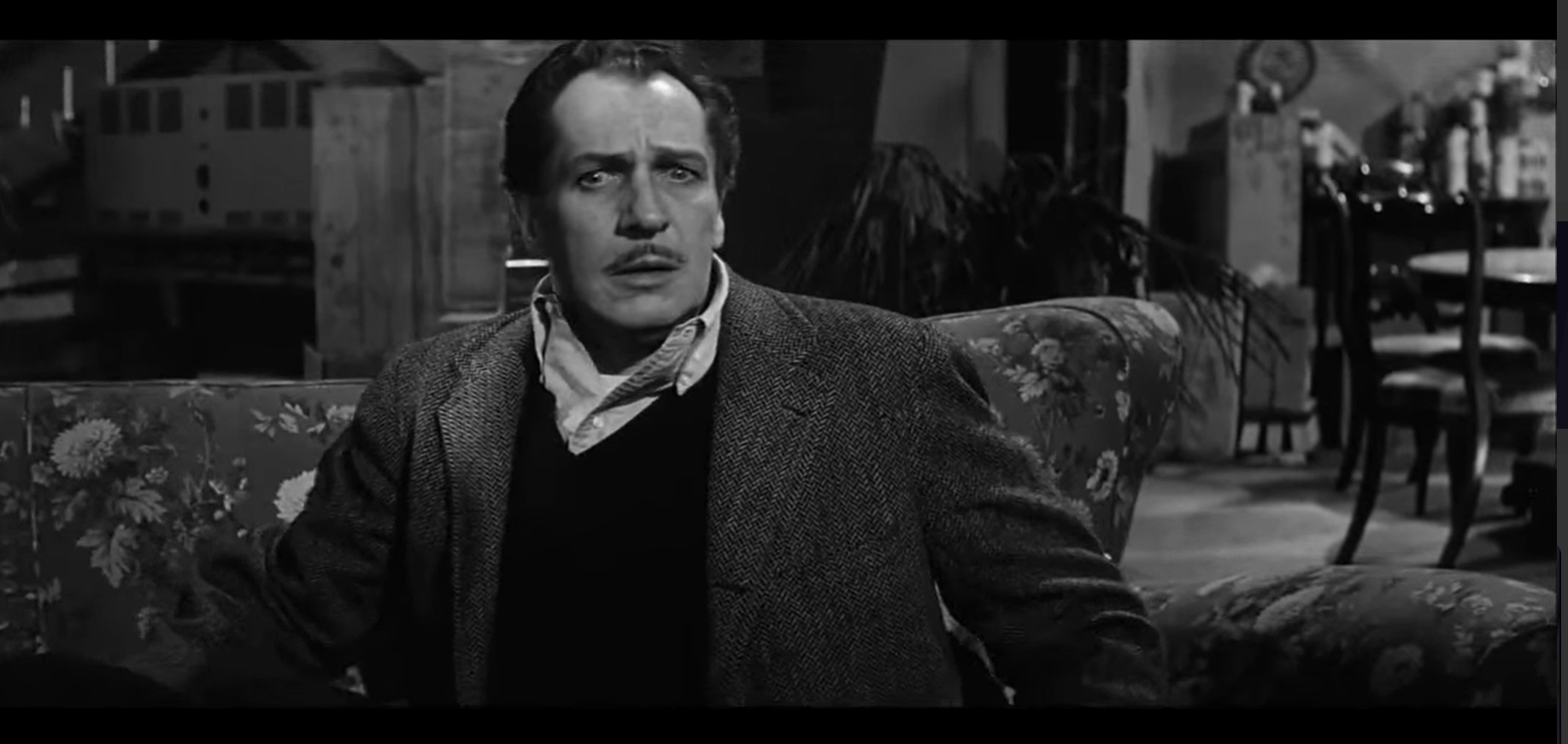
Indeed, the decision to cast Price in this pivotal role does come across as suspect, and shifts the film automatically into a different “type” of film in viewers’ minds. With that said, while Price’s performance is uneven (at times he can’t seem to help hamming it up, even at a low level), his performance is ultimately effective enough to carry viewers along. We believe in the neurotic drudgery of his existence, and he occasionally bursts forth with depths of emotion rarely seen in his other films.
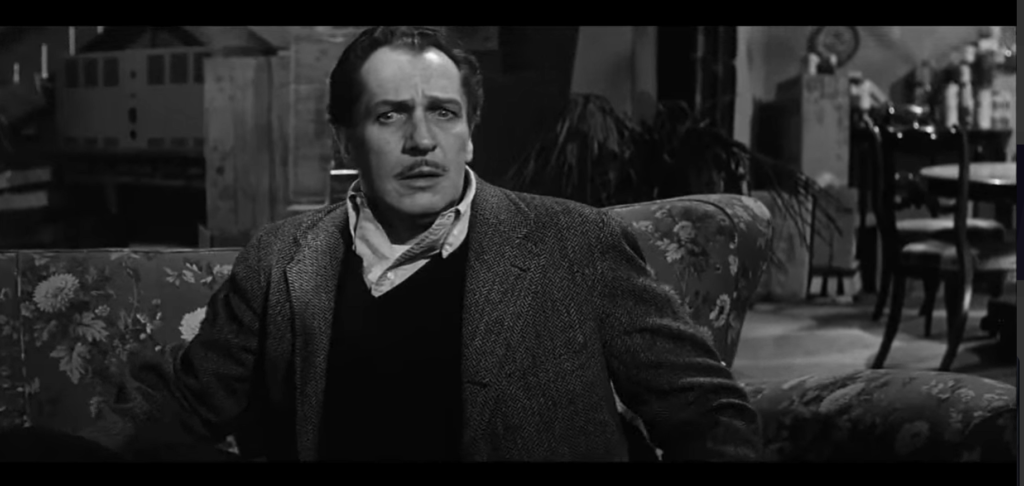
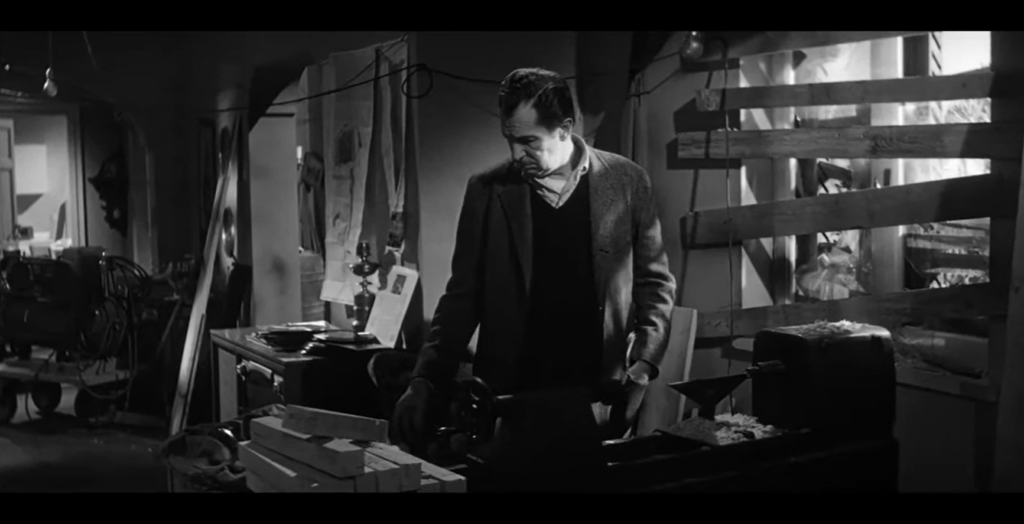
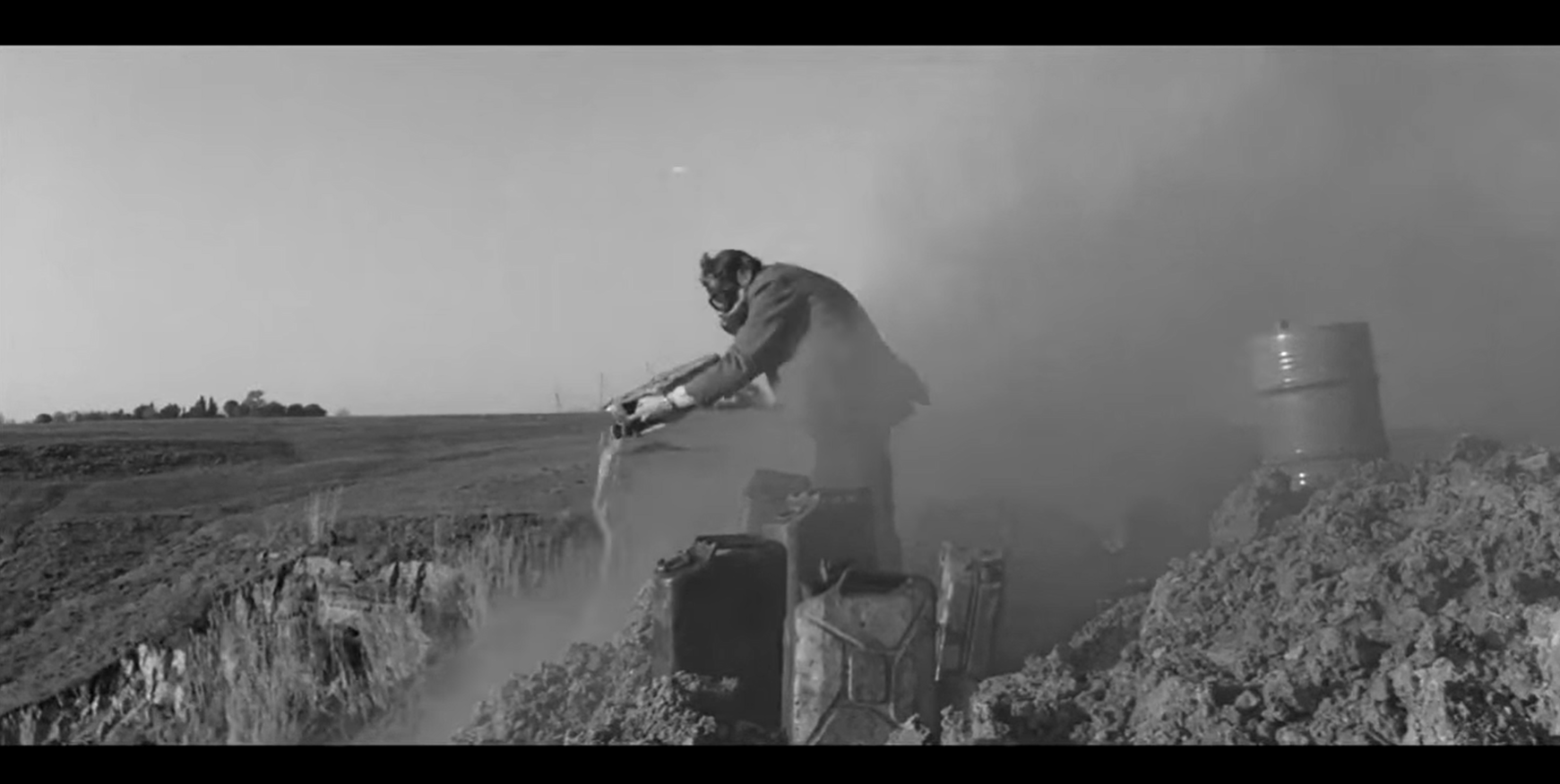
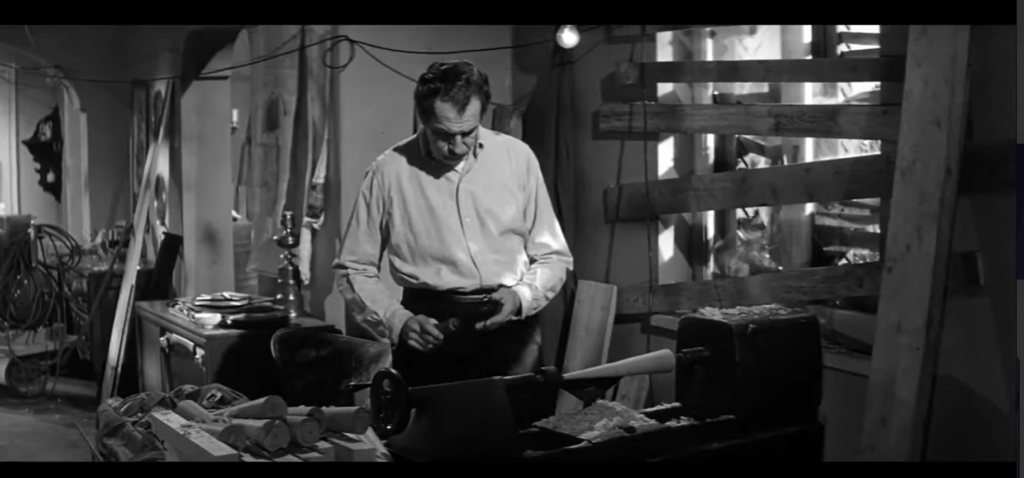
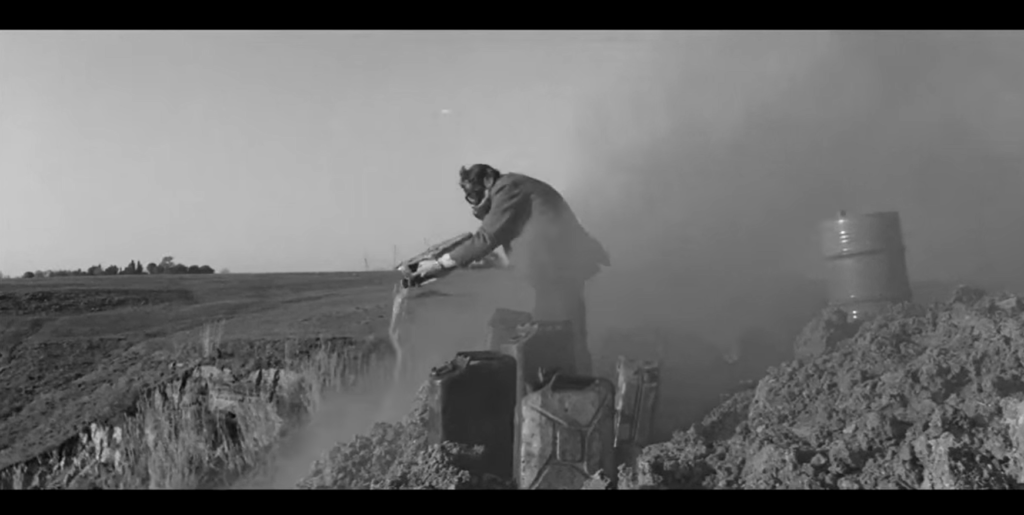
Meanwhile, the screenplay is surprisingly compelling, despite its deliberately slow pace. After carefully showing us the details of Price’s daily regime — crafting wooden spikes to kill zombies; dragging zombie corpses to a pit to be burned; meticulously scouring sections of the city in search of life:
— we’re shown an extended flashback sequence which nicely fills us in on Price’s pre-apocalyptic existence, and provides us with essential information on the plague.
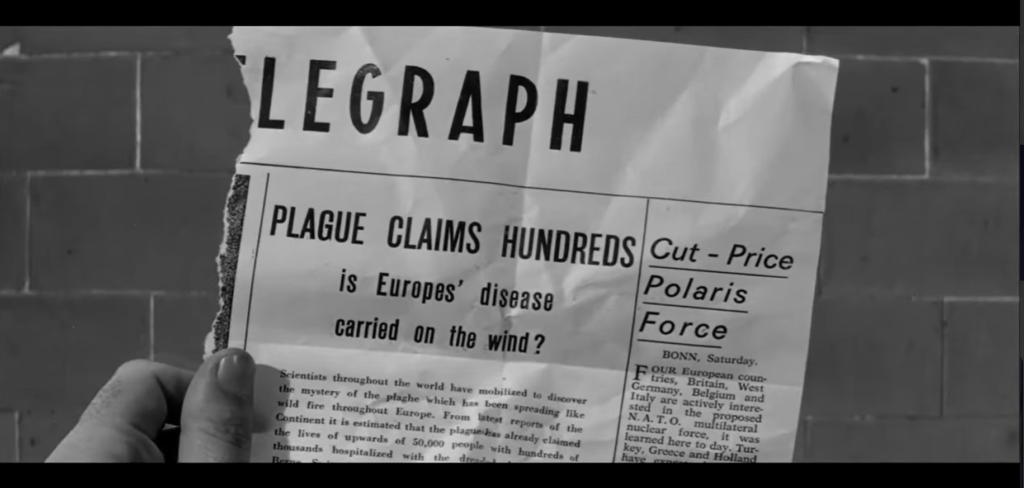
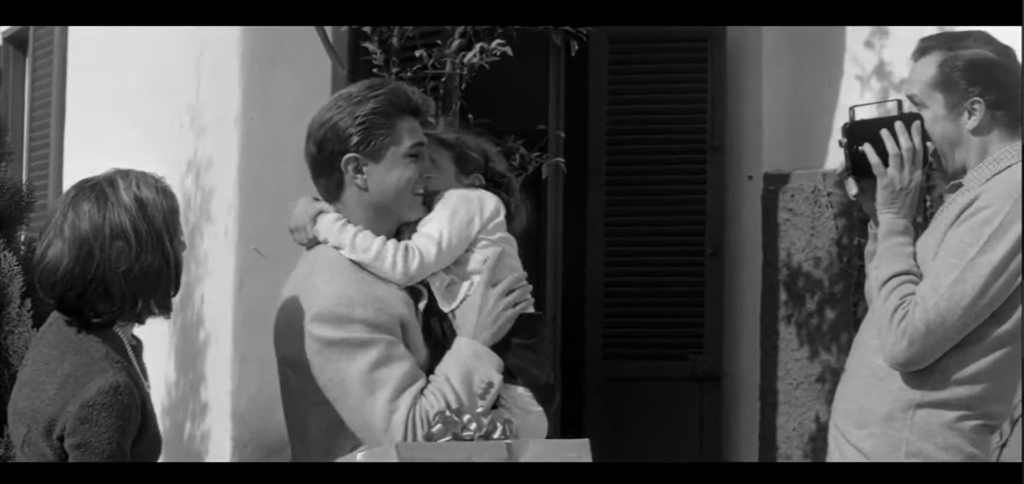
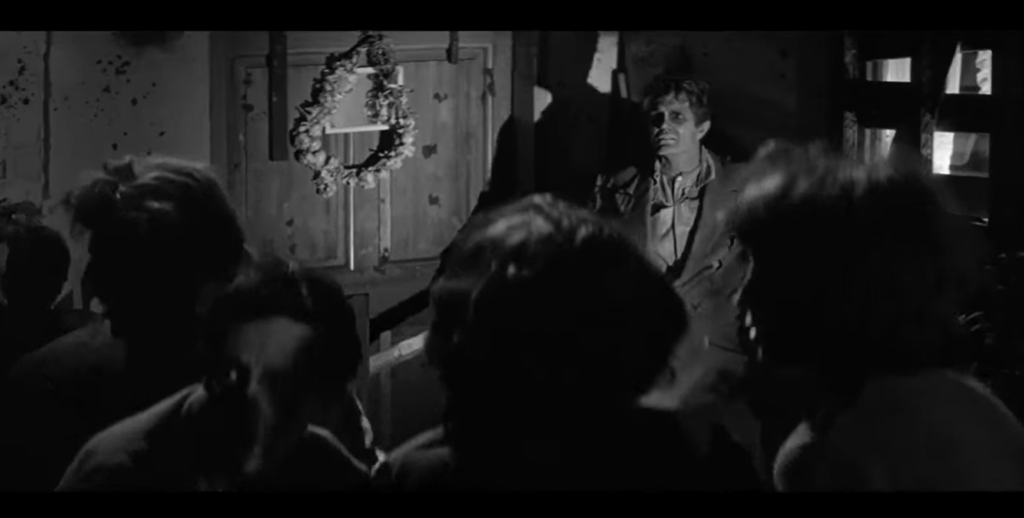
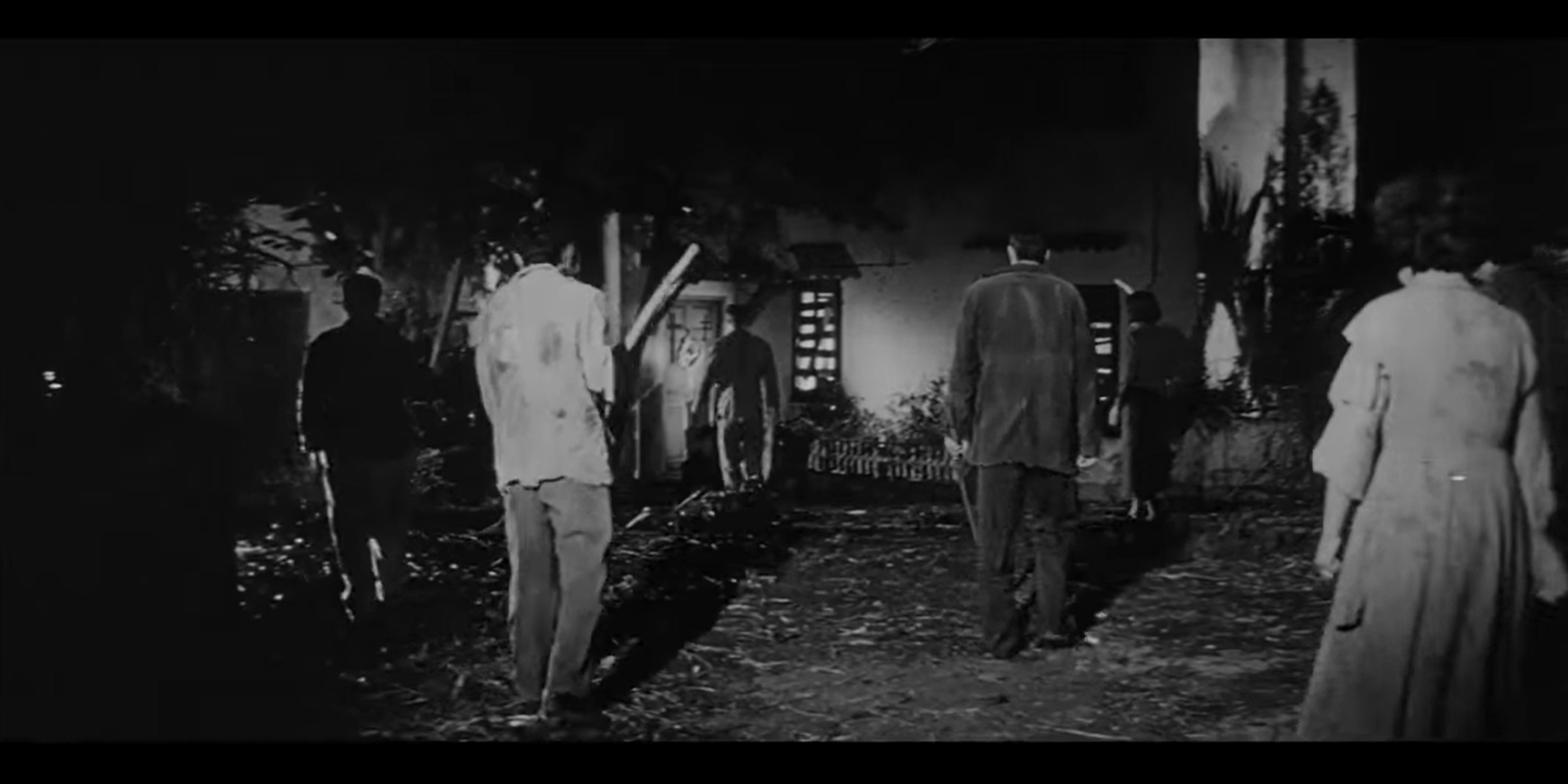
Adding to the film’s overall ambiance is Franco Delli Colli’s atmospheric cinematography, which successfully portrays the shadowy, uncertain world Price has come to inhabit. Shots of the zombies stalking Price’s house at night are especially effective, and immediately remind one of George Romero’s Night of the Living Dead (1968) (they were a clear inspiration).
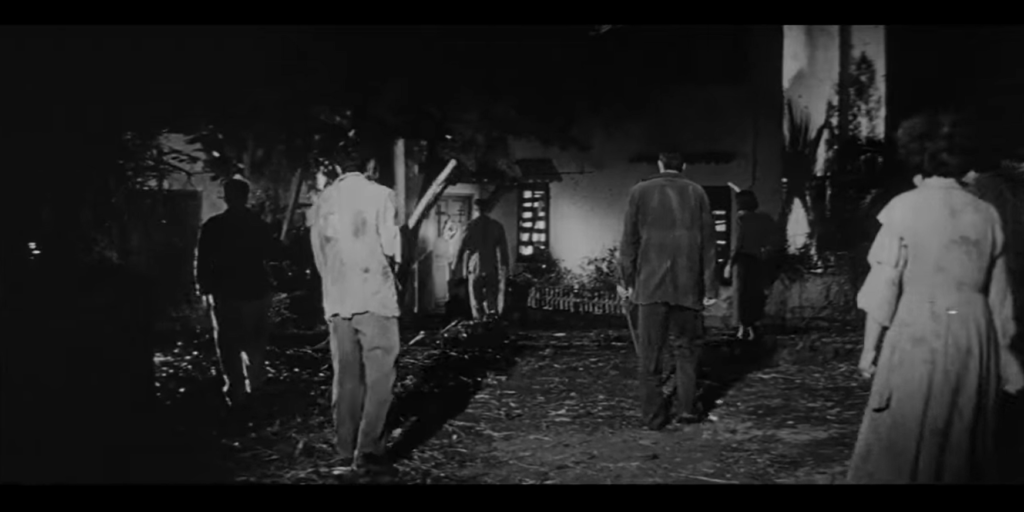
As DVD Savant writes, while The Last Man on Earth is “no classic” (it possesses too many subtly campy details to allow that moniker to stand), it’s still “a unique little chiller with progressive ideas”, and worth checking out at least once.

Note: My favorite “Price-ism” in the film: “Your new society sounds charming.”

Redeeming Qualities and Moments:

  • Atmospheric cinematography
  • A remarkably spooky ambiance

Must See?
Yes, simply for its historical importance as a clear inspiration for Night of the Living Dead and other similarly-themed films. As a public domain title, it’s available for free viewing at http://archive.org. Remade as I Am Legend in 2007 with Will Smith.

Links:

One From the Heart (1981)

One From the Heart (1981)

“Honey, let’s just promise to never, ever fight again, okay?”

Synopsis:
A quibbling working-class couple in Las Vegas (Teri Garr and Frederic Forrest) seek solace in the arms of glamorous new lovers (Raul Julia and Nastassja Kinski).

Genres, Themes, Actors, and Directors:

  • Allen Garfield Films
  • Francis Ford Coppola Films
  • Fredric Forrest Films
  • Harry Dean Stanton Films
  • Musicals
  • Nastassja Kinski Films
  • Romance
  • Teri Garr Films

Review:
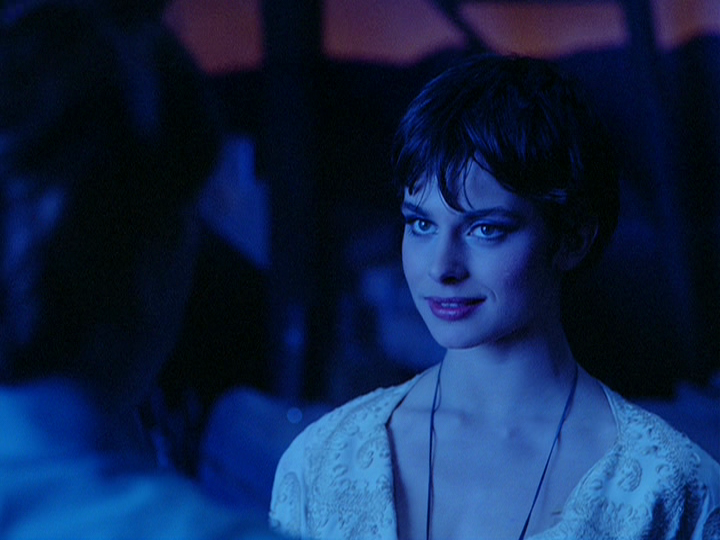
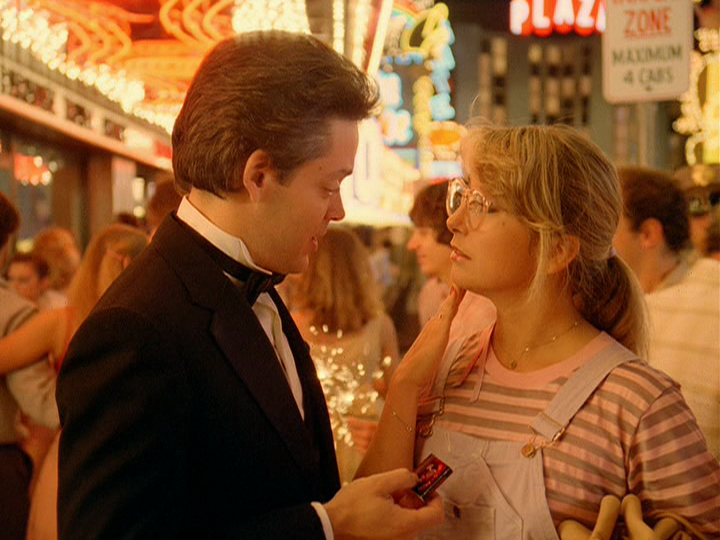
Francis Ford Coppola’s eagerly anticipated follow-up to Apocalypse Now (1979) was this infamously expensive musical, filmed entirely in Coppola’s own Zoetrope studios, and pulled from theaters (by Coppola) after just one week (earning back only ~$600K of its 26 million dollar budget). The film’s biggest disappointment, as so many concur, is the failure of the central romantic couple (Garr and Forrest) to engage either our interest or our sympathies. Through no fault of either actor, the characters they inhabit are simply too poorly developed to care about, and the break-up of their 5-year relationship is clearly just an excuse to throw them each into the conveniently available arms of exotic lovers — who are both infinitely more interesting and charismatic than the leads. Kinski in particular — playing a young circus performer — is a gorgeous, kittenish delight, and one definitely wishes she was given more screentime.

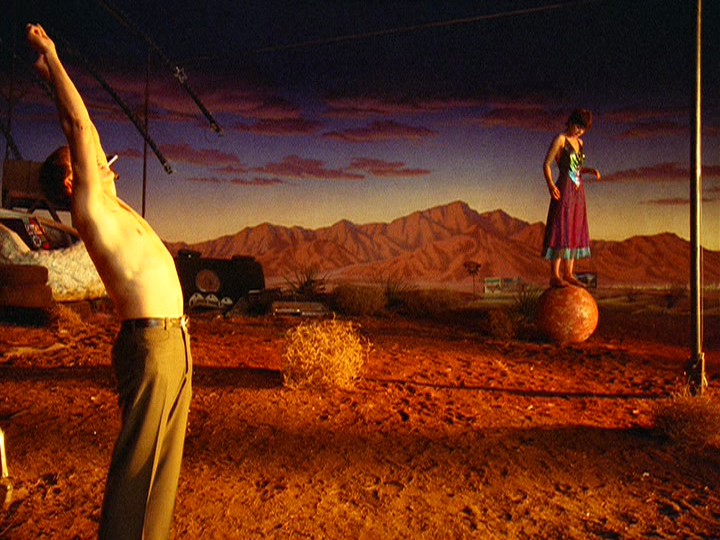
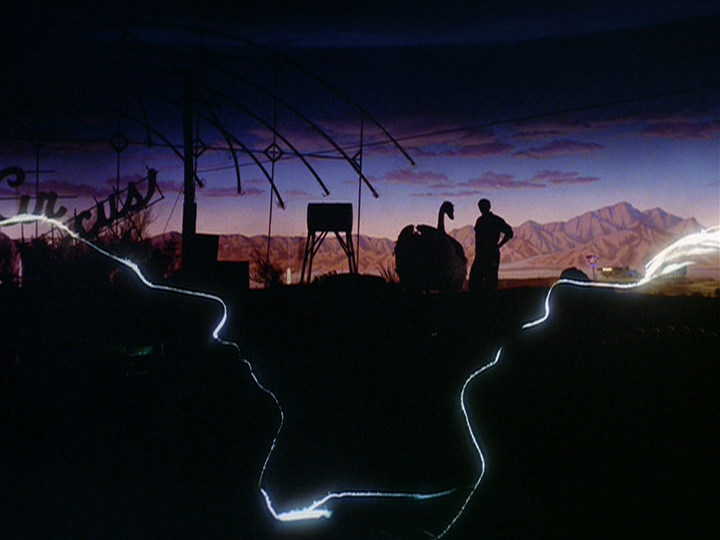
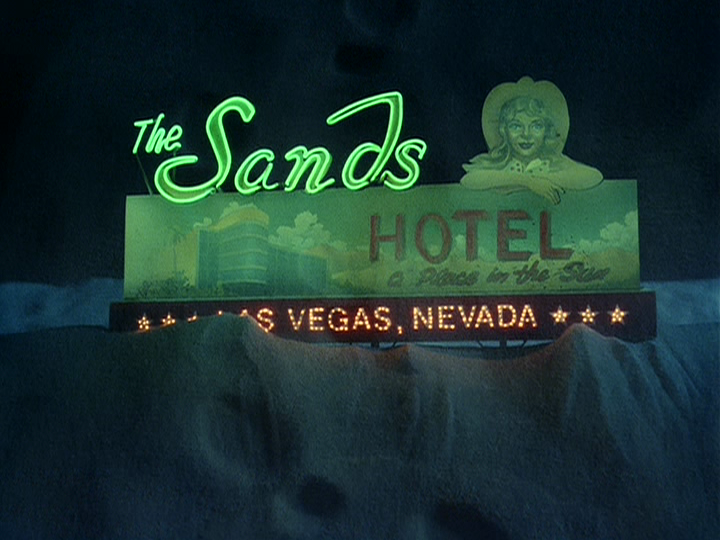
What saves the film from its uninspired screenplay are two central elements: Tom Waits’s gorgeously bluesy score (sung much of the time by Crystal Gaile — an inspired choice), and the consistently stunning visuals. From its opening neon credits, the movie is strategically theatrical, infused with bold, screen-popping hues and shot with creatively stylized cinematography. While it’s true that the visual scheme entirely overwhelms the story — and Coppola really should have demanded a more nuanced storyline to go along with his richly conceived alter-universe — there’s nonetheless plenty here to watch and enjoy. You’ve surely never seen a film quite like One From the Heart (which seems like a clear inspiration for Baz Luhrmann’s Moulin Rouge), and if it’s not entirely successful, it’s at least entirely original.

Redeeming Qualities and Moments:

  • Dean Taboularis’s other-worldly production design
  • Vittorio Storaro’s cinematography
  • Creative opening credits
  • Nastassja Kinski as Leila
  • Raul Julia as Ray
  • Tom Waits’ bluesy score

Must See?
Yes, simply for its historical notoriety. Listed as a Sleeper in the back of Peary’s book.

Categories

  • Historically Relevant
  • Important Director

Links:

After the Fox (1966)

After the Fox (1966)

“If only I could steal enough to become an honest man!”

Synopsis:
A renowned thief (Peter Sellers) known as The Fox concocts an ingenious gold-stealing heist, in which he pretends to direct a movie co-starring his aspiring-actress sister (Britt Ekland) and an aging matinee idol (Victor Mature).

Genres, Themes, Actors, and Directors:

  • Britt Ekland Films
  • Comedy
  • Heists
  • Martin Balsam Films
  • Mistaken Identities
  • Movie Directors
  • Neil Simon Films
  • Peter Sellers Films
  • Thieves and Criminals
  • Victor Mature Films
  • Vittorio De Sica Films

Review:
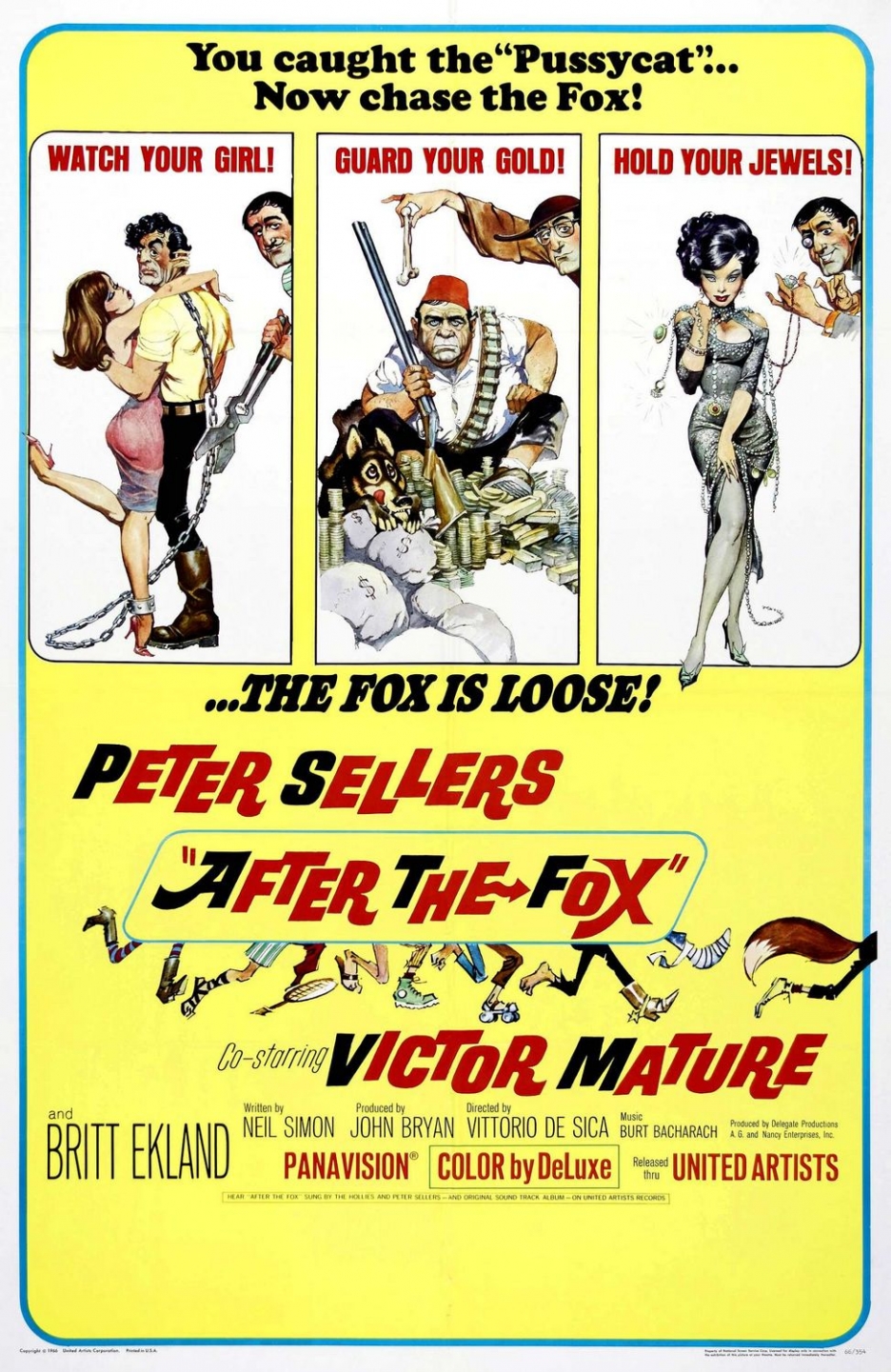
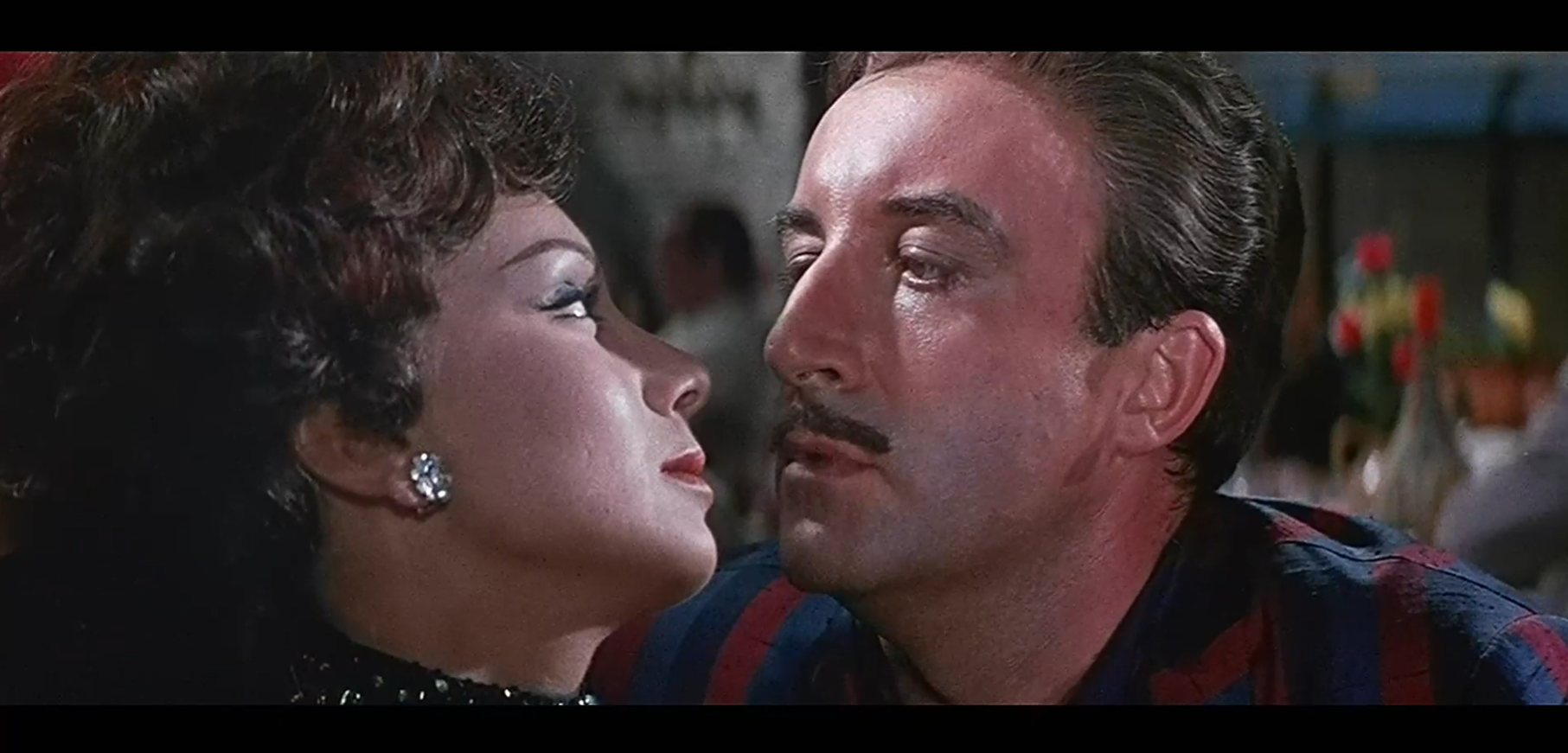
The unlikely teaming of Italian neo-realist director Vittorio De Sica and American comedic playwright Neil Simon resulted in this uneven but occasionally laugh-out-loud spoof of heist films and cinemania. Peter Sellers delivers a typically stellar performance in the lead role, playing a man so utterly self-confident in his skills as a world-class thief that he openly predicts his own ability to break out of jail at a precise time — and gets away with it.

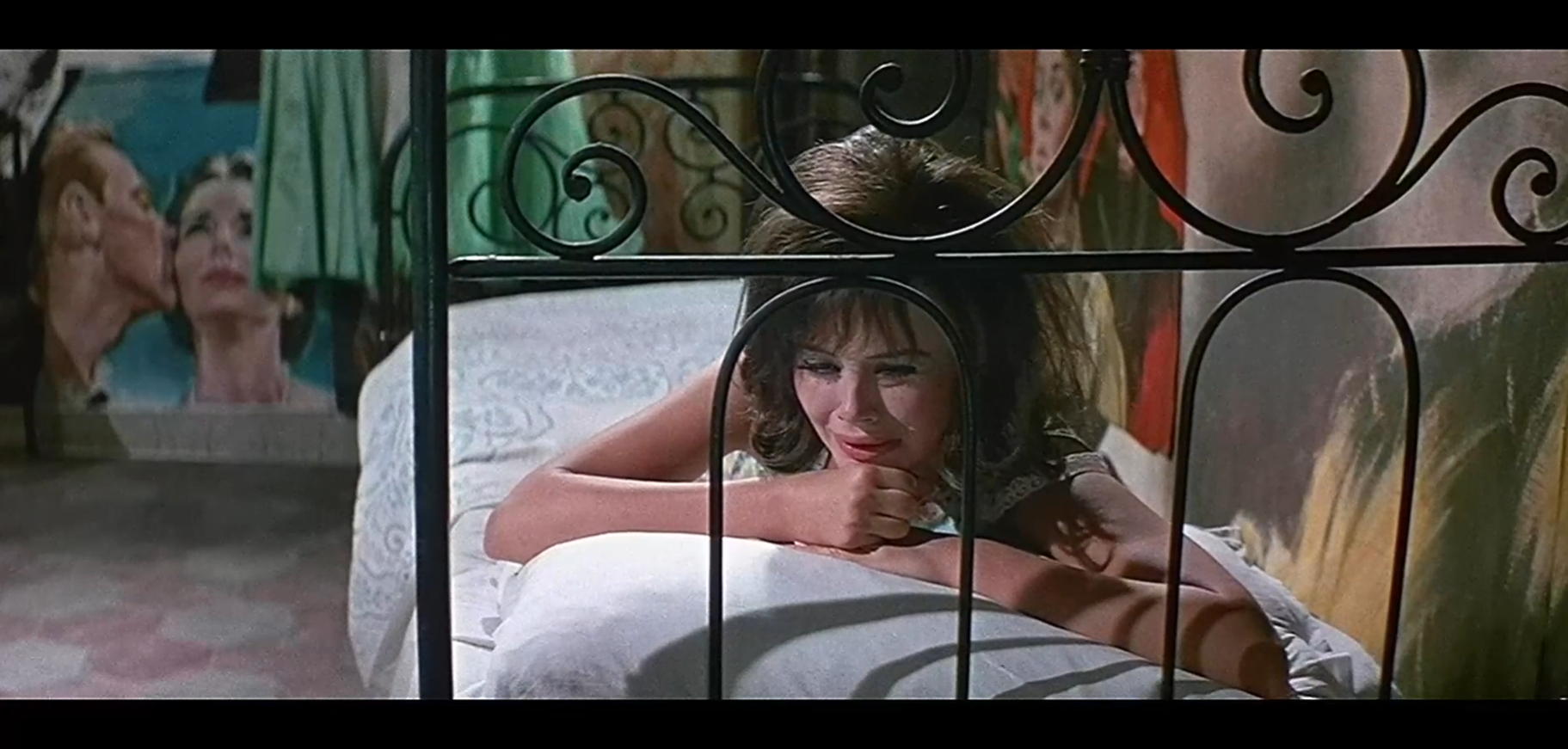
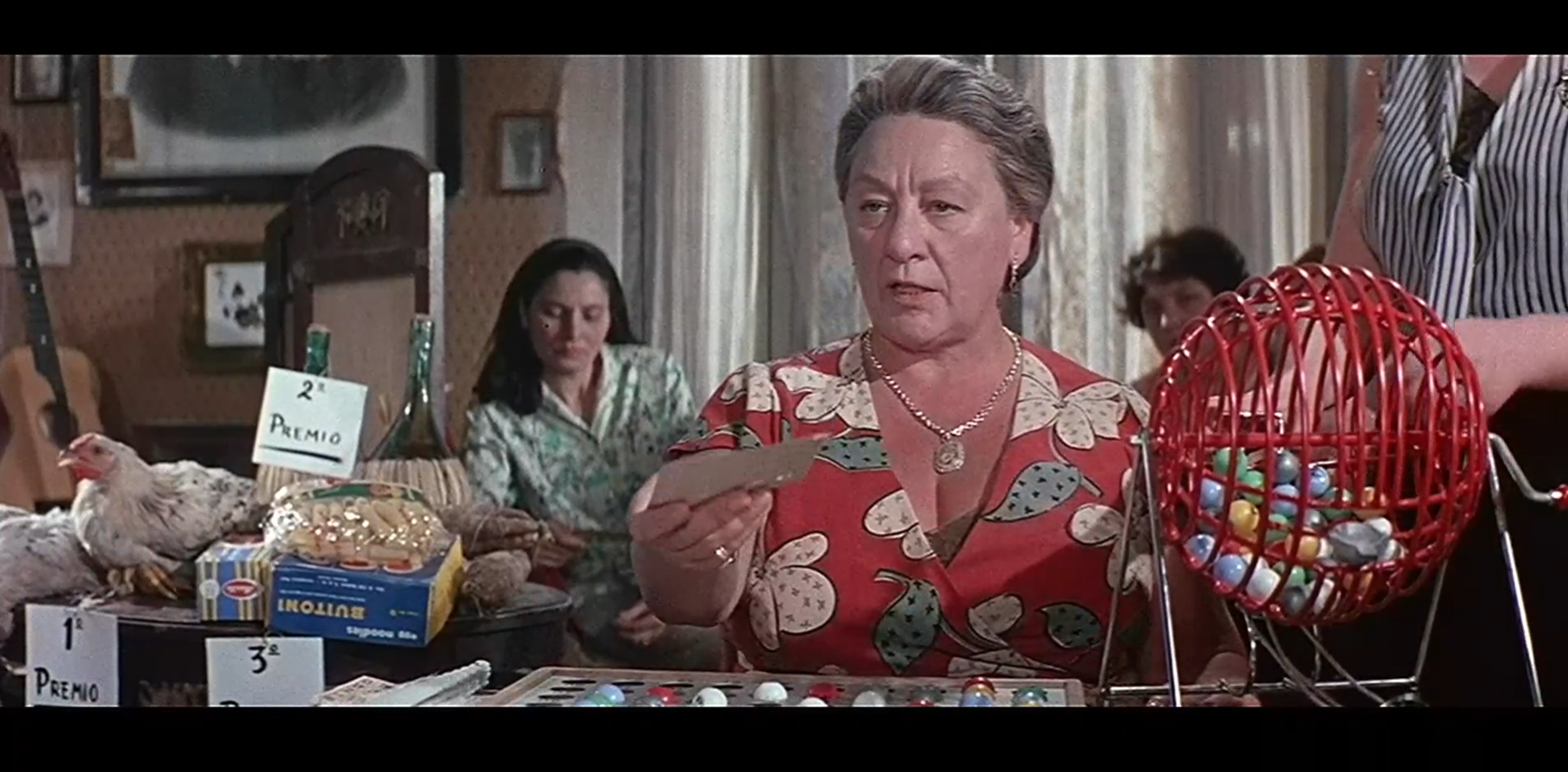
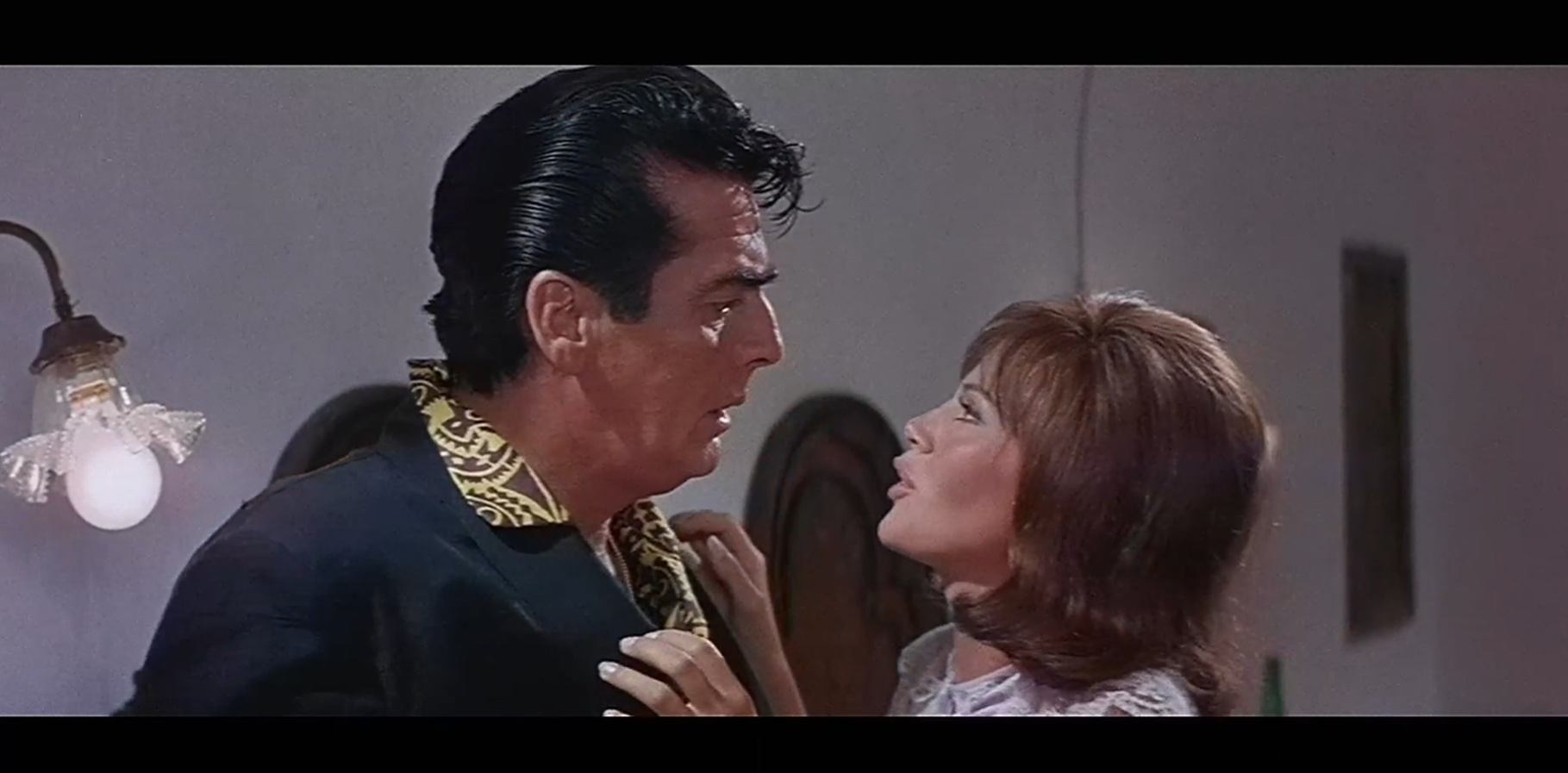
Unfortunately, the story itself takes far too long to kick into gear, with much of the first half-hour of the film — as we’re introduced to Sellers, his movie-obsessed sister (Ekland):

and his eternally lamenting mother (Lydia Brazzi):

— simply tiresome, given that it’s primarily concerned with Sellers’ over-protective efforts to prevent Ekland from entering into a career as a starlet.

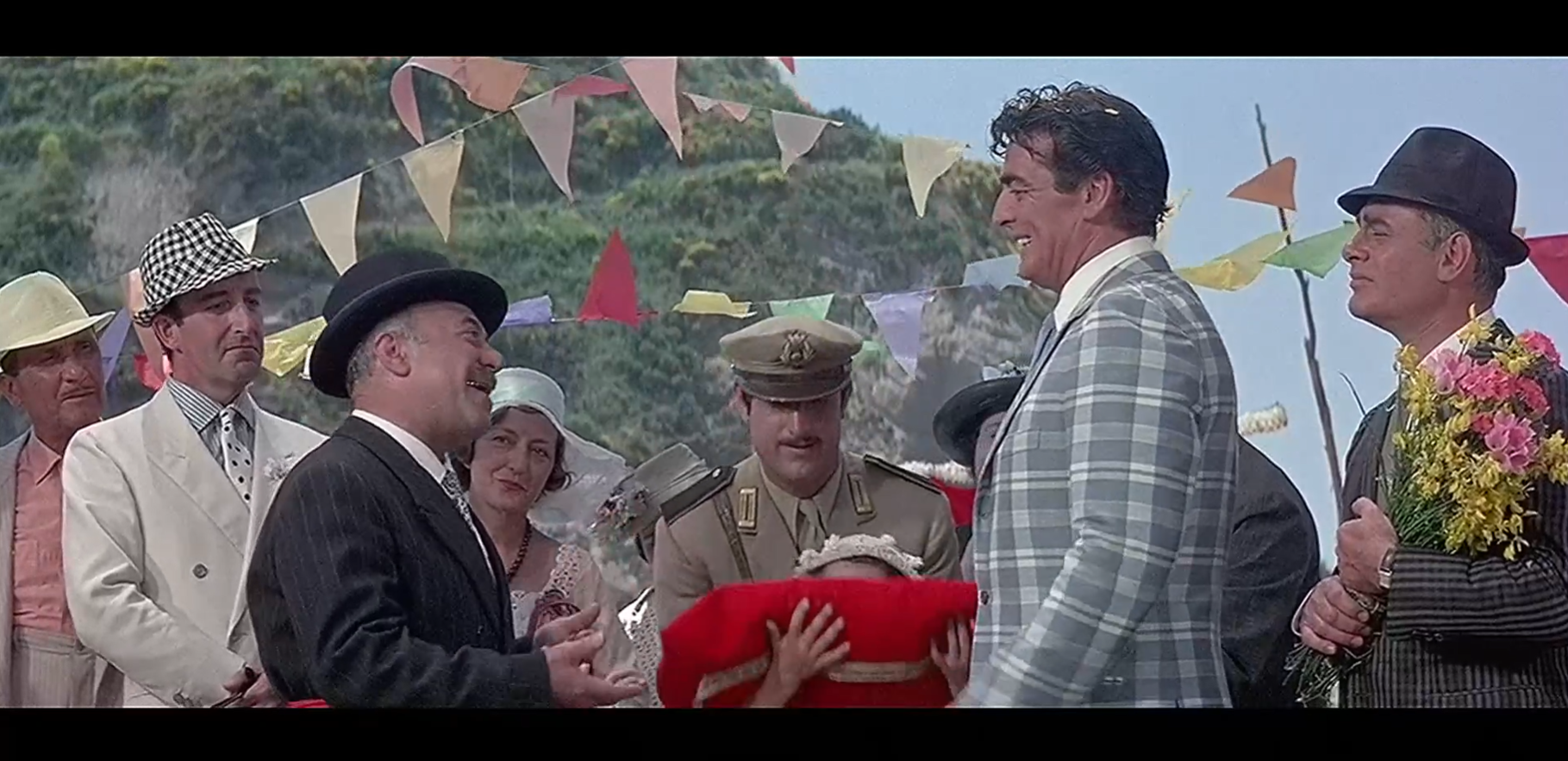
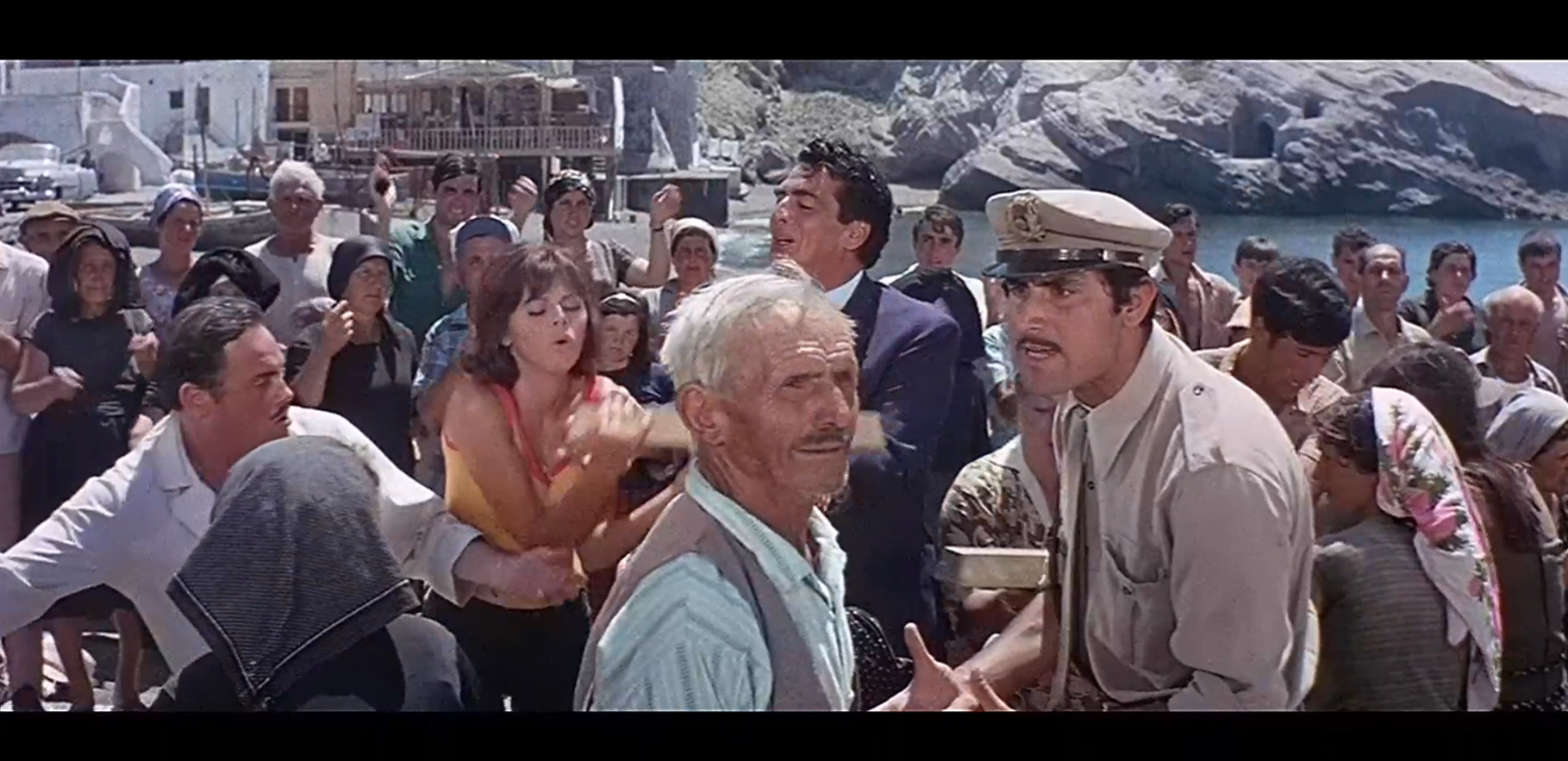
Suddenly, however, the film takes a comedic turn for the better. After witnessing the true hysteria generated by the presence of an aging movie star (Mature) in a small Italian town:

… Sellers gets his inspiration: he and his cronies will hijack the “gold of Cairo” by pretending to direct a movie in which the gold is stolen, assuming that they will be so surrounded by police protection that they will easily get away with it. From this point on, the film hits its comedic stride, with Simon and De Sica mercilessly satirizing society’s obsession with fame and cinema — as demonstrated by an inspired sequence in which Sellers cleverly secures the good graces of the town’s chief of police (Lando Buzzanca) by flattering him into accepting a bit role in the “film”.

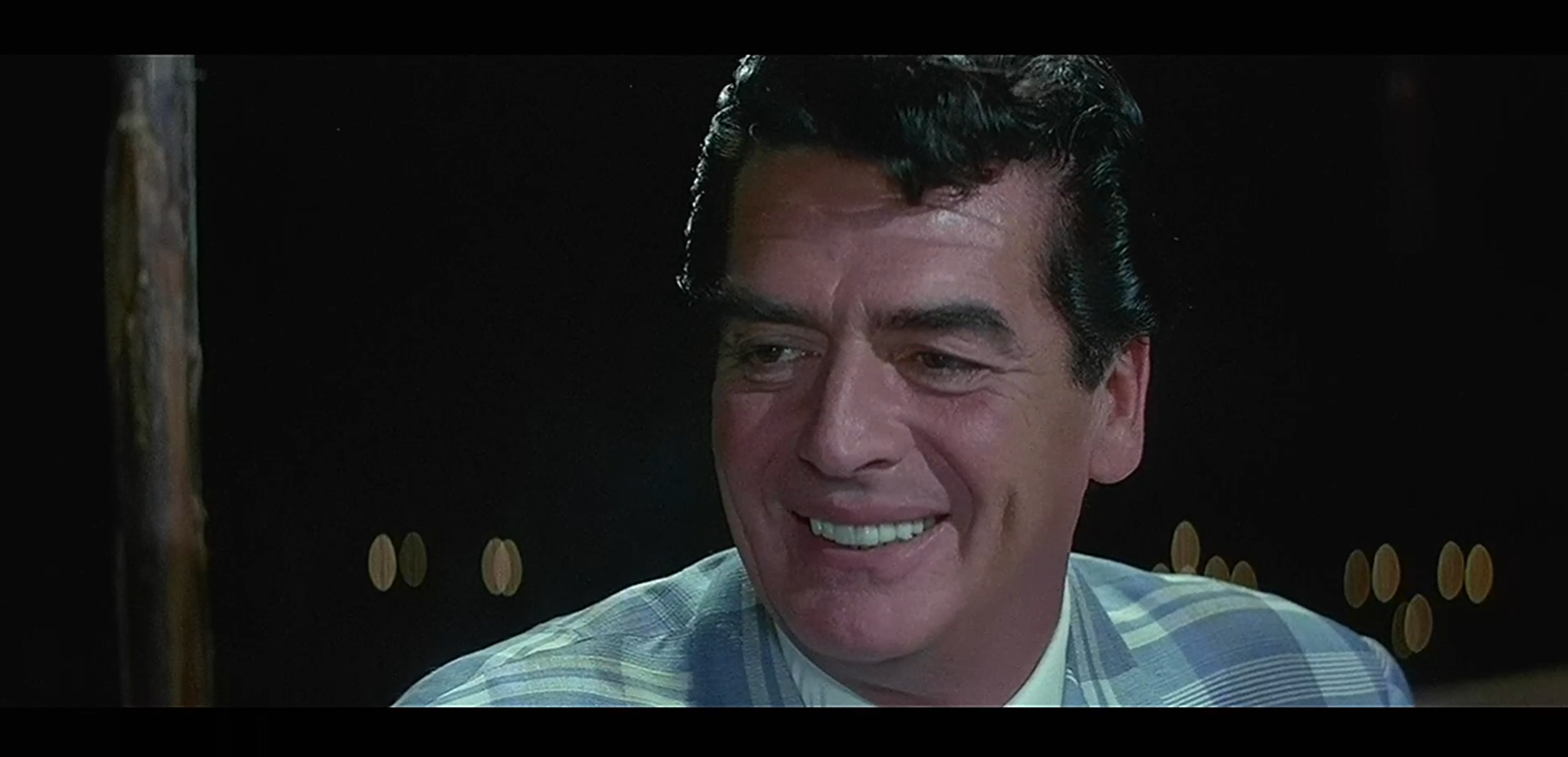
Meanwhile, Victor Mature (as “Tony Powell”) gives a consistently fearless performance spoofing his own image as an aging screen idol taken in by Sellers’ sweet-talking persuasions; his performance alone makes this one worth a look.

Redeeming Qualities and Moments:

  • Victor Mature as Tony Powell
  • Peter Sellers as Aldo Vanucci
  • Fine location shooting

Must See?
No; while it possesses a legion of loyal followers, this one is ultimately too uneven to fully recommend. But it’s certainly recommended for at least one-time viewing. Listed as a Cult Movie in the addendum to Peary’s book (titles he mistakenly left out of the film’s first printing).

Links:

Bread and Chocolate (1974)

Bread and Chocolate (1974)

“Why do the foreigners dislike us Italians so much?”

Synopsis:
An Italian immigrant (Nino Manfredi) struggles to earn a living in Switzerland.

Genres, Themes, Actors, and Directors:

  • Black Comedy
  • Immigrants and Immigration
  • Italian Films
  • Race Relations

Review:
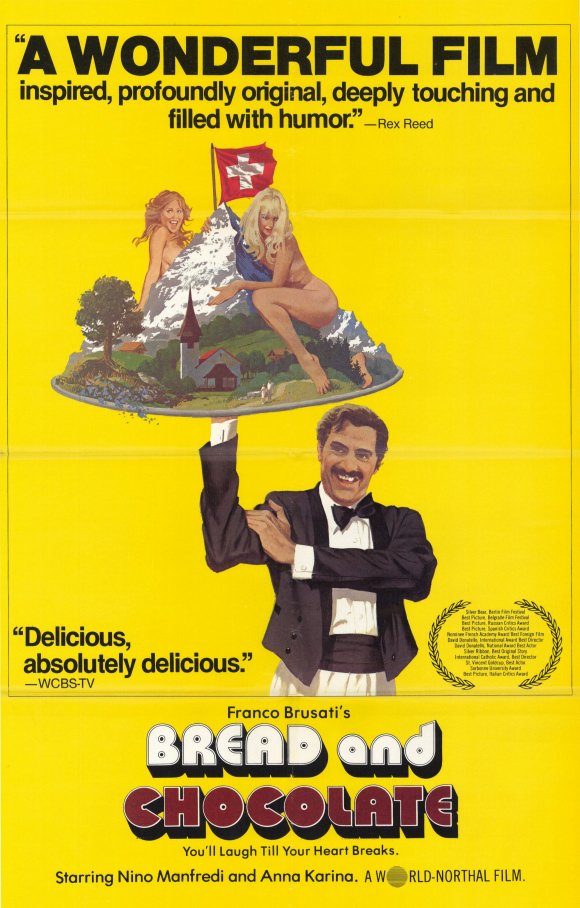
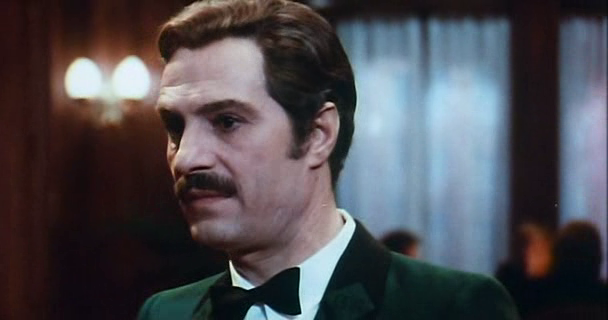
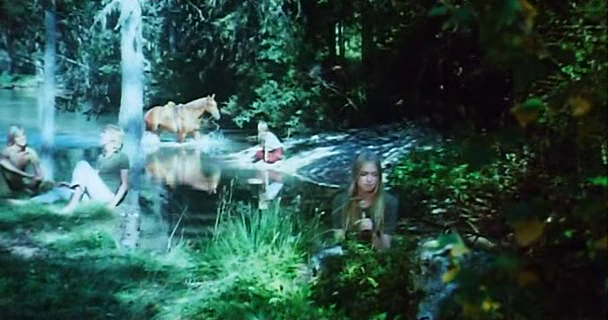
Writer/director Franco Brusati’s serio-comic rendering of the travails and prejudices experienced by immigrants in Switzerland is a mixed bag of missed opportunities and keenly felt insights. Brusati is at his best when portraying the palpably felt hierarchy between “Aryan” Swiss and “others” — most memorably in a truly hilarious montage showcasing a bevy of blonde teenagers cavorting idyllically on the grounds outside of a chicken coop, where Manfredi and his dark-haired compatriots are being housed like animals. Other vignettes, however — including much of what occurs during Nino’s initial employment as a waiter at a high-end resort — fall mostly flat, and fail to generate the type of humor they’re aiming for. Meanwhile, Nino’s would-be romance with a Greek neighbor (Anna Karina) has potential but doesn’t really go anywhere; it seems calculated merely to include some “necessary” romantic tension, and to remind us that life is tough for ALL immigrants in Switzerland, not just Italians. Film fanatics will probably be curious to check out this award-winning film, and it’s worth a look — but it’s not required viewing.

Redeeming Qualities and Moments:

  • Nino Manfredi as Nino
  • Several inspired sequences

Must See?
No, though it’s worth a look. Listed as a Personal Recommendation in the back of Peary’s book.

Links:

Bela Lugosi Meets a Brooklyn Gorilla (1952)

Bela Lugosi Meets a Brooklyn Gorilla (1952)

“Don’t mind my friend; he has a one-syllable brain.”

Synopsis:
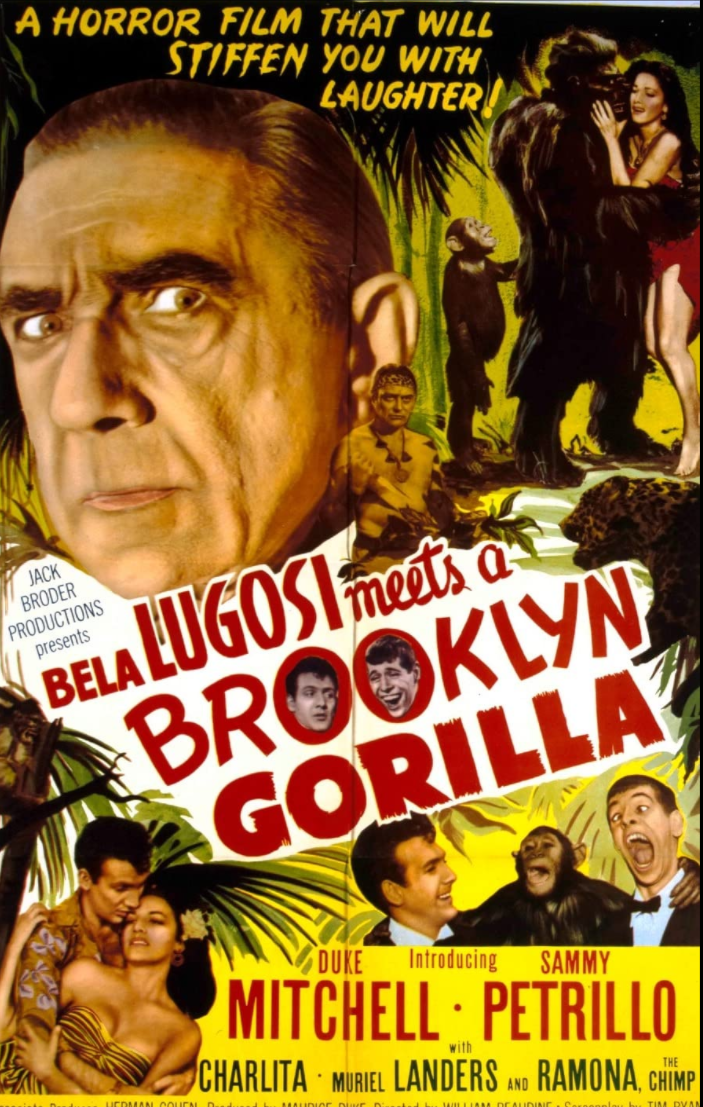
A pair of entertainers (Duke Mitchell and Sammy Petrillo) parachute onto an island, where Mitchell falls in love with the beautiful, college-educated daughter (Charlita) of the island’s chief (Al Kikume). But when the island’s resident mad scientist (Bela Lugosi) finds out about their affair, he jealously plots to turn Mitchell into a gorilla.

Genres, Themes, Actors, and Directors:

  • Bela Lugosi Films
  • Comedy
  • Mad Doctors and Scientists
  • Primates
  • South Sea Islands

Review:
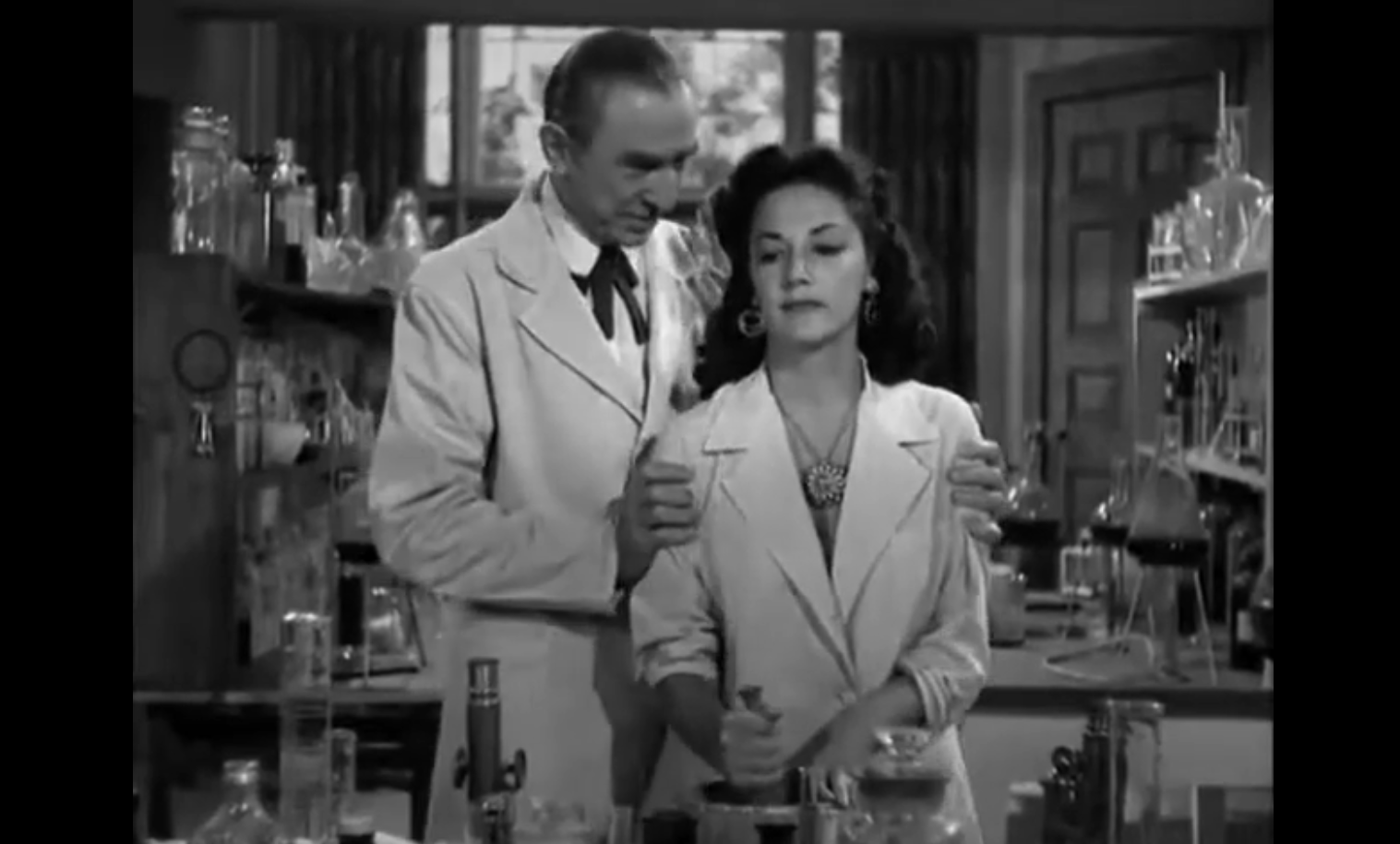
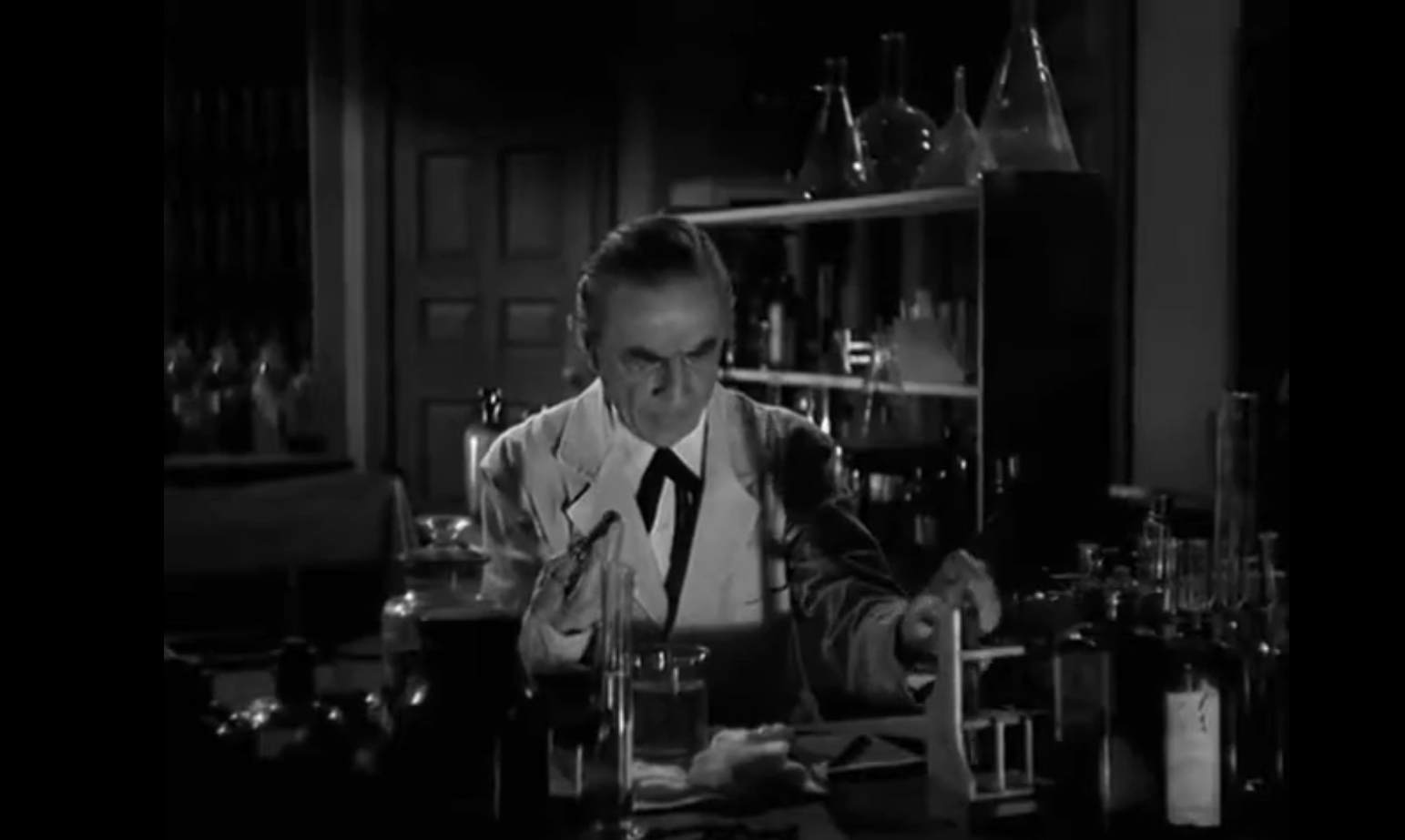
After sitting through two of William “One Shot” Beaudine’s notoriously titled, infamously awful horror-western hybrids, I honestly thought I had witnessed the nadir of what this Z-grade director was capable of — but no; turns out I hadn’t. Last night, I had the misfortune of trying to sit through this earlier outing by Beaudine — and once again, its zany title really is all it has going for it. The film has two (supposed) selling points: it features Bela Lugosi in one of his final roles (and he does seem to be fully invested in the silly plot, for what that’s worth):

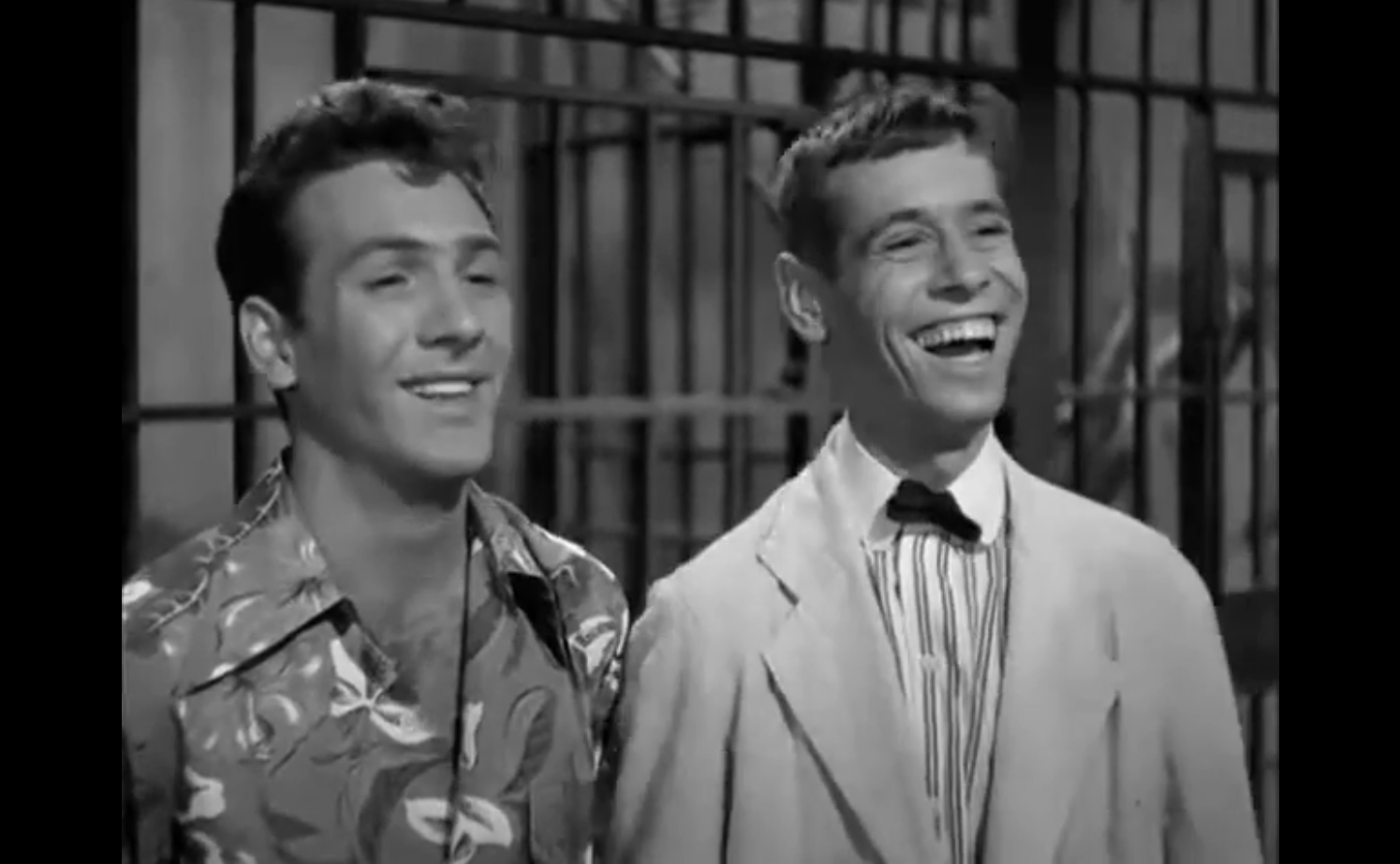
… and it stars a true historical curiosity — a pair of Dean Martin and Jerry Lewis impersonators named Duke Mitchell and Sammy Petrillo. Of the two, Mitchell is bland and eminently forgettable, while 17-year-old Petrillo — though eerily spot-on in his imitations of Lewis — sadly projects none of Lewis’s comedic gifts, and all of his irritating neuroses.

Despite the wackiness of its storyline, every single moment of this inane “comedy” is predictable far in advance, and not worth even a cursory glance.

Note: I felt enormous empathy while reading Dave Sindelar’s review of this film for his Fantastic Movie Musings and Ramblings site. He notes that he watched it for the first time out of curiosity, for the second time to verify that it really was as bad as he remembered it being, and for a third time to be able to review it. I thank my lucky stars that I hadn’t yet subjected myself to this movie, so that my one and only viewing happens to coincide with a review.

Redeeming Qualities and Moments:

  • Atmospheric cinematography

Must See?
No; despite its bad-movie notoriety, this one truly is skippable — and I mean that. Don’t let curiosity get the better of you. Listed as a Camp Classic in the back of Peary’s book.

Links: