Browsed by
Category: Original Reviews

Responses to Peary’s “must see” movie reviews, as well as my own “must see” movie reviews up to and after 1986 (when Peary’s book was published).

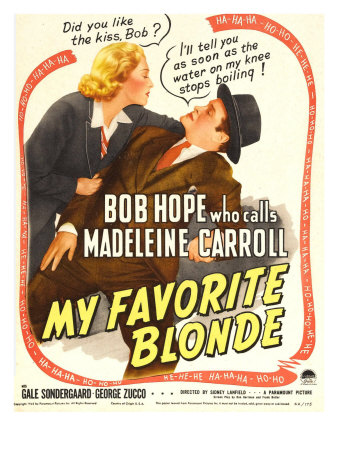
My Favorite Blonde (1942)

My Favorite Blonde (1942)

“Do you know what it feels like, to be followed and hounded and watched every second?”

Synopsis:
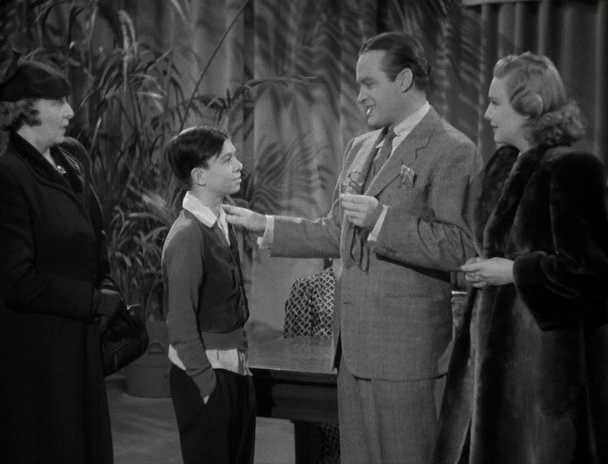
A vaudeville performer (Bob Hope) goes on the lam with a British secret agent (Madeleine Carroll) after being framed for murder by a Nazi spy (Gale Sondergaard).

Genres, Themes, Actors, and Directors:

  • Bob Hope Films
  • Fugitives
  • Madeleine Carroll Films
  • Satires and Spoofs
  • Spies

Review:
The first of three similarly-titled satires which paired Bob Hope with a classic Hollywood beauty (followed by My Favorite Brunette with Dorothy Lamour in 1947, and My Favorite Spy with Hedy Lamarr in 1951), this comedic thriller — co-written by Melvin Frank and Norman Panama — allowed Madeleine Carroll the opportunity to spoof her most famous film, Hitchcock’s The 39 Steps (1935). While it’s full of plenty of humorously throw-away one-liners and gags, however, the film as a whole isn’t as consistently enjoyable as My Favorite Brunette (the best of the “series”). It’s interesting to know that Hope (in real life) was head-over-heels in lust with Carroll, who was going steady with Sterling Hayden at the time and eventually broke Hope’s heart by marrying Hayden on the sly; in the film, Carroll’s “push-me-pull-you” romantic teasing with Hope seems like an especially appropriate fictional approximation of these tensions. Watch for a cute shot showing Hope’s trained penguin, Percy, bowing to the audience in roller skates.

Redeeming Qualities and Moments:

  • A high-energy satire of Hitchcockian thrillers

Must See?
No, but it’s worth a look.

Links:

I.F. Stone’s Weekly (1973)

I.F. Stone’s Weekly (1973)

“People read, but they miss most of what they see. Izzy misses nothing.”

Synopsis:
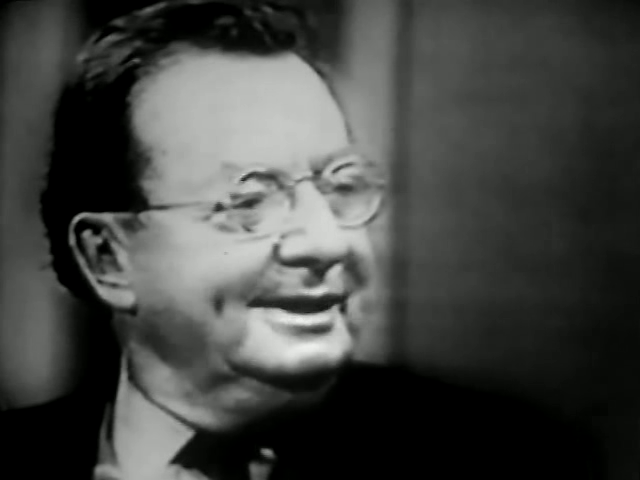
Blacklisted journalist I.F. Stone discusses the weekly political newspaper he founded in 1953, which eventually reached a circulation of 70,000.

Genres, Themes, Actors, and Directors:

  • Documentaries
  • Journalists

Review:
Peary’s recommendation of this hard-to-find documentary about investigative journalist Isidor Feinstein Stone — who published his own muckraking weekly after being blacklisted by major newspapers for his “radical” views during an era of anti-communist hysteria — clearly reflects his personal interest in championing films about social justice and liberal individuals fighting against The Machine. In an era of increasingly widespread, You-Tubed documentaries about nearly every subject and individual under the sun, it’s easy to take an hour-long film like this for granted — but one shouldn’t, as it remains invaluable documentation of an intriguing figure in the history of journalism. However, it’s not innovative enough as a film that I would recommend it as something all film fanatics need to seek out. With that said, it would make an interesting double-bill with All the President’s Men (1976), given the presence of a young Carl Bernstein as a talking head at one point.

Redeeming Qualities and Moments:

  • An invaluable glimpse at the life and times of a little-known iconoclastic journalist crusader

Must See?
No; this one is only must-see for those interested in the subject matter. If you’re curious to locate it, try checking your local university library for a copy.

Links:

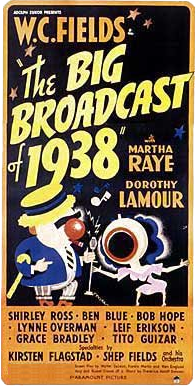
Big Broadcast of 1938, The (1938)

Big Broadcast of 1938, The (1938)

“Remember the last time we were in jail together, darling?”

Synopsis:
The owner (W.C. Fields) of an electrically-charged ocean liner challenges a rival ship to a race, while a radio show host (Bob Hope) with multiple ex-wives (Shirley Ross, Grace Bradley, and Virginia Vale) and a new fiancee (Dorothy Lamour) announces the ships’ progress and keeps listeners entertained with performances by Tito Guizar, Kirsten Flagstad, Martha Raye, Shep Fields, and others.

Genres, Themes, Actors, and Directors:

  • At Sea
  • Bob Hope Films
  • Comedy
  • Dorothy Lamour Films
  • Ensemble Films
  • Mitchell Leisen Films
  • Musicals
  • Radio
  • W.C. Fields Films

Review:
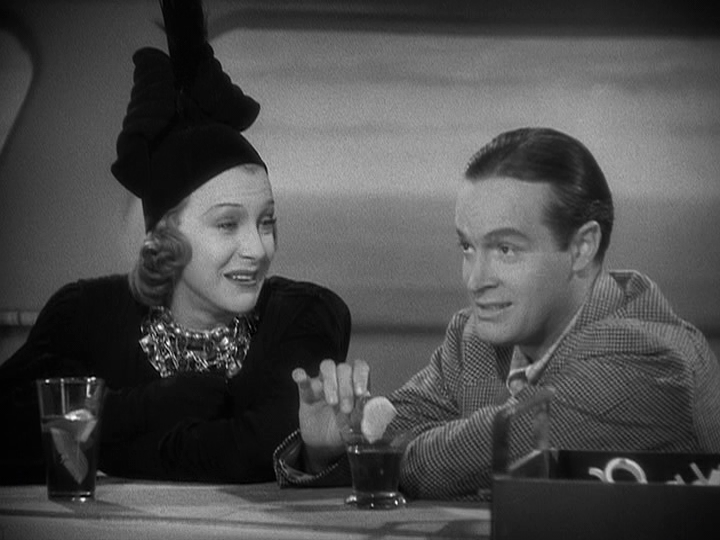
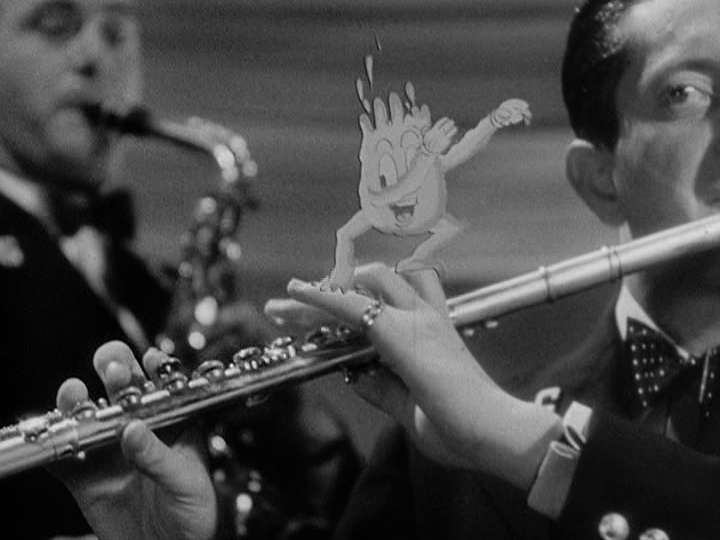
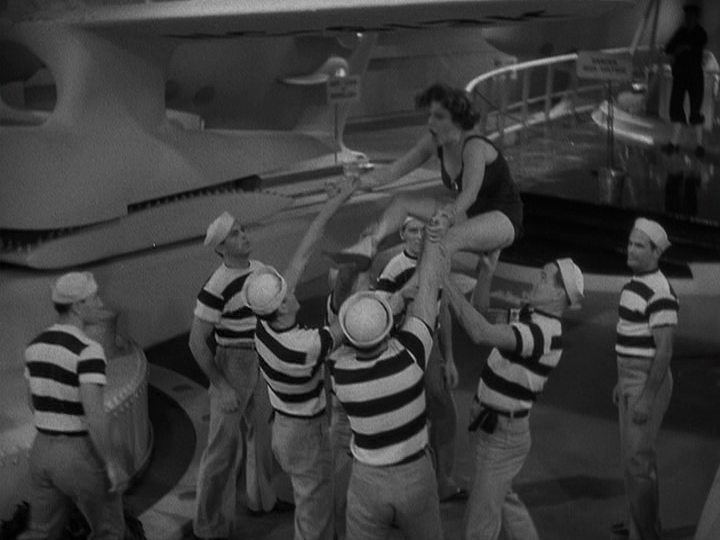
The synopsis of this Paramount Studios musical variety film gives an accurate indication of how paper-thin its “plot” is. I suppose we’re meant to nominally care which ship “wins the race”, and then of course there’s the little matter of romantic entanglements between Hope, Lamour, Ross, and Leif Erickson (Hope is engaged to Lamour, who falls for Erickson; meanwhile, Hope falls BACK in love with Ross). But seriously, it’s all just an excuse to see the musical acts, which are a mixed bag but occasionally fun: the opening live action/animated orchestral sequence, for instance, is cleverly done, and it’s trippy to watch Martha Raye (playing Fields’s loud-mouthed daughter) contorting and bouncing her way across the shipdeck with the help of a bevy of buff seamen. This film (the fourth in a series of similarly titled movies with similarly structured “plots”) is perhaps best remembered today for starring Hope in his feature-length debut, singing “Thanks for the Memories” with more genuine feeling and pathos than one would expect.

Redeeming Qualities and Moments:

  • Bob Hope singing “Thanks for the Memories” with Shirley Ross
  • The fun live action-animated sequence with Shep Fields’ orchestra
  • Martha Raye’s impressive gymnastic feats while dancing and singing “Mama, That Moon is Here Again”

Must See?
No. Listed as a Personal Recommendation in the back of Peary’s book — likely because of the presence of Fields (though he’s not particularly memorable).

Links:

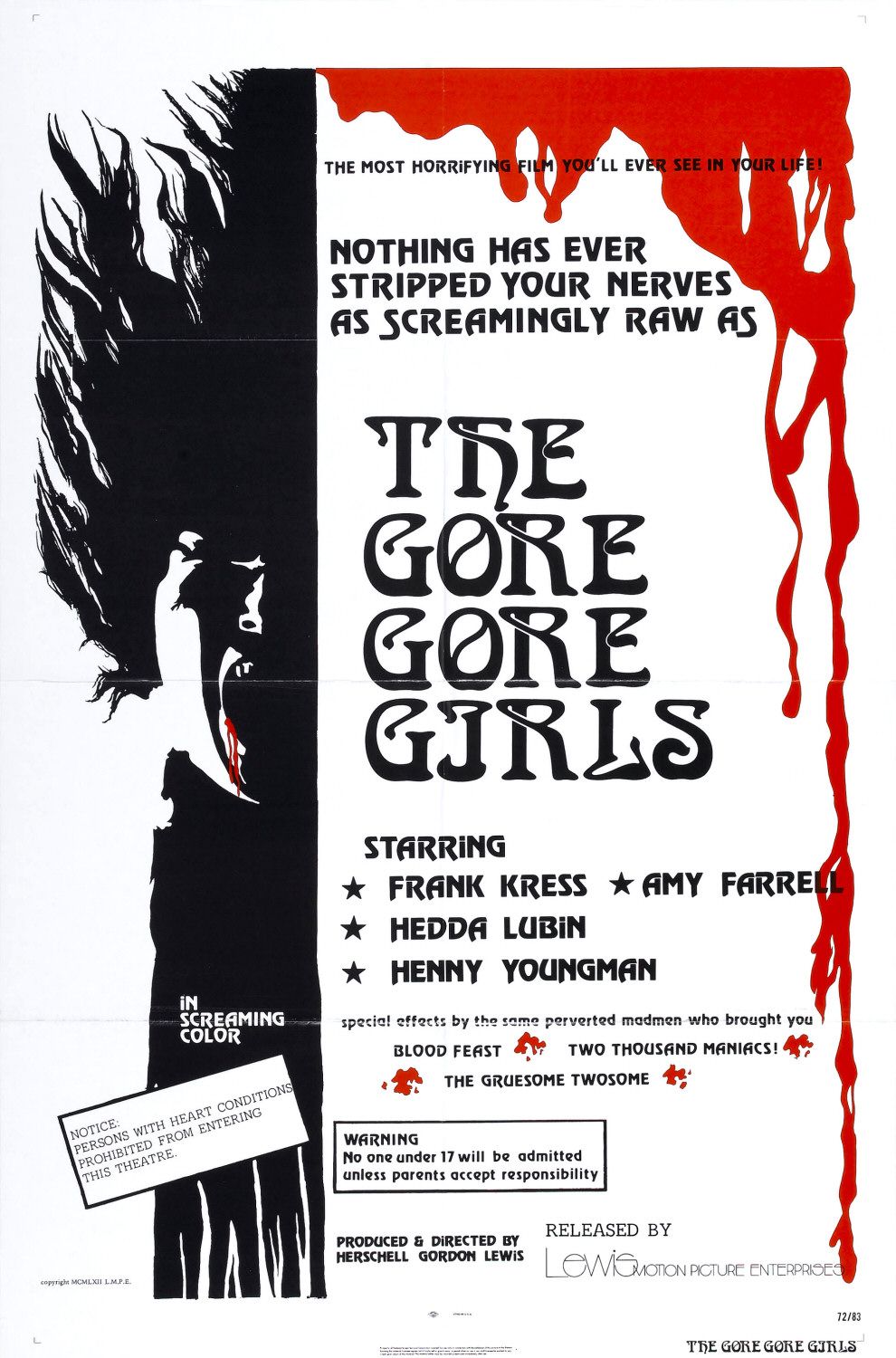
Gore Gore Girls, The (1972)

Gore Gore Girls, The (1972)

“That’s the second of my friends that have been killed in the last couple of days!”

Synopsis:
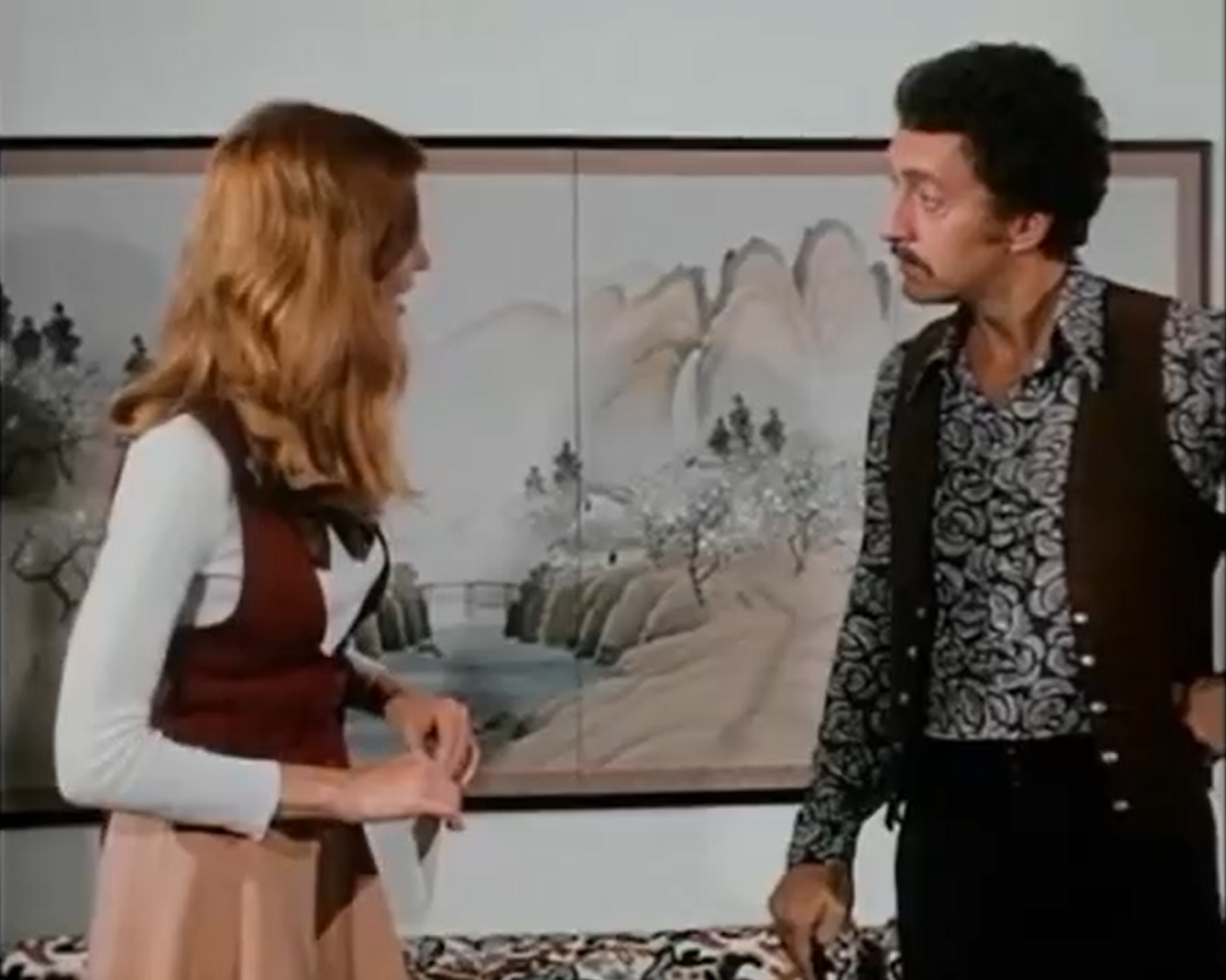
On behalf of her newspaper, a journalist (Amy Farrell) hires a dapper private eye (Frank Kress) to solve the grisly murder of a stripper (Jackie Kroeger) — just the first of many soon to be mutilated.

Genres, Themes, Actors, and Directors:

  • Detectives and Private Eyes
  • Herschell Gordon Lewis Films
  • Horror
  • Journalists
  • Murder Mystery
  • Serial Killers
  • Strippers

Review:
Herschell Gordon Lewis’s final film (apart from two “come back” films made in the 2000s) was this gore-sploitation of private eye flicks:

… complete with plenty of Lewis’s characteristically tasteless mutilation of female flesh (in this case, buttocks are tenderized and seasoned, faces are deep fried and ironed, heads are smashed in and scooped out — you know, that kind of thing). Meanwhile, the rest of the narrative consists of interminable stripping sequences that do nothing to further the story; naturally, I’m not naive enough to be confused about the rationale behind this (Gordon Lewis was nothing if not savvy about what would draw in crowds), but these sequences simply make the film just that much more excruciating to sit through. While it (naturally) has its diehard fans (one poster on IMDb writes in all sincerity, “the best part of GoreGore Girls [sic] is when the killer cuts off one nipple, and milk comes out, cuts off the second nipple and then chocolate milk comes out! hahaha genius”), feel free to distance yourself as far as possible from this one.

Redeeming Qualities and Moments:

  • Nothing — unless you’re a fan of the genre, and enjoy the campily dark, low-budget trash humor

Must See?
Definitely not. Listed as Trash in the back of Peary’s book (and thus not considered, even by Peary, to be essential viewing for all Film Fanatics).

Links:

Scarlet Letter, The (1926)

Scarlet Letter, The (1926)

“Take heed, therefore! If ye sin, ye must pay — there is no escape!”

Synopsis:
In Puritan New England, young Hester Prynne (Lillian Gish) has a child out of wedlock with Reverend Dimmesdale (Lars Hanson), and is forced to wear an “A” for “Adultress” on her clothing at all times. When her estranged husband (Henry Walthall) arrives in town after being held captive by Indians for years, she must deal once again with the consequences of her actions.

Genres, Themes, Actors, and Directors:

  • Historical Drama
  • Lillian Gish Films
  • Morality Police
  • Priests and Ministers
  • Silent Films
  • Star-Crossed Lovers

Review:
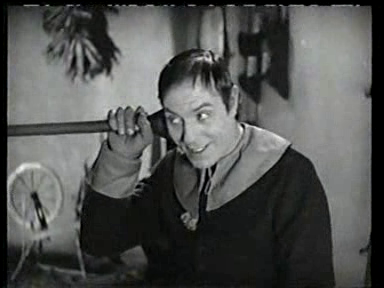
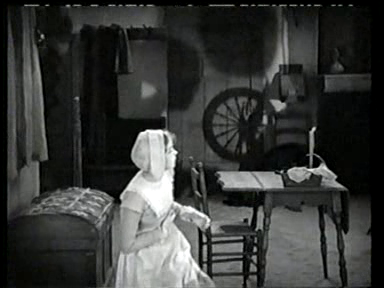
Victor Sjostrom is perhaps best known by film fanatics for his performance as the elderly protagonist of Ingmar Bergman’s Wild Strawberries (1957); but he was an esteemed silent film director before this, and several of his titles — including The Wind (1928), The Phantom Carriage (1921), and this film — are listed in Peary’s book. Lillian Gish successfully convinced the Hays Office to allow this adaptation of Nathaniel Hawthorne’s classic American novel to be made — and as silent films in general go, it’s among the more satisfying tales I’ve seen. The thematically dense novel is distilled into a series of vignettes which effectively portray both the authenticity of the lovers’ forbidden romance, and the repressive context within which they are each trying to survive. Gish is as lovely as ever, giving a typically moving performance; and while some accuse Hanson of “scenery chewing”, I find him nicely suited for his role as the kind-hearted minister who longs to do right by both his lover and his child. (Both occasionally “over-act” in typical silent-film fashion, but this is to be expected for the era and genre.) Also of note is the fine attention paid to historical detail — we get the sense we’re really eavesdropping on this little corner of society (as when we see a young couple courting by speaking to each other through tubes).

Redeeming Qualities and Moments:

  • Lillian Gish as Hester Prynne
  • Lars Hanson as Reverend Dimmesdale
  • Fine period detail

  • Victor Sjostrom’s masterful direction
  • Hendrik Sartov’s cinematography

Must See?
Yes, as a fine literary adaptation by a premiere silent film director. Listed as a film with Historical Importance and a Personal Recommendation in the back of Peary’s book.

Categories

  • Genuine Classic
  • Important Director

Links:

Under Capricorn (1949)

Under Capricorn (1949)

“I’m afraid I’m not very well.”

Synopsis:
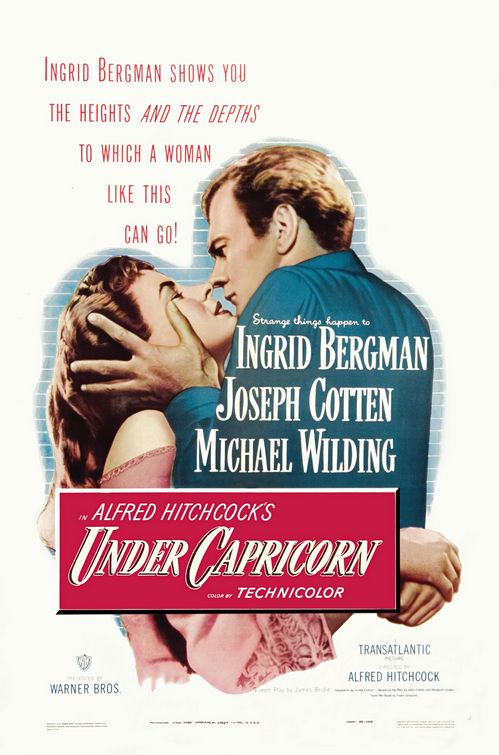
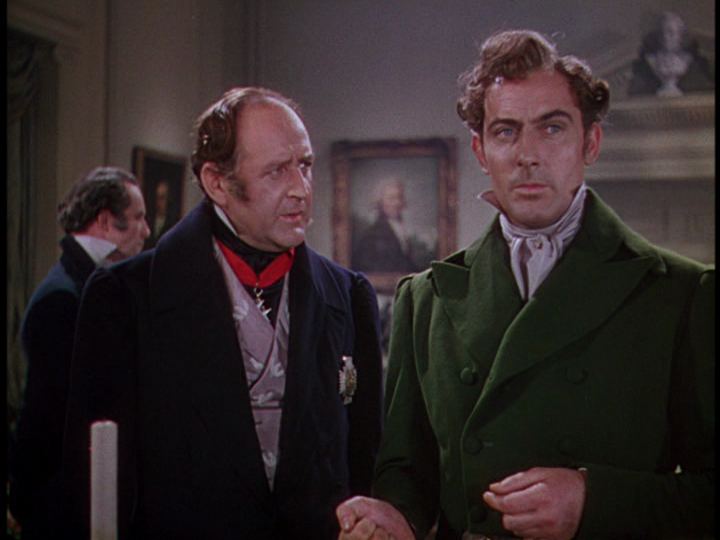
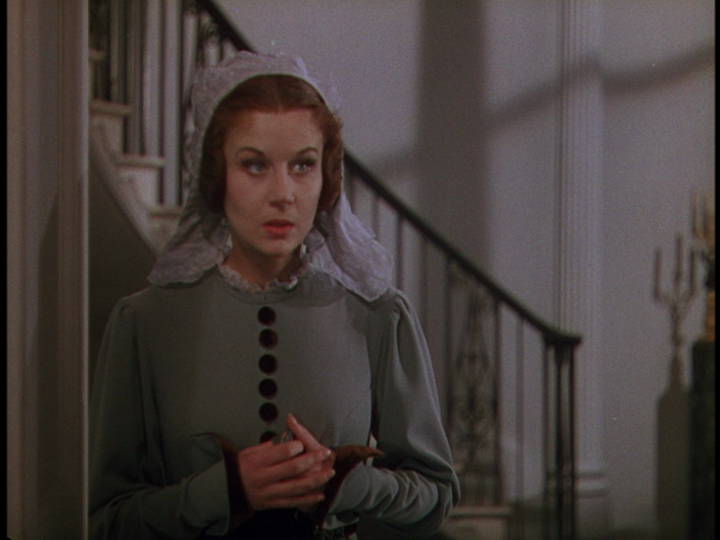
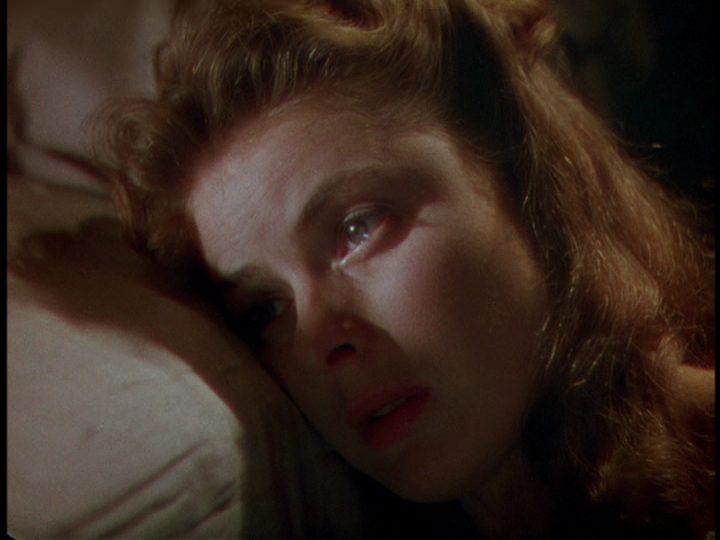
In the early 19th century, an Irishman (Michael Wilding) moves to Australia, where he befriends an ex-convict (Joseph Cotten) whose fragile wife (Ingrid Bergman) has become a reclusive alcoholic cared for by her domineering housemaid (Margaret Leighton). When Wilding attempts to help cure Bergman of her neuroses (falling in love with her in the process), he quickly learns more about her unconventional marriage to Cotten, and the tragedy that sent them to Australia.

Genres, Themes, Actors, and Directors:

  • Ex-Cons
  • Historical Drama
  • Hitchcock Films
  • Immigrants and Immigration
  • Ingrid Bergman Films
  • Joseph Cotten Films
  • Love Triangle
  • Marital Problems

Review:
Based on a novel by Australian author Helen Simpson, this historical melodrama was Alfred Hitchcock’s second film in Technicolor, and features several instances of the “long take” he so infamously utilized in Rope (1948) the previous year. It performed poorly at the box office, and is generally viewed as one of Hitchcock’s lesser efforts — primarily because it’s more of a domestic melodrama than a thriller, and moves at a much more leisurely, literary pace. It’s often compared (unfavorably) with Hitchcock’s Oscar-winning American debut film, Rebecca (1940), which featured a similarly overbearing housemaid intent on meddling in the private life of her mistress — though in this case, Margaret Leighton’s Millie is (unfortunately) not given nearly as much screentime as Judith Anderson’s Miss Danvers in Rebecca. Indeed, given what a pivotal role Leighton ends up playing in the denouement of Under Capricorn, it’s especially frustrating to see how underdeveloped her character is; she’s given one excellent, intriguing monologue mid-way through the movie, but otherwise simply comes and goes until the film’s final scenes bring her back with a wallop.

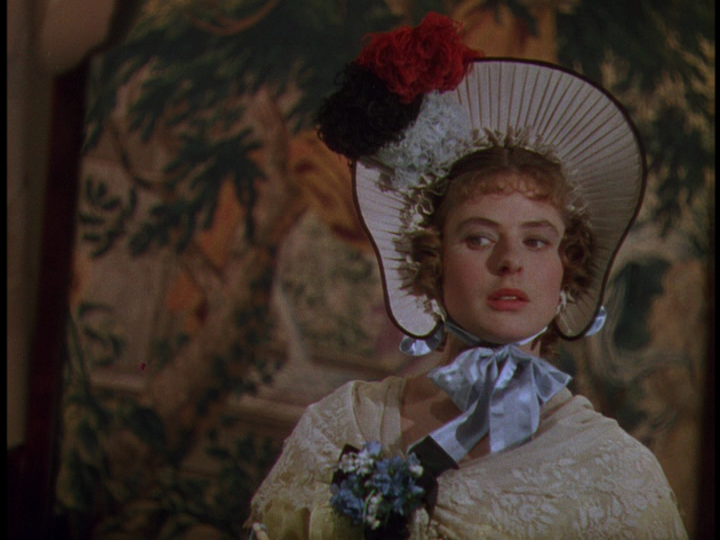
At the film’s heart, however, is Ingrid Bergman, giving a typically mesmerizing performance as a conflicted woman driven to drink and seclusion by both her tragic past and her challenging present circumstances. Also effective is Michael Wilding (best known as Elizabeth Taylor’s second husband — though, interestingly, he later married Leighton), as the do-gooding man determined to help rescue Bergman from her self-imposed exile. Meanwhile, Jack Cardiff’s luminous cinematography bathes the entire film in gorgeous, painterly hues. It’s all the more disappointing, then, that the movie itself ultimately doesn’t move in a very interesting direction: we wouldn’t mind learning a lot more about life during this very specific time in Australia’s history (when it was still largely comprised of ex-convicts), but instead must be content with the melodramatic tensions between Cotten (giving an overly restrained performance), Bergman, Wilding, and Leighton. It’s far from boring, and beautifully shot, but is really only must-see for Hitchcock completists.

Redeeming Qualities and Moments:

  • Ingrid Bergman as Lady Henrietta
  • Michael Wilding as Charles
  • Margaret Leighton as Millie
  • Jack Cardiff’s cinematography

Must See?
No, though it’s certainly recommended to Hitchcock enthusiasts and/or fans of Ingrid Bergman. In 1958, voted by the Cahiers du Cinema as one of the ten greatest films of all time. Available for free viewing on the Internet Archive.

Links:

Animal Farm (1954)

Animal Farm (1954)

“No animal shall kill another animal. All animals are equal.”

Synopsis:
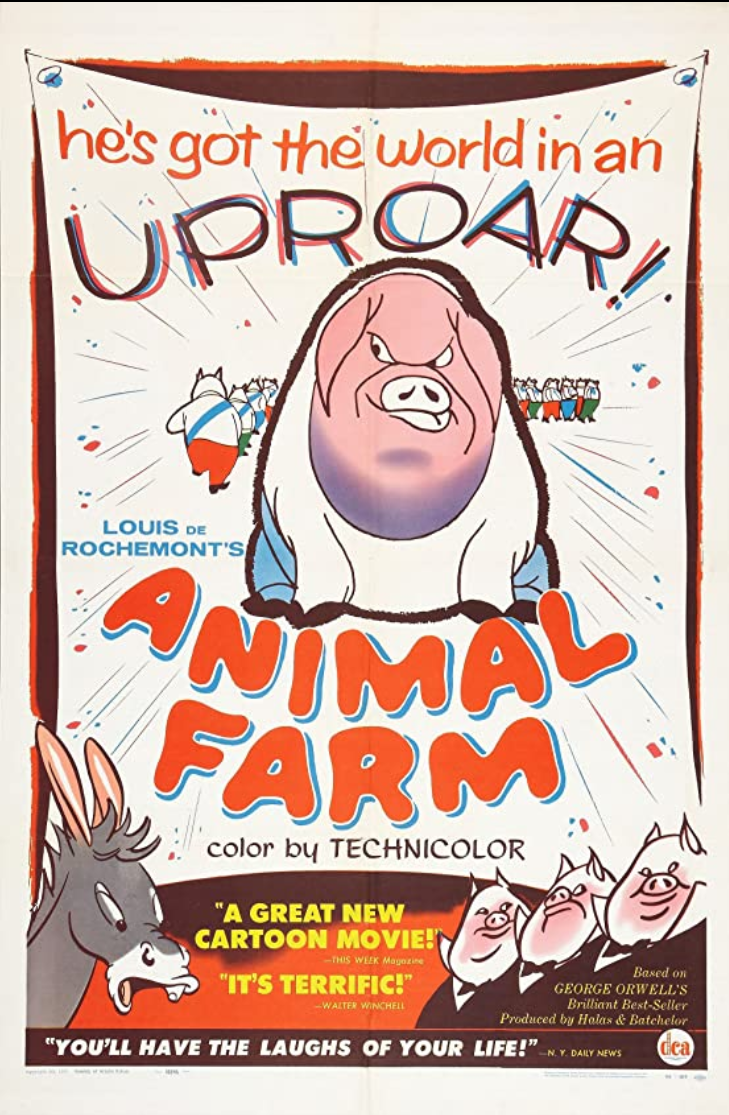
A group of farm animals rebel against their cruel owner and take over the farm themselves. But soon two head pigs (Napoleon and Snowball) are vying for leadership, and the animals find themselves back in dire straits.

Genres, Themes, Actors, and Directors:

  • Animated Features
  • Revolutionaries
  • Rivalry
  • Talking Animals

Review:
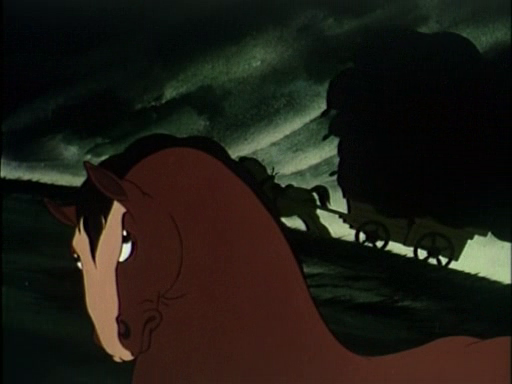
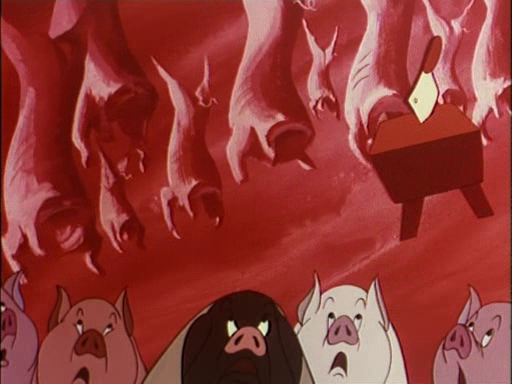
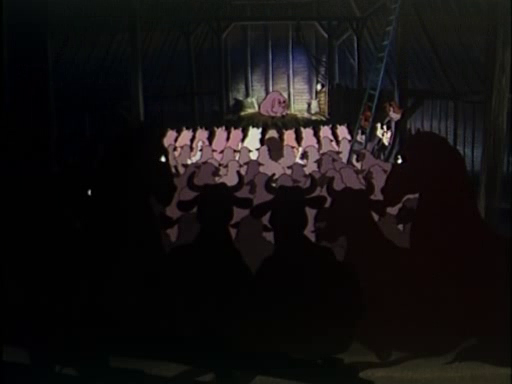
Most definitely NOT for little ones, this animated version of George Orwell’s classic anti-Communist allegory has been criticized as merely a serviceable adaptation of the novel (minus its downbeat ending), and viewed as most suitable for teens required to read the book in school. While there’s some truth to this (the translation is quite literal, and will likely be of most interest to those who’ve read the novel), this assessment isn’t quite fair, given that the high-quality animation throughout is consistently impressive, and the animators effectively utilize the medium to tell a tale it would undoubtedly be challenging to relate in any other format. (I haven’t seen the 1999 live version, so I can’t comment on this, but I’ve heard it’s even more disappointing.) Ultimately, as other critics have pointed out, the use of animation to tell this “fairy tale” (the novel’s subtitle) is actually appropriate — as long as viewers are prepared for a truly dark and disturbing narrative journey.

Redeeming Qualities and Moments:

  • Creative animation

  • An appropriately dark adaptation of Orwell’s classic

Must See?
Yes, simply for its historical relevance as the first British feature animated (entertainment) film. Listed as a Personal Recommendation in the back of Peary’s book.

Categories

(Listed in 1001 Movies You Must See Before You Die)

Links:

Million Dollar Legs (1932)

Million Dollar Legs (1932)

“What the country needs is money, and it’s up to you to get it for me!”

Synopsis:
The president (W.C. Fields) of Klopstokia tasks the suitor (Jackie Oakie) of his daughter (Anne Fleming) with raising money for his bankrupt country. When Oakie realizes how athletic all of Klopstokia’s citizens are, he decides to enter them in the 1932 Olympics — but Fields’ detractors are anxious to ruin him, and enlist the help of seductress Mata Machree (Lydi Roberti) in distracting the athletes.

Genres, Themes, Actors, and Directors:

  • Comedy
  • Joseph L. Mankiewicz Films
  • Olympics
  • Ruthless Leaders
  • W.C. Fields Films

Review:
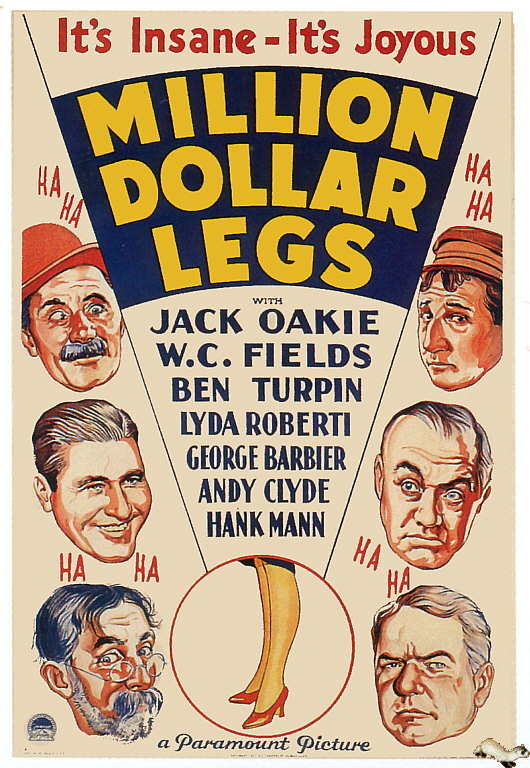
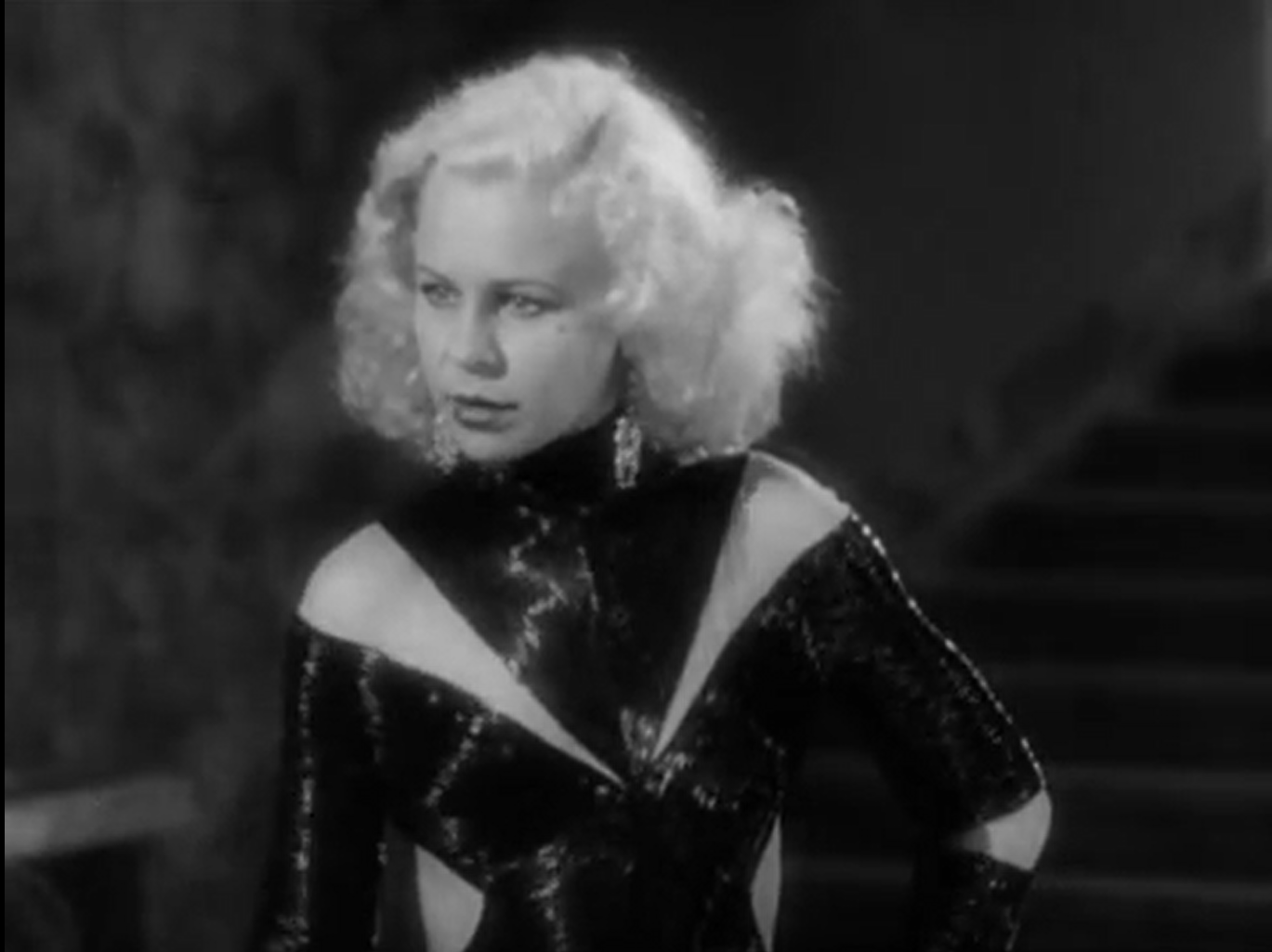
Film fanatics might be forgiven for assuming that the film in GFTFF called Million Dollar Legs would either be about Betty Grable (nope, that’s the 1939 film of the same title) or Esther Williams (nope, that’s the 1952 film Million Dollar Mermaid, which isn’t included in Peary’s book — speaking of which, NONE of Williams’ films are listed in GFTFF, which seems like an oversight…). At any rate, this early W.C. Fields feature (his first for Paramount Studios) is a surprisingly zany outing, similar in many ways to the following year’s Duck Soup (1933), and also to Fields’ final starring-role film, Never Give a Sucker an Even Break (1941) (complete with goat milk jokes and a fictional European-esque destination). In his article for The New Yorker, David Denby refers to Million Dollar Legs as “about as close as Hollywood… ever came to the spirit of Dada”, and this is an accurate description. While it’s not entirely successful, there are enough wacky surprises, off-the-wall interactions, and random elements (all the girls in Klopstokia are named Angela, and all the boys are named George; when asked why, Fleming simply replies, “Why not?”) to keep viewers at the very least interested in what happens next. Watch for a weird performance by blonde bombshell Lyda Roberti (who died at the age of 31 from a heart attack), in her best known role.

Note: The film’s title most likely refers to the insanely fast running speed of Klopstokia’s Major Domo (Andy Clyde), but is still rather a strange choice.

Redeeming Qualities and Moments:

  • An enjoyably zany screenplay (by Joseph Mankiewicz and others)

Must See?
No, but it’s strongly recommended. Listed as a Cult Movie and a Personal Recommendation in the back of Peary’s book.

Links:

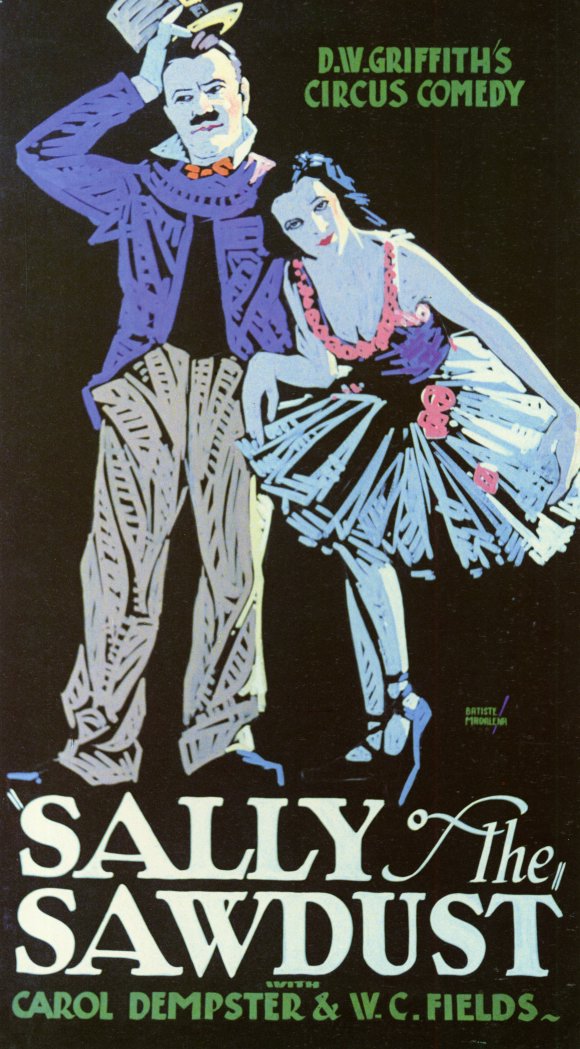
Sally of the Sawdust (1925)

Sally of the Sawdust (1925)

“I don’t believe that talk, Henry. I believe she is a good girl, no matter what anyone says.”

Synopsis:
Carnival cardsharp Eustace McGargle (W.C. Fields) adopts the daughter (Carol Dempster) of a society woman who ran away from her disapproving parents (Erville Alderson and Effie Shannon) after marrying a circus man. When Sally (Dempster) grows up, McGargle decides it may be time to introduce her to her real family, and takes her to her hometown of Green Meadows, where Sally falls in love with a wealthy young man (Alfred Lunt).

Genres, Themes, Actors, and Directors:

  • Carnivals and Circuses
  • Comedy
  • D.W. Griffith Films
  • Orphans
  • Play Adaptation
  • Silent Films
  • W.C. Fields Films

Review:
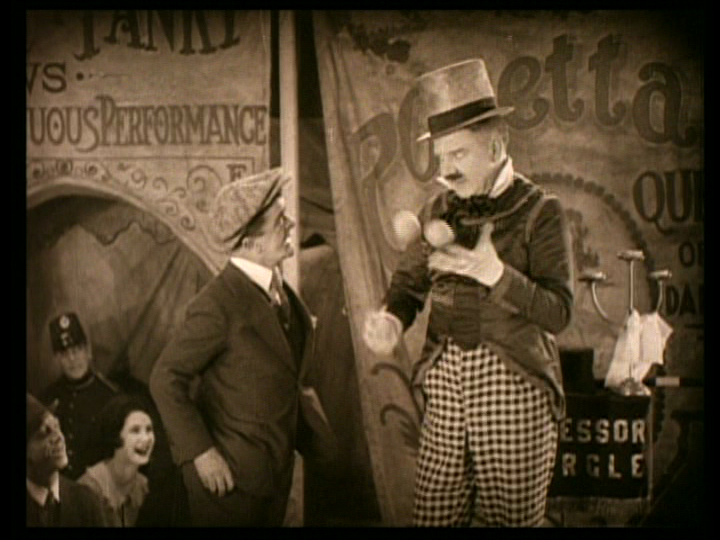
Critics have noted that this relatively late-career outing by D.W. Griffith (which unfortunately displays none of his distinctive directorial genius) would have remained merely a historical curiosity if it hadn’t offered W.C. Fields his first leading role in a film. Based on a 1923 musical play, the film’s storyline — as in the 1936 remake, Poppy — is strictly pedestrian melodrama, complete with an unrealistically happy ending and far too much slapstick humor. What makes it worth at least a cursory look are two primary elements: the opportunity to see a slightly slimmer Fields in a non-speaking role, performing some of his most famous carnival routines without the benefit of his characteristically nasal twang; and the remarkably “modern” central performance by Griffith’s real-life mistress, Dempster, a leggy, athletic, unconventional beauty reminiscent of Australian actress Rachel Griffiths.

Note: Apparently Dempster’s best role was in Isn’t Life Wonderful? (1924), a highly regarded Griffith film which isn’t listed in Peary’s book, and which I haven’t seen.

Redeeming Qualities and Moments:

  • An interesting glimpse at Fields in a non-speaking role
  • Carol Dempster as Sally

Must See?
No; this one is only must-see for diehard W.C. Fields fans.

Links:

Blackmail (1929)

Blackmail (1929)

“Detectives in glass houses shouldn’t wave clues.”

Synopsis:
The flirtatious girlfriend (Anny Ondra) of a Scotland Yard detective (John Longden) accompanies an artist (Cyril Ritchard) to his apartment one night and ends up killing him with a knife when he tries to rape her. A loiterer (Donald Calthrop) sees Longden leaving the scene of the crime with a crucial piece of evidence, and decides to blackmail Ondra — but a snoopy landlady (Hannah Jones) has seen Calthrop entering Ritchard’s apartment, and soon he’s wanted by the police himself.

Genres, Themes, Actors, and Directors:

  • Blackmail
  • Detectives and Private Eyes
  • Hitchcock Films
  • Play Adaptations

Review:
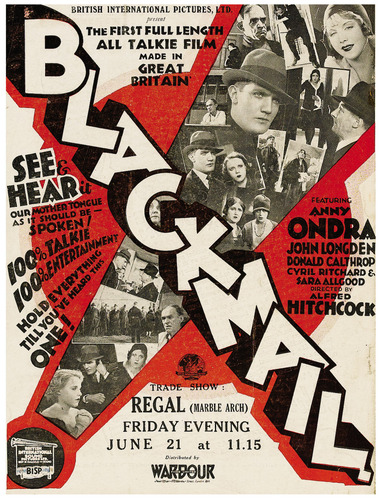
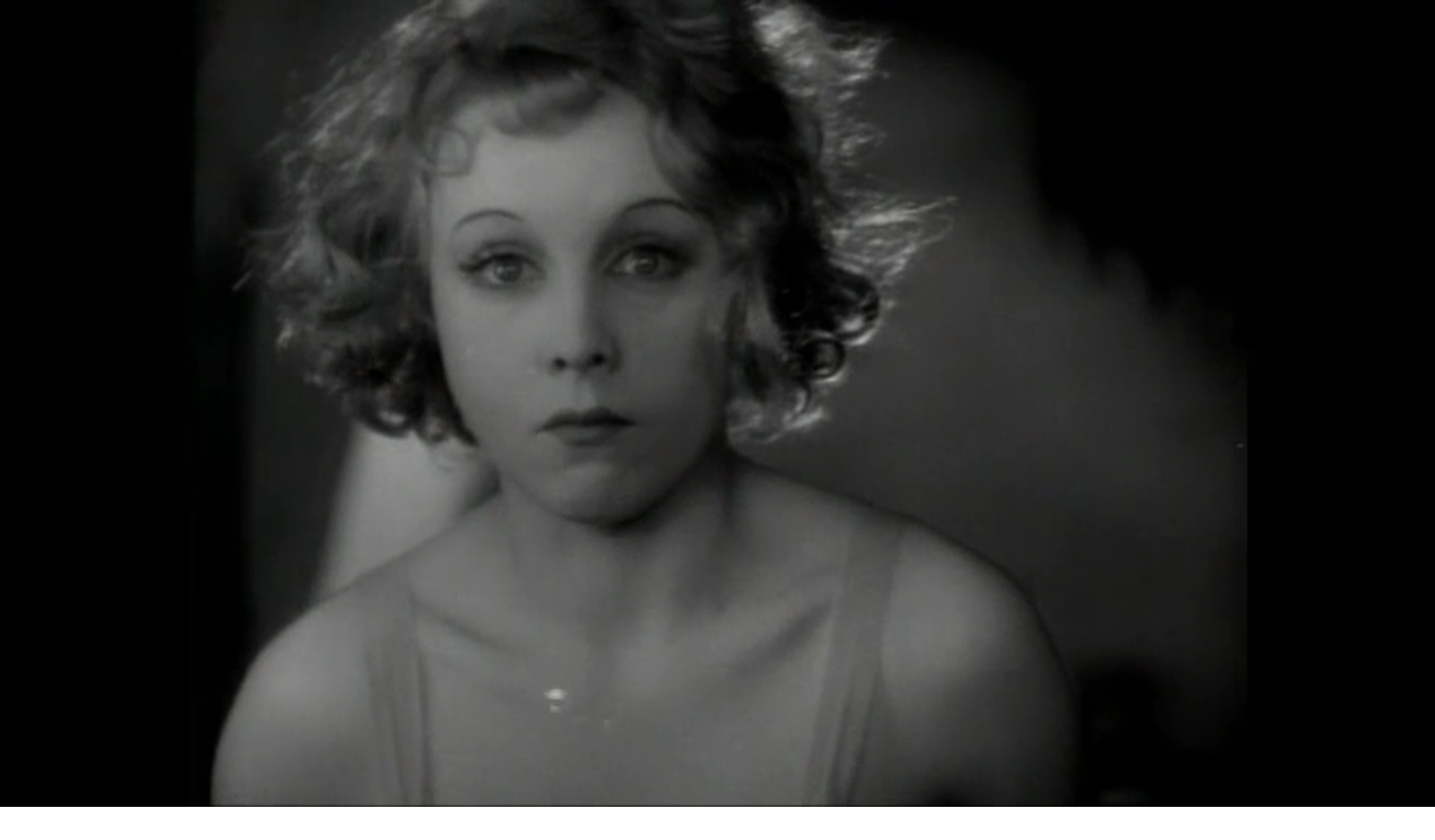
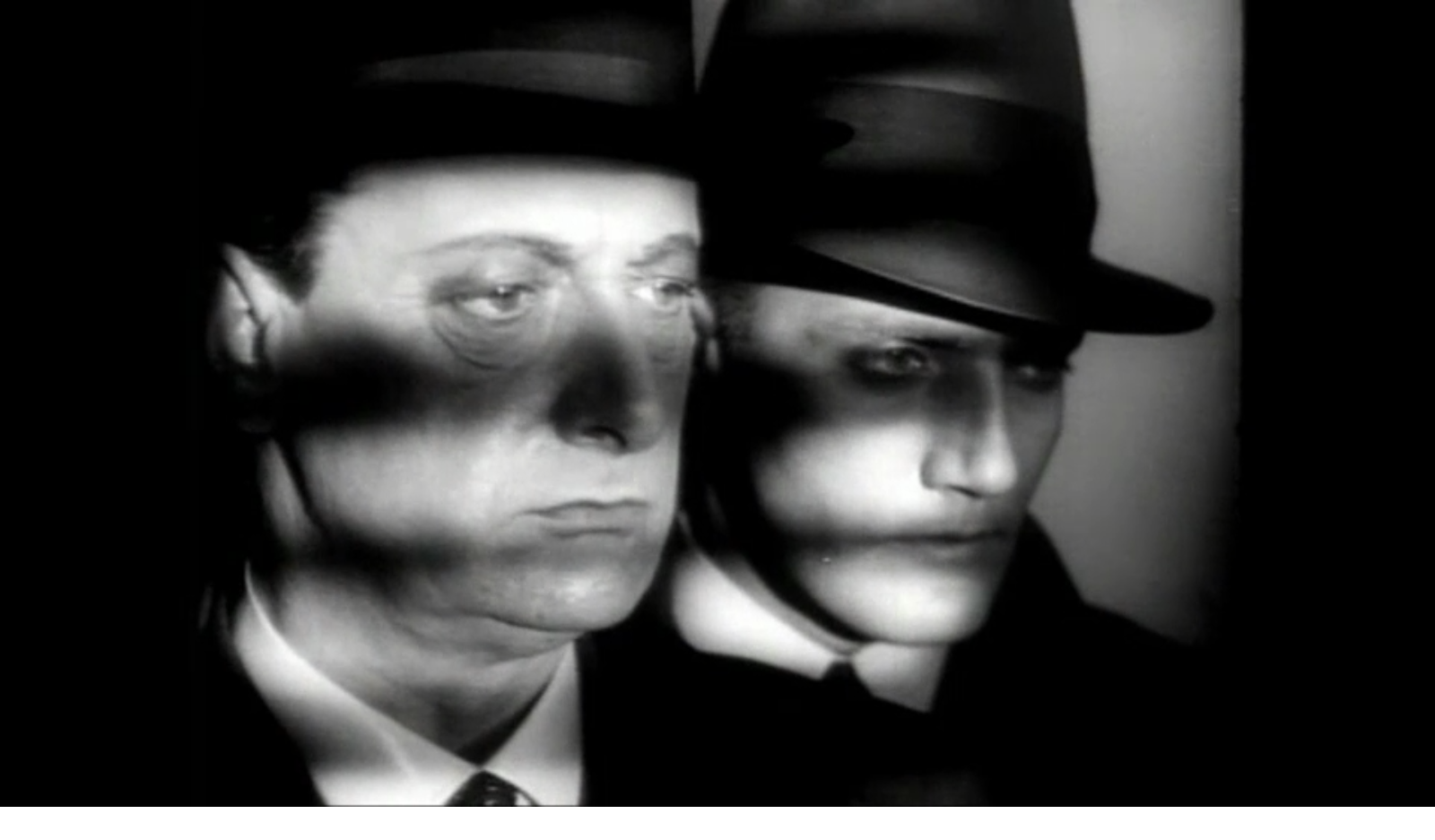
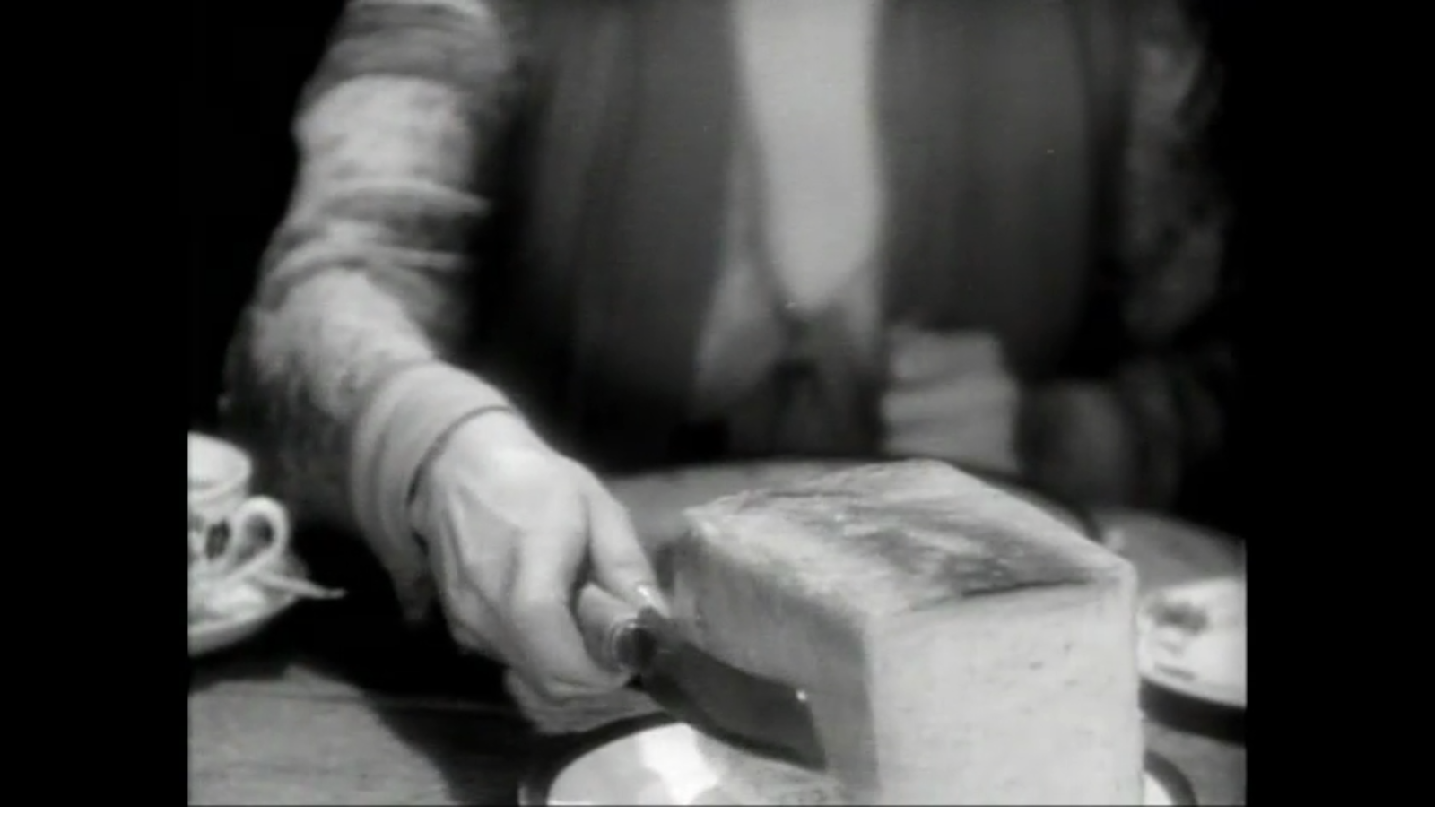
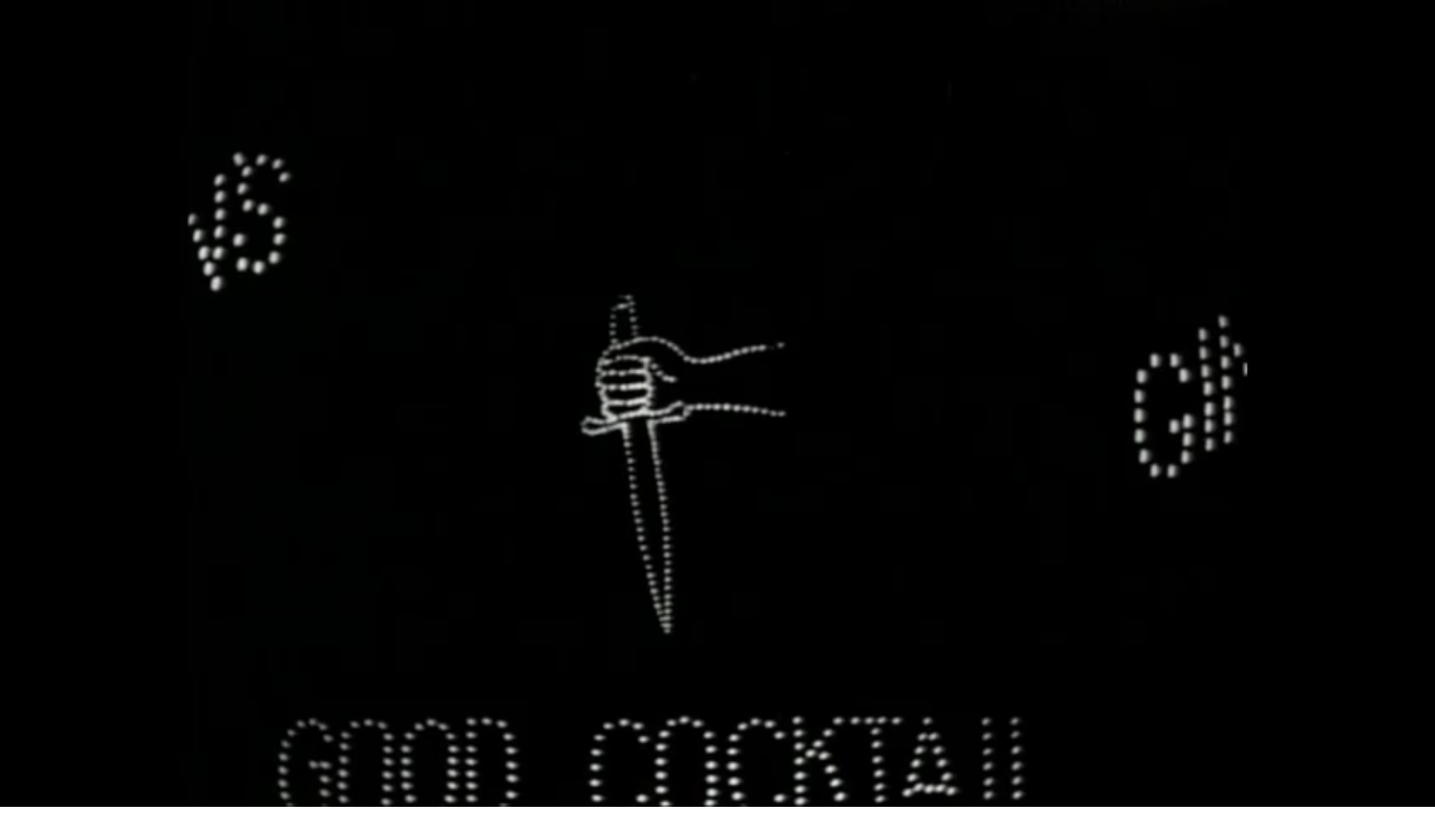
I was pleasantly surprised to finally check out this early Hitchcock thriller, which is famous for being his first “talkie” but remains remarkably enjoyable in its own right. All of the trademark qualities of Hitchcock’s best films are present here, starting with a tension-inducing screenplay in which our heroine — who is far from sympathetic, at least at first — is caught up in a nightmare of her own accidental making, existing in guilt-ridden angst and fear throughout the remainder of the film. Meanwhile, Hitch effectively employs both visual and aural cues via strategic editing for heightened suspense and impact — as when Ondry continually hears the word “knife” being used in punctuated bursts during a conversation following the homicide, or when she looks up at a flashing neon sign for a cocktail which has transformed into a plunging knife. While Hitchcock’s use of real-time off-camera dubbing for Ondry’s voice (she had a heavy German accent) has been called out as somewhat obvious, I must admit I was never bothered by it. Atmospheric cinematography (by Jack Cox), a smarmy turn by Calthrop as Ondry’s would-be blackmailer, and an exciting (if too brief) climactic chase scene through a famous location add to this film’s overall enjoyment — it’s certainly worth a look.

Note: Hitchcock filmed a silent version of this movie as well, which is available on the DVD release. Even the “talkie” edition, however, starts off (for the first 8 minutes) mostly like a silent film, with just a few noise effects added — so be patient. (I mention this because I wondered for a while whether I was watching the “right” version.)

Redeeming Qualities and Moments:

  • Anny Ondra as Alice
  • Nice use of the British Museum for the climactic final chase — though the scene is over far too quickly
  • Atmospheric cinematography
  • Creative use of sound for heightened effect (as in the “KNIFE” scene)
  • A clever sense of visual play

Must See?
Yes, for its historical relevance — and also as an enjoyably tense thriller. Listed as a film with historical importance and a Personal Recommendation in the back of Peary’s book.

Categories

  • Historically Relevant
  • Important Director

(Listed in 1001 Movies You Must See Before You Die)

Links: