Browsed by
Category: Original Reviews

Responses to Peary’s “must see” movie reviews, as well as my own “must see” movie reviews up to and after 1986 (when Peary’s book was published).

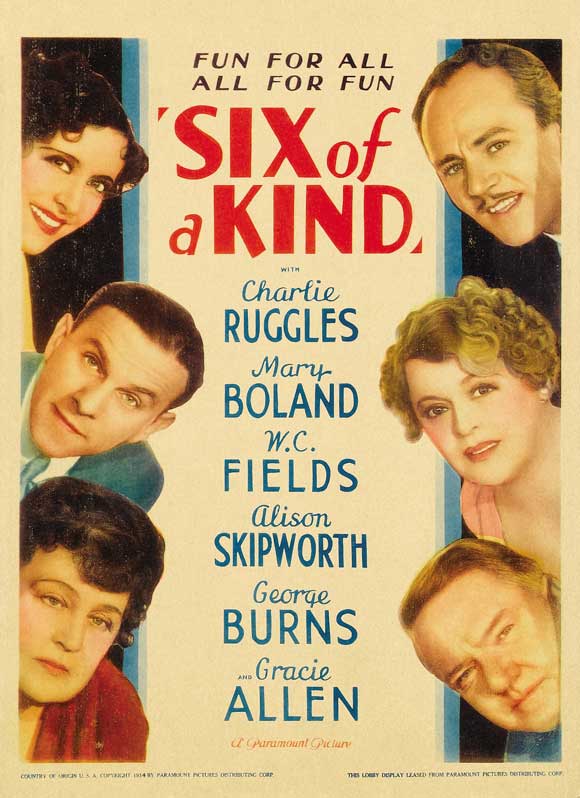
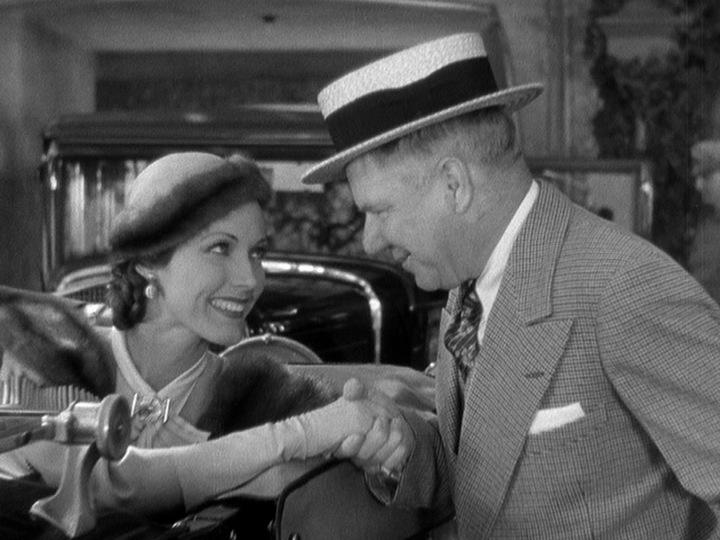
Six of a Kind (1934)

Six of a Kind (1934)

“Maybe I’d better murder them and get it over with, huh?”

Synopsis:
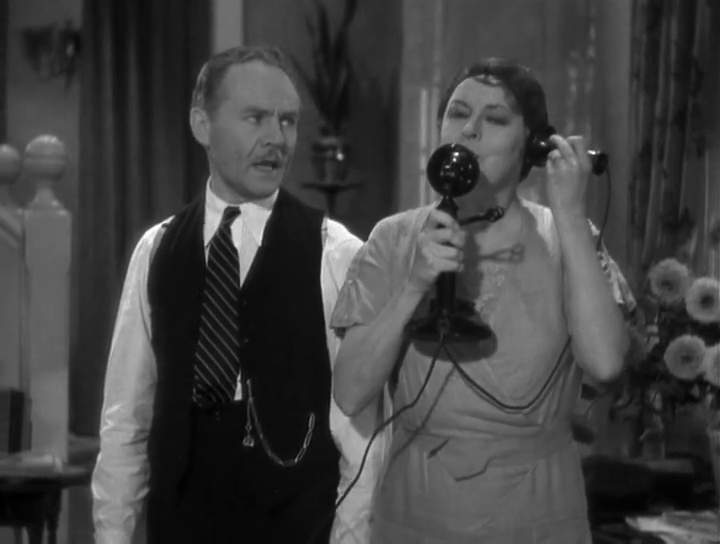
A bank employee (Charles Ruggles) and his wife (Mary Boland) are harrassed by an unmarried couple (George Burns and Gracie Allen) accompanying them on a second honeymoon road trip; meanwhile, Ruggles is unaware that his crooked colleague (Bradley Page) has hidden $50,000 in stolen money in his suitcase, but soon finds a local sheriff (W.C. Fields) and innkeeper (Alison Skipworth) on his tail.

Genres, Themes, Actors, and Directors:

  • Comedy
  • Falsely Accused
  • George Burns Films
  • Leo McCarey Films
  • Road Trip
  • Sheriffs
  • W.C. Fields Films

Review:
Six of a Kind is an infuriating affair. Competently directed by comedy veteran Leo McCarey — and featuring fine central performances by Ruggles and Boland, along with worthy “cameos” by Fields and Skipworth — it’s nonetheless completely undone by the presence of Burns and Allen. I find that their schtick (primarily Allen’s stupidity) works well in increments; it’s actually quite amusing in International House (1933), for instance, where they’re part of a much larger ensemble cast and have limited interaction with anyone other than themselves. Here, however, they play a dominant part in the first half of the story, as they make quick work of turning Ruggles and Boland’s second honeymoon into a living nightmare.

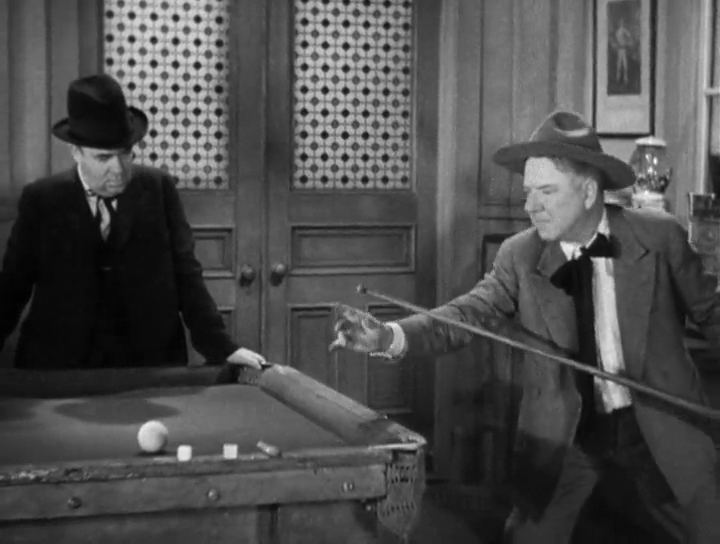
In order for this kind of “comedic” scenario to work, the honeymooning couple would have to be posited as worthy of being tortured in some way — yet Ruggles and Boland are actually quite charming, and we desperately wish they could simply get on with the middle-aged canoodling they’re so eager for. Instead, we’re forced to suffer through scene after scene of Allen’s pure idiocy literally placing her hosts’ lives at risk. Suffice it to say that I was indescribably happy once Fields and Skipworth entered the scene, and the storyline finally turned to the silly subplot about hidden money and false accusations. Fields is in top form, and does a great (if nerve-wracking) pool sketch.

Note: This film possesses an odd connection with Frank Tashlin’s Hollywood or Bust (1956) — viz. the presence of an enormous dog on a cross-country road trip to Hollywood… In both instances, the dog provides (sadly) minimal comedic value.

Redeeming Qualities and Moments:

  • Charles Ruggles and Mary Boland as the put-upon couple
  • W.C. Fields as Sheriff Hoxley: “I’m about as busy as a pickpocket at a nudists’ colony.”

Must See?
Definitely not; don’t subject yourself to this one unless you’re diehard Fields fan.

Links:

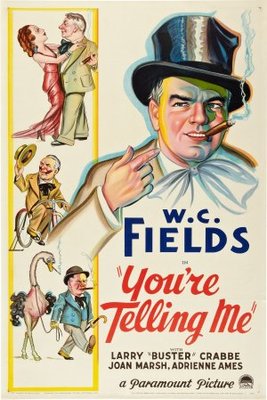
You’re Telling Me (1934)

You’re Telling Me (1934)

“I have more pride than to marry into a family that thinks they’re too good for me!”

Synopsis:
The daughter (Joan Marsh) of a poor inventor (W.C. Fields) finds her engagement compromised when the snooty mother (Kathleen Howard) of her fiancee (Buster Crabbe) disdains her family. Meanwhile, on the way home from a failed attempt to market his new puncture-proof tires, Fields befriends a kind princess (Adrienne Ames) who ends up saving the day.

Genres, Themes, Actors, and Directors:

  • Class Relations
  • Comedy
  • Cross-Class Romance
  • Do-Gooders
  • Henpecked Husbands
  • Inventors
  • Mistaken Identities
  • Royalty and Nobility
  • W.C. Fields Films

Review:
Perhaps the most kindhearted of all of W.C. Fields’ comedies, You’re Telling Me tells a surprisingly sweet fairy tale about a well-meaning — if overly prone to tippling — henpecked husband who treats a strange woman with kindness (not knowing she’s really a princess), and finds himself amply rewarded in return. At just over an hour, the story is slight but nicely told; the addition of a classically Fieldsian comedic golfing sketch near the end seems gratuitous, but can fairly easily be forgiven as expected by his fans. Meanwhile, Ames — a real-life socialite and model who essentially played variations on herself onscreen — possesses an infectious charm, and is always pleasing to watch; who wouldn’t want a fairy princess like her to waltz into their life?

Redeeming Qualities and Moments:

  • A surprisingly sweet tale of Good Samaritanism

Must See?
No, though it’s an amiable enough little comedy, and worth a watch if you’re in the mood.

Links:

Candy (1968)

Candy (1968)

“I don’t understand! What does it all mean?”

Synopsis:
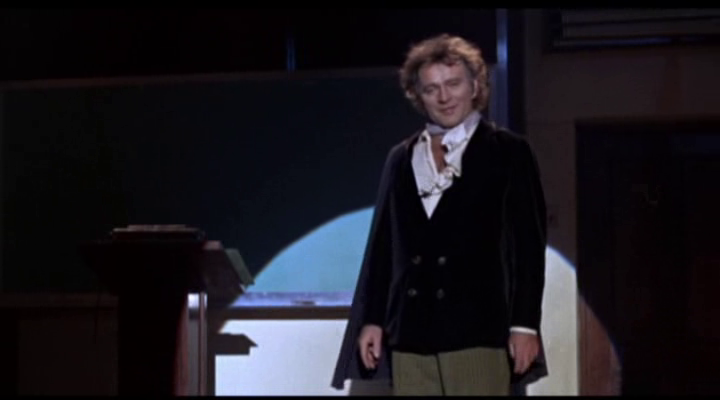
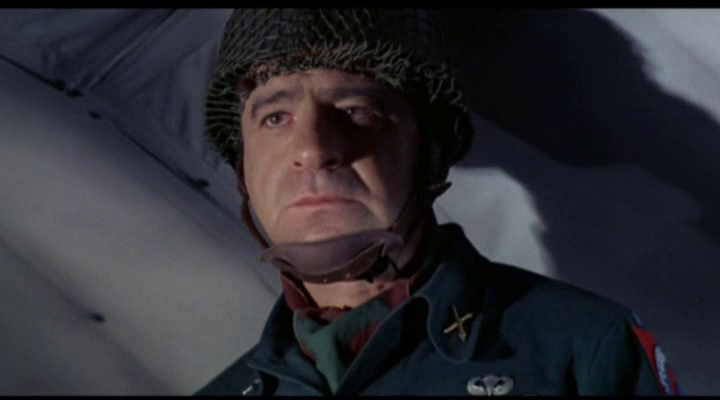
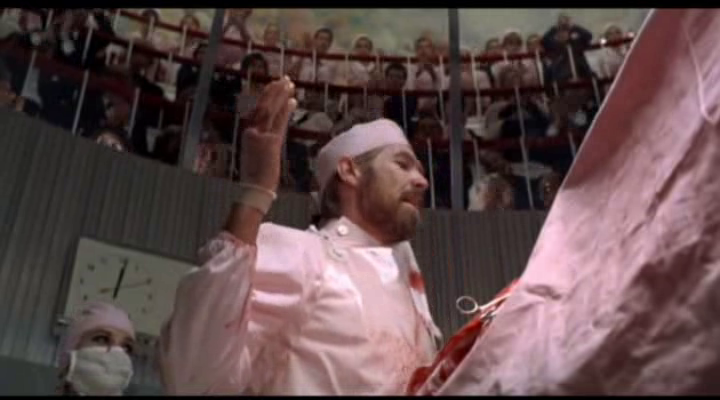
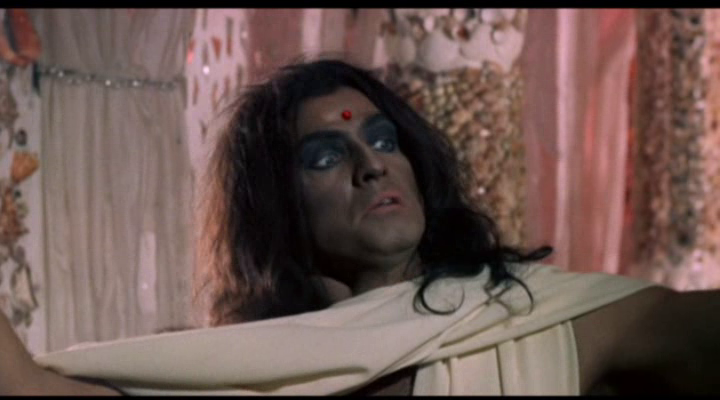
A vapid, sexually alluring teen (Ewa Aulin) encounters lustful older men — including her father (John Astin), his twin brother (Astin), a poet (Richard Burton), a gardener (Ringo Starr), a hunch-backed juggler (Charles Aznavour), a renowned surgeon (James Coburn), a general (Walter Matthau), and a guru (Marlon Brando) — everywhere she goes.

Genres, Themes, Actors, and Directors:

  • Counterculture
  • James Coburn Films
  • Marlon Brando Films
  • Richard Burton Films
  • Ringo Starr Films
  • Satires and Spoofs
  • Walter Matthau Films

Review:
Based on the best-selling 1958 novel by Terry Southern (which itself was loosely inspired by Voltaire’s Candide), this infamously awful camp classic is (as summed up by DVD Savant) simply “a pack of stale sex jokes enlivened here and there by spirited performances”. It’s difficult to know exactly what all the big name actors who committed to this project thought they were getting into — but fortunately for film fanatics, there’s actually quite a bit to enjoy in their cameo spots. Burton, for instance, is deliciously bombastic as a poet with perpetually wind-swept hair, while Matthau riffs nicely on his crusty screen persona, and Brando has great fun (too much fun??) playing a lecherous guru living out of the back of a truck. Aulin herself is convincingly vacant as the sexy object of all men’s desires — and if she’s no great actress, she’s at least appropriately cast for the part. Yet you’ll likely find your patience sorely tested as you question the ultimate point of Candy’s sexual wanderings, given that she doesn’t seem to be particularly turned on by any of these men. Indeed, if you take it all too seriously, it’s easy to be deeply offended by the very premise of a sexually available, under-age naif allowing herself to be seduced by nearly every male she comes across — and the incessant faux humping (this is a satire on pornography, after all) quickly becomes tiresome. Watch this one, if you dare, simply for its value as a curio.

Redeeming Qualities and Moments:

  • Richard Burton as McPhisto
  • Walter Matthau as General Smight
  • James Coburn as Dr. Krankheit
  • Marlon Brando as Grindl

Must See?
Yes, but only for its notoriety as a campy clunker. Listed as a Camp Classic in the back of Peary’s book.

Categories

  • Cult Movie

Links:

House by the River (1950)

House by the River (1950)

“There’s a limit to this business of being brothers.”

Synopsis:
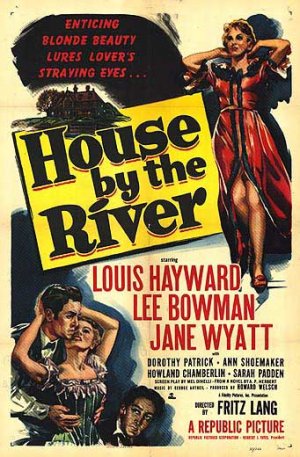
A sociopathic writer (Louis Hayward) enlists the help of his brother (Lee Bowman) in hiding the body of a maid (Dorothy Patrick) he’s accidentally strangled.

Genres, Themes, Actors, and Directors:

  • Falsely Accused
  • Fritz Lang Films
  • Hiding Dead Bodies
  • Historical Drama
  • Jane Wyatt Films
  • Siblings

Review:
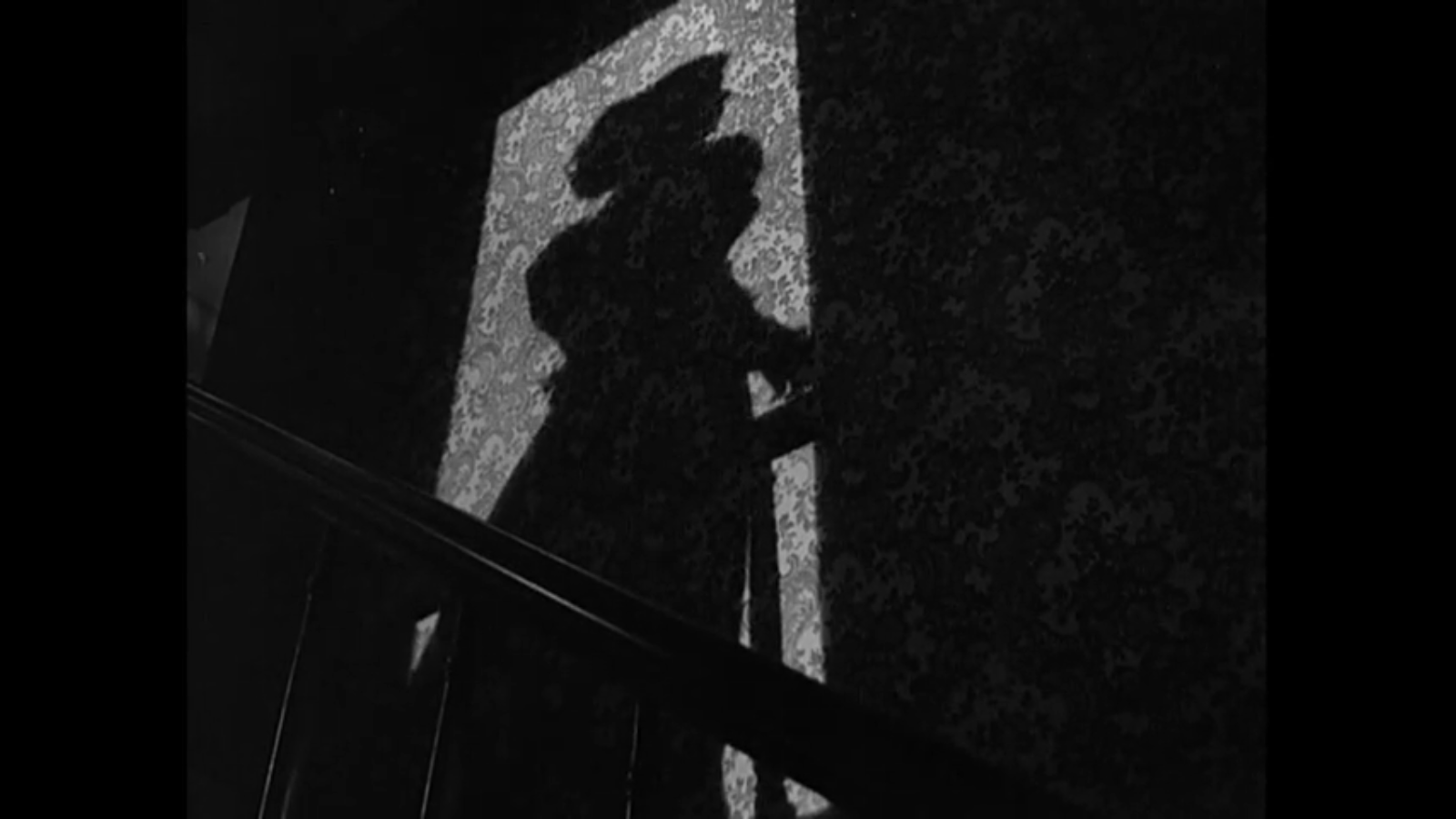
This little-seen historical melodrama by Fritz Lang is arguably the film in his oeuvre “with the strongest camp appeal”. Featuring a sociopathic protagonist we come to despise within 10 minutes of his appearance on-screen, the gothic storyline moves inexorably towards Hayward’s downfall — though there remains a fair amount of suspense in wondering just how he’ll get there, and how many other people he’ll manage to hurt along the way. As noted in Digitally Obsessed’s review, “It’s a pretty trashy soap opera of a movie, overheated and crammed with melodrama, the sort of picture that will have you cheering the hero and hissing the villain” — and the film does suffer a bit from its rather predictable set-up (including an obligatory would-be romance between Hayward’s wife [Jane Wyatt] and Bowman). However, Lang does a fine job maintaining moody atmosphere throughout — thanks in part to Edward Cronjager’s cinematography — and Hayward is surprisingly memorable and weaselly in the lead role. Worth a look, but not must-see viewing.

Redeeming Qualities and Moments:

  • Louis Hayward as Stephen
  • Edward Cronjager’s atmospheric cinematography

Must See?
No, though it’s worth a one-time look.

Links:

Independence Day (1983)

Independence Day (1983)

“Don’t let Jack make you forget what you really want.”

Synopsis:
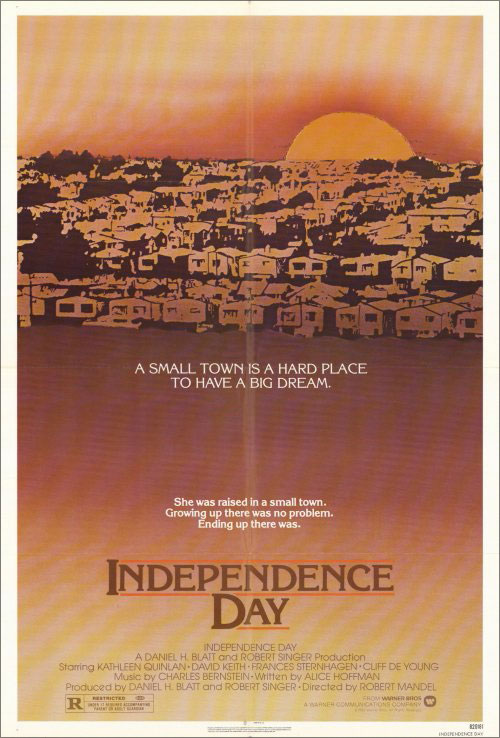
An aspiring small-town photographer (Kathleen Quinlan) hoping to get accepted to art school in L.A. begins an affair with a mechanic (David Keith) whose sister (Dianne Wiest) is married to an abusive husband (Cliff De Young).

Genres, Themes, Actors, and Directors:

  • Domestic Abuse
  • Feminism and Women’s Issues
  • Kathleen Quinlan Films
  • Romance
  • Small Town America

Review:
Based on a script by novelist Alice Hoffman, this unfortunately-titled indie film — forever overshadowed by the 1996 sci-fi hit of the same name — features a fine central performance by Kathleen Quinlan, whose main claim to cinematic fame remains her Oscar-nominated turn as Tom Hanks’ wife in Apollo 13. However, the dilemma posed by both Quinlan’s aspirations and her romance with car-racing Keith (Will she or won’t she get into the school of her dreams? Will he or won’t he accompany her on her quest to the Big City?) is ultimately rather predictable and uninspired. Much more fascinating is the film’s secondary narrative, about an abused housewife (Wiest, giving a heartbreaking performance) who appears to simply accept her lot in life with a timid, fearful smile, yet has an audacious escape plan in mind. Director Robert Mandel should be applauded for daring to present Wiest’s situation in all its discomfiting rawness; truthfully, the film really should have been primarily hers.

Redeeming Qualities and Moments:

  • Dianne Wiest as Nancy
  • Kathleen Quinlan as Mary Ann

Must See?
No, but it’s worth seeking out simply for Wiest’s stand-out performance, and for its unforgettable denouement. Listed as a Sleeper and a Personal Recommendation in the back of Peary’s book.

Links:

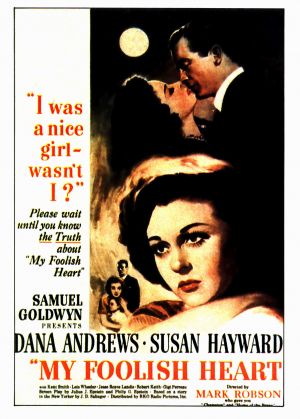
My Foolish Heart (1949)

My Foolish Heart (1949)

“Eloise Winters! I thought you were a ‘nice girl’!”

Synopsis:
An unhappily married woman (Susan Hayward) reminisces with her former college roommate (Lois Wheeler) about her romance with a dashing soldier (Dana Andrews), and how she eventually came to steal away Wheeler’s dull boyfriend (Kent Smith).

Genres, Themes, Actors, and Directors:

  • Dana Andrews Films
  • Flashback Films
  • Marital Problems
  • Mark Robson Films
  • Susan Hayward Films

Review:
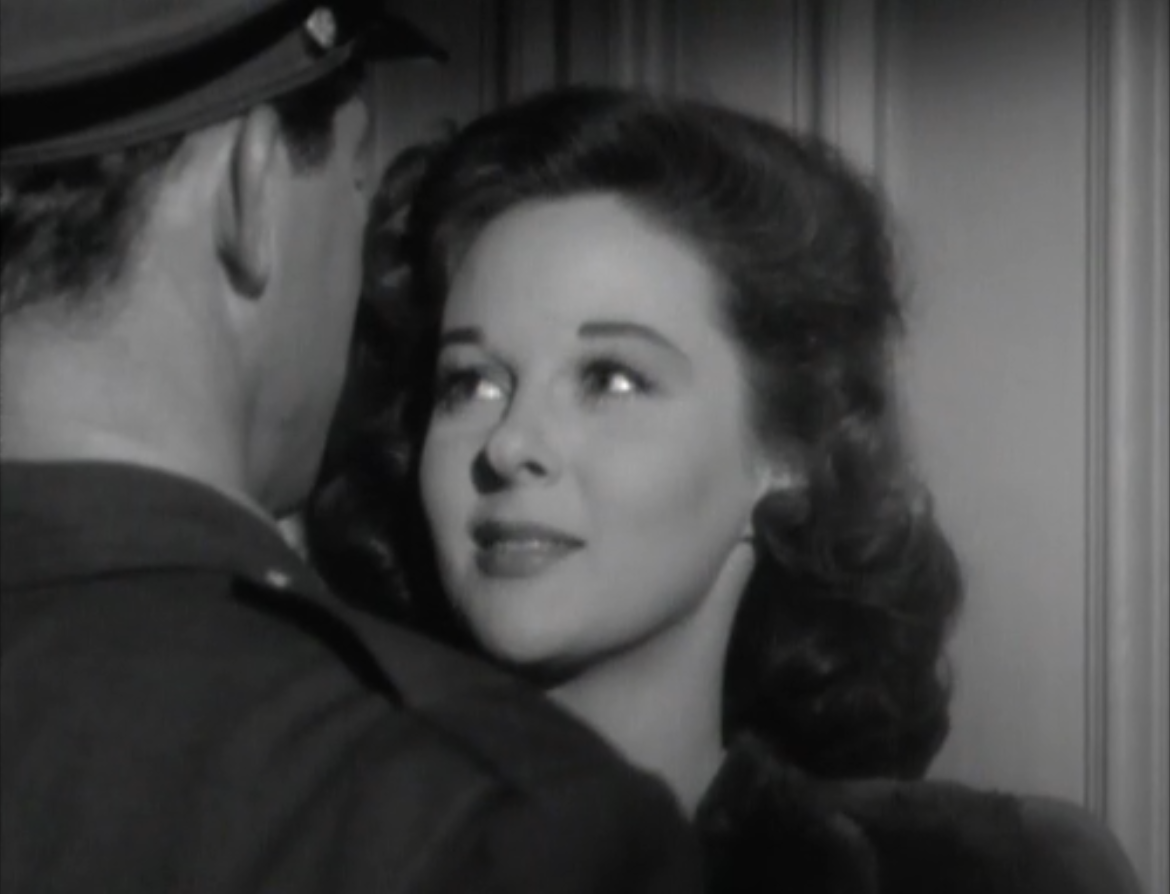
My Foolish Heart is perhaps best known as the only authorized film adaptation of any work by J.D. Salinger, who was so deeply distressed by how his short story “Uncle Wiggily in Connecticut” was translated to the screen that he never allowed his cult classic The Catcher in the Rye to be made into a movie. It’s easy to see how a notoriously iconoclastic author like Salinger might take umbrage at this soaper, which was critically lambasted upon its release, and far too often devolves into cliches. Indeed, the film is actually flawed from the get-go, given that Hayward (who, as always, does her best with the material she’s given) is immediately presented to us in such an entirely unflattering light — she drinks too much, takes her beautiful home for granted, and treats her loyal husband like s**t — that we’re never really won over to her side, no matter how “innocent” her past turns out to be.

With that said, the script does possess a surprising number of well-crafted moments — such as the entire initial interaction between Hayward and Andrews the night they meet-cute at a party. Their conversation together afterwards feels surprisingly authentic (not to mention risque); and, once Hayward has left Andrews’ apartment, I like how the camera lingers silently on him, as he eventually walks over to his sink to start washing the pile of dirty dishes Hayward commented on earlier. It all just feels real, in a way Hollywood films of that era seldom do. It’s too bad, then, that the framing narrative of the film is so disappointing — especially the pat denouement, which makes little emotional sense. Salinger did deserve better than that, at least.

Redeeming Qualities and Moments:

  • Susan Hayward as Eloise (nominated by Peary as one of the Best Actresses of the Year in his Alternate Oscars)
  • An occasionally inspired screenplay by Julius and Philip Epstein

Must See?
No, but it’s recommended for one-time viewing. Listed as a Sleeper in the back of Peary’s book.

Links:

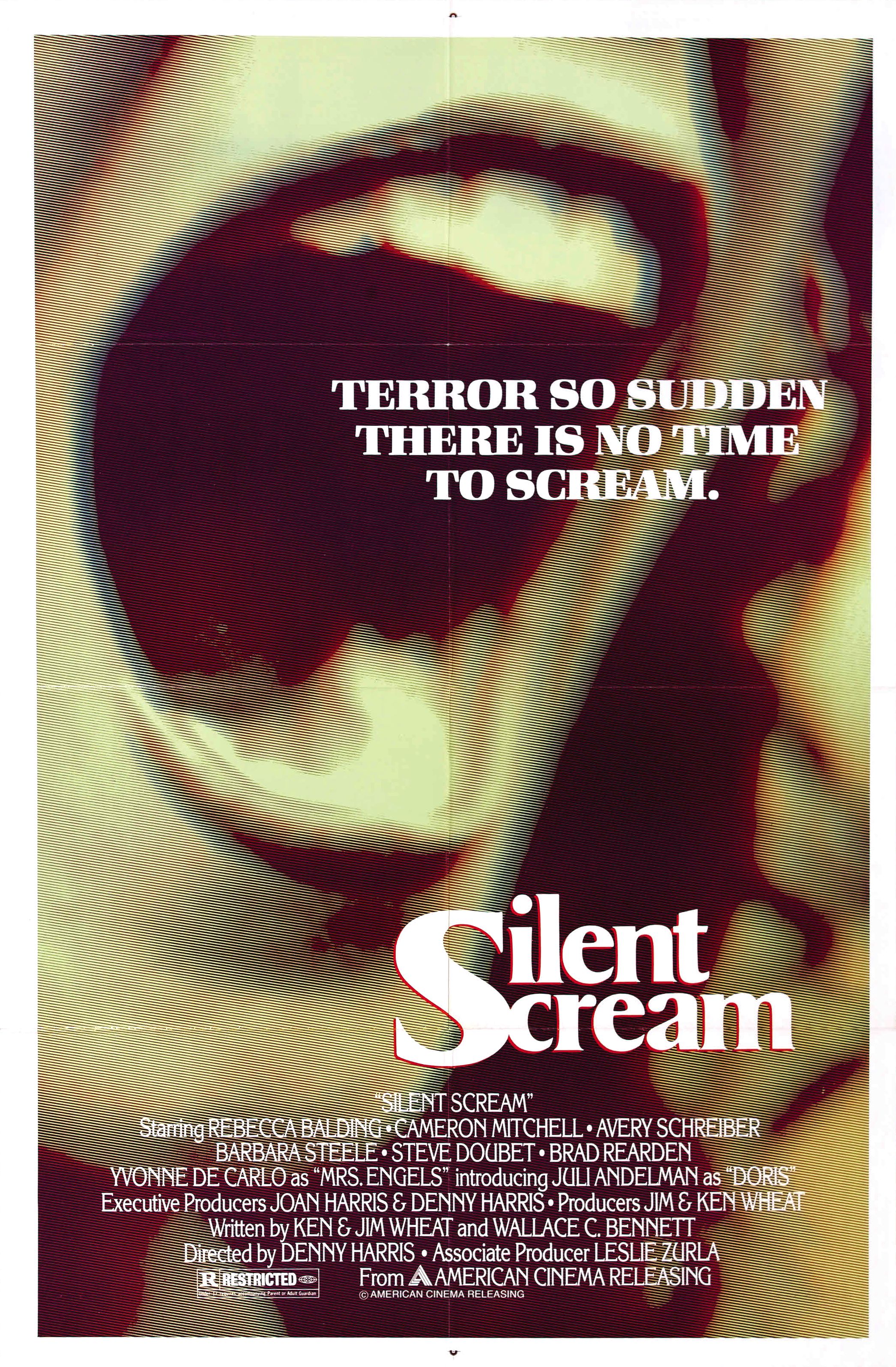
Silent Scream (1980)

Silent Scream (1980)

“I’m not a violent person by nature, but if there’s a room here I’m ready to fight for it!”

Synopsis:
A group of college students (Rebecca Balding, John Widelock, Juli Andelman, and Steve Doubet) living in a seaside house owned by an elderly woman (Yvonne De Carlo) and her teenage son (Brad Rearden) find their lives at risk when one of them is suddenly murdered on the beach.

Genres, Themes, Actors, and Directors:

  • Cameron Mitchell Films
  • Horror Films
  • Murder Mystery
  • Yvonne De Carlo Films

Review:
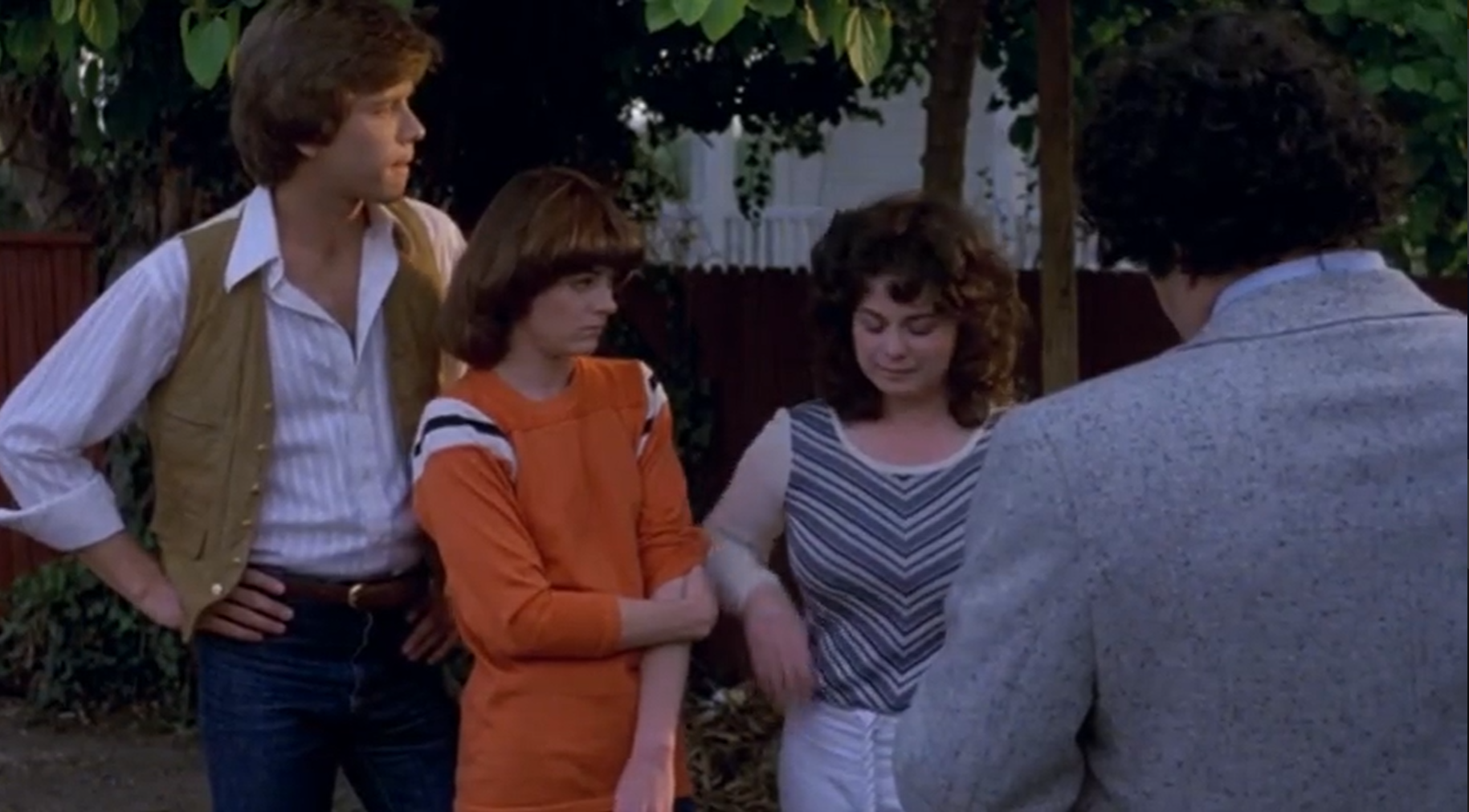
Shot before the release of Halloween in 1978 (but not shown in theaters until 1980), this sole directorial effort by Denny Harris remains a surprisingly effective early entry in the slasher genre. All the standard tropes of such a flick are on full display — including a nubile young romantic lead who has sex before putting herself in harm’s way (Balding is charismatic in the central role):

… an overtly annoying character who, naturally, is the first to bite the dust; several misleadingly creepy suspects; and all the false deaths and near misses you’d expect to see during the appropriately bloody denouement. Much of what takes place during the first hour of the film plays out in a strictly straightforward fashion — but it’s shot and acted with enough competence (i.e., there’s actually a modicum of “natural” rapport among the young college kids) to hold one’s interest with ease.

Suddenly, however, things take a turn for the enjoyably weird, and only the most hardened of viewers won’t be at least a little bit startled by what transpires from this point on. Recently released on DVD with boatloads of extras, the film seems to be developing a neo-cult by viewers who are pleasantly surprised to (re)discover it — especially given the critical appearance of an iconic horror star (CLICK FOR SPOILER) during the final half hour. But the less said about that, the better.

Redeeming Qualities and Moments:

  • A surprisingly effective slasher-thriller

Must See?
Yes, as an enjoyable early entry in this seminal cinematic genre.

Categories

Links:

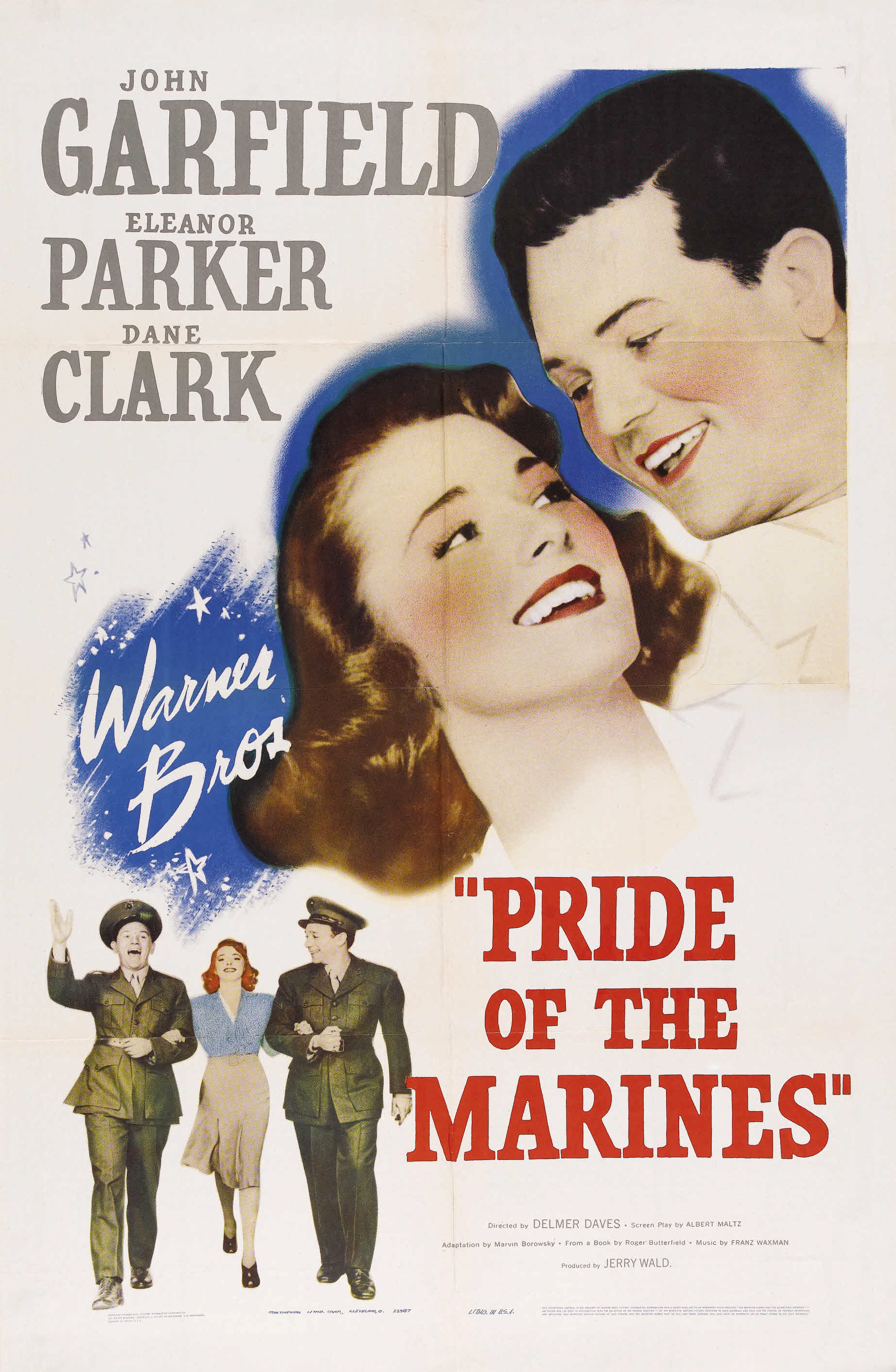
Pride of the Marines (1945)

Pride of the Marines (1945)

“I won’t have her being a seeing eye dog for me!”

Synopsis:
A Marine hero (John Garfield) wounded in battle is reluctant to return home to his fiancee (Eleanor Parker) and face a new life without sight.

Genres, Themes, Actors, and Directors:

  • Blindness
  • Delmer Daves Films
  • Eleanor Parker Films
  • John Garfield Films
  • Veterans
  • World War II

Review:
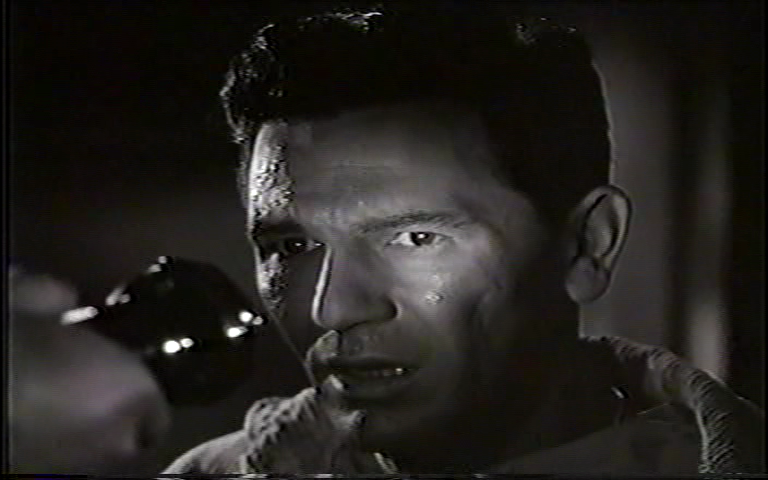
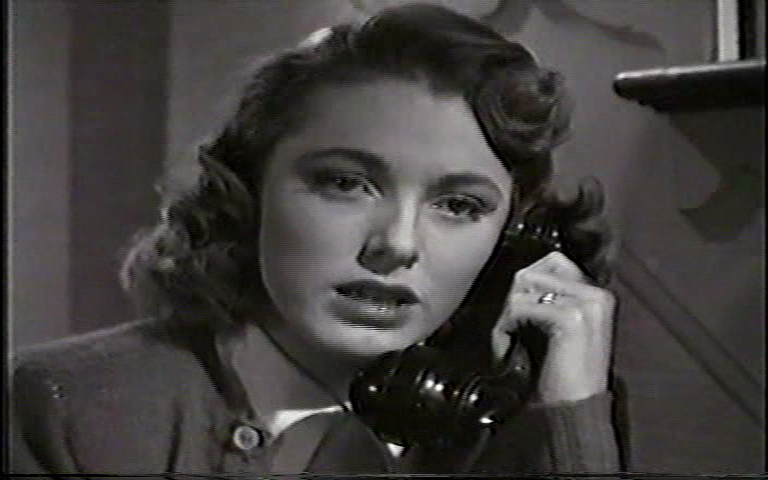
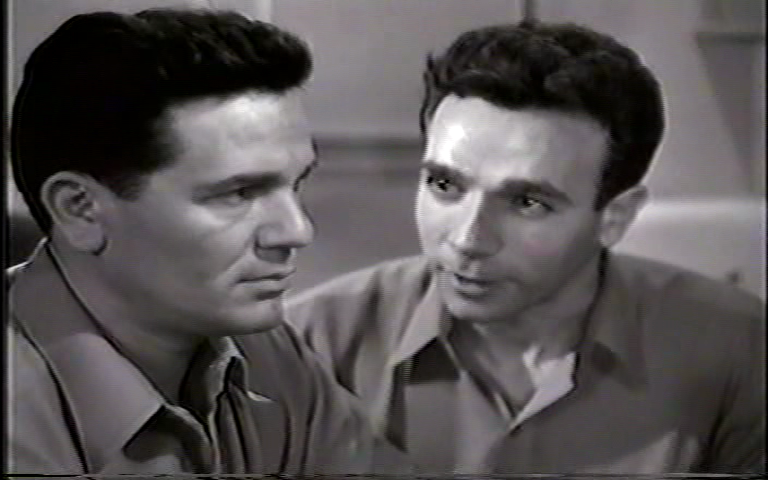
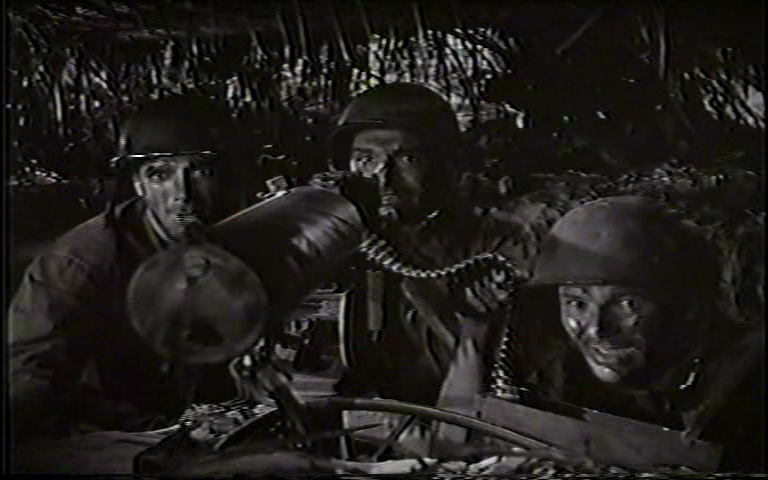
Based on the true story of Navy Cross-winning Marine Al Schmid, this powerful (anti-)war film — sensitively directed by Delmer Daves — afforded John Garfield one of his best starring roles. Other than the inclusion of one short but genuinely terrifying battle sequence (in which Schmid loses his sight), the film is primarily concerned with the lingering effects of war on wounded veterans — and while numerous other mid-century films (i.e., Fred Zinnemann’s The Men, and William Wyler’s The Best Years of Our Lives) did an equally fine job tackling this sensitive topic, Pride of the Marines remains a worthy entry in the limited genre. The screenplay (based closely on Schmid’s memoir) spends the entire first half-hour showing us Garfield’s courtship with Parker, firmly investing us in the idyllic life he leaves behind when he goes to war. We’re allowed ample opportunity to understand what a proud, self-determined man Schmid is — thus compounding his struggles to come to terms with his disability. Despite occasional lapses into overly patriotic banter (to be expected, given the time of the film’s release), this finely acted, little-seen movie is worth a look by all film fanatics.

Redeeming Qualities and Moments:

  • John Garfield as Al Schmid
  • Eleanor Parker as Ruthie
  • Dane Clark as Al’s fellow Marine, Lee
  • The terrifyingly realistic battle scene
  • Incisive (and occasionally surprisingly risque!) dialogue:

    “What’s the first thing you’re going to do when you get home, Bill?”
    “I think I’ll spend about three solid weeks just saying hello to my wife.”

Must See?
Yes, for Garfield’s fine central performance, and as an all-around powerful “war film”.

Categories

  • Good Show
  • Noteworthy Performance(s)

Links:

Go West (1940)

Go West (1940)

“Time wounds all heels.”

Synopsis:
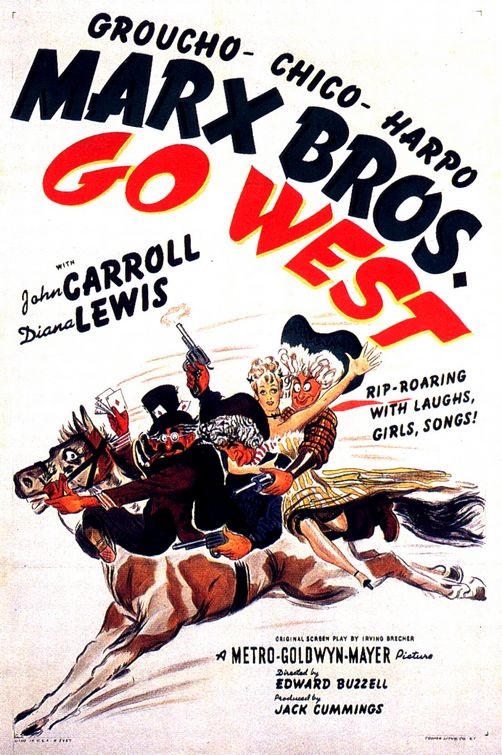
The grandfather (Tully Marshall) of a poor woman (Diana Lewis) hoping to marry her fiancee (John Carroll) gives his two fellow prospectors (Chico and Harpo Marx) a seemingly worthless deed, which is soon coveted by two evil railroad barons (Walter Woolf King and Robert Barrat) hoping to sell the land to the U.S. government for $50,000.

Genres, Themes, Actors, and Directors:

  • Comedy
  • Marx Brothers Films
  • Westerns

Review:
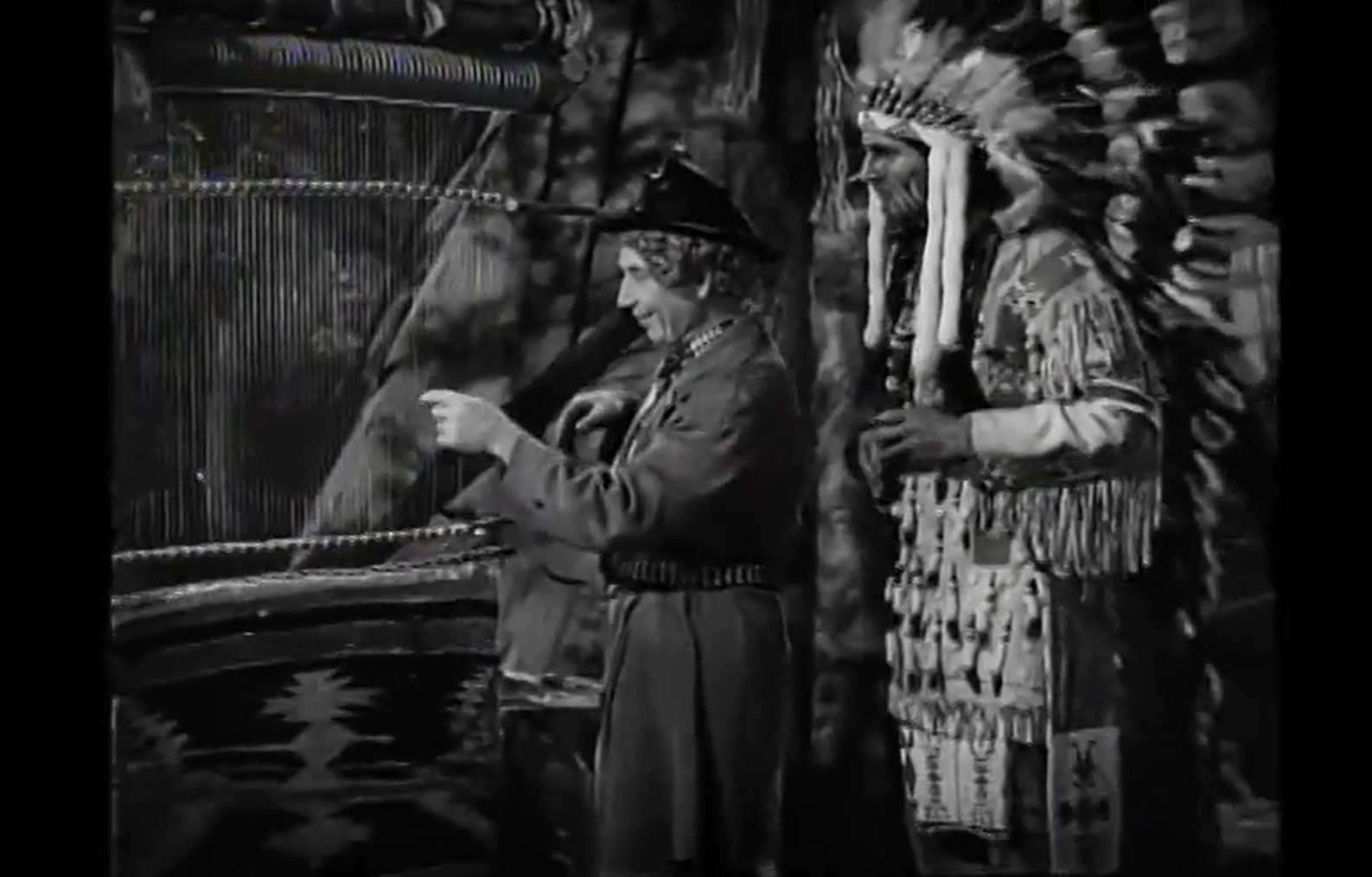
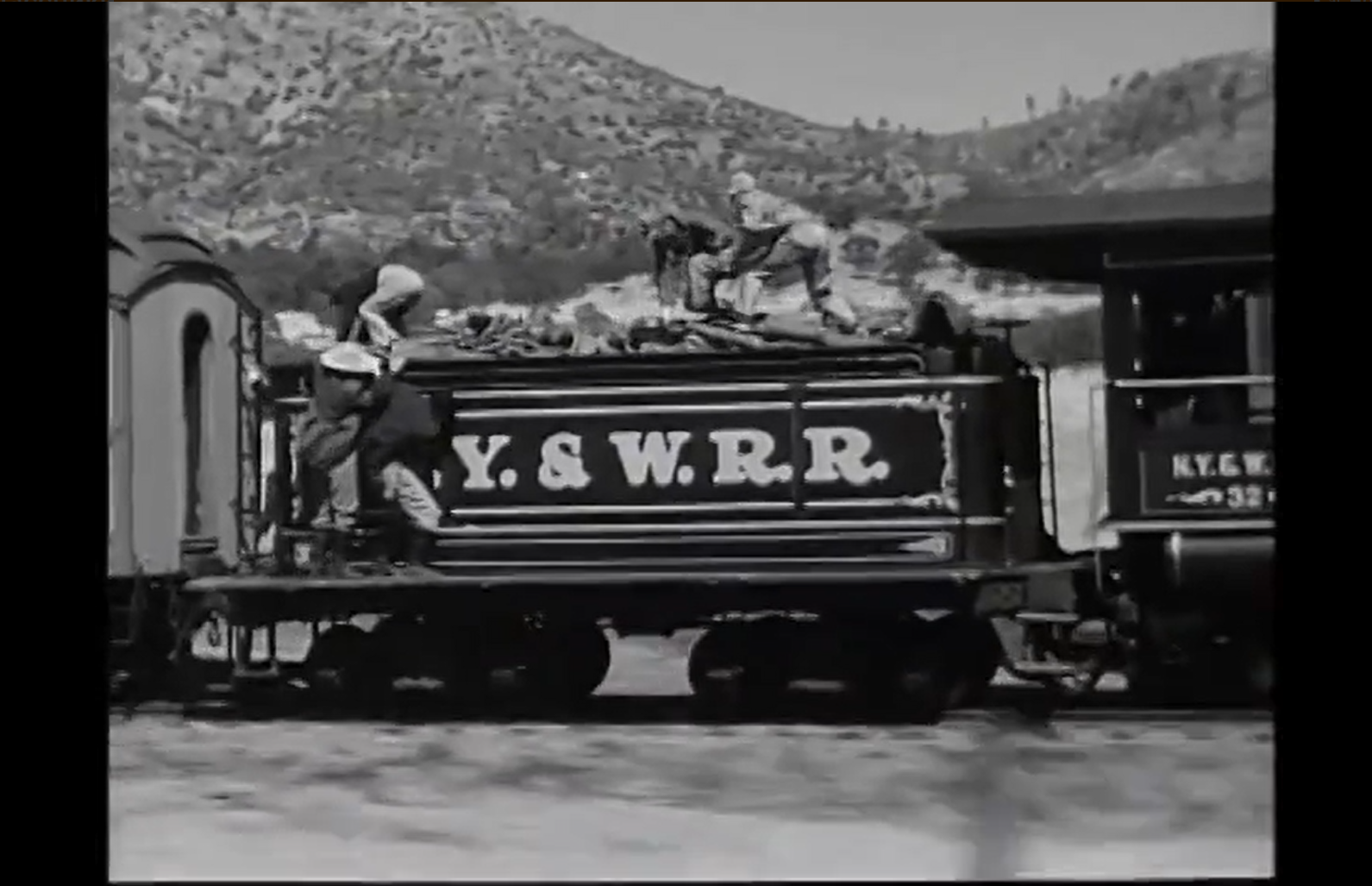
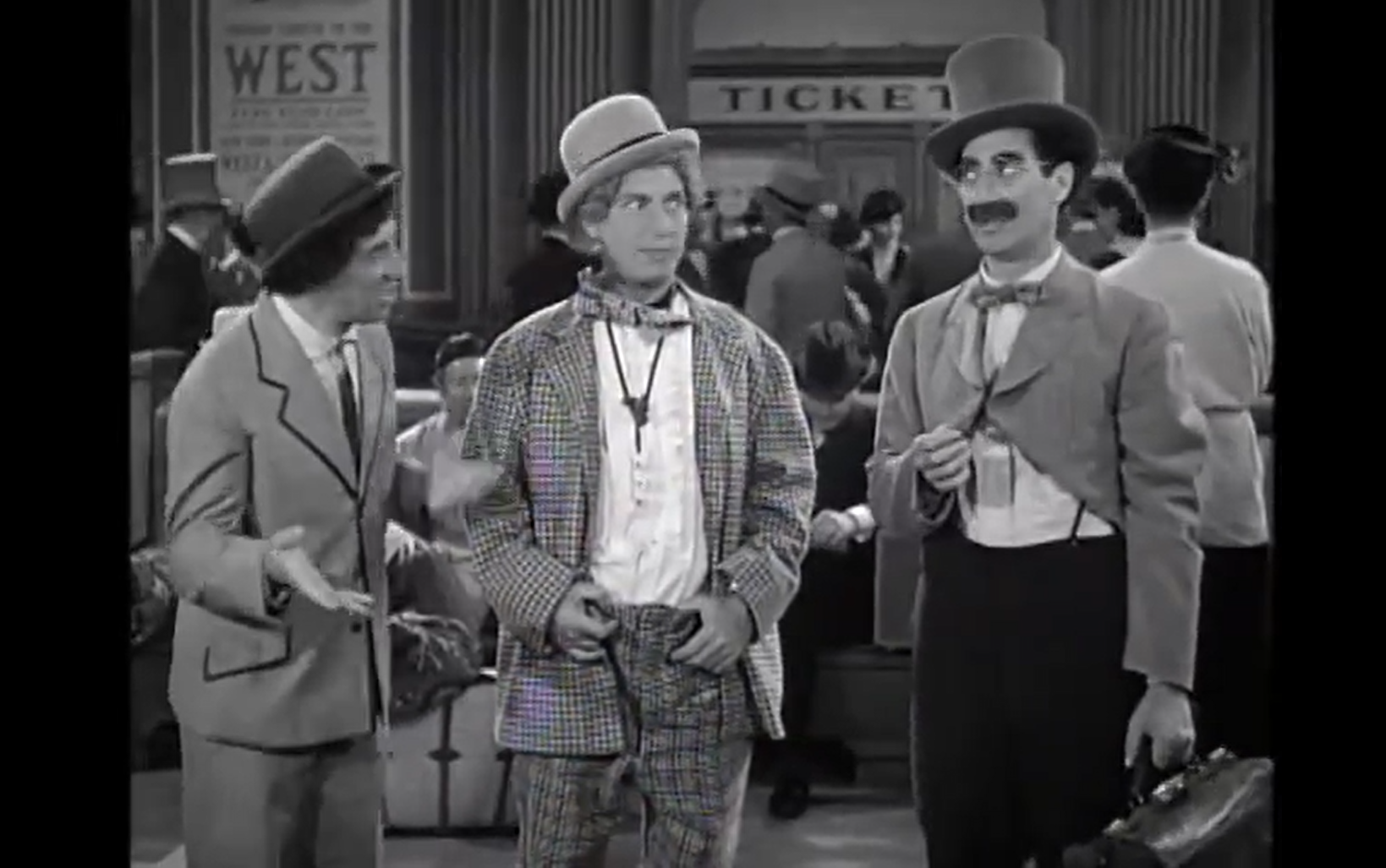
Other than the unusual late-career entry Love Happy (1949), Go West is the final Marx Brothers film listed in Peary’s book. [Fortunately, despite his completist tendencies, he omits the notorious Marxian clunkers The Big Store (1941) and A Night in Casablanca (1946).] As a standard vehicle for their talents, it’s certainly competent enough: by this point, audiences knew what to expect from a Marx Brothers film, and the western genre hadn’t yet been milked, so this was as good a choice as any for a setting. While there aren’t really any laugh-out-loud sequences, I did find it interesting to see how Harpo would manage to secure a “harp” in the Old West (he utilizes a Native American loom!):

— and there were enough witty verbal exchanges to keep me at least intermittently engaged. Note that the slapstick climax on board a train owes quite a bit to Buster Keaton’s The General (1926); indeed, Keaton actually served as an advisor on the film.

Redeeming Qualities and Moments:

Must See?
No, though naturally fans will want to check it out.

Links:

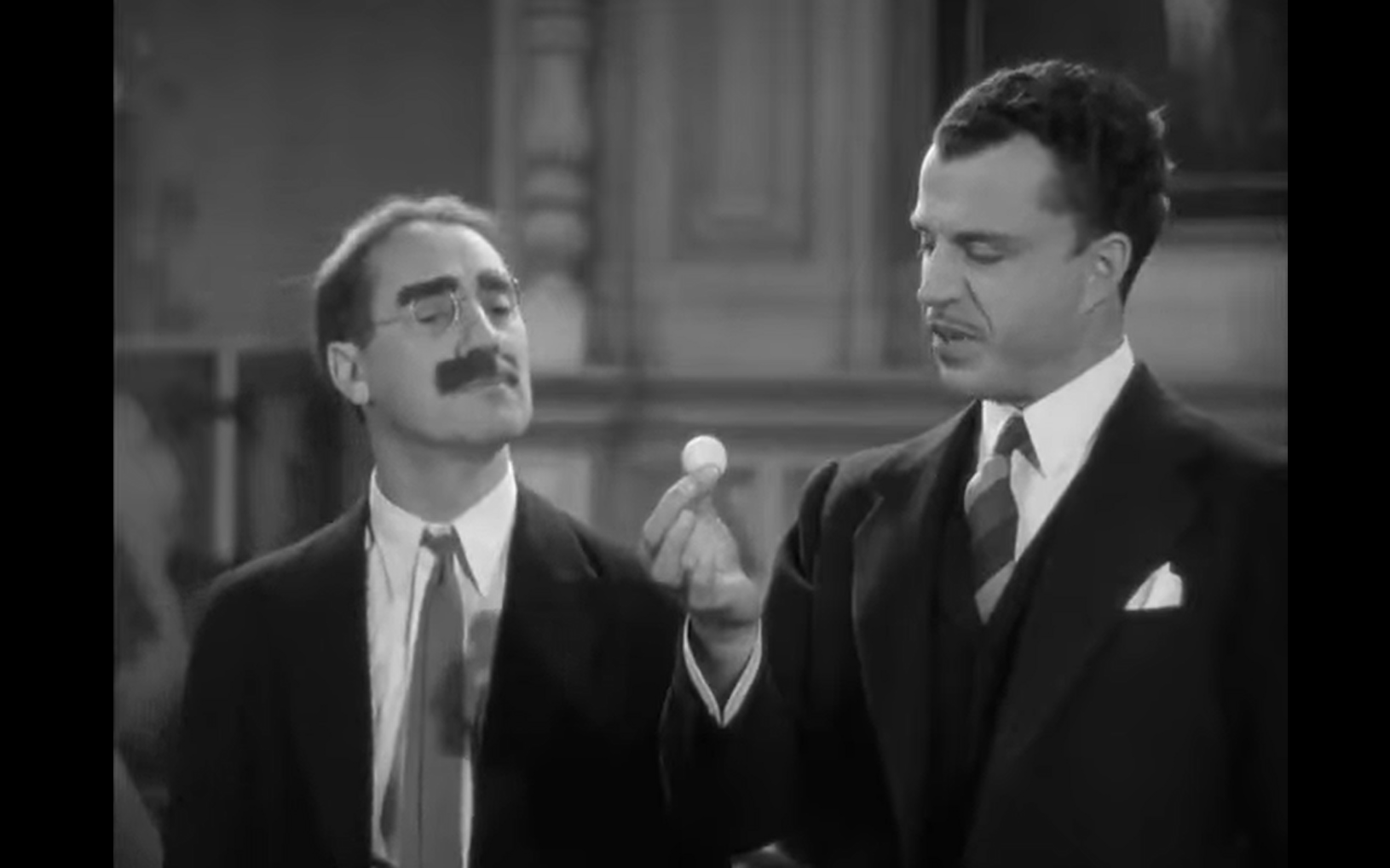
Day at the Races, A (1937)

Day at the Races, A (1937)

“I’ve got the most peculiar talents of any doctor you ever met.”

Synopsis:
The assistant (Chico Marx) to the owner (Maureen O’Sullivan) of a struggling sanitarium tries to help solicit much-needed funds by hiring a horse doctor (Groucho Marx) who a wealthy hypochondriac patient (Margaret Dumont) has a crush on. Meanwhile, O’Sullivan’s boyfriend (Allan Jones) buys a racehorse, hoping that a jockey (Harpo Marx) will ride him as a money-making winner at an upcoming race.

Genres, Themes, Actors, and Directors:

  • Comedy
  • Doctors and Nurses
  • Marx Brothers Films
  • Maureen O’Sullivan Films
  • Sam Wood Films

Review:
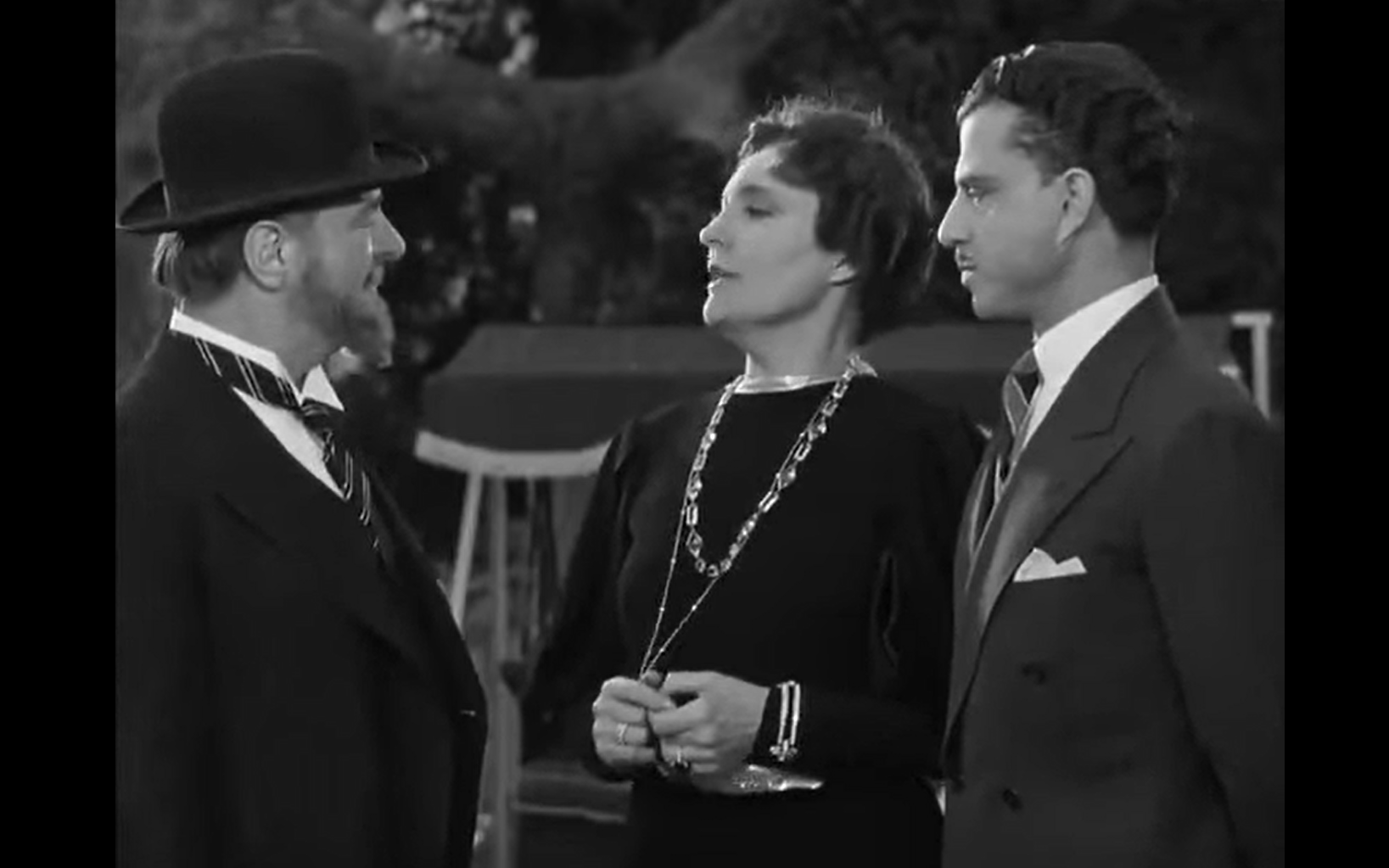
While this successful follow-up to A Night at the Opera is beloved by many (it was chosen by the American Film Institute as the 59th funniest American film), it nonetheless seems to subtly mark the beginning of the Marx Brothers’ decline as a comedic force to be reckoned with. Irving Thalberg (an enormous supporter of the brothers at their new home of MGM Studios) died suddenly during its production, and Groucho claimed to lose all interest in making films from this point forward — which can somehow be sensed here. All the right ingredients are certainly available, with plenty of humorously conceived interactions between the three brothers and their diverse supporting cast (including the “fifth Marx Brother”, stalwart Margaret Dumont):

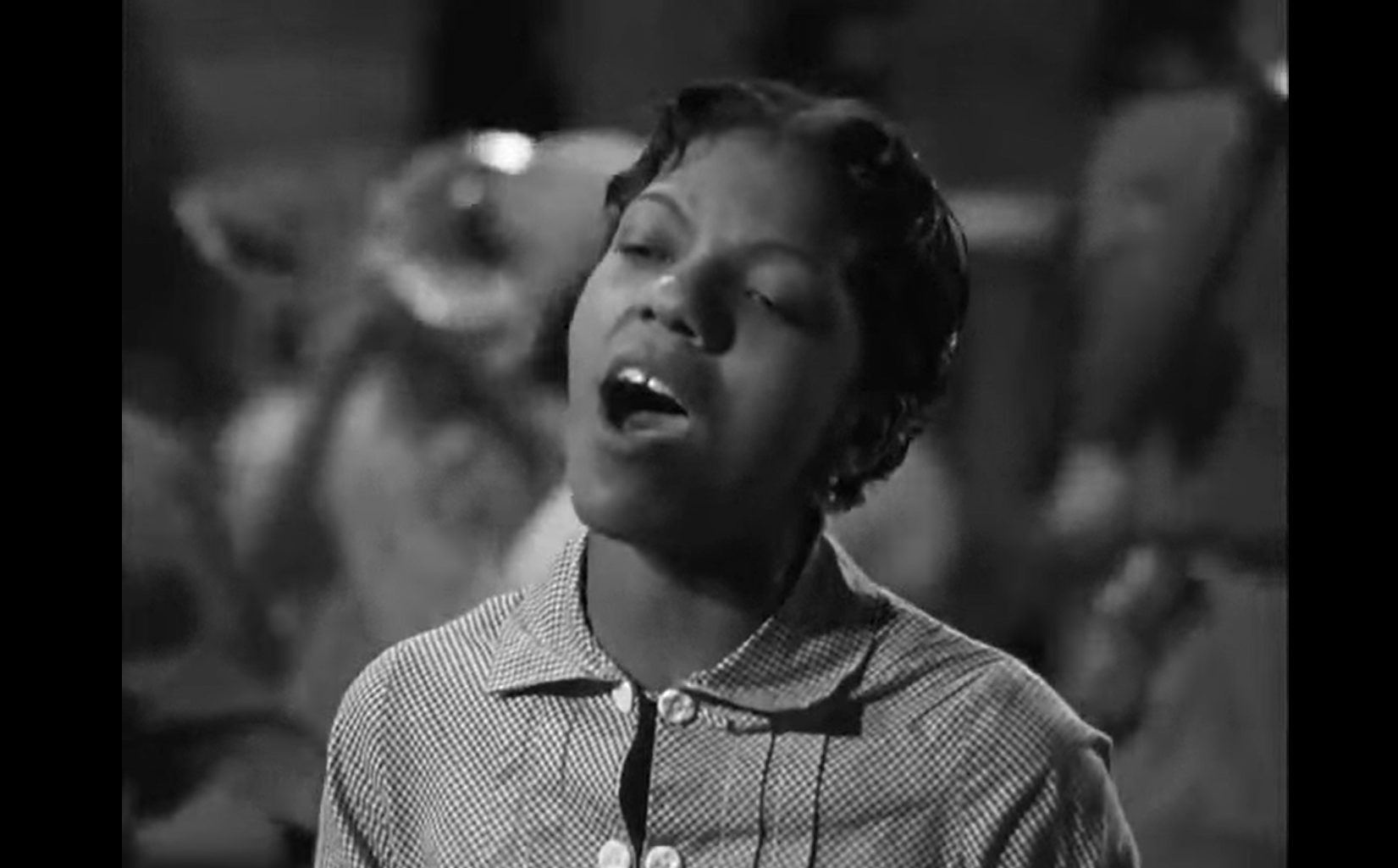
— but I simply didn’t find myself laughing out loud very often. Plus, at 111 minutes, the film definitely feels far too long, with numerous lengthy (and often tedious) musical dance sequences trying one’s patience. Interestingly, one such scene — in which Harpo plays a flute amidst a cast of African American stable hands (led by Ivie Anderson), singing “All God’s Chillun Got Rhythm”:

— was actually nominated for an Academy Award for Best Dance Direction, and the dancing is impressive (as long as you can get past the painfully commonplace stereotypes presented).

Redeeming Qualities and Moments:

  • Plenty of humorous situations, dialogue, and one-liners:

    Whitmore: Do you actually give those to your patients? isn’t that awfully large for a pill?
    Dr. Hackenbush: Well, it was too small for a basketball, and I didn’t know what to do with it. Say, you’re awfully large for a pill yourself!

Must See?
No, though of course it’s worth a look. Listed as a Personal Recommendation in the back of Peary’s book.

Links: