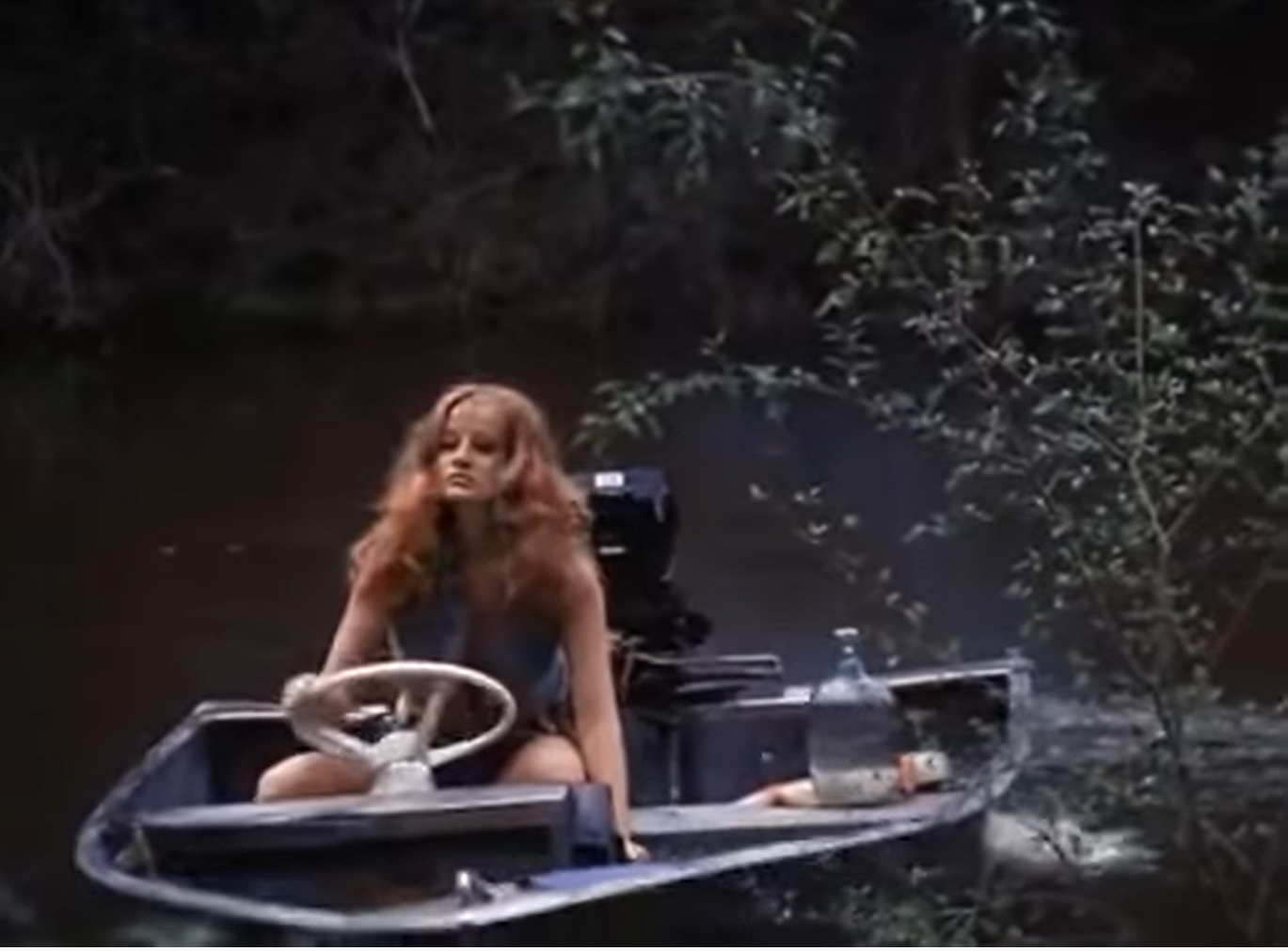
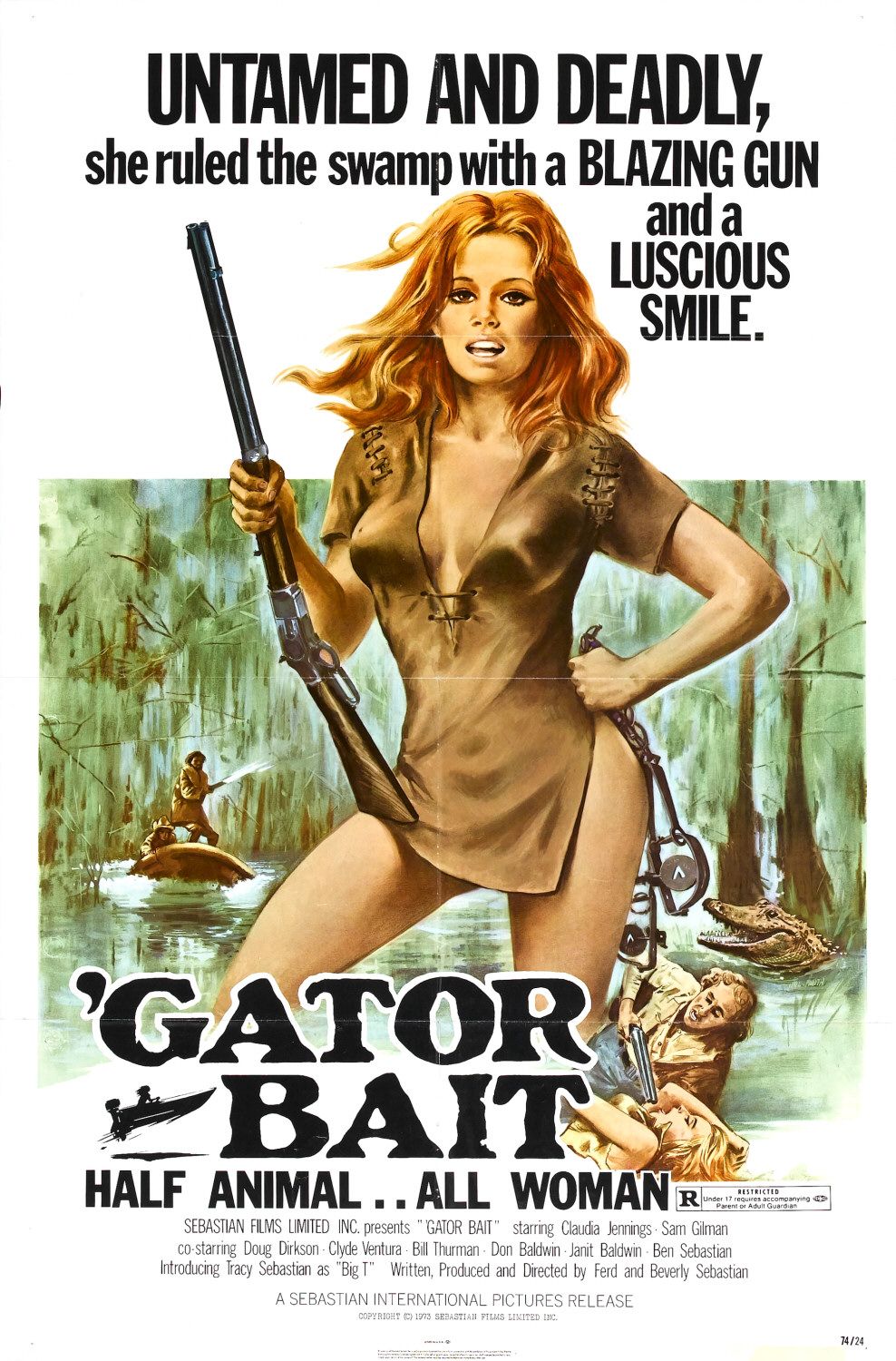
‘Gator Bait (1974)
“Ain’t much different killin’ gators and killin’ coonies — just messier, that’s all.”
Responses to Peary’s “must see” movie reviews, as well as my own “must see” movie reviews up to and after 1986 (when Peary’s book was published).
“Ain’t much different killin’ gators and killin’ coonies — just messier, that’s all.”
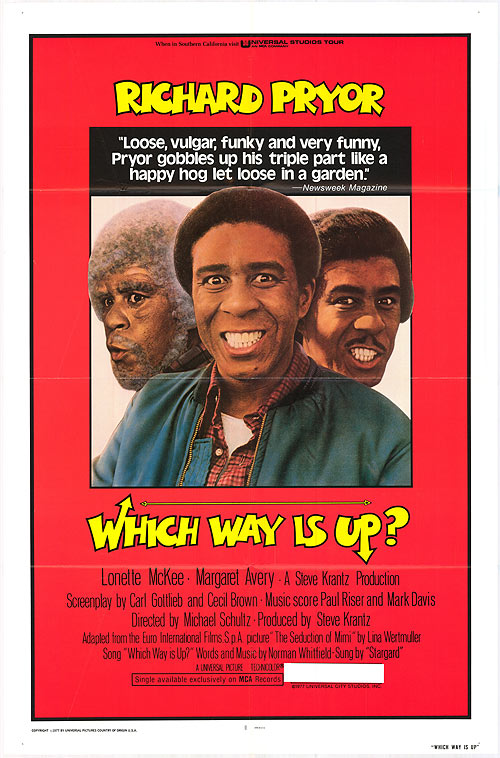
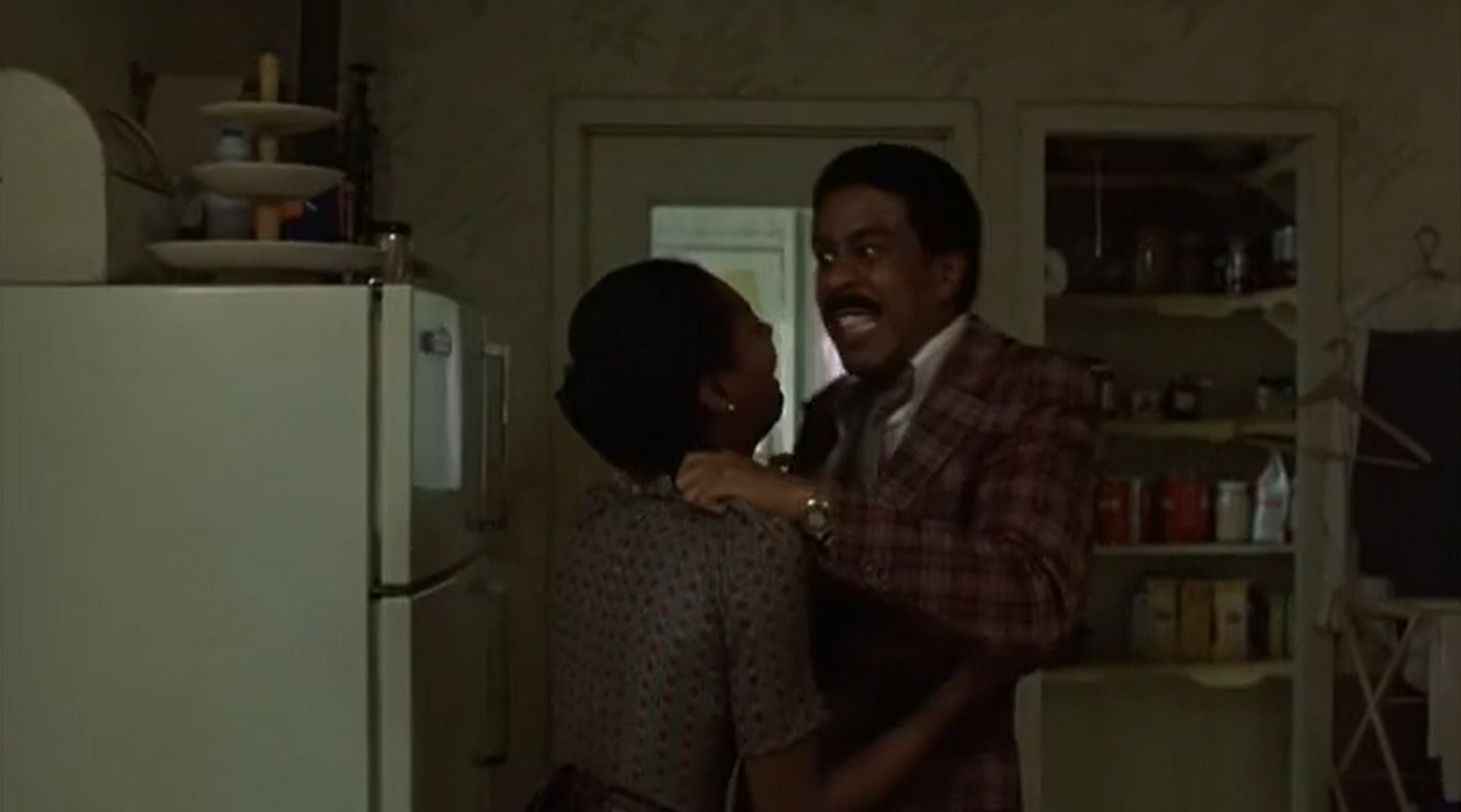
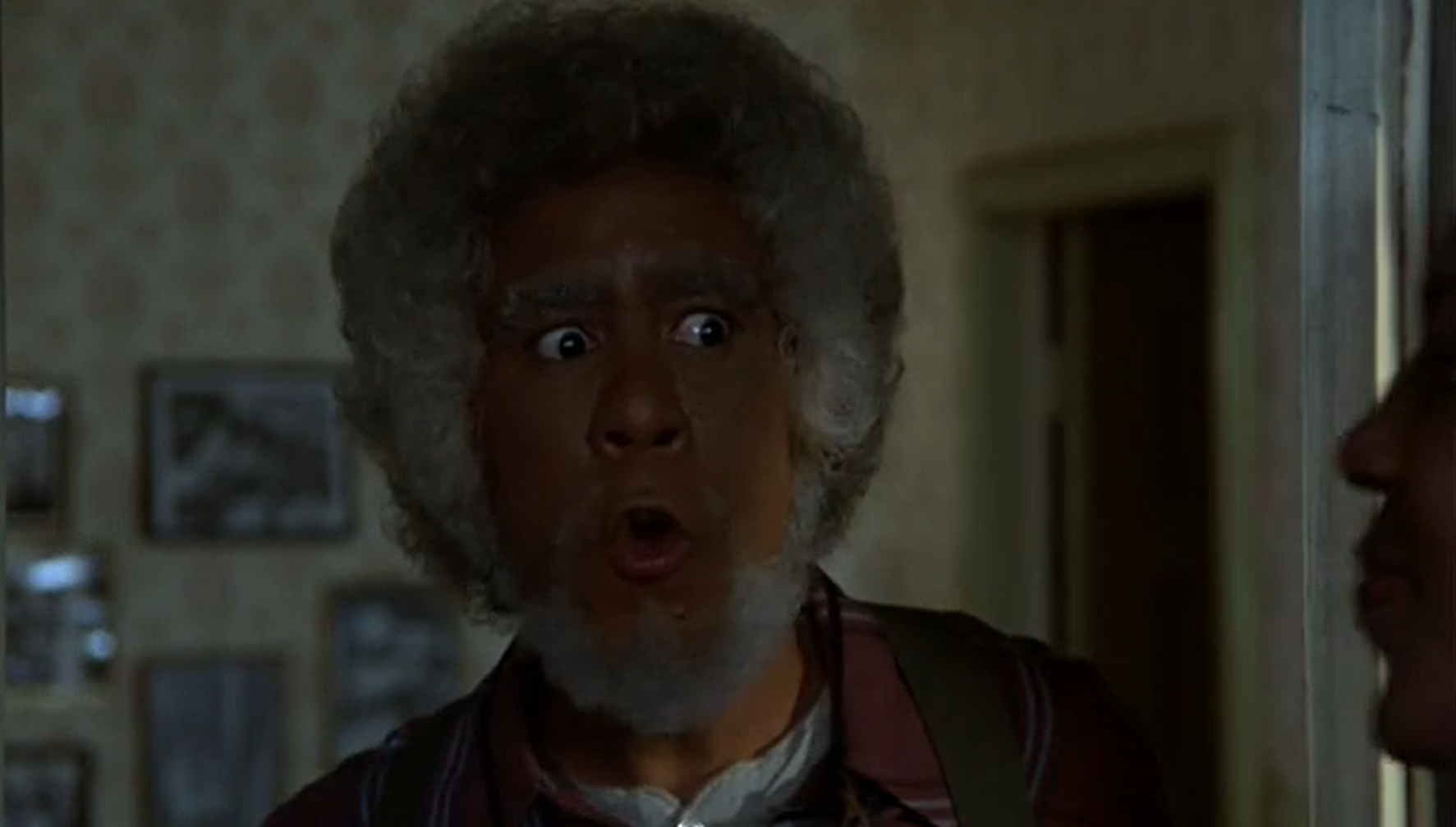
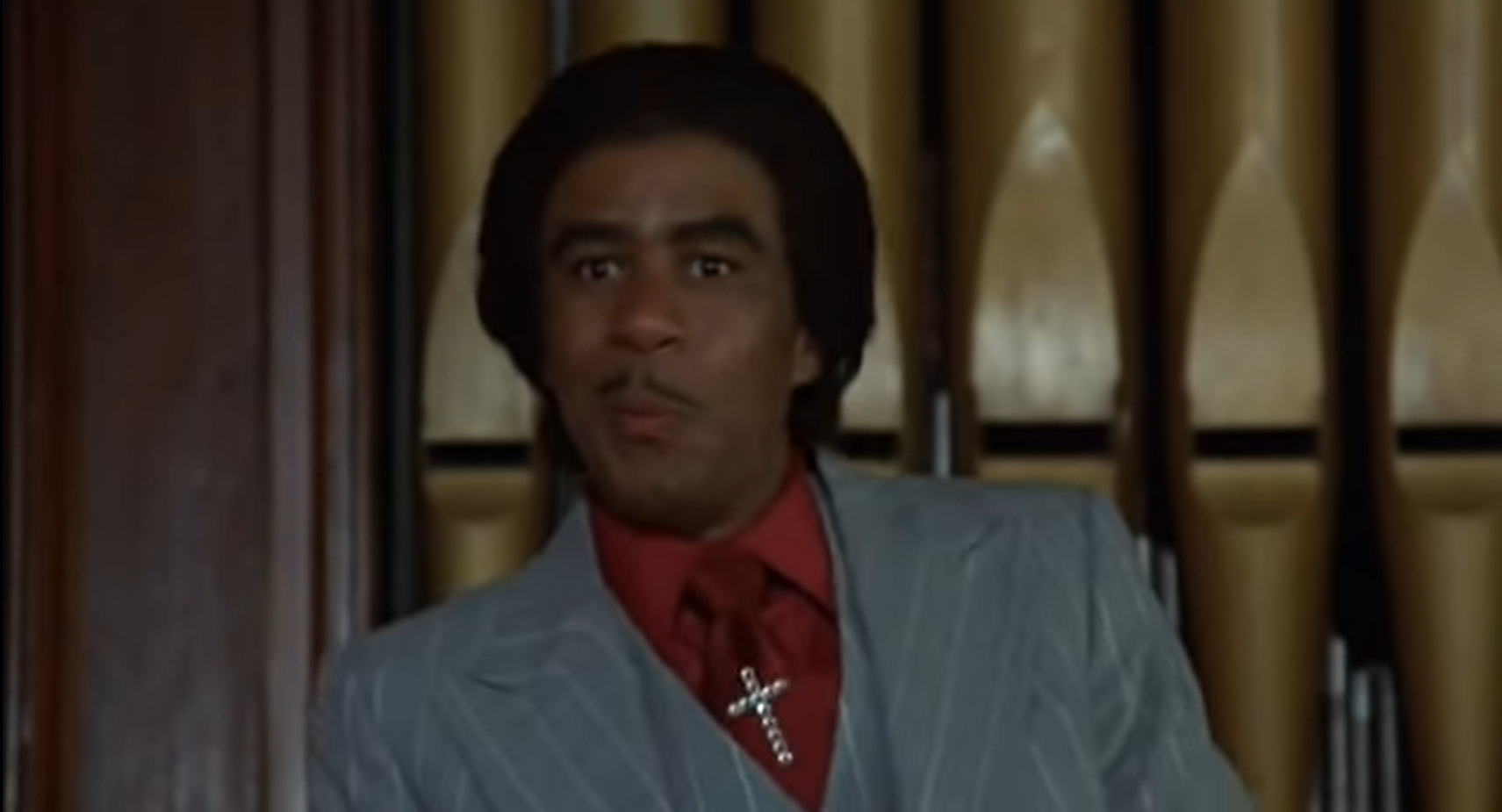
“Which way is up, sucker? You forget who you are and where you came from?”
|
Synopsis: |
|
Genres, Themes, Actors, and Directors:
Review: There is little incentive to care about the central protagonist’s travails, and the screenplay simply reinforces racial stereotypes through profanity and caricatures. It’s hard to see what appealed to Pryor about this one, other than the chance to bed several beautiful women onscreen and inhabit multiple roles a la Eddie Murphy (who was much more skilled at this). Skip it. Redeeming Qualities and Moments: Must See? Links: |
Click here for a podcast interview in which Danny Peary talks about his film review career (including writing this book) for 2.5 hours. It’s very informative!
Filmfanatic.org is mentioned at 2:06:40.
Speaking of that — since launching this site in 2006, I’ve written 2,231 reviews of titles in GFTFF (1,327 from the back of the book, 904 from the front) — which means I’m more than halfway through!
Only 12 more years and I’ll have covered everything.
It’s been a fun journey and I look forward to many more years of viewing and reviewing!
– Sylvia (FilmFanatic)
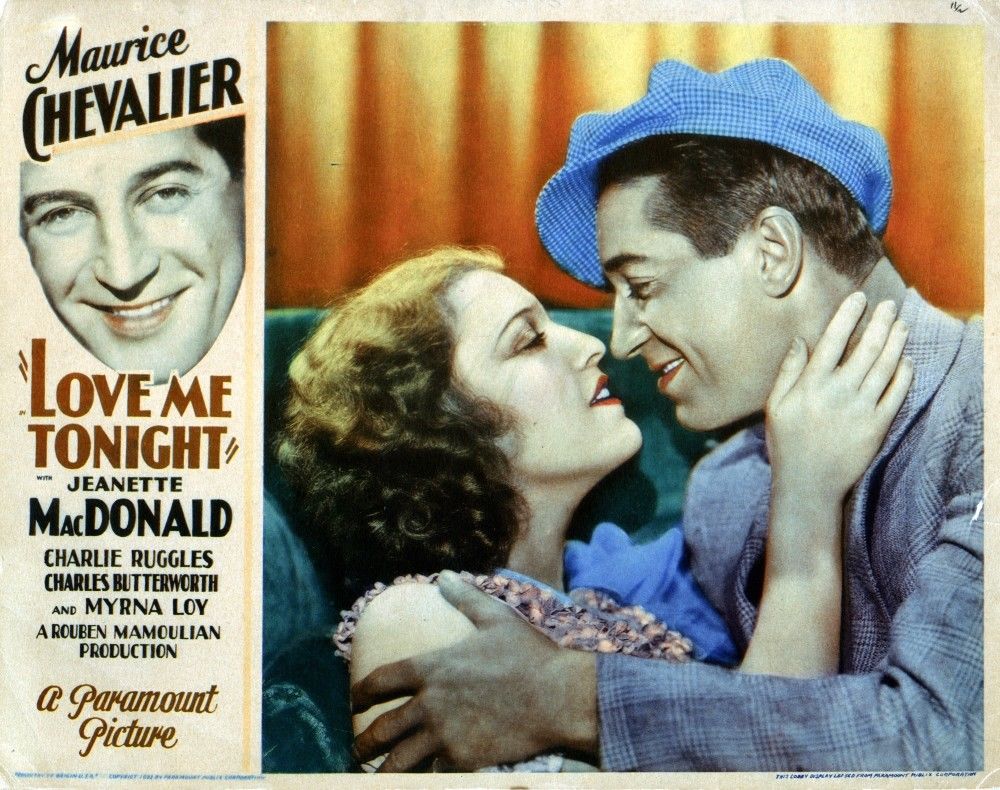
“Nothing could be commoner than a commoner who’s a tailor!”
|
Synopsis: |
|
Genres:
Review:
Meanwhile, during the iconic ditty “Isn’t it Romantic?”, Chevalier sings:
Later, as Princess Jeanette is wooed by a dogged but boring older suitor (Charles Butterworth), double-entendres and word-play abound:
And so on and so on; the script and lyrics are chock-a-block full of amusing sexual inferences and references. The film is also visually innovative throughout. As noted by DVD Savant:
Definitely check this one out; it’s my favorite Chevalier-MacDonald film by far. Redeeming Qualities and Moments:
Must See? Categories (Listed in 1001 Movies You Must See Before You Die) Links: |
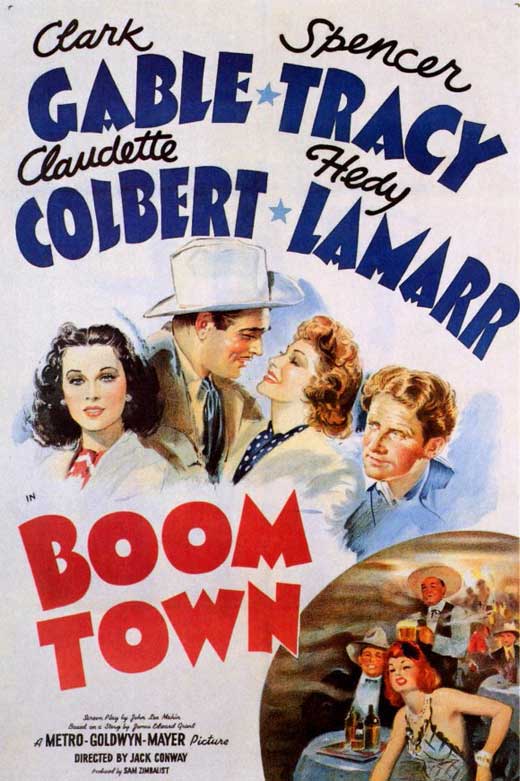
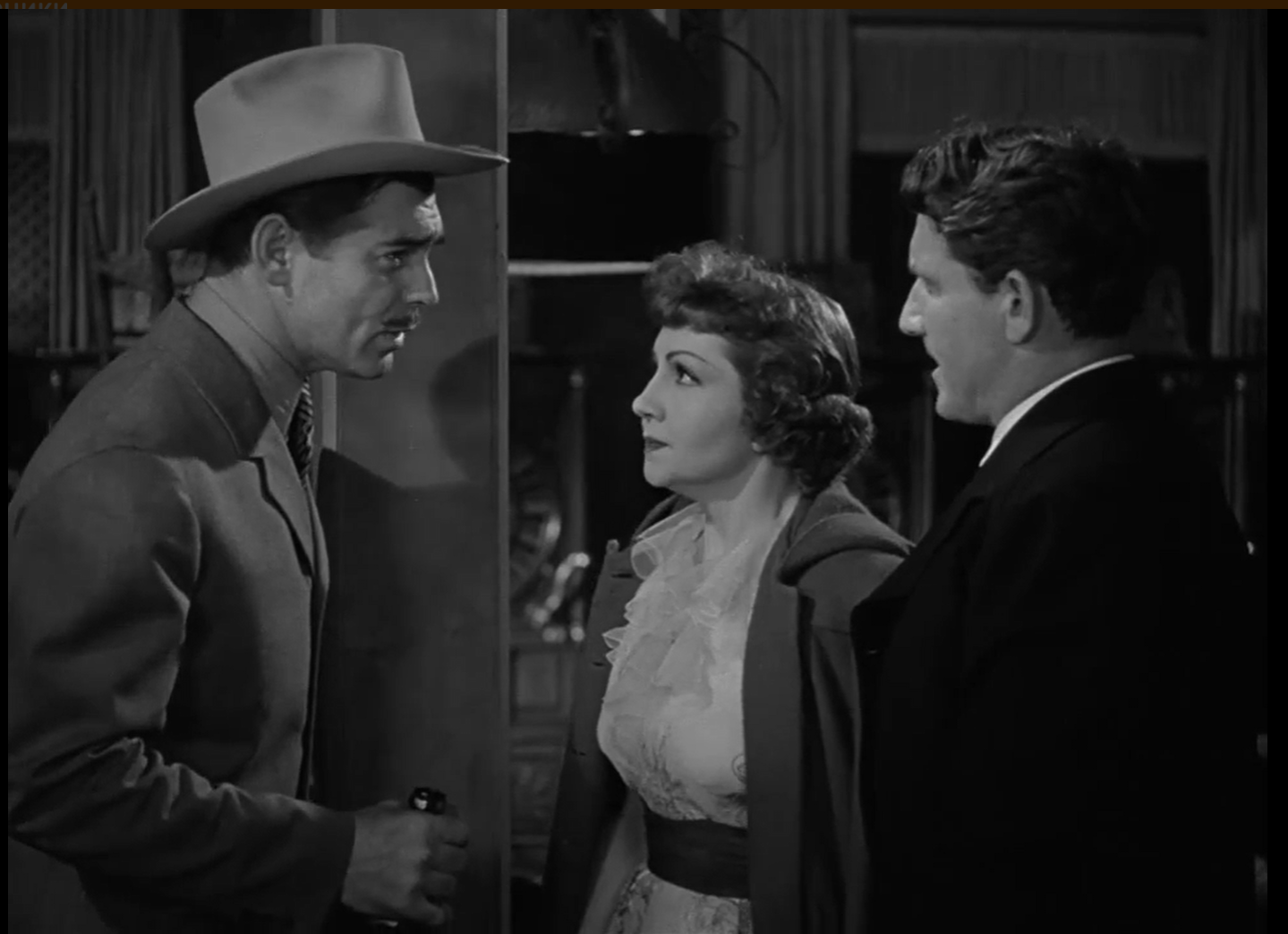
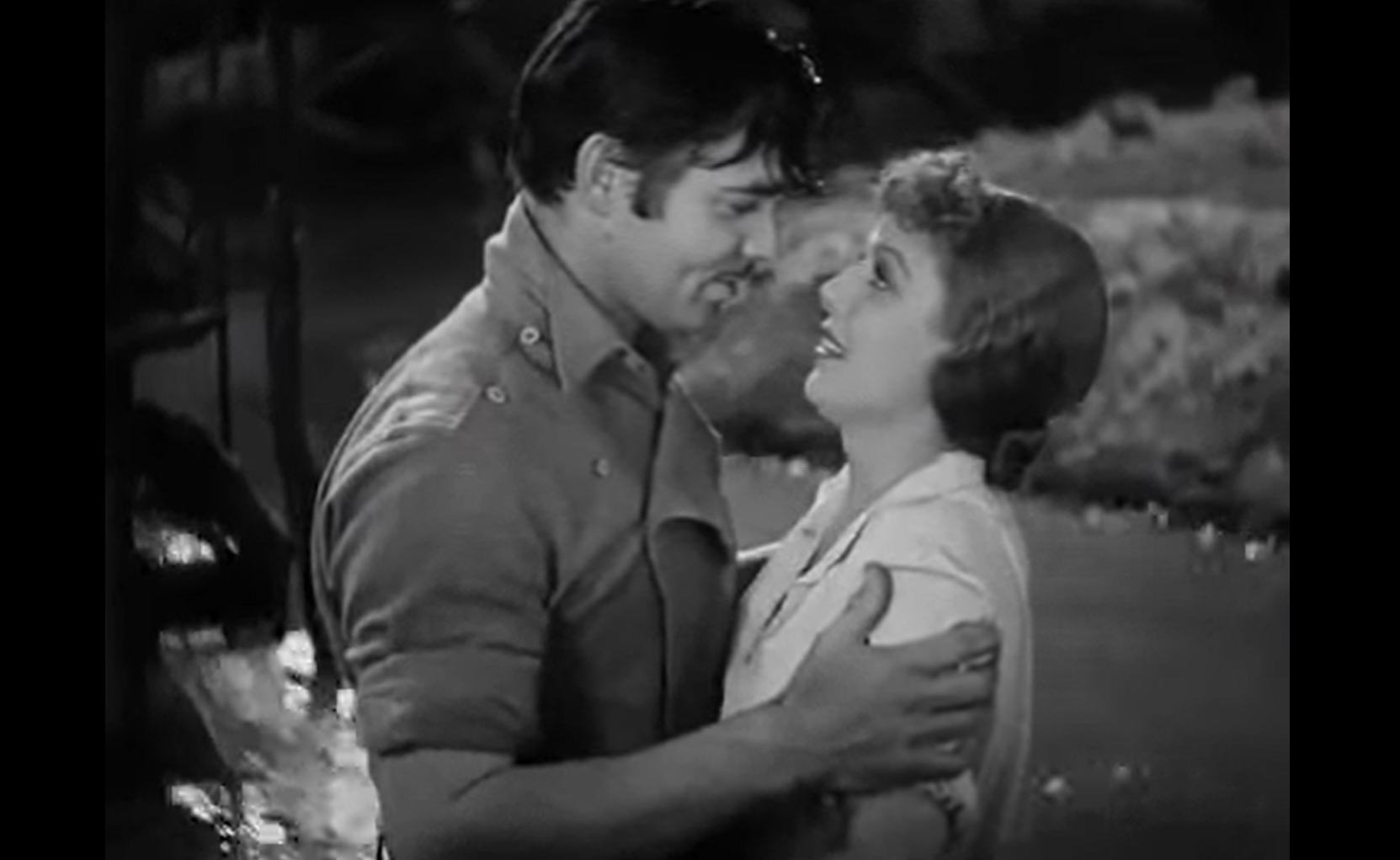
“You’re my girl, see? And you always will be — even if I have to lick you to prove it.”
|
Synopsis: |
|
Genres:
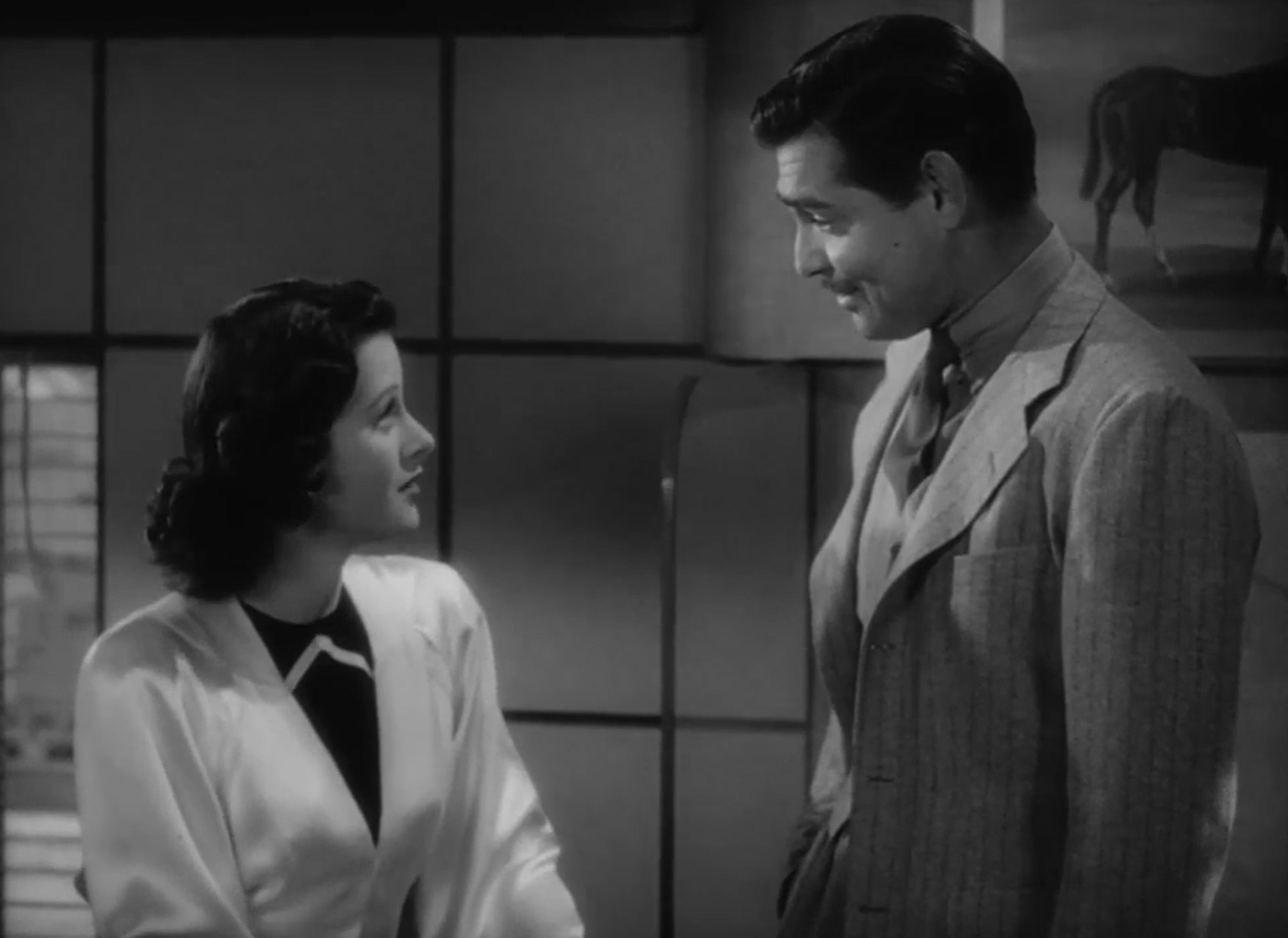
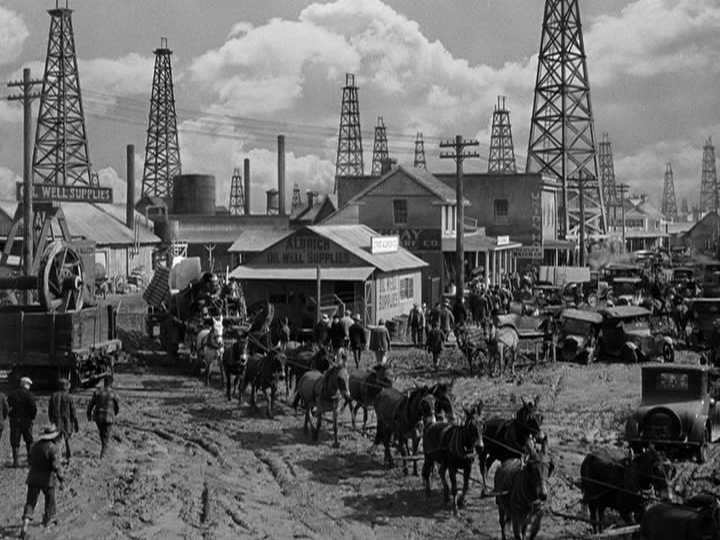
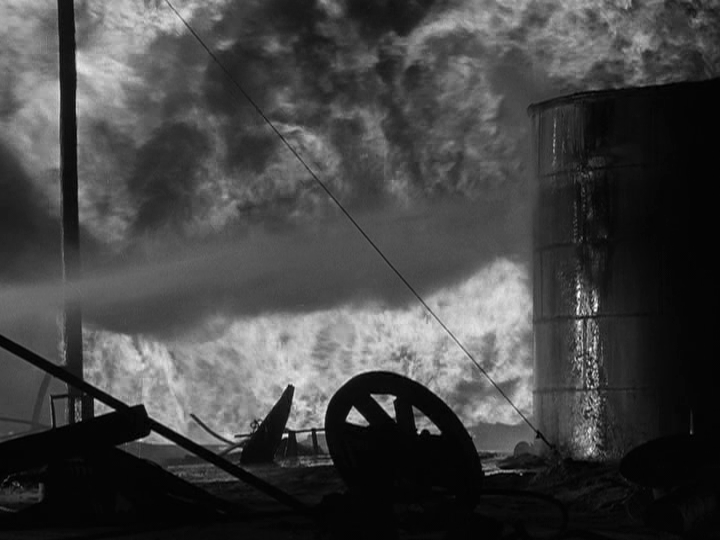
Review: Lamarr is beautiful eye candy as the primary rival for Gable’s affections: … and Frank Morgan plays a spluttering equipment financier whose loyalties waver as often as his clients’ fortunes. The most engaging scenes in this flick are those of oil fires raging away — yikes! Note: If this subject interests you at all, be sure to check out the 1992 Pulitzer Prize winning book The Prize: the Epic Quest for Oil, Money, and Power, which was turned into an 8-hour miniseries documentary that is well worth watching. Redeeming Qualities and Moments: Must See? Links: |
“We can’t turn back — we’re blazing a trail that started in England.”
|
Synopsis: |
|
Genres:
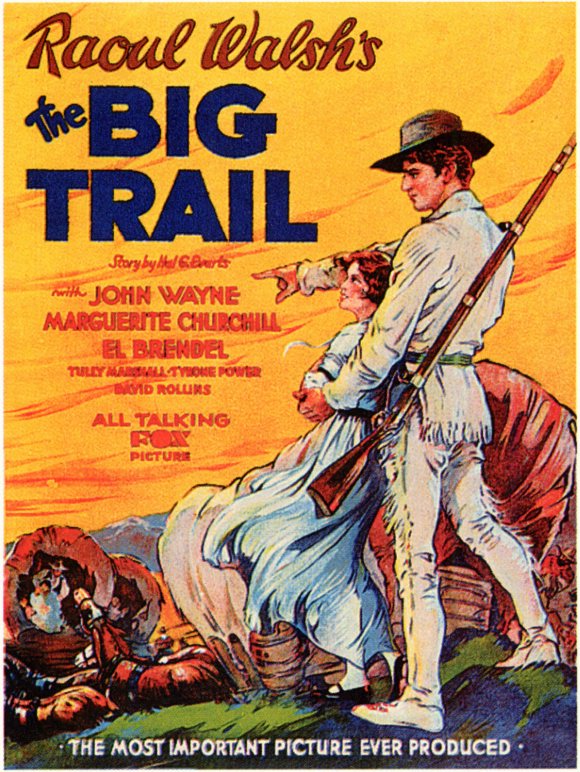
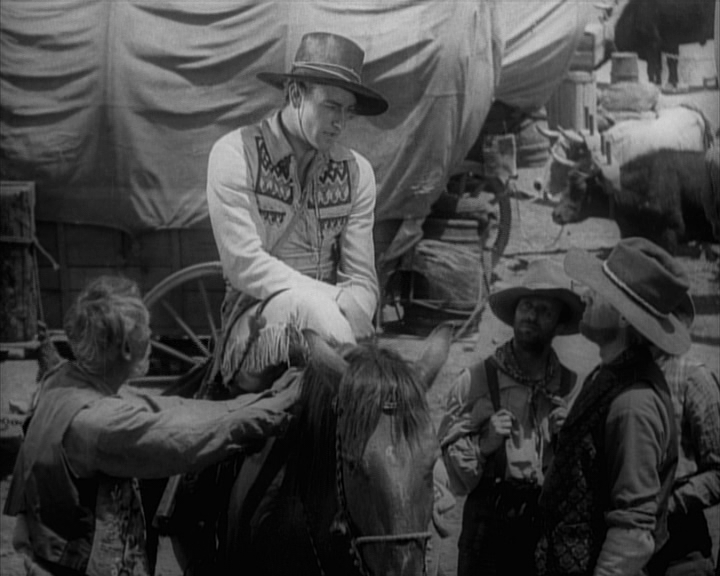
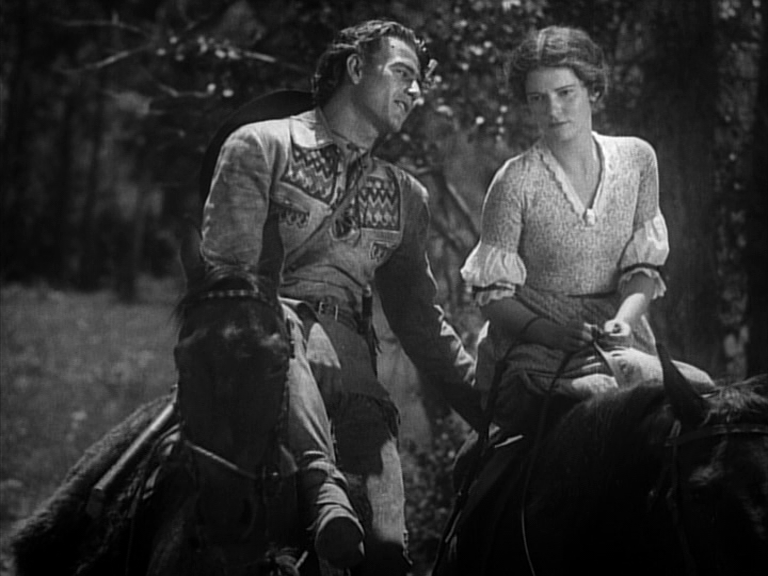
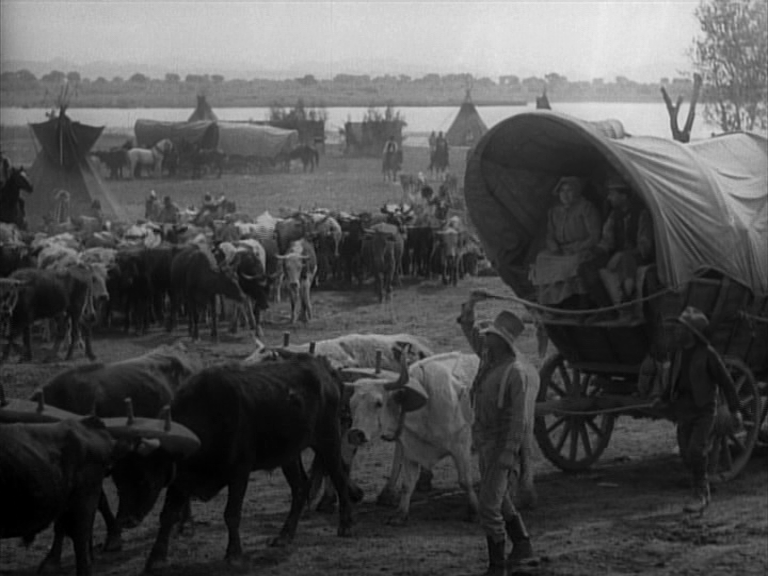
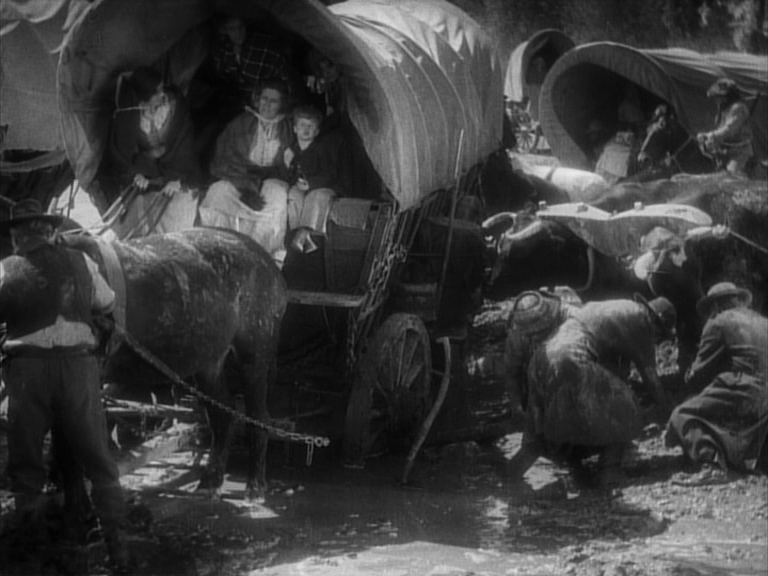
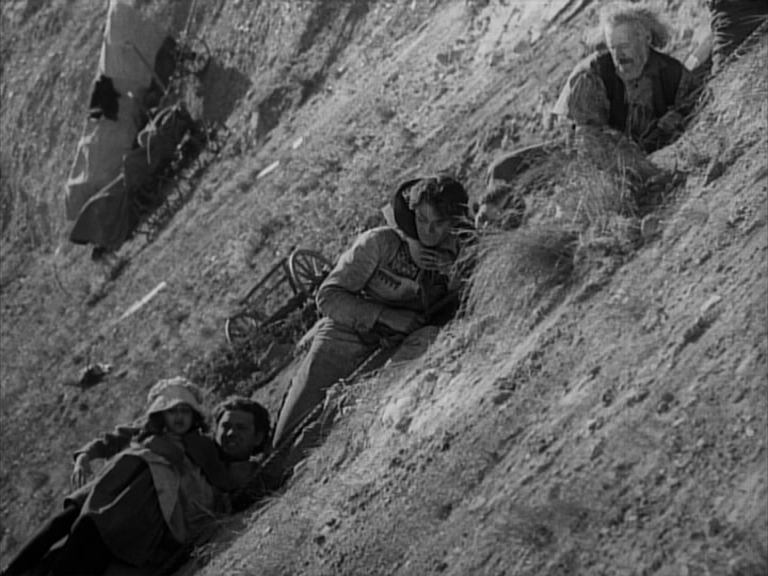
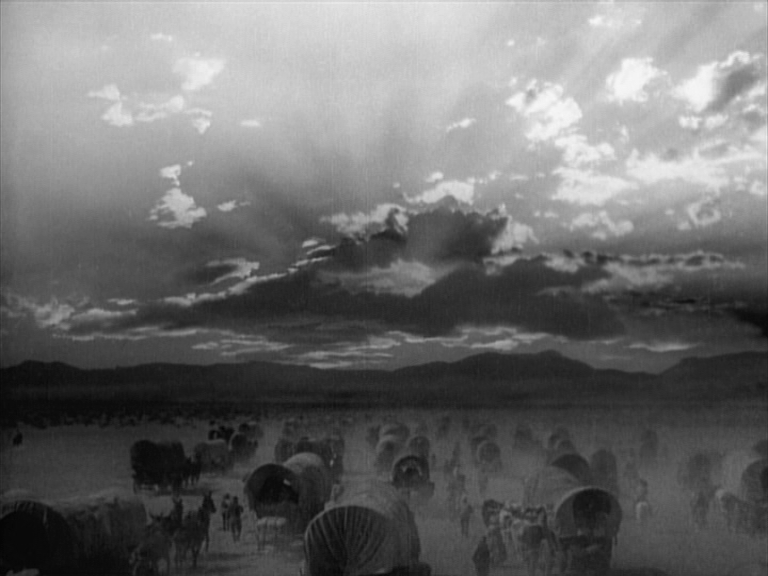
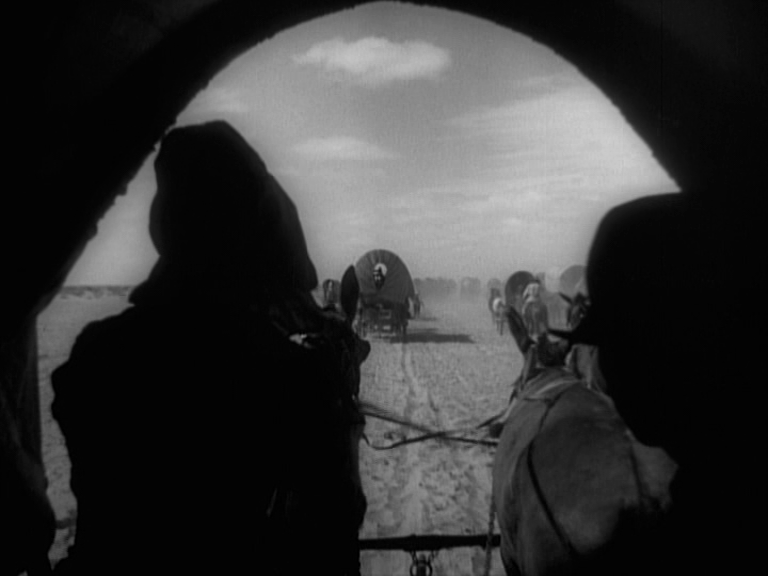
Review: … and for being shot in an experimental wide-screen process known as Grandeur 70. As an impressive recreation of the challenges of westward expansion, it visually rivals The Covered Wagon (1923); but its narrative is too cliched to maintain substantial interest. Power’s identity as The Baddie is not only revealed early on, but entirely foreseeable give his over-the-top performance: … and Wayne’s romancing of Churchill (who’s offended by his accidental kiss of her early on, and can’t seem to let that go) is similarly predictable. The best scenes are those showcasing the numerous perils faced by the intrepid settlers; the worst are those featuring “comic relief” El Brendel as a Swede terrorized by his menacing mother-in-law (Louise Carver). Redeeming Qualities and Moments: Must See? Links: |
“In the old days, we had one important rule: get there.”
“As far as they’re concerned, I’m hanging by the neck already!”
|
Synopsis: |
|
Genres:
Response to Peary’s Review: Sadly, I disagree on all counts. Lane’s performance comes across as poorly directed: … and the outcome of nearly every scene is predictably telescoped; as noted in the original New York Times review by Frank Nugent, “It’s not even fun anymore, outguessing the script” of a film which lies in “an apparently interminable line of melodramas about the fate-dogged boys from the wrong side of the railroad tracks.” Several key factors play against the film’s success. First, Garfield has a chip on his shoulder from the get-go: we never have a chance to see him as anything but a bitterly doomed protagonist who can’t seem to avoid fighting at the worst times. Meanwhile, the world Garfield and Lane inhabit is too neatly black-and-white, with most primary characters either out to get the couple, or convinced they’re just a plucky pair needing a decent job. Most egregiously, there’s no way Garfield and Lane would or could have a chance at marital bliss once they initially run away from the law; I know this was a different era, but isn’t it inevitable they’ll be found? The most labored scene shows Lane attempting to strike out on her own due to the sheer exhaustion of being on the lam, only to realize within a few minutes that being with Garfield is worth it no matter what (though nothing has changed about their circumstances). Call me a sourpuss, but I wasn’t engaged by this one at all. Redeeming Qualities and Moments: Must See? Links: |
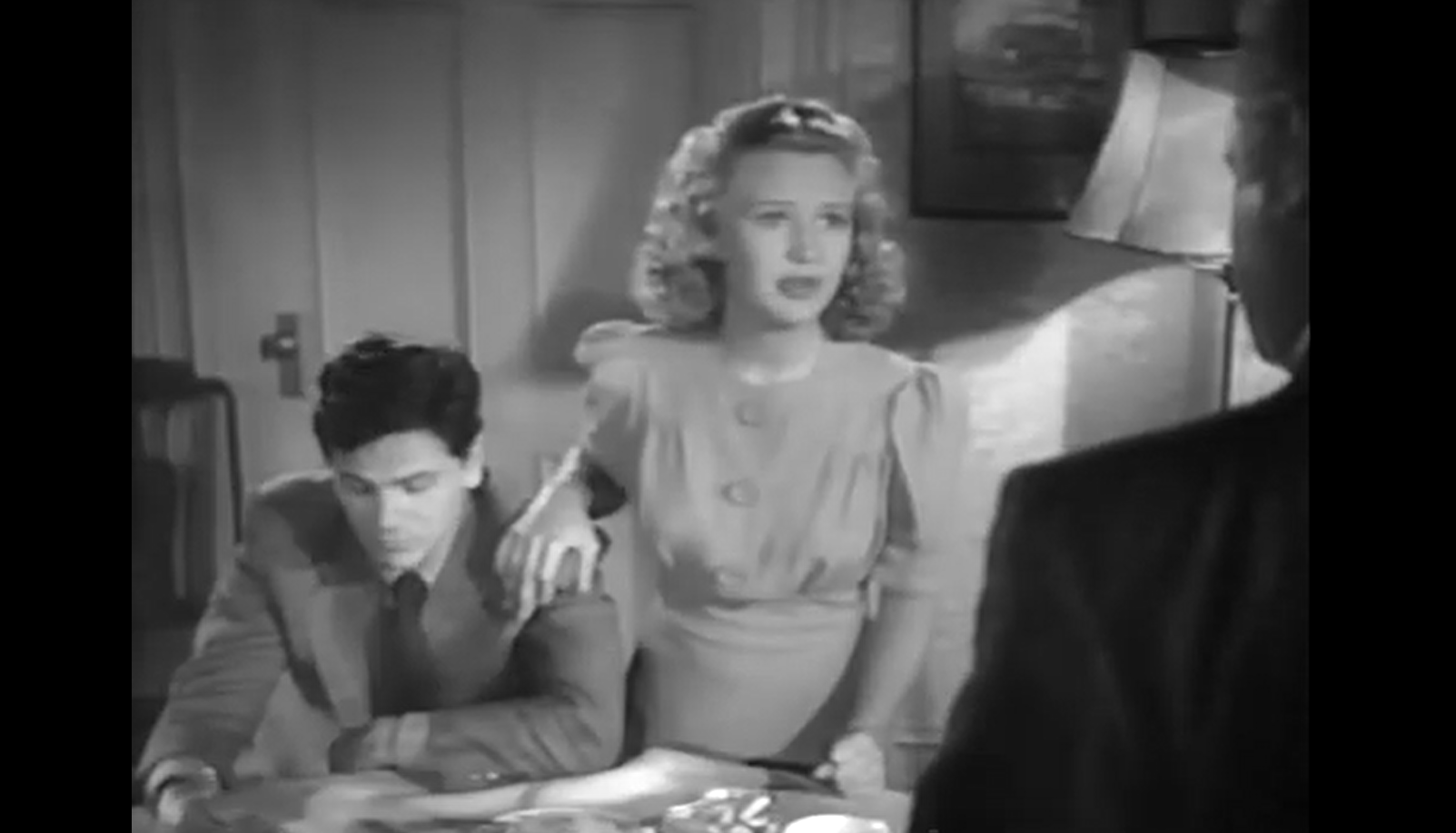
“Ladies and gentlemen, it gives me great pleasure to address you this evening — though I am in Boston, and you are in Salem.”
|
Synopsis: |
|
Genres:
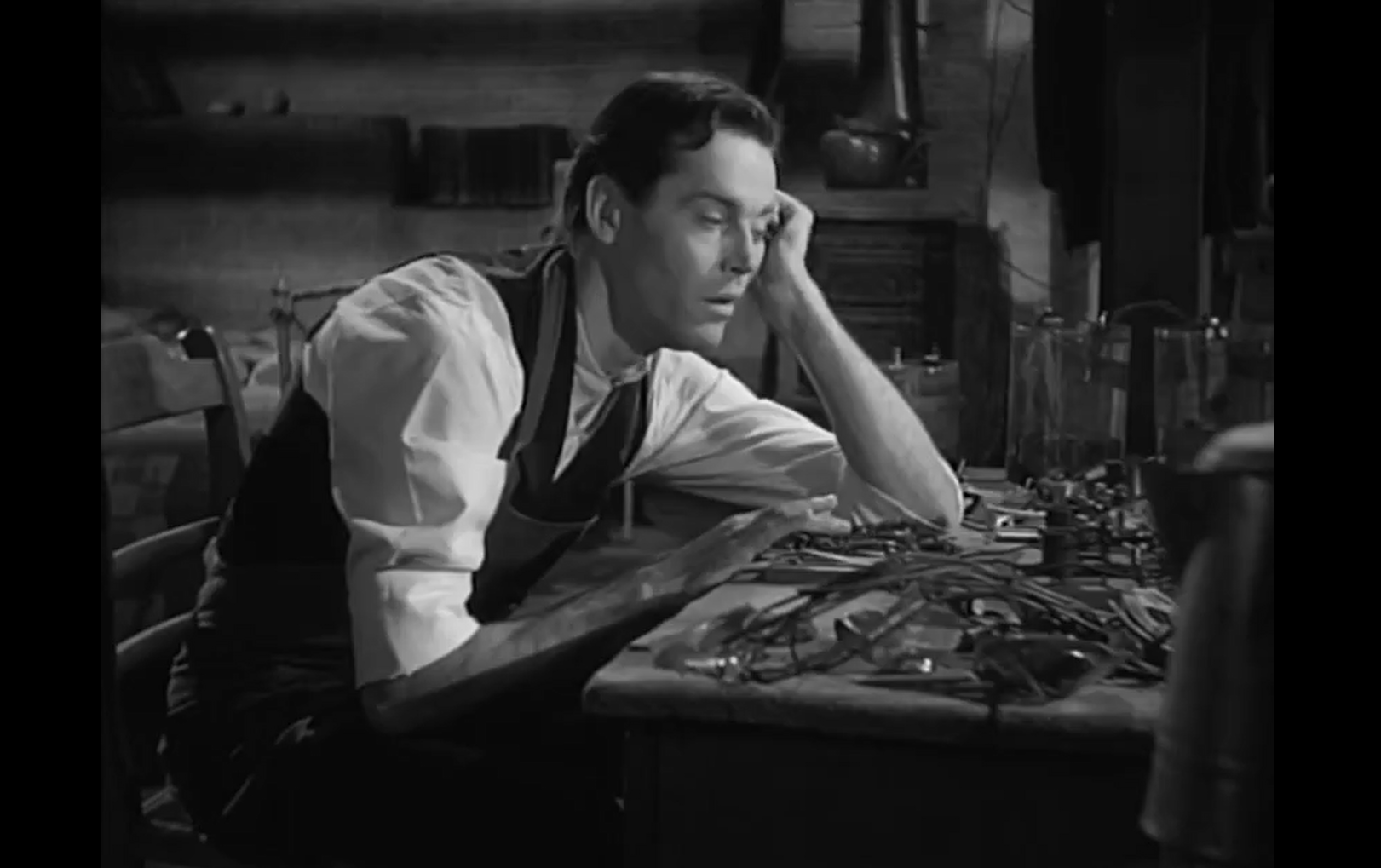
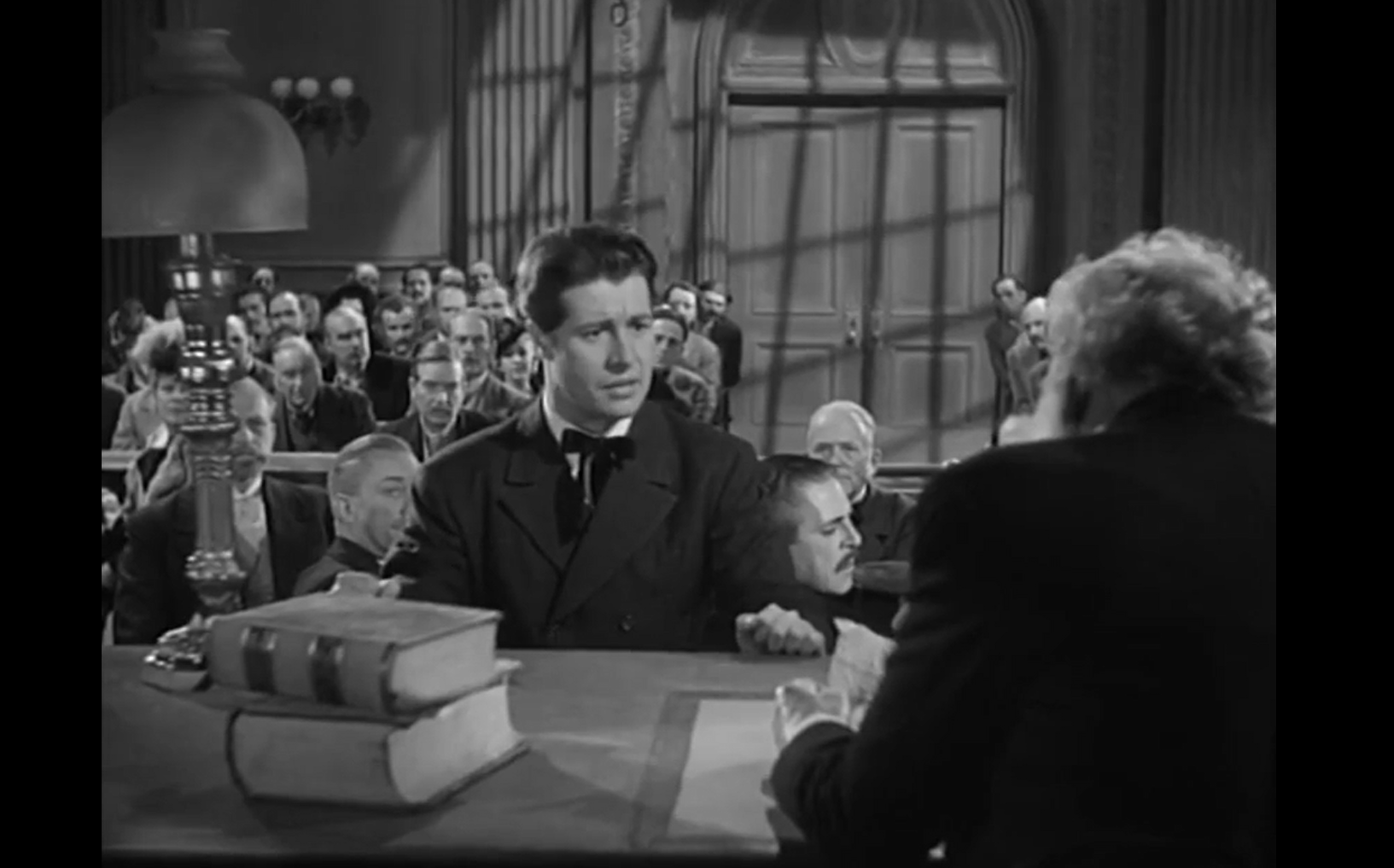
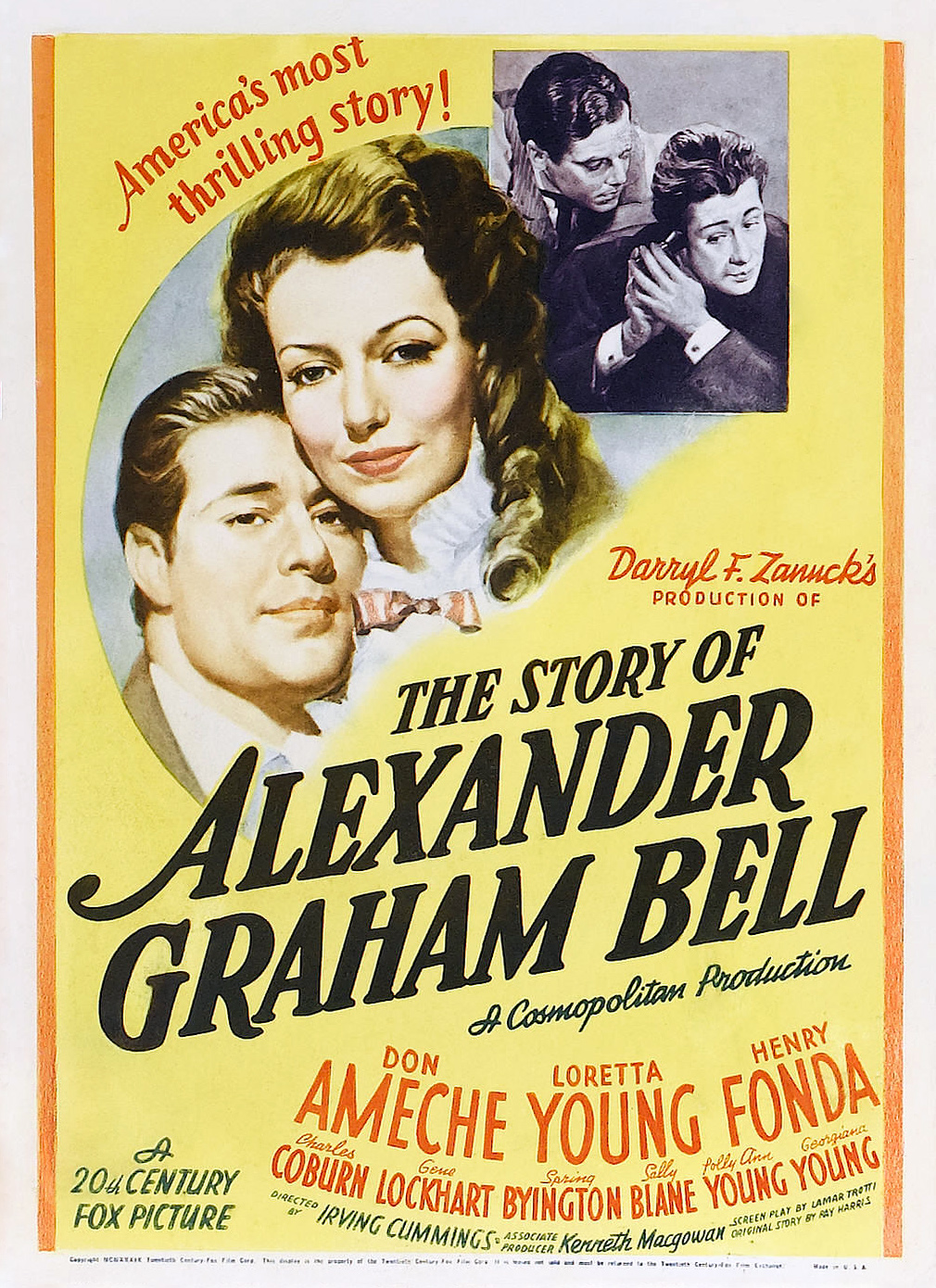
Review: … whose romance with a beautiful lass (Young): … is picture perfect (other than the pesky need for him to actually make some money in order to marry her); touching scenes of children and adults impacted by Bell’s work, including a cherub-cheeked deaf boy (Bobby Watson) who learns to communicate with his father (Gene Lockhart) for the first time, thanks to Bell’s pioneering work with Visible Speech: … droll humor in the form of Bell’s sidekick (Fonda), who repeatedly points out the need to eat every once in a while: … and a final court case: … in which Bell successfully defends the veracity of his patent against a would-be usurper (Western Union) by agreeing to share a deeply personal letter written to his beloved. Unfortunately, the too-neat storyline fails to elicit as much interest in this astonishingly prolific scientist as the subject matter should warrant, and Young is simply sappy as his all-adoring partner. This flick will primarily be of interest to those who enjoy early Hollywood biopics. Note: Hardworking Bell was brilliant beyond what he’s best known for. According to Wikipedia:
Redeeming Qualities and Moments: Must See? Links: |
“Well, they wanted gold — now they got it.”
|
Synopsis: |

|
Genres:
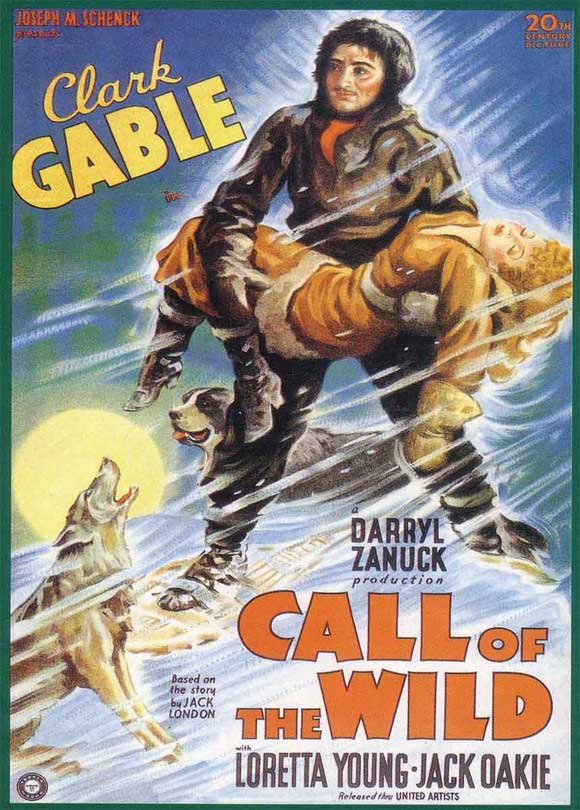
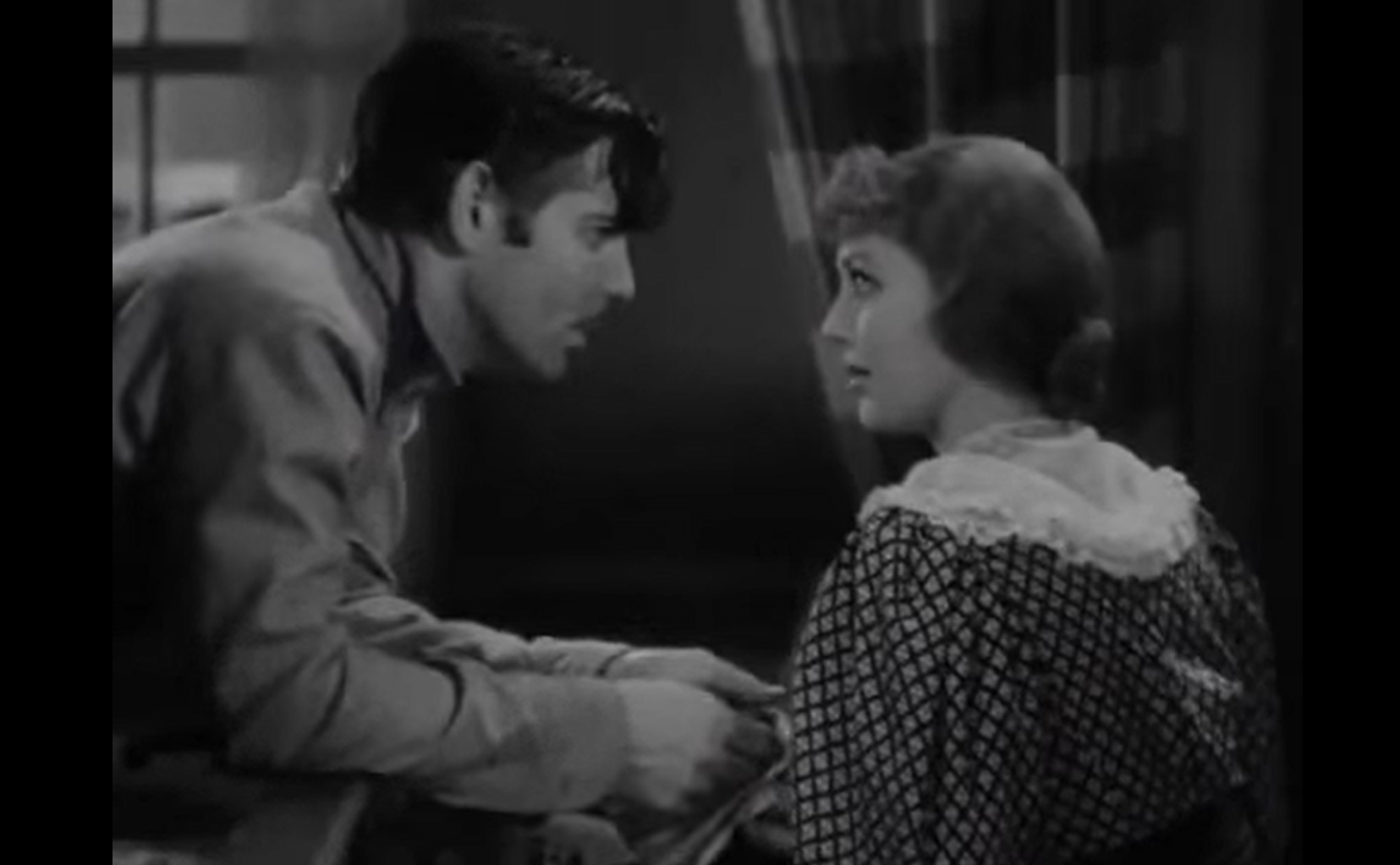
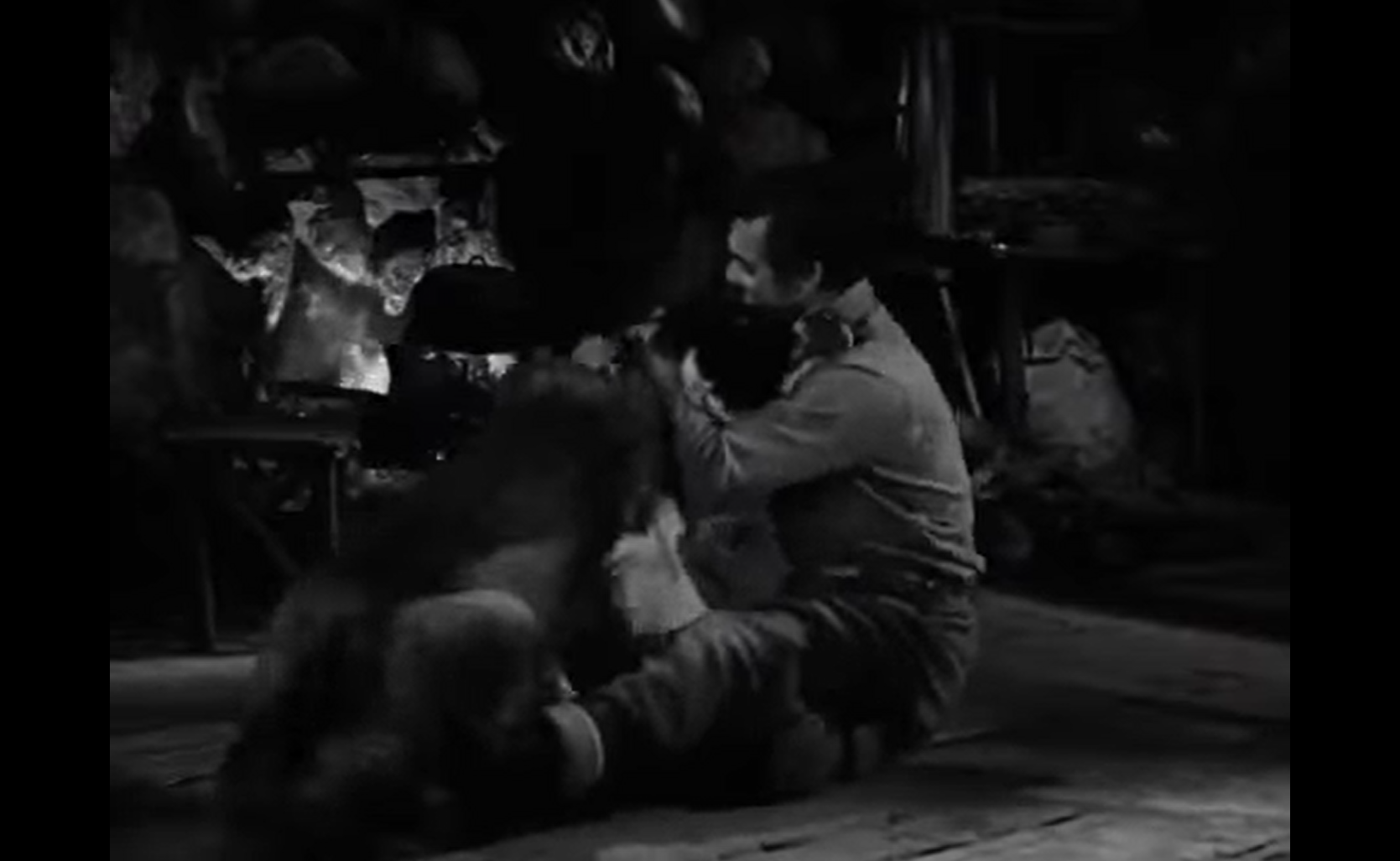
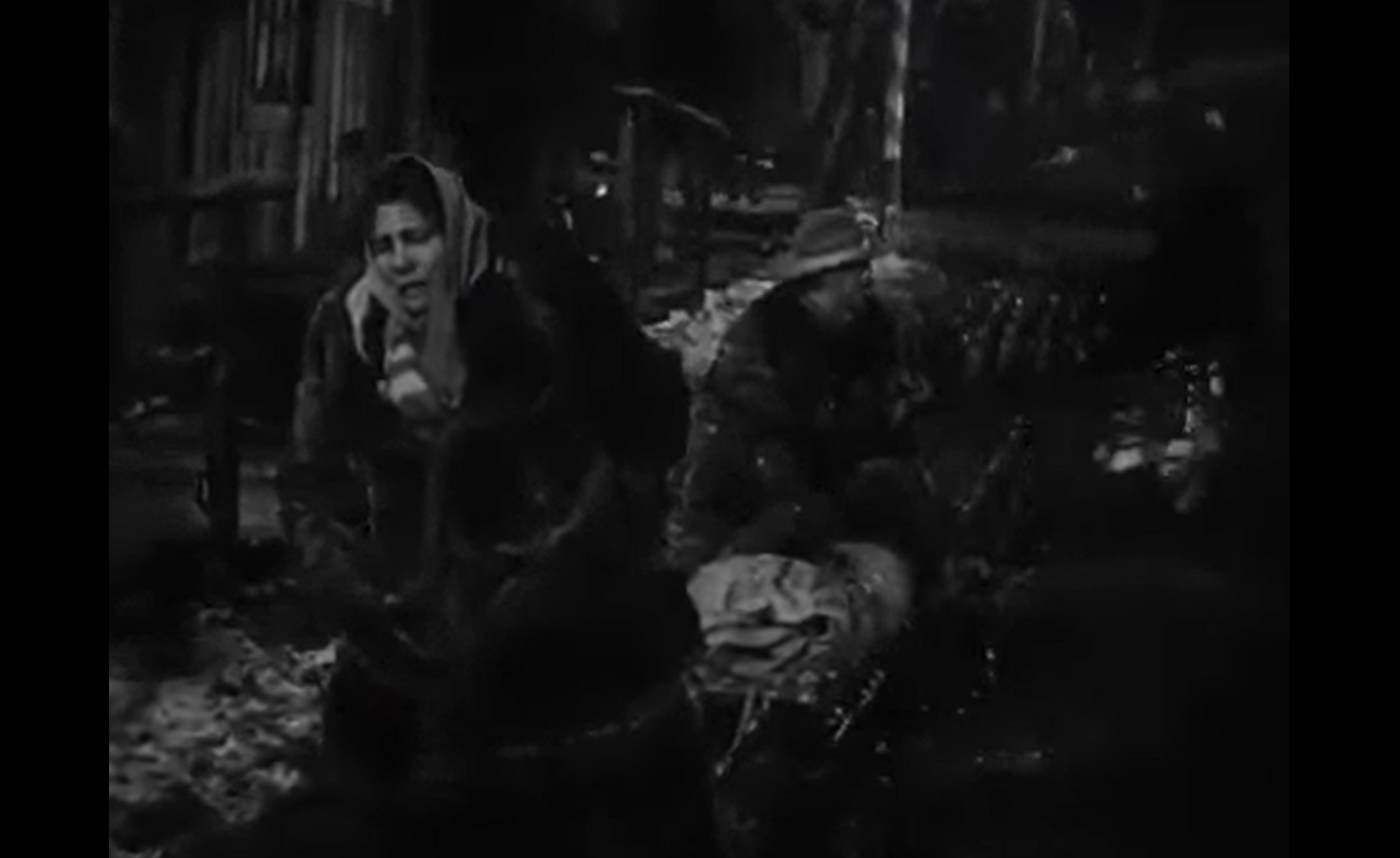
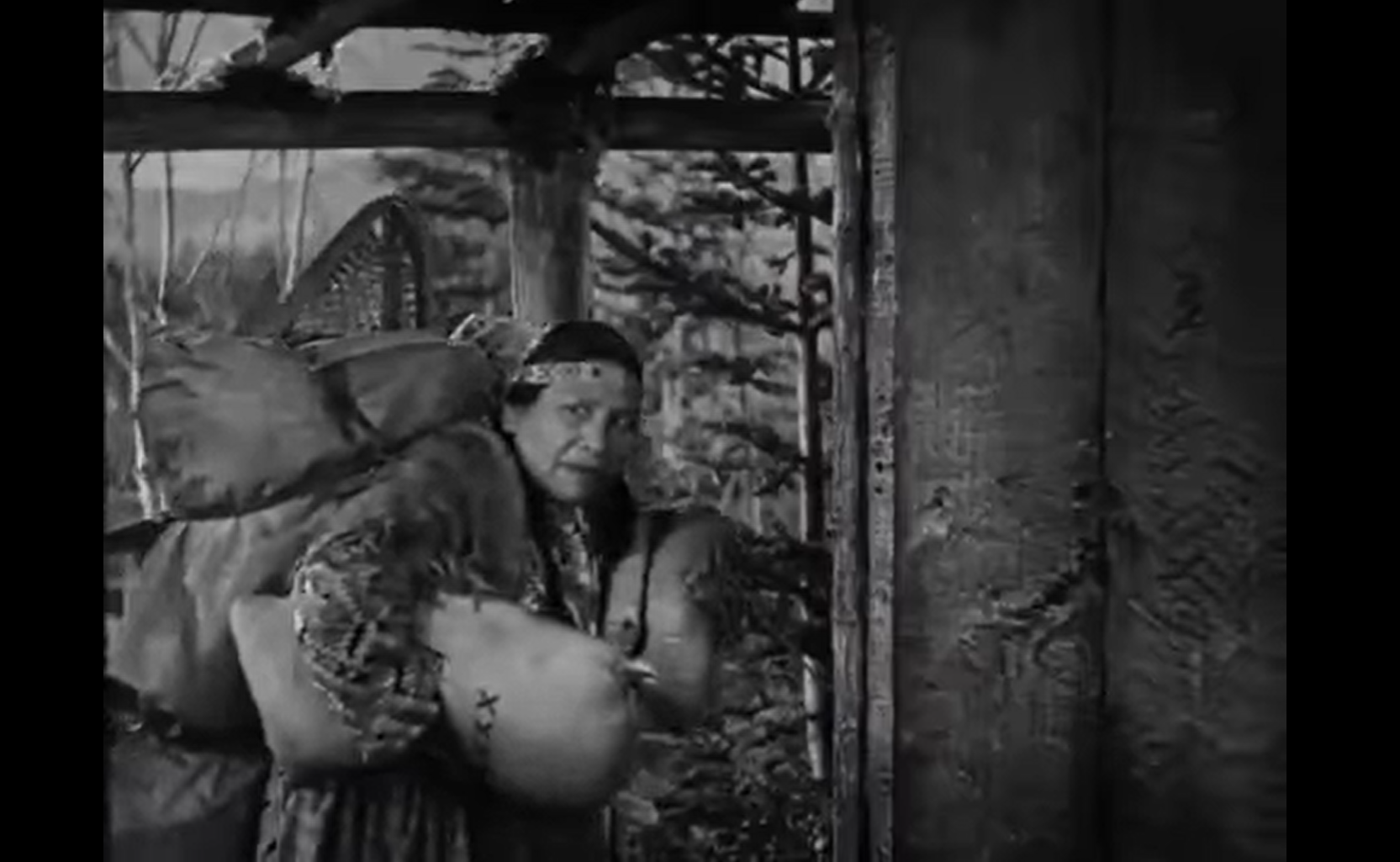
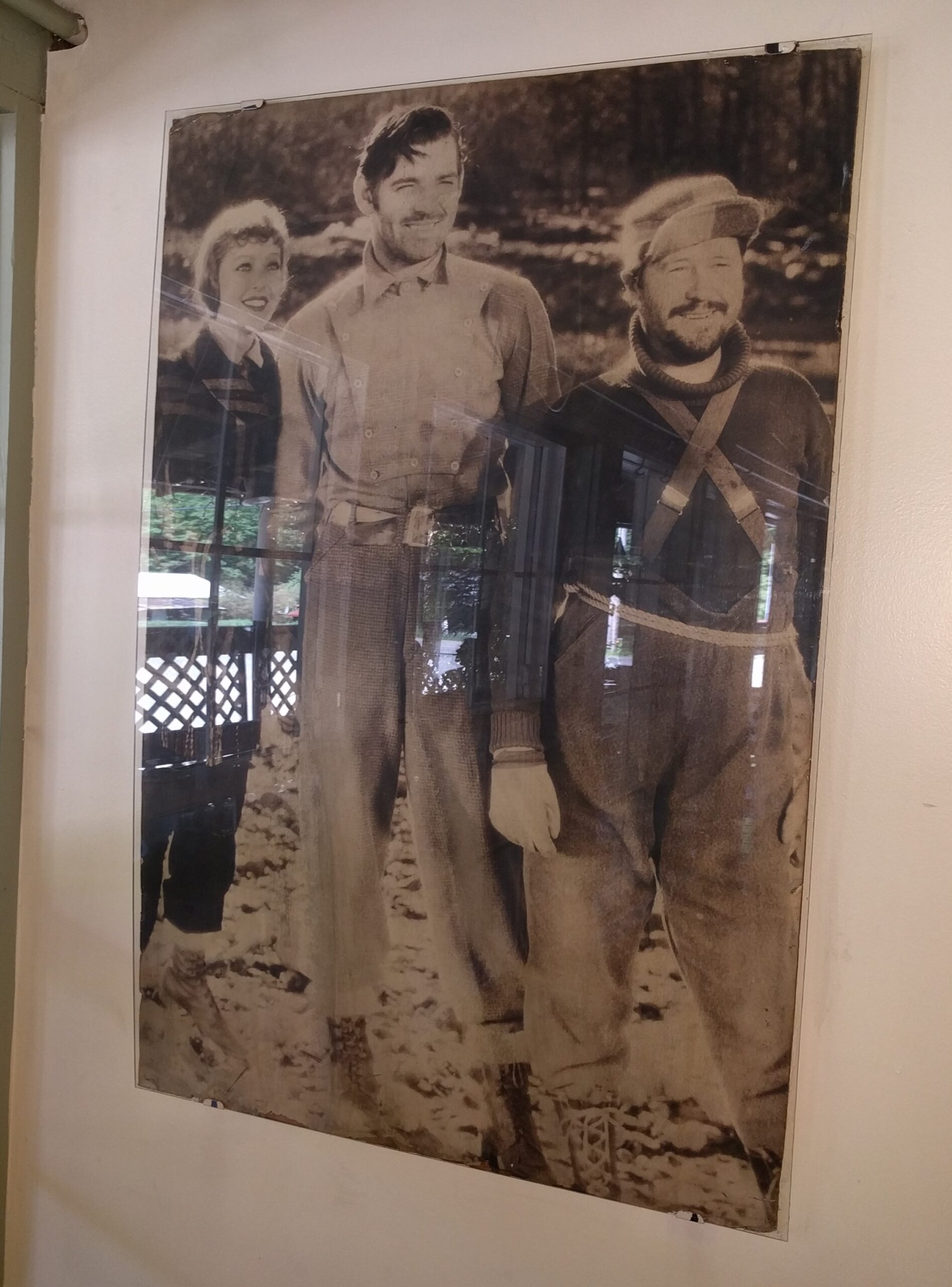
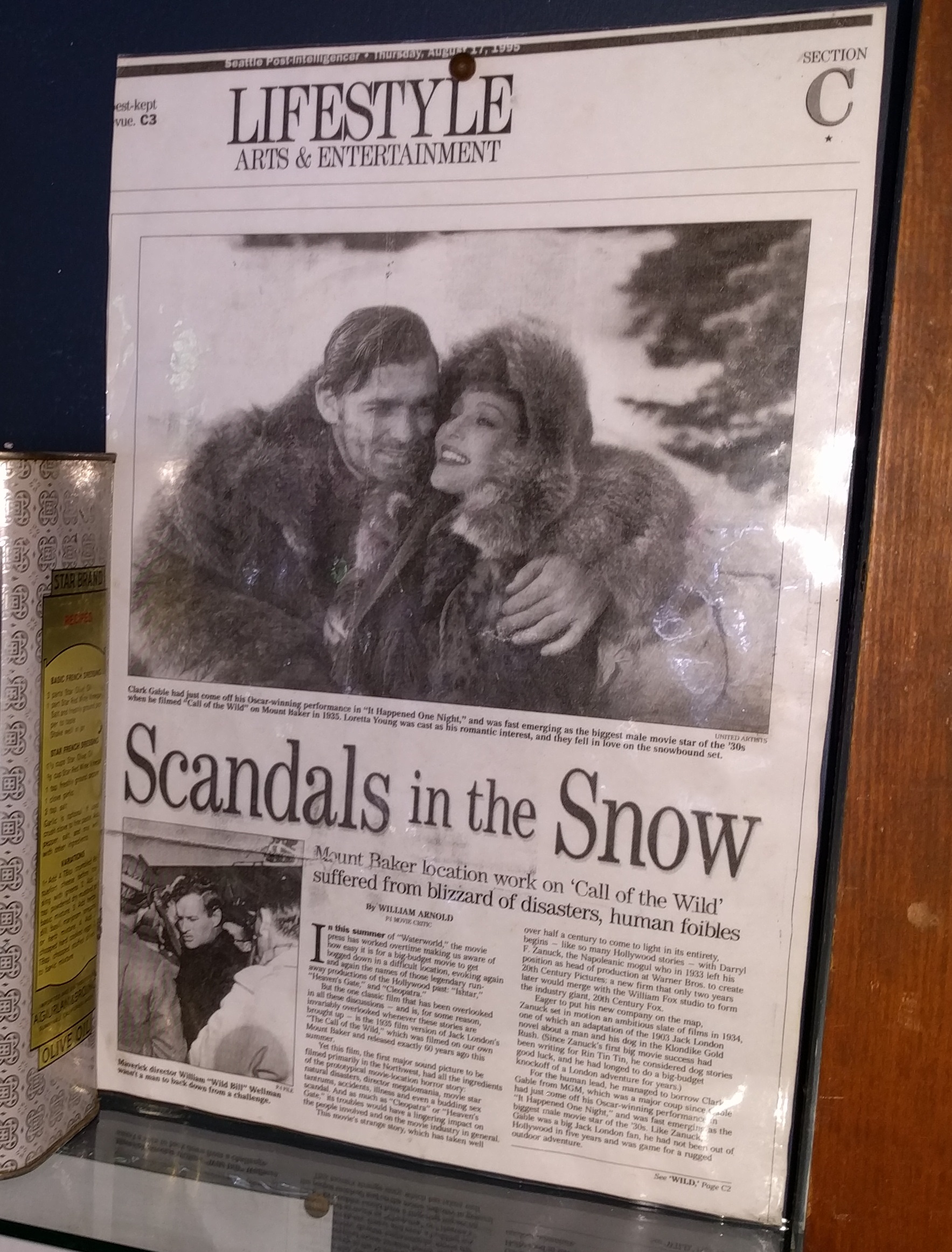
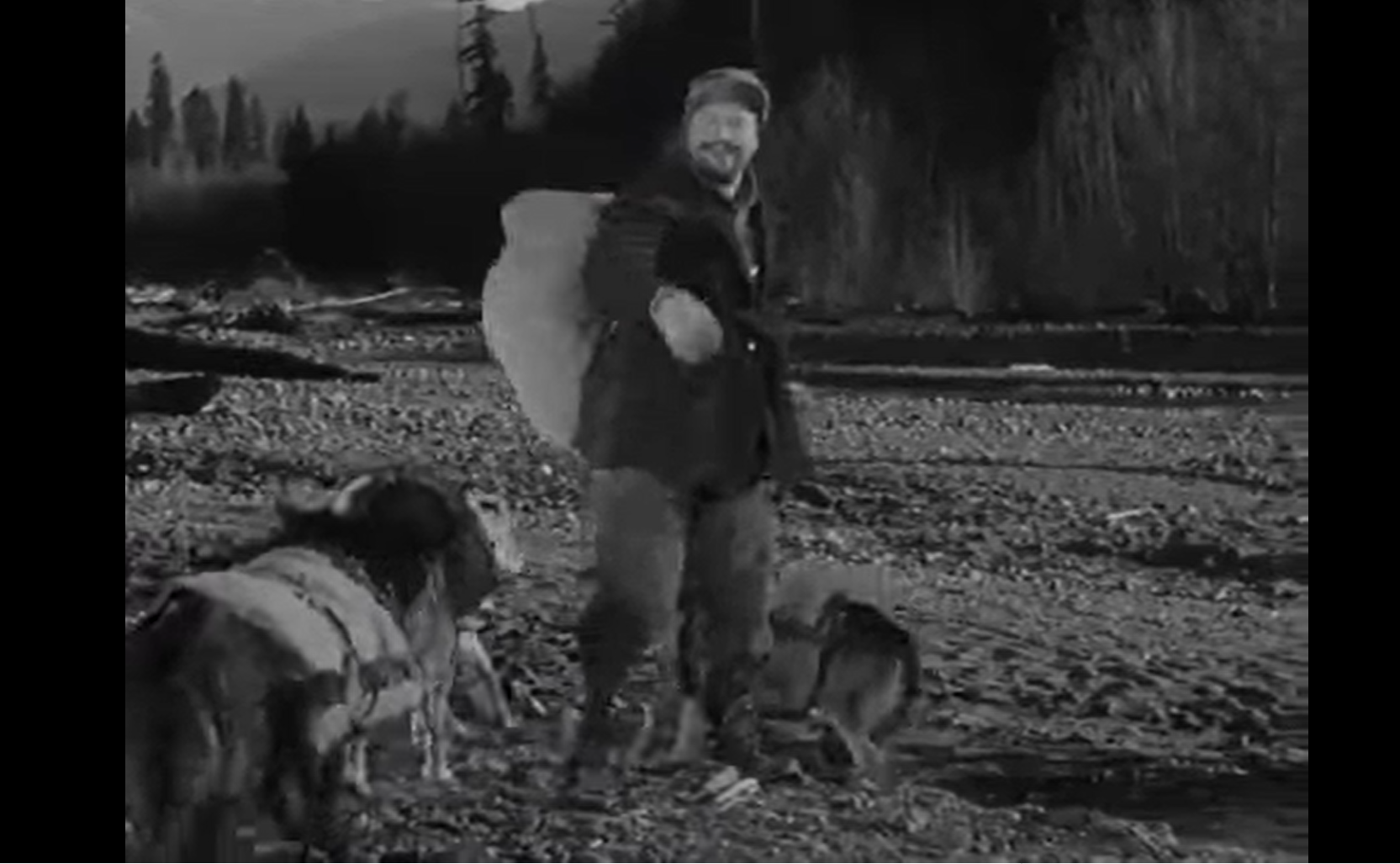
Review: — that, and the convincing rapport between Gable and the lovable St. Bernard playing “Buck”. As an adventure story, Call of the Wild is pretty standard fare, though Owen is as dastardly as they come, and cold-blooded enough to pose a serious threat to the protagonists. It’s unfortunate that dehumanization of Native Americans bookends the film: in an opening scene, a large Native woman is shown pulling a man on a sled, clearly exhausting herself through heavy manual labor on behalf of white men: … and in the final scene, another Native woman is shown toting gear like a sherpa, and is literally referred to by Gable as “it”. Perhaps we should thank Hollywood for preserving evidence of the casual normalcy of racism during this era. Note: We recently visited a restaurant in Mt. Baker, Washington (where much of the film was shot), and I took some photos of memorabilia scattered across the walls: Redeeming Qualities and Moments: Must See? Links: |